EP3049116B1 - Nanoparticle-mediated gene delivery, genomic editing and ligand-targeted modification in various cell populations - Google Patents
Nanoparticle-mediated gene delivery, genomic editing and ligand-targeted modification in various cell populations Download PDFInfo
- Publication number
- EP3049116B1 EP3049116B1 EP14846422.5A EP14846422A EP3049116B1 EP 3049116 B1 EP3049116 B1 EP 3049116B1 EP 14846422 A EP14846422 A EP 14846422A EP 3049116 B1 EP3049116 B1 EP 3049116B1
- Authority
- EP
- European Patent Office
- Prior art keywords
- nanoparticle
- poly
- cationic
- polymer
- polyplex
- Prior art date
- Legal status (The legal status is an assumption and is not a legal conclusion. Google has not performed a legal analysis and makes no representation as to the accuracy of the status listed.)
- Active
Links
Images










Classifications
-
- C—CHEMISTRY; METALLURGY
- C12—BIOCHEMISTRY; BEER; SPIRITS; WINE; VINEGAR; MICROBIOLOGY; ENZYMOLOGY; MUTATION OR GENETIC ENGINEERING
- C12N—MICROORGANISMS OR ENZYMES; COMPOSITIONS THEREOF; PROPAGATING, PRESERVING, OR MAINTAINING MICROORGANISMS; MUTATION OR GENETIC ENGINEERING; CULTURE MEDIA
- C12N15/00—Mutation or genetic engineering; DNA or RNA concerning genetic engineering, vectors, e.g. plasmids, or their isolation, preparation or purification; Use of hosts therefor
- C12N15/09—Recombinant DNA-technology
- C12N15/63—Introduction of foreign genetic material using vectors; Vectors; Use of hosts therefor; Regulation of expression
- C12N15/79—Vectors or expression systems specially adapted for eukaryotic hosts
- C12N15/85—Vectors or expression systems specially adapted for eukaryotic hosts for animal cells
-
- A—HUMAN NECESSITIES
- A61—MEDICAL OR VETERINARY SCIENCE; HYGIENE
- A61K—PREPARATIONS FOR MEDICAL, DENTAL OR TOILETRY PURPOSES
- A61K47/00—Medicinal preparations characterised by the non-active ingredients used, e.g. carriers or inert additives; Targeting or modifying agents chemically bound to the active ingredient
- A61K47/50—Medicinal preparations characterised by the non-active ingredients used, e.g. carriers or inert additives; Targeting or modifying agents chemically bound to the active ingredient the non-active ingredient being chemically bound to the active ingredient, e.g. polymer-drug conjugates
- A61K47/51—Medicinal preparations characterised by the non-active ingredients used, e.g. carriers or inert additives; Targeting or modifying agents chemically bound to the active ingredient the non-active ingredient being chemically bound to the active ingredient, e.g. polymer-drug conjugates the non-active ingredient being a modifying agent
- A61K47/62—Medicinal preparations characterised by the non-active ingredients used, e.g. carriers or inert additives; Targeting or modifying agents chemically bound to the active ingredient the non-active ingredient being chemically bound to the active ingredient, e.g. polymer-drug conjugates the non-active ingredient being a modifying agent the modifying agent being a protein, peptide or polyamino acid
- A61K47/64—Drug-peptide, drug-protein or drug-polyamino acid conjugates, i.e. the modifying agent being a peptide, protein or polyamino acid which is covalently bonded or complexed to a therapeutically active agent
- A61K47/645—Polycationic or polyanionic oligopeptides, polypeptides or polyamino acids, e.g. polylysine, polyarginine, polyglutamic acid or peptide TAT
- A61K47/6455—Polycationic oligopeptides, polypeptides or polyamino acids, e.g. for complexing nucleic acids
-
- A—HUMAN NECESSITIES
- A61—MEDICAL OR VETERINARY SCIENCE; HYGIENE
- A61K—PREPARATIONS FOR MEDICAL, DENTAL OR TOILETRY PURPOSES
- A61K47/00—Medicinal preparations characterised by the non-active ingredients used, e.g. carriers or inert additives; Targeting or modifying agents chemically bound to the active ingredient
- A61K47/50—Medicinal preparations characterised by the non-active ingredients used, e.g. carriers or inert additives; Targeting or modifying agents chemically bound to the active ingredient the non-active ingredient being chemically bound to the active ingredient, e.g. polymer-drug conjugates
- A61K47/69—Medicinal preparations characterised by the non-active ingredients used, e.g. carriers or inert additives; Targeting or modifying agents chemically bound to the active ingredient the non-active ingredient being chemically bound to the active ingredient, e.g. polymer-drug conjugates the conjugate being characterised by physical or galenical forms, e.g. emulsion, particle, inclusion complex, stent or kit
- A61K47/6921—Medicinal preparations characterised by the non-active ingredients used, e.g. carriers or inert additives; Targeting or modifying agents chemically bound to the active ingredient the non-active ingredient being chemically bound to the active ingredient, e.g. polymer-drug conjugates the conjugate being characterised by physical or galenical forms, e.g. emulsion, particle, inclusion complex, stent or kit the form being a particulate, a powder, an adsorbate, a bead or a sphere
- A61K47/6923—Medicinal preparations characterised by the non-active ingredients used, e.g. carriers or inert additives; Targeting or modifying agents chemically bound to the active ingredient the non-active ingredient being chemically bound to the active ingredient, e.g. polymer-drug conjugates the conjugate being characterised by physical or galenical forms, e.g. emulsion, particle, inclusion complex, stent or kit the form being a particulate, a powder, an adsorbate, a bead or a sphere the form being an inorganic particle, e.g. ceramic particles, silica particles, ferrite or synsorb
-
- A—HUMAN NECESSITIES
- A61—MEDICAL OR VETERINARY SCIENCE; HYGIENE
- A61K—PREPARATIONS FOR MEDICAL, DENTAL OR TOILETRY PURPOSES
- A61K47/00—Medicinal preparations characterised by the non-active ingredients used, e.g. carriers or inert additives; Targeting or modifying agents chemically bound to the active ingredient
- A61K47/50—Medicinal preparations characterised by the non-active ingredients used, e.g. carriers or inert additives; Targeting or modifying agents chemically bound to the active ingredient the non-active ingredient being chemically bound to the active ingredient, e.g. polymer-drug conjugates
- A61K47/69—Medicinal preparations characterised by the non-active ingredients used, e.g. carriers or inert additives; Targeting or modifying agents chemically bound to the active ingredient the non-active ingredient being chemically bound to the active ingredient, e.g. polymer-drug conjugates the conjugate being characterised by physical or galenical forms, e.g. emulsion, particle, inclusion complex, stent or kit
- A61K47/6921—Medicinal preparations characterised by the non-active ingredients used, e.g. carriers or inert additives; Targeting or modifying agents chemically bound to the active ingredient the non-active ingredient being chemically bound to the active ingredient, e.g. polymer-drug conjugates the conjugate being characterised by physical or galenical forms, e.g. emulsion, particle, inclusion complex, stent or kit the form being a particulate, a powder, an adsorbate, a bead or a sphere
- A61K47/6927—Medicinal preparations characterised by the non-active ingredients used, e.g. carriers or inert additives; Targeting or modifying agents chemically bound to the active ingredient the non-active ingredient being chemically bound to the active ingredient, e.g. polymer-drug conjugates the conjugate being characterised by physical or galenical forms, e.g. emulsion, particle, inclusion complex, stent or kit the form being a particulate, a powder, an adsorbate, a bead or a sphere the form being a solid microparticle having no hollow or gas-filled cores
- A61K47/6929—Medicinal preparations characterised by the non-active ingredients used, e.g. carriers or inert additives; Targeting or modifying agents chemically bound to the active ingredient the non-active ingredient being chemically bound to the active ingredient, e.g. polymer-drug conjugates the conjugate being characterised by physical or galenical forms, e.g. emulsion, particle, inclusion complex, stent or kit the form being a particulate, a powder, an adsorbate, a bead or a sphere the form being a solid microparticle having no hollow or gas-filled cores the form being a nanoparticle, e.g. an immuno-nanoparticle
-
- A—HUMAN NECESSITIES
- A61—MEDICAL OR VETERINARY SCIENCE; HYGIENE
- A61P—SPECIFIC THERAPEUTIC ACTIVITY OF CHEMICAL COMPOUNDS OR MEDICINAL PREPARATIONS
- A61P19/00—Drugs for skeletal disorders
- A61P19/08—Drugs for skeletal disorders for bone diseases, e.g. rachitism, Paget's disease
- A61P19/10—Drugs for skeletal disorders for bone diseases, e.g. rachitism, Paget's disease for osteoporosis
-
- C—CHEMISTRY; METALLURGY
- C12—BIOCHEMISTRY; BEER; SPIRITS; WINE; VINEGAR; MICROBIOLOGY; ENZYMOLOGY; MUTATION OR GENETIC ENGINEERING
- C12N—MICROORGANISMS OR ENZYMES; COMPOSITIONS THEREOF; PROPAGATING, PRESERVING, OR MAINTAINING MICROORGANISMS; MUTATION OR GENETIC ENGINEERING; CULTURE MEDIA
- C12N15/00—Mutation or genetic engineering; DNA or RNA concerning genetic engineering, vectors, e.g. plasmids, or their isolation, preparation or purification; Use of hosts therefor
- C12N15/09—Recombinant DNA-technology
- C12N15/87—Introduction of foreign genetic material using processes not otherwise provided for, e.g. co-transformation
- C12N15/88—Introduction of foreign genetic material using processes not otherwise provided for, e.g. co-transformation using microencapsulation, e.g. using amphiphile liposome vesicle
-
- C—CHEMISTRY; METALLURGY
- C12—BIOCHEMISTRY; BEER; SPIRITS; WINE; VINEGAR; MICROBIOLOGY; ENZYMOLOGY; MUTATION OR GENETIC ENGINEERING
- C12N—MICROORGANISMS OR ENZYMES; COMPOSITIONS THEREOF; PROPAGATING, PRESERVING, OR MAINTAINING MICROORGANISMS; MUTATION OR GENETIC ENGINEERING; CULTURE MEDIA
- C12N9/00—Enzymes; Proenzymes; Compositions thereof; Processes for preparing, activating, inhibiting, separating or purifying enzymes
- C12N9/14—Hydrolases (3)
- C12N9/16—Hydrolases (3) acting on ester bonds (3.1)
- C12N9/22—Ribonucleases [RNase]; Deoxyribonucleases [DNase]
- C12N9/222—Clustered regularly interspaced short palindromic repeats [CRISPR]-associated [CAS] enzymes
-
- A—HUMAN NECESSITIES
- A61—MEDICAL OR VETERINARY SCIENCE; HYGIENE
- A61K—PREPARATIONS FOR MEDICAL, DENTAL OR TOILETRY PURPOSES
- A61K48/00—Medicinal preparations containing genetic material which is inserted into cells of the living body to treat genetic diseases; Gene therapy
- A61K48/0008—Medicinal preparations containing genetic material which is inserted into cells of the living body to treat genetic diseases; Gene therapy characterised by an aspect of the 'non-active' part of the composition delivered, e.g. wherein such 'non-active' part is not delivered simultaneously with the 'active' part of the composition
- A61K48/0025—Medicinal preparations containing genetic material which is inserted into cells of the living body to treat genetic diseases; Gene therapy characterised by an aspect of the 'non-active' part of the composition delivered, e.g. wherein such 'non-active' part is not delivered simultaneously with the 'active' part of the composition wherein the non-active part clearly interacts with the delivered nucleic acid
- A61K48/0041—Medicinal preparations containing genetic material which is inserted into cells of the living body to treat genetic diseases; Gene therapy characterised by an aspect of the 'non-active' part of the composition delivered, e.g. wherein such 'non-active' part is not delivered simultaneously with the 'active' part of the composition wherein the non-active part clearly interacts with the delivered nucleic acid the non-active part being polymeric
-
- C—CHEMISTRY; METALLURGY
- C12—BIOCHEMISTRY; BEER; SPIRITS; WINE; VINEGAR; MICROBIOLOGY; ENZYMOLOGY; MUTATION OR GENETIC ENGINEERING
- C12N—MICROORGANISMS OR ENZYMES; COMPOSITIONS THEREOF; PROPAGATING, PRESERVING, OR MAINTAINING MICROORGANISMS; MUTATION OR GENETIC ENGINEERING; CULTURE MEDIA
- C12N2800/00—Nucleic acids vectors
- C12N2800/95—Protection of vectors from inactivation by agents such as antibodies or enzymes, e.g. using polymers
-
- C—CHEMISTRY; METALLURGY
- C12—BIOCHEMISTRY; BEER; SPIRITS; WINE; VINEGAR; MICROBIOLOGY; ENZYMOLOGY; MUTATION OR GENETIC ENGINEERING
- C12N—MICROORGANISMS OR ENZYMES; COMPOSITIONS THEREOF; PROPAGATING, PRESERVING, OR MAINTAINING MICROORGANISMS; MUTATION OR GENETIC ENGINEERING; CULTURE MEDIA
- C12N9/00—Enzymes; Proenzymes; Compositions thereof; Processes for preparing, activating, inhibiting, separating or purifying enzymes
- C12N9/14—Hydrolases (3)
- C12N9/16—Hydrolases (3) acting on ester bonds (3.1)
- C12N9/22—Ribonucleases [RNase]; Deoxyribonucleases [DNase]
Definitions
- the present invention generally relates to use of nanoparticles to transfect cells. More particularly, the present invention relates to coated nanoparticles with polyplex core for intracellular delivery of ploynucleotides to modify gene expression.
- Introducing polynucleotides into cells to alter gene expression requires appropriate packaging of the polynucleotides to protect them from degradation before cell entry, to permit entry into cells, and to direct delivery to the appropriate subcellular compartment. Effectiveness in altering expression may also depend on time-frames of release of polynucleotides from packaging after cellular entry.
- Available nanoparticle-based technologies for modifying gene expression suffer from low levels of cellular transfection and limited effectiveness upon transfection, at least in part because of their limitations in satisfying the foregoing requirements. It is therefore desirable to obtain a nanoparticle-based transfection agent and method of use thereof that addresses all of these requirements to enhance effectiveness.
- the shortcomings of the prior art are overcome, and additional advantages are provided, through the provision, in one aspect, of a nanoparticle according to claim 1.
- the nanoparticle includes a core polyplex and a silica coating on the core polyplex, and the polyplex includes an anionic polymer, a cationic polymer, a cationic polypeptide which is a histone tail peptide, and a polynucleotide.
- the nanoparticle may also include a polymer attached to an outer surface of the silica coating.
- a method of modifying intracellular polynucleotides includes contacting a cell with a nanoparticle that includes a core polyplex and a silica coating on the core polyplex, and the polyplex includes an anionic polymer, a cationic polymer, a cationic polypeptide which is a histone tail peptide, and a polynucleotide.
- the nanoparticle may also include a polymer attached to an outer surface of the silica coating.
- Nanoparticles designed for improved serum stability, targetted delivery to specific cell types, greater nuclear specificity and compartment-specific unpackaging, improved ability to retain significant payload levels during initial stages of internalization, and ability to maintain release of payload for a various durations following internalization, and methods of use thereof, are provided.
- complexes of polynucleotides with polymers, or polyplexes, created by condensation of cationic polymers and polynucleotides in the presence of anionic polymers may mediate increased transfection efficiency over polynucleotide - cationic polymer conjugates. Though this process may produce more particles and increase the net surface area of nanoparticles exposed for cellular uptake, an improved electrostatic repulsory element may also be at play in releasing nucleic acids through this technique.
- including an anionic polymer in a nanoparticle polyplex core may prolong the duration of intracellular residence of the nanoparticle and release of agents that affect gene expression or otherwise regulate cellular function, or payloads.
- a cationic polypeptide in a nanoparticle may mediate stability, subcellular compartmentalization, and payload release.
- fragments of the N-terminus of histone peptides, referred to generally as histone tail peptides, within various polyplexes are not only capable of being deprotonated by various histone modifications, such as in the case of histone acetyltransferase-mediated acetylation, but may also mediate effective nuclear- specific unpackaging as components of polyplexes.
- histone tail peptide may promote nuclear localization of nanoparticles and result in enzyme -mediated release of polynucleotide payload therefrom.
- silica coatings of polyplexes may seal their payloads before and during initial cellular uptake.
- Commonly used polyplexes consisting of poly(ethylenimine) and DNA have a tendency to shed the majority ( ⁇ 90%) of their payloads during cellular internalization, with the remaining payload often remaining bound to its cationic nanocarrier's polymeric remains.
- coating a nanoparticle polyplex with a silica coating may seal the polyplex, stablizing it until its release upon processing in the intended subcellular compartment.
- transfection efficiency may be further increased by adding another layer of cationic polymer, making the delivery efficiency as much as two orders of magnitude greater than a bare or silica-coated polyplex, presumably due to the anionic nature of an oligomeric silica coating being cell repulsive.
- silica-coated polyplexes and their further-layered derivatives are stable in serum and are suitable for in vivo experiments unlike cationic polymer/nucleic acid conjugates on their own.
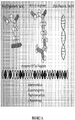
- FIGs. 1A-1B show examples of components of a nanoparticle in accordance with the present invention.
- a nanoparticle polyplex core may include a polynucleotide, an anionic polymer, a cationic polymer, and a cationic polypeptide which is a histone tail peptide.
- a silica coating may then be applied to the polyplex core, and polymers may then be attached to an outer surface of the silica coating.
- the polynucleotide may be a DNA vector for driving intracellular expression of a nucleic acid sequence it contains.
- a nanoparticle may also comprise other types of polynucleotides, such as linear DNA or various types of RNA, including dsDNA, ssDNA, mRNA, siRNA, or CRISPR RNA sequences, or others, or any combination of the foregoing.
- polynucleotides such as linear DNA or various types of RNA, including dsDNA, ssDNA, mRNA, siRNA, or CRISPR RNA sequences, or others, or any combination of the foregoing.
- a nanoparticle may also include, in addition to or in place of any of the foregoing examples of polynucleotides, a peptide nucleic acid, other charged or polar small molecules between 50 and 1000 Da, or alternatively between 200 and 10 kDa, in size, such as cyclic nucleotides such as cAMP, DNA origami templates, aptamers, charged polypeptides, proteins or protein fragments between 2 and 100 kDa, peptoids, phosphorylated or sulfated constituents, anionically modified constituents, and multimeric or oligomeric combinations of the foregoing.
- a person of ordinary skill would understand any of the foregoing, or any combination thereof, as being included within the present invention.
- a cationic polymer within the polyplex may be a polypeptide containing cationic amino acids and may be, for example, poly(arginine), poly(lysine), poly(histidine), poly(ornithine), poly(citrulline), or a polypeptide that comprises any combination of more than one of the foregoing.
- a nanoparticle may also include, in addition to or in place of any of the foregoing examples of cationic polymers, poly(ethylenimine), poly(aspartamide), polypeptoids, a charge-functionalized polyester, a cationic polysaccharide, an acetylated amino sugar, chitosan, or a variant or variants that comprise any combination of more than one of the foregoing, in linear or branched forms.
- a cationic polymer may comprise a poly(arginine), such as poly(L-arginine).
- a cationic polymer within the polyplex may have a molecular weight of between 1 kDa and 200 kDa.
- a cationic polymer within the polyplex may also have a molecular weight of between 10 kDa and 100 kDa.
- a cationic polymer within the polyplex may also have a molecular weight of between 15 kDa and 50 kDa.
- a cationic polymer comprises poly(L-arginine) with a molecular weight of approximately 29 kDa, as represented by SEQ ID NO: 1 (PLR).
- a cationic polymer may comprise linear poly(ethylenimine) with a molecular weight of 25 kDa (PEI). In another example, a cationic polymer may comprise branched poly(ethylenimine) with molecular weight of 10 kDa. In another example, a cationic polymer may comprise branched poly(ethylenimine) with a molecular weight of 70 kDa.
- a cationic polymer may comprise a D-isomer of poly(arginine) or of any of the foregoing polymers such as polypeptides, which may be particularly advantageous because polymers such as polypeptides containing a D-isomer may be less susceptible to degradation within a cell and therefore have a prolonged effect on influencing payload release and the rate thereof over time.
- an anionic polymer within the polyplex may be a polypeptide containing anionic amino acids, and may be, for example, poly-glutamic acid or poly-aspartic acid, or a polypeptide that comprises any combination of the foregoing.
- a nanoparticle may also include, in addition to or in place of any of the foregoing examples of anionic polymers, a glycosaminoglycan, a glycoprotein, a polysaccharide, poly(mannuronic acid), poly(guluronic acid), heparin, heparin sulfate, chondroitin, chondroitin sulfate, keratan, keratan sulfate, aggrecan, poly(glucosamine), or an anionic polymer that comprises any combination of the foregoing.
- an anionic polymer may comprise poly-glutamic acid.
- An anionic polymer within the polyplex may have a molecular weight of between 1 kDa and 200 kDa.
- An anionic polymer within the polyplex may also have a molecular weight of between 10 kDa and 100 kDa.
- An anionic polymer within the polyplex may also have a molecular weight of between 15 kDa and 50 kDa.
- an anionic polymer is poly(glutamic acid) with a molecular weight of approximately 15 kDa.
- Polymers consisting of or including a D- isomer of glutamic acid may be particularly advantageous because they may be less susceptible to degradation within a cell and therefore have a prolonged effect on influencing payload release and the rate thereof over time.
- the anionic polymer within the polyplex may have the sequence represented by SEQ ID NO: 2 (PDGA).
- an anionic polymer may comprise a D-isomer of any of the foregoing polymers or polypeptides, which may be particularly advantageous because polymers such as polypeptides containing a D-isomer may be less susceptible to degradation within a cell and therefore have a prolonged effect on influencing payload release and the rate thereof over time.
- a cationic peptide in a nanoparticle's polyplex core is a fragment of a histone peptide, such as of the HI, H2, H3, or H4 proteins.
- the fragment may include amino acids whose sequence corresponds to the N-terminus of a histone protein.
- the fragment may comprise up to the first 5 (SEQ ID NO: 9), 10 (SEQ ID NO: 10), 15 (SEQ ID NO: 11), 20 (SEQ ID NO 12), 25 (SEQ ID NO: 13) or more N-terminal amino acids of a histone protein.
- the fragment may also be amidated on its C-terminus.
- a nanoparticle may include or contain, in addition to the foregoing cationic polypeptides, a nuclear localization sequence.
- a cationic polypeptide may comprise a nuclear localization sequence on its Nor C-terminus.
- a nuclear localization sequence may comprise an importin or karyopherin substrate, or may have or contain a sequence corresponding to SEQ ID NO: 8.
- a nanoparticle may include, in addition to the foregoing cationic polypeptides, a mitochondrial localization signal or a peptide fragment of mtHSP70.
- the nanoparticle may comprise a reversible coating that provides stability to the polyplex core prior to cellular or compartmental internalization, preventing premature degradation or destabilization.
- a silica coating may be applied to the polyplex core.
- calcium phosphate or hydroxyapatite may be applied to a polyplex core.
- a branched cationic polymer, polypeptide, or peptoid may be applied to a polyplex core, with an anionic charge excess.
- a coating, such as a silica coating may protect the polyplex from degradation before exposure to the endosomal microenvironment.
- a nanoparticle may comprise a layer of polymers attached to or electrostatically bound with the external surface of coated polyplex, such as to or with the external surface of a silica coating.
- Such external polymers may serve to prevent cellular repulsion of the coated polyplex so as to promote contact with and uptake by a cell.
- An external polymer layer may also serve to promote internalization by specific cell types, such as if the externally attached polymer is or mimics a ligand to a receptor expressed by a cell type of which transfection is desired.
- a polymer in a polymer layer attached to the outer surface of coating on a polyplex may be from between 0.1 to 20 kDa in size, or may be up to 40 or 50 kDa in size.
- polymer comprising a polymer layer attached to the external surface of the coated core polyplex examples include those represented by SEQ ID NO: 4, which is an approximately 10 kDa poly(arginine) polymer, and SEQ ID NO: 5, which is human vasoactive endothelial growth factor protein, in accordance with the present invention.
- a polymer comprising a layer attached to the external surface of the coated core polyplex may comprise an anchor substrate of from between 1 to 25 repeating anionic or cationic moieties at the N-terminus, C-terminus, 5', or 3' end of a polymer, polypeptide, or polynucleotide to provide electrostatic conjugation of a targeting motif contained in the polymer, polypeptide, or polynucleotide to the coated polyplex core.
- a polymer comprising a layer attached to the external surface of the coated core polyplex may comprise a polymer, polypeptide, or polynucleotide sequence that exhibits base pair complementarity or binding affinity for an amino acid sequence binding motif to bind additional layers that may be added thereupon.
- a cationic polyplex is created, then coated with a silica coating.
- Polyplex cores of nanoparticles may be created via electrostatic interactions leading to condensation.
- Two equal-volume solutions may be created, one with pH-unadjusted 40 mM HEPES (pH ⁇ 5.5) combined with 0.1% w/v a cationic polymer and a cationic polypeptide in water and the other with 30 mM Tris-HCl (pH ⁇ 7.4) combined with 0.1% w/v anionic polymers and a polynucleotide in water.
- the cationic polymer comprises SEQ ID NO: 1
- the anionic polymer comprises SEQ ID NO: 2
- the cationic polypeptide comprises SEQ ID NO: 3.
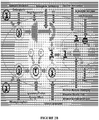
- FIG. 2B is a diagrammatic representation of contacting a cell with a nanoparticle in accordance with the present invention leading to cellular internalization of the nanoparticle, such as by caveolae-mediated endocytosis or macropinocytosis. Nanoparticles may further be retrogradely transported through the Golgi and endoplasmic reticulum or processed through lysosomal pathways, resulting in loss of the coating, such as a silica coating, and exposure of the polyplex core.
- the polyplex core may further be translocated into the cell nucleus, where enzymatic processing may degrade the cationic polymer, such as through activity of arginases, or otherwise promote unpackaging of the polyplex core, such as through acetylation of a histone tail peptide within the polyplex, leading to release of polynucleotides such as plasmid DNA from the polyplex core, in accordance with the present invention.
- enzymatic processing may degrade the cationic polymer, such as through activity of arginases, or otherwise promote unpackaging of the polyplex core, such as through acetylation of a histone tail peptide within the polyplex, leading to release of polynucleotides such as plasmid DNA from the polyplex core, in accordance with the present invention.
- Other intracellular processing steps modifying the constituents of a nanoparticle and its polyplex core or coating thereof or polymer layer attached to the coating may also occur in accordance with the present invention.
- the present invention includes optimized ratios of anionic and cationic polymers, cationic polypeptides, and polynucleotides for complexation of a polyplex core as part of a nanoparticle.
- plasmid DNA was fluorescently tagged with ethidium bromide (40 ng EtBr / ug DNA) before addition of various polymeric constituents in molar [l(positive)]:[l(negative)] ratios of [amine (n)]: [phosphate (p) + carboxylate (c)], or of c:p in the instance of poly(D-glutamic acid) (PDGA; SEQ ID NO: 2) addition.
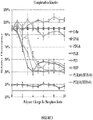
- FIG. 3 is a graph showing the effects of varying the ratio of anionic or cationic polymers or polypeptides to polynucleotides.
- the X axis shows charged polymer-to-phosphate ratio and the Y axis shows relative fluorescence following combination of indicated constituents.
- a decrease in relative fluorescence indicates displacement of EtBr from DNA and polyplex formation.
- Ratios of cationic polymer or of cationic polymer and cationic polypeptide, to DNA of approximately 5:1 and higher exhibited an approximately 40% decrease in fluorescence indicating complexation of DNA and polymers into polyplexes. Addition of PDGA in the absence of cationic polymers or cationic polypeptides did not affect complexation.
- FIG. 4 indicates the effects of adding PDGA to cationic polymers and cationic polypeptides on polyplex complexation kinetics.
- DNA was complexed with HTP, PLR or PEI, with or without addition of PDGA.
- Addition of PDGA did not impair complexation kinetics at any of the molar ratios tested.
- BRAND Dynamic light scattering
- FITC Fluorescein isothiocyanate
- PEI 25 kDa linear
- PLR 29 kDa
- the reaction was performed in darkness at room temperature for four hours in equal volumes of water and DMSO.
- a 0.05% w/v 500 uL solution of each fluorescently modified polymer was centrifuged in a 10 kDa Nanosep® filter and the eluate's fluorescence intensity (485 ex./520 em.) was compared to the unfiltered polymer solution as well as water.
- mCherry plasmid (Addgene) was included in nanoparticles to permit fluorescent detection of plasmid-driven expression.
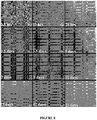
- FIG. 7 Photomicrographs demonstrating cellular uptake are shown in FIG. 7 . Circles in FIG. 7 indicate where high levels of nuclear localization is apparent. Silica-coated binary nanoparticles show burst release properties (i.e., nuclear localization is not apparent in the DNA-PLR + silica samples). Inclusion of PDGA in polyplex cores causes prolonged release of plasmid within cell nuclei. This effect of PDGA to cause prolonged release was surprising in light of literature suggesting the opposite: that including cationic polymers in nanoparticle polyplexes would hasten, and shorten the duration of, dissociation of polynucleotide payload from other polyplex constituents. Addition of HTP also causes extensive nuclear localization.
- FIG. 8 is photomicrographs showing cellular uptake and retention of silica-coated FITC-conjugated polyplex cores, to which an additional layer of poly(L-arginine) (SEQ ID NO: 4) has been added, by MC3T3 murine osteoblasts, in accordance with the present invention. Unlike for silica-coated nanoparticles shown in FIG.
- nanoparticles containing an additional layer of cationic polymers on the outside of the silica coating are observable in FIG. 8 , indicating that such nanoparticles remain stable in serum. Furthermore, these nanoparticles are observed to display extended residence within the cell nucleus such that fluorescence qualitatively peaks within approximately 1.5 days and detectable fluorescence was sustained through 14 days.
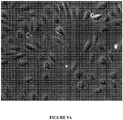
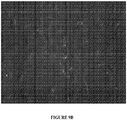
- HUVECs were incubated with silica-coated FITC-conjugated polyplexes with poly(L-arginine) (SEQ ID NO: 4) or human VEGF (SEQ ID NO: 5) attached to the outer surface of the silica coating for 40 min before being washed twice with PBS then resuspended in DMEM (10% FBS). Cells were imaged 4 hrs later. After this short incubation period, only low levels of transfection with nanoparticles containing a poly(L-arginine) layer attached to the external silica surface ( FIG. 9A ) was observed, whereas coating with VEGF instead of poly(L-arginine) resulted in significantly greater cellular internalization at this four-hour time point.
- TALE arrays are made by stringing together RVDs in a specific order to provide specificity and binding affinity to desired DNA sequences.
- these genome-splicing tools are engineered by fusing non-specific cleavage domains, such as Fokl nucleases, to TALEs.
- TALEN assembly protocols are available that allow assembly of these repetitive sequences, including an open source assembly method known as Golden Gate.
- Osteoprogenitor (OPG) and RANKL are also expected to play a responsive role to SOST deletion, where RANKL expresses itself as a receptor for promoting osteoclastogenesis via osteoclast-linked RANK or ODF (osteoclast differentiation factor) binding, and OPG binds antagonistically to RANKL.
- OPG osteoprogenitor
- RANKL expresses itself as a receptor for promoting osteoclastogenesis via osteoclast-linked RANK or ODF (osteoclast differentiation factor) binding
- OPG binds antagonistically to RANKL.
- the ratio between OPG and RANKL is a determinant of the relationship between bone formation and resorption.
- single cultures of osteoblasts will communicate through other forms of paracrine signaling and this ratio should be more reflective of behavior of altered cells in co-culture with osteoclasts or in vivo.
- a nanoparticle may be designed so as to allow transfection with a TALEN that may disrupt expression of SOST and consequently generate a high bone-mass phenotype.
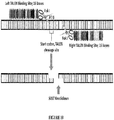
- TALENS may be engineered to specifically bind to loci in the SOST gene and create double-stranded breaks in the genome to disrupt transcription or translation and reduce SOST expression.
- a nanoparticle may contain plasmids that encode two TALENs that create double-stranded breaks on either side of the chromosomal locus of the start codon for SOST.
- FIG. 10 A diagrammatic representation of this model is shown in FIG. 10 , where a "left" TALEN and "right” TALEN bind to and cleave sites on opposite sides of the SOST start codon locus.
- a left TALEN may have the sequence represented by SEQ ID NO: 6
- a right TALEN may have the sequence represented by SEQ ID NO: 7.
- a nanoparticle may comprise an expression plasmid, such as pUC19 (Genbank Accession Number L09137 X02514), into which a nucleotide sequence that encodes a right or left TALEN, such as those represented by SEQ ID NO: 6 and SEQ ID NO: 7, has been subcloned so as to drive cellular expression of the encoded TALEN.
- a nanoparticle may also include combinations of expression plasmids that comprise sequences that encode left and right TALENs.
- a nanoparticle may also comprise other TALEN sequences, targeting SOST or any other gene of interest, and also may comprise other expression vectors, in accordance with the present invention.
- a nanoparticle may comprise other types of polynucleotides or analogs thereof, such as species of RNA or DNA including mRNA, siRNA, miRNA, aptamers, shRNA, AAV-derived nucleic acids, morpholeno RNA, peptoid and peptide nucleic acids, cDNA, DNA origami, DNA and RNA with synthetic nucleotides, DNA and RNA with predefined secondary structures, CRISPR sequences, and multimers and oligomers, and any combination of the foregoing, in accordance with the present invention.
- a nanoparticle may comprise polynucleotides whose sequence may encode other products such as any protein or polypeptide whose expression is desired.
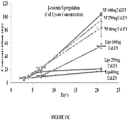
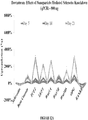
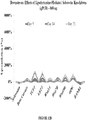
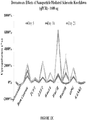
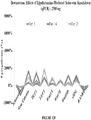
- FIGs. 11A-11C are graphs demonstrating the effectiveness of different amounts (800 ng, 1600 ng, or 2500 ng) of nanoparticles (NP) containing expression plasmids comprising nucleotide sequences that encode left (SEQ ID NO: 6) and right (SEQ ID NO: 7) SOST TALENs, in accordance with the present invention, in modulating SOST expression and ⁇ -catenin expression over a period of up to over 20 days following transfection.
- NP nanoparticles
- qPCR was also performed to determine whether down-regulation of SOST expression with nanoparticles in accordance with the present invention may have downstream effects on other components of the relevant signaling cascade.
- Cells were transfected as described above. Results on expression of numerous components of the signaling pathway (SOST, ⁇ -catenin, TCF1, LEF1, Wnt3A, Wnt7B, Wnt10b, OPG, and RANKL), at 5, 14, and 21 days after transfection with different amounts of nanoparticles as indicated, are shown in FIGs. 12A-12F .
- SOST signaling pathway
- the real time PCR results showed a greater up regulation of Wnt responsive genes in the cell lines transfected with nanoparticles delivering SOST TALENS as compared to the SOST TALENS delivered by Lipofectamine by up to 2 to 6 times as a response to knockdown of the Wnt signaling inhibitor sclerostin.
- TCF/LEF-1-mediated transcription may also be upregulated following knockdown of SOST expression in accordance with the present invention.
- MC3T3-E1 cells were transfected with TOPflash and control FOPflash luciferase reporter plasmid constructs (Addgene# 12456 and 12457) that contain TCF/LEF-1 binding sites. The cells were plated at the density of 5000 cells/well of the 8-well labtek chamber slides and transfected with 1 ug of TOPflash and FOPflash plasmid separately. To control for the efficiency of transfection a control plasmid Renilla (Promega) was used.
- FIG 13 is photomicrographs showing upregulation of TCF/LEF-1-mediated transcription for 21 days following tranfection with nanoparticles containing plasmids encoding SOST-directed TALENS, in accordance with the present invention, consistent with an upregulation of TCF/LEF-1 expression and activity following transfection with the invented nanoparticles.
- Knockdown of SOST expression in accordance with the present invention may also increase mineralization in stromal bone marrow cells and osteoblasts.
- Mineralization was quantified by two separate methods, first based on image thresholding of xylenol-orange-labeled vital cultures using MATLAB (Mathworks, Natick, MA), and second by atomic absorption spectroscopy (AAS).
- MATLAB MicroText Markup Language
- AAS atomic absorption spectroscopy
- For the xylenol orange threshold images of both phase and fluorescence (with Texas Red Filter Set) were taken in five adjacent regions of wells, and then stitched into a larger 8-bit image (4x, Nikon Ti-100). The phase channel was subtracted from the fluorescence, and a threshold was set to half the level between the background and signal (-6dB).
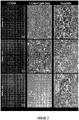
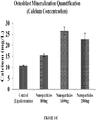
- FIGs 14A-14C show the effects of transfection with nanoparticles in accordance with the present invention on mineralization following SOST knockdown.
- FIG. 14A is photomicrographs of staining of the mineralized matrix formed 25 days after SOST knockdown. Stromal cells are shown in panels A-C, wherein panel A show control cells, panel B shows cells transfected via Lipofectamine, and panel C shows cells transfected with nanoparticles containing plasmids encoding SOST- directed TALENs as described and in accordance with the present invention.
- FIGs. 14B and 14C are graphs showing quantification of mineralization.
- FIGs 14A-C demonstrate increased calcium concentration in stromal bone marrow cells and osteoblasts following transfection with SOST-targetting TALENS via nanoparticles in accordance with the present invention, further confirming the effectiveness of this technique of modifying the cellular expression and activity of genes and downstream signaling pathways.
Landscapes
- Health & Medical Sciences (AREA)
- Life Sciences & Earth Sciences (AREA)
- Engineering & Computer Science (AREA)
- Chemical & Material Sciences (AREA)
- Bioinformatics & Cheminformatics (AREA)
- Genetics & Genomics (AREA)
- General Health & Medical Sciences (AREA)
- Organic Chemistry (AREA)
- Zoology (AREA)
- Wood Science & Technology (AREA)
- Biotechnology (AREA)
- Biomedical Technology (AREA)
- General Engineering & Computer Science (AREA)
- Medicinal Chemistry (AREA)
- Molecular Biology (AREA)
- Pharmacology & Pharmacy (AREA)
- Public Health (AREA)
- Veterinary Medicine (AREA)
- Animal Behavior & Ethology (AREA)
- Biochemistry (AREA)
- Epidemiology (AREA)
- Microbiology (AREA)
- Proteomics, Peptides & Aminoacids (AREA)
- Biophysics (AREA)
- Plant Pathology (AREA)
- Physics & Mathematics (AREA)
- Nanotechnology (AREA)
- Inorganic Chemistry (AREA)
- Ceramic Engineering (AREA)
- Immunology (AREA)
- Physical Education & Sports Medicine (AREA)
- Orthopedic Medicine & Surgery (AREA)
- Rheumatology (AREA)
- Chemical Kinetics & Catalysis (AREA)
- Nuclear Medicine, Radiotherapy & Molecular Imaging (AREA)
- General Chemical & Material Sciences (AREA)
- Medicinal Preparation (AREA)
- Peptides Or Proteins (AREA)
- Medicines That Contain Protein Lipid Enzymes And Other Medicines (AREA)
- Toxicology (AREA)
Priority Applications (1)
| Application Number | Priority Date | Filing Date | Title |
|---|---|---|---|
| EP18248103.6A EP3520822A1 (en) | 2013-09-23 | 2014-09-23 | Nanoparticle-mediated gene delivery, genomic editing and ligand-targeted modification in various cell populations |
Applications Claiming Priority (2)
| Application Number | Priority Date | Filing Date | Title |
|---|---|---|---|
| US201361881072P | 2013-09-23 | 2013-09-23 | |
| PCT/US2014/057000 WO2015042585A1 (en) | 2013-09-23 | 2014-09-23 | Nanoparticle-mediated gene delivery, genomic editing and ligand-targeted modification in various cell populations |
Related Child Applications (1)
| Application Number | Title | Priority Date | Filing Date |
|---|---|---|---|
| EP18248103.6A Division EP3520822A1 (en) | 2013-09-23 | 2014-09-23 | Nanoparticle-mediated gene delivery, genomic editing and ligand-targeted modification in various cell populations |
Publications (3)
| Publication Number | Publication Date |
|---|---|
| EP3049116A1 EP3049116A1 (en) | 2016-08-03 |
| EP3049116A4 EP3049116A4 (en) | 2017-05-17 |
| EP3049116B1 true EP3049116B1 (en) | 2019-01-02 |
Family
ID=52689537
Family Applications (2)
| Application Number | Title | Priority Date | Filing Date |
|---|---|---|---|
| EP14846422.5A Active EP3049116B1 (en) | 2013-09-23 | 2014-09-23 | Nanoparticle-mediated gene delivery, genomic editing and ligand-targeted modification in various cell populations |
| EP18248103.6A Withdrawn EP3520822A1 (en) | 2013-09-23 | 2014-09-23 | Nanoparticle-mediated gene delivery, genomic editing and ligand-targeted modification in various cell populations |
Family Applications After (1)
| Application Number | Title | Priority Date | Filing Date |
|---|---|---|---|
| EP18248103.6A Withdrawn EP3520822A1 (en) | 2013-09-23 | 2014-09-23 | Nanoparticle-mediated gene delivery, genomic editing and ligand-targeted modification in various cell populations |
Country Status (12)
| Country | Link |
|---|---|
| US (2) | US10526616B2 (enExample) |
| EP (2) | EP3049116B1 (enExample) |
| JP (1) | JP6595459B2 (enExample) |
| KR (1) | KR20160060133A (enExample) |
| CN (1) | CN105579068A (enExample) |
| AU (1) | AU2014321215B2 (enExample) |
| CA (2) | CA2924535C (enExample) |
| ES (1) | ES2719112T3 (enExample) |
| IL (1) | IL244585B (enExample) |
| PT (1) | PT3049116T (enExample) |
| RU (1) | RU2670512C2 (enExample) |
| WO (1) | WO2015042585A1 (enExample) |
Families Citing this family (68)
| Publication number | Priority date | Publication date | Assignee | Title |
|---|---|---|---|---|
| EP2734621B1 (en) | 2011-07-22 | 2019-09-04 | President and Fellows of Harvard College | Evaluation and improvement of nuclease cleavage specificity |
| US9163284B2 (en) | 2013-08-09 | 2015-10-20 | President And Fellows Of Harvard College | Methods for identifying a target site of a Cas9 nuclease |
| US9359599B2 (en) | 2013-08-22 | 2016-06-07 | President And Fellows Of Harvard College | Engineered transcription activator-like effector (TALE) domains and uses thereof |
| US9388430B2 (en) | 2013-09-06 | 2016-07-12 | President And Fellows Of Harvard College | Cas9-recombinase fusion proteins and uses thereof |
| US9526784B2 (en) | 2013-09-06 | 2016-12-27 | President And Fellows Of Harvard College | Delivery system for functional nucleases |
| US9340799B2 (en) | 2013-09-06 | 2016-05-17 | President And Fellows Of Harvard College | MRNA-sensing switchable gRNAs |
| US9068179B1 (en) | 2013-12-12 | 2015-06-30 | President And Fellows Of Harvard College | Methods for correcting presenilin point mutations |
| CA2956224A1 (en) | 2014-07-30 | 2016-02-11 | President And Fellows Of Harvard College | Cas9 proteins including ligand-dependent inteins |
| SG11201803173VA (en) | 2015-10-23 | 2018-05-30 | Harvard College | Nucleobase editors and uses thereof |
| JP7118340B2 (ja) | 2016-04-14 | 2022-08-16 | フレッド ハッチンソン キャンサー センター | 標的化核酸ナノ担体を使用して治療用細胞をプログラムするための組成物及び方法 |
| CA3032699A1 (en) | 2016-08-03 | 2018-02-08 | President And Fellows Of Harvard College | Adenosine nucleobase editors and uses thereof |
| EP3497214B1 (en) | 2016-08-09 | 2023-06-28 | President and Fellows of Harvard College | Programmable cas9-recombinase fusion proteins and uses thereof |
| WO2018039438A1 (en) | 2016-08-24 | 2018-03-01 | President And Fellows Of Harvard College | Incorporation of unnatural amino acids into proteins using base editing |
| EP3526320A1 (en) | 2016-10-14 | 2019-08-21 | President and Fellows of Harvard College | Aav delivery of nucleobase editors |
| KR20210035022A (ko) * | 2016-12-14 | 2021-03-31 | 리간달 인코포레이티드 | 핵산 및/또는 단백질 적재물 전달을 위한 조성물 및 방법 |
| WO2018119359A1 (en) | 2016-12-23 | 2018-06-28 | President And Fellows Of Harvard College | Editing of ccr5 receptor gene to protect against hiv infection |
| WO2018129270A1 (en) | 2017-01-05 | 2018-07-12 | Fred Hutchinson Cancer Research Center | Systems and methods to improve vaccine efficacy |
| US11898179B2 (en) | 2017-03-09 | 2024-02-13 | President And Fellows Of Harvard College | Suppression of pain by gene editing |
| KR20190123328A (ko) | 2017-03-09 | 2019-10-31 | 프레지던트 앤드 펠로우즈 오브 하바드 칼리지 | 암 백신 |
| KR102964348B1 (ko) | 2017-03-10 | 2026-05-14 | 프레지던트 앤드 펠로우즈 오브 하바드 칼리지 | 시토신에서 구아닌으로의 염기 편집제 |
| SG11201908658TA (en) | 2017-03-23 | 2019-10-30 | Harvard College | Nucleobase editors comprising nucleic acid programmable dna binding proteins |
| WO2018209320A1 (en) | 2017-05-12 | 2018-11-15 | President And Fellows Of Harvard College | Aptazyme-embedded guide rnas for use with crispr-cas9 in genome editing and transcriptional activation |
| WO2019023680A1 (en) | 2017-07-28 | 2019-01-31 | President And Fellows Of Harvard College | METHODS AND COMPOSITIONS FOR EVOLUTION OF BASIC EDITORS USING PHAGE-ASSISTED CONTINUOUS EVOLUTION (PACE) |
| WO2019139645A2 (en) | 2017-08-30 | 2019-07-18 | President And Fellows Of Harvard College | High efficiency base editors comprising gam |
| KR20200121782A (ko) | 2017-10-16 | 2020-10-26 | 더 브로드 인스티튜트, 인코퍼레이티드 | 아데노신 염기 편집제의 용도 |
| WO2019118949A1 (en) | 2017-12-15 | 2019-06-20 | The Broad Institute, Inc. | Systems and methods for predicting repair outcomes in genetic engineering |
| JP7355742B2 (ja) | 2018-01-18 | 2023-10-03 | フレッド ハッチンソン キャンサー センター | 細胞活性状態を調節することにより免疫細胞の炎症状態をインビボで変更すること |
| US20210148918A1 (en) * | 2018-04-17 | 2021-05-20 | Purdue Research Foundation | Modifying surface of a live cell and the uses thereof |
| EP3781683A4 (en) * | 2018-04-18 | 2022-02-16 | Ligandal, Inc. | METHODS AND COMPOSITIONS FOR GENOME EDITING |
| EP3796894A4 (en) * | 2018-04-24 | 2022-05-04 | Ligandal, Inc. | METHODS AND COMPOSITIONS FOR GENOME EDITING |
| CN121136065A (zh) * | 2018-04-27 | 2025-12-16 | 基因编辑有限公司 | 阳离子聚合物和用于生物分子递送的用途 |
| US12157760B2 (en) | 2018-05-23 | 2024-12-03 | The Broad Institute, Inc. | Base editors and uses thereof |
| US12522807B2 (en) | 2018-07-09 | 2026-01-13 | The Broad Institute, Inc. | RNA programmable epigenetic RNA modifiers and uses thereof |
| TWI764022B (zh) | 2018-07-30 | 2022-05-11 | 中央研究院 | 凝聚複合物的治療性奈米粒子及其治療細菌的用途 |
| EP3856759A4 (en) | 2018-09-25 | 2022-10-12 | The University of Tokyo | AMPHIPHILIC POLY(AMINO ACID), BLOCK COPOLYMER USING THE AMPHIPHIL POLYAMINO ACID AND COMPLEX WITH THE AMPHIPHILIC POLY(AMINO ACID) OR THE BLOCK COPOLYMER AND NUCLEIC ACID |
| WO2020092453A1 (en) | 2018-10-29 | 2020-05-07 | The Broad Institute, Inc. | Nucleobase editors comprising geocas9 and uses thereof |
| EP3894559A4 (en) | 2018-12-03 | 2023-04-05 | Triplet Therapeutics, Inc. | METHODS OF TREATMENT OF TRINUCLEOTIDE REPEAT EXPANSION DISORDERS RELATED TO MLH3 ACTIVITY |
| WO2020132521A1 (en) | 2018-12-20 | 2020-06-25 | Praxis Precision Medicines, Inc. | Compositions and methods for the treatment of kcnt1 related disorders |
| US12351837B2 (en) | 2019-01-23 | 2025-07-08 | The Broad Institute, Inc. | Supernegatively charged proteins and uses thereof |
| WO2020191171A1 (en) | 2019-03-19 | 2020-09-24 | The Broad Institute, Inc. | Methods and compositions for editing nucleotide sequences |
| WO2020214842A1 (en) | 2019-04-17 | 2020-10-22 | The Broad Institute, Inc. | Adenine base editors with reduced off-target effects |
| WO2021053246A1 (en) * | 2019-09-20 | 2021-03-25 | University College Dublin | Oral delivery system |
| WO2021072328A1 (en) | 2019-10-10 | 2021-04-15 | The Broad Institute, Inc. | Methods and compositions for prime editing rna |
| GB2614813B (en) | 2020-05-08 | 2025-05-07 | Harvard College | Methods and compositions for simultaneous editing of both strands of a target double-stranded nucleotide sequence |
| WO2021231679A1 (en) | 2020-05-15 | 2021-11-18 | Korro Bio, Inc. | Methods and compositions for the adar-mediated editing of gap junction protein beta 2 (gjb2) |
| CA3162416C (en) | 2020-05-15 | 2023-07-04 | Korro Bio, Inc. | Methods and compositions for the adar-mediated editing of argininosuccinate synthetase (ass1) |
| EP4150078A1 (en) | 2020-05-15 | 2023-03-22 | Korro Bio, Inc. | Methods and compositions for the adar-mediated editing of argininosuccinate lyase (asl) |
| EP4150086A1 (en) | 2020-05-15 | 2023-03-22 | Korro Bio, Inc. | Methods and compositions for the adar-mediated editing of leucine rich repeat kinase 2 (lrrk2) |
| WO2021231680A1 (en) | 2020-05-15 | 2021-11-18 | Korro Bio, Inc. | Methods and compositions for the adar-mediated editing of methyl-cpg binding protein 2 (mecp2) |
| WO2021231691A1 (en) | 2020-05-15 | 2021-11-18 | Korro Bio, Inc. | Methods and compositions for the adar-mediated editing of retinoschisin 1 (rsi) |
| WO2021231685A1 (en) | 2020-05-15 | 2021-11-18 | Korro Bio, Inc. | Methods and compositions for the adar-mediated editing of transmembrane channel-like protein 1 (tmc1) |
| WO2021231692A1 (en) | 2020-05-15 | 2021-11-18 | Korro Bio, Inc. | Methods and compositions for the adar-mediated editing of otoferlin (otof) |
| US11408000B2 (en) | 2020-06-03 | 2022-08-09 | Triplet Therapeutics, Inc. | Oligonucleotides for the treatment of nucleotide repeat expansion disorders associated with MSH3 activity |
| EP4341405A1 (en) | 2021-05-20 | 2024-03-27 | Korro Bio, Inc. | Methods and compositions for adar-mediated editing |
| WO2022256283A2 (en) | 2021-06-01 | 2022-12-08 | Korro Bio, Inc. | Methods for restoring protein function using adar |
| US20230194709A9 (en) | 2021-06-29 | 2023-06-22 | Seagate Technology Llc | Range information detection using coherent pulse sets with selected waveform characteristics |
| EP4363574A1 (en) | 2021-06-29 | 2024-05-08 | Korro Bio, Inc. | Methods and compositions for adar-mediated editing |
| US20250352667A1 (en) | 2021-10-22 | 2025-11-20 | Korro Bio, Inc. | Methods and compositions for disrupting nrf2-keap1 protein interaction by adar mediated rna editing |
| CA3242118A1 (en) | 2021-12-22 | 2023-06-29 | Alfica Sehgal | Modulation of gene transcription using antisense oligonucleotides targeting regulatory rnas |
| IL317425A (en) | 2022-06-10 | 2025-02-01 | Camp4 Therapeutics Corp | Methods of modulating progranulin expression using antisense oligonucleotides targeting regulatory RNAs |
| CN120435559A (zh) | 2022-12-01 | 2025-08-05 | 4阵营疗法公司 | 使用靶向调节rna的反义寡核苷酸调控syngap1基因转录 |
| WO2025015338A1 (en) | 2023-07-13 | 2025-01-16 | Korro Bio, Inc. | Rna-editing oligonucleotides and uses thereof |
| AU2024287308A1 (en) | 2023-07-13 | 2025-12-18 | Korro Bio, Inc. | Rna-editing oligonucleotides and uses thereof |
| WO2025128799A1 (en) | 2023-12-12 | 2025-06-19 | Korro Bio, Inc. | Double-stranded rna-editing oligonucleotides and uses thereof |
| WO2025255388A1 (en) | 2024-06-05 | 2025-12-11 | Camp4 Therapeutics Corporation | Modulation of syngap1 gene transcription using antisense oligonucleotides targeting regulatory rnas |
| WO2026136379A1 (en) | 2024-12-17 | 2026-06-25 | Korro Bio, Inc. | Rna-editing oligonucleotides and uses thereof |
| WO2026151811A1 (en) | 2025-01-07 | 2026-07-16 | Camp4 Therapeutics Corporation | Compositions and methods for treating urea cycle disorders |
| WO2026188043A1 (en) | 2025-03-05 | 2026-09-10 | Korro Bio, Inc. | Xk nucleobases in adar editing oligos |
Family Cites Families (27)
| Publication number | Priority date | Publication date | Assignee | Title |
|---|---|---|---|---|
| US6051429A (en) | 1995-06-07 | 2000-04-18 | Life Technologies, Inc. | Peptide-enhanced cationic lipid transfections |
| US6379966B2 (en) | 1999-02-26 | 2002-04-30 | Mirus Corporation | Intravascular delivery of non-viral nucleic acid |
| US7098032B2 (en) * | 2001-01-02 | 2006-08-29 | Mirus Bio Corporation | Compositions and methods for drug delivery using pH sensitive molecules |
| RU2295954C2 (ru) * | 2000-09-28 | 2007-03-27 | Чирон Корпорейшн | Микрочастицы для доставки гетерологичных нуклеиновых кислот |
| US20040102606A1 (en) | 2001-04-24 | 2004-05-27 | Danuta Balicki | Histone H2A -derived peptides useful in gene delivery |
| US6805904B2 (en) | 2002-02-20 | 2004-10-19 | International Business Machines Corporation | Process of forming a multilayer nanoparticle-containing thin film self-assembly |
| AU2003234196A1 (en) * | 2002-04-22 | 2003-11-03 | University Of Florida | Functionalized nanoparticles and methods of use |
| US20070026069A1 (en) | 2003-03-28 | 2007-02-01 | Shastri Venkatram P | Biommetic hierarchies using functionalized nanoparticles as building blocks |
| EP1660053A2 (en) | 2003-08-21 | 2006-05-31 | Southwest Research Institute | Skeletally targeted nanoparticles |
| EP1748796A4 (en) | 2004-03-05 | 2008-08-27 | Univ Texas | MULTILAYER NANOMEDICINE DELIVERY SYSTEM AND METHOD |
| WO2005123142A1 (en) | 2004-06-10 | 2005-12-29 | Abraxis Bioscience, Inc. | A method using inorganic nanoparticles as non-viral vectors for gene therapy |
| US20060088599A1 (en) | 2004-08-02 | 2006-04-27 | Prasad Paras N | Amino functionalized ORMOSIL nanoparticles as delivery vehicles |
| AU2008219165A1 (en) | 2007-02-16 | 2008-08-28 | Merck Sharp & Dohme Corp. | Compositions and methods for potentiated activity of biologicaly active molecules |
| WO2008109806A2 (en) | 2007-03-08 | 2008-09-12 | Massachusetts Institute Of Technology | Electrostatic coating of particles for drug delivery |
| CA2704056A1 (en) | 2007-10-29 | 2009-05-07 | University Of Massachusetts | Encapsulated nanoparticles for nucleic acid delivery |
| US8323618B2 (en) | 2007-11-07 | 2012-12-04 | University Of Houston System | Ultrasmall superparamagnetic iron oxide nanoparticles and uses thereof |
| AU2008325122A1 (en) | 2007-11-09 | 2009-05-14 | Northeastern University | Self-assembling micelle-like nanoparticles for systemic gene delivery |
| US7999025B2 (en) | 2008-01-28 | 2011-08-16 | University Of Utah Research Foundation | Asymmetrically-functionalized nanoparticles organized on one-dimensional chains |
| US8324333B2 (en) | 2008-06-05 | 2012-12-04 | Wisconsin Alumni Research Foundation | Anionic charge-dynamic polymers for release of cationic agents |
| JP5755636B2 (ja) | 2009-04-07 | 2015-07-29 | ダウ アグロサイエンシィズ エルエルシー | 配列特異的ヌクレアーゼのナノ粒子媒介送達 |
| WO2011072246A2 (en) * | 2009-12-10 | 2011-06-16 | Regents Of The University Of Minnesota | Tal effector-mediated dna modification |
| JPWO2011096408A1 (ja) | 2010-02-02 | 2013-06-10 | 国立大学法人 東京大学 | 複合体微粒子およびその製造方法、ならびに該複合体微粒子を用いた薬学組成物 |
| US9074187B2 (en) | 2011-03-21 | 2015-07-07 | Board Of Trustees Of The University Of Arkansas | Nanostructural materials that increase mineralization in bone cells and affect gene expression through miRNA regulation and applications of same |
| ES2728436T3 (es) * | 2011-04-05 | 2019-10-24 | Cellectis | Método para la generación de TALE-nucleasas compactas y usos de la mismas |
| US8450107B1 (en) | 2011-11-30 | 2013-05-28 | The Broad Institute Inc. | Nucleotide-specific recognition sequences for designer TAL effectors |
| WO2013188979A1 (en) | 2012-06-20 | 2013-12-27 | Frank Gu | Mucoadhesive nanoparticle delivery system |
| EP2931899A1 (en) | 2012-12-12 | 2015-10-21 | The Broad Institute, Inc. | Functional genomics using crispr-cas systems, compositions, methods, knock out libraries and applications thereof |
-
2014
- 2014-09-23 AU AU2014321215A patent/AU2014321215B2/en not_active Ceased
- 2014-09-23 EP EP14846422.5A patent/EP3049116B1/en active Active
- 2014-09-23 CN CN201480052449.0A patent/CN105579068A/zh active Pending
- 2014-09-23 ES ES14846422T patent/ES2719112T3/es active Active
- 2014-09-23 KR KR1020167010607A patent/KR20160060133A/ko not_active Abandoned
- 2014-09-23 CA CA2924535A patent/CA2924535C/en active Active
- 2014-09-23 PT PT14846422T patent/PT3049116T/pt unknown
- 2014-09-23 US US15/024,264 patent/US10526616B2/en active Active
- 2014-09-23 WO PCT/US2014/057000 patent/WO2015042585A1/en not_active Ceased
- 2014-09-23 CA CA3175320A patent/CA3175320A1/en active Pending
- 2014-09-23 EP EP18248103.6A patent/EP3520822A1/en not_active Withdrawn
- 2014-09-23 RU RU2016115721A patent/RU2670512C2/ru active
- 2014-09-23 JP JP2016516540A patent/JP6595459B2/ja not_active Expired - Fee Related
-
2016
- 2016-03-14 IL IL244585A patent/IL244585B/en active IP Right Grant
-
2019
- 2019-11-27 US US16/697,308 patent/US20200181642A1/en not_active Abandoned
Non-Patent Citations (1)
| Title |
|---|
| None * |
Also Published As
| Publication number | Publication date |
|---|---|
| KR20160060133A (ko) | 2016-05-27 |
| WO2015042585A1 (en) | 2015-03-26 |
| AU2014321215B2 (en) | 2020-07-16 |
| PT3049116T (pt) | 2019-04-03 |
| US20200181642A1 (en) | 2020-06-11 |
| EP3520822A1 (en) | 2019-08-07 |
| IL244585B (en) | 2019-11-28 |
| JP2016533322A (ja) | 2016-10-27 |
| US20160230189A1 (en) | 2016-08-11 |
| CN105579068A (zh) | 2016-05-11 |
| RU2016115721A3 (enExample) | 2018-03-21 |
| IL244585A0 (en) | 2016-04-21 |
| CA2924535A1 (en) | 2015-03-26 |
| US10526616B2 (en) | 2020-01-07 |
| JP6595459B2 (ja) | 2019-10-23 |
| EP3049116A4 (en) | 2017-05-17 |
| RU2016115721A (ru) | 2017-10-30 |
| ES2719112T3 (es) | 2019-07-08 |
| EP3049116A1 (en) | 2016-08-03 |
| RU2670512C2 (ru) | 2018-10-23 |
| CA3175320A1 (en) | 2015-03-26 |
| AU2014321215A1 (en) | 2016-04-21 |
| CA2924535C (en) | 2022-12-13 |
Similar Documents
| Publication | Publication Date | Title |
|---|---|---|
| AU2014321215B2 (en) | Nanoparticle-mediated gene delivery, genomic editing and ligand-targeted modification in various cell populations | |
| US11713336B2 (en) | Peptides and nanoparticles for intracellular delivery of molecules | |
| Suh et al. | Peptide-mediated intracellular delivery of miRNA-29b for osteogenic stem cell differentiation | |
| KR20240172763A (ko) | 핵산 및/또는 단백질 적재물 전달을 위한 조성물 및 방법 | |
| CN104768967A (zh) | 细胞穿透性肽、包含该肽的缀合物、及包含该缀合物的组合物 | |
| CN112584873B (zh) | 用作细胞穿透肽的肽 | |
| Wang et al. | Polyethylene glycol–poly (ε-benzyloxycarbonyl-L-lysine)-conjugated VEGF siRNA for antiangiogenic gene therapy in hepatocellular carcinoma | |
| KR20210038841A (ko) | 게놈 편집을 위한 방법 및 조성물 | |
| MX2015001448A (es) | Metodos y composiciones para induccion in vivo de formacion de celula beta pancreatica. | |
| Liu et al. | Delivery of miRNA‐29b using R9‐LK15, a novel cell‐penetrating peptide, promotes osteogenic differentiation of bone mesenchymal stem cells | |
| Niu et al. | Macropinocytosis activated by oncogenic Dbl enables specific targeted delivery of Tat/pDNA nano-complexes into ovarian cancer cells | |
| Nirasawa et al. | Development of A2G80 peptide-gene complex for targeted delivery to muscle cells | |
| HK1225274A1 (en) | Nanoparticle-mediated gene delivery, genomic editing and ligand-targeted modification in various cell populations | |
| HK1225274B (en) | Nanoparticle-mediated gene delivery, genomic editing and ligand-targeted modification in various cell populations | |
| Shen | Understanding the biological barriers to Jurkat Transfection using non-viral peptides | |
| Pärnaste | How, why, what and where: Mechanisms behind CPP/cargo nanocomplexes | |
| Watanabe et al. | Intracellular delivery of RNA via RNA-binding proteins or peptides | |
| Helmfors | Cell-penetrating peptides: Uptake mechanism and the role of receptors | |
| HK1245305B (en) | Peptides and nanoparticles for intracellular delivery of molecules | |
| HK1245305A1 (en) | Peptides and nanoparticles for intracellular delivery of molecules |
Legal Events
| Date | Code | Title | Description |
|---|---|---|---|
| PUAI | Public reference made under article 153(3) epc to a published international application that has entered the european phase |
Free format text: ORIGINAL CODE: 0009012 |
|
| 17P | Request for examination filed |
Effective date: 20160330 |
|
| AK | Designated contracting states |
Kind code of ref document: A1 Designated state(s): AL AT BE BG CH CY CZ DE DK EE ES FI FR GB GR HR HU IE IS IT LI LT LU LV MC MK MT NL NO PL PT RO RS SE SI SK SM TR |
|
| AX | Request for extension of the european patent |
Extension state: BA ME |
|
| DAX | Request for extension of the european patent (deleted) | ||
| A4 | Supplementary search report drawn up and despatched |
Effective date: 20170418 |
|
| RIC1 | Information provided on ipc code assigned before grant |
Ipc: C12N 15/88 20060101ALI20170410BHEP Ipc: C12N 9/22 20060101ALI20170410BHEP Ipc: A61K 48/00 20060101AFI20170410BHEP |
|
| REG | Reference to a national code |
Ref country code: HK Ref legal event code: DE Ref document number: 1225274 Country of ref document: HK |
|
| STAA | Information on the status of an ep patent application or granted ep patent |
Free format text: STATUS: EXAMINATION IS IN PROGRESS |
|
| 17Q | First examination report despatched |
Effective date: 20171212 |
|
| GRAP | Despatch of communication of intention to grant a patent |
Free format text: ORIGINAL CODE: EPIDOSNIGR1 |
|
| STAA | Information on the status of an ep patent application or granted ep patent |
Free format text: STATUS: GRANT OF PATENT IS INTENDED |
|
| INTG | Intention to grant announced |
Effective date: 20180725 |
|
| GRAS | Grant fee paid |
Free format text: ORIGINAL CODE: EPIDOSNIGR3 |
|
| GRAA | (expected) grant |
Free format text: ORIGINAL CODE: 0009210 |
|
| STAA | Information on the status of an ep patent application or granted ep patent |
Free format text: STATUS: THE PATENT HAS BEEN GRANTED |
|
| AK | Designated contracting states |
Kind code of ref document: B1 Designated state(s): AL AT BE BG CH CY CZ DE DK EE ES FI FR GB GR HR HU IE IS IT LI LT LU LV MC MK MT NL NO PL PT RO RS SE SI SK SM TR |
|
| REG | Reference to a national code |
Ref country code: GB Ref legal event code: FG4D |
|
| REG | Reference to a national code |
Ref country code: CH Ref legal event code: EP Ref country code: AT Ref legal event code: REF Ref document number: 1083546 Country of ref document: AT Kind code of ref document: T Effective date: 20190115 |
|
| REG | Reference to a national code |
Ref country code: DE Ref legal event code: R096 Ref document number: 602014039305 Country of ref document: DE |
|
| REG | Reference to a national code |
Ref country code: IE Ref legal event code: FG4D |
|
| REG | Reference to a national code |
Ref country code: CH Ref legal event code: NV Representative=s name: MURGITROYD AND COMPANY, CH |
|
| REG | Reference to a national code |
Ref country code: NL Ref legal event code: FP |
|
| REG | Reference to a national code |
Ref country code: PT Ref legal event code: SC4A Ref document number: 3049116 Country of ref document: PT Date of ref document: 20190403 Kind code of ref document: T Free format text: AVAILABILITY OF NATIONAL TRANSLATION Effective date: 20190327 |
|
| REG | Reference to a national code |
Ref country code: SE Ref legal event code: TRGR |
|
| REG | Reference to a national code |
Ref country code: LT Ref legal event code: MG4D |
|
| REG | Reference to a national code |
Ref country code: NO Ref legal event code: T2 Effective date: 20190102 |
|
| REG | Reference to a national code |
Ref country code: AT Ref legal event code: MK05 Ref document number: 1083546 Country of ref document: AT Kind code of ref document: T Effective date: 20190102 |
|
| REG | Reference to a national code |
Ref country code: ES Ref legal event code: FG2A Ref document number: 2719112 Country of ref document: ES Kind code of ref document: T3 Effective date: 20190708 |
|
| PG25 | Lapsed in a contracting state [announced via postgrant information from national office to epo] |
Ref country code: PL Free format text: LAPSE BECAUSE OF FAILURE TO SUBMIT A TRANSLATION OF THE DESCRIPTION OR TO PAY THE FEE WITHIN THE PRESCRIBED TIME-LIMIT Effective date: 20190102 Ref country code: LT Free format text: LAPSE BECAUSE OF FAILURE TO SUBMIT A TRANSLATION OF THE DESCRIPTION OR TO PAY THE FEE WITHIN THE PRESCRIBED TIME-LIMIT Effective date: 20190102 Ref country code: FI Free format text: LAPSE BECAUSE OF FAILURE TO SUBMIT A TRANSLATION OF THE DESCRIPTION OR TO PAY THE FEE WITHIN THE PRESCRIBED TIME-LIMIT Effective date: 20190102 |
|
| PG25 | Lapsed in a contracting state [announced via postgrant information from national office to epo] |
Ref country code: BG Free format text: LAPSE BECAUSE OF FAILURE TO SUBMIT A TRANSLATION OF THE DESCRIPTION OR TO PAY THE FEE WITHIN THE PRESCRIBED TIME-LIMIT Effective date: 20190402 Ref country code: HR Free format text: LAPSE BECAUSE OF FAILURE TO SUBMIT A TRANSLATION OF THE DESCRIPTION OR TO PAY THE FEE WITHIN THE PRESCRIBED TIME-LIMIT Effective date: 20190102 Ref country code: RS Free format text: LAPSE BECAUSE OF FAILURE TO SUBMIT A TRANSLATION OF THE DESCRIPTION OR TO PAY THE FEE WITHIN THE PRESCRIBED TIME-LIMIT Effective date: 20190102 Ref country code: GR Free format text: LAPSE BECAUSE OF FAILURE TO SUBMIT A TRANSLATION OF THE DESCRIPTION OR TO PAY THE FEE WITHIN THE PRESCRIBED TIME-LIMIT Effective date: 20190403 Ref country code: IS Free format text: LAPSE BECAUSE OF FAILURE TO SUBMIT A TRANSLATION OF THE DESCRIPTION OR TO PAY THE FEE WITHIN THE PRESCRIBED TIME-LIMIT Effective date: 20190502 Ref country code: LV Free format text: LAPSE BECAUSE OF FAILURE TO SUBMIT A TRANSLATION OF THE DESCRIPTION OR TO PAY THE FEE WITHIN THE PRESCRIBED TIME-LIMIT Effective date: 20190102 |
|
| REG | Reference to a national code |
Ref country code: DE Ref legal event code: R097 Ref document number: 602014039305 Country of ref document: DE |
|
| PG25 | Lapsed in a contracting state [announced via postgrant information from national office to epo] |
Ref country code: AL Free format text: LAPSE BECAUSE OF FAILURE TO SUBMIT A TRANSLATION OF THE DESCRIPTION OR TO PAY THE FEE WITHIN THE PRESCRIBED TIME-LIMIT Effective date: 20190102 Ref country code: AT Free format text: LAPSE BECAUSE OF FAILURE TO SUBMIT A TRANSLATION OF THE DESCRIPTION OR TO PAY THE FEE WITHIN THE PRESCRIBED TIME-LIMIT Effective date: 20190102 Ref country code: SK Free format text: LAPSE BECAUSE OF FAILURE TO SUBMIT A TRANSLATION OF THE DESCRIPTION OR TO PAY THE FEE WITHIN THE PRESCRIBED TIME-LIMIT Effective date: 20190102 Ref country code: DK Free format text: LAPSE BECAUSE OF FAILURE TO SUBMIT A TRANSLATION OF THE DESCRIPTION OR TO PAY THE FEE WITHIN THE PRESCRIBED TIME-LIMIT Effective date: 20190102 Ref country code: EE Free format text: LAPSE BECAUSE OF FAILURE TO SUBMIT A TRANSLATION OF THE DESCRIPTION OR TO PAY THE FEE WITHIN THE PRESCRIBED TIME-LIMIT Effective date: 20190102 Ref country code: RO Free format text: LAPSE BECAUSE OF FAILURE TO SUBMIT A TRANSLATION OF THE DESCRIPTION OR TO PAY THE FEE WITHIN THE PRESCRIBED TIME-LIMIT Effective date: 20190102 Ref country code: CZ Free format text: LAPSE BECAUSE OF FAILURE TO SUBMIT A TRANSLATION OF THE DESCRIPTION OR TO PAY THE FEE WITHIN THE PRESCRIBED TIME-LIMIT Effective date: 20190102 |
|
| PLBE | No opposition filed within time limit |
Free format text: ORIGINAL CODE: 0009261 |
|
| STAA | Information on the status of an ep patent application or granted ep patent |
Free format text: STATUS: NO OPPOSITION FILED WITHIN TIME LIMIT |
|
| PG25 | Lapsed in a contracting state [announced via postgrant information from national office to epo] |
Ref country code: SM Free format text: LAPSE BECAUSE OF FAILURE TO SUBMIT A TRANSLATION OF THE DESCRIPTION OR TO PAY THE FEE WITHIN THE PRESCRIBED TIME-LIMIT Effective date: 20190102 |
|
| 26N | No opposition filed |
Effective date: 20191003 |
|
| PG25 | Lapsed in a contracting state [announced via postgrant information from national office to epo] |
Ref country code: SI Free format text: LAPSE BECAUSE OF FAILURE TO SUBMIT A TRANSLATION OF THE DESCRIPTION OR TO PAY THE FEE WITHIN THE PRESCRIBED TIME-LIMIT Effective date: 20190102 |
|
| PG25 | Lapsed in a contracting state [announced via postgrant information from national office to epo] |
Ref country code: TR Free format text: LAPSE BECAUSE OF FAILURE TO SUBMIT A TRANSLATION OF THE DESCRIPTION OR TO PAY THE FEE WITHIN THE PRESCRIBED TIME-LIMIT Effective date: 20190102 |
|
| PG25 | Lapsed in a contracting state [announced via postgrant information from national office to epo] |
Ref country code: MC Free format text: LAPSE BECAUSE OF FAILURE TO SUBMIT A TRANSLATION OF THE DESCRIPTION OR TO PAY THE FEE WITHIN THE PRESCRIBED TIME-LIMIT Effective date: 20190102 |
|
| PG25 | Lapsed in a contracting state [announced via postgrant information from national office to epo] |
Ref country code: IE Free format text: LAPSE BECAUSE OF NON-PAYMENT OF DUE FEES Effective date: 20190923 Ref country code: LU Free format text: LAPSE BECAUSE OF NON-PAYMENT OF DUE FEES Effective date: 20190923 |
|
| REG | Reference to a national code |
Ref country code: BE Ref legal event code: MM Effective date: 20190930 |
|
| PG25 | Lapsed in a contracting state [announced via postgrant information from national office to epo] |
Ref country code: BE Free format text: LAPSE BECAUSE OF NON-PAYMENT OF DUE FEES Effective date: 20190930 |
|
| PG25 | Lapsed in a contracting state [announced via postgrant information from national office to epo] |
Ref country code: CY Free format text: LAPSE BECAUSE OF FAILURE TO SUBMIT A TRANSLATION OF THE DESCRIPTION OR TO PAY THE FEE WITHIN THE PRESCRIBED TIME-LIMIT Effective date: 20190102 |
|
| PG25 | Lapsed in a contracting state [announced via postgrant information from national office to epo] |
Ref country code: MT Free format text: LAPSE BECAUSE OF FAILURE TO SUBMIT A TRANSLATION OF THE DESCRIPTION OR TO PAY THE FEE WITHIN THE PRESCRIBED TIME-LIMIT Effective date: 20190102 Ref country code: HU Free format text: LAPSE BECAUSE OF FAILURE TO SUBMIT A TRANSLATION OF THE DESCRIPTION OR TO PAY THE FEE WITHIN THE PRESCRIBED TIME-LIMIT; INVALID AB INITIO Effective date: 20140923 |
|
| PG25 | Lapsed in a contracting state [announced via postgrant information from national office to epo] |
Ref country code: MK Free format text: LAPSE BECAUSE OF FAILURE TO SUBMIT A TRANSLATION OF THE DESCRIPTION OR TO PAY THE FEE WITHIN THE PRESCRIBED TIME-LIMIT Effective date: 20190102 |
|
| P01 | Opt-out of the competence of the unified patent court (upc) registered |
Effective date: 20230526 |
|
| PGFP | Annual fee paid to national office [announced via postgrant information from national office to epo] |
Ref country code: PT Payment date: 20250324 Year of fee payment: 11 |
|
| PGFP | Annual fee paid to national office [announced via postgrant information from national office to epo] |
Ref country code: NO Payment date: 20250326 Year of fee payment: 11 |
|
| PGFP | Annual fee paid to national office [announced via postgrant information from national office to epo] |
Ref country code: FR Payment date: 20250325 Year of fee payment: 11 |
|
| PGFP | Annual fee paid to national office [announced via postgrant information from national office to epo] |
Ref country code: IT Payment date: 20250324 Year of fee payment: 11 |
|
| PGFP | Annual fee paid to national office [announced via postgrant information from national office to epo] |
Ref country code: ES Payment date: 20250401 Year of fee payment: 11 |
|
| REG | Reference to a national code |
Ref country code: CH Ref legal event code: U11 Free format text: ST27 STATUS EVENT CODE: U-0-0-U10-U11 (AS PROVIDED BY THE NATIONAL OFFICE) Effective date: 20260320 |
|
| PGFP | Annual fee paid to national office [announced via postgrant information from national office to epo] |
Ref country code: SE Payment date: 20260324 Year of fee payment: 12 |
|
| PGFP | Annual fee paid to national office [announced via postgrant information from national office to epo] |
Ref country code: GB Payment date: 20260320 Year of fee payment: 12 |
|
| PGFP | Annual fee paid to national office [announced via postgrant information from national office to epo] |
Ref country code: NL Payment date: 20260320 Year of fee payment: 12 |
|
| PG25 | Lapsed in a contracting state [announced via postgrant information from national office to epo] |
Ref country code: PT Free format text: LAPSE BECAUSE OF NON-PAYMENT OF DUE FEES Effective date: 20260323 |
|
| PGFP | Annual fee paid to national office [announced via postgrant information from national office to epo] |
Ref country code: CH Payment date: 20260320 Year of fee payment: 12 |
|
| PG25 | Lapsed in a contracting state [announced via postgrant information from national office to epo] |
Ref country code: IT Free format text: LAPSE BECAUSE OF NON-PAYMENT OF DUE FEES Effective date: 20250923 |
|
| PGFP | Annual fee paid to national office [announced via postgrant information from national office to epo] |
Ref country code: DE Payment date: 20260331 Year of fee payment: 12 |
|
| PG25 | Lapsed in a contracting state [announced via postgrant information from national office to epo] |
Ref country code: NO Free format text: LAPSE BECAUSE OF NON-PAYMENT OF DUE FEES Effective date: 20250930 |
|
| PG25 | Lapsed in a contracting state [announced via postgrant information from national office to epo] |
Ref country code: FR Free format text: LAPSE BECAUSE OF NON-PAYMENT OF DUE FEES Effective date: 20250930 |