EP3046581B1 - Compositions and methods for treatment of hsct-associated thrombotic microangiopathy - Google Patents
Compositions and methods for treatment of hsct-associated thrombotic microangiopathy Download PDFInfo
- Publication number
- EP3046581B1 EP3046581B1 EP14843902.9A EP14843902A EP3046581B1 EP 3046581 B1 EP3046581 B1 EP 3046581B1 EP 14843902 A EP14843902 A EP 14843902A EP 3046581 B1 EP3046581 B1 EP 3046581B1
- Authority
- EP
- European Patent Office
- Prior art keywords
- hsct
- eculizumab
- tma
- patients
- complement
- Prior art date
- Legal status (The legal status is an assumption and is not a legal conclusion. Google has not performed a legal analysis and makes no representation as to the accuracy of the status listed.)
- Active
Links
Images



Classifications
-
- C—CHEMISTRY; METALLURGY
- C07—ORGANIC CHEMISTRY
- C07K—PEPTIDES
- C07K16/00—Immunoglobulins [IG], e.g. monoclonal or polyclonal antibodies
- C07K16/18—Immunoglobulins [IG], e.g. monoclonal or polyclonal antibodies against material from animals or humans
-
- A—HUMAN NECESSITIES
- A61—MEDICAL OR VETERINARY SCIENCE; HYGIENE
- A61P—SPECIFIC THERAPEUTIC ACTIVITY OF CHEMICAL COMPOUNDS OR MEDICINAL PREPARATIONS
- A61P13/00—Drugs for disorders of the urinary system
- A61P13/12—Drugs for disorders of the urinary system of the kidneys
-
- A—HUMAN NECESSITIES
- A61—MEDICAL OR VETERINARY SCIENCE; HYGIENE
- A61P—SPECIFIC THERAPEUTIC ACTIVITY OF CHEMICAL COMPOUNDS OR MEDICINAL PREPARATIONS
- A61P37/00—Drugs for immunological or allergic disorders
- A61P37/02—Immunomodulators
-
- A—HUMAN NECESSITIES
- A61—MEDICAL OR VETERINARY SCIENCE; HYGIENE
- A61P—SPECIFIC THERAPEUTIC ACTIVITY OF CHEMICAL COMPOUNDS OR MEDICINAL PREPARATIONS
- A61P37/00—Drugs for immunological or allergic disorders
- A61P37/02—Immunomodulators
- A61P37/06—Immunosuppressants, e.g. drugs for graft rejection
-
- A—HUMAN NECESSITIES
- A61—MEDICAL OR VETERINARY SCIENCE; HYGIENE
- A61P—SPECIFIC THERAPEUTIC ACTIVITY OF CHEMICAL COMPOUNDS OR MEDICINAL PREPARATIONS
- A61P43/00—Drugs for specific purposes, not provided for in groups A61P1/00-A61P41/00
-
- A—HUMAN NECESSITIES
- A61—MEDICAL OR VETERINARY SCIENCE; HYGIENE
- A61P—SPECIFIC THERAPEUTIC ACTIVITY OF CHEMICAL COMPOUNDS OR MEDICINAL PREPARATIONS
- A61P7/00—Drugs for disorders of the blood or the extracellular fluid
-
- A—HUMAN NECESSITIES
- A61—MEDICAL OR VETERINARY SCIENCE; HYGIENE
- A61P—SPECIFIC THERAPEUTIC ACTIVITY OF CHEMICAL COMPOUNDS OR MEDICINAL PREPARATIONS
- A61P9/00—Drugs for disorders of the cardiovascular system
- A61P9/10—Drugs for disorders of the cardiovascular system for treating ischaemic or atherosclerotic diseases, e.g. antianginal drugs, coronary vasodilators, drugs for myocardial infarction, retinopathy, cerebrovascula insufficiency, renal arteriosclerosis
-
- G—PHYSICS
- G01—MEASURING; TESTING
- G01N—INVESTIGATING OR ANALYSING MATERIALS BY DETERMINING THEIR CHEMICAL OR PHYSICAL PROPERTIES
- G01N33/00—Investigating or analysing materials by specific methods not covered by groups G01N1/00 - G01N31/00
- G01N33/48—Biological material, e.g. blood, urine; Haemocytometers
- G01N33/50—Chemical analysis of biological material, e.g. blood, urine; Testing involving biospecific ligand binding methods; Immunological testing
- G01N33/68—Chemical analysis of biological material, e.g. blood, urine; Testing involving biospecific ligand binding methods; Immunological testing involving proteins, peptides or amino acids
- G01N33/6893—Chemical analysis of biological material, e.g. blood, urine; Testing involving biospecific ligand binding methods; Immunological testing involving proteins, peptides or amino acids related to diseases not provided for elsewhere
-
- G—PHYSICS
- G01—MEASURING; TESTING
- G01N—INVESTIGATING OR ANALYSING MATERIALS BY DETERMINING THEIR CHEMICAL OR PHYSICAL PROPERTIES
- G01N33/00—Investigating or analysing materials by specific methods not covered by groups G01N1/00 - G01N31/00
- G01N33/48—Biological material, e.g. blood, urine; Haemocytometers
- G01N33/50—Chemical analysis of biological material, e.g. blood, urine; Testing involving biospecific ligand binding methods; Immunological testing
- G01N33/94—Chemical analysis of biological material, e.g. blood, urine; Testing involving biospecific ligand binding methods; Immunological testing involving narcotics or drugs or pharmaceuticals, neurotransmitters or associated receptors
-
- A—HUMAN NECESSITIES
- A61—MEDICAL OR VETERINARY SCIENCE; HYGIENE
- A61K—PREPARATIONS FOR MEDICAL, DENTAL OR TOILETRY PURPOSES
- A61K39/00—Medicinal preparations containing antigens or antibodies
- A61K2039/505—Medicinal preparations containing antigens or antibodies comprising antibodies
-
- C—CHEMISTRY; METALLURGY
- C07—ORGANIC CHEMISTRY
- C07K—PEPTIDES
- C07K2317/00—Immunoglobulins specific features
- C07K2317/20—Immunoglobulins specific features characterized by taxonomic origin
- C07K2317/24—Immunoglobulins specific features characterized by taxonomic origin containing regions, domains or residues from different species, e.g. chimeric, humanized or veneered
-
- C—CHEMISTRY; METALLURGY
- C07—ORGANIC CHEMISTRY
- C07K—PEPTIDES
- C07K2317/00—Immunoglobulins specific features
- C07K2317/70—Immunoglobulins specific features characterized by effect upon binding to a cell or to an antigen
- C07K2317/76—Antagonist effect on antigen, e.g. neutralization or inhibition of binding
-
- C—CHEMISTRY; METALLURGY
- C07—ORGANIC CHEMISTRY
- C07K—PEPTIDES
- C07K2317/00—Immunoglobulins specific features
- C07K2317/90—Immunoglobulins specific features characterized by (pharmaco)kinetic aspects or by stability of the immunoglobulin
- C07K2317/94—Stability, e.g. half-life, pH, temperature or enzyme-resistance
-
- G—PHYSICS
- G01—MEASURING; TESTING
- G01N—INVESTIGATING OR ANALYSING MATERIALS BY DETERMINING THEIR CHEMICAL OR PHYSICAL PROPERTIES
- G01N2333/00—Assays involving biological materials from specific organisms or of a specific nature
- G01N2333/435—Assays involving biological materials from specific organisms or of a specific nature from animals; from humans
- G01N2333/46—Assays involving biological materials from specific organisms or of a specific nature from animals; from humans from vertebrates
- G01N2333/47—Assays involving proteins of known structure or function as defined in the subgroups
- G01N2333/4701—Details
- G01N2333/4716—Complement proteins, e.g. anaphylatoxin, C3a, C5a
-
- G—PHYSICS
- G01—MEASURING; TESTING
- G01N—INVESTIGATING OR ANALYSING MATERIALS BY DETERMINING THEIR CHEMICAL OR PHYSICAL PROPERTIES
- G01N2800/00—Detection or diagnosis of diseases
- G01N2800/22—Haematology
- G01N2800/226—Thrombotic disorders, i.e. thrombo-embolism irrespective of location/organ involved, e.g. renal vein thrombosis, venous thrombosis
-
- G—PHYSICS
- G01—MEASURING; TESTING
- G01N—INVESTIGATING OR ANALYSING MATERIALS BY DETERMINING THEIR CHEMICAL OR PHYSICAL PROPERTIES
- G01N2800/00—Detection or diagnosis of diseases
- G01N2800/52—Predicting or monitoring the response to treatment, e.g. for selection of therapy based on assay results in personalised medicine; Prognosis
Definitions
- HSCT hematopoietic stem cell transplant
- TA-TMA hematopoietic stem cell transplant
- HSCT-TMA The largest retrospective reviews report that the incidence of HSCT-TMA is 10-35% in patients undergoing HSCT.
- HSCT-TMA is defined clinically as the presence of new onset microangiopathic hemolytic anemia in an HSCT recipient: anemia and thrombocytopenia not explained by another process, elevated lactate dehydrogenase (LDH), excessive transfusion requirements, and schistocytosis in the blood.
- LDH lactate dehydrogenase
- Relying on objective, organ-specific, non-invasive clinical criteria is critical to the timely recognition of HSCT-TMA after HSCT.
- tissue diagnosis can be challenging in HSCT recipients or non-HSCT recipients who have a high risk of bleeding from low platelet and red blood cell counts and hypertension.
- the limited feasibility of tissue diagnosis after HSCT has led to the development of noninvasive diagnostic criteria for HSCT-TMA that has been updated several times, most recently by Applicant's group and serve for the clinical diagnosis of HSCT-TMA.
- Severe hematopoietic stem cell transplant-associated thrombotic microangiopathy is a challenging post-transplant complication associated with long-term morbidity and high mortality.
- HSCT-TMA shares features with other thrombotic microangiopathies where endothelial injury affects the kidney and other organs.
- Mild HSCT-TMA can be present in a high proportion of HSCT recipients and typically has a benign course requiring no therapy or only modification of calcineurin inhibitor dosing.
- a proportion of cases will develop severe HSCT-TMA with hypertension and renal injury that may progress to a more generalized vascular injury with serositis, pulmonary hypertension, and multi-system organ failure.
- Targeted therapy is urgently needed for these patients in whom mortality is often the highest.
- HSCT-TMA Targeted therapy is urgently needed for these patients in whom mortality is often the highest.
- HSCT-TMA Targeted therapies for HSCT-TMA due to the limited understanding of this disease pathogenesis and overall complex nature of patients undergoing HSCT.
- the limited understanding of the pathogenesis of HSCT-TMA has hindered development and application of effective therapies.
- the instant disclosure seeks to address one or more of the aforementioned needs in the art.
- HSCT hematopoietic stem cell transplant
- HSCT-TMA hematopoietic stem cell transplant
- TA-TMA TA-TMA
- the invention provides a humanized monoclonal antibody capable of inhibiting terminal complement for use in the treatment of hematopoietic stem cell transplant (HSCT) associated thrombotic microangiopathy (HSCT-TMA) in a subject that has undergone a bone marrow transplant, wherein said treatment comprises administering said humanized monoclonal antibody to said subject, wherein said humanized monoclonal antibody is eculizumab and is administered in a manner sufficient to achieve a therapeutic eculizumab level in said subject, wherein said therapeutic level comprises a blood serum eculizumab trough level of greater than or at least 99 ⁇ g/mL.
- HSCT hematopoietic stem cell transplant
- HCT-TMA thrombotic microangiopathy
- the term “about” or “approximately” means within an acceptable error range for the particular value as determined by one of ordinary skill in the art, which will depend in part on how the value is measured or determined, e.g., the limitations of the measurement system. For example, “about” can mean within 1 or more than 1 standard deviation, per the practice in the art. Alternatively, “about” can mean a range of up to 20%, or up to 10%, or up to 5%, or up to 1% of a given value. Alternatively, particularly with respect to biological systems or processes, the term can mean within an order of magnitude, preferably within 5-fold, and more preferably within 2-fold, of a value. Where particular values are described in the application and claims, unless otherwise stated the term "about” meaning within an acceptable error range for the particular value should be assumed.
- treating means the administration of a composition to a subject, who has a disorder as described herein, with the purpose to cure, alleviate, relieve, remedy, prevent, or ameliorate the disorder, the symptom of the disorder, the disease state secondary to the disorder, or the predisposition toward the disorder.
- the term "therapeutically effective amount” or “effective amount” means the total amount of each active component of the pharmaceutical composition or method that is sufficient to show a meaningful patient benefit, e.g., healing of chronic conditions or in an increase in rate of healing of such conditions, or in a reduction in aberrant conditions. This includes both therapeutic and prophylactic treatments. Accordingly, the compounds can be used at very early stages of a disease, or before early onset, or after significant progression. When applied to an individual active ingredient, administered alone, the term refers to that ingredient alone. When applied to a combination, the term refers to combined amounts of the active ingredients that result in the therapeutic effect, whether administered in combination, serially or simultaneously.
- the terms "individual,” “host,” “subject,” and “patient” are used interchangeably to refer to an animal that is the object of treatment, observation and/or experiment. In general, such individual, host, subject or patient is a human, though other mammals are within the scope of the invention.
- Eculizumab a humanized monoclonal antibody against the complement component C5, which serves to block the terminal complement pathway, is increasingly being prescribed in the treatment of diseases presenting with thrombotic microangiopathy, but its efficacy and dosing requirements in patients with HSCT-TMA were not known at the time of Applicant's invention as it had never been used before in this patient population.
- Applicant was the first to describe the efficacy of eculizumab in children with HSCT-TMA, and to report the importance of pharmacokinetic and pharmacodynamic monitoring to achieve effective complement blockade, as measured by total hemolytic complement activity (CH50).
- CH50 total hemolytic complement activity
- the complement inhibitor eculizumab is increasingly prescribed in the treatment of diseases presenting with thrombotic microangiopathy, but has not been evaluated in hematopoietic stem cell transplant-associated thrombotic microangiopathy (HSCT-TMA). Eculizumab efficacy and dosing requirements in children with HSCT-TMA were not known prior to Applicant's invention.
- HSCT-TMA has been considered a separate and distinct disorder or entity occurring post-HSCT but without clearly defined disease causing pathogenesis.
- HSCT-TMA after HSCT shares some clinical and pathological features like thrombocytopenia, increased lactate dehydrogenase (LDH), microangiopathic changes, and kidney injury with other thrombotic microangiopathies that affect the non-bone marrow transplant population such as atypical hemolytic uremic syndrome (aHUS), thrombotic thrombocytopenic purpura (TTP), and pre-eclapmsia/HELLP syndrome.
- aHUS atypical hemolytic uremic syndrome
- TTP thrombotic thrombocytopenic purpura
- pre-eclapmsia/HELLP syndrome pre-eclapmsia/HELLP syndrome.
- TTP is secondary to severely reduced activity of von Willebrand factor cleaving protease (ADAMTS-13).
- ADAMTS-13 von Willebrand factor cleaving protease
- Pre-eclapmsia/HELLP syndrome presents during pregnancy and results in vascular endothelial injury due to complement activation and usually resolved after childbirth.
- aHUS which is a very rare disease, >70% of patients have complement gene defects resulting in the alternative complement pathway activation and kidney injury and benefit from terminal complement blockade.
- HSCT-TMA often presents as a multi-visceral disorder around 30 days after transplantation when patients are engrafting with donor stem cells.
- the multifactorial nature of endothelial injury that begins the HSCT-TMA process after HSCT makes it a distinct disease.
- Many of these factors, particularly GVHD and infections, may stimulate multiple complement pathways resulting in systemic vascular endothelial injury.
- Recipient and donor, or both, genotypes may play a significant role in tissue susceptibility to develop HSCT-TMA. Immune dysregulation occurring in the post-HSCT period may result in antibody formation against complement factors.
- HSCT-TMA is more common after allogeneic HSCT, but also remains a significant complication of autologous transplantation.
- Risk factors associated in retrospective studies with the development of HSCT-TMA after allogeneic HSCT include medications used in the course of transplant and infectious complications. Conditioning agents including busulfan, fludarabine, cisplatin, and radiation may increase the risk of later HSCT-TMA.
- Other medications commonly reported to be associated with HSCT-TMA include the calcineurin inhibitors tacrolimus and cyclosporine and the newer mammalian target of rapamycin (mTOR) inhibitors.
- Viral infections are often considered to be a "trigger" for HSCT-TMA, as patients showing signs of small vessel injury can also have concomitant infections such as CMV, adenovirus, parvovirus B19, HHV-6, and BK virus.
- a drug capable of inhibiting the complement pathway for use for treating hematopoietic stem cell transplant (HSCT) associated thrombotic microangiopathy (HSCT-TMA) in a subject that has undergone an HSCT is disclosed.
- the drug may comprise a drug or an antibody capable of inhibiting the complement pathway.
- the antibody may comprise a monoclonal antibody capable of inhibiting the complement pathway.
- the drug may comprise a humanized monoclonal antibody capable of inhibiting the complement pathway.
- the drug is eculizumab, available from Alexion Pharmaceuticals, and sold under the trade name Soliris.
- the use of the drug may be repeated every day, or every two days, or every three days.
- the drug may be used in at least one dose, or at least two doses, or at least three doses, or at least four doses, or in certain aspects, more than four doses.
- the use may be carried out until a hematological response or a complete disease response is achieved in the subject.
- the use may be carried out over a period of about four to about 15 weeks, or longer.
- the drug is administered weekly.
- the drug may be is administered via any method as is known in the art, for example, intravenously, subcutaneously, intramuscularly, and/or orally.
- a method for monitoring the efficacy of a treatment with a complement inhibitor against HSCT associated thrombotic microangiopathy (HSCT-TMA) in a subject that has undergone an HSCT which may comprise the step of measuring of total complement activity (CH50) in a serum sample of the subject.
- the subject may be administered a complement inhibitor until the CH50 measurement in the serum from the subject is from about 0-3 CAE units as measured by enzyme immunoassay, or until the CH50 measurement in the subject is less than 15 CH50 units as measured by a hemolytic method.
- the method may further comprise the step of measuring total complement activity (CH50) in a subject prior to treatment of the subject with a complement inhibitor to obtain an initial CH50 measurement.
- CH50 total complement activity
- HSCT-TMA HSCT associated thrombotic microangiopathy
- the method may comprise the step of administering a drug or an antibody capable of inhibiting terminal complement.
- the terminal complement may comprise a monoclonal antibody capable of inhibiting terminal complement, or a humanized monoclonal antibody capable of inhibiting terminal complement, or the antibody may be eculizumab.
- the administration step may be carried out in a manner sufficient to achieve a therapeutic level in the subject.
- the therapeutic level may comprise a blood serum level of greater than or at least about 99 ⁇ g/mL, or at least or greater than about 100 ⁇ g/mL, or at least or greater than about 200 ⁇ g/ml, or at least or greater than about 300 ⁇ g/ml.
- the administration step may be repeated daily, or every two days, or every three days until a serum level of greater than or at least about 99 ⁇ g/mL, or at least or greater than about 100 ⁇ g/mL, or at least or greater than about 200 ⁇ g/ml, or at least or greater than about 300 ⁇ g/ml is achieved in the subject. Determination of the dosage in a patient based on patient weight will be readily understood by one of ordinary skill in the art.
- the administration step may be carried out in a manner sufficient to achieve a therapeutic eculizumab level in the subject.
- the administration step may comprise at least one dose, or at least two doses, or at least three doses, or at least four doses, or, in some aspects, more than four doses.
- the method may further comprise the step of measuring total complement activity (CH50) to obtain a CH50 measurement, wherein the subject is administered the complement inhibitor until the CH50 measurement obtained from the patient is from about 0-3 CAE units as measured by enzyme immunoassay, or wherein the CH50 measurement is 0-15 CH50 units as measured using a hemolytic method using standardized sheep erythrocytes.
- CH50 total complement activity
- the method may further comprise the steps of a) measuring total complement activity (CH50) prior to treatment with a complement inhibitor to obtain an initial CH50 measurement; b) administering a complement inhibitor; and c) measuring total CH50 activity after administration of the complement inhibitor to obtain a post-treatment CH50 measurement, wherein said complement inhibitor is administered until said post-treatment CH50 measurement is from about 0-3 CAE units as measured by enzyme immunoassay, or wherein the CH50 measurement is 0-15 CH50 units as measured using a hemolytic method using standardized sheep erythrocytes.
- the administration step may comprise administering eculizumab, and the administration step may be carried out for a period of time sufficient to resolve HSCT-TMA.
- the administration step is carried out over a period of about four to about 15 weeks, or up to 20 weeks, or up to 25 weeks, or until eculizumab is at a dosage sufficient to reduce CH50 levels to 0-3 CAE units as measured by enzyme immunoassay, or wherein the CH50 measurement is 0-15 CH50 units as measured using a hemolytic method using standardized sheep erythrocytes.
- the administration step may comprise administering eculizumab, and the administration step may be carried out for a period of time sufficient to achieve a favorable hematologic response, wherein a favorable hematological response comprises resolution of hematologic HSCT-TMA markers.
- the markers may include, but are not limited to, normalization of LDH, resolution of need for red cell and platelet transfusions, and disappearance of schistocytes, or any other such criteria as will be readily understood by one of ordinary skill in the art.
- the administration step may be carried out over a period of time sufficient to achieve a complete response, wherein the complete response comprises normalization of said subject's hematologic parameters and renal response, including, but not limited to, a doubling of the cystatin C-estimated glomerular filtration rate (eGFR) and improvement of proteinuria to values below the nephrotic range as defined by random spot urine protein to creatinine ratio below 2 mg/mg, or other criteria as will be readily understood by one of ordinary skill in the art.
- eGFR cystatin C-estimated glomerular filtration rate
- the subject may be administered eculizumab multiple times a day, daily, weekly, or monthly. If the initial or subsequent dose is not therapeutic, an additional dose may be administered on a daily, weekly, or monthly basis. In such cases, the additional dose may be a larger dose than the initial or most recent dose administered. In certain aspects, the dose may be increased by about 100 mg, or about 200 mg, or about 300 mg, or about 400 mg, or about 500 mg.
- a method of determining the relative levels of a complement inhibitor in a subject administered a complement inhibitor is disclosed.
- the method may comprise the step of measuring total complement activity (CH50) in a sample obtained from the subject.
- the total complement inhibitor may comprise, for example, eculizumab.
- a method of optimizing an eculizumab dosing schedule in a subject having any syndrome of TMA, post-HSCT or not is disclosed.
- the method may comprise the step of determining total complement activity (CH50) in said subject who is treated by an induction dose of eculizumab; wherein if CH50 levels are not adequately suppressed (as used herein, "adequately suppressed” means 0-3 CAE units as measured by enzyme immunoassay, or 0-15 CH50 units as measured using a hemolytic method using standardized sheep erythrocytes, as described herein), a second induction dose is administered; wherein if CH50 levels are adequately suppressed, said patient is administered a weekly induction dose; wherein if CH50 levels are inadequately suppressed after said second induction dose, said induction dose is increased by from about 100 mg to about 400 mg, preferably about 300 mg; wherein said subject is administered eculizumab until hematologic signs of TMA are resolved.
- the method may further comprise the step of providing a maintenance dose to maintain CH50 suppression.
- the induction dose may be selected from about 900 mg eculizumab for subjects weighing 40 kg or greater, about 600 mg eculizumab for subjects weighing about 30 kg to about 40 kg, about 600 mg eculizumab for subjects weighing about 20 kg to about 30 kg, about 600 mg eculizumab for subjects weighing about 10 kg to about 20 kg, about 300 mg eculizumab for subjects weighing about 5 kg to about 10 kg.
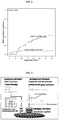
- kidney tissue specimens from 20 HSCT patients were examined for complement deposits using C4d staining ( FIG 3 ).
- C4d staining was performed at the clinical pathology laboratory at CCHMC and was graded by two clinical pathologists, blinded to each subject's original pathological diagnosis.
- C4d Arteriolar staining with C4d has not been reported in other disorders outside Applicant's observation in HSCT-TMA.
- peri-tubular capillary (PTC) staining for C4d is strongly correlated with worse kidney allograft survival and likely reflects the presence of complement fixing donor-specific anti-HLA antibodies.
- C4d has been also correlated with tissue injury and worse clinical outcomes in recipients of other solid organ transplants, including heart, pancreas, and liver allografts, whereas glomerular staining is commonly reported in known complement mediated diseases and other conditions with immune complex deposition, such as lupus nephritis.
- sC5b-9 testing was performed at CCHMC hematology laboratory using methodology approved for clinical patient testing (CLIA certified lab).
- sC5b-9 is generated by the assembly of C5 through C9 as a consequence of activation of the complement system by either the classical, lectin or alternative pathway.
- the membrane attack complex (MAC), a form of sC5b-9, is a stable complex that mediates the irreversible target cell membrane damage associated with complement activation. Complexes formed in the absence of a target membrane bind to naturally occurring regulatory serum proteins, e.g. the S protein forming non-cytolytic complexes in plasma.
- Complement activation is a high risk feature in HSCT-TMA
- Proteinuria >30mg/dL
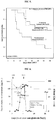
- evidence of terminal complement activation (elevated sC5b-9) in the blood at the time of HSCT-TMA diagnosis were associated with very poor survival (16% at 1-year), while all HSCT-TMA subjects without proteinuria and a normal sC5b-9 serum concentration survived (p ⁇ 0.01).
- Applicant concluded that 18% of all transplanted patients presented with severe HSCT-TMA and complement system activation that affected their outcome.
- a hematologic response to eculizumab was defined as normalization of lactate dehydrogenase (LDH), resolution of the need for red blood cell and platelet transfusions, and disappearance of schistocytes.
- a complete response was defined as normalization of the hematologic parameters noted above combined with a doubling of the cystatin C-eGFR and improvement of proteinuria to values below the nephrotic range, as defined by a random spot urine protein to creatinine ratio ⁇ 2 mg/mg.
- Therapeutic plasmapheresis was stopped in all patients receiving prior to starting eculizumab, so as not to wash out the medication. Applicant theorized that alternative markers might be indicative of eculizumab blood levels. Diagnostic functional complement system assessment included but was not limited to measurements of sC5b-9, CH50, and complement factor H autoantibody. While eculizumab serum level testing was available clinically at Cambridge Biomedical laboratory, results were only available in the medical record in 4-10 days and could not be used for timely drug level assessment for prompt clinical care. Such testing was used, however, for later correlation with other markers.
- eculizumab level at least 99 ⁇ g/mL (based on dosing in aHUS) or above for HSCT patients treated for HSCT-TMA.
- Data was available that higher eculizumab serum level does not pose additional side effects.
- the first eculizumab dose was given based on patient weight using eculizumab drug information.
- CH50 total complement hemolytic activity
- CH50 Total hemolytic complement activity
- the pharmacokinetic profiling of eculizumab was performed at the Division of Clinical Pharmacology, Cincinnati Children's Hospital Medical Center (CCHMC), and was described by a one-compartment model since the eculizumab concentrations showed an exponential decline over time.
- the elimination rate constant (kel) and concentration at 0 (C0) were estimated by linear least-squares regression of the log-transformed concentrations versus time in the log-linear phase of the disposition profile.
- Apparent volume of distribution (Vd) was estimated based on Dose/C0 in the first treatment.
- C max,n C trough, n-1 + Dose/Vd.
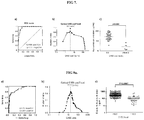
- Receiver operating characteristics (ROC) curve analysis and Youden's index were used to find the best cut-off value of CH50 that predicted a therapeutic eculizumab trough level >99 ⁇ g/mL.
- the CH50 immunoassay used is that available from the Binding Site, www.thebindingsite.com, CH50 Assay (EIA Method), Product number MK095.
- the Complement Activation EIA (CAE) test kit is a novel method for measurement of total classical complement activity. This method uses an enzyme-conjugated monoclonal antibody specific for neoantigen of terminal complement proteins. Microtiter wells are coated with complement activator into which a single dilution of patient or control serum is added. The complete classical complement pathway is activated and the cascade of C1q through C9 is formed within the well of the microtiter plate.
- Horseradish peroxidase-conjugated monoclonal antibody is allowed to react with the resulting neoantigen bound to the plate wells. After addition of chromogen, quantitation is achieved by comparison of the resultant absorbances, measured at 450 nm, to a reference, and verified by two controls.
- CH50 level 0-15 CH50 units corresponded with an eculizumab concentration of >99 ⁇ g/mL ( FIG 8 ) during all therapy (A) and during first and second dose analyzed separately (B).
- Normal CH50 level by this method is 101-300 CH50 units).
- the Hemolytic CH50 Method is as follows:
- CH50 total hemolytic
- the CH50 Complement test is a hemolytic assay using sensitized sheep erythrocytes, available from Diamedix Corporation.
- the cells are sensitized by antibody against the sheep erythrocytes, and an antigen-antibody complex is formed.
- lysis of the erythrocytes When exposed to complement in human serum, lysis of the erythrocytes will occur and free hemoglobin is released. The degree of lysis is proportional to the concentration of total complement in the human serum.
- the resulting hemolysis is read at 415 nm and compared to a reference serum of known concentration.
- Human serum is stored frozen at -20 °C for samples within 24 hours. Hemolyzed samples are not used. During testing, the sample is thawed and mixed, then remain cold at 2-8°C until use.
- the EZ Complement Cells should be stored at 2 to 8°C. Controls and Reference serum are stored at 0°C to -20°C. The reagents are stable until the expiration date listed on the box.
- the Reference Serum and Quality Control materials are lyophilized human serum. They are reconstituted prior to use with 300 ⁇ l cold distilled water and mixed gently and allowed to remain at room temperature for five minutes. The vials remain on ice for an additional 10 minutes before using. Once reconstituted, they are tested within 8 hours.
- the absorbance of the Blank must be less than 0.150.
- the quality control values must be within expected range.
- the absorbance of the Blank tube will be subtracted from the absorbances of the test samples to correct for the degree of spontaneous lysis that may occur in the test samples.
- a worksheet is used for each run to document the quality control, kit lot number and expiration date. The ranges of each control are available for review on the worksheet.
- the Cerner Laboratory Reporting System is used to report quality control and patient results for each assay performed. REFERENCE RANGE Absent or Low 0 - 100 Normal 101 - 300 High >301
- CH50 level for clinical use will be below 4 CAE on if measured by enzyme immunoassay method and below 15 CH50 units if measured by hemolytic method using standardized sheep erythrocytes. These levels will be referred as "adequately suppressed CH50 in eculizumab dosing optimization" schema.
- HSCT-TMA was diagnosed using current diagnostic criteria and included elevated lactate dehydrogenase (LDH) above normal for age, haptoglobin below the lower limit of normal, schistocytes on peripheral blood smear, anemia, thrombocytopenia, a negative Coombs test, and acute kidney injury, defined as a doubling of the serum creatinine or a 50% decline in estimated cystatin C glomerular filtration rate (eGFR, normal 80-120 mL/min) from each subject's pre-HSCT baseline.
- eGFR estimated cystatin C glomerular filtration rate
- Proteinuria was identified using a random spot urine protein to creatinine ratio (normal ⁇ 0.2 mg/mg, nephrotic range >2 mg/mg). Kidney biopsy results, if available, were reviewed for histology of TMA. Each subject's legal guardian signed informed consent for treatment with eculizumab.
- TPE Therapeutic plasma exchange
- eculizumab was infused via central venous access over 30-60 minutes. Because immune compromised HSCT recipients do not respond to meningococcal vaccination, all patients were maintained on ciprofloxacin or penicillin VK prophylaxis until eculizumab was cleared and the CH50 levels normalized. Eculizumab levels in serum were tested at least twice a week after each dose, including a trough level drawn prior to each dose.
- Eculizumab drug levels were performed at Cambridge Biomedical, Inc. (Boston, MA) as a clinical test and a trough concentration >99ug/mL was considered therapeutic. Levels were reported with a turnaround time of 4-10 days and were often not immediately available, so dosing adjustment varied as follows: if a trough level was reported prior to the next weekly dose and was therapeutic, the dose was given according to the schedule in FIG 10 . If the patient was due for the next weekly dose and the eculizumab trough concentration was reported and was sub-therapeutic, the subsequent dose was increased by 300 mg/dose. If a sub-therapeutic result was reported 4-5 days after the prior dose, an additional midweek dose was given. If results were not available for dose adjustment, the same eculizumab induction dose was continued weekly until the trough eculizumab concentration was documented to be above the therapeutic level.
- HSCT-TMA was diagnosed within 100 days (range 6-69 days) of transplant in five patients. One patient was diagnosed one year post transplant after presenting with acute HSCT-TMA and renal failure requiring hemodialysis. At diagnosis of HSCT-TMA all patients had impaired renal function with a median serum cystatin C-eGFR of 18.5 mL/min (range 15-48 mL/min) and nephrotic range proteinuria with median random urine protein/creatinine ratio 11 mg/mg (range 4.5-81.6 mg/mg). Two patients required renal replacement therapy. All patients had severe hypertension requiring six to nine antihypertensive medications at initiation of eculizumab therapy. ADAMTS13 activity level was normal (>67%) in all patients, ruling out TTP.
- Terminal complement complex activity (sC5b-9) was elevated in four of five tested patients.
- the patient with a normal sC5b-9 level was receiving therapeutic plasma exchange (TPE) when the blood sample was obtained and was shown to have elevated sC5b-9 on the sample that was in repository while not on TPE.
- CFH autoantibody was not detected in any of the patients.
- One of three tested patients had a heterozygous CFHR3-CFHR1 deletion. Renal biopsy performed on patient two showed severe TMA with diffuse C4d staining in affected arterioles.
- the median time for complete response of all HSCT-TMA parameters, including doubling in cystatin C-eGFR and improvement of proteinuria below 2 mg/mg was 69.5 days (range 29-141 days) after eculizumab initiation. All responders are currently doing well at a median of 38.5 weeks (range 29-63 weeks) post-HSCT-TMA. Patients one and four completely recovered renal function as evidenced by normal cystatin C-eGFR >100 ml/min and the absence of proteinuria and hypertension.
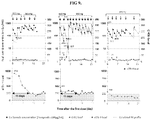
- FIG 9 Representative samples of eculizumab dosing and levels for the first three weeks of therapy are shown in FIG 9 .
- the first eculizumab dose for patient three was higher (600 mg) than recommended (300 mg) for his weight of 9 kg, producing a therapeutic level after the first dose.
- Therapeutic trough levels of eculizumab >99 ⁇ g/mL were eventually achieved in all four responders (patients one though four) using either extra doses or doses that were higher than currently recommended. Eculizumab trough levels remained sub-therapeutic in the two non-responding cases (patients five and six).
- Patient five did not achieve a therapeutic trough level during five weeks of therapy, despite significant dose escalation to 900 mg twice weekly, starting day on day 24 of therapy.
- Patient six received two weekly induction doses of 900 mg, as recommended for his weight, before he died without achieving therapeutic eculizumab levels.
- the eculizumab level was below therapeutic three days after the first dose, but serum eculizumab concentration results were pending so dosing could not be adjusted in a timely manner.
- Elimination rate constants and systemic clearance of eculizumab showed significant variability among patients, with most rapid clearance in patients five and six who were most ill at the time of treatment, and perhaps more highly catabolic than the responding patients (data not shown).
- Applicant reports the use of the terminal complement inhibitor, eculizumab, in the treatment of severe HSCT-TMA. Applicant observed that 66.7% of patients had complete resolution of severe HSCT-TMA after achieving therapeutic eculizumab levels. In Applicant's prospective HSCT-TMA study, survival of such patients with high risk HSCT-TMA was 20% without complement blocking therapy. Non-responding patients died without achieving therapeutic drug levels or complement blockade, despite dose escalation. All patients with HSCT-TMA required higher eculizumab dosing and/or more frequent administrations to reach and maintain therapeutic eculizumab levels compared to the dosing regimen currently recommended for patients with aHUS.
- Eculizumab pharmacokinetics were analyzed based on a one compartment model. However, the elimination rate constant was not constant after every treatment but decreased over time and stabilized as declining slope of log-transformed eculizumab concentrations, which became shallower after multiple treatments. Thirteen of 18 patients (72%) showed eculizumab concentrations ⁇ 99 ⁇ g/mL 3-4 days after the first eculizumab dose. CH50 suppression was inadequate and was associated with a sub-therapeutic eculizumab level of ⁇ 99 ⁇ g/mL identifying the need for additional treatment in these patients. Conversely, an adequate CH50 suppression was strongly correlated with a therapeutic eculizumab level >99 ⁇ g/mL and clinical response, indicating successful complement blockade and adequate drug dosing.
- Applicant's study provides important data regarding the time to clinical response to eculizumab in patients with HSCT-TMA.
- the fastest and most complete response was achieved in patients who started eculizumab therapy promptly after the diagnosis of HSCT-TMA and achieved steady therapeutic eculizumab levels.
- renal recovery was incomplete and the time to recovery was longer, suggesting that the early use of eculizumab may maximize benefit in cases of severe HSCT-TMA.
- At least four to six weeks of therapy with a documented therapeutic eculizumab trough level or adequate complement blockade documented by an undetectable CH50 level before a patient is deemed to be a non-responder may be used. If a patient is determined to be a rapid eliminator after first dose (i.e. 3-4 days after therapy initiation), an additional eculizumab induction dose should be considered to achieve a therapeutic trough level as quickly as possible. An another option would be to increase the first eculizumab dose by 300 mg above the currently recommended first induction dose, especially in critically ill patients who may be highly catabolic.
- HSCT-TMA complement activated by either the alternative or classical pathway can be blocked by the terminal complement blocker eculizumab making this medication an appropriate therapy regardless of the complement pathway involved in pathogenesis is HSCT-TMA.
- eculizumab is a promising therapeutic option for HSCT-TMA patients who are at high risk of death. Early therapy initiation may prevent irreversible organ damage, and toxicity is low.
- CH50 may serve as an accurate and readily available pharmacodynamic marker of complement blockade, allowing prompt dosage adjustment, perhaps without need for drug level monitoring.
Landscapes
- Health & Medical Sciences (AREA)
- Life Sciences & Earth Sciences (AREA)
- Chemical & Material Sciences (AREA)
- Engineering & Computer Science (AREA)
- Immunology (AREA)
- General Health & Medical Sciences (AREA)
- Medicinal Chemistry (AREA)
- Organic Chemistry (AREA)
- Bioinformatics & Cheminformatics (AREA)
- Molecular Biology (AREA)
- Pharmacology & Pharmacy (AREA)
- Urology & Nephrology (AREA)
- Animal Behavior & Ethology (AREA)
- Nuclear Medicine, Radiotherapy & Molecular Imaging (AREA)
- General Chemical & Material Sciences (AREA)
- Chemical Kinetics & Catalysis (AREA)
- Public Health (AREA)
- Veterinary Medicine (AREA)
- Hematology (AREA)
- Biomedical Technology (AREA)
- Biochemistry (AREA)
- Proteomics, Peptides & Aminoacids (AREA)
- Analytical Chemistry (AREA)
- General Physics & Mathematics (AREA)
- Pathology (AREA)
- Biotechnology (AREA)
- Cell Biology (AREA)
- Microbiology (AREA)
- Food Science & Technology (AREA)
- Physics & Mathematics (AREA)
- Genetics & Genomics (AREA)
- Biophysics (AREA)
- Cardiology (AREA)
- Heart & Thoracic Surgery (AREA)
- Transplantation (AREA)
- Diabetes (AREA)
- Vascular Medicine (AREA)
- Investigating Or Analysing Biological Materials (AREA)
- Medicines That Contain Protein Lipid Enzymes And Other Medicines (AREA)
- Medicines Containing Antibodies Or Antigens For Use As Internal Diagnostic Agents (AREA)
Priority Applications (1)
| Application Number | Priority Date | Filing Date | Title |
|---|---|---|---|
| EP20164737.7A EP3750914A1 (en) | 2013-09-16 | 2014-09-16 | Compositions and methods for treatment of hsct-associated thrombotic microangiopathy |
Applications Claiming Priority (2)
| Application Number | Priority Date | Filing Date | Title |
|---|---|---|---|
| US201361878119P | 2013-09-16 | 2013-09-16 | |
| PCT/US2014/055922 WO2015039126A1 (en) | 2013-09-16 | 2014-09-16 | Compositions and methods for treatment of hsct-associated thrombotic microangiopathy |
Related Child Applications (1)
| Application Number | Title | Priority Date | Filing Date |
|---|---|---|---|
| EP20164737.7A Division EP3750914A1 (en) | 2013-09-16 | 2014-09-16 | Compositions and methods for treatment of hsct-associated thrombotic microangiopathy |
Publications (3)
| Publication Number | Publication Date |
|---|---|
| EP3046581A1 EP3046581A1 (en) | 2016-07-27 |
| EP3046581A4 EP3046581A4 (en) | 2017-04-19 |
| EP3046581B1 true EP3046581B1 (en) | 2020-04-01 |
Family
ID=52666441
Family Applications (2)
| Application Number | Title | Priority Date | Filing Date |
|---|---|---|---|
| EP14843902.9A Active EP3046581B1 (en) | 2013-09-16 | 2014-09-16 | Compositions and methods for treatment of hsct-associated thrombotic microangiopathy |
| EP20164737.7A Pending EP3750914A1 (en) | 2013-09-16 | 2014-09-16 | Compositions and methods for treatment of hsct-associated thrombotic microangiopathy |
Family Applications After (1)
| Application Number | Title | Priority Date | Filing Date |
|---|---|---|---|
| EP20164737.7A Pending EP3750914A1 (en) | 2013-09-16 | 2014-09-16 | Compositions and methods for treatment of hsct-associated thrombotic microangiopathy |
Country Status (6)
| Country | Link |
|---|---|
| US (1) | US10815296B2 (cg-RX-API-DMAC10.html) |
| EP (2) | EP3046581B1 (cg-RX-API-DMAC10.html) |
| JP (4) | JP6654137B2 (cg-RX-API-DMAC10.html) |
| CA (1) | CA2921856A1 (cg-RX-API-DMAC10.html) |
| ES (1) | ES2796078T3 (cg-RX-API-DMAC10.html) |
| WO (1) | WO2015039126A1 (cg-RX-API-DMAC10.html) |
Families Citing this family (15)
| Publication number | Priority date | Publication date | Assignee | Title |
|---|---|---|---|---|
| ES2796078T3 (es) * | 2013-09-16 | 2020-11-25 | Childrens Hospital Med Ct | Composiciones y métodos para el tratamiento de la microangiopatía trombótica asociada al hsct |
| RS61351B1 (sr) | 2013-10-17 | 2021-02-26 | Omeros Corp | Postupci za lečenje stanja udruženih sa aktivacijom komplementa zavisnom od masp-2 |
| CN106999559A (zh) * | 2014-12-19 | 2017-08-01 | 儿童医院医疗中心 | 与移植相关血栓性微血管病相关的方法和组合物 |
| WO2016200627A1 (en) * | 2015-06-09 | 2016-12-15 | Children's Hospital Medical Center | Dosing algorithm for complement inhibitor |
| TW201718014A (zh) * | 2015-10-12 | 2017-06-01 | 諾華公司 | C5抑制劑於移植相關微血管病之用途 |
| CN117398458A (zh) * | 2015-11-09 | 2024-01-16 | 奥默罗斯公司 | 用于治疗与masp-2依赖性补体活化相关的病况的方法 |
| IL263481B2 (en) | 2016-06-14 | 2024-06-01 | Regeneron Pharma | Anti-c5 antibodies and uses thereof |
| WO2019108456A1 (en) * | 2017-12-01 | 2019-06-06 | Children's Hospital Medical Center | Compositions for interferon blockade and methods of using same |
| AU2018383751B2 (en) | 2017-12-13 | 2025-05-08 | Regeneron Pharmaceuticals, Inc. | Anti-C5 antibody combinations and uses thereof |
| JP2023503776A (ja) * | 2019-09-27 | 2023-02-01 | ヴォリューション イミュノ ファーマシューティカルズ エスエイ | 造血幹細胞移植後の血栓性微小血管症(hsct-tma)の治療方法 |
| JP7821160B2 (ja) * | 2020-08-13 | 2026-02-26 | アレクシオン ファーマシューティカルズ, インコーポレイテッド | 造血幹細胞移植関連血栓性微小血管症(hsct-tma)を処置するための抗c5抗体の用量及び投与 |
| US20250066461A1 (en) * | 2021-12-21 | 2025-02-27 | Children's Hospital Medical Center | Compositions and methods for treating transplant associated thrombotic microangiopathy in bleeding patients |
| TW202426048A (zh) * | 2022-09-06 | 2024-07-01 | 美商阿雷希昂製藥公司 | 用於治療造血幹細胞移植相關血栓性(hsct-tma)的抗c5抗體的補充劑量和投與 |
| CA3266977A1 (en) | 2022-09-06 | 2024-03-14 | Alexion Pharmaceuticals, Inc. | DIAGNOSTIC AND PROGNOSIS BIOMARKER PROFILES IN PATIENTS WITH HEMATOPOIETIC STEM CELL TRANSPLANT-ASSOCIATED THROMBOTIC MICROANGIOPATHY (HSCT-TMA) |
| WO2024137904A1 (en) * | 2022-12-21 | 2024-06-27 | Children's Hospital Medical Center | Improved eculizumab precision dosing |
Family Cites Families (14)
| Publication number | Priority date | Publication date | Assignee | Title |
|---|---|---|---|---|
| US20040013664A1 (en) | 1997-01-14 | 2004-01-22 | Gentz Reiner L. | Tumor necrosis factor receptors 6 alpha & 6 beta |
| WO2004034988A2 (en) | 2002-10-16 | 2004-04-29 | Amgen Inc. | Human anti-ifn-ϝ neutralizing antibodies as selective ifn-ϝ pathway inhibitors |
| US20070116710A1 (en) | 2004-02-03 | 2007-05-24 | Leonard Bell | Methods of treating hemolytic anemia |
| DK1991275T3 (en) * | 2006-03-08 | 2014-12-08 | Archemix Llc | Complement aptamers AND ANTI-C5 AGENTS FOR USE IN THE TREATMENT OF EYE DISEASES |
| JP6223659B2 (ja) | 2008-11-10 | 2017-11-01 | アレクシオン ファーマシューティカルズ, インコーポレイテッド | 補体関連障害を処置するための方法および組成物 |
| JP2011178687A (ja) * | 2010-02-26 | 2011-09-15 | Kochi Univ | 造血細胞移植に伴う疼痛の予防および/または治療剤 |
| WO2011109338A1 (en) | 2010-03-01 | 2011-09-09 | Alexion Pharmaceuticals Inc. | Methods and compositions for treating degos' disease |
| SG11201402490XA (en) | 2011-11-23 | 2014-06-27 | Amgen Inc | Methods of treatment using an antibody against interferon gamma |
| CN104870012A (zh) | 2012-06-27 | 2015-08-26 | 吉安特科技公司 | 用于炎性疾病的抗-cxcl9、抗-cxcl10、抗-cxcl11、抗-cxcl13、抗-cxcr3和抗-cxcr5试剂 |
| AU2014306002B2 (en) | 2013-08-07 | 2017-05-25 | Alexion Pharmaceuticals, Inc. | Atypical hemolytic uremic syndrome (aHUS) biomarker proteins |
| US10254288B2 (en) | 2013-08-16 | 2019-04-09 | Quidel Corporation | Method for species-independent measurement of complement activation in animals |
| ES2796078T3 (es) * | 2013-09-16 | 2020-11-25 | Childrens Hospital Med Ct | Composiciones y métodos para el tratamiento de la microangiopatía trombótica asociada al hsct |
| WO2015070041A1 (en) | 2013-11-08 | 2015-05-14 | Icahn School Of Medicine At Mount Sinai | Methods for monitoring kidney dysfunction |
| WO2016200627A1 (en) | 2015-06-09 | 2016-12-15 | Children's Hospital Medical Center | Dosing algorithm for complement inhibitor |
-
2014
- 2014-09-16 ES ES14843902T patent/ES2796078T3/es active Active
- 2014-09-16 US US14/911,098 patent/US10815296B2/en active Active
- 2014-09-16 JP JP2016542879A patent/JP6654137B2/ja active Active
- 2014-09-16 CA CA2921856A patent/CA2921856A1/en active Pending
- 2014-09-16 EP EP14843902.9A patent/EP3046581B1/en active Active
- 2014-09-16 EP EP20164737.7A patent/EP3750914A1/en active Pending
- 2014-09-16 WO PCT/US2014/055922 patent/WO2015039126A1/en not_active Ceased
-
2019
- 2019-12-25 JP JP2019234471A patent/JP7572777B2/ja active Active
-
2022
- 2022-02-02 JP JP2022014712A patent/JP2022062161A/ja active Pending
-
2024
- 2024-07-24 JP JP2024118532A patent/JP2024133399A/ja not_active Withdrawn
Non-Patent Citations (2)
| Title |
|---|
| HILLMEN P ET AL: "EFFECT OF ECULIZUMAB ON HEMOLYSIS AND TRANSFUSION REQUIREMENTS IN PATIENTS WITH PAROXYSMAL NOCTRURNAL HEMAGLOBINURIA", NEW ENGLAND JOURNAL OF MEDICINE, THE -, MASSACHUSETTS MEDICAL SOCIETY, US, vol. 350, no. 6, 5 February 2004 (2004-02-05), pages 552 - 559, XP009057948, ISSN: 1533-4406, DOI: 10.1056/NEJMOA031688 * |
| NN: "EZ Complement Cells - CH50 Test", PRODUCT INFORMATION SHEET, 1 January 2014 (2014-01-01), pages 1 - 4, XP055535397, Retrieved from the Internet <URL:http://diamedix.com/wp-content/uploads/2015/10/PI-EZ-Complement-CH50-789-001Rev6-June-15.pdf> [retrieved on 20181217] * |
Also Published As
| Publication number | Publication date |
|---|---|
| JP2016531158A (ja) | 2016-10-06 |
| JP7572777B2 (ja) | 2024-10-24 |
| JP6654137B2 (ja) | 2020-02-26 |
| EP3046581A1 (en) | 2016-07-27 |
| EP3046581A4 (en) | 2017-04-19 |
| ES2796078T3 (es) | 2020-11-25 |
| EP3750914A1 (en) | 2020-12-16 |
| JP2020073531A (ja) | 2020-05-14 |
| WO2015039126A1 (en) | 2015-03-19 |
| JP2024133399A (ja) | 2024-10-01 |
| JP2022062161A (ja) | 2022-04-19 |
| CA2921856A1 (en) | 2015-03-19 |
| US20160194386A1 (en) | 2016-07-07 |
| US10815296B2 (en) | 2020-10-27 |
Similar Documents
| Publication | Publication Date | Title |
|---|---|---|
| US10815296B2 (en) | Methods of treatment of HSCT-associated thrombotic microangiopathy with eculizumab | |
| Sellmayr et al. | Only hyperuricemia with crystalluria, but not asymptomatic hyperuricemia, drives progression of chronic kidney disease | |
| Bi et al. | Mitochondrial damage‐induced innate immune activation in vascular smooth muscle cells promotes chronic kidney disease‐associated plaque vulnerability | |
| Battistone et al. | Proinflammatory P2Y14 receptor inhibition protects against ischemic acute kidney injury in mice | |
| Kimishima et al. | Clonal hematopoiesis with JAK2V617F promotes pulmonary hypertension with ALK1 upregulation in lung neutrophils | |
| Jodele | Complement in pathophysiology and treatment of transplant-associated thrombotic microangiopathies | |
| Chen et al. | Lipopolysaccharide induces chronic kidney injury and fibrosis through activation of mTOR signaling in macrophages | |
| Masterson et al. | ABO incompatible renal transplantation without antibody removal using conventional immunosuppression alone | |
| Elfeky et al. | New insights into risk factors for transplant-associated thrombotic microangiopathy in pediatric HSCT | |
| WO2019008408A1 (en) | METHODS FOR DETERMINING WHETHER A PATIENT SUFFERING FROM MYELOPROLIFERATIVE NEOPLASM IS AT RISK OF THROMBOSIS | |
| CN1997385B (zh) | 膜联蛋白v用于预防动脉血栓和斑块破裂 | |
| Chen et al. | Properdin is a key player in lysis of red blood cells and complement activation on endothelial cells in hemolytic anemias caused by complement dysregulation | |
| Hsu et al. | The role of ROCK in platelet–monocyte collaborative induction of thromboinflammation during acute coronary syndrome | |
| Xu et al. | Human umbilical cord-derived mesenchymal stem cells and human cord blood mononuclear cells protect against cisplatin-induced acute kidney injury in rat models | |
| Maritati et al. | “Eculizumab First” in the management of posttransplant thrombotic microangiopathy | |
| Jaffar et al. | Coagulation factor-XII induces interleukin-6 by primary lung fibroblasts: a role in idiopathic pulmonary fibrosis? | |
| Fanos et al. | Nenatal drug induced nephrotoxicity: old and next generation biomarkers for early detection and management of neonatal drug-induced nephrotoxicity, with special emphasis on uNGAL and on metabolomics | |
| Nusrat et al. | Thrombotic microangiopathy after hematopoietic stem cell and solid organ transplantation: a review for intensive care physicians | |
| Lee et al. | Bortezomib pharmacokinetics in tumor response and peripheral neuropathy in multiple myeloma patients receiving bortezomib-containing therapy | |
| Rusiecka et al. | Nanobody-based Pannexin1 channel inhibitors increase survival after cardiac ischemia/reperfusion | |
| Agnoli et al. | Methylprednisolone alone or combined with cyclosporine or mycophenolate mofetil for the treatment of immune-mediated hemolytic anemia in dogs, a prospective study | |
| Washino et al. | Temsirolimus induces surfactant lipid accumulation and lung inflammation in mice | |
| Vega-Roman et al. | Impact of transplantation on neutrophil extracellular trap formation in patients with end-stage renal disease: A single-center, prospective cohort study | |
| Aviel et al. | Repurposing of glatiramer acetate to treat heart diseases | |
| Strandberg | The first 30 minutes of kidney transplantation |
Legal Events
| Date | Code | Title | Description |
|---|---|---|---|
| PUAI | Public reference made under article 153(3) epc to a published international application that has entered the european phase |
Free format text: ORIGINAL CODE: 0009012 |
|
| 17P | Request for examination filed |
Effective date: 20160317 |
|
| AK | Designated contracting states |
Kind code of ref document: A1 Designated state(s): AL AT BE BG CH CY CZ DE DK EE ES FI FR GB GR HR HU IE IS IT LI LT LU LV MC MK MT NL NO PL PT RO RS SE SI SK SM TR |
|
| AX | Request for extension of the european patent |
Extension state: BA ME |
|
| RIN1 | Information on inventor provided before grant (corrected) |
Inventor name: JODELE, SONATA Inventor name: LASKIN, BENJAMIN L. |
|
| DAX | Request for extension of the european patent (deleted) | ||
| A4 | Supplementary search report drawn up and despatched |
Effective date: 20170320 |
|
| RIC1 | Information provided on ipc code assigned before grant |
Ipc: A61K 39/395 20060101AFI20170314BHEP |
|
| REG | Reference to a national code |
Ref country code: HK Ref legal event code: DE Ref document number: 1227298 Country of ref document: HK |
|
| STAA | Information on the status of an ep patent application or granted ep patent |
Free format text: STATUS: EXAMINATION IS IN PROGRESS |
|
| 17Q | First examination report despatched |
Effective date: 20180125 |
|
| GRAP | Despatch of communication of intention to grant a patent |
Free format text: ORIGINAL CODE: EPIDOSNIGR1 |
|
| STAA | Information on the status of an ep patent application or granted ep patent |
Free format text: STATUS: GRANT OF PATENT IS INTENDED |
|
| INTG | Intention to grant announced |
Effective date: 20191024 |
|
| GRAS | Grant fee paid |
Free format text: ORIGINAL CODE: EPIDOSNIGR3 |
|
| GRAA | (expected) grant |
Free format text: ORIGINAL CODE: 0009210 |
|
| STAA | Information on the status of an ep patent application or granted ep patent |
Free format text: STATUS: THE PATENT HAS BEEN GRANTED |
|
| AK | Designated contracting states |
Kind code of ref document: B1 Designated state(s): AL AT BE BG CH CY CZ DE DK EE ES FI FR GB GR HR HU IE IS IT LI LT LU LV MC MK MT NL NO PL PT RO RS SE SI SK SM TR |
|
| REG | Reference to a national code |
Ref country code: GB Ref legal event code: FG4D |
|
| REG | Reference to a national code |
Ref country code: CH Ref legal event code: EP Ref country code: AT Ref legal event code: REF Ref document number: 1250501 Country of ref document: AT Kind code of ref document: T Effective date: 20200415 |
|
| REG | Reference to a national code |
Ref country code: DE Ref legal event code: R096 Ref document number: 602014063282 Country of ref document: DE |
|
| REG | Reference to a national code |
Ref country code: IE Ref legal event code: FG4D |
|
| REG | Reference to a national code |
Ref country code: CH Ref legal event code: NV Representative=s name: NOVAGRAAF INTERNATIONAL SA, CH |
|
| REG | Reference to a national code |
Ref country code: SE Ref legal event code: TRGR |
|
| REG | Reference to a national code |
Ref country code: NL Ref legal event code: FP |
|
| PG25 | Lapsed in a contracting state [announced via postgrant information from national office to epo] |
Ref country code: BG Free format text: LAPSE BECAUSE OF FAILURE TO SUBMIT A TRANSLATION OF THE DESCRIPTION OR TO PAY THE FEE WITHIN THE PRESCRIBED TIME-LIMIT Effective date: 20200701 |
|
| REG | Reference to a national code |
Ref country code: LT Ref legal event code: MG4D |
|
| PG25 | Lapsed in a contracting state [announced via postgrant information from national office to epo] |
Ref country code: IS Free format text: LAPSE BECAUSE OF FAILURE TO SUBMIT A TRANSLATION OF THE DESCRIPTION OR TO PAY THE FEE WITHIN THE PRESCRIBED TIME-LIMIT Effective date: 20200801 Ref country code: GR Free format text: LAPSE BECAUSE OF FAILURE TO SUBMIT A TRANSLATION OF THE DESCRIPTION OR TO PAY THE FEE WITHIN THE PRESCRIBED TIME-LIMIT Effective date: 20200702 Ref country code: FI Free format text: LAPSE BECAUSE OF FAILURE TO SUBMIT A TRANSLATION OF THE DESCRIPTION OR TO PAY THE FEE WITHIN THE PRESCRIBED TIME-LIMIT Effective date: 20200401 Ref country code: NO Free format text: LAPSE BECAUSE OF FAILURE TO SUBMIT A TRANSLATION OF THE DESCRIPTION OR TO PAY THE FEE WITHIN THE PRESCRIBED TIME-LIMIT Effective date: 20200701 Ref country code: PT Free format text: LAPSE BECAUSE OF FAILURE TO SUBMIT A TRANSLATION OF THE DESCRIPTION OR TO PAY THE FEE WITHIN THE PRESCRIBED TIME-LIMIT Effective date: 20200817 Ref country code: LT Free format text: LAPSE BECAUSE OF FAILURE TO SUBMIT A TRANSLATION OF THE DESCRIPTION OR TO PAY THE FEE WITHIN THE PRESCRIBED TIME-LIMIT Effective date: 20200401 Ref country code: CZ Free format text: LAPSE BECAUSE OF FAILURE TO SUBMIT A TRANSLATION OF THE DESCRIPTION OR TO PAY THE FEE WITHIN THE PRESCRIBED TIME-LIMIT Effective date: 20200401 |
|
| REG | Reference to a national code |
Ref country code: ES Ref legal event code: FG2A Ref document number: 2796078 Country of ref document: ES Kind code of ref document: T3 Effective date: 20201125 |
|
| PG25 | Lapsed in a contracting state [announced via postgrant information from national office to epo] |
Ref country code: HR Free format text: LAPSE BECAUSE OF FAILURE TO SUBMIT A TRANSLATION OF THE DESCRIPTION OR TO PAY THE FEE WITHIN THE PRESCRIBED TIME-LIMIT Effective date: 20200401 Ref country code: RS Free format text: LAPSE BECAUSE OF FAILURE TO SUBMIT A TRANSLATION OF THE DESCRIPTION OR TO PAY THE FEE WITHIN THE PRESCRIBED TIME-LIMIT Effective date: 20200401 Ref country code: LV Free format text: LAPSE BECAUSE OF FAILURE TO SUBMIT A TRANSLATION OF THE DESCRIPTION OR TO PAY THE FEE WITHIN THE PRESCRIBED TIME-LIMIT Effective date: 20200401 |
|
| PG25 | Lapsed in a contracting state [announced via postgrant information from national office to epo] |
Ref country code: AL Free format text: LAPSE BECAUSE OF FAILURE TO SUBMIT A TRANSLATION OF THE DESCRIPTION OR TO PAY THE FEE WITHIN THE PRESCRIBED TIME-LIMIT Effective date: 20200401 |
|
| REG | Reference to a national code |
Ref country code: DE Ref legal event code: R097 Ref document number: 602014063282 Country of ref document: DE |
|
| PG25 | Lapsed in a contracting state [announced via postgrant information from national office to epo] |
Ref country code: DK Free format text: LAPSE BECAUSE OF FAILURE TO SUBMIT A TRANSLATION OF THE DESCRIPTION OR TO PAY THE FEE WITHIN THE PRESCRIBED TIME-LIMIT Effective date: 20200401 Ref country code: EE Free format text: LAPSE BECAUSE OF FAILURE TO SUBMIT A TRANSLATION OF THE DESCRIPTION OR TO PAY THE FEE WITHIN THE PRESCRIBED TIME-LIMIT Effective date: 20200401 Ref country code: SM Free format text: LAPSE BECAUSE OF FAILURE TO SUBMIT A TRANSLATION OF THE DESCRIPTION OR TO PAY THE FEE WITHIN THE PRESCRIBED TIME-LIMIT Effective date: 20200401 Ref country code: RO Free format text: LAPSE BECAUSE OF FAILURE TO SUBMIT A TRANSLATION OF THE DESCRIPTION OR TO PAY THE FEE WITHIN THE PRESCRIBED TIME-LIMIT Effective date: 20200401 |
|
| PLBE | No opposition filed within time limit |
Free format text: ORIGINAL CODE: 0009261 |
|
| STAA | Information on the status of an ep patent application or granted ep patent |
Free format text: STATUS: NO OPPOSITION FILED WITHIN TIME LIMIT |
|
| PG25 | Lapsed in a contracting state [announced via postgrant information from national office to epo] |
Ref country code: PL Free format text: LAPSE BECAUSE OF FAILURE TO SUBMIT A TRANSLATION OF THE DESCRIPTION OR TO PAY THE FEE WITHIN THE PRESCRIBED TIME-LIMIT Effective date: 20200401 Ref country code: SK Free format text: LAPSE BECAUSE OF FAILURE TO SUBMIT A TRANSLATION OF THE DESCRIPTION OR TO PAY THE FEE WITHIN THE PRESCRIBED TIME-LIMIT Effective date: 20200401 |
|
| 26N | No opposition filed |
Effective date: 20210112 |
|
| PG25 | Lapsed in a contracting state [announced via postgrant information from national office to epo] |
Ref country code: MC Free format text: LAPSE BECAUSE OF FAILURE TO SUBMIT A TRANSLATION OF THE DESCRIPTION OR TO PAY THE FEE WITHIN THE PRESCRIBED TIME-LIMIT Effective date: 20200401 |
|
| PG25 | Lapsed in a contracting state [announced via postgrant information from national office to epo] |
Ref country code: SI Free format text: LAPSE BECAUSE OF FAILURE TO SUBMIT A TRANSLATION OF THE DESCRIPTION OR TO PAY THE FEE WITHIN THE PRESCRIBED TIME-LIMIT Effective date: 20200401 |
|
| PG25 | Lapsed in a contracting state [announced via postgrant information from national office to epo] |
Ref country code: LU Free format text: LAPSE BECAUSE OF NON-PAYMENT OF DUE FEES Effective date: 20200916 |
|
| REG | Reference to a national code |
Ref country code: AT Ref legal event code: UEP Ref document number: 1250501 Country of ref document: AT Kind code of ref document: T Effective date: 20200401 |
|
| PG25 | Lapsed in a contracting state [announced via postgrant information from national office to epo] |
Ref country code: MT Free format text: LAPSE BECAUSE OF FAILURE TO SUBMIT A TRANSLATION OF THE DESCRIPTION OR TO PAY THE FEE WITHIN THE PRESCRIBED TIME-LIMIT Effective date: 20200401 Ref country code: CY Free format text: LAPSE BECAUSE OF FAILURE TO SUBMIT A TRANSLATION OF THE DESCRIPTION OR TO PAY THE FEE WITHIN THE PRESCRIBED TIME-LIMIT Effective date: 20200401 |
|
| PG25 | Lapsed in a contracting state [announced via postgrant information from national office to epo] |
Ref country code: MK Free format text: LAPSE BECAUSE OF FAILURE TO SUBMIT A TRANSLATION OF THE DESCRIPTION OR TO PAY THE FEE WITHIN THE PRESCRIBED TIME-LIMIT Effective date: 20200401 |
|
| P01 | Opt-out of the competence of the unified patent court (upc) registered |
Effective date: 20230516 |
|
| REG | Reference to a national code |
Ref country code: HK Ref legal event code: WD Ref document number: 1227298 Country of ref document: HK |
|
| REG | Reference to a national code |
Ref country code: CH Ref legal event code: U11 Free format text: ST27 STATUS EVENT CODE: U-0-0-U10-U11 (AS PROVIDED BY THE NATIONAL OFFICE) Effective date: 20251001 |
|
| PGFP | Annual fee paid to national office [announced via postgrant information from national office to epo] |
Ref country code: DE Payment date: 20250929 Year of fee payment: 12 |
|
| PGFP | Annual fee paid to national office [announced via postgrant information from national office to epo] |
Ref country code: IT Payment date: 20250919 Year of fee payment: 12 Ref country code: NL Payment date: 20250926 Year of fee payment: 12 Ref country code: TR Payment date: 20250908 Year of fee payment: 12 |
|
| PGFP | Annual fee paid to national office [announced via postgrant information from national office to epo] |
Ref country code: BE Payment date: 20250929 Year of fee payment: 12 Ref country code: GB Payment date: 20250929 Year of fee payment: 12 |
|
| PGFP | Annual fee paid to national office [announced via postgrant information from national office to epo] |
Ref country code: AT Payment date: 20250929 Year of fee payment: 12 Ref country code: FR Payment date: 20250925 Year of fee payment: 12 |
|
| PGFP | Annual fee paid to national office [announced via postgrant information from national office to epo] |
Ref country code: SE Payment date: 20250927 Year of fee payment: 12 |
|
| PGFP | Annual fee paid to national office [announced via postgrant information from national office to epo] |
Ref country code: IE Payment date: 20250929 Year of fee payment: 12 |
|
| PGFP | Annual fee paid to national office [announced via postgrant information from national office to epo] |
Ref country code: CH Payment date: 20251001 Year of fee payment: 12 |
|
| PGFP | Annual fee paid to national office [announced via postgrant information from national office to epo] |
Ref country code: ES Payment date: 20251001 Year of fee payment: 12 |