EP3027776B1 - Methods and molecular pharmacodynamic biomarkers for multiple signaling pathways in response to carboxyamidotriazole orotate - Google Patents
Methods and molecular pharmacodynamic biomarkers for multiple signaling pathways in response to carboxyamidotriazole orotate Download PDFInfo
- Publication number
- EP3027776B1 EP3027776B1 EP14832909.7A EP14832909A EP3027776B1 EP 3027776 B1 EP3027776 B1 EP 3027776B1 EP 14832909 A EP14832909 A EP 14832909A EP 3027776 B1 EP3027776 B1 EP 3027776B1
- Authority
- EP
- European Patent Office
- Prior art keywords
- protein
- family
- domain
- receptor
- kinase
- Prior art date
- Legal status (The legal status is an assumption and is not a legal conclusion. Google has not performed a legal analysis and makes no representation as to the accuracy of the status listed.)
- Active
Links
Images



Classifications
-
- C—CHEMISTRY; METALLURGY
- C12—BIOCHEMISTRY; BEER; SPIRITS; WINE; VINEGAR; MICROBIOLOGY; ENZYMOLOGY; MUTATION OR GENETIC ENGINEERING
- C12Q—MEASURING OR TESTING PROCESSES INVOLVING ENZYMES, NUCLEIC ACIDS OR MICROORGANISMS; COMPOSITIONS OR TEST PAPERS THEREFOR; PROCESSES OF PREPARING SUCH COMPOSITIONS; CONDITION-RESPONSIVE CONTROL IN MICROBIOLOGICAL OR ENZYMOLOGICAL PROCESSES
- C12Q1/00—Measuring or testing processes involving enzymes, nucleic acids or microorganisms; Compositions therefor; Processes of preparing such compositions
- C12Q1/68—Measuring or testing processes involving enzymes, nucleic acids or microorganisms; Compositions therefor; Processes of preparing such compositions involving nucleic acids
- C12Q1/6876—Nucleic acid products used in the analysis of nucleic acids, e.g. primers or probes
- C12Q1/6883—Nucleic acid products used in the analysis of nucleic acids, e.g. primers or probes for diseases caused by alterations of genetic material
- C12Q1/6886—Nucleic acid products used in the analysis of nucleic acids, e.g. primers or probes for diseases caused by alterations of genetic material for cancer
-
- G—PHYSICS
- G16—INFORMATION AND COMMUNICATION TECHNOLOGY [ICT] SPECIALLY ADAPTED FOR SPECIFIC APPLICATION FIELDS
- G16B—BIOINFORMATICS, i.e. INFORMATION AND COMMUNICATION TECHNOLOGY [ICT] SPECIALLY ADAPTED FOR GENETIC OR PROTEIN-RELATED DATA PROCESSING IN COMPUTATIONAL MOLECULAR BIOLOGY
- G16B20/00—ICT specially adapted for functional genomics or proteomics, e.g. genotype-phenotype associations
-
- C—CHEMISTRY; METALLURGY
- C12—BIOCHEMISTRY; BEER; SPIRITS; WINE; VINEGAR; MICROBIOLOGY; ENZYMOLOGY; MUTATION OR GENETIC ENGINEERING
- C12Q—MEASURING OR TESTING PROCESSES INVOLVING ENZYMES, NUCLEIC ACIDS OR MICROORGANISMS; COMPOSITIONS OR TEST PAPERS THEREFOR; PROCESSES OF PREPARING SUCH COMPOSITIONS; CONDITION-RESPONSIVE CONTROL IN MICROBIOLOGICAL OR ENZYMOLOGICAL PROCESSES
- C12Q2600/00—Oligonucleotides characterized by their use
- C12Q2600/106—Pharmacogenomics, i.e. genetic variability in individual responses to drugs and drug metabolism
-
- C—CHEMISTRY; METALLURGY
- C12—BIOCHEMISTRY; BEER; SPIRITS; WINE; VINEGAR; MICROBIOLOGY; ENZYMOLOGY; MUTATION OR GENETIC ENGINEERING
- C12Q—MEASURING OR TESTING PROCESSES INVOLVING ENZYMES, NUCLEIC ACIDS OR MICROORGANISMS; COMPOSITIONS OR TEST PAPERS THEREFOR; PROCESSES OF PREPARING SUCH COMPOSITIONS; CONDITION-RESPONSIVE CONTROL IN MICROBIOLOGICAL OR ENZYMOLOGICAL PROCESSES
- C12Q2600/00—Oligonucleotides characterized by their use
- C12Q2600/158—Expression markers
Definitions
- This invention is related to evaluation of molecular pharmacodynamics markers in response to carboxyamidotriazole orotate (CTO) in ex vivo human anagen hairs obtained from healthy subjects or patients with different diseases.
- CTO is an orally active agent with antineoplastic activity, that inhibits non-voltage operated Ca2+ channels, blocking both Ca2+ influx into cells and Ca2+ release from intracellular stores and resulting in the disruption of calcium-mediated signal transduction and inhibition of vascular endothelial growth factor (VEGF) signaling, multiple tyrosine kinase signaling, including AKT, MEK-ERK, or Bcr-Abl.
- VEGF vascular endothelial growth factor
- the present invention relates to the evaluation of molecular pharmacodynamics biomarkers of overall signaling output by transcriptomic assessment of response to CTO given to patients or when added to ex vivo cultured human anagen hairs in vitro.
- the P53 transcription factor is a major tumor suppressor protein that serves as a gatekeeper of cellular fate in multicellular organisms. P53 is activated in response to a variety of stress signals and initiates cell cycle arrest, senescence or apoptosis via pathways involving transactivation of P53 target genes. Stambolic V et al., Mol Cell: 317-325 (2001 ). This universal protection of genetic integrity is however impaired in many human cancers. The new paradigm is to develop agents that target the precise molecular signaling that maintains normal cell cycle, growth and proliferation.
- Carboxyamidotriazole orotate (CTO), an orotate salt of carboxyamidotriazole (CAI) is an inhibitor of receptor-operated calcium channel-mediated calcium influx, and is shown to have anti-proliferative and anti-invasive functions in several human cancer cell lines, including human glioblastoma cells. Ge S et al., Clin Cancer Res 6: 1248-1254 (2000 ).
- CAI can inhibit calcium-sensitive signal transduction pathways, including the release of arachidonic acid and its metabolites; nitric oxide release; the generation of inositol phosphates; and tyrosine phosphorylation Kohn E C et al.,Cancer Res 52:3208-3212 (1992 ) ; Kohn E C et al., Proc Natl Acad Sci 92: 1307-1311 (1995 ); Felder CF et al., J Pharmacol Exp Therap 257: 967-971 (1990 ); Hupe DJ et al., J Biol Chem 266: 10136-10142 (1991 ); Mignen O et al., J Cell Sc 118: 5615-5623 (2005 ); and Enfissi E et al., Cell Calcium 36: 459-467 (2004 ).
- CAI inhibits phosphorylation of cellular proteins STATS and CrkL, and induces apoptosis in imatinib mesylate-resistant chronic myeloid leukemia cells by down-regulating BCR-ABL ( Alessandro et al, PLOS 7: 1-13 (2012 ) .
- the invention is related to evaluation of the response of molecular pharmacodynamics markers in response to CTO treatment in human cell or tissue samples such as anagen hairs obtained from healthy subjects or from patients, either in vivo or in vitro.
- anagen hairs are obtained before dosing the patient with CTO, and at different time points after the daily dosing of a therapeutic amount of CTO is given.
- the patient's clinical status and blood levels of CAI are monitored during this period.
- anagen hairs are obtained from an untreated subject and the hairs are treated in ex vivo cultures with different doses of CTO which represent the range of doses required for therapeutic efficacy.
- RNA is extracted from the bulbs at the end of anagen hairs
- cDNA is then prepared from the RNA and global transcriptional or gene expression levels are determined by microarray analysis or by quantitative PCR (qPCR). Bioinformatic analysis is then conducted to identify CTO induced gene expression changes in anagen hairs. Such a protocol can also be applied to issues other than anagen hair obtained from healthy subjects or patients.
- Plucked scalp hair is an ideal surrogate for measuring direct response to treatment with CTO.
- Highly vascularized, hair follicle can respond within hours of exposure.
- the cells in the hair bulb at the base of the plucked hair and the outer root sheath are highly relevant surrogate marker tissue for solid tumors.
- Highly vascularized, the hair follicle can respond to drug treatment within hours of exposure. Bioinformatic analysis was conducted to identify drug-induced changes in hairs.
- US20120202760 relates to enhancing sensitivity of cytotoxic drugs by targeting their interfering mechanisms induced in the tumor microenvironment, which lead to drug resistance, using combinatorial therapy with carboxyamidotriazole orotate.
- the present invention relates to a method for quantifying the response to carboxyamidotriazole orotate (CTO) on pharmacodynamic biomarkers of multiple signature pathways, said method comprising:
- the present invention also relates to a method for quantifying the response to carboxyamidotriazole orotate (CTO) on pharmacodynamic biomarkers of non-voltage dependent calcium signaling pathways, said method comprising:
- the present invention also relates to a method for quantifying the response to carboxyamidotriazole orotate (CTO) on pharmacodynamic biomarkers of transcription signatures selected from the group consisting of EGFR, MEK, HDAC, HSP90, WNT ⁇ -catenin, P53, EGR1, PTEN, TGF ⁇ , RAS, GFS, CEACAMI and Dystonin, said method comprising:
- An aspect of the disclosure relates to the evaluation of molecular pharmacodynamic biomarkers of multiple signaling pathways in response to CTO given in vivo or in vitro, in ex vivo cultured human anagen hairs.
- Using a commercially available plucked hair molecular platform assay (Epistem Ltd, Manchester, UK) direct response to treatment with different doses of CTO equivalent to levels of carboxyamidotriazole (CAI) that are therapeutically achieved in patients, was evaluated to test targeting intracellular signaling pathways in oncology and other therapeutic areas.
- CAI carboxyamidotriazole
- the present invention used plucked scalp hair from subjects, extracted the RNA from the bulbs at the end of the anagen hairs, prepared the cDNA from the RNA, determined the gene expression levels by microarray analysis or quantitative PCR (qPCR) and conducted bioinformatics analysis to identify drug induced gene expression changes for CTO and other drugs, for example, Tarceva ® (EGFR inhibitor) or BEZ235 (a PI3K inhibitor).
- qPCR quantitative PCR
- the invention relates to development of molecular pharmacodynamics biomarkers of signaling output by transcriptomic assessment of response to CTO in ex vivo cultured human anagen hairs from human subjects with or without cancer or other diseases.
- the molecular pharmacodynamics biomarkers of CTO expose include RAS, GFS (PI3K,PI3K/MTOR), MEK, HDAC, NOTCH, WNT- ⁇ catenin, HSP90, EGFR, P53, CAIIPA, CAI ex vivo Calcium Signaling Non-voltage dependent, Calcium signaling all genes, Calcium signaling ex vivo, Canonical Calcium Signaling, Canonical Calcium ex vivo, Calcium all genes non-voltage dependent, EGR1, PTEN, TGF ⁇ , CEACAMI, or Dystonin.
- the disclosure there is provided a method of inhibiting GFS pathway signatures in response to treatment with CTO.
- the disclosure there is provided a method of inhibiting MEK pathway signatures in response to treatment with CTO.
- the disclosure there is provided a method of inhibiting WNT- ⁇ catenin pathway signatures in response to treatment with CTO.
- the disclosure there is provided a method of inhibiting EGFR pathway signatures in response to treatment with CTO.
- the disclosure there is provided a method of inducing P53 pathway signatures in response to treatment with CTO.
- the disclosure there is provided a method of inhibiting genes associated with non-voltage dependent calcium signaling in response to treatment with CTO.
- the invention provides Signature Scores for the CAI Ingenuity Pathway Analysis, the CAI ex vivo pathway, the calcium signaling pathway and the canonical calcium signaling pathways as pharmacodynamics markers of response to CTO.
- the disclosure there is provided a method of up regulating EGR1 pathway signatures in response to treatment with CTO.
- the disclosure there is provided a method of up regulating PTEN pathway signatures in response to treatment with CTO.
- the disclosure there is provided a method of inducing TGF- ⁇ pathway signatures in response to treatment with CTO.
- the disclosure there is provided a method of down regulating CEACAM1 pathway in response to treatment with CTO.
- the disclosure there is provided a method of down regulating dystonin pathway in response to treatment with CTO.
- the disclosure also relates to pharmaceutical compositions including CTO and another agent combined to improve sensitivity and efficacy and reduce toxicity while regulating one or more gene signatures including EGFR, MEK, VEGF, HDAC, HSP90, ERK, BCR-ABL, p53, ERG1, CEACAM1, dystonin or genes associates with non-voltage dependent calcium signaling, by monitoring the molecular pharmacodynamics biomarkers of signaling output in response to CTO in ex vivo cultured anagen hairs from a treated mammal.
- the disclosure provides a method of treating or preventing a condition in a mammal in which the regulation of one or more gene signatures including EGFR, MEK, VEGF, HDAC, HSP90, ERK, BCR-ABL, p53, ERG1, CEACAM1 , dystonin, or genes associates with non-voltage dependent calcium signaling , prevents, inhibits or ameliorates a pathology or a symptomology of the condition, the method including administration of a therapeutically effective amount of CTO as monotherapy or as combinatorial therapy, and monitoring the molecular pharmacodynamics biomarkers of signaling output in response to CTO in ex vivo cultured anagen hairs from a treated mammal.
- the regulation of one or more gene signatures including EGFR, MEK, VEGF, HDAC, HSP90, ERK, BCR-ABL, p53, ERG1, CEACAM1 , dystonin, or genes associates with non-voltage dependent calcium signaling
- the present disclosure provides a method of preventing or treating a proliferative condition in a subject, the method including administration of a therapeutically effective amount of CTO alone or in combination with another agent, and monitoring the molecular pharmacodynamics biomarkers of signaling output in response to CTO in ex vivo cultured anagen hairs from a treated mammal.
- Gene expression patterns can be established in other tissues as well to distinguish between tissues in different disease states or to predict prognosis of a disease such as cancer in response to one or more therapies.
- Another paradigm is to develop a platform of pharmacodynamics markers to design specific and customized formulation base on the gene expression pattern.
- the disclosure provides a paradigm for rational selection and development of combination treatments based on knowledge of the molecular abnormalities in particular diseases or cancer, together with the understanding that CTO may be combined with other targeted agents that are constructed to the molecular makeup of the disease or cancer, together with the understanding that of the feedback loops that apply upon blockade of a given pathway blocked by the targeted drug and how these feedback loops may be prevented, to maintain sustained inhibition of the molecular targets that drive the disease as well as in some instances to induce suppressor genes to optimize the treatment outcome.
- the invention provides a shift in the method of developing combinatorial drug regimens inhibiting several oncogenic targets with CTO in order to overcome cancers that are driven by several abnormalities, as well as to prevent or neutralize the development of drug resistance by monitoring the pharmacodynamics biomarkers of signaling output in response to CTO and carefully picked combination drugs, by transcriptomic assessment in ex vivo cultured anagen hairs.
- the current poly-pharmacology approach using several targeted drugs cocktails has not been successful and has posed new problems due to cumulative toxicities of the drugs in the cocktail.
- An important embodiment of the invention is the development of the panel of 15-20 gene mRNA expression signatures from hair samples and deploy this on the cDNA samples generated from patients by Affymetrix array data to identify genes differentially expressed in scalp hair samples from untreated and treated patients.
- This invention is related to carboxyamidotriazole orotate (CTO), an orally active agent with antineoplastic activity, that inhibits non-voltage operated Ca2+ channels, blocking both Ca2+ influx into cells and Ca2+ release from intracellular stores and resulting in the disruption of calcium-mediated signal transduction and inhibition of vascular endothelial growth factor (VEGF) signaling, multiple tyrosine kinase signaling, including AKT, MEK-ERK, or BCR-ABL. More particularly, the present invention relates to the evaluation of molecular pharmacodynamics biomarkers of signaling output by transcriptomic assessment of response to CTO in vivo and in vitro cultures in ex vivo cultured human anagen hairs.
- CTO carboxyamidotriazole orotate
- Anagen hairs are obtained at different time points from subjects given varying doses of CTO treatment. This is the approach used in clinical trials of CTO in patients. Alternately, anagen hairs are obtained from untreated subjects and the hairs are treated with varying doses of CTO in vitro-this approach is not subject to physiological conditions of absorption and delivery and was chosen.
- PI3K phosphatidylinositol 3-kinase
- Many pharmaceutical companies are developing specific inhibitors of one or more signaling pathways and proposing combinations of several specific inhibitors to inhibit multiple oncogene pathways.
- a major limitation to the overall benefit from targeted therapy is the development of drug resistance. Resistance can occur because of mutations that render the drug target insensitive to the inhibitor or when cancer cells change their dependency on the pathway that is targeted.
- resistance can be overcome by developing new drugs that effectively inhibit resistance-associated mutants, as in the example of dasatinib and nilotinib which are effective on BCR-ABL mutants that confer resistance to imatinib.
- a second approach is to target multiple signaling pathways simultaneously, and thus prevent the cancer from changing its dependency to another significant pathway, for example combining inhibitors of mitogen-activated protein (MAP)-extracellular signal regulated kinase (ERK) kinase with inhibitors of PI3 kinase.
- MAP mitogen-activated protein
- ERK extracellular signal regulated kinase
- the third approach is to enhance efficacy of the targeted therapy to simultaneously target downstream proteins that protect tumor cells from apoptosis.
- gene expression signatures for pathway activation and/or inactivation may be used as i) pharmacodynamics biomarkers to monitor the drug induced pathway inhibition in tumors or surrogate markers such as anagen hair, ii) as prediction biomarkers to identify tumors with high level of a particular pathway; and early efficacy biomarkers to get an early readout of efficacy or prevention.
- Carboxyamidotriazole orotate an orotate salt of carboxyamidotriazole (CAI) is an inhibitor of receptor-operated calcium channel-mediated calcium influx, and is shown to have anti-proliferative and anti-invasive functions in several human cancer cell lines, including human glioblastoma cells ( Fiorio Pla et al, 2008; Ge et al, 2000).
- CAI can inhibit calcium-sensitive signal transduction pathways, including the release of arachidonic acid and its metabolites; nitric oxide release; the generation of inositol phosphates; and tyrosine phosphorylation ( Ge et al, 2000; Kohn et al, 1992).
- CAI inhibits phosphorylation of cellular proteins STATS and CrkL, and induces apoptosis in imatinib mesylate-resistant chronic myeloid leukemia cells by down-regulating bcr-abl ( Alessandro et al, 2008 ).
- the cells in the hair bulb at the base of the plucked hair and the outer root sheath are highly relevant surrogate marker tissue for solid tumors. Bioinformatic analysis is conducted to identify drug-induced changes in hairs.
- the invention relates to development of molecular pharmacodynamics biomarkers of signaling output by transcriptomic assessment of response to CTO in ex vivo cultured human anagen hairs from human subjects with or without cancer or other diseases.
- This invention provides methods, pharmacodynamics biomarker signatures for multiple signaling pathways in a cell sample such as anagen hair, in response to carboxyamidotriazole orotate (CTO) from a subject.
- CTO has demonstrated response in several cancers having different genomic mutations in clinical studies.
- This invention provides a diagnostic and prognostic assay for monitoring response to CTO ranging from - 100 fold to +25 fold differential expression in several transcriptional signatures associated with tumor inhibition including EGFR, MEK, HDAC, RAS, GFS, WNT, HSP90 or non-voltage dependent calcium signaling, while inducing tumor suppressors signatures such as P53 or EGR1 in the anagen hair assay.
- a method for quantifying the response to carboxyamidotriazole orotate (CTO) on pharmacodynamics biomarkers of multiple signature pathways comprising:
- RAS gene products are involved in kinase signaling pathways that control the transcription of genes, which then regulate cell growth and differentiation.
- the conversion of RAS from a proto-oncogene usually occurs through a point mutation in the gene, and the altered function can affect the cell in different ways because RAS is involved in many signaling pathways that control cell division and cell death.
- Mutant ras has been identified in cancers of many origins, including pancreas, colon, lung, thyroid, bladder ovarian, breast, skin, liver kidney and some leukemias. Song, S et al., PLOS ONE 7: 1-11 (2012 ).
- GFS is responsive to phosphatidylinositol 3-kinase (PI3K) pathway perturbation and related to phosphatase and tensin homolog (PTEN) degradation.
- PI3K phosphatidylinositol 3-kinase
- PTEN phosphatase and tensin homolog
- PI3KCA Mutations in the 100 ⁇ subunit of PI3K, called PI3KCA are often responsible for activation of PI3K/AKT and have been reported in several human cancers. Janku F et al., J Clin Oncol 30:777-782 (2012 ).
- the disclosure there is provided a method of inhibiting EGFR pathway signatures in response to treatment with CTO.
- Drugs targeting the EGF receptor (EGFR)- antibodies binding the extracellular domain and small-molecule tyrosine kinase inhibitors have expanded treatment options for several solid tumors.
- the EFGR gene is frequently up regulated in carcinomas of the breast, kidney, ovary, cervix, and in squamous cell carcinomas. The up regulation is typically due to gene amplification or overexpression.
- EGFR up regulation in gliomas is most often associated with the rearrangement of the EGFR gene resulting in alterations of its transcript so that such gliomas express both wild type endogenous EGFR as well as episomal mutant form.
- the EGFR gene is amplified in >50% of glioblastomas.
- EGFR-targeted monoclonal antibodies Cetuximab ® and Panitumumab ® have been extensively studied in metastatic colorectal cancers.
- the clinical efficacy of EGFR-targeted antibodies is limited by the development of acquired secondary resistance which typically occurs within 3 to 12 months of starting therapy.
- Multiple mechanisms of secondary resistance to anti-EGFR antibodies have been reported such as expression of EGFR ligands, HER2 amplification, and deregulation of the EGFR recycling process.
- KRAS mutations arise and are responsible for acquired resistance in half the patients who initially respond to cetuximab or panitumumab.
- the disclosure there is provided a method of inhibiting MEK pathway signatures in response to treatment with CTO.
- the MAPK pathway is commonly activated in human cancers and then activates RAF-MEK-ERK kinase cascade which leads to activation downstream of substrates involved in cell proliferation, survival, transformation, translational control and cytoskeletal rearrangements. Tan N et al., Mol Cancer Ther 12: 853-864 (2013 ). Small molecule inhibitors targeted this pathway, such as allosteric inhibitors of MEK exhibit anticancer efficacy in vitro and in vivo.
- HDACs histone deacetylases
- HDACs are represented by 18 genes in humans and are divided into four distinct classes.
- Several classes of HDAC inhibitors are being evaluated in clinical investigations and indicate that certain HDAC family members are aberrantly expressed in several tumors.
- Unselective HDAC inhibitors show promising results in leukemias and solid tumors, for example Vorinostat ® approved for cutaneous T cell Lymphoma. Witt O et al., Cancer Letter 277: 8-21 (2008 ).
- some pan-HDAC inhibitors may cause numerous side effects thus requiring selective targeting of HDACs with oncogenic function in cancer cells.
- the disclosure there is provided a method of inhibiting WNT pathway signatures in response to treatment with CTO.
- the WNT family of signaling molecules regulates numerous processes in animal development, and WNT malfunction is implicated in various forms of disease including cancer and degenerative diseases.
- the canonical WNT signaling pathway is regulated at many levels and there is increasing evidence from other systems for crosstalk between WNT signaling and other pathways important in tumorigenesis, converging on B-catenin.
- B-catenin is a multifunctional protein with distinct molecular roles in cell adhesion at the plasma membrane and in transcription within the nucleus.
- An increasing number of studies suggest that elevated WNT signaling in glioblastoma (GBM) is initiated by several alternative mechanisms that are involved in different steps of the disease. De Robertis A et al., Mol Cancer Ther 12: 1180-1189 (2013 ); and Nusse R, Cell Res 15: 28-32 (2005 ). Therefore, inhibition of WNT signaling may represent a therapeutically relevant approach for GBM treatment
- HSP90 pathway signatures in response to treatment with CTO.
- Heat shock protens serve as molecular chaperones required for stability, post translation modification, and function of multiple client proteins. Expression of HSP is increased at times of physiologic stress, and these effects are believed to support cell survival. HSP90 is over expressed in many tumor types indicating that it may play a role in the survival of cancer cells and thus making it an attractive target for an anticancer agent. Increased HSP90 has been linked to worse prognosis in patients with non-small cell lung cancer.
- NSCLC arises as a result of several driver mutations, for example EGF receptor mutations are seen in about 10% of NSCLC.
- HSPs play an important role in neurodegenerative disorders such as Parkinson's disease, Alzheimer's disease or Huntington disease and therefore down regulation of HSP90 has potential beneficial effects in cancer and degenerative diseases.
- the disclosure there is provided a method of inhibiting genes associated with non-voltage dependent calcium signaling in response to treatment with CTO.
- Canonical calcium signaling was analyzed using the KEGG Calcium Signaling Pathway and IPA to predict regulation of canonical calcium signaling. No significant suppression of pathway was noted. Using ANOVA to filter for informative genes (FDR ⁇ 0.05 & 1.5 ) it was noted that suppression of canonical calcium genes occurred across CTO treatment, however this only represented 7/68 canonical pathway genes.
- TGF- ⁇ is part of a large family of structurally related cytokines that include bone morphogenic proteins, growth and differentiation factors, activins and inhibins. Nearly every cell type has the ability to secrete TGF- ⁇ as well as the ability to respond to TGF- ⁇ via the presence of TGF- ⁇ receptors on the cell surface. Therefore, gain or loss of function of the TGF- ⁇ pathway and its components are to lead to a variety of diseases including cancer.
- TGF- ⁇ functions as a tumor suppressor, where it inhibits proliferation, induces apoptosis and mediates differentiation. Conversely, in other contexts, TGF- ⁇ promotes tumor progression through increasing tumor cell invasion and metastasis. Smith A L et al., Clin Cancer Res 18: 4514-4512 (2012 ).
- CEACAM1 pathway signatures are included in CEACAM1 pathway signatures :
- CEACAM1 is a member of the carcinoembryionic antigen (CEA) gene family of Ig-like cell-cell adhesion molecules.
- CEACAM1 is down regulated in epithelial cancers, for example prostate, bladder and colon. Lawson EL et al., PLOS ONE 7: 1-14 (2012 ).
- Dystonin/Bpag1 proteins are cytoskeletal linkers whose loss of function in mice results in a hereditary sensory neuropathy with a progressive loss of limb coordination. Young K et al., Exp Cell Res 314:2750-2761 (2008 ).
- the disclosure there is provided a method of inducing P53 pathway signatures in response to treatment with CTO.
- Normal cells integrate multiple signaling pathways to control growth and proliferation.
- the p53 transcription factor is a major tumor suppressor protein that serves as a gatekeeper of cellular fate in multicellular organisms.
- P53 is activated in response to a variety of stress signals and initiates cell cycle arrest, senescence or apoptosis via pathways involving transactivation of p53 target genes.
- the disclosure there is provided a method of up regulating P53 pathway signatures in response to treatment with CTO. Mutations of PTEN are frequently found in a variety of cancers including brain, breast, endometrial, prostate and kidney tumors. PTEN is a tumor suppressor and is a negative regulator of PI3K/PKB/AKT-dependent cellular survival.
- the disclosure provided a method of up regulating EGR1 pathway signatures in response to treatment with CTO.
- the early growth response 1 (EGR1) gene product is a transcription factor with roles in differentiation and growth.
- the transcription factor EGR1 is a direct regulator of multiple tumor suppressor including TGF ⁇ 1, PTEN.and fibronectin. Baron V et al., Cancer gene Therapy 13: 115-124 (2006 ).
- EGR1 exhibits prominent tumor suppressor function and many human tumor cell lines express little or no EGR1 in contrast to their normal counterparts.
- EGR1 is decreased ot undetectable in non small cell lung cancers, breast tumors and human gliomas.
- Reexpression of ERG1 in human tumor cell lines inhibits transformation. The mechanism of suppression involves the direct induction of TGF- ⁇ 1 leading to increased fibronectin, and plasminogen activator inhibitor. Liu, C et al Proc Natl Acad Sci 93: 11831-11836 (1996 ).
- EGR1 is implicated in the regulation of P53 in melanoma cells leading to apoptosis and the proapoptotic suppressor gene PTEN is also directly regulated by EGR1.
- the disclosure also relates to pharmaceutical compositions including CTO and another agent combined to improve sensitivity and efficacy and reduce toxicity while regulating one or more gene signatures including EGFR, MEK, VEGF, HDAC, HSP90, ERK, BCR-ABL, p53, ERG1, CEACAM1 , dystonin, or genes associates with non-voltage dependent calcium signaling, by monitoring the molecular pharmacodynamic biomarkers of signaling output in response to CTO in ex vivo cultured anangen hairs from a treated mammal.
- the disclosure provides a method of treating or preventing a condition in a mammal in which the regulation of one or more gene signatures including EGFR, MEK, VEGF, HDAC, HSP90, ERK, BCR-ABL, p53, ERG1, CEACAM1 , dystonin, or genes associates with non-voltage dependent calcium signaling , prevents, inhibits or ameliorates a pathology or a symptomology of the condition, the method including administration of a therapeutically effective amount of CTO as monotherapy or as combinatorial therapy, and monitoring the molecular pharmacodynamics biomarkers of signaling output in response to CTO in ex vivo cultured anangen hairs from a treated mammal.
- the regulation of one or more gene signatures including EGFR, MEK, VEGF, HDAC, HSP90, ERK, BCR-ABL, p53, ERG1, CEACAM1 , dystonin, or genes associates with non-voltage dependent calcium signaling
- the present disclosure provides a method of preventing or treating a proliferative condition in a subject, the method including administration of a therapeutically effective amount of CTO alone or in combination with another agent, and monitoring the molecular pharmacodynamics biomarkers of signaling output in response to CTO in ex vivo cultured anagen hairs from a treated mammal.
- Gene expression patterns can be established in other tissues as well to distinguish between tissues in different disease states or to predict prognosis of a disease such as cancer in response to one or more therapies.
- Another paradigm is to develop a platform of pharmacodynamics markers to design specific and customized formulation base on the gene expression pattern.
- the invention provides a paradigm for rational selection and development of combination treatments based on knowledge of the molecular abnormalities in particular diseases or cancer, together with the understanding that CTO may be combined with other targeted agents that are constructed to the molecular makeup of the disease or cancer, together with the understanding that of the feedback loops that apply upon blockade of a given pathway blocked by the targeted drug and how these feedback loops may be prevented, to maintain sustained inhibition of the molecular targets that drive the disease as well as in some instances to induce suppressor genes to optimize the treatment outcome.
- the invention provides a shift in the method of developing combinatorial drug regimens inhibiting several oncogenic targets with CTO in order to overcome cancers that are driven by several abnormalities, as well as to prevent or neutralize the development of drug resistance by monitoring the pharmacodynamics biomarkers of signaling output in response to CTO and carefully picked combination drugs, by transcriptomic assessment in ex vivo cultured anagen hairs.
- the current poly-pharmacology approach using several targeted drugs cocktails has not been successful and has posed new problems due to cumulative toxicities of the drugs in the cocktail.
- the invention provides a rescue solution for targeted and non-targeted drug combinations that fail due to drug resistance mechanisms by combining them with CTO from the start or even after drug resistance is noted, to maintain sincitivity and effectiveness.
- An important embodiment of the invention is the development of the panel of up to 15-20 gene mRNA expression signatures from hair samples and deploy this on the cDNA samples generated from patients by Affymetrix array data to identify genes differentially expressed in scalp hair samples from untreated and treated patients.
- CTO carboxyamidotriazole orotate
- VEGF vascular endothelial growth factor
- the present invention relates to the evaluation of molecular pharmacodynamics biomarkers of signaling output by transcriptomic assessment of response to CTO in ex vivo cultured human anagen hairs.
- Plucked scalp hair is an ideal surrogate for measuring direct response to CTO treatment. It is a non-invasive and can also be used using samples from patients who have been treated with CTO, in which case the hairs do not need to be treated ex vivo. Hairs growing on the scalp in growth stage (anagen) and which have highly vascularized follicles are suitable.
- Donor hairs were plucked from 5 male donor volunteers, immediately transferred to maintenance medium cultures and exposed to varying doses of CTO equivalent to 2 ⁇ M, 5 ⁇ M, and 10 ⁇ M carboxyamidotriazole (CAI). The cultures were either maintained for 8hrs or 24hrs. Controls were used, for example, Tarceva ® (EGFR inhibitor) at 1 ⁇ M and BEZ235 (PI3K inhibitor) at 1 ⁇ M for 24 hrs only.
- Once in culture hairs were collected at the specified periods for mRNA isolation or protein analysis to ensure quality control. Small amounts of RNA (about up to 500ng) are extracted from the bulbs at the end of the anagen hairs. Representative cDNA was prepared from the RNA and gene expression levels determined by microarray analysis. Biotin labeling, fragmentation and hybridization to 048 Affymetrix U133 plus 2.0 array was done. Bioinformatic analysis was done to identify CTO induced gene expression changes. The whole procedure is given in FIG. 1 .
- Results obtained show strong transcriptional response for all contrasts. High level of differential expression of transcripts was observed. Tarceva ® showed less differential probes than CTO or BEZ235 at this threshold. For CTO differential probes increased in a dose related manner. CTO showed the greatest effect transcriptionally in anagen hair at all doses compared with BEZ235 or Tarceva ® . Results are presented in detail in Figure 1b . Biologically relevant alteration of the hair bulb transcriptome ranging from -100fold to +25 fold differential expression was observed at clinically relevant levels of CTO.
- the signature scores were assessed as described in detail by Loboda A., et al (Clinical Pharmacology & Therapeutics 86:92-96 (2009 ) for identification of growth factor gene signatures, and by Loboda A et al, BMC Medical Genomics 3: 1-11( 2010 ) for identification of signatures of RAS pathway and PI3K. They describe the Ingenuity Pathway Analysis (Ingenuity Systems, Redwood City, CA); http://www.ingenuity.com software tool to identify signaling pathways that are statistically enriched among growth factor signature genes. The RAS pathway was analyzed using publicly available and literature datasets, e.g., https://array.nci.nih.gov/carray/project/woost-00041.
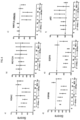
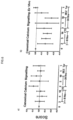
- FIG 3a describes results of multivariate signatures for RAS and Growth Factor Signatures. Briefly, modest down regulation in RAS and Growth Factor signatures (GFS) were observed, the inhibition being most obvious at 8hrs.
- Table 2 gives List of RAS and GFS signatures. Table 2.
- FIG. 3c describes results on PI3K in response to CTO. Strong suppression of PI3K signature was observed with control BEZ235 treatment but not with CTO.
- FIG. 3d describes results on PI3K/mTOR signature. Strong suppression of PI3K/mTOR signature was observed with control BEZ235 treatment but not with CTO.
- FIG. 3e describes strong inhibition of MEKi signature in all CTO treatments at 8hrs and 24hrs.
- FIG. 4a gives results showing weak suppression of HDAC signature in response to CTO treatment.
- the Signature Score for the HDAC pathway in response to different doses of CTO at 8hr and 24hr is compared with BEZ235 and Tarceva ® for 24hr.
- FIG. 4b describes no suppression of Notch signature in response to CTO treatment.
- the Signature Score for the NOTCH pathway in response to different doses of CTO at 8hr and 24hr is compared with BEZ235 and Tarceva ® for 24hr.
- FIG. 4c describes results showing WNT ⁇ -catenin signature shows modes suppression in 24hrs exposure to CTO.
- the Signature Score for the WNT ⁇ -catenin pathway in response to different doses of CTO at 8hr and 24hr is compared with BEZ235 and Tarceva ® for 24hr.
- FIG. 4d describes strong suppression of HSP90 signature with CTO treatment which is dose dependent.
- the Signature Score for the HSP90 pathway in response to different doses of CTO at 8hr and 24hr is compared with BEZ235 and Tarceva ® for 24hr.
- FIG. 4e describes very strong suppression of EGFR signature with CTO treatment and importantly this is stronger than that in Tarceva ® at all doses of CTO and time points.
- the Signature Score for the EGFR pathway in response to different doses of CTO at 8hr and 24hr is compared with BEZ235 and Tarceva ® for 24hr
- FIG. 4f describes induction of P53 signature with CTO treatment at all doses which is higher at the 24hr time point.
- the Signature Score for the P53 pathway in response to different doses of CTO at 8hr and 24hr is compared with BEZ235 and Tarceva ® for 24hr.
- FIG 5a illustrates the Signature Score for the CAI IPA pathway in response to different doses of CTO at 8hr and 24hr compared with BEZ235 and Tarceva ® for 24hr.
- IPA Ingenuity Pathways Analysis
- Table 3 lists the CAI IPA: Symbol MMP2 ESR1 FOS PCLG2 MAPK6 MAP15 AKT1 MOS3 HSP90B1 JUN CCND1 PPAR1 MAPK1 MAPK7 CASP3 AKT2 HSP90AA1 Hsp84-2 CEBPA MAPK3 PCLG1 MAPK4 MAPK12 HSPA8 AKT3 HSP90AB1 Hsp84-3 BAG3
- FIG 5b illustrates the Signature Score for the CAI Ex vivo pathway in response to different doses of CTO at 8hr and 24hr compared with BEZ235 and Tarceva ® for 24hr.
- Table 4 lists the 14 gene set. Table 4. Symbol: AKT2 CASP3 FOS HSP90AB1 JUN CEBPA MAPK3 BAG3 CCND1 HSP90AA1 HSP90B1 AKT1 MAPK1 MAPK7
- FIG 5c illustrates the Signature Score for the Calcium signaling pathway in response to different doses of CTO at 8hr and 24hr compared with BEZ235 and Tarceva ® for 24hr.
- Non-voltage dependent calcium signaling genes were identified from datasets in literature to inform on regulation. The list is presented in Table 5. Table 5. Symbol: ARG2 CCNA1 CCND2 CCNE2 TNF CA9 BDNF CCNA2 CCNE1 CTF1 BRAF CALR
- FIG 5d illustrates the Signature Score for the Calcium signaling for all gene pathway in response to different doses of CTO at 8hr and 24hr compared with BEZ235 and Tarceva ® for 24hr.
- the estimated regulation direction for all genes was identified. The list is provided in Table 6. Table 6.
- FIG 5e illustrates the Signature Score for the Calcium Signaling pathway in response to different doses of CTO at 8hr and 24hr compared with BEZ235 and Tarceva ® for 24hr. ANOVA was used to filter informative genes (FDR ⁇ 0.05 and 1.5 FC).
- Table 7 Symbol: BDNF CCNE1 PPP3CC ORAI3 TNF CAMK1 ORAI1 BRAF CCNA1 PPP3CB CAMK2D CCND2 CALM3 CAMK2G STIM2 CALR
- FIG 6a illustrates the Signature Score for the Canonical Calcium signaling using the KEGG Calcium Signaling and IPA to predict regulation of calcium signaling in response to differentdoses of CTO at 8hr and 24hr compared with BEZ235 and Tarceva ® for 24hr. Table 8. Table 8.
- FIG 6b illustrates the Signature Score for the Canonical Calcium signaling ex vivo using the KEGG Calcium Signaling and IPA to predict regulation of in response to different doses of CTO at 8hr and 24hr compared with BEZ235 and Tarceva ® for 24hr. Suppression noted for 6/78 canonical pathway genes only.
- Table 9 Table 9 Gene Symbol: HDAC3 HDAC4 PPP3CC GRIA3 CACNB3 HDAC8 PPP3CC HDAC4 PPP3CB ATP2C1 GRIA3 GRIA3 PPP3CC PPP3CC
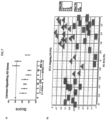
- FIG. 7a illustrates the Signature Score for all Signaling genes after merging of the ANOVA filtered gene sets for both the CAI signature ( FIG. 5b ) and the non-voltage dependent (NVD) gene sets ( FIG. 5c ).
- FIG 7b illustrates results in a panel of 31 CAI/Calcium related genes capable of separating the different CTO doses, both by signature view and by PCA.
- Table 10 provides the list of 31 genes. Table 10 Gene Symbol Source AKT1 CAI AKT2 CAI BAG3 CAI CASP3 CAI CCND1 CAI CEBPA CAI FOS CAI HSP90AA1 CAI HSP90AB1 CAI HSP90B1 CAI JUN CAI MAPK1 CAI MAPK3 CAI MAPK7 CAI BDNF Non-voltage BRAF Non-voltage CALM3 Non-voltage CALR Non-voltage CAMK1 Non-voltage CAMK2D Non-voltage CAMK2G Non-voltage CCNA1 Non-voltage CCND2 Non-voltage CCNE1 Non-voltage ORAI1 Non-voltage ORAI3 Non-voltage PPP3CB Non-voltage PPP3CC Non-voltage STIM2 Non-voltage TNF Non-voltage ATP2C1 KEGG CACNB3 KEGG GRIA3 KEGG HDAC3 KEGG HDAC4 KEGG
- EGR1 early growth response 1 gene product
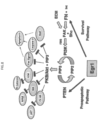
- FIG. 8 illustrates the EGR1 Signaling Pathway
- CEACAM1 carcinoembryonic antigen-related cell adhesion molecule
- Dystonin was down regulated by 60 fold in response to CTO treatment.
- TGF- ⁇ signaling was inhibited in response to treatment with CTO.
Landscapes
- Chemical & Material Sciences (AREA)
- Life Sciences & Earth Sciences (AREA)
- Health & Medical Sciences (AREA)
- Proteomics, Peptides & Aminoacids (AREA)
- Engineering & Computer Science (AREA)
- Organic Chemistry (AREA)
- Analytical Chemistry (AREA)
- Genetics & Genomics (AREA)
- Physics & Mathematics (AREA)
- Bioinformatics & Cheminformatics (AREA)
- Zoology (AREA)
- Wood Science & Technology (AREA)
- Immunology (AREA)
- Pathology (AREA)
- Biophysics (AREA)
- Biotechnology (AREA)
- Molecular Biology (AREA)
- General Health & Medical Sciences (AREA)
- Microbiology (AREA)
- Biochemistry (AREA)
- General Engineering & Computer Science (AREA)
- Oncology (AREA)
- Hospice & Palliative Care (AREA)
- Bioinformatics & Computational Biology (AREA)
- Evolutionary Biology (AREA)
- Medical Informatics (AREA)
- Spectroscopy & Molecular Physics (AREA)
- Theoretical Computer Science (AREA)
- Measuring Or Testing Involving Enzymes Or Micro-Organisms (AREA)
- Pharmaceuticals Containing Other Organic And Inorganic Compounds (AREA)
- Enzymes And Modification Thereof (AREA)
Applications Claiming Priority (2)
| Application Number | Priority Date | Filing Date | Title |
|---|---|---|---|
| US13/957,720 US10378059B2 (en) | 2013-08-02 | 2013-08-02 | Methods and molecular pharmacodynamic biomarkers for multiple signaling pathways in response to carboxyamidotriazole orotate |
| PCT/US2014/048905 WO2015017545A1 (en) | 2013-08-02 | 2014-07-30 | Methods and molecular pharmacodynamic biomarkers for multiple signaling pathways in response to carboxyamidotriazole orotate |
Publications (4)
| Publication Number | Publication Date |
|---|---|
| EP3027776A1 EP3027776A1 (en) | 2016-06-08 |
| EP3027776A4 EP3027776A4 (en) | 2017-03-08 |
| EP3027776C0 EP3027776C0 (en) | 2024-02-07 |
| EP3027776B1 true EP3027776B1 (en) | 2024-02-07 |
Family
ID=52428197
Family Applications (1)
| Application Number | Title | Priority Date | Filing Date |
|---|---|---|---|
| EP14832909.7A Active EP3027776B1 (en) | 2013-08-02 | 2014-07-30 | Methods and molecular pharmacodynamic biomarkers for multiple signaling pathways in response to carboxyamidotriazole orotate |
Country Status (9)
| Country | Link |
|---|---|
| US (1) | US10378059B2 (enExample) |
| EP (1) | EP3027776B1 (enExample) |
| JP (1) | JP6913459B2 (enExample) |
| KR (1) | KR102389934B1 (enExample) |
| CN (1) | CN105531380B (enExample) |
| AU (1) | AU2014296212B2 (enExample) |
| CA (1) | CA2919690C (enExample) |
| IL (1) | IL243894B (enExample) |
| WO (1) | WO2015017545A1 (enExample) |
Families Citing this family (3)
| Publication number | Priority date | Publication date | Assignee | Title |
|---|---|---|---|---|
| US10882841B2 (en) | 2016-03-01 | 2021-01-05 | University Of Maryland, Baltimore | Wnt signaling pathway inhibitors for treatments of disease |
| JP6889009B2 (ja) * | 2017-04-13 | 2021-06-18 | 浜松ホトニクス株式会社 | 画像取得システム及び画像取得方法 |
| US20220168276A1 (en) * | 2020-08-05 | 2022-06-02 | Tactical Therapeotics Inc. | Mehods and Compositions for Treating SARS-CoV-2 Infection using Carboxyamidotriazole Orotate |
Family Cites Families (10)
| Publication number | Priority date | Publication date | Assignee | Title |
|---|---|---|---|---|
| DE69633566T2 (de) * | 1995-07-21 | 2005-12-08 | Savvipharm Inc. | Orotatsalze von 5-amino- oder substituierten amino-1,2,3-triazolen zur behandlung von neoplasmen |
| US20030170720A1 (en) * | 2001-01-23 | 2003-09-11 | Van Der Kuyl Antoinette Cornelia | Means and methods for treatment evaluation |
| US8137910B2 (en) | 2002-05-03 | 2012-03-20 | Duke University | Method of regulating gene expression |
| US8450057B2 (en) | 2006-08-14 | 2013-05-28 | The Brigham And Women's Hospital, Inc. | Diagnostic tests using gene expression ratios |
| US7750018B2 (en) * | 2006-12-06 | 2010-07-06 | Tactical Therapeutics, Inc | Use of carboxiamidotriazole (CAI) orotate in macular degeneration |
| JP2010522567A (ja) | 2007-03-28 | 2010-07-08 | メダレックス インコーポレーティッド | 遺伝子増幅および発現の方法 |
| WO2009120561A2 (en) * | 2008-03-22 | 2009-10-01 | Merck & Co., Inc. | Methods and gene expression signature for assessing growth factor signaling pathway regulation status |
| NZ598482A (en) * | 2009-09-04 | 2014-05-30 | Tactical Therapeutics Inc | Novel compositions and processes for preparing 5-amino or substituted amino 1,2,3-triazoles and triazole orotate formulations |
| US8877785B2 (en) * | 2009-09-04 | 2014-11-04 | Tactical Therapeutics Inc | Methods and compositions for enhancing sensitivity of cytotoxic drugs with timely combinatorial therapy with carboxyamidotriazole orotate |
| WO2012135845A1 (en) * | 2011-04-01 | 2012-10-04 | Qiagen | Gene expression signature for wnt/b-catenin signaling pathway and use thereof |
-
2013
- 2013-08-02 US US13/957,720 patent/US10378059B2/en active Active
-
2014
- 2014-07-30 JP JP2016531859A patent/JP6913459B2/ja active Active
- 2014-07-30 KR KR1020167002926A patent/KR102389934B1/ko active Active
- 2014-07-30 AU AU2014296212A patent/AU2014296212B2/en active Active
- 2014-07-30 CN CN201480050189.3A patent/CN105531380B/zh active Active
- 2014-07-30 WO PCT/US2014/048905 patent/WO2015017545A1/en not_active Ceased
- 2014-07-30 EP EP14832909.7A patent/EP3027776B1/en active Active
- 2014-07-30 CA CA2919690A patent/CA2919690C/en active Active
-
2016
- 2016-02-01 IL IL243894A patent/IL243894B/en active IP Right Grant
Also Published As
| Publication number | Publication date |
|---|---|
| EP3027776A4 (en) | 2017-03-08 |
| CA2919690C (en) | 2021-11-02 |
| EP3027776C0 (en) | 2024-02-07 |
| JP6913459B2 (ja) | 2021-08-04 |
| WO2015017545A1 (en) | 2015-02-05 |
| US20150038349A1 (en) | 2015-02-05 |
| EP3027776A1 (en) | 2016-06-08 |
| AU2014296212B2 (en) | 2020-10-22 |
| KR102389934B1 (ko) | 2022-04-21 |
| IL243894B (en) | 2020-06-30 |
| US10378059B2 (en) | 2019-08-13 |
| JP2016526908A (ja) | 2016-09-08 |
| HK1220493A1 (en) | 2017-05-05 |
| IL243894A0 (en) | 2016-04-21 |
| CN105531380B (zh) | 2021-07-13 |
| CA2919690A1 (en) | 2015-02-05 |
| CN105531380A (zh) | 2016-04-27 |
| AU2014296212A1 (en) | 2016-02-25 |
| KR20160030535A (ko) | 2016-03-18 |
Similar Documents
| Publication | Publication Date | Title |
|---|---|---|
| Choudhry et al. | Extensive regulation of the non‐coding transcriptome by hypoxia: role of HIF in releasing paused RNApol2 | |
| US11174518B2 (en) | Method of classifying and diagnosing cancer | |
| Gamble et al. | The histone variant macroH2A1 marks repressed autosomal chromatin, but protects a subset of its target genes from silencing | |
| US9624549B2 (en) | Stable gene targets in breast cancer and use thereof for optimizing therapy | |
| US10619195B2 (en) | Gene-expression profiling with reduced numbers of transcript measurements | |
| Garitano-Trojaola et al. | Long non-coding RNAs in haematological malignancies | |
| Bhattarai et al. | Discovery of novel stroke-responsive lncRNAs in the mouse cortex using genome-wide RNA-seq | |
| Alshabi et al. | Identification of important invasion and proliferation related genes in adrenocortical carcinoma | |
| US20250022541A1 (en) | Unsupervised Machine Learning Methods | |
| Fan et al. | Identification of a five-lncRNA signature for the diagnosis and prognosis of gastric cancer | |
| Tan et al. | Overexpression of novel long intergenic non-coding RNA LINC02454 is associated with a poor prognosis in papillary thyroid cancer | |
| Heller et al. | Molecular signatures of basal cell carcinoma susceptibility and pathogenesis: A genomic approach | |
| EP3027776B1 (en) | Methods and molecular pharmacodynamic biomarkers for multiple signaling pathways in response to carboxyamidotriazole orotate | |
| Voth et al. | Co-regulated expression of HAND2 and DEIN by a bidirectional promoter with asymmetrical activity in neuroblastoma | |
| Smith et al. | Meta-analysis of breast cancer microarray studies in conjunction with conserved cis-elements suggest patterns for coordinate regulation | |
| Choi et al. | Epigenetic landscape change analysis during human EMT sheds light on a key EMT mediator TRIM29 | |
| Semov et al. | Microarray analysis of E-box binding-related gene expression in young and replicatively senescent human fibroblasts | |
| Loudig et al. | Molecular restoration of archived transcriptional profiles by complementary-template reverse-transcription (CT-RT) | |
| Chen et al. | Identification of novel genetic etiology and key molecular pathways for seminoma via network-based studies | |
| Teo et al. | Gene expression analysis: current methods | |
| Koringa et al. | Transcriptome analysis and SNP identification in SCC of horn in (Bos indicus) Indian cattle | |
| Prensner et al. | Transcriptome sequencing identifies PCAT-1, a novel lincRNA implicated in prostate cancer progression | |
| Brovkina et al. | Identification of novel differentially expressing long non-coding RNAs with oncogenic potential | |
| Zhang et al. | Screening of candidate key genes associated with human osteosarcoma using bioinformatics analysis | |
| HK1220493B (en) | Methods and molecular pharmacodynamic biomarkers for multiple signaling pathways in response to carboxyamidotriazole orotate |
Legal Events
| Date | Code | Title | Description |
|---|---|---|---|
| PUAI | Public reference made under article 153(3) epc to a published international application that has entered the european phase |
Free format text: ORIGINAL CODE: 0009012 |
|
| 17P | Request for examination filed |
Effective date: 20160302 |
|
| AK | Designated contracting states |
Kind code of ref document: A1 Designated state(s): AL AT BE BG CH CY CZ DE DK EE ES FI FR GB GR HR HU IE IS IT LI LT LU LV MC MK MT NL NO PL PT RO RS SE SI SK SM TR |
|
| AX | Request for extension of the european patent |
Extension state: BA ME |
|
| DAX | Request for extension of the european patent (deleted) | ||
| A4 | Supplementary search report drawn up and despatched |
Effective date: 20170206 |
|
| RIC1 | Information provided on ipc code assigned before grant |
Ipc: C12Q 1/68 20060101AFI20170131BHEP |
|
| REG | Reference to a national code |
Ref country code: HK Ref legal event code: DE Ref document number: 1220493 Country of ref document: HK |
|
| STAA | Information on the status of an ep patent application or granted ep patent |
Free format text: STATUS: EXAMINATION IS IN PROGRESS |
|
| 17Q | First examination report despatched |
Effective date: 20180305 |
|
| REG | Reference to a national code |
Ref country code: DE Ref legal event code: R079 Free format text: PREVIOUS MAIN CLASS: C12Q0001680000 Ipc: C12Q0001688600 Ref country code: DE Ref legal event code: R079 Ref document number: 602014089452 Country of ref document: DE Free format text: PREVIOUS MAIN CLASS: C12Q0001680000 Ipc: C12Q0001688600 |
|
| RIC1 | Information provided on ipc code assigned before grant |
Ipc: C12Q 1/6886 20180101AFI20200203BHEP |
|
| GRAP | Despatch of communication of intention to grant a patent |
Free format text: ORIGINAL CODE: EPIDOSNIGR1 |
|
| STAA | Information on the status of an ep patent application or granted ep patent |
Free format text: STATUS: GRANT OF PATENT IS INTENDED |
|
| INTG | Intention to grant announced |
Effective date: 20230322 |
|
| GRAJ | Information related to disapproval of communication of intention to grant by the applicant or resumption of examination proceedings by the epo deleted |
Free format text: ORIGINAL CODE: EPIDOSDIGR1 |
|
| STAA | Information on the status of an ep patent application or granted ep patent |
Free format text: STATUS: EXAMINATION IS IN PROGRESS |
|
| GRAP | Despatch of communication of intention to grant a patent |
Free format text: ORIGINAL CODE: EPIDOSNIGR1 |
|
| STAA | Information on the status of an ep patent application or granted ep patent |
Free format text: STATUS: GRANT OF PATENT IS INTENDED |
|
| INTC | Intention to grant announced (deleted) | ||
| INTG | Intention to grant announced |
Effective date: 20230830 |
|
| GRAS | Grant fee paid |
Free format text: ORIGINAL CODE: EPIDOSNIGR3 |
|
| GRAA | (expected) grant |
Free format text: ORIGINAL CODE: 0009210 |
|
| STAA | Information on the status of an ep patent application or granted ep patent |
Free format text: STATUS: THE PATENT HAS BEEN GRANTED |
|
| AK | Designated contracting states |
Kind code of ref document: B1 Designated state(s): AL AT BE BG CH CY CZ DE DK EE ES FI FR GB GR HR HU IE IS IT LI LT LU LV MC MK MT NL NO PL PT RO RS SE SI SK SM TR |
|
| REG | Reference to a national code |
Ref country code: GB Ref legal event code: FG4D |
|
| REG | Reference to a national code |
Ref country code: CH Ref legal event code: EP |
|
| REG | Reference to a national code |
Ref country code: DE Ref legal event code: R096 Ref document number: 602014089452 Country of ref document: DE |
|
| REG | Reference to a national code |
Ref country code: IE Ref legal event code: FG4D |
|
| U01 | Request for unitary effect filed |
Effective date: 20240223 |
|
| U07 | Unitary effect registered |
Designated state(s): AT BE BG DE DK EE FI FR IT LT LU LV MT NL PT SE SI Effective date: 20240304 |
|
| REG | Reference to a national code |
Ref country code: LT Ref legal event code: MG9D |
|
| PG25 | Lapsed in a contracting state [announced via postgrant information from national office to epo] |
Ref country code: IS Free format text: LAPSE BECAUSE OF FAILURE TO SUBMIT A TRANSLATION OF THE DESCRIPTION OR TO PAY THE FEE WITHIN THE PRESCRIBED TIME-LIMIT Effective date: 20240607 |
|
| PG25 | Lapsed in a contracting state [announced via postgrant information from national office to epo] |
Ref country code: GR Free format text: LAPSE BECAUSE OF FAILURE TO SUBMIT A TRANSLATION OF THE DESCRIPTION OR TO PAY THE FEE WITHIN THE PRESCRIBED TIME-LIMIT Effective date: 20240508 |
|
| PG25 | Lapsed in a contracting state [announced via postgrant information from national office to epo] |
Ref country code: RS Free format text: LAPSE BECAUSE OF FAILURE TO SUBMIT A TRANSLATION OF THE DESCRIPTION OR TO PAY THE FEE WITHIN THE PRESCRIBED TIME-LIMIT Effective date: 20240507 Ref country code: HR Free format text: LAPSE BECAUSE OF FAILURE TO SUBMIT A TRANSLATION OF THE DESCRIPTION OR TO PAY THE FEE WITHIN THE PRESCRIBED TIME-LIMIT Effective date: 20240207 |
|
| PG25 | Lapsed in a contracting state [announced via postgrant information from national office to epo] |
Ref country code: ES Free format text: LAPSE BECAUSE OF FAILURE TO SUBMIT A TRANSLATION OF THE DESCRIPTION OR TO PAY THE FEE WITHIN THE PRESCRIBED TIME-LIMIT Effective date: 20240207 |
|
| PG25 | Lapsed in a contracting state [announced via postgrant information from national office to epo] |
Ref country code: RS Free format text: LAPSE BECAUSE OF FAILURE TO SUBMIT A TRANSLATION OF THE DESCRIPTION OR TO PAY THE FEE WITHIN THE PRESCRIBED TIME-LIMIT Effective date: 20240507 Ref country code: NO Free format text: LAPSE BECAUSE OF FAILURE TO SUBMIT A TRANSLATION OF THE DESCRIPTION OR TO PAY THE FEE WITHIN THE PRESCRIBED TIME-LIMIT Effective date: 20240507 Ref country code: IS Free format text: LAPSE BECAUSE OF FAILURE TO SUBMIT A TRANSLATION OF THE DESCRIPTION OR TO PAY THE FEE WITHIN THE PRESCRIBED TIME-LIMIT Effective date: 20240607 Ref country code: HR Free format text: LAPSE BECAUSE OF FAILURE TO SUBMIT A TRANSLATION OF THE DESCRIPTION OR TO PAY THE FEE WITHIN THE PRESCRIBED TIME-LIMIT Effective date: 20240207 Ref country code: GR Free format text: LAPSE BECAUSE OF FAILURE TO SUBMIT A TRANSLATION OF THE DESCRIPTION OR TO PAY THE FEE WITHIN THE PRESCRIBED TIME-LIMIT Effective date: 20240508 Ref country code: ES Free format text: LAPSE BECAUSE OF FAILURE TO SUBMIT A TRANSLATION OF THE DESCRIPTION OR TO PAY THE FEE WITHIN THE PRESCRIBED TIME-LIMIT Effective date: 20240207 |
|
| PG25 | Lapsed in a contracting state [announced via postgrant information from national office to epo] |
Ref country code: PL Free format text: LAPSE BECAUSE OF FAILURE TO SUBMIT A TRANSLATION OF THE DESCRIPTION OR TO PAY THE FEE WITHIN THE PRESCRIBED TIME-LIMIT Effective date: 20240207 |
|
| U1N | Appointed representative for the unitary patent procedure changed after the registration of the unitary effect |
Representative=s name: REDDIE & GROSE LLP; GB |
|
| PG25 | Lapsed in a contracting state [announced via postgrant information from national office to epo] |
Ref country code: PL Free format text: LAPSE BECAUSE OF FAILURE TO SUBMIT A TRANSLATION OF THE DESCRIPTION OR TO PAY THE FEE WITHIN THE PRESCRIBED TIME-LIMIT Effective date: 20240207 |
|
| U20 | Renewal fee for the european patent with unitary effect paid |
Year of fee payment: 11 Effective date: 20240729 |
|
| PG25 | Lapsed in a contracting state [announced via postgrant information from national office to epo] |
Ref country code: SM Free format text: LAPSE BECAUSE OF FAILURE TO SUBMIT A TRANSLATION OF THE DESCRIPTION OR TO PAY THE FEE WITHIN THE PRESCRIBED TIME-LIMIT Effective date: 20240207 |
|
| PG25 | Lapsed in a contracting state [announced via postgrant information from national office to epo] |
Ref country code: CZ Free format text: LAPSE BECAUSE OF FAILURE TO SUBMIT A TRANSLATION OF THE DESCRIPTION OR TO PAY THE FEE WITHIN THE PRESCRIBED TIME-LIMIT Effective date: 20240207 |
|
| PG25 | Lapsed in a contracting state [announced via postgrant information from national office to epo] |
Ref country code: SK Free format text: LAPSE BECAUSE OF FAILURE TO SUBMIT A TRANSLATION OF THE DESCRIPTION OR TO PAY THE FEE WITHIN THE PRESCRIBED TIME-LIMIT Effective date: 20240207 |
|
| PG25 | Lapsed in a contracting state [announced via postgrant information from national office to epo] |
Ref country code: SM Free format text: LAPSE BECAUSE OF FAILURE TO SUBMIT A TRANSLATION OF THE DESCRIPTION OR TO PAY THE FEE WITHIN THE PRESCRIBED TIME-LIMIT Effective date: 20240207 Ref country code: SK Free format text: LAPSE BECAUSE OF FAILURE TO SUBMIT A TRANSLATION OF THE DESCRIPTION OR TO PAY THE FEE WITHIN THE PRESCRIBED TIME-LIMIT Effective date: 20240207 Ref country code: RO Free format text: LAPSE BECAUSE OF FAILURE TO SUBMIT A TRANSLATION OF THE DESCRIPTION OR TO PAY THE FEE WITHIN THE PRESCRIBED TIME-LIMIT Effective date: 20240207 Ref country code: CZ Free format text: LAPSE BECAUSE OF FAILURE TO SUBMIT A TRANSLATION OF THE DESCRIPTION OR TO PAY THE FEE WITHIN THE PRESCRIBED TIME-LIMIT Effective date: 20240207 |
|
| REG | Reference to a national code |
Ref country code: DE Ref legal event code: R097 Ref document number: 602014089452 Country of ref document: DE |
|
| PLBE | No opposition filed within time limit |
Free format text: ORIGINAL CODE: 0009261 |
|
| STAA | Information on the status of an ep patent application or granted ep patent |
Free format text: STATUS: NO OPPOSITION FILED WITHIN TIME LIMIT |
|
| 26N | No opposition filed |
Effective date: 20241108 |
|
| PG25 | Lapsed in a contracting state [announced via postgrant information from national office to epo] |
Ref country code: MC Free format text: LAPSE BECAUSE OF FAILURE TO SUBMIT A TRANSLATION OF THE DESCRIPTION OR TO PAY THE FEE WITHIN THE PRESCRIBED TIME-LIMIT Effective date: 20240207 |
|
| REG | Reference to a national code |
Ref country code: CH Ref legal event code: PL |
|
| PG25 | Lapsed in a contracting state [announced via postgrant information from national office to epo] |
Ref country code: CH Free format text: LAPSE BECAUSE OF NON-PAYMENT OF DUE FEES Effective date: 20240731 |
|
| PG25 | Lapsed in a contracting state [announced via postgrant information from national office to epo] |
Ref country code: IE Free format text: LAPSE BECAUSE OF NON-PAYMENT OF DUE FEES Effective date: 20240730 |
|
| U20 | Renewal fee for the european patent with unitary effect paid |
Year of fee payment: 12 Effective date: 20250728 |
|
| PGFP | Annual fee paid to national office [announced via postgrant information from national office to epo] |
Ref country code: GB Payment date: 20250728 Year of fee payment: 12 |
|
| PG25 | Lapsed in a contracting state [announced via postgrant information from national office to epo] |
Ref country code: CY Free format text: LAPSE BECAUSE OF FAILURE TO SUBMIT A TRANSLATION OF THE DESCRIPTION OR TO PAY THE FEE WITHIN THE PRESCRIBED TIME-LIMIT; INVALID AB INITIO Effective date: 20140730 |
|
| PG25 | Lapsed in a contracting state [announced via postgrant information from national office to epo] |
Ref country code: HU Free format text: LAPSE BECAUSE OF FAILURE TO SUBMIT A TRANSLATION OF THE DESCRIPTION OR TO PAY THE FEE WITHIN THE PRESCRIBED TIME-LIMIT; INVALID AB INITIO Effective date: 20140730 |