EP3013741B1 - Method of monitoring purity of a hydrogen gas mixture using an electrochemical cell - Google Patents
Method of monitoring purity of a hydrogen gas mixture using an electrochemical cell Download PDFInfo
- Publication number
- EP3013741B1 EP3013741B1 EP13777389.1A EP13777389A EP3013741B1 EP 3013741 B1 EP3013741 B1 EP 3013741B1 EP 13777389 A EP13777389 A EP 13777389A EP 3013741 B1 EP3013741 B1 EP 3013741B1
- Authority
- EP
- European Patent Office
- Prior art keywords
- hydrogen
- hydrogen gas
- purity
- gas
- consumer
- Prior art date
- Legal status (The legal status is an assumption and is not a legal conclusion. Google has not performed a legal analysis and makes no representation as to the accuracy of the status listed.)
- Active
Links
Images




Classifications
-
- C—CHEMISTRY; METALLURGY
- C25—ELECTROLYTIC OR ELECTROPHORETIC PROCESSES; APPARATUS THEREFOR
- C25B—ELECTROLYTIC OR ELECTROPHORETIC PROCESSES FOR THE PRODUCTION OF COMPOUNDS OR NON-METALS; APPARATUS THEREFOR
- C25B1/00—Electrolytic production of inorganic compounds or non-metals
- C25B1/01—Products
- C25B1/02—Hydrogen or oxygen
-
- B—PERFORMING OPERATIONS; TRANSPORTING
- B01—PHYSICAL OR CHEMICAL PROCESSES OR APPARATUS IN GENERAL
- B01D—SEPARATION
- B01D53/00—Separation of gases or vapours; Recovering vapours of volatile solvents from gases; Chemical or biological purification of waste gases, e.g. engine exhaust gases, smoke, fumes, flue gases, aerosols
- B01D53/32—Separation of gases or vapours; Recovering vapours of volatile solvents from gases; Chemical or biological purification of waste gases, e.g. engine exhaust gases, smoke, fumes, flue gases, aerosols by electrical effects other than those provided for in group B01D61/00
- B01D53/326—Separation of gases or vapours; Recovering vapours of volatile solvents from gases; Chemical or biological purification of waste gases, e.g. engine exhaust gases, smoke, fumes, flue gases, aerosols by electrical effects other than those provided for in group B01D61/00 in electrochemical cells
-
- C—CHEMISTRY; METALLURGY
- C01—INORGANIC CHEMISTRY
- C01B—NON-METALLIC ELEMENTS; COMPOUNDS THEREOF; METALLOIDS OR COMPOUNDS THEREOF NOT COVERED BY SUBCLASS C01C
- C01B3/00—Hydrogen; Gaseous mixtures containing hydrogen; Separation of hydrogen from mixtures containing it; Purification of hydrogen; Reversible storage of hydrogen
- C01B3/50—Separation of hydrogen or hydrogen-containing gases from gaseous mixtures, e.g. purification
-
- C—CHEMISTRY; METALLURGY
- C01—INORGANIC CHEMISTRY
- C01B—NON-METALLIC ELEMENTS; COMPOUNDS THEREOF; METALLOIDS OR COMPOUNDS THEREOF NOT COVERED BY SUBCLASS C01C
- C01B3/00—Hydrogen; Gaseous mixtures containing hydrogen; Separation of hydrogen from mixtures containing it; Purification of hydrogen; Reversible storage of hydrogen
- C01B3/50—Separation of hydrogen or hydrogen-containing gases from gaseous mixtures, e.g. purification
- C01B3/501—Separation of hydrogen or hydrogen-containing gases from gaseous mixtures, e.g. purification by diffusion
-
- C—CHEMISTRY; METALLURGY
- C01—INORGANIC CHEMISTRY
- C01B—NON-METALLIC ELEMENTS; COMPOUNDS THEREOF; METALLOIDS OR COMPOUNDS THEREOF NOT COVERED BY SUBCLASS C01C
- C01B3/00—Hydrogen; Gaseous mixtures containing hydrogen; Separation of hydrogen from mixtures containing it; Purification of hydrogen; Reversible storage of hydrogen
- C01B3/50—Separation of hydrogen or hydrogen-containing gases from gaseous mixtures, e.g. purification
- C01B3/56—Separation of hydrogen or hydrogen-containing gases from gaseous mixtures, e.g. purification by contacting with solids; Regeneration of used solids
-
- C—CHEMISTRY; METALLURGY
- C25—ELECTROLYTIC OR ELECTROPHORETIC PROCESSES; APPARATUS THEREFOR
- C25B—ELECTROLYTIC OR ELECTROPHORETIC PROCESSES FOR THE PRODUCTION OF COMPOUNDS OR NON-METALS; APPARATUS THEREFOR
- C25B15/00—Operating or servicing cells
- C25B15/02—Process control or regulation
-
- C—CHEMISTRY; METALLURGY
- C25—ELECTROLYTIC OR ELECTROPHORETIC PROCESSES; APPARATUS THEREFOR
- C25B—ELECTROLYTIC OR ELECTROPHORETIC PROCESSES FOR THE PRODUCTION OF COMPOUNDS OR NON-METALS; APPARATUS THEREFOR
- C25B9/00—Cells or assemblies of cells; Constructional parts of cells; Assemblies of constructional parts, e.g. electrode-diaphragm assemblies; Process-related cell features
- C25B9/17—Cells comprising dimensionally-stable non-movable electrodes; Assemblies of constructional parts thereof
- C25B9/19—Cells comprising dimensionally-stable non-movable electrodes; Assemblies of constructional parts thereof with diaphragms
-
- H—ELECTRICITY
- H01—ELECTRIC ELEMENTS
- H01M—PROCESSES OR MEANS, e.g. BATTERIES, FOR THE DIRECT CONVERSION OF CHEMICAL ENERGY INTO ELECTRICAL ENERGY
- H01M8/00—Fuel cells; Manufacture thereof
- H01M8/06—Combination of fuel cells with means for production of reactants or for treatment of residues
- H01M8/0606—Combination of fuel cells with means for production of reactants or for treatment of residues with means for production of gaseous reactants
- H01M8/0656—Combination of fuel cells with means for production of reactants or for treatment of residues with means for production of gaseous reactants by electrochemical means
-
- B—PERFORMING OPERATIONS; TRANSPORTING
- B01—PHYSICAL OR CHEMICAL PROCESSES OR APPARATUS IN GENERAL
- B01D—SEPARATION
- B01D2259/00—Type of treatment
- B01D2259/80—Employing electric, magnetic, electromagnetic or wave energy, or particle radiation
- B01D2259/818—Employing electrical discharges or the generation of a plasma
-
- C—CHEMISTRY; METALLURGY
- C01—INORGANIC CHEMISTRY
- C01B—NON-METALLIC ELEMENTS; COMPOUNDS THEREOF; METALLOIDS OR COMPOUNDS THEREOF NOT COVERED BY SUBCLASS C01C
- C01B2203/00—Integrated processes for the production of hydrogen or synthesis gas
- C01B2203/04—Integrated processes for the production of hydrogen or synthesis gas containing a purification step for the hydrogen or the synthesis gas
- C01B2203/0405—Purification by membrane separation
-
- H—ELECTRICITY
- H01—ELECTRIC ELEMENTS
- H01M—PROCESSES OR MEANS, e.g. BATTERIES, FOR THE DIRECT CONVERSION OF CHEMICAL ENERGY INTO ELECTRICAL ENERGY
- H01M2250/00—Fuel cells for particular applications; Specific features of fuel cell system
- H01M2250/10—Fuel cells in stationary systems, e.g. emergency power source in plant
-
- H—ELECTRICITY
- H01—ELECTRIC ELEMENTS
- H01M—PROCESSES OR MEANS, e.g. BATTERIES, FOR THE DIRECT CONVERSION OF CHEMICAL ENERGY INTO ELECTRICAL ENERGY
- H01M2250/00—Fuel cells for particular applications; Specific features of fuel cell system
- H01M2250/20—Fuel cells in motive systems, e.g. vehicle, ship, plane
-
- Y—GENERAL TAGGING OF NEW TECHNOLOGICAL DEVELOPMENTS; GENERAL TAGGING OF CROSS-SECTIONAL TECHNOLOGIES SPANNING OVER SEVERAL SECTIONS OF THE IPC; TECHNICAL SUBJECTS COVERED BY FORMER USPC CROSS-REFERENCE ART COLLECTIONS [XRACs] AND DIGESTS
- Y02—TECHNOLOGIES OR APPLICATIONS FOR MITIGATION OR ADAPTATION AGAINST CLIMATE CHANGE
- Y02B—CLIMATE CHANGE MITIGATION TECHNOLOGIES RELATED TO BUILDINGS, e.g. HOUSING, HOUSE APPLIANCES OR RELATED END-USER APPLICATIONS
- Y02B90/00—Enabling technologies or technologies with a potential or indirect contribution to GHG emissions mitigation
- Y02B90/10—Applications of fuel cells in buildings
-
- Y—GENERAL TAGGING OF NEW TECHNOLOGICAL DEVELOPMENTS; GENERAL TAGGING OF CROSS-SECTIONAL TECHNOLOGIES SPANNING OVER SEVERAL SECTIONS OF THE IPC; TECHNICAL SUBJECTS COVERED BY FORMER USPC CROSS-REFERENCE ART COLLECTIONS [XRACs] AND DIGESTS
- Y02—TECHNOLOGIES OR APPLICATIONS FOR MITIGATION OR ADAPTATION AGAINST CLIMATE CHANGE
- Y02E—REDUCTION OF GREENHOUSE GAS [GHG] EMISSIONS, RELATED TO ENERGY GENERATION, TRANSMISSION OR DISTRIBUTION
- Y02E60/00—Enabling technologies; Technologies with a potential or indirect contribution to GHG emissions mitigation
- Y02E60/30—Hydrogen technology
- Y02E60/36—Hydrogen production from non-carbon containing sources, e.g. by water electrolysis
-
- Y—GENERAL TAGGING OF NEW TECHNOLOGICAL DEVELOPMENTS; GENERAL TAGGING OF CROSS-SECTIONAL TECHNOLOGIES SPANNING OVER SEVERAL SECTIONS OF THE IPC; TECHNICAL SUBJECTS COVERED BY FORMER USPC CROSS-REFERENCE ART COLLECTIONS [XRACs] AND DIGESTS
- Y02—TECHNOLOGIES OR APPLICATIONS FOR MITIGATION OR ADAPTATION AGAINST CLIMATE CHANGE
- Y02E—REDUCTION OF GREENHOUSE GAS [GHG] EMISSIONS, RELATED TO ENERGY GENERATION, TRANSMISSION OR DISTRIBUTION
- Y02E60/00—Enabling technologies; Technologies with a potential or indirect contribution to GHG emissions mitigation
- Y02E60/30—Hydrogen technology
- Y02E60/50—Fuel cells
-
- Y—GENERAL TAGGING OF NEW TECHNOLOGICAL DEVELOPMENTS; GENERAL TAGGING OF CROSS-SECTIONAL TECHNOLOGIES SPANNING OVER SEVERAL SECTIONS OF THE IPC; TECHNICAL SUBJECTS COVERED BY FORMER USPC CROSS-REFERENCE ART COLLECTIONS [XRACs] AND DIGESTS
- Y02—TECHNOLOGIES OR APPLICATIONS FOR MITIGATION OR ADAPTATION AGAINST CLIMATE CHANGE
- Y02P—CLIMATE CHANGE MITIGATION TECHNOLOGIES IN THE PRODUCTION OR PROCESSING OF GOODS
- Y02P20/00—Technologies relating to chemical industry
- Y02P20/10—Process efficiency
- Y02P20/133—Renewable energy sources, e.g. sunlight
-
- Y—GENERAL TAGGING OF NEW TECHNOLOGICAL DEVELOPMENTS; GENERAL TAGGING OF CROSS-SECTIONAL TECHNOLOGIES SPANNING OVER SEVERAL SECTIONS OF THE IPC; TECHNICAL SUBJECTS COVERED BY FORMER USPC CROSS-REFERENCE ART COLLECTIONS [XRACs] AND DIGESTS
- Y02—TECHNOLOGIES OR APPLICATIONS FOR MITIGATION OR ADAPTATION AGAINST CLIMATE CHANGE
- Y02T—CLIMATE CHANGE MITIGATION TECHNOLOGIES RELATED TO TRANSPORTATION
- Y02T90/00—Enabling technologies or technologies with a potential or indirect contribution to GHG emissions mitigation
- Y02T90/40—Application of hydrogen technology to transportation, e.g. using fuel cells
Definitions
- Embodiments of the present disclosure relate to methods of utilizing electrochemical cells for monitoring purity of hydrogen gas.
- Hydrogen has emerged as a viable alternative to traditional power sources, such as fossil fuels, for a range of technologies, including, for example, transportation vehicles, portable power supplies, and stationary power production.
- Successful commercialization of hydrogen as an energy carrier and the long-term sustainability of a "hydrogen economy" may depend in part on the efficiency and cost-effectiveness of hydrogen manipulation and management systems (e.g., EHCs), and hydrogen distribution systems (e.g., dispensing stations).
- Users of hydrogen gas may be sensitive to potential pollutants that may exist in the gas, such as CO, CO 2 , N 2 , He, Ar, O 2 , CH 4 , higher hydrocarbons, S, CI, Br, Hg, VOCs, H 2 O, HCHO, HCOOH, NH 3 , halogenated compounds, and particulates, for example. Accordingly, consumers may require suppliers to provide purified hydrogen gas, and in some circumstances, to meet or exceed a certain threshold of purity of hydrogen gas supplied. Suppliers and distributors of hydrogen gas generally guarantee the purity of hydrogen supplied by analyzing the composition of the hydrogen gas prior to delivery, using, for example, devices such as gas chromatographs, mass spectrometers, ionization detectors, and infrared spectrometers.
- US 4620914 discloses purification of hydrogen in an assembly comprising anode and cathode gas diffusion electrodes, an electrolyte situated between the electrodes, first and second gas passages adjacent the electrodes and means for applying a voltage across the electrodes
- US 2007/0246373 discloses apparatus and operating methods for integrated electrochemical hydrogen separation systems.
- an electrical potential is applied between a first electrode and a second electrode of an electrochemical cell.
- the first electrode has a higher electrical potential with respect to zero than the second electrode.
- Electrical current is flowed through the cell as hydrogen is ionized at the first electrode and evolved at the second electrode. i.e., "pumped" across the cell.
- the hydrogen outlet flow and pressure from the cell can be controlled by adjusting the potential and current provided by the power supply.
- US 2006/0054512 discloses hydrogen pumps including a proton conducting medium, and a nonporous hydrogen permeable anode electrode and/or nonporous hydrogen permeable cathode electrode.
- the electrodes may be a solid thin metallic film such as palladium or a palladium alloy such as a palladium-copper alloy that allow for hydrogen permeation but not impurities, and thus, purifying a supply containing hydrogen.
- the proton conducting medium may be a solid anhydrous proton conducting medium disposed between the anode electrode and the cathode electrode.
- the anode electrode and the cathode electrode may be directly sealed to at least one of the proton conducting medium, a first member for distributing the supply containing hydrogen to the anode electrode, a second member for collecting a supply of purified hydrogen, and a gasket disposed around the proton conducting medium.
- US 2011/0233072 discloses a method of purifying a hydrogen stream using an electrochemical cell having an enclosed electrically conductive cylindrical outer shell and a hollow wet polymeric membrane located within and parallel to the longitudinal axis of the cylindrical member which provides an inner compartment and an outer compartment.
- An electrode having a longitudinal axis is located within the inner compartment and is spaced from the hollow polymeric membrane.
- a gas inlet for feeding a hydrogen stream that is to be purified communicates with the inner compartment and a gas outlet is provided for passing purified hydrogen gas thru the cylindrical outer shell.
- the electrode within the hollow wet polymeric membrane is connected to an anode terminal of a dc supply with an electrical conductor and the outer shell of the cylindrical shaped member is connected to a cathode terminal of the dc supply with another electrical conductor.
- Electrochemical cells are devices typically used for generating current from chemical reactions or inducing a chemical reaction using a flow of current.
- a fuel cell converts the chemical energy of a fuel (e.g., hydrogen, natural gas, methanol, gasoline, etc.) and an oxidant (e.g., air or oxygen) into electricity and produces heat and water.
- a basic electrochemical cell comprises a negatively charged anode, a positively charged cathode, and an ion-conducting material called an electrolyte.
- An electrolysis cell is essentially a fuel cell operating in reverse.
- a basic electrolysis cell can function as a hydrogen generator by decomposing water into hydrogen and oxygen gases when an external electric potential is applied.
- the basic technology of a hydrogen fuel cell or an electrolysis cell can be applied to electrochemical hydrogen manipulation, such as, electrochemical hydrogen compression, purification, or expansion.
- EHC electrochemical hydrogen compressor
- EHP electrochemical hydrogen pumps
- suitable EHCs may operate at higher pressures, for example, above approximately 2,000 psi (13.79 MPa), above approximately 5,000 psi (34.47 MPa), or above approximately 10,000 psi (68.95 MPa).
- a method for monitoring and ensuring hydrogen purity may include the use of an EHP or an EHC.
- these devices employ a proton conducting membrane as part of the electrochemical cells, and the membrane may allow only protons (i.e. hydrogen ions) and water to pass through. By only allowing hydrogen ions and water to pass through, other compounds may be physically prevented from passing through the membrane. Accordingly, hydrogen gas suppliers may be able to use this technology to remove pollutants from hydrogen gas, to monitor the presence of pollutants in hydrogen gas, and thus to ensure a certain level of purity of hydrogen gas supplied to the consumer.
- hydrogen gas may include hydrogen meeting a predetermined threshold of purity (purified hydrogen gas), hydrogen gas mixed with a quantity of impurities, or hydrogen gas suspected of, or potentially mixed with, a quantity of impurities.
- hydrogen gas mixture may include hydrogen gas mixed with a quantity of impurities, or hydrogen gas suspected of or potentially mixed with a quantity of impurities.
- Polytants may include any non-hydrogen gas, liquid, or solid.
- Electrochemical cell 100 includes an anode 110, a cathode 120, and an electrolyte membrane 130 disposed between anode 110 and cathode 120. Together, electrolyte membrane 130, anode 110, and cathode 120 may form a membrane electrode assembly (MEA) 140.
- MEA membrane electrode assembly
- Electrolyte membrane 130 may electrically insulate anode 110 from cathode 120.
- Electrolyte membrane 130 may be any suitable membrane, including, e.g., a proton exchange membrane (PEM).
- Electrolyte membrane 130 may be formed of a pure polymer membrane or a composite membrane, which may include, e.g., silica, heteropolyacids, layered metal phosphates, phosphates, and zirconium phosphates, embedded in a polymer matrix. Electrolyte membrane 130 may be permeable to protons but may not conduct electrons.
- Anode 110 and cathode 120 may include porous carbon electrodes containing a catalyst.
- the catalyst material e.g., platinum or any other suitable material, may speed up the reaction of oxygen and hydrogen.
- Electrochemical cell 100 may further comprise two bipolar plates 150, 160.
- Bipolar plates 150, 160 may act as support plates, conductors, provide passages to the respective electrode surfaces for the hydrogen, and provide passages for the removal of the compressed hydrogen.
- Bipolar plates 150, 160 may also include access channels for cooling fluid (i.e., water, glycol, or water glycol mixture).
- the bipolar plates may be made from aluminum, steel, stainless steel, titanium, copper, Ni-Cr alloy, graphite or any other electrically conductive material or combination of materials.
- Bipolar plates 150, 160 may separate electrochemical cell 100 from the neighboring cells in an electrochemical stack (not shown). For example, multiple electrochemical cells 100 may be linked in series to form a multi-stage EHC or stacked in parallel to form a single-stage EHC.
- hydrogen gas may be supplied to anode 110 through bipolar plate 150.
- An electric potential may be applied between anode 110 and cathode 120, wherein the potential at anode 110 is greater than the potential at cathode 120.
- the hydrogen at anode 110 may be oxidized, causing the hydrogen to split into electrons and protons.
- the hydrogen protons may then be electrochemically transported or "pumped" through PEM 130 to cathode 120, while the electrons are rerouted around PEM 130.
- the transported protons and rerouted electrons are reduced to form hydrogen.
- the hydrogen may be compressed and pressurized within a confined space.
- an EHP or EHC may employ a proton conducting membrane as part of an electrochemical cell, which may allow only hydrogen ions and water to pass through. Other compounds, e.g., pollutants, may be physically prevented from passing through the membrane. Accordingly, this technology may be used to purify hydrogen. Likewise, by using electrochemical cell technology, hydrogen suppliers may be able to ensure the purity of the hydrogen gas supplied, and suppliers or consumers may be able to monitor a supply of hydrogen gas for pollutants.
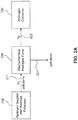
- a hydrogen supplier 210 may generate a quantity of hydrogen gas, which may contain one or more pollutants.
- the supply of hydrogen gas may be generated, for example, using any suitable steam-methane reformer, fossil hydrocarbon reformer, renewable hydrocarbon reformer, electrolyzer, ethanol reformer, biomass reformer, coal gasification, nuclear-powered water splitting, photoelectrochemical systems, photobiological systems, or solar thermochemical systems.
- supplier 210 may already have a quantity of hydrogen gas or hydrogen liquid contained in any suitable container, for example, a tube, tank, pipeline, or bottle, and this hydrogen may have an unknown, suspected, or known admixture of pollutants.
- the admixture of hydrogen gas and potential pollutants may be passed through an EHP 220, step 211.
- the gas admixture may be passed through EHP 220 at any point following production, for example, immediately after production or after a period of storage time.
- EHP 220 includes an electrolyte membrane and is configured to allow only protons, i.e., hydrogen ions, and water molecules to pass through. Accordingly, only hydrogen and water will be allowed to pass through from the anode side of EHP 220 to the cathode side of EHP 220. Pollutants present in the gas admixture will be separated out and removed from EHP 220, step 221.
- FIGS. 2A , 2B show only one EHP 220, any suitable number of EHPs may be included.
- a plurality of EHPs could be arranged in parallel or in series.
- each EHP may include an individual electrochemical cell or a plurality of electrochemical cells arranged in a stack.
- the purified hydrogen collected at the cathode side of EHP 220 may be delivered to a hydrogen consumer 230.
- the hydrogen gas may be delivered to consumer 230 at any point following purification, for example, immediately after purification or after a period of storage time, though reducing the time between purification and delivery may reduce the likelihood of recontamination.
- Consumer 230 may use the delivered hydrogen for any suitable use, including, e.g., for dispensing to fuel cell vehicles (e.g., at fueling or transfer stations), use with fuel cell vehicles, use with stationary fuel cell applications (e.g., back-up generators, home power systems), portable fuel cell applications, manufacturing (e.g., of semiconductors, electronics, metallurgy), or other commodity hydrogen gas users (e.g., laboratories, chemical synthesis).
- Suppliers of hydrogen gas 210 may include mass-producers and wholesale distributors who supply to retail distributors (e.g., fueling or transfer stations), industrial and commodity manufacturers or users, or individual users of hydrogen.
- Consumers 230 of hydrogen gas may include refineries of both fossil and renewable hydrocarbon fuels, retail distributors, e.g., fueling stations, industrial manufacturers or users, or individual users of hydrogen.
- suppliers 210 and consumers 230 may be the same entity, for example, a retailer or manufacturer may produce its own hydrogen gas for its own consumption.
- a portion of hydrogen may bypass EHP 220 instead of passing through EHP 220 at step 211.
- a portion of hydrogen may follow step 212 and may pass straight from hydrogen supplier 210 to hydrogen consumer 230.
- a quantity of hydrogen from supplier 210 may be broken into at least two portions, one that follows step 211 through EHP 220, and one that follows step 212, bypassing EHP 220.
- the two portions of hydrogen may be rejoined at step 222 before reaching consumer 230.
- the portion of hydrogen that follows step 212 may be smaller than the portion of hydrogen that follows step 211, while in some cases, the portion of hydrogen that follows step 212 may be substantially equal to or greater than the portion of hydrogen that follows step 211.
- the amount of hydrogen directed towards step 211 and/or 212 may vary over time, for example, the amount may be adjusted manually or automatically over time.
- the size of each portion may vary in response to a measured parameter of the system (e.g., voltage, consumption, age, efficiency), or of the fluids passing through EHP 220 (e.g., content, pressure, temperature, flow rate, etc.), or in response to a characteristic of the supplier or of the consumer (e.g., consumer needs, etc.).
- the method of Figure 2B may be adjusted to resemble the method of Figure 2A for a period of time and no hydrogen may be directed towards step 212.
- the method of Figure 2B may provide an alternate method of purification.
- Hydrogen supplier 210 may purify the portion of hydrogen gas passed through EHP 220, as described in relation to Figure 2A .
- the purified hydrogen passed through EHP 220 is remixed at step 222 with the portion of hydrogen that bypassed EHP 220, the mixing of the portions of hydrogen gas may result in hydrogen gas that meets a threshold level of purity.
- the supplier of hydrogen gas 210 may use the above purification methods of Figures 2A , 2B in order to ensure that the hydrogen gas delivered to consumer 230 meets a predetermined threshold of purity.
- a threshold may be set by an industry standard, e.g., CGA-5.3, SAE J2719 and ISO 14687-2, or may be dictated at least in part by the needs of consumer 230, for example.
- Hydrogen purity levels may exceed 99% purity, and in some instances, may exceed 99.9% purity.
- Total impurities may be less than 400 parts per million, and in some instances, may be less than 100 or less than 10 parts per million.
- the supplier 210 may use EHP 220 for hydrogen purification as a method of making certain guarantees or warranties, e.g., through contractual agreements or certificates, to consumer 230 about the purity level of the delivered hydrogen.
- a warranty may include any express, implied, written, oral, contingent, limited, full, or other suitable warranty.
- a certificate may include a certification of conformance, compliance, conformity, analysis, accuracy, or any other suitable certification or combination thereof. Such certificates may certify or guarantee any suitable parameter, measurement, property, or quality (e.g., specialty or industrial) of a gas, for example, content (e.g., gas, moisture, or particle), certainty of composition, integrity, complexity, purity level, compliance with one or more standards or specifications.
- the certificate could certify the method of blending, type of laboratory analysis and reference standard used to prepare the gas mixture, and expiration date, for example.
- the method of using an EHP to purify a quantity of hydrogen gas may provide supplier 210 with a cost-effective method of, e.g., contractually guaranteeing the purity of hydrogen gas delivered by supplier 210 to consumer 230, or of producing and providing a supply of hydrogen gas that meets a predetermined threshold of purity.
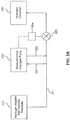
- a supplier 310 generates a quantity of hydrogen gas, which may contain one or more pollutants.
- the supply of hydrogen gas may be generated, for example, using any suitable steam-methane reformer, fossil hydrocarbon reformer, renewable hydrocarbon reformer, electrolyzer, ethanol reformer, biomass reformer, coal gasification, nuclear-powered water splitting, photoelectrochemical systems, photobiological systems, or solar thermochemical systems.
- supplier 310 may already have a quantity of hydrogen gas or hydrogen liquid contained in any suitable container, for example, a tube, tank, pipeline, or bottle, and this hydrogen may have an unknown, suspected, or known admixture of pollutants.
- the hydrogen gas is delivered to a hydrogen consumer 330.
- a portion of the hydrogen gas with potential pollutants is passed through an EHP 320, steps 311, 321.
- the portion of hydrogen gas may be passed through EHP 320 at any point following production, for example, immediately after production or after a period of storage time. Additionally, the portion of gas may be passed through EHP 320 before or during delivery of the hydrogen gas to consumer 330 and may be part of a random, regular, or continuous monitoring process.
- a supply line may be used to deliver hydrogen gas directly to consumer 330, and a portion of the gas may be re-directed to EHP 320 before and/or during delivery.
- a portion of gas may be re-directed to EHP 320 while the hydrogen gas is being dispensed into a container before the gas is delivered to consumer 330.
- containers of gas intended for delivery to consumer 330 may be randomly sampled and sample portions of gas passed through EHP 320.
- EHP 320 may be installed in a slip-stream of the hydrogen gas. As discussed above, EHP 320 includes an electrolyte membrane that allows only protons, i.e., hydrogen ions, and water molecules to pass through.
- each EHP may include an individual electrochemical cell or a plurality of electrochemical cells arranged in a stack.
- the voltage required to operate EHP 320 used as a monitor increases as pollutants build up on the anode side.
- the time between a purge of the anode and a specific level of voltage increase is a function of or proportional to the quantity of pollutants. Calibration of the EHP monitor can be done ahead of time to detect a predetermined level of pollutants or may be done in-situ by providing the EHP monitor with a quantity of hydrogen of known purity level for comparison to the source stream.
- the hydrogen gas may be re-introduced to the supply of hydrogen gas to consumer 330, step 322. However, if pollutants are detected in the supply of hydrogen gas and/or if the purity level is determined to be below the predetermined threshold, then delivery of hydrogen gas to consumer 330 is stopped, step 325. In some embodiments, e.g., those in which a supply line is used to deliver gas to consumer 330 or to a container for delivery to consumer 330, detection of pollutants in the hydrogen gas may stop the flow of hydrogen gas through the supply line. For example, one or more flow control valves may be included in the delivery system to control the flow of gas through the supply line.
- a controller 324 may be included in the delivery system, and controller 324 may be configured to automatically stop delivery of gas (e.g., close the flow control valve) to consumer 330.
- a signal may indicate to supplier 310 or consumer 330 that pollutants were detected, for example, a visual or audible signal.
- the system may be manual, and supplier 310 may manually stop the supply of hydrogen to consumer 330 upon perceiving the signal.
- the hydrogen that has been monitored for purity may rejoin the supply of hydrogen gas and be delivered to hydrogen consumer 330, step 322.
- the hydrogen gas may be delivered to consumer 330 at any point following monitoring, for example, immediately after monitoring, during monitoring, or after a period of storage time, though reducing the time between monitoring and delivery may reduce the likelihood of recontamination.
- FIG. 3B Another monitoring method is shown in Figure 3B .
- the method of Figure 3B may operate in a similar manner to that of Figure 3A , except that a portion of the hydrogen gas with potential pollutants that is diverted to EHP 320 at step 321 may be sent to a purity measurement device 340 at step 323.
- a portion of the hydrogen gas with potential pollutants that is diverted to EHP 320 at step 321 may be sent to a purity measurement device 340 at step 323.
- either all or some of the gas directed to EHP 320 at step 321 may be further directed to measurement device 340 via step 323.
- the gas sent to measurement device 340 may be sent to, but not through, EHP 320, or in some cases, the gas may be sent to measurement device 340 before or after the gas has passed through EHP 320.
- the gas sent to measurement device 340 may be received from the cathode side after passing through EHP 320 and may contain a lower concentration of pollutants, or may be received from the anode side of EHP 320 without having passed through EHP 320 and may contain a higher concentration of pollutants relative to the cathode side.
- Measurement device 340 may include any suitable device, including, for example, a gas chromatograph, mass spectrometer, infrared spectrometer, ion mobility spectrometer, surface acoustic wave sensor, optical spectrometer, or any suitable analysis instrument. Measurement device 340 may be configured to measure the purity of the hydrogen gas. For example, measurement device 340 may identify the components and relative amounts of those components present in the hydrogen gas, or measurement device 340 may measure only the amount of one or more specific pollutants that consumer 330 may be sensitive to, or measurement device 340 may identify the amount of hydrogen relative to all non-hydrogen pollutants present. Based on these measurements, measurement device 340 may be configured to determine the purity of the hydrogen gas.
- a gas chromatograph including, for example, a gas chromatograph, mass spectrometer, infrared spectrometer, ion mobility spectrometer, surface acoustic wave sensor, optical spectrometer, or any suitable analysis instrument.
- Measurement device 340 may be configured to measure the purity
- the purity of the hydrogen gas with potential pollutants may be calculated based on the measurement taken by measurement device 340 and one or more parameters of EHP 320, e.g., current, voltage, pressure, temperature, gas flow speed, or any other suitable parameter. In some embodiments, this calculation may be performed, for example, by measurement device 340 or controller 324. Additionally, in some cases, measurement device 340 and/or the calculations used could be calibrated or adjusted based on one or more of these parameters. Accordingly, one or more additional measurement devices may be included in order to measure any suitable parameter of EHP 320, for example, a pressure gauge, thermometer, or other suitable device.
- the hydrogen gas may be passed through EHP 320 and/or re-introduced to the supply of hydrogen gas provided to consumer 330, step 322.
- the gas sent to measurement device 340 may be purged or vented and may not be passed through EHP 320 or re-introduced to the supply of hydrogen gas provided to consumer 330.
- measurement device 340 detects pollutants in the supply of hydrogen gas, or if it detects that the level of purity is below a predetermined threshold, then delivery of hydrogen gas to consumer 330 may be stopped, step 325.
- detection of pollutants in the hydrogen gas may stop the flow of hydrogen gas through the supply line.
- one or more flow control valves may be included in the delivery system to control the flow of gas through the supply line.
- a controller 324 may be included in the delivery system, and controller 324 may be configured to automatically stop delivery of gas (e.g., close the flow control valve) to consumer 330.
- measurement device 340 may be operatively coupled, via, e.g., a wireless or hard connection, to controller 324 and may continuously or periodically communicate measurement readings to controller 324.
- a signal may indicate to supplier 310 or consumer 330 that pollutants were detected, for example, a visual or audible signal.
- the system may be manual, and supplier 310 may manually stop the supply of hydrogen to consumer 330 upon perceiving the signal.
- the method of Figure 3B may provide advantages over simply measuring the pollutants directly in the source stream of hydrogen. For example, if the hydrogen gas sent to measurement device 340 has already passed through EHP 320 and originated at the anode side of EHP 320, the concentration of pollutants may be higher. Such a configuration may allow use of a less-sensitive measuring device, which may be less expensive, providing cost benefits. Accordingly, the monitoring of hydrogen gas purity using this configuration may be less expensive and easier to achieve than directly measuring the concentration of the hydrogen supply with potential pollutants prior to introduction to EHP 320.
- the flow chart of Figure 4 provides a visual arrangement of the steps of a monitoring method 410, similar to the methods described above in relation to Figures 3A , 3B .
- the consumer may use the delivered hydrogen for any suitable use, including, e.g., for dispensing to fuel cell vehicles (e.g., at fueling or transfer stations), use with fuel cell vehicles, use with stationary fuel cell applications (e.g., back-up generators, home power systems), portable fuel cell applications, manufacturing (e.g., of semiconductors, electronics, metallurgy), or other commodity hydrogen gas users (e.g., laboratories, chemical synthesis).
- Suppliers of hydrogen gas may include mass-producers and wholesale distributors who supply to retail distributors (e.g., fueling or transfer stations), industrial and commodity manufacturers or users, or individual users of hydrogen.
- Consumers of hydrogen gas may include refineries of both fossil and renewable hydrocarbon fuels, refineries of both fossil and renewable hydrocarbon fuels, retail distributors, e.g., fueling stations, industrial manufacturers or users, or individual users of hydrogen.
- the suppliers and the consumers may be the same entity, for example, a retailer or manufacturer may produce its own hydrogen gas for its own consumption.
- the supplier of hydrogen gas may use the above monitoring method to ensure that the hydrogen gas delivered to the consumer meets a predetermined threshold of purity.
- a threshold may be set by an industry standard, e.g., CGA-5.3, SAE J2719 and ISO 14687-2, or may be dictated at least in part by the needs of the consumer, or any other specifications, for example.
- Hydrogen purity levels may exceed 99% purity, and in some instances, may exceed 99.9% purity.
- Total impurities may be less than 400 parts per million, such as, for example, less than 300 parts per million, less than 200 parts per million, less than 100 parts per million, less than 50 parts per million, and less than 10 parts per million.
- the supplier uses an EHP for hydrogen monitoring as a method of making certain guarantees or warranties, e.g., through contractual agreements or certificates, to the consumer about the level of purity of the delivered hydrogen.
- the method of using an EHP to monitor the purity of a quantity of hydrogen gas may provide a supplier with a cost-effective method, e.g., of contractually guaranteeing the purity of hydrogen gas delivered by a supplier to a consumer, and providing a supply of hydrogen gas that meets a predetermined threshold of purity.
- a supplier may have a quantity of hydrogen gas.
- the quantity of hydrogen gas may be generated, for example, using any suitable steam-methane reformer, fossil hydrocarbon reformer, renewable hydrocarbon reformer, electrolyzer, ethanol reformer, biomass reformer, coal gasification, nuclear-powered water splitting, photoelectrochemical systems, photobiological systems, or solar thermochemical systems.
- a supplier may already have a quantity of hydrogen gas or hydrogen liquid contained in any suitable container, for example, a tube, tank, pipeline, or bottle, and this hydrogen may have an unknown, suspected, or known admixture of pollutants.
- the EHP includes an electrolyte membrane and is configured to allow only protons, i.e., hydrogen ions, and water molecules to pass through. Accordingly, only hydrogen and water will be allowed to pass through from the anode side of the EHP to the cathode side of the EHP. Any pollutants present in the gas admixture will be separated out and removed from the EHP, step 421. While Figure 5 shows only one EHP, any suitable number of EHPs may be included. For example, a plurality of EHPs could be arranged in parallel or in series. Additionally, each EHP may include an individual electrochemical cell or a plurality of electrochemical cells arranged in a stack. By passing all or a portion of the quantity of hydrogen gas through the EHP, the quantity of hydrogen gas may be purified, monitored for purity, or both.
- the hydrogen gas may be ready for delivery to a consumer.
- the hydrogen supplier may produce a certificate, step 440.
- a certificate may include a certification of conformance, compliance, conformity, analysis, accuracy, or any other suitable certification or combination thereof.
- Exemplary certificates may certify or guarantee any suitable parameter, measurement, property, or quality (e.g., specialty or industrial) of a gas, for example, content (e.g., gas, moisture, or particle), certainty of composition, integrity, complexity, purity level, compliance with one or more standards or specifications.
- the certificate could certify the method of blending, type of laboratory analysis and reference standard used to prepare the gas mixture, and expiration date, for example.
- the supplier may use an EHP to make certain guarantees or warranties, e.g., through certificates or other contractual agreements, for example, at step 440, to the consumer about the purity level of the delivered hydrogen.
- Exemplary warranties may include any express, implied, written, oral, contingent, limited, full, or other suitable warranty.
- the certificate produced at step 440 may certify that the hydrogen collected from the EHC and ready to provide to the consumer, or the hydrogen provided to the consumer, has a parameter, e.g., level of purity, that is at least substantially equal to a predetermined threshold of purity.
- the threshold of purity could be set, for example, according to any suitable specifications, industry standards, or the according to the needs of the consumer, for example.
- the hydrogen supplier may then supply the hydrogen consumer with hydrogen gas of a certified purity, steps 422, 423, 430.
- Thy hydrogen supplier may physically provide the hydrogen consumer with a certificate, or such a certificate may be provided orally, or may be implied.
- the certificate may be incorporated as part of a written, express, implied, one-time, or ongoing contractual agreement between the hydrogen supplier and hydrogen consumer, and may include any suitable warranties, guarantees, or certifications.
- the certificate may be provided to the consumer before, during, or after delivery of the hydrogen gas, or, if an ongoing supply relationship exists between the supplier and the consumer, the certificate may be provided before, during, or after each delivery of hydrogen, all deliveries of hydrogen, or periodically over the course of ongoing hydrogen deliveries.
- the consumer may use the delivered hydrogen for any suitable use, including, e.g., for dispensing to fuel cell vehicles (e.g., at fueling or transfer stations), use with fuel cell vehicles, use with stationary fuel cell applications (e.g., back-up generators, home power systems), portable fuel cell applications, manufacturing (e.g., of semiconductors, electronics, metallurgy), or other commodity hydrogen gas users (e.g., laboratories, chemical synthesis).
- Suppliers of hydrogen gas may include mass-producers and wholesale distributors who supply to retail distributors (e.g., fueling or transfer stations), industrial and commodity manufacturers or users, or individual users of hydrogen.
- Consumers of hydrogen gas may include refineries of both fossil and renewable hydrocarbon fuels, refineries of both fossil and renewable hydrocarbon fuels, retail distributors, e.g., fueling stations, industrial manufacturers or users, or individual users of hydrogen.
- the suppliers and the consumers may be the same entity, for example, a retailer or manufacturer may produce its own hydrogen gas for its own consumption.
- the supplier of hydrogen gas may use the above method and certificate to ensure that the hydrogen gas delivered to the consumer meets a predetermined threshold of purity.
- a threshold may be set by an industry standard, e.g., CGA-5.3, SAE J2719 and ISO 14687-2, or may be dictated at least in part by the needs of the consumer, or any other specifications, for example.
- Hydrogen purity levels may exceed 99% purity, and in some instances, may exceed 99.9% purity.
- Total impurities may be less than 400 parts per million, such as, for example, less than 300 parts per million, less than 200 parts per million, less than 100 parts per million, less than 50 parts per million, and less than 10 parts per million.
- the supplier may use an EHP for hydrogen monitoring as a method of making certain guarantees or warranties, e.g., through contractual agreements or certificates, to the consumer about the level of purity of the delivered hydrogen.
- the method of using an EHP to monitor the purity of a quantity of hydrogen gas may provide a supplier with a cost-effective method, e.g., of contractually guaranteeing the purity of hydrogen gas delivered by a supplier to a consumer, or of producing and providing a supply of hydrogen gas that meets a predetermined threshold of purity.
- Application of embodiments described above may facilitate cost-effective monitoring, quality control, and assurance of purity for hydrogen gas.
Landscapes
- Chemical & Material Sciences (AREA)
- Engineering & Computer Science (AREA)
- Organic Chemistry (AREA)
- Electrochemistry (AREA)
- Chemical Kinetics & Catalysis (AREA)
- Inorganic Chemistry (AREA)
- Materials Engineering (AREA)
- Metallurgy (AREA)
- Combustion & Propulsion (AREA)
- General Chemical & Material Sciences (AREA)
- Oil, Petroleum & Natural Gas (AREA)
- Analytical Chemistry (AREA)
- Life Sciences & Earth Sciences (AREA)
- Manufacturing & Machinery (AREA)
- Sustainable Development (AREA)
- Sustainable Energy (AREA)
- Automation & Control Theory (AREA)
- Electrolytic Production Of Non-Metals, Compounds, Apparatuses Therefor (AREA)
- Hydrogen, Water And Hydrids (AREA)
- Fuel Cell (AREA)
- Separation Using Semi-Permeable Membranes (AREA)
Priority Applications (1)
| Application Number | Priority Date | Filing Date | Title |
|---|---|---|---|
| EP20161367.6A EP3683187A1 (en) | 2013-06-28 | 2013-09-30 | Method of monitoring purity of a hydrogen gas mixture using an electrochemical cell |
Applications Claiming Priority (3)
| Application Number | Priority Date | Filing Date | Title |
|---|---|---|---|
| US201361840843P | 2013-06-28 | 2013-06-28 | |
| US13/972,715 US9186624B2 (en) | 2013-06-28 | 2013-08-21 | Methods of producing and providing purified gas using an electrochemical cell |
| PCT/US2013/062646 WO2014209418A1 (en) | 2013-06-28 | 2013-09-30 | Methods of producing and providing purified gas using an electrochemical cell |
Related Child Applications (2)
| Application Number | Title | Priority Date | Filing Date |
|---|---|---|---|
| EP20161367.6A Division EP3683187A1 (en) | 2013-06-28 | 2013-09-30 | Method of monitoring purity of a hydrogen gas mixture using an electrochemical cell |
| EP20161367.6A Division-Into EP3683187A1 (en) | 2013-06-28 | 2013-09-30 | Method of monitoring purity of a hydrogen gas mixture using an electrochemical cell |
Publications (2)
| Publication Number | Publication Date |
|---|---|
| EP3013741A1 EP3013741A1 (en) | 2016-05-04 |
| EP3013741B1 true EP3013741B1 (en) | 2020-04-15 |
Family
ID=52114541
Family Applications (2)
| Application Number | Title | Priority Date | Filing Date |
|---|---|---|---|
| EP13777389.1A Active EP3013741B1 (en) | 2013-06-28 | 2013-09-30 | Method of monitoring purity of a hydrogen gas mixture using an electrochemical cell |
| EP20161367.6A Withdrawn EP3683187A1 (en) | 2013-06-28 | 2013-09-30 | Method of monitoring purity of a hydrogen gas mixture using an electrochemical cell |
Family Applications After (1)
| Application Number | Title | Priority Date | Filing Date |
|---|---|---|---|
| EP20161367.6A Withdrawn EP3683187A1 (en) | 2013-06-28 | 2013-09-30 | Method of monitoring purity of a hydrogen gas mixture using an electrochemical cell |
Country Status (10)
| Country | Link |
|---|---|
| US (2) | US9186624B2 (https=) |
| EP (2) | EP3013741B1 (https=) |
| JP (2) | JP6532866B2 (https=) |
| KR (2) | KR20190041037A (https=) |
| CN (2) | CN111054192A (https=) |
| AU (3) | AU2013396183B2 (https=) |
| BR (1) | BR112015032530A2 (https=) |
| CA (1) | CA2916219A1 (https=) |
| ES (1) | ES2786127T3 (https=) |
| WO (1) | WO2014209418A1 (https=) |
Families Citing this family (23)
| Publication number | Priority date | Publication date | Assignee | Title |
|---|---|---|---|---|
| WO2014153647A1 (en) | 2013-03-29 | 2014-10-02 | Atomic Energy Of Canada Limited | Low-energy electrochemical separation of isotopes |
| AU2014273940B2 (en) | 2013-05-31 | 2018-09-13 | Nuvera Fuel Cells, LLC | Distributed hydrogen refueling cascade method and system |
| DE102013224062A1 (de) * | 2013-11-26 | 2015-05-28 | Robert Bosch Gmbh | Verfahren und Vorrichtung zum Konditionieren von Wasserstoff |
| JP6899665B2 (ja) * | 2017-02-23 | 2021-07-07 | 川崎重工業株式会社 | 水電解システム及び水電解システムの運転方法 |
| WO2019002700A1 (fr) | 2017-06-27 | 2019-01-03 | L'air Liquide, Societe Anonyme Pour L'etude Et L'exploitation Des Procedes Georges Claude | Procédé de production d'hydrogène a haut rendement a partir d'un gaz de synthèse, dégoulottage d'unité existante |
| JPWO2020059301A1 (ja) * | 2018-09-20 | 2021-09-09 | パナソニックIpマネジメント株式会社 | 水素純化器およびその運転方法 |
| CN112771212A (zh) * | 2018-09-28 | 2021-05-07 | 3M创新有限公司 | 氢燃料系统 |
| NL2022065B1 (en) | 2018-11-23 | 2020-06-05 | Hyet Holding B V | Cell plate assembly for a solid-state compressor, solid-state compressor and method for operating a solid-state compressor |
| US20220136117A1 (en) * | 2019-02-18 | 2022-05-05 | Skyre, Inc. | Method and system for recovering hydrogen and converting a carbon compound to a valualbe organic product |
| WO2020210167A1 (en) * | 2019-04-12 | 2020-10-15 | Bloom Energy Corporation | Solid oxide fuel cell system with hydrogen pumping cell with carbon monoxide tolerant anodes and integrated shift reactor |
| GB201910939D0 (en) * | 2019-07-31 | 2019-09-11 | Enapter S R L | Electronic cell and method of processing gaseous stream containing hydrogen |
| CA3153307A1 (en) * | 2019-09-05 | 2021-03-11 | Skyre, Inc. | A method of purifying helium from mixed gas |
| CN115605632A (zh) * | 2020-03-02 | 2023-01-13 | 斯凯瑞股份有限公司(Us) | 水电解和低温液化系统 |
| JP7695950B2 (ja) * | 2020-03-09 | 2025-06-19 | エイチワイイーティー ホールディング ビー.ブイ. | ガス混合物から成分を抽出するための方法およびユニット、ならびにガス、特に水素またはアンモニウムを輸送するための方法 |
| NL2025919B1 (en) * | 2020-06-25 | 2022-02-21 | Hyet Holding B V | Method and unit for extracting a component from a gas mixture and method for transporting a gas, in particular hydrogen or ammonium |
| CN112858391B (zh) * | 2021-01-26 | 2022-09-20 | 山东大学 | 一种代偿式氢气纯度检测系统与检测方法 |
| GB2605940A (en) * | 2021-02-12 | 2022-10-26 | Edwards Vacuum Llc | Electrochemical hydrogen pump |
| CN115181983A (zh) * | 2021-04-01 | 2022-10-14 | 国家能源投资集团有限责任公司 | 电化学纯化堆、电化学纯化装置及含杂质气体的纯化方法 |
| US12031684B2 (en) * | 2021-10-04 | 2024-07-09 | Air Products And Chemicals, Inc. | System and method for gaseous hydrogen recovery in a hydrogen fueling station |
| GB2613365B (en) * | 2021-12-01 | 2024-06-19 | Edwards Vacuum Llc | Hydrogen recovery system and method |
| US20250012769A1 (en) * | 2021-12-06 | 2025-01-09 | Abu Dhabi National Oil Company | Method and system for assessing and certifying the origin of hydrogen |
| CN117430086B (zh) * | 2022-07-14 | 2026-02-13 | 国家能源投资集团有限责任公司 | 用于氢气的分级纯化系统和分级纯化工艺 |
| CN115526533A (zh) * | 2022-10-21 | 2022-12-27 | 北京国氢中联氢能科技研究院有限公司 | 一种基于绿氢认证识别方法的绿氢认证系统 |
Family Cites Families (23)
| Publication number | Priority date | Publication date | Assignee | Title |
|---|---|---|---|---|
| US4620914A (en) | 1985-07-02 | 1986-11-04 | Energy Research Corporation | Apparatus for purifying hydrogen |
| JPS637886A (ja) * | 1986-06-26 | 1988-01-13 | 新日本製鐵株式会社 | フルイ装置 |
| JPS6483501A (en) * | 1987-09-25 | 1989-03-29 | Shirakawa Seisakusho Kk | Hydrogen purifying device |
| US6168705B1 (en) | 1998-09-08 | 2001-01-02 | Proton Energy Systems | Electrochemical gas purifier |
| CA2271448A1 (en) * | 1999-05-12 | 2000-11-12 | Stuart Energy Systems Inc. | Energy distribution network |
| US7601207B2 (en) | 2000-09-28 | 2009-10-13 | Proton Energy Systems, Inc. | Gas recovery system |
| US7169281B2 (en) * | 2002-02-01 | 2007-01-30 | Hy9Corporation | Electrochemical pressurizer/purifier of hydrogen for operation at moderately elevated temperatures (including high-temperature electrochemical pump in a membrane generator of hydrogen) |
| US20040211679A1 (en) * | 2002-03-07 | 2004-10-28 | Wong Terrance Y.H. | Electrochemical hydrogen compressor |
| US7411371B2 (en) * | 2003-02-28 | 2008-08-12 | Arizona Public Service Company | Battery charger and method of charging a battery |
| JP2004265032A (ja) * | 2003-02-28 | 2004-09-24 | Yazaki Corp | 純度保証システム |
| JP2005342562A (ja) * | 2004-05-31 | 2005-12-15 | Idemitsu Kosan Co Ltd | 水素精製方法およびその装置 |
| JP2006019120A (ja) * | 2004-07-01 | 2006-01-19 | Nissan Motor Co Ltd | 燃料電池システム |
| US7955491B2 (en) | 2004-09-14 | 2011-06-07 | Honda Motor Co., Ltd. | Methods, devices, and infrastructure systems for separating, removing, compressing, and generating hydrogen |
| US7686937B2 (en) | 2004-09-28 | 2010-03-30 | Honda Motor Co., Ltd. | Separator plates, ion pumps, and hydrogen fuel infrastructure systems and methods for generating hydrogen |
| US20060233701A1 (en) | 2005-03-30 | 2006-10-19 | Thomas Parias | Method and apparatus to improve the industrial production of hydrogen-carbon monoxide |
| JP2007209868A (ja) * | 2006-02-08 | 2007-08-23 | Mitsubishi Kakoki Kaisha Ltd | 圧力スイング吸着装置の安定運転方法 |
| US20070246373A1 (en) | 2006-04-20 | 2007-10-25 | H2 Pump Llc | Integrated electrochemical hydrogen separation systems |
| US20070246363A1 (en) * | 2006-04-20 | 2007-10-25 | H2 Pump Llc | Integrated electrochemical hydrogen compression systems |
| JP2007292010A (ja) * | 2006-04-27 | 2007-11-08 | Toyota Motor Corp | 内燃機関から排気される窒素酸化物を含む排気ガスの浄化 |
| JP4463846B2 (ja) * | 2007-11-13 | 2010-05-19 | 本田技研工業株式会社 | 水素製造発電システム |
| CN101306302B (zh) * | 2008-01-31 | 2011-08-31 | 上海交通大学 | 分离和净化含氢工业废气方法 |
| JP2010242183A (ja) * | 2009-04-07 | 2010-10-28 | Toyota Motor Corp | 不純物濃縮装置 |
| US8790506B2 (en) | 2010-03-24 | 2014-07-29 | Alexander David Deptala | Method of purifying a hydrogen stream using an electrochemical cell |
-
2013
- 2013-08-21 US US13/972,715 patent/US9186624B2/en active Active
- 2013-09-30 AU AU2013396183A patent/AU2013396183B2/en active Active
- 2013-09-30 KR KR1020197010461A patent/KR20190041037A/ko not_active Ceased
- 2013-09-30 CN CN201911229361.2A patent/CN111054192A/zh active Pending
- 2013-09-30 BR BR112015032530A patent/BR112015032530A2/pt not_active IP Right Cessation
- 2013-09-30 JP JP2016523723A patent/JP6532866B2/ja active Active
- 2013-09-30 CA CA2916219A patent/CA2916219A1/en not_active Abandoned
- 2013-09-30 ES ES13777389T patent/ES2786127T3/es active Active
- 2013-09-30 EP EP13777389.1A patent/EP3013741B1/en active Active
- 2013-09-30 KR KR1020167002192A patent/KR101969939B1/ko active Active
- 2013-09-30 EP EP20161367.6A patent/EP3683187A1/en not_active Withdrawn
- 2013-09-30 WO PCT/US2013/062646 patent/WO2014209418A1/en not_active Ceased
- 2013-09-30 CN CN201380079136.XA patent/CN105473497A/zh active Pending
-
2015
- 2015-10-05 US US14/874,791 patent/US9574275B2/en active Active
-
2018
- 2018-04-03 AU AU2018202311A patent/AU2018202311A1/en not_active Abandoned
-
2019
- 2019-05-20 JP JP2019094470A patent/JP2019206752A/ja active Pending
- 2019-11-12 AU AU2019264550A patent/AU2019264550A1/en not_active Abandoned
Non-Patent Citations (1)
| Title |
|---|
| None * |
Also Published As
| Publication number | Publication date |
|---|---|
| AU2019264550A1 (en) | 2019-12-05 |
| KR20160024991A (ko) | 2016-03-07 |
| EP3683187A1 (en) | 2020-07-22 |
| US9186624B2 (en) | 2015-11-17 |
| AU2013396183A1 (en) | 2016-01-21 |
| EP3013741A1 (en) | 2016-05-04 |
| JP6532866B2 (ja) | 2019-06-19 |
| AU2018202311A1 (en) | 2018-05-24 |
| KR101969939B1 (ko) | 2019-04-17 |
| BR112015032530A2 (pt) | 2017-07-25 |
| US20160024665A1 (en) | 2016-01-28 |
| JP2016530188A (ja) | 2016-09-29 |
| CA2916219A1 (en) | 2014-12-31 |
| ES2786127T3 (es) | 2020-10-08 |
| KR20190041037A (ko) | 2019-04-19 |
| AU2013396183B2 (en) | 2018-01-04 |
| US20150001091A1 (en) | 2015-01-01 |
| WO2014209418A1 (en) | 2014-12-31 |
| JP2019206752A (ja) | 2019-12-05 |
| CN105473497A (zh) | 2016-04-06 |
| CN111054192A (zh) | 2020-04-24 |
| US9574275B2 (en) | 2017-02-21 |
Similar Documents
| Publication | Publication Date | Title |
|---|---|---|
| EP3013741B1 (en) | Method of monitoring purity of a hydrogen gas mixture using an electrochemical cell | |
| Tsotridis et al. | EU harmonised protocols for testing of low temperature water electrolysers | |
| Schorer et al. | Membrane based purification of hydrogen system (MEMPHYS) | |
| Ju et al. | Lab-scale alkaline water electrolyzer for bridging material fundamentals with realistic operation | |
| US20040211679A1 (en) | Electrochemical hydrogen compressor | |
| US8790506B2 (en) | Method of purifying a hydrogen stream using an electrochemical cell | |
| GB2497787A (en) | Hydrogen quality monitor | |
| US20210079546A1 (en) | Hydrogen system and method of operating hydrogen system | |
| Jaramillo-Rodríguez et al. | Adaptation and application of a polarisation curve test protocol for a commercial pem electrolyser on cell and stack level | |
| Aziz et al. | Electrochemical hydrogen separation and compression | |
| KR20230007911A (ko) | 수전해 평가 장치 및 방법 | |
| US9707509B2 (en) | Method of purifying a hydrogen stream using an electrochemical cell | |
| JPH03267753A (ja) | イオン性物質検出器 | |
| CN115867510A (zh) | 氢系统和氢系统的运行方法 | |
| Brisse et al. | Solid Oxide Electrolyzer System Operational at the H2 Refueling Station of Karlsruhe | |
| Brunetti et al. | A PEMFC and H2 membrane purification integrated plant | |
| Kiatkittipong et al. | Oxygen transport through LSM/YSZ/LaAlO system for use of fuel cell type reactor | |
| EP4328356A1 (en) | Compression device and control method for compression device | |
| JP2015064980A (ja) | 燃料電池カートリッジの監視装置、及びこれを備える燃料電池システム、燃料電池カートリッジの監視方法 | |
| JPWO2020240967A1 (ja) | 水素システムおよび水素システムの運転方法 | |
| EP4534725A1 (en) | Compression device, operation method for compression device, and manufacturing method for compression device | |
| Hägglund | Investigating the influence of key components on the performance of AEM water electrolysers: Development of a standardized testing protocol | |
| Chu et al. | Simultaneous high-pressure compression and purification of reformate hydrogen using a high temperature electrochemical compressor | |
| Stoots et al. | 2500-Hour High Temperature Solid-Oxide Electrolyzer Long Duration Test | |
| JP2007278876A (ja) | 水素センサ |
Legal Events
| Date | Code | Title | Description |
|---|---|---|---|
| PUAI | Public reference made under article 153(3) epc to a published international application that has entered the european phase |
Free format text: ORIGINAL CODE: 0009012 |
|
| 17P | Request for examination filed |
Effective date: 20160127 |
|
| AK | Designated contracting states |
Kind code of ref document: A1 Designated state(s): AL AT BE BG CH CY CZ DE DK EE ES FI FR GB GR HR HU IE IS IT LI LT LU LV MC MK MT NL NO PL PT RO RS SE SI SK SM TR |
|
| AX | Request for extension of the european patent |
Extension state: BA ME |
|
| DAX | Request for extension of the european patent (deleted) | ||
| STAA | Information on the status of an ep patent application or granted ep patent |
Free format text: STATUS: EXAMINATION IS IN PROGRESS |
|
| 17Q | First examination report despatched |
Effective date: 20170302 |
|
| RAP1 | Party data changed (applicant data changed or rights of an application transferred) |
Owner name: NUVERA FUEL CELLS, LLC |
|
| GRAP | Despatch of communication of intention to grant a patent |
Free format text: ORIGINAL CODE: EPIDOSNIGR1 |
|
| STAA | Information on the status of an ep patent application or granted ep patent |
Free format text: STATUS: GRANT OF PATENT IS INTENDED |
|
| RIC1 | Information provided on ipc code assigned before grant |
Ipc: C25B 15/02 20060101ALI20190611BHEP Ipc: C25B 9/08 20060101ALI20190611BHEP Ipc: C01B 3/50 20060101AFI20190611BHEP Ipc: C25B 1/02 20060101ALI20190611BHEP |
|
| INTG | Intention to grant announced |
Effective date: 20190710 |
|
| GRAJ | Information related to disapproval of communication of intention to grant by the applicant or resumption of examination proceedings by the epo deleted |
Free format text: ORIGINAL CODE: EPIDOSDIGR1 |
|
| STAA | Information on the status of an ep patent application or granted ep patent |
Free format text: STATUS: EXAMINATION IS IN PROGRESS |
|
| GRAP | Despatch of communication of intention to grant a patent |
Free format text: ORIGINAL CODE: EPIDOSNIGR1 |
|
| STAA | Information on the status of an ep patent application or granted ep patent |
Free format text: STATUS: GRANT OF PATENT IS INTENDED |
|
| INTC | Intention to grant announced (deleted) | ||
| INTG | Intention to grant announced |
Effective date: 20191128 |
|
| GRAS | Grant fee paid |
Free format text: ORIGINAL CODE: EPIDOSNIGR3 |
|
| GRAA | (expected) grant |
Free format text: ORIGINAL CODE: 0009210 |
|
| STAA | Information on the status of an ep patent application or granted ep patent |
Free format text: STATUS: THE PATENT HAS BEEN GRANTED |
|
| AK | Designated contracting states |
Kind code of ref document: B1 Designated state(s): AL AT BE BG CH CY CZ DE DK EE ES FI FR GB GR HR HU IE IS IT LI LT LU LV MC MK MT NL NO PL PT RO RS SE SI SK SM TR |
|
| REG | Reference to a national code |
Ref country code: CH Ref legal event code: EP |
|
| REG | Reference to a national code |
Ref country code: DE Ref legal event code: R096 Ref document number: 602013067959 Country of ref document: DE |
|
| REG | Reference to a national code |
Ref country code: IE Ref legal event code: FG4D |
|
| REG | Reference to a national code |
Ref country code: AT Ref legal event code: REF Ref document number: 1257075 Country of ref document: AT Kind code of ref document: T Effective date: 20200515 |
|
| REG | Reference to a national code |
Ref country code: NL Ref legal event code: MP Effective date: 20200415 |
|
| REG | Reference to a national code |
Ref country code: LT Ref legal event code: MG4D |
|
| REG | Reference to a national code |
Ref country code: ES Ref legal event code: FG2A Ref document number: 2786127 Country of ref document: ES Kind code of ref document: T3 Effective date: 20201008 |
|
| PG25 | Lapsed in a contracting state [announced via postgrant information from national office to epo] |
Ref country code: SE Free format text: LAPSE BECAUSE OF FAILURE TO SUBMIT A TRANSLATION OF THE DESCRIPTION OR TO PAY THE FEE WITHIN THE PRESCRIBED TIME-LIMIT Effective date: 20200415 Ref country code: NL Free format text: LAPSE BECAUSE OF FAILURE TO SUBMIT A TRANSLATION OF THE DESCRIPTION OR TO PAY THE FEE WITHIN THE PRESCRIBED TIME-LIMIT Effective date: 20200415 Ref country code: LT Free format text: LAPSE BECAUSE OF FAILURE TO SUBMIT A TRANSLATION OF THE DESCRIPTION OR TO PAY THE FEE WITHIN THE PRESCRIBED TIME-LIMIT Effective date: 20200415 Ref country code: NO Free format text: LAPSE BECAUSE OF FAILURE TO SUBMIT A TRANSLATION OF THE DESCRIPTION OR TO PAY THE FEE WITHIN THE PRESCRIBED TIME-LIMIT Effective date: 20200715 Ref country code: GR Free format text: LAPSE BECAUSE OF FAILURE TO SUBMIT A TRANSLATION OF THE DESCRIPTION OR TO PAY THE FEE WITHIN THE PRESCRIBED TIME-LIMIT Effective date: 20200716 Ref country code: IS Free format text: LAPSE BECAUSE OF FAILURE TO SUBMIT A TRANSLATION OF THE DESCRIPTION OR TO PAY THE FEE WITHIN THE PRESCRIBED TIME-LIMIT Effective date: 20200815 Ref country code: FI Free format text: LAPSE BECAUSE OF FAILURE TO SUBMIT A TRANSLATION OF THE DESCRIPTION OR TO PAY THE FEE WITHIN THE PRESCRIBED TIME-LIMIT Effective date: 20200415 Ref country code: PT Free format text: LAPSE BECAUSE OF FAILURE TO SUBMIT A TRANSLATION OF THE DESCRIPTION OR TO PAY THE FEE WITHIN THE PRESCRIBED TIME-LIMIT Effective date: 20200817 |
|
| REG | Reference to a national code |
Ref country code: AT Ref legal event code: MK05 Ref document number: 1257075 Country of ref document: AT Kind code of ref document: T Effective date: 20200415 |
|
| PG25 | Lapsed in a contracting state [announced via postgrant information from national office to epo] |
Ref country code: RS Free format text: LAPSE BECAUSE OF FAILURE TO SUBMIT A TRANSLATION OF THE DESCRIPTION OR TO PAY THE FEE WITHIN THE PRESCRIBED TIME-LIMIT Effective date: 20200415 Ref country code: HR Free format text: LAPSE BECAUSE OF FAILURE TO SUBMIT A TRANSLATION OF THE DESCRIPTION OR TO PAY THE FEE WITHIN THE PRESCRIBED TIME-LIMIT Effective date: 20200415 Ref country code: LV Free format text: LAPSE BECAUSE OF FAILURE TO SUBMIT A TRANSLATION OF THE DESCRIPTION OR TO PAY THE FEE WITHIN THE PRESCRIBED TIME-LIMIT Effective date: 20200415 Ref country code: BG Free format text: LAPSE BECAUSE OF FAILURE TO SUBMIT A TRANSLATION OF THE DESCRIPTION OR TO PAY THE FEE WITHIN THE PRESCRIBED TIME-LIMIT Effective date: 20200715 |
|
| PG25 | Lapsed in a contracting state [announced via postgrant information from national office to epo] |
Ref country code: AL Free format text: LAPSE BECAUSE OF FAILURE TO SUBMIT A TRANSLATION OF THE DESCRIPTION OR TO PAY THE FEE WITHIN THE PRESCRIBED TIME-LIMIT Effective date: 20200415 |
|
| REG | Reference to a national code |
Ref country code: DE Ref legal event code: R097 Ref document number: 602013067959 Country of ref document: DE |
|
| PG25 | Lapsed in a contracting state [announced via postgrant information from national office to epo] |
Ref country code: RO Free format text: LAPSE BECAUSE OF FAILURE TO SUBMIT A TRANSLATION OF THE DESCRIPTION OR TO PAY THE FEE WITHIN THE PRESCRIBED TIME-LIMIT Effective date: 20200415 Ref country code: AT Free format text: LAPSE BECAUSE OF FAILURE TO SUBMIT A TRANSLATION OF THE DESCRIPTION OR TO PAY THE FEE WITHIN THE PRESCRIBED TIME-LIMIT Effective date: 20200415 Ref country code: DK Free format text: LAPSE BECAUSE OF FAILURE TO SUBMIT A TRANSLATION OF THE DESCRIPTION OR TO PAY THE FEE WITHIN THE PRESCRIBED TIME-LIMIT Effective date: 20200415 Ref country code: SM Free format text: LAPSE BECAUSE OF FAILURE TO SUBMIT A TRANSLATION OF THE DESCRIPTION OR TO PAY THE FEE WITHIN THE PRESCRIBED TIME-LIMIT Effective date: 20200415 Ref country code: EE Free format text: LAPSE BECAUSE OF FAILURE TO SUBMIT A TRANSLATION OF THE DESCRIPTION OR TO PAY THE FEE WITHIN THE PRESCRIBED TIME-LIMIT Effective date: 20200415 Ref country code: CZ Free format text: LAPSE BECAUSE OF FAILURE TO SUBMIT A TRANSLATION OF THE DESCRIPTION OR TO PAY THE FEE WITHIN THE PRESCRIBED TIME-LIMIT Effective date: 20200415 |
|
| PLBE | No opposition filed within time limit |
Free format text: ORIGINAL CODE: 0009261 |
|
| STAA | Information on the status of an ep patent application or granted ep patent |
Free format text: STATUS: NO OPPOSITION FILED WITHIN TIME LIMIT |
|
| PG25 | Lapsed in a contracting state [announced via postgrant information from national office to epo] |
Ref country code: SK Free format text: LAPSE BECAUSE OF FAILURE TO SUBMIT A TRANSLATION OF THE DESCRIPTION OR TO PAY THE FEE WITHIN THE PRESCRIBED TIME-LIMIT Effective date: 20200415 Ref country code: PL Free format text: LAPSE BECAUSE OF FAILURE TO SUBMIT A TRANSLATION OF THE DESCRIPTION OR TO PAY THE FEE WITHIN THE PRESCRIBED TIME-LIMIT Effective date: 20200415 |
|
| 26N | No opposition filed |
Effective date: 20210118 |
|
| PG25 | Lapsed in a contracting state [announced via postgrant information from national office to epo] |
Ref country code: MC Free format text: LAPSE BECAUSE OF FAILURE TO SUBMIT A TRANSLATION OF THE DESCRIPTION OR TO PAY THE FEE WITHIN THE PRESCRIBED TIME-LIMIT Effective date: 20200415 |
|
| REG | Reference to a national code |
Ref country code: CH Ref legal event code: PL |
|
| PG25 | Lapsed in a contracting state [announced via postgrant information from national office to epo] |
Ref country code: SI Free format text: LAPSE BECAUSE OF FAILURE TO SUBMIT A TRANSLATION OF THE DESCRIPTION OR TO PAY THE FEE WITHIN THE PRESCRIBED TIME-LIMIT Effective date: 20200415 |
|
| REG | Reference to a national code |
Ref country code: BE Ref legal event code: MM Effective date: 20200930 |
|
| PG25 | Lapsed in a contracting state [announced via postgrant information from national office to epo] |
Ref country code: LU Free format text: LAPSE BECAUSE OF NON-PAYMENT OF DUE FEES Effective date: 20200930 |
|
| PG25 | Lapsed in a contracting state [announced via postgrant information from national office to epo] |
Ref country code: CH Free format text: LAPSE BECAUSE OF NON-PAYMENT OF DUE FEES Effective date: 20200930 Ref country code: BE Free format text: LAPSE BECAUSE OF NON-PAYMENT OF DUE FEES Effective date: 20200930 Ref country code: LI Free format text: LAPSE BECAUSE OF NON-PAYMENT OF DUE FEES Effective date: 20200930 Ref country code: IE Free format text: LAPSE BECAUSE OF NON-PAYMENT OF DUE FEES Effective date: 20200930 |
|
| PG25 | Lapsed in a contracting state [announced via postgrant information from national office to epo] |
Ref country code: TR Free format text: LAPSE BECAUSE OF FAILURE TO SUBMIT A TRANSLATION OF THE DESCRIPTION OR TO PAY THE FEE WITHIN THE PRESCRIBED TIME-LIMIT Effective date: 20200415 Ref country code: MT Free format text: LAPSE BECAUSE OF FAILURE TO SUBMIT A TRANSLATION OF THE DESCRIPTION OR TO PAY THE FEE WITHIN THE PRESCRIBED TIME-LIMIT Effective date: 20200415 Ref country code: CY Free format text: LAPSE BECAUSE OF FAILURE TO SUBMIT A TRANSLATION OF THE DESCRIPTION OR TO PAY THE FEE WITHIN THE PRESCRIBED TIME-LIMIT Effective date: 20200415 |
|
| PG25 | Lapsed in a contracting state [announced via postgrant information from national office to epo] |
Ref country code: MK Free format text: LAPSE BECAUSE OF FAILURE TO SUBMIT A TRANSLATION OF THE DESCRIPTION OR TO PAY THE FEE WITHIN THE PRESCRIBED TIME-LIMIT Effective date: 20200415 |
|
| PGFP | Annual fee paid to national office [announced via postgrant information from national office to epo] |
Ref country code: DE Payment date: 20250819 Year of fee payment: 13 |
|
| PGFP | Annual fee paid to national office [announced via postgrant information from national office to epo] |
Ref country code: IT Payment date: 20250820 Year of fee payment: 13 |
|
| PGFP | Annual fee paid to national office [announced via postgrant information from national office to epo] |
Ref country code: GB Payment date: 20250909 Year of fee payment: 13 |
|
| PGFP | Annual fee paid to national office [announced via postgrant information from national office to epo] |
Ref country code: FR Payment date: 20250909 Year of fee payment: 13 |
|
| PGFP | Annual fee paid to national office [announced via postgrant information from national office to epo] |
Ref country code: ES Payment date: 20251010 Year of fee payment: 13 |