EP2996706B1 - Apolipoprotein mimetics and uses thereof - Google Patents
Apolipoprotein mimetics and uses thereof Download PDFInfo
- Publication number
- EP2996706B1 EP2996706B1 EP14769489.7A EP14769489A EP2996706B1 EP 2996706 B1 EP2996706 B1 EP 2996706B1 EP 14769489 A EP14769489 A EP 14769489A EP 2996706 B1 EP2996706 B1 EP 2996706B1
- Authority
- EP
- European Patent Office
- Prior art keywords
- seq
- prt
- class
- artificial sequence
- synthetic construct
- Prior art date
- Legal status (The legal status is an assumption and is not a legal conclusion. Google has not performed a legal analysis and makes no representation as to the accuracy of the status listed.)
- Active
Links
Images






Classifications
-
- A—HUMAN NECESSITIES
- A61—MEDICAL OR VETERINARY SCIENCE; HYGIENE
- A61K—PREPARATIONS FOR MEDICAL, DENTAL OR TOILETRY PURPOSES
- A61K38/00—Medicinal preparations containing peptides
- A61K38/16—Peptides having more than 20 amino acids; Gastrins; Somatostatins; Melanotropins; Derivatives thereof
- A61K38/17—Peptides having more than 20 amino acids; Gastrins; Somatostatins; Melanotropins; Derivatives thereof from animals; from humans
- A61K38/1703—Peptides having more than 20 amino acids; Gastrins; Somatostatins; Melanotropins; Derivatives thereof from animals; from humans from vertebrates
- A61K38/1709—Peptides having more than 20 amino acids; Gastrins; Somatostatins; Melanotropins; Derivatives thereof from animals; from humans from vertebrates from mammals
-
- C—CHEMISTRY; METALLURGY
- C07—ORGANIC CHEMISTRY
- C07K—PEPTIDES
- C07K14/00—Peptides having more than 20 amino acids; Gastrins; Somatostatins; Melanotropins; Derivatives thereof
- C07K14/435—Peptides having more than 20 amino acids; Gastrins; Somatostatins; Melanotropins; Derivatives thereof from animals; from humans
- C07K14/775—Apolipopeptides
-
- A—HUMAN NECESSITIES
- A61—MEDICAL OR VETERINARY SCIENCE; HYGIENE
- A61P—SPECIFIC THERAPEUTIC ACTIVITY OF CHEMICAL COMPOUNDS OR MEDICINAL PREPARATIONS
- A61P43/00—Drugs for specific purposes, not provided for in groups A61P1/00-A61P41/00
-
- A—HUMAN NECESSITIES
- A61—MEDICAL OR VETERINARY SCIENCE; HYGIENE
- A61P—SPECIFIC THERAPEUTIC ACTIVITY OF CHEMICAL COMPOUNDS OR MEDICINAL PREPARATIONS
- A61P9/00—Drugs for disorders of the cardiovascular system
- A61P9/10—Drugs for disorders of the cardiovascular system for treating ischaemic or atherosclerotic diseases, e.g. antianginal drugs, coronary vasodilators, drugs for myocardial infarction, retinopathy, cerebrovascula insufficiency, renal arteriosclerosis
Definitions
- the disclosed invention relates generally to the treatment of atherosclerosis.
- the treatment pertains to a specific dosing regimen that includes a treatment cycle followed by a rest phase that provides prolonged therapeutic effects even after the treatment is withdrawn.
- cardiovascular disease In the United States, heart disease is the leading cause of death in both men and women. Several causative factors are implicated in the development of cardiovascular disease including hereditary predisposition to the disease, gender, lifestyle factors such as smoking and diet, age, hypertension, and hyperlipidemia, including hypercholesterolemia. Several of these factors, particularly hyperlipidemia and hypercholesteremia (high blood cholesterol concentrations) provide a significant risk factor associated with atherosclerosis.
- Atherosclerosis is associated with an inflammatory response caused by the accumulation of low-density lipoprotein (LDL) molecules in blood vessels. It can be asymptomatic for years. Atherosclerosis causes hardening and narrowing of blood vessels. There are several treatments for atherosclerosis, such as lifestyle change, medication and medical procedures. Statins are a well-known treatment for atherosclerosis. Statins have proven to reduce cardiac risk however the withdrawal of statin therapy abrogates the protective effect ( Heeschen et al. Circulation. 105:1446-1452, 2002 ).
- apolipoprotein may contribute to the removal of cholesterol from peripheral tissues to the liver, anti-inflammatory and anti-oxidative activities, and modulation of vascular function, which might be correlated with the protection of a risk of atherosclerosis and other vascular diseases.
- Peptide analogs have been found to be maximally effective in mimicking the positive qualities of apolipoprotein; this peptide inhibited atherosclerosis, reduced inflammation and oxidation, and improved vascular function in a number of animal models, and when synthesized with D-amino acid is orally bioavailable ( US 2010/286025A1, Anantharamaiah et al. ).
- the current approach to treating atherosclerosis is to provide earlier intervention and life-long treatment. This approach is problematic as it requires identifying asymptomatic patients early in their life cycle and, since risk increases with age, maintaining therapy for the duration of their life. Further, the most efficacious currently available therapies are unable to prevent major cardiac events in all patients whether as primary or secondary interventions. Therefore, there is a need for therapies that can provide rapid benefit in reducing atherosclerosis and have long-term effects that do not require constant administration.
- the compositions and methods disclosed herein provide an atherosclerosis therapy with sustained therapeutic effects even after the treatment is withdrawn.
- Dosing regimens containing at least one treatment cycle followed by a rest phase are provided. Also provided are methods of treating atherosclerosis involving administering to a subject an effective amount of an Apo E mimetic for at least one treatment cycle followed by a rest phase.
- the treatment cycles and rest phases of the dosing regimens and the methods of treating can be the same.
- the treatment cycle contains the administration of an effective amount of an Apo E mimetic to cause an immediate benefit illustrated by a decrease in atherosclerosis, a decrease in artery wall stiffness, a decrease in isolated systolic hypertension, a decrease in arterial inflammation, an increase in anti-oxidant capability of the HDL fraction and/or an improvement in myocardial function, and to allow for a sustained therapeutic effect after withdrawal of the Apo E mimetic.
- the treatment cycle can include the administration of an effective amount of the Apo E mimetic once a week for four weeks or once a week for three months. In some instances, the treatment cycle includes the administration of an effective amount of the Apo E mimetic once every two weeks for up to 12 weeks.
- the rest phase is a period of time wherein the Apo E mimetic is not administered.
- the rest phase can be at least four weeks.
- An atherosclerosis therapeutic other than an Apo E mimetic can be administered during the rest phase.
- the atherosclerosis therapeutic other than an Apo E mimetic can be a conventional lipid lowering therapy, such as a statin or bile acid sequestrant, and/or a therapeutic such as a PCSK9 inhibitor, a VLDL synthesis inhibitor and/or a CETP inhibitor.
- Both the dosing regimen and the methods of treating can further include a second treatment cycle after the rest phase.
- the second treatment cycle can be administered after a four week rest phase or one or more years from the end of the initial treatment cycle.
- high-density lipoprotein is meant to mean a class of lipoproteins, varying somewhat in their size (8-11 nm in diameter), that can transport cholesterol.
- HDL cholesterol is cholesterol that is associated with HDLs. About one-fourth to one-third of blood cholesterol is carried by high-density lipoprotein (HDL).
- HDL cholesterol is known as "good” cholesterol, because high levels of HDL seem to protect against heart attack.
- Low levels of HDL (less than 40 mg/dL in men and less than 50 mg/dL in women) also increase the risk of heart disease. Medical experts think that HDL tends to carry cholesterol away from the arteries and back to the liver, where it is passed from the body. Some experts believe that that HDL removes excess cholesterol from arterial plaque, thus slowing its buildup
- more than one Apo E mimetic can be administered during the treatment cycles.
- the more than one Apo E mimetic can be formulated together or in separate compositions.
- one or more Apo E mimetic is administered in combination with one or more other therapeutic agents, such as cholesterol lowering drugs.
- an atherosclerosis therapeutic other than an Apo E mimetic can be administered during the rest phase.
- the atherosclerosis therapeutic other than an Apo E mimetic can be a conventional lipid lowering therapy, such as a statin, a bile acid sequestrant or a fibrate, or a novel anti-atherosclerosis therapeutic like a CETP inhibitor, a VLDL synthesis inhibitor, a PCSK9 inhibitor, and/or an arterial inflammation inhibitor.
- Illustrative non-natural amino acids include, but are not limited to Ornithine, norleucine, norvaline, N-methylvaline, 6-N-methyllysine, N-methylisoleucine, N-methylglycine, sarcosine, inosine, allo-isoleucine, isodesmolysine, 4-hydroxyproline, 3-hydroxyproline, allo-hydroxylysine, hydoxylisine, N-ethylasparagine, N-ethylglycine, 2,3-diaminopropionic acid, 2,2'-diaminopropionic acid, desmosine, 2,4-diaminobutyric acid, 2-aminopimelic acid, 3-aminoisobutyric acid, 2-aminoisobutyric acid, 2-aminoheptanoic acid, 6-aminocaproic acid, 4-aminobutyric acid, 2-aminobutyric acid, beta-alanine, 3-amin
- the synthetic Apo E mimetics comprise: a lipid binding domain of apolipoprotein E comprising the amino acid sequence of E-W-L-K-A-F-Y-D-K-V-F-E-K-F-K-E-A-F (SEQ ID NO:28); and a receptor binding domain peptide, wherein said lipid binding domain is covalently linked to said receptor binding domain peptide.
- synthetic Apo E mimetics consisting of a combination of the disclosed receptor binding domains of apolipoprotein E and the disclosed lipid-associating peptides, wherein said receptor binding domain is covalently linked to said lipid-associating peptide in a domain switched orientation.
- synthetic Apo E mimetics consisting of a combination of the disclosed receptor binding domains of apolipoprotein B and the disclosed lipid-associating peptides, wherein said receptor binding domain is covalently linked to said lipid-associating peptide in a domain switched orientation.
- These peptides can be referred to as "domain switched" "switched domain", or "switched” peptides.
- synthetic Apo E mimetics consisting of a combination of the disclosed receptor binding domains of apolipoprotein E and the disclosed lipid-associating peptides, wherein said receptor binding domain is covalently linked to said lipid-associating peptide in a domain switched orientation to those described above and in Table 7.
- the lipid-associating peptide is covalently linked to the receptor binding domain of apolipoprotein E such that the lipid-associating peptide is at the N-terminus of the synthetic apolipoprotein E-mimicking peptide.
- Non-limiting examples of the disclosed synthetic Apo E mimetics are provided in Table 8.
- synthetic Apo E mimetics consisting of a combination of the disclosed receptor binding domains of apolipoprotein E and the disclosed lipid-associating peptides, wherein said receptor binding domain is covalently linked to said lipid-associating peptide in a reversed orientation.
- synthetic Apo E mimetics consisting of a combination of the disclosed receptor binding domains of apolipoprotein E and the disclosed lipid-associating peptides, wherein either the sequence of the receptor binding domain or the sequence of the lipid-associating peptide or both sequences are in the reversed orientation.
- Non-limiting examples of the disclosed synthetic Apo E mimetics are provided in Table 9.
- Non-limiting examples of the disclosed scrambled synthetic Apo E mimetics are provided in Table 10.
- the disclosed scrambled synthetic Apo E mimetics can also be N-terminally and C-terminally protected using acetyl and amide groups.
- the disclosed scrambled synthetic Apo E mimetics can also be reverse-oriented as described above.
- One particularly preferred non-peptide linkage is --CH 2 NH--.
- Such peptide mimetics may have significant advantages over polypeptide embodiments, including, for example: more economical production, greater chemical stability, enhanced pharmacological properties (half-life, absorption, potency, efficacy, etc.), reduced antigenicity, and others.
- the linker is a cleavable linker.
- cleavable linkers include protease cleavable peptide linkers, nuclease sensitive nucleic acid linkers, lipase sensitive lipid linkers, glycosidase sensitive carbohydrate linkers, pH sensitive linkers, hypoxia sensitive linkers, photo-cleavable linkers, heat-labile linkers, enzyme cleavable linkers (e.g., esterase cleavable linker), ultrasound-sensitive linkers, x-ray cleavable linkers, etc.
- protease cleavable peptide linkers include protease cleavable peptide linkers, nuclease sensitive nucleic acid linkers, lipase sensitive lipid linkers, glycosidase sensitive carbohydrate linkers, pH sensitive linkers, hypoxia sensitive linkers, photo-cleavable linkers, heat-labile linkers, enzyme cleavable linkers (e.g., este
- scrambled peptides can also be reverse-oriented, or can be in a switched orientation. Additionally, reverse-oriented peptides can be in a switched orientation. All other combinations of the disclosed peptides are also contemplated.
- Non-limiting examples of the peptides have been described herein (see Tables 1-5, for example).
- the term “analog” is used interchangeably with "variant” and "derivative.”
- Variants and derivatives are well understood to those of skill in the art and can involve amino acid sequence modifications. Such, amino acid sequence modifications typically fall into one or more of three classes: substantial; insertional; or deletional variants.
- Insertions include amino and/or carboxyl terminal fusions as well as intrasequence insertions of single or multiple amino acid residues. Insertions ordinarily are smaller insertions than those of amino or carboxyl terminal fusions, for example, on the order of one to four residues.
- These variants ordinarily are prepared by site-specific mutagenesis of nucleotides in the DNA encoding the protein, thereby producing DNA encoding the variant, and thereafter expressing the DNA in recombinant cell culture. Techniques for making substitution mutations at predetermined sites in DNA having a known sequence are well known, for example M13 primer mutagenesis and PCR mutagenesis. Amino acid substitutions are typically of single residues, but can occur at a number of different locations at once.
- substitutions, deletions, insertions or any combination thereof may be combined to arrive at a final derivative or analog.
- Substitutional variants are those in which at least one residue has been removed and a different residue inserted in its place. Such substitutions generally are made in accordance with Tables 11 and 12 and are referred to as conservative substitutions.
- substitutions that are less conservative than those in Table 11, i.e., selecting residues that differ more significantly in their effect on maintaining (a) the structure of the polypeptide backbone in the area of the substitution, for example as a sheet or helical conformation, (b) the charge or hydrophobicity of the molecule at the target site, or (c) the bulk of the side chain.
- substitutions which in general are expected to produce the greatest changes in the protein properties are those in which: (a) the hydrophilic residue, e.g.
- seryl or threonyl is substituted for (or by) a hydrophobic residue, e.g., leucyl, isoleucyl, phenylalanyl, valyl or alanyl; Tryptophan, Tyrosinyl (b) a cysteine or proline is substituted for (or by) any other residue; (c) a residue having an electropositive side chain, e.g., lysyl, arginyl, or hystidyl, is substituted for (or by) an electronegative residue, e.g.
- variants and derivatives of the disclosed proteins herein are to define them in terms of homology/identity to specific known sequences.
- variants of synthetic Apo E mimetics and other proteins or peptides herein disclosed which have at least, 70% or at least 75% or at least 80% or at least 85% or at least 90% or at least 95% homology to the synthetic Apo E mimetics specifically recited herein.
- Those of skill in the art readily understand how to determine the homology of two proteins.
- polypeptides can be modified by either natural processes, such as posttranslational processing, or by chemical modification techniques which are well known in the art. Modifications can occur anywhere in the polypeptide, including the peptide backbone, the amino acid side-chains and the amino or carboxyl termini. The same type of modification can be present in the same or varying degrees at several sites in a given polypeptide. Also, a given polypeptide can have many types of modifications.
- Modifications include, without limitation, acetylation, acylation, ADP-ribosylation, amidation, covalent cross-linking or cyclization, covalent attachment of flavin, covalent attachment of a heme moiety, covalent attachment of a nucleotide or nucleotide derivative, covalent attachment of a lipid or lipid derivative, covalent attachment of a phosphytidylinositol, disulfide bond formation, demethylation, formation of cysteine or pyroglutamate, formylation, gamma-carboxylation, glycosylation, GPI anchor formation, hydroxylation, iodination, methylation, yristolyation, oxidation, pergylation, proteolytic processing, phosphorylation, prenylation, racemization, selenoylation, sulfation, and transfer-RNA mediated addition of amino acids to protein such as arginylation.
- Variants can also include peptidomimetics.
- peptidomimetic means a mimetic of a function of a protein which includes some alteration of the normal peptide chemistry.
- Peptidomimetics typically are short sequences of amino acids that in biological properties, mimic one or more function(s) of a particular protein. Peptide analogs enhance some property of the original peptide, such as increases stability, increased efficacy, enhanced delivery, increased half-life, etc. Methods of making peptidomimetics based upon a known polypeptide sequence is described, for example, in U.S. Patent Nos. 5,631,280 ; 5,612,895 ; and 5,579,250 .
- peptidomimetics can involve the incorporation of a non-amino acid residue with non-amide linkages at a given position.
- One embodiment of the present invention is a peptidomimetic wherein the compound has a bond, a peptide backbone or an amino acid component replaced with a suitable mimic.
- unnatural amino acids which may be suitable amino acid mimics include ⁇ -alanine, L- ⁇ -amino butyric acid, L- ⁇ -amino butyric acid, L- ⁇ -amino isobutyric acid, L- ⁇ -amino caproic acid, 7-amino heptanoic acid, L-aspartic acid, L-glutamic acid, N- ⁇ -Boc-N- ⁇ -CBZ-L-lysine, N- ⁇ -Boc-N- ⁇ -Fmoc-L-lysine, L-methionine sulfone, L-norleucine, L-norvaline, N- ⁇ -Boc-N- ⁇ CBZ-L-ornithine, N- ⁇ -Boc-N- ⁇ -CBZ-L-omithine, Boc-p-nitro-L-phenylalanine, Boc-hydroxyproline, and Boc-L-thioproline.
- nucleic acids that can encode those polypeptide sequences are also disclosed. This would include all degenerate sequences related to a specific polypeptide sequence, i.e. all nucleic acids having a sequence that encodes one particular polypeptide sequence as well as all nucleic acids, including degenerate nucleic acids, encoding the disclosed variants and derivatives of the protein sequences.
- degenerate nucleic acids encoding the disclosed variants and derivatives of the protein sequences.
- compositions described herein may be shown with no protecting groups, in certain embodiments (e.g. , particularly for oral administration), they can bear one, two, three, four, or more protecting groups.
- the protecting groups can be coupled to the C- and/or N-terminus of the peptide(s) and/or to one or more internal residues comprising the peptide(s) ( e.g., one or more R-groups on the constituent amino acids can be blocked).
- any of the peptides described herein can bear, e.g., an acetyl group protecting the amino terminus and/or an amide group protecting the carboxyl terminus.
- a “dual protected peptide” is Ac-LRKLRKRLLRDWLKAFYDKVAEKLKEAF-NH 2 (SEQ ID NO:1) with blocking groups), either or both of these protecting groups can be eliminated and/or substituted with another protecting group as described herein.
- blockage, particularly of the amino and/or carboxyl termini of the subject peptides of this invention can improve oral delivery and can also increase serum half-life.
- protecting groups are suitable for this purpose.
- Such groups include, but are not limited to acetyl, amide, and alkyl groups with acetyl and alkyl groups being particularly preferred for N-terminal protection and amide groups being preferred for carboxyl terminal protection.
- the protecting groups can include, but are not limited to alkyl chains as in fatty acids, propeonyl, formyl, and others.
- Carboxyl protecting groups include amides, esters, and ether-forming protecting groups can also be used.
- an acetyl group can be used to protect the amino terminus and an amide group can be used to protect the carboxyl terminus.
- Additional blocking groups include alkyl groups of various lengths, e.g., groups having the formula: CH 3 (CH 2 ) n CO where n ranges from about 1 to about 20, preferably from about 1 to about 16 or 18, more preferably from about 3 to about 13, and most preferably from about 3 to about 10.
- compositions disclosed herein can also comprise one or more D-form (dextro rather than levo) amino acids as described herein.
- D-form amino acids for example, at least two enantiomeric amino acids, at least 4 enantiomeric amino acids or at least 8 or 10 enantiomeric amino acids can be in the "D" form amino acids.
- every other, or even every amino acid (e.g., every enantiomeric amino acid) of the peptides described herein is a D-form amino acid.
- At least 50% of the enantiomeric amino acids can be "D” form, at least 80% of the enantiomeric amino acids are “D” form, at least 90%, or even all of the enantiomeric amino acids can be in the "D” form amino acids.
- Atherosclerosis comprising administering to a subject an effective amount of an Apo E mimetic for at least one treatment cycle, wherein the treatment cycle comprises administering an effective amount of an Apo E mimetic to allow for a sustained therapeutic effect after withdrawal of the Apo E mimetic, wherein the treatment cycle is followed by a rest phase, wherein Apo E mimetic is not administered during the rest phase.
- Atherosclerosis comprising administering to a subject an effective amount of an Apo E mimetic for at least one treatment cycle, wherein the treatment cycle comprises administering an effective amount of an Apo E mimetic to allow for a sustained therapeutic effect after withdrawal of the Apo E mimetic, wherein the treatment cycle is followed by a rest phase, wherein Apo E mimetic is not administered during the rest phase, wherein the rest phase is at least four weeks.
- Atherosclerosis comprising administering to a subject an effective amount of an Apo E mimetic for at least one treatment cycle, wherein the treatment cycle comprises administering an effective amount of an Apo E mimetic to allow for a sustained therapeutic effect after withdrawal of the Apo E mimetic, wherein the treatment cycle is followed by a rest phase, wherein Apo E mimetic is not administered during the rest phase, further comprising a second treatment cycle after the rest phase.
- the second treatment cycle can be administered after a four week rest phase or one year from the beginning of the initial treatment cycle.
- Atherosclerosis comprising administering to a subject an effective amount of an Apo E mimetic for at least one treatment cycle, wherein the treatment cycle comprises administering an effective amount of an Apo E mimetic to allow for a sustained therapeutic effect after withdrawal of the Apo E mimetic, wherein the treatment cycle is followed by a rest phase, wherein Apo E mimetic is not administered during the rest phase, wherein an atherosclerosis therapeutic other than an Apo E mimetic is administered during the rest phase.
- the atherosclerosis therapeutic other than an Apo E mimetic can be a conventional lipid lowering therapy and the conventional lipid lowering therapy can be a statin.
- Atherosclerosis comprising administering to a subject an effective amount of an Apo E mimetic for at least one treatment cycle, wherein the treatment cycle comprises administering an effective amount of an Apo E mimetic to allow for a sustained therapeutic effect after withdrawal of the Apo E mimetic, wherein the Apo E mimetic consists of the amino acid sequence LRKLRKRLLRDWLKAFYDKVAEKLKEAF (SEQ ID NO:1), wherein the treatment cycle is followed by a rest phase, wherein Apo E mimetic is not administered during the rest phase.
- Atherosclerosis comprising administering to a subject an effective amount of an Apo E mimetic for at least one treatment cycle, wherein the treatment cycle comprises administering an effective amount of an Apo E mimetic to allow for a sustained therapeutic effect after withdrawal of the Apo E mimetic, wherein the treatment cycle is followed by a rest phase, wherein Apo E mimetic is not administered during the rest phase, wherein the treatment cycle comprises administration of an effective amount of an Apo E mimetic once a week for three months.
- Peripheral vascular disease can also refer to peripheral artery disease (PAD) or peripheral artery occlusive disease (PAOD) or peripheral obliterative arteriopathy.
- Peripheral vascular disease refers to the obstruction of large arteries not within the coronary, aortic arch vasculature, or brain. PVD can result from atherosclerosis, inflammatory processes leading to stenosis, an embolism, orthrombus formation. PVD can cause either acute or chronic ischemia (lack of blood supply). PVD can also refer to atherosclerotic blockages found in the lower extremity
- Fontaine stages Peripheral artery occlusive disease is commonly divided in the Fontaine stages, introduced by René Fontaine in 1954 for ischemia.
- the Fontain stages are provide below in the following Table 13. Table 13. Fontain Stage Substage Description Stage I Asymptomatic, incomplete blood vessel obstruction Stage II Mild claudication Stage IIA Claudication at a distance of greater than 200 metres Stage IIB Claudication distance of less than 200 metres Stage III Rest pain, mostly in the feet Stage IV Necrosis and/or gangrene of the limb
- Peripheral artery occlusive disease can also refer to a classification designed by Rutherford which consists of three grades and six categories.
- the Rutherford stages are provide below in the following Table 14. Table 14.
- Rutherford Stage Description Category 0 Asymptomatic Category 1 Mild claudication Category 2 Moderate claudication Category 3 Severe claudication Category 4 Rest pain Category 5 Minor tissue loss; Ischemic ulceration not exceeding ulcer of the digits of the foot Category 6 Major tissue loss; Severe ischemic ulcers or frank gangrene
- Disclosed herein are methods of treating peripheral vascular disease comprising administering to a subject an effective amount of an Apo E mimetic for at least one treatment cycle, wherein the treatment cycle comprises administering an effective amount of an Apo E mimetic to allow for a sustained therapeutic effect after withdrawal of the Apo E mimetic, wherein the treatment cycle is followed by a rest phase, wherein Apo E mimetic is not administered during the rest phase, wherein the rest phase is at least four weeks.
- Disclosed herein are methods of treating peripheral vascular disease comprising administering to a subject an effective amount of an Apo E mimetic for at least one treatment cycle, wherein the treatment cycle comprises administering an effective amount of an Apo E mimetic to allow for a sustained therapeutic effect after withdrawal of the Apo E mimetic, wherein the treatment cycle is followed by a rest phase, wherein Apo E mimetic is not administered during the rest phase, further comprising a second treatment cycle after the rest phase.
- the second treatment cycle can be administered after a four week rest phase or one year from the beginning of the initial treatment cycle.
- Disclosed herein are methods of treating peripheral vascular disease comprising administering to a subject an effective amount of an Apo E mimetic for at least one treatment cycle, wherein the treatment cycle comprises administering an effective amount of an Apo E mimetic to allow for a sustained therapeutic effect after withdrawal of the Apo E mimetic, wherein the treatment cycle is followed by a rest phase, wherein Apo E mimetic is not administered during the rest phase, wherein a peripheral vascular disease therapeutic other than an Apo E mimetic is administered during the rest phase.
- the atherosclerosis therapeutic other than an Apo E mimetic can be a conventional lipid lowering therapy and the conventional lipid lowering therapy can be one or more of the following: a statin, an antiplatelet drus, aspirin, clopidogrel, Cilostazol, or pentoxifylline.
- the atherosclerosis therapeutic other than an Apo E mimetic can also include surgical intervention, smoking cessation, management of diabetes, management of hypertension management of cholesterol, exercise, Angioplasty (PTA or percutaneous transluminal angioplasty), plaque excision, bypass grafting, sympathectomy, amputation, or thrombolysis.
- Disclosed herein are methods of treating peripheral vascular disease comprising administering to a subject an effective amount of an Apo E mimetic for at least one treatment cycle, wherein the treatment cycle comprises administering an effective amount of an Apo E mimetic to allow for a sustained therapeutic effect after withdrawal of the Apo E mimetic, wherein the Apo E mimetic consists of the amino acid sequence LRKLRKRLLRDWLKAFYDKVAEKLKEAF (SEQ ID NO:1), wherein the treatment cycle is followed by a rest phase, wherein Apo E mimetic is not administered during the rest phase.
- Disclosed herein are methods of treating peripheral vascular disease comprising administering to a subject an effective amount of an Apo E mimetic for at least one treatment cycle, wherein the treatment cycle comprises administering an effective amount of an Apo E mimetic to allow for a sustained therapeutic effect after withdrawal of the Apo E mimetic, wherein the treatment cycle is followed by a rest phase, wherein Apo E mimetic is not administered during the rest phase, wherein the treatment cycle comprises administration of an effective amount of an Apo E mimetic once a week for three months.
- Disclosed herein are methods of treating critical limb ischemia comprising administering to a subject an effective amount of an Apo E mimetic for at least one treatment cycle, wherein the treatment cycle comprises administering an effective amount of an Apo E mimetic to allow for a sustained therapeutic effect after withdrawal of the Apo E mimetic, wherein the treatment cycle is followed by a rest phase, wherein Apo E mimetic is not administered during the rest phase.
- CLI Critical limb ischemia
- Disclosed herein are methods of treating critical limb ischemia comprising administering to a subject an effective amount of an Apo E mimetic for at least one treatment cycle, wherein the treatment cycle comprises administering an effective amount of an Apo E mimetic to allow for a sustained therapeutic effect after withdrawal of the Apo E mimetic, wherein the treatment cycle is followed by a rest phase, wherein Apo E mimetic is not administered during the rest phase, wherein the rest phase is at least four weeks.
- Disclosed herein are methods of treating critical limb ischemia comprising administering to a subject an effective amount of an Apo E mimetic for at least one treatment cycle, wherein the treatment cycle comprises administering an effective amount of an Apo E mimetic to allow for a sustained therapeutic effect after withdrawal of the Apo E mimetic, wherein the treatment cycle is followed by a rest phase, wherein Apo E mimetic is not administered during the rest phase, further comprising a second treatment cycle after the rest phase.
- the second treatment cycle can be administered after a four week rest phase or one year from the beginning of the initial treatment cycle.
- Disclosed herein are methods of treating critical limb ischemia comprising administering to a subject an effective amount of an Apo E mimetic for at least one treatment cycle, wherein the treatment cycle comprises administering an effective amount of an Apo E mimetic to allow for a sustained therapeutic effect after withdrawal of the Apo E mimetic, wherein the treatment cycle is followed by a rest phase, wherein Apo E mimetic is not administered during the rest phase, wherein an peripheral vascular disease therapeutic other than an Apo E mimetic is administered during the rest phase.
- the critical limb ischemia therapeutic other than an Apo E mimetic can be a conventional lipid lowering therapy and the conventional lipid lowering therapy can be one or more of the following: a statin, an antiplatelet drus, aspirin, clopidogrel, Cilostazol, or pentoxifylline.
- the atherosclerosis therapeutic other than an Apo E mimetic can also include surgical intervention, smoking cessation, management of diabetes, management of hypertension management of cholesterol, exercise, Angioplasty (PTA or percutaneous transluminal angioplasty), plaque excision, bypass grafting, sympathectomy, amputation, or thrombolysis.
- Disclosed herein are methods of treating critical limb ischemia comprising administering to a subject an effective amount of an Apo E mimetic for at least one treatment cycle, wherein the treatment cycle comprises administering an effective amount of an Apo E mimetic to allow for a sustained therapeutic effect after withdrawal of the Apo E mimetic, wherein the Apo E mimetic consists of the amino acid sequence LRKLRKRLLRDWLKAFYDKVAEKLKEAF (SEQ ID NO:1), wherein the treatment cycle is followed by a rest phase, wherein Apo E mimetic is not administered during the rest phase.
- Disclosed herein are methods of treating critical limb ischemia comprising administering to a subject an effective amount of an Apo E mimetic for at least one treatment cycle, wherein the treatment cycle comprises administering an effective amount of an Apo E mimetic to allow for a sustained therapeutic effect after withdrawal of the Apo E mimetic, wherein the treatment cycle is followed by a rest phase, wherein Apo E mimetic is not administered during the rest phase, wherein the treatment cycle comprises administration of an effective amount of an Apo E mimetic once a week for three months.
- the Apo E mimetic can be hE18A (LRKLRKRLLRDWLKAFYDKVAEKLKEAF; SEQ ID NO:1), in particular the Apo E mimetic can be the hE18A peptide that has an acetyl group on the amino terminus and an amide group at the carboxyl terminus.
- the treatment cycle can vary in length of time.
- the treatment cycle can be at least four weeks but can last up to six months.
- the disclosed methods have a treatment cycle that involves the administration of an effective amount of an Apo E mimetic once a week for one month (four weeks), three months (12 weeks) or six months (24 weeks).
- a treatment cycle can include the administration of Apo E mimetic once, twice or three times a week.
- the Apo E mimetic can be administered daily.
- the Apo E mimetic can be administered once every two weeks or even once a month.
- the Apo E mimetic can be administered every two weeks for 4, 6, 8, 10, 12 , 14, 16, 18, 20, 22, or 24 weeks.
- Each treatment cycle can include an established length of time for administration as well as an established dosing schedule during that time frame.
- the rest phase as previously described with regards to the dosing regimen, can be at least four weeks but can last for several years. Apo E mimetic is not administered during the rest phase.
- the length of the rest phase is dependent on how long the sustained therapeutic effects of the Apo E mimetic administered during the treatment cycle last.
- the rest phase can be at least 1, 2, 3, 4, 5, 6, 7, 8, 9, 10, 11, or 12 months.
- the rest phase can be at least 1, 2, 3, 4, 5, 6, 7, 8, 9, or 10 years.
- the rest phase can be at least four weeks (one month).
- an appropriate amount of pharmaceutically-acceptable salt is used in the formulation to render the formulation isotonic.
- the pharmaceutically-acceptable carrier include, but are not limited to, saline, Ringer's solution and dextrose solution.
- the pH of the solution can be from about 5 to about 8, or from about 7 to about 7.5.
- Further carriers include sustained release preparations such as semi-permeable matrices of solid hydrophobic polymers containing the composition, which matrices are in the form of shaped articles, e.g., films, stents (which are implanted in vessels during an angioplasty procedure), liposomes or microparticles.
- compositions may also include carriers, thickeners, diluents, buffers, preservatives and the like, as long as the intended activity of the polypeptide, peptide, nucleic acid, vector of the invention is not compromised.
- Pharmaceutical compositions may also include one or more active ingredients (in addition to the composition of the invention) such as antimicrobial agents, anti-inflammatory agents, anesthetics, and the like.
- active ingredients in addition to the composition of the invention
- the pharmaceutical composition may be administered in a number of ways depending on whether local or systemic treatment is desired, and on the area to be treated.
- compositions for oral administration include powders or granules, suspensions or solutions in water or non-aqueous media, capsules, sachets, or tablets. Thickeners, flavorings, diluents, emulsifiers, dispersing aids, or binders may be desirable.
- cholesterol-lowering agents include, but are not limited to, a cholesterol absorption inhibitor, a bile acid sequestrant, a fibrate, a PCSK9 inhibitor, a microsomal triglyceride transfer protein inhibitor, an apolipoprotein B synthesis inhibitor, or a CETP inhibitor.
- the Apo E mimetics can be administered alone or in combination with one or more additional critical limb ischemia therapeutic agents.
- pharmaceutical compositions containing Apo E mimetics can be administered in combination with one or more known therapeutic agents for treating critical limb ischemia.
- Therapeutic agents for treating critical limb ischemia include, but are not limited to, cholesterol-lowering agents, blood pressure-lowering agents, blood thinning agents (i.e. medicines that prevent blood clots), anti-inflammatory agents, and anti-atherogenic agents.
- the critical limb ischemia therapeutic other than an Apo E mimetic can be a conventional lipid lowering therapy and the conventional lipid lowering therapy can be one or more of the following: a statin, an antiplatelet drus, aspirin, clopidogrel, Cilostazol, or pentoxifylline.
- the atherosclerosis therapeutic other than an Apo E mimetic can also include surgical intervention, smoking cessation, management of diabetes, management of hypertension management of cholesterol, exercise, Angioplasty (PTA or percutaneous transluminal angioplasty), plaque excision, bypass grafting, sympathectomy, amputation, or thrombolysis.
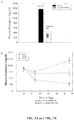
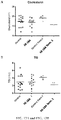
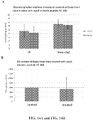
- Figure 5B shows a significant increase in paraoxonase (PON) activity in hE18A treated mice compared to saline and mR18L treated mice.
- the PON gene family has anti-atherosclerotic effects, such as preventing oxidation of LDLs.
- the increase in PON activity in hE18A treated mice is beneficial in the atherosclerosis animal model.
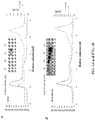
- Figures 6A and 6B further shows the dramatic increase in PON-1 levels in HDL fractions in Apo E null mice treated with Ac-hE18A-NH 2 .
Landscapes
- Health & Medical Sciences (AREA)
- Life Sciences & Earth Sciences (AREA)
- Chemical & Material Sciences (AREA)
- Medicinal Chemistry (AREA)
- General Health & Medical Sciences (AREA)
- Engineering & Computer Science (AREA)
- Bioinformatics & Cheminformatics (AREA)
- Organic Chemistry (AREA)
- Pharmacology & Pharmacy (AREA)
- Animal Behavior & Ethology (AREA)
- Public Health (AREA)
- Veterinary Medicine (AREA)
- Zoology (AREA)
- Gastroenterology & Hepatology (AREA)
- Proteomics, Peptides & Aminoacids (AREA)
- General Chemical & Material Sciences (AREA)
- Immunology (AREA)
- Marine Sciences & Fisheries (AREA)
- Epidemiology (AREA)
- Nuclear Medicine, Radiotherapy & Molecular Imaging (AREA)
- Chemical Kinetics & Catalysis (AREA)
- Genetics & Genomics (AREA)
- Biochemistry (AREA)
- Biophysics (AREA)
- Toxicology (AREA)
- Molecular Biology (AREA)
- Heart & Thoracic Surgery (AREA)
- Cardiology (AREA)
- Vascular Medicine (AREA)
- Urology & Nephrology (AREA)
- Medicines That Contain Protein Lipid Enzymes And Other Medicines (AREA)
- Pharmaceuticals Containing Other Organic And Inorganic Compounds (AREA)
- Peptides Or Proteins (AREA)
- Medicinal Preparation (AREA)
Applications Claiming Priority (3)
| Application Number | Priority Date | Filing Date | Title |
|---|---|---|---|
| US201361782956P | 2013-03-14 | 2013-03-14 | |
| US201361834992P | 2013-06-14 | 2013-06-14 | |
| PCT/US2014/027719 WO2014152776A1 (en) | 2013-03-14 | 2014-03-14 | Apolipoprotein mimetics and uses thereof |
Publications (3)
| Publication Number | Publication Date |
|---|---|
| EP2996706A1 EP2996706A1 (en) | 2016-03-23 |
| EP2996706A4 EP2996706A4 (en) | 2017-01-18 |
| EP2996706B1 true EP2996706B1 (en) | 2019-07-31 |
Family
ID=51581312
Family Applications (1)
| Application Number | Title | Priority Date | Filing Date |
|---|---|---|---|
| EP14769489.7A Active EP2996706B1 (en) | 2013-03-14 | 2014-03-14 | Apolipoprotein mimetics and uses thereof |
Country Status (12)
| Country | Link |
|---|---|
| US (1) | US20160002315A1 (enExample) |
| EP (1) | EP2996706B1 (enExample) |
| JP (2) | JP6570511B2 (enExample) |
| AU (2) | AU2014239186B2 (enExample) |
| BR (1) | BR112015022624A2 (enExample) |
| CA (1) | CA2903869A1 (enExample) |
| DK (1) | DK2996706T3 (enExample) |
| ES (1) | ES2753381T3 (enExample) |
| IL (1) | IL240787B (enExample) |
| MX (1) | MX2015012818A (enExample) |
| NZ (1) | NZ713291A (enExample) |
| WO (1) | WO2014152776A1 (enExample) |
Families Citing this family (6)
| Publication number | Priority date | Publication date | Assignee | Title |
|---|---|---|---|---|
| JP7081923B2 (ja) | 2014-07-31 | 2022-06-07 | ユーエイビー リサーチ ファンデーション | アポe模倣ペプチド及び血漿コレステロールを取り除くためのより高い効果 |
| WO2017120568A1 (en) * | 2016-01-08 | 2017-07-13 | Lipimetix Development, Inc. | Apoe mimetic peptide compositions |
| IL260931B2 (en) * | 2016-02-17 | 2024-09-01 | Regeneron Pharma | Methods of treating or preventing atherosclerosis by blocking ANGPTL3 |
| MA43734A (fr) | 2016-03-03 | 2018-11-28 | Regeneron Pharma | Procédés de traitement de patients atteints d'hyperlipidémie par administration d'un inhibiteur de pcsk9 en combinaison avec un inhibiteur d'angptl3 |
| US12559551B2 (en) | 2019-05-24 | 2026-02-24 | Regeneron Pharmaceuticals, Inc. | Stabilized formulations containing anti-ANGPTL3 antibodies |
| US20240279313A1 (en) * | 2021-08-11 | 2024-08-22 | The Regents Of The University Of California | Barrier function preserving peptides for membranes |
Family Cites Families (10)
| Publication number | Priority date | Publication date | Assignee | Title |
|---|---|---|---|---|
| NO812612L (no) | 1980-08-06 | 1982-02-08 | Ferring Pharma Ltd | Enzym-inhibitorer. |
| GB9022788D0 (en) | 1990-10-19 | 1990-12-05 | Cortecs Ltd | Pharmaceutical formulations |
| US5331573A (en) | 1990-12-14 | 1994-07-19 | Balaji Vitukudi N | Method of design of compounds that mimic conformational features of selected peptides |
| US5631280A (en) | 1995-03-29 | 1997-05-20 | Merck & Co., Inc. | Inhibitors of farnesyl-protein transferase |
| US6506880B2 (en) | 1998-03-17 | 2003-01-14 | The Uab Research Foundation | Synthetic peptides that enhance atherogenic lipoprotein uptake and lower plasma cholesterol |
| US6664230B1 (en) | 2000-08-24 | 2003-12-16 | The Regents Of The University Of California | Orally administered peptides to ameliorate atherosclerosis |
| US7199102B2 (en) | 2000-08-24 | 2007-04-03 | The Regents Of The University Of California | Orally administered peptides synergize statin activity |
| AU2008296487A1 (en) | 2007-08-28 | 2009-03-12 | The Uab Research Foundation | Synthetic apolipoprotein E mimicking polypeptides and methods of use |
| CA2823191A1 (en) * | 2010-01-06 | 2011-07-14 | Cognosci, Inc. | Apoe peptide dimers and uses thereof |
| JP7081923B2 (ja) * | 2014-07-31 | 2022-06-07 | ユーエイビー リサーチ ファンデーション | アポe模倣ペプチド及び血漿コレステロールを取り除くためのより高い効果 |
-
2014
- 2014-03-14 ES ES14769489T patent/ES2753381T3/es active Active
- 2014-03-14 BR BR112015022624A patent/BR112015022624A2/pt not_active Application Discontinuation
- 2014-03-14 JP JP2016502527A patent/JP6570511B2/ja not_active Expired - Fee Related
- 2014-03-14 WO PCT/US2014/027719 patent/WO2014152776A1/en not_active Ceased
- 2014-03-14 CA CA2903869A patent/CA2903869A1/en not_active Abandoned
- 2014-03-14 NZ NZ713291A patent/NZ713291A/en not_active IP Right Cessation
- 2014-03-14 EP EP14769489.7A patent/EP2996706B1/en active Active
- 2014-03-14 US US14/770,270 patent/US20160002315A1/en not_active Abandoned
- 2014-03-14 DK DK14769489.7T patent/DK2996706T3/da active
- 2014-03-14 AU AU2014239186A patent/AU2014239186B2/en not_active Ceased
- 2014-03-14 MX MX2015012818A patent/MX2015012818A/es active IP Right Grant
-
2015
- 2015-08-24 IL IL240787A patent/IL240787B/en active IP Right Grant
-
2017
- 2017-06-09 AU AU2017203911A patent/AU2017203911B2/en not_active Ceased
-
2019
- 2019-02-18 JP JP2019026743A patent/JP6772317B2/ja not_active Expired - Fee Related
Non-Patent Citations (1)
| Title |
|---|
| None * |
Also Published As
| Publication number | Publication date |
|---|---|
| US20160002315A1 (en) | 2016-01-07 |
| AU2014239186B2 (en) | 2017-04-20 |
| AU2017203911A1 (en) | 2017-06-29 |
| JP2019089834A (ja) | 2019-06-13 |
| JP2016515137A (ja) | 2016-05-26 |
| WO2014152776A1 (en) | 2014-09-25 |
| MX2015012818A (es) | 2016-05-12 |
| DK2996706T3 (da) | 2019-10-21 |
| EP2996706A4 (en) | 2017-01-18 |
| AU2014239186A1 (en) | 2015-10-08 |
| NZ713291A (en) | 2017-04-28 |
| EP2996706A1 (en) | 2016-03-23 |
| CA2903869A1 (en) | 2014-09-25 |
| AU2017203911B2 (en) | 2019-03-07 |
| IL240787A0 (en) | 2015-10-29 |
| JP6570511B2 (ja) | 2019-09-04 |
| IL240787B (en) | 2019-07-31 |
| JP6772317B2 (ja) | 2020-10-21 |
| BR112015022624A2 (pt) | 2017-10-31 |
| ES2753381T3 (es) | 2020-04-08 |
Similar Documents
| Publication | Publication Date | Title |
|---|---|---|
| US10653747B2 (en) | ApoE mimetic peptides and higher potency to clear plasma cholesterol | |
| AU2017203911B2 (en) | Apolipoprotein mimetics and uses thereof | |
| US8048851B2 (en) | Peptides and peptide mimetics to treat pathologies characterized by an inflammatory response | |
| DE69837855T2 (de) | Apolipoprotein-a-i-agonisten und ihre anwendung zum behandeln von dyslipidämischer erkrankung | |
| DE69837809T2 (de) | Apolipoprotein a-i agonisten sowie deren verwendung zur behandlung dislipidemischer erkrankungen | |
| US20100227825A1 (en) | Peptides and peptide mimetics to treat cancer | |
| US20130295042A1 (en) | Peptides and Peptide Mimetics to Treat Pathologies Associated With Eye Disease | |
| US20080293639A1 (en) | Peptides and peptide mimetics to treat pathologies characterized by an inflammatory response | |
| IL185959A (en) | Radio link protocol enhancements to reduce setup time for data calls | |
| EP1599173B1 (en) | Synthetic single domain polypeptides mimicking apolipoprotein e and methods of use | |
| EP1636257A2 (en) | Peptides enhancing ceh activity or acat inhibitory activity, pharmaceutical compositions comrising these peptides and their use in the treatment of atherosclerosis | |
| JP2007534612A (ja) | 高コレステロール血症の治療のためのコレステロール逆輸送メディエータ | |
| HK1242718B (en) | Apoe mimetic peptides and higher potency to clear plasma cholesterol | |
| HK1242718A1 (en) | Apoe mimetic peptides and higher potency to clear plasma cholesterol |
Legal Events
| Date | Code | Title | Description |
|---|---|---|---|
| PUAI | Public reference made under article 153(3) epc to a published international application that has entered the european phase |
Free format text: ORIGINAL CODE: 0009012 |
|
| 17P | Request for examination filed |
Effective date: 20151012 |
|
| AK | Designated contracting states |
Kind code of ref document: A1 Designated state(s): AL AT BE BG CH CY CZ DE DK EE ES FI FR GB GR HR HU IE IS IT LI LT LU LV MC MK MT NL NO PL PT RO RS SE SI SK SM TR |
|
| AX | Request for extension of the european patent |
Extension state: BA ME |
|
| DAX | Request for extension of the european patent (deleted) | ||
| RAP1 | Party data changed (applicant data changed or rights of an application transferred) |
Owner name: LIPIMETIX DEVELOPMENT, LLC Owner name: UAB RESEARCH FOUNDATION |
|
| REG | Reference to a national code |
Ref country code: DE Ref legal event code: R079 Ref document number: 602014050905 Country of ref document: DE Free format text: PREVIOUS MAIN CLASS: A61K0038000000 Ipc: A61K0038170000 |
|
| A4 | Supplementary search report drawn up and despatched |
Effective date: 20161219 |
|
| RIC1 | Information provided on ipc code assigned before grant |
Ipc: C07K 14/775 20060101ALI20161213BHEP Ipc: A61P 9/10 20060101ALI20161213BHEP Ipc: A61K 38/17 20060101AFI20161213BHEP |
|
| STAA | Information on the status of an ep patent application or granted ep patent |
Free format text: STATUS: EXAMINATION IS IN PROGRESS |
|
| 17Q | First examination report despatched |
Effective date: 20180201 |
|
| GRAP | Despatch of communication of intention to grant a patent |
Free format text: ORIGINAL CODE: EPIDOSNIGR1 |
|
| STAA | Information on the status of an ep patent application or granted ep patent |
Free format text: STATUS: GRANT OF PATENT IS INTENDED |
|
| INTG | Intention to grant announced |
Effective date: 20190211 |
|
| GRAS | Grant fee paid |
Free format text: ORIGINAL CODE: EPIDOSNIGR3 |
|
| GRAA | (expected) grant |
Free format text: ORIGINAL CODE: 0009210 |
|
| STAA | Information on the status of an ep patent application or granted ep patent |
Free format text: STATUS: THE PATENT HAS BEEN GRANTED |
|
| AK | Designated contracting states |
Kind code of ref document: B1 Designated state(s): AL AT BE BG CH CY CZ DE DK EE ES FI FR GB GR HR HU IE IS IT LI LT LU LV MC MK MT NL NO PL PT RO RS SE SI SK SM TR |
|
| REG | Reference to a national code |
Ref country code: CH Ref legal event code: EP Ref country code: GB Ref legal event code: FG4D |
|
| REG | Reference to a national code |
Ref country code: AT Ref legal event code: REF Ref document number: 1160220 Country of ref document: AT Kind code of ref document: T Effective date: 20190815 |
|
| REG | Reference to a national code |
Ref country code: IE Ref legal event code: FG4D |
|
| REG | Reference to a national code |
Ref country code: DE Ref legal event code: R096 Ref document number: 602014050905 Country of ref document: DE |
|
| REG | Reference to a national code |
Ref country code: DK Ref legal event code: T3 Effective date: 20191015 |
|
| REG | Reference to a national code |
Ref country code: SE Ref legal event code: TRGR |
|
| REG | Reference to a national code |
Ref country code: NL Ref legal event code: FP |
|
| REG | Reference to a national code |
Ref country code: CH Ref legal event code: NV Representative=s name: ING. MARCO ZARDI C/O M. ZARDI AND CO. S.A., CH |
|
| REG | Reference to a national code |
Ref country code: LT Ref legal event code: MG4D |
|
| REG | Reference to a national code |
Ref country code: NO Ref legal event code: T2 Effective date: 20190731 |
|
| REG | Reference to a national code |
Ref country code: AT Ref legal event code: MK05 Ref document number: 1160220 Country of ref document: AT Kind code of ref document: T Effective date: 20190731 |
|
| PG25 | Lapsed in a contracting state [announced via postgrant information from national office to epo] |
Ref country code: HR Free format text: LAPSE BECAUSE OF FAILURE TO SUBMIT A TRANSLATION OF THE DESCRIPTION OR TO PAY THE FEE WITHIN THE PRESCRIBED TIME-LIMIT Effective date: 20190731 Ref country code: LT Free format text: LAPSE BECAUSE OF FAILURE TO SUBMIT A TRANSLATION OF THE DESCRIPTION OR TO PAY THE FEE WITHIN THE PRESCRIBED TIME-LIMIT Effective date: 20190731 Ref country code: AT Free format text: LAPSE BECAUSE OF FAILURE TO SUBMIT A TRANSLATION OF THE DESCRIPTION OR TO PAY THE FEE WITHIN THE PRESCRIBED TIME-LIMIT Effective date: 20190731 Ref country code: BG Free format text: LAPSE BECAUSE OF FAILURE TO SUBMIT A TRANSLATION OF THE DESCRIPTION OR TO PAY THE FEE WITHIN THE PRESCRIBED TIME-LIMIT Effective date: 20191031 Ref country code: PT Free format text: LAPSE BECAUSE OF FAILURE TO SUBMIT A TRANSLATION OF THE DESCRIPTION OR TO PAY THE FEE WITHIN THE PRESCRIBED TIME-LIMIT Effective date: 20191202 |
|
| PG25 | Lapsed in a contracting state [announced via postgrant information from national office to epo] |
Ref country code: AL Free format text: LAPSE BECAUSE OF FAILURE TO SUBMIT A TRANSLATION OF THE DESCRIPTION OR TO PAY THE FEE WITHIN THE PRESCRIBED TIME-LIMIT Effective date: 20190731 Ref country code: GR Free format text: LAPSE BECAUSE OF FAILURE TO SUBMIT A TRANSLATION OF THE DESCRIPTION OR TO PAY THE FEE WITHIN THE PRESCRIBED TIME-LIMIT Effective date: 20191101 Ref country code: LV Free format text: LAPSE BECAUSE OF FAILURE TO SUBMIT A TRANSLATION OF THE DESCRIPTION OR TO PAY THE FEE WITHIN THE PRESCRIBED TIME-LIMIT Effective date: 20190731 Ref country code: IS Free format text: LAPSE BECAUSE OF FAILURE TO SUBMIT A TRANSLATION OF THE DESCRIPTION OR TO PAY THE FEE WITHIN THE PRESCRIBED TIME-LIMIT Effective date: 20191130 Ref country code: RS Free format text: LAPSE BECAUSE OF FAILURE TO SUBMIT A TRANSLATION OF THE DESCRIPTION OR TO PAY THE FEE WITHIN THE PRESCRIBED TIME-LIMIT Effective date: 20190731 |
|
| REG | Reference to a national code |
Ref country code: ES Ref legal event code: FG2A Ref document number: 2753381 Country of ref document: ES Kind code of ref document: T3 Effective date: 20200408 |
|
| PG25 | Lapsed in a contracting state [announced via postgrant information from national office to epo] |
Ref country code: RO Free format text: LAPSE BECAUSE OF FAILURE TO SUBMIT A TRANSLATION OF THE DESCRIPTION OR TO PAY THE FEE WITHIN THE PRESCRIBED TIME-LIMIT Effective date: 20190731 Ref country code: EE Free format text: LAPSE BECAUSE OF FAILURE TO SUBMIT A TRANSLATION OF THE DESCRIPTION OR TO PAY THE FEE WITHIN THE PRESCRIBED TIME-LIMIT Effective date: 20190731 Ref country code: PL Free format text: LAPSE BECAUSE OF FAILURE TO SUBMIT A TRANSLATION OF THE DESCRIPTION OR TO PAY THE FEE WITHIN THE PRESCRIBED TIME-LIMIT Effective date: 20190731 |
|
| PG25 | Lapsed in a contracting state [announced via postgrant information from national office to epo] |
Ref country code: IS Free format text: LAPSE BECAUSE OF FAILURE TO SUBMIT A TRANSLATION OF THE DESCRIPTION OR TO PAY THE FEE WITHIN THE PRESCRIBED TIME-LIMIT Effective date: 20200224 Ref country code: SM Free format text: LAPSE BECAUSE OF FAILURE TO SUBMIT A TRANSLATION OF THE DESCRIPTION OR TO PAY THE FEE WITHIN THE PRESCRIBED TIME-LIMIT Effective date: 20190731 Ref country code: SK Free format text: LAPSE BECAUSE OF FAILURE TO SUBMIT A TRANSLATION OF THE DESCRIPTION OR TO PAY THE FEE WITHIN THE PRESCRIBED TIME-LIMIT Effective date: 20190731 Ref country code: CZ Free format text: LAPSE BECAUSE OF FAILURE TO SUBMIT A TRANSLATION OF THE DESCRIPTION OR TO PAY THE FEE WITHIN THE PRESCRIBED TIME-LIMIT Effective date: 20190731 |
|
| REG | Reference to a national code |
Ref country code: DE Ref legal event code: R097 Ref document number: 602014050905 Country of ref document: DE |
|
| PLBE | No opposition filed within time limit |
Free format text: ORIGINAL CODE: 0009261 |
|
| STAA | Information on the status of an ep patent application or granted ep patent |
Free format text: STATUS: NO OPPOSITION FILED WITHIN TIME LIMIT |
|
| PG2D | Information on lapse in contracting state deleted |
Ref country code: IS |
|
| PG25 | Lapsed in a contracting state [announced via postgrant information from national office to epo] |
Ref country code: IS Free format text: LAPSE BECAUSE OF FAILURE TO SUBMIT A TRANSLATION OF THE DESCRIPTION OR TO PAY THE FEE WITHIN THE PRESCRIBED TIME-LIMIT Effective date: 20191030 |
|
| 26N | No opposition filed |
Effective date: 20200603 |
|
| PG25 | Lapsed in a contracting state [announced via postgrant information from national office to epo] |
Ref country code: SI Free format text: LAPSE BECAUSE OF FAILURE TO SUBMIT A TRANSLATION OF THE DESCRIPTION OR TO PAY THE FEE WITHIN THE PRESCRIBED TIME-LIMIT Effective date: 20190731 |
|
| PG25 | Lapsed in a contracting state [announced via postgrant information from national office to epo] |
Ref country code: MC Free format text: LAPSE BECAUSE OF FAILURE TO SUBMIT A TRANSLATION OF THE DESCRIPTION OR TO PAY THE FEE WITHIN THE PRESCRIBED TIME-LIMIT Effective date: 20190731 |
|
| PGFP | Annual fee paid to national office [announced via postgrant information from national office to epo] |
Ref country code: IE Payment date: 20220224 Year of fee payment: 9 Ref country code: GB Payment date: 20220223 Year of fee payment: 9 Ref country code: FI Payment date: 20220224 Year of fee payment: 9 Ref country code: DK Payment date: 20220224 Year of fee payment: 9 Ref country code: DE Payment date: 20220210 Year of fee payment: 9 Ref country code: CH Payment date: 20220210 Year of fee payment: 9 |
|
| PG25 | Lapsed in a contracting state [announced via postgrant information from national office to epo] |
Ref country code: MT Free format text: LAPSE BECAUSE OF FAILURE TO SUBMIT A TRANSLATION OF THE DESCRIPTION OR TO PAY THE FEE WITHIN THE PRESCRIBED TIME-LIMIT Effective date: 20190731 Ref country code: CY Free format text: LAPSE BECAUSE OF FAILURE TO SUBMIT A TRANSLATION OF THE DESCRIPTION OR TO PAY THE FEE WITHIN THE PRESCRIBED TIME-LIMIT Effective date: 20190731 |
|
| PGFP | Annual fee paid to national office [announced via postgrant information from national office to epo] |
Ref country code: TR Payment date: 20220310 Year of fee payment: 9 Ref country code: SE Payment date: 20220308 Year of fee payment: 9 Ref country code: NO Payment date: 20220224 Year of fee payment: 9 Ref country code: NL Payment date: 20220217 Year of fee payment: 9 Ref country code: LU Payment date: 20220217 Year of fee payment: 9 Ref country code: IT Payment date: 20220315 Year of fee payment: 9 Ref country code: FR Payment date: 20220218 Year of fee payment: 9 Ref country code: BE Payment date: 20220216 Year of fee payment: 9 |
|
| PG25 | Lapsed in a contracting state [announced via postgrant information from national office to epo] |
Ref country code: MK Free format text: LAPSE BECAUSE OF FAILURE TO SUBMIT A TRANSLATION OF THE DESCRIPTION OR TO PAY THE FEE WITHIN THE PRESCRIBED TIME-LIMIT Effective date: 20190731 |
|
| PGFP | Annual fee paid to national office [announced via postgrant information from national office to epo] |
Ref country code: ES Payment date: 20220412 Year of fee payment: 9 |
|
| REG | Reference to a national code |
Ref country code: DE Ref legal event code: R119 Ref document number: 602014050905 Country of ref document: DE |
|
| REG | Reference to a national code |
Ref country code: NO Ref legal event code: MMEP |
|
| PG25 | Lapsed in a contracting state [announced via postgrant information from national office to epo] |
Ref country code: FI Free format text: LAPSE BECAUSE OF NON-PAYMENT OF DUE FEES Effective date: 20230314 |
|
| REG | Reference to a national code |
Ref country code: CH Ref legal event code: PL Ref country code: SE Ref legal event code: EUG |
|
| REG | Reference to a national code |
Ref country code: DK Ref legal event code: EBP Effective date: 20230331 |
|
| REG | Reference to a national code |
Ref country code: NL Ref legal event code: MM Effective date: 20230401 |
|
| GBPC | Gb: european patent ceased through non-payment of renewal fee |
Effective date: 20230314 |
|
| REG | Reference to a national code |
Ref country code: BE Ref legal event code: MM Effective date: 20230331 |
|
| PG25 | Lapsed in a contracting state [announced via postgrant information from national office to epo] |
Ref country code: NL Free format text: LAPSE BECAUSE OF NON-PAYMENT OF DUE FEES Effective date: 20230401 Ref country code: LU Free format text: LAPSE BECAUSE OF NON-PAYMENT OF DUE FEES Effective date: 20230314 |
|
| REG | Reference to a national code |
Ref country code: IE Ref legal event code: MM4A |
|
| PG25 | Lapsed in a contracting state [announced via postgrant information from national office to epo] |
Ref country code: GB Free format text: LAPSE BECAUSE OF NON-PAYMENT OF DUE FEES Effective date: 20230314 |
|
| PG25 | Lapsed in a contracting state [announced via postgrant information from national office to epo] |
Ref country code: SE Free format text: LAPSE BECAUSE OF NON-PAYMENT OF DUE FEES Effective date: 20230315 Ref country code: NO Free format text: LAPSE BECAUSE OF NON-PAYMENT OF DUE FEES Effective date: 20230331 Ref country code: LI Free format text: LAPSE BECAUSE OF NON-PAYMENT OF DUE FEES Effective date: 20230331 Ref country code: IE Free format text: LAPSE BECAUSE OF NON-PAYMENT OF DUE FEES Effective date: 20230314 Ref country code: GB Free format text: LAPSE BECAUSE OF NON-PAYMENT OF DUE FEES Effective date: 20230314 Ref country code: FR Free format text: LAPSE BECAUSE OF NON-PAYMENT OF DUE FEES Effective date: 20230331 Ref country code: DE Free format text: LAPSE BECAUSE OF NON-PAYMENT OF DUE FEES Effective date: 20231003 Ref country code: CH Free format text: LAPSE BECAUSE OF NON-PAYMENT OF DUE FEES Effective date: 20230331 |
|
| PG25 | Lapsed in a contracting state [announced via postgrant information from national office to epo] |
Ref country code: BE Free format text: LAPSE BECAUSE OF NON-PAYMENT OF DUE FEES Effective date: 20230331 |
|
| PG25 | Lapsed in a contracting state [announced via postgrant information from national office to epo] |
Ref country code: IT Free format text: LAPSE BECAUSE OF NON-PAYMENT OF DUE FEES Effective date: 20230314 Ref country code: DK Free format text: LAPSE BECAUSE OF NON-PAYMENT OF DUE FEES Effective date: 20230331 |
|
| REG | Reference to a national code |
Ref country code: ES Ref legal event code: FD2A Effective date: 20240508 |
|
| PG25 | Lapsed in a contracting state [announced via postgrant information from national office to epo] |
Ref country code: ES Free format text: LAPSE BECAUSE OF NON-PAYMENT OF DUE FEES Effective date: 20230315 |
|
| PG25 | Lapsed in a contracting state [announced via postgrant information from national office to epo] |
Ref country code: ES Free format text: LAPSE BECAUSE OF NON-PAYMENT OF DUE FEES Effective date: 20230315 |
|
| PG25 | Lapsed in a contracting state [announced via postgrant information from national office to epo] |
Ref country code: TR Free format text: LAPSE BECAUSE OF NON-PAYMENT OF DUE FEES Effective date: 20230314 |