EP2939706B1 - Cognitive enhancement using feedback - Google Patents
Cognitive enhancement using feedback Download PDFInfo
- Publication number
- EP2939706B1 EP2939706B1 EP15164640.3A EP15164640A EP2939706B1 EP 2939706 B1 EP2939706 B1 EP 2939706B1 EP 15164640 A EP15164640 A EP 15164640A EP 2939706 B1 EP2939706 B1 EP 2939706B1
- Authority
- EP
- European Patent Office
- Prior art keywords
- brain
- user
- target
- frequency
- signal
- Prior art date
- Legal status (The legal status is an assumption and is not a legal conclusion. Google has not performed a legal analysis and makes no representation as to the accuracy of the status listed.)
- Active
Links
Images


Classifications
-
- A—HUMAN NECESSITIES
- A61—MEDICAL OR VETERINARY SCIENCE; HYGIENE
- A61N—ELECTROTHERAPY; MAGNETOTHERAPY; RADIATION THERAPY; ULTRASOUND THERAPY
- A61N2/00—Magnetotherapy
- A61N2/004—Magnetotherapy specially adapted for a specific therapy
- A61N2/006—Magnetotherapy specially adapted for a specific therapy for magnetic stimulation of nerve tissue
-
- A—HUMAN NECESSITIES
- A61—MEDICAL OR VETERINARY SCIENCE; HYGIENE
- A61B—DIAGNOSIS; SURGERY; IDENTIFICATION
- A61B5/00—Measuring for diagnostic purposes; Identification of persons
- A61B5/0002—Remote monitoring of patients using telemetry, e.g. transmission of vital signals via a communication network
- A61B5/0015—Remote monitoring of patients using telemetry, e.g. transmission of vital signals via a communication network characterised by features of the telemetry system
- A61B5/0022—Monitoring a patient using a global network, e.g. telephone networks, internet
-
- A—HUMAN NECESSITIES
- A61—MEDICAL OR VETERINARY SCIENCE; HYGIENE
- A61B—DIAGNOSIS; SURGERY; IDENTIFICATION
- A61B5/00—Measuring for diagnostic purposes; Identification of persons
- A61B5/16—Devices for psychotechnics; Testing reaction times ; Devices for evaluating the psychological state
-
- A—HUMAN NECESSITIES
- A61—MEDICAL OR VETERINARY SCIENCE; HYGIENE
- A61B—DIAGNOSIS; SURGERY; IDENTIFICATION
- A61B5/00—Measuring for diagnostic purposes; Identification of persons
- A61B5/24—Detecting, measuring or recording bioelectric or biomagnetic signals of the body or parts thereof
- A61B5/316—Modalities, i.e. specific diagnostic methods
- A61B5/369—Electroencephalography [EEG]
- A61B5/372—Analysis of electroencephalograms
- A61B5/374—Detecting the frequency distribution of signals, e.g. detecting delta, theta, alpha, beta or gamma waves
-
- A—HUMAN NECESSITIES
- A61—MEDICAL OR VETERINARY SCIENCE; HYGIENE
- A61M—DEVICES FOR INTRODUCING MEDIA INTO, OR ONTO, THE BODY; DEVICES FOR TRANSDUCING BODY MEDIA OR FOR TAKING MEDIA FROM THE BODY; DEVICES FOR PRODUCING OR ENDING SLEEP OR STUPOR
- A61M21/00—Other devices or methods to cause a change in the state of consciousness; Devices for producing or ending sleep by mechanical, optical, or acoustical means, e.g. for hypnosis
-
- A—HUMAN NECESSITIES
- A61—MEDICAL OR VETERINARY SCIENCE; HYGIENE
- A61N—ELECTROTHERAPY; MAGNETOTHERAPY; RADIATION THERAPY; ULTRASOUND THERAPY
- A61N1/00—Electrotherapy; Circuits therefor
- A61N1/18—Applying electric currents by contact electrodes
- A61N1/32—Applying electric currents by contact electrodes alternating or intermittent currents
- A61N1/36—Applying electric currents by contact electrodes alternating or intermittent currents for stimulation
- A61N1/36014—External stimulators, e.g. with patch electrodes
- A61N1/36025—External stimulators, e.g. with patch electrodes for treating a mental or cerebral condition
-
- A—HUMAN NECESSITIES
- A61—MEDICAL OR VETERINARY SCIENCE; HYGIENE
- A61N—ELECTROTHERAPY; MAGNETOTHERAPY; RADIATION THERAPY; ULTRASOUND THERAPY
- A61N5/00—Radiation therapy
- A61N5/06—Radiation therapy using light
- A61N5/0613—Apparatus adapted for a specific treatment
- A61N5/0622—Optical stimulation for exciting neural tissue
-
- G—PHYSICS
- G09—EDUCATION; CRYPTOGRAPHY; DISPLAY; ADVERTISING; SEALS
- G09B—EDUCATIONAL OR DEMONSTRATION APPLIANCES; APPLIANCES FOR TEACHING, OR COMMUNICATING WITH, THE BLIND, DEAF OR MUTE; MODELS; PLANETARIA; GLOBES; MAPS; DIAGRAMS
- G09B5/00—Electrically-operated educational appliances
-
- G—PHYSICS
- G16—INFORMATION AND COMMUNICATION TECHNOLOGY [ICT] SPECIALLY ADAPTED FOR SPECIFIC APPLICATION FIELDS
- G16H—HEALTHCARE INFORMATICS, i.e. INFORMATION AND COMMUNICATION TECHNOLOGY [ICT] SPECIALLY ADAPTED FOR THE HANDLING OR PROCESSING OF MEDICAL OR HEALTHCARE DATA
- G16H40/00—ICT specially adapted for the management or administration of healthcare resources or facilities; ICT specially adapted for the management or operation of medical equipment or devices
- G16H40/60—ICT specially adapted for the management or administration of healthcare resources or facilities; ICT specially adapted for the management or operation of medical equipment or devices for the operation of medical equipment or devices
- G16H40/67—ICT specially adapted for the management or administration of healthcare resources or facilities; ICT specially adapted for the management or operation of medical equipment or devices for the operation of medical equipment or devices for remote operation
-
- A—HUMAN NECESSITIES
- A61—MEDICAL OR VETERINARY SCIENCE; HYGIENE
- A61B—DIAGNOSIS; SURGERY; IDENTIFICATION
- A61B2503/00—Evaluating a particular growth phase or type of persons or animals
- A61B2503/20—Workers
-
- A—HUMAN NECESSITIES
- A61—MEDICAL OR VETERINARY SCIENCE; HYGIENE
- A61B—DIAGNOSIS; SURGERY; IDENTIFICATION
- A61B5/00—Measuring for diagnostic purposes; Identification of persons
- A61B5/68—Arrangements of detecting, measuring or recording means, e.g. sensors, in relation to patient
- A61B5/6801—Arrangements of detecting, measuring or recording means, e.g. sensors, in relation to patient specially adapted to be attached to or worn on the body surface
- A61B5/6802—Sensor mounted on worn items
- A61B5/6803—Head-worn items, e.g. helmets, masks, headphones or goggles
-
- A—HUMAN NECESSITIES
- A61—MEDICAL OR VETERINARY SCIENCE; HYGIENE
- A61M—DEVICES FOR INTRODUCING MEDIA INTO, OR ONTO, THE BODY; DEVICES FOR TRANSDUCING BODY MEDIA OR FOR TAKING MEDIA FROM THE BODY; DEVICES FOR PRODUCING OR ENDING SLEEP OR STUPOR
- A61M21/00—Other devices or methods to cause a change in the state of consciousness; Devices for producing or ending sleep by mechanical, optical, or acoustical means, e.g. for hypnosis
- A61M2021/0005—Other devices or methods to cause a change in the state of consciousness; Devices for producing or ending sleep by mechanical, optical, or acoustical means, e.g. for hypnosis by the use of a particular sense, or stimulus
- A61M2021/0027—Other devices or methods to cause a change in the state of consciousness; Devices for producing or ending sleep by mechanical, optical, or acoustical means, e.g. for hypnosis by the use of a particular sense, or stimulus by the hearing sense
-
- A—HUMAN NECESSITIES
- A61—MEDICAL OR VETERINARY SCIENCE; HYGIENE
- A61M—DEVICES FOR INTRODUCING MEDIA INTO, OR ONTO, THE BODY; DEVICES FOR TRANSDUCING BODY MEDIA OR FOR TAKING MEDIA FROM THE BODY; DEVICES FOR PRODUCING OR ENDING SLEEP OR STUPOR
- A61M21/00—Other devices or methods to cause a change in the state of consciousness; Devices for producing or ending sleep by mechanical, optical, or acoustical means, e.g. for hypnosis
- A61M2021/0005—Other devices or methods to cause a change in the state of consciousness; Devices for producing or ending sleep by mechanical, optical, or acoustical means, e.g. for hypnosis by the use of a particular sense, or stimulus
- A61M2021/0044—Other devices or methods to cause a change in the state of consciousness; Devices for producing or ending sleep by mechanical, optical, or acoustical means, e.g. for hypnosis by the use of a particular sense, or stimulus by the sight sense
-
- A—HUMAN NECESSITIES
- A61—MEDICAL OR VETERINARY SCIENCE; HYGIENE
- A61M—DEVICES FOR INTRODUCING MEDIA INTO, OR ONTO, THE BODY; DEVICES FOR TRANSDUCING BODY MEDIA OR FOR TAKING MEDIA FROM THE BODY; DEVICES FOR PRODUCING OR ENDING SLEEP OR STUPOR
- A61M2205/00—General characteristics of the apparatus
- A61M2205/35—Communication
- A61M2205/3546—Range
- A61M2205/3553—Range remote, e.g. between patient's home and doctor's office
-
- A—HUMAN NECESSITIES
- A61—MEDICAL OR VETERINARY SCIENCE; HYGIENE
- A61M—DEVICES FOR INTRODUCING MEDIA INTO, OR ONTO, THE BODY; DEVICES FOR TRANSDUCING BODY MEDIA OR FOR TAKING MEDIA FROM THE BODY; DEVICES FOR PRODUCING OR ENDING SLEEP OR STUPOR
- A61M2205/00—General characteristics of the apparatus
- A61M2205/35—Communication
- A61M2205/3546—Range
- A61M2205/3561—Range local, e.g. within room or hospital
-
- A—HUMAN NECESSITIES
- A61—MEDICAL OR VETERINARY SCIENCE; HYGIENE
- A61M—DEVICES FOR INTRODUCING MEDIA INTO, OR ONTO, THE BODY; DEVICES FOR TRANSDUCING BODY MEDIA OR FOR TAKING MEDIA FROM THE BODY; DEVICES FOR PRODUCING OR ENDING SLEEP OR STUPOR
- A61M2205/00—General characteristics of the apparatus
- A61M2205/50—General characteristics of the apparatus with microprocessors or computers
- A61M2205/502—User interfaces, e.g. screens or keyboards
- A61M2205/505—Touch-screens; Virtual keyboard or keypads; Virtual buttons; Soft keys; Mouse touches
-
- A—HUMAN NECESSITIES
- A61—MEDICAL OR VETERINARY SCIENCE; HYGIENE
- A61M—DEVICES FOR INTRODUCING MEDIA INTO, OR ONTO, THE BODY; DEVICES FOR TRANSDUCING BODY MEDIA OR FOR TAKING MEDIA FROM THE BODY; DEVICES FOR PRODUCING OR ENDING SLEEP OR STUPOR
- A61M2230/00—Measuring parameters of the user
- A61M2230/08—Other bio-electrical signals
- A61M2230/10—Electroencephalographic signals
-
- A—HUMAN NECESSITIES
- A61—MEDICAL OR VETERINARY SCIENCE; HYGIENE
- A61N—ELECTROTHERAPY; MAGNETOTHERAPY; RADIATION THERAPY; ULTRASOUND THERAPY
- A61N5/00—Radiation therapy
- A61N5/06—Radiation therapy using light
- A61N2005/0635—Radiation therapy using light characterised by the body area to be irradiated
- A61N2005/0643—Applicators, probes irradiating specific body areas in close proximity
- A61N2005/0645—Applicators worn by the patient
- A61N2005/0647—Applicators worn by the patient the applicator adapted to be worn on the head
- A61N2005/0648—Applicators worn by the patient the applicator adapted to be worn on the head the light being directed to the eyes
Definitions
- This disclosure generally relates to cognitive enhancement, and more particularly to cognitive enhancement using feedback.
- Enhancement of cognitive function may address those negative effects, thereby increasing worker efficiency and reducing manpower costs. Additionally, cognitive enhancement may improve mental health, sleeping, learning, and training.
- Reference US 5,036,858 discloses a method for changing brain wave frequency to a desired frequency. Said method determines a current brain wave frequency of a user, generates two frequencies with a frequency difference of a magnitude between that of the current actual brain wave frequency and the desired frequency but always within a predetermined range of the current actual brain wave frequency, and produces an output to the user corresponding to the two frequencies.
- One apparatus to accomplish the method has a computer processor, a computer memory, EEG electrodes along with an amplifier, a programmable timing generator responsive to the computer processor for generating the two frequencies, audio amplifiers and a beat frequency generator driving a visual frequency amplifier.
- Reference US 6,488,617 also discloses a method and device for the production of a desired brain state in an individual.
- Said method and device contain means for monitoring and analysing the brain state while a set of one or more magnets produce fields that alter this state.
- a computational system alters various parameters of the magnetic fields in order to close the gap between the actual and desired brain state. This feedback process operates continuously until the gap is minimized and/or removed.
- a technique for influencing the human brain is also known from reference US 2013-030241 .
- This technique can be applied to treat post-traumatic stress disorder (PTSD) through stimulating the brain with a beat in, for example, the theta frequency to influence the brain to relax.
- the human brain can be stimulated with a beat in the alpha frequency to stimulate active thinking.
- the brain of an individual suffering from PTSD can be influenced to operate at a normal frequency.
- the symptoms of PTSD recur less often until the individual ceases to experience the symptoms or has at least experienced a decreased recurrence of the symptoms.
- An apparatus including an electroencephalograph which will monitor the psychological state of an individual and which will stimulate the individual should his attention stray, is also known from reference US 3,032,029 .
- a pilot must remain alert and focused for many hours.
- This uneven distribution of cognitive work can lead to periods of relaxed vigilance or cognitive overload, both of which can have a negative impact on mission performance.
- an intelligence analyst sits and analyzes pictures and other information for hours at a time. As a result, the analyst's alertness may be reduced.
- Cognitive enhancement through controlling the entrainment of brain waves can improve cognitive function thereby improving mission performance.
- using a feedback loop may allow for active modification of a device-generated input signal in response to the brain's output signal.
- a feedback loop may allow for real-time adjustments to govern how fast or slow a user's brain reaches a target brain state.
- aspects of the present disclosure include a method that, in one embodiment, determines a target frequency corresponding to a target brain state and stimulates a brain of a user using feedback to achieve the target brain state in the user.
- Stimulating the brain of the user may include measuring an electrical output of the brain of the user received from one or more sensors coupled to the user, determining a current frequency associated with the brain of the user based on the measured electrical output, and determining a difference between the current frequency associated with the brain of the user and the target frequency.
- the method may include sending a signal to the brain of the user through one or more pathways, the signal having a frequency operable to modify the current frequency associated with the brain of the user towards the target frequency.
- the method may include repeating the measuring step, determining steps, and sending step one or more times.
- Cognitive enhancement of the present disclosure may provide numerous advantages.
- cognitive enhancement module 110 provides for the use of feedback to make real-time adjustments to cognitive enhancement.
- cognitive enhancement module 110 may allow for increased accuracy in measurements of the electrical output of a user's brain through the use of encoded signaling and filtering.
- cognitive enhancement module 110 may provide a convenient and cost-effective cognitive enhancement system 100 that requires little overhead.
- cognitive enhancement module 110 may provide for the treatment of numerous neurological disorders through cancelation of undesirable signals.
- cognitive enhancement module 110 provides for multiple excitation pathways so that a user may select the most effective pathway.
- cognitive enhancement module 110 may be customized to the particular user of cognitive enhancement system 100.
- cognitive enhancement module 110 provides a non-invasive cognitive stimulation thereby reducing or eliminating recovery times.
- cognitive enhancement module 110 may allow for control of frequency, amplitude, waveform, and location of the signals sent to the brain of user 118.
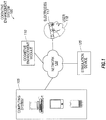
- FIGURE 1 illustrates an example cognitive enhancement system 100.
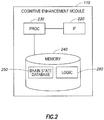
- FIGURES 2 and 3 show an example cognitive enhancement module 110 and an example computing system 105, respectively, for use in the cognitive enhancement system 100 of FIGURE 1 .
- FIGURE 4A shows an example method of cognitive enhancement using feedback
- FIGURE 4B shows an example method for the step of stimulating a brain of a user using feedback to attempt to achieve the target brain state in the user introduced in FIGURE 4A .
- FIGURE 1 illustrates cognitive enhancement system 100, according to certain embodiments of the present disclosure.
- Cognitive enhancement system 100 may provide for the enhancement of brainwaves to achieve a desired brain state in an embodiment.
- Cognitive enhancement system 100 may also provide for cancelation of undesirable brainwaves to improve cognitive functioning in some embodiments.
- Cognitive enhancement system 100 may include computing system 105, cognitive enhancement module 110, electrodes 117, user 118, network 120, and stimulation device 125 in an embodiment.
- Computing system 105 may be any computing system configured to operate in cognitive enhancement system 100.
- computing system 105 may be a tablet, a smartphone, a laptop, a personal computer, or any other device configured to communicate, process, and/or store information in cognitive enhancement system 100.
- Computing system 105 may also include a user interface, such as a display, a touchscreen, a microphone, a keypad, or other appropriate terminal equipment through which user 118, or another user, may operate cognitive enhancement system 100.
- Cognitive enhancement module 110 may be any component configured to determine a target frequency of a target brain state and stimulate the brain of user 118 using feedback to attempt to achieve the target brain state.
- Cognitive enhancement module 110 may be connected to computing system 105, stimulation device 125, and electrodes 117 through network 120 in some embodiments.
- cognitive enhancement module 110 may be software located on a remote server.
- Cognitive enhancement module 110 may be included within computing system 105 in other embodiments.
- cognitive enhancement module 110 may be software installed on computing system 105.
- Cognitive enhancement module 110 may include a server, a remote server, a host computer, or any other suitable component in some embodiments.
- each cognitive enhancement module 110 may be communicatively coupled through network 120.
- the coupling of cognitive enhancement modules 110 in a group scenario may allow for sharing of cognitive enhancement. For example, if the cognitive enhancement module 110 associated with one member of the group receives an indication of brain waves associated with increased alertness, cognitive enhancement module 110 may be programmed to provide signals to increase alertness of other members of the group.
- Electrodes 117 may be any type of electrode configured to sense electrical output of a brain in an embodiment.
- electrodes 117 may include one or more sense electrodes.
- electrodes 117 may include electrodes configured to provide electrical stimulation to the brain of user 118.
- electrodes 117 may include one or more drive electrodes for stimulating the brain of user 118.
- Electrodes 117 may be configured to sense time-dependent electrical oscillations of the brain waves of user 118, which may be used to measure the frequency, waveform, location, amplitude, and magnitude of the oscillations. These oscillations can be related to various cognitive functions, including sleeping, learning, focusing, meditating, or any other cognitive function.
- Electrodes 117 may use the electroencephalography or magnetoencephalography techniques in certain embodiments. Electrodes 117 may include any number of electrodes. For example, a single electrode may be coupled to user 118. As another example, two or more electrodes 117 may be coupled to user 118. Electrodes 117 may be affixed or mounted to any apparatus configured to hold electrodes 117 in an embodiment. For example, electrodes 117 may be affixed to a hat or a headset that user 118 may wear. Electrodes 117 may be connected to computing system 105, cognitive enhancement module 110, and stimulation device 125 either directly or through network 120. In the scenario of a group of users 118, electrodes 117 may be affixed to each member of the group. In that scenario, each member of the group's electrodes 117 may be communicatively coupled to each other member of the group's electrodes through network 120.
- User 118 may be a single person or a group of people.
- user 118 may include a military brigade.
- user 118 may be a group of intelligence analysts.
- User 118 may also include an operator of cognitive enhancement system 100.
- Network 120 may be any suitable network operable to facilitate communication between the components of cognitive enhancement system 100, such as computing system 105, cognitive enhancement module 110, electrodes 117, and stimulation device 125.
- Network 120 may include any interconnecting system capable of transmitting electrical, audio, video, light, data, messages, signals or any combination of the preceding.
- Network 120 may include all or a portion of a public switched telephone network (PSTN), a public or private data network, a local area network (LAN), a metropolitan area network (MAN), a wide area network (WAN), a local, regional, or global communication or computer network, such as the Internet, a wireline or wireless network, an enterprise intranet, or any other suitable communication link, including combinations thereof, operable to facilitate communication between the components.
- PSTN public switched telephone network
- LAN local area network
- MAN metropolitan area network
- WAN wide area network
- Stimulation device 125 may be used to provide signals to the brain of user 118 in certain embodiments. Those signals may cause neurons in the brain of user 118 to "fire" at a target frequency. That is, the stimulation signal adjusts a brain wave to be in synchrony with the stimulation signal, which may cause the stimulation signal and the brain wave to become coupled together thereby achieving a desired waveform. Stimulation device 125 may be any device configured to provide signals at a certain frequency to the brain of user 118.
- stimulation device 125 may be a trans-cranial brain stimulator, such as a trans-cranial alternating current stimulator, a trans-cranial magnetic stimulator, or a trans-cranial direct current stimulator.
- stimulation device 125 may be one or more drive electrodes.
- stimulation device 125 may be any device configured to provide a light signal through the ear or eye of user 118, such as a device with fiber optics or a pair of glasses with a display.
- stimulation device 125 may be any device configured to provide an audible signal into an ear of user 118, such as a pair of headphones coupled to a sound-producing device.
- stimulation device 125 may send signals through network 120.
- stimulation device 125 may send an electrical signal over a wired or wireless connection of network 120 to electrodes 117.
- stimulation device 125 may directly provide signals to the brain of user 118.
- stimulation device 125 may provide a light signal directly through an ear or an eye of user 118.
- cognitive enhancement system may include multiple stimulation devices 125 communicatively coupled together through network 120.
- Stimulation device 125 may be combined with computing system 105 or cognitive enhancement module 110 in certain embodiments.
- user 118 or an operator of cognitive enhancement system 100 may select a target brain state for a brain of user 118 using computing system 105 and cognitive enhancement module 110.
- Electrodes 117 may measure an output signal of the brain of user 118 and provide a signal to computing system 105 and cognitive enhancement module 110.
- Cognitive enhancement module 110 may analyze the received signal and determine a current frequency associated with the brain of user 118 based on the measured electrical output of the received signal.
- Cognitive enhancement module 110 may then determine a difference between the current frequency associated with the brain of user 118 and a target frequency associated with the target brain state. If the difference between the current frequency and the target frequency is greater than a predetermined amount, cognitive enhancement module 110 may cause stimulation device 125 to send a signal to the brain of user 118.
- the signal that stimulation device 125 provides to the brain of user 118 may have a frequency operable to modify the current frequency of the brain of user 118 towards the target frequency.
- the signal may adjust a brain wave to be in synchrony with the signal, which may cause the signal and the brain wave to become coupled together thereby achieving a desired waveform.
- Cognitive enhancement module 110 may then repeat this process one or more times until the target brain state is achieved.
- FIGURE 2 illustrates an example cognitive enhancement module 110 used in cognitive enhancement system 100 of Figure 1 , according to certain embodiments of the present disclosure.
- Cognitive enhancement module 110 is configured to stimulate the brain of user 118 using feedback to achieve a target brain state in user 118 in an embodiment.
- Cognitive enhancement module 110 is configured to treat neurological disorders by canceling undesirable brain waves in some embodiments.
- Cognitive enhancement module 110 includes interface 220, processor 230, and memory 240 in certain embodiments.
- Interface 220 may be any suitable device configured to receive information from network 120, transmit information through network 120, perform processing of information, communicate with other devices, or any combination of the preceding.
- interface 220 may receive a target brain state from computing system 105 through network 120.
- interface 220 may send a command through network 120 to stimulation device 125 thereby causing stimulation device 125 to provide a signal to user 118.
- interface 220 represents any port or connection, real or virtual, including any suitable hardware and/or software, including protocol conversion and data processing capabilities, to communicate through a LAN, WAN, MAN, or other communication system that allows cognitive enhancement module 110 to exchange information with computing system 105, network 120, stimulation device 125, or any other component of cognitive enhancement system 100.
- Interface 220 may be communicatively coupled to processor 230 in certain embodiments.
- Processor 230 communicatively couples with interface 220 and memory 240, and controls the operation and administration of cognitive enhancement module 110 by processing information received from interface 220 and memory 240 in an embodiment.
- Processor 230 includes any hardware and/or software that operates to control and process information.
- processor 230 executes logic 260 to control the operation of cognitive enhancement module 110.
- Processor 230 may be a programmable logic device, a microcontroller, a microprocessor, any suitable processing device, or any suitable combination of the preceding.
- Memory 240 stores, either permanently or temporarily, data, operational software, or other information for processor 230.
- Memory 240 includes any one or a combination of volatile or non-volatile local or remote devices suitable for storing information.
- memory 240 may include RAM, ROM, magnetic storage devices, optical storage devices, or any other suitable information storage device or a combination of these devices. While illustrated as including particular modules, memory 240 may include any suitable information for use in the operation of cognitive enhancement module 110.
- memory 240 includes brain state database 250 and logic 260.
- Brain state database 250 may be any component configured to store frequencies and associated brain states.
- brain state database 250 may be a Microsoft Access ® database or a Microsoft Excel ® database.
- Brain state database 250 may be a table associating a plurality of frequencies and corresponding target brain states in certain embodiments.
- brain state database 250 may have a cell for post-traumatic stress disorder ("PTSD") and an associated cell for a target brain frequency for improving a user's PTSD condition.
- brain state database 250 may have a cell for a target brain state of expert and a corresponding frequency.
- Brain state database 250 may include target frequencies based on research that indicates that a target brain state corresponds to a particular target frequency in some embodiments.
- Brain state database 250 may include target frequencies customized to user 118 in an embodiment. For example, the frequencies at which the brain of user 118 is in a particular brain state may be measured and stored in brain state database 250.
- Logic 260 generally refers to logic, rules, algorithms, code, tables, and/or other suitable instructions embodied in a computer-readable storage medium for performing the described functions and operations of cognitive enhancement module 110.
- logic 260 facilitates the determination of a target frequency corresponding to a target brain state and stimulates the brain of user 118 using feedback to attempt to achieve the target brain state in user 118.
- logic 260 may measure an electrical output of the brain of user 118 received through interface 220 over network 120 from one or more sensors coupled to user 118.
- Logic 260 may determine a current frequency associated with the brain of user 118 based on the measured electrical output and determine a difference between the current frequency and the target frequency.
- logic 260 may cause stimulation device 125 to send a signal to the brain of user 118 through one or more pathways.
- the signal may have a frequency operable to modify the current frequency associated with the brain of user 118 towards or to the target frequency in certain embodiments.
- FIGURE 3 illustrates an example computing system 105 used in cognitive enhancement system 100 of FIGURE 1 , according to certain embodiments of the present disclosure.
- computing system 105 may be a tablet, a smartphone, a laptop, a personal computer, or any other device configured to communicate, process, and/or store information in cognitive enhancement system 100 in an embodiment.
- computing system 105 may allow a user, such as user 118, to select a target brain state through the selection of various modes 310A-F within an application on computing system 105.
- Modes 310A-F may correspond to any target brain state.
- mode 310A may correspond to relaxation.
- mode 310B may correspond to a learning brain state.
- Each of modes 310A-F may be selectable by user 118 though a user input in an embodiment.
- user 118 may touch, select, or swipe any of modes 310A-F to select a target brain state.
- user 118 may provide a voice command to select one of modes 310A-F.
- selection of modes 310A-F may be performed by an operator of cognitive enhancement system 100, such as a doctor, in certain embodiments.
- Modes 310A-F may also include treatment mode 310E, which may display neurological disorders for which user 118 may receive treatment.
- computing system 105 may display treatment mode 310E corresponding to PTSD, depression, epilepsy, or any other neurological disorder.
- computing system 105 may provide a signal to cognitive enhancement module 110 through network 120 in certain embodiments.
- the signal may be directly provided to cognitive enhancement module 110 without going through network 120.
- the signal may be indicative of the selection of user 118 in certain embodiments.
- FIGURE 4A illustrates an example method 400 of cognitive enhancement using feedback, according to certain embodiments of the present disclosure.
- Method 400 begins at step 410 where a target frequency corresponding to a target brain state may be determined.
- cognitive enhancement module 110 may look up the target frequency in brain state database 250 associated with the target brain state in an embodiment. For example, if a user selects mode 310B using the example computing system 105 in FIGURE 3 , cognitive enhancement module 110 may search brain state database 250 for a target brain state of learning. When cognitive enhancement module 110 finds the target brain state of learning in brain state database 250, cognitive enhancement module 110 may retrieve the target frequency corresponding to the selected learning brain state.
- the brain of user 118 may be stimulated using feedback to attempt to achieve the target brain state in user 118.
- An example method of stimulating the brain of user 118 using feedback to attempt to achieve the target brain state in user 118 is illustrated in FIGURE 4B and discussed below.
- FIGURE 4B illustrates an example method 420 for the step of stimulating the brain of user 118 using feedback to achieve the target brain state in user 118 introduced in FIGURE 4A , according to certain embodiments of the present disclosure.
- an electrical output of the brain of user 118 received from one or more sensors coupled to user 118 may be measured.
- the sensors may include electrodes 117 in certain embodiments.
- Electrodes 117 may sense electrical oscillations of the brain waves of user 118 in certain embodiments.
- Electrodes 117 may provide a signal associated with the sensed electrical oscillations to cognitive enhancement module 110, which may perform various measurements using the signal in some embodiments.
- cognitive enhancement module 110 may perform various measurements using the signal in some embodiments.
- Various characteristics of brain waves outputted through the brain of user 118 are measured in some embodiments.
- the measured characteristics may include the wave location (i.e., location in the brain at which the brain wave occurred), frequency, and magnitude of the time-dependent electrical oscillations that are outputted from the brain of user 118. These oscillations indicate neural activity that can be related to certain functions of the brain.
- a current frequency associated with the brain of user 118 may be determined based on the measured electrical output.
- the current frequency may be the frequency at which neurons in the brain of user 118 "fire” in an embodiment.
- the current frequency of the time-dependent electrical oscillations may be measured using the electrical output received from one or more sensors coupled to user 118, such as electrodes 117, in certain embodiments.
- a difference between the current frequency associated with the brain of user 118 and the target frequency may be determined. In some embodiments, the determination may be made based on a subtraction between the current frequency and the target frequency. As noted above, the target frequency may be obtained from brain state database 250 in certain embodiments.
- the difference between the current frequency and the target frequency may be compared to a predetermined amount.
- the predetermined amount may be a threshold set by an operator of cognitive enhancement system 100 in certain embodiments.
- an operator of cognitive enhancement system 100 may set the predetermined amount using an application on computing system 105.
- user 118 may set the predetermined amount using computing system 105.
- the predetermined amount may also be hardcoded into logic 260 of cognitive enhancement module 110.
- the predetermined amount may be a fixed amount that is not adjustable by user 118.
- cognitive enhancement module 110 determines that the target brain state has been achieved, and method 420 ends.
- cognitive enhancement module 110 determines that the target brain state has not yet been achieved, and the method proceeds to step 470.
- a signal may be sent to the brain of user 118 through one or more pathways.
- the signal sent to the brain of user 118 may have a frequency operable to modify the current frequency associated with the brain of user 118 towards or to the target frequency in some embodiments.
- the target brain state is a learning state, which may have an associated target frequency of 5 Hz
- the current frequency of the brain of user 118 is 2 Hz
- the signal sent to the brain of user 118 may have a frequency of 3 Hz.
- the signal may modify the current frequency of 2 Hz towards the target frequency of 5 Hz.
- the signal may have a frequency of 10 Hz, which may be operable to modify the current frequency of 5 Hz to the target frequency of 10 Hz.
- the signal may be time synchronized with the electrical output of the brain in order to provide an in-phase, equal-magnitude signal having the same sign as the electrical output, which may increase the amplitude of the current frequency.
- the signal may adjust a brain wave to be in synchrony with the stimulation signal, which may cause the stimulation signal and the brain wave to become coupled together thereby achieving a desired waveform.
- the signal sent to the brain of user 118 may cancel undesirable brain waves in other embodiments.
- cognitive enhancement module 110 may send a signal to the brain of user 118 that is 180 degrees out of phase with the undesirable brain waves. In that manner, the undesirable brain waves may be canceled.
- Cancelation of undesirable brain waves may be useful for treatment of neurological disorders. For example, if user 118 has PTSD, epilepsy, sleep deprivation, stress, boredom, or any other neurological disorder, the undesirable brain waves associated with each of those disorders may be canceled by sending a signal that is 180 degrees out of phase with the undesirable signal.
- the signal sent to the brain of user 118 is encoded. Encoding the signal with a code identifying the signal may allow for an increase in the accuracy of the measurements of the brain of user 118 because the encoded signal can be filtered from the electrical output of the brain using the code. If the signal sent to the brain of user 118 is not filtered, the measurements of the electrical output of the brain may be distorted. As an example embodiment of operation, cognitive enhancement module 110 modulates a signal sent to the brain of user 118 with a code identifying the signal. Electrodes 117 may sense an electrical output of the brain of user 118, which may include both the electrical oscillations of the brain and the encoded signal sent to the brain.
- cognitive enhancement module 110 may filter the encoded signal from the total electrical output based on the code modulated onto the encoded signal. As a result, cognitive enhancement module 110 may perform more accurate measurements of the electrical oscillations of the brain of user 118.
- the one or more pathways through which a signal is sent may be any excitation pathway configured to provide a signal to the brain of user 118 in certain embodiments.
- An electromagnetic pathway may be used in an embodiment.
- the electromagnetic pathway may include trans-cranial alternating current stimulation or a trans-cranial magnetic stimulation.
- Another pathway may be a optical pathway, which provides an optical stimulation, in certain embodiments.
- the optical stimulation may include a light signal sent through the ear of user 118.
- the optical stimulation may include a light signal sent through the eye of user 118.
- An audible pathway may be used in some embodiments.
- an audible pathway may include a sound sent through the ear of user 118.
- a sound may be sent at a different frequency into each ear of user 118 to entrain the brain of user 118 at a frequency that is the difference between the frequencies of the sounds.
- Multiple pathways may be used at once in certain embodiments. For example, both an electromagnetic pathway and an audible pathway may be used simultaneously. As another example, both an optical pathway through the eye and an optical pathway through the ear may be used simultaneously.
- step 420 may then proceed to step 430 where steps 430-470 are performed until the difference between the current frequency and the target frequency is less than the predetermined amount, at which point method 420 ends.
- Repetition of steps 430-470 provides cognitive enhancement module 110 with a feedback loop in certain embodiments.
- the feedback loop allows for real-time adjustments.
- the range of stimulation may be adjusted in certain embodiments. For example, if the current frequency is not progressing towards the target frequency fast enough, the frequency of the signal sent to the brain of user 118 may be adjusted to speed up the modification of the current frequency of the brain. Alternatively, if the current frequency is progressing towards the target frequency too fast, the frequency of the signal may be adjusted to slow down the modification of the current frequency.
- user 118 may use the feedback loop to adjust the range of stimulation.
- an operator of cognitive enhancement system 100 may use the feedback loop to adjust the range of stimulation.
- the location of stimulation may be adjusted so as to direct the signal towards those regions of the brain responsible for generating a target brain state.
- the signal sent to the brain of user 118 may be sent to a selected subset of electrodes 117 positioned at particular locations on the head of user 118.
- user 118 or an operator of cognitive enhancement system 100 may move the location of electrodes 117. By changing the location of electrodes 117, the area of the brain of user 118 that is stimulated is adjusted.
- the amplitude and waveform of a signal may also be controlled in an embodiment.
- cognitive enhancement module 110 determines a target frequency corresponding to a target brain state. For example, cognitive enhancement module 110 may perform a search in brain state database 250 to determine the target frequency associated with a target brain state selected by user 118. Cognitive enhancement module 110 may stimulate the brain of user 118 using feedback to attempt to achieve the target brain state. To stimulate the brain of user 118, cognitive enhancement module 110 may measure an electrical output of the brain of user 118 received from one or more sensors coupled to user 118. For example, cognitive enhancement module 110 may receive a signal from electrodes 117 and measure various characteristics of the signal. Cognitive enhancement module 110 may determine a current frequency associated with the brain of user 118 based on the measured electrical output. For example, cognitive enhancement module 110 may calculate the current frequency using the measured electrical output.
- Cognitive enhancement module 110 may determine a difference between the current frequency and the target frequency. For example, cognitive enhancement module 110 may subtract the current frequency from the target frequency. When the difference between the current frequency and the target frequency is greater than a predetermined amount, cognitive enhancement module 110 may send a signal to the brain of user 118 through one or more pathways. The signal may have a frequency operable to modify the current frequency towards the target frequency. Cognitive enhancement module 110 may repeat the measuring, determining, and sending steps until the target brain state is achieved.
- Cognitive enhancement module 110 provides numerous advantages. Cognitive enhancement module 110 may provide for the use of feedback to make real-time adjustments to cognitive enhancement in certain embodiments. Cognitive enhancement module 110 allows for increased accuracy in measurements of the electrical output of a user's brain through use of encoded signaling and filtering. Cognitive enhancement module 110 may provide for a convenient and cost-effective cognitive enhancement system 100 that requires little overhead in some embodiments. Cognitive enhancement module 110 may provide for the treatment of numerous neurological disorders through use of cancelation of undesirable signals in certain embodiments. Cognitive enhancement module 110 may provide for multiple excitation pathways so that a user may select the most effective pathway in an embodiment. Cognitive enhancement module 110 may be customized to the particular user of cognitive enhancement system 100 in some embodiments. Cognitive enhancement module 110 may provide for a non-invasive cognitive stimulation thereby reducing or eliminating recovery times in an embodiment. As another example, cognitive enhancement module 110 may allow for control of frequency, amplitude, waveform, and location of the signals sent to the brain of user 118.
Landscapes
- Health & Medical Sciences (AREA)
- Engineering & Computer Science (AREA)
- Life Sciences & Earth Sciences (AREA)
- Biomedical Technology (AREA)
- General Health & Medical Sciences (AREA)
- Public Health (AREA)
- Animal Behavior & Ethology (AREA)
- Veterinary Medicine (AREA)
- Biophysics (AREA)
- Heart & Thoracic Surgery (AREA)
- Physics & Mathematics (AREA)
- Pathology (AREA)
- Psychology (AREA)
- Medical Informatics (AREA)
- Radiology & Medical Imaging (AREA)
- Nuclear Medicine, Radiotherapy & Molecular Imaging (AREA)
- Surgery (AREA)
- Molecular Biology (AREA)
- Psychiatry (AREA)
- Neurology (AREA)
- Social Psychology (AREA)
- Business, Economics & Management (AREA)
- Hospice & Palliative Care (AREA)
- Developmental Disabilities (AREA)
- Child & Adolescent Psychology (AREA)
- Educational Technology (AREA)
- Neurosurgery (AREA)
- Acoustics & Sound (AREA)
- Computer Networks & Wireless Communication (AREA)
- Anesthesiology (AREA)
- Hematology (AREA)
- Epidemiology (AREA)
- Primary Health Care (AREA)
- General Business, Economics & Management (AREA)
- Theoretical Computer Science (AREA)
- General Physics & Mathematics (AREA)
- Educational Administration (AREA)
- Measurement And Recording Of Electrical Phenomena And Electrical Characteristics Of The Living Body (AREA)
- Electrotherapy Devices (AREA)
Applications Claiming Priority (1)
| Application Number | Priority Date | Filing Date | Title |
|---|---|---|---|
| US14/258,631 US9943698B2 (en) | 2014-04-22 | 2014-04-22 | Cognitive enhancement using feedback |
Publications (2)
| Publication Number | Publication Date |
|---|---|
| EP2939706A1 EP2939706A1 (en) | 2015-11-04 |
| EP2939706B1 true EP2939706B1 (en) | 2021-09-01 |
Family
ID=53397772
Family Applications (1)
| Application Number | Title | Priority Date | Filing Date |
|---|---|---|---|
| EP15164640.3A Active EP2939706B1 (en) | 2014-04-22 | 2015-04-22 | Cognitive enhancement using feedback |
Country Status (4)
| Country | Link |
|---|---|
| US (1) | US9943698B2 (enExample) |
| EP (1) | EP2939706B1 (enExample) |
| JP (1) | JP6625820B2 (enExample) |
| ES (1) | ES2899170T3 (enExample) |
Families Citing this family (36)
| Publication number | Priority date | Publication date | Assignee | Title |
|---|---|---|---|---|
| US20100076334A1 (en) * | 2008-09-19 | 2010-03-25 | Unither Neurosciences, Inc. | Alzheimer's cognitive enabler |
| KR101539654B1 (ko) * | 2014-11-27 | 2015-07-27 | (주)와이브레인 | Eeg 신호 측정 또는 전기 자극을 위한 전기 장치 |
| WO2016145232A2 (en) * | 2015-03-10 | 2016-09-15 | Hrl Laboratories, Llc | System and method for training and assessment |
| US10376697B2 (en) | 2015-03-10 | 2019-08-13 | Hrl Laboratories, Llc | Montage design for closed loop sensing and neurostimulation of the dorsal lateral prefrontal cortex and/or motor cortex |
| US10456059B2 (en) * | 2015-04-06 | 2019-10-29 | Forest Devices, Inc. | Neuorological condition detection unit and method of using the same |
| EP3302227B1 (en) * | 2015-06-05 | 2021-08-11 | S2 Cognition, Inc. | Apparatus to measure fast-paced performance of people |
| US20170055897A1 (en) * | 2015-08-26 | 2017-03-02 | Mary-Porter Scott BROCKWAY | Biofeedback chamber for facilitating artistic expression |
| KR101750294B1 (ko) * | 2015-09-17 | 2017-06-26 | 한국과학기술연구원 | 단일 뇌에 적용되는 뇌-뇌 인터페이스 시스템 |
| US10350380B2 (en) * | 2015-12-17 | 2019-07-16 | Soniphi Llc | Systems and methods for distal control of health effectors |
| US9711056B1 (en) * | 2016-03-14 | 2017-07-18 | Fuvi Cognitive Network Corp. | Apparatus, method, and system of building and processing personal emotion-based computer readable cognitive sensory memory and cognitive insights for enhancing memorization and decision making skills |
| WO2017177264A1 (en) * | 2016-04-11 | 2017-10-19 | Monash University | Transcranial stimulation with real-time monitoring |
| GB201613033D0 (en) * | 2016-07-28 | 2016-09-14 | Univ Newcastle | Optogenetic system and method |
| JP6781012B2 (ja) * | 2016-11-01 | 2020-11-04 | 株式会社カネカ | チーム構築装置、チーム構築方法、制御プログラム、および記録媒体 |
| US10127825B1 (en) | 2017-06-13 | 2018-11-13 | Fuvi Cognitive Network Corp. | Apparatus, method, and system of insight-based cognitive assistant for enhancing user's expertise in learning, review, rehearsal, and memorization |
| WO2019060298A1 (en) | 2017-09-19 | 2019-03-28 | Neuroenhancement Lab, LLC | METHOD AND APPARATUS FOR NEURO-ACTIVATION |
| CA3092689A1 (en) | 2017-10-23 | 2019-05-02 | Patent Holding Company 001, Llc | Communication devices, methods, and systems |
| US11717686B2 (en) | 2017-12-04 | 2023-08-08 | Neuroenhancement Lab, LLC | Method and apparatus for neuroenhancement to facilitate learning and performance |
| US11273283B2 (en) | 2017-12-31 | 2022-03-15 | Neuroenhancement Lab, LLC | Method and apparatus for neuroenhancement to enhance emotional response |
| US12280219B2 (en) | 2017-12-31 | 2025-04-22 | NeuroLight, Inc. | Method and apparatus for neuroenhancement to enhance emotional response |
| US11364361B2 (en) | 2018-04-20 | 2022-06-21 | Neuroenhancement Lab, LLC | System and method for inducing sleep by transplanting mental states |
| WO2020028193A1 (en) | 2018-07-30 | 2020-02-06 | Hi Llc | Non-invasive systems and methods for detecting mental impairment |
| US11452839B2 (en) | 2018-09-14 | 2022-09-27 | Neuroenhancement Lab, LLC | System and method of improving sleep |
| CN109550137A (zh) * | 2018-11-17 | 2019-04-02 | 北京华谛盟家具有限公司 | 用于辅助冥想的沙发 |
| US11006876B2 (en) | 2018-12-21 | 2021-05-18 | Hi Llc | Biofeedback for awareness and modulation of mental state using a non-invasive brain interface system and method |
| CN109637222B (zh) * | 2019-01-28 | 2021-05-14 | 探客柏瑞科技(北京)有限公司 | 脑科学智慧教室 |
| EP3946013A1 (en) | 2019-04-04 | 2022-02-09 | Hi LLC | Modulation of mental state of a user using a non-invasive brain interface system and method |
| AU2020261944A1 (en) | 2019-04-26 | 2021-11-18 | Hi Llc | Non-invasive system and method for product formulation assessment based on product-elicited brain state measurements |
| US11786694B2 (en) | 2019-05-24 | 2023-10-17 | NeuroLight, Inc. | Device, method, and app for facilitating sleep |
| CA3139132A1 (en) | 2019-06-11 | 2020-12-17 | Hi Llc | Non-invasive systems and methods for the detection and modulation of a user's mental state through awareness of priming effects |
| JP7573215B2 (ja) * | 2019-10-08 | 2024-10-25 | Vie株式会社 | イヤホン、情報処理装置、及び情報処理方法 |
| WO2021178298A1 (en) | 2020-03-04 | 2021-09-10 | Hi Llc | Systems and methods for training and using a neurome that emulates the brain of a user |
| KR20240083855A (ko) | 2020-10-30 | 2024-06-12 | 데이터필 인코포레이티드 | 웨어러블 데이터 통신 장치, 키트, 방법, 및 시스템 |
| JP7130281B1 (ja) | 2021-09-21 | 2022-09-05 | 株式会社メディアシーク | 情報処理装置、情報処理方法及びプログラム |
| US11931521B2 (en) * | 2022-04-11 | 2024-03-19 | Vital Neuro, Inc. | Audio-based operant conditioning for brain training |
| JP2024129625A (ja) * | 2023-03-13 | 2024-09-27 | 株式会社Jvcケンウッド | 情報処理装置、情報処理方法およびプログラム |
| US11730975B1 (en) * | 2023-04-10 | 2023-08-22 | Oscilloscape, LLC | Systems and methods for counter-phase dichoptic stimulation |
Family Cites Families (35)
| Publication number | Priority date | Publication date | Assignee | Title |
|---|---|---|---|---|
| US3032029A (en) | 1958-07-09 | 1962-05-01 | Thompson Ramo Wooldridge Inc | System controlling apparatus and method |
| US4739772A (en) | 1983-02-01 | 1988-04-26 | Hokanson D Eugene | Brain wave monitoring mechanism and method |
| US4926969A (en) * | 1988-11-18 | 1990-05-22 | Neurosonics, Inc. | Sensory-driven controller |
| US5036858A (en) | 1990-03-22 | 1991-08-06 | Carter John L | Method and apparatus for changing brain wave frequency |
| JP2600997B2 (ja) * | 1990-08-13 | 1997-04-16 | 日本電気株式会社 | 生体機能調節装置 |
| US5123899A (en) | 1991-01-17 | 1992-06-23 | James Gall | Method and system for altering consciousness |
| JP2608211B2 (ja) * | 1991-07-08 | 1997-05-07 | 株式会社八幡書店 | 脳波誘導装置 |
| US5406957A (en) | 1992-02-05 | 1995-04-18 | Tansey; Michael A. | Electroencephalic neurofeedback apparatus for training and tracking of cognitive states |
| US5995868A (en) | 1996-01-23 | 1999-11-30 | University Of Kansas | System for the prediction, rapid detection, warning, prevention, or control of changes in activity states in the brain of a subject |
| US5899867A (en) | 1996-10-11 | 1999-05-04 | Collura; Thomas F. | System for self-administration of electroencephalographic (EEG) neurofeedback training |
| US6402520B1 (en) | 1997-04-30 | 2002-06-11 | Unique Logic And Technology, Inc. | Electroencephalograph based biofeedback system for improving learning skills |
| US6230049B1 (en) | 1999-08-13 | 2001-05-08 | Neuro Pace, Inc. | Integrated system for EEG monitoring and electrical stimulation with a multiplicity of electrodes |
| GB0003853D0 (en) | 2000-02-19 | 2000-04-05 | Diagnostic Potentials Limited | Method for investigating neurological function |
| US6488617B1 (en) * | 2000-10-13 | 2002-12-03 | Universal Hedonics | Method and device for producing a desired brain state |
| US6594524B2 (en) * | 2000-12-12 | 2003-07-15 | The Trustees Of The University Of Pennsylvania | Adaptive method and apparatus for forecasting and controlling neurological disturbances under a multi-level control |
| ATE539681T1 (de) | 2001-01-30 | 2012-01-15 | R Christopher Decharms | Methoden für die physiologische überwachung, schulung und regulierung |
| US20050159671A1 (en) | 2003-12-18 | 2005-07-21 | Sneddo & Associates Inc. | Method for diagnosing, detecting, and monitoring brain function including neurological disease and disorders |
| US8200331B2 (en) | 2004-11-04 | 2012-06-12 | Cardiac Pacemakers, Inc. | System and method for filtering neural stimulation |
| WO2005084538A1 (en) * | 2004-02-27 | 2005-09-15 | Axon Sleep Research Laboratories, Inc. | Device for and method of predicting a user’s sleep state |
| WO2006096192A1 (en) | 2004-06-09 | 2006-09-14 | Honeywell International, Inc. | Communications system based on real-time neurophysiological characterization |
| CA2573763A1 (en) | 2004-07-15 | 2006-02-23 | Northstar Neuroscience, Inc. | Systems and methods for enhancing or affecting neural stimulation efficiency and/or efficacy |
| US20090099623A1 (en) * | 2004-09-13 | 2009-04-16 | Neuronix Ltd. | Systems and methods for treatment of medical conditions related to the central nervous system and for enhancing cognitive functions |
| US7751878B1 (en) | 2004-11-10 | 2010-07-06 | Sandia Corporation | Real-time human collaboration monitoring and intervention |
| US8000795B2 (en) | 2004-12-17 | 2011-08-16 | Lozano Andres M | Cognitive function within a human brain |
| US8825166B2 (en) * | 2005-01-21 | 2014-09-02 | John Sasha John | Multiple-symptom medical treatment with roving-based neurostimulation |
| FI121988B (fi) | 2006-09-06 | 2011-07-15 | Valkee Oy | Kannettava elektroninen laite |
| ES2583487T3 (es) * | 2007-05-25 | 2016-09-21 | Thomas Jefferson University | Método para mejorar la concentración y/o la memoria en un sujeto que lo necesita |
| EP2207591A2 (en) * | 2007-10-04 | 2010-07-21 | Neuronix Ltd. | Systems and methods for treatment of medical conditions related to the central nervous system and for enhancing cognitive functions |
| US20120221075A1 (en) * | 2009-11-02 | 2012-08-30 | Y.K.L. Brain Tech Ltd. | Computerized system or device and method for diagnosis and treatment of human, physical and planetary conditions |
| JP6061678B2 (ja) | 2009-11-04 | 2017-01-18 | アリゾナ・ボード・オブ・リージェンツ・オン・ビハーフ・オブ・アリゾナ・ステイト・ユニバーシティーArizona Board of Regents on behalf of Arizona State University | 脳調節インターフェース装置 |
| US9339227B2 (en) | 2010-06-22 | 2016-05-17 | National Research Council Of Canada | Cognitive function assessment in a patient |
| JP2012239696A (ja) | 2011-05-20 | 2012-12-10 | Sony Corp | 脳波賦活装置 |
| US8766819B2 (en) | 2011-06-17 | 2014-07-01 | The Boeing Company | Crew allertness monitoring of biowaves |
| US9707372B2 (en) | 2011-07-29 | 2017-07-18 | Rosalind Y. Smith | System and method for a bioresonance chamber |
| CA2935813C (en) * | 2013-01-08 | 2021-12-21 | Interaxon Inc. | Adaptive brain training computer system and method |
-
2014
- 2014-04-22 US US14/258,631 patent/US9943698B2/en active Active
-
2015
- 2015-04-21 JP JP2015086712A patent/JP6625820B2/ja active Active
- 2015-04-22 ES ES15164640T patent/ES2899170T3/es active Active
- 2015-04-22 EP EP15164640.3A patent/EP2939706B1/en active Active
Also Published As
| Publication number | Publication date |
|---|---|
| JP6625820B2 (ja) | 2019-12-25 |
| US20150297108A1 (en) | 2015-10-22 |
| EP2939706A1 (en) | 2015-11-04 |
| US9943698B2 (en) | 2018-04-17 |
| JP2015205183A (ja) | 2015-11-19 |
| ES2899170T3 (es) | 2022-03-10 |
Similar Documents
| Publication | Publication Date | Title |
|---|---|---|
| EP2939706B1 (en) | Cognitive enhancement using feedback | |
| US11554244B2 (en) | Systems and methods for multi-modal and non-invasive stimulation of the nervous system | |
| US20190388020A1 (en) | System and Method for Treating and Preventing Cognitive Disorders | |
| EP3134166B1 (en) | Cranial nerve stimulation to treat depression during sleep | |
| US11678840B2 (en) | Mediation of traumatic brain injury | |
| EP3790449B1 (en) | System for enhancing sensory stimulation delivered to a user using neural networks | |
| KR102452785B1 (ko) | 조절 장치 및 관련 방법 | |
| EP3352845B1 (en) | Apparatus for improving sensory nerve sensitivity | |
| CN113518642A (zh) | 脑交互设备和方法 | |
| US20200155061A1 (en) | Neuromodulation method and system for sleep disorders | |
| US20090099474A1 (en) | System and method for combined bioelectric sensing and biosensory feedback based adaptive therapy for medical disorders | |
| JP2020501853A5 (enExample) | ||
| JP2017535364A (ja) | 様々な刺激系列による効果的な非侵襲性神経刺激のためのデバイスおよび方法 | |
| CN114712706B (zh) | 基于脑电的疲劳干预系统及装置 | |
| EP4408263A1 (en) | Methods of enhancing neurostimulation during activities | |
| US20170333711A1 (en) | Device for effective non-invasive desynchronizing neurostimulation | |
| US20210260404A1 (en) | System and method for brainwave stimulation using altered natural stimuli | |
| JP7738554B2 (ja) | 睡眠セッション中の感覚刺激に対する徐波反応をモニタリングするためのシステム及び方法 | |
| US11612757B1 (en) | Inducement, verification and optimization of neural entrainment through biofeedback, data analysis and combinations of adaptable stimulus delivery | |
| JP2025537466A (ja) | 仮想現実を用いた健康状態治療システムおよび方法 | |
| CN114748078A (zh) | 神经调控系统和方法 | |
| US20220409849A1 (en) | Systems and methods for electronic patient stimulation and diagnosis | |
| US20220249803A1 (en) | Systems and methods for visual cortex targeting and treatment | |
| US20220265959A1 (en) | Systems and methods for auditory, visual and/or auditory and visual cortex targeting and treatment | |
| CA2961228A1 (en) | Wearable device to faciliate mindfulness practices with brain activity analyzer and brain stimulator, and methods thereof |
Legal Events
| Date | Code | Title | Description |
|---|---|---|---|
| PUAI | Public reference made under article 153(3) epc to a published international application that has entered the european phase |
Free format text: ORIGINAL CODE: 0009012 |
|
| AK | Designated contracting states |
Kind code of ref document: A1 Designated state(s): AL AT BE BG CH CY CZ DE DK EE ES FI FR GB GR HR HU IE IS IT LI LT LU LV MC MK MT NL NO PL PT RO RS SE SI SK SM TR |
|
| AX | Request for extension of the european patent |
Extension state: BA ME |
|
| 17P | Request for examination filed |
Effective date: 20160426 |
|
| RBV | Designated contracting states (corrected) |
Designated state(s): AL AT BE BG CH CY CZ DE DK EE ES FI FR GB GR HR HU IE IS IT LI LT LU LV MC MK MT NL NO PL PT RO RS SE SI SK SM TR |
|
| GRAP | Despatch of communication of intention to grant a patent |
Free format text: ORIGINAL CODE: EPIDOSNIGR1 |
|
| STAA | Information on the status of an ep patent application or granted ep patent |
Free format text: STATUS: GRANT OF PATENT IS INTENDED |
|
| RIC1 | Information provided on ipc code assigned before grant |
Ipc: G16H 40/67 20180101ALI20210308BHEP Ipc: A61B 5/374 20210101ALI20210308BHEP Ipc: A61B 5/16 20060101ALI20210308BHEP Ipc: A61M 21/00 20060101ALI20210308BHEP Ipc: A61B 5/00 20060101ALI20210308BHEP Ipc: A61N 5/06 20060101ALI20210308BHEP Ipc: A61N 2/00 20060101ALI20210308BHEP Ipc: A61N 1/36 20060101AFI20210308BHEP |
|
| INTG | Intention to grant announced |
Effective date: 20210324 |
|
| GRAS | Grant fee paid |
Free format text: ORIGINAL CODE: EPIDOSNIGR3 |
|
| GRAA | (expected) grant |
Free format text: ORIGINAL CODE: 0009210 |
|
| STAA | Information on the status of an ep patent application or granted ep patent |
Free format text: STATUS: THE PATENT HAS BEEN GRANTED |
|
| AK | Designated contracting states |
Kind code of ref document: B1 Designated state(s): AL AT BE BG CH CY CZ DE DK EE ES FI FR GB GR HR HU IE IS IT LI LT LU LV MC MK MT NL NO PL PT RO RS SE SI SK SM TR |
|
| REG | Reference to a national code |
Ref country code: GB Ref legal event code: FG4D |
|
| REG | Reference to a national code |
Ref country code: CH Ref legal event code: EP Ref country code: AT Ref legal event code: REF Ref document number: 1425565 Country of ref document: AT Kind code of ref document: T Effective date: 20210915 |
|
| REG | Reference to a national code |
Ref country code: DE Ref legal event code: R096 Ref document number: 602015072793 Country of ref document: DE |
|
| REG | Reference to a national code |
Ref country code: IE Ref legal event code: FG4D |
|
| REG | Reference to a national code |
Ref country code: LT Ref legal event code: MG9D |
|
| REG | Reference to a national code |
Ref country code: NL Ref legal event code: MP Effective date: 20210901 |
|
| PG25 | Lapsed in a contracting state [announced via postgrant information from national office to epo] |
Ref country code: HR Free format text: LAPSE BECAUSE OF FAILURE TO SUBMIT A TRANSLATION OF THE DESCRIPTION OR TO PAY THE FEE WITHIN THE PRESCRIBED TIME-LIMIT Effective date: 20210901 Ref country code: RS Free format text: LAPSE BECAUSE OF FAILURE TO SUBMIT A TRANSLATION OF THE DESCRIPTION OR TO PAY THE FEE WITHIN THE PRESCRIBED TIME-LIMIT Effective date: 20210901 Ref country code: SE Free format text: LAPSE BECAUSE OF FAILURE TO SUBMIT A TRANSLATION OF THE DESCRIPTION OR TO PAY THE FEE WITHIN THE PRESCRIBED TIME-LIMIT Effective date: 20210901 Ref country code: FI Free format text: LAPSE BECAUSE OF FAILURE TO SUBMIT A TRANSLATION OF THE DESCRIPTION OR TO PAY THE FEE WITHIN THE PRESCRIBED TIME-LIMIT Effective date: 20210901 Ref country code: NO Free format text: LAPSE BECAUSE OF FAILURE TO SUBMIT A TRANSLATION OF THE DESCRIPTION OR TO PAY THE FEE WITHIN THE PRESCRIBED TIME-LIMIT Effective date: 20211201 Ref country code: BG Free format text: LAPSE BECAUSE OF FAILURE TO SUBMIT A TRANSLATION OF THE DESCRIPTION OR TO PAY THE FEE WITHIN THE PRESCRIBED TIME-LIMIT Effective date: 20211201 Ref country code: LT Free format text: LAPSE BECAUSE OF FAILURE TO SUBMIT A TRANSLATION OF THE DESCRIPTION OR TO PAY THE FEE WITHIN THE PRESCRIBED TIME-LIMIT Effective date: 20210901 |
|
| REG | Reference to a national code |
Ref country code: AT Ref legal event code: MK05 Ref document number: 1425565 Country of ref document: AT Kind code of ref document: T Effective date: 20210901 |
|
| PG25 | Lapsed in a contracting state [announced via postgrant information from national office to epo] |
Ref country code: PL Free format text: LAPSE BECAUSE OF FAILURE TO SUBMIT A TRANSLATION OF THE DESCRIPTION OR TO PAY THE FEE WITHIN THE PRESCRIBED TIME-LIMIT Effective date: 20210901 Ref country code: LV Free format text: LAPSE BECAUSE OF FAILURE TO SUBMIT A TRANSLATION OF THE DESCRIPTION OR TO PAY THE FEE WITHIN THE PRESCRIBED TIME-LIMIT Effective date: 20210901 Ref country code: GR Free format text: LAPSE BECAUSE OF FAILURE TO SUBMIT A TRANSLATION OF THE DESCRIPTION OR TO PAY THE FEE WITHIN THE PRESCRIBED TIME-LIMIT Effective date: 20211202 |
|
| REG | Reference to a national code |
Ref country code: ES Ref legal event code: FG2A Ref document number: 2899170 Country of ref document: ES Kind code of ref document: T3 Effective date: 20220310 |
|
| PG25 | Lapsed in a contracting state [announced via postgrant information from national office to epo] |
Ref country code: AT Free format text: LAPSE BECAUSE OF FAILURE TO SUBMIT A TRANSLATION OF THE DESCRIPTION OR TO PAY THE FEE WITHIN THE PRESCRIBED TIME-LIMIT Effective date: 20210901 |
|
| PG25 | Lapsed in a contracting state [announced via postgrant information from national office to epo] |
Ref country code: IS Free format text: LAPSE BECAUSE OF FAILURE TO SUBMIT A TRANSLATION OF THE DESCRIPTION OR TO PAY THE FEE WITHIN THE PRESCRIBED TIME-LIMIT Effective date: 20220101 Ref country code: SM Free format text: LAPSE BECAUSE OF FAILURE TO SUBMIT A TRANSLATION OF THE DESCRIPTION OR TO PAY THE FEE WITHIN THE PRESCRIBED TIME-LIMIT Effective date: 20210901 Ref country code: SK Free format text: LAPSE BECAUSE OF FAILURE TO SUBMIT A TRANSLATION OF THE DESCRIPTION OR TO PAY THE FEE WITHIN THE PRESCRIBED TIME-LIMIT Effective date: 20210901 Ref country code: RO Free format text: LAPSE BECAUSE OF FAILURE TO SUBMIT A TRANSLATION OF THE DESCRIPTION OR TO PAY THE FEE WITHIN THE PRESCRIBED TIME-LIMIT Effective date: 20210901 Ref country code: PT Free format text: LAPSE BECAUSE OF FAILURE TO SUBMIT A TRANSLATION OF THE DESCRIPTION OR TO PAY THE FEE WITHIN THE PRESCRIBED TIME-LIMIT Effective date: 20220103 Ref country code: NL Free format text: LAPSE BECAUSE OF FAILURE TO SUBMIT A TRANSLATION OF THE DESCRIPTION OR TO PAY THE FEE WITHIN THE PRESCRIBED TIME-LIMIT Effective date: 20210901 Ref country code: EE Free format text: LAPSE BECAUSE OF FAILURE TO SUBMIT A TRANSLATION OF THE DESCRIPTION OR TO PAY THE FEE WITHIN THE PRESCRIBED TIME-LIMIT Effective date: 20210901 Ref country code: CZ Free format text: LAPSE BECAUSE OF FAILURE TO SUBMIT A TRANSLATION OF THE DESCRIPTION OR TO PAY THE FEE WITHIN THE PRESCRIBED TIME-LIMIT Effective date: 20210901 Ref country code: AL Free format text: LAPSE BECAUSE OF FAILURE TO SUBMIT A TRANSLATION OF THE DESCRIPTION OR TO PAY THE FEE WITHIN THE PRESCRIBED TIME-LIMIT Effective date: 20210901 |
|
| REG | Reference to a national code |
Ref country code: DE Ref legal event code: R097 Ref document number: 602015072793 Country of ref document: DE |
|
| PLBE | No opposition filed within time limit |
Free format text: ORIGINAL CODE: 0009261 |
|
| STAA | Information on the status of an ep patent application or granted ep patent |
Free format text: STATUS: NO OPPOSITION FILED WITHIN TIME LIMIT |
|
| PG25 | Lapsed in a contracting state [announced via postgrant information from national office to epo] |
Ref country code: IT Free format text: LAPSE BECAUSE OF FAILURE TO SUBMIT A TRANSLATION OF THE DESCRIPTION OR TO PAY THE FEE WITHIN THE PRESCRIBED TIME-LIMIT Effective date: 20210901 Ref country code: DK Free format text: LAPSE BECAUSE OF FAILURE TO SUBMIT A TRANSLATION OF THE DESCRIPTION OR TO PAY THE FEE WITHIN THE PRESCRIBED TIME-LIMIT Effective date: 20210901 |
|
| 26N | No opposition filed |
Effective date: 20220602 |
|
| PG25 | Lapsed in a contracting state [announced via postgrant information from national office to epo] |
Ref country code: SI Free format text: LAPSE BECAUSE OF FAILURE TO SUBMIT A TRANSLATION OF THE DESCRIPTION OR TO PAY THE FEE WITHIN THE PRESCRIBED TIME-LIMIT Effective date: 20210901 |
|
| REG | Reference to a national code |
Ref country code: CH Ref legal event code: PL |
|
| REG | Reference to a national code |
Ref country code: BE Ref legal event code: MM Effective date: 20220430 |
|
| PG25 | Lapsed in a contracting state [announced via postgrant information from national office to epo] |
Ref country code: FR Free format text: LAPSE BECAUSE OF NON-PAYMENT OF DUE FEES Effective date: 20220430 Ref country code: CH Free format text: LAPSE BECAUSE OF NON-PAYMENT OF DUE FEES Effective date: 20220430 Ref country code: MC Free format text: LAPSE BECAUSE OF FAILURE TO SUBMIT A TRANSLATION OF THE DESCRIPTION OR TO PAY THE FEE WITHIN THE PRESCRIBED TIME-LIMIT Effective date: 20210901 Ref country code: LU Free format text: LAPSE BECAUSE OF NON-PAYMENT OF DUE FEES Effective date: 20220422 Ref country code: LI Free format text: LAPSE BECAUSE OF NON-PAYMENT OF DUE FEES Effective date: 20220430 |
|
| PG25 | Lapsed in a contracting state [announced via postgrant information from national office to epo] |
Ref country code: BE Free format text: LAPSE BECAUSE OF NON-PAYMENT OF DUE FEES Effective date: 20220430 |
|
| PG25 | Lapsed in a contracting state [announced via postgrant information from national office to epo] |
Ref country code: IE Free format text: LAPSE BECAUSE OF NON-PAYMENT OF DUE FEES Effective date: 20220422 |
|
| P01 | Opt-out of the competence of the unified patent court (upc) registered |
Effective date: 20230530 |
|
| PG25 | Lapsed in a contracting state [announced via postgrant information from national office to epo] |
Ref country code: HU Free format text: LAPSE BECAUSE OF FAILURE TO SUBMIT A TRANSLATION OF THE DESCRIPTION OR TO PAY THE FEE WITHIN THE PRESCRIBED TIME-LIMIT; INVALID AB INITIO Effective date: 20150422 |
|
| PG25 | Lapsed in a contracting state [announced via postgrant information from national office to epo] |
Ref country code: MK Free format text: LAPSE BECAUSE OF FAILURE TO SUBMIT A TRANSLATION OF THE DESCRIPTION OR TO PAY THE FEE WITHIN THE PRESCRIBED TIME-LIMIT Effective date: 20210901 Ref country code: CY Free format text: LAPSE BECAUSE OF FAILURE TO SUBMIT A TRANSLATION OF THE DESCRIPTION OR TO PAY THE FEE WITHIN THE PRESCRIBED TIME-LIMIT Effective date: 20210901 |
|
| PG25 | Lapsed in a contracting state [announced via postgrant information from national office to epo] |
Ref country code: TR Free format text: LAPSE BECAUSE OF FAILURE TO SUBMIT A TRANSLATION OF THE DESCRIPTION OR TO PAY THE FEE WITHIN THE PRESCRIBED TIME-LIMIT Effective date: 20210901 |
|
| PG25 | Lapsed in a contracting state [announced via postgrant information from national office to epo] |
Ref country code: MT Free format text: LAPSE BECAUSE OF FAILURE TO SUBMIT A TRANSLATION OF THE DESCRIPTION OR TO PAY THE FEE WITHIN THE PRESCRIBED TIME-LIMIT Effective date: 20210901 |
|
| PGFP | Annual fee paid to national office [announced via postgrant information from national office to epo] |
Ref country code: DE Payment date: 20250429 Year of fee payment: 11 |
|
| PGFP | Annual fee paid to national office [announced via postgrant information from national office to epo] |
Ref country code: ES Payment date: 20250505 Year of fee payment: 11 Ref country code: GB Payment date: 20250428 Year of fee payment: 11 |