EP2922563B1 - Cd44v6-derived peptides for treating metastasizing cancers - Google Patents
Cd44v6-derived peptides for treating metastasizing cancers Download PDFInfo
- Publication number
- EP2922563B1 EP2922563B1 EP13798617.0A EP13798617A EP2922563B1 EP 2922563 B1 EP2922563 B1 EP 2922563B1 EP 13798617 A EP13798617 A EP 13798617A EP 2922563 B1 EP2922563 B1 EP 2922563B1
- Authority
- EP
- European Patent Office
- Prior art keywords
- replace
- cancer
- peptide
- cd44v6
- cells
- Prior art date
- Legal status (The legal status is an assumption and is not a legal conclusion. Google has not performed a legal analysis and makes no representation as to the accuracy of the status listed.)
- Not-in-force
Links
Images














Classifications
-
- C—CHEMISTRY; METALLURGY
- C07—ORGANIC CHEMISTRY
- C07K—PEPTIDES
- C07K7/00—Peptides having 5 to 20 amino acids in a fully defined sequence; Derivatives thereof
- C07K7/04—Linear peptides containing only normal peptide links
- C07K7/06—Linear peptides containing only normal peptide links having 5 to 11 amino acids
-
- A—HUMAN NECESSITIES
- A61—MEDICAL OR VETERINARY SCIENCE; HYGIENE
- A61K—PREPARATIONS FOR MEDICAL, DENTAL OR TOILETRY PURPOSES
- A61K38/00—Medicinal preparations containing peptides
- A61K38/16—Peptides having more than 20 amino acids; Gastrins; Somatostatins; Melanotropins; Derivatives thereof
- A61K38/17—Peptides having more than 20 amino acids; Gastrins; Somatostatins; Melanotropins; Derivatives thereof from animals; from humans
- A61K38/177—Receptors; Cell surface antigens; Cell surface determinants
-
- A—HUMAN NECESSITIES
- A61—MEDICAL OR VETERINARY SCIENCE; HYGIENE
- A61P—SPECIFIC THERAPEUTIC ACTIVITY OF CHEMICAL COMPOUNDS OR MEDICINAL PREPARATIONS
- A61P35/00—Antineoplastic agents
-
- A—HUMAN NECESSITIES
- A61—MEDICAL OR VETERINARY SCIENCE; HYGIENE
- A61P—SPECIFIC THERAPEUTIC ACTIVITY OF CHEMICAL COMPOUNDS OR MEDICINAL PREPARATIONS
- A61P35/00—Antineoplastic agents
- A61P35/04—Antineoplastic agents specific for metastasis
-
- C—CHEMISTRY; METALLURGY
- C07—ORGANIC CHEMISTRY
- C07K—PEPTIDES
- C07K7/00—Peptides having 5 to 20 amino acids in a fully defined sequence; Derivatives thereof
- C07K7/04—Linear peptides containing only normal peptide links
- C07K7/08—Linear peptides containing only normal peptide links having 12 to 20 amino acids
-
- A—HUMAN NECESSITIES
- A61—MEDICAL OR VETERINARY SCIENCE; HYGIENE
- A61K—PREPARATIONS FOR MEDICAL, DENTAL OR TOILETRY PURPOSES
- A61K38/00—Medicinal preparations containing peptides
Definitions
- the present invention relates to a compound for use in treating metastasizing cancer in a human being, wherein the metastasizing cancer shows CD44v6 expression, the compound comprising a peptide of amino acid sequence X 1 -R-W-H-X 5 wherein X 1 is K, R, N or Q and X 5 is E or D, and wherein the treatment causes regression of metastases that have already formed and spread across the body.
- Cancers include e.g. colorectal cancer, breast cancer, and pancreatic cancer.
- CD44 has been discussed as having a role in e.g. HGF dependent activation of receptor-tyrosine-kinases such cMET, ERK and VEGFR (see inter alia, Ponta et al., Nature Reviews (2003), 4, 33-45 and Tremmel et al., Blood (2009), 25, 5236-5244 ). Further, expression of an alternatively spliced form of CD44, namely CD44v6 has been shown to occur in some of the cancers being characterized by over-activation of receptor-tyrosine-kinases. Peptides, which are able to block CD44v6 mediated activation of receptor-tyrosine-kinases have been discussed as being potentially useful in treatment of such cancers.
- EP 1 647 556 A1 discusses inhibitory peptides of CD44v6 and their use for treatment for cancer.
- EP 2 266 593 A1 discusses use of inhibitory peptides of CD44v6 for opthalmic applications.
- EP1 258 255 A1 and EP 1 417 974 A1 discloses antibodies binding to CD44v6 and fragments thereof.
- pancreatic cancer In the United States, pancreatic cancer is the second most common malignant tumor of the gastrointestinal tract and the fourth leading cause of cancer-related death in adults ( Cancer Stating Manual, 7th Edition, 2010, American Joint Committee on Cancer, Springer ). It is a malignant neoplasm originating from transformed cells arising in tissues forming the pancreas.
- the most common type of pancreatic cancer is adenocarcinoma or exocrine pancreatic cancer, which are tumors exhibiting glandular architecture on light microscopy arising with the exocrine component of the pancreas.
- a minor type arises from pancreatic duct cells and are classified as neuroendocrine tumors.
- pancreatic cancer Treatment of pancreatic cancer typically depends on the stage of the cancer. Although only localized cancer is considered suitable for surgery with curative intent at present, only about 20% of cases are diagnosed with localized disease. Surgery can also be performed for palliation, if the malignancy is invading or compressing the duodenum or colon. Further treatment options include radiation and palliative chemotherapy. At present chemotherapy includes treatment with gemcitabin or combination therapies with gemcitabin such as gemcitabin/oxaliplatin or gemcitabin/cisplatin. Despite intensive research efforts, no treatment is currently available which would be considered to provide a long-term progression-free survival. Pancreatic cancer is therefore to date one of the malignancies with the worst prognosis of all neoplasias. Particularly if metastases have spread across the body such as to the liver, the peritoneal cavity and the lungs, no efficient treatment is available, which would allow to effectively regression of existing metastases.
- the present invention relates to a compound for use in treating metastasizing cancer in a human being, wherein said compound comprises a peptide of the amino acid sequence X1-R-W-H-X5, wherein X1 is selected from K, R, N, or Q and wherein X5 is selected from E or D, wherein said metastasizing cancer shows expression of CD44v6, and wherein said treating causes regression of metastases that have already formed and spread across the body.
- Another objective is to provide new medical uses for treating cancer in a human being when metastatic spreading has occurred.
- the present invention is based on the experimental data described hereinafter that in part aim to elucidate the molecular function of the co-receptor molecule CD44v6.
- the CD44 transmembrane glycoproteins form part of a large family of cell adhesion molecules (CAMs). It has been recognized that CD44 comprises alternatively spliced variants, some of which are involved in the process of metastasis through its activation of the receptor tyrosine kinase Met and VEGFR (see Matzke et al., Cancer Res (2005), 65(14) 6105-6109 ).
- CD44v6 an alternatively spliced version of CD44 comprising exon v6 (CD44v6) is responsible for inducing metastasis, e.g. in animal models of human pancreatic cancer.
- CD44v6 has also been implicated for other cancers such as Hodgkin lymphoma, colorectal cancer, cervical cancer, head and neck cancer, gastric cancer and breast cancer, probably due to its role in HGF dependent activation of receptor-tyrosine-kinases such cMET, ERK and VEGFR.
- a peptide having as a minimal requirement the tri-peptide sequence R-W-H being embedded in a 5-amino acid peptide backbone such as N-R-W-H-E is capable of blocking the formation of metastases in an animal model of human pancreatic cancer.
- the data described herein show that in an orthotopic model of a human pancreatic cancer in mice, these peptides also allow efficient regression of metastases that have already spread and formed across the body.
- the peptides described herein are efficient not only for inhibiting metastasis but also for actually removing already formed metastases if the tri-peptide sequence R-W-H is embedded in a 5-amino acid peptide backbone. This was found by changing the amino acids N and E of the pentapeptide N-R-W-H-E to A respectively. Even though these were non-conservative amino acid substitution, the peptide is still active in inhibiting CD44v6 mediated activation of Met. Thus, it seems justified to conclude that the N in the first position of the pentapeptide N-R-W-H-E can be conservatively substituted by amino acids, such as K, R, or Q.
- the present disclosure further describes replacement by any other amino acids or amino acids with non-polar side chains that are comparable to A such as V, L or I.
- A such as V, L or I.
- the same considerations of course apply to the fifth position in the pentapeptide such that the amino acid E is replaced by a conservative substitution, such as by K..
- the present disclosure further describes replacement by any other amino acid or particularly amino acids resembling the properties of alanine such as V, L or I.
- the pentapeptide N-R-W-H-E has also been shown to be effective for inhibiting CD44v6-mediated activation of Met signaling when being embedded in a larger peptide, the upper limit of which is reasonably to assume being a 14 mer.
- the present disclosure also describes replacmenet by any amino acid outside the essential motive of R-W-H.
- the present invention relates to a compound for use in treating a cancer in a human being when the cancer has already formed metastases, wherein said compound comprises:
- Such cancers may be metastasizing forms of Hodgkin lymphoma, colorectal cancer, cervical cancer, head and neck cancer, gastric cancer, lung cancer, pancreatic cancer and breast cancer, as for these cancer an expression of CD44v6 has been shown.
- Such cancers may metastasizing forms of Hodgkin lymphoma, colorectal cancer, cervical cancer, head and neck cancer, gastric cancer, pancreatic cancer and breast cancer, as for these cancer an expression of CD44v6 has been shown.
- a preferred embodiment of the present invention refers to the pentapeptide sequences described hereinafter, with a particular preferred embodiment focusing on the amino acid sequence N-R-W-H-E (SEQ ID NO:2).
- any compound that provides for the same amino acids or at least the same overall configuration of the peptide as peptides described herein such as the pentapeptide of SEQ ID NO:1 or SEQ ID NO:2 will also be efficient in not only preventing formation of metastasis, but also removing already formed metastases in cancers such as Hodgkin lymphoma, colorectal cancer, cervical cancer, head and neck cancer, gastric cancer, pancreatic cancer and breast cancer.
- peptidomimetics of any of the peptides described hereinafter particularly peptidomimetics of SEQ ID NO:1, SEQ ID NO:2, SEQ ID NO:3 or SEQ ID NO: 4 or 5.
- These peptidomimetics will preferably have the same amino acids but an altered backbone which provides for the same overall configuration of the peptidomimetic as does the peptide itself, but which is e.g. more resistant to protease cleavage.
- Preferred peptidomimetics are e.g. isosteric peptoids, which comprise poly-N-substituted glycines in the peptide bonds of the backbone.
- the compound can be a pegylated, hesylated, pasylated, glycosylated, myristoylated and/or cyclic form of the peptide of the invention.
- modified forms of the peptides described herein may comprise e.g. chemically or enzymatically attached modifications that render the peptides more stable, e.g. against protease degradation, that allow to provide the peptides or peptidomimetics as pharmaceutically acceptable salts, or which e.g. improve the biological properties of the peptides or peptidomimetics such as half-life.
- Such preferred modified forms of such peptides refer to pegylated, hesylated, pasylated, myristoylated, and glycosylated, and/or cyclic forms of these peptides and peptidomimetics, and in particular peptides of SEQ ID NO:1, SEQ ID NO:2, SEQ ID NO:3, SEQ ID NO:4 and SEQ ID NO:5 or peptidomimetics of these sequences.
- the compounds disclosed herein may be formulated for oral administration, e.g. by inhalation, for nasal administration, or administration by injection such as subcutaneous administration.
- the present invention also relates to pharmaceutical compositions for use in treating cancers when metastases have already formed such as metastasizing forms of Hodgkin lymphoma, colorectal cancer, cervical cancer, head and neck cancer, gastric cancer, pancreatic cancer and breast cancer in a human being wherein these pharmaceutical compositions comprise the compounds/peptide compounds as described above.
- These pharmaceutical compositions may comprise pharmaceutically acceptable excipients and may be formulated for oral administration such as by inhalation, nasal administration or administration by subcutaneous injection.
- the invention relates the compound for use in treating cancers when metastases have already formed such as metastasizing forms of Hodgkin lymphoma, colorectal cancer, cervical cancer, head and neck cancer, gastric cancer, pancreatic cancer and breast cancer in a human being in need thereof by administering the the compounds or pharmaceutical compositions comprising compounds to a human being in need thereof.
- the compounds are considered for use in treating cancers where metastases have already formed and may have even spread across the body. These cancers are also designated as metastasizing cancers.
- Metastasizing cancers in accordance with the invention include metastasizing forms of cancers for which expression of CD44v6 has been observed on cancer tissues or can be observed upon corresponding testing e.g. with CD44v6 antibodies.
- Metastasizing cancers in accordance with the invention include metastasizing forms of Hodgkin lymphoma, colorectal cancer, cervical cancer, head and neck cancer, gastric cancer, pancreatic cancer, head and neck squamous cell cancer and breast cancer.
- Such metastasizing cancer forms of the various cancers such as Hodgkin lymphoma, colorectal cancer, cervical cancer, head and neck cancer, gastric cancer, pancreatic cancer and breast cancer can be identified according to the TNM Anatomic Stage/Prognostic Group System of the Cancer Staging Manual of the American Joint Committee on Cancer (7th edition, 2010, Springer ).
- Metastasizing cancers in accordance with the invention will typically be classified as a Stage IV cancer according to the TNM Anatomic Stage/Prognostic Group System, particularly if M is set as 1.
- the Cancer Staging Manual of the American Joint Committee on Cancer (7th edition, 2010, Springer ) describes the TNM Anatomic Stage/Prognostic Group System and under which conditions a cancer is considered to be of e.g. Stage I, II, III and IV for the various cancers mentioned herein and is thus included by reference as far.
- the present invention considers the compounds of the present invention and pharmaceutical compositions described hereinafter comprising these compounds for use in treating breast cancer or colorectal cancer in a human subject, for which the breast or colorectal cancer is classifiable as Stage IV according to the TNM Anatomic Stage/Prognostic Group System of the Cancer Staging Manual of the American Joint Committee on Cancer (7th edition, 2010, Springer , see pages 145 to 166 for colorectal cancer and pages 347 to 378 for breast cancer).
- the term "obtained” is considered to be a preferred embodiment of the term “obtainable”. If hereinafter e.g. an antibody is defined to be obtainable from a specific source, this is also to be understood to disclose an antibody, which is obtained from this source.
- the present invention is concerned with peptides or peptide compounds for use in treating metastasizing cancer in a human being.
- the present invention is based to some extent on the experimental findings described hereinafter that a peptide of amino acid sequence N-R-W-H-E (SEQ ID No. 2) or of amino acid sequence K-E-Q-W-F-G-N-R-W-H-E-G-Y-R (SEQ ID No.: 6) is not only capable of inhibiting metastasis in human pancreatic cancer cells but can also eliminate already established metastases in an orthotropic animal model of human pancreatic cancer. It thus seems reasonable to assume that the same efficacy can be observed in different metastasizing cancers, particularly where these cancers show expression of CD44v6.
- X 1 is selected from the group comprising A, C, D, E, F, G, H, I, K, L, M, N, P, Q, R, S, T, V, W, or Y
- X 5 is selected from the group comprising A, C, D, E, F, G, H, I, K, L, M, N, P, Q, R, S, T, V, W, or Y
- X 1 is selected from the group comprising A, C, D, E, F, G, H, I, K, L, M, N, P, Q, R, S, T, V, W, or Y
- X 5 is selected from the group comprising A, C, D, E, F, G, H, I, K, L, M, N, P, Q, R, S, T, V, W, or Y
- a compound for use in treating metastasizing cancer in a human being wherein said compound comprises a peptide comprising at least the amino acid sequence X 1 -R-W-H-X 5 , wherein X 1 is selected from the group comprising A, C, D, E, F, G, H, I, K, L, M, N, P, Q, R, S, T, V, W, or Y and wherein X 5 is selected from the group comprising A, C, D, E, F, G, H, I, K, L, M, N, P, Q, R, S, T, V, W, or Y (SEQ ID No. 1) or a peptidomimetic thereof.
- a compound for use in treating metastasizing cancer in a human being wherein said compound comprises a peptide comprising at least the amino acid sequence X 1 -R-W-H-X 5 , wherein X 1 is selected from the group comprising amino acids with an NH 2 group such as K, R, N, or Q, or amino acids with non-polar side chains such as A, V, L or I and wherein X 5 is selected from the group comprising amino acids with negatively charged side chains such as E or D, or amino acids with non-polar side chains such as A, V, L or I (SEQ ID No. 4) or a peptidomimetic thereof.
- An example is a peptide of amino acid sequence A-R-W-HA (SEQ ID No. 3) or a peptidomimetic thereof.
- the present invention relates to a compound for use in treating metastasizing cancer in a human being, wherein said compound comprises a peptide comprising at least the amino acid sequence X 1 -R-W-H-X 5 , wherein X 1 is selected from the group comprising K, R, N, or Q and wherein X 5 is selected from the group comprising E or D (SEQ ID No. 5).
- the peptide may comprise and preferably consist of amino acid sequence N-R-W-H-E (SEQ ID No. 2).
- peptide refers to any compound comprising at least the above mentioned amino acids five and a maximum of fourteen amino acids.
- amino acids may e.g. be those found in a peptide of amino acid sequence K-E-Q-W-F-G-N-R-W-H-E-G-Y-R (SEQ ID No.: 6) or variations thereof. It is noted that amino acids 7 to 11 of SEQ ID No.: 6 correspond to SEQ ID No.: 2. As for a peptide of SEQ ID No. 2, it has been found in a linker screen analysis with alanine substitutions that amino acids 1, 2, 3, 4, 5, 6, 12, 13, or 14 can be substituted by alanine without having detrimental effects on Met activation.
- Such peptides may thus be any peptide comprising amino acids 6 to 12, 5 to 13, 4 to 14, etc. of X 1 -X 2 -X 3 -X 4 -X 5 -X 6 -X 7 -R-W-H-X 11 -X 12 -X 13 -X 14 , wherein X 1 is selected from the group comprising A, C, D, E, F, G, H, I, K, L, M, N, P, Q, R, S, T, V, W, or Y, wherein X 2 is selected from the group comprising A, C, D, E, F, G, H, I, K, L, M, N, P, Q, R, S, T, V, W, or Y, X 3 is selected from the group comprising A, C, D, E, F, G, H, I, K, L, M, N, P, Q, R, S, T, V, W, or Y, X 4 is selected from the group comprising A, C, D
- X 1 may either be an amino acid similar to K or it may be an amino acid with a non-polar side chain such as A, V, L, or I. Similar considerations apply to X 2 , X 3 , X 4 ,X 5 , X 6 , X 7 , X 11 , X 12 , X 13 or X 14 .
- Such longer peptide may comprise amino acids 6 to 12, 5 to 13, 4 to 14, etc.
- X 1 is selected from the group comprising amino acids with an NH 2 group such as K, R, N, or Q, or amino acids with non-polar side chains such as A, V, L or I
- X 2 is selected from the group comprising amino acids with negatively charged side chains such as E or D, or amino acids with non-polar side chains such as A, V, L or I
- X 3 is selected from the group comprising amino acids with an NH 2 group such as K, R, N, or Q, or amino acids with non-polar side chains such as A, V, L or I
- X 4 is selected from the group comprising amino acids with non-polar or non-charged side changes and aromatic rings structures such as F, W, or Y, or amino acids with non-polar side chains such as A, V, L or I, where
- Such longer peptide may comprise amino acids 6 to 12, 5 to 13, 4 to 14, etc. of X 1 -X 2 -X 3 -X 4 -X 5 -X 6 -X 7 -R-W-H-X 11 -X 12 -X 13 -X 14 , wherein X 1 is selected from the group comprising amino acids with an NH 2 group such as K, R, N, or Q, wherein X 2 is selected from the group comprising amino acids with negatively charged side chains such as E or D, wherein X 3 is selected from the group comprising amino acids with an NH 2 group such as K, R, N, or Q, wherein X 4 is selected from the group comprising amino acids with non-polar or non-charged side changes and aromatic rings structures such as F, W, or Y, wherein X 5 is selected from the group comprising amino acids with non-polar or non-charged side changes and aromatic rings structures such as F, W, or Y, wherein X 6 is selected from the group comprising G or
- Peptides may be linear, branched and they may be cyclic, with or without branching. Cyclic, branched and branched cyclic peptides may result from post-translation natural processes or may be made by synthetic methods.
- Peptides may comprise or consist of five or 14 amino acids as mentioned above and include peptides of SEQ ID No.: 1, 2, 3, 4, 5 or 6 to 10.
- the most preferred embodiment of the present invention relates to a peptide of SEQ ID No.: 2.
- compound comprising a peptide refers to compounds which comprise a peptide e.g. in the form of a pharmaceutically acceptable salt.
- the term equally refer to peptides which have been e.g. chemically or enzymatically modified such that e.g. a peptide of SEQ ID No. 1, 2, 3, 4 or 5 comprises additional modifications as they are described hereinafter. Modified forms of a peptide of SEQ ID No. 2 are particularly preferred.
- salts encompassed within the term “pharmaceutically acceptable salts” refer to non-toxic salts of the peptide compounds of this invention.
- Representative salts and esters include the following: acetate, ascorbate, benzenesulfonate, benzoate, bicarbonate, bisulfate, bitartrate, borate, caamsylate, carbonate, citrate, dihydrochloride, methanesulfonate, ethanesulfonate, p-toluenesulfonate, cyclohexylsulfamate, quinate, edetate, edisylate, estolate, esylate, fumarate, gluconate, glutamate, glycerophophates, hydrobromide, hydrochloride, hydroxynaphthoate, lactate, lactobionate, laurate, malate, maleate, mandelate, mesylate, mucate, napsylate, nitrate, n-methylglucamine, oleate, oxalate, palmoates, pamoate (embonate), palm
- salts include Ca, Li, Mg, Na, and K salts; salts of amino acids such as lysine or arginine; guanidine, diethanolamine or choline; ammonium, substituted ammonium salts or aluminum salts.
- the salts are prepared by conventional methods.
- the peptide component of "compound comprising a peptide” may, however, in addition to the peptide sequence of any of SEQ ID Nos.: 1 to 9 comprise amino acid sequences derived from other proteins. Therefore, the peptide compound of the invention includes heterologous fusion peptides consisting essentially of SEQ ID Nos.: 1 to 9 fused to a heterologous amino acid sequence.
- the heterologous amino acid sequence may comprise or consist of 1, 2, 3, 4 or more amino acids.
- the heterologous amino acid sequence may for example comprise or consist of at least 5 or at least 10 or at least 20 heterologous amino acids.
- the heterologous amino acids may be fused to the N- and/or C-terminus of the CD44-derived sequences SEQ ID Nos.: 1 to 9 to provide other functionalities such as improved translocation across cellular membranes.
- the peptide component of the invention is an isolated peptide.
- isolated means altered “by the hand of man” from the natural state. If an "isolated” composition or substance occurs in nature, it has been changed or removed from its original environment, or both.
- a polynucleotide or a polypeptide naturally present in a living animal is not “isolated,” but the same polynucleotide or polypeptide separated from the coexisting materials of its natural state is "isolated", as the term is employed herein.
- the peptide of the invention is in a pure state.
- the peptide is ⁇ 80% pure, preferably ⁇ 90% pure, more preferably ⁇ 95% pure, even more preferably ⁇ 99% pure and particularly preferred is a pharmaceutically pure state that is greater than 99.9% pure with respect to contaminating macromolecules, particularly other peptides. It is preferred that the peptide is free of infectious and pyrogenic agents.
- a purified peptide is substantially free of other peptides.
- the term “pure” does not exclude the presence of the same peptide in alternative physical forms, such as dimers.
- the peptides of the invention may be prepared by chemical synthesis or by recombinant expression in host cells. The preparation by chemical synthesis is preferred. As protein products, compounds of e.g. SEQ ID NO: 2 or any of the other peptides of the present invention are amenable to production by the technique of solution- or solid-phase peptide synthesis.
- the synthetic peptide synthesis approach generally entails the use of automated synthesizers and appropriate resin as solid phase, to which is attached the C-terminal amino acid of the desired peptide. Extension of the peptide in the N-terminal direction is then achieved by successively coupling a suitably protected form of the next desired amino acid, using either FMOC- or BOC-based chemical protocols typically, until synthesis is complete.
- Protecting groups are then cleaved from the peptide, usually simultaneously with cleavage of peptide from the resin, and the peptide is then isolated and purified using conventional techniques, such as by reversed phase HPLC using acetonitrile as solvent and tri-fluoroacetic acid as ion-pairing agent.
- conventional techniques such as by reversed phase HPLC using acetonitrile as solvent and tri-fluoroacetic acid as ion-pairing agent.
- peptidomimetic refers to a small protein-like chain designed to mimic a corresponding peptide. Peptidomimetics can typically arise either from modification of an existing peptide, or by designing similar systems that mimic peptides, such as peptoids and ⁇ -peptides. Irrespective of the approach, the altered chemical structure is designed to advantageously adjust the molecular properties such as metabolic stability and bioavailability without negatively affecting biological activity.
- a peptidomimetic will have an altered backbone such as a methylated amide group instead of the amide group of a peptide bond to increase the stability of the peptidomimetic against degradation by proteases.
- the peptidomimetic may comprise non-natural amino acids or D-enantiomers.
- a common theme of peptidomimetics is that the molecular changes in the backbone structure and/or in the amino acids should not have a substantial effect on the overall conformation of the peptidomimetic in comparison to the corresponding peptide in order to not negatively affect the biological activity of the peptidomimetic.
- a peptidomimetic is an isostere of the corresponding peptide.
- Preferred peptidomimetics are e.g. isosteric peptoids, which comprise poly-N-substituted glycines in the peptide bonds of the backbone.
- a peptidomimetic shall therefore have the same activity in the experiments described hereinafter as the peptides as described hereinafter, such as e.g. a peptide of SEQ ID NO. 1, 2, 3, 4, or 5.
- Peptidomimetics may be those having five amino acids such as a peptidomimetic of a peptide of SEQ ID No. 2, 8 amino acids (such as a peptidomimetic of SEQ ID NO: 16, 17 or 18) or 14 amino acids (cf. SEQ ID NO: 6, 7, 8, 9, or 10).
- Such peptidomimetics may be isosteric peptoids, which comprise poly-N-substituted glycines in the peptide bonds of the backbone.
- modified forms of peptides e. g. as pharmaceutical compositions for treating metastasizing cancer in a human being.
- modified forms relate e.g. to peptides which have been chemically modified at their respective N- and/or C-terminus by blocking groups such as FMOC or BOC or alkylation such as methylation to reduce degradation of the peptides e.g. by proteases and to increase stability thereof.
- modifications include acetylating, acylation, ADP-ribosylation, amidation, covalent attachment of flavin, covalent attachment of a heme moiety, covalent attachment of a nucleotide or nucleotide derivative, covalent attachment of a lipid or lipid derivative, covalent attachment of phosphotidylinositol, cross-linking, cyclization, i.e.
- a cyclic peptide disulfide bond formation, demethylation, formation of covalent cross-links, formation of cystine, formation of pyroglutamate, formylation, gamma-carboxylation, glycosylation, GPI anchor formation, hydroxylation, iodination, methylation, myristoylation, including a myristoylated cyclic peptide, such as a myristoylated cyclic 5mer (based on SEQ ID No: 2), 6mer, 8mer or 14mer, oxidation, proteolytic processing, phosphorylation, prenylation, racemization, selenoylation, sulfation, transfer-RNA mediated addition of amino acids to proteins such as arginylation, ubiquitination and sumoylation.
- a myristoylated cyclic peptide such as a myristoylated cyclic 5mer (based on SEQ ID No: 2), 6mer, 8mer or 14mer, oxidation, proteolytic
- the peptide may be a 14mer pegylated with PEG having a molecular weight of 2000 Da or a PEG having a molecular weight in the range of 200 to 20000 Da, a 14mer, a cyclic 8mer or a cyclic 5mer.
- a typical peptidomimetic can have one or more modification, i.e. can be cyclic and additionally be myristoylated, pegylated, and/or modified in any other way described herein, such as by use of D-amino acids.
- Typical examples of peptidomimetics include those which have SEQ ID Nos: 1 to 18 with L- and/or D-amino acids.
- Cyclization of peptides is performed by methods generally known by a person skilled in the art, such as described in Zitzmann et al. (2005, Journal of Nuclear Medicine, 46(5):782 ).
- the compounds of the invention can also be administered in combination with cytotoxic compounds and/or chemotherapeutic agents. It is possible to administer the compounds of the invention along with one or more cytotoxic compounds and/or chemotherapeutic agents or it is possible to covalently conjugate the cytotoxic compound to the peptide or compound of the invention.
- the preferred cytotoxic compounds are maytansinoids and preferred chemotherapeutic compounds are taxanes.
- modified forms of peptides in accordance with the invention include e.g. chemically or enzymatically modified forms thereof which have improved biological properties such as improved solubility, absorption, biological half-life, etc.
- the modifications may alternatively decrease the toxicity of the molecule, eliminate or attenuate any undesirable side effect of the molecule, etc.
- Modifications which increase e.g. the biological half-life include pegylation, hesylation, pasylation, glycosylation with glycosyl structure having sialic acid residues at their end, etc.
- pegylated and its grammatical variations such as “pegylation” all describe that the peptide or peptidomimetics thereof in their different forms (e.g. in isolated form, as pharmaceutically acceptable salts etc) comprise a PEG moiety, i.e. a polyethylenglycol chain, which is covalently attached to the peptides or peptidomimetics as described herein.
- a rat CD44v6 pentapeptide of sequence NEWQG (SEQ ID No.: 11), which is the counterpart to the human CD44v6 pentapeptide of SEQ ID No.2 and which has been modified with PEG750 or PEG3000 is capable of inhibiting HGF stimulated and CD44 mediated activation of Met and Erk even though at least the PEG3000 moiety has a molecular weight, i.e. 3000 Da, which is significantly higher than the calculated molecular weight of the sequence of SEQ ID No.: 11, being approximately 620 Da.
- PEGs of such a molecular weight are known to have an extended zigzag structure.
- PEG moiety or "Polyethylenglycol moiety” as used hereinafter refers to PEGs of an average molecular weight of about 200 Da to about 35,000,000 Da. It is preferred to use PEGs which have an average molecular weight of about 400 Da to about 20,000 Da, preferably of about 600 to about 10,000 Da, even more preferably of about 700 Da to about 10,000 Da. The most preferred PEGs have an average molecular weight of about 800 Da to about 8,000 Da, of about 900 Da to about 7,000 Da, of about 1,000 Da to about 6,000 Da such as of about 2,000 Da, of about 3,000 Da, of about 4,000 Da or of about 5,000 Da. In a preferred embodiment, the PEG has an average molecular weight in the range of 200 to 20000 Da.
- PEGs are typically named by their average molecular weight. Thus, a PEG with nine repeating units has an average molecular weight of 400 Da and would be labeled as PEG 400.
- the PEGs contemplated for the present invention may thus be PEGs such as PEG 400, PEG 600, PEG 50, PEG 840, PEG 1000, PEG 1500, PEG 2000, PEG 3000, PEG 3350, PEG 4000, PEG 4600, PEG 8000, PEG 10000, PEG 12000 as they are commercially available e.g. from Sigma-Aldrich.
- PEGs may come as straight, branched, star or comb PEGs. Branched PEGs have three to ten PEG chains emanating from a central core group. Star PEGs have 10 to 100 PEG chains emanating from a central core group. Comb PEGs have multiple PEG chains normally grafted onto a polymer backbone.
- straight PEGs For the purposes of the invention it is generally preferred to use straight PEGs and particularly preferred to use straight PEGs with an average molecular weight in the range of about 1,000 to 6,000 Da, such as a PEG 2000, PEG 3000, PEG 4000 or PEG 5000 or a PEG of higher molecular weight.
- the PEG moieties may be further modified.
- the PEG moieties may be covalently modified with fatty alcohol and fatty acids.
- Such additional modifications may allow the modified pegylated peptides and peptidomimetics to build or be at least incorporated in micelle- or liposome-like structures.
- the present invention also relates to such micelle- or liposome-like structures.
- the pegylated peptides and pharmaceutical compositions comprising such pegylated peptides may provide e.g. for improved drug solubility, reduced dosage frequency, extended circulating half-life, increased drug stability, enhanced protection from proteolytic degradation, etc.
- the micelle- or liposome-like structures may additionally allow delivering the pegylated peptides more efficiently as the additional modification such as fatty alcohol- or fatty acid-chains may allow improved interaction with cellular membranes.
- the micelle- or liposome-like structures may comprise additional pharmaceutically active agents such as chemotherapeutic agents. In case of pancreatic cancer, these agents may include e.g. gemcitabin. In case of breast cancer, these agents may include Herceptin.
- the present invention also relates to such micelle- or liposome-like structures comprising additional pharmaceutically active agents.
- Such micelle- or liposome-like structures will allow targeting of such chemotherapeutic agents through the pegylated peptides to e.g. the tumors expressing CD44v6 and thus allowing targeted and improved therapy.
- the person skilled in the art knows how to modify peptides or peptidomimetics with PEG moieties.
- the covalent attachment of a PEG moiety may be done chemically or enzymatically.
- the first step in chemical modification is typically functionalizing either one or both ends of the PEG polymer. Depending on the fictionalization, one can differentiate between monofunctional, bihomofunctional or biheterofunctional PEGs.
- the chemical Pegylation process can be generally categorized into two types, namely a solution phase batch process or an on-column fed-batch process.
- the commonly adopted batch process involves the mixing of reagents in a suitable buffer solution, preferably at a temperature of 4 to 6°C, followed by separation and purification of the desired product using techniques such as size exclusion chromatography, ion exchange chromatography or hydrophobic interaction chromatography.
- the choice of the suitable functional group for the PEG derivative is based on the type of available reactive group on the molecule that will be coupled to the PEG.
- typical reactive amino acids include lysine, cysteine, histidine, arginine, aspartic acid, glutamic acid, serine, threonine, tyrosine.
- the N-terminal amino group and the C-terminal carboxylic acid can also be used as a site specific site by conjugation with aldehydes functional polymers. If it is preferred to not react an amino acid with a PEG, but only e.g. the N-terminus of a peptide, one can block the functional groups in amino acids, e.g. with FMOC, pegylate the peptide and then de-block the amino acids.
- PEG derivatives such pegylated peptides are generally reacting the PEG polymer with a group that is reactive with hydroxyl groups, typically anhydrides, acid chlorides, chloroformates and carbonates.
- a group that is reactive with hydroxyl groups typically anhydrides, acid chlorides, chloroformates and carbonates.
- Pegylation chemistry more efficient functional groups such as aldehyde, esters, amides etc. made available for conjugation.
- Heterobifunctional PEGs are very useful in linking two entities, where a hydrophilic, flexible and biocompatible spacer is needed.
- Preferred end groups for heterobifunctional PEGs are maleimide, vinyl sulfones, pyridyl disulfide, amine, carboxylic acids and NHS esters.
- pegylated peptides in accordance with the invention may be provided in the form of pharmaceutical compositions comprising optionally pharmaceutically acceptable excipients.
- the compounds in accordance with the present invention i.e. the peptides and modified forms thereof, the pharmaceutical compositions comprising these compounds and methods making use of these compounds may be used for the treatment of metastasizing cancer in a human being.
- this reference always contemplates to use the pentapeptides as described hereinafter, namely those of SEQ ID NO:1, SEQ ID NO:2, SEQ ID NO:3, SEQ ID NO:4 and SEQ ID NO:5, and in particular those of SEQ ID NO: 2, peptidomimetics thereof, or modified forms thereof such as the pegylated forms thereof.
- the peptides used in the experiments were capable of inhibiting metastasis formation in pancreatic cancer models as well as inducing regression of already formed metastases.
- the invention relates to the use of compounds, pharmaceutical compositions and the application of methods as described herein for the treatment of metastasizing cancers.
- Metastasizing cancers in accordance with the invention include metastasizing forms of cancers for which expression of CD44v6 has been observed on cancer tissues or can be observed upon corresponding testing e.g. with CD44v6 antibodies.
- a patient in order to see whether a patient is eligible for treatment with compounds and pharmaceutical compositions as described herein, one may take a biopsy of tumor tissue and test for expression of CD44v6. If the tumor can be shown to express CD44v6 and if metastases have started to form or have already formed and maybe even spreaded through the body, this tumor is considered as a metastasizing cancer in accordance with the invention.
- Metastasizing cancers in accordance with the invention include metastasizing forms of Hodgkin lymphoma, colorectal cancer, cervical cancer, lung cancer, skin cancer such as squamous cell cancer or basal cell carcinoma, head and neck cancer, gastric cancer, pancreatic cancer, head and neck sqamous cell cancer, breast cancer, and others.
- metastasizing cancer forms of the various cancers such as Hodgkin lymphoma, colorectal cancer, cervical cancer, lung cancer, skin cancer such as squamous cell cancer or basal cell carcinoma, head and neck cancer, gastric cancer, pancreatic cancer and breast cancer can be identified according to the TNM Anatomic Stage/Prognostic Group System of the Cancer Staging Manual of the American Joint Committee on Cancer (7th edition, 2010, Springer ).
- Metastasizing cancers in accordance with the invention may be classified as Stage III or Stage IV cancers according to the TNM Anatomic Stage/Prognostic Group System of the Cancer Staging Manual of the American Joint Committee on Cancer (7th edition, 2010, Springer ).
- the TNM (tumor node metastasis) staging system of the American Joint Committee on Cancer allows staging, i.e. classification of cancers by the size and extent of the primary tumor (T), the question if regional lymph nodes (N) are affected and if distant metastases can already be detected (M). This indication is then typically taken as an indication for different routes to take in treating the patient and also allows a reliable prognosis of the diseases. This is why the TNM system has become an indispensable tool for oncologists.
- the parameter M receives a value of 0, i.e. M0 if no distant metastases can be detected clinically although they may have started to develop.
- M is set at M0
- a patient depending on the values of T and N may be classified as Stage III.
- Stage III a patient may be classified as Stage III, or Stage IIIc in case of e.g. breast cancer ( see page 362, Cancer Staging Manual of the American Joint Committee on Cancer (7th edition, 2010, Springer ).
- Stage III patient or a patient having the highest subclass of Stage III (such as Stage IIIC for breast cancer) additionally displays circulating tumor cells and micrometastases in the bone marrow, this will worsen the prognosis.
- a metastasizing cancer may be classifiable as Stage III according to the TNM Anatomic Stage/Prognostic Group System of the Cancer Staging Manual of the American Joint Committee on Cancer (7th edition, 2010, Springer ).
- M is M1, i.e. that distant metastasis can be clinically detected so that such a metastasizing tumor can be classified as Stage IV according to the TNM Anatomic Stage/Prognostic Group System of the Cancer Staging Manual of the American Joint Committee on Cancer (7th edition, 2010, Springer ).
- a metastasizing cancer this most preferably relates to a cancer such as Hodgkin lymphoma, colorectal cancer, cervical cancer, lung cancer, skin cancer such as squamous cell cancer or basal cell carcinoma, head and neck cancer, gastric cancer, pancreatic cancer, or breast cancer, which is classified as Stage IV according to the TNM Anatomic Stage/Prognostic Group System of the Cancer Staging Manual of the American Joint Committee on Cancer (7th edition, 2010, Springer ).
- the specific requirements for classifying each cancer according to this system can be found in the respective chapters of the Cancer Staging Manual of the American Joint Committee on Cancer (7th edition, 2010, Springer ), see e.g. page 143 to 146 for colorectal cancer, page 241 to 250 for pancreatic cancer, page 301 to 314 for squamous cell cancer, page 347 to 376, etc.).
- Described herein is the use of the pentapeptides described hereinafter, e.g. of SEQ ID NO:1, 2, 3, 4, or 5 and most preferably of SEQ ID NO:2, peptidomimetics thereof or modified forms thereof, and pharmaceutical compositions comprising these compounds for the treatment of metastasizing cancers such as Hodgkin lymphoma, colorectal cancer, cervical cancer, lung cancer, skin cancer such as squamous cell cancer or basal cell carcinoma, head and neck cancer, gastric cancer, pancreatic cancer, or breast cancer, which are classifiable as Stage IV according to the Cancer Staging Manual of the American Joint Committee on Cancer.
- metastasizing cancers such as Hodgkin lymphoma, colorectal cancer, cervical cancer, lung cancer, skin cancer such as squamous cell cancer or basal cell carcinoma, head and neck cancer, gastric cancer, pancreatic cancer, or breast cancer, which are classifiable as Stage IV according to the Cancer Staging Manual of the American Joint Committee on Cancer.
- compositions e.g. liquids, suspensions, emulsions, lozenges, sachets, ampoules, aerosols, powders, granules, tablets, pills, capsules, injections, solutions etc.
- pharmaceutical compositions e.g. liquids, suspensions, emulsions, lozenges, sachets, ampoules, aerosols, powders, granules, tablets, pills, capsules, injections, solutions etc.
- the compounds/salts thereof and pharmaceutical compositions may be formulated for oral administration, e.g. by inhalation, for nasal administration or for administration by injection such as subcutaneous injection.
- the rat pancreatic carcinoma cell line BSp73AS (also designated AS) and its transfectants have been described ( Orian-Rousseau et al., Genes & Development (2002), 16:3074-3086 ) and were grown in RPMI (Invitrogen, Düsseldorf, Germany) plus 10% FCS (PAA, Cölbe, Germany).
- the human pancreatic cancer cells L3.6pl Bruns et al., Neoplasia (1999), 1, 50-62 ) were maintained in DMEM (low glucose; Invitrogen, Düsseldorf, Germany) supplemented with 10% FCS (PAA, Cölbe, Germany), sodium pyruvate, nonessential amino acids, L-glutamine, and MEM vitamin solution (Pan Biotech, Aidenbach Germany).
- the human monoclonal antibody against CD44v6 was a gift from Bender (eBioscience, Campus Vienna Biocenter 2, A-1030, Vienna, Austria), the anti-ERK 1 (K-23), c-Met (C-28) and GFP antibody (sc-101525) were from Santa Cruz Biotechnology (Heidelberg, Germany), the cleaved Caspase-8 antibody (IMG-5703) from Imgenex (San Diego, CA, USA), the CD31 antibody (MEC13.3) from BD Biosciences, Heidelberg, Germany, and the cleaved Caspase-3 (Asp175), Phospho-Met (Tyr1234/1235) (D26), Met (25H2) and the phospho-ERK phospho-p44/42 antibodies from Cell Signaling Technology (Beverly, England).
- the rat exon v6-specific antibody 1.1ASML has been described ( Gunthert et al., Cell (1991), 65, 13-24 ). Secondary antibodies labeled with horseradish peroxidase were from Dako (Glostrup, Germany). The Alexa Fluor R 546 goat anti-rabbit secondary antibody was purchased from Life Technologies (Darmstadt, Germany). HGF was purchased from Peprotech (Hamburg, Germany). The CD44v6 rat and human peptides (14mer and 5mer) have been described ( Matzke et al. Cancer Res. (2005), 65(14), 6105-6110 ). The sequence of the rat 14mer is KEKWFENEWQGKNP (SEQ ID No.
- the rat 5mer corresponds to NEWQG (SEQ ID No. 11).
- the human 14mer corresponds to KEQWFGNRWHEGYR (SEQ ID No.: 6) and the human 5mer has the following sequence: NRWHE (SEQ ID No.: 2).
- NRWHE SEQ ID No.: 2
- the rat 11mer WFENEWQGKNP SEQ ID No.:12
- the mouse 11mer WFQNGWQGKNP SEQ ID No.: 13
- the human 11mer WFGNRWHEGYR SEQ ID No.: 14
- the human v6 peptide of an identical length as the specific rat v6 peptide was used.
- the rat v6 peptide was used as a control. All peptides were produced by Bachem (Bubendorf, Switzerland) or Intavis (Köln, Germany). Lyophilized peptides were resuspended in PBS containing 1% BSA to a stock concentration of 1 mg/ml. Final dilutions were obtained by dilution in PBS.
- the lentivirus system used for silencing Met has already been described ( Corso et al., Oncogene (2008), 27(5):684-93 ). Lentiviruses were produced as described elsewhere ( Vigna et al., J. Gene Med. (2000), 2(5):308-16 ). Briefly, 4x10 6 293 T cells (p12-15) were seeded in a 10 cm plate. 24 h later the packaging vectors VSV-G, PMDL and Rev, the TetR and the lentivirus construct (either Met-shRNA or control-shRNA construct) were mixed and brought to a final volume of 450 ⁇ l by addition of TE. 450 ⁇ l of a 2.5 M CaCl 2 solution was added to this mixture.
- Serum-starved cells (24 hours) were induced with the growth factor HGF (10 ng/mL) at 37°C for 5 minutes. Where indicated, the cells were treated with peptides (100 ng/ml) prior to induction at 37°C for 10 minutes (100 ng/mL CD44v6 peptide or control peptide). Following the induction with HGF, cells were washed with ice-cold phosphate-buffered saline (PBS).
- PBS ice-cold phosphate-buffered saline
- Determination of human HGF and VEGF levels in cell culture medium of L3.6pl cells were performed using the Quantikine Human HGF Immunoassay and Quantikine Human VEGF Immunoassay from Roche (Mannheim, GER) and R&D Systems (Wiesbaden, Germany). For this purpose 3x10 6 cells were cultured for 5 days in a 15 cm plate in the presence of the respective peptides as indicated. The supernatant (20 ml) was centrifuged (1200 rpm) and the assay was performed according to manufacturer's instructions.
- mice Male athymic nude mice (NCI-nu) were purchased from Harlan (Roßdorf, Germany). BD10 and BDX rats were bred in house. The animals were housed and maintained under specific pathogen-free conditions in facilities approved by the Budapests remplisidium Düsseldorf. All animals were handled according to German regulations for animal experimentation. The animal experiments were approved by the Budapests remplisidium Düsseldorf (35-9185.817G-192/10). Imaging experiments ( Figure 3 ) were performed in Gottingen were authorized by the gleichsconcesidium (35-9185.817G-106/09).
- pancreatic cells 1x10 6 pancreatic cells (BSp73AS and its transfectants) were subcutaneously injected into the right posterior flank of the animals. Tumors developed for four weeks. During this time period animals injected with BSp73ASs6 cells expressing Met-shRNA or control-shRNA received doxycycline in the drinking water. At the end of the experiment, primary tumors were isolated. Lungs and axillary lymph nodes were analyzed. The tissues were incubated for 24 h in a zinc-fixative (0.5 g calcium acetate, 5.0 g zinc acetate, 5.0 g zinc chloride, in 1 L 0.1 M Tris pH 7.4) and embedded in paraffin for further analysis.
- a zinc-fixative 0.5 g calcium acetate, 5.0 g zinc acetate, 5.0 g zinc chloride, in 1 L 0.1 M Tris pH 7.4
- tumors developed for one week before the first treatment. Where indicated, animals received 200 ⁇ g of peptide or antibody per injection three times per week for four weeks. Tumor growth was monitored weekly using a caliper. Animals were killed at day 28 or 30 after start of the treatment.
- L3.6pl pancreatic carcinoma cells (passage 24-26) were suspended in Hank's balanced salt solution (Invitrogen, Düsseldorf, Germany) after trypsinization. The cells were injected orthotopically in the pancreas of male nude mice as described ( Bruns CJ et al. (1999) Neoplasia 1(1):50-62 ). Two groups of 15 mice each were injected i.p. 7 days later with either the human v6 peptide respectively rat control peptide (20 ⁇ g). For all experiments described and depicted herein either the rat 14mer control peptide or the human 14mer peptide were used.
- metastases either BSp73ASs6 or L3.6pl
- metastases either BSp73ASs6 or L3.6pl
- Tumor growth was allowed for three weeks.
- all animals had developed metastases in the control group.
- Animals were injected i.p. with 20 ⁇ g (L3.6pl orthotopic mouse model: human v6 peptide or rat control peptide) or i.v. with 200 ⁇ g (rat syngeneic model: rat v6 peptide or mouse control peptide) of peptides three times per week. Animals were killed 23 days after the start of the peptide treatment.
- NIRF near infrared fluorescence
- rats were fed with chlorophyll-reduced food (Provimi Kliba AG, Kaiseraugst, Switzerland) for one week prior NIRF imaging. All in vivo analyses were preceded by native scans of animals without any injection of the fluorescent probe.
- rats were injected with 200 ⁇ g DY681-labeled rat v6 11mer peptide or the human v6 11mer peptide via the tail vein. Controls were injected with the equal amount of DY681-labeled mouse v6 11mer peptide.
- the rat 11mer had the sequence WFENEWQGKNP (SEQ ID No.: 12), the mouse 11mer had the sequence WFQNGWQGKNP (SEQ ID No.: 13) and the human 11mer had the sequence WFGNRWHEGYR (SEQ ID No.: 14). All peptides were labeled with the fluorescent dye DY681. Data were acquired at the indicated time after injection of the peptides. For ex vivo monitoring animals were sacrificed after 24 hrs after peptide injection and tumor and organs of interest were scanned ex vivo using Optix MX2.
- DY681 fluorescence was measured using excitation at 670 nm in combination with a 700 nm long-pass emission filter. Scans were performed with 1.5 mm raster, photon collection time of 0.5-1 s per scan point and varying laser power. Data sets were analyzed with OptiView (ART). Fluorescence intensity data are displayed in normalized counts (NC) where the measured fluorescence intensity (counts) was normalized for varying laser power and integration times, allowing comparison of measurements with different settings.
- NC normalized counts
- Animals were placed on the heated plate of the imager and continuous delivery of isoflurane was achieved through a nose cone in the imaging drawer. Images were captured at white light, 700 and 800 nm. Animals were imaged prior to i.v. peptide injection and 24h after injection with either DY681-labeled human v6 peptide or DY681-labeled rat v6 peptide as control. Immediately after each imaging session animals were killed, tumor, liver and spleen isolated and scanned ex vivo at white light, 700 and 800 nm.
- ASs6 or L3.6pl cells were seeded at 5,000 cells/well of a Lab-TekR Chamber SlideTM (Nunc, Napierville, IL, USA). On the following day the cells were washed with cold PBS and fixed with 4% Formalin for 30 min at RT. Unspecific binding was blocked with 1% BSA in PBS for 1 hour at RT. The cells were incubated for 1 hour with the DY681-labeled peptides. After three washing steps with PBS the cover slips were mounted with Fluorescence Mounting Medium (Dako, Glostrup, Denmark) and the immunofluorescence was measured by a laser scanning confocal microscope Leica TCS2 SP2 (Exton, PA, USA) and processed using Leica confocal software. A 20X objective was used for imaging.
- paraffin-embedded sections of lungs were stained with hematoxylin and eosin and periodic acid-Schiff (H&E or PAS).
- Serial sections of the whole tissue blocks were examined by analyzing slices every 20 ⁇ m; in each slice, the presence and the extension of the metastatic deposit was assessed, according to the procedure routinely used by pathologists to evaluate the presence of micro-metastases.
- DAB 3,3'-diaminobenzidine staining
- the sections were treated with a streptavidin-peroxidase conjugate (Dako, Glostrup, Denmark) and developed with DAB substrate system (3,3'-diaminobenzidine; Biozol, Eching, Germany).
- DAB substrate system 3,3'-diaminobenzidine; Biozol, Eching, Germany.
- DAPI immunofluorescence DAPI was used for nuclear staining.
- CD44v6 co-receptor function of CD44v6 for the Met receptor is the decisive step for the metastatic spreading of tumor cells.
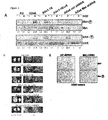
- Met cannot be induced by HGF unless a CD44v6 containing isoform is transfected ( Fig.1A ).
- Removal of exon v6 e.g. in CD44v1-10 ⁇ v6 impaired the activation of Met by HGF ( Fig.1A ).
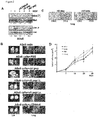
- the parental BSp73AS cells and cells stably transfected with the constructs mentioned above were subcutaneously injected into isogenic rats. In all animals primary tumors were palpable already after one week. In the case of cells transfected with CD44v6 or CD44v1-10 the axillary lymph nodes of the corresponding animals were enlarged already two weeks after injection and the animals were killed after six weeks. Histomorphological examination of the lungs and lymph nodes revealed that all rats bearing CD44v6 or CD44v1-10 expressing tumors developed nodal and intrapulmonary metastases.
- CD44 isoforms such as CD44v6, that allow Met activation, also confer metastatic propensity to BSp73AS cells.
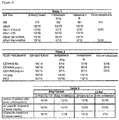
- BSp73ASs6 cells (BSp73AS cells expressing the CD44v6 isoform in addition to CD44s) were stably transfected with lentivirus expressing Met shRNA sequences. It was confirmed that the cells do not express Met ( Fig. 1A , last two lanes). Then, these cells (or cells infected with lentivirus expressing control sh-RNA sequences) were injected into syngeneic animals. The animals were examined six weeks after injection. All animals developed primary tumors (Table 1). However, Met activation was only observed in the primary tumors of cells infected with control sh-RNA expressing lentivirus, but not in primary tumors expressing Met sh-RNA ( Fig. 1C ).
- Rat peptides had the sequences KEKWFENEWQGKNP (SEQ ID No.: 10) and NEWQG (SEQ ID No.: 11).
- BSp73ASs6 cells were subcutaneously injected into syngeneic rats and rat CD44v6 peptides of SEQ ID No.: 10 or SEQ ID No.
- NIRF near infrared fluorescence
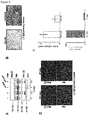
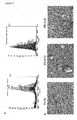
- BSp73ASs6 cells were injected subcutaneously into syngeneic rats. Three weeks later, they received either of the labeled v6 peptides by injection into the tail vain. The accumulation of the fluorescence was measured in the tumor region by Optix MX2 at the indicated time points. Prior to intravenous (i.v.) injection of Dy681-labeled peptides mice were natively scanned in order to measure levels of autofluorescence background. Then, in vivo binding kinetics of the Dy681-labeled v6 peptides to the subcutaneous tumors were determined.
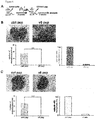
- L3.6pl Bruns, et al. Neoplasia (1999), 1(1):50-62 ) were investigated. These cells originate from the COLO 375 cells that have been passaged several times in the liver and the pancreas, a step that rendered them more and more metastatic. It was confirmed that Met is dependent on CD44v6 for its activation and signaling in these cells ( Fig. 4A ).
- the L3.6pl cells were treated with HGF in the presence or absence of a human v6 peptide of SEQ ID No.: 2 or SEQ ID No.:6 and Met activation and downstream signaling to ERK was measured.
- mice were orthotopically injected into the pancreas of immunosuppressed mice (NCI-nu). These mice developed primary tumors and showed numerous metastases in the liver after four weeks.
- the primary tumor expresses a high amount of CD44v6 ( Fig. 4B ).
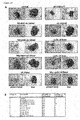
- Intraperitoneal injection (i.p.) of the human-specific peptide three times per week for three weeks completely repressed Met activation as shown by the immunofluorescence staining for phospho-Met and Met in the tumor ( Fig. 4C ).
- the human L3.6pl cells produce hVEGF, a secretion that can be blocked by treatment with the human v6 peptide ( Figure 4F ).
- the most striking observation was that the human-specific peptide completely inhibited metastasis formation within the liver ( Figure 4G ).
- the rat-specific peptide (ctrl peptide) had no influence on metastasis formation or on growth of the primary tumor ( Figure 4C-G ).
- Peptide synthesis was performed on an Applied Biosystems automated peptide synthesizer (model 433A) and the peptides were purified by preparative HPLC. Peptides of sequences NEWQG (SEQ ID No.: 11) and a control peptide NAAAG (SEQ ID No.: 15) were synthesized. Crude and purified products were characterized by LC coupled to a mass spectrometer ( ⁇ TOF LCMS from Bruker Daltonics-Bremen, Germany).
- Peptide synthesis was performed using standard Fmoc solid phase peptide synthesis protocols (see e.g. Fields et al., Int JPept Protein Res. (1990), 35, 161-214 , Maisch et al., JAm Chem Sco. (2009), 131, 15596-15597 , Strandberg et al., Biophys J. (2006), 90, 1676-1686 , and Wadhwani et al., J Org Chem. (2006), 71, 55-61 ). Fmoc deprotection was done with 20-22% piperidine in NMP.
- Coupling was performed using a mixture of Fmoc-amino acid:HOBt: HBTU:DIEA (4:4:3.9:8) in DMF.
- Peptides were cleaved from the solid support using a mixture of TFA:H 2 O:TIS (93.5:2.5:4).
- the cleavage reagents were removed under N 2 -flow, and the labeled peptides were precipitated using diethyl ether.
- Preparative HPLC was performed on a reversed phase C18 column (4.6 mm x 240 mm) at 35 °C using a Jasco-HPLC system (Tokyo, Japan) fitted with a diode array detector. Epimeric peptides were separated using acetonitrile/water gradients 0.1% TFA.
- Palmitic-NH-PEG-CONH-control peptide and Palmitic-NH-PEG-CONH-rat-CD44V6 peptide were synthesized by first coupling Fmoc-NH-PEG-COOH molecular weight 3000 Da to either SEQ ID No.: 11 or SEQ ID No.: 15. Then the pegylated peptides were reacted with palmitic acid.
- the PEG-control peptide and PEG-rat CD44v6 peptide were compared for their ability to block HGF induced activation of the receptor tyrosine kinase Met and ERK.
- Rat pancreatic cancer cells BSp73ASs6 (also designated Ass6) were incubated for 10 min at 37°C with either ctrl-peptides (SEQ ID No.: 15), non-pegylated v6-peptides (SEQ ID No.: 11) and increasing concentrations of the pegylated peptides, namely PEG-rat control peptide and PEG-rat CD44v6 peptide, before induction with HGF (10ng/ml; 5min at 37°C).
- Activation of ERK and Met was determined by standard SDS and Western Blotting techniques using a phospho-Met and phospho-Erk specific antibody (phospho-Met clone D16 cell signaling, phospho-Erk p42/44 cell signaling)
- HT29 colon cancer cells were grown in medium containing 10% FCS. One day after seeding, the cells were starved. On the third day, the cells were induced with HGF (10 ng/ml) and pre-incubated with either no peptide, ctrl-peptides (SEQ ID No.: 15), non-pegylated v6-peptides (SEQ ID No.: 11) or the pegylated peptides, namely PEG-rat control peptide and PEG-rat CD44v6 peptide.
- Fig. 9 and 10 show that pegylated peptides are efficient in inhibiting HGF dependent activation of Met and ERK Inhibition of ERK is even more efficient with pegylated vs. non-pegylated peptides.
- Fig. 11 shows that pegylated as well non-pegylated peptides, but not control peptides lead to dissociation and migration of cells away from these cell cluster
- Linear peptide (human, 14mer KEQWFGNRWHEGYR, 5mer NRWHE)
- CD44v6 acts as a co-receptor for Met in angiogenesis
- several primary ECs isolated from different kinds of human blood vessels were used.
- ECs can differ in shape, function and in the type of cell-cell junctions depending on the blood vessel where they are localised.
- ECs in arteries HEOECs ( h uman a ortic e ndothelial c ells)
- HOVECs h uman u mbilical v ein e ndothelial c ells
- HCMECs h uman c ardiac m icrovascular e ndothelial c ells
- HCMECs h uman c ardiac m icrovascular e ndothelial c ells
- CD44v6 is also necessary for a functional VEGF-A165/VEGFR-2 system in these cells.
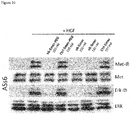
- CD44v6 The contribution of CD44v6 to Met signaling in the human epithelial pancreatic cancer cells L3.6pl (derived from Colo 357), the cervix carcinoma cells HeLa and the colon cancer cells HT29 were analysed using the CD44v6 peptide (v6 14mer; v6 5mer tested as well, data not shown). It was able to prevent activation of Met and of its downstream target Erk when added to the cells before induction with HGF ( Figures 14A , B and C). As incubation with a control peptide did not interfere with Met activation and signaling, these results show that CD44v6 is required for Met activation in all this cell lines.
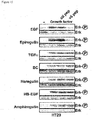
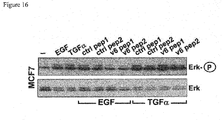
- EGF as well as five other ligands, namely AR, BC, ER, HB-EGF, and TGF- ⁇ , can activate the ErbB1 receptor.
- EGF, AR and TGF- ⁇ bind to either an ErbB1-homo- or an ErbB1/2-heterodimer.
- BC, ER and HB-EGF can also bind to an Erb4/4 homo- or an ErbB2/4 heterodimer.
- HT29 cells were serum-starved for 24 hours and pre-treated with the v6-specific or a control peptide. They were then induced with the indicated ErbB ligands. Erk-kinase phosphorylation was used as a read-out for receptor activation. All ligands could activate the Erk-kinase. EGF- as well as ER-dependent Erk phosphorylation was inhibited by pre-incubation of HT29 cells with the CD44v6 peptide (human v6 14mer) whereas a control peptide showed no effect ( Figure 15 ). This shows that, besides EGF, ER is another ErbB1 ligand that is dependent on CD44v6 as a co-receptor.
- the receptor tyrosine kinases Met and Ron induce cell migration and scattering upon treatment with their ligands.
- the effect of v6- blocking peptides on scattering and migration was investigated.
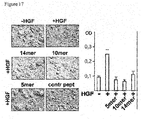
- the CD44v6 peptides (a human v6 5mer, 10mer and 14mer) prevented completely scattering or invasion through the extracellular matrix ( Figure 17 ).
- HUVEC cells Clusters of HUVEC cells, so-called spheroids, were generated in hanging drops and embedded in a three-dimensional collagen matrix. They were overlaid with medium containing the blocking substances and the growth factors. Activated by the growth factors VEGF-A165 and VEGF-A121 the ECs started to grow out of the spheroids ( Figure 19 ). This ability to sprout in response to VEGF-A treatment was blocked completely when the cells were treated with the v6 peptide (human v6 14mer). The control peptide did not influence VEGF-A-induced sprouting. Sprouting of the ECs was quantified by analysing the total length of all sprouts originating from one spheroid.
- Langerhans islets are able to stimulate an angiogenic response when co-cultured with HUVEC cells in a collagen matrix.
- Such angiogenic hyperplastic islets of Langerhans were isolated by collagenase perfusion. They produce a mixture of angiogenic factors and thereby attract the ECs to get organised in capillary like structures.
- the angiogenic response of the ECs was reduced when the human CD44v6 of the ECs was blocked by means of the CD44v6 antibody or the v6 specific blocking peptide (human v6 14mer), whereas the control peptide did not interfere with the angiogenic response.
- Figure 20 In agreement with published data around 60 % of islets stimulated an angiogenic response in the control experiment.
- PEGylation the process of covalent attachment of P oly E thylene G lycol polymer chains, is known to reduce immunogenicity and antigenicity. PEGylation increases the hydrodynamic size of the compound and prolongs the circulation time in animals by reducing renal clearance.
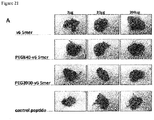
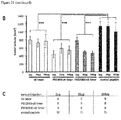
- the three CD44v6 specific compounds (v6 5mer, PEG840- v6 5mer und PEG2000-v6 5mer of human origin) and a control peptide were applied in three concentrations (2 ⁇ g, 20 ⁇ g, 200 ⁇ g per injection) three times per week i.p. for 4 weeks.
- One week before start of the treatment the L3.6pl tumor cells were orthotopically implanted into nude mice.
- the results showed that PEGylation has no impact on the effect of the peptides.
- All v6 specific compounds prevented metastatic spreading of tumor cells and lead to a reduction of primary tumor growth.
- a complete block of metastasis was observed for 20 ⁇ g per injection, however inhibitory effects were already observed using a tenfold lower concentration ( Figure 21 ).
- an increase of the treatment dose to 200 ⁇ g per injection did not lead to side effects in the animals.
- Modification of linear peptides by cyclization is achieved by linking the amino and carboxyl termini with a peptide bond that forms a ring. Cyclization is an efficient way to increase the stability of peptides and to improve permeability.
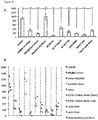
- the cyclic v6 8mer blocked metastatic spreading at 2 and 20 ⁇ g per injection very efficiently, indicating that the structural change by cyclization did not lead to loss of function of the peptide ( Figure 22A , B ).
- the cyclic v6 8mer showed also a drastic effect on growth of the primary tumor ( Figure 22C ).
- adenomatous polyposis coli adenomatous polyposis coli
- FAP familial adenomatous polyposis
- mice can develop up to 100 polyps in the small intestine in addition to colon tumors.
- Crosses of these mice with CD44 knockout mice reduced the number of adenomas drastically, suggesting a role of CD44 in colorectal carcinogenesis. This could be further confirmed by the elimination of CD44v6 specifically in the intestine of APC/Min/+ mice by shRNA that also resulted in a reduction of adenomas.
- v6 14mer The effect of the v6 14mer was tested in the the APC/Min/+ model model using 18 week old mice.
- the animals received an i.p. injection of 20 ⁇ g of v6 14mer (mouse 14mer) or control peptide (rat 14mer) three times per week for 6 weeks. Animals (three per group) were sacrificed at the end of the experiment and the duodenum was analyzed for the total number of tumors ( Figure 25 ).
- the treatment with the v6 14mer led to a strong decrease of the tumor size in the duodenum. Of note is that this decrease is more pronounced in case of small tumors (0-1mm>1-2mm>2-5mm). The tumor number for tumors bigger that 5 mm is higher for the v6 14mer.
- ErbB1 expression was found in a majority of carcinomas including mammary carcinomas and amplification of the ErbB2 gene can be found in 20-30% of metastatic breast cancer lesions.
- the tumorigenicity of these breast cancer types depends on the constitutive activation of the ErbB receptors.
- CD44v6 enables the activation of the ErbB receptors through EGF in several breast cancer cell lines.
- CD44v6 could therefore play a role in breast cancer types that are dependent on EGF-based ErbB activation for their tumorigenicity.
- the evaluation of 100 primary invasive breast tumors and 18 lymph node metastases connected the expression of CD44v6 with tumorigenity. The presence of these CD44 variants correlates with poor survival. Two more recent studies came to similar results.
- 4T1 cells were originally derived from a spontaneously arising BALB/c mammary tumor. When introduced orthotopically, 4T1 cells grow rapidly at the primary site and form metastases in the lung and the lymph nodes within a period of 3-6 weeks. The tumor growth and metastatic spreading of 4T1 cells in BALB/c mice very closely mimics human breast cancer stage IV.
- the 4T1 cells were injected orthotopically into the 6th mammary fat pad. Two groups of 5 animals each with the implanted tumor cells were then used for the experiment. One group was treated with the v6 14mer peptide, one with a control (rat) peptide. The injection of the peptide was performed 3 times per week and planned for three to four weeks but had to be stopped after two weeks as the control group suffered from large tumors.
- Example 5 CD44v6 peptide functionalized nanoparticles selectively bind on the tumor cells
- the human adenocarcinoma cell line HT29 a gift of A. Zweibaum (Institut National de la Sante et de la Récherche Medicale, France) was grown in DMEM (Invitrogen, Düsseldorf, Germany) supplemented with 10% FCS (PAA, Cölbe, Germany).
- the rat pancreatic carcinoma cells BSp73AS10 (AS10) and its transfectant BSp73ASs6 (ASs6) (paper vero) were grown in RPMI (Invitrogen) plus 10% FCS.
- Hydrophobic CdTe quantum dots with emission at 550 nm (particles molar weight is 32000 g/mol) were obtained from PlasmaChem GmbH (Germany).
- Alpha-(9-fluorenylmethyloxycarbonyl)amino-omega-carboxy poly(ethylene glycol) (PEG-MW 3.000 Dalton) and alpha-methoxy-omega-carboxylic acid poly(ethylene glycol) (PEG-MW 2.000 Dalton) were obtained from IRIS Biotech GmbH (Germany). Palmitic acid (99%) and poly(ethylene glycol) methyl ether (MW 2000 g/mol) were obtained from Sigma-Aldrich (Germany).
- Dynamic light scattering was performed on a Malvern Zetasizer Nano ZS (Malvern, Germany). Quantum dots nanoparticles were diluted with Milli Q water to the concentration of quantum dots at 0.1 mg/ml. 750 ⁇ l nanoparticle solution were added in the cuvette, and measured particle size (hydrodynamic diameter) and surface charge (zeta potential).
- Quantum dots nanoparticles were characterized by scanning electron microscopy (SEM) using the LEO 1530 Gemini scanning electron microscope (Zeiss, Germany). Samples for SEM were prepared by resuspending the particles in Milli Q water at a concentration of 0.1 mg/ml. Resulting dispersion was dripped onto a silicon wafer and dried in air. The particles were then sputter coated with gold for 20 s using a Cressington 108 auto sputter coater before SEM measurement.
- SEM scanning electron microscopy
- MALDI-TOF Matrix-assisted laser desorption/ionization time-of-flight
- Different density of CD44v6 peptide functionalized quantum dots nanoparticles were prepared as follows: (a) PEG-QDs were prepared by mixing 300 ⁇ l PEG2000-palmitic ester (4 mg/ml in chloroform) and 30 ⁇ l QD (10 mg/ml in chloroform) in 4 ml vials. After vortex for 20 s, the mixed solution was in the open vial for overnight to make sure the chloroform was evaporated. 300 ⁇ l PBS buffer (pH 7.4) were added to the 4 ml vial, and vortex for 30 s to form nanoparticles.
- ASs6 cells serum starved for 24 h, were induced with HGF (10 ng/ml) at 37°C for 5 min. Where indicated, the cells were treated with PEGylated or non-PEGylated peptides before induction at 37°C for 10 min (150 nM). Cells were washed with phosphate-buffered saline (PBS) and lysed in boiling sodium dodecyl sulfate (SDS)-sample buffer containing 100mM dithiothreitol (DTT). Subsequently, lysates were subjected to Western blot analysis using antibodies against phosphorylated Mek and Erk (Cell signaling).
- PBS phosphate-buffered saline
- SDS sodium dodecyl sulfate
- DTT dithiothreitol
- the Mek and Erk loading control were performed on the same blot, stripped (62.5 mM Tris pH 6.8, 2% SDS, 0.8% DTT) and probed with the Mek and Erk antibodies. Blots were stained using the enhanced chemiluminescence system (Thermo Fisher Scientific).
- HT29 cells Scattering of HT29 cells was determined in 24-well plates. First, 4x10 5 cells were seeded at 37°C; the cells were either left untreated or 48 h later treated with HGF (50 ng/ml) for 24 h or with PEGylated or non-PEGylated peptides (100 ng/ml) prior to HGF induction for 30 min.
- HGF 50 ng/ml
- PEGylated or non-PEGylated peptides 100 ng/ml
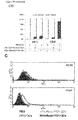
- ASs6 and AS 10 cells cultured in 10 cm petri dishes were harvested at 80% confluency, with 5mM EDTA/PBS. Cells were washed three times with 3% FCS in PBS. Afterwards, cells were incubated with 100ng/ml Quantum Dots in 3% FCS/PBS for 10 minutes. Then, cells were washed 3 times with 3% FCS in PBS, resuspended in PBS without FCS and subjected to FACS measurement.
- CD44v6-peptides can be used to block HGF induced activation of c-Met signaling in a variety of cancer cell lines. Furthermore, these peptides can efficiently block HGF induced cell scattering, a term that describes dissociation and migration of single cells away from cell clusters, in HT29 adenocarcinoma cells. These peptides can efficiently inhibit tumor growth and metastasis; and furthermore eliminate already developed metastases. Altogether, this makes these peptides very promising potential drug candidates for cancer therapy. As CD44v6-peptides specifically bind to CD44v6 expressing cells, these peptides were further functionalized on quantum dots (QDs) surfaces and to show the selective binding of these peptides to tumor cells.
- QDs quantum dots
- CD44v6 peptide was PEGylated specifically at the N-terminal.
- CD44v6 peptides and PEGylated peptides were sequentially synthesized on Wang resin, and purified by preparative-HPLC. The purity of CD44v6 peptides and PEGylated peptides were further analyzed and characterized by analytic-HPLC and MALDI-TOF ( Fig. 27 ).
- the blocking ability of the peptides was tested after attachment of a 2000 dalton PEG-chain.
- HGF Upon treatment of ASs6 cells with PEGylated CD44v6 peptides, HGF completely failed to induce Met-phosphorylation and to activate Erk signaling, whereas PEGylated control peptides showed no effect ( Fig. 10 ). Also HGF induced scattering of HT29 cells was strongly inhibited by pretreatment with PEGylated CD44v6 peptides, but not with PEGylated control peptides ( Fig. 11 ). These results clearly show that PEGylation does not affect the functionality of CD44v6 peptides.
- CD44v6 expression often correlates with advanced stages of cancer and goes hand in hand with a poor prognosis in a huge variety of cancer types.
- many malignant cancer cells express a high amount of CD44v6 on their surface, designating CD44v6 as important marker to target these cells. Therefore the PEGylated CD44v6 peptides may be used to create multivalent composite nanoparticles that can be used to target and to visualize CD44v6 expression on cells.
- PEGylated CD44v6 peptides were conjugated to Quantum Dots (QDs), small semiconductor nanoparticles, that can be used as bright shining and very stable fluorescent probes.
- QDs Quantum Dots
- QDs QDs-QDs
- nanoparticles one with only PEG chains attached to the Quantum Dots (PEG-QDs) and nanoparticles where 10% and 30% of PEG chains surrounding the Quantum Dots were coupled to CD44v6 peptides (designated as 10%-v6pep-QDs and 30%-v6pep-PEG, respectively) were created. It was tested whether these Quantum Dots can specifically bind to and stain CD44v6 expressing cells and if the CD44v6 peptide concentration influences the binding ability.
- CD44v6 expression often correlates with advanced stages of cancer and bad prognosis. Furthermore, CD44v6 expression can confer metastatic potential to non-metastatic cancer cells, most likely due to its function as co-receptor for c-MET and VEGFR receptor tyrosine kinases. 3 amino acids are essential for the function of CD44v6, namely R-W-H, and small peptides of at least 5 amino acids in length, comprising these 3 amino acids can be used to efficiently block the function of CD44v6.
- CD44v6 Blocking of CD44v6 results in complete inhibition of HGF induced c-Met signaling or VEGF-A induced VEGFR-2 signaling and in turn in blocking of angiogenesis and metastasis in in vivo mouse and rat models for pancreatic cancer.
- CD44v6 peptides bind to CD44v6-expressing cells, making it possible to use these peptides as a marker for malignant CD44v6 expressing tumor cells or tissues.
- CD44v6 peptides were PEGylated, the functionality of the PEGylated peptides on the molecular level were confirmed and the PEGylated peptides were coupled to Quantum Dots.
- CD44v6-QD nanoparticles specifically bind to and stain CD44v6 expressing cells which was confirmed by immunofluorescence microscopy and FACS-analysis.
- the coupling of the peptides to the Quantum Dots has several advantages, on the one hand a bright shining and very stable biomarker for CD44v6 expressing cells was created, which can be used for the detection and better characterization of CD44v6 expressing tumor cells or tissues, or even further to detect CD44v6 expressing metastases in the patient. On the other hand, because of the multivalency there is the possibility to couple other compounds like conventional anti-cancer drugs to the CD44v6-QDs to create multifunctional drugs that specifically target CD44v6 expressing tumor cells.
Landscapes
- Health & Medical Sciences (AREA)
- Life Sciences & Earth Sciences (AREA)
- Chemical & Material Sciences (AREA)
- Organic Chemistry (AREA)
- General Health & Medical Sciences (AREA)
- Medicinal Chemistry (AREA)
- Proteomics, Peptides & Aminoacids (AREA)
- Public Health (AREA)
- Animal Behavior & Ethology (AREA)
- Veterinary Medicine (AREA)
- Pharmacology & Pharmacy (AREA)
- Biophysics (AREA)
- Biochemistry (AREA)
- Molecular Biology (AREA)
- Genetics & Genomics (AREA)
- Bioinformatics & Cheminformatics (AREA)
- Epidemiology (AREA)
- Gastroenterology & Hepatology (AREA)
- Immunology (AREA)
- Zoology (AREA)
- Engineering & Computer Science (AREA)
- Cell Biology (AREA)
- Chemical Kinetics & Catalysis (AREA)
- General Chemical & Material Sciences (AREA)
- Nuclear Medicine, Radiotherapy & Molecular Imaging (AREA)
- Oncology (AREA)
- Peptides Or Proteins (AREA)
- Medicines That Contain Protein Lipid Enzymes And Other Medicines (AREA)
Priority Applications (1)
| Application Number | Priority Date | Filing Date | Title |
|---|---|---|---|
| SI201331649T SI2922563T1 (sl) | 2012-11-21 | 2013-11-21 | CD44V6-pridobljeni peptidi za zdravljenje metastazirajočih rakov |
Applications Claiming Priority (2)
| Application Number | Priority Date | Filing Date | Title |
|---|---|---|---|
| GBGB1220889.8A GB201220889D0 (en) | 2012-11-21 | 2012-11-21 | CD44v6-derived peptides for treating metastasizing cancers |
| PCT/EP2013/074404 WO2014079943A1 (en) | 2012-11-21 | 2013-11-21 | Cd44v6-derived peptides for treating metastasizing cancers |
Publications (2)
| Publication Number | Publication Date |
|---|---|
| EP2922563A1 EP2922563A1 (en) | 2015-09-30 |
| EP2922563B1 true EP2922563B1 (en) | 2019-10-30 |
Family
ID=47521460
Family Applications (1)
| Application Number | Title | Priority Date | Filing Date |
|---|---|---|---|
| EP13798617.0A Not-in-force EP2922563B1 (en) | 2012-11-21 | 2013-11-21 | Cd44v6-derived peptides for treating metastasizing cancers |
Country Status (13)
| Country | Link |
|---|---|
| US (1) | US9593146B2 (enExample) |
| EP (1) | EP2922563B1 (enExample) |
| JP (1) | JP2016501858A (enExample) |
| AU (1) | AU2013349703B2 (enExample) |
| CA (1) | CA2892147A1 (enExample) |
| DK (1) | DK2922563T3 (enExample) |
| ES (1) | ES2765037T3 (enExample) |
| GB (1) | GB201220889D0 (enExample) |
| HU (1) | HUE047126T2 (enExample) |
| IL (1) | IL238606B (enExample) |
| LT (1) | LT2922563T (enExample) |
| SI (1) | SI2922563T1 (enExample) |
| WO (1) | WO2014079943A1 (enExample) |
Families Citing this family (5)
| Publication number | Priority date | Publication date | Assignee | Title |
|---|---|---|---|---|
| GB201421647D0 (en) * | 2014-12-05 | 2015-01-21 | Amcure Gmbh And Ruprecht-Karls-Universitat And Karlsruher Institut F�R Technologie | CD44v6-derived cyclic peptides for treating cancers and angiogenesis related diseases |
| EP3466963A1 (en) | 2017-10-05 | 2019-04-10 | Suigeneris Farmacosmetics, S.L. | Anticancer peptides and uses thereof |
| KR102194025B1 (ko) | 2017-12-15 | 2020-12-22 | 경북대학교 산학협력단 | CD44v6에 결합하는 펩타이드 및 이의 용도 |
| US11744883B2 (en) | 2017-12-22 | 2023-09-05 | Hipra Scientific, S.L.U. | Intradermal combination vaccine against mycoplasma and porcine circovirus |
| EP4464714A1 (en) | 2023-05-19 | 2024-11-20 | Karlsruher Institut für Technologie | Screening method for cell-repelling peptides |
Family Cites Families (10)
| Publication number | Priority date | Publication date | Assignee | Title |
|---|---|---|---|---|
| US5696229A (en) | 1995-03-16 | 1997-12-09 | The University Of Virginia Patent Foundation | Polypeptide with laminin cell adhesion and morphogenesis activity |
| DE19540515C1 (de) * | 1995-10-31 | 1997-02-06 | Boehringer Ingelheim Int | Tumortherapie durch adoptiven Transfer CD44v-spezifischer zytotoxischer T-Lymphozyten |
| EP1258255A1 (en) | 2001-05-18 | 2002-11-20 | Boehringer Ingelheim International GmbH | Conjugates of an antibody to CD44 and a maytansinoid |
| JP2003089700A (ja) | 2001-09-18 | 2003-03-28 | Life Science Management:Kk | ペプチド |
| EP1417974A1 (en) * | 2002-11-08 | 2004-05-12 | Boehringer Ingelheim International GmbH | Compositions and methods for treating cancer using cytotoxic CD44 antibody immunoconjugates and radiotherapy |
| AR046774A1 (es) | 2003-12-24 | 2005-12-21 | Boehringer Ingelheim Pharma | Formulacion liofilizada de conjugados de anticuerpos |
| EP1647556B1 (en) * | 2004-10-14 | 2010-05-19 | Karlsruher Institut für Technologie | Peptidic compounds and derivatives thereof for the treatment of human diseases through inhibition of signaling via growth factors |
| EP2218457B1 (en) * | 2009-02-16 | 2011-09-07 | Karlsruher Institut für Technologie | CD44v6 peptides as inhibitors of bacterial infections |
| EP2266593A1 (en) * | 2009-06-24 | 2010-12-29 | Karlsruher Institut für Technologie | Use of CD44v6 in the treatment of ophthalmic diseases |
| WO2011022335A1 (en) * | 2009-08-21 | 2011-02-24 | Mount Sinai School Of Medicine Of New York University | Methods of using cd44 fusion proteins to treat cancer |
-
2012
- 2012-11-21 GB GBGB1220889.8A patent/GB201220889D0/en not_active Ceased
-
2013
- 2013-11-21 CA CA2892147A patent/CA2892147A1/en not_active Abandoned
- 2013-11-21 HU HUE13798617A patent/HUE047126T2/hu unknown
- 2013-11-21 JP JP2015543432A patent/JP2016501858A/ja active Pending
- 2013-11-21 WO PCT/EP2013/074404 patent/WO2014079943A1/en not_active Ceased
- 2013-11-21 LT LTEP13798617.0T patent/LT2922563T/lt unknown
- 2013-11-21 US US14/407,283 patent/US9593146B2/en not_active Expired - Fee Related
- 2013-11-21 DK DK13798617.0T patent/DK2922563T3/da active
- 2013-11-21 SI SI201331649T patent/SI2922563T1/sl unknown
- 2013-11-21 ES ES13798617T patent/ES2765037T3/es active Active
- 2013-11-21 AU AU2013349703A patent/AU2013349703B2/en not_active Ceased
- 2013-11-21 EP EP13798617.0A patent/EP2922563B1/en not_active Not-in-force
-
2015
- 2015-05-04 IL IL238606A patent/IL238606B/en active IP Right Grant
Non-Patent Citations (1)
| Title |
|---|
| None * |
Also Published As
| Publication number | Publication date |
|---|---|
| GB201220889D0 (en) | 2013-01-02 |
| WO2014079943A1 (en) | 2014-05-30 |
| ES2765037T3 (es) | 2020-06-05 |
| HUE047126T2 (hu) | 2020-04-28 |
| DK2922563T3 (da) | 2020-01-20 |
| SI2922563T1 (sl) | 2020-04-30 |
| EP2922563A1 (en) | 2015-09-30 |
| IL238606A0 (en) | 2015-06-30 |
| LT2922563T (lt) | 2020-03-25 |
| US9593146B2 (en) | 2017-03-14 |
| IL238606B (en) | 2019-07-31 |
| AU2013349703B2 (en) | 2016-12-22 |
| AU2013349703A1 (en) | 2015-07-09 |
| JP2016501858A (ja) | 2016-01-21 |
| CA2892147A1 (en) | 2014-05-30 |
| US20150183826A1 (en) | 2015-07-02 |
Similar Documents
| Publication | Publication Date | Title |
|---|---|---|
| EP2922563B1 (en) | Cd44v6-derived peptides for treating metastasizing cancers | |
| CN112533640A (zh) | 利用基于蜂毒肽的细胞凋亡诱导肽的m2型肿瘤相关巨噬细胞的靶向 | |
| US20210155696A1 (en) | Enhancing the therapeutic activity of immune checkpoint inhibitor | |
| Liu et al. | Synthesis and biological application of BKT-140 peptide modified polymer micelles for treating tumor metastasis with an enhanced cell internalization | |
| WO2014079914A1 (en) | Cd44v6-derived pegylated peptides | |
| US20130331333A1 (en) | Par1 and par2 c-tail peptides and peptide mimetics | |
| EP3076988B1 (en) | Pharmaceutical compositions and methods for the treatment and prevention of metastatic cancer | |
| CN107073065A (zh) | 用于发育异常、早期癌症和癌症的检测和靶向的肽试剂和方法 | |
| US9586993B2 (en) | CD44v6-derived peptides for treating pancreatic cancer | |
| Held-Kuznetsov et al. | Host‐defense peptide mimicry for novel antitumor agents | |
| US20170305995A1 (en) | CD44V6-Derived Peptides for Treating Metastasizing Cancer | |
| US9586994B2 (en) | CD44V6-derived peptides for treating breast cancer | |
| EP3269727B1 (en) | Anti-hepatitis b virus x protein polypeptide pharmaceutical | |
| EP3265108A1 (en) | Peptides and compositions comprising same and uses thereof in the treatment of diseases | |
| WO2026022392A1 (en) | Peptide and conjugates thereof | |
| HK40052573A (zh) | 使用靶向过表达cmet的近红外肽在体内检测结肠瘤形成 | |
| CN113454099A (zh) | 使用靶向过表达cMET的近红外肽在体内检测结肠瘤形成 | |
| Cupka | Development of an αᵥβ₆-Binding Peptide for In Vivo Applications: Modulation of Serum Stability and Biodistribution | |
| HK1229242B (en) | Pharmaceutical compositions and methods for the treatment and prevention of metastatic cancer | |
| HK1229242A1 (en) | Pharmaceutical compositions and methods for the treatment and prevention of metastatic cancer |
Legal Events
| Date | Code | Title | Description |
|---|---|---|---|
| PUAI | Public reference made under article 153(3) epc to a published international application that has entered the european phase |
Free format text: ORIGINAL CODE: 0009012 |
|
| 17P | Request for examination filed |
Effective date: 20150618 |
|
| AK | Designated contracting states |
Kind code of ref document: A1 Designated state(s): AL AT BE BG CH CY CZ DE DK EE ES FI FR GB GR HR HU IE IS IT LI LT LU LV MC MK MT NL NO PL PT RO RS SE SI SK SM TR |
|
| AX | Request for extension of the european patent |
Extension state: BA ME |
|
| DAX | Request for extension of the european patent (deleted) | ||
| STAA | Information on the status of an ep patent application or granted ep patent |
Free format text: STATUS: EXAMINATION IS IN PROGRESS |
|
| 17Q | First examination report despatched |
Effective date: 20170530 |
|
| GRAP | Despatch of communication of intention to grant a patent |
Free format text: ORIGINAL CODE: EPIDOSNIGR1 |
|
| STAA | Information on the status of an ep patent application or granted ep patent |
Free format text: STATUS: GRANT OF PATENT IS INTENDED |
|
| INTG | Intention to grant announced |
Effective date: 20190523 |
|
| RIN1 | Information on inventor provided before grant (corrected) |
Inventor name: ORIAN-ROUSSEAU, VERONIQUE Inventor name: PONTA, HELMUT Inventor name: MATZKE, ALEXANDRA |
|
| GRAS | Grant fee paid |
Free format text: ORIGINAL CODE: EPIDOSNIGR3 |
|
| GRAA | (expected) grant |
Free format text: ORIGINAL CODE: 0009210 |
|
| STAA | Information on the status of an ep patent application or granted ep patent |
Free format text: STATUS: THE PATENT HAS BEEN GRANTED |
|
| AK | Designated contracting states |
Kind code of ref document: B1 Designated state(s): AL AT BE BG CH CY CZ DE DK EE ES FI FR GB GR HR HU IE IS IT LI LT LU LV MC MK MT NL NO PL PT RO RS SE SI SK SM TR |
|
| REG | Reference to a national code |
Ref country code: GB Ref legal event code: FG4D |
|
| REG | Reference to a national code |
Ref country code: CH Ref legal event code: EP |
|
| REG | Reference to a national code |
Ref country code: AT Ref legal event code: REF Ref document number: 1195439 Country of ref document: AT Kind code of ref document: T Effective date: 20191115 |
|
| REG | Reference to a national code |
Ref country code: DE Ref legal event code: R096 Ref document number: 602013062293 Country of ref document: DE |
|
| REG | Reference to a national code |
Ref country code: IE Ref legal event code: FG4D |
|
| REG | Reference to a national code |
Ref country code: FI Ref legal event code: FGE |
|
| REG | Reference to a national code |
Ref country code: DK Ref legal event code: T3 Effective date: 20200117 |
|
| REG | Reference to a national code |
Ref country code: SE Ref legal event code: TRGR |
|
| REG | Reference to a national code |
Ref country code: NO Ref legal event code: T2 Effective date: 20191030 |
|
| REG | Reference to a national code |
Ref country code: NL Ref legal event code: FP |
|
| REG | Reference to a national code |
Ref country code: CH Ref legal event code: NV Representative=s name: VALIPAT S.A. C/O BOVARD SA NEUCHATEL, CH |
|
| RAP2 | Party data changed (patent owner data changed or rights of a patent transferred) |
Owner name: AMCURE GMBH |
|
| REG | Reference to a national code |
Ref country code: HU Ref legal event code: AG4A Ref document number: E047126 Country of ref document: HU |
|
| PG25 | Lapsed in a contracting state [announced via postgrant information from national office to epo] |
Ref country code: PT Free format text: LAPSE BECAUSE OF FAILURE TO SUBMIT A TRANSLATION OF THE DESCRIPTION OR TO PAY THE FEE WITHIN THE PRESCRIBED TIME-LIMIT Effective date: 20200302 Ref country code: BG Free format text: LAPSE BECAUSE OF FAILURE TO SUBMIT A TRANSLATION OF THE DESCRIPTION OR TO PAY THE FEE WITHIN THE PRESCRIBED TIME-LIMIT Effective date: 20200130 Ref country code: GR Free format text: LAPSE BECAUSE OF FAILURE TO SUBMIT A TRANSLATION OF THE DESCRIPTION OR TO PAY THE FEE WITHIN THE PRESCRIBED TIME-LIMIT Effective date: 20200131 Ref country code: PL Free format text: LAPSE BECAUSE OF FAILURE TO SUBMIT A TRANSLATION OF THE DESCRIPTION OR TO PAY THE FEE WITHIN THE PRESCRIBED TIME-LIMIT Effective date: 20191030 |
|
| PG25 | Lapsed in a contracting state [announced via postgrant information from national office to epo] |
Ref country code: RS Free format text: LAPSE BECAUSE OF FAILURE TO SUBMIT A TRANSLATION OF THE DESCRIPTION OR TO PAY THE FEE WITHIN THE PRESCRIBED TIME-LIMIT Effective date: 20191030 Ref country code: HR Free format text: LAPSE BECAUSE OF FAILURE TO SUBMIT A TRANSLATION OF THE DESCRIPTION OR TO PAY THE FEE WITHIN THE PRESCRIBED TIME-LIMIT Effective date: 20191030 |
|
| REG | Reference to a national code |
Ref country code: ES Ref legal event code: FG2A Ref document number: 2765037 Country of ref document: ES Kind code of ref document: T3 Effective date: 20200605 |
|
| PG25 | Lapsed in a contracting state [announced via postgrant information from national office to epo] |
Ref country code: AL Free format text: LAPSE BECAUSE OF FAILURE TO SUBMIT A TRANSLATION OF THE DESCRIPTION OR TO PAY THE FEE WITHIN THE PRESCRIBED TIME-LIMIT Effective date: 20191030 |
|
| PG25 | Lapsed in a contracting state [announced via postgrant information from national office to epo] |
Ref country code: EE Free format text: LAPSE BECAUSE OF FAILURE TO SUBMIT A TRANSLATION OF THE DESCRIPTION OR TO PAY THE FEE WITHIN THE PRESCRIBED TIME-LIMIT Effective date: 20191030 Ref country code: RO Free format text: LAPSE BECAUSE OF FAILURE TO SUBMIT A TRANSLATION OF THE DESCRIPTION OR TO PAY THE FEE WITHIN THE PRESCRIBED TIME-LIMIT Effective date: 20191030 Ref country code: CZ Free format text: LAPSE BECAUSE OF FAILURE TO SUBMIT A TRANSLATION OF THE DESCRIPTION OR TO PAY THE FEE WITHIN THE PRESCRIBED TIME-LIMIT Effective date: 20191030 Ref country code: MC Free format text: LAPSE BECAUSE OF FAILURE TO SUBMIT A TRANSLATION OF THE DESCRIPTION OR TO PAY THE FEE WITHIN THE PRESCRIBED TIME-LIMIT Effective date: 20191030 |
|
| REG | Reference to a national code |
Ref country code: DE Ref legal event code: R097 Ref document number: 602013062293 Country of ref document: DE |
|
| REG | Reference to a national code |
Ref country code: AT Ref legal event code: MK05 Ref document number: 1195439 Country of ref document: AT Kind code of ref document: T Effective date: 20191030 |
|
| PG25 | Lapsed in a contracting state [announced via postgrant information from national office to epo] |
Ref country code: SM Free format text: LAPSE BECAUSE OF FAILURE TO SUBMIT A TRANSLATION OF THE DESCRIPTION OR TO PAY THE FEE WITHIN THE PRESCRIBED TIME-LIMIT Effective date: 20191030 Ref country code: SK Free format text: LAPSE BECAUSE OF FAILURE TO SUBMIT A TRANSLATION OF THE DESCRIPTION OR TO PAY THE FEE WITHIN THE PRESCRIBED TIME-LIMIT Effective date: 20191030 |
|
| PLBE | No opposition filed within time limit |
Free format text: ORIGINAL CODE: 0009261 |
|
| STAA | Information on the status of an ep patent application or granted ep patent |
Free format text: STATUS: NO OPPOSITION FILED WITHIN TIME LIMIT |
|
| 26N | No opposition filed |
Effective date: 20200731 |
|
| PG25 | Lapsed in a contracting state [announced via postgrant information from national office to epo] |
Ref country code: AT Free format text: LAPSE BECAUSE OF FAILURE TO SUBMIT A TRANSLATION OF THE DESCRIPTION OR TO PAY THE FEE WITHIN THE PRESCRIBED TIME-LIMIT Effective date: 20191030 |
|
| PG25 | Lapsed in a contracting state [announced via postgrant information from national office to epo] |
Ref country code: CY Free format text: LAPSE BECAUSE OF FAILURE TO SUBMIT A TRANSLATION OF THE DESCRIPTION OR TO PAY THE FEE WITHIN THE PRESCRIBED TIME-LIMIT Effective date: 20191030 |
|
| PG25 | Lapsed in a contracting state [announced via postgrant information from national office to epo] |
Ref country code: MT Free format text: LAPSE BECAUSE OF FAILURE TO SUBMIT A TRANSLATION OF THE DESCRIPTION OR TO PAY THE FEE WITHIN THE PRESCRIBED TIME-LIMIT Effective date: 20191030 |
|
| PGFP | Annual fee paid to national office [announced via postgrant information from national office to epo] |
Ref country code: LU Payment date: 20211119 Year of fee payment: 9 |
|
| PGFP | Annual fee paid to national office [announced via postgrant information from national office to epo] |
Ref country code: DE Payment date: 20211122 Year of fee payment: 9 Ref country code: LT Payment date: 20211110 Year of fee payment: 9 Ref country code: NL Payment date: 20211119 Year of fee payment: 9 Ref country code: NO Payment date: 20211119 Year of fee payment: 9 Ref country code: IE Payment date: 20211118 Year of fee payment: 9 Ref country code: ES Payment date: 20211216 Year of fee payment: 9 Ref country code: DK Payment date: 20211119 Year of fee payment: 9 Ref country code: FI Payment date: 20211117 Year of fee payment: 9 Ref country code: FR Payment date: 20211119 Year of fee payment: 9 Ref country code: SE Payment date: 20211123 Year of fee payment: 9 Ref country code: GB Payment date: 20211123 Year of fee payment: 9 |
|
| PGFP | Annual fee paid to national office [announced via postgrant information from national office to epo] |
Ref country code: SI Payment date: 20211111 Year of fee payment: 9 Ref country code: LV Payment date: 20211122 Year of fee payment: 9 Ref country code: IT Payment date: 20211130 Year of fee payment: 9 Ref country code: IS Payment date: 20211117 Year of fee payment: 9 Ref country code: HU Payment date: 20211114 Year of fee payment: 9 Ref country code: CH Payment date: 20211123 Year of fee payment: 9 Ref country code: BE Payment date: 20211119 Year of fee payment: 9 |
|
| PG25 | Lapsed in a contracting state [announced via postgrant information from national office to epo] |
Ref country code: TR Free format text: LAPSE BECAUSE OF FAILURE TO SUBMIT A TRANSLATION OF THE DESCRIPTION OR TO PAY THE FEE WITHIN THE PRESCRIBED TIME-LIMIT Effective date: 20191030 |
|
| PG25 | Lapsed in a contracting state [announced via postgrant information from national office to epo] |
Ref country code: MK Free format text: LAPSE BECAUSE OF FAILURE TO SUBMIT A TRANSLATION OF THE DESCRIPTION OR TO PAY THE FEE WITHIN THE PRESCRIBED TIME-LIMIT Effective date: 20191030 |
|
| REG | Reference to a national code |
Ref country code: DE Ref legal event code: R119 Ref document number: 602013062293 Country of ref document: DE |
|
| REG | Reference to a national code |
Ref country code: LT Ref legal event code: MM4D Effective date: 20221121 |
|
| REG | Reference to a national code |
Ref country code: DK Ref legal event code: EBP Effective date: 20221130 |
|
| REG | Reference to a national code |
Ref country code: NO Ref legal event code: MMEP |
|
| REG | Reference to a national code |
Ref country code: CH Ref legal event code: PL |
|
| REG | Reference to a national code |
Ref country code: SE Ref legal event code: EUG |
|
| REG | Reference to a national code |
Ref country code: NL Ref legal event code: MM Effective date: 20221201 |
|
| GBPC | Gb: european patent ceased through non-payment of renewal fee |
Effective date: 20221121 |
|
| REG | Reference to a national code |
Ref country code: BE Ref legal event code: MM Effective date: 20221130 |
|
| PG25 | Lapsed in a contracting state [announced via postgrant information from national office to epo] |
Ref country code: NO Free format text: LAPSE BECAUSE OF NON-PAYMENT OF DUE FEES Effective date: 20221130 Ref country code: LV Free format text: LAPSE BECAUSE OF NON-PAYMENT OF DUE FEES Effective date: 20221121 Ref country code: LT Free format text: LAPSE BECAUSE OF NON-PAYMENT OF DUE FEES Effective date: 20221121 Ref country code: LI Free format text: LAPSE BECAUSE OF NON-PAYMENT OF DUE FEES Effective date: 20221130 Ref country code: HU Free format text: LAPSE BECAUSE OF NON-PAYMENT OF DUE FEES Effective date: 20221122 Ref country code: CH Free format text: LAPSE BECAUSE OF NON-PAYMENT OF DUE FEES Effective date: 20221130 |
|
| PG25 | Lapsed in a contracting state [announced via postgrant information from national office to epo] |
Ref country code: SI Free format text: LAPSE BECAUSE OF NON-PAYMENT OF DUE FEES Effective date: 20221122 Ref country code: SE Free format text: LAPSE BECAUSE OF NON-PAYMENT OF DUE FEES Effective date: 20221122 Ref country code: NL Free format text: LAPSE BECAUSE OF NON-PAYMENT OF DUE FEES Effective date: 20221201 Ref country code: LU Free format text: LAPSE BECAUSE OF NON-PAYMENT OF DUE FEES Effective date: 20221121 |
|
| REG | Reference to a national code |
Ref country code: SI Ref legal event code: KO00 Effective date: 20230712 |
|
| PG25 | Lapsed in a contracting state [announced via postgrant information from national office to epo] |
Ref country code: IT Free format text: LAPSE BECAUSE OF NON-PAYMENT OF DUE FEES Effective date: 20221121 Ref country code: IE Free format text: LAPSE BECAUSE OF NON-PAYMENT OF DUE FEES Effective date: 20221121 Ref country code: GB Free format text: LAPSE BECAUSE OF NON-PAYMENT OF DUE FEES Effective date: 20221121 Ref country code: DK Free format text: LAPSE BECAUSE OF NON-PAYMENT OF DUE FEES Effective date: 20221130 Ref country code: DE Free format text: LAPSE BECAUSE OF NON-PAYMENT OF DUE FEES Effective date: 20230601 |
|
| PG25 | Lapsed in a contracting state [announced via postgrant information from national office to epo] |
Ref country code: FR Free format text: LAPSE BECAUSE OF NON-PAYMENT OF DUE FEES Effective date: 20221130 Ref country code: BE Free format text: LAPSE BECAUSE OF NON-PAYMENT OF DUE FEES Effective date: 20221130 |
|
| REG | Reference to a national code |
Ref country code: ES Ref legal event code: FD2A Effective date: 20240103 |
|
| PG25 | Lapsed in a contracting state [announced via postgrant information from national office to epo] |
Ref country code: ES Free format text: LAPSE BECAUSE OF NON-PAYMENT OF DUE FEES Effective date: 20221122 |
|
| PG25 | Lapsed in a contracting state [announced via postgrant information from national office to epo] |
Ref country code: ES Free format text: LAPSE BECAUSE OF NON-PAYMENT OF DUE FEES Effective date: 20221122 |
|
| PG25 | Lapsed in a contracting state [announced via postgrant information from national office to epo] |
Ref country code: FI Free format text: LAPSE BECAUSE OF NON-PAYMENT OF DUE FEES Effective date: 20221121 |
|
| PG25 | Lapsed in a contracting state [announced via postgrant information from national office to epo] |
Ref country code: IS Free format text: LAPSE BECAUSE OF NON-PAYMENT OF DUE FEES Effective date: 20230606 |