EP2893020B1 - Compositions and methods for increasing the expression and signalling of proteins on cell surfaces - Google Patents
Compositions and methods for increasing the expression and signalling of proteins on cell surfaces Download PDFInfo
- Publication number
- EP2893020B1 EP2893020B1 EP13836094.6A EP13836094A EP2893020B1 EP 2893020 B1 EP2893020 B1 EP 2893020B1 EP 13836094 A EP13836094 A EP 13836094A EP 2893020 B1 EP2893020 B1 EP 2893020B1
- Authority
- EP
- European Patent Office
- Prior art keywords
- tag
- protein
- rho
- lucy
- vector
- Prior art date
- Legal status (The legal status is an assumption and is not a legal conclusion. Google has not performed a legal analysis and makes no representation as to the accuracy of the status listed.)
- Active
Links
Images





Classifications
-
- C—CHEMISTRY; METALLURGY
- C07—ORGANIC CHEMISTRY
- C07K—PEPTIDES
- C07K14/00—Peptides having more than 20 amino acids; Gastrins; Somatostatins; Melanotropins; Derivatives thereof
- C07K14/435—Peptides having more than 20 amino acids; Gastrins; Somatostatins; Melanotropins; Derivatives thereof from animals; from humans
- C07K14/46—Peptides having more than 20 amino acids; Gastrins; Somatostatins; Melanotropins; Derivatives thereof from animals; from humans from vertebrates
- C07K14/47—Peptides having more than 20 amino acids; Gastrins; Somatostatins; Melanotropins; Derivatives thereof from animals; from humans from vertebrates from mammals
-
- C—CHEMISTRY; METALLURGY
- C07—ORGANIC CHEMISTRY
- C07K—PEPTIDES
- C07K14/00—Peptides having more than 20 amino acids; Gastrins; Somatostatins; Melanotropins; Derivatives thereof
-
- C—CHEMISTRY; METALLURGY
- C07—ORGANIC CHEMISTRY
- C07K—PEPTIDES
- C07K14/00—Peptides having more than 20 amino acids; Gastrins; Somatostatins; Melanotropins; Derivatives thereof
- C07K14/435—Peptides having more than 20 amino acids; Gastrins; Somatostatins; Melanotropins; Derivatives thereof from animals; from humans
- C07K14/46—Peptides having more than 20 amino acids; Gastrins; Somatostatins; Melanotropins; Derivatives thereof from animals; from humans from vertebrates
- C07K14/47—Peptides having more than 20 amino acids; Gastrins; Somatostatins; Melanotropins; Derivatives thereof from animals; from humans from vertebrates from mammals
- C07K14/4701—Peptides having more than 20 amino acids; Gastrins; Somatostatins; Melanotropins; Derivatives thereof from animals; from humans from vertebrates from mammals not used
- C07K14/4722—G-proteins
-
- C—CHEMISTRY; METALLURGY
- C07—ORGANIC CHEMISTRY
- C07K—PEPTIDES
- C07K14/00—Peptides having more than 20 amino acids; Gastrins; Somatostatins; Melanotropins; Derivatives thereof
- C07K14/435—Peptides having more than 20 amino acids; Gastrins; Somatostatins; Melanotropins; Derivatives thereof from animals; from humans
- C07K14/705—Receptors; Cell surface antigens; Cell surface determinants
-
- C—CHEMISTRY; METALLURGY
- C12—BIOCHEMISTRY; BEER; SPIRITS; WINE; VINEGAR; MICROBIOLOGY; ENZYMOLOGY; MUTATION OR GENETIC ENGINEERING
- C12N—MICROORGANISMS OR ENZYMES; COMPOSITIONS THEREOF; PROPAGATING, PRESERVING, OR MAINTAINING MICROORGANISMS; MUTATION OR GENETIC ENGINEERING; CULTURE MEDIA
- C12N15/00—Mutation or genetic engineering; DNA or RNA concerning genetic engineering, vectors, e.g. plasmids, or their isolation, preparation or purification; Use of hosts therefor
- C12N15/09—Recombinant DNA-technology
- C12N15/63—Introduction of foreign genetic material using vectors; Vectors; Use of hosts therefor; Regulation of expression
- C12N15/79—Vectors or expression systems specially adapted for eukaryotic hosts
- C12N15/85—Vectors or expression systems specially adapted for eukaryotic hosts for animal cells
-
- C—CHEMISTRY; METALLURGY
- C07—ORGANIC CHEMISTRY
- C07K—PEPTIDES
- C07K2319/00—Fusion polypeptide
- C07K2319/01—Fusion polypeptide containing a localisation/targetting motif
- C07K2319/02—Fusion polypeptide containing a localisation/targetting motif containing a signal sequence
-
- C—CHEMISTRY; METALLURGY
- C07—ORGANIC CHEMISTRY
- C07K—PEPTIDES
- C07K2319/00—Fusion polypeptide
- C07K2319/35—Fusion polypeptide containing a fusion for enhanced stability/folding during expression, e.g. fusions with chaperones or thioredoxin
-
- C—CHEMISTRY; METALLURGY
- C07—ORGANIC CHEMISTRY
- C07K—PEPTIDES
- C07K2319/00—Fusion polypeptide
- C07K2319/40—Fusion polypeptide containing a tag for immunodetection, or an epitope for immunisation
- C07K2319/43—Fusion polypeptide containing a tag for immunodetection, or an epitope for immunisation containing a FLAG-tag
Definitions
- the present invention relates to the field of protein expression. More specifically, the present invention provides compositions and methods for increasing the expression and signaling of proteins on cell surfaces.
- Olfactory receptors are seven transmembrane domain G protein-coupled receptors (GPCRs) that govern the sense of smell in the olfactory epithelium, and comprise the largest gene family in the genome (-1000 OR genes in mice [1] and -300 [2] in humans). Although this family was first identified over 20 years ago [3], the majority of ORs remain orphan receptors, with no known ligand. This is due, in large part, to the fact that OR deorphanization is typically attempted using in vitro ligand screening assays in heterologous cell systems which require surface expression of the OR as a prerequisite for the assay (i.e., HEK293T cells or Xenopus oocytes) [4-7].
- GPCRs G protein-coupled receptors
- ORs do not traffic to the cell surface in heterologous cell systems; rather, they are retained in the ER and degraded [8-10], making ligand assignment impossible.
- studies have utilized the co-expression of various accessory proteins and/or the addition of N-terminal tags [11-14].
- the addition of the first 20 amino acids of rhodopsin onto the N-terminus of ORs (Rho tag) enhances OR surface expression for a number of ORs [15].
- receptor transporting protein originally identified as a potential chaperone for ORs [16,17] also enhances expression of multiple ORs.
- ORs enter the biosynthetic pathway upon translocation into the endoplasmic reticulum (ER). Typically, this is accomplished co-translationally where a signal peptide serves to mediate ER translocation through the heterotrimeric Sec61 complex that forms a channel in the ER membrane [25]. While most GPCRs use one of their transmembrane domains (TMD) as a signal anchor sequence, a small subset of GPCRs and other TMD proteins (and all secretory proteins) have cleavable signal peptides which are found at the extreme N-terminus of the immature protein [26,27].
- TMD transmembrane domains
- cleavable signal peptides are not incorporated into the mature protein; rather they are cleaved off in the ER membrane upon translocation. While cleavable signal peptides do not have a conserved sequence, they do share characteristic features including a hydrophobic region flanked by polar amino acids [25,26].
- LRRC32 Leucine Rich Repeat Containing 32
- MRPQILLLLALLTLGLA leucine-rich 17-amino acid cleavable signal peptide
- the present invention is based, at least in part, on the discovery of an N-terminal tag sequence which aids in olfactory receptor trafficking.
- ORs olfactory receptors
- this novel tag allows all ORs assayed thus far to reach the cell surface.
- the present invention provides an N-terminal amino acid sequence useful in trafficking proteins to the cell surface comprising an amino acid sequence having at least 90% identity to SEQ ID NO:3, and further comprising:
- the invention provides:
- nucleic acids/polynucleotide and amino acid/polypeptide sequences of the invention are useful for improving/increasing protein expression on the cell surface.
- the sequences are operably linked to the N-terminal end of the protein of interest.
- the nucleic acid sequence encoding the sequence tag and the protein comprise part of an expression vector.
- the protein is expressed with the N-terminal sequence tag.
- the sequences of the present invention can be used in conjunction with one or more chaperone or accessory proteins.
- the one or more chaperone/accessory proteins are encoded by the same vector or separate vectors.
- the chaperone/accessory proteins are encoded the same vector that encodes the protein of interest.
- the receptor proteins are olfactory receptors.
- Olfactory receptors can include, but are not limited to, Olfr78, Olfr51E2, mOREG (Olfr73), Olf145, Olfr691, Olfr52B2, O1fr99, Olfr693, Olfr805, Olfr1392, Olfr1393, Olfr90, Olfr545, Olfr985, and Olfr894.
- the present invention provides composition encoding a cleavable signal peptide linked to the N-terminus of a protein of interest, i.e., a cell surface-expressed protein.
- the cleavable signal peptide comprises the Lucy tag described herein, comprising an amino acid sequence having at least 90% identity to SEQ ID NO:3 and further comprises a Rho tag or a Flag tag.
- the Lucy tag comprises SEQ ID NO:3 and further comprise a Rho tag or a Flag tag.
- the Lucy tag further comprises a Rho tag and a Flag tag.
- the tags (Lucy, Rho, Flag, and/or the like) can be linked (or not) with a linker.
- a composition that is linked to the N-terminus of a protein of interest may comprise SEQ ID NO:1, SEQ ID NO:2 or SEQ ID NO:3.
- the protein of interest can be any surface expressed protein.
- the protein of interest is an olfactory receptor.
- a protein can include, but is not limited to, Olfr78, Olfr51E2, mOREG (Olfr73), Olf145, Olfr691, Olfr52B2, O1fr99, Olfr693, Olfr805, Olfr1392, Olfr1393, Olfr90, Olfr545, Olfr985, and Olfr894.
- the present invention can be used to increase expression, trafficking, and/or signaling of the protein of interest to the cell surface.
- the present invention can be utilized with olfactory receptor proteins and used in assays by perfume, fragrance, flavor or food companies.
- the system or assay can further utilize one or more chaperone/accessory proteins to assist in the expression, trafficking, and/or signaling of the protein of interest to the cell surface.
- chaperone/accessory proteins include, but are not limited to, RTPL1, RTP1S, RTP2, REEP, ⁇ -adrenergic receptor, heat shock protein 70, Ric8b, and G ⁇ olf.
- nucleic acid or “polynucleotide” refers to a polymeric form of nucleotides of any length, either ribonucleotides and/or deoxyribonucleotides. These terms include a single-, double- or triple-stranded DNA, genomic DNA, cDNA, RNA, DNA-RNA hybrid, or a polymer comprising purine and pyrimidine bases, or other natural, chemically, biochemically modified, non-natural or derivatized nucleotide bases.
- the backbone of the nucleic acid can comprise sugars and phosphate groups (as may typically be found in RNA or DNA), or modified or substituted sugar or phosphate groups.
- the backbone of the nucleic acid can comprise a polymer of synthetic subunits such as phosphoramidates and thus can be an oligodeoxynucleoside phosphoramidate (P-NH 2 ) or a mixed phosphoramidate-phosphodiester oligomer.
- a double-stranded nucleic acid can be obtained from the single stranded nucleic acid product of chemical synthesis either by synthesizing the complementary strand and annealing the strands under appropriate conditions, or by synthesizing the complementary strand de novo using a DNA polymerase with an appropriate primer.
- nucleic acids a gene or gene fragment, exons, introns, mRNA, tRNA, rRNA, ribozymes, cDNA, recombinant nucleic acids, branched nucleic acids, plasmids, vectors, isolated DNA of any sequence, isolated RNA of any sequence, nucleic acid probes, and primers.
- a nucleic acid may comprise modified nucleotides, such as methylated nucleotides and nucleotide analogs, uracyl, other sugars and linking groups such as fluororibose and thioate, and nucleotide branches.
- the sequence of nucleotides may be interrupted by non-nucleotide components.
- a nucleic acid may be further modified after polymerization, such as by conjugation with a labeling component.
- modifications included in this definition are caps, substitution of one or more of the naturally occurring nucleotides with an analog, and introduction of means for attaching the nucleic acid to proteins, metal ions, labeling components, other nucleic acids, or a solid support.
- isolated refers to material that is free to varying degrees from components which normally accompany it as found in its native state.
- levels of purity may be applied as needed according to this invention in the different methodologies set forth herein; the customary purity standards known in the art may be used if no standard is otherwise specified.
- isolated nucleic acid (or polynucleotide) molecule is meant a nucleic acid (e.g., a DNA, RNA, or analog thereof) that is free of the genes which, in the naturally occurring genome of the organism from which the nucleic acid molecule of the present invention is derived, flank the gene.
- the term therefore includes, for example, a recombinant DNA that is incorporated into a vector, into an autonomously replicating plasmid or virus; or into the genomic DNA of a prokaryote or eukaryote; or that exists as a separate molecule (for example, a cDNA or a genomic or cDNA fragment produced by PCR or restriction endonuclease digestion) independent of other sequences.
- the term includes an RNA molecule which is transcribed from a DNA molecule, as well as a recombinant DNA which is part of a hybrid gene encoding additional polypeptide sequence.
- operably linked means that nucleic acid sequences or proteins are operably linked when placed into a functional relationship with another nucleic acid sequence or protein.
- a promoter sequence is operably linked to a coding sequence if the promoter promotes transcription of the coding sequence.
- a repressor protein and a nucleic acid sequence are operably linked if the repressor protein binds to the nucleic acid sequence.
- a protein may be operably linked to a first and a second nucleic acid sequence if the protein binds to the first nucleic acid sequence and so influences transcription of the second, separate nucleic acid sequence.
- operably linked means that the DNA sequences being linked are contiguous, although they need not be, and that a gene and a regulatory sequence or sequences (e.g., a promoter) are connected in such a way as to permit gene expression when the appropriate molecules (e.g., transcriptional activator proteins--transcription factors--or proteins which include transcriptional activator domains) are bound to the regulatory sequence or sequences.
- a gene and a regulatory sequence or sequences e.g., a promoter
- appropriate molecules e.g., transcriptional activator proteins--transcription factors--or proteins which include transcriptional activator domains
- amino acid refers to naturally occurring and synthetic amino acids, as well as amino acid analogs and amino acid mimetics that function in a manner similar to the naturally occurring amino acids.
- Naturally occurring amino acids are those encoded by the genetic code, as well as those amino acids that are later modified, for example, hydroxyproline, gamma-carboxyglutamate, and O-phosphoserine, phosphothreonine.
- amino acid analog refers to a compound that has the same basic chemical structure as a naturally occurring amino acid, i.e., a carbon that is bound to a hydrogen, a carboxyl group, an amino group, and an R group (e.g., homoserine, norleucine, methionine sulfoxide, methionine methyl sulfonium), but that contains some alteration not found in a naturally occurring amino acid (e.g., a modified side chain).
- amino acid mimetic refers to chemical compounds that have a structure that is different from the general chemical structure of an amino acid, but that function in a manner similar to a naturally occurring amino acid.
- Amino acid analogs may have modified R groups (for example, norleucine) or modified peptide backbones, but retain the same basic chemical structure as a naturally occurring amino acid.
- an amino acid analog is a D-amino acid, a beta-amino acid, or an N-methyl amino acid.
- Amino acids and analogs are well known in the art. Amino acids may be referred to herein by either their commonly known three letter symbols or by the one-letter symbols recommended by the IUPAC-IUB Biochemical Nomenclature Commission. Nucleotides, likewise, may be referred to by their commonly accepted single-letter codes.
- polypeptide polypeptide
- protein protein
- peptide polypeptide
- peptide amino acid chains in which the amino acid residues are linked by peptide bonds or modified peptide bonds.
- the amino acid chains can be of any length of greater than two amino acids.
- polypeptide polypeptide
- modified forms may be naturally occurring modified forms or chemically modified forms. Examples of modified forms include, but are not limited to, glycosylated forms, phosphorylated forms, myristoylated forms, palmitoylated forms, ribosylated forms, acetylated forms, etc.
- Modifications also include intra-molecular crosslinking and covalent attachment to various moieties such as lipids, flavin, biotin, polyethylene glycol or derivatives thereof, etc.
- modifications may also include cyclization, branching and cross-linking.
- amino acids other than the conventional twenty amino acids encoded by genes may also be included in a polypeptide.
- an "expression vector” or “vector” is a nucleic acid construct, generated recombinantly or synthetically, bearing a series of specified nucleic acid elements that enable transcription of a particular gene in a host cell.
- a vector is typically designed for transduction/transfection of one or more cell types.
- gene expression is placed under the control of certain regulatory elements, including constitutive or inducible promoters, tissue-preferred regulatory elements, and enhancers.
- a “host cell” is any prokaryotic or eukaryotic cell that contains either a cloning vector or an expression vector. This term also includes those prokaryotic or eukaryotic cells that have been genetically engineered to contain the cloned gene(s) in the chromosome or genome of the host cell.
- a "host cell” or “transformed cell” refers to a cell into which (or into an ancestor of which) has been introduced, by means of recombinant DNA techniques, a polynucleotide molecule encoding (as used herein) a protein of the present invention.
- fragment is meant a portion (e.g., at least about 5, 10, 25, 50, 100, 125, 150, 200, 250, 300, 350, 400, or 500 amino acids or nucleic acids) of a protein or nucleic acid molecule that is substantially identical to a reference protein or nucleic acid and retains at least one biological activity of the reference. In some embodiments the portion retains at least 50%, 75%, or 80%, or more preferably 90%, 95%, or even 99% of the biological activity of the reference protein or nucleic acid described herein.
- substantially identical is meant a protein or nucleic acid molecule exhibiting at least 50% identity to a reference amino acid sequence (for example, any one of the amino acid sequences described herein) or nucleic acid sequence (for example, any one of the nucleic acid sequences described herein).
- a reference amino acid sequence for example, any one of the amino acid sequences described herein
- nucleic acid sequence for example, any one of the nucleic acid sequences described herein.
- such a sequence is at least 60%, more preferably 80% or 85%, and most preferably 90%, 95% or even 99% identical at the amino acid level or nucleic acid to the sequence used for comparison.
- Sequence identity is typically measured using sequence analysis software (for example, Sequence Analysis Software Package of the Genetics Computer Group, University of Wisconsin Biotechnology Center, 1710 University Avenue, Madison, Wis. 53705, BLAST, BESTFIT, GAP, or PILEUP/PRETTYBOX programs). Such software matches identical or similar sequences by assigning degrees of homology to various substitutions, deletions, and/or other modifications. Conservative substitutions typically include substitutions within the following groups: glycine, alanine; valine, isoleucine, leucine; aspartic acid, glutamic acid, asparagine, glutamine; serine, threonine; lysine, arginine; and phenylalanine, tyrosine. In an exemplary approach to determining the degree of identity, a BLAST program may be used, with a probability score between e -3 and e -100 indicating a closely related sequence.
- sequence analysis software for example, Sequence Analysis Software Package of the Genetics Computer Group, University of Wisconsin Bio
- the present invention is based, at least in part, on the discovery of an N-terminal tag sequence which aids in olfactory receptor trafficking.
- ORs olfactory receptors
- this novel tag allows all ORs assayed thus far to reach the cell surface.
- this tag has never before been used on an OR or any other exogenously expressed receptor construct.
- This tag either alone (for some ORs) or in combination with previously identified chaperones (for other ORs) is able to successfully traffic all ORs assayed to the cell surface.
- This tag is cleaved off of the protein during protein processing. Because ORs on the cell surface will then be used to assay function of the OR (to screen for potential ligands), adding an N-terminal tag in many cases is not ideal as it may alter the structure of the protein. However, this tag succeeds in getting the OR out of the endoplasmic reticulum and Golgi, but is cleaved off before the OR reaches the cell surface. This is a unique feature, and this allows scientists to assay a surface-expressed OR that no longer has the tag (and therefore the tag cannot interfere with or modify ligand binding).
- the present invention greatly speeds the rate at which odorants and ligands are identified. This can help basic science researchers to identify ligands for receptors, and can also help fragrance/flavor companies as they seek to develop new perfumes, etc.
- the present invention provides an N-terminal amino acid sequence useful in trafficking proteins to the cell surface comprising an amino acid sequence having at least 90% identity to SEQ ID NO:3, and further comprising:
- the invention provides:
- nucleic acids/polynucleotide and amino acid/polypeptide sequences of the invention are useful for improving/increasing protein expression on the cell surface.
- the sequences are operably linked to the N-terminal end of the protein of interest.
- the nucleic acid sequence encoding the sequence tag and the protein comprise part of an expression vector.
- the protein is expressed with the N-terminal sequence tag.
- the sequences of the present invention can be used in conjunction with one or more chaperone or accessory proteins.
- the one or more chaperone/accessory proteins are encoded by the same vector or separate vectors.
- the chaperone/accessory proteins are encoded the same vector that encodes the protein of interest.
- the receptor proteins are olfactory receptors.
- Olfactory receptors can include, but are not limited to, Olfr78, Olfr51E2, mOREG (Olfr73), Olf145, Olfr691, Olfr52B2, O1fr99, Olfr693, Olfr805, Olfr1392, Olfr1393, Olfr90, Olfr545, Olfr985, and Olfr894.
- the present invention provides the nucleotide sequence set forth in SEQ ID NO: 1.
- a nucleotide sequence encodes the amino acid sequence of SEQ ID NO:2.
- the present invention provides an amino acid sequence set forth in SEQ ID NO:2.
- the present invention also describes an N-terminal amino acid sequence useful in trafficking proteins to the cell surface comprising SEQ ID NO:3.
- SEQ ID NO:3 can be referred to as the "Lucy tag.”
- Some embodiments of the invention relate to a Lucy tag comprising an amino acid sequence having at least 90% identity to SEQ ID NO:3, wherein the sequence further comprises a Flag tag.
- the Flag tag can comprise SEQ ID NO:6.
- the tag comprises an amino acid sequence having at least 90% identity to SEQ ID NO:3, wherein the sequence further comprises a Rho tag.
- the Rho tag can comprise SEQ ID NO:10.
- the sequence further comprises a Flag tag and a Rho tag.
- the sequence can further comprise a linker between the Flag tag and the Rho tag.
- the linker can be any linker that allows/promotes/increases surface expression of a protein of interest can include, for example, a 3 amino acid linker.
- the linker comprises SEQ ID NO:8.
- the Lucy tag is upstream of the Flag tag, followed by the linker and the Rho tag.
- the sequence has at least about 91%, at least about 92%, at least about 93%, at least about 94%, or at least about 95% identity to SEQ ID NO:3 (Lucy tag).
- the present invention contemplates one or more amino acid substitutions to the Lucy tag. Such substitutions can be conservative substitutions.
- One of ordinary skill in the art can substitute amino acids based on similar side chain polarity (e.g., alanine and cysteine are both non-polar) and/or side chain charge (e.g., isoleucine and leucine are both neutral).
- the Lucy tag retains its leucine rich nature.
- the N-terminal amino acid sequence useful in trafficking proteins to the cell surface further comprises a Flag tag.
- the sequence further comprises a Rho tag.
- the sequence further comprises a Flag tag and a Rho tag.
- the sequence further comprises a linker between the Flag tag and the Rho tag.
- the present invention provides systems for increasing surface expression of proteins.
- the system comprises: (a) a vector comprising (i) a nucleotide sequence as defined in the claims or (ii) a nucleotide sequence encoding an amino acid sequence as defined in the claims; and (b) a vector encoding a chaperone protein that aids in expression, signaling and/or trafficking of the protein to the cell surface.
- the protein is an olfactory receptor.
- the system can be used to clone in the sequence encoding a protein of interest into the vector of step (a).
- the chaperone protein is a receptor trafficking protein.
- the receptor trafficking protein can be selected from the group consisting of RTPL1, RTP1S, and RTP2.
- the chaperone protein is Receptor Expressing Enhancing Protein (REEP).
- the chaperone protein is ⁇ -adrenergic receptor.
- The can also be heat shock protein 70 homolog.
- the chaperone protein is Resistance to Inhibitors of Cholinesterase 8 homolog B (Ric8b).
- the chaperone protein can also be Olfactory G-protein (G ⁇ olf).
- the system can utilize any combination of the foregoing including, but not limited to, RTP1S, Ric8b and G ⁇ olf .
- a vector can encode one or more chaperon proteins or multiple vectors can be used.
- the system further comprises a cell line.
- the cell line may comprise HEK293T cells.
- the present invention further provides a system for increasing surface expression of proteins comprising: (a) a vector comprising a nucleotide sequence encoding SEQ ID NO:3; (b) a vector encoding RTP1S; (c) a vector encoding Ric8b; and (d) a vector encoding G ⁇ olf .
- the nucleotide sequence encoding the protein of interest can be cloned into the vector of step (a).
- the Lucy tag is operably linked to the N-terminal end of the protein of interest.
- a vector can encode one or more chaperone/accessory proteins.
- a single vector can be used to encode SEQ ID NO:3, the protein of interest and one or more chaperone/accessory proteins.
- the vector of step (a) further comprises a nucleotide sequence encoding a Flag tag.
- the vector of step (a) further comprises a nucleotide sequence encoding Rho tag.
- the vector of step (a) further comprises a nucleotide sequence encoding a Flag tag and a Rho tag.
- the vector of step (a) can comprise a linker between the Flag tag and the Rho tag.
- the present invention also provides a system for increasing surface expression of proteins comprising: (a) a vector comprising a nucleotide sequence encoding SEQ ID NO:2; (b) a vector encoding RTP1S; (c) a vector encoding Ric8b; and (d) a vector encoding G ⁇ olf .
- the nucleotide sequence encoding the protein of interest can be cloned into the vector of step (a).
- a system for increasing surface expression of olfactory receptors comprises: (a) a vector comprising a nucleotide sequence encoding SEQ ID NO:2; (b) a vector encoding RTP1S; (c) a vector encoding Ric8b; and (d) a vector encoding G ⁇ olf .
- the nucleotide sequence encoding the olfactory receptor can be cloned into the vector of step (a).
- the Lucy tag is operably linked to the N-terminal end of the protein of interest/olfactory receptor.
- reaction conditions e.g., component concentrations, desired solvents, solvent mixtures, temperatures, pressures and other reaction ranges and conditions that can be used to optimize the product purity and yield obtained from the described process. Only reasonable and routine experimentation will be required to optimize such process conditions.
- Olfactory receptors are G protein-coupled receptors that detect odorants in the olfactory epithelium, and comprise the largest gene family in the genome. Identification of OR ligands typically requires OR surface expression in heterologous cells; however, ORs rarely traffic to the cell surface when exogenously expressed. Therefore, most ORs are orphan receptors with no known ligands. To date, studies have utilized non-cleavable rhodopsin (Rho) tags and/or chaperones (i.e., Receptor Transporting Protein, RTP1S, Ric8b and G ⁇ olf) to improve surface expression. However, even with these tools, many ORs still fail to reach the cell surface.
- Rho non-cleavable rhodopsin
- Polyclonal (F7425) and M2 monoclonal (F1804) Flag antibodies and M2 Flag beads were purchased from Sigma (St. Louis, MO).
- the monoclonal HA antibody (3F10) was purchased from Roche (Indianapolis, IN) and the ⁇ -actin antibody was purchased from Abcam (Cambridge, MA).
- Alexa- conjugated fluorescent secondary antibodies were purchased from Invitrogen (Carlsbad, CA).
- HRP-conjugated secondary antibodies were purchased from Jackson ImmunoResearch Labs (West Grove, PA).
- the Dual-Luciferase Reporter Assay kit was purchased from Promega (Madison, WI). The odorants used in this study, isovaleric acid and eugenol, were also purchased from Sigma.
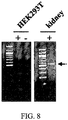
- ORs The other full-length ORs were amplified using primers which added appropriate restriction sites from either mouse genomic DNA or from kidney RNA after performing RT (Olfr145 (MOR161-6, K21), Olfr99 (MOR156-1), Olfr394 (MOR135-8), Olfr545 (MOR42-1, S50), Olfr691 (MOR31-6), Olfr693 (MOR283-8), Olfr805 (MOR110-4), and Olfr985 (MOR171-4)). All constructs used in this study contain a Flag tag for detection purposes but will be referenced based on their other N-terminal tags for simplicity. All constructs were sequenced to confirm identity.
- the Lucy tag (atgagaccccagatcctgctgctcctggccctgctgaccctaggcctggct) (SEQ ID NO:4) was added to the original (Rho-OR) vector for Olfr691 using overlap-extension PCR [32] to obtain a Lucy-Rho-OR. Subsequently, Olfr691 was excised from the Lucy-Rho vector, and the other ORs were excised from the original parent vector (Rho-OR) using the same restriction sites. The other ORs were then subcloned into the Lucy-Rho vector by ligation.
- Rho tag was deleted from both the Rho-Olfr78 and Lucy-Rho-Olfr78 constructs to obtain the OR or Lucy- OR constructs using PCR-mediated deletion [33]. Subsequently, Olfr78 was excised from the vectors, and the other ORs were excised from the original parent vector (Rho-OR) using the same restriction sites and then subcloned into the OR and Lucy- OR vectors by ligation.
- an HA tag was added to the extreme N-terminus of the Lucy-Rho construct for Olfr691 using overlap-extension PCR [32], yielding an HA-Lucy-Flag- Rho-Olfr691 construct.
- an HA tag was also added to the extreme N-terminus of the Rho construct for Olfr691, yielding an HA-Flag-Rho-Olfr691 construct.
- HEK293T cells were seeded onto 18-mm coverslips coated with poly-L-lysine and transfected with OR constructs with or without accessory proteins (Lipofectamine 2000, Invitrogen). Flag-tagged OR trafficking was assayed using surface immunocytochemistry, as previously described [5]. Briefly, live, non-permeabilized cells at 4°C were exposed to a rabbit polyclonal anti-Flag antibody in PBS with 0.1% BSA. Subsequently, cells were washed, fixed with 4% paraformaldehyde, permeabilized (0.3% Triton X-100) and then exposed to a mouse monoclonal (M2) anti-Flag antibody.
- M2 mouse monoclonal
- the monoclonal Flag antibody detects only the internal population of ORs. Control experiments where the cells were surface labeled with the polyclonal Flag antibody followed by another surface label with the monoclonal Flag antibody confirmed that 100% of the external Flag epitopes were bound by the polyclonal antibody, as no subsequent labeling was seen with the second surface label. Fluorescent secondary antibodies reported the localization of the polyclonal and monoclonal Flag-tags. Cells were visualized for epifluorescence using a Zeiss Axiophot microscope (Thornwood, NY).
- FIG.s 1 and 2 the immunofluorescent images shown in each row (OR, Rho-OR, Lucy-OR and Lucy-Rho- OR with and without accessory proteins) were transfected and processed simultaneously and image exposures remained constant for each OR. Images represent representative fields of view from at least 4 independent experiments. To assess OR surface expression, the entirety of each coverslip was systematically scanned and scored based on detectable surface immunofluorescence.
- a '+' was scored for those ORs whose surface expression was detectable in >90% of all fields of view while ORs received an '*' if surface expression was found in ⁇ 50% of all fields of view. A complete lack of detectable surface expression was scored as a '-'.
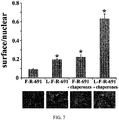
- ImageJ To quantitate cell surface expression using ImageJ ( FIG. 7 ), the background was subtracted from the surface labeled Olfr691 images and the mean fluorescence intensity was measured. The mean intensity was normalized to the mean intensity of the corresponding binary nuclear image, to control for cell number.
- ORs were cloned and co-expressed in HEK293T cells without Rho or Lucy tags (OR), with a Rho tag (Rho-OR), with the Lucy tag (Lucy-OR) or with both the Lucy and Rho tags (Lucy-Rho-OR) along with (or without) the chaperone proteins, RTP1S, Ric8b and G ⁇ olf .
- the cells were then surface labeled with a Flag antibody to detect membrane-associated OR. Images were taken for each OR at equal exposure for all conditions. To assess OR surface expression, the entirety of each coverslip was systematically scanned and scored based on detectable surface immunofluorescence.
- Enzyme-Linked Immunosorbent Assay ELISA Enzyme-Linked Immunosorbent Assay ELISA. ELISA measurements in HEK 293T cells transfected with various constructs were performed as previously described [5,34]. Wells for ELISA were assayed in quadruplicate. Briefly, transfected cells seeded in a 96 well plate were fixed and permeabilized. OR-expressing cells were probed with the polyclonal Flag antibody and detected with anti-rabbit HRP- conjugated secondary antibody. HRP levels were detected with 1-Step Ultra TMB (3,3',5,5'-tetramethylbenzidine) (Thermo Scientific, Rockville, IL).
- HEK293T cells in 35-mm dishes were transfected for 24 h with either the Rho- OR or Lucy-Rho- OR constructs and lysed in lysis buffer containing 1% NP-40, 150 mM NaCl, 50 mM Tris and 1 mM EDTA on ice for 30 min.
- the lysate was cleared by centrifugation at 16,000 x g for 30 min at 4°C and 10% of the lysate was collected in Laemmli sample buffer for later analysis.
- Flag-tagged ORs were then immunoprecipitated from the remaining lysate using M2 monoclonal Flag beads.
- Both the immunoprecipitated fraction (B) and unbound fractions (UB) were lysed in Laemmli sample buffer and equal amounts were loaded on a gel along with the input lysate. Proteins were transferred to a nitrocellulose membrane and immunoblotted with the polyclonal Flag antibody using standard procedures. The input lysate membrane was stripped and reprobed for ⁇ - actin to ensure equal loading.
- Luciferase Assay The luciferase assay was performed as previously described [5]. Briefly, ORs were transfected into HEK293T cells along with constructs encoding for CREB-dependent luciferase (Firefly) and a constitutively expressed luciferase (Renilla). OR activation leads to a rise in cAMP which drives an increase in Firefly luciferase expression. Firefly activity is normalized to the activity of the Renilla luciferase to control for variation in cell number and transfection efficiency. Data were collected using a FLUOstar Omega automated platereader (BMG LabTech, Cary, NC). For some experiments, RTP1S was also transfected.
- ORs with and without Rhodopsin tags .
- Many ORs remain orphan receptors due to their inability to traffic in in vitro assays.
- To establish the trafficking ability of a varied group of ORs we cloned 15 diverse ORs, the majority of which are orphan receptors which have not been previously reported to reach the cell surface.
- cleavable signal peptide enhances olfactory receptor surface expression .
- LRRC32 17-amino acid N-terminal signal peptide on Leucine Rich Repeat Containing 32
- MRPQILLLLALLTLGLA SEQ ID NO:3
- SEQ ID NO:3 represents a classic cleavable signal peptide that serves to mediate the integration of proteins into the ER membrane [28].
- Rho tag the Lucy tag
- OR chaperones all promote surface expression of some (but not all) ORs tested, they seem to promote expression of different populations of ORs.
- Olfr99 and hOR52B2 require the Lucy tag for surface expression, but not the combination of accessory proteins or the Rho tag (Table 1).
- Olfr1393, 1392 and 90 are found on the cell surface only when co-expressed with RTP1S, Ric8b and G ⁇ olf and one of the N-terminal tags (Lucy or Rho).
- other ORs i.e., Olfr691 properly traffic with either the Lucy tag or the accessory proteins (but not the Rho tag alone).
- the Lucy tag contains a putative cleavage site. As such, it is not present on the mature protein which reaches the plasma membrane (as demonstrated below, FIG. 3 ).
- the cleavable Lucy tag in the absence of the 22-amino acid Rho tag
- we are able to achieve surface expression of 10/15 ORs tested Table 1, Column 6
- the Lucy tag is cleaved .
- the Lucy tag is a putative cleavable signal peptide found on the N-terminus of LRRC32, and has been previously shown to be cleaved from the mature LRRC32 protein [28].
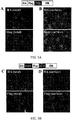
- To determine whether the Lucy tag is also cleaved from the olfactory receptor constructs we added an HA tag to the extreme N-terminus of both Rho-Olfr691 ( FIG. 3A,B ) and Lucy-Rho-Olfr691 ( FIG. 3C,D ). These constructs were then expressed in HEK293T cells along with RTP1S, which allows for Rho-tagged Olfr691 surface expression.
- the cells were stained in parallel with both an HA and Flag antibody to detect either the total OR population for both tags ( FIG. 3A, C ), or, on a separate coverslip, the cell surface membrane-associated receptor only for both tags ( FIG. 3B, D ). If the Lucy tag is cleaved, the HA tag should be removed (along with the Lucy tag) early on in the biosynthetic pathway and should not be detectable at the cell surface. When cells expressing HA-Flag-Rho-691 were stained, both Flag and HA antibodies could detect surface- associated ( FIG. 3A ) and intracellular receptor ( FIG. 3B ), indicating that both tags were present on the mature protein.
- the Lucy tag increases total protein levels of all ORs.
- Rho-ORs or Lucy-Rho-ORs we noted that there was consistently more surface and intracellular Flag staining with the Lucy tagged constructs ( FIG. 6 ). Since Lucy is an ER signal peptide, it is possible that it stabilizes the protein, and thus, increases expression.
- Rho-OR or Lucy-Rho- OR constructs we transfected HEK293T cells with either Rho-OR or Lucy-Rho- OR constructs, lysed the cells, and immunoprecipitated the OR using M2 Flag beads.
- FIG. 4A An aliquot of the original lysate (input) and the immunoprecipitated ORs were then immunoblotted with a Flag antibody and a subset of ORs are shown in FIG. 4A .
- ORs are detected as a complex of high- molecular weight bands, likely due to aggregation, degradation and other modifications [8,16], as seen in the whole cell extract ( FIG. 4A input); immunoprecipitation ( FIG. 4A IP: Flag) allows for improved resolution. Both the high molecular weight bands and a prominent band at 39 kDa (the predicted size of tagged ORs) were completely recovered in the bound lysate (no bands were detected in the unbound fraction).
- Lucy does not alter OR-ligand specificity .
- OR surface expression in heterologous cell systems is a prerequisite for further functional studies, including OR deorphanization. Since Lucy is a cleaved signal peptide, it is not incorporated into the mature protein and thus, should not interfere with OR-ligand specificity or downstream signaling.
- ORs require a "co- receptor” (RTP1S) to signal properly [19].
- RTP1S co- receptor
- OR-ligand binding leads to an increase in cAMP which drives the expression of a CRE luciferase.
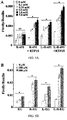
- Rho-Olfr691 and Lucy-Rho-Olfr691 were expressed in HEK293T cells with or without RTP1S and exposed to 0.1-5 mM isovaleric acid.
- Rho-Olfr691 was not significantly activated at any concentration ( FIG. 5A ), confirming the lack of detectable surface expression as seen by immunofluorescence ( FIG. 1 ).
- Rho-Olfr691 When Rho-Olfr691 was co-expressed with RTP1S, we observed a dose-dependent increase in the Firefly: Renilla ratio (P ⁇ 0.002 for all doses compared to 0 mM), confirming the previous findings ( FIG. 5A ).
- Lucy-Rho-Olfr691 also responded to isovaleric acid in a dose-dependent manner with and without the addition of RTP1S (P ⁇ 0.007 for all doses compared to 0 mM) confirming that the surface expression observed in FIG.s 1 and 2 represents functional protein. As seen in FIG.
- OR constructs with higher surface expression did not have a higher Firefly/Renilla ratio at baseline (non-treated, NT) in the luciferase reporter assay. This often corresponded to a higher ratio with stimulation as well, implying that the increased baseline may indicate a low level of basal signaling in the absence of ligand.
- mOREG is a well-characterized OR known to respond to eugenol (hence its name).
- eugenol eugenol
- OR deorphanization The limiting factor in OR deorphanization has been the ability-or, often, the inability-to heterologously express ORs on the cell surface.
- a leucine rich cleavable signal peptide (Lucy tag) onto the N-terminus of ORs significantly improves detectable surface expression, as well as total protein expression.
- RTP1S, Ric8b and G ⁇ olf When combined with RTP1S, Ric8b and G ⁇ olf , we found that all 15 of the Lucy-ORs that we examined successfully trafficked to the surface, providing promise for future deorphanization and other functional studies.
- Cleavable signal peptides are natively found on secreted proteins and subsets of TMD proteins (including some GPCRs) [25,26]. Recognition of these cleavable peptides at the extreme N-terminus of the protein by the Signal Recognition Particle (SRP) promotes co-translational ER translocation and ensures that the complete mature protein is translated in the lumen of the ER (as opposed to the cytosol) [25,26].
- SRP Signal Recognition Particle
- a signal peptide at the N-terminus of proteins is not required for proper ER translocation and only 5-10% of GPCRs possess a classic signal peptide [26].
- receptors that utilize a signal peptide have long N- terminal tails that can rapidly fold, preventing post-translational translocation across the ER membrane [26].
- ORs do not have unusually long N-terminal tails, and it is possible that the co- translational ER entry via the Lucy tag helps to stabilize the receptor or prevents misfolding.
- our preliminary studies showed that mRNA levels of Lucy and non- Lucy-tagged constructs were similar, despite the fact that total protein expression for all ORs was enhanced by the addition of the Lucy tag ( FIG. 4 ).
- the Lucy tag in addition to increasing total protein levels, the Lucy tag by itself promoted surface expression of some ORs ( FIG. 1 ). This indicates that the Lucy tag has roles beyond protein translation and may be promoting some of the later steps of protein trafficking or ER exit. ORs do not natively possess signal peptides, but they are not retained in the ER when natively expressed in the olfactory epithelium (OE); thus, the Lucy tag must be helping ORs to overcome ER processing problems that are unique to heterologous expression. Although the Lucy tag does increase total expression, this increase does not appear to account for the increase in surface expression. In preliminary studies, we found that simply transfecting more of a Rho-tagged OR (in ⁇ g), did not correlate with increased surface expression. Therefore, the increase in both total and surface expression for Lucy-tagged ORs is unique to the tag itself.
- the Lucy tag may be dependent on the immediate upstream sequence of the mature protein. Mutational studies have shown that signal peptides and their adjacent N-terminal sequences act as a "functional unit" and deletion of this upstream domain negatively affects ER translocation [26,35]. As our Lucy-tagged constructs contained a Flag tag (for detection purposes) following the cleavable peptide, the presence of this tag may be required for proper function and cleavage. Preliminary studies found that deletion of the Flag tag from a Lucy-Flag-OR construct prevented the OR from responding to its ligand, suggesting impaired surface expression (without the Flag tag, surface expression could not be assayed independently in this construct). It appears, then, that like other N-terminal sequences [26,35], the 'context' of the Lucy tag may be important for its function.
- RTP1S What is the function of RTP1S? .
- the current "gold standard" in OR trafficking was found to be the combination of a Rho tag with RTP1S, Ric8b and G ⁇ olf [18].
- RTP1S is thought to be the most crucial as it can promote OR surface expression even in the absence of the other two compounds for some ORs [5,15,16,22-24]. Indeed, we have found that RTP1S is often required for cell surface expression. By contrast, G ⁇ olf is typically not required, and Ric8b is only occasionally necessary.
- RTP1S is natively expressed in the olfactory epithelium, and thus, it has been speculated that it is necessary for OR expression in both heterologous cells as well as the OE [16,18]. Recently, Wu et al performed a series of mutations and substitutions to RTP1S in order to elucidate the mechanism(s) of this important protein [19]. From this study, it was concluded that RTP1S and olfactory receptors (in this case Olfr599) interact throughout the biosynthetic pathway, and that individual domains of RTP1S are required for different stages of OR trafficking.
- RTP1S may function as a co-receptor as the localization of both the OR and RTP1S to lipid raft domains was required for OR activation [19]. Indeed, much of our data is consistent with this study. Many of the ORs that we examined required RTP1S (with Ric8b and G ⁇ olf ) for proper surface expression (i.e., Olfr693, Olfr1392, Olfr1393, Olfr90 and Olfr545). However, we also found that Olfr78, hOR51E2 and mOREG ( Fig 5B ) were able to respond to their ligand even in the absence of RTP1S.
- OR deorphanization has been greatly hampered by the inability to functionally express ORs in heterologous cell systems.
- N-terminal tags or the co- expression of chaperone proteins has been crucial for surface expression of many receptors, but has not allowed for widespread OR deorphanization.
Landscapes
- Health & Medical Sciences (AREA)
- Chemical & Material Sciences (AREA)
- Life Sciences & Earth Sciences (AREA)
- Organic Chemistry (AREA)
- Genetics & Genomics (AREA)
- General Health & Medical Sciences (AREA)
- Biophysics (AREA)
- Biochemistry (AREA)
- Molecular Biology (AREA)
- Zoology (AREA)
- Medicinal Chemistry (AREA)
- Proteomics, Peptides & Aminoacids (AREA)
- Gastroenterology & Hepatology (AREA)
- Toxicology (AREA)
- Engineering & Computer Science (AREA)
- Bioinformatics & Cheminformatics (AREA)
- General Engineering & Computer Science (AREA)
- Biotechnology (AREA)
- Wood Science & Technology (AREA)
- Biomedical Technology (AREA)
- Cell Biology (AREA)
- Immunology (AREA)
- Plant Pathology (AREA)
- Microbiology (AREA)
- Physics & Mathematics (AREA)
- Peptides Or Proteins (AREA)
- Micro-Organisms Or Cultivation Processes Thereof (AREA)
Applications Claiming Priority (2)
| Application Number | Priority Date | Filing Date | Title |
|---|---|---|---|
| US201261698930P | 2012-09-10 | 2012-09-10 | |
| PCT/IB2013/002242 WO2014037800A2 (en) | 2012-09-10 | 2013-09-26 | Compositions and methods for increasing the expression and signalling of proteins on cell surfaces |
Publications (3)
| Publication Number | Publication Date |
|---|---|
| EP2893020A2 EP2893020A2 (en) | 2015-07-15 |
| EP2893020A4 EP2893020A4 (en) | 2016-09-21 |
| EP2893020B1 true EP2893020B1 (en) | 2018-02-28 |
Family
ID=50237708
Family Applications (1)
| Application Number | Title | Priority Date | Filing Date |
|---|---|---|---|
| EP13836094.6A Active EP2893020B1 (en) | 2012-09-10 | 2013-09-26 | Compositions and methods for increasing the expression and signalling of proteins on cell surfaces |
Country Status (5)
| Country | Link |
|---|---|
| US (1) | US9783585B2 (enExample) |
| EP (1) | EP2893020B1 (enExample) |
| JP (1) | JP2015527074A (enExample) |
| AU (1) | AU2013311316A1 (enExample) |
| WO (1) | WO2014037800A2 (enExample) |
Families Citing this family (5)
| Publication number | Priority date | Publication date | Assignee | Title |
|---|---|---|---|---|
| WO2015116771A1 (en) * | 2014-01-29 | 2015-08-06 | The Johns Hopkins University | Compositions and methods for increasing the expression and signalling of proteins on cell surfaces |
| GB202108867D0 (en) | 2021-06-21 | 2021-08-04 | Givaudan Sa | Screening system |
| US20260210939A1 (en) | 2022-12-15 | 2026-07-23 | Givaudan Sa | Modified olfactory receptors |
| WO2025257381A1 (en) | 2024-06-14 | 2025-12-18 | Givaudan Sa | Modified olfactory receptors |
| EP4664463A1 (en) | 2024-06-14 | 2025-12-17 | Givaudan SA | Computer-implemented method for olfactory property prediction |
Family Cites Families (7)
| Publication number | Priority date | Publication date | Assignee | Title |
|---|---|---|---|---|
| US5993778A (en) | 1997-05-07 | 1999-11-30 | Firestein; Stuart J. | Functional expression of, and assay for, functional cellular receptors in vivo |
| JP2005506039A (ja) * | 2000-12-29 | 2005-03-03 | ネオジェネシス ファーマシューティカルズ インコーポレイテッド | アフィニティ選択に基づいた疎水性タンパク質のスクリーニング |
| US20040142325A1 (en) * | 2001-09-14 | 2004-07-22 | Liat Mintz | Methods and systems for annotating biomolecular sequences |
| CA2571080C (en) * | 2004-06-18 | 2013-05-28 | Duke University | Modulators of odorant receptors |
| US20090155267A1 (en) * | 2005-02-09 | 2009-06-18 | Apollo Life Sciences Limited | Molecule and chimeric molecules thereof |
| WO2011069156A2 (en) * | 2009-12-04 | 2011-06-09 | Duke University | Compositions and methods for enhancing odorant receptor activity |
| JP5697383B2 (ja) * | 2010-09-03 | 2015-04-08 | 花王株式会社 | 悪臭抑制剤の探索方法 |
-
2013
- 2013-09-26 AU AU2013311316A patent/AU2013311316A1/en not_active Abandoned
- 2013-09-26 EP EP13836094.6A patent/EP2893020B1/en active Active
- 2013-09-26 JP JP2015530507A patent/JP2015527074A/ja active Pending
- 2013-09-26 US US14/427,090 patent/US9783585B2/en active Active
- 2013-09-26 WO PCT/IB2013/002242 patent/WO2014037800A2/en not_active Ceased
Non-Patent Citations (1)
| Title |
|---|
| None * |
Also Published As
| Publication number | Publication date |
|---|---|
| WO2014037800A2 (en) | 2014-03-13 |
| WO2014037800A3 (en) | 2014-05-01 |
| EP2893020A2 (en) | 2015-07-15 |
| JP2015527074A (ja) | 2015-09-17 |
| AU2013311316A1 (en) | 2015-03-26 |
| EP2893020A4 (en) | 2016-09-21 |
| US20150239945A1 (en) | 2015-08-27 |
| US9783585B2 (en) | 2017-10-10 |
Similar Documents
| Publication | Publication Date | Title |
|---|---|---|
| Shepard et al. | A cleavable N-terminal signal peptide promotes widespread olfactory receptor surface expression in HEK293T cells | |
| EP2073013B1 (en) | Method of identifying transmembrane protein-interacting compounds | |
| Kataoka et al. | Magoh, a human homolog of Drosophila mago nashi protein, is a component of the splicing‐dependent exon–exon junction complex | |
| JP7085841B2 (ja) | ムスク化合物の同定方法 | |
| JP2025106387A (ja) | 悪臭調節化合物の同定方法 | |
| EP2247951B1 (en) | Mutant proteins and methods for selecting them | |
| US9783585B2 (en) | Compositions and methods for increasing the expression and signalling of proteins on cell surfaces | |
| WO2008114020A2 (en) | Mutant g-protein coupled receptors and methods for selecting them | |
| Fukutani et al. | The N-terminal region of RTP1S plays important roles in dimer formation and odorant receptor-trafficking | |
| EP2245046A2 (en) | Novel cell lines expressing nav and methods using them | |
| Schell et al. | Complexes between the nonsense-mediated mRNA decay pathway factor human upf1 (up-frameshift protein 1) and essential nonsense-mediated mRNA decay factors in HeLa cells | |
| AU2015252840B2 (en) | Compositions and methods for modulating mTORC1 | |
| Kotthoff et al. | Conserved C‐terminal motifs in odorant receptors instruct their cell surface expression and cAMP signaling | |
| US20150087053A1 (en) | Compositions and methods for increasing the expression and signalling of proteins on cell surfaces | |
| US10435456B2 (en) | Compositions and methods for increasing the expression and signalling of proteins on cell surfaces | |
| WO2012120315A2 (en) | Mutant proteins and methods for producing them | |
| CA2884462A1 (en) | Compositions and methods for increasing the expression and signalling of proteins on cell surfaces | |
| EP4359431A1 (en) | Screening system | |
| JP2019039711A (ja) | 嗅覚受容体の応答測定方法 | |
| US20120282643A1 (en) | Cyan and yellow fluorescent color variants of split gfp | |
| CN101654676A (zh) | 核酸分子和鉴别gpr84活性调节剂的方法 | |
| JP2023172979A (ja) | ポリペプチド | |
| CA2314971A1 (en) | C-terminal region of agouti-related transcript (art) protein | |
| WO2020225677A2 (en) | Par2 modulation and methods thereof | |
| AU2012207061B2 (en) | Method of Identifying Transmembrane Protein-Interacting Compounds |
Legal Events
| Date | Code | Title | Description |
|---|---|---|---|
| PUAI | Public reference made under article 153(3) epc to a published international application that has entered the european phase |
Free format text: ORIGINAL CODE: 0009012 |
|
| 17P | Request for examination filed |
Effective date: 20150324 |
|
| AK | Designated contracting states |
Kind code of ref document: A2 Designated state(s): AL AT BE BG CH CY CZ DE DK EE ES FI FR GB GR HR HU IE IS IT LI LT LU LV MC MK MT NL NO PL PT RO RS SE SI SK SM TR |
|
| AX | Request for extension of the european patent |
Extension state: BA ME |
|
| DAX | Request for extension of the european patent (deleted) | ||
| A4 | Supplementary search report drawn up and despatched |
Effective date: 20160824 |
|
| RIC1 | Information provided on ipc code assigned before grant |
Ipc: C07K 14/705 20060101ALI20160818BHEP Ipc: C12N 15/12 20060101AFI20160818BHEP Ipc: C12N 15/63 20060101ALI20160818BHEP |
|
| GRAP | Despatch of communication of intention to grant a patent |
Free format text: ORIGINAL CODE: EPIDOSNIGR1 |
|
| STAA | Information on the status of an ep patent application or granted ep patent |
Free format text: STATUS: GRANT OF PATENT IS INTENDED |
|
| INTG | Intention to grant announced |
Effective date: 20170918 |
|
| GRAS | Grant fee paid |
Free format text: ORIGINAL CODE: EPIDOSNIGR3 |
|
| GRAA | (expected) grant |
Free format text: ORIGINAL CODE: 0009210 |
|
| STAA | Information on the status of an ep patent application or granted ep patent |
Free format text: STATUS: THE PATENT HAS BEEN GRANTED |
|
| AK | Designated contracting states |
Kind code of ref document: B1 Designated state(s): AL AT BE BG CH CY CZ DE DK EE ES FI FR GB GR HR HU IE IS IT LI LT LU LV MC MK MT NL NO PL PT RO RS SE SI SK SM TR |
|
| REG | Reference to a national code |
Ref country code: CH Ref legal event code: NV Representative=s name: VENI GMBH, CH Ref country code: GB Ref legal event code: FG4D Ref country code: CH Ref legal event code: EP |
|
| REG | Reference to a national code |
Ref country code: AT Ref legal event code: REF Ref document number: 974168 Country of ref document: AT Kind code of ref document: T Effective date: 20180315 |
|
| REG | Reference to a national code |
Ref country code: IE Ref legal event code: FG4D |
|
| REG | Reference to a national code |
Ref country code: DE Ref legal event code: R096 Ref document number: 602013033826 Country of ref document: DE |
|
| REG | Reference to a national code |
Ref country code: NL Ref legal event code: MP Effective date: 20180228 |
|
| REG | Reference to a national code |
Ref country code: LT Ref legal event code: MG4D |
|
| REG | Reference to a national code |
Ref country code: AT Ref legal event code: MK05 Ref document number: 974168 Country of ref document: AT Kind code of ref document: T Effective date: 20180228 |
|
| PG25 | Lapsed in a contracting state [announced via postgrant information from national office to epo] |
Ref country code: NO Free format text: LAPSE BECAUSE OF FAILURE TO SUBMIT A TRANSLATION OF THE DESCRIPTION OR TO PAY THE FEE WITHIN THE PRESCRIBED TIME-LIMIT Effective date: 20180528 Ref country code: HR Free format text: LAPSE BECAUSE OF FAILURE TO SUBMIT A TRANSLATION OF THE DESCRIPTION OR TO PAY THE FEE WITHIN THE PRESCRIBED TIME-LIMIT Effective date: 20180228 Ref country code: FI Free format text: LAPSE BECAUSE OF FAILURE TO SUBMIT A TRANSLATION OF THE DESCRIPTION OR TO PAY THE FEE WITHIN THE PRESCRIBED TIME-LIMIT Effective date: 20180228 Ref country code: LT Free format text: LAPSE BECAUSE OF FAILURE TO SUBMIT A TRANSLATION OF THE DESCRIPTION OR TO PAY THE FEE WITHIN THE PRESCRIBED TIME-LIMIT Effective date: 20180228 Ref country code: CY Free format text: LAPSE BECAUSE OF FAILURE TO SUBMIT A TRANSLATION OF THE DESCRIPTION OR TO PAY THE FEE WITHIN THE PRESCRIBED TIME-LIMIT Effective date: 20180228 Ref country code: ES Free format text: LAPSE BECAUSE OF FAILURE TO SUBMIT A TRANSLATION OF THE DESCRIPTION OR TO PAY THE FEE WITHIN THE PRESCRIBED TIME-LIMIT Effective date: 20180228 Ref country code: NL Free format text: LAPSE BECAUSE OF FAILURE TO SUBMIT A TRANSLATION OF THE DESCRIPTION OR TO PAY THE FEE WITHIN THE PRESCRIBED TIME-LIMIT Effective date: 20180228 |
|
| PG25 | Lapsed in a contracting state [announced via postgrant information from national office to epo] |
Ref country code: SE Free format text: LAPSE BECAUSE OF FAILURE TO SUBMIT A TRANSLATION OF THE DESCRIPTION OR TO PAY THE FEE WITHIN THE PRESCRIBED TIME-LIMIT Effective date: 20180228 Ref country code: LV Free format text: LAPSE BECAUSE OF FAILURE TO SUBMIT A TRANSLATION OF THE DESCRIPTION OR TO PAY THE FEE WITHIN THE PRESCRIBED TIME-LIMIT Effective date: 20180228 Ref country code: RS Free format text: LAPSE BECAUSE OF FAILURE TO SUBMIT A TRANSLATION OF THE DESCRIPTION OR TO PAY THE FEE WITHIN THE PRESCRIBED TIME-LIMIT Effective date: 20180228 Ref country code: BG Free format text: LAPSE BECAUSE OF FAILURE TO SUBMIT A TRANSLATION OF THE DESCRIPTION OR TO PAY THE FEE WITHIN THE PRESCRIBED TIME-LIMIT Effective date: 20180528 Ref country code: GR Free format text: LAPSE BECAUSE OF FAILURE TO SUBMIT A TRANSLATION OF THE DESCRIPTION OR TO PAY THE FEE WITHIN THE PRESCRIBED TIME-LIMIT Effective date: 20180529 Ref country code: AT Free format text: LAPSE BECAUSE OF FAILURE TO SUBMIT A TRANSLATION OF THE DESCRIPTION OR TO PAY THE FEE WITHIN THE PRESCRIBED TIME-LIMIT Effective date: 20180228 |
|
| PG25 | Lapsed in a contracting state [announced via postgrant information from national office to epo] |
Ref country code: IT Free format text: LAPSE BECAUSE OF FAILURE TO SUBMIT A TRANSLATION OF THE DESCRIPTION OR TO PAY THE FEE WITHIN THE PRESCRIBED TIME-LIMIT Effective date: 20180228 Ref country code: EE Free format text: LAPSE BECAUSE OF FAILURE TO SUBMIT A TRANSLATION OF THE DESCRIPTION OR TO PAY THE FEE WITHIN THE PRESCRIBED TIME-LIMIT Effective date: 20180228 Ref country code: PL Free format text: LAPSE BECAUSE OF FAILURE TO SUBMIT A TRANSLATION OF THE DESCRIPTION OR TO PAY THE FEE WITHIN THE PRESCRIBED TIME-LIMIT Effective date: 20180228 Ref country code: RO Free format text: LAPSE BECAUSE OF FAILURE TO SUBMIT A TRANSLATION OF THE DESCRIPTION OR TO PAY THE FEE WITHIN THE PRESCRIBED TIME-LIMIT Effective date: 20180228 Ref country code: AL Free format text: LAPSE BECAUSE OF FAILURE TO SUBMIT A TRANSLATION OF THE DESCRIPTION OR TO PAY THE FEE WITHIN THE PRESCRIBED TIME-LIMIT Effective date: 20180228 |
|
| REG | Reference to a national code |
Ref country code: DE Ref legal event code: R097 Ref document number: 602013033826 Country of ref document: DE |
|
| PG25 | Lapsed in a contracting state [announced via postgrant information from national office to epo] |
Ref country code: CZ Free format text: LAPSE BECAUSE OF FAILURE TO SUBMIT A TRANSLATION OF THE DESCRIPTION OR TO PAY THE FEE WITHIN THE PRESCRIBED TIME-LIMIT Effective date: 20180228 Ref country code: DK Free format text: LAPSE BECAUSE OF FAILURE TO SUBMIT A TRANSLATION OF THE DESCRIPTION OR TO PAY THE FEE WITHIN THE PRESCRIBED TIME-LIMIT Effective date: 20180228 Ref country code: SK Free format text: LAPSE BECAUSE OF FAILURE TO SUBMIT A TRANSLATION OF THE DESCRIPTION OR TO PAY THE FEE WITHIN THE PRESCRIBED TIME-LIMIT Effective date: 20180228 Ref country code: SM Free format text: LAPSE BECAUSE OF FAILURE TO SUBMIT A TRANSLATION OF THE DESCRIPTION OR TO PAY THE FEE WITHIN THE PRESCRIBED TIME-LIMIT Effective date: 20180228 |
|
| PLBE | No opposition filed within time limit |
Free format text: ORIGINAL CODE: 0009261 |
|
| STAA | Information on the status of an ep patent application or granted ep patent |
Free format text: STATUS: NO OPPOSITION FILED WITHIN TIME LIMIT |
|
| 26N | No opposition filed |
Effective date: 20181129 |
|
| PG25 | Lapsed in a contracting state [announced via postgrant information from national office to epo] |
Ref country code: SI Free format text: LAPSE BECAUSE OF FAILURE TO SUBMIT A TRANSLATION OF THE DESCRIPTION OR TO PAY THE FEE WITHIN THE PRESCRIBED TIME-LIMIT Effective date: 20180228 |
|
| PG25 | Lapsed in a contracting state [announced via postgrant information from national office to epo] |
Ref country code: MC Free format text: LAPSE BECAUSE OF FAILURE TO SUBMIT A TRANSLATION OF THE DESCRIPTION OR TO PAY THE FEE WITHIN THE PRESCRIBED TIME-LIMIT Effective date: 20180228 |
|
| GBPC | Gb: european patent ceased through non-payment of renewal fee |
Effective date: 20180926 |
|
| REG | Reference to a national code |
Ref country code: IE Ref legal event code: MM4A |
|
| PG25 | Lapsed in a contracting state [announced via postgrant information from national office to epo] |
Ref country code: LU Free format text: LAPSE BECAUSE OF NON-PAYMENT OF DUE FEES Effective date: 20180926 |
|
| PG25 | Lapsed in a contracting state [announced via postgrant information from national office to epo] |
Ref country code: IE Free format text: LAPSE BECAUSE OF NON-PAYMENT OF DUE FEES Effective date: 20180926 |
|
| PG25 | Lapsed in a contracting state [announced via postgrant information from national office to epo] |
Ref country code: FR Free format text: LAPSE BECAUSE OF NON-PAYMENT OF DUE FEES Effective date: 20180930 |
|
| PG25 | Lapsed in a contracting state [announced via postgrant information from national office to epo] |
Ref country code: GB Free format text: LAPSE BECAUSE OF NON-PAYMENT OF DUE FEES Effective date: 20180926 |
|
| PG25 | Lapsed in a contracting state [announced via postgrant information from national office to epo] |
Ref country code: MT Free format text: LAPSE BECAUSE OF NON-PAYMENT OF DUE FEES Effective date: 20180926 |
|
| PG25 | Lapsed in a contracting state [announced via postgrant information from national office to epo] |
Ref country code: TR Free format text: LAPSE BECAUSE OF FAILURE TO SUBMIT A TRANSLATION OF THE DESCRIPTION OR TO PAY THE FEE WITHIN THE PRESCRIBED TIME-LIMIT Effective date: 20180228 |
|
| PG25 | Lapsed in a contracting state [announced via postgrant information from national office to epo] |
Ref country code: PT Free format text: LAPSE BECAUSE OF FAILURE TO SUBMIT A TRANSLATION OF THE DESCRIPTION OR TO PAY THE FEE WITHIN THE PRESCRIBED TIME-LIMIT Effective date: 20180228 |
|
| PG25 | Lapsed in a contracting state [announced via postgrant information from national office to epo] |
Ref country code: MK Free format text: LAPSE BECAUSE OF NON-PAYMENT OF DUE FEES Effective date: 20180228 Ref country code: HU Free format text: LAPSE BECAUSE OF FAILURE TO SUBMIT A TRANSLATION OF THE DESCRIPTION OR TO PAY THE FEE WITHIN THE PRESCRIBED TIME-LIMIT; INVALID AB INITIO Effective date: 20130926 |
|
| PG25 | Lapsed in a contracting state [announced via postgrant information from national office to epo] |
Ref country code: IS Free format text: LAPSE BECAUSE OF FAILURE TO SUBMIT A TRANSLATION OF THE DESCRIPTION OR TO PAY THE FEE WITHIN THE PRESCRIBED TIME-LIMIT Effective date: 20180628 |
|
| REG | Reference to a national code |
Ref country code: CH Ref legal event code: U11 Free format text: ST27 STATUS EVENT CODE: U-0-0-U10-U11 (AS PROVIDED BY THE NATIONAL OFFICE) Effective date: 20251001 |
|
| PGFP | Annual fee paid to national office [announced via postgrant information from national office to epo] |
Ref country code: DE Payment date: 20250929 Year of fee payment: 13 |
|
| PGFP | Annual fee paid to national office [announced via postgrant information from national office to epo] |
Ref country code: BE Payment date: 20250929 Year of fee payment: 13 |
|
| PGFP | Annual fee paid to national office [announced via postgrant information from national office to epo] |
Ref country code: CH Payment date: 20251001 Year of fee payment: 13 |