EP2879647B1 - Hautpflegemittel - Google Patents
Hautpflegemittel Download PDFInfo
- Publication number
- EP2879647B1 EP2879647B1 EP13765797.9A EP13765797A EP2879647B1 EP 2879647 B1 EP2879647 B1 EP 2879647B1 EP 13765797 A EP13765797 A EP 13765797A EP 2879647 B1 EP2879647 B1 EP 2879647B1
- Authority
- EP
- European Patent Office
- Prior art keywords
- sericea
- extract
- acnes
- solvent
- plant
- Prior art date
- Legal status (The legal status is an assumption and is not a legal conclusion. Google has not performed a legal analysis and makes no representation as to the accuracy of the status listed.)
- Active
Links
- 0 *c(c(Cc1c(*=C)c(C(C(*=I)IC=*)=*)c2ClN)c3ClClc1c2N*=C)c(C(C(C1IC1)N)N)c(ClN)c3N Chemical compound *c(c(Cc1c(*=C)c(C(C(*=I)IC=*)=*)c2ClN)c3ClClc1c2N*=C)c(C(C(C1IC1)N)N)c(ClN)c3N 0.000 description 2
Images


Classifications
-
- A—HUMAN NECESSITIES
- A61—MEDICAL OR VETERINARY SCIENCE; HYGIENE
- A61K—PREPARATIONS FOR MEDICAL, DENTAL OR TOILETRY PURPOSES
- A61K36/00—Medicinal preparations of undetermined constitution containing material from algae, lichens, fungi or plants, or derivatives thereof, e.g. traditional herbal medicines
- A61K36/18—Magnoliophyta (angiosperms)
- A61K36/185—Magnoliopsida (dicotyledons)
- A61K36/61—Myrtaceae (Myrtle family), e.g. teatree or eucalyptus
-
- A—HUMAN NECESSITIES
- A61—MEDICAL OR VETERINARY SCIENCE; HYGIENE
- A61K—PREPARATIONS FOR MEDICAL, DENTAL OR TOILETRY PURPOSES
- A61K36/00—Medicinal preparations of undetermined constitution containing material from algae, lichens, fungi or plants, or derivatives thereof, e.g. traditional herbal medicines
- A61K36/18—Magnoliophyta (angiosperms)
- A61K36/185—Magnoliopsida (dicotyledons)
- A61K36/73—Rosaceae (Rose family), e.g. strawberry, chokeberry, blackberry, pear or firethorn
-
- A—HUMAN NECESSITIES
- A61—MEDICAL OR VETERINARY SCIENCE; HYGIENE
- A61K—PREPARATIONS FOR MEDICAL, DENTAL OR TOILETRY PURPOSES
- A61K8/00—Cosmetics or similar toiletry preparations
- A61K8/18—Cosmetics or similar toiletry preparations characterised by the composition
- A61K8/96—Cosmetics or similar toiletry preparations characterised by the composition containing materials, or derivatives thereof of undetermined constitution
- A61K8/97—Cosmetics or similar toiletry preparations characterised by the composition containing materials, or derivatives thereof of undetermined constitution from algae, fungi, lichens or plants; from derivatives thereof
- A61K8/9783—Angiosperms [Magnoliophyta]
- A61K8/9789—Magnoliopsida [dicotyledons]
-
- A—HUMAN NECESSITIES
- A61—MEDICAL OR VETERINARY SCIENCE; HYGIENE
- A61P—SPECIFIC THERAPEUTIC ACTIVITY OF CHEMICAL COMPOUNDS OR MEDICINAL PREPARATIONS
- A61P17/00—Drugs for dermatological disorders
- A61P17/10—Anti-acne agents
-
- A—HUMAN NECESSITIES
- A61—MEDICAL OR VETERINARY SCIENCE; HYGIENE
- A61Q—SPECIFIC USE OF COSMETICS OR SIMILAR TOILETRY PREPARATIONS
- A61Q19/00—Preparations for care of the skin
-
- A—HUMAN NECESSITIES
- A61—MEDICAL OR VETERINARY SCIENCE; HYGIENE
- A61K—PREPARATIONS FOR MEDICAL, DENTAL OR TOILETRY PURPOSES
- A61K2236/00—Isolation or extraction methods of medicinal preparations of undetermined constitution containing material from algae, lichens, fungi or plants, or derivatives thereof, e.g. traditional herbal medicine
- A61K2236/30—Extraction of the material
Definitions
- THIS INVENTION relates to skin care.
- the invention relates to a plant extract having Propionibacterium acnes inhibitory activity and compositions for use in the treatment of acne vulgaris.
- Acne is an inflammatory disease caused by gram-positive bacterium Propionibacterium acnes ( P.acnes ). It is the most common skin disease that affects areas covering the oil glands and hair follicles usually found on the face, chest, upper arm, back and trunk (Leydon, 1997). P .
- acnes is an obligate anaerobic organism that has capability to activate and ability to metabolize sebaceous triglycerides into fatty acids inside sebaceous gland, due to increased production of sebum that causes thickening of epidermis at the outlet of pilosebaceous unit ensuing obstruction to flow of sebum outwards and a comedo develops (Chomnawang et al., 2012; Coenye et al., 2012). Due to increased fatty acids content, the production of various reactive oxygen species (ROS) from the damaged follicular walls led to the release of various cytokines like IL 8 and TNF a as host immune response. All these events lead to inflammation and pathogenesis of the disease.
- ROS reactive oxygen species
- the usual drugs used in the treatment of acne have various side effects.
- the topical antibiotics can lead to dryness, redness, irritation of skin and hypopigmentation whereas oral antibiotics can cause gastrointestinal disorders and increase the risk of venous thromboembolism (Arican et al., 2005; Shaw and Kennedy, 2007).
- the plant Leucosidea sericea Eckl. & Zeyh. (Rosaceae) is a single species of the genus Leucosidea, found in Eastern Cape, Free State and KwaZulu-Natal provinces of South Africa (Van Wyk et al., 2008).
- the present invention aims to address the need for a natural and organic product, which can prevent the colonization of P . acnes on the skin.
- a method for preparing a plant extract having Propionibacterium acnes inhibitory activity and skin hydration capability includes the steps of exposing plant material obtained from a Leucosidea sericea plant to a solvent to render an extraction solution; and removing the plant material from the extraction solution thereby recovering an extract having Propionibacterium acnes inhibitory activity.
- the step of exposing plant material obtained from a Leucosidea sericea plant to a solvent may comprise collecting plant material of Leucosidea sericea, grinding the plant material into a powder and soaking the powder in the solvent.
- the step of removing the plant material from the extraction solution may comprise filtering the extraction solution at least once.
- the method may further include a subsequent step of removing remaining solvent from the extraction solution thereby recovering a crude extract.
- the removal of the remaining solvent may comprise evaporating the solvent.
- the evaporation may take place under reduced pressure by a rotavapor.
- the solvent may be in the form of water.
- the water may be in the form of autoclaved deionised water.
- the solvent may be in the form of an organic solvent.
- the organic solvent may be in the form of any one ore more of diluted or undiluted solutions of: ethanol, methanol, ethyl acetate and acetone, and mixtures thereof.
- the extract may include or be enriched for any one or more compounds selected from the group having the following structures: and derivatives thereof.
- the extract may include, or be enriched for a Propionibacterium acnes inhibitory compound in the form of alpha kosin.
- the plant material may be selected from any one or more of the group consisting of twigs and leaves of Leucosidea sericea.
- the leaves may be in the form of air-dried powdered leaves.
- the plant material may be exposed to the solvent in a ratio of between 1:1 and 1:20 (w/v) plant material to solvent.
- the plant material may be exposed to the solvent in a ratio of between 1:2 and 1:10 (w/v) plant material to solvent.
- the plant material may be exposed to the solvent in a ratio of 1:4 (w/v) plant material to solvent.
- the step of exposing the plant material to the solvent may comprise soaking the plant material in the solvent for at least two days.
- the plant material may be soaked in the solvent for at least three days.
- the solvent may be removed from the extraction solution by drying the extraction solution under vacuum, following which the extract may be subjected to column fractioning using mixtures of hexane fraction (Hex): ethyl acetate (EtOAc) of increasing polarity (100:0 to 0:100) to obtain main fractions.
- the column fractioning may include 100 % methanol (MeOH) as eluent.
- the column may be in the form of a silica gel column.
- the method of the disclosure may include the main fractions being subjected to further column fractioning.
- the further column fractioning may be in the form of silica gel column chromatography eluted with Hex: dichloromethane (DCM) mixtures of increasing polarity (100:0 to 0:100) to yield sub-fractions.
- the further column fractioning may be in the form of silica gel column chromatography eluted with mixtures of Hex: (DCM:MeOH::99:1) in equal ratio.
- a method of preparing a plant extract enriched for a Propionibacterium acnes inhibitory compound in the form of alpha kosin includes the steps of suspending plant material obtained from a Leucosidea sericea plant in a solvent, to render an extraction solution; removing the plant material from the extraction solution; and removing remaining solvent from the extraction solution, thereby recovering an extract enriched for a Propionibacterium acnes inhibitory compound.
- the step of exposing plant material obtained from a Leucosidea sericea plant to a solvent may comprise collecting plant material of Leucosidea sericea, grinding the plant material into a powder and soaking the powder in the solvent.
- the step of removing the plant material from the extraction solution may comprise filtering the extraction solution at least once.
- the method may further include a subsequent step of removing remaining solvent from the extraction solution thereby recovering a crude extract.
- the removal of the remaining solvent may comprise evaporating the solvent.
- the evaporation may take place under reduced pressure by a rotavapor.
- the solvent may be water. Particularly the water may be in the form of autoclaved deionised water. In another embodiment of the disclosure the solvent may be in the form of an organic solvent.
- the organic solvent may be any one or more solvents selected from the group consisting of diluted or undiluted solutions of: ethanol, methanol, ethyl acetate and acetone, and mixtures thereof.
- the plant material may be selected from any one or more of the group consisting of twigs and leaves of Leucosidea sericea.
- the leaves may be in the form of air-dried powdered leaves.
- the plant material may be exposed to the solvent in a ratio of between 1:1 and 1:20 (w/v) plant material to solvent.
- the plant material may be exposed to the solvent in a ratio of between 1:2 and 1:10 (w/v) plant material to solvent.
- the plant material may be exposed to the solvent in a ratio of 1:4 (w/v) plant material to solvent.
- the step of exposing the plant material to the solvent may comprise soaking the plant material in the solvent for at least two days. Particularly the plant material may be soaked in the solvent for at least three days.
- the solvent may be removed from the extraction solution by drying the extraction solution under vacuum, following which the extract is subjected to column fractioning using mixtures of hexane fraction (Hex): ethyl acetate (EtOAc) of increasing polarity (100:0 to 0:100) to obtain main fractions.
- the column fractioning may include 100 % methanol (MeOH) as eluent.
- the column may be a silica gel column.
- the main fractions may be subjected to further column fractioning.
- the further column fractioning may be in the form of silica gel column chromatography eluted with mixtures of Hex: (DCM:MeOH::99:1) in equal ratio.
- the invention also extends to an extract obtained using either of the methods described.
- the extract may increase skin hydration.
- the extract may inhibit the growth of Propionibacterium acnes.
- the extract may have a bacteriocidal effect on Propionibacterium acnes.
- the extract may exhibit anti-inflammatory activity by suppressing interleukin and tumour necrosis factor.
- composition comprising an extract of Leucosidea Sericea, in the form of either an ethanolic or liquid aqueous extract, for use in a method of treating acne vulgaris.
- composition for use as detailed above which further comprises a liquid aqueous extract of Syzygium jambos.
- the invention further provides a composition comprising alpha kosin, for use in a method of treating acne vulgaris.
- the invention provides a topical composition for use in inhibiting the growth of Propionibacterium acnes, the topical composition comprising a liquid aqueous extract of Leucosidea sericea and Syzygium jambos, admixed with any one or more of an excipient, diluent, emollient and carrier.
- the topical composition may be admixed with any one of a pharmaceutical excipient, diluent and carrier to produce any one or more of an ointment, lotion, cream and emulsifying cream.
- the invention relates to the potential of Leucosidea sericea Eckl. & Zeyh. addressing acne vulgaris.
- Four known compounds namely, phytol acetate, triacontanol, phytol and alpha kosin have been isolated for the first time from this plant.
- the ethanol extract of leaves and one of the isolated compounds, alpha kosin exhibited significant minimum inhibitory concentration (MIC) value of 15.7 and 1.9 ⁇ g/ml against acne inducing bacteria, Propionibacterium acnes, respectively.
- MIC minimum inhibitory concentration
- the transmission electron micrographs showed the efflux of intracellular content to the cells of P. acnes caused by plant extract and alpha kosin.
- sericea exhibited significant anti-inflammatory activity by suppressing interleukin 8 (IL-8) and tumour necrosis factor (TNF a) in coculture of human U937 cells and heat killed P. acnes.
- IL-8 interleukin 8
- TNF a tumour necrosis factor
- the liquid aqueous extract of L. sericea inhibited the bacterial growth at 3% and demonstrated synergism and additive interaction when tested in combination with liquid aqueous extract of Syzygium jambos L. (Alston).
- the plant extract of L. sericea therefore has the potential as an alternative anti-acne agent.
- Silica gel 60 (70-230 mesh); sephadex LH-20 and all the analytical grade chemicals were purchased from Sigma-Aldrich and Merck SA Pty Ltd.
- the ELIZA kit was purchased from BD Biosciences, Africa.
- Cell proliferation Kit II (XTT) was purchased from Roche diagnostics Pty Ltd., Africa.
- Propionibacterium acnes (ATCC 11827) was purchased from Anatech, Africa, South Africa. The cell lines and medium were bought from Highveld Biological Pty Ltd., Africa.
- the ethanol extract and compounds were tested against P. acnes by determining the minimum inhibitory concentration (MIC) values obtained by a microdilution method as previously described by Mapunya et al., (2011) with few modifications. Briefly, the bacteria was cultured from a Kwik-Stick on nutrient agar and incubated at 37°C for 72 h under anaerobic conditions before the assay. The 72 h culture of the bacteria was dissolved in nutrient broth and the suspension was adjusted to 0.5 McFarland standard turbidity. This resulted in 10 5 -10 6 colony forming units (CFU)/ml.
- CFU colony forming units
- a sterile 96-well plate 100 ⁇ l of samples from the stock solution consisting of the plant extract/ isolated compounds (2 mg/ml in 10% dimethyl sulphoxide (DMSO)) and the positive control tetracycline (0.2 mg/ml) was diluted with broth. Twofold serial dilutions were made in broth over a range to give concentrations of 500-3.9 ⁇ g/ml and 50-0.3 ⁇ g/ml for the plant extract/ isolated compounds and positive control tetracycline, respectively. The bacterial suspension (100 ⁇ l) was added to the wells. The wells with 2.5% DMSO and bacterial suspension without samples served as the solvent and negative controls respectively.
- DMSO dimethyl sulphoxide
- the plates were incubated at 37°C for 72 h in an anaerobic environment.
- the MIC value was determined by observing colour change in the wells after addition of 2-(4-iodophenyl)-3-(4-nitrophenyl)-5-phenyl (INT) (defined as the lowest concentration that showed no bacterial growth).
- TEM procedures followed the protocol of a previous publication (Pan et al., 2009). Briefly, bacterial was concentrated by centrifugation at 10 000 rpm for 1 min. The pellet was resuspended in nutrient broth to a final OD550 nm of 1. The concentrations of plant extract were 1.3 and 4 times of its MIC; and 5 times of MIC for pure compound in order to visualise the lethal effects of tested samples against bacteria. The bacterial suspension (5 ml) was mixed with plant extract and pure compound to a final concentration of 300 and 100 ⁇ g/ml for plant extract and 50 ⁇ g/ml for pure compound. Tetracycline (50 ⁇ g/ml) and DMSO (2.5 %) were used as positive and solvent control.
- the pathogen was treated for 72 h; the control group consisted of only bacterial suspension in nutrient broth. Controls, treated and untreated P. acnes cultures were centrifuged and fixed in 2.5% glutraldehyde in phosphate buffer at room temperature for 1 h. Samples were washed with phosphate buffer and postfixed in both 1% osmium tetraoxide and uranyl acetate. The cells were dehydrated in ethanol and embedded in quetol resin. Thin sections were prepared with a microtome and micrographs were taken using a JEOL JEM-2100F field emission electron microscope.
- Antioxidant activity of the ethanol extract of L. sericea and purified compounds was investigated using 1, 2-diphenyl-1-picrylhydrazyl (DPPH) antioxidant assay. Following the procedures as described by DuToit et al. (2001) for each sample, a dilution series (8 dilutions) was prepared in a 96 well plate by adding distilled water as a dilution medium. Final concentration of the samples ranged from 100 to 0.7 ⁇ g/ml. Each concentration was tested in triplicates. Vitamin C was used as a positive control. The radical scavenging capacities of the samples were determined using a BIOTEK plate reader to measure the disappearance of DPPH at 550 nm.
- DPPH 1, 2-diphenyl-1-picrylhydrazyl
- the radical scavenging activity was measured in terms of the amount of antioxidants necessary to decrease the initial DPPH absorbance by 50% (IC 50 ).
- the IC 50 value of each sample was determined graphically by plotting the absorbance of DPPH as a function of the sample concentration in ⁇ g/ml.
- the IC 50 is the amount of antioxidant necessary to decrease the initial DPPH absorbance by 50%.
- the mouse melanocytes (B16-F10) cells were cultured in a complete Minimum Essential Eagle's Medium (MEM) whereas the human U937 cells were cultured in Roswell Park Memorial Institute (RPMI) containing 10% fetal bovine serum (FBS) and 1% gentamycin.
- B16-F10 (10 5 cells per well) and U937 (10 6 cells per well) were seeded into a 96-well plate. After an overnight incubation at 37 °C in 5% CO 2 and a humidified atmosphere, the extract, compounds and the positive control (actinomycin D) were added to the cells.
- the final concentrations of plant extract and pure compounds were ranging from 400-3.13 ⁇ g/ml and 100-1.5 ⁇ g/ml, respectively.
- the highest concentration of positive control (0.05 ⁇ g/ml) was serially diluted to eight consecutive wells. The plate was then incubated at 37°C in 5% CO 2 , and a humidified atmosphere after which the toxicity effects of the extracts was assayed using the XTT (sodium 3'-[1-(phenyl amino-carbonyl)-3,4-tetrazolium]-bis-[4-methoxy-6-nitrobenzene sulfonic acid hydrate) cytotoxicity assay. Fifty micro litres of XTT reagent (1 mg/ml XTT with 0.383 mg/ml PMS) was added to the wells and incubated for 1 h.
- XTT sodium 3'-[1-(phenyl amino-carbonyl)-3,4-tetrazolium]-bis-[4-methoxy-6-nitrobenzene sulfonic acid hydrate
- the optical densities of the wells were measured at 450 nm (690 nm reference wavelength) using BIOTEK Power-wave XS multi well reader (A.D.P., Weltevreden Park, South Africa). By referring to the control (medium with DMSO), the cell survival rate was assessed. The 'Graph Pad Prism 4', statistical program was used to analyze the 50% inhibitory concentration (EC 50 ) values.
- IL 8 and TNF a The effect of plant extract on cytokine production (IL 8 and TNF a) was evaluated using enzyme immunoassay kits (ELIZA) using method as described previously (Tsai et al., 2010). Briefly, the log phase culture of P.acnes was harvested, washed three times with phosphate buffer saline (PBS), and incubated at 80°C for 30 min to kill the bacteria. The heat-killed bacteria were stored at 4°C until use. The human U937 cells were seeded at 10 6 cells per well in a 24-well plate and was stimulated with heat killed P . acnes (wet weight 100 ⁇ g/ml) alone and in combination with the different test samples. Pentoxifylline was used as a control. After 18 h incubation, the cell-free supernatants were collected and the concentrations of IL 8 and TNF a were analysed. Cytokine standards were serially diluted to facilitate the construction of calibration curves necessary for determining protein concentration of
- the antibacterial activity of liq aq. extract of L. sericea and S . jambos was carried out as explained in section 2.4 with few modifications. Briefly, the bacteria was cultured from a Kwik-Stick on nutrient agar and incubated at 37°C for 72 h under anaerobic conditions before the assay. The 72 h culture of the bacteria was dissolved in nutrient broth and the suspension was adjusted to 0.5 McFarland standard turbidity. This resulted in 10 5 -10 6 colony forming units (CFU)/ml. In a sterile 96-well plate, 100 ⁇ l of sterile liq aq.
- the antibacterial activity in combination was done following the same procedure as explained in section 1.9.2.
- the liquid aqueous extract of Leucosidea sericea (LS) and Syzygium jambos (SJ) were combined in different ratios to make nine combinations (LS:SJ :: 1:9, 2:8, 3:7, 4:6, 5:5, 6:4, 7:3, 8:2, 9:1).
- the activity of plants in combination was evaluated by calculating the Fraction Inhibitory Concentration (FIC) value (Suliman et al., 2010). The MIC value of liquid aqueous.
- FIC Fraction Inhibitory Concentration
- FIC 1 MIC a in combination with b / MIC a independently
- FIC 2 MIC a in combination with b / MIC b independently
- the FIC index was used to determine the correlation of the two plants in combination and may be classified as synergistic ( ⁇ 0.5), additive (> 0.5-1.0), non-interactive (> 1.0- ⁇ 4.0) or antagonistic (> 4.0).
- liquid aqueous extract of L. sericea and a combination of L. sericea and S . jambos in ratio 1:1 were selected for the following clinical studies.
- the antibacterial activity of ethanol extract of L. sericea and isolated compounds have been summarised in Table 1.
- the ethanol extract of L. sericea inhibited the bacterial growth and exhibited noteworthy MIC value of 15.6 ⁇ g/ml.
- Compound C4 was found to be the most active compound against P . acnes with MIC value of 1.9 ⁇ g/ml as compared to tetracycline (positive control) with MIC value of 3.1 ⁇ g/ml. It is worth noting that threshold MIC values of 100 and 10 ⁇ g/ml have been recommended for plant extracts and pure compounds, respectively, to rate them as having significant antimicrobial activity (Kuete, 2010). Thus the MIC values measured for the activity of crude extract and compound C4 can be considered significant.
- Table 1 Antibacterial, antioxidant and cytotoxic effects of ethanol extract of Leucosidea sericea and isolated compounds Test samples Antibacterial MIC ⁇ g/ml/( ⁇ M ) Antioxidant IC 50 ⁇ g/ml/( ⁇ M ) Cytotoxicity EC 50 ⁇ g/ml/( ⁇ M ) B16-F10 mouse melanocytes U937 human macrophage Leucosidea sericea 15.6 2.01 55.51 26.03 MF 1-5,7-9, 11-14, 17-20 a Na b - - - MF6 500 - - - MF 10 1.9 - - - MF 15, 16 31.3 - - - C1 (phytol acetate) Na >100 c Nt Nt C2 (triacontanol) Na >100 >100 >100 C3 (Phytol) Na >100 >100 >100 C4 (alpha kosin) 1.9/ (2.1) 5.05/ (10.5) ⁇ 3.12 ⁇ 3.1
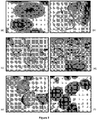
- the TEM micrograph represents clear differences between untreated and treated P . acnes.
- the untreated P . acnes showed normal morphological characters with distinct cell wall which was long, spindle shaped, smooth and lined with cell membrane. A centrally located nucleoid surrounded by ribosomes was observed ( Fig 2a ).
- the TEM micrograph showed cell injuries caused to P . acnes on exposure to the ethanol extract of L. sericea for 72 h. At a concentration of 100 ⁇ g/ml, P.
- DPPH assay provides radical scavenging properties of samples.
- the antioxidants are able to stable the free DPPH radical due to their proton donating ability.
- the scavenging effect of L. sericea ethanol extract and compound C5 on DPPH increased with their increasing concentrations.
- These samples showed very significant antioxidant activity with IC 50 values very similar to Vitamin C, a widely used antioxidant compound.
- the results are shown in Table 1.
- the mg vitamin C equivalents/g dry weight for C5 was calculated to be 392.
- Compounds C1-C3 did not showed any antioxidant activity. Concerning the structure-activity relationship, it is clear that the presence of four free hydroxyl groups in C4 are responsible for its antioxidant activity in comparison with C1-C3 which possess less or lacks any free hydroxyl groups.
- P. acnes stimulate macrophages for increased production of pro-inflammatory cytokines such as IL-8 and TNF a which contributes to the induction of mediators of inflammatory response.
- IL-8 and TNF a were used as major criteria for evaluation of anti-inflammatory activity.
- an in vitro screening at three non toxic concentrations were applied.
- the U937 cells co-cultured with P. acnes caused an increase in the production of IL-8 and TNF a ( Fig 3a ).
- the ethanol extract of L. sericea decreased the production of IL-8 and TNF a in dose-dependent manner.
- the plant extract did not increase the secretion of either of the cytokines in culture of U937 cells in the absence of heat killed P . acnes (data not shown).
- Pentoxifylline which was used as a control behaves differently on the cytokines. Based on previous reports, it downregulates the secretion of TNF a and cause no change in IL-8 release (D'Hellencourt et al., 1996). As shown in Fig 3b , our results were in agreement with other researchers. Significant inhibition of TNF a was observed at 100 and 50 ⁇ g/ml of pentoxifylline whereas, no change in IL-8 concentration was observed.
- the MIC value of liquid aqueous extract of Leucosidea sericea and Syzygium jambos individually and in nine combinations is summarised in Table 2. All the combinations where L. sericea was dominant showed additive interactions with FIC index value of 0.72. The other combinations of LS: SJ where S. jambos was dominant and in equal ratio to L. sericea showed synergism with FIC index value of 0.33. The results of MIC and FIC index values of L. sericea and S. jambos shows that the liquid aqueous extract of both these plants have exhibited improved antibacterial activity when tested in combination.
- Table 2 MIC and FIC index values of liquid aqueous extract Syzygium jambos and Leucosidea sericea Plant samples MIC (%) ⁇ FIC L. sericea 3.1 S. jambos 6.2 Combinations LS:SJ ratios 9:1,8:2, 7:3, 6:4 1.5 0.72 5:5, 4:6, 3:7, 2:8, 1:9 0.7 0.33
- Acne affects barrier function directly through the impact of the inflammatory process on epidermal growth and maturation. Medications used to treat a number of conditions indirectly disrupt barrier function.
- Conventional acne therapeutics such as benzoyl proxide and retinoic acid decreases stratum corneun hydration leading to a dry and itchy skin. Hydration therefore strongly benefits the acne prone skin.
- a skin hydrating agent acts as stabilized epidermal barrier which means less potential for skin irritation. Restoring and maintaining barrier function is critical in patients with dermatological diseases.
- the addition of moisturizers/hydration calming agents to acne treatment products helps maintain barrier function and will provide better outcomes.
- combination products containing moisturizers/hydrating agents may be effective first-line agents (Tanghetti, 2005). The liquid aqueous extract of L. sericea alone and in combination with S . jambos therefore could be an ideal concomitant alternative topical treatment for acne.
- the ethanol extract of L. sericea and isolated compound alpha kosin demonstrated significant activity against P. acnes which was also confirmed by TEM micrographs.
- the plant extract exhibited noteworthy antioxidant and anti-inflammatory activity which are crucial for an anti-acne agent.
- the liquid aqueous extract of L. sericea and S . jambos also inhibited the bacterial growth but the combination study showed better results where synergism and additive interactions were observed. It was interesting to note that no antagonism was evident.
- the clinical studies showed significant improvement of hydration (24 h) by liquid aqueous extract of L. sericea and liquid aqueous extract of L. sericea and S . jambos in ratio 1:1. The plant therefore has potential as alternative anti-acne agent.
Landscapes
- Health & Medical Sciences (AREA)
- Life Sciences & Earth Sciences (AREA)
- Natural Medicines & Medicinal Plants (AREA)
- Veterinary Medicine (AREA)
- Public Health (AREA)
- General Health & Medical Sciences (AREA)
- Animal Behavior & Ethology (AREA)
- Engineering & Computer Science (AREA)
- Epidemiology (AREA)
- Microbiology (AREA)
- Mycology (AREA)
- Biotechnology (AREA)
- Botany (AREA)
- Pharmacology & Pharmacy (AREA)
- Medicinal Chemistry (AREA)
- Chemical & Material Sciences (AREA)
- Medical Informatics (AREA)
- Alternative & Traditional Medicine (AREA)
- Dermatology (AREA)
- Birds (AREA)
- Chemical Kinetics & Catalysis (AREA)
- Organic Chemistry (AREA)
- Bioinformatics & Cheminformatics (AREA)
- General Chemical & Material Sciences (AREA)
- Nuclear Medicine, Radiotherapy & Molecular Imaging (AREA)
- Cosmetics (AREA)
- Medicines Containing Plant Substances (AREA)
- Pharmaceuticals Containing Other Organic And Inorganic Compounds (AREA)
Claims (5)
- Zusammensetzung, die einen Extrakt von Leucosidea sericea in Form entweder eines ethanolischen oder eines flüssigen wässrigen Extrakts umfasst, zur Verwendung in einem Verfahren zur Behandlung von Acne vulgaris.
- Zusammensetzung zur Verwendung gemäß Anspruch 1, die weiterhin einen flüssigen wässrigen Extrakt von Syzygium jambos umfasst.
- Zusammensetzung, die alpha-Kosin umfasst, zur Verwendung in einem Verfahren zur Behandlung von Acne vulgaris.
- Topische Zusammensetzung zur Verwendung bei der Hemmung des Wachstums von Propionibacterium acnes, wobei die topische Zusammensetzung einen flüssigen wässrigen Extrakt von Leucosidea sericea und Syzygium jambos umfasst, der mit einem oder mehreren aus einem Arzneimittelhilfsstoff, Verdünnungsmittel, Weichmacher und Träger vermischt ist.
- Topische Zusammensetzung zur Verwendung gemäß Anspruch 4, wobei die topische Zusammensetzung mit irgendeinem aus einem Arzneimittelhilfsstoff, Verdünnungsmittel und Träger vermischt ist, wobei eines oder mehrere aus einer Salbe, Lotion, Creme und emulgierenden Creme erzeugt werden.
Applications Claiming Priority (2)
| Application Number | Priority Date | Filing Date | Title |
|---|---|---|---|
| ZA201203221 | 2012-08-02 | ||
| PCT/IB2013/056343 WO2014020575A1 (en) | 2012-08-02 | 2013-08-02 | Skin care |
Publications (2)
| Publication Number | Publication Date |
|---|---|
| EP2879647A1 EP2879647A1 (de) | 2015-06-10 |
| EP2879647B1 true EP2879647B1 (de) | 2021-01-27 |
Family
ID=49226233
Family Applications (1)
| Application Number | Title | Priority Date | Filing Date |
|---|---|---|---|
| EP13765797.9A Active EP2879647B1 (de) | 2012-08-02 | 2013-08-02 | Hautpflegemittel |
Country Status (5)
| Country | Link |
|---|---|
| EP (1) | EP2879647B1 (de) |
| KR (1) | KR102216902B1 (de) |
| AP (1) | AP2015008280A0 (de) |
| WO (1) | WO2014020575A1 (de) |
| ZA (1) | ZA201501022B (de) |
Families Citing this family (1)
| Publication number | Priority date | Publication date | Assignee | Title |
|---|---|---|---|---|
| WO2017098426A1 (en) * | 2015-12-08 | 2017-06-15 | University Of Pretoria | Topical skin care compositions comprising myrsine africana extracts |
-
2013
- 2013-08-02 AP AP2015008280A patent/AP2015008280A0/xx unknown
- 2013-08-02 EP EP13765797.9A patent/EP2879647B1/de active Active
- 2013-08-02 KR KR1020157005170A patent/KR102216902B1/ko active Active
- 2013-08-02 WO PCT/IB2013/056343 patent/WO2014020575A1/en not_active Ceased
-
2015
- 2015-02-13 ZA ZA2015/01022A patent/ZA201501022B/en unknown
Non-Patent Citations (1)
| Title |
|---|
| None * |
Also Published As
| Publication number | Publication date |
|---|---|
| ZA201501022B (en) | 2022-12-21 |
| WO2014020575A1 (en) | 2014-02-06 |
| EP2879647A1 (de) | 2015-06-10 |
| KR20150038469A (ko) | 2015-04-08 |
| KR102216902B1 (ko) | 2021-02-18 |
| AP2015008280A0 (en) | 2015-02-28 |
Similar Documents
| Publication | Publication Date | Title |
|---|---|---|
| Sharma et al. | The potential of Leucosidea sericea against Propionibacterium acnes | |
| KR102166279B1 (ko) | 식물 복합 추출물을 유효성분으로 포함하는 항산화, 항균, 및 항염증용 조성물 | |
| KR102594733B1 (ko) | 율피, 백지, 마치현, 행인, 및 상백피 발효 추출물을 포함하는 기미, 주근깨, 미백 및 주름 개선용 화장료 조성물 및 이의 제조 방법 | |
| TWI535449B (zh) | 到手香萃取物於製備改善痤瘡之組成物之用途 | |
| KR102561081B1 (ko) | 항염증, 항산화, 항균 및 피부 보습 효과를 갖는 화장료 조성물 | |
| KR101823025B1 (ko) | 인삼 열매의 추출물을 함유하는 피부 상태 개선용 화장료 조성물 | |
| KR20110130184A (ko) | 항 여드름 효능을 갖는 꾸지뽕나무 추출물과 이를 함유하는 화장료 조성물 | |
| JP5436823B2 (ja) | Mif分泌抑制剤 | |
| KR102216902B1 (ko) | 스킨 케어 | |
| KR101645355B1 (ko) | 삼채 추출물 또는 삼채 분획물을 유효성분으로 함유하는 아토피 피부 개선용 피부 외용제 | |
| KR102240480B1 (ko) | 홍지네고사리 추출물을 유효성분으로 포함하는 항여드름 조성물 | |
| US10342837B2 (en) | Extracts and compositions of helichrysum odoratissimum for preventing and treating skin cancers | |
| JP2022006397A (ja) | バリア機能亢進剤 | |
| BR102019016087A2 (pt) | Composição farmacêutica para veiculação de ativos vegetais, preferencialmente compostos fenólicos, isolados ou associados com ativos não vegetais convencionais, respectivo processo de obtenção e usos | |
| KR102832247B1 (ko) | 여드름 완화 효과가 있는 토복령 추출물을 포함하는 조성물 | |
| JP5986891B2 (ja) | Mif分泌抑制剤 | |
| JP2012140405A (ja) | ベオミセス酸高含有ムシゴケ抽出物の製造方法 | |
| Sharma et al. | Potential of plant Leucosidea sericea against Propionibacterium acnes | |
| KR20240054098A (ko) | 참외 추출물, 모자반 추출물, 작약뿌리 추출물 및 청각 추출물을 포함하는 화장료 조성물 | |
| KR101977051B1 (ko) | 항산화, 항염 및 주름개선 활성을 갖는 황숙종 유래의 화합물을 함유하는 화장료 조성물 | |
| US10835470B2 (en) | Cosmetics composition containing ginsenoside as active ingredient | |
| KR20160021677A (ko) | 연교 추출물을 함유하는 두피용 화장료 조성물 | |
| Othman et al. | Topical herbal antimicrobial formulation containing Prosopis juliflora methanol extract | |
| JP5603457B2 (ja) | Mif分泌抑制剤 | |
| JP2010070483A (ja) | Mif分泌抑制剤 |
Legal Events
| Date | Code | Title | Description |
|---|---|---|---|
| PUAI | Public reference made under article 153(3) epc to a published international application that has entered the european phase |
Free format text: ORIGINAL CODE: 0009012 |
|
| 17P | Request for examination filed |
Effective date: 20150227 |
|
| AK | Designated contracting states |
Kind code of ref document: A1 Designated state(s): AL AT BE BG CH CY CZ DE DK EE ES FI FR GB GR HR HU IE IS IT LI LT LU LV MC MK MT NL NO PL PT RO RS SE SI SK SM TR |
|
| AX | Request for extension of the european patent |
Extension state: BA ME |
|
| DAX | Request for extension of the european patent (deleted) | ||
| RIN1 | Information on inventor provided before grant (corrected) |
Inventor name: KISHORE, NAVNEET Inventor name: HUSSEIN, AHMED Inventor name: MOODLEY, INDHRASEN Inventor name: SHARMA, RICHA Inventor name: LALL, NAMRITA |
|
| STAA | Information on the status of an ep patent application or granted ep patent |
Free format text: STATUS: EXAMINATION IS IN PROGRESS |
|
| 17Q | First examination report despatched |
Effective date: 20170814 |
|
| GRAP | Despatch of communication of intention to grant a patent |
Free format text: ORIGINAL CODE: EPIDOSNIGR1 |
|
| STAA | Information on the status of an ep patent application or granted ep patent |
Free format text: STATUS: GRANT OF PATENT IS INTENDED |
|
| INTG | Intention to grant announced |
Effective date: 20200818 |
|
| RIN1 | Information on inventor provided before grant (corrected) |
Inventor name: SHARMA, RICHA Inventor name: KISHORE, NAVNEET Inventor name: LALL, NAMRITA Inventor name: HUSSEIN, AHMED Inventor name: MOODLEY, INDHRASEN |
|
| GRAS | Grant fee paid |
Free format text: ORIGINAL CODE: EPIDOSNIGR3 |
|
| GRAA | (expected) grant |
Free format text: ORIGINAL CODE: 0009210 |
|
| STAA | Information on the status of an ep patent application or granted ep patent |
Free format text: STATUS: THE PATENT HAS BEEN GRANTED |
|
| AK | Designated contracting states |
Kind code of ref document: B1 Designated state(s): AL AT BE BG CH CY CZ DE DK EE ES FI FR GB GR HR HU IE IS IT LI LT LU LV MC MK MT NL NO PL PT RO RS SE SI SK SM TR |
|
| REG | Reference to a national code |
Ref country code: GB Ref legal event code: FG4D |
|
| REG | Reference to a national code |
Ref country code: CH Ref legal event code: EP |
|
| REG | Reference to a national code |
Ref country code: AT Ref legal event code: REF Ref document number: 1357686 Country of ref document: AT Kind code of ref document: T Effective date: 20210215 |
|
| REG | Reference to a national code |
Ref country code: IE Ref legal event code: FG4D |
|
| REG | Reference to a national code |
Ref country code: DE Ref legal event code: R096 Ref document number: 602013075498 Country of ref document: DE |
|
| REG | Reference to a national code |
Ref country code: NL Ref legal event code: MP Effective date: 20210127 |
|
| REG | Reference to a national code |
Ref country code: LT Ref legal event code: MG9D |
|
| REG | Reference to a national code |
Ref country code: AT Ref legal event code: MK05 Ref document number: 1357686 Country of ref document: AT Kind code of ref document: T Effective date: 20210127 |
|
| PG25 | Lapsed in a contracting state [announced via postgrant information from national office to epo] |
Ref country code: LT Free format text: LAPSE BECAUSE OF FAILURE TO SUBMIT A TRANSLATION OF THE DESCRIPTION OR TO PAY THE FEE WITHIN THE PRESCRIBED TIME-LIMIT Effective date: 20210127 Ref country code: PT Free format text: LAPSE BECAUSE OF FAILURE TO SUBMIT A TRANSLATION OF THE DESCRIPTION OR TO PAY THE FEE WITHIN THE PRESCRIBED TIME-LIMIT Effective date: 20210527 Ref country code: HR Free format text: LAPSE BECAUSE OF FAILURE TO SUBMIT A TRANSLATION OF THE DESCRIPTION OR TO PAY THE FEE WITHIN THE PRESCRIBED TIME-LIMIT Effective date: 20210127 Ref country code: FI Free format text: LAPSE BECAUSE OF FAILURE TO SUBMIT A TRANSLATION OF THE DESCRIPTION OR TO PAY THE FEE WITHIN THE PRESCRIBED TIME-LIMIT Effective date: 20210127 Ref country code: GR Free format text: LAPSE BECAUSE OF FAILURE TO SUBMIT A TRANSLATION OF THE DESCRIPTION OR TO PAY THE FEE WITHIN THE PRESCRIBED TIME-LIMIT Effective date: 20210428 Ref country code: BG Free format text: LAPSE BECAUSE OF FAILURE TO SUBMIT A TRANSLATION OF THE DESCRIPTION OR TO PAY THE FEE WITHIN THE PRESCRIBED TIME-LIMIT Effective date: 20210427 Ref country code: NL Free format text: LAPSE BECAUSE OF FAILURE TO SUBMIT A TRANSLATION OF THE DESCRIPTION OR TO PAY THE FEE WITHIN THE PRESCRIBED TIME-LIMIT Effective date: 20210127 Ref country code: NO Free format text: LAPSE BECAUSE OF FAILURE TO SUBMIT A TRANSLATION OF THE DESCRIPTION OR TO PAY THE FEE WITHIN THE PRESCRIBED TIME-LIMIT Effective date: 20210427 |
|
| PG25 | Lapsed in a contracting state [announced via postgrant information from national office to epo] |
Ref country code: AT Free format text: LAPSE BECAUSE OF FAILURE TO SUBMIT A TRANSLATION OF THE DESCRIPTION OR TO PAY THE FEE WITHIN THE PRESCRIBED TIME-LIMIT Effective date: 20210127 Ref country code: LV Free format text: LAPSE BECAUSE OF FAILURE TO SUBMIT A TRANSLATION OF THE DESCRIPTION OR TO PAY THE FEE WITHIN THE PRESCRIBED TIME-LIMIT Effective date: 20210127 Ref country code: RS Free format text: LAPSE BECAUSE OF FAILURE TO SUBMIT A TRANSLATION OF THE DESCRIPTION OR TO PAY THE FEE WITHIN THE PRESCRIBED TIME-LIMIT Effective date: 20210127 Ref country code: PL Free format text: LAPSE BECAUSE OF FAILURE TO SUBMIT A TRANSLATION OF THE DESCRIPTION OR TO PAY THE FEE WITHIN THE PRESCRIBED TIME-LIMIT Effective date: 20210127 Ref country code: SE Free format text: LAPSE BECAUSE OF FAILURE TO SUBMIT A TRANSLATION OF THE DESCRIPTION OR TO PAY THE FEE WITHIN THE PRESCRIBED TIME-LIMIT Effective date: 20210127 |
|
| PG25 | Lapsed in a contracting state [announced via postgrant information from national office to epo] |
Ref country code: IS Free format text: LAPSE BECAUSE OF FAILURE TO SUBMIT A TRANSLATION OF THE DESCRIPTION OR TO PAY THE FEE WITHIN THE PRESCRIBED TIME-LIMIT Effective date: 20210527 |
|
| REG | Reference to a national code |
Ref country code: DE Ref legal event code: R097 Ref document number: 602013075498 Country of ref document: DE |
|
| PG25 | Lapsed in a contracting state [announced via postgrant information from national office to epo] |
Ref country code: CZ Free format text: LAPSE BECAUSE OF FAILURE TO SUBMIT A TRANSLATION OF THE DESCRIPTION OR TO PAY THE FEE WITHIN THE PRESCRIBED TIME-LIMIT Effective date: 20210127 Ref country code: EE Free format text: LAPSE BECAUSE OF FAILURE TO SUBMIT A TRANSLATION OF THE DESCRIPTION OR TO PAY THE FEE WITHIN THE PRESCRIBED TIME-LIMIT Effective date: 20210127 Ref country code: SM Free format text: LAPSE BECAUSE OF FAILURE TO SUBMIT A TRANSLATION OF THE DESCRIPTION OR TO PAY THE FEE WITHIN THE PRESCRIBED TIME-LIMIT Effective date: 20210127 |
|
| PG25 | Lapsed in a contracting state [announced via postgrant information from national office to epo] |
Ref country code: ES Free format text: LAPSE BECAUSE OF FAILURE TO SUBMIT A TRANSLATION OF THE DESCRIPTION OR TO PAY THE FEE WITHIN THE PRESCRIBED TIME-LIMIT Effective date: 20210127 Ref country code: DK Free format text: LAPSE BECAUSE OF FAILURE TO SUBMIT A TRANSLATION OF THE DESCRIPTION OR TO PAY THE FEE WITHIN THE PRESCRIBED TIME-LIMIT Effective date: 20210127 Ref country code: RO Free format text: LAPSE BECAUSE OF FAILURE TO SUBMIT A TRANSLATION OF THE DESCRIPTION OR TO PAY THE FEE WITHIN THE PRESCRIBED TIME-LIMIT Effective date: 20210127 Ref country code: SK Free format text: LAPSE BECAUSE OF FAILURE TO SUBMIT A TRANSLATION OF THE DESCRIPTION OR TO PAY THE FEE WITHIN THE PRESCRIBED TIME-LIMIT Effective date: 20210127 |
|
| PLBE | No opposition filed within time limit |
Free format text: ORIGINAL CODE: 0009261 |
|
| STAA | Information on the status of an ep patent application or granted ep patent |
Free format text: STATUS: NO OPPOSITION FILED WITHIN TIME LIMIT |
|
| 26N | No opposition filed |
Effective date: 20211028 |
|
| PG25 | Lapsed in a contracting state [announced via postgrant information from national office to epo] |
Ref country code: AL Free format text: LAPSE BECAUSE OF FAILURE TO SUBMIT A TRANSLATION OF THE DESCRIPTION OR TO PAY THE FEE WITHIN THE PRESCRIBED TIME-LIMIT Effective date: 20210127 |
|
| PG25 | Lapsed in a contracting state [announced via postgrant information from national office to epo] |
Ref country code: SI Free format text: LAPSE BECAUSE OF FAILURE TO SUBMIT A TRANSLATION OF THE DESCRIPTION OR TO PAY THE FEE WITHIN THE PRESCRIBED TIME-LIMIT Effective date: 20210127 |
|
| REG | Reference to a national code |
Ref country code: CH Ref legal event code: PL |
|
| PG25 | Lapsed in a contracting state [announced via postgrant information from national office to epo] |
Ref country code: MC Free format text: LAPSE BECAUSE OF FAILURE TO SUBMIT A TRANSLATION OF THE DESCRIPTION OR TO PAY THE FEE WITHIN THE PRESCRIBED TIME-LIMIT Effective date: 20210127 |
|
| REG | Reference to a national code |
Ref country code: BE Ref legal event code: MM Effective date: 20210831 |
|
| PG25 | Lapsed in a contracting state [announced via postgrant information from national office to epo] |
Ref country code: LI Free format text: LAPSE BECAUSE OF NON-PAYMENT OF DUE FEES Effective date: 20210831 Ref country code: IT Free format text: LAPSE BECAUSE OF FAILURE TO SUBMIT A TRANSLATION OF THE DESCRIPTION OR TO PAY THE FEE WITHIN THE PRESCRIBED TIME-LIMIT Effective date: 20210127 Ref country code: CH Free format text: LAPSE BECAUSE OF NON-PAYMENT OF DUE FEES Effective date: 20210831 |
|
| PG25 | Lapsed in a contracting state [announced via postgrant information from national office to epo] |
Ref country code: IS Free format text: LAPSE BECAUSE OF FAILURE TO SUBMIT A TRANSLATION OF THE DESCRIPTION OR TO PAY THE FEE WITHIN THE PRESCRIBED TIME-LIMIT Effective date: 20210527 Ref country code: LU Free format text: LAPSE BECAUSE OF NON-PAYMENT OF DUE FEES Effective date: 20210802 |
|
| PG25 | Lapsed in a contracting state [announced via postgrant information from national office to epo] |
Ref country code: IE Free format text: LAPSE BECAUSE OF NON-PAYMENT OF DUE FEES Effective date: 20210802 Ref country code: BE Free format text: LAPSE BECAUSE OF NON-PAYMENT OF DUE FEES Effective date: 20210831 |
|
| PG25 | Lapsed in a contracting state [announced via postgrant information from national office to epo] |
Ref country code: HU Free format text: LAPSE BECAUSE OF FAILURE TO SUBMIT A TRANSLATION OF THE DESCRIPTION OR TO PAY THE FEE WITHIN THE PRESCRIBED TIME-LIMIT; INVALID AB INITIO Effective date: 20130802 |
|
| PG25 | Lapsed in a contracting state [announced via postgrant information from national office to epo] |
Ref country code: CY Free format text: LAPSE BECAUSE OF FAILURE TO SUBMIT A TRANSLATION OF THE DESCRIPTION OR TO PAY THE FEE WITHIN THE PRESCRIBED TIME-LIMIT Effective date: 20210127 |
|
| PG25 | Lapsed in a contracting state [announced via postgrant information from national office to epo] |
Ref country code: MK Free format text: LAPSE BECAUSE OF FAILURE TO SUBMIT A TRANSLATION OF THE DESCRIPTION OR TO PAY THE FEE WITHIN THE PRESCRIBED TIME-LIMIT Effective date: 20210127 |
|
| PG25 | Lapsed in a contracting state [announced via postgrant information from national office to epo] |
Ref country code: MT Free format text: LAPSE BECAUSE OF FAILURE TO SUBMIT A TRANSLATION OF THE DESCRIPTION OR TO PAY THE FEE WITHIN THE PRESCRIBED TIME-LIMIT Effective date: 20210127 |
|
| PGFP | Annual fee paid to national office [announced via postgrant information from national office to epo] |
Ref country code: DE Payment date: 20250710 Year of fee payment: 13 |
|
| PGFP | Annual fee paid to national office [announced via postgrant information from national office to epo] |
Ref country code: GB Payment date: 20250818 Year of fee payment: 13 |
|
| PGFP | Annual fee paid to national office [announced via postgrant information from national office to epo] |
Ref country code: FR Payment date: 20250829 Year of fee payment: 13 |
|
| PG25 | Lapsed in a contracting state [announced via postgrant information from national office to epo] |
Ref country code: TR Free format text: LAPSE BECAUSE OF FAILURE TO SUBMIT A TRANSLATION OF THE DESCRIPTION OR TO PAY THE FEE WITHIN THE PRESCRIBED TIME-LIMIT Effective date: 20210127 |