EP2852394B1 - Oraler impfstoff mit bacillus-subtilis-sporen und dessen verwendung zur immunisierung gegen helicobacter pylori - Google Patents
Oraler impfstoff mit bacillus-subtilis-sporen und dessen verwendung zur immunisierung gegen helicobacter pylori Download PDFInfo
- Publication number
- EP2852394B1 EP2852394B1 EP13723573.5A EP13723573A EP2852394B1 EP 2852394 B1 EP2852394 B1 EP 2852394B1 EP 13723573 A EP13723573 A EP 13723573A EP 2852394 B1 EP2852394 B1 EP 2852394B1
- Authority
- EP
- European Patent Office
- Prior art keywords
- spores
- urea
- vaccine
- cotc
- protein
- Prior art date
- Legal status (The legal status is an assumption and is not a legal conclusion. Google has not performed a legal analysis and makes no representation as to the accuracy of the status listed.)
- Not-in-force
Links
- 235000014469 Bacillus subtilis Nutrition 0.000 title claims description 31
- 241000590002 Helicobacter pylori Species 0.000 title claims description 12
- 229940037467 helicobacter pylori Drugs 0.000 title claims description 12
- 244000063299 Bacillus subtilis Species 0.000 title claims description 9
- 229940126578 oral vaccine Drugs 0.000 title claims description 8
- 108090000623 proteins and genes Proteins 0.000 claims description 98
- 102000004169 proteins and genes Human genes 0.000 claims description 63
- 229960005486 vaccine Drugs 0.000 claims description 48
- 239000000427 antigen Substances 0.000 claims description 39
- 102000036639 antigens Human genes 0.000 claims description 39
- 108091007433 antigens Proteins 0.000 claims description 39
- 102000037865 fusion proteins Human genes 0.000 claims description 39
- 108020001507 fusion proteins Proteins 0.000 claims description 39
- 241000590000 Helicobacter acinonychis Species 0.000 claims description 13
- 239000000725 suspension Substances 0.000 claims description 3
- 239000000843 powder Substances 0.000 claims description 2
- 238000002255 vaccination Methods 0.000 claims description 2
- 210000004215 spore Anatomy 0.000 description 98
- 239000004202 carbamide Substances 0.000 description 52
- 238000000034 method Methods 0.000 description 40
- XSQUKJJJFZCRTK-UHFFFAOYSA-N Urea Chemical compound NC(N)=O XSQUKJJJFZCRTK-UHFFFAOYSA-N 0.000 description 34
- 210000004027 cell Anatomy 0.000 description 25
- 208000015181 infectious disease Diseases 0.000 description 22
- 239000013598 vector Substances 0.000 description 18
- 241001465754 Metazoa Species 0.000 description 17
- 101100162670 Bacillus subtilis (strain 168) amyE gene Proteins 0.000 description 16
- 238000006243 chemical reaction Methods 0.000 description 16
- 239000000284 extract Substances 0.000 description 16
- 230000004927 fusion Effects 0.000 description 16
- 101150000850 thrC gene Proteins 0.000 description 14
- 108010046334 Urease Proteins 0.000 description 13
- 230000028993 immune response Effects 0.000 description 13
- 241000699670 Mus sp. Species 0.000 description 12
- 101150037486 cotC gene Proteins 0.000 description 12
- 210000002784 stomach Anatomy 0.000 description 12
- 239000012634 fragment Substances 0.000 description 11
- 239000013612 plasmid Substances 0.000 description 11
- 238000002560 therapeutic procedure Methods 0.000 description 11
- 238000011161 development Methods 0.000 description 10
- 230000018109 developmental process Effects 0.000 description 10
- 230000000694 effects Effects 0.000 description 10
- 238000002649 immunization Methods 0.000 description 10
- 239000002773 nucleotide Substances 0.000 description 10
- 125000003729 nucleotide group Chemical group 0.000 description 10
- 238000010171 animal model Methods 0.000 description 9
- 230000003115 biocidal effect Effects 0.000 description 9
- 230000010354 integration Effects 0.000 description 9
- 125000003275 alpha amino acid group Chemical group 0.000 description 8
- 230000008901 benefit Effects 0.000 description 8
- 238000002360 preparation method Methods 0.000 description 8
- 230000008569 process Effects 0.000 description 8
- 238000001262 western blot Methods 0.000 description 8
- 108010002350 Interleukin-2 Proteins 0.000 description 7
- 241000699666 Mus <mouse, genus> Species 0.000 description 7
- 239000002671 adjuvant Substances 0.000 description 7
- 239000003242 anti bacterial agent Substances 0.000 description 7
- 230000001580 bacterial effect Effects 0.000 description 7
- 210000000987 immune system Anatomy 0.000 description 7
- 230000009466 transformation Effects 0.000 description 7
- 101150061086 ureB gene Proteins 0.000 description 7
- 241000894006 Bacteria Species 0.000 description 6
- 108700039691 Genetic Promoter Regions Proteins 0.000 description 6
- 102000000588 Interleukin-2 Human genes 0.000 description 6
- 229940088710 antibiotic agent Drugs 0.000 description 6
- 210000001035 gastrointestinal tract Anatomy 0.000 description 6
- 238000012360 testing method Methods 0.000 description 6
- 208000005718 Stomach Neoplasms Diseases 0.000 description 5
- 210000003578 bacterial chromosome Anatomy 0.000 description 5
- 230000015572 biosynthetic process Effects 0.000 description 5
- 239000000969 carrier Substances 0.000 description 5
- 239000003599 detergent Substances 0.000 description 5
- 239000003814 drug Substances 0.000 description 5
- 239000000463 material Substances 0.000 description 5
- 230000001717 pathogenic effect Effects 0.000 description 5
- 101710132601 Capsid protein Proteins 0.000 description 4
- 101710094648 Coat protein Proteins 0.000 description 4
- 238000011510 Elispot assay Methods 0.000 description 4
- 102100021181 Golgi phosphoprotein 3 Human genes 0.000 description 4
- 206010019375 Helicobacter infections Diseases 0.000 description 4
- 101710125418 Major capsid protein Proteins 0.000 description 4
- 101710141454 Nucleoprotein Proteins 0.000 description 4
- 101710083689 Probable capsid protein Proteins 0.000 description 4
- 238000010367 cloning Methods 0.000 description 4
- 238000003114 enzyme-linked immunosorbent spot assay Methods 0.000 description 4
- 238000002474 experimental method Methods 0.000 description 4
- 206010017758 gastric cancer Diseases 0.000 description 4
- 210000004379 membrane Anatomy 0.000 description 4
- 239000012528 membrane Substances 0.000 description 4
- 244000052769 pathogen Species 0.000 description 4
- 108090000765 processed proteins & peptides Proteins 0.000 description 4
- 238000000746 purification Methods 0.000 description 4
- 230000004044 response Effects 0.000 description 4
- 210000003705 ribosome Anatomy 0.000 description 4
- 210000000952 spleen Anatomy 0.000 description 4
- 210000004988 splenocyte Anatomy 0.000 description 4
- 201000011549 stomach cancer Diseases 0.000 description 4
- 101150105455 ureA1 gene Proteins 0.000 description 4
- 238000012795 verification Methods 0.000 description 4
- 101100329001 Bacillus subtilis (strain 168) cotZ gene Proteins 0.000 description 3
- 108090000695 Cytokines Proteins 0.000 description 3
- 102000004127 Cytokines Human genes 0.000 description 3
- 108090000790 Enzymes Proteins 0.000 description 3
- 102000004190 Enzymes Human genes 0.000 description 3
- 241000589989 Helicobacter Species 0.000 description 3
- 241000282412 Homo Species 0.000 description 3
- 206010061218 Inflammation Diseases 0.000 description 3
- 230000004913 activation Effects 0.000 description 3
- 238000004458 analytical method Methods 0.000 description 3
- 239000003795 chemical substances by application Substances 0.000 description 3
- 101150101706 cotB gene Proteins 0.000 description 3
- 238000001514 detection method Methods 0.000 description 3
- 229940079593 drug Drugs 0.000 description 3
- 230000002068 genetic effect Effects 0.000 description 3
- 230000036541 health Effects 0.000 description 3
- 230000008348 humoral response Effects 0.000 description 3
- 230000036039 immunity Effects 0.000 description 3
- 230000006698 induction Effects 0.000 description 3
- 230000004054 inflammatory process Effects 0.000 description 3
- 238000004519 manufacturing process Methods 0.000 description 3
- 210000004877 mucosa Anatomy 0.000 description 3
- 229920001184 polypeptide Polymers 0.000 description 3
- 102000004196 processed proteins & peptides Human genes 0.000 description 3
- 239000000243 solution Substances 0.000 description 3
- 238000010186 staining Methods 0.000 description 3
- 230000004936 stimulating effect Effects 0.000 description 3
- 230000001225 therapeutic effect Effects 0.000 description 3
- 210000001519 tissue Anatomy 0.000 description 3
- 238000011282 treatment Methods 0.000 description 3
- 101150004326 ureA gene Proteins 0.000 description 3
- 238000012800 visualization Methods 0.000 description 3
- NHBKXEKEPDILRR-UHFFFAOYSA-N 2,3-bis(butanoylsulfanyl)propyl butanoate Chemical compound CCCC(=O)OCC(SC(=O)CCC)CSC(=O)CCC NHBKXEKEPDILRR-UHFFFAOYSA-N 0.000 description 2
- 101100275394 Bacillus subtilis (strain 168) cotG gene Proteins 0.000 description 2
- 238000002965 ELISA Methods 0.000 description 2
- 241000588724 Escherichia coli Species 0.000 description 2
- 241000590017 Helicobacter felis Species 0.000 description 2
- 102100037850 Interferon gamma Human genes 0.000 description 2
- 108010074328 Interferon-gamma Proteins 0.000 description 2
- 201000010927 Mucositis Diseases 0.000 description 2
- 206010028980 Neoplasm Diseases 0.000 description 2
- 101150103068 P2 gene Proteins 0.000 description 2
- 239000004698 Polyethylene Substances 0.000 description 2
- 208000007107 Stomach Ulcer Diseases 0.000 description 2
- 230000024932 T cell mediated immunity Effects 0.000 description 2
- 108010055044 Tetanus Toxin Proteins 0.000 description 2
- 208000025865 Ulcer Diseases 0.000 description 2
- 230000030741 antigen processing and presentation Effects 0.000 description 2
- 210000004369 blood Anatomy 0.000 description 2
- 239000008280 blood Substances 0.000 description 2
- 201000011510 cancer Diseases 0.000 description 2
- 238000004113 cell culture Methods 0.000 description 2
- 230000036755 cellular response Effects 0.000 description 2
- 210000000349 chromosome Anatomy 0.000 description 2
- 230000001684 chronic effect Effects 0.000 description 2
- 230000029087 digestion Effects 0.000 description 2
- 208000037265 diseases, disorders, signs and symptoms Diseases 0.000 description 2
- 230000002183 duodenal effect Effects 0.000 description 2
- 230000008030 elimination Effects 0.000 description 2
- 238000003379 elimination reaction Methods 0.000 description 2
- 230000000763 evoking effect Effects 0.000 description 2
- 210000003608 fece Anatomy 0.000 description 2
- 235000013305 food Nutrition 0.000 description 2
- 210000001156 gastric mucosa Anatomy 0.000 description 2
- 201000005917 gastric ulcer Diseases 0.000 description 2
- 239000001963 growth medium Substances 0.000 description 2
- 238000010166 immunofluorescence Methods 0.000 description 2
- 230000005847 immunogenicity Effects 0.000 description 2
- 238000010348 incorporation Methods 0.000 description 2
- 238000002955 isolation Methods 0.000 description 2
- 238000002156 mixing Methods 0.000 description 2
- -1 polyethylene Polymers 0.000 description 2
- 229920000573 polyethylene Polymers 0.000 description 2
- 239000006041 probiotic Substances 0.000 description 2
- 235000018291 probiotics Nutrition 0.000 description 2
- 230000009467 reduction Effects 0.000 description 2
- 238000011160 research Methods 0.000 description 2
- 108020004418 ribosomal RNA Proteins 0.000 description 2
- 238000003860 storage Methods 0.000 description 2
- 229940118376 tetanus toxin Drugs 0.000 description 2
- XLYOFNOQVPJJNP-UHFFFAOYSA-N water Substances O XLYOFNOQVPJJNP-UHFFFAOYSA-N 0.000 description 2
- SNBCLPGEMZEWLU-QXFUBDJGSA-N 2-chloro-n-[[(2r,3s,5r)-3-hydroxy-5-(5-methyl-2,4-dioxopyrimidin-1-yl)oxolan-2-yl]methyl]acetamide Chemical compound O=C1NC(=O)C(C)=CN1[C@@H]1O[C@H](CNC(=O)CCl)[C@@H](O)C1 SNBCLPGEMZEWLU-QXFUBDJGSA-N 0.000 description 1
- 206010003694 Atrophy Diseases 0.000 description 1
- 208000036170 B-Cell Marginal Zone Lymphoma Diseases 0.000 description 1
- 101100325906 Bacillus subtilis (strain 168) ganA gene Proteins 0.000 description 1
- 102000009016 Cholera Toxin Human genes 0.000 description 1
- 108010049048 Cholera Toxin Proteins 0.000 description 1
- 241000193449 Clostridium tetani Species 0.000 description 1
- 108091026890 Coding region Proteins 0.000 description 1
- 206010059866 Drug resistance Diseases 0.000 description 1
- 206010061850 Extranodal marginal zone B-cell lymphoma (MALT type) Diseases 0.000 description 1
- 206010073753 Fear of injection Diseases 0.000 description 1
- 208000007882 Gastritis Diseases 0.000 description 1
- 206010017865 Gastritis erosive Diseases 0.000 description 1
- 208000032843 Hemorrhage Diseases 0.000 description 1
- 206010020751 Hypersensitivity Diseases 0.000 description 1
- 201000003791 MALT lymphoma Diseases 0.000 description 1
- 208000035415 Reinfection Diseases 0.000 description 1
- 101100111413 Thermoanaerobacter pseudethanolicus (strain ATCC 33223 / 39E) lacZ gene Proteins 0.000 description 1
- 238000010521 absorption reaction Methods 0.000 description 1
- 239000002253 acid Substances 0.000 description 1
- 230000001154 acute effect Effects 0.000 description 1
- 230000000240 adjuvant effect Effects 0.000 description 1
- 230000002421 anti-septic effect Effects 0.000 description 1
- 229940064004 antiseptic throat preparations Drugs 0.000 description 1
- 238000013459 approach Methods 0.000 description 1
- 238000003556 assay Methods 0.000 description 1
- 230000037444 atrophy Effects 0.000 description 1
- 210000004666 bacterial spore Anatomy 0.000 description 1
- 230000009286 beneficial effect Effects 0.000 description 1
- 230000000711 cancerogenic effect Effects 0.000 description 1
- 230000015556 catabolic process Effects 0.000 description 1
- 239000003518 caustics Substances 0.000 description 1
- 208000037976 chronic inflammation Diseases 0.000 description 1
- 230000006020 chronic inflammation Effects 0.000 description 1
- 230000002596 correlated effect Effects 0.000 description 1
- 101150034842 cotZ gene Proteins 0.000 description 1
- 230000007547 defect Effects 0.000 description 1
- 238000006731 degradation reaction Methods 0.000 description 1
- 238000009826 distribution Methods 0.000 description 1
- 208000000718 duodenal ulcer Diseases 0.000 description 1
- 230000002708 enhancing effect Effects 0.000 description 1
- 230000007613 environmental effect Effects 0.000 description 1
- 230000002496 gastric effect Effects 0.000 description 1
- 230000008821 health effect Effects 0.000 description 1
- 230000002008 hemorrhagic effect Effects 0.000 description 1
- 230000001900 immune effect Effects 0.000 description 1
- 239000007924 injection Substances 0.000 description 1
- 238000002347 injection Methods 0.000 description 1
- 210000000936 intestine Anatomy 0.000 description 1
- 101150086432 lacA gene Proteins 0.000 description 1
- 230000005923 long-lasting effect Effects 0.000 description 1
- 210000004324 lymphatic system Anatomy 0.000 description 1
- 210000003563 lymphoid tissue Anatomy 0.000 description 1
- 235000012054 meals Nutrition 0.000 description 1
- 230000007246 mechanism Effects 0.000 description 1
- 239000004005 microsphere Substances 0.000 description 1
- 238000012986 modification Methods 0.000 description 1
- 230000004048 modification Effects 0.000 description 1
- 239000000825 pharmaceutical preparation Substances 0.000 description 1
- 230000035479 physiological effects, processes and functions Effects 0.000 description 1
- 230000000529 probiotic effect Effects 0.000 description 1
- 230000035755 proliferation Effects 0.000 description 1
- 230000001681 protective effect Effects 0.000 description 1
- 238000011002 quantification Methods 0.000 description 1
- 244000000000 soil microbiome Species 0.000 description 1
- 230000028070 sporulation Effects 0.000 description 1
- 201000000498 stomach carcinoma Diseases 0.000 description 1
- 239000000126 substance Substances 0.000 description 1
- 230000009885 systemic effect Effects 0.000 description 1
- 239000003053 toxin Substances 0.000 description 1
- 231100000765 toxin Toxicity 0.000 description 1
- 230000001228 trophic effect Effects 0.000 description 1
Images












Classifications
-
- A—HUMAN NECESSITIES
- A61—MEDICAL OR VETERINARY SCIENCE; HYGIENE
- A61K—PREPARATIONS FOR MEDICAL, DENTAL OR TOILETRY PURPOSES
- A61K39/00—Medicinal preparations containing antigens or antibodies
- A61K39/02—Bacterial antigens
- A61K39/105—Delta proteobacteriales, e.g. Lawsonia; Epsilon proteobacteriales, e.g. campylobacter, helicobacter
-
- A—HUMAN NECESSITIES
- A61—MEDICAL OR VETERINARY SCIENCE; HYGIENE
- A61P—SPECIFIC THERAPEUTIC ACTIVITY OF CHEMICAL COMPOUNDS OR MEDICINAL PREPARATIONS
- A61P1/00—Drugs for disorders of the alimentary tract or the digestive system
- A61P1/04—Drugs for disorders of the alimentary tract or the digestive system for ulcers, gastritis or reflux esophagitis, e.g. antacids, inhibitors of acid secretion, mucosal protectants
-
- A—HUMAN NECESSITIES
- A61—MEDICAL OR VETERINARY SCIENCE; HYGIENE
- A61K—PREPARATIONS FOR MEDICAL, DENTAL OR TOILETRY PURPOSES
- A61K39/00—Medicinal preparations containing antigens or antibodies
- A61K2039/51—Medicinal preparations containing antigens or antibodies comprising whole cells, viruses or DNA/RNA
- A61K2039/52—Bacterial cells; Fungal cells; Protozoal cells
- A61K2039/523—Bacterial cells; Fungal cells; Protozoal cells expressing foreign proteins
-
- A—HUMAN NECESSITIES
- A61—MEDICAL OR VETERINARY SCIENCE; HYGIENE
- A61K—PREPARATIONS FOR MEDICAL, DENTAL OR TOILETRY PURPOSES
- A61K39/00—Medicinal preparations containing antigens or antibodies
- A61K2039/54—Medicinal preparations containing antigens or antibodies characterised by the route of administration
- A61K2039/541—Mucosal route
- A61K2039/542—Mucosal route oral/gastrointestinal
-
- A—HUMAN NECESSITIES
- A61—MEDICAL OR VETERINARY SCIENCE; HYGIENE
- A61K—PREPARATIONS FOR MEDICAL, DENTAL OR TOILETRY PURPOSES
- A61K39/00—Medicinal preparations containing antigens or antibodies
- A61K2039/555—Medicinal preparations containing antigens or antibodies characterised by a specific combination antigen/adjuvant
- A61K2039/55511—Organic adjuvants
- A61K2039/55522—Cytokines; Lymphokines; Interferons
- A61K2039/55527—Interleukins
- A61K2039/55533—IL-2
-
- A—HUMAN NECESSITIES
- A61—MEDICAL OR VETERINARY SCIENCE; HYGIENE
- A61K—PREPARATIONS FOR MEDICAL, DENTAL OR TOILETRY PURPOSES
- A61K35/00—Medicinal preparations containing materials or reaction products thereof with undetermined constitution
- A61K35/66—Microorganisms or materials therefrom
- A61K35/74—Bacteria
- A61K35/741—Probiotics
Definitions
- Described herein are oral vaccines containing Bacillus subtilis spores to serve as the antigen carrier, and UreA or UreB proteins of the Helicobacter pylori or Helicobacter acinonychis urease serving as the antigens.
- the antigens are fused with coat proteins CotB, CotC, CotG, or CotZ to express them on the surface of the B. subtilis spore.
- the vaccines are useful to prevent/ treat Helicobacter pylori infections,
- H.pylori Helicobacter pylori infections are common world wide, although the size of the affected population differs from country to country.
- the development of H. pylori infection in the stomach leads to gastric mucosa inflammation, mainly in the prepyloric part, and may then spread onto the stomach.
- gastric mucosa inflammation mainly in the prepyloric part, and may then spread onto the stomach.
- approximately 80-90% of the infected persons develop chronic gastric mucosa inflammation.
- chronic inflammation may lead to atrophy of the mucosa (the so-called atrophic inflammation).
- Aggravated inflammation may cause mucosa defects called erosive gastritis or even lead to haemorrhages (haemorrhagic inflammation).
- H. pylori infections are seen as the main cause of the chronic duodenal and gastric ulcer disease.
- H. pylori-infected persons there is a correlation observed between the presence of the bacteria and the occurrence of early cancer of the stomach http://pl.wikipedia.org/wiki/Helicobacter pylori - cite note-48
- the World Health Organisation has found H. pylori a factor of proven carcinogenic effects.
- H. pylori infections may lead to uncontrolled proliferation of the lymphatic system tissue in the stomach - the so-called MALT lymphoma (Mucosa Associated Lymphoid Tissue).
- MALT lymphoma Mucosa Associated Lymphoid Tissue
- the complication of the type is a particularly acute problem in the so-called developing countries, especially China and India, where the infection affects up to 80-90% of the population.
- H. pylori infections are common worldwide, the difference in the size of the infected population is substantial between highly developed and developing countries. On the country-wide level, the distribution of the infection cases within the infected population differs by age. In general, the occurrence of H. pylori infection is strongly correlated with socioeconomic conditions. While more than 80% of middle-aged individuals in developing countries suffer from the infection, only 20 to 50% of the same age group population are infected in the highly developed countries.
- Patent description WO 2008/040155 (patent EP 2 082 750 B ) disclosed a recombined protein used for immunoprofilaxy of Helicobater pylori infections in humans. Specifically claimed is the recombined protein formed by combination of A2 and B subunits of heat-labile Escherichia coli entherotoxic enetotoxin with B subunits of Helicobacter pylori urease. The pharmaceutical preparation takes the form of slow release microspheres.
- Patent description WO 94/09823 ( PL 174448 B ) disclosed a Helicobacter pylori infection vaccine which contained H.pylori or H. felis urease, or a polypeptide containing its subunit. It also contained a mucosal adjuvant (cholera toxin).
- WO 95/22987 PL 179149 B
- a vaccine against Helicobacter pylori infection which contains H.pylori or H. felis urease, or a polypeptide containing its subunit.
- it contains a mucosal adjuvant in the form of heat-labile Escherichia coli toxin or a polypeptide containing its subunits or fragments.
- H. pylori is responsible for ulcer disease, it is also believed to lead to stomach cancer.
- a treatment method commonly used today is an antibiotic therapy. It entails, however, many disadvantageous effects. Antibiotic therapy is burdensome and carries many highly undesirable side effects. One of them is the development of bacteria strains resistant to the specific antibiotic. The fact is extremely important since it makes it necessary to use ever new antibiotics, while many specialists claim the arsenal of adequate antibiotics at disposal in medicine is exhausting. Moreover, the therapy of the type used today is time consuming, which is highly undesirable in the case of antibiotics and causes additional complications. A serious disadvantage of the antibiotic therapy consists in its short-lived effects and the resulting relapses of H. pylori infections.
- the invention claimed concerns a vaccine with UreB3, which is illustrated (but not limited) in the examples with spores BHK108 combined with BHK121.
- Bacillus subtilis spores may be used as peculiar antigen carriers for antigens, where the antigens are presented on the spore surface as fusion proteins with natural coat components - the external building structure of the B. subtilis spores ( Hinc (2010); Microb. Cell. Fact. 9:2 ).
- H. acinonychis UreA and UreB proteins as antigens (bacterial urease subunits)
- Helicobacter acinonychis proteins have been proposed for application considering that in genetic terms H. pylori differs from H. acinonychis by a mere 8%, which makes it a convenient model for tests on animal models. The obtained results should be identical when the method is used on the human H. pylori.
- the basis of the invention consists in using the recombined spores of the globally found non-pathogenic Bacillus subtilis soil bacterium as carriers of the oral vaccine against infections caused by Helicobacter pylori.
- UreA and UreB proteins in the role of antigens
- fusion proteins with Cot proteins - natural components of the coat, i.e. the external structure building the spore.
- the immunisation trials were based on the use of both the whole UreA and UreB proteins, and those fragments thereof which were most likely to contain the antigen epitopes.
- the fusion proteins were prepared with the use of integration vectors.
- the vectors contain CotB, CotC, CotG and CotZ coding genes copied under the PCR method together with the promoter regions.
- the obtained fusion genes were subject to transformation to B. subtilis cells, where upon the occurrence of double crossing-over they were incorporated into locus amyE, thrC or lacA.
- the obtained fusion genes are controlled by the physiological B. subtilis promoter activated exclusively at late stages of the sporulation process.
- the formed fusion proteins were used in the formation of the coat, thanks to which they are present on the spore surface.
- oral administration of the vaccine enables achieving both mucosal, and systemic immunity and extension of the half-life of the administered antigen.
- An unquestionable advantage of the B. subtilis spores used as the vaccine carrier is that they demonstrate adjuvant effects, which manifests itself in enhancing the cellular-type immune response (Th1). The fact can be of significance for vaccine effectiveness.
- B. subtilis spores as the antigen carriers facilitates the production of endospores - B. subtilis is a bacterium of low trophic requirements, which translates to a relatively low cost of producing the spores in industrial quantities. Moreover, spore production is a natural process and does not require human intervention in bacterial physiology.
- the possibility of mixing spores presenting different antigens enables producing many quantitative and qualitative vaccine combinations. Moreover, it enables instant preparation of the desired antigen epitope combination by mixing recombined spores in the proper proportions in the standard laboratory conditions.
- spore-containing vaccines may bring about additional positive health effects, since the B. subtilis spores are used as probiotics, and their modification so that they can present antigens will not reduce their beneficial effects on the gastrointestinal tract of the immunised animals or humans.
- the thus prepared material is administered orally to the patient and in this way delivered to its destination, i.e. the stomach.
- the spore and its inherent resistance to digestion protects the antigens which will then be able to stimulate the immune response against H. pylori, thus building immunity of the organism to that particular pathogen.
- the creation of a specific drug to treat H. pylori infections is hindered because the pathogen has an adapting mechanism, enabling e.g. expression of antigens structurally similar to the carrier - bacterial LPS and antigens of the Lewis group found on gastric mucosal cells.
- the antigen mimicry may lead to effective extinguishment of the specific immune response.
- the method proposed herein enables the vaccine to 'survive' in the hostile environment of the stomach, and eliminate the need to resort to antibiotic therapy.
- the fundamental benefit of the vaccine will consist in building immunity to H. pylori infection and re-infection among the convalescents. This will enable to reduce the number of new infections substantially, and thus reduce the costs of treating the infected patients.
- An additional tangible benefit of using the vaccine will consist in the possibility to abandon antibiotic therapy to the extent it has been resorted to so far. In effect, the process of developing drug resistance by H. pylori will be slowed down. This is even more important if one bears in mind that many physicians and scientists note that the possibilities of antibiotic therapy are getting gradually exhausted because of the development of multidrug resistant strains. This means that in the relatively near future we may come to the point when it will not be possible to treat the infection effectively since the bacterium will be resistant to all available antibiotics.
- H. pylori infections lead to the development of the stomach cancer.
- the global population of patients suffering from this type of cancer is estimated at over 970 000 cases a year, which represents ca. 10% of all cancer incidents.
- An effective vaccine against H. pylori will enable attaining a substantial reduction in the number of new stomach cancer incidents.
- the invention has the potential of being used for therapeutic purposes in the treatment of already infected patients.
- the possibility of therapeutic use of the vaccine carries many advantages, such as the substantial limitation of the antibiotic therapy and the side effects thereof, as well as the related financial benefits.
- the form in which the vaccine/ drug is taken will offer yet another benefit.
- the goal of the invention is to obtain an orally administered preparation and avoid such medical procedures as injections.
- Such solution is advantageous to both the patient, and the 'health care system', particularly in the developing countries where medical disposables are rarely used (needles in particular), which fosters other infections.
- the possibility to abandon using the disposables will allow reducing the costs of immunising large groups of patients.
- oral administration of the vaccine will mitigate the irrational fear of injections, which causes that a part of the population postpones the vaccination to a later unspecified date.
- the ready vaccine preparation will not require storing in any specific conditions, such as low temperature, which will facilitate its transport and enable long storage (a few to an odd dozen years).
- the patient will be able to buy the vaccine in the form of e.g. powder or suspension and take it at any time of his/her choice (e.g. before, or after the meal).
- Yet another benefit of using the vaccine in development will come down to the fact the B. subtilis bacteria for years used as a probiotic helping to regulate the functioning of the gastrointestinal tract will be introduced into the tract of the treated patients.
- oral vaccines containing the Bacillus subtilis spores which serve as the antigen carrier, and UreA or UreB proteins of the Helicobacter pylori or Helicobacter acinonychis urease serving as the antigen fused to the spore coat CotB, CotC, CotG, CotZ proteins of the spore coat.
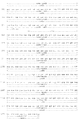
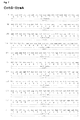
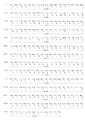
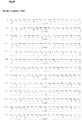
- Figure 24 Further provided in Figure 24 is the sequence of IL-2, which can be used as adjuvant in the vaccine.
- the disclosed Bacillus subtilis spores can be used to produce the oral vaccine, which in a therapeutically effective dose, can be administered to immunise patients suffering from the duodenal and gastric ulcer disease against Helicobacter pylori.
- the pDL integration vector was used as the starting point to prepare the fusion protein (CotZ-UreA).
- the cotZ gene from B. subtilis, together with the promoter region, was copied under the PCR method using primers: cZ-F 5'- GCT TAG GAT CCA TGA TGA TGT GTA CGA TTG -3' and cY-R 5'- CGT AGC GAA TTC AGT TAT CAC TCT TGT CCT C -3'.
- Restriction sites Bam HI and Eco RI, marked in the primer sequence
- were introduced during the PCR reaction facilitating both the process of cloning to the vectors and the formation of the fusion protein.
- the UreA subunit of the H The UreA subunit of the H.
- aciononyhis urease became the second component of the recombined protein.
- the ureA gene was copied under the PCR method using primers: uA-F 5'- GAG GGA TCC ATG AAA CTC ACC CCA AAA G-3' and uA-R 5'- CGC GAG CTC TAG GGC CAT ACA TAG AAA C- 3'. Restriction sites ( Bam HI and Sac I , marked red in the primer sequence) were introduced during the PCR reaction facilitating the fusions of the cotZ and ureA genes in the correct reading frame. The obtained fusion gene was sequenced so as to verify the attainment of the planned product. The obtained plasmid carrying the fusion gene was called pKH102.
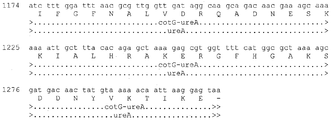
- the fusion proteins (CotG-UreA, CotC-UreAl, and CotB-UreAl) were prepared in an analogical manner ( Fig.5 , Fig.6 , Fig.7 , Fig.8 ).
- the immediately following step consisted in transformation of the B. subtilis cells with the pKH102 plasmid containing the fusion gene. In effect, the recombined gene was incorporated into locus amyE of the bacterial chromosome. The obtained bacterial strain was called BKH102. On the other hand, transformation of the B.
- subtilis cells with the pKH20, pKH03, and pKH14 plasmids ( Fig.9 ) containing the recombined genes cotB-ureA, cotC-ureA1 , and cotB-ureA1 , enabled obtaining strains BKH20, BKH03, and BKH14.
- the analysis of the expression level and presence of the recombined proteins on the spore surface using the strains is illustrated in example 1.
- a vector was prepared based on the pDG1662 plasmid, which enabled incorporation of the UreA subunit of the H. acinonychis urease into the B.
- subtilis chromosome in locus thrC of the coding gene under the control of a powerful active promoter in the vegetative cells (ribosomal RNA rrnO P2 gene promoter).
- ribosomal RNA rrnO P2 gene promoter Administered as vaccine, the spores germinate in the gastrointestinal tract forming vegetative cells, which can express additional quantities of the antigen.
- the promoter region was copied under the PCR method using primers: rOP2-F 5- GAT GGC T AA GCT TC A TGG GTC TCA CCT CCT TGT TC -3' and rOP2-R 5'- GGC GTA GAG GAA TTC GAT CTG CAT GAC CAT TAT GAC -3'.
- Restriction sites Hind III and Eco RI, marked in the primer sequence
- the PCR method was employed to copy the ureA gene using primers: ruA-F 5- GGC A TT AAG CT T AAC TAT GTA G -3' and ruA-R 5'- CTA A AC ATG T TC ATT TCT TAC TC -3'.
- restriction sites were introduced ( Hind III and Pci I, marked in the primer sequence) and the control of the ribosomal promoter imposed.
- the obtained vector was called pKH115.
- the subsequent step consisted in transformation of the B.
- subtilis cells strain BKH102 amyE::cotZ-ureA
- plasmid pKH115 the recombined gene was incorporated into locus thrC of the bacterial chromosome.
- This solution enabled creating a strain that expressed the UreA antigen on the spore surface (fusion protein CotZ-UreA) and in the vegetative cell.
- the obtained strain was called BKH116 ( amyE::cotZ-ureA , thrC::p rrnO2 -ureA ) .
- the cultures of the BKH102 and BKH116 strains were analysed for expression of the recombined protein CotZ-UreA and protein UreA using anti-UreA mouse antibodies obtained in our laboratory.
- the presence of the fusion protein was tested in the protein extracts obtained from the spore coat of the BKH102 strain, and the UreA protein was tested in protein extracts prepared from the vegetative cells of the BKH116 strain.
- the western-blotting method was applied, consisting in detection of the specific protein bound to the membrane using enzyme-bound antibodies, where the colour staining reaction enables its location.
- the suitability of the spores carrying the fusion protein in oral immunisation stems from the location of the fusion protein within the spore structures. It is assumed that the fusion proteins present on the spore surface demonstrate a higher potential of stimulating the immune system.
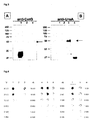
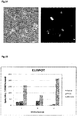
- the presence of the recombined protein CotZ-UreA on the surface of the spores produced by strain BKH102 was confirmed by the immunoflorescence method ( Fig.14 , right panel). The visible red fluorescence forming around the spore proves the surface location of the protein in question.
- the procedure Upon verification of the expression and location of the fusion protein in the spore structures, the procedure turned to purification of the spores in the quantity sufficient to immunise a group of 10 mice. To that end, cultivation to a larger scale was initiated (15 litres of the DSM culture medium), which enabled isolation of an adequate quantity of spores. The spores were purified by rinsing in water and detergents, and then counted in the Thoma chamber. Each batch of the purified spores was tested for the presence of the appropriate fusion proteins on their surface (the data not shown). Spore purification completed the stage of preparing the material used to immunise the laboratory animals (mice) at a later stage.
- mice of the BALB/c stock females aged 6 weeks +.
- the vaccine in nine doses of 1.0 x 10 10 (equivalent to 5mg of spores per dose), containing antigen in the form of H. acinonychis urease subunit UreA on the surface, was administered into the stomach with a syringe connected to a polyethylene cannula.
- the animals were vaccinated on the following days: 0, 3, 5, 14, 16, 18, 30, 32, and 34. On day 56 they were euthanised.
- the experimental group was made up of 10 animals.
- the reaction of the immune system was analysed for the humoral and cellular responses.
- Blood, excreta, and tissue of the animals served as the material for testing.
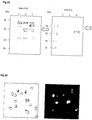
- the ELISPOT assay ( Fig.15 ) combining the enzyme-linked immunosorbent assay technique with short-term cell cultivation revealed an increased number of cytokines (IFN-y) secreted by splenocytes (immune system cells isolated from the spleen) of the mice immunised with the spores presenting fusion protein CoZ-UreA.
- the attained result proves activation of the cellular immune response (th1).
- the fact prognosticates well for the vaccine, since analysis of the information available from the literature indicates that this particular type of the immune response is most effective in elimination of the pathogen.
- the pDG364 integration vector was used as the starting point to prepare the fusion protein (CotC-UreB3).
- the cotC gene from B. subtilis, together with the promoter region, was copied under the PCR method using primers: cC-F 5'- ACC C AA GC T TTG TAG GAT AAA TCG TTT G -3' and cC-R 5'- GAT ATC GTA GTG TTT TTT ATG CTT -3'.
- Restriction sites Hind III and EcoRV, marked in the primer sequence
- aciononyhis urease became the second component of the recombined protein.
- a fragment of the ureB gene was copied under the PCR method using primers: uB-F 5'- GCT GGT GAT ATC GGC TTT AAA ATC CAC-3' and uB-R 5'- GCA CCT TAC TAG TAA CTT TTG TTG CTT GAG C -3'. Restriction sites ( Eco RV and Spe I, marked red in the primer sequence) were introduced during the PCR reaction facilitating the fusions of the cotC and ureB genes in the correct reading frame The obtained fusion gene was sequenced so as to verify the attainment of the planned product.
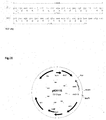
- the obtained plasmid carrying the fusion gene was called pKH28 ( Fig.16 ).
- the immediately following step consisted in transformation of the B. subtilis cells with the pKH28 plasmid containing the fusion gene.
- the recombined gene was incorporated into locus amyE of the bacterial chromosome.
- the obtained bacterial strain was called BKH28.
- the culture of the BKH28 strain was analysed for expression of the recombined protein CotC-UreB3 of the mouse anti-UreB antibodies obtained in our laboratory.
- the presence of the fusion protein was tested in the protein extracts obtained from the spore coat of the BKH28 strain applying the western-blotting method, consisting in detection of the specific protein bound to the membrane using enzyme-bound antibodies, where the colour staining reaction enables its location ( Fig.18 ).
- a vector was prepared based on the pDG1662 plasmid, which enabled incorporation of the UreB subunit of the H. acinonychis urease into the B. subtilis chromosome, in locus thrC of the coding gene under the control of a powerful active promoter in the vegetative cells (ribosomal RNA rrnO P2 gene promoter).
- ribosomal RNA rrnO P2 gene promoter Administered as vaccine, the spores germinate in the gastrointestinal tract forming vegetative cells, which can express additional quantities of the antigen.
- the promoter region was copied under the PCR method using primers: rOP2-F 5- GAT GGC T AA GCT TCA TGG GTC TCA CCT CCT TGT TC -3' and rOP2-R 5'- GGC GTA GAG GAA TTC GAT CTG CAT GAC CAT TAT GAC -3'. Restriction sites ( Hind III and Eco RI, marked in the primer sequence) were introduced during the PCR reaction.
- the PCR method was employed to copy the ureB gene using primers: uB-F 5'- CCA T AA GCT TAA AAA GAT TAG CAG AAA AG -3' and uB-R 5'- CTC C AC ATG TAT CCT AGA AAA TGC TAA AG -3'.
- restriction sites were introduced ( Hind III and Pci I, marked red in the primer sequence) and the control of the ribosomal promoter imposed ( Fig.21 ).
- the obtained vector was called pKH101 ( Fig.20 ).
- the subsequent step consisted in transformation of the B. subtilis cells strain BKH28 ( amyE::cotC-ureB3 ) with plasmid pKH101.
- the recombined gene was incorporated into locus thrC of the bacterial chromosome.
- This solution enabled creating a strain that expressed the UreB antigen on the spore surface (fusion protein CotC-UreB3) and in the vegetative cell.
- the obtained strain was called BKH108 ( amyE::cotC-ureB3 , thrC::p rrnO2 - ureB ).
- the culture of the BKH108 strain was analysed for expression of the recombined protein CotC-UreB3 and protein UreB using mouse anti-UreB antibodies obtained in our laboratory.
- the presence of the fusion protein was tested in the protein extracts obtained from the spore coat, and the UreB protein was tested in protein extracts prepared from the vegetative cells.
- the western-blotting method was applied, consisting in detection of the specific protein bound to the membrane using enzyme-bound antibodies, where the colour staining reaction enables its location ( Fig.22 ).
- the quality of vaccines is frequently attained at the expense of reducing their ability to stimulate specific immune responses.
- the immunogenicity of the antigen can, however, be enhanced when administered together with adjuvants, which improve the vaccine's effectiveness in many ways.
- the substances can, e.g. stimulate the cells of the immune system non-specifically and pertain to more efficient absorption and presentation of the antigen.
- an appropriate adjuvant one can obtain the immune response of the specific type - Th1 or Th2.
- cytokines served as the adjuvant, though instead of stimulating their production with appropriate agents, they were administered directly, together with the antigen. In this way, it was possible to control the antigen processing and APC activation at the level of one and the same cell.
- spores carrying IL-2 in the function of the adjuvant, on their surface in the oral vaccines.
- the pDG1663 integration vector was used as the starting point to prepare the fusion protein (CotB-linker-IL-2).
- the cotB gene from B. subtilis, together with the promoter region, was copied under the PCR method using primers: cB-F 5'- GC G GAT CC G GAT GAT TGA T -3' and cB-R 5'- GAT GAA TTC ACG GAT TAG -3'. Restriction sites ( Bam HI and Eco RI, marked red in the primer sequence) were introduced during the PCR reaction facilitating both the process of cloning to the vectors and the formation of the fusion protein.
- cytokine IL-2 The other component of the recombined protein, cytokine IL-2, was synthesised (EUROGENTEC) together with the sequences coding the peptide linkers sequenced GGGEAAAKGGG at the beginning and end of the formed protein. Then, gene IL-2 (containing the linker coding sequence 5' at the end) was copied under the PCR method using primers: IL2link-F 5'- GCT TCA CAT GTT TAC GTC AGT GTA GAG ATG ATA GAT TGG C -3' and IL2link-R 5'- CAT AT G GAT CCG GTG GAG GAG AAG CAG CAG CG -3'. Restriction sites (Pcil BamHI, marked red in the primer sequence) were introduced during the PCR reaction facilitating the fusions of the cotB-linker-IL2 genes in the correct reading frame ( Fig.24 ).
- the obtained fusion gene was sequenced so as to verify the attainment of the planned product.
- the obtained plasmid carrying the fusion gene was called pKH122 ( Fig.23 ).
- the subsequent step consisted in transformation of the B. subtilis cells with the pKH122 plasmid.
- the recombined gene cotB-linker-IL-2 was incorporated into locus thrC of the bacterial chromosome.
- the obtained bacterial strain was called BKH121.
- the purified spores produced by the above strain were tested for the presence of recombined coat proteins using mouse anti-IL-2 antibodies under the western-blotting method ( Fig. 25 ).
- the quantity of the recombined proteins located in the outer spore coat was assessed by the dot-blotting technique where proteins are applied directly on the membrane and then detected by antibodies.
- the assays revealed that the quantity of the recombined proteins CotB-linker-IL-2 isolated from the spore coat stood at 1.1 x 10 4 molecules/spore.
- the usefulness of the spores carrying fusion proteins in oral immunisation is due to the location of the fusion protein in the spore structures. It is assumed that the fusion proteins present on the spore surface demonstrate a higher potential of stimulating the immune system.
- the presence of the recombined proteins on the surface of the spores was confirmed by the immunoflorescence method.
- the fusion of CotB-linker-IL-2 is deposited on the surface of the recombined spores ( Fig.26 ).
- the procedure turned to purification of the spores in the quantity sufficient to immunise a group of 10 mice.
- cultivation to a larger scale was initiated (15 litres of the DSM culture medium per strain), which enabled isolation of an adequate quantity of spores.
- the spores were purified by rinsing in water and detergents, and then counted in the Thoma chamber. Each batch of the purified spores was tested for the presence of the appropriate fusion proteins on their surface (the data not shown).
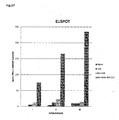
- the ELISPOT assay combining the enzyme-linked immunosorbent assay technique with short-term cell cultivation revealed an increased number of cytokines (IFN-y) secreted by splenocytes (immune system cells isolated from the spleen) of the mice immunised with the spores presenting fusion protein cotC-ureB3 in the presence of spores presenting cytokine IL-2 on the surface ( Fig. 27 ).
- the attained result proves activation of the cellular immune response (Th1).
- Th1 cellular immune response
Landscapes
- Health & Medical Sciences (AREA)
- Life Sciences & Earth Sciences (AREA)
- Pharmacology & Pharmacy (AREA)
- Veterinary Medicine (AREA)
- Chemical & Material Sciences (AREA)
- Public Health (AREA)
- General Health & Medical Sciences (AREA)
- Medicinal Chemistry (AREA)
- Animal Behavior & Ethology (AREA)
- General Chemical & Material Sciences (AREA)
- Microbiology (AREA)
- Nuclear Medicine, Radiotherapy & Molecular Imaging (AREA)
- Engineering & Computer Science (AREA)
- Chemical Kinetics & Catalysis (AREA)
- Bioinformatics & Cheminformatics (AREA)
- Immunology (AREA)
- Organic Chemistry (AREA)
- Mycology (AREA)
- Epidemiology (AREA)
- Medicines Containing Antibodies Or Antigens For Use As Internal Diagnostic Agents (AREA)
- Cosmetics (AREA)
- Medicines Containing Material From Animals Or Micro-Organisms (AREA)
- Peptides Or Proteins (AREA)
Claims (4)
- Schluckimpfstoff, bestehend aus:(a) Sporen von Bacillus subtilis, die auf ihrer Oberfläche das mit dem Antigen UreB3 von Helicobacter pylori oder Helicobacter acinonychis fusionierte CotC-Protein exprimieren,
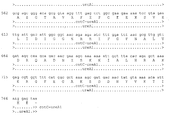
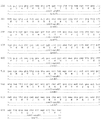
und(b) Sporen von Bacillus subtilis, die auf ihrer Oberfläche das mit dem Zytokin IL2 fusionierte CotB-Protein exprimieren. - Impfstoff nach dem vorhergehenden Anspruch, worin das besagte CotC-UreB3-Fusionsprotein durch die in Abb. 17 dargestellte Sequenz gekennzeichnet ist, nämlich:

- Impfstoff nach einem der vorstehenden Ansprüche, dadurch gekennzeichnet, dass er in Form eines Pulvers oder einer Suspension hergestellt wird.
- Impfstoff nach einem der vorhergehenden Ansprüche zur Verwendung bei der Impfung gegen Helicobacter pylori.
Applications Claiming Priority (2)
| Application Number | Priority Date | Filing Date | Title |
|---|---|---|---|
| PL398658A PL218700B1 (pl) | 2012-03-29 | 2012-03-29 | Doustna szczepionka zawierająca przetrwalniki Bacillus subtilis oraz jej zastosowanie do immunizacji przeciwko Helicobacter pylori |
| PCT/PL2013/000040 WO2013147628A2 (en) | 2012-03-29 | 2013-03-27 | Oral vaccine containing the bacillus subtilis spores and its application to immunise against helicobacter pylori |
Publications (2)
| Publication Number | Publication Date |
|---|---|
| EP2852394A2 EP2852394A2 (de) | 2015-04-01 |
| EP2852394B1 true EP2852394B1 (de) | 2019-02-20 |
Family
ID=48464058
Family Applications (1)
| Application Number | Title | Priority Date | Filing Date |
|---|---|---|---|
| EP13723573.5A Not-in-force EP2852394B1 (de) | 2012-03-29 | 2013-03-27 | Oraler impfstoff mit bacillus-subtilis-sporen und dessen verwendung zur immunisierung gegen helicobacter pylori |
Country Status (3)
| Country | Link |
|---|---|
| EP (1) | EP2852394B1 (de) |
| PL (1) | PL218700B1 (de) |
| WO (1) | WO2013147628A2 (de) |
Family Cites Families (3)
| Publication number | Priority date | Publication date | Assignee | Title |
|---|---|---|---|---|
| US5972336A (en) | 1992-11-03 | 1999-10-26 | Oravax Merieux Co. | Urease-based vaccine against helicobacter infection |
| US6290962B1 (en) | 1992-11-03 | 2001-09-18 | Oravax, Inc. | Urease-based vaccine and treatment for helicobacter infection |
| CN100460013C (zh) | 2006-09-05 | 2009-02-11 | 重庆康卫生物科技有限公司 | 口服重组幽门螺杆菌疫苗及其制备方法 |
-
2012
- 2012-03-29 PL PL398658A patent/PL218700B1/pl unknown
-
2013
- 2013-03-27 EP EP13723573.5A patent/EP2852394B1/de not_active Not-in-force
- 2013-03-27 WO PCT/PL2013/000040 patent/WO2013147628A2/en not_active Ceased
Non-Patent Citations (1)
| Title |
|---|
| KASAHARA T. ET AL.: "Interleukin 2-mediated immune interferon (IFN-gamma) production by human T cells and T cell subsets", J. IMMUNOL., vol. 130, 1983, pages 1784 - 1789 * |
Also Published As
| Publication number | Publication date |
|---|---|
| EP2852394A2 (de) | 2015-04-01 |
| PL218700B1 (pl) | 2015-01-30 |
| PL398658A1 (pl) | 2013-09-30 |
| WO2013147628A3 (en) | 2013-12-12 |
| WO2013147628A2 (en) | 2013-10-03 |
Similar Documents
| Publication | Publication Date | Title |
|---|---|---|
| Peng et al. | Production and delivery of Helicobacter pylori NapA in Lactococcus lactis and its protective efficacy and immune modulatory activity | |
| Zhang et al. | Immunogenicity of oral vaccination with Lactococcus lactis derived vaccine candidate antigen (UreB) of Helicobacter pylori fused with the human interleukin 2 as adjuvant | |
| Crocquet-Valdes et al. | Immunization with a portion of rickettsial outer membrane protein A stimulates protective immunity against spotted fever rickettsiosis | |
| US20040203039A1 (en) | Attenuated salmonella SP12 mutants as antigen carriers | |
| Saggese et al. | The bacterial spore as a mucosal vaccine delivery system | |
| Zhang et al. | GapA, a potential vaccine candidate antigen against Streptococcus agalactiae in Nile tilapia (Oreochromis niloticus) | |
| Tarahomjoo | Development of vaccine delivery vehicles based on lactic acid bacteria | |
| Fensterle et al. | Effective DNA vaccination against listeriosis by prime/boost inoculation with the gene gun | |
| JP2010508861A (ja) | 抗原およびタンパク質毒素をコードする異種ヌクレオチド配列からなる担体としての微生物、その生成方法、ならびにその使用 | |
| US11020468B2 (en) | Compositions, methods and therapies for administering antigen peptide | |
| TWI621627B (zh) | 用於豬生殖與呼吸綜合症及豬環狀病毒關聯疾病之疫苗組成物 | |
| Mohseni et al. | Oral immunization with recombinant Lactococcus lactis NZ9000 expressing human papillomavirus type 16 E7 antigen and evaluation of its immune effects in female C57BL/6 mice | |
| Lu et al. | Targeted delivery of nanovaccine to dendritic cells via DC-binding peptides induces potent antiviral immunity in vivo | |
| EA023069B1 (ru) | Изолированные рекомбинантные кишечные симбиотические бактерии и их применение | |
| Chen et al. | Oral vaccination with recombinant Lactobacillus casei expressing Aha1 fused with CTB as an adjuvant against Aeromonas veronii in common carp (Cyprinus carpio) | |
| Rosas et al. | Brucella spp. lumazine synthase: a novel adjuvant and antigen delivery system to effectively induce oral immunity | |
| Duarte et al. | Plasmid replicons for the production of pharmaceutical-grade pDNA, proteins and antigens by Lactococcus lactis cell factories | |
| Cai et al. | Oral immunization with surface immunogenic protein from Streptococcus agalactiae expressed in Lactococcus lactis induces protective immune responses of tilapia (Oreochromis niloticus) | |
| EP2597151A2 (de) | Rekombinante mikroorganismen, verfahren zur herstellung von impfstämmen, antigenen und vektor-impfstoffzusammensetzungen daraus, verwendungen davon sowie antikörper, diagnosekits und behandlungs- und/oder prophylaktische verfahren | |
| Xue et al. | Comparison of cholera toxin A2/B and murine interleukin-12 as adjuvants of Toxoplasma multi-antigenic SAG1-ROP2 DNA vaccine | |
| Chen et al. | Oral delivery of the Sj23LHD-GST antigen by Salmonella typhimurium type III secretion system protects against Schistosoma japonicum infection in mice | |
| Song et al. | Immunological effects of recombinant Lactobacillus casei expressing pilin MshB fused with cholera toxin B subunit adjuvant as an oral vaccine against Aeromonas veronii infection in crucian carp | |
| CN109289046B (zh) | 一种具核梭杆菌FomA蛋白质疫苗以及制备方法和应用 | |
| Yi et al. | Improved efficacy of DNA vaccination against breast cancer by boosting with the repeat beta-hCG C-terminal peptide carried by mycobacterial heat-shock protein HSP65 | |
| Bai et al. | Immunogenicity of 987P fimbriae of enterotoxigenic Escherichia coli surface-displayed on Lactobacillus casei |
Legal Events
| Date | Code | Title | Description |
|---|---|---|---|
| PUAI | Public reference made under article 153(3) epc to a published international application that has entered the european phase |
Free format text: ORIGINAL CODE: 0009012 |
|
| 17P | Request for examination filed |
Effective date: 20141028 |
|
| AK | Designated contracting states |
Kind code of ref document: A2 Designated state(s): AL AT BE BG CH CY CZ DE DK EE ES FI FR GB GR HR HU IE IS IT LI LT LU LV MC MK MT NL NO PL PT RO RS SE SI SK SM TR |
|
| AX | Request for extension of the european patent |
Extension state: BA ME |
|
| DAX | Request for extension of the european patent (deleted) | ||
| 17Q | First examination report despatched |
Effective date: 20160621 |
|
| STAA | Information on the status of an ep patent application or granted ep patent |
Free format text: STATUS: EXAMINATION IS IN PROGRESS |
|
| GRAP | Despatch of communication of intention to grant a patent |
Free format text: ORIGINAL CODE: EPIDOSNIGR1 |
|
| STAA | Information on the status of an ep patent application or granted ep patent |
Free format text: STATUS: GRANT OF PATENT IS INTENDED |
|
| INTG | Intention to grant announced |
Effective date: 20180910 |
|
| GRAS | Grant fee paid |
Free format text: ORIGINAL CODE: EPIDOSNIGR3 |
|
| GRAA | (expected) grant |
Free format text: ORIGINAL CODE: 0009210 |
|
| STAA | Information on the status of an ep patent application or granted ep patent |
Free format text: STATUS: THE PATENT HAS BEEN GRANTED |
|
| AK | Designated contracting states |
Kind code of ref document: B1 Designated state(s): AL AT BE BG CH CY CZ DE DK EE ES FI FR GB GR HR HU IE IS IT LI LT LU LV MC MK MT NL NO PL PT RO RS SE SI SK SM TR |
|
| REG | Reference to a national code |
Ref country code: GB Ref legal event code: FG4D |
|
| REG | Reference to a national code |
Ref country code: CH Ref legal event code: EP |
|
| REG | Reference to a national code |
Ref country code: DE Ref legal event code: R096 Ref document number: 602013050979 Country of ref document: DE |
|
| REG | Reference to a national code |
Ref country code: AT Ref legal event code: REF Ref document number: 1097290 Country of ref document: AT Kind code of ref document: T Effective date: 20190315 |
|
| REG | Reference to a national code |
Ref country code: IE Ref legal event code: FG4D |
|
| REG | Reference to a national code |
Ref country code: NL Ref legal event code: MP Effective date: 20190220 |
|
| REG | Reference to a national code |
Ref country code: LT Ref legal event code: MG4D |
|
| PG25 | Lapsed in a contracting state [announced via postgrant information from national office to epo] |
Ref country code: NL Free format text: LAPSE BECAUSE OF FAILURE TO SUBMIT A TRANSLATION OF THE DESCRIPTION OR TO PAY THE FEE WITHIN THE PRESCRIBED TIME-LIMIT Effective date: 20190220 Ref country code: LT Free format text: LAPSE BECAUSE OF FAILURE TO SUBMIT A TRANSLATION OF THE DESCRIPTION OR TO PAY THE FEE WITHIN THE PRESCRIBED TIME-LIMIT Effective date: 20190220 Ref country code: NO Free format text: LAPSE BECAUSE OF FAILURE TO SUBMIT A TRANSLATION OF THE DESCRIPTION OR TO PAY THE FEE WITHIN THE PRESCRIBED TIME-LIMIT Effective date: 20190520 Ref country code: SE Free format text: LAPSE BECAUSE OF FAILURE TO SUBMIT A TRANSLATION OF THE DESCRIPTION OR TO PAY THE FEE WITHIN THE PRESCRIBED TIME-LIMIT Effective date: 20190220 Ref country code: PT Free format text: LAPSE BECAUSE OF FAILURE TO SUBMIT A TRANSLATION OF THE DESCRIPTION OR TO PAY THE FEE WITHIN THE PRESCRIBED TIME-LIMIT Effective date: 20190620 Ref country code: FI Free format text: LAPSE BECAUSE OF FAILURE TO SUBMIT A TRANSLATION OF THE DESCRIPTION OR TO PAY THE FEE WITHIN THE PRESCRIBED TIME-LIMIT Effective date: 20190220 |
|
| PG25 | Lapsed in a contracting state [announced via postgrant information from national office to epo] |
Ref country code: HR Free format text: LAPSE BECAUSE OF FAILURE TO SUBMIT A TRANSLATION OF THE DESCRIPTION OR TO PAY THE FEE WITHIN THE PRESCRIBED TIME-LIMIT Effective date: 20190220 Ref country code: GR Free format text: LAPSE BECAUSE OF FAILURE TO SUBMIT A TRANSLATION OF THE DESCRIPTION OR TO PAY THE FEE WITHIN THE PRESCRIBED TIME-LIMIT Effective date: 20190521 Ref country code: IS Free format text: LAPSE BECAUSE OF FAILURE TO SUBMIT A TRANSLATION OF THE DESCRIPTION OR TO PAY THE FEE WITHIN THE PRESCRIBED TIME-LIMIT Effective date: 20190620 Ref country code: LV Free format text: LAPSE BECAUSE OF FAILURE TO SUBMIT A TRANSLATION OF THE DESCRIPTION OR TO PAY THE FEE WITHIN THE PRESCRIBED TIME-LIMIT Effective date: 20190220 Ref country code: BG Free format text: LAPSE BECAUSE OF FAILURE TO SUBMIT A TRANSLATION OF THE DESCRIPTION OR TO PAY THE FEE WITHIN THE PRESCRIBED TIME-LIMIT Effective date: 20190520 Ref country code: RS Free format text: LAPSE BECAUSE OF FAILURE TO SUBMIT A TRANSLATION OF THE DESCRIPTION OR TO PAY THE FEE WITHIN THE PRESCRIBED TIME-LIMIT Effective date: 20190220 |
|
| REG | Reference to a national code |
Ref country code: AT Ref legal event code: MK05 Ref document number: 1097290 Country of ref document: AT Kind code of ref document: T Effective date: 20190220 |
|
| PG25 | Lapsed in a contracting state [announced via postgrant information from national office to epo] |
Ref country code: SK Free format text: LAPSE BECAUSE OF FAILURE TO SUBMIT A TRANSLATION OF THE DESCRIPTION OR TO PAY THE FEE WITHIN THE PRESCRIBED TIME-LIMIT Effective date: 20190220 Ref country code: RO Free format text: LAPSE BECAUSE OF FAILURE TO SUBMIT A TRANSLATION OF THE DESCRIPTION OR TO PAY THE FEE WITHIN THE PRESCRIBED TIME-LIMIT Effective date: 20190220 Ref country code: CZ Free format text: LAPSE BECAUSE OF FAILURE TO SUBMIT A TRANSLATION OF THE DESCRIPTION OR TO PAY THE FEE WITHIN THE PRESCRIBED TIME-LIMIT Effective date: 20190220 Ref country code: ES Free format text: LAPSE BECAUSE OF FAILURE TO SUBMIT A TRANSLATION OF THE DESCRIPTION OR TO PAY THE FEE WITHIN THE PRESCRIBED TIME-LIMIT Effective date: 20190220 Ref country code: AL Free format text: LAPSE BECAUSE OF FAILURE TO SUBMIT A TRANSLATION OF THE DESCRIPTION OR TO PAY THE FEE WITHIN THE PRESCRIBED TIME-LIMIT Effective date: 20190220 Ref country code: DK Free format text: LAPSE BECAUSE OF FAILURE TO SUBMIT A TRANSLATION OF THE DESCRIPTION OR TO PAY THE FEE WITHIN THE PRESCRIBED TIME-LIMIT Effective date: 20190220 Ref country code: IT Free format text: LAPSE BECAUSE OF FAILURE TO SUBMIT A TRANSLATION OF THE DESCRIPTION OR TO PAY THE FEE WITHIN THE PRESCRIBED TIME-LIMIT Effective date: 20190220 Ref country code: EE Free format text: LAPSE BECAUSE OF FAILURE TO SUBMIT A TRANSLATION OF THE DESCRIPTION OR TO PAY THE FEE WITHIN THE PRESCRIBED TIME-LIMIT Effective date: 20190220 |
|
| REG | Reference to a national code |
Ref country code: DE Ref legal event code: R097 Ref document number: 602013050979 Country of ref document: DE |
|
| PG25 | Lapsed in a contracting state [announced via postgrant information from national office to epo] |
Ref country code: SM Free format text: LAPSE BECAUSE OF FAILURE TO SUBMIT A TRANSLATION OF THE DESCRIPTION OR TO PAY THE FEE WITHIN THE PRESCRIBED TIME-LIMIT Effective date: 20190220 Ref country code: PL Free format text: LAPSE BECAUSE OF FAILURE TO SUBMIT A TRANSLATION OF THE DESCRIPTION OR TO PAY THE FEE WITHIN THE PRESCRIBED TIME-LIMIT Effective date: 20190220 Ref country code: LU Free format text: LAPSE BECAUSE OF NON-PAYMENT OF DUE FEES Effective date: 20190327 |
|
| PLBE | No opposition filed within time limit |
Free format text: ORIGINAL CODE: 0009261 |
|
| STAA | Information on the status of an ep patent application or granted ep patent |
Free format text: STATUS: NO OPPOSITION FILED WITHIN TIME LIMIT |
|
| PG25 | Lapsed in a contracting state [announced via postgrant information from national office to epo] |
Ref country code: MC Free format text: LAPSE BECAUSE OF FAILURE TO SUBMIT A TRANSLATION OF THE DESCRIPTION OR TO PAY THE FEE WITHIN THE PRESCRIBED TIME-LIMIT Effective date: 20190220 Ref country code: AT Free format text: LAPSE BECAUSE OF FAILURE TO SUBMIT A TRANSLATION OF THE DESCRIPTION OR TO PAY THE FEE WITHIN THE PRESCRIBED TIME-LIMIT Effective date: 20190220 |
|
| 26N | No opposition filed |
Effective date: 20191121 |
|
| PG25 | Lapsed in a contracting state [announced via postgrant information from national office to epo] |
Ref country code: IE Free format text: LAPSE BECAUSE OF NON-PAYMENT OF DUE FEES Effective date: 20190327 |
|
| PG25 | Lapsed in a contracting state [announced via postgrant information from national office to epo] |
Ref country code: SI Free format text: LAPSE BECAUSE OF FAILURE TO SUBMIT A TRANSLATION OF THE DESCRIPTION OR TO PAY THE FEE WITHIN THE PRESCRIBED TIME-LIMIT Effective date: 20190220 |
|
| PG25 | Lapsed in a contracting state [announced via postgrant information from national office to epo] |
Ref country code: TR Free format text: LAPSE BECAUSE OF FAILURE TO SUBMIT A TRANSLATION OF THE DESCRIPTION OR TO PAY THE FEE WITHIN THE PRESCRIBED TIME-LIMIT Effective date: 20190220 |
|
| PG25 | Lapsed in a contracting state [announced via postgrant information from national office to epo] |
Ref country code: MT Free format text: LAPSE BECAUSE OF NON-PAYMENT OF DUE FEES Effective date: 20190327 |
|
| PGFP | Annual fee paid to national office [announced via postgrant information from national office to epo] |
Ref country code: FR Payment date: 20210129 Year of fee payment: 9 Ref country code: CH Payment date: 20210202 Year of fee payment: 9 |
|
| PG25 | Lapsed in a contracting state [announced via postgrant information from national office to epo] |
Ref country code: CY Free format text: LAPSE BECAUSE OF FAILURE TO SUBMIT A TRANSLATION OF THE DESCRIPTION OR TO PAY THE FEE WITHIN THE PRESCRIBED TIME-LIMIT Effective date: 20190220 |
|
| PGFP | Annual fee paid to national office [announced via postgrant information from national office to epo] |
Ref country code: GB Payment date: 20210202 Year of fee payment: 9 Ref country code: DE Payment date: 20210201 Year of fee payment: 9 Ref country code: BE Payment date: 20210201 Year of fee payment: 9 |
|
| PG25 | Lapsed in a contracting state [announced via postgrant information from national office to epo] |
Ref country code: HU Free format text: LAPSE BECAUSE OF FAILURE TO SUBMIT A TRANSLATION OF THE DESCRIPTION OR TO PAY THE FEE WITHIN THE PRESCRIBED TIME-LIMIT; INVALID AB INITIO Effective date: 20130327 |
|
| PG25 | Lapsed in a contracting state [announced via postgrant information from national office to epo] |
Ref country code: MK Free format text: LAPSE BECAUSE OF FAILURE TO SUBMIT A TRANSLATION OF THE DESCRIPTION OR TO PAY THE FEE WITHIN THE PRESCRIBED TIME-LIMIT Effective date: 20190220 |
|
| REG | Reference to a national code |
Ref country code: DE Ref legal event code: R119 Ref document number: 602013050979 Country of ref document: DE |
|
| REG | Reference to a national code |
Ref country code: CH Ref legal event code: PL |
|
| GBPC | Gb: european patent ceased through non-payment of renewal fee |
Effective date: 20220327 |
|
| REG | Reference to a national code |
Ref country code: BE Ref legal event code: MM Effective date: 20220331 |
|
| PG25 | Lapsed in a contracting state [announced via postgrant information from national office to epo] |
Ref country code: LI Free format text: LAPSE BECAUSE OF NON-PAYMENT OF DUE FEES Effective date: 20220331 Ref country code: GB Free format text: LAPSE BECAUSE OF NON-PAYMENT OF DUE FEES Effective date: 20220327 Ref country code: FR Free format text: LAPSE BECAUSE OF NON-PAYMENT OF DUE FEES Effective date: 20220331 Ref country code: DE Free format text: LAPSE BECAUSE OF NON-PAYMENT OF DUE FEES Effective date: 20221001 Ref country code: CH Free format text: LAPSE BECAUSE OF NON-PAYMENT OF DUE FEES Effective date: 20220331 |
|
| PG25 | Lapsed in a contracting state [announced via postgrant information from national office to epo] |
Ref country code: BE Free format text: LAPSE BECAUSE OF NON-PAYMENT OF DUE FEES Effective date: 20220331 |