EP2826786B1 - Advantageous Salts of MU-Opiate Receptor Peptides - Google Patents
Advantageous Salts of MU-Opiate Receptor Peptides Download PDFInfo
- Publication number
- EP2826786B1 EP2826786B1 EP14189232.3A EP14189232A EP2826786B1 EP 2826786 B1 EP2826786 B1 EP 2826786B1 EP 14189232 A EP14189232 A EP 14189232A EP 2826786 B1 EP2826786 B1 EP 2826786B1
- Authority
- EP
- European Patent Office
- Prior art keywords
- salt
- salts
- sample
- scaled
- peptide
- Prior art date
- Legal status (The legal status is an assumption and is not a legal conclusion. Google has not performed a legal analysis and makes no representation as to the accuracy of the status listed.)
- Active
Links
Images












Classifications
-
- C—CHEMISTRY; METALLURGY
- C07—ORGANIC CHEMISTRY
- C07K—PEPTIDES
- C07K5/00—Peptides containing up to four amino acids in a fully defined sequence; Derivatives thereof
- C07K5/04—Peptides containing up to four amino acids in a fully defined sequence; Derivatives thereof containing only normal peptide links
- C07K5/10—Tetrapeptides
- C07K5/1002—Tetrapeptides with the first amino acid being neutral
- C07K5/1016—Tetrapeptides with the first amino acid being neutral and aromatic or cycloaliphatic
-
- A—HUMAN NECESSITIES
- A61—MEDICAL OR VETERINARY SCIENCE; HYGIENE
- A61P—SPECIFIC THERAPEUTIC ACTIVITY OF CHEMICAL COMPOUNDS OR MEDICINAL PREPARATIONS
- A61P1/00—Drugs for disorders of the alimentary tract or the digestive system
-
- A—HUMAN NECESSITIES
- A61—MEDICAL OR VETERINARY SCIENCE; HYGIENE
- A61P—SPECIFIC THERAPEUTIC ACTIVITY OF CHEMICAL COMPOUNDS OR MEDICINAL PREPARATIONS
- A61P1/00—Drugs for disorders of the alimentary tract or the digestive system
- A61P1/04—Drugs for disorders of the alimentary tract or the digestive system for ulcers, gastritis or reflux esophagitis, e.g. antacids, inhibitors of acid secretion, mucosal protectants
-
- A—HUMAN NECESSITIES
- A61—MEDICAL OR VETERINARY SCIENCE; HYGIENE
- A61P—SPECIFIC THERAPEUTIC ACTIVITY OF CHEMICAL COMPOUNDS OR MEDICINAL PREPARATIONS
- A61P25/00—Drugs for disorders of the nervous system
- A61P25/04—Centrally acting analgesics, e.g. opioids
-
- A—HUMAN NECESSITIES
- A61—MEDICAL OR VETERINARY SCIENCE; HYGIENE
- A61P—SPECIFIC THERAPEUTIC ACTIVITY OF CHEMICAL COMPOUNDS OR MEDICINAL PREPARATIONS
- A61P25/00—Drugs for disorders of the nervous system
- A61P25/30—Drugs for disorders of the nervous system for treating abuse or dependence
-
- A—HUMAN NECESSITIES
- A61—MEDICAL OR VETERINARY SCIENCE; HYGIENE
- A61P—SPECIFIC THERAPEUTIC ACTIVITY OF CHEMICAL COMPOUNDS OR MEDICINAL PREPARATIONS
- A61P25/00—Drugs for disorders of the nervous system
- A61P25/30—Drugs for disorders of the nervous system for treating abuse or dependence
- A61P25/36—Opioid-abuse
-
- A—HUMAN NECESSITIES
- A61—MEDICAL OR VETERINARY SCIENCE; HYGIENE
- A61P—SPECIFIC THERAPEUTIC ACTIVITY OF CHEMICAL COMPOUNDS OR MEDICINAL PREPARATIONS
- A61P29/00—Non-central analgesic, antipyretic or antiinflammatory agents, e.g. antirheumatic agents; Non-steroidal antiinflammatory drugs [NSAID]
-
- C—CHEMISTRY; METALLURGY
- C07—ORGANIC CHEMISTRY
- C07K—PEPTIDES
- C07K5/00—Peptides containing up to four amino acids in a fully defined sequence; Derivatives thereof
- C07K5/04—Peptides containing up to four amino acids in a fully defined sequence; Derivatives thereof containing only normal peptide links
- C07K5/10—Tetrapeptides
-
- A—HUMAN NECESSITIES
- A61—MEDICAL OR VETERINARY SCIENCE; HYGIENE
- A61K—PREPARATIONS FOR MEDICAL, DENTAL OR TOILETRY PURPOSES
- A61K38/00—Medicinal preparations containing peptides
Definitions
- This invention relates to salts of peptides that bind with high affinity and selectivity to the mu (morphine) opiate receptor; pharmaceutical preparations containing an effective amount of the peptide salts; and methods for providing analgesia, relief from gastrointestinal disorders such as diarrhea, and therapy for drug dependence containing an effective amount of the peptide salts.
- opiates Many peptides have been found that exhibit opiate-like activity by binding to opiate receptors. Three different types of opiate receptors have been found: delta ( ⁇ ), kappa ( ⁇ ) and mu ( ⁇ ). The major putative function for opiates is their role in alleviating pain. Other areas where opiates are well-suited for use in treatment are conditions relating to gastrointestinal disorders, schizophrenia, obesity, blood pressure, convulsions, and seizures. Although the ⁇ and ⁇ receptors may also mediate analgesia, activation of ⁇ receptors is the primary and most effective means of inducing analgesia, and is the primary mechanism by which morphine acts.
- compositions having peptides with high affinity and selectivity for this site are of considerable importance. It would be desirable to produce these peptide compositions in a simple, efficient, and economical manner.
- the subject invention provides a new salts of a mu-opiate receptor peptide. These salts have been found to have excellent properties in terms of their crystal structure, stability, solubility, lack of impurities and/or the ability to be produced, with these advantageous properties, in amounts sufficient for the production of therapeutic compositions.
- the subject invention provides hydrochloride salts of endomorphin peptides.
- the peptides disclosed herein have the general formula Tyr-X 1 -X 2 -X 3 wherein X 1 is Pro, D-Lys or D-Orn; X 2 is Trp, Phe or N-alkyl-Phe wherein alkyl contains 1 to about 6 carbon atoms; and X 3 is Phe, Phe-NH 2 , D-Phe, D-Phe-NH 2 or p-Y-Phe wherein Y is NO 2 , F, Cl or Br.
- the subject invention provides the acetate salt of a cyclic endomorphin-1 peptide (designated herein as CYT-1010).
- the subject invention further provides pharmaceutical compositions comprising these advantageous salts.
- the subject invention further provides the salts and compositions described herein or use in the therapeutic methods.
- the subject invention provides an advantageous salt of a peptide that binds to the mu (morphine) opiate receptor with high affinity, selectivity and potency.
- the salt of the subject invention has excellent properties in terms of its crystallinity, morphology, thermal properties, stoichiometry, hydroscopicity, aqueous solubility and/or chemical stability.
- This invention also provides pharmaceutical preparations containing an effective amount of the peptide salt.
- the subject invention further provides the peptide salt or use in methods for providing analgesia, relief from gastrointestinal disorders such as diarrhea, antiinflammatory treatments, and therapy for drug dependence wherein the methods involve administering, to a patient in need of such treatment, a composition containing an effective amount of one or more of the peptide salts of the subject invention.
- salts of a cyclic endomorphin-1 peptide analog were selected for evaluation. These included fifteen monosalts and one hemisalt. Characterization of these salts on a 50 mg scale allowed the identification of four particularly advantageous salts: the aspartate, hydrochloride, maleate, and lactate salts.
- the hydrochloride salt exhibited good crystallinity.
- the stoichiometry of the hydrochloride salt based on ion chromatography was close to theoretical.
- the monosalt appears to form a stable monohydrate at above 5% RH. Chemical stability appears excellent as well.
- the subject invention provides the acetate salt of Cyt 1010 as well as pharmaceutical compositions that contain this salt.
- the peptides disclosed herein have the general formula Tyr-X 1 -X 2 -X 3 wherein X 1 is Pro, D-Lys or D-Orn; X 2 is Trp, Phe or N-alkyl-Phe wherein alkyl contains 1 to about 6 carbon atoms; and X 3 is Phe, Phe-NH 2 , D-Phe, D-Phe-NH 2 or p-Y-Phe wherein Y is NO 2 , F, Cl or Br.
- Some preferred peptides are:
- the last fourteen peptides listed are cyclic peptides whose linear primary amino acid sequences are given in SEQ ID NO:13 through SEQ ID NO:26.
- SEQ ID NO:13 The last fourteen peptides listed are cyclic peptides whose linear primary amino acid sequences are given in SEQ ID NO:13 through SEQ ID NO:26.
- U.S. Patent No. 6,303,578 The last fourteen peptides listed are cyclic peptides whose linear primary amino acid sequences are given in SEQ ID NO:13 through SEQ ID NO:26.
- the peptide of SEQ ID NO:1 is highly selective and very potent for the .mu.opiate receptor, with over 4000-fold weaker binding to delta receptors and over 15,000-fold weaker binding to kappa receptors, reducing the chances of side-effects.
- the peptides disclosed herein may be prepared by conventional solution-phase ( Bodansky, M., Peptide Chemistry: A Practical Textbook, 2nd Edition, Springer-Verlag, New York (1993 ) or solid phase ( Stewart, J.M.; Young, J.D. Solid Phase Peptide Synthesis, 2nd edition, Pierce Chemical Company, 1984 ) methods with the use of proper protecting groups and coupling agents. A suitable deprotection method may then be employed to remove specified or all of the protecting groups, including splitting off the resin if solid phase synthesis is applied.
- Cyclization of the linear peptides can be performed by, for example, substitution of an appropriate diamino carboxylic acid for Pro in position 2 in the peptides through ring closure of the 2-position side chain amino and the C-terminal carboxylic functional groups.
- the cyclization reactions can be performed with the diphenylphosphoryl azide method ( Schmidt, R., Neuhert, K., Int. J. Pept. Protein Res. 37:502-507, 1991 ).
- Peptides synthesized with solid phase synthesis can be split off the resin with liquid hydrogen fluoride (HF) in the presence of the proper antioxidant and scavenger.
- HF liquid hydrogen fluoride
- the amount of the reactants utilized in the reactions, as well as the conditions required to facilitate the reactions and encourage efficient completion may vary widely depending on variations in reaction conditions and the nature of the reactants.
- the desired products may be isolated from the reaction mixture by crystallization, electrophoresis, extraction, chromatography, or other means.
- a preferred method of isolation is HPLC. All of the crude peptides can be purified with preparative HPLC, and the purity of the peptides may be checked with analytical HPLC. Purities greater than 95% of the synthesized compounds using HPLC have been obtained.
- the peptide is that which is shown as SEQ ID NO:13 (cyclic endomorphin-1 peptide) and has the following structure: Cyt 1010 C 35 H 40 N 6 O 5 Mol. Wt:624.73 C, 67.29; H, 6.45; N, 13.45: O, 12.81
- the present invention also provides pharmaceutical preparations that contain a pharmaceutically effective amount of the peptide salts of this invention and a pharmaceutically acceptable carrier or adjuvant.
- the carrier may be an organic or inorganic carrier that is suitable for external, enteral or parenteral applications.
- the peptide salts of the present invention may be compounded, for example, with the usual non-toxic, pharmaceutically acceptable carriers for tablets, pellets, capsules, liposomes, suppositories, intranasal sprays, solutions, emulsions, suspensions, aerosols, targeted chemical delivery systems ( Prokai-Tatrai, K.; Prokai, L; Bodor, N., J. Med. Chem. 39:4775-4782, 1991 ), and any other form suitable for use.
- the carriers which can be used are water, glucose, lactose, gum acacia, gelatin, mannitol, starch paste, magnesium trisilicate, talc, corn starch, keratin, colloidal silica, potato starch, urea and other carriers suitable for use in manufacturing preparations, in solid, semisolid, liquid or aerosol form, and in addition auxiliary, stabilizing, thickening and coloring agents and perfumes may be used.
- the present invention also provides the peptide salt for use in methods for providing analgesia, relief from gastrointestinal disorders such as diarrhea, and therapy for drug dependence in patients, such as mammals, including humans, which method comprises administering to the patient an effective amount of the peptides, or salts thereof, of this invention.
- the diarrhea may be caused by a number of sources, such as infectious disease, cholera, or an effect or side-effect of various drugs or therapies, including those used for cancer therapy.
- the peptide salts of the subject invention can also be used to provide anti-inflammatory treatments.
- the applicants make reference to U.S. 2004/0266805 .
- the dosage of effective amount of the peptides varies from and also depends upon the age and condition of each individual patient to be treated.
- suitable unit dosages may be between about 0.01 to about 100 mg.
- a unit dose may be from between about 0.2 mg to about 50 mg.
- Such a unit dose may be administered more than once a day, e.g. two or three times a day.
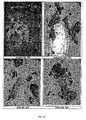
- Morphology A Zeiss Universal microscope configured with a polarized visible light source was used to evaluate the optical properties of the samples. Specimens were typically mounted on a microscope slide. Magnification was typically 125X. Observations of particle/crystal size and shape were recorded. The presence of birefringence was also noted.
- Solubility The solubility of the selected primary screen salts was determined at ambient temperature in aqueous buffer pH 7 by a visual technique. The solubility of the scaled-up salts was visually determined in aqueous pH 4.7 and 10 buffers both by the visual technique and HPLC analysis alongside with the stability samples using the same chromatographic condition (see section HPLC analysis).
- DSC Differential Scanning Calorimetry
- TGA Thermal Properties by Thermogravimetric Analysis
- HSM Optical by Hot Stage Microscopy
- Crystallinity by X-Ray Powder Diffraction (XRD). Diffraction patterns were collected using a Bruker D8 Discovery diffractometer configured with an XYZ stage, laser videomicroscope for positioning, and HiStar area detector. Collection times were 120 seconds at room temperature. A Cu Ka radiation 1.5406 ⁇ tube was operated at 40kV and 40mA.
- the X-ray optics consist of a Gobel mirror coupled with a pinhole collimator of 0.5 mm. Theta-theta continuous scans were employed with a sample-detector distance ofd 15 cm, which gives an effective 20 range of 4-40°. Samples were mounted in low background quartz plates (9 mm diameter, 0.2 mm deep cavity).
- Infrared Spectroscopy FTIR. Infrared spectra were obtained with a Nicolet 510 M-O Fourier transform infrared spectrometer, equipped with a Harrick SplitperaTM attenuated total reflectance device. Spectra were acquired from 4000-400 cm -1 with a resolution of 4 cm -1 , and 128 scans were collected for each analysis.
- FTIR Infrared Spectroscopy
- Oxidation Stability Samples of the four final salt candidates were exposed to a pure oxygen atmosphere for 2 weeks to examiner their stability with respect to oxidation at 25°C. Samples were analyzed for CYT-1010 by total area normalization for impurity profile by HPLC.
- Dynamic Vapor Sorption (Performed by Surface Measurement Systems Ltd., Allentown, PA). Samples were run in an automated dynamic vapor sorption analyzer from 0 to 95% relative humidity and back to 0% relative humidity at 25°C in 5% RH steps. Samples were predried (to contant mass) under a dry nitrogen stream before analysis. Weight change as a function of humidity and time was recorded to construct a moisture isotherm and kinetic plot of water sorption and desorption. Sample masses were generally in the range of 1-5 mg.
- Salts were initially prepared on an approximately 50 mg scale.
- the free base was suspended in methanol. All acids, except aspartic and mucic were dissolved in water. Equal molar portions of the free base and acid solutions were mixed to form the monosalts. Molar portions of the free base and half-molar acid solutions were mixed to form the hemisalt. Aspartic and mucic acid were added as dry powders as they were water-insoluble. Free base suspensions after additions of hydrochloric, sulfuric, maleic, phosphoric, tartaric, and citric acids became clear and were then evaporated while stirring on a stirplate at ambient temperature. The remaining cloudy salt preparations were left stirring capped for approximately two days to allow the reactions to occur, then evaporated the same way while stirring on a stirplate at ambient temperature. Salts were vacuum dried at 40°C.
- Hot stage microscopy analysis indicated that the particles of the free base were irregularly shaped, platy and did not appear birefringent.
- the melting of the sample was completed by approximately 288°C. No other thermal events were evident.
- Solubility The solubility of selected salts from the primary screen was determined. Solubility measurements were made at ambient temperature in an aqueous pH 7.0 buffer. The results of the solubility measurements are shown in Table 4. Even at a concentration of 0.05 mg/ml, the solutions were still cloudy for all salts indicating the solubility of all salts was ⁇ 0.05 mg/mL. Solutions of the lactate, malate and aspartate salts appeared less hazy/cloudy than others, suggesting their solubility may be slightly higher than the other forms.
- Tartrate (L) XRD pattern was very similar to maleate, was slightly more soluble, but small additional endotherm in DSC trace could indicate polymorphic behavior.
- Malate XRD pattern was very similar to tartrate, was slightly more soluble, single endotherm, small amount of volatiles, but loss of weight after 150°C.
- Succinate Salt did not crystallize well, had to be ripened by slurring, one of the less soluble salts, sample had 2.5% volatiles, a double endotherm in DSC.
- Sulfate Sample had 5% volatiles. Fumarate TGA weight loss 5.3%. Mucate Not a promising salt based on thermal behavior. Phosphate One of the less soluble, multiple endotherms, weight loss profile is not good.
- the material was a white crystalline solid.
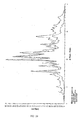
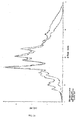
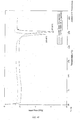
- the X-ray diffraction pattern of the batch is shown in Figure 6 .
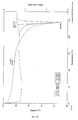
- the DSC thermogram exhibited a melting endotherm with an extrapolated onset temperature of approximately 270°C. It appears to melt with decomposition.
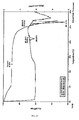
- the total volatiles by TGA in a temperature range 25-150°C were 1.4 wt%.
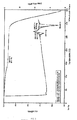
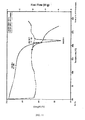
- a DSC/TGA overlay plot is shown in Figure 7 .
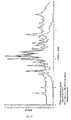
- the hydrochloride salt isolated was a white crystalline solid.
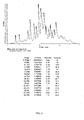
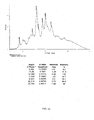
- the X-ray diffraction pattern of the batch is shown in Figure 8 .
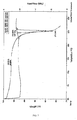
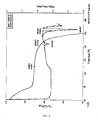
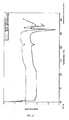
- the material exhibited a small (8 J/g) endotherm with an onset temperature of 230°C and the main endotherm with an onset of 282.7°C (the DSC/TGA overlay is shown in Figure 9 ).
- the weight loss observed using TGA at 150°C was 2.9 wt%.
- the XRD pattern of the lactate salt is shown in Figure 10 , it was less crystalline than the aspartate or hydrochloride. It was a white solid.
- the DSC thermogram revealed a single melting endotherm with an onset temperature of 234°C and an entalphy value of 116 J/g. The sample lost approximately 2.9 wt% at 150°C by TGA as shown in Figure 11 .
- the malate was a slightly off-white crystalline solid, the XRD pattern is shown in Figure 12 .
- the DSC thermogram had an endotherm with an onset temperature of 236.7°C and a heat of fusion 93.9 J/g.
- the TGA thermogram indicated a weight loss of 150°C of 2.3 wt % but the sample started to loose mass at approximately 150°C.
- the DSC/TGA thermogram overlay plot is shown in Figure 13 .
- the material produced in the scale-up batch was analyzed by XRD, DSC, TGA, H-NMR, and FTIR.
- XRD overlay of the scaled-up aspartate salt (black trace) with a small scale batch (blue) is shown in Figure 14 .
- the DSC/TGA data for the scaled-up aspartate is shown in Figure 15 .
- Figure 16 shows the DSC overlay plot of the small scale sample with the scaled-up sample.
- the scaled-up sample appears to be less crystalline than the small scale sample despite the fact that the additional ripening in water was done to improve crystallinity.
- the DSC thermogram shows a single melt with an earlier melting onset than the small scale sample, provably due to the lower crystallinity. The sample had 1.7 wt% volatiles.
- the aspartic acid content determined by ion chromatography was approximately 13.5 wt%, somewhat lower than the theoretical value for monosalt (17.6 wt%). This may have contributed to the lower crystallinity of the sample.
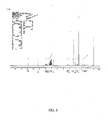
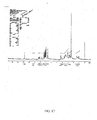
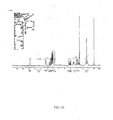
- the proton FT-NRM spectrum of the aspartate was collected and is shown in Figure 17 .
- the aspirate aliphatic peaks were over lapped by the CYT-1010 aliphatic peaks, so that molar ratio could not be determined by NMR.
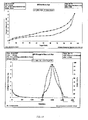
- the aspartate salt may form a hemihydrate then monohydrate at higher humidity.
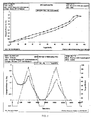
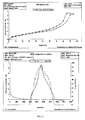
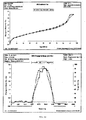
- the moisture sorption isotherm and kinetic data plot are shown in Figure 19 .
- the shape of the isotherm plot makes it difficult to be certain whether hydrates form.
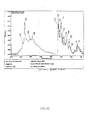
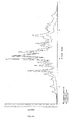
- the scaled-up sample of the hydrochloride salt displayed the same XRD pattern as in the initial evaluation (see XRD plots overlay for the two samples in Figure 20 ).
- the thermal behavior of both batches was also similar.
- the DSC/TGA thermograms of the scaled-up sample is in Figure 21 and a comparison of DSC thermograms of the primary and scaled-up samples is in Figure 22 .
- the material exhibited a small (10.2 J/g) endotherm with an onset temperature of 231.3°C and the main endotherm with an onset of 285.9°C.
- the sample had lost 2.6 wt% volatiles at 150°C.
- Hot stage microscopy of the hydrochloride revealed no changes in particle morphology up to the melt, which was observed at approximately 280°C. The evolution of bubbles was evident at 108°C and again at 230°C.
- IC was used to evaluate the chloride content of the scaled-up salt.
- the IC indicated the chloride content was 5.2 wt% (theoretical 5.5 wt %).
- a slurry of the hydrochloride salt in water was carried out by stirring an excess of the HCl salt in water on a stirplate for approximately one week. Slurry was filtered and the wet cake analyzed by XRD to check for any structural changes. XRD patterns of samples before and after the slurry were essentially the same ( Figure 27 ), suggesting that the XRD pattern probably represents the monohydrate form of the material.
- the scaled-up sample of the lactate salt was crystalline and had the same XRD pattern as in the initial evaluation. Thermal profiles were also similar (see XRD plots overlay for the two samples in Figure 28 and DSC/TGA data for the scaled-up sample in Figure 29 ). DSC thermogram of the scaled-up sample had a melting endotherm with an onset temperature of approximately 237.5°C and an enthalpy value of 143 J/g. The total volatiles by TGA were 1.7 wt% at 150°C. A comparison of DSC thermograms of the primary and scaled-up samples is shown in Figure 30 .
- IC ion chromatography
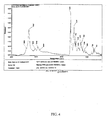
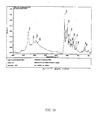
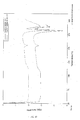
- MNR and FTIR spectra of the scaled-up lactate are in Figure 31 , and Figure 32 , respectively.
- the scaled-up sample of the maleate salt was crystalline.
- XRD patterns of the primary screen and scale-up malate salts were very similar as can be seen in Figure 34 .
- the DSC thermogram exhibited the same thermal behavior as in the initial evaluation.
- the weight loss observed at 125°C was ⁇ 2 wt%. After additional drying, the volatile content was 1.5 wt%.
- the DSC/TGA overlay plot of the scaled-up maleate is shown in Figure 35 .
- a comparison of DSC thermograms of the primary and scaled-up samples is shown in Figure 36 .
- the thermograms show good repeatability.
- the stoichiometry of the monosalt was evaluated using ion chromatography (IC).
- IC ion chromatography
- the H-NMR spectrum of the maleate is shown in Figure 37 .
- the FTIR spectrum of the scaled-up maleate salt is in Figure 38 .
- the scaled-up aspartate, hydrochloride, lactate, and maleate salts together with the free base were analyzed in duplicate by total area normalization (TAN) to determine their impurity profiles.
- TAN total area normalization
- the salts were stressed in solid state using heat, light, and a pure oxygen atmosphere to determine if the salt forms exhibited different chemical stability characteristics.
- the salts were also stressed in solution using heat.
- Samples were prepared at a free base concentration of 0.3 mg/mL.
- the diluent for all sample preparations was 90:10 acetronitrile:water with 0.1% TFA. All solutions were sonicated for at least five minutes prior to analysis. Analysis was done over four days. The impurity profile of the free base, as shown in the table below, was consistent over this time.
- CYT-1010 Free Base Impurity Profile 1 Form 0.89 0.92 0.95 1.02 1.03 1.14 1.18 Free Base Day 1 0.09 0.05 ND 0.53 0.16 ND ND Free Base Day 2 0.12 0.06 ND 0.51 0.13 ND ND Free Base Day 3 0.13 0.07 ND 0.53 0.18 ND ND 1 Impurity profile an average of the first three injections of the WI Free Base Injections.
- the solution stability characteristics were evaluated by collecting HPLC data on solutions stored in sealed vials for two weeks at approximately 25 and 40°C.
- the storage solution consisted of 90:10 acetronitrile:water with 0.1 % TFA which is the diluent for the HPLC assay.
- Table 6 summarizes the results of the HPLC analyses of these experiments. Table 6.
- Solution Stability Results Salt Time Zero (area %) 2 weeks at 25°C (area %) 2 weeks at 40°C (area %) Free Base 99.2 98.6 98.7 L-aspartate 99.1 98.6 98.6 Maleate 96.2 96.7 97.2 Lactate 99.2 98.5 98.5 Hydrochloride 99.1 98.5 98.5
- the thermal stability data for the L-asparate and maleate salts did not exhibit significant changes in assay values upon exposure at 25°C.
- the lactate and hydrochloride salts only decreased slightly, a decrease of 0.2 area %, while the free base decreased 0.4 area % at 25°C.
- the hydrochloride salt did not exhibit further decrease in area % at 60°C.
- the free base decreased slightly in area % and the lactate salt decreased 0.5 area % at 60°C as compared to 25°C data.
- the maleate salt showed significant decrease, 7.1 area %.
- the photostability data for the two of the four salts did not exhibit significant changes in assay values upon exposure.
- the lactate salt showed the greatest change in area %, a decrease of 0.6 area % from time zero to exposed, while the free base and L-asparate salt both decreased 0.3 area % from time zero to exposed.
- the oxidative stability data for the free base had the greatest change with 1.5 area % decrease.
- the four salts showed a decrease between 0.3 and 0.4 area %.
- Solubility measurements were made at ambient temperatue in pH 4 buffer (potassium biphthalate buffer 0.05 molar), pH 7 buffer (potassium phosphate mono basic-sodium hydroxide buffer 0.05 molar) and pH 10 buffer (potassium carbonate-potassium hydroxide buffer 0.05 molar). Two approaches were tried. A visual technique and HPLC analysis were used to determine the solubilities.
- solubilities of all four salts and the free base in pH 4, 7 and 10 buffers were less than 0.05 mg/ml.
- HPLC data were collected on solutions stored in sealed vials for approximately one week at 25°C at pH 4, pH 7, and pH 10. Portions of these solutions were filterd with a Teflon 0.45 micro filter prior to HPLC analysis. The results were calibrated with a six point calibration curve ranging from 0.12 to 0.003 mg/ml. The same HPLC conditions were used as listed previously except the injection volume was increased to 10 ⁇ L.
- a new impurity peak appears at 0.21 RRT that is 0.5 to 0.6 area % in size. This peak is unique to the solution stability samples. Another difference is seen with the maleate salt.
- the peak at 1.14 RRT decreases from a time zero value of 2.7 area % to 1.7 area % at 25°C in solution and to 1.1 area % at 40°C in solution. This is the same impurity peak that increases to 10 area % in the 60°C solid state maleate sample.
- Table 12 Solution Stability 25°C Impurity Profile Impurity by RRT Salt 0.21 0.89 0.92 0.95 0.98 1.02 1.03 1.14 1.18 Free Base 0.50 0.06 0.04 0.06 ND 0.53 0.18 ND ND L-aspartate 0.52 ND 0.08 0.12 ND 0.48 0.16 0.07 ND Maleate 0.62 0.04 0.09 0.18 ND 0.42 0.16 1.71 0.07 Lactate 0.59 0.05 0.11 0.14 ND 0.49 0.15 ND ND Hydrochloride 0.59 ND 0.04 0.21 0.50 0.14 ND ND Table 13: Solution Stability 40°C Impurity Profile Impurity by RRT Salt 0.21 0.89 0.92 0.95 0.98 1.02 1.03 1.14 1.18 1.32 2.39 Free Base 0.50 0.04 ND 0.03 ND 0.51 0.18 ND ND ND ND L-aspartate 0.58 ⁇ 0.03 0.07 0.13 ⁇ 0.03 0.47 0.15 ND ND ND ND
- the free base at 25°C and the maleate at 60°C showed the greatest change in the impurity profile as shown in the tables below.
- the free base at 25°C the 0.89 and 0.92 RRT impurities showed the largest increase as compared to time zero data.
- the maleate salt at 60°C the 1.14 RRT peak increase from 2.7 to 10 area % and while the impurity at 1.02 RRT decreased from 0.5 area % to a nondetectable level.
- the lactate salt showed the greatest change in the impurity profile.
- the 0.89 and 0.92 RRT impurities increased as compared to time zero data while in the photexposed, the 0.92 and 0.95 RRT impurities increased significantly.
Landscapes
- Health & Medical Sciences (AREA)
- Chemical & Material Sciences (AREA)
- Organic Chemistry (AREA)
- Medicinal Chemistry (AREA)
- General Health & Medical Sciences (AREA)
- Life Sciences & Earth Sciences (AREA)
- Veterinary Medicine (AREA)
- Nuclear Medicine, Radiotherapy & Molecular Imaging (AREA)
- General Chemical & Material Sciences (AREA)
- Pharmacology & Pharmacy (AREA)
- Chemical Kinetics & Catalysis (AREA)
- Animal Behavior & Ethology (AREA)
- Public Health (AREA)
- Bioinformatics & Cheminformatics (AREA)
- Engineering & Computer Science (AREA)
- Molecular Biology (AREA)
- Biophysics (AREA)
- Proteomics, Peptides & Aminoacids (AREA)
- Genetics & Genomics (AREA)
- Biochemistry (AREA)
- Addiction (AREA)
- Neurosurgery (AREA)
- Neurology (AREA)
- Biomedical Technology (AREA)
- Pain & Pain Management (AREA)
- Psychiatry (AREA)
- Rheumatology (AREA)
- Medicines That Contain Protein Lipid Enzymes And Other Medicines (AREA)
- Medicinal Preparation (AREA)
- Peptides Or Proteins (AREA)
Applications Claiming Priority (2)
| Application Number | Priority Date | Filing Date | Title |
|---|---|---|---|
| US761707P | 2007-12-13 | 2007-12-13 | |
| EP08858817.3A EP2229400B1 (en) | 2007-12-13 | 2008-12-15 | Advantageous salts of mu-opiate receptor peptides |
Related Parent Applications (2)
| Application Number | Title | Priority Date | Filing Date |
|---|---|---|---|
| EP08858817.3A Division EP2229400B1 (en) | 2007-12-13 | 2008-12-15 | Advantageous salts of mu-opiate receptor peptides |
| EP08858817.3A Division-Into EP2229400B1 (en) | 2007-12-13 | 2008-12-15 | Advantageous salts of mu-opiate receptor peptides |
Publications (2)
| Publication Number | Publication Date |
|---|---|
| EP2826786A1 EP2826786A1 (en) | 2015-01-21 |
| EP2826786B1 true EP2826786B1 (en) | 2015-09-23 |
Family
ID=40755912
Family Applications (2)
| Application Number | Title | Priority Date | Filing Date |
|---|---|---|---|
| EP14189232.3A Active EP2826786B1 (en) | 2007-12-13 | 2008-12-15 | Advantageous Salts of MU-Opiate Receptor Peptides |
| EP08858817.3A Not-in-force EP2229400B1 (en) | 2007-12-13 | 2008-12-15 | Advantageous salts of mu-opiate receptor peptides |
Family Applications After (1)
| Application Number | Title | Priority Date | Filing Date |
|---|---|---|---|
| EP08858817.3A Not-in-force EP2229400B1 (en) | 2007-12-13 | 2008-12-15 | Advantageous salts of mu-opiate receptor peptides |
Country Status (7)
| Country | Link |
|---|---|
| US (6) | US20110190214A1 (enExample) |
| EP (2) | EP2826786B1 (enExample) |
| JP (1) | JP5647002B2 (enExample) |
| AU (1) | AU2008334941B2 (enExample) |
| CA (2) | CA2984218C (enExample) |
| ES (1) | ES2550604T3 (enExample) |
| WO (1) | WO2009076672A1 (enExample) |
Families Citing this family (6)
| Publication number | Priority date | Publication date | Assignee | Title |
|---|---|---|---|---|
| US20110065648A1 (en) * | 2009-09-15 | 2011-03-17 | Maione Theodore E | Advantageous mu-opiate receptor peptide compounds |
| EP2574172A4 (en) * | 2010-05-21 | 2013-10-30 | Cytogel Pharma Llc | MATERIALS AND METHOD FOR TREATING INFLAMMATION |
| WO2013173730A2 (en) * | 2012-05-18 | 2013-11-21 | Cytogel Pharma, Llc. | Novel therapeutic uses of mu-opiate receptor peptides |
| CN110769843A (zh) * | 2017-06-12 | 2020-02-07 | 内布拉斯加大学董事会 | C5a受体激动剂肽的盐酸盐 |
| US10975121B2 (en) | 2017-06-24 | 2021-04-13 | Cytogel Pharma, Llc | Analgesic mu-opioid receptor binding peptide pharmaceutical formulations and uses thereof |
| CN111511757A (zh) * | 2017-11-17 | 2020-08-07 | 细胞凝胶制药有限责任公司 | μ阿片受体的聚合物激动剂 |
Family Cites Families (8)
| Publication number | Priority date | Publication date | Assignee | Title |
|---|---|---|---|---|
| US6235496B1 (en) * | 1993-03-08 | 2001-05-22 | Advanced Research & Technology Institute | Nucleic acid encoding mammalian mu opioid receptor |
| US5942492A (en) * | 1996-11-12 | 1999-08-24 | Angstrom Pharmaceuticals, Inc. | Cyclic peptides that bind to urokinase-type plasminogen activator receptor |
| US5885958A (en) * | 1997-03-25 | 1999-03-23 | Administrators Of The Tulane Educational Fund | Mu-opiate receptor peptides |
| JPH10330398A (ja) * | 1997-05-28 | 1998-12-15 | Asahi Glass Co Ltd | 新規環状ペプチド |
| SE9800865D0 (sv) * | 1998-03-16 | 1998-03-16 | Astra Ab | New Process |
| JPWO2002102833A1 (ja) * | 2001-06-15 | 2004-09-30 | 千寿製薬株式会社 | 新規エンドモルフィン誘導体 |
| EP1427438A2 (en) | 2001-09-03 | 2004-06-16 | The University of Bristol | Inflammation modulatory compound comprising an endomorphin |
| WO2003066593A2 (en) * | 2001-11-29 | 2003-08-14 | Schering Corporation | Preparation of pharmaceutical salts of 4 ( (z) - (4-bromophenyl) (ethoxyimino) methyl )-1'-( (2,4-dimethyl-1-oxido-3-pyridinyl) carbonyl) -4'-methyl-1,4' bipiperidine as ccr5-antagonists for the treatment of aids and related hiv infections |
-
2008
- 2008-12-15 CA CA2984218A patent/CA2984218C/en not_active Expired - Fee Related
- 2008-12-15 WO PCT/US2008/086838 patent/WO2009076672A1/en not_active Ceased
- 2008-12-15 JP JP2010538227A patent/JP5647002B2/ja not_active Expired - Fee Related
- 2008-12-15 ES ES14189232.3T patent/ES2550604T3/es active Active
- 2008-12-15 EP EP14189232.3A patent/EP2826786B1/en active Active
- 2008-12-15 AU AU2008334941A patent/AU2008334941B2/en not_active Ceased
- 2008-12-15 US US12/744,859 patent/US20110190214A1/en not_active Abandoned
- 2008-12-15 CA CA2707733A patent/CA2707733C/en not_active Expired - Fee Related
- 2008-12-15 EP EP08858817.3A patent/EP2229400B1/en not_active Not-in-force
-
2013
- 2013-10-17 US US14/056,496 patent/US8940704B2/en active Active
-
2014
- 2014-12-15 US US14/570,432 patent/US20150152137A1/en not_active Abandoned
-
2018
- 2018-06-22 US US16/016,165 patent/US20180291060A1/en not_active Abandoned
-
2020
- 2020-07-15 US US16/929,994 patent/US20200339628A1/en not_active Abandoned
-
2021
- 2021-12-17 US US17/554,421 patent/US20220324908A1/en not_active Abandoned
Also Published As
| Publication number | Publication date |
|---|---|
| EP2826786A1 (en) | 2015-01-21 |
| ES2550604T3 (es) | 2015-11-11 |
| JP2011508727A (ja) | 2011-03-17 |
| US20150152137A1 (en) | 2015-06-04 |
| CA2707733C (en) | 2018-01-02 |
| US20220324908A1 (en) | 2022-10-13 |
| EP2229400A1 (en) | 2010-09-22 |
| EP2229400B1 (en) | 2014-11-19 |
| US20180291060A1 (en) | 2018-10-11 |
| AU2008334941B2 (en) | 2013-02-14 |
| US20200339628A1 (en) | 2020-10-29 |
| US8940704B2 (en) | 2015-01-27 |
| CA2984218C (en) | 2019-12-31 |
| WO2009076672A1 (en) | 2009-06-18 |
| EP2229400A4 (en) | 2012-01-04 |
| HK1206363A1 (en) | 2016-01-08 |
| AU2008334941A1 (en) | 2009-06-18 |
| US20140142050A1 (en) | 2014-05-22 |
| JP5647002B2 (ja) | 2014-12-24 |
| CA2984218A1 (en) | 2009-06-18 |
| US20110190214A1 (en) | 2011-08-04 |
| CA2707733A1 (en) | 2009-06-18 |
Similar Documents
| Publication | Publication Date | Title |
|---|---|---|
| US20220324908A1 (en) | Advantageous salts of mu-opiate receptor peptides | |
| EP4414374A1 (en) | Method for producing n-alkyl amino acid and peptide including n-alkyl amino acid | |
| CN112638904A (zh) | 2-(3,5-二氯-4-((5-异丙基-6-氧代-1,6-二氢哒嗪-3-基)氧基)苯基)-3,5-二氧代-2,3,4,5-四氢-1,2,4-三嗪-6-腈的固体形式 | |
| US6242460B1 (en) | Zolpidem salt forms | |
| US8293704B2 (en) | Crystalline form of linaclotide | |
| US20160264625A1 (en) | Advantageous mu-opiate receptor peptide compounds | |
| HK1206363B (en) | Advantageous salts of mu-opiate receptor peptides | |
| JP2012527417A (ja) | {[(2s,5r,8s,11s)−5−ベンジル−11−(3−グアニジノ−プロピル)−8−イソプロピル−7−メチル−3,6,9,12,15−ペンタオキソ−1,4,7,10,13−ペンタアザ−シクロペンタデカ−2−イル]−酢酸}の新規な固体物質およびそれらを得るための方法 | |
| US8946474B2 (en) | Polymorphic form of a calcimimetic compound | |
| US11136332B2 (en) | Morphic forms of marizomib and uses thereof | |
| CN115073556A (zh) | 一类阿片/神经肽ff受体多靶点环肽分子及其制备和应用 | |
| WO2023199196A1 (en) | Salts for mtor compounds | |
| CN102958907A (zh) | 钙敏感受体激动化合物的新多晶型 | |
| TW202608907A (zh) | 肽類似物及使用其之方法 | |
| PL208164B1 (pl) | Nowe peptydowe kompleksy platyny, sposób ich otrzymywania, kompozycja farmaceutyczna i zastosowanie | |
| JP2007261958A (ja) | ペプチド誘導体 |
Legal Events
| Date | Code | Title | Description |
|---|---|---|---|
| 17P | Request for examination filed |
Effective date: 20141016 |
|
| AC | Divisional application: reference to earlier application |
Ref document number: 2229400 Country of ref document: EP Kind code of ref document: P |
|
| AK | Designated contracting states |
Kind code of ref document: A1 Designated state(s): AT BE BG CH CY CZ DE DK EE ES FI FR GB GR HR HU IE IS IT LI LT LU LV MC MT NL NO PL PT RO SE SI SK TR |
|
| PUAI | Public reference made under article 153(3) epc to a published international application that has entered the european phase |
Free format text: ORIGINAL CODE: 0009012 |
|
| R17P | Request for examination filed (corrected) |
Effective date: 20150112 |
|
| RBV | Designated contracting states (corrected) |
Designated state(s): AT BE BG CH CY CZ DE DK EE ES FI FR GB GR HR HU IE IS IT LI LT LU LV MC MT NL NO PL PT RO SE SI SK TR |
|
| GRAP | Despatch of communication of intention to grant a patent |
Free format text: ORIGINAL CODE: EPIDOSNIGR1 |
|
| INTG | Intention to grant announced |
Effective date: 20150409 |
|
| RIN1 | Information on inventor provided before grant (corrected) |
Inventor name: MAIONE, THEODORE |
|
| GRAS | Grant fee paid |
Free format text: ORIGINAL CODE: EPIDOSNIGR3 |
|
| GRAA | (expected) grant |
Free format text: ORIGINAL CODE: 0009210 |
|
| AC | Divisional application: reference to earlier application |
Ref document number: 2229400 Country of ref document: EP Kind code of ref document: P |
|
| AK | Designated contracting states |
Kind code of ref document: B1 Designated state(s): AT BE BG CH CY CZ DE DK EE ES FI FR GB GR HR HU IE IS IT LI LT LU LV MC MT NL NO PL PT RO SE SI SK TR |
|
| REG | Reference to a national code |
Ref country code: GB Ref legal event code: FG4D |
|
| REG | Reference to a national code |
Ref country code: CH Ref legal event code: EP |
|
| REG | Reference to a national code |
Ref country code: AT Ref legal event code: REF Ref document number: 751187 Country of ref document: AT Kind code of ref document: T Effective date: 20151015 |
|
| REG | Reference to a national code |
Ref country code: IE Ref legal event code: FG4D |
|
| REG | Reference to a national code |
Ref country code: DE Ref legal event code: R096 Ref document number: 602008040362 Country of ref document: DE |
|
| REG | Reference to a national code |
Ref country code: FR Ref legal event code: PLFP Year of fee payment: 8 |
|
| REG | Reference to a national code |
Ref country code: ES Ref legal event code: FG2A Ref document number: 2550604 Country of ref document: ES Kind code of ref document: T3 Effective date: 20151111 |
|
| REG | Reference to a national code |
Ref country code: HK Ref legal event code: DE Ref document number: 1206363 Country of ref document: HK |
|
| REG | Reference to a national code |
Ref country code: NL Ref legal event code: MP Effective date: 20150923 |
|
| PG25 | Lapsed in a contracting state [announced via postgrant information from national office to epo] |
Ref country code: GR Free format text: LAPSE BECAUSE OF FAILURE TO SUBMIT A TRANSLATION OF THE DESCRIPTION OR TO PAY THE FEE WITHIN THE PRESCRIBED TIME-LIMIT Effective date: 20151224 Ref country code: NO Free format text: LAPSE BECAUSE OF FAILURE TO SUBMIT A TRANSLATION OF THE DESCRIPTION OR TO PAY THE FEE WITHIN THE PRESCRIBED TIME-LIMIT Effective date: 20151223 Ref country code: FI Free format text: LAPSE BECAUSE OF FAILURE TO SUBMIT A TRANSLATION OF THE DESCRIPTION OR TO PAY THE FEE WITHIN THE PRESCRIBED TIME-LIMIT Effective date: 20150923 Ref country code: LV Free format text: LAPSE BECAUSE OF FAILURE TO SUBMIT A TRANSLATION OF THE DESCRIPTION OR TO PAY THE FEE WITHIN THE PRESCRIBED TIME-LIMIT Effective date: 20150923 Ref country code: LT Free format text: LAPSE BECAUSE OF FAILURE TO SUBMIT A TRANSLATION OF THE DESCRIPTION OR TO PAY THE FEE WITHIN THE PRESCRIBED TIME-LIMIT Effective date: 20150923 |
|
| REG | Reference to a national code |
Ref country code: LT Ref legal event code: MG4D |
|
| REG | Reference to a national code |
Ref country code: AT Ref legal event code: MK05 Ref document number: 751187 Country of ref document: AT Kind code of ref document: T Effective date: 20150923 |
|
| PG25 | Lapsed in a contracting state [announced via postgrant information from national office to epo] |
Ref country code: HR Free format text: LAPSE BECAUSE OF FAILURE TO SUBMIT A TRANSLATION OF THE DESCRIPTION OR TO PAY THE FEE WITHIN THE PRESCRIBED TIME-LIMIT Effective date: 20150923 Ref country code: SE Free format text: LAPSE BECAUSE OF FAILURE TO SUBMIT A TRANSLATION OF THE DESCRIPTION OR TO PAY THE FEE WITHIN THE PRESCRIBED TIME-LIMIT Effective date: 20150923 |
|
| PG25 | Lapsed in a contracting state [announced via postgrant information from national office to epo] |
Ref country code: NL Free format text: LAPSE BECAUSE OF FAILURE TO SUBMIT A TRANSLATION OF THE DESCRIPTION OR TO PAY THE FEE WITHIN THE PRESCRIBED TIME-LIMIT Effective date: 20150923 |
|
| PG25 | Lapsed in a contracting state [announced via postgrant information from national office to epo] |
Ref country code: CZ Free format text: LAPSE BECAUSE OF FAILURE TO SUBMIT A TRANSLATION OF THE DESCRIPTION OR TO PAY THE FEE WITHIN THE PRESCRIBED TIME-LIMIT Effective date: 20150923 Ref country code: IS Free format text: LAPSE BECAUSE OF FAILURE TO SUBMIT A TRANSLATION OF THE DESCRIPTION OR TO PAY THE FEE WITHIN THE PRESCRIBED TIME-LIMIT Effective date: 20160123 Ref country code: EE Free format text: LAPSE BECAUSE OF FAILURE TO SUBMIT A TRANSLATION OF THE DESCRIPTION OR TO PAY THE FEE WITHIN THE PRESCRIBED TIME-LIMIT Effective date: 20150923 Ref country code: SK Free format text: LAPSE BECAUSE OF FAILURE TO SUBMIT A TRANSLATION OF THE DESCRIPTION OR TO PAY THE FEE WITHIN THE PRESCRIBED TIME-LIMIT Effective date: 20150923 |
|
| PG25 | Lapsed in a contracting state [announced via postgrant information from national office to epo] |
Ref country code: BE Free format text: LAPSE BECAUSE OF NON-PAYMENT OF DUE FEES Effective date: 20151231 Ref country code: PT Free format text: LAPSE BECAUSE OF FAILURE TO SUBMIT A TRANSLATION OF THE DESCRIPTION OR TO PAY THE FEE WITHIN THE PRESCRIBED TIME-LIMIT Effective date: 20160125 Ref country code: PL Free format text: LAPSE BECAUSE OF FAILURE TO SUBMIT A TRANSLATION OF THE DESCRIPTION OR TO PAY THE FEE WITHIN THE PRESCRIBED TIME-LIMIT Effective date: 20150923 Ref country code: AT Free format text: LAPSE BECAUSE OF FAILURE TO SUBMIT A TRANSLATION OF THE DESCRIPTION OR TO PAY THE FEE WITHIN THE PRESCRIBED TIME-LIMIT Effective date: 20150923 Ref country code: RO Free format text: LAPSE BECAUSE OF FAILURE TO SUBMIT A TRANSLATION OF THE DESCRIPTION OR TO PAY THE FEE WITHIN THE PRESCRIBED TIME-LIMIT Effective date: 20150923 |
|
| REG | Reference to a national code |
Ref country code: DE Ref legal event code: R097 Ref document number: 602008040362 Country of ref document: DE |
|
| REG | Reference to a national code |
Ref country code: HK Ref legal event code: GR Ref document number: 1206363 Country of ref document: HK |
|
| PG25 | Lapsed in a contracting state [announced via postgrant information from national office to epo] |
Ref country code: MC Free format text: LAPSE BECAUSE OF FAILURE TO SUBMIT A TRANSLATION OF THE DESCRIPTION OR TO PAY THE FEE WITHIN THE PRESCRIBED TIME-LIMIT Effective date: 20150923 Ref country code: LU Free format text: LAPSE BECAUSE OF FAILURE TO SUBMIT A TRANSLATION OF THE DESCRIPTION OR TO PAY THE FEE WITHIN THE PRESCRIBED TIME-LIMIT Effective date: 20151215 |
|
| PLBE | No opposition filed within time limit |
Free format text: ORIGINAL CODE: 0009261 |
|
| REG | Reference to a national code |
Ref country code: CH Ref legal event code: PL |
|
| STAA | Information on the status of an ep patent application or granted ep patent |
Free format text: STATUS: NO OPPOSITION FILED WITHIN TIME LIMIT |
|
| 26N | No opposition filed |
Effective date: 20160624 |
|
| PG25 | Lapsed in a contracting state [announced via postgrant information from national office to epo] |
Ref country code: DK Free format text: LAPSE BECAUSE OF FAILURE TO SUBMIT A TRANSLATION OF THE DESCRIPTION OR TO PAY THE FEE WITHIN THE PRESCRIBED TIME-LIMIT Effective date: 20150923 |
|
| REG | Reference to a national code |
Ref country code: IE Ref legal event code: MM4A |
|
| PG25 | Lapsed in a contracting state [announced via postgrant information from national office to epo] |
Ref country code: CH Free format text: LAPSE BECAUSE OF NON-PAYMENT OF DUE FEES Effective date: 20151231 Ref country code: LI Free format text: LAPSE BECAUSE OF NON-PAYMENT OF DUE FEES Effective date: 20151231 Ref country code: IE Free format text: LAPSE BECAUSE OF NON-PAYMENT OF DUE FEES Effective date: 20151215 |
|
| REG | Reference to a national code |
Ref country code: FR Ref legal event code: PLFP Year of fee payment: 9 |
|
| PG25 | Lapsed in a contracting state [announced via postgrant information from national office to epo] |
Ref country code: SI Free format text: LAPSE BECAUSE OF FAILURE TO SUBMIT A TRANSLATION OF THE DESCRIPTION OR TO PAY THE FEE WITHIN THE PRESCRIBED TIME-LIMIT Effective date: 20150923 |
|
| PG25 | Lapsed in a contracting state [announced via postgrant information from national office to epo] |
Ref country code: BE Free format text: LAPSE BECAUSE OF FAILURE TO SUBMIT A TRANSLATION OF THE DESCRIPTION OR TO PAY THE FEE WITHIN THE PRESCRIBED TIME-LIMIT Effective date: 20150923 |
|
| PG25 | Lapsed in a contracting state [announced via postgrant information from national office to epo] |
Ref country code: BG Free format text: LAPSE BECAUSE OF FAILURE TO SUBMIT A TRANSLATION OF THE DESCRIPTION OR TO PAY THE FEE WITHIN THE PRESCRIBED TIME-LIMIT Effective date: 20150923 |
|
| PG25 | Lapsed in a contracting state [announced via postgrant information from national office to epo] |
Ref country code: HU Free format text: LAPSE BECAUSE OF FAILURE TO SUBMIT A TRANSLATION OF THE DESCRIPTION OR TO PAY THE FEE WITHIN THE PRESCRIBED TIME-LIMIT; INVALID AB INITIO Effective date: 20081215 Ref country code: CY Free format text: LAPSE BECAUSE OF FAILURE TO SUBMIT A TRANSLATION OF THE DESCRIPTION OR TO PAY THE FEE WITHIN THE PRESCRIBED TIME-LIMIT Effective date: 20150923 |
|
| PG25 | Lapsed in a contracting state [announced via postgrant information from national office to epo] |
Ref country code: MT Free format text: LAPSE BECAUSE OF FAILURE TO SUBMIT A TRANSLATION OF THE DESCRIPTION OR TO PAY THE FEE WITHIN THE PRESCRIBED TIME-LIMIT Effective date: 20150923 |
|
| REG | Reference to a national code |
Ref country code: FR Ref legal event code: PLFP Year of fee payment: 10 |
|
| PG25 | Lapsed in a contracting state [announced via postgrant information from national office to epo] |
Ref country code: TR Free format text: LAPSE BECAUSE OF FAILURE TO SUBMIT A TRANSLATION OF THE DESCRIPTION OR TO PAY THE FEE WITHIN THE PRESCRIBED TIME-LIMIT Effective date: 20150923 |
|
| PGFP | Annual fee paid to national office [announced via postgrant information from national office to epo] |
Ref country code: DE Payment date: 20251211 Year of fee payment: 18 |
|
| PGFP | Annual fee paid to national office [announced via postgrant information from national office to epo] |
Ref country code: GB Payment date: 20251219 Year of fee payment: 18 |
|
| PGFP | Annual fee paid to national office [announced via postgrant information from national office to epo] |
Ref country code: IT Payment date: 20251223 Year of fee payment: 18 |
|
| PGFP | Annual fee paid to national office [announced via postgrant information from national office to epo] |
Ref country code: FR Payment date: 20251223 Year of fee payment: 18 |
|
| PGFP | Annual fee paid to national office [announced via postgrant information from national office to epo] |
Ref country code: ES Payment date: 20260130 Year of fee payment: 18 |