EP2821079A1 - Mittel zur unterdrückung von körperhöhlenausflüssen - Google Patents
Mittel zur unterdrückung von körperhöhlenausflüssen Download PDFInfo
- Publication number
- EP2821079A1 EP2821079A1 EP13754232.0A EP13754232A EP2821079A1 EP 2821079 A1 EP2821079 A1 EP 2821079A1 EP 13754232 A EP13754232 A EP 13754232A EP 2821079 A1 EP2821079 A1 EP 2821079A1
- Authority
- EP
- European Patent Office
- Prior art keywords
- interferon
- body cavity
- administration
- cavity fluid
- peg
- Prior art date
- Legal status (The legal status is an assumption and is not a legal conclusion. Google has not performed a legal analysis and makes no representation as to the accuracy of the status listed.)
- Withdrawn
Links
- 238000009825 accumulation Methods 0.000 claims abstract description 122
- 239000012530 fluid Substances 0.000 claims abstract description 100
- 102000014150 Interferons Human genes 0.000 claims abstract description 99
- 108010050904 Interferons Proteins 0.000 claims abstract description 99
- 229940079322 interferon Drugs 0.000 claims abstract description 99
- 230000002401 inhibitory effect Effects 0.000 claims abstract description 84
- 239000003795 chemical substances by application Substances 0.000 claims abstract description 59
- 229920001515 polyalkylene glycol Polymers 0.000 claims abstract description 56
- 238000007910 systemic administration Methods 0.000 claims abstract description 34
- 239000004480 active ingredient Substances 0.000 claims abstract description 8
- 206010003445 Ascites Diseases 0.000 claims description 77
- 229920001223 polyethylene glycol Polymers 0.000 claims description 50
- 108090000467 Interferon-beta Proteins 0.000 claims description 32
- 102000003996 Interferon-beta Human genes 0.000 claims description 30
- 229960001388 interferon-beta Drugs 0.000 claims description 30
- 108010047761 Interferon-alpha Proteins 0.000 claims description 21
- 102000006992 Interferon-alpha Human genes 0.000 claims description 21
- 206010028980 Neoplasm Diseases 0.000 claims description 18
- 208000002151 Pleural effusion Diseases 0.000 claims description 18
- 239000002246 antineoplastic agent Substances 0.000 claims description 16
- 201000011510 cancer Diseases 0.000 claims description 15
- 238000007920 subcutaneous administration Methods 0.000 claims description 13
- 239000002202 Polyethylene glycol Substances 0.000 claims description 10
- 102000002227 Interferon Type I Human genes 0.000 claims description 6
- 108010014726 Interferon Type I Proteins 0.000 claims description 6
- 238000001990 intravenous administration Methods 0.000 claims description 5
- 206010016654 Fibrosis Diseases 0.000 claims description 4
- 230000007882 cirrhosis Effects 0.000 claims description 4
- 208000019425 cirrhosis of liver Diseases 0.000 claims description 4
- 238000007918 intramuscular administration Methods 0.000 claims description 4
- 229950000193 oteracil Drugs 0.000 claims description 4
- GAGWJHPBXLXJQN-UORFTKCHSA-N Capecitabine Chemical compound C1=C(F)C(NC(=O)OCCCCC)=NC(=O)N1[C@H]1[C@H](O)[C@H](O)[C@@H](C)O1 GAGWJHPBXLXJQN-UORFTKCHSA-N 0.000 claims description 3
- GAGWJHPBXLXJQN-UHFFFAOYSA-N Capecitabine Natural products C1=C(F)C(NC(=O)OCCCCC)=NC(=O)N1C1C(O)C(O)C(C)O1 GAGWJHPBXLXJQN-UHFFFAOYSA-N 0.000 claims description 3
- GHASVSINZRGABV-UHFFFAOYSA-N Fluorouracil Chemical compound FC1=CNC(=O)NC1=O GHASVSINZRGABV-UHFFFAOYSA-N 0.000 claims description 3
- 208000001647 Renal Insufficiency Diseases 0.000 claims description 3
- WFWLQNSHRPWKFK-UHFFFAOYSA-N Tegafur Chemical compound O=C1NC(=O)C(F)=CN1C1OCCC1 WFWLQNSHRPWKFK-UHFFFAOYSA-N 0.000 claims description 3
- 229960004117 capecitabine Drugs 0.000 claims description 3
- 229960002949 fluorouracil Drugs 0.000 claims description 3
- 238000001361 intraarterial administration Methods 0.000 claims description 3
- 201000006370 kidney failure Diseases 0.000 claims description 3
- 230000001225 therapeutic effect Effects 0.000 abstract description 11
- 239000002934 diuretic Substances 0.000 abstract description 9
- 239000003814 drug Substances 0.000 abstract description 9
- 229940030606 diuretics Drugs 0.000 abstract description 7
- 229940079593 drug Drugs 0.000 abstract description 6
- 230000035508 accumulation Effects 0.000 description 108
- 230000000694 effects Effects 0.000 description 51
- 206010027476 Metastases Diseases 0.000 description 33
- 230000009401 metastasis Effects 0.000 description 33
- 210000004027 cell Anatomy 0.000 description 32
- 208000005718 Stomach Neoplasms Diseases 0.000 description 29
- 206010017758 gastric cancer Diseases 0.000 description 29
- 201000011549 stomach cancer Diseases 0.000 description 29
- 238000010172 mouse model Methods 0.000 description 23
- 238000011200 topical administration Methods 0.000 description 21
- 238000000034 method Methods 0.000 description 19
- 101001054334 Homo sapiens Interferon beta Proteins 0.000 description 18
- 125000003588 lysine group Chemical group [H]N([H])C([H])([H])C([H])([H])C([H])([H])C([H])([H])C([H])(N([H])[H])C(*)=O 0.000 description 16
- KDXKERNSBIXSRK-UHFFFAOYSA-N Lysine Natural products NCCCCC(N)C(O)=O KDXKERNSBIXSRK-UHFFFAOYSA-N 0.000 description 15
- 239000004472 Lysine Substances 0.000 description 15
- MREOOEFUTWFQOC-UHFFFAOYSA-M potassium;5-chloro-4-hydroxy-1h-pyridin-2-one;4,6-dioxo-1h-1,3,5-triazine-2-carboxylate;5-fluoro-1-(oxolan-2-yl)pyrimidine-2,4-dione Chemical compound [K+].OC1=CC(=O)NC=C1Cl.[O-]C(=O)C1=NC(=O)NC(=O)N1.O=C1NC(=O)C(F)=CN1C1OCCC1 MREOOEFUTWFQOC-UHFFFAOYSA-M 0.000 description 14
- 238000009739 binding Methods 0.000 description 13
- 241000282414 Homo sapiens Species 0.000 description 12
- 241000699666 Mus <mouse, genus> Species 0.000 description 12
- FAPWRFPIFSIZLT-UHFFFAOYSA-M Sodium chloride Chemical compound [Na+].[Cl-] FAPWRFPIFSIZLT-UHFFFAOYSA-M 0.000 description 12
- 125000003275 alpha amino acid group Chemical group 0.000 description 11
- LOKCTEFSRHRXRJ-UHFFFAOYSA-I dipotassium trisodium dihydrogen phosphate hydrogen phosphate dichloride Chemical compound P(=O)(O)(O)[O-].[K+].P(=O)(O)([O-])[O-].[Na+].[Na+].[Cl-].[K+].[Cl-].[Na+] LOKCTEFSRHRXRJ-UHFFFAOYSA-I 0.000 description 10
- 239000002953 phosphate buffered saline Substances 0.000 description 10
- 239000008351 acetate buffer Substances 0.000 description 9
- 239000007788 liquid Substances 0.000 description 9
- 241000699670 Mus sp. Species 0.000 description 8
- 206010033128 Ovarian cancer Diseases 0.000 description 8
- 206010061535 Ovarian neoplasm Diseases 0.000 description 8
- 239000000203 mixture Substances 0.000 description 8
- 238000002360 preparation method Methods 0.000 description 8
- 230000004083 survival effect Effects 0.000 description 8
- 210000000683 abdominal cavity Anatomy 0.000 description 7
- 235000001014 amino acid Nutrition 0.000 description 7
- 150000001413 amino acids Chemical class 0.000 description 7
- 239000006285 cell suspension Substances 0.000 description 7
- 239000002904 solvent Substances 0.000 description 7
- 238000002054 transplantation Methods 0.000 description 7
- 206010002091 Anaesthesia Diseases 0.000 description 6
- 206010025538 Malignant ascites Diseases 0.000 description 6
- 125000003277 amino group Chemical group 0.000 description 6
- 230000037005 anaesthesia Effects 0.000 description 6
- 230000000259 anti-tumor effect Effects 0.000 description 6
- 201000010099 disease Diseases 0.000 description 6
- 208000037265 diseases, disorders, signs and symptoms Diseases 0.000 description 6
- 238000007912 intraperitoneal administration Methods 0.000 description 6
- 108010092853 peginterferon alfa-2a Proteins 0.000 description 6
- 239000011780 sodium chloride Substances 0.000 description 6
- 241000700605 Viruses Species 0.000 description 5
- -1 hydroxysuccinimide ester Chemical class 0.000 description 5
- 230000005764 inhibitory process Effects 0.000 description 5
- 230000003211 malignant effect Effects 0.000 description 5
- 239000008363 phosphate buffer Substances 0.000 description 5
- 208000024891 symptom Diseases 0.000 description 5
- 206010026673 Malignant Pleural Effusion Diseases 0.000 description 4
- 241000699660 Mus musculus Species 0.000 description 4
- 239000002552 dosage form Substances 0.000 description 4
- 230000000977 initiatory effect Effects 0.000 description 4
- 238000011580 nude mouse model Methods 0.000 description 4
- 239000000546 pharmaceutical excipient Substances 0.000 description 4
- 229920000642 polymer Polymers 0.000 description 4
- 235000018102 proteins Nutrition 0.000 description 4
- 102000004169 proteins and genes Human genes 0.000 description 4
- 108090000623 proteins and genes Proteins 0.000 description 4
- 235000000346 sugar Nutrition 0.000 description 4
- 108091003079 Bovine Serum Albumin Proteins 0.000 description 3
- LYCAIKOWRPUZTN-UHFFFAOYSA-N Ethylene glycol Chemical compound OCCO LYCAIKOWRPUZTN-UHFFFAOYSA-N 0.000 description 3
- 101001054328 Mus musculus Interferon beta Proteins 0.000 description 3
- 239000002250 absorbent Substances 0.000 description 3
- 230000002745 absorbent Effects 0.000 description 3
- 210000001124 body fluid Anatomy 0.000 description 3
- 238000002474 experimental method Methods 0.000 description 3
- 239000012091 fetal bovine serum Substances 0.000 description 3
- 238000010353 genetic engineering Methods 0.000 description 3
- 208000015181 infectious disease Diseases 0.000 description 3
- 239000007924 injection Substances 0.000 description 3
- 238000002347 injection Methods 0.000 description 3
- 208000019423 liver disease Diseases 0.000 description 3
- 239000002609 medium Substances 0.000 description 3
- 229960003930 peginterferon alfa-2a Drugs 0.000 description 3
- 230000002265 prevention Effects 0.000 description 3
- 239000000243 solution Substances 0.000 description 3
- 210000001519 tissue Anatomy 0.000 description 3
- 208000004998 Abdominal Pain Diseases 0.000 description 2
- GUBGYTABKSRVRQ-XLOQQCSPSA-N Alpha-Lactose Chemical compound O[C@@H]1[C@@H](O)[C@@H](O)[C@@H](CO)O[C@H]1O[C@@H]1[C@@H](CO)O[C@H](O)[C@H](O)[C@H]1O GUBGYTABKSRVRQ-XLOQQCSPSA-N 0.000 description 2
- 208000020446 Cardiac disease Diseases 0.000 description 2
- 206010008479 Chest Pain Diseases 0.000 description 2
- KCXVZYZYPLLWCC-UHFFFAOYSA-N EDTA Chemical compound OC(=O)CN(CC(O)=O)CCN(CC(O)=O)CC(O)=O KCXVZYZYPLLWCC-UHFFFAOYSA-N 0.000 description 2
- PEDCQBHIVMGVHV-UHFFFAOYSA-N Glycerine Chemical compound OCC(O)CO PEDCQBHIVMGVHV-UHFFFAOYSA-N 0.000 description 2
- AEMRFAOFKBGASW-UHFFFAOYSA-N Glycolic acid Chemical compound OCC(O)=O AEMRFAOFKBGASW-UHFFFAOYSA-N 0.000 description 2
- 239000012981 Hank's balanced salt solution Substances 0.000 description 2
- 241000282412 Homo Species 0.000 description 2
- 102100026720 Interferon beta Human genes 0.000 description 2
- GUBGYTABKSRVRQ-QKKXKWKRSA-N Lactose Natural products OC[C@H]1O[C@@H](O[C@H]2[C@H](O)[C@@H](O)C(O)O[C@@H]2CO)[C@H](O)[C@@H](O)[C@H]1O GUBGYTABKSRVRQ-QKKXKWKRSA-N 0.000 description 2
- PEEHTFAAVSWFBL-UHFFFAOYSA-N Maleimide Chemical compound O=C1NC(=O)C=C1 PEEHTFAAVSWFBL-UHFFFAOYSA-N 0.000 description 2
- 241001465754 Metazoa Species 0.000 description 2
- 125000001429 N-terminal alpha-amino-acid group Chemical group 0.000 description 2
- 208000005228 Pericardial Effusion Diseases 0.000 description 2
- XYFCBTPGUUZFHI-UHFFFAOYSA-N Phosphine Chemical compound P XYFCBTPGUUZFHI-UHFFFAOYSA-N 0.000 description 2
- 102000004142 Trypsin Human genes 0.000 description 2
- 108090000631 Trypsin Proteins 0.000 description 2
- 241000711975 Vesicular stomatitis virus Species 0.000 description 2
- 125000000539 amino acid group Chemical group 0.000 description 2
- 239000012491 analyte Substances 0.000 description 2
- 230000002155 anti-virotic effect Effects 0.000 description 2
- 239000012830 cancer therapeutic Substances 0.000 description 2
- 239000002775 capsule Substances 0.000 description 2
- 238000005341 cation exchange Methods 0.000 description 2
- XUJNEKJLAYXESH-UHFFFAOYSA-N cysteine Natural products SCC(N)C(O)=O XUJNEKJLAYXESH-UHFFFAOYSA-N 0.000 description 2
- 235000018417 cysteine Nutrition 0.000 description 2
- 210000002249 digestive system Anatomy 0.000 description 2
- 230000001882 diuretic effect Effects 0.000 description 2
- 150000002334 glycols Chemical class 0.000 description 2
- 230000012010 growth Effects 0.000 description 2
- 208000019622 heart disease Diseases 0.000 description 2
- HNDVDQJCIGZPNO-UHFFFAOYSA-N histidine Natural products OC(=O)C(N)CC1=CN=CN1 HNDVDQJCIGZPNO-UHFFFAOYSA-N 0.000 description 2
- 125000000487 histidyl group Chemical group [H]N([H])C(C(=O)O*)C([H])([H])C1=C([H])N([H])C([H])=N1 0.000 description 2
- 238000001727 in vivo Methods 0.000 description 2
- 208000027866 inflammatory disease Diseases 0.000 description 2
- 208000017169 kidney disease Diseases 0.000 description 2
- 239000008101 lactose Substances 0.000 description 2
- HQKMJHAJHXVSDF-UHFFFAOYSA-L magnesium stearate Chemical compound [Mg+2].CCCCCCCCCCCCCCCCCC([O-])=O.CCCCCCCCCCCCCCCCCC([O-])=O HQKMJHAJHXVSDF-UHFFFAOYSA-L 0.000 description 2
- BASFCYQUMIYNBI-UHFFFAOYSA-N platinum Chemical compound [Pt] BASFCYQUMIYNBI-UHFFFAOYSA-N 0.000 description 2
- 238000011160 research Methods 0.000 description 2
- 230000005801 respiratory difficulty Effects 0.000 description 2
- 230000009291 secondary effect Effects 0.000 description 2
- 238000007619 statistical method Methods 0.000 description 2
- 238000012360 testing method Methods 0.000 description 2
- 125000003396 thiol group Chemical group [H]S* 0.000 description 2
- 210000000115 thoracic cavity Anatomy 0.000 description 2
- 230000000699 topical effect Effects 0.000 description 2
- 239000012588 trypsin Substances 0.000 description 2
- HDTRYLNUVZCQOY-UHFFFAOYSA-N α-D-glucopyranosyl-α-D-glucopyranoside Natural products OC1C(O)C(O)C(CO)OC1OC1C(O)C(O)C(O)C(CO)O1 HDTRYLNUVZCQOY-UHFFFAOYSA-N 0.000 description 1
- KIUKXJAPPMFGSW-DNGZLQJQSA-N (2S,3S,4S,5R,6R)-6-[(2S,3R,4R,5S,6R)-3-Acetamido-2-[(2S,3S,4R,5R,6R)-6-[(2R,3R,4R,5S,6R)-3-acetamido-2,5-dihydroxy-6-(hydroxymethyl)oxan-4-yl]oxy-2-carboxy-4,5-dihydroxyoxan-3-yl]oxy-5-hydroxy-6-(hydroxymethyl)oxan-4-yl]oxy-3,4,5-trihydroxyoxane-2-carboxylic acid Chemical compound CC(=O)N[C@H]1[C@H](O)O[C@H](CO)[C@@H](O)[C@@H]1O[C@H]1[C@H](O)[C@@H](O)[C@H](O[C@H]2[C@@H]([C@@H](O[C@H]3[C@@H]([C@@H](O)[C@H](O)[C@H](O3)C(O)=O)O)[C@H](O)[C@@H](CO)O2)NC(C)=O)[C@@H](C(O)=O)O1 KIUKXJAPPMFGSW-DNGZLQJQSA-N 0.000 description 1
- OWEGMIWEEQEYGQ-UHFFFAOYSA-N 100676-05-9 Natural products OC1C(O)C(O)C(CO)OC1OCC1C(O)C(O)C(O)C(OC2C(OC(O)C(O)C2O)CO)O1 OWEGMIWEEQEYGQ-UHFFFAOYSA-N 0.000 description 1
- SQDAZGGFXASXDW-UHFFFAOYSA-N 5-bromo-2-(trifluoromethoxy)pyridine Chemical compound FC(F)(F)OC1=CC=C(Br)C=N1 SQDAZGGFXASXDW-UHFFFAOYSA-N 0.000 description 1
- 108010088751 Albumins Proteins 0.000 description 1
- 102000009027 Albumins Human genes 0.000 description 1
- 208000032671 Allergic granulomatous angiitis Diseases 0.000 description 1
- 102100033312 Alpha-2-macroglobulin Human genes 0.000 description 1
- 206010003757 Atypical pneumonia Diseases 0.000 description 1
- 241000283690 Bos taurus Species 0.000 description 1
- 229920002134 Carboxymethyl cellulose Polymers 0.000 description 1
- 206010007559 Cardiac failure congestive Diseases 0.000 description 1
- 241000282693 Cercopithecidae Species 0.000 description 1
- 229920001287 Chondroitin sulfate Polymers 0.000 description 1
- 208000006344 Churg-Strauss Syndrome Diseases 0.000 description 1
- 241000725101 Clea Species 0.000 description 1
- 208000035473 Communicable disease Diseases 0.000 description 1
- 241000699800 Cricetinae Species 0.000 description 1
- FBPFZTCFMRRESA-FSIIMWSLSA-N D-Glucitol Natural products OC[C@H](O)[C@H](O)[C@@H](O)[C@H](O)CO FBPFZTCFMRRESA-FSIIMWSLSA-N 0.000 description 1
- FBPFZTCFMRRESA-KVTDHHQDSA-N D-Mannitol Chemical compound OC[C@@H](O)[C@@H](O)[C@H](O)[C@H](O)CO FBPFZTCFMRRESA-KVTDHHQDSA-N 0.000 description 1
- FBPFZTCFMRRESA-JGWLITMVSA-N D-glucitol Chemical compound OC[C@H](O)[C@@H](O)[C@H](O)[C@H](O)CO FBPFZTCFMRRESA-JGWLITMVSA-N 0.000 description 1
- 208000002699 Digestive System Neoplasms Diseases 0.000 description 1
- 239000006144 Dulbecco’s modified Eagle's medium Substances 0.000 description 1
- 206010014418 Electrolyte imbalance Diseases 0.000 description 1
- 208000017701 Endocrine disease Diseases 0.000 description 1
- 208000018428 Eosinophilic granulomatosis with polyangiitis Diseases 0.000 description 1
- LFQSCWFLJHTTHZ-UHFFFAOYSA-N Ethanol Chemical compound CCO LFQSCWFLJHTTHZ-UHFFFAOYSA-N 0.000 description 1
- 238000001134 F-test Methods 0.000 description 1
- 108010044091 Globulins Proteins 0.000 description 1
- 102000006395 Globulins Human genes 0.000 description 1
- WQZGKKKJIJFFOK-GASJEMHNSA-N Glucose Natural products OC[C@H]1OC(O)[C@H](O)[C@@H](O)[C@@H]1O WQZGKKKJIJFFOK-GASJEMHNSA-N 0.000 description 1
- 206010072579 Granulomatosis with polyangiitis Diseases 0.000 description 1
- 206010019280 Heart failures Diseases 0.000 description 1
- 108091006905 Human Serum Albumin Proteins 0.000 description 1
- 102000008100 Human Serum Albumin Human genes 0.000 description 1
- 108060003951 Immunoglobulin Proteins 0.000 description 1
- 102100040018 Interferon alpha-2 Human genes 0.000 description 1
- 108010078049 Interferon alpha-2 Proteins 0.000 description 1
- 101710147309 Interferon epsilon Proteins 0.000 description 1
- 102100026688 Interferon epsilon Human genes 0.000 description 1
- 102100022469 Interferon kappa Human genes 0.000 description 1
- 108010079944 Interferon-alpha2b Proteins 0.000 description 1
- FFEARJCKVFRZRR-BYPYZUCNSA-N L-methionine Chemical compound CSCC[C@H](N)C(O)=O FFEARJCKVFRZRR-BYPYZUCNSA-N 0.000 description 1
- 239000005517 L01XE01 - Imatinib Substances 0.000 description 1
- 239000002147 L01XE04 - Sunitinib Substances 0.000 description 1
- GUBGYTABKSRVRQ-PICCSMPSSA-N Maltose Natural products O[C@@H]1[C@@H](O)[C@H](O)[C@@H](CO)O[C@@H]1O[C@@H]1[C@@H](CO)OC(O)[C@H](O)[C@H]1O GUBGYTABKSRVRQ-PICCSMPSSA-N 0.000 description 1
- 241000124008 Mammalia Species 0.000 description 1
- 229930195725 Mannitol Natural products 0.000 description 1
- 102000029749 Microtubule Human genes 0.000 description 1
- 108091022875 Microtubule Proteins 0.000 description 1
- 206010028665 Myxoedema Diseases 0.000 description 1
- ZDZOTLJHXYCWBA-VCVYQWHSSA-N N-debenzoyl-N-(tert-butoxycarbonyl)-10-deacetyltaxol Chemical compound O([C@H]1[C@H]2[C@@](C([C@H](O)C3=C(C)[C@@H](OC(=O)[C@H](O)[C@@H](NC(=O)OC(C)(C)C)C=4C=CC=CC=4)C[C@]1(O)C3(C)C)=O)(C)[C@@H](O)C[C@H]1OC[C@]12OC(=O)C)C(=O)C1=CC=CC=C1 ZDZOTLJHXYCWBA-VCVYQWHSSA-N 0.000 description 1
- 206010029164 Nephrotic syndrome Diseases 0.000 description 1
- 241000283973 Oryctolagus cuniculus Species 0.000 description 1
- 229930012538 Paclitaxel Natural products 0.000 description 1
- 206010033645 Pancreatitis Diseases 0.000 description 1
- 208000030852 Parasitic disease Diseases 0.000 description 1
- 241001494479 Pecora Species 0.000 description 1
- 241000009328 Perro Species 0.000 description 1
- 108010015078 Pregnancy-Associated alpha 2-Macroglobulins Proteins 0.000 description 1
- 241000700159 Rattus Species 0.000 description 1
- 238000011579 SCID mouse model Methods 0.000 description 1
- MTCFGRXMJLQNBG-UHFFFAOYSA-N Serine Natural products OCC(N)C(O)=O MTCFGRXMJLQNBG-UHFFFAOYSA-N 0.000 description 1
- 241000710960 Sindbis virus Species 0.000 description 1
- 208000021386 Sjogren Syndrome Diseases 0.000 description 1
- 229920002472 Starch Polymers 0.000 description 1
- 238000000692 Student's t-test Methods 0.000 description 1
- 229930006000 Sucrose Natural products 0.000 description 1
- CZMRCDWAGMRECN-UGDNZRGBSA-N Sucrose Chemical compound O[C@H]1[C@H](O)[C@@H](CO)O[C@@]1(CO)O[C@@H]1[C@H](O)[C@@H](O)[C@H](O)[C@@H](CO)O1 CZMRCDWAGMRECN-UGDNZRGBSA-N 0.000 description 1
- HDTRYLNUVZCQOY-WSWWMNSNSA-N Trehalose Natural products O[C@@H]1[C@@H](O)[C@@H](O)[C@@H](CO)O[C@@H]1O[C@@H]1[C@H](O)[C@@H](O)[C@@H](O)[C@@H](CO)O1 HDTRYLNUVZCQOY-WSWWMNSNSA-N 0.000 description 1
- 101100020289 Xenopus laevis koza gene Proteins 0.000 description 1
- 229940124532 absorption promoter Drugs 0.000 description 1
- 230000001133 acceleration Effects 0.000 description 1
- 238000007792 addition Methods 0.000 description 1
- HAXFWIACAGNFHA-UHFFFAOYSA-N aldrithiol Chemical compound C=1C=CC=NC=1SSC1=CC=CC=N1 HAXFWIACAGNFHA-UHFFFAOYSA-N 0.000 description 1
- 239000002168 alkylating agent Substances 0.000 description 1
- 229940100198 alkylating agent Drugs 0.000 description 1
- HDTRYLNUVZCQOY-LIZSDCNHSA-N alpha,alpha-trehalose Chemical compound O[C@@H]1[C@@H](O)[C@H](O)[C@@H](CO)O[C@@H]1O[C@@H]1[C@H](O)[C@@H](O)[C@H](O)[C@@H](CO)O1 HDTRYLNUVZCQOY-LIZSDCNHSA-N 0.000 description 1
- 150000001412 amines Chemical group 0.000 description 1
- 230000000340 anti-metabolite Effects 0.000 description 1
- 229940088710 antibiotic agent Drugs 0.000 description 1
- 229940100197 antimetabolite Drugs 0.000 description 1
- 239000002256 antimetabolite Substances 0.000 description 1
- 239000003972 antineoplastic antibiotic Substances 0.000 description 1
- 238000013459 approach Methods 0.000 description 1
- 239000007864 aqueous solution Substances 0.000 description 1
- 239000010425 asbestos Substances 0.000 description 1
- VSRXQHXAPYXROS-UHFFFAOYSA-N azanide;cyclobutane-1,1-dicarboxylic acid;platinum(2+) Chemical compound [NH2-].[NH2-].[Pt+2].OC(=O)C1(C(O)=O)CCC1 VSRXQHXAPYXROS-UHFFFAOYSA-N 0.000 description 1
- 150000001540 azides Chemical class 0.000 description 1
- 230000001580 bacterial effect Effects 0.000 description 1
- WQZGKKKJIJFFOK-VFUOTHLCSA-N beta-D-glucose Chemical compound OC[C@H]1O[C@@H](O)[C@H](O)[C@@H](O)[C@@H]1O WQZGKKKJIJFFOK-VFUOTHLCSA-N 0.000 description 1
- GUBGYTABKSRVRQ-QUYVBRFLSA-N beta-maltose Chemical compound OC[C@H]1O[C@H](O[C@H]2[C@H](O)[C@@H](O)[C@H](O)O[C@@H]2CO)[C@H](O)[C@@H](O)[C@@H]1O GUBGYTABKSRVRQ-QUYVBRFLSA-N 0.000 description 1
- 238000004166 bioassay Methods 0.000 description 1
- 230000004071 biological effect Effects 0.000 description 1
- 238000001815 biotherapy Methods 0.000 description 1
- 210000004369 blood Anatomy 0.000 description 1
- 239000008280 blood Substances 0.000 description 1
- 239000010839 body fluid Substances 0.000 description 1
- 230000037396 body weight Effects 0.000 description 1
- 125000002915 carbonyl group Chemical group [*:2]C([*:1])=O 0.000 description 1
- 229960004562 carboplatin Drugs 0.000 description 1
- 239000001768 carboxy methyl cellulose Substances 0.000 description 1
- 235000010948 carboxy methyl cellulose Nutrition 0.000 description 1
- 150000001732 carboxylic acid derivatives Chemical class 0.000 description 1
- 239000008112 carboxymethyl-cellulose Substances 0.000 description 1
- 229940105329 carboxymethylcellulose Drugs 0.000 description 1
- 239000000969 carrier Substances 0.000 description 1
- 230000010261 cell growth Effects 0.000 description 1
- 238000007385 chemical modification Methods 0.000 description 1
- 229940059329 chondroitin sulfate Drugs 0.000 description 1
- DQLATGHUWYMOKM-UHFFFAOYSA-L cisplatin Chemical compound N[Pt](N)(Cl)Cl DQLATGHUWYMOKM-UHFFFAOYSA-L 0.000 description 1
- 229960004316 cisplatin Drugs 0.000 description 1
- 208000018631 connective tissue disease Diseases 0.000 description 1
- 238000013270 controlled release Methods 0.000 description 1
- 238000007796 conventional method Methods 0.000 description 1
- 125000000151 cysteine group Chemical group N[C@@H](CS)C(=O)* 0.000 description 1
- 230000000120 cytopathologic effect Effects 0.000 description 1
- 238000012217 deletion Methods 0.000 description 1
- 230000037430 deletion Effects 0.000 description 1
- 235000013681 dietary sucrose Nutrition 0.000 description 1
- 208000024558 digestive system cancer Diseases 0.000 description 1
- 238000010790 dilution Methods 0.000 description 1
- 239000012895 dilution Substances 0.000 description 1
- BNIILDVGGAEEIG-UHFFFAOYSA-L disodium hydrogen phosphate Chemical compound [Na+].[Na+].OP([O-])([O-])=O BNIILDVGGAEEIG-UHFFFAOYSA-L 0.000 description 1
- 239000002270 dispersing agent Substances 0.000 description 1
- AFOSIXZFDONLBT-UHFFFAOYSA-N divinyl sulfone Chemical compound C=CS(=O)(=O)C=C AFOSIXZFDONLBT-UHFFFAOYSA-N 0.000 description 1
- 239000003534 dna topoisomerase inhibitor Substances 0.000 description 1
- 239000003937 drug carrier Substances 0.000 description 1
- 238000002651 drug therapy Methods 0.000 description 1
- 238000010828 elution Methods 0.000 description 1
- 230000001804 emulsifying effect Effects 0.000 description 1
- 239000000839 emulsion Substances 0.000 description 1
- 208000030172 endocrine system disease Diseases 0.000 description 1
- 230000002708 enhancing effect Effects 0.000 description 1
- 230000029142 excretion Effects 0.000 description 1
- 210000003722 extracellular fluid Anatomy 0.000 description 1
- 238000000605 extraction Methods 0.000 description 1
- 239000003889 eye drop Substances 0.000 description 1
- 229940012356 eye drops Drugs 0.000 description 1
- 230000002538 fungal effect Effects 0.000 description 1
- 201000010231 gastrointestinal system cancer Diseases 0.000 description 1
- 239000008103 glucose Substances 0.000 description 1
- 150000004676 glycans Chemical class 0.000 description 1
- 235000011187 glycerol Nutrition 0.000 description 1
- 239000008187 granular material Substances 0.000 description 1
- 208000024348 heart neoplasm Diseases 0.000 description 1
- 229920002674 hyaluronan Polymers 0.000 description 1
- 229960003160 hyaluronic acid Drugs 0.000 description 1
- KTUFNOKKBVMGRW-UHFFFAOYSA-N imatinib Chemical compound C1CN(C)CCN1CC1=CC=C(C(=O)NC=2C=C(NC=3N=C(C=CN=3)C=3C=NC=CC=3)C(C)=CC=2)C=C1 KTUFNOKKBVMGRW-UHFFFAOYSA-N 0.000 description 1
- 229960002411 imatinib Drugs 0.000 description 1
- 102000018358 immunoglobulin Human genes 0.000 description 1
- 230000001771 impaired effect Effects 0.000 description 1
- 230000002458 infectious effect Effects 0.000 description 1
- 108010080375 interferon kappa Proteins 0.000 description 1
- 108010045648 interferon omega 1 Proteins 0.000 description 1
- PGLTVOMIXTUURA-UHFFFAOYSA-N iodoacetamide Chemical compound NC(=O)CI PGLTVOMIXTUURA-UHFFFAOYSA-N 0.000 description 1
- 239000002563 ionic surfactant Substances 0.000 description 1
- 229960000779 irinotecan hydrochloride Drugs 0.000 description 1
- GURKHSYORGJETM-WAQYZQTGSA-N irinotecan hydrochloride (anhydrous) Chemical compound Cl.C1=C2C(CC)=C3CN(C(C4=C([C@@](C(=O)OC4)(O)CC)C=4)=O)C=4C3=NC2=CC=C1OC(=O)N(CC1)CCC1N1CCCCC1 GURKHSYORGJETM-WAQYZQTGSA-N 0.000 description 1
- 238000002350 laparotomy Methods 0.000 description 1
- 239000002502 liposome Substances 0.000 description 1
- 231100000053 low toxicity Toxicity 0.000 description 1
- 210000004072 lung Anatomy 0.000 description 1
- 206010025135 lupus erythematosus Diseases 0.000 description 1
- 210000002751 lymph Anatomy 0.000 description 1
- 229920001427 mPEG Polymers 0.000 description 1
- 235000019359 magnesium stearate Nutrition 0.000 description 1
- 239000000594 mannitol Substances 0.000 description 1
- 235000010355 mannitol Nutrition 0.000 description 1
- 238000004519 manufacturing process Methods 0.000 description 1
- 230000001404 mediated effect Effects 0.000 description 1
- 229910052751 metal Inorganic materials 0.000 description 1
- 239000002184 metal Substances 0.000 description 1
- 150000002739 metals Chemical class 0.000 description 1
- 229930182817 methionine Natural products 0.000 description 1
- 229920000609 methyl cellulose Polymers 0.000 description 1
- 239000001923 methylcellulose Substances 0.000 description 1
- 235000010981 methylcellulose Nutrition 0.000 description 1
- 229960002900 methylcellulose Drugs 0.000 description 1
- 210000004688 microtubule Anatomy 0.000 description 1
- 238000012986 modification Methods 0.000 description 1
- 230000004048 modification Effects 0.000 description 1
- 201000006417 multiple sclerosis Diseases 0.000 description 1
- 208000003786 myxedema Diseases 0.000 description 1
- 239000002736 nonionic surfactant Substances 0.000 description 1
- 231100000252 nontoxic Toxicity 0.000 description 1
- 230000003000 nontoxic effect Effects 0.000 description 1
- 150000007523 nucleic acids Chemical class 0.000 description 1
- 102000039446 nucleic acids Human genes 0.000 description 1
- 108020004707 nucleic acids Proteins 0.000 description 1
- 239000002773 nucleotide Chemical group 0.000 description 1
- 125000003729 nucleotide group Chemical group 0.000 description 1
- 235000016709 nutrition Nutrition 0.000 description 1
- 239000002674 ointment Substances 0.000 description 1
- 229960001592 paclitaxel Drugs 0.000 description 1
- 230000036281 parasite infection Effects 0.000 description 1
- 238000007911 parenteral administration Methods 0.000 description 1
- 230000037361 pathway Effects 0.000 description 1
- 229940002988 pegasys Drugs 0.000 description 1
- 206010034674 peritonitis Diseases 0.000 description 1
- 239000008194 pharmaceutical composition Substances 0.000 description 1
- 229910000073 phosphorus hydride Inorganic materials 0.000 description 1
- 239000006187 pill Substances 0.000 description 1
- 239000013612 plasmid Substances 0.000 description 1
- 229910052697 platinum Inorganic materials 0.000 description 1
- 208000008423 pleurisy Diseases 0.000 description 1
- 229920000747 poly(lactic acid) Polymers 0.000 description 1
- 239000004626 polylactic acid Substances 0.000 description 1
- 229920001282 polysaccharide Polymers 0.000 description 1
- 239000005017 polysaccharide Substances 0.000 description 1
- 239000000843 powder Substances 0.000 description 1
- 125000002924 primary amino group Chemical group [H]N([H])* 0.000 description 1
- 238000001243 protein synthesis Methods 0.000 description 1
- 239000011347 resin Substances 0.000 description 1
- 229920005989 resin Polymers 0.000 description 1
- 230000004044 response Effects 0.000 description 1
- 230000000717 retained effect Effects 0.000 description 1
- 229910052895 riebeckite Inorganic materials 0.000 description 1
- 201000000306 sarcoidosis Diseases 0.000 description 1
- 125000003607 serino group Chemical group [H]N([H])[C@]([H])(C(=O)[*])C(O[H])([H])[H] 0.000 description 1
- 239000007787 solid Substances 0.000 description 1
- 239000000600 sorbitol Substances 0.000 description 1
- 239000003381 stabilizer Substances 0.000 description 1
- 235000019698 starch Nutrition 0.000 description 1
- 239000008107 starch Substances 0.000 description 1
- 238000010254 subcutaneous injection Methods 0.000 description 1
- 239000007929 subcutaneous injection Substances 0.000 description 1
- 238000006467 substitution reaction Methods 0.000 description 1
- 229960004793 sucrose Drugs 0.000 description 1
- 150000005846 sugar alcohols Chemical class 0.000 description 1
- WINHZLLDWRZWRT-ATVHPVEESA-N sunitinib Chemical compound CCN(CC)CCNC(=O)C1=C(C)NC(\C=C/2C3=CC(F)=CC=C3NC\2=O)=C1C WINHZLLDWRZWRT-ATVHPVEESA-N 0.000 description 1
- 229960001796 sunitinib Drugs 0.000 description 1
- 239000000829 suppository Substances 0.000 description 1
- 239000000725 suspension Substances 0.000 description 1
- 239000006188 syrup Substances 0.000 description 1
- 235000020357 syrup Nutrition 0.000 description 1
- 230000009885 systemic effect Effects 0.000 description 1
- 239000003826 tablet Substances 0.000 description 1
- RCINICONZNJXQF-MZXODVADSA-N taxol Chemical compound O([C@@H]1[C@@]2(C[C@@H](C(C)=C(C2(C)C)[C@H](C([C@]2(C)[C@@H](O)C[C@H]3OC[C@]3([C@H]21)OC(C)=O)=O)OC(=O)C)OC(=O)[C@H](O)[C@@H](NC(=O)C=1C=CC=CC=1)C=1C=CC=CC=1)O)C(=O)C1=CC=CC=C1 RCINICONZNJXQF-MZXODVADSA-N 0.000 description 1
- 229940063683 taxotere Drugs 0.000 description 1
- 229960001674 tegafur Drugs 0.000 description 1
- WFWLQNSHRPWKFK-ZCFIWIBFSA-N tegafur Chemical compound O=C1NC(=O)C(F)=CN1[C@@H]1OCCC1 WFWLQNSHRPWKFK-ZCFIWIBFSA-N 0.000 description 1
- 229940124597 therapeutic agent Drugs 0.000 description 1
- 239000002562 thickening agent Substances 0.000 description 1
- 210000004888 thoracic abdominal cavity Anatomy 0.000 description 1
- 239000003860 topical agent Substances 0.000 description 1
- 229940044693 topoisomerase inhibitor Drugs 0.000 description 1
- 230000001052 transient effect Effects 0.000 description 1
- 230000014616 translation Effects 0.000 description 1
- OUYCCCASQSFEME-UHFFFAOYSA-N tyrosine Natural products OC(=O)C(N)CC1=CC=C(O)C=C1 OUYCCCASQSFEME-UHFFFAOYSA-N 0.000 description 1
- 125000001493 tyrosinyl group Chemical group [H]OC1=C([H])C([H])=C(C([H])=C1[H])C([H])([H])C([H])(N([H])[H])C(*)=O 0.000 description 1
- 210000002700 urine Anatomy 0.000 description 1
- 230000009385 viral infection Effects 0.000 description 1
- 210000001835 viscera Anatomy 0.000 description 1
- XLYOFNOQVPJJNP-UHFFFAOYSA-N water Substances O XLYOFNOQVPJJNP-UHFFFAOYSA-N 0.000 description 1
Images



Classifications
-
- A—HUMAN NECESSITIES
- A61—MEDICAL OR VETERINARY SCIENCE; HYGIENE
- A61K—PREPARATIONS FOR MEDICAL, DENTAL OR TOILETRY PURPOSES
- A61K38/00—Medicinal preparations containing peptides
- A61K38/16—Peptides having more than 20 amino acids; Gastrins; Somatostatins; Melanotropins; Derivatives thereof
- A61K38/17—Peptides having more than 20 amino acids; Gastrins; Somatostatins; Melanotropins; Derivatives thereof from animals; from humans
- A61K38/19—Cytokines; Lymphokines; Interferons
- A61K38/21—Interferons [IFN]
- A61K38/212—IFN-alpha
-
- A—HUMAN NECESSITIES
- A61—MEDICAL OR VETERINARY SCIENCE; HYGIENE
- A61K—PREPARATIONS FOR MEDICAL, DENTAL OR TOILETRY PURPOSES
- A61K38/00—Medicinal preparations containing peptides
- A61K38/16—Peptides having more than 20 amino acids; Gastrins; Somatostatins; Melanotropins; Derivatives thereof
- A61K38/17—Peptides having more than 20 amino acids; Gastrins; Somatostatins; Melanotropins; Derivatives thereof from animals; from humans
- A61K38/19—Cytokines; Lymphokines; Interferons
- A61K38/21—Interferons [IFN]
- A61K38/215—IFN-beta
-
- A—HUMAN NECESSITIES
- A61—MEDICAL OR VETERINARY SCIENCE; HYGIENE
- A61K—PREPARATIONS FOR MEDICAL, DENTAL OR TOILETRY PURPOSES
- A61K38/00—Medicinal preparations containing peptides
- A61K38/16—Peptides having more than 20 amino acids; Gastrins; Somatostatins; Melanotropins; Derivatives thereof
- A61K38/17—Peptides having more than 20 amino acids; Gastrins; Somatostatins; Melanotropins; Derivatives thereof from animals; from humans
- A61K38/19—Cytokines; Lymphokines; Interferons
- A61K38/21—Interferons [IFN]
- A61K38/217—IFN-gamma
-
- A—HUMAN NECESSITIES
- A61—MEDICAL OR VETERINARY SCIENCE; HYGIENE
- A61K—PREPARATIONS FOR MEDICAL, DENTAL OR TOILETRY PURPOSES
- A61K45/00—Medicinal preparations containing active ingredients not provided for in groups A61K31/00 - A61K41/00
- A61K45/06—Mixtures of active ingredients without chemical characterisation, e.g. antiphlogistics and cardiaca
-
- A—HUMAN NECESSITIES
- A61—MEDICAL OR VETERINARY SCIENCE; HYGIENE
- A61K—PREPARATIONS FOR MEDICAL, DENTAL OR TOILETRY PURPOSES
- A61K47/00—Medicinal preparations characterised by the non-active ingredients used, e.g. carriers or inert additives; Targeting or modifying agents chemically bound to the active ingredient
- A61K47/50—Medicinal preparations characterised by the non-active ingredients used, e.g. carriers or inert additives; Targeting or modifying agents chemically bound to the active ingredient the non-active ingredient being chemically bound to the active ingredient, e.g. polymer-drug conjugates
- A61K47/51—Medicinal preparations characterised by the non-active ingredients used, e.g. carriers or inert additives; Targeting or modifying agents chemically bound to the active ingredient the non-active ingredient being chemically bound to the active ingredient, e.g. polymer-drug conjugates the non-active ingredient being a modifying agent
- A61K47/56—Medicinal preparations characterised by the non-active ingredients used, e.g. carriers or inert additives; Targeting or modifying agents chemically bound to the active ingredient the non-active ingredient being chemically bound to the active ingredient, e.g. polymer-drug conjugates the non-active ingredient being a modifying agent the modifying agent being an organic macromolecular compound, e.g. an oligomeric, polymeric or dendrimeric molecule
- A61K47/59—Medicinal preparations characterised by the non-active ingredients used, e.g. carriers or inert additives; Targeting or modifying agents chemically bound to the active ingredient the non-active ingredient being chemically bound to the active ingredient, e.g. polymer-drug conjugates the non-active ingredient being a modifying agent the modifying agent being an organic macromolecular compound, e.g. an oligomeric, polymeric or dendrimeric molecule obtained otherwise than by reactions only involving carbon-to-carbon unsaturated bonds, e.g. polyureas or polyurethanes
- A61K47/60—Medicinal preparations characterised by the non-active ingredients used, e.g. carriers or inert additives; Targeting or modifying agents chemically bound to the active ingredient the non-active ingredient being chemically bound to the active ingredient, e.g. polymer-drug conjugates the non-active ingredient being a modifying agent the modifying agent being an organic macromolecular compound, e.g. an oligomeric, polymeric or dendrimeric molecule obtained otherwise than by reactions only involving carbon-to-carbon unsaturated bonds, e.g. polyureas or polyurethanes the organic macromolecular compound being a polyoxyalkylene oligomer, polymer or dendrimer, e.g. PEG, PPG, PEO or polyglycerol
-
- A—HUMAN NECESSITIES
- A61—MEDICAL OR VETERINARY SCIENCE; HYGIENE
- A61P—SPECIFIC THERAPEUTIC ACTIVITY OF CHEMICAL COMPOUNDS OR MEDICINAL PREPARATIONS
- A61P1/00—Drugs for disorders of the alimentary tract or the digestive system
- A61P1/16—Drugs for disorders of the alimentary tract or the digestive system for liver or gallbladder disorders, e.g. hepatoprotective agents, cholagogues, litholytics
-
- A—HUMAN NECESSITIES
- A61—MEDICAL OR VETERINARY SCIENCE; HYGIENE
- A61P—SPECIFIC THERAPEUTIC ACTIVITY OF CHEMICAL COMPOUNDS OR MEDICINAL PREPARATIONS
- A61P13/00—Drugs for disorders of the urinary system
- A61P13/12—Drugs for disorders of the urinary system of the kidneys
-
- A—HUMAN NECESSITIES
- A61—MEDICAL OR VETERINARY SCIENCE; HYGIENE
- A61P—SPECIFIC THERAPEUTIC ACTIVITY OF CHEMICAL COMPOUNDS OR MEDICINAL PREPARATIONS
- A61P29/00—Non-central analgesic, antipyretic or antiinflammatory agents, e.g. antirheumatic agents; Non-steroidal antiinflammatory drugs [NSAID]
-
- A—HUMAN NECESSITIES
- A61—MEDICAL OR VETERINARY SCIENCE; HYGIENE
- A61P—SPECIFIC THERAPEUTIC ACTIVITY OF CHEMICAL COMPOUNDS OR MEDICINAL PREPARATIONS
- A61P35/00—Antineoplastic agents
-
- A—HUMAN NECESSITIES
- A61—MEDICAL OR VETERINARY SCIENCE; HYGIENE
- A61P—SPECIFIC THERAPEUTIC ACTIVITY OF CHEMICAL COMPOUNDS OR MEDICINAL PREPARATIONS
- A61P43/00—Drugs for specific purposes, not provided for in groups A61P1/00-A61P41/00
-
- A—HUMAN NECESSITIES
- A61—MEDICAL OR VETERINARY SCIENCE; HYGIENE
- A61P—SPECIFIC THERAPEUTIC ACTIVITY OF CHEMICAL COMPOUNDS OR MEDICINAL PREPARATIONS
- A61P7/00—Drugs for disorders of the blood or the extracellular fluid
-
- A—HUMAN NECESSITIES
- A61—MEDICAL OR VETERINARY SCIENCE; HYGIENE
- A61P—SPECIFIC THERAPEUTIC ACTIVITY OF CHEMICAL COMPOUNDS OR MEDICINAL PREPARATIONS
- A61P7/00—Drugs for disorders of the blood or the extracellular fluid
- A61P7/10—Antioedematous agents; Diuretics
-
- A—HUMAN NECESSITIES
- A61—MEDICAL OR VETERINARY SCIENCE; HYGIENE
- A61P—SPECIFIC THERAPEUTIC ACTIVITY OF CHEMICAL COMPOUNDS OR MEDICINAL PREPARATIONS
- A61P9/00—Drugs for disorders of the cardiovascular system
Definitions
- the present invention relates to an inhibitory agent for body cavity fluid accu mulation.
- body fluid A large quantity of water exists in an animal body, and extracellular fluid that mainly fills spaces between tissues or in the body cavity, ducts, or circulatory systems (e.g., tissue fluid, body cavity fluid, blood, or lymph) is referred to as "body fluid.”
- body cavity fluid fluid existing in the body cavity
- body cavity fluid e.g., a pleural effusion, ascites, or pericardial effusion.
- body cavity fluid e.g., a pleural effusion, ascites, or pericardial effusion.
- Non-Patent Documents 1 to 3 Non-Patent Documents 1 to 3
- effects of inhibiting body cavity fluid accumulation that can be useful in clinical application have not been achieved.
- Patent Documents 1 to 6 Concerning interferon that is used as a therapeutic agent for a virus-mediated hepatic disease, multiple sclerosis, or cancer, interferon preparations with improved in-vivo sustainability achieved via covalent binding of interferon to polyethylene glycol have been developed (Patent Documents 1 to 6 and Non-Patent Documents 4 and 5).
- Patent Documents
- diuretics for the purpose of treatment of body cavity fluid accumulation has a risk of causing an electrolyte imbalance in a patient to which such diuretics have been administered, and thereby causing a feeling of unwellness. In that case, there is a problem that, if the excretion of urine becomes difficult, body cavity fluid accumulation is aggravated. In addition, the effects of diuretics for body cavity fluid removal are insufficient in cases of peritoneal dissemination or ascites, and therapeutic effects thereof are limited.
- Non-Patent Document 3 In cases of malignant pleural effusion and ascites, also, neither single administration of interferon- ⁇ (Non-Patent Document 3), intermittent administration of interferon- ⁇ (Non-Patent Document 1), or intraperitoneal (i.e., topical) administration of interferon- ⁇ has resulted in inhibition of body cavity fluid amount at clinically remarkable levels.
- topical administration of 6,000,000 units of interferon- ⁇ at three times a week which is also employed for other indications, has not yielded any substantial therapeutic effects.
- daily and topical administration at a dose of 18,000,000 units resulted in only response rate as low as less than 50% (Non-Patent Document 2). Even when interferon was topically administered into the body cavity continuously, accordingly, it was impossible to attain effects of inhibiting body cavity fluid accumulation that could be useful in clinical application.
- an object of the present invention to provide an inhibitory agent for body cavity fluid accumulation, which exerts drug efficacy on body cavity fluid accumulation that is resistant to administration of diuretics, and is capable of exerting therapeutic effects even via systemic administration.
- the present inventors have conducted concentrated studies in order to solve the problem. As a result, they found that a covalent conjugate of interferon with polyalkylene glycol had an excellent inhibitory effect on body cavity fluid accumulation, and completed the present invention.
- the present invention provides an inhibitory agent for body cavity fluid accumulation comprising, as an active ingredient, a covalent conjugate of interferon with polyalkylene glycol.
- the polyalkylene glycol is preferably polyethylene glycol.
- the interferon is preferably type I interferon or interferon- ⁇ , and interferon- ⁇ or interferon- ⁇ is particularly preferred among various types of type I interferon.
- the inhibitory agent for body cavity fluid accumulation preferably inhibits accumulation of a pleural effusion or ascites, and the pleural effusion or ascites is preferably a refractory pleural effusion or ascites accumulated due to cancer, cirrhosis, or renal failure.
- the inhibitory agent for body cavity fluid accumulation can be topically administered into a body cavity, but is preferably used for systemic administration.
- the systemic administration is more preferably one selected from the group consisting of subcutaneous administration, intracutaneous administration, intramuscular administration, intravenous administration, and intraarterial administration.
- the inhibitory agent for body cavity fluid accumulation can be administered daily at an interval of once or twice a day, intermittent administration at an interval of once every two or more days is preferred, intermittent administration at an interval of once every two days to one month is more preferred, intermittent administration at an interval of once or twice a week to once a month is further preferred, and intermittent administration at an interval of once or twice a week is particularly preferred.
- the use of the inhibitory agent for body cavity fluid accumulation in combination with an antitumor agent is effective.
- the antitumor agent is preferably at least one antitumor agent selected from the group consisting of 5-FU, tegafur-uracil, tegafur-gimeracil-oteracil, and capecitabine.
- the inhibitory agent for body cavity fluid accumulation according to the present invention is capable of inhibiting body cavity fluid accumulation and removing body cavity fluid via systemic administration, as well as via topical administration.
- the inhibitory agent for body cavity fluid accumulation according to the present invention can exert therapeutic effects on body cavity fluid accumulation and alleviate chest pain, abdominal pain, strong feeling of fullness, and respiratory difficulty resulting from body cavity fluid accumulation.
- the inhibitory agent for body cavity fluid accumulation according to the present invention is characterized in that it comprises, as an active ingredient, a covalent conjugate of interferon with polyalkylene glycol.
- One, or two or more molecules of polyalkylene glycol can bind to one molecule of interferon.
- the total molecular weight of polyalkylene glycol molecules to be bound to one molecule of interferon is preferably 5,000 to 240,000, more preferably 10,000 to 80,000, and further preferably 39,000 to 45,000.
- polyalkylene glycol with a molecular weight of 40,000 covalently binds to one molecule of interferon.
- One, or two or more molecules of interferon can bind to one molecule of polyalkylene glycol.
- the molecular weight of one polyalkylene glycol molecule is preferably 5,000 to 520,000, more preferably 10,000 to 200,000, and further preferably 39,000 to 45,000.
- One polyalkylene glycol molecule is composed of many repeat units, and molecular weight of polyalkylene glycol generally varies from individual molecule to individual molecule.
- a molecular weight of polyalkylene glycol is expressed as an average molecular weight.
- the molecular weight of polyalkylene glycol means an average molecular weight.
- polyalkylene glycol a polymeric compound that is acceptable as a drug carrier, inactive or has extremely low activity on a living body and is non-toxic or has extremely low toxicity, can be preferably used.
- interferon examples include a protein having the same amino acid sequence as that of a naturally occurring interferon (hereafter, referred to as a "naturally occurring interferon”), an amino acid-mutant interferon having an amino acid sequence derived from the amino acid sequence of the naturally occurring interferon by deletion, substitution, or addition of one or several amino acids and having a biological activity of interferon (hereafter, referred to as "interferon activity"), an interferon with a sugar chain moiety modified from that of the naturally occurring interferon, and an interferon without a sugar chain moiety.
- naturally occurring interferon an amino acid-mutant interferon having an amino acid sequence derived from the amino acid sequence of the naturally occurring interferon by deletion, substitution, or addition of one or several amino acids and having a biological activity of interferon
- interferon activity an interferon with a sugar chain moiety modified from that of the naturally occurring interferon
- interferon activity an interferon with a sugar chain moiety modified from that of the naturally
- interferon examples include a recombinant interferon prepared via genetic engineering on the basis of the amino acid sequence or nucleotide sequence of a naturally occurring interferon.
- the interferon can be obtained by conventional techniques such as extraction from tissue, protein synthesis via genetic engineering, or biological production using a natural or recombinant cell that expresses the interferon.
- a commercially available interferon can also be used as the interferon.
- the interferon is preferably type I interferon or interferon- ⁇ .
- type I interferon include interferon- ⁇ , interferon- ⁇ , interferon- ⁇ , interferon- ⁇ , and interferon- ⁇ , and interferon- ⁇ , and interferon- ⁇ or interferon- ⁇ is more preferred.
- covalent conjugate of interferon with polyalkylene glycol refers to a conjugate of one, or two or more molecules of polyalkylene glycol covalently bound to one molecule of interferon and having interferon activity, or a conjugate of one, two or more molecules of interferon covalently bound to one molecule of polyalkylene glycol and having interferon activity.
- a conjugate of one, or two or more molecules of polyalkylene glycol covalently bound to one molecule of interferon and having interferon activity is preferred.
- the covalent conjugate of interferon with polyalkylene glycol may be a conjugate of interferon directly bound to polyalkylene glycol or a conjugate of interferon bound to polyalkylene glycol via a linker or the like.
- the dose of the covalent conjugate of interferon with polyalkylene glycol can be expressed in interferon titer (Units; hereafter shown as "U") or a mass (g).
- U interferon titer
- g mass
- a covalent conjugate of interferon with polyalkylene glycol preferably retains at least 10% of the specific activity of interferon (i.e., interferon activity per weight) compared with the interferon before it is covalently bound to the polyalkylene glycol.
- the binding of a polymeric compound to a protein is also referred to as chemical modification or modification of a protein with a polymeric compound.
- the covalent conjugate of interferon with polyalkylene glycol is also referred to as an interferon chemically modified with polyalkylene glycol or simply as modified interferon.
- the covalent conjugate of interferon with polyethylene glycol (hereafter, abbreviated as "PEG") is also referred to as PEG-modified interferon, pegylated interferon, or PEG-bound interferon.
- the interferon is covalently bound to polyalkylene glycol at, for example, an amino group, a thiol group, the N-terminus, the C-terminus, or a sugar chain of the interferon.
- a non-naturally-occurring amino acid that had been introduced into the interferon via a known genetic engineering technique can be used as a site of covalent binding.
- Interferon activity of the covalent conjugate of interferon with polyalkylene glycol can be assayed via a known biological assay technique.
- cells that are highly sensitive to the interferon e.g., the FL cell
- an analyte comprising an interferon e.g., a given amount of infectious Sindbis virus, Vesicular stomatitis virus (abbreviated as "VSV") or the like can be added to the treated cells to infect the cells, and the degree of resistance against viruses induced by the interferon (hereafter, referred to as "anti-virus activity") can be assayed.
- VSV Vesicular stomatitis virus
- Anti-virus activity is assayed using the inhibition of virus growth as an indicator, and it can be expressed as an interferon titer (U) based on the dilution factor of the analyte that inhibits 50% of the cytopathic effects (abbreviated as "CPE) to destroy the cells as a result of virus growth ( Shigeyasu Kobayashi et al., "Menneki Seikagaku Jikkenhou in Zoku Seikagaku Jikken Koza 5 (Successive Course on Biochemical Experiment 5: Experimental Approaches in Immunobiochemistry)),” Japanese Biochemical Soc. ed., Tokyo Kagaku Dojin, (1986) p. 245 ).
- CPE cytopathic effects
- the covalent conjugate of interferon with polyalkylene glycol can be produced by a known technique.
- a method for covalently binding polyalkylene glycol to an amino group of an interferon is described in US Patent No. 4,917,888 and International Publication WO 1987/00056 .
- a method for covalently binding polyalkylene glycol to a thiol group of an interferon is described in International Publication WO 1999/55377 .
- a method for covalently binding a polymer to the N terminus of an interferon is described in International Publication WO 2000/23114 and JP H09-25298 A (1997 ).
- a method for covalently binding polyalkylene glycol to a sugar chain of an interferon is described in Macromolecular Chemistry (1978) Vol. 179, p. 301 , and US Patents No. 4,101,380 and 4,179,337 .
- a method for covalently binding polyalkylene glycol to a non-naturally-occurring amino acid introduced into an interferon is described in Bioorganic & Medicinal Chemistry Letters (2004) Vol. 14, pp. 5743-5745 .
- Covalent binding of Polyalkylene glycol to the C terminus of an interferon can be made by introducing cysteine or a non-naturally-occurring amino acid into the C terminus or in the vicinity thereof.
- a polyalkylene glycol derivative comprising a terminus activated with a hydroxysuccinimide ester, nitrobenzenesulfonate ester, maleimide, ortho-pyridyl disulfide, vinyl sulfone, maleimide, iodoacetamide, carboxylic acid, azide, phosphine, or amine structure can be used for covalent binding of the interferon and polyalkylene glycol, and such polyalkylene glycol derivative can be synthesized with known techniques.
- the covalent conjugate of interferon with polyalkylene glycol is preferably a covalent conjugate of interferon with PEG.
- one PEG molecule with a molecular weight of 5,000 to 240,000, preferably 10,000 to 80,000, and more preferably 39,000 to 45,000 is covalently bound to one interferon molecule.
- a preferred example of the covalent conjugate of interferon with PEG is a covalent conjugate of human interferon- ⁇ with PEG, which can be prepared by the method described in, for example, JP Patent No. 4,850,514 .
- PEG is preferably bound to human interferon- ⁇ at the amino group of lysine at position 19 or 134 of the amino acid sequence of human interferon- ⁇ , and a covalent conjugate of one PEG molecule covalently bound to human interferon- ⁇ at that site is more preferred.
- a specific example is a covalent conjugate of one PEG molecule with a molecular weight of 40,000 or more (preferably 42,000) covalently bound to human interferon- ⁇ at the amino group of lysine at position 134 of its amino acid sequence.
- lysine at position 134 of the amino acid sequence of human interferon- ⁇ refers to an amino acid lysine which is located at position 134 from the N-terminal amino acid (methionine; designated as position 1) of the amino acid sequence of human interferon- ⁇ consisting of 166 amino acids (SEQ ID NO: 1).
- position 1 the amino acid sequence of human interferon- ⁇ consisting of 166 amino acids.
- position 1 the position of an amino acid residue within an interferon is indicated as a position number relative to the N-terminal amino acid of interferon designated as position 1.
- covalent conjugate of interferon with PEG is a covalent conjugate of human interferon- ⁇ with PEG.
- specific examples include a covalent conjugate of interferon- ⁇ with PEG in which one branched PEG molecule with a molecular weight of about 40,000 is covalently bound to human interferon- ⁇ -2a at one of lysine residues (main sites: positions 31, 121, 131, and 134) via an amide bond (general name: Peginterferon alfa-2a); and a covalent conjugate of interferon- ⁇ with PEG in which one methoxy-PEG molecule with a molecular weight of about 12,000 is covalently bound to human interferon- ⁇ -2b at one of the amino acid residues (cysteine at position 1, histidine at position 7, lysine at position 31, histidine at position 34, lysine at position 49, lysine at position 83, lysine at position 112, lysine at position 121, t
- body cavity refers to a space in an animal body that has been formed in an isolated state from the exterior thereof, which includes thoracic cavity, abdominal cavity, and pericardial cavity.
- body cavity fluid refers to liquid that is present in a body cavity, and liquid in the thoracic cavity, the abdominal cavity, or the pericardial cavity is referred to as a pleural effusion, ascites, or pericardial effusion, respectively.
- body cavity fluid accumulation refers to that there is more than a normal amount of a body cavity fluid in the body cavity.
- inhibitor for body cavity fluid accumulation refers to a drug that has an effect to inhibit accumulation of a body cavity fluid and remove a body cavity fluid.
- the body cavity fluid accumulation-inhibiting effect of the inhibitory agent for body cavity fluid accumulation can be assayed using disease models of underlying diseases causing body cavity fluid accumulation (e.g., cancer).
- diseases causing body cavity fluid accumulation e.g., cancer
- diseases models include gastric cancer peritoneal metastasis mouse models ( Cancer Science, (2003) Vol. 94, pp. 112-118 ) and ovarian cancer peritoneal metastasis mouse models ( Molecular cancer therapeutics, (2007) Vol. 6, pp. 2959-2966 ).
- the inhibitory agent for body cavity fluid accumulation can be used for prevention or treatment of accumulation of a body cavity fluid, and it can also be used for inhibiting its recurrence after physical removal of the body cavity fluid.
- the inhibitory agent for body cavity fluid accumulation can be preferably used against accumulation of a pleural effusion or ascites.
- Examples of underlying diseases that cause body cavity fluid accumulation include cancer, infectious disease (e.g., bacterial, tuberculous, fungal, atypical pneumonia, virus, or parasite infection), inflammatory disease (e.g., pancreatitis, sarcoidosis, or asbestos lung), connective tissue disease (e.g., rheumatism, systemic lupus erythematodes, Sjogren's syndrome, Wegener's granulomatosis, or Churg-Strauss syndrome), endocrine disease (e.g., myxedema), hepatic disease (e.g., cirrhosis), renal disease (e.g., nephrotic syndrome), and cardiac disease (e.g., congestive heart failure).
- infectious disease e.g., bacterial, tuberculous, fungal, atypical pneumonia, virus, or parasite infection
- inflammatory disease e.g., pancreatitis, sarcoidosis, or asbestos lung
- the inhibitory agent for body cavity fluid accumulation can also exert therapeutic effects on a refractory body cavity fluid accumulation, and it is particularly preferably used against a refractory pleural effusion or ascites accumulation.
- refractory body cavity fluid accumulation refers to a body cavity fluid accumulation that is difficult to control via medical treatment with e.g., diuretics (i.e., a diuretic-resistant or diuretic-intolerant), and includes, for example, a refractory pleural effusion or ascites accumulated due to cancer, cirrhosis, or renal failure.
- a pleural effusion and an ascites accumulated due to cancer are referred to as a cancerous (or malignant) pleural effusion and cancerous (or malignant) ascites, respectively, and their symptoms are known to be serious.
- the inhibitory agent for body cavity fluid accumulation can also exert therapeutic effects on accumulation of the malignant pleural effusion or malignant asicites.
- the malignant pleural effusion or or malignant asicites is generated due to intrathoracic or peritoneal metastasis of cancer or pleurisy or peritonitis caused by cancer.
- the inhibitory agent for body cavity fluid accumulation is particularly preferably used for treatment or prevention of a malignant pleural effusion or malignant ascites among refractory pleural effusions or refractory ascites.
- the inhibitory agent for body cavity fluid accumulation may be used in a mixture with other agents in an adequate amount or used in combination with other agents for the purpose of complementing or enhancing the effects of inhibiting body cavity fluid accumulation or reducing a dose.
- Examples of drugs that can be used in combination with the inhibitory agent for body cavity fluid accumulation include those that are generally used for treatment of underlying diseases causing accumulation of a body cavity fluid.
- the inhibitory agent can be used in combination with an antitumor agent.
- preferred antitumor agents to be used in the combination include a molecular-targeting agent, an alkylating agent, an antimetabolite, a microtubule-inhibiting agent, a topoisomerase inhibitor, a platinum drug, and a carcinostatic antibiotic agent.
- the antitumor agents are particularly cisplatin, carboplatin, irinotecan hydrochloride, 5-FU, tegafur-uracil, tegafur-gimeracil-oteracil, capecitabine, taxol, taxotere, imatinib, and sunitinib.
- Tegafur-gimeracil-oteracil potassium (tradename: TS-1 ® ) is a particularly preferable form of tegafur-gimeracil-oteracil.
- the inhibitory agent for body cavity fluid accumulation to be used in combination with the antitumor agent may be administered simultaneously with an antitumor agent. In order to enhance the effects of inhibiting ascites, alternatively, the inhibitory agent may be administered separately from an antitumor agent before or after treatment with the antitumor agent.
- the inhibitory agent for body cavity fluid accumulation according to the present invention may be administered as a mixed preparation with the antitumor agent to a single site. Alternatively, these agents may be separately administered to the same site or different sites.
- the dose (titer) and the frequency of administration of the inhibitory agent for body cavity fluid accumulation are adequately determined depending on age, body weight, and symptoms of the subject, dosage form, administration route, and the like.
- the agent can be daily administered to a human subject at a dose of 10,000 U to 18,000,000 U/dose at an interval of once or twice a day. Intermittent administration is preferably carried out at an interval of once every two or more days, more preferably at an interval of once every two days to one month, further preferably at an interval of once or twice a week to once a month, and particularly preferably at an interval of once or twice a week.
- the inhibitory agent for body cavity fluid accumulation can be used as a medicine that is useful for treatment and prevention of body cavity fluid accumulation against a mammal (e.g., a mouse, rat, hamster, rabbit, dog, monkey, cow, sheep, or human).
- a mammal e.g., a mouse, rat, hamster, rabbit, dog, monkey, cow, sheep, or human.
- the covalent conjugate of interferon with polyalkylene glycol may be used directly, or it may be used in the form of a pharmaceutical composition in mixture with a known pharmacologically acceptable carrier, excipient, or the like.
- the inhibitory agent for body cavity fluid accumulation can be systemically or topically administered.
- the topical administration refers to administration at a site at which the direct effects are desired; that is, a site at which a body cavity fluid would accumulate or has accumulated.
- intraperitoneal administration of the inhibitory agent for body cavity fluid accumulation against a ascites accumulation falls into the category of topical accumulation.
- the systemic administration refers to a mode of administration that allows a drug to be absorbed through the digestive system or a pathway other than the digestive system and provides the effects throughout the body (non-topically), at a site other than a site at which the direct effects are desired; that is, at a site other than a site at which a body cavity fluid would accumulate or has accumulated.
- systemic administration examples include oral administration, intraperitoneal administration (excluding in cases of ascites accumulation), subcutaneous administration, intracutaneous administration, intramuscular administration, intravenous administration, and intraarterial administration. It should be noted that intraperitoneal administration of the inhibitory agent for body cavity fluid accumulation against an ascites accumulation corresponds to topical administration. It is preferred that the inhibitory agent for body cavity fluid accumulation be administered systemically, and it is more preferred that the inhibitory agent be administered subcutaneously, intracutaneously, intramuscularly, intravenously, or intraarterially.
- the inhibitory agent for body cavity fluid accumulation include an inhibitory agent for body cavity fluid accumulation that comprises, as an active ingredient, a covalent conjugate of interferon with PEG, and is for use in systemic administration and intermittent administration at an interval of two or more days.
- the inhibitory agent for body cavity fluid accumulation comprises, as an active ingredient, a covalent conjugate of interferon- ⁇ or interferon- ⁇ with PEG, and is for use in systemic administration and intermittent administration at an interval of two or more days.
- the inhibitory agent for body cavity fluid accumulation comprises, as an active ingredient, a covalent conjugate of interferon- ⁇ or interferon- ⁇ with PEG, and is for use in subcutaneous administration and intermittent administration at an interval of two or more days.
- the inhibitory agent for body cavity fluid accumulation comprises, as an active ingredient, a covalent conjugate of interferon- ⁇ or interferon- ⁇ with PEG, and is for use in subcutaneous administration at an interval of once or twice a week and for use in inhibition of a refractory pleural effusion or ascites accumulation.
- Examples of dosage forms of the inhibitory agent for body cavity fluid accumulation for oral administration include tablets, pills, capsules, granules, syrups, emulsions, and suspensions.
- the dosage forms can be produced in accordance with known techniques, and comprise a carrier or excipient that is generally used in the pharmaceutical field.
- Examples of carriers and excipients used for tablets include lactose, maltose, saccharose, starch, and magnesium stearate.
- Examples of dosage forms of the inhibitory agent for body cavity fluid accumulation for parenteral administration include injection preparations, eye drops, ointments, poultices, suppositories, transnasal absorbents, transpulmonary absorbents, transdermal absorbents, and controlled-release topical agents, and they can be produced in accordance with known techniques.
- Liquid preparations can be prepared by, for example, dissolving the covalent conjugate of interferon with polyalkylene glycol in a sterile aqueous solution for injection preparations or suspending the conjugate in an extracting solution, and emulsifying to embed the conjugate into a liposome.
- Solid preparations can be prepared by, for example, adding excipients, such as mannitol, trehalose, sorbitol, lactose, or glucose, to the covalent conjugate of interferon with polyalkylene glycol and preparing lyophilized products. Further, such lyophilized products can be powdered and used. Alternatively, the powders can be mixed with polylactic acid or glycolic acid, and resulting mixture can be solidified and used.
- excipients such as mannitol, trehalose, sorbitol, lactose, or glucose
- Gel agents can be prepared by, for example, dissolving the covalent conjugate of interferon with polyalkylene glycol in a thickener or polysaccharide, such as glycerin, PEG, methylcellulose, carboxy methyl cellulose, hyaluronic acid, or chondroitin sulfate.
- a thickener or polysaccharide such as glycerin, PEG, methylcellulose, carboxy methyl cellulose, hyaluronic acid, or chondroitin sulfate.
- Stabilizers such as human serum albumin, human immunoglobulin, ⁇ 2 macroglobulin, or an amino acid
- dispersing agents or absorption promoters such as alcohol, sugar alcohol, ionic surfactant, or nonionic surfactant, can be added, provided that interferon activity is not impaired.
- trace metals or organic acid salts can be added as appropriate.
- the "covalent conjugate of interferon- ⁇ with PEG” in which one PEG molecule with a molecular weight of 42,000 is covalently bound to the amino group of lysine at position 134 of the amino acid sequence of recombinant human interferon- ⁇ (SEQ ID NO: 1) was prepared. Specifically, ethylene glycol (final concentration: 20%) was added to recombinant human interferon- ⁇ (final concentration: 200 ⁇ g/ml)that is dissolved in 100 mM acetate buffer (pH 5.0) containing 0.5 M sodium chloride, and the pH was adjusted to 7.6 with 1 M disodium hydrogen phosphate solution.
- PEG-mIFN- ⁇ a "covalent conjugate of mouse interferon- ⁇ with PEG” in which one PEG molecule with a molecular weight of 42,000 is covalently bound to recombinant mouse interferon- ⁇ was prepared (hereafter, referred to as "PEG-mIFN- ⁇ ").
- GCIY-EGFP cells prepared by introducing the pEGFP-C1 plasmid (Clontech) into the GCIY human gastric cancer cells (No. RCB0555) obtained from Cell Bank, RIKEN BioResource Center, were cultured and maintained using DMEM medium containing 10% fetal bovine serum in an incubator at 37°C and 5% CO 2 .
- the GCIY-EGFP cells were collected with trypsin/EDTA and washed with a Hank's balanced salt solution (HBSS) to prepare a GCIY-EGFP cell suspension.
- HBSS Hank's balanced salt solution
- the GCIY-EGFP cell suspension (2.5 x 10 6 cells/mouse) was transplanted intraperitoneally to male KSN nude mice (obtained from the Shizuoka Laboratory Animal Center), and whether the GCIY-EGFP cells were engrafted was confirmed on the following day in accordance with the method of Ohashi et al. (International Journal of Oncology, (2005) Vol. 27, pp. 637-644 ). Mice in which engraftment of the GCIY-EGFP cells was confirmed were subjected to the experiment as gastric cancer peritoneal metastasis mouse models.
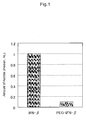
- Fig. 1 The results are shown in Fig. 1 .
- the vertical axis represents the amount of ascites (median; mL).
- IFN- ⁇ represents the result of the group of topical administration of naturally occurring human interferon- ⁇
- PEG-IFN- ⁇ represents the result of the group of topical administration of PEG-IFN- ⁇ .
- Gastric cancer peritoneal metastasis mouse models were produced by transplanting human gastric cancer cells, GCIY-EGFP cells, intraperitoneally into male KSN nude mice in the same manner as in Example 2.
- the administration was initiated on the day after transplantation and performed twice a week for 4 weeks.
- Phosphate buffer (PBS) was administered to the control group in the same manner. Ascites was collected from the gastric cancer peritoneal metastasis mouse models under anesthesia 2 weeks after the final administration and the liquid volume was measured.
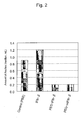
- Fig. 2 The results are shown in Fig. 2 .
- the vertical axis represents the amount of ascites (median; mL).
- Control (PBS) represents the result of the group of systemic administration of phosphate buffer (PBS) (control group)
- IFN- ⁇ represents the result of the group of systemic administration of naturally occurring human interferon- ⁇
- PEG-IFN- ⁇ represents the result of the group of systemic administration of PEG-IFN- ⁇
- PEG-mIFN- ⁇ represents the result of the group of systemic administration of PEG-mIFN- ⁇ .
- the amount of ascites accumulated was found to be greater in the group of systemic administration of naturally occurring human interferon- ⁇ than in the group of systemic administration of phosphate buffer (PBS), and thus ascites accumulation caused by gastric cancer peritoneal metastasis was not inhibited in the former group, while accumulation of ascites was remarkably inhibited in both of the group of systemic administration of PEG-IFN- ⁇ and the group of systemic administration of PEG-mIFN- ⁇ .
- PBS phosphate buffer
- Gastric cancer peritoneal metastasis mouse models were produced by transplanting human gastric cancer cells, GCIY-EGFP cells, intraperitoneally into male KSN nude mice in the same manner as in Example 2.
- TS-1 ® Capsule (hereafter abbreviated as "TS-1") (Taiho Pharmaceutical Co., LTD.) was administered orally to the gastric cancer peritoneal metastasis mouse models at a dose of 0.5 mg of tegafur/mouse/day. The administration was initiated on the day after transplantation and performed daily for 4 weeks.
- Peginterferon-alfa-2a (covalent conjugate of interferon- ⁇ with PEG in which one branched PEG molecule with a molecular weight of about 40,000 is covalently bound to one lysine residue site of recombinant interferon- ⁇ -2a via an amide bond)
- PBS phosphate buffered saline
- TS-1+PBS represents the result of the group of administration of TS-1 in combination with phosphate buffer (PBS) (i.e., TS-1+PBS group)
- TS-1+PEG-IFN- ⁇ 2a represents the result of the group of administration of TS-1 in combination with Peginterferon-alfa-2a (i.e., TS-1+PEG-IFN- ⁇ 2a group).
- GCIY cells gastric cancer peritoneal metastasis mouse models were produced using human gastric cancer cells, GCIY cells (RIKEN). GCIY cells were cultured and maintained using MEM medium containing 15% fetal bovine serum in an incubator at 37°C and 5% CO 2 .
- a GCIY cell suspension (1 x 10 7 cells/mouse) prepared in the same manner as in Example 2 was transplanted intraperitoneally into male KSN nude mice to produce gastric cancer peritoneal metastasis mouse models. Ascites was collected from the individual mice 5 weeks after the transplantation of the GCIY cell suspension ("initial ascitic paracentesis"). The ascitic paracentesis was performed by puncturing into the abdominal cavity with a winged intravenous needle (18-gauge) under anesthesia and collecting ascites through the needle.
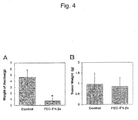
- Fig. 4 The results are shown in Fig. 4 .
- Control represents the group of topical administration of 20 mM acetate buffer (pH 4.5) containing 150 mM sodium chloride (the control group)
- PEG-IFN- ⁇ s represents the group of topical administration of a mixture of PEG-IFN- ⁇ and PEG-mIFN- ⁇ .
- the asterisk symbol in the Figure indicates that the data of the group of topical administration of PEG-IFN- ⁇ are statistically significant in comparison with the control group (P ⁇ 0.05).
- Interferon is known to have an effect of inhibiting cancer cell growth (hereafter, referred to as "antitumor effect").
- antitumor effect an effect of inhibiting cancer cell growth
- the effects of inhibiting reaccumulation of ascites by administration of PEG-IFN- ⁇ s were observed in cases in which their sufficient antitumor effects were not observed. This strongly indicates that the effect of inhibiting reaccumulation of ascites is not a secondary effect due to the antitumor effect of the interferon, but is independent of the antitumor effect.
- OV-90 Human ovarian cancer cells OV-90 (CRL-11732; American Type Culture Collection) were cultured and maintained using an MEM medium containing 15% fetal bovine serum in an incubator at 37°C and 5% CO 2 .
- the OV-90 cells were collected with trypsin/EDTA and washed with phosphate buffer (PBS) to prepare an OV-90 cell suspension.
- PBS phosphate buffer
- the resulting OV-90 cell suspension (5 x 10 6 cells/mouse) was transplanted intraperitoneally into female SCID mice (C.B.-17/lcr-scid/scid-jcl; CLEA Japan Inc.).
- Ascites was collected from the individual mice 46 days after the transplantation of the cell suspension (initial ascitic paracentesis).
- the ascitic paracentesis was performed by puncturing into the abdominal cavity with a winged intravenous needle (18-gauge) in an awake state and collecting ascites through the needle.
- the weight of ascites (g) was measured, and individual mice in which ascites accumulation of 0.1 g or more was observed were subjected to the following experiment.
- the results are shown in Fig. 5 and Fig. 6 .
- the vertical axis of Fig. 6 represents the survival rate, and the horizontal axis represents days after the day on which administration was initiated (day 0).
- "Control” on the horizontal axis in Fig. 5 and in Fig. 6 represents the group of subcutaneous administration of 20 mM acetate buffer (pH 4.5) containing 150 mM sodium chloride (the control group), and
- PEG-IFN- ⁇ s represents the group of subcutaneous administration of a mixture of PEG-IFN- ⁇ and PEG-mIFN- ⁇ .
- mice in the group of systemic administration of PEG-IFN- ⁇ s had survived up to 12 days after the initiation of administration.
- a death of mouse was first observed 8 days after the initiation of administration, and the survival rate was less than 50% 12 days after the initiation of administration. This indicates that the covalent conjugate of interferon- ⁇ with PEG inhibits aggravation of generalized condition and improves survival rate when systemically administered at an advanced stage with ascites accumulation due to peritoneal metastasis of ovarian cancer cells.
- a covalent conjugate of interferon with polyalkylene glycol preferably, a covalent conjugate of interferon- ⁇ or interferon- ⁇ with PEG
- a covalent conjugate of interferon with polyalkylene glycol preferably, a covalent conjugate of interferon- ⁇ or interferon- ⁇ with PEG
- the inhibitory effect is not a secondary effect due to antitumor effects, and such effects are exerted regardless of cancer type. It is also shown that, in comparison with conventional treatment carried out via daily administration of interferon, treatment via administration of the covalent conjugate of interferon with polyalkylene glycol on an intermittent schedule exhibits an enhanced therapeutic effect on malignant ascites.
- the present invention can be used as an inhibitory agent for body cavity fluid accumulation in the pharmaceutical field.
- SEQ ID NO: 1 the amino acid sequence of human interferon- ⁇
Landscapes
- Health & Medical Sciences (AREA)
- Life Sciences & Earth Sciences (AREA)
- Public Health (AREA)
- Chemical & Material Sciences (AREA)
- Veterinary Medicine (AREA)
- Medicinal Chemistry (AREA)
- Animal Behavior & Ethology (AREA)
- General Health & Medical Sciences (AREA)
- Pharmacology & Pharmacy (AREA)
- Bioinformatics & Cheminformatics (AREA)
- Engineering & Computer Science (AREA)
- Epidemiology (AREA)
- Gastroenterology & Hepatology (AREA)
- Zoology (AREA)
- Proteomics, Peptides & Aminoacids (AREA)
- Immunology (AREA)
- Nuclear Medicine, Radiotherapy & Molecular Imaging (AREA)
- General Chemical & Material Sciences (AREA)
- Organic Chemistry (AREA)
- Chemical Kinetics & Catalysis (AREA)
- Hematology (AREA)
- Diabetes (AREA)
- Heart & Thoracic Surgery (AREA)
- Rheumatology (AREA)
- Pain & Pain Management (AREA)
- Cardiology (AREA)
- Urology & Nephrology (AREA)
- Medicines That Contain Protein Lipid Enzymes And Other Medicines (AREA)
- Medicinal Preparation (AREA)
- Peptides Or Proteins (AREA)
- Pharmaceuticals Containing Other Organic And Inorganic Compounds (AREA)
Applications Claiming Priority (2)
| Application Number | Priority Date | Filing Date | Title |
|---|---|---|---|
| JP2012043702 | 2012-02-29 | ||
| PCT/JP2013/055331 WO2013129549A1 (ja) | 2012-02-29 | 2013-02-28 | 体腔液貯留抑制剤 |
Publications (2)
| Publication Number | Publication Date |
|---|---|
| EP2821079A1 true EP2821079A1 (de) | 2015-01-07 |
| EP2821079A4 EP2821079A4 (de) | 2016-05-04 |
Family
ID=49082741
Family Applications (1)
| Application Number | Title | Priority Date | Filing Date |
|---|---|---|---|
| EP13754232.0A Withdrawn EP2821079A4 (de) | 2012-02-29 | 2013-02-28 | Mittel zur unterdrückung von körperhöhlenausflüssen |
Country Status (10)
| Country | Link |
|---|---|
| US (2) | US20150030564A1 (de) |
| EP (1) | EP2821079A4 (de) |
| JP (1) | JP6112009B2 (de) |
| KR (1) | KR20140130705A (de) |
| CN (1) | CN104136038A (de) |
| AU (1) | AU2013226944B2 (de) |
| CA (1) | CA2865879A1 (de) |
| MX (1) | MX2014010209A (de) |
| RU (1) | RU2597795C2 (de) |
| WO (1) | WO2013129549A1 (de) |
Families Citing this family (1)
| Publication number | Priority date | Publication date | Assignee | Title |
|---|---|---|---|---|
| EP3235496A1 (de) * | 2016-04-19 | 2017-10-25 | Noorik Biopharmaceuticals AG | Behandlung von akutem nierenversagen |
Family Cites Families (15)
| Publication number | Priority date | Publication date | Assignee | Title |
|---|---|---|---|---|
| US4179337A (en) | 1973-07-20 | 1979-12-18 | Davis Frank F | Non-immunogenic polypeptides |
| IL47468A (en) | 1975-06-12 | 1979-05-31 | Rehovot Res Prod | Process for the cross-linking of proteins using water soluble cross-linking agents |
| US4917888A (en) | 1985-06-26 | 1990-04-17 | Cetus Corporation | Solubilization of immunotoxins for pharmaceutical compositions using polymer conjugation |
| EP0229108B1 (de) | 1985-06-26 | 1990-12-27 | Cetus Corporation | Solubilisierung von proteinen für pharmazeutische zusammensetzungen mittels polymerkonjugierung |
| US20030053982A1 (en) * | 1994-09-26 | 2003-03-20 | Kinstler Olaf B. | N-terminally chemically modified protein compositions and methods |
| US5824784A (en) | 1994-10-12 | 1998-10-20 | Amgen Inc. | N-terminally chemically modified protein compositions and methods |
| DE69936409T2 (de) | 1998-04-28 | 2008-04-17 | Laboratoires Serono S.A., Coinsins | Verfahren zur schrittweise Bindung von Polyethylenglykol (PEG) an Polypeptide |
| DK1656952T3 (da) | 1998-10-16 | 2014-01-20 | Biogen Idec Inc | Polyalkylenglycolkonjugater af interferon beta-1A og anvendelser deraf |
| WO2005019260A1 (ja) | 2003-08-25 | 2005-03-03 | Toray Industries, Inc. | インターフェロンβ複合体 |
| US20060134064A1 (en) * | 2004-12-20 | 2006-06-22 | David Goldstein | Combined treatment with interferon-alpha and an epidermal growth factor receptor kinase inhibitor |
| WO2008137779A2 (en) * | 2007-05-03 | 2008-11-13 | Intermune, Inc. | Novel macrocyclic inhibitors of hepatitis c virus replication |
| EP2165715B1 (de) * | 2007-05-29 | 2013-12-18 | Sapporo Medical University | Therapeutisches mittel gegen krebs und krebsbehandlungsverfahren |
| WO2009116556A1 (ja) * | 2008-03-19 | 2009-09-24 | 富士フイルム株式会社 | 注射用医薬組成物 |
| JP5688734B2 (ja) * | 2008-12-12 | 2015-03-25 | 国立大学法人 東京大学 | 移植片対腫瘍効果を保存した免疫学的再構築促進剤または感染症予防剤 |
| BRPI1014854A2 (pt) * | 2009-03-30 | 2016-05-03 | Cerulean Pharma Inc | "conjugados polímero-agente, partículas, composições, e métodos de uso relacionados" |
-
2013
- 2013-02-28 US US14/382,168 patent/US20150030564A1/en not_active Abandoned
- 2013-02-28 EP EP13754232.0A patent/EP2821079A4/de not_active Withdrawn
- 2013-02-28 KR KR1020147025834A patent/KR20140130705A/ko not_active Withdrawn
- 2013-02-28 RU RU2014139058/15A patent/RU2597795C2/ru not_active IP Right Cessation
- 2013-02-28 CA CA2865879A patent/CA2865879A1/en not_active Abandoned
- 2013-02-28 JP JP2013510146A patent/JP6112009B2/ja not_active Expired - Fee Related
- 2013-02-28 AU AU2013226944A patent/AU2013226944B2/en not_active Expired - Fee Related
- 2013-02-28 MX MX2014010209A patent/MX2014010209A/es unknown
- 2013-02-28 WO PCT/JP2013/055331 patent/WO2013129549A1/ja not_active Ceased
- 2013-02-28 CN CN201380011413.3A patent/CN104136038A/zh active Pending
-
2016
- 2016-03-15 US US15/070,464 patent/US20160184446A1/en not_active Abandoned
Also Published As
| Publication number | Publication date |
|---|---|
| EP2821079A4 (de) | 2016-05-04 |
| MX2014010209A (es) | 2014-11-21 |
| AU2013226944B2 (en) | 2017-03-23 |
| JP6112009B2 (ja) | 2017-04-12 |
| CA2865879A1 (en) | 2013-09-06 |
| RU2014139058A (ru) | 2016-04-20 |
| KR20140130705A (ko) | 2014-11-11 |
| AU2013226944A1 (en) | 2014-10-02 |
| WO2013129549A1 (ja) | 2013-09-06 |
| JPWO2013129549A1 (ja) | 2015-07-30 |
| US20160184446A1 (en) | 2016-06-30 |
| RU2597795C2 (ru) | 2016-09-20 |
| CN104136038A (zh) | 2014-11-05 |
| US20150030564A1 (en) | 2015-01-29 |
Similar Documents
| Publication | Publication Date | Title |
|---|---|---|
| US8795627B2 (en) | Treatment of liver disorders by administration of RAP conjugates | |
| WO2020156513A1 (zh) | 双配体药物偶联体及其用途 | |
| US7893252B2 (en) | Selectively depolymerized galactomannan polysaccharide | |
| JP2006508918A (ja) | 修飾されたアシアロインターフェロンおよびその使用 | |
| US8980245B2 (en) | PEG-interferon λ1 conjugates and methods of treating viral infections | |
| CN103228792A (zh) | PEG-干扰素λ1结合物 | |
| EP2799445B1 (de) | Integrinblockerpolypeptid zur behandlung von rheumatoider arthritis | |
| EP2528613B1 (de) | Peptid-fucosidase-hemmerkonjugaten aus einem rezeptor-assoziierten protein und deren verwendung zur behandlung von lebertumoren | |
| CN112567037B (zh) | 治疗或诊断tnf相关炎性疾病的tnf靶向适配体及其用途 | |
| JP2022527322A (ja) | Fms様チロシンキナーゼ3リガンド(flt3l)ベースキメラタンパク質 | |
| JP5881782B2 (ja) | 医薬組成物又は組合せ剤 | |
| AU2013226944B2 (en) | Inhibitory agent for body cavity fluid accumulation | |
| EP4386008A1 (de) | Neuer mutant des rekombinanten immunregulatorischen proteins ganoderma lucidum und anwendung davon | |
| CN101119743B (zh) | 免疫增强剂 | |
| US20210212966A1 (en) | Prodrug for therapeutic applications | |
| WO2005019260A1 (ja) | インターフェロンβ複合体 | |
| US20240424071A1 (en) | Novel mutant of recombinant ganoderma lucidum immunomodulatory protein and use thereof | |
| US20040136956A1 (en) | Asialo-interferons and the treatment of liver cancer | |
| JP2016193848A (ja) | Braf阻害剤耐性メラノーマの治療又は予防剤 | |
| WO2015147244A1 (ja) | 悪液質の治療又は予防剤 | |
| HK40052006A (en) | Bi-ligand drug conjugate and use thereof | |
| JP2016027018A (ja) | Lt阻害4価ペプチドおよびetec感染症治療薬 |
Legal Events
| Date | Code | Title | Description |
|---|---|---|---|
| PUAI | Public reference made under article 153(3) epc to a published international application that has entered the european phase |
Free format text: ORIGINAL CODE: 0009012 |
|
| 17P | Request for examination filed |
Effective date: 20140904 |
|
| AK | Designated contracting states |
Kind code of ref document: A1 Designated state(s): AL AT BE BG CH CY CZ DE DK EE ES FI FR GB GR HR HU IE IS IT LI LT LU LV MC MK MT NL NO PL PT RO RS SE SI SK SM TR |
|
| AX | Request for extension of the european patent |
Extension state: BA ME |
|
| DAX | Request for extension of the european patent (deleted) | ||
| RIC1 | Information provided on ipc code assigned before grant |
Ipc: A61P 1/16 20060101ALI20151103BHEP Ipc: A61P 35/00 20060101ALI20151103BHEP Ipc: A61K 38/21 20060101AFI20151103BHEP Ipc: A61P 43/00 20060101ALI20151103BHEP Ipc: A61P 13/12 20060101ALI20151103BHEP |
|
| RIC1 | Information provided on ipc code assigned before grant |
Ipc: A61K 38/21 20060101AFI20160317BHEP Ipc: A61P 13/12 20060101ALI20160317BHEP Ipc: A61P 1/16 20060101ALI20160317BHEP Ipc: A61P 35/00 20060101ALI20160317BHEP Ipc: A61P 43/00 20060101ALI20160317BHEP |
|
| RA4 | Supplementary search report drawn up and despatched (corrected) |
Effective date: 20160404 |
|
| STAA | Information on the status of an ep patent application or granted ep patent |
Free format text: STATUS: EXAMINATION IS IN PROGRESS |
|
| 17Q | First examination report despatched |
Effective date: 20170504 |
|
| STAA | Information on the status of an ep patent application or granted ep patent |
Free format text: STATUS: THE APPLICATION IS DEEMED TO BE WITHDRAWN |
|
| 18D | Application deemed to be withdrawn |
Effective date: 20170915 |