EP2697371B1 - Lactobacillus johnsonii strain cncm i-4437, deficient in d-lactic acid production and with an improved shelf life - Google Patents
Lactobacillus johnsonii strain cncm i-4437, deficient in d-lactic acid production and with an improved shelf life Download PDFInfo
- Publication number
- EP2697371B1 EP2697371B1 EP12713934.3A EP12713934A EP2697371B1 EP 2697371 B1 EP2697371 B1 EP 2697371B1 EP 12713934 A EP12713934 A EP 12713934A EP 2697371 B1 EP2697371 B1 EP 2697371B1
- Authority
- EP
- European Patent Office
- Prior art keywords
- cncm
- lactobacillus johnsonii
- lactic acid
- composition
- strain cncm
- Prior art date
- Legal status (The legal status is an assumption and is not a legal conclusion. Google has not performed a legal analysis and makes no representation as to the accuracy of the status listed.)
- Active
Links
Images


Classifications
-
- C—CHEMISTRY; METALLURGY
- C12—BIOCHEMISTRY; BEER; SPIRITS; WINE; VINEGAR; MICROBIOLOGY; ENZYMOLOGY; MUTATION OR GENETIC ENGINEERING
- C12N—MICROORGANISMS OR ENZYMES; COMPOSITIONS THEREOF; PROPAGATING, PRESERVING, OR MAINTAINING MICROORGANISMS; MUTATION OR GENETIC ENGINEERING; CULTURE MEDIA
- C12N1/00—Microorganisms; Compositions thereof; Processes of propagating, maintaining or preserving microorganisms or compositions thereof; Processes of preparing or isolating a composition containing a microorganism; Culture media therefor
- C12N1/20—Bacteria; Culture media therefor
-
- A—HUMAN NECESSITIES
- A23—FOODS OR FOODSTUFFS; TREATMENT THEREOF, NOT COVERED BY OTHER CLASSES
- A23C—DAIRY PRODUCTS, e.g. MILK, BUTTER OR CHEESE; MILK OR CHEESE SUBSTITUTES; PREPARATION THEREOF
- A23C9/00—Milk preparations; Milk powder or milk powder preparations
- A23C9/12—Fermented milk preparations; Treatment using microorganisms or enzymes
- A23C9/123—Fermented milk preparations; Treatment using microorganisms or enzymes using only microorganisms of the genus lactobacteriaceae; Yoghurt
- A23C9/1234—Fermented milk preparations; Treatment using microorganisms or enzymes using only microorganisms of the genus lactobacteriaceae; Yoghurt characterised by using a Lactobacillus sp. other than Lactobacillus Bulgaricus, including Bificlobacterium sp.
-
- A—HUMAN NECESSITIES
- A23—FOODS OR FOODSTUFFS; TREATMENT THEREOF, NOT COVERED BY OTHER CLASSES
- A23L—FOODS, FOODSTUFFS OR NON-ALCOHOLIC BEVERAGES, NOT OTHERWISE PROVIDED FOR; PREPARATION OR TREATMENT THEREOF
- A23L2/00—Non-alcoholic beverages; Dry compositions or concentrates therefor; Preparation or treatment thereof
- A23L2/52—Adding ingredients
-
- A—HUMAN NECESSITIES
- A23—FOODS OR FOODSTUFFS; TREATMENT THEREOF, NOT COVERED BY OTHER CLASSES
- A23L—FOODS, FOODSTUFFS OR NON-ALCOHOLIC BEVERAGES, NOT OTHERWISE PROVIDED FOR; PREPARATION OR TREATMENT THEREOF
- A23L33/00—Modifying nutritive qualities of foods; Dietetic products; Preparation or treatment thereof
- A23L33/10—Modifying nutritive qualities of foods; Dietetic products; Preparation or treatment thereof using additives
- A23L33/135—Bacteria or derivatives thereof, e.g. probiotics
-
- A—HUMAN NECESSITIES
- A61—MEDICAL OR VETERINARY SCIENCE; HYGIENE
- A61K—PREPARATIONS FOR MEDICAL, DENTAL OR TOILETRY PURPOSES
- A61K8/00—Cosmetics or similar toiletry preparations
- A61K8/18—Cosmetics or similar toiletry preparations characterised by the composition
- A61K8/96—Cosmetics or similar toiletry preparations characterised by the composition containing materials, or derivatives thereof of undetermined constitution
- A61K8/99—Cosmetics or similar toiletry preparations characterised by the composition containing materials, or derivatives thereof of undetermined constitution from microorganisms other than algae or fungi, e.g. protozoa or bacteria
-
- A—HUMAN NECESSITIES
- A61—MEDICAL OR VETERINARY SCIENCE; HYGIENE
- A61P—SPECIFIC THERAPEUTIC ACTIVITY OF CHEMICAL COMPOUNDS OR MEDICINAL PREPARATIONS
- A61P11/00—Drugs for disorders of the respiratory system
- A61P11/02—Nasal agents, e.g. decongestants
-
- A—HUMAN NECESSITIES
- A61—MEDICAL OR VETERINARY SCIENCE; HYGIENE
- A61P—SPECIFIC THERAPEUTIC ACTIVITY OF CHEMICAL COMPOUNDS OR MEDICINAL PREPARATIONS
- A61P31/00—Antiinfectives, i.e. antibiotics, antiseptics, chemotherapeutics
- A61P31/04—Antibacterial agents
-
- A—HUMAN NECESSITIES
- A61—MEDICAL OR VETERINARY SCIENCE; HYGIENE
- A61P—SPECIFIC THERAPEUTIC ACTIVITY OF CHEMICAL COMPOUNDS OR MEDICINAL PREPARATIONS
- A61P31/00—Antiinfectives, i.e. antibiotics, antiseptics, chemotherapeutics
- A61P31/12—Antivirals
-
- A—HUMAN NECESSITIES
- A61—MEDICAL OR VETERINARY SCIENCE; HYGIENE
- A61P—SPECIFIC THERAPEUTIC ACTIVITY OF CHEMICAL COMPOUNDS OR MEDICINAL PREPARATIONS
- A61P31/00—Antiinfectives, i.e. antibiotics, antiseptics, chemotherapeutics
- A61P31/12—Antivirals
- A61P31/14—Antivirals for RNA viruses
- A61P31/16—Antivirals for RNA viruses for influenza or rhinoviruses
-
- A—HUMAN NECESSITIES
- A61—MEDICAL OR VETERINARY SCIENCE; HYGIENE
- A61Q—SPECIFIC USE OF COSMETICS OR SIMILAR TOILETRY PREPARATIONS
- A61Q19/00—Preparations for care of the skin
-
- C—CHEMISTRY; METALLURGY
- C12—BIOCHEMISTRY; BEER; SPIRITS; WINE; VINEGAR; MICROBIOLOGY; ENZYMOLOGY; MUTATION OR GENETIC ENGINEERING
- C12N—MICROORGANISMS OR ENZYMES; COMPOSITIONS THEREOF; PROPAGATING, PRESERVING, OR MAINTAINING MICROORGANISMS; MUTATION OR GENETIC ENGINEERING; CULTURE MEDIA
- C12N1/00—Microorganisms; Compositions thereof; Processes of propagating, maintaining or preserving microorganisms or compositions thereof; Processes of preparing or isolating a composition containing a microorganism; Culture media therefor
- C12N1/04—Preserving or maintaining viable microorganisms
-
- C—CHEMISTRY; METALLURGY
- C12—BIOCHEMISTRY; BEER; SPIRITS; WINE; VINEGAR; MICROBIOLOGY; ENZYMOLOGY; MUTATION OR GENETIC ENGINEERING
- C12N—MICROORGANISMS OR ENZYMES; COMPOSITIONS THEREOF; PROPAGATING, PRESERVING, OR MAINTAINING MICROORGANISMS; MUTATION OR GENETIC ENGINEERING; CULTURE MEDIA
- C12N1/00—Microorganisms; Compositions thereof; Processes of propagating, maintaining or preserving microorganisms or compositions thereof; Processes of preparing or isolating a composition containing a microorganism; Culture media therefor
- C12N1/20—Bacteria; Culture media therefor
- C12N1/205—Bacterial isolates
-
- C—CHEMISTRY; METALLURGY
- C12—BIOCHEMISTRY; BEER; SPIRITS; WINE; VINEGAR; MICROBIOLOGY; ENZYMOLOGY; MUTATION OR GENETIC ENGINEERING
- C12N—MICROORGANISMS OR ENZYMES; COMPOSITIONS THEREOF; PROPAGATING, PRESERVING, OR MAINTAINING MICROORGANISMS; MUTATION OR GENETIC ENGINEERING; CULTURE MEDIA
- C12N9/00—Enzymes; Proenzymes; Compositions thereof; Processes for preparing, activating, inhibiting, separating or purifying enzymes
- C12N9/0004—Oxidoreductases (1.)
- C12N9/0006—Oxidoreductases (1.) acting on CH-OH groups as donors (1.1)
-
- C—CHEMISTRY; METALLURGY
- C12—BIOCHEMISTRY; BEER; SPIRITS; WINE; VINEGAR; MICROBIOLOGY; ENZYMOLOGY; MUTATION OR GENETIC ENGINEERING
- C12P—FERMENTATION OR ENZYME-USING PROCESSES TO SYNTHESISE A DESIRED CHEMICAL COMPOUND OR COMPOSITION OR TO SEPARATE OPTICAL ISOMERS FROM A RACEMIC MIXTURE
- C12P7/00—Preparation of oxygen-containing organic compounds
- C12P7/40—Preparation of oxygen-containing organic compounds containing a carboxyl group including Peroxycarboxylic acids
- C12P7/56—Lactic acid
-
- C—CHEMISTRY; METALLURGY
- C12—BIOCHEMISTRY; BEER; SPIRITS; WINE; VINEGAR; MICROBIOLOGY; ENZYMOLOGY; MUTATION OR GENETIC ENGINEERING
- C12Y—ENZYMES
- C12Y101/00—Oxidoreductases acting on the CH-OH group of donors (1.1)
- C12Y101/01—Oxidoreductases acting on the CH-OH group of donors (1.1) with NAD+ or NADP+ as acceptor (1.1.1)
- C12Y101/01028—D-Lactate dehydrogenase (1.1.1.28)
-
- C—CHEMISTRY; METALLURGY
- C12—BIOCHEMISTRY; BEER; SPIRITS; WINE; VINEGAR; MICROBIOLOGY; ENZYMOLOGY; MUTATION OR GENETIC ENGINEERING
- C12Y—ENZYMES
- C12Y101/00—Oxidoreductases acting on the CH-OH group of donors (1.1)
- C12Y101/02—Oxidoreductases acting on the CH-OH group of donors (1.1) with a cytochrome as acceptor (1.1.2)
- C12Y101/02004—D-lactate dehydrogenase (cytochrome) (1.1.2.4)
-
- A—HUMAN NECESSITIES
- A23—FOODS OR FOODSTUFFS; TREATMENT THEREOF, NOT COVERED BY OTHER CLASSES
- A23C—DAIRY PRODUCTS, e.g. MILK, BUTTER OR CHEESE; MILK OR CHEESE SUBSTITUTES; PREPARATION THEREOF
- A23C2220/00—Biochemical treatment
- A23C2220/20—Treatment with microorganisms
- A23C2220/202—Genetic engineering of microorganisms used in dairy technology
-
- A—HUMAN NECESSITIES
- A23—FOODS OR FOODSTUFFS; TREATMENT THEREOF, NOT COVERED BY OTHER CLASSES
- A23V—INDEXING SCHEME RELATING TO FOODS, FOODSTUFFS OR NON-ALCOHOLIC BEVERAGES AND LACTIC OR PROPIONIC ACID BACTERIA USED IN FOODSTUFFS OR FOOD PREPARATION
- A23V2002/00—Food compositions, function of food ingredients or processes for food or foodstuffs
-
- A—HUMAN NECESSITIES
- A23—FOODS OR FOODSTUFFS; TREATMENT THEREOF, NOT COVERED BY OTHER CLASSES
- A23V—INDEXING SCHEME RELATING TO FOODS, FOODSTUFFS OR NON-ALCOHOLIC BEVERAGES AND LACTIC OR PROPIONIC ACID BACTERIA USED IN FOODSTUFFS OR FOOD PREPARATION
- A23V2400/00—Lactic or propionic acid bacteria
- A23V2400/11—Lactobacillus
- A23V2400/151—Johnsonii
-
- A—HUMAN NECESSITIES
- A61—MEDICAL OR VETERINARY SCIENCE; HYGIENE
- A61K—PREPARATIONS FOR MEDICAL, DENTAL OR TOILETRY PURPOSES
- A61K2800/00—Properties of cosmetic compositions or active ingredients thereof or formulation aids used therein and process related aspects
- A61K2800/10—General cosmetic use
-
- A—HUMAN NECESSITIES
- A61—MEDICAL OR VETERINARY SCIENCE; HYGIENE
- A61K—PREPARATIONS FOR MEDICAL, DENTAL OR TOILETRY PURPOSES
- A61K35/00—Medicinal preparations containing materials or reaction products thereof with undetermined constitution
- A61K35/66—Microorganisms or materials therefrom
- A61K35/74—Bacteria
- A61K35/741—Probiotics
- A61K35/744—Lactic acid bacteria, e.g. enterococci, pediococci, lactococci, streptococci or leuconostocs
- A61K35/747—Lactobacilli, e.g. L. acidophilus or L. brevis
-
- C—CHEMISTRY; METALLURGY
- C12—BIOCHEMISTRY; BEER; SPIRITS; WINE; VINEGAR; MICROBIOLOGY; ENZYMOLOGY; MUTATION OR GENETIC ENGINEERING
- C12R—INDEXING SCHEME ASSOCIATED WITH SUBCLASSES C12C - C12Q, RELATING TO MICROORGANISMS
- C12R2001/00—Microorganisms ; Processes using microorganisms
- C12R2001/01—Bacteria or Actinomycetales ; using bacteria or Actinomycetales
- C12R2001/225—Lactobacillus
-
- Y—GENERAL TAGGING OF NEW TECHNOLOGICAL DEVELOPMENTS; GENERAL TAGGING OF CROSS-SECTIONAL TECHNOLOGIES SPANNING OVER SEVERAL SECTIONS OF THE IPC; TECHNICAL SUBJECTS COVERED BY FORMER USPC CROSS-REFERENCE ART COLLECTIONS [XRACs] AND DIGESTS
- Y02—TECHNOLOGIES OR APPLICATIONS FOR MITIGATION OR ADAPTATION AGAINST CLIMATE CHANGE
- Y02A—TECHNOLOGIES FOR ADAPTATION TO CLIMATE CHANGE
- Y02A50/00—TECHNOLOGIES FOR ADAPTATION TO CLIMATE CHANGE in human health protection, e.g. against extreme weather
- Y02A50/30—Against vector-borne diseases, e.g. mosquito-borne, fly-borne, tick-borne or waterborne diseases whose impact is exacerbated by climate change
-
- Y—GENERAL TAGGING OF NEW TECHNOLOGICAL DEVELOPMENTS; GENERAL TAGGING OF CROSS-SECTIONAL TECHNOLOGIES SPANNING OVER SEVERAL SECTIONS OF THE IPC; TECHNICAL SUBJECTS COVERED BY FORMER USPC CROSS-REFERENCE ART COLLECTIONS [XRACs] AND DIGESTS
- Y02—TECHNOLOGIES OR APPLICATIONS FOR MITIGATION OR ADAPTATION AGAINST CLIMATE CHANGE
- Y02P—CLIMATE CHANGE MITIGATION TECHNOLOGIES IN THE PRODUCTION OR PROCESSING OF GOODS
- Y02P20/00—Technologies relating to chemical industry
- Y02P20/50—Improvements relating to the production of bulk chemicals
- Y02P20/52—Improvements relating to the production of bulk chemicals using catalysts, e.g. selective catalysts
Definitions
- the present invention generally relates to the field of probiotic bacteria.
- the present invention relates to natural derivatives of the Lactobacillus johnsonii strain CNCM I-1225 with improved properties.
- the present invention relates to a natural derivative of the Lactobacillus johnsonii strain CNCM I-1225 that is deficient in D-lactic acid production and exhibits an improved viability under oxygen exposure.
- Lactobacillus johnsonii CNCM I-1225 also known as Lactobacillus johnsonii NCC533, or as Lactobacillus acidophilus La1, or as Lactobacillus johnsonii Ljl, a human isolate ( Bernet-Camard, M. F., et al., (1997) Appl. Environ. Microbiol. 63, 2747-2753 ), is a probiotic that is currently commercialized very successfully under the trademark Lc1.
- Lactobacillus johnsonii CNCM I-1225 has several well documented health benefits, among them, for example activities for immunomodulation ( Haller, D., et al., 2000, Infect. Immun. 68:752-759 ; Haller, D., et al., 2000, Gut 47:79-87 ; or Ibnou-Zekri, N., et al., 2003, Infect. Immun. 71:428-436 ), or pathogen inhibition ( Bernet, M. F., et al., 1994, Gut, 35:483-489 ), and a long history of safe use.
- Lactobacillus johnsonii CNCM I-1225 One aspect that has limited the application of Lactobacillus johnsonii CNCM I-1225 in some product categories, e.g., in products intended for young children and infants, is the production of predominantly the D-lactic acid isomer from the fermentation of sugars. Lactobacillus johnsonii CNCM 1-1225, for example, if grown in MRS medium, ferments lactose to D- and L-lactic acid in a 60:40% ratio.
- the CODEX Infant Formula Directive recommends against the consumption of D-lactic acid and D-lactic acid producing bacteria by infants of less than three years of age due to their limited D-lactic acid elimination that may result in D-lactate acidosis.
- the CODEX has essentially excluded D-lactic acid producing probiotics as supplements in infant formulae but has inspired the genetic engineering of strains that produce only L-lactic acid.
- GMO genetically modified organism
- IdhD d-lactate dehydrogenase gene
- This genetically engineered strain was only produced for laboratory purposes and has never been used in food products since its genetic material has been altered using recombinant DNA technologies and the strain is consequently considered a GMO.
- the inventors have investigated the possibility to isolate a natural (non-GMO), viable and genetically stable variant of Lactobacillus johnsonii La1 that produces only L-lactic acid and that has improved storage stability.
- the present inventors have further determined D- and L-lactic acid concentrations in MRS culture supernatant and have shown that the relative D-lactic acid concentration compared to the total lactic acid concentration in the culture supernatant is below 1.5%; namely about 1.1%.
- a DNA sequence analysis identified predominantly point mutations in the lactate dehydrogenase gene that alter the amino acid sequence of the enzyme and hence its catalytic properties.
- the natural derivative was shown to be viable and stable with no examples of reversion to D-lactic acid production.
- the inventors have also assessed shelf stability at 8°C and at 15°C and have compared the identified derivative against Lactobacillus johnsonii strain CNCM I-1225.
- the identified derivative exhibited a significantly improved shelf life compared to Lactobacillus johnsonii strain CNCM I-1225.
- the inventors have also compared the shelf stability of this strain to other derivatives of Lactobacillus johnsonii strain CNCM I-1225 and have found that this natural derivative exhibited the best shelf life.
- one embodiment of the present invention is a natural derivative of the Lactobacillus johnsonii strain CNCM I-1225, wherein the derivative of the Lactobacillus johnsonii strain CNCM I-1225 is deficient in D-lactic acid production and exhibits an increased shelf life compared to Lactobacillus johnsonii strain CNCM I-1225.
- “Deficient in D-lactic acid production” means for the purpose of the present invention that a strain produces less than 5%, preferably less than 2%, even more preferred less than 1.5%, and ideally about 1.1% of D-lactic acid compared to the total lactic acid production.
- the D- and L-lactic acid concentrations can be measured in the cell-free culture supernatant.
- the total quantity of lactic acid produced by the natural derivatives of the Lactobacillus johnsonii strain CNCM I-1225 is initially related to cell growth. When cells enter into the stationary phase and stop dividing, they continue to metabolise sugar and produce more lactic acid. The ratio of D- and L- lactic acid produced was, however, found to be constant.
- a "natural" derivative of the Lactobacillus johnsonii strain CNCM I-1225 means a strain which is not considered a GMO.
- Such a natural derivative may for example be obtained by screening colonies with are subject to changes in the genome sequence that occur naturally, e.g., due to mis-repair of damaged DNA or errors in DNA replication. This natural occurrence of errors may be enhanced by subjecting the colonies to stress conditions, for example by the application of ethyl methane sulfonate, EMS.
- GMO 'genetically modified organism
- a strain is considered a "derivative" of the Lactobacillus johnsonii strain CNCM I-1225, if it has a nucleic acid identity of at least 99.95%, for example of at least 99.99%, preferably of at least 99.995%.
- a strain is considered a derivative of the Lactobacillus johnsonii strain CNCM I-1225 if it has no more than 500, for example no more than 100, preferably no more than 50 nucleic acid changes compared to the nucleic acid sequence of Lactobacillus johnsonii CNCM I-1225.
- a bacterial strain is considered as "exhibiting an increased shelf life compared to Lactobacillus johnsonii strain CNCM I-1225" if it shows an increased survival in the Lc1 Drink product after 45 days of storage at either 8°C and/or 15°C.
- Using the natural derivatives of the Lactobacillus johnsonii strain CNCM I-1225 of the present invention in a product will consequently will consequently lead to an increased number of viable bacteria at the end of shelf life.
- the present inventors have found that the natural derivatives of the Lactobacillus johnsonii strain CNCM I-1225 of the present invention exhibited mutations in the d-Idh gene responsible for the D-lactic acid deficient phenotype.
- the natural derivatives of the Lactobacillus johnsonii strain CNCM I-1225 may have an altered the D-lactate dehydrogenase enzyme sequence.
- the natural derivative of the Lactobacillus johnsonii strain CNCM I-1225 may comprise an arginine to histidine amino acid change at amino acid position 77 of the D-lactate dehydrogenase enzyme sequence.
- This change in the D-lactate dehydrogenase enzyme protein sequence is based on a change in the nucleic acid sequence of the D-lactate dehydrogenase gene.
- any natural changes in the nucleic acid sequence of the D-lactate dehydrogenase gene that inactivate the resulting enzyme may achieve the subject matter of the present invention. Also at least one deletion of one or more subsequent nucleotides within the wild-type sequence, or part or the whole of the D-lactate dehydrogenase gene may achieve the subject matter of the present invention.
- the present inventors have analyzed the nucleic acid sequence of the D-lactate dehydrogenase gene in the natural derivative of Lactobacillus johnsonii CNCM I-1225 of the present invention.
- the present invention also relates to a natural derivative of the Lactobacillus johnsonii strain CNCM I-1225, wherein the nucleic acid sequence of the D-lactate dehydrogenase gene in the natural derivative of the Lactobacillus johnsonii strain CNCM I-1225 comprises a G to A transition at nucleic acid position 270.
- This repair frequency may even be higher if the inactivated gene imparts a growth disadvantage to the variant.
- it is important that such a change is stable, especially as it is single base-pair change which is genetically less stable than a deletion.
- the change also was found to be stable.
- the present invention hence, relates to a natural derivative of the Lactobacillus johnsonii strain CNCM I-1225, wherein the natural derivative of the Lactobacillus johnsonii strain CNCM I-1225 may be Lactobacillus johnsonii CNCM I-4437.
- Lactobacillus johnsonii CNCM I-4437 was deposited on February 8 th , 2011, with the Collection Nationale de Cultures de Microorganismes (CNCM), Institut Pasteur, 25 Rue du Dondel Roux, F-75724 Paris Cedex 15, France, under the Budapest Treaty.
- CNCM Collection Nationale de Cultures de Microorganismes
- the strain was fully sequenced.
- Lactobacillus johnsonii CNCM I-1225 was deposited on 30 June 1992, with the CNCM, under the Budapest Treaty.
- Lactobacillus johnsonii CNCM I-4437 contains a total of 23 changes, including the expected change in the D-lactate dehydrogenase gene responsible for the deficiency in the production of D-lactic acid by this strain. There are changes in two genes whose function is predicted to be important for growth, namely LJ0874 - triosephosphate isomerise and LJ0515 - phosphomethylpyrimidine kinase. In MRS medium Lactobacillus johnsonii CNCM I-4437 grows at a similar rate compared to La1, hence the above changes show no adverse effects. Of note is the secondary change in LJ1658 - a histidine kinase enzyme of a two component regulator.
- Preliminary expression profiling of this strain reveals the significant down-regulation of five genes, LJ1652 to LJ1656, constituting a PTS operon that is possibly specific for mannose. This does not lead to any changes in sugar fermentation patterns compared to La1 but this may be due to the presence of several predicted mannose PTS systems in La1.
- the present invention also extends to the natural derivatives of the Lactobacillus johnsonii strain CNCM I-1225 in accordance with the present invention, wherein the natural derivative of the Lactobacillus johnsonii strain CNCM I-1225 is present as biologically pure culture.
- the natural derivatives of the Lactobacillus johnsonii strain CNCM I-1225 in accordance with the present invention may be cultured according to any suitable method and may be prepared for addition to the compositions of the present invention by freeze-drying or spray-drying for example.
- the probiotic strain Lactobacillus johnsonii CNCM I-1225 provides numerous well documented health benefits some of which are detailed above.
- Probiotic means microbial cell preparations or components of microbial cells with a beneficial effect on the health or well-being of the host.
- the natural derivatives of the Lactobacillus johnsonii strain CNCM I-1225 in accordance with the present invention may be regarded essentially as bioequivalent in view of the provided health benefits.
- the present invention further extends to the cell-free culture supernatant isolated from a biologically pure culture of a natural derivative of the Lactobacillus johnsonii strain CNCM I-1225 in accordance with the present invention.
- the present invention relates to a composition
- a composition comprising the natural derivative of the Lactobacillus johnsonii strain CNCM I-1225 and/or the cell-free culture supernatant in accordance with the present invention for use in the preparation of a composition for use in a method for treatment of the human or animal body by therapy.
- the present invention also relates to the use of a composition comprising the natural derivative of the Lactobacillus johnsonii strain CNCM I-1225 and/or the cell-free culture supernatant in accordance with the present invention in the preparation of a pharmaceutical composition or a medicament.
- Lactobacillus johnsonii CNCM I-1225 has been extensively studied for its probiotic-associated activities, including immunomodulation ( Haller, D., et al., 2000, Infect. Immun. 68, 752-759 ; Haller, D., et al., 2000, Gut 47, 79-87 ; Ibnou-Zekri, N., et al., 2003, Infect. Immun. 71, 428-436 ), pathogen inhibition ( Bernet, M. F., et al., 1994, Gut 35, 483-489 ), and epithelial cell attachment ( Neeser, J. R., et al., 2000, Glycobiology 10, 1193-1199 ; Granato, D., et al., 1999, Appl. Environ. Microbiol. 65, 1071-1077 ).
- the natural derivatives of the Lactobacillus johnsonii strain CNCM I-1225 and/or the cell-free culture supernatant thereof in accordance with the present invention provide the same health benefits.
- the present invention relates to a composition comprising the natural derivative of the Lactobacillus johnsonii strain CNCM I-1225 and/or the cell-free culture supernatant in accordance with the present invention for use in the treatment or prevention of disorders linked to a weakened immune system.
- the present invention also relates to the use of the natural derivative of the Lactobacillus johnsonii strain CNCM I-1225 and/or the cell-free culture supernatant in accordance with the present invention for the preparation of a composition to treat or prevent disorders linked to a weakened immune system.
- Typical examples of disorders linked to a weakened immune system may be selected from the group consisting of flu, rhinitis, common cold, and combinations thereof.
- composition comprising the natural derivative of the Lactobacillus johnsonii strain CNCM I-1225 and/or the cell-free culture supernatant in accordance with the present invention may also be for use in the treatment or prevention of disorders linked to the cell attachment and cell invasion by enterovirulent bacteria or viruses.
- the present invention also extends to the use of the natural derivative of the Lactobacillus johnsonii strain CNCM I-1225 and/or the cell-free culture supernatant in accordance with the present invention for the preparation of a composition to treat or prevent disorders linked to the cell attachment and cell invasion by enterovirulent bacteria or viruses.
- the enterovirulent bacterial or viral species may for example be selected from the group consisting of Salmonella; Campylobacter; Listeria; Escherichia coli strains, such as ETEC, EHEC, EPEC, or EIEC strains, for example; Yersinia; Shigella; Toxin producing bacteria, such as Staphylococcus aureus, Clostridium botulinum, or Bacillus cereus; Vibrio vulnifucus / parahaemolyticus; rotavirus; norovirus; verotoxigenic E. coli; Enterobactersakazakii; toxigenic C.
- perfringens type A and B
- food-borne parasites such as Echinococcus, Toxoplasma, or Giardia
- Helicobacter pylori Helicobacter pylori
- Clostridium difficile Clostridium tetani; or combinations thereof.
- the disorder linked to the cell attachment and cell invasion by enterovirulent bacterial or viral species may be selected from the group consisting of lower respiratory tract infections, gastro-intestinal tract infections, otitis media, and combinations thereof.
- composition of the present invention may be any kind of composition as long as it is suitable for administration to humans or animals.
- composition of the present invention may in particular be to be administered orally, enterally, parenterally or topically.
- compositions may be provided in any galenical form normally available for the selected mode of administration.
- composition of the present invention may be administered to any age group.
- composition of the present invention is to be administered during the cold season, e.g., from autumn to spring.
- composition of the present invention may also be consumed at any time. It may be preferred to consume the composition of the present invention in the morning, e.g., to boost the immune system for the day.
- the composition may, e.g., be selected from the group consisting of food compositions, petfood compositions, drinks, dairy products, nutritional formulas, infant formulas, food additives, nutraceuticals, pharmaceutical compositions, food ingredients and/or cosmetic compositions.
- the composition may be selected from the group consisting of acidified milk products, such as yoghurts or yoghurt drinks; or milk based powders.
- the composition may be provided in the form of a shelf stable powder.
- the composition may be provided with a water activity smaller than 0.2, for example in the range of 0.19-0.05, preferably smaller than 0.15.
- Water activity or a w is a measurement of the energy status of the water in a system. It is defined as the vapor pressure of water deriving from the powder/product divided by that of pure water at the same temperature; therefore, pure distilled water has a water activity of exactly one.
- compositions of the present invention may be cleansing, protective, treatment or care creams, skincare lotions, gels or foams, such as cleansing or disinfecting lotions, bath compositions or deodorant compositions.
- compositions for external topical administration they may be aqueous, aqueous-alcoholic or oily solutions, solutions or dispersions of the lotion or serum type, emulsions of liquid or semi-liquid consistency, of the milk type, obtained by dispersion of a fatty phase in an aqueous phase (O/W) or vice-versa (W/O), or suspensions or emulsions of soft, semi-solid or solid consistency, of the cream type, aqueous or anhydrous gels, microemulsions, microcapsules, microparticles, or vesicular dispersions of ionic and/or non-ionic type.
- a topical composition according to the invention may advantageously be formulated in any galenical form that is suitable for haircare, especially in the form of a hair lotion, a shampoo, especially an antidandruff shampoo, a hair conditioner, a detangler, a hair cream or gel, a styling lacquer, a hairsetting lotion, a treating lotion, a dye composition (especially for oxidation dyeing) optionally in the form of a colouring shampoo, a hair-restructuring lotion, a permanent-waving composition, a lotion or gel for combating hair loss, an antiparasitic shampoo or a medicated shampoo, especially an anti-seborrhoea shampoo, a scalp care product, which is especially anti-irritant, anti-ageing or restructuring, or which activates the blood circulation.
- a hair lotion especially a shampoo, especially an antidandruff shampoo, a hair conditioner, a detangler, a hair cream or gel, a styling lacquer, a hairsetting lotion, a treating lotion,
- the proportion of the fatty phase may range from 5% to 80% by weight, and preferably from 10% to 50% by weight, relative to the total weight of the composition.
- the oils, the emulsifiers and the coemulsifiers used in the composition in emulsion form are chosen from those conventionally used in the cosmetics and/or dermatological field.
- the emulsifier and the coemulsifier may be present, in the composition, in a proportion ranging from 0.3% to 30% by weight, and preferably from 0.5% to 20% by weight, relative to the total weight of the composition.
- the fatty phase may represent more than 90% of the total weight of the composition.
- the galenic forms for topical administration may also contain adjuvants that are customary in the cosmetics, pharmaceutical and/or dermatological field, such as hydrophilic or lipophilic gelling agents, hydrophilic or lipophilic active agents, preservatives, antioxidants, solvents, fragrances, fillers, screens, odour absorbers and dyestuffs.
- adjuvants that are customary in the cosmetics, pharmaceutical and/or dermatological field, such as hydrophilic or lipophilic gelling agents, hydrophilic or lipophilic active agents, preservatives, antioxidants, solvents, fragrances, fillers, screens, odour absorbers and dyestuffs.
- the amounts of these various adjuvants are those conventionally used in the field under consideration, and are, for example, from 0.01% to 20% of the total weight of the composition. Depending on their nature, these adjuvants may be introduced into the fatty phase and/or into the aqueous phase.
- mineral oils such as, for example, hydrogenated polyisobutene and liquid petroleum jelly
- plant oils such as, for example, a liquid fraction of shea butter, sunflower oil and apricot kernel oil
- animal oils such as, for example, perhydrosqualene
- synthetic oils in particular Purcellin oil, isopropyl myristate and ethylhexyl palmitate
- unsaturated fatty acids and fluoro oils such as, for example, perfluoropolyethers.
- Use may also be made of fatty alcohols, fatty acids such as, for example, stearic acid and such as, for example, waxes, in particular paraffin wax, carnauba wax and beeswax.
- fatty acids such as, for example, stearic acid and such as, for example, waxes, in particular paraffin wax, carnauba wax and beeswax.
- silicone compounds such as silicone oils and, for example, cyclomethicone and dimethicone, and silicone waxes, resins and gums.
- emulsifiers that may be used in the invention, mention may, for example, be made of glyceryl stearate, polysorbate 60, the mixture of cetylstearyl alcohol/oxyethylenated cetylstearyl alcohol comprising 33 mol of ethylene oxide, sold under the name Sinnowax AO ® by the company Henkel, the mixture of PEG-6/PEG-32/glycol stearate sold under the name Tefose ® 63 by the company Gattefosse, PPG-3 myristyl ether, silicone emulsifiers such as cetyl dimethicone copolyol and sorbitan monostearate or tristearate, PEG-40 stearate, or oxyethylenated sorbitan monostearate (20 EO).
- glyceryl stearate polysorbate 60
- cetylstearyl alcohol/oxyethylenated cetylstearyl alcohol comprising 33 mol of
- composition of the invention may also advantageously contain a spring and/or mineral water, in particular chosen from Vittel water, waters from the Vichy basin, and la Roche Posay water.
- hydrophilic gelling agents As hydrophilic gelling agents, mention may be made of carboxylic polymers such as carbomer, acrylic copolymers such as acrylate/alkyl acrylate copolymers, polyacrylamides, and in particular the mixture of polyacrylamide, C13-14 isoparaffin and Laureth-7 sold under the name Sepigel 305 ® by the company SEPPIC, polysaccharides, for instance derivatives such as hydroxyalkylcelluloses, and in particular hydroxypropylcellulose and hydroxyethylcellulose, natural gums such as guar gum, locust bean gum, carob and xanthan gum, and clays.
- carboxylic polymers such as carbomer, acrylic copolymers such as acrylate/alkyl acrylate copolymers, polyacrylamides, and in particular the mixture of polyacrylamide, C13-14 isoparaffin and Laureth-7 sold under the name Sepigel 305 ® by the company SEPPIC
- polysaccharides for instance derivatives
- lipophilic gelling agents mention may be made of modified clays such as bentones, metal salts of fatty acids, such as aluminium stearates and hydrophobic silica, or else ethylcellulose and polyethylene.
- compositions according to the invention may also be solid preparations constituting cleansing soaps or bars.
- They may also be used for the scalp in the form of solutions, creams, gels, emulsions or mousses, or alternatively in the form of aerosol compositions also containing a propellant under pressure.
- an ingestible support or carrier In the case of oral use in accordance with the invention for oral administration, the use of an ingestible support or carrier is preferred.
- the ingestible support or carrier may be of diverse nature depending on the type of composition under consideration.
- composition according to the invention to be administered orally may be formulated for example in the form of coated tablets, gel capsules, gels, emulsions, tablets, capsules, hydrogels, food bars, compact or loose powders, liquid suspensions or solutions, confectionery products, fermented milks, fermented cheeses, chewing gum, toothpaste or spray solutions or food carriers.
- Tablets or lozenges, oral supplements in dry form and oral supplements in liquid form are suitable for use as dietetic or pharmaceutical supports or food carriers.
- the composition may be, for example, a food supplement, which may be formulated via the usual processes for in particular producing sugar-coated tablets, gel capsules, gels, emulsions, tablets, capsules and hydrogels allowing controlled release.
- a microorganism according to the invention may be incorporated into all forms of food supplements or enriched foods, for example food bars or compacted or non-compacted powders.
- the powders may be diluted in water, soda, milk products or soya bean derivatives, or may be incorporated into food bars.
- a microorganism of the invention may moreover be formulated with the usual excipients and components for such oral compositions or food supplements, i.e. in particular fatty and/or aqueous components, humectants, thickeners, preservatives, texturing agents, flavour enhancers and/or coating agents, antioxidants, preservatives and dyes that are customary in the food sector.
- excipients and components for such oral compositions or food supplements i.e. in particular fatty and/or aqueous components, humectants, thickeners, preservatives, texturing agents, flavour enhancers and/or coating agents, antioxidants, preservatives and dyes that are customary in the food sector.
- compositions are administered in an amount sufficient to at least partially cure or arrest the symptoms of a disease and its complications.
- An amount adequate to accomplish this is defined as "a therapeutically effective dose”. Amounts effective for this purpose will depend on a number of factors known to those of skill in the art such as the severity of the disease and the weight and general state of the patient.
- compositions according to the invention are administered to a patient susceptible to or otherwise at risk of a particular disease in an amount that is sufficient to at least partially reduce the risk of developing a disease.
- an amount is defined to be "a prophylactically effective dose”.
- the precise amounts depend on a number of patient specific factors such as the patient's state of health and weight.
- compositions of the present invention comprise at least one natural derivative of the Lactobacillus johnsonii strain CNCM I-1225 and/or the cell-free culture supernatant of the present invention in a therapeutically or prophylactically effective dose.
- the composition may comprise the natural derivative of the Lactobacillus johnsonii strain CNCM I-1225 in accordance with the present invention in an amount of 10 6 -10 12 cfu, for example 10 8 to 10 10 cfu per daily dose.
- L. johnsonii CNCM I-1225 may be used in the treatment or prevention of disorders related to the immune system including infections, see WO 2010/133475 , fully incorporated herein by reference. It was found that L. johnsonii CNCM I-1225 strongly induces the constitutive hBD1 expression, and that heat-treated L. johnsonii CNCM I-1225 up-regulates hBD1 more strongly than its live counterpart.
- the natural derivative of the Lactobacillus johnsonii strain CNCM I-1225 in accordance with the present invention may also be present in a non-replicating form.
- Non-replicating natural derivatives of the Lactobacillus johnsonii strain CNCM I-1225 include derivatives, which have been heat treated. This includes natural derivatives of the Lactobacillus johnsonii strain CNCM I-1225 that are inactivated, dead, non-viable and/or present as fragments such as DNA, metabolites, cytoplasmic compounds, and/or cell wall materials.
- Non-replicating means that no viable cells and/or colony forming units can be detected by classical plating methods. Such classical plating methods are summarized in the microbiology book: James Monroe Jay, Martin J. Loessner, David A. Golden. 2005. Modern food microbiology. 7th edition, Springer Science, New York, N.Y. 790 p . Typically, the absence of viable cells can be shown as fohows: no visible colony on agar plates or no increasing turbidity in liquid growth medium after inoculation with different concentrations of bacterial preparations ('non replicating' samples) and incubation under appropriate conditions (aerobic and/or anaerobic atmosphere for at least 24h).
- non-replicating micro-organisms do not form colonies, consequently, this term is to be understood as the amount of non replicating micro-organisms that is obtained from 10 6 and 10 12 cfu/g replicating bacteria.
- composition may also comprise the natural derivative of the Lactobacillus johnsonii strain CNCM I-1225 in accordance with the present invention in an amount of 0,005 mg- 5000 mg, for example 0.5 mg to 50 mg, per daily dose.
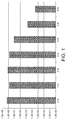
- Example 1 Ethyl methane sulfonate treatment of Lactobacillus johnsonii CNCM I-1225 cultures. Samples of 100 ⁇ l containing approximately 10 8 colony forming units of a 16 hr Lactobacillus johnsonii CNCM I-1225 culture were washed 3 times with Dulbecco's phosphate buffered saline. The cells were finally suspended in 1 ml PBS and 0 or 10 ⁇ l ethyl methane sulfonate added and incubated at 37°C without shaking. The treated cells were washed twice in PBS, the CFU of treated and not treated cultures determined and plotted as survivors to give the 'survival curve' shown in Figure 1 .
- the conditions producing 1% survivors were initially targeted and bracketed with time points before and after, the cells diluted and plated as single colonies on MRS plates for enumeration. The remaining treated cells were then used to inoculate 10 ml of MRS broth and incubated for 16 hr growth at 37°C. The culture was then diluted and spread on MRS plates to produce individual colonies for screening.
- G guanosine
- C cytidine
- T thymidine
- Ethyl methane sulfonate acts by chemical oxidation of G bases and results in the same mutation profile as natural mutations, namely G to A and C to T, depending on which DNA strand is sequenced. This was confirmed later by DNA sequencing of the D-lactate dehydrogenase genes and genome sequences where the vast majority of the observed changes were either G to A or C to T.
- Example 2 Screening of individual colonies for strains deficient in D-lactic acid production. Individual ethyl methane sulfonate treated colonies were picked into 96-well plates containing 200 ⁇ l MRS broth and incubated at 37°C for 24 hr to form mini cultures. The growth of the cultures was estimated by absorbance at 620 nm using a Tecan sunrise microplate reader.
- Example 3 Determination of D-lactic acid levels in culture medium. Cultures were grown in MRS broth at 37°C for 16 hours and the bacteria removed by centrifugation. To determine D-lactic acid concentrations, the cell-free culture supernatants were diluted in water, analysed as described above and compared to a standard curve prepared with dilutions of sodium D-lactic acid. L-lactic acid concentrations were determined in the same way by exchanging the enzyme D-lactate dehydrogenase with rabbit muscle L-lactic dehydrogenase and using sodium L-lactic acid as standard.
- CNCM I-4437 The results of this analysis for CNCM I-4437 are shown in Table 1 and include the controls of Lactobacillus johnsonii CNCM I-1225, Lactobacillus johnsonii NCC9006 with a GMO inactivated D-lactate dehydrogenase gene and Lactobacillus paracasei NCC2461 and Lactobacillus rhamnosus NCC4007, both considered as L-lactic acid producing strains.
- Lactobacillus paracasei NCC2461 (accession number: CNCM I-2116) was deposited under the Budapest Treaty on 12 January 1999, with the CNCM (address already mentioned).
- Lactobacillus rhamnosus NCC4007 (accession number: CGMCC 1.3724) was deposited under the Budapest Treaty in October 2004, with the China General Microbiological Culture Collection Center (CGMCC), Institute of Microbiology, Chinese Academy of Sciences, No. 1, West Beichen Road, Chaoyang District, Beijing 100101, China.
- Lactobacillus johnsonii NCC9006 is the strain deriving from Lactobacillus johnsonii La1, as described in the article by Lapierre et al.
- Experiments were performed in triplicate and are given as the mean value plus standard deviation in brackets.
- the results show that the D-lactic acid production values for Lactobacillus johnsonii CNCM I-1225 are approximately 65% of total lactic acid and that the D-lactic acid production values for Lactobacillus johnsonii CNCM I-4437 are greatly reduced.
- the D-lactic acid production levels for Lactobacillus johnsonii CNCM I-4437 are very low and below 1% of total lactic acid. This result is similar to the results obtained for the Lactobacillus johnsonii NCC9006 containing an inactivated D-lactate dehydrogenase gene created using gene technology methods.
- strain Lactobacillus paracasei NCC2461 and Lactobacillus rhamnosus NCC4007 both considered as L-lactic acid producers, and which produce 3 and 3.5% D-lactic acid under these conditions, respectively.
- strain Lactobacillus johnsonii CNCM I-4437 can be considered as a L-lactic acid producer and phenotypically distinct from Lactobacillus johnsonii CNCM I-1225.
- Example 4 Identification of changes in the D-lactate dehydrogenase genes.
- the region was amplified from one ⁇ l of bacterial culture using the primers P1 TCAGCACATAACCAGCAGCT (SEQ ID NO: 3) plus P2 GCAATAATACTGTCGCCGGT (SEQ ID NO: 4).
- the amplicons were purified and sequenced with primers P1, P3 GTGTATAATAAAAGACGGTC (SEQ ID NO: 5) plus P2, compiled and analysed in the DNASTAR suite of programs. The results are shown in Figure 3 .
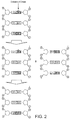
- the strain Lactobacillus johnsonii CNCM I-4437 contains a G to A change at base pair 270 of Figure 3 and Figure 4A , and which results in a arginine to histidine amino acid change at position 77 (R77H) positioned outside the conserved signature domains of the D-lactate dehydrogenase enzyme sequence ( Figure 4B ).
- the gene sequencing data shows that the D-lactic acid deficient production phenotype in Lactobacillus johnsonii CNCM I-4437 is accompanied by a corresponding change in the D-lactate dehydrogenase gene and enzyme sequence.
- Example 5 Determination of the phenotypic stability of Lactobacillus johnsonii CNCM I-4437. Given the large number of generations from the culture collection to the final product, it is important that the D-lactic acid deficient phenotype is stable and that reversion to production of D-lactic acid is very rare. To investigate this we cultivated Lactobacillus johnsonii CNCM I-4437 in MRS broth for a total of 100 generations and then tested 300 individual colonies for D-lactic acid production. The results are that none of the colonies tested showed D-lactic acid levels above that determined for strain Lactobacillus johnsonii CNCM I-4437. This analysis was also performed after pilot-scale production of spray-dried powders and Lc1 Drink products with the same results.
- lactic acid bacteria In lactic acid bacteria a single copy of D- or L-lactate dehydrogenase is essential for the production of lactic acid and the regeneration of NADH, a co-factor in this reaction, to NAD. In lactic acid bacteria this is the only route to regenerate NAD under anaerobic conditions and is essential for growth. In the case of the D-lactic acid deficient strains there is no selective pressure for the reversion to D-lactic acid production as the L-lactate dehydrogenase enzyme is sufficient to cover the lack of D-lactate dehydrogenase enzyme activity.
- Example 6 Survival of Lactobacillus johnsonii CNCM I-1225 and Lactobacillus johnsonii CNCM I-4437 in Lc1 Drink products. Survival of probiotic bacteria during product storage is an important factor to ensure the expected 10 7 colony forming units after 45 days storage. The reason for loss of viability is not fully understood but there appears to be some evidence for the involvement of oxygen. To test whether Lactobacillus johnsonii CNCM I-4437 survives at least as well as Lactobacillus johnsonii CNCM I-1225 under simulated storage conditions, we took fresh Lc1 Drink products and eliminated the living bacteria by heating to 85°C for 10 minutes.
- Lactobacillus johnsonii CNCM I-12 25 or Lactobacillus johnsonii CNCM I-4437 were inoculated into the sterile products, the bottles sealed and stored under standard test conditions at either 8°C or 15°C for 45 days. The results from three independent trials are shown below. To our surprise Lactobacillus johnsonii CNCM I-4437 shows a consistently better survival than Lactobacillus johnsonii CNCM I-1225 at both temperatures and in all three trials with improvements ranging from 0.42 logs to over 2 logs. Trial 1.
Landscapes
- Life Sciences & Earth Sciences (AREA)
- Health & Medical Sciences (AREA)
- Chemical & Material Sciences (AREA)
- Engineering & Computer Science (AREA)
- Organic Chemistry (AREA)
- Zoology (AREA)
- Wood Science & Technology (AREA)
- Bioinformatics & Cheminformatics (AREA)
- Genetics & Genomics (AREA)
- General Health & Medical Sciences (AREA)
- Biotechnology (AREA)
- Microbiology (AREA)
- Biochemistry (AREA)
- General Engineering & Computer Science (AREA)
- Medicinal Chemistry (AREA)
- Virology (AREA)
- Tropical Medicine & Parasitology (AREA)
- Biomedical Technology (AREA)
- Public Health (AREA)
- Veterinary Medicine (AREA)
- Animal Behavior & Ethology (AREA)
- Polymers & Plastics (AREA)
- Food Science & Technology (AREA)
- Nutrition Science (AREA)
- Chemical Kinetics & Catalysis (AREA)
- General Chemical & Material Sciences (AREA)
- Molecular Biology (AREA)
- Nuclear Medicine, Radiotherapy & Molecular Imaging (AREA)
- Pharmacology & Pharmacy (AREA)
- Birds (AREA)
- Dermatology (AREA)
- Epidemiology (AREA)
- Communicable Diseases (AREA)
- Mycology (AREA)
- Oncology (AREA)
- Pulmonology (AREA)
- Otolaryngology (AREA)
- Micro-Organisms Or Cultivation Processes Thereof (AREA)
- Medicines Containing Material From Animals Or Micro-Organisms (AREA)
- Coloring Foods And Improving Nutritive Qualities (AREA)
Priority Applications (1)
| Application Number | Priority Date | Filing Date | Title |
|---|---|---|---|
| EP12713934.3A EP2697371B1 (en) | 2011-03-29 | 2012-03-29 | Lactobacillus johnsonii strain cncm i-4437, deficient in d-lactic acid production and with an improved shelf life |
Applications Claiming Priority (3)
| Application Number | Priority Date | Filing Date | Title |
|---|---|---|---|
| EP11160140 | 2011-03-29 | ||
| EP12713934.3A EP2697371B1 (en) | 2011-03-29 | 2012-03-29 | Lactobacillus johnsonii strain cncm i-4437, deficient in d-lactic acid production and with an improved shelf life |
| PCT/EP2012/055673 WO2012130966A1 (en) | 2011-03-29 | 2012-03-29 | Derivative of the lactobacilus johnsonii strain cncm i-1225, deficient in d-lactic acid production and with an improved shelf life |
Publications (2)
| Publication Number | Publication Date |
|---|---|
| EP2697371A1 EP2697371A1 (en) | 2014-02-19 |
| EP2697371B1 true EP2697371B1 (en) | 2016-10-19 |
Family
ID=44022034
Family Applications (1)
| Application Number | Title | Priority Date | Filing Date |
|---|---|---|---|
| EP12713934.3A Active EP2697371B1 (en) | 2011-03-29 | 2012-03-29 | Lactobacillus johnsonii strain cncm i-4437, deficient in d-lactic acid production and with an improved shelf life |
Country Status (14)
| Country | Link |
|---|---|
| US (1) | US9309492B2 (enExample) |
| EP (1) | EP2697371B1 (enExample) |
| JP (1) | JP6014652B2 (enExample) |
| CN (1) | CN103562381B (enExample) |
| AU (1) | AU2012234191B2 (enExample) |
| BR (1) | BR112013024774A2 (enExample) |
| CA (1) | CA2831667C (enExample) |
| CL (1) | CL2013002760A1 (enExample) |
| DK (1) | DK2697371T3 (enExample) |
| ES (1) | ES2602260T3 (enExample) |
| MX (1) | MX2013011145A (enExample) |
| PH (1) | PH12013501916A1 (enExample) |
| SG (1) | SG193521A1 (enExample) |
| WO (1) | WO2012130966A1 (enExample) |
Families Citing this family (3)
| Publication number | Priority date | Publication date | Assignee | Title |
|---|---|---|---|---|
| CN107267476B (zh) * | 2016-04-08 | 2019-08-30 | 中国科学院微生物研究所 | 一种乳酸脱氢酶及其在制备乳酸中应用 |
| JP7698984B2 (ja) * | 2021-06-02 | 2025-06-26 | 花王株式会社 | リステリア感染症の予防又は改善剤 |
| JP7698983B2 (ja) * | 2021-06-02 | 2025-06-26 | 花王株式会社 | 腸管感染症の予防又は改善剤 |
Family Cites Families (5)
| Publication number | Priority date | Publication date | Assignee | Title |
|---|---|---|---|---|
| PH31093A (en) * | 1993-08-06 | 1998-02-05 | Nestec Ltd | Lactobacillus bulgaricus having decreased acid production and/or improved aroma and flavor production and food composition comprising said lactobacillus. |
| DE69737853T2 (de) * | 1997-05-03 | 2008-03-06 | Société des Produits Nestlé S.A. | Herstellung von L(+)-Lactat |
| KR100449915B1 (ko) * | 2002-10-30 | 2004-09-22 | 주식회사한국야쿠르트 | 락토바실러스 에시도필러스 케이와이1909 |
| MX2011002080A (es) * | 2008-09-04 | 2011-03-29 | Om Pharma | Extractos inmunomoduladores de bacteria de lactobacillus y metodos de manufactura y uso de los mismos. |
| WO2010130662A1 (en) | 2009-05-11 | 2010-11-18 | Nestec S.A. | LACTOBACILLUS JOHNSONII La1 NCC533 (CNCM I-1225) AND IMMUNE DISORDERS |
-
2012
- 2012-03-29 MX MX2013011145A patent/MX2013011145A/es not_active Application Discontinuation
- 2012-03-29 SG SG2013070164A patent/SG193521A1/en unknown
- 2012-03-29 PH PH1/2013/501916A patent/PH12013501916A1/en unknown
- 2012-03-29 EP EP12713934.3A patent/EP2697371B1/en active Active
- 2012-03-29 ES ES12713934.3T patent/ES2602260T3/es active Active
- 2012-03-29 JP JP2014501629A patent/JP6014652B2/ja not_active Expired - Fee Related
- 2012-03-29 CN CN201280025795.0A patent/CN103562381B/zh not_active Expired - Fee Related
- 2012-03-29 US US14/008,831 patent/US9309492B2/en active Active
- 2012-03-29 AU AU2012234191A patent/AU2012234191B2/en not_active Ceased
- 2012-03-29 BR BR112013024774A patent/BR112013024774A2/pt not_active Application Discontinuation
- 2012-03-29 DK DK12713934.3T patent/DK2697371T3/en active
- 2012-03-29 WO PCT/EP2012/055673 patent/WO2012130966A1/en not_active Ceased
- 2012-03-29 CA CA2831667A patent/CA2831667C/en not_active Expired - Fee Related
-
2013
- 2013-09-26 CL CL2013002760A patent/CL2013002760A1/es unknown
Also Published As
| Publication number | Publication date |
|---|---|
| JP6014652B2 (ja) | 2016-10-25 |
| MX2013011145A (es) | 2013-10-30 |
| EP2697371A1 (en) | 2014-02-19 |
| WO2012130966A1 (en) | 2012-10-04 |
| ES2602260T3 (es) | 2017-02-20 |
| AU2012234191A1 (en) | 2013-10-03 |
| SG193521A1 (en) | 2013-10-30 |
| DK2697371T3 (en) | 2016-12-12 |
| US20140186317A1 (en) | 2014-07-03 |
| JP2014516248A (ja) | 2014-07-10 |
| CN103562381A (zh) | 2014-02-05 |
| CL2013002760A1 (es) | 2014-06-27 |
| CN103562381B (zh) | 2016-04-06 |
| CA2831667A1 (en) | 2012-10-04 |
| BR112013024774A2 (pt) | 2017-06-20 |
| AU2012234191B2 (en) | 2016-06-09 |
| CA2831667C (en) | 2020-06-30 |
| US9309492B2 (en) | 2016-04-12 |
| PH12013501916A1 (en) | 2013-10-14 |
Similar Documents
| Publication | Publication Date | Title |
|---|---|---|
| WO2012130965A1 (en) | Natural derivative of a well known and successful probiotic strain deficient in d-lactic acid production | |
| US20050069505A1 (en) | Orally administrable composition for the photoprotection of the skin | |
| JP6594911B2 (ja) | 乳酸菌、該乳酸菌由来の自然免疫活性化剤、感染症予防治療剤及び飲食品 | |
| US20060099196A1 (en) | Photoprotective orally administrable composition for skin | |
| CN111212575A (zh) | 肌肉增量用组合物 | |
| US20240156884A1 (en) | Agent for improving mitochondrial function | |
| KR20210055901A (ko) | 모발 성장 촉진 효능을 가지는 락토바실러스 파라카제이 hy7015 및 이를 유효성분으로 함유하는 모발 성장 촉진을 위한 조성물 | |
| KR20230129163A (ko) | 리보플라빈 생산성이 높은 리모실락토바실러스 류테리균주 및 이의 용도 | |
| WO2019025637A1 (en) | PRECONDITIONED PROBIOTIC BACTERIA IN A GOS-CONTAINING ENVIRONMENT AND USE THEREOF | |
| AU2012234191B2 (en) | Derivative of the Lactobacilus johnsonii strain CNCM I-1225, deficient in D-lactic acid production and with an improved shelf life | |
| WO2023281787A1 (ja) | スペルミジンを菌体外に生産する乳酸菌 | |
| AU2012234193B2 (en) | Natural derivative of the Lactobacilus johnsonii strain CNCM I-1225, deficient in D-lactic acid production and with a further improved immune profile | |
| CN103582698B (zh) | 缺失d-乳酸产生的约氏乳杆菌菌株cncm i-1225的天然衍生物 | |
| KR102049970B1 (ko) | 락토바실러스 카제이 hy2782를 유효성분으로 함유하는 미세먼지로 인한 산화적 스트레스를 개선하기 위한 조성물 | |
| CN122071676A (zh) | 一种发酵酸奶具有酯香气味的德氏乳杆菌保加利亚亚种及其用途 | |
| Hung | Biochemical and genomic analysis of-galactosidases from Bifidobacterium infantis HL96 |
Legal Events
| Date | Code | Title | Description |
|---|---|---|---|
| PUAI | Public reference made under article 153(3) epc to a published international application that has entered the european phase |
Free format text: ORIGINAL CODE: 0009012 |
|
| 17P | Request for examination filed |
Effective date: 20131029 |
|
| AK | Designated contracting states |
Kind code of ref document: A1 Designated state(s): AL AT BE BG CH CY CZ DE DK EE ES FI FR GB GR HR HU IE IS IT LI LT LU LV MC MK MT NL NO PL PT RO RS SE SI SK SM TR |
|
| DAX | Request for extension of the european patent (deleted) | ||
| 17Q | First examination report despatched |
Effective date: 20150608 |
|
| GRAP | Despatch of communication of intention to grant a patent |
Free format text: ORIGINAL CODE: EPIDOSNIGR1 |
|
| INTG | Intention to grant announced |
Effective date: 20160613 |
|
| GRAS | Grant fee paid |
Free format text: ORIGINAL CODE: EPIDOSNIGR3 |
|
| GRAA | (expected) grant |
Free format text: ORIGINAL CODE: 0009210 |
|
| AK | Designated contracting states |
Kind code of ref document: B1 Designated state(s): AL AT BE BG CH CY CZ DE DK EE ES FI FR GB GR HR HU IE IS IT LI LT LU LV MC MK MT NL NO PL PT RO RS SE SI SK SM TR |
|
| REG | Reference to a national code |
Ref country code: GB Ref legal event code: FG4D |
|
| REG | Reference to a national code |
Ref country code: CH Ref legal event code: EP |
|
| REG | Reference to a national code |
Ref country code: AT Ref legal event code: REF Ref document number: 838364 Country of ref document: AT Kind code of ref document: T Effective date: 20161115 |
|
| REG | Reference to a national code |
Ref country code: IE Ref legal event code: FG4D |
|
| REG | Reference to a national code |
Ref country code: DE Ref legal event code: R096 Ref document number: 602012024303 Country of ref document: DE |
|
| REG | Reference to a national code |
Ref country code: NL Ref legal event code: FP |
|
| REG | Reference to a national code |
Ref country code: DK Ref legal event code: T3 Effective date: 20161206 |
|
| REG | Reference to a national code |
Ref country code: SE Ref legal event code: TRGR |
|
| REG | Reference to a national code |
Ref country code: FR Ref legal event code: PLFP Year of fee payment: 6 |
|
| REG | Reference to a national code |
Ref country code: ES Ref legal event code: FG2A Ref document number: 2602260 Country of ref document: ES Kind code of ref document: T3 Effective date: 20170220 |
|
| REG | Reference to a national code |
Ref country code: LT Ref legal event code: MG4D |
|
| PG25 | Lapsed in a contracting state [announced via postgrant information from national office to epo] |
Ref country code: LV Free format text: LAPSE BECAUSE OF FAILURE TO SUBMIT A TRANSLATION OF THE DESCRIPTION OR TO PAY THE FEE WITHIN THE PRESCRIBED TIME-LIMIT Effective date: 20161019 |
|
| PG25 | Lapsed in a contracting state [announced via postgrant information from national office to epo] |
Ref country code: LT Free format text: LAPSE BECAUSE OF FAILURE TO SUBMIT A TRANSLATION OF THE DESCRIPTION OR TO PAY THE FEE WITHIN THE PRESCRIBED TIME-LIMIT Effective date: 20161019 Ref country code: GR Free format text: LAPSE BECAUSE OF FAILURE TO SUBMIT A TRANSLATION OF THE DESCRIPTION OR TO PAY THE FEE WITHIN THE PRESCRIBED TIME-LIMIT Effective date: 20170120 Ref country code: NO Free format text: LAPSE BECAUSE OF FAILURE TO SUBMIT A TRANSLATION OF THE DESCRIPTION OR TO PAY THE FEE WITHIN THE PRESCRIBED TIME-LIMIT Effective date: 20170119 |
|
| PG25 | Lapsed in a contracting state [announced via postgrant information from national office to epo] |
Ref country code: PT Free format text: LAPSE BECAUSE OF FAILURE TO SUBMIT A TRANSLATION OF THE DESCRIPTION OR TO PAY THE FEE WITHIN THE PRESCRIBED TIME-LIMIT Effective date: 20170220 Ref country code: IS Free format text: LAPSE BECAUSE OF FAILURE TO SUBMIT A TRANSLATION OF THE DESCRIPTION OR TO PAY THE FEE WITHIN THE PRESCRIBED TIME-LIMIT Effective date: 20170219 Ref country code: PL Free format text: LAPSE BECAUSE OF FAILURE TO SUBMIT A TRANSLATION OF THE DESCRIPTION OR TO PAY THE FEE WITHIN THE PRESCRIBED TIME-LIMIT Effective date: 20161019 Ref country code: RS Free format text: LAPSE BECAUSE OF FAILURE TO SUBMIT A TRANSLATION OF THE DESCRIPTION OR TO PAY THE FEE WITHIN THE PRESCRIBED TIME-LIMIT Effective date: 20161019 Ref country code: HR Free format text: LAPSE BECAUSE OF FAILURE TO SUBMIT A TRANSLATION OF THE DESCRIPTION OR TO PAY THE FEE WITHIN THE PRESCRIBED TIME-LIMIT Effective date: 20161019 Ref country code: BE Free format text: LAPSE BECAUSE OF FAILURE TO SUBMIT A TRANSLATION OF THE DESCRIPTION OR TO PAY THE FEE WITHIN THE PRESCRIBED TIME-LIMIT Effective date: 20161019 |
|
| REG | Reference to a national code |
Ref country code: DE Ref legal event code: R097 Ref document number: 602012024303 Country of ref document: DE |
|
| PG25 | Lapsed in a contracting state [announced via postgrant information from national office to epo] |
Ref country code: SK Free format text: LAPSE BECAUSE OF FAILURE TO SUBMIT A TRANSLATION OF THE DESCRIPTION OR TO PAY THE FEE WITHIN THE PRESCRIBED TIME-LIMIT Effective date: 20161019 Ref country code: RO Free format text: LAPSE BECAUSE OF FAILURE TO SUBMIT A TRANSLATION OF THE DESCRIPTION OR TO PAY THE FEE WITHIN THE PRESCRIBED TIME-LIMIT Effective date: 20161019 Ref country code: EE Free format text: LAPSE BECAUSE OF FAILURE TO SUBMIT A TRANSLATION OF THE DESCRIPTION OR TO PAY THE FEE WITHIN THE PRESCRIBED TIME-LIMIT Effective date: 20161019 Ref country code: CZ Free format text: LAPSE BECAUSE OF FAILURE TO SUBMIT A TRANSLATION OF THE DESCRIPTION OR TO PAY THE FEE WITHIN THE PRESCRIBED TIME-LIMIT Effective date: 20161019 |
|
| PLBE | No opposition filed within time limit |
Free format text: ORIGINAL CODE: 0009261 |
|
| STAA | Information on the status of an ep patent application or granted ep patent |
Free format text: STATUS: NO OPPOSITION FILED WITHIN TIME LIMIT |
|
| PG25 | Lapsed in a contracting state [announced via postgrant information from national office to epo] |
Ref country code: SM Free format text: LAPSE BECAUSE OF FAILURE TO SUBMIT A TRANSLATION OF THE DESCRIPTION OR TO PAY THE FEE WITHIN THE PRESCRIBED TIME-LIMIT Effective date: 20161019 Ref country code: BG Free format text: LAPSE BECAUSE OF FAILURE TO SUBMIT A TRANSLATION OF THE DESCRIPTION OR TO PAY THE FEE WITHIN THE PRESCRIBED TIME-LIMIT Effective date: 20170119 |
|
| 26N | No opposition filed |
Effective date: 20170720 |
|
| PG25 | Lapsed in a contracting state [announced via postgrant information from national office to epo] |
Ref country code: MC Free format text: LAPSE BECAUSE OF FAILURE TO SUBMIT A TRANSLATION OF THE DESCRIPTION OR TO PAY THE FEE WITHIN THE PRESCRIBED TIME-LIMIT Effective date: 20161019 Ref country code: SI Free format text: LAPSE BECAUSE OF FAILURE TO SUBMIT A TRANSLATION OF THE DESCRIPTION OR TO PAY THE FEE WITHIN THE PRESCRIBED TIME-LIMIT Effective date: 20161019 |
|
| REG | Reference to a national code |
Ref country code: IE Ref legal event code: MM4A |
|
| PG25 | Lapsed in a contracting state [announced via postgrant information from national office to epo] |
Ref country code: LU Free format text: LAPSE BECAUSE OF NON-PAYMENT OF DUE FEES Effective date: 20170329 |
|
| REG | Reference to a national code |
Ref country code: FR Ref legal event code: PLFP Year of fee payment: 7 |
|
| PG25 | Lapsed in a contracting state [announced via postgrant information from national office to epo] |
Ref country code: IE Free format text: LAPSE BECAUSE OF NON-PAYMENT OF DUE FEES Effective date: 20170329 |
|
| PG25 | Lapsed in a contracting state [announced via postgrant information from national office to epo] |
Ref country code: MT Free format text: LAPSE BECAUSE OF NON-PAYMENT OF DUE FEES Effective date: 20170329 |
|
| PGFP | Annual fee paid to national office [announced via postgrant information from national office to epo] |
Ref country code: HU Payment date: 20190131 Year of fee payment: 9 |
|
| PG25 | Lapsed in a contracting state [announced via postgrant information from national office to epo] |
Ref country code: HU Free format text: LAPSE BECAUSE OF FAILURE TO SUBMIT A TRANSLATION OF THE DESCRIPTION OR TO PAY THE FEE WITHIN THE PRESCRIBED TIME-LIMIT; INVALID AB INITIO Effective date: 20120329 |
|
| REG | Reference to a national code |
Ref country code: NL Ref legal event code: PD Owner name: SOCIETE DES PRODUITS NESTLE S.A.; CH Free format text: DETAILS ASSIGNMENT: CHANGE OF OWNER(S), MERGE Effective date: 20190620 |
|
| REG | Reference to a national code |
Ref country code: CH Ref legal event code: PFUS Owner name: SOCIETE DES PRODUITS NESTLE S.A., CH Free format text: FORMER OWNER: NESTEC S.A., CH |
|
| REG | Reference to a national code |
Ref country code: GB Ref legal event code: 732E Free format text: REGISTERED BETWEEN 20190801 AND 20190807 |
|
| REG | Reference to a national code |
Ref country code: ES Ref legal event code: PC2A Owner name: SOCIETE DES PRODUITS NESTLE S.A. Effective date: 20191010 |
|
| PG25 | Lapsed in a contracting state [announced via postgrant information from national office to epo] |
Ref country code: CY Free format text: LAPSE BECAUSE OF NON-PAYMENT OF DUE FEES Effective date: 20161019 |
|
| REG | Reference to a national code |
Ref country code: AT Ref legal event code: PC Ref document number: 838364 Country of ref document: AT Kind code of ref document: T Owner name: SOCIETE DES PRODUITS NESTLE S.A., CH Effective date: 20190916 |
|
| PG25 | Lapsed in a contracting state [announced via postgrant information from national office to epo] |
Ref country code: MK Free format text: LAPSE BECAUSE OF FAILURE TO SUBMIT A TRANSLATION OF THE DESCRIPTION OR TO PAY THE FEE WITHIN THE PRESCRIBED TIME-LIMIT Effective date: 20161019 |
|
| REG | Reference to a national code |
Ref country code: DE Ref legal event code: R082 Ref document number: 602012024303 Country of ref document: DE Representative=s name: MITSCHERLICH, PATENT- UND RECHTSANWAELTE PARTM, DE Ref country code: DE Ref legal event code: R081 Ref document number: 602012024303 Country of ref document: DE Owner name: SOCIETE DES PRODUITS NESTLE S.A., CH Free format text: FORMER OWNER: NESTEC S.A., VEVEY, CH |
|
| REG | Reference to a national code |
Ref country code: AT Ref legal event code: UEP Ref document number: 838364 Country of ref document: AT Kind code of ref document: T Effective date: 20161019 |
|
| PGFP | Annual fee paid to national office [announced via postgrant information from national office to epo] |
Ref country code: FI Payment date: 20200309 Year of fee payment: 9 Ref country code: DK Payment date: 20200310 Year of fee payment: 9 Ref country code: IT Payment date: 20200221 Year of fee payment: 9 Ref country code: SE Payment date: 20200310 Year of fee payment: 9 Ref country code: AT Payment date: 20200225 Year of fee payment: 9 |
|
| PG25 | Lapsed in a contracting state [announced via postgrant information from national office to epo] |
Ref country code: AL Free format text: LAPSE BECAUSE OF FAILURE TO SUBMIT A TRANSLATION OF THE DESCRIPTION OR TO PAY THE FEE WITHIN THE PRESCRIBED TIME-LIMIT Effective date: 20161019 |
|
| PGFP | Annual fee paid to national office [announced via postgrant information from national office to epo] |
Ref country code: ES Payment date: 20200401 Year of fee payment: 9 |
|
| REG | Reference to a national code |
Ref country code: FI Ref legal event code: MAE |
|
| PG25 | Lapsed in a contracting state [announced via postgrant information from national office to epo] |
Ref country code: FI Free format text: LAPSE BECAUSE OF NON-PAYMENT OF DUE FEES Effective date: 20210329 |
|
| REG | Reference to a national code |
Ref country code: DK Ref legal event code: EBP Effective date: 20210331 |
|
| REG | Reference to a national code |
Ref country code: AT Ref legal event code: MM01 Ref document number: 838364 Country of ref document: AT Kind code of ref document: T Effective date: 20210329 |
|
| PG25 | Lapsed in a contracting state [announced via postgrant information from national office to epo] |
Ref country code: AT Free format text: LAPSE BECAUSE OF NON-PAYMENT OF DUE FEES Effective date: 20210329 Ref country code: SE Free format text: LAPSE BECAUSE OF NON-PAYMENT OF DUE FEES Effective date: 20210330 |
|
| PG25 | Lapsed in a contracting state [announced via postgrant information from national office to epo] |
Ref country code: IT Free format text: LAPSE BECAUSE OF NON-PAYMENT OF DUE FEES Effective date: 20210329 Ref country code: DK Free format text: LAPSE BECAUSE OF NON-PAYMENT OF DUE FEES Effective date: 20210331 |
|
| REG | Reference to a national code |
Ref country code: ES Ref legal event code: FD2A Effective date: 20220524 |
|
| PG25 | Lapsed in a contracting state [announced via postgrant information from national office to epo] |
Ref country code: TR Free format text: LAPSE BECAUSE OF NON-PAYMENT OF DUE FEES Effective date: 20200329 |
|
| PG25 | Lapsed in a contracting state [announced via postgrant information from national office to epo] |
Ref country code: ES Free format text: LAPSE BECAUSE OF NON-PAYMENT OF DUE FEES Effective date: 20210330 |
|
| P01 | Opt-out of the competence of the unified patent court (upc) registered |
Effective date: 20230527 |
|
| PGFP | Annual fee paid to national office [announced via postgrant information from national office to epo] |
Ref country code: NL Payment date: 20260213 Year of fee payment: 15 |
|
| REG | Reference to a national code |
Ref country code: CH Ref legal event code: U11 Free format text: ST27 STATUS EVENT CODE: U-0-0-U10-U11 (AS PROVIDED BY THE NATIONAL OFFICE) Effective date: 20260401 |
|
| PGFP | Annual fee paid to national office [announced via postgrant information from national office to epo] |
Ref country code: GB Payment date: 20260209 Year of fee payment: 15 |
|
| PGFP | Annual fee paid to national office [announced via postgrant information from national office to epo] |
Ref country code: DE Payment date: 20260204 Year of fee payment: 15 |
|
| PGFP | Annual fee paid to national office [announced via postgrant information from national office to epo] |
Ref country code: FR Payment date: 20260209 Year of fee payment: 15 |
|
| PGFP | Annual fee paid to national office [announced via postgrant information from national office to epo] |
Ref country code: CH Payment date: 20260401 Year of fee payment: 15 |