EP2679681B2 - FcgammaRIIB-specific FC antibody - Google Patents
FcgammaRIIB-specific FC antibody Download PDFInfo
- Publication number
- EP2679681B2 EP2679681B2 EP12749420.1A EP12749420A EP2679681B2 EP 2679681 B2 EP2679681 B2 EP 2679681B2 EP 12749420 A EP12749420 A EP 12749420A EP 2679681 B2 EP2679681 B2 EP 2679681B2
- Authority
- EP
- European Patent Office
- Prior art keywords
- numbering
- fcγriib
- substitution
- binding
- polypeptide
- Prior art date
- Legal status (The legal status is an assumption and is not a legal conclusion. Google has not performed a legal analysis and makes no representation as to the accuracy of the status listed.)
- Active
Links
Images


Classifications
-
- C—CHEMISTRY; METALLURGY
- C07—ORGANIC CHEMISTRY
- C07K—PEPTIDES
- C07K16/00—Immunoglobulins [IG], e.g. monoclonal or polyclonal antibodies
- C07K16/08—Immunoglobulins [IG], e.g. monoclonal or polyclonal antibodies against material from viruses
-
- C—CHEMISTRY; METALLURGY
- C07—ORGANIC CHEMISTRY
- C07K—PEPTIDES
- C07K16/00—Immunoglobulins [IG], e.g. monoclonal or polyclonal antibodies
-
- C—CHEMISTRY; METALLURGY
- C07—ORGANIC CHEMISTRY
- C07K—PEPTIDES
- C07K16/00—Immunoglobulins [IG], e.g. monoclonal or polyclonal antibodies
- C07K16/18—Immunoglobulins [IG], e.g. monoclonal or polyclonal antibodies against material from animals or humans
- C07K16/28—Immunoglobulins [IG], e.g. monoclonal or polyclonal antibodies against material from animals or humans against receptors, cell surface antigens or cell surface determinants
- C07K16/2866—Immunoglobulins [IG], e.g. monoclonal or polyclonal antibodies against material from animals or humans against receptors, cell surface antigens or cell surface determinants against receptors for cytokines, lymphokines, interferons
-
- A—HUMAN NECESSITIES
- A61—MEDICAL OR VETERINARY SCIENCE; HYGIENE
- A61P—SPECIFIC THERAPEUTIC ACTIVITY OF CHEMICAL COMPOUNDS OR MEDICINAL PREPARATIONS
- A61P1/00—Drugs for disorders of the alimentary tract or the digestive system
- A61P1/04—Drugs for disorders of the alimentary tract or the digestive system for ulcers, gastritis or reflux esophagitis, e.g. antacids, inhibitors of acid secretion, mucosal protectants
-
- A—HUMAN NECESSITIES
- A61—MEDICAL OR VETERINARY SCIENCE; HYGIENE
- A61P—SPECIFIC THERAPEUTIC ACTIVITY OF CHEMICAL COMPOUNDS OR MEDICINAL PREPARATIONS
- A61P1/00—Drugs for disorders of the alimentary tract or the digestive system
- A61P1/16—Drugs for disorders of the alimentary tract or the digestive system for liver or gallbladder disorders, e.g. hepatoprotective agents, cholagogues, litholytics
-
- A—HUMAN NECESSITIES
- A61—MEDICAL OR VETERINARY SCIENCE; HYGIENE
- A61P—SPECIFIC THERAPEUTIC ACTIVITY OF CHEMICAL COMPOUNDS OR MEDICINAL PREPARATIONS
- A61P11/00—Drugs for disorders of the respiratory system
- A61P11/02—Nasal agents, e.g. decongestants
-
- A—HUMAN NECESSITIES
- A61—MEDICAL OR VETERINARY SCIENCE; HYGIENE
- A61P—SPECIFIC THERAPEUTIC ACTIVITY OF CHEMICAL COMPOUNDS OR MEDICINAL PREPARATIONS
- A61P11/00—Drugs for disorders of the respiratory system
- A61P11/06—Antiasthmatics
-
- A—HUMAN NECESSITIES
- A61—MEDICAL OR VETERINARY SCIENCE; HYGIENE
- A61P—SPECIFIC THERAPEUTIC ACTIVITY OF CHEMICAL COMPOUNDS OR MEDICINAL PREPARATIONS
- A61P13/00—Drugs for disorders of the urinary system
- A61P13/12—Drugs for disorders of the urinary system of the kidneys
-
- A—HUMAN NECESSITIES
- A61—MEDICAL OR VETERINARY SCIENCE; HYGIENE
- A61P—SPECIFIC THERAPEUTIC ACTIVITY OF CHEMICAL COMPOUNDS OR MEDICINAL PREPARATIONS
- A61P15/00—Drugs for genital or sexual disorders; Contraceptives
-
- A—HUMAN NECESSITIES
- A61—MEDICAL OR VETERINARY SCIENCE; HYGIENE
- A61P—SPECIFIC THERAPEUTIC ACTIVITY OF CHEMICAL COMPOUNDS OR MEDICINAL PREPARATIONS
- A61P17/00—Drugs for dermatological disorders
-
- A—HUMAN NECESSITIES
- A61—MEDICAL OR VETERINARY SCIENCE; HYGIENE
- A61P—SPECIFIC THERAPEUTIC ACTIVITY OF CHEMICAL COMPOUNDS OR MEDICINAL PREPARATIONS
- A61P17/00—Drugs for dermatological disorders
- A61P17/04—Antipruritics
-
- A—HUMAN NECESSITIES
- A61—MEDICAL OR VETERINARY SCIENCE; HYGIENE
- A61P—SPECIFIC THERAPEUTIC ACTIVITY OF CHEMICAL COMPOUNDS OR MEDICINAL PREPARATIONS
- A61P17/00—Drugs for dermatological disorders
- A61P17/06—Antipsoriatics
-
- A—HUMAN NECESSITIES
- A61—MEDICAL OR VETERINARY SCIENCE; HYGIENE
- A61P—SPECIFIC THERAPEUTIC ACTIVITY OF CHEMICAL COMPOUNDS OR MEDICINAL PREPARATIONS
- A61P17/00—Drugs for dermatological disorders
- A61P17/14—Drugs for dermatological disorders for baldness or alopecia
-
- A—HUMAN NECESSITIES
- A61—MEDICAL OR VETERINARY SCIENCE; HYGIENE
- A61P—SPECIFIC THERAPEUTIC ACTIVITY OF CHEMICAL COMPOUNDS OR MEDICINAL PREPARATIONS
- A61P19/00—Drugs for skeletal disorders
- A61P19/02—Drugs for skeletal disorders for joint disorders, e.g. arthritis, arthrosis
-
- A—HUMAN NECESSITIES
- A61—MEDICAL OR VETERINARY SCIENCE; HYGIENE
- A61P—SPECIFIC THERAPEUTIC ACTIVITY OF CHEMICAL COMPOUNDS OR MEDICINAL PREPARATIONS
- A61P21/00—Drugs for disorders of the muscular or neuromuscular system
- A61P21/02—Muscle relaxants, e.g. for tetanus or cramps
-
- A—HUMAN NECESSITIES
- A61—MEDICAL OR VETERINARY SCIENCE; HYGIENE
- A61P—SPECIFIC THERAPEUTIC ACTIVITY OF CHEMICAL COMPOUNDS OR MEDICINAL PREPARATIONS
- A61P25/00—Drugs for disorders of the nervous system
-
- A—HUMAN NECESSITIES
- A61—MEDICAL OR VETERINARY SCIENCE; HYGIENE
- A61P—SPECIFIC THERAPEUTIC ACTIVITY OF CHEMICAL COMPOUNDS OR MEDICINAL PREPARATIONS
- A61P25/00—Drugs for disorders of the nervous system
- A61P25/28—Drugs for disorders of the nervous system for treating neurodegenerative disorders of the central nervous system, e.g. nootropic agents, cognition enhancers, drugs for treating Alzheimer's disease or other forms of dementia
-
- A—HUMAN NECESSITIES
- A61—MEDICAL OR VETERINARY SCIENCE; HYGIENE
- A61P—SPECIFIC THERAPEUTIC ACTIVITY OF CHEMICAL COMPOUNDS OR MEDICINAL PREPARATIONS
- A61P27/00—Drugs for disorders of the senses
- A61P27/02—Ophthalmic agents
-
- A—HUMAN NECESSITIES
- A61—MEDICAL OR VETERINARY SCIENCE; HYGIENE
- A61P—SPECIFIC THERAPEUTIC ACTIVITY OF CHEMICAL COMPOUNDS OR MEDICINAL PREPARATIONS
- A61P29/00—Non-central analgesic, antipyretic or antiinflammatory agents, e.g. antirheumatic agents; Non-steroidal antiinflammatory drugs [NSAID]
-
- A—HUMAN NECESSITIES
- A61—MEDICAL OR VETERINARY SCIENCE; HYGIENE
- A61P—SPECIFIC THERAPEUTIC ACTIVITY OF CHEMICAL COMPOUNDS OR MEDICINAL PREPARATIONS
- A61P3/00—Drugs for disorders of the metabolism
- A61P3/08—Drugs for disorders of the metabolism for glucose homeostasis
- A61P3/10—Drugs for disorders of the metabolism for glucose homeostasis for hyperglycaemia, e.g. antidiabetics
-
- A—HUMAN NECESSITIES
- A61—MEDICAL OR VETERINARY SCIENCE; HYGIENE
- A61P—SPECIFIC THERAPEUTIC ACTIVITY OF CHEMICAL COMPOUNDS OR MEDICINAL PREPARATIONS
- A61P31/00—Antiinfectives, i.e. antibiotics, antiseptics, chemotherapeutics
- A61P31/04—Antibacterial agents
-
- A—HUMAN NECESSITIES
- A61—MEDICAL OR VETERINARY SCIENCE; HYGIENE
- A61P—SPECIFIC THERAPEUTIC ACTIVITY OF CHEMICAL COMPOUNDS OR MEDICINAL PREPARATIONS
- A61P31/00—Antiinfectives, i.e. antibiotics, antiseptics, chemotherapeutics
- A61P31/12—Antivirals
-
- A—HUMAN NECESSITIES
- A61—MEDICAL OR VETERINARY SCIENCE; HYGIENE
- A61P—SPECIFIC THERAPEUTIC ACTIVITY OF CHEMICAL COMPOUNDS OR MEDICINAL PREPARATIONS
- A61P35/00—Antineoplastic agents
-
- A—HUMAN NECESSITIES
- A61—MEDICAL OR VETERINARY SCIENCE; HYGIENE
- A61P—SPECIFIC THERAPEUTIC ACTIVITY OF CHEMICAL COMPOUNDS OR MEDICINAL PREPARATIONS
- A61P37/00—Drugs for immunological or allergic disorders
-
- A—HUMAN NECESSITIES
- A61—MEDICAL OR VETERINARY SCIENCE; HYGIENE
- A61P—SPECIFIC THERAPEUTIC ACTIVITY OF CHEMICAL COMPOUNDS OR MEDICINAL PREPARATIONS
- A61P37/00—Drugs for immunological or allergic disorders
- A61P37/02—Immunomodulators
-
- A—HUMAN NECESSITIES
- A61—MEDICAL OR VETERINARY SCIENCE; HYGIENE
- A61P—SPECIFIC THERAPEUTIC ACTIVITY OF CHEMICAL COMPOUNDS OR MEDICINAL PREPARATIONS
- A61P37/00—Drugs for immunological or allergic disorders
- A61P37/02—Immunomodulators
- A61P37/06—Immunosuppressants, e.g. drugs for graft rejection
-
- A—HUMAN NECESSITIES
- A61—MEDICAL OR VETERINARY SCIENCE; HYGIENE
- A61P—SPECIFIC THERAPEUTIC ACTIVITY OF CHEMICAL COMPOUNDS OR MEDICINAL PREPARATIONS
- A61P43/00—Drugs for specific purposes, not provided for in groups A61P1/00-A61P41/00
-
- A—HUMAN NECESSITIES
- A61—MEDICAL OR VETERINARY SCIENCE; HYGIENE
- A61P—SPECIFIC THERAPEUTIC ACTIVITY OF CHEMICAL COMPOUNDS OR MEDICINAL PREPARATIONS
- A61P5/00—Drugs for disorders of the endocrine system
-
- A—HUMAN NECESSITIES
- A61—MEDICAL OR VETERINARY SCIENCE; HYGIENE
- A61P—SPECIFIC THERAPEUTIC ACTIVITY OF CHEMICAL COMPOUNDS OR MEDICINAL PREPARATIONS
- A61P5/00—Drugs for disorders of the endocrine system
- A61P5/18—Drugs for disorders of the endocrine system of the parathyroid hormones
-
- A—HUMAN NECESSITIES
- A61—MEDICAL OR VETERINARY SCIENCE; HYGIENE
- A61P—SPECIFIC THERAPEUTIC ACTIVITY OF CHEMICAL COMPOUNDS OR MEDICINAL PREPARATIONS
- A61P7/00—Drugs for disorders of the blood or the extracellular fluid
-
- A—HUMAN NECESSITIES
- A61—MEDICAL OR VETERINARY SCIENCE; HYGIENE
- A61P—SPECIFIC THERAPEUTIC ACTIVITY OF CHEMICAL COMPOUNDS OR MEDICINAL PREPARATIONS
- A61P7/00—Drugs for disorders of the blood or the extracellular fluid
- A61P7/06—Antianaemics
-
- A—HUMAN NECESSITIES
- A61—MEDICAL OR VETERINARY SCIENCE; HYGIENE
- A61P—SPECIFIC THERAPEUTIC ACTIVITY OF CHEMICAL COMPOUNDS OR MEDICINAL PREPARATIONS
- A61P9/00—Drugs for disorders of the cardiovascular system
- A61P9/04—Inotropic agents, i.e. stimulants of cardiac contraction; Drugs for heart failure
-
- C—CHEMISTRY; METALLURGY
- C07—ORGANIC CHEMISTRY
- C07K—PEPTIDES
- C07K16/00—Immunoglobulins [IG], e.g. monoclonal or polyclonal antibodies
- C07K16/18—Immunoglobulins [IG], e.g. monoclonal or polyclonal antibodies against material from animals or humans
-
- C—CHEMISTRY; METALLURGY
- C07—ORGANIC CHEMISTRY
- C07K—PEPTIDES
- C07K16/00—Immunoglobulins [IG], e.g. monoclonal or polyclonal antibodies
- C07K16/18—Immunoglobulins [IG], e.g. monoclonal or polyclonal antibodies against material from animals or humans
- C07K16/28—Immunoglobulins [IG], e.g. monoclonal or polyclonal antibodies against material from animals or humans against receptors, cell surface antigens or cell surface determinants
- C07K16/30—Immunoglobulins [IG], e.g. monoclonal or polyclonal antibodies against material from animals or humans against receptors, cell surface antigens or cell surface determinants from tumour cells
- C07K16/303—Liver or Pancreas
-
- A—HUMAN NECESSITIES
- A61—MEDICAL OR VETERINARY SCIENCE; HYGIENE
- A61K—PREPARATIONS FOR MEDICAL, DENTAL OR TOILETRY PURPOSES
- A61K39/00—Medicinal preparations containing antigens or antibodies
- A61K2039/505—Medicinal preparations containing antigens or antibodies comprising antibodies
-
- C—CHEMISTRY; METALLURGY
- C07—ORGANIC CHEMISTRY
- C07K—PEPTIDES
- C07K2317/00—Immunoglobulins specific features
- C07K2317/50—Immunoglobulins specific features characterized by immunoglobulin fragments
- C07K2317/52—Constant or Fc region; Isotype
-
- C—CHEMISTRY; METALLURGY
- C07—ORGANIC CHEMISTRY
- C07K—PEPTIDES
- C07K2317/00—Immunoglobulins specific features
- C07K2317/50—Immunoglobulins specific features characterized by immunoglobulin fragments
- C07K2317/52—Constant or Fc region; Isotype
- C07K2317/524—CH2 domain
-
- C—CHEMISTRY; METALLURGY
- C07—ORGANIC CHEMISTRY
- C07K—PEPTIDES
- C07K2317/00—Immunoglobulins specific features
- C07K2317/70—Immunoglobulins specific features characterized by effect upon binding to a cell or to an antigen
- C07K2317/72—Increased effector function due to an Fc-modification
-
- C—CHEMISTRY; METALLURGY
- C07—ORGANIC CHEMISTRY
- C07K—PEPTIDES
- C07K2317/00—Immunoglobulins specific features
- C07K2317/90—Immunoglobulins specific features characterized by (pharmaco)kinetic aspects or by stability of the immunoglobulin
- C07K2317/92—Affinity (KD), association rate (Ka), dissociation rate (Kd) or EC50 value
Definitions
- the present invention relates to polypeptides comprising an IgG Fc region that have maintained or decreased binding activities towards both allotypes of Fc ⁇ RIIa, H type and R type, and having enhanced Fc ⁇ RIIb-binding activity in comparison with a parent polypeptide by introducing amino acid substitutions into the IgG Fc region.
- Non-patent Documents 1 and 2 Antibodies are drawing attention as pharmaceuticals since they are highly stable in blood and have few side effects. Almost all antibody pharmaceuticals currently on the market are antibodies of the human IgG1 subclass.
- One of the known functions of IgG class antibodies is antibody-dependent cell-mediated cytotoxicity (hereinafter denoted as ADCC activity) (Non-patent Document 3).
- ADCC activity antibody-dependent cell-mediated cytotoxicity
- the antibody Fc region must bind to an Fc ⁇ receptor (hereinafter denoted as FcyR) which is an antibody-binding receptor present on the surface of effector cells such as killer cells, natural killer cells, and activated macrophages.
- FcyR an Fc ⁇ receptor
- Fc ⁇ RIa CD64A
- Fc ⁇ RIIa CD32A
- Fc ⁇ RIIb CD32B
- Fc ⁇ RIIIa CD16A
- Fc ⁇ RIIIb CD16B isoforms
- FcyR protein family the FcyR protein family, and the respective allotypes have also been reported (Non-patent Document 7).
- Fc ⁇ RIa, Fc ⁇ RIIa, and Fc ⁇ RIIIa are called activating Fc ⁇ R since they have immunologically active functions
- Fc ⁇ RIIb is called inhibitory Fc ⁇ R since it has immunosuppressive functions (Non-patent Document 8).
- Non-patent Documents 4, 5, and 6 Various variants having Fc ⁇ R-binding properties, mainly antibodies with mutations introduced into these sites, have been studied so far; and Fc region variants having higher binding activities towards activating Fc ⁇ R have been obtained (Patent Documents 1, 2, 3, and 4).
- Fc ⁇ R When activating Fc ⁇ R is cross-linked with an immune complex, it phosphorylates immunoreceptor tyrosine-based activating motifs (ITAMs) contained in the intracellular domain or FcR common ⁇ -chain (an interaction partner), activates a signal transducer SYK, and triggers inflammatory immune response by initiating an activation signal cascade (Non-patent Document 9).
- ITAMs immunoreceptor tyrosine-based activating motifs
- Fc ⁇ RIIb is the only Fc ⁇ R expressed on B cells (Non-patent Document 10). Interaction of the antibody Fc region with Fc ⁇ RIIb has been reported to suppress the primary immune response of B cells (Non-patent Document 11). Furthermore, it is reported that when Fc ⁇ RIIb on B cells and a B cell receptor (BCR) are cross-linked via an immune complex in blood, B cell activation is suppressed, and antibody production by B cells is suppressed (Non-patent Document 12).
- BCR B cell receptor
- ITIM immunoreceptor tyrosine-based inhibitory motif contained in the intracellular domain of Fc ⁇ RIIb is necessary (Non-patent Documents 13 and 14).
- SH2-containing inositol polyphosphate 5-phosphatase (SHIP) is recruited, transduction of other activating Fc ⁇ R signal cascades is inhibited, and inflammatory immune response is suppressed (Non-patent Document 15).
- Non-patent Document 16 aggregation of Fc ⁇ RIIb alone has been reported to transiently suppress calcium influx due to BCR cross-linking and B cell proliferation in a BCR-independent manner without inducing apoptosis of IgM-producing B cells.
- Fc ⁇ RIIb is also expressed on dendritic cells, macrophages, activated neutrophils, mast cells, and basophils. Fc ⁇ RIIb inhibits the functions of activating Fc ⁇ R such as phagocytosis and release of inflammatory cytokines in these cells, and suppresses inflammatory immune responses (Non-patent Document 8).
- Fc ⁇ RIIb regulatory inadequacy of Fc ⁇ RIIb has been reported to be related to human autoimmnue diseases.
- the relationship between genetic polymorphism in the transmembrane region and promoter region of Fc ⁇ RIIb, and the frequency of development of systemic lupus erythematosus (SLE) (Non-patent Documents 20, 21, 22, 23, and 24), and decrease of Fc ⁇ RIIb expression on the surface of B cells in SLE patients (Non-patent Document 25 and 26) have been reported.
- Fc ⁇ RIIb is considered to play the role of controlling autoimmune diseases and inflammatory diseases mainly through involvement with B cells, and it is a promising target molecule for controlling autoimmune diseases and inflammatory diseases.
- IgG1 mainly used as a commercially available antibody pharmaceutical, is known to bind not only to Fc ⁇ RIIb, but also strongly to activating Fc ⁇ R (Non-patent Document 27). It may be possible to develop antibody pharmaceuticals having greater immunosuppressive properties compared with those of IgG1, by utilizing an Fc region with enhanced Fc ⁇ RIIb binding, or improved Fc ⁇ RIIb-binding selectivity compared with activating Fc ⁇ R. For example, it has been suggested that the use of an antibody having a variable region that binds to BCR and an Fc with enhanced Fc ⁇ RIIb binding may inhibit B cell activation (Non-patent Document 28).
- an antibody having an Fc with improved Fc ⁇ RIIb-binding activity is suggested to be promising as a therapeutic agent for inflammatory diseases such as autoimmune diseases.
- Non-patent Documents 32, 33, 34, 35, 36, and 37 show that the use of antibodies with enhanced Fc ⁇ RIIb binding enhances the anti-tumor effect of anti-CD40 antibodies. Accordingly, antibodies with enhanced Fc ⁇ RIIb are expected to have an effect of enhancing agonistic activity of agonist antibodies including antibodies against the anti-TNF receptor family.
- Non-patent Document 28 Antibodies having an Fc with improved Fc ⁇ RIIb-binding activity have been reported (Non-patent Document 28).
- Fc ⁇ RIIb-binding activity was improved by adding alterations such as S267E/L328F, G236D/S267E, and S239D/S267E to an antibody Fc region.
- the antibody introduced with the S267E/L328F mutation most strongly binds to Fc ⁇ RIIb, and maintains the same level of binding to Fc ⁇ RIa and Fc ⁇ RIIa type H as that of a naturally-occurring IgG1.
- Non-patent Document 8 Even if Fc ⁇ RIIb binding had been enhanced compared with that of IgG1, only the effect of enhancing Fc ⁇ RIIa binding and not the enhancement of Fc ⁇ RIIb binding is considered to have influence on cells such as platelets which express Fc ⁇ RIIa but do not express Fc ⁇ RIIb.
- the group of patients who were administered bevacizumab, an antibody against VEGF is known to have an increased risk for thromboembolism (Non-patent Document 38). Furthermore, thromboembolism has been observed in a similar manner in clinical development tests of antibodies against the CD40 ligand, and the clinical study was discontinued (Non-patent Document 39).
- Non-patent Documents 40 and 41 In systemic lupus erythematosus which is an autoimmune disease, platelets are activated via an Fc ⁇ RIIa-dependent mechanism, and platelet activation has been reported to correlate with the severity of symptoms (Non-patent Document 42). Even if Fc ⁇ RIIb binding is enhanced, administering an antibody with enhanced Fc ⁇ RIIa binding to such patients who already have a high risk for developing thromboembolism will increase the risk for developing thromboembolism, thus is extremely dangerous.
- Non-patent Document 43 antibodies with enhanced Fc ⁇ RIIa binding have been reported to enhance macrophage-mediated antibody dependent cellular phagocytosis (ADCP) (Non-patent Document 43).
- ADCP antibody dependent cellular phagocytosis
- peptide fragments derived from those antibodies are also presented as an antigen and the antigenicity may become higher, thereby increasing the risk of production of antibodies against antibodies (anti- antibodies).
- enhancing Fc ⁇ RIIa binding will increase the risk of production of antibodies against the antibodies, and this will remarkably decrease their value as pharmaceuticals.
- the value as pharmaceuticals will be considerably reduced when Fc ⁇ RIIa binding is enhanced, which leads to increased risk of thrombus formation via platelet aggregation, higher antigenicity, and increased risk of anti-antibody production.
- the aforementioned Fc with enhanced Fc ⁇ RIIb binding shows remarkably enhanced type-R Fc ⁇ RIIa binding compared with that of a naturally-occurring IgG1. Therefore, its value as a pharmaceutical for patients carrying type-R Fc ⁇ RIIa is considerably reduced.
- Types H and R of Fc ⁇ RIIa are observed in Caucasians and African-Americans with approximately the same frequency (Non-patent Documents 44 and 45). Therefore, when this Fc was used for treatment of autoimmune diseases, the number of patients who can safely use it while enjoying its effects as a pharmaceutical will be limited.
- Fc ⁇ RIIa is expressed on the dendritic cell surface in addition to Fc ⁇ RIIb; therefore, even if binding to inhibitory Fc ⁇ RIIb is enhanced and if binding to activating Fc ⁇ R such as Fc ⁇ RIIa is also enhanced, maturation of dendritic cells may be promoted as a result. More specifically, improving not only the Fc ⁇ RIIb-binding activity but also the ratio of Fc ⁇ RIIb-binding activity relative to Fc ⁇ RIIa-binding activity is considered to be important in providing antibodies with an immunosuppressive action.
- Non-patent Document 48 cases where amino acid alterations were introduced into the Fc region to increase the Fc ⁇ RIIb-binding selectivity have been reported so far (Non-patent Document 48).
- all variants said to have improved Fc ⁇ RIIb selectivity as reported in this document showed decreased Fc ⁇ RIIb binding compared with that of a naturally-occurring IgG1. Therefore, it is considered to be difficult for these variants to actually induce an Fc ⁇ RIIb-mediated immunosuppressive reaction more strongly than IgG1.
- Fc ⁇ RIIb plays an important role in the agonist antibodies mentioned above, enhancing their binding activity is expected to enhance the agonistic activity.
- Fc ⁇ RIIa binding is similarly enhanced, unintended activities such as ADCC activity and ADCP activity will be exhibited, and this may cause side effects.
- WO 2008/150494 describes immunoglobulins that bind Fc ⁇ RIIb+ cells and co-engage the antigen on the cell's surface and describes an Fc ⁇ RIIb on the cell's surface, methods for their generation, and methods for using the immunoglobulins.
- binding molecules which are recombinant polypeptides comprising: (i) a binding domain capable of binding a target molecule, and (ii) an effector domain having an amino acid sequence substantially homologous to all or part of a constant domain of a human immunoglobulin heavy chain, characterized in that the binding molecule is capable of binding the target molecule without triggering significant complement dependent lysis, or cell mediated destruction of the target, and wherein the effector domain may be capable of specifically binding FcRn and/or Fc gamma RIIb.
- the regions 233-236, and 327-331 may be modified, as may be further residues to render the molecule null allotypic.
- Sibéril et al. discloses that the binding of IgG antibodies to receptors for the Fc region of IgG (FcgammaR) is a critical step for the initiation and/or the control of effector immune functions once immune complexes have been formed.
- Sibéril et al. mentions that site-directed and random mutagenesis as well as domain-swapping, NMR and X-ray cristallography have made it possible to get detailed insights in the molecular mechanisms that govern IgG/FcgammaR interactions and to define some of the structural determinants that impact IgG binding to the various FcgammaR.
- Veri et al. (Immunology 2007, 121:392-404 ) describes that through immunization of mice transgenic for human CD32A, a set of antibodies specific for the extracellular region of CD32B with no cross-reactivity with CD32A was generated. While all B lymphocytes expressed CD32B, only a fraction of monocytes and almost no polymorphonuclear cells stained with 2B6. Likewise, natural killer cells, which express CD32C, a third CD32 variant, did not react with a mAb 2B6. Furthermore, Veri et al.
- US 200510260213 describes antibodies that specifically bind FcgammaRIIB with greater affinity than said antibodies bind FcgammaRIIA.
- the antibodies are suggested as a single agent therapy for the treatment, prevention, management, or amelioration of a cancer, e.g. B-cell chronic lymphocytic leukemia or non-Hodgkin's lymphoma, an autoimmune disorder, an inflammatory disorder, an IgE-mediated allergic disorder.
- Fc ⁇ RIIb shares 93% sequence identity in the extracellular region with that of Fc ⁇ RIIa which is one of the activating Fc ⁇ Rs, and they are very similar structurally.
- Fc ⁇ RIIa H type and R type, in which the amino acid at position 131 is His (type H) or Arg (type R), and yet each of them reacts differently with the antibodies (Non-patent Document 49).
- Patent Document 5 reports variants with enhanced Fc ⁇ RIIb-binding activity; however, the degree of enhancement is low, and there is a demand for development of variants having properties similar to those described above.
- An objective is to provide polypeptides comprising an IgG Fc region that have maintained or decreased binding activities towards both allotypes of Fc ⁇ RIIa, H type and R type, in which the amino acid at position 131 (EU numbering) in Fc ⁇ RIIa is His (type H) or Arg (type R), and having enhanced Fc ⁇ RIIb-binding activity in comparison with a parent polypeptide through introduction of amino acid substitutions into the IgG Fc region and pharmaceutical compositions comprising the polypeptide; therapeutic agents or preventive agents comprising the polypeptide for immunological inflammatory diseases.
- the present inventors performed dedicated research on a polypeptide comprising an Fc region having decreased Fc-mediated binding to Fc ⁇ RIIa, and increased binding to Fc ⁇ RIIb in comparison with a parent polypeptide. As a result, the present invention relates to the embodiments as defined in the claims.
- Polypeptides comprising an Fc region having maintained or decreased binding activities towards both allotypes of Fc ⁇ RIIa, types R and H, and having enhanced Fc ⁇ RIIb-binding activity in comparison with a parent polypeptide are provided by the present invention.
- polypeptides with enhanced binding selectivity for Fc ⁇ RIIb than for both allotypes of Fc ⁇ RIIa types H and R
- an antibody Fc with the property of selective Fc ⁇ RIIb binding, it may be possible to suppress anti-antibody production through the Fc ⁇ RIIb-mediated immunosuppressive action.
- the present invention provides polypeptides comprising an IgG Fc region that have maintained or decreased Fc ⁇ RIIa-binding, and having enhanced Fc ⁇ RIIb-binding activity in comparison with a parent polypeptide by introducing amino acid substitution(s) into the IgG Fc region.
- the present invention provides a polypeptide comprising an antibody Fc region that comprises combination of a substitution of Pro at position 238 (EU numbering) with Asp and several specific amino acid substitutions as defined in the claims.
- Polypeptides of the present invention generally refers to peptides or proteins approximately ten amino acids or more in length. Furthermore, they are generally polypeptides derived from organisms, but are not particularly limited, and for example, they may be polypeptides comprising an artificially designed sequence. Furthermore, they may be any of naturally-occurring polypeptides, synthetic polypeptides, recombinant polypeptides, or such.
- Fey receptors refers to receptors that may bind to the Fc region of IgG1, IgG2, IgG3, and IgG4 monoclonal antibodies, and practically means any member of the family of proteins encoded by the Fey receptor genes.
- this family includes Fc ⁇ RI (CD64) including isoforms Fc ⁇ RIa, Fc ⁇ RIb, and Fc ⁇ RIc; Fc ⁇ RII (CD32) including isoforms Fc ⁇ RIIa (including allotypes H131 (type H) and R131 (type R)), Fc ⁇ RIIb (including Fc ⁇ RIIb-1 and Fc ⁇ RIIb-2), and Fc ⁇ RIIc; and Fc ⁇ RIII (CD16) including isoforms Fc ⁇ RIIIa (including allotypes V158 and F158), and Fc ⁇ RIIIb (including allotypes Fc ⁇ RIIIb-NA1 and Fc ⁇ RIIIb-NA2), and any human Fc ⁇ Rs, Fc ⁇ R isoforms or allotypes yet to be discovered, but is not limited thereto.
- the Fc ⁇ R includes human, mouse, rat, rabbit, and monkey-derived Fc ⁇ Rs but is not limited thereto, and may be derived from any organism.
- Mouse Fc ⁇ Rs include Fc ⁇ RI (CD64), Fc ⁇ RII (CD32), Fc ⁇ RIII (CD16), and Fc ⁇ RIII-2 (CD16-2), and any mouse Fc ⁇ Rs, or FcyR isoforms or allotypes yet to be discovered, but are not limited thereto.
- Favorable examples of such Fc ⁇ receptors include human Fc ⁇ RI (CD64), FcyRIIA (CD32), Fc ⁇ RIIB (CD32), Fc ⁇ RIIIA (CD16), and/or Fc ⁇ RIIIB (CD16).
- Fc ⁇ RIIa there are two allotypes, one where the amino acid at position 131 of Fc ⁇ RIIa is histidine (type H) and the other where this amino acid is substituted with arginine (type R) ( J. Exp. Med, 172: 19-25, 1990 ).
- parent polypeptide refers to a polypeptide that will serve as the basis for the production of polypeptides comprising an antibody Fc region of the present invention. More specifically, it is a polypeptide comprising an IgG1 Fc region.
- Naturally-occurring IgGs refers to polypeptides belonging to a class of antibodies practically encoded by immunoglobulin gamma genes and comprising an amino acid sequence identical to those of IgGs found in nature.
- a naturally-occurring human IgG means a naturally-occurring human IgG1, naturally-occurring human IgG2, naturally-occurring human IgG3, naturally-occurring human IgG4, or such.
- Naturally-occurring IgGs also include mutants spontaneously produced from them.
- the Fc region of a naturally-occurring IgG means an Fc region comprising an amino acid sequence identical to that of the Fc region derived from an IgG found in nature.
- the Fc region of a naturally-occurring IgG is shown in Fig. 5 (SEQ ID NOs: 11-14), and for example, it refers to Fc regions derived from naturally-occurring human IgG1, Fc regions derived from naturally-occurring human IgG2, Fc regions derived from naturally-occurring human IgG3, and Fc regions derived from naturally-occurring human IgG4.
- the Fc regions of naturally-occurring IgGs also include mutants spontaneously produced from them.
- whether or not the binding activity towards each type of Fc ⁇ R is enhanced, or maintained or decreased in a polypeptide or an Fc region of the present invention can be determined, for example, by observing whether there is a decrease or an increase in the dissociation constant (KD) value obtained from the results of sensorgram analysis, where various Fc ⁇ Rs are subjected to interaction as an analyte with antibodies immobilized onto the sensor chips or captured onto the sensor chips using Protein A, Protein L, Protein A/G, Protein G, anti-lamda chain antibodies, anti-kappa chain antibodies, antigenic peptides, antigenic proteins, or such using BIACORE which is an interaction analyzer that utilizes the surface plasmon resonance (SPR) phenomena, as shown in the Examples.
- SPR surface plasmon resonance
- RU resonance unit
- KD dissociation constant
- the binding activity of an Fc region towards an Fc ⁇ receptor can be measured by the Amplified Luminescent Proximity Homogeneous Assay (ALPHA) screening, the BIACORE method which utilizes the surface plasmon resonance (SPR) phenomena, or such, in addition to ELISA or fluorescence activated cell sorting (FACS) ( Proc. Natl. Acad. Sci. USA (2006) 103 (11): 4005-4010 ).
- APHA Amplified Luminescent Proximity Homogeneous Assay
- SPR surface plasmon resonance
- FACS fluorescence activated cell sorting
- ALPHA screening is performed by ALPHA technology which uses two beads, a donor and an acceptor, based on the following principles.
- Luminescent signals are detected only when molecules bound to donor beads physically interact with molecules bound to the acceptor beads, and the two beads are in close proximity to each other.
- Laser-excited photosensitizer in the donor beads converts ambient oxygen to excited-state singlet oxygen. Singlet oxygen is dispersed around the donor beads, and when it reaches the adjacent acceptor beads, chemiluminescent reaction is induced in the beads, and light is ultimately emitted.
- the molecules bound to the donor beads do not interact with the molecules bound to the acceptor beads, the chemiluminescent reaction does not take place because singlet oxygen produced by the donor beads does not reach the acceptor beads.
- a biotinylated polypeptide complex is bound to the donor beads, and Fc ⁇ receptor tagged with glutathione S transferase (GST) is linked to the acceptor beads.
- GST glutathione S transferase
- the polypeptide complex comprising a wild-type Fc region interacts with the Fc ⁇ receptor and produces 520-620 nm signals.
- the polypeptide complex comprising an untagged mutant Fc region competes with the polypeptide complex comprising a wild-type Fc region for interaction with the Fc ⁇ receptor. Relative binding activities can be determined by quantifying the decrease in fluorescence observed as a result of the competition.
- Biotinylation of polypeptide complexes such as antibodies using Sulfo-NHS-biotin and such is well known.
- the method of expressing the Fc ⁇ receptor and GST in a cell carrying a fusion gene produced by fusing a polynucleotide encoding the Fc ⁇ receptor in frame with a polynucleotide encoding GST in an expressible vector, and performing purification using a glutathione column is appropriately adopted as a method for tagging an Fc ⁇ receptor with GST.
- the obtained signals are preferably analyzed, for example, by fitting them to a one-site competition model which uses a non-linear regression analysis using software such as GRAPHPAD PRISM (GraphPad, San Diego).
- One of the substances (the ligand) in observation of an interaction is immobilized onto a gold thin film on a sensor chip, and by shining light from the reverse side of the sensor chip so that total reflection takes place at the interface between the gold thin film and glass, a portion of reduced reflection intensity is formed in part of the reflected light (SPR signal).
- the other one of the substances (the analyte) in observation of an interaction is made to flow on the sensor chip surface and the ligand binds to the analyte, the mass of the immobilized ligand molecule increases and the refractive index of the solvent on the sensor chip surface changes.
- the Biacore system indicates the amount of shift mentioned above, or more specifically the time variable of mass by plotting the change in mass on the sensor chip surface on the ordinate as the measurement data (sensorgram).
- the amount of analyte bound to the ligand trapped on the sensor chip surface is determined from the sensorgram.
- Kinetic parameters such as association rate constants (ka) and dissociation rate constants (kd) are determined from the curves of the sensorgram, and the dissociation constants (KD) are determined from the ratio of these constants.
- a method for measuring inhibition is preferably used. An example of the method for measuring inhibition is described in Proc. Natl. Acad. Sci USA (2006) 103 (11): 4005-4010 .
- a polypeptide with decreased FcyR-binding activity refers to a polypeptide that binds to Fc ⁇ R with a substantially lower binding activity than the parent polypeptide when assay is performed by keeping the amount of the parent polypeptide and the amount of the polypeptide comprising at least one amino acid alteration in the Fc region of the parent polypeptide (also called a polypeptide variant) practically the same.
- the KD value ratio (KD value of a polypeptide variant / KD value of a parent polypeptide) is 1.25 or more, 2 or more, or 3 or more, 5 or more, 10 or more, 100 or more, 1,000 or more, or 10,000 or more.
- the KD value is increased by 1 ⁇ M or more, 2 ⁇ M or more, 3 ⁇ M or more, 5 ⁇ M or more, 10 ⁇ M or more, 20 ⁇ M or more, 50 ⁇ M or more, and 100 ⁇ M or more.
- the KD value is 0.0001 ⁇ M or more, 0.001 ⁇ M or more, 0.01 ⁇ M or more, 0.1 ⁇ M or more, 0.5 ⁇ M or more, 1 ⁇ M or more, 2 ⁇ M or more, 3 ⁇ M or more, 5 ⁇ M or more, 10 ⁇ M or more, 100 ⁇ M or more, or 1,000 ⁇ M or more.
- a polypeptide with enhanced FcyR-binding activity refers to a polypeptide that binds to FcyR with a substantially higher binding activity than the parent polypeptide when assay is performed by keeping the amount of the parent polypeptide and the amount of the polypeptide variant practically the same.
- the KD value ratio (KD value of a parent polypeptide / KD value of a polypeptide variant) is 1.25 or more, 2 or more, or 3 or more, 5 or more, 10 or more, 100 or more, 1,000 or more, or 10,000 or more.
- the KD value is decreased by 0.001 ⁇ M or more, decreased by 0.01 ⁇ M, 0.1 ⁇ M, 1 ⁇ M or more, 2 ⁇ M or more, 3 ⁇ M or more, 5 ⁇ M or more, 10 ⁇ M or more, 20 ⁇ M or more, 50 ⁇ M or more, and 100 ⁇ M or more.
- the KD value is 5 ⁇ M or less, 3 ⁇ M or less, 1 ⁇ M or less, 0.5 ⁇ M or less, 0.1 ⁇ M or less, 0.01 ⁇ M or less, 0.001 ⁇ M or less, or 0.0001 ⁇ M or less.
- a polypeptide with unchanged (maintained) Fc ⁇ R-binding activity refers to a polypeptide that binds to Fc ⁇ R with a binding activity practically unchanged from or equivalent to the parent polypeptide when assay is performed by keeping the amount of the parent polypeptide and the amount of the polypeptide comprising at least one amino acid alteration in the Fc region of the parent polypeptide (also called a polypeptide variant) practically the same.
- Whether or not a polypeptide is a polypeptide having maintained or decreased Fc ⁇ RIIa-binding activity and having enhanced Fc ⁇ RIIb-binding activity can be determined using the KD value of this polypeptide for Fc ⁇ RIIa and the KD value of this polypeptide for Fc ⁇ RIIb determined according to the above-mentioned examples.
- An example is the case where the KD value of the polypeptide of the present invention for Fc ⁇ RIIb is decreased compared with the KD value of the parent polypeptide for Fc ⁇ RIIb; and the KD value of the polypeptide of the present invention for Fc ⁇ RIIa (type R and type H) is increased or maintained compared with the KD value of the parent polypeptide for Fc ⁇ RIIa (type R and type H). Furthermore, it is possible to determine by appropriately combining the KD value of the polypeptide for Fc ⁇ RIa and the KD value of the polypeptide for Fc ⁇ RIIIa, which were determined according to the above-mentioned example.
- an increased Fc ⁇ RIIb-binding activity means that, for example, in the KD values measured by the measurement method described above, the KD ratio of [KD value of the parent polypeptide] / [KD value of the polypeptide variant] is preferably 1.6 or more, 2 or more, or 3 or more, 5 or more, 10 or more, 20 or more, 30 or more, and 50 or more.
- Maintained or decreased binding activities towards Fc ⁇ RIIa (type R) and Fc ⁇ RIIa (type H) means that, for example, in the KD values measured by the measurement method described above, the KD ratio of [KD value for the stronger of the binding activities of a polypeptide variant towards Fc ⁇ RIIa (type R) and Fc ⁇ RIIa (type H)] / [KD value for the stronger of the binding activities of a parent polypeptide towards Fc ⁇ RIIa (type R) and Fc ⁇ RIIa (type H)] is preferably 0.7 or more, 1 or more, 2 or more, or 3 or more, 5 or more, 10 or more, 20 or more, 30 or more, and 50 or more.
- Polypeptides of the present invention preferably have maintained or decreased binding activities towards Fc ⁇ RIIa type R and Fc ⁇ RIIa type H. Furthermore, they preferably have maintained or decreased binding activities towards Fc ⁇ RIIa type R and Fc ⁇ RIIa type H, as well as a maintained or decreased Fc ⁇ RIIIa-binding activity. In addition, they preferably have a maintained or decreased binding activity towards Fc ⁇ RIa.
- a maintained or decreased binding activity towards Fc ⁇ RIIIa or Fc ⁇ RIa means that, for example, in the KD values measured by the measurement method described above, the KD ratio of [KD value of the polypeptide variant] / [KD value of the parent polypeptide] is 1 or more, 2 or more, or 3 or more, 5 or more, 10 or more, 20 or more, 30 or more, and 50 or more.
- a polypeptide of the present invention is a polypeptide with improved binding selectivity for Fc ⁇ RIIb rather than for Fc ⁇ RIIa
- KD value for Fc ⁇ RIIa / KD value for Fc ⁇ RIIb the ratio of the KD value for Fc ⁇ RIIa to the KD value for Fc ⁇ RIIb of the parent peptide
- the polypeptide of the present invention when the value of the KD ratio for the polypeptide of the present invention is greater than that of the parent polypeptide, the polypeptide of the present invention can be determined to have an improved binding selectivity for Fc ⁇ RIIb rather than for Fc ⁇ RIIa in comparison with the parent polypeptide.
- the binding selectivity between Fc ⁇ RIIa (type R) and Fc ⁇ RIIb is, for example, a KD value ratio [KD value of the polypeptide variant for Fc ⁇ RIIa (type R)] / [KD value of the polypeptide variant for Fc ⁇ RIIb] of preferably 1.2 or more, 2 or more, or 3 or more for the KD values measured by the measurement method described above, or 5 or more, 10 or more, 20 or more, or 30 or more.
- the binding selectivity between Fc ⁇ RIIa (type H) and Fc ⁇ RIIb is, for example, a KD value ratio [KD value of the polypeptide variant for Fc ⁇ RIIa (type H)] / [KD value of the polypeptide variant for Fc ⁇ RIIb] of preferably 4.2 or more, 5 or more, or 10 or more for the KD values measured by the measurement method described above, or 20 or more, 30 or more, 50 or more, 100 or more, or 200 or more.
- the amount of binding of the various Fc ⁇ Rs to the polypeptides refers to values obtained by determining the difference in the RU values of sensorgrams that changed before and after interaction of various Fc ⁇ Rs as the analyte with each polypeptide, and dividing them by differences in the RU values of sensorgrams that changed before and after capturing polypeptides to the sensor chips.
- polypeptides of the present invention is a polypeptide having maintained or decreased binding activities towards Fc ⁇ RIIa (type R and type H), and having increased binding activity towards Fc ⁇ RIIb can be determined by using the amount of Fc ⁇ RIIa binding of the polypeptide and the amount of Fc ⁇ RIIb binding of the polypeptide, which were determined according to the examples described above.
- an example is the case where the amount of Fc ⁇ RIIb binding of a polypeptide of the present invention is increased compared with the amount of Fc ⁇ RIIb binding of a parent polypeptide, and the amount of Fc ⁇ RIIa (type R and type H) binding of a polypeptide of the present invention is equivalent to (maintained at) or preferably decreased from the amount of binding of a parent polypeptide towards Fc ⁇ RIIa (type R and type H). Furthermore, it is possible to determine by appropriately combining the amount of Fc ⁇ RIa binding and the amount of Fc ⁇ RIIIa binding of the polypeptide determined according to the examples described above.
- Fc region refers to the region comprising a fragment consisting of a hinge portion or a part thereof, CH2 domain, or CH3 domain in an antibody molecule.
- EU numbering herein, also called the EU INDEX
- an IgG-class Fc region refers to, for example, the region from cysteine at position 226 to the C terminus, or from proline at position 230 to the C terminus, but is not limited thereto.
- the Fc region may be obtained preferably by re-eluting the fraction adsorbed onto protein A column after partially digesting IgG1, IgG2, IgG3, IgG4 monoclonal antibodies or such using a protease such as pepsin.
- the protease is not particularly limited as long as it can digest a full-length antibody so that Fab and F(ab')2 will be produced in a restrictive manner by appropriately setting the enzyme reaction conditions such as pH, and examples include pepsin and papain.
- the present invention provides an antibody constant region comprising an Fc region which comprises an alteration as defined in the claims.
- Polypeptides with maintained or decreased binding activities towards Fc ⁇ RIa, Fc ⁇ RIIIa, and both allotypes of Fc ⁇ RIIa, types R and H, as well as enhanced Fc ⁇ RIIb-binding activity in comparison with a parent polypeptide can be provided by introducing alteration as defined in the claims.
- alteration refers to any one of, or a combination of substitutions, deletions, additions, and insertions. Additional alterations can be further included with these alterations.
- the additional alteration can be selected from any one of, or combinations of amino acid substitutions, deletions, or modifications. For example, alterations that enhance the binding activity to Fc ⁇ RIIb, as well as maintain or decrease binding activities towards Fc ⁇ RIIa (type H) and Fc ⁇ RIIa (type R) can be added. Adding such alterations improves the binding selectivity for Fc ⁇ RIIb rather than for Fc ⁇ RIIa.
- alterations that improve the binding selectivity for Fc ⁇ RIIb rather than for Fc ⁇ RIIa are preferred, and alterations that improve the binding selectivity for Fc ⁇ RIIb rather than for Fc ⁇ RIIa (type H) are more preferred.
- alterations of substituting an amino acid include,
- the alteration mentioned above may be an alteration introduced at one position, and alternatively, or alterations at two or more positions can be combined.
- Preferred examples of such alterations include those mentioned in Tables 6-7 and Tables 9-12.
- amino acid substitutions that improve FcRn-binding activity J. Immunol. 2006 Jan 1; 176(1): 346-56 ; J Biol Chem. 2006 Aug 18; 281(33): 23514-24 ; Int. Immunol. 2006 Dec; 18(12): 1759-69 ; Nat Biotechnol. 2010 Feb; 28(2): 157-9 .; WO 2006/019447 ; WO 2006/053301 ; and WO 2009/086320 ), and amino acid substitutions for improving antibody heterogeneity or stability ( WO 2009/041613 ) may be introduced into an antibody constant region portion.
- polypeptides produced by conferring polypeptides of the present invention with the property of promoting disappearance of antigens which are described in WO 2011/122011 or WO2012/132067 and polypeptides conferring the property for repeated binding to a plurality of antigen molecules, which are described in WO 2009/125825 or WO2012/073992 are also included in the present invention.
- amino acid sequences of the heavy-chain constant regions of human IgG1 and human IgG4 are known.
- a plurality of allotype sequences due to genetic polymorphisms have been described in Sequences of Proteins of Immunological Interest, NIH Publication No. 91-3242 for the human IgG1 constant region, and any of the sequences may be used in the present invention.
- Amino acid residues are classified into the following groups based on their general side chain properties:
- substitutions in the present invention may be conservative substitutions or non-conservative substitutions, or a combination of conservative substitutions and non-conservative substitutions.
- Amino acid sequence alterations are produced by various methods known to those skilled in the art. Such methods include the site-directed mutagenesis method ( Hashimoto-Gotoh, T, Mizuno, T, Ogasahara, Y, and Nakagawa, M. (1995) An oligodeoxyribonucleotide-directed dual amber method for site-directed mutagenesis. Gene 152: 271-275 ; Zoller, MJ, and Smith, M. (1983) Oligonucleotide-directed mutagenesis of DNA fragments cloned into M13 vectors. Methods Enzymol.
- Amino acid modification includes post-translational modification.
- a specific post-translational modification may be addition or deletion of a sugar chain.
- the amino acid residue at position 297 may be sugar chain-modified.
- the sugar-chain structure for the modification is not limited.
- antibodies expressed in eukaryotic cells comprise glycosylation in the constant region. Therefore, antibodies expressed in cells such as those below are normally modified by some type of sugar chain:
- Eukaryotic cells shown here include yeast and animal cells.
- CHO cells and HEK293H cells are representative animal cells used in transformation with an expression vector comprising an antibody-encoding DNA.
- those without glycosylation at this site are also included in the constant region of the present invention.
- Antibodies whose constant region is not glycosylated can be obtained by expressing an antibody-encoding gene in prokaryotic cells such as Escherichia coli.
- sialic acid may be added to the sugar chain of an Fc region ( MAbs. 2010 Sep-Oct; 2(5): 519-27 ).
- the present invention provides antibodies comprising an Fc region in which the amino acid sequence is altered as defined in the claims.
- antibody/antibodies in the present invention is used in the broadest sense, and as long as the desired biological activity is shown, it comprises any antibody such as monoclonal antibodies (including full-length monoclonal antibodies), polyclonal antibodies, antibody variants, antibody fragments, polyspecific antibodies (multi-specific antibodies) (for example, bispecific antibodies (diabodies)), chimeric antibodies, and humanized antibodies.
- the antigen type and antibody origin are not limited, and they may be any type of antibodies.
- the origin of the antibodies is not particularly limited, but examples include human antibodies, mouse antibodies, rat antibodies, and rabbit antibodies.
- monoclonal antibodies may be produced by the hybridoma method ( Kohler and Milstein, Nature 256: 495 (1975 )), or the recombination method ( U.S. Patent No. 4,816,567 ). Alternatively, they may be isolated from a phage antibody library ( Clackson et al., Nature 352: 624-628 (1991 ); Marks et al., J.Mol.Biol. 222: 581-597 (1991 )).
- a humanized antibody is also called a reshaped human antibody.
- humanized antibodies prepared by grafting the CDRs of a non-human animal antibody such as a mouse antibody to a human antibody and such are known.
- Common genetic engineering techniques for obtaining humanized antibodies are also known.
- overlap extension PCR is known as a method for grafting mouse antibody CDRs to human FRs.
- a vector for expressing a humanized antibody can be produced by inserting a DNA encoding an antibody variable region in which three CDRs and four FRs are ligated and a DNA encoding a human antibody constant region into an expression vector so that these DNAs are fused in frame. After this integration vector is transfected into a host to establish recombinant cells, these cells are cultured, and the DNA encoding the humanized antibody is expressed to produce the humanized antibody in the culture of the cells (see, European Patent Publication No. EP 239,400 , and International Patent Publication No. WO 1996/002576 ).
- an amino acid residue in an FR may be substituted so that the CDRs of a reshaped human antibody form an appropriate antigen-binding site.
- a mutation can be introduced into the amino acid sequence of an FR by applying the PCR method used for grafting mouse CDRs to human FRs.
- a desired human antibody can be obtained by DNA immunization using a transgenic animal having the complete repertoire of human antibody genes (see International Publication Nos. WO 1993/012227 , WO 1992/003918 , WO 1994/002602 , WO 1994/025585 , WO 1996/034096 , and WO 1996/033735 ) as an animal for immunization.
- a human antibody V region is expressed on the surface of a phage as a single-chain antibody (scFv) by the phage display method.
- the scFv-expressing phage that binds to the antigen can be selected.
- the DNA sequence that encodes the V region of the antigen-bound human antibody can be determined by analyzing the genes of the selected phage.
- an expression vector can be prepared by fusing the V-region sequence in-frame with the sequence of a desired human antibody C region, and then inserting this into a suitable expression vector.
- the expression vector is introduced into suitable expression cells such as those described above, and the human antibody can be obtained by expressing the human antibody-encoding gene.
- suitable expression cells such as those described above, and the human antibody can be obtained by expressing the human antibody-encoding gene.
- These methods are already known (see, International Publication Nos. WO 1992/001047 , WO 1992/020791 , WO 1993/006213 , WO 1993/011236 , WO 1993/019172 , WO 1995/001438 , and WO 1995/15388 ).
- Variable regions constituting the antibodies of the present invention can be variable regions that recognize any antigen.
- the antigen there is no particular limitation on the antigen, and it may be any antigens.
- antigens include ligands (cytokines, chemokines, and such), receptors, cancer antigens, MHC antigens, differentiation antigens, immunoglobulins, and immune complexes partly containing immunoglobulins.
- cytokines examples include interleukins 1 to 18, colony stimulating factors (G-CSF, M-CSF, GM-CSF, etc.), interferons (IFN- ⁇ , IFN- ⁇ , IFN- ⁇ , etc.), growth factors (EGF, FGF, IGF, NGF, PDGF, TGF, HGF, etc.), tumor necrosis factors (TNF- ⁇ and TNF- ⁇ ), lymphotoxin, erythropoietin, leptin, SCF, TPO, MCAF, and BMP.
- G-CSF colony stimulating factors
- M-CSF M-CSF, GM-CSF, etc.
- interferons IFN- ⁇ , IFN- ⁇ , etc.
- growth factors EGF, FGF, IGF, NGF, PDGF, TGF, HGF, etc.
- tumor necrosis factors TNF- ⁇ and TNF- ⁇
- lymphotoxin erythropoietin
- leptin SCF
- chemokines examples include CC chemokines such as CCL1 to CCL28, CXC chemokines such as CXCL1 to CXCL17, C chemokines such as XCL1 and XCL2, and CX3C chemokines such as CX3CL1.
- receptors include receptors belonging to receptor families such as the hematopoietic growth factor receptor family, cytokine receptor family, tyrosine kinase-type receptor family, serine/threonine kinase-type receptor family, TNF receptor family, G protein-coupled receptor family, GPI anchor-type receptor family, tyrosine phosphatase-type receptor family, adhesion factor family, and hormone receptor family.
- receptors belonging to these receptor families and their characteristics have been described in many documents such as Cooke BA., King RJB., van der Molen HJ. ed.
- Examples of specific receptors belonging to the above-mentioned receptor families include human or mouse erythropoietin (EPO) receptors ( Blood (1990) 76 (1): 31-35 ; and Cell (1989) 57 (2): 277-285 ), human or mouse granulocyte-colony stimulating factor (G-CSF) receptors ( Proc. Natl. Acad. Sci. USA. (1990) 87 (22): 8702-8706 , mG-CSFR; Cell (1990) 61 (2): 341-350 ), human or mouse thrombopoietin (TPO) receptors ( Proc Natl Acad Sci USA. (1992) 89 (12): 5640-5644 ; EMBO J.
- EPO erythropoietin
- human or mouse interferon (IFN)- ⁇ and ⁇ receptors Cell (1990) 60 (2): 225-234 ; and Cell (1994) 77 (3): 391-400 ), human or mouse leptin receptors, human or mouse growth hormone (GH) receptors, human or mouse interleukin (IL)-10 receptors, human or mouse insulin-like growth factor (IGF)-I receptors, human or mouse leukemia inhibitory factor (LIF) receptors, and human or mouse ciliary neurotrophic factor (CNTF) receptors.
- GH growth hormone
- IL interleukin
- IGF insulin-like growth factor
- LIF leukemia inhibitory factor
- CNTF human or mouse ciliary neurotrophic factor
- Cancer antigens are antigens that are expressed as cells become malignant, and they are also called tumor-specific antigens. Abnormal sugar chains that appear on cell surfaces or protein molecules when cells become cancerous are also cancer antigens, and they are also called sugar-chain cancer antigens. Examples of cancer antigens include GPC3 which is a receptor belonging to the GPI anchor-type receptor family mentioned above, and is also expressed in several cancers including liver cancer ( Int J Cancer. (2003) 103 (4): 455-65 ), as well as EpCAM which is expressed in several cancers including lung cancer ( Proc Natl Acad Sci USA. (1989) 86 (1): 27-31 ), CA19-9, CA15-3, and sialyl SSEA-1 (SLX).
- GPC3 is a receptor belonging to the GPI anchor-type receptor family mentioned above, and is also expressed in several cancers including liver cancer ( Int J Cancer. (2003) 103 (4): 455-65 ), as well as EpCAM which is expressed in several cancers including lung cancer ( Proc Natl
- MHC antigens are roughly classified into MHC class I antigens and MHC class II antigens.
- MHC class I antigens include HLA-A, -B, -C, -E, -F, -G, and -H
- MHC class II antigens include HLA-DR, -DQ, and -DP.
- Differentiation antigens may include CD1, CD2, CD4, CD5, CD6, CD7, CD8, CD10, CD11a, CD11b, CD11c, CD13, CD14, CD15s, CD16, CD18, CD19, CD20, CD21, CD23, CD25, CD28, CD29, CD30, CD32, CD33, CD34, CD35, CD38, CD40, CD41a, CD41b, CD42a, CD42b, CD43, CD44, CD45, CD45RO, CD48, CD49a, CD49b, CD49c, CD49d, CD49e, CD49f, CD51, CD54, CD55, CD56, CD57, CD58, CD61, CD62E, CD62L, CD62P, CD64, CD69, CD71, CD73, CD95, CD102, CD106, CD122, CD126, and CDw130.
- Immunoglobulins include IgA, IgM, IgD, IgG, and IgE. Immunocomplexes include a component of at least any of the immunoglobulins.
- Other antigens include, for example, the molecules below: 17-IA, 4-1BB, 4Dc, 6-keto-PGF1a, 8-iso-PGF2a, 8-oxo-dG, A1 adenosine receptor, A33, ACE, ACE-2, activin, activin A, activin AB, activin B, activin C, activin RIA, activin RIA ALK-2, activin RIB ALK-4, activin RIIA, activin RIIB, ADAM, ADAM10, ADAM12, ADAM15, ADAM17/TACE, ADAM8, ADAM9, ADAMTS, ADAMTS4, ADAMTS5, addressin, aFGF, ALCAM, ALK, ALK-1, ALK-7,alpha-1-antitry
- One or more amino acid residue alterations are allowed in the amino acid sequences constituting the variable regions as long as their antigen-binding activities are maintained.
- altering a variable region amino acid sequence there is no particularly limitation on the site of alteration and number of amino acids altered.
- amino acids present in CDR and/or FR can be altered appropriately.
- the binding activity can be maintained without particular limitation; and for example, as compared to before alteration, the binding activity is 50% or more, 80% or more or 100% or more.
- the binding activity may be increased by amino acid alterations.
- the binding activity may be 2-, 5-, 10-times higher or such than that before alteration.
- alteration of amino acid sequence may be at least one of amino acid residue substitution, addition, deletion, and modification.
- the modification of the N-terminal glutamine of a variable region into pyroglutamic acid by pyroglutamylation is a modification well known to those skilled in the art.
- the heavy-chain N terminus is glutamine
- the antibodies of the present invention comprise the variable regions in which the glutamine is modified to pyroglutamic acid.
- Antibody variable regions of the present disclosure may have any sequences, and they may be antibody variable regions of any origin, such as mouse antibodies, rat antibodies, rabbit antibodies, goat antibodies, camel antibodies, humanized antibodies produced by humanizing these non-human antibodies, and human antibodies.
- “Humanized antibodies”, also referred to as “reshaped human antibodies” are antibodies in which the complementarity determining regions (CDRs) of an antibody derived from a non-human mammal, for example, a mouse antibody, are transplanted into the CDRs of a human antibody.
- CDRs complementarity determining regions
- light-chain constant regions are present in antibody light-chain constant regions, but either one of the light chain constant regions is acceptable.
- light-chain constant regions may be light-chain constant regions with amino acid alterations such as substitutions, deletions, additions, and/or insertions.
- polypeptides of the present invention may be made into Fc fusion protein molecules by linking to other proteins, physiologically active peptides, and such.
- proteins and biologically active peptides include receptors, adhesion molecules, ligands, and enzymes, but are not limited thereto.
- Fc fusion protein molecules of the present invention include proteins with Fc domain fused to a receptor protein that binds to a target, and such examples include TNFR-Fc fusion protein, IL1R-Fc fusion protein, VEGFR-Fc fusion protein, and CTLA4-Fc fusion protein ( Nat Med. 2003 Jan; 9(1): 47-52 ; BioDrugs. 2006; 20(3): 151-60 ).
- a protein to be fused to a polypeptide of the present invention may be any molecule as long as it binds to a target molecule, and examples include scFv molecules ( WO 2005/037989 ), single-domain antibody molecules ( WO 2004/058821 ; WO 2003/002609 ), antibody-like molecules ( Current Opinion in Biotechnology 2006, 17: 653-658 ; Current Opinion in Biotechnology 2007, 18: 1-10 ; Current Opinion in Structural Biology 1997, 7: 463-469 ; and Protein Science 2006, 15: 14-27 ) such as DARPins ( WO 2002/020565 ), Affibody ( WO 1995/001937 ), Avimer ( WO 2004/044011 ; WO 2005/040229 ), and Adnectin ( WO 2002/032925 ).
- antibodies and Fc fusion protein molecules may be multispecific antibodies that bind to multiple types of target molecules or epitopes.
- the antibodies of the present invention include antibody modification products.
- antibody modification products include, for example, antibodies linked with various molecules such as polyethylene glycol (PEG) and cytotoxic substances.
- PEG polyethylene glycol
- Such antibody modification products can be obtained by chemically modifying antibodies of the present invention. Methods for modifying antibodies are already established in this field.
- the antibodies of the present invention may also be bispecific antibodies.
- Bispecific antibody refers to an antibody that has in a single molecule variable regions that recognize different epitopes.
- the epitopes may be present in a single molecule or in different molecules.
- polypeptides of the present invention can be prepared by the methods known to those skilled in the art.
- the antibodies can be prepared by the methods described below, but the methods are not limited thereto.
- a DNA encoding a heavy chain in which one or more amino acid residues in the Fc region are substituted with other amino acids of interest can be prepared, for example, by obtaining a DNA encoding the Fc region of a natural heavy chain, and introducing an appropriate substitution so that a codon encoding a particular amino acid in the Fc region encodes another amino acid of interest.
- a DNA encoding a heavy chain in which one or more amino acid residues in the Fc region are substituted with other amino acids of interest can also be prepared by designing and then chemically synthesizing a DNA encoding a protein in which one or more amino acid residues in the Fc region of the natural heavy chain are substituted with other amino acids of interest.
- the position and type of amino acid substitution are not particularly limited.
- alteration is not limited to substitution, and alteration may be any of deletion, addition, or insertion, or combination thereof.
- a DNA encoding a heavy chain in which one or more amino acid residues in the Fc region are substituted with other amino acids of interest can be prepared as a combination of partial DNAs.
- Such combinations of partial DNAs include, for example, the combination of a DNA encoding a variable region and a DNA encoding a constant region, and the combination of a DNA encoding an Fab region and a DNA encoding an Fc region, but are not limited thereto.
- a DNA encoding a light chain can similarly be prepared as a combination of partial DNAs.
- a heavy chain expression vector is constructed by inserting a DNA encoding a heavy chain variable region into an expression vector along with a DNA encoding a heavy chain constant region.
- a light chain expression vector is constructed by inserting a DNA encoding a light chain variable region into an expression vector along with a DNA encoding a light chain constant region.
- these heavy and light chain genes may be inserted into a single vector.
- the DNA When inserting a DNA encoding the antibody of interest into an expression vector, the DNA is inserted so that the antibody is expressed under the control of an expression-regulating region such as an enhancer or promoter. Next, host cells are transformed with this expression vector to express the antibody. In such cases, an appropriate combination of host and expression vector may be used.
- vectors examples include M13 vectors, pUC vectors, pBR322, pBluescript, and pCR-Script.
- pGEM-T pDIRECT, pT7, and such can be used.
- Expression vectors are particularly useful when using vectors for producing the polypeptides of the present invention.
- a host cell is E. coli such as JM109, DH5 ⁇ , HB101, and XL1-Blue
- the expression vectors must carry a promoter that allows efficient expression in E. coli, for example, lacZ promoter ( Ward et al., Nature (1989) 341: 544-546 ; FASEB J. (1992)6: 2422-2427 ), araB promoter( Better et al., Science (1988) 240: 1041-1043 ), T7 promoter, or such.
- Such vectors include pGEX-5X-1 (Pharmacia), "QIAexpress system” (Qiagen), pEGFP, or pET (in this case, the host is preferably BL21 that expresses T7 RNA polymerase) in addition to the vectors described above.
- the vectors may contain signal sequences for polypeptide secretion.
- a signal sequence for polypeptide secretion a pelB signal sequence ( Lei, S. P. et al J. Bacteriol. (1987) 169: 4379 ) may be used when a polypeptide is secreted into the E. coli periplasm.
- the vector can be introduced into host cells by lipofectin method, calcium phosphate method, and DEAE-Dextran method, for example.
- the vectors for producing the polypeptides of the present invention include mammalian expression vectors (for example, pcDNA3 (Invitrogen), pEGF-BOS ( Nucleic Acids. Res.
- insect cell-derived expression vectors for example, the "Bac-to-BAC baculovirus expression system" (Gibco-BRL) and pBacPAK8), plant-derived expression vectors (for example, pMH1 and pMH2), animal virus-derived expression vectors (for example, pHSV, pMV, and pAdexLcw), retroviral expression vectors (for example, pZ-IPneo), yeast expression vectors (for example, "Pichia Expression Kit” (Invitrogen), pNV11, and SP-Q01), and Bacillus subtilis expression vectors (for example, pPL608 and pKTH50), for example.
- insect cell-derived expression vectors for example, the "Bac-to-BAC baculovirus expression system" (Gibco-BRL) and pBacPAK8
- plant-derived expression vectors for example, pMH1 and pMH2
- animal virus-derived expression vectors for example, pH
- the vectors When aiming for expression in animal cells such as CHO, COS, and NIH3T3 cells, the vectors must have a promoter essential for expression in cells, for example, SV40 promoter ( Mulligan et al., Nature (1979) 277: 108 ), MMTV-LTR promoter, EF1 ⁇ promoter ( Mizushima et al., Nucleic Acids Res. (1990) 18: 5322 ; ), CAG promoter ( Gene. (1990) 18: 5322 ; ), and CMV promoter, and they may have a gene for selecting transformed cells (for example, a drug resistance gene that allows evaluation using an agent (neomycin, G418, or such)).
- Vectors with such characteristics include pMAM, pDR2, pBK-RSV, pBK-CMV, pOPRSV, and pOP13, for example.
- the following method can be used for stable gene expression and gene copy number amplification in cells: CHO cells deficient in a nucleic acid synthesis pathway are introduced with a vector that carries a DHFR gene which compensates for the deficiency (for example, pCHOI), and the vector is amplified using methotrexate (MTX).
- MTX methotrexate
- the following method can be used for transient gene expression: COS cells with a gene expressing SV40 T antigen on their chromosome are transformed with a vector with an SV40 replication origin (pcD and such). Replication origins derived from polyoma virus, adenovirus, bovine papilloma virus (BPV), and such can also be used.
- the expression vectors may further carry selection markers such as aminoglycoside transferase (APH) gene, thymidine kinase (TK) gene, E. coli xanthine-guanine phosphoribosyltransferase (Ecogpt) gene, and dihydrofolate reductase (dhfr) gene.
- APH aminoglycoside transferase
- TK thymidine kinase
- Ecogpt E. coli xanthine-guanine phosphoribosyltransferase
- dhfr dihydrofolate reductase
- Antibodies can be collected, for example, by culturing transformed cells, and then separating the antibodies from the inside of the transformed cells or from the culture media. Antibodies can be separated and purified using an appropriate combination of methods such as centrifugation, ammonium sulfate fractionation, salting out, ultrafiltration, 1q, FcRn, protein A, protein G column, affinity chromatography, ion exchange chromatography, and gel filtration chromatography.
- a polypeptide comprising an antibody Fc region having maintained or decreased Fc ⁇ RIIa-binding activity, and enhanced Fc ⁇ RIIb-binding activity in comparison with a parent polypeptide, which comprises adding at least one amino acid alteration to the Fc region of the polypeptide as defined in the claims.
- Examples include production methods comprising the following steps:
- a method for producing a polypeptide comprising an antibody Fc region comprises the steps of:
- Examples include a production method comprising the following steps:
- Whether or not production of antibodies against the polypeptide has been suppressed can be confirmed by methods of administering the polypeptide to an animal and such.
- suppression of antibody production can be determined by measuring the binding activities towards Fc ⁇ RIIa and Fc ⁇ RIIb, and observing an increase in the value obtained by dividing the KD value for Fc ⁇ RIIa by the KD value for Fc ⁇ RIIb.
- Such polypeptides are considered to be useful as pharmaceuticals since they can suppress antibody production without activating activating Fc ⁇ R.
- Fc ⁇ RIIb-binding activity it is preferable to enhance the Fc ⁇ RIIb-binding activity, and maintain or decrease the binding activities towards Fc ⁇ RIIa (type R) and Fc ⁇ RIIa (type H); and to additionally reduce binding activities towards Fc ⁇ RIa and/or Fc ⁇ RIIIa.
- the present disclosure provides a nucleic acid encoding a polypeptide comprising an antibody Fc region with at least one amino acid alteration, which has maintained or decreased Fc ⁇ RIIa-binding activity, and enhanced Fc ⁇ RIIb-binding activity in comparison with a parent polypeptide.
- the nucleic acid may be in any form such as DNA or RNA.
- the present disclosure also provides vectors carrying the above-described nucleic acids.
- the type of vector can be appropriately selected by those skilled in the art depending on the host cells to be introduced with the vector.
- the vectors include, for example, those described above.
- host cells transformed with the above-described vectors can be selected by those skilled in the art.
- the host cells include, for example, those described above.
- Fc ⁇ RIIb-binding activity it is preferable to enhance the Fc ⁇ RIIb-binding activity, and maintain or decrease binding activities towards Fc ⁇ RIIa (type R) and Fc ⁇ RIIa (type H); and to additionally maintain or decrease binding activities towards Fc ⁇ RIa and/or Fc ⁇ RIIIa.
- the present invention provides pharmaceutical compositions comprising the polypeptide of the present invention.
- compositions of the present invention can be formulated, in addition to the antibody or Fc-fusion protein molecules of the present invention described above, with pharmaceutically acceptable carriers by known methods.
- the compositions can be used parenterally, when the antibodies are formulated in a sterile solution or suspension for injection using water or any other pharmaceutically acceptable liquid.
- the compositions can be formulated by appropriately combining the antibodies or Fc-fusion protein molecules with pharmaceutically acceptable carriers or media, specifically, sterile water or physiological saline, vegetable oils, emulsifiers, suspending agents, surfactants, stabilizers, flavoring agents, excipients, vehicles, preservatives, binding agents, and such, by mixing them at a unit dose and form required by generally accepted pharmaceutical implementations.
- the carriers include light anhydrous silicic acid, lactose, crystalline cellulose, mannitol, starch, carmellose calcium, carmellose sodium, hydroxypropyl cellulose, hydroxypropyl methylcellulose, polyvinylacetal diethylaminoacetate, polyvinylpyrrolidone, gelatin, medium-chain triglyceride, polyoxyethylene hardened castor oil 60, saccharose, carboxymethyl cellulose, corn starch, inorganic salt, and such.
- the content of the active ingredient in such a formulation is adjusted so that an appropriate dose within the required range can be obtained.
- Sterile compositions for injection can be formulated using vehicles such as distilled water for injection, according to standard protocols.
- Aqueous solutions used for injection include, for example, physiological saline and isotonic solutions containing glucose or other adjuvants such as D-sorbitol, D-mannose, D-mannitol, and sodium chloride. These can be used in conjunction with suitable solubilizers such as alcohol, specifically ethanol, polyalcohols such as propylene glycol and polyethylene glycol, and non-ionic surfactants such as Polysorbate 80 TM and HCO-50.
- suitable solubilizers such as alcohol, specifically ethanol, polyalcohols such as propylene glycol and polyethylene glycol, and non-ionic surfactants such as Polysorbate 80 TM and HCO-50.
- Oils include sesame oils and soybean oils, and can be combined with solubilizers such as benzyl benzoate or benzyl alcohol. These may also be formulated with buffers, for example, phosphate buffers or sodium acetate buffers; analgesics, for example, procaine hydrochloride; stabilizers, for example, benzyl alcohol or phenol; or antioxidants.
- buffers for example, phosphate buffers or sodium acetate buffers
- analgesics for example, procaine hydrochloride
- stabilizers for example, benzyl alcohol or phenol
- antioxidants antioxidants.
- the administration can be carried out parenterally, and specifically includes injection, intranasal administration, intrapulmonary administration, and percutaneous administration.
- injections can be administered systemically or locally by intravenous injection, intramuscular injection, intraperitoneal injection, or subcutaneous injection.
- the method of administration can be appropriately selected according to the age and symptoms of the patient.
- a single dosage of the pharmaceutical composition containing an antibody or a polynucleotide encoding an antibody can be selected, for example, from the range of 0.0001 to 1,000 mg per kg of body weight.
- the dosage may be, for example, in the range of 0.001 to 100,000 mg/patient.
- the dosage is not limited to these values.
- the dosage and method of administration vary depending on the patient's body weight, age, and symptoms, and can be appropriately selected by those skilled in the art.
- polypeptides of the present invention are useful as active ingredients of pharmaceutical agents that suppress the activation of B cells, mast cells, dendritic cells, and/or basophils.
- Polypeptides of the present invention can suppress the activation of B cells, mast cells, dendritic cells, and/or basophils, by selectively working on Fc ⁇ RIIb without activating activating Fc ⁇ R.
- B cell activation includes proliferation, IgE production, IgM production, and IgA production.
- the above-mentioned polypeptides of the present invention cross-link Fc ⁇ RIIb with IgE to suppress IgE production of B cells, with IgM to suppress IgM production of B cells, and with IgA to suppress IgA production.
- suppressive effects similar to those mentioned above are exhibited by directly or indirectly cross-linking Fc ⁇ RIIb with molecules that are expressed on B cells and comprise the ITAM domain inside the cell or interact with the ITAM domain such as BCR, CD19, and CD79b.
- activation of mast cells includes proliferation, activation by IgE and such, and degranulation.
- the above-mentioned polypeptides of the present invention can suppress proliferation, activation by IgE and such, and degranulation by directly or indirectly cross-linking Fc ⁇ RIIb with IgE receptor molecules that are expressed on mast cells and comprise the ITAM domain or interact with the ITAM domain such as Fc ⁇ RI, DAP12, and CD200R3.
- Activation of basophils includes proliferation and degranulation of basophils.
- the above-mentioned polypeptides of the present invention can suppress proliferation, activation, and degranulation by directly or indirectly cross-linking Fc ⁇ RIIb with molecules on the cell membrane, which comprise the ITAM domain inside the cell or interact with the ITAM domain.
- Activation of dendritic cells includes proliferation and degranulation of dendritic cells.
- the above-mentioned polypeptides of the present invention can suppress activation, degranulation, and proliferation by directly or indirectly cross-linking Fc ⁇ RIIb with molecules on the cell membrane, which comprise the ITAM domain inside the cell or interact with the ITAM domain.
- polypeptides of the present invention are useful as an active ingredient of therapeutic agents or preventive agents for immunological inflammatory diseases.
- polypeptides of the present invention can suppress activation of B cells, mast cells, dendritic cells and/or basophils, administration of the polypeptides of the present invention as a result can treat or prevent immunological inflammatory diseases.
- the term "immunological inflammatory diseases” comprises , rheumatoid arthritis, autoimmune hepatitis, autoimmune thyroiditis, autoimmune blistering diseases, autoimmune adrenocortical disease, autoimmune hemolytic anemia, autoimmune thrombocytopenic purpura, megalocytic anemia, autoimmune atrophic gastritis, autoimmune neutropenia, autoimmune orchitis, autoimmune encephalomyelitis, autoimmune receptor disease, autoimmune infertility, chronic active hepatitis, glomerulonephritis, interstitial pulmonary fibrosis, multiple sclerosis, Paget's disease, osteoporosis, multiple myeloma, uveitis, acute and chronic spondylitis, gouty arthritis, inflammatory bowel disease, adult respiratory distress syndrome (ARDS), psoriasis, Crohn's disease, Basedow's disease, juvenile diabetes, Addison's disease, myas
- the polypeptides of the present invention are useful as an active ingredient of pharmaceutical agents for treating or preventing the autoimmune diseases by suppressing production of those autoantibodies.
- Use of a molecule produced by fusing an antibody Fc portion with AchR has been reported to suppress proliferation of B cells which express AchR-recognizing BCR, and induce apoptosis ( J. Neuroimmunol, 227: 35-43, 2010 ).
- a fusion protein formed between an antigen recognized by an autoantibody and an antibody Fc region of the present invention enables crosslinking of Fc ⁇ RIIb with BCR of a B cell expressing BCR for that autoantigen, suppression of proliferation of B cells expressing BCR for the autoantigen, and induction of apoptosis.
- Such autoimmune diseases include Guillain-Barre syndrome, myasthenia gravis, chronic atrophic gastritis, autoimmune hepatitis, primary biliary cirrhosis, primary sclerosing cholangitis, autoimmune pancreatitis, aortitis syndrome, Goodpasture's syndrome, rapidly progressive glomerulonephritis, megaloblastic anemia, autoimmune hemolytic anemia, autoimmune neutropenia, idiopathic thrombocytopenic purpura, Basedow's disease, Hashimoto's thyroiditis, primary hypothyroidism, idiopathic Addison's disease, insulin-dependent diabetes mellitus, chronic discoid lupus erythematosus, localized scleroderma, pemphigus, pemphigoid, herpes gestationis, linear IgA bullous dermatosis, epidermolysis bullosa acquisita, alopecia areata,
- polypeptides of the present invention are useful as an active ingredient in therapeutic agents for diseases with deficiency of a biologically essential protein.
- therapeutic methods that administer and supplement the protein as a pharmaceutical agent are used.
- the patient lacks the protein from the beginning, the externally supplemented protein is recognized as a foreign substance and antibodies against that protein are produced.
- the protein becomes easily removed, and the effect as a pharmaceutical is reduced.
- Use of a fusion protein comprising such a protein and an antibody Fc region of the present invention enables crosslinking between Fc ⁇ RIIb and BCR on B cells that recognize the protein, and enables suppression of antibody production against the protein.
- the proteins to be supplemented include Factor VIII, Factor IX, TPO, EPO, ⁇ -iduronidase, iduronate sulfatase, A-type heparan N -sulfatase, B type ( ⁇ - N -acetylglucosaminidase, C type acetyl CoA: ⁇ -glucosaminidase acetyltransferase, D type N -acetylglucosamine 6-sulfatase, galactose 6-sulfatase, N -acetylgalactosamine 4-sulfatase, ⁇ -glucuronidase, ⁇ -galactosidase, acidic ⁇ -galactosidase, and glucocerebrosidase.
- proteins may be supplemented for diseases such as hemophilia, idiopathic thrombocytopenic purpura, renal anemia, and lysosomal disease (mucopolysaccharidosis, Fabry's disease, Pompe disease, and Gaucher's disease), without being limited thereto.
- diseases such as hemophilia, idiopathic thrombocytopenic purpura, renal anemia, and lysosomal disease (mucopolysaccharidosis, Fabry's disease, Pompe disease, and Gaucher's disease), without being limited thereto.
- Antibodies that comprise an Fc region of the present invention and are anti-virus antibodies can suppress antibody-dependent enhancement observed with anti-virus antibodies.
- Antibody-dependent enhancement is a phenomenon where a virus uses neutralizing antibodies against the virus to become phagocytosed via activating Fc ⁇ Rs, and infects Fc ⁇ R-expressing cells so that the infection spreads. Binding of anti-dengue-virus neutralizing antibodies to Fc ⁇ RIIb has been reported to play an important role in suppressing antibody-dependent enhancement ( Proc. Natl. Acad. Sci. USA, 108: 12479-12484, 2011 ).
- Crosslinking Fc ⁇ RIIb with an immunocomplex with dengue virus which is formed by the anti-dengue-virus neutralizing antibodies, inhibits Fc ⁇ R-mediated phagocytosis, resulting in the suppression of antibody-dependent enhancement.
- dengue virus DENV1, DENV2, and DENV4
- HIV but are not limited thereto.
- polypeptides of the present invention described above are useful as an active ingredient in preventive agents or therapeutic agents for arteriosclerosis.
- Antibodies against oxidized LDL i.e., a cause for arteriosclerosis, which are antibodies comprising an Fc region of the present invention, can prevent Fc ⁇ RIIa-dependent adhesion of inflammatory cells. It has been reported that while anti-oxidized LDL antibodies inhibit the interaction between oxidized LDL and CD36, anti-oxidized LDL antibodies bind to endothelial cells, and monocytes recognize their Fc portion in an Fc ⁇ RIIa-dependent or Fc ⁇ RI-dependent manner; and this leads to adhesion ( Immunol. Lett., 108: 52-61, 2007 ). Using antibodies comprising an Fc region of the present invention for such antibodies may inhibit Fc ⁇ RIIa-dependent binding and suppress monocyte adhesion by Fc ⁇ RIIb-mediated inhibitory signals.
- polypeptides of the present invention described above are useful as an active ingredient in therapeutic agents or preventive agents for cancer.
- enhancing the Fc ⁇ RIIb binding enhances the agonistic activity of an agonist antibody, and enhances the antitumor effect of the antibody. Therefore, agonist antibodies using the Fc region of the present invention are useful for treatment or prevention of cancer.
- the Fc region of the present invention enhances the agonistic activity of agonist antibodies against receptors of the TNF receptor family such as Aliases, CD120a, CD120b, Lymphotoxin ⁇ receptor, CD134, CD40, FAS, TNFRSF6B, CD27, CD30, CD137, TNFRSF10A, TNFRSF10B, TNFRSF10C, TNFRSF10D, RANK, Osteoprotegerin, TNFRSF12A, TNFRSF13B, TNFRSF13C, TNFRSF14, Nerve growth factor receptor, TNFRSF17, TNFRSF18, TNFRSF19, TNFRSF21, TNFRSF25, and Ectodysplasin A2 receptor.
- TNF receptor family such as Aliases, CD120a, CD120b, Lymphotoxin ⁇ receptor, CD134, CD40, FAS, TNFRSF6B, CD27, CD30, CD137, TNFRSF10A, TN
- cancer includes lung cancer (including small cell lung cancer, non-small cell lung cancer, pulmonary adenocarcinoma, and squamous cell carcinoma of the lung), large intestine cancer, rectal cancer, colon cancer, breast cancer, liver cancer, gastric cancer, pancreatic cancer, renal cancer, prostate cancer, ovarian cancer, thyroid cancer, cholangiocarcinoma, peritoneal cancer, mesothelioma, squamous cell carcinoma, cervical cancer, endometrial cancer, bladder cancer, esophageal cancer, head and neck cancer, nasopharyngeal cancer, salivary gland tumor, thymoma, skin cancer, basal cell tumor, malignant melanoma, anal cancer, penile cancer, testicular cancer, Wilms' tumor, acute myeloid leukemia (including acute myeloleukemia, acute myeloblastic leukemia, acute prom
- kits for use in the methods described herein which comprise at least a polypeptide of the present invention , or a pharmaceutical composition of the present invention.
- pharmaceutically acceptable carriers, media, instructions on the method of use, and such may be included in the kit.
- polypeptide of the present invention in the production of agents for treating or preventing immunological inflammatory diseases.
- the present invention also relates to polypeptides of the present invention for use in the therapeutic methods or preventive methods of the present invention in accordance with the claims.
- variable region (SEQ ID NO: 15) of a glypican 3 antibody comprising the CDR of GpH7 which is an anti-glypican 3 antibody with improved plasma kinetics disclosed in WO 2009/041062 was used as the common antibody H chain.
- GpL16-k0 (SEQ ID NO: 16) of the glypican 3 antibody with improved plasma kinetics disclosed in WO 2009/041062 was used for the common antibody L chain.
- B3 (SEQ ID NO: 17) in which a K439E mutation has been introduced into G1d produced by removing the C terminal Gly and Lys of IgG1 was used as the antibody H chain constant region.
- This H chain is referred to as GpH7-B3 (SEQ ID NO: 18), and the L chain is referred to as GpL16-k0 (SEQ ID NO: 16).
- B3 variants were expressed and purified using the method of Reference Example 1, and the binding to each Fc ⁇ R (Fc ⁇ RIa, Fc ⁇ RIIa type H, Fc ⁇ RIIa type R, Fc ⁇ RIIb, and Fc ⁇ RIIIa) was comprehensively evaluated using the method of Reference Example 2.
- the horizontal axis shows the value of the relative Fc ⁇ RIIb-binding activity of each variant
- the vertical axis shows the value of the respective relative binding activity of each variant towards activating Fc ⁇ Rs: Fc ⁇ RIa, Fc ⁇ RIIa type H, Fc ⁇ RIIa type R, and FcyRIIIa ( Figs. 1 , 2 , 3 , and 4 ).
- variable region of IL6R-H (SEQ ID NO: 19), which is the variable region of the antibody against the human interleukin 6 receptor disclosed in WO 2009/125825 , was used as the antibody H chain variable region
- IL6R-G1d (SEQ ID NO: 20) which comprises G1d with deletion of C-terminal Gly and Lys of human IgG1 was used as the antibody H chain constant region in the IgG1 H chain.
- Pro at position 238 (EU numbering) in IL6R-G1d was substituted with Asp to produce IL6R-G1d-v1 (SEQ ID NO: 21).
- IL6R-G1d Leu at position 328 (EU numbering) in IL6R-G1d was substituted with Glu to produce IL6R-G1d-v2 (SEQ ID NO: 23). Furthermore, for comparison, Ser at position 267 (EU numbering) was substituted with Glu, and Leu at position 328 (EU numbering) was substituted with Phe in IL6R-G1d to produce IL6R-G1d-v3 (SEQ ID NO: 24) as described in Non-patent Document 27.
- IL6R-L (SEQ ID NO: 22) which is the L chain of tocilizumab, was utilized as a mutual antibody L chain; and together with each H chain, the antibodies were expressed and purified according to the method of Reference Example 1.
- the obtained antibodies which comprise an amino acid sequence derived from IL6R-G1d, IL6R-G1d-v1, IL6R-G1d-v2, or IL6R-G1d-v3 as the antibody H chain are referred to as IgG1, IgG1-v1, IgG1-v2, and IgG1-v3, respectively.
- the sensorgrams obtained as measurement results were analyzed by the 1:1 Langmuir binding model using the Biacore Evaluation Software to calculate the binding rate constant ka (L/mol/s) and dissociation rate constant kd (1/s), and the dissociation constant KD (mol/L) was calculated from these values.
- Equation 1 The behavior of interacting molecules according to the 1:1 binding model on Biacore can be described by Equation 1 shown below.
- R eq C • R max / KD + C + RI
- KD C • R max / R eq ⁇ RI ⁇ C
- the amount of binding (R eq ) of IgG1-v1 and IgG1-v2 to Fc ⁇ RIIa type H was approximately 2.5 RU and 10 RU, respectively, and the amount of binding (R eq ) of IgG1-v1 and IgG1-v2 to Fc ⁇ RIIIa was approximately 2.5 RU and 5 RU, respectively.
- the amount of IgG1, IgG1-v1, and IgG1-v2 captured in the analysis of interactions with H-type Fc ⁇ RIIa was 452 RU, 469.2 RU, and 444.2 RU, respectively, and the amount of IgG1, IgG1-v1, and IgG1-v2 captured in the analysis of interactions with Fc ⁇ RIIIa was 454.5 RU, 470.8 RU, and 447.1 RU, respectively.
- the R max values obtained from global fitting of sensorgrams obtained as a result of analyzing the interaction of IgG1 with H-type Fc ⁇ RIIa and Fc ⁇ RIIIa using the 1:1 Langmuir binding model were 69.8 RU and 63.8 RU, respectively.
- the KD values of IgG1, IgG1-v1, IgG1-v2, and IgG1-v3 for each Fc ⁇ R are shown in Table 1, and the relative KD values of IgG1-v1, IgG1-v2, and IgG1-v3 obtained by taking the KD values of IgG1 for each Fc ⁇ R and dividing them by the KD values of IgG1-v1, IgG1-v2, and IgG1-v3 for each Fc ⁇ R (the relative KD values of each antibody for each Fc ⁇ R) are shown in Table 2.
- KD C • R max / R eq ⁇ RI ⁇ C [Table 2] IgG1-v1 gG1-v2 IgG1-v3 Fc ⁇ RIa 0.047 0.74 1.8 Fc ⁇ RIIa R 0.10 0.41 522 Fc ⁇ RIIa H 0.014 0.064 0.51 Fc ⁇ RIIb 4.8 2.3 408 Fc ⁇ RIIIa 0.061 0.14 0.35 (THE VALUE OBTAINED BY DIVIDING THE KD VALUE OF IgG1 FOR EACH Fc ⁇ R BY THE KD VALUE OF EACH ANTIBODY IgG1 FOR EACH Fc ⁇ R)
- IgG1-v1 having an alteration of substituting Pro at position 238 (EU numbering) with Asp and IgG1-v2 having an alteration of substituting Leu at position 328 (EU numbering) with Glu have the properties of weakening the binding to all activating Fc ⁇ Rs including both allotypes of Fc ⁇ RIIa, while enhancing the binding to Fc ⁇ RIIb which is an inhibitory Fc ⁇ R.
- selectivity of the obtained variant to Fc ⁇ RIIb was evaluated by using the ratio of Fc ⁇ RIIb-binding activity to the binding activity towards type R or type H of Fc ⁇ RIIa as the indicator.
- I/A(R) or I/A(H) which is a value obtained by dividing the KD value for Fc ⁇ RIIa type R or type H by the KD value for Fc ⁇ RIIb, was used as an indicator for the selectivity of Fc ⁇ RIIb with respect to each Fc ⁇ RIIa.
- This indicator has a greater value when the KD value for Fc ⁇ RIIb becomes smaller or when the KD value for Fc ⁇ RIIa becomes larger.
- IgG1-v3 which was produced by applying the existing technology showed a greater 1/A(H) value than that of IgG1 and a greater selectivity for Fc ⁇ RIIb, but a smaller 1/A(R) value than that of IgG1 and an improved selectivity for Fc ⁇ RIIb.
- IgG1-v1 and IgG1-v2 found in the Examples have larger I/A(R) and I/A(H) values than those of IgG1, and improved selectivity for Fc ⁇ RIIb over both allotypes of Fc ⁇ RIIa.
- IgG1-v3 described in Non-Patent Document 27 certainly shows a 408-fold enhanced binding to Fc ⁇ RIIb, while the binding to Fc ⁇ RIIa type H is decreased to 0.51 fold, and the binding to Fc ⁇ RIIa type R is enhanced to 522 fold.
- IgG1-v1 and IgG1-v2 suppress their binding to both Fc ⁇ RIIa types R and H, and enhance their binding to Fc ⁇ RIIb, they are considered to be variants that bind with a greater Fc ⁇ RIIb selectivity compared with IgG1-v3.
- alterations produced by substituting Pro at position 238 (EU numbering) with Asp or substituting Leu at position 328 (EU numbering) with Glu are very useful for the development of therapeutic agents for immunological inflammatory diseases and such.
- IL6R-G1d_v1 (SEQ ID NO: 21) produced by introducing into IL6R-G1d the alteration produced by substituting Pro at position 238 (EU numbering) with Asp, the substitution of Leu at position 328 (EU numbering) with Glu as described in Example 2 which enhances selectivity for Fc ⁇ RIIb was introduced to produce the IL6R-G1d-v4 variant (SEQ ID NO: 25).
- IL6R-L SEQ ID NO: 22
- the obtained antibody having the amino acid sequence derived from IL6R-G1d-v4 as the antibody H chain has been named IgG1-v4.
- IL6R-G1d-v1 (SEQ ID NO: 21) produced by introducing into IL6R-Gld the alteration produced by substituting Pro at position 238 (EU numbering) with Asp, the substitutions of Ser at position 267 (EU numbering) with Glu and of Leu at position 328 (EU numbering) with Phe as described in Example 2 which improve Fc ⁇ RIIb-binding activity were introduced, and the IL6R-G1d-v5 variant (SEQ ID NO: 26) was prepared according to the method of Reference Example 1.
- the obtained antibody having the amino acid sequence derived from IL6R-G1d-v5 as the antibody H chain has been named IgG1-v5.
- the Fc ⁇ RIIb-binding activities of IgG1, IgG1-v1, IgG1-v3, and IgG1-v5 were evaluated according to the method of Reference Example 2, and those results are shown in Table 5.
- Example 3 in an Fc produced by substituting Pro at position 238 (EU numbering) with Asp in a naturally-occurring human IgG1, an anticipated combinatorial effect could not be obtained even by combining it with another alteration predicted to further increase Fc ⁇ RIIb binding. Therefore, based on the altered Fc produced by substituting Pro at position 238 (EU numbering) with Asp, examination was carried out by comprehensively introducing alterations into the Fc to find variants that further enhance Fc ⁇ RIIb binding.
- IL6R-F11 (SEQ ID NO: 27) was produced by introducing an alteration of substituting Met at position 252 (EU numbering) with Tyr and an alteration of substituting Asn at position 434 (EU numbering) with Tyr into IL6R-G1d (SEQ ID NO: 20), and IL6R-F652 (SEQ ID NO: 28) was prepared by introducing an additional alteration of substituting Pro at position 238 (EU numbering) with Asp.
- Expression plasmids containing an antibody H chain sequence were prepared for each of the antibody H chain sequences produced by substituting the region near the residue at position 238 (EU numbering) (positions 234 to 237, and 239 (EU numbering)) in IL6R-F652 each with 18 amino acids excluding the original amino acids and Cys.
- IL6R-L SEQ ID NO: 22
- PD variants Interactions of each PD variant with Fc ⁇ RIIa type R and Fc ⁇ RIIb were comprehensively evaluated by the method of Reference Example 2.
- Fig. 7 shows relative values for the Fc ⁇ RIIb-binding activity obtained by additionally introducing these eleven alterations into a variant carrying the P238D alteration, and relative values for the Fc ⁇ RIIb-binding activity obtained by introducing these alterations into an Fc that does not contain the P238D alteration in Example 1.
- These eleven alterations enhanced the amount of Fc ⁇ RIIb binding compared with before introduction when they were further introduced into the P238D variant, but on the contrary, the effect of lowering Fc ⁇ RIIb binding was observed for eight of those alterations except G237F, G237W, and S239D, when they were introduced into the variant that does not contain P238D (GpH7-B3/GpL16-k0) used in Example 1.
- Example 3 and these results showed that from the effects of introducing alterations into a naturally-occurring IgG1, it is difficult to predict the effects of introducing the same alterations into the variant containing an Fc with the P238D alteration. In other words, it would not have been possible to discover these eight alterations identified this time without this investigation.
- KD(IIaR)/KD(IIb) and KD(IIaH)/KD(IIb) in the table respectively show the value obtained by dividing the KD value of each variant for Fc ⁇ RIIaR by the KD value of each variant for Fc ⁇ RIIb, and the value obtained by dividing the KD value of each variant for Fc ⁇ RIIaH by the KD value of each variant for Fc ⁇ RIIb.
- KD(IIb) of the parent polypeptide / KD(IIb) of the altered polypeptide refers to a value obtained by dividing the KD value of the parent polypeptide for Fc ⁇ RIIb by the KD value of each variant for Fc ⁇ RIIb.
- Table 7 shows KD values for the stronger of the Fc ⁇ RIIaR- and Fc ⁇ RIIaH-binding activities of each variant / KD values for the stronger of the FcyRIIaR- and Fc ⁇ RIIaH-binding activities of the parent polypeptide.
- parent polypeptide refers to a variant which has IL6R-F11 (SEQ ID NO: 27) as the H chain. It was determined that due to weak binding of Fc ⁇ R to IgG, it was impossible to accurately analyze by kinetic analysis, and thus the gray-filled cells in Table 7 show values calculated by using Equation 2 of Reference Example 2.
- KD C • R max / R eq ⁇ RI ⁇ C
- Table 7 shows that all variants improved their affinity for Fc ⁇ RIIb in comparison with IL6R-F11, and the range of improvement was 1.9 fold to 5.0 fold.
- the ratio of KD value of each variant for Fc ⁇ RIIaR / KD value of each variant for Fc ⁇ RIIb, and the ratio of KD value of each variant for Fc ⁇ RIIaH / KD value of each variant for Fc ⁇ RIIb represent an Fc ⁇ RIIb-binding activity relative to the Fc ⁇ RIIaR-binding activity and Fc ⁇ RIIaH-binding activity, respectively. That is, these values show the degree of binding selectivity of each variant for Fc ⁇ RIIb, and a larger value indicates a higher binding selectivity for Fc ⁇ RIIb.
- the ratio of KD value for Fc ⁇ RIIaR / KD value for Fc ⁇ RIIb and the ratio of KD value for Fc ⁇ RIIaH / KD value for Fc ⁇ RIIb are both 0.7, and accordingly all variants in Table 7 showed improvement of binding selectivity for Fc ⁇ RIIb in comparison with the parent polypeptide.
- the KD value for the stronger of the Fc ⁇ RIIaR- and Fc ⁇ RIIaH-binding activities of a variant / KD value for the stronger of the Fc ⁇ RIIaR- and Fc ⁇ RIIaH-binding activities of the parent polypeptide is 1 or more, this means that the stronger of the Fc ⁇ RIIaR- and Fc ⁇ RIIaH-binding activities of a variant has equivalent or reduced binding compared with the binding by the stronger of the Fc ⁇ RIIaR- and Fc ⁇ RIIaH-binding activities of the parent polypeptide.
- Example 5 X-ray crystallographic analysis of a complex formed between an Fc containing P238D and an extracellular region of Fc ⁇ RIIb
- the three-dimensional structure of the complex formed between an IgG1 Fc containing the P238D mutation (hereinafter, Fc(P238D)) and the extracellular region of Fc ⁇ RIIb was elucidated by X-ray crystallographic analysis, and the three-dimensional structure and binding mode were compared to those of the complex formed between the Fc of a naturally-occurring IgG1 (hereinafter, Fc(WT)) and the extracellular region of Fc ⁇ RIIb.
- the three-dimensional structure of the Fc(WT) / Fc ⁇ RIIb extracellular region complex has not been analyzed, the three-dimensional structure of a complex formed with Fc(WT) is known for Fc ⁇ RIIa, and the extracellular regions of Fc ⁇ RIIa and Fc ⁇ RIIb match 93% in amino acid sequence and have very high homology.
- the three-dimensional structure of the Fc(WT) / FcyRIIb extracellular region complex was predicted by modeling using the crystal structure of the Fc(WT) / Fc ⁇ RIIa extracellular region complex.
- the three-dimensional structure of the Fc(P238D) / Fc ⁇ RIIb extracellular region complex was determined by X-ray crystallographic analysis at 2.6 ⁇ resolution. The structure obtained as a result of this analysis is shown in Fig. 8 .
- the Fc ⁇ RIIb extracellular region is bound between two Fc CH2 domains, and this is similar to the three-dimensional structures of complexes formed between Fc(WT) and the respective extracellular region of Fc ⁇ RIIIa, Fc ⁇ RIIIb, or Fc ⁇ RIIa analyzed so far.
- the amino acid at position 160 is one of the few differences between Fc ⁇ RIIa and Fc ⁇ RIIb at the interface of interaction with Fc, the presence of this hydrogen bond which is specific to Fc ⁇ RIIb is presumed to have led to improvement of Fc ⁇ RIIb-binding activity and decrease of Fc ⁇ RIIa-binding activity in Fc(P238D), and improvement of its selectivity. Furthermore, in Fc CH2 domain B, an electrostatic interaction is observed between Asp at position 270 (EU numbering) and Arg at position 131 in Fc ⁇ RIIb ( Fig. 12 ). In Fc ⁇ RIIa type H, which is one of the allotypes of Fc ⁇ RIIa, the corresponding residue is His, and therefore cannot form this electrostatic interaction.
- An Fc containing the P238D alteration was prepared as follows. First, Cys at position 220 (EU numbering) of hIL6R-IgG1-v1 (SEQ ID NO: 21) was substituted with Ser. Then, genetic sequence of Fc(P238D) from Glu at position 236 (EU numbering) to its C terminal was cloned by PCR. Using this cloned genetic sequence, production of expression vectors, and expression and purification of Fc(P238D) were carried out according to the method of Reference Example 1. Cys at position 220 (EU numbering) forms a disulfide bond with Cys of the L chain in general IgG1. The L chain is not co-expressed when Fc alone is prepared, and therefore, this residue was substituted with Ser to avoid formation of unnecessary disulfide bonds.
- Endo F1 Protein Science 1996, 5: 2617-2622 expressed and purified from Escherichia coli as a glutathione S-transferase fusion protein was added. This was allowed to remain at room temperature for three days in 0.1 M Bis-Tris buffer at pH 6.5, and the N-linked oligosaccharide was cleaved, leaving N -acetylglucosamine directly bound to Asn.
- this Fc ⁇ RIIb extracellular domain sample subjected to carbohydrate cleavage treatment was concentrated by ultrafiltration with 5000 MWCO, and purified by gel filtration chromatography (Superdex200 10/300) using a column equilibrated in 20 mM HEPS at pH 7.5 containing 0.05 M NaCl.
- Fc(P238D) was added so that the molar ratio of the Fc ⁇ RIIb extracellular region would be present in slight excess, and after concentration by ultrafiltration with 10,000 MWCO, a sample of the Fc(P238D) / Fc ⁇ RIIb extracellular region complex was obtained through purification by gel filtration chromatography (Superdex200 10/300) using a column equilibrated in 20 mM HEPS at pH 7.5 containing 0.05 M NaCl.
- MATRIX Hydra II Plus One
- the crystal was constantly placed in a nitrogen stream at -178°C to maintain in a frozen state, and a total of 225 X ray diffraction images were collected using Quantum 270 CCD detector (ADSC) attached to a beam line with rotating the crystal 0.8° at a time. Determination of cell parameters, indexing of diffraction spots, and diffraction data processing from the obtained diffraction images were performed using the Xia2 program (CCP4 Software Suite), XDS Package (Walfgang Kabsch) and Scala (CCP4 Software Suite); and finally, diffraction intensity data up to 2.46 ⁇ resolution was obtained.
- ADSC Quantum 270 CCD detector
- Crystal structure of the Fc(P238D) / Fc ⁇ RIIb extracellular region complex was determined by the molecular replacement method using the program Phaser (CCP4 Software Suite). From the size of the obtained crystal lattice and the molecular weight of the Fc(P238D) / Fc ⁇ RIIb extracellular region complex, the number of complexes in the asymmetric unit was predicted to be one. From the structural coordinates of PDB code: 3SGJ which is the crystal structure of the Fc(WT) / Fc ⁇ RIIIa extracellular region complex, the amino acid residue portions of the A chain positions 239-340 and the B chain positions 239-340 were taken out as separate coordinates, and they were used respectively as models for searching the Fc CH2 domains.
- the amino acid residue portions of the A chain positions 341-444 and the B chain positions 341-443 were taken out as a single set of coordinates from the same structural coordinates of PDB code: 3SGJ; and this was used as a model for searching the Fc CH3 domains. Finally, from the structural coordinates of PDB code: 2FCB which is a crystal structure of the Fc ⁇ RIIb extracellular region, the amino acid residue portions of the A chain positions 6-178 was taken out and used as a model for searching the Fc ⁇ RIIb extracellular region.
- each search model in the crystal lattice were determined in the order of Fc CH3 domain, Fc ⁇ RIIb extracellular region, and Fc CH2 domain, based on the rotation function and translation function to obtain the initial model for the crystal structure of the Fc(P238D) / Fc ⁇ RIIb extracellular region complex.
- the crystallographic reliability factor, R value became 40.4%
- the Free R value became 41.9% to diffraction intensity data from 25 ⁇ to 3.0 ⁇ at this point.
- IL6R-B3 (SEQ ID NO: 40) was produced by introducing into IL6R-Gld (SEQ ID NO: 20) produced in Example 2, the alteration produced by substituting Lys at position 439 (EU numbering) with Glu.
- IL6R-BF648 (SEQ ID NO: 41) was produced by introducing into IL6R-B3, the alteration produced by substituting Pro at position 238 (EU numbering) with Asp.
- IL6R-L (SEQ ID NO: 22) was utilized as the common antibody L chain for all of the antibodies.
- a figure was produced according to the following method for the results of analyzing the interactions with the respective Fc ⁇ Rs.
- the value for the amount of binding of each variant to each Fc ⁇ R was divided by the value for the amount of binding of the pre-altered control antibody (IL6R-BF648/IL6R-L with Pro at position 238 (EU numbering) substituted with Asp) to each Fc ⁇ R, and the obtained was then multiplied by 100 and used as the relative binding activity value of each variant to each Fc ⁇ R.
- the horizontal axis shows the relative binding activity value of each variant to Fc ⁇ RIIb, and the vertical axis shows the relative binding activity value of each variant to Fc ⁇ RIIa type R ( Fig. 13 ).
- KD(IIaR)/KD(IIb) and KD(IIaH)/KD(IIb) in the table respectively represent the value obtained by dividing the KD value of each variant for Fc ⁇ RIIaR by the KD value of each variant for Fc ⁇ RIIb, and the value obtained by dividing the KD value of each variant for Fc ⁇ RIIaH by the KD value of each variant for Fc ⁇ RIIb.
- KD(IIb) of the parent polypeptide / KD(IIb) of the altered polypeptide refers to the value obtained by dividing the KD value of the parent polypeptide for Fc ⁇ RIIb by the KD value of each variant for Fc ⁇ RIIb.
- KD KD value for the stronger of the Fc ⁇ RIIaR- and Fc ⁇ RIIaH-binding activities of each variant / KD value for the stronger of the Fc ⁇ RIIaR- and Fc ⁇ RIIaH-binding activities of the parent polypeptide.
- parent polypeptide refers to the variant which has IL6R-B3 (SEQ ID NO: 40) as the H chain. It was determined that due to weak binding of Fc ⁇ R to IgG, it was impossible to accurately analyze by kinetic analysis, and thus the gray-filled cells in Table 10 show values calculated by using Equation 2 of Reference Example 2.
- KD C • R max / R eq ⁇ RI ⁇ C
- Table 10 shows that in comparison with IL6R-B3, all variants showed improvement of affinity for Fc ⁇ RIIb, and the range of improvement was 2.1 fold to 9.7 fold.
- the ratio of KD value of each variant for Fc ⁇ RIIaR / KD value of each variant for Fc ⁇ RIIb, and the ratio of KD value of each variant for Fc ⁇ RIIaH / KD value of each variant for Fc ⁇ RIIb represent an Fc ⁇ RIIb-binding activity relative to the Fc ⁇ RIIaR-binding activity and Fc ⁇ RIIaH-binding activity, respectively.
- the KD value for the stronger of the Fc ⁇ RIIaR- and Fc ⁇ RIIaH-binding activities of a variant / KD value for the stronger of the Fc ⁇ RIIaR- and Fc ⁇ RIIaH-binding activities of the parent polypeptide is 1 or more, this means that the stronger of the Fc ⁇ RIIaR- and Fc ⁇ RIIaH-binding activities of a variant has equivalent or decreased binding compared with the binding by the stronger of the Fc ⁇ RIIaR- and Fc ⁇ RIIaH-binding activities of the parent polypeptide.
- Fig. 14 shows the crystal structure of the Fc(P238D) / Fc ⁇ RIIb extracellular region complex.
- the H chain positioned on the left side is Fc Chain A
- the H chain positioned on the right side is Fc Chain B.
- the site at position 233 (EU numbering) in Fc Chain A is located near Lys at position 113 (EU numbering) of Fc ⁇ RIIb.
- the E233 side chain is in a condition of considerably high mobility, and its electron density is not well observed.
- FIG. 15 shows the environment near the site at position 330 (EU numbering) in the structure of the Fc(P238D) / Fc ⁇ RIIb extracellular region complex.
- This figure shows that the environment around the site at position 330 (EU numbering) of Fc Chain A of Fc (P238D) is a hydrophilic environment composed of Ser at position 85, Glu at position 86, Lys at position 163, and such (EU numbering) of Fc ⁇ RIIb. Therefore, the alteration produced by substituting Ala at position 330 (EU numbering) with Lys or Arg is speculated to contribute to strengthening the interaction with Ser at position 85 (EU numbering) or Glu at position 86 (EU numbering) in Fc ⁇ RIIb.
- Fig. 16 depicts the structures of Pro at position 271 (EU numbering) of Fc Chain B after superimposing the crystal structures of the Fc(P238D) / Fc ⁇ RIIb extracellular region complex and the Fc(WT) / Fc ⁇ RIIIa extracellular region complex by the least squares fitting based on the C ⁇ atom pair distances with respect to Fc Chain B. These two structures match well, but have different three-dimensional structures of Pro at position 271 (EU numbering).
- IL6R-L was utilized as the common antibody L chain for all of the antibodies, the antibodies were expressed and purified according to the method of Reference Example 1, and binding to each of the Fc ⁇ Rs (Fc ⁇ RIa, Fc ⁇ RIIa H type, Fc ⁇ RIIa R type, Fc ⁇ RIIb, and Fc ⁇ RIIIa V type) was comprehensively evaluated by the method of Reference Example 2.
- Relative binding activities were calculated for the results of analyzing interactions with the respective Fc ⁇ Rs according to the following method.
- the value for the amount of binding of each variant to each Fc ⁇ R was divided by the value for the amount of binding of the pre-altered control antibody (IL6R-BF648/IL6R-L with substitution of Pro at position 238 (EU numbering) with Asp to each Fc ⁇ R, and multiplied by 100; and then the value was used as the relative binding activity value of each variant to each Fc ⁇ R.
- the horizontal axis shows the relative binding activity value of each variant to Fc ⁇ RIIb, and the vertical axis shows the relative binding activity value of each variant to Fc ⁇ RIIa type R (Table 11).
- SEQ ID NO refers to the SEQ ID NO of the H chain of the evaluated variant
- alteration refers to the alteration introduced into IL6R-B3 (SEQ ID NO: 40).
- the template used for producing IL6R-B3, IL6R-G1d/IL6R-L, is indicated with an asterisk (*).
- KD(IIaR)/KD(IIb) and KD(IIaH)/KD(IIb) in the table respectively represent the value obtained by dividing the KD value of each variant for Fc ⁇ RIIaR by the KD value of each variant for Fc ⁇ RIIb, and the value obtained by dividing the KD value of each variant for Fc ⁇ RIIaH by the KD value of each variant for Fc ⁇ RIIb.
- KD(IIb) of the parent polypeptide / KD(IIb) of the altered polypeptide refers to the value obtained by dividing the KD value of the parent polypeptide for Fc ⁇ RIIb by the KD value of each variant for Fc ⁇ RIIb.
- KD KD value for the stronger of the Fc ⁇ RIIaR- and Fc ⁇ RIIaH-binding activities of each variant / KD value for the stronger of the Fc ⁇ RIIaR- and Fc ⁇ RIIaH-binding activities of the parent polypeptide.
- parent polypeptide refers to the variant which has IL6R-B3 (SEQ ID NO: 40) as the H chain. It was determined that due to weak binding of Fc ⁇ R to IgG, it was impossible to accurately analyze by kinetic analysis, and thus the gray-filled cells in Table 12 show values calculated by using Equation 2 of Reference Example 2.
- KD C • R max / R eq ⁇ RI ⁇ C
- Table 12 shows that in comparison with IL6R-B3, all variants showed improvement of affinity for Fc ⁇ RIIb, and the range of improvement was 3.0 fold to 99.0 fold.
- the ratio of KD value of each variant for FcyRIIaR / KD value of each variant for Fc ⁇ RIIb, and the ratio of KD value of each variant for Fc ⁇ RIIaH / KD value of each variant for Fc ⁇ RIIb represent an Fc ⁇ RIIb-binding activity relative to the Fc ⁇ RIIaR-binding activity and FcyRIIaH-binding activity, respectively.
- the KD value for the stronger of the Fc ⁇ RIIaR- and Fc ⁇ RIIaH-binding activities of a variant / KD value for the stronger of the Fc ⁇ RIIaR- and Fc ⁇ RIIaH-binding activities of the parent polypeptide is 1 or more, this means that the stronger of the Fc ⁇ RIIaR- and Fc ⁇ RIIaH-binding activities of a variant has equivalent or decreased binding compared with the binding by the stronger of the Fc ⁇ RIIaR- and Fc ⁇ RIIaH-binding activities of the parent polypeptide.
- Synthesis of full-length genes encoding the nucleotide sequences of the H chain and L chain of the antibody variable regions was carried out by production methods known to those skilled in the art using Assemble PCR and such. Introduction of amino acid substitutions was carried out by methods known to those skilled in the art using PCR or such.
- the obtained plasmid fragment was inserted into an animal cell expression vector, and the H-chain expression vector and L-chain expression vector were produced.
- the nucleotide sequence of the obtained expression vector was determined by methods known to those skilled in the art.
- the produced plasmids were introduced transiently into the HEK293H cell line derived from human embryonic kidney cancer cells (Invitrogen) or into FreeStyle293 cells (Invitrogen) for antibody expression.
- the obtained culture supernatant was collected, and then passed through a 0.22 ⁇ m MILLEX(R)-GV filter (Millipore), or through a 0.45 ⁇ m MILLEX(R)-GV filter (Millipore) to obtain the culture supernatant.
- Antibodies were purified from the obtained culture supernatant by methods known to those skilled in the art using rProtein A Sepharose Fast Flow (GE Healthcare) or Protein G Sepharose 4 Fast Flow (GE Healthcare). For the concentration of the purified antibodies, their absorbance at 280 nm was measured using a spectrophotometer. From the obtained value, the extinction coefficient calculated by the methods such as PACE was used to calculate the antibody concentration ( Protein Science 1995; 4: 2411-2423 ).
- Extracellular domains of Fc ⁇ Rs were prepared by the following method. First, a gene of the extracellular domain of Fc ⁇ R was synthesized by a method well known to those skilled in the art. At that time, the sequence of each Fc ⁇ R was produced based on the information registered at NCBI. Specifically, Fc ⁇ RI was produced based on the sequence of NCBI Accession No. NM_000566.3, Fc ⁇ RIIa was produced based on the sequence of NCBI Accession No. NM_001136219.1, Fc ⁇ RIIb was produced based on the sequence of NCBI Accession No. NM 004001.3, Fc ⁇ RIIIa was produced based on the sequence of NCBI Accession No.
- NM_001127593.1, and Fc ⁇ RIIIb was produced based on the sequence of NCBI Accession No. NM_000570.3, and a His tag was attached to the C terminus. Furthermore, polymorphism is known for Fc ⁇ RIIa, Fc ⁇ RIIIa, and Fc ⁇ RIIIb, and the polymorphic sites were produced by referring to J. Exp. Med., 1990, 172: 19-25 for Fc ⁇ RIIa; J. Clin. Invest., 1997, 100 (5): 1059-1070 for Fc ⁇ RIIIa; and J. Clin. Invest., 1989, 84, 1688-1691 for Fc ⁇ RIIIb.
- the obtained gene fragments were inserted into an animal cell expression vector, and expression vectors were produced.
- the produced expression vectors were introduced transiently into human embryonic kidney cancer cell line-derived FreeStyle 293 cells (Invitrogen) to express the proteins of interest.
- Fc ⁇ RIIb used for crystallographic analysis
- the protein of interest was expressed in the presence of Kifunensine at a final concentration of 10 ⁇ g/mL, so that the sugar chain added to Fc ⁇ RIIb will be the high-mannose type.
- Cells were cultured, and after collection of the obtained culture supernatant, this was passed through a 0.22 ⁇ m filter to obtain the culture supernatant.
- the obtained culture supernatants were purified in the following four steps.
- step 1 cation exchange column chromatography
- step 2 affinity column chromatography
- step 3 gel filtration column chromatography
- step 4 anion exchange column chromatography using Q sepharose FF was performed as step 1.
- the purified proteins were subjected to absorbance measurements at 280 nm using a spectrophotometer; and from the obtained values, the concentrations of the purified proteins were calculated using the absorption coefficient calculated using methods such as PACE ( Protein Science 1995; 4: 2411-2423 ).
- Series S Sensor Chip SA certified
- an Fc ⁇ receptor diluted with the running buffer was allowed to interact, the amount bound to an antibody was measured, and the antibodies were compared.
- the amount of Fc ⁇ receptor bound depends on the amount of the captured antibodies, the amount of Fc ⁇ receptor bound was divided by the amount of each antibody captured to obtain corrected values, and these values were compared.
- antibodies captured onto the chips were washed by reaction with 10 mM glycine-HCl, pH 1.5, and the chips were regenerated and used repeatedly.
- Equation 1 The behavior of interacting molecules according to the 1:1 binding model on Biacore can be described by Equation 1 shown below.
- R eq C • R max / KD + C + RI
- KD C • R max / R eq ⁇ RI ⁇ C
- KD can be calculated by substituting the values of R max , RI, and C into this equation.
- the values of RI and C can be determined from the sensorgram of the measurement results and measurement conditions.
- R max was calculated according to the following method. As a target of comparison, for antibodies that had sufficiently strong interactions as evaluated simultaneously in the same round of measurement, the R max value was obtained through global fitting using the 1:1 Langmuir binding model, and then it was divided by the amount of the comparison antibody captured onto the sensor chip, and multiplied by the captured amount of an altered antibody to be evaluated.
- Polypeptides comprising an Fc region that have maintained or decreased binding activities towards both allotypes of Fc ⁇ RIIa, types R and H, and having enhanced Fc ⁇ RIIb-binding activity in comparison with the parent polypeptide are provided by the present invention.
- polypeptides with enhanced binding selectivity for Fc ⁇ RIIb rather than for both allotypes of Fc ⁇ RIIa (types R and H)
- anti-antibody production may be suppressed through Fc ⁇ RIIb-mediated immunosuppressive actions.
Landscapes
- Health & Medical Sciences (AREA)
- Chemical & Material Sciences (AREA)
- Organic Chemistry (AREA)
- Life Sciences & Earth Sciences (AREA)
- Medicinal Chemistry (AREA)
- General Health & Medical Sciences (AREA)
- Animal Behavior & Ethology (AREA)
- Pharmacology & Pharmacy (AREA)
- Public Health (AREA)
- Nuclear Medicine, Radiotherapy & Molecular Imaging (AREA)
- Veterinary Medicine (AREA)
- General Chemical & Material Sciences (AREA)
- Chemical Kinetics & Catalysis (AREA)
- Engineering & Computer Science (AREA)
- Bioinformatics & Cheminformatics (AREA)
- Immunology (AREA)
- Biochemistry (AREA)
- Molecular Biology (AREA)
- Genetics & Genomics (AREA)
- Biophysics (AREA)
- Proteomics, Peptides & Aminoacids (AREA)
- Diabetes (AREA)
- Dermatology (AREA)
- Endocrinology (AREA)
- Neurology (AREA)
- Gastroenterology & Hepatology (AREA)
- Virology (AREA)
- Pain & Pain Management (AREA)
- Rheumatology (AREA)
- Biomedical Technology (AREA)
- Neurosurgery (AREA)
- Hematology (AREA)
- Pulmonology (AREA)
- Cell Biology (AREA)
- Communicable Diseases (AREA)
- Oncology (AREA)
- Physical Education & Sports Medicine (AREA)
- Cardiology (AREA)
- Orthopedic Medicine & Surgery (AREA)
- Hospice & Palliative Care (AREA)
Description
- The present invention relates to polypeptides comprising an IgG Fc region that have maintained or decreased binding activities towards both allotypes of FcγRIIa, H type and R type, and having enhanced FcγRIIb-binding activity in comparison with a parent polypeptide by introducing amino acid substitutions into the IgG Fc region.
- Antibodies are drawing attention as pharmaceuticals since they are highly stable in blood and have few side effects (Non-patent
Documents 1 and 2). Almost all antibody pharmaceuticals currently on the market are antibodies of the human IgG1 subclass. One of the known functions of IgG class antibodies is antibody-dependent cell-mediated cytotoxicity (hereinafter denoted as ADCC activity) (Non-patent Document 3). For an antibody to exhibit ADCC activity, the antibody Fc region must bind to an Fcγ receptor (hereinafter denoted as FcyR) which is an antibody-binding receptor present on the surface of effector cells such as killer cells, natural killer cells, and activated macrophages. - In humans, the FcγRIa (CD64A), FcγRIIa (CD32A), FcγRIIb (CD32B), FcγRIIIa (CD16A), and FcγRIIIb (CD16B) isoforms have been reported as the FcyR protein family, and the respective allotypes have also been reported (Non-patent Document 7). FcγRIa, FcγRIIa, and FcγRIIIa are called activating FcγR since they have immunologically active functions, and FcγRIIb is called inhibitory FcγR since it has immunosuppressive functions (Non-patent Document 8).
- In the binding between the Fc region and FcγR, several amino acid residues in the antibody hinge region and CH2 domain, and a sugar chain attached to Asn at position 297 (EU numbering) bound to the CH2 domain have been shown to be important (Non-patent Documents 4, 5, and 6). Various variants having FcγR-binding properties, mainly antibodies with mutations introduced into these sites, have been studied so far; and Fc region variants having higher binding activities towards activating FcγR have been obtained (
Patent Documents - When activating FcγR is cross-linked with an immune complex, it phosphorylates immunoreceptor tyrosine-based activating motifs (ITAMs) contained in the intracellular domain or FcR common γ-chain (an interaction partner), activates a signal transducer SYK, and triggers inflammatory immune response by initiating an activation signal cascade (Non-patent Document 9).
- FcγRIIb is the only FcγR expressed on B cells (Non-patent Document 10). Interaction of the antibody Fc region with FcγRIIb has been reported to suppress the primary immune response of B cells (Non-patent Document 11). Furthermore, it is reported that when FcγRIIb on B cells and a B cell receptor (BCR) are cross-linked via an immune complex in blood, B cell activation is suppressed, and antibody production by B cells is suppressed (Non-patent Document 12). In this immunosuppressive signal transduction mediated by BCR and FcγRIIb, the immunoreceptor tyrosine-based inhibitory motif (ITIM) contained in the intracellular domain of FcγRIIb is necessary (Non-patent Documents 13 and 14). When ITIM is phosphorylated upon signaling, SH2-containing inositol polyphosphate 5-phosphatase (SHIP) is recruited, transduction of other activating FcγR signal cascades is inhibited, and inflammatory immune response is suppressed (Non-patent Document 15). Furthermore, aggregation of FcγRIIb alone has been reported to transiently suppress calcium influx due to BCR cross-linking and B cell proliferation in a BCR-independent manner without inducing apoptosis of IgM-producing B cells (Non-patent Document 16).
- Furthermore, FcγRIIb is also expressed on dendritic cells, macrophages, activated neutrophils, mast cells, and basophils. FcγRIIb inhibits the functions of activating FcγR such as phagocytosis and release of inflammatory cytokines in these cells, and suppresses inflammatory immune responses (Non-patent Document 8).
- The importance of immunosuppressive functions of FcγRIIb has been elucidated so far through studies using FcγRIIb knockout mice. There are reports that in FcγRIIb knockout mice, humoral immunity is not appropriately regulated (Non-Patent Document 17), sensitivity towards collagen-induced arthritis (CIA) is increased (Non-patent Document 18), lupus-like symptoms are presented, and Goodpasture's syndrome-like symptoms are presented (Non-patent Document 19).
- Furthermore, regulatory inadequacy of FcγRIIb has been reported to be related to human autoimmnue diseases. For example, the relationship between genetic polymorphism in the transmembrane region and promoter region of FcγRIIb, and the frequency of development of systemic lupus erythematosus (SLE) (
Non-patent Documents 20, 21, 22, 23, and 24), and decrease of FcγRIIb expression on the surface of B cells in SLE patients (Non-patent Document 25 and 26) have been reported. - From mouse models and clinical findings as such, FcγRIIb is considered to play the role of controlling autoimmune diseases and inflammatory diseases mainly through involvement with B cells, and it is a promising target molecule for controlling autoimmune diseases and inflammatory diseases.
- IgG1, mainly used as a commercially available antibody pharmaceutical, is known to bind not only to FcγRIIb, but also strongly to activating FcγR (Non-patent Document 27). It may be possible to develop antibody pharmaceuticals having greater immunosuppressive properties compared with those of IgG1, by utilizing an Fc region with enhanced FcγRIIb binding, or improved FcγRIIb-binding selectivity compared with activating FcγR. For example, it has been suggested that the use of an antibody having a variable region that binds to BCR and an Fc with enhanced FcγRIIb binding may inhibit B cell activation (Non-patent Document 28). It has been reported that crosslinking FcγRIIb on B cells and IgE bound to a B-cell receptor suppresses differentiation of B cells into plasma cells, which as a result causes suppression of IgE production; and in human PBMC-transplanted mice, human IgG and IgM concentrations are maintained whereas the human IgE concentration is decreased (Non-patent Document 29). Besides IgE, it has been reported that when FcγRIIb and CD79b forming a B-cell receptor complex are cross-linked by an antibody, B cell proliferation is suppressed in vitro, and symptoms are alleviated in the collagen arthritis model (Non-patent Document 30).
- Besides B cells, it has been reported that crosslinking of FcεRI and FcγRIIb on mast cells using molecules, in which the Fc portion of an IgG with enhanced FcγRIIb binding is fused to the Fc portion of IgE that binds to an IgE receptor FcεRI, causes FcγRIIb phosphorylation of FcγRIIb, thereby suppressing FcεRI-dependent calcium influx. This suggests that inhibition of degranulation via FcγRIIb stimulation is possible by enhancing FcγRIIb binding (Non-patent Document 31).
- Accordingly, an antibody having an Fc with improved FcγRIIb-binding activity is suggested to be promising as a therapeutic agent for inflammatory diseases such as autoimmune diseases.
- Furthermore, mutants with enhanced FcγRIIb binding have been suggested to be promising therapeutic agents for cancer, as well as therapeutic agents for inflammatory diseases such as autoimmune diseases. So far, FcγRIIb has been found to play an important role in the agonistic activity of agonist antibodies against the anti-TNF receptor family. Specifically, it has been suggested that interaction with FcγRIIb is required for the agonistic activity of antibodies against CD40, DR4, DR5, CD30, and CD137, which are included in the TNF receptor family (Non-patent Documents 32, 33, 34, 35, 36, and 37). Non-patent Document 32 shows that the use of antibodies with enhanced FcγRIIb binding enhances the anti-tumor effect of anti-CD40 antibodies. Accordingly, antibodies with enhanced FcγRIIb are expected to have an effect of enhancing agonistic activity of agonist antibodies including antibodies against the anti-TNF receptor family.
- Antibodies having an Fc with improved FcγRIIb-binding activity have been reported (Non-patent Document 28). In this Document, FcγRIIb-binding activity was improved by adding alterations such as S267E/L328F, G236D/S267E, and S239D/S267E to an antibody Fc region. Among them, the antibody introduced with the S267E/L328F mutation most strongly binds to FcγRIIb, and maintains the same level of binding to FcγRIa and FcγRIIa type H as that of a naturally-occurring IgG1. However, another report shows that this alteration enhances the binding to type-R FcγRIIa several hundred times to the same level of FcyRIIb binding, which means the FcγRIIb-binding selectivity is not improved in comparison with type-R FcγRIIa (Patent Document 5).
- Even if FcγRIIb binding had been enhanced compared with that of IgG1, only the effect of enhancing FcγRIIa binding and not the enhancement of FcγRIIb binding is considered to have influence on cells such as platelets which express FcγRIIa but do not express FcγRIIb (Non-patent Document 8). For example, the group of patients who were administered bevacizumab, an antibody against VEGF, is known to have an increased risk for thromboembolism (Non-patent Document 38). Furthermore, thromboembolism has been observed in a similar manner in clinical development tests of antibodies against the CD40 ligand, and the clinical study was discontinued (Non-patent Document 39). In both cases of these antibodies, later studies using animal models and such have suggested that the administered antibodies aggregate platelets via FcγRIIa binding on the platelets, and form blood clots (Non-patent
Documents 40 and 41). In systemic lupus erythematosus which is an autoimmune disease, platelets are activated via an FcγRIIa-dependent mechanism, and platelet activation has been reported to correlate with the severity of symptoms (Non-patent Document 42). Even if FcγRIIb binding is enhanced, administering an antibody with enhanced FcγRIIa binding to such patients who already have a high risk for developing thromboembolism will increase the risk for developing thromboembolism, thus is extremely dangerous. - Furthermore, antibodies with enhanced FcγRIIa binding have been reported to enhance macrophage-mediated antibody dependent cellular phagocytosis (ADCP) (Non-patent Document 43). When antibody's antigens are phagocytized by macrophages, antibodies themselves are also phagocytized at the same time. In that case, peptide fragments derived from those antibodies are also presented as an antigen and the antigenicity may become higher, thereby increasing the risk of production of antibodies against antibodies (anti- antibodies). More specifically, enhancing FcγRIIa binding will increase the risk of production of antibodies against the antibodies, and this will remarkably decrease their value as pharmaceuticals.
- More specifically, the value as pharmaceuticals will be considerably reduced when FcγRIIa binding is enhanced, which leads to increased risk of thrombus formation via platelet aggregation, higher antigenicity, and increased risk of anti-antibody production.
- From such a viewpoint, the aforementioned Fc with enhanced FcγRIIb binding shows remarkably enhanced type-R FcγRIIa binding compared with that of a naturally-occurring IgG1. Therefore, its value as a pharmaceutical for patients carrying type-R FcγRIIa is considerably reduced. Types H and R of FcγRIIa are observed in Caucasians and African-Americans with approximately the same frequency (Non-patent Documents 44 and 45). Therefore, when this Fc was used for treatment of autoimmune diseases, the number of patients who can safely use it while enjoying its effects as a pharmaceutical will be limited.
- Furthermore, in dendritic cells deficient in FcγRIIb or dendritic cells in which the interaction between FcγRIIb and the antibody Fc portion is inhibited by an anti-FcγRIIb antibody, dendritic cells have been reported to mature spontaneously (Non-patent Documents 46 and 47). This report suggests that FcγRIIb is actively suppressing maturation of dendritic cells in a steady state where inflammation and such are not taking place. FcγRIIa is expressed on the dendritic cell surface in addition to FcγRIIb; therefore, even if binding to inhibitory FcγRIIb is enhanced and if binding to activating FcγR such as FcγRIIa is also enhanced, maturation of dendritic cells may be promoted as a result. More specifically, improving not only the FcγRIIb-binding activity but also the ratio of FcγRIIb-binding activity relative to FcγRIIa-binding activity is considered to be important in providing antibodies with an immunosuppressive action.
- Therefore, when considering generation of pharmaceuticals that utilize the FcγRIIb binding-mediated immunosuppressive action, there is a need for an Fc that not only has enhanced FcγRIIb-binding activity, but also has binding to both FcγRIIa, types H and R allotypes, which is maintained at a similar level or is weakened to a lower level than that of a naturally-occurring IgG1.
- Meanwhile, cases where amino acid alterations were introduced into the Fc region to increase the FcγRIIb-binding selectivity have been reported so far (Non-patent Document 48). However, all variants said to have improved FcγRIIb selectivity as reported in this document showed decreased FcγRIIb binding compared with that of a naturally-occurring IgG1. Therefore, it is considered to be difficult for these variants to actually induce an FcγRIIb-mediated immunosuppressive reaction more strongly than IgG1.
- Furthermore, since FcγRIIb plays an important role in the agonist antibodies mentioned above, enhancing their binding activity is expected to enhance the agonistic activity. However, when FcγRIIa binding is similarly enhanced, unintended activities such as ADCC activity and ADCP activity will be exhibited, and this may cause side effects. Also from such viewpoint, it is preferable to be able to selectively enhance FcγRIIb-binding activity.
- Moreover,
WO 2008/150494 describes immunoglobulins that bind FcγRIIb+ cells and co-engage the antigen on the cell's surface and describes an FcγRIIb on the cell's surface, methods for their generation, and methods for using the immunoglobulins. -
WO 99/58572 - Sibéril et al. (Immunol Lett 2006, 106:111 -8) discloses that the binding of IgG antibodies to receptors for the Fc region of IgG (FcgammaR) is a critical step for the initiation and/or the control of effector immune functions once immune complexes have been formed. Sibéril et al. mentions that site-directed and random mutagenesis as well as domain-swapping, NMR and X-ray cristallography have made it possible to get detailed insights in the molecular mechanisms that govern IgG/FcgammaR interactions and to define some of the structural determinants that impact IgG binding to the various FcgammaR. Also, the role of particular stretches and individual residues located in the lower hinge region of the CH2 domain and in the CH2 and CH3 domains of the Fc region isdemonstrated. Sibéril et al. describes the importance of the sugar components linked to asparagine 297 in the binding properties of IgG1.
- Veri et al. (Immunology 2007, 121:392-404) describes that through immunization of mice transgenic for human CD32A, a set of antibodies specific for the extracellular region of CD32B with no cross-reactivity with CD32A was generated. While all B lymphocytes expressed CD32B, only a fraction of monocytes and almost no polymorphonuclear cells stained with 2B6. Likewise, natural killer cells, which express CD32C, a third CD32 variant, did not react with a mAb 2B6. Furthermore, Veri et al. discloses that when co-ligated with an activating receptor, 2B6 triggered CD32B-mediated inhibitory signalling, resulting in diminished release of inflammatory mediators by FcepsilonRI in an in vitro allergy model or decreased proliferation of human B cells induced by B-cell receptor stimulation.
-
US 200510260213 - From these results, in producing antibody pharmaceuticals to be used for treating autoimmune diseases and cancer utilizing FcγRIIb, it is important that compared with those of a naturally-occurring IgG, the activities of binding to both FcγRIIa allotypes are maintained or decreased, and FcγRIIb binding is enhanced. However, FcγRIIb shares 93% sequence identity in the extracellular region with that of FcγRIIa which is one of the activating FcγRs, and they are very similar structurally. There are allotypes of FcγRIIa, H type and R type, in which the amino acid at position 131 is His (type H) or Arg (type R), and yet each of them reacts differently with the antibodies (Non-patent Document 49). Therefore, to produce an Fc region that selectively binds to FcγRIIb, the most difficult problem may be conferring to the antibody Fc region with the property of selectively improved FcγRIIb-binding activity, which involves distinguishing these homologous sequences, and decreasing or not increasing the binding activity towards each allotype of FcγRIIa, while increasing the binding activity towards FcγRIIb. So far, variants having sufficient FcγRIIb selectivity have not been obtained. Patent Document 5 reports variants with enhanced FcγRIIb-binding activity; however, the degree of enhancement is low, and there is a demand for development of variants having properties similar to those described above.
-
- [Patent Document 1]
WO 2000/42072 - [Patent Document 2]
WO 2006/019447 - [Patent Document 3]
WO 2004/99249 - [Patent Document 4]
WO 2004/29207 - [Patent Document 5]
US2009/0136485 -
- [Non-patent Document 1] Nat Biotechnol, 23(9), 1073-1078,2005
- [Non-patent Document 2] Eur J Pharm Biopharm, 59(3), 389-96, 2005
- [Non-patent Document 3] Chem Immunol, 65, 88-110, 1997
- [Non-patent Document 4] J Biol Chem, 276(19), 16478-16483, 2001
- [Non-patent Document 5] Eur J Immunol, 23(5), 1098-1104, 1993
- [Non-patent Document 6] Immunology, 86(2), 319-324, 1995
- [Non-patent Document 7] Immunol Lett, 82(1-2), 57-65, 2002
- [Non-patent Document 8] Nat Rev Immunol, 10(5), 328-343, 2010
- [Non-patent Document 9] Nat Rev Immunol, 8(1), 34-47, 2008
- [Non-patent Document 10] Eur J Immunol, 19(8), 1379-1385, 1989
- [Non-patent Document 11] J Exp Med, 129(6), 1183-1201, 1969
- [Non-patent Document 12] Immunol Lett, 88(2), 157-161, 2003
- [Non-patent Document 13] Science, 256(5065), 1808-1812, 1992
- [Non-patent Document 14] Nature, 368(6466), 70-73, 1994
- [Non-patent Document 15] Science, 290(5489), 84-89, 2000
- [Non-patent Document 16] J Immunol, 181(8), 5350-5359 2008
- [Non-patent Document 17] J Immunol, 163(2), 618-622, 1999
- [Non-patent Document 18] J Exp Med, 189(1), 187-194, 1999
- [Non-patent Document 19] J Exp Med, 191(5), 899-906, 2000
- [Non-patent Document 20] Hum Genet, 117(2-3), 220-227, 2005
- [Non-patent Document 21] J Biol Chem, 282(3), 1738-1746, 2007
- [Non-patent Document 22] Arthritis Rheum, 54(12), 3908-3917, 2006
- [Non-patent Document 23] Nat Med, 11(10), 1056-1058, 2005
- [Non-patent Document 24] J Immunol, 176(9), 5321-5328, 2006
- [Non-patent Document 25] J Exp Med, 203(9), 2157-2164, 2006
- [Non-patent Document 26] J Immunol, 178(5), 3272-3280, 2007
- [Non-patent Document 27] Blood, 113(16), 3716-3725, 2009
- [Non-patent Document 28] Mol Immunol, 45(15), 3926-3933, 2008
- [Non-patent Document 29] J Allergy Clin Immunol, 2012 Jan 16. in press (PMID: 22257644)
- [Non-patent Document 30] Arthritis Rheum, 62(7), 1933-1943, 2010
- [Non-patent Document 31] Immunol Lett, 2012 Jan 25. in press (PMID: 22305932)
- [Non-patent Document 32] Science, 333(6045), 1030-1034, 2011
- [Non-patent Document 33] Cancer Cell, 19(1), 101-113, 2011
- [Non-patent Document 34] J Clin Invest, 2012 Feb 13. pii: 61226. doi: 10.1172/JCI61226. in press (PMID: 22326955)
- [Non-patent Document 35] J Immunol, 171(2), 562-568, 2003
- [Non-patent Document 36] Blood, 108(2), 705-710, 2006
- [Non-patent Document 37] J Immunol, 166(8), 4891-4898, 2001
- [Non-patent Document 38] J Natl Cancer Inst, 99(16), 1232-1239, 2007
- [Non-patent Document 39] Arthritis Rheum, 48(3), 719-727, 2003
- [Non-patent Document 40] J Thromb Haemost, 7(1), 171-181, 2008
- [Non-patent Document 41] J Immunol, 185(3), 1577-1583, 2010
- [Non-patent Document 42] Sci Transl Med, 2(47), 47-63, 2010
- [Non-patent Document 43] Mol Cancer Ther, 7(8), 2517-2527, 2008
- [Non-patent Document 44] J Clin Invest, 97(5), 1348-1354, 1996
- [Non-patent Document 45] Arthritis Rheum, 41(7), 1181-1189, 1998
- [Non-patent Document 46] J Clin Invest, 115(10), 2914-2923, 2005
- [Non-patent Document 47] Proc Natl Acad Sci USA, 102(8), 2910-2915, 2005
- [Non-patent Document 48] Mol Immunol, 40(9), 585-593, 2003
- [Non-patent Document 49] J Exp Med, 172, 19-25, 1990
- The present invention was achieved in view of the above circumstances. An objective is to provide polypeptides comprising an IgG Fc region that have maintained or decreased binding activities towards both allotypes of FcγRIIa, H type and R type, in which the amino acid at position 131 (EU numbering) in FcγRIIa is His (type H) or Arg (type R), and having enhanced FcγRIIb-binding activity in comparison with a parent polypeptide through introduction of amino acid substitutions into the IgG Fc region and pharmaceutical compositions comprising the polypeptide; therapeutic agents or preventive agents comprising the polypeptide for immunological inflammatory diseases.
- The present inventors performed dedicated research on a polypeptide comprising an Fc region having decreased Fc-mediated binding to FcγRIIa, and increased binding to FcγRIIb in comparison with a parent polypeptide. As a result, the present invention relates to the embodiments as defined in the claims.
- Polypeptides comprising an Fc region having maintained or decreased binding activities towards both allotypes of FcγRIIa, types R and H, and having enhanced FcγRIIb-binding activity in comparison with a parent polypeptide are provided by the present invention. By using the polypeptides with enhanced binding selectivity for FcγRIIb than for both allotypes of FcγRIIa (types H and R), it is possible to transmit inhibitory signals of inflammatory immune response mediated by phosphorylation of ITIM of FcγRIIb in patients carrying either of the allotypes, type R and type H. Furthermore, by conferring an antibody Fc with the property of selective FcγRIIb binding, it may be possible to suppress anti-antibody production through the FcγRIIb-mediated immunosuppressive action.
-
-
Fig. 1 shows comparison of FcγRIa binding and FcγRIIb binding. Binding of the antibody with substitution of Pro at position 238 (EU numbering) with Asp, and binding of the antibody with substitution of Leu at position 328 (EU numbering) with Glu have been labeled. "Mutation A" refers to an alteration produced by substituting Pro at position 238 (EU numbering) with Asp and "mutation B" refers to an alteration produced by substituting Leu at position 328 (EU numbering) with Glu. -
Fig. 2 shows comparison of FcγRIIa type H binding and FcγRIIb binding. Binding of the antibody with substitution of Pro at position 238 (EU numbering) with Asp, and binding of the antibody with substitution of Leu at position 328 (EU numbering) with Glu have been labeled. "Mutation A" refers to an alteration produced by substituting Pro at position 238 (EU numbering) with Asp, and "mutation B" refers to an alteration produced by substituting Leu at position 328 (EU numbering) with Glu. -
Fig. 3 shows comparison of FcγRIIa type R binding and FcγRIIb binding. Binding of the antibody with substitution of Pro at position 238 (EU numbering) with Asp, and binding of the antibody with substitution of Leu at position 328 (EU numbering) with Glu have been labeled. "Mutation A" refers to an alteration produced by substituting Pro at position 238 (EU numbering) with Asp, and "mutation B" refers to an alteration produced by substituting Leu at position 328 (EU numbering) with Glu. -
Fig. 4 shows comparison of FcγRIIIa binding and FcγRIIb binding. Binding of the antibody with substitution of Pro at position 238 (EU numbering) with Asp, and binding of the antibody with substitution of Leu at position 328 (EU numbering) with Glu have been labeled. "Mutation A" refers to an alteration produced by substituting Pro at position 238 (EU numbering) with Asp, and "mutation B" refers to an alteration produced by substituting Leu at position 328 (EU numbering) with Glu. -
Fig. 5 shows the relationship between the amino acid residues constituting the Fc regions of IgG1, IgG2, IgG3, and IgG4, and EU numbering (herein, also referred to as EU INDEX). -
Fig. 6 shows a graph in which the horizontal axis shows the relative value of FcγRIIb-binding activity of each PD variant, and the vertical axis shows the relative value of FcγRIIa type R-binding activity of each PD variant. The value for the amount of binding of each PD variant to each FcγR was divided by the value for the amount of binding of IL6R-F652, which is a control antibody prior to introduction of the alteration (altered Fc with substitution of Pro at position 238 (EU numbering) with Asp), to each FcγR; and then the obtained value was multiplied by 100, and used as the relative binding activity value for each PD variant to each FcγR. The F652 plot in the figure shows the value for IL6R-F652. -
Fig. 7 shows a graph in which the vertical axis shows the relative value of FcγRIIb-binding activity of variants produced by introducing each alteration into GpH7-B3 which does not have the P238D alteration, and the horizontal axis shows the relative value of FcγRIIb-binding activity of variants produced by introducing each alteration into IL6R-F652 which has the P238D alteration. The value for the amount of FcγRIIb binding of each variant was divided by the value for the amount of FcγRIIb binding of the pre-altered antibody; and then the obtained value was multiplied by 100, and used as the value of relative binding activity. Here, region A contains alterations that exhibit the effect of enhancing FcγRIIb binding in both cases where an alteration is introduced into GpH7-B3 which does not have P238D and where an alteration is introduced into IL6R-F652 which has P238D. Region B contains alterations that exhibit the effect of enhancing FcγRIIb binding when introduced into GpH7-B3 which does not have P238D, but do not exhibit the effect of enhancing FcγRIIb binding when introduced into IL6R-F652 which has P238D. -
Fig. 8 shows a crystal structure of the Fc(P238D) / FcγRIIb extracellular region complex. -
Fig. 9 shows an image of superimposing the crystal structure of the Fc(P238D) / FcγRIIb extracellular region complex and the model structure of the Fc(WT) / FcγRIIb extracellular region complex, with respect to the FcγRIIb extracellular region and the Fc CH2 domain A by the least squares fitting based on the Cα atom pair distances. -
Fig. 10 shows comparison of the detailed structure around P238D after superimposing the crystal structure of the Fc(P238D) / FcγRIIb extracellular region complex and the model structure of the Fc(WT) / FcγRIIb extracellular region complex with respect to the only Fc CH2 domain A or the only Fc CH2 domain B by the least squares fitting based on the Cα atom pair distances. -
Fig. 11 shows that a hydrogen bond can be found between the main chain of Gly at position 237 (EU numbering) in Fc CH2 domain A, and Tyr atposition 160 in FcγRIIb in the crystal structure of the Fc(P238D) / FcγRIIb extracellular region complex. -
Fig. 12 shows that an electrostatic interaction can be found between Asp at position 270 (EU numbering) in Fc CH2 domain B, and Arg at position 131 in FcγRIIb in the crystal structure of the Fc(P238D) / FcγRIIb extracellular region complex. -
Fig. 13 shows a graph in which the horizontal axis shows the relative value of FcγRIIb-binding activity of each 2B variant, and the vertical axis shows the relative value of FcγRIIa type R-binding activity of each 2B variant. The value for the amount of binding of each 2B variant to each FcγR was divided by the value for the amount of binding of a control antibody prior to alteration (altered Fc with substitution of Pro at position 238 (EU numbering) with Asp) to each FcγR; and then the obtained value was multiplied by 100, and used as the value of relative binding activity of each 2B variant towards each FcγR. -
Fig. 14 shows Glu at position 233 (EU numbering) in Fc Chain A and the surrounding residues in the extracellular region of FcγRIIb in the crystal structure of the Fc(P238D) / FcγRIIb extracellular region complex. -
Fig. 15 shows Ala at position 330 (EU numbering) in Fc Chain A and the surrounding residues in the extracellular region of FcγRIIb in the crystal structure of the Fc(P238D) / FcγRIIb extracellular region complex. -
Fig. 16 shows the structures of Pro at position 271 (EU numbering) of Fc Chain B after superimposing the crystal structures of die Fc(P238D) / FcγRIIb extracellular region complex and the Fc(WT) / FcγRIIIa extracellular region complex by the least squares fitting based on the Cα atom pair distances with respect to Fc Chain B. - The present invention provides polypeptides comprising an IgG Fc region that have maintained or decreased FcγRIIa-binding, and having enhanced FcγRIIb-binding activity in comparison with a parent polypeptide by introducing amino acid substitution(s) into the IgG Fc region.
- More specifically, the present invention provides a polypeptide comprising an antibody Fc region that comprises combination of a substitution of Pro at position 238 (EU numbering) with Asp and several specific amino acid substitutions as defined in the claims.
- "Polypeptides of the present invention" generally refers to peptides or proteins approximately ten amino acids or more in length. Furthermore, they are generally polypeptides derived from organisms, but are not particularly limited, and for example, they may be polypeptides comprising an artificially designed sequence. Furthermore, they may be any of naturally-occurring polypeptides, synthetic polypeptides, recombinant polypeptides, or such.
- "Fcγ receptors" (herein, referred to as Fey receptors or FcyR) refers to receptors that may bind to the Fc region of IgG1, IgG2, IgG3, and IgG4 monoclonal antibodies, and practically means any member of the family of proteins encoded by the Fey receptor genes. In humans, this family includes FcγRI (CD64) including isoforms FcγRIa, FcγRIb, and FcγRIc; FcγRII (CD32) including isoforms FcγRIIa (including allotypes H131 (type H) and R131 (type R)), FcγRIIb (including FcγRIIb-1 and FcγRIIb-2), and FcγRIIc; and FcγRIII (CD16) including isoforms FcγRIIIa (including allotypes V158 and F158), and FcγRIIIb (including allotypes FcγRIIIb-NA1 and FcγRIIIb-NA2), and any human FcγRs, FcγR isoforms or allotypes yet to be discovered, but is not limited thereto. The FcγR includes human, mouse, rat, rabbit, and monkey-derived FcγRs but is not limited thereto, and may be derived from any organism. Mouse FcγRs include FcγRI (CD64), FcγRII (CD32), FcγRIII (CD16), and FcγRIII-2 (CD16-2), and any mouse FcγRs, or FcyR isoforms or allotypes yet to be discovered, but are not limited thereto. Favorable examples of such Fcγ receptors include human FcγRI (CD64), FcyRIIA (CD32), FcγRIIB (CD32), FcγRIIIA (CD16), and/or FcγRIIIB (CD16).
- The polynucleotide sequence and amino acid sequence of FcγRI are set forth in SEQ ID NOs: 1 (NM_000566.3) and 2 (NP_000557.1), respectively;
the polynucleotide sequence and amino acid sequence of FcγRIIA are set forth in SEQ ID NOs: 3 (BC020823.1) and 4 (AAH20823.1), respectively;
the polynucleotide sequence and amino acid sequence of FcγRIIB are set forth in SEQ ID NOs: 5 (BC146678.1) and 6 (AAI46679.1), respectively;
the polynucleotide sequence and amino acid sequence of FcγRIIIA are set forth in SEQ ID NOs: 7 (BC033678.1) and 8 (AAH33678.1), respectively; and
the polynucleotide sequence and amino acid sequence of FcγRIIIB are set forth in SEQ ID NOs 9 (BC128562.1) and 10 (AAI28563.1), respectively (the RefSeq Registration number is indicated inside the parentheses). - In FcγRIIa, there are two allotypes, one where the amino acid at position 131 of FcγRIIa is histidine (type H) and the other where this amino acid is substituted with arginine (type R) (J. Exp. Med, 172: 19-25, 1990).
- Herein, "parent polypeptide" refers to a polypeptide that will serve as the basis for the production of polypeptides comprising an antibody Fc region of the present invention. More specifically, it is a polypeptide comprising an IgG1 Fc region.
- "Naturally-occurring IgGs" refers to polypeptides belonging to a class of antibodies practically encoded by immunoglobulin gamma genes and comprising an amino acid sequence identical to those of IgGs found in nature. For example, a naturally-occurring human IgG means a naturally-occurring human IgG1, naturally-occurring human IgG2, naturally-occurring human IgG3, naturally-occurring human IgG4, or such. Naturally-occurring IgGs also include mutants spontaneously produced from them.
- The Fc region of a naturally-occurring IgG means an Fc region comprising an amino acid sequence identical to that of the Fc region derived from an IgG found in nature. The Fc region of a naturally-occurring IgG is shown in
Fig. 5 (SEQ ID NOs: 11-14), and for example, it refers to Fc regions derived from naturally-occurring human IgG1, Fc regions derived from naturally-occurring human IgG2, Fc regions derived from naturally-occurring human IgG3, and Fc regions derived from naturally-occurring human IgG4. The Fc regions of naturally-occurring IgGs also include mutants spontaneously produced from them. - In the present invention, whether or not the binding activity towards each type of FcγR is enhanced, or maintained or decreased in a polypeptide or an Fc region of the present invention can be determined, for example, by observing whether there is a decrease or an increase in the dissociation constant (KD) value obtained from the results of sensorgram analysis, where various FcγRs are subjected to interaction as an analyte with antibodies immobilized onto the sensor chips or captured onto the sensor chips using Protein A, Protein L, Protein A/G, Protein G, anti-lamda chain antibodies, anti-kappa chain antibodies, antigenic peptides, antigenic proteins, or such using BIACORE which is an interaction analyzer that utilizes the surface plasmon resonance (SPR) phenomena, as shown in the Examples. Alternatively, it can also be determined by observing whether there is an increase or a decrease in the value obtained by dividing the amount of change in the resonance unit (RU) value on the sensorgram before and after various types of FcγRs are subjected to interaction as an analyte with antibodies immobilized onto the sensor chips or captured onto the sensor chips using Protein A, Protein L, Protein A/G, Protein G, anti-lamda chain antibodies, anti-kappa chain antibodies, antigenic peptides, antigenic proteins, or such, by the amount of change of resonance units (RU) before and after antibodies are immobilized or captured onto the sensor chip. Furthermore, it can be determined by observing an increase or a decrease in the dissociation constant (KD) values obtained from sensorgram analysis, where a sample such as an antibody to be evaluated is subjected to interaction as an analyte using a sensor chip onto which FcγR is immobilized directly or via an anti-tag antibody. Alternatively, it can be determined by observing whether the amount of change in sensorgram values increases or decreases before and after a sample such as an antibody to be evaluated is subjected to interaction as an analyte with the sensor chip onto which FcγR is immobilized directly or via an anti-tag antibody.
- Specifically, the binding activity of an Fc region towards an Fcγ receptor can be measured by the Amplified Luminescent Proximity Homogeneous Assay (ALPHA) screening, the BIACORE method which utilizes the surface plasmon resonance (SPR) phenomena, or such, in addition to ELISA or fluorescence activated cell sorting (FACS) (Proc. Natl. Acad. Sci. USA (2006) 103 (11): 4005-4010).
- ALPHA screening is performed by ALPHA technology which uses two beads, a donor and an acceptor, based on the following principles. Luminescent signals are detected only when molecules bound to donor beads physically interact with molecules bound to the acceptor beads, and the two beads are in close proximity to each other. Laser-excited photosensitizer in the donor beads converts ambient oxygen to excited-state singlet oxygen. Singlet oxygen is dispersed around the donor beads, and when it reaches the adjacent acceptor beads, chemiluminescent reaction is induced in the beads, and light is ultimately emitted. When the molecules bound to the donor beads do not interact with the molecules bound to the acceptor beads, the chemiluminescent reaction does not take place because singlet oxygen produced by the donor beads does not reach the acceptor beads.
- For example, a biotinylated polypeptide complex is bound to the donor beads, and Fcγ receptor tagged with glutathione S transferase (GST) is linked to the acceptor beads. In the absence of a competing polypeptide complex comprising a mutant Fc region, the polypeptide complex comprising a wild-type Fc region interacts with the Fcγ receptor and produces 520-620 nm signals. The polypeptide complex comprising an untagged mutant Fc region competes with the polypeptide complex comprising a wild-type Fc region for interaction with the Fcγ receptor. Relative binding activities can be determined by quantifying the decrease in fluorescence observed as a result of the competition. Biotinylation of polypeptide complexes such as antibodies using Sulfo-NHS-biotin and such is well known. The method of expressing the Fcγ receptor and GST in a cell carrying a fusion gene produced by fusing a polynucleotide encoding the Fcγ receptor in frame with a polynucleotide encoding GST in an expressible vector, and performing purification using a glutathione column is appropriately adopted as a method for tagging an Fcγ receptor with GST. The obtained signals are preferably analyzed, for example, by fitting them to a one-site competition model which uses a non-linear regression analysis using software such as GRAPHPAD PRISM (GraphPad, San Diego).
- One of the substances (the ligand) in observation of an interaction is immobilized onto a gold thin film on a sensor chip, and by shining light from the reverse side of the sensor chip so that total reflection takes place at the interface between the gold thin film and glass, a portion of reduced reflection intensity is formed in part of the reflected light (SPR signal). When the other one of the substances (the analyte) in observation of an interaction is made to flow on the sensor chip surface and the ligand binds to the analyte, the mass of the immobilized ligand molecule increases and the refractive index of the solvent on the sensor chip surface changes. The position of the SPR signal shifts as a result of this change in refractive index (on the other hand, the signal position returns when this binding dissociates). The Biacore system indicates the amount of shift mentioned above, or more specifically the time variable of mass by plotting the change in mass on the sensor chip surface on the ordinate as the measurement data (sensorgram). The amount of analyte bound to the ligand trapped on the sensor chip surface is determined from the sensorgram. Kinetic parameters such as association rate constants (ka) and dissociation rate constants (kd) are determined from the curves of the sensorgram, and the dissociation constants (KD) are determined from the ratio of these constants. In the BIACORE method, a method for measuring inhibition is preferably used. An example of the method for measuring inhibition is described in Proc. Natl. Acad. Sci USA (2006) 103 (11): 4005-4010.
- A polypeptide with decreased FcyR-binding activity refers to a polypeptide that binds to FcγR with a substantially lower binding activity than the parent polypeptide when assay is performed by keeping the amount of the parent polypeptide and the amount of the polypeptide comprising at least one amino acid alteration in the Fc region of the parent polypeptide (also called a polypeptide variant) practically the same.
- For example, in the KD values measured by the above-mentioned measurement method, the KD value ratio (KD value of a polypeptide variant / KD value of a parent polypeptide) is 1.25 or more, 2 or more, or 3 or more, 5 or more, 10 or more, 100 or more, 1,000 or more, or 10,000 or more.
- Furthermore, in the KD values measured by the above-mentioned measurement method, the KD value is increased by 1 µM or more, 2 µM or more, 3 µM or more, 5 µM or more, 10 µM or more, 20 µM or more, 50 µM or more, and 100 µM or more. Furthermore, in the KD values measured by the above-mentioned measurement method, the KD value is 0.0001 µM or more, 0.001 µM or more, 0.01 µM or more, 0.1 µM or more, 0.5 µM or more, 1 µM or more, 2 µM or more, 3 µM or more, 5 µM or more, 10 µM or more, 100 µM or more, or 1,000 µM or more.
- A polypeptide with enhanced FcyR-binding activity refers to a polypeptide that binds to FcyR with a substantially higher binding activity than the parent polypeptide when assay is performed by keeping the amount of the parent polypeptide and the amount of the polypeptide variant practically the same.
- For example, in the KD values measured by the above-mentioned measurement method, the KD value ratio (KD value of a parent polypeptide / KD value of a polypeptide variant) is 1.25 or more, 2 or more, or 3 or more, 5 or more, 10 or more, 100 or more, 1,000 or more, or 10,000 or more.
- Furthermore, in the KD values measured by the above-mentioned measurement method, the KD value is decreased by 0.001 µM or more, decreased by 0.01 µM, 0.1 µM, 1 µM or more, 2 µM or more, 3 µM or more, 5 µM or more, 10 µM or more, 20 µM or more, 50 µM or more, and 100 µM or more.
- Furthermore, in the KD values measured by the above-mentioned measurement method, the KD value is 5 µM or less, 3 µM or less, 1 µM or less, 0.5 µM or less, 0.1 µM or less, 0.01 µM or less, 0.001 µM or less, or 0.0001 µM or less.
- A polypeptide with unchanged (maintained) FcγR-binding activity refers to a polypeptide that binds to FcγR with a binding activity practically unchanged from or equivalent to the parent polypeptide when assay is performed by keeping the amount of the parent polypeptide and the amount of the polypeptide comprising at least one amino acid alteration in the Fc region of the parent polypeptide (also called a polypeptide variant) practically the same.
- Whether or not a polypeptide is a polypeptide having maintained or decreased FcγRIIa-binding activity and having enhanced FcγRIIb-binding activity can be determined using the KD value of this polypeptide for FcγRIIa and the KD value of this polypeptide for FcγRIIb determined according to the above-mentioned examples. An example is the case where the KD value of the polypeptide of the present invention for FcγRIIb is decreased compared with the KD value of the parent polypeptide for FcγRIIb; and the KD value of the polypeptide of the present invention for FcγRIIa (type R and type H) is increased or maintained compared with the KD value of the parent polypeptide for FcγRIIa (type R and type H). Furthermore, it is possible to determine by appropriately combining the KD value of the polypeptide for FcγRIa and the KD value of the polypeptide for FcγRIIIa, which were determined according to the above-mentioned example.
- In the present invention, an increased FcγRIIb-binding activity means that, for example, in the KD values measured by the measurement method described above, the KD ratio of [KD value of the parent polypeptide] / [KD value of the polypeptide variant] is preferably 1.6 or more, 2 or more, or 3 or more, 5 or more, 10 or more, 20 or more, 30 or more, and 50 or more.
- Maintained or decreased binding activities towards FcγRIIa (type R) and FcγRIIa (type H) means that, for example, in the KD values measured by the measurement method described above, the KD ratio of [KD value for the stronger of the binding activities of a polypeptide variant towards FcγRIIa (type R) and FcγRIIa (type H)] / [KD value for the stronger of the binding activities of a parent polypeptide towards FcγRIIa (type R) and FcγRIIa (type H)] is preferably 0.7 or more, 1 or more, 2 or more, or 3 or more, 5 or more, 10 or more, 20 or more, 30 or more, and 50 or more.
- Polypeptides of the present invention preferably have maintained or decreased binding activities towards FcγRIIa type R and FcγRIIa type H. Furthermore, they preferably have maintained or decreased binding activities towards FcγRIIa type R and FcγRIIa type H, as well as a maintained or decreased FcγRIIIa-binding activity. In addition, they preferably have a maintained or decreased binding activity towards FcγRIa.
- A maintained or decreased binding activity towards FcγRIIIa or FcγRIa means that, for example, in the KD values measured by the measurement method described above, the KD ratio of [KD value of the polypeptide variant] / [KD value of the parent polypeptide] is 1 or more, 2 or more, or 3 or more, 5 or more, 10 or more, 20 or more, 30 or more, and 50 or more.
- Furthermore, whether or not a polypeptide of the present invention is a polypeptide with improved binding selectivity for FcγRIIb rather than for FcγRIIa can be determined by comparing the ratio of the KD value for FcγRIIa to the KD value for FcγRIIb of the polypeptide of the present invention (KD value for FcγRIIa / KD value for FcγRIIb) with the ratio of the KD value for FcγRIIa to the KD value for FcγRIIb of the parent peptide (KD value for FcγRIIa / KD value for FcγRIIb), which were determined according to the above-mentioned examples. Specifically, when the value of the KD ratio for the polypeptide of the present invention is greater than that of the parent polypeptide, the polypeptide of the present invention can be determined to have an improved binding selectivity for FcγRIIb rather than for FcγRIIa in comparison with the parent polypeptide.
- The binding selectivity between FcγRIIa (type R) and FcγRIIb is, for example, a KD value ratio [KD value of the polypeptide variant for FcγRIIa (type R)] / [KD value of the polypeptide variant for FcγRIIb] of preferably 1.2 or more, 2 or more, or 3 or more for the KD values measured by the measurement method described above, or 5 or more, 10 or more, 20 or more, or 30 or more.
- The binding selectivity between FcγRIIa (type H) and FcγRIIb is, for example, a KD value ratio [KD value of the polypeptide variant for FcγRIIa (type H)] / [KD value of the polypeptide variant for FcγRIIb] of preferably 4.2 or more, 5 or more, or 10 or more for the KD values measured by the measurement method described above, or 20 or more, 30 or more, 50 or more, 100 or more, or 200 or more.
- Furthermore, whether or not the binding activities of the polypeptides of the present invention towards various FcγRs were maintained, enhanced, or decreased can be determined from the increase or decrease in the amount of binding of the various FcγRs to the polypeptides of the present invention, which were determined according to the examples described above. Here, the amount of binding of the various FcγRs to the polypeptides refers to values obtained by determining the difference in the RU values of sensorgrams that changed before and after interaction of various FcγRs as the analyte with each polypeptide, and dividing them by differences in the RU values of sensorgrams that changed before and after capturing polypeptides to the sensor chips.
- Whether or not the polypeptides of the present invention is a polypeptide having maintained or decreased binding activities towards FcγRIIa (type R and type H), and having increased binding activity towards FcγRIIb can be determined by using the amount of FcγRIIa binding of the polypeptide and the amount of FcγRIIb binding of the polypeptide, which were determined according to the examples described above.
- An example is the case where the amount of FcγRIIb binding of a polypeptide of the present invention is increased compared with the amount of FcγRIIb binding of a parent polypeptide, and the amount of FcγRIIa (type R and type H) binding of a polypeptide of the present invention is equivalent to (maintained at) or preferably decreased from the amount of binding of a parent polypeptide towards FcγRIIa (type R and type H). Furthermore, it is possible to determine by appropriately combining the amount of FcγRIa binding and the amount of FcγRIIIa binding of the polypeptide determined according to the examples described above.
- "Fc region" refers to the region comprising a fragment consisting of a hinge portion or a part thereof, CH2 domain, or CH3 domain in an antibody molecule. According to EU numbering (herein, also called the EU INDEX) (see
Fig. 5 ), an IgG-class Fc region refers to, for example, the region from cysteine at position 226 to the C terminus, or from proline at position 230 to the C terminus, but is not limited thereto. - The Fc region may be obtained preferably by re-eluting the fraction adsorbed onto protein A column after partially digesting IgG1, IgG2, IgG3, IgG4 monoclonal antibodies or such using a protease such as pepsin. The protease is not particularly limited as long as it can digest a full-length antibody so that Fab and F(ab')2 will be produced in a restrictive manner by appropriately setting the enzyme reaction conditions such as pH, and examples include pepsin and papain.
- The present invention provides an antibody constant region comprising an Fc region which comprises an alteration as defined in the claims. Polypeptides with maintained or decreased binding activities towards FcγRIa, FcγRIIIa, and both allotypes of FcγRIIa, types R and H, as well as enhanced FcγRIIb-binding activity in comparison with a parent polypeptide can be provided by introducing alteration as defined in the claims.
- In the present invention, one alteration is further added to the human IgG1 Fc region comprising the alteration produced by substituting Pro at position 238 (EU numbering) with Asp as defined in the claims. According to the present disclosure , alteration refers to any one of, or a combination of substitutions, deletions, additions, and insertions. Additional alterations can be further included with these alterations. The additional alteration can be selected from any one of, or combinations of amino acid substitutions, deletions, or modifications. For example, alterations that enhance the binding activity to FcγRIIb, as well as maintain or decrease binding activities towards FcγRIIa (type H) and FcγRIIa (type R) can be added. Adding such alterations improves the binding selectivity for FcγRIIb rather than for FcγRIIa.
- Among them, alterations that improve the binding selectivity for FcγRIIb rather than for FcγRIIa (type R) are preferred, and alterations that improve the binding selectivity for FcγRIIb rather than for FcγRIIa (type H) are more preferred. Examples of alterations of substituting an amino acid include,
- the alteration of substituting Gly at position 237 (EU numbering) with Trp,
- the alteration of substituting Gly at position 237 (EU numbering) with Phe,
- the alteration of substituting Pro at position 238 (EU numbering) with Phe,
- the alteration of substituting Asn at position 325 (EU numbering) with Met,
- the alteration of substituting Ser at position 267 (EU numbering) with Ile,
- the alteration of substituting Leu at position 328 (EU numbering) with Asp,
- the alteration of substituting Ser at position 267 (EU numbering) with Val,
- the alteration of substituting Leu at position 328 (EU numbering) with Trp,
- the alteration of substituting Ser at position 267 (EU numbering) with Gln,
- the alteration of substituting Ser at position 267 (EU numbering) with Met,
- the alteration of substituting Gly at position 236 (EU numbering) with Asp,
- the alteration of substituting Ala at position 327 (EU numbering) with Asn,
- the alteration of substituting Asn at position 325 (EU numbering) with Ser,
- the alteration of substituting Leu at position 235 (EU numbering) with Tyr,
- the alteration of substituting Val at position 266 (EU numbering) with Met,
- the alteration of substituting Leu at position 328 (EU numbering) with Tyr,
- the alteration of substituting Leu at position 235 (EU numbering) with Trp,
- the alteration of substituting Leu at position 235 (EU numbering) with Phe,
- the alteration of substituting Ser at position 239 (EU numbering) with Gly,
- the alteration of substituting Ala at position 327 (EU numbering) with Glu,
- the alteration of substituting Ala at position 327 (EU numbering) with Gly,
- the alteration of substituting Pro at position 238 (EU numbering) with Leu,
- the alteration of substituting Ser at position 239 (EU numbering) with Leu,
- the alteration of substituting Leu at position 328 (EU numbering) with Thr,
- the alteration of substituting Leu at position 328 (EU numbering) with Ser,
- the alteration of substituting Leu at position 328 (EU numbering) with Met,
- the alteration of substituting Pro at position 331 (EU numbering) with Trp,
- the alteration of substituting Pro at position 331 (EU numbering) with Tyr,
- the alteration of substituting Pro at position 331 (EU numbering) with Phe,
- the alteration of substituting Ala at position 327 (EU numbering) with Asp,
- the alteration of substituting Leu at position 328 (EU numbering) with Phe,
- the alteration of substituting Pro at position 271 (EU numbering) with Leu,
- the alteration of substituting Ser at position 267 (EU numbering) with Glu,
- the alteration of substituting Leu at position 328 (EU numbering) with Ala,
- the alteration of substituting Leu at position 328 (EU numbering) with Ile,
- the alteration of substituting Leu at position 328 (EU numbering) with Gln,
- the alteration of substituting Leu at position 328 (EU numbering) with Val,
- the alteration of substituting Lys at position 326 (EU numbering) with Trp,
- the alteration of substituting Lys at position 334 (EU numbering) with Arg,
- the alteration of substituting His at position 268 (EU numbering) with Gly,
- the alteration of substituting His at position 268 (EU numbering) with Asn,
- the alteration of substituting Ser at position 324 (EU numbering) with Val,
- the alteration of substituting Val at position 266 (EU numbering) with Leu,
- the alteration of substituting Pro at position 271 (EU numbering) with Gly,
- the alteration of substituting Ile at position 332 (EU numbering) with Phe,
- the alteration of substituting Ser at position 324 (EU numbering) with Ile,
- the alteration of substituting Glu at position 333 (EU numbering) with Pro,
- the alteration of substituting Tyr at position 300 (EU numbering) with Asp,
- the alteration of substituting Ser at position 337 (EU numbering) with Asp,
- the alteration of substituting Tyr at position 300 (EU numbering) with Gln,
- the alteration of substituting Thr at position 335 (EU numbering) with Asp,
- the alteration of substituting Ser at position 239 (EU numbering) with Asn,
- the alteration of substituting Lys at position 326 (EU numbering) with Leu,
- the alteration of substituting Lys at position 326 (EU numbering) with Ile,
- the alteration of substituting Ser at position 239 (EU numbering) with Glu,
- the alteration of substituting Lys at position 326 (EU numbering) with Phe,
- the alteration of substituting Lys at position 326 (EU numbering) with Val,
- the alteration of substituting Lys at position 326 (EU numbering) with Tyr,
- the alteration of substituting Ser at position 267 (EU numbering) with Asp,
- the alteration of substituting Lys at position 326 (EU numbering) with Pro,
- the alteration of substituting Lys at position 326 (EU numbering) with His,
- the alteration of substituting Lys at position 334 (EU numbering) with Ala,
- the alteration of substituting Lys at position 334 (EU numbering) with Trp,
- the alteration of substituting His at position 268 (EU numbering) with Gln,
- the alteration of substituting Lys at position 326 (EU numbering) with Gln,
- the alteration of substituting Lys at position 326 (EU numbering) with Glu,
- the alteration of substituting Lys at position 326 (EU numbering) with Met,
- the alteration of substituting Val at position 266 (EU numbering) with Ile,
- the alteration of substituting Lys at position 334 (EU numbering) with Glu,
- the alteration of substituting Tyr at position 300 (EU numbering) with Glu,
- the alteration of substituting Lys at position 334 (EU numbering) with Met,
- the alteration of substituting Lys at position 334 (EU numbering) with Val,
- the alteration of substituting Lys at position 334 (EU numbering) with Thr,
- the alteration of substituting Lys at position 334 (EU numbering) with Ser,
- the alteration of substituting Lys at position 334 (EU numbering) with His,
- the alteration of substituting Lys at position 334 (EU numbering) with Phe,
- the alteration of substituting Lys at position 334 (EU numbering) with Gln,
- the alteration of substituting Lys at position 334 (EU numbering) with Pro,
- the alteration of substituting Lys at position 334 (EU numbering) with Tyr,
- the alteration of substituting Lys at position 334 (EU numbering) with Ile,
- the alteration of substituting Gln at position 295 (EU numbering) with Leu,
- the alteration of substituting Lys at position 334 (EU numbering) with Leu,
- the alteration of substituting Lys at position 334 (EU numbering) with Asn,
- the alteration of substituting His at position 268 (EU numbering) with Ala,
- the alteration of substituting Ser at position 239 (EU numbering) with Asp,
- the alteration of substituting Ser at position 267 (EU numbering) with Ala,
- the alteration of substituting Leu at position 234 (EU numbering) with Trp,
- the alteration of substituting Leu at position 234 (EU numbering) with Tyr,
- the alteration of substituting Gly at position 237 (EU numbering) with Ala,
- the alteration of substituting Gly at position 237 (EU numbering) with Asp,
- the alteration of substituting Gly at position 237 (EU numbering) with Glu,
- the alteration of substituting Gly at position 237 (EU numbering) with Leu,
- the alteration of substituting Gly at position 237 (EU numbering) with Met,
- the alteration of substituting Gly at position 237 (EU numbering) with Tyr,
- the alteration of substituting Ala at position 330 (EU numbering) with Lys,
- the alteration of substituting Ala at position 330 (EU numbering) with Arg,
- the alteration of substituting Glu at position 233 (EU numbering) with Asp,
- the alteration of substituting His at position 268 (EU numbering) with Asp,
- the alteration of substituting His at position 268 (EU numbering) with Glu,
- the alteration of substituting Lys at position 326 (EU numbering) with Asp,
- the alteration of substituting Lys with Ser at position 326 (EU numbering),
- the alteration of substituting Lys with Thr at position 326 (EU numbering),
- the alteration of substituting Val with Ile at position 323 (EU numbering),
- the alteration of substituting Val with Leu at position 323 (EU numbering),
- the alteration of substituting Val at position 323 (EU numbering) with Met,
- the alteration of substituting Tyr at position 296 (EU numbering) with Asp,
- the alteration of substituting Lys at position 326 (EU numbering) with Ala,
- the alteration of substituting Lys at position 326 (EU numbering) with Asn, and
- the alteration of substituting Ala at position 330 (EU numbering) with Met.
- Furthermore, examples of preferred amino acid substitutions among these alterations include
- the alteration of substituting Gly at position 237 (EU numbering) with Trp,
- the alteration of substituting Gly at position 237 (EU numbering) with Phe,
- the alteration of substituting Ser at position 267 (EU numbering) with Val,
- the alteration of substituting Ser at position 267 (EU numbering) with Gln,
- the alteration of substituting His at position 268 (EU numbering) with Asn,
- the alteration of substituting Pro at position 271 (EU numbering) with Gly,
- the alteration of substituting Lys at position 326 (EU numbering) with Leu,
- the alteration of substituting Lys at position 326 (EU numbering) with Gln,
- the alteration of substituting Lys at position 326 (EU numbering) with Glu,
- the alteration of substituting Lys at position 326 (EU numbering) with Met,
- the alteration of substituting Ser at position 239 (EU numbering) with Asp,
- the alteration of substituting Ser at position 267 (EU numbering) with Ala,
- the alteration of substituting Leu at position 234 (EU numbering) with Trp,
- the alteration of substituting Leu at position 234 (EU numbering) with Tyr,
- the alteration of substituting Gly at position 237 (EU numbering) with Ala,
- the alteration of substituting Gly at position 237 (EU numbering) with Asp,
- the alteration of substituting Gly at position 237 (EU numbering) with Glu,
- the alteration of substituting Gly at position 237 (EU numbering) with Leu,
- the alteration of substituting Gly at position 237 (EU numbering) with Met,
- the alteration of substituting Gly at position 237 (EU numbering) with Tyr,
- the alteration of substituting Ala at position 330 (EU numbering) with Lys,
- the alteration of substituting Ala at position 330 (EU numbering) with Arg,
- the alteration of substituting Glu at position 233 (EU numbering) with Asp,
- the alteration of substituting His at position 268 (EU numbering) with Asp,
- the alteration of substituting His at position 268 (EU numbering) with Glu,
- the alteration of substituting Lys at position 326 (EU numbering) with Asp,
- the alteration of substituting Lys at position 326 (EU numbering) with Ser,
- the alteration of substituting Lys at position 326 (EU numbering) with Thr,
- the alteration of substituting Val at position 323 (EU numbering) with Ile,
- the alteration of substituting Val at position 323 (EU numbering) with Leu,
- the alteration of substituting Val at position 323 (EU numbering) with Met,
- the alteration of substituting Tyr at position 296 (EU numbering) with Asp,
- the alteration of substituting Lys at position 326 (EU numbering) with Ala,
- the alteration of substituting Lys at position 326 (EU numbering) with Asn, and
- the alteration of substituting Ala at position 330 (EU numbering) with Met.
- The alteration mentioned above may be an alteration introduced at one position, and alternatively, or alterations at two or more positions can be combined. Preferred examples of such alterations include those mentioned in Tables 6-7 and Tables 9-12.
- Furthermore, for example, amino acid substitutions that improve FcRn-binding activity (J. Immunol. 2006 ; J Biol Chem. 2006 Aug 18; 281(33): 23514-24; Int. Immunol. 2006 Dec; 18(12): 1759-69; Nat Biotechnol. 2010 Feb; 28(2): 157-9.;
WO 2006/019447 ;WO 2006/053301 ; andWO 2009/086320 ), and amino acid substitutions for improving antibody heterogeneity or stability (WO 2009/041613 ) may be introduced into an antibody constant region portion. Alternatively, polypeptides produced by conferring polypeptides of the present invention with the property of promoting disappearance of antigens, which are described inWO 2011/122011 orWO2012/132067 and polypeptides conferring the property for repeated binding to a plurality of antigen molecules, which are described inWO 2009/125825 orWO2012/073992 are also included in the present invention. - The amino acid sequences of the heavy-chain constant regions of human IgG1 and human IgG4 are known. A plurality of allotype sequences due to genetic polymorphisms have been described in Sequences of Proteins of Immunological Interest, NIH Publication No. 91-3242 for the human IgG1 constant region, and any of the sequences may be used in the present invention.
- When substituting amino acid residues, substitution to a different amino acid residue is carried out with the objective of altering aspects such as (a)-(c) described below:
- (a) polypeptide backbone structure in the sheet-structure or helical-structure region;
- (b) electric charge or hydrophobicity at the target site; or
- (c) size of the side chain.
- Amino acid residues are classified into the following groups based on their general side chain properties:
- (1) hydrophobic: norleucine, met, ala, val, leu, and ile;
- (2) neutral hydrophilic: cys, ser, thr, asn, and gln;
- (3) acidic: asp and glu;
- (4) basic: his, lys, and arg;
- (5) residues that affect the chain orientation: gly and pro; and
- (6) aromatic: trp, tyr, and phe.
- Substitution between amino acid residues within each of these amino acid groups is referred to as conservative substitution, and amino acid residue substitution between different groups is referred to as non-conservative substitution. Substitutions in the present invention may be conservative substitutions or non-conservative substitutions, or a combination of conservative substitutions and non-conservative substitutions.
- Amino acid sequence alterations are produced by various methods known to those skilled in the art. Such methods include the site-directed mutagenesis method (Hashimoto-Gotoh, T, Mizuno, T, Ogasahara, Y, and Nakagawa, M. (1995) An oligodeoxyribonucleotide-directed dual amber method for site-directed mutagenesis. Gene 152: 271-275; Zoller, MJ, and Smith, M. (1983) Oligonucleotide-directed mutagenesis of DNA fragments cloned into M13 vectors. Methods Enzymol. 100: 468-500; Kramer, W, Drutsa, V, Jansen, HW, Kramer, B, Pflugfelder, M, and Fritz, HJ (1984) The gapped duplex DNA approach to oligonucleotide-directed mutation construction. Nucleic Acids Res. 12: 9441-9456; Kramer W, and Fritz HJ (1987) Oligonucleotide-directed construction of mutations via gapped duplex DNA Methods. Enzymol. 154, 350-367; and Kunkel, TA (1985) Rapid and efficient site-specific mutagenesis without phenotypic selection. Proc Natl Acad Sci USA. 82: 488-492), the PCR mutation method, and the cassette mutation method, but are not limited thereto.
- Amino acid modification includes post-translational modification. A specific post-translational modification may be addition or deletion of a sugar chain. For example, in the IgG1 constant region consisting of the amino acid sequence of SEQ ID NO: 11, the amino acid residue at position 297 (EU numbering) may be sugar chain-modified. The sugar-chain structure for the modification is not limited. Generally, antibodies expressed in eukaryotic cells comprise glycosylation in the constant region. Therefore, antibodies expressed in cells such as those below are normally modified by some type of sugar chain:
- antibody-producing cells of mammals
- eukaryotic cells transformed with an expression vector comprising a DNA encoding an antibody
- Eukaryotic cells shown here include yeast and animal cells. For example, CHO cells and HEK293H cells are representative animal cells used in transformation with an expression vector comprising an antibody-encoding DNA. On the other hand, those without glycosylation at this site are also included in the constant region of the present invention. Antibodies whose constant region is not glycosylated can be obtained by expressing an antibody-encoding gene in prokaryotic cells such as Escherichia coli.
- Specifically, for example, sialic acid may be added to the sugar chain of an Fc region (MAbs. 2010 Sep-Oct; 2(5): 519-27).
- Furthermore, the present invention provides antibodies comprising an Fc region in which the amino acid sequence is altered as defined in the claims.
- The term "antibody/antibodies" in the present invention is used in the broadest sense, and as long as the desired biological activity is shown, it comprises any antibody such as monoclonal antibodies (including full-length monoclonal antibodies), polyclonal antibodies, antibody variants, antibody fragments, polyspecific antibodies (multi-specific antibodies) (for example, bispecific antibodies (diabodies)), chimeric antibodies, and humanized antibodies.
- Regarding the antibodies of the present invention, the antigen type and antibody origin are not limited, and they may be any type of antibodies. The origin of the antibodies is not particularly limited, but examples include human antibodies, mouse antibodies, rat antibodies, and rabbit antibodies.
- Methods for producing the antibodies are well known to those skilled in the art, and for example, monoclonal antibodies may be produced by the hybridoma method (Kohler and Milstein, Nature 256: 495 (1975)), or the recombination method (
U.S. Patent No. 4,816,567 ). Alternatively, they may be isolated from a phage antibody library (Clackson et al., Nature 352: 624-628 (1991); Marks et al., J.Mol.Biol. 222: 581-597 (1991)). - A humanized antibody is also called a reshaped human antibody. Specifically, humanized antibodies prepared by grafting the CDRs of a non-human animal antibody such as a mouse antibody to a human antibody and such are known. Common genetic engineering techniques for obtaining humanized antibodies are also known. Specifically, for example, overlap extension PCR is known as a method for grafting mouse antibody CDRs to human FRs.
- A vector for expressing a humanized antibody can be produced by inserting a DNA encoding an antibody variable region in which three CDRs and four FRs are ligated and a DNA encoding a human antibody constant region into an expression vector so that these DNAs are fused in frame. After this integration vector is transfected into a host to establish recombinant cells, these cells are cultured, and the DNA encoding the humanized antibody is expressed to produce the humanized antibody in the culture of the cells (see, European Patent Publication No.
EP 239,400 WO 1996/002576 ). - As necessary, an amino acid residue in an FR may be substituted so that the CDRs of a reshaped human antibody form an appropriate antigen-binding site. For example, a mutation can be introduced into the amino acid sequence of an FR by applying the PCR method used for grafting mouse CDRs to human FRs.
- A desired human antibody can be obtained by DNA immunization using a transgenic animal having the complete repertoire of human antibody genes (see International Publication Nos.
WO 1993/012227 ,WO 1992/003918 ,WO 1994/002602 ,WO 1994/025585 ,WO 1996/034096 , andWO 1996/033735 ) as an animal for immunization. - Furthermore, technologies for obtaining a human antibody by panning using a human antibody library are known. For example, a human antibody V region is expressed on the surface of a phage as a single-chain antibody (scFv) by the phage display method. The scFv-expressing phage that binds to the antigen can be selected. The DNA sequence that encodes the V region of the antigen-bound human antibody can be determined by analyzing the genes of the selected phage. After determining the DNA sequence of the scFv that binds to the antigen, an expression vector can be prepared by fusing the V-region sequence in-frame with the sequence of a desired human antibody C region, and then inserting this into a suitable expression vector. The expression vector is introduced into suitable expression cells such as those described above, and the human antibody can be obtained by expressing the human antibody-encoding gene. These methods are already known (see, International Publication Nos.
WO 1992/001047 ,WO 1992/020791 ,WO 1993/006213 ,WO 1993/011236 ,WO 1993/019172 ,WO 1995/001438 , andWO 1995/15388 - Variable regions constituting the antibodies of the present invention can be variable regions that recognize any antigen.
- Herein, there is no particular limitation on the antigen, and it may be any antigens. Examples of such antigens include ligands (cytokines, chemokines, and such), receptors, cancer antigens, MHC antigens, differentiation antigens, immunoglobulins, and immune complexes partly containing immunoglobulins.
- Examples of cytokines include
interleukins 1 to 18, colony stimulating factors (G-CSF, M-CSF, GM-CSF, etc.), interferons (IFN-α, IFN-β, IFN-γ, etc.), growth factors (EGF, FGF, IGF, NGF, PDGF, TGF, HGF, etc.), tumor necrosis factors (TNF-α and TNF-β), lymphotoxin, erythropoietin, leptin, SCF, TPO, MCAF, and BMP. - Examples of chemokines include CC chemokines such as CCL1 to CCL28, CXC chemokines such as CXCL1 to CXCL17, C chemokines such as XCL1 and XCL2, and CX3C chemokines such as CX3CL1.
- Examples of receptors include receptors belonging to receptor families such as the hematopoietic growth factor receptor family, cytokine receptor family, tyrosine kinase-type receptor family, serine/threonine kinase-type receptor family, TNF receptor family, G protein-coupled receptor family, GPI anchor-type receptor family, tyrosine phosphatase-type receptor family, adhesion factor family, and hormone receptor family. The receptors belonging to these receptor families and their characteristics have been described in many documents such as Cooke BA., King RJB., van der Molen HJ. ed. New Comprehesive Biochemistry Vo1.18B "Hormones and their Actions Part II" pp.1-46 (1988) Elsevier Science Publishers BV; Patthy (Cell (1990) 61 (1): 13-14); Ullrich et al. (Cell (1990) 61 (2): 203-212); Massagué (Cell (1992) 69 (6): 1067-1070); Miyajima et al. (Annu. Rev. Immunol. (1992) 10: 295-331); Taga et al. (FASEB J. (1992) 6, 3387-3396); Fantl et al. (Annu. Rev. Biochem. (1993), 62: 453-481); Smith et al. (Cell (1994) 76 (6): 959-962); and Flower DR. Flower (Biochim. Biophys. Acta (1999) 1422 (3): 207-234).
- Examples of specific receptors belonging to the above-mentioned receptor families include human or mouse erythropoietin (EPO) receptors (Blood (1990) 76 (1): 31-35; and Cell (1989) 57 (2): 277-285), human or mouse granulocyte-colony stimulating factor (G-CSF) receptors (Proc. Natl. Acad. Sci. USA. (1990) 87 (22): 8702-8706, mG-CSFR; Cell (1990) 61 (2): 341-350), human or mouse thrombopoietin (TPO) receptors (Proc Natl Acad Sci USA. (1992) 89 (12): 5640-5644; EMBO J. (1993) 12(7): 2645-53), human or mouse insulin receptors (Nature (1985) 313 (6005): 756-761), human or mouse Flt-3 ligand receptors (Proc. Natl. Acad. Sci. USA. (1994) 91 (2): 459-463), human or mouse platelet-derived growth factor (PDGF) receptors (Proc. Natl. Acad. Sci. USA. (1988) 85 (10): 3435-3439), human or mouse interferon (IFN)-α and β receptors (Cell (1990) 60 (2): 225-234; and Cell (1994) 77 (3): 391-400), human or mouse leptin receptors, human or mouse growth hormone (GH) receptors, human or mouse interleukin (IL)-10 receptors, human or mouse insulin-like growth factor (IGF)-I receptors, human or mouse leukemia inhibitory factor (LIF) receptors, and human or mouse ciliary neurotrophic factor (CNTF) receptors.
- Cancer antigens are antigens that are expressed as cells become malignant, and they are also called tumor-specific antigens. Abnormal sugar chains that appear on cell surfaces or protein molecules when cells become cancerous are also cancer antigens, and they are also called sugar-chain cancer antigens. Examples of cancer antigens include GPC3 which is a receptor belonging to the GPI anchor-type receptor family mentioned above, and is also expressed in several cancers including liver cancer (Int J Cancer. (2003) 103 (4): 455-65), as well as EpCAM which is expressed in several cancers including lung cancer (Proc Natl Acad Sci USA. (1989) 86 (1): 27-31), CA19-9, CA15-3, and sialyl SSEA-1 (SLX).
- MHC antigens are roughly classified into MHC class I antigens and MHC class II antigens. MHC class I antigens include HLA-A, -B, -C, -E, -F, -G, and -H, and MHC class II antigens include HLA-DR, -DQ, and -DP.
- Differentiation antigens may include CD1, CD2, CD4, CD5, CD6, CD7, CD8, CD10, CD11a, CD11b, CD11c, CD13, CD14, CD15s, CD16, CD18, CD19, CD20, CD21, CD23, CD25, CD28, CD29, CD30, CD32, CD33, CD34, CD35, CD38, CD40, CD41a, CD41b, CD42a, CD42b, CD43, CD44, CD45, CD45RO, CD48, CD49a, CD49b, CD49c, CD49d, CD49e, CD49f, CD51, CD54, CD55, CD56, CD57, CD58, CD61, CD62E, CD62L, CD62P, CD64, CD69, CD71, CD73, CD95, CD102, CD106, CD122, CD126, and CDw130.
- Immunoglobulins include IgA, IgM, IgD, IgG, and IgE. Immunocomplexes include a component of at least any of the immunoglobulins.
Other antigens include, for example, the molecules below: 17-IA, 4-1BB, 4Dc, 6-keto-PGF1a, 8-iso-PGF2a, 8-oxo-dG, A1 adenosine receptor, A33, ACE, ACE-2, activin, activin A, activin AB, activin B, activin C, activin RIA, activin RIA ALK-2, activin RIB ALK-4, activin RIIA, activin RIIB, ADAM, ADAM10, ADAM12, ADAM15, ADAM17/TACE, ADAM8, ADAM9, ADAMTS, ADAMTS4, ADAMTS5, addressin, aFGF, ALCAM, ALK, ALK-1, ALK-7,alpha-1-antitrypsin, alpha-V/beta-1 antagonist, ANG, Ang, APAF-1, APE, APJ, APP, APRIL, AR, ARC, ART, artemin, anti-Id, ASPARTIC, atrial natriuretic peptide, av/b3 integrin, Axl, b2M, B7-1, B7-2, B7-H, B-lymphocyte stimulating factor (BlyS), BACE, BACE-1, Bad, BAFF, BAFF-R, Bag-1, BAK, Bax, BCA-1, BCAM, Bcl, BCMA, BDNF, b-ECGF, bFGF, BID, Bik, BIM, BLC, BL-CAM, BLK, BMP, BMP-2 BMP-2a, BMP-3 Osteogenin, BMP-4 BMP-2b, BMP-5, BMP-6 Vgr-1, BMP-7 (OP-1), BMP-8 (BMP-8a, OP-2), BMPR, BMPR-IA (ALK-3), BMPR-IB (ALK-6), BRK-2, RPK-1, BMPR-II (BRK-3), BMP, b-NGF, BOK, bombesin, bone-derived neurotrophic factor, BPDE, BPDE-DNA, BTC, complement factor 3 (C3), C3a, C4, C5, C5a, C10, CA125, CAD-8, calcitonin, cAMP, carcinoembryonic antigen (CEA), cancer associated antigen, cathepsin A, cathepsin B, cathepsin C/DPPI, cathepsin D, cathepsin E, cathepsin H, cathepsin L, cathepsin O, cathepsin S, cathepsin V, cathepsin X/Z/P, CBL, CCI, CCK2, CCL, CCL1, CCL11, CCL12, CCL13, CCL14, CCL15, CCL16, CCL17, CCL18, CCL19, CCL2, CCL20, CCL21, CCL22, CCL23, CCL24, CCL25, CCL26, CCL27, CCL28, CCL3, CCL4, CCL5, CCL6, CCL7, CCL8, CCL9/10, CCR, CCR1, CCR10, CCR10, CCR2, CCR3, CCR4, CCR5, CCR6, CCR7, CCR8, CCR9, CD1, CD2, CD3, CD3E, CD4, CD5, CD6, CD7, CD8, CD10, CD11a, CD11b, CD11c, CD13, CD14, CD15, CD16, CD18, CD19, CD20, CD21, CD22, CD23, CD25, CD27L, CD28, CD29, CD30, CD30L, CD32, CD33 (p67 protein), CD34, CD38, CD40, CD40L, CD44, CD45, CD46, CD49a, CD52, CD54, CD55, CD56, CD61, CD64, CD66e, CD74, CD80 (B7-1), CD89, CD95, CD123, CD137, CD138, CD140a, CD146, CD147, CD148, CD152, CD164, CEACAM5, CFTR, cGMP, CINC, Botulinum toxin, Clostridium perfringens toxin, CKb8-1, CLC, CMV, CMV UL, CNTF, CNTN-1, COX, C-Ret, CRG-2, CT-1, CTACK, CTGF, CTLA-4, CX3CL1, CX3CR1, CXCL, CXCL1, CXCL2, CXCL3, CXCL4, CXCL5, CXCL6, CXCL7, CXCL8, CXCL9, CXCL10, CXCL11, CXCL12, CXCL13, CXCL14, CXCL15, CXCL16, CXCR, CXCR1, CXCR2, CXCR3, CXCR4, CXCR5, CXCR6,cytokeratin tumor associated antigen, DAN, DCC, DcR3, DC-SIGN, complement regulatory factor (Decay accelerating factor), des (1-3)-IGF-I (brain IGF-1), Dhh, digoxin, DNAM-1, Dnase, Dpp, DPPIV/CD26, Dtk, ECAD, EDA, EDA-A1, EDA-A2, EDAR, EGF, EGFR (ErbB-1), EMA, EMMPRIN, ENA, endothelin receptor, enkephalinase, eNOS, Eot, eotaxin 1, EpCAM, ephrin B2/EphB4, EPO, ERCC, E-selectin, ET-1, factor IIa, factor VII, factor VIIIc, factor IX, fibroblast activation protein (FAP), Fas, FcR1, FEN-1, ferritin, FGF, FGF-19, FGF-2, FGF3, FGF-8, FGFR, FGFR-3, fibrin, FL, FLIP, Flt-3, Flt-4, follicle stimulating hormone, fractalkine, FZD1, FZD2, FZD3, FZD4, FZD5, FZD6, FZD7, FZD8, FZD9, FZD10, G250, Gas6, GCP-2, GCSF, GD2, GD3, GDF, GDF-1, GDF-3 (Vgr-2), GDF-5 (BMP-14, CDMP-1), GDF-6 (BMP-13, CDMP-2), GDF-7 (BMP-12, CDMP-3), GDF-8 (myostatin), GDF-9, GDF-15 (MIC-1), GDNF, GDNF, GFAP, GFRa-1, GFR-alpha1, GFR-alpha2, GFR-alpha3, GITR, glucagon, Glut4, glycoprotein IIb/IIIa (GPIIb/IIIa), GM-CSF, gp130, gp72, GRO, growth hormone releasing hormone, hapten (NP-cap or NIP-cap), HB-EGF, HCC, HCMV gB envelope glycoprotein, HCMV gH envelope glycoprotein, HCMV UL, hematopoietic growth factor (HGF), Hep B gp120, heparanase, Her2, Her2/neu (ErbB-2), Her3 (ErbB-3), Her4 (ErbB-4), herpes simplex virus (HSV) gB glycoprotein, HSV gD glycoprotein, HGFA, high molecular weight melanoma-associated antigen (HMW-MAA), HIV gp120, HIV IIIB gp 120 V3 loop, HLA, HLA-DR, HM1.24, HMFG PEM, HRG, Hrk, human cardiac myosin, human cytomegalovirus (HCMV), human growth hormone (HGH), HVEM, 1-309, IAP, ICAM, ICAM-1, ICAM-3, ICE, ICOS, IFNg, Ig, IgA receptor, IgE, IGF, IGF binding protein, IGF-1R, IGFBP, IGF-I, IGF-II, IL, IL-1, IL-1R, IL-2, IL-2R, IL-4, IL-4R, IL-5, IL-5R, IL-6, IL-6R, IL-8, IL-9, IL-10, IL-12, IL-13, IL-15, IL-18, IL-18R, IL-23, interferon (INF)-alpha, INF-beta, INF-gamma, inhibin, iNOS, insulin A chain, insulin B chain, insulin-like growth factor1, integrin alpha2, integrin alpha3, integrin alpha4, integrin alpha4/beta1, integrin alpha4/beta7, integrin alpha5 (alpha V), integrin alpha5/betal, integrin alpha5/beta3, integrin alpha6, integrin beta1, integrin beta2,interferon gamma, IP-10, I-TAC, JE, kallikrein 2, kallikrein 5, kallikrein 6, kallikrein 11, kallikrein 12, kallikrein 14, kallikrein 15, kallikrein L1, kallikrein L2, kallikrein L3, kallikrein L4, KC, KDR, keratinocyte growth factor (KGF), laminin 5, LAMP, LAP, LAP (TGF-1), latent TGF-1, latent TGF-1 bp1, LBP, LDGF, LECT2, lefty, Lewis-Y antigen, Lewis-Y associated antigen, LFA-1, LFA-3, Lfo, LIF, LIGHT, lipoprotein, LIX, LKN, Lptn, L-selectin, LT-a, LT-b, LTB4, LTBP-1, lung surface, luteinizing hormone, lymphotoxin beta receptor, Mac-1, MAdCAM, MAG, MAP2, MARC, MCAM, MCAM, MCK-2, MCP, M-CSF, MDC, Mer, METALLOPROTEASES, MGDF receptor, MGMT, MHC (HLA-DR), MIF, MIG, MIP, MIP-1-alpha, MK, MMAC1, MMP, MMP-1, MMP-10, MMP-11, MMP-12, MMP-13, MMP-14, MMP-15, MMP-2, MMP-24, MMP-3, MMP-7, MMP-8, MMP-9, MPIF, Mpo, MSK, MSP, mucin (Muc1), MUC18, Mullerian-inhibiting substance, Mug, MuSK, NAIP, NAP, NCAD, N-C adherin, NCA 90, NCAM, NCAM, neprilysin, neurotrophin-3, -4, or -6, neurturin, nerve growth factor (NGF), NGFR, NGF-beta, nNOS, NO, NOS, Npn, NRG-3, NT, NTN, OB, OGG1, OPG, OPN, OSM, OX40L, OX40R, p150, p95, PADPr, parathyroid hormone, PARC, PARP, PBR, PBSF, PCAD, P-cadherin, PCNA, PDGF, PDGF, PDK-1, PECAM, PEM, PF4, PGE, PGF, PGI2, PGJ2, PIN, PLA2, placental alkaline phosphatase (PLAP), P1GF, PLP, PP14, proinsulin, prorelaxin, protein C, PS, PSA, PSCA, prostate-specific membrane antigen (PSMA), PTEN, PTHrp, Ptk, PTN, R51, RANK, RANKL, RANTES, RANTES, relaxin A chain, relaxin B chain, renin, respiratory syncytial virus (RSV) F, RSV Fgp, Ret, Rheumatoid factor, RLIP76, RPA2, RSK, S100, SCF/KL, SDF-1, SERINE, serum albumin, sFRP-3, Shh, SIGIRR, SK-1, SLAM, SLPI, SMAC, SMDF, SMOH, SOD, SPARC, Stat, STEAP, STEAP-II, TACE, TACI, TAG-72 (tumor-associated glycoprotein-72), TARC, TCA-3, T-cell receptor (for example, T-cell receptor alpha/beta), TdT, TECK, TEM1, TEM5, TEM7, TEM8, TERT, testis PLAP-like alkaline phosphatase, TfR, TGF, TGF-alpha, TGF-beta, TGF-beta Pan Specific, TGF-betaRI (ALK-5), TGF-betaRII, TGF-betaRIIb, TGF-betaRIII, TGF-beta1, TGF-beta2, TGF-beta3, TGF-beta4, TGF-beta5, thrombin, thymus Ck-1, thyroid-stimulating hormone, Tie, TIMP, TIQ, tissue factor, TMEFF2, Tmpo, TMPRSS2, TNF, TNF-alpha, TNF-alphabeta, TNF-beta2, TNFc, TNF-RI, TNF-RII, TNFRSF10A (TRAIL R1 Apo-2, DR4), TNFRSF10B (TRAIL R2 DR5, KILLER, TRICK-2A, TRICK-B), TNFRSF10C (TRAIL R3 DcR1, LIT, TRID), TNFRSF10D (TRAIL R4 DcR2, TRUNDD), TNFRSF11A (RANK ODF R, TRANCE R), TNFRSF11B (OPG OCIF, TR1), TNFRSF12 (TWEAK R FN14), TNFRSF13B (TACI), TNFRSF13C (BAFF R), TNFRSF14 (HVEM ATAR, HveA, LIGHT R, TR2), TNFRSF16 (NGFR p75NTR), TNFRSF17 (BCMA), TNFRSF18 (GITR AITR), TNFRSF19 (TROY TAJ, TRADE), TNFRSF19L (RELT), TNFRSF1A (TNF RI CD120a, p55-60), TNFRSF1B (TNF RII CD120b, p75-80), TNFRSF26 (TNFRH3), TNFRSF3 (LTbR TNF RIII, TNFC R), TNFRSF4 (OX40 ACT35, TXGP1R), TNFRSF5 (CD40 p50), TNFRSF6 (Fas Apo-1, APT1, CD95), TNFRSF6B (DcR3 M68, TR6), TNFRSF7 (CD27), TNFRSF8 (CD30), TNFRSF9 (4-1BB CD137, ILA), TNFRSF21 (DR6), TNFRSF22 (DcTRAIL R2 TNFRH2), TNFRST23 (DcTRAIL R1 TNFRH1), TNFRSF25 (DR3 Apo-3, LARD, TR-3, TRAMP, WSL-1), TNFSF10 (TRAIL Apo-2 ligand, TL2), TNFSF11 (TRANCE/RANK ligand ODF, OPG ligand), TNFSF12 (TWEAK Apo-3 ligand, DR3 ligand), TNFSF13 (APRIL TALL2), TNFSF13B (BAFF BLYS, TALL1, THANK, TNFSF20), TNFSF14 (LIGHT HVEM ligand, LTg), TNFSF15 (TL1A/VEGI), TNFSF18 (GITR ligand AITR ligand, TL6), TNFSF1A (TNF-a Conectin, DIF, TNFSF2), TNFSF1B (TNF-b LTa, TNFSF1), TNFSF3 (LTb TNFC, p33), TNFSF4 (OX40 ligand gp34, TXGP1), TNFSF5 (CD40 ligand CD154, gp39, HIGM1, IMD3, TRAP), TNFSF6 (Fas ligand Apo-1 ligand, APT1 ligand), TNFSF7 (CD27 ligand CD70), TNFSF8 (CD30 ligand CD153), TNFSF9 (4-1BB ligand CD137 ligand), TP-1, t-PA, Tpo, TRAIL, TRAIL R, TRAIL-R1, TRAIL-R2, TRANCE, transferrin receptor, TRF, Trk, TROP-2, TSG, TSLP, tumor associated antigen CA125, tumor associated antigen expressing Lewis-Y associated carbohydrates, TWEAK, TXB2, Ung, uPAR, uPAR-1, urokinase, VCAM, VCAM-1, VECAD, VE-Cadherin, VE-cadherin-2, VEFGR-1 (flt-1), VEGF, VEGFR, VEGFR-3 (flt-4), VEGI, VIM, virus antigen, VLA, VLA-1, VLA-4, VNR integrin, von Willebrand factor, WIF-1, WNT1, WNT2, WNT2B/13, WNT3, WNT3A, WNT4, WNT5A, WNT5B, WNT6, WNT7A, WNT7B, WNT8A, WNT8B, WNT9A, WNT9A, WNT9B, WNT10A, WNT10B, WNT11, WNT16, XCL1, XCL2, XCR1, XCR1, XEDAR, XIAP, XPD, HMGB1, IgA, Aβ, CD81, CD97, CD98, DDR1, DKK1, EREG, Hsp90, IL-17/IL-17R, 1L-20/IL-20R, oxidized LDL, PCSK9, prekallikrein, RON, TMEM16F, SODI, Chromogranin A, Chromogranin B, tau, VAP1, high molecular weight kininogen, IL-31, IL-31R, Nav1.1, Nav1.2, Nav1.3, Nav1.4, Nav1.5, Nav1.6, Nav1.7, Nav1.8, Nav1.9. EPCR, C1, C1q, C1r, C1s, C2, C2a, C2b, C3, C3a, C3b, C4, C4a, C4b, C5, C5a, C5b, C6, C7, C8, C9, factor B, factor D, factor H, properdin, sclerostin, fibrinogen, fibrin, prothrombin, thrombin, tissue factor, factor V, factor Va, factor VII, factor VIIa, factor VIII, factor Villa, factor IX, factor IXa, factor X, factor Xa, factor XI, factor XIa, factor XII, factor XIIa, factor XIII, factor XIIa, TFPI, antithrombin III, EPCR, thrombomodulin, TAPI, tPA, plasminogen, plasmin, PAI-1, PAI-2, GPC3, Syndecan-1, Syndecan-2, Syndecan-3, Syndecan-4, LPA, and SIP; and receptors for hormone and growth factors. - One or more amino acid residue alterations are allowed in the amino acid sequences constituting the variable regions as long as their antigen-binding activities are maintained. When altering a variable region amino acid sequence, there is no particularly limitation on the site of alteration and number of amino acids altered. For example, amino acids present in CDR and/or FR can be altered appropriately. When altering amino acids in a variable region, the binding activity can be maintained without particular limitation; and for example, as compared to before alteration, the binding activity is 50% or more, 80% or more or 100% or more. Furthermore, the binding activity may be increased by amino acid alterations. For example, the binding activity may be 2-, 5-, 10-times higher or such than that before alteration. In the antibodies of the present invention, alteration of amino acid sequence may be at least one of amino acid residue substitution, addition, deletion, and modification.
- For example, the modification of the N-terminal glutamine of a variable region into pyroglutamic acid by pyroglutamylation is a modification well known to those skilled in the art. Thus, when the heavy-chain N terminus is glutamine, the antibodies of the present invention comprise the variable regions in which the glutamine is modified to pyroglutamic acid.
- Antibody variable regions of the present disclosure may have any sequences, and they may be antibody variable regions of any origin, such as mouse antibodies, rat antibodies, rabbit antibodies, goat antibodies, camel antibodies, humanized antibodies produced by humanizing these non-human antibodies, and human antibodies. "Humanized antibodies", also referred to as "reshaped human antibodies", are antibodies in which the complementarity determining regions (CDRs) of an antibody derived from a non-human mammal, for example, a mouse antibody, are transplanted into the CDRs of a human antibody. Methods for identifying CDRs are known (Kabat et al., Sequence of Proteins of Immunological Interest (1987), National Institute of Health, Bethesda, Md.; Chothia et al., Nature (1989) 342: 877). Their common genetic recombination techniques are also known (see, European Patent Application Publication No.
EP 125023 WO 96/02576 WO 2009/125825 ). - κ chain and λ chain-type constant regions are present in antibody light-chain constant regions, but either one of the light chain constant regions is acceptable. Furthermore, light-chain constant regions may be light-chain constant regions with amino acid alterations such as substitutions, deletions, additions, and/or insertions.
- Furthermore, polypeptides of the present invention may be made into Fc fusion protein molecules by linking to other proteins, physiologically active peptides, and such.
- Examples of the other proteins and biologically active peptides include receptors, adhesion molecules, ligands, and enzymes, but are not limited thereto.
- Examples of Fc fusion protein molecules of the present invention include proteins with Fc domain fused to a receptor protein that binds to a target, and such examples include TNFR-Fc fusion protein, IL1R-Fc fusion protein, VEGFR-Fc fusion protein, and CTLA4-Fc fusion protein (Nat Med. 2003 Jan; 9(1): 47-52; BioDrugs. 2006; 20(3): 151-60). Furthermore, a protein to be fused to a polypeptide of the present invention may be any molecule as long as it binds to a target molecule, and examples include scFv molecules (
WO 2005/037989 ), single-domain antibody molecules (WO 2004/058821 ;WO 2003/002609 ), antibody-like molecules (Current Opinion in Biotechnology 2006, 17: 653-658; Current Opinion in Biotechnology 2007, 18: 1-10; Current Opinion in Structural Biology 1997, 7: 463-469; and Protein Science 2006, 15: 14-27) such as DARPins (WO 2002/020565 ), Affibody (WO 1995/001937 ), Avimer (WO 2004/044011 ;WO 2005/040229 ), and Adnectin (WO 2002/032925 ). Furthermore, antibodies and Fc fusion protein molecules may be multispecific antibodies that bind to multiple types of target molecules or epitopes. - Furthermore, the antibodies of the present invention include antibody modification products. Such antibody modification products include, for example, antibodies linked with various molecules such as polyethylene glycol (PEG) and cytotoxic substances. Such antibody modification products can be obtained by chemically modifying antibodies of the present invention. Methods for modifying antibodies are already established in this field.
- The antibodies of the present invention may also be bispecific antibodies. "Bispecific antibody" refers to an antibody that has in a single molecule variable regions that recognize different epitopes. The epitopes may be present in a single molecule or in different molecules.
- The polypeptides of the present invention can be prepared by the methods known to those skilled in the art. For example, the antibodies can be prepared by the methods described below, but the methods are not limited thereto.
- A DNA encoding an antibody heavy chain in which one or more amino acid residues in the Fc region have been substituted with other amino acids of interest and DNA encoding an antibody light chain, are expressed. A DNA encoding a heavy chain in which one or more amino acid residues in the Fc region are substituted with other amino acids of interest can be prepared, for example, by obtaining a DNA encoding the Fc region of a natural heavy chain, and introducing an appropriate substitution so that a codon encoding a particular amino acid in the Fc region encodes another amino acid of interest.
- Alternatively, a DNA encoding a heavy chain in which one or more amino acid residues in the Fc region are substituted with other amino acids of interest can also be prepared by designing and then chemically synthesizing a DNA encoding a protein in which one or more amino acid residues in the Fc region of the natural heavy chain are substituted with other amino acids of interest. The position and type of amino acid substitution are not particularly limited. Furthermore, alteration is not limited to substitution, and alteration may be any of deletion, addition, or insertion, or combination thereof.
- Alternatively, a DNA encoding a heavy chain in which one or more amino acid residues in the Fc region are substituted with other amino acids of interest can be prepared as a combination of partial DNAs. Such combinations of partial DNAs include, for example, the combination of a DNA encoding a variable region and a DNA encoding a constant region, and the combination of a DNA encoding an Fab region and a DNA encoding an Fc region, but are not limited thereto. Furthermore, a DNA encoding a light chain can similarly be prepared as a combination of partial DNAs.
- Methods for expressing the above-described DNAs include the methods described below. For example, a heavy chain expression vector is constructed by inserting a DNA encoding a heavy chain variable region into an expression vector along with a DNA encoding a heavy chain constant region. Likewise, a light chain expression vector is constructed by inserting a DNA encoding a light chain variable region into an expression vector along with a DNA encoding a light chain constant region. Alternatively, these heavy and light chain genes may be inserted into a single vector.
- When inserting a DNA encoding the antibody of interest into an expression vector, the DNA is inserted so that the antibody is expressed under the control of an expression-regulating region such as an enhancer or promoter. Next, host cells are transformed with this expression vector to express the antibody. In such cases, an appropriate combination of host and expression vector may be used.
- Examples of the vectors include M13 vectors, pUC vectors, pBR322, pBluescript, and pCR-Script. Alternatively, when aiming to subclone and excise cDNA, in addition to the vectors described above, pGEM-T, pDIRECT, pT7, and such can be used.
- Expression vectors are particularly useful when using vectors for producing the polypeptides of the present invention. For example, when a host cell is E. coli such as JM109, DH5α, HB101, and XL1-Blue, the expression vectors must carry a promoter that allows efficient expression in E. coli, for example, lacZ promoter (Ward et al., Nature (1989) 341: 544-546; FASEB J. (1992)6: 2422-2427), araB promoter(Better et al., Science (1988) 240: 1041-1043), T7 promoter, or such. Such vectors include pGEX-5X-1 (Pharmacia), "QIAexpress system" (Qiagen), pEGFP, or pET (in this case, the host is preferably BL21 that expresses T7 RNA polymerase) in addition to the vectors described above.
- The vectors may contain signal sequences for polypeptide secretion. As a signal sequence for polypeptide secretion, a pelB signal sequence (Lei, S. P. et al J. Bacteriol. (1987) 169: 4379) may be used when a polypeptide is secreted into the E. coli periplasm. The vector can be introduced into host cells by lipofectin method, calcium phosphate method, and DEAE-Dextran method, for example.
- In addition to E. coli expression vectors, the vectors for producing the polypeptides of the present invention include mammalian expression vectors (for example, pcDNA3 (Invitrogen), pEGF-BOS (Nucleic Acids. Res. 1990, 18(17): p5322), pEF, and pCDM8), insect cell-derived expression vectors (for example, the "Bac-to-BAC baculovirus expression system" (Gibco-BRL) and pBacPAK8), plant-derived expression vectors (for example, pMH1 and pMH2), animal virus-derived expression vectors (for example, pHSV, pMV, and pAdexLcw), retroviral expression vectors (for example, pZ-IPneo), yeast expression vectors (for example, "Pichia Expression Kit" (Invitrogen), pNV11, and SP-Q01), and Bacillus subtilis expression vectors (for example, pPL608 and pKTH50), for example.
- When aiming for expression in animal cells such as CHO, COS, and NIH3T3 cells, the vectors must have a promoter essential for expression in cells, for example, SV40 promoter (Mulligan et al., Nature (1979) 277: 108), MMTV-LTR promoter, EF1α promoter (Mizushima et al., Nucleic Acids Res. (1990) 18: 5322; ), CAG promoter (Gene. (1990) 18: 5322; ), and CMV promoter, and they may have a gene for selecting transformed cells (for example, a drug resistance gene that allows evaluation using an agent (neomycin, G418, or such)). Vectors with such characteristics include pMAM, pDR2, pBK-RSV, pBK-CMV, pOPRSV, and pOP13, for example.
- In addition, the following method can be used for stable gene expression and gene copy number amplification in cells: CHO cells deficient in a nucleic acid synthesis pathway are introduced with a vector that carries a DHFR gene which compensates for the deficiency (for example, pCHOI), and the vector is amplified using methotrexate (MTX). Alternatively, the following method can be used for transient gene expression: COS cells with a gene expressing SV40 T antigen on their chromosome are transformed with a vector with an SV40 replication origin (pcD and such). Replication origins derived from polyoma virus, adenovirus, bovine papilloma virus (BPV), and such can also be used. To amplify gene copy number in host cells, the expression vectors may further carry selection markers such as aminoglycoside transferase (APH) gene, thymidine kinase (TK) gene, E. coli xanthine-guanine phosphoribosyltransferase (Ecogpt) gene, and dihydrofolate reductase (dhfr) gene.
- Antibodies can be collected, for example, by culturing transformed cells, and then separating the antibodies from the inside of the transformed cells or from the culture media. Antibodies can be separated and purified using an appropriate combination of methods such as centrifugation, ammonium sulfate fractionation, salting out, ultrafiltration, 1q, FcRn, protein A, protein G column, affinity chromatography, ion exchange chromatography, and gel filtration chromatography.
- Furthermore, provided are methods for producing a polypeptide comprising an antibody Fc region having maintained or decreased FcγRIIa-binding activity, and enhanced FcγRIIb-binding activity in comparison with a parent polypeptide, which comprises adding at least one amino acid alteration to the Fc region of the polypeptide as defined in the claims.
- Examples include production methods comprising the following steps:
- (a) adding at least one amino acid alteration to the Fc region of polypeptides comprising an antibody Fc region;
- (b) measuring the FcγRIIa-binding activity and FcγRIIb-binding activity of the polypeptides altered in step (a); and
- (c) selecting polypeptides having maintained or decreased FcγRIIa-binding activity, and enhanced FcγRIIb-binding activity in comparison with a parent polypeptide.
- A method for producing a polypeptide comprising an antibody Fc region comprises the steps of:
- (a) altering a nucleic acid encoding the polypeptide so that the FcγRIIa-binding activity is maintained or decreased, and the FcγRIIb-binding activity is enhanced in comparison with the parent peptide;
- (b) introducing the nucleic acid into host cells and culturing them to induce expression; and
- (c) collecting the polypeptide from the host cell culture.
- Also provided are methods for producing a polypeptide in which antibody production against the polypeptide is suppressed compared with its parent polypeptide when administered in vivo, which comprise adding at least one amino acid alteration in the Fc region of a polypeptide comprising an antibody Fc region as defined in the claims.
- Examples include a production method comprising the following steps:
- (a) adding at least one amino acid alteration in the Fc region of a polypeptide comprising an antibody Fc region; and
- (b) confirming that antibody production is suppressed when the polypeptide altered in step (a) is administered in vivo in comparison with a parent polypeptide.
- Whether or not production of antibodies against the polypeptide has been suppressed can be confirmed by methods of administering the polypeptide to an animal and such. Alternatively, suppression of antibody production can be determined by measuring the binding activities towards FcγRIIa and FcγRIIb, and observing an increase in the value obtained by dividing the KD value for FcγRIIa by the KD value for FcγRIIb. Such polypeptides are considered to be useful as pharmaceuticals since they can suppress antibody production without activating activating FcγR.
- In the above-mentioned production method, it is preferable to enhance the FcγRIIb-binding activity, and maintain or decrease the binding activities towards FcγRIIa (type R) and FcγRIIa (type H); and to additionally reduce binding activities towards FcγRIa and/or FcγRIIIa.
- Other preferred embodiments include altering the polypeptide so that at least one substitution selected from the group consisting of:
- substitution of Gly at position 237 (EU numbering) with Trp;
- substitution of Gly at position 237 (EU numbering) with Phe;
- substitution of Ser at position 267 (EU numbering) with Val;
- substitution of Ser at position 267 (EU numbering) with Gln;
- substitution of His at position 268 (EU numbering) with Asn;
- substitution of Pro at position 271 (EU numbering) with Gly;
- substitution of Lys at position 326 (EU numbering) with Leu;
- substitution of Lys at position 326 (EU numbering) with Gln;
- substitution of Lys at position 326 (EU numbering) with Glu;
- substitution of Lys at position 326 (EU numbering) with Met;
- substitution of Ser at position 239 (EU numbering) with Asp;
- substitution of Ser at position 267 (EU numbering) with Ala;
- substitution of Leu at position 234 (EU numbering) with Trp;
- substitution of Leu at position 234 (EU numbering) with Tyr;
- substitution of Gly at position 237 (EU numbering) with Ala;
- substitution of Gly at position 237 (EU numbering) with Asp;
- substitution of Gly at position 237 (EU numbering) with Glu;
- substitution of Gly at position 237 (EU numbering) with Leu;
- substitution of Gly at position 237 (EU numbering) with Met;
- substitution of Gly at position 237 (EU numbering) with Tyr;
- substitution of Ala at position 330 (EU numbering) with Lys;
- substitution of Ala at position 330 (EU numbering) with Arg;
- substitution of Glu at position 233 (EU numbering) with Asp;
- substitution of His at position 268 (EU numbering) with Asp;
- substitution of His at position 268 (EU numbering) with Glu;
- substitution of Lys at position 326 (EU numbering) with Asp;
- substitution of Lys at position 326 (EU numbering) with Ser;
- substitution of Lys at position 326 (EU numbering) with Thr;
- substitution of Val at position 323 (EU numbering) with Ile;
- substitution of Val at position 323 (EU numbering) with Leu;
- substitution of Val at position 323 (EU numbering) with Met;
- substitution of Tyr at position 296 (EU numbering) with Asp;
- substitution of Lys at position 326 (EU numbering) with Ala;
- substitution of Lys at position 326 (EU numbering) with Asn; and
- substitution of Ala at position 330 (EU numbering) with Met, in addition to substitution of Pro at position 238 (EU numbering) with Asp.
- Furthermore, the present disclosure provides a nucleic acid encoding a polypeptide comprising an antibody Fc region with at least one amino acid alteration, which has maintained or decreased FcγRIIa-binding activity, and enhanced FcγRIIb-binding activity in comparison with a parent polypeptide. The nucleic acid may be in any form such as DNA or RNA.
- The present disclosure also provides vectors carrying the above-described nucleic acids. The type of vector can be appropriately selected by those skilled in the art depending on the host cells to be introduced with the vector. The vectors include, for example, those described above.
- Furthermore, the present disclosure relates to host cells transformed with the above-described vectors. Appropriate host cells can be selected by those skilled in the art. The host cells include, for example, those described above.
- In the above-mentioned method, it is preferable to enhance the FcγRIIb-binding activity, and maintain or decrease binding activities towards FcγRIIa (type R) and FcγRIIa (type H); and to additionally maintain or decrease binding activities towards FcγRIa and/or FcγRIIIa.
- The present invention provides pharmaceutical compositions comprising the polypeptide of the present invention.
- The pharmaceutical compositions of the present invention can be formulated, in addition to the antibody or Fc-fusion protein molecules of the present invention described above, with pharmaceutically acceptable carriers by known methods. For example, the compositions can be used parenterally, when the antibodies are formulated in a sterile solution or suspension for injection using water or any other pharmaceutically acceptable liquid. For example, the compositions can be formulated by appropriately combining the antibodies or Fc-fusion protein molecules with pharmaceutically acceptable carriers or media, specifically, sterile water or physiological saline, vegetable oils, emulsifiers, suspending agents, surfactants, stabilizers, flavoring agents, excipients, vehicles, preservatives, binding agents, and such, by mixing them at a unit dose and form required by generally accepted pharmaceutical implementations. Specific examples of the carriers include light anhydrous silicic acid, lactose, crystalline cellulose, mannitol, starch, carmellose calcium, carmellose sodium, hydroxypropyl cellulose, hydroxypropyl methylcellulose, polyvinylacetal diethylaminoacetate, polyvinylpyrrolidone, gelatin, medium-chain triglyceride, polyoxyethylene
hardened castor oil 60, saccharose, carboxymethyl cellulose, corn starch, inorganic salt, and such. The content of the active ingredient in such a formulation is adjusted so that an appropriate dose within the required range can be obtained. - Sterile compositions for injection can be formulated using vehicles such as distilled water for injection, according to standard protocols.
- Aqueous solutions used for injection include, for example, physiological saline and isotonic solutions containing glucose or other adjuvants such as D-sorbitol, D-mannose, D-mannitol, and sodium chloride. These can be used in conjunction with suitable solubilizers such as alcohol, specifically ethanol, polyalcohols such as propylene glycol and polyethylene glycol, and non-ionic surfactants such as
Polysorbate 80™ and HCO-50. - Oils include sesame oils and soybean oils, and can be combined with solubilizers such as benzyl benzoate or benzyl alcohol. These may also be formulated with buffers, for example, phosphate buffers or sodium acetate buffers; analgesics, for example, procaine hydrochloride; stabilizers, for example, benzyl alcohol or phenol; or antioxidants. The prepared injections are typically aliquoted into appropriate ampules.
- The administration can be carried out parenterally, and specifically includes injection, intranasal administration, intrapulmonary administration, and percutaneous administration. For example, injections can be administered systemically or locally by intravenous injection, intramuscular injection, intraperitoneal injection, or subcutaneous injection.
- Furthermore, the method of administration can be appropriately selected according to the age and symptoms of the patient. A single dosage of the pharmaceutical composition containing an antibody or a polynucleotide encoding an antibody can be selected, for example, from the range of 0.0001 to 1,000 mg per kg of body weight. Alternatively, the dosage may be, for example, in the range of 0.001 to 100,000 mg/patient. However, the dosage is not limited to these values. The dosage and method of administration vary depending on the patient's body weight, age, and symptoms, and can be appropriately selected by those skilled in the art.
- The above-mentioned polypeptides of the present invention are useful as active ingredients of pharmaceutical agents that suppress the activation of B cells, mast cells, dendritic cells, and/or basophils. Polypeptides of the present invention can suppress the activation of B cells, mast cells, dendritic cells, and/or basophils, by selectively working on FcγRIIb without activating activating FcγR. B cell activation includes proliferation, IgE production, IgM production, and IgA production. The above-mentioned polypeptides of the present invention cross-link FcγRIIb with IgE to suppress IgE production of B cells, with IgM to suppress IgM production of B cells, and with IgA to suppress IgA production. Other than the above, suppressive effects similar to those mentioned above are exhibited by directly or indirectly cross-linking FcγRIIb with molecules that are expressed on B cells and comprise the ITAM domain inside the cell or interact with the ITAM domain such as BCR, CD19, and CD79b. Furthermore, activation of mast cells includes proliferation, activation by IgE and such, and degranulation. In mast cells, the above-mentioned polypeptides of the present invention can suppress proliferation, activation by IgE and such, and degranulation by directly or indirectly cross-linking FcγRIIb with IgE receptor molecules that are expressed on mast cells and comprise the ITAM domain or interact with the ITAM domain such as FcεRI, DAP12, and CD200R3. Activation of basophils includes proliferation and degranulation of basophils. Also in basophils, the above-mentioned polypeptides of the present invention can suppress proliferation, activation, and degranulation by directly or indirectly cross-linking FcγRIIb with molecules on the cell membrane, which comprise the ITAM domain inside the cell or interact with the ITAM domain. Activation of dendritic cells includes proliferation and degranulation of dendritic cells. Also in dendritic cells, the above-mentioned polypeptides of the present invention can suppress activation, degranulation, and proliferation by directly or indirectly cross-linking FcγRIIb with molecules on the cell membrane, which comprise the ITAM domain inside the cell or interact with the ITAM domain.
- In the present invention, the polypeptides of the present invention mentioned above are useful as an active ingredient of therapeutic agents or preventive agents for immunological inflammatory diseases. As described above, since polypeptides of the present invention can suppress activation of B cells, mast cells, dendritic cells and/or basophils, administration of the polypeptides of the present invention as a result can treat or prevent immunological inflammatory diseases. Without being limited thereto, the term "immunological inflammatory diseases" comprises , rheumatoid arthritis, autoimmune hepatitis, autoimmune thyroiditis, autoimmune blistering diseases, autoimmune adrenocortical disease, autoimmune hemolytic anemia, autoimmune thrombocytopenic purpura, megalocytic anemia, autoimmune atrophic gastritis, autoimmune neutropenia, autoimmune orchitis, autoimmune encephalomyelitis, autoimmune receptor disease, autoimmune infertility, chronic active hepatitis, glomerulonephritis, interstitial pulmonary fibrosis, multiple sclerosis, Paget's disease, osteoporosis, multiple myeloma, uveitis, acute and chronic spondylitis, gouty arthritis, inflammatory bowel disease, adult respiratory distress syndrome (ARDS), psoriasis, Crohn's disease, Basedow's disease, juvenile diabetes, Addison's disease, myasthenia gravis, lens-induced uveitis, systemic lupus erythematosus, allergic rhinitis, allergic dermatitis, ulcerative colitis, hypersensitivity, muscle degeneration, cachexia, systemic scleroderma, localized scleroderma, Sjogren's syndrome, Behchet's disease, Reiter's syndrome, type I and type II diabetes, bone resorption disorder, graft-versus-host reaction, ischemia-reperfusion injury, atherosclerosis, brain trauma, cerebral malaria, sepsis, septic shock, toxic shock syndrome, fever, myalgias due to statin, aplastic anemia, hemolytic anemia, idiopathic thrombocytopenia, Goodpasture's syndrome, Guillain-Barre syndrome, Hashimoto's thyroiditis, pemphigus, IgA nephropathy, pollinosis, antiphospholipid antibody syndrome, polymyositis, Wegener's granulomatosis, arteritis nodosa, mixed connective tissue disease, fibromyalgia, asthma, atopic dermatitis, chronic atrophic gastritis, primary biliary cirrhosis, primary sclerosing cholangitis, autoimmune pancreatitis, aortitis syndrome, rapidly progressive glomerulonephritis, megaloblastic anemia, idiopathic thrombocytopenic purpura, primary hypothyroidism, idiopathic Addison's disease, insulin-dependent diabetes mellitus, chronic discoid lupus erythematosus, pemphigoid, herpes gestationis, linear IgA bullous dermatosis, epidermolysis bullosa acquisita, alopecia areata, vitiligo vulgaris, leukoderma acquisitum centrifugum of Sutton, Harada's disease, autoimmune optic neuropathy, idiopathic azoospermia, habitual abortion, hypoglycemia, chronic urticaria, ankylosing spondylitis, psoriatic arthritis, enteropathic arthritis, reactive arthritis, spondyloarthropathy, enthesopathy, irritable bowel syndrome, chronic fatigue syndrome, dermatomyositis, inclusion body myositis, Schmidt's syndrome, Graves' disease, pernicious anemia, lupoid hepatitis, presenile dementia, Alzheimer's disease, demyelinating disorder, amyotrophic lateral sclerosis, hypoparathyroidism, Dressler's syndrome, Eaton-Lambert syndrome, dermatitis herpetiformis, alopecia, progressive systemic sclerosis, CREST syndrome (calcinosis, Raynaud's phenomenon, esophageal dysmotility, sclerodactyly, and telangiectasia), sarcoidosis, rheumatic fever, erythema multiforme, Cushing's syndrome, transfusion reaction, Hansen's disease, Takayasu arteritis, polymyalgia rheumatica, temporal arteritis, giant cell arteritis, eczema, lymphomatoid granulomatosis, Kawasaki disease, endocarditis, endomyocardial fibrosis, endophthalmitis, fetal erythroblastosis, eosinophilic fasciitis, Felty syndrome, Henoch-Schonlein purpura, transplant rejection, mumps, cardiomyopathy, purulent arthritis, familial Mediterranean fever, Muckle-Wells syndrome, and hyper-IgD syndrome.
- Furthermore, in autoimmune diseases which may be caused by production of antibodies against autoantigens (autoantibodies), the polypeptides of the present invention mentioned above are useful as an active ingredient of pharmaceutical agents for treating or preventing the autoimmune diseases by suppressing production of those autoantibodies. Use of a molecule produced by fusing an antibody Fc portion with AchR (an autoantigen of myasthenia gravis) has been reported to suppress proliferation of B cells which express AchR-recognizing BCR, and induce apoptosis (J. Neuroimmunol, 227: 35-43, 2010). Use of a fusion protein formed between an antigen recognized by an autoantibody and an antibody Fc region of the present invention enables crosslinking of FcγRIIb with BCR of a B cell expressing BCR for that autoantigen, suppression of proliferation of B cells expressing BCR for the autoantigen, and induction of apoptosis. Such autoimmune diseases include Guillain-Barre syndrome, myasthenia gravis, chronic atrophic gastritis, autoimmune hepatitis, primary biliary cirrhosis, primary sclerosing cholangitis, autoimmune pancreatitis, aortitis syndrome, Goodpasture's syndrome, rapidly progressive glomerulonephritis, megaloblastic anemia, autoimmune hemolytic anemia, autoimmune neutropenia, idiopathic thrombocytopenic purpura, Basedow's disease, Hashimoto's thyroiditis, primary hypothyroidism, idiopathic Addison's disease, insulin-dependent diabetes mellitus, chronic discoid lupus erythematosus, localized scleroderma, pemphigus, pemphigoid, herpes gestationis, linear IgA bullous dermatosis, epidermolysis bullosa acquisita, alopecia areata, vitiligo vulgaris, leukoderma acquisitum centrifugum of Sutton, Harada's disease, autoimmune optic neuropathy, idiopathic azoospermia, habitual abortion, type II diabetes, hypoglycemia, and chronic urticaria; but are not limited thereto.
- Furthermore, the above-mentioned polypeptides of the present invention are useful as an active ingredient in therapeutic agents for diseases with deficiency of a biologically essential protein. For diseases with deficiency of a biologically essential protein, therapeutic methods that administer and supplement the protein as a pharmaceutical agent are used. However, since the patient lacks the protein from the beginning, the externally supplemented protein is recognized as a foreign substance and antibodies against that protein are produced. As a result, the protein becomes easily removed, and the effect as a pharmaceutical is reduced. Use of a fusion protein comprising such a protein and an antibody Fc region of the present invention enables crosslinking between FcγRIIb and BCR on B cells that recognize the protein, and enables suppression of antibody production against the protein. The proteins to be supplemented include Factor VIII, Factor IX, TPO, EPO, α-iduronidase, iduronate sulfatase, A-type heparan N-sulfatase, B type (α-N-acetylglucosaminidase, C type acetyl CoA: α-glucosaminidase acetyltransferase, D type N-acetylglucosamine 6-sulfatase, galactose 6-sulfatase, N-acetylgalactosamine 4-sulfatase, β-glucuronidase, α-galactosidase, acidic α-galactosidase, and glucocerebrosidase. These proteins may be supplemented for diseases such as hemophilia, idiopathic thrombocytopenic purpura, renal anemia, and lysosomal disease (mucopolysaccharidosis, Fabry's disease, Pompe disease, and Gaucher's disease), without being limited thereto.
- Furthermore, the above-mentioned polypeptides of the present invention are useful as an active ingredient for antiviral agents. Antibodies that comprise an Fc region of the present invention and are anti-virus antibodies can suppress antibody-dependent enhancement observed with anti-virus antibodies. Antibody-dependent enhancement is a phenomenon where a virus uses neutralizing antibodies against the virus to become phagocytosed via activating FcγRs, and infects FcγR-expressing cells so that the infection spreads. Binding of anti-dengue-virus neutralizing antibodies to FcγRIIb has been reported to play an important role in suppressing antibody-dependent enhancement (Proc. Natl. Acad. Sci. USA, 108: 12479-12484, 2011). Crosslinking FcγRIIb with an immunocomplex with dengue virus, which is formed by the anti-dengue-virus neutralizing antibodies, inhibits FcγR-mediated phagocytosis, resulting in the suppression of antibody-dependent enhancement. Examples of such viruses include dengue virus (DENV1, DENV2, and DENV4) and HIV, but are not limited thereto.
- Furthermore, polypeptides of the present invention described above are useful as an active ingredient in preventive agents or therapeutic agents for arteriosclerosis. Antibodies against oxidized LDL, i.e., a cause for arteriosclerosis, which are antibodies comprising an Fc region of the present invention, can prevent FcγRIIa-dependent adhesion of inflammatory cells. It has been reported that while anti-oxidized LDL antibodies inhibit the interaction between oxidized LDL and CD36, anti-oxidized LDL antibodies bind to endothelial cells, and monocytes recognize their Fc portion in an FcγRIIa-dependent or FcγRI-dependent manner; and this leads to adhesion (Immunol. Lett., 108: 52-61, 2007). Using antibodies comprising an Fc region of the present invention for such antibodies may inhibit FcγRIIa-dependent binding and suppress monocyte adhesion by FcγRIIb-mediated inhibitory signals.
- Herein, polypeptides of the present invention described above are useful as an active ingredient in therapeutic agents or preventive agents for cancer. As described above, it is known that enhancing the FcγRIIb binding enhances the agonistic activity of an agonist antibody, and enhances the antitumor effect of the antibody. Therefore, agonist antibodies using the Fc region of the present invention are useful for treatment or prevention of cancer. The Fc region of the present invention enhances the agonistic activity of agonist antibodies against receptors of the TNF receptor family such as Aliases, CD120a, CD120b, Lymphotoxin β receptor, CD134, CD40, FAS, TNFRSF6B, CD27, CD30, CD137, TNFRSF10A, TNFRSF10B, TNFRSF10C, TNFRSF10D, RANK, Osteoprotegerin, TNFRSF12A, TNFRSF13B, TNFRSF13C, TNFRSF14, Nerve growth factor receptor, TNFRSF17, TNFRSF18, TNFRSF19, TNFRSF21, TNFRSF25, and Ectodysplasin A2 receptor. Furthermore, the agonistic activity of agonist antibodies other than those described above is also enhanced. Without being limited thereto, cancer includes lung cancer (including small cell lung cancer, non-small cell lung cancer, pulmonary adenocarcinoma, and squamous cell carcinoma of the lung), large intestine cancer, rectal cancer, colon cancer, breast cancer, liver cancer, gastric cancer, pancreatic cancer, renal cancer, prostate cancer, ovarian cancer, thyroid cancer, cholangiocarcinoma, peritoneal cancer, mesothelioma, squamous cell carcinoma, cervical cancer, endometrial cancer, bladder cancer, esophageal cancer, head and neck cancer, nasopharyngeal cancer, salivary gland tumor, thymoma, skin cancer, basal cell tumor, malignant melanoma, anal cancer, penile cancer, testicular cancer, Wilms' tumor, acute myeloid leukemia (including acute myeloleukemia, acute myeloblastic leukemia, acute promyelocytic leukemia, acute myelomonocytic leukemia, and acute monocytic leukemia), chronic myelogenous leukemia, acute lymphoblastic leukemia, chronic lymphatic leukemia, Hodgkin's lymphoma, non-Hodgkin's lymphoma (Burkitt's lymphoma, chronic lymphocytic leukemia, mycosis fungoides, mantle cell lymphoma, follicular lymphoma, diffuse large-cell lymphoma, marginal zone lymphoma, pilocytic leukemia plasmacytoma, peripheral T-cell lymphoma, and adult T cell leukemia/lymphoma), Langerhans cell histiocytosis, multiple myeloma, myelodysplastic syndrome, brain tumor (including glioma, astroglioma, glioblastoma, meningioma, and ependymoma), neuroblastoma, retinoblastoma, osteosarcoma, Kaposi's sarcoma, Ewing's sarcoma, angiosarcoma, and hemangiopericytoma.
- Furthermore, there are described methods for treating or preventing immunological inflammatory diseases, which comprise the step of administering to a subject (patient) a polypeptide of the present invention.
- The present disclosure also provides kits for use in the methods described herein which comprise at least a polypeptide of the present invention , or a pharmaceutical composition of the present invention. In addition, pharmaceutically acceptable carriers, media, instructions on the method of use, and such may be included in the kit. Furthermore, there is described the use of a polypeptide of the present invention in the production of agents for treating or preventing immunological inflammatory diseases. The present invention also relates to polypeptides of the present invention for use in the therapeutic methods or preventive methods of the present invention in accordance with the claims.
- As used herein, the three-letter and single-letter codes for respective amino acids are as follows:
- Alanine: Ala (A)
- Arginine: Arg (R)
- Asparagine: Asn (N)
- Aspartic acid: Asp (D)
- Cysteine: Cys (C)
- Glutamine: Gln (Q)
- Glutamic acid: Glu (E)
- Glycine: Gly (G)
- Histidine: His (H)
- Isoleucine: Ile (I)
- Leucine: Leu (L)
- Lysine: Lys (K)
- Methionine: Met (M)
- Phenylalanine: Phe (F)
- Proline: Pro (P)
- Serine: Ser (S)
- Threonine: Thr (T)
- Tryptophan: Trp (W)
- Tyrosine: Tyr (Y)
- Valine: Val (V)
- Mutations were introduced into IgG1 antibodies to generate antibodies that have decreased Fc-mediated binding towards activating FcγR, specifically both allotypes of FcγRIIa, types H and R, as well as enhanced FcγRIIb binding relative to IgG1; and binding to each FcγR was analyzed comprehensively.
- The variable region (SEQ ID NO: 15) of a
glypican 3 antibody comprising the CDR of GpH7 which is an anti-glypican 3 antibody with improved plasma kinetics disclosed inWO 2009/041062 was used as the common antibody H chain. Similarly, for the common antibody L chain, GpL16-k0 (SEQ ID NO: 16) of theglypican 3 antibody with improved plasma kinetics disclosed inWO 2009/041062 was used. Furthermore, B3 (SEQ ID NO: 17) in which a K439E mutation has been introduced into G1d produced by removing the C terminal Gly and Lys of IgG1 was used as the antibody H chain constant region. This H chain is referred to as GpH7-B3 (SEQ ID NO: 18), and the L chain is referred to as GpL16-k0 (SEQ ID NO: 16). - With respect to GpH7-B3, the amino acids that are considered to be involved in FcγR binding and the surrounding amino acids (positions 234 to 239, 265 to 271, 295, 296, 298, 300, and 324 to 337, according to EU numbering) were substituted respectively with 18 types of amino acids excluding the original amino acids and Cys. These Fc variants are referred to as B3 variants. B3 variants were expressed and purified using the method of Reference Example 1, and the binding to each FcγR (FcγRIa, FcγRIIa type H, FcγRIIa type R, FcγRIIb, and FcγRIIIa) was comprehensively evaluated using the method of Reference Example 2.
- Figures were produced based on the results of interaction analysis with each FcγR by the method below. The value of the amount of FcγR binding of each B3 variant-derived antibody was divided by the value of the amount of FcγR binding of the antibody used for comparison which does not have mutations introduced into B3 (an antibody having the sequence of a naturally-occurring human IgG1 at positions 234 to 239, 265 to 271, 295, 296, 298, 300, and 324 to 337, according to EU numbering). The value obtained by multiplying this value by 100 was used as an indicator of the relative FcγR-binding activity of each variant. The horizontal axis shows the value of the relative FcγRIIb-binding activity of each variant, and the vertical axis shows the value of the respective relative binding activity of each variant towards activating FcγRs: FcγRIa, FcγRIIa type H, FcγRIIa type R, and FcyRIIIa (
Figs. 1 ,2 ,3 , and4 ). - As shown by labels in
Figs. 1-4 , the results show that of all alterations, when only mutations called mutation A (alteration produced by substituting Pro at position 238 (EU numbering) with Asp) and mutation B (alteration produced by substituting Leu at position 328 (EU numbering) with Glu) were introduced, there were remarkable enhancement of binding to FcγRIIb and remarkable suppression of binding to both types of FcγRIIa compared with before the introduction. - With regard to the alteration identified in Example 1 where Pro at position 238 (EU numbering) is substituted with Asp, the binding to each FcγR was analyzed in detail.
- The variable region of IL6R-H (SEQ ID NO: 19), which is the variable region of the antibody against the
human interleukin 6 receptor disclosed inWO 2009/125825 , was used as the antibody H chain variable region, and IL6R-G1d (SEQ ID NO: 20) which comprises G1d with deletion of C-terminal Gly and Lys of human IgG1 was used as the antibody H chain constant region in the IgG1 H chain. Pro at position 238 (EU numbering) in IL6R-G1d was substituted with Asp to produce IL6R-G1d-v1 (SEQ ID NO: 21). Next, Leu at position 328 (EU numbering) in IL6R-G1d was substituted with Glu to produce IL6R-G1d-v2 (SEQ ID NO: 23). Furthermore, for comparison, Ser at position 267 (EU numbering) was substituted with Glu, and Leu at position 328 (EU numbering) was substituted with Phe in IL6R-G1d to produce IL6R-G1d-v3 (SEQ ID NO: 24) as described in Non-patent Document 27. IL6R-L (SEQ ID NO: 22), which is the L chain of tocilizumab, was utilized as a mutual antibody L chain; and together with each H chain, the antibodies were expressed and purified according to the method of Reference Example 1. The obtained antibodies which comprise an amino acid sequence derived from IL6R-G1d, IL6R-G1d-v1, IL6R-G1d-v2, or IL6R-G1d-v3 as the antibody H chain are referred to as IgG1, IgG1-v1, IgG1-v2, and IgG1-v3, respectively. - Next, kinetic analysis of interactions between these antibodies and FcγR was carried out using Biacore T100 (GE Healthcare). HBS-EP+ (GE Healthcare) was used as the running buffer, and the measurement temperature was set to 25°C. A chip produced by immobilizing Protein A onto a Series S Sensor Chip CM5 (GE Healthcare) by the amine-coupling method was used. An antibody of interest was captured onto this chip to interact with each FcγR that had been diluted with the running buffer, and binding to the antibody was measured. After the measurement, the antibody captured on the chip was washed off by allowing reaction with 10 mM glycine-HCl, pH 1.5, and the chip was regenerated and used repeatedly. The sensorgrams obtained as measurement results were analyzed by the 1:1 Langmuir binding model using the Biacore Evaluation Software to calculate the binding rate constant ka (L/mol/s) and dissociation rate constant kd (1/s), and the dissociation constant KD (mol/L) was calculated from these values.
- This time, since the binding of IgG1-v1 and IgG1-v2 to FcγRIIa type H and to FcγRIIIa was weak, kinetic parameters such as KD could not be calculated from the above-mentioned analytical method. Regarding such interactions, KD values were calculated using the following 1:1 binding model described in Biacore T100 Software Handbook BR1006-48 Edition AE.
- The behavior of interacting molecules according to the 1:1 binding model on Biacore can be described by
Equation 1 shown below.
- Req: a plot of steady-state binding levels against analyte concentration
- C: concentration
- RI: bulk refractive index contribution in the sample
- Rmax: analyte binding capacity of the surface
- When this equation is rearranged, KD can be expressed as
Equation 2 shown below.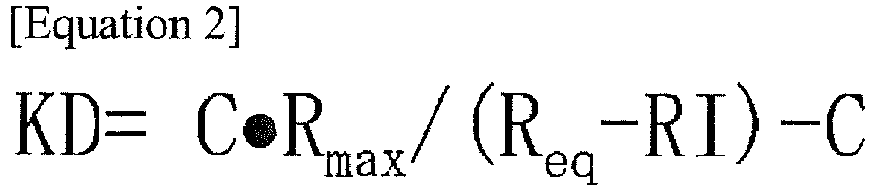
- KD can be calculated by substituting the values of Rmax, RI, and C into this equation. From the current measurement conditions, RI = 0, C = 2 µmol/L can be used. Furthermore, the Rmax value obtained when globally fitting the sensorgram obtained as a result of analyzing the interaction of each FcγR with IgG1 using the 1:1 Langmuir binding model was divided by the amount of IgG1 captured, this was multiplied by the amount of IgG1-v1 and IgG1-v2 captured, and the resulting value was used as Rmax. This calculation is based on the hypothesis that the limit quantity of each FcγR that can be bound by IgG1 remains unchanged for all variants produced by introducing mutations into IgG1, and the Rmax at the time of measurement is proportional to the amount of antibody bound on the chip at the time of measurement. Req was defined as the amount of binding of each FcγR to each variant on the sensor chip observed at the time of measurement.
- Under these measurement conditions, the amount of binding (Req) of IgG1-v1 and IgG1-v2 to FcγRIIa type H was approximately 2.5 RU and 10 RU, respectively, and the amount of binding (Req) of IgG1-v1 and IgG1-v2 to FcγRIIIa was approximately 2.5 RU and 5 RU, respectively. The amount of IgG1, IgG1-v1, and IgG1-v2 captured in the analysis of interactions with H-type FcγRIIa was 452 RU, 469.2 RU, and 444.2 RU, respectively, and the amount of IgG1, IgG1-v1, and IgG1-v2 captured in the analysis of interactions with FcγRIIIa was 454.5 RU, 470.8 RU, and 447.1 RU, respectively. The Rmax values obtained from global fitting of sensorgrams obtained as a result of analyzing the interaction of IgG1 with H-type FcγRIIa and FcγRIIIa using the 1:1 Langmuir binding model were 69.8 RU and 63.8 RU, respectively. When these values were used, the calculated Rmax values of IgG1-v1 and IgG1-v2 to FcγRIIa type H were 72.5 RU and 68.6 RU, respectively, and the calculated Rmax values of IgG1-v1 and IgG1-v2 to FcγRIIIa were 66.0 RU and 62.7 RU, respectively. These values were substituted into
Equation 2 to calculate the KD of IgG1-v1 and IgG1-v2 for FcγRIIa type H and FcγRIIIa.
- The KD values of IgG1, IgG1-v1, IgG1-v2, and IgG1-v3 for each FcγR (the KD values of each antibody for each FcγR) are shown in Table 1, and the relative KD values of IgG1-v1, IgG1-v2, and IgG1-v3 obtained by taking the KD values of IgG1 for each FcγR and dividing them by the KD values of IgG1-v1, IgG1-v2, and IgG1-v3 for each FcγR (the relative KD values of each antibody for each FcγR) are shown in Table 2.
[Table 1] IgG1 IgG1-v1 IgG1-v2 IgG1-v3 FcγRIa 3.4E-10 7.3E-09 4.6E-10 1.9E-10 FcγRIIa R 1.2E-06 1.2E-05 2.9E-06 2.3E-09 FcγRIIa H 7.7E-07 5.6E-05* 1.2E-05* 1.5E-06 FcγRIIb 5.3E-06 1.1E-06 2.3E-06 1.3E-08 FcγRIIIa 3.1 E-06 5.1 E-05* 2.3E-05* 8.8E-06 (mol/L) - In Table 1 shown above, "*" means that the KD value was calculated using
Equation 2 because binding of FcγR to IgG was not sufficiently observed.
[Table 2] IgG1-v1 gG1-v2 IgG1-v3 FcγRIa 0.047 0.74 1.8 FcγRIIa R 0.10 0.41 522 FcγRIIa H 0.014 0.064 0.51 FcγRIIb 4.8 2.3 408 FcγRIIIa 0.061 0.14 0.35 (THE VALUE OBTAINED BY DIVIDING THE KD VALUE OF IgG1 FOR EACH FcγR BY THE KD VALUE OF EACH ANTIBODY IgG1 FOR EACH FcγR) - According to Table 2, when compared with that of IgG1, the binding activity of IgG1-v1 was decreased to 0.047-fold for FcγRIa, decreased to 0.10-fold for FcγRIIa type R, decreased to 0.014-fold for FcγRIIa type H, decreased to 0.061-fold for FcγRIIIa, and increased to 4.8-fold for FcγRIIb.
- Furthermore, according to Table 2, when compared with that of IgG1, the binding activity of IgG1-v2 was decreased to 0.74-fold for FcγRIa, decreased to 0.41-fold for FcγRIIa type R, decreased to 0.064-fold for FcγRIIa type H, decreased to 0.14-fold for FcγRIIIa, and increased to 2.3-fold for FcγRIIb.
- More specifically, these results demonstrated that IgG1-v1 having an alteration of substituting Pro at position 238 (EU numbering) with Asp and IgG1-v2 having an alteration of substituting Leu at position 328 (EU numbering) with Glu have the properties of weakening the binding to all activating FcγRs including both allotypes of FcγRIIa, while enhancing the binding to FcγRIIb which is an inhibitory FcγR.
- Next, selectivity of the obtained variant to FcγRIIb was evaluated by using the ratio of FcγRIIb-binding activity to the binding activity towards type R or type H of FcγRIIa as the indicator. Specifically, I/A(R) or I/A(H), which is a value obtained by dividing the KD value for FcγRIIa type R or type H by the KD value for FcγRIIb, was used as an indicator for the selectivity of FcγRIIb with respect to each FcγRIIa. This indicator has a greater value when the KD value for FcγRIIb becomes smaller or when the KD value for FcγRIIa becomes larger. That is, a variant that shows a larger value shows an increased binding activity for FcγRIIb relative to FcγRIIa. These indicators are summarized in Table 3 for each variant.
[Table 3] IgG1 IgG1-v1 IgG1-v2 IgG1-v3 I/A (R) 0.23 11 1.3 0.18 I/A (H) 0.15 51 5.2 115 - According to the results of Table 3, in comparison with IgG1, IgG1-v3 which was produced by applying the existing technology showed a greater 1/A(H) value than that of IgG1 and a greater selectivity for FcγRIIb, but a smaller 1/A(R) value than that of IgG1 and an improved selectivity for FcγRIIb. On the other hand, IgG1-v1 and IgG1-v2 found in the Examples have larger I/A(R) and I/A(H) values than those of IgG1, and improved selectivity for FcγRIIb over both allotypes of FcγRIIa.
- So far, alterations having such properties have not been reported, and they are in fact very rare as shown in
Figs. 1 ,2 ,3 , and4 . Alterations produced by substituting Pro at position 238 (EU numbering) with Asp or substituting Leu at position 328 (EU numbering) with Glu are very useful for the development of therapeutic agents for immunological inflammatory diseases and such. - Furthermore, Table 2 shows that IgG1-v3 described in Non-Patent Document 27 certainly shows a 408-fold enhanced binding to FcγRIIb, while the binding to FcγRIIa type H is decreased to 0.51 fold, and the binding to FcγRIIa type R is enhanced to 522 fold. According to these results, since IgG1-v1 and IgG1-v2 suppress their binding to both FcγRIIa types R and H, and enhance their binding to FcγRIIb, they are considered to be variants that bind with a greater FcγRIIb selectivity compared with IgG1-v3. Specifically, alterations produced by substituting Pro at position 238 (EU numbering) with Asp or substituting Leu at position 328 (EU numbering) with Glu are very useful for the development of therapeutic agents for immunological inflammatory diseases and such.
- Further enhancement of the selectivity for FcγRIIb was attempted based on the variant which has improved selectivity for FcγRIIb and has a substitution of Pro at position 238 (EU numbering) with Asp found in Examples 1 and 2.
- First, into IL6R-G1d_v1 (SEQ ID NO: 21) produced by introducing into IL6R-G1d the alteration produced by substituting Pro at position 238 (EU numbering) with Asp, the substitution of Leu at position 328 (EU numbering) with Glu as described in Example 2 which enhances selectivity for FcγRIIb was introduced to produce the IL6R-G1d-v4 variant (SEQ ID NO: 25). This was combined with IL6R-L (SEQ ID NO: 22) and prepared according to the method of Reference Example 1. The obtained antibody having the amino acid sequence derived from IL6R-G1d-v4 as the antibody H chain has been named IgG1-v4. The binding activities of IgG1, IgG1-v1, IgG1-v2, and IgG1-v4 to FcγRIIb were evaluated according to the method of Reference Example 2, and those results are shown in Table 4.
[Table 4] Variant Alteration KD for FcγRIIb (mol/L) Relative KD for FcγRIIb (KD of IgG1 / KD of each variant) IgG1 - 5.30E-06 1 IgG1-v1 Substitution of Pro at position 238 (EU numbering) with Asp 1.10E-06 4.8 IgG1-v2 Substitution of Leu at position 328 (EU numbering) with Glu 2.30E-06 2.3 IgG1-v4 Substitution of Pro at position 238 (EU numbering) with Asp and substitution of Leu at position 328 (EU numbering) with Glu 1.10E-05 0.47 - From the results of Table 4, since L328E improves the FcγRIIb-binding activity by 2.3 fold compared with IgG1, combining it with P238D which similarly improves the FcγRIIb-binding activity by 4.8 fold compared with IgG1 was anticipated to further increase the degree of improvement of FcγRIIb-binding activity; however, in reality, the FcγRIIb-binding activity of the variant containing a combination of these alterations was decreased to 0.47 fold compared with that of IgG1. This result is an effect that could not have been predicted from the respective alterations.
- Similarly, into IL6R-G1d-v1 (SEQ ID NO: 21) produced by introducing into IL6R-Gld the alteration produced by substituting Pro at position 238 (EU numbering) with Asp, the substitutions of Ser at position 267 (EU numbering) with Glu and of Leu at position 328 (EU numbering) with Phe as described in Example 2 which improve FcγRIIb-binding activity were introduced, and the IL6R-G1d-v5 variant (SEQ ID NO: 26) was prepared according to the method of Reference Example 1. The obtained antibody having the amino acid sequence derived from IL6R-G1d-v5 as the antibody H chain has been named IgG1-v5. The FcγRIIb-binding activities of IgG1, IgG1-v1, IgG1-v3, and IgG1-v5 were evaluated according to the method of Reference Example 2, and those results are shown in Table 5.
- S267E/L328F which had an enhancing effect on FcγRIIb in Example 2 was introduced into the P238D variant, and its FcγRIIb-binding activities before and after introducing this alteration were evaluated. The results are shown in Table 5.
[Table 5] Variant Alteration KD for FcγRIIb (mol/L) Relative KD for FcγRIIb (KD of IgG1 / KD of each variant) IgG1 - 5.30E-06 1 IgG1-v1 Substitution of Pro at position 238 (EU numbering) with Asp 1.10E-06 4.8 IgG1-v3 Substitution of Ser at position 267 (EU numbering) with Glu and substitution of Leu at position 328 (EU numbering) with Phe 1.30E-08 408 IeG1-v5 Substitution of Pro at position 238 (EU numbering) with Asp, substitution of Ser at position 267 (EU numbering) with Glu, and substitution of Leu at position 328 (EU numbering) with Phe 4.50E-07 12 - From the results of Table 5, since S267E/L328F improves the FcγRIIb-binding activity by 408 fold compared with IgG1, combining it with P238D which similarly improves the FcγRIIb-binding activity by 4.8 fold as compared with IgG1 was anticipated to further increase the degree of improvement of FcγRIIb-binding activity; however, in reality, in a similar manner to the former example, the FcγRIIb-binding activity of the variant containing a combination of these alterations was improved only 12 fold or so as compared with that of IgG1. This result is also an effect that could not have been predicted from the effects of the respective alterations.
- These results showed that while the substitution of Pro at position 238 (EU numbering) with Asp alone improves FcγRIIb-binding activity, the effect is not exhibited when it is combined with other alterations that improve the FcγRIIb-binding activity. A reason for this may be that the structure at the interacting interface between Fc and FcγR is changed by introducing the substitution of Pro at position 238 (EU numbering) with Asp and the effects of alterations observed in the naturally-occurring antibody are no longer reflected in the results. Accordingly, it was considered to be extremely difficult to create an Fc with excellent selectivity for FcγRIIb using an Fc comprising substitution of Pro at position 238 (EU numbering) with Asp as a template, since the information on effects of alterations obtained with naturally-occurring antibodies could not be applied.
- As shown in Example 3, in an Fc produced by substituting Pro at position 238 (EU numbering) with Asp in a naturally-occurring human IgG1, an anticipated combinatorial effect could not be obtained even by combining it with another alteration predicted to further increase FcγRIIb binding. Therefore, based on the altered Fc produced by substituting Pro at position 238 (EU numbering) with Asp, examination was carried out by comprehensively introducing alterations into the Fc to find variants that further enhance FcγRIIb binding. For the antibody H chains, IL6R-F11 (SEQ ID NO: 27) was produced by introducing an alteration of substituting Met at position 252 (EU numbering) with Tyr and an alteration of substituting Asn at position 434 (EU numbering) with Tyr into IL6R-G1d (SEQ ID NO: 20), and IL6R-F652 (SEQ ID NO: 28) was prepared by introducing an additional alteration of substituting Pro at position 238 (EU numbering) with Asp. Expression plasmids containing an antibody H chain sequence were prepared for each of the antibody H chain sequences produced by substituting the region near the residue at position 238 (EU numbering) (positions 234 to 237, and 239 (EU numbering)) in IL6R-F652 each with 18 amino acids excluding the original amino acids and Cys. IL6R-L (SEQ ID NO: 22) was utilized as a common antibody L chain for all of the antibodies. These variants were expressed, purified, and expressed by the method of Reference Example 1. These Fc variants are called PD variants. Interactions of each PD variant with FcγRIIa type R and FcγRIIb were comprehensively evaluated by the method of Reference Example 2.
- With regard to the results of analyzing the interaction with the respective FcγRs, a figure was produced according to the following method. The value obtained by dividing the value for the amount of binding of each PD variant to each FcγR by the value for the amount of FcγR binding of the pre-altered antibody which is used as the control (IL6R-F652/IL6R-L, which has an alteration of substituting Pro at position 238 (EU numbering) with Asp and then multiplying the result by 100, was used as the relative binding activity value of each PD variant to each FcγR. The horizontal axis shows relative values of the FcγRIIb-binding activity of each PD variant, and the vertical axis shows relative values of the FcγRIIa type R-binding activity values of each PD variant (
Fig. 6 ). - As a result, eleven types of alterations were found to have the effects of enhancing FcγRIIb binding and maintaining or enhancing FcγRIIa type R-binding in comparison with the antibody before introducing alterations. The activities of these eleven variants to bind FcγRIIb and FcγRIIa R are summarized in Table 6. In the table, SEQ ID NO refers to the SEQ ID NO of the H chain of the evaluated variant, and alteration refers to the alteration introduced into IL6R-F11 (SEQ ID NO: 27).
[Table 6] SEQ ID NO VARIANT NAME ALTERATION RELATIVE FcγRIIb-BINDING ACTIVITY RELATIVE FcγRIIaR-BINDING ACTIVITY 28 IL6R-F652/IL6R- L P238D 100 100 29 IL6R-PD042/IL6R-L P238D/L234W 106 240 30 IL6R-PD043/IL6R-L P238D/L234Y 112 175 31 IL6R-PD079/IL6R-L P238D/G237A 101 138 32 IL6R-PD080/IL6R-L P238D/G237D 127 222 33 IL6R-PD081/IL6R-L P238D/G237E 101 117 34 IL6R-PD082/IL6R-L P238D/G237F 108 380 35 IL6R-PD086/IL6R-L P238D/G237L 112 268 36 IL6R-PD087/IL6R-L P238D/G237M 109 196 37 IL6R-PD094/IL6R-L P238D/G237W 122 593 38 IL6R-PD095/IL6R-L P238D/G237Y 124 543 39 IL6R-PD097/IL6R-L P238D/S239D 139 844 -
Fig. 7 shows relative values for the FcγRIIb-binding activity obtained by additionally introducing these eleven alterations into a variant carrying the P238D alteration, and relative values for the FcγRIIb-binding activity obtained by introducing these alterations into an Fc that does not contain the P238D alteration in Example 1. These eleven alterations enhanced the amount of FcγRIIb binding compared with before introduction when they were further introduced into the P238D variant, but on the contrary, the effect of lowering FcγRIIb binding was observed for eight of those alterations except G237F, G237W, and S239D, when they were introduced into the variant that does not contain P238D (GpH7-B3/GpL16-k0) used in Example 1. Example 3 and these results showed that from the effects of introducing alterations into a naturally-occurring IgG1, it is difficult to predict the effects of introducing the same alterations into the variant containing an Fc with the P238D alteration. In other words, it would not have been possible to discover these eight alterations identified this time without this investigation. - The results of measuring KD values of the variants indicated in Table 6 for FcγRIa, FcγRIIaR, FcγRIIaH, FcγRIIb, and FcγRIIIaV by the method of Reference Example 2 are summarized in Table 7. In the table, SEQ ID NO refers to the SEQ ID NO of the H chain of the evaluated variant, and alteration refers to the alteration introduced into IL6R-F11 (SEQ ID NO: 27). The template used for producing IL6R-F11, IL6R-G1d/IL6R-L, is indicated with an asterisk (*). Furthermore, KD(IIaR)/KD(IIb) and KD(IIaH)/KD(IIb) in the table respectively show the value obtained by dividing the KD value of each variant for FcγRIIaR by the KD value of each variant for FcγRIIb, and the value obtained by dividing the KD value of each variant for FcγRIIaH by the KD value of each variant for FcγRIIb. KD(IIb) of the parent polypeptide / KD(IIb) of the altered polypeptide refers to a value obtained by dividing the KD value of the parent polypeptide for FcγRIIb by the KD value of each variant for FcγRIIb. In addition, Table 7 shows KD values for the stronger of the FcγRIIaR- and FcγRIIaH-binding activities of each variant / KD values for the stronger of the FcyRIIaR- and FcγRIIaH-binding activities of the parent polypeptide. Here, parent polypeptide refers to a variant which has IL6R-F11 (SEQ ID NO: 27) as the H chain. It was determined that due to weak binding of FcγR to IgG, it was impossible to accurately analyze by kinetic analysis, and thus the gray-filled cells in Table 7 show values calculated by using
Equation 2 of Reference Example 2.
- Table 7 shows that all variants improved their affinity for FcγRIIb in comparison with IL6R-F11, and the range of improvement was 1.9 fold to 5.0 fold. The ratio of KD value of each variant for FcγRIIaR / KD value of each variant for FcγRIIb, and the ratio of KD value of each variant for FcγRIIaH / KD value of each variant for FcγRIIb represent an FcγRIIb-binding activity relative to the FcγRIIaR-binding activity and FcγRIIaH-binding activity, respectively. That is, these values show the degree of binding selectivity of each variant for FcγRIIb, and a larger value indicates a higher binding selectivity for FcγRIIb. For the parent polypeptide IL6R-F11/IL6R-L, the ratio of KD value for FcγRIIaR / KD value for FcγRIIb and the ratio of KD value for FcγRIIaH / KD value for FcγRIIb are both 0.7, and accordingly all variants in Table 7 showed improvement of binding selectivity for FcγRIIb in comparison with the parent polypeptide. When the KD value for the stronger of the FcγRIIaR- and FcγRIIaH-binding activities of a variant / KD value for the stronger of the FcγRIIaR- and FcγRIIaH-binding activities of the parent polypeptide is 1 or more, this means that the stronger of the FcγRIIaR- and FcγRIIaH-binding activities of a variant has equivalent or reduced binding compared with the binding by the stronger of the FcγRIIaR- and FcγRIIaH-binding activities of the parent polypeptide. Since this value was 0.7 to 5.0 for the variants obtained this time, one may say that binding by the stronger of the FcγRIIaR- and FcγRIIaH-binding activities of the variants obtained this time was nearly the same or decreased in comparison with the parent polypeptide. These results showed that compared with the parent polypeptide, the variants obtained this time have maintained or decreased binding activities to FcγRIIa type R and type H, and improved selectivity for FcγRIIb. Furthermore, compared with IL6R-F11, all variants had lower affinity to FcγRIa and FcγRIIIaV.

- As indicated earlier in Example 3, even though an alteration that improves FcγRIIb-binding activity or selectivity for FcγRIIb is introduced into an Fc containing P238D, the FcγRIIb-binding activity was found to decrease, and the reason for this may be that the structure at the interacting interface between Fc and FcγRIIb is changed due to introduction of P238D. Therefore, to pursue the reason for this phenomena, the three-dimensional structure of the complex formed between an IgG1 Fc containing the P238D mutation (hereinafter, Fc(P238D)) and the extracellular region of FcγRIIb was elucidated by X-ray crystallographic analysis, and the three-dimensional structure and binding mode were compared to those of the complex formed between the Fc of a naturally-occurring IgG1 (hereinafter, Fc(WT)) and the extracellular region of FcγRIIb. Many reports have been made on the three-dimensional structure of a complex formed between an Fc and an FcγR extracellular region; and the three-dimensional structures of the Fc(WT) / FcγRIIIb extracellular region complex (Nature, 2000, 400: 267-273; J. Biol. Chem. 2011, 276: 16469-16477), the Fc(WT) / FcγRIIIa extracellular region complex (Proc. Natl. Acad. Sci. USA, 2011, 108: 12669-126674), and the Fc(WT) / FcγRIIa extracellular region complex (J. Imunol. 2011, 187: 3208-3217) have been analyzed. While the three-dimensional structure of the Fc(WT) / FcγRIIb extracellular region complex has not been analyzed, the three-dimensional structure of a complex formed with Fc(WT) is known for FcγRIIa, and the extracellular regions of FcγRIIa and FcγRIIb match 93% in amino acid sequence and have very high homology. Thus, the three-dimensional structure of the Fc(WT) / FcyRIIb extracellular region complex was predicted by modeling using the crystal structure of the Fc(WT) / FcγRIIa extracellular region complex.
- The three-dimensional structure of the Fc(P238D) / FcγRIIb extracellular region complex was determined by X-ray crystallographic analysis at 2.6 Å resolution. The structure obtained as a result of this analysis is shown in
Fig. 8 . The FcγRIIb extracellular region is bound between two Fc CH2 domains, and this is similar to the three-dimensional structures of complexes formed between Fc(WT) and the respective extracellular region of FcγRIIIa, FcγRIIIb, or FcγRIIa analyzed so far. - Next, for detailed comparison, the crystal structure of the Fc(P238D) / FcγRIIb extracellular region complex and the model structure of the Fc(WT) / FcγRIIb extracellular region complex were superimposed by the least squares fitting based on the Cα atom pair distances with respect to the FcγRIIb extracellular region and the Fc CH2 domain A (
Fig. 9 ). In that case, the degree of overlap between Fc CH2 domains B was not satisfactory, and conformational differences were found in this portion. Furthermore, using the crystal structure of the Fc(P238D) / FcγRIIb extracellular region complex and the model structure of the Fc(WT) / FcγRIIb extracellular region complex, pairs of atoms that have a distance of 3.7 Å or less between the FcγRIIb extracellular region and Fc CH2 domain B were extracted and compared in order to observe the differences in interatomic interactions between FcγRIIb and Fc CH2 domain B in Fc(WT) and Fc(P238D). As shown in Table 8, the interatomic interactions between Fc CH2 domain B and FcγRIIb in Fc(P238D) and Fc(WT) do not match.[Table 8] FcgRIIb ATOM Fc(P238D) CH2 DOMAIN B INTERACTION PARTNER (DISTANCE BETWEEN ATOMS, Å) Fc(WT) CH2 DOMAIN B INTERACTION PARTNER (DISTANCE BETWEEN ATOMS, Å) Val 116 CG2 Asp 265 OD2 (3.47) Gly 237 O (3.65) Ser 126 OG Ser 298 N (3.31) Ser 298 CB (3.32) Tyr 296 O (3.05) Lys 128 CA Ser 298 OG (3.50) Phe 129 CB Ser 298 O (3.36) Phe 129 CD2 Asn 297 CB (3.50) Asn 297 CG (3.43) Lys 128 C Ser 298 OG (3.47) Phe 129 N Ser 298 OG (3.30) Phe 129 O Ser 267 OG (3.54) Arg 131 CB Val 266 O (3.02) FcgRllb ATOM Fc(P238D) CH2 DOMAIN B INTERACTION PARTNER (DISTANCE BETWEEN ATOMS, Å) Fc(WT) CH2 DOMAIN B INTERACTION PARTNER (DISTANCE BETWEEN ATOMS, Å) Arg 131 CG Val 266 O (3.22) Arg 131 CD Val 266 CG1 (3.45) Val 266 C (3.55) Val 266 O (3.10) Arg 131 NE Ala 327 O (3.60) Val 266 C (3.66) Val 266 O (3.01) Val 266 N (3.49) Arg 131 CZ Asp 270 CG (3.64) Val 266 N (3.13) Asp 270 OD2 (3.22) Asp 270 OD1 (3.27) Ala 327 CB (3.63) Arg 131 NH1 Asp 270 CG (3.19) Val 266 CG1 (3.47) Asp 270 OD2 (2.83) Val 266 N (3.43) Asp 270 OD1 (2.99) Thr 299 OG1 (3.66) Ser 267 CB (3.56) Ser 298 O (3.11) Arg 131 NH2 Asp 270 CG (3.20) Asp 270 OD2 (2.80) Asp 265 CA (3.16) Asp 270 OD1 (2.87) Val 266 N (3.37) Ala 327 CB (3.66) Tyr 157 CE1 Leu 234 CG (3.64) Leu 234 CD1 (3.61) Tyr 157 OH Gly 236 O (3.62) Leu 234 CA (3.48) Leu 234 CG (3.45) - Furthermore, the X-ray crystal structure of the Fc(P238D) / FcγRIIb extracellular region complex and the model structure of the Fc(WT) / FcγRIIb extracellular region complex were superimposed by the least squares fitting based on the Cα atom pair distances with respect to the only Fc CH2 domain A or the only Fc CH2 domain B, and the detailed structures near P238D were compared. The location of the amino acid residue at position 238 (EU numbering), which is mutation introduction position, is changed between Fc(P238D) and Fc(WT), one can see that along with this change, the nearby loop structure continuing from this hinge region is changed between Fc(P238D) and Fc(WT) (
Fig. 10 ). Originally in Fc(WT), Pro at position 238 (EU numbering) is present on the inner side of the protein, and forms a hydrophobic core with the surrounding residues. However, when this residue is changed to a charged and very hydrophilic Asp, the presence in the same hydrophobic core would cause energetical disadvantage in terms of desolvation. Therefore, in Fc(P238D), to cancel this energetically disadvantageous situation, the amino acid residue at position 238 (EU numbering) changes its orientation to face the solvent side, and this may have caused this change in the nearby loop structure. Furthermore, since this loop continues from the hinge region crosslinked by an S-S bond, its structural change will not be limited to a local change, and will affect the relative positioning of the FcCH2 domain A and domain B. As a result, the interatomic interactions between FcγRIIb and Fc CH2 domain B have been changed. Therefore, predicted effects could not be observed when alterations that improve selectivity and binding activity towards FcγRIIb in a naturally-occurring IgG were combined with an Fc containing the P238D alteration. - Furthermore, as a result of structural changes due to introduction of P238D in Fc CH2 domain A, a hydrogen bond has been found between the main chain of Gly at adjacent position 237 (EU numbering) and Tyr at
position 160 in FcγRIIb (Fig. 11 ). The residue in FcγRIIa that corresponds to thisTyr 160 is Phe; and when the binding is to FcγRIIa, this hydrogen bond is not formed. The amino acid atposition 160 is one of the few differences between FcγRIIa and FcγRIIb at the interface of interaction with Fc, the presence of this hydrogen bond which is specific to FcγRIIb is presumed to have led to improvement of FcγRIIb-binding activity and decrease of FcγRIIa-binding activity in Fc(P238D), and improvement of its selectivity. Furthermore, in Fc CH2 domain B, an electrostatic interaction is observed between Asp at position 270 (EU numbering) and Arg at position 131 in FcγRIIb (Fig. 12 ). In FcγRIIa type H, which is one of the allotypes of FcγRIIa, the corresponding residue is His, and therefore cannot form this electrostatic interaction. This can explain why the Fc(P238D)-binding activity is lowered in FcγRIIa type H compared with FcγRIIa type R. Observations based on such results of X-ray crystallographic analysis showed that the change of the loop structure beside P238D due to P238D introduction and the accompanying change in the relative domain positioning causes formation of new interactions not found in the naturally-occurring IgG, and this led to a selective binding profile of P238D variants for FcγRIIb. - An Fc containing the P238D alteration was prepared as follows. First, Cys at position 220 (EU numbering) of hIL6R-IgG1-v1 (SEQ ID NO: 21) was substituted with Ser. Then, genetic sequence of Fc(P238D) from Glu at position 236 (EU numbering) to its C terminal was cloned by PCR. Using this cloned genetic sequence, production of expression vectors, and expression and purification of Fc(P238D) were carried out according to the method of Reference Example 1. Cys at position 220 (EU numbering) forms a disulfide bond with Cys of the L chain in general IgG1. The L chain is not co-expressed when Fc alone is prepared, and therefore, this residue was substituted with Ser to avoid formation of unnecessary disulfide bonds.
- This was prepared according to the method of Reference Example 2.
- To 2 mg of the FcγRIIb extracellular region sample obtained for crystallization, 0.29 mg of Endo F1 ( Protein Science 1996, 5: 2617-2622) expressed and purified from Escherichia coli as a glutathione S-transferase fusion protein was added. This was allowed to remain at room temperature for three days in 0.1 M Bis-Tris buffer at pH 6.5, and the N-linked oligosaccharide was cleaved, leaving N-acetylglucosamine directly bound to Asn. Next, this FcγRIIb extracellular domain sample subjected to carbohydrate cleavage treatment was concentrated by ultrafiltration with 5000 MWCO, and purified by gel filtration chromatography (
Superdex200 10/300) using a column equilibrated in 20 mM HEPS at pH 7.5 containing 0.05 M NaCl. Furthermore, to the obtained carbohydrate-cleaved FcγRIIb extracellular region fraction, Fc(P238D) was added so that the molar ratio of the FcγRIIb extracellular region would be present in slight excess, and after concentration by ultrafiltration with 10,000 MWCO, a sample of the Fc(P238D) / FcγRIIb extracellular region complex was obtained through purification by gel filtration chromatography (Superdex200 10/300) using a column equilibrated in 20 mM HEPS at pH 7.5 containing 0.05 M NaCl. - A sample of the Fc(P238D) / FcγRIIb extracellular region complex was concentrated to approximately 10 mg/mL by ultrafiltration with 10,000 MWCO, and crystallization was carried out by the sitting drop vapor diffusion method. Hydra II Plus One (MATRIX) was used for crystallization; and for a reservoir solution containing 100 mM Bis-Tris pH 6.5, 17% PEG3350, 0.2 M ammonium acetate, and 2.7% (w/v) D-Galactose, a crystallization drop was produced by mixing at a ratio of reservoir solution : crystallization sample = 0.2 µL : 0.2 µL, and after sealing, this was allowed to remain at 20°C, and thin plate-like crystals were successfully obtained.
- One of the obtained single crystals of the Fc(P238D) / FcγRIIb extracellular region complex was soaked into a solution of 100 mM Bis-Tris pH 6.5, 20% PEG3350, ammonium acetate, 2.7% (w/v) D-Galactose, 22.5% (v/v) ethylene glycol. The crystal was fished out of the solution using a pin with attached tiny nylon loop, and frozen in liquid nitrogen; and then X-ray diffraction data was measured at synchrotron radiation facility Photon Factory BL-1A in High Energy Accelerator Research Organization. During the measurement, the crystal was constantly placed in a nitrogen stream at -178°C to maintain in a frozen state, and a total of 225 X ray diffraction images were collected using Quantum 270 CCD detector (ADSC) attached to a beam line with rotating the crystal 0.8° at a time. Determination of cell parameters, indexing of diffraction spots, and diffraction data processing from the obtained diffraction images were performed using the Xia2 program (CCP4 Software Suite), XDS Package (Walfgang Kabsch) and Scala (CCP4 Software Suite); and finally, diffraction intensity data up to 2.46 Å resolution was obtained. The crystal belongs to the space group P21, and has the following cell parameters; a = 48.85 Å, b = 76.01 Å, c = 115.09 Å, α = 90°, β = 100.70°, γ = 90°.
- Crystal structure of the Fc(P238D) / FcγRIIb extracellular region complex was determined by the molecular replacement method using the program Phaser (CCP4 Software Suite). From the size of the obtained crystal lattice and the molecular weight of the Fc(P238D) / FcγRIIb extracellular region complex, the number of complexes in the asymmetric unit was predicted to be one. From the structural coordinates of PDB code: 3SGJ which is the crystal structure of the Fc(WT) / FcγRIIIa extracellular region complex, the amino acid residue portions of the A chain positions 239-340 and the B chain positions 239-340 were taken out as separate coordinates, and they were used respectively as models for searching the Fc CH2 domains. The amino acid residue portions of the A chain positions 341-444 and the B chain positions 341-443 were taken out as a single set of coordinates from the same structural coordinates of PDB code: 3SGJ; and this was used as a model for searching the Fc CH3 domains. Finally, from the structural coordinates of PDB code: 2FCB which is a crystal structure of the FcγRIIb extracellular region, the amino acid residue portions of the A chain positions 6-178 was taken out and used as a model for searching the FcγRIIb extracellular region. The orientation and position of each search model in the crystal lattice were determined in the order of Fc CH3 domain, FcγRIIb extracellular region, and Fc CH2 domain, based on the rotation function and translation function to obtain the initial model for the crystal structure of the Fc(P238D) / FcγRIIb extracellular region complex. When rigid body refinement which moves the two Fc CH2 domains, the two Fc CH3 domains, and the FcγRIIb extracellular region was performed on the obtained initial model, the crystallographic reliability factor, R value became 40.4%, and the Free R value became 41.9% to diffraction intensity data from 25 Å to 3.0 Å at this point. Furthermore, structural refinement using the program Refmac5 (CCP4 Software Suite), and revision of the model to observe the electron density maps whose coefficient have 2Fo-Fc or Fo-Fc, which are calculated based on the experimentally determined structural factor Fo, the calculated structural factor Fc and the calculated phase using the model, was carried out by the Coot program (Paul Emsley), and model refinement was carried out by repeating these steps. Finally, as a result of incorporation of water molecules into the model based on the electron density maps which use 2Fo-Fc or Fo-Fc as the coefficient, and the following refinement, the crystallographic reliability factor, R values and the Free R value of the model containing 4846 non-hydrogen atoms became 23.7% and 27.6% to 24291 diffraction intensity data from 25 Å to 2.6 Å resolution, respectively.
- Based on the structural coordinates of PDB code: 3RY6 which is a crystal structure of the Fc(WT) / FcγRIIa extracellular region complex, the Build Mutants function of the Discovery Studio 3.1 program (Accelrys) was used to introduce mutations to match the amino acid sequence of FcγRIIb into FcγRIIa in this structural coordinates. In that case, the Optimization Level was set to High, Cut Radius was set to 4.5, five models were generated, and the one with the best energy score from among them was employed as the model structure for the Fc(WT)/ FcγRIIb extracellular region complex.
- Based on the results of X-ray crystallographic analysis on the complex formed between Fc(P238D) and the FcγRIIb extracellular region obtained in Example 5, comprehensive alterations were introduced into sites on the altered Fc having substitution of Pro at position 238 (EU numbering) with Asp that were predicted to affect interaction with FcγRIIb, (residues of
positions - IL6R-B3 (SEQ ID NO: 40) was produced by introducing into IL6R-Gld (SEQ ID NO: 20) produced in Example 2, the alteration produced by substituting Lys at position 439 (EU numbering) with Glu. Next, IL6R-BF648 (SEQ ID NO: 41) was produced by introducing into IL6R-B3, the alteration produced by substituting Pro at position 238 (EU numbering) with Asp. IL6R-L (SEQ ID NO: 22) was utilized as the common antibody L chain for all of the antibodies. These antibody variants were expressed and purified according to the method of Reference Example 1, and binding to each of the FcγRs (FcγRIa, FcγRIIa type H, FcγRIIa type R, FcγRIIb, and FcγRIIIa type V) was comprehensively evaluated by the method of Reference Example 2.
- A figure was produced according to the following method for the results of analyzing the interactions with the respective FcγRs. The value for the amount of binding of each variant to each FcγR was divided by the value for the amount of binding of the pre-altered control antibody (IL6R-BF648/IL6R-L with Pro at position 238 (EU numbering) substituted with Asp) to each FcγR, and the obtained was then multiplied by 100 and used as the relative binding activity value of each variant to each FcγR. The horizontal axis shows the relative binding activity value of each variant to FcγRIIb, and the vertical axis shows the relative binding activity value of each variant to FcγRIIa type R (
Fig. 13 ). - As shown in
Fig. 13 , the results show that of all the alterations, 24 types of alterations were found to have an effect of maintaining or enhancing FcγRIIb binding in comparison with the pre-altered antibody. The binding of these variants to each of the FcγRs are shown in Table 9. In the table, SEQ ID NO refers to the SEQ ID NO of the H chain of the evaluated variant, and alteration refers to the alteration introduced into IL6R-B3 (SEQ ID NO: 40). The template used for producing IL6R-B3, IL6R-Gld/IL6R-L, is indicated with an asterisk (*).[Table 9] SEQ ID NO VARIANT NAME ALTERNATION RELATIVE FcgRIa-BINDING ACTIVITY RELATIVE FcgRIIaR-BINDING ACTIVITY RELATIVE FcgRIIaH-BINDING ACTIVITY RELATIVE FcgRIIb-BINDING ACTIVITY RELATIVE FcgRIIIaV-BINDING ACTIVITY 20 IL6R-G1d/IL6R-L * 140 650 1670 62 3348 40 IL6R-2B999/IL6R-L 145 625 1601 58 3264 41 IL6R-BF648/IL6R-L P238D 100 100 100 100 100 42 IL6R-2B002/IL6R-L P238D/E233D 118 103 147 116 147 43 IL6R-BP100/IL6R-L P238D/S267A 121 197 128 110 138 44 IL6R-BP102/IL6R-L P238D/S267Q 104 165 66 106 86 45 IL6R-BP103/1L6R-L P238D/S267V 56 163 69 107 77 46 IL6R-BP106/IL6R-L P238D/H268D 127 150 110 116 127 47 IL6R-BP107/IL6R-L P238D/H268E 123 147 114 118 129 48 IL6R-BP110/IL6R-L P238D/H268N 105 128 127 101 127 49 IL6R-BP1 12/IL6R-L P238D/P271G 119 340 113 157 102 50 IL6R-2B128/IL6R-L P238D/Y296D 95 87 37 103 96 51 IL6R-2B169/IL6R-L P238D/V3231 73 92 83 104 94 52 IL6R-2B171/IL6R-L P238D/V323L 116 117 115 113 122 53 IL6R-2B172/IL6R-L P238D/V323M 140 244 179 132 144 54 IL6R-BP136/IL6R-L P238D/K326A 117 159 103 119 102 55 IL6R-BP117/IL6R-L P238D/K326D 124 166 96 118 105 56 IL6R-BP120/IL6R-L P238D/K326E 125 175 92 114 103 57 IL6R-BP126/IL6R-L P238D/K326L 113 167 132 103 146 58 IL6R-BP119/IL6R-L P238D/K326M 117 181 133 110 145 59 IL6R-BP142/IL6R-L P238D/K326N 98 103 97 106 102 60 IL6R-BP121/IL6R-L P238D/K326Q 118 155 135 113 157 61 IL6R-BP118/IL6R-L P238D/K326S 101 132 128 104 144 62 IL6R-BP116/IL6R-L P238D/K326T 110 126 110 108 114 63 IL6R-BP911/IL6R-L P238D/A330K 52 101 108 119 120 64 IL6R-BP078/IL6R-L P238D/A330M 106 101 89 105 91 65 IL6R-BP912/IL6R-L P238D/A330R 60 81 93 103 97 - The results of measuring KD values of the variants shown in Table 9 for FcγRIa, FcγRIIaR, FcγRIIaH, FcγRIIb, and FcγRIIIa type V by the method of Reference Example 2 are summarized in Table 10. In the table, SEQ ID NO refers to the SEQ ID NO of the H chain of the evaluated variant, and alteration refers to the alteration introduced into IL6R-B3 (SEQ ID NO: 40). The template used for producing IL6R-B3, IL6R-Gld/IL6R-L, is indicated with an asterisk (*). Furthermore, KD(IIaR)/KD(IIb) and KD(IIaH)/KD(IIb) in the table respectively represent the value obtained by dividing the KD value of each variant for FcγRIIaR by the KD value of each variant for FcγRIIb, and the value obtained by dividing the KD value of each variant for FcγRIIaH by the KD value of each variant for FcγRIIb. KD(IIb) of the parent polypeptide / KD(IIb) of the altered polypeptide refers to the value obtained by dividing the KD value of the parent polypeptide for FcγRIIb by the KD value of each variant for FcγRIIb. In addition, the KD value for the stronger of the FcγRIIaR- and FcγRIIaH-binding activities of each variant / KD value for the stronger of the FcγRIIaR- and FcγRIIaH-binding activities of the parent polypeptide are shown in Table 10. Here, parent polypeptide refers to the variant which has IL6R-B3 (SEQ ID NO: 40) as the H chain. It was determined that due to weak binding of FcγR to IgG, it was impossible to accurately analyze by kinetic analysis, and thus the gray-filled cells in Table 10 show values calculated by using
Equation 2 of Reference Example 2.
- Table 10 shows that in comparison with IL6R-B3, all variants showed improvement of affinity for FcγRIIb, and the range of improvement was 2.1 fold to 9.7 fold. The ratio of KD value of each variant for FcγRIIaR / KD value of each variant for FcγRIIb, and the ratio of KD value of each variant for FcγRIIaH / KD value of each variant for FcγRIIb represent an FcγRIIb-binding activity relative to the FcγRIIaR-binding activity and FcγRIIaH-binding activity, respectively. That is, these values show the degree of binding selectivity of each variant for FcγRIIb, and a greater value indicates a higher binding selectivity for FcγRIIb. Since the ratio of KD value for FcγRIIaR / KD value for FcγRIIb, and the ratio of KD value for FcγRIIaH / KD value for FcγRIIb in the parent polypeptide IL6R-B3/IL6R-L were 0.3 and 0.2, respectively, all variants in Table 10 showed improvement of binding selectivity for FcγRIIb in comparison with the parent polypeptide. When the KD value for the stronger of the FcγRIIaR- and FcγRIIaH-binding activities of a variant / KD value for the stronger of the FcγRIIaR- and FcγRIIaH-binding activities of the parent polypeptide is 1 or more, this means that the stronger of the FcγRIIaR- and FcγRIIaH-binding activities of a variant has equivalent or decreased binding compared with the binding by the stronger of the FcγRIIaR- and FcγRIIaH-binding activities of the parent polypeptide. Since this value was 4.6 to 34.0 for the variants obtained this time, one may say that in comparison with the parent polypeptide, the variants obtained this time had reduced binding by the stronger of the FcγRIIaR- and FcγRIIaH-binding activities. These results showed that compared with the parent polypeptide, the variants obtained this time have maintained or decreased FcγRIIa type R- and type H-binding activities, enhanced FcγRIIb-binding activity, and improved selectivity for FcγRIIb. Furthermore, compared with IL6R-B3, all variants had lower affinity to FcγRIa and FcγyRIIIaV.


- With regard to the promising variants among the obtained combination variants, the factors leading to their effects were studied using the crystal structure.
Fig. 14 shows the crystal structure of the Fc(P238D) / FcγRIIb extracellular region complex. In this figure, the H chain positioned on the left side is Fc Chain A, and the H chain positioned on the right side is Fc Chain B. Here, one can see that the site at position 233 (EU numbering) in Fc Chain A is located near Lys at position 113 (EU numbering) of FcγRIIb. However, in this crystal structure, the E233 side chain is in a condition of considerably high mobility, and its electron density is not well observed. Therefore, the alteration produced by substituting Glu at position 233 (EU numbering) with Asp leads to decrease in the degree of freedom of the side chain since the side chain becomes one carbon shorter. As a result, the entropy loss when forming an interaction with Lys at position 113 (EU numbering) of FcγRIIb may be decreased, and consequently this is speculated to contribute to improvement of binding free energy. - Similarly,
Fig. 15 shows the environment near the site at position 330 (EU numbering) in the structure of the Fc(P238D) / FcγRIIb extracellular region complex. This figure shows that the environment around the site at position 330 (EU numbering) of Fc Chain A of Fc (P238D) is a hydrophilic environment composed of Ser atposition 85, Glu at position 86, Lys at position 163, and such (EU numbering) of FcγRIIb. Therefore, the alteration produced by substituting Ala at position 330 (EU numbering) with Lys or Arg is speculated to contribute to strengthening the interaction with Ser at position 85 (EU numbering) or Glu at position 86 (EU numbering) in FcγRIIb. -
Fig. 16 depicts the structures of Pro at position 271 (EU numbering) of Fc Chain B after superimposing the crystal structures of the Fc(P238D) / FcγRIIb extracellular region complex and the Fc(WT) / FcγRIIIa extracellular region complex by the least squares fitting based on the Cα atom pair distances with respect to Fc Chain B. These two structures match well, but have different three-dimensional structures of Pro at position 271 (EU numbering). When the weak electron density around this area in the crystal structure of the Fc(P238D)/FcγRIIb extracellular region complex is also taken into consideration, it is suggested that there is possibility that Pro at position 271 (EU numbering) in Fc(P238D) / FcγRIIb causes a large strain on the structure, thus disturbing the loop structure to attain an optimal structure. Therefore, the alteration produced by substituting Pro at position 271 (EU numbering) with Gly gives flexibility to this loop structure, and is speculated to contribute to enhancement of binding by reducing the energetic barrier when allowing an optimum structure to form during interaction with FcγRIIb. - Of the alterations obtained in Examples 4 and 6, those that enhanced FcγRIIb binding or maintained FcγRIIb binding and showed effects of suppressing binding to other FcγRs were combined with each other, and their effects were examined.
- Particularly good alterations were selected from Tables 6 and 9, and they were combined and introduced into the antibody H chain IL6R-BF648 in a similar manner to the method of Example 6. IL6R-L was utilized as the common antibody L chain for all of the antibodies, the antibodies were expressed and purified according to the method of Reference Example 1, and binding to each of the FcγRs (FcγRIa, FcγRIIa H type, FcγRIIa R type, FcγRIIb, and FcγRIIIa V type) was comprehensively evaluated by the method of Reference Example 2.
- Relative binding activities were calculated for the results of analyzing interactions with the respective FcγRs according to the following method. The value for the amount of binding of each variant to each FcγR was divided by the value for the amount of binding of the pre-altered control antibody (IL6R-BF648/IL6R-L with substitution of Pro at position 238 (EU numbering) with Asp to each FcγR, and multiplied by 100; and then the value was used as the relative binding activity value of each variant to each FcγR. The horizontal axis shows the relative binding activity value of each variant to FcγRIIb, and the vertical axis shows the relative binding activity value of each variant to FcγRIIa type R (Table 11).
- In the table, SEQ ID NO refers to the SEQ ID NO of the H chain of the evaluated variant, and alteration refers to the alteration introduced into IL6R-B3 (SEQ ID NO: 40). The template used for producing IL6R-B3, IL6R-G1d/IL6R-L, is indicated with an asterisk (*).

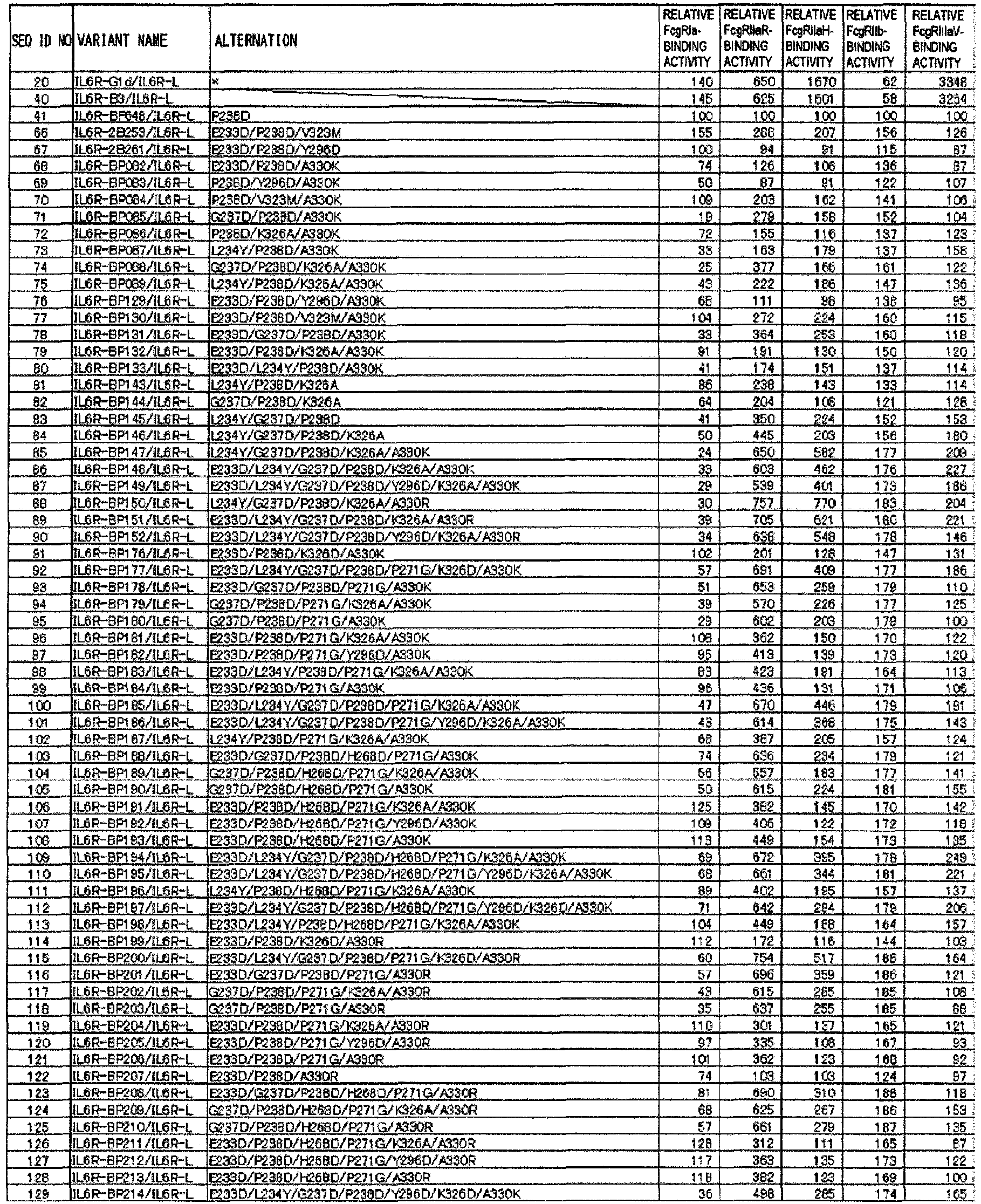
- The results of measuring KD values of the variants shown in Table 11 for FcγRIa, FcγRIIaR, FcγRIIaH, FcγRIIb, and FcγRIIIa type V by the method of Reference Example 2 are summarized in Table 12. In the table, SEQ ID NO refers to the SEQ ID NO of the H chain of the evaluated variant, and alteration refers to the alteration introduced into IL6R-B3 (SEQ ID NO: 40). The template used for producing IL6R-B3, IL6R-Gld/IL6R-L, is indicated with an asterisk (*). Furthermore, KD(IIaR)/KD(IIb) and KD(IIaH)/KD(IIb) in the table respectively represent the value obtained by dividing the KD value of each variant for FcγRIIaR by the KD value of each variant for FcγRIIb, and the value obtained by dividing the KD value of each variant for FcγRIIaH by the KD value of each variant for FcγRIIb. KD(IIb) of the parent polypeptide / KD(IIb) of the altered polypeptide refers to the value obtained by dividing the KD value of the parent polypeptide for FcγRIIb by the KD value of each variant for FcγRIIb. In addition, the KD value for the stronger of the FcγRIIaR- and FcγRIIaH-binding activities of each variant / KD value for the stronger of the FcγRIIaR- and FcγRIIaH-binding activities of the parent polypeptide are shown in Table 12. Here, parent polypeptide refers to the variant which has IL6R-B3 (SEQ ID NO: 40) as the H chain. It was determined that due to weak binding of FcγR to IgG, it was impossible to accurately analyze by kinetic analysis, and thus the gray-filled cells in Table 12 show values calculated by using
Equation 2 of Reference Example 2.
- Table 12 shows that in comparison with IL6R-B3, all variants showed improvement of affinity for FcγRIIb, and the range of improvement was 3.0 fold to 99.0 fold. The ratio of KD value of each variant for FcyRIIaR / KD value of each variant for FcγRIIb, and the ratio of KD value of each variant for FcγRIIaH / KD value of each variant for FcγRIIb represent an FcγRIIb-binding activity relative to the FcγRIIaR-binding activity and FcyRIIaH-binding activity, respectively. That is, those values show the degree of binding selectivity of each variant for FcγRIIb, and a greater value indicates a higher binding selectivity for FcγRIIb. Since the ratio of KD value for FcγRIIaR / KD value for FcγRIIb, and the ratio of KD value for FcγRIIaH / KD value for FcγRIIb of the parent polypeptide IL6R-B3/IL6R-L were 0.3 and 0.2, respectively, all variants in Table 12 showed improvement of binding selectivity for FcγRIIb in comparison with the parent polypeptide. When the KD value for the stronger of the FcγRIIaR- and FcγRIIaH-binding activities of a variant / KD value for the stronger of the FcγRIIaR- and FcγRIIaH-binding activities of the parent polypeptide is 1 or more, this means that the stronger of the FcγRIIaR- and FcγRIIaH-binding activities of a variant has equivalent or decreased binding compared with the binding by the stronger of the FcγRIIaR- and FcγRIIaH-binding activities of the parent polypeptide. Since this value was 0.7 to 29.9 for the variants obtained this time, one may say that binding by the stronger of the FcγRIIaR- and FcγRIIaH-binding activities of the variants obtained this time was nearly equivalent or decreased compared with that of the parent polypeptide. These results showed that compared with the parent polypeptide, the variants obtained this time have maintained or decreased FcγRIIa type R- and type H-binding activities, enhanced FcγRIIb-binding activity, and improved selectivity for FcγRIIb. Furthermore, compared with IL6R-B3, all variants had lower affinity for FcγRIa and FcγRIIIaV.


- Synthesis of full-length genes encoding the nucleotide sequences of the H chain and L chain of the antibody variable regions was carried out by production methods known to those skilled in the art using Assemble PCR and such. Introduction of amino acid substitutions was carried out by methods known to those skilled in the art using PCR or such. The obtained plasmid fragment was inserted into an animal cell expression vector, and the H-chain expression vector and L-chain expression vector were produced. The nucleotide sequence of the obtained expression vector was determined by methods known to those skilled in the art. The produced plasmids were introduced transiently into the HEK293H cell line derived from human embryonic kidney cancer cells (Invitrogen) or into FreeStyle293 cells (Invitrogen) for antibody expression. The obtained culture supernatant was collected, and then passed through a 0.22 µm MILLEX(R)-GV filter (Millipore), or through a 0.45 µm MILLEX(R)-GV filter (Millipore) to obtain the culture supernatant. Antibodies were purified from the obtained culture supernatant by methods known to those skilled in the art using rProtein A Sepharose Fast Flow (GE Healthcare) or Protein G Sepharose 4 Fast Flow (GE Healthcare). For the concentration of the purified antibodies, their absorbance at 280 nm was measured using a spectrophotometer. From the obtained value, the extinction coefficient calculated by the methods such as PACE was used to calculate the antibody concentration (Protein Science 1995; 4: 2411-2423).
- Extracellular domains of FcγRs were prepared by the following method. First, a gene of the extracellular domain of FcγR was synthesized by a method well known to those skilled in the art. At that time, the sequence of each FcγR was produced based on the information registered at NCBI. Specifically, FcγRI was produced based on the sequence of NCBI Accession No. NM_000566.3, FcγRIIa was produced based on the sequence of NCBI Accession No. NM_001136219.1, FcγRIIb was produced based on the sequence of NCBI Accession No. NM 004001.3, FcγRIIIa was produced based on the sequence of NCBI Accession No. NM_001127593.1, and FcγRIIIb was produced based on the sequence of NCBI Accession No. NM_000570.3, and a His tag was attached to the C terminus. Furthermore, polymorphism is known for FcγRIIa, FcγRIIIa, and FcγRIIIb, and the polymorphic sites were produced by referring to J. Exp. Med., 1990, 172: 19-25 for FcγRIIa; J. Clin. Invest., 1997, 100 (5): 1059-1070 for FcγRIIIa; and J. Clin. Invest., 1989, 84, 1688-1691 for FcγRIIIb.
- The obtained gene fragments were inserted into an animal cell expression vector, and expression vectors were produced. The produced expression vectors were introduced transiently into human embryonic kidney cancer cell line-derived FreeStyle 293 cells (Invitrogen) to express the proteins of interest. Regarding FcγRIIb used for crystallographic analysis, the protein of interest was expressed in the presence of Kifunensine at a final concentration of 10 µg/mL, so that the sugar chain added to FcγRIIb will be the high-mannose type. Cells were cultured, and after collection of the obtained culture supernatant, this was passed through a 0.22 µm filter to obtain the culture supernatant. In principle, the obtained culture supernatants were purified in the following four steps. The steps carried out were, cation exchange column chromatography (SP Sepharose FF) in
step 1, affinity column chromatography (HisTrap HP) for His tag instep 2, gel filtration column chromatography (Superdex200) instep 3, and aseptic chromatography in step 4. However, for FcγRI, anion exchange column chromatography using Q sepharose FF was performed asstep 1. The purified proteins were subjected to absorbance measurements at 280 nm using a spectrophotometer; and from the obtained values, the concentrations of the purified proteins were calculated using the absorption coefficient calculated using methods such as PACE (Protein Science 1995; 4: 2411-2423). - Analysis of interaction between each altered antibody and the Fcγ receptor prepared as mentioned above was carried out using Biacore T100 (GE Healthcare), Biacore T200 (GE Healthcare), Biacore A100, and Biacore 4000. HBS-EP+ (GE Healthcare) was used as the running buffer, and the measurement temperature was set to 25°C. Chips produced by immobilizing the antigen peptide, Protein A (Thermo Scientific), Protein A/G (Thermo Scientific), and Protein L (ACTIGEN or BioVision) by the amine coupling method to a Series S sensor Chip CM5 (GE Healthcare) or Series S sensor Chip CM4 (GE Healthcare), or alternatively, chips produced by allowing preliminarily biotinylated antigen peptides to interact with and immobilize onto a Series S Sensor Chip SA (certified) (GE Healthcare) were used.
- After capturing of antibodies of interest onto these sensor chips, an Fcγ receptor diluted with the running buffer was allowed to interact, the amount bound to an antibody was measured, and the antibodies were compared. However, since the amount of Fcγ receptor bound depends on the amount of the captured antibodies, the amount of Fcγ receptor bound was divided by the amount of each antibody captured to obtain corrected values, and these values were compared. Furthermore, antibodies captured onto the chips were washed by reaction with 10 mM glycine-HCl, pH 1.5, and the chips were regenerated and used repeatedly.
- Kinetic analyses for calculating the KD values of each altered antibody for FcγR were performed according to the following method. First, antibodies of interest were captured onto the above-mentioned sensor chips, and an Fcγ receptor diluted with the running buffer was allowed to interact. The Biacore Evaluation Software was used to globally fit the measured results to the obtained sensorgram using the 1:1 Langmuir binding model, and the association rate constant ka (L/mol/s) and the dissociation rate constant kd (1/s) were calculated; and from those values the dissociation constants KD (mol/L) were calculated.
- When the interaction between each of the altered antibodies and FcγR was weak, and correct analysis was determined to be impossible by the above-mentioned kinetic analysis, the KD for such interactions were calculated using the following 1:1 binding model equation described in the Biacore T100 Software Handbook BR1006-48 Edition AE.
- The behavior of interacting molecules according to the 1:1 binding model on Biacore can be described by
Equation 1 shown below.
- Req: a plot of steady-state binding levels against analyte concentration
- C: concentration
- RI: bulk refractive index contribution in the sample
- Rmax: analyte binding capacity of the surface
- When this equation is rearranged, KD can be expressed as
Equation 2 shown below.
- KD can be calculated by substituting the values of Rmax, RI, and C into this equation. The values of RI and C can be determined from the sensorgram of the measurement results and measurement conditions. Rmax was calculated according to the following method. As a target of comparison, for antibodies that had sufficiently strong interactions as evaluated simultaneously in the same round of measurement, the Rmax value was obtained through global fitting using the 1:1 Langmuir binding model, and then it was divided by the amount of the comparison antibody captured onto the sensor chip, and multiplied by the captured amount of an altered antibody to be evaluated.
- Polypeptides comprising an Fc region that have maintained or decreased binding activities towards both allotypes of FcγRIIa, types R and H, and having enhanced FcγRIIb-binding activity in comparison with the parent polypeptide are provided by the present invention. By using the polypeptides with enhanced binding selectivity for FcγRIIb rather than for both allotypes of FcγRIIa (types R and H), it is possible to transmit inhibitory signal of inflammatory immune response mediated by phosphorylation of ITIM of FcγRIIb in patients carrying either of the allotypes, types R and H. Furthermore, by conferring an antibody Fc with the property of selective FcγRIIb binding, anti-antibody production may be suppressed through FcγRIIb-mediated immunosuppressive actions.
-
- <110> CHUGAI SEIYAKU KABUSHIKI KAISHA
- <120> Fc antibodies specific to Fc-gamma-RIIb
- <130> C1A1102Y1P
- <150>
JP 2011-040923
<151> 2011-02-25 - <150>
JP 2011-219835
<151> 2011-10-04 - <160> 129
- <170> PatentIn version 3.4
- <210> 1
<211> 1125
<212> DNA
<213> Homo sapiens - <400> 1

- <210> 2
<211> 374
<212> PRT
<213> Homo sapiens - <400> 2


- <210> 3
<211> 951
<212> DNA
<213> Homo sapiens - <400> 3

- <210> 4
<211> 316
<212> PRT
<213> Homo sapiens - <400> 4


- <210> 5
<211> 876
<212> DNA
<213> Homo sapiens - <400> 5

- <210> 6
<211> 291
<212> PRT
<213> Homo sapiens - <400> 6


- <210> 7
<211> 765
<212> DNA
<213> Homo sapiens - <400> 7

- <210> 8
<211> 254
<212> PRT
<213> Homo sapiens - <400> 8

- <210> 9
<211> 702
<212> DNA
<213> Homo sapiens - <400> 9

- <210> 10
<211> 233
<212> PRT
<213> Homo sapiens - <400> 10

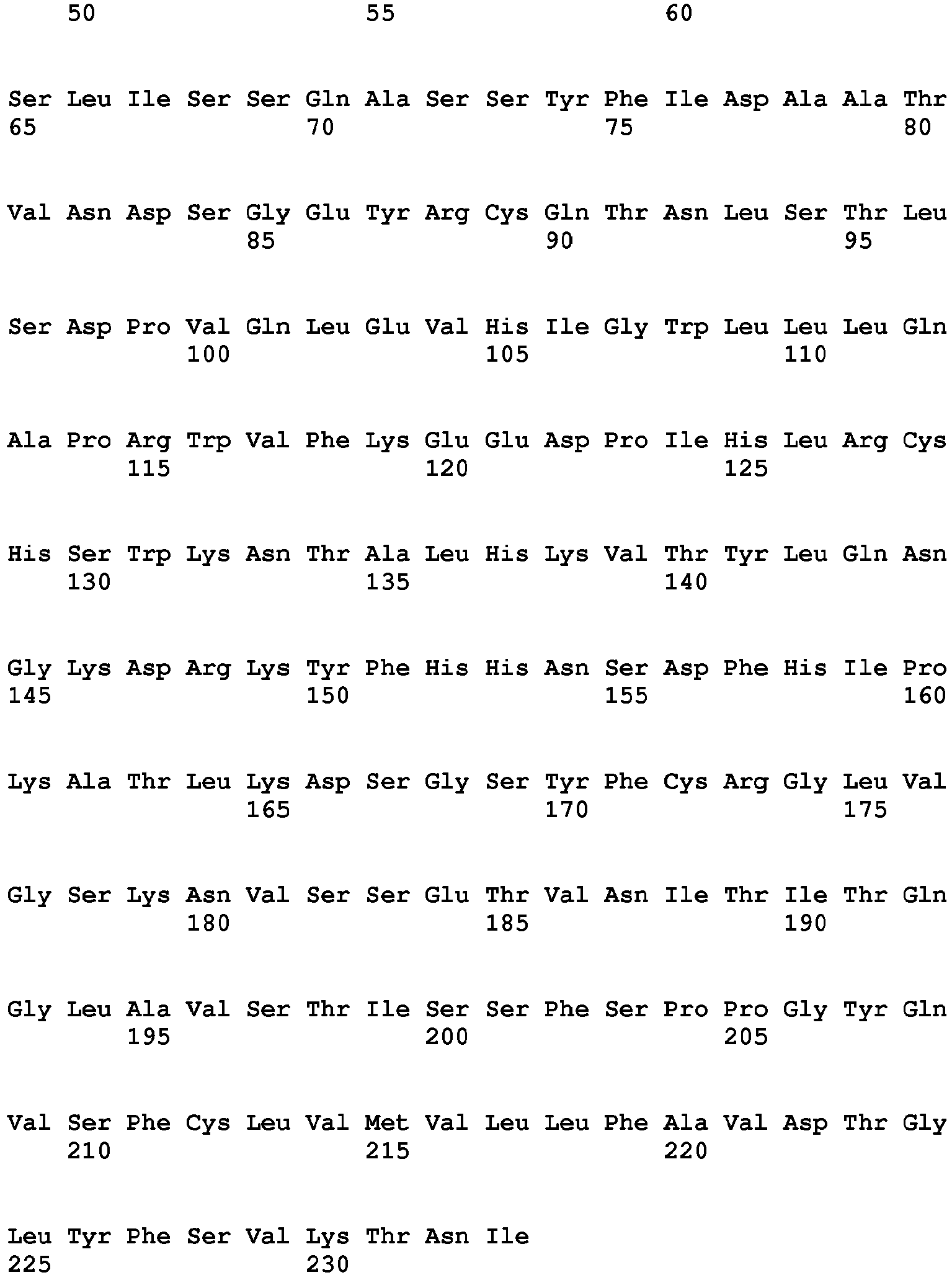
- <210> 11
<211> 330
<212> PRT
<213> Artificial - <220>
<223> an artificially synthesized sequence - <400> 11


- <210> 12
<211> 326
<212> PRT
<213> Artificial - <220>
<223> an artificially synthesized sequence - <400> 12


- <210> 13
<211> 377
<212> PRT
<213> Artificial - <220>
<223> an artificially synthesized sequence - <400> 13


- <210> 14
<211> 327
<212> PRT
<213> Artificial - <220>
<223> an artificially synthesized sequence - <400> 14
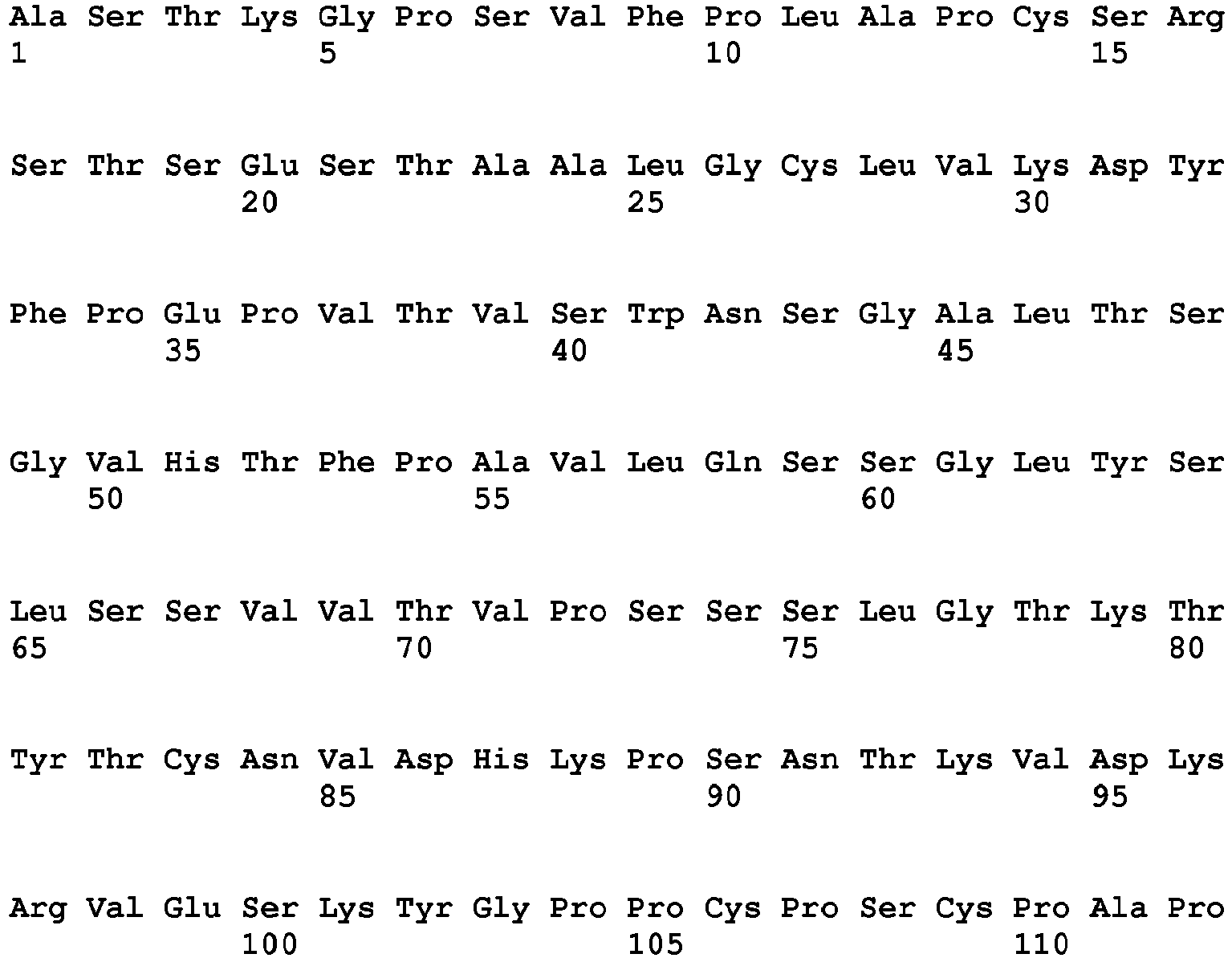

- <210> 15
<211> 115
<212> PRT
<213> Artificial - <220>
<223> an artificially synthesized sequence - <400> 15

- <210> 16
<211> 219
<212> PRT
<213> Artificial - <220>
<223> an artificially synthesized sequence - <400> 16

- <210> 17
<211> 328
<212> PRT
<213> Artificial - <220>
<223> an artificially synthesized sequence - <400> 17


- <210> 18
<211> 443
<212> PRT
<213> Artificial - <220>
<223> an artificially synthesized sequence - <400> 18
 435 440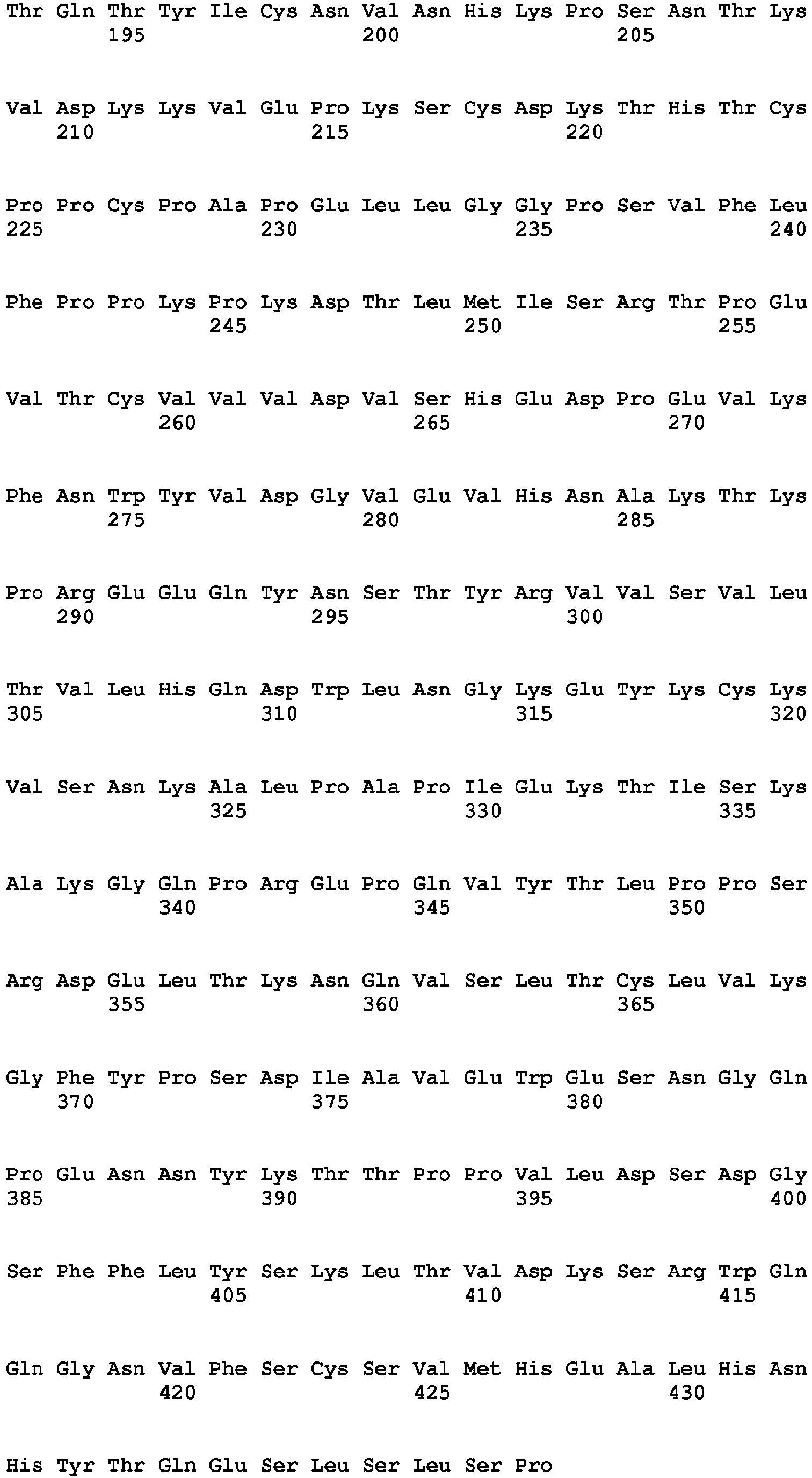
- <210> 19
<211> 119
<212> PRT
<213> Artificial - <220>
<223> an artificially synthesized sequence - <400> 19
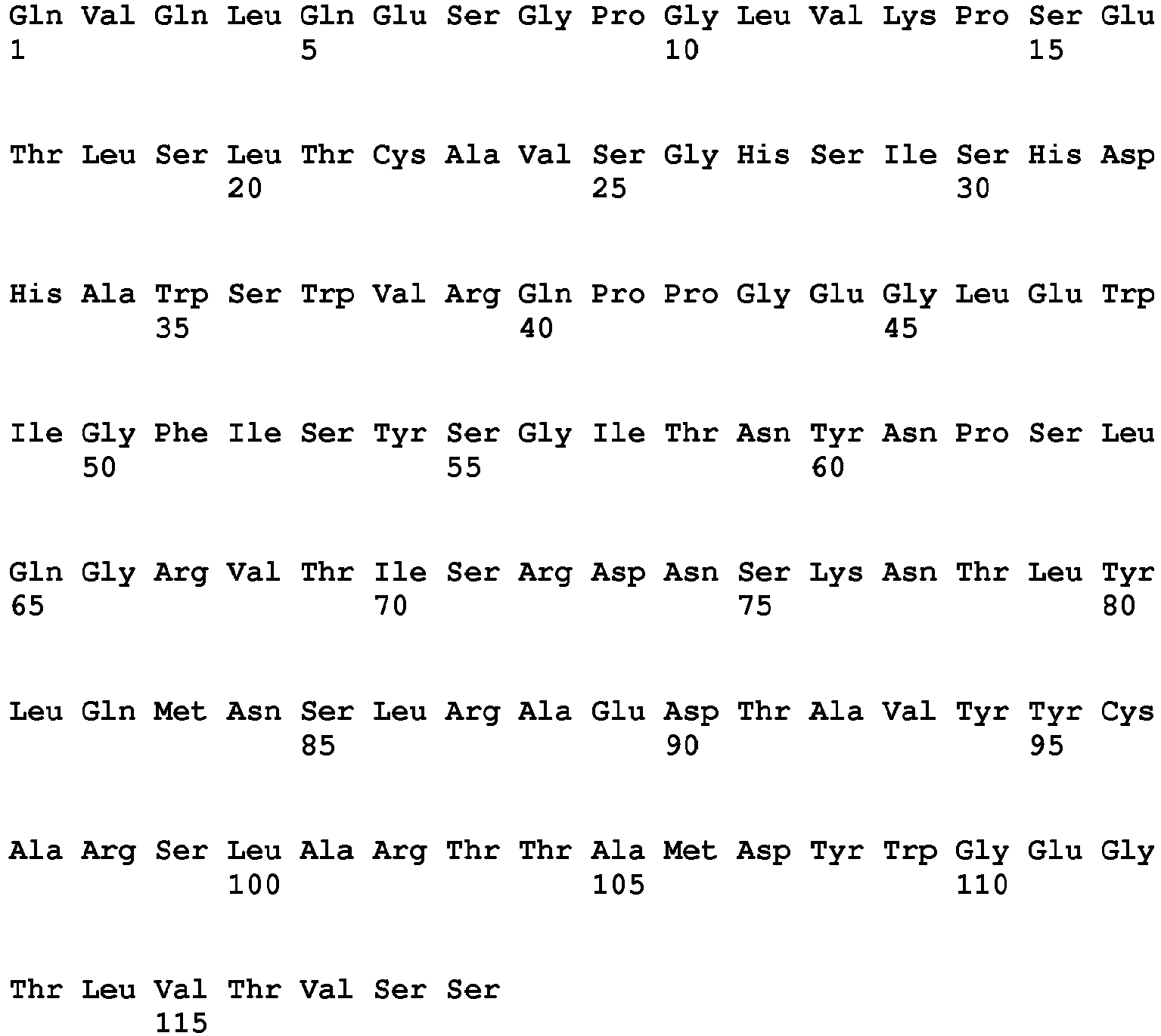
- <210> 20
<211> 447
<212> PRT
<213> Artificial - <220>
<223> an artificially synthesized sequence - <400> 20


- <210> 21
<211> 447
<212> PRT
<213> Artificial - <220>
<223> an artificially synthesized sequence - <400> 21


- <210> 22
<211> 214
<212> PRT
<213> Artificial - <220>
<223> an artificially synthesized sequence - <400> 22


- <210> 23
<211> 447
<212> PRT
<213> Artificial - <220>
<223> an artificially synthesized sequence - <400> 23


- <210> 24
<211> 447
<212> PRT
<213> Artificial - <220>
<223> an artificially synthesized sequence - <400> 24


- <210> 25
<211> 447
<212> PRT
<213> Artificial - <220>
<223> an artificially synthesized sequence - <400> 25


- <210> 26
<211> 447
<212> PRT
<213> Artificial - <220>
<223> an artificially synthesized sequence - <400> 26


- <210> 27
<211> 447
<212> PRT
<213> Artificial - <220>
<223> an artificially synthesized sequence - <400> 27
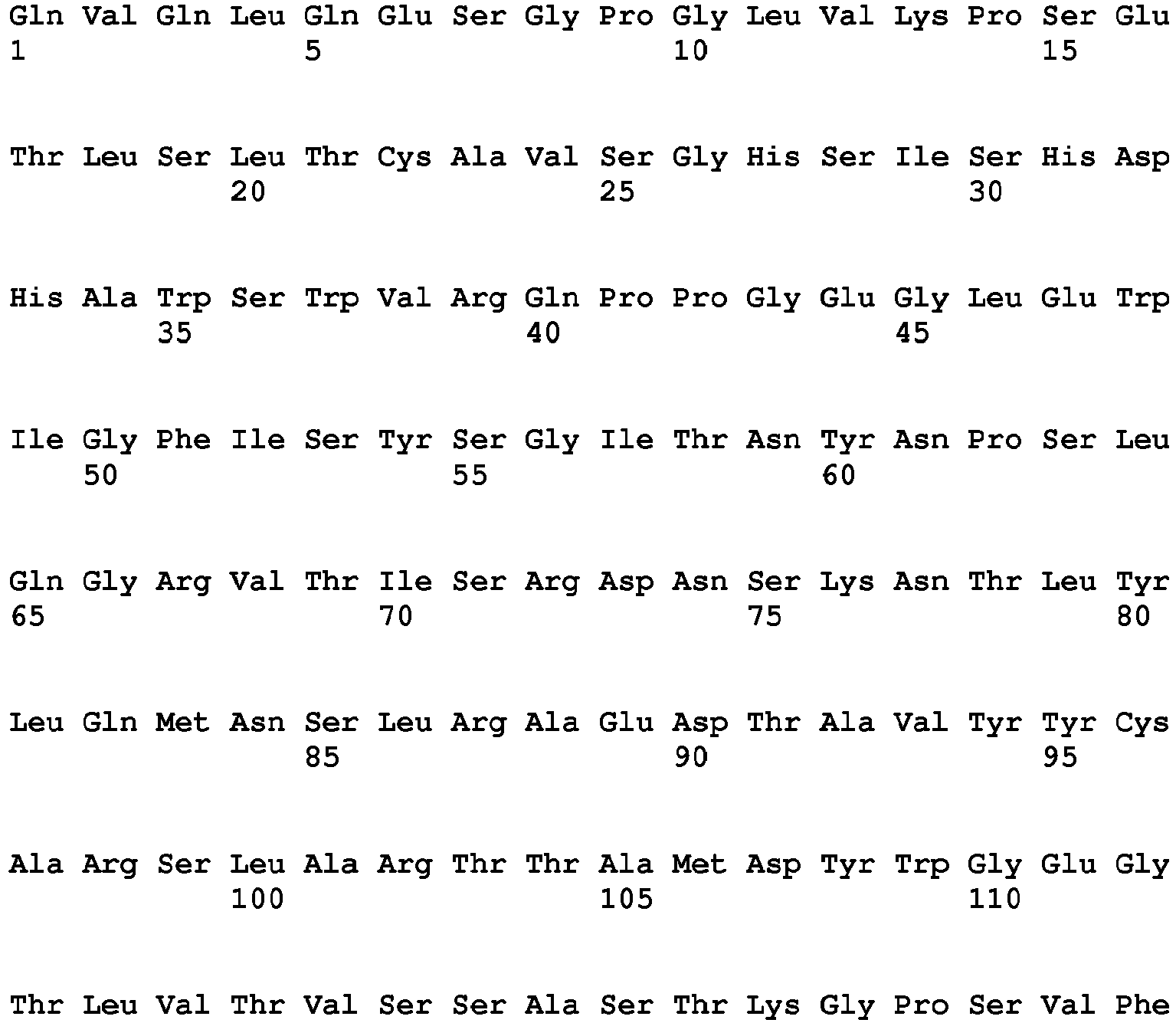


- <210> 28
<211> 447
<212> PRT
<213> Artificial - <220>
<223> an artificially synthesized sequence - <400> 28

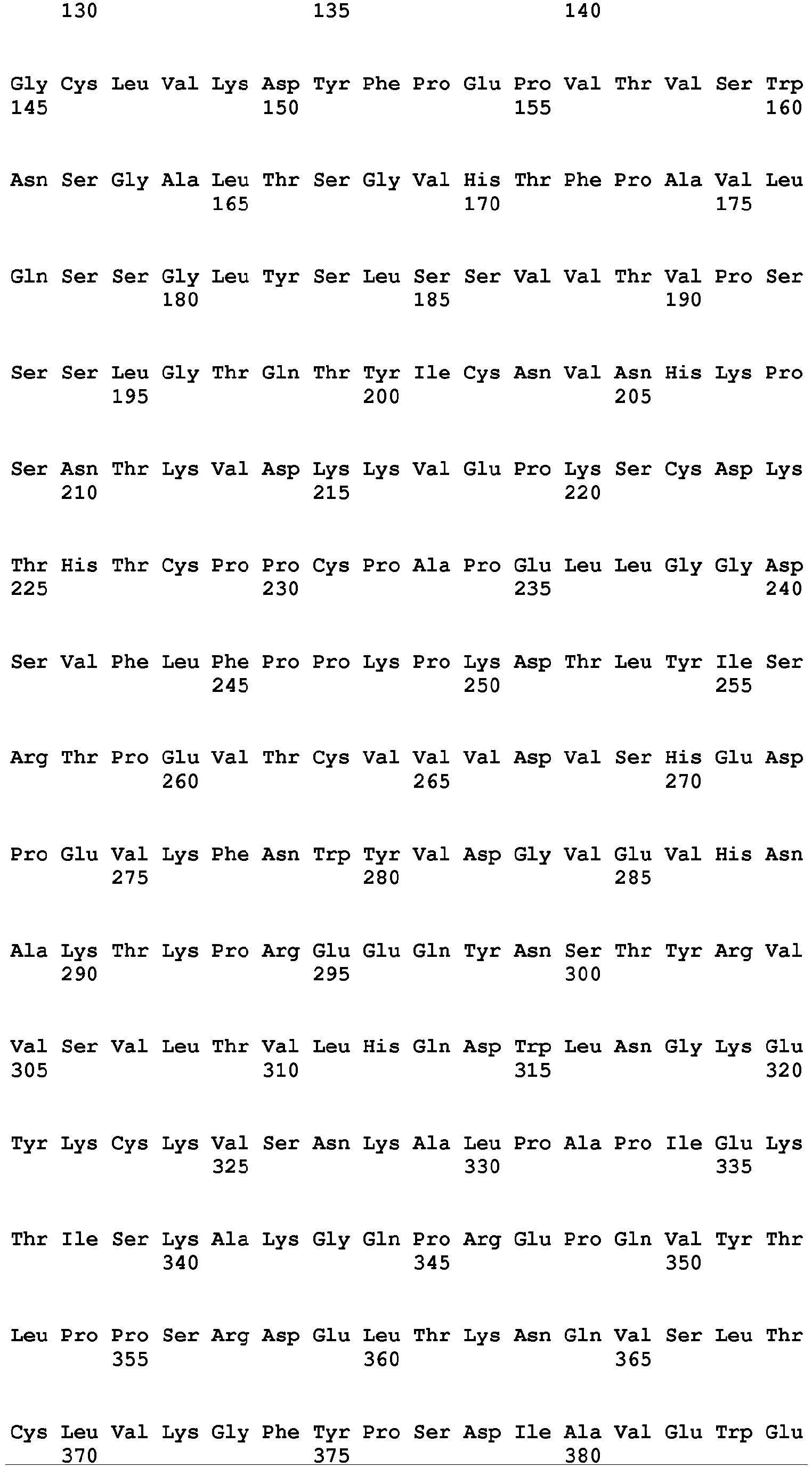
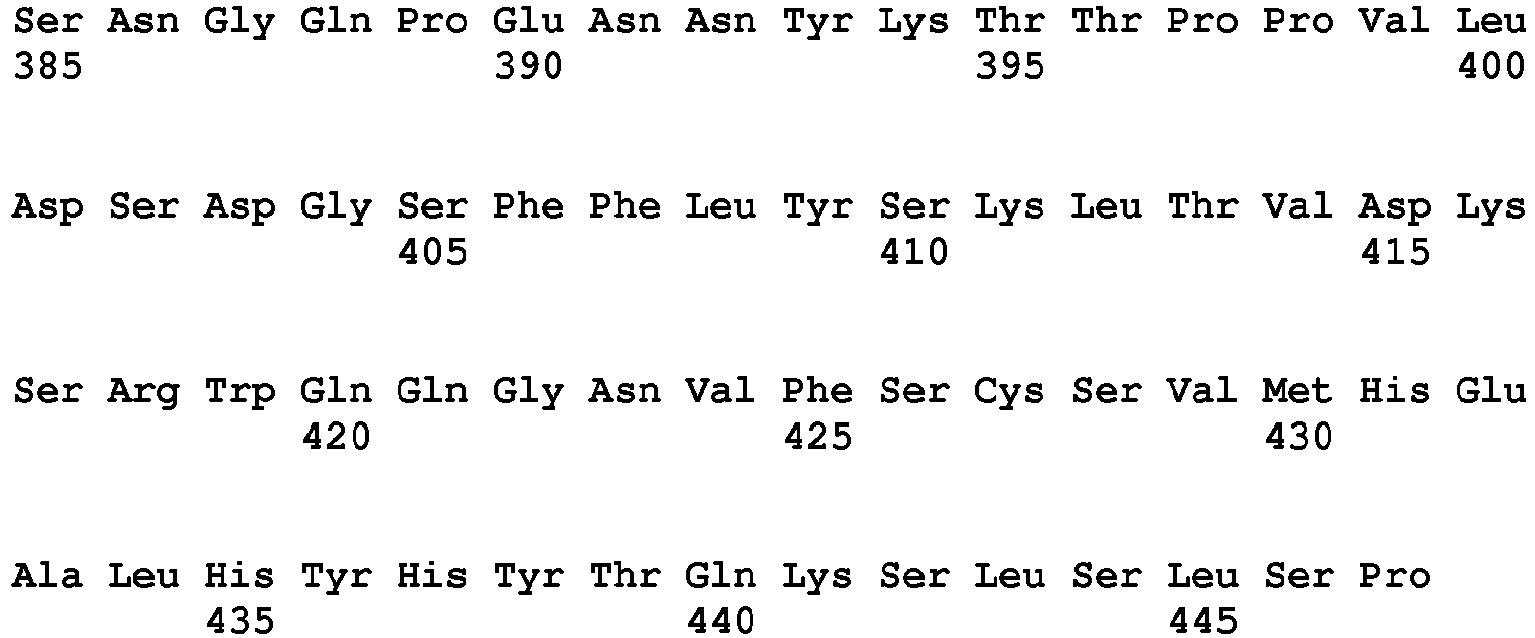
- <210> 29
<211> 447
<212> PRT
<213> Artificial - <220>
<223> an artificially synthesized sequence - <400> 29

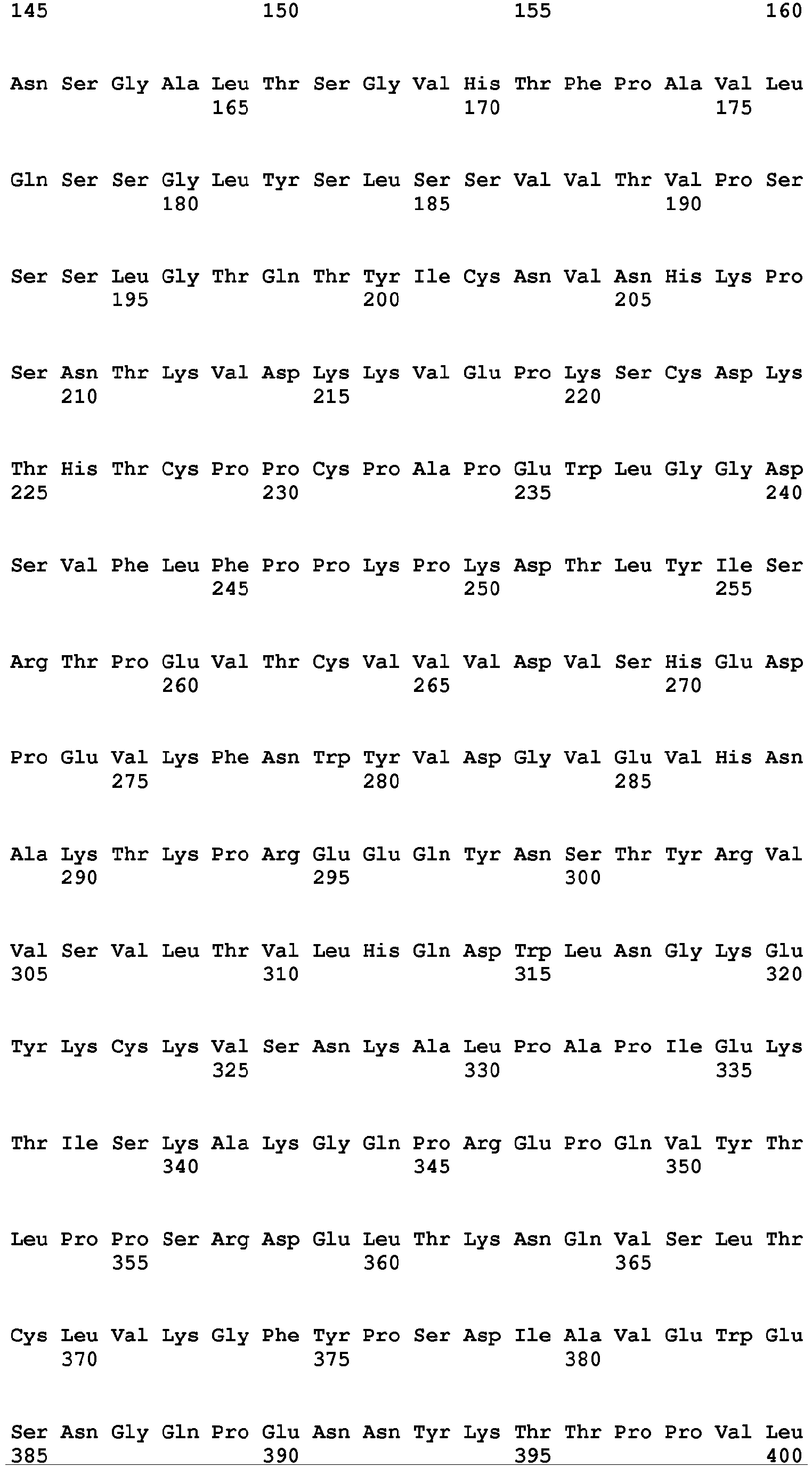
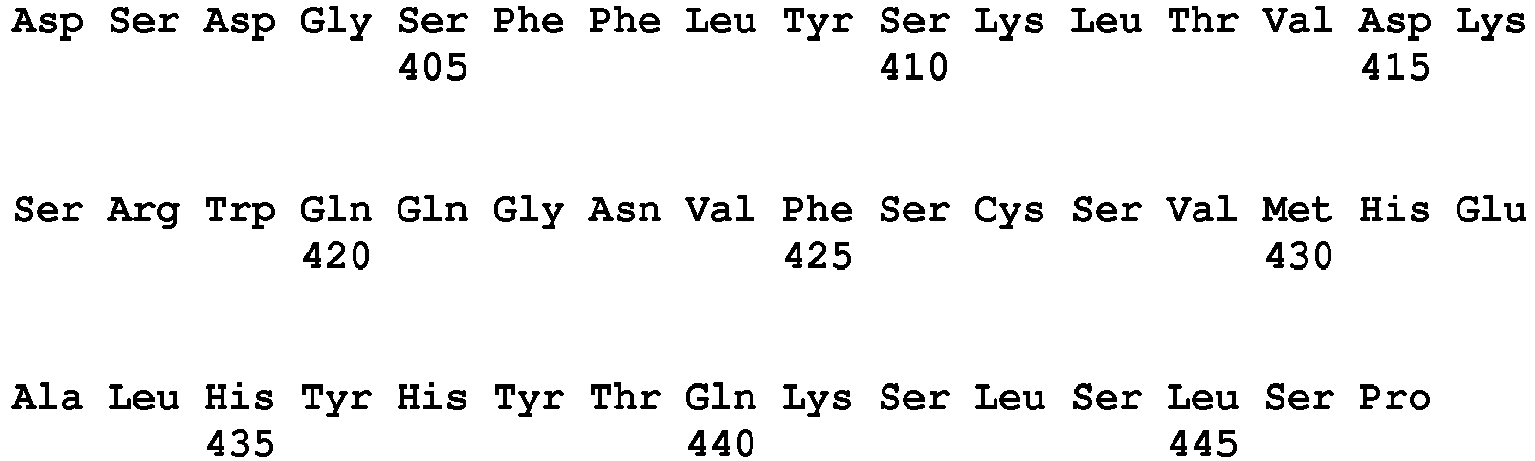
- <210> 30
<211> 447
<212> PRT
<213> Artificial - <220>
<223> an artificially synthesized sequence - <400> 30

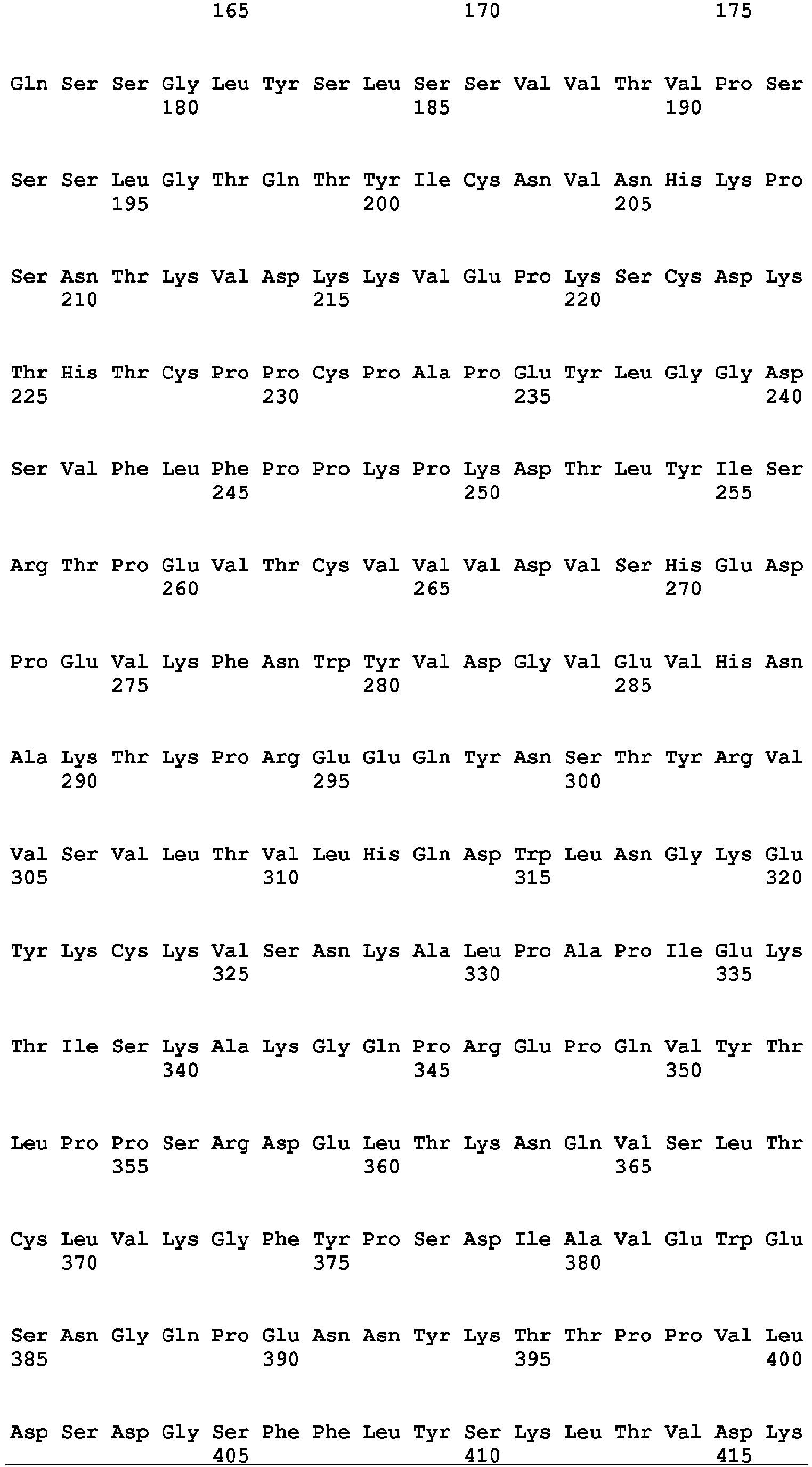

- <210> 31
<211> 447
<212> PRT
<213> Artificial - <220>
<223> an artificially synthesized sequence - <400> 31


- <210> 32
<211> 447
<212> PRT
<213> Artificial - <220>
<223> an artificially synthesized sequence - <400> 32
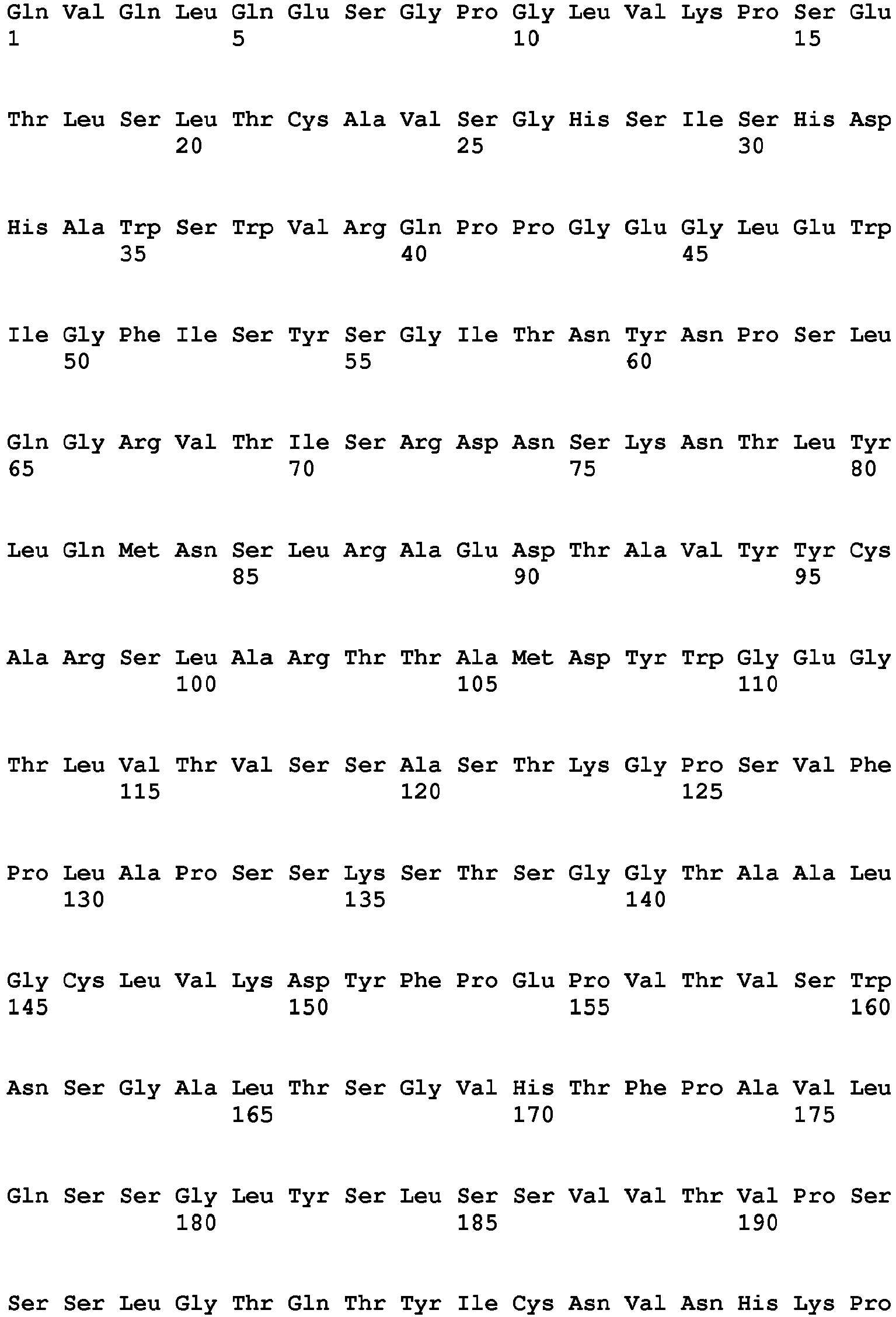

- <210> 33
<211> 447
<212> PRT
<213> Artificial - <220>
<223> an artificially synthesized sequence - <400> 33


- <210> 34
<211> 447
<212> PRT
<213> Artificial - <220>
<223> an artificially synthesized sequence - <400> 34

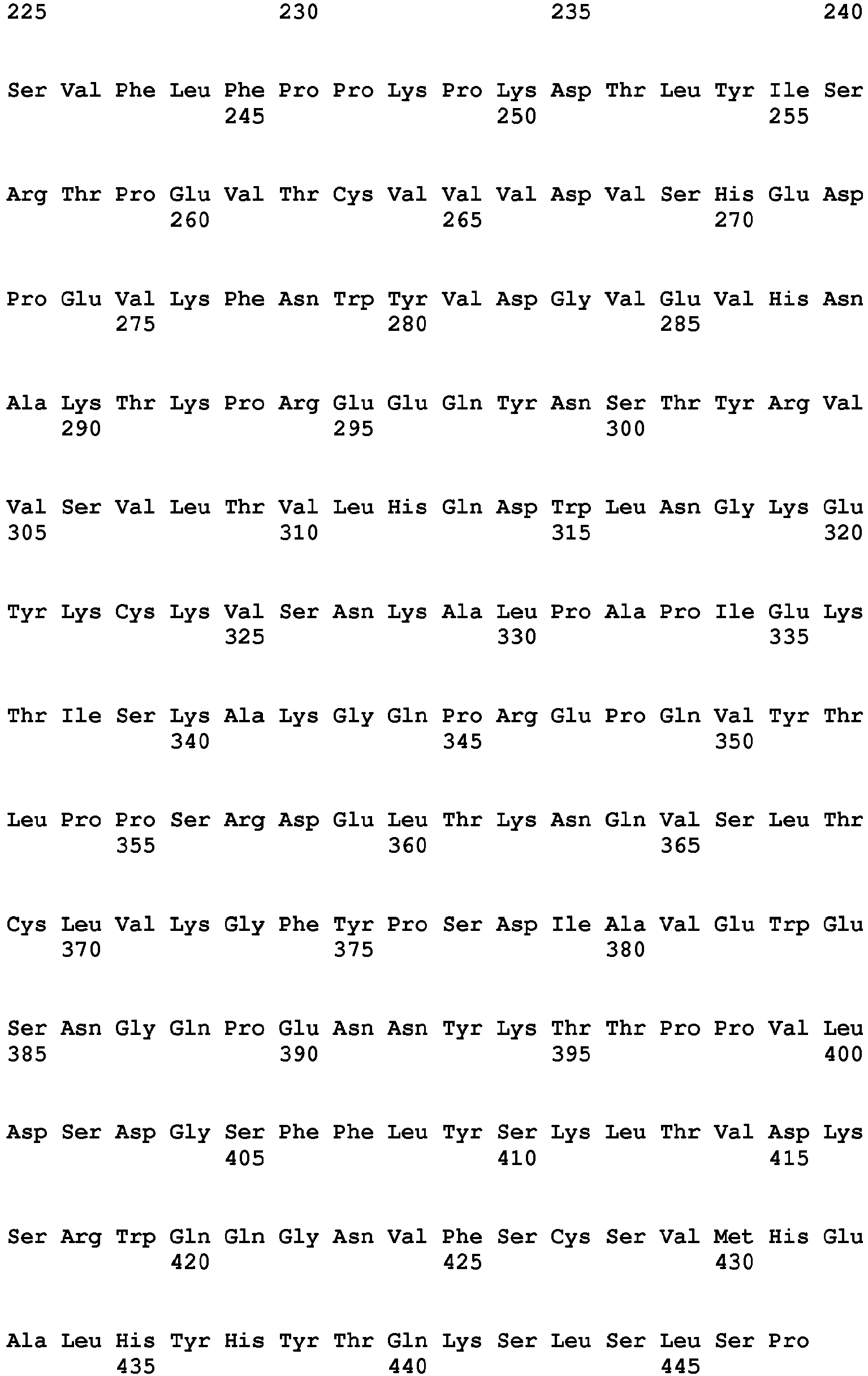
- <210> 35
<211> 447
<212> PRT
<213> Artificial - <220>
<223> an artificially synthesized sequence - <400> 35

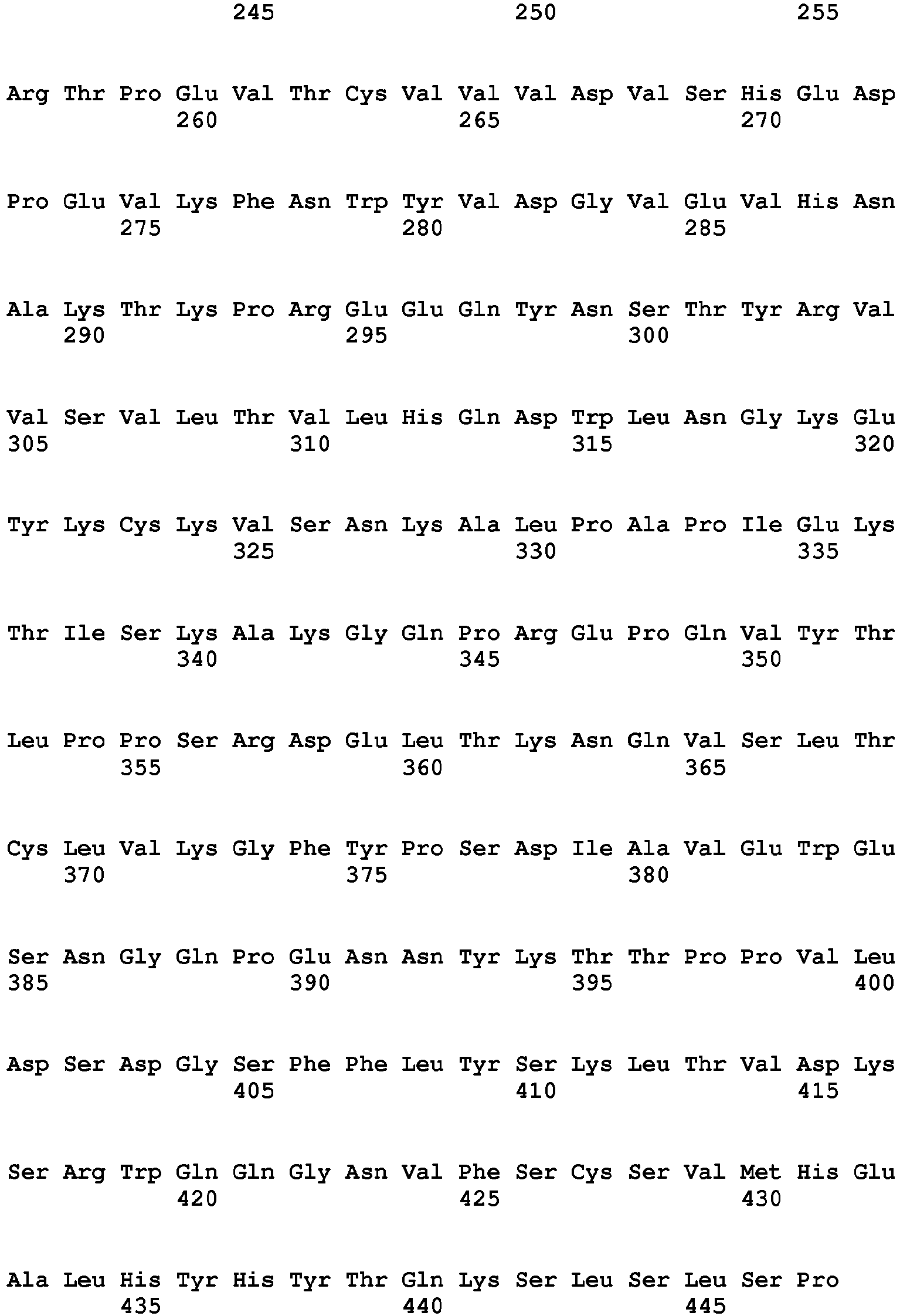
- <210> 36
<211> 447
<212> PRT
<213> Artificial - <220>
<223> an artificially synthesized sequence - <400> 36


- <210> 37
<211> 447
<212> PRT
<213> Artificial - <220>
<223> an artificially synthesized sequence - <400> 37



- <210> 38
<211> 447
<212> PRT
<213> Artificial - <220>
<223> an artificially synthesized sequence - <400> 38
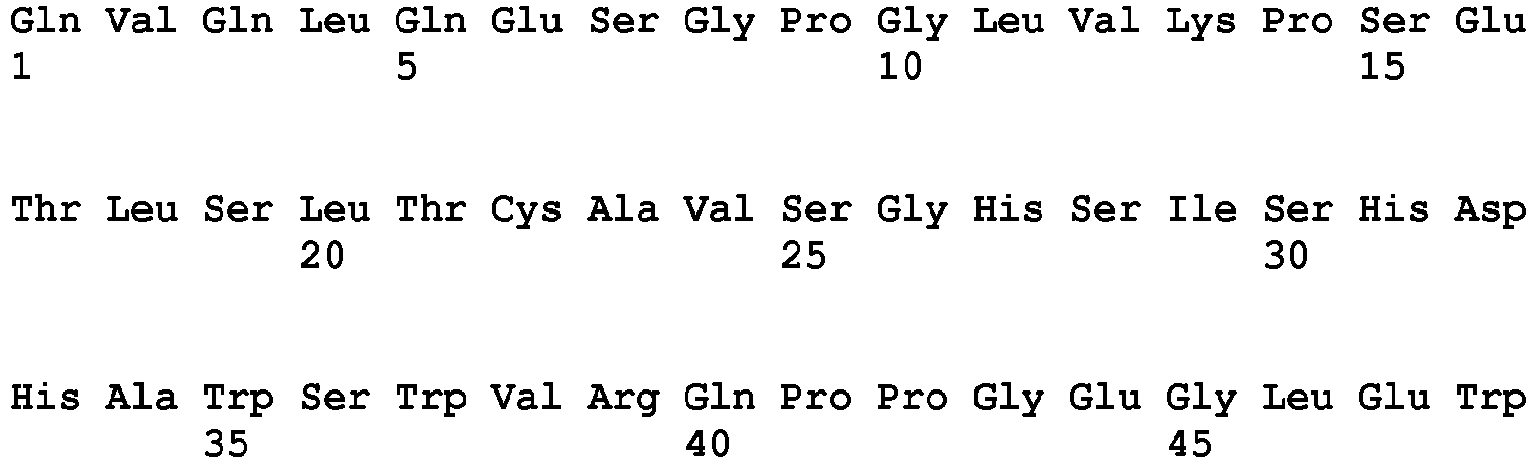


- <210> 39
<211> 447
<212> PRT
<213> Artificial - <220>
<223> an artificially synthesized sequence - <400> 39


- <210> 40
<211> 447
<212> PRT
<213> Artificial - <220>
<223> an artificially synthesized sequence - <400> 40


- <210> 41
<211> 447
<212> PRT
<213> Artificial - <220>
<223> an artificially synthesized sequence - <400> 41


- <210> 42
<211> 447
<212> PRT
<213> Artificial - <220>
<223> an artificially synthesized sequence - <400> 42
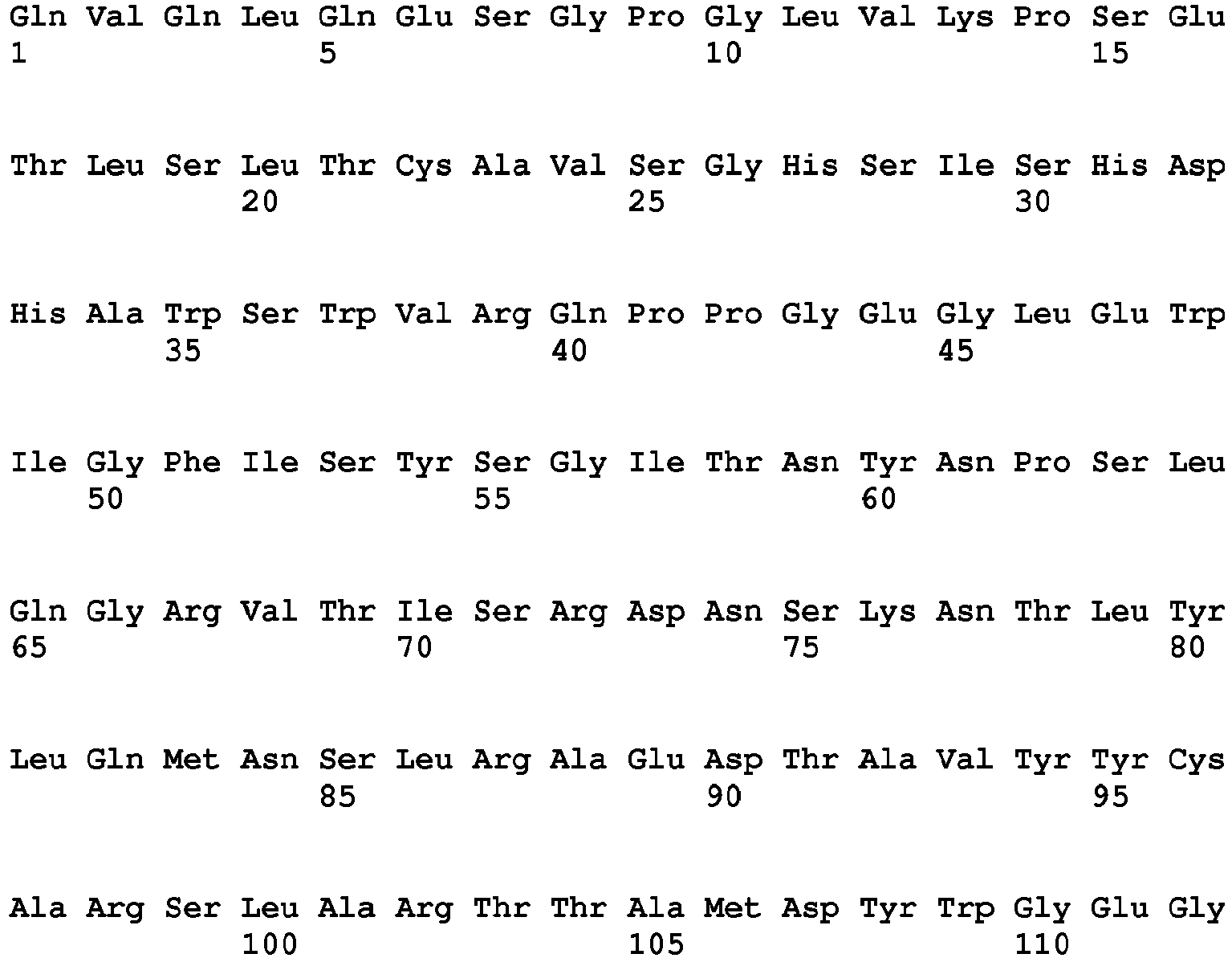


- <210> 43
<211> 447
<212> PRT
<213> Artificial - <220>
<223> an artificially synthesized sequence - <400> 43


- <210> 44
<211> 447
<212> PRT
<213> Artificial - <220>
<223> an artificially synthesized sequence - <400> 44


- <210> 45
<211> 447
<212> PRT
<213> Artificial - <220>
<223> an artificially synthesized sequence - <400> 45


- <210> 46
<211> 447
<212> PRT
<213> Artificial - <220>
<223> an artificially synthesized sequence - <400> 46


- <210> 47
<211> 447
<212> PRT
<213> Artificial - <220>
<223> an artificially synthesized sequence - <400> 47
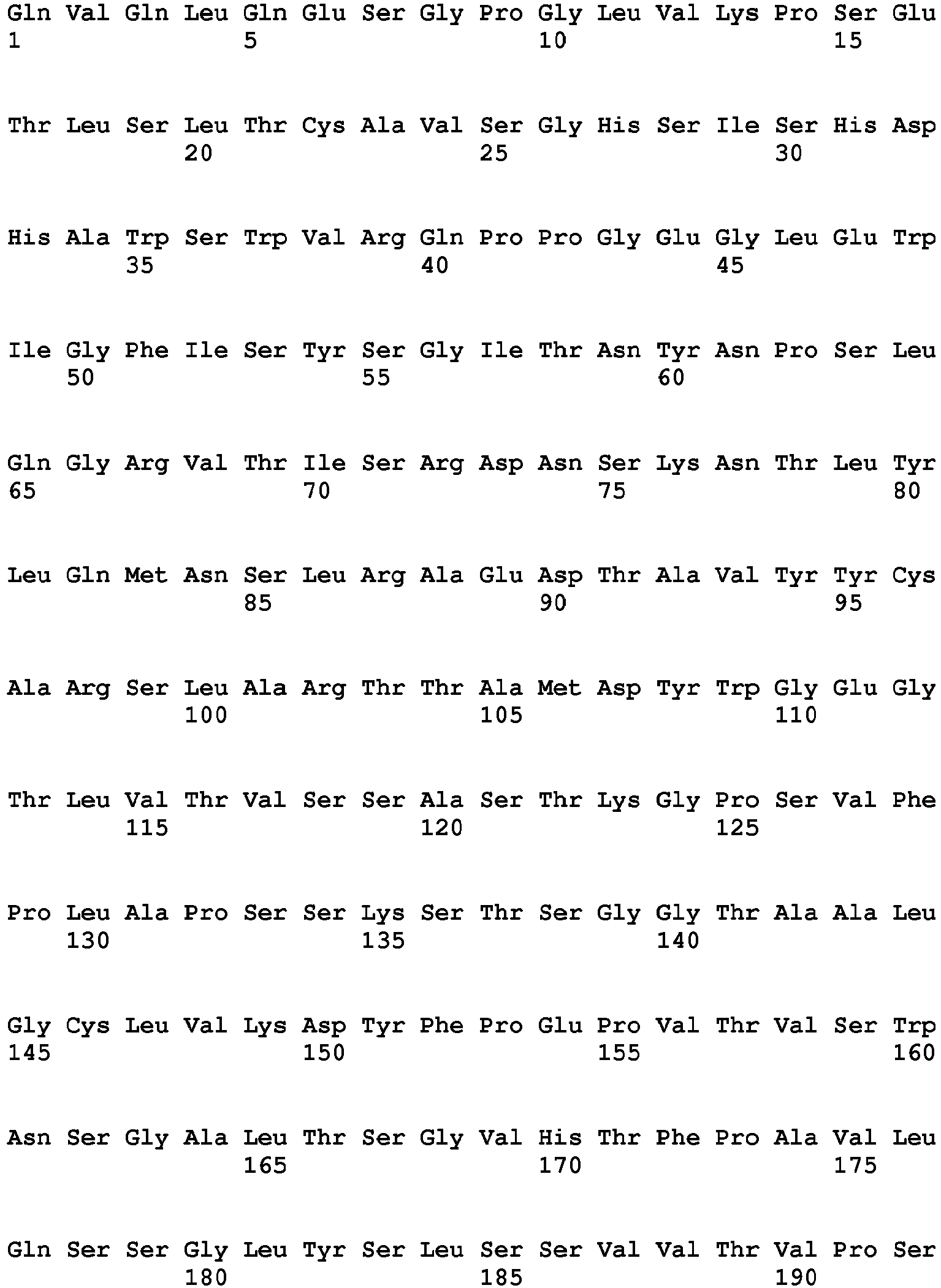


- <210> 48
<211> 447
<212> PRT
<213> Artificial - <220>
<223> an artificially synthesized sequence - <400> 48

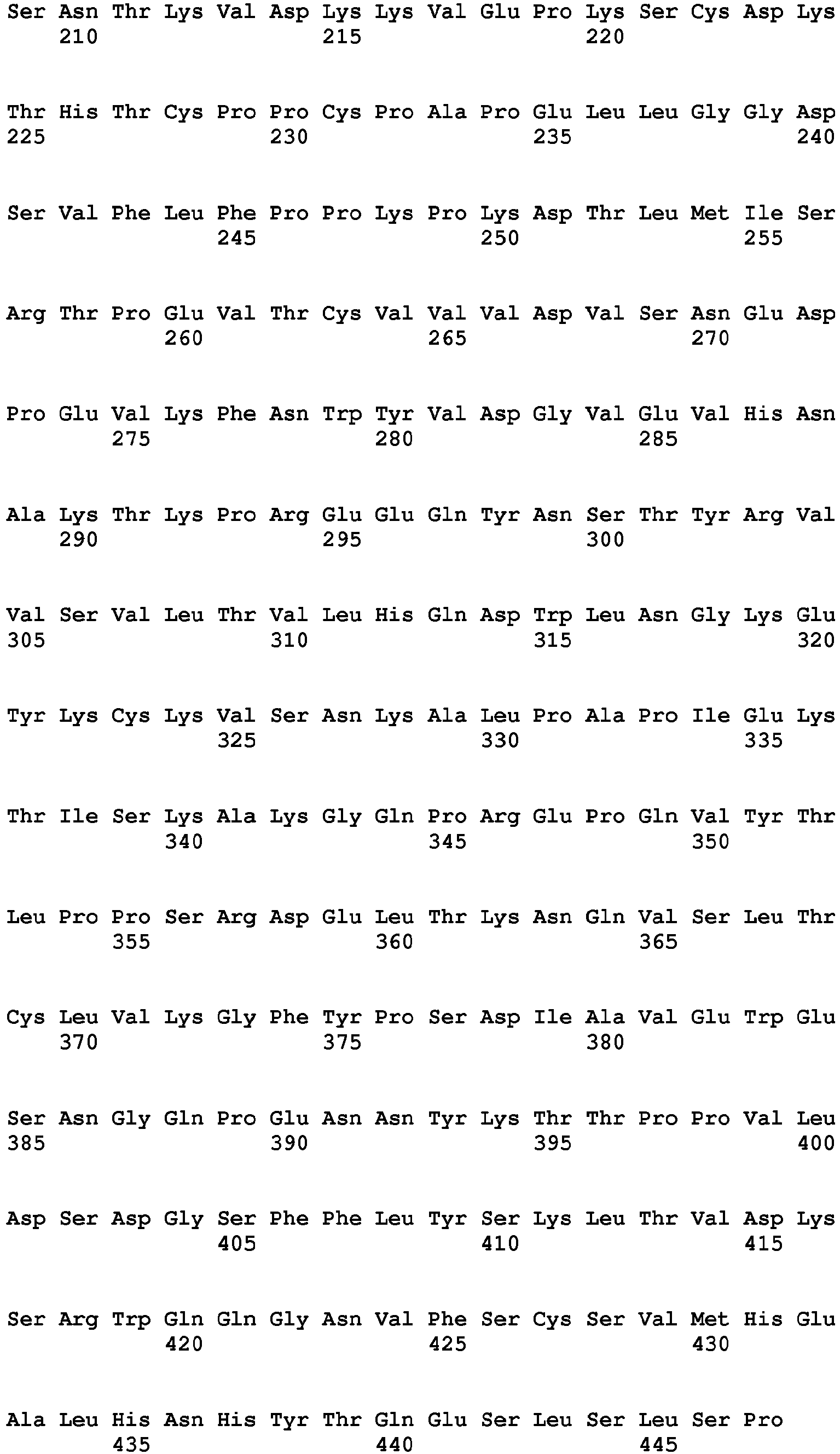
- <210> 49
<211> 447
<212> PRT
<213> Artificial - <220>
<223> an artificially synthesized sequence - <400> 49

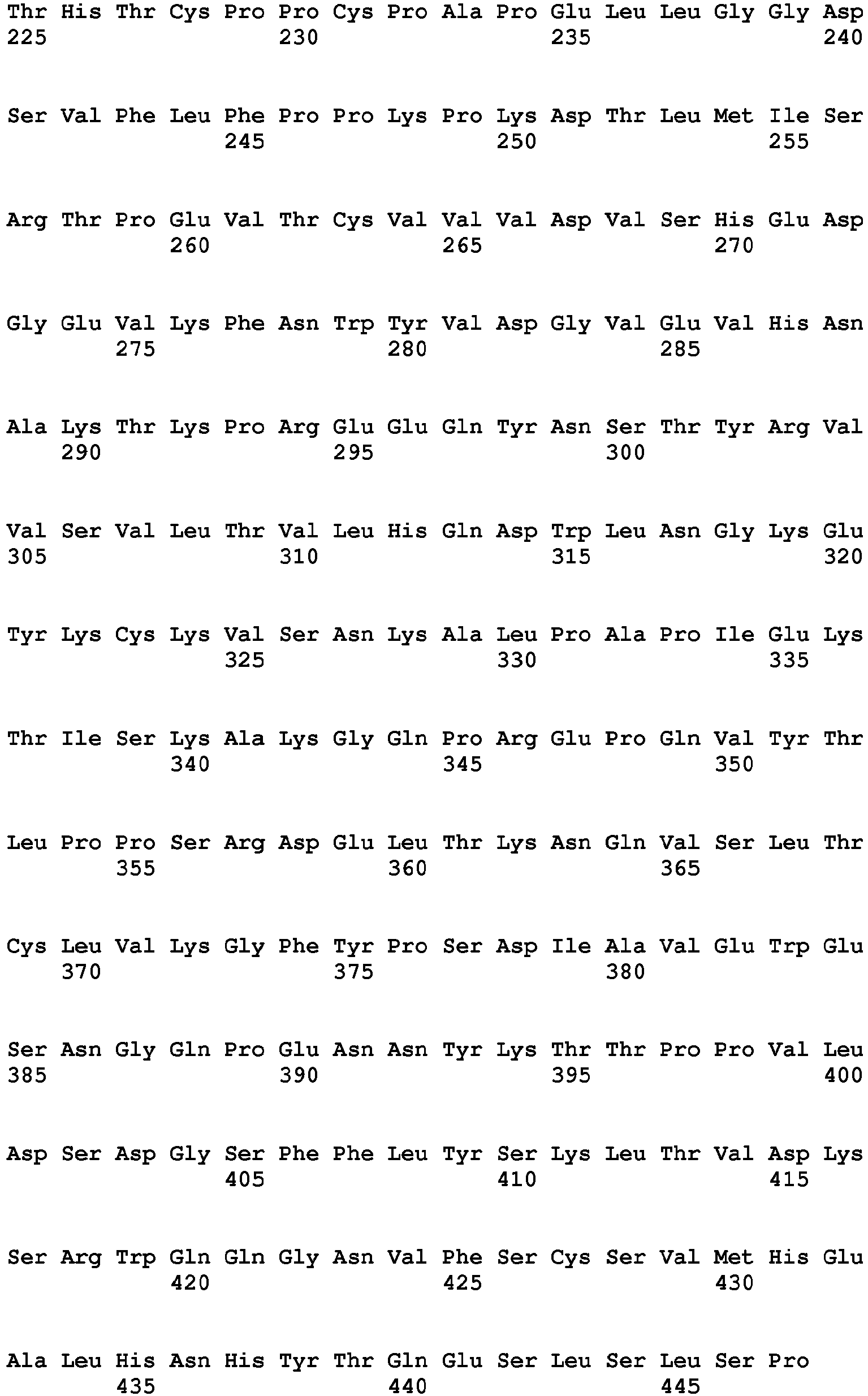
- <210> 50
<211> 447
<212> PRT
<213> Artificial - <220>
<223> an artificially synthesized sequence - <400> 50

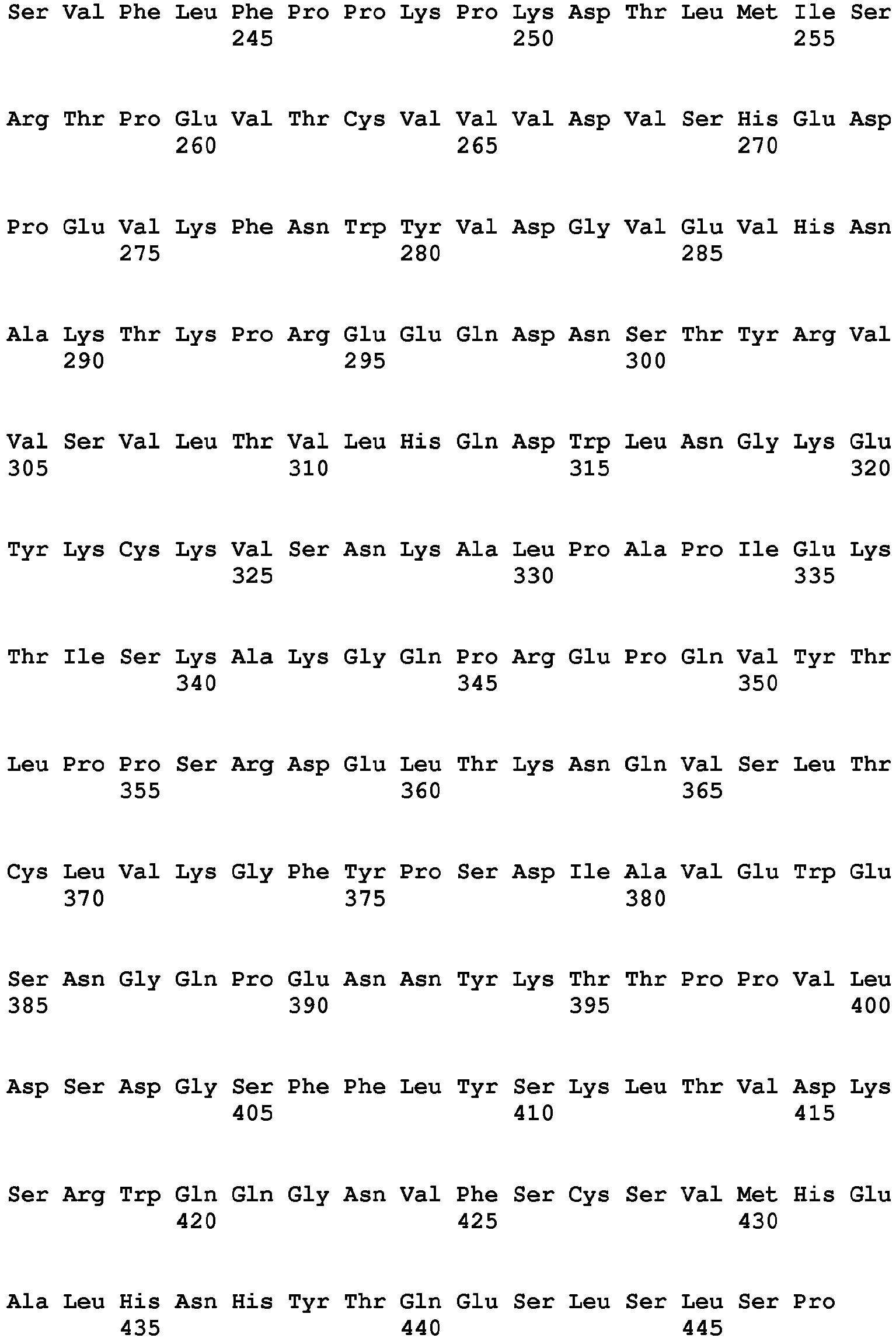
- <210> 51
<211> 447
<212> PRT
<213> Artificial - <220>
<223> an artificially synthesized sequence - <400> 51

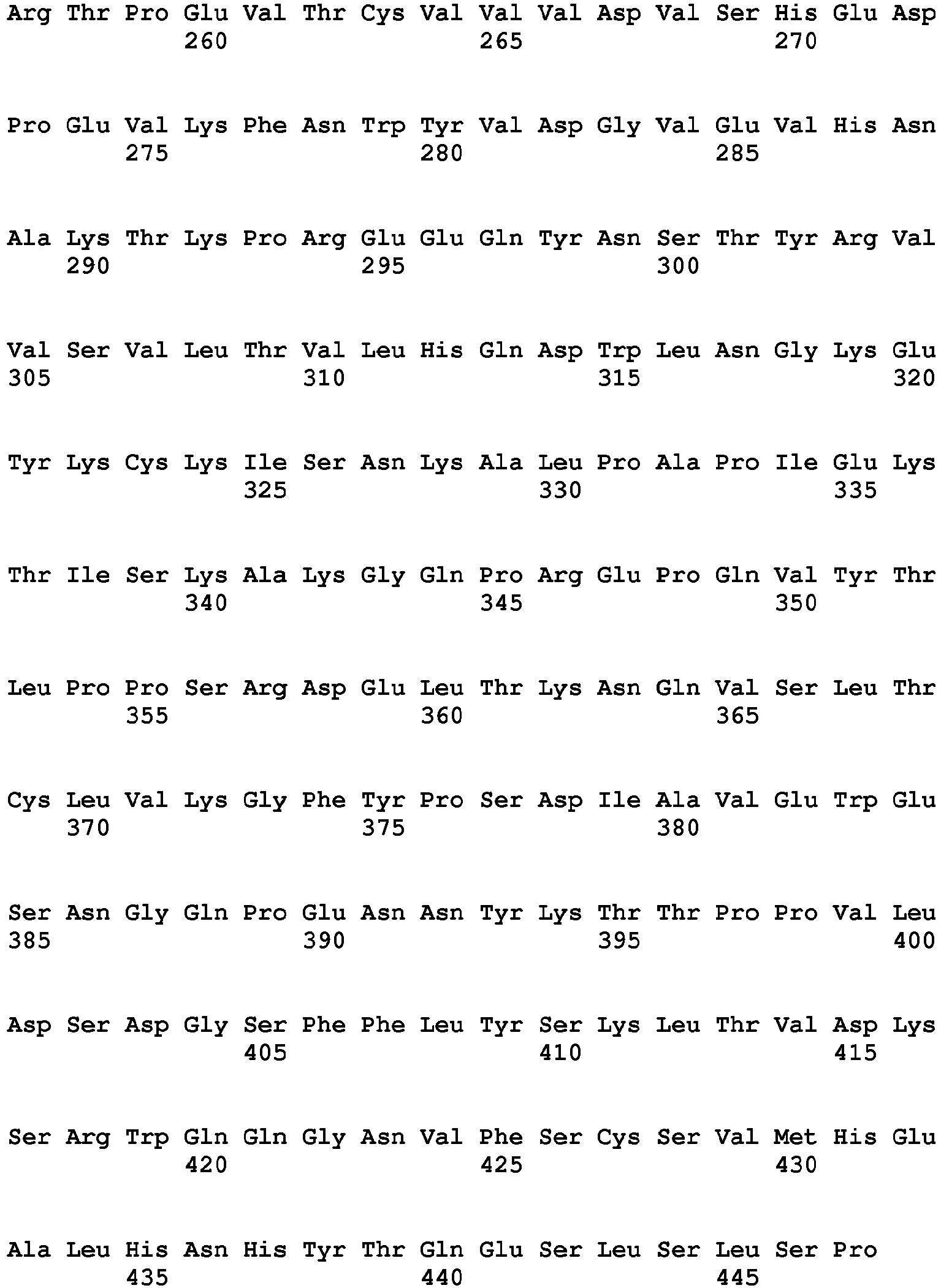
- <210> 52
<211> 447
<212> PRT
<213> Artificial - <220>
<223> an artificially synthesized sequence - <400> 52


- <210> 53
<211> 447
<212> PRT
<213> Artificial - <220>
<223> an artificially synthesized sequence - <400> 53


- <210> 54
<211> 447
<212> PRT
<213> Artificial - <220>
<223> an artificially synthesized sequence - <400> 54
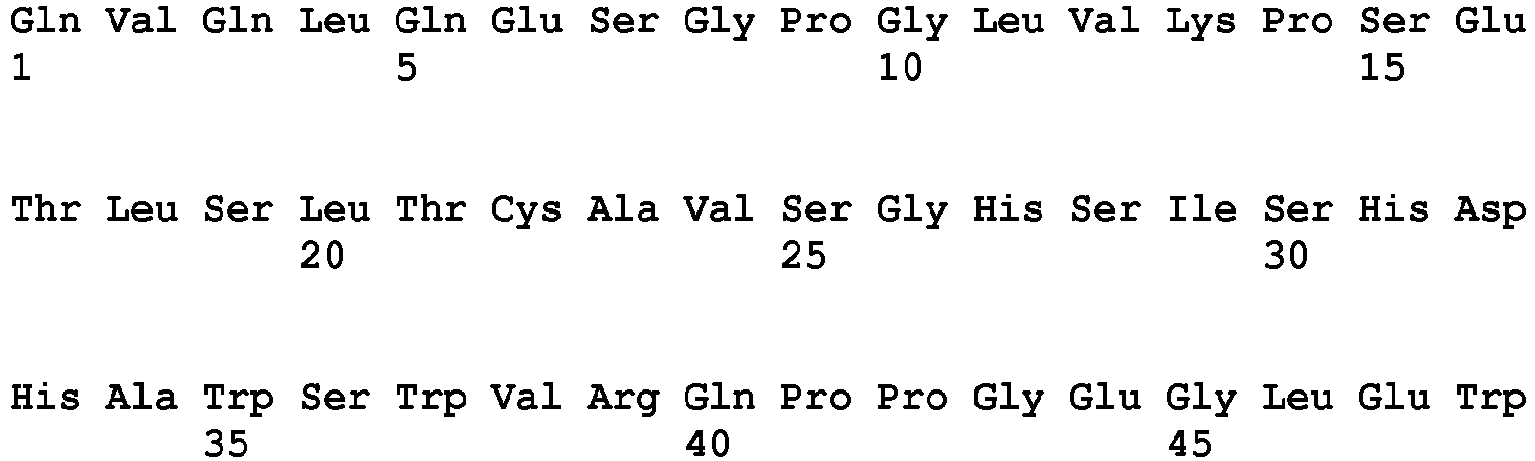


- <210> 55
<211> 447
<212> PRT
<213> Artificial - <220>
<223> an artificially synthesized sequence - <400> 55


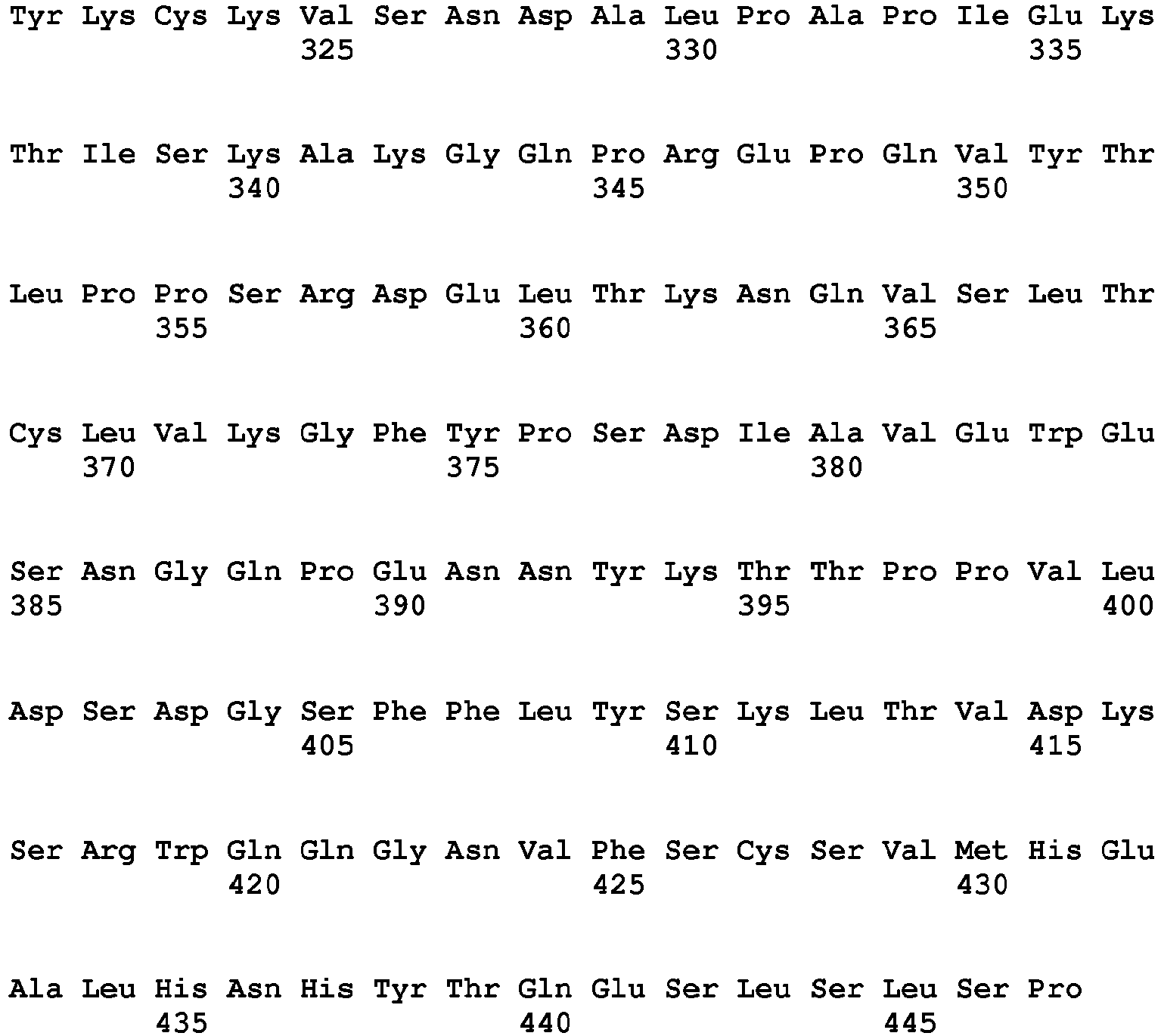
- <210> 56
<211> 447
<212> PRT
<213> Artificial - <220>
<223> an artificially synthesized sequence - <400> 56


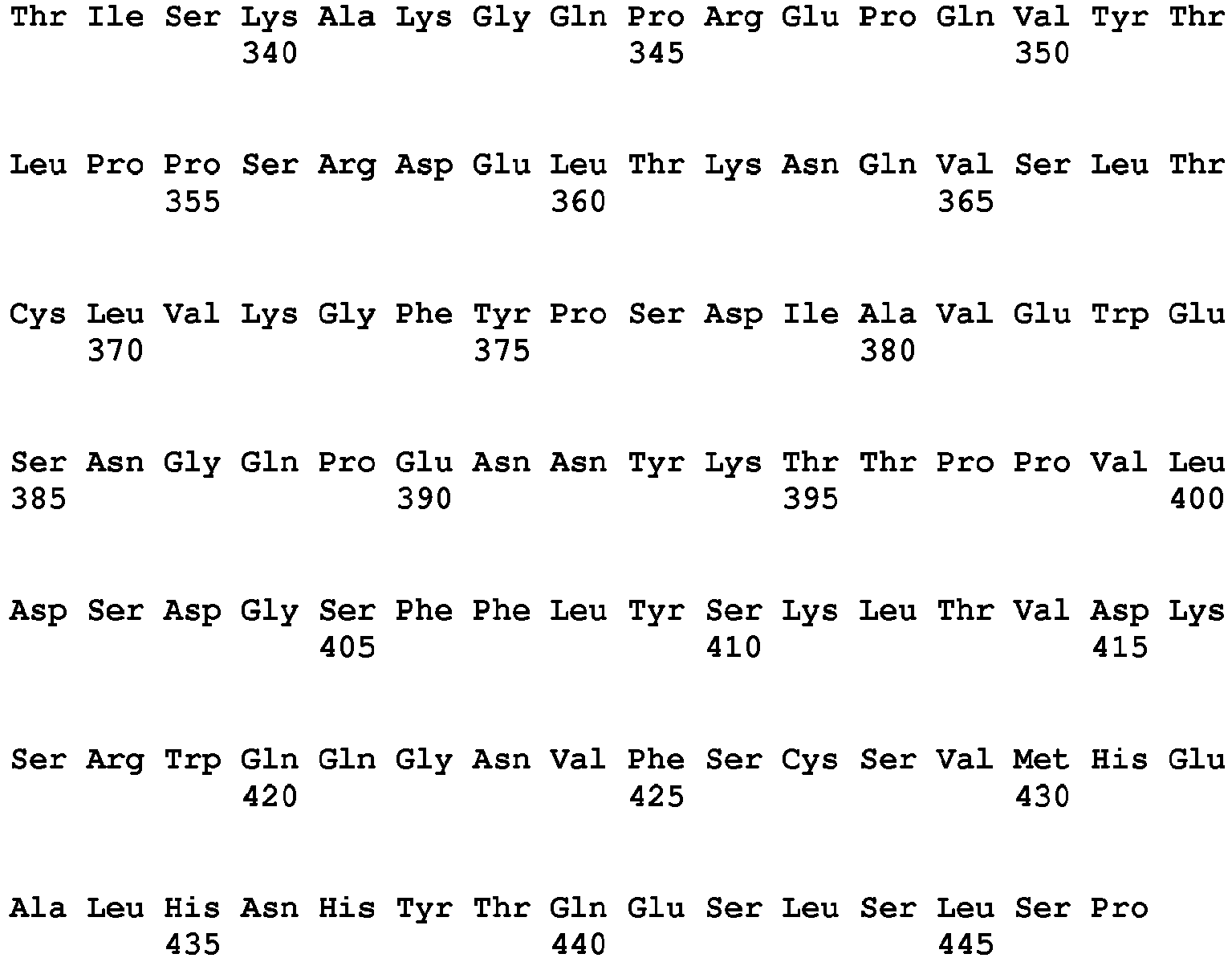
- <210> 57
<211> 447
<212> PRT
<213> Artificial - <220>
<223> an artificially synthesized sequence - <400> 57


- <210> 58
<211> 447
<212> PRT
<213> Artificial - <220>
<223> an artificially synthesized sequence - <400> 58
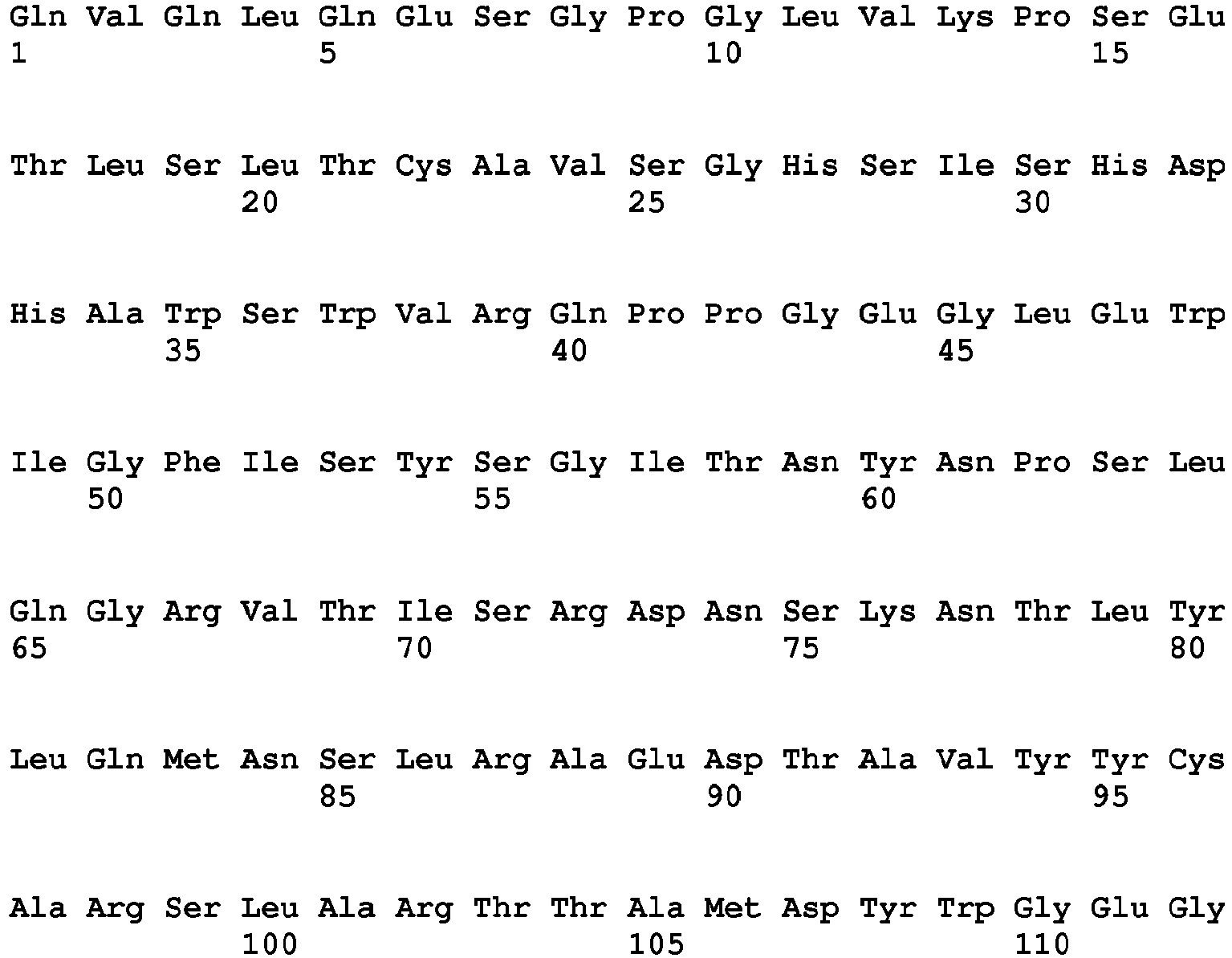


- <210> 59
<211> 447
<212> PRT
<213> Artificial - <220>
<223> an artificially synthesized sequence - <400> 59

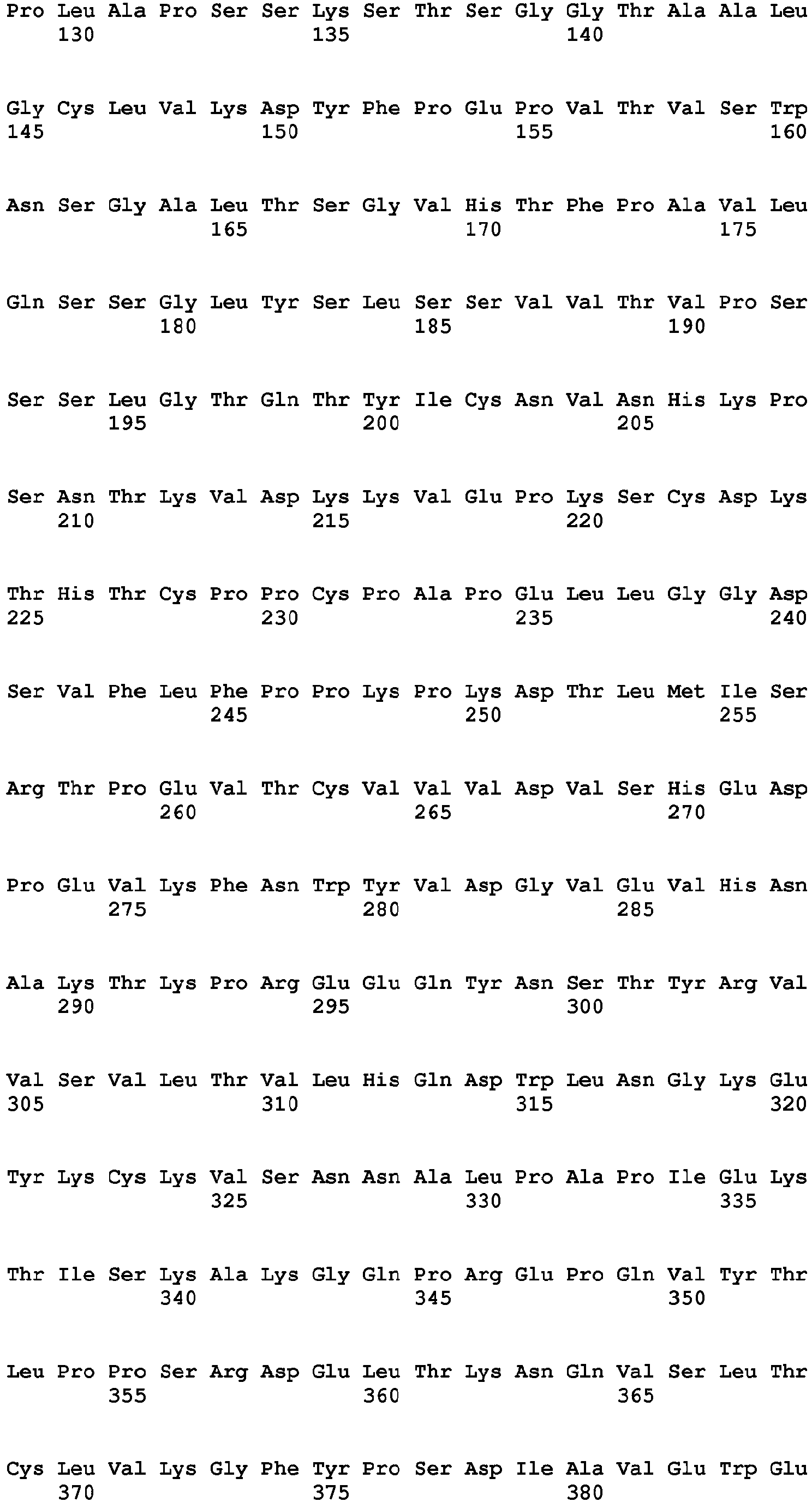

- <210> 60
<211> 447
<212> PRT
<213> Artificial - <220>
<223> an artificially synthesized sequence - <400> 60

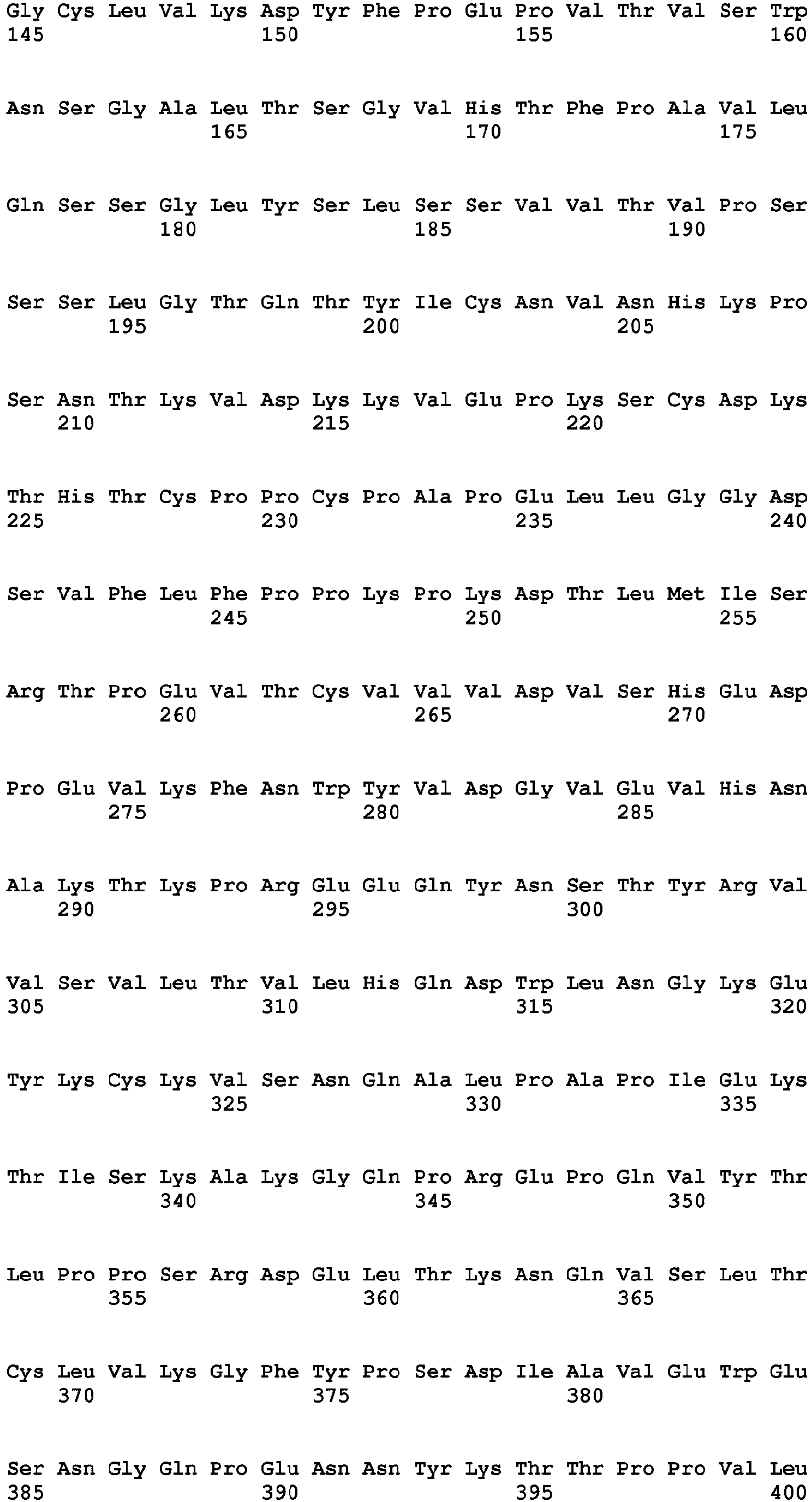

- <210> 61
<211> 447
<212> PRT
<213> Artificial - <220>
<223> an artificially synthesized sequence - <400> 61



- <210> 62
<211> 447
<212> PRT
<213> Artificial - <220>
<223> an artificially synthesized sequence - <400> 62
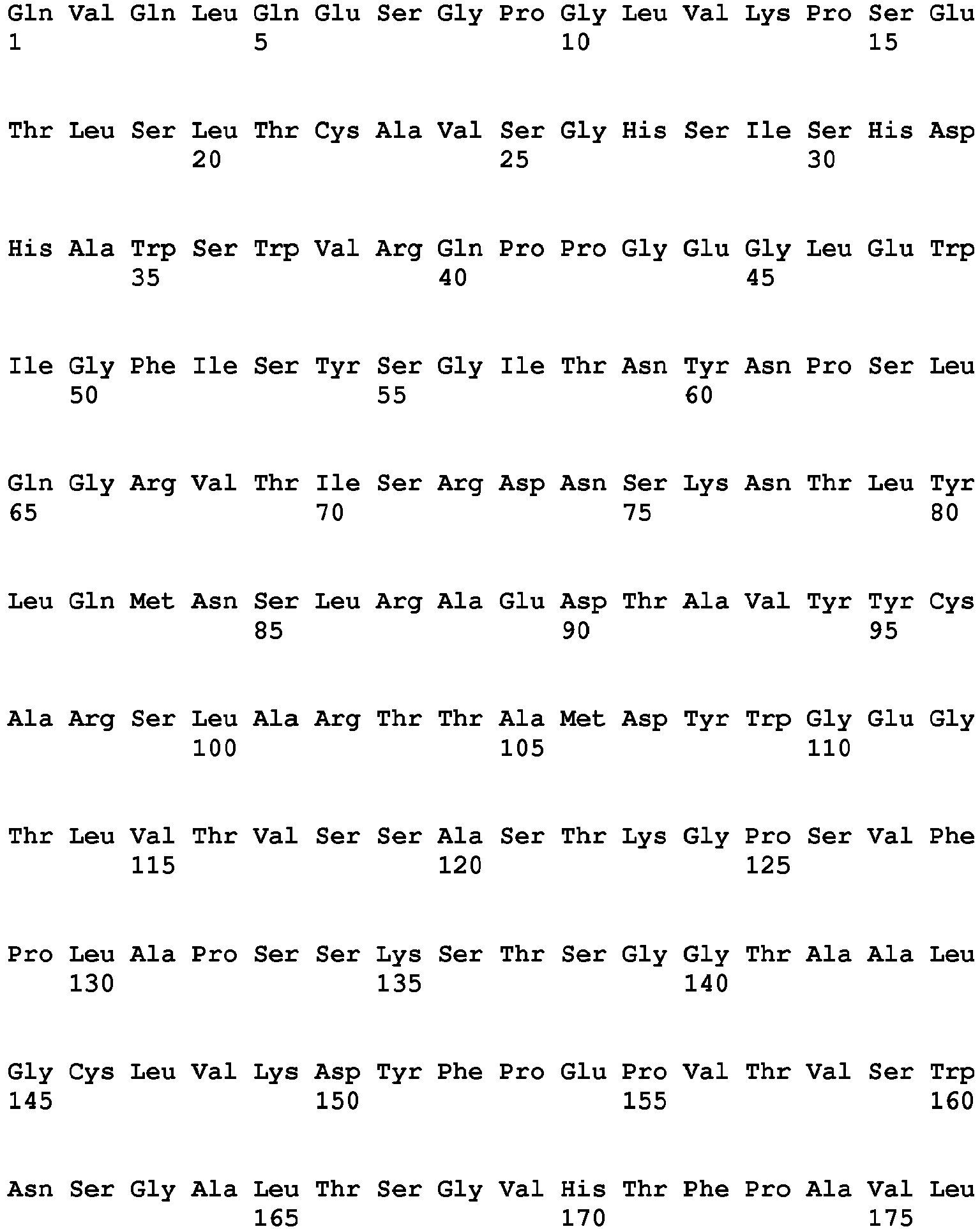
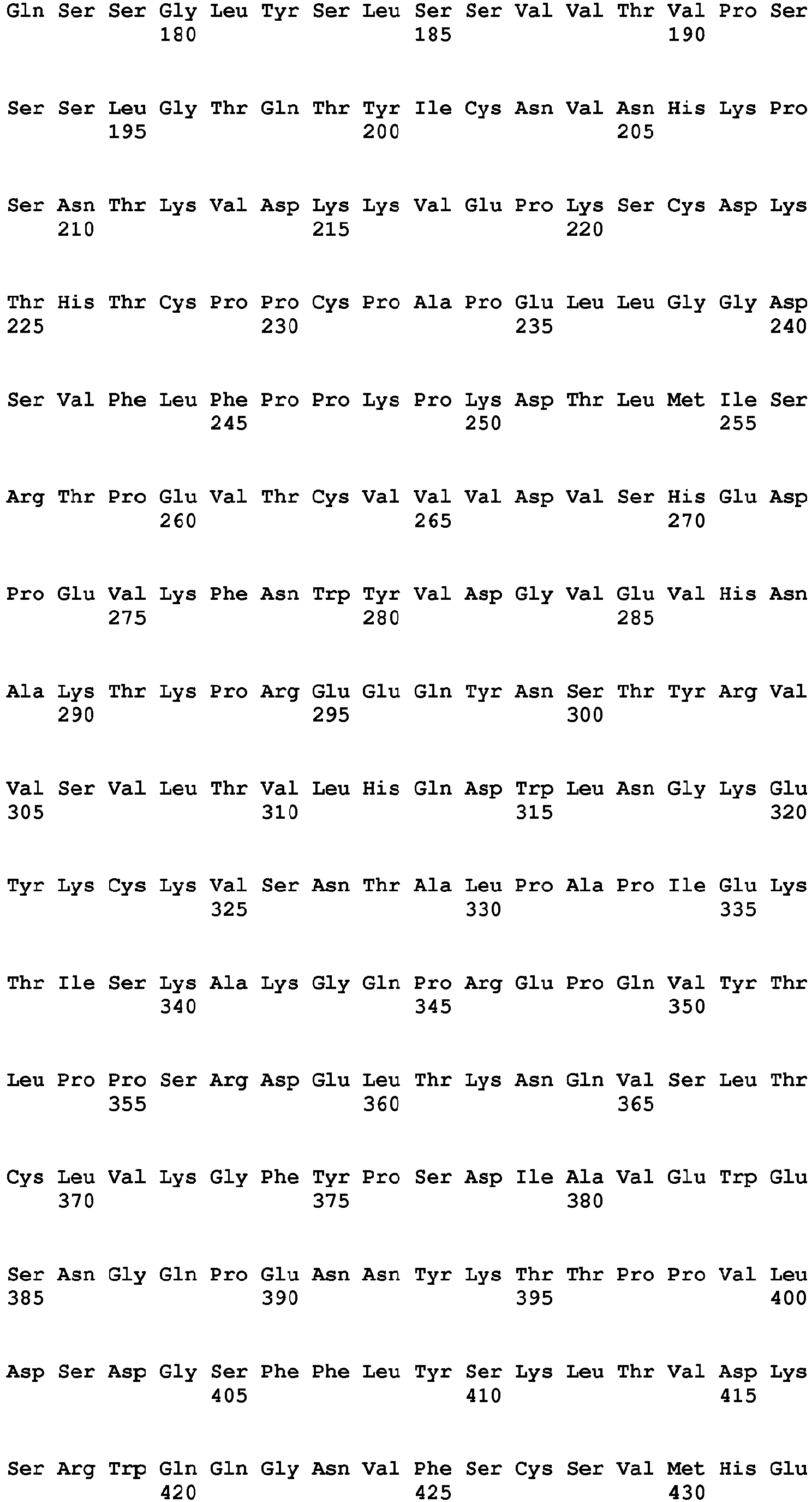

- <210> 63
<211> 447
<212> PRT
<213> Artificial - <220>
<223> an artificially synthesized sequence - <400> 63


- <210> 64
<211> 447
<212> PRT
<213> Artificial - <220>
<223> an artificially synthesized sequence - <400> 64


- <210> 65
<211> 447
<212> PRT
<213> Artificial - <220>
<223> an artificially synthesized sequence - <400> 65
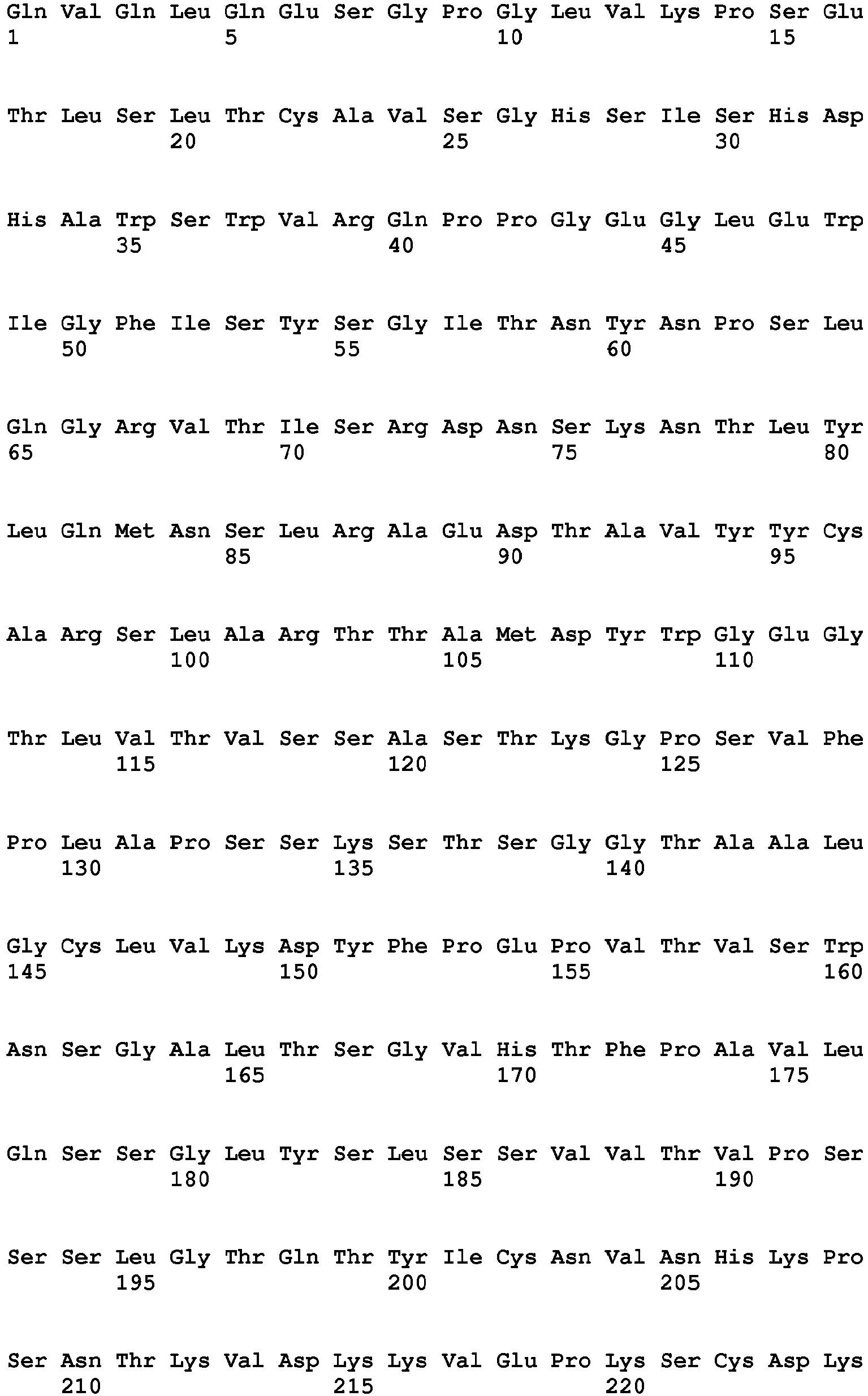
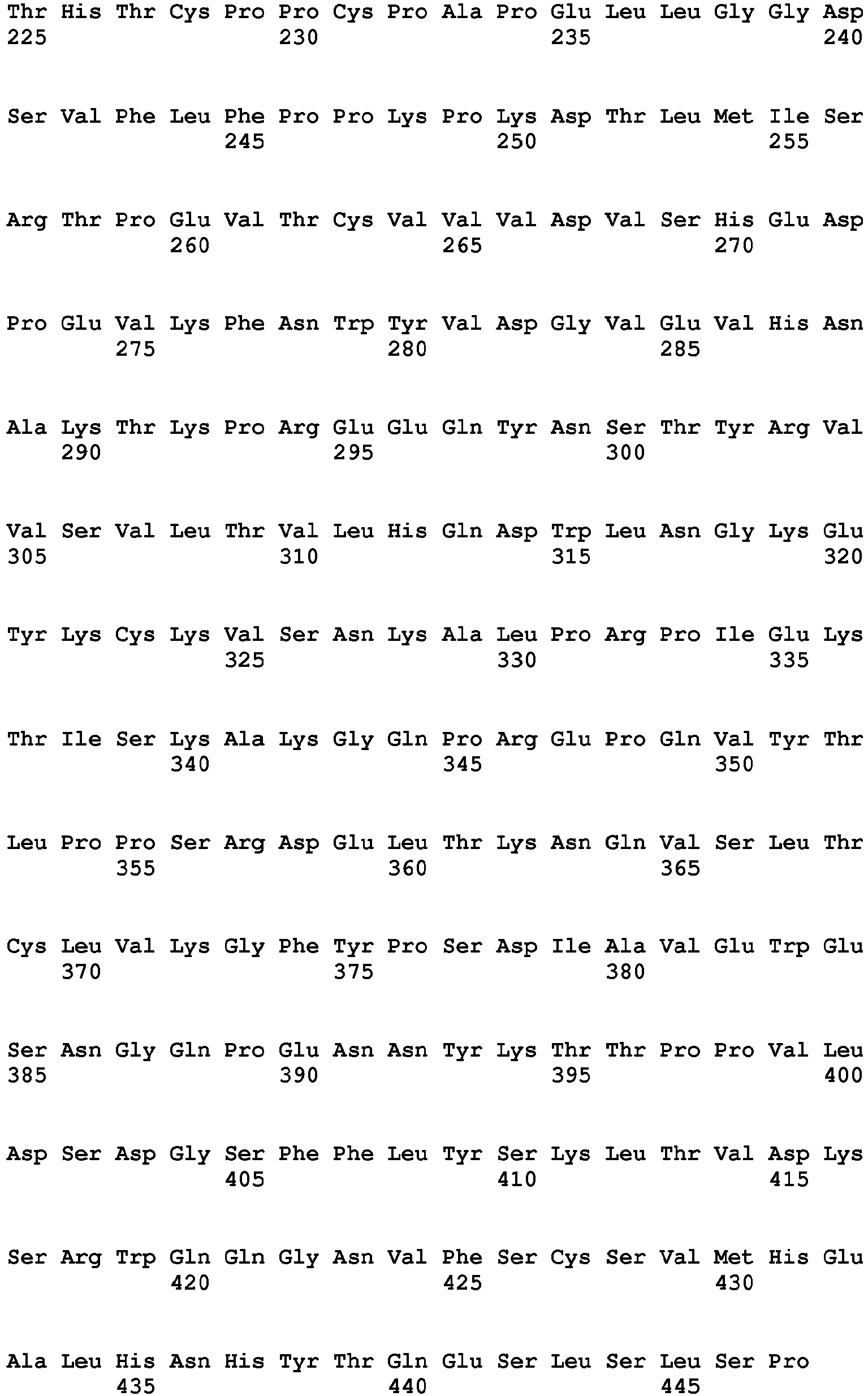
- <210> 66
<211> 447
<212> PRT
<213> Artificial - <220>
<223> an artificially synthesized sequence - <400> 66


- <210> 67
<211> 447
<212> PRT
<213> Artificial - <220>
<223> an artificially synthesized sequence - <400> 67


- <210> 68
<211> 447
<212> PRT
<213> Artificial - <220>
<223> an artificially synthesized sequence - <400> 68


- <210> 69
<211> 447
<212> PRT
<213> Artificial - <220>
<223> an artificially synthesized sequence - <400> 69



- <210> 70
<211> 447
<212> PRT
<213> Artificial - <220>
<223> an artificially synthesized sequence - <400> 70


- <210> 71
<211> 447
<212> PRT
<213> Artificial - <220>
<223> an artificially synthesized sequence - <400> 71

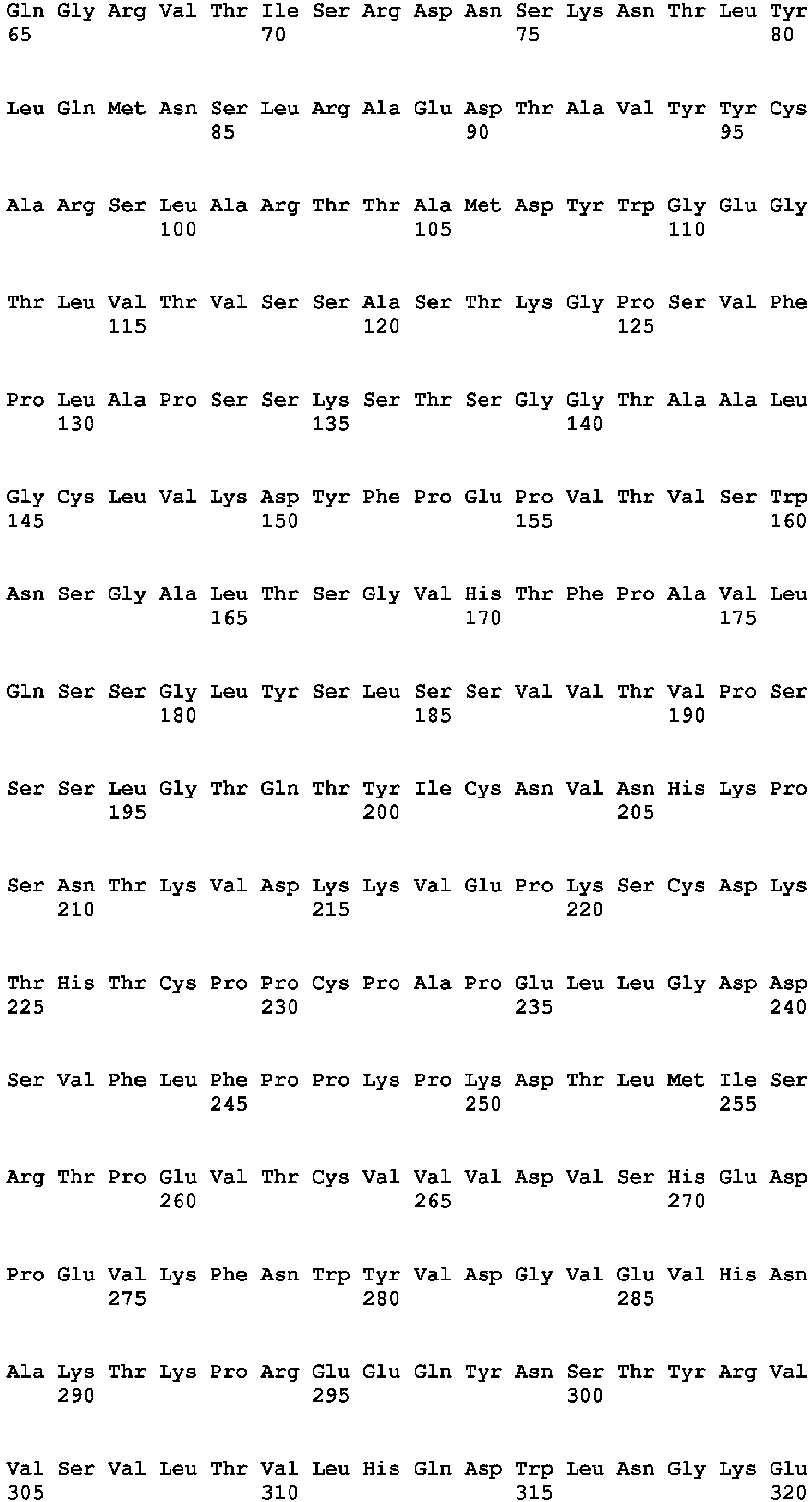

- <210> 72
<211> 447
<212> PRT
<213> Artificial - <220>
<223> an artificially synthesized sequence - <400> 72


- <210> 73
<211> 447
<212> PRT
<213> Artificial - <220>
<223> an artificially synthesized sequence - <400> 73


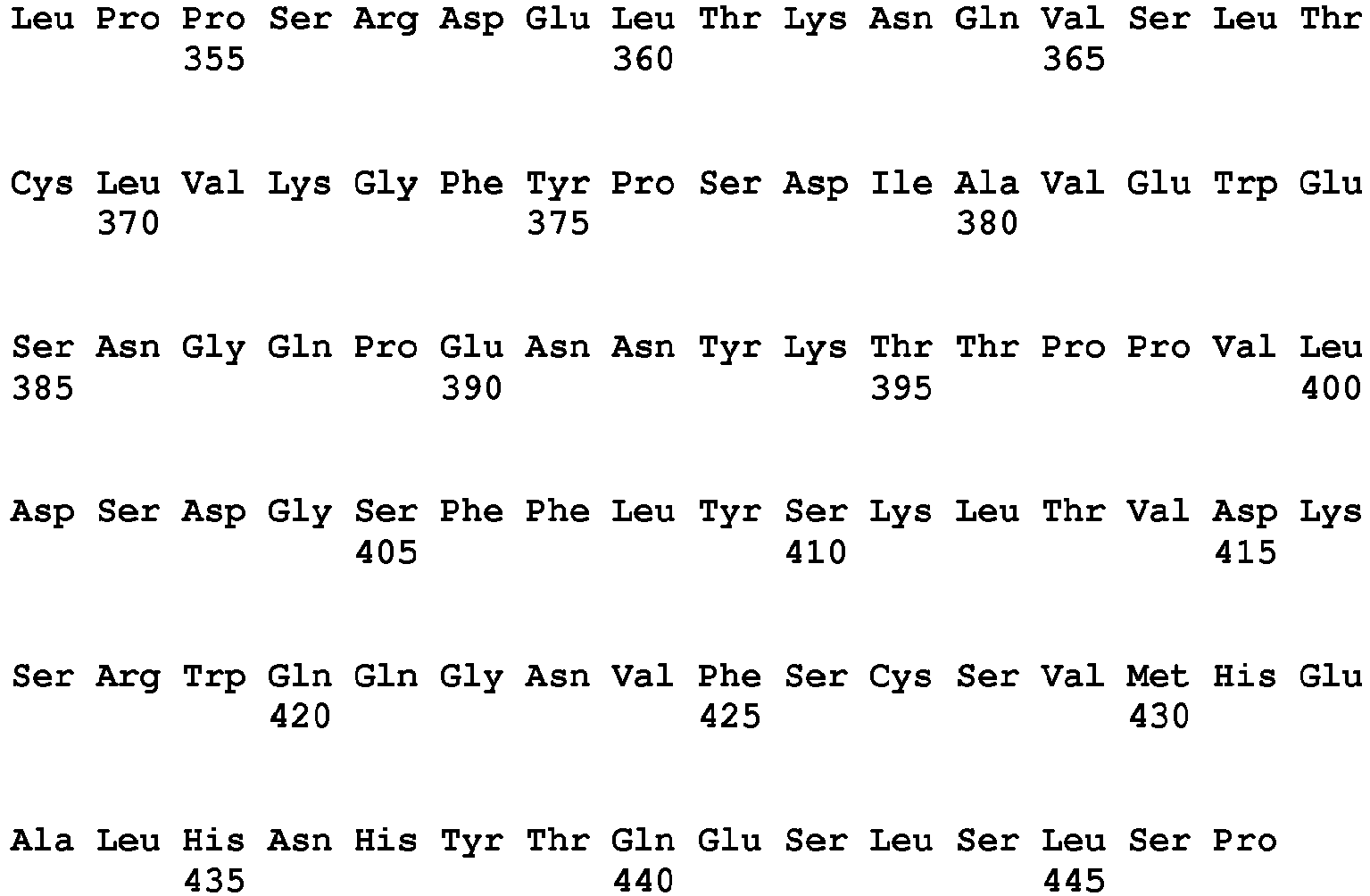
- <210> 74
<211> 447
<212> PRT
<213> Artificial - <220>
<223> an artificially synthesized sequence - <400> 74


- <210> 75
<211> 447
<212> PRT
<213> Artificial - <220>
<223> an artificially synthesized sequence - <400> 75


- <210> 76
<211> 447
<212> PRT
<213> Artificial - <220>
<223> an artificially synthesized sequence - <400> 76


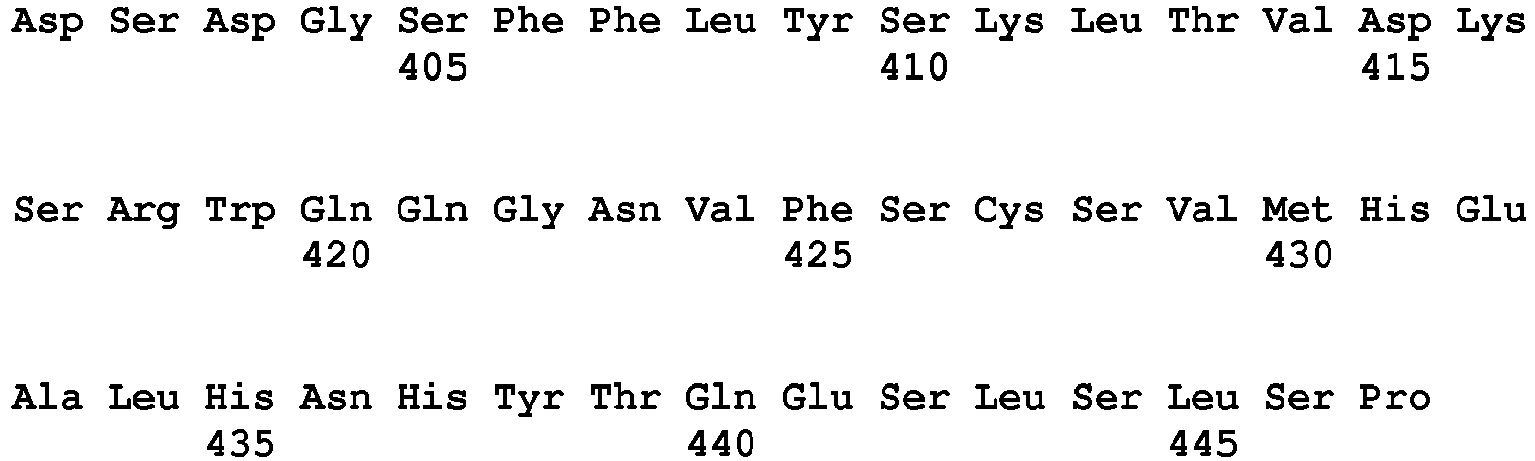
- <210> 77
<211> 447
<212> PRT
<213> Artificial - <220>
<223> an artificially synthesized sequence - <400> 77

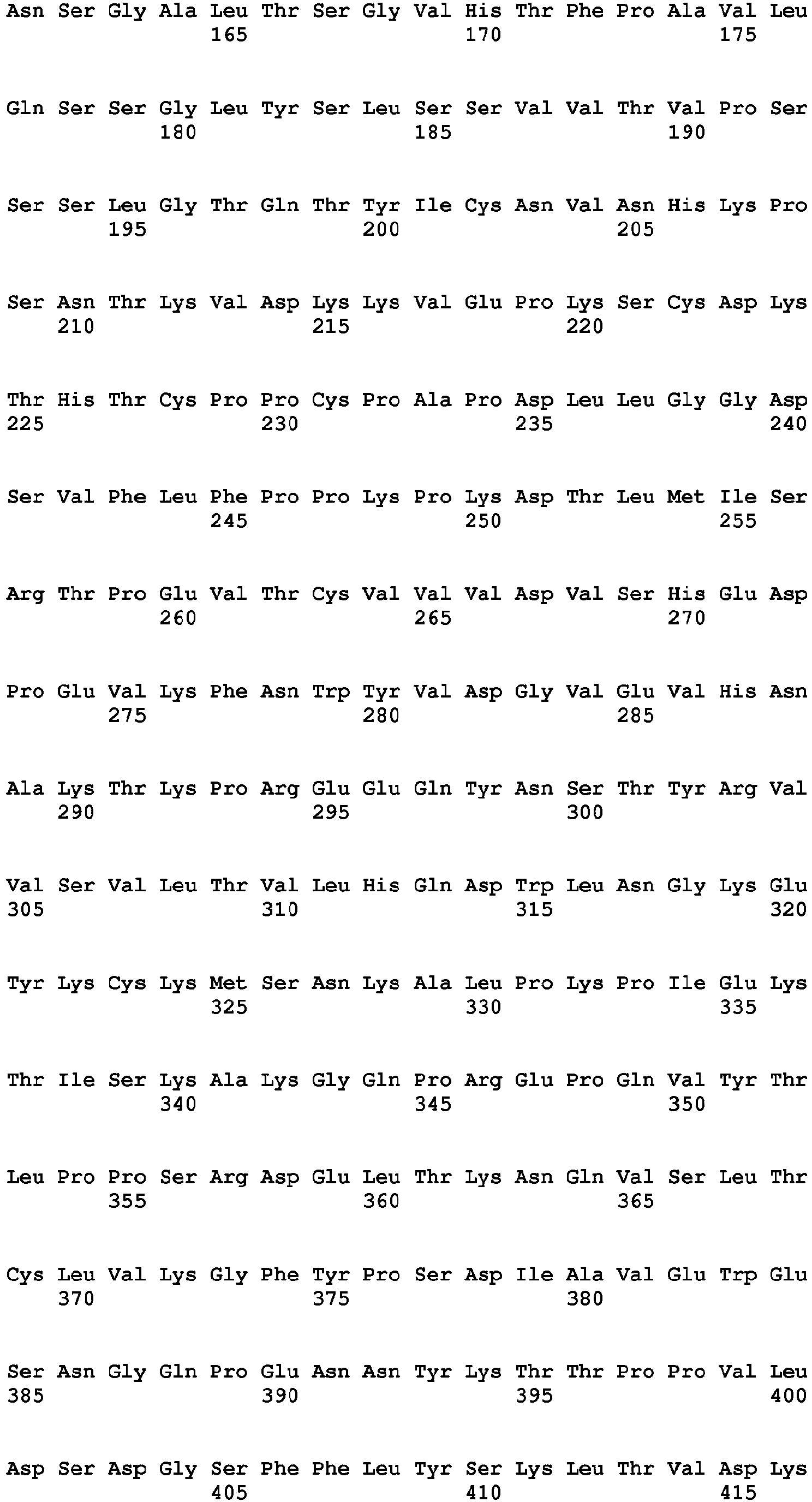

- <210> 78
<211> 447
<212> PRT
<213> Artificial - <220>
<223> an artificially synthesized sequence - <400> 78


- <210> 79
<211> 447
<212> PRT
<213> Artificial - <220>
<223> an artificially synthesized sequence - <400> 79

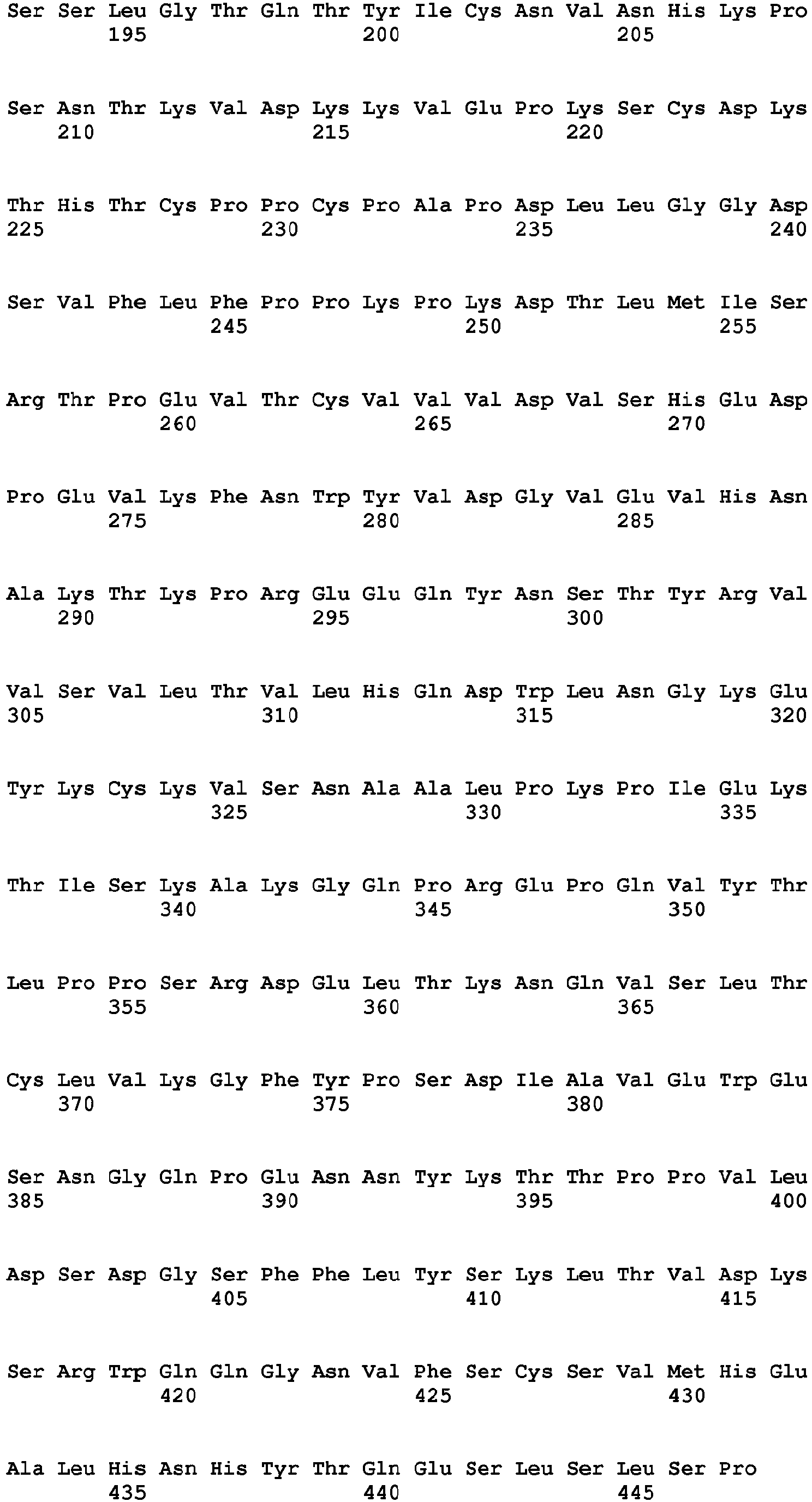
- <210> 80
<211> 447
<212> PRT
<213> Artificial - <220>
<223> an artificially synthesized sequence - <400> 80

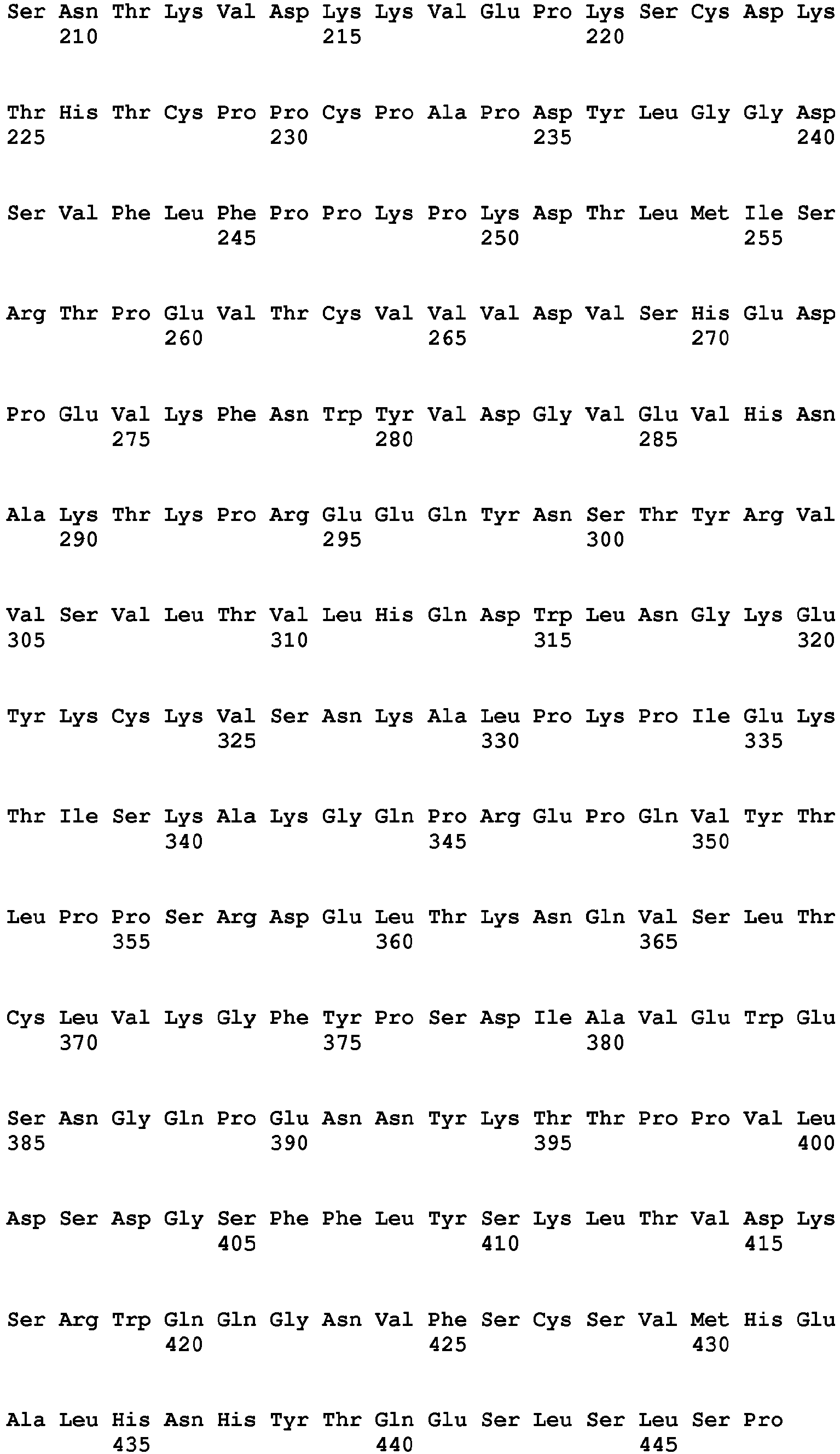
- <210> 81
<211> 447
<212> PRT
<213> Artificial - <220>
<223> an artificially synthesized sequence - <400> 81


- <210> 82
<211> 447
<212> PRT
<213> Artificial - <220>
<223> an artificially synthesized sequence - <400> 82
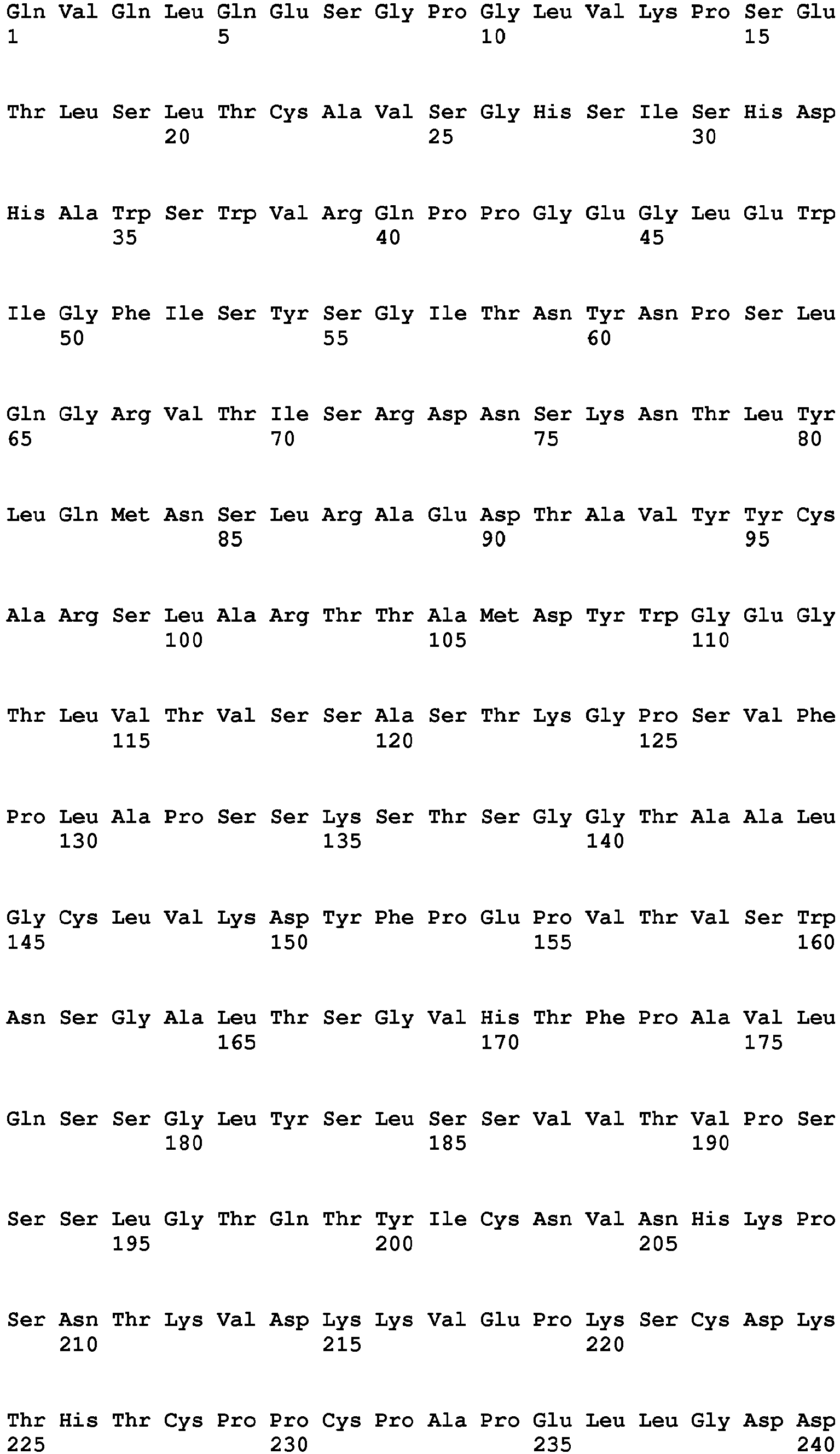

- <210> 83
<211> 447
<212> PRT
<213> Artificial - <220>
<223> an artificially synthesized sequence - <400> 83


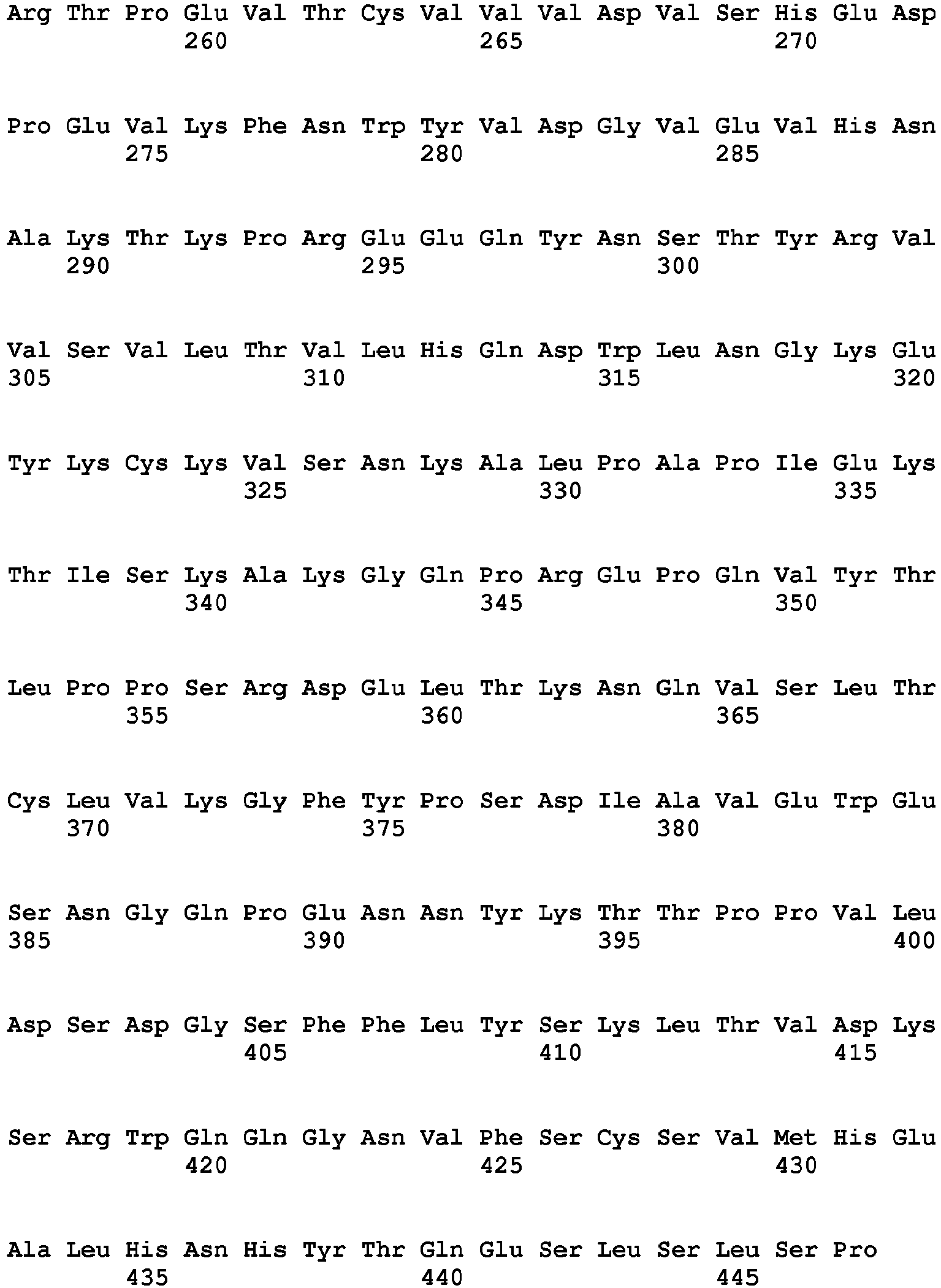
- <210> 84
<211> 447
<212> PRT
<213> Artificial - <220>
<223> an artificially synthesized sequence - <400> 84


- <210> 85
<211> 447
<212> PRT
<213> Artificial - <220>
<223> an artificially synthesized sequence - <400> 85


- <210> 86
<211> 447
<212> PRT
<213> Artificial - <220>
<223> an artificially synthesized sequence - <400> 86


- <210> 87
<211> 447
<212> PRT
<213> Artificial - <220>
<223> an artificially synthesized sequence - <400> 87

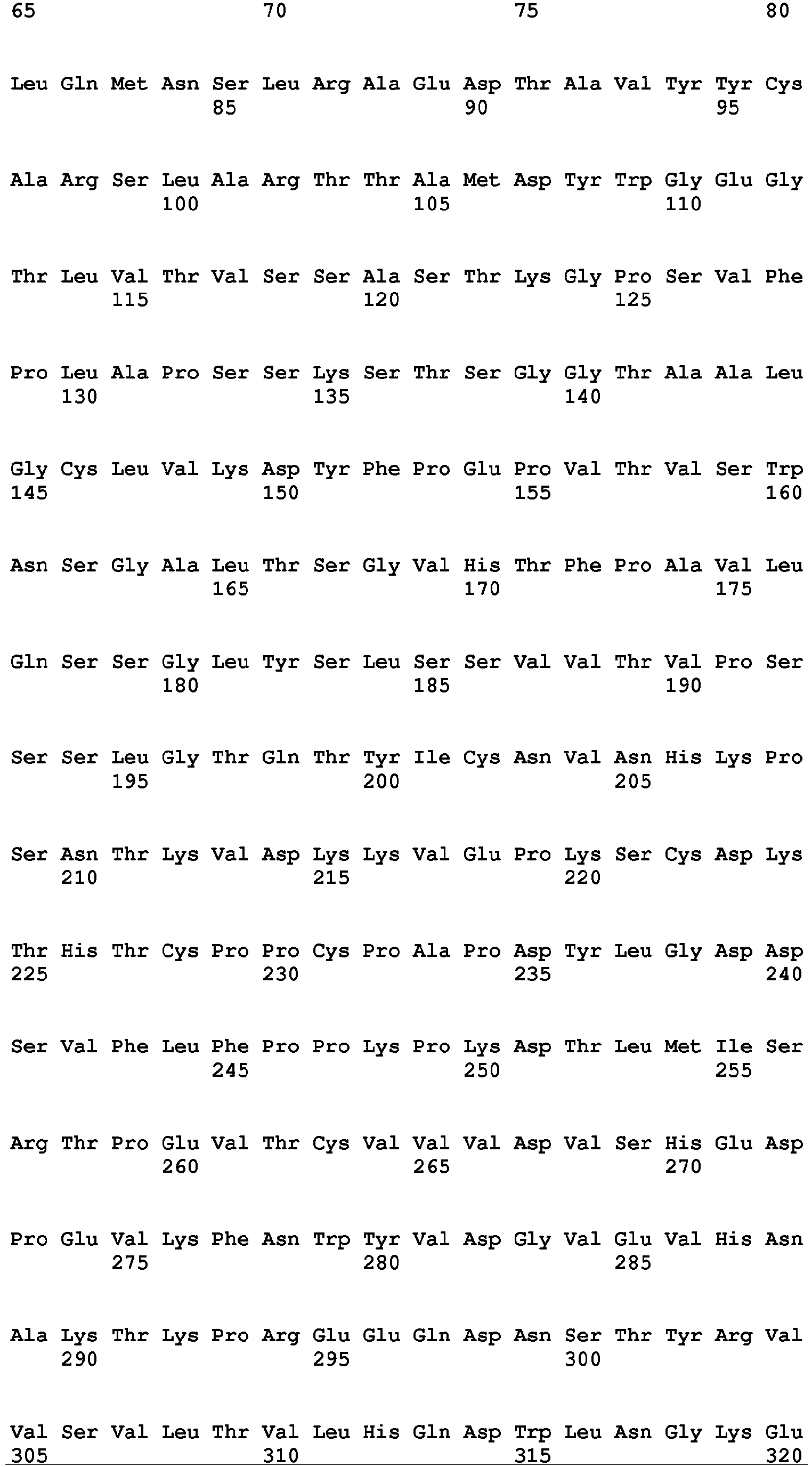
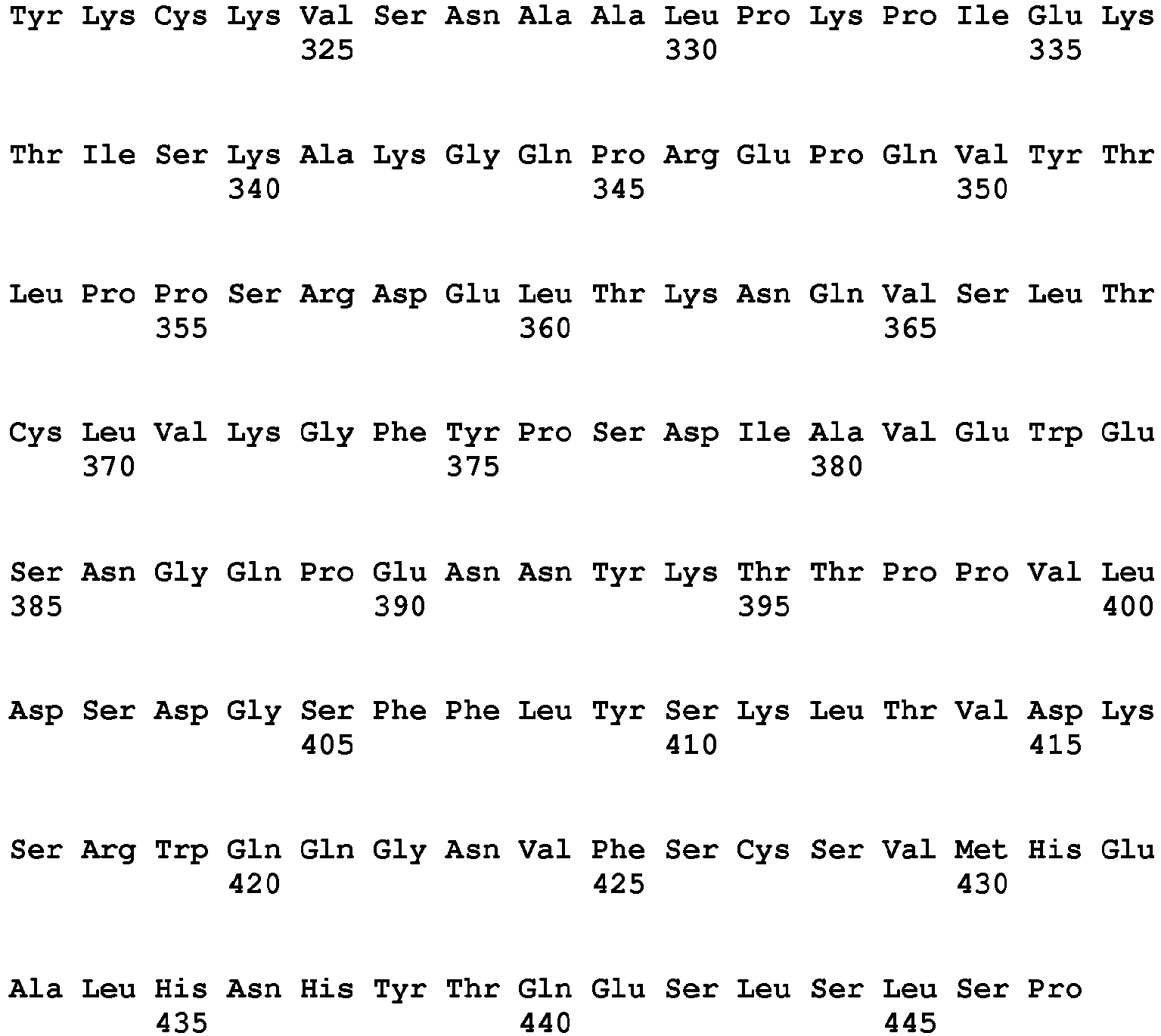
- <210> 88
<211> 447
<212> PRT
<213> Artificial - <220>
<223> an artificially synthesized sequence - <400> 88


- <210> 89
<211> 447
<212> PRT
<213> Artificial - <220>
<223> an artificially synthesized sequence - <400> 89
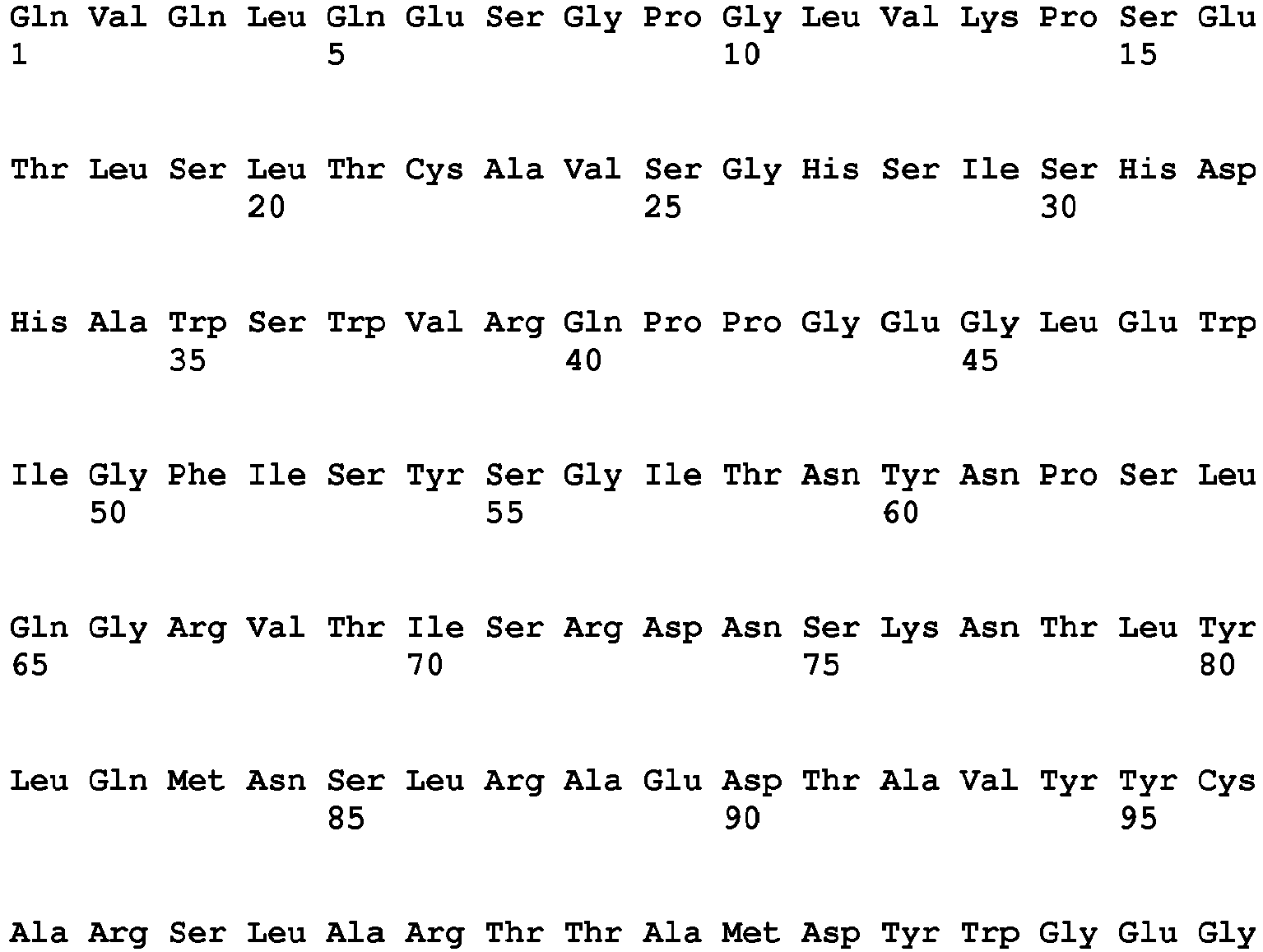
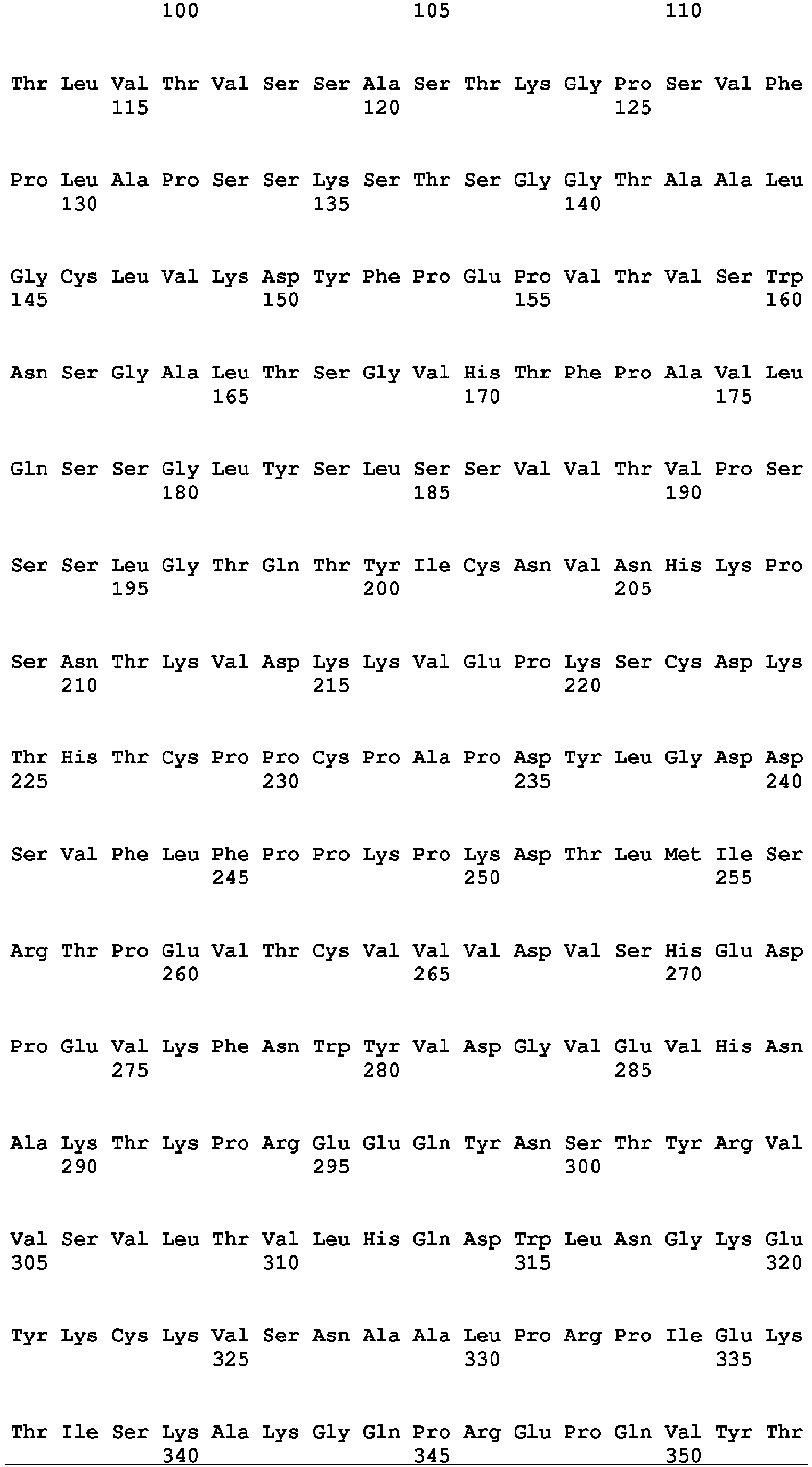

- <210> 90
<211> 447
<212> PRT
<213> Artificial - <220>
<223> an artificially synthesized sequence - <400> 90
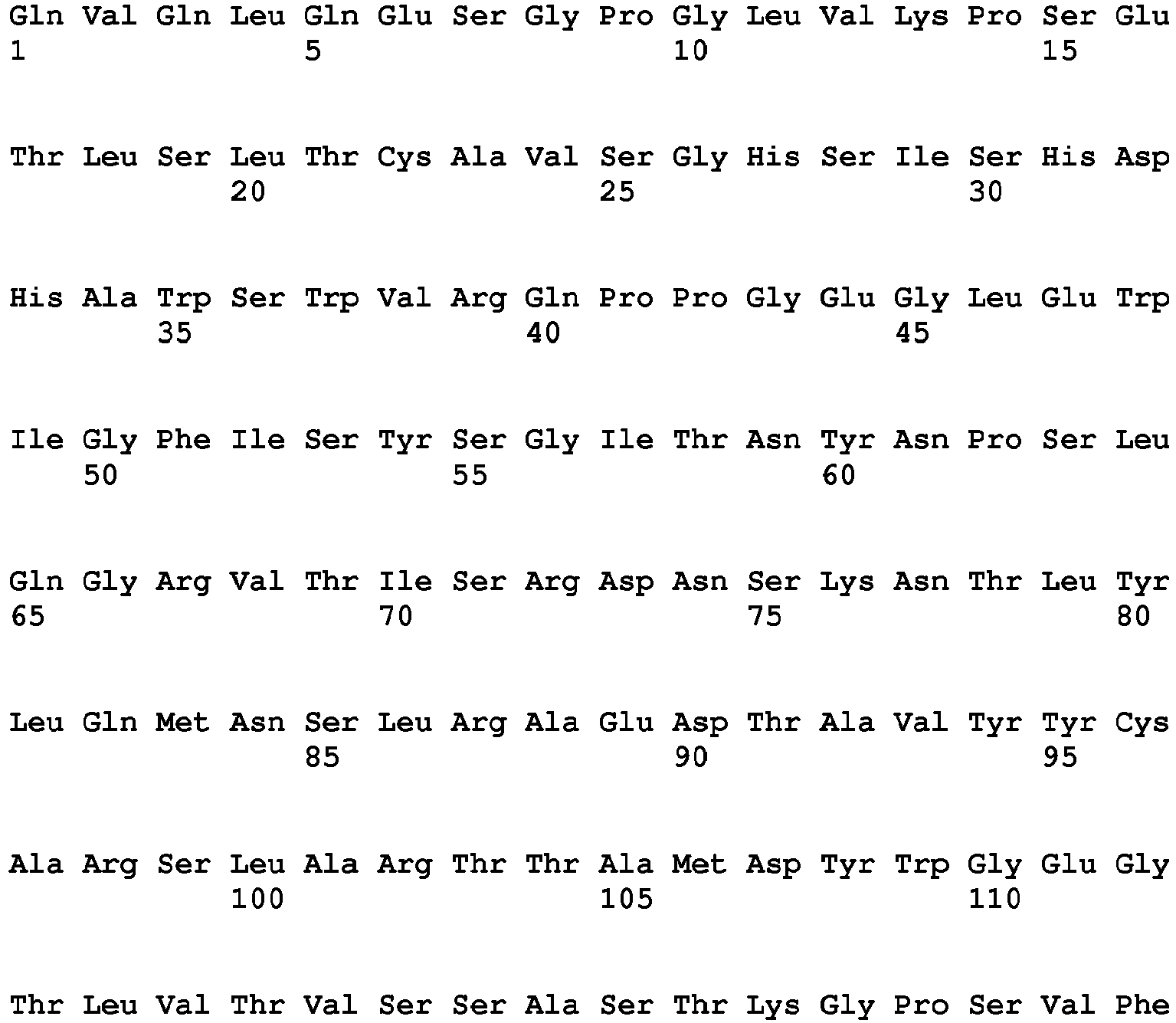


- <210> 91
<211> 447
<212> PRT
<213> Artificial - <220>
<223> an artificially synthesized sequence - <400> 91

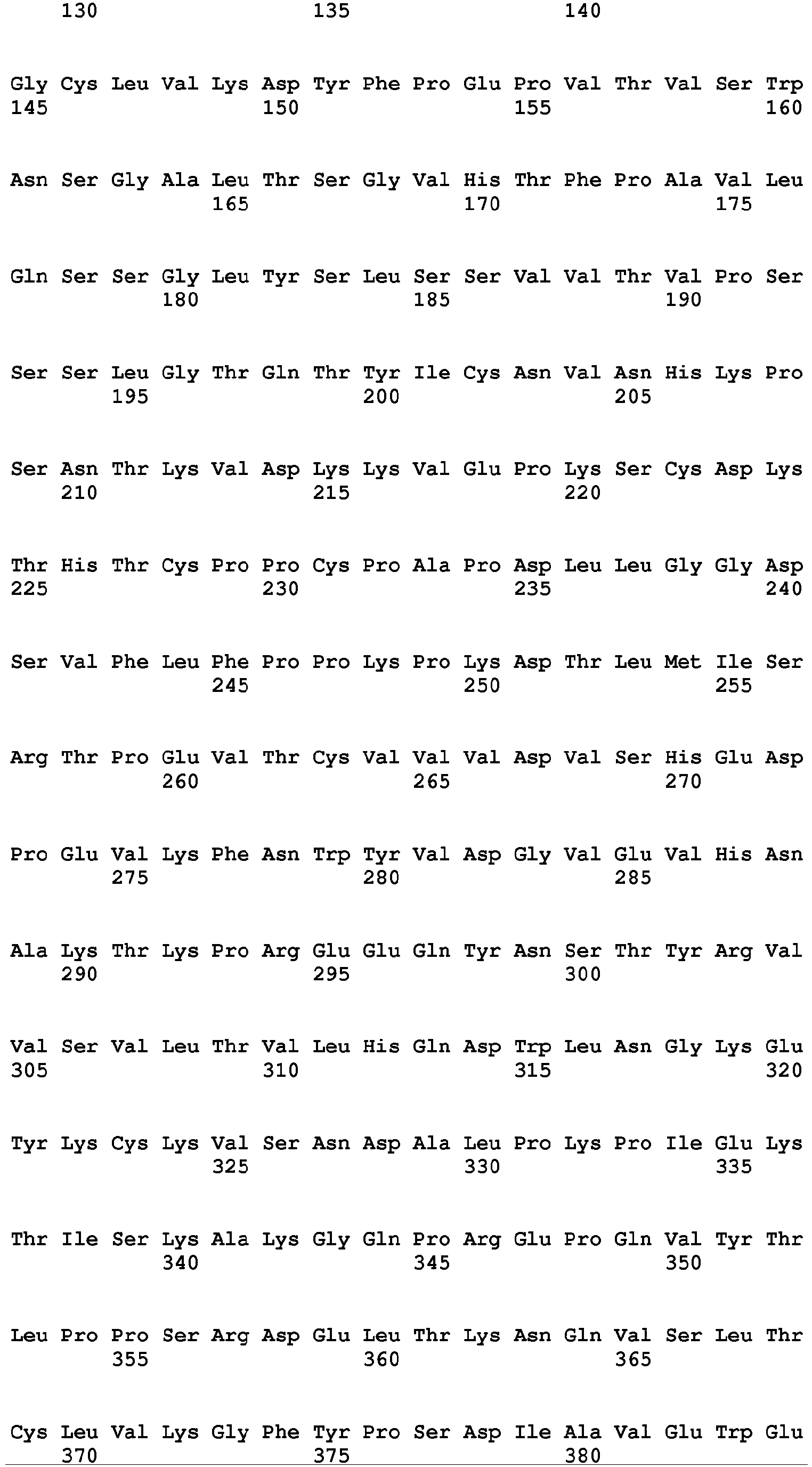
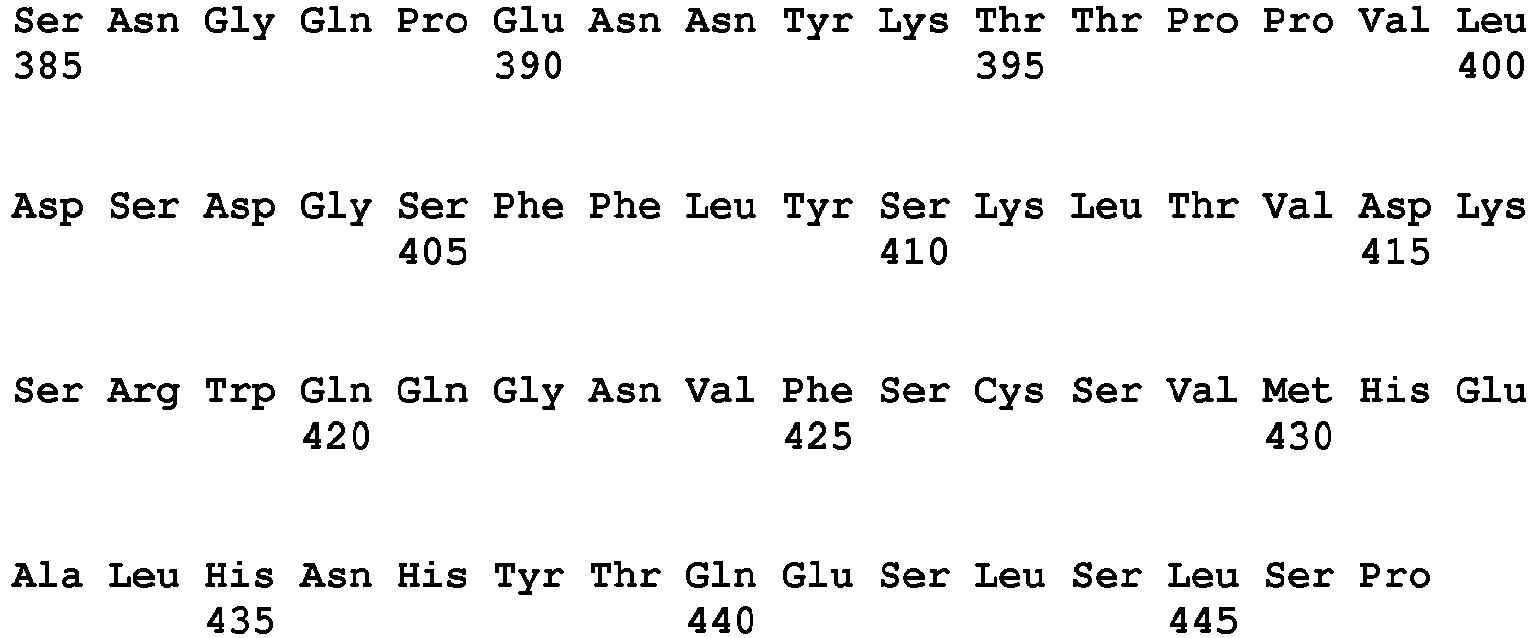
- <210> 92
<211> 447
<212> PRT
<213> Artificial - <220>
<223> an artificially synthesized sequence - <400> 92


- <210> 93
<211> 447
<212> PRT
<213> Artificial - <220>
<223> an artificially synthesized sequence - <400> 93

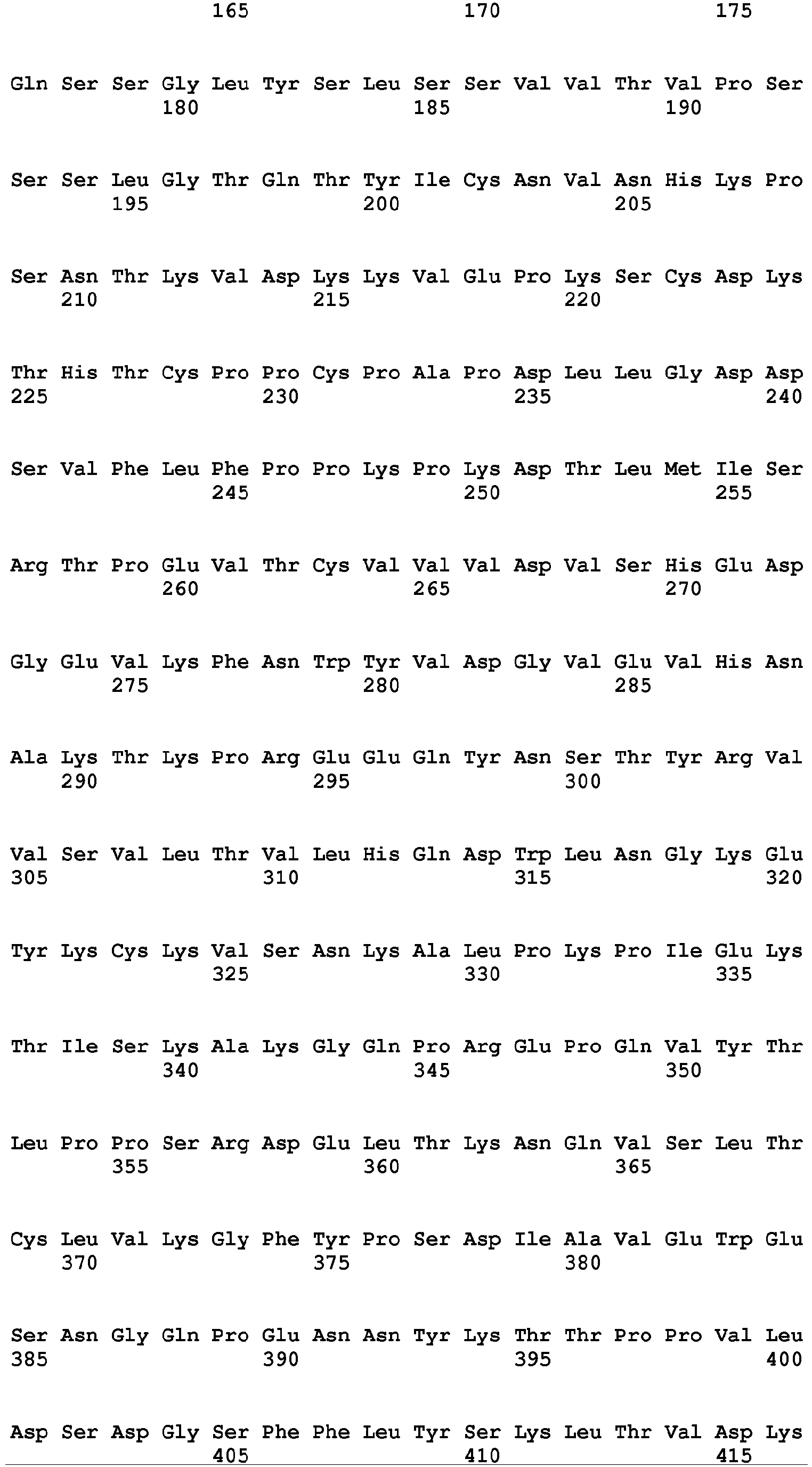

- <210> 94
<211> 447
<212> PRT
<213> Artificial - <220>
<223> an artificially synthesized sequence - <400> 94



- <210> 95
<211> 447
<212> PRT
<213> Artificial - <220>
<223> an artificially synthesized sequence - <400> 95


- <210> 96
<211> 447
<212> PRT
<213> Artificial - <220>
<223> an artificially synthesized sequence - <400> 96


- <210> 97
<211> 447
<212> PRT
<213> Artificial - <220>
<223> an artificially synthesized sequence - <400> 97


- <210> 98
<211> 447
<212> PRT
<213> Artificial - <220>
<223> an artificially synthesized sequence - <400> 98
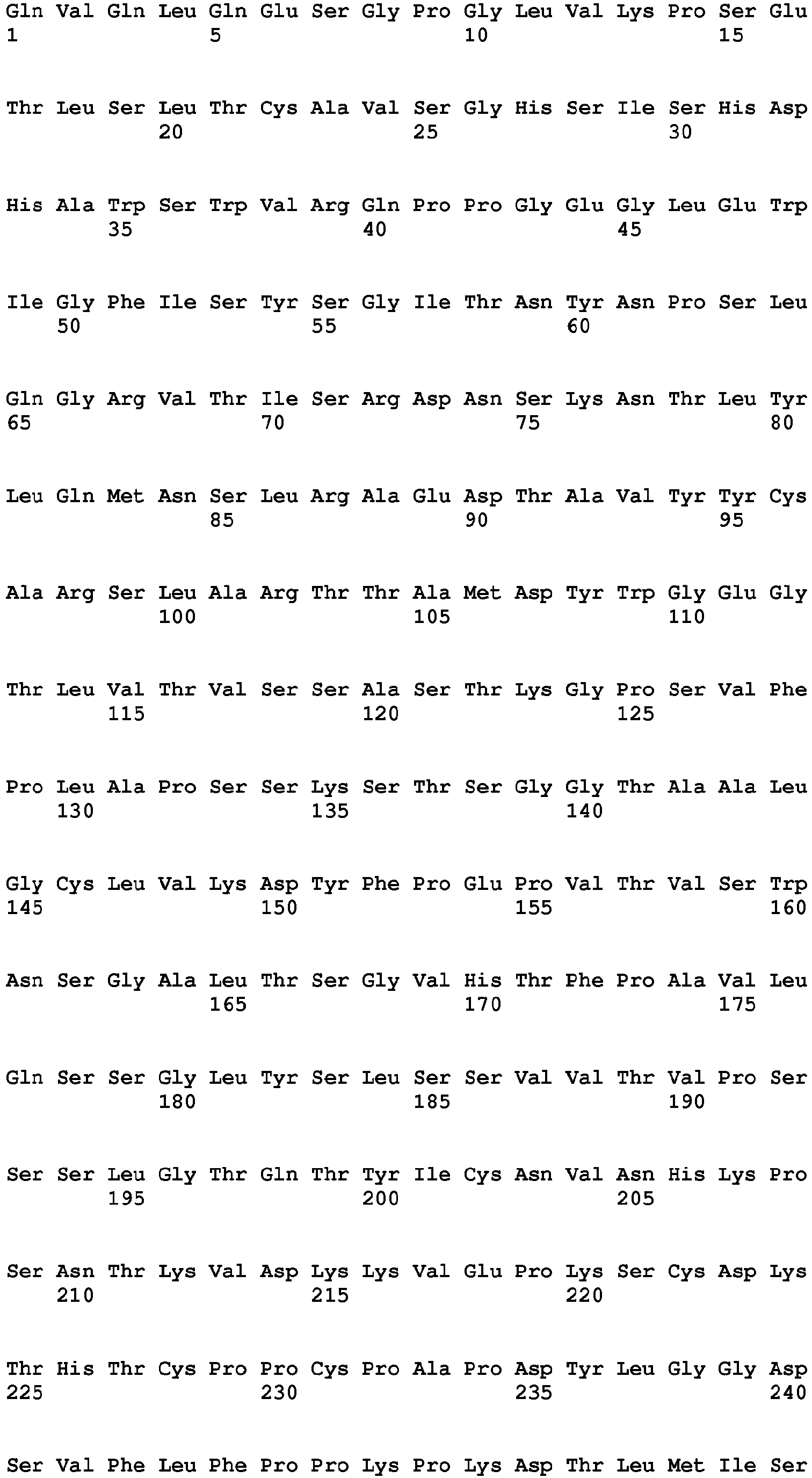

- <210> 99
<211> 447
<212> PRT
<213> Artificial - <220>
<223> an artificially synthesized sequence - <400> 99

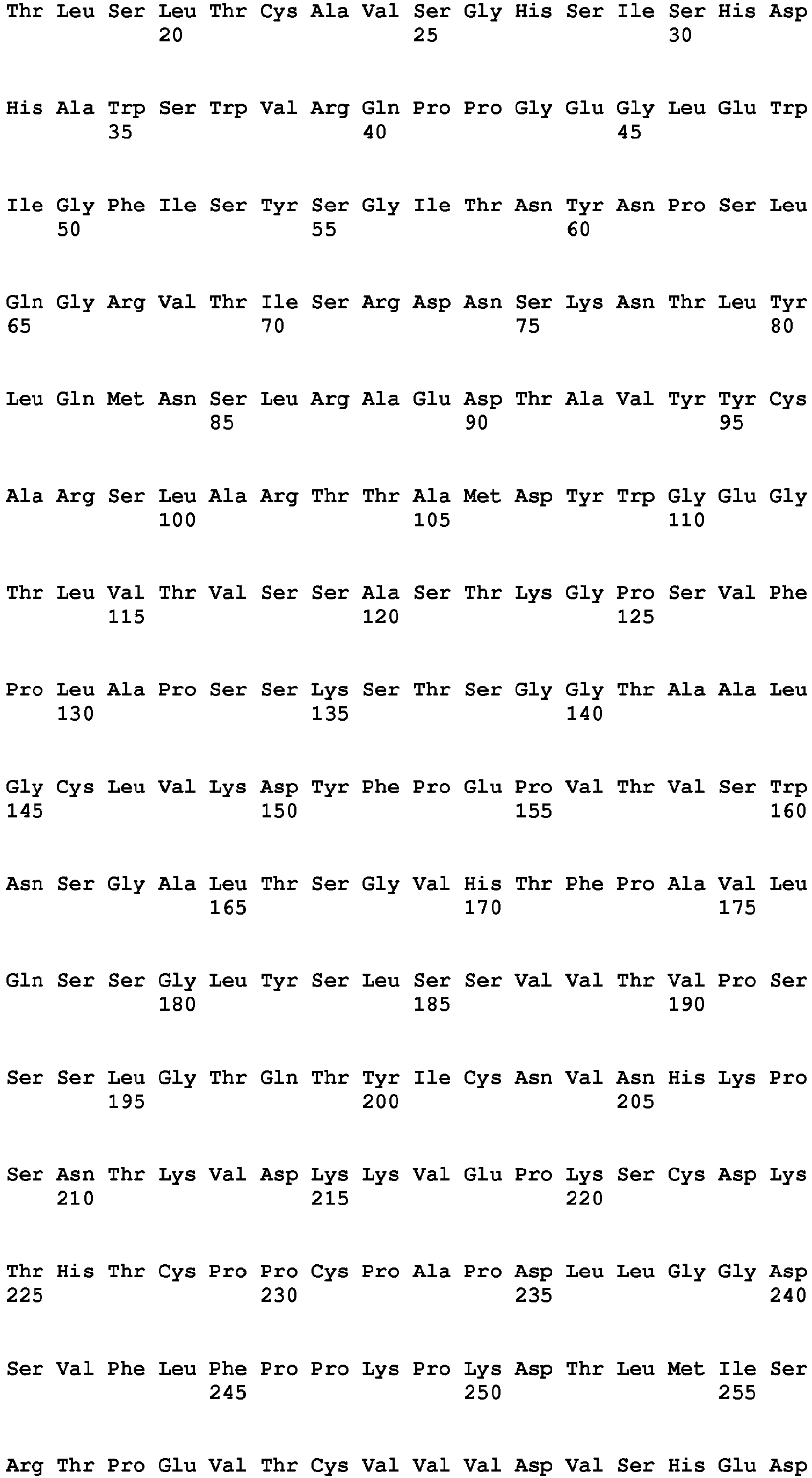

- <210> 100
<211> 447
<212> PRT
<213> Artificial - <220>
<223> an artificially synthesized sequence - <400> 100

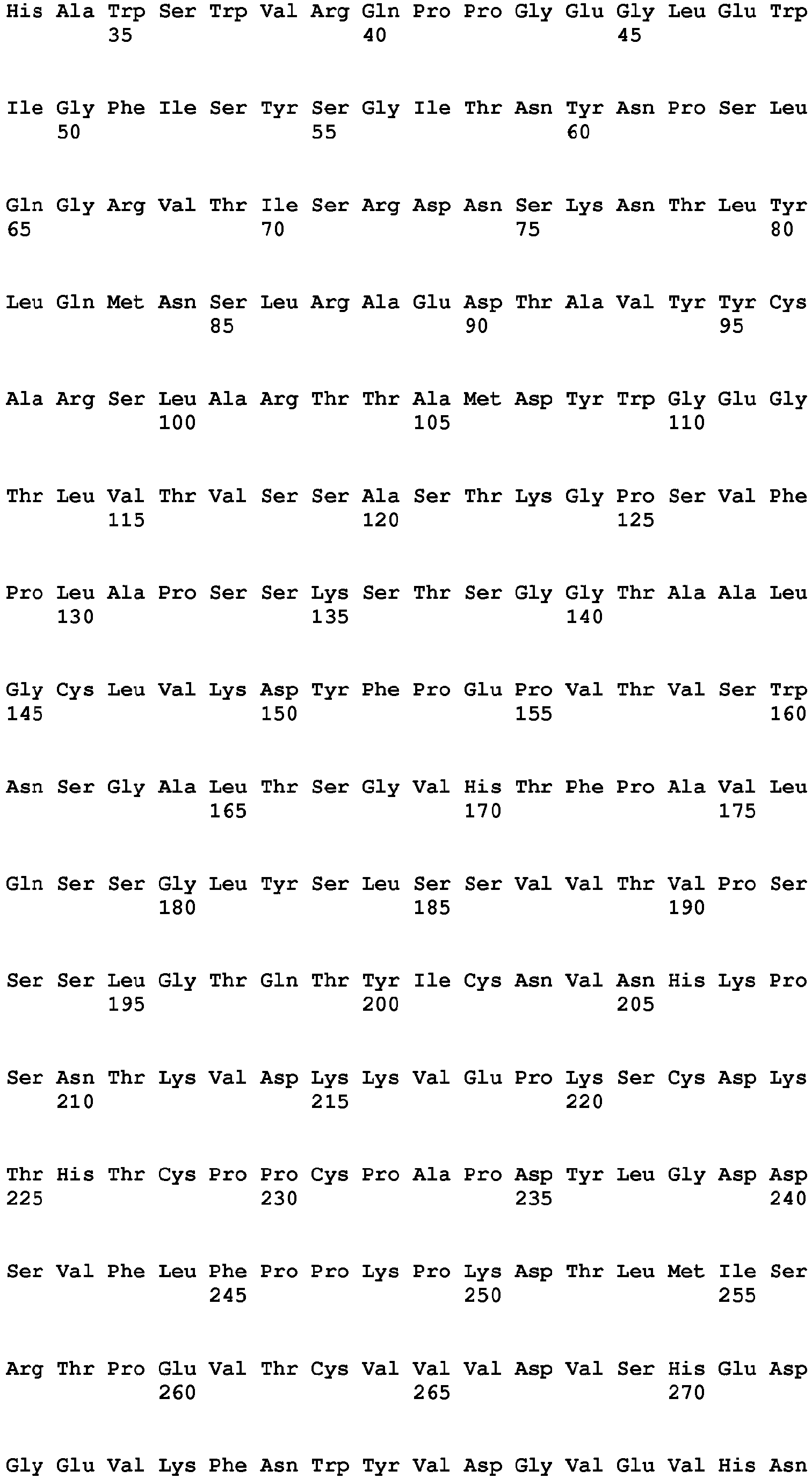

- <210> 101
<211> 447
<212> PRT
<213> Artificial - <220>
<223> an artificially synthesized sequence - <400> 101

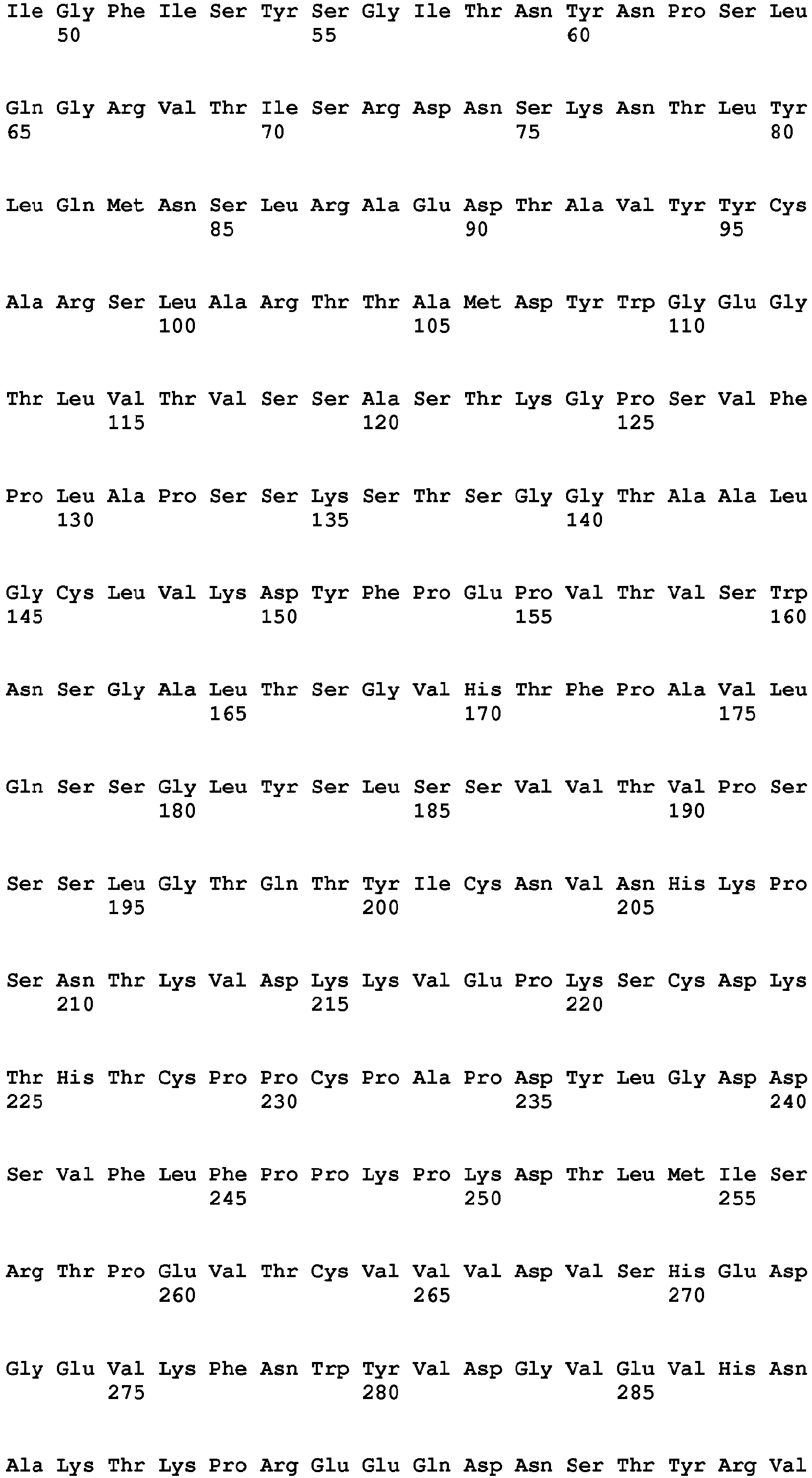

- <210> 102
<211> 447
<212> PRT
<213> Artificial - <220>
<223> an artificially synthesized sequence - <400> 102


- <210> 103
<211> 447
<212> PRT
<213> Artificial - <220>
<223> an artificially synthesized sequence - <400> 103


- <210> 104
<211> 447
<212> PRT
<213> Artificial - <220>
<223> an artificially synthesized sequence - <400> 104
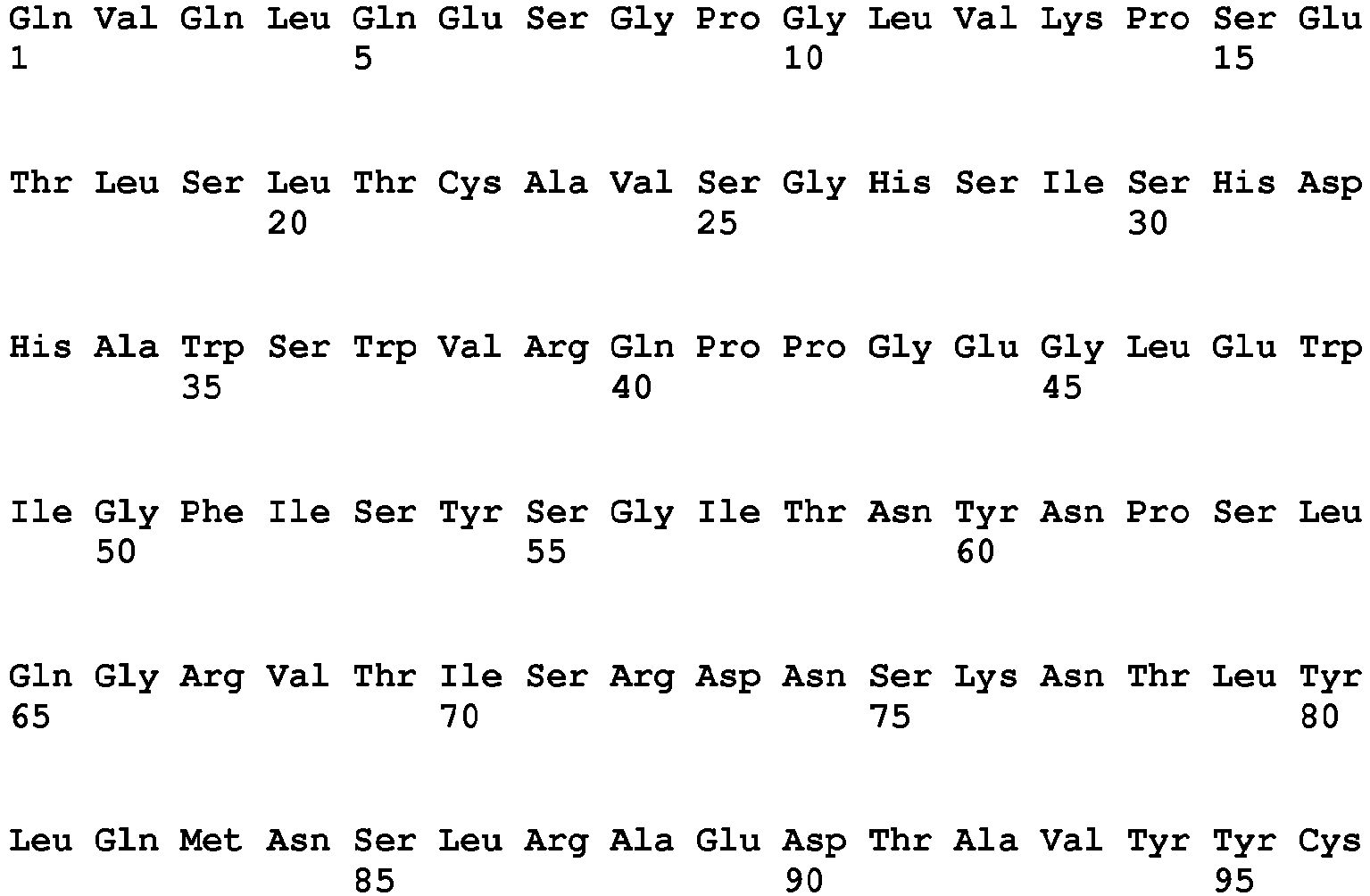
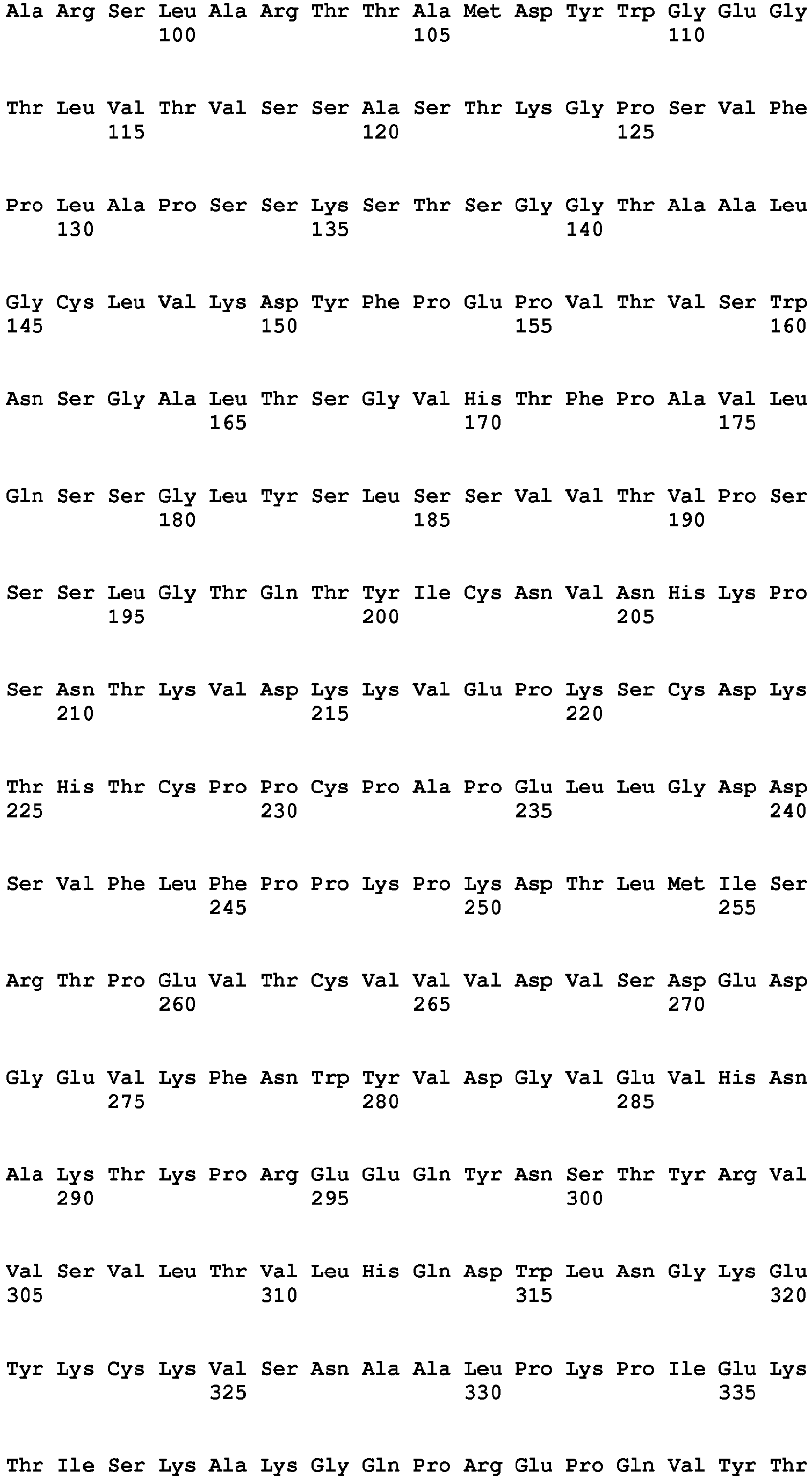

- <210> 105
<211> 447
<212> PRT
<213> Artificial - <220>
<223> an artificially synthesized sequence - <400> 105


- <210> 106
<211> 447
<212> PRT
<213> Artificial - <220>
<223> an artificially synthesized sequence - <400> 106


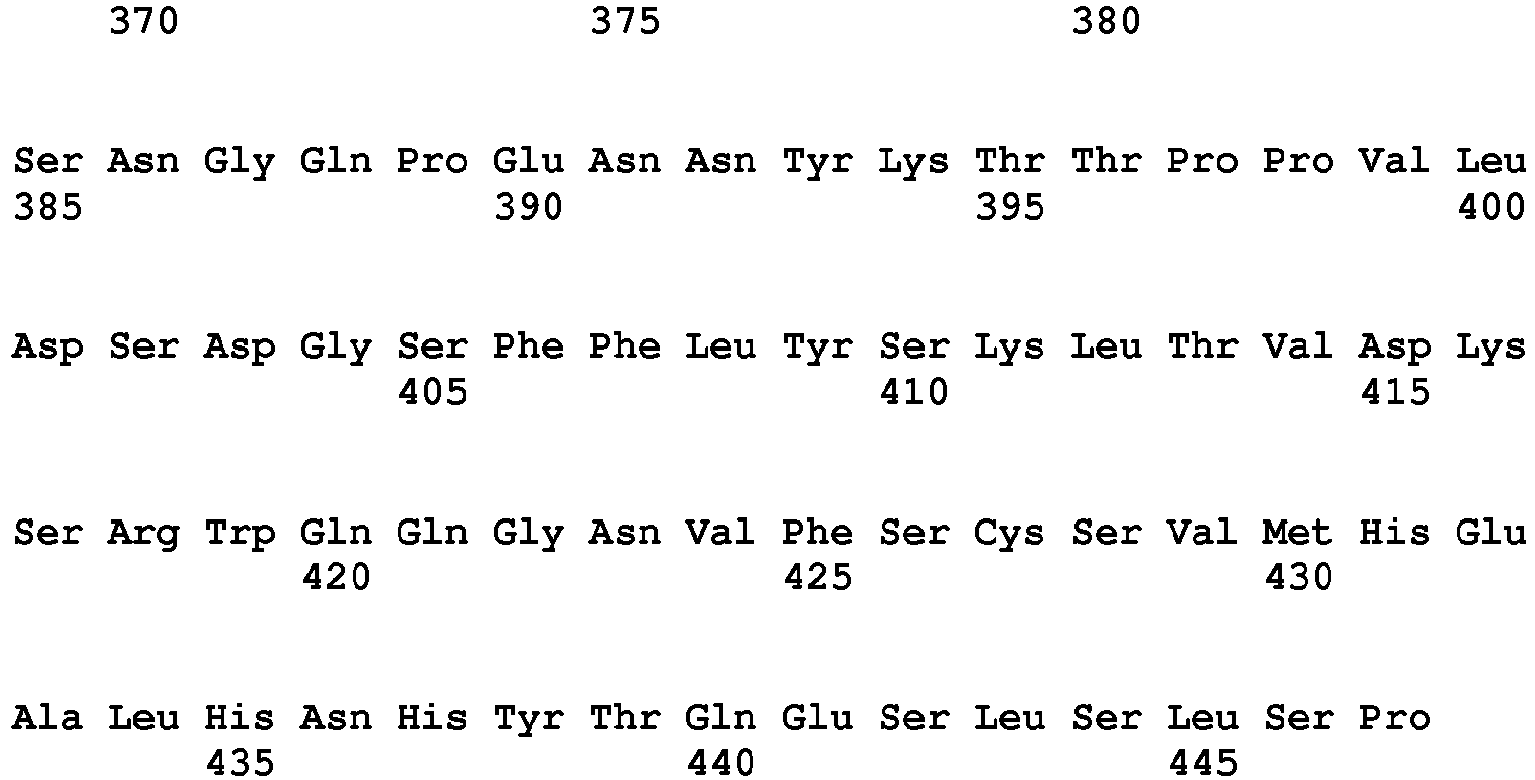
- <210> 107
<211> 447
<212> PRT
<213> Artificial - <220>
<223> an artificially synthesized sequence - <400> 107
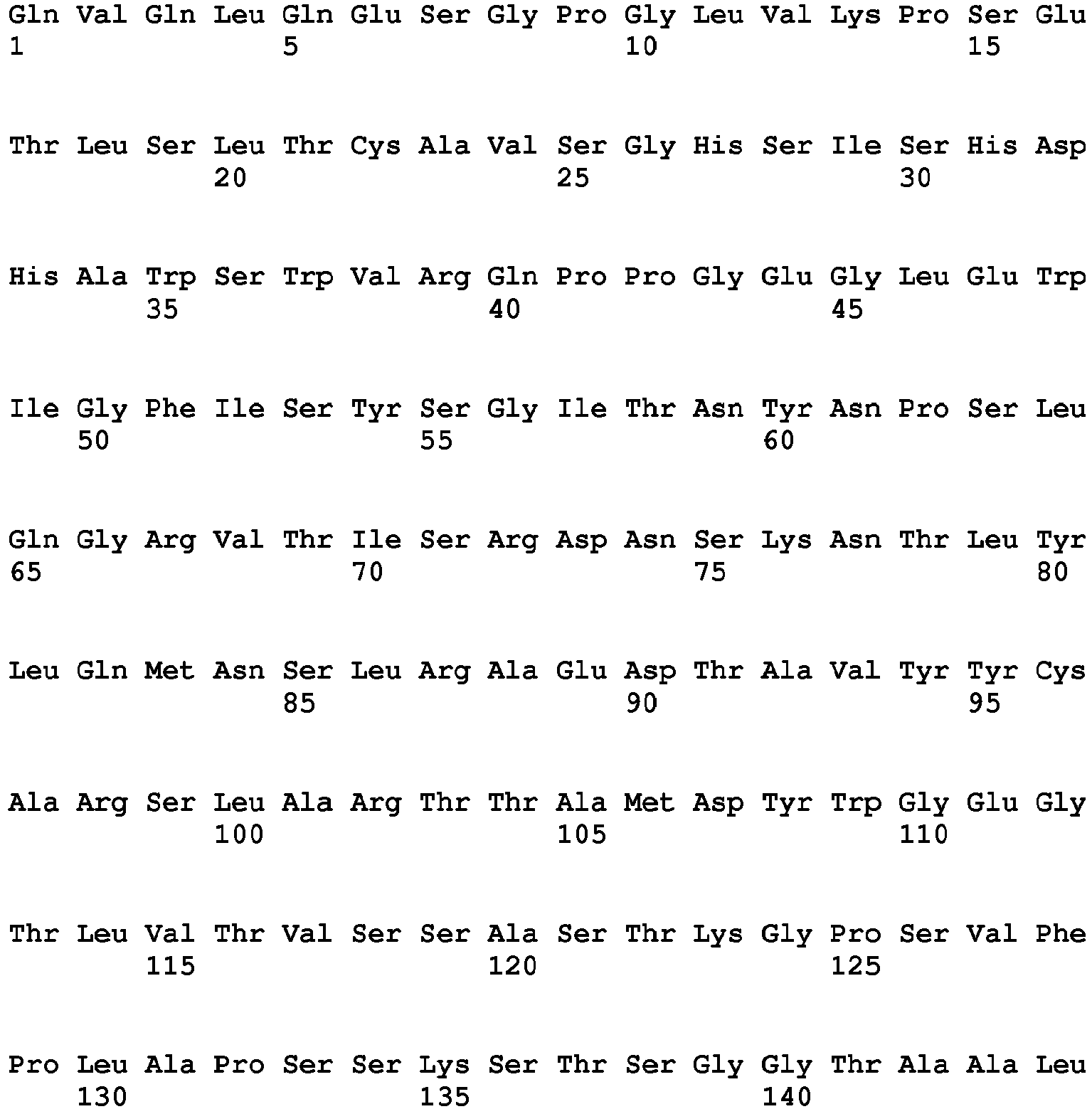


- <210> 108
<211> 447
<212> PRT
<213> Artificial - <220>
<223> an artificially synthesized sequence - <400> 108

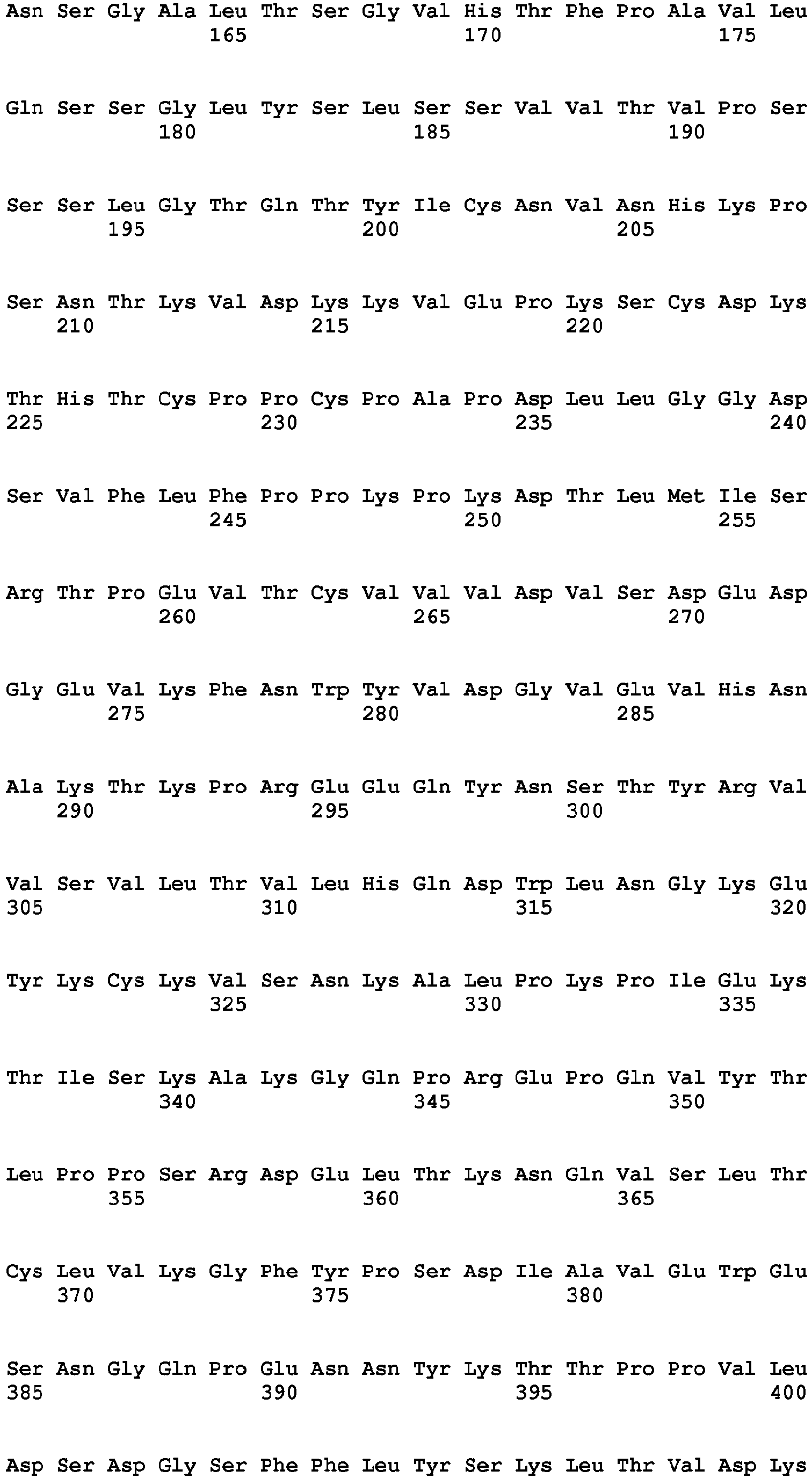

- <210> 109
<211> 447
<212> PRT
<213> Artificial - <220>
<223> an artificially synthesized sequence - <400> 109
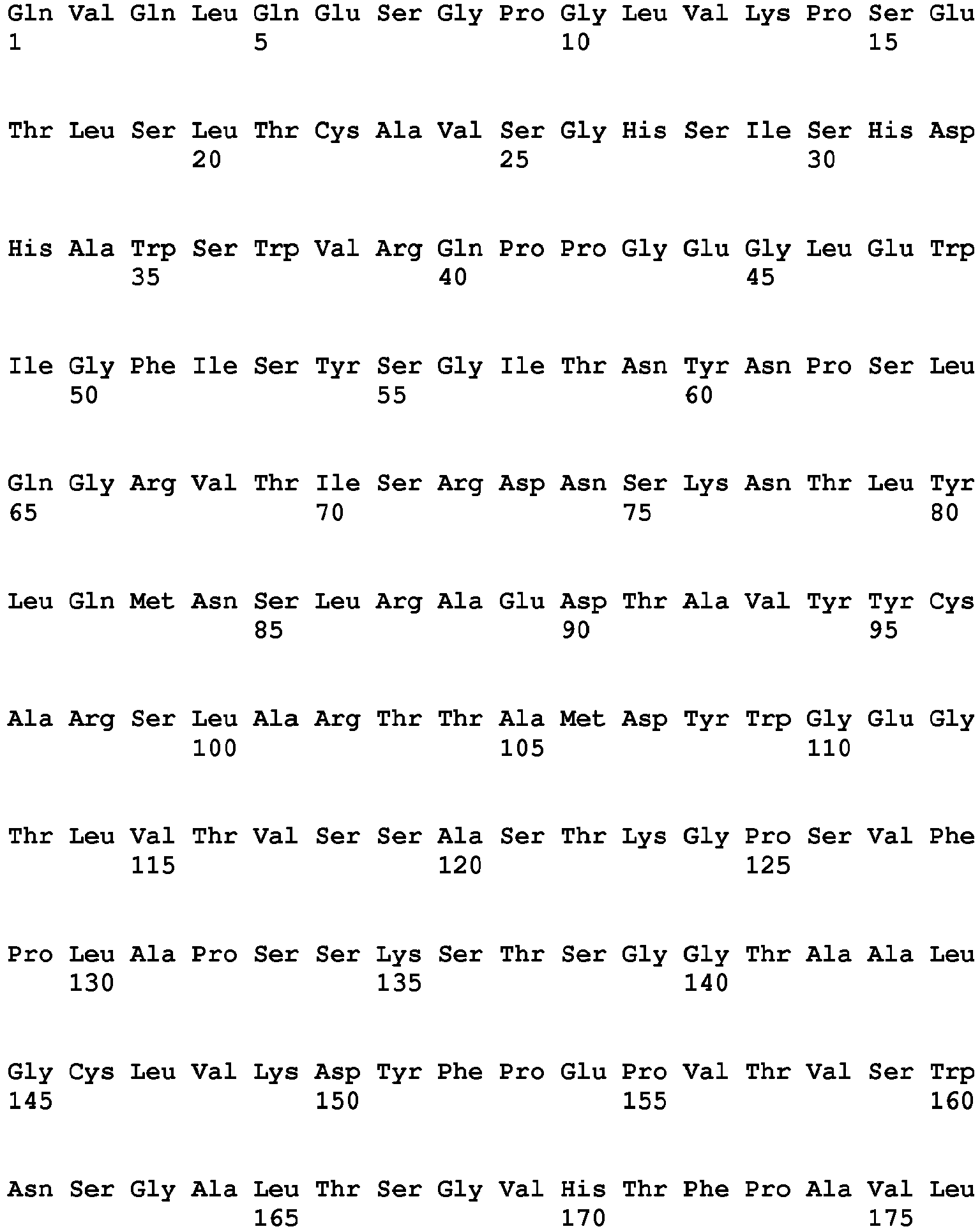


- <210> 110
<211> 447
<212> PRT
<213> Artificial - <220>
<223> an artificially synthesized sequence - <400> 110


- <210> 111
<211> 447
<212> PRT
<213> Artificial - <220>
<223> an artificially synthesized sequence - <400> 111


- <210> 112
<211> 447
<212> PRT
<213> Artificial - <220>
<223> an artificially synthesized sequence - <400> 112


- <210> 113
<211> 447
<212> PRT
<213> Artificial - <220>
<223> an artificially synthesized sequence - <400> 113


- <210> 114
<211> 447
<212> PRT
<213> Artificial - <220>
<223> an artificially synthesized sequence - <400> 114


- <210> 115
<211> 447
<212> PRT
<213> Artificial - <220>
<223> an artificially synthesized sequence - <400> 115


- <210> 116
<211> 447
<212> PRT
<213> Artificial - <220>
<223> an artificially synthesized sequence - <400> 116


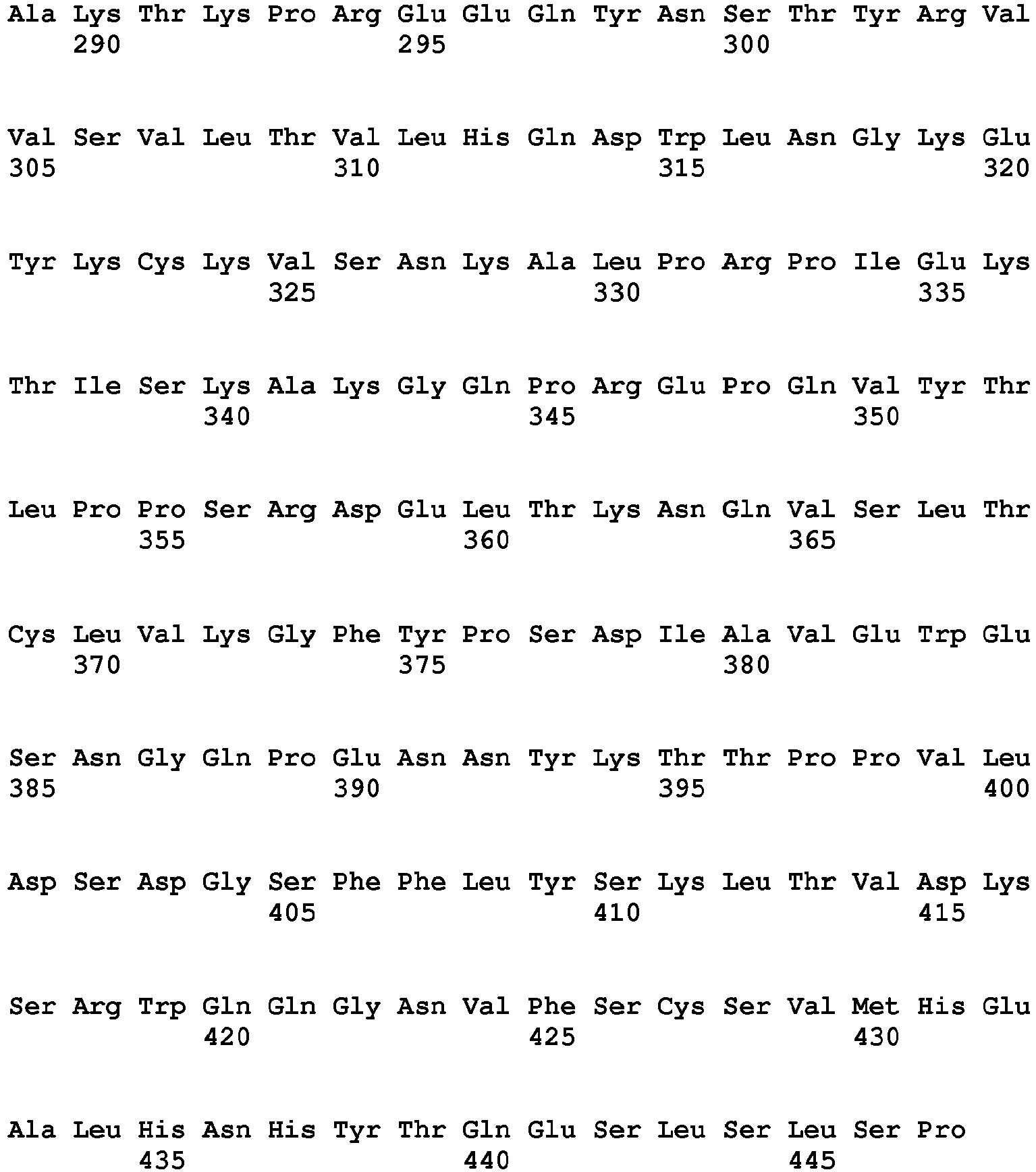
- <210> 117
<211> 447
<212> PRT
<213> Artificial - <220>
<223> an artificially synthesized sequence - <400> 117

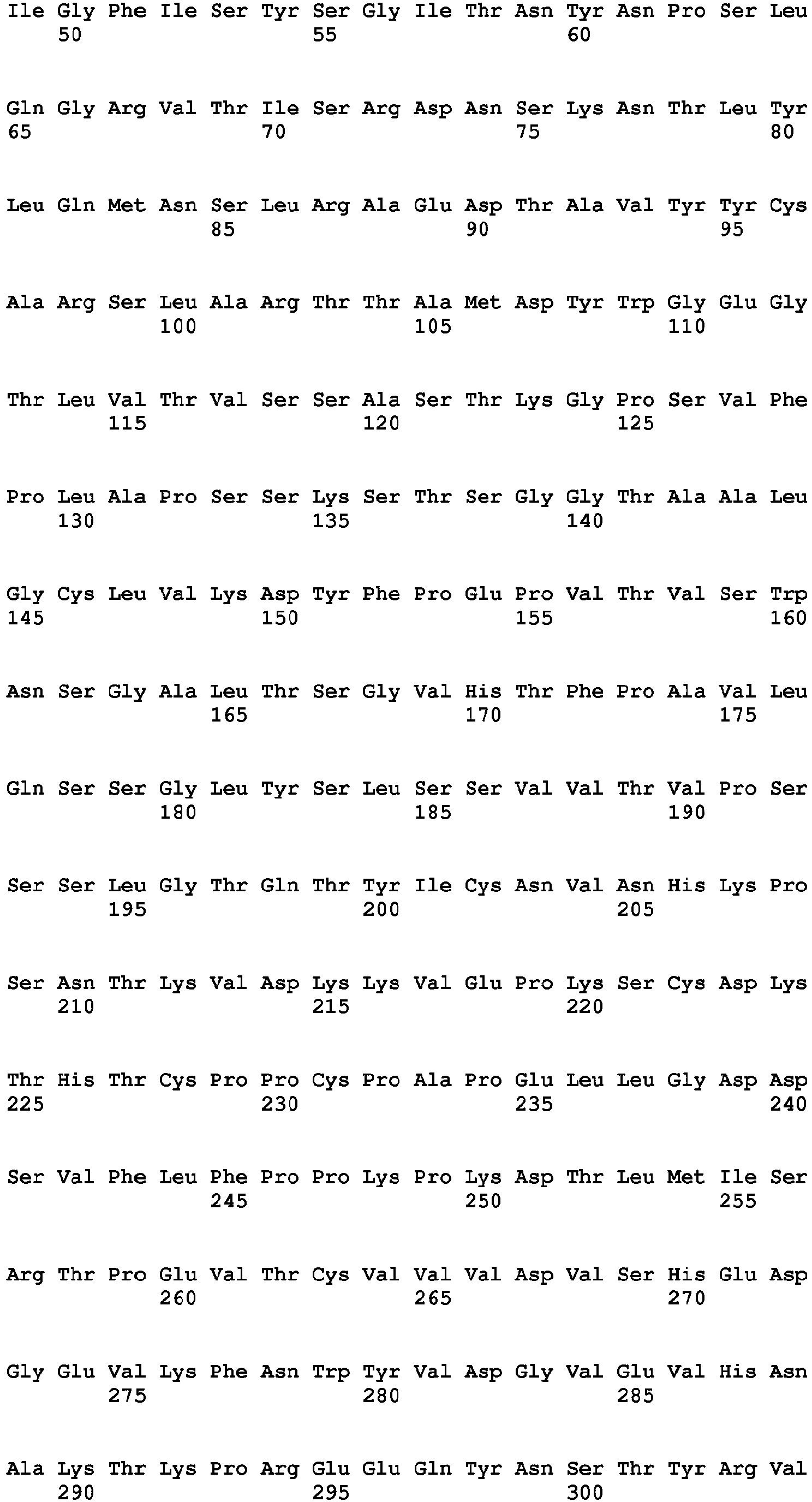

- <210> 118
<211> 447
<212> PRT
<213> Artificial - <220>
<223> an artificially synthesized sequence - <400> 118
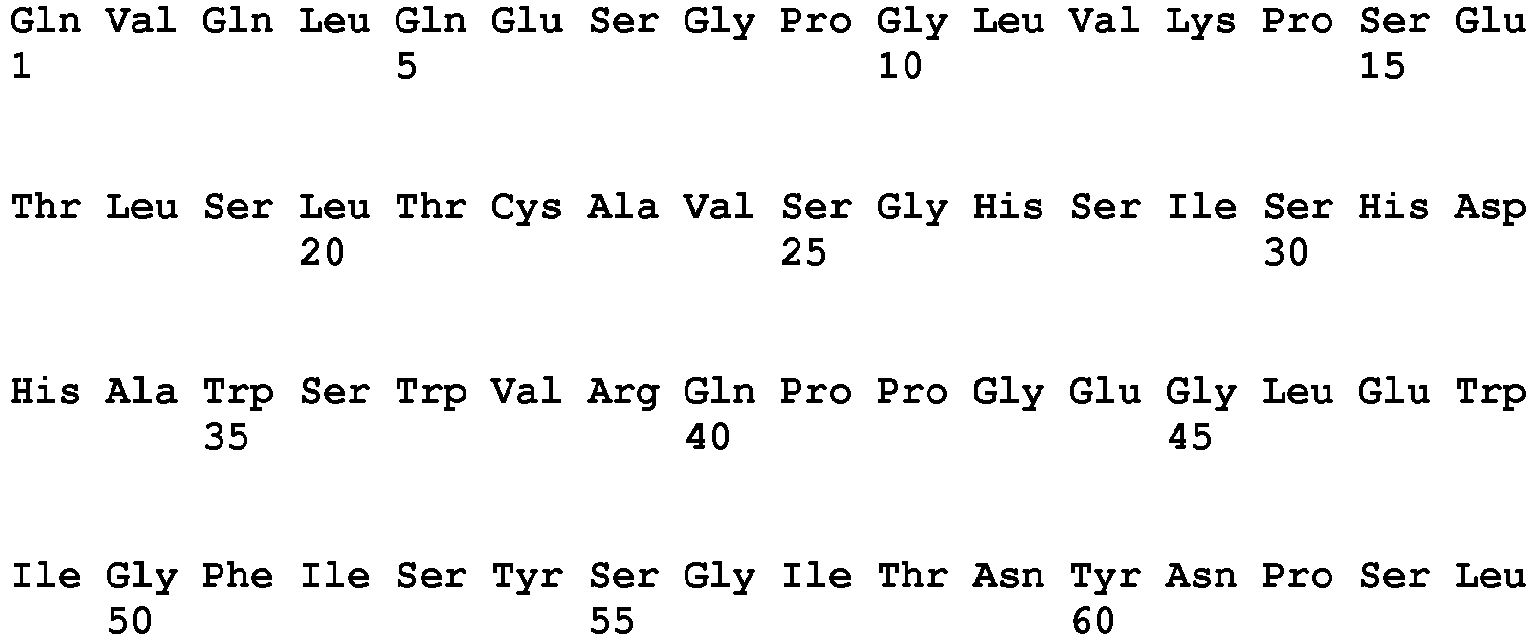


- <210> 119
<211> 447
<212> PRT
<213> Artificial - <220>
<223> an artificially synthesized sequence - <400> 119


- <210> 120
<211> 447
<212> PRT
<213> Artificial - <220>
<223> an artificially synthesized sequence - <400> 120


- <210> 121
<211> 447
<212> PRT
<213> Artificial - <220>
<223> an artificially synthesized sequence - <400> 121


- <210> 122
<211> 447
<212> PRT
<213> Artificial - <220>
<223> an artificially synthesized sequence - <400> 122
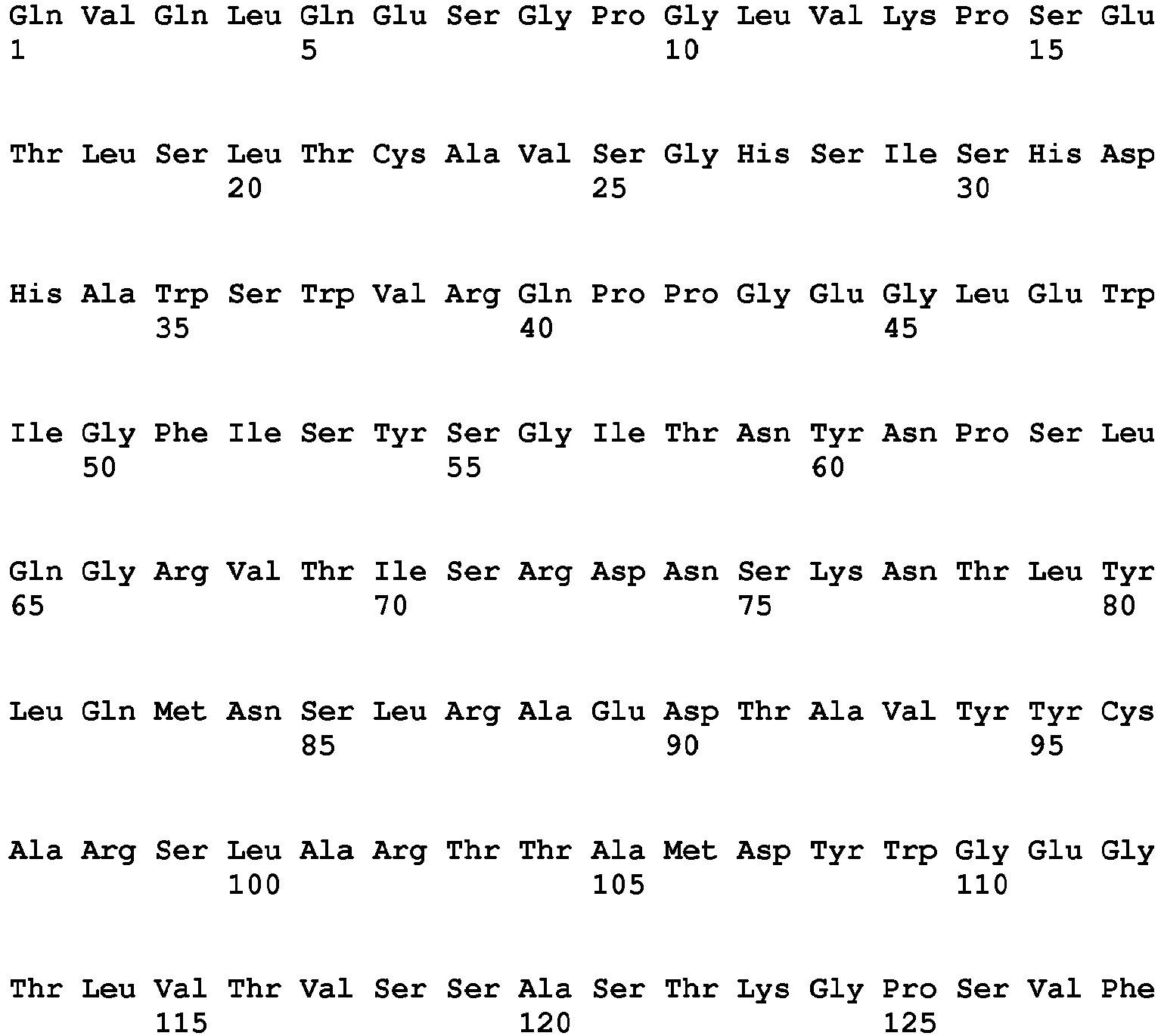


- <210> 123
<211> 447
<212> PRT
<213> Artificial - <220>
<223> an artificially synthesized sequence - <400> 123


- <210> 124
<211> 447
<212> PRT
<213> Artificial - <220>
<223> an artificially synthesized sequence - <400> 124

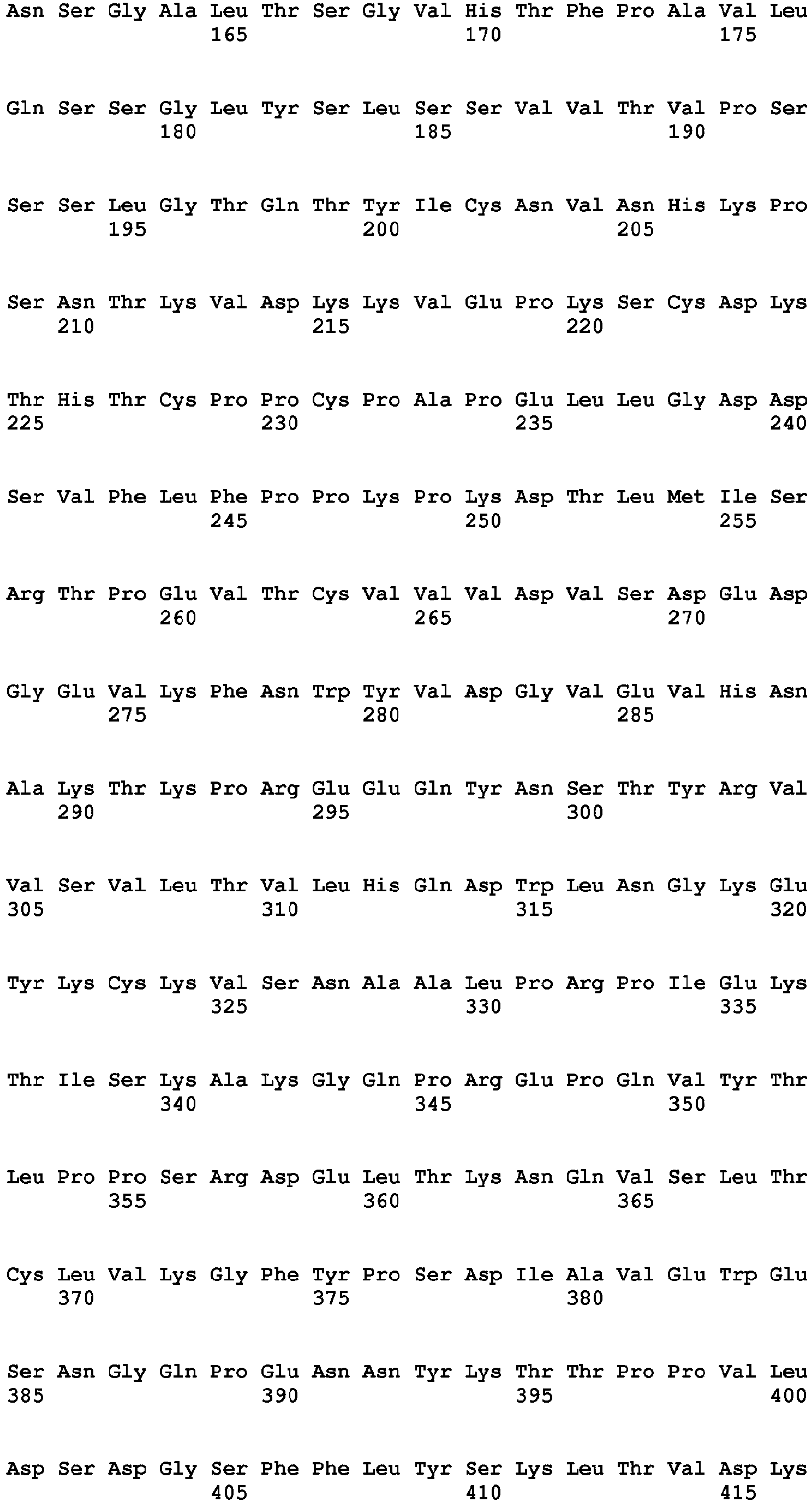

- <210> 125
<211> 447
<212> PRT
<213> Artificial - <220>
<223> an artificially synthesized sequence - <400> 125


- <210> 126
<211> 447
<212> PRT
<213> Artificial - <220>
<223> an artificially synthesized sequence - <400> 126


- <210> 127
<211> 447
<212> PRT
<213> Artificial - <220>
<223> an artificially synthesized sequence - <400> 127


- <210> 128
<211> 447
<212> PRT
<213> Artificial - <220>
<223> an artificially synthesized sequence - <400> 128


- <210> 129
<211> 447
<212> PRT
<213> Artificial - <220>
<223> an artificially synthesized sequence - <400> 129


Claims (11)
- A polypeptide comprising an IgG Fc region, wherein the IgG Fc region has only two amino acid substitutions of (i) Pro at position 238 (EU numbering) with Asp and (ii) a substitution selected from the group consisting ofsubstitution of Gly at position 237 (EU numbering) with Trp;substitution of Gly at position 237 (EU numbering) with Phe;substitution of Ser at position 267 (EU numbering) with Val;substitution of Ser at position 267 (EU numbering) with Gin;substitution of His at position 268 (EU numbering) with Asn;substitution of Pro at position 271 (EU numbering) with Gly;substitution of Lys at position 326 (EU numbering) with Leu;substitution of Lys at position 326 (EU numbering) with Gin;substitution of Lys at position 326 (EU numbering) with Glu;substitution of Lys at position 326 (EU numbering) with Met;substitution of Ser at position 239 (EU numbering) with Asp;substitution of Ser at position 267 (EU numbering) with Ala;substitution of Leu at position 234 (EU numbering) with Trp;substitution of Leu at position 234 (EU numbering) with Tyr;substitution of Gly at position 237 (EU numbering) with Ala;substitution of Gly at position 237 (EU numbering) with Asp;substitution of Gly at position 237 (EU numbering) with Glu;substitution of Gly at position 237 (EU numbering) with Leu;substitution of Gly at position 237 (EU numbering) with Met;substitution of Gly at position 237 (EU numbering) with Tyr;substitution of Ala at position 330 (EU numbering) with Lys;substitution of Ala at position 330 (EU numbering) with Arg;substitution of Glu at position 233 (EU numbering) with Asp;substitution of His at position 268 (EU numbering) with Asp;substitution of His at position 268 (EU numbering) with Glu;substitution of Lys at position 326 (EU numbering) with Asp;substitution of Lys at position 326 (EU numbering) with Ser;substitution of Lys at position 326 (EU numbering) with Thr;substitution of Val at position 323 (EU numbering) with Ile;substitution of Val at position 323 (EU numbering) with Leu;substitution of Val at position 323 (EU numbering) with Met;substitution of Tyr at position 296 (EU numbering) with Asp;substitution of Lys at position 326 (EU numbering) with Ala;substitution of Lys at position 326 (EU numbering) with Asn; andsubstitution of Ala at position 330 (EU numbering) with Met,wherein the polypeptide has maintained or decreased binding activities towards FcyRIIa type R and FcγRIIa type H, and enhanced FcγRIIb-binding activity in comparison with a parent polypeptide, wherein the value of [KD value of the polypeptide variant for FcγRIIa type R] / [KD value of the polypeptide variant for FcγRIIb] is 1.2 or more, wherein said polypeptide is an IgG antibody or an Fc fusion protein molecule, and wherein said IgG Fc region is an IgG1 Fc region.
- The polypeptide of claim 1, wherein the value of [KD value of the polypeptide variant for FcyRIIa type H] / [KD value of the polypeptide variant for FcγRIIb] is 4.2 or more.
- The polypeptide of claim 1 or 2, wherein the value of [KD value of the parent polypeptide for FcγRIIb] / [KD value of the polypeptide variant for FcyRIIb] is 1.6 or more.
- The polypeptide of any one of claims 1 to 3, wherein the value of [KD value of the stronger of the binding activities of the polypeptide variant towards FcγRIIa type R and FcyRIIa type H] / [KD value of the stronger of the binding activities of the parent polypeptide towards FcyRIIa type R and FcyRIIa type H] is 0.7 or more.
- The polypeptide of any one of claims 1 to 4, which has maintained or decreased FcγRIIIa-binding activity compared with that of a parent polypeptide.
- The polypeptide of any one of claims 1 to 5, which has maintained or decreased FcγRIa-binding activity compared with that of a parent polypeptide.
- A pharmaceutical composition comprising the polypeptide of any one of claims 1 to 6.
- The polypeptide of any one of claims 1 to 6 for use in therapy by suppressing activation of B cells, mast cells, dendritic cells, and/or basophils.
- The polypeptide of any one of claims 1 to 6 for use in treating or preventing an immunological inflammatory disease.
- The polypeptide of claim 9, wherein the immunological inflammatory disease is selected from the group consisting of rheumatoid arthritis, autoimmune hepatitis, autoimmune thyroiditis, autoimmune blistering diseases, autoimmune adrenocortical disease, autoimmune hemolytic anemia, autoimmune thrombocytopenic purpura, megalocytic anemia, autoimmune atrophic gastritis, autoimmune neutropenia, autoimmune orchitis, autoimmune encephalomyelitis, autoimmune receptor disease, autoimmune infertility, chronic active hepatitis, glomerulonephritis, interstitial pulmonary fibrosis, multiple sclerosis, Paget's disease, osteoporosis, multiple myeloma, uveitis, acute and chronic spondylitis, gouty arthritis, inflammatory bowel disease, adult respiratory distress syndrome (ARDS), psoriasis, Crohn's disease, Basedow's disease, juvenile diabetes, Addison's disease, myasthenia gravis, lens-induced uveitis, systemic lupus erythematosus, allergic rhinitis, allergic dermatitis, ulcerative colitis, hypersensitivity, muscle degeneration, cachexia, systemic scleroderma, localized scleroderma, Sjogren's syndrome, Behchet's disease, Reiter's syndrome, type I and type II diabetes, bone resorption disorder, graft-versus-host reaction, ischemia-reperfusion injury, atherosclerosis, brain trauma, cerebral malaria, sepsis, septic shock, toxic shock syndrome, fever, myalgias due to statin, aplastic anemia, hemolytic anemia, idiopathic thrombocytopenia, Goodpasture's syndrome, Guillain-Barre syndrome, Hashimoto's thyroiditis, pemphigus, IgA nephropathy, pollinosis, antiphospholipid antibody syndrome, polymyositis, Wegener's granulomatosis, arteritis nodosa, mixed connective tissue disease, fibromyalgia, asthma, atopic dermatitis, chronic atrophic gastritis, primary biliary cirrhosis, primary sclerosing cholangitis, autoimmune pancreatitis, aortitis syndrome, rapidly progressive glomerulonephritis, megaloblastic anemia, idiopathic thrombocytopenic purpura, primary hypothyroidism, idiopathic Addison's disease, insulin-dependent diabetes mellitus, chronic discoid lupus erythematosus, pemphigoid, herpes gestationis, linear IgA bullous dermatosis, epidermolysis bullosa acquisita, alopecia areata, vitiligo vulgaris, leukoderma acquisitum centrifugum of Sutton, Harada's disease, autoimmune optic neuropathy, idiopathic azoospermia, habitual abortion, hypoglycemia, chronic urticaria, ankylosing spondylitis, psoriatic arthritis, enteropathic arthritis, reactive arthritis, spondyloarthropathy, enthesopathy, irritable bowel syndrome, chronic fatigue syndrome, dermatomyositis, inclusion body myositis, Schmidt's syndrome, Graves' disease, pernicious anemia, lupoid hepatitis, presenile dementia, Alzheimer's disease, demyelinating disorder, amyotrophic lateral sclerosis, hypoparathyroidism, Dressler's syndrome, Eaton-Lambert syndrome, dermatitis herpetiformis, alopecia, progressive systemic sclerosis, CREST syndrome (calcinosis, Raynaud's phenomenon, esophageal dysmotility, sclerodactyly, and telangiectasia), sarcoidosis, rheumatic fever, erythema multiforme, Cushing's syndrome, transfusion reaction, Hansen's disease, Takayasu arteritis, polymyalgia rheumatica, temporal arteritis, giant cell arteritis, eczema, lymphomatoid granulomatosis, Kawasaki disease, endocarditis, endomyocardial fibrosis, endophthalmitis, fetal erythroblastosis, eosinophilic fasciitis, Felty syndrome, Henoch-Schonlein purpura, transplant rejection, mumps, cardiomyopathy, purulent arthritis, familial Mediterranean fever, Muckle-Wells syndrome, and hyper-IgD syndrome.
- An antiviral agent comprising the polypeptide of any one of claims 1 to 6.
Priority Applications (1)
| Application Number | Priority Date | Filing Date | Title |
|---|---|---|---|
| EP19190090.1A EP3604330A1 (en) | 2011-02-25 | 2012-02-24 | Fcgammariib-specific fc antibody |
Applications Claiming Priority (3)
| Application Number | Priority Date | Filing Date | Title |
|---|---|---|---|
| JP2011040923 | 2011-02-25 | ||
| JP2011219835 | 2011-10-04 | ||
| PCT/JP2012/054624 WO2012115241A1 (en) | 2011-02-25 | 2012-02-24 | Fcγriib-specific fc antibody |
Related Child Applications (2)
| Application Number | Title | Priority Date | Filing Date |
|---|---|---|---|
| EP19190090.1A Division EP3604330A1 (en) | 2011-02-25 | 2012-02-24 | Fcgammariib-specific fc antibody |
| EP19190090.1A Division-Into EP3604330A1 (en) | 2011-02-25 | 2012-02-24 | Fcgammariib-specific fc antibody |
Publications (4)
| Publication Number | Publication Date |
|---|---|
| EP2679681A1 EP2679681A1 (en) | 2014-01-01 |
| EP2679681A4 EP2679681A4 (en) | 2015-01-28 |
| EP2679681B1 EP2679681B1 (en) | 2019-08-07 |
| EP2679681B2 true EP2679681B2 (en) | 2023-11-15 |
Family
ID=46721013
Family Applications (2)
| Application Number | Title | Priority Date | Filing Date |
|---|---|---|---|
| EP19190090.1A Pending EP3604330A1 (en) | 2011-02-25 | 2012-02-24 | Fcgammariib-specific fc antibody |
| EP12749420.1A Active EP2679681B2 (en) | 2011-02-25 | 2012-02-24 | FcgammaRIIB-specific FC antibody |
Family Applications Before (1)
| Application Number | Title | Priority Date | Filing Date |
|---|---|---|---|
| EP19190090.1A Pending EP3604330A1 (en) | 2011-02-25 | 2012-02-24 | Fcgammariib-specific fc antibody |
Country Status (12)
| Country | Link |
|---|---|
| US (4) | US20140093496A1 (en) |
| EP (2) | EP3604330A1 (en) |
| JP (8) | JP6032818B2 (en) |
| KR (3) | KR20230005405A (en) |
| CN (2) | CN103492565B (en) |
| AU (2) | AU2012222252B2 (en) |
| BR (2) | BR112013021526B1 (en) |
| CA (1) | CA2827923C (en) |
| MX (1) | MX352889B (en) |
| RU (1) | RU2608504C2 (en) |
| SG (2) | SG10201609665PA (en) |
| WO (1) | WO2012115241A1 (en) |
Families Citing this family (121)
| Publication number | Priority date | Publication date | Assignee | Title |
|---|---|---|---|---|
| IN2014DN10515A (en) | 2006-03-31 | 2015-08-21 | Chugai Pharmaceutical Co Ltd | |
| MX336725B (en) | 2007-09-26 | 2016-01-28 | Chugai Pharmaceutical Co Ltd | Method of modifying isoelectric point of antibody via amino acid substitution in cdr. |
| TWI700293B (en) | 2008-04-11 | 2020-08-01 | 日商中外製藥股份有限公司 | Antibodies that repeatedly bind to multiple antigens |
| TWI440469B (en) | 2008-09-26 | 2014-06-11 | Chugai Pharmaceutical Co Ltd | Improved antibody molecules |
| PT3434767T (en) | 2010-11-30 | 2026-01-23 | Chugai Pharmaceutical Co Ltd | Cytotoxicity-inducing therapeutic agent |
| KR102568454B1 (en) | 2010-11-30 | 2023-08-18 | 추가이 세이야쿠 가부시키가이샤 | Antigen-binding molecule capable of binding to plurality of antigen molecules repeatedly |
| EP3604330A1 (en) | 2011-02-25 | 2020-02-05 | Chugai Seiyaku Kabushiki Kaisha | Fcgammariib-specific fc antibody |
| EP2698431B1 (en) | 2011-03-30 | 2020-09-09 | Chugai Seiyaku Kabushiki Kaisha | Retention of antigen-binding molecules in blood plasma and method for modifying immunogenicity |
| US9890218B2 (en) | 2011-06-30 | 2018-02-13 | Chugai Seiyaku Kabushiki Kaisha | Heterodimerized polypeptide |
| JP6322411B2 (en) | 2011-09-30 | 2018-05-09 | 中外製薬株式会社 | Antigen-binding molecules that promote the disappearance of antigens with multiple physiological activities |
| TW201817745A (en) | 2011-09-30 | 2018-05-16 | 日商中外製藥股份有限公司 | Therapeutic antigen-binding molecule having an FcRn binding domain that promotes antigen clearance |
| US10556949B2 (en) | 2011-09-30 | 2020-02-11 | Chugai Seiyaku Kabushiki Kaisha | Antigen-binding molecule inducing immune response to target antigen |
| SMT202000091T1 (en) | 2011-10-13 | 2020-05-08 | Bristol Myers Squibb Co | Antibody polypeptides that antagonize cd40l |
| EP2787078B1 (en) | 2011-10-31 | 2019-05-22 | Chugai Seiyaku Kabushiki Kaisha | Antigen-binding molecule having regulated conjugation between heavy-chain and light-chain |
| BR112014013081A2 (en) | 2011-11-30 | 2020-10-20 | Chugai Seiyaku Kabushiki Kaisha | drug-containing cell vehicle for formation of an immune complex |
| JP6226752B2 (en) | 2012-02-09 | 2017-11-08 | 中外製薬株式会社 | Modified Fc region of antibody |
| TW202500756A (en) * | 2012-02-24 | 2025-01-01 | 日商中外製藥股份有限公司 | Antigen-binding molecules that promote antigen disappearance via FcγRIIB |
| SG10202006507XA (en) | 2012-05-30 | 2020-08-28 | Chugai Pharmaceutical Co Ltd | Target-tissue-specific antigen-binding molecule |
| JP6628966B2 (en) | 2012-06-14 | 2020-01-15 | 中外製薬株式会社 | Antigen binding molecule containing an altered Fc region |
| EP3597747B1 (en) | 2012-08-24 | 2023-03-15 | Chugai Seiyaku Kabushiki Kaisha | Mouse fcgammarii-specific fc antibody |
| TWI855488B (en) | 2012-08-24 | 2024-09-11 | 日商中外製藥股份有限公司 | Fcγriib-specific fc region variant |
| SI2895513T1 (en) * | 2012-09-12 | 2018-11-30 | Genzyme Corporation | Fc containing polypeptides with altered glycosylation and reduced effector function |
| ES2876009T3 (en) | 2012-12-27 | 2021-11-11 | Chugai Pharmaceutical Co Ltd | Heterodimerized polypeptide |
| US9738722B2 (en) | 2013-01-15 | 2017-08-22 | Xencor, Inc. | Rapid clearance of antigen complexes using novel antibodies |
| CA2904528C (en) * | 2013-03-15 | 2021-01-19 | Abbvie Biotherapeutics Inc. | Fc variants |
| AU2014250434B2 (en) * | 2013-04-02 | 2019-08-08 | Chugai Seiyaku Kabushiki Kaisha | Fc region variant |
| EP3628685A1 (en) | 2013-04-29 | 2020-04-01 | F. Hoffmann-La Roche AG | Human fcrn-binding modified antibodies and methods of use |
| CA2913370C (en) * | 2013-05-31 | 2022-12-13 | Zymeworks Inc. | Heteromultimers with reduced or silenced effector function |
| SG10201803449VA (en) | 2013-09-27 | 2018-05-30 | Chugai Pharmaceutical Co Ltd | Method for producing polypeptide heteromultimer |
| KR20160083949A (en) | 2013-11-13 | 2016-07-12 | 자임워크스 인코포레이티드 | Monovalent antigen binding constructs targeting egfr and/or her2 and uses thereof |
| KR102454360B1 (en) | 2013-12-04 | 2022-10-12 | 추가이 세이야쿠 가부시키가이샤 | Antigen-binding molecules, the antigen-binding activity of which varies according to the concentration of compounds, and libraries of said molecules |
| CA2932364A1 (en) | 2014-01-15 | 2015-07-23 | F. Hoffmann-La Roche Ag | Fc-region variants with improved protein a-binding |
| ES2900898T3 (en) * | 2014-04-07 | 2022-03-18 | Chugai Pharmaceutical Co Ltd | Bispecific immunoactivating antibodies |
| CA2947157A1 (en) | 2014-05-13 | 2015-11-19 | Chugai Seiyaku Kabushiki Kaisha | T cell-redirected antigen-binding molecule for cells having immunosuppression function |
| PH12018501429B1 (en) | 2014-06-03 | 2022-04-27 | Xbiotech Inc | Compositions and methods for treating and preventing staphylococcus aureus infections |
| CA2956178A1 (en) | 2014-07-24 | 2016-01-28 | Xencor, Inc. | Rapid clearance of antigen complexes using novel antibodies |
| FR3024453B1 (en) * | 2014-08-01 | 2018-06-29 | Lab Francais Du Fractionnement | PROCESS FOR PRODUCING VARIANTS HAVING FC HAVING ENHANCED SIALYLATION |
| MA40764A (en) | 2014-09-26 | 2017-08-01 | Chugai Pharmaceutical Co Ltd | THERAPEUTIC AGENT INDUCING CYTOTOXICITY |
| LT3221346T (en) | 2014-11-21 | 2020-11-10 | Bristol-Myers Squibb Company | Antibodies comprising modified heavy constant regions |
| HUE050596T2 (en) | 2014-11-21 | 2020-12-28 | Bristol Myers Squibb Co | Antibodies against cd73 and uses thereof |
| TWI656133B (en) | 2014-12-19 | 2019-04-11 | 日商中外製藥股份有限公司 | Anti-myostatin antibody, multi-peptide containing variant Fc region and method of use |
| KR101838645B1 (en) | 2014-12-19 | 2018-03-14 | 추가이 세이야쿠 가부시키가이샤 | Anti-c5 antibodies and methods of use |
| AR103268A1 (en) | 2014-12-23 | 2017-04-26 | Bristol Myers Squibb Co | ANTIBODIES AGAINST TIGIT |
| US10633433B2 (en) | 2015-01-28 | 2020-04-28 | Prothena Biosciences Limited | Anti-transthyretin antibodies |
| US10464999B2 (en) | 2015-01-28 | 2019-11-05 | Prothena Biosciences Limited | Anti-transthyretin antibodies |
| US9879080B2 (en) | 2015-01-28 | 2018-01-30 | Prothena Biosciences Limited | Anti-transthyretin antibodies |
| WO2016125495A1 (en) | 2015-02-05 | 2016-08-11 | Chugai Seiyaku Kabushiki Kaisha | Antibodies comprising an ion concentration dependent antigen-binding domain, fc region variants, il-8-binding antibodies, and uses therof |
| WO2016130539A2 (en) * | 2015-02-09 | 2016-08-18 | Memorial Sloan Kettering Cancer Center | Multi-specific antibodies with affinity for human a33 antigen and dota metal complex and uses thereof |
| JP6724023B2 (en) | 2015-02-09 | 2020-07-15 | リサーチ ディベロップメント ファウンデーション | Engineered immunoglobulin FC polypeptides showing improved complement activation |
| CA2976446A1 (en) * | 2015-02-13 | 2016-08-18 | Sorrento Therapeutics, Inc. | Antibody therapeutics that bind ctla4 |
| EP3263132B1 (en) | 2015-02-27 | 2023-12-06 | Chugai Seiyaku Kabushiki Kaisha | Composition for treating il-6-related diseases |
| UY36687A (en) | 2015-05-29 | 2016-11-30 | Bristol Myers Squibb Company Una Corporación Del Estado De Delaware | ANTIBODIES AGAINST OX40 AND ITS USES |
| EP3305322A4 (en) * | 2015-06-05 | 2018-12-26 | Chugai Seiyaku Kabushiki Kaisha | Combined use of immune activators |
| CN107771184B (en) | 2015-06-29 | 2022-11-01 | 百时美施贵宝公司 | Antibodies against CD40 |
| WO2017040380A2 (en) * | 2015-08-28 | 2017-03-09 | Research Development Foundation | Engineered antibody fc variants |
| IL258088B2 (en) | 2015-09-18 | 2024-02-01 | Chugai Pharmaceutical Co Ltd | Il-8-binding antibodies and uses thereof |
| JP6925278B2 (en) | 2015-11-18 | 2021-08-25 | 中外製薬株式会社 | Method of enhancing humoral immune response |
| WO2017086367A1 (en) | 2015-11-18 | 2017-05-26 | 中外製薬株式会社 | Combination therapy using t cell redirection antigen binding molecule against cell having immunosuppressing function |
| EA201891178A1 (en) | 2015-12-14 | 2019-01-31 | Макродженикс, Инк. | Bispecific molecules possessing immunoreactivity with respect to PD-1 and CTLA-4, and methods of their use |
| AR107078A1 (en) | 2015-12-18 | 2018-03-21 | Chugai Pharmaceutical Co Ltd | ANTIMOSTATIN ANTIBODY, POLYPEPTIDES CONTAINING VARIANTS FC REGIONS AS WELL AS METHODS OF USE |
| WO2017110981A1 (en) | 2015-12-25 | 2017-06-29 | Chugai Seiyaku Kabushiki Kaisha | Anti-myostatin antibodies and methods of use |
| IL295230A (en) | 2016-03-04 | 2022-10-01 | Bristol Myers Squibb Co | Combination therapy with anti-cd73 antibodies |
| RU2018141874A (en) | 2016-04-29 | 2020-05-29 | Виела Байо, Инк. | BINDING MOLECULES SPECIFIC FOR FCγRIIA AND THEIR APPLICATION |
| CN107474136B (en) * | 2016-06-08 | 2023-03-07 | 上海交通大学医学院 | Antibody heavy chain constant region sequences that enhance the activity of agonistic antibodies |
| KR102306744B1 (en) | 2016-06-17 | 2021-09-28 | 추가이 세이야쿠 가부시키가이샤 | Anti-myostatin antibodies and methods of use |
| KR20190039937A (en) | 2016-07-08 | 2019-04-16 | 스태튼 바이오테크놀로지 비.브이. | Anti-ApoC3 antibodies and methods of use thereof |
| KR20250036943A (en) | 2016-08-02 | 2025-03-14 | 비스테라, 인크. | Engineered polypeptides and uses thereof |
| CN109689099B (en) | 2016-08-05 | 2023-02-28 | 中外制药株式会社 | Composition for preventing or treating IL-8 related diseases |
| SG10201607778XA (en) | 2016-09-16 | 2018-04-27 | Chugai Pharmaceutical Co Ltd | Anti-Dengue Virus Antibodies, Polypeptides Containing Variant Fc Regions, And Methods Of Use |
| WO2018139623A1 (en) | 2017-01-30 | 2018-08-02 | Chugai Seiyaku Kabushiki Kaisha | Anti-sclerostin antibodies and methods of use |
| EP4491234A3 (en) | 2017-02-08 | 2025-04-09 | Dragonfly Therapeutics, Inc. | Multi-specific binding proteins for activation of natural killer cells and therapeutic uses thereof to treat cancer |
| WO2018148447A1 (en) * | 2017-02-08 | 2018-08-16 | Adimab, Llc | Antibody heavy chain variable domains targeting the nkg2d receptor |
| BR112019017197A2 (en) | 2017-02-20 | 2020-04-14 | Dragonfly Therapeutics, Inc. | proteins that bind to her2, nkg2d and cd16 |
| TWI788340B (en) | 2017-04-07 | 2023-01-01 | 美商必治妥美雅史谷比公司 | Anti-icos agonist antibodies and uses thereof |
| CA3059133A1 (en) | 2017-04-21 | 2018-10-25 | Staten Biotechnology B.V. | Anti-apoc3 antibodies and methods of use thereof |
| EP3620531A4 (en) | 2017-05-02 | 2021-03-17 | National Center of Neurology and Psychiatry | METHOD FOR PREDICTING AND EVALUATING A THERAPEUTIC EFFECT IN DISEASES ASSOCIATED WITH IL-6 AND NEUTROPHILS |
| MX2019013132A (en) * | 2017-05-25 | 2020-01-27 | Bristol Myers Squibb Co | ANTIBODIES INCLUDING MODIFIED HEAVY CONSTANT REGIONS. |
| CN110785185B (en) * | 2017-06-05 | 2024-05-24 | 詹森生物科技公司 | Engineering multispecific antibodies and other multimeric proteins with asymmetric CH2-CH3 region mutations |
| WO2019071206A1 (en) | 2017-10-06 | 2019-04-11 | Prothena Biosciences Limited | Methods of detecting transthyretin |
| MX2020003041A (en) | 2017-10-06 | 2020-10-05 | Prothena Biosciences Ltd | Anti-transthyretin antibodies. |
| US10538583B2 (en) | 2017-10-31 | 2020-01-21 | Staten Biotechnology B.V. | Anti-APOC3 antibodies and compositions thereof |
| SG11202003980PA (en) | 2017-10-31 | 2020-05-28 | Staten Biotechnology B V | Anti-apoc3 antibodies and methods of use thereof |
| EP3710589A4 (en) | 2017-11-14 | 2021-11-10 | Chugai Seiyaku Kabushiki Kaisha | ANTI-C1S ANTIBODIES AND METHODS OF USE |
| MX2020005433A (en) | 2017-11-29 | 2020-08-27 | Prothena Biosciences Ltd | Lyophilized formulation of a monoclonal antibody against transthyretin. |
| CN111788227B (en) | 2017-12-27 | 2025-02-25 | 百时美施贵宝公司 | Anti-CD40 antibodies and uses thereof |
| AU2019218125B2 (en) | 2018-02-08 | 2025-03-13 | Dragonfly Therapeutics, Inc. | Combination therapy of cancer involving multi-specific binding proteins that activate natural killer cells |
| PE20220278A1 (en) | 2018-02-08 | 2022-02-25 | Dragonfly Therapeutics Inc | VARIABLE DOMAINS OF ANTIBODIES TARGETING THE NKG2D RECEPTOR |
| TW201942134A (en) | 2018-02-20 | 2019-11-01 | 美商蜻蜓醫療公司 | Multi-specific binding proteins that bind CD33, NKG2D, and CD16, and methods of use |
| JP7326764B2 (en) * | 2018-03-09 | 2023-08-16 | 東ソー株式会社 | Tumor markers and methods for recovering and detecting tumor cells distinct from contaminant cells |
| IL277375B2 (en) | 2018-03-15 | 2025-08-01 | Chugai Pharmaceutical Co Ltd | Antibodies against dengue virus that cross-react with Zika virus and methods of using them |
| EA202091888A1 (en) | 2018-08-08 | 2020-10-23 | Драгонфлай Терапьютикс, Инк. | VARIABLE ANTIBODY DOMAINS TARGETED ON THE NKG2D RECEPTOR |
| KR20250112921A (en) | 2018-08-08 | 2025-07-24 | 드래곤플라이 쎄라퓨틱스, 인크. | Proteins binding nkg2d, cd16 and a tumor-associated antigen |
| EA202190468A1 (en) | 2018-08-08 | 2021-07-06 | Драгонфлай Терапьютикс, Инк. | MULTI-SPECIFIC BINDING PROTEINS THAT BIND BCMA, NKG2D AND CD16 AND METHODS OF THEIR APPLICATION |
| KR102697702B1 (en) | 2018-08-10 | 2024-08-22 | 추가이 세이야쿠 가부시키가이샤 | Anti-cd137 antigen-binding molecule and utilization thereof |
| US20210380684A1 (en) * | 2018-09-28 | 2021-12-09 | Kyowa Kirin Co., Ltd. | Antibody composition |
| US20220106400A1 (en) | 2018-11-28 | 2022-04-07 | Bristol-Myers Squibb Company | Antibodies comprising modified heavy constant regions |
| WO2020189748A1 (en) | 2019-03-19 | 2020-09-24 | 中外製薬株式会社 | Antigen-binding molecule containing antigen-binding domain of which binding activity to antigen is changed depending on mta, and library for obtaining said antigen-binding domain |
| CA3137397A1 (en) * | 2019-04-19 | 2020-10-22 | Chugai Seiyaku Kabushiki Kaisha | Chimeric receptor that recognizes engineered site in antibody |
| BR112021021689A2 (en) | 2019-05-15 | 2022-03-22 | Chugai Pharmaceutical Co Ltd | Antigen binding molecule, pharmaceutical composition, and method |
| US12202893B2 (en) * | 2019-10-04 | 2025-01-21 | Tae Life Sciences, Llc | Antibody compositions comprising Fc mutations and site-specific conjugation properties for use in treating cancer, immunological disorders, and methods thereof |
| EP4061420A1 (en) * | 2019-11-20 | 2022-09-28 | Abvision, Inc. | Monoclonal antibodies that target human cd47 protein |
| BR112022012010A2 (en) | 2019-12-18 | 2022-08-30 | Hoffmann La Roche | ANTIBODIES, ISOLATED NUCLEIC ACID, HOST CELL, PHARMACEUTICAL FORMULATION, USE OF THE ANTIBODY, METHOD OF PRODUCTION OF AN ANTIBODY, METHOD OF TREATMENT OF AN INDIVIDUAL THAT HAS CANCER, AND METHOD OF TREATMENT OF AN INDIVIDUAL THAT HAS AN INFLAMMATORY OR AUTOIMMUNE DISEASE |
| TWI869528B (en) | 2020-01-13 | 2025-01-11 | 美商威特拉公司 | Antibody molecules to c5ar1 and uses thereof |
| TWI895351B (en) | 2020-02-12 | 2025-09-01 | 日商中外製藥股份有限公司 | Anti-CD137 antigen binding molecules for the treatment of cancer |
| EP4146271A4 (en) | 2020-05-06 | 2024-09-04 | Dragonfly Therapeutics, Inc. | Proteins binding nkg2d, cd16 and clec12a |
| US20230192867A1 (en) | 2020-05-15 | 2023-06-22 | Bristol-Myers Squibb Company | Antibodies to garp |
| GB2595299B (en) | 2020-05-21 | 2022-08-03 | Mabsolve Ltd | Modified immunoglobulin FC regions |
| CN115697404A (en) | 2020-05-29 | 2023-02-03 | 中外制药株式会社 | Antibody-containing preparation |
| TW202216775A (en) * | 2020-06-30 | 2022-05-01 | 日商中外製藥股份有限公司 | Site specific notch-activating molecule and uses thereof |
| CN112649417B (en) * | 2020-12-01 | 2021-10-29 | 西北大学 | Electrochemical luminescence biosensor for detecting MMP-14 and preparation method thereof |
| MX2023008302A (en) | 2021-01-13 | 2023-09-25 | Visterra Inc | Humanized complement 5a receptor 1 antibodies and methods of use thereof. |
| US12377144B2 (en) | 2021-03-03 | 2025-08-05 | Dragonfly Therapeutics, Inc. | Methods of treating cancer using multi-specific binding proteins that bind NKG2D, CD16 and a tumor-associated antigen |
| JP2024523034A (en) | 2021-06-18 | 2024-06-25 | エフ. ホフマン-ラ ロシュ アーゲー | Bispecific anti-CCL2 antibodies |
| CN113834939A (en) * | 2021-09-18 | 2021-12-24 | 胜亚生物科技(厦门)有限公司 | Reagent and kit for detecting Kawasaki disease and evaluating curative effect and application |
| EP4419566A4 (en) * | 2021-10-21 | 2025-09-17 | Seismic Therapeutic Inc | Dual-targeted immunoregulatory compositions |
| GB202204016D0 (en) * | 2022-03-22 | 2022-05-04 | Ucl Business Plc | Affinity chromatography ligands for antibody glycovariant separation |
| WO2023213779A1 (en) | 2022-05-02 | 2023-11-09 | Novo Nordisk A/S | Novel anti-angptl3 antibodies suitable for high concentration compositions and subcutaneous administration |
| WO2023239940A1 (en) | 2022-06-10 | 2023-12-14 | Research Development Foundation | Engineered fcriib selective igg1 fc variants and uses thereof |
| WO2024092031A1 (en) | 2022-10-25 | 2024-05-02 | Seismic Therapeutic, Inc. | VARIANT IgG FC POLYPEPTIDES AND USES THEREOF |
| WO2025211876A1 (en) * | 2024-04-04 | 2025-10-09 | 주식회사 크로스포인트테라퓨틱스 | Antibody-drug conjugate comprising human antibody fc variant and use thereof |
| WO2025245176A1 (en) | 2024-05-22 | 2025-11-27 | Bristol-Myers Squibb Company | Multispecific antibody constructs |
Citations (4)
| Publication number | Priority date | Publication date | Assignee | Title |
|---|---|---|---|---|
| WO2005056606A2 (en) † | 2003-12-03 | 2005-06-23 | Xencor, Inc | Optimized antibodies that target the epidermal growth factor receptor |
| WO2006019447A1 (en) † | 2004-07-15 | 2006-02-23 | Xencor, Inc. | Optimized fc variants |
| WO2007022520A2 (en) † | 2005-08-19 | 2007-02-22 | Cerus Corporation | Antibody-mediated enhancement of immune response |
| WO2007047578A2 (en) † | 2005-10-14 | 2007-04-26 | Medimmune, Inc. | Cell display of antibody libraries |
Family Cites Families (289)
| Publication number | Priority date | Publication date | Assignee | Title |
|---|---|---|---|---|
| SE370449B (en) | 1970-08-29 | 1974-10-14 | Philips Nv | |
| JPS5334319B2 (en) | 1971-12-28 | 1978-09-20 | ||
| JPS5334319U (en) | 1976-08-28 | 1978-03-25 | ||
| US4769320A (en) | 1982-07-27 | 1988-09-06 | New England Medical Center Hospitals, Inc. | Immunoassay means and methods useful in human native prothrombin and human abnormal prothorombin determinations |
| DE3377363D1 (en) | 1982-03-31 | 1988-08-18 | Ajinomoto Kk | Gene coding for interleukin-2 polypeptide, recombinant dna carrying said gene, cell lines possessing the recombinant dna,and method for producing interleukin-2 using said cells |
| ES521371A0 (en) | 1982-04-12 | 1984-05-16 | Hybritech Inc | A PROCEDURE FOR THE PURIFICATION OF AN ANTIBODY. |
| US4689299A (en) | 1982-09-30 | 1987-08-25 | University Of Rochester | Human monoclonal antibodies against bacterial toxins |
| US4816567A (en) | 1983-04-08 | 1989-03-28 | Genentech, Inc. | Recombinant immunoglobin preparations |
| GB8607679D0 (en) | 1986-03-27 | 1986-04-30 | Winter G P | Recombinant dna product |
| JPH06104071B2 (en) | 1986-08-24 | 1994-12-21 | 財団法人化学及血清療法研究所 | Factor IX Monoclonal antibody specific for conformation |
| US4801687A (en) | 1986-10-27 | 1989-01-31 | Bioprobe International, Inc. | Monoclonal antibody purification process using protein A |
| US4851341A (en) | 1986-12-19 | 1989-07-25 | Immunex Corporation | Immunoaffinity purification system |
| US5004697A (en) | 1987-08-17 | 1991-04-02 | Univ. Of Ca | Cationized antibodies for delivery through the blood-brain barrier |
| JPH01144991A (en) * | 1987-12-02 | 1989-06-07 | Kagaku Oyobi Ketsusei Riyouhou Kenkyusho | Purification of blood coagulation factor viii |
| US5322678A (en) | 1988-02-17 | 1994-06-21 | Neorx Corporation | Alteration of pharmacokinetics of proteins by charge modification |
| US5530101A (en) | 1988-12-28 | 1996-06-25 | Protein Design Labs, Inc. | Humanized immunoglobulins |
| CA2006684C (en) | 1988-12-30 | 1996-12-17 | Charles T. Esmon | Monoclonal antibody against protein c |
| US5202253A (en) | 1988-12-30 | 1993-04-13 | Oklahoma Medical Research Foundation | Monoclonal antibody specific for protein C and antibody purification method |
| JPH0636741B2 (en) * | 1989-11-08 | 1994-05-18 | 帝人株式会社 | Method for separating human protein C |
| DE69130561T2 (en) | 1990-02-16 | 1999-06-24 | Boston Biomedical Research Institute, Inc., Boston, Mass. | Hybrid reagents with the ability to selectively release molecules into cells |
| GB9015198D0 (en) | 1990-07-10 | 1990-08-29 | Brien Caroline J O | Binding substance |
| JPH06508511A (en) | 1990-07-10 | 1994-09-29 | ケンブリッジ アンティボディー テクノロジー リミティド | Method for producing specific binding pair members |
| ES2108048T3 (en) | 1990-08-29 | 1997-12-16 | Genpharm Int | PRODUCTION AND USE OF LOWER TRANSGENIC ANIMALS CAPABLE OF PRODUCING HETEROLOGICAL ANTIBODIES. |
| ES2134212T3 (en) | 1991-04-25 | 1999-10-01 | Chugai Pharmaceutical Co Ltd | HUMAN ANTIBODY RECONSTITUTED AGAINST THE RECEIVER OF INTERLEUKIN 6 HUMAN. |
| ATE181571T1 (en) | 1991-09-23 | 1999-07-15 | Medical Res Council | METHODS FOR PRODUCING HUMANIZED ANTIBODIES |
| ATE463573T1 (en) | 1991-12-02 | 2010-04-15 | Medimmune Ltd | PRODUCTION OF AUTOANTIBODIES ON PHAGE SURFACES BASED ON ANTIBODIES SEGMENT LIBRARIES |
| EP0746609A4 (en) | 1991-12-17 | 1997-12-17 | Genpharm Int | Transgenic non-human animals capable of producing heterologous antibodies |
| GB9203459D0 (en) | 1992-02-19 | 1992-04-08 | Scotgen Ltd | Antibodies with germ-line variable regions |
| EP0656941B1 (en) | 1992-03-24 | 2005-06-01 | Cambridge Antibody Technology Limited | Methods for producing members of specific binding pairs |
| JPH07509137A (en) | 1992-07-24 | 1995-10-12 | セル ジェネシス,インク. | Production of xenoantibodies |
| US5639641A (en) | 1992-09-09 | 1997-06-17 | Immunogen Inc. | Resurfacing of rodent antibodies |
| JPH08509612A (en) | 1993-04-26 | 1996-10-15 | ジェンファーム インターナショナル インコーポレイテッド | Transgenic non-human animal capable of producing heterologous antibody |
| ATE322547T1 (en) | 1993-06-10 | 2006-04-15 | Genetic Therapy Inc | ADENOVIRAL VECTORS FOR THE TREATMENT OF HEMOPHILIA |
| GB9313509D0 (en) | 1993-06-30 | 1993-08-11 | Medical Res Council | Chemisynthetic libraries |
| FR2707189B1 (en) | 1993-07-09 | 1995-10-13 | Gradient Ass | Method for treating combustion residues and installation for implementing said method. |
| GB9314271D0 (en) | 1993-07-09 | 1993-08-18 | Inst Of Cancer The Research | Cell growth factor receptors |
| IL107742A0 (en) | 1993-11-24 | 1994-02-27 | Yeda Res & Dev | Chemically-modified binding proteins |
| EP0731842A1 (en) | 1993-12-03 | 1996-09-18 | Medical Research Council | Recombinant binding proteins and peptides |
| US6074642A (en) | 1994-05-02 | 2000-06-13 | Alexion Pharmaceuticals, Inc. | Use of antibodies specific to human complement component C5 for the treatment of glomerulonephritis |
| KR100261941B1 (en) | 1994-07-13 | 2000-07-15 | 나가야마 오사무 | Reconstituted human antibody against human interleukin-8 |
| US6309636B1 (en) | 1995-09-14 | 2001-10-30 | Cancer Research Institute Of Contra Costa | Recombinant peptides derived from the Mc3 anti-BA46 antibody, methods of use thereof, and methods of humanizing antibody peptides |
| EP0783893B1 (en) | 1994-10-07 | 2012-04-04 | Chugai Seiyaku Kabushiki Kaisha | Inhibition of abnormal growth of synovial cells using il-6 antagonist as active ingredient |
| WO1996012503A1 (en) | 1994-10-21 | 1996-05-02 | Chugai Seiyaku Kabushiki Kaisha | Remedy for diseases caused by il-6 production |
| US6485943B2 (en) | 1995-01-17 | 2002-11-26 | The University Of Chicago | Method for altering antibody light chain interactions |
| EP0822830B1 (en) | 1995-04-27 | 2008-04-02 | Amgen Fremont Inc. | Human anti-IL-8 antibodies, derived from immunized xenomice |
| CA2219486A1 (en) | 1995-04-28 | 1996-10-31 | Abgenix, Inc. | Human antibodies derived from immunized xenomice |
| US5830478A (en) | 1995-06-07 | 1998-11-03 | Boston Biomedical Research Institute | Method for delivering functional domains of diphtheria toxin to a cellular target |
| US5783186A (en) | 1995-12-05 | 1998-07-21 | Amgen Inc. | Antibody-induced apoptosis |
| AU728657B2 (en) | 1996-03-18 | 2001-01-18 | Board Of Regents, The University Of Texas System | Immunoglobulin-like domains with increased half-lives |
| AU720232B2 (en) | 1996-07-19 | 2000-05-25 | Amgen, Inc. | Analogs of cationic proteins |
| US5990286A (en) | 1996-12-18 | 1999-11-23 | Techniclone, Inc. | Antibodies with reduced net positive charge |
| US6277375B1 (en) | 1997-03-03 | 2001-08-21 | Board Of Regents, The University Of Texas System | Immunoglobulin-like domains with increased half-lives |
| US20070059302A1 (en) | 1997-04-07 | 2007-03-15 | Genentech, Inc. | Anti-vegf antibodies |
| US6884879B1 (en) | 1997-04-07 | 2005-04-26 | Genentech, Inc. | Anti-VEGF antibodies |
| AU7132798A (en) | 1997-04-17 | 1998-11-11 | Amgen, Inc. | Compositions comprising conjugates of stable, active, human ob protein with antibody fc chain and methods |
| AU750453B2 (en) | 1997-10-03 | 2002-07-18 | Chugai Seiyaku Kabushiki Kaisha | Natural human antibody |
| AU752730B2 (en) | 1998-04-03 | 2002-09-26 | Chugai Seiyaku Kabushiki Kaisha | Humanized antibody against human tissue factor (TF) and process for constructing humanized antibody |
| GB9809951D0 (en) * | 1998-05-08 | 1998-07-08 | Univ Cambridge Tech | Binding molecules |
| US20020142374A1 (en) | 1998-08-17 | 2002-10-03 | Michael Gallo | Generation of modified molecules with increased serum half-lives |
| US6475718B2 (en) | 1998-09-08 | 2002-11-05 | Schering Aktiengesellschaft | Methods and compositions for modulating the interaction between the APJ receptor and the HIV virus |
| RU2236222C2 (en) * | 1998-09-11 | 2004-09-20 | Айлексус Пти Лимитед | Fc receptor modulators and their application |
| CA2352572C (en) | 1998-12-01 | 2010-04-20 | Abbvie Biotherapeutics Inc. | Humanized antibodies to gamma-interferon |
| KR101077001B1 (en) | 1999-01-15 | 2011-10-26 | 제넨테크, 인크. | Polypeptide Variants with Altered Effector Function |
| US7183387B1 (en) | 1999-01-15 | 2007-02-27 | Genentech, Inc. | Polypeptide variants with altered effector function |
| US6737056B1 (en) * | 1999-01-15 | 2004-05-18 | Genentech, Inc. | Polypeptide variants with altered effector function |
| US6972125B2 (en) | 1999-02-12 | 2005-12-06 | Genetics Institute, Llc | Humanized immunoglobulin reactive with B7-2 and methods of treatment therewith |
| SK782002A3 (en) | 1999-07-21 | 2003-08-05 | Lexigen Pharm Corp | FC fusion proteins for enhancing the immunogenicity of protein and peptide antigens |
| SE9903895D0 (en) | 1999-10-28 | 1999-10-28 | Active Biotech Ab | Novel compounds |
| DK1266006T3 (en) | 2000-03-22 | 2006-01-16 | Octagene Gmbh | Preparation of Recombinant Muteins of Blood Coagulation Factor VIII in Human Cell Lines |
| FR2807767B1 (en) | 2000-04-12 | 2005-01-14 | Lab Francais Du Fractionnement | MONOCLONAL ANTIBODIES ANTI-D |
| PL366025A1 (en) | 2000-05-03 | 2005-01-24 | Munich Biotech Ag | Cationic diagnostic, imaging and therapeutic agents associated with activated vascular sites |
| DE60143798D1 (en) | 2000-06-16 | 2011-02-17 | Cambridge Antibody Tech | IMMUNOPEIFICALLY BINDING ANTIBODIES AGAINST BLYS |
| CA2421447C (en) | 2000-09-08 | 2012-05-08 | Universitat Zurich | Collections of repeat proteins comprising repeat modules |
| JP2004526419A (en) | 2000-10-16 | 2004-09-02 | フィロス インク. | Protein scaffolds for antibody mimics and other binding proteins |
| PT1355919E (en) | 2000-12-12 | 2011-03-02 | Medimmune Llc | Molecules with extended half-lives, compositions and uses thereof |
| US20040001839A1 (en) | 2000-12-29 | 2004-01-01 | Avigdor Levanon | Multimers - isolated molecules comprising epitopes containing sulfated moieties, antibodies to such epitopes, and uses thereof |
| US20040001822A1 (en) | 2000-12-29 | 2004-01-01 | Avigdor Levanon | Y1-isolated molecules comprising epitopes containing sulfated moieties, antibodies to such epitopes, and uses thereof |
| US20040002450A1 (en) | 2000-12-29 | 2004-01-01 | Janette Lazarovits | Y17 - isolated molecules comprising epitopes containing sulfated moieties, antibodies to such epitopes, and uses thereof |
| US7754208B2 (en) | 2001-01-17 | 2010-07-13 | Trubion Pharmaceuticals, Inc. | Binding domain-immunoglobulin fusion proteins |
| MXPA03009390A (en) | 2001-04-13 | 2004-01-29 | Biogen Inc | Antibodies to vla-1. |
| US7667004B2 (en) | 2001-04-17 | 2010-02-23 | Abmaxis, Inc. | Humanized antibodies against vascular endothelial growth factor |
| US20030157561A1 (en) | 2001-11-19 | 2003-08-21 | Kolkman Joost A. | Combinatorial libraries of monomer domains |
| ES2312586T3 (en) | 2001-06-22 | 2009-03-01 | Chugai Seiyaku Kabushiki Kaisha | INHIBITOR OF CELLULAR GROWTH CONTAINING AN ANTI-CLIPICAN ANTIBODY 3. |
| CA2447851C (en) | 2001-06-28 | 2012-08-28 | Domantis Limited | Dual-specific ligand and its use |
| US20040161741A1 (en) | 2001-06-30 | 2004-08-19 | Elazar Rabani | Novel compositions and processes for analyte detection, quantification and amplification |
| US20030049203A1 (en) | 2001-08-31 | 2003-03-13 | Elmaleh David R. | Targeted nucleic acid constructs and uses related thereto |
| ES2436206T3 (en) | 2001-11-14 | 2013-12-27 | Janssen Biotech, Inc. | Anti-il-6 antibodies, compositions, methods and uses |
| EP3960855A1 (en) | 2001-12-28 | 2022-03-02 | Chugai Seiyaku Kabushiki Kaisha | Method for stabilizing proteins |
| WO2003068801A2 (en) | 2002-02-11 | 2003-08-21 | Genentech, Inc. | Antibody variants with faster antigen association rates |
| AR038568A1 (en) | 2002-02-20 | 2005-01-19 | Hoffmann La Roche | ANTI-A BETA ANTIBODIES AND ITS USE |
| US20080199471A1 (en) | 2002-03-01 | 2008-08-21 | Bernett Matthew J | Optimized cd40 antibodies and methods of using the same |
| US7662925B2 (en) * | 2002-03-01 | 2010-02-16 | Xencor, Inc. | Optimized Fc variants and methods for their generation |
| US7317091B2 (en) | 2002-03-01 | 2008-01-08 | Xencor, Inc. | Optimized Fc variants |
| US8188231B2 (en) * | 2002-09-27 | 2012-05-29 | Xencor, Inc. | Optimized FC variants |
| US20040110226A1 (en) | 2002-03-01 | 2004-06-10 | Xencor | Antibody optimization |
| US20090042291A1 (en) | 2002-03-01 | 2009-02-12 | Xencor, Inc. | Optimized Fc variants |
| US20040132101A1 (en) | 2002-09-27 | 2004-07-08 | Xencor | Optimized Fc variants and methods for their generation |
| WO2003107009A2 (en) | 2002-06-12 | 2003-12-24 | Genencor International, Inc. | Methods for improving a binding characteristic of a molecule |
| EP1511861A4 (en) | 2002-06-12 | 2007-12-05 | Genencor Int | Methods and compositions for milieu-dependent binding of a targeted agent to a target |
| ITMI20021527A1 (en) | 2002-07-11 | 2004-01-12 | Consiglio Nazionale Ricerche | C5 COMPONENT ANTIBODIES OF COMPLEMENT AND THEIR USE |
| US8193318B2 (en) * | 2002-08-14 | 2012-06-05 | Macrogenics, Inc. | FcγRIIB specific antibodies and methods of use thereof |
| CA2492524A1 (en) | 2002-08-15 | 2004-02-26 | Epitomics, Inc. | Humanized rabbit antibodies |
| RU2325186C2 (en) | 2002-09-27 | 2008-05-27 | Ксенкор, Инк. | ANTIBODY CONTAINING Fc-VARIANT PART (VERSIONS), PHARMACEUTICAL FORMULATION, CONTAINING ANTIBODY AND METHOD OF MAMMAL MEDICAL TREATMENT |
| WO2004029207A2 (en) | 2002-09-27 | 2004-04-08 | Xencor Inc. | Optimized fc variants and methods for their generation |
| US7361740B2 (en) | 2002-10-15 | 2008-04-22 | Pdl Biopharma, Inc. | Alteration of FcRn binding affinities or serum half-lives of antibodies by mutagenesis |
| US7217797B2 (en) | 2002-10-15 | 2007-05-15 | Pdl Biopharma, Inc. | Alteration of FcRn binding affinities or serum half-lives of antibodies by mutagenesis |
| DK1562972T3 (en) | 2002-10-15 | 2010-12-06 | Facet Biotech Corp | Modification of FcRn binding affinities or serum half-lives for antibodies by mutagenesis |
| US7217798B2 (en) | 2003-10-15 | 2007-05-15 | Pdl Biopharma, Inc. | Alteration of Fc-fusion protein serum half-lives by mutagenesis |
| US7335743B2 (en) | 2002-10-16 | 2008-02-26 | Amgen Inc. | Human anti-IFN-γ neutralizing antibodies as selective IFN-γ pathway inhibitors |
| EP1578801A2 (en) | 2002-12-27 | 2005-09-28 | Domantis Limited | Dual specific single domain antibodies specific for a ligand and for the receptor of the ligand |
| US7960512B2 (en) | 2003-01-09 | 2011-06-14 | Macrogenics, Inc. | Identification and engineering of antibodies with variant Fc regions and methods of using same |
| US7223393B2 (en) | 2003-02-07 | 2007-05-29 | Pdl Biopharma, Inc | Amphiregulin antibodies and their use to treat cancer and psoriasis |
| EP1601697B1 (en) | 2003-02-28 | 2007-05-30 | Lonza Biologics plc | Antibody purification by Protein A and ion exchange chromatography |
| US20090010920A1 (en) * | 2003-03-03 | 2009-01-08 | Xencor, Inc. | Fc Variants Having Decreased Affinity for FcyRIIb |
| US8388955B2 (en) * | 2003-03-03 | 2013-03-05 | Xencor, Inc. | Fc variants |
| GB2401040A (en) | 2003-04-28 | 2004-11-03 | Chugai Pharmaceutical Co Ltd | Method for treating interleukin-6 related diseases |
| US9051373B2 (en) * | 2003-05-02 | 2015-06-09 | Xencor, Inc. | Optimized Fc variants |
| RU2337107C2 (en) | 2003-05-02 | 2008-10-27 | Ксенкор, Инк. | OPTIMIZED Fc-VERSIONS THAT HAVE ALTERED BINDING TO FcγR AND METHODS FOR THEIR PRODUCTION |
| AU2004256042A1 (en) | 2003-06-05 | 2005-01-20 | Genentech, Inc. | BlyS antagonists and uses thereof |
| JP2007504245A (en) | 2003-09-05 | 2007-03-01 | ジェネンテック・インコーポレーテッド | Antibodies with altered effector functions |
| JP2005101105A (en) | 2003-09-22 | 2005-04-14 | Canon Inc | Positioning apparatus, exposure apparatus, and device manufacturing method |
| US8101720B2 (en) * | 2004-10-21 | 2012-01-24 | Xencor, Inc. | Immunoglobulin insertions, deletions and substitutions |
| WO2005035753A1 (en) | 2003-10-10 | 2005-04-21 | Chugai Seiyaku Kabushiki Kaisha | Double specific antibodies substituting for functional protein |
| WO2005040229A2 (en) | 2003-10-24 | 2005-05-06 | Avidia, Inc. | Ldl receptor class a and egf domain monomers and multimers |
| AU2004291341B2 (en) | 2003-11-05 | 2010-08-05 | Ares Trading S.A. | Process for the purification of IL-18 binding protein |
| CA2545603A1 (en) | 2003-11-12 | 2005-05-26 | Biogen Idec Ma Inc. | Neonatal fc receptor (fcrn)-binding polypeptide variants, dimeric fc binding proteins and methods related thereto |
| KR101151477B1 (en) | 2003-12-10 | 2012-06-22 | 메다렉스, 인코포레이티드 | Interferon alpha antibodies and their uses |
| WO2005077981A2 (en) | 2003-12-22 | 2005-08-25 | Xencor, Inc. | Fc POLYPEPTIDES WITH NOVEL Fc LIGAND BINDING SITES |
| SI2177537T1 (en) | 2004-01-09 | 2012-01-31 | Pfizer | Antibodies to MAdCAM |
| EP1706424B1 (en) | 2004-01-12 | 2009-07-22 | Applied Molecular Evolution, Inc. | Fc region variants |
| WO2005080429A2 (en) | 2004-02-11 | 2005-09-01 | Warner-Lambert Company Llc | Methods of treating osteoarthritis with anti-il-6 or anti-il6 receptor antibodies |
| US7276585B2 (en) | 2004-03-24 | 2007-10-02 | Xencor, Inc. | Immunoglobulin variants outside the Fc region |
| US20050260711A1 (en) | 2004-03-30 | 2005-11-24 | Deepshikha Datta | Modulating pH-sensitive binding using non-natural amino acids |
| WO2005123780A2 (en) | 2004-04-09 | 2005-12-29 | Protein Design Labs, Inc. | Alteration of fcrn binding affinities or serum half-lives of antibodies by mutagenesis |
| WO2005112564A2 (en) | 2004-04-15 | 2005-12-01 | The Government Of The United States Of America As Represented By The Secretary Of The Department Of Health And Human Services | Germline and sequence variants of humanized antibodies and methods of making and using them |
| MXPA06011796A (en) * | 2004-04-16 | 2007-05-07 | Macrogenics Inc | FCgammaRIIB-SPECIFIC ANTIBODIES AND METHODS OF USE THEREOF. |
| KR100620554B1 (en) | 2004-06-05 | 2006-09-06 | 한국생명공학연구원 | Humanized antibody against TA-72 |
| AR049390A1 (en) | 2004-06-09 | 2006-07-26 | Wyeth Corp | ANTIBODIES AGAINST HUMAN INTERLEUQUINE-13 AND USES OF THE SAME |
| KR101699142B1 (en) | 2004-06-18 | 2017-01-23 | 암브룩스, 인코포레이티드 | Novel antigen-binding polypeptides and their uses |
| CN101163498B (en) | 2004-06-18 | 2011-10-05 | 诺华疫苗和诊断公司 | Methods and reagents for diagnosing hantavirus infection |
| CA2572133A1 (en) | 2004-06-25 | 2006-01-12 | Medimmune, Inc. | Increasing the production of recombinant antibodies in mammalian cells by site-directed mutagenesis |
| KR20070038556A (en) | 2004-07-20 | 2007-04-10 | 심포젠 에이/에스 | Anti-RHESVS D recombinant polyclonal antibody and preparation method thereof |
| ES2426817T3 (en) | 2004-08-04 | 2013-10-25 | Mentrik Biotech, Llc | Fc regions variants |
| CN101080421A (en) | 2004-08-11 | 2007-11-28 | 三菱化学株式会社 | Antibodies and their use |
| WO2006023420A2 (en) | 2004-08-16 | 2006-03-02 | Medimmune, Inc. | Integrin antagonists with enhanced antibody dependent cell-mediated cytotoxicity activity |
| US20060067930A1 (en) | 2004-08-19 | 2006-03-30 | Genentech, Inc. | Polypeptide variants with altered effector function |
| US7572456B2 (en) | 2004-09-13 | 2009-08-11 | Macrogenics, Inc. | Humanized antibodies against West Nile Virus and therapeutic and prophylactic uses thereof |
| EP1799718A1 (en) | 2004-09-14 | 2007-06-27 | National Institute for Biological Standards and Control (NIBSC) | Vaccine |
| US7563443B2 (en) | 2004-09-17 | 2009-07-21 | Domantis Limited | Monovalent anti-CD40L antibody polypeptides and compositions thereof |
| WO2007084253A2 (en) | 2005-11-28 | 2007-07-26 | Medimmune, Inc. | High affinity antibodies against hmgb1 and methods of use thereof |
| AU2005302453A1 (en) | 2004-10-29 | 2006-05-11 | Medimmune, Llc | Methods of preventing and treating RSV infections and related conditions |
| US7462697B2 (en) | 2004-11-08 | 2008-12-09 | Epitomics, Inc. | Methods for antibody engineering |
| US7632497B2 (en) | 2004-11-10 | 2009-12-15 | Macrogenics, Inc. | Engineering Fc Antibody regions to confer effector function |
| DK1817340T3 (en) | 2004-11-12 | 2012-08-13 | Xencor Inc | FC VARIATIONS WITH CHANGED BINDING TO FCRN |
| US8367805B2 (en) | 2004-11-12 | 2013-02-05 | Xencor, Inc. | Fc variants with altered binding to FcRn |
| US20070135620A1 (en) | 2004-11-12 | 2007-06-14 | Xencor, Inc. | Fc variants with altered binding to FcRn |
| US8802820B2 (en) | 2004-11-12 | 2014-08-12 | Xencor, Inc. | Fc variants with altered binding to FcRn |
| RU2412200C2 (en) | 2004-11-12 | 2011-02-20 | Ксенкор, Инк. | Fc-VERSIONS WITH CHANGED BINDING WITH FcRn |
| EP2208783A1 (en) | 2004-12-22 | 2010-07-21 | Chugai Seiyaku Kabushiki Kaisha | Method of producing an antibody using a cell in which the function of fucose transporter is inhibited |
| DE602005020061D1 (en) | 2004-12-23 | 2010-04-29 | Novo Nordisk As | LIGANDS WITH ANTIBODY-BINDING AFFINITY |
| US20060275282A1 (en) * | 2005-01-12 | 2006-12-07 | Xencor, Inc. | Antibodies and Fc fusion proteins with altered immunogenicity |
| GB0502358D0 (en) | 2005-02-04 | 2005-03-16 | Novartis Ag | Organic compounds |
| US20060263357A1 (en) | 2005-05-05 | 2006-11-23 | Tedder Thomas F | Anti-CD19 antibody therapy for autoimmune disease |
| TWI671403B (en) | 2005-03-31 | 2019-09-11 | 中外製藥股份有限公司 | Method for controlling controlled assembly of polypeptide |
| EP1871808A2 (en) | 2005-03-31 | 2008-01-02 | Xencor, Inc. | Fc VARIANTS WITH OPTIMIZED PROPERTIES |
| EP2824183B1 (en) | 2005-04-08 | 2020-07-29 | Chugai Seiyaku Kabushiki Kaisha | Methods for producing bispecific antibodies |
| MX2007012569A (en) | 2005-04-18 | 2007-12-06 | Micromet Ag | Antibody neutralizers of human granulocyte macrophage colony stimulating factor. |
| WO2006116260A2 (en) | 2005-04-26 | 2006-11-02 | Medimmune, Inc. | Modulation of antibody effector function by hinge domain engineering |
| US8163881B2 (en) | 2005-05-31 | 2012-04-24 | The Board Of Regents Of The University Of Texas System | Immunoglobulin molecules with improved characteristics |
| FR2888850B1 (en) | 2005-07-22 | 2013-01-11 | Pf Medicament | NOVEL ANTI-IGF-IR ANTIBODIES AND THEIR APPLICATIONS |
| CA2618681C (en) | 2005-08-10 | 2015-10-27 | Macrogenics, Inc. | Identification and engineering of antibodies with variant fc regions and methods of using same |
| EP1915397B1 (en) | 2005-08-19 | 2015-01-14 | Wyeth LLC | Antagonist antibodies against gdf-8 and uses in treatment of als and other gdf-8-associated disorders |
| AU2006299429B2 (en) | 2005-10-03 | 2012-02-23 | Xencor, Inc. | Fc variants with optimized Fc receptor binding properties |
| EP1957531B1 (en) | 2005-11-07 | 2016-04-13 | Genentech, Inc. | Binding polypeptides with diversified and consensus vh/vl hypervariable sequences |
| WO2007060411A1 (en) | 2005-11-24 | 2007-05-31 | Ucb Pharma S.A. | Anti-tnf alpha antibodies which selectively inhibit tnf alpha signalling through the p55r |
| EA035459B1 (en) | 2005-12-29 | 2020-06-19 | Сентокор, Инк. | ANTI-IL-23p19 ANTIBODY |
| WO2007114325A1 (en) | 2006-03-31 | 2007-10-11 | Chugai Seiyaku Kabushiki Kaisha | Antibody modification method for purifying bispecific antibody |
| IN2014DN10515A (en) | 2006-03-31 | 2015-08-21 | Chugai Pharmaceutical Co Ltd | |
| MX2008012896A (en) | 2006-04-05 | 2008-10-14 | Abbott Biotech Ltd | Antibody purification. |
| TWI395754B (en) | 2006-04-24 | 2013-05-11 | Amgen Inc | Humanized c-kit antibody |
| US7786270B2 (en) | 2006-05-26 | 2010-08-31 | Macrogenics, Inc. | Humanized FcγRIIB-specific antibodies and methods of use thereof |
| CL2007001665A1 (en) | 2006-06-08 | 2008-01-18 | Chugai Pharmaceutical Co Ltd | Antibody or fragment thereof with neutralizing activity of protein nr 10; agent who understands it; and its use to prevent or treat an inflammatory disease. |
| EP2032159B1 (en) | 2006-06-26 | 2015-01-07 | MacroGenics, Inc. | Combination of fcgammariib antibodies and cd20-specific antibodies and methods of use thereof |
| JP5825756B2 (en) | 2006-08-14 | 2015-12-02 | ゼンコー・インコーポレイテッドXencor、 Inc. | Optimized antibody targeting CD19 |
| EP3424950A1 (en) | 2006-10-06 | 2019-01-09 | The Government of the United States of America as represented by the Secretary of the Department of Health and Human Services | Prevention of tissue ischemia, related methods and compositions |
| US20100034194A1 (en) | 2006-10-11 | 2010-02-11 | Siemens Communications Inc. | Eliminating unreachable subscribers in voice-over-ip networks |
| WO2008140603A2 (en) | 2006-12-08 | 2008-11-20 | Macrogenics, Inc. | METHODS FOR THE TREATMENT OF DISEASE USING IMMUNOGLOBULINS HAVING FC REGIONS WITH ALTERED AFFINITIES FOR FCγR ACTIVATING AND FCγR INHIBITING |
| WO2008091954A2 (en) | 2007-01-23 | 2008-07-31 | Xencor, Inc. | Optimized cd40 antibodies and methods of using the same |
| WO2008092117A2 (en) | 2007-01-25 | 2008-07-31 | Xencor, Inc. | Immunoglobulins with modifications in the fcr binding region |
| EP2087111A2 (en) | 2007-03-19 | 2009-08-12 | Medimmune Limited | Polypeptide variants |
| KR20100021601A (en) | 2007-05-14 | 2010-02-25 | 바이오겐 아이덱 엠에이 인코포레이티드 | Single-chain fc (scfc) regions, binding polypeptides comprising same, and methods related thereto |
| DK2176298T3 (en) * | 2007-05-30 | 2018-02-12 | Xencor Inc | Methods and compositions for inhibiting CD32B-expressing cells |
| CA2691974C (en) | 2007-06-29 | 2016-08-30 | Quest Diagnostics Investments Incorporated | Analysis of amino acids in body fluid by liquid chromatography-mass spectrometry |
| JP5439176B2 (en) | 2007-07-06 | 2014-03-12 | 公益財団法人東京都医学総合研究所 | Antibodies that specifically bind to TDP-43 aggregates |
| JOP20080381B1 (en) | 2007-08-23 | 2023-03-28 | Amgen Inc | Antigen Binding Proteins to Proprotein Convertase subtillisin Kexin type 9 (pcsk9) |
| MX336725B (en) | 2007-09-26 | 2016-01-28 | Chugai Pharmaceutical Co Ltd | Method of modifying isoelectric point of antibody via amino acid substitution in cdr. |
| WO2009041621A1 (en) | 2007-09-26 | 2009-04-02 | Chugai Seiyaku Kabushiki Kaisha | Anti-il-6 receptor antibody |
| DK3059246T3 (en) | 2007-09-26 | 2018-10-01 | Chugai Pharmaceutical Co Ltd | Modified constant region of an antibody |
| AR066172A1 (en) | 2007-09-28 | 2009-07-29 | Chugai Pharmaceutical Co Ltd | METHOD FOR THE PREPARATION OF AN ANTIGLIPICAN ANTIBODY 3 WITH PLASMATIC KINETIC MODULATE THROUGH VARIATION OF THE PLASMATIC SEMIVIDE. |
| KR100888133B1 (en) * | 2007-10-02 | 2009-03-13 | 에스케이에너지 주식회사 | Method for preparing multicomponent bismuth molybdate catalyst composed of four metal components and method for preparing 1,3-butadiene using the catalyst |
| AU2008314687A1 (en) | 2007-10-22 | 2009-04-30 | Merck Serono S.A. | Method for purifying Fc-fusion proteins |
| WO2009062083A2 (en) | 2007-11-08 | 2009-05-14 | Pikamab, Inc. | Methods and compositions for antibody therapy |
| EP2261254A3 (en) | 2007-12-21 | 2011-04-13 | Amgen, Inc | Anti-amyloid antibodies and uses thereof |
| PL2808343T3 (en) * | 2007-12-26 | 2019-11-29 | Xencor Inc | Fc variants with altered binding to FcRn |
| AU2008347438B2 (en) | 2008-01-18 | 2013-08-29 | Stichting Sanquin Bloedvoorziening | Methods for increasing the therapeutic efficacy of immunoglobulin G class 3 (IgG3) antibodies |
| WO2009094391A1 (en) | 2008-01-23 | 2009-07-30 | Xencor, Inc. | Optimized cd40 antibodies and methods of using the same |
| CN101932593B (en) | 2008-01-29 | 2014-08-20 | 埃博灵克斯股份有限公司 | Methods to stabilize proteins and polypeptides |
| TWI700293B (en) | 2008-04-11 | 2020-08-01 | 日商中外製藥股份有限公司 | Antibodies that repeatedly bind to multiple antigens |
| AU2009238605B2 (en) | 2008-04-25 | 2014-11-06 | Biogen Idec Hemophilia Inc. | Antibodies against FcRn and use thereof |
| US9315577B2 (en) | 2008-05-01 | 2016-04-19 | Amgen Inc. | Anti-hepcidin antibodies and methods of use |
| PT2310412T (en) | 2008-06-20 | 2018-05-28 | Novartis Ag | IMMUNOGLOBULINS WITH REDUCED AGGREGATION |
| PY09026846A (en) | 2008-08-05 | 2015-09-01 | Novartis Ag | COMPOSITIONS AND METHODS FOR ANTIBODIES THAT TARGET THE C5 COMPLEMENT PROTEIN |
| TWI440469B (en) | 2008-09-26 | 2014-06-11 | Chugai Pharmaceutical Co Ltd | Improved antibody molecules |
| JP5028372B2 (en) | 2008-09-26 | 2012-09-19 | 京セラドキュメントソリューションズ株式会社 | Image processing apparatus, image processing method, and image processing program |
| EP3524620A1 (en) | 2008-10-14 | 2019-08-14 | Genentech, Inc. | Immunoglobulin variants and uses thereof |
| WO2010058860A1 (en) * | 2008-11-18 | 2010-05-27 | 株式会社シノテスト | Measurement method and measurement reagent for c-reactive protein in sample |
| JO3672B1 (en) | 2008-12-15 | 2020-08-27 | Regeneron Pharma | High Affinity Human Antibodies to PCSK9 |
| EP3543256A1 (en) | 2009-01-12 | 2019-09-25 | Cytomx Therapeutics Inc. | Modified antibody compositions, methods of making and using thereof |
| WO2010085682A2 (en) | 2009-01-23 | 2010-07-29 | Biogen Idec Ma Inc. | Stabilized fc polypeptides with reduced effector function and methods of use |
| WO2010098863A1 (en) | 2009-02-26 | 2010-09-02 | Lpath, Inc. | Humanized platelet activating factor antibody design using anti-lipid antibody templates |
| JP5787446B2 (en) | 2009-03-19 | 2015-09-30 | 中外製薬株式会社 | Antibody constant region variants |
| TWI440470B (en) * | 2009-03-19 | 2014-06-11 | Chugai Pharmaceutical Co Ltd | Pharmaceutical formulation containing improved antibody molecules |
| EP2233500A1 (en) | 2009-03-20 | 2010-09-29 | LFB Biotechnologies | Optimized Fc variants |
| JP2010250827A (en) | 2009-04-16 | 2010-11-04 | Accenture Global Services Gmbh | Touchpoint customization system |
| US20120303083A1 (en) | 2009-05-26 | 2012-11-29 | The Johns Hopkins University | Novel desmin phosphorylation sites useful in diagnosis and intervention of cardiac disease |
| KR101747103B1 (en) * | 2009-06-26 | 2017-06-14 | 리제너론 파마슈티칼스 인코포레이티드 | Readily isolated bispecific antibodies with native immunoglobulin format |
| WO2011008517A2 (en) | 2009-06-30 | 2011-01-20 | Research Development Foundation | Immunoglobulin fc polypeptides |
| JP5208882B2 (en) | 2009-08-10 | 2013-06-12 | ルネサスエレクトロニクス株式会社 | Power supply circuit for display device |
| US8568726B2 (en) | 2009-10-06 | 2013-10-29 | Medimmune Limited | RSV specific binding molecule |
| BR112012008173B1 (en) | 2009-10-06 | 2021-12-07 | Medimmune Ltd | RECOMBINANT, SYNTHETIC OR ISOLATED HUMAN MONOCLONAL ANTIBODY OR A FUNCTIONAL PART THEREOF THAT SPECIFICALLY BINDS TO RESPIRATORY SYNCYTIAL VIRUS F PROTEIN, ISOLATED NUCLEIC ACID SEQUENCE OR A FUNCTIONAL EQUIVALENT THEREOF, VECTOR, COMBINATION, PHARMACEUTICAL COMPOSITION, USES OF THE SAME AND METHODS TO PRODUCE AN ANTIBODY OR FUNCTIONAL PART THEREOF |
| CN102666874B (en) | 2009-10-07 | 2016-06-01 | 宏观基因有限公司 | Polypeptide and the using method thereof in the effector function Han Fc district of improvement is shown due to the change of fucosylation degree |
| US8362210B2 (en) | 2010-01-19 | 2013-01-29 | Xencor, Inc. | Antibody variants with enhanced complement activity |
| JP6101489B2 (en) | 2010-01-28 | 2017-03-22 | アブ バイオサイエンシズ インコーポレイテッド | Antibody with reduced affinity and method for producing the same |
| HUE050768T2 (en) | 2010-02-19 | 2021-01-28 | Xencor Inc | Novel ctla4-ig immunoadhesins |
| EP2543730B1 (en) | 2010-03-04 | 2018-10-31 | Chugai Seiyaku Kabushiki Kaisha | Antibody constant region variant |
| EP2545079A2 (en) | 2010-03-11 | 2013-01-16 | Rinat Neuroscience Corporation | ANTIBODIES WITH pH DEPENDENT ANTIGEN BINDING |
| JP2011184418A (en) | 2010-03-11 | 2011-09-22 | Tokyo Institute Of Technology | Affinity variable antibody |
| MX341925B (en) * | 2010-03-29 | 2016-09-07 | Zymeworks Inc | Antibodies with enhanced or suppressed effector function. |
| TWI667257B (en) | 2010-03-30 | 2019-08-01 | 中外製藥股份有限公司 | Antibodies with modified affinity to fcrn that promote antigen clearance |
| JP5234045B2 (en) | 2010-04-13 | 2013-07-10 | Tdk株式会社 | Sputtering target and optical media manufacturing method |
| JP6121904B2 (en) | 2010-09-08 | 2017-04-26 | ハロザイム インコーポレイテッド | Methods for evaluating and identifying or developing conditionally active therapeutic proteins |
| WO2012044831A1 (en) | 2010-09-30 | 2012-04-05 | Board Of Trustees Of Northern Illinois University | Library-based methods and compositions for introducing molecular switch functionality into protein affinity reagents |
| KR102568454B1 (en) | 2010-11-30 | 2023-08-18 | 추가이 세이야쿠 가부시키가이샤 | Antigen-binding molecule capable of binding to plurality of antigen molecules repeatedly |
| WO2012132067A1 (en) | 2011-03-30 | 2012-10-04 | 中外製薬株式会社 | Retention of antigen-binding molecules in blood plasma and method for modifying immunogenicity |
| EP3604330A1 (en) | 2011-02-25 | 2020-02-05 | Chugai Seiyaku Kabushiki Kaisha | Fcgammariib-specific fc antibody |
| ES2668895T3 (en) | 2011-03-16 | 2018-05-23 | Amgen Inc. | Fc variants |
| EP2698431B1 (en) | 2011-03-30 | 2020-09-09 | Chugai Seiyaku Kabushiki Kaisha | Retention of antigen-binding molecules in blood plasma and method for modifying immunogenicity |
| WO2012162277A1 (en) | 2011-05-25 | 2012-11-29 | Merck Sharp & Dohme Corp. | METHOD FOR PREPARING Fc-CONTAINING POLYPEPTIDES HAVING IMPROVED PROPERTIES |
| US9890218B2 (en) | 2011-06-30 | 2018-02-13 | Chugai Seiyaku Kabushiki Kaisha | Heterodimerized polypeptide |
| UA117901C2 (en) | 2011-07-06 | 2018-10-25 | Ґенмаб Б.В. | METHOD FOR STRENGTHENING THE EFFECTORAL FUNCTION OF THE ORIGINAL POLYEPEPTIDE, ITS OPTIONS AND THEIR APPLICATIONS |
| JP6322411B2 (en) | 2011-09-30 | 2018-05-09 | 中外製薬株式会社 | Antigen-binding molecules that promote the disappearance of antigens with multiple physiological activities |
| KR20140076593A (en) | 2011-09-30 | 2014-06-20 | 추가이 세이야쿠 가부시키가이샤 | Antigen-binding molecule for promoting loss of antigens |
| CN113061993A (en) | 2011-09-30 | 2021-07-02 | 中外制药株式会社 | Ion concentration dependent binding molecule libraries |
| TW201817745A (en) | 2011-09-30 | 2018-05-16 | 日商中外製藥股份有限公司 | Therapeutic antigen-binding molecule having an FcRn binding domain that promotes antigen clearance |
| US10556949B2 (en) | 2011-09-30 | 2020-02-11 | Chugai Seiyaku Kabushiki Kaisha | Antigen-binding molecule inducing immune response to target antigen |
| JP6271251B2 (en) | 2011-10-05 | 2018-01-31 | 中外製薬株式会社 | An antigen-binding molecule that promotes elimination of an antigen containing a sugar chain receptor-binding domain from plasma |
| BR112014013081A2 (en) | 2011-11-30 | 2020-10-20 | Chugai Seiyaku Kabushiki Kaisha | drug-containing cell vehicle for formation of an immune complex |
| JP6226752B2 (en) | 2012-02-09 | 2017-11-08 | 中外製薬株式会社 | Modified Fc region of antibody |
| TW202500756A (en) | 2012-02-24 | 2025-01-01 | 日商中外製藥股份有限公司 | Antigen-binding molecules that promote antigen disappearance via FcγRIIB |
| PT2825037T (en) | 2012-03-16 | 2019-08-07 | Regeneron Pharma | Rodents expressing ph-sensitive immunoglobulin sequences |
| SMT201800395T1 (en) | 2012-03-16 | 2018-09-13 | Regeneron Pharma | Histidine engineered light chain antibodies and genetically modified rodents for generating the same |
| RU2014141536A (en) | 2012-03-16 | 2016-05-10 | Регенерон Фармасьютикалз, Инк. | MICE WHICH PRODUCE ANTIGEN-BINDING PROTEINS WITH PH-DEPENDENT BINDING CHARACTERISTICS |
| TWI619729B (en) | 2012-04-02 | 2018-04-01 | 再生元醫藥公司 | Anti-hla-b*27 antibodies and uses thereof |
| SG10202006507XA (en) | 2012-05-30 | 2020-08-28 | Chugai Pharmaceutical Co Ltd | Target-tissue-specific antigen-binding molecule |
| EP3892638A1 (en) | 2012-05-30 | 2021-10-13 | Chugai Seiyaku Kabushiki Kaisha | Antigen-binding molecule for eliminating aggregated antigens |
| JP6628966B2 (en) | 2012-06-14 | 2020-01-15 | 中外製薬株式会社 | Antigen binding molecule containing an altered Fc region |
| TWI596115B (en) | 2012-08-13 | 2017-08-21 | 再生元醫藥公司 | Anti-pcsk9 antibodies with ph-dependent binding characteristics |
| EP3597747B1 (en) | 2012-08-24 | 2023-03-15 | Chugai Seiyaku Kabushiki Kaisha | Mouse fcgammarii-specific fc antibody |
| TWI855488B (en) | 2012-08-24 | 2024-09-11 | 日商中外製藥股份有限公司 | Fcγriib-specific fc region variant |
| ES2876009T3 (en) | 2012-12-27 | 2021-11-11 | Chugai Pharmaceutical Co Ltd | Heterodimerized polypeptide |
| JO3532B1 (en) | 2013-03-13 | 2020-07-05 | Regeneron Pharma | Anti-il-33 antibodies and uses thereof |
| US9321686B2 (en) | 2013-03-15 | 2016-04-26 | Forta Corporation | Reinforcement fiber coating compositions, methods of making and treating, and uses for improved adhesion to asphalt and portland cement concrete |
| KR102191654B1 (en) | 2013-03-15 | 2020-12-16 | 애피바디 에이비 | New polypeptides |
| WO2014144080A2 (en) | 2013-03-15 | 2014-09-18 | Amgen Inc. | Human antigen binding proteins that bind to proprotein convertase subtilisin kexin type 9 |
| EP2970501A2 (en) | 2013-03-15 | 2016-01-20 | Amgen, Inc. | Human antigen binding proteins that bind to proprotein convertase subtilisin kexin type 9 |
| CN113788897A (en) | 2013-03-15 | 2021-12-14 | 拜尔健康护理有限责任公司 | anti-TFPI antibody variants with differential binding across pH range that improve pharmacokinetics |
| AU2014250434B2 (en) | 2013-04-02 | 2019-08-08 | Chugai Seiyaku Kabushiki Kaisha | Fc region variant |
| US10111953B2 (en) | 2013-05-30 | 2018-10-30 | Regeneron Pharmaceuticals, Inc. | Methods for reducing remnant cholesterol and other lipoprotein fractions by administering an inhibitor of proprotein convertase subtilisin kexin-9 (PCSK9) |
| KR20200103882A (en) | 2013-09-18 | 2020-09-02 | 리제너론 파마슈티칼스 인코포레이티드 | Histidine engineered light chain antibodies and genetically modified non-human animals for generating the same |
| EA201691027A1 (en) | 2013-11-20 | 2016-12-30 | Ридженерон Фармасьютикалз, Инк. | APLNR MODULATORS AND THEIR APPLICATION |
| NZ631007A (en) | 2014-03-07 | 2015-10-30 | Alexion Pharma Inc | Anti-c5 antibodies having improved pharmacokinetics |
| EP3160996B1 (en) | 2014-06-30 | 2022-06-08 | Merck Patent GmbH | Anti-tnfa antibodies with ph-dependent antigen binding |
| KR101838645B1 (en) | 2014-12-19 | 2018-03-14 | 추가이 세이야쿠 가부시키가이샤 | Anti-c5 antibodies and methods of use |
| TWI656133B (en) | 2014-12-19 | 2019-04-11 | 日商中外製藥股份有限公司 | Anti-myostatin antibody, multi-peptide containing variant Fc region and method of use |
| WO2016125495A1 (en) | 2015-02-05 | 2016-08-11 | Chugai Seiyaku Kabushiki Kaisha | Antibodies comprising an ion concentration dependent antigen-binding domain, fc region variants, il-8-binding antibodies, and uses therof |
| US10233252B2 (en) | 2015-12-21 | 2019-03-19 | Wisconsin Alumni Research Foundation | pH-dependent antibodies targeting the transferrin receptor and methods of use thereof to deliver a therapeutic agent |
| CA3054067A1 (en) | 2017-03-14 | 2018-09-20 | Five Prime Therapeutics, Inc. | Antibodies binding to vista at acidic ph |
| PT3596125T (en) | 2017-03-16 | 2025-11-27 | Medimmune Ltd | Anti-par2 antibodies and uses thereof |
| KR102697702B1 (en) * | 2018-08-10 | 2024-08-22 | 추가이 세이야쿠 가부시키가이샤 | Anti-cd137 antigen-binding molecule and utilization thereof |
-
2012
- 2012-02-24 EP EP19190090.1A patent/EP3604330A1/en active Pending
- 2012-02-24 WO PCT/JP2012/054624 patent/WO2012115241A1/en not_active Ceased
- 2012-02-24 CN CN201280020170.5A patent/CN103492565B/en active Active
- 2012-02-24 KR KR1020227044264A patent/KR20230005405A/en active Pending
- 2012-02-24 BR BR112013021526-7A patent/BR112013021526B1/en active IP Right Grant
- 2012-02-24 MX MX2013009774A patent/MX352889B/en active IP Right Grant
- 2012-02-24 SG SG10201609665PA patent/SG10201609665PA/en unknown
- 2012-02-24 CA CA2827923A patent/CA2827923C/en active Active
- 2012-02-24 KR KR1020137024252A patent/KR102147548B1/en active Active
- 2012-02-24 EP EP12749420.1A patent/EP2679681B2/en active Active
- 2012-02-24 AU AU2012222252A patent/AU2012222252B2/en active Active
- 2012-02-24 RU RU2013143303A patent/RU2608504C2/en active
- 2012-02-24 JP JP2013501147A patent/JP6032818B2/en active Active
- 2012-02-24 CN CN202110063632.2A patent/CN112812184A/en active Pending
- 2012-02-24 KR KR1020207023693A patent/KR20200103845A/en not_active Ceased
- 2012-02-24 SG SG2013064340A patent/SG192945A1/en unknown
- 2012-02-24 US US14/001,218 patent/US20140093496A1/en not_active Abandoned
- 2012-03-30 JP JP2013507791A patent/JP6074360B2/en active Active
- 2012-03-30 BR BR112013025221A patent/BR112013025221A8/en not_active Application Discontinuation
- 2012-03-30 US US14/007,947 patent/US10618965B2/en active Active
-
2016
- 2016-08-10 JP JP2016157498A patent/JP6348936B2/en active Active
- 2016-11-25 AU AU2016262766A patent/AU2016262766B2/en active Active
-
2018
- 2018-06-01 JP JP2018105744A patent/JP2018138616A/en active Pending
-
2019
- 2019-03-11 JP JP2019043293A patent/JP6826620B2/en active Active
-
2020
- 2020-03-02 US US16/806,027 patent/US11718678B2/en active Active
- 2020-11-30 JP JP2020197907A patent/JP2021027845A/en active Pending
-
2022
- 2022-06-22 US US17/846,672 patent/US20230174655A1/en active Pending
- 2022-08-29 JP JP2022135553A patent/JP7581290B2/en active Active
-
2024
- 2024-10-30 JP JP2024190273A patent/JP2025010300A/en active Pending
Patent Citations (4)
| Publication number | Priority date | Publication date | Assignee | Title |
|---|---|---|---|---|
| WO2005056606A2 (en) † | 2003-12-03 | 2005-06-23 | Xencor, Inc | Optimized antibodies that target the epidermal growth factor receptor |
| WO2006019447A1 (en) † | 2004-07-15 | 2006-02-23 | Xencor, Inc. | Optimized fc variants |
| WO2007022520A2 (en) † | 2005-08-19 | 2007-02-22 | Cerus Corporation | Antibody-mediated enhancement of immune response |
| WO2007047578A2 (en) † | 2005-10-14 | 2007-04-26 | Medimmune, Inc. | Cell display of antibody libraries |
Also Published As
Similar Documents
| Publication | Publication Date | Title |
|---|---|---|
| US20230174655A1 (en) | Fc-gamma-RIIb-SPECIFIC Fc ANTIBODY | |
| JP7698004B2 (en) | FcγRIIb-specific Fc region variants | |
| JP7360242B2 (en) | Mouse FcγRII-specific Fc antibody | |
| RU2749357C2 (en) | POLYPEPTIDE VARIANT THAT HAS PRESERVED OR DECREASED BINDING ACTIVITY TO FcγRIIa, PHARMACEUTICAL COMPOSITION CONTAINING IT AND THEIR APPLICATION | |
| HK1190166B (en) | FCγRIIB-SPECIFIC FC ANTIBODY |
Legal Events
| Date | Code | Title | Description |
|---|---|---|---|
| PUAI | Public reference made under article 153(3) epc to a published international application that has entered the european phase |
Free format text: ORIGINAL CODE: 0009012 |
|
| 17P | Request for examination filed |
Effective date: 20130924 |
|
| AK | Designated contracting states |
Kind code of ref document: A1 Designated state(s): AL AT BE BG CH CY CZ DE DK EE ES FI FR GB GR HR HU IE IS IT LI LT LU LV MC MK MT NL NO PL PT RO RS SE SI SK SM TR |
|
| DAX | Request for extension of the european patent (deleted) | ||
| A4 | Supplementary search report drawn up and despatched |
Effective date: 20150107 |
|
| RIC1 | Information provided on ipc code assigned before grant |
Ipc: C07K 16/28 20060101ALI20141219BHEP Ipc: A61P 35/00 20060101ALI20141219BHEP Ipc: A61K 39/395 20060101ALI20141219BHEP Ipc: C07K 16/00 20060101AFI20141219BHEP |
|
| STAA | Information on the status of an ep patent application or granted ep patent |
Free format text: STATUS: EXAMINATION IS IN PROGRESS |
|
| 17Q | First examination report despatched |
Effective date: 20170406 |
|
| GRAP | Despatch of communication of intention to grant a patent |
Free format text: ORIGINAL CODE: EPIDOSNIGR1 |
|
| STAA | Information on the status of an ep patent application or granted ep patent |
Free format text: STATUS: GRANT OF PATENT IS INTENDED |
|
| INTG | Intention to grant announced |
Effective date: 20180514 |
|
| GRAJ | Information related to disapproval of communication of intention to grant by the applicant or resumption of examination proceedings by the epo deleted |
Free format text: ORIGINAL CODE: EPIDOSDIGR1 |
|
| STAA | Information on the status of an ep patent application or granted ep patent |
Free format text: STATUS: EXAMINATION IS IN PROGRESS |
|
| GRAP | Despatch of communication of intention to grant a patent |
Free format text: ORIGINAL CODE: EPIDOSNIGR1 |
|
| STAA | Information on the status of an ep patent application or granted ep patent |
Free format text: STATUS: GRANT OF PATENT IS INTENDED |
|
| INTC | Intention to grant announced (deleted) | ||
| INTG | Intention to grant announced |
Effective date: 20181011 |
|
| GRAJ | Information related to disapproval of communication of intention to grant by the applicant or resumption of examination proceedings by the epo deleted |
Free format text: ORIGINAL CODE: EPIDOSDIGR1 |
|
| STAA | Information on the status of an ep patent application or granted ep patent |
Free format text: STATUS: EXAMINATION IS IN PROGRESS |
|
| GRAP | Despatch of communication of intention to grant a patent |
Free format text: ORIGINAL CODE: EPIDOSNIGR1 |
|
| STAA | Information on the status of an ep patent application or granted ep patent |
Free format text: STATUS: GRANT OF PATENT IS INTENDED |
|
| INTC | Intention to grant announced (deleted) | ||
| INTG | Intention to grant announced |
Effective date: 20190313 |
|
| GRAJ | Information related to disapproval of communication of intention to grant by the applicant or resumption of examination proceedings by the epo deleted |
Free format text: ORIGINAL CODE: EPIDOSDIGR1 |
|
| STAA | Information on the status of an ep patent application or granted ep patent |
Free format text: STATUS: EXAMINATION IS IN PROGRESS |
|
| GRAP | Despatch of communication of intention to grant a patent |
Free format text: ORIGINAL CODE: EPIDOSNIGR1 |
|
| STAA | Information on the status of an ep patent application or granted ep patent |
Free format text: STATUS: GRANT OF PATENT IS INTENDED |
|
| INTC | Intention to grant announced (deleted) | ||
| INTG | Intention to grant announced |
Effective date: 20190513 |
|
| GRAS | Grant fee paid |
Free format text: ORIGINAL CODE: EPIDOSNIGR3 |
|
| GRAA | (expected) grant |
Free format text: ORIGINAL CODE: 0009210 |
|
| STAA | Information on the status of an ep patent application or granted ep patent |
Free format text: STATUS: THE PATENT HAS BEEN GRANTED |
|
| AK | Designated contracting states |
Kind code of ref document: B1 Designated state(s): AL AT BE BG CH CY CZ DE DK EE ES FI FR GB GR HR HU IE IS IT LI LT LU LV MC MK MT NL NO PL PT RO RS SE SI SK SM TR |
|
| REG | Reference to a national code |
Ref country code: GB Ref legal event code: FG4D |
|
| REG | Reference to a national code |
Ref country code: CH Ref legal event code: EP Ref country code: AT Ref legal event code: REF Ref document number: 1163720 Country of ref document: AT Kind code of ref document: T Effective date: 20190815 |
|
| REG | Reference to a national code |
Ref country code: DE Ref legal event code: R096 Ref document number: 602012062688 Country of ref document: DE |
|
| REG | Reference to a national code |
Ref country code: IE Ref legal event code: FG4D |
|
| REG | Reference to a national code |
Ref country code: NL Ref legal event code: MP Effective date: 20190807 |
|
| REG | Reference to a national code |
Ref country code: LT Ref legal event code: MG4D |
|
| PG25 | Lapsed in a contracting state [announced via postgrant information from national office to epo] |
Ref country code: PT Free format text: LAPSE BECAUSE OF FAILURE TO SUBMIT A TRANSLATION OF THE DESCRIPTION OR TO PAY THE FEE WITHIN THE PRESCRIBED TIME-LIMIT Effective date: 20191209 Ref country code: HR Free format text: LAPSE BECAUSE OF FAILURE TO SUBMIT A TRANSLATION OF THE DESCRIPTION OR TO PAY THE FEE WITHIN THE PRESCRIBED TIME-LIMIT Effective date: 20190807 Ref country code: NL Free format text: LAPSE BECAUSE OF FAILURE TO SUBMIT A TRANSLATION OF THE DESCRIPTION OR TO PAY THE FEE WITHIN THE PRESCRIBED TIME-LIMIT Effective date: 20190807 Ref country code: LT Free format text: LAPSE BECAUSE OF FAILURE TO SUBMIT A TRANSLATION OF THE DESCRIPTION OR TO PAY THE FEE WITHIN THE PRESCRIBED TIME-LIMIT Effective date: 20190807 Ref country code: SE Free format text: LAPSE BECAUSE OF FAILURE TO SUBMIT A TRANSLATION OF THE DESCRIPTION OR TO PAY THE FEE WITHIN THE PRESCRIBED TIME-LIMIT Effective date: 20190807 Ref country code: BG Free format text: LAPSE BECAUSE OF FAILURE TO SUBMIT A TRANSLATION OF THE DESCRIPTION OR TO PAY THE FEE WITHIN THE PRESCRIBED TIME-LIMIT Effective date: 20191107 Ref country code: FI Free format text: LAPSE BECAUSE OF FAILURE TO SUBMIT A TRANSLATION OF THE DESCRIPTION OR TO PAY THE FEE WITHIN THE PRESCRIBED TIME-LIMIT Effective date: 20190807 Ref country code: NO Free format text: LAPSE BECAUSE OF FAILURE TO SUBMIT A TRANSLATION OF THE DESCRIPTION OR TO PAY THE FEE WITHIN THE PRESCRIBED TIME-LIMIT Effective date: 20191107 |
|
| REG | Reference to a national code |
Ref country code: AT Ref legal event code: MK05 Ref document number: 1163720 Country of ref document: AT Kind code of ref document: T Effective date: 20190807 |
|
| PG25 | Lapsed in a contracting state [announced via postgrant information from national office to epo] |
Ref country code: ES Free format text: LAPSE BECAUSE OF FAILURE TO SUBMIT A TRANSLATION OF THE DESCRIPTION OR TO PAY THE FEE WITHIN THE PRESCRIBED TIME-LIMIT Effective date: 20190807 Ref country code: LV Free format text: LAPSE BECAUSE OF FAILURE TO SUBMIT A TRANSLATION OF THE DESCRIPTION OR TO PAY THE FEE WITHIN THE PRESCRIBED TIME-LIMIT Effective date: 20190807 Ref country code: IS Free format text: LAPSE BECAUSE OF FAILURE TO SUBMIT A TRANSLATION OF THE DESCRIPTION OR TO PAY THE FEE WITHIN THE PRESCRIBED TIME-LIMIT Effective date: 20191207 Ref country code: AL Free format text: LAPSE BECAUSE OF FAILURE TO SUBMIT A TRANSLATION OF THE DESCRIPTION OR TO PAY THE FEE WITHIN THE PRESCRIBED TIME-LIMIT Effective date: 20190807 Ref country code: GR Free format text: LAPSE BECAUSE OF FAILURE TO SUBMIT A TRANSLATION OF THE DESCRIPTION OR TO PAY THE FEE WITHIN THE PRESCRIBED TIME-LIMIT Effective date: 20191108 Ref country code: RS Free format text: LAPSE BECAUSE OF FAILURE TO SUBMIT A TRANSLATION OF THE DESCRIPTION OR TO PAY THE FEE WITHIN THE PRESCRIBED TIME-LIMIT Effective date: 20190807 |
|
| PG25 | Lapsed in a contracting state [announced via postgrant information from national office to epo] |
Ref country code: TR Free format text: LAPSE BECAUSE OF FAILURE TO SUBMIT A TRANSLATION OF THE DESCRIPTION OR TO PAY THE FEE WITHIN THE PRESCRIBED TIME-LIMIT Effective date: 20190807 |
|
| PG25 | Lapsed in a contracting state [announced via postgrant information from national office to epo] |
Ref country code: IT Free format text: LAPSE BECAUSE OF FAILURE TO SUBMIT A TRANSLATION OF THE DESCRIPTION OR TO PAY THE FEE WITHIN THE PRESCRIBED TIME-LIMIT Effective date: 20190807 Ref country code: AT Free format text: LAPSE BECAUSE OF FAILURE TO SUBMIT A TRANSLATION OF THE DESCRIPTION OR TO PAY THE FEE WITHIN THE PRESCRIBED TIME-LIMIT Effective date: 20190807 Ref country code: EE Free format text: LAPSE BECAUSE OF FAILURE TO SUBMIT A TRANSLATION OF THE DESCRIPTION OR TO PAY THE FEE WITHIN THE PRESCRIBED TIME-LIMIT Effective date: 20190807 Ref country code: RO Free format text: LAPSE BECAUSE OF FAILURE TO SUBMIT A TRANSLATION OF THE DESCRIPTION OR TO PAY THE FEE WITHIN THE PRESCRIBED TIME-LIMIT Effective date: 20190807 Ref country code: DK Free format text: LAPSE BECAUSE OF FAILURE TO SUBMIT A TRANSLATION OF THE DESCRIPTION OR TO PAY THE FEE WITHIN THE PRESCRIBED TIME-LIMIT Effective date: 20190807 Ref country code: PL Free format text: LAPSE BECAUSE OF FAILURE TO SUBMIT A TRANSLATION OF THE DESCRIPTION OR TO PAY THE FEE WITHIN THE PRESCRIBED TIME-LIMIT Effective date: 20190807 |
|
| REG | Reference to a national code |
Ref country code: DE Ref legal event code: R026 Ref document number: 602012062688 Country of ref document: DE |
|
| PLBI | Opposition filed |
Free format text: ORIGINAL CODE: 0009260 |
|
| PG25 | Lapsed in a contracting state [announced via postgrant information from national office to epo] |
Ref country code: CZ Free format text: LAPSE BECAUSE OF FAILURE TO SUBMIT A TRANSLATION OF THE DESCRIPTION OR TO PAY THE FEE WITHIN THE PRESCRIBED TIME-LIMIT Effective date: 20190807 Ref country code: SK Free format text: LAPSE BECAUSE OF FAILURE TO SUBMIT A TRANSLATION OF THE DESCRIPTION OR TO PAY THE FEE WITHIN THE PRESCRIBED TIME-LIMIT Effective date: 20190807 Ref country code: IS Free format text: LAPSE BECAUSE OF FAILURE TO SUBMIT A TRANSLATION OF THE DESCRIPTION OR TO PAY THE FEE WITHIN THE PRESCRIBED TIME-LIMIT Effective date: 20200224 Ref country code: SM Free format text: LAPSE BECAUSE OF FAILURE TO SUBMIT A TRANSLATION OF THE DESCRIPTION OR TO PAY THE FEE WITHIN THE PRESCRIBED TIME-LIMIT Effective date: 20190807 |
|
| PLAB | Opposition data, opponent's data or that of the opponent's representative modified |
Free format text: ORIGINAL CODE: 0009299OPPO |
|
| PLAX | Notice of opposition and request to file observation + time limit sent |
Free format text: ORIGINAL CODE: EPIDOSNOBS2 |
|
| 26 | Opposition filed |
Opponent name: HGF LIMITED Effective date: 20200506 |
|
| PLAB | Opposition data, opponent's data or that of the opponent's representative modified |
Free format text: ORIGINAL CODE: 0009299OPPO |
|
| R26 | Opposition filed (corrected) |
Opponent name: HGF Effective date: 20200506 |
|
| R26 | Opposition filed (corrected) |
Opponent name: HGF LIMITED Effective date: 20200506 |
|
| PG2D | Information on lapse in contracting state deleted |
Ref country code: IS |
|
| PG25 | Lapsed in a contracting state [announced via postgrant information from national office to epo] |
Ref country code: SI Free format text: LAPSE BECAUSE OF FAILURE TO SUBMIT A TRANSLATION OF THE DESCRIPTION OR TO PAY THE FEE WITHIN THE PRESCRIBED TIME-LIMIT Effective date: 20190807 |
|
| REG | Reference to a national code |
Ref country code: CH Ref legal event code: PL |
|
| PLBB | Reply of patent proprietor to notice(s) of opposition received |
Free format text: ORIGINAL CODE: EPIDOSNOBS3 |
|
| REG | Reference to a national code |
Ref country code: BE Ref legal event code: MM Effective date: 20200229 |
|
| PG25 | Lapsed in a contracting state [announced via postgrant information from national office to epo] |
Ref country code: MC Free format text: LAPSE BECAUSE OF FAILURE TO SUBMIT A TRANSLATION OF THE DESCRIPTION OR TO PAY THE FEE WITHIN THE PRESCRIBED TIME-LIMIT Effective date: 20190807 Ref country code: LU Free format text: LAPSE BECAUSE OF NON-PAYMENT OF DUE FEES Effective date: 20200224 |
|
| PG25 | Lapsed in a contracting state [announced via postgrant information from national office to epo] |
Ref country code: LI Free format text: LAPSE BECAUSE OF NON-PAYMENT OF DUE FEES Effective date: 20200229 Ref country code: CH Free format text: LAPSE BECAUSE OF NON-PAYMENT OF DUE FEES Effective date: 20200229 |
|
| PG25 | Lapsed in a contracting state [announced via postgrant information from national office to epo] |
Ref country code: IE Free format text: LAPSE BECAUSE OF NON-PAYMENT OF DUE FEES Effective date: 20200224 |
|
| PG25 | Lapsed in a contracting state [announced via postgrant information from national office to epo] |
Ref country code: BE Free format text: LAPSE BECAUSE OF NON-PAYMENT OF DUE FEES Effective date: 20200229 |
|
| PG25 | Lapsed in a contracting state [announced via postgrant information from national office to epo] |
Ref country code: MT Free format text: LAPSE BECAUSE OF FAILURE TO SUBMIT A TRANSLATION OF THE DESCRIPTION OR TO PAY THE FEE WITHIN THE PRESCRIBED TIME-LIMIT Effective date: 20190807 Ref country code: CY Free format text: LAPSE BECAUSE OF FAILURE TO SUBMIT A TRANSLATION OF THE DESCRIPTION OR TO PAY THE FEE WITHIN THE PRESCRIBED TIME-LIMIT Effective date: 20190807 |
|
| PG25 | Lapsed in a contracting state [announced via postgrant information from national office to epo] |
Ref country code: MK Free format text: LAPSE BECAUSE OF FAILURE TO SUBMIT A TRANSLATION OF THE DESCRIPTION OR TO PAY THE FEE WITHIN THE PRESCRIBED TIME-LIMIT Effective date: 20190807 |
|
| P01 | Opt-out of the competence of the unified patent court (upc) registered |
Effective date: 20230421 |
|
| PUAH | Patent maintained in amended form |
Free format text: ORIGINAL CODE: 0009272 |
|
| STAA | Information on the status of an ep patent application or granted ep patent |
Free format text: STATUS: PATENT MAINTAINED AS AMENDED |
|
| 27A | Patent maintained in amended form |
Effective date: 20231115 |
|
| AK | Designated contracting states |
Kind code of ref document: B2 Designated state(s): AL AT BE BG CH CY CZ DE DK EE ES FI FR GB GR HR HU IE IS IT LI LT LU LV MC MK MT NL NO PL PT RO RS SE SI SK SM TR |
|
| REG | Reference to a national code |
Ref country code: DE Ref legal event code: R102 Ref document number: 602012062688 Country of ref document: DE |
|
| PGFP | Annual fee paid to national office [announced via postgrant information from national office to epo] |
Ref country code: DE Payment date: 20250227 Year of fee payment: 14 |
|
| PGFP | Annual fee paid to national office [announced via postgrant information from national office to epo] |
Ref country code: FR Payment date: 20250212 Year of fee payment: 14 |
|
| PGFP | Annual fee paid to national office [announced via postgrant information from national office to epo] |
Ref country code: GB Payment date: 20250226 Year of fee payment: 14 |