EP2660002A2 - Flusskern-lichtbogenschweissdraht mit hoher zähigkeit und schweissbarkeit an eine schweissverbindung bei niedriger temperatur sowie schweissverbindung damit - Google Patents
Flusskern-lichtbogenschweissdraht mit hoher zähigkeit und schweissbarkeit an eine schweissverbindung bei niedriger temperatur sowie schweissverbindung damit Download PDFInfo
- Publication number
- EP2660002A2 EP2660002A2 EP11853584.8A EP11853584A EP2660002A2 EP 2660002 A2 EP2660002 A2 EP 2660002A2 EP 11853584 A EP11853584 A EP 11853584A EP 2660002 A2 EP2660002 A2 EP 2660002A2
- Authority
- EP
- European Patent Office
- Prior art keywords
- weld joint
- excellent workability
- temperature toughness
- low
- toughness
- Prior art date
- Legal status (The legal status is an assumption and is not a legal conclusion. Google has not performed a legal analysis and makes no representation as to the accuracy of the status listed.)
- Granted
Links
Images


Classifications
-
- B—PERFORMING OPERATIONS; TRANSPORTING
- B23—MACHINE TOOLS; METAL-WORKING NOT OTHERWISE PROVIDED FOR
- B23K—SOLDERING OR UNSOLDERING; WELDING; CLADDING OR PLATING BY SOLDERING OR WELDING; CUTTING BY APPLYING HEAT LOCALLY, e.g. FLAME CUTTING; WORKING BY LASER BEAM
- B23K35/00—Rods, electrodes, materials, or media, for use in soldering, welding, or cutting
- B23K35/22—Rods, electrodes, materials, or media, for use in soldering, welding, or cutting characterised by the composition or nature of the material
- B23K35/36—Selection of non-metallic compositions, e.g. coatings or fluxes; Selection of soldering or welding materials, conjoint with selection of non-metallic compositions, both selections being of interest
- B23K35/362—Selection of compositions of fluxes
-
- B—PERFORMING OPERATIONS; TRANSPORTING
- B23—MACHINE TOOLS; METAL-WORKING NOT OTHERWISE PROVIDED FOR
- B23K—SOLDERING OR UNSOLDERING; WELDING; CLADDING OR PLATING BY SOLDERING OR WELDING; CUTTING BY APPLYING HEAT LOCALLY, e.g. FLAME CUTTING; WORKING BY LASER BEAM
- B23K35/00—Rods, electrodes, materials, or media, for use in soldering, welding, or cutting
- B23K35/02—Rods, electrodes, materials, or media, for use in soldering, welding, or cutting characterised by mechanical features, e.g. shape
- B23K35/0255—Rods, electrodes, materials, or media, for use in soldering, welding, or cutting characterised by mechanical features, e.g. shape for use in welding
- B23K35/0261—Rods, electrodes or wires
- B23K35/0266—Rods, electrodes or wires flux-cored
-
- B—PERFORMING OPERATIONS; TRANSPORTING
- B23—MACHINE TOOLS; METAL-WORKING NOT OTHERWISE PROVIDED FOR
- B23K—SOLDERING OR UNSOLDERING; WELDING; CLADDING OR PLATING BY SOLDERING OR WELDING; CUTTING BY APPLYING HEAT LOCALLY, e.g. FLAME CUTTING; WORKING BY LASER BEAM
- B23K35/00—Rods, electrodes, materials, or media, for use in soldering, welding, or cutting
- B23K35/22—Rods, electrodes, materials, or media, for use in soldering, welding, or cutting characterised by the composition or nature of the material
- B23K35/24—Selection of soldering or welding materials proper
- B23K35/30—Selection of soldering or welding materials proper with the principal constituent melting at less than 1550°C
- B23K35/3053—Fe as the principal constituent
-
- B—PERFORMING OPERATIONS; TRANSPORTING
- B23—MACHINE TOOLS; METAL-WORKING NOT OTHERWISE PROVIDED FOR
- B23K—SOLDERING OR UNSOLDERING; WELDING; CLADDING OR PLATING BY SOLDERING OR WELDING; CUTTING BY APPLYING HEAT LOCALLY, e.g. FLAME CUTTING; WORKING BY LASER BEAM
- B23K35/00—Rods, electrodes, materials, or media, for use in soldering, welding, or cutting
- B23K35/22—Rods, electrodes, materials, or media, for use in soldering, welding, or cutting characterised by the composition or nature of the material
- B23K35/24—Selection of soldering or welding materials proper
- B23K35/30—Selection of soldering or welding materials proper with the principal constituent melting at less than 1550°C
- B23K35/3053—Fe as the principal constituent
- B23K35/3066—Fe as the principal constituent with Ni as next major constituent
-
- B—PERFORMING OPERATIONS; TRANSPORTING
- B23—MACHINE TOOLS; METAL-WORKING NOT OTHERWISE PROVIDED FOR
- B23K—SOLDERING OR UNSOLDERING; WELDING; CLADDING OR PLATING BY SOLDERING OR WELDING; CUTTING BY APPLYING HEAT LOCALLY, e.g. FLAME CUTTING; WORKING BY LASER BEAM
- B23K35/00—Rods, electrodes, materials, or media, for use in soldering, welding, or cutting
- B23K35/22—Rods, electrodes, materials, or media, for use in soldering, welding, or cutting characterised by the composition or nature of the material
- B23K35/24—Selection of soldering or welding materials proper
- B23K35/30—Selection of soldering or welding materials proper with the principal constituent melting at less than 1550°C
- B23K35/3053—Fe as the principal constituent
- B23K35/3073—Fe as the principal constituent with Mn as next major constituent
-
- B—PERFORMING OPERATIONS; TRANSPORTING
- B23—MACHINE TOOLS; METAL-WORKING NOT OTHERWISE PROVIDED FOR
- B23K—SOLDERING OR UNSOLDERING; WELDING; CLADDING OR PLATING BY SOLDERING OR WELDING; CUTTING BY APPLYING HEAT LOCALLY, e.g. FLAME CUTTING; WORKING BY LASER BEAM
- B23K35/00—Rods, electrodes, materials, or media, for use in soldering, welding, or cutting
- B23K35/22—Rods, electrodes, materials, or media, for use in soldering, welding, or cutting characterised by the composition or nature of the material
- B23K35/24—Selection of soldering or welding materials proper
- B23K35/30—Selection of soldering or welding materials proper with the principal constituent melting at less than 1550°C
- B23K35/3053—Fe as the principal constituent
- B23K35/3093—Fe as the principal constituent with other elements as next major constituents
-
- B—PERFORMING OPERATIONS; TRANSPORTING
- B23—MACHINE TOOLS; METAL-WORKING NOT OTHERWISE PROVIDED FOR
- B23K—SOLDERING OR UNSOLDERING; WELDING; CLADDING OR PLATING BY SOLDERING OR WELDING; CUTTING BY APPLYING HEAT LOCALLY, e.g. FLAME CUTTING; WORKING BY LASER BEAM
- B23K35/00—Rods, electrodes, materials, or media, for use in soldering, welding, or cutting
- B23K35/22—Rods, electrodes, materials, or media, for use in soldering, welding, or cutting characterised by the composition or nature of the material
- B23K35/36—Selection of non-metallic compositions, e.g. coatings or fluxes; Selection of soldering or welding materials, conjoint with selection of non-metallic compositions, both selections being of interest
-
- B—PERFORMING OPERATIONS; TRANSPORTING
- B23—MACHINE TOOLS; METAL-WORKING NOT OTHERWISE PROVIDED FOR
- B23K—SOLDERING OR UNSOLDERING; WELDING; CLADDING OR PLATING BY SOLDERING OR WELDING; CUTTING BY APPLYING HEAT LOCALLY, e.g. FLAME CUTTING; WORKING BY LASER BEAM
- B23K35/00—Rods, electrodes, materials, or media, for use in soldering, welding, or cutting
- B23K35/22—Rods, electrodes, materials, or media, for use in soldering, welding, or cutting characterised by the composition or nature of the material
- B23K35/36—Selection of non-metallic compositions, e.g. coatings or fluxes; Selection of soldering or welding materials, conjoint with selection of non-metallic compositions, both selections being of interest
- B23K35/368—Selection of non-metallic compositions of core materials either alone or conjoint with selection of soldering or welding materials
-
- B—PERFORMING OPERATIONS; TRANSPORTING
- B23—MACHINE TOOLS; METAL-WORKING NOT OTHERWISE PROVIDED FOR
- B23K—SOLDERING OR UNSOLDERING; WELDING; CLADDING OR PLATING BY SOLDERING OR WELDING; CUTTING BY APPLYING HEAT LOCALLY, e.g. FLAME CUTTING; WORKING BY LASER BEAM
- B23K9/00—Arc welding or cutting
- B23K9/16—Arc welding or cutting making use of shielding gas
- B23K9/173—Arc welding or cutting making use of shielding gas and of a consumable electrode
-
- C—CHEMISTRY; METALLURGY
- C22—METALLURGY; FERROUS OR NON-FERROUS ALLOYS; TREATMENT OF ALLOYS OR NON-FERROUS METALS
- C22C—ALLOYS
- C22C38/00—Ferrous alloys, e.g. steel alloys
-
- C—CHEMISTRY; METALLURGY
- C22—METALLURGY; FERROUS OR NON-FERROUS ALLOYS; TREATMENT OF ALLOYS OR NON-FERROUS METALS
- C22C—ALLOYS
- C22C38/00—Ferrous alloys, e.g. steel alloys
- C22C38/002—Ferrous alloys, e.g. steel alloys containing In, Mg, or other elements not provided for in one single group C22C38/001 - C22C38/60
-
- C—CHEMISTRY; METALLURGY
- C22—METALLURGY; FERROUS OR NON-FERROUS ALLOYS; TREATMENT OF ALLOYS OR NON-FERROUS METALS
- C22C—ALLOYS
- C22C38/00—Ferrous alloys, e.g. steel alloys
- C22C38/005—Ferrous alloys, e.g. steel alloys containing rare earths, i.e. Sc, Y, Lanthanides
-
- C—CHEMISTRY; METALLURGY
- C22—METALLURGY; FERROUS OR NON-FERROUS ALLOYS; TREATMENT OF ALLOYS OR NON-FERROUS METALS
- C22C—ALLOYS
- C22C38/00—Ferrous alloys, e.g. steel alloys
- C22C38/02—Ferrous alloys, e.g. steel alloys containing silicon
-
- C—CHEMISTRY; METALLURGY
- C22—METALLURGY; FERROUS OR NON-FERROUS ALLOYS; TREATMENT OF ALLOYS OR NON-FERROUS METALS
- C22C—ALLOYS
- C22C38/00—Ferrous alloys, e.g. steel alloys
- C22C38/04—Ferrous alloys, e.g. steel alloys containing manganese
-
- C—CHEMISTRY; METALLURGY
- C22—METALLURGY; FERROUS OR NON-FERROUS ALLOYS; TREATMENT OF ALLOYS OR NON-FERROUS METALS
- C22C—ALLOYS
- C22C38/00—Ferrous alloys, e.g. steel alloys
- C22C38/08—Ferrous alloys, e.g. steel alloys containing nickel
-
- C—CHEMISTRY; METALLURGY
- C22—METALLURGY; FERROUS OR NON-FERROUS ALLOYS; TREATMENT OF ALLOYS OR NON-FERROUS METALS
- C22C—ALLOYS
- C22C38/00—Ferrous alloys, e.g. steel alloys
- C22C38/14—Ferrous alloys, e.g. steel alloys containing titanium or zirconium
-
- C—CHEMISTRY; METALLURGY
- C21—METALLURGY OF IRON
- C21D—MODIFYING THE PHYSICAL STRUCTURE OF FERROUS METALS; GENERAL DEVICES FOR HEAT TREATMENT OF FERROUS OR NON-FERROUS METALS OR ALLOYS; MAKING METAL MALLEABLE, e.g. BY DECARBURISATION OR TEMPERING
- C21D2211/00—Microstructure comprising significant phases
- C21D2211/005—Ferrite
Definitions
- the present invention relates to a flux cored arc welding (FCAW) wire used during flux cored arc welding of marine structures, within the energy industry, in shipbuilding, in construction, in constructing bridges, or pressure vessels, and a weld joint using the same.
- FCAW flux cored arc welding
- FCAW flux cored arc welding
- the most widely used steels for the above structures include steels having a yield point (YP) ranging from 320 MPa to 420 MPa and a yield strength (YS) ranging from 460 MPa to 560 MPa, and weld joints of the steels must exhibit the same or better properties in comparison to base metals.
- the steels In the case of being used in regions of extreme cold, the steels must also exhibit high degrees of low-temperature toughness (low-temperature impact toughness, crack tip opening displacement (CTOD)) of weld joints, while satisfying the above properties.
- COD crack tip opening displacement
- a portion of steel is diluted to form a melt pool, while welding materials are melted and the melt pool is subsequently solidified to become a coarse columnar structure.
- the structure thereof may be changed according to the welding materials and a heat input during welding. Since coarse grain boundary ferrite, Widman Maschinenn ferrite, martensite, and martensite austenite (M-A) constituents may be formed in coarse austenite grain boundaries of weld joints, impact toughness thereof may deteriorate significantly.
- a mechanism for structural refinement by the complex addition of Ti-B-Ni may include matrix toughening by Ni, the inhibition of pro-eutectoid ferrite formation due to prior austenite grain boundary segregation of dissolved B, and the generation of fine ferrite in austenite grains caused by Ti, B, oxides, and nitrides.
- the flux cored arc welding uses carbon dioxide gas as a protective gas during welding, it may be more economical than the case of using argon gas.
- arcs may be unstable and a decrease in welding workability, such as frequent occurrence of a spatter phenomenon in which fine particles are scattered around during welding, may occur.
- An aspect of the present invention provides a flux cored arc welding wire able to improve workability and able to secure low-temperature toughness of a weld joint by reducing an amount of spatter generated, and a weld joint using the same.
- a flux cored arc welding wire having excellent workability and able to secure low-temperature toughness of a weld joint including: 0.01 wt% to 0.1 wt% of carbon (C); 0.3 wt% to 1.4 wt% of silicon (Si); 1.0 wt% to 3.0 wt% of manganese (Mn); 4.0 wt% to 7.5 wt% of titanium (Ti)+TiO; 0.01 wt% to 3.0 wt% of nickel (Ni); 0.01 wt% to 0.2 wt% of boron (B); 0.02 wt% to 0.42 wt% of yttrium (Y) or 0.02 wt% to 0.56 wt% of a rare earth metal (REM); and iron (Fe) as well as other unavoidable impurities as a remainder.
- C carbon
- Si silicon
- Mn manganese
- Mn manganese
- Mn manganese
- B
- a weld joint having excellent workability and able to secure low-temperature toughness including: 0.01 wt% to 0.1 wt% of C; 0.1 wt% to 0.5 wt% of Si; 0.5 wt% to 2.0 wit% of Mn; 0.02 wit% to 0.1 wt% of Ti; 0.01 wit% to 3.0 wt% of Ni; 5 ppm to 60 ppm of B; one or two of 5 ppm to 250 ppm of Y and 5 ppm to 250 ppm of a REM; and Fe as well as other unavoidable impurities as a remainder.
- a weld joint having excellent low-temperature impact toughness and low-temperature crack tip opening displacement (CTOD) characteristics as well as high strength physical properties may be provided, and simultaneously, welding workability may be improved by reducing an amount of spatter generated during welding.
- COD crack tip opening displacement
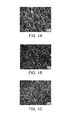
- FIGS. 1(a), 1(b), and 1(c) are micrographs respectively illustrating microstructures of Comparative Example 1, Inventive Example 1, and Comparative Example 7;
- FIG. 2(a) is a micrograph illustrating a complex inclusion of Inventive Example 1
- FIG. 2(b) is a graph obtained by energy dispersive X-ray spectroscopy (EDX) of the complex inclusion
- FIG. 3 is a schematic view illustrating a method of flux cored arc welding.
- a flux cored arc welding wire of the present invention includes the following composition, in terms of weight percentage (hereinafter, wt%).
- a content of carbon (C) may be in a range of 0.01% to 0.1%.
- C is an essential element for securing strength of a weld joint and weld hardenability, and may be added in an amount of 0.01% or more. However, in the case that the content thereof is greater than 0.1%, weldability may greatly decrease, low-temperature cracks in the weld joint may be facilitated, and impact toughness may greatly decrease.
- a content of silicon (Si) may be in a range of 0.3% to 1.4%.
- the content of Si is less than 0.3%, a deoxidizing effect in a weld joint may be insufficient and fluidity of the weld joint may be reduced.
- the case in which the content thereof is greater than 1.4% may not be desirable, because transformation of martensite austenite (M-A) constituents in the weld joint may be promoted to reduce low-temperature impact toughness and to adversely affect weld cracking susceptibility.
- a content of manganese (Mn) may be in a range of 1.0% to 3.0%.
- Mn in steels may effectively deoxidize the steels and improve strength, and may secure strength and toughness by forming a substitutional solid solution in a matrix structure to solid solution strengthen the matrix.
- Mn may be contained in an amount of 1.0% or more. However, in the case that the content thereof is greater than 3.0%, it may not be desirable because a low-temperature transformation structure may be formed.
- a content of titanium (Ti) may be in a range of 0.001% to 0.3%, in which a content of Ti+TiO 2 may be in a range of 4.0% to 7.5%. Since Ti combines with oxygen (O) to form fine TiO-(Ti,B)N complex oxide in a weld joint, i.e., welded metal, it is an inevitable element in the present invention. Also, in order to obtain fine TiO and effective TiN complex precipitates, the content of Ti added may be 0.001% or more and the content of Ti+TiO 2 added may be 4.0% or more. However, in the case that the content of Ti is greater than 0.3% and the content of Ti+TiO 2 is greater than 7.5%, it may not be desirable because coarse Ti oxide and coarse TiN precipitates may be formed.
- a content of nickel (Ni) may be in a range of 0.01% to 3.0%.
- Ni is an effective element for improving strength and toughness of a matrix by solid solution strengthening.
- the content of Ni may be 0.01% or more. However, in the case in which the content thereof is greater than 3.0%, it may not be desirable because hardenability may be greatly increased and high-temperature cracks may be generated.
- a content of boron (B) may be in a range of 0.01% to 0.2%.
- B is an element that improves hardenability, in which 0.01% or more of B is required for inhibiting grain boundary ferrite transformation by being segregated at grain boundaries.
- the content thereof is greater than 0.2%, it may not be desirable because the effect thereof may be saturated and weld hardenability may greatly increase to promote martensitic transformation, and thus, low-temperature weld cracks may be generated and toughness may be decreased. Therefore, the content of B may be limited to a range of 0.01% to 0.2%.
- the present invention may include yttrium (Y) in an amount ranging from 0.02% to 0.42% or a rare earth metal (REM) in an amount ranging from 0.02% to 0.56%.
- Y and the REM may act as strong deoxidizers during welding and may act as nucleation sites for primary ⁇ -ferrite by increasing stability of Ti oxide generated during welding as well as increasing the number of oxides while decreasing a size thereof, and thus, Y and the REM may decrease a size of the primary ferrite. Therefore, Y and the REM may decrease a size of prior austenite to increase toughness and strength.
- Y and the REM may mainly act to inhibit the generation of grain boundary ferrite by promoting the formation of acicular ferrite as well as increasing an amount of grain boundary segregation of B.
- Y and the REM may increase strength through the size reduction of prior austenite, the increase in the fraction of acicular ferrite, and the control of grain boundary ferrite, and simultaneously, may increase toughness at extremely low temperatures (-40°C to -60°C). As a result, impact and CTOD characteristics at extremely low temperatures (-40°C to -60°C) may be improved.
- Y and the REM may increase the stability of an arc. Since Y and REM facilitate electron emission and constantly maintain current and voltage during welding by allowing oxides stable at high temperatures to form stable cathode spots, an arc may be constant. As a result, Y and the REM may also act to secure good welding workability by minimizing an amount of spatter generated during welding as well as maintaining a constant bead size during welding.
- Y may be included in an amount ranging from 0.02% to 0.42% or the REM may be included in an amount ranging from 0.02% to 0.56%.
- a sum of the Y and the REM included may be in a range of 0.19% to 0.65%.
- the following components may further be included in order to further improve the characteristics of the present invention.
- the present invention may include niobium (Nb) in an amount of 0.15% or less.
- Nb is an element required for forming fine Nb(C,N) precipitates in a weld joint.
- Nb may adversely affect toughness of the weld joint by promoting the formation of grain boundary ferrite in the weld joint and forming a hardening phase, such as carbide, in a welded metal part. Therefore, the content of Nb added may be limited to 0.15% or less in view of the design of the welding wire.
- the composition includes iron (Fe) as well as other unavoidable impurities as a remainder.
- the welding wire of the present invention may improve welding workability by reducing the amount of spatter generated.
- the welding wire of the present invention satisfies an amount of spatter of 2.0 mg/min or less generated during arc welding under welding conditions of 280A-30V.
- the weld joint of the present invention includes the following composition, in terms of weight percentage (hereinafter, wt%).
- a content of C may be in a range of 0.01% to 0.1%.
- C is an essential element for securing strength of welded metal and weld hardenability, and may be included in an amount of 0.01% or more. However, in the case that the content thereof is greater than 0.1%, weldability may greatly decrease, low-temperature cracks in a weld joint may be facilitated, and impact toughness may greatly decrease. Therefore, the content of C is limited to a range of 0.01% to 0.1%.
- a content of Si may be in a range of 0.1% to 0.5%.
- the content of Si is less than 0.1%, strength is difficult to be secured due to the reduction of hardenability.
- the content thereof is greater than 0.5%, it may not be desirable because transformation of M-A constituents in welded metal may be promoted to reduce toughness, such as low-temperature impact toughness, and to increase weld cracking susceptibility.
- a content of Mn may be in a range of 0.5% to 2.0%.
- Mn is an austenite forming element in steels, and may effectively improve toughness of a welded zone and may secure toughness and strength by being dissolved in a matrix.
- Mn may be contained in an amount of 0.5% or more. However, in the case that the content thereof is greater than 2.0%, it may not be desirable because low-temperature transformation structure may be formed.
- a content of Ni may be in a range of 0.01% to 3.0%.
- Ni is an effective element for improving strength and toughness of a matrix by solid solution strengthening.
- the content of Ni may be 0.01% or more. However, in the case in which the content thereof is greater than 3.0%, it may not be desirable because hardenability may be greatly increased and high-temperature cracks may be generated.
- a content of Ti may be in a range of 0.02% to 0.1%.
- Ti combines with O or nitrogen (N) during welding to form fine TiO-(Ti,B)N complex oxide in a weld joint, i.e., welded metal
- N nitrogen
- a predetermined amount of Ti is required in order to obtain fine TiO, effective nucleation sites for forming fine acicular ferrite in austenite grains during solidification.
- coarse Ti oxides and coarse TiN precipitates may be formed to reduce low-temperature toughness and fracture toughness.
- a content of B may be in a range of 5 ppm to 60 ppm.
- B is an element that improves hardenability, in which 5 ppm or more of B is required for inhibiting grain boundary ferrite transformation by being segregated at grain boundaries.
- the content thereof is greater than 60 ppm, it may not be desirable because the effect thereof may be saturated and weld hardenability may greatly increase to promote martensitic transformation, and thus, low-temperature weld cracks may be generated and toughness may be decreased. Therefore, the content of B may be limited to a range of 5 ppm to 60 ppm.
- the weld joint of the present invention may include one or two of 5 ppm to 250 ppm of Y and 5 ppm to 250 ppm of a REM.
- Y and REM are elements having a very high oxygen affinity and preferentially oxidized in welded metal of the weld joint to form a very stable oxide.
- the stable oxide may inhibit the generation of grain boundary ferrite by being segregated at grain boundaries in the weld joint and may promote the generation of acicular ferrite.
- contents of Y and REM may be in a range of 5 ppm to 250 ppm, respectively.
- the weld joint of the present invention may further include 0.02% or less of Nb.
- Nb is an element that may increase strength by being precipitated as a precipitate phase, such as NbC, in the weld joint.
- Nb may adversely affect low-temperature toughness due to an increase in the precipitate phase. Therefore, the content of Nb may be limited to 0.02% or less.
- the composition includes Fe as well as other unavoidable impurities as a remainder.
- the weld joint of the present invention includes complex inclusions formed of one or more of Ti, Mn, Y, and the REM, in which an amount of complex inclusions having an average diameter ranging from 0.01 ⁇ m to 0.1 ⁇ m may be 65% or less of total complex inclusions.
- the complex inclusions in the weld joint act as nucleation sites to promote the generation of acicular ferrite.
- fine inclusions i.e., complex inclusions having an average diameter ranging from 0.01 ⁇ m to 0.1 ⁇ m, do not act as nucleation sites during the generation of the acicular ferrite, and when the amount of the fine inclusions increases, the fine inclusions may act as a fracture origin at low temperatures to adversely affect fracture toughness. Therefore, the amount of the complex inclusions having an average diameter ranging from 0.01 ⁇ m to 0.1 ⁇ m may be 65% or less of the total complex inclusions.
- the number of complex inclusions having an average diameter of 1 ⁇ m or more may be 200 or more per 1 mm 2 .
- a high level of inclusions is inevitably introduced into the weld joint in order to secure all-position weldability of the flux cored welding material.
- the inclusions may act as the nucleation sites of acicular ferrite to promote the generation of the acicular ferrite.
- the number of the inclusions having an average diameter of 1 ⁇ m or more may be 200 or more per 1 mm 2 .
- a diameter of the prior austenite in the weld joint of the present invention may be 400 ⁇ m or less.
- a size of ferrite generated at room temperature is linked with a size of the prior austenite. That is, the size of finally generated ferrite decreases as the size of the prior austenite decreases.
- the number of grain boundaries increases and the grain boundaries may delay a phenomenon of fracturing during a low-temperature CTOD test. Therefore, since the prior austenite may insufficiently delay the low-temperature fracture when the diameter of the prior austenite is greater than 400 ⁇ m, the diameter of the prior austenite may be 400 ⁇ m or less.
- a microstructure of the weld joint of the present invention may include acicular ferrite having an area fraction of 86% or more.
- the acicular ferrite is a structure that may simultaneously increase strength and low-temperature toughness in the weld joint. Also, in the case that the fraction of the acicular ferrite increases, a temperature range, in which toughness may be secured, may decrease. Therefore, 86% of more of acicular ferrite may be structurally included in order to secure excellent low-temperature toughness at -40°C, -60°C, and -80°C.
- the weld joint of the present invention satisfies a low-temperature impact toughness (Charpy V-notch (CVN)) at - 80°C of 60 J or more and a low-temperature CTOP value at -60°C of 0.25 mm or more, and thus exhibits excellent low-temperature toughness.
- CVN Charge V-notch
- Welding wires having compositions of the following Table 1 were prepared and flux cored arc welding was performed with a heat input range of 0.8 kJ/mm to 2.7 kJ/mm under 100% CO 2 protective gas by using the above wires.
- compositions of weld joints obtained through the above welding are presented in Table 2.
- Low-temperature impact toughness and low-temperature CTOD of each weld joint were evaluated and the results thereof are presented in Table 2.
- the low-temperature impact toughness was evaluated through Charpy impact tests (CVN) using KS Standard (KS B 0801) No. 4 specimens.
- microstructures and inclusions of weld joints were observed and the results thereof are presented in Table 3.
- the microstructures and the inclusions were measured by using a point counting method using an image analyzer and an electron microscope.
- weld joints satisfying the scope of the present invention i.e., all inventive examples, had a low-temperature impact toughness at -80°C of 60 J or more and a low-temperature CTOD value at - 60°C of 0.25 mm or more. Therefore, it may be confirmed that all inventive examples had excellent low-temperature toughness.
- Comparative Examples 1 to 3 not including Y or REM had a low fraction of acicular ferrite and coarse prior austenite structures, it may be confirmed that Comparative Examples 1 to 3 did not reach a low-temperature toughness value required in the present invention.
- Comparative Examples 4 to 6 having the content of Y or REM below that required in the present invention and Comparative Examples 7 and 8 having the content of Y or REM that is outside of the range of the present invention it may be confirmed that fractions of ferrite were not only low, but a bainite structure was also included instead of prior austenite. That is, it may be confirmed that Comparative Examples 4 to 6 did not reach the low-temperature toughness value of the present invention.
- FIGS. 1(a), 1(b), and 1(c) are micrographs respectively illustrating microstructures of Comparative Example 1, Inventive Example 1, and Comparative Example 7.
- FIG. 1(b) it may be confirmed that most of the microstructure of the inventive example is composed of acicular ferrite, but acicular ferrite was not sufficiently formed in the case that an amount of Y added was insufficient as illustrated in FIG. 1(a) .
- FIG. 1(c) it may be confirmed that bainite, martensite, and M-A structures which adversely affect low-temperature toughness were observed in the case in which Y is excessively added.
- FIG. 2(a) is a micrograph illustrating a complex inclusion of Inventive Example 1
- FIG. 2(b) is a graph obtained by energy dispersive X-ray spectroscopy (EDX) of the complex inclusion.
- EDX energy dispersive X-ray spectroscopy
- Flux cored welding wires having compositions (wt%) of the following Table 4 were prepared and flux cored arc welding was performed under welding conditions of 280A-30V.
- the compositions include Fe as well as other unavoidable impurities as a remainder.
Landscapes
- Engineering & Computer Science (AREA)
- Mechanical Engineering (AREA)
- Chemical & Material Sciences (AREA)
- Materials Engineering (AREA)
- Metallurgy (AREA)
- Organic Chemistry (AREA)
- Physics & Mathematics (AREA)
- Plasma & Fusion (AREA)
- Nonmetallic Welding Materials (AREA)
- Arc Welding In General (AREA)
Applications Claiming Priority (2)
| Application Number | Priority Date | Filing Date | Title |
|---|---|---|---|
| KR1020100136116A KR101220618B1 (ko) | 2010-12-27 | 2010-12-27 | 용접이음부 저온인성 및 용접작업성이 우수한 플럭스 코어드 아크 용접 와이어 및 이를 이용한 용접이음부 |
| PCT/KR2011/010160 WO2012091413A2 (ko) | 2010-12-27 | 2011-12-27 | 용접이음부 저온인성 및 용접작업성이 우수한 플럭스 코어드 아크 용접 와이어 및 이를 이용한 용접이음부 |
Publications (3)
| Publication Number | Publication Date |
|---|---|
| EP2660002A2 true EP2660002A2 (de) | 2013-11-06 |
| EP2660002A4 EP2660002A4 (de) | 2016-10-19 |
| EP2660002B1 EP2660002B1 (de) | 2018-08-29 |
Family
ID=46383690
Family Applications (1)
| Application Number | Title | Priority Date | Filing Date |
|---|---|---|---|
| EP11853584.8A Active EP2660002B1 (de) | 2010-12-27 | 2011-12-27 | Schweissverbindung mit hoher zähigkeit bei tiefen temperaturen |
Country Status (6)
| Country | Link |
|---|---|
| US (1) | US9492894B2 (de) |
| EP (1) | EP2660002B1 (de) |
| JP (1) | JP5696228B2 (de) |
| KR (1) | KR101220618B1 (de) |
| CN (1) | CN103391829B (de) |
| WO (1) | WO2012091413A2 (de) |
Families Citing this family (9)
| Publication number | Priority date | Publication date | Assignee | Title |
|---|---|---|---|---|
| CN103045946B (zh) * | 2012-12-21 | 2016-06-15 | 江苏大学 | 一种高钛合金焊丝用钢及其制备方法 |
| CN104607819B (zh) * | 2014-11-27 | 2017-10-31 | 宝山钢铁股份有限公司 | 一种气体保护焊丝及其制造方法 |
| KR101657806B1 (ko) * | 2014-12-22 | 2016-09-20 | 주식회사 포스코 | 확산성수소량 저감특성이 우수한 용접 금속부 및 그 제조 방법 |
| KR101657807B1 (ko) * | 2014-12-22 | 2016-09-20 | 주식회사 포스코 | 확산성수소량 저감특성이 우수한 용접 금속부 및 그 제조 방법 |
| CN107262962A (zh) * | 2017-05-09 | 2017-10-20 | 安徽飞弧焊业股份有限公司 | 一种管线钢用高强度耐低温药芯焊丝 |
| CN112404796B (zh) * | 2020-10-08 | 2022-03-04 | 武汉科技大学 | 一种用于低氮无磁舰艇钢焊接的无缝金属芯药芯焊丝 |
| CN113319429B (zh) * | 2021-04-29 | 2023-02-21 | 中国石油天然气集团有限公司 | 一种控制晶粒尺寸的低温增材制造用丝材及制备和应用 |
| US11604789B1 (en) | 2021-04-30 | 2023-03-14 | Splunk Inc. | Bi-directional query updates in a user interface |
| KR102698160B1 (ko) * | 2021-11-26 | 2024-08-23 | 현대제철 주식회사 | 우수한 저온충격인성 및 파괴인성을 갖는 용접 와이어 |
Family Cites Families (26)
| Publication number | Priority date | Publication date | Assignee | Title |
|---|---|---|---|---|
| JPS5947087A (ja) * | 1982-09-11 | 1984-03-16 | Daido Steel Co Ltd | フラツクスコア−ドワイヤ |
| JPH03294096A (ja) * | 1990-04-10 | 1991-12-25 | Nippon Steel Corp | エレクトロガスアーク溶接用複合ワイヤ |
| JP2500817B2 (ja) | 1990-12-12 | 1996-05-29 | 株式会社神戸製鋼所 | 焼結材溶接用溶加材 |
| EP0502390A1 (de) | 1991-02-26 | 1992-09-09 | Kabushiki Kaisha Kobe Seiko Sho | Zusatzmetall zum Schweissen von gesinterten Materialien |
| JPH05269593A (ja) * | 1992-03-25 | 1993-10-19 | Nippon Steel Weld Prod & Eng Co Ltd | ガスシールドアーク溶接用フラックス入りワイヤ |
| EP0688630B2 (de) | 1994-06-24 | 2010-06-09 | KABUSHIKI KAISHA KOBE SEIKO SHO also known as Kobe Steel Ltd. | Fülldraht zum Lichtbogenschweissen in Schutzgas |
| JP2756084B2 (ja) | 1994-06-24 | 1998-05-25 | 株式会社神戸製鋼所 | ガスシールドアーク溶接用フラックス入りワイヤ |
| JPH11170085A (ja) | 1997-12-12 | 1999-06-29 | Kobe Steel Ltd | サブマージアーク溶接用ボンドフラックス及びそれを使用したサブマージアーク溶接方法 |
| JP3579619B2 (ja) * | 1998-09-09 | 2004-10-20 | 株式会社神戸製鋼所 | 高靭性溶接金属 |
| JP4348102B2 (ja) * | 2002-05-20 | 2009-10-21 | 新日本製鐵株式会社 | 高温強度に優れた490MPa級高張力鋼ならびにその製造方法 |
| CN101082105A (zh) | 2002-03-29 | 2007-12-05 | 新日本制铁株式会社 | 高温强度优异的高强度钢及其制造方法 |
| JP4255453B2 (ja) * | 2005-03-31 | 2009-04-15 | 株式会社神戸製鋼所 | 低合金鋼溶接金属及びフラックス入りワイヤ |
| JP5005309B2 (ja) * | 2006-10-02 | 2012-08-22 | 株式会社神戸製鋼所 | 高張力鋼用ガスシールドアーク溶接フラックス入りワイヤ |
| JP4776508B2 (ja) | 2006-11-20 | 2011-09-21 | 株式会社神戸製鋼所 | エレクトロガスアーク溶接用フラックス入りワイヤ |
| KR100833048B1 (ko) * | 2006-12-20 | 2008-05-27 | 주식회사 포스코 | 대입열 용접부 인성이 우수한 용접이음부 |
| CN100515655C (zh) * | 2007-08-09 | 2009-07-22 | 武汉铁锚焊接材料股份有限公司 | 一种二氧化碳气体保护焊用低合金钢药芯焊丝 |
| JP5111028B2 (ja) * | 2007-09-06 | 2012-12-26 | 株式会社神戸製鋼所 | ガスシールドアーク溶接用フラックス入りワイヤ |
| KR100910493B1 (ko) | 2007-12-26 | 2009-07-31 | 주식회사 포스코 | 저온 ctod특성이 우수한 플럭스 코어드 아크용접금속부 |
| KR101035723B1 (ko) * | 2008-11-26 | 2011-05-19 | 현대종합금속 주식회사 | 고장력강용 가스실드 아크 용접용 플럭스 충전 와이어 |
| KR101046136B1 (ko) * | 2008-12-24 | 2011-07-01 | 주식회사 포스코 | 가스 실드 아크 용접용 플럭스 코어드 와이어 |
| JP5400472B2 (ja) * | 2009-05-20 | 2014-01-29 | 株式会社神戸製鋼所 | フラックス入りワイヤ |
| JP5359561B2 (ja) | 2009-05-28 | 2013-12-04 | 新日鐵住金株式会社 | 高張力鋼用フラックス入りワイヤ |
| JP4995888B2 (ja) * | 2009-12-15 | 2012-08-08 | 株式会社神戸製鋼所 | ステンレス鋼アーク溶接フラックス入りワイヤ |
| JP5450260B2 (ja) * | 2010-05-27 | 2014-03-26 | 株式会社神戸製鋼所 | 耐高温割れ性に優れた溶接金属 |
| KR101143132B1 (ko) * | 2010-08-09 | 2012-05-08 | 주식회사 포스코 | 플럭스 코어드 아크 용접이음부 |
| JP5438664B2 (ja) * | 2010-12-01 | 2014-03-12 | 株式会社神戸製鋼所 | フラックス入りワイヤ |
-
2010
- 2010-12-27 KR KR1020100136116A patent/KR101220618B1/ko active Active
-
2011
- 2011-12-27 US US13/997,725 patent/US9492894B2/en active Active
- 2011-12-27 WO PCT/KR2011/010160 patent/WO2012091413A2/ko not_active Ceased
- 2011-12-27 EP EP11853584.8A patent/EP2660002B1/de active Active
- 2011-12-27 JP JP2013547335A patent/JP5696228B2/ja active Active
- 2011-12-27 CN CN201180068533.8A patent/CN103391829B/zh active Active
Also Published As
| Publication number | Publication date |
|---|---|
| WO2012091413A2 (ko) | 2012-07-05 |
| JP5696228B2 (ja) | 2015-04-08 |
| KR20120074152A (ko) | 2012-07-05 |
| KR101220618B1 (ko) | 2013-01-10 |
| WO2012091413A3 (ko) | 2012-10-04 |
| EP2660002B1 (de) | 2018-08-29 |
| EP2660002A4 (de) | 2016-10-19 |
| US20130284713A1 (en) | 2013-10-31 |
| CN103391829A (zh) | 2013-11-13 |
| CN103391829B (zh) | 2016-10-26 |
| JP2014503361A (ja) | 2014-02-13 |
| US9492894B2 (en) | 2016-11-15 |
Similar Documents
| Publication | Publication Date | Title |
|---|---|---|
| EP2660002B1 (de) | Schweissverbindung mit hoher zähigkeit bei tiefen temperaturen | |
| US10065272B2 (en) | Super high-strength flux cored arc welded joint having excellent impact toughness, and welding wire for manufacturing same | |
| WO2009082162A2 (en) | Flux cored arc weld metal joint having superior ctod in low temperature and steel member having the weld metal joint | |
| JP2011005531A (ja) | フラックス入り高張力鋼用溶接ワイヤ及びその製造方法 | |
| KR20140084654A (ko) | 충격인성이 우수한 초고강도 플럭스 코어드 아크 용접이음부 | |
| CN112512742B (zh) | 实心焊丝以及焊接接头的制造方法 | |
| KR20020027238A (ko) | 대입열 서브머지 아크용접 이음매, 그 이음매의 제조방법및 그것에 사용하는 용접용 강와이어 및 용접용 플럭스 | |
| CN104923989B (zh) | 用于大热输入气电立焊气体保护焊丝的药芯及气体保护焊丝 | |
| EP0688630B2 (de) | Fülldraht zum Lichtbogenschweissen in Schutzgas | |
| JP2006110581A (ja) | 高強度高靭性ガスシールドアーク溶接用ワイヤ。 | |
| JP7235185B1 (ja) | サブマージアーク溶接用メタルコアードワイヤおよびそれを用いたサブマージアーク溶接方法 | |
| WO2009082156A1 (en) | Steel for welding structure having welded joint with superior ctod properties in weld heat affected zone | |
| JP2854650B2 (ja) | 高張力鋼用migワイヤ | |
| JP7031271B2 (ja) | 立向エレクトロガスアーク溶接用フラックス入りワイヤ、及び溶接継手の製造方法 | |
| KR101647148B1 (ko) | 고장력강용 플럭스 코어드 아크 용접 와이어 및 이를 이용한 플럭스 코어드 아크 용접 금속부 | |
| JP2011224612A (ja) | 靭性が優れたエレクトロスラグ溶接継手 | |
| EP4365326A1 (de) | Unterpulverschweissverfahren | |
| KR20140084655A (ko) | 플럭스 코어드 아크 용접용 와이어 및 이를 이용한 저온 충격인성이 우수한 초고강도 플럭스 코어드 아크 용접금속부 | |
| JPH09225680A (ja) | フェライト系ステンレス鋼溶接ワイヤ | |
| KR20140135141A (ko) | 충격인성이 우수한 초고강도 플럭스 코어드 아크 용접이음부 | |
| KR102144297B1 (ko) | 고입열 용접에 따른 충격인성 및 내균열성이 우수한 가스실드 아크 용접용 티타니아계 플럭스 충전 와이어 | |
| KR102715916B1 (ko) | 플럭스 코어드 와이어, 용접 금속, 가스 실드 아크 용접 방법 및 용접 이음의 제조 방법 | |
| KR102257858B1 (ko) | 플럭스 코어드 아크 용접 금속부 | |
| KR101436118B1 (ko) | 가스실드 아크 용접용 플럭스 충전 와이어 | |
| KR101264606B1 (ko) | 내균열성이 우수한 가스실드 아크 용접용 티타니아계 플럭스 충전 와이어 |
Legal Events
| Date | Code | Title | Description |
|---|---|---|---|
| PUAI | Public reference made under article 153(3) epc to a published international application that has entered the european phase |
Free format text: ORIGINAL CODE: 0009012 |
|
| 17P | Request for examination filed |
Effective date: 20130722 |
|
| AK | Designated contracting states |
Kind code of ref document: A2 Designated state(s): AL AT BE BG CH CY CZ DE DK EE ES FI FR GB GR HR HU IE IS IT LI LT LU LV MC MK MT NL NO PL PT RO RS SE SI SK SM TR |
|
| DAX | Request for extension of the european patent (deleted) | ||
| A4 | Supplementary search report drawn up and despatched |
Effective date: 20160916 |
|
| RIC1 | Information provided on ipc code assigned before grant |
Ipc: C22C 38/04 20060101ALI20160912BHEP Ipc: C22C 38/28 20060101ALI20160912BHEP Ipc: B23K 35/30 20060101ALI20160912BHEP Ipc: C22C 38/08 20060101ALI20160912BHEP Ipc: C22C 38/02 20060101ALI20160912BHEP Ipc: B23K 35/36 20060101AFI20160912BHEP Ipc: B23K 35/368 20060101ALI20160912BHEP Ipc: C22C 38/14 20060101ALI20160912BHEP Ipc: B23K 35/02 20060101ALI20160912BHEP Ipc: B23K 9/173 20060101ALI20160912BHEP Ipc: B23K 35/362 20060101ALI20160912BHEP Ipc: C22C 38/00 20060101ALI20160912BHEP |
|
| 17Q | First examination report despatched |
Effective date: 20170818 |
|
| GRAP | Despatch of communication of intention to grant a patent |
Free format text: ORIGINAL CODE: EPIDOSNIGR1 |
|
| INTG | Intention to grant announced |
Effective date: 20180307 |
|
| GRAS | Grant fee paid |
Free format text: ORIGINAL CODE: EPIDOSNIGR3 |
|
| GRAA | (expected) grant |
Free format text: ORIGINAL CODE: 0009210 |
|
| AK | Designated contracting states |
Kind code of ref document: B1 Designated state(s): AL AT BE BG CH CY CZ DE DK EE ES FI FR GB GR HR HU IE IS IT LI LT LU LV MC MK MT NL NO PL PT RO RS SE SI SK SM TR |
|
| REG | Reference to a national code |
Ref country code: GB Ref legal event code: FG4D |
|
| REG | Reference to a national code |
Ref country code: CH Ref legal event code: EP |
|
| REG | Reference to a national code |
Ref country code: AT Ref legal event code: REF Ref document number: 1034561 Country of ref document: AT Kind code of ref document: T Effective date: 20180915 |
|
| REG | Reference to a national code |
Ref country code: IE Ref legal event code: FG4D |
|
| REG | Reference to a national code |
Ref country code: DE Ref legal event code: R096 Ref document number: 602011051629 Country of ref document: DE |
|
| REG | Reference to a national code |
Ref country code: NL Ref legal event code: MP Effective date: 20180829 |
|
| REG | Reference to a national code |
Ref country code: LT Ref legal event code: MG4D |
|
| PG25 | Lapsed in a contracting state [announced via postgrant information from national office to epo] |
Ref country code: NO Free format text: LAPSE BECAUSE OF FAILURE TO SUBMIT A TRANSLATION OF THE DESCRIPTION OR TO PAY THE FEE WITHIN THE PRESCRIBED TIME-LIMIT Effective date: 20181129 Ref country code: RS Free format text: LAPSE BECAUSE OF FAILURE TO SUBMIT A TRANSLATION OF THE DESCRIPTION OR TO PAY THE FEE WITHIN THE PRESCRIBED TIME-LIMIT Effective date: 20180829 Ref country code: SE Free format text: LAPSE BECAUSE OF FAILURE TO SUBMIT A TRANSLATION OF THE DESCRIPTION OR TO PAY THE FEE WITHIN THE PRESCRIBED TIME-LIMIT Effective date: 20180829 Ref country code: FI Free format text: LAPSE BECAUSE OF FAILURE TO SUBMIT A TRANSLATION OF THE DESCRIPTION OR TO PAY THE FEE WITHIN THE PRESCRIBED TIME-LIMIT Effective date: 20180829 Ref country code: GR Free format text: LAPSE BECAUSE OF FAILURE TO SUBMIT A TRANSLATION OF THE DESCRIPTION OR TO PAY THE FEE WITHIN THE PRESCRIBED TIME-LIMIT Effective date: 20181130 Ref country code: LT Free format text: LAPSE BECAUSE OF FAILURE TO SUBMIT A TRANSLATION OF THE DESCRIPTION OR TO PAY THE FEE WITHIN THE PRESCRIBED TIME-LIMIT Effective date: 20180829 Ref country code: IS Free format text: LAPSE BECAUSE OF FAILURE TO SUBMIT A TRANSLATION OF THE DESCRIPTION OR TO PAY THE FEE WITHIN THE PRESCRIBED TIME-LIMIT Effective date: 20181229 Ref country code: NL Free format text: LAPSE BECAUSE OF FAILURE TO SUBMIT A TRANSLATION OF THE DESCRIPTION OR TO PAY THE FEE WITHIN THE PRESCRIBED TIME-LIMIT Effective date: 20180829 Ref country code: BG Free format text: LAPSE BECAUSE OF FAILURE TO SUBMIT A TRANSLATION OF THE DESCRIPTION OR TO PAY THE FEE WITHIN THE PRESCRIBED TIME-LIMIT Effective date: 20181129 |
|
| REG | Reference to a national code |
Ref country code: AT Ref legal event code: MK05 Ref document number: 1034561 Country of ref document: AT Kind code of ref document: T Effective date: 20180829 |
|
| PG25 | Lapsed in a contracting state [announced via postgrant information from national office to epo] |
Ref country code: LV Free format text: LAPSE BECAUSE OF FAILURE TO SUBMIT A TRANSLATION OF THE DESCRIPTION OR TO PAY THE FEE WITHIN THE PRESCRIBED TIME-LIMIT Effective date: 20180829 Ref country code: AL Free format text: LAPSE BECAUSE OF FAILURE TO SUBMIT A TRANSLATION OF THE DESCRIPTION OR TO PAY THE FEE WITHIN THE PRESCRIBED TIME-LIMIT Effective date: 20180829 Ref country code: HR Free format text: LAPSE BECAUSE OF FAILURE TO SUBMIT A TRANSLATION OF THE DESCRIPTION OR TO PAY THE FEE WITHIN THE PRESCRIBED TIME-LIMIT Effective date: 20180829 |
|
| PG25 | Lapsed in a contracting state [announced via postgrant information from national office to epo] |
Ref country code: PL Free format text: LAPSE BECAUSE OF FAILURE TO SUBMIT A TRANSLATION OF THE DESCRIPTION OR TO PAY THE FEE WITHIN THE PRESCRIBED TIME-LIMIT Effective date: 20180829 Ref country code: EE Free format text: LAPSE BECAUSE OF FAILURE TO SUBMIT A TRANSLATION OF THE DESCRIPTION OR TO PAY THE FEE WITHIN THE PRESCRIBED TIME-LIMIT Effective date: 20180829 Ref country code: IT Free format text: LAPSE BECAUSE OF FAILURE TO SUBMIT A TRANSLATION OF THE DESCRIPTION OR TO PAY THE FEE WITHIN THE PRESCRIBED TIME-LIMIT Effective date: 20180829 Ref country code: AT Free format text: LAPSE BECAUSE OF FAILURE TO SUBMIT A TRANSLATION OF THE DESCRIPTION OR TO PAY THE FEE WITHIN THE PRESCRIBED TIME-LIMIT Effective date: 20180829 Ref country code: CZ Free format text: LAPSE BECAUSE OF FAILURE TO SUBMIT A TRANSLATION OF THE DESCRIPTION OR TO PAY THE FEE WITHIN THE PRESCRIBED TIME-LIMIT Effective date: 20180829 Ref country code: RO Free format text: LAPSE BECAUSE OF FAILURE TO SUBMIT A TRANSLATION OF THE DESCRIPTION OR TO PAY THE FEE WITHIN THE PRESCRIBED TIME-LIMIT Effective date: 20180829 Ref country code: ES Free format text: LAPSE BECAUSE OF FAILURE TO SUBMIT A TRANSLATION OF THE DESCRIPTION OR TO PAY THE FEE WITHIN THE PRESCRIBED TIME-LIMIT Effective date: 20180829 |
|
| PG25 | Lapsed in a contracting state [announced via postgrant information from national office to epo] |
Ref country code: SK Free format text: LAPSE BECAUSE OF FAILURE TO SUBMIT A TRANSLATION OF THE DESCRIPTION OR TO PAY THE FEE WITHIN THE PRESCRIBED TIME-LIMIT Effective date: 20180829 Ref country code: DK Free format text: LAPSE BECAUSE OF FAILURE TO SUBMIT A TRANSLATION OF THE DESCRIPTION OR TO PAY THE FEE WITHIN THE PRESCRIBED TIME-LIMIT Effective date: 20180829 Ref country code: SM Free format text: LAPSE BECAUSE OF FAILURE TO SUBMIT A TRANSLATION OF THE DESCRIPTION OR TO PAY THE FEE WITHIN THE PRESCRIBED TIME-LIMIT Effective date: 20180829 |
|
| REG | Reference to a national code |
Ref country code: DE Ref legal event code: R097 Ref document number: 602011051629 Country of ref document: DE |
|
| PLBE | No opposition filed within time limit |
Free format text: ORIGINAL CODE: 0009261 |
|
| STAA | Information on the status of an ep patent application or granted ep patent |
Free format text: STATUS: NO OPPOSITION FILED WITHIN TIME LIMIT |
|
| REG | Reference to a national code |
Ref country code: CH Ref legal event code: PL |
|
| 26N | No opposition filed |
Effective date: 20190531 |
|
| PG25 | Lapsed in a contracting state [announced via postgrant information from national office to epo] |
Ref country code: MC Free format text: LAPSE BECAUSE OF FAILURE TO SUBMIT A TRANSLATION OF THE DESCRIPTION OR TO PAY THE FEE WITHIN THE PRESCRIBED TIME-LIMIT Effective date: 20180829 Ref country code: SI Free format text: LAPSE BECAUSE OF FAILURE TO SUBMIT A TRANSLATION OF THE DESCRIPTION OR TO PAY THE FEE WITHIN THE PRESCRIBED TIME-LIMIT Effective date: 20180829 Ref country code: LU Free format text: LAPSE BECAUSE OF NON-PAYMENT OF DUE FEES Effective date: 20181227 |
|
| REG | Reference to a national code |
Ref country code: IE Ref legal event code: MM4A |
|
| REG | Reference to a national code |
Ref country code: BE Ref legal event code: MM Effective date: 20181231 |
|
| PG25 | Lapsed in a contracting state [announced via postgrant information from national office to epo] |
Ref country code: IE Free format text: LAPSE BECAUSE OF NON-PAYMENT OF DUE FEES Effective date: 20181227 |
|
| PG25 | Lapsed in a contracting state [announced via postgrant information from national office to epo] |
Ref country code: BE Free format text: LAPSE BECAUSE OF NON-PAYMENT OF DUE FEES Effective date: 20181231 |
|
| PG25 | Lapsed in a contracting state [announced via postgrant information from national office to epo] |
Ref country code: CH Free format text: LAPSE BECAUSE OF NON-PAYMENT OF DUE FEES Effective date: 20181231 Ref country code: LI Free format text: LAPSE BECAUSE OF NON-PAYMENT OF DUE FEES Effective date: 20181231 |
|
| PG25 | Lapsed in a contracting state [announced via postgrant information from national office to epo] |
Ref country code: MT Free format text: LAPSE BECAUSE OF NON-PAYMENT OF DUE FEES Effective date: 20181227 |
|
| PG25 | Lapsed in a contracting state [announced via postgrant information from national office to epo] |
Ref country code: TR Free format text: LAPSE BECAUSE OF FAILURE TO SUBMIT A TRANSLATION OF THE DESCRIPTION OR TO PAY THE FEE WITHIN THE PRESCRIBED TIME-LIMIT Effective date: 20180829 |
|
| PG25 | Lapsed in a contracting state [announced via postgrant information from national office to epo] |
Ref country code: PT Free format text: LAPSE BECAUSE OF FAILURE TO SUBMIT A TRANSLATION OF THE DESCRIPTION OR TO PAY THE FEE WITHIN THE PRESCRIBED TIME-LIMIT Effective date: 20180829 |
|
| PG25 | Lapsed in a contracting state [announced via postgrant information from national office to epo] |
Ref country code: MK Free format text: LAPSE BECAUSE OF NON-PAYMENT OF DUE FEES Effective date: 20180829 Ref country code: CY Free format text: LAPSE BECAUSE OF FAILURE TO SUBMIT A TRANSLATION OF THE DESCRIPTION OR TO PAY THE FEE WITHIN THE PRESCRIBED TIME-LIMIT Effective date: 20180829 Ref country code: HU Free format text: LAPSE BECAUSE OF FAILURE TO SUBMIT A TRANSLATION OF THE DESCRIPTION OR TO PAY THE FEE WITHIN THE PRESCRIBED TIME-LIMIT; INVALID AB INITIO Effective date: 20111227 |
|
| REG | Reference to a national code |
Ref country code: DE Ref legal event code: R081 Ref document number: 602011051629 Country of ref document: DE Owner name: POSCO CO., LTD, POHANG-SI, KR Free format text: FORMER OWNER: POSCO, POHANG-SI, KYUNGSANGBOOK-DO, KR Ref country code: DE Ref legal event code: R081 Ref document number: 602011051629 Country of ref document: DE Owner name: POSCO CO., LTD, POHANG- SI, KR Free format text: FORMER OWNER: POSCO, POHANG-SI, KYUNGSANGBOOK-DO, KR Ref country code: DE Ref legal event code: R081 Ref document number: 602011051629 Country of ref document: DE Owner name: POSCO HOLDINGS INC., KR Free format text: FORMER OWNER: POSCO, POHANG-SI, KYUNGSANGBOOK-DO, KR |
|
| REG | Reference to a national code |
Ref country code: GB Ref legal event code: 732E Free format text: REGISTERED BETWEEN 20221027 AND 20221102 |
|
| REG | Reference to a national code |
Ref country code: DE Ref legal event code: R081 Ref document number: 602011051629 Country of ref document: DE Owner name: POSCO CO., LTD, POHANG-SI, KR Free format text: FORMER OWNER: POSCO HOLDINGS INC., SEOUL, KR Ref country code: DE Ref legal event code: R081 Ref document number: 602011051629 Country of ref document: DE Owner name: POSCO CO., LTD, POHANG- SI, KR Free format text: FORMER OWNER: POSCO HOLDINGS INC., SEOUL, KR |
|
| PGFP | Annual fee paid to national office [announced via postgrant information from national office to epo] |
Ref country code: DE Payment date: 20251105 Year of fee payment: 15 |
|
| PGFP | Annual fee paid to national office [announced via postgrant information from national office to epo] |
Ref country code: GB Payment date: 20251105 Year of fee payment: 15 |
|
| PGFP | Annual fee paid to national office [announced via postgrant information from national office to epo] |
Ref country code: FR Payment date: 20251111 Year of fee payment: 15 |