EP2621516B1 - Interferon-beta for use as monotherapy or in combination with other cancer therapies - Google Patents
Interferon-beta for use as monotherapy or in combination with other cancer therapies Download PDFInfo
- Publication number
- EP2621516B1 EP2621516B1 EP11829825.6A EP11829825A EP2621516B1 EP 2621516 B1 EP2621516 B1 EP 2621516B1 EP 11829825 A EP11829825 A EP 11829825A EP 2621516 B1 EP2621516 B1 EP 2621516B1
- Authority
- EP
- European Patent Office
- Prior art keywords
- beta
- interferon
- pegylated
- ifn
- pegylated interferon
- Prior art date
- Legal status (The legal status is an assumption and is not a legal conclusion. Google has not performed a legal analysis and makes no representation as to the accuracy of the status listed.)
- Not-in-force
Links
Images










Classifications
-
- A—HUMAN NECESSITIES
- A61—MEDICAL OR VETERINARY SCIENCE; HYGIENE
- A61K—PREPARATIONS FOR MEDICAL, DENTAL OR TOILETRY PURPOSES
- A61K38/00—Medicinal preparations containing peptides
- A61K38/16—Peptides having more than 20 amino acids; Gastrins; Somatostatins; Melanotropins; Derivatives thereof
- A61K38/17—Peptides having more than 20 amino acids; Gastrins; Somatostatins; Melanotropins; Derivatives thereof from animals; from humans
- A61K38/19—Cytokines; Lymphokines; Interferons
- A61K38/21—Interferons [IFN]
- A61K38/215—IFN-beta
-
- A—HUMAN NECESSITIES
- A61—MEDICAL OR VETERINARY SCIENCE; HYGIENE
- A61K—PREPARATIONS FOR MEDICAL, DENTAL OR TOILETRY PURPOSES
- A61K31/00—Medicinal preparations containing organic active ingredients
- A61K31/16—Amides, e.g. hydroxamic acids
- A61K31/165—Amides, e.g. hydroxamic acids having aromatic rings, e.g. colchicine, atenolol, progabide
- A61K31/166—Amides, e.g. hydroxamic acids having aromatic rings, e.g. colchicine, atenolol, progabide having the carbon of a carboxamide group directly attached to the aromatic ring, e.g. procainamide, procarbazine, metoclopramide, labetalol
-
- A—HUMAN NECESSITIES
- A61—MEDICAL OR VETERINARY SCIENCE; HYGIENE
- A61K—PREPARATIONS FOR MEDICAL, DENTAL OR TOILETRY PURPOSES
- A61K31/00—Medicinal preparations containing organic active ingredients
- A61K31/33—Heterocyclic compounds
- A61K31/335—Heterocyclic compounds having oxygen as the only ring hetero atom, e.g. fungichromin
- A61K31/337—Heterocyclic compounds having oxygen as the only ring hetero atom, e.g. fungichromin having four-membered rings, e.g. taxol
-
- A—HUMAN NECESSITIES
- A61—MEDICAL OR VETERINARY SCIENCE; HYGIENE
- A61K—PREPARATIONS FOR MEDICAL, DENTAL OR TOILETRY PURPOSES
- A61K31/00—Medicinal preparations containing organic active ingredients
- A61K31/33—Heterocyclic compounds
- A61K31/395—Heterocyclic compounds having nitrogen as a ring hetero atom, e.g. guanethidine or rifamycins
- A61K31/41—Heterocyclic compounds having nitrogen as a ring hetero atom, e.g. guanethidine or rifamycins having five-membered rings with two or more ring hetero atoms, at least one of which being nitrogen, e.g. tetrazole
- A61K31/4164—1,3-Diazoles
- A61K31/4188—1,3-Diazoles condensed with other heterocyclic ring systems, e.g. biotin, sorbinil
-
- A—HUMAN NECESSITIES
- A61—MEDICAL OR VETERINARY SCIENCE; HYGIENE
- A61K—PREPARATIONS FOR MEDICAL, DENTAL OR TOILETRY PURPOSES
- A61K31/00—Medicinal preparations containing organic active ingredients
- A61K31/33—Heterocyclic compounds
- A61K31/395—Heterocyclic compounds having nitrogen as a ring hetero atom, e.g. guanethidine or rifamycins
- A61K31/435—Heterocyclic compounds having nitrogen as a ring hetero atom, e.g. guanethidine or rifamycins having six-membered rings with one nitrogen as the only ring hetero atom
- A61K31/4353—Heterocyclic compounds having nitrogen as a ring hetero atom, e.g. guanethidine or rifamycins having six-membered rings with one nitrogen as the only ring hetero atom ortho- or peri-condensed with heterocyclic ring systems
- A61K31/436—Heterocyclic compounds having nitrogen as a ring hetero atom, e.g. guanethidine or rifamycins having six-membered rings with one nitrogen as the only ring hetero atom ortho- or peri-condensed with heterocyclic ring systems the heterocyclic ring system containing a six-membered ring having oxygen as a ring hetero atom, e.g. rapamycin
-
- A—HUMAN NECESSITIES
- A61—MEDICAL OR VETERINARY SCIENCE; HYGIENE
- A61K—PREPARATIONS FOR MEDICAL, DENTAL OR TOILETRY PURPOSES
- A61K31/00—Medicinal preparations containing organic active ingredients
- A61K31/33—Heterocyclic compounds
- A61K31/395—Heterocyclic compounds having nitrogen as a ring hetero atom, e.g. guanethidine or rifamycins
- A61K31/435—Heterocyclic compounds having nitrogen as a ring hetero atom, e.g. guanethidine or rifamycins having six-membered rings with one nitrogen as the only ring hetero atom
- A61K31/44—Non condensed pyridines; Hydrogenated derivatives thereof
-
- A—HUMAN NECESSITIES
- A61—MEDICAL OR VETERINARY SCIENCE; HYGIENE
- A61K—PREPARATIONS FOR MEDICAL, DENTAL OR TOILETRY PURPOSES
- A61K39/00—Medicinal preparations containing antigens or antibodies
- A61K39/395—Antibodies; Immunoglobulins; Immune serum, e.g. antilymphocytic serum
- A61K39/39533—Antibodies; Immunoglobulins; Immune serum, e.g. antilymphocytic serum against materials from animals
- A61K39/3955—Antibodies; Immunoglobulins; Immune serum, e.g. antilymphocytic serum against materials from animals against proteinaceous materials, e.g. enzymes, hormones, lymphokines
-
- A—HUMAN NECESSITIES
- A61—MEDICAL OR VETERINARY SCIENCE; HYGIENE
- A61K—PREPARATIONS FOR MEDICAL, DENTAL OR TOILETRY PURPOSES
- A61K45/00—Medicinal preparations containing active ingredients not provided for in groups A61K31/00 - A61K41/00
- A61K45/06—Mixtures of active ingredients without chemical characterisation, e.g. antiphlogistics and cardiaca
-
- A—HUMAN NECESSITIES
- A61—MEDICAL OR VETERINARY SCIENCE; HYGIENE
- A61K—PREPARATIONS FOR MEDICAL, DENTAL OR TOILETRY PURPOSES
- A61K47/00—Medicinal preparations characterised by the non-active ingredients used, e.g. carriers or inert additives; Targeting or modifying agents chemically bound to the active ingredient
- A61K47/50—Medicinal preparations characterised by the non-active ingredients used, e.g. carriers or inert additives; Targeting or modifying agents chemically bound to the active ingredient the non-active ingredient being chemically bound to the active ingredient, e.g. polymer-drug conjugates
- A61K47/51—Medicinal preparations characterised by the non-active ingredients used, e.g. carriers or inert additives; Targeting or modifying agents chemically bound to the active ingredient the non-active ingredient being chemically bound to the active ingredient, e.g. polymer-drug conjugates the non-active ingredient being a modifying agent
- A61K47/56—Medicinal preparations characterised by the non-active ingredients used, e.g. carriers or inert additives; Targeting or modifying agents chemically bound to the active ingredient the non-active ingredient being chemically bound to the active ingredient, e.g. polymer-drug conjugates the non-active ingredient being a modifying agent the modifying agent being an organic macromolecular compound, e.g. an oligomeric, polymeric or dendrimeric molecule
- A61K47/59—Medicinal preparations characterised by the non-active ingredients used, e.g. carriers or inert additives; Targeting or modifying agents chemically bound to the active ingredient the non-active ingredient being chemically bound to the active ingredient, e.g. polymer-drug conjugates the non-active ingredient being a modifying agent the modifying agent being an organic macromolecular compound, e.g. an oligomeric, polymeric or dendrimeric molecule obtained otherwise than by reactions only involving carbon-to-carbon unsaturated bonds, e.g. polyureas or polyurethanes
- A61K47/60—Medicinal preparations characterised by the non-active ingredients used, e.g. carriers or inert additives; Targeting or modifying agents chemically bound to the active ingredient the non-active ingredient being chemically bound to the active ingredient, e.g. polymer-drug conjugates the non-active ingredient being a modifying agent the modifying agent being an organic macromolecular compound, e.g. an oligomeric, polymeric or dendrimeric molecule obtained otherwise than by reactions only involving carbon-to-carbon unsaturated bonds, e.g. polyureas or polyurethanes the organic macromolecular compound being a polyoxyalkylene oligomer, polymer or dendrimer, e.g. PEG, PPG, PEO or polyglycerol
-
- A—HUMAN NECESSITIES
- A61—MEDICAL OR VETERINARY SCIENCE; HYGIENE
- A61P—SPECIFIC THERAPEUTIC ACTIVITY OF CHEMICAL COMPOUNDS OR MEDICINAL PREPARATIONS
- A61P1/00—Drugs for disorders of the alimentary tract or the digestive system
- A61P1/04—Drugs for disorders of the alimentary tract or the digestive system for ulcers, gastritis or reflux esophagitis, e.g. antacids, inhibitors of acid secretion, mucosal protectants
-
- A—HUMAN NECESSITIES
- A61—MEDICAL OR VETERINARY SCIENCE; HYGIENE
- A61P—SPECIFIC THERAPEUTIC ACTIVITY OF CHEMICAL COMPOUNDS OR MEDICINAL PREPARATIONS
- A61P13/00—Drugs for disorders of the urinary system
- A61P13/12—Drugs for disorders of the urinary system of the kidneys
-
- A—HUMAN NECESSITIES
- A61—MEDICAL OR VETERINARY SCIENCE; HYGIENE
- A61P—SPECIFIC THERAPEUTIC ACTIVITY OF CHEMICAL COMPOUNDS OR MEDICINAL PREPARATIONS
- A61P15/00—Drugs for genital or sexual disorders; Contraceptives
-
- A—HUMAN NECESSITIES
- A61—MEDICAL OR VETERINARY SCIENCE; HYGIENE
- A61P—SPECIFIC THERAPEUTIC ACTIVITY OF CHEMICAL COMPOUNDS OR MEDICINAL PREPARATIONS
- A61P17/00—Drugs for dermatological disorders
-
- A—HUMAN NECESSITIES
- A61—MEDICAL OR VETERINARY SCIENCE; HYGIENE
- A61P—SPECIFIC THERAPEUTIC ACTIVITY OF CHEMICAL COMPOUNDS OR MEDICINAL PREPARATIONS
- A61P35/00—Antineoplastic agents
-
- A—HUMAN NECESSITIES
- A61—MEDICAL OR VETERINARY SCIENCE; HYGIENE
- A61P—SPECIFIC THERAPEUTIC ACTIVITY OF CHEMICAL COMPOUNDS OR MEDICINAL PREPARATIONS
- A61P43/00—Drugs for specific purposes, not provided for in groups A61P1/00-A61P41/00
-
- C—CHEMISTRY; METALLURGY
- C07—ORGANIC CHEMISTRY
- C07K—PEPTIDES
- C07K16/00—Immunoglobulins [IG], e.g. monoclonal or polyclonal antibodies
- C07K16/18—Immunoglobulins [IG], e.g. monoclonal or polyclonal antibodies against material from animals or humans
- C07K16/22—Immunoglobulins [IG], e.g. monoclonal or polyclonal antibodies against material from animals or humans against growth factors ; against growth regulators
-
- A—HUMAN NECESSITIES
- A61—MEDICAL OR VETERINARY SCIENCE; HYGIENE
- A61K—PREPARATIONS FOR MEDICAL, DENTAL OR TOILETRY PURPOSES
- A61K39/00—Medicinal preparations containing antigens or antibodies
- A61K2039/505—Medicinal preparations containing antigens or antibodies comprising antibodies
-
- A—HUMAN NECESSITIES
- A61—MEDICAL OR VETERINARY SCIENCE; HYGIENE
- A61K—PREPARATIONS FOR MEDICAL, DENTAL OR TOILETRY PURPOSES
- A61K2300/00—Mixtures or combinations of active ingredients, wherein at least one active ingredient is fully defined in groups A61K31/00 - A61K41/00
-
- C—CHEMISTRY; METALLURGY
- C07—ORGANIC CHEMISTRY
- C07K—PEPTIDES
- C07K2317/00—Immunoglobulins specific features
- C07K2317/20—Immunoglobulins specific features characterized by taxonomic origin
- C07K2317/24—Immunoglobulins specific features characterized by taxonomic origin containing regions, domains or residues from different species, e.g. chimeric, humanized or veneered
-
- C—CHEMISTRY; METALLURGY
- C07—ORGANIC CHEMISTRY
- C07K—PEPTIDES
- C07K2317/00—Immunoglobulins specific features
- C07K2317/70—Immunoglobulins specific features characterized by effect upon binding to a cell or to an antigen
- C07K2317/76—Antagonist effect on antigen, e.g. neutralization or inhibition of binding
Definitions
- This description relates to the use of a polymer-conjugated interferon-beta as monotherapy or in combination with other therapies to treat cancer.
- cancers become established after a primary genetic event by a number of mechanisms that include, but are not limited to, increased cellular metabolism and growth rate, stimulation of angiogenesis thereby increasing blood supply to the tumor, and disregulation of signaling pathways and tumor suppressors.
- tumors may become resistant to anti-cancer drugs by a number of mechanisms that include, but are not limited to, expulsion of the drug from the cell, occurrence of mutations that prevent binding of the drug to its target, and occurrence of additional mutations in genes and their protein products unrelated to the drug target.
- cancer therapies typically use a combination of drugs to achieve efficacy, there remains a need to provide better therapies for a number of cancers for which long term prognosis is poor.
- the present invention provides pegylated interferon-beta-1a for use in a method of treating breast carcinoma, wherein the treatment comprises administering said pegylated interferon-beta-1a to a subject in combination with a mitotic inhibitor.
- the present invention provides a mitotic inhibitor for use in a method of treating breast carcinoma, wherein the treatment comprises administering said mitotic inhibitor to a subject in combination with pegylated interferon-beta-1a.
- the invention provides pegylated interferon-beta-1a and mitotic inhibitor for use in a method of treating breast carcinoma, wherein the treatment comprises administering said pegylated interferon-beta-1a and mitotic inhibitor to a subject in combination.
- a method of treating melanoma in a subject includes identifying a subject diagnosed with melanoma, administering an inhibitor of a protein kinase in the Ras-Raf-MEK-ERK pathway to the subject and administering an interferon beta to the subject.
- the inhibitor can be an inhibitor of MEK.
- the inhibitor can be administered in a pharmacologically-effective amount to treat melanoma.
- the inhibitor can be N-[(2R)-2,3-dihydroxypropoxy]-3,4-difluoro-2-[(2-fluoro-4-iodo-phenyl)amino]benzamide.
- the interferon beta can be interferon beta 1a.
- the interferon beta 1a can be pegylated interferon beta 1a.
- the interferon beta can be interferon beta 1b.
- the interferon beta 1a can be pegylated interferon beta 1b.
- the IFN-beta or pegylated IFN-beta can be administered in a pharmacologically-effective amount to treat melanoma.
- a method of treating melanoma in a subject can include identifying a subject diagnosed with melanoma, administering an alkylating agent to the subject; and administering an interferon beta to the subject.
- the alkylating agent can be administered in a pharmacologically-effective amount to treat melanoma.
- the alkylating agent can be 4-methyl-5-oxo- 2,3,4,6,8-pentazabicyclo [4.3.0] nona-2,7,9-triene-9-carboxamide.
- the interferon beta can be interferon beta 1a.
- the interferon beta 1a can be pegylated interferon beta 1a.
- the interferon beta can be interferon beta 1b.
- the interferon beta 1a can be pegylated interferon beta 1b.
- a method of treating renal cell carcinoma in a subject can include identifying a subject diagnosed with renal cell carcinoma, administering an anti-VEGF antibody to the subject and administering an interferon beta to the subject.
- the anti-VEGF antibody can be administered in a pharmacologically-effective amount to treat renal cell carcinoma.
- the anti-VEGF antibody can be a humanized monoclonal anti-VEGF-A antibody.
- the interferon beta can be interferon beta 1a.
- the interferon beta 1a can be pegylated interferon beta 1a.
- the interferon beta can be interferon beta 1b.
- the interferon beta 1a can be pegylated interferon beta 1b.
- the IFN-beta or pegylated IFN-beta can be administered in a pharmacologically-effective amount to treat renal cell carcinoma.
- a method of treating renal cell carcinoma in a subject can include identifying a subject diagnosed with renal cell carcinoma, administering an inhibitor of mTOR to the subject and administering an interferon beta to the subject.
- the inhibitor of mTOR can be administered in a pharmacologically-effective amount to treat renal cell carcinoma.
- the inhibitor of mTOR can be temsirolimus.
- the interferon beta can be interferon beta 1a.
- the interferon beta 1a can be pegylated interferon beta 1a.
- the interferon beta can be interferon beta 1b.
- the interferon beta 1a can be pegylated interferon beta 1b.
- a method of treating renal cell carcinoma in a subject can include identifying a subject diagnosed with renal cell carcinoma, administering an inhibitor of Raf-1 to the subject and administering an interferon beta to the subject.
- the inhibitor of Raf-1 can be administered in a pharmacologically-effective amount to treat renal cell carcinoma.
- the inhibitor of Raf-1 can be 4-[4-[[4-chloro-3-(trifluoromethyl)phenyl]carbamoylamino]phenoxy]-N-methyl-pyridine-2-carboxamide.
- the interferon beta can be interferon beta 1a.
- the interferon beta 1a can be pegylated interferon beta 1a.
- the interferon beta can be interferon beta 1b.
- the interferon beta 1a can be pegylated interferon beta 1b.
- a method of treating colon carcinoma in a subject can include identifying a subject diagnosed with colon carcinoma, administering an anti-VEGF antibody to the subject and administering an interferon beta to the subject.
- the anti-VEGF antibody can be administered in a pharmacologically-effective amount to treat colon carcinoma.
- the anti-VEGF antibody can be a humanized monoclonal anti-VEGF-A antibody.
- the interferon beta can be interferon beta 1a.
- the interferon beta 1a can be pegylated interferon beta 1a.
- the interferon beta can be interferon beta 1b.
- the interferon beta 1a can be pegylated interferon beta 1b.
- the IFN-beta or pegylated IFN-beta can be administered in a pharmacologically-effective amount to treat colon carcinoma.
- a method of treating breast carcinoma in a subject can include identifying a subject diagnosed with breast carcinoma, administering a mitotic inhibitor to the subject and administering an interferon beta to the subject.
- the mitotic inhibitor can be administered in a pharmacologically-effective amount to treat breast carcinoma.
- the mitotic inhibitor can be paclitaxel.
- the interferon beta can be interferon beta 1a.
- the interferon beta 1a can be pegylated interferon beta 1a.
- the interferon beta can be interferon beta 1b.
- the interferon beta 1a can be pegylated interferon beta 1b.
- the IFN-beta or pegylated IFN-beta can be administered in a pharmacologically-effective amount to treat breast carcinoma.
- a method of treating breast carcinoma in a subject can include identifying a subject diagnosed with breast carcinoma and administering an interferon beta to the subject.
- the interferon beta can be interferon beta 1a.
- the interferon beta 1a can be pegylated interferon beta 1a.
- the interferon beta can be interferon beta 1b.
- the interferon beta 1a can be pegylated interferon beta 1b.
- a method of treating melanoma in a subject can include identifying a subject diagnosed with melanoma and administering an interferon beta to the subject.
- the interferon beta can be interferon beta 1a.
- the interferon beta 1a can be pegylated interferon beta 1a.
- the interferon beta can be interferon beta 1b.
- the interferon beta 1a can be pegylated interferon beta 1b.
- a method of treating renal cell carcinoma in a subject can include identifying a subject diagnosed with renal cell carcinoma and administering an interferon beta to the subject.
- the interferon beta can be interferon beta 1a.
- the interferon beta 1a can be pegylated interferon beta 1a.
- the interferon beta can be interferon beta 1b.
- the interferon beta 1a can be pegylated interferon beta 1b.
- a method of treating colon carcinoma in a subject can include identifying a subject diagnosed with colon carcinoma and administering an interferon beta to the subject.
- the interferon beta can be interferon beta 1a.
- the interferon beta 1a can be pegylated interferon beta 1a.
- the interferon beta can be interferon beta 1b.
- the interferon beta 1a can be pegylated interferon beta 1b.
- Interferon-beta is currently being used for the treatment of multiple sclerosis.
- interferon-beta-1a is marketed in the United States under the trade names of AVONEX TM (Biogen Idec MA Inc.) and REBIF TM (EMD Serono) and interferon-beta-1b is marketed in the United States as BETASERON TM (Berlex) and EXTAVIA TM (Novartis).
- interferon or "IFN” as used herein means the family of highly homologous species-specific proteins that inhibit viral replication and cellular proliferation and modulate immune responses.
- Human interferons are grouped into two classes; Type I, including alpha and beta-interferon, and Type II, which is represented by gamma-interferon only. Recombinant forms of each group have been developed and are commercially available. Subtypes in each group are based on antigenic/structural characteristics.
- An example of interferon used herein is a human interferon-beta that is glycosylated at residue 80 (Asn 80) and that is derived via recombinant DNA technologies.
- interferon used herein is pegylated Interferon beta-1a which is modified at the N-terminal ⁇ -amino group with a single, linear 20 kDa mPEG-O-2-methylpropionaldehyde group.
- interferon-beta-1a This glycosylated interferon-beta is also known as "interferon-beta-1a” or “IFN-beta-1a” or “interferon beta 1a,” all used interchangeably.
- the term “interferon-beta-1a” is also meant to encompass mutants thereof, provided that such mutants are also glycosylated at residue 80 (Asn 80).
- Recombinant DNA methods for producing proteins, including interferons are known. See for example, U.S. Pat. Nos. 4,399,216 , 5,149,636 , 5,179,017 (Axel et al ) and U.S. Pat. No. 4,470,461 (Kaufman ).
- Interferon beta-1b Another example of interferon that can be used is interferon beta-1b.
- Interferon beta-1b can be produced in E. coli bacteria using a modified human gene sequence that contains a genetically engineered cysteine-to-serine substitution at amino acid position 17 and can be non-glycosylated.
- Mutants of interferon-beta-1a may be used. Mutations are developed using conventional methods of directed mutagenesis, known to those of ordinary skill in the art and can include functionally equivalent interferon-beta-1a polynucleotides that encode for functionally equivalent interferon-beta-1a polypeptides.
- the interferon-beta protein may be conjugated to polyalkylene glycol residues of C1-C4 alkyl polyalkylene glycols preferably polyethylene glycol (PEG), or poly(oxy)alkylene glycol residues of such glycols.
- PEG polyethylene glycol
- the polymer to which the protein is attached can be a homopolymer of polyethylene glycol (PEG) or is a polyoxyethylated polyol, provided in all cases that the polymer is soluble in water at room temperature.
- Non-limiting examples of such polymers include polyalkylene oxide homopolymers such as PEG or polypropylene glycols, polyoxyethylenated glycols, copolymers thereof and block copolymers thereof, provided that the water solubility of the block copolymer is maintained.
- polyoxyethylated polyols include, for example, polyoxyethylated glycerol, polyoxyethylated sorbitol, polyoxyethylated glucose, or the like.
- the glycerol backbone of polyoxyethylated glycerol is the same backbone occurring naturally in, for example, animals and humans in mono-, di-, and triglycerides. Therefore, this branching would not necessarily be seen as a foreign agent in the body.
- dextran As an alternative to polyalkylene oxides, dextran, polyvinyl pyrrolidones, polyacrylamides, polyvinyl alcohols, carbohydrate-based polymers and the like may be used.
- the polymer need not have any particular molecular weight, but it is preferred that the molecular weight be between about 300 and 100,000, more preferably between 10,000 and 40,000. In particular, sizes of 20,000 or more are best at preventing protein loss due to filtration in the kidneys.
- Polyalkylene glycol derivatization has a number of advantageous properties in the formulation of polymer-interferon-beta 1a conjugates, as associated with the following properties of polyalkylene glycol derivatives: improvement of aqueous solubility, while at the same time eliciting no antigenic or immunogenic response; high degrees of biocompatibility; absence of in vivo biodegradation of the polyalkylene glycol derivatives; and ease of excretion by living organisms.
- An example of a pegylated interferon-beta-1a that can be used in the compositions described herein can include interferon-beta-1a modified at the N-terminal ⁇ -amino group with a single linear 20 kDa mPEG-O-2-methylpropionaldehyde group (See Baker DP et al 2006, Bioconjugate Chem. 17, 179-188 ). Conjugation of interferon-beta to PEG including mPEG-propionaldehyde is further described in U.S. Patent No. 7,446,173 and U.S. Application Publication No. 20050107277 .
- compositions described herein can be formulated as aqueous pharmaceutical compositions or in lyopholized form.
- a stable composition of interferon-beta exhibits little or no signs of any one or more of aggregation, fragmentation, deamidation, oxidation, or change in biological activity over an extended period of time, e.g., 12 months, 24 months, 36 months or longer.
- less than 10% of the composition is aggregated, fragmented, or oxidated.
- Aggregation, precipitation, and/or denaturation can be assessed by known methods, such as visual examination of color and/or clarity, or by UV light scattering or size exclusion chromatography.
- the ability of the protein to retain its biological activity can be assessed by detecting and quantifying chemically altered forms of the protein. Size modification (e.g., clipping) can be evaluated using size exclusion chromatography, SDS-PAGE and/or matrix-assisted laser desorption ionization/time-of-flight mass spectrometry (MALDI/TOF MS), or peptide mapping of endoproteinase-treated protein, for example. Other types of chemical alteration include charge alteration (e.g., occurring as a result of deamidation), which can be evaluated by ion-exchange chromatography, for example.
- a protein retains its biological activity in a pharmaceutical formulation, if the biological activity of the protein at a given time is within about 10% of the biological activity exhibited at the time the pharmaceutical formulation was prepared as determined in an assay.
- Interferon-beta or interferon-beta-1a or pegylated interferon-beta-1a can be provided in a buffered solution at a concentration of about 0.1 mg/ml to about 5 mg/ml, of about 0.1 mg/ml to about 1 mg/ml, of about 0.1 mg/ml to about 0.5 mg/ml, of about 0.1 mg/ml to about 0.3 mg/ml, or of about 0.1 mg/ml to about 0.2 mg/ml.
- Interferon-beta-1a can be provided in a buffered solution at a concentration of 0.25 mg/ml.
- the composition can be stored at 2-25°C, at 5°C, at 10°C, at 15°C, at 20°C or at 25°C.
- the composition can be stable at room temperature for 1, 2, 3, 4, or 5 days or more.
- Room temperature can be about 18°C, 19°C, 20°C, 21°C, 22°C, 23°C, 24°C or 25°C.
- the composition can be stored at a first low temperature, for example, less than 18°C, or from about freezing but at or below 15°C, 10°C or 4°C and can be stored at second higher temperature, for example, without refrigeration or at room temperature, for about 1-5 days.
- compositions are sterile and stable under the conditions of manufacture and storage.
- a pharmaceutical composition can also be tested to insure it meets regulatory and industry standards for administration.
- Exemplary conditions which can be treated with interferon include, but are not limited to, cell proliferation disorders including cancers, multiple sclerosis, and viral infections.
- treatment with interferon may be used to treat conditions which would benefit from inhibiting the replication of interferon-sensitive viruses.
- a cancer can include an adrenocortical carcinoma, anal cancer, bladder cancer, brain tumor, glioma, breast carcinoma, carcinoid tumor, cervical cancer, colon carcinoma, endometrial cancer, esophageal cancer, extrahepatic bile duct cancer, Ewings tumor, extracranial germ cell tumor, eye cancer, gall bladder cancer, gastric cancer, germ cell tumor, gestational trophoblastic tumor, head and neck cancer, hypopharyngeal cancer, islet cell carcinoma, kidney cancer, laryngeal cancer, leukemia, lip and oral cavity cancer, liver cancer, lung cancer, lymphoma, melanoma, mesothelioma, merkel cell carcinoma, metastatic squamous head and neck cancer, myeloma, neoplasm, nasopharyngeal cancer, neuroblastoma, oral cancer, oropharyngeal cancer, osteosarcoma, ovarian cancer, pancreatic cancer, sinus and nasal cancer, parat
- the IFN-beta or pegylated IFN-beta can be administered in a pharmacologically-effective amount to treat any of the conditions described above.
- pharmacologically-effective amount means the amount of a drug or pharmaceutical agent that will elicit the biological or medical response of a tissue, system, animal or human that is being sought by a researcher or clinician. It is an amount that is sufficient to significantly affect a positive clinical response while maintaining diminished levels of side effects.
- the amount of pegylated IFN-beta for example, which may be administered to a subject in need thereof is in the range of 0.01-1000 ⁇ g/kg, or more preferably 0.01-100 ⁇ g/kg.
- Interferon-beta-1a or pegylated interferon-beta-1a can be provided in a buffered solution at a concentration range of 0.1-5 mg/mL, or more preferably 0.25-1 mg/mL and can be administered in single or divided doses.
- the term "subject" refers to any animal, e.g., a mammal, human, or non-human. Exemplary subjects include, but are not limited to, humans, non-human primates, mice, rats, guinea pigs, cattle, sheep, goats, pigs, dogs, cats, birds, deer, elk, rabbit, reindeer, deer, and horses.
- Administration of the described dosages may be every other day, but preferably occurs once a week or once every other week. Doses can be administered over at least a 24 week period by injection.
- the dosage regimen utilizing the composition described herein is selected in accordance with a variety of factors including type, species, age, weight, sex, and medical condition of the patient; the severity of the condition to be treated; the route of administration; the renal and hepatic function of the patient; and the particular compound or salt thereof employed.
- the activity of the interferon-beta and sensitivity of the patient to side effects are also considered. An ordinarily skilled physician or veterinarian can readily determine and prescribe the effective amount of the drug required to prevent, counter, or arrest the progress of the condition.
- compositions described herein can be administered by a parenteral mode (e.g., subcutaneous, intraperitoneal, or intramuscular injection).
- parenteral administration e.g., subcutaneous, intraperitoneal, or intramuscular injection.
- parenteral administration and “administered parenterally” as used herein mean modes of administration other than enteral and topical administration, usually by injection, and include, subcutaneous or intramuscular administration, as well as intravenous, intracapsular, intraorbital, intracardiac, intradermal, intraperitoneal, transtracheal, subcuticular, subcapsular, subarachnoid, intraspinal, epidural, and intrasternal injection and infusion.
- Administration of the dose can be intravenous, subcutaneous, intramuscular, or any other acceptable systemic method. Based on the judgment of the attending clinician, the amount of drug administered and the treatment regimen used will, of course, be dependent on the age, sex, and medical history of the patient being treated, the neutrophil count (e.g., the severity of the neutropenia), the severity of the specific disease condition, and the tolerance of the patient to the treatment as evidenced by local toxicity and by systemic side-effects.
- the neutrophil count e.g., the severity of the neutropenia
- the tolerance of the patient to the treatment as evidenced by local toxicity and by systemic side-effects.
- Parental injectable administration is generally used for subcutaneous, intramuscular, or intravenous injections and infusions.
- a subcutaneous injection can be used to deliver a range of 0.01-1000 ⁇ g/kg, or more preferably 0.01-100 ⁇ g/kg.
- Interferon-beta-1a or pegylated interferon-beta-1a can be provided in a buffered solution at a concentration range of 0.1-5 mg/mL, or more preferably 0.25-1 mg/mL.
- one approach for parenteral administration employs the implantation of a slow-release or sustained-released system, which assures that a constant level of dosage is maintained, according to U.S. Pat. No. 3,710,795 .
- Lyophilized compositions for injections can, for example, be prepared by dissolving, dispersing, etc.
- the active compound is dissolved in or mixed with a pharmaceutically-pure solvent such as, for example, water, saline, aqueous dextrose, glycerol, ethanol, and the like, to form the injectable solution or suspension.
- a pharmaceutically-pure solvent such as, for example, water, saline, aqueous dextrose, glycerol, ethanol, and the like
- solid/lyophilized forms suitable for dissolving in liquid prior to injection can be formulated.
- Injectable compositions are preferably aqueous isotonic solutions or suspensions.
- the compositions may be sterilized and/or contain adjuvants, such as preserving, stabilizing, wetting or emulsifying agents, solution promoters, salts for regulating the osmotic pressure and/or buffers. In addition, they may also contain other therapeutically-valuable substances
- compositions can be administered with medical devices.
- pharmaceutical compositions can be administered with a needleless hypodermic injection device, such as the devices disclosed in U.S. Pat. Nos. 5,399,163 , 5,383,851 , 5,312,335 , 5,064,413 , 4,941,880 , 4,790,824 , or 4,596,556 .
- a needleless hypodermic injection device such as the devices disclosed in U.S. Pat. Nos. 5,399,163 , 5,383,851 , 5,312,335 , 5,064,413 , 4,941,880 , 4,790,824 , or 4,596,556 .
- Examples of well-known implants and modules include: U.S. Pat. No. 4,487,603 , which discloses an implantable micro-infusion pump for dispensing medication at a controlled rate; U.S. Pat. No. 4,486,194 , which discloses a therapeutic device for administering medicants through the
- the therapeutic composition can also be in the form of a biodegradable or nonbiodegradable sustained release formulation for subcutaneous or intramuscular administration. See, e.g., U.S. Pat. Nos. 3,773,919 and 4,767,628 and PCT Application No.
- Continuous administration can also be achieved using an implantable or external pump.
- the administration can also be conducted intermittently, e.g., single daily injection, or continuously at a low dose, e.g., sustained release formulation.
- the delivery device can be modified to be optimally suited for administration of interferon-beta.
- a syringe can be siliconized to an extent that is optimal for storage and delivery of interferon-beta.
- many other such implants, delivery systems, and modules are also known.
- the IFN-beta or pegylated IFN-beta is administered in combination with a second therapeutic agent in a pharmacologically-effective amount to treat any of the conditions described above.
- a method of inhibiting cancer proliferation, or treating cancer in a subject can include identifying a subject diagnosed with a cancer. Identifying a subject diagnosed with cancer can include self identification, identification by diagnosis, identification by referral from a physician or identification by referral from an organization. Identification by diagnosis can include biopsies, imaging tests, laboratory tests, genomic tests or palpations.
- a referring organization can be a clinic, hospital, agency or support group.
- Inhibiting cancer proliferation can include slowing down the rate at which the cancer cells undergo mitosis. Treating cancer in a subject can include inhibiting cancer proliferation and improving the overall medical condition of the subject.
- the subject can be treated with pegylated interferon-beta-1a alone as a monotherapy or in combination with other suitable drugs as described herein depending on the type of cancer.
- the drugs can be administered sequentially which can be in a predetermined order or administered concurrently.
- a method of treating cancer in a subject can include determining a sufficient time after administering pegylated interferon-beta-1a alone or in combination if a sign or symptom of a particular cancer is inhibited to determine if the treatment is effective.
- a method of inhibiting cancer proliferation in a subject can include determining a sufficient time after administering pegylated interferon-beta-1a alone or in combination if a sign or symptom of a particular cancer is inhibited to determine if the treatment is effective.
- a sufficient time can be at least 1 day, at least 1 week, at least 2 weeks, at least 3 weeks, at least 1 month, at least 2 months, at least 3 months, at least 6 months, at least 1 year, at least 2 years, at least 5 years or more than 5 years later. Time can be measured from the time when either pegylated interferon-beta-1a alone or in combination with a second drug or a second drug is administered.
- a sign or symptom of cancer can include tumor size.
- Tumor size can be measured by measuring the minor diameter of the tumor, the major diameter of the tumor, or calculating the volume of the tumor. Tumor size can be determined by palpations, x-rays, computed tomography scans, magnetic resonance imaging, positron emission tomography or bone scans, among others.
- a cellular change can be a sign or symptom of a cancer.
- Cellular changes can be determined by taking a biopsy of the tumor and using histological techniques to examine it.
- a cellular change can include an increased rate of cell proliferation, a decreased rate of cell death or a decreased need for adhesion.
- a sign or symptom can include altered protein expression. This can include misregulation or disregulation of the expression of a protein.
- the altered protein expression can include underexpression, overexpression, or a change in post-translational modification.
- the altered protein expression can include a presence of the protein in a region where the protein is not normally present or an absence of the protein in a region where the protein is normally present.
- the altered protein expression can also include changes in timing related to the protein.
- the protein is present at a developmental, cell cycle or signal transduction stage in which it is normally not present or is absent when it is normally present. Altered protein expression can result in the activity of a protein being modified.
- the protein may be more active or less active.
- An activity may be absent, a new activity may develop or the specificity of an activity can change.
- the protein may also be activated or inactivated at an incorrect time in a developmental, cell cycle or signal transduction stage.
- a sign or symptom of cancer can include attributes of the skin, including attributes of a mole, blemish, freckle, sore, lump, mark or sore.
- the attributes can include the shape, color or size of the mole, blemish, freckle, lump, mark or sore.
- the shape can be asymmetrical, irregular, ragged, notched or blurred.
- the color can be uneven and include black, brown, red, pink, blue or white.
- the size can be greater than 4 millimeters, greater than 5 millimeters or greater than 6 millimeters.
- the number of moles, blemishes, freckles, lumps, marks or sores can also be a sign or symptom of melanoma.
- the duration the mole, blemish, freckle, lump, mark or sore has been present can be a sign or symptom of melanoma.
- Another sign or symptom can be a mole, blemish, freckle, lump, mark or sore that does not heal or that increases in size and severity.
- Changes in skin sensation for example tenderness, itchiness or pain, can be a sign or symptom of melanoma.
- changes in the surface of the mole, blemish, freckle, lump, mark or sore can be a sign or symptom.
- the change can include scaliness, oozing, bleeding or other appearance change.
- Inhibited can mean that the sign or symptom is decreased or the number of signs or symptoms is decreased.
- a decrease in the number of signs or symptoms can include the total number of occurrences of different signs or symptoms or the total number of occurrences of the same sign or symptom.
- the tumor volume can decrease or the number of tumors could decrease.
- Another example can include the sign of an underexpressed protein. A decrease in this sign could be an increase in expression.
- a decrease in the sign including loss of protein activity could be an increase in protein activity.
- a cancer can include melanoma.
- the melanoma can be a superficial spreading melanoma, a nodular melanoma, a lentigo maligna melanoma or an acral lentginous melanoma.
- the melanoma can include a BRAF mutant.
- the BRAF mutant can be a BRAF V600E mutant.
- a method of inhibiting cancer proliferation, or treating cancer which can include melanoma in a subject can include administering an inhibitor of a protein kinase in combination with IFN-beta or pegylated IFN-beta to a subject.
- the protein kinase can be in the Ras-Raf-MEK-ERK pathway.
- the inhibitor of a protein kinase in the Ras-Raf-MEK-ERK pathway can be an inhibitor of EGFR, Ras, B-Raf, MEK or ERK.
- the inhibitor can be cetuximab, erlotinib, trastuzumab, imatinib or oblimersen.
- the inhibitor can be a farnesyltransferase inhibitor or a farnesylthiosalicylic acid.
- the inhibitor can also be GW5074 (Glaxo Wellcome, Inc.), BAY 43-9006 (Bayer AG), Ro 09-2210 (Roche Products Limited), L-783277 (Merck), PD 169316 (Calbiochem), SB 203580 (Calbiochem), U 0126 (Calbiochem), PD 98059 (Calbiochem), PD 184352 (United States Biological), PD 0325901 or AZD 8330 (AstraZeneca), FR180204 (Calbiochem) or calpeptin.
- the inhibitor can be a N-[(2R)-2,3-dihydroxypropoxy]-3,4-difluoro-2-[(2-fluoro-4-iodo-phenyl)amino]benzamide (PD 0325901).
- the dose of the inhibitor of a protein kinase administered to a subject can be less than 10 ⁇ g, less than 25 ⁇ g, less than 50 ⁇ g, less than 75 ⁇ g, less than 0.10 mg, less than 0.25 mg, less than 0.5 mg, less than 1 mg, less than 2.5 mg, less than 5 mg, less than 10 mg, less than 15 mg, less than 20 mg, less than 50 mg, less than 75 mg, less than 100 mg, less than 200 mg, less than 300 mg, less than 400 mg, less than 500 mg, less than 750 mg, less than 1 g, less than 2 g or less than 5 g.
- a method of inhibiting cancer proliferation, or treating cancer which can include melanoma in a subject can include administering an alkylating or methylating DNA agent in combination with IFN-beta or pegylated IFN-beta to a subject.
- An alkylating agent can be an agent that attaches an alkyl group (C n H 2n+1 ) to DNA. The alkyl group is attached to the guanine base of DNA, at the number 7 nitrogen atom of the imidazole ring.
- the alkylating agent can include 4-methyl-5-oxo- 2,3,4,6,8-pentazabicyclo [4.3.0] nona-2,7,9-triene- 9-carboxamide (temozolomide, also known as TEMODAR®).
- the dose of an alkylating or methylating DNA agent, for example temozolomide administered to a subject can be between 50 mg/m 2 to 200 mg/m 2 .
- Temozolomide can be administered to a subject at a dose of about 50 mg/m 2 , 75 mg/m 2 , 90 mg/m 2 , 100 mg/m 2 , 135 mg/m 2 , 175 mg/m 2 , 200 mg/m 2 or more over a period of time.
- Temozolomide can be administered once daily for 5 days, 10 days, 15 days, 20 days, 25 days, 30 days, 35 days, 40 days or 50 days or longer.
- Temozolomide can be administered in tablet form or through injection.
- Temozolomide can be administered in a 28 day cycle for one cycle, 2 cycles, 3 cycles, 4 cycles, 5 cycles, 6 cycles or more as needed. Temozolomide can be administered intravenously over 60 minutes or less, 90 minutes, 120 minutes, 150 minutes or more. Temozolomide can be administered for an additional maintenance phase following the initial cycle of treatment. Other suitable doses and length of administration of temozolomide for use in combination with IFN-beta or pegylated IFN-beta can be determined by methods known to a person of skill in the art.
- a cancer can include a renal cell carcinoma.
- Renal cell carcinoma also known as renal adenocarcinoma or hypernephromais
- Renal cell carcinoma is a type of kidney cancer in which the cancerous cells are found in the lining of very small tubes (tubules) in the kidney.
- Renal cell carcinoma can include clear cell renal cell carcinoma, papillary renal cell carcinoma, chromophone renal cell carcinoma, collecting duct renal cell carcinoma, and unclassified renal cell carcinoma.
- a method of inhibiting cancer proliferation, or treating cancer such as renal cell carcinoma in a subject can include administering pegylated IFN-beta to a subject.
- a method of inhibiting cancer proliferation, or treating cancer such as renal cell carcinoma in a subject can include administering an anti-VEGF antibody in combination with IFN-beta or pegylated IFN-beta to a subject.
- the antibody can be a monoclonal or polyclonal antibody or fragments thereof.
- the antibody can be a humanized monoclonal antibody such as bevacizumab (Avastin TM , Genentech/Roche).
- the dose of an anti-VEGF antibody administered to a subject can be between 0.5 mg/kg to 20 mg/kg.
- bevacizumab may be administered intravenously at a dose of 1 mg/kg, 2.5 mg/kg, 5 mg/kg, 7.5 mg/kg, 10 mg/kg, 12.5 mg/kg or 15 mg/kg for a period of time.
- the period time can include every week, every two weeks, every three weeks or every month.
- Other suitable doses and length of administration of bevacizumab for use in combination with IFN-beta or pegylated IFN-beta can be determined by methods known to a person of skill in the art.
- a method of inhibiting cancer proliferation, or treating cancer such as renal cell carcinoma in a subject can include administering a mammalian target of rapamycin (mTOR) inhibitor in combination with IFN-beta or pegylated IFN-beta to a subject.
- mTOR inhibitors can include temsirolimus (ToriselTM, Wyeth).
- the dose of a mTOR inhibitor, for example temsirolimus administered to a subject can be between 10 mg to 60 mg, 15mg to 55 mg, 20 mg to 50 mg, 25 mg to 45 mg.
- Temsirolimus can be administered to a subject at a dose of 25 mg infused over a period of time.
- the period of time can be 10-120 minutes or 30-60 minutes once a week or several times a week, once every other week or several times every other week, or once a month or several times in a month.
- Other suitable doses and lengths of administration of temsirolimus for use in combination with IFN-beta or pegylated IFN-beta can be determined by methods known to a person of skill in the art.
- a method of inhibiting cancer proliferation, or treating cancer such as renal cell carcinoma in a subject can include administering a serine/threonine or tyrosine protein kinase inhibitor in combination with IFN-beta or pegylated IFN-beta to a subject.
- a serine/threonine or tyrosine protein kinase inhibitor can include inhibitors of the Ras/Raf/Mek/Erk pathway such as an inhibitor of Raf-1.
- An inhibitor of Raf-1 can include 4-[4-[[4-chloro-3-(trifluoromethyl)phenyl]carbamoylamino]phenoxy]-N-methyl-pyridine-2-carboxamide (sorafenib, also known as NEXAVAR®).
- the dose of a Raf-1 inhibitor, for example sorafenib administered to a subject can be between 200-800 mg.
- Sorafenib may be taken in tablet form at a dose of 200 mg, 400mg or 800 mg once a day, twice daily, three times daily, or four times daily.
- Other suitable doses and length of administration of sorafenib for use in combination with IFN-beta or pegylated IFN-beta can be determined by methods known to a person of skill in the art.
- a cancer can include colon carcinoma which is a cancer of the large intestine.
- Colon cancer can start out as small, noncancerous (benign) clumps of cells called adenomatous polyps which may develop into colon cancer.
- Rectal cancer is the cancer of the last several inches of the colon and can often times develop together with colon cancer (also known as colorectal cancer).
- a method of inhibiting cancer proliferation, or treating cancer such as colon carcinoma in a subject can include administering pegylated IFN-beta to a subject.
- a method of inhibiting cancer proliferation, or treating cancer such as colon carcinoma in a subject can include administering anti-VEGF antibody in combination with IFN-beta or pegylated IFN-beta to a subject.
- the antibody can be a monoclonal or polyclonal antibody or fragments thereof.
- the antibody can be a humanized monoclonal antibody such as bevacizumab (AvastinTM, Genentech/Roche).
- Breast cancer is a cancer that starts in the tissues of the breast and can include ductal carcinoma and lobular carcinoma. In rare cases, breast cancer can start in other areas of the breast. Breast cancers can be sensitive to estrogen. Breast cancer can be HER2 positive. Current treatments for breast cancer include tamoxifen which blocks the effects of estrogen or targeted therapy which includes herceptin.
- a method of inhibiting cancer proliferation, or treating cancer such as breast carcinoma in a subject can include administering pegylated IFN-beta to a subject.
- a method of inhibiting cancer proliferation, or treating cancer such as breast carcinoma in a subject can include administering a mitotic inhibitor in combination with IFN-beta or pegylated IFN-beta to a subject.
- a mitotic inhibitor can include taxol (paclitaxel).
- the doses of paclitaxel administered to a subject can be between 5 mg/m 2 to 200 mg/m 2 .
- Paclitaxel can be administered intravenously to a subject at a dose of about 50 mg/m 2 , 90 mg/m 2 , 100 mg/m 2 , 135 mg/m 2 or 175 mg/m 2 over a period of time.
- Paclitaxel can be administered over 1 hour, 2 hours, 3 hours, 4 hours, 5 hours, 10 hours, 15 hours, 20 hours or 24 hours or more every 1 week, 2, weeks, 3 weeks, month or more.
- Other suitable doses and length of administration of paclitaxel for use in combination with IFN-beta or pegylated IFN-beta can be determined by methods known to a person of skill in the art.
- mice were inoculated with 2X10 6 SK-MEL-1 human melanoma cells (1 injection per flank, 1 injection per mouse) and tumors (100-200 cubic mm) were established.
- groups of 4 mice carrying SK-MEL-1 human melanoma tumors received once on day 1 the following: vehicle control, 5 ⁇ g (1 MU) IFN-beta-1a or 10 ⁇ g (1 MU) pegylated IFN-beta-1a.
- the pegylated Interferon beta-1a as used throughout the examples described herein is modified at the N-terminal ⁇ -amino group with a single, linear 20 kDa mPEG-O-2-methylpropionaldehyde group.
- groups of 3 mice carrying SK-MEL-1 human melanoma tumors received the following: vehicle control once on day 1 only, 10 ⁇ g (1 MU) pegylated IFN-beta-1a once on day 1 only, vehicle control on days 1-9 or 5 ⁇ g (1 MU) IFN-beta-1a on days 1-9. Mice were then sacrificed on day 10 and the number of vessels entering the periphery of the tumor was counted. The assessor of neovascularisation was blinded as to treatment groups.
- FIG. 1 The half-life of pegylated IFN-beta-1a in nude mice is approximately 10 hours.
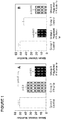
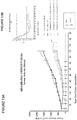
- Figure 1 illustrates the effects of control, IFN-beta-1a, and pegylated IFN-beta-1a on the formation of tumor induced blood vessels in nude mice inoculated with SK-MEL-1 human melanoma cells.
- Pegylated IFN-beta-1a was significantly more effective at reducing formation of tumor induced blood vessels.
- pegylated IFN-beta-1a given once on day 1 was more effective than IFN-beta-1a given once on day 1. See Figure 1A .
- Pegylated IFN-beta-1a given once on day 1 was comparable (slightly superior) to IFN-beta-1a given daily on days 1-9. See Figure 1B . It is unlikely that the human protein acts on murine vessel cells since human IFN-beta-1a is not active on murine (L929) cells at concentrations 10-fold greater than required for full activity of murine IFN-beta (i.e. species specificity is required). Pegylated IFN-beta-1a is more likely to act on the tumor itself by either specifically inhibiting the production of pro-angiogenic factors or inhibiting the growth of the tumor and thereby indirectly inhibiting the production of pro-angiogenic factors.
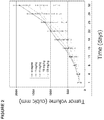
- Figure 2 illustrates the effects of different doses of PD 325901 on SK-MEL-1 tumor volume in nude mice inoculated with SK-MEL-1 human melanoma cells. From this experiment, the dose of 15 mg/kg of PD 325901 was chosen as a sub-optimal dose.
- mice were inoculated with 2X10 6 SK-MEL-1 human melanoma cells (1 injection in flank; 1 injection per mouse) and 100-200 cubic mm tumors were established.
- pegylated IFN ⁇ -1a was provided in 20mM acetic acid/sodium acetate at a pH of 4.8 and 150 mM arginine/HCl containing 15 mg/mL human serum albumin (HSA).
- HSA human serum albumin
- Mice (10 per group) were randomized and treated with either:
- Tumors were measured every 3 days using calipers and volume was calculated for a prolate spheroid. The identity of the vehicle control for pegylated interferon-beta-1a vehicle (HSA) and pegylated Interferon-beta-1a was blinded. Tumors were removed 8 hours post last dose and frozen for ERK phosphorylation analysis.
- HSA pegylated interferon-beta-1a
- HSA pegylated Interferon-beta-1a
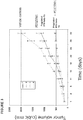
- Figure 3 illustrates the effects of vehicle controls, PD325901, pegylated Interferon-beta-1a, pegylated Interferon-beta-1a and PD325901 on SK-MEL-1 tumor volume in nude mice inoculated with SK-MEL-1 human melanoma cells.
- Figure 3 illustrates a significant difference between all treatment groups and vehicle control group.
- Figure 3 also shows a significant difference between tumor volume of the mice treated with both pegylated Interferon-beta-1a and PD325901, as compared to either single agent.
- PD325901 (-4.52), pegylated Interferon-beta-1a (-4.77) and pegylated Interferon-beta-1a and PD325901 (-8.63).
- PD325901, and pegylated Interferon-beta-1a and PD325901 treated groups showed significant inhibition of ERK phosphorylation compared to vehicle and pegylated Interferon-beta-1a treated groups. See Figure 4 .
- mice 8-10 week old nude mice from Charles River Labs were inoculated subcutaneously with 2X10 6 A375 human melanoma cells with 50% matrigel in the flank region. When the average tumor volumes reached approximately 200 mm 3 , the tumor-bearing mice were randomized to treatment groups.
- Pegylated IFN ⁇ -1a was provided in 20mM acetic acid/sodium acetate at a pH of 4.8 and 150 mM arginine/HCl (4.8A buffer). 20mM acetic acid/sodium acetate at a pH of 4.8 and 150 mM arginine/HCl (4.8A buffer) was used as a vehicle control.
- Temozolomide was provided in 0.2% hydroxyl propyl methyl cellulose (HPMC) buffer solution. HPMC buffer was used as a vehicle control.
- mice (7-9 per group) were randomized and treated as summarized in Table 1.
- Table 1 Study design to investigate the efficacy of pegylated Interferon-beta-1a alone and in combination with Temozolomide in nude mice carrying human A-375 melanoma tumors.
- Figure 5 illustrates tumor volume in nude mice of human A-375 melanoma tumors after treatment with vehicle controls, pegylated Interferon-beta-1a alone, temozolomide alone, and pegylated Interferon-beta-1a in combination with temozolomide.
- mice treated with the combination of pegylated Interferon-beta-1a in and temozolomide demonstrated a larger inhibition of tumor growth in comparison to mice treated with either agent alone or with vehicle alone.
- Tumor growth curves for mice treated with 0.1, 0.2, 0.4, 0.8 or 1.6 mg/kg of pegylated Interferon-beta-1a revealed that tumor growth inhibition increases in mice as the dosages increase (data not shown). However, tumor growth inhibition is almost similar in mice treated with 0.4 or 0.8 mg/kg of pegylated Interferon-beta-1a (data not shown). Additionally, mice treated with 1.6 mg/kg of pegylated Interferon-beta-1a demonstrated an even larger tumor growth inhibition than in mice treated with 0.4 or 0.8 mg/kg of pegylated Interferon-beta-1a (data not shown).
- mice 8-10 week old SCID mice from Charles River Labs were inoculated subcutaneously with 2 x 10 6 SN12C renal carcinoma cells with 50 % matrigel in the flank region. When the average tumor volumes reached approximately 250 mm 3 the tumor-bearing mice were randomized to treatment groups.
- Pegylated IFN ⁇ -1a was provided in 20mM acetic acid/sodium acetate at a pH of 4.8 and 150 mM arginine/HCl (4.8A buffer).
- Sorafenib was provided in a Cremophor Ethanol Saline mixture (CES buffer).
- Bevacizumab was provided in phosphate buffered saline (PBS) buffer.
- Temsirolimus was provided in buffer containing 0.9% NaCl.
- mice (9-10 per group) were randomized and treated as summarized in Table 2.
- Table 2 Study design to investigate the efficacy of pegylated Interferon-beta-1a alone and in combination with Sorafenib, Bevacizumab, and Temsirolimus in SCID mice carrying SN12C renal carcinoma tumors.
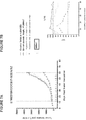
- Figure 6A illustrates tumor volume in SCID mice of human SN12C renal carcinoma tumors after treatment with vehicle controls, 0.8 mg/kg or 1.6 mg/kg pegylated Interferon-beta-1a.
- Figure 6B illustrates %T/C in SCID mice of human SN12C renal carcinoma tumors after treatment with vehicle controls, 0.8 mg/kg or 1.6 mg/kg pegylated Interferon-beta-1a. As observed, the mice treated with pegylated Interferon-beta-1a demonstrated tumor growth inhibition.
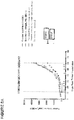
- Figure 7A illustrates tumor volume in SCID mice of human SN12C renal carcinoma tumors after treatment with vehicle controls, 4 mg/kg bevacizumab alone, 0.8 mg/kg of pegylated Interferon-beta-1a and a combination of bevacizumab and pegylated Interferon-beta-1a.
- Figure 7B illustrates %T/C in SCID mice of human SN12C renal carcinoma tumors after treatment with vehicle controls, bevacizumab alone at 4 mg/kg, 0.8 mg/kg of pegylated Interferon-beta-1a and a combination of bevacizumab and pegylated Interferon-beta-1a.
- mice treated with a combination of 0.8 mg/kg of pegylated Interferon-beta-1a and 4 mg/kg bevacizumab demonstrated a greater tumor growth inhibition. This is confirmed by repeated measures ANOVA followed by Dunnett's post test (Anova-Dunnett) statistical analysis results showing p-values of p ⁇ 0.01 for tumor growth inhibition in pegylated interferon beta 1a- and bevacizumab-treated mice versus pegylated interferon beta 1a-treated mice, p ⁇ 0.001 for tumor growth inhibition in pegylated interferon beta 1a- and bevacizumab-treated mice versus bevacizumab-treated mice, and p ⁇ 0.001 for tumor growth inhibition in pegylated interferon beta 1a- and bevacizumab-treated mice versus vehicle control-treated mice.
- Pegylated interferon beta 1a at 0.8 mg/kg dosed in combination with 4 mg/kg bevacizumab showed statistically significant tumor growth
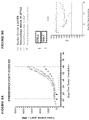
- Figure 8A illustrates tumor volume in SCID mice of human SN12C renal carcinoma tumors after treatment with control vehicles, sorafenib at 60 mg/kg, pegylated interferon beta 1a at 0.8 mg/kg and a combination of sorafenib and pegylated interferon beta 1a in a concurrent dosing schedule.
- sorafenib at 60 mg/kg
- pegylated interferon beta 1a at 0.8 mg/kg
- a combination of sorafenib and pegylated interferon beta 1a in a concurrent dosing schedule.
- mice treated with a combination of sorafenib and pegylated interferon beta 1a demonstrated a greater tumor growth inhibition.
- Figure 8B illustrates tumor volume in SCID mice of human SN12C renal carcinoma tumors after treatment with control vehicles, sorafenib alone, pegylated interferon beta 1a alone, and a combination of sorafenib and pegylated interferon beta 1a in a sequential dosing schedule.
- mice treated with a combination of sorafenib and pegylated interferon beta 1a demonstrated a greater tumor growth inhibition.
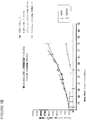
- Figure 9A illustrates tumor volume in SCID mice of human SN12C renal carcinoma tumors after treatment with vehicle controls, 50 mg/kg temsirolimus alone, 0.8 mg/kg of pegylated Interferon-beta-1a alone, and a combination of temsirolimus and pegylated Interferon-beta-1a.
- Figure 9B illustrates %T/C in SCID mice of human SN12C renal carcinoma tumors after treatment with vehicle controls, temsirolimus alone at 50 mg/kg, 0.8 mg/kg of pegylated Interferon-beta-1a and a combination of temsirolimus and pegylated Interferon-beta-1a.
- mice treated with a combination of 0.8 mg/kg of pegylated Interferon-beta-1a and 50 mg/kg temsirolimus demonstrated a greater inhibition of tumor growth. This is confirmed by repeated measures ANOVA followed by Dunnett's post test (Anova-Dunnett) statistical analysis results showing p-values of p ⁇ 0.001 for tumor growth inhibition in pegylated interferon beta 1a- and temsirolimus-treated mice versus vehicle control-treated mice, p ⁇ 0.001 for tumor growth inhibition in pegylated interferon beta 1a- and temsirolimus-treated mice versus pegylated interferon beta 1a-treated mice, p ⁇ 0.001 for tumor growth inhibition in pegylated interferon beta 1a- and temsirolimus-treated mice versus temsirolimus-treated mice. Mice treated with pegylated interferon beta 1a (0.8 mg/kg) in combination with temsirolimus showed significantly
- mice 8-10 week old nude mice from Charles River Labs were inoculated subcutaneously with 1 x 10 6 SW620 colon carcinoma cells with 50 % matrigel in the flank region. When the average tumor volumes reached approximately 200 mm 3 , the tumor-bearing mice were randomized to treatment groups.
- Pegylated IFN ⁇ -1a was provided in 20mM acetic acid/sodium acetate at a pH of 4.8 and 150 mM arginine/HCl (4.8A buffer). Mice were randomized and treated as summarized in Table 3.
- Table 3 Study design to investigate the efficacy of pegylated Interferon-beta-1a alone and in combination with paclitaxel in nude mice carrying human SW620 colon carcinoma tumors.
- Figure 10 illustrates tumor volume in nude mice of human SW-620 colon carcinoma tumors after treatment with vehicle control (4.8A buffer), and pegylated IFN-beta-1a at concentrations of 0.4 mg/kg, 0.8 mg/kg and 1.6 mg/kg. Mice were injected subcutaneously twice a week (BIW) for 4 weeks. As observed, the inhibition of tumor growth is dose dependent.
- Figure 11 illustrates tumor volume in nude mice of human SW-620 colon carcinoma tumors after treatment with vehicle controls, avastin (bevacizumab) alone, irinotecan alone, pegylated Interferon-beta-1a alone, a combination of avastin and pegylated Interferon-beta-1a, and a combination of irinotecan and pegylated Interferon-beta-1a.
- Avastin demonstrated a greater inhibition of tumor growth compared to mice treated with either agent alone.
- mice treated with a combination of 0.8 mg/kg of pegylated Interferon-beta-1a and 10mg/kg irinotecan demonstrated the same tumor growth inhibition as mice treated with irinotecan alone.
- mice 8-10 week old SCID mice from Charles River Labs were inoculated subcutaneously with 5 x 10 6 MDA-MB-231 breast carcinoma cells with 50 % matrigel in the flank region. When the average tumor volumes reached approximately 200 mm 3 the tumor-bearing mice were randomized to treatment groups.
- Pegylated IFN ⁇ -1a was provided in 20mM acetic acid/sodium acetate at a pH of 4.8 and 150 mM arginine/HCl (4,8A buffer).
- Paclitaxel was provided in a Cremophor Ethanol Saline mixture (CES buffer).
- mice (10 per group) were randomized and treated as summarized in Table 4.
- Table 4 Study design to investigate the efficacy of pegylated Interferon-beta-1a alone and in combination with paclitaxel in SCID mice carrying human MDA-MB-231 breast carcinoma tumors.
- Figure 12 illustrates tumor volume in SCID mice of human MDA-MB-231 breast carcinoma tumors treated with vehicle controls and paclitaxel. As observed, mice treated with paclitaxel demonstrated a greater inhibition of tumor growth compared to mice treated with vehicle controls.
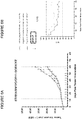
- Figure 13A illustrates tumor volume in SCID mice of human MDA-MB-231 breast carcinoma tumors treated with vehicle controls and pegylated IFN-beta-1a at 0.4 mg/kg, 0.8 mg/kg and 1.6 mg/kg doses.
- Figure 13B summarizes %T/C in SCID mice of human MDA-MB-231 breast carcinoma tumors treated with vehicle controls and pegylated IFN-beta-1a at 0.4 mg/kg, 0.8 mg/kg and 1.6 mg/kg doses.
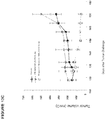
- Figure 13C illustrates tumor volume in nude mice of human MDA-MB-468 breast carcinoma tumors treated with vehicle control, IFN-beta-1a, or pegylated IFN-beta-1a. As observed, mice treated with pegylated IFN-beta-1a demonstrated a greater inhibition of tumor growth compared to mice treated with IFN-beta-1a or vehicle control.
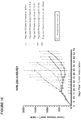
- Figure 14A illustrates tumor volume in SCID mice of human MDA-MB-231 breast carcinoma tumors treated with vehicle control, 0.8 mg/kg pegylated IFN-beta-1a alone, 25 mg/kg paclitaxel alone, and a combination of 0.8 mg/kg pegylated IFN-beta-1a and 25 mg/kg paclitaxel.
- Figure 14B summarizes %T/C in SCID mice of human MDA-MB-231 breast carcinoma tumors treated with vehicle control, 0.8 mg/kg pegylated IFN-beta-1a alone, 25 mg/kg paclitaxel alone and a combination of 0.8 mg/kg pegylated IFN-beta-1a and 25 mg/kg paclitaxel.
- Figure 15A illustrates tumor volume in SCID mice of human MDA-MB-231 breast carcinoma tumors treated with vehicle control, 1.6 mg/kg pegylated IFN-beta-1a alone, 25 mg/kg paclitaxel alone, and a combination of 1.6 mg/kg pegylated IFN-beta-1a and 25 mg/kg paclitaxel.
- Figure 15B summarizes %T/C in SCID mice of human MDA-MB-231 breast carcinoma tumors treated with vehicle control, 1.6 mg/kg pegylated IFN-beta-1a alone, 25 mg/kg paclitaxel alone and a combination of 1.6 mg/kg pegylated IFN-beta-1a and 25 mg/kg paclitaxel.
- mice 8-10 week old nude mice from Charles River Labs were inoculated subcutaneously with 2 x 10 6 WM-266-4 melanoma cells with 50 % matrigel in the flank region. When the average tumor volumes reached approximately 400 mm 3 the tumor-bearing mice were randomized to treatment groups. Nude mice with WM-266-4 tumors (400 cubic mm) were dosed with vehicle control, 0.1, 0.2, 0.4, or 0.8 mg/kg PEG IFN beta-1a SC BIW for 4 weeks with post dose follow up. The mice were examined for dose-dependent tumor inhibition/regression and tumor regrowth during follow up.
- nude mice with WM-266-4 tumors (200 mm3) were dosed with vehicle control, 0.4, 0.8, or 1.6 mg/kg PEG IFN beta-1a SC once a week (QW), twice a week (BIW), or three times a week (TIW) for 4 weeks with post-dose follow up.
- vehicle-treated control tumors were allowed to grow to an average of 2000 mm 3 .
- Mice were then treated with 0.8, or 1.6 mg/kg PEG IFN beta-1a on day 46 twice a week for 4 weeks (BIWX4).
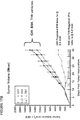
- Figure 16 illustrates tumor volume in nude mice of human WM-266-4 melanoma tumors treated with vehicle control, and pegylated interferon-beta-1a at 0.1 mg/kg, 0.2 mg/kg, 0.4 mg/kg and 0.8 mg/kg. As observed, there is significant difference (p ⁇ 0.001) in tumor inbihition between vehicle control-treated mice and mice treated with 0.2-0.8 mg/kg doses. The mice also exhibited a dose-dependent tumor inhibition/regression on drug and upon tumor regrowth.
- FIGS 17A-C illustrates tumor volume in nude mice of human WM-266-4 melanoma tumors treated with vehicle control, 0.4mg/kg, 0.8 mg/kg or 1.6 mg/kg pegylated interferon-beta-1a once a week (QW), twice a week (BIW), or three times a week (TIW).
- QW a week
- BIW twice a week
- TIW three times a week
- the mice exhibited a dose-dependent tumor inhibition/regression on drug and upon tumor regrowth. Tumor regression of large tumors (2000-2400 cubic mm) was also observed in these experiments. See Figure 18 .
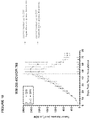
- Figures 19 A-C illustrates the effect on caspase activation and PARP cleavage in WM-266-4 melanoma cells treated with pegylated interferon-beta-1a for 48 hours.
Landscapes
- Health & Medical Sciences (AREA)
- Life Sciences & Earth Sciences (AREA)
- Chemical & Material Sciences (AREA)
- Medicinal Chemistry (AREA)
- General Health & Medical Sciences (AREA)
- Pharmacology & Pharmacy (AREA)
- Veterinary Medicine (AREA)
- Public Health (AREA)
- Animal Behavior & Ethology (AREA)
- Epidemiology (AREA)
- Bioinformatics & Cheminformatics (AREA)
- Engineering & Computer Science (AREA)
- Organic Chemistry (AREA)
- Nuclear Medicine, Radiotherapy & Molecular Imaging (AREA)
- General Chemical & Material Sciences (AREA)
- Chemical Kinetics & Catalysis (AREA)
- Immunology (AREA)
- Proteomics, Peptides & Aminoacids (AREA)
- Zoology (AREA)
- Endocrinology (AREA)
- Gastroenterology & Hepatology (AREA)
- Biochemistry (AREA)
- Biophysics (AREA)
- Genetics & Genomics (AREA)
- Molecular Biology (AREA)
- Mycology (AREA)
- Microbiology (AREA)
- Urology & Nephrology (AREA)
- Dermatology (AREA)
- Reproductive Health (AREA)
- Medicines That Contain Protein Lipid Enzymes And Other Medicines (AREA)
- Pharmaceuticals Containing Other Organic And Inorganic Compounds (AREA)
- Medicines Containing Antibodies Or Antigens For Use As Internal Diagnostic Agents (AREA)
- Acyclic And Carbocyclic Compounds In Medicinal Compositions (AREA)
Applications Claiming Priority (2)
| Application Number | Priority Date | Filing Date | Title |
|---|---|---|---|
| US38900910P | 2010-10-01 | 2010-10-01 | |
| PCT/US2011/053681 WO2012044684A2 (en) | 2010-10-01 | 2011-09-28 | Interferon-beta for use as monotherapy or in combination with other cancer therapies |
Publications (3)
| Publication Number | Publication Date |
|---|---|
| EP2621516A2 EP2621516A2 (en) | 2013-08-07 |
| EP2621516A4 EP2621516A4 (en) | 2014-04-09 |
| EP2621516B1 true EP2621516B1 (en) | 2016-06-22 |
Family
ID=45890011
Family Applications (1)
| Application Number | Title | Priority Date | Filing Date |
|---|---|---|---|
| EP11829825.6A Not-in-force EP2621516B1 (en) | 2010-10-01 | 2011-09-28 | Interferon-beta for use as monotherapy or in combination with other cancer therapies |
Country Status (9)
| Country | Link |
|---|---|
| US (2) | US20120082647A1 (enExample) |
| EP (1) | EP2621516B1 (enExample) |
| JP (2) | JP2013538856A (enExample) |
| AU (2) | AU2011308906B2 (enExample) |
| CA (1) | CA2813304A1 (enExample) |
| ES (1) | ES2587837T3 (enExample) |
| MX (1) | MX2013003599A (enExample) |
| NZ (2) | NZ705124A (enExample) |
| WO (1) | WO2012044684A2 (enExample) |
Families Citing this family (8)
| Publication number | Priority date | Publication date | Assignee | Title |
|---|---|---|---|---|
| US9295669B2 (en) | 2010-12-14 | 2016-03-29 | Hoffman La-Roche Inc. | Combination therapy for proliferative disorders |
| EP2958584A1 (en) | 2013-02-20 | 2015-12-30 | Yeda Research and Development Co., Ltd. | Interferon treatment targeting mutant p53 expressing cells |
| WO2014130811A1 (en) * | 2013-02-22 | 2014-08-28 | Biogen Idec Ma Inc | Interferon beta formulation |
| ES2736503T3 (es) * | 2014-04-04 | 2020-01-02 | Ares Trading Sa | Nuevos análogos de la proteína IFN beta |
| CN107427492B (zh) * | 2014-11-19 | 2021-03-26 | 查岱龙 | 用于治疗癌症的医药组合物、其方法及筛选药物的生物标记 |
| KR102666000B1 (ko) * | 2016-07-29 | 2024-05-14 | 서울대학교 산학협력단 | cFLIP siRNA를 포함하는 인터페론 베타 저항성 암 질환 치료용 또는 감작용 조성물 |
| CN112569358B (zh) * | 2019-09-30 | 2022-06-28 | 上海生物制品研究所有限责任公司 | 培干扰素和原癌基因产物靶向抑制剂在协同抑制肿瘤中的应用 |
| CN121197419A (zh) * | 2019-09-30 | 2025-12-26 | 上海生物制品研究所有限责任公司 | 培干扰素和原癌基因产物靶向抑制剂在协同治疗肾癌中的应用 |
Family Cites Families (21)
| Publication number | Priority date | Publication date | Assignee | Title |
|---|---|---|---|---|
| US3773919A (en) | 1969-10-23 | 1973-11-20 | Du Pont | Polylactide-drug mixtures |
| IE52535B1 (en) | 1981-02-16 | 1987-12-09 | Ici Plc | Continuous release pharmaceutical compositions |
| US4475196A (en) | 1981-03-06 | 1984-10-02 | Zor Clair G | Instrument for locating faults in aircraft passenger reading light and attendant call control system |
| US4447233A (en) | 1981-04-10 | 1984-05-08 | Parker-Hannifin Corporation | Medication infusion pump |
| US4439196A (en) | 1982-03-18 | 1984-03-27 | Merck & Co., Inc. | Osmotic drug delivery system |
| US4447224A (en) | 1982-09-20 | 1984-05-08 | Infusaid Corporation | Variable flow implantable infusion apparatus |
| US4487603A (en) | 1982-11-26 | 1984-12-11 | Cordis Corporation | Implantable microinfusion pump system |
| US4486194A (en) | 1983-06-08 | 1984-12-04 | James Ferrara | Therapeutic device for administering medicaments through the skin |
| US4596556A (en) | 1985-03-25 | 1986-06-24 | Bioject, Inc. | Hypodermic injection apparatus |
| US4790824A (en) | 1987-06-19 | 1988-12-13 | Bioject, Inc. | Non-invasive hypodermic injection device |
| US4941880A (en) | 1987-06-19 | 1990-07-17 | Bioject, Inc. | Pre-filled ampule and non-invasive hypodermic injection device assembly |
| US5312335A (en) | 1989-11-09 | 1994-05-17 | Bioject Inc. | Needleless hypodermic injection device |
| US5064413A (en) | 1989-11-09 | 1991-11-12 | Bioject, Inc. | Needleless hypodermic injection device |
| US5383851A (en) | 1992-07-24 | 1995-01-24 | Bioject Inc. | Needleless hypodermic injection device |
| PL174772B1 (pl) | 1993-01-06 | 1998-09-30 | Kinerton Ltd | Kompozycja farmaceutyczna zawierająca jonowy konjugat cząsteczkowy |
| DK1656952T3 (da) * | 1998-10-16 | 2014-01-20 | Biogen Idec Inc | Polyalkylenglycolkonjugater af interferon beta-1A og anvendelser deraf |
| WO2004020468A2 (en) * | 2002-08-28 | 2004-03-11 | Maxygen Aps | Interferon beta-like molecules for treatment of cancer |
| GEP20084486B (en) * | 2002-12-26 | 2008-09-25 | Mountain View Pharmaceuticals | Polymer conjugates of interferon-beta with enhanced biological potency |
| US20070105887A1 (en) * | 2005-11-04 | 2007-05-10 | Wyeth | Antineoplastic combinations of temsirolimus and sunitinib malate |
| US20080038224A1 (en) * | 2006-03-28 | 2008-02-14 | Thierry Guyon | Modified interferon-beta (IFN-beta) polypeptides |
| BRPI0816769A2 (pt) * | 2007-09-12 | 2016-11-29 | Hoffmann La Roche | combinações de compostos inibidores de fosfoinositida 3-cinase e agentes quimioterapêuticos, e métodos de uso |
-
2011
- 2011-09-28 US US13/247,556 patent/US20120082647A1/en not_active Abandoned
- 2011-09-28 MX MX2013003599A patent/MX2013003599A/es unknown
- 2011-09-28 NZ NZ705124A patent/NZ705124A/en not_active IP Right Cessation
- 2011-09-28 ES ES11829825.6T patent/ES2587837T3/es active Active
- 2011-09-28 WO PCT/US2011/053681 patent/WO2012044684A2/en not_active Ceased
- 2011-09-28 CA CA2813304A patent/CA2813304A1/en not_active Abandoned
- 2011-09-28 AU AU2011308906A patent/AU2011308906B2/en not_active Ceased
- 2011-09-28 JP JP2013531769A patent/JP2013538856A/ja active Pending
- 2011-09-28 NZ NZ608630A patent/NZ608630A/en not_active IP Right Cessation
- 2011-09-28 EP EP11829825.6A patent/EP2621516B1/en not_active Not-in-force
-
2015
- 2015-10-15 US US14/884,530 patent/US20160228513A1/en not_active Abandoned
-
2016
- 2016-09-15 AU AU2016228234A patent/AU2016228234A1/en not_active Abandoned
- 2016-09-16 JP JP2016181104A patent/JP2017025086A/ja active Pending
Also Published As
| Publication number | Publication date |
|---|---|
| ES2587837T3 (es) | 2016-10-27 |
| US20160228513A1 (en) | 2016-08-11 |
| EP2621516A2 (en) | 2013-08-07 |
| AU2011308906B2 (en) | 2016-06-16 |
| AU2016228234A1 (en) | 2016-10-06 |
| WO2012044684A3 (en) | 2012-06-28 |
| US20120082647A1 (en) | 2012-04-05 |
| MX2013003599A (es) | 2013-07-29 |
| JP2017025086A (ja) | 2017-02-02 |
| CA2813304A1 (en) | 2012-04-05 |
| NZ705124A (en) | 2016-08-26 |
| EP2621516A4 (en) | 2014-04-09 |
| WO2012044684A2 (en) | 2012-04-05 |
| JP2013538856A (ja) | 2013-10-17 |
| NZ608630A (en) | 2015-03-27 |
| AU2011308906A1 (en) | 2013-05-02 |
Similar Documents
| Publication | Publication Date | Title |
|---|---|---|
| US20160228513A1 (en) | Treatment of melanoma with interferon-beta and ras-raf-mek-erk inhibitor combination therapy | |
| JP7296958B2 (ja) | 手術前、手術中または手術後に投与するためのglp-2類似体及びglp-2ペプチボディ | |
| EP3065765B1 (en) | Use of il-22 dimers in manufacture of medicaments for treating pancreatitis | |
| WO2021022256A1 (en) | Combined cancer therapy of anti-galectin-9 antibodies and chemotherapeutics | |
| AU2011301153A1 (en) | Companion animal treatments | |
| WO2022109302A1 (en) | Anti-galectin-9 antibodies and therapeutic uses thereof | |
| CN101896190A (zh) | 用α胸腺肽和抗细胞毒性T淋巴细胞相关抗原4(CTLA4)的抗体的组合治疗黑素瘤 | |
| WO2025034698A1 (en) | Controlled release formulation and minimally invasive method of administration | |
| TW202417505A (zh) | Actrii抗體固定單位劑量治療 | |
| US7842292B2 (en) | Methods for treating B-cell malignancies using a TACI-Ig fusion molecule | |
| JP2009539916A (ja) | ステージIVの悪性黒色腫の処置のための医薬品の製造のためのチモシンα1の使用 | |
| WO2017176565A1 (en) | Combinations of an anti-b7-h1 antibody and a cxcr4 peptide antagonist for treating a solid tumor | |
| AU2024287304A1 (en) | Compositions and methods for treating multiple sclerosis | |
| JP2022534494A (ja) | 抗cd40抗体の安全な投与を提供する方法 | |
| Zalcberg et al. | A phase III study of the intralesional injection of ricin-monoclonal antibody conjugates in patients with hepatic metastases | |
| WO2019173903A1 (en) | Improvements in cd47 blockade therapy by egfr antibody | |
| WO2006122431A1 (en) | Triazine compounds and compositions thereof for the treatment of cancers | |
| RU2597795C2 (ru) | Ингибитор скопления жидкости в полостях организма | |
| CN101466395A (zh) | 胸腺素α1制备用于治疗恶性黑色素瘤第Ⅳ期的药物中的用途 | |
| WO2026084962A2 (en) | Composition and method of treating human t cell lymphotropic virus associated disease | |
| AU2004242456B2 (en) | CML therapy | |
| JP2023549343A (ja) | 短腸症候群及び/または排泄過多オストミーの治療方法 | |
| WO2014130811A1 (en) | Interferon beta formulation | |
| JP2004143113A (ja) | インターフェロン製剤及びその投与システム |
Legal Events
| Date | Code | Title | Description |
|---|---|---|---|
| PUAI | Public reference made under article 153(3) epc to a published international application that has entered the european phase |
Free format text: ORIGINAL CODE: 0009012 |
|
| 17P | Request for examination filed |
Effective date: 20130501 |
|
| AK | Designated contracting states |
Kind code of ref document: A2 Designated state(s): AL AT BE BG CH CY CZ DE DK EE ES FI FR GB GR HR HU IE IS IT LI LT LU LV MC MK MT NL NO PL PT RO RS SE SI SK SM TR |
|
| DAX | Request for extension of the european patent (deleted) | ||
| RIC1 | Information provided on ipc code assigned before grant |
Ipc: A61K 38/21 20060101AFI20140225BHEP Ipc: A61P 35/00 20060101ALI20140225BHEP |
|
| A4 | Supplementary search report drawn up and despatched |
Effective date: 20140306 |
|
| 17Q | First examination report despatched |
Effective date: 20150119 |
|
| RAP1 | Party data changed (applicant data changed or rights of an application transferred) |
Owner name: BIOGEN MA INC. |
|
| GRAP | Despatch of communication of intention to grant a patent |
Free format text: ORIGINAL CODE: EPIDOSNIGR1 |
|
| INTG | Intention to grant announced |
Effective date: 20160108 |
|
| GRAS | Grant fee paid |
Free format text: ORIGINAL CODE: EPIDOSNIGR3 |
|
| GRAA | (expected) grant |
Free format text: ORIGINAL CODE: 0009210 |
|
| AK | Designated contracting states |
Kind code of ref document: B1 Designated state(s): AL AT BE BG CH CY CZ DE DK EE ES FI FR GB GR HR HU IE IS IT LI LT LU LV MC MK MT NL NO PL PT RO RS SE SI SK SM TR |
|
| REG | Reference to a national code |
Ref country code: GB Ref legal event code: FG4D |
|
| REG | Reference to a national code |
Ref country code: CH Ref legal event code: EP |
|
| REG | Reference to a national code |
Ref country code: IE Ref legal event code: FG4D |
|
| REG | Reference to a national code |
Ref country code: AT Ref legal event code: REF Ref document number: 807267 Country of ref document: AT Kind code of ref document: T Effective date: 20160715 |
|
| REG | Reference to a national code |
Ref country code: DE Ref legal event code: R096 Ref document number: 602011027632 Country of ref document: DE |
|
| REG | Reference to a national code |
Ref country code: FR Ref legal event code: PLFP Year of fee payment: 6 |
|
| REG | Reference to a national code |
Ref country code: LT Ref legal event code: MG4D |
|
| REG | Reference to a national code |
Ref country code: ES Ref legal event code: FG2A Ref document number: 2587837 Country of ref document: ES Kind code of ref document: T3 Effective date: 20161027 |
|
| REG | Reference to a national code |
Ref country code: NL Ref legal event code: MP Effective date: 20160622 |
|
| PG25 | Lapsed in a contracting state [announced via postgrant information from national office to epo] |
Ref country code: FI Free format text: LAPSE BECAUSE OF FAILURE TO SUBMIT A TRANSLATION OF THE DESCRIPTION OR TO PAY THE FEE WITHIN THE PRESCRIBED TIME-LIMIT Effective date: 20160622 Ref country code: NO Free format text: LAPSE BECAUSE OF FAILURE TO SUBMIT A TRANSLATION OF THE DESCRIPTION OR TO PAY THE FEE WITHIN THE PRESCRIBED TIME-LIMIT Effective date: 20160922 Ref country code: LT Free format text: LAPSE BECAUSE OF FAILURE TO SUBMIT A TRANSLATION OF THE DESCRIPTION OR TO PAY THE FEE WITHIN THE PRESCRIBED TIME-LIMIT Effective date: 20160622 |
|
| PGFP | Annual fee paid to national office [announced via postgrant information from national office to epo] |
Ref country code: DE Payment date: 20160830 Year of fee payment: 6 Ref country code: GB Payment date: 20160727 Year of fee payment: 6 |
|
| REG | Reference to a national code |
Ref country code: AT Ref legal event code: MK05 Ref document number: 807267 Country of ref document: AT Kind code of ref document: T Effective date: 20160622 |
|
| PG25 | Lapsed in a contracting state [announced via postgrant information from national office to epo] |
Ref country code: LV Free format text: LAPSE BECAUSE OF FAILURE TO SUBMIT A TRANSLATION OF THE DESCRIPTION OR TO PAY THE FEE WITHIN THE PRESCRIBED TIME-LIMIT Effective date: 20160622 Ref country code: HR Free format text: LAPSE BECAUSE OF FAILURE TO SUBMIT A TRANSLATION OF THE DESCRIPTION OR TO PAY THE FEE WITHIN THE PRESCRIBED TIME-LIMIT Effective date: 20160622 Ref country code: GR Free format text: LAPSE BECAUSE OF FAILURE TO SUBMIT A TRANSLATION OF THE DESCRIPTION OR TO PAY THE FEE WITHIN THE PRESCRIBED TIME-LIMIT Effective date: 20160923 Ref country code: NL Free format text: LAPSE BECAUSE OF FAILURE TO SUBMIT A TRANSLATION OF THE DESCRIPTION OR TO PAY THE FEE WITHIN THE PRESCRIBED TIME-LIMIT Effective date: 20160622 Ref country code: RS Free format text: LAPSE BECAUSE OF FAILURE TO SUBMIT A TRANSLATION OF THE DESCRIPTION OR TO PAY THE FEE WITHIN THE PRESCRIBED TIME-LIMIT Effective date: 20160622 Ref country code: SE Free format text: LAPSE BECAUSE OF FAILURE TO SUBMIT A TRANSLATION OF THE DESCRIPTION OR TO PAY THE FEE WITHIN THE PRESCRIBED TIME-LIMIT Effective date: 20160622 |
|
| PGFP | Annual fee paid to national office [announced via postgrant information from national office to epo] |
Ref country code: FR Payment date: 20160921 Year of fee payment: 6 |
|
| PGFP | Annual fee paid to national office [announced via postgrant information from national office to epo] |
Ref country code: ES Payment date: 20160830 Year of fee payment: 6 |
|
| PG25 | Lapsed in a contracting state [announced via postgrant information from national office to epo] |
Ref country code: IS Free format text: LAPSE BECAUSE OF FAILURE TO SUBMIT A TRANSLATION OF THE DESCRIPTION OR TO PAY THE FEE WITHIN THE PRESCRIBED TIME-LIMIT Effective date: 20161022 Ref country code: RO Free format text: LAPSE BECAUSE OF FAILURE TO SUBMIT A TRANSLATION OF THE DESCRIPTION OR TO PAY THE FEE WITHIN THE PRESCRIBED TIME-LIMIT Effective date: 20160622 Ref country code: SK Free format text: LAPSE BECAUSE OF FAILURE TO SUBMIT A TRANSLATION OF THE DESCRIPTION OR TO PAY THE FEE WITHIN THE PRESCRIBED TIME-LIMIT Effective date: 20160622 Ref country code: EE Free format text: LAPSE BECAUSE OF FAILURE TO SUBMIT A TRANSLATION OF THE DESCRIPTION OR TO PAY THE FEE WITHIN THE PRESCRIBED TIME-LIMIT Effective date: 20160622 Ref country code: CZ Free format text: LAPSE BECAUSE OF FAILURE TO SUBMIT A TRANSLATION OF THE DESCRIPTION OR TO PAY THE FEE WITHIN THE PRESCRIBED TIME-LIMIT Effective date: 20160622 |
|
| PG25 | Lapsed in a contracting state [announced via postgrant information from national office to epo] |
Ref country code: BE Free format text: LAPSE BECAUSE OF NON-PAYMENT OF DUE FEES Effective date: 20160622 Ref country code: PT Free format text: LAPSE BECAUSE OF FAILURE TO SUBMIT A TRANSLATION OF THE DESCRIPTION OR TO PAY THE FEE WITHIN THE PRESCRIBED TIME-LIMIT Effective date: 20161024 Ref country code: PL Free format text: LAPSE BECAUSE OF FAILURE TO SUBMIT A TRANSLATION OF THE DESCRIPTION OR TO PAY THE FEE WITHIN THE PRESCRIBED TIME-LIMIT Effective date: 20160622 Ref country code: SM Free format text: LAPSE BECAUSE OF FAILURE TO SUBMIT A TRANSLATION OF THE DESCRIPTION OR TO PAY THE FEE WITHIN THE PRESCRIBED TIME-LIMIT Effective date: 20160622 Ref country code: AT Free format text: LAPSE BECAUSE OF FAILURE TO SUBMIT A TRANSLATION OF THE DESCRIPTION OR TO PAY THE FEE WITHIN THE PRESCRIBED TIME-LIMIT Effective date: 20160622 |
|
| PGFP | Annual fee paid to national office [announced via postgrant information from national office to epo] |
Ref country code: IT Payment date: 20160929 Year of fee payment: 6 |
|
| REG | Reference to a national code |
Ref country code: DE Ref legal event code: R097 Ref document number: 602011027632 Country of ref document: DE |
|
| PG25 | Lapsed in a contracting state [announced via postgrant information from national office to epo] |
Ref country code: MC Free format text: LAPSE BECAUSE OF FAILURE TO SUBMIT A TRANSLATION OF THE DESCRIPTION OR TO PAY THE FEE WITHIN THE PRESCRIBED TIME-LIMIT Effective date: 20160622 |
|
| PLBE | No opposition filed within time limit |
Free format text: ORIGINAL CODE: 0009261 |
|
| REG | Reference to a national code |
Ref country code: CH Ref legal event code: PL |
|
| STAA | Information on the status of an ep patent application or granted ep patent |
Free format text: STATUS: NO OPPOSITION FILED WITHIN TIME LIMIT |
|
| 26N | No opposition filed |
Effective date: 20170323 |
|
| PG25 | Lapsed in a contracting state [announced via postgrant information from national office to epo] |
Ref country code: DK Free format text: LAPSE BECAUSE OF FAILURE TO SUBMIT A TRANSLATION OF THE DESCRIPTION OR TO PAY THE FEE WITHIN THE PRESCRIBED TIME-LIMIT Effective date: 20160622 |
|
| REG | Reference to a national code |
Ref country code: IE Ref legal event code: MM4A |
|
| PG25 | Lapsed in a contracting state [announced via postgrant information from national office to epo] |
Ref country code: CH Free format text: LAPSE BECAUSE OF NON-PAYMENT OF DUE FEES Effective date: 20160930 Ref country code: LI Free format text: LAPSE BECAUSE OF NON-PAYMENT OF DUE FEES Effective date: 20160930 Ref country code: IE Free format text: LAPSE BECAUSE OF NON-PAYMENT OF DUE FEES Effective date: 20160928 |
|
| PG25 | Lapsed in a contracting state [announced via postgrant information from national office to epo] |
Ref country code: LU Free format text: LAPSE BECAUSE OF NON-PAYMENT OF DUE FEES Effective date: 20160928 Ref country code: SI Free format text: LAPSE BECAUSE OF FAILURE TO SUBMIT A TRANSLATION OF THE DESCRIPTION OR TO PAY THE FEE WITHIN THE PRESCRIBED TIME-LIMIT Effective date: 20160622 |
|
| REG | Reference to a national code |
Ref country code: DE Ref legal event code: R119 Ref document number: 602011027632 Country of ref document: DE |
|
| GBPC | Gb: european patent ceased through non-payment of renewal fee |
Effective date: 20170928 |
|
| PG25 | Lapsed in a contracting state [announced via postgrant information from national office to epo] |
Ref country code: HU Free format text: LAPSE BECAUSE OF FAILURE TO SUBMIT A TRANSLATION OF THE DESCRIPTION OR TO PAY THE FEE WITHIN THE PRESCRIBED TIME-LIMIT; INVALID AB INITIO Effective date: 20110928 Ref country code: CY Free format text: LAPSE BECAUSE OF FAILURE TO SUBMIT A TRANSLATION OF THE DESCRIPTION OR TO PAY THE FEE WITHIN THE PRESCRIBED TIME-LIMIT Effective date: 20160622 |
|
| PG25 | Lapsed in a contracting state [announced via postgrant information from national office to epo] |
Ref country code: TR Free format text: LAPSE BECAUSE OF FAILURE TO SUBMIT A TRANSLATION OF THE DESCRIPTION OR TO PAY THE FEE WITHIN THE PRESCRIBED TIME-LIMIT Effective date: 20160622 Ref country code: MK Free format text: LAPSE BECAUSE OF FAILURE TO SUBMIT A TRANSLATION OF THE DESCRIPTION OR TO PAY THE FEE WITHIN THE PRESCRIBED TIME-LIMIT Effective date: 20160622 Ref country code: MT Free format text: LAPSE BECAUSE OF NON-PAYMENT OF DUE FEES Effective date: 20160930 |
|
| REG | Reference to a national code |
Ref country code: FR Ref legal event code: ST Effective date: 20180531 |
|
| PG25 | Lapsed in a contracting state [announced via postgrant information from national office to epo] |
Ref country code: BG Free format text: LAPSE BECAUSE OF FAILURE TO SUBMIT A TRANSLATION OF THE DESCRIPTION OR TO PAY THE FEE WITHIN THE PRESCRIBED TIME-LIMIT Effective date: 20160622 Ref country code: GB Free format text: LAPSE BECAUSE OF NON-PAYMENT OF DUE FEES Effective date: 20170928 Ref country code: DE Free format text: LAPSE BECAUSE OF NON-PAYMENT OF DUE FEES Effective date: 20180404 |
|
| PG25 | Lapsed in a contracting state [announced via postgrant information from national office to epo] |
Ref country code: IT Free format text: LAPSE BECAUSE OF NON-PAYMENT OF DUE FEES Effective date: 20170928 Ref country code: FR Free format text: LAPSE BECAUSE OF NON-PAYMENT OF DUE FEES Effective date: 20171002 |
|
| REG | Reference to a national code |
Ref country code: ES Ref legal event code: FD2A Effective date: 20181017 |
|
| PG25 | Lapsed in a contracting state [announced via postgrant information from national office to epo] |
Ref country code: AL Free format text: LAPSE BECAUSE OF FAILURE TO SUBMIT A TRANSLATION OF THE DESCRIPTION OR TO PAY THE FEE WITHIN THE PRESCRIBED TIME-LIMIT Effective date: 20160622 |
|
| PG25 | Lapsed in a contracting state [announced via postgrant information from national office to epo] |
Ref country code: ES Free format text: LAPSE BECAUSE OF NON-PAYMENT OF DUE FEES Effective date: 20170929 |