EP2606058B1 - Peptide compounds to regulate the complement system - Google Patents
Peptide compounds to regulate the complement system Download PDFInfo
- Publication number
- EP2606058B1 EP2606058B1 EP11810386.0A EP11810386A EP2606058B1 EP 2606058 B1 EP2606058 B1 EP 2606058B1 EP 11810386 A EP11810386 A EP 11810386A EP 2606058 B1 EP2606058 B1 EP 2606058B1
- Authority
- EP
- European Patent Office
- Prior art keywords
- peptide
- complement
- activation
- binding
- disease
- Prior art date
- Legal status (The legal status is an assumption and is not a legal conclusion. Google has not performed a legal analysis and makes no representation as to the accuracy of the status listed.)
- Active
Links
Images


Classifications
-
- C—CHEMISTRY; METALLURGY
- C07—ORGANIC CHEMISTRY
- C07K—PEPTIDES
- C07K7/00—Peptides having 5 to 20 amino acids in a fully defined sequence; Derivatives thereof
- C07K7/04—Linear peptides containing only normal peptide links
- C07K7/08—Linear peptides containing only normal peptide links having 12 to 20 amino acids
-
- A—HUMAN NECESSITIES
- A61—MEDICAL OR VETERINARY SCIENCE; HYGIENE
- A61K—PREPARATIONS FOR MEDICAL, DENTAL OR TOILETRY PURPOSES
- A61K38/00—Medicinal preparations containing peptides
- A61K38/04—Peptides having up to 20 amino acids in a fully defined sequence; Derivatives thereof
- A61K38/10—Peptides having 12 to 20 amino acids
-
- A—HUMAN NECESSITIES
- A61—MEDICAL OR VETERINARY SCIENCE; HYGIENE
- A61K—PREPARATIONS FOR MEDICAL, DENTAL OR TOILETRY PURPOSES
- A61K38/00—Medicinal preparations containing peptides
- A61K38/16—Peptides having more than 20 amino acids; Gastrins; Somatostatins; Melanotropins; Derivatives thereof
- A61K38/162—Peptides having more than 20 amino acids; Gastrins; Somatostatins; Melanotropins; Derivatives thereof from virus
-
- A—HUMAN NECESSITIES
- A61—MEDICAL OR VETERINARY SCIENCE; HYGIENE
- A61K—PREPARATIONS FOR MEDICAL, DENTAL OR TOILETRY PURPOSES
- A61K45/00—Medicinal preparations containing active ingredients not provided for in groups A61K31/00 - A61K41/00
- A61K45/06—Mixtures of active ingredients without chemical characterisation, e.g. antiphlogistics and cardiaca
-
- A—HUMAN NECESSITIES
- A61—MEDICAL OR VETERINARY SCIENCE; HYGIENE
- A61P—SPECIFIC THERAPEUTIC ACTIVITY OF CHEMICAL COMPOUNDS OR MEDICINAL PREPARATIONS
- A61P11/00—Drugs for disorders of the respiratory system
-
- A—HUMAN NECESSITIES
- A61—MEDICAL OR VETERINARY SCIENCE; HYGIENE
- A61P—SPECIFIC THERAPEUTIC ACTIVITY OF CHEMICAL COMPOUNDS OR MEDICINAL PREPARATIONS
- A61P13/00—Drugs for disorders of the urinary system
- A61P13/02—Drugs for disorders of the urinary system of urine or of the urinary tract, e.g. urine acidifiers
-
- A—HUMAN NECESSITIES
- A61—MEDICAL OR VETERINARY SCIENCE; HYGIENE
- A61P—SPECIFIC THERAPEUTIC ACTIVITY OF CHEMICAL COMPOUNDS OR MEDICINAL PREPARATIONS
- A61P13/00—Drugs for disorders of the urinary system
- A61P13/12—Drugs for disorders of the urinary system of the kidneys
-
- A—HUMAN NECESSITIES
- A61—MEDICAL OR VETERINARY SCIENCE; HYGIENE
- A61P—SPECIFIC THERAPEUTIC ACTIVITY OF CHEMICAL COMPOUNDS OR MEDICINAL PREPARATIONS
- A61P21/00—Drugs for disorders of the muscular or neuromuscular system
- A61P21/04—Drugs for disorders of the muscular or neuromuscular system for myasthenia gravis
-
- A—HUMAN NECESSITIES
- A61—MEDICAL OR VETERINARY SCIENCE; HYGIENE
- A61P—SPECIFIC THERAPEUTIC ACTIVITY OF CHEMICAL COMPOUNDS OR MEDICINAL PREPARATIONS
- A61P25/00—Drugs for disorders of the nervous system
-
- A—HUMAN NECESSITIES
- A61—MEDICAL OR VETERINARY SCIENCE; HYGIENE
- A61P—SPECIFIC THERAPEUTIC ACTIVITY OF CHEMICAL COMPOUNDS OR MEDICINAL PREPARATIONS
- A61P25/00—Drugs for disorders of the nervous system
- A61P25/28—Drugs for disorders of the nervous system for treating neurodegenerative disorders of the central nervous system, e.g. nootropic agents, cognition enhancers, drugs for treating Alzheimer's disease or other forms of dementia
-
- A—HUMAN NECESSITIES
- A61—MEDICAL OR VETERINARY SCIENCE; HYGIENE
- A61P—SPECIFIC THERAPEUTIC ACTIVITY OF CHEMICAL COMPOUNDS OR MEDICINAL PREPARATIONS
- A61P29/00—Non-central analgesic, antipyretic or antiinflammatory agents, e.g. antirheumatic agents; Non-steroidal antiinflammatory drugs [NSAID]
-
- A—HUMAN NECESSITIES
- A61—MEDICAL OR VETERINARY SCIENCE; HYGIENE
- A61P—SPECIFIC THERAPEUTIC ACTIVITY OF CHEMICAL COMPOUNDS OR MEDICINAL PREPARATIONS
- A61P37/00—Drugs for immunological or allergic disorders
- A61P37/02—Immunomodulators
-
- A—HUMAN NECESSITIES
- A61—MEDICAL OR VETERINARY SCIENCE; HYGIENE
- A61P—SPECIFIC THERAPEUTIC ACTIVITY OF CHEMICAL COMPOUNDS OR MEDICINAL PREPARATIONS
- A61P37/00—Drugs for immunological or allergic disorders
- A61P37/02—Immunomodulators
- A61P37/06—Immunosuppressants, e.g. drugs for graft rejection
-
- A—HUMAN NECESSITIES
- A61—MEDICAL OR VETERINARY SCIENCE; HYGIENE
- A61P—SPECIFIC THERAPEUTIC ACTIVITY OF CHEMICAL COMPOUNDS OR MEDICINAL PREPARATIONS
- A61P7/00—Drugs for disorders of the blood or the extracellular fluid
-
- A—HUMAN NECESSITIES
- A61—MEDICAL OR VETERINARY SCIENCE; HYGIENE
- A61P—SPECIFIC THERAPEUTIC ACTIVITY OF CHEMICAL COMPOUNDS OR MEDICINAL PREPARATIONS
- A61P7/00—Drugs for disorders of the blood or the extracellular fluid
- A61P7/06—Antianaemics
-
- A—HUMAN NECESSITIES
- A61—MEDICAL OR VETERINARY SCIENCE; HYGIENE
- A61P—SPECIFIC THERAPEUTIC ACTIVITY OF CHEMICAL COMPOUNDS OR MEDICINAL PREPARATIONS
- A61P7/00—Drugs for disorders of the blood or the extracellular fluid
- A61P7/10—Antioedematous agents; Diuretics
-
- A—HUMAN NECESSITIES
- A61—MEDICAL OR VETERINARY SCIENCE; HYGIENE
- A61P—SPECIFIC THERAPEUTIC ACTIVITY OF CHEMICAL COMPOUNDS OR MEDICINAL PREPARATIONS
- A61P9/00—Drugs for disorders of the cardiovascular system
- A61P9/10—Drugs for disorders of the cardiovascular system for treating ischaemic or atherosclerotic diseases, e.g. antianginal drugs, coronary vasodilators, drugs for myocardial infarction, retinopathy, cerebrovascula insufficiency, renal arteriosclerosis
-
- C—CHEMISTRY; METALLURGY
- C07—ORGANIC CHEMISTRY
- C07K—PEPTIDES
- C07K14/00—Peptides having more than 20 amino acids; Gastrins; Somatostatins; Melanotropins; Derivatives thereof
- C07K14/005—Peptides having more than 20 amino acids; Gastrins; Somatostatins; Melanotropins; Derivatives thereof from viruses
-
- C—CHEMISTRY; METALLURGY
- C07—ORGANIC CHEMISTRY
- C07K—PEPTIDES
- C07K14/00—Peptides having more than 20 amino acids; Gastrins; Somatostatins; Melanotropins; Derivatives thereof
- C07K14/005—Peptides having more than 20 amino acids; Gastrins; Somatostatins; Melanotropins; Derivatives thereof from viruses
- C07K14/08—RNA viruses
-
- A—HUMAN NECESSITIES
- A61—MEDICAL OR VETERINARY SCIENCE; HYGIENE
- A61K—PREPARATIONS FOR MEDICAL, DENTAL OR TOILETRY PURPOSES
- A61K38/00—Medicinal preparations containing peptides
-
- A—HUMAN NECESSITIES
- A61—MEDICAL OR VETERINARY SCIENCE; HYGIENE
- A61K—PREPARATIONS FOR MEDICAL, DENTAL OR TOILETRY PURPOSES
- A61K38/00—Medicinal preparations containing peptides
- A61K38/03—Peptides having up to 20 amino acids in an undefined or only partially defined sequence; Derivatives thereof
-
- A—HUMAN NECESSITIES
- A61—MEDICAL OR VETERINARY SCIENCE; HYGIENE
- A61K—PREPARATIONS FOR MEDICAL, DENTAL OR TOILETRY PURPOSES
- A61K38/00—Medicinal preparations containing peptides
- A61K38/16—Peptides having more than 20 amino acids; Gastrins; Somatostatins; Melanotropins; Derivatives thereof
- A61K38/17—Peptides having more than 20 amino acids; Gastrins; Somatostatins; Melanotropins; Derivatives thereof from animals; from humans
- A61K38/1703—Peptides having more than 20 amino acids; Gastrins; Somatostatins; Melanotropins; Derivatives thereof from animals; from humans from vertebrates
- A61K38/1709—Peptides having more than 20 amino acids; Gastrins; Somatostatins; Melanotropins; Derivatives thereof from animals; from humans from vertebrates from mammals
- A61K38/1725—Complement proteins, e.g. anaphylatoxin, C3a or C5a
-
- C—CHEMISTRY; METALLURGY
- C12—BIOCHEMISTRY; BEER; SPIRITS; WINE; VINEGAR; MICROBIOLOGY; ENZYMOLOGY; MUTATION OR GENETIC ENGINEERING
- C12N—MICROORGANISMS OR ENZYMES; COMPOSITIONS THEREOF; PROPAGATING, PRESERVING, OR MAINTAINING MICROORGANISMS; MUTATION OR GENETIC ENGINEERING; CULTURE MEDIA
- C12N2770/00—MICROORGANISMS OR ENZYMES; COMPOSITIONS THEREOF; PROPAGATING, PRESERVING, OR MAINTAINING MICROORGANISMS; MUTATION OR GENETIC ENGINEERING; CULTURE MEDIA ssRNA viruses positive-sense
- C12N2770/00011—Details
- C12N2770/12011—Astroviridae
- C12N2770/12022—New viral proteins or individual genes, new structural or functional aspects of known viral proteins or genes
-
- C—CHEMISTRY; METALLURGY
- C12—BIOCHEMISTRY; BEER; SPIRITS; WINE; VINEGAR; MICROBIOLOGY; ENZYMOLOGY; MUTATION OR GENETIC ENGINEERING
- C12N—MICROORGANISMS OR ENZYMES; COMPOSITIONS THEREOF; PROPAGATING, PRESERVING, OR MAINTAINING MICROORGANISMS; MUTATION OR GENETIC ENGINEERING; CULTURE MEDIA
- C12N2770/00—MICROORGANISMS OR ENZYMES; COMPOSITIONS THEREOF; PROPAGATING, PRESERVING, OR MAINTAINING MICROORGANISMS; MUTATION OR GENETIC ENGINEERING; CULTURE MEDIA ssRNA viruses positive-sense
- C12N2770/00011—Details
- C12N2770/12011—Astroviridae
- C12N2770/12033—Use of viral protein as therapeutic agent other than vaccine, e.g. apoptosis inducing or anti-inflammatory
Definitions
- the invention relates generally to the field of therapeutic intervention in inflammatory and autoimmune disease. More specifically, the invention relates to peptide compounds that can regulate complement activation and can be used therapeutically in the prevention and treatment of complement-mediated diseases, such as inflammatory, autoimmune and pathogenic diseases.
- the complement system an essential component of the innate immune system, plays a critical role as a defense mechanism against invading pathogens, primes adaptive immune responses, and helps remove immune complexes and apoptotic cells.
- Three different pathways comprise the complement system: the classical pathway, the lectin pathway and alternative pathway.
- C1q and mannose-binding lectin (MBL) are the structurally related recognition molecules of the classical and lectin pathways, respectively. Whereas IgM or clustered IgG serve as the principal ligands for C1q, MBL recognizes polysaccharides such as mannan. Ligand binding by C1q and MBL results in the sequential activation of C4 and C2 to form the classical and lectin pathway C3-convertase.
- alternative pathway activation does not require a recognition molecule, but can amplify C3 activation initiated by the classical or lectin pathways. Activation of any of these three pathways results in the formation of inflammatory mediators (C3 and C5a) and the membrane attack complex (MAC), which causes cellular lysis.
- C3 and C5a inflammatory mediators
- MAC membrane attack complex
- complement regulators While the complement system is a vital host defense against pathogenic organisms, its unchecked activation can cause devastating host cell damage.
- autoimmune diseases such as systemic lupus erythematosus, myasthenia gravis, and multiple sclerosis
- only two anti-complement therapies have recently been approved for use in humans: purified, human C1-Inhibitor licensed for use in patients suffering from hereditary angioedema (HAE) and Eculizumab/Solaris, a humanized, long-acting monoclonal antibody against C5 used in the treatment of paroxysmal nocturnal hemoglobinuria (PNH)
- HAE hereditary angioedema
- PNH paroxysmal nocturnal hemoglobinuria
- Both PNH and HAE are orphan diseases in which very few people are afflicted; currently no complement regulators are approved for the more common disease processes in which dysregulated complement activation plays a pivotal role.
- the Astroviridae constitute a family of non-enveloped, icosahedral viruses with a single-stranded, messenger-sense RNA genome. These viruses are a significant cause of gastroenteritis in humans as well as other diseases in other animal species. It is estimated that they cause an estimated 2-17% of children's diarrheal illness worldwide.
- the astrovirus coat protein (“CP”) has strong effects on the complement system, suggesting that the 'active' portion of the protein may have clinical utility in decreasing tissue damage from complement-mediated diseases.
- WP CP wild type coat protein purified from human astrovirus type 1
- HNP-1 human neutrophil peptide-1
- the HAstV-1 coat protein is a 787 amino acid molecule that has been expressed from a recombinant baculovirus construct and then purified ( Bonaparte et al., J. Virol. 82, 817-827 ).
- peptide compounds that can regulate complement activation and can be used therapeutically to prevent and treat complement-mediated diseases, such as inflammatory, autoimmune and pathogenic diseases.
- the invention provides a synthetic peptide comprising the amino acid sequence of SeqIdNo.9
- the present disclosure provides peptide compounds that regulate the classical and lectin pathways of the complement system and methods of using these compounds.
- the peptide compounds of this disclosure can bind, regulate and inactivate C1 and MBL, and therefore can efficiently inhibit classical and lectin pathway activation at its earliest point while leaving the alternative pathway intact.
- These peptide compounds are of therapeutic value for selectively regulating and inhibiting C1 and MBL activation without affecting the alternative pathway and can be used for treating diseases mediated by dysregulated activation of the classical and lectin pathways.
- the peptide compounds regulate the classical pathway activation but not the lectin pathway activation.
- the disclosure is based on the identification of an isolated, purified peptide of 30 amino acids derived from human astrovirus coat protein, termed CP1, and having SEQ ID NO:1 that is able to regulate the classical and lectin pathway activation by binding to C1q and MBL.
- the invention is directed to peptide compounds that are peptide mimetics, peptide analogs and/or synthetic derivatives of CP1 having, for example, internal peptide deletions and substitutions, deletions and substitutions at the N-terminus and C-terminus, and that are able to regulate the classical and lectin pathway activation by binding to C1q and MBL.
- a further embodiment of the invention is a synthetic peptide of this invention, wherein the peptide is modified through acetylation of the N-terminal residue.
- Another embodiment of the invention further provides a pharmaceutical composition
- a pharmaceutical composition comprising a therapeutically effective amount of the peptide of the invention and at least one pharmaceutically acceptable carrier, diluent, or excipient.
- Another embodiment of the invention further provides said pharmaceutical composition for use in regulating the complement system in a subject.
- a further embodiment of the invention is a pharmaceutical composition of the invention for use in treating a disease associated with complement-mediated tissue damage by administering the pharmaceutical compositions described above, wherein the disease associated with complement-mediated tissue damage is selected from the group consisting of rheumatoid arthritis, systemic lupus erythematosus, multiple sclerosis, myasthenia gravis, autoimmune hemolytic anemia, membranoproliferative glomerulonephritis, serum sickness, Adult Respiratory Distress Syndrome (ASDS), ischemia-reperfusion injury, stroke, myocardial infarction, allo- or xeno- transplantation injury, hyperacute rejection, graft versus host disease (GVHD), Alzheimer's disease, burn injuries, hemodialysis damage, cardiopulmonary bypass damage, paroxysmal pocturnal hemoglobinuria (PNH), and hereditary angioedema (HAE).
- the disease associated with complement-mediated tissue damage is selected from the group consisting of rheumato
- compositions of the invention for use in treating a disease associated with complement-mediated tissue damage, wherein the composition is for administration with at least one other active ingredient effective in treating the disease, wherein the at least one other active ingredient is selected from the group consisting of a non-steroidal anti-inflammatory agent, a corticosteroid, a disease modifying anti-rheumatic drug, a C1-inhibitor, and eculizumab.
- the invention provides a synthetic peptide comprising the amino acid sequence of SeqIdNo.9.
- the present disclosure provides peptide compounds that regulate the classical and lectin pathways of the complement system, specifically by binding and/or inactivating C1 and MBL and thus regulating the classical and lectin pathway activation at its earliest point without affecting the alternative pathway. These peptide compounds are of therapeutic value for the treatment of diseases and conditions mediated by dysregulated activation of the classical and lectin pathways.
- the disclosure is based on the identification of an isolated, purified peptide of 30 amino acids derived from human astrovirus coat protein, termed CP1, and having a sequence (SEQ ID NO:1) that is able to regulate the classical and lectin pathway activation by binding to C1q and MBL.
- the peptide compounds regulate the classical pathway activation but not the lectin pathway activation.
- peptide compound(s), refers to amino acid sequences, which may be naturally occurring, or peptide mimetics, peptide analogs and/or synthetic derivatives of about 30 amino acids based on SEQ ID NO: 1.
- the peptide compound may be less than about 30 amino acid residues, such as between about 20 and about 30 amino acid residues and such as peptide compounds between about 10 to about 20 amino acid residues.
- Peptide of, for example, 15, 16, 17, 18, 19, 20, 21, 22, 23, 24, 25, 26, 27, 28, 29, and 30 amino acids are equally likely to be peptide compounds within the context of the present invention.
- the disclosed peptide compounds are generally constrained (that is, have some element of structure as, for example, the presence of amino acids that initiate a ⁇ turn or ⁇ pleated sheet, or, for example, are cyclized by the presence of disulfide bonded Cys residues) or unconstrained (that is, linear) amino acid sequences of about 30 amino acid residues, or less than about 30 amino acid residues.
- Substitutes for an amino acid within the peptide sequence may be selected from other members of the class to which the amino acid belongs.
- the nonpolar (hydrophobic) amino acids include alanine, leucine, isoleucine, valine, proline, phenylalanine, tryptophan, and methionine.
- Amino acids containing aromatic ring structures include phenylalanine, tryptophan, and tyrosine.
- the polar neutral amino acids include glycine, serine, threonine, cysteine, tyrosine, asparagine, and glutamine.
- the positively charged (basic) amino acids include arginine and lysine.
- the negatively charged (acidic) amino acids include aspartic acid and glutamic acid.
- one or more amino acid residues within the sequence can be substituted by another amino acid of a similar polarity, which acts as a functional equivalent, resulting in a silent alteration.
- the peptide of the present disclosure comprises one or more of the following conservative amino acid substitutions: replacement of an aliphatic amino acid, such as alanine, valine, leucine, and isoleucine, with another aliphatic amino acid; replacement of a serine with a threonine; replacement of a threonine with a serine; replacement of an acidic residue, such as aspartic acid and glutamic acid, with another acidic residue; replacement of a residue bearing an amide group, such as asparagine and glutamine, with another residue bearing an amide group; exchange of a basic residue, such as lysine and arginine, with another basic residue; and replacement of an aromatic residue, such as phenylalanine and tyrosine, with another aromatic residue.
- conservative amino acid substitutions replacement of an aliphatic amino acid, such as alanine, valine, leucine, and isoleucine, with another aliphatic amino acid
- amino acid substitutions include:
- the disclosure discloses an isolated, purified peptide derived from human astrovirus coat protein, the peptide comprising the amino acid sequence of SEQ ID NO: 1.
- the disclosure discloses an isolated, purified, synthetic peptide comprising the amino acid sequence of SEQ ID NO: 1, with one or more amino acid substitutions, modifications, insertions, or deletions, wherein the peptide regulates complement activation.
- the disclosure discloses an isolated, purified, synthetic peptide comprising the amino acid sequence of SEQ ID NO: 1, with one or more conservative amino acid substitutions, wherein the peptide regulates complement activation.
- the peptide compounds may have internal peptide deletions and substitutions as well as deletions and substitutions at the N-terminus and C-terminus based on SEQ ID NO:1.
- the peptide has about 1, 2, 3, 4, 5, 6, 7, 8, 9, 10, 15, or 20 or more amino acid substitutions, modifications, insertions, or deletions.
- the peptide sequence has at least about 70%, at least about 75%, at least about 80%, at least about 85%, at least about 90%, at least about 91%, at least about 92%, at least about 93%, at least about 94%, at least about 95%, at least about 96%, at least about 97%, at least about 98%, or at least about 99% sequence identity to SEQ ID NO:1.
- CP1 and CP2 Two 30-residue peptides that encompassed the region of homology between HNP-1 and the WT CP, CP1 and CP2, were synthesized ( FIG. 2A ).
- CP1 demonstrated consistent regulation of classical pathway activation, while CP2 did not regulate classical pathway activation.
- CP1 retains limited homology with HNP-1 at its N and C termini (four residues each); however, no homology exists internally to these flanking residues, as shown in FIG. 2A .
- WT CP may regulate C1 and MBL activity by binding the collagen-like regions of both molecules and dissociating their associated serine proteases, C1s-C1r-C1r-C1s and MASP2, from C1q and MBL, respectively ( Hair et al., 2010. Molec. Immunol. 47, 792-798 ).
- peptide compounds in this disclosure were synthesized through peptide deletions and substitutions of CP1, the 30 amino acid peptide of HAstV CP described above. Additional peptide compounds have been synthesized based on modifications of CP1, as shown in TABLE 1 below.
- CP1 is an isolated, purified peptide derived from human astrovirus coat protein, the peptide comprising an amino acid sequence of SEQ ID NO: 1.
- CP2 is an isolated, purified peptide derived from human astrovirus coat protein, the peptide comprising an amino acid sequence of SEQ ID NO: 2.
- CP1 Using CP1 as the parent peptide, four alanine substitutions (C04A, C27A, E23A, E25A) were made (alanine-substituted residues are in bold and underlined in TABLE 1). Internal deletions of residue 8 to residue 22 were made for the ⁇ 8-22 peptide (internal deletions are shown as dashes in TABLE 1). CP2, CP1, and CP1 derivatives were coated on a plate. After blocking, increasing amounts of C1q was added for 1 hour at room temperature, followed by detection of C1q with antisera to C1q. Binding of C1q by the various peptide derivatives is shown in FIG. 3 . Data represents triplicate readings for each peptide compound. CP1 bound C1q in a dose-dependent manner ( FIG. 3A ). While CP2 bound less C1q than CP1, it bound C1q at similar levels to that of HNP-1 ( FIG. 3A ).
- CP1 contains two cysteine residues at positions 4 and 27, which were individually substituted with alanine in C04A and C27A.
- the cysteine residues of CP1 were targeted to determine if disulphide bonding in CP1 is required for classical pathway activation.
- the peptide regulators of C3 (Compstatin) and C1q (peptide 2J) both of which contain two cysteine residues in their amino acid sequences, require cyclicalization through disulphide bonding for activity ( Sahu et al., 1996. J. Immunol. 157, 884-891 ; Roos et al., 2001. J. Immunol. 167, 7052-7059 ).
- cysteine substitutions had no significant effects on C1q binding ( FIG. 3B ) or C4 activation ( FIG. 5 ). However, both cysteine substitutions demonstrated loss of complement regulatory activity in the hemolytic assays ( FIG. 6B ). This suggests that although cyclicalization via disulphide bonding of the cysteine residues is not critical for C1q binding, cyclicalization appears to have a variable effect on their ability to inhibit activation of the complement system. Thus, while not bound by any theory, disulphide bonding of the cysteine residues may be important for proper peptide conformation and stability, as suggested by the structural model of E23A ( FIG. 9B ).
- E23A and E25A peptides demonstrated efficient binding to C1q ( FIG. 3C ) and similar or greater regulatory activity than CP1 in all functional assays ( FIGS. 5 and 6 ).
- E23A showed superior regulation of classical pathway activation in comparison to all the other peptide derivatives tested. It appears that substitution of one of the negatively charged glutamic acid by the neutral alanine residue enhances the peptide's regulatory activity.
- the ⁇ 8-22 peptide was a deletion of residues 8-22 from E23A. This peptide was active in all functional assays tested and bound C1q ( FIG. 3D ). This ⁇ 8-22 peptide retains the two cysteine and two glutamic acid residues and is half the size of CP1 (15 residues versus 30 residues).
- the ⁇ 8-22 peptide (SEQ ID No. 7) was oxidized during synthesis to form a disulphide bond between the two cysteine residues ( ⁇ 8-22 oxidized). This peptide was active in all functional assays tested. The two cysteine residues were replaced in the ⁇ 8-22 peptide with a cysteine derivative that does not form a disulphide bond, such that the peptide stays reduced. ( ⁇ 8-22 peptide Abu; SEQ ID No. 8). This peptide was active in all functional assays tested. With the peptide Polar Assortant (SEQ ID No. 9), the 15 amino acid residues from ⁇ 8-22 peptide were scrambled. This peptide was also active in all functional assays tested.
- CP1 is 30 amino acid residues in length and aligns with the first ten residues of HNP-1, as shown in FIG. 2A . Alignment of these two molecules was based upon the cysteine residues at the N and C terminus that are required for cyclicalization of CP1. This led to an 18-residue internal region of CP1 that shares no sequence homology with HNP-1. Increasingly large internal deletions of CP1 are synthesized and evaluated for C1q and MBL binding (TABLE 2, Internal deletions).
- N and C terminal amino acids are progressively deleted individually up to each cysteine residue of CP1. Additionally, both N- and C-terminal deletions from CP1 and CP2 are made to create 15 amino acid peptides. These modified peptide compounds are synthesized and evaluated for C1q and MBL binding to determine if these flanking residues are required for C1q and MBL binding activity. These deletions assist in determining the minimal size of the peptide compound required for regulating complement activation.
- Alanine scanning is done to identify specific amino acid residues that are responsible for a peptide's activity. With alanine scanning, alanine is used to substitute each residue sequentially. The substitution of an essential amino acid results in a change in peptide activity, with the degree of activity taken as a relative measure of the importance of the amino acid being substituted.
- the subject matter discloses peptide compounds substituted with alanine at certain positions.
- the subject matter discloses an isolated, purified, synthetic peptide comprising the sequence of SEQ ID NO: 1, wherein one or more of the amino acids are substituted with alanine, wherein the peptide regulates complement activation.
- the amino acids substituted with alanine are at positions 4, 23, 25, or 27.
- Two glutamic acid residue positions are substituted both individually and together with alanine (TABLE 2, in bold and underlined). While not bound by any theory, the wild-type CP molecule may interact with reactive lysine residues on C1q and MBL that are required for binding the serine proteases C1s-C1r-C1r-C1s and MASP2, respectively. Given the negative charge associated with glutamic acid, these residues may interact directly with the positively charged lysine residues on C1q and MBL to facilitate CP binding. Two cysteine residue positions, both individually and together, are substituted with alanine (TABLE 2, in bold and underlined).
- the subject matter discloses peptide compounds with acetylation of the N terminus.
- Acetylation of CP1 increases potency by reducing the charge at the N terminus of the peptide (i.e., electrostatic effects) ( Ricklin and Lambris, 2008. Nat. Biotech. 25, 1265-1275 ).
- This modification may aid in improving the in vivo stability of the peptide with respect to exopeptidases, as was shown with Compstation ( Ricklin and Lambris, 2008. Nat. Biotech. 25, 1265-1275 ).
- the peptide compound synthesized from N-terminal acetylation includes any of the peptides described above, wherein the peptide is modified through acetylation of the N-terminal residue.
- complement is a vital host defense against pathogenic organisms such as bacteria and some enveloped viruses, its unchecked activation can cause devastating host cell damage.
- Host tissue damage mediated by complement has been implicated in a wide variety of diseases, including autoimmune pathologies such as: rheumatoid arthritis, systemic lupus erythematosus, multiple sclerosis, myasthenia gravis, autoimmune hemolytic anemia, membranoproliferative glomerulonephritis, and serum sickness.
- ARDS Adult Respiratory Distress Syndrome
- ischemia-reperfusion injuries including stroke and myocardial infarction
- allo- and xeno- transplantation complications including hyperacute rejection and graft versus host disease (GVHD)
- GVHD hyperacute rejection and graft versus host disease
- Alzheimer's disease burn injuries, hemodialysis damage, cardiopulmonary bypass damage, and paroxysmal nocturnal hemoglobinuria (PNH).
- PNH paroxysmal nocturnal hemoglobinuria
- Hereditary angioedema is a very rare genetic disorder caused by reduced levels of or non-functional C1-inhibitor; symptoms of HAE include acute edema.
- C1-inhibitor naturally regulates C1 activation, and treatment of acute edema requires substantial infusion of C1-inhibitor or plasma transfusion.
- astrovirus CP functionally blocks C1 activation
- using the disclosed peptide compounds to treat HAE fulfills a therapeutic need because C1-inhibitor has to be purified from human sera from multiple subjects and, therefore, could be contaminated with human blood-borne pathogens.
- Therapeutic administration of the disclosed peptide compounds regulates C1 either in adjunct therapy with C1-inhibitor or as a stand-alone therapeutic treatment.
- the disclosed peptide compounds can selectively regulate C1q and MBL activation without affecting alternative pathway activity and are, thus, ideal for preventing and treating diseases mediated by the dysregulated activation of the classical and lectin pathways.
- the alternative pathway is essential for immune surveillance against invading pathogens, and humans with alternative pathway defects suffer severe bacterial infections.
- the peptide compounds can efficiently regulate classical and lectin pathway activation while leaving the alternative pathway intact.
- the term "regulate,” as used herein, refers to i) controlling, reducing, inhibiting or regulating the biological function of an enzyme, protein, peptide, factor, byproduct, or derivative thereof, either individually or in complexes; ii) reducing the quantity of a biological protein, peptide, or derivative thereof, either in vivo or in vitro ; or iii) interrupting a biological chain of events, cascade, or pathway known to comprise a related series of biological or chemical reactions.
- the term “regulate” may thus be used, for example, to describe reducing the quantity of a single component of the complement cascade compared to a control sample, reducing the rate or total amount of formation of a component or complex of components, or reducing the overall activity of a complex process or series of biological reactions, leading to such outcomes as cell lysis, formation of convertase enzymes, formation of complement-derived membrane attack complexes, inflammation, or inflammatory disease.
- the term “regulate” may refer to the measurable change or reduction of some biological or chemical event, but the person of ordinary skill in the art will appreciate that the measurable change or reduction need not be total to be “regulatory.”
- compositions capable of regulating the complement system comprising at least one peptide compound, as discussed above, and at least one pharmaceutically acceptable carrier, diluent, or excipient.
- Pharmaceutically acceptable carriers, excipients, or stabilizers are nontoxic to recipients at the dosages and concentrations employed. They can be solid, semi-solid, or liquid.
- the pharmaceutical compositions of the present invention can be in the form of tablets, pills, powders, lozenges, sachets, cachets, elixirs, suspensions, emulsions, solutions, or syrups.
- compositions of the present invention can be formulated using procedures known in the art to provide quick, normal, or sustained or delayed release of the active ingredient.
- the disclosure relates to a method of regulating the complement system in a subject comprising administering to a subject the compositions described above.
- the pharmaceutical compositions of the present invention are prepared by mixing the peptide compound having the appropriate degree of purity with pharmaceutically acceptable carriers, diluents, or excipients. Examples of formulations and methods for preparing such formulations are well known in the art.
- the pharmaceutical compositions of the present invention are useful as a prophylactic and therapeutic agent for various disorders and diseases, as set forth above.
- the composition comprises a therapeutically effective amount of the peptide compound.
- the composition comprises at least one other active ingredient effective in treating at least one disease associated with complement-mediated tissue damage.
- therapeutically effective amount refers to the total amount of each active component that is sufficient to show a meaningful benefit to the subject.
- a subject means any subject for whom diagnosis, prognosis, or therapy is desired.
- a subject can be a mammal, e.g., a human or non-human primate (such as an ape, monkey, orangutan, or chimpanzee), a dog, cat, guinea pig, rabbit, rat, mouse, horse, cattle, or cow.
- a human or non-human primate such as an ape, monkey, orangutan, or chimpanzee
- a dog cat, guinea pig, rabbit, rat, mouse, horse, cattle, or cow.
- treat refers to administering a therapy in an amount, manner (e.g., schedule of administration), and/or mode (e.g., route of administration), effective to improve a disorder (e.g., a disorder described herein) or a symptom thereof, or to prevent or slow the progression of a disorder (e.g., a disorder described herein) or a symptom thereof.
- a disorder e.g., a disorder described herein
- mode e.g., route of administration
- An effective amount, manner, or mode can vary depending on the subject and may be tailored to the subject.
- the therapeutically effective amount of the peptide compound varies depending on several factors, such as the condition being treated, the severity of the condition, the time of administration, the route of administration, the rate of excretion of the compound employed, the duration of treatment, the co-therapy involved, and the age, gender, weight, and condition of the subject, etc.
- One of ordinary skill in the art can determine the therapeutically effective amount. Accordingly, one of ordinary skill in the art may need to titer the dosage and modify the route of administration to obtain the maximal therapeutic effect.
- the effective daily dose generally is within the range of from about 0.001 to about 100 milligrams per kilogram (mg/kg) of body weight, preferably about 0.01 to about 50 mg/kg, more preferably about 0.1 to about 20 mg/kg.
- This dose can be achieved through a 1-6 time(s) daily dosing regimen.
- optimal treatment can be achieved through a sustained release formulation with a less frequent dosing regimen.
- compositions may be adapted for administration by any appropriate route, for example, by the oral, nasal, topical (including buccal, sublingual, or transdermal), or parenteral (including subcutaneous, intracutaneous, intramuscular, intraarticular, intraperitoneal, intrasynovial, intrasternal, intrathecal, intralesional, intravenous, or intradermal injections or infusions) route.
- parenteral including subcutaneous, intracutaneous, intramuscular, intraarticular, intraperitoneal, intrasynovial, intrasternal, intrathecal, intralesional, intravenous, or intradermal injections or infusions
- FDA Food and Drug Administration
- a further embodiment of the invention provides a pharmaceutical composition of the invention for use in preventing or treating a disease associated with complement-mediated tissue damage.
- compositions of the present invention can be administered as the sole active pharmaceutical agent, they can also be used in combination with one or more therapeutic or prophylactic agent(s) that is(are) effective for preventing or treating the disease.
- the pharmaceutical composition of the present invention may be for administration before, concurrently, and/or after one or more additional therapeutic or prophylactic agents effective in treating at least one disease associated with complement-mediated tissue damage.
- compositions of the present invention can be for use in treating rheumatoid arthritis, either alone or in combination with a non-steroidal anti-inflammatory agent (NSAID), a corticosteroid, or a disease modifying anti-rheumatic drug (DMARD).
- NSAID non-steroidal anti-inflammatory agent
- corticosteroid corticosteroid
- DMARD disease modifying anti-rheumatic drug
- NSAIDs include: salicylates (such as aspirin, amoxiprin, benorilate, choline magnesium salicylate, diflunisal, dispatchlamine, methyl salicylate, magnesium salicylate, and salicyl salicylate (salsalate)), arylalkanoic acids (such as diclofenac, aceclofenac, acemetacin, bromfenac, etodolac, indometacin, ketorolac, nabumetone, sulindac, and tolmeti), 2-arylpropionic acids (such as ibuprofen, carprofen, fenbufen, fenoprofen, flurbiprofen, ketoprofen, loxoprofen, naproxen, tiaprofenic acid, and suprofen), N -arylanthranilic acids (such as mefenamic acid and meclofenamic acid), pyrazolidine derivative
- corticosteroid examples include: triamcinolone (Aristocort®), cortisone (Cortone® Acetate Tablets), dexamethasone (Decadron® Elixir), prednisone (Deltasone®), and methylprednisolone (Medrol®).
- DMARD examples include: methotrexate (Rheumatrex®), leflunomide (Arava®), etanercept (Enbrel®), infliximab (Remicade®), adalimumab (Humira®), anakinra (Kineret®), sulfasalazine (Azulfidine EN-Tabs®), antimalarials, gold salts, d-penicillamine, cyclosporin A, cyclophosphamide and azathioprine.
- SolirisTM (eculizumab) is a humanized anti-C5 monoclonal antibody. It has been approved by the FDA for the treatment of the rare form of hemolytic anemia, paroxysmal nocturnal hemoglobinuria.
- the pharmaceutical compositions of the present invention can be used in combination with SolirisTM in treating paroxysmal nocturnal hemoglobinuria, heart disease, pulmonary diseases, autoimmune diseases, asthma, as well as the ancillary care of transplants.
- compositions of the present invention can be administered with the additional agent(s) in combination therapy, either jointly or separately, or by combining the pharmaceutical compositions and the additional agent(s) into one composition.
- the dosage is administered and adjusted to achieve maximal management of the conditions.
- both the pharmaceutical compositions and the additional agent(s) are usually present at dosage levels of between about 10% and about 150%, more preferably, between about 10% and about 80%, of the dosage normally administered in a mono-therapy regimen.
- Example 1 Preparation of HAstV-1 CP, Peptides, Heat-aggregated IgG, Sera, Erythrocytes, and Complement Buffers
- Wild-type HAstV-1 CP was expressed from a recombinant baculovirus in Spodoptera frugiperda cells (line IPLB-Sf21) and purified as previously described ( Bonaparte et al., 2008. J. Virol. 82, 817-827 ).
- HNP-1, CP1, and CP2 peptides were obtained from Biomatik, whereas C04A, C27A, E23A, E25A and d8-22 were purchased from GenScript. Before shipment, the peptide compounds were analyzed by HPLC and ESI-mass spectrometry.
- peptides were dissolved in dimethylsulfoxide (DMSO) at a concentration of 10 mM and stored at -80 °C.
- Heat-aggregated human IgG was prepared using methods known in the art ( Bonaparte et al., 2008. J. Virol. 82, 817-827 ).
- Pooled normal human serum (NHS) was derived from the blood of healthy human volunteers according to an Institutional Review Board approved protocol (IRB 02-06-EX-0216, Eastern Virginia Medical School) and was pooled, aliquoted, and frozen at -80 °C using methods known in the art ( Cunnion et al., 2001. Infect. Immun. 69, 6796-6803 ).
- Antibody-sensitized sheep erythrocytes were generated using methods known in the art ( Bonaparte et al., 2008. J. Virol. 82, 817-827 ). Standard complement buffers were used: GVBS ++ (Veronal-buffered saline, 0.1% gelatin, 0.15 mM CaCl 2 , and 1.0 mM MgCl 2 ) and GVBS -- (Veronal-buffered saline, 0.1% gelatin, 0.01 M EDTA).
- HNP-1 peptides (2.5 ⁇ M) were coated onto 96-well Maxisorp plates (Nunc) in coating buffer (100 mM Na 2 CO 3 , NaHCO 3 , [pH 9.6]) and plates were incubated at room temperature overnight. Plates were washed with PBS/T and blocked with 3% BSA/PBS, 0.05% Tween-20 (PBS/T) for 2 hours at room temperature. Next, a constant amount of purified C1q (10 ⁇ g/ml; Complement Technologies, Inc.) was added to each well, while decreasing amounts of CP, starting at 100 ⁇ g/mL, were added simultaneously and incubated for 1 hour at room temperature.
- coating buffer 100 mM Na 2 CO 3 , NaHCO 3 , [pH 9.6]
- BSA was substituted for CP as a negative control for competition.
- the primary antibody goat anti-C1q polyclonal antibody (Complement Technologies, Inc.)
- the plate was washed and the secondary antibody, donkey anti-goat HRP (Santa Cruz Biotechnology, Inc.), was diluted 1:2,500 in 3% BSA/PBS/T and incubated for 1 hour at room temperature.
- the plates were washed with PBS/T and developed with tetramethyl benzindine (Sigma) for 1 min.
- peptides at 2.5 ⁇ M were coated on the plate and incubated overnight at room temperature. After washing and blocking, decreasing amounts of C1q, starting at 100 ⁇ g/mL, were added to the wells and incubated for 1 hour at room temperature. C1q was detected and the plates developed as described above.
- One ⁇ l of partially purified human C1 (0.2 mg/ml, Complement Technologies, Inc.) was incubated at 37 °C for 90 minutes, either alone or with heat-aggregated human immunoglobulin G (5 ⁇ l of a 1:250 dilution of 50 ⁇ g/ml starting solution), or with increasing amounts of the indicated peptides (250 ⁇ M stock), and brought up to a total volume of 11 ⁇ l in PBS. After the incubation, an equal volume of loading buffer was added to all samples, which were subsequently boiled and electrophoresed through an 8% SDS-PAGE for 60 minutes at 140 volts. The gel was then transferred to nitrocellulose and blocked with non-fat dried milk (NFDM) in PBS.
- NFDM non-fat dried milk
- the blot was probed with a goat polyclonal antibody to C1s (Quidel) at a 1:2,000 dilution, washed in PBS/0.1% Tween-20, followed by HRP-conjugated donkey anti-goat IRDye 680 antibody (Li-cor Biosciences) at a 1:10,000 dilution and washed with PBS/0.1% Tween.
- the blot was then imaged on an Odyssey imager using version 3.0 software (Li-cor Biosciences), and activation of C1s was determined from the amounts of the C1s heavy and light chains characteristic of activated C1s relative to the proenzyme species.
- the C4 activation assay was adapted from Mallik et al., 2005. J. Med. Chem. 48, 274-286 .
- Wells of Immulon-2, 96 well plates were coated with 50 ⁇ l of 1.0 mg/ml ovalbumin (Fisher) in coating buffer and incubated overnight at 4 °C.
- the plates were washed with PBS/T and blocked with 3% BSA/PBS for 2 hours at room temperature.
- the plates were washed again and then incubated with a rabbit anti-ovalbumin antibody (Millipore) diluted in 3% BSA/PBS at 1:2,000 for 1 hour at room temperature.
- the peptides were diluted to 0.5 mM in 10% NHS/GVBS ++ and incubated for 15 minutes at 37 °C. The plates were then washed, and the pre-incubated samples were added to the plates at a 1:4 dilution in GVBS ++ and incubated for 30 minutes at room temperature. Afterwards, the plates were washed and goat anti-C4 antibody (Complement Technologies, Inc.) was added at a dilution of 1:2,000 in 3% BSA/PBS for 1 hour, followed by another wash and a donkey anti-goat IgG-HRP antibody (Santa Cruz Biotechnology, Inc.) diluted to 1:2,000 in 3% BSA/PBS for 1 hour. The plates were then developed and absorbance values determined as described above.
- Peptides were diluted to 1.4 mM or 0.77 mM in undiluted NHS or factor B-depleted human sera (Complement Technologies, Inc.) and incubated for 1 hour at 37 °C. These peptides were then diluted with GVBS ++ to equal 2.5% NHS, of which 0.25 ml was combined with 0.4 ml of GVBS ++ and 0.1 ml of sensitized sheep red blood cells (RBCs) and again incubated for 1 hour at 37 °C. The procedure was stopped by the addition of 4.0 ml of GVBS -- , centrifuged for 5 minutes at 1,620 x g, and the absorbance of the supernatants was read at 412 nm in a spectrophotometer. The percent lysis of each sample was standardized to that of the NHS only control.
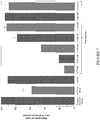
- Polar Assortant peptide was serially diluted as indicated in FIG. 7 in undiluted factor B-depleted human sera (Complement Technologies, Inc.) and incubated for 1 hour at 37 °C.
- Factor B-depleted serum alone, 0.77 mM of ⁇ 8-22 and DMSO were included as controls.
- These peptides were then diluted with GVBS ++ to equal 2.5% NHS, of which 0.25 ml was combined with 0.4 ml of GVBS ++ and 0.1 ml of sensitized sheep red blood cells (RBCs) and again incubated for 1 hour at 37 °C.
- the procedure was stopped by the addition of 4.0 ml of GVBS -- , centrifuged for 5 minutes at 1,620 x g, and the absorbance of the supernatants was read at 412 nm in a spectrophotometer. The percent lysis of each sample was standardized to that of the NHS only control.
- Synthetic peptides were purified by C18 ZipTipsTM (Millipore) before mass spectrometry analysis, as follows: 10 ⁇ l of 70% acetonitrile (ACN)/0.1% triflouroacetic acid (TFA) was pipetted two times through the ZipTip to wet the resin, followed by two 10 ⁇ l washes of 0.1 % TFA to equilibrate the resin. The acidified peptide sample was aspirated up and down five times through the ZipTip to bind peptides to the resin. Contaminants were washed by pipetting 0.1% TFA three times through the ZipTip before eluting the bound peptides into a fresh tube using 70% ACN/0.1% TFA.
- the peptides were dried in a speed vac, re-suspended in 10 ⁇ l 0.1% TFA before mixing with matrix ( ⁇ -cyano-4 hydroxycinnamic acid or sinapinic acid) at a ratio of 1:4 before analysis.
- Mass spectrometry was performed using a Bruker Daltonics Ultraflex II TM MALDI-TOF-TOF and the data acquired in both the reflectron and linear positive modes.
- the amino acid sequence of E23A was uploaded onto the CPHmodels 3.0 server ( http://www.cbs.dtu.dk/services/CPHmodels/; Lund et al., 2002. Abstract at the CASP5 conference A102 ).
- the program aligned E23A with the Vigna radiata plant defensin 1 (VrD1), which provided the template and Protein Data Bank (PDB) coordinates for generating the structural model.
- VrD1 plant defensin 1
- PDB coordinates for the E23A were subsequently uploaded onto FirstGlance in JMol, version 1.45 (http://firstglance.jmol.org) to visualize the structure.
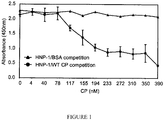
- FIG. 1 is a graph depicting CP dose-dependently competing with human neutrophil defensin 1 (HNP-1) for binding to C1q. A fixed amount of purified C1q and increasing amounts of CP were added simultaneously. Adherent C1q bound to HNP-1 was detected with polyclonal antibody to C1q.
- Bound C1q signal decreased with increasing amounts of CP, indicating that CP dose-dependently competes with HNP-1 for C1q binding ( FIG. 1 , shown as circles).
- BSA was substituted for CP
- no competition for binding of C1q was detected ( FIG. 1 , shown as triangles), and the same lack of competition was seen with aldolase and egg albumin (data not shown).
- no binding was seen when BSA was coated on the plate in place of HNP-1.
- this data is consistent with HNP-1 and CP binding C1q in a comparable manner to regulate classical pathway activation ( Hair et al., 2010. J. Virol. 82, 817-827 ).
- CP1 aligned with the first 10 residues of HNP-1
- CP2 aligned with the last 20 residues.
- a competition ELISA was performed in which CP1 and CP2 were coated on the ELISA plate. A fixed amount of purified C1q and increasing amounts of WT CP were added simultaneously, and bound C1q was then detected with polyclonal antibody to C1q.
- Purified CP can regulate classical pathway activation at the level of C1, by binding C1q and preventing the cleavage of the proenzyme C1s ( Hair et al., 2010. J. Virol. 82, 817-827 ).
- partially purified C1 complex was incubated for 90 minutes at 37 °C with heat-aggregated IgG (a potent stimulator of classical pathway activation) with increasing amounts of CP1 and CP2.
- IgG a potent stimulator of classical pathway activation
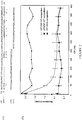
- C1 incubated alone showed minimal spontaneous activation of C1s, whereas C1 in the presence of heat-aggregated IgG demonstrated robust C1s cleavage ( FIG. 4A , lanes 1 and 2).
- CP2 did not demonstrate significant regulation of C1s cleavage at any of the concentrations tested ( FIG. 4B , lanes 3-6).
- FIGS. 4C-4D Quantification by Odyssey imaging of the regulation of C1s cleavage for CP1 and CP2 in two independent experiments for each peptide validated these results. While CP2 demonstrated minimal binding to C1q ( FIG. 3A ) and did not demonstrate the capacity to regulate C1s cleavage ( FIGS. 4B and 4D ), it was tested whether a combination of CP1 and CP2 would result in greater regulation of C1s cleavage than CP1 alone. CP1 and CP2 together resulted in no more regulation of C1s cleavage than that observed for CP1 alone.
- C4 activation assay To determine the ability of the peptide compounds to regulate complement activation in functional assays, a C4 activation assay and a hemolytic assay were used.
- C4 activation assay a method known in the art ( Mallik et al., 2005. J. Med. Chem. 48, 274-286 ) was modified so that ELISA plates were coated with ovalbumin to which anti-ovalbumin antibodies were allowed to bind, mimicking an immune-complex target.
- the various peptide compounds were then diluted to 0.5 mM in 10% NHS/GVBS ++ , incubated for 15 minutes, and subsequently added to each well.
- C4 Classical pathway activation (C4) was assayed by detecting deposition of C4-fragments using a polyclonal anti-C4 antibody.
- NHS alone, NHS + BSA, and NHS + DMSO all demonstrated similar deposition of C4-fragments, whereas NHS treated with WT CP regulated C4 activation.
- CP1 demonstrated a 35% inhibitory effect, whereas CP2 had no effect on C4 activation, consistent with the results observed for C1s activation ( FIG. 4 ).
- Peptide compounds C04A, C27A, E25A, and ⁇ 8-22 all inhibited complement activation of C4 by 20-45%.
- E23A potently suppressed C4 activation by 90%.
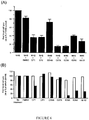
- Peptide compound regulation of serum complement activity was assessed in a standard hemolytic complement assay. Sheep erythrocytes were sensitized with antibody and incubated with NHS, with or without peptide pre-incubation, and hemolytic complement activity was measured. As opposed to the C4 activation assay, all three complement pathways (classical, lectin and alternative) were present and may have contributed to the observed regulatory activity. However, initial complement activation was primarily driven by the antibody on the erythrocytes and, thus, the classical pathway. As demonstrated in FIG. 6A , NHS either alone or in the presence of DMSO lysed erythrocytes as expected.
- CP2 regulated lysis to a similar level as CP1 (66% inhibition) in contrast to the C4 activation assay, in which the CP2 peptide had no regulatory effect.
- C04A had minimal effect on erythrocyte lysis, whereas C27A was more inhibitory (85% inhibition).
- E23A inhibited erythrocyte lysis efficiently (85% inhibition) compared with E25A, which had 60% inhibition.
- the ⁇ 8-22 peptide compound inhibited erythrocyte lysis by 75%.
- the amount of serum used during the pre-incubation was increased, effectively lowering the concentration of the peptides tested to 0.77 mM, such that minimal inhibition occurred in NHS ( FIG. 6B ).
- the regulatory activity of the peptides on the classical pathway alone was then assessed by using factor B-depleted serum in the hemolytic assay, utilizing the same amounts of peptide and serum ( FIG. 6B ).
- the parental peptide CP1 regulated classical complement pathway activation in factor B-depleted serum.
- peptide compounds E23A, E25A, and ⁇ 8-22 regulated classical complement pathway activation significantly.
- the Polar Assortant peptide initially showed significant regulation of classical pathway activity in a hemolytic assay with NHS and factor B-depleted serum (data not shown). To further explore the regulatory activity of this peptide on the classical pathway, a dilution of the Polar Assortant peptide was made in factor B-depleted serum. In contrast to the lack of regulation seen for NHS alone and DMSO vehicle, the Polar Assortant peptide dose-dependently regulated classical pathway activation significantly beyond that of ⁇ 8-22 ( FIG. 7 , compare 0.77 mM ⁇ 8-22 versus 0.77 mM Polar Assortant).
- CP peptide oligomerization To further characterize the CP peptides, it was assessed whether these compounds could oligomerize into higher ordered structures, such as dimers, trimers, etc.
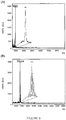
- CP peptide oligomerization all seven CP peptides from TABLE 1 were analyzed by MALDI-TOF-TOF mass spectrometry in the linear and reflection modes. In both modes, all peptides were found to be monomeric with no major peaks carrying a mass to charge ratio (m/z) greater than the theoretical mass of the peptide tested.
- FIGS. 8A-8B show both the linear and reflection modes, respectively. While the linear mode is lower resolution than the reflection mode, both modes demonstrate that E23A is monomeric with no other higher-order peaks evident.
- E23A As a highly potent regulator of classical pathway activation, a structural model for the E23A peptide was generated.
- the amino acid sequence of E23A was uploaded onto the CPHmodels-3.0 server.
- This program is a protein homology modeling resource where template recognition is based upon profile-profile alignment guided by secondary structure and exposure predictions ( Lund et al., 2002. Abstract at the CASP5 conference A102 ).
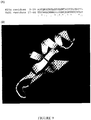
- FIG. 9A depicts an 11 residue N-terminal alpha helix followed by two anti-parallel beta strands.
- the alpha helix and beta strands are connected by two, 3-5 residue disordered loops.
- the two cysteine residues are shown forming a disulphide bond (depicted as a thin cylinder) between the alpha helix and second beta strand, which may play a role in stabilizing the overall structure.
- peptide analogs of CP1 are commercially synthesized. These modified peptides are then analyzed for interaction with C1q and MBL in binding assays known in the art ( Hair et al., 2010. Molec. Immunol. 47, 792-798 ).). These assays are briefly described below.
- CP peptide analogs are coated onto microtiter plates at various concentrations and analyzed for their ability to bind purified C1q (CompTech). C1q binding is detected with anti-C1q monoclonal antibody (Quidel), followed by donkey anti-mouse HRP (Santa Cruz Biotech). The plates are then developed with tetramethyl benzindine, the reactions terminated with H 2 SO 4 , and absorbance read at 450 nm. A positive control for C1q binding consists of CP1, whereas negative controls are BSA.
- MBL binding is conducted in a similar manner to the C1q binding assay described above. Purified human MBL and goat anti-MBL sera are utilized, followed by donkey anti-goat HRP for detection of MBL. Again, half-maximal binding values are calculated and compared across peptide compounds.
- CP peptide derivatives to inhibit C1 and MBL activation in functional assays.
- the CP peptide analogs that specifically bind to C1q and MBL are assessed for their capacity to inhibit classical and lectin pathway activation in functional assays.
- an antibody-initiated complement activation assay is utilized to determine IC 50 values of the peptide analogs in both human and rat serum. This allows for direct comparison of the relative functional activity of the peptides.
- the peptide compounds are analyzed for their ability to inhibit C1 activation in the C1s immunoblot cleavage assay.
- C1 CompTech
- heat-aggregated IgG are incubated with increasing amounts of the peptides.
- C1s is detected with a goat polyclonal antibody to C1s (Quidel), followed by an infrared dye conjugated donkey anti-goat antibody (Li-Cor Biosciences) for analysis on an Odyssey infrared imaging system (Li-Cor Biosciences).
- C1 in the absence or presence of heat-aggregated IgG is included on each blot as a negative and positive control for C1s cleavage, respectively.
- CP1 + heat-aggregated IgG serves as a positive control of inhibition of C1s cleavage and can also be used to normalize values between experiments, if necessary.
- a commercial MBL activation assay (HyCult) is used ( Hair et al., 2010. Molec. Immunol. 47, 792-798 ) to evaluate the CP peptide analogs.
- Normal human serum (NHS) is incubated with increasing amounts of the peptides and evaluated for lectin pathway inhibition using the commercial kit.
- NHS alone serves as a positive control for lectin activation, whereas heat-inactivated NHS serves as a negative control for activation.
- NHS + CP are used as control for demonstrating inhibition of lectin pathway activation.
- an antibody-initiated serum complement activation assay is used. This assay is a modification of protocol utilized by Dr. John Lambris and colleagues (University of Pennsylvania) to calculate IC 50 values of Compstatin and its analogs ( Mallik et al., 2005. J. Med. Chem. 48, 274-286 ). Complement activation inhibition is assessed by measuring the inhibition of serum C4 fixation to ovalbumin-anti-ovalbumin complexes in NHS. Microtiter wells are coated with ovalbumin (10 mg/ml).
- IC 50 values for the selected peptide compounds are determined by plotting the percent inhibition against peptide concentration.
- CP inhibits C4 activation via the classical and lectin pathways, and CP has nominal effects on activation of the alternative pathway ( Bonaparte et al., 2008. J. Virol. 82, 817-827 , Hair et al., 2010. Molec. Immunol. 47, 792-798 ).
- CP1 as the benchmark, the relative inhibitory activities for all peptide compounds are thus directly determined.
- the IC 50 values for the CP peptides in normal rat sera are determined. Wild-type CP and CP1 have been demonstrated to suppress antibody-initiated complement activation in NRS ( Hair et al., 2010. Molec. Immunol. 47, 792-798 ). Determination of the IC 50 values for the peptide compounds in NRS are critical for dose-ranging experiments in rats.
Landscapes
- Health & Medical Sciences (AREA)
- Life Sciences & Earth Sciences (AREA)
- Chemical & Material Sciences (AREA)
- General Health & Medical Sciences (AREA)
- Medicinal Chemistry (AREA)
- Organic Chemistry (AREA)
- Engineering & Computer Science (AREA)
- Bioinformatics & Cheminformatics (AREA)
- Veterinary Medicine (AREA)
- Public Health (AREA)
- Animal Behavior & Ethology (AREA)
- Pharmacology & Pharmacy (AREA)
- General Chemical & Material Sciences (AREA)
- Chemical Kinetics & Catalysis (AREA)
- Nuclear Medicine, Radiotherapy & Molecular Imaging (AREA)
- Proteomics, Peptides & Aminoacids (AREA)
- Immunology (AREA)
- Gastroenterology & Hepatology (AREA)
- Virology (AREA)
- Epidemiology (AREA)
- Biochemistry (AREA)
- Molecular Biology (AREA)
- Genetics & Genomics (AREA)
- Biophysics (AREA)
- Neurology (AREA)
- Biomedical Technology (AREA)
- Neurosurgery (AREA)
- Urology & Nephrology (AREA)
- Hematology (AREA)
- Diabetes (AREA)
- Vascular Medicine (AREA)
- Physical Education & Sports Medicine (AREA)
- Pulmonology (AREA)
- Orthopedic Medicine & Surgery (AREA)
- Rheumatology (AREA)
- Pain & Pain Management (AREA)
- Psychiatry (AREA)
- Hospice & Palliative Care (AREA)
- Heart & Thoracic Surgery (AREA)
- Cardiology (AREA)
Priority Applications (3)
| Application Number | Priority Date | Filing Date | Title |
|---|---|---|---|
| PL17153032T PL3178841T3 (pl) | 2010-07-21 | 2011-07-21 | Związki peptydowe do regulowania układu dopełniacza |
| EP17153032.2A EP3178841B1 (en) | 2010-07-21 | 2011-07-21 | Peptide compounds to regulate the complement system |
| EP18184643.7A EP3453717A1 (en) | 2010-07-21 | 2011-07-21 | Peptide compounds to regulate the complement system |
Applications Claiming Priority (2)
| Application Number | Priority Date | Filing Date | Title |
|---|---|---|---|
| US36620410P | 2010-07-21 | 2010-07-21 | |
| PCT/US2011/044791 WO2012012600A2 (en) | 2010-07-21 | 2011-07-21 | Peptide compounds to regulate the complement system |
Related Child Applications (3)
| Application Number | Title | Priority Date | Filing Date |
|---|---|---|---|
| EP17153032.2A Division-Into EP3178841B1 (en) | 2010-07-21 | 2011-07-21 | Peptide compounds to regulate the complement system |
| EP17153032.2A Division EP3178841B1 (en) | 2010-07-21 | 2011-07-21 | Peptide compounds to regulate the complement system |
| EP18184643.7A Division EP3453717A1 (en) | 2010-07-21 | 2011-07-21 | Peptide compounds to regulate the complement system |
Publications (3)
| Publication Number | Publication Date |
|---|---|
| EP2606058A2 EP2606058A2 (en) | 2013-06-26 |
| EP2606058A4 EP2606058A4 (en) | 2014-01-15 |
| EP2606058B1 true EP2606058B1 (en) | 2017-03-08 |
Family
ID=45497454
Family Applications (3)
| Application Number | Title | Priority Date | Filing Date |
|---|---|---|---|
| EP11810386.0A Active EP2606058B1 (en) | 2010-07-21 | 2011-07-21 | Peptide compounds to regulate the complement system |
| EP18184643.7A Ceased EP3453717A1 (en) | 2010-07-21 | 2011-07-21 | Peptide compounds to regulate the complement system |
| EP17153032.2A Active EP3178841B1 (en) | 2010-07-21 | 2011-07-21 | Peptide compounds to regulate the complement system |
Family Applications After (2)
| Application Number | Title | Priority Date | Filing Date |
|---|---|---|---|
| EP18184643.7A Ceased EP3453717A1 (en) | 2010-07-21 | 2011-07-21 | Peptide compounds to regulate the complement system |
| EP17153032.2A Active EP3178841B1 (en) | 2010-07-21 | 2011-07-21 | Peptide compounds to regulate the complement system |
Country Status (7)
| Country | Link |
|---|---|
| US (11) | US8906845B2 (enExample) |
| EP (3) | EP2606058B1 (enExample) |
| JP (1) | JP6033774B2 (enExample) |
| CA (2) | CA3020580A1 (enExample) |
| ES (2) | ES2626182T3 (enExample) |
| PL (2) | PL3178841T3 (enExample) |
| WO (1) | WO2012012600A2 (enExample) |
Families Citing this family (14)
| Publication number | Priority date | Publication date | Assignee | Title |
|---|---|---|---|---|
| US10005818B2 (en) | 2010-07-21 | 2018-06-26 | Realta Holdings, Llc | Derivative peptide compounds and methods of use |
| CA3020580A1 (en) | 2010-07-21 | 2012-01-26 | Realta Holdings, Llc | Peptide compounds to regulate the complement system |
| ES3044832T3 (en) | 2011-06-22 | 2025-11-27 | Apellis Pharmaceuticals Inc | Methods of treating chronic disorders with complement inhibitors |
| US20150104445A1 (en) * | 2013-10-10 | 2015-04-16 | Viropharma Holdings Limited | Methods of inhibiting the alternative pathway of complement immune system activation and compositions used therein |
| US10010447B2 (en) | 2013-12-18 | 2018-07-03 | Novartis Ag | Systems and methods for subretinal delivery of therapeutic agents |
| PL3313865T3 (pl) * | 2015-06-26 | 2021-10-25 | Realta Holdings, Llc | Syntetyczne związki peptydowe i sposoby zastosowania |
| US10947279B2 (en) | 2015-06-26 | 2021-03-16 | Realta Holdings, Llc | Synthetic peptide compounds and methods of use |
| CN106646992B (zh) * | 2016-12-07 | 2018-06-15 | 深圳市华星光电技术有限公司 | 一种彩膜基板、液晶面板、液晶显示装置及其制备方法 |
| CN108210503A (zh) * | 2016-12-10 | 2018-06-29 | 高尚先 | 甘露糖在用于提高Treg细胞数量及其Foxp3因子表达水平的新用途 |
| TWI881481B (zh) * | 2017-08-15 | 2025-04-21 | 美商歐米諾斯公司 | 用於治療和/或預防與造血幹細胞移植有關的移植物抗宿主病和/或瀰漫性肺泡出血和/或靜脈閉塞性病的方法 |
| KR20220104268A (ko) | 2018-01-09 | 2022-07-26 | 레알타 홀딩스, 엘엘씨 | 동물 모델에서의 미엘로퍼옥시다제 산화 활성의 pic1 억제 |
| KR20230078733A (ko) * | 2020-09-30 | 2023-06-02 | 리얼타 라이프 사이언시즈, 인크. | 펩티드 및 사용 방법 |
| MX2023005135A (es) * | 2020-11-02 | 2023-05-26 | Realta Life Sciences Inc | Peptidos y metodos de uso. |
| CA3194442A1 (en) * | 2020-11-02 | 2022-05-05 | Neel K. Krishna | Peptides and methods of use |
Family Cites Families (16)
| Publication number | Priority date | Publication date | Assignee | Title |
|---|---|---|---|---|
| US5625049A (en) | 1993-05-12 | 1997-04-29 | Us Health | Nucleic acids encoding human astrovirus serotype 2 |
| US6126939A (en) | 1996-09-03 | 2000-10-03 | Yeda Research And Development Co. Ltd. | Anti-inflammatory dipeptide and pharmaceutical composition thereof |
| AU3066699A (en) | 1998-03-03 | 1999-09-20 | Johns Hopkins University, The | Smallpox inhibitor of complement enzymes (spice) protein and methods of inhibiting complement activation |
| AU2729400A (en) | 1999-01-19 | 2000-08-07 | James Daly | Application of a viral complement inhibitory protein in the treatment and diagnosis of alzheimer's disease |
| US6696562B1 (en) | 2000-07-10 | 2004-02-24 | The United States Of America As Represented By The Secretary Of Agriculture | Avian astrovirus |
| KR101132287B1 (ko) | 2003-09-05 | 2012-04-05 | 도레이 도넨 기노마쿠 고도가이샤 | 열가소성 수지 미다공막의 제조 방법 |
| WO2005023296A1 (en) | 2003-09-05 | 2005-03-17 | University Of Louisville Research Foundation, Inc. | Treatment of rheumatic diseases |
| WO2005023195A2 (en) | 2003-09-05 | 2005-03-17 | University Of Louisville Research Foundation, Inc. | Treatment of spinal cord injury |
| US8501705B2 (en) | 2003-09-11 | 2013-08-06 | The Board Of Regents Of The University Of Texas System | Methods and materials for treating autoimmune and/or complement mediated diseases and conditions |
| US7381524B2 (en) * | 2003-10-10 | 2008-06-03 | Wisconsin Alumni Research Foundation | Method to detect antibodies specific for type-2 turkey astrovirus |
| US8840893B2 (en) | 2004-06-10 | 2014-09-23 | Omeros Corporation | Methods for treating conditions associated with MASP-2 dependent complement activation |
| CA2655371C (en) | 2006-06-15 | 2017-06-20 | Eastern Virginia Medical School | Methods for regulating complement cascade proteins using astrovirus coat protein and derivatives thereof |
| AU2008239595A1 (en) | 2007-04-11 | 2008-10-23 | Pestka Biomedical Laboratories, Inc. | Interferons of Rhesus and Cynomolgus origin and uses thereof |
| US10172950B2 (en) | 2009-06-09 | 2019-01-08 | Prolong Pharmaceuticals, LLC | Hemoglobin compositions |
| CA3020580A1 (en) | 2010-07-21 | 2012-01-26 | Realta Holdings, Llc | Peptide compounds to regulate the complement system |
| CA2867611A1 (en) | 2012-03-16 | 2013-09-19 | Belrose Pharma, Inc. | Polymeric conjugates of c1-inhibitors |
-
2011
- 2011-07-21 CA CA3020580A patent/CA3020580A1/en not_active Abandoned
- 2011-07-21 EP EP11810386.0A patent/EP2606058B1/en active Active
- 2011-07-21 WO PCT/US2011/044791 patent/WO2012012600A2/en not_active Ceased
- 2011-07-21 PL PL17153032T patent/PL3178841T3/pl unknown
- 2011-07-21 CA CA2804998A patent/CA2804998C/en active Active
- 2011-07-21 US US13/809,371 patent/US8906845B2/en active Active
- 2011-07-21 EP EP18184643.7A patent/EP3453717A1/en not_active Ceased
- 2011-07-21 PL PL11810386T patent/PL2606058T3/pl unknown
- 2011-07-21 JP JP2013520856A patent/JP6033774B2/ja active Active
- 2011-07-21 EP EP17153032.2A patent/EP3178841B1/en active Active
- 2011-07-21 ES ES11810386.0T patent/ES2626182T3/es active Active
- 2011-07-21 ES ES17153032.2T patent/ES2688589T3/es active Active
-
2014
- 2014-11-07 US US14/536,073 patent/US9422337B2/en active Active
-
2016
- 2016-07-06 US US15/203,469 patent/US9914753B2/en active Active
-
2018
- 2018-03-09 US US15/917,137 patent/US10414799B2/en active Active
-
2019
- 2019-08-07 US US16/534,200 patent/US10844093B2/en active Active
-
2020
- 2020-10-20 US US17/075,188 patent/US20210047371A1/en not_active Abandoned
-
2021
- 2021-06-03 US US17/337,950 patent/US20210292366A1/en not_active Abandoned
-
2022
- 2022-01-12 US US17/574,098 patent/US20220127306A1/en not_active Abandoned
- 2022-08-19 US US17/821,032 patent/US20230151058A1/en not_active Abandoned
-
2024
- 2024-05-07 US US18/657,556 patent/US20240309047A1/en active Pending
- 2024-12-30 US US19/004,592 patent/US20250129124A1/en not_active Abandoned
Non-Patent Citations (1)
| Title |
|---|
| None * |
Also Published As
Similar Documents
| Publication | Publication Date | Title |
|---|---|---|
| US20250129124A1 (en) | Peptide compounds to regulate the complement system | |
| Gronemus et al. | Potent inhibition of the classical pathway of complement by a novel C1q-binding peptide derived from the human astrovirus coat protein | |
| JP2013138673A (ja) | 改善された活性を有するコンプスタチン(Compstatin)類似体 | |
| WO1999013899A1 (en) | Peptides and peptidomimetics for inhibiting complement activation | |
| Khemtemourian et al. | Residue specific effects of human islet polypeptide amyloid on self-assembly and on cell toxicity | |
| AU2017200760A1 (en) | Methods for treating immune-mediated dengue fever infections and antibody-dependent enhancement of dengue fever infections, including dengue hemorrhagic fever and dengue shock syndrome | |
| AU2011281089B2 (en) | Peptide compounds for regulating the complement system | |
| WO2009023777A2 (en) | Methods for treating immune thrombocytopenia | |
| Chankeshwara et al. | Peptide‐based Therapeutics for Inflammatory and Autoimmune Diseases | |
| US20230303623A1 (en) | Peptides and methods of use | |
| WO2017179647A1 (ja) | アミロスフェロイド(aspd)結合阻害ペプチド、並びに評価及びスクリーニング方法 | |
| HK1158066B (en) | A polypeptide for use in treating dengue virus infections |
Legal Events
| Date | Code | Title | Description |
|---|---|---|---|
| PUAI | Public reference made under article 153(3) epc to a published international application that has entered the european phase |
Free format text: ORIGINAL CODE: 0009012 |
|
| 17P | Request for examination filed |
Effective date: 20130201 |
|
| AK | Designated contracting states |
Kind code of ref document: A2 Designated state(s): AL AT BE BG CH CY CZ DE DK EE ES FI FR GB GR HR HU IE IS IT LI LT LU LV MC MK MT NL NO PL PT RO RS SE SI SK SM TR |
|
| DAX | Request for extension of the european patent (deleted) | ||
| REG | Reference to a national code |
Ref country code: DE Ref legal event code: R079 Ref document number: 602011035784 Country of ref document: DE Free format text: PREVIOUS MAIN CLASS: C07K0001000000 Ipc: C07K0014080000 |
|
| RIC1 | Information provided on ipc code assigned before grant |
Ipc: A61K 38/16 20060101ALI20131203BHEP Ipc: C07K 14/08 20060101AFI20131203BHEP |
|
| A4 | Supplementary search report drawn up and despatched |
Effective date: 20131213 |
|
| GRAP | Despatch of communication of intention to grant a patent |
Free format text: ORIGINAL CODE: EPIDOSNIGR1 |
|
| INTG | Intention to grant announced |
Effective date: 20160830 |
|
| STAA | Information on the status of an ep patent application or granted ep patent |
Free format text: STATUS: GRANT OF PATENT IS INTENDED |
|
| GRAS | Grant fee paid |
Free format text: ORIGINAL CODE: EPIDOSNIGR3 |
|
| GRAJ | Information related to disapproval of communication of intention to grant by the applicant or resumption of examination proceedings by the epo deleted |
Free format text: ORIGINAL CODE: EPIDOSDIGR1 |
|
| GRAL | Information related to payment of fee for publishing/printing deleted |
Free format text: ORIGINAL CODE: EPIDOSDIGR3 |
|
| STAA | Information on the status of an ep patent application or granted ep patent |
Free format text: STATUS: REQUEST FOR EXAMINATION WAS MADE |
|
| GRAR | Information related to intention to grant a patent recorded |
Free format text: ORIGINAL CODE: EPIDOSNIGR71 |
|
| STAA | Information on the status of an ep patent application or granted ep patent |
Free format text: STATUS: GRANT OF PATENT IS INTENDED |
|
| GRAA | (expected) grant |
Free format text: ORIGINAL CODE: 0009210 |
|
| STAA | Information on the status of an ep patent application or granted ep patent |
Free format text: STATUS: THE PATENT HAS BEEN GRANTED |
|
| INTC | Intention to grant announced (deleted) | ||
| AK | Designated contracting states |
Kind code of ref document: B1 Designated state(s): AL AT BE BG CH CY CZ DE DK EE ES FI FR GB GR HR HU IE IS IT LI LT LU LV MC MK MT NL NO PL PT RO RS SE SI SK SM TR |
|
| INTG | Intention to grant announced |
Effective date: 20170130 |
|
| REG | Reference to a national code |
Ref country code: GB Ref legal event code: FG4D |
|
| REG | Reference to a national code |
Ref country code: CH Ref legal event code: EP Ref country code: AT Ref legal event code: REF Ref document number: 873421 Country of ref document: AT Kind code of ref document: T Effective date: 20170315 |
|
| REG | Reference to a national code |
Ref country code: IE Ref legal event code: FG4D |
|
| REG | Reference to a national code |
Ref country code: DE Ref legal event code: R096 Ref document number: 602011035784 Country of ref document: DE |
|
| REG | Reference to a national code |
Ref country code: SE Ref legal event code: TRGR |
|
| REG | Reference to a national code |
Ref country code: NL Ref legal event code: FP |
|
| REG | Reference to a national code |
Ref country code: CH Ref legal event code: NV Representative=s name: MICHELI AND CIE SA, CH |
|
| REG | Reference to a national code |
Ref country code: LT Ref legal event code: MG4D |
|
| REG | Reference to a national code |
Ref country code: ES Ref legal event code: FG2A Ref document number: 2626182 Country of ref document: ES Kind code of ref document: T3 Effective date: 20170724 |
|
| REG | Reference to a national code |
Ref country code: FR Ref legal event code: PLFP Year of fee payment: 7 |
|
| PG25 | Lapsed in a contracting state [announced via postgrant information from national office to epo] |
Ref country code: HR Free format text: LAPSE BECAUSE OF FAILURE TO SUBMIT A TRANSLATION OF THE DESCRIPTION OR TO PAY THE FEE WITHIN THE PRESCRIBED TIME-LIMIT Effective date: 20170308 Ref country code: NO Free format text: LAPSE BECAUSE OF FAILURE TO SUBMIT A TRANSLATION OF THE DESCRIPTION OR TO PAY THE FEE WITHIN THE PRESCRIBED TIME-LIMIT Effective date: 20170608 Ref country code: LT Free format text: LAPSE BECAUSE OF FAILURE TO SUBMIT A TRANSLATION OF THE DESCRIPTION OR TO PAY THE FEE WITHIN THE PRESCRIBED TIME-LIMIT Effective date: 20170308 Ref country code: GR Free format text: LAPSE BECAUSE OF FAILURE TO SUBMIT A TRANSLATION OF THE DESCRIPTION OR TO PAY THE FEE WITHIN THE PRESCRIBED TIME-LIMIT Effective date: 20170609 Ref country code: FI Free format text: LAPSE BECAUSE OF FAILURE TO SUBMIT A TRANSLATION OF THE DESCRIPTION OR TO PAY THE FEE WITHIN THE PRESCRIBED TIME-LIMIT Effective date: 20170308 |
|
| REG | Reference to a national code |
Ref country code: AT Ref legal event code: MK05 Ref document number: 873421 Country of ref document: AT Kind code of ref document: T Effective date: 20170308 |
|
| PG25 | Lapsed in a contracting state [announced via postgrant information from national office to epo] |
Ref country code: RS Free format text: LAPSE BECAUSE OF FAILURE TO SUBMIT A TRANSLATION OF THE DESCRIPTION OR TO PAY THE FEE WITHIN THE PRESCRIBED TIME-LIMIT Effective date: 20170308 Ref country code: LV Free format text: LAPSE BECAUSE OF FAILURE TO SUBMIT A TRANSLATION OF THE DESCRIPTION OR TO PAY THE FEE WITHIN THE PRESCRIBED TIME-LIMIT Effective date: 20170308 Ref country code: BG Free format text: LAPSE BECAUSE OF FAILURE TO SUBMIT A TRANSLATION OF THE DESCRIPTION OR TO PAY THE FEE WITHIN THE PRESCRIBED TIME-LIMIT Effective date: 20170608 |
|
| PG25 | Lapsed in a contracting state [announced via postgrant information from national office to epo] |
Ref country code: EE Free format text: LAPSE BECAUSE OF FAILURE TO SUBMIT A TRANSLATION OF THE DESCRIPTION OR TO PAY THE FEE WITHIN THE PRESCRIBED TIME-LIMIT Effective date: 20170308 Ref country code: AT Free format text: LAPSE BECAUSE OF FAILURE TO SUBMIT A TRANSLATION OF THE DESCRIPTION OR TO PAY THE FEE WITHIN THE PRESCRIBED TIME-LIMIT Effective date: 20170308 Ref country code: CZ Free format text: LAPSE BECAUSE OF FAILURE TO SUBMIT A TRANSLATION OF THE DESCRIPTION OR TO PAY THE FEE WITHIN THE PRESCRIBED TIME-LIMIT Effective date: 20170308 Ref country code: RO Free format text: LAPSE BECAUSE OF FAILURE TO SUBMIT A TRANSLATION OF THE DESCRIPTION OR TO PAY THE FEE WITHIN THE PRESCRIBED TIME-LIMIT Effective date: 20170308 Ref country code: SK Free format text: LAPSE BECAUSE OF FAILURE TO SUBMIT A TRANSLATION OF THE DESCRIPTION OR TO PAY THE FEE WITHIN THE PRESCRIBED TIME-LIMIT Effective date: 20170308 |
|
| PG25 | Lapsed in a contracting state [announced via postgrant information from national office to epo] |
Ref country code: SM Free format text: LAPSE BECAUSE OF FAILURE TO SUBMIT A TRANSLATION OF THE DESCRIPTION OR TO PAY THE FEE WITHIN THE PRESCRIBED TIME-LIMIT Effective date: 20170308 Ref country code: PT Free format text: LAPSE BECAUSE OF FAILURE TO SUBMIT A TRANSLATION OF THE DESCRIPTION OR TO PAY THE FEE WITHIN THE PRESCRIBED TIME-LIMIT Effective date: 20170710 Ref country code: IS Free format text: LAPSE BECAUSE OF FAILURE TO SUBMIT A TRANSLATION OF THE DESCRIPTION OR TO PAY THE FEE WITHIN THE PRESCRIBED TIME-LIMIT Effective date: 20170708 |
|
| REG | Reference to a national code |
Ref country code: DE Ref legal event code: R097 Ref document number: 602011035784 Country of ref document: DE |
|
| REG | Reference to a national code |
Ref country code: DE Ref legal event code: R081 Ref document number: 602011035784 Country of ref document: DE Owner name: REALTA HOLDINGS, LLC, NORFOLK, US Free format text: FORMER OWNER: EASTERN VIRGINIA MEDICAL SCHOOL, NORFOLK, VA., US Ref country code: DE Ref legal event code: R082 Ref document number: 602011035784 Country of ref document: DE Representative=s name: HERNANDEZ, YORCK, DIPL.-ING., DE Ref country code: DE Ref legal event code: R081 Ref document number: 602011035784 Country of ref document: DE Owner name: EASTERN VIRGINIA MEDICAL SCHOOL, NORFOLK, US Free format text: FORMER OWNER: EASTERN VIRGINIA MEDICAL SCHOOL, NORFOLK, VA., US Ref country code: DE Ref legal event code: R081 Ref document number: 602011035784 Country of ref document: DE Owner name: ERIKO LIFE SCIENCES VENTURES, LLC., NORFOLK, US Free format text: FORMER OWNER: EASTERN VIRGINIA MEDICAL SCHOOL, NORFOLK, VA., US Ref country code: DE Ref legal event code: R081 Ref document number: 602011035784 Country of ref document: DE Owner name: CHILDREN'S HEALTH FOUNDATION, INC., NORFOLK, US Free format text: FORMER OWNER: EASTERN VIRGINIA MEDICAL SCHOOL, NORFOLK, VA., US |
|
| RAP2 | Party data changed (patent owner data changed or rights of a patent transferred) |
Owner name: EASTERN VIRGINIA MEDICAL SCHOOL |
|
| PLBE | No opposition filed within time limit |
Free format text: ORIGINAL CODE: 0009261 |
|
| STAA | Information on the status of an ep patent application or granted ep patent |
Free format text: STATUS: NO OPPOSITION FILED WITHIN TIME LIMIT |
|
| PLAA | Information modified related to event that no opposition was filed |
Free format text: ORIGINAL CODE: 0009299DELT |
|
| PLBE | No opposition filed within time limit |
Free format text: ORIGINAL CODE: 0009261 |
|
| PG25 | Lapsed in a contracting state [announced via postgrant information from national office to epo] |
Ref country code: DK Free format text: LAPSE BECAUSE OF FAILURE TO SUBMIT A TRANSLATION OF THE DESCRIPTION OR TO PAY THE FEE WITHIN THE PRESCRIBED TIME-LIMIT Effective date: 20170308 |
|
| 26N | No opposition filed |
Effective date: 20171211 |
|
| R26N | No opposition filed (corrected) |
Effective date: 20171211 |
|
| RAP2 | Party data changed (patent owner data changed or rights of a patent transferred) |
Owner name: ERIKO LIFE SCIENCES VENTURES, LLC Owner name: CHILDREN'S HEALTH FOUNDATION, INC. Owner name: EASTERN VIRGINIA MEDICAL SCHOOL |
|
| 26N | No opposition filed |
Effective date: 20171211 |
|
| PG25 | Lapsed in a contracting state [announced via postgrant information from national office to epo] |
Ref country code: SI Free format text: LAPSE BECAUSE OF FAILURE TO SUBMIT A TRANSLATION OF THE DESCRIPTION OR TO PAY THE FEE WITHIN THE PRESCRIBED TIME-LIMIT Effective date: 20170308 |
|
| REG | Reference to a national code |
Ref country code: BE Ref legal event code: PD Owner name: ERIKO LIFE SCIENCES VENTURES, LLC; US Free format text: DETAILS ASSIGNMENT: CHANGE OF OWNER(S), CESSION; FORMER OWNER NAME: EASTERN VIRGINIA MEDICAL SCHOOL Effective date: 20180207 |
|
| REG | Reference to a national code |
Ref country code: CH Ref legal event code: PUEA Owner name: EASTERN VIRGINIA MEDICAL SCHOOL, US Free format text: FORMER OWNER: EASTERN VIRGINIA MEDICAL SCHOOL, US |
|
| REG | Reference to a national code |
Ref country code: NL Ref legal event code: PD Owner name: ERIKO LIFE SCIENCES VENTURES, LLC; US Free format text: DETAILS ASSIGNMENT: CHANGE OF OWNER(S), ASSIGNMENT; FORMER OWNER NAME: EASTERN VIRGINIA MEDICAL SCHOOL Effective date: 20180302 |
|
| REG | Reference to a national code |
Ref country code: FR Ref legal event code: PLFP Year of fee payment: 8 |
|
| PG25 | Lapsed in a contracting state [announced via postgrant information from national office to epo] |
Ref country code: LU Free format text: LAPSE BECAUSE OF NON-PAYMENT OF DUE FEES Effective date: 20170721 |
|
| REG | Reference to a national code |
Ref country code: GB Ref legal event code: 732E Free format text: REGISTERED BETWEEN 20180726 AND 20180801 |
|
| PG25 | Lapsed in a contracting state [announced via postgrant information from national office to epo] |
Ref country code: MT Free format text: LAPSE BECAUSE OF NON-PAYMENT OF DUE FEES Effective date: 20170721 |
|
| REG | Reference to a national code |
Ref country code: GB Ref legal event code: 732E Free format text: REGISTERED BETWEEN 20190328 AND 20190402 |
|
| PG25 | Lapsed in a contracting state [announced via postgrant information from national office to epo] |
Ref country code: HU Free format text: LAPSE BECAUSE OF FAILURE TO SUBMIT A TRANSLATION OF THE DESCRIPTION OR TO PAY THE FEE WITHIN THE PRESCRIBED TIME-LIMIT; INVALID AB INITIO Effective date: 20110721 Ref country code: MC Free format text: LAPSE BECAUSE OF FAILURE TO SUBMIT A TRANSLATION OF THE DESCRIPTION OR TO PAY THE FEE WITHIN THE PRESCRIBED TIME-LIMIT Effective date: 20170308 |
|
| REG | Reference to a national code |
Ref country code: CH Ref legal event code: PUE Owner name: REALTA HOLDINGS, LLC, US Free format text: FORMER OWNER: EASTERN VIRGINIA MEDICAL SCHOOL, US |
|
| REG | Reference to a national code |
Ref country code: ES Ref legal event code: PC2A Owner name: REALTA HOLDINGS, LLC Effective date: 20190724 |
|
| REG | Reference to a national code |
Ref country code: DE Ref legal event code: R082 Ref document number: 602011035784 Country of ref document: DE Representative=s name: HERNANDEZ, YORCK, DIPL.-ING., DE Ref country code: DE Ref legal event code: R081 Ref document number: 602011035784 Country of ref document: DE Owner name: REALTA HOLDINGS, LLC, NORFOLK, US Free format text: FORMER OWNERS: CHILDREN'S HEALTH FOUNDATION, INC., NORFOLK, VA., US; EASTERN VIRGINIA MEDICAL SCHOOL, NORFOLK, VA., US; ERIKO LIFE SCIENCES VENTURES, LLC., NORFOLK, VA., US Ref country code: DE Ref legal event code: R081 Ref document number: 602011035784 Country of ref document: DE Owner name: REALTA HOLDINGS, LLC, NORFOLK, US Free format text: FORMER OWNERS: CHILDREN'S RESEARCH HOLDINGS LLC, NORFOLK, VA, US; EASTERN VIRGINIA MEDICAL SCHOOL, NORFOLK, VA., US; ERIKO LIFE SCIENCES VENTURES, LLC., NORFOLK, VA., US |
|
| REG | Reference to a national code |
Ref country code: BE Ref legal event code: PD Owner name: REALTA HOLDINGS, LLC; US Free format text: DETAILS ASSIGNMENT: CHANGE OF OWNER(S), CESSION; FORMER OWNER NAME: ERIKO LIFE SCIENCES VENTURES, LLC Effective date: 20190704 Ref country code: BE Ref legal event code: PD Owner name: REALTA HOLDINGS, LLC; US Free format text: DETAILS ASSIGNMENT: CHANGE OF OWNER(S), CESSION; FORMER OWNER NAME: CHILDREN'S RESEARCH HOLDINGS LLC Effective date: 20190704 |
|
| REG | Reference to a national code |
Ref country code: NL Ref legal event code: PD Owner name: REALTA HOLDINGS, LLC; US Free format text: DETAILS ASSIGNMENT: CHANGE OF OWNER(S), ASSIGNMENT; FORMER OWNER NAME: ERIKO LIFE SCIENCES VENTURES, LLC Effective date: 20190919 |
|
| PG25 | Lapsed in a contracting state [announced via postgrant information from national office to epo] |
Ref country code: CY Free format text: LAPSE BECAUSE OF NON-PAYMENT OF DUE FEES Effective date: 20170308 |
|
| PG25 | Lapsed in a contracting state [announced via postgrant information from national office to epo] |
Ref country code: MK Free format text: LAPSE BECAUSE OF FAILURE TO SUBMIT A TRANSLATION OF THE DESCRIPTION OR TO PAY THE FEE WITHIN THE PRESCRIBED TIME-LIMIT Effective date: 20170308 |
|
| PG25 | Lapsed in a contracting state [announced via postgrant information from national office to epo] |
Ref country code: TR Free format text: LAPSE BECAUSE OF FAILURE TO SUBMIT A TRANSLATION OF THE DESCRIPTION OR TO PAY THE FEE WITHIN THE PRESCRIBED TIME-LIMIT Effective date: 20170308 |
|
| PG25 | Lapsed in a contracting state [announced via postgrant information from national office to epo] |
Ref country code: AL Free format text: LAPSE BECAUSE OF FAILURE TO SUBMIT A TRANSLATION OF THE DESCRIPTION OR TO PAY THE FEE WITHIN THE PRESCRIBED TIME-LIMIT Effective date: 20170308 |
|
| P01 | Opt-out of the competence of the unified patent court (upc) registered |
Effective date: 20230524 |
|
| PGFP | Annual fee paid to national office [announced via postgrant information from national office to epo] |
Ref country code: NL Payment date: 20250726 Year of fee payment: 15 |
|
| PGFP | Annual fee paid to national office [announced via postgrant information from national office to epo] |
Ref country code: ES Payment date: 20250801 Year of fee payment: 15 |
|
| PGFP | Annual fee paid to national office [announced via postgrant information from national office to epo] |
Ref country code: DE Payment date: 20250729 Year of fee payment: 15 |
|
| PGFP | Annual fee paid to national office [announced via postgrant information from national office to epo] |
Ref country code: IT Payment date: 20250721 Year of fee payment: 15 Ref country code: PL Payment date: 20250711 Year of fee payment: 15 |
|
| PGFP | Annual fee paid to national office [announced via postgrant information from national office to epo] |
Ref country code: BE Payment date: 20250728 Year of fee payment: 15 Ref country code: GB Payment date: 20250728 Year of fee payment: 15 |
|
| PGFP | Annual fee paid to national office [announced via postgrant information from national office to epo] |
Ref country code: FR Payment date: 20250725 Year of fee payment: 15 |
|
| PGFP | Annual fee paid to national office [announced via postgrant information from national office to epo] |
Ref country code: SE Payment date: 20250727 Year of fee payment: 15 Ref country code: CH Payment date: 20250801 Year of fee payment: 15 |
|
| PGFP | Annual fee paid to national office [announced via postgrant information from national office to epo] |
Ref country code: IE Payment date: 20250728 Year of fee payment: 15 |