EP2581581A2 - Befestigungseinrichtung für Zweitaktmotor - Google Patents
Befestigungseinrichtung für Zweitaktmotor Download PDFInfo
- Publication number
- EP2581581A2 EP2581581A2 EP11189650.2A EP11189650A EP2581581A2 EP 2581581 A2 EP2581581 A2 EP 2581581A2 EP 11189650 A EP11189650 A EP 11189650A EP 2581581 A2 EP2581581 A2 EP 2581581A2
- Authority
- EP
- European Patent Office
- Prior art keywords
- pin
- cylinder
- wall
- bore
- stroke engine
- Prior art date
- Legal status (The legal status is an assumption and is not a legal conclusion. Google has not performed a legal analysis and makes no representation as to the accuracy of the status listed.)
- Granted
Links
- 238000002485 combustion reaction Methods 0.000 claims abstract description 14
- 238000007789 sealing Methods 0.000 claims description 4
- 230000002093 peripheral effect Effects 0.000 claims description 3
- 238000012546 transfer Methods 0.000 abstract description 7
- 238000013461 design Methods 0.000 description 9
- 238000004519 manufacturing process Methods 0.000 description 4
- 238000011161 development Methods 0.000 description 2
- 230000018109 developmental process Effects 0.000 description 2
- 239000000567 combustion gas Substances 0.000 description 1
- 230000001419 dependent effect Effects 0.000 description 1
- 238000007599 discharging Methods 0.000 description 1
- 238000003780 insertion Methods 0.000 description 1
- 230000037431 insertion Effects 0.000 description 1
- 238000007493 shaping process Methods 0.000 description 1
Images





Classifications
-
- F—MECHANICAL ENGINEERING; LIGHTING; HEATING; WEAPONS; BLASTING
- F02—COMBUSTION ENGINES; HOT-GAS OR COMBUSTION-PRODUCT ENGINE PLANTS
- F02B—INTERNAL-COMBUSTION PISTON ENGINES; COMBUSTION ENGINES IN GENERAL
- F02B25/00—Engines characterised by using fresh charge for scavenging cylinders
-
- F—MECHANICAL ENGINEERING; LIGHTING; HEATING; WEAPONS; BLASTING
- F02—COMBUSTION ENGINES; HOT-GAS OR COMBUSTION-PRODUCT ENGINE PLANTS
- F02F—CYLINDERS, PISTONS OR CASINGS, FOR COMBUSTION ENGINES; ARRANGEMENTS OF SEALINGS IN COMBUSTION ENGINES
- F02F1/00—Cylinders; Cylinder heads
- F02F1/18—Other cylinders
- F02F1/22—Other cylinders characterised by having ports in cylinder wall for scavenging or charging
-
- F—MECHANICAL ENGINEERING; LIGHTING; HEATING; WEAPONS; BLASTING
- F02—COMBUSTION ENGINES; HOT-GAS OR COMBUSTION-PRODUCT ENGINE PLANTS
- F02B—INTERNAL-COMBUSTION PISTON ENGINES; COMBUSTION ENGINES IN GENERAL
- F02B25/00—Engines characterised by using fresh charge for scavenging cylinders
- F02B25/14—Engines characterised by using fresh charge for scavenging cylinders using reverse-flow scavenging, e.g. with both outlet and inlet ports arranged near bottom of piston stroke
-
- F—MECHANICAL ENGINEERING; LIGHTING; HEATING; WEAPONS; BLASTING
- F02—COMBUSTION ENGINES; HOT-GAS OR COMBUSTION-PRODUCT ENGINE PLANTS
- F02B—INTERNAL-COMBUSTION PISTON ENGINES; COMBUSTION ENGINES IN GENERAL
- F02B75/00—Other engines
- F02B75/02—Engines characterised by their cycles, e.g. six-stroke
- F02B2075/022—Engines characterised by their cycles, e.g. six-stroke having less than six strokes per cycle
- F02B2075/025—Engines characterised by their cycles, e.g. six-stroke having less than six strokes per cycle two
Definitions
- the invention relates to a two-stroke engine having a cylinder and a cylinder head, wherein the cylinder head closes the cylinder at a combustion chamber end, wherein the cylinder has an outlet passage, wherein in the cylinder at least one overflow channel is formed, and wherein the cylinder with fastening means on the engine block or attached to the crankcase of the two-stroke engine.
- Two-stroke engines have one or more exhaust ports and a number of transfer ports disposed about the cylinder bore of the cylinder.
- the transfer ports connect the combustion chamber in the cylinder to the crankcase to which the cylinder is attached.
- the invention is therefore based on the object to provide solutions which make it possible to attach a cylinder to the engine housing or to the crankcase of different engine types, without the disadvantages of the prior art, in particular as regards the design of the outlet channels and / or the Overflow channels concerns having to accept.
- bores extending advantageously parallel to the longitudinal axis of the cylinder can be produced, regardless of whether the bores penetrate the channels (outlet channel and / or overflow channels) or not.
- the pin may be substantially cylindrical in shape and have an edge-side recess, the boundary surface of the edge-side recess substantially corresponding to the original surface of the wall of the outlet channel and / or the overflow channel in the region of the wall-side opening.
- the pin may be configured in two parts, wherein a lower boundary surface of the upper part of the pin closes a first wall-side opening of the outlet channel and / or the overflow channel, and wherein an upper boundary surface of the lower part of the pin, a second wall-side opening of the outlet channel and / or the overflow channel closes.
- a lower portion of the bore facing the crankcase may have a smaller diameter than the upper portion of the bore, with lower attachment means being locatable in the lower portion of the bore for securing the cylinder to the crankcase.
- the pin or the upper part of the pin may be attached to the cylinder head, preferably with upper attachment means.
- the upper end of the pin or the upper end of the upper part of the pin may have a blind bore for receiving the upper fastening means.
- the pin has at least one radial recess for receiving an O-ring, preferably a sealing ring.
- An upper portion of the pin may project at least partially into a recess corresponding to the upper portion of the pin on the underside of the cylinder head.
- the upper portion of the pin has an anti-rotation, which projects into a recess corresponding to the rotation in the recess.
- the anti-rotation device may comprise a needle bearing needle.
- Fig. 1 shows a cylinder 20 according to the invention for a two-stroke engine with a cylinder head 10 in an exploded view.
- the cylinder 20 has a bore in which a piston is guided up and down movable.
- the cylinder 20 is closed at one end by a cylinder head 10.
- the other end is attached to a crankcase, not shown here, with lower mounting screws 30 are provided for securing the cylinder in the existing stud holes of the crankcase.
- a rotatably driven by the reciprocating piston and driven crankshaft is mounted in the crankcase.
- the cylinder head 10 and the piston limited combustion chamber 27 is formed, which is connected via overflow 17 with the crankcase.
- the combustion chamber 27 also has an outlet 15 and an outlet channel 16, respectively, for discharging the resulting combustion gases.
- the openings in the cylinder wall of the overflow channels 17 or the outlet channels 16 are opened and closed by the reciprocating piston as a function of its stroke position. On the design of the overflow will be discussed in more detail later.
- pins 40 Arranged on the cylinder head 10 are pins 40, which are fastened to the cylinder head 10 with upper fastening screws 60.
- pins 40 are provided on the cylinder head 10.
- more than four or less than four pins 40 may be provided.
- the pins 40 may also be fastened to the cylinder head 10 with other fastening means.
- the cylinder 20 has parallel to the longitudinal axis of the cylinder extending bores 50 which are provided for receiving the pins 40 when the cylinder head 10 is applied to the cylinder 20.
- lower mounting screws are inserted in the bores 50, which at least partially protrude from the underside of the cylinder 20, and which are provided for attaching the cylinder 20 to the crankcase of the two-stroke engine ,
- the pins 40 which in the embodiment according to Fig. 1 are configured in one piece, have edge-side recesses 41 which are configured such that they close the wall-side openings in the transfer channels 17 and outlet channels 16, as will be explained in more detail with reference to the following figures.
- the cylinder head 10 has an opening 70 for receiving a spark plug, not shown here.
- the holes 50 are preferably cylindrical in shape; the pins 40 are preferably also cylindrical in shape and have the same diameter as the holes 50th
- Fig. 2 shows the cylinder 20 and the cylinder head 10 from Fig. 1 in an exploded view and in a section through the two front holes 50th
- the pins 40 are fastened to the cylinder head 10 by means of upper fastening screws 60 on the cylinder head 10.
- the pins 40 each have an anti-rotation 43, as with respect to Fig. 6 will be described in more detail.
- the cylinder head 10 has recesses on the underside in which an upper portion of the pins 40 is arranged.
- the recesses have a corresponding with the rotation 43 groove. The rotation and the respective groove ensure that the pins 40 each only can be fixed in a predetermined position on the cylinder head 10.
- the arrangement of the bores 50 is selected such that the longitudinal axis of the bores 50 corresponds in each case to the longitudinal axis of a stud hole.
- the bores 50 run at least partially through the overflow channels 17 and / or through the outlet channels 16.
- the overflow channels 17 and / or the outlet channels 16 are at least partially bored, so that in the overflow channels 17 and / or in the outlet channels 16, a wall-side opening 55 is formed.
- these wall-side openings 55 are closed again, and after closing the wall-side openings 55, the original shape of the channels is restored.
- Fig. 2 shows two transfer ports 17, wherein the left overflow channel is partially drilled by a bore 50. Further shows Fig. 2 an outlet channel 16, which is also at least partially drilled by a bore 50.
- Fig. 3 shows a cylinder according to the invention in a sectional view, wherein the section is parallel to the longitudinal axis of the cylinder 20 and through the outlet channels 16.
- the left-hand outlet channel and the right-hand outlet channel 16 are each at least partially drilled by a bore 50, so that the left-hand and right-hand outlet channels 16 each have a wall-side opening 55.
- These wall-side openings are through the pins 40 secured to the cylinder head 10 are closed, as in FIG Fig. 4 shown.
- Fig. 4 shows the section through the cylinder 20 from Fig. 3 , wherein additionally an attached to the cylinder 20 cylinder head 10 is shown with the pins 40 disposed thereon.
- the pins 40 are attached via upper mounting screws to the cylinder head 10.
- the pins 40 are designed so that they can be positively inserted into the holes 50.
- Fig. 5 shows a side view of a cylinder 20 according to the invention with a cylinder head 10 arranged thereon, as well as two sectional views through the cylinder 20, wherein the sections each extend perpendicular to the cylinder axis of the cylinder 20.
- the openings 55 at least partially penetrate the overflow channels 17 and at least partially the left and right outlet channels 16.
- the resulting wall-side openings of the channels are each closed by a pin 40.
- Fig. 6 shows a detailed view of a pin 40 according to the invention.
- the pin 40 is designed substantially cylindrical and has an edge-side recess 41.
- the boundary surfaces 41a which delimit the recess 41, substantially correspond to the original surface of the wall of the outlet channel or the overflow channel in the region of the wall-side opening.
- the pin 40 can be arranged in the bore 50 essentially in a form-fitting manner.
- the pin 40 may have in the upper region or in the region of the upper end a circumferential groove 42, in which, for example, a sealing ring can be arranged.
- the pin 40 at the upper end to a rotation 43, which may be configured for example as a needle bearing needle.
- the anti-rotation device 43 is provided to secure the pin 40 in a predetermined position on the cylinder head 10, wherein on the cylinder head 10 a corresponding with the rotation lock recess is provided, in which the rotation is arranged. This ensures that even when attaching the pins 40 to the cylinder head 10, the pins are secured in that position on the cylinder head, which is necessary for the closure of the wall-side openings in the channels.
- edge-side recess 41 may have a different shape than those in Fig. 6 is shown.
- the concrete shape of the peripheral recess 41 ultimately depends on how the respective channel runs, and how the bore 50 penetrates the respective channel.
- a pin 40 may also have a plurality of recesses 41 when about two overflow channels are arranged one above the other or next to one another and the bore 50 drills both overflow channels.
- cylinders according to the invention are shown, in which wall-side openings in the overflow channels 17 and outlet channels 16 are closed by means of one-piece pin 40.
- Fig. 7 shows an embodiment of the invention, in which the pins 40 are designed in two parts.
- a two-part design of the pins 40 is necessary when a bore 50 passes completely through a channel, ie when the bore 50 extends through the channel such that in the region of the channel the bore 50 lies completely within the channel.
- the bore 50 forms two wall-side openings in the channel which are closed by a two-piece pin 40 with an upper portion 40a of the pin 40 closing the upper opening and a lower portion 40b of the pin 40 closing the lower opening ,
- the upper portion 40a of the pin 40 has a lower boundary surface 41b which substantially corresponds to the original surface of the upper wall-side opening of the channel. Accordingly, the lower part 40b of the pin 40 has an upper boundary surface 41c, which substantially corresponds to the original surface of the lower wall-side opening of the channel.
- Fig. 7 the bore 50 is completely separated by the outlet channels 16 of these, while the holes 50 are only partially severed in the region of the overflow 17 of these.
- two-part pins 40 are provided in order to close the two wall-side openings in the outlet channels.
- the lower part 40b of the pin 40 is first introduced into the bore 50 and fixed there.
- the upper part 40 a of the pin 40 is fastened to the cylinder head 10 with upper fastening screws.
- the lower parts 40b of the two-part configured pins 40 may have a rotation, which ensure that the lower parts 40b remain in the desired position in the bore 50.
- the rotation can be configured so that a free movement of the lower part 40b of the two-part designed pin along the wellbore is prevented.
- Fig. 8 shows a sectional view of a cylinder 20 according to the invention with a cylinder head 10, wherein the section parallel to the longitudinal axis of the cylinder and through the outlet channels 16 leads. It is particularly evident here that the left and the right outlet channel 16 completely penetrate the bore 50, so that preferably a two-part pin having a lower part 40b and an upper part 40a is provided in order to feed the two wall-side openings in the two outlet channels 16 close.
- the cylinder according to the invention or with the fastening device according to the invention for fastening a cylinder to a crankcase of a two-stroke engine, it is possible to use a cylinder for different engine types, because to attach the cylinder to the respective crankcase no consideration has to be taken as the overflow or outlet channels run.
- the overflow channels and / or the outlet channels can be drilled as desired, because the wall-side openings resulting from the bore in the respective channels are closed again with the inserted pins according to the invention.
- Another advantage of the invention is that even in the design of the transfer channels and / or the outlet channels no consideration must be taken to the course possibly existing studs, because instead of the Stud bolts lower fixing screws 30 are provided, which are introduced into the original stud holes. As a result, there are more options for the design or the design of various channels available, so even more powerful cylinder can be produced, because the size and shape of the overflow and the outlet channels is not limited by the studs.
Landscapes
- Engineering & Computer Science (AREA)
- Chemical & Material Sciences (AREA)
- Combustion & Propulsion (AREA)
- Mechanical Engineering (AREA)
- General Engineering & Computer Science (AREA)
- Cylinder Crankcases Of Internal Combustion Engines (AREA)
Abstract
Description
- Die Erfindung betrifft einen Zweitaktmotor mit einem Zylinder und mit einem Zylinderkopf, wobei der Zylinderkopf den Zylinder an einem brennraumseitigen Ende verschließt, wobei der Zylinder einen Auslasskanal aufweist, wobei in dem Zylinder mindestens ein Überströmkanal ausgebildet ist, und wobei der Zylinder mit Befestigungsmittel an dem Motorblock bzw. an dem Kurbelgehäuse des Zweitaktmotors befestigt ist.
- Zweitaktmotoren weisen einen oder mehrere Auslasskanäle und eine Anzahl von Überströmkanälen auf, welche um die Zylinderlaufbahn des Zylinders herum angeordnet sind. Die Überströmkanäle verbinden den Brennraum in dem Zylinder mit dem Kurbelgehäuse, an dem der Zylinder befestigt ist.
- Bei den aus dem Stand der Technik bekannten Zweitaktmotoren ist es bekannt, die Zylinder mit durchgehenden Stehbolzen an dem Motorgehäuse bzw. an dem Kurbelgehäuse zu befestigen. Weil die Stehbolzen in der Regel sehr nahe an der Zylinderlaufbahn angeordnet sind, sind die Möglichkeiten der Formgebung der verschiedenen Kanäle, insbesondere der Überströmkanäle, sehr begrenzt, weil bei der Ausgestaltung der Kanäle die Lage und die Größe der Stehbolzen berücksichtigt werden müssen. Insbesondere bei Tuning-Zylinder ist die Möglichkeit, die Kanäle unterschiedlich auszugestalten noch weiter eingeschränkt, weil die Tuning-Zylinder meist eine erheblich größere Bohrung aufweisen als der Original-Zylinder und der Tuning-Zylinder dennoch mit den vorhandenen Stehbolzen an dem Kurbelgehäuse befestigt werden soll.
- Um diese Nachteile zu überwinden, ist es aus dem Stand der Technik bekannt, insbesondere im Bereich des Motortunings für jeden Motortyp einen eigenen Tuning-Zylinder zu entwickeln, welcher die erforderliche Leistung aufweist, was auch durch größere Kanäle, insbesondere Überströmkanäle erreicht wird, und welcher an den vorhandenen Stehbolzenlöchem befestigt werden kann.
- Bei der Entwicklung der Tuning-Zylinder für den jeweiligen Motortyp muss aber dennoch die Größe und die Lage der Stehbolzen berücksichtigt werden. Nachteilig hierbei ist, dass ein speziell für einen Motortyp entwickelter Tuning-Zylinder nur für diesen Motortyp verwendet werden kann. Die Verwendung eines Tuning-Zylinders für mehrere Motortypen ist nur in Ausnahmefällen möglich, nämlich wenn sich die Motortypen sehr stark ähneln. In der Regel ist es also notwendig, für jeden Motortyp einen eigenen Tuning-Zylinder zu entwickeln, was einen erheblichen Entwicklungsaufwand bedeutet und jeweils unterschiedliche Herstellungsprozesse erfordert.
- Der Erfindung liegt daher die Aufgabe zugrunde, Lösungen bereitzustellen, welche es ermöglichen, einen Zylinder an dem Motorgehäuse bzw. an dem Kurbelgehäuse unterschiedlicher Motortypen zu befestigen, ohne dabei die Nachteile aus dem Stand der Technik, insbesondere was die Ausgestaltung der Auslasskanäle und/oder der Überströmkanäle betrifft, in Kauf nehmen zu müssen.
- Diese Aufgabe wird erfindungsgemäß durch einen Zweitaktmotor nach dem unabhängigen Patentanspruch gelöst. Vorteilhafte Ausgestaltungen und Weiterbildungen der Erfindung sind in den abhängigen Ansprüchen angegeben.
- Bereitgestellt wird demnach ein Zweitaktmotor mit einem Zylinder, der einen in einer Zylinderlaufbahn ausgebildeten Brennraum umfasst, mit einem Zylinderkopf, der den Zylinder an einem brennraumseitigen Ende verschließt, und mit einem Auslasskanal aus dem Brennraum, wobei in dem Zylinder mindestens ein Überströmkanal zur Verbindung des Innenraumes eines Kurbelgehäuses des Zweitaktmotors mit dem Brennraum ausgebildet ist, wobei
- der Zylinder zumindest eine axiale Bohrung aufweist, welche eine Wandung des Auslasskanals und/oder des Überströmkanals zumindest teilweise durchdringt, sodass die Bohrung im Auslasskanal und/oder im Überströmkanal zumindest eine wandungsseitige Öffnung ausbildet, und
- in der zumindest einen Bohrung ein Stift anordenbar ist, wobei der Stift angepasst ist, die zumindest eine wandungsseitige Öffnung so zu verschließen, dass die ursprüngliche Oberfläche der Wandung des Auslasskanals und/oder des Überströmkanals im Bereich der wandungsseitigen Öffnung im Wesentlichen wieder hergestellt ist.
- Dadurch können in vorteilhafterweise parallel zur Längsachse des Zylinders verlaufende Bohrungen hergestellt werden, unabhängig davon, ob die Bohrungen die Kanäle (Auslasskanal und/oder Überströmkanäle) durchdringen oder nicht.
- Der Stift kann im Wesentlichen zylinderförmig ausgestaltet sein und eine randseitige Aussparung aufweisen, wobei die Begrenzungsfläche der randseitigen Aussparung im Wesentlichen der ursprünglichen Oberfläche der Wandung des Auslasskanals und/oder des Überströmkanals im Bereich der wandungsseitigen Öffnung entspricht.
- In einer Ausgestaltung der Erfindung kann der Stift zweiteilig ausgestaltet sein, wobei eine untere Begrenzungsfläche des oberen Teils des Stiftes eine erste wandungsseitige Öffnung des Auslasskanals und/oder des Überströmkanals verschließt, und wobei eine obere Begrenzungsfläche des unteren Teils des Stiftes eine zweite wandungsseitige Öffnung des Auslasskanals und/oder des Überströmkanals verschließt.
- Ein unterer, dem Kurbelgehäuse zugewandter Abschnitt der Bohrung kann einen kleineren Durchmesser aufweisen als der obere Abschnitt der Bohrung, wobei in dem unteren Abschnitt der Bohrung untere Befestigungsmittel anordenbar sind zum Befestigen des Zylinders an dem Kurbelgehäuse.
- Der Stift beziehungsweise der obere Teil des Stiftes kann an dem Zylinderkopf, vorzugweise mit oberen Befestigungsmittel befestigt sein.
- Das obere Ende des Stiftes bzw. das obere Ende des oberen Teils des Stiftes kann eine Sackbohrung zur Aufnahme der oberen Befestigungsmittel aufweisen.
- Vorteilhaft ist es, wenn der Stift zumindest eine radiale Aussparung zur Aufnahme eines O-Ringes, vorzugsweise ein Dichtungsring aufweist.
- Ein oberer Abschnitt des Stiftes kann zumindest teilweise in eine mit dem oberen Abschnitt des Stiftes korrespondierende Vertiefung an der Unterseite des Zylinderkopfes hineinragen.
- Es hat sich als vorteilhaft erwiesen, wenn der obere Abschnitt des Stiftes eine Verdrehsicherung aufweist, welche in eine mit der Verdrehsicherung korrespondierenden Aussparung in der Vertiefung hineinragt.
- Die Verdrehsicherung kann eine Nadellager-Nadel umfasst.
- Weitere Einzelheiten und Merkmale der Erfindung sowie konkrete Ausführungsbeispiele der Erfindung ergeben sich aus der nachfolgenden Beschreibung in Verbindung mit der Zeichnung. Es zeigt:
- Fig. 1
- einen erfindungsgemäßen Zylinder mit einem Zylinderkopf in einer Explosionsdarstellung;
- Fig. 2
- einen Schnitt durch den erfindungsgemäßen Zylinder mit dem Zylinderkopf aus
Fig. 1 ; - Fig. 3
- einen erfindungsgemäßen Zylinder in einer Schnittdarstellung, wobei der Schnitt durch die Auslasskanäle geht;
- Fig. 4
- einen erfindungsgemäßen Zylinder mit einem Zylinderkopf in einer Schnittansicht, wobei der Schnitt durch die Auslasskanäle geht;
- Fig. 5
- eine Seitenansicht eines erfindungsgemäßen Zylinders mit einem Zylinderkopf sowie zwei Schnittansichten durch den Zylinder jeweils senkrecht zur Längsachse des Zylinders;
- Fig. 6
- eine perspektivische Ansicht eines erfindungsgemäßen Stiftes;
- Fig. 7
- einen erfindungsgemäßen Zylinder mit einem Zylinderkopf in einer Explosionsdarstellung mit zwei einteilig ausgestalteten Stiften und zwei zweiteilig ausgestalteten Stiften; und
- Fig. 8
- einen erfindungsgemäßen Zylinder mit einem Zylinderkopf in einer Schnittansicht, wobei der Schnitt durch zwei zweiteilig ausgestaltete Stifte verläuft.
-
Fig. 1 zeigt einen erfindungsgemäßen Zylinder 20 für einen Zweitaktmotor mit einem Zylinderkopf 10 in einer Explosionsdarstellung. - Der Zylinder 20 weist eine Bohrung auf, in welcher ein Kolben auf- und ab bewegbar geführt ist. Der Zylinder 20 ist an einem Ende von einem Zylinderkopf 10 verschlossen. Das andere Ende ist an einem hier nicht gezeigten Kurbelgehäuse befestigt, wobei untere Befestigungsschrauben 30 zum Befestigen des Zylinders in den vorhandenen Stehbolzenbohrungen des Kurbelgehäuses vorgesehen sind. In dem Kurbelgehäuse ist eine vom auf- und abgehenden Kolben drehend angetriebene Kurbelwelle gelagert.
- Im Zylinder 20 ist ein von der Zylinderlaufbahn 25, dem Zylinderkopf 10 und dem Kolben begrenzter Brennraum 27 ausgebildet, der über Überströmkanäle 17 mit dem Kurbelgehäuse verbunden ist. Der Brennraum 27 weist ferner einen Auslass 15 bzw. einen Auslasskanal 16 auf, zum Abführen der anfallenden Verbrennungsgase. Die in der Zylinderwand liegenden Öffnungen der Überstromkanäle 17 bzw. der Auslasskanäle 16 werden von dem auf- und abgehenden Kolben in Abhängigkeit von seiner Hubstellung geöffnet und geschlossen. Auf die Ausgestaltung der Überströmkanäle wird später noch näher eingegangen.
- An dem Zylinderkopf 10 sind Stifte 40 angeordnet, welche mit oberen Befestigungsschrauben 60 an dem Zylinderkopf 10 befestigt sind. In dem hier gezeigten Ausführungsbeispiel eines erfindungsgemäßen Zylinders sind an dem Zylinderkopf 10 vier Stifte 40 vorgesehen. Es können aber auch mehr als vier oder weniger als vier Stifte 40 vorgesehen sein. Ferner können die Stifte 40 auch mit anderen Befestigungsmitteln an dem Zylinderkopf 10 befestigt sein.
- Der Zylinder 20 weist parallel zur Längsachse des Zylinders verlaufenden Bohrungen 50 auf, welche zur Aufnahme der Stifte 40 vorgesehen sind, wenn der Zylinderkopf 10 auf den Zylinder 20 aufgebracht wird. Vor dem Aufbringen des Zylinderkopfes 10 mit den daran befestigten Stiften 40 auf den Zylinder 20 werden in den Bohrungen 50 untere Befestigungsschrauben eingeführt, welche an der Unterseite des Zylinders 20 zumindest teilweise herausragen, und welche zum Befestigen des Zylinders 20 an dem Kurbelgehäuse des Zweitaktmotors vorgesehen sind.
- Die Stifte 40, welche in dem Ausführungsbeispiel nach
Fig. 1 einteilig ausgestaltet sind, weisen randseitige Aussparungen 41 auf, welche derart ausgestaltet sind, dass sie wandungsseitige Öffnungen in den Überströmkanälen 17 bzw. Auslasskanälen 16 verschließen, wie mit Bezug auf die nachfolgenden Figuren näher erläutert wird. - Ferner weist der Zylinderkopf 10 eine Öffnung 70 zur Aufnahme einer hier nicht gezeigten Zündkerze auf.
- Die Bohrungen 50 sind vorzugsweise zylinderförmig ausgestaltet; die Stifte 40 sind vorzugsweise ebenfalls zylinderförmig ausgestaltet und weisen den gleichen Durchmesser auf wie die Bohrungen 50.
-
Fig. 2 zeigt den Zylinder 20 und den Zylinderkopf 10 ausFig. 1 in einer Explosionsdarstellung und in einem Schnitt durch die beiden vorderen Bohrungen 50. - Erkennbar ist hierbei, dass die Stifte 40 an dem Zylinderkopf 10 mittels oberer Befestigungsschrauben 60 an dem Zylinderkopf 10 befestigt sind. Die Stifte 40 weisen jeweils eine Verdrehsicherung 43 auf, wie mit Bezug auf
Fig. 6 näher beschrieben wird. Der Zylinderkopf 10 weist an der Unterseite Aussparungen auf, in welche ein oberer Abschnitt der Stifte 40 angeordnet wird. Die Aussparungen weisen eine mit der Verdrehsicherung 43 korrespondierende Nut auf. Die Verdrehsicherung und die jeweilige Nut gewährleisten, dass die Stifte 40 jeweils nur in einer vorbestimmten Position an dem Zylinderkopf 10 befestigt werden können. - Vor dem Aufsetzen des Zylinderkopfes 10 mit den daran angeordneten Stiften 40 auf den Zylinder 20 werden in den Bohrungen 50 untere Befestigungsschrauben eingeführt, welche an der Unterseite des Zylinders 20 zumindest teilweise herausragen, und welche zum Befestigen des Zylinders 20 an dem Kurbelgehäuse des Zweitaktmotors vorgesehen sind. Die Schrauben 30 können angepasst sein, um den Zylinder 20 an den vorhandenen Stehbolzenlöchern des Kurbelgehäuses zu befestigen. In einer bevorzugten Ausgestaltung der Erfindung wird die Anordnung der Bohrungen 50 so gewählt, dass die Längsachse der Bohrungen 50 jeweils mit der Längsachse eines Stehbolzenloches korrespondiert.
- Erfindungsgemäß muss bei der Herstellung der Bohrungen 50 keine Rücksicht auf gegebenenfalls vorhandene Überströmkanäle bzw. Auslasskanäle Rücksicht genommen werden, weil durch das Herstellen der Bohrungen 50 entstehende Öffnungen in den Kanälen durch die Stifte 40 wieder verschlossen werden. Dadurch wird es möglich, dass ein Zylinder für unterschiedliche Motortypen vorgesehen werden kann, wobei lediglich die Bohrungen 50 an den jeweiligen Motortyp angepasst werden müssen und wobei für den jeweiligen Motortyp nur die geeigneten Stifte 40 zum Verschließen der Öffnungen in den Kanälen vorgesehen werden müssen. Dadurch wird vermieden, dass für unterschiedliche Motortypen unterschiedliche Zylinder hergestellt werden müssen. Der Mehraufwand für das Anpassen eines Zylinders an unterschiedliche Motortypen beschränkt sich erfindungsgemäß auf die entsprechende Anordnung der Bohrungen 50 und auf das Bereitstellen entsprechender Stifte 40.
- Wie in
Fig. 2 ersichtlich, verlaufen die Bohrungen 50 zumindest teilweise durch die Überströmkanäle 17 und/oder durch die Auslasskanäle 16. Durch diese Anordnung der Bohrungen 50 werden die Überströmkanäle 17 und/oder die Auslasskanäle 16 zumindest teilweise angebohrt, sodass in den Überströmkanälen 17 und/oder in den Auslasskanälen 16 eine wandungsseitige Öffnung 55 entsteht. Durch das Aufsetzen des Zylinderkopfes 10 mit den daran befestigten Stiften 40 werden diese wandungsseitigen Öffnungen 55 wieder verschlossen, wobei nach dem Verschließen der wandungsseitigen Öffnungen 55 die ursprüngliche Form der Kanäle wieder hergestellt ist. - Hierzu ist es notwendig, an den einzelnen Stiften 40 entsprechende Aussparungen 41 vorzusehen, dessen Oberfläche bzw. dessen Begrenzungsflächen der ursprünglichen Oberfläche der Wandung der Kanäle im Bereich der wandungsseitigen Öffnungen 55 entspricht. Weil die wandungsseitigen Öffnungen 55, welche beim Herstellen der Bohrung 50 entstehen, mit den Stiften 40 wieder verschlossen werden, muss beim Herstellen der Bohrungen 50 keine Rücksicht auf die Lage und den Verlauf der Überströmkanäle 17 bzw. der Auslasskanäle 16 Rücksicht genommen werden. Insbesondere muss beim Entwurf der Überströmkanäle bzw. der Auslasskanäle keine Rücksicht darauf genommen werden, wie die Bohrungen 50 verlaufen, weil durch die Bohrungen 50 entstehende wandungsseitige Öffnungen 55 gegebenenfalls mit einem Stift 40 wieder verschlossen werden können. Dadurch ergeben sich insbesondere für das Design der Überströmkanäle 17 zusätzliche Möglichkeiten, weil diese nicht mehr durch die aus dem Stand der Technik bekannten Stehbolzen begrenzt sind.
-
Fig. 2 zeigt zwei Überströmkanäle 17, wobei der linke Überstromkanal von einer Bohrung 50 teilweise angebohrt ist. Ferner zeigtFig. 2 einen Auslasskanal 16, welcher ebenfalls von einer Bohrung 50 zumindest teilweise angebohrt ist. -
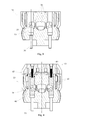
Fig. 3 zeigt einen erfindungsgemäßen Zylinder in einer Schnittansicht, wobei der Schnitt parallel zur Längsachse des Zylinders 20 und durch die Auslasskanäle 16 verläuft. Wie hier besonders gut ersichtlich ist, sind der linke Auslasskanal und der rechte Auslasskanal 16 jeweils von einer Bohrung 50 zumindest teilweise angebohrt, sodass der linke und der rechte Auslasskanal 16 jeweils eine wandungsseitige Öffnung 55 aufweisen. Diese wandungsseitigen Öffnungen werden durch die an dem Zylinderkopf 10 befestigten Stifte 40 verschlossen, wie inFig. 4 gezeigt. -
Fig. 4 zeigt den Schnitt durch den Zylinder 20 ausFig. 3 , wobei zusätzlich ein auf den Zylinder 20 aufgesetzter Zylinderkopf 10 mit den daran angeordneten Stiften 40 dargestellt ist. Besonders gut erkennbar ist inFig. 4 , dass die wandungsseitigen Öffnungen in dem linken und dem rechten Auslasskanal jeweils durch die entsprechende randseitige Aussparung 41 der Stifte 40 verschlossen werden, sodass die ursprüngliche Wandung der jeweiligen Auslasskanäle nach Einführen der Stifte 40 in die Bohrungen 50 wieder hergestellt ist. Wie bereits mit Bezug aufFig. 1 erläutert, sind die Stifte 40 über obere Befestigungsschrauben an dem Zylinderkopf 10 befestigt. Ferner sind die Stifte 40 so ausgestaltet, dass sie formschlüssig in die Bohrungen 50 eingeführt werden können. -
Fig. 5 zeigt eine Seitenansicht eines erfindungsgemäßen Zylinders 20 mit einem darauf angeordneten Zylinderkopf 10, sowie zwei Schnittansichten durch den Zylinder 20, wobei die Schnitte jeweils senkrecht zur Zylinderachse des Zylinders 20 verlaufen. - Wie in dem Schnitt A-A ersichtlich ist, durchdringen die Öffnungen 55 zumindest teilweise die Überströmkanäle 17 und zumindest teilweise den linken und den rechten Auslasskanal 16. Die dadurch entstehenden wandseitigen Öffnungen der Kanäle werden jeweils durch einen Stift 40 verschlossen.
- Aus dem Schnitt B-B ist ersichtlich, dass die Bohrungen 50 den linken und den rechten Auslasskanal teilweise durchdringen, wobei die so entstehenden wandungsseitigen Öffnungen ebenfalls mit den Stiften 40 wieder verschlossen werden.
-
Fig. 6 zeigt eine Detailansicht eines erfindungsgemäßen Stiftes 40. - Der Stift 40 ist im Wesentlichen zylinderförmig ausgestaltet und weist eine randseitige Aussparung 41 auf. Die Begrenzungsflächen 41a, welche die Aussparung 41 begrenzen, entsprechen im Wesentlichen der ursprünglichen Oberfläche der Wandung des Auslasskanals bzw. des Überströmkanals im Bereich der wandseitigen Öffnung. Dadurch wird beim Einsetzen des Stiftes 40 in die Bohrung 50 die ursprüngliche Oberfläche bzw. die ursprüngliche Wandung des Überströmkanals bzw. des Auslasskanals wieder hergestellt. Wichtig ist hierbei, dass der Stift 40 im Wesentlichen formschlüssig in der Bohrung 50 anordenbar ist.
- Der Stift 40 kann im oberen Bereich bzw. im Bereich des oberen Abschlusses eine umlaufende Nut 42 aufweisen, in welche beispielsweise ein Dichtungsring angeordnet werden kann.
- Ferner weist der Stift 40 an dem oberen Ende eine Verdrehsicherung 43 auf, welche beispielsweise als Nadellager-Nadel ausgestaltet sein kann. Die Verdrehsicherung 43 ist vorgesehen, um den Stift 40 in einer vorbestimmten Position an dem Zylinderkopf 10 zu befestigen, wobei an dem Zylinderkopf 10 eine mit der Verdrehsicherung korrespondierende Aussparung vorgesehen ist, in welche die Verdrehsicherung anordenbar ist. Dadurch wird gewährleistet, dass bereits beim Befestigen der Stifte 40 an dem Zylinderkopf 10 die Stifte in jener Position an dem Zylinderkopf befestigt werden, welche für das Verschließen der wandungsseitigen Öffnungen in den Kanälen notwendig ist.
- Selbstverständlich kann die randseitige Aussparung 41 eine andere Form aufweisen als jene wie sie in
Fig. 6 gezeigt ist. Die konkrete Form der randseitigen Aussparung 41 hängt letztlich davon ab, wie der jeweilige Kanal verläuft, und wie die Bohrung 50 den jeweiligen Kanal durchdringt. - Ebenso kann ein Stift 40 auch mehrere Aussparungen 41 aufweisen, wenn etwa zwei Überströmkanale übereinander oder nebeneinander angeordnet sind und die Bohrung 50 beide Überströmkanale anbohrt.
- Mit Bezug auf
Fig. 1 bis Fig. 6 sind jeweils erfindungsgemäße Zylinder gezeigt, bei denen wandungsseitige Öffnungen in den Überströmkanälen 17 bzw. Auslasskanälen 16 mittels einteiligen Stiftes 40 verschlossen werden. -
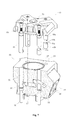
Fig. 7 zeigt eine Ausgestaltung der Erfindung, bei der die Stifte 40 zweiteilig ausgestaltet sind. Eine zweiteilige Ausgestaltung der Stifte 40 ist dann notwendig, wenn eine Bohrung 50 einen Kanal vollständig durchdringt, d.h. wenn die Bohrung 50 derart durch den Kanal verläuft, dass im Bereich des Kanals die Bohrung 50 vollständig innerhalb des Kanals liegt. In diesem Fall werden durch die Bohrung 50 zwei wandungsseitige Öffnungen in dem Kanal gebildet, welche durch einen zweiteilig ausgestalteten Stift 40 verschlossen werden, wobei ein oberer Abschnitt 40a des Stiftes 40 die obere Öffnung verschließt und ein unterer Abschnitt 40b des Stiftes 40 die untere Öffnung verschließt. - Der obere Abschnitt 40a des Stiftes 40 weist eine untere Begrenzungsfläche 41b auf, welche im Wesentlichen der ursprünglichen Oberfläche der oberen wandungsseitigen Öffnung des Kanals entspricht. Entsprechend weist der untere Teil 40b des Stiftes 40 eine obere Begrenzungsfläche 41c auf, welche im Wesentlichen der ursprünglichen Oberfläche der unteren wandungsseitigen Öffnung des Kanals entspricht.
- In
Fig. 7 wird die Bohrung 50 durch die Auslasskanäle 16 vollständig von diesen durchtrennt, während die Bohrungen 50 im Bereich der Überströmkanäle 17 von diesen nur teilweise durchtrennt werden. Bei den vollständig durchtrennten Bohrungen 50 im Bereich der Auslasskanäle 16 sind zweiteilig ausgestaltete Stifte 40 vorgesehen, um die beiden wandungsseitigen Öffnungen in den Auslasskanälen zu verschließen. Dabei wird zunächst der untere Teil 40b des Stiftes 40 in die Bohrung 50 eingebracht und dort fixiert. Der obere Teil 40a des Stiftes 40 wird mit oberen Befestigungsschrauben an dem Zylinderkopf 10 befestigt. Beim Aufsetzen des Zylinderkopfes 10 auf den Zylinder 20 werden die einteilig ausgestalteten Stifte sowie die oberen Teile 40a der zweiteilig ausgestalteten Stifte in die jeweilige Bohrung verbracht. - Selbstverständlich können auch die unteren Teile 40b der zweiteilig ausgestalteten Stifte 40 eine Verdrehsicherung aufweisen, welche gewährleisten, dass die unteren Teile 40b in der gewünschten Position in der Bohrung 50 verbleiben. Zudem kann die Verdrehsicherung derart ausgstaltet sein, dass ein freies Bewegen des unteren Teils 40b des zweiteilig ausgestalteten Stiftes entlang des Bohrloches verhindert wird.
-
Fig. 8 zeigt eine Schnittansicht eines erfindungsgemäßen Zylinders 20 mit einem Zylinderkopf 10, wobei der Schnitt parallel zur Längsachse des Zylinders und durch die Auslasskanäle 16 führt. Besonders gut ersichtlich ist hier, dass der linke und der rechte Auslasskanal 16 die Bohrung 50 vollständig durchdringen, sodass vorzugsweise ein zweiteilig ausgestalteter Stift mit einem unteren Teil 40b und einem oberen Teil 40a vorgesehen sind, um die beiden wandungsseitigen Öffnungen in den beiden Auslasskanälen 16 zu verschließen. - Mit dem erfindungsgemäßen Zylinder bzw. mit der erfindungsgemäßen Befestigungseinrichtung zum Befestigen eines Zylinder an einem Kurbelgehäuse eines Zweitaktmotors ist es möglich, einen Zylinder für unterschiedliche Motortypen zu verwenden, weil zum Befestigen des Zylinders an den jeweiligen Kurbelgehäuse keine Rücksicht darauf genommen werden muss, wie die Überströmkanäle bzw. Auslasskanäle verlaufen. Die Überströmkanäle und/oder die Auslasskanäle können beliebig angebohrt werden, weil die durch die Bohrung resultierenden wandseitigen Öffnungen in den jeweiligen Kanälen erfindungsgemäß mit den eingesetzten Stiften wieder verschlossen werden.
- Ein weiterer Vorteil der Erfindung liegt darin, dass auch bei der Gestaltung der Überströmkanäle und/oder der Auslasskanäle keine Rücksicht auf den Verlauf eventuell vorhandener Stehbolzen genommen werden muss, weil anstelle der Stehbolzen untere Befestigungsschrauben 30 vorgesehen sind, welche in die ursprünglichen Stehbolzen-Löcher eingebracht werden. Im Ergebnis stehen dadurch mehr Möglichkeiten für das Design bzw. die Ausgestaltung diverser Kanäle zur Verfügung, sodass noch leistungsfähigere Zylinder hergestellt werden können, weil die Größe und die Form insbesondere der Überströmkanäle und der Auslasskanäle nicht durch die Stehbolzen beschränkt ist.
-
- 10
- Zylinderkopf
- 15
- Auslass
- 16
- Auslasskanal
- 17
- Überströmkanal
- 20
- Zylinder
- 25
- Zylinderlaufbahn
- 27
- Zylinderinnenraum bzw. Brennraum
- 30
- untere Befestigungsschrauben zum Befestigen des Zylinders an dem Motorgehäuse (Kurbelgehäuse) bzw. an den Stehbolzenbohrungen des Motorgehäuses
- 40
- Stifte (zylinderförmig; einteilig ausgestaltet)
- 40a, 40b
- zweiteilig ausgestaltete, zylinderförmige Stifte
- 41
- randseitige Aussparung am Stift
- 41a
- Begrenzungsflächen der randseitigen Aussparung des einteilig ausgestalteten Stiftes
- 41b, 41c
- untere und obere Begrenzungsfläche des zweiteilig ausgestalteten Stiftes
- 42
- Nut am Stift zur Aufnahme eines O-Ringes (Dichtungsringes)
- 43
- Verdrehsicherung am Stift, z.B. Nadellager-Nadel
- 44
- Sackloch bzw. Sackbohrung zur Aufnahme der oberen Befestigungsschrauben
- 45
- Vertiefung an der Unterseite des Zylinderkopfes zur Aufnahme eines oberen Abschnittes des Stiftes
- 50
- Bohrungen (in axialer Richtung) zur Aufnahme der Stifte
- 55
- wandungsseitige Öffnungen am Auslasskanal und/oder Überströmkanal
- 60
- obere Befestigungsschrauben zum Befestigen des Zylinderkopfes an den Stiften
- 70
- Öffnung zur Aufnahme einer Zündkerze
Claims (10)
- Zweitaktmotor mit einem Zylinder (20), der einen in einer Zylinderlaufbahn (25) ausgebildeten Brennraum (27) umfasst, mit einem Zylinderkopf (10), der den Zylinder (20) an einem brennraumseitigen Ende verschließt, und mit einem Auslasskanal (16) aus dem Brennraum (27), wobei in dem Zylinder (20) mindestens ein Überströmkanal (17) zur Verbindung des Innenraumes eines Kurbelgehäuses des Zweitaktmotors mit dem Brennraum (27) ausgebildet ist, wobei- der Zylinder (20) zumindest eine axiale Bohrung (50) aufweist, welche eine Wandung des Auslasskanals (16) und/oder des Überströmkanals (17) zumindest teilweise durchdringt, sodass die Bohrung (50) im Auslasskanal (16) und/oder im Überströmkanal (17) zumindest eine wandungsseitige Öffnung (55) ausbildet, und- in der zumindest einen Bohrung (50) ein Stift (40) anordenbar ist, wobei der Stift (40) angepasst ist, die zumindest eine wandungsseitige Öffnung (55) so zu verschließen, dass die ursprüngliche Oberfläche der Wandung des Auslasskanals (16) und/oder des Überströmkanals (17) im Bereich der wandungsseitigen Öffnung (55) im Wesentlichen wieder hergestellt ist.
- Zweitaktmotor nach Anspruch 1, wobei der Stift (40) im Wesentlichen zylinderförmig ausgestaltet ist und eine randseitige Aussparung (41) aufweist, wobei die Begrenzungsfläche (41a) der randseitigen Aussparung (41) im Wesentlichen der ursprünglichen Oberfläche der Wandung des Auslasskanals (16) und/oder des Überströmkanals (17) im Bereich der wandungsseitigen Öffnung (55) entspricht.
- Zweitaktmotor nach einem der vorhergehenden Ansprüche, wobei der Stift (40) zweiteilig ausgestaltet ist, wobei eine untere Begrenzungsfläche (41b) des oberen Teils (40a) des Stiftes (40) eine erste wandungsseitige Öffnung des Auslasskanals (16) und/oder des Überströmkanals (17) verschließt, und wobei eine obere Begrenzungsfläche (41c) des unteren Teils (40b) des Stiftes (40) eine zweite wandungsseitige Öffnung des Auslasskanals (16) und/oder des Überströmkanals (17) verschließt.
- Zweitaktmotor nach einem der vorhergehenden Ansprüche, wobei ein unterer, dem Kurbelgehäuse zugewandter Abschnitt der Bohrung (50) einen kleineren Durchmesser aufweist als der obere Abschnitt der Bohrung (50), und wobei in dem unteren Abschnitt der Bohrung (50) untere Befestigungsmittel (30) anordenbar sind zum Befestigen des Zylinders (20) an dem Kurbelgehäuse.
- Zweitaktmotor nach einem der vorhergehenden Ansprüche, wobei der Stift (40) beziehungsweise der obere Teil (40a) des Stiftes (40) an dem Zylinderkopf (10), vorzugweise mit oberen Befestigungsmittel (60) befestigt ist.
- Zweitaktmotor nach Anspruch 5, wobei das obere Ende des Stiftes (40) bzw.
das obere Ende des oberen Teils (40a) des Stiftes (40) eine Sackbohrung (44) zur Aufnahme der oberen Befestigungsmittel (60) aufweist. - Zweitaktmotor nach einem der vorhergehenden Ansprüche, wobei der Stift (40) zumindest eine radiale Aussparung (42) zur Aufnahme eines O-Ringes, vorzugsweise ein Dichtungsring aufweist.
- Zweitaktmotor nach einem der vorhergehenden Ansprüche, wobei ein oberer Abschnitt des Stiftes (40) zumindest teilweise in eine mit dem oberen Abschnitt des Stiftes (40) korrespondierende Vertiefung (45) an der Unterseite des Zylinderkopfes (10) hineinragt.
- Zweitaktmotor nach Anspruch 8, wobei der obere Abschnitt des Stiftes (40) eine Verdrehsicherung (43) aufweist, welche in eine mit der Verdrehsicherung (43) korrespondierenden Aussparung in der Vertiefung (45) hineinragt.
- Zweitaktmotor nach Anspruch 9, wobei die Verdrehsicherung (43) eine Nadellager-Nadel umfasst.
Applications Claiming Priority (1)
| Application Number | Priority Date | Filing Date | Title |
|---|---|---|---|
| DE102011054445A DE102011054445B3 (de) | 2011-10-12 | 2011-10-12 | Befestigungseinrichtung für Zweitaktmotor |
Publications (3)
| Publication Number | Publication Date |
|---|---|
| EP2581581A2 true EP2581581A2 (de) | 2013-04-17 |
| EP2581581A3 EP2581581A3 (de) | 2013-06-19 |
| EP2581581B1 EP2581581B1 (de) | 2014-12-24 |
Family
ID=45350646
Family Applications (1)
| Application Number | Title | Priority Date | Filing Date |
|---|---|---|---|
| EP11189650.2A Not-in-force EP2581581B1 (de) | 2011-10-12 | 2011-11-18 | Befestigungseinrichtung für Zweitaktmotor |
Country Status (5)
| Country | Link |
|---|---|
| US (1) | US9016248B2 (de) |
| EP (1) | EP2581581B1 (de) |
| DE (1) | DE102011054445B3 (de) |
| DK (1) | DK2581581T3 (de) |
| ES (1) | ES2533354T3 (de) |
Family Cites Families (7)
| Publication number | Priority date | Publication date | Assignee | Title |
|---|---|---|---|---|
| DE1955586A1 (de) * | 1969-11-05 | 1971-05-13 | Zuendapp Werke Gmbh | Fluessigkeitsgekuehlte ein- oder mehrzylindrige Zweitaktbrennkraftmaschine |
| JPS61167119A (ja) * | 1985-01-17 | 1986-07-28 | Kawasaki Heavy Ind Ltd | 排気制御装置 |
| JP2718482B2 (ja) * | 1989-02-06 | 1998-02-25 | ヤマハ発動機株式会社 | 2サイクル多気筒エンジンの弁駆動機構 |
| JPH07158455A (ja) * | 1993-12-08 | 1995-06-20 | Suzuki Motor Corp | 二サイクルエンジンのシリンダー |
| JPH1122471A (ja) * | 1997-07-07 | 1999-01-26 | Toshikazu Kinoshita | 間欠爆発2サイクルエンジン |
| DE19958828C1 (de) * | 1999-12-07 | 2001-02-15 | Stihl Maschf Andreas | Verbindung Kurbelgehäuse/Zylindergehäuse |
| DE102009059144B4 (de) * | 2009-12-19 | 2020-07-30 | Andreas Stihl Ag & Co. Kg | Zweitaktmotor |
-
2011
- 2011-10-12 DE DE102011054445A patent/DE102011054445B3/de not_active Expired - Fee Related
- 2011-11-18 DK DK11189650T patent/DK2581581T3/en active
- 2011-11-18 EP EP11189650.2A patent/EP2581581B1/de not_active Not-in-force
- 2011-11-18 ES ES11189650.2T patent/ES2533354T3/es active Active
-
2012
- 2012-01-17 US US13/351,430 patent/US9016248B2/en not_active Expired - Fee Related
Non-Patent Citations (1)
| Title |
|---|
| None |
Also Published As
| Publication number | Publication date |
|---|---|
| ES2533354T3 (es) | 2015-04-09 |
| US9016248B2 (en) | 2015-04-28 |
| EP2581581B1 (de) | 2014-12-24 |
| EP2581581A3 (de) | 2013-06-19 |
| US20130092137A1 (en) | 2013-04-18 |
| DE102011054445B3 (de) | 2013-03-28 |
| DK2581581T3 (en) | 2015-04-07 |
Similar Documents
| Publication | Publication Date | Title |
|---|---|---|
| DE102005013085B3 (de) | Ventil mit Rückschlagventil | |
| DE112016005706B4 (de) | Verteileranordnung für Elektromagnetventile und diese verwendendes Elektromagnetventilcluster | |
| DE102011003556B4 (de) | Vorrichtung zur Veränderung der relativen Winkellage einer Nockenwelle gegenüber einer Kurbelwelle einer Brennkraftmaschine | |
| DE2936997A1 (de) | Kraftfahrzeug-tuerverschluss | |
| DE60010044T2 (de) | Einsteckbarer montagestift für personenkraftwagentürschloss | |
| EP0715083B1 (de) | Kolbenstangenloser Druckmittelzylinder | |
| DE20221858U1 (de) | Brennkraftmaschine mit einer Vorrichtung zur hydraulischen Drehwinkelverstellung ihrer Nockenwelle gegenüber ihrer Kurbelwelle sowie mit einer Vakuumpumpe für einen Servoverbraucher, insbesondere für einen Bremskraftverstärker | |
| EP3234369B1 (de) | Axialventilator | |
| DE102012211870A1 (de) | Hydraulischer Nockenwellenversteller mit Mittenverriegelung und einstellbarem Verriegelungsspiel | |
| DE202015105757U1 (de) | Vorrichtung zum Einbauen und Positionieren einer Nockenwelle eines Motors | |
| EP2284335A2 (de) | Lageranordnung sowie Rosettenanordnung als Teil einer Drückergarnitur | |
| DE102016225923B4 (de) | Pumpenaggregat für ein Hydrauliksystem und Kanalelement für ein Pumpenaggregat | |
| EP2581581B1 (de) | Befestigungseinrichtung für Zweitaktmotor | |
| DE68903447T2 (de) | Sicherheitszylinder fuer ein schloss und entsprechender schluessel. | |
| DE102014103580B3 (de) | Hydraulischer Dämpfer mit einem Gehäuse, insbesondere für einen Türschließer | |
| CH708051B1 (de) | Schliesszylinder. | |
| DE19936948C1 (de) | Verstellpropeller für Motorboote und Sportboote | |
| DE102005055433B3 (de) | Pleuel für eine Kolbenarbeitsmaschine und Doppelkurbelwellen-Arbeitsmaschine | |
| DE2314596A1 (de) | Einspritzpumpe fuer brennkraftmaschinen | |
| DE102015204066A1 (de) | Linearer Stellantrieb | |
| DE29814551U1 (de) | Drehantrieb, insbesondere pneumatischer Drehantrieb | |
| DE102019107671B3 (de) | Gleitringdichtung und Verfahren zur Montage einer solchen Gleitringdichtung | |
| DE1403460A1 (de) | Gegossenes Bauteil fuer Verdichter | |
| DE19920132C2 (de) | Seitenregistereinrichtung eines Formzylinders | |
| DE102016015919B4 (de) | Pumpenaggregat für ein Hydrauliksystem und Kanalelement für ein Pumpenaggregat |
Legal Events
| Date | Code | Title | Description |
|---|---|---|---|
| PUAI | Public reference made under article 153(3) epc to a published international application that has entered the european phase |
Free format text: ORIGINAL CODE: 0009012 |
|
| AK | Designated contracting states |
Kind code of ref document: A2 Designated state(s): AL AT BE BG CH CY CZ DE DK EE ES FI FR GB GR HR HU IE IS IT LI LT LU LV MC MK MT NL NO PL PT RO RS SE SI SK SM TR |
|
| AX | Request for extension of the european patent |
Extension state: BA ME |
|
| PUAL | Search report despatched |
Free format text: ORIGINAL CODE: 0009013 |
|
| AK | Designated contracting states |
Kind code of ref document: A3 Designated state(s): AL AT BE BG CH CY CZ DE DK EE ES FI FR GB GR HR HU IE IS IT LI LT LU LV MC MK MT NL NO PL PT RO RS SE SI SK SM TR |
|
| AX | Request for extension of the european patent |
Extension state: BA ME |
|
| RIC1 | Information provided on ipc code assigned before grant |
Ipc: F02B 75/02 20060101ALI20130514BHEP Ipc: F02F 1/22 20060101ALI20130514BHEP Ipc: F02B 25/00 20060101AFI20130514BHEP |
|
| 17P | Request for examination filed |
Effective date: 20131219 |
|
| RBV | Designated contracting states (corrected) |
Designated state(s): AL AT BE BG CH CY CZ DE DK EE ES FI FR GB GR HR HU IE IS IT LI LT LU LV MC MK MT NL NO PL PT RO RS SE SI SK SM TR |
|
| REG | Reference to a national code |
Ref country code: DE Ref legal event code: R079 Ref document number: 502011005378 Country of ref document: DE Free format text: PREVIOUS MAIN CLASS: F02B0025000000 Ipc: F02B0025140000 |
|
| RIC1 | Information provided on ipc code assigned before grant |
Ipc: F02B 25/00 20060101ALI20140415BHEP Ipc: F02F 1/22 20060101ALI20140415BHEP Ipc: F02B 25/14 20060101AFI20140415BHEP Ipc: F02B 75/02 20060101ALI20140415BHEP |
|
| GRAP | Despatch of communication of intention to grant a patent |
Free format text: ORIGINAL CODE: EPIDOSNIGR1 |
|
| INTG | Intention to grant announced |
Effective date: 20140620 |
|
| GRAS | Grant fee paid |
Free format text: ORIGINAL CODE: EPIDOSNIGR3 |
|
| GRAA | (expected) grant |
Free format text: ORIGINAL CODE: 0009210 |
|
| AK | Designated contracting states |
Kind code of ref document: B1 Designated state(s): AL AT BE BG CH CY CZ DE DK EE ES FI FR GB GR HR HU IE IS IT LI LT LU LV MC MK MT NL NO PL PT RO RS SE SI SK SM TR |
|
| REG | Reference to a national code |
Ref country code: GB Ref legal event code: FG4D Free format text: NOT ENGLISH |
|
| REG | Reference to a national code |
Ref country code: CH Ref legal event code: EP |
|
| REG | Reference to a national code |
Ref country code: IE Ref legal event code: FG4D Free format text: LANGUAGE OF EP DOCUMENT: GERMAN |
|
| REG | Reference to a national code |
Ref country code: AT Ref legal event code: REF Ref document number: 703270 Country of ref document: AT Kind code of ref document: T Effective date: 20150115 |
|
| REG | Reference to a national code |
Ref country code: DE Ref legal event code: R096 Ref document number: 502011005378 Country of ref document: DE Effective date: 20150219 |
|
| REG | Reference to a national code |
Ref country code: DK Ref legal event code: T3 Effective date: 20150401 |
|
| REG | Reference to a national code |
Ref country code: ES Ref legal event code: FG2A Ref document number: 2533354 Country of ref document: ES Kind code of ref document: T3 Effective date: 20150409 |
|
| REG | Reference to a national code |
Ref country code: NL Ref legal event code: VDEP Effective date: 20141224 |
|
| PG25 | Lapsed in a contracting state [announced via postgrant information from national office to epo] |
Ref country code: FI Free format text: LAPSE BECAUSE OF FAILURE TO SUBMIT A TRANSLATION OF THE DESCRIPTION OR TO PAY THE FEE WITHIN THE PRESCRIBED TIME-LIMIT Effective date: 20141224 Ref country code: NO Free format text: LAPSE BECAUSE OF FAILURE TO SUBMIT A TRANSLATION OF THE DESCRIPTION OR TO PAY THE FEE WITHIN THE PRESCRIBED TIME-LIMIT Effective date: 20150324 Ref country code: LT Free format text: LAPSE BECAUSE OF FAILURE TO SUBMIT A TRANSLATION OF THE DESCRIPTION OR TO PAY THE FEE WITHIN THE PRESCRIBED TIME-LIMIT Effective date: 20141224 |
|
| REG | Reference to a national code |
Ref country code: LT Ref legal event code: MG4D |
|
| PG25 | Lapsed in a contracting state [announced via postgrant information from national office to epo] |
Ref country code: SE Free format text: LAPSE BECAUSE OF FAILURE TO SUBMIT A TRANSLATION OF THE DESCRIPTION OR TO PAY THE FEE WITHIN THE PRESCRIBED TIME-LIMIT Effective date: 20141224 Ref country code: RS Free format text: LAPSE BECAUSE OF FAILURE TO SUBMIT A TRANSLATION OF THE DESCRIPTION OR TO PAY THE FEE WITHIN THE PRESCRIBED TIME-LIMIT Effective date: 20141224 Ref country code: HR Free format text: LAPSE BECAUSE OF FAILURE TO SUBMIT A TRANSLATION OF THE DESCRIPTION OR TO PAY THE FEE WITHIN THE PRESCRIBED TIME-LIMIT Effective date: 20141224 Ref country code: LV Free format text: LAPSE BECAUSE OF FAILURE TO SUBMIT A TRANSLATION OF THE DESCRIPTION OR TO PAY THE FEE WITHIN THE PRESCRIBED TIME-LIMIT Effective date: 20141224 Ref country code: GR Free format text: LAPSE BECAUSE OF FAILURE TO SUBMIT A TRANSLATION OF THE DESCRIPTION OR TO PAY THE FEE WITHIN THE PRESCRIBED TIME-LIMIT Effective date: 20150325 |
|
| PG25 | Lapsed in a contracting state [announced via postgrant information from national office to epo] |
Ref country code: NL Free format text: LAPSE BECAUSE OF FAILURE TO SUBMIT A TRANSLATION OF THE DESCRIPTION OR TO PAY THE FEE WITHIN THE PRESCRIBED TIME-LIMIT Effective date: 20141224 |
|
| PG25 | Lapsed in a contracting state [announced via postgrant information from national office to epo] |
Ref country code: EE Free format text: LAPSE BECAUSE OF FAILURE TO SUBMIT A TRANSLATION OF THE DESCRIPTION OR TO PAY THE FEE WITHIN THE PRESCRIBED TIME-LIMIT Effective date: 20141224 Ref country code: SK Free format text: LAPSE BECAUSE OF FAILURE TO SUBMIT A TRANSLATION OF THE DESCRIPTION OR TO PAY THE FEE WITHIN THE PRESCRIBED TIME-LIMIT Effective date: 20141224 Ref country code: CZ Free format text: LAPSE BECAUSE OF FAILURE TO SUBMIT A TRANSLATION OF THE DESCRIPTION OR TO PAY THE FEE WITHIN THE PRESCRIBED TIME-LIMIT Effective date: 20141224 Ref country code: RO Free format text: LAPSE BECAUSE OF FAILURE TO SUBMIT A TRANSLATION OF THE DESCRIPTION OR TO PAY THE FEE WITHIN THE PRESCRIBED TIME-LIMIT Effective date: 20141224 |
|
| PG25 | Lapsed in a contracting state [announced via postgrant information from national office to epo] |
Ref country code: IS Free format text: LAPSE BECAUSE OF FAILURE TO SUBMIT A TRANSLATION OF THE DESCRIPTION OR TO PAY THE FEE WITHIN THE PRESCRIBED TIME-LIMIT Effective date: 20150424 Ref country code: PL Free format text: LAPSE BECAUSE OF FAILURE TO SUBMIT A TRANSLATION OF THE DESCRIPTION OR TO PAY THE FEE WITHIN THE PRESCRIBED TIME-LIMIT Effective date: 20141224 |
|
| REG | Reference to a national code |
Ref country code: DE Ref legal event code: R097 Ref document number: 502011005378 Country of ref document: DE |
|
| PLBE | No opposition filed within time limit |
Free format text: ORIGINAL CODE: 0009261 |
|
| STAA | Information on the status of an ep patent application or granted ep patent |
Free format text: STATUS: NO OPPOSITION FILED WITHIN TIME LIMIT |
|
| REG | Reference to a national code |
Ref country code: FR Ref legal event code: PLFP Year of fee payment: 5 |
|
| 26N | No opposition filed |
Effective date: 20150925 |
|
| PG25 | Lapsed in a contracting state [announced via postgrant information from national office to epo] |
Ref country code: SI Free format text: LAPSE BECAUSE OF FAILURE TO SUBMIT A TRANSLATION OF THE DESCRIPTION OR TO PAY THE FEE WITHIN THE PRESCRIBED TIME-LIMIT Effective date: 20141224 |
|
| PG25 | Lapsed in a contracting state [announced via postgrant information from national office to epo] |
Ref country code: MC Free format text: LAPSE BECAUSE OF FAILURE TO SUBMIT A TRANSLATION OF THE DESCRIPTION OR TO PAY THE FEE WITHIN THE PRESCRIBED TIME-LIMIT Effective date: 20141224 Ref country code: LU Free format text: LAPSE BECAUSE OF FAILURE TO SUBMIT A TRANSLATION OF THE DESCRIPTION OR TO PAY THE FEE WITHIN THE PRESCRIBED TIME-LIMIT Effective date: 20151118 |
|
| REG | Reference to a national code |
Ref country code: IE Ref legal event code: MM4A |
|
| PG25 | Lapsed in a contracting state [announced via postgrant information from national office to epo] |
Ref country code: IE Free format text: LAPSE BECAUSE OF NON-PAYMENT OF DUE FEES Effective date: 20151118 |
|
| REG | Reference to a national code |
Ref country code: FR Ref legal event code: PLFP Year of fee payment: 6 |
|
| PGFP | Annual fee paid to national office [announced via postgrant information from national office to epo] |
Ref country code: CH Payment date: 20161124 Year of fee payment: 6 Ref country code: DK Payment date: 20161124 Year of fee payment: 6 Ref country code: GB Payment date: 20161124 Year of fee payment: 6 |
|
| PGFP | Annual fee paid to national office [announced via postgrant information from national office to epo] |
Ref country code: ES Payment date: 20161124 Year of fee payment: 6 Ref country code: IT Payment date: 20161124 Year of fee payment: 6 Ref country code: AT Payment date: 20161122 Year of fee payment: 6 |
|
| PG25 | Lapsed in a contracting state [announced via postgrant information from national office to epo] |
Ref country code: BG Free format text: LAPSE BECAUSE OF FAILURE TO SUBMIT A TRANSLATION OF THE DESCRIPTION OR TO PAY THE FEE WITHIN THE PRESCRIBED TIME-LIMIT Effective date: 20141224 Ref country code: HU Free format text: LAPSE BECAUSE OF FAILURE TO SUBMIT A TRANSLATION OF THE DESCRIPTION OR TO PAY THE FEE WITHIN THE PRESCRIBED TIME-LIMIT; INVALID AB INITIO Effective date: 20111118 Ref country code: SM Free format text: LAPSE BECAUSE OF FAILURE TO SUBMIT A TRANSLATION OF THE DESCRIPTION OR TO PAY THE FEE WITHIN THE PRESCRIBED TIME-LIMIT Effective date: 20141224 |
|
| PG25 | Lapsed in a contracting state [announced via postgrant information from national office to epo] |
Ref country code: CY Free format text: LAPSE BECAUSE OF FAILURE TO SUBMIT A TRANSLATION OF THE DESCRIPTION OR TO PAY THE FEE WITHIN THE PRESCRIBED TIME-LIMIT Effective date: 20141224 |
|
| PG25 | Lapsed in a contracting state [announced via postgrant information from national office to epo] |
Ref country code: BE Free format text: LAPSE BECAUSE OF NON-PAYMENT OF DUE FEES Effective date: 20151130 |
|
| PG25 | Lapsed in a contracting state [announced via postgrant information from national office to epo] |
Ref country code: MT Free format text: LAPSE BECAUSE OF FAILURE TO SUBMIT A TRANSLATION OF THE DESCRIPTION OR TO PAY THE FEE WITHIN THE PRESCRIBED TIME-LIMIT Effective date: 20141224 |
|
| REG | Reference to a national code |
Ref country code: FR Ref legal event code: PLFP Year of fee payment: 7 |
|
| PGFP | Annual fee paid to national office [announced via postgrant information from national office to epo] |
Ref country code: FR Payment date: 20171124 Year of fee payment: 7 |
|
| REG | Reference to a national code |
Ref country code: DK Ref legal event code: EBP Effective date: 20171130 |
|
| PG25 | Lapsed in a contracting state [announced via postgrant information from national office to epo] |
Ref country code: MK Free format text: LAPSE BECAUSE OF FAILURE TO SUBMIT A TRANSLATION OF THE DESCRIPTION OR TO PAY THE FEE WITHIN THE PRESCRIBED TIME-LIMIT Effective date: 20141224 Ref country code: TR Free format text: LAPSE BECAUSE OF FAILURE TO SUBMIT A TRANSLATION OF THE DESCRIPTION OR TO PAY THE FEE WITHIN THE PRESCRIBED TIME-LIMIT Effective date: 20141224 |
|
| REG | Reference to a national code |
Ref country code: AT Ref legal event code: MM01 Ref document number: 703270 Country of ref document: AT Kind code of ref document: T Effective date: 20171118 |
|
| GBPC | Gb: european patent ceased through non-payment of renewal fee |
Effective date: 20171118 |
|
| PG25 | Lapsed in a contracting state [announced via postgrant information from national office to epo] |
Ref country code: LI Free format text: LAPSE BECAUSE OF NON-PAYMENT OF DUE FEES Effective date: 20171130 Ref country code: CH Free format text: LAPSE BECAUSE OF NON-PAYMENT OF DUE FEES Effective date: 20171130 Ref country code: PT Free format text: LAPSE BECAUSE OF FAILURE TO SUBMIT A TRANSLATION OF THE DESCRIPTION OR TO PAY THE FEE WITHIN THE PRESCRIBED TIME-LIMIT Effective date: 20141224 |
|
| PGFP | Annual fee paid to national office [announced via postgrant information from national office to epo] |
Ref country code: DE Payment date: 20180417 Year of fee payment: 7 |
|
| PG25 | Lapsed in a contracting state [announced via postgrant information from national office to epo] |
Ref country code: AT Free format text: LAPSE BECAUSE OF NON-PAYMENT OF DUE FEES Effective date: 20171118 |
|
| PG25 | Lapsed in a contracting state [announced via postgrant information from national office to epo] |
Ref country code: IT Free format text: LAPSE BECAUSE OF NON-PAYMENT OF DUE FEES Effective date: 20171118 Ref country code: AL Free format text: LAPSE BECAUSE OF FAILURE TO SUBMIT A TRANSLATION OF THE DESCRIPTION OR TO PAY THE FEE WITHIN THE PRESCRIBED TIME-LIMIT Effective date: 20141224 |
|
| PG25 | Lapsed in a contracting state [announced via postgrant information from national office to epo] |
Ref country code: GB Free format text: LAPSE BECAUSE OF NON-PAYMENT OF DUE FEES Effective date: 20171118 Ref country code: DK Free format text: LAPSE BECAUSE OF NON-PAYMENT OF DUE FEES Effective date: 20171130 |
|
| REG | Reference to a national code |
Ref country code: ES Ref legal event code: FD2A Effective date: 20181226 |
|
| PG25 | Lapsed in a contracting state [announced via postgrant information from national office to epo] |
Ref country code: ES Free format text: LAPSE BECAUSE OF NON-PAYMENT OF DUE FEES Effective date: 20171119 |
|
| REG | Reference to a national code |
Ref country code: DE Ref legal event code: R119 Ref document number: 502011005378 Country of ref document: DE |
|
| PG25 | Lapsed in a contracting state [announced via postgrant information from national office to epo] |
Ref country code: FR Free format text: LAPSE BECAUSE OF NON-PAYMENT OF DUE FEES Effective date: 20181130 Ref country code: DE Free format text: LAPSE BECAUSE OF NON-PAYMENT OF DUE FEES Effective date: 20190601 |