EP2562966B1 - Verfahren und vorrichtung zur gemeinsamen nutzung von inhalten in einer heimnetzwerkumgebung - Google Patents
Verfahren und vorrichtung zur gemeinsamen nutzung von inhalten in einer heimnetzwerkumgebung Download PDFInfo
- Publication number
- EP2562966B1 EP2562966B1 EP12180597.2A EP12180597A EP2562966B1 EP 2562966 B1 EP2562966 B1 EP 2562966B1 EP 12180597 A EP12180597 A EP 12180597A EP 2562966 B1 EP2562966 B1 EP 2562966B1
- Authority
- EP
- European Patent Office
- Prior art keywords
- dlna
- home network
- mobile terminal
- content
- network
- Prior art date
- Legal status (The legal status is an assumption and is not a legal conclusion. Google has not performed a legal analysis and makes no representation as to the accuracy of the status listed.)
- Active
Links
Images

Classifications
-
- H—ELECTRICITY
- H04—ELECTRIC COMMUNICATION TECHNIQUE
- H04L—TRANSMISSION OF DIGITAL INFORMATION, e.g. TELEGRAPHIC COMMUNICATION
- H04L12/00—Data switching networks
- H04L12/28—Data switching networks characterised by path configuration, e.g. LAN [Local Area Networks] or WAN [Wide Area Networks]
- H04L12/2803—Home automation networks
- H04L12/2807—Exchanging configuration information on appliance services in a home automation network
- H04L12/2809—Exchanging configuration information on appliance services in a home automation network indicating that an appliance service is present in a home automation network
-
- H—ELECTRICITY
- H04—ELECTRIC COMMUNICATION TECHNIQUE
- H04W—WIRELESS COMMUNICATION NETWORKS
- H04W88/00—Devices specially adapted for wireless communication networks, e.g. terminals, base stations or access point devices
- H04W88/02—Terminal devices
-
- G—PHYSICS
- G06—COMPUTING OR CALCULATING; COUNTING
- G06F—ELECTRIC DIGITAL DATA PROCESSING
- G06F15/00—Digital computers in general; Data processing equipment in general
- G06F15/16—Combinations of two or more digital computers each having at least an arithmetic unit, a program unit and a register, e.g. for a simultaneous processing of several programs
-
- H—ELECTRICITY
- H04—ELECTRIC COMMUNICATION TECHNIQUE
- H04L—TRANSMISSION OF DIGITAL INFORMATION, e.g. TELEGRAPHIC COMMUNICATION
- H04L12/00—Data switching networks
- H04L12/02—Details
- H04L12/16—Arrangements for providing special services to substations
-
- H—ELECTRICITY
- H04—ELECTRIC COMMUNICATION TECHNIQUE
- H04L—TRANSMISSION OF DIGITAL INFORMATION, e.g. TELEGRAPHIC COMMUNICATION
- H04L12/00—Data switching networks
- H04L12/28—Data switching networks characterised by path configuration, e.g. LAN [Local Area Networks] or WAN [Wide Area Networks]
- H04L12/2803—Home automation networks
- H04L12/2807—Exchanging configuration information on appliance services in a home automation network
- H04L12/281—Exchanging configuration information on appliance services in a home automation network indicating a format for calling an appliance service function in a home automation network
-
- H—ELECTRICITY
- H04—ELECTRIC COMMUNICATION TECHNIQUE
- H04L—TRANSMISSION OF DIGITAL INFORMATION, e.g. TELEGRAPHIC COMMUNICATION
- H04L12/00—Data switching networks
- H04L12/28—Data switching networks characterised by path configuration, e.g. LAN [Local Area Networks] or WAN [Wide Area Networks]
- H04L12/2854—Wide area networks, e.g. public data networks
- H04L12/2856—Access arrangements, e.g. Internet access
-
- H—ELECTRICITY
- H04—ELECTRIC COMMUNICATION TECHNIQUE
- H04L—TRANSMISSION OF DIGITAL INFORMATION, e.g. TELEGRAPHIC COMMUNICATION
- H04L12/00—Data switching networks
- H04L12/28—Data switching networks characterised by path configuration, e.g. LAN [Local Area Networks] or WAN [Wide Area Networks]
- H04L12/2854—Wide area networks, e.g. public data networks
- H04L12/2856—Access arrangements, e.g. Internet access
- H04L12/2869—Operational details of access network equipments
- H04L12/287—Remote access server, e.g. BRAS
-
- H—ELECTRICITY
- H04—ELECTRIC COMMUNICATION TECHNIQUE
- H04L—TRANSMISSION OF DIGITAL INFORMATION, e.g. TELEGRAPHIC COMMUNICATION
- H04L65/00—Network arrangements, protocols or services for supporting real-time applications in data packet communication
- H04L65/10—Architectures or entities
- H04L65/102—Gateways
- H04L65/1023—Media gateways
- H04L65/1026—Media gateways at the edge
-
- H—ELECTRICITY
- H04—ELECTRIC COMMUNICATION TECHNIQUE
- H04L—TRANSMISSION OF DIGITAL INFORMATION, e.g. TELEGRAPHIC COMMUNICATION
- H04L65/00—Network arrangements, protocols or services for supporting real-time applications in data packet communication
- H04L65/60—Network streaming of media packets
-
- H—ELECTRICITY
- H04—ELECTRIC COMMUNICATION TECHNIQUE
- H04L—TRANSMISSION OF DIGITAL INFORMATION, e.g. TELEGRAPHIC COMMUNICATION
- H04L65/00—Network arrangements, protocols or services for supporting real-time applications in data packet communication
- H04L65/60—Network streaming of media packets
- H04L65/61—Network streaming of media packets for supporting one-way streaming services, e.g. Internet radio
- H04L65/612—Network streaming of media packets for supporting one-way streaming services, e.g. Internet radio for unicast
-
- H—ELECTRICITY
- H04—ELECTRIC COMMUNICATION TECHNIQUE
- H04L—TRANSMISSION OF DIGITAL INFORMATION, e.g. TELEGRAPHIC COMMUNICATION
- H04L67/00—Network arrangements or protocols for supporting network services or applications
- H04L67/01—Protocols
- H04L67/10—Protocols in which an application is distributed across nodes in the network
- H04L67/1001—Protocols in which an application is distributed across nodes in the network for accessing one among a plurality of replicated servers
-
- H—ELECTRICITY
- H04—ELECTRIC COMMUNICATION TECHNIQUE
- H04L—TRANSMISSION OF DIGITAL INFORMATION, e.g. TELEGRAPHIC COMMUNICATION
- H04L67/00—Network arrangements or protocols for supporting network services or applications
- H04L67/2866—Architectures; Arrangements
- H04L67/30—Profiles
- H04L67/303—Terminal profiles
-
- H—ELECTRICITY
- H04—ELECTRIC COMMUNICATION TECHNIQUE
- H04N—PICTORIAL COMMUNICATION, e.g. TELEVISION
- H04N21/00—Selective content distribution, e.g. interactive television or video on demand [VOD]
-
- H—ELECTRICITY
- H04—ELECTRIC COMMUNICATION TECHNIQUE
- H04N—PICTORIAL COMMUNICATION, e.g. TELEVISION
- H04N21/00—Selective content distribution, e.g. interactive television or video on demand [VOD]
- H04N21/20—Servers specifically adapted for the distribution of content, e.g. VOD servers; Operations thereof
-
- H—ELECTRICITY
- H04—ELECTRIC COMMUNICATION TECHNIQUE
- H04N—PICTORIAL COMMUNICATION, e.g. TELEVISION
- H04N21/00—Selective content distribution, e.g. interactive television or video on demand [VOD]
- H04N21/20—Servers specifically adapted for the distribution of content, e.g. VOD servers; Operations thereof
- H04N21/21—Server components or server architectures
- H04N21/222—Secondary servers, e.g. proxy server, cable television Head-end
- H04N21/2225—Local VOD servers
-
- H—ELECTRICITY
- H04—ELECTRIC COMMUNICATION TECHNIQUE
- H04W—WIRELESS COMMUNICATION NETWORKS
- H04W8/00—Network data management
- H04W8/005—Discovery of network devices, e.g. terminals
-
- H—ELECTRICITY
- H04—ELECTRIC COMMUNICATION TECHNIQUE
- H04W—WIRELESS COMMUNICATION NETWORKS
- H04W48/00—Access restriction; Network selection; Access point selection
- H04W48/20—Selecting an access point
Definitions
- the present invention relates generally to a method and an apparatus for sharing content in a home network environment.
- a Digital Living Network Alliance (DLNA) network enables sharing of various content such as music, photos, and movies by digital devices interconnected over a wireless Local Area Network (LAN).
- DLNA Digital Living Network Alliance
- the DLNA network communicates based on Universal Plug and Play (UPnP) protocol, and includes a Digital Media Server (DMS) for providing content to other device, a Digital Media Player (DMP) and a Digital Media Renderer (DMR) for receiving and playing the content from the DMS, and a Digital Media Controller (DMC) for controlling the DMR.
- DMS Digital Media Server
- DMP Digital Media Player
- DMR Digital Media Renderer
- DMC Digital Media Controller
- the mobile terminal 100 supporting the DLNA network detects all of DLNA devices accessing its network by connecting to the wireless LAN according to a DLNA service request of a user, searches for content of the DLNA devices, and displays information of the corresponding content in a screen so that the user can select and play the intended content. Accordingly, the mobile terminal 100 supporting the DLNA network can function as the DMS to provide the content to other DLNA device, function as the DMP to receive and play the content from the other DLNA devices, and function as the DMC to control the DMR.
- the conventional mobile terminal 100 supporting the DLNA network searches for the neighboring DLNA device and searches for the content only when the user requests the DLNA service.
- the conventional mobile terminal 100 cannot detect the DLNA device connected to the corresponding network and thus, cannot recognize shareable content.
- the mobile terminal 100 each time the user requests the DLNA service, the mobile terminal 100 detects the DLNA devices accessing the corresponding network and receives content information and thumbnail from the detected devices. As a result, the time is delayed and the network traffic increases until the DLNA service is executed.
- US 2011/0087759 A1 describes a technique for reproducing contents using Digital Living Network Alliance (DLNA) in a mobile terminal.
- EP 1845683 A1 describes a technique for transforming contents in a DLNA system.
- EP 2202939 A1 describes an enhanced content sharing framework.
- US 2011/131520 A1 describes a technique for transferring media content from a mobile device to a target network device on a home network.
- EP 2246791 A1 describes a communication terminal device and a communication device connection control method for making an access from a communication terminal device to information about various types of devices connected to a communication network or controlling devices, via the communication network, such as a home network, for connecting consumer electronics, computers and peripheral devices at home.
- the present invention is designed to address at least the problems and/or disadvantages described above and to provide at least the advantages described below.
- a method of a mobile terminal for sharing content in a home network environment comprising: in response to accessing an Access Point, AP, connecting, without receiving, from a user, a request for a digital living network alliance, DLNA, service, the mobile terminal to a home network; in response to connecting the mobile terminal to the home network, searching for at least one device connected to the home network; when the at least one device is connected to the home network, identifying a type of the at least one device connected to the home network; determining, according to the type of the at least one device, whether to operate the mobile terminal as a content providing server, a player for playing content, or a controller for controlling playing the content; mapping and storing information of the at least one device connected to the home network with the AP; and setting state information of the at least one device to an active state, wherein the step of determining comprises: determining to operate as the content providing server when the at least one device connected to the home network does not include a content providing
- an apparatus of a mobile terminal for sharing content in a home network environment comprising: a communication unit; a storage unit; and a control unit, wherein the control unit is configured for: in response to accessing Access Point, AP, connecting, without receiving, from a user, a request for a digital living network alliance, DLNA, service, the mobile terminal to a home network using the communication unit; in response to connecting the mobile terminal to the home network, searching for at least one device connected to the home network using the communication unit; when the at least one device is connected to the home network, identifying a type of the at least one device connected to the home network; determining, according to the type of the at least one device, whether to operate the mobile terminal as a content providing server, a player for playing content, or a controller for controlling playing the content; mapping and storing information of the at least one device connected to the home network with the AP in the storage unit; and setting state information of the at least one device to an active state, and
- a method and an apparatus of a mobile terminal are provided for automatically detecting and managing a DLNA device in a DLNA network.
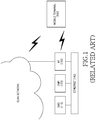
- FIG. 1 illustrates a conventional DLNA network system.
- the DLNA network system conforms to a Universal Plug and Play (UPnP) protocol and includes devices (hereinafter, referred to as DLNA devices) that access the DLNA network and perform wired or wireless communication in a format based on the UPnP protocol.
- UDP Universal Plug and Play
- the DLNA network system includes a Digital Media Server (DMS) 110 for wired access to an Access Point (AP) 130 and providing content (or media), a Digital Media Renderer (DMR) 120 for wired access to the AP 130 and receiving and playing the content, and a mobile terminal 100 for wired or wirelessly access to the AP 130, and providing or receiving and playing the content.
- DMS Digital Media Server
- AP Access Point
- DMR Digital Media Renderer
- mobile terminal 100 for wired or wirelessly access to the AP 130, and providing or receiving and playing the content.
- the mobile terminal 100 detects whether it is connected to a wireless Local Area Network (LAN). When accessing the wireless LAN, the mobile terminal 100 automatically searches for DLNA devices, and stores and manages device information and content information. When not accessing the wireless LAN, the mobile terminal 100 aborts the DLNA related operation.
- LAN Local Area Network
- the mobile terminal 100 when accessing the AP 130, the mobile terminal 100 periodically detects whether a DLNA device accesses the AP 130. When detecting the DLNA device accessing the AP 130, the mobile terminal 100 shares the content with the corresponding device based on a type of the DLNA device. Upon detecting the DMS 110 according to the DLNA device detection result, the mobile terminal 100 stores information of the DMS 110 and sets the status of the DMS 110 to an accessible active state. However, when the DMS 110 is not detected, but the DMR 120 is detected according to the DLNA device detection result, the mobile terminal 100 stores information of the DMR 120, sets the status of the DMR 120 to an accessible active state, determines to operate the DMS 110, and provides the content to the DMR 120.
- the mobile terminal 100 detects disconnection of the DLNA device accessing the AP 130 and deactivates the corresponding DLNA device. For example, the mobile terminal 100, when accessing the AP 130, continuously detects the access status of other DLNA devices connected to the AP 130. When a DLNA device disconnects from the AP 130, e.g., because of power-off, movement, or user control, the mobile terminal 100 recognizes the disconnection of the corresponding DLNA device and blocks the access of the corresponding DLNA device by deactivating the corresponding DLNA device.
- the mobile terminal 100 maintains or deletes the corresponding information by verifying DLNA related information stored therein.
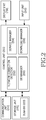
- FIG. 2 is a block diagram illustrating a mobile terminal in a DLNA network according to an embodiment of the present invention.
- the mobile terminal includes a control unit 200, a communication unit 210, a storage unit 220, a display unit 230, and an input unit 240.
- the control unit 200 includes a network connection detector 202, a service manager 204, a DataBase (DB) manager 206, and a download manager 208.
- the storage unit 220 includes a DLNA DB 222.
- the control unit 200 controls and processes the operations of the mobile terminal and supports a DLNA service.
- the DLNA service indicates a service enabling sharing and playing of content among the DLNA devices connected (wired or wirelessly) using the DLNA network.
- the network connection detector 202 periodically detects the wireless LAN access state of the mobile terminal and provides the detection result to the service manager 204.
- the service manager 204 activates the DLNA service to automatically search for the DLNA devices accessing the wireless LAN, and controls the mobile terminal to store and manage information and content information of the corresponding device.
- the service manager 204 aborts the DLNA related operation by deactivating the DLNA service until the access to the wireless LAN.
- the service manager 204 searches for the DLNA device accessing the AP. Accordingly, when detecting no DLNA device accessing the AP, the service manager 204 requests the DB manager 206 to verify the data. However, when detecting a DLNA device accessing the AP, the service manager 204 stores information of the particular AP in the storage unit 220 through the DB manager 206 and then determines whether the DLNA devices accessing the AP include the DMS. When detecting the DMS, the service manager 204 controls the DB manager 206 to store the DMS information in the DLNA DB 222 and to set the DMS state to the accessible active state.
- the service manager 204 controls the DB manager 206 to store DMR information to the DLNA DB 222, to set the DMR state to the accessible active state, and to control the mobile terminal to function as the DMS.
- the service manager 204 detects a disconnection of the DLNA device accessing the particular AP, and blocks the access of the corresponding DLNA device by deactivating the disconnected DLNA device.
- the service manager 204 searches for the AP capable of providing the DLNA service in the storage unit 220, and controls the mobile terminal to access the AP.
- the AP capable of providing the DLNA service indicates the AP accessed by the DLNA device.
- the service manager 204 may automatically access the AP most recently connected among the APs capable of providing the DLNA service, or request the user to select the AP by displaying a list of the APs capable of providing the DLNA service and then access the AP selected by the user.
- the DB manager 206 controls the mobile terminal to receive the searched DLNA device and the content of the DLNA device from the communication unit 210 and to store them in the DLNA DB 222.
- the DB manager 206 maps and stores the DLNA device information and the content information with the particular AP accessed by the mobile terminal.
- the DB manager 206 verifies the DLNA related information stored to the DLNA DB 222, and maintains or deletes the corresponding information. That is, with respect to the DLNA device related information stored to the DLNA DB 222, the DB manager 206 controls the mobile terminal to set the state of or delete the corresponding DLNA device related information using a data size, an access count (or an access frequency), and a last access time.
- the data size may indicate the size of the thumbnail data relating to the corresponding DLNA device, or the total data size of all of information relating to the corresponding DLNA device; that is, the corresponding DLNA device information, the content information, and the thumbnail data.
- the DB manager 206 deletes all of the information relating to the particular DLNA device. However, when only one or two of the data size, access count, and TTL conditions are satisfied, the DB manager 206 sets the state information of the corresponding DLNA device to the inactive state. When neither of the conditions is satisfied, the DB manager 206 sets the state information of the corresponding DLNA device to the active state.
- TTL Time To Live
- the download manager 208 controls the mobile terminal to download the thumbnail of the content from the DMS connected to the AP of the mobile terminal, and to store the thumbnail to the storage unit 220.
- the thumbnail is mapped and stored with the content information of the DMS.
- the communication unit 210 communicates under the control of the control unit 200.
- the communication unit 210 transmits and receives signals to and from the DLNA devices by accessing the AP 130.
- the storage unit 220 stores programs and data for the operations of the mobile terminal. More specifically, the DLNA DB 222 stores the DLNA device information accessing the corresponding AP and the content of the DLNA device per AP. The DLNA DB 222 stores the state information of the DLNA devices.
- the DLNA state information can include the active state indicating the accessibility to the corresponding DLNA device and the inactive state indicating no access.
- the DLNA device information indicates metadata such as type of the corresponding DLNA device, Unique Device Name (UDN), and descriptions of the corresponding DLNA device.
- the content information indicates metadata such as content ID and content storage location.
- the storage unit 220 stores the thumbnails of content stored in the DLNA DB 222.
- the display unit 230 displays various state information, numbers, characters, and images generated during the operations of the mobile terminal.
- the display unit 230 can display the list of the AP capable of providing the DLNA service under the control of the service manager 204.
- the input unit 240 includes, for example, keys and/or a touch sensor, which provide the control unit 200 with key inputs or coordinates corresponding to user input. For example, the input unit 240 receives input selecting the AP to access according to the user's key press or touch and provides the selection to the control unit 200.
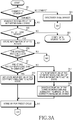
- FIGs. 3A and 3B are flowcharts illustrating a mobile terminal method for detecting a DLNA device and managing content in a DLNA network according to an embodiment of the present invention.
- the mobile terminal examines the network connection state for the DLNA service in step 301. For example, the mobile terminal checks whether it is connected to the wireless LAN. When not connected to the network for the DLNA service, the mobile terminal deactivates the DLNA service in step 321. That is, the mobile terminal aborts the DLNA related operation until it accesses the network for the DLNA service.
- the mobile terminal searches for the DLNA devices connected to the network by activating the DLNA service in step 303 and determines whether the DLNA device is detected in step 305. For example, the mobile terminal determines whether at least one DLNA device accesses its AP through a wired or wireless connection.
- the mobile terminal verifies the data stored to its DB in step 331.
- the data stored to the DB is verified in order to delete the DLNA device information occupying the storage space, but having no recent access record, i.e., the DMS information. The data verification will be explained in more detail below with reference to FIG. 4 .
- the mobile terminal When detecting at least one DLNA device connected to the network in step 305, the mobile terminal stores the information of the AP currently accessing in step 307 and determines whether the at least one device detected includes a DMS in step 309. Herein, depending on the presence or absence of the DMS, the mobile terminal can determine whether to function as a DMS, a DMP, or a DMC.
- the mobile terminal When detecting the DMS in step 309, the mobile terminal determines to function as the DMP or the DMC, and checks whether its DB pre-stores the DMS information for the currently accessing AP in step 311.
- the DMS information includes the UDN of the DMS, information indicating that the corresponding device functions as the DMS, and the descriptions of the corresponding DMS.
- the mobile terminal sets the state information of the DMS to the active state in step 313 and stands by for a preset cycle in step 315.
- the mobile terminal maps and stores the DMS information with the current AP information, and sets the state information of the DMS to the active state in step 317.
- step 319 the mobile terminal searches for the content of the DMS, stores the content information, and downloads the thumbnail of the corresponding content. Thereafter, the mobile terminal stands by for a preset cycle in step 315.
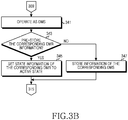
- step 309 When no DMS is detected in step 309, i.e., when detecting only the device serving as the DMR, the mobile terminal determines to function as the DMS and commences the DMS operation in step 341, as illustrated in FIG. 3B .
- the mobile terminal checks whether its DB pre-stores the DMR information for the current AP.
- the DMR information includes the UDN of the DMR, information indicating that the corresponding device functions as the DMR, and the descriptions of the corresponding DMR.
- the mobile terminal When pre-storing the DMR device information 343, the mobile terminal sets the state information of the DMR to the active state in step 345, and the stands by for a preset cycle to step 315.
- the mobile terminal maps and stores the DMR information with the current AP information, and sets the state information of the DMR to the active state in step 347. Thereafter, the mobile terminal stands by for a preset cycle in step 315.
- step 315 After standing by for the preset cycle in step 315, the method returns to step 301.
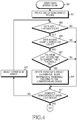
- FIG. 4 is a flowchart illustrating a mobile terminal method for verifying storing data in a DLNA network according to an embodiment of the present invention.
- the corresponding DLNA device is verified per DLNA device stored to the DB of the mobile terminal.
- step 401 the mobile terminal selects a DLNA device to verify from among the DLNA devices stored in its DB.
- the mobile terminal determines whether the total data size of the selected DLNA device is greater than a threshold size.
- the total size of the data relating to the DLNA device may indicate the size of the thumbnails of the content of the DLNA device, or the total data size of all of the information relating to the DLNA device, i.e., the DLNA device information, the DLNA content information, and the thumbnail.
- the mobile terminal determines whether the verification of every DLNA device stored in the DB is completed in step 411.
- the mobile terminal determines whether the access count of the data of the DLNA device is smaller than the threshold count in step 405.
- the mobile terminal determines whether the verification of every DLNA device stored in the DB is completed in step 411.
- the mobile terminal determines whether the TTL from a last access time to a current time of the data of the DLNA device is greater than a threshold TTL in step 407. That is, the mobile terminal determines whether the access time of the data of the DLNA device is before the threshold time.
- the DLNA devices operate in a plug-and-play manner. Hence, each time DLNA devices are added or deleted in the network, the mobile terminal adds or deletes data to and from the DB. When the thumbnail is received, the performance of the mobile terminal is degraded. Thus, the TTL is used for the verification.
- the mobile terminal determines whether the verification of every DLNA device stored in the DB is completed in step 411.
- the mobile terminal deletes the data relating to the corresponding DLNA device, for example, the device information, the content information, and the thumbnail, in step 409.
- step 411 the mobile terminal determines whether the verification of every DLNA device stored to the DB is completed. When every DLNA device is not verified, the mobile terminal selects another DLNA device stored in the DB in step 413 and then to the method repeats steps 403 to 411, until all of the DLNA devices are verified.
- the mobile terminal compares the access count of the data of the DLNA device with the threshold count in FIGs. 3A to 3B
- the mobile terminal may compare the access frequency indicating how frequently the mobile terminal accesses the data of the DLNA device over a certain time period, with a threshold frequency, instead of the access count.
- all data relating to a corresponding DLNA device is deleted.
- the state information of the corresponding DLNA device may be set to the inactive state and the access to the DLNA device may be blocked until all the three of the conditions are satisfied.
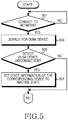
- FIG. 5 is a flowchart illustrating a method for managing a DLNA device in a DLNA network according to an embodiment of the present invention.
- the mobile terminal detects and manages the disconnected DLNA device.
- step 501 the mobile terminal examines a network connection for the DLNA service. For example, the mobile terminal determines whether it is connected to the wireless LAN. When the mobile terminal is not connected to the network for the DLNA service, the method returns to step 501.
- the mobile terminal searches for the DLNA devices connected to the network in step 503 and determines whether the disconnection of the DLNA device is detected in step 505. For example, the mobile terminal determines whether the DLNA device accessing its AP and detected in step 503 is disconnected from the corresponding AP because of the power-off, the movement, or the user control.
- the mobile terminal When detecting the disconnection of the DLNA device is detected in step 505, the mobile terminal sets the state information of the corresponding DLNA device to the inactive state in step 507. That is, the mobile terminal sets the state information of the DLNA device to the inactive state until the AP access of the DLNA device is detected again and thus indicates no access to the corresponding device.
- the method returns to step 501.
- FIG. 6 is a flowchart illustrating a method for executing a DLNA service in a DLNA network according to an embodiment of the present invention.
- the mobile terminal searches for the information of the AP capable of providing the DLNA service in step 603. That is, the mobile terminal searches for the APs mapped and stored with the DLNA device.
- the mobile terminal selects an AP from among the searched APs and attempts accessing the selected AP. For example, the mobile terminal may select the AP accessed most recently among the searched APs, and may select the AP under the user control.
- the mobile terminal determines whether the access to the selected AP is successful.
- the mobile terminal searches for the active DLNA devices among the DLNA devices corresponding to the AP in step 609. That is, , the mobile terminal searches amongst the DLNA devices stored in the DB for DLNA devices that are mapped and stored with the AP and active.
- the mobile terminal displays information of the active DLNA device in a screen.
- the information of the active DLNA device can be the content information of the DLNA device.
- step 607 the mobile terminal determines whether access has been attempted to all of the searched APs in step 613. When access has not been attempted to all of the searched APs, the method returns to step 605, where access is attempted to another AP.
- the mobile terminal searches for and accesses the AP in a conventional manner in step 615.
- the mobile terminal automatically detects and manages the DLNA device in the DLNA network
- the intuitive and convenient DLNA service can be provided.
- the user can rapidly search for and share the contents of the other DLNA devices.
- a load of a Central Processing Unit (CPU) can be reduced and the power consumption of the device can be optimized.
- CPU Central Processing Unit
- the DLNA device When the mobile terminal is connected to the DLNA network, the DLNA device is detected and its content is received, stored, and managed. Thus, when the user requests the DLNA service, the relevant operation can be fulfilled using the pre-stored information within a short time and the network traffic can be reduced.
Landscapes
- Engineering & Computer Science (AREA)
- Signal Processing (AREA)
- Computer Networks & Wireless Communication (AREA)
- Multimedia (AREA)
- Automation & Control Theory (AREA)
- Databases & Information Systems (AREA)
- Computer Hardware Design (AREA)
- Theoretical Computer Science (AREA)
- Software Systems (AREA)
- Physics & Mathematics (AREA)
- General Engineering & Computer Science (AREA)
- General Physics & Mathematics (AREA)
- Information Transfer Between Computers (AREA)
- Mobile Radio Communication Systems (AREA)
Claims (9)
- Verfahren eines mobilen Endgeräts (100) zur gemeinsamen Nutzung von Inhalten in einer Heimnetzwerkumgebung, wobei das Verfahren umfasst:in Reaktion auf das Zugreifen auf eine Zugriffsstelle, ZS, (130), Verbinden, ohne Empfangen, von einem Nutzer, einer Anfrage für einen DLNA-(Digital Living Network Alliance)-Dienst, des mobilen Endgeräts (100) mit einem Heimnetzwerk;in Reaktion auf das Verbinden (301) des mobilen Endgeräts (100) mit dem Heimnetzwerk, Suchen (303) nach mindestens eines Geräts (110, 120), das mit dem Heimnetzwerk verbunden ist;wenn das mindestens eine Gerät (110, 120) mit dem Heimnetzwerk verbunden ist, Identifizieren (309) eines Typs des mindestens einen Geräts (110, 120), das mit dem Heimnetzwerk verbunden ist;Bestimmen (309), entsprechend dem Typ des mindestens einen Geräts (110, 120), ob das mobile Endgerät (100) als Server zum Bereitstellen von Inhalt, als Spieler zum Abspielen von Inhalt oder als Steuerung zum Steuern des Abspielens von Inhalt operiert wird;Abbilden (317, 347) und Speichern von Informationen des mindestens einen Geräts (110, 120), das mit dem Heimnetzwerk mit der ZS (130) verbunden ist; undEinstellen (317, 347) von Statusinformationen des mindestens einen Geräts (110, 120) auf einen aktiven Zustand,wobei der Schritt des Bestimmens (309) umfasst:Bestimmen (341), als Server zum Bereitstellen von Inhalt zu operieren, wenn das mindestens eine Gerät (110, 120), das mit dem Heimnetzwerk verbunden ist, keinen Server zum Bereitstellen von Inhalt enthält, undBestimmen (309), entweder als Spieler zum Abspielen von Inhalt oder als Steuerung zum Steuern des Abspielens von Inhalt zu operieren, wenn das mindestens eine Gerät (110, 120), das mit dem Heimnetzwerk verbunden ist, den Server zum Bereitstellen von Inhalt enthält.
- Verfahren nach Anspruch 1, ferner umfassend:Empfangen (319) von Inhaltsinformationen vom Server zum Bereitstellen von Inhalt unter dem mindestens einen Gerät (110), das mit dem Heimnetzwerk verbunden ist; undEmpfangen (319) eines Thumbnails des Inhalts.
- Verfahren nach Anspruch 1, ferner umfassend:
Verifizieren (331) vorgespeicherter Daten, wenn keine Geräte mit dem Heimnetzwerk verbunden sind. - Verfahren nach Anspruch 3, wobei die vorgespeicherten Daten mithilfe mindestens eines einer Datengröße, eines Zugriffszählers, einer Zugriffsfrequenz und eines TTL (Time To Live) von einer letzten Zugriffszeit bis zu einer aktuellen Zeit verifiziert (331) werden.
- Verfahren nach Anspruch 1, ferner umfassend:Detektieren (505) einer Netzwerktrennung des mindestens einen Geräts (110, 120), das mit dem Heimnetzwerk verbunden ist; undEinstellen (507) aktiver Zustandsinformationen des getrennten Geräts in einen inaktiven Zustand.
- Verfahren nach Anspruch 1, ferner umfassend:Empfangen (601) einer Anfrage zum Ausführen des DLNA-Dienstes von einem Nutzer;Suchen (603) nach der mindestens einen ZS (130), die in der Lage ist, den DLNA-Dienst bereitzustellen; undVersuchen (605), auf eine während des Suchens (603) identifizierte ZS (130) zuzugreifen,wobei die mindestens eine ZS (130), die in der Lage ist, den DLNA-Dienst bereitzustellen,eine mit den Informationen des mindestens einen Geräts (110, 120), das mit dem Heimnetzwerk verbunden ist, abgebildete und gespeicherte ZS (130) ist.
- Verfahren nach Anspruch 1, ferner umfassend:
Abbrechen (321) des auf den DLNA-Dienst bezogenen Vorgangs, wenn eine Netzwerktrennung entsprechend einem Netzwerkverbindungsdetektionsergebnis detektiert wird. - Vorrichtung eines mobilen Endgeräts (100) zur gemeinsamen Nutzung von Inhalten in einer Heimnetzwerkumgebung, wobei die Vorrichtung umfasst:eine Kommunikationseinheit (210);eine Speichereinheit (220); undeine Steuereinheit (200),wobei die Steuereinheit (200) konfiguriert ist, umin Reaktion auf das Zugreifen auf eine Zugriffsstelle, ZS, (130), ohne Empfangen, von einem Nutzer, einer Anfrage für einen DLNA-(Digital Living Network Alliance)-Dienst, das mobile Endgerät (100) mit einem Heimnetzwerk mithilfe der Kommunikationseinheit (210) zu verbinden (301);in Reaktion auf das Verbinden (301) des mobilen Endgeräts (100) mit dem Heimnetzwerk, nach mindestens einem Gerät (110, 120), das mit dem Heimnetzwerk verbunden ist, mithilfe der Kommunikationseinheit (210) zu suchen (303);wenn das mindestens eine Gerät (110, 120) mit dem Heimnetzwerk verbunden ist, Identifizieren (309) eines Typs des mindestens einen Geräts (110, 120), das mit dem Heimnetzwerk verbunden ist;entsprechend dem Typ des mindestens einen Geräts (110, 120) zu bestimmen, ob das mobile Endgerät (100) als Server zum Bereitstellen von Inhalt, als Spieler zum Abspielen von Inhalt oder als Steuerung zum Steuern des Abspielens von Inhalt operiert wird;Informationen des mindestens einen Geräts (110, 120), das mit dem Heimnetzwerk mit der ZS (130) verbunden ist, abzubilden (317, 347) und in der Speichereinheit (220) zu speichern; undStatusinformationen des mindestens einen Geräts (110, 120) in einen aktiven Status einzustellen (317, 347), undwobei die Steuereinheit (200) ferner konfiguriert ist zum:Bestimmen (341), als Server zum Bereitstellen von Inhalt zu operieren, wenn das mindestens eine Gerät (110, 120), das mit dem Heimnetzwerk verbunden ist, keinen Server zum Bereitstellen von Inhalt enthält, undBestimmen (309), entweder als Spieler zum Abspielen von Inhalt oder als Steuerung zum Steuern des Abspielens von Inhalt zu operieren, wenn das mindestens eine Gerät (110, 120), das mit dem Heimnetzwerk verbunden ist, den Server zum Bereitstellen von Inhalt enthält.
- Vorrichtung nach Anspruch 8, wobei die Vorrichtung angeordnet ist, ein Verfahren nach einem der Ansprüche 2 bis 7 zu implementieren.
Applications Claiming Priority (1)
| Application Number | Priority Date | Filing Date | Title |
|---|---|---|---|
| KR1020110085056A KR101867334B1 (ko) | 2011-08-25 | 2011-08-25 | 홈 네트워크 환경에서 컨텐츠를 공유하는 방법 및 장치 |
Publications (2)
| Publication Number | Publication Date |
|---|---|
| EP2562966A1 EP2562966A1 (de) | 2013-02-27 |
| EP2562966B1 true EP2562966B1 (de) | 2019-10-02 |
Family
ID=46940221
Family Applications (1)
| Application Number | Title | Priority Date | Filing Date |
|---|---|---|---|
| EP12180597.2A Active EP2562966B1 (de) | 2011-08-25 | 2012-08-16 | Verfahren und vorrichtung zur gemeinsamen nutzung von inhalten in einer heimnetzwerkumgebung |
Country Status (3)
| Country | Link |
|---|---|
| US (1) | US9124440B2 (de) |
| EP (1) | EP2562966B1 (de) |
| KR (1) | KR101867334B1 (de) |
Families Citing this family (10)
| Publication number | Priority date | Publication date | Assignee | Title |
|---|---|---|---|---|
| EP3734449B1 (de) | 2010-06-18 | 2023-07-12 | Sweetlabs, Inc. | Systeme und verfahren zur integration einer anwendungslaufzeitumgebung in eine rechnerumgebung eines benutzers |
| WO2012177664A1 (en) * | 2011-06-20 | 2012-12-27 | Sweetlabs, Inc. | Systems and methods for streamlined content download |
| KR101462057B1 (ko) * | 2012-08-22 | 2014-11-17 | 에스케이 텔레콤주식회사 | 홈 네트워크에서의 미디어 콘텐츠 공유를 위한 사용자 인터페이스를 제공하는 장치 및 프로그램이 기록된 기록매체 |
| US8775925B2 (en) | 2012-08-28 | 2014-07-08 | Sweetlabs, Inc. | Systems and methods for hosted applications |
| KR101462055B1 (ko) * | 2012-09-04 | 2014-11-17 | 에스케이 텔레콤주식회사 | 다중 홈 미디어 컨텐츠 공유를 수행하는 dlna 디바이스 및 그 방법 |
| US20150088957A1 (en) * | 2013-09-25 | 2015-03-26 | Sony Corporation | System and methods for managing applications in multiple devices |
| CN107454127A (zh) * | 2016-06-01 | 2017-12-08 | 中兴通讯股份有限公司 | 在dlna网络中共享文件的方法、装置及dlna系统 |
| US11516083B2 (en) * | 2018-09-28 | 2022-11-29 | Mastercard International Incorporated | Systems, computer-readable media and computer-implemented methods for automated, dynamic capacity planning using HTTP response header fields |
| WO2021185318A1 (zh) * | 2020-03-20 | 2021-09-23 | 海信视像科技股份有限公司 | 多媒体设备及投屏播放方法 |
| US12417283B2 (en) * | 2021-12-10 | 2025-09-16 | Palo Alto Networks, Inc. | IoT adaptive threat prevention |
Citations (2)
| Publication number | Priority date | Publication date | Assignee | Title |
|---|---|---|---|---|
| EP2246791A1 (de) * | 2008-01-17 | 2010-11-03 | Panasonic Corporation | Kommunikationsendgerät und verfahren zur steuerung der verbindung eines kommunikationsgeräts |
| US20110131520A1 (en) * | 2009-12-02 | 2011-06-02 | Osama Al-Shaykh | System and method for transferring media content from a mobile device to a home network |
Family Cites Families (14)
| Publication number | Priority date | Publication date | Assignee | Title |
|---|---|---|---|---|
| US7689510B2 (en) * | 2000-09-07 | 2010-03-30 | Sonic Solutions | Methods and system for use in network management of content |
| US8347341B2 (en) * | 2006-03-16 | 2013-01-01 | Time Warner Cable Inc. | Methods and apparatus for centralized content and data delivery |
| KR100754431B1 (ko) * | 2006-04-10 | 2007-08-31 | 삼성전자주식회사 | Dlna 시스템에서 dmr의 처리용량에 따른 컨텐츠변환방법 |
| JP5095337B2 (ja) * | 2007-10-02 | 2012-12-12 | シャープ株式会社 | コンテンツ配信装置、コンテンツ配信方法、制御プログラム、および該プログラムを記録したコンピュータ読み取り可能な記録媒体 |
| JP2009258916A (ja) | 2008-04-15 | 2009-11-05 | Sony Ericsson Mobilecommunications Japan Inc | 携帯端末装置、通信システム、通信方法及び通信プログラム |
| US20090287794A1 (en) * | 2008-05-16 | 2009-11-19 | Nokia Corporation And Recordation | Assisting media servers in determining media profiles |
| EP2202939A1 (de) * | 2008-12-23 | 2010-06-30 | Accenture Global Services GmbH | Erweiterter Rahmen zur gemeinsamen Inhaltsnutzung |
| KR101114796B1 (ko) * | 2009-01-21 | 2012-02-28 | 삼성전자주식회사 | Dlna 시스템에서의 썸네일을 이용한 이미지 관리방법 및 그 시스템 |
| US8799496B2 (en) * | 2009-07-21 | 2014-08-05 | Eloy Technology, Llc | System and method for video display transfer between video playback devices |
| KR20110039672A (ko) * | 2009-10-12 | 2011-04-20 | 삼성전자주식회사 | 휴대용 단말기의 디엘엔에이 네트워크를 이용한 컨텐츠 재생 장치 및 방법 |
| US10264029B2 (en) * | 2009-10-30 | 2019-04-16 | Time Warner Cable Enterprises Llc | Methods and apparatus for packetized content delivery over a content delivery network |
| US20120151006A1 (en) * | 2010-12-13 | 2012-06-14 | Motorola Mobility, Inc. | Content sharing between a universal plug and play device and a wide area network device |
| US9451319B2 (en) * | 2010-12-17 | 2016-09-20 | Microsoft Technology Licensing, Llc | Streaming digital content with flexible remote playback |
| KR101774432B1 (ko) * | 2011-01-05 | 2017-09-04 | 톰슨 라이센싱 | 인터넷 프로토콜 네트워크들을 통해 비디오를 분배하기 위한 시스템 및 방법 |
-
2011
- 2011-08-25 KR KR1020110085056A patent/KR101867334B1/ko not_active Expired - Fee Related
-
2012
- 2012-08-16 EP EP12180597.2A patent/EP2562966B1/de active Active
- 2012-08-24 US US13/594,318 patent/US9124440B2/en not_active Expired - Fee Related
Patent Citations (2)
| Publication number | Priority date | Publication date | Assignee | Title |
|---|---|---|---|---|
| EP2246791A1 (de) * | 2008-01-17 | 2010-11-03 | Panasonic Corporation | Kommunikationsendgerät und verfahren zur steuerung der verbindung eines kommunikationsgeräts |
| US20110131520A1 (en) * | 2009-12-02 | 2011-06-02 | Osama Al-Shaykh | System and method for transferring media content from a mobile device to a home network |
Also Published As
| Publication number | Publication date |
|---|---|
| EP2562966A1 (de) | 2013-02-27 |
| KR20130022210A (ko) | 2013-03-06 |
| US9124440B2 (en) | 2015-09-01 |
| KR101867334B1 (ko) | 2018-06-18 |
| US20130054795A1 (en) | 2013-02-28 |
Similar Documents
| Publication | Publication Date | Title |
|---|---|---|
| EP2562966B1 (de) | Verfahren und vorrichtung zur gemeinsamen nutzung von inhalten in einer heimnetzwerkumgebung | |
| US10805450B2 (en) | Device capable of notifying operation state change thereof through network and communication method of the device | |
| KR101246971B1 (ko) | 통신망 디바이스들의 간단한 동적 설정 | |
| US10620782B2 (en) | Apparatus and method for remotely controlling peripheral devices in mobile communication terminal | |
| US10476686B2 (en) | Wireless communication device, program, and wireless communication system | |
| CN112242980B (zh) | 一种投屏方法和装置 | |
| EP2755411B1 (de) | Vorrichtung und Verfahren zur Bereitstellung von Informationen integrierter Vorrichtungen in einem drahtlosen Endgerät, welches Wi-Fi Direct- und Bluetooth-Kommunikation unterstützt | |
| US10199836B2 (en) | Storage battery pack, method for controlling storage battery pack, and method for controlling information terminal | |
| JP2003256229A (ja) | 移動通信端末、情報処理装置、中継サーバ装置、情報処理システム及び情報処理方法 | |
| TW201110067A (en) | Methods and apparatus for a universal device controller using peer to peer communication | |
| EP2673920B1 (de) | Verfahren zur steuerung der verbindung zwischen vorrichtungen | |
| US9654588B2 (en) | Device control apparatus, client apparatus, device control method, and device control system | |
| US20160198321A1 (en) | Method for Implementing Card-Free Mobile Phone, Mobile Phone, and Server | |
| JP2013016166A (ja) | 遠隔デバイスドライバの提供システム及び遠隔デバイスドライバの提供方法 | |
| KR101722784B1 (ko) | 증강현실을 이용한 사용자 인터페이스 제공방법 및 그 방법을 이용한 이동 단말기 | |
| KR101574767B1 (ko) | 저전력 블루투스 장치 검색 시스템과 제어방법 | |
| CN107148022B (zh) | 一种防蹭网提醒方法及相关设备 | |
| KR101443006B1 (ko) | 로컬 장치의 공유 액세스 | |
| US8756303B2 (en) | Method and apparatus for determining object updates in a home network | |
| EP4124156B1 (de) | Verfahren zur verbindung mit einem hotspot, endgerätevorrichtung und elektronische vorrichtung | |
| CN114915437B (zh) | 开发包认证方法及相关设备 | |
| CN118368746A (zh) | 连接建立方法及装置 |
Legal Events
| Date | Code | Title | Description |
|---|---|---|---|
| PUAI | Public reference made under article 153(3) epc to a published international application that has entered the european phase |
Free format text: ORIGINAL CODE: 0009012 |
|
| AK | Designated contracting states |
Kind code of ref document: A1 Designated state(s): AL AT BE BG CH CY CZ DE DK EE ES FI FR GB GR HR HU IE IS IT LI LT LU LV MC MK MT NL NO PL PT RO RS SE SI SK SM TR |
|
| AX | Request for extension of the european patent |
Extension state: BA ME |
|
| 17P | Request for examination filed |
Effective date: 20130827 |
|
| STAA | Information on the status of an ep patent application or granted ep patent |
Free format text: STATUS: EXAMINATION IS IN PROGRESS |
|
| 17Q | First examination report despatched |
Effective date: 20170421 |
|
| GRAP | Despatch of communication of intention to grant a patent |
Free format text: ORIGINAL CODE: EPIDOSNIGR1 |
|
| STAA | Information on the status of an ep patent application or granted ep patent |
Free format text: STATUS: GRANT OF PATENT IS INTENDED |
|
| RIC1 | Information provided on ipc code assigned before grant |
Ipc: H04L 29/08 20060101ALI20190404BHEP Ipc: H04L 29/06 20060101ALI20190404BHEP Ipc: H04N 21/2225 20110101ALI20190404BHEP Ipc: H04L 12/28 20060101AFI20190404BHEP Ipc: H04N 21/00 20110101ALI20190404BHEP Ipc: H04N 21/20 20110101ALI20190404BHEP Ipc: H04W 48/20 20090101ALN20190404BHEP Ipc: H04W 8/00 20090101ALI20190404BHEP |
|
| INTG | Intention to grant announced |
Effective date: 20190423 |
|
| RIC1 | Information provided on ipc code assigned before grant |
Ipc: H04L 12/28 20060101AFI20190409BHEP Ipc: H04W 48/20 20090101ALN20190409BHEP Ipc: H04L 29/08 20060101ALI20190409BHEP Ipc: H04W 8/00 20090101ALI20190409BHEP Ipc: H04N 21/20 20110101ALI20190409BHEP Ipc: H04N 21/2225 20110101ALI20190409BHEP Ipc: H04N 21/00 20110101ALI20190409BHEP Ipc: H04L 29/06 20060101ALI20190409BHEP |
|
| GRAS | Grant fee paid |
Free format text: ORIGINAL CODE: EPIDOSNIGR3 |
|
| GRAA | (expected) grant |
Free format text: ORIGINAL CODE: 0009210 |
|
| STAA | Information on the status of an ep patent application or granted ep patent |
Free format text: STATUS: THE PATENT HAS BEEN GRANTED |
|
| AK | Designated contracting states |
Kind code of ref document: B1 Designated state(s): AL AT BE BG CH CY CZ DE DK EE ES FI FR GB GR HR HU IE IS IT LI LT LU LV MC MK MT NL NO PL PT RO RS SE SI SK SM TR |
|
| REG | Reference to a national code |
Ref country code: GB Ref legal event code: FG4D |
|
| REG | Reference to a national code |
Ref country code: CH Ref legal event code: EP Ref country code: AT Ref legal event code: REF Ref document number: 1187420 Country of ref document: AT Kind code of ref document: T Effective date: 20191015 |
|
| REG | Reference to a national code |
Ref country code: DE Ref legal event code: R096 Ref document number: 602012064456 Country of ref document: DE |
|
| REG | Reference to a national code |
Ref country code: IE Ref legal event code: FG4D |
|
| REG | Reference to a national code |
Ref country code: NL Ref legal event code: FP |
|
| REG | Reference to a national code |
Ref country code: LT Ref legal event code: MG4D |
|
| REG | Reference to a national code |
Ref country code: AT Ref legal event code: MK05 Ref document number: 1187420 Country of ref document: AT Kind code of ref document: T Effective date: 20191002 |
|
| PG25 | Lapsed in a contracting state [announced via postgrant information from national office to epo] |
Ref country code: ES Free format text: LAPSE BECAUSE OF FAILURE TO SUBMIT A TRANSLATION OF THE DESCRIPTION OR TO PAY THE FEE WITHIN THE PRESCRIBED TIME-LIMIT Effective date: 20191002 Ref country code: AT Free format text: LAPSE BECAUSE OF FAILURE TO SUBMIT A TRANSLATION OF THE DESCRIPTION OR TO PAY THE FEE WITHIN THE PRESCRIBED TIME-LIMIT Effective date: 20191002 Ref country code: FI Free format text: LAPSE BECAUSE OF FAILURE TO SUBMIT A TRANSLATION OF THE DESCRIPTION OR TO PAY THE FEE WITHIN THE PRESCRIBED TIME-LIMIT Effective date: 20191002 Ref country code: BG Free format text: LAPSE BECAUSE OF FAILURE TO SUBMIT A TRANSLATION OF THE DESCRIPTION OR TO PAY THE FEE WITHIN THE PRESCRIBED TIME-LIMIT Effective date: 20200102 Ref country code: GR Free format text: LAPSE BECAUSE OF FAILURE TO SUBMIT A TRANSLATION OF THE DESCRIPTION OR TO PAY THE FEE WITHIN THE PRESCRIBED TIME-LIMIT Effective date: 20200103 Ref country code: PT Free format text: LAPSE BECAUSE OF FAILURE TO SUBMIT A TRANSLATION OF THE DESCRIPTION OR TO PAY THE FEE WITHIN THE PRESCRIBED TIME-LIMIT Effective date: 20200203 Ref country code: LT Free format text: LAPSE BECAUSE OF FAILURE TO SUBMIT A TRANSLATION OF THE DESCRIPTION OR TO PAY THE FEE WITHIN THE PRESCRIBED TIME-LIMIT Effective date: 20191002 Ref country code: PL Free format text: LAPSE BECAUSE OF FAILURE TO SUBMIT A TRANSLATION OF THE DESCRIPTION OR TO PAY THE FEE WITHIN THE PRESCRIBED TIME-LIMIT Effective date: 20191002 Ref country code: SE Free format text: LAPSE BECAUSE OF FAILURE TO SUBMIT A TRANSLATION OF THE DESCRIPTION OR TO PAY THE FEE WITHIN THE PRESCRIBED TIME-LIMIT Effective date: 20191002 Ref country code: NO Free format text: LAPSE BECAUSE OF FAILURE TO SUBMIT A TRANSLATION OF THE DESCRIPTION OR TO PAY THE FEE WITHIN THE PRESCRIBED TIME-LIMIT Effective date: 20200102 Ref country code: LV Free format text: LAPSE BECAUSE OF FAILURE TO SUBMIT A TRANSLATION OF THE DESCRIPTION OR TO PAY THE FEE WITHIN THE PRESCRIBED TIME-LIMIT Effective date: 20191002 |
|
| PG25 | Lapsed in a contracting state [announced via postgrant information from national office to epo] |
Ref country code: RS Free format text: LAPSE BECAUSE OF FAILURE TO SUBMIT A TRANSLATION OF THE DESCRIPTION OR TO PAY THE FEE WITHIN THE PRESCRIBED TIME-LIMIT Effective date: 20191002 Ref country code: HR Free format text: LAPSE BECAUSE OF FAILURE TO SUBMIT A TRANSLATION OF THE DESCRIPTION OR TO PAY THE FEE WITHIN THE PRESCRIBED TIME-LIMIT Effective date: 20191002 Ref country code: IS Free format text: LAPSE BECAUSE OF FAILURE TO SUBMIT A TRANSLATION OF THE DESCRIPTION OR TO PAY THE FEE WITHIN THE PRESCRIBED TIME-LIMIT Effective date: 20200224 Ref country code: CZ Free format text: LAPSE BECAUSE OF FAILURE TO SUBMIT A TRANSLATION OF THE DESCRIPTION OR TO PAY THE FEE WITHIN THE PRESCRIBED TIME-LIMIT Effective date: 20191002 |
|
| PG25 | Lapsed in a contracting state [announced via postgrant information from national office to epo] |
Ref country code: AL Free format text: LAPSE BECAUSE OF FAILURE TO SUBMIT A TRANSLATION OF THE DESCRIPTION OR TO PAY THE FEE WITHIN THE PRESCRIBED TIME-LIMIT Effective date: 20191002 |
|
| REG | Reference to a national code |
Ref country code: DE Ref legal event code: R097 Ref document number: 602012064456 Country of ref document: DE |
|
| PG2D | Information on lapse in contracting state deleted |
Ref country code: IS |
|
| PG25 | Lapsed in a contracting state [announced via postgrant information from national office to epo] |
Ref country code: RO Free format text: LAPSE BECAUSE OF FAILURE TO SUBMIT A TRANSLATION OF THE DESCRIPTION OR TO PAY THE FEE WITHIN THE PRESCRIBED TIME-LIMIT Effective date: 20191002 Ref country code: EE Free format text: LAPSE BECAUSE OF FAILURE TO SUBMIT A TRANSLATION OF THE DESCRIPTION OR TO PAY THE FEE WITHIN THE PRESCRIBED TIME-LIMIT Effective date: 20191002 Ref country code: DK Free format text: LAPSE BECAUSE OF FAILURE TO SUBMIT A TRANSLATION OF THE DESCRIPTION OR TO PAY THE FEE WITHIN THE PRESCRIBED TIME-LIMIT Effective date: 20191002 Ref country code: IS Free format text: LAPSE BECAUSE OF FAILURE TO SUBMIT A TRANSLATION OF THE DESCRIPTION OR TO PAY THE FEE WITHIN THE PRESCRIBED TIME-LIMIT Effective date: 20200202 |
|
| PLBE | No opposition filed within time limit |
Free format text: ORIGINAL CODE: 0009261 |
|
| STAA | Information on the status of an ep patent application or granted ep patent |
Free format text: STATUS: NO OPPOSITION FILED WITHIN TIME LIMIT |
|
| PG25 | Lapsed in a contracting state [announced via postgrant information from national office to epo] |
Ref country code: SK Free format text: LAPSE BECAUSE OF FAILURE TO SUBMIT A TRANSLATION OF THE DESCRIPTION OR TO PAY THE FEE WITHIN THE PRESCRIBED TIME-LIMIT Effective date: 20191002 Ref country code: IT Free format text: LAPSE BECAUSE OF FAILURE TO SUBMIT A TRANSLATION OF THE DESCRIPTION OR TO PAY THE FEE WITHIN THE PRESCRIBED TIME-LIMIT Effective date: 20191002 Ref country code: SM Free format text: LAPSE BECAUSE OF FAILURE TO SUBMIT A TRANSLATION OF THE DESCRIPTION OR TO PAY THE FEE WITHIN THE PRESCRIBED TIME-LIMIT Effective date: 20191002 |
|
| 26N | No opposition filed |
Effective date: 20200703 |
|
| PGFP | Annual fee paid to national office [announced via postgrant information from national office to epo] |
Ref country code: NL Payment date: 20200722 Year of fee payment: 9 |
|
| PGFP | Annual fee paid to national office [announced via postgrant information from national office to epo] |
Ref country code: GB Payment date: 20200722 Year of fee payment: 9 Ref country code: DE Payment date: 20200721 Year of fee payment: 9 |
|
| PG25 | Lapsed in a contracting state [announced via postgrant information from national office to epo] |
Ref country code: SI Free format text: LAPSE BECAUSE OF FAILURE TO SUBMIT A TRANSLATION OF THE DESCRIPTION OR TO PAY THE FEE WITHIN THE PRESCRIBED TIME-LIMIT Effective date: 20191002 |
|
| PG25 | Lapsed in a contracting state [announced via postgrant information from national office to epo] |
Ref country code: MC Free format text: LAPSE BECAUSE OF FAILURE TO SUBMIT A TRANSLATION OF THE DESCRIPTION OR TO PAY THE FEE WITHIN THE PRESCRIBED TIME-LIMIT Effective date: 20191002 |
|
| REG | Reference to a national code |
Ref country code: CH Ref legal event code: PL |
|
| PG25 | Lapsed in a contracting state [announced via postgrant information from national office to epo] |
Ref country code: LU Free format text: LAPSE BECAUSE OF NON-PAYMENT OF DUE FEES Effective date: 20200816 Ref country code: LI Free format text: LAPSE BECAUSE OF NON-PAYMENT OF DUE FEES Effective date: 20200831 Ref country code: CH Free format text: LAPSE BECAUSE OF NON-PAYMENT OF DUE FEES Effective date: 20200831 |
|
| REG | Reference to a national code |
Ref country code: BE Ref legal event code: MM Effective date: 20200831 |
|
| PG25 | Lapsed in a contracting state [announced via postgrant information from national office to epo] |
Ref country code: FR Free format text: LAPSE BECAUSE OF NON-PAYMENT OF DUE FEES Effective date: 20200831 |
|
| PG25 | Lapsed in a contracting state [announced via postgrant information from national office to epo] |
Ref country code: IE Free format text: LAPSE BECAUSE OF NON-PAYMENT OF DUE FEES Effective date: 20200816 Ref country code: BE Free format text: LAPSE BECAUSE OF NON-PAYMENT OF DUE FEES Effective date: 20200831 |
|
| REG | Reference to a national code |
Ref country code: DE Ref legal event code: R119 Ref document number: 602012064456 Country of ref document: DE |
|
| REG | Reference to a national code |
Ref country code: NL Ref legal event code: MM Effective date: 20210901 |
|
| GBPC | Gb: european patent ceased through non-payment of renewal fee |
Effective date: 20210816 |
|
| PG25 | Lapsed in a contracting state [announced via postgrant information from national office to epo] |
Ref country code: TR Free format text: LAPSE BECAUSE OF FAILURE TO SUBMIT A TRANSLATION OF THE DESCRIPTION OR TO PAY THE FEE WITHIN THE PRESCRIBED TIME-LIMIT Effective date: 20191002 Ref country code: MT Free format text: LAPSE BECAUSE OF FAILURE TO SUBMIT A TRANSLATION OF THE DESCRIPTION OR TO PAY THE FEE WITHIN THE PRESCRIBED TIME-LIMIT Effective date: 20191002 Ref country code: CY Free format text: LAPSE BECAUSE OF FAILURE TO SUBMIT A TRANSLATION OF THE DESCRIPTION OR TO PAY THE FEE WITHIN THE PRESCRIBED TIME-LIMIT Effective date: 20191002 |
|
| PG25 | Lapsed in a contracting state [announced via postgrant information from national office to epo] |
Ref country code: NL Free format text: LAPSE BECAUSE OF NON-PAYMENT OF DUE FEES Effective date: 20210901 Ref country code: MK Free format text: LAPSE BECAUSE OF FAILURE TO SUBMIT A TRANSLATION OF THE DESCRIPTION OR TO PAY THE FEE WITHIN THE PRESCRIBED TIME-LIMIT Effective date: 20191002 |
|
| PG25 | Lapsed in a contracting state [announced via postgrant information from national office to epo] |
Ref country code: GB Free format text: LAPSE BECAUSE OF NON-PAYMENT OF DUE FEES Effective date: 20210816 Ref country code: DE Free format text: LAPSE BECAUSE OF NON-PAYMENT OF DUE FEES Effective date: 20220301 |