EP2561883A2 - Novel vascular endothelial growth factor expression inhibitors - Google Patents
Novel vascular endothelial growth factor expression inhibitors Download PDFInfo
- Publication number
- EP2561883A2 EP2561883A2 EP12169136A EP12169136A EP2561883A2 EP 2561883 A2 EP2561883 A2 EP 2561883A2 EP 12169136 A EP12169136 A EP 12169136A EP 12169136 A EP12169136 A EP 12169136A EP 2561883 A2 EP2561883 A2 EP 2561883A2
- Authority
- EP
- European Patent Office
- Prior art keywords
- phase
- extract
- mixture
- added
- preparation
- Prior art date
- Legal status (The legal status is an assumption and is not a legal conclusion. Google has not performed a legal analysis and makes no representation as to the accuracy of the status listed.)
- Withdrawn
Links
Images


Classifications
-
- A—HUMAN NECESSITIES
- A61—MEDICAL OR VETERINARY SCIENCE; HYGIENE
- A61Q—SPECIFIC USE OF COSMETICS OR SIMILAR TOILETRY PREPARATIONS
- A61Q19/00—Preparations for care of the skin
- A61Q19/08—Anti-ageing preparations
-
- A—HUMAN NECESSITIES
- A61—MEDICAL OR VETERINARY SCIENCE; HYGIENE
- A61K—PREPARATIONS FOR MEDICAL, DENTAL OR TOILETRY PURPOSES
- A61K36/00—Medicinal preparations of undetermined constitution containing material from algae, lichens, fungi or plants, or derivatives thereof, e.g. traditional herbal medicines
- A61K36/02—Algae
- A61K36/05—Chlorophycota or chlorophyta (green algae), e.g. Chlorella
-
- A—HUMAN NECESSITIES
- A61—MEDICAL OR VETERINARY SCIENCE; HYGIENE
- A61K—PREPARATIONS FOR MEDICAL, DENTAL OR TOILETRY PURPOSES
- A61K36/00—Medicinal preparations of undetermined constitution containing material from algae, lichens, fungi or plants, or derivatives thereof, e.g. traditional herbal medicines
- A61K36/18—Magnoliophyta (angiosperms)
- A61K36/185—Magnoliopsida (dicotyledons)
- A61K36/28—Asteraceae or Compositae (Aster or Sunflower family), e.g. chamomile, feverfew, yarrow or echinacea
-
- A—HUMAN NECESSITIES
- A61—MEDICAL OR VETERINARY SCIENCE; HYGIENE
- A61K—PREPARATIONS FOR MEDICAL, DENTAL OR TOILETRY PURPOSES
- A61K36/00—Medicinal preparations of undetermined constitution containing material from algae, lichens, fungi or plants, or derivatives thereof, e.g. traditional herbal medicines
- A61K36/18—Magnoliophyta (angiosperms)
- A61K36/185—Magnoliopsida (dicotyledons)
- A61K36/577—Malvaceae (Mallow family)
-
- A—HUMAN NECESSITIES
- A61—MEDICAL OR VETERINARY SCIENCE; HYGIENE
- A61K—PREPARATIONS FOR MEDICAL, DENTAL OR TOILETRY PURPOSES
- A61K36/00—Medicinal preparations of undetermined constitution containing material from algae, lichens, fungi or plants, or derivatives thereof, e.g. traditional herbal medicines
- A61K36/18—Magnoliophyta (angiosperms)
- A61K36/88—Liliopsida (monocotyledons)
- A61K36/899—Poaceae or Gramineae (Grass family), e.g. bamboo, corn or sugar cane
- A61K36/8994—Coix (Job's tears)
-
- A—HUMAN NECESSITIES
- A61—MEDICAL OR VETERINARY SCIENCE; HYGIENE
- A61K—PREPARATIONS FOR MEDICAL, DENTAL OR TOILETRY PURPOSES
- A61K8/00—Cosmetics or similar toiletry preparations
- A61K8/18—Cosmetics or similar toiletry preparations characterised by the composition
- A61K8/96—Cosmetics or similar toiletry preparations characterised by the composition containing materials, or derivatives thereof of undetermined constitution
- A61K8/97—Cosmetics or similar toiletry preparations characterised by the composition containing materials, or derivatives thereof of undetermined constitution from algae, fungi, lichens or plants; from derivatives thereof
- A61K8/9783—Angiosperms [Magnoliophyta]
- A61K8/9789—Magnoliopsida [dicotyledons]
-
- A—HUMAN NECESSITIES
- A61—MEDICAL OR VETERINARY SCIENCE; HYGIENE
- A61P—SPECIFIC THERAPEUTIC ACTIVITY OF CHEMICAL COMPOUNDS OR MEDICINAL PREPARATIONS
- A61P11/00—Drugs for disorders of the respiratory system
-
- A—HUMAN NECESSITIES
- A61—MEDICAL OR VETERINARY SCIENCE; HYGIENE
- A61P—SPECIFIC THERAPEUTIC ACTIVITY OF CHEMICAL COMPOUNDS OR MEDICINAL PREPARATIONS
- A61P17/00—Drugs for dermatological disorders
- A61P17/02—Drugs for dermatological disorders for treating wounds, ulcers, burns, scars, keloids, or the like
-
- A—HUMAN NECESSITIES
- A61—MEDICAL OR VETERINARY SCIENCE; HYGIENE
- A61P—SPECIFIC THERAPEUTIC ACTIVITY OF CHEMICAL COMPOUNDS OR MEDICINAL PREPARATIONS
- A61P17/00—Drugs for dermatological disorders
- A61P17/06—Antipsoriatics
-
- A—HUMAN NECESSITIES
- A61—MEDICAL OR VETERINARY SCIENCE; HYGIENE
- A61P—SPECIFIC THERAPEUTIC ACTIVITY OF CHEMICAL COMPOUNDS OR MEDICINAL PREPARATIONS
- A61P19/00—Drugs for skeletal disorders
- A61P19/02—Drugs for skeletal disorders for joint disorders, e.g. arthritis, arthrosis
-
- A—HUMAN NECESSITIES
- A61—MEDICAL OR VETERINARY SCIENCE; HYGIENE
- A61P—SPECIFIC THERAPEUTIC ACTIVITY OF CHEMICAL COMPOUNDS OR MEDICINAL PREPARATIONS
- A61P27/00—Drugs for disorders of the senses
- A61P27/02—Ophthalmic agents
-
- A—HUMAN NECESSITIES
- A61—MEDICAL OR VETERINARY SCIENCE; HYGIENE
- A61P—SPECIFIC THERAPEUTIC ACTIVITY OF CHEMICAL COMPOUNDS OR MEDICINAL PREPARATIONS
- A61P27/00—Drugs for disorders of the senses
- A61P27/02—Ophthalmic agents
- A61P27/06—Antiglaucoma agents or miotics
-
- A—HUMAN NECESSITIES
- A61—MEDICAL OR VETERINARY SCIENCE; HYGIENE
- A61P—SPECIFIC THERAPEUTIC ACTIVITY OF CHEMICAL COMPOUNDS OR MEDICINAL PREPARATIONS
- A61P29/00—Non-central analgesic, antipyretic or antiinflammatory agents, e.g. antirheumatic agents; Non-steroidal antiinflammatory drugs [NSAID]
-
- A—HUMAN NECESSITIES
- A61—MEDICAL OR VETERINARY SCIENCE; HYGIENE
- A61P—SPECIFIC THERAPEUTIC ACTIVITY OF CHEMICAL COMPOUNDS OR MEDICINAL PREPARATIONS
- A61P35/00—Antineoplastic agents
-
- A—HUMAN NECESSITIES
- A61—MEDICAL OR VETERINARY SCIENCE; HYGIENE
- A61P—SPECIFIC THERAPEUTIC ACTIVITY OF CHEMICAL COMPOUNDS OR MEDICINAL PREPARATIONS
- A61P35/00—Antineoplastic agents
- A61P35/04—Antineoplastic agents specific for metastasis
-
- A—HUMAN NECESSITIES
- A61—MEDICAL OR VETERINARY SCIENCE; HYGIENE
- A61P—SPECIFIC THERAPEUTIC ACTIVITY OF CHEMICAL COMPOUNDS OR MEDICINAL PREPARATIONS
- A61P43/00—Drugs for specific purposes, not provided for in groups A61P1/00-A61P41/00
-
- A—HUMAN NECESSITIES
- A61—MEDICAL OR VETERINARY SCIENCE; HYGIENE
- A61P—SPECIFIC THERAPEUTIC ACTIVITY OF CHEMICAL COMPOUNDS OR MEDICINAL PREPARATIONS
- A61P9/00—Drugs for disorders of the cardiovascular system
-
- A—HUMAN NECESSITIES
- A61—MEDICAL OR VETERINARY SCIENCE; HYGIENE
- A61P—SPECIFIC THERAPEUTIC ACTIVITY OF CHEMICAL COMPOUNDS OR MEDICINAL PREPARATIONS
- A61P9/00—Drugs for disorders of the cardiovascular system
- A61P9/10—Drugs for disorders of the cardiovascular system for treating ischaemic or atherosclerotic diseases, e.g. antianginal drugs, coronary vasodilators, drugs for myocardial infarction, retinopathy, cerebrovascula insufficiency, renal arteriosclerosis
Definitions
- the present invention relates to anti-aging agents, especially anti-aging agents exhibiting anti-photoaging effects, and to angiogenesis inhibitors or vascular endothelial growth factor (VEGF) expression inhibitors.
- anti-aging agents especially anti-aging agents exhibiting anti-photoaging effects
- angiogenesis inhibitors or vascular endothelial growth factor (VEGF) expression inhibitors.
- VEGF vascular endothelial growth factor
- Angiogenesis is the phenomenon of new formation of blood vessels. Blood vessels are newly formed by a process in which vascular endothelial cells are released and proliferate during degradation of the vascular basement membrane by the action of proteases in tissues and organs, and then adhere to the extracellular matrix and differentiate to form the vascular lumen.
- Angiogenesis in addition to be involved in a normal response in the wound healing process, is also known as a cause or aggravator of various diseases such as cancer (proliferation and metastasis), diabetic retinopathy, neovascular glaucoma, inflammatory skin conditions, psoriasis, rheumatoid arthritis, osteoarthritis, age-related macular degeneration, chronic bronchitis, atherosclerosis and myocardial infarction.
- vascular endothelial growth factor is not only involved in angiogenesis, but it also has a variety of other functions in the vascular, blood and clotting systems such as inducing proliferation and maintaining the survival of vascular endothelial cells, promoting vascular permeability, regulating blood pressure, as well as promoting migration of platelets and chemotaxis of macrophages.
- Compounds that inhibit VEGF expression or activity of vascular endothelial cells are expected to be useful as angiogenesis inhibitors for remedying or preventing numerous above-mentioned diseases such as cancer, diabetic retinopathy and different types of arthritis, or as drugs for prevention or amelioration of skin aging.
- the dermovascular system is essential for maintenance of normal skin structure and function.
- the dermovascular system also plays an important role in controlling hair growth, mollifying skin damage caused by ultraviolet rays and age-related skin aging, in the skin response against irritation and inflammation and in tissue repair.
- Blood vessels function stationary in normal human skin but are rapidly activated in response to different stimuli, and their reactions are accompanied by vasodilation and angiogenesis, whereby new capillaries are formed from existing vessels.
- Such changes are dependent on the balance between neovascularization molecules (angiogenesis-promoting factors) and anti-vascularization molecules vascularization molecule (angiogenesis-inhibiting factors). It has been demonstrated that endogenous angiogenesis-inhibiting factors are more predominant than angiogenesis-promoting factors in normal skin.
- VEGF is also known to be a vascular permeability factor, but recent research has suggested that it is a major angiogenesis-promoting factor in human skin.
- VEGF is secreted in small amounts from keratinocytes and binds to specific receptors on microvascular endothelial cells in the dermis, whereby it ensures survivability of the endothelial cells and helps support the vasculature in the upper network structure.
- VEGF is very highly expressed in hyperplasic cuticle during inflammation or wound healing, and thus increases vascularization and nutrient supply in the dermis for the cuticle which lacks vessels.
- results of in vivo experiments using transgenic mice overexpressing VEGF or angiogenesis-inhibiting factors in the skin have indicated that regulating the level of these angiogenesis-promoting or angiogenesis-inhibiting factors can notably affect the extent of ultraviolet ray-induced damage and skin wrinkling, as well as skin response to stimulation and skin wound repair (International Patent Publication No. WO2003/084302 ).
- Prolonged irradiation of mice with ultraviolet rays produces extensive wrinkling, but it has been found, surprisingly, that the marked growth of subcutaneous vessels that occurs during this process is accompanied by increased vascular dilation and branching. Prolonged irradiation of mice with ultraviolet rays has also been found to promote expression of vascular endothelial growth factor.
- neoformation of vascular endothelial cells is a factor involved in formation of wrinkles by skin injury, or in other words, that it should be possible to prevent formation of wrinkles by inhibiting neoformation of vascular endothelial cells and inducing death of vascular endothelial cells.
- VEGF vascular endothelial growth factor
- galenicals specifically mukurossi peel extract, hazelnut extract, linden extract, coix extract, chlorella extract and tormentilla extract.
- One aspect of the invention therefore, provides anti-aging agents comprising one or more drugs selected from the group consisting of the galenicals mukurossi peel extract and hazelnut extract.
- anti-aging agents comprising one or more drugs selected from the group consisting of the galenicals mukurossi peel extract and hazelnut extract.
- Such anti-aging agents are highly effective for preventing or inhibiting formation of wrinkles, and especially formation of wrinkles by photoaging.
- the invention further relates to a method for inhibiting aging, which method includes application of an anti-aging agent as described above to skin.
- the method may also be a cosmetic method which is not for medical practice aimed at treatment of diseased skin.
- angiogenesis inhibitors comprising one or more drugs selected from the group consisting of mukurossi peel extract and hazelnut extract.
- the invention further provides VEGF expression inhibitors comprising one or more drugs selected from the group consisting of mukurossi peel extract and hazelnut extract.
- the invention still further provides angiogenesis inhibitors characterized by comprising the galenical linden extract as an active component.
- Yet another aspect of the invention provides vascular endothelial cell proliferation factor expression inhibitors characterized by comprising linden extract as an active component.
- the invention still further provides vascular endothelial growth factor expression inhibitors characterized by comprising one or more galenical extracts selected from the group consisting of the galenicals coix extract, chlorella extract and tormentilla extract, as active components.
- mukurossi peel extract, hazelnut extract, linden extract, coix extract, chlorella extract and tormentilla extract significantly inhibit VEGF expression. It was further concluded that mukurossi peel extract and hazelnut extract are effective for suppressing skin aging and for treatment or prevention of diseases associated with angiogenesis, such as cancer, that linden extract is an effective angiogenesis inhibitor and that coix extract, chlorella extract and tormentilla extract are effective VEGF inhibitors.
- Mukurossi peel extract An extract from the peel of Sapondus mukurossi Gaertner (Sapindaceae). It is a natural component widely used in toothpastes, shampoos and soaps.
- Hazelnut extract An extract from the seeds of Guevina avellana Mol (Proteaceae). Edible oil used in cooking is derived from the fruit, and because this oil also prevents skin drying it is used in soaps, packs and massage oils.
- Linden extract An extract from the flower or leaves of linden (Tilia cordata Mill.), a defoliating tree indigenous to southern and central Europe. It is known to have diaphoretic and sedative effects, and is used as a medicinal herb in bath additives. Linden extract also includes the extract from flowers or leaves of Tilia cordata Mill, Tilia platyphyllos Scop. and Tilia europaea Linne (Tiliaceae).
- Coix extract An extract from the episperm-removed seeds of Coix lacryma-jobi Linne var. ma-yuen Stapt (Gramineae). Its major components are amino acids such as glutamic acid, leucine and tyrosine, and coixenolide. It also known to contain abundant natural minerals and exhibit an excellent skin moisture retention effect.
- Chlorella extract An extract obtained from Chlorella vulgaris Chick (Chlorellaceae), a fresh water-growing unicellular plant. It contains an abundance of amino acids and vitamins as major components. It is known to have cell mitosis-inducing and anti-tumor effects.
- Tormentilla extract An extract obtained from the roots of Potentilla tormentilla Schrk (Rosaceae), a plant of the Rosaceae family. It is known to suppress excess oxidation and eliminate active oxygen.
- extracts can all be obtained by ordinary methods, and for example, the plant sources for each of the extracts may be soaked or heated to reflux with an extraction solvent and then filtered and concentrated.
- the extraction solvent used may be any one ordinarily employed for extraction, and for example, water or organic solvents including alcohols such as methanol, ethanol, propylene glycol, 1,3-butylene glycol or glycerin, water-containing alcohols, chloroform, dichloroethane, carbon tetrachloride, acetone, ethyl acetate, hexane and the like may be used either alone or in combinations.
- the extract obtained by extraction with the solvent may be used directly, or the concentrated extract may be depleted of impurities by an adsorption process using an ion exchange resin or the like, or it may be subjected to adsorption on a porous polymer (for example, AMBERLITE XAD-2) column and then eluted with methanol or ethanol and concentrated.
- a porous polymer for example, AMBERLITE XAD-2
- An extract obtained by a partition method using water/ethyl acetate may also be used.
- the anti-aging agents of the invention are highly effective for preventing and inhibiting aging caused by neoformation, growth and proliferation of vascular endothelial cells. Aging caused by neoformation, growth and proliferation of vascular endothelial cells includes photoaging resulting from skin injury or exposure to ultraviolet rays.
- the galenicals of the invention are especially effective for preventing and reducing photoaging.
- the angiogenesis inhibitors or VEGF expression inhibitors of the invention can be used as drugs or cosmetics effective for accelerating wound healing, for treating and preventing conditions associated with neoformation, growth and proliferation of vascular endothelial cells, such as cancer proliferation or metastasis, diabetic retinopathy, neovascular glaucoma, inflammatory skin diseases, psoriasis, rheumatoid arthritis, osteoarthritis, age-related macular degeneration, chronic bronchitis, atherosclerosis, myocardial infarction and the like, and for preventing and ameliorating aging caused by neoformation, growth and proliferation of vascular endothelial cells.
- Aging caused by neoformation, growth and proliferation of vascular endothelial cells includes photoaging resulting from skin injury or exposure to ultraviolet rays.
- Photoaging refers to changes in the appearance and function of skin resulting from repeated exposure to sunlight, primarily.
- Ultraviolet (UV) light which is a component of sunlight, and especially intermediate UV (UVB, having a wavelength of 290-320 nm) is the major cause of photoaging.
- UVB intermediate UV
- the amount of exposure to UVB necessary to cause photoaging is unknown at the current time.
- normal photoaging is linked to repeated exposure to UVB of a level that produces erythema or sunburn.
- photoaging is identified by skin roughening, wrinkle formation, discoloration, darkening, sag formation, telangiectasia, mole formation, purpura, susceptibility to injury, atrophy, fibrotic depigmentation regions, premalignant tumors and malignant tumors.
- Photoaging normally occurs in skin that is habitually exposed to sunlight, such as the face, ears, head, neck and hands.
- the content of galenicals that inhibit angiogenesis in an anti-aging agent, angiogenesis inhibitor or VEGF expression inhibitor according to the invention is 0.0001-20.0 wt% and preferably 0.0001-10.0 wt% as dry weight with respect to the total agent.
- An anti-aging agent, angiogenesis inhibitor or VEGF expression inhibitor of the invention may contain, in addition to the aforementioned essential components, various components used in ordinary external skin cosmetics and drugs, depending on the purpose, and examples of such components include skin whiteners, humectants, antioxidants, oil components, ultraviolet absorbers, surfactants, thickeners, alcohols, powder constituents, pigments, aqueous components, water and various skin nutrients, as well as components commonly used in foods and drugs such as excipients, moistureproof agents, antiseptic agents, reinforcers, thickeners, emulsifying agents, antioxidants, sweeteners, acidulants, seasonings, coloring agents, aromatics and the like, as appropriate for the need.
- various components used in ordinary external skin cosmetics and drugs include skin whiteners, humectants, antioxidants, oil components, ultraviolet absorbers, surfactants, thickeners, alcohols, powder constituents, pigments, aqueous components, water and various skin nutrients, as well as components commonly used in foods and drugs
- metal sequestering agents such as disodium edetate, trisodium edetate, sodium citrate, sodium polyphosphate, sodium metaphosphate or gluconic acid, caffeine, tannin, verapamil, tranexamic acid or their derivatives, licorice extract, drug agents such as glabridin, Chinese quince fruit hot water extract, galenicals, tocopherol acetate, glycyrrhizic acid and their derivatives or salts, skin whiteners such as vitamin C, magnesium ascorbate phosphate, glucoside ascorbate, arbutin or kojic acid, saccharides such as glucose, fructose, mannose, sucrose or trehalose, and vitamin A derivatives such as retinoic acid, retinol, retinol acetate or retinol palmitate.
- metal sequestering agents such as disodium edetate, trisodium edetate, sodium citrate, sodium polyphosphate, sodium meta
- the administration form for an anti-aging agent of the invention is not particularly restricted and may be any type of external preparation conventionally used for skin such as an ointment, cream, emulsion, lotion, pack, bath additive or the like.
- the anti-aging agents of the invention can be applied to skin for use in cosmetic methods to prevent or ameliorate aging.
- the method and dosage for an anti-aging agent of the invention used in a cosmetic method is not particularly restricted and may be appropriately established depending on the formulation or the condition of skin wrinkles to be treated, but typically the optimal dose, e.g. from 0.1 ml to 1 ml per cm 2 , is rubbed directly onto the skin or absorbed in gauze and applied onto the skin, several times, for example, 1 to 5 times per day.
- the dosage, method of administration and dosage form of an angiogenesis inhibitor or VEGF expression inhibitor of the invention may be appropriately established according to the purpose of use.
- the dosage form of an angiogenesis inhibitor or VEGF expression inhibitor of the invention may be oral, parenteral or external.
- oral administration forms such as tablets, powders, capsules, granules, extract agents and syrups
- parenteral administration forms such as injections, drops and suppositories
- external preparations such as ointments, creams, emulsions, lotions, packs and bath additives.
- the cell line used was HaCaT cells possessing a stably transferred DNA construct obtained by linking a luciferase-coding gene as a reporter gene downstream from the VEGF promoter.
- the cell line was suspended in DMEM (Invitrogen) (containing 10% FBS (ICN)) and 400 ⁇ g/ml of G418 (Promega)) and then seeded onto a 24-well plate at 4 ⁇ 10 4 cells per well and cultured at 5% CO 2 , 37°C.
- Hoechst 33342 (Sigma) was used at a final concentration of 10 ⁇ g/ml, to determine the amount of DNA per well. This was taken as an index of the number of cells per well, and the luciferase activity per cell was calculated.
- mukurossi peel extract As a result, of the different plant extracts tested, mukurossi peel extract, hazelnut extract, linden extract, coix extract, chlorella extract and tormentilla extract (Maruzen Pharmaceuticals Co., Ltd.) exhibited concentration-dependent inhibition of VEGF expression. The results are shown in Figs. 1 , 2 and 3 . As a control, DMSO alone was used instead of the candidate drug.
- the galenicals mukurossi peel extract, hazelnut extract, linden extract, coix extract, chlorella extract and tormentilla extract which were found to exhibit inhibiting effects on promoter activity in the luciferase assay of Experiment 1, were then examined for actual VEGF protein expression inhibiting effects in normal cells.
- Normal human keratinocytes were suspended in KGM medium (Kurabo Industries, Ltd.), and then seeded onto a 24-well plate at 4 ⁇ 10 4 cells per well and cultured at 5% CO 2 , 37°C. After approximately 24 hours, a solution of dried mukurossi peel extract, hazelnut extract, linden extract, coix extract, chlorella extract or tormentilla extract in DMSO (Wako Pure Chemical Industries, Ltd.) was added to final concentrations of 10 -3 , 3.3 ⁇ 10 -3 and 10 -2 % with respect to the culture solution, and culturing was continued for 24 hours. The VEGF protein in the culture supernatant was measured by ELISA (R&D Systems).
- mukurossi peel extract hazelnut extract, linden extract, coix extract, chlorella extract and tormentilla extract were confirmed to inhibit VEGF expression in a concentration-dependent manner.
- the results are shown in Figs. 4 , 5 and 6 .
- DMSO alone was used instead of the candidate drug.
- Components (5)-(7) are added to and dissolved in (11), and the mixture is heated and held at 70°C (aqueous phase).
- (1)-(4) and (8)-(10) are combined, heated to melting and held at 70°C (oily phase).
- the oily phase is slowly added to the aqueous phase, and reaction is conducted a short while after completing the addition, while maintaining the temperature.
- the mixture is then homogeneously emulsified in a homomixer and cooled to 30°C while stirring.
- Component (8) is added to (13), and the mixture is heated and held at 70°C (aqueous phase). Separately, (1)-(7) and (9)-(12) are combined, heated to melting and held at 70°C (oily phase). The oily phase is added to the aqueous phase and pre-emulsified, and after homogeneously emulsifying in a homomixer, the mixture is cooled to 30°C while mixing.
- Components (7) and (8) are added to (14), and the mixture is heated and held at 70°C (aqueous phase). Separately, (1)-(6) and (9)-(14) are combined, heated to melting and held at 70°C (oily phase). The oily phase is slowly added to the aqueous phase while stirring, for reaction. Upon completion of the reaction, the mixture is homogeneously emulsified in a homomixer, and then thoroughly stirred while cooling to 30°C.
- Component (8) is dissolved in a small amount of (13) (phase A).
- Components (6) and (7) are added to and dissolved in the remainder of (13), and the mixture is heated and held at 70°C (aqueous phase).
- (1)-(5) and (9)-(12) are combined, heated to melting and held at 70°C (oily phase).
- the oily phase is added to the aqueous phase and pre-emulsified, and after adding phase A and homogeneously emulsifying in a homomixer, the mixture is cooled to 30°C while mixing.
- Component (8) is added to (13), and the mixture is heated and held at 70°C (aqueous phase). Separately, (1)-(7) and (9)-(12) are combined, heated to melting and held at 70°C (oily phase). The oily phase is stirred while the aqueous phase is slowly added thereto, and the mixture is homogeneously emulsified in a homomixer. The emulsion is then cooled to 30°C while stirring.
- Component (4) is uniformly dissolved in (12) (aqueous phase).
- Components (7) and (3) are dissolved in (1), and this is added to the aqueous phase.
- the mixture is neutralized and thickened with (5) and (6).
- Phase A and phase C are each uniformly dissolved, and then phase A is added to phase C for solubilization. After then adding phase B, the mixture is packed into a container.
- Phase A, phase B and phase C are each uniformly dissolved, and phase B is added to phase A for solubilization. After adding this to phase C, the mixture is packed into a container.
- the powder constituents of (1)-(7) are thoroughly mixed with a blender, the oily components (8)-(11) and components (12), (13) and (14) are added and thoroughly kneaded therewith, and the mixture is then packed into a container and shaped.
- the thoroughly mixed and pulverized powder portion is added and the mixture is treated in a homomixer.
- the heated and mixed oily phase is added and treated in a homomixer, after which the aromatic is added while stirring and the mixture is cooled to room temperature.
- Components (5)-(7) are added to and dissolved in (11), and the mixture is heated and held at 70°C (aqueous phase).
- (1)-(4) and (8)-(10) are combined, heated to melting and held at 70°C (oily phase).
- the oily phase is slowly added to the aqueous phase, and reaction is conducted a short while after completing the addition, while maintaining the temperature.
- the mixture is then homogeneously emulsified in a homomixer and cooled to 30°C while stirring.
- Component (8) is added to (13), and the mixture is heated and held at 70°C (aqueous phase). Separately, (1)-(7) and (9)-(12) are combined, heated to melting and held at 70°C (oily phase). The oily phase is added to the aqueous phase and pre-emulsified, and after homogeneously emulsifying in a homomixer, the mixture is cooled to 30°C while mixing.
- Components (7) and (8) are added to (13), and the mixture is heated and held at 70°C (aqueous phase). Separately, (1)-(6) and (9)-(13) are combined, heated to melting and held at 70°C (oily phase). The oily phase is slowly added to the aqueous phase while stirring, for reaction. Upon completion of the reaction, the mixture is homogeneously emulsified in a homomixer, and then thoroughly stirred while cooling to 30°C.
- Component (8) is dissolved in a small amount of (13) (phase A).
- Components (6) and (7) are added to and dissolved in the remainder of (13), and the mixture is heated and held at 70°C (aqueous phase).
- (1)-(5) and (9)-(12) are combined, heated to melting and held at 70°C (oily phase).
- the oily phase is added to the aqueous phase and pre-emulsified, and after adding phase A and homogeneously emulsifying in a homomixer, the mixture is cooled to 30°C while mixing.
- Component (8) is added to (13), and the mixture is heated and held at 70°C (aqueous phase). Separately, (1)-(7) and (9)-(12) are combined, heated to melting and held at 70°C (oily phase). The oily phase is stirred while the aqueous phase is slowly added thereto, and the mixture is homogeneously emulsified in a homomixer. The emulsion is then cooled to 30°C while stirring.
- Component (4) is uniformly dissolved in (12) (aqueous phase).
- Components (7) and (3) are dissolved in (1), and this is added to the aqueous phase.
- the mixture is neutralized and thickened with (5) and (6).
- Phase A and phase C are each uniformly dissolved, and then phase A is added to phase C for solubilization. After then adding phase B, the mixture is packed into a container.
- Phase A, phase B and phase C are each uniformly dissolved, and phase B is added to phase A for solubilization. After adding this to phase C, the mixture is packed into a container.
- the powder constituents of (1)-(7) are thoroughly mixed with a blender, the oily components (8)-(11) and components (12), (13) and (14) are added and thoroughly kneaded therewith, and the mixture is then packed into a container and shaped.
- the thoroughly mixed and pulverized powder portion is added and the mixture is treated in a homomixer.
- the heated and mixed oily phase is added and treated in a homomixer, after which the aromatic is added while stirring and the mixture is cooled to room temperature.
- mukurossi peel extract 100 mg is added to distilled water for injection dissolving the 726 mg of maltosyl- ⁇ -cyclodextrin.
- An aqueous solution of sodium hydroxide (33.3 ⁇ g) is then added to a total volume of 5 ml, and the mixture is filtered. After packing the mixture into a vial, it is freeze-dried to obtain an injection.
- Polyethylene glycol 6000 is heated to 70-80°C, and after adding hazelnut extract, sodium lauryl sulfate, corn starch and lactose, the mixture is cooled.
- the solidified mixture is granulated in a grinder to obtain granules. After mixing the granules with magnesium stearate, they are compacted and tableted into 250 mg tablets.
- Mukurossi peel extract, lactose and potato starch are uniformly mixed.
- An aqueous solution of polyvinyl alcohol is added to the mixture, and granules are prepared by wet granulation. After drying the granules and mixing with magnesium stearate, they are compacted and tableted into 200 mg tablets.
- the components listed above are weighed out.
- the four components other than magnesium stearate are uniformly mixed. After adding magnesium stearate, mixing is continued for several minutes. The mixture is packed into 200 mg hard capsules.
- a 1 g rectal suppository is prepared by a melting method.
- the components listed above are weighed out. The three components are dissolved in the water for injection, filtered and sterilized and then dispensed at 5 mL into a 10 mL ampule and heat sealed as an injection.
- Components (5)-(7) are added to and dissolved in (11), and the mixture is heated and held at 70°C (aqueous phase).
- (1)-(4) and (8)-(10) are combined, heated to melting and held at 70°C (oily phase).
- the oily phase is slowly added to the aqueous phase, and reaction is conducted a short while after completing the addition, while maintaining the temperature.
- the mixture is then homogeneously emulsified in a homomixer and cooled to 30°C while stirring.
- Component (8) is added to (13), and the mixture is heated and held at 70°C (aqueous phase). Separately, (1)-(7) and (9)-(12) are combined, heated to melting and held at 70°C (oily phase). The oily phase is added to the aqueous phase and pre-emulsified, and after homogeneously emulsifying in a homomixer, the mixture is cooled to 30°C while mixing.
- Components (7) and (8) are added to (13), and the mixture is heated and held at 70°C (aqueous phase). Separately, (1)-(6) and (9)-(13) are combined, heated to melting and held at 70°C (oily phase). The oily phase is slowly added to the aqueous phase while stirring, for reaction. Upon completion of the reaction, the mixture is homogeneously emulsified in a homomixer, and then thoroughly stirred while cooling to 30°C.
- Component (8) is dissolved in a small amount of (13) (phase A).
- Components (6) and (7) are added to and dissolved in the remainder of (13), and the mixture is heated and held at 70°C (aqueous phase).
- (1)-(5) and (9)-(12) are combined, heated to melting and held at 70°C (oily phase).
- the oily phase is added to the aqueous phase and pre-emulsified, and after adding phase A and homogeneously emulsifying in a homomixer, the mixture is cooled to 30°C while mixing.
- Component (8) is added to (13), and the mixture is heated and held at 70°C (aqueous phase). Separately, (1)-(7) and (9)-(12) are combined, heated to melting and held at 70°C (oily phase). The oily phase is stirred while the aqueous phase is slowly added thereto, and the mixture is homogeneously emulsified in a homomixer. The emulsion is then cooled to 30°C while stirring.
- Component (4) is uniformly dissolved in (12) (aqueous phase).
- Components (7) and (3) are dissolved in (1), and this is added to the aqueous phase.
- the mixture is neutralized and thickened with (5) and (6).
- Phase A and phase C are each uniformly dissolved, and then phase A is added to phase C for solubilization. After then adding phase B, the mixture is packed into a container.
- Phase A, phase B and phase C are each uniformly dissolved, and phase B is added to phase A for solubilization. After adding this to phase C, the mixture is packed into a container.
- the powder constituents of (1)-(7) are thoroughly mixed with a blender, the oily components (8)-(11) and components (12), (13) and (14) are added and thoroughly kneaded therewith, and the mixture is then packed into a container and shaped.
- the thoroughly mixed and pulverized powder portion is added and the mixture is treated in a homomixer.
- the heated and mixed oily phase is added and treated in a homomixer, after which the aromatic is added while stirring and the mixture is cooled to room temperature.
- Components (5)-(7) are added to and dissolved in (11), and the mixture is heated and held at 70°C (aqueous phase).
- (1)-(4) and (8)-(10) are combined, heated to melting and held at 70°C (oily phase).
- the oily phase is slowly added to the aqueous phase, and reaction is conducted a short while after completing the addition, while maintaining the temperature.
- the mixture is then homogeneously emulsified in a homomixer and cooled to 30°C while stirring.
- Component (8) is added to (13), and the mixture is heated and held at 70°C (aqueous phase). Separately, (1)-(7) and (9)-(12) are combined, heated to melting and held at 70°C (oily phase). The oily phase is added to the aqueous phase and pre-emulsified, and after homogeneously emulsifying in a homomixer, the mixture is cooled to 30°C while mixing.
- Components (7) and (8) are added to (13), and the mixture is heated and held at 70°C (aqueous phase). Separately, (1)-(6) and (9)-(13) are combined, heated to melting and held at 70°C (oily phase). The oily phase is slowly added to the aqueous phase while stirring, for reaction. Upon completion of the reaction, the mixture is homogeneously emulsified in a homomixer, and then thoroughly stirred while cooling to 30°C.
- Component (8) is dissolved in a small amount of (13) (phase A).
- Components (6) and (7) are added to and dissolved in the remainder of (13), and the mixture is heated and held at 70°C (aqueous phase).
- (1)-(5) and (9)-(12) are combined, heated to melting and held at 70°C (oily phase).
- the oily phase is added to the aqueous phase and pre-emulsified, and after adding phase A and homogeneously emulsifying in a homomixer, the mixture is cooled to 30°C while mixing.
- Component (8) is added to (13), and the mixture is heated and held at 70°C (aqueous phase). Separately, (1)-(7) and (9)-(12) are combined, heated to melting and held at 70°C (oily phase). The oily phase is stirred while the aqueous phase is slowly added thereto, and the mixture is homogeneously emulsified in a homomixer. The emulsion is then cooled to 30°C while stirring.
- Component (4) is uniformly dissolved in (12) (aqueous phase).
- Components (7) and (3) are dissolved in (1), and this is added to the aqueous phase.
- the mixture is neutralized and thickened with (5) and (6).
- Phase A and phase C are each uniformly dissolved, and then phase A is added to phase C for solubilization. After then adding phase B, the mixture is packed into a container.
- Phase A, phase B and phase C are each uniformly dissolved, and phase B is added to phase A for solubilization. After adding this to phase C, the mixture is packed into a container.
- the powder constituents of (1)-(7) are thoroughly mixed in a blender, the oily components (8)-(11) and components (12), (13) and (14) are added and thoroughly kneaded therewith, and the mixture is then packed into a container and shaped.
- the thoroughly mixed and pulverized powder portion is added and the mixture is treated in a homomixer.
- the heated and mixed oily phase is added and the mixture is treated in a homomixer, after which the aromatic is added while stirring and the mixture is cooled to room temperature.
- the 100 mg of linden extract is added to distilled water for injection dissolving the 726 mg of maltosyl- ⁇ -cyclodextrin.
- An aqueous solution of sodium hydroxide (33.3 ⁇ g) is then added to a total volume of 5 ml, and the mixture is filtered. After packing the mixture into a vial, it is freeze-dried to obtain an injection.
- Polyethylene glycol 6000 is heated to 70-80°C, and after adding linden extract, sodium lauryl sulfate, corn starch and lactose, the mixture is cooled.
- the solidified mixture is granulated with a grinder to obtain granules. After mixing the granules with magnesium stearate, they are compacted and tableted into 250 mg tablets.
- the components listed above are weighed out.
- the linden extract, lactose and potato starch are uniformly mixed.
- An aqueous solution of polyvinyl alcohol is added to the mixture, and granules are prepared by wet granulation. After drying the granules and mixing with magnesium stearate, they are compacted and tableted into 200 mg tablets.
- the components listed above are weighed out.
- the four components other than magnesium stearate are uniformly mixed. After adding magnesium stearate, mixing is continued for several minutes. The mixture is packed into 200 mg hard capsules.
- a 1 g rectal suppository is prepared by a melting method.
- the components listed above are weighed out. The three components are dissolved in the water for injection, filtered and sterilized and then dispensed at 5 mL into a 10 mL ampule and heat sealed as an injection.
- Components (5)-(7) are added to and dissolved in (11), and the mixture is heated and held at 70°C (aqueous phase).
- (1)-(4) and (8)-(10) are combined, heated to melting and held at 70°C (oily phase).
- the oily phase is slowly added to the aqueous phase, and reaction is conducted a short while after completing the addition, while maintaining the temperature.
- the mixture is then homogeneously emulsified in a homomixer and cooled to 30°C while stirring.
- Component (8) is added to (13), and the mixture is heated and held at 70°C (aqueous phase). Separately, (1)-(7) and (9)-(12) are combined, heated to melting and held at 70°C (oily phase). The oily phase is added to the aqueous phase and pre-emulsified, and after homogeneously emulsifying in a homomixer, the mixture is cooled to 30°C while mixing.
- Components (7) and (8) are added to (13), and the mixture is heated and held at 70°C (aqueous phase). Separately, (1)-(6) and (9)-(13) are combined, heated to melting and held at 70°C (oily phase). The oily phase is slowly added to the aqueous phase while stirring, for reaction. Upon completion of the reaction, the mixture is homogeneously emulsified in a homomixer, and then thoroughly stirred while cooling to 30°C.
- Component (8) is dissolved in a small amount of (14) (phase A).
- Components (6) and (7) are added to and dissolved in the remainder of (14), and the mixture is heated and held at 70°C (aqueous phase).
- (1)-(5) and (9)-(14) are combined, heated to melting and held at 70°C (oily phase).
- the oily phase is added to the aqueous phase and pre-emulsified, and after adding phase A and homogeneously emulsifying in a homomixer, the mixture is cooled to 30°C while mixing.
- Component (8) is added to (13), and the mixture is heated and held at 70°C (aqueous phase). Separately, (1)-(7) and (9)-(12) are combined, heated to melting and held at 70°C (oily phase). The oily phase is stirred while the aqueous phase is slowly added thereto, and the mixture is homogeneously emulsified in a homomixer. The emulsion is then cooled to 30°C while stirring.
- Component (4) is uniformly dissolved in (12) (aqueous phase).
- Components (7) and (3) are dissolved in (1), and this is added to the aqueous phase.
- the mixture is neutralized and thickened with (5) and (6).
- Phase A and phase C are each uniformly dissolved, and then phase A is added to phase C for solubilization. After then adding phase B, the mixture is packed into a container.
- Phase A, phase B and phase C are each uniformly dissolved, and phase B is added to phase A for solubilization. After adding this to phase C, the mixture is packed into a container.
- the powder constituents of (1)-(7) are thoroughly mixed in a blender, the oily components (8)-(11) and components (12), (13) and (14) are added and thoroughly kneaded therewith, and the mixture is then packed into a container and shaped.
- the thoroughly mixed and pulverized powder portion is added and the mixture is treated in a homomixer.
- the heated and mixed oily phase is added and treated in a homomixer, after which the aromatic is added while stirring and the mixture is cooled to room temperature.
- Components (5)-(7) are added to and dissolved in (11), and the mixture is heated and held at 70°C (aqueous phase).
- (1)-(4) and (8)-(10) are combined, heated to melting and held at 70°C (oily phase).
- the oily phase is slowly added to the aqueous phase, and reaction is conducted a short while after completing the addition, while maintaining the temperature.
- the mixture is then homogeneously emulsified in a homomixer and cooled to 30°C while stirring.
- Component (8) is added to (13), and the mixture is heated and held at 70°C (aqueous phase). Separately, (1)-(7) and (9)-(12) are combined, heated to melting and held at 70°C (oily phase). The oily phase is added to the aqueous phase and pre-emulsified, and after homogeneously emulsifying in a homomixer, the mixture is cooled to 30°C while mixing.
- Components (7) and (8) are added to (13), and the mixture is heated and held at 70°C (aqueous phase). Separately, (1)-(6) and (9)-(13) are combined, heated to melting and held at 70°C (oily phase). The oily phase is slowly added to the aqueous phase while stirring, for reaction. Upon completion of the reaction, the mixture is homogeneously emulsified in a homomixer, and then thoroughly stirred while cooling to 30°C.
- Component (8) is dissolved in a small amount of (13) (phase A).
- Components (6) and (7) are added to and dissolved in the remainder of (13), and the mixture is heated and held at 70°C (aqueous phase).
- (1)-(5) and (9)-(12) are combined, heated to melting and held at 70°C (oily phase).
- the oily phase is added to the aqueous phase and pre-emulsified, and after adding phase A and homogeneously emulsifying in a homomixer, the mixture is cooled to 30°C while mixing.
- Component (8) is added to (13), and the mixture is heated and held at 70°C (aqueous phase). Separately, (1)-(7) and (9)-(12) are combined, heated to melting and held at 70°C (oily phase). The oily phase is stirred while the aqueous phase is slowly added thereto, and the mixture is homogeneously emulsified in a homomixer. The emulsion is then cooled to 30°C while stirring.
- Component (4) is uniformly dissolved in (12) (aqueous phase).
- Components (7) and (3) are dissolved in (1), and this is added to the aqueous phase.
- the mixture is neutralized and thickened with (5) and (6).
- Phase A and phase C are each uniformly dissolved, and then phase A is added to phase C for solubilization. After then adding phase B, the mixture is packed into a container.
- Phase A, phase B and phase C are each uniformly dissolved, and phase B is added to phase A for solubilization. After adding this to phase C, the mixture is packed into a container.
- the powder constituents of (1)-(7) are thoroughly mixed in a blender, the oily components (8)-(11) and components (12), (13) and (14) are added and thoroughly kneaded therewith, and the mixture is then packed into a container and shaped.
- the thoroughly mixed and pulverized powder portion is added and the mixture is treated in a homomixer.
- the heated and mixed oily phase is added and the resulting mixture is treated in a homomixer, after which the aromatic is added while stirring and the mixture is cooled to room temperature.
- the 100 mg of coix extract is added to distilled water for injection dissolving the 726 mg of maltosyl- ⁇ -cyclodextrin.
- An aqueous solution of sodium hydroxide (33.3 ⁇ g) is then added to a total volume of 5 ml, and the mixture is filtered. After packing the mixture into a vial, it is freeze-dried to obtain an injection.
- Polyethylene glycol 6000 is heated to 70-80°C, and after adding chlorella extract, sodium lauryl sulfate, corn starch and lactose, the mixture is cooled.
- the solidified mixture is granulated with a grinder to obtain granules. After mixing the granules with magnesium stearate, they are compacted and tableted into 250 mg tablets.
- the components listed above are weighed out.
- the tormentilla extract, lactose and potato starch are uniformly mixed.
- An aqueous solution of polyvinyl alcohol is added to the mixture, and granules are prepared by wet granulation. After drying the granules and mixing with magnesium stearate, they are compacted and tableted into 200 mg tablets.
- the components listed above are weighed out.
- the four components other than magnesium stearate are uniformly mixed. After adding magnesium stearate, mixing is continued for several minutes. The mixture is packed into 200 mg hard capsules.
- a 1 g rectal suppository is prepared by a melting method.
- the components listed above are weighed out. The three components are dissolved in the water for injection, filtered and sterilized and then dispensed at 5 mL into a 10 mL ampule and heat sealed as an injection.
Landscapes
- Health & Medical Sciences (AREA)
- Life Sciences & Earth Sciences (AREA)
- Natural Medicines & Medicinal Plants (AREA)
- Veterinary Medicine (AREA)
- Engineering & Computer Science (AREA)
- Animal Behavior & Ethology (AREA)
- General Health & Medical Sciences (AREA)
- Public Health (AREA)
- Chemical & Material Sciences (AREA)
- Medicinal Chemistry (AREA)
- Pharmacology & Pharmacy (AREA)
- Biotechnology (AREA)
- Microbiology (AREA)
- Botany (AREA)
- Nuclear Medicine, Radiotherapy & Molecular Imaging (AREA)
- General Chemical & Material Sciences (AREA)
- Organic Chemistry (AREA)
- Mycology (AREA)
- Chemical Kinetics & Catalysis (AREA)
- Epidemiology (AREA)
- Bioinformatics & Cheminformatics (AREA)
- Medical Informatics (AREA)
- Alternative & Traditional Medicine (AREA)
- Dermatology (AREA)
- Ophthalmology & Optometry (AREA)
- Gerontology & Geriatric Medicine (AREA)
- Birds (AREA)
- Rheumatology (AREA)
- Heart & Thoracic Surgery (AREA)
- Cardiology (AREA)
- Vascular Medicine (AREA)
- Pulmonology (AREA)
- Physical Education & Sports Medicine (AREA)
- Orthopedic Medicine & Surgery (AREA)
- Immunology (AREA)
- Pain & Pain Management (AREA)
- Urology & Nephrology (AREA)
- Oncology (AREA)
- Cosmetics (AREA)
- Medicines Containing Plant Substances (AREA)
Abstract
Description
- The present invention relates to anti-aging agents, especially anti-aging agents exhibiting anti-photoaging effects, and to angiogenesis inhibitors or vascular endothelial growth factor (VEGF) expression inhibitors.
- Angiogenesis is the phenomenon of new formation of blood vessels. Blood vessels are newly formed by a process in which vascular endothelial cells are released and proliferate during degradation of the vascular basement membrane by the action of proteases in tissues and organs, and then adhere to the extracellular matrix and differentiate to form the vascular lumen. Angiogenesis, in addition to be involved in a normal response in the wound healing process, is also known as a cause or aggravator of various diseases such as cancer (proliferation and metastasis), diabetic retinopathy, neovascular glaucoma, inflammatory skin conditions, psoriasis, rheumatoid arthritis, osteoarthritis, age-related macular degeneration, chronic bronchitis, atherosclerosis and myocardial infarction.
- Among the known angiogenic factors, vascular endothelial growth factor (VEGF) is not only involved in angiogenesis, but it also has a variety of other functions in the vascular, blood and clotting systems such as inducing proliferation and maintaining the survival of vascular endothelial cells, promoting vascular permeability, regulating blood pressure, as well as promoting migration of platelets and chemotaxis of macrophages. Compounds that inhibit VEGF expression or activity of vascular endothelial cells are expected to be useful as angiogenesis inhibitors for remedying or preventing numerous above-mentioned diseases such as cancer, diabetic retinopathy and different types of arthritis, or as drugs for prevention or amelioration of skin aging.
- It has been reported in recent years that endothelial cells in the dermovascular system also play a part in skin aging (International Patent Publication No.
WO2003/084302 ). - The dermovascular system is essential for maintenance of normal skin structure and function. The dermovascular system also plays an important role in controlling hair growth, mollifying skin damage caused by ultraviolet rays and age-related skin aging, in the skin response against irritation and inflammation and in tissue repair. Blood vessels function stationary in normal human skin but are rapidly activated in response to different stimuli, and their reactions are accompanied by vasodilation and angiogenesis, whereby new capillaries are formed from existing vessels. Such changes are dependent on the balance between neovascularization molecules (angiogenesis-promoting factors) and anti-vascularization molecules vascularization molecule (angiogenesis-inhibiting factors). It has been demonstrated that endogenous angiogenesis-inhibiting factors are more predominant than angiogenesis-promoting factors in normal skin.
- VEGF is also known to be a vascular permeability factor, but recent research has suggested that it is a major angiogenesis-promoting factor in human skin. In healthy skin, VEGF is secreted in small amounts from keratinocytes and binds to specific receptors on microvascular endothelial cells in the dermis, whereby it ensures survivability of the endothelial cells and helps support the vasculature in the upper network structure. VEGF is very highly expressed in hyperplasic cuticle during inflammation or wound healing, and thus increases vascularization and nutrient supply in the dermis for the cuticle which lacks vessels.
- Results of in vivo experiments using transgenic mice overexpressing VEGF or angiogenesis-inhibiting factors in the skin have indicated that regulating the level of these angiogenesis-promoting or angiogenesis-inhibiting factors can notably affect the extent of ultraviolet ray-induced damage and skin wrinkling, as well as skin response to stimulation and skin wound repair (International Patent Publication No.
WO2003/084302 ). - Prolonged irradiation of mice with ultraviolet rays produces extensive wrinkling, but it has been found, surprisingly, that the marked growth of subcutaneous vessels that occurs during this process is accompanied by increased vascular dilation and branching. Prolonged irradiation of mice with ultraviolet rays has also been found to promote expression of vascular endothelial growth factor. In light of these facts, it has become clear that neoformation of vascular endothelial cells is a factor involved in formation of wrinkles by skin injury, or in other words, that it should be possible to prevent formation of wrinkles by inhibiting neoformation of vascular endothelial cells and inducing death of vascular endothelial cells.
- It is an object of the invention to provide novel anti-aging agents, angiogenesis inhibitors or VEGF expression inhibitors.
- The present inventors have discovered, after much ardent research, that expression of VEGF is inhibited by certain galenicals, and specifically mukurossi peel extract, hazelnut extract, linden extract, coix extract, chlorella extract and tormentilla extract.
- One aspect of the invention, therefore, provides anti-aging agents comprising one or more drugs selected from the group consisting of the galenicals mukurossi peel extract and hazelnut extract. Such anti-aging agents are highly effective for preventing or inhibiting formation of wrinkles, and especially formation of wrinkles by photoaging.
- The invention further relates to a method for inhibiting aging, which method includes application of an anti-aging agent as described above to skin. The method may also be a cosmetic method which is not for medical practice aimed at treatment of diseased skin.
- Another aspect of the invention provides angiogenesis inhibitors comprising one or more drugs selected from the group consisting of mukurossi peel extract and hazelnut extract. The invention further provides VEGF expression inhibitors comprising one or more drugs selected from the group consisting of mukurossi peel extract and hazelnut extract.
- The invention still further provides angiogenesis inhibitors characterized by comprising the galenical linden extract as an active component.
- Yet another aspect of the invention provides vascular endothelial cell proliferation factor expression inhibitors characterized by comprising linden extract as an active component.
- The invention still further provides vascular endothelial growth factor expression inhibitors characterized by comprising one or more galenical extracts selected from the group consisting of the galenicals coix extract, chlorella extract and tormentilla extract, as active components.
-
-
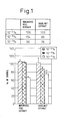
Fig. 1 shows the results of screening galenicals having VEGF expression inhibiting activity by luciferase assay. -
Fig. 2 shows the results of screening galenicals having VEGF expression inhibiting activity by luciferase assay. -
Fig. 3 shows the results of screening galenicals having VEGF expression inhibiting activity by luciferase assay. -
Fig. 4 shows the effects of mukurossi peel extract and hazelnut extract on VEGF protein expression in normal cells. -
Fig. 5 shows the effect of linden extract on VEGF protein expression in normal cells. -
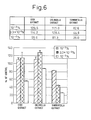
Fig. 6 shows the effects of coix extract, chlorella extract and tormentilla extract on VEGF protein expression in normal cells. - The screening of galenicals that inhibit VEGF expression is described in detail in the examples and in Experiment 1 below, but basically it was carried out by allowing different candidate drugs to act on a HaCat cell line having transferred therein a DNA construct comprising luciferase as a reporter gene linked downstream from the VEGF promoter, measuring the luciferase activity, defining VEGF expression inhibition as suppression of luciferase activity, and selecting out as effective drugs those having VEGF expression inhibiting activity. The actual VEGF expression inhibiting effects of drugs selected in this manner were also examined in normal cells.
- As a result, it was discovered that mukurossi peel extract, hazelnut extract, linden extract, coix extract, chlorella extract and tormentilla extract significantly inhibit VEGF expression. It was further concluded that mukurossi peel extract and hazelnut extract are effective for suppressing skin aging and for treatment or prevention of diseases associated with angiogenesis, such as cancer, that linden extract is an effective angiogenesis inhibitor and that coix extract, chlorella extract and tormentilla extract are effective VEGF inhibitors.
- Mukurossi peel extract: An extract from the peel of Sapondus mukurossi Gaertner (Sapindaceae). It is a natural component widely used in toothpastes, shampoos and soaps.
- Hazelnut extract: An extract from the seeds of Guevina avellana Mol (Proteaceae). Edible oil used in cooking is derived from the fruit, and because this oil also prevents skin drying it is used in soaps, packs and massage oils.
- Linden extract: An extract from the flower or leaves of linden (Tilia cordata Mill.), a defoliating tree indigenous to southern and central Europe. It is known to have diaphoretic and sedative effects, and is used as a medicinal herb in bath additives. Linden extract also includes the extract from flowers or leaves of Tilia cordata Mill, Tilia platyphyllos Scop. and Tilia europaea Linne (Tiliaceae).
- Coix extract: An extract from the episperm-removed seeds of Coix lacryma-jobi Linne var. ma-yuen Stapt (Gramineae). Its major components are amino acids such as glutamic acid, leucine and tyrosine, and coixenolide. It also known to contain abundant natural minerals and exhibit an excellent skin moisture retention effect.
- Chlorella extract: An extract obtained from Chlorella vulgaris Chick (Chlorellaceae), a fresh water-growing unicellular plant. It contains an abundance of amino acids and vitamins as major components. It is known to have cell mitosis-inducing and anti-tumor effects.
- Tormentilla extract: An extract obtained from the roots of Potentilla tormentilla Schrk (Rosaceae), a plant of the Rosaceae family. It is known to suppress excess oxidation and eliminate active oxygen.
- These extracts can all be obtained by ordinary methods, and for example, the plant sources for each of the extracts may be soaked or heated to reflux with an extraction solvent and then filtered and concentrated. The extraction solvent used may be any one ordinarily employed for extraction, and for example, water or organic solvents including alcohols such as methanol, ethanol, propylene glycol, 1,3-butylene glycol or glycerin, water-containing alcohols, chloroform, dichloroethane, carbon tetrachloride, acetone, ethyl acetate, hexane and the like may be used either alone or in combinations. The extract obtained by extraction with the solvent may be used directly, or the concentrated extract may be depleted of impurities by an adsorption process using an ion exchange resin or the like, or it may be subjected to adsorption on a porous polymer (for example, AMBERLITE XAD-2) column and then eluted with methanol or ethanol and concentrated. An extract obtained by a partition method using water/ethyl acetate may also be used.
- The anti-aging agents of the invention are highly effective for preventing and inhibiting aging caused by neoformation, growth and proliferation of vascular endothelial cells. Aging caused by neoformation, growth and proliferation of vascular endothelial cells includes photoaging resulting from skin injury or exposure to ultraviolet rays. The galenicals of the invention are especially effective for preventing and reducing photoaging.
- The angiogenesis inhibitors or VEGF expression inhibitors of the invention can be used as drugs or cosmetics effective for accelerating wound healing, for treating and preventing conditions associated with neoformation, growth and proliferation of vascular endothelial cells, such as cancer proliferation or metastasis, diabetic retinopathy, neovascular glaucoma, inflammatory skin diseases, psoriasis, rheumatoid arthritis, osteoarthritis, age-related macular degeneration, chronic bronchitis, atherosclerosis, myocardial infarction and the like, and for preventing and ameliorating aging caused by neoformation, growth and proliferation of vascular endothelial cells. Aging caused by neoformation, growth and proliferation of vascular endothelial cells includes photoaging resulting from skin injury or exposure to ultraviolet rays.
- Photoaging refers to changes in the appearance and function of skin resulting from repeated exposure to sunlight, primarily. Ultraviolet (UV) light, which is a component of sunlight, and especially intermediate UV (UVB, having a wavelength of 290-320 nm) is the major cause of photoaging. The amount of exposure to UVB necessary to cause photoaging is unknown at the current time. However, normal photoaging is linked to repeated exposure to UVB of a level that produces erythema or sunburn. Clinically, photoaging is identified by skin roughening, wrinkle formation, discoloration, darkening, sag formation, telangiectasia, mole formation, purpura, susceptibility to injury, atrophy, fibrotic depigmentation regions, premalignant tumors and malignant tumors. Photoaging normally occurs in skin that is habitually exposed to sunlight, such as the face, ears, head, neck and hands.
- The content of galenicals that inhibit angiogenesis in an anti-aging agent, angiogenesis inhibitor or VEGF expression inhibitor according to the invention is 0.0001-20.0 wt% and preferably 0.0001-10.0 wt% as dry weight with respect to the total agent.
- An anti-aging agent, angiogenesis inhibitor or VEGF expression inhibitor of the invention may contain, in addition to the aforementioned essential components, various components used in ordinary external skin cosmetics and drugs, depending on the purpose, and examples of such components include skin whiteners, humectants, antioxidants, oil components, ultraviolet absorbers, surfactants, thickeners, alcohols, powder constituents, pigments, aqueous components, water and various skin nutrients, as well as components commonly used in foods and drugs such as excipients, moistureproof agents, antiseptic agents, reinforcers, thickeners, emulsifying agents, antioxidants, sweeteners, acidulants, seasonings, coloring agents, aromatics and the like, as appropriate for the need.
- In addition, there may also be added appropriate amounts of metal sequestering agents such as disodium edetate, trisodium edetate, sodium citrate, sodium polyphosphate, sodium metaphosphate or gluconic acid, caffeine, tannin, verapamil, tranexamic acid or their derivatives, licorice extract, drug agents such as glabridin, Chinese quince fruit hot water extract, galenicals, tocopherol acetate, glycyrrhizic acid and their derivatives or salts, skin whiteners such as vitamin C, magnesium ascorbate phosphate, glucoside ascorbate, arbutin or kojic acid, saccharides such as glucose, fructose, mannose, sucrose or trehalose, and vitamin A derivatives such as retinoic acid, retinol, retinol acetate or retinol palmitate.
- The administration form for an anti-aging agent of the invention is not particularly restricted and may be any type of external preparation conventionally used for skin such as an ointment, cream, emulsion, lotion, pack, bath additive or the like.
- The anti-aging agents of the invention can be applied to skin for use in cosmetic methods to prevent or ameliorate aging. The method and dosage for an anti-aging agent of the invention used in a cosmetic method is not particularly restricted and may be appropriately established depending on the formulation or the condition of skin wrinkles to be treated, but typically the optimal dose, e.g. from 0.1 ml to 1 ml per cm2, is rubbed directly onto the skin or absorbed in gauze and applied onto the skin, several times, for example, 1 to 5 times per day.
- The dosage, method of administration and dosage form of an angiogenesis inhibitor or VEGF expression inhibitor of the invention may be appropriately established according to the purpose of use. For example, the dosage form of an angiogenesis inhibitor or VEGF expression inhibitor of the invention may be oral, parenteral or external. As examples of dosage forms there may be mentioned oral administration forms such as tablets, powders, capsules, granules, extract agents and syrups, parenteral administration forms such as injections, drops and suppositories, and external preparations such as ointments, creams, emulsions, lotions, packs and bath additives.
- The present invention will now be explained in greater detail by examples. However, the invention is in no way limited by the examples. The contents are expressed as weight percentages.
- The cell line used was HaCaT cells possessing a stably transferred DNA construct obtained by linking a luciferase-coding gene as a reporter gene downstream from the VEGF promoter. The cell line was suspended in DMEM (Invitrogen) (containing 10% FBS (ICN)) and 400 µg/ml of G418 (Promega)) and then seeded onto a 24-well plate at 4 × 10⁴ cells per well and cultured at 5% CO2, 37°C. After approximately 24 hours, different dried plant extracts dissolved in DMSO (Wako Pure Chemical Industries, Ltd.) were added as candidate drugs to final concentrations of 10-4, 10-3, 10-2% with respect to the culture solution, and culturing was continued for 24 hours. After removal of the culture supernatants, the cells were rinsed with PBS and a Luciferase Assay System (Promega) was used to measure the luciferase activity.
- For measurement of the luciferase activity of the cells, Hoechst 33342 (Sigma) was used at a final concentration of 10 µg/ml, to determine the amount of DNA per well. This was taken as an index of the number of cells per well, and the luciferase activity per cell was calculated.
- As a result, of the different plant extracts tested, mukurossi peel extract, hazelnut extract, linden extract, coix extract, chlorella extract and tormentilla extract (Maruzen Pharmaceuticals Co., Ltd.) exhibited concentration-dependent inhibition of VEGF expression. The results are shown in
Figs. 1 ,2 and3 . As a control, DMSO alone was used instead of the candidate drug. - The galenicals mukurossi peel extract, hazelnut extract, linden extract, coix extract, chlorella extract and tormentilla extract, which were found to exhibit inhibiting effects on promoter activity in the luciferase assay of Experiment 1, were then examined for actual VEGF protein expression inhibiting effects in normal cells.
- Normal human keratinocytes (Kurabo Industries, Ltd.) were suspended in KGM medium (Kurabo Industries, Ltd.), and then seeded onto a 24-well plate at 4 × 10⁴ cells per well and cultured at 5% CO2, 37°C. After approximately 24 hours, a solution of dried mukurossi peel extract, hazelnut extract, linden extract, coix extract, chlorella extract or tormentilla extract in DMSO (Wako Pure Chemical Industries, Ltd.) was added to final concentrations of 10-3, 3.3 × 10⁻³ and 10-2% with respect to the culture solution, and culturing was continued for 24 hours. The VEGF protein in the culture supernatant was measured by ELISA (R&D Systems).
- As a result, mukurossi peel extract, hazelnut extract, linden extract, coix extract, chlorella extract and tormentilla extract were confirmed to inhibit VEGF expression in a concentration-dependent manner. The results are shown in
Figs. 4 ,5 and6 . As a control, DMSO alone was used instead of the candidate drug. -
- (1) Stearic acid: 5.0
- (2) Stearyl alcohol: 4.0
- (3) Isopropyl myristate: 18.0
- (4) Glycerin monostearate: 3.0
- (5) Propylene glycol: 10.0
- (6) Mukurossi peel extract: 0.01
- (7) Caustic potash: 0.2
- (8) Sodium hydrogensulfite: 0.01
- (9) Preservative: q.s.
- (10) Aromatic: q.s.
- (11) Ion-exchanged water: remainder
- Components (5)-(7) are added to and dissolved in (11), and the mixture is heated and held at 70°C (aqueous phase). Separately, (1)-(4) and (8)-(10) are combined, heated to melting and held at 70°C (oily phase). The oily phase is slowly added to the aqueous phase, and reaction is conducted a short while after completing the addition, while maintaining the temperature. The mixture is then homogeneously emulsified in a homomixer and cooled to 30°C while stirring.
-
- (1) Stearic acid: 2.0
- (2) Stearyl alcohol: 7.0
- (3) Hydrogenated lanolin: 2.0
- (4) Squalane: 5.0
- (5) 2-Octyldodecyl alcohol: 6.0
- (6) Polyoxyethylene(25 mol)cetyl alcohol ether: 3.0
- (7) Glycerin monostearate: 2.0
- (8) Propylene glycol: 5.0
- (9) Hazelnut extract: 0.05
- (10) Sodium hydrogensulfite: 0.03
- (11) Ethylparaben: 0.3
- (12) Aromatic: q.s.
- (13) Ion-exchanged water: remainder
- Component (8) is added to (13), and the mixture is heated and held at 70°C (aqueous phase). Separately, (1)-(7) and (9)-(12) are combined, heated to melting and held at 70°C (oily phase). The oily phase is added to the aqueous phase and pre-emulsified, and after homogeneously emulsifying in a homomixer, the mixture is cooled to 30°C while mixing.
-
- (1) Solid paraffin: 5.0
- (2) Beeswax: 10.0
- (3) Vaseline: 15.0
- (4) Liquid paraffin: 41.0
- (5) Glycerin monostearate: 2.0
- (6) Polyoxyethylene(20 mol) sorbitan monolaurate: 2.0
- (7) Soap powder: 0.1
- (8) Borax: 0.2
- (9) Mukurossi peel extract: 0.05
- (10) Hazelnut extract: 0.05
- (11) Sodium hydrogensulfite: 0.03
- (12) Ethylparaben: 0.3
- (13) Aromatic: q.s.
- (14) Ion-exchanged water: remainder
- Components (7) and (8) are added to (14), and the mixture is heated and held at 70°C (aqueous phase). Separately, (1)-(6) and (9)-(14) are combined, heated to melting and held at 70°C (oily phase). The oily phase is slowly added to the aqueous phase while stirring, for reaction. Upon completion of the reaction, the mixture is homogeneously emulsified in a homomixer, and then thoroughly stirred while cooling to 30°C.
-
- (1) Stearic acid: 2.5
- (2) Cetyl alcohol: 1.5
- (3) Vaseline: 5.0
- (4) Liquid paraffin: 10.0
- (5) Polyoxyethylene(10 mol) monooleate: 2.0
- (6) Polyethylene glycol 1500: 3.0
- (7) Triethanolamine: 1.0
- (8) Carboxyvinyl polymer: 0.05
-
- (9) Mukurossi peel extract: 0.01
- (10) Sodium hydrogensulfite: 0.01
- (11) Ethylparaben: 0.3
- (12) Aromatic: q.s.
- (13) Ion-exchanged water: remainder
- Component (8) is dissolved in a small amount of (13) (phase A). Components (6) and (7) are added to and dissolved in the remainder of (13), and the mixture is heated and held at 70°C (aqueous phase). Separately, (1)-(5) and (9)-(12) are combined, heated to melting and held at 70°C (oily phase). The oily phase is added to the aqueous phase and pre-emulsified, and after adding phase A and homogeneously emulsifying in a homomixer, the mixture is cooled to 30°C while mixing.
-
- (1) Microcrystalline wax: 1.0
- (2) Beeswax: 2.0
- (3) Lanolin: 20.0
- (4) Liquid paraffin: 10.0
- (5) Squalane: 5.0
- (6) Sorbitan sesquioleate: 4.0
- (7) Polyoxyethylene(20 mol) sorbitan monooleate: 1.0
- (8) Propylene glycol: 7.0
- (9) Hazelnut extract: 1.0
- (10) Sodium hydrogensulfite: 0.01
- (11) Ethylparaben: 0.3
- (12) Aromatic: q.s.
- (13) Ion-exchanged water: remainder
- Component (8) is added to (13), and the mixture is heated and held at 70°C (aqueous phase). Separately, (1)-(7) and (9)-(12) are combined, heated to melting and held at 70°C (oily phase). The oily phase is stirred while the aqueous phase is slowly added thereto, and the mixture is homogeneously emulsified in a homomixer. The emulsion is then cooled to 30°C while stirring.
-
- (1) 95% Ethyl alcohol: 10.0
- (2) Dipropylene glycol: 15.0
- (3) Polyoxyethylene(50 mol) oleyl alcohol ether: 2.0
- (4) Carboxyvinyl polymer: 1.0
-
- (5) Caustic soda: 0.15
- (6) L-Arginine: 0.1
- (7) Mukurossi peel extract: 7.0
- (8) Sodium 2-hydroxy-4-methoxybenzophenonesulfonate: 0.05
- (9) Ethylenediaminetetraacetate·3Na·2H2O: 0.05
- (10) Methylparaben: 0.2
- (11) Aromatic: q.s.
- (12) Ion-exchanged water: remainder
- Component (4) is uniformly dissolved in (12) (aqueous phase). Components (7) and (3) are dissolved in (1), and this is added to the aqueous phase. After then adding (2) and (8)-(11) thereto, the mixture is neutralized and thickened with (5) and (6).
-
- (Phase A)
- Ethyl alcohol (95%): 10.0
- Polyoxyethylene(20 mol) octyldodecanol: 1.0
- Pantothenyl ethyl ether: 0.1
- Hazelnut extract: 1.5
- Methylparaben: 0.15
- (Phase B)
- Potassium hydroxide: 0.1
- (Phase C)
- Glycerin: 5.0
- Dipropylene glycol: 10.0
- Sodium hydrogen sulfite: 0.03
- Carboxyvinyl polymer: 0.2
- (Carbopol 940, B.F. Goodrich)
- Purified water: remainder
- Phase A and phase C are each uniformly dissolved, and then phase A is added to phase C for solubilization. After then adding phase B, the mixture is packed into a container.
-
- (Phase A)
- Dipropylene glycol: 5.0
- Polyoxyethylene(60 mol) hydrogenated castor oil: 5.0
- (Phase B)
- Mukurossi peel extract: 0.01
- Olive oil: 5.0
- Tocopherol acetate: 0.2
- Ethylparaben: 0.2
- Aromatic: 0.2
- (Phase C)
- Sodium hydrogen sulfite: 0.03
- Polyvinyl alcohol (saponification degree: 90,
- polymerization degree: 2000): 13.0
- Ethanol: 7.0
- Purified water: remainder
- Phase A, phase B and phase C are each uniformly dissolved, and phase B is added to phase A for solubilization. After adding this to phase C, the mixture is packed into a container.
-
- (1) Talc: 43.1
- (2) Kaolin: 15.0
- (3) Sericite: 10.0
- (4) Zinc flower: 7.0
- (5) Titanium dioxide: 3.8
- (6) Yellow iron oxide: 2.9
- (7) Black iron oxide: 0.2
- (8) Squalane: 8.0
- (9) Isostearic acid: 4.0
- (10) POE sorbitan monooleate: 3.0
- (11) Isocetyl octanoate: 2.0
- (12) Hazelnut extract: 1.0
- (13) Preservative: q.s.
- (14) Aromatic: q.s.
- The powder constituents of (1)-(7) are thoroughly mixed with a blender, the oily components (8)-(11) and components (12), (13) and (14) are added and thoroughly kneaded therewith, and the mixture is then packed into a container and shaped.
-
- Titanium dioxide: 10.3
- Sericite: 5.4
- Kaolin: 3.0
- Yellow iron oxide: 0.8
- Red iron oxide: 0.3
- Black iron oxide: 0.2
-
- Decamethylcyclopentasiloxane: 11.5
- Liquid paraffin: 4.5
- Polyoxyethylene-modified dimethylpolysiloxane: 4.0
-
- Purified water: 51.0
- 1,3-Butylene glycol: 4.5
- Mukurossi peel extract: 1.5
- Sorbitan sesquioleate: 3.0
- Preservative: q.s.
- Aromatic: q.s.
- After heating and stirring the aqueous phase, the thoroughly mixed and pulverized powder portion is added and the mixture is treated in a homomixer. The heated and mixed oily phase is added and treated in a homomixer, after which the aromatic is added while stirring and the mixture is cooled to room temperature.
-
- (1) Stearic acid: 5.0
- (2) Stearyl alcohol: 4.0
- (3) Isopropyl myristate: 18.0
- (4) Glycerin monostearate: 3.0
- (5) Propylene glycol: 10.0
- (6) Hazelnut extract: 0.01
- (7) Caustic potash: 0.2
- (8) Sodium hydrogensulfite: 0.01
- (9) Preservative: q.s.
- (10) Aromatic: q.s.
- (11) Ion-exchanged water: remainder
- Components (5)-(7) are added to and dissolved in (11), and the mixture is heated and held at 70°C (aqueous phase). Separately, (1)-(4) and (8)-(10) are combined, heated to melting and held at 70°C (oily phase). The oily phase is slowly added to the aqueous phase, and reaction is conducted a short while after completing the addition, while maintaining the temperature. The mixture is then homogeneously emulsified in a homomixer and cooled to 30°C while stirring.
-
- (1) Stearic acid: 2.0
- (2) Stearyl alcohol: 7.0
- (3) Hydrogenated lanolin: 2.0
- (4) Squalane: 5.0
- (5) 2-Octyldodecyl alcohol: 6.0
- (6) Polyoxyethylene(25 mol)cetyl alcohol ether: 3.0
- (7) Glycerin monostearate: 2.0
- (8) Propylene glycol: 5.0
- (9) Mukurossi peel extract: 0.05
- (10) Sodium hydrogensulfite: 0.03
- (11) Ethylparaben: 0.3
- (12) Aromatic: q.s.
- (13) Ion-exchanged water: remainder
- Component (8) is added to (13), and the mixture is heated and held at 70°C (aqueous phase). Separately, (1)-(7) and (9)-(12) are combined, heated to melting and held at 70°C (oily phase). The oily phase is added to the aqueous phase and pre-emulsified, and after homogeneously emulsifying in a homomixer, the mixture is cooled to 30°C while mixing.
-
- (1) Solid paraffin: 5.0
- (2) Beeswax: 10.0
- (3) Vaseline: 15.0
- (4) Liquid paraffin: 41.0
- (5) Glycerin monostearate: 2.0
- (6) Polyoxyethylene(20 mol) sorbitan monolaurate: 2.0
- (7) Soap powder: 0.1
- (8) Borax: 0.2
- (9) Hazelnut extract: 0.05
- (10) Sodium hydrogensulfite: 0.03
- (11) Ethylparaben: 0.3
- (12) Aromatic: q.s.
- (13) Ion-exchanged water: remainder
- Components (7) and (8) are added to (13), and the mixture is heated and held at 70°C (aqueous phase). Separately, (1)-(6) and (9)-(13) are combined, heated to melting and held at 70°C (oily phase). The oily phase is slowly added to the aqueous phase while stirring, for reaction. Upon completion of the reaction, the mixture is homogeneously emulsified in a homomixer, and then thoroughly stirred while cooling to 30°C.
-
- (1) Stearic acid: 2.5
- (2) Cetyl alcohol: 1.5
- (3) Vaseline: 5.0
- (4) Liquid paraffin: 10.0
- (5) Polyoxyethylene(10 mol) monooleate: 2.0
- (6) Polyethylene glycol 1500: 3.0
- (7) Triethanolamine: 1.0
- (8) Carboxyvinyl polymer: 0.05
-
- (9) Mukurossi peel extract: 0.01
- (10) Sodium hydrogensulfite: 0.01
- (11) Ethylparaben: 0.3
- (12) Aromatic: q.s.
- (13) Ion-exchanged water: remainder
- Component (8) is dissolved in a small amount of (13) (phase A). Components (6) and (7) are added to and dissolved in the remainder of (13), and the mixture is heated and held at 70°C (aqueous phase). Separately, (1)-(5) and (9)-(12) are combined, heated to melting and held at 70°C (oily phase). The oily phase is added to the aqueous phase and pre-emulsified, and after adding phase A and homogeneously emulsifying in a homomixer, the mixture is cooled to 30°C while mixing.
-
- (1) Microcrystalline wax: 1.0
- (2) Beeswax: 2.0
- (3) Lanolin: 20.0
- (4) Liquid paraffin: 10.0
- (5) Squalane: 5.0
- (6) Sorbitan sesquioleate: 4.0
- (7) Polyoxyethylene(20 mol) sorbitan monooleate: 1.0
- (8) Propylene glycol: 7.0
- (9) Hazelnut extract: 1.0
- (10) Sodium hydrogensulfite: 0.01
- (11) Ethylparaben: 0.3
- (12) Aromatic: q.s.
- (13) Ion-exchanged water: remainder
- Component (8) is added to (13), and the mixture is heated and held at 70°C (aqueous phase). Separately, (1)-(7) and (9)-(12) are combined, heated to melting and held at 70°C (oily phase). The oily phase is stirred while the aqueous phase is slowly added thereto, and the mixture is homogeneously emulsified in a homomixer. The emulsion is then cooled to 30°C while stirring.
-
- (1) 95% Ethyl alcohol: 10.0
- (2) Dipropylene glycol: 15.0
- (3) Polyoxyethylene(50 mol) oleyl alcohol ether: 2.0
- (4) Carboxyvinyl polymer: 1.0
-
- (5) Caustic soda: 0.15
- (6) L-Arginine: 0.1
- (7) Mukurossi peel extract: 7.0
- (8) Sodium 2-hydroxy-4-methoxybenzophenonesulfonate: 0.05
- (9) Ethylenediaminetetraacetate·3Na·2H2O: 0.05
- (10) Methylparaben: 0.2
- (11) Aromatic: q.s.
- (12) Ion-exchanged water: remainder
- Component (4) is uniformly dissolved in (12) (aqueous phase). Components (7) and (3) are dissolved in (1), and this is added to the aqueous phase. After then adding (2) and (8)-(11) thereto, the mixture is neutralized and thickened with (5) and (6).
-
- (Phase A)
- Ethyl alcohol (95%): 10.0
- Polyoxyethylene(20 mol) octyldodecanol: 1.0
- Pantothenyl ethyl ether: 0.1
- Hazelnut extract: 1.5
- Methylparaben: 0.15
- (Phase B)
- Potassium hydroxide: 0.1
- (Phase C)
- Glycerin: 5.0
- Dipropylene glycol: 10.0
- Sodium hydrogen sulfite: 0.03
- Carboxyvinyl polymer: 0.2
- (Carbopol 940, B.F. Goodrich)
- Purified water: remainder
- Phase A and phase C are each uniformly dissolved, and then phase A is added to phase C for solubilization. After then adding phase B, the mixture is packed into a container.
-
- (Phase A)
- Dipropylene glycol: 5.0
- Polyoxyethylene(60 mol) hydrogenated castor oil: 5.0
- (Phase B)
- Mukurossi peel extract: 0.01
- Olive oil: 5.0
- Tocopherol acetate: 0.2
- Ethylparaben: 0.2
- Aromatic: 0.2
- (Phase C)
- Sodium hydrogen sulfite: 0.03
- Polyvinyl alcohol (saponification degree: 90,
- polymerization degree: 2000): 13.0
- Ethanol: 7.0
- Purified water: remainder
- Phase A, phase B and phase C are each uniformly dissolved, and phase B is added to phase A for solubilization. After adding this to phase C, the mixture is packed into a container.
-
- (1) Talc: 43.1
- (2) Kaolin: 15.0
- (3) Sericite: 10.0
- (4) Zinc flower: 7.0
- (5) Titanium dioxide: 3.8
- (6) Yellow iron oxide: 2.9
- (7) Black iron oxide: 0.2
- (8) Squalane: 8.0
- (9) Isostearic acid: 4.0
- (10) POE sorbitan monooleate: 3.0
- (11) Isocetyl octanoate: 2.0
- (12) Hazelnut extract: 1.0
- (13) Preservative: q.s.
- (14) Aromatic: q.s.
- The powder constituents of (1)-(7) are thoroughly mixed with a blender, the oily components (8)-(11) and components (12), (13) and (14) are added and thoroughly kneaded therewith, and the mixture is then packed into a container and shaped.
-
- (Powder portion)
- Titanium dioxide: 10.3
- Sericite: 5.4
- Kaolin: 3.0
- Yellow iron oxide: 0.8
- Red iron oxide: 0.3
- Black iron oxide: 0.2
- (Oily phase)
- Decamethylcyclopentasiloxane: 11.5
- Liquid paraffin: 4.5
- Polyoxyethylene-modified dimethylpolysiloxane: 4.0
- (Aqueous phase)
- Purified water: 51.0 1,3-Butylene glycol: 4.5
- Mukurossi peel extract: 1.5
- Sorbitan sesquioleate: 3.0
- Preservative: q.s.
- Aromatic: q.s.
- After heating and stirring the aqueous phase, the thoroughly mixed and pulverized powder portion is added and the mixture is treated in a homomixer. The heated and mixed oily phase is added and treated in a homomixer, after which the aromatic is added while stirring and the mixture is cooled to room temperature.
-
- Mukurossi peel extract: 100 mg
- Maltosyl-β-cyclodextrin: 726 mg
- Sodium hydroxide: 33.3 µg
- Distilled water for injection: To 5.0 ml
- 100 mg of mukurossi peel extract is added to distilled water for injection dissolving the 726 mg of maltosyl-β-cyclodextrin. An aqueous solution of sodium hydroxide (33.3 µg) is then added to a total volume of 5 ml, and the mixture is filtered. After packing the mixture into a vial, it is freeze-dried to obtain an injection.
-
- Hazelnut extract: 1 g
- Polyethylene glycol 6000: 10 g
- Sodium lauryl sulfate: 1.5 g
- Corn starch: 3 g
- Lactose: 25 g
- Magnesium stearate: 0.5 g
- The components listed above are weighed out. Polyethylene glycol 6000 is heated to 70-80°C, and after adding hazelnut extract, sodium lauryl sulfate, corn starch and lactose, the mixture is cooled. The solidified mixture is granulated in a grinder to obtain granules. After mixing the granules with magnesium stearate, they are compacted and tableted into 250 mg tablets.
-
- Mukurossi peel extract: 3 g
- Lactose: 55 g
- Potato starch: 12 g
- Polyvinyl alcohol: 1.5 g
- Magnesium stearate: 1.5 g
- The components listed above are weighed out. Mukurossi peel extract, lactose and potato starch are uniformly mixed. An aqueous solution of polyvinyl alcohol is added to the mixture, and granules are prepared by wet granulation. After drying the granules and mixing with magnesium stearate, they are compacted and tableted into 200 mg tablets.
-
- Hazelnut extract: 1 g
- Lactose: 25 g
- Corn starch: 5 g
- Microcrystalline cellulose: 9.5 g
- Magnesium stearate: 0.5 g
- The components listed above are weighed out. The four components other than magnesium stearate are uniformly mixed. After adding magnesium stearate, mixing is continued for several minutes. The mixture is packed into 200 mg hard capsules.
-
- Mukurossi peel extract: 2 g
- Lactose: 79 g
- Magnesium stearate: 1 g
- The components listed above are weighed out. All of the components are uniformly mixed to form a powder.
-
- Hazelnut extract: 1 g
- Polyethylene glycol 1500: 18 g
- Polyethylene glycol 4000: 72 g
- A 1 g rectal suppository is prepared by a melting method.
-
- Hazelnut extract: 0.1 g
- Sodium chloride: 0.9 g
- Sodium hydroxide: q.s.
- Water for injection: 100 mL
- The components listed above are weighed out. The three components are dissolved in the water for injection, filtered and sterilized and then dispensed at 5 mL into a 10 mL ampule and heat sealed as an injection.
-
- (1) Stearic acid: 5.0
- (2) Stearyl alcohol: 4.0
- (3) Isopropyl myristate: 18.0
- (4) Glycerin monostearate: 3.0
- (5) Propylene glycol: 10.0
- (6) Linden extract: 0.01
- (7) Caustic potash: 0.2
- (8) Sodium hydrogensulfite: 0.01
- (9) Preservative: q.s.
- (10) Aromatic: q.s.
- (11) Ion-exchanged water: remainder
- Components (5)-(7) are added to and dissolved in (11), and the mixture is heated and held at 70°C (aqueous phase). Separately, (1)-(4) and (8)-(10) are combined, heated to melting and held at 70°C (oily phase). The oily phase is slowly added to the aqueous phase, and reaction is conducted a short while after completing the addition, while maintaining the temperature. The mixture is then homogeneously emulsified in a homomixer and cooled to 30°C while stirring.
-
- (1) Stearic acid: 2.0
- (2) Stearyl alcohol: 7.0
- (3) Hydrogenated lanolin: 2.0
- (4) Squalane: 5.0
- (5) 2-Octyldodecyl alcohol: 6.0
- (6) Polyoxyethylene(25 mol)cetyl alcohol ether: 3.0
- (7) Glycerin monostearate: 2.0
- (8) Propylene glycol: 5.0
- (9) Linden extract: 0.05
- (10) Sodium hydrogensulfite: 0.03
- (11) Ethylparaben: 0.3
- (12) Aromatic: q.s.
- (13) Ion-exchanged water: remainder
- Component (8) is added to (13), and the mixture is heated and held at 70°C (aqueous phase). Separately, (1)-(7) and (9)-(12) are combined, heated to melting and held at 70°C (oily phase). The oily phase is added to the aqueous phase and pre-emulsified, and after homogeneously emulsifying in a homomixer, the mixture is cooled to 30°C while mixing.
-
- (1) Solid paraffin: 5.0
- (2) Beeswax: 10.0
- (3) Vaseline: 15.0
- (4) Liquid paraffin: 41.0
- (5) Glycerin monostearate: 2.0
- (6) Polyoxyethylene(20 mol) sorbitan monolaurate: 2.0
- (7) Soap powder: 0.1
- (8) Borax: 0.2
- (9) Linden extract: 0.05
- (10) Sodium hydrogensulfite: 0.03
- (11) Ethylparaben: 0.3
- (12) Aromatic: q.s.
- (13) Ion-exchanged water: remainder
- Components (7) and (8) are added to (13), and the mixture is heated and held at 70°C (aqueous phase). Separately, (1)-(6) and (9)-(13) are combined, heated to melting and held at 70°C (oily phase). The oily phase is slowly added to the aqueous phase while stirring, for reaction. Upon completion of the reaction, the mixture is homogeneously emulsified in a homomixer, and then thoroughly stirred while cooling to 30°C.
-
- (1) Stearic acid: 2.5
- (2) Cetyl alcohol: 1.5
- (3) Vaseline: 5.0
- (4) Liquid paraffin: 10.0
- (5) Polyoxyethylene(10 mol) monooleate: 2.0
- (6) Polyethylene glycol 1500: 3.0
- (7) Triethanolamine: 1.0
- (8) Carboxyvinyl polymer: 0.05 (Carbopol 941, B.F. Goodrich)
- (9) Linden extract: 0.01
- (10) Sodium hydrogensulfite: 0.01
- (11) Ethylparaben: 0.3
- (12) Aromatic: q.s.
- (13) Ion-exchanged water: remainder
- Component (8) is dissolved in a small amount of (13) (phase A). Components (6) and (7) are added to and dissolved in the remainder of (13), and the mixture is heated and held at 70°C (aqueous phase). Separately, (1)-(5) and (9)-(12) are combined, heated to melting and held at 70°C (oily phase). The oily phase is added to the aqueous phase and pre-emulsified, and after adding phase A and homogeneously emulsifying in a homomixer, the mixture is cooled to 30°C while mixing.
-
- (1) Microcrystalline wax: 1.0
- (2) Beeswax: 2.0
- (3) Lanolin: 20.0
- (4) Liquid paraffin: 10.0
- (5) Squalane: 5.0
- (6) Sorbitan sesquioleate: 4.0
- (7) Polyoxyethylene(20 mol) sorbitan monooleate: 1.0
- (8) Propylene glycol: 7.0
- (9) Linden extract: 1.0
- (10) Sodium hydrogensulfite: 0.01
- (11) Ethylparaben: 0.3
- (12) Aromatic: q.s.
- (13) Ion-exchanged water: remainder
- Component (8) is added to (13), and the mixture is heated and held at 70°C (aqueous phase). Separately, (1)-(7) and (9)-(12) are combined, heated to melting and held at 70°C (oily phase). The oily phase is stirred while the aqueous phase is slowly added thereto, and the mixture is homogeneously emulsified in a homomixer. The emulsion is then cooled to 30°C while stirring.
-
- (1) 95% Ethyl alcohol: 10.0
- (2) Dipropylene glycol: 15.0
- (3) Polyoxyethylene(50 mol) oleyl alcohol ether: 2.0
- (4) Carboxyvinyl polymer: 1.0
-
- (5) Caustic soda: 0.15
- (6) L-Arginine: 0.1
- (7) Linden extract: 7.0
- (8) Sodium 2-hydroxy-4-methoxybenzophenonesulfonate: 0.05
- (9) Ethylenediaminetetraacetate·3Na·2H2O: 0.05
- (10) Methylparaben: 0.2
- (11) Aromatic: q.s.
- (12) Ion-exchanged water: remainder
- Component (4) is uniformly dissolved in (12) (aqueous phase). Components (7) and (3) are dissolved in (1), and this is added to the aqueous phase. After then adding (2) and (8)-(11) thereto, the mixture is neutralized and thickened with (5) and (6).
-
- (Phase A)
- Ethyl alcohol (95%): 10.0
- Polyoxyethylene(20 mol) octyldodecanol: 1.0
- Pantothenyl ethyl ether: 0.1
- Linden extract: 1.5
- Methylparaben: 0.15
- (Phase B)
- Potassium hydroxide: 0.1
- (Phase C)
- Glycerin: 5.0
- Dipropylene glycol: 10.0
- Sodium hydrogen sulfite: 0.03
- Carboxyvinyl polymer: 0.2
- (Carbopol 940, B.F. Goodrich)
- Purified water: remainder
- Phase A and phase C are each uniformly dissolved, and then phase A is added to phase C for solubilization. After then adding phase B, the mixture is packed into a container.
-
- (Phase A)
- Dipropylene glycol: 5.0
- Polyoxyethylene(60 mol) hydrogenated castor oil: 5.0
- (Phase B)
- Linden extract: 0.01
- Olive oil: 5.0
- Tocopherol acetate: 0.2
- Ethylparaben: 0.2
- Aromatic: 0.2
- (Phase C)
- Sodium hydrogen sulfite: 0.03
- Polyvinyl alcohol (saponification degree: 90,
- polymerization degree: 2000): 13.0
- Ethanol: 7.0
- Purified water: remainder
- Phase A, phase B and phase C are each uniformly dissolved, and phase B is added to phase A for solubilization. After adding this to phase C, the mixture is packed into a container.
-
- (1) Talc: 43.1
- (2) Kaolin: 15.0
- (3) Sericite: 10.0
- (4) Zinc flower: 7.0
- (5) Titanium dioxide: 3.8
- (6) Yellow iron oxide: 2.9
- (7) Black iron oxide: 0.2
- (8) Squalane: 8.0
- (9) Isostearic acid: 4.0
- (10) POE sorbitan monooleate: 3.0
- (11) Isocetyl octanoate: 2.0
- (12) Linden extract: 1.0
- (13) Preservative: q.s.
- (14) Aromatic: q.s.
- The powder constituents of (1)-(7) are thoroughly mixed with a blender, the oily components (8)-(11) and components (12), (13) and (14) are added and thoroughly kneaded therewith, and the mixture is then packed into a container and shaped.
-
- Titanium dioxide: 10.3
- Sericite: 5.4
- Kaolin: 3.0
- Yellow iron oxide: 0.8
- Red iron oxide: 0.3
- Black iron oxide: 0.2
-
- Decamethylcyclopentasiloxane: 11.5
- Liquid paraffin: 4.5
- Polyoxyethylene-modified dimethylpolysiloxane: 4.0
-
- Purified water: 51.0
- 1,3-Butylene glycol: 4.5
- Linden extract: 1.5
- Sorbitan sesquioleate: 3.0
- Preservative: q.s.
- Aromatic: q.s.
- After heating and stirring the aqueous phase, the thoroughly mixed and pulverized powder portion is added and the mixture is treated in a homomixer. The heated and mixed oily phase is added and treated in a homomixer, after which the aromatic is added while stirring and the mixture is cooled to room temperature.
-
- (1) Stearic acid: 5.0
- (2) Stearyl alcohol: 4.0
- (3) Isopropyl myristate: 18.0
- (4) Glycerin monostearate: 3.0
- (5) Propylene glycol: 10.0
- (6) Linden extract: 0.01
- (7) Caustic potash: 0.2
- (8) Sodium hydrogensulfite: 0.01
- (9) Preservative: q.s.
- (10) Aromatic: q.s.
- (11) Ion-exchanged water: remainder
- Components (5)-(7) are added to and dissolved in (11), and the mixture is heated and held at 70°C (aqueous phase). Separately, (1)-(4) and (8)-(10) are combined, heated to melting and held at 70°C (oily phase). The oily phase is slowly added to the aqueous phase, and reaction is conducted a short while after completing the addition, while maintaining the temperature. The mixture is then homogeneously emulsified in a homomixer and cooled to 30°C while stirring.
-
- (1) Stearic acid: 2.0
- (2) Stearyl alcohol: 7.0
- (3) Hydrogenated lanolin: 2.0
- (4) Squalane: 5.0
- (5) 2-Octyldodecyl alcohol: 6.0
- (6) Polyoxyethylene(25 mol) cetyl alcohol ether: 3.0
- (7) Glycerin monostearate: 2.0
- (8) Propylene glycol: 5.0
- (9) Linden extract: 0.05
- (10) Sodium hydrogensulfite: 0.03
- (11) Ethylparaben: 0.3
- (12) Aromatic: q.s.
- (13) Ion-exchanged water: remainder
- Component (8) is added to (13), and the mixture is heated and held at 70°C (aqueous phase). Separately, (1)-(7) and (9)-(12) are combined, heated to melting and held at 70°C (oily phase). The oily phase is added to the aqueous phase and pre-emulsified, and after homogeneously emulsifying in a homomixer, the mixture is cooled to 30°C while mixing.
-
- (1) Solid paraffin: 5.0
- (2) Beeswax: 10.0
- (3) Vaseline: 15.0
- (4) Liquid paraffin: 41.0
- (5) Glycerin monostearate: 2.0
- (6) Polyoxyethylene(20 mol) sorbitan monolaurate: 2.0
- (7) Soap powder: 0.1
- (8) Borax: 0.2
- (9) Linden extract: 0.05
- (10) Sodium hydrogensulfite: 0.03
- (11) Ethylparaben: 0.3
- (12) Aromatic: q.s.
- (13) Ion-exchanged water: remainder
- Components (7) and (8) are added to (13), and the mixture is heated and held at 70°C (aqueous phase). Separately, (1)-(6) and (9)-(13) are combined, heated to melting and held at 70°C (oily phase). The oily phase is slowly added to the aqueous phase while stirring, for reaction. Upon completion of the reaction, the mixture is homogeneously emulsified in a homomixer, and then thoroughly stirred while cooling to 30°C.
-
- (1) Stearic acid: 2.5
- (2) Cetyl alcohol: 1.5
- (3) Vaseline: 5.0
- (4) Liquid paraffin: 10.0
- (5) Polyoxyethylene(10 mol) monooleate: 2.0
- (6) Polyethylene glycol 1500: 3.0
- (7) Triethanolamine: 1.0
- (8) Carboxyvinyl polymer: 0.05
-
- (9) Linden extract: 0.01
- (10) Sodium hydrogensulfite: 0.01
- (11) Ethylparaben: 0.3
- (12) Aromatic: q.s.
- (13) Ion-exchanged water: remainder
- Component (8) is dissolved in a small amount of (13) (phase A). Components (6) and (7) are added to and dissolved in the remainder of (13), and the mixture is heated and held at 70°C (aqueous phase). Separately, (1)-(5) and (9)-(12) are combined, heated to melting and held at 70°C (oily phase). The oily phase is added to the aqueous phase and pre-emulsified, and after adding phase A and homogeneously emulsifying in a homomixer, the mixture is cooled to 30°C while mixing.
-
- (1) Microcrystalline wax: 1.0
- (2) Beeswax: 2.0
- (3) Lanolin: 20.0
- (4) Liquid paraffin: 10.0
- (5) Squalane: 5.0
- (6) Sorbitan sesquioleate: 4.0
- (7) Polyoxyethylene(20 mol) sorbitan monooleate: 1.0
- (8) Propylene glycol: 7.0
- (9) Linden extract: 1.0
- (10) Sodium hydrogensulfite: 0.01
- (11) Ethylparaben: 0.3
- (12) Aromatic: q.s.
- (13) Ion-exchanged water: remainder
- Component (8) is added to (13), and the mixture is heated and held at 70°C (aqueous phase). Separately, (1)-(7) and (9)-(12) are combined, heated to melting and held at 70°C (oily phase). The oily phase is stirred while the aqueous phase is slowly added thereto, and the mixture is homogeneously emulsified in a homomixer. The emulsion is then cooled to 30°C while stirring.
-
- (1) 95% Ethyl alcohol: 10.0
- (2) Dipropylene glycol: 15.0
- (3) Polyoxyethylene(50 mol) oleyl alcohol ether: 2.0
- (4) Carboxyvinyl polymer: 1.0
-
- (5) Caustic soda: 0.15
- (6) L-Arginine: 0.1
- (7) Linden extract: 7.0
- (8) Sodium 2-hydroxy-4-methoxybenzophenonesulfonate: 0.05
- (9) Ethylenediaminetetraacetate·3Na·2H2O: 0.05
- (10) Methylparaben: 0.2
- (11) Aromatic: q.s.
- (12) Ion-exchanged water: remainder
- Component (4) is uniformly dissolved in (12) (aqueous phase). Components (7) and (3) are dissolved in (1), and this is added to the aqueous phase. After then adding (2) and (8)-(11) thereto, the mixture is neutralized and thickened with (5) and (6).
-
- (Phase A)
- Ethyl alcohol (95%): 10.0
- Polyoxyethylene(20 mol) octyldodecanol: 1.0
- Pantothenyl ethyl ether: 0.1
- Linden extract: 1.5
- Methylparaben: 0.15
- (Phase B)
- Potassium hydroxide: 0.1
- (Phase C)
- Glycerin: 5.0
- Dipropylene glycol: 10.0
- Sodium hydrogen sulfite: 0.03
- Carboxyvinyl polymer: 0.2
- (Carbopol 940, B.F. Goodrich)
- Purified water: remainder
- Phase A and phase C are each uniformly dissolved, and then phase A is added to phase C for solubilization. After then adding phase B, the mixture is packed into a container.
-
- (Phase A)
- Dipropylene glycol: 5.0
- Polyoxyethylene(60 mol) hydrogenated castor oil: 5.0
- (Phase B)
- Linden extract: 0.01
- Olive oil: 5.0
- Tocopherol acetate: 0.2
- Ethylparaben: 0.2
- Aromatic: 0.2
- (Phase C)
- Sodium hydrogen sulfite: 0.03
- Polyvinyl alcohol (saponification degree: 90,
- polymerization degree: 2000): 13.0
- Ethanol: 7.0
- Purified water: remainder
- Phase A, phase B and phase C are each uniformly dissolved, and phase B is added to phase A for solubilization. After adding this to phase C, the mixture is packed into a container.
-
- (1) Talc: 43.1
- (2) Kaolin: 15.0
- (3) Sericite: 10.0
- (4) Zinc flower: 7.0
- (5) Titanium dioxide: 3.8
- (6) Yellow iron oxide: 2.9
- (7) Black iron oxide: 0.2
- (8) Squalane: 8.0
- (9) Isostearic acid: 4.0
- (10) POE sorbitan monooleate: 3.0
- (11) Isocetyl octanoate: 2.0
- (12) Linden extract: 1.0
- (13) Preservative: q.s.
- (14) Aromatic: q.s.
- The powder constituents of (1)-(7) are thoroughly mixed in a blender, the oily components (8)-(11) and components (12), (13) and (14) are added and thoroughly kneaded therewith, and the mixture is then packed into a container and shaped.
-
- (Powder portion)
- Titanium dioxide: 10.3
- Sericite: 5.4
- Kaolin: 3.0
- Yellow iron oxide: 0.8
- Red iron oxide: 0.3
- Black iron oxide: 0.2
- (Oily phase)
- Decamethylcyclopentasiloxane: 11.5
- Liquid paraffin: 4.5
- Polyoxyethylene-modified dimethylpolysiloxane: 4.0
- (Aqueous phase)
- Purified water: 51.0
- 1,3-Butylene glycol: 4.5
- Linden extract: 1.5
- Sorbitan sesquioleate: 3.0
- Preservative: q.s.
- Aromatic: q.s.
- After heating and stirring the aqueous phase, the thoroughly mixed and pulverized powder portion is added and the mixture is treated in a homomixer. The heated and mixed oily phase is added and the mixture is treated in a homomixer, after which the aromatic is added while stirring and the mixture is cooled to room temperature.
-
- Linden extract: 100 mg
- Maltosyl-β-cyclodextrin: 726 mg
- Sodium hydroxide: 33.3 µg
- Distilled water for injection: To 5.0 ml
- The 100 mg of linden extract is added to distilled water for injection dissolving the 726 mg of maltosyl-β-cyclodextrin. An aqueous solution of sodium hydroxide (33.3 µg) is then added to a total volume of 5 ml, and the mixture is filtered. After packing the mixture into a vial, it is freeze-dried to obtain an injection.
-
- Linden extract: 1 g
- Polyethylene glycol 6000: 10 g
- Sodium lauryl sulfate: 1.5 g
- Corn starch: 3 g
- Lactose: 25 g
- Magnesium stearate: 0.5 g
- The components listed above are weighed out. Polyethylene glycol 6000 is heated to 70-80°C, and after adding linden extract, sodium lauryl sulfate, corn starch and lactose, the mixture is cooled. The solidified mixture is granulated with a grinder to obtain granules. After mixing the granules with magnesium stearate, they are compacted and tableted into 250 mg tablets.
-
- Linden extract: 3 g
- Lactose: 55 g
- Potato starch: 12 g
- Polyvinyl alcohol: 1.5 g
- Magnesium stearate: 1.5 g
- The components listed above are weighed out. The linden extract, lactose and potato starch are uniformly mixed. An aqueous solution of polyvinyl alcohol is added to the mixture, and granules are prepared by wet granulation. After drying the granules and mixing with magnesium stearate, they are compacted and tableted into 200 mg tablets.
-
- Linden extract: 1 g
- Lactose: 25 g
- Corn starch: 5 g
- Microcrystalline cellulose: 9.5 g
- Magnesium stearate: 0.5 g
- The components listed above are weighed out. The four components other than magnesium stearate are uniformly mixed. After adding magnesium stearate, mixing is continued for several minutes. The mixture is packed into 200 mg hard capsules.
-
- Linden extract: 2 g
- Lactose: 79 g
- Magnesium stearate: 1 g
- The components listed above are weighed out. All of the components are uniformly mixed to form a powder.
-
- Linden extract: 1 g
- Polyethylene glycol 1500: 18 g
- Polyethylene glycol 4000: 72 g
- A 1 g rectal suppository is prepared by a melting method.
-
- Linden extract: 0.1 g
- Sodium chloride: 0.9 g
- Sodium hydroxide: q.s.
- Water for injection: 100 mL
- The components listed above are weighed out. The three components are dissolved in the water for injection, filtered and sterilized and then dispensed at 5 mL into a 10 mL ampule and heat sealed as an injection.
-
- (1) Stearic acid: 5.0
- (2) Stearyl alcohol: 4.0
- (3) Isopropyl myristate: 18.0
- (4) Glycerin monostearate: 3.0
- (5) Propylene glycol: 10.0
- (6) Coix extract: 0.01
- (7) Caustic potash: 0.2
- (8) Sodium hydrogensulfite: 0.01
- (9) Preservative: q.s.
- (10) Aromatic: q.s.
- (11) Ion-exchanged water: remainder
- Components (5)-(7) are added to and dissolved in (11), and the mixture is heated and held at 70°C (aqueous phase). Separately, (1)-(4) and (8)-(10) are combined, heated to melting and held at 70°C (oily phase). The oily phase is slowly added to the aqueous phase, and reaction is conducted a short while after completing the addition, while maintaining the temperature. The mixture is then homogeneously emulsified in a homomixer and cooled to 30°C while stirring.
-
- (1) Stearic acid: 2.0
- (2) Stearyl alcohol: 7.0
- (3) Hydrogenated lanolin: 2.0
- (4) Squalane: 5.0
- (5) 2-Octyldodecyl alcohol: 6.0
- (6) Polyoxyethylene(25 mol) cetyl alcohol ether: 3.0
- (7) Glycerin monostearate: 2.0
- (8) Propylene glycol: 5.0
- (9) Chlorella extract: 0.05
- (10) Sodium hydrogensulfite: 0.03
- (11) Ethylparaben: 0.3
- (12) Aromatic: q.s.
- (13) Ion-exchanged water: remainder
- Component (8) is added to (13), and the mixture is heated and held at 70°C (aqueous phase). Separately, (1)-(7) and (9)-(12) are combined, heated to melting and held at 70°C (oily phase). The oily phase is added to the aqueous phase and pre-emulsified, and after homogeneously emulsifying in a homomixer, the mixture is cooled to 30°C while mixing.
-
- (1) Solid paraffin: 5.0
- (2) Beeswax: 10.0
- (3) Vaseline: 15.0
- (4) Liquid paraffin: 41.0
- (5) Glycerin monostearate: 2.0
- (6) Polyoxyethylene(20 mol) sorbitan monolaurate: 2.0
- (7) Soap powder: 0.1
- (8) Borax: 0.2
- (9) Tormentilla extract: 0.05
- (10) Sodium hydrogensulfite: 0.03
- (11) Ethylparaben: 0.3
- (12) Aromatic: q.s.
- (13) Ion-exchanged water: remainder
- Components (7) and (8) are added to (13), and the mixture is heated and held at 70°C (aqueous phase). Separately, (1)-(6) and (9)-(13) are combined, heated to melting and held at 70°C (oily phase). The oily phase is slowly added to the aqueous phase while stirring, for reaction. Upon completion of the reaction, the mixture is homogeneously emulsified in a homomixer, and then thoroughly stirred while cooling to 30°C.
-
- (1) Stearic acid: 2.5
- (2) Cetyl alcohol: 1.5
- (3) Vaseline: 5.0
- (4) Liquid paraffin: 10.0
- (5) Polyoxyethylene(10 mol) monooleate: 2.0
- (6) Polyethylene glycol 1500: 3.0
- (7) Triethanolamine: 1.0
- (8) Carboxyvinyl polymer: 0.05
-
- (9) Coix extract: 0.01
- (10) Chlorella extract: 0.01
- (11) Sodium hydrogensulfite: 0.01
- (12) Ethylparaben: 0.3
- (13) Aromatic: q.s.
- (14) Ion-exchanged water: remainder
- Component (8) is dissolved in a small amount of (14) (phase A). Components (6) and (7) are added to and dissolved in the remainder of (14), and the mixture is heated and held at 70°C (aqueous phase). Separately, (1)-(5) and (9)-(14) are combined, heated to melting and held at 70°C (oily phase). The oily phase is added to the aqueous phase and pre-emulsified, and after adding phase A and homogeneously emulsifying in a homomixer, the mixture is cooled to 30°C while mixing.
-
- (1) Microcrystalline wax: 1.0
- (2) Beeswax: 2.0
- (3) Lanolin: 20.0
- (4) Liquid paraffin: 10.0
- (5) Squalane: 5.0
- (6) Sorbitan sesquioleate: 4.0
- (7) Polyoxyethylene(20 mol) sorbitan monooleate: 1.0
- (8) Propylene glycol: 7.0
- (9) Tormentilla extract: 1.0
- (10) Sodium hydrogensulfite: 0.01
- (11) Ethylparaben: 0.3
- (12) Aromatic: q.s.
- (13) Ion-exchanged water: remainder
- Component (8) is added to (13), and the mixture is heated and held at 70°C (aqueous phase). Separately, (1)-(7) and (9)-(12) are combined, heated to melting and held at 70°C (oily phase). The oily phase is stirred while the aqueous phase is slowly added thereto, and the mixture is homogeneously emulsified in a homomixer. The emulsion is then cooled to 30°C while stirring.
-
- (1) 95% Ethyl alcohol: 10.0
- (2) Dipropylene glycol: 15.0
- (3) Polyoxyethylene(50 mol) oleyl alcohol ether: 2.0
- (4) Carboxyvinyl polymer: 1.0
-
- (5) Caustic soda: 0.15
- (6) L-Arginine: 0.1
- (7) Coix extract: 7.0
- (8) Sodium 2-hydroxy-4-methoxybenzophenonesulfonate: 0.05
- (9) Ethylenediaminetetraacetate·3Na·2H2O: 0.05
- (10) Methylparaben: 0.2
- (11) Aromatic: q.s.
- (12) Ion-exchanged water: remainder
- Component (4) is uniformly dissolved in (12) (aqueous phase). Components (7) and (3) are dissolved in (1), and this is added to the aqueous phase. After then adding (2) and (8)-(11) thereto, the mixture is neutralized and thickened with (5) and (6).
-
- (Phase A)
- Ethyl alcohol (95%): 10.0
- Polyoxyethylene(20 mol) octyldodecanol: 1.0
- Pantothenyl ethyl ether: 0.1
- Chlorella extract: 1.5
- Methylparaben: 0.15
- (Phase B)
- Potassium hydroxide: 0.1
- (Phase C)
- Glycerin: 5.0
- Dipropylene glycol: 10.0
- Sodium hydrogen sulfite: 0.03
- Carboxyvinyl polymer: 0.2
- (Carbopol 940, B.F. Goodrich)
- Purified water: remainder
- Phase A and phase C are each uniformly dissolved, and then phase A is added to phase C for solubilization. After then adding phase B, the mixture is packed into a container.
-
- (Phase A)
- Dipropylene glycol: 5.0
- Polyoxyethylene(60 mol) hydrogenated castor oil: 5.0
- (Phase B)
- Tormentilla extract: 0.01
- Olive oil: 5.0
- Tocopherol acetate: 0.2
- Ethylparaben: 0.2
- Aromatic: 0.2
- (Phase C)
- Sodium hydrogen sulfite: 0.03
- Polyvinyl alcohol (saponification degree: 90,
- polymerization degree: 2000): 13.0
- Ethanol: 7.0
- Purified water: remainder
- Phase A, phase B and phase C are each uniformly dissolved, and phase B is added to phase A for solubilization. After adding this to phase C, the mixture is packed into a container.
-
- (1) Talc: 43.1
- (2) Kaolin: 15.0
- (3) Sericite: 10.0
- (4) Zinc flower: 7.0
- (5) Titanium dioxide: 3.8
- (6) Yellow iron oxide: 2.9
- (7) Black iron oxide: 0.2
- (8) Squalane: 8.0
- (9) Isostearic acid: 4.0
- (10) POE sorbitan monooleate: 3.0
- (11) Isocetyl octanoate: 2.0
- (12) Coix extract: 1.0
- (13) Preservative: q.s.
- (14) Aromatic: q.s.
- The powder constituents of (1)-(7) are thoroughly mixed in a blender, the oily components (8)-(11) and components (12), (13) and (14) are added and thoroughly kneaded therewith, and the mixture is then packed into a container and shaped.
-
- (Powder portion)
- Titanium dioxide: 10.3
- Sericite: 5.4
- Kaolin: 3.0
- Yellow iron oxide: 0.8
- Red iron oxide: 0.3
- Black iron oxide: 0.2
- (Oily phase)
- Decamethylcyclopentasiloxane: 11.5
- Liquid paraffin: 4.5
- Polyoxyethylene-modified dimethylpolysiloxane: 4.0
- (Aqueous phase)
- Purified water: 51.0
- 1,3-Butylene glycol: 4.5
- Chlorella extract: 1.5
- Sorbitan sesquioleate: 3.0
- Preservative: q.s.
- Aromatic: q.s.
- After heating and stirring the aqueous phase, the thoroughly mixed and pulverized powder portion is added and the mixture is treated in a homomixer. The heated and mixed oily phase is added and treated in a homomixer, after which the aromatic is added while stirring and the mixture is cooled to room temperature.
-
- (1) Stearic acid: 5.0
- (2) Stearyl alcohol: 4.0
- (3) Isopropyl myristate: 18.0
- (4) Glycerin monostearate: 3.0
- (5) Propylene glycol: 10.0
- (6) Tormentilla extract: 0.01
- (7) Caustic potash: 0.2
- (8) Sodium hydrogensulfite: 0.01
- (9) Preservative: q.s.
- (10) Aromatic: q.s.
- (11) Ion-exchanged water: remainder
- Components (5)-(7) are added to and dissolved in (11), and the mixture is heated and held at 70°C (aqueous phase). Separately, (1)-(4) and (8)-(10) are combined, heated to melting and held at 70°C (oily phase). The oily phase is slowly added to the aqueous phase, and reaction is conducted a short while after completing the addition, while maintaining the temperature. The mixture is then homogeneously emulsified in a homomixer and cooled to 30°C while stirring.
-
- (1) Stearic acid: 2.0
- (2) Stearyl alcohol: 7.0
- (3) Hydrogenated lanolin: 2.0
- (4) Squalane: 5.0
- (5) 2-Octyldodecyl alcohol: 6.0
- (6) Polyoxyethylene(25 mol) cetyl alcohol ether: 3.0
- (7) Glycerin monostearate: 2.0
- (8) Propylene glycol: 5.0
- (9) Coix extract: 0.05
- (10) Sodium hydrogensulfite: 0.03
- (11) Ethylparaben: 0.3
- (12) Aromatic: q.s.
- (13) Ion-exchanged water: remainder
- Component (8) is added to (13), and the mixture is heated and held at 70°C (aqueous phase). Separately, (1)-(7) and (9)-(12) are combined, heated to melting and held at 70°C (oily phase). The oily phase is added to the aqueous phase and pre-emulsified, and after homogeneously emulsifying in a homomixer, the mixture is cooled to 30°C while mixing.
-
- (1) Solid paraffin: 5.0
- (2) Beeswax: 10.0
- (3) Vaseline: 15.0
- (4) Liquid paraffin: 41.0
- (5) Glycerin monostearate: 2.0
- (6) Polyoxyethylene(20 mol) sorbitan monolaurate: 2.0
- (7) Soap powder: 0.1
- (8) Borax: 0.2
- (9) Chlorella extract: 0.05
- (10) Sodium hydrogensulfite: 0.03
- (11) Ethylparaben: 0.3
- (12) Aromatic: q.s.
- (13) Ion-exchanged water: remainder
- Components (7) and (8) are added to (13), and the mixture is heated and held at 70°C (aqueous phase). Separately, (1)-(6) and (9)-(13) are combined, heated to melting and held at 70°C (oily phase). The oily phase is slowly added to the aqueous phase while stirring, for reaction. Upon completion of the reaction, the mixture is homogeneously emulsified in a homomixer, and then thoroughly stirred while cooling to 30°C.
-
- (1) Stearic acid: 2.5
- (2) Cetyl alcohol: 1.5
- (3) Vaseline: 5.0
- (4) Liquid paraffin: 10.0
- (5) Polyoxyethylene(10 mol) monooleate: 2.0
- (6) Polyethylene glycol 1500: 3.0
- (7) Triethanolamine: 1.0
- (8) Carboxyvinyl polymer: 0.05
-
- (9) Tormentilla extract: 0.01
- (10) Sodium hydrogensulfite: 0.01
- (11) Ethylparaben: 0.3
- (12) Aromatic: q.s.
- (13) Ion-exchanged water: remainder
- Component (8) is dissolved in a small amount of (13) (phase A). Components (6) and (7) are added to and dissolved in the remainder of (13), and the mixture is heated and held at 70°C (aqueous phase). Separately, (1)-(5) and (9)-(12) are combined, heated to melting and held at 70°C (oily phase). The oily phase is added to the aqueous phase and pre-emulsified, and after adding phase A and homogeneously emulsifying in a homomixer, the mixture is cooled to 30°C while mixing.
-
- (1) Microcrystalline wax: 1.0
- (2) Beeswax: 2.0
- (3) Lanolin: 20.0
- (4) Liquid paraffin: 10.0
- (5) Squalane: 5.0
- (6) Sorbitan sesquioleate: 4.0
- (7) Polyoxyethylene(20 mol) sorbitan monooleate: 1.0
- (8) Propylene glycol: 7.0
- (9) Coix extract: 1.0
- (10) Sodium hydrogensulfite: 0.01
- (11) Ethylparaben: 0.3
- (12) Aromatic: q.s.
- (13) Ion-exchanged water: remainder
- Component (8) is added to (13), and the mixture is heated and held at 70°C (aqueous phase). Separately, (1)-(7) and (9)-(12) are combined, heated to melting and held at 70°C (oily phase). The oily phase is stirred while the aqueous phase is slowly added thereto, and the mixture is homogeneously emulsified in a homomixer. The emulsion is then cooled to 30°C while stirring.
-
- (1) 95% Ethyl alcohol: 10.0
- (2) Dipropylene glycol: 15.0
- (3) Polyoxyethylene(50 mol) oleyl alcohol ether: 2.0
- (4) Carboxyvinyl polymer: 1.0
-
- (5) Caustic soda: 0.15
- (6) L-Arginine: 0.1
- (7) Chlorella extract: 7.0
- (8) Sodium 2-hydroxy-4-methoxybenzophenonesulfonate: 0.05
- (9) Ethylenediaminetetraacetate·3Na·2H2O: 0.05
- (10) Methylparaben: 0.2
- (11) Aromatic: q.s.
- (12) Ion-exchanged water: remainder
- Component (4) is uniformly dissolved in (12) (aqueous phase). Components (7) and (3) are dissolved in (1), and this is added to the aqueous phase. After then adding (2) and (8)-(11) thereto, the mixture is neutralized and thickened with (5) and (6).
-
- (Phase A)
- Ethyl alcohol (95%): 10.0
- Polyoxyethylene(20 mol) octyldodecanol: 1.0
- Pantothenyl ethyl ether: 0.1
- Tormentilla extract: 1.5
- Methylparaben: 0.15
- (Phase B)
- Potassium hydroxide: 0.1
- (Phase C)
- Glycerin: 5.0
- Dipropylene glycol: 10.0
- Sodium hydrogen sulfite: 0.03
- Carboxyvinyl polymer: 0.2
- (Carbopol 940, B.F. Goodrich)
- Purified water: remainder
- Phase A and phase C are each uniformly dissolved, and then phase A is added to phase C for solubilization. After then adding phase B, the mixture is packed into a container.
-
- (Phase A)
- Dipropylene glycol: 5.0
- Polyoxyethylene(60 mol) hydrogenated castor oil: 5.0
- (Phase B)
- Coix extract: 0.01
- Olive oil: 5.0
- Tocopherol acetate: 0.2
- Ethylparaben: 0.2
- Aromatic: 0.2
- (Phase C)
- Sodium hydrogen sulfite: 0.03
- Polyvinyl alcohol (saponification degree: 90,
- polymerization degree: 2000): 13.0
- Ethanol: 7.0
- Purified water: remainder
- Phase A, phase B and phase C are each uniformly dissolved, and phase B is added to phase A for solubilization. After adding this to phase C, the mixture is packed into a container.
-
- (1) Talc: 43.1
- (2) Kaolin: 15.0
- (3) Sericite: 10.0
- (4) Zinc flower: 7.0
- (5) Titanium dioxide: 3.8
- (6) Yellow iron oxide: 2.9
- (7) Black iron oxide: 0.2
- (8) Squalane: 8.0
- (9) Isostearic acid: 4.0
- (10) POE sorbitan monooleate: 3.0
- (11) Isocetyl octanoate: 2.0
- (12) Chlorella extract: 1.0
- (13) Preservative: q.s.
- (14) Aromatic: q.s.
- The powder constituents of (1)-(7) are thoroughly mixed in a blender, the oily components (8)-(11) and components (12), (13) and (14) are added and thoroughly kneaded therewith, and the mixture is then packed into a container and shaped.
-
- (Powder portion)
- Titanium dioxide: 10.3
- Sericite: 5.4
- Kaolin: 3.0
- Yellow iron oxide: 0.8
- Red iron oxide: 0.3
- Black iron oxide: 0.2
- (Oily phase)
- Decamethylcyclopentasiloxane: 11.5
- Liquid paraffin: 4.5
- Polyoxyethylene-modified dimethylpolysiloxane: 4.0
- (Aqueous phase)
- Purified water: 51.0
- 1,3-Butylene glycol: 4.5
- Tormentilla extract: 1.5
- Sorbitan sesquioleate: 3.0
- Preservative: q.s.
- Aromatic: q.s.
- After heating and stirring the aqueous phase, the thoroughly mixed and pulverized powder portion is added and the mixture is treated in a homomixer. The heated and mixed oily phase is added and the resulting mixture is treated in a homomixer, after which the aromatic is added while stirring and the mixture is cooled to room temperature.
-
- Coix extract: 100 mg
- Maltosyl-β-cyclodextrin: 726 mg
- Sodium hydroxide: 33.3 µg
- Distilled water for injection: To 5.0 ml
- The 100 mg of coix extract is added to distilled water for injection dissolving the 726 mg of maltosyl-β-cyclodextrin. An aqueous solution of sodium hydroxide (33.3 µg) is then added to a total volume of 5 ml, and the mixture is filtered. After packing the mixture into a vial, it is freeze-dried to obtain an injection.
-
- Chlorella extract: 1 g
- Polyethylene glycol 6000: 10 g
- Sodium lauryl sulfate: 1.5 g
- Corn starch: 3 g
- Lactose: 25 g
- Magnesium stearate: 0.5 g
- The components listed above are weighed out. Polyethylene glycol 6000 is heated to 70-80°C, and after adding chlorella extract, sodium lauryl sulfate, corn starch and lactose, the mixture is cooled. The solidified mixture is granulated with a grinder to obtain granules. After mixing the granules with magnesium stearate, they are compacted and tableted into 250 mg tablets.
-
- Tormentilla extract: 3 g
- Lactose: 55 g
- Potato starch: 12 g
- Polyvinyl alcohol: 1.5 g
- Magnesium stearate: 1.5 g
- The components listed above are weighed out. The tormentilla extract, lactose and potato starch are uniformly mixed. An aqueous solution of polyvinyl alcohol is added to the mixture, and granules are prepared by wet granulation. After drying the granules and mixing with magnesium stearate, they are compacted and tableted into 200 mg tablets.
-
- Coix extract: 1 g
- Lactose: 25 g
- Corn starch: 5 g
- Microcrystalline cellulose: 9.5 g
- Magnesium stearate: 0.5 g
- The components listed above are weighed out. The four components other than magnesium stearate are uniformly mixed. After adding magnesium stearate, mixing is continued for several minutes. The mixture is packed into 200 mg hard capsules.
-
- Chlorella extract: 2 g
- Lactose: 79 g
- Magnesium stearate: 1 g
- The components listed above are weighed out. All of the components are uniformly mixed to form a powder.
-
- Tormentilla extract: 1 g
- Polyethylene glycol 1500: 18 g
- Polyethylene glycol 4000: 72 g
- A 1 g rectal suppository is prepared by a melting method.
-
- Tormentilla extract: 0.1 g
- Sodium chloride: 0.9 g
- Sodium hydroxide: q.s.
- Water for injection: 100 mL
- The components listed above are weighed out. The three components are dissolved in the water for injection, filtered and sterilized and then dispensed at 5 mL into a 10 mL ampule and heat sealed as an injection.
Claims (2)
- Use of chlorella extract as an angiogenesis inhibitor.
- Use of chlorella extract according to claim 1, to inhibit the expression of vascular endothelial growth factor.
Applications Claiming Priority (4)
| Application Number | Priority Date | Filing Date | Title |
|---|---|---|---|
| JP2005270179A JP2007077113A (en) | 2005-09-16 | 2005-09-16 | Neovascularization inhibitor |
| JP2005269646A JP2007077104A (en) | 2005-09-16 | 2005-09-16 | Vascular endothelial growth factor inhibitor |
| JP2005277870A JP2007084508A (en) | 2005-09-26 | 2005-09-26 | Novel vascular endothelial growth factor expression inhibitor |
| EP06798232A EP1938827A4 (en) | 2005-09-16 | 2006-09-15 | NOVEL INHIBITOR OF VASCULAR ENDOTHELIAL GROWTH FACTOR EXPRESSION |
Related Parent Applications (2)
| Application Number | Title | Priority Date | Filing Date |
|---|---|---|---|
| WOPCT/JP2006/318793 Previously-Filed-Application | 2006-09-15 | ||
| EP06798232.2 Division | 2006-09-15 |
Publications (2)
| Publication Number | Publication Date |
|---|---|
| EP2561883A2 true EP2561883A2 (en) | 2013-02-27 |
| EP2561883A3 EP2561883A3 (en) | 2013-04-17 |
Family
ID=37865128
Family Applications (4)
| Application Number | Title | Priority Date | Filing Date |
|---|---|---|---|
| EP12169136.4A Withdrawn EP2561883A3 (en) | 2005-09-16 | 2006-09-15 | Novel vascular endothelial growth factor expression inhibitors |
| EP06798232A Withdrawn EP1938827A4 (en) | 2005-09-16 | 2006-09-15 | NOVEL INHIBITOR OF VASCULAR ENDOTHELIAL GROWTH FACTOR EXPRESSION |
| EP12169134.9A Withdrawn EP2561881A3 (en) | 2005-09-16 | 2006-09-15 | Novel vascular endothelial growth factor expression inhibitors |
| EP12169135.6A Withdrawn EP2561882A3 (en) | 2005-09-16 | 2006-09-15 | Novel vascular endothelial growth factor expression inhibitors |
Family Applications After (3)
| Application Number | Title | Priority Date | Filing Date |
|---|---|---|---|
| EP06798232A Withdrawn EP1938827A4 (en) | 2005-09-16 | 2006-09-15 | NOVEL INHIBITOR OF VASCULAR ENDOTHELIAL GROWTH FACTOR EXPRESSION |
| EP12169134.9A Withdrawn EP2561881A3 (en) | 2005-09-16 | 2006-09-15 | Novel vascular endothelial growth factor expression inhibitors |
| EP12169135.6A Withdrawn EP2561882A3 (en) | 2005-09-16 | 2006-09-15 | Novel vascular endothelial growth factor expression inhibitors |
Country Status (3)
| Country | Link |
|---|---|
| US (2) | US20090220627A1 (en) |
| EP (4) | EP2561883A3 (en) |
| WO (1) | WO2007032561A1 (en) |
Families Citing this family (7)
| Publication number | Priority date | Publication date | Assignee | Title |
|---|---|---|---|---|
| WO2001072281A2 (en) | 2000-03-24 | 2001-10-04 | Biosphere Medical Inc. | Microspheres for active embolization |
| CN101237857A (en) | 2005-05-09 | 2008-08-06 | 生物领域医疗公司 | Compositions and methods using microspheres and nonionic contrast agents |
| CN101983051B (en) * | 2008-03-31 | 2013-04-24 | 株式会社资生堂 | Oral, injectable, dermal external preparations and cosmetic methods for preventing or improving wrinkles |
| WO2020204193A1 (en) | 2019-04-05 | 2020-10-08 | 株式会社 資生堂 | Composition comprising ultraviolet wavelength conversion substance |
| WO2020202764A1 (en) | 2019-04-05 | 2020-10-08 | 株式会社 資生堂 | Cell activator |
| US12551424B2 (en) | 2019-04-05 | 2026-02-17 | Shiseido Company, Ltd. | Oil-in-water type emulsification composition containing UV wavelength conversion substance |
| WO2021153783A1 (en) | 2020-01-31 | 2021-08-05 | 株式会社 資生堂 | Inflammation-suppressing agent |
Family Cites Families (24)
| Publication number | Priority date | Publication date | Assignee | Title |
|---|---|---|---|---|
| FR4054M (en) * | 1964-01-20 | 1966-04-04 | ||
| JPS61194030A (en) * | 1985-02-25 | 1986-08-28 | Shiseido Co Ltd | Cosmetic |
| JPS6293217A (en) * | 1985-10-18 | 1987-04-28 | Shiseido Co Ltd | Hair tonic |
| JPS62106026A (en) * | 1985-11-02 | 1987-05-16 | Wakunaga Pharmaceut Co Ltd | Treatment of 'enmeihi' (a herb) |
| JPS6357519A (en) * | 1986-08-28 | 1988-03-12 | Minofuaagen Seiyaku Honpo:Goushi | Agent for suppressing carcinogenic promotor |
| JPS6442411A (en) * | 1987-08-11 | 1989-02-14 | Inabata Koryo Co Ltd | Cosmetic composition |
| US5571503A (en) * | 1995-08-01 | 1996-11-05 | Mausner; Jack | Anti-pollution cosmetic composition |
| AU746946B2 (en) * | 1997-03-21 | 2002-05-09 | Shiseido Company Ltd. | Immunopotentiators |
| JP2000159627A (en) * | 1998-12-01 | 2000-06-13 | Ichimaru Pharcos Co Ltd | Elastase activity inhibitor and cosmetic composition |
| JP2000226311A (en) * | 1999-02-03 | 2000-08-15 | Shiseido Co Ltd | Anti-aging agent |
| JP2001192316A (en) * | 2000-01-06 | 2001-07-17 | Shiseido Co Ltd | Matrix metalloproteinases inhibitor |
| JP2002080338A (en) * | 2000-06-20 | 2002-03-19 | Shiseido Co Ltd | Antiaging skin care preparation |
| US20020155210A1 (en) * | 2001-02-15 | 2002-10-24 | Hardesty Douglas Craig | Coffee compositions with enhanced flavor characteristics and method of making |
| TWI233361B (en) * | 2001-04-13 | 2005-06-01 | Gen Hospital Corp | Methods of preventing UVB-induced skin damage |
| JP2003012530A (en) * | 2001-06-26 | 2003-01-15 | Noevir Co Ltd | Promoter for vascular endothelial growth factor production |
| JP3808330B2 (en) * | 2001-06-26 | 2006-08-09 | 花王株式会社 | Cosmetics and methods of use |
| JP2003012472A (en) * | 2001-07-06 | 2003-01-15 | Noevir Co Ltd | Hair restorer |
| US20040202627A1 (en) * | 2001-08-10 | 2004-10-14 | Akihiro Kuroda | Cometics and makeup method |
| JP2003183171A (en) * | 2001-12-21 | 2003-07-03 | Ichimaru Pharcos Co Ltd | Elastase activity inhibitor |
| JP2003212770A (en) * | 2002-01-22 | 2003-07-30 | Ichimaru Pharcos Co Ltd | Maillard reaction inhibitor |
| JP4178800B2 (en) * | 2002-01-30 | 2008-11-12 | 王子製紙株式会社 | Hyaluronidase inhibitor |
| CN100574743C (en) | 2002-06-25 | 2009-12-30 | 株式会社资生堂 | anti aging agent |
| JP2004075646A (en) * | 2002-08-22 | 2004-03-11 | Kanebo Ltd | Cosmetic |
| JP2006282597A (en) * | 2005-03-31 | 2006-10-19 | Naris Cosmetics Co Ltd | Hair papilla cell growth promoter, vascular endothelial growth factor (vegf) production promoter and hair-restoring or growing agent |
-
2006
- 2006-09-15 US US12/066,876 patent/US20090220627A1/en not_active Abandoned
- 2006-09-15 EP EP12169136.4A patent/EP2561883A3/en not_active Withdrawn
- 2006-09-15 EP EP06798232A patent/EP1938827A4/en not_active Withdrawn
- 2006-09-15 EP EP12169134.9A patent/EP2561881A3/en not_active Withdrawn
- 2006-09-15 WO PCT/JP2006/318793 patent/WO2007032561A1/en not_active Ceased
- 2006-09-15 EP EP12169135.6A patent/EP2561882A3/en not_active Withdrawn
-
2011
- 2011-03-21 US US13/064,350 patent/US20110171247A1/en not_active Abandoned
Also Published As
| Publication number | Publication date |
|---|---|
| US20110171247A1 (en) | 2011-07-14 |
| EP1938827A4 (en) | 2010-07-21 |
| EP2561881A2 (en) | 2013-02-27 |
| EP2561882A3 (en) | 2013-04-17 |
| EP2561881A3 (en) | 2013-04-17 |
| EP2561882A2 (en) | 2013-02-27 |
| EP1938827A1 (en) | 2008-07-02 |
| US20090220627A1 (en) | 2009-09-03 |
| WO2007032561A1 (en) | 2007-03-22 |
| EP2561883A3 (en) | 2013-04-17 |
Similar Documents
| Publication | Publication Date | Title |
|---|---|---|
| EP2889027B1 (en) | Oral preparation, injection preparation, external skin preparation and cosmetic method for preventing or improving wrinkles | |
| JP4233734B2 (en) | Skin external preparation for whitening | |
| US8557795B2 (en) | Composition containing Chamaecyparis obtusa polysaccharides to be externally applied to the skin | |
| US20110171247A1 (en) | Novel vascular endothelial growth factor expression inhibitors | |
| EP0970693B1 (en) | Biologically active labdane or labdene derivatives from Cistus | |
| US11213472B2 (en) | VEGFC production promoter | |
| KR101509848B1 (en) | Composition for skin external application comprising tanshinone ⅱa as the active ingredient | |
| JP2010100554A (en) | Melanin production inhibitor | |
| KR101430636B1 (en) | Functional cosmetic composition comprising ginsenosides Rh2 and Rg3 | |
| JPH1029927A (en) | Antiaging agent | |
| JPH1029924A (en) | Antiaging agent | |
| JPH0987164A (en) | External preparation for skin | |
| JP2007084508A (en) | Novel vascular endothelial growth factor expression inhibitor | |
| KR101481208B1 (en) | Composition for skin external application comprising cryptotanshinone as the active ingredient | |
| JPH0987135A (en) | Dermal preparation for external use | |
| CN101262872A (en) | A Novel Inhibitor of Vascular Endothelial Growth Factor Expression | |
| JPH0995436A (en) | Preparation for external use for skin | |
| KR102430512B1 (en) | Reelin/vegf-c production/activation promoter and skin external composition using the same | |
| JP2011157319A (en) | Melanin production inhibitor | |
| KR20010035445A (en) | Composition containing extracts from dried roots of Trichosantes kirilowii maxim for external application and skin-whitening and process for preparation thereof | |
| JPH0987163A (en) | External preparation for skin | |
| JP3354031B2 (en) | External preparation for skin | |
| JP2007077113A (en) | Neovascularization inhibitor | |
| KR101566824B1 (en) | External compositions for skin care containing extract of cyperus papyrus | |
| JPH0920634A (en) | Whitening skin preparation for external use |
Legal Events
| Date | Code | Title | Description |
|---|---|---|---|
| PUAI | Public reference made under article 153(3) epc to a published international application that has entered the european phase |
Free format text: ORIGINAL CODE: 0009012 |
|
| AC | Divisional application: reference to earlier application |
Ref document number: 1938827 Country of ref document: EP Kind code of ref document: P |
|
| AK | Designated contracting states |
Kind code of ref document: A2 Designated state(s): AT BE BG CH CY CZ DE DK EE ES FI FR GB GR HU IE IS IT LI LT LU LV MC NL PL PT RO SE SI SK TR |
|
| PUAL | Search report despatched |
Free format text: ORIGINAL CODE: 0009013 |
|
| AK | Designated contracting states |
Kind code of ref document: A3 Designated state(s): AT BE BG CH CY CZ DE DK EE ES FI FR GB GR HU IE IS IT LI LT LU LV MC NL PL PT RO SE SI SK TR |
|
| RIC1 | Information provided on ipc code assigned before grant |
Ipc: A61P 17/06 20060101ALI20130314BHEP Ipc: A61P 29/00 20060101ALI20130314BHEP Ipc: A61P 11/00 20060101ALI20130314BHEP Ipc: A61K 36/18 20060101AFI20130314BHEP Ipc: A61P 17/02 20060101ALI20130314BHEP Ipc: A61P 19/02 20060101ALI20130314BHEP Ipc: A61K 8/97 20060101ALI20130314BHEP Ipc: A61P 35/00 20060101ALI20130314BHEP Ipc: A61P 9/10 20060101ALI20130314BHEP Ipc: A61K 36/05 20060101ALI20130314BHEP Ipc: A61P 27/06 20060101ALI20130314BHEP Ipc: A61P 27/02 20060101ALI20130314BHEP |
|
| STAA | Information on the status of an ep patent application or granted ep patent |
Free format text: STATUS: THE APPLICATION IS DEEMED TO BE WITHDRAWN |
|
| 18D | Application deemed to be withdrawn |
Effective date: 20131018 |