EP2494982B1 - Verfahren zur Behandlung einer Lungenkrankheit mit Interferonen - Google Patents
Verfahren zur Behandlung einer Lungenkrankheit mit Interferonen Download PDFInfo
- Publication number
- EP2494982B1 EP2494982B1 EP12001438.6A EP12001438A EP2494982B1 EP 2494982 B1 EP2494982 B1 EP 2494982B1 EP 12001438 A EP12001438 A EP 12001438A EP 2494982 B1 EP2494982 B1 EP 2494982B1
- Authority
- EP
- European Patent Office
- Prior art keywords
- interferon
- ifn
- patients
- lung
- treatment
- Prior art date
- Legal status (The legal status is an assumption and is not a legal conclusion. Google has not performed a legal analysis and makes no representation as to the accuracy of the status listed.)
- Expired - Lifetime
Links
Images




Classifications
-
- A—HUMAN NECESSITIES
- A61—MEDICAL OR VETERINARY SCIENCE; HYGIENE
- A61K—PREPARATIONS FOR MEDICAL, DENTAL OR TOILETRY PURPOSES
- A61K38/00—Medicinal preparations containing peptides
- A61K38/16—Peptides having more than 20 amino acids; Gastrins; Somatostatins; Melanotropins; Derivatives thereof
- A61K38/17—Peptides having more than 20 amino acids; Gastrins; Somatostatins; Melanotropins; Derivatives thereof from animals; from humans
- A61K38/19—Cytokines; Lymphokines; Interferons
- A61K38/21—Interferons [IFN]
-
- A—HUMAN NECESSITIES
- A61—MEDICAL OR VETERINARY SCIENCE; HYGIENE
- A61P—SPECIFIC THERAPEUTIC ACTIVITY OF CHEMICAL COMPOUNDS OR MEDICINAL PREPARATIONS
- A61P11/00—Drugs for disorders of the respiratory system
Definitions
- This invention relates to aerosolized interferon- ⁇ for use in a method for treating a pulmonary disease according to the enclosed claims.
- the immune mechanism of asthma involves the polarized involvement of memory CD4 + T-helper cell with an imbalance of cells secreting type 2 (Th2) cytokines (interleukin (IL)-4, IL-5).
- Th2 cytokines
- IFN- ⁇ cytokine interferon- ⁇
- bronchiectivitis in asthma is characterized by the presence of an increased number of eosinophils and activated CD4 + T cells.
- Asthma involves the polarized involvement of memory CD4 + T helper cells with an imbalance of cells secreting Th2-type cytokines over those secreting Th1-type cytokines.
- cytokines including Type 2 cytokines IL-4 and IL-5, tumor necrosis factor (TNF)-a, and granulocyte-macrophage colony-stimulating factor (GM-CSF) as well as tissue eosinophilia and increased IgE production.
- TNF tumor necrosis factor
- GM-CSF granulocyte-macrophage colony-stimulating factor
- Most studies of cytokine profiles in airway inflammation come from the murine model of asthma.
- the Th2 cytokine IL-4 plays a prominent role in airway inflammation by promoting isotype switching of B cells to IgE synthesis and inducing naive T cell differentiation to Th2 lymphocytes.
- IL-4 knockout mice challenged with aerosolized antigen failed to produce specific IgE, airway hyperresponsiveness, airway eosinophilia, or Th2 cytokines in the airways ( Brusselle et al., Am J Respir Cell Mol Biol , 1995 Mar; 12(3):254-259 .)
- Wild-type mice treated with anti-IL-4 during the initial exposure to antigen but not during challenge inhibited IL-5 production and airways eosinophilia, whereas anti-IL-4 given during antigen challenge did not inhibit airways eosinophilia, indicating that IL-4 is essential for the induction of a local Th2 response ( Coyle et al., Am J Respir Cell Mol Biol 1995 Jul; 13(1):54-59 ).
- IL-10 is a cytokine produced by Th1 and Th2 lymphocytes, monocytes and macrophages, mast cells, keratinocytes, and eosinophils.
- IL-10 acts as an anti-inflammatory cytokine by downregulating the synthesis of proinflammatory cytokines by different cells, particularly monocytic cells.
- IL-10 downregulates the production of IL-5 by functionally inhibiting antigen presenting cells (APC) ( Pretolani et al., Res Immunol 1997 Jan. ).
- a direct effect of IL-10 on eosinophil function has been demonstrated as well. Low concentrations of IL-10 were almost as active as corticosteroids in decreasing CD4 expression on eosinophils and accelerating cell death.
- GM-CSF is a cytokine directly involved in the homing and activation of eosinophils and neutrophils in inflamed tissues. Diminished levels of IL-10 production by PBMC and alveolar macrophages have been noted in asthmatic patients compared to normal controls ( Borish, L et al., J Allergy Clin Immunol 1996 Jun.; 97(6):1288-1296 ; Koning et al., Cytokine 1997 Jun; 9(6):427-436 ).
- Kips confirmed this in vivo by administering IL-12 at the time of immunization and preventing production of specific IgE, airway eosinophilia, and airway hyperreactivity.
- IL-12 administration during the aerosol challenge of already sensitized mice prevented airway eosinophilia and airway hyperresponsiveness, it did not decrease specific IgE production, suggesting that IL-12 stimulates the differentiation of naive Th cells into Th1 cells, and can suppress the development of Th2 cells.
- Inhibition of antigen induced airway eosinophilia by IL-12 is IFN- ⁇ dependent during the initial sensitization, but becomes IFN- ⁇ independent during the secondary challenge ( Brusselle et al., Am J Respir Cell Mol Biol 1997 Dec; 17(6):767-71 ).
- mucosal gene transfer of IL-12 gene in the lung via vaccinia virus vector to sensitized mice prior to aeroallergen challenge has been demonstrated to lead to suppression of IL-4, IL-5, airway hyperresponsiveness, and airway eosinophilia in an IFN- ⁇ dependent manner ( Hogan et al., - Eur JImmunol 1998 Feb.; 28(2):413-23 ).
- IFN- ⁇ levels may drive the immune response to a Th1 phenotype and may be beneficial in asthma.
- Clinical correlation in humans has focused on cytokine levels in serum or stimulated PBMC. Most measurements of cytokines using stimulated PBMC have been performed in children. These studies have demonstrated an increased propensity towards IL-4 and IL-5 production and decreased production of IFN- ⁇ is asthmatic children.
- IFN- ⁇ is indicated for the treatment of chronic granulomatous disease in which prolonged treatment (average duration 2.5 years) was associated with improvement in skin lesions, with minimal adverse events (fever, diarrhea, and flu-like illness)
- N Engl J Med 324 (8):509-16 Bemiller et al. (1995) Blood Cells Mol Dis 21(3): 239-47 ; Weening et al., (1995) Eur J Pediatr 154(4): 295-8 ).
- interstitial pneumonias have been grouped into seven categories based upon histology. They include usual interstitial pneumonia (UIP), non-specific interstitial pneumonia (NSIP), diffuse alveolar damage (DAD), organizing pneumonia (OP), desquamative interstitial pneumonia (DIP), respiratory bronchiolitis (RB), and lymphocytic interstitial pneumonia (LIP). See, e.g. Nicholson, Histopathology, 2002, 41, 381-391 ; White, J Pathol 2003, 201, 343-354 .
- IDF idiopathic pulmonary fibrosis
- CFA cryptogenic fibrosing alveolitis
- the histological pattern is characterized by heterogeneity that includes patchy chronic inflammation (alveolitis), progressive injury (small aggregates of proliferating myofibroblasts and fibroblasts, termed fibroblastic foci) and fibrosis (dense collagen and honeycomb change).
- alveolitis patchy chronic inflammation
- progressive injury small aggregates of proliferating myofibroblasts and fibroblasts, termed fibroblastic foci
- fibrosis dense collagen and honeycomb change.
- Interferons are a family of naturally-occurring proteins that are produced by cells of the immune system. Three classes of interferons have been identified, alpha, beta and gamma. Each class has different effects though their activities overlap. Together, the interferons direct the immune system's attack on viruses, bacteria, tumors and other foreign substances that may invade the body. Once interferons have detected and attacked a foreign substance, they alter it by slowing, blocking, or changing its growth or function.
- Interferon- ⁇ is a pleiotropic cytokine that has specific immune-modulating effects, e.g. activation of macrophages, enhanced release of oxygen radicals, microbial killing, enhanced expression of MHC Class II molecules, anti-viral effects, induction of the inducible nitric oxide synthase gene and release of NO, chemotactic factors to recruit and activate immune effector cells, downregulation of transferrin receptors limiting microbial access to iron necessary for survival of intracellular pathogens, etc. Genetically engineered mice that lack interferon- ⁇ or its receptor are extremely susceptible to mycobacterial infection.
- MDR-TB clinical trial entitled “A Phase II/III Study of the Safety and Efficacy of Inhaled Aerosolized Recombinant Interferon- ⁇ 1 b in Patients with Pulmonary Multiple Drug Resistant Tuberculosis (MDR-TB) Who have Failed an Appropriate Three Month Treatment," enrolled 80 MDR-TB patients at several sites (Cape Town, Port Elizabeth, Durban, Mexico) and randomized them to receive aerosol rIFN- ⁇ (500 ⁇ g MWF) or placebo for at least 6 months in addition to second line therapy. This clinical trial was stopped prematurely due to lack of efficacy on sputum smears, M tb culture, or chest radiograph changes.
- the present invention features aerosolized interferon- ⁇ for use in a method for treating a pulmonary disease in a subject suffering from a pulmonary disease, the method comprising administering aerosolized interferon- ⁇ by slow and deep breathing characterized by a duty cycle of greater than 0.5 thereby causing a therapeutically effective amount of interferon- ⁇ to be deposited in the periphery of the lungs of the subject.
- the pulmonary disease is an obstructive pulmonary disease.
- the pulmonary disease is asthma or idiopathic pulmonary fibrosis.
- the improved symptoms of the pulmonary disease may be measured by an increase of at least about 10% of predicted forced vital capacity (FVC) relative to values prior to treatment, preferably at least about 20% or at least about 25% or even 33%.
- FVC forced vital capacity
- the subject suffering from the pulmonary disease is unresponsive to treatment with one or more of a corticosteroid, cyclophosphamide, and azathioprine.
- a corticosteroid such as, for instance, IPF or asthma
- cyclophosphamide such as, for instance, cyclophosphamide
- azathioprine such as, for instance, azathioprine.
- aerosolized interferon- ⁇ is administered in doses ranging from about 250 ⁇ g to 750 ⁇ g given in a nebulizer three times per week. In another embodiment, a dose of 500 ⁇ g given in a nebulizer three times per week is preferred. Lower doses may be given depending on the efficiency of the nebulizer.
- the aerosolized interferon- ⁇ will be titrated to ensure no undesirable effects are experienced by these patients.
- the other agents may be delivered by a means in which they are considered to be the most effective. This may include intravenous, intramuscular, subcutaneous, or may be combined with IFN- ⁇ and delivered as an aerosol.
- a method of accurately determining upper respiratory airway deposition of an agent administered by aerosol delivery is disclosed.
- the agent administered via aerosol delivery is an interferon such as interferon ⁇ , interferon ⁇ or interferon - ⁇ .
- This technology is unique and applies to the delivery of an interferon such as interferon ⁇ , interferon ⁇ or IFN- ⁇ to patients with all types of lung disease.
- improved symptoms in a specific embodiment, is assessed as an improvment of at least 10% of predicted FVC relative to values prior to treatment.
- unresponsive to treatment with one or more of corticosteroid, cyclophosphamide, and azathioprine means a patient population that is unresponsive to conventional prior art treatments.
- VC Vital capacity
- Fev1 means the forced expiratory volume of air in one second.
- Fev1/FVC ratio means the ratio of forced expiratory volume in one second and forced vital capacity.
- pulmonary disease refers to any pathology affecting at least in part the lungs or respiratory system.
- the term is meant to encompass both obstructive and non-obstructive conditions such as, for instance, asthma, emphysema, chronic obstructive pulmonary disease, pneumonia, tuberculosis, and fibrosis in all its forms including but not limited to idiopathic pulmonary fibrosis.
- obstructive pulmonary disease refers to any pulmonary disease that results in reduction of airflow in or out of the respiratory system.
- the reduction in airflow relative to normal may be measured in total or over a finite time, for example, by FVC or FEV1.
- IDF idiopathic pulmonary fibrosis
- CFA cryptogenic fibrosing alveolitis
- the histological pattern is characterized by heterogeneity that includes patchy chronic inflammation (alveolitis), progressive injury (small aggregates of proliferating myofibroblasts and fibroblasts, termed fibroblastic foci) and fibrosis (dense collagen and honeycomb change).
- asthma refers to a common disease that involves inflammation (cellular injury) and narrowing of the airways leading to the lungs. Asthma occurs in children and adults. Childhood asthma may continue into adolescence and adulthood, but some adults who develop asthma did not have asthma when they were younger. Millions of people worldwide are affected by asthma, which has become more common in recent years.
- slow and deep breathing any breathing pattern wherein the time of inspiration is longer than the time of expiration. Such a pattern features a duty cycle (time of inspiration/total time of breath) of greater than 0.5. During normal tidal breathing the duty cycle is always less than or near 0.5. That is, the time of inspiration is always less than the time for expiration. In disease states, the duty cycle decreases in obstructive disease and for restrictive disorders it is likely to be still less than 0.5. "Slow and deep" breathing may feature an I/E ratio, time of inspiration relative to expiration of greater that 1, and in some instances the ratio may approach 8 or 9 thereby yielding a duty cycle of 0.8 or 0.9
- STAT-1 Upon translocating to the nucleus and binding to its cognate regulatory element in the promoters of many genes, STAT-1 activates transcription. STAT-1 can work with other preexisting transcription factors that are constitutively active, and thus transcription of some genes is maximally induced without a need for new protein synthesis. Other genes are regulated by STAT-1 together with transcription factors that are newly synthesized in response to IFN- ⁇ . The IRF-1 gene, which also encodes a transcription factor, is also regulated by STAT-1 in response to IFN- ⁇ ( Pine, R.
- the promoter of the IRF-1 gene also contains binding sites for nuclear factor kappa B (NF-kB), which mediates tumor necrosis factor alpha (TNF- ⁇ )-activated transcription of the IRF-1 gene ( Harada et al., (1994) Mol Cell Biol 14(2):1500-9 ; R. Pine, unpublished).
- NF-kB nuclear factor kappa B
- TNF- ⁇ tumor necrosis factor alpha
- IRF-1 has been synthesized, it activates transcription of a temporally downstream set of genes.
- IRF-1 has been shown to regulate the IFN- ⁇ -induced expression of key genes involved in antigen processing and presentation, including TAP-1, LMP-2, and HLA-A and HLA-B class I major histocompatibility antigens ( Johnson et al., (1994) Mol Cell Biol 14(2): 1322-32 ; White et al., (1996) Immunity 5(4): 365-76 ).
- IRF-1 is phosphorylated, and manipulating the extent of phosphorylation affects its DNA-binding activity ( Pine et al., (1990) Mol Cell Biol 10(6): 2448-57 ; Nunokawa et al., (1994) Biochem Biophys Res Commun 200(2): 802-7 ).
- IL-12 leads to activation of STAT-4
- IL-4 leads to activation of STAT-6
- the occurrence of Th1 and Th2 responses or a shift from one to the other may be reflected in the profile of STAT DNA-binding activities detected at a particular time ( Darnell (1996) Recent Prog Horm Res 51:391-403 ; Ivashkiv, L. B. (1995) Immunity 3(1): 1-4 ).
- TGF- ⁇ transforming growth factor- ⁇
- CTGF connective-tissue growth factor
- aerosolized interferon- ⁇ for use in a method for treating a pulmonary disease in a subject suffering from a pulmonary disease, the method comprising administering aerosolized interferon- ⁇ by slow and deep breathing characterized by a duty cycle of greater than 0.5 thereby causing a therapeutically effective amount of interferon- ⁇ to be deposited in the periphery of the lungs of the subject, wherein the pulmonary disease preferably comprises asthma and idiopathic pulmonary fibrosis (IPF) and wherein the symptoms of the pulmonary disease are improved or ameliorated.
- the improved symptoms may be an increase of at least 10% of predicted FVC relative to values prior to treatment.
- aerosolized IFN- ⁇ may be used for treating subjects suffering from asthma or IPF wherein the subjects are unresponsive to treatment with one or more corticosteroid, cyclophosphamide, and azathioprine. Furthermore, the administration of aerosolized IFN- ⁇ is calculated and optimized in patients with pulmonary fibrosis. Such administration may result in improvement in pulmonary function tests in patients.
- IFN- ⁇ may be administered by several different routes, including intravenous, intramuscular, subcutaneous, intranasally and via aerosol. However, when treating a pulmonary process alone, delivery of medication directly to the lung avoids exposure to other organ systems. Effective administration of 500 ⁇ g IFN- ⁇ via aerosol three times per week for two weeks has been shown by bronchoalveolar lavage (BAL) analysis in normal patients to result in increased levels of IFN- ⁇ post-administration. Likewise, about 500 micrograms of interferon- ⁇ (not according to the present invention) three times per week and about 0.25 mg of interferon- ⁇ (not according to the present invention) three times per week is thought to be effective.
- BAL bronchoalveolar lavage
- Interferons like IFN- ⁇ are delivered to the lungs of a mammal while inhaling and traverses across the lung epithelial lining to the blood stream.
- Adjei et al. PHARMACEUTICAL RESEARCH, VOL. 7, No. 6, pp. 565-569 (1990 ); Adjei et al., International Journal of Pharmaceutics, 63:135-144 (1990 ); Braquet et al., Journal of Cardiovascular Pharmacology, Vol. 13, suppl. 5, s.
- Contemplated for use in the practice of this invention are a wide range of mechanical devices designed for pulmonary delivery of therapeutic products, including but not limited to nebulizers, metered dose inhalers, and powder inhalers, all of which are familiar to those skilled in the art.
- Ultravent nebulizer manufactured by Mallinckrodt, Inc., St. Louis, Missouri
- Acorn II nebulizer manufactured by Marquest Medical Products, Englewood, Colorado
- the Ventolin metered dose inhaler manufactured by Glaxo Inc., Research Triangle Park, North Carolina
- the Spinhaler powder inhaler manufactured by Fisons Corp., Bedford, Massachusetts, MistyNeb, manufactured by Allegiance, McGraw Park, IL
- AeroEclipse manufactured by Trudell Medical International, Canada.
- each formulation is specific to the type of device employed and may involve the use of an appropriate propellant material, in addition to the usual diluents, adjuvants and/or carriers useful in therapy. Also, the use of liposomes, microcapsules or microspheres, inclusion complexes, or other types of carriers is contemplated.
- Chemically modified protein may also be prepared in different formulations depending on the type of chemical modification or the type of device employed.
- Formulations suitable for use with a nebulizer may typically comprise protein dissolved in water at a concentration of about 0.1 to 25 mg of biologically active protein per mL of solution.
- the formulation may also include a buffer and a simple sugar (e.g., for protein stabilization and regulation of osmotic pressure).
- the nebulizer formulation may also contain a surfactant, to reduce or prevent surface induced aggregation of the protein caused by atomization of the solution in forming the aerosol.
- Formulations for use with a metered-dose inhaler device may generally comprise a finely divided powder containing the protein suspended in a propellant with the aid of a surfactant.
- the propellant may be any conventional material employed for this purpose, such as a chlorofluorocarbon, a hydrochlorofluorocarbon, a hydrofluorocarbon, or a hydrocarbon, including trichlorofluoromethane, dichlorodifluoromethane, dichlorotetrafluoroethanol, and 1,1,1,2-tetrafluoroethane, or combinations thereof.
- Suitable surfactants include sorbitan trioleate and soya lecithin. Oleic acid may also be useful as a surfactant.
- Formulations for dispensing from a powder inhaler device may comprise a finely divided dry powder containing protein and may also include a bulking agent, such as lactose, sorbitol, sucrose, or mannitol in amounts which facilitate dispersal of the powder from the device, e.g., 50 to 90% by weight of the formulation.
- the protein should most advantageously be prepared in particulate form with an average particle size of less than 10 ⁇ m (or microns), most preferably 0.5 to 5 ⁇ m, for most effective delivery to the distal lung.
- a particularly preferred approach to breathing slow and deep inspiration may, when compared with standard (tidal breathing), increase deposition efficiency in the lung periphery by a factor of up to about 50 times.
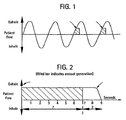
- the specific pattern of breathing using a method of slow and deep inspiration as compared to tidal breathing ( Figure 1 ) describes a reduction in inspiratory flow and a greatly prolonged inspiratory time. This pattern is shown in Figure 2 .
- the slow inspiration allows aerosol particles to bypass the upper airways thus making them available for deposition in the lung.
- the prolonged inspiration allows for suitable settling of aerosols in the lung periphery.
- the prolongation of the inspiratory time and the advanced settling promotes "inspiratory deposition" before remaining particles can be exhaled. It is possible under these circumstances to have almost 100% of the inhaled particles depositing before exhalation begins.
- This process can be further enhanced by using particles that are relatively large (e.g., about 4.5 ⁇ m) that ordinarily would deposit in the oropharynx.
- the prolonged inspiration of slow and deep breathing is particularly suited for delivery of drugs to the lungs of patients whose peripheral airway pathology results in reduced deposition of conventional smaller aerosols as well as promoting avoidance of deposition in the oropharynx.
- Diseases of the lung periphery that may be treated by this method include, for example, idiopathic pulmonary fibrosis and emphysema. Both these entities result in enlarged airspaces that result in minimal deposition during tidal breathing.
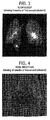
- Figure 3 represents a deposition pattern in a human subject inhaling 4.5 ⁇ m aerosols using the slow and deep breathing pattern.
- the images demonstrate minimal deposition of aerosol (less than 10%) in the upper airways illustrated by the small amount of activity in the stomach.
- the deposition image represents radiolabeled aerosol deposited in the lung periphery of a human subject after 3 breaths using the slow and deep pattern with an inspiratory time of approximately 8 seconds.
- Figure 4 is an illustrative scan in the same subject following 20 breaths of tidal breathing of 1.5 ⁇ m particles which is the present standard mode of inhalation. Analysis of the images indicates that the slow and deep method of breathing which incorporates the use of large particles, slow inspiration and a prolonged inspiratory time is 51 times more efficient per breath in depositing aerosol particles in the lung.
- a method of slow and deep inhalation of an IFN- ⁇ aerosol is particularly suited to the treatment of disease in the alveoli of patients with pulmonary fibrosis.
- Nasal delivery of the protein is also contemplated. Nasal delivery allows the passage of the protein to the blood stream directly after administering the therapeutic product to the nose, without the necessity for deposition of the product in the lung.
- Formulations for nasal delivery include those with dextran or cyclodextran.
- interferon- ⁇ dosage will be between 250 ⁇ g of biologically active protein (calculating the mass of the protein alone, without chemical modification) to 750 ⁇ g (based on the same) given three times per week. More preferably, the dosage may be about 500 ⁇ g given three times per week.
- interferon- ⁇ dosage is generally 250 to 750 micrograms administered one to five times per week, preferably about 500 micrograms administered three times per week.
- dosage is generally 0.10 to 1 mg one to three times per week, preferably about 0.25 mg three times per week.
- the dosing schedule may vary, depending on the circulation half-life of the protein, and the formulation used.
- one may administer IFN- ⁇ in conjunction with one or more pharmaceutical compositions used for treating a pulmonary disease.
- anti-inflammatory or immunosuppressive agents may be co-administered, eg. cyclophosphamide, azathioprine or corticosteroids. Administration may be simultaneous or may be in serriatim.
- Study subjects were patients as suffering from idiopathic pulmonary fibrosis (IPF) as diagnosed by the American Thoracic Society criteria A or B (below). The patient population had failed to respond to or was not a candidate for conventional therapy with corticosteroids, cyclophosphamide, and/or azathioprine. The patient population was treated with aerosolized IFN- ⁇ for twelve weeks.
- IPF idiopathic pulmonary fibrosis
- Improvement is defined as (1) An increase of 10% of predicted FVC from baseline value compared to FVC obtained prior to steroid therapy. (2) If a patient has a greater than 10% increase in FVC from baseline value and then returns to baseline value despite therapy.
- Patients ineligible for inclusion in the study are defined as follows: (1) Patient unwilling or unable to undergo research bronchoscopy; (2) Patient with known asthma or severe COPD; (3) Patient requiring oxygen therapy for maintenance of adequate arterial oxygenation; (4) Patient with hypersensitivity to study medication or other component medication; (5) Patient with known severe cardiac disease, severe peripheral vascular disease or seizure disorder which may be exacerbated by study drug administration (contraindications to drug administration as per package insert); (6) Pregnant or lactating females.
- ten patients are recruited from the IPF registry to be enrolled in an open label pilot study of aerosolized interferon- ⁇ .
- the ten patients will fit the inclusion and exclusion criteria.
- Data collected includes past medical history including height, weight, and vital signs; personal history of all medications and complete occupational and smoking history, physical exam, EKG, CBC, electrolyte panel, liver enzymes and coagulation profile, CXR, chest CT, PFT, ABG, an pregnancy test in females of child bearing age.
- Each patient completes a Pulmonary Fibrosis Questionnaire at the beginning of the study which will question extensively the tobacco exposure, environmental exposures, and medication usage throughout the patient lifetime. Each patient will also complete a symptoms questionnaire which ascertains tolerability of IFN- ⁇ and possible side effects.
- the patient will undergo baseline bronchoscopy with bronchoalveolar lavage (BAL) to evaluate the levels of certain pro-fibrotic and inflammatory cytokines.
- BAL bronchoalveolar lavage
- Each patient is evaluated for bronchoscopy as per Bellevue Hospital Protocol.
- Each evaluation includes Hgb, platelets, BUN/CR, coagulation panel, ABG with PO2 ⁇ 75 mm Hg, EKG, CXR.
- Contradictions to bronchoscopy include lack of patient cooperation, recent myocardial infarction, malignant arrythmias, uncorrectable hypoxemia, unstable bronchial asthma, pulmonary hypertension, partial tracheal obstruction or vocal cord paralysis, bleeding diathesis, and uremia.
- the patient must be NPO at least 8 hours prior to bronchoscopy.
- An intravenous line will be placed, supplemental oxygen will be administered, and continuous pulse oximetry and blood pressure monitoring will be performed.
- IM codeine viscous lidocaine will be applied to the nose and lidocaine gargle and nebulizer (topical anesthetic bronchoscope) will be used.
- nebulizer topical anesthetic bronchoscope
- midazolam and/or morphine may be administered to cause sedation and decrease the cough reflex.
- These medications are routinely used in bronchoscopy.
- the bronchoscope is passed through the nose and vocal cords, and an endobronchial exam is performed. BAL is then performed by administering 50 ml aliquots of sterile normal saline, for a total of 300 ml, and applying gentle suction for maximum return of fluid.
- BAL fluid After BAL fluid is obtained from the patient, it is processed in the GCRC core laboratory under standardized protocol used for processing all BAL. BAL fluid is filtered through sterile gauze. A total cell count with differential is performed in a hemocytometer. Cell viability is determined by the Trypan Blue method. Twenty cytocentrifuge slides are prepared from each lobe of BAL fluid and frozen at -70°C. 24 hour supernatants are collected at a concentration of 10 6 cells/ml for cytokine ELISA assays. The volume of epithelial lining fluid is determined according to the protein method. Following centrifugation, BAL fluid supernatant is concentrated 10X-50X using the AMICON filter method.
- Cytokine assays are carried out with commercially available kits (R&D Systems, Minneapolis, MN). All samples are assayed in triplicate and the amount of cytokine is quantified at the end of the assay by a microtiter plater reader.
- Transbronchiall bipsy specimens are processed for isolation of fibroblasts as previously described ( Raghu et al. (1989) Am. Rev. Resp. Dis. 140:95-100 ) and analyzed for collagen production using 3 H proline incorporation into collagenous proteins.
- Each patient is monitored for potential side effects of bronchoscopy, including but not limited to fever, shortness of breath, hemoptysis, and pneumothorax for 4 hours post procedure in the GCRC by the clinical nursing staff. Concomitant medications will be recorded in the patient's medical record.
- IFN- ⁇ will be administered via hand-held nebulizer three times a week for twelve weeks. Prior to each dose administration, an exam by the administrating physician will be performed. Peak flow measurements will be performed and the best of three efforts recorded as the pre-treatment value.
- the Aeroeclipse or Aerotech II nebulizer will be prepared in the usual fashion and 500 ⁇ g of drug placed in the nebulizer.
- the treatment will be administered via compressed air (wall unit or portable) while the patient is in a seated position with nose clips and is breathing normally. At the end of the treatment, the patient is again examined by the study physician and observed on the unit for one hour. One hour after medication delivery, a peak flow reading is obtained and recorded.
- each patient is required to remain on the unit for an additional four hours, when an additional lung exam and peak flow measurement is taken.
- Each patient is monitored during the administration of IFN- ⁇ for side effects, including but not limited to fever, fatigue, GI abnormalities, headache, cough, shortness of breath, wheezing, and laboratory abnormalities.
- Toxicity is graded with "The Common Toxicity Criteria". Dose modifications are made accordingly. For Grade I toxicity, the patient may continue treatment at the discretion of the physician. For Grade II toxicity (confirmed by immediately repeating abnormal laboratory parameters where appropriate) patient dose is held until a return to less than or equal to a Grade I toxicity, at which time the patient may resume treatment. If Grade II or worse toxicity returns, the patient is withdrawn from the study. For any Grade III or IV toxicity, the patient is withdrawn from the study. Abnormal laboratory parameters should be confirmed.
- An open lung biopsy showed a pattern consistent with UIP/ IPF.
- BAL fluid is used for protein determination and assay of IFN- ⁇ using a viral inhibition assay to determine the amount of drug delivered.
- Concentrated BAL fluid and 24 hour cell culture supernatants are assayed for cytokines IL-1 ⁇ , IL-4, IL-6, IL-8 and TNF- ⁇ by ELISA (R&D, Minneapolis).
- Cell-free BAL supernatant is used to measure TGF- ⁇ activity by ELISA and luciferase reporter assay.
- Transbronchial biopsy (TBBX) specimens are used to measure TGF- ⁇ gene transcription by semi-quantitative RT-PCR. Fibroblasts are obtained from TBBX specimens, and the quantities of collagen I, III, and fibronectin RNA measured by RT-PCR.
- RNA (10 ⁇ g) is obtained from TBBX or cell culture of TBBX, and Northern Blot analysis is performed. Hydroxyproline protein content is measured by spectrophotometry using BAL fluid, BAL supernatants, and TBBX specimens. BAL fluid cell counts are calculated for each patient, in both pre- and post-treatment samples. A blood sample from each patient is obtained for storage.
- Each patient was asked to participate in a deposition study (under separate consent) of IFN- ⁇ administered via hand-held nebulizer.
- This deposition study was designed to study aerosolized IFN- ⁇ as follows.
- the drug was labeled with 99mTc and administered via aerosol nebulizer.
- the dose of IFN- ⁇ delivered to various regions of the lung was calculated.
- the initial dose of 500 ⁇ g IFN- ⁇ was used, as this dose has previously been shown to be safe.
- the dose is adjusted according to deposition studies in each individual patient. A follow up bronchoscopy was performed at the end of the therapy, using the protocol described above.
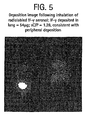
- BAL was guided by lung deposition images, so that the areas of highest drug deposition was analyzed and compared to areas of lowest delivered drug and pre-aerosol IFN- ⁇ samples. In this way, total dose to each area of the lung can be calculated and determined. Depending on clinical response and BAL data, dose may be adjusted to reflect optimal clinical and deposition parameters. Attempts will be made to sample similar segments pre- and post- treatment, when possible. Each patient has a follow up evaluation at one month post therapy. The results of all procedures, laboratory evaluations, radiological studies, and pulmonary physiology evaluations are documented in the patient's medical record. All study evaluations are conducted at the GCRC of NYU Medical Center.
- AeroEclipse One commercially available breath-actuated nebulizer was used in this study, the AeroEclipse, whose particle generation is dependent on patient breathing through the nebulizer. It produces aerosol only during inspiration.
- IFN- ⁇ was radiolabeled using 99m Technetium diethylene triaminepenta-acetic acid ( 99m TC -DTPA) for both in vitro and in vivo studies.
- 99m TC -DTPA 99m Technetium diethylene triaminepenta-acetic acid
- AeroEclipse 2 vials (250 mg of IFN- ⁇ ) were used to make up a final volume of 2 mL. AeroEclipse was operated using a Pari Master air compressor (PARI Respiratory Equipment, Inc. Monterey, CA )
- the nebulizers were connected to the circuit in the manner of their clinical use.
- a ten stage, low flow (1.0 L/m) cascade impactor (California measurements, Sierra Madre, CA) was connected using a T connector (T connector cascade , Hudson Respiratory Care, Temecula, CA).
- An inspiratory filter that prevented particles from entering the cascade impactor during expiration, was placed between the piston pump and cascade impactor.
- a second filter was placed in the system to capture the excess particles directed neither to the inspiratory filter nor to the impactor.
- a piston pump Harmonic Apparatus, Millis, MA
- Aerodynamic particle distributions were measured as well as deposition on the connecting tubing to the cascade (T connector cascade ).
- the ballistic properties of the aerosol were quantified as the activity on the T connector cascade and reported as a percentage of the activity captured in the cascade impactor (%Cascade). This deposition was used in predicting lung deposition.
- Aerosol deposition studies After 133 Xe imaging, the camera was switched to 99m Tc. Then, the patient inhaled radiolabeled aerosolized IFN- ⁇ from the nebulizer. For each device an expiratory filter was present to capture exhaled particles. The nebulizers were run until dry. After final inhalation, the patient drank a glass of water to wash material from the oropharynx to the stomach. Measuring stomach activity assessed upper airway deposition.
- regions of interest were visually drawn around the stored equilibrium 133 Xe equilibrium scan to define the lung outline and encompass the lung volume. Central lung regions were then drawn that outlined the inner one third of the two-dimensional lung area. After the xenon regions were defined, the same regions were placed over the deposition image and stomach activity identified. Then, a "stomach region” was visually drawn outlining the stomach. If there was overlap between the stomach region and the xenon equilibrium region of the left lung, the overlapping region was defined as "stomach on lung” or SOL. For determination of whole lung deposition, radioactivity from the stomach and the stomach on lung regions were excluded.
- Lung deposition was measured using the gamma camera by quantifying activity in the lung regions and applying the appropriate attenuation correction. Oropharyngeal depostion was determined by subtracting the lung activity from the total activity on the deposition image. Appropriate corrections were made for stomach attenuation.
- sC/P Central to Peripheral ratio
- TGF- ⁇ is one of the key mediators of fibrosis in the lung. Its activation leads to collagen production. Decreases in its levels should lead to less collagen deposition and less fibrosis in the lung.
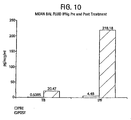
- Figure 10 demonstrates the amount of interferon- ⁇ measured in the lungs of tuberculosis patients and patients with idiopathic pulmonary fibrosis both before and after aerosol treatment with interferon- ⁇ .
- results of cytokine gene manipulation in the uninvolved lungs of tuberculosis patients is most relevant Results show that in both the adherent (mainly alveolar macrophages) and the nonadherent (lymphocytes and polymorphonuclear cells) portions of the BAL cells, there is an increase in the amount of specific IRF-DNA and STAT-1-DNA complexes after aerosol IFN- ⁇ treatment.
- Patients must be between the ages of 18 and 65 yr., any race or sex. They must be current nonsmokers with ⁇ 10 pack year history of cigarette smoking. Patients who meet NAEPP guidelines for a diagnosis of asthma will be enrolled. We will recruit patients with mild-moderate persistent asthma, with baseline forced expiratory volume in one second (FEV1) greater that 70% of predicted value and evidence of reversibility ( ⁇ 15% improvement in FEV1 post-bronchodilator treatment). These patients will be required to be on intermittent use of inhaled b2-agonists and low dose inhaled corticosteroids.
- FEV1 forced expiratory volume in one second
- Low dose inhaled corticosteriod use includes 168-500 mcg/day of beclomethasone dipropionate, 200-400 mcg/day of budesonide DPI, 500-1000 mcg of flunisolide, or 400-1000 mcg/day of triamcinolone acetonide.
- the patients will have at each treatment visit:
- FEV1 FEV1
- BAL specimens will be obtained from the 30 asthma patients. We will administer aerosol IFN- ⁇ to 15 of these patients for 8 weeks in order to assess whether IFN- ⁇ modulates cytokine production. These patients will have pre- and post-treatment BAL and blood draws.
- Fiberoptic bronchoscopy Subjects will be pre-screened with medical history and physical examination, spirometry, oximetry, assessment of bronchial hyperresponsiveness, coagulation tests (PT, PTT, platelets), and CBC and screening chemistries.
- patients with have continuous monitoring of heart rate and 02 saturation, recording of subject symptoms and medication doses, intravenous catheter in place, premedication with inhaled b-agonist, subcutaneous atropine (0.4mg), and sedation (midazolam, iv), and supplemental oxygen.
- the fiberoptic bronchoscope is introduced after light premedication and topical anesthesia of the nose and upper airway.
- the tip of the bronchoscope is wedged into a segmental, or subsegmental, bronchus of the right middle lobe or lingula.
- One hundred milliliters of 37°C normal saline are instilled into the bronchus in aliquots of 20 ml.
- the warmed saline should avoid thermally induced bronchospasm in asthma subjects.
- Gentle intermittent suction is used to recover the effluent. Fluid recovery of 60 to 80% is expected in mild asthmatics. Recovery is reduced to 50% in subjects with moderate to severe disease [Jarjour, 1998 #62].
- Pulse oximetry and clinical assessment of patient status will continue post-procedure. Discharge instructions will include follow-up appointment within the week, and contact telephone number.
- BAL bronchoalveolar lavage
- the fluid is filtered through one layer of sterile gauze to remove clumps of mucus.
- a total cell count is done in a hemocytometer and cell differentials performed on cytocentrifuge slides stained with modified Wright-Giemsa stain with a total of 500 cells counted.
- Cell viability is determined by Trypan Blue exclusion, and in all cases recovered cells to be used for experiments will be greater than 90% viable. Twenty cytocentrifuge slides will be prepared from each lobe of BAL and once fixed in 10% formalin, frozen at -70°C.
- BAL cells will be washed and cultured (37°C) in RPMI (GIBCO) supplemented with 10% heat-inactivated fetal calf serum (FCS) and 100u/mL penicillin and 100mcg/ml streptomycin at a concentration of 10 6 cells/ml for 24 hours.
- RPMI fetal calf serum
- FCS heat-inactivated fetal calf serum
- Peripheral blood Blood will be obtained by venous stick at a constant time in the day, before and after completion of IFN- ⁇ treatment.
- PBMCs will be isolated from heparinized venous blood by Ficoll-Hypaque density gradient centrifugation. Heparinized venous blood is layered on Ficoll-Hypaque and centrifuged at 2500rpm for 20 minutes.
- the low density layer of PBMCs will be aspirated and washed with phosphate buffered saline (PBS) and resuspended at a concentration of 10 6 cells/ml of RPMI-1640 (GIBCO) with 10% heat-inactivated FCS, 100 U/ml penicillin, and 100 mcg/ml streptomycin.
- PBS phosphate buffered saline
- FCS fetal bovine serum
- Serum samples will also be collected to determine specific IgE (RAST) to allergens associated with urban asthma (D. pteronyssinus, D. farinea, B. germanica -German cockroach, and P. americana -American cockroach).
- RAST specific IgE
- the clinical treatment protocol will have clear-cut effects on the abundance and activity of transcription factors that regulate gene expression in response to IFN- ⁇ and that correlation of these data with the cytokine profile will extend the criteria by which the immune response in asthma can be evaluated. Furthermore, the data obtained will allow mechanistic interpretation of the results from analysis of cytokine production and expression of cytokine and other genes.
- the design of the project incorporates several controls to help establish the effect of the aerosol IFN- ⁇ treatment, distinct from any other variable. These include obtaining BAL and blood samples before and after the course of treatment, and collection of BAL samples from uninvolved as well as involved lobes. All experiments for this aim will be done with protein extracts prepared from BAL or PBM cells. Cytoplasmic and nuclear proteins will be obtained and analyzed separately. To gain more definitive results, BAL cells will be separated into adherent and nonadherent populations. The former will include predominantly alveolar macrophages. The latter will be comprised predominantly of lymphocytes and granulocytes. PBMC will be extracted without further separation.
- Immunoblot detection will be the primary technique used. Cytoplasmic or nuclear extract from up to 5 x 10 6 cells will be used for each analysis. Obtaining cells as described above will yield 10 samples for each patient. All the extracts of PBMC and BAL cells from one patient will be included in a single experiment, which will facilitate relative quantitation within a set of samples. Control cytoplasmic and nuclear extracts prepared from cultured cell lines will also be included in each experiment. On the basis of previous studies, these samples will be known to contain the target proteins, and can thus provide positive controls for the immunoblot detection. Additionally, they can be used to validate that the data obtained are quantitative or reveal the limits of the quantitative detection.
- the proteins will be separated by SDS-PAGE, then transferred to a membrane.
- the membrane will be developed with reagents to detect STAT-1, IRF-1, and CIITA, one after the other.
- the membrane will be probed finally to detect b-tubulin, which will be present in both cytoplasmic and nuclear protein extracts and can thus serve as an internal standard for quantitative comparison of cytoplasmic or nuclear extracts within and between experiments. All the antibodies needed are available in the laboratory or can be commercially obtained and are known to work for immunoblot protocols.
- the membrane will be treated to disrupt antibody binding without releasing the target proteins. This approach can be proven to work by repeating the detection of each target protein in sequence, and comparing the signals obtained in the first and second round. Negative controls for specificity of detection are provided for each protein by the antibodies against the other two. Additionally, the membrane will be developed a final time without inclusion of a primary antibody.
- the number of cells available is insufficient, or the abundance of a particular transcription factor is too low, a signal will not be detected. It might be possible to gain greater sensitivity by employing ELISA assays for these proteins, but the greater reliability and specificity of the immunoblot method would be lost. However, neither of these potential problems is likely to be significant.
- the desired number of cells should routinely constitute only a fraction of each BAL sample. Low abundance of any target protein would be a physiologically relevant result leading to meaningful conclusions. However, it should be noted that the reagents and detection systems available will provide a signal if there is 100-1000 copies of the target protein per cell, which would correspond to not more than 8 femtomoles (0.5-1.5 ng) in the analyzed aliquot.
- IRF-1 is a phosphoprotein, but naturally occurring changes in phosphorylation have not been documented, and phosphorylation of CIITA has been little studied.
- the experiments described here will provide data on the in vivo regulation of STAT-1 by examining the extracts from PBMC and BAL cells for phosphorylation events previously documented primarily in cell-culture systems. The data obtained on IRF-1 and CIITA will go beyond what has been determined previously.
- Metabolic labeling of cells with 32 P-orthophosphate followed by specific immunoprecipitation of target proteins and phosphoamino acid analysis is not appropriate for this project, since the target proteins could be modified during the culture period necessary for the metabolic labeling, and because the amount of material available is not likely to be sufficient for such an approach. While determination of changes in serine phosphorylation may not be readily achieved for any of the target proteins, the likely significance of that regulated post-translational modification strongly supports making the attempt.
- cells obtained by BAL or in blood samples will represent the total effect of repeated aerosol IFN- ⁇ treatment superimposed on the asynchronous start and duration of exposure of individual cells governed by their trafficking into and out of sites where they are exposed.
- IFN- ⁇ activation of STAT-1 DNA-binding activity occurs within minutes. In some cell lines, the activity decays very rapidly. In others, including the monocytic cell lines NB4, U937, and THP-1, it persists for several hours (R. Pine and E. Jackson, unpublished).
- STAT-1 regulates the IRF-1 gene
- induction of IRF-1 DNA-binding activity by IFN- ⁇ is typically detected only after 1-2 hr, but then persists at least 16 hr.
- STAT-1 and IRF-1 DNA-binding activity may be present simultaneously, but it is also possible that only one or the other will be detected.
- results obtained from the experimental samples may reveal that both STAT-1 and IRF-1 DNA-binding activity are present, and thus would indicate that in vivo the net outcome of intermittent doses over several days is equivalent to an intermediate time of exposure in a cell-culture system.
- such a result would strongly suggest that the full panoply of responses to IFN- ⁇ was ongoing at the time the samples were obtained.
- Assays of STAT-4, -5, and -6 will provide molecular markers for the response of T cells to IL-2, as well as the presence and function of key Th1 or Th2 cytokines. Numerous recent reports have shown that IL-2 activates STAT-5, IL-12 activates STAT-4, and IL-4 activates STAT-6 ( Cho et al., (1996) J Immunol 157(11): 4781-9 ; Gilmour et al., (1995) Proc Natl Acad Sci USA 92(23): 10772-6 ; Schindler et al., (1992) Science 257(5071): 809-13 ).
- STAT-4 is also activated by IFN- ⁇
- STAT-5 is also activated by IL-7
- IL-15 is also activated by prolactin, and growth hormone
- STAT-6 is also activated by IL-13 ( Ivashkiv, L. B. (1995) Immunity 3(1): 1-4 ; Darnell (1996) Recent Prog Horm Res 51:391-403 ; Cho et al., (1996) J Immunol 157(11): 4781-9 ).
- STAT-1 can be activated by IL-6 and IL-10, as well as IFN- ⁇ .
- interpretation of this data would be supported by the analysis of cytokine gene expression described above.
- the assays of STAT-4, -5, and -6 DNA-binding activity would significantly extend those observations by providing data on intracellular molecular effects that occur in conjunction with a defined cytokine profile.
- RNA from 10x10 6 BAL cells will be extracted using GITC and ultracentrifugation. Since RT-PCR can be performed on such small aliquots of cells, total RNA will be extracted, stored at -70°C, and assayed for gene expression of IRF-1. PCR primers will be based on the published sequences and utilize RT-PCR as described for cytokine genes, and compare transcript intensity to b-actin or GAPDH as a control. As IRF-1 is basally expressed, a quantitative approach to RT-PCR will be needed. Total RNA from BAL cells will be reverse-transcribed using oligo-d(T) and PCR, according to standard methods.
- First-round PCR will be carried out with 20% of the cDNA using the following oligonucleotides: forward primer 5'-GTCAGGGACTTGGACAGGAG-3', and reverse primer 5'-AGCTCGGGGGAAATGTTAGT-3'. IRF-1 expression will be normalized against GAPDH expression.
- Cells from BAL will be processed into RPMI media with no serum, as described above, then counted, then transferred to tissue-culture plates. After 2 hr at 37°C, nonadherent cells will be removed with the media and counted again. The number of adherent cells will be obtained as the difference between the two cell counts.
- PBMC will be processed into RPMI media with no serum, as described above, then counted. All remaining steps will be carried out at 0-4°C.
- Cells in suspension will be centrifuged (200 x g, 10 min), then the supernatant will be aspirated and the pellet resuspended in phosphate-buffered saline (PBS).
- PBS phosphate-buffered saline
- Washed cell pellets will be lysed by suspending them in lysis buffer (20 mM Hepes•Na, pH 7.9, 0.1 mM EDTA•Na, 0.1 M NaCl, 0.5% NP-40, 10% glycerol, 1 mM DTT, 0.4 mM PMSF, 3 ⁇ g/ml aprotinin, 2 ⁇ g/ml leupeptin, 1 ⁇ g/ml pepstatin, 100 ⁇ M Na 3 VO 4 , 10 mM Na 2 P 2 O 7 , 5 mM NaF) (3 ⁇ l per 10 5 cells) and incubating them for 5 min. Nuclei will be recovered by centrifugation (500 x g, 10 min).
- the supernatant will be removed, then clarified by centrifugation (13,000 x g, 15 min). The resulting supernatant will be recovered as the cytoplasmic extract, frozen in crushed dry ice or liquid nitrogen, then stored at -80°C.
- the nuclear pellet will be resuspended in wash buffer (lysis buffer without NP-40), then recovered by centrifugation.
- the supernatant will be aspirated, then the pellet will be suspended in extraction buffer (wash buffer, except 0.3 M NaCl instead of 0.1 M) (3 ⁇ l per 10 5 cells) and mixed for 30 min.
- the extracted nuclei will be pelleted by centrifugation and the supernatant recovered as the nuclear extract, which will be frozen and stored as above.
- Protein concentrations will be measured so that comparable amount of different extracts can be used in an experiment. This usually entails using the same volume of each extract, since the use of a fixed ratio of extraction buffer volume to cell number typically yields uniform protein concentrations for nuclear or cytoplasmic extracts within a single set of extracts and from different preparations.
- this will entail blocking by incubation with nonfat dry milk in Tris-buffered saline plus Tween 20 detergent, incubating with a specific primary antibody, washing several times in blocking solution, incubating with an enzyme-linked second antibody, washing in buffer without blocking agent, and incubating with an enzyme substrate.
- signal will be detected with X-ray film.
- a Molecular Dynamics Storm 860 instrument is available at PHRI for detection of signal from chemiflourescent substrates.
- an ELISA assay be desired for detection of transcription factor abundance or to examine phosphorylation
- detailed methods based on standard procedures will be developed empirically with the use of control extracts from cultured cells.
- the preferred approach will entail binding of a capture antibody to the wells of a microtiter dish, followed by blocking, then incubation with the desired extract. After further washing, the second specific antibody would be used, and then the enzyme-linked antibody against the secondary antibody would be used, and the substrate incubation performed. Washes would be included after each antibody incubation.
- Electrophoretic mobility shift assays Optimal assays have been developed for each of the indicated STAT family members and for IRF-1 (Pine and Gilmour, supra). Reactions will include nonspecific and specific competitors, or nonspecific and specific antibodies. Each reaction will be done with 5 ⁇ g of extract protein, which is typically 2-3 ⁇ l. For reactions with competitors, those oligonucleotides will be included with the radiolabeled probe when it is mixed with the extracts. For reactions with antibodies, the protein-DNA-binding reactions will be carried out as usual, then antiserum will be added and the incubation continued. When incubations are completed, reactions will be applied to native polyacrylamide gels, which will then be electrophoresed at 4°C. After the gels are dried, the results will be obtained by autoradiography, or with a Molecular Dynamic PhosphoImager.
- IFN- ⁇ interferon- ⁇
- the risk and severity of side effects to interferon- ⁇ (IFN- ⁇ ) are related to the amount of medication given.
- dose used in this study 50 mcg/m 2
- most common possible side effects include fever, headache and malaise.
- Occasional nausea and vomiting have been reported at high doses. Aerosolization has not been associated with adverse reactions, although headache, cough and fever may be expected.
- medication will be stopped.
- bronchoalveolar lavage is performed after medical evaluation excluding individuals with cardiac disease or history of angina. Chest x-ray and blood studies including bleeding parameters are performed. Bronchoalveolar lavage will be performed by pulmonary fellows under faculty supervision. Following the procedure, the study subjects will remain NPO for 3 hr and vital signs will be taken every 30 min for 3 hr. All patients will have cardiac monitoring during the procedure and will receive nasal O 2 during and after the procedure for 2 hr to prevent any hypoxemia. All patient data will be kept locked in the pulmonary research offices.
- a "crash cart” is kept with the fiberoptic bronchoscope, including endotracheal tubes, injectable lidocaine and epinephrine, etc, and all procedures are done in the hospital with house staff and a CPR team on call. All of the bronchoalveolar lavage procedures will be periodically reviewed to identify any increased incidence of untoward effects and identify their cause.
Landscapes
- Health & Medical Sciences (AREA)
- Life Sciences & Earth Sciences (AREA)
- Animal Behavior & Ethology (AREA)
- General Health & Medical Sciences (AREA)
- Chemical & Material Sciences (AREA)
- Engineering & Computer Science (AREA)
- Bioinformatics & Cheminformatics (AREA)
- Veterinary Medicine (AREA)
- Medicinal Chemistry (AREA)
- Pharmacology & Pharmacy (AREA)
- Public Health (AREA)
- Proteomics, Peptides & Aminoacids (AREA)
- Gastroenterology & Hepatology (AREA)
- Zoology (AREA)
- Epidemiology (AREA)
- Immunology (AREA)
- Organic Chemistry (AREA)
- General Chemical & Material Sciences (AREA)
- Nuclear Medicine, Radiotherapy & Molecular Imaging (AREA)
- Pulmonology (AREA)
- Chemical Kinetics & Catalysis (AREA)
- Medicines That Contain Protein Lipid Enzymes And Other Medicines (AREA)
- Medicinal Preparation (AREA)
- Pharmaceuticals Containing Other Organic And Inorganic Compounds (AREA)
Claims (11)
- Aerosol-Interferon-γ zur Verwendung in einem Verfahren zur Behandlung einer Lungenerkrankung in einem Subjekt, das an einer Lungenerkrankung leidet, wobei das Verfahren die Verabreichung von Aerosol-Interferon-γ durch langsames und tiefes Atmen umfasst, das charakterisiert ist durch einen "duty cycle" (Verhältnis von Einatemdauer zur Gesamtdauer eines Atemzyklus) von mehr als 0,5, wodurch es ermöglicht wird, eine therapeutisch wirksame Menge des Interferon-γ in der Peripherie der Lungen des Subjekts abzulagern.
- Das Aerosol-Interferon-γ zur Verwendung nach Anspruch 1, wobei das Aerosol-Interferon-γ in Kombination mit einer therapeutisch wirksamen Menge eines immunsuppressiven oder anti-inflammatorischen Mittels ausgebracht.
- Das Aerosol-Interferon-γ zur Verwendung nach Anspruch 2, wobei das immunsuppressive oder anti-inflammatorische Mittel ausgewählt ist aus der Gruppe bestehend, aus einem Corticosteroid, Azathioprin und Cyclophosphamid.
- Das Aerosol-Interferon-γ zur Verwendung nach Anspruch 1 oder 2, wobei die Lungenerkrankung eine obstruktive Lungenerkrankung, idiopathische Lungenfibrose oder Asthma ist.
- Das Aerosol-Interferon-γ zur Verwendung nach Anspruch 1 oder 2, wobei die Lungenerkrankung sich verbessert, so dass eine Erhöhung von mind. 10% des vorhergesagten FVC relativ zu den Werten vor der Behandlung realisiert wird.
- Das Aerosol-Interferon-γ zur Verwendung nach Anspruch 1 oder 2, wobei das Subjekt an einer Lungenerkrankung leidet, die gegenüber der Behandlung mit einem oder mehr von Corticosteroid, Cyclophosphamid und Azathioprin nicht responsiv ist.
- Das Aerosol-Interferon-γ zur Verwendung nach Anspruch 1 oder 2, wobei das Aerosol-Interferon-γ mit einer Dosierung, die im Bereich von ungefähr 250 bis 750 µg dreimal pro Woche liegt, oder mit einer Dosierung von ungefähr 500 µg dreimal pro Woche verabreicht wird.
- Das Aerosol-Interferon-γ zur Verwendung nach Anspruch 1 oder 2, wobei die Menge des verabreichten Aerosol-Interferon-γ berechnet und optimiert ist.
- Das Aerosol-Interferon-γ zur Verwendung nach Anspruch 1 oder 2, wobei die Verabreichung zu einer Ablagerung von Interferon-γ in den Lungen der Patienten mit Lungenerkrankung führt oder zu einer Verbesserung in Lungenfunktionstests führt.
- Das Aerosol-Interferon-γ zur Verwendung nach Anspruch 1 oder 2, wobei das langsame und tiefe Atmen charakterisiert ist durch einen "duty cycle" von mehr als 0,8.
- Das Aerosol-Interferon-γ zur Verwendung nach Anspruch 1 oder 2, wobei das langsame und tiefe Atmen charakterisiert ist durch einen "duty cycle" von mehr als 0,9.
Priority Applications (1)
| Application Number | Priority Date | Filing Date | Title |
|---|---|---|---|
| EP12001438.6A EP2494982B1 (de) | 2005-09-20 | 2005-09-20 | Verfahren zur Behandlung einer Lungenkrankheit mit Interferonen |
Applications Claiming Priority (3)
| Application Number | Priority Date | Filing Date | Title |
|---|---|---|---|
| PCT/US2005/033747 WO2007035180A1 (en) | 2005-09-20 | 2005-09-20 | Method of treating pulmonary disease with interferons |
| EP12001438.6A EP2494982B1 (de) | 2005-09-20 | 2005-09-20 | Verfahren zur Behandlung einer Lungenkrankheit mit Interferonen |
| EP05808951A EP1940451A4 (de) | 2005-09-20 | 2005-09-20 | Verfahren zur behandlung von lungenerkrankung mit interferonen |
Related Parent Applications (1)
| Application Number | Title | Priority Date | Filing Date |
|---|---|---|---|
| EP05808951A Division EP1940451A4 (de) | 2005-09-20 | 2005-09-20 | Verfahren zur behandlung von lungenerkrankung mit interferonen |
Publications (2)
| Publication Number | Publication Date |
|---|---|
| EP2494982A1 EP2494982A1 (de) | 2012-09-05 |
| EP2494982B1 true EP2494982B1 (de) | 2016-10-26 |
Family
ID=37889126
Family Applications (2)
| Application Number | Title | Priority Date | Filing Date |
|---|---|---|---|
| EP05808951A Withdrawn EP1940451A4 (de) | 2005-09-20 | 2005-09-20 | Verfahren zur behandlung von lungenerkrankung mit interferonen |
| EP12001438.6A Expired - Lifetime EP2494982B1 (de) | 2005-09-20 | 2005-09-20 | Verfahren zur Behandlung einer Lungenkrankheit mit Interferonen |
Family Applications Before (1)
| Application Number | Title | Priority Date | Filing Date |
|---|---|---|---|
| EP05808951A Withdrawn EP1940451A4 (de) | 2005-09-20 | 2005-09-20 | Verfahren zur behandlung von lungenerkrankung mit interferonen |
Country Status (8)
| Country | Link |
|---|---|
| EP (2) | EP1940451A4 (de) |
| JP (1) | JP5175198B2 (de) |
| KR (1) | KR20130110225A (de) |
| CN (1) | CN101378774A (de) |
| AU (1) | AU2005336519B2 (de) |
| BR (1) | BRPI0520564A2 (de) |
| CA (1) | CA2622987C (de) |
| WO (1) | WO2007035180A1 (de) |
Families Citing this family (3)
| Publication number | Priority date | Publication date | Assignee | Title |
|---|---|---|---|---|
| EP2343081A1 (de) * | 2009-12-31 | 2011-07-13 | Rijksuniversiteit Groningen | Interferon-Analoga |
| EP3793545A4 (de) * | 2018-05-17 | 2022-04-06 | Actuate Therapeutics Inc. | Behandlung von idiopathischer lungenfibrose mit beta-inhibitoren in form von glykogensynthasekinase 3 |
| US12257093B2 (en) * | 2019-10-15 | 2025-03-25 | Indian Institute Of Technology Madras | Walk-in lab test for lung morphometry characterization |
Family Cites Families (9)
| Publication number | Priority date | Publication date | Assignee | Title |
|---|---|---|---|---|
| JP3507486B2 (ja) | 1991-03-15 | 2004-03-15 | アムジエン・インコーポレーテツド | 顆粒球コロニー刺激因子の肺内投与 |
| JPH05500229A (ja) * | 1991-04-12 | 1993-01-21 | 東レ株式会社 | 固体ポリペプチド微粒子のエアロゾル製剤とその製造方法 |
| US6030609A (en) * | 1995-05-19 | 2000-02-29 | Case Western Reserve University | Method and composition for treating paramyxovirus |
| HK1052876B (en) * | 1999-12-30 | 2006-06-16 | Intermune, Inc. | Gamma-ifn liquid-droplet aerosol and method |
| AUPR381601A0 (en) * | 2001-03-19 | 2001-04-12 | Monash University | Method of treating respiratory conditions |
| US6964761B1 (en) * | 2001-12-12 | 2005-11-15 | New York University | Method of treating idiopathic pulmonary fibrosis with aerosolized IFN-γ |
| AU2003262811A1 (en) * | 2002-08-27 | 2004-03-19 | Intermune, Inc. | Methods of treating idiopathic pulmonary fibrosis |
| US20070160580A1 (en) * | 2003-05-19 | 2007-07-12 | Bradford Williamson Z | Interferon gamma therapies for idiopathic pulmonary fibrosis |
| GB0405634D0 (en) * | 2004-03-12 | 2004-04-21 | Univ Southampton | Anti-virus therapy for respiratory diseases |
-
2005
- 2005-09-20 BR BRPI0520564-6A patent/BRPI0520564A2/pt not_active Application Discontinuation
- 2005-09-20 EP EP05808951A patent/EP1940451A4/de not_active Withdrawn
- 2005-09-20 CA CA2622987A patent/CA2622987C/en not_active Expired - Lifetime
- 2005-09-20 CN CNA2005800521050A patent/CN101378774A/zh active Pending
- 2005-09-20 EP EP12001438.6A patent/EP2494982B1/de not_active Expired - Lifetime
- 2005-09-20 WO PCT/US2005/033747 patent/WO2007035180A1/en not_active Ceased
- 2005-09-20 AU AU2005336519A patent/AU2005336519B2/en not_active Ceased
- 2005-09-20 KR KR1020137022782A patent/KR20130110225A/ko not_active Ceased
- 2005-09-20 JP JP2008532198A patent/JP5175198B2/ja not_active Expired - Fee Related
Also Published As
| Publication number | Publication date |
|---|---|
| AU2005336519A1 (en) | 2007-03-29 |
| EP2494982A1 (de) | 2012-09-05 |
| CA2622987A1 (en) | 2007-03-29 |
| JP5175198B2 (ja) | 2013-04-03 |
| AU2005336519B2 (en) | 2012-05-10 |
| CA2622987C (en) | 2018-02-27 |
| JP2009508947A (ja) | 2009-03-05 |
| WO2007035180A1 (en) | 2007-03-29 |
| EP1940451A4 (de) | 2010-03-17 |
| KR20130110225A (ko) | 2013-10-08 |
| CN101378774A (zh) | 2009-03-04 |
| EP1940451A1 (de) | 2008-07-09 |
| BRPI0520564A2 (pt) | 2009-05-19 |
Similar Documents
| Publication | Publication Date | Title |
|---|---|---|
| US20110059044A1 (en) | Method of treating pulmonary disease with interferons | |
| US20090123422A1 (en) | Method of treating idiopathic pulmonary fibrosis with aerosolized IFN-y | |
| Keatings et al. | Effects of inhaled and oral glucocorticoids on inflammatory indices in asthma and COPD. | |
| Stirling et al. | Interleukin-5 induces CD34+ eosinophil progenitor mobilization and eosinophil CCR3 expression in asthma | |
| US8105572B2 (en) | Method of treating tuberculosis with interferons | |
| Krug et al. | Cytokine profile of bronchoalveolar lavage–derived CD4+, CD8+, and γδ T cells in people with asthma after segmental allergen challenge | |
| US8158110B2 (en) | Use of aerosolized cyclosporine for prevention and treatment of pulmonary disease | |
| Mashikian et al. | Identification of IL-16 as the lymphocyte chemotactic activity in the bronchoalveolar lavage fluid of histamine-challenged asthmatic patients | |
| CN103328506A (zh) | 用于改善肺功能的疗法 | |
| EP3892279A1 (de) | Zusammensetzungen zur behandlung einer infektion mit schwerem akutem respiratorischem syndrom-coronavirus 2 (sars-cov-2) | |
| US20230021647A1 (en) | Method of treating a patient infected with a coronavirus and having a baseline level of crp below 150 mg/l | |
| EP2494982B1 (de) | Verfahren zur Behandlung einer Lungenkrankheit mit Interferonen | |
| JP5172679B2 (ja) | 呼吸器疾患の治療のためのインターフェロン−λ療法 | |
| JP2002515459A (ja) | 喘息および他のアレルギー性症状を治療するための方法およびtnf−rii(p75)アゴニストを含む組成物の使用 | |
| US8486383B2 (en) | Method of treating pulmonary disease with interferons | |
| US8110181B2 (en) | Method of treating tuberculosis with interferons | |
| JP2012193207A (ja) | インターフェロンを用いる肺疾患の処置方法 | |
| CN103550757A (zh) | 用干扰素治疗肺病的方法 | |
| JP2015057446A (ja) | インターフェロンを用いる肺疾患の処置方法 | |
| KR20080093016A (ko) | 인터페론을 사용하여 폐질환을 치료하는 방법 | |
| US20090220498A1 (en) | Method for Discovering Inhibitors of the Epstein-Barr Virus-Induced Gene 3 (EBI3) and Derivatives Thereof for the Treatment of Metastasizing Tumors and Allergic Asthma | |
| Král et al. | Some serum activity markers of airways inflammation in difficult-to-control asthma patients | |
| HK1119592B (en) | Interferon lambda therapy for treatment of respiratory diseases | |
| HK1188603B (en) | Therapies for improving pulmonary function |
Legal Events
| Date | Code | Title | Description |
|---|---|---|---|
| PUAI | Public reference made under article 153(3) epc to a published international application that has entered the european phase |
Free format text: ORIGINAL CODE: 0009012 |
|
| AC | Divisional application: reference to earlier application |
Ref document number: 1940451 Country of ref document: EP Kind code of ref document: P |
|
| AK | Designated contracting states |
Kind code of ref document: A1 Designated state(s): AT BE BG CH CY CZ DE DK EE ES FI FR GB GR HU IE IS IT LI LT LU LV MC NL PL PT RO SE SI SK TR |
|
| 17P | Request for examination filed |
Effective date: 20130304 |
|
| 17Q | First examination report despatched |
Effective date: 20130715 |
|
| GRAP | Despatch of communication of intention to grant a patent |
Free format text: ORIGINAL CODE: EPIDOSNIGR1 |
|
| INTG | Intention to grant announced |
Effective date: 20151112 |
|
| GRAS | Grant fee paid |
Free format text: ORIGINAL CODE: EPIDOSNIGR3 |
|
| GRAP | Despatch of communication of intention to grant a patent |
Free format text: ORIGINAL CODE: EPIDOSNIGR1 |
|
| INTG | Intention to grant announced |
Effective date: 20160518 |
|
| GRAS | Grant fee paid |
Free format text: ORIGINAL CODE: EPIDOSNIGR3 |
|
| GRAA | (expected) grant |
Free format text: ORIGINAL CODE: 0009210 |
|
| AC | Divisional application: reference to earlier application |
Ref document number: 1940451 Country of ref document: EP Kind code of ref document: P |
|
| AK | Designated contracting states |
Kind code of ref document: B1 Designated state(s): AT BE BG CH CY CZ DE DK EE ES FI FR GB GR HU IE IS IT LI LT LU LV MC NL PL PT RO SE SI SK TR |
|
| REG | Reference to a national code |
Ref country code: GB Ref legal event code: FG4D |
|
| REG | Reference to a national code |
Ref country code: CH Ref legal event code: EP |
|
| REG | Reference to a national code |
Ref country code: AT Ref legal event code: REF Ref document number: 839536 Country of ref document: AT Kind code of ref document: T Effective date: 20161115 |
|
| REG | Reference to a national code |
Ref country code: IE Ref legal event code: FG4D |
|
| REG | Reference to a national code |
Ref country code: DE Ref legal event code: R096 Ref document number: 602005050547 Country of ref document: DE |
|
| REG | Reference to a national code |
Ref country code: LT Ref legal event code: MG4D |
|
| PG25 | Lapsed in a contracting state [announced via postgrant information from national office to epo] |
Ref country code: LV Free format text: LAPSE BECAUSE OF FAILURE TO SUBMIT A TRANSLATION OF THE DESCRIPTION OR TO PAY THE FEE WITHIN THE PRESCRIBED TIME-LIMIT Effective date: 20161026 |
|
| REG | Reference to a national code |
Ref country code: NL Ref legal event code: MP Effective date: 20161026 |
|
| REG | Reference to a national code |
Ref country code: AT Ref legal event code: MK05 Ref document number: 839536 Country of ref document: AT Kind code of ref document: T Effective date: 20161026 |
|
| PG25 | Lapsed in a contracting state [announced via postgrant information from national office to epo] |
Ref country code: GR Free format text: LAPSE BECAUSE OF FAILURE TO SUBMIT A TRANSLATION OF THE DESCRIPTION OR TO PAY THE FEE WITHIN THE PRESCRIBED TIME-LIMIT Effective date: 20170127 Ref country code: SE Free format text: LAPSE BECAUSE OF FAILURE TO SUBMIT A TRANSLATION OF THE DESCRIPTION OR TO PAY THE FEE WITHIN THE PRESCRIBED TIME-LIMIT Effective date: 20161026 Ref country code: LT Free format text: LAPSE BECAUSE OF FAILURE TO SUBMIT A TRANSLATION OF THE DESCRIPTION OR TO PAY THE FEE WITHIN THE PRESCRIBED TIME-LIMIT Effective date: 20161026 |
|
| PG25 | Lapsed in a contracting state [announced via postgrant information from national office to epo] |
Ref country code: PT Free format text: LAPSE BECAUSE OF FAILURE TO SUBMIT A TRANSLATION OF THE DESCRIPTION OR TO PAY THE FEE WITHIN THE PRESCRIBED TIME-LIMIT Effective date: 20170227 Ref country code: NL Free format text: LAPSE BECAUSE OF FAILURE TO SUBMIT A TRANSLATION OF THE DESCRIPTION OR TO PAY THE FEE WITHIN THE PRESCRIBED TIME-LIMIT Effective date: 20161026 Ref country code: ES Free format text: LAPSE BECAUSE OF FAILURE TO SUBMIT A TRANSLATION OF THE DESCRIPTION OR TO PAY THE FEE WITHIN THE PRESCRIBED TIME-LIMIT Effective date: 20161026 Ref country code: IS Free format text: LAPSE BECAUSE OF FAILURE TO SUBMIT A TRANSLATION OF THE DESCRIPTION OR TO PAY THE FEE WITHIN THE PRESCRIBED TIME-LIMIT Effective date: 20170226 Ref country code: BE Free format text: LAPSE BECAUSE OF FAILURE TO SUBMIT A TRANSLATION OF THE DESCRIPTION OR TO PAY THE FEE WITHIN THE PRESCRIBED TIME-LIMIT Effective date: 20161026 Ref country code: AT Free format text: LAPSE BECAUSE OF FAILURE TO SUBMIT A TRANSLATION OF THE DESCRIPTION OR TO PAY THE FEE WITHIN THE PRESCRIBED TIME-LIMIT Effective date: 20161026 Ref country code: PL Free format text: LAPSE BECAUSE OF FAILURE TO SUBMIT A TRANSLATION OF THE DESCRIPTION OR TO PAY THE FEE WITHIN THE PRESCRIBED TIME-LIMIT Effective date: 20161026 Ref country code: FI Free format text: LAPSE BECAUSE OF FAILURE TO SUBMIT A TRANSLATION OF THE DESCRIPTION OR TO PAY THE FEE WITHIN THE PRESCRIBED TIME-LIMIT Effective date: 20161026 |
|
| REG | Reference to a national code |
Ref country code: DE Ref legal event code: R097 Ref document number: 602005050547 Country of ref document: DE |
|
| PG25 | Lapsed in a contracting state [announced via postgrant information from national office to epo] |
Ref country code: DK Free format text: LAPSE BECAUSE OF FAILURE TO SUBMIT A TRANSLATION OF THE DESCRIPTION OR TO PAY THE FEE WITHIN THE PRESCRIBED TIME-LIMIT Effective date: 20161026 Ref country code: RO Free format text: LAPSE BECAUSE OF FAILURE TO SUBMIT A TRANSLATION OF THE DESCRIPTION OR TO PAY THE FEE WITHIN THE PRESCRIBED TIME-LIMIT Effective date: 20161026 Ref country code: SK Free format text: LAPSE BECAUSE OF FAILURE TO SUBMIT A TRANSLATION OF THE DESCRIPTION OR TO PAY THE FEE WITHIN THE PRESCRIBED TIME-LIMIT Effective date: 20161026 Ref country code: EE Free format text: LAPSE BECAUSE OF FAILURE TO SUBMIT A TRANSLATION OF THE DESCRIPTION OR TO PAY THE FEE WITHIN THE PRESCRIBED TIME-LIMIT Effective date: 20161026 Ref country code: CZ Free format text: LAPSE BECAUSE OF FAILURE TO SUBMIT A TRANSLATION OF THE DESCRIPTION OR TO PAY THE FEE WITHIN THE PRESCRIBED TIME-LIMIT Effective date: 20161026 |
|
| REG | Reference to a national code |
Ref country code: FR Ref legal event code: PLFP Year of fee payment: 13 |
|
| PG25 | Lapsed in a contracting state [announced via postgrant information from national office to epo] |
Ref country code: BG Free format text: LAPSE BECAUSE OF FAILURE TO SUBMIT A TRANSLATION OF THE DESCRIPTION OR TO PAY THE FEE WITHIN THE PRESCRIBED TIME-LIMIT Effective date: 20170126 Ref country code: IT Free format text: LAPSE BECAUSE OF FAILURE TO SUBMIT A TRANSLATION OF THE DESCRIPTION OR TO PAY THE FEE WITHIN THE PRESCRIBED TIME-LIMIT Effective date: 20161026 |
|
| PLBE | No opposition filed within time limit |
Free format text: ORIGINAL CODE: 0009261 |
|
| STAA | Information on the status of an ep patent application or granted ep patent |
Free format text: STATUS: NO OPPOSITION FILED WITHIN TIME LIMIT |
|
| 26N | No opposition filed |
Effective date: 20170727 |
|
| PG25 | Lapsed in a contracting state [announced via postgrant information from national office to epo] |
Ref country code: SI Free format text: LAPSE BECAUSE OF FAILURE TO SUBMIT A TRANSLATION OF THE DESCRIPTION OR TO PAY THE FEE WITHIN THE PRESCRIBED TIME-LIMIT Effective date: 20161026 |
|
| REG | Reference to a national code |
Ref country code: CH Ref legal event code: PL |
|
| PG25 | Lapsed in a contracting state [announced via postgrant information from national office to epo] |
Ref country code: MC Free format text: LAPSE BECAUSE OF FAILURE TO SUBMIT A TRANSLATION OF THE DESCRIPTION OR TO PAY THE FEE WITHIN THE PRESCRIBED TIME-LIMIT Effective date: 20161026 |
|
| REG | Reference to a national code |
Ref country code: IE Ref legal event code: MM4A |
|
| PG25 | Lapsed in a contracting state [announced via postgrant information from national office to epo] |
Ref country code: LU Free format text: LAPSE BECAUSE OF NON-PAYMENT OF DUE FEES Effective date: 20170920 |
|
| PG25 | Lapsed in a contracting state [announced via postgrant information from national office to epo] |
Ref country code: CH Free format text: LAPSE BECAUSE OF NON-PAYMENT OF DUE FEES Effective date: 20170930 Ref country code: IE Free format text: LAPSE BECAUSE OF NON-PAYMENT OF DUE FEES Effective date: 20170920 Ref country code: LI Free format text: LAPSE BECAUSE OF NON-PAYMENT OF DUE FEES Effective date: 20170930 |
|
| REG | Reference to a national code |
Ref country code: FR Ref legal event code: PLFP Year of fee payment: 14 |
|
| PG25 | Lapsed in a contracting state [announced via postgrant information from national office to epo] |
Ref country code: HU Free format text: LAPSE BECAUSE OF FAILURE TO SUBMIT A TRANSLATION OF THE DESCRIPTION OR TO PAY THE FEE WITHIN THE PRESCRIBED TIME-LIMIT; INVALID AB INITIO Effective date: 20050920 |
|
| PG25 | Lapsed in a contracting state [announced via postgrant information from national office to epo] |
Ref country code: CY Free format text: LAPSE BECAUSE OF NON-PAYMENT OF DUE FEES Effective date: 20161026 |
|
| PG25 | Lapsed in a contracting state [announced via postgrant information from national office to epo] |
Ref country code: TR Free format text: LAPSE BECAUSE OF FAILURE TO SUBMIT A TRANSLATION OF THE DESCRIPTION OR TO PAY THE FEE WITHIN THE PRESCRIBED TIME-LIMIT Effective date: 20161026 |
|
| PGFP | Annual fee paid to national office [announced via postgrant information from national office to epo] |
Ref country code: GB Payment date: 20220728 Year of fee payment: 18 Ref country code: DE Payment date: 20220609 Year of fee payment: 18 |
|
| PGFP | Annual fee paid to national office [announced via postgrant information from national office to epo] |
Ref country code: FR Payment date: 20220808 Year of fee payment: 18 |
|
| P01 | Opt-out of the competence of the unified patent court (upc) registered |
Effective date: 20230528 |
|
| REG | Reference to a national code |
Ref country code: DE Ref legal event code: R119 Ref document number: 602005050547 Country of ref document: DE |
|
| GBPC | Gb: european patent ceased through non-payment of renewal fee |
Effective date: 20230920 |
|
| PG25 | Lapsed in a contracting state [announced via postgrant information from national office to epo] |
Ref country code: GB Free format text: LAPSE BECAUSE OF NON-PAYMENT OF DUE FEES Effective date: 20230920 |
|
| PG25 | Lapsed in a contracting state [announced via postgrant information from national office to epo] |
Ref country code: GB Free format text: LAPSE BECAUSE OF NON-PAYMENT OF DUE FEES Effective date: 20230920 Ref country code: FR Free format text: LAPSE BECAUSE OF NON-PAYMENT OF DUE FEES Effective date: 20230930 Ref country code: DE Free format text: LAPSE BECAUSE OF NON-PAYMENT OF DUE FEES Effective date: 20240403 |