EP2452194B1 - Biomarker zur patientenauswahl und entsprechende verfahren - Google Patents
Biomarker zur patientenauswahl und entsprechende verfahren Download PDFInfo
- Publication number
- EP2452194B1 EP2452194B1 EP10739307.6A EP10739307A EP2452194B1 EP 2452194 B1 EP2452194 B1 EP 2452194B1 EP 10739307 A EP10739307 A EP 10739307A EP 2452194 B1 EP2452194 B1 EP 2452194B1
- Authority
- EP
- European Patent Office
- Prior art keywords
- patient
- ifnγ
- immunogenic composition
- cancer
- immune response
- Prior art date
- Legal status (The legal status is an assumption and is not a legal conclusion. Google has not performed a legal analysis and makes no representation as to the accuracy of the status listed.)
- Not-in-force
Links
Images
Classifications
-
- G—PHYSICS
- G01—MEASURING; TESTING
- G01N—INVESTIGATING OR ANALYSING MATERIALS BY DETERMINING THEIR CHEMICAL OR PHYSICAL PROPERTIES
- G01N33/00—Investigating or analysing materials by specific methods not covered by groups G01N1/00 - G01N31/00
- G01N33/48—Biological material, e.g. blood, urine; Haemocytometers
- G01N33/50—Chemical analysis of biological material, e.g. blood, urine; Testing involving biospecific ligand binding methods; Immunological testing
- G01N33/68—Chemical analysis of biological material, e.g. blood, urine; Testing involving biospecific ligand binding methods; Immunological testing involving proteins, peptides or amino acids
- G01N33/6863—Cytokines, i.e. immune system proteins modifying a biological response such as cell growth proliferation or differentiation, e.g. TNF, CNF, GM-CSF, lymphotoxin, MIF or their receptors
- G01N33/6866—Interferon
-
- A—HUMAN NECESSITIES
- A61—MEDICAL OR VETERINARY SCIENCE; HYGIENE
- A61K—PREPARATIONS FOR MEDICAL, DENTAL OR TOILETRY PURPOSES
- A61K38/00—Medicinal preparations containing peptides
- A61K38/16—Peptides having more than 20 amino acids; Gastrins; Somatostatins; Melanotropins; Derivatives thereof
- A61K38/17—Peptides having more than 20 amino acids; Gastrins; Somatostatins; Melanotropins; Derivatives thereof from animals; from humans
- A61K38/1703—Peptides having more than 20 amino acids; Gastrins; Somatostatins; Melanotropins; Derivatives thereof from animals; from humans from vertebrates
- A61K38/1709—Peptides having more than 20 amino acids; Gastrins; Somatostatins; Melanotropins; Derivatives thereof from animals; from humans from vertebrates from mammals
- A61K38/1738—Calcium binding proteins, e.g. calmodulin
-
- A—HUMAN NECESSITIES
- A61—MEDICAL OR VETERINARY SCIENCE; HYGIENE
- A61K—PREPARATIONS FOR MEDICAL, DENTAL OR TOILETRY PURPOSES
- A61K39/00—Medicinal preparations containing antigens or antibodies
- A61K39/0005—Vertebrate antigens
- A61K39/0011—Cancer antigens
- A61K39/001169—Tumor associated carbohydrates
- A61K39/00117—Mucins, e.g. MUC-1
-
- A—HUMAN NECESSITIES
- A61—MEDICAL OR VETERINARY SCIENCE; HYGIENE
- A61P—SPECIFIC THERAPEUTIC ACTIVITY OF CHEMICAL COMPOUNDS OR MEDICINAL PREPARATIONS
- A61P35/00—Antineoplastic agents
-
- G—PHYSICS
- G01—MEASURING; TESTING
- G01N—INVESTIGATING OR ANALYSING MATERIALS BY DETERMINING THEIR CHEMICAL OR PHYSICAL PROPERTIES
- G01N33/00—Investigating or analysing materials by specific methods not covered by groups G01N1/00 - G01N31/00
- G01N33/48—Biological material, e.g. blood, urine; Haemocytometers
- G01N33/50—Chemical analysis of biological material, e.g. blood, urine; Testing involving biospecific ligand binding methods; Immunological testing
- G01N33/68—Chemical analysis of biological material, e.g. blood, urine; Testing involving biospecific ligand binding methods; Immunological testing involving proteins, peptides or amino acids
- G01N33/6863—Cytokines, i.e. immune system proteins modifying a biological response such as cell growth proliferation or differentiation, e.g. TNF, CNF, GM-CSF, lymphotoxin, MIF or their receptors
- G01N33/6869—Interleukin
-
- A—HUMAN NECESSITIES
- A61—MEDICAL OR VETERINARY SCIENCE; HYGIENE
- A61K—PREPARATIONS FOR MEDICAL, DENTAL OR TOILETRY PURPOSES
- A61K39/00—Medicinal preparations containing antigens or antibodies
- A61K39/12—Viral antigens
- A61K39/275—Poxviridae, e.g. avipoxvirus
- A61K39/285—Vaccinia virus or variola virus
-
- C—CHEMISTRY; METALLURGY
- C12—BIOCHEMISTRY; BEER; SPIRITS; WINE; VINEGAR; MICROBIOLOGY; ENZYMOLOGY; MUTATION OR GENETIC ENGINEERING
- C12N—MICROORGANISMS OR ENZYMES; COMPOSITIONS THEREOF; PROPAGATING, PRESERVING, OR MAINTAINING MICROORGANISMS; MUTATION OR GENETIC ENGINEERING; CULTURE MEDIA
- C12N2710/00—MICROORGANISMS OR ENZYMES; COMPOSITIONS THEREOF; PROPAGATING, PRESERVING, OR MAINTAINING MICROORGANISMS; MUTATION OR GENETIC ENGINEERING; CULTURE MEDIA dsDNA viruses
- C12N2710/00011—Details
- C12N2710/24011—Poxviridae
- C12N2710/24111—Orthopoxvirus, e.g. vaccinia virus, variola
-
- G—PHYSICS
- G01—MEASURING; TESTING
- G01N—INVESTIGATING OR ANALYSING MATERIALS BY DETERMINING THEIR CHEMICAL OR PHYSICAL PROPERTIES
- G01N2333/00—Assays involving biological materials from specific organisms or of a specific nature
- G01N2333/435—Assays involving biological materials from specific organisms or of a specific nature from animals; from humans
- G01N2333/52—Assays involving cytokines
- G01N2333/54—Interleukins [IL]
- G01N2333/5428—IL-10
-
- G—PHYSICS
- G01—MEASURING; TESTING
- G01N—INVESTIGATING OR ANALYSING MATERIALS BY DETERMINING THEIR CHEMICAL OR PHYSICAL PROPERTIES
- G01N2333/00—Assays involving biological materials from specific organisms or of a specific nature
- G01N2333/435—Assays involving biological materials from specific organisms or of a specific nature from animals; from humans
- G01N2333/52—Assays involving cytokines
- G01N2333/555—Interferons [IFN]
- G01N2333/57—IFN-gamma
-
- G—PHYSICS
- G01—MEASURING; TESTING
- G01N—INVESTIGATING OR ANALYSING MATERIALS BY DETERMINING THEIR CHEMICAL OR PHYSICAL PROPERTIES
- G01N2800/00—Detection or diagnosis of diseases
- G01N2800/52—Predicting or monitoring the response to treatment, e.g. for selection of therapy based on assay results in personalised medicine; Prognosis
Definitions
- the present invention relates to the field of immunology and, in particular, to immunotherapy of a cancer patient which is treated with a chemotherapeutic agent. More particularly, the invention relates to methods for predicting whether such a patient is or is not susceptible to developing a prophylactic or therapeutic response, preferably immune response, after immunotherapy with an immunogenic composition comprising or expressing a tumour-specific or tumour-related antigen.
- the present invention relates to methods and compositions for improving the survival rate of cancer patients to be treated by an immunogenic composition, in particular a therapeutic vaccine, comprising or expressing a tumour-specific or tumour-related antigen.
- Live vaccines are typically attenuated non-pathogenic versions of an infectious agent that are capable of priming an immune response directed against a pathogenic version of the infectious agent.
- recombinant vaccines especially recombinant live vaccines, in which foreign antigens of interest are encoded and expressed from a vector.
- vectors based on recombinant viruses have shown great promise and play an important role in the development of new vaccines.
- Many viruses have been investigated for their ability to express proteins from foreign pathogens or tumoral tissue, and to induce specific immunological responses against these antigens in vivo.
- these gene-based vaccines can stimulate potent tumoral and cellular immune responses and viral vectors may be an effective strategy for both the delivery of antigen-encoding genes and the facilitation and enhancement of antigen presentation.
- the ideal viral vector In order to be utilized as a vaccine carrier, the ideal viral vector should be safe and enable efficient presentation of required pathogen-specific antigens to the immune system. Furthermore, the vector system must meet criteria that enable its production on a large-scale basis.
- Several viral vaccine vectors have thus emerged to date, all of them having relative advantages and limits depending on the proposed application (for a review on recombinant viral vaccines see for example Harrop and Carroll, 2006, Front Biosci., 11, 804-817 ; Yokoyama et al., 1997, J Vet Med Sci.,59, 311-322 ).
- a general problem in vaccine field has been the identification of a means of inducing a sufficiently strong immune response in vaccinated individuals to protect and/or treat against infection and disease, and thereby to extend the survival of patient having fatal disease, for example, cancer.
- IRMs immune response modifiers
- TLRs Toll-like receptors
- Such compounds have been shown to stimulate a rapid release of certain T cell, dendritic cell, or monocyte/macrophage-derived cytokines and are also capable of stimulating lymphocyte function, such as B cells to secrete antibodies which play an important role in the antiviral and antitumor activities of IRM compounds.
- vaccination strategies have been proposed, most of them being based on a prime-boost vaccination regimen.
- the immune system is first induced by administering to the patient a priming composition and then boosted by administration of a boosting second composition (see for example EP1411974 or US20030191076 ).
- one treatment can be effective only in specific group of patients. It is thus desirable to provide to physicians tools and methods that will enable them to tailor optimal personalized patient therapies, i.e. to prescribe the right therapy to the right patient at right time, to provide a higher treatment success rate, to monitor the response to the treatment, to increase drug efficacy and safety, to eliminate the unnecessary treatment of patients for whom therapy is not appropriate, to spare the patient unnecessary toxicity and side effects, to reduce the cost to patients and insurers of unnecessary or dangerous ineffective medication, and to improve patient quality of life, eventually making cancer a managed disease, with follow up assays as appropriate.
- optimal personalized patient therapies i.e. to prescribe the right therapy to the right patient at right time, to provide a higher treatment success rate, to monitor the response to the treatment, to increase drug efficacy and safety, to eliminate the unnecessary treatment of patients for whom therapy is not appropriate, to spare the patient unnecessary toxicity and side effects, to reduce the cost to patients and insurers of unnecessary or dangerous ineffective medication, and to improve patient quality of life, eventually making cancer a managed disease, with
- the invention provides materials and methods for predicting the efficacy of a treatment involving the administration of an immunogenic composition to a patient (i.e. immunotherapy treatment) using biological markers (biomarkers) that have been determined to be substantially reliable signature which correlates with the desired clinical outcome.
- biomarkers are present in biological samples obtained from the patient, prior to the treatment with the said immunogenic composition.
- the present Invention relates to the use of the interleukin-10 /interferon-gamma (IL10/IFN ⁇ ) ratio as a biomarker for predicting whether a patient is or is not susceptible to developing prophylactic or therapeutic response, preferably immune response, by administration of an immunogenic composition.
- the interferon-gamma/ interleukin-10 (IFN ⁇ / IL10) ratio can be used as a biomarker according to the present invention, but in that case conclusions should be adapted.
- US 2005/014734 describes methods for modulating IL-10 levels in a subject after administration of DHEA.
- Hayney et al. (Pharmacotherapy 23 (2003), 431-435 ) describes that after immunization with inactivated hepatitis A a stimulation of IFN ⁇ and IL-10 production can be observed in the assessed individuals.
- the present invention relates to the embodiments as set forth in the claims.
- the present invention relates to:
- a method for treating a cancer patient which is treated with a chemotherapeutic agent by administering an immunogenic composition as defined hereinabove comprising the following steps :
- Also described is a method for predicting whether a cancer patient which is treated with a chemotherapeutic agent is or is not susceptible to respond positively to a treatment comprising administration of an immunogenic composition as defined hereinabove, said method comprising the steps of:
- Also described is a method for selecting a cancer patient which is treated with a chemotherapeutic agent susceptible to respond positively to a treatment comprising administration of an immunogenic composition as defined hereinabove, said method comprising the steps of:
- an ex vivo method of treatment comprising administration of an immunogenic composition as defined hereinabove and a chemotherapeutic agent
- the testing method comprises the step of measuring levels of IL10 and INF ⁇ in a biological sample, especially blood sample, from a cancer patient, calculating IL10/IFN ⁇ ratio, wherein a low IL10/IFN ⁇ ratio as defined hereinabove indicates that the patient will develop a prophylactic or therapeutic response, in particular immune response, towards the immunogenic composition.
- a method for inducing an immune response to at least one tumour-specific or tumour-related antigen i.e. the raised immune response
- a cancer patient by administering an immunogenic composition as defined hereinabove and a chemotherapeutic agent wherein said patient is selected in a patient population composed of patients that have a low IL10/IFN ⁇ ratio as defined hereinabove.
- an immune response i.e. the raised immune response
- a method for inducing an immune response in a cancer patient by administering an immunogenic composition as defined hereinabove and a chemotherapeutic agent wherein said patient is selected in a patient population composed of patients that have a low IL10/IFN ⁇ ratio as defined hereinabove and wherein said raised immune response is an innate immune response.
- the innate immune response is body's initial immune defense against pathogens and is elicited by a variety of cells including antigen-presenting cells or "APCs". These cells express surface and cytoplasmic receptors that recognize molecules of foreign origin (e.g., bacterial and viral nucleic acids, proteins, carbohydrates).
- the dendritic cells and macrophage Upon detecting these signals, the dendritic cells and macrophage elicit a defensive response that includes the release of cytokines (including interferons, TNF-alpha, and IL-12) and chemokines that attract cells such as immature dendritic cells, macrophage, NK cells, and granulocytes, to the site of challenge.
- cytokines including interferons, TNF-alpha, and IL-12
- chemokines that attract cells such as immature dendritic cells, macrophage, NK cells, and granulocytes
- the described method is thus a method for inducing an immune response (i.e. the raised immune response) in a cancer patient by administering an immunogenic composition as defined hereinabove and a chemotherapeutic agent, said method comprising the following steps:
- tumour-specific or tumour-related antigen i.e. the raised immune response
- a chemotherapeutic agent comprising the following steps:
- an immune response i.e. the raised immune response
- a chemotherapeutic agent wherein said raised immune response is an innate immune response
- an immune response i.e. the raised immune response
- a chemotherapeutic agent comprising the following steps:
- tumour-specific or tumour-related antigen i.e. the raised immune response
- a chemotherapeutic agent comprising the following steps:
- a and “an” are used in the sense that they mean “at least one”, “at least a first”, “one or more” or “a plurality” of the referenced compounds or steps, unless the context dictates otherwise.
- a cell includes a plurality of cells including a mixture thereof. More specifically, “at least one” and “one or more” means a number which is one or greater than one, with a special preference for one, two or three.
- patient refers to a vertebrate, particularly a member of the mammalian species and includes, but is not limited to, domestic animals, sport animals, primates including humans.
- the term “treatment” or “treating” encompasses prophylaxis and/or therapy. Accordingly the described immunogenic compositions or methods are not limited to therapeutic applications and can be used in prophylaxis ones. This is covered by the term “to developing a prophylactic or therapeutic immune response” herein. “Prophylaxis” is not limited to preventing immediate diseases (e.g. infectious diseases), it further encompasses prevention of long term consequences of these infections such as cirrhosis or cancer.
- an “effective amount” or a “sufficient amount” of an active compound is an amount sufficient to effect beneficial or desired results, including clinical results.
- An effective amount can be administered in one or more administrations.
- a “therapeutically effective amount” is an amount to effect beneficial clinical results, including, but not limited to, alleviation of one or more symptoms associated with viral infection as well as prevention of disease (e.g. prevention of one or more symptoms of infection).
- a patient selected in a patient population composed of patients that have a low IL10/IFN ⁇ ratio should be understood as meaning a patient for who levels of interleukin-10 and interferon-gamma have been measured as disclosed herein, and who has low IL10/IFN ⁇ ratio as defined hereinabove. When the number of patient tested is above 1, the said patients form a patient population.
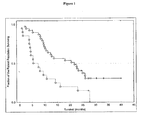
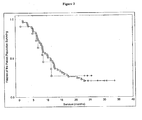
- the terms "a patient will respond therapeutically” or "a patient will respond positively to a treatment” mean that the said patient has an increase of survival rate (see example section).
- the method of the invention comprises an initial step consisting in measuring the interleukin-10 and interferon-gamma levels in biological samples from the patient before administration of the immunogenic composition.
- the levels of interleukin-10 and interferon-gamma are measured in a biological sample obtained from the patient.
- Biological samples include but are not limited to blood and other liquid samples of biological origin, solid tissue samples, such as a biopsy specimen.
- the biological sample is blood, plasma or serum, in which case obtaining the samples from a patient is relatively simple and non-invasive procedure. Methods of obtaining blood or serum are well-known in the art are not part of the invention.
- Luminex technology Luminex Corporation, Austin, Tex.
- ELISA enzyme-linked immunosorbant assays
- the levels of interleukin-10 and interferon-gamma are determined by using antibodies.
- said antibody(ies) is (are) specific of IL10 or INF ⁇ .
- said antibodies are monoclonal antibodies.
- said antibodies are tagged for example by fluorescence, radiolabel, enzyme, biotin, or any other methods designed to render cells labelled with said antibodies detectable. These techniques are widely used and known in the art.
- the method includes determining the levels of interleukin-10 and interferon-gamma in a patient prior administration of an immunogenic composition to the patient; calculating IL10/IFN ⁇ ratio; comparing said IL10/IFN ⁇ ratio to the cut-off value; and predicting the efficacy of immunotherapy treatment based on the levels of IL10/IFN ⁇ ratio compared to the cut-off value.
- the said cut-off value is 3.7.
- the "low IL10/IFN ⁇ ratio" according to the present invention is designating IL10/IFN ⁇ ratios below 3.7.
- the levels of interleukin-10 and interferon-gamma are measured by Enzyme Linked Immune Sorbant Assay (ELISA), by Luminex ® analysis, by lab-on-chip systems, by radio-immune assay or other systems based on specific molecular recognition of IL10 and IFN ⁇ using antibodies or other specific molecules.
- the terms "immunogenic composition” “vaccine composition”, “vaccine” or similar terms can be used interchangeably and mean an agent suitable for stimulating/inducing/increasing a patient's immune system to ameliorate a current condition, e.g. to improve survival rate, or to protect against or to reduce present or future harm or infections (including viral, bacterial, parasitic infections), e.g. reduced tumour cell proliferation or survival, reduced pathogen replication or spread in a patient or a detectably reduced unwanted symptom(s) associated with a condition, extend patient survival.
- a current condition e.g. to improve survival rate, or to protect against or to reduce present or future harm or infections (including viral, bacterial, parasitic infections), e.g. reduced tumour cell proliferation or survival, reduced pathogen replication or spread in a patient or a detectably reduced unwanted symptom(s) associated with a condition, extend patient survival.
- Said immunogenic composition contains at least (i) all or part of at least one tumour-specific or tumour-related antigen and/or (ii) at least one recombinant vector expressing in vivo all or part of at least one heterologous nucleotide sequence, especially an heterologous nucleotide sequence encoding all or part of at least one tumour-specific or tumour-related antigen.
- the immunogenic composition further comprises (iii) at least one immune response modifier in combination with (i) and/or (ii).
- IRMs immune response modifiers
- CpG oligonucleotides see US 6,194,388 ; US2006094683 ; WO 2004039829 for example
- lipopolysaccharides polyinosic:polycytidylic acid complexes
- polypeptides and proteins known to induce cytokine production from dendritic cells and/or monocyte/macrophages.
- the immunogenic composition comprises cells which stimulate a patient immune response to treat cancer.
- Said cells can be antigen presenting cells, such as dendritic cells, combined with an antigenic composition (e.g. Provenge developed by Dendreon Corporation), tumor cells (e.g. GVAX developed by Cell Genesis) or lymphocytes.
- the term "antigen” refers to any substance, including complex antigen (e.g. tumour cells, virus infected cells, dendritic cells, etc%), that is capable of being the target of an immune response.
- An antigen may be the target of, for example, a cell-mediated and/or humoral immune response raised by a patient.
- the term “antigen” refers to all or part of tumour-specific or tumour-related antigens.
- Tumor-specific or -related antigens include but are not limited to, carcinoma, lymphoma, blastoma, sarcoma, and leukemia. More particular examples of such cancers include breast cancer, prostate cancer, colon cancer, squamous cell cancer, small-cell lung cancer, non-small cell lung cancer, gastrointestinal cancer, pancreatic cancer, glioblastoma, cervical cancer, ovarian cancer, liver cancer, bladder cancer, hepatoma, colorectal cancer, endometrial carcinoma, salivary gland carcinoma, kidney cancer, liver cancer, vulval cancer, thyroid cancer, hepatic carcinoma and various types of head and neck cancer, renal cancer, malignant melanoma, laryngeal cancer, prostate cancer.
- Cancer antigens are antigens which can potentially stimulate apparently tumor-specific immune responses. Some of these antigens are encoded, although not necessarily expressed, by normal cells. These antigens can be characterized as those which are normally silent (i.e., not expressed) in normal cells, those that are expressed only at low levels or at certain stages of differentiation and those that are temporally expressed such as embryonic and fetal antigens. Other cancer antigens are encoded by mutant cellular genes, such as oncogenes (e.g., activated ras oncogene), suppressor genes (e.g., mutant p53), fusion proteins resulting from internal deletions or chromosomal translocations.
- oncogenes e.g., activated ras oncogene
- suppressor genes e.g., mutant p53
- tumor-specific or -related antigens include MART-1/Melan-A, gp100, Dipeptidyl peptidase IV (DPPIV), adenosine deaminase-binding protein (ADAbp), cyclophilin b, Colorectal associated antigen (CRC)-C017-1A/GA733, Carcinoembryonic Antigen (CEA) and its immunogenic epitopes CAP-1 and CAP-2, etv6, am11, Prostate Specific Antigen (PSA) and its immunogenic epitopes PSA-1, PSA-2, and PSA-3, prostate-specific membrane antigen (PSMA), T-cell receptor/CD3-zeta chain, MAGE-family of tumor antigens (e.g., MAGE-A1, MAGE-A2, MAGE-A3, MAGE-A4, MAGE-A5, MAGE-A6,
- MUC-1 HER2/neu, p21ras, RCAS1, alpha-fetoprotein, E-cadherin, alpha-catenin, beta-catenin and gamma-catenin, p120ctn, gp100.sup.Pme1117, PRAME, NY-ESO-1, cdc27, adenomatous polyposis coli protein (APC), fodrin, Connexin 37, Ig-idiotype, p15, gp75, GM2 and GD2 gangliosides, viral products such as human papilloma virus proteins, Smad family of tumor antigens, 1mp-1, P1A, EBV-encoded nuclear antigen (EBNA)-1, brain glycogen phosphorylase, SSX-1, SSX-2 (HOM-MEL-40), SSX-1, SSX-4, SSX-5, SCP-1 and CT-7, and c-erbB-2.
- EBNA EBV-en
- said antigen is encoded by a heterologous nucleotide sequence and is expressed in vivo by a recombinant vector.
- the immunogenic composition contains at least two antigens, or a heterologous nucleotide sequence encoding at least two antigens, or at least two heterologous nucleotide sequences encoding at least two antigens, or any combination thereof.
- said heterologous nucleotide sequence of the present invention encodes all or part of MUC 1 antigen or derivates thereof.
- the nucleic acid molecule in use in the invention may be optimized for providing high level expression of the targeted antigen in a particular host cell or organism, e.g. a human host cell or organism.
- codon optimisation is performed by replacing one or more "native" codon corresponding to a codon infrequently used in the mammalian host cell by one or more codon encoding the same amino acid which is more frequently used. This can be achieved by conventional mutagenesis or by chemical synthetic techniques (e.g. resulting in a synthetic nucleic acid). It is not necessary to replace all native codons corresponding to infrequently used codons since increased expression can be achieved even with partial replacement. Moreover, some deviations from strict adherence to optimised codon usage may be made to accommodate the introduction of restriction site(s).
- the term "recombinant vector” refers to viral as well as non viral vectors, including extrachromosomal (e.g. episome), multicopy and integrating vectors (i.e. for being incorporated into the host chromosomes). Particularly important in the context of the invention are vectors for use in gene therapy (i.e. which are capable of delivering the nucleic acid to a host organism) as well as expression vectors for use in various expression systems.
- Suitable non viral vectors include plasmids such as pREP4, pCEP4 (Invitrogene), pCI (Promega), pCDM8 ( Seed, 1987, Nature 329, 840 ), pVAX and pgWiz (Gene Therapy System Inc; Himoudi et al., 2002, J. Virol. 76, 12735-12746 ).
- Suitable viral vectors may be derived from a variety of different viruses (e.g. retrovirus, adenovirus, AAV, poxvirus, herpes virus, measle virus, foamy virus and the like).
- the term "viral vector” encompasses vector DNA/RNA as well as viral particles generated thereof.
- Viral vectors can be replication-competent, or can be genetically disabled so as to be replication-defective or replication-impaired.
- replication-competent encompasses replication-selective and conditionally-replicative viral vectors which are engineered to replicate better or selectively in specific host cells (e.g. tumoral cells).
- the recombinant vector in use in the invention is a recombinant adenoviral vector (for a review, see “ Adenoviral vectors for gene therapy", 2002, Ed D. Curiel and J. Douglas, Academic Press ). It can be derived from a variety of human or animal sources and any serotype can be employed from the adenovirus serotypes 1 through 51. Particularly preferred are human adenoviruses 2 (Ad2), 5 (Ad5), 6 (Ad6), 11 (Ad11), 24 (Ad24) and 35 (Ad35).
- Such adenovirus are available from the American Type Culture Collection (ATCC, Rockville, Md.), and have been the patient of numerous publications describing their sequence, organization and methods of producing, allowing the artisan to apply them (see for example US 6,133,028 ; US 6,110,735 ; WO 02/40665 ; WO 00/50573 ; EP 1016711 ; Vogels et al., 2003, J. Virol. 77, 8263-8271 ).
- ATCC American Type Culture Collection
- the adenoviral vector in use in the present invention can be replication-competent.
- Numerous examples of replication-competent adenoviral vectors are readily available to those skill in the art (see, for example, Hernandez-Alcoceba et al., 2000, Human Gene Ther. 11, 2009-2024 ; Nemunaitis et al., 2001, Gene Ther. 8, 746-759 ; Alemany et al., 2000, Nature Biotechnology 18, 723-727 ).
- they can be engineered from a wild-type adenovirus genome by deletion in the E1A CR2 domain (see for example WO00/24408 ) and/or by replacement of the native E1 and/or E4 promoters with tissue, tumor or cell status-specific promoters (see for example US 5,998,205 , WO99/25860 , US 5,698,443 , WO00/96355 , WO00/15820 and WO01/36650 ).
- the adenoviral vector in use in the invention is replication-defective (see for example WO94/28152 ; Lusky et al., 1998, J. Virol 72, 2022-2032 ).
- Preferred replication-defective adenoviral vectors are E1-defective (see for example US 6,136,594 and US 6,013,638 ), with an E1 deletion extending from approximately positions 459 to 3328 or from approximately positions 459 to 3510 (by reference to the sequence of the human adenovirus type 5 disclosed in the GeneBank under the accession number M 73260 and in Chroboczek et al., 1992, Virol. 186, 280-285 ).
- the cloning capacity can further be improved by deleting additional portion(s) of the adenoviral genome (all or part of the non essential E3 region or of other essential E2, E4 regions). Insertion of a nucleic acid in any location of the adenoviral vector can be performed through homologous recombination as described in Chartier et al. (1996, J. Virol. 70, 4805-4810 ).
- the vector in use in the invention is a poxviral vector (see for example Cox et al. in "Viruses in Human Gene Therapy” Ed J. M. Hos, Carolina Academic Press ).
- poxviral vector see for example Cox et al. in "Viruses in Human Gene Therapy” Ed J. M. Hos, Carolina Academic Press .
- suitable vaccinia viruses include without limitation the Copenhagen strain ( Goebel et al., 1990, Virol. 179, 247-266 and 517-563 ; Johnson et al., 1993, Virol.
- the Wyeth strain and the highly attenuated attenuated virus derived thereof including MVA (for review see Mayr, A., et al., 1975, Infection 3, 6-14 ) and derivates thereof (such as MVA vaccinia strain 575 (ECACC V00120707 - US 6,913,752 ), NYVAC (see WO 92/15672 - Tartaglia et al., 1992, Virology, 188, 217-232 ).
- the vector may also be obtained from any other member of the poxviridae, in particular fowlpox (e.g. TROVAC, see Paoletti et al, 1995, Dev Biol Stand., 84, 159-163 ); canarypox (e.g.
- said virus can be a replication competent poxvirus, especially replication competent vaccinia virus.
- replication competent poxvirus especially replication competent vaccinia virus.
- examples of these virus are provided in WO9531105 (e.g. products JX594, W TK- GMCSF or JX963, W TK- VGF- GMCSF), WO0073479 , WO2009/065547 , WO2009/065546 .
- the nucleic acid encoding the antigen is preferably inserted in a nonessential locus of the poxviral genome, in order that the recombinant poxvirus remains viable and infectious.
- Nonessential regions are non-coding intergenic regions or any gene for which inactivation or deletion does not significantly impair viral growth, replication or infection.
- the antigen-encoding nucleic acid is preferably inserted in the thymidine kinase gene (tk) ( Hruby et al., 1983, Proc. Natl. Acad. Sci USA 80, 3411-3415 ; Weir et al., 1983, J. Virol. 46, 530-537 ).
- tk thymidine kinase gene
- other insertion sites are also appropriate, e.g. in the hemagglutinin gene ( Guo et al., 1989, J. Virol. 63, 4189-4198 ), in the K1L locus, in the u gene ( Zhou et al., 1990, J. Gen. Virol.
- the antigen-encoding nucleic acid can be inserted in any one of the identified deletions I to VII as well as in the D4R locus, but insertion in deletion II or III is preferred ( Meyer et al., 1991, J. Gen. Virol. 72, 1031-1038 ; Sutter et al., 1994, Vaccine 12, 1032-1040 ).
- the antigen-encoding nucleic acid is preferably introduced in the intergenic region situated between ORFs 7 and 9 (see for example EP 314 569 and US 5,180,675 ).
- said recombinant vector is a recombinant plasmid DNA or a recombinant viral vector.
- said recombinant viral vector is a recombinant vaccinia vector.
- said recombinant vaccinia vector is a recombinant MVA vector.
- the antigen-encoding nucleic acid in use in the invention is in a form suitable for its expression in a host cell or organism, which means that the nucleic acid sequence encoding the antigen are placed under the control of one or more regulatory sequences necessary for its expression in the host cell or organism.
- regulatory sequence refers to any sequence that allows, contributes or modulates the expression of "a nucleic acid in a given host cell, including replication, duplication, transcription, splicing, translation, stability and/or transport of the nucleic acid or one of its derivative (i.e. mRNA) into the host cell.
- the choice of the regulatory sequences can depend on factors such as the host cell, the vector and the level of expression desired.
- the nucleic acid encoding the antigen is operatively linked to a gene expression sequence which directs the expression of the antigen nucleic acid within a eukaryotic cell.
- the gene expression sequence is any regulatory nucleotide sequence, such as a promoter sequence or promoter-enhancer combination, which facilitates the efficient transcription and translation of the antigen nucleic acid to which it is operatively linked.
- the gene expression sequence may, for example, be a mammalian or viral promoter, such as a constitutive or inducible promoter.
- Constitutive mammalian promoters include, but are not limited to, the promoters for the following genes: hypoxanthine phosphoribosyl transferase (HPRT), adenosine deaminase, pyruvate kinase, b-actin promoter and other constitutive promoters.
- HPRT hypoxanthine phosphoribosyl transferase
- adenosine deaminase adenosine deaminase
- pyruvate kinase pyruvate kinase
- b-actin promoter b-actin promoter
- Exemplary viral promoters which function constitutively in eukaryotic cells include, for example, promoters from the cytomegalovirus (CMV), simian virus (e.g., SV40), papilloma virus, adenovirus, human immunodeficiency virus (HIV), Rous sarcoma virus, cytomegalovirus, the long terminal repeats (LTR) of Moloney leukemia virus and other retroviruses, and the thymidine kinase promoter of herpes simplex virus.
- CMV cytomegalovirus
- simian virus e.g., SV40
- papilloma virus e.g., SV40
- HIV human immunodeficiency virus
- Rous sarcoma virus e.g., Rous sarcoma virus
- cytomegalovirus e.g., cytomegalovirus
- LTR long terminal repeats
- Inducible promoters are expressed in the presence of an inducing agent.
- the metallothionein promoter is induced to promote transcription and translation in the presence of certain metal ions.
- Other inducible promoters are known to those of ordinary skill in the art.
- the gene expression sequence shall include, as necessary, 5' non-transcribing and 5' non-translating sequences involved with the initiation of transcription and translation, respectively, such as a TATA box, capping sequence, CAAT sequence, and the like.
- 5' non-transcribing sequences will include a promoter region which includes a promoter sequence for transcriptional control of the operably joined antigen nucleic acid.
- the gene expression sequences optionally include enhancer sequences or upstream activator sequences as desired.
- Preferred promoters for use in a poxviral vector include without limitation vaccinia promoters 7.5K, H5R, TK, p28, p11 and K1L, chimeric promoters between early and late poxviral promoters as well as synthetic promoters such as those described in Chakrabarti et al. (1997, Biotechniques 23, 1094-1097 ), Hammond et al. (1997, J. Virological Methods 66, 135-138 ) and Kumar and Boyle (1990, Virology 179, 151-158 ).
- the promoter is of special importance and the present invention encompasses the use of constitutive promoters which direct expression of the nucleic acid in many types of host cells and those which direct expression only in certain host cells or in response to specific events or exogenous factors (e.g. by temperature, nutrient additive, hormone or other ligand).
- Suitable promoters are widely described in literature and one may cite more specifically viral promoters such as RSV, SV40, CMV and MLP promoters.
- Preferred promoters for use in a poxviral vector include without limitation vaccinia promoters 7.5K, H5R, TK, p28, p11 and K1L, chimeric promoters between early and late poxviral promoters as well as synthetic promoters such as those described in Chakrabarti et al. (1997, Biotechniques 23, 1094-1097 ), Hammond et al. (1997, J. Virological Methods 66, 135-138 ) and Kumar and Boyle (1990, Virology 179, 151-158 ).
- the regulatory elements controlling the expression of the nucleic acid molecule of the invention may further comprise additional elements for proper initiation, regulation and/or termination of transcription (e.g. polyA transcription termination sequences), mRNA transport (e.g. nuclear localization signal sequences), processing (e.g. splicing signals), and stability (e.g. introns and non-coding 5' and 3' sequences), translation (e.g. peptide signal, propeptide, tripartite leader sequences, ribosome binding sites, Shine-Dalgamo sequences, etc.) into the host cell or organism.
- transcription e.g. polyA transcription termination sequences
- mRNA transport e.g. nuclear localization signal sequences
- processing e.g. splicing signals
- stability e.g. introns and non-coding 5' and 3' sequences
- translation e.g. peptide signal, propeptide, tripartite leader sequences, ribosome binding sites, Shine-Dalgamo sequences,
- the recombinant vector in use in the present invention can further comprise at least one nucleic acid encoding at least one cytokine.
- Suitable cytokines include without limitation interleukins (e.g. IL-2, IL-7, IL-15, IL-18, IL-21) and interferons (e.g. IFN ⁇ , INF ⁇ ), with a special preference for interleukin IL-2.
- the recombinant vaccine of the invention comprises a cytokine-expressing nucleic acid
- said nucleic acid may be carried by the recombinant vector encoding the one or more antigen(s) or by an independent recombinant vector which can be of the same or a different origin.
- the recombinant vector in use in the present invention is encoding all or part of the MUC1 antigen and at least one cytokines above listed, and preferably an interleukin, especially IL2.
- the recombinant vector in use in the present invention is an MVA encoding all or part of the MUC1 antigen and at least one cytokines above listed, and preferably an interleukin, especially IL2.
- Infectious viral particles comprising the above-described recombinant viral vector can be produced by routine process.
- An exemplary process comprises the steps of:
- Cells appropriate for propagating adenoviral vectors are for example 293 cells, PERC6 cells, HER96 cells, or cells as disclosed in WO 94/28152 , WO 97/00326 , US 6,127,175 .
- Cells appropriate for propagating poxvirus vectors are avian cells, and most preferably primary chicken embryo fibroblasts (CEF) prepared from chicken embryos obtained from fertilized eggs.
- CEF primary chicken embryo fibroblasts
- the infectious viral particles may be recovered from the culture supernatant or from the cells after lysis (e.g. by chemical means, freezing/thawing, osmotic shock, mecanic shock, sonication and the like).
- the viral particles can be isolated by consecutive rounds of plaque purification and then purified using the techniques of the art (chromatographic methods, ultracentrifugation on caesium chloride or sucrose gradient).
- the method or use for treating a cancer patient as described hereinabove can be carried out in the selected patients in conjunction with one or more conventional therapeutic modalities (e.g. radiation, chemotherapy and/or surgery).
- one or more conventional therapeutic modalities e.g. radiation, chemotherapy and/or surgery.
- the use of multiple therapeutic approaches provides the selected patient with a broader based intervention.
- the described method or use for treating a cancer patient can be preceded or followed by a surgical intervention.
- it can be preceded or followed by radiotherapy (e.g. gamma radiation).
- radiotherapy e.g. gamma radiation
- JB Lippincott Co using appropriate adaptations and modifications as will be readily apparent to those skilled in the field).
- the described method or use is associated to chemotherapy with one or more drugs (e.g. drugs which are conventionally used for treating or preventing viral infections, virus-associated pathologic conditions, cancer, and the like).
- a method for improving the treatment of a cancer patient which is undergoing chemotherapeutic treatment with a chemotherapeutic agent comprising the following steps:
- a method for improving the treatment of a cancer patient which is undergoing chemotherapeutic treatment with a chemotherapeutic agent comprising the following steps :
- the administration of said chemotherapeutic agent is done before administration of said immunogenic composition, after administration of said immunogenic composition or concomitantly with administration of said immunogenic composition.
- said chemotherapeutic agent is cisplatin and/or Gemcitabine, or similar.
- a method of improving cytotoxic effectiveness of cytotoxic drugs (i.e. chemotherapeutic agent) or radiotherapy which comprises co-treating a patient selected in a cancer patient population composed of patients that have a low IL10/IFN ⁇ ratio as defined hereinabove with an immunogenic composition as defined hereinabove.
- cytotoxic drugs i.e. chemotherapeutic agent
- radiotherapy which comprises co-treating a patient selected in a cancer patient population composed of patients that have a low IL10/IFN ⁇ ratio as defined hereinabove with an immunogenic composition as defined hereinabove.
- the described method or use of an immunogenic composition as defined hereinabove is carried out according to a prime boost therapeutic modality which comprises sequential administration of one or more primer composition(s) and one or more booster composition(s).
- the priming and the boosting compositions use different vehicles which comprise or encode at least an antigenic domain in common.
- the priming immunogenic composition is initially administered to the host organism and the boosting immunogenic composition is subsequently administered to the same host organism after a period varying from one day to twelve months.
- the method of the invention may comprise one to ten sequential administrations of the priming composition followed by one to ten sequential administrations of the boosting composition. Desirably, injection intervals are a matter of one week to six months.
- the priming and boosting compositions can be administered at the same site or at alternative sites by the same route or by different routes of administration.
- the desired clinical benefit is independent of a demonstrable immune response to the vaccine.
- cancer relates for example to breast cancer, colon cancer, kidney cancer, rectal cancer, lung cancer, cancer of the head and neck, renal cancer, malignant melanoma, laryngeal cancer, ovarian cancer, cervical cancer, prostate cancer, non Small cell Lung Cancer, haematological cancers, gastric cancers, myeloma.
- an immunogenic composition comprising all or part of a tumour-specific or tumour-related antigen for the manufacture of a medicament for treating a cancer patient in a particular patient population wherein the patients of said population have a low IL10/IFN ⁇ ratio as defined hereinabove.
- an immunogenic composition as defined hereinabove for the manufacture of a medicament for inducing an immune response (i.e. the raised immune response) in a patient for treating cancer in a particular patient population wherein the patients of said population have a low IL10/IFN ⁇ ratio as defined hereinabove.
- an immunogenic composition as defined hereinabove for the manufacture of a medicament for inducing an immune response to at least one tumour-specific or tumour-related antigen (i.e. the raised immune response) in a patient for treating cancer in a particular patient population wherein the patients of said population have a low IL10/IFN ⁇ ratio as defined hereinabove.
- an immunogenic composition as defined hereinabove for the manufacture of a medicament for inducing an immune response to a tumour-specific or tumour-related antigen (i.e. the raised immune response) in a patient for treating cancer in a particular patient population wherein the patients of said population have low IL10/IFN ⁇ ratio as defined hereinabove.
- an immunogenic composition as defined hereinabove for the manufacture of a medicament for inducing an immune response (i.e. the raised immune response) in a patient for treating cancer in a particular patient population wherein the patients of said population have a low IL10/IFN ⁇ ratio as defined hereinabove and wherein said raised immune response is an innate immune response.
- said "raised immune response” in said patient population is directed towards a tumour-specific or -related antigen.
- said "raised immune response” in said patient population is directed towards distinct antigens.
- said "raised immune response” in said patient population is directed towards all or part of MUC1 antigen.
- said "raised immune response” in said patient population is T cell immune response, and preferably CD8+ (Cytotoxic T Lymphocytes) immune response.
- said "raised immune response” in said patient population is a non specific immune response or an immune response to disease associated antigens not contained in the vaccine formulation or an immune response to disease associated antigens which is not measureable by current techniques.
- said "raised immune response” in said patient population is a stimulation of the innate immune response.
- the ability to induce or stimulate an immune response upon administration in an animal or human organism can be evaluated either in vitro or in vivo using a variety of assays which are standard in the art.
- assays which are standard in the art.
- Measurement of cellular immunity can be performed by measurement of cytokine profiles secreted by activated effector cells including those derived from CD4+ and CD8+ T-cells (e.g. quantification of IL-10 or IFN gamma-producing cells by ELIspot), by determination of the activation status of immune effector cells (e.g.
- T cell proliferation assays by a classical [ 3 H] thymidine uptake), by assaying for antigen-specific T lymphocytes in a sensitized patient (e.g. peptide-specific lysis in a cytotoxicity assay) or by detection of antigen specific T cells by fluorescent MHC and/or peptide multimers (e.g. tetramers).
- the ability to stimulate a humoral response may be determined by antibody binding and/or competition in binding (see for example Harlow, 1989, Antibodies, Cold Spring Harbor Press ).
- the method of the invention can also be further validated in animal models challenged with an appropriate tumor-inducing agent (e.g. MUC1-expressing murine tumor cells) to determine anti-tumor activity, reflecting an induction or an enhancement of an anti-antigen immune response.
- an appropriate tumor-inducing agent e.g. MUC1-expressing murine tumor cells
- the present Invention relates to the use of IL10/IFN ⁇ ratio as a biomarker for predicting whether a patient having cancer and being treated with a chemotherapeutic agent is or is not susceptible to developing prophylactic or therapeutic response, preferably immune response, by administration of an immunogenic composition as defined hereinabove.
- the present Invention relates to the use of IL10/IFN ⁇ ratio as a biomarker for predicting whether a patient having cancer and being treated with a chemotherapeutic agent is or is not susceptible to developing prophylactic or therapeutic immune response by administration of an immunogenic composition as defined hereinabove, wherein a low IL10/IFN ⁇ ratio indicates that the patient is predicted to have an increased susceptibility to develop a prophylactic or therapeutic response, preferably immune response.
- the present Invention relates to the use of the IL10/IFN ⁇ ratio as a biomarker for predicting whether a patient having cancer and being treated with a chemotherapeutic agent is or is not susceptible to survive longer after administration of an immunogenic composition as defined hereinabove, wherein a low IL10/IFN ⁇ ratio indicates that the patient is predicted to have a longer survival rate compared to treated patients who have higher IL10/IFN ⁇ ratio.
- an ex-vivo method for predicting whether a patient having cancer and being treated with a chemotherapeutic agent is or is not susceptible to survive longer after administration of an immunogenic composition as defined hereinabove comprises the step of measuring levels of IL10 and INF ⁇ in a biological sample (e.g. blood or plasma or serum) from the patient, calculating IL10/IFN ⁇ ratio, wherein a low IL10/IFN ⁇ ratio as defined hereinabove indicates that the patient will have a longer survival rate.
- a biological sample e.g. blood or plasma or serum
- the Invention further concerns the use of the IL10/IFN ⁇ ratio as a biomarker for predicting whether a cancer patient which is undergoing chemotherapeutic treatment with a chemotherapeutic agent is or is not susceptible to developing prophylactic or therapeutic immune response (e.g. to survive longer) after administration of an immunogenic composition as defined hereinabove.
- the Invention further concerns the use of the IL10/IFN ⁇ ratio as a biomarker for predicting whether a cancer patient which is undergoing chemotherapeutic treatment with a chemotherapeutic agent is or is not susceptible to developing prophylactic or therapeutic immune response (e.g. to survive longer) after administration of an immunogenic composition as defined hereinabove, wherein a low IL10/IFN ⁇ ratio indicates that the patient is predicted to have an increased susceptibility to develop a prophylactic or therapeutic immune response.
- a method for improving the treatment of a cancer patient which is undergoing chemotherapeutic treatment with a chemotherapeutic agent comprising the following steps :
- kits i.e. companion test which include parts for practicing the methods described herein and that will be apparent from the examples provided herein.
- the kit of parts, or kits may include reagents for collecting and or measuring serum levels of levels of IL10 and IFN ⁇ . Such reagents may include antibodies.
- the kits may further include equipment for collecting and/or processing biological samples.
- the kits are also likely to contain instructions for use, cut-off values (see above) and/or instructions for their determination, and instructions for interpreting the data obtained from the use of the kits.
- kit of parts, or kits may further include an immunogenic composition as above disclosed, and/or as disclosed in the Example section below.
- the computer programs or algorithms may be provided along with necessary hardware, e.g., in the form of a kit or apparatus, which may also accept biological samples and measure the relative levels of IL10 and IFN ⁇ present therein and calculate IL10 and IFN ⁇ ratio.
- the above-described computer programs and/or apparatus are likely to be provided to physicians or clinical laboratories with appropriate instructions and reagents, including antibodies.
- Example 1 The immunogenic composition, noted vaccine TG4010, was used to treat non-small cell lung cancer (NSCLC) patients in combination with standard chemotherapy.
- NSCLC non-small cell lung cancer
- TG4010 is a recombinant Modified Virus Ankara (MVA) expressing both IL2 and the tumor-associated antigen MUC1 (see Rochlitz et al., 2003, J. Gene Med., 5, 690-699 ).
- MVA Modified Virus Ankara
- PFS progression-free survival
- Blood samples were taken prior to treatment on day 1 (first day of treatment) and were shipped immediately to a central immunology lab where plasma was isolated and stored frozen until analysis.
- Plasma samples were assessed, at a central laboratory for cytokines, using a Luminex mutli-analyte profiling system.
Landscapes
- Life Sciences & Earth Sciences (AREA)
- Health & Medical Sciences (AREA)
- Immunology (AREA)
- Molecular Biology (AREA)
- Engineering & Computer Science (AREA)
- Chemical & Material Sciences (AREA)
- Biomedical Technology (AREA)
- Cell Biology (AREA)
- Hematology (AREA)
- Urology & Nephrology (AREA)
- Medicinal Chemistry (AREA)
- General Health & Medical Sciences (AREA)
- Microbiology (AREA)
- Proteomics, Peptides & Aminoacids (AREA)
- Pathology (AREA)
- Analytical Chemistry (AREA)
- Biochemistry (AREA)
- Food Science & Technology (AREA)
- General Physics & Mathematics (AREA)
- Biotechnology (AREA)
- Physics & Mathematics (AREA)
- Pharmacology & Pharmacy (AREA)
- Veterinary Medicine (AREA)
- Public Health (AREA)
- Animal Behavior & Ethology (AREA)
- Epidemiology (AREA)
- Oncology (AREA)
- Mycology (AREA)
- Zoology (AREA)
- Bioinformatics & Cheminformatics (AREA)
- Marine Sciences & Fisheries (AREA)
- Gastroenterology & Hepatology (AREA)
- Nuclear Medicine, Radiotherapy & Molecular Imaging (AREA)
- Chemical Kinetics & Catalysis (AREA)
- General Chemical & Material Sciences (AREA)
- Organic Chemistry (AREA)
- Medicines Containing Antibodies Or Antigens For Use As Internal Diagnostic Agents (AREA)
- Medicines That Contain Protein Lipid Enzymes And Other Medicines (AREA)
- Medicines Containing Material From Animals Or Micro-Organisms (AREA)
- Investigating Or Analysing Biological Materials (AREA)
Claims (11)
- Ex-vivo-Verfahren zum Testen, ob ein Patient, der Krebs hat und mit einem Chemotherapeutikum behandelt wird, therapeutisch auf ein Behandlungsverfahren ansprechen wird, das die Verabreichung einer immunogenen Zusammensetzung umfasst, wobei das Testverfahren die folgenden Schritte umfasst:- Messen der IL10- und IFNγ-Spiegel in einer vom Patienten erhaltenen biologischen Probe;- Berechnen des IL10/IFNγ-Verhältnisses; und- Vergleichen des IL10/IFNγ-Verhältnisses mit einem Schwellenwert, wobei ein niedriges IL10/IFNγ-Verhältnis darauf hinweist, dass der Patient eine prophylaktische oder therapeutische Reaktion auf die immunogene Zusammensetzung enfinrickeln wird, wobei ein niedriges IL10/IFNγ-Verhältnis unter 3,7 liegt,
und wobei die immunogene Zusammensetzung das gesamte tumorspezifische oder tumorverwandte Antigen oder einen Teil eines tumorspezifischen oder tumorverwandten Antigens umfasst oder exprimiert. - Verfahren nach Anspruch 1, wobei das IL10/IFNγ-Verhältnis durch Verwendung der Antikörper, die für IL10 bzw. IFNγ spezifisch sind, bestimmt wird.
- Verfahren nach Anspruch 1 oder 2, wobei die biologische Probe ausgewählt ist aus der Gruppe bestehend aus einer Gesamtblutprobe, Plasma oder Serum.
- Verfahren nach einem der vorstehenden Ansprüche, wobei die immunogene Zusammensetzung mindestens einen rekombinanten Vektor enthält, der mindestens eine heterologe Nucleotidsequenz, in ihrer Gesamtheit oder einen Teil davon, in vivo exprimiert, die das tumorspezifische oder tumorverwandte Antigen codiert.
- Verfahren nach Anspruch 4, wobei der rekombinante Vektor ein viraler Vektor ist.
- Verfahren nach Anspruch 5, wobei der virale Vektor replikationskompetent ist.
- Verfahren nach Anspruch 5, wobei der virale Vektor replikationsdefekt ist.
- Verfahren nach einem der Ansprüche 5 bis 7, wobei der virale Vektor adenoviral ist.
- Verfahren nach einem der Ansprüche 5 bis 7, wobei der virale Vektor ein Vakzin-Vektor ist.
- Verfahren nach einem der Ansprüche 5 bis 7, wobei der virale Vektor ein MVA-Vektor ist.
- Verwendung des IL10/IFNγ-Verhältnisses als Biomarker gemäß dem Verfahren nach Anspruch 1.
Priority Applications (1)
| Application Number | Priority Date | Filing Date | Title |
|---|---|---|---|
| EP10739307.6A EP2452194B1 (de) | 2009-07-10 | 2010-07-06 | Biomarker zur patientenauswahl und entsprechende verfahren |
Applications Claiming Priority (3)
| Application Number | Priority Date | Filing Date | Title |
|---|---|---|---|
| EP09305672 | 2009-07-10 | ||
| PCT/EP2010/059635 WO2011003905A1 (en) | 2009-07-10 | 2010-07-06 | Biomarker for selecting patients and related methods |
| EP10739307.6A EP2452194B1 (de) | 2009-07-10 | 2010-07-06 | Biomarker zur patientenauswahl und entsprechende verfahren |
Publications (2)
| Publication Number | Publication Date |
|---|---|
| EP2452194A1 EP2452194A1 (de) | 2012-05-16 |
| EP2452194B1 true EP2452194B1 (de) | 2015-11-11 |
Family
ID=42634974
Family Applications (1)
| Application Number | Title | Priority Date | Filing Date |
|---|---|---|---|
| EP10739307.6A Not-in-force EP2452194B1 (de) | 2009-07-10 | 2010-07-06 | Biomarker zur patientenauswahl und entsprechende verfahren |
Country Status (20)
| Country | Link |
|---|---|
| US (1) | US9261512B2 (de) |
| EP (1) | EP2452194B1 (de) |
| JP (1) | JP5650212B2 (de) |
| KR (1) | KR20120089619A (de) |
| CN (1) | CN102483405B (de) |
| AU (1) | AU2010270313B2 (de) |
| BR (1) | BR112012000522A2 (de) |
| CA (1) | CA2767458A1 (de) |
| DK (1) | DK2452194T3 (de) |
| ES (1) | ES2558729T3 (de) |
| HU (1) | HUE028240T2 (de) |
| IL (1) | IL216083A (de) |
| MX (1) | MX337287B (de) |
| NZ (1) | NZ596325A (de) |
| PH (1) | PH12011502635A1 (de) |
| RU (1) | RU2552292C2 (de) |
| SG (1) | SG176619A1 (de) |
| TW (1) | TWI529392B (de) |
| WO (1) | WO2011003905A1 (de) |
| ZA (1) | ZA201200110B (de) |
Families Citing this family (7)
| Publication number | Priority date | Publication date | Assignee | Title |
|---|---|---|---|---|
| US9791442B2 (en) | 2011-09-15 | 2017-10-17 | Nogra Pharma Limited | Methods of monitoring responsiveness to anti-SMAD7 therapy |
| CN104303060A (zh) * | 2012-03-13 | 2015-01-21 | 艾伯维公司 | 选择或鉴别用于v1B拮抗剂治疗的受试者的方法 |
| US20140244556A1 (en) * | 2013-02-27 | 2014-08-28 | Abdul Saleh | Methods for and apparatus generating automated pharmaco genetics correlation |
| CN105518153A (zh) | 2013-06-20 | 2016-04-20 | 因姆内克斯普雷斯私人有限公司 | 生物标志物鉴定 |
| WO2015117204A1 (en) | 2014-02-06 | 2015-08-13 | Immunexpress Pty Ltd | Biomarker signature method, and apparatus and kits therefor |
| FR3072973B1 (fr) | 2017-10-26 | 2022-02-11 | Univ Pierre Et Marie Curie Paris 6 | Particules pseudo-virales utiles pour traiter des dysfonctionnements immunitaires |
| RU2705398C1 (ru) * | 2018-08-17 | 2019-11-07 | федеральное государственное бюджетное образовательное учреждение высшего образования "Новосибирский государственный медицинский университет" Министерства здравоохранения Российской Федерации (ФГБОУ ВО НГМУ Минздрава России) | Способ прогнозирования эффективности применения средства для повышения относительного содержания высокодифференцированных клеток в аденокарциноме молочной железы и композиция для его осуществления |
Family Cites Families (56)
| Publication number | Priority date | Publication date | Assignee | Title |
|---|---|---|---|---|
| US4769330A (en) | 1981-12-24 | 1988-09-06 | Health Research, Incorporated | Modified vaccinia virus and methods for making and using the same |
| US4603112A (en) | 1981-12-24 | 1986-07-29 | Health Research, Incorporated | Modified vaccinia virus |
| IL73534A (en) | 1983-11-18 | 1990-12-23 | Riker Laboratories Inc | 1h-imidazo(4,5-c)quinoline-4-amines,their preparation and pharmaceutical compositions containing certain such compounds |
| FR2643817B1 (fr) | 1989-03-06 | 1993-12-17 | Transgene Sa | Composition pharmaceutique, utile a titre preventif ou curatif contre les tumeurs induites par les papillomavirus |
| DE3642912A1 (de) | 1986-12-16 | 1988-06-30 | Leybold Ag | Messeinrichtung fuer paramagnetische messgeraete mit einer messkammer |
| US6222020B1 (en) | 1987-01-07 | 2001-04-24 | Imperial Cancer Research Technology Limited | Antigens derived from the core protein of the human mammary epithelial mucin |
| FR2632863B2 (fr) | 1987-10-29 | 1990-08-31 | Transgene Sa | Virus du fowlpox recombinant et vaccins derives de ces virus |
| US5100587A (en) | 1989-11-13 | 1992-03-31 | The United States Of America As Represented By The Department Of Energy | Solid-state radioluminescent zeolite-containing composition and light sources |
| FR2668064B1 (fr) | 1990-10-23 | 1994-12-16 | Transgene Sa | Composition pharmaceutique pour le traitement ou la prevention d'une tumeur maligne. |
| US5756102A (en) | 1990-11-20 | 1998-05-26 | Virogenetics Corporation | Poxvirus-canine distemper virus (CDV) recombinants and compositions and methods employing the recombinants |
| US5389640A (en) | 1991-03-01 | 1995-02-14 | Minnesota Mining And Manufacturing Company | 1-substituted, 2-substituted 1H-imidazo[4,5-c]quinolin-4-amines |
| EP0575491B1 (de) | 1991-03-07 | 2003-08-13 | Virogenetics Corporation | Gentechnologisch hergestellter stamm für impfstoffe |
| US5179993A (en) | 1991-03-26 | 1993-01-19 | Hughes Aircraft Company | Method of fabricating anisometric metal needles and birefringent suspension thereof in dielectric fluid |
| US6013638A (en) | 1991-10-02 | 2000-01-11 | The United States Of America As Represented By The Department Of Health And Human Services | Adenovirus comprising deletions on the E1A, E1B and E3 regions for transfer of genes to the lung |
| FR2705686B1 (fr) | 1993-05-28 | 1995-08-18 | Transgene Sa | Nouveaux adénovirus défectifs et lignées de complémentation correspondantes. |
| US6133028A (en) | 1993-05-28 | 2000-10-17 | Transgene S.A. | Defective adenoviruses and corresponding complementation lines |
| US5698443A (en) | 1995-06-27 | 1997-12-16 | Calydon, Inc. | Tissue specific viral vectors |
| WO1995031105A1 (en) | 1994-05-13 | 1995-11-23 | Thomas Jefferson University | A method of inducing an immune response using vaccinia virus recombinants |
| AU713040B2 (en) | 1994-07-15 | 1999-11-18 | University Of Iowa Research Foundation, The | Immunomodulatory oligonucleotides |
| US20030026782A1 (en) | 1995-02-07 | 2003-02-06 | Arthur M. Krieg | Immunomodulatory oligonucleotides |
| US5998205A (en) | 1994-11-28 | 1999-12-07 | Genetic Therapy, Inc. | Vectors for tissue-specific replication |
| US6638762B1 (en) | 1994-11-28 | 2003-10-28 | Genetic Therapy, Inc. | Tissue-vectors specific replication and gene expression |
| IL116816A (en) | 1995-01-20 | 2003-05-29 | Rhone Poulenc Rorer Sa | Cell for the production of a defective recombinant adenovirus or an adeno-associated virus and the various uses thereof |
| DE69633565T3 (de) | 1995-06-15 | 2013-01-17 | Crucell Holland B.V. | Verpackungssysteme für humane, menschliche adenoviren, zur verwendung in die gentherapie |
| EP0954593A1 (de) | 1996-07-25 | 1999-11-10 | Therion Biologics Corporation | Rekombinantes pockenvirus für die immunsierung gegen tumorassoziierte antigene. |
| FR2751879B1 (fr) | 1996-07-30 | 1998-10-30 | Transgene Sa | Composition pharmaceutique contre les tumeurs et infections a papillomavirus |
| CA2282300C (en) | 1997-02-24 | 2011-08-02 | Therion Biologics Corporation | Recombinant pox virus for immunization against muc1 tumor-associated antigen |
| WO1998039017A1 (en) | 1997-03-07 | 1998-09-11 | Akira Hayashi | Immunotherapeutic agent for cancer containing nucleoidal component of bacterium as active ingredient |
| US20030138454A1 (en) * | 1997-06-09 | 2003-07-24 | Oxxon Pharmaccines, Ltd. | Vaccination method |
| FR2766091A1 (fr) | 1997-07-18 | 1999-01-22 | Transgene Sa | Composition antitumorale a base de polypeptide immunogene de localisation cellulaire modifiee |
| WO2000046355A2 (en) | 1999-02-04 | 2000-08-10 | Geron Corporation | Telomerase reverse transcriptase transcriptional regulatory sequences |
| US6110929A (en) | 1998-07-28 | 2000-08-29 | 3M Innovative Properties Company | Oxazolo, thiazolo and selenazolo [4,5-c]-quinolin-4-amines and analogs thereof |
| US6900049B2 (en) | 1998-09-10 | 2005-05-31 | Cell Genesys, Inc. | Adenovirus vectors containing cell status-specific response elements and methods of use thereof |
| US20020037274A1 (en) | 1998-10-26 | 2002-03-28 | Angelica Williams | Single agent method for killing tumor and tumor associated endothelial cells using adenoviral mutants |
| FR2787465A1 (fr) | 1998-12-21 | 2000-06-23 | Transgene Sa | Procede d'inactivation des virus enveloppes dans une preparation virale de virus non enveloppes |
| CA2364934C (fr) | 1999-02-22 | 2011-10-18 | Transgene S.A. | Procede d'obtention d'une preparation virale purifiee |
| US6492169B1 (en) | 1999-05-18 | 2002-12-10 | Crucell Holland, B.V. | Complementing cell lines |
| AU5446700A (en) | 1999-05-28 | 2000-12-18 | Government Of The United States Of America, As Represented By The Secretary Of The Department Of Health And Human Services, The | A combined growth factor-deleted and thymidine kinase-deleted vaccinia virus vector |
| US6331539B1 (en) | 1999-06-10 | 2001-12-18 | 3M Innovative Properties Company | Sulfonamide and sulfamide substituted imidazoquinolines |
| US6110135A (en) | 1999-06-17 | 2000-08-29 | Becton, Dickinson And Company | Elbow brace with movable support |
| WO2001036650A2 (en) | 1999-11-15 | 2001-05-25 | Onyx Pharmaceuticals, Inc. | An oncolytic adenovirus |
| AUPQ520800A0 (en) | 2000-01-21 | 2000-02-17 | Alfred Hospital | Prime-boost vaccination strategy |
| HU230198B1 (hu) | 2000-11-23 | 2015-10-28 | Bavarian Nordic A/S | Módosított Vacciniavírus Ankara-variáns |
| ES2424131T3 (es) | 2001-03-27 | 2013-09-27 | Oncothyreon Inc. | Vacuna para modular respuestas inmunitarias entre T1 y T2 |
| EP1417353A4 (de) * | 2001-07-20 | 2005-08-03 | Univ Texas | Verfahren und zusammensetzungen im zusammenhang mit hpv-assoziierten präkanzerösen und kanzerösen wucherungen, einschliesslich cin |
| GB0118532D0 (en) | 2001-07-30 | 2001-09-19 | Isis Innovation | Materials and methods relating to improved vaccination strategies |
| US20030215460A1 (en) * | 2002-05-07 | 2003-11-20 | Schall Thomas J. | Methods and compositions for inducing an immune response |
| AT500647A1 (de) * | 2002-05-21 | 2006-02-15 | Igeneon Krebs Immuntherapie | Verwendung eines impfstoffes |
| US6928476B2 (en) | 2002-08-23 | 2005-08-09 | Mirra, Inc. | Peer to peer remote data storage and collaboration |
| FR2855758B1 (fr) | 2003-06-05 | 2005-07-22 | Biomerieux Sa | Composition comprenant la polyproteine ns3/ns4 et le polypeptide ns5b du vhc, vecteurs d'expression incluant les sequences nucleiques correspondantes et leur utilisation en therapeutique |
| US20050014734A1 (en) * | 2003-07-18 | 2005-01-20 | Genovate Biotechnology Co., Ltd. | Modulation of interleukin-10 by DHEA |
| KR20060109959A (ko) | 2003-11-24 | 2006-10-23 | 알루미나 마이크로 엘엘씨 | 가변형 변위 압축기 제어용 마이크로밸브 장치 |
| PT2366400E (pt) | 2005-06-28 | 2016-02-02 | Oncothyreon Inc | Método de tratamento de doentes com uma vacina à base de glicoproteína mucinosa (muc-1) |
| EP2212423B1 (de) | 2007-11-19 | 2015-02-11 | Transgene SA | Onkolytische poxvirus-vektoren |
| DK2212345T3 (en) | 2007-11-19 | 2016-03-21 | Transgene Sa | Oncolytic poxvirus vectors |
| BRPI1009892A2 (pt) | 2009-03-24 | 2016-03-15 | Transgène S A | método ex-vivo para avaliar a eficácia de um tratamento em um paciente, e, kit para testar se um paciente está respondendo terapeuticamente a um método de tratamento compreendendo administração de uma composição imunogênica |
-
2010
- 2010-07-06 EP EP10739307.6A patent/EP2452194B1/de not_active Not-in-force
- 2010-07-06 PH PH1/2011/502635A patent/PH12011502635A1/en unknown
- 2010-07-06 NZ NZ596325A patent/NZ596325A/xx not_active IP Right Cessation
- 2010-07-06 RU RU2012103932/15A patent/RU2552292C2/ru not_active IP Right Cessation
- 2010-07-06 US US13/383,189 patent/US9261512B2/en not_active Expired - Fee Related
- 2010-07-06 DK DK10739307.6T patent/DK2452194T3/en active
- 2010-07-06 ES ES10739307.6T patent/ES2558729T3/es active Active
- 2010-07-06 BR BR112012000522A patent/BR112012000522A2/pt not_active IP Right Cessation
- 2010-07-06 AU AU2010270313A patent/AU2010270313B2/en not_active Ceased
- 2010-07-06 CN CN201080031162.1A patent/CN102483405B/zh not_active Expired - Fee Related
- 2010-07-06 CA CA2767458A patent/CA2767458A1/en not_active Abandoned
- 2010-07-06 SG SG2011088804A patent/SG176619A1/en unknown
- 2010-07-06 HU HUE10739307A patent/HUE028240T2/en unknown
- 2010-07-06 KR KR1020127000597A patent/KR20120089619A/ko not_active Withdrawn
- 2010-07-06 JP JP2012518967A patent/JP5650212B2/ja not_active Expired - Fee Related
- 2010-07-06 MX MX2012000509A patent/MX337287B/es active IP Right Grant
- 2010-07-06 WO PCT/EP2010/059635 patent/WO2011003905A1/en not_active Ceased
- 2010-07-09 TW TW099122733A patent/TWI529392B/zh active
-
2011
- 2011-11-01 IL IL216083A patent/IL216083A/en not_active IP Right Cessation
-
2012
- 2012-01-06 ZA ZA2012/00110A patent/ZA201200110B/en unknown
Also Published As
| Publication number | Publication date |
|---|---|
| IL216083A0 (en) | 2012-01-31 |
| ZA201200110B (en) | 2012-10-31 |
| CN102483405B (zh) | 2015-12-02 |
| MX2012000509A (es) | 2012-02-13 |
| NZ596325A (en) | 2013-11-29 |
| JP2012533052A (ja) | 2012-12-20 |
| AU2010270313A1 (en) | 2011-11-24 |
| EP2452194A1 (de) | 2012-05-16 |
| DK2452194T3 (en) | 2015-11-30 |
| US9261512B2 (en) | 2016-02-16 |
| HUE028240T2 (en) | 2016-12-28 |
| TWI529392B (zh) | 2016-04-11 |
| IL216083A (en) | 2015-04-30 |
| US20120115249A1 (en) | 2012-05-10 |
| CA2767458A1 (en) | 2011-01-13 |
| JP5650212B2 (ja) | 2015-01-07 |
| RU2552292C2 (ru) | 2015-06-10 |
| CN102483405A (zh) | 2012-05-30 |
| KR20120089619A (ko) | 2012-08-13 |
| TW201105970A (en) | 2011-02-16 |
| SG176619A1 (en) | 2012-01-30 |
| RU2012103932A (ru) | 2013-08-20 |
| BR112012000522A2 (pt) | 2016-02-16 |
| MX337287B (es) | 2016-02-22 |
| WO2011003905A1 (en) | 2011-01-13 |
| AU2010270313B2 (en) | 2014-05-22 |
| ES2558729T3 (es) | 2016-02-08 |
| PH12011502635A1 (en) | 2012-11-12 |
| HK1165206A1 (en) | 2012-09-28 |
Similar Documents
| Publication | Publication Date | Title |
|---|---|---|
| DK2452194T3 (en) | Biomarker PATIENT SELECTION AND RELATED PRACTICES | |
| US20140141039A1 (en) | Biomarker for Monitoring Patients | |
| AU2010227611B2 (en) | Biomarker for monitoring patients | |
| US9207231B2 (en) | Biomarker for selecting patients and related methods | |
| HK1165206B (en) | Biomarker for selecting patients and related methods | |
| HK1163246B (en) | Biomarker for monitoring patients |
Legal Events
| Date | Code | Title | Description |
|---|---|---|---|
| PUAI | Public reference made under article 153(3) epc to a published international application that has entered the european phase |
Free format text: ORIGINAL CODE: 0009012 |
|
| 17P | Request for examination filed |
Effective date: 20111207 |
|
| AK | Designated contracting states |
Kind code of ref document: A1 Designated state(s): AL AT BE BG CH CY CZ DE DK EE ES FI FR GB GR HR HU IE IS IT LI LT LU LV MC MK MT NL NO PL PT RO SE SI SK SM TR |
|
| REG | Reference to a national code |
Ref country code: HK Ref legal event code: DE Ref document number: 1165206 Country of ref document: HK |
|
| DAX | Request for extension of the european patent (deleted) | ||
| 17Q | First examination report despatched |
Effective date: 20140424 |
|
| GRAP | Despatch of communication of intention to grant a patent |
Free format text: ORIGINAL CODE: EPIDOSNIGR1 |
|
| INTG | Intention to grant announced |
Effective date: 20141218 |
|
| RIN1 | Information on inventor provided before grant (corrected) |
Inventor name: ACRES, BRUCE Inventor name: GRELLIER, BENOIT |
|
| GRAS | Grant fee paid |
Free format text: ORIGINAL CODE: EPIDOSNIGR3 |
|
| GRAP | Despatch of communication of intention to grant a patent |
Free format text: ORIGINAL CODE: EPIDOSNIGR1 |
|
| INTG | Intention to grant announced |
Effective date: 20150623 |
|
| GRAA | (expected) grant |
Free format text: ORIGINAL CODE: 0009210 |
|
| AK | Designated contracting states |
Kind code of ref document: B1 Designated state(s): AL AT BE BG CH CY CZ DE DK EE ES FI FR GB GR HR HU IE IS IT LI LT LU LV MC MK MT NL NO PL PT RO SE SI SK SM TR |
|
| REG | Reference to a national code |
Ref country code: GB Ref legal event code: FG4D |
|
| REG | Reference to a national code |
Ref country code: CH Ref legal event code: EP |
|
| REG | Reference to a national code |
Ref country code: DK Ref legal event code: T3 Effective date: 20151126 |
|
| REG | Reference to a national code |
Ref country code: IE Ref legal event code: FG4D |
|
| REG | Reference to a national code |
Ref country code: SE Ref legal event code: TRGR |
|
| REG | Reference to a national code |
Ref country code: AT Ref legal event code: REF Ref document number: 760714 Country of ref document: AT Kind code of ref document: T Effective date: 20151215 |
|
| REG | Reference to a national code |
Ref country code: DE Ref legal event code: R096 Ref document number: 602010028991 Country of ref document: DE |
|
| REG | Reference to a national code |
Ref country code: CH Ref legal event code: NV Representative=s name: VOSSIUS AND PARTNER, CH |
|
| REG | Reference to a national code |
Ref country code: NL Ref legal event code: FP |
|
| REG | Reference to a national code |
Ref country code: ES Ref legal event code: FG2A Ref document number: 2558729 Country of ref document: ES Kind code of ref document: T3 Effective date: 20160208 |
|
| REG | Reference to a national code |
Ref country code: LT Ref legal event code: MG4D |
|
| PG25 | Lapsed in a contracting state [announced via postgrant information from national office to epo] |
Ref country code: NO Free format text: LAPSE BECAUSE OF FAILURE TO SUBMIT A TRANSLATION OF THE DESCRIPTION OR TO PAY THE FEE WITHIN THE PRESCRIBED TIME-LIMIT Effective date: 20160211 Ref country code: HR Free format text: LAPSE BECAUSE OF FAILURE TO SUBMIT A TRANSLATION OF THE DESCRIPTION OR TO PAY THE FEE WITHIN THE PRESCRIBED TIME-LIMIT Effective date: 20151111 Ref country code: LT Free format text: LAPSE BECAUSE OF FAILURE TO SUBMIT A TRANSLATION OF THE DESCRIPTION OR TO PAY THE FEE WITHIN THE PRESCRIBED TIME-LIMIT Effective date: 20151111 Ref country code: IS Free format text: LAPSE BECAUSE OF FAILURE TO SUBMIT A TRANSLATION OF THE DESCRIPTION OR TO PAY THE FEE WITHIN THE PRESCRIBED TIME-LIMIT Effective date: 20160311 |
|
| REG | Reference to a national code |
Ref country code: HK Ref legal event code: GR Ref document number: 1165206 Country of ref document: HK |
|
| PG25 | Lapsed in a contracting state [announced via postgrant information from national office to epo] |
Ref country code: GR Free format text: LAPSE BECAUSE OF FAILURE TO SUBMIT A TRANSLATION OF THE DESCRIPTION OR TO PAY THE FEE WITHIN THE PRESCRIBED TIME-LIMIT Effective date: 20160212 Ref country code: PT Free format text: LAPSE BECAUSE OF FAILURE TO SUBMIT A TRANSLATION OF THE DESCRIPTION OR TO PAY THE FEE WITHIN THE PRESCRIBED TIME-LIMIT Effective date: 20160311 Ref country code: FI Free format text: LAPSE BECAUSE OF FAILURE TO SUBMIT A TRANSLATION OF THE DESCRIPTION OR TO PAY THE FEE WITHIN THE PRESCRIBED TIME-LIMIT Effective date: 20151111 Ref country code: PL Free format text: LAPSE BECAUSE OF FAILURE TO SUBMIT A TRANSLATION OF THE DESCRIPTION OR TO PAY THE FEE WITHIN THE PRESCRIBED TIME-LIMIT Effective date: 20151111 Ref country code: LV Free format text: LAPSE BECAUSE OF FAILURE TO SUBMIT A TRANSLATION OF THE DESCRIPTION OR TO PAY THE FEE WITHIN THE PRESCRIBED TIME-LIMIT Effective date: 20151111 |
|
| REG | Reference to a national code |
Ref country code: CH Ref legal event code: PFA Owner name: TRANSGENE SA, FR Free format text: FORMER OWNER: TRANSGENE SA, FR |
|
| REG | Reference to a national code |
Ref country code: FR Ref legal event code: PLFP Year of fee payment: 7 |
|
| PG25 | Lapsed in a contracting state [announced via postgrant information from national office to epo] |
Ref country code: CZ Free format text: LAPSE BECAUSE OF FAILURE TO SUBMIT A TRANSLATION OF THE DESCRIPTION OR TO PAY THE FEE WITHIN THE PRESCRIBED TIME-LIMIT Effective date: 20151111 |
|
| REG | Reference to a national code |
Ref country code: DE Ref legal event code: R097 Ref document number: 602010028991 Country of ref document: DE |
|
| PG25 | Lapsed in a contracting state [announced via postgrant information from national office to epo] |
Ref country code: RO Free format text: LAPSE BECAUSE OF FAILURE TO SUBMIT A TRANSLATION OF THE DESCRIPTION OR TO PAY THE FEE WITHIN THE PRESCRIBED TIME-LIMIT Effective date: 20151111 Ref country code: SM Free format text: LAPSE BECAUSE OF FAILURE TO SUBMIT A TRANSLATION OF THE DESCRIPTION OR TO PAY THE FEE WITHIN THE PRESCRIBED TIME-LIMIT Effective date: 20151111 Ref country code: EE Free format text: LAPSE BECAUSE OF FAILURE TO SUBMIT A TRANSLATION OF THE DESCRIPTION OR TO PAY THE FEE WITHIN THE PRESCRIBED TIME-LIMIT Effective date: 20151111 Ref country code: SK Free format text: LAPSE BECAUSE OF FAILURE TO SUBMIT A TRANSLATION OF THE DESCRIPTION OR TO PAY THE FEE WITHIN THE PRESCRIBED TIME-LIMIT Effective date: 20151111 |
|
| PLBE | No opposition filed within time limit |
Free format text: ORIGINAL CODE: 0009261 |
|
| STAA | Information on the status of an ep patent application or granted ep patent |
Free format text: STATUS: NO OPPOSITION FILED WITHIN TIME LIMIT |
|
| PGFP | Annual fee paid to national office [announced via postgrant information from national office to epo] |
Ref country code: NL Payment date: 20160725 Year of fee payment: 7 |
|
| 26N | No opposition filed |
Effective date: 20160812 |
|
| PGFP | Annual fee paid to national office [announced via postgrant information from national office to epo] |
Ref country code: GB Payment date: 20160728 Year of fee payment: 7 Ref country code: IT Payment date: 20160722 Year of fee payment: 7 Ref country code: DK Payment date: 20160720 Year of fee payment: 7 Ref country code: CH Payment date: 20160728 Year of fee payment: 7 Ref country code: DE Payment date: 20160801 Year of fee payment: 7 |
|
| PG25 | Lapsed in a contracting state [announced via postgrant information from national office to epo] |
Ref country code: SI Free format text: LAPSE BECAUSE OF FAILURE TO SUBMIT A TRANSLATION OF THE DESCRIPTION OR TO PAY THE FEE WITHIN THE PRESCRIBED TIME-LIMIT Effective date: 20151111 |
|
| PGFP | Annual fee paid to national office [announced via postgrant information from national office to epo] |
Ref country code: FR Payment date: 20160723 Year of fee payment: 7 Ref country code: HU Payment date: 20160701 Year of fee payment: 7 Ref country code: AT Payment date: 20160727 Year of fee payment: 7 Ref country code: SE Payment date: 20160721 Year of fee payment: 7 |
|
| REG | Reference to a national code |
Ref country code: HU Ref legal event code: AG4A Ref document number: E028240 Country of ref document: HU |
|
| PGFP | Annual fee paid to national office [announced via postgrant information from national office to epo] |
Ref country code: BE Payment date: 20160725 Year of fee payment: 7 Ref country code: ES Payment date: 20160729 Year of fee payment: 7 |
|
| PG25 | Lapsed in a contracting state [announced via postgrant information from national office to epo] |
Ref country code: MC Free format text: LAPSE BECAUSE OF FAILURE TO SUBMIT A TRANSLATION OF THE DESCRIPTION OR TO PAY THE FEE WITHIN THE PRESCRIBED TIME-LIMIT Effective date: 20151111 |
|
| REG | Reference to a national code |
Ref country code: IE Ref legal event code: MM4A |
|
| PG25 | Lapsed in a contracting state [announced via postgrant information from national office to epo] |
Ref country code: IE Free format text: LAPSE BECAUSE OF NON-PAYMENT OF DUE FEES Effective date: 20160706 |
|
| PG25 | Lapsed in a contracting state [announced via postgrant information from national office to epo] |
Ref country code: LU Free format text: LAPSE BECAUSE OF NON-PAYMENT OF DUE FEES Effective date: 20160706 |
|
| REG | Reference to a national code |
Ref country code: AT Ref legal event code: UEP Ref document number: 760714 Country of ref document: AT Kind code of ref document: T Effective date: 20151111 |
|
| REG | Reference to a national code |
Ref country code: DE Ref legal event code: R119 Ref document number: 602010028991 Country of ref document: DE |
|
| REG | Reference to a national code |
Ref country code: DK Ref legal event code: EBP Effective date: 20170731 |
|
| REG | Reference to a national code |
Ref country code: CH Ref legal event code: PL |
|
| REG | Reference to a national code |
Ref country code: NL Ref legal event code: MM Effective date: 20170801 |
|
| REG | Reference to a national code |
Ref country code: SE Ref legal event code: EUG |
|
| REG | Reference to a national code |
Ref country code: AT Ref legal event code: MM01 Ref document number: 760714 Country of ref document: AT Kind code of ref document: T Effective date: 20170706 |
|
| GBPC | Gb: european patent ceased through non-payment of renewal fee |
Effective date: 20170706 |
|
| REG | Reference to a national code |
Ref country code: FR Ref legal event code: ST Effective date: 20180330 |
|
| PG25 | Lapsed in a contracting state [announced via postgrant information from national office to epo] |
Ref country code: DE Free format text: LAPSE BECAUSE OF NON-PAYMENT OF DUE FEES Effective date: 20180201 Ref country code: CH Free format text: LAPSE BECAUSE OF NON-PAYMENT OF DUE FEES Effective date: 20170731 Ref country code: NL Free format text: LAPSE BECAUSE OF NON-PAYMENT OF DUE FEES Effective date: 20170801 Ref country code: LI Free format text: LAPSE BECAUSE OF NON-PAYMENT OF DUE FEES Effective date: 20170731 Ref country code: HU Free format text: LAPSE BECAUSE OF NON-PAYMENT OF DUE FEES Effective date: 20170707 Ref country code: GB Free format text: LAPSE BECAUSE OF NON-PAYMENT OF DUE FEES Effective date: 20170706 Ref country code: SE Free format text: LAPSE BECAUSE OF NON-PAYMENT OF DUE FEES Effective date: 20170707 |
|
| PG25 | Lapsed in a contracting state [announced via postgrant information from national office to epo] |
Ref country code: CY Free format text: LAPSE BECAUSE OF FAILURE TO SUBMIT A TRANSLATION OF THE DESCRIPTION OR TO PAY THE FEE WITHIN THE PRESCRIBED TIME-LIMIT Effective date: 20151111 Ref country code: FR Free format text: LAPSE BECAUSE OF NON-PAYMENT OF DUE FEES Effective date: 20170731 Ref country code: AT Free format text: LAPSE BECAUSE OF NON-PAYMENT OF DUE FEES Effective date: 20170706 |
|
| REG | Reference to a national code |
Ref country code: BE Ref legal event code: FP Effective date: 20160126 Ref country code: BE Ref legal event code: MM Effective date: 20170731 |
|
| PG25 | Lapsed in a contracting state [announced via postgrant information from national office to epo] |
Ref country code: MK Free format text: LAPSE BECAUSE OF FAILURE TO SUBMIT A TRANSLATION OF THE DESCRIPTION OR TO PAY THE FEE WITHIN THE PRESCRIBED TIME-LIMIT Effective date: 20151111 Ref country code: TR Free format text: LAPSE BECAUSE OF FAILURE TO SUBMIT A TRANSLATION OF THE DESCRIPTION OR TO PAY THE FEE WITHIN THE PRESCRIBED TIME-LIMIT Effective date: 20151111 Ref country code: MT Free format text: LAPSE BECAUSE OF NON-PAYMENT OF DUE FEES Effective date: 20160731 |
|
| PG25 | Lapsed in a contracting state [announced via postgrant information from national office to epo] |
Ref country code: DK Free format text: LAPSE BECAUSE OF NON-PAYMENT OF DUE FEES Effective date: 20170731 Ref country code: BG Free format text: LAPSE BECAUSE OF FAILURE TO SUBMIT A TRANSLATION OF THE DESCRIPTION OR TO PAY THE FEE WITHIN THE PRESCRIBED TIME-LIMIT Effective date: 20151111 |
|
| PG25 | Lapsed in a contracting state [announced via postgrant information from national office to epo] |
Ref country code: IT Free format text: LAPSE BECAUSE OF NON-PAYMENT OF DUE FEES Effective date: 20170706 Ref country code: BE Free format text: LAPSE BECAUSE OF NON-PAYMENT OF DUE FEES Effective date: 20170731 |
|
| REG | Reference to a national code |
Ref country code: ES Ref legal event code: FD2A Effective date: 20181030 |
|
| PG25 | Lapsed in a contracting state [announced via postgrant information from national office to epo] |
Ref country code: AL Free format text: LAPSE BECAUSE OF FAILURE TO SUBMIT A TRANSLATION OF THE DESCRIPTION OR TO PAY THE FEE WITHIN THE PRESCRIBED TIME-LIMIT Effective date: 20151111 |
|
| PG25 | Lapsed in a contracting state [announced via postgrant information from national office to epo] |
Ref country code: ES Free format text: LAPSE BECAUSE OF NON-PAYMENT OF DUE FEES Effective date: 20170707 |