EP2442666B1 - High eicosapentaenoic acid oils from improved optimized strains of yarrowia lipolytica - Google Patents
High eicosapentaenoic acid oils from improved optimized strains of yarrowia lipolytica Download PDFInfo
- Publication number
- EP2442666B1 EP2442666B1 EP10730624.3A EP10730624A EP2442666B1 EP 2442666 B1 EP2442666 B1 EP 2442666B1 EP 10730624 A EP10730624 A EP 10730624A EP 2442666 B1 EP2442666 B1 EP 2442666B1
- Authority
- EP
- European Patent Office
- Prior art keywords
- seq
- epa
- gene
- oil
- strain
- Prior art date
- Legal status (The legal status is an assumption and is not a legal conclusion. Google has not performed a legal analysis and makes no representation as to the accuracy of the status listed.)
- Active
Links
Images





Classifications
-
- C—CHEMISTRY; METALLURGY
- C12—BIOCHEMISTRY; BEER; SPIRITS; WINE; VINEGAR; MICROBIOLOGY; ENZYMOLOGY; MUTATION OR GENETIC ENGINEERING
- C12P—FERMENTATION OR ENZYME-USING PROCESSES TO SYNTHESISE A DESIRED CHEMICAL COMPOUND OR COMPOSITION OR TO SEPARATE OPTICAL ISOMERS FROM A RACEMIC MIXTURE
- C12P7/00—Preparation of oxygen-containing organic compounds
- C12P7/64—Fats; Fatty oils; Ester-type waxes; Higher fatty acids, i.e. having at least seven carbon atoms in an unbroken chain bound to a carboxyl group; Oxidised oils or fats
- C12P7/6409—Fatty acids
- C12P7/6427—Polyunsaturated fatty acids [PUFA], i.e. having two or more double bonds in their backbone
- C12P7/6431—Linoleic acids [18:2[n-6]]
-
- A—HUMAN NECESSITIES
- A21—BAKING; EDIBLE DOUGHS
- A21D—TREATMENT OF FLOUR OR DOUGH FOR BAKING, e.g. BY ADDITION OF MATERIALS; BAKING; BAKERY PRODUCTS
- A21D2/00—Treatment of flour or dough by adding materials thereto before or during baking
- A21D2/08—Treatment of flour or dough by adding materials thereto before or during baking by adding organic substances
- A21D2/14—Organic oxygen compounds
- A21D2/16—Fatty acid esters
- A21D2/165—Triglycerides
-
- A—HUMAN NECESSITIES
- A23—FOODS OR FOODSTUFFS; TREATMENT THEREOF, NOT COVERED BY OTHER CLASSES
- A23K—FODDER
- A23K10/00—Animal feeding-stuffs
- A23K10/10—Animal feeding-stuffs obtained by microbiological or biochemical processes
- A23K10/12—Animal feeding-stuffs obtained by microbiological or biochemical processes by fermentation of natural products, e.g. of vegetable material, animal waste material or biomass
-
- A—HUMAN NECESSITIES
- A23—FOODS OR FOODSTUFFS; TREATMENT THEREOF, NOT COVERED BY OTHER CLASSES
- A23K—FODDER
- A23K20/00—Accessory food factors for animal feeding-stuffs
- A23K20/10—Organic substances
- A23K20/158—Fatty acids; Fats; Products containing oils or fats
-
- A—HUMAN NECESSITIES
- A23—FOODS OR FOODSTUFFS; TREATMENT THEREOF, NOT COVERED BY OTHER CLASSES
- A23K—FODDER
- A23K50/00—Feeding-stuffs specially adapted for particular animals
- A23K50/80—Feeding-stuffs specially adapted for particular animals for aquatic animals, e.g. fish, crustaceans or molluscs
-
- A—HUMAN NECESSITIES
- A23—FOODS OR FOODSTUFFS; TREATMENT THEREOF, NOT COVERED BY OTHER CLASSES
- A23L—FOODS, FOODSTUFFS OR NON-ALCOHOLIC BEVERAGES, NOT OTHERWISE PROVIDED FOR; PREPARATION OR TREATMENT THEREOF
- A23L33/00—Modifying nutritive qualities of foods; Dietetic products; Preparation or treatment thereof
- A23L33/10—Modifying nutritive qualities of foods; Dietetic products; Preparation or treatment thereof using additives
- A23L33/115—Fatty acids or derivatives thereof; Fats or oils
- A23L33/12—Fatty acids or derivatives thereof
-
- A—HUMAN NECESSITIES
- A23—FOODS OR FOODSTUFFS; TREATMENT THEREOF, NOT COVERED BY OTHER CLASSES
- A23L—FOODS, FOODSTUFFS OR NON-ALCOHOLIC BEVERAGES, NOT OTHERWISE PROVIDED FOR; PREPARATION OR TREATMENT THEREOF
- A23L33/00—Modifying nutritive qualities of foods; Dietetic products; Preparation or treatment thereof
- A23L33/40—Complete food formulations for specific consumer groups or specific purposes, e.g. infant formula
-
- C—CHEMISTRY; METALLURGY
- C11—ANIMAL OR VEGETABLE OILS, FATS, FATTY SUBSTANCES OR WAXES; FATTY ACIDS THEREFROM; DETERGENTS; CANDLES
- C11B—PRODUCING, e.g. BY PRESSING RAW MATERIALS OR BY EXTRACTION FROM WASTE MATERIALS, REFINING OR PRESERVING FATS, FATTY SUBSTANCES, e.g. LANOLIN, FATTY OILS OR WAXES; ESSENTIAL OILS; PERFUMES
- C11B1/00—Production of fats or fatty oils from raw materials
- C11B1/10—Production of fats or fatty oils from raw materials by extracting
-
- C—CHEMISTRY; METALLURGY
- C12—BIOCHEMISTRY; BEER; SPIRITS; WINE; VINEGAR; MICROBIOLOGY; ENZYMOLOGY; MUTATION OR GENETIC ENGINEERING
- C12N—MICROORGANISMS OR ENZYMES; COMPOSITIONS THEREOF; PROPAGATING, PRESERVING, OR MAINTAINING MICROORGANISMS; MUTATION OR GENETIC ENGINEERING; CULTURE MEDIA
- C12N15/00—Mutation or genetic engineering; DNA or RNA concerning genetic engineering, vectors, e.g. plasmids, or their isolation, preparation or purification; Use of hosts therefor
- C12N15/09—Recombinant DNA-technology
- C12N15/63—Introduction of foreign genetic material using vectors; Vectors; Use of hosts therefor; Regulation of expression
- C12N15/79—Vectors or expression systems specially adapted for eukaryotic hosts
- C12N15/80—Vectors or expression systems specially adapted for eukaryotic hosts for fungi
- C12N15/81—Vectors or expression systems specially adapted for eukaryotic hosts for fungi for yeasts
- C12N15/815—Vectors or expression systems specially adapted for eukaryotic hosts for fungi for yeasts for yeasts other than Saccharomyces
-
- C—CHEMISTRY; METALLURGY
- C12—BIOCHEMISTRY; BEER; SPIRITS; WINE; VINEGAR; MICROBIOLOGY; ENZYMOLOGY; MUTATION OR GENETIC ENGINEERING
- C12N—MICROORGANISMS OR ENZYMES; COMPOSITIONS THEREOF; PROPAGATING, PRESERVING, OR MAINTAINING MICROORGANISMS; MUTATION OR GENETIC ENGINEERING; CULTURE MEDIA
- C12N9/00—Enzymes; Proenzymes; Compositions thereof; Processes for preparing, activating, inhibiting, separating or purifying enzymes
- C12N9/0004—Oxidoreductases (1.)
- C12N9/0071—Oxidoreductases (1.) acting on paired donors with incorporation of molecular oxygen (1.14)
- C12N9/0083—Miscellaneous (1.14.99)
-
- C—CHEMISTRY; METALLURGY
- C12—BIOCHEMISTRY; BEER; SPIRITS; WINE; VINEGAR; MICROBIOLOGY; ENZYMOLOGY; MUTATION OR GENETIC ENGINEERING
- C12N—MICROORGANISMS OR ENZYMES; COMPOSITIONS THEREOF; PROPAGATING, PRESERVING, OR MAINTAINING MICROORGANISMS; MUTATION OR GENETIC ENGINEERING; CULTURE MEDIA
- C12N9/00—Enzymes; Proenzymes; Compositions thereof; Processes for preparing, activating, inhibiting, separating or purifying enzymes
- C12N9/10—Transferases (2.)
- C12N9/1025—Acyltransferases (2.3)
- C12N9/1029—Acyltransferases (2.3) transferring groups other than amino-acyl groups (2.3.1)
-
- C—CHEMISTRY; METALLURGY
- C12—BIOCHEMISTRY; BEER; SPIRITS; WINE; VINEGAR; MICROBIOLOGY; ENZYMOLOGY; MUTATION OR GENETIC ENGINEERING
- C12N—MICROORGANISMS OR ENZYMES; COMPOSITIONS THEREOF; PROPAGATING, PRESERVING, OR MAINTAINING MICROORGANISMS; MUTATION OR GENETIC ENGINEERING; CULTURE MEDIA
- C12N9/00—Enzymes; Proenzymes; Compositions thereof; Processes for preparing, activating, inhibiting, separating or purifying enzymes
- C12N9/93—Ligases (6)
-
- C—CHEMISTRY; METALLURGY
- C12—BIOCHEMISTRY; BEER; SPIRITS; WINE; VINEGAR; MICROBIOLOGY; ENZYMOLOGY; MUTATION OR GENETIC ENGINEERING
- C12P—FERMENTATION OR ENZYME-USING PROCESSES TO SYNTHESISE A DESIRED CHEMICAL COMPOUND OR COMPOSITION OR TO SEPARATE OPTICAL ISOMERS FROM A RACEMIC MIXTURE
- C12P7/00—Preparation of oxygen-containing organic compounds
- C12P7/64—Fats; Fatty oils; Ester-type waxes; Higher fatty acids, i.e. having at least seven carbon atoms in an unbroken chain bound to a carboxyl group; Oxidised oils or fats
- C12P7/6409—Fatty acids
- C12P7/6427—Polyunsaturated fatty acids [PUFA], i.e. having two or more double bonds in their backbone
-
- C—CHEMISTRY; METALLURGY
- C12—BIOCHEMISTRY; BEER; SPIRITS; WINE; VINEGAR; MICROBIOLOGY; ENZYMOLOGY; MUTATION OR GENETIC ENGINEERING
- C12P—FERMENTATION OR ENZYME-USING PROCESSES TO SYNTHESISE A DESIRED CHEMICAL COMPOUND OR COMPOSITION OR TO SEPARATE OPTICAL ISOMERS FROM A RACEMIC MIXTURE
- C12P7/00—Preparation of oxygen-containing organic compounds
- C12P7/64—Fats; Fatty oils; Ester-type waxes; Higher fatty acids, i.e. having at least seven carbon atoms in an unbroken chain bound to a carboxyl group; Oxidised oils or fats
- C12P7/6409—Fatty acids
- C12P7/6427—Polyunsaturated fatty acids [PUFA], i.e. having two or more double bonds in their backbone
- C12P7/6432—Eicosapentaenoic acids [EPA]
-
- C—CHEMISTRY; METALLURGY
- C12—BIOCHEMISTRY; BEER; SPIRITS; WINE; VINEGAR; MICROBIOLOGY; ENZYMOLOGY; MUTATION OR GENETIC ENGINEERING
- C12P—FERMENTATION OR ENZYME-USING PROCESSES TO SYNTHESISE A DESIRED CHEMICAL COMPOUND OR COMPOSITION OR TO SEPARATE OPTICAL ISOMERS FROM A RACEMIC MIXTURE
- C12P7/00—Preparation of oxygen-containing organic compounds
- C12P7/64—Fats; Fatty oils; Ester-type waxes; Higher fatty acids, i.e. having at least seven carbon atoms in an unbroken chain bound to a carboxyl group; Oxidised oils or fats
- C12P7/6436—Fatty acid esters
- C12P7/6445—Glycerides
- C12P7/6472—Glycerides containing polyunsaturated fatty acid [PUFA] residues, i.e. having two or more double bonds in their backbone
-
- C—CHEMISTRY; METALLURGY
- C12—BIOCHEMISTRY; BEER; SPIRITS; WINE; VINEGAR; MICROBIOLOGY; ENZYMOLOGY; MUTATION OR GENETIC ENGINEERING
- C12P—FERMENTATION OR ENZYME-USING PROCESSES TO SYNTHESISE A DESIRED CHEMICAL COMPOUND OR COMPOSITION OR TO SEPARATE OPTICAL ISOMERS FROM A RACEMIC MIXTURE
- C12P7/00—Preparation of oxygen-containing organic compounds
- C12P7/64—Fats; Fatty oils; Ester-type waxes; Higher fatty acids, i.e. having at least seven carbon atoms in an unbroken chain bound to a carboxyl group; Oxidised oils or fats
- C12P7/6436—Fatty acid esters
- C12P7/6445—Glycerides
- C12P7/6481—Phosphoglycerides
-
- A—HUMAN NECESSITIES
- A23—FOODS OR FOODSTUFFS; TREATMENT THEREOF, NOT COVERED BY OTHER CLASSES
- A23V—INDEXING SCHEME RELATING TO FOODS, FOODSTUFFS OR NON-ALCOHOLIC BEVERAGES AND LACTIC OR PROPIONIC ACID BACTERIA USED IN FOODSTUFFS OR FOOD PREPARATION
- A23V2002/00—Food compositions, function of food ingredients or processes for food or foodstuffs
Definitions
- the oil is microbial.
- the multizyme consists essentially of a sequence selected from the group consisting of: SEQ ID NO:9, SEQ ID NO:11 and SEQ ID NO:13.
- SEQ ID NOs:1-156 are ORFs encoding promoters, genes or proteins (or fragments thereof) or plasmids, as identified in Table 1.
- Table 1 Summary of Gene and Protein SEQ ID Numbers Description Nucleic acid SEQ ID NO. Protein SEQ ID NO.
- viciae 3841 malonyl-CoA synthetase (GenBank Accession No. YP 766603) ("rMCS") 39 (1515 bp) 40 (504 AA) Synthetic malonyl-CoA synthetase derived from Rhizobium leguminosarum bv. viciae 3841 (GenBank Accession No.
- the term "food product” refers to any food generally suitable for human consumption. Typical food products include, but are not limited to: meat products, cereal products, baked foods, snack foods, dairy products, beverages and the like.
- the terms "food analog”, “functional food”, “medical food” and “medical nutritional” are defined as in U.S. Pat. Appl. Pub. No. 2006-0115881-A1 .
- infant formula means a food which is designed exclusively for consumption by the human infant by reason of its simulation of human breast milk.
- Typical commercial examples of infant formula include, but are not limited to: Similac® and Isomil®.
- glycophospholipids refers to a broad class of molecules, having a glycerol core with fatty acids at the sn-1 position and sn-2 position, and a polar head group (e.g., phosphate, choline, ethanolamine, glycerol, inositol, serine, cardiolipin) joined at the sn-3 position via a phosphodiester bond.
- a polar head group e.g., phosphate, choline, ethanolamine, glycerol, inositol, serine, cardiolipin
- EPA % DCW would be determined according to the following formula: (EPA % TFAs) * (TFAs % DCW)]/100.
- the content of a given fatty acid(s) in a cell as its weight percent of the dry cell weight ["% DCW”] can be approximated, however, as: (EPA % TFAs) * (FAMEs % DCW)]/100.
- fatty acids refers to long chain aliphatic acids (alkanoic acids) of varying chain lengths, from about C 12 to C 22 , although both longer and shorter chain-length acids are known. The predominant chain lengths are between C 16 and C 22 .
- the structure of a fatty acid is represented by a simple notation system of "X:Y", where X is the total number of carbon ["C”] atoms in the particular fatty acid and Y is the number of double bonds.
- elongase refers to a polypeptide that can elongate a fatty acid carbon chain to produce an acid 2 carbons longer than the fatty acid substrate that the elongase acts upon. This process of elongation occurs in a multi-step mechanism in association with fatty acid synthase, as described in Intl. App. Pub. No. WO 2005/047480 . Examples of reactions catalyzed by elongase systems are the conversion of GLA to DGLA, STA to ETA, ARA to DTA and EPA to DPA. In general, the substrate selectivity of elongases is somewhat broad but segregated by both chain length and the degree and type of unsaturation.
- a C 14/16 elongase will utilize a C 14 substrate (e.g., myristic acid), a C 16/18 elongase will utilize a C 16 substrate (e.g., palmitate), a C 18/20 elongase will utilize a C 18 substrate (e.g., GLA, STA) and a C 20/22 elongase [also referred to as a ⁇ 5 elongase or C20 elongase] will utilize a C 20 substrate (e.g., ARA, EPA).
- a C 14 substrate e.g., myristic acid
- a C 16/18 elongase will utilize a C 16 substrate (e.g., palmitate)
- a C 18/20 elongase will utilize a C 18 substrate (e.g., GLA, STA)
- a C 20/22 elongase [also referred to as a ⁇ 5 elongase
- DGLA synthase refers to a multizyme, wherein a ⁇ 9 elongase is linked to a ⁇ 8 desaturase.
- EgD9eS/EgD8M refers to a DGLA synthase (SEQ ID NOs:8 and 9) created by linking the ⁇ 9 elongase "EgD9eS” ( U.S. Patent 7,645,604 ) to the ⁇ 8 desaturase "EgD8M" ( U.S. Patent 7,709,239 ) with a linker sequence (i.e., SEQ ID NO:1 [GAGPARPAGLPPATYYDSLAVMGS]; U.S. Pat. Appl.
- E389D9eS/EgD8M refers to a DGLA synthase (SEQ ID NOs:12 and 13) created by linking the ⁇ 9 elongase “E389D9eS” ( U.S. Patent 7,645,604 ) to the ⁇ 8 desaturase "EgD8M” (supra) with the linker sequence set forth as SEQ ID NO:1.
- C 18 to C 20 elongation conversion efficiency refers to the efficiency by which C 18//20 elongases can convert C 18 substrates (i.e., LA, ALA, GLA, STA) to C 20 products (i.e., EDA, ETrA, DGLA, ETA).
- C 18//20 elongases can be either ⁇ 9 elongases or ⁇ 6 elongases.
- acyl-CoA:lysophospholipid acyltransferase ["LPLAT”] refers to a broad class of acyltransferases, having the ability to acylate a variety of lysophospholipid substrates at the sn-2 position.
- LPLATs include LPA acyltransferases ["LPAATs”] having the ability to catalyze conversion of LPA to PA, LPC acyltransferases ["LPCATs”] having the ability to catalyze conversion of LPC to PC, LPE acyltransferases ["LPEATs”] having the ability to catalyze conversion of LPE to PE, LPS acyltransferases ["LPSATs”] having the ability to catalyze conversion of LPS to PS, LPG acyltransferases ["LPGATs”] having the ability to catalyze conversion of LPG to PG, and LPI acyltransferases ["LPIATs”] having the ability to catalyze conversion of LPI to PI.
- LPA acyltransferases ["LPAATs”] having the ability to catalyze conversion of LPA to PA
- LPC acyltransferases having the ability to catalyze conversion of LPC to
- malonic acid also referred to as propanedioic acid according to International Union of Pure and Applied Chemistry ["IUPAC”] systematic nomenclature, refers to a dicarboxylic acid having the chemical structure set forth as CH 2 (COOH) 2 .
- the malonate or propanedioate ion is derived from malonic acid by loss of two hydrogen ions (i.e., CH 2 (COO) 2 2- ).
- Salts and esters of malonic acid include, but are not limited to, diethyl malonate [(C 2 H 5 ) 2 (C 3 H 2 O 4 )], dimethyl malonate [(CH 3 ) 2 (C 3 H 2 O 4 )] and disodium malonate [Na 2 (C 3 H 2 O 4 )].
- peroxisomes contain oxidative enzymes, such as e.g., catalase, D-amino acid oxidase and uric acid oxidase, that enable degradation of substances that are toxic to the cell.
- peroxisomes breakdown fatty acid molecules to produce free molecules of acetyl-CoA which are exported back to the cytosol, in a process called ⁇ -oxidation.
- Pex proteins are identified: Pex1p, Pex2p, Pex3p, Pex3Bp, Pex4p, Pex5p, Pex5Bp, Pex5Cp, Pex5/20p, Pex6p, Pex7p, Pex8p, Pex10p, Pex12p, Pex13p, Pex14p, Pex15p, Pex16p, Pex17p, Pex14/17p, Pex18p, Pex19p, Pex20p, Pex21 p, Pex21 Bp, Pex22p, Pex22p-like and Pex26p.
- Pex proteins encoded by "Pex genes”.
- the term "down-regulated" in or in connection with at least one peroxisome biogenesis factor protein refers to reduction in, or abolishment of, the activity of a native peroxisome biogenesis factor protein, as compared to the activity of the wildtype protein. Down-regulation typically occurs when a native Pex gene has a "disruption", referring to an insertion, deletion, or targeted mutation within a portion of that gene, that results in either a complete gene knockout such that the gene is deleted from the genome and no protein is translated or a translated Pex protein having an insertion, deletion, amino acid substitution or other targeted mutation.
- the location of the disruption in the protein may be, for example, within the N-terminal portion of the protein or within the C-terminal portion of the protein.
- oleaginous refers to those organisms that tend to store their energy source in the form of oil ( Weete, In: Fungal Lipid Biochemistry, 2nd Ed., Plenum, 1980 ).
- oleaginous yeast refers to those microorganisms classified as yeasts that can make oil.
- the cellular oil content of oleaginous microorganisms follows a sigmoid curve, wherein the concentration of lipid increases until it reaches a maximum at the late logarithmic or early stationary growth phase and then gradually decreases during the late stationary and death phases ( Yongmanitchai and Ward, Appl. Environ. Microbiol., 57:419-25 (1991 )).
- adenosine is complementary to thymine and cytosine is complementary to guanine.
- Endogenous gene refers to a native gene in its natural location in the genome of an organism.
- a “foreign” gene refers to a gene that is introduced into the host organism by gene transfer.
- Foreign genes can comprise native genes inserted into a non-native organism, native genes introduced into a new location within the native host, or chimeric genes.
- a “transgene” is a gene that has been introduced into the genome by a transformation procedure.
- a “codon-optimized gene” is a gene having its frequency of codon usage designed to mimic the frequency of preferred codon usage of the host cell.
- Coding sequence refers to a DNA sequence that codes for a specific amino acid sequence.
- Suitable regulatory sequences refer to nucleotide sequences located upstream (5' non-coding sequences), within, or downstream (3' non-coding sequences) of a coding sequence, and which influence the transcription, RNA processing or stability, or translation of the associated coding sequence. Regulatory sequences may include promoters, enhancers, silencers, 5' untranslated leader sequence (e.g., between the transcription start site and the translation initiation codon), introns, polyadenylation recognition sequences, RNA processing sites, effector binding sites and stem-loop structures.
- 3' non-coding sequence and “transcription terminator” refer to DNA sequences located downstream of a coding sequence. This includes polyadenylation recognition sequences and other sequences encoding regulatory signals capable of affecting mRNA processing or gene expression.
- the polyadenylation signal is usually characterized by affecting the addition of polyadenylic acid tracts to the 3' end of the mRNA precursor.
- the 3' region can influence the transcription, RNA processing or stability, or translation of the associated coding sequence.
- TAGs the primary storage unit for fatty acids.
- incorporation of EPA into TAGs is most desirable, although the structural form of the EPA is not limiting (thus, for example, the EPA may exist in the total lipids as free fatty acids or in esterified forms such as acylglycerols, phospholipids, sulfolipids or glycolipids).
- DGLA synthase such as the EgD9eS/EgD8M, EaD9eS/EaD8S and E389D9eS/EgD8M gene fusions described above, is preferred in improved optimized strains of recombinant Yarrowia lipolytica having the ability to produce improved EPA % TFAs.
- This gene fusion can be created using any combination of preferred ⁇ 9 elongases and ⁇ 8 desaturases suitable for expression in Y.
- the linker can be selected from the group consisting of: SEQ ID NO:1, SEQ ID NO:2, SEQ ID NO:3, SEQ ID NO:4, SEQ ID NO:5, SEQ ID NO:6 and SEQ ID NO:7.
- 233 bp of the 1515 bp coding region were modified (15.4%), 219 codons were optimized (43.4%), the GC content was reduced from 61.4% within the wild type gene (i.e., rMCS) to 55.6% within the synthetic gene (i.e., MCS) and the translation initiation codon "ATG" was added in front of the rMCS gene (SEQ ID NO:39) since Yarrowia cannot use the "GTG" codon for translation initiation.
- the codon-optimized MCS gene (SEQ ID NO:41) is 1518 bp encoding a peptide of 505 amino acids and a stop codon (SEQ ID NO:42).
- remodeling occurs through the concerted action of: 1) a phospholipase, such as phospholipase A 2 , that releases fatty acids from the sn-2 position of phosphatidylcholine; and, 2) acyl-CoA:lysophospholipid acyltransferases ["LPLATs”], such as lysophosphatidylcholine acyltransferase ["LPCAT”] that reacylates the lysophosphatidylcholine ["LPC”] at the sn -2 position.
- a phospholipase such as phospholipase A 2
- acyl-CoA:lysophospholipid acyltransferases ["LPLATs”]
- LYsophosphatidylcholine acyltransferase ["LPCAT” lysophosphatidylcholine acyltransferase
- LPLATs are responsible for removing acyl-CoA fatty acids from the cellular acyl-CoA pool and acylating various lysophospholipid substrates at the sn- 2 position in the phospholipid pool.
- LPLATs also include LPAAT enzymes that are involved in the de novo biosynthesis of PA from LPA.
- 2008-0145867-A1 include: M-[V/I]-[L/I]-xxK-[L/V/I]-xxxxxxDG (SEQ ID NO:102), RxKYYxxWxxx-[E/D]-[A/G]xxxxGxG-[F/Y]-xG (SEQ ID NO:103), EX 11 WNX 2 -[T/V]-X 2 W (SEQ ID NO:21) and SAxWHGxxPGYxx-[T/F]-F (SEQ ID NO:104).
- NHxxxxD and EGTR motifs are present in MaLPAAT1 (SEQ ID NO:29), YILPAAT1 (SEQ ID NO:31) and CeLPCAT (SEQ ID NO:25), but the other LPAAT family motifs are not.
- LPAAT and LPCAT are indeed important in the accumulation of EPA in the TAG fraction of Yarrowia lipolytica.
- overexpression of LPLATs can result in an improvement in the ⁇ 9 elongase conversion efficiency.
- conversion efficiency is a term that refers to the efficiency by which a particular enzyme, such as a ⁇ 9 elongase, can convert substrate (e.g., LA) to product (e.g., EDA).
- substrate e.g., LA
- EDA product
- improvement in ⁇ 9 elongase conversion efficiency was demonstrated to result in increased EPA % TFAs and/or EPA % DCW.
- the increase in C 18 to C 20 elongation conversion efficiency is at least about 4-10%, more preferred at least about 10-20%, more preferred at least about 20-40%, and most preferred at least about 40-60% or greater in at least one LC-PUFA-producing oleaginous microbial host cell when compared to the control host cell.
- U.S. Pat. Appl. Pub. No. 2009-0093543-A1 describes a variety of knockouts useful in recombinant Yarrowia sp., including those useful for selection of transformants, those that diminish fatty acid degradation and TAG degradation and those that appear to result in a phenotypically "neutral" mutation (wherein the Yarrowia host cell seems unaffected). Most preferred, however, are those gene knockouts (e.g., diacylglycerol acyltransferase gene knockouts, peroxisome biogenesis factor protein ["PEX”] gene knockouts) that result in increases in the concentration of EPA relative to the total fatty acids ["EPA % TFAs"].
- gene knockouts e.g., diacylglycerol acyltransferase gene knockouts, peroxisome biogenesis factor protein ["PEX”] gene knockouts
- U.S. Pat. Appl. Pub. No. 2009-0093543-A1 contemplates that in some preferred recombinant Yarrowia production hosts, the host is devoid of a native gene encoding a peroxisome biogenesis factor protein selected from the group consisting of: Pex1p (SEQ ID NO:108), Pex2p (SEQ ID NO:109), Pex3p (SEQ ID NO:110), Pex3Bp (SEQ ID NO:111), Pex4p (SEQ ID NO:112), Pex5p (SEQ ID NO:113), Pex6p (SEQ ID NO:114), Pex7p (SEQ ID NO:115), Pex8p (SEQ ID NO:116), Pex10p (SEQ ID NO:117), Pex12p (SEQ ID NO:118), Pex13p (SEQ ID NO:119), Pex14p (SEQ ID NO:120), Pex16p (SEQ ID NO:121), Pex17p (SEQ ID NO:
- optimized strains of recombinant Yarrowia lipolytica having the ability to produce improved EPA % TFAs, relative to those strains described in U.S. Pat. Appl. Pub. No. 2009-0093543-A1 , will comprise at least one peroxisome biogenesis factor protein whose expression has been down-regulated (i.e., thereby producing a PEX-disrupted organism).
- the down-regulated peroxisome biogenesis factor protein is Pex3p (SEQ ID NO:110 Pex10p (SEQ ID NO:117), or Pex16p (SEQ ID NO:121).
- Vectors e.g., constructs, plasmids
- DNA expression cassettes useful for the transformation of Yarrowia host cells are well known in the art. The specific choice of sequences present in the construct is dependent upon the desired expression products, the nature of the host cell, and the proposed means of separating transformed cells versus non-transformed cells.
- the vector contains at least one expression cassette, a selectable marker and sequences allowing autonomous replication or chromosomal integration.
- Suitable expression cassettes typically comprise a region 5' of the gene that controls transcriptional initiation (e.g., a promoter), the gene coding sequence, and a region 3' of the DNA fragment that controls transcriptional termination (i.e., a terminator). It is most preferred when both control regions are derived from genes from the transformed host cell, although they need not be derived from genes native to the production host (e.g., Yarrowia lipolytica ).
- each vector has a different means of selection and should lack homology to the other constructs to maintain stable expression and prevent reassortment of elements among constructs. Judicious choice of regulatory regions, selection means and method of propagation of the introduced construct can be experimentally determined so that all introduced genes are expressed at the necessary levels to provide for synthesis of the desired products.
- a gene e.g., a desaturase, elongase, CPT1, DGLA synthase, malonyl CoA synthetase, acyl-CoA lysophospholipid acyltransferase
- a gene e.g., a desaturase, elongase, CPT1, DGLA synthase, malonyl CoA synthetase, acyl-CoA lysophospholipid acyltransferase
- a gene e.g., a desaturase, elongase, CPT1, DGLA synthase, malonyl CoA synthetase, acyl-CoA lysophospholipid acyltransferase
- a gene e.g., a desaturase, elongase, CPT1, DGLA synthase, malonyl CoA synthetase,
- Expression of the desired gene(s) can be increased at the transcriptional level through the use of a stronger promoter (either regulated or constitutive) to cause increased expression, by removing/deleting destabilizing sequences from either the mRNA or the encoded protein, or by adding stabilizing sequences to the mRNA ( U.S. Patent 4,910,141 ).
- the termination region can be derived from the 3' region of the gene from which the initiation region was obtained or from a different gene.
- a large number of termination regions are known and function satisfactorily in a variety of hosts when utilized both in the same and different genera and species from which they were derived.
- the termination region usually is selected more as a matter of convenience rather than because of any particular property.
- the termination region is derived from a yeast gene.
- the 3'-region can also be synthetic, as one of skill in the art can utilize available information to design and synthesize a 3'-region sequence that functions as a transcription terminator.
- a termination site may be unnecessary, but it is highly preferred.
- Additional copies (i.e., more than one copy) of the PUFA biosynthetic pathway desaturase, elongase and DGLA synthase genes and/or CPT1, malonyl CoA synthetase and acyl-CoA lysophospholipid acyltransferase genes may be introduced into Yarrowia lipolytica to thereby increase EPA production and accumulation.
- additional copies of genes may be cloned within a single expression construct; and/or, additional copies of the cloned gene(s) may be introduced into the host cell by increasing the plasmid copy number or by multiple integration of the cloned gene into the genome ( infra ).
- the preferred method of expressing genes in Yarrowia lipolytica is by integration of a linear DNA fragment into the genome of the host. Integration into multiple locations within the genome can be particularly useful when high level expression of genes are desired. Preferred loci include those taught in U.S. Pat. Pub.No. 2009-0093543-A1 .
- the transformed microbial host cell is grown under conditions that optimize expression of chimeric genes (e.g., encoding desaturases, elongases, CPT1, DGLA synthases, malonyl CoA synthetases, acyl-CoA lysophospholipid acyltransferases) and produce the greatest and the most economical yield of EPA.
- media conditions may be optimized by modifying the type and amount of carbon source, the type and amount of nitrogen source, the carbon-to-nitrogen ratio, the amount of different mineral ions, the oxygen level, growth temperature, pH, length of the biomass production phase, length of the oil accumulation phase and the time and method of cell harvest.
- the primary product is oleaginous yeast biomass.
- isolation and purification of the EPA-containing oils from the biomass may not be necessary (i.e., wherein the whole cell biomass is the product).
- means for the purification of EPA and other PUFAs from Yarrowia biomass may include extraction (e.g., U.S. Patent 6,797,303 and U.S. Patent 5,648,564 ) with organic solvents, sonication, supercritical fluid extraction (e.g., using carbon dioxide), saponification and physical means such as presses, bead beaters, or combinations thereof.
- extraction e.g., U.S. Patent 6,797,303 and U.S. Patent 5,648,564
- organic solvents e.g., sonication
- supercritical fluid extraction e.g., using carbon dioxide
- saponification e.g., using carbon dioxide
- physical means such as presses, bead beaters, or combinations thereof.
- Oils containing EPA that have been refined and/or purified can be hydrogenated, to thereby result in fats with various melting properties and textures.
- Many processed fats including spreads, confectionary fats, hard butters, margarines, baking shortenings, etc., require varying degrees of solidity at room temperature and can only be produced through alteration of the source oil's physical properties. This is most commonly achieved through catalytic hydrogenation (see Intl. App. Pub. No. WO 2006/052870 for additional details and references).
- the cosmetically acceptable medium may be an anhydrous composition containing a fatty substance in a proportion generally from about 10% to about 90% by weight relative to the total weight of the composition, where the fatty phase contains at least one liquid, solid or semi-solid fatty substance.
- the fatty substance includes, but is not limited to, oils, waxes, gums, and so-called pasty fatty substances.
- the compositions may be in the form of a stable dispersion such as a water-in-oil or oil-in-water emulsion.
- compositions may contain one or more conventional cosmetic or dermatological additives or adjuvants including, but not limited to, antioxidants, preserving agents, fillers, surfactants, UVA and/or UVB sunscreens, fragrances, thickeners, wetting agents, anionic or nonionic or amphoteric polymers, and dyes.
- conventional cosmetic or dermatological additives or adjuvants including, but not limited to, antioxidants, preserving agents, fillers, surfactants, UVA and/or UVB sunscreens, fragrances, thickeners, wetting agents, anionic or nonionic or amphoteric polymers, and dyes.
- Foodstuffs The market place currently supports a large variety of food and feed products, incorporating ⁇ -3 and/or ⁇ -6 fatty acids (particularly LA, GLA, ARA, EPA, DPA and DHA). It is contemplated that the yeast biomass, partially purified biomass, purified oil, and/or purified EPA described herein will function in food products to impart the health benefits of current formulations.
- the beverage can be in a liquid or in a dry powdered form.
- non-carbonated drinks e.g., fruit juices, fresh, frozen, canned or concentrate
- flavored or plain milk drinks e.g., advantame, advantame, advantame, advantame, advantame, advantame, advantame, advantame, etc.
- Adult and infant nutritional formulas are well known in the art and commercially available (e.g., Similac®, Ensure®, Jevity®, and Alimentum® from Ross Products Division, Abbott Laboratories).
- the present biomass, partially purified biomass, purified oil, and/or purified EPA may be used in formulations to impart health benefit in health food products, including functional foods, medical foods, medical nutritionals and dietary supplements. Additionally, Yarrowia biomass, partially purified biomass, purified oil, and/or purified EPA may be used in standard pharmaceutical compositions.
- the present engineered strains of Yarrowia lipolytica or the microbial oils produced therefrom comprising EPA could readily be incorporated into the any of the above mentioned food products, to thereby produce e.g., a functional or medical food.
- more concentrated formulations comprising EPA include capsules, powders, tablets, softgels, gelcaps, liquid concentrates and emulsions which can be used as a dietary supplement in humans or animals other than humans.
- Animal feeds are generically defined herein as products intended for use as feed or for mixing in feed for animals other than humans.
- the Yarrowia biomass, partially purified biomass, purified oil, and/or purified EPA described herein can be used as an ingredient in various animal feeds.
- EPA-enriched oils of the recombinant Yarrowia production hosts described herein will have very broad utility in a variety of therapeutic applications, e.g., inflammation, cardiovascular diseases, nutrient regulation of gene expression and dyslipidemia, and specifically in the treatment of clinical conditions including: coronary heart disease, high blood pressure, inflammatory disorders, Type II diabetes, ulcerative colitis, Crohn's disease, anorexia nervosa, burns, osteoarthritis, osteoporosis, depression, and attention deficit/hyperactivity disorder.
- Fatty acid methyl esters ["FAMEs”] were prepared by transesterification of the lipid extract with sodium methoxide ( Roughan, G., and Nishida I., Arch Biochem Biophys., 276(1):38-46 (1990 )) and subsequently analyzed with a Hewlett-Packard 6890 GC fitted with a 30-m X 0.25 mm (i.d.) HP-INNOWAX (Hewlett-Packard) column. The oven temperature was from 170 °C (25 min hold) to 185 °C at 3.5 °C/min.
- Yarrowia cells 0.5 mL culture
- Yarrowia cells 0.5 mL culture
- a known amount of C15:0 triacylglycerol C15:0 TAG; Cat. No. T-145, Nu-Check Prep, Elysian, MN
- C15:0 TAG Cat. No. T-145, Nu-Check Prep, Elysian, MN
- After adding 3 drops of 1 M NaCl and 400 ⁇ l hexane the sample was vortexed and spun.
- the upper layer was removed and analyzed by GC.
- FAME peaks recorded via GC analysis were identified by their retention times, when compared to that of known fatty acids, and quantitated by comparing the FAME peak areas with that of the internal standard (C15:0 TAG) of known amount.
- the approximate amount ( ⁇ g) of any fatty acid FAME [" ⁇ g FAME”] is calculated according to the formula: (area of the FAME peak for the specified fatty acid/ area of the standard FAME peak) * ( ⁇ g of the standard C15:0 TAG), while the amount ( ⁇ g) of any fatty acid [" ⁇ g FA”] is calculated according to the formula: (area of the FAME peak for the specified fatty acid/area of the standard FAME peak) * ( ⁇ g of the standard C15:0 TAG) * 0.9503, since 1 ⁇ g of C15:0 TAG is equal to 0.9503 ⁇ g fatty acids.
- the 0.9503 conversion factor is an approximation of the value determined for most fatty acids, which range between 0.95 and 0.96.
- flask assays were conducted as followed. Specifically, one loop of freshly streaked cells was inoculated into 3 mL FM medium and grown overnight at 250 rpm and 30°C. The OD 600nm was measured and an aliquot of the cells were added to a final OD 600nm of 0.3 in 25 mL FM medium in a 125 mL flask. After 2 days in a shaker incubator at 250 rpm and at 30 °C, 6 mL of the culture was harvested by centrifugation and resuspended in 25 mL HGM in a 125 mL flask. After 5 days in a shaker incubator at 250 rpm and at 30°C, a 1 mL aliquot was used for fatty acid analysis ( supra ) and 10 mL dried for dry cell weight ["DCW"] determination.
- Total lipid content of cells ["TFAs % DCW”] is calculated and considered in conjunction with data tabulating the concentration of each fatty acid as a weight percent of TFAs ["% TFAs”] and the EPA content as a percent of the dry cell weight ["EPA % DCW”].
- Data from flask assays will be presented as a table that summarizes the total dry cell weight of the cells ["DCW”], the total lipid content of cells ["TFAs % DCW”], the concentration of each fatty acid as a weight percent of TFAs ["% TFAs”] and the EPA content as a percent of the dry cell weight ["EPA % DCW”].
- fatty acids will be identified as 16:0 (palmitate), 16:1 (palmitoleic acid), 18:0 (stearic acid), 18:1 (oleic acid), 18:2 (LA), ALA, EDA, DGLA, ARA, ETrA, ETA, EPA and other.
- the present Example describes the construction of strain L135, derived from Yarrowia lipolytica ATCC #20362, capable of producing about 46% DGLA relative to the total lipids via expression of a ⁇ 9 elongase/ ⁇ 8 desaturase pathway.
- strain L135 was derived from Yarrowia lipolytica ATCC #20362 via construction of strain Y2224 (a FOA resistant mutant from an autonomous mutation of the Ura3 gene of wildtype Yarrowia strain ATCC #20362), strain Y4001 (producing 17% EDA with a Leu- phenotype), strain Y4001U1 ( Leu- and Ura -), strain Y4036 (producing 18% DGLA with a Leu - phenotype) and strain Y4036U ( Leu- and Ura -). Further details regarding the construction of strains Y2224, Y4001, Y4001 U, Y4036 and Y4036U are described in the General Methods of U.S. Pat. App. Pub. No. 2008-0254191 .
- ME3S is a codon-optimized C 16/18 elongase gene, derived from Mortierella alpina [ U.S. Patent 7,470,532 ]; EgD9e is a Euglena gracilis ⁇ 9 elongase gene [ U.S. Patent 7,645,604 ]; EgD9eS is a codon-optimized ⁇ 9 elongase gene, derived from Euglena gracilis [ U.S. Patent 7,645,604 ]; EgD8M is a synthetic mutant ⁇ 8 desaturase [ U.S. Patent 7,709,239 ], derived from Euglena gracilis [ U.S. Patent 7,256,033 ]).
- strain L135 with respect to wildtype Yarrowia lipolytica ATCC #20362 was Ura3 +, Leu -, Pex3 -, unknown1 -, YAT1::ME3S::Pex16, EXP1::EgD9eS::Lip1, FBAINm::EgD9eS::Lip2, GPAT::EgD9e::Lip2, FBAINm::EgD8M::Pex20, EXP1::EgDBM::Pex16, GPD::FmD12::Pex20, YAT1::FmD12::OCT.
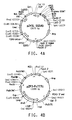
- EaD5SM Synthetic mutant ⁇ 5 desaturase (SEQ ID NO:81; U.S. Pat. Pub. No. 2010-0075386-A1 ), derived from Euglena anabaena ( U.S. Pat. Appl. Pub. No. 2008-0274521-A1 ) (labeled as "EaD5S" in Figure); • OCT: OCT terminator sequence of Yarrowia OCT gene (GenBank Accession No.
- the pZKSL-5S5A5 plasmid was digested with Asc I/ Sph I , and then used for transformation of strain L135U9 according to the General Methods.
- the transformant cells were plated onto MMUraLys plates and maintained at 30 °C for 2 to 3 days. Single colonies were then re-streaked onto MMUraLys plates, and then inoculated into liquid MMUraLys at 30 °C and shaken at 250 rpm/min for 2 days.
- the cells were subjected to fatty acid analysis, according to the General Methods.
- GC analyses showed the presence of ARA in the transformants containing the 3 chimeric genes of pZKSL-5S5A5, but not in the parent L135U9 strain.
- Five strains i.e., #28, #62, #73, #84 and #95) that produced about 32.2%, 32.9%, 34.4%, 32.1% and 38.6% ARA of TFAs were designated as strains Y8000, Y8001, Y8002, Y8003 and Y8004, respectively.
- Further analyses showed that the three chimeric genes of pZKSL-5S5A5 were not integrated into the Lys5 site in the Y8000, Y8001, Y8002, Y8003 and Y8004 strains. All strains possessed a Lys + phenotype.
- strain Y8007 with respect to wildtype Yarrowia lipolytica ATCC #20362 was Pex3 -, unknown 1 -, unknown 2 -, unknown 3 -, Leu +, Lys +, Ura +, YAT1::ME3S::Pex16, GPD::FmD12::Pex20, YAT1::FmD12::Oct, GPAT::EgD9e::Lip2, FBAINm::EgD9eS::Lip2, EXP1::EgD9eS::Lip1, FBAINm::EgD8M::Pex20, EXP1::EgDBM::Pex16, FBAIN::EgD5SM::Pex20, EXP1::EgD5M::Pex16, YAT1::EaD5SM::Oct, YAT1::PaD
- the present Example describes the construction of strain Y8412, derived from Yarrowia lipolytica ATCC #20362, capable of producing about 56% EPA relative to the total lipids via expression of a ⁇ 9 elongase/ ⁇ 8 desaturase pathway.
- GC analyses showed the presence of 22.4%, 21.9% and 21.5% EPA in the pZKUM-transformant strains #1, #2 and #3, respectively, grown on MM + 5-FOA plates. These three strains were designated as strains Y8069U1, Y8069U2, and Y8069U3, respectively (collectively, Y8069U).
- WO 2006/052870 • Aco: Aco terminator sequence from Yarrowia Aco gene (GenBank Accession No. AJ001300) Pme I/ Swa I (10924-13561) FBAIN::EgD8M::Lip1 comprising: • FBAIN: Yarrowia lipolytica FBAIN promoter ( U.S. Patent 7,202,356 ); • EgD8M: Synthetic mutant ⁇ 8 desaturase (SEQ ID NO:59; U.S. Patent 7,709,239 ), derived from Euglena gracilis ("EgD8S"; U.S.
- Construct pZKL1-2SR9G85 ( FIG. 6A ; SEQ ID NO:132) was generated to integrate one DGLA synthase, one ⁇ 12 desaturase gene and one ⁇ 5 desaturase gene into the Lip1 loci (GenBank Accession No. Z50020) of strain Y8154U1 to thereby enable higher level production of EPA.
- a DGLA synthase is a multizyme comprising a ⁇ 9 elongase linked to a ⁇ 8 desaturase.
- E389D9eS CCMP389
- a linker a linker
- the synthetic mutant ⁇ 8 desaturase derived from Euglena gracilis (SEQ ID NO:12) (labeled as individually as “E389S”, “Linker” and "EgD8M” in Figure; U.S. Pat. Appl. Pub. No. 2008-0254191-A1 ); • Lip1: Lip1 terminator sequence from Yarrowia Lip1 gene (GenBank Accession No.
- GPM::EgD5SM::Oct comprising: • GPM: Yarrowia lipolytica GPM promoter (labeled as "GPML" in Figure; U.S. Patent 7,202,356 ); • EgD5SM: Synthetic mutant ⁇ 5 desaturase (SEQ ID NO:71; U.S. Pat. Pub. No. 2010-0075386-A1 ), derived from Euglena gracilis ( U.S. Patent 7,678,560 ) (labeled as "ED5S” in Figure); • OCT: OCT terminator sequence of Yarrowia OCT gene (GenBank Accession No.
- the pZKL1-2SR9G85 plasmid was digested with Asc I/ Sph I , and then used for transformation of strain Y8154U1 according to the General Methods.
- the transformant cells were plated onto MM plates and maintained at 30 °C for 3 to 4 days. Single colonies were re-streaked onto MM plates, and then inoculated into liquid MM at 30 °C and shaken at 250 rpm/min for 2 days.
- the cells were collected by centrifugation, resuspended in HGM and then shaken at 250 rpm/min for 5 days.
- the cells were subjected to fatty acid analysis, according to the General Methods.
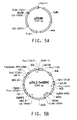
- the pZSCP-Ma83 plasmid contained the following components: Table 9: Description of Plasmid pZSCP-Ma83 (SEQ ID NO:133) RE Sites And Nucleotides Within SEQ ID NO:133 Description Of Fragment And Chimeric Gene Components Bsi WI/ Asc I (1-1328) 1327 bp 3' portion of Yarrowia SCP2 gene (labeled as "SCP2-3"' in Figure; GenBank Accession No. XM_503410) Sph I/ Pac I (4036-5816) 1780 bp 5' portion of Yarrowia SCP2 gene (labeled as "SCP2-5"' in Figure; GenBank Accession No.
- GPD::ME3S::Pex20 comprising: • GPD: Yarrowia lipolytica GPD promoter ( U.S. Patent 7,259,255 ); • ME3S: codon-optimized C 16/18 elongase gene (SEQ ID NO:97), derived from M. alpina ( U.S. Patent 7,470,532 ); • Pex20: Pex20 terminator sequence from Yarrowia Pex20 gene (GenBank Accession No.
- YAT1::MCS::Lip1 comprising: • YAT1: Yarrowia lipolytica YAT1 promoter (labeled as "YAT” in Figure; U.S. Pat. Appl. Pub. No. 2006/0094102-A1 ); • MCS: codon-optimized malonyl-CoA synthetase gene (SEQ ID NO:41), derived from Rhizobium leguminosarum bv. viciae 3841 ( U.S. Pat. Appl. Pub. No.
- the pZSCP-Ma83 plasmid was digested with Asc I/ Sph I, and then used for transformation of strains Y8269U1, Y8269U2 and Y8269U3, separately, according to the General Methods.
- the transformant cells were plated onto MM plates and maintained at 30 °C for 3 to 4 days. Single colonies were re-streaked onto MM plates, and then inoculated into liquid MM at 30 °C and shaken at 250 rpm/min for 2 days. The cells were collected by centrifugation, resuspended in HGM and then shaken at 250 rpm/min for 5 days. The cells were subjected to fatty acid analysis, according to the General Methods.
- strains of Y8269U1 transformed with pZSCP-Ma83 i.e., #59, #61, #65, #67, #70, #81 and #94
- pZSCP-Ma83 i.e., #59, #61, #65, #67, #70, #81 and #94
- EPA of TFAs were designated as strains Y8404, Y8405, Y8406, Y8407, Y8408, Y8409 and Y8410, respectively.
- strains Y2224, Y4001, Y4001 U, Y4036, Y4036U and L135 required the construction of strains Y2224, Y4001, Y4001 U, Y4036, Y4036U and L135 (described in Example 1), strains L135U9 and Y8002 (described in Example 2), strains Y8006U6, Y8069, Y8069U, Y8154, Y8154U, Y8269 and Y8269U (described in Example 3) and strain Y8412U6.
- construct pZKUM ( FIG. 5A ; SEQ ID NO:130; described in Table 15 of U.S. Pat. Appl. Pub. No. 2009-0093543-A1 ) was used to integrate a Ura3 mutant gene into the Ura3 gene of strain Y8412 (Example 3) in a manner similar to that described for pZKUM transformation of strain Y8006 (Example 3). A total of 8 transformants were grown and identified to possess a Ura - phenotype.
- Construct pZKL4-398F2 ( FIG. 7A ; SEQ ID NO:134) was generated to integrate one C 16/18 elongase gene, one DGLA synthase, and one ⁇ 12 desaturase gene into the Yarrowia lipase-like locus (designated as Lip4, GenBank Accession No. XM_503825) of strain Y8412U6 to thereby enable higher level production of EPA.
- the pZKL4-398F2 plasmid contained the following components: Table 11: Description of Plasmid pZKL4-398F2 (SEQ ID NO:134) RE Sites And Nucleotides Within SEQ ID NO:134 Description Of Fragment And Chimeric Gene Components Asc I / Bs i WI (11164-10412) 745 bp 5' portion of Yarrowia Lipase 4 locus (labeled as "Lip4" in Figure; GenBank Accession No. XM 503825) Pac I / Sph I (1-13872) 782 bp 3' portion of Yarrowia Lipase 4 locus (labeled as "Lip4-3"' in Figure; GenBank Accession No.
- GPDIN Yarrowia lipolytica GPDIN promoter
- FmD12 Fusarium moniliforme ⁇ 12 desaturase (SEQ ID NO:91) (labeled as "F.D12" in Figure; U.S. Patent 7,504,259 );
- Pex16 Pex16 terminator sequence from Yarrowia Pex16 gene (GenBank Accession No.
- YAT1::ME3S::Lip1 comprising: • YAT1: Yarrowia lipolytica YAT1 promoter (labeled as "YAT” in Figure; U.S. Pat. Appl. Pub. No. 2006-0094102-A1 ); • ME3S: codon-optimized C 16/18 elongase gene (SEQ ID NO:97), derived from M . alpina ( U.S. Patent 7,470,532 ); • Lip1: Lip1 terminator sequence from Yarrowia Lip1 gene (GenBank Accession No.
- the pZKL4-398F2 plasmid was digested with Asc l/ Sph l , and then used for transformation of strain Y8412U6, according to the General Methods.
- the transformant cells were plated onto MM plates and maintained at 30 °C for 3 to 4 days. Single colonies were re-streaked onto MM plates, and then inoculated into liquid MM at 30 °C and shaken at 250 rpm/min for 2 days.
- the cells were collected by centrifugation, resuspended in HGM and then shaken at 250 rpm/min for 5 days.
- the cells were subjected to fatty acid analysis, according to the General Methods.
- Table 12 summarizes the total dry cell weight of the cells ["DCW'], the total lipid content of cells ["TFAs % DCW”], the concentration of each fatty acid as a weight percent of TFAs ["% TFAs"] and the EPA content as a percent of the dry cell weight ["EPA % DCW”].
- Fatty acids are identified as 16:0 (palmitate), 16:1 (palmitoleic acid), 18:0 (stearic acid), 18:1 (oleic acid), 18:2 (LA), ALA, EDA, DGLA, ARA, ETrA, ETA, EPA and other.
- Table 12 Total Lipid Content And Composition In Yarrowia Strains Y8647, Y8648 Y8649 And Y8650 by Flask Assay Strain DCW (g/L) TFAs % DCW % TFAs EPA % DCW 16:0 16:1 18:0 18:1 18:2 ALA EDA DGLA ARA EtrA ETA EPA other Y8647 3.8 37.6 1.3 0.2 2.1 4.7 20.3 1.7 3.3 3.6 0.7 0.6 3.0 53.6 4.5 20.1 Y8648 3.5 27.8 2.3 0.3 2.7 4.3 18.6 2.3 2.1 2.2 0.6 0.6 1.9 56.7 4.9 15.7 Y8649 3.6 27.9 2.4 0.3 2.9 3.7 18.8 2.2 2.1 2.4 0.6 0.8 2.1 55.8 5.5 15.6 Y8650 3.5 28.2 2.2 0.3 2.9 3.8 18.8 2.4 2.1 2.4 0.6 0.6 2.1 56.1 5.3 15.8
- the present Example describes the construction of strain Y9028, derived from Yarrowia lipolytica ATCC #20362, capable of producing about 54.5% EPA relative to the total lipids with 39.6% total lipid content ["TFAs % DCW"] via expression of a ⁇ 9 elongase/ ⁇ 8 desaturase pathway.
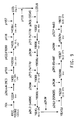
- the development of strain Y9028 ( FIG.
- Construct pZP2-85m98F ( FIG. 7B ; SEQ ID NO:135) was generated to integrate one ⁇ 8 desaturase gene, one DGLA synthase and one ⁇ 5 desaturase gene into the Yarrowia Pox2 locus (GenBank Accession No. AJ001300) of strain Y8647U3 to thereby enable higher level production of EPA.
- the pZP2-85m98F plasmid contained the following components: Table 13: Description of Plasmid pZP2-85m98F (SEQ ID NO:135) RE Sites And Nucleotides Within SEQ ID NO:135 Description Of Fragment And Chimeric Gene Components Asc I/ Bsi WI (5986-5176) 810 bp 5' portion of Yarrowia Pox2 gene (GenBank Accession No. AJ001300) Pac I/ Sph I (9349-8694) 655 bp 3' portion of Yarrowia Pox2 gene (GenBank Accession No.
- GPD::EaD8S::Pex16 comprising: • GPD: Yarrowia lipolytica GPD promoter ( U.S. Patent 7,259,255 ); • EaD8S: codon-optimized ⁇ 8 desaturase gene (SEQ ID NO:63), derived from Euglena anabaena ( U.S. Pat. Appl. Pub. No. 2008-0254521-A1 ); • Pex16: Pex16 terminator sequence from Yarrowia Pex16 gene (GenBank Accession No. U75433) Sal I/ Eco RI (14170 -12551) Yarrowia Ura3 gene (GenBank Accession No.
- EgD9eS/EgD8M gene fusion comprising a codon-optimized ⁇ 9 elongase derived from Euglena gracilis ("EgD9eS”), a linker, and the synthetic mutant ⁇ 8 desaturase derived from Euglena gracilis (“EgD8M”) (SEQ ID NO:8) (labeled as individually as “EgD9eS", “Linker” and "EgD8M” in Figure; U.S. Pat. Appl. Pub. No. 2008-0254191-A1 ); • Aco: Aco terminator sequence from Yarrowia Aco gene (GenBank Accession No. AJ001300)
- Table 14 summarizes the total dry cell weight of the cells ["DCW'], the total lipid content of cells ["TFAs % DCW”], the concentration of each fatty acid as a weight percent of TFAs ["% TFAs”] and the EPA content as a percent of the dry cell weight ["EPA % DCW”]. More specifically, fatty acids are identified as 16:0 (palmitate), 16:1 (palmitoleic acid), 18:0 (stearic acid), 18:1 (oleic acid), 18:2 (LA), ALA, EDA, DGLA, ARA, ETrA, ETA, EPA and other.
- strain Y9481 and Y9502 derived from Yarrowia lipolytica ATCC #20362 and expressing a ⁇ 9 elongase/ ⁇ 8 desaturase pathway.
- Strain Y9481 is capable of producing about 60.9% EPA relative to the total lipids with 35% total lipid content ["TFAs % DCW"]
- strain Y9502 is capable of producing about 57% EPA relative to the total lipids with 37.1 % TFAs % DCW.
- strains Y9481 and Y9502 required the construction of strains Y2224, Y4001, Y4001 U, Y4036, Y4036U and L135 (described in Example 1), strains L135U9 and Y8002 (described in Example 2), strains Y8006U6, Y8069, Y8069U, Y8154, Y8154U, Y8269 and Y8269U (described in Example 3), strains Y8412U6 and Y8647 (described in Example 4), strains Y8467U and Y9028 (described in Example 5) and strain Y9028U.
- construct pZKUM ( FIG. 5A ; SEQ ID NO:130; described in Table 15 of U.S. Pat. Appl. Pub. No. 2009-0093543-A1 ) was used to integrate a Ura3 mutant gene into the Ura3 gene of strain Y9028 (Example 5) in a manner similar to that described for pZKUM transformation of strain Y8006 (Example 3). A total of 8 transformants were grown and identified to possess a Ura- phenotype.
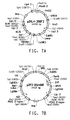
- FIG. 8A Construct pZK16-ML8N ( FIG. 8A ; SEQ ID NO:136) was generated to integrate one ⁇ 8 desaturase gene, one malonyl-CoA synthetase gene, and one lysophosphatidic acid acyltransferase gene ["LPAAT"] into the Yarrowia YALI0B14795p locus (GenBank Accession No. XM_500900) of strain Y9028U2.
- the pZK16-ML8N plasmid contained the following components: Table 15: Description of Plasmid pZK16-ML8N (SEQ ID NO:136) RE Sites And Nucleotides Within SEQ ID NO:136 Description Of Fragment And Chimeric Gene Components Asc I/ Bsi WI (1905-1) 1904 bp 5' portion of YALl0B14795p locus (GenBank Accession No. XM_500900, labeled as "Y8716-5"' in Figure) Pac I/ Sph I (6414-4613) 1801 bp 3' portion of YALl0B14795p locus (GenBank Accession No.
- XM_500900 labeled as "Y8716-3"' in Figure
- Swa I/ Bsi WI (12920 - 1) YAT1::EgD8M::Pex20, comprising: • YAT1: Yarrowia lipolytica YAT1 promoter (labeled as "YAT” in Figure; U.S. Pat. Appl. Pub. No. 2006-0094102-A1 ); • EgD8M: Synthetic mutant ⁇ 8 desaturase (SEQ ID NO:59; U.S. Patent 7,709,239 ), derived from Euglena gracilis ("EgD8S"; U.S.
- Patent 7,256,033 • Pex20: Pex20 terminator sequence from Yarrowia Pex20 gene (GenBank Accession No. AF054613) Pme I/ Sw aI (10534-12920) FBA::MCS::Lip1, comprising: • FBA: Yarrowia lipolytica FBA promoter ( U.S. Patent 7,202,356 ); • MCS: codon-optimized malonyl-CoA synthetase gene (SEQ ID NO:41), derived from Rhizobium leguminosarum bv. viciae 3841 ( U.S. Pat. Appl. Pub. No.
- Lip1 Lip1 terminator sequence from Yarrowia Lip1 gene (GenBank Accession No. Z50020) ClaI I/ Pme I (8515-10534) YAT1::MaLPAAT1S::Pex16, comprising: • YAT1: Yarrowia lipolytica YAT1 promoter (labeled as "YAT" in Figure; U.S. Pat. Appl. Pub. No. 2006-0094102-A1 ); • MaLPMT1S: codon-optimized lysophosphatidic acid acyltransferase gene (SEQ ID NO:35), derived from Mortierella alpina ( U.S. Pat. Appl. Pub. No.
- the pZK16-ML8N plasmid and pZK16-ML plasmid were each individually digested with Asc l/ Sph l , and then used separately for transformation of strain Y9028U2, according to the General Methods.
- the transformant cells were plated onto MM plates and maintained at 30 °C for 3 to 4 days. Single colonies were re-streaked onto MM plates, and then inoculated into liquid MM at 30 °C and shaken at 250 rpm/min for 2 days. The cells were collected by centrifugation, resuspended in HGM and then shaken at 250 rpm/min for 5 days. The cells were subjected to fatty acid analysis, according to the General Methods.
- Table 16 summarizes the total dry cell weight of the cells ["DCW'], the total lipid content of cells ["TFAs % DCW”], the concentration of each fatty acid as a weight percent of TFAs ["% TFAs”] and the EPA content as a percent of the dry cell weight ["EPA % DCW”]. More specifically, fatty acids are identified as 16:0 (palmitate), 16:1 (palmitoleic acid), 18:0 (stearic acid), 18:1 (oleic acid), 18:2 (LA), ALA, EDA, DGLA, ARA, ETrA, ETA, EPA and other.
- the present Example describes the construction of strain Y8672, derived from Yarrowia lipolytica ATCC #20362, capable of producing about 61.8% EPA relative to the total lipids with 26.5% total lipid content ["TFAs % DCW"] via expression of a ⁇ 9 elongase/ ⁇ 8 desaturase pathway.
- the development of strain Y8672 ( FIG.
- strains Y2224, Y4001, Y4001 U, Y4036, Y4036U and L135 required the construction of strains Y2224, Y4001, Y4001 U, Y4036, Y4036U and L135 (described in Example 1), strains L135U9 and Y8002 (described in Example 2), strains Y8006U6, Y8069, Y8069U (described in Example 3) and strains Y8145, Y8145U, Y8259, Y8259U, Y8367 and Y8367U.
- Construct pZKL2-5m89C ( FIG. 10 ; SEQ ID NO:138) was generated to integrate one ⁇ 5 desaturase gene, one ⁇ 9 elongase gene, one ⁇ 8 desaturase gene, and one Y. lipolytica diacylglycerol cholinephosphotransferase gene (CPT1) into the Lip2 loci (GenBank Accession No. AJ012632) of strain Y8069U3 (Example 3) to thereby enable higher level production of EPA.
- CPT1 lipolytica diacylglycerol cholinephosphotransferase gene
- GPD::YICPT1::Aco comprising: • GPD: Yarrowia lipolytica GPD promoter ( U.S. Patent 7,259,255 ); • YICPT1: Yarrowia lipolytica diacylglycerol cholinephosphotransferase gene (SEQ ID NO:37) (Intl. App. Pub. No. WO 2006/052870 ); • Aco: Aco terminator sequence from Yarrowia Aco gene (GenBank Accession No.
- the pZKL2-5m89C plasmid was digested with Asc l/ Sph l , and then used for transformation of strain Y8069U3 according to the General Methods.
- the transformant cells were plated onto MM plates and maintained at 30 °C for 3 to 4 days. Single colonies were re-streaked onto MM plates, and then inoculated into liquid MM at 30 °C and shaken at 250 rpm/min for 2 days. The cells were collected by centrifugation, resuspended in HGM and then shaken at 250 rpm/min for 5 days. The cells were subjected to fatty acid analysis, according to the General Methods.
- GC analyses showed that there were 22.5%, 22.6% and 23.4% EPA of TFAs in pZKUM-transformant strains #5, #6 and #7, respectively. These three strains were designated as strains Y8145U1, Y8145U2 and Y8145U3, respectively (collectively, Y8145U).
- Construct pZKL1-2SR9G85 (Example 3, FIG. 6A ; SEQ ID NO:132) was generated to integrate one DGLA synthase gene, one ⁇ 12 desaturase gene and one ⁇ 5 desaturase gene into the Lip1 loci (GenBank Accession No. Z50020) of strain Y8145U to thereby enable higher level production of EPA.
- the pZKL1-2SR9G85 plasmid was digested with Ascl/Sphl, and then used for transformation of strain Y8145U1, in a manner similar to that described for pZKL1-2SR9G85 transformation of strain Y8154U1 (Example 3).
- the cells were subjected to fatty acid analysis, according to the General Methods.
- Yarrowia lipolytica strain Y8259 was deposited with the American Type Culture Collection on May 14, 2009 and bears the designation ATCC PTA-10027.
- construct pZKUM ( FIG. 5A ; SEQ ID NO:130; described in Table 15 of U.S. Pat. Appl. Pub. No. 2009-0093543-A1 ) was used to integrate a Ura3 mutant gene into the Ura3 gene of strain Y8259 in a manner similar to that described for pZKUM transformation of strain Y8006 (Example 3). A total of 8 transformants were grown and identified to possess a Ura - phenotype.
- Construct pZP2-85m98F (Example 5, FIG. 7B ; SEQ ID NO:135) was generated to integrate one ⁇ 8 desaturase gene, one DGLA synthase, and one ⁇ 5 desaturase gene into the Yarrowia Pox2 locus (GenBank Accession No. AJ001300) of strain Y8259U to thereby enable higher level production of EPA.
- the pZP2-85m98F plasmid was digested with Asc l lSph l , and then used for transformation of strain Y8259U, in a manner similar to that described for pZP2-85m98F transformation of strain Y8647U3 (Example 5).
- the cells were subjected to fatty acid analysis, according to the General Methods.
- construct pZKUM ( FIG. 5A ; SEQ ID NO:130; described in Table 15 of U.S. Pat. Appl. Pub. No. 2009-0093543-A1 ) was used to integrate a Ura3 mutant gene into the Ura3 gene of strain Y8367 in a manner similar to that described for pZKUM transformation of strain Y8006 (Example 3). A total of 8 transformants were grown and identified to possess a Ura- phenotype.
- Construct pZSCP-Ma83 (Example 3, FIG. 6B ; SEQ ID NO:133) was generated to integrate one ⁇ 8 desaturase gene, one C 16/18 elongase gene and one malonyl-CoA synthetase gene into the SCP2 loci (GenBank Accession No. XM_503410) of strain Y8637U to thereby enable higher level production of EPA.
- the pZSCP-Ma83 plasmid was digested with Asc I/ Sph I, and then used for transformation of strain Y8367U1, in a manner similar to that described for pZSCP-Ma83 transformation of strain Y8269U1 (Example 3).
- the cells were subjected to fatty acid analysis, according to the General Methods.
- LPLAT ORFs included the Saccharomyces cerevisiae Ale1, Yarrowia lipolytica Ale1, Mortierella alpina LPAAT1, Yarrowia lipolytica LPAAT1 and Caenorhabditis elegans LPCAT.
- Example 9 describes the results obtained following transformation of these vectors into Yarrowia lipolytica strain Y8406U.
- LPLATs have been identified in the patent and open literature, but the functionality of these genes has not been previously directly compared.
- Table 22 summarizes publicly available LPLATs (i.e., ScAle1, ScLPAAT, MaLPAAT1 and CeLPCAT) and LPLAT orthologs identified herein (i.e., YIAle1 and YILPAAT1) that are utilized in the present Example, following codon-optimization of heterologous genes for expression in Yarrowia lipolytica ( infra ).
- ScLPAAT SEQ ID NO:32
- ScAle1 SEQ ID NO:15
- the ScLPAAT and ScAle1 SEQ ID NO:15
- the Ale1 and LPAAT orthologs from Yarrowia lipolytica are identified herein as YIAle1 (SEQ ID NO:17) and YlLPAAT (SEQ ID NO:31), respectively.
- YIAle1 and YILPAAT1 as orthologs of ScAle1 and ScLPAAT, respectively, was further confirmed by doing a reciprocal BLAST, i.e., using SEQ ID NOs:17 and 31 as a query against the Saccharomyces cerevisiae public protein database to find ScAle1 and ScLPAAT, repectively, as the best hits.
- the percent identities revealed by this method allowed determination of the minimum percent identity between each of the LPAAT polypeptides and the minimum percent identity between each of the Ale1 polypeptides.
- the range of identity between LPAAT polypeptides was 34.0% identity (MaLPAAT1 and Y1LPAAT1) to 43.9% identity (ScLPAAT and YILPAAT1), while identity between the ScAle1 and YIAle1 polypeptides was 45%.
- these motifs were appropriately truncated to fit with 0 mismatch (i.e., SAxWHG [SEQ ID NO:20]), 1 mismatch (i.e., RxKYYxxW [SEQ ID NO:19]), or 2 mismatches (i.e., M(V/I)(L/I)xxK(LVI) [SEQ ID NO:18]) for the purposes of the present methodologies.
- the EGTR (SEQ ID NO:20) motif while lacking in the LPCAT sequences in Intl. App. Pub. No. WO 2004/087902 , is present in CeLPCAT (SEQ ID NO:2). It appears that other residues distinguish LPAAT and LPCAT sequences in LPAAT-like proteins. One such residue could be the extension of the EGTR (SEQ ID NO:20) motif. Specifically, whereas the EGTR motif in ScLPAAT (SEQ ID NO:18), MaLPAAT1 (SEQ ID NO:15) and YILPAAT1 (SEQ ID NO:17) is immediately followed by a serine residue, the EGTR motif in CeLPCAT is immediately followed by an asparagine residue. In contrast, the two LPCATs in Intl. App. Pub. No. WO 2004/087902 have a valine substituted for the arginine residue in the EGTR motif and the motif is immediately followed by a valine residue.
- the Saccharomyces cerevisiae ORF designated as "ScAle1" was optimized for expression in Yarrowia lipolytica, by DNA 2.0 (Menlo Park, CA). In addition to codon optimization, 5' Pci1 and 3' Not 1 cloning sites were introduced within the synthetic gene (i.e., ScAle1S; SEQ ID NO:22). None of the modifications in the ScAle1S gene changed the amino acid sequence of the encoded protein (i.e., the protein sequence encoded by the codon-optimized gene [i.e., SEQ ID NO:23] is identical to that of the wildtype protein sequence [i.e., SEQ ID NO:15]). ScAle1S was cloned into pJ201 (DNA 2.0) to result in pJ201:ScAle1S.
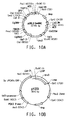
- pY201 A 1863 bp Pci 1/ Not 1 fragment comprising ScAle1S was excised from pJ201:ScAle1S and used to create pY201 (SEQ ID NO:139; Table 25; FIG. 10A ).
- pY201 also contains a Y. lipolytica URA3 selection marker flanked by LoxP sites for subsequent removal, if needed, by Cre recombinase-mediated recombination.
- Both the YAT1::ScAle1S::Lip1 chimeric gene and the URA3 gene were flanked by fragments having homology to 5' and 3' regions of the Y. lipolytica Pox3 gene to facilitate integration by double homologous recombination, although integration into Y. lipolytica is known to usually occur without homologous recombination.
- construct pY201 thereby contained the following components: Table 25: Description of Plasmid pY201 (SEQ ID NO:139) RE Sites And Nucleotides Within SEQ ID NO:139 Description Of Fragment And Chimeric Gene Components Bsi W1/ Sbf 1 (1-1706 bp) LoxP:: Ura 3::LoxP, comprising: • LoxP sequence (SEQ ID NO: 140) • Yarrowia lipolytica Ura3 gene (GenBank Accession No.
- the Yarrowia lipolytica ORF designated as "YIAle1" was amplified by PCR from Yarrowia lipolytica ATCC #20362 cDNA library using PCR primers 798 and 799 (SEQ ID NOs:141 and 142, respectively). Additionally, the YAT promoter was amplified by PCR primers 800 and 801 (SEQ ID NOs:143 and 144, respectively) from pY201 (SEQ ID NO:139).
- a YAT1::YIAle1 fusion fragment was then amplified by overlapping PCR using primers 798 and 801 (SEQ ID NOs:141 and 144, respectively) and the two PCR fragments as template.
- the PCR was carried out in a RoboCycler Gradient 40 PCR machine (Stratagene) using the manufacturer's recommendations and Pfu UltraTM High-Fidelity DNA Polymerase (Stratagene, Cat. No. 600380).
- Amplification was carried out as follows: initial denaturation at 95 °C for 4 min, followed by 30 cycles of denaturation at 95 °C for 30 sec, annealing at 55 °C for 1 min, and elongation at 72 °C for 1 min. A final elongation cycle at 72 °C for 10 min was carried out, followed by reaction termination at 4 °C.
- YIAle1 is labeled as "YI LPCAT" in FIG. 10B .
- a 945 bp Pci 1/ Not 1 fragment comprising MaLPAAT1S was excised from pJ201:MaLPAAT1S and used to create pY208 (SEQ ID NO:146), in a 3-way ligation with two fragments of pY201 (SEQ ID NO:139). Specifically, the MaLPAAT1 fragment was ligated with a 3530 bp Sph-Not I pY201 fragment and a 4248 bp Nco I -Sph I pY201 fragment to result in pY208.
- the components present in pY208 FIG.
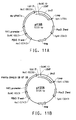
- SEQ ID NO:146 are identical to those present in pY201, with the exception of the YAT1::MaLPAAT1S::Lip1 gene in pY208, instead of the YAT1::ScAle1S::Lip1 gene in pY201 ( FIG. 10A ).
- YILPAAT1 A putative LPAAT1 from Yarrowia lipolytica (designated herein as "YILPAAT1"; SEQ ID NOs:30 and 31) was described in U.S. Patent 7,189,559 and GenBank Accession No. XP_504127.
- the protein is annotated as "similar to uniprot
- the YILPAAT1 ORF (SEQ ID NO:30) was amplified by PCR using a Yarrowia lipolytica ATCC #20362 cDNA library as a template and PCR primers 856 and 857 (SEQ ID NOs:147 and 148, respectively). The PCR was conducted using the same components and conditions as described above for amplification of the YAT1::YI Ale1 fusion fragment, prior to synthesis of pY168.
- YILPAAT1 is labeled as "YI LPAT1 ORF" in FIG. 11B .
- CeLPCAT The Caenorhabditis elegans ORF designated as "CeLPCAT” (SEQ ID NO:24) was optimized for expression in Yarrowia lipolytica, by GenScript Corporation (Piscataway, NJ). In addition to codon optimization, 5' Nco 1 and 3' Not 1 cloning sites were introduced within the synthetic gene (i.e., CeLPCATS; SEQ ID NO:26). None of the modifications in the CeLPCATS gene changed the amino acid sequence of the encoded protein (i.e., the protein sequence encoded by the codon-optimized gene [i.e., SEQ ID NO:27] is identical to that of the wildtype protein sequence [i.e., SEQ ID NO:25]).
- a Nco 1- Not 1 fragment comprising CeLPCATS was used to create pY175 (SEQ ID NO:150), in a 3-way ligation with two fragments from pY168 (SEQ ID NO:145). Specifically, the Nco 1- Not 1 fragment comprising CeLPCATS was ligated with a 3530 bp Sph-Not I pY168 fragment and a 4248 bp Nco I -Sph I pY168 fragment to result in pY175. The components present in pY175 ( FIG.
- Yarrowia lipolytica strain Y8406U producing EPA, was used to functionally characterize the effects of overexpression of the Saccharomyces cerevisiae Ale1, Yarrowia lipolytica Ale1, Mortierella alpina LPAAT1, Yarrowia lipolytica LPAAT1 and Caenorhabditis elegans LPCAT, following their stable integration into the Yarrowia host chromosome. This was in spite of the host containing its native LPLATs, i.e., Ale1 and LPAAT1.
- construct pZKUM ( FIG. 5A ; SEQ ID NO:130; described in Table 15 of U.S. Pat. Appl. Pub. No. 2009-0093543-A1 ) was used to integrate a Ura3 mutant gene into the Ura3 gene of strain Y8406 in a manner similar to that described for pZKUM transformation of strain Y8006 (Example 3).
- Several transformants were grown and identified to possess a Ura - phenotype.
- Yarrowia lipolytica strain Y8406U was then individually transformed with linear Sph I- Asc I fragments of the integrating vectors described in Example 8, wherein each LPLAT was under the control of the Yarrowia YAT1 promoter.
- vectors pY201 YAT1::ScAle1S::Lip1
- pY168 YAT1::YlAle1::Lip1
- pY208 YAT1::MaLPAAT1S::Lip1
- pY207 YAT1::YILPAAT1::Lip1
- pY175 YAT1::CeLPCATS::Lip1
- Experiment 1 compared control strain Y8406 versus strain Y8406U::ScAle1S-5.
- Experiment 2 compared control strain Y8406 versus strain Y8406U::YIAle1.
- Experiment 3 compared control strain Y8406 versus strain Y8406U::YIAle1, strain Y8406U::ScAle1S-11, and strain Y8406U::MaLPAAT1S.
- Experiment 4 compared control strain Y8406 versus strain Y8406U::MaLPAAT1S, strain Y8406U::YILPAAT1 and strain Y8406U::CeLPCATS.
- fatty acids are identified as 16:0 (palmitate), 16:1 (palmitoleic acid), 18:0 (stearic acid), 18:1 (oleic acid), 18:2 (LA), ALA, EDA, DGLA, ARA, ETrA, ETA and EPA.
- Table 27 summarizes the conversion efficiency of each desaturase and the ⁇ 9 elongase functioning in the PUFA biosynthetic pathway and which are required for EPA production.
- the ⁇ 12 desaturase conversion efficiency [" ⁇ 12 CE”] ⁇ 8 desaturase conversion efficiency [" ⁇ 8 CE”]
- ⁇ 5 desaturase conversion efficiency [" ⁇ 5 CE”] ⁇ 17 desaturase conversion efficiency [" ⁇ 17 CE”]
- ⁇ 9 elongation conversion efficiency [" ⁇ 9e CE”] are provided for each control Y8406 strain and the transformant Y8406U strain(s); data for each Y8406U transformant is presented as a % of the Y8406 control.
- Y8406U::YIAle1 has lower LA % TFAs, higher EPA % TFAs, better ⁇ 9 elongation conversion efficiency, and slightly lower TFAs % DCW and EPA % DCW.
- Y8406U::YIAle1 and Y8406U::MaLPAAT1S are similar except overexpression of MaLPAAT1S resulted in lower LA % TFAs, EPA % TFAs, and EPA % DCW.
- Y8406U::YLPAAT1 and Y8406U::MaLPAAT1S both have lower LA % TFAs, higher EPA % TFAs, higher EPA % DCW, and slightly better TFAs % DCW.
- Y8406U::YILPAAT1 and Y8406U::MaLPAAT1 S are similar except overexpression of MaLPAAT1S results in lower LA % TFAs, slightly lower EPA % TFAs and EPA % DCW, and slightly better ⁇ 9 elongase conversion efficiency.
- CeLPCAT was previously shown to improve ⁇ 6 elongation conversion efficiency in Saccharomyces cerevisiae fed LA or GLA (Intl App. Pub. No. WO 2004/076617 ). This was attributed to its reversible LPCAT activity that released fatty acids from phospholipids into the CoA pool. An improvement in ⁇ 9 elongation conversion efficiency in an oleaginous microbe, such as Yarrowia lipolytica, engineered for high level LC-PUFA production in the absence of feeding fatty acids was not contemplated in Intl. App. Pub. No. WO 2004/076617 .
- Futhermore, expression of ScAle1S, YIAle1, MaLPAAT1S, YILPAAT1 and CeLPCATS did not significantly alter either the level of PUFAs accumulated or the total lipid content in strains of Yarrowia producing EPA.
- the present example describes the construction of vectors comprising autonomously replicating sequences ["ARS"] and LPAAT ORFs suitable for LPAAT gene expression without integration in Yarrowia lipolytica.
- ORFs included the Saccharomyces cerevisiae LPAAT encoding SEQ ID NO:32 and the Yarrowia lipolytica LPAAT1 encoding SEQ ID NO:31.
- Example 11 describes the results obtained following transformation of these vectors into Y. lipolytica.
- the Saccharomyces cerevisiae ORF designated as "ScLPAAT” was optimized for expression in Yarrowia lipolytica, by DNA 2.0 (Menlo Park, CA). In addition to codon optimization, 5' Pci1 and 3' Not1 cloning sites were introduced within the synthetic gene (i.e., ScLPAATS; SEQ ID NO:151). None of the modifications in the ScLPAATS gene changed the amino acid sequence of the encoded protein (i.e., the protein sequence encoded by the codon-optimized gene [i.e., SEQ ID NO:152] is identical to that of the wildtype protein sequence [i.e., SEQ ID NO:32]). ScLPAATS was cloned into pJ201 (DNA 2.0) to result in pJ201:ScLPAATS.
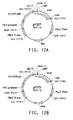
- pY177 contained the following components: Table 29: Description of Plasmid pY177 (SEQ ID NO:156) RE Sites And Nucleotides Within SEQ ID NO:156 Description Of Fragment And Chimeric Gene Components Bsi W1/ Sbf 1 (1-1706 bp) LoxP:: Ura3 ::LoxP, comprising: • LoxP sequence (SEQ ID NO:140) • Yarrowia lipolytica Ura3 gene (GenBank Accession No.
- Yarrowia lipolytica strain Y8406U producing EPA, was used to functionally characterize the effects of expression of the Saccharomyces cerevisiae LPAATS (SEQ ID NO:151) and Yarrowia lipolytica LPAAT1 (SEQ ID NO:30) without integration on self-replicating plasmids. This was in spite of the host containing its native LPAATs.
- Yarrowia lipolytica strain Y8406U (Example 9) was individually transformed with uncut plasmids from Example 10. Specifically, vectors pY177 (YAT1::YILPAAT1::Lip1) [SEQ ID NO:156] and pY222 (YAT1::ScLPAATS::Lip1) [SEQ ID NO:153] were transformed according to the General Methods.
- CSM-U medium refers to CM Broth with glucose minus uracil containing 0.13% amino acid dropout powder minus uracil, 0.17% yeast nitrogen base, 0.5% (NH 4 ) 2 SO 4 , and 2.0% glucose.
- CSM-U medium refers to CM Broth with glucose minus uracil containing 0.13% amino acid dropout powder minus uracil, 0.17% yeast nitrogen base, 0.5% (NH 4 ) 2 SO 4 , and 2.0% glucose.
- HGM medium Cat. No. 2G2080, Teknova Inc.
- 1 mL aliquots of the cultures were harvested and analyzed by GC, as described in Example 9.
- strain Y8406U transformed with expression vector pY222 (comprising ScLPAATS) were selected and designated as "Y8406U::ScLPAATS-5" and "Y8406U::ScLPAATS-6", respectively;
- clone #1 of strain Y8406U transformed with expression vector pY177 (comprising YILPAAT1) was selected and designated as "Y8406U::YILPAAT1".
- strain Y8406 (a Ura+ strain that was parent to strain Y8406U (Ura-)) was used as a control.
- the lipid content, fatty acid composition and EPA as a percent of the DCW are quantified for 2 replicate cultures ["Replicates”] of the control Y8406 strain and the transformant Y8406U strain(s). Additionally, data for each Y8406U transformant is presented as a % of the Y8406 control. Table 30 below summarizes the total lipid content of cells ["TFAs % DCW”], the concentration of each fatty acid as a weight percent of TFAs ["% TFAs"] and the EPA content as a percent of the dry cell weight ["EPA % DCW"].
- Table 31 summarizes the conversion efficiency of each desaturase and the ⁇ 9 elongase functioning in the PUFA biosynthetic pathway and which are required for EPA production, in a manner identical to that described in Example 9.
- Table 30 Lipid Content And Composition In ScLPAATS and YILPAAT1 Transformant Strains Of Yarrowia lipolytica Y8406 Strain Repli cates TFA % DCW % TFAs EPA % DCW 16: 0 16: 1 18: 0 18: 1 18:2 ALA EDA DGLA ARA ERA ETA EPA Y8406 AVG.2 22.0 2 0 2 4 19 2 3 4 1 2 3 55 12 Y8406U:: YILPAAT1 AVG.2 24.6 2 1 2 6 14 1 3 5 1 2 3 55 14 % Ctrl 112 98 153 102 148 76 50 120 144 101 109 123 101 113 Y8406U:: ScLPAATS-5 AVG.
Landscapes
- Chemical & Material Sciences (AREA)
- Life Sciences & Earth Sciences (AREA)
- Organic Chemistry (AREA)
- Engineering & Computer Science (AREA)
- Zoology (AREA)
- Wood Science & Technology (AREA)
- Health & Medical Sciences (AREA)
- Genetics & Genomics (AREA)
- Bioinformatics & Cheminformatics (AREA)
- Biotechnology (AREA)
- Microbiology (AREA)
- Biochemistry (AREA)
- General Engineering & Computer Science (AREA)
- General Health & Medical Sciences (AREA)
- Oil, Petroleum & Natural Gas (AREA)
- Chemical Kinetics & Catalysis (AREA)
- General Chemical & Material Sciences (AREA)
- Polymers & Plastics (AREA)
- Biomedical Technology (AREA)
- Food Science & Technology (AREA)
- Molecular Biology (AREA)
- Mycology (AREA)
- Animal Husbandry (AREA)
- Medicinal Chemistry (AREA)
- Nutrition Science (AREA)
- Physiology (AREA)
- Pediatric Medicine (AREA)
- Marine Sciences & Fisheries (AREA)
- Birds (AREA)
- Plant Pathology (AREA)
- Sustainable Development (AREA)
- Biophysics (AREA)
- Insects & Arthropods (AREA)
- Physics & Mathematics (AREA)
- Preparation Of Compounds By Using Micro-Organisms (AREA)
- Micro-Organisms Or Cultivation Processes Thereof (AREA)
- Fodder In General (AREA)
- Fats And Perfumes (AREA)
- General Preparation And Processing Of Foods (AREA)
- Enzymes And Modification Thereof (AREA)
Applications Claiming Priority (2)
| Application Number | Priority Date | Filing Date | Title |
|---|---|---|---|
| US18736809P | 2009-06-16 | 2009-06-16 | |
| PCT/US2010/038539 WO2010147907A1 (en) | 2009-06-16 | 2010-06-14 | High eicosapentaenoic acid oils from improved optimized strains of yarrowia lipolytica |
Publications (2)
| Publication Number | Publication Date |
|---|---|
| EP2442666A1 EP2442666A1 (en) | 2012-04-25 |
| EP2442666B1 true EP2442666B1 (en) | 2015-04-08 |
Family
ID=42938275
Family Applications (1)
| Application Number | Title | Priority Date | Filing Date |
|---|---|---|---|
| EP10730624.3A Active EP2442666B1 (en) | 2009-06-16 | 2010-06-14 | High eicosapentaenoic acid oils from improved optimized strains of yarrowia lipolytica |
Country Status (9)
| Country | Link |
|---|---|
| EP (1) | EP2442666B1 (enExample) |
| JP (2) | JP2012530182A (enExample) |
| CN (1) | CN102595917A (enExample) |
| AU (1) | AU2010260234B2 (enExample) |
| BR (1) | BRPI1009731A2 (enExample) |
| CA (1) | CA2765911C (enExample) |
| CL (1) | CL2011003163A1 (enExample) |
| DK (1) | DK2442666T3 (enExample) |
| WO (1) | WO2010147907A1 (enExample) |
Families Citing this family (10)
| Publication number | Priority date | Publication date | Assignee | Title |
|---|---|---|---|---|
| US20120040076A1 (en) * | 2010-08-11 | 2012-02-16 | E. I. Du Pont De Nemours And Company | Aquaculture feed compositions |
| AU2011353002A1 (en) * | 2010-12-30 | 2013-05-30 | E. I. Du Pont De Nemours And Company | Use of Saccharomyces cerevisiae SUC2 gene in Yarrowia lipolytica for sucrose utilization |
| EP2734626B1 (en) * | 2011-07-21 | 2020-12-16 | DSM IP Assets B.V. | Microbial oils enriched in polyunsaturated fatty acids |
| CN108330114B (zh) * | 2018-03-21 | 2020-11-03 | 北京大学 | 一种利用epa的甘油二酯酰基转移酶及其应用 |
| US20210047663A1 (en) * | 2018-04-26 | 2021-02-18 | Nippon Suisan Kaisha, Ltd. | Microbial oil/lipid and method for producing microbial oil/lipid |
| CN112391401B (zh) * | 2019-08-14 | 2022-09-27 | 中国科学院青岛生物能源与过程研究所 | 一种提高解脂耶氏酵母油脂产量的方法 |
| FR3103355B1 (fr) | 2019-11-26 | 2024-05-31 | Polaris | Composition d’huile de micro-organismes enrichie en acides gras polyinsaturés |
| KR102332395B1 (ko) * | 2020-03-09 | 2021-11-29 | 씨제이제일제당 주식회사 | 야로위아 속 변이체 및 이를 이용한 지방의 제조 방법 |
| JP2026035973A (ja) * | 2024-08-20 | 2026-03-05 | 学校法人帝京大学 | 魚類用飼料及び魚類の製造方法 |
| CN119351458B (zh) * | 2024-11-27 | 2026-07-03 | 中国科学院遗传与发育生物学研究所 | 高粱双粒性状基因SbDG2及其在调控双粒高粱形成中的应用 |
Family Cites Families (35)
| Publication number | Priority date | Publication date | Assignee | Title |
|---|---|---|---|---|
| US4670285A (en) | 1982-08-06 | 1987-06-02 | The University Of Toronto Innovations Foundation | Infant formula |
| US4880741A (en) | 1983-10-06 | 1989-11-14 | Pfizer Inc. | Process for transformation of Yarrowia lipolytica |
| US5071764A (en) | 1983-10-06 | 1991-12-10 | Pfizer Inc. | Process for integrative transformation of yarrowia lipolytica |
| US4792523A (en) | 1984-08-31 | 1988-12-20 | Cetus Corporation | 3'Expression enhancing fragments and method |
| US5648564A (en) | 1995-12-21 | 1997-07-15 | Kemin Industries, Inc. | Process for the formation, isolation and purification of comestible xanthophyll crystals from plants |
| FR2774588B1 (fr) | 1998-02-11 | 2000-05-05 | Oreal | Composition cosmetique ou dermatologique contenant au moins une proteine de soie d'arachnides naturelle, recombinante ou un analogue |
| US6797303B2 (en) | 2001-09-04 | 2004-09-28 | Lycored Natural Products Industries Ltd. | Carotenoid extraction process |
| BRPI0407138A (pt) | 2003-02-27 | 2006-01-10 | Basf Plant Science Gmbh | Sequência de ácido nucleico isolada, sequência de aminoácido, construção de gene, vetor, organismo transgênico não humano, processo para produzir ácidos graxos poliinsaturados, óleo, lipìdeo, ou um ácido graxo poliinsaturado ou uma fração dos mesmos, composições de óleo, de lipìdeos, ou de ácido graxo, e, uso do óleo, lipìdeos ou ácidos graxos ou de composições de óleo, de lipìdeos ou de ácido graxo |
| AU2004225838B2 (en) | 2003-03-31 | 2009-11-05 | University Of Bristol | Novel plant acyltransferases specific for long-chained, multiply unsaturated fatty acids |
| US8313911B2 (en) | 2003-05-07 | 2012-11-20 | E I Du Pont De Nemours And Company | Production of polyunsaturated fatty acids in oleaginous yeasts |
| US7125672B2 (en) | 2003-05-07 | 2006-10-24 | E. I. Du Pont De Nemours And Company | Codon-optimized genes for the production of polyunsaturated fatty acids in oleaginous yeasts |
| US7238482B2 (en) | 2003-05-07 | 2007-07-03 | E. I. Du Pont De Nemours And Company | Production of polyunsaturated fatty acids in oleaginous yeasts |
| US7259255B2 (en) | 2003-06-25 | 2007-08-21 | E. I. Du Pont De Nemours And Company | Glyceraldehyde-3-phosphate dehydrogenase and phosphoglycerate mutase promoters for gene expression in oleaginous yeast |
| CA2542574C (en) | 2003-11-12 | 2014-03-18 | E. I. Du Pont De Nemours And Company | Delta-15 desaturases suitable for altering levels of polyunsaturated fatty acids in oleaginous plants and yeast |
| US7504259B2 (en) | 2003-11-12 | 2009-03-17 | E. I. Du Pont De Nemours And Company | Δ12 desaturases suitable for altering levels of polyunsaturated fatty acids in oleaginous yeast |
| EP1758991B1 (en) | 2004-06-25 | 2013-01-16 | E.I. Du Pont De Nemours And Company | Delta-8 desaturase and its use in making polyunsaturated fatty acids |
| US7879591B2 (en) * | 2004-11-04 | 2011-02-01 | E.I. Du Pont De Nemours And Company | High eicosapentaenoic acid producing strains of Yarrowia lipolytica |
| US7550286B2 (en) | 2004-11-04 | 2009-06-23 | E. I. Du Pont De Nemours And Company | Docosahexaenoic acid producing strains of Yarrowia lipolytica |
| US7189559B2 (en) | 2004-11-04 | 2007-03-13 | E. I. Du Pont De Nemours And Company | Mortierella alpina lysophosphatidic acid acyltransferase homolog for alteration of polyunsaturated fatty acids and oil content in oleaginous organisms |
| DE102004062294A1 (de) | 2004-12-23 | 2006-07-06 | Basf Plant Science Gmbh | Verfahren zur Herstellung von mehrfach ungesättigten langkettigen Fettsäuren in transgenen Organismen |
| US7470532B2 (en) | 2005-10-19 | 2008-12-30 | E.I. Du Pont De Nemours And Company | Mortierella alpina C16/18 fatty acid elongase |
| CA2624661C (en) | 2005-11-23 | 2015-06-30 | E.I. Du Pont De Nemours And Company | Delta-9 elongases and their use in making polyunsaturated fatty acids |
| DK2087105T3 (da) | 2006-10-30 | 2015-05-26 | Du Pont | Delta 17-desaturase og anvendelse heraf ved fremstilling af flerumættede fedtsyrer |
| US7709239B2 (en) | 2006-12-07 | 2010-05-04 | E.I. Du Pont De Nemours And Company | Mutant Δ8 desaturase genes engineered by targeted mutagenesis and their use in making polyunsaturated fatty acids |
| US8846374B2 (en) | 2006-12-12 | 2014-09-30 | E I Du Pont De Nemours And Company | Carotenoid production in a recombinant oleaginous yeast |
| US7732155B2 (en) | 2006-12-13 | 2010-06-08 | National Research Council Of Canada | Methods for identifying lysophosphatidylcholine acyltransferases |
| BRPI0808577A2 (pt) * | 2007-04-03 | 2019-09-24 | E.I. Du Pont De Nemours And Company | multienzima, polinuleotídeos isolados, construção recombinante, célula hospedeira, yarrowia sp. transformada, método de transformaçao celular, método para a produção de uma planta transformada, de leveduras, planta, sementes, óleos, produtos alimentícios ou rações, bebidas, moléculas isoladas de ácido nucléico, método de produção de uma multienzima, método para alterar o perfil de ácidos graxos, progênie, células hospedeiras microbianas recombinantes, métodos para conversão de ácido linoléico para ácido dihomo gamma-linolênico, ácido a-linolênico para ácido eicosatrienóico, ácido eicosapentaenóico para ácido docosahexaenóico, ácido araquidônico para ácido docosapentaenóico, método para a identificação de um polipeptídeo |
| US7790156B2 (en) | 2007-04-10 | 2010-09-07 | E. I. Du Pont De Nemours And Company | Δ-8 desaturases and their use in making polyunsaturated fatty acids |
| US7794701B2 (en) | 2007-04-16 | 2010-09-14 | E.I. Du Pont De Nemours And Company | Δ-9 elongases and their use in making polyunsaturated fatty acids |
| WO2009001315A2 (en) | 2007-06-26 | 2008-12-31 | Staahl Ulf | Use of a class of genes encoding lysophospholipid acyl transferases for application in agriculture, biotechnology, and medicine |
| JP5346290B2 (ja) | 2007-07-23 | 2013-11-20 | サントリーホールディングス株式会社 | 新規な脂肪酸組成を有する脂肪酸組成物 |
| US8323935B2 (en) * | 2007-10-03 | 2012-12-04 | E I Du Pont De Nemours And Company | Optimized strains of Yarrowia lipolytica for high eicosapentaenoic acid production |
| CN101883843B (zh) | 2007-10-03 | 2016-03-02 | 纳幕尔杜邦公司 | 破坏过氧化物酶体生物合成因子蛋白(pex)以改变含油真核生物中多不饱和脂肪酸和总脂质含量 |
| EP2358862B1 (en) * | 2008-12-18 | 2017-08-02 | E. I. du Pont de Nemours and Company | Reducing byproduction of malonates in a fermentation process |
| JP5931721B2 (ja) | 2009-06-16 | 2016-06-08 | イー・アイ・デュポン・ドウ・ヌムール・アンド・カンパニーE.I.Du Pont De Nemours And Company | アシルCoAリゾリン脂質アシルトランスフェラーゼの発現による長鎖オメガ−3及びオメガ−6多価不飽和脂肪酸生合成の改良 |
-
2010
- 2010-06-14 DK DK10730624.3T patent/DK2442666T3/da active
- 2010-06-14 CN CN2010800271107A patent/CN102595917A/zh active Pending
- 2010-06-14 WO PCT/US2010/038539 patent/WO2010147907A1/en not_active Ceased
- 2010-06-14 CA CA2765911A patent/CA2765911C/en not_active Expired - Fee Related
- 2010-06-14 AU AU2010260234A patent/AU2010260234B2/en not_active Ceased
- 2010-06-14 BR BRPI1009731-7A patent/BRPI1009731A2/pt not_active IP Right Cessation
- 2010-06-14 EP EP10730624.3A patent/EP2442666B1/en active Active
- 2010-06-14 JP JP2012516175A patent/JP2012530182A/ja active Pending
-
2011
- 2011-12-15 CL CL2011003163A patent/CL2011003163A1/es unknown
-
2016
- 2016-01-04 JP JP2016000264A patent/JP2016101172A/ja active Pending
Non-Patent Citations (1)
| Title |
|---|
| MOLINA GRIMA E ET AL: "Gram-scale purification of eicosapentaenoic acid (EPA, 20:5n-3) from wet Phaeodactylum tricornutum UTEX 640 biomass", JOURNAL OF APPLIED PHYCOLOGY, vol. 8, no. 4-5, 1996, & 7TH INTERNATIONAL CONFERENCE OF THE INTERNATIONAL ASSOCIATION OF APPLIED ALGOLOGY; KNYSNA, SOUTH AFRICA; APRIL 16-19, 1996, pages 359 - 367, XP091791764, ISSN: 0921-8971, DOI: doi:10.1007/BF02186332 * |
Also Published As
| Publication number | Publication date |
|---|---|
| AU2010260234B2 (en) | 2015-02-26 |
| DK2442666T3 (da) | 2015-07-13 |
| JP2016101172A (ja) | 2016-06-02 |
| EP2442666A1 (en) | 2012-04-25 |
| CL2011003163A1 (es) | 2012-06-01 |
| WO2010147907A1 (en) | 2010-12-23 |
| JP2012530182A (ja) | 2012-11-29 |
| CA2765911A1 (en) | 2010-12-23 |
| BRPI1009731A2 (pt) | 2015-08-25 |
| CA2765911C (en) | 2018-12-18 |
| CN102595917A (zh) | 2012-07-18 |
| AU2010260234A1 (en) | 2011-11-24 |
Similar Documents
| Publication | Publication Date | Title |
|---|---|---|
| US8399226B2 (en) | High eicosapentaenoic acid oils from improved optimized strains of Yarrowia lipolytica | |
| US8735108B2 (en) | Optimized strains of Yarrowia lipolytica for high eicosapentaenoic acid production | |
| JP5139806B2 (ja) | ヤロウィア・リポリティカ(yarrowialipolytica)の高アラキドン酸生成株 | |
| CA2765911C (en) | High eicosapentaenoic acid oils from improved optimized strains of yarrowia lipolytica | |
| CA2763424C (en) | Improvement of long chain omega-3 and omega-6 polyunsaturated fatty acid biosynthesis by expression of acyl-coa lysophospholipid acyltransferases | |
| JP2012530182A6 (ja) | 改良されたヤロウイア・リポリティカ(yarrowia lipolytica)最適化株による高エイコサペンタエン酸油 | |
| EP2475679B1 (en) | Improved optimized strains of yarrowia lipolytica for high eicosapentaenoic acid production | |
| JP2012529913A6 (ja) | エイコサペンタエン酸を高産生するよう改良されたヤロウイア・リポリティカ(Yarrowia lipolytica)最適化株 |
Legal Events
| Date | Code | Title | Description |
|---|---|---|---|
| PUAI | Public reference made under article 153(3) epc to a published international application that has entered the european phase |
Free format text: ORIGINAL CODE: 0009012 |
|
| 17P | Request for examination filed |
Effective date: 20111122 |
|
| AK | Designated contracting states |
Kind code of ref document: A1 Designated state(s): AL AT BE BG CH CY CZ DE DK EE ES FI FR GB GR HR HU IE IS IT LI LT LU LV MC MK MT NL NO PL PT RO SE SI SK SM TR |
|
| DAX | Request for extension of the european patent (deleted) | ||
| 17Q | First examination report despatched |
Effective date: 20130812 |
|
| REG | Reference to a national code |
Ref country code: DE Ref legal event code: R079 Ref document number: 602010023793 Country of ref document: DE Free format text: PREVIOUS MAIN CLASS: A23D0009000000 Ipc: A23L0001300000 |
|
| GRAP | Despatch of communication of intention to grant a patent |
Free format text: ORIGINAL CODE: EPIDOSNIGR1 |
|
| RIC1 | Information provided on ipc code assigned before grant |
Ipc: A23K 1/18 20060101ALI20140930BHEP Ipc: A23K 1/00 20060101ALI20140930BHEP Ipc: A21D 2/16 20060101ALI20140930BHEP Ipc: A23L 1/29 20060101ALI20140930BHEP Ipc: C12N 15/81 20060101ALI20140930BHEP Ipc: A23L 1/30 20060101AFI20140930BHEP Ipc: A23K 1/16 20060101ALI20140930BHEP Ipc: C12P 7/64 20060101ALI20140930BHEP Ipc: C12N 9/02 20060101ALI20140930BHEP Ipc: C11B 1/10 20060101ALI20140930BHEP Ipc: C12N 9/00 20060101ALI20140930BHEP Ipc: C12N 9/10 20060101ALI20140930BHEP |
|
| INTG | Intention to grant announced |
Effective date: 20141105 |
|
| GRAS | Grant fee paid |
Free format text: ORIGINAL CODE: EPIDOSNIGR3 |
|
| GRAA | (expected) grant |
Free format text: ORIGINAL CODE: 0009210 |
|
| AK | Designated contracting states |
Kind code of ref document: B1 Designated state(s): AL AT BE BG CH CY CZ DE DK EE ES FI FR GB GR HR HU IE IS IT LI LT LU LV MC MK MT NL NO PL PT RO SE SI SK SM TR |
|
| REG | Reference to a national code |
Ref country code: GB Ref legal event code: FG4D |
|
| REG | Reference to a national code |
Ref country code: CH Ref legal event code: EP |
|
| REG | Reference to a national code |
Ref country code: IE Ref legal event code: FG4D |
|
| REG | Reference to a national code |
Ref country code: AT Ref legal event code: REF Ref document number: 719813 Country of ref document: AT Kind code of ref document: T Effective date: 20150515 Ref country code: CH Ref legal event code: NV Representative=s name: MARKS AND CLERK (LUXEMBOURG) LLP, CH |
|
| REG | Reference to a national code |
Ref country code: DE Ref legal event code: R096 Ref document number: 602010023793 Country of ref document: DE Effective date: 20150521 |
|
| REG | Reference to a national code |
Ref country code: DK Ref legal event code: T3 Effective date: 20150706 |
|
| REG | Reference to a national code |
Ref country code: NO Ref legal event code: T2 Effective date: 20150408 |
|
| REG | Reference to a national code |
Ref country code: AT Ref legal event code: MK05 Ref document number: 719813 Country of ref document: AT Kind code of ref document: T Effective date: 20150408 |
|
| REG | Reference to a national code |
Ref country code: NL Ref legal event code: VDEP Effective date: 20150408 |
|
| REG | Reference to a national code |
Ref country code: LT Ref legal event code: MG4D |
|
| PG25 | Lapsed in a contracting state [announced via postgrant information from national office to epo] |
Ref country code: NL Free format text: LAPSE BECAUSE OF FAILURE TO SUBMIT A TRANSLATION OF THE DESCRIPTION OR TO PAY THE FEE WITHIN THE PRESCRIBED TIME-LIMIT Effective date: 20150408 |
|
| PG25 | Lapsed in a contracting state [announced via postgrant information from national office to epo] |
Ref country code: PT Free format text: LAPSE BECAUSE OF FAILURE TO SUBMIT A TRANSLATION OF THE DESCRIPTION OR TO PAY THE FEE WITHIN THE PRESCRIBED TIME-LIMIT Effective date: 20150810 Ref country code: HR Free format text: LAPSE BECAUSE OF FAILURE TO SUBMIT A TRANSLATION OF THE DESCRIPTION OR TO PAY THE FEE WITHIN THE PRESCRIBED TIME-LIMIT Effective date: 20150408 Ref country code: LT Free format text: LAPSE BECAUSE OF FAILURE TO SUBMIT A TRANSLATION OF THE DESCRIPTION OR TO PAY THE FEE WITHIN THE PRESCRIBED TIME-LIMIT Effective date: 20150408 Ref country code: ES Free format text: LAPSE BECAUSE OF FAILURE TO SUBMIT A TRANSLATION OF THE DESCRIPTION OR TO PAY THE FEE WITHIN THE PRESCRIBED TIME-LIMIT Effective date: 20150408 |
|
| PG25 | Lapsed in a contracting state [announced via postgrant information from national office to epo] |
Ref country code: IS Free format text: LAPSE BECAUSE OF FAILURE TO SUBMIT A TRANSLATION OF THE DESCRIPTION OR TO PAY THE FEE WITHIN THE PRESCRIBED TIME-LIMIT Effective date: 20150808 Ref country code: LV Free format text: LAPSE BECAUSE OF FAILURE TO SUBMIT A TRANSLATION OF THE DESCRIPTION OR TO PAY THE FEE WITHIN THE PRESCRIBED TIME-LIMIT Effective date: 20150408 Ref country code: GR Free format text: LAPSE BECAUSE OF FAILURE TO SUBMIT A TRANSLATION OF THE DESCRIPTION OR TO PAY THE FEE WITHIN THE PRESCRIBED TIME-LIMIT Effective date: 20150709 Ref country code: AT Free format text: LAPSE BECAUSE OF FAILURE TO SUBMIT A TRANSLATION OF THE DESCRIPTION OR TO PAY THE FEE WITHIN THE PRESCRIBED TIME-LIMIT Effective date: 20150408 |
|
| REG | Reference to a national code |
Ref country code: DE Ref legal event code: R097 Ref document number: 602010023793 Country of ref document: DE |
|
| PG25 | Lapsed in a contracting state [announced via postgrant information from national office to epo] |
Ref country code: MC Free format text: LAPSE BECAUSE OF FAILURE TO SUBMIT A TRANSLATION OF THE DESCRIPTION OR TO PAY THE FEE WITHIN THE PRESCRIBED TIME-LIMIT Effective date: 20150408 Ref country code: IT Free format text: LAPSE BECAUSE OF FAILURE TO SUBMIT A TRANSLATION OF THE DESCRIPTION OR TO PAY THE FEE WITHIN THE PRESCRIBED TIME-LIMIT Effective date: 20150408 Ref country code: EE Free format text: LAPSE BECAUSE OF FAILURE TO SUBMIT A TRANSLATION OF THE DESCRIPTION OR TO PAY THE FEE WITHIN THE PRESCRIBED TIME-LIMIT Effective date: 20150408 |
|
| PLBE | No opposition filed within time limit |
Free format text: ORIGINAL CODE: 0009261 |
|
| STAA | Information on the status of an ep patent application or granted ep patent |
Free format text: STATUS: NO OPPOSITION FILED WITHIN TIME LIMIT |
|
| PG25 | Lapsed in a contracting state [announced via postgrant information from national office to epo] |
Ref country code: LU Free format text: LAPSE BECAUSE OF FAILURE TO SUBMIT A TRANSLATION OF THE DESCRIPTION OR TO PAY THE FEE WITHIN THE PRESCRIBED TIME-LIMIT Effective date: 20150614 Ref country code: CZ Free format text: LAPSE BECAUSE OF FAILURE TO SUBMIT A TRANSLATION OF THE DESCRIPTION OR TO PAY THE FEE WITHIN THE PRESCRIBED TIME-LIMIT Effective date: 20150408 Ref country code: SK Free format text: LAPSE BECAUSE OF FAILURE TO SUBMIT A TRANSLATION OF THE DESCRIPTION OR TO PAY THE FEE WITHIN THE PRESCRIBED TIME-LIMIT Effective date: 20150408 Ref country code: PL Free format text: LAPSE BECAUSE OF FAILURE TO SUBMIT A TRANSLATION OF THE DESCRIPTION OR TO PAY THE FEE WITHIN THE PRESCRIBED TIME-LIMIT Effective date: 20150408 Ref country code: RO Free format text: LAPSE BECAUSE OF NON-PAYMENT OF DUE FEES Effective date: 20150408 |
|
| 26N | No opposition filed |
Effective date: 20160111 |
|
| GBPC | Gb: european patent ceased through non-payment of renewal fee |
Effective date: 20150708 |
|
| REG | Reference to a national code |
Ref country code: IE Ref legal event code: MM4A |
|
| PG25 | Lapsed in a contracting state [announced via postgrant information from national office to epo] |
Ref country code: IE Free format text: LAPSE BECAUSE OF NON-PAYMENT OF DUE FEES Effective date: 20150614 Ref country code: GB Free format text: LAPSE BECAUSE OF NON-PAYMENT OF DUE FEES Effective date: 20150708 |
|
| REG | Reference to a national code |
Ref country code: FR Ref legal event code: PLFP Year of fee payment: 7 |
|
| PG25 | Lapsed in a contracting state [announced via postgrant information from national office to epo] |
Ref country code: SI Free format text: LAPSE BECAUSE OF FAILURE TO SUBMIT A TRANSLATION OF THE DESCRIPTION OR TO PAY THE FEE WITHIN THE PRESCRIBED TIME-LIMIT Effective date: 20150408 |
|
| PG25 | Lapsed in a contracting state [announced via postgrant information from national office to epo] |
Ref country code: MT Free format text: LAPSE BECAUSE OF FAILURE TO SUBMIT A TRANSLATION OF THE DESCRIPTION OR TO PAY THE FEE WITHIN THE PRESCRIBED TIME-LIMIT Effective date: 20150408 |
|
| REG | Reference to a national code |
Ref country code: FR Ref legal event code: PLFP Year of fee payment: 8 |
|
| PG25 | Lapsed in a contracting state [announced via postgrant information from national office to epo] |
Ref country code: HU Free format text: LAPSE BECAUSE OF FAILURE TO SUBMIT A TRANSLATION OF THE DESCRIPTION OR TO PAY THE FEE WITHIN THE PRESCRIBED TIME-LIMIT; INVALID AB INITIO Effective date: 20100614 Ref country code: BG Free format text: LAPSE BECAUSE OF FAILURE TO SUBMIT A TRANSLATION OF THE DESCRIPTION OR TO PAY THE FEE WITHIN THE PRESCRIBED TIME-LIMIT Effective date: 20150408 Ref country code: SM Free format text: LAPSE BECAUSE OF FAILURE TO SUBMIT A TRANSLATION OF THE DESCRIPTION OR TO PAY THE FEE WITHIN THE PRESCRIBED TIME-LIMIT Effective date: 20150408 |
|
| PG25 | Lapsed in a contracting state [announced via postgrant information from national office to epo] |
Ref country code: CY Free format text: LAPSE BECAUSE OF FAILURE TO SUBMIT A TRANSLATION OF THE DESCRIPTION OR TO PAY THE FEE WITHIN THE PRESCRIBED TIME-LIMIT Effective date: 20150408 Ref country code: SE Free format text: LAPSE BECAUSE OF FAILURE TO SUBMIT A TRANSLATION OF THE DESCRIPTION OR TO PAY THE FEE WITHIN THE PRESCRIBED TIME-LIMIT Effective date: 20150408 |
|
| PG25 | Lapsed in a contracting state [announced via postgrant information from national office to epo] |
Ref country code: TR Free format text: LAPSE BECAUSE OF FAILURE TO SUBMIT A TRANSLATION OF THE DESCRIPTION OR TO PAY THE FEE WITHIN THE PRESCRIBED TIME-LIMIT Effective date: 20150408 |
|
| REG | Reference to a national code |
Ref country code: FR Ref legal event code: PLFP Year of fee payment: 9 |
|
| PG25 | Lapsed in a contracting state [announced via postgrant information from national office to epo] |
Ref country code: MK Free format text: LAPSE BECAUSE OF FAILURE TO SUBMIT A TRANSLATION OF THE DESCRIPTION OR TO PAY THE FEE WITHIN THE PRESCRIBED TIME-LIMIT Effective date: 20150408 |
|
| PG25 | Lapsed in a contracting state [announced via postgrant information from national office to epo] |
Ref country code: AL Free format text: LAPSE BECAUSE OF FAILURE TO SUBMIT A TRANSLATION OF THE DESCRIPTION OR TO PAY THE FEE WITHIN THE PRESCRIBED TIME-LIMIT Effective date: 20150408 |
|
| PGFP | Annual fee paid to national office [announced via postgrant information from national office to epo] |
Ref country code: CH Payment date: 20200616 Year of fee payment: 11 Ref country code: DK Payment date: 20200610 Year of fee payment: 11 Ref country code: FI Payment date: 20200609 Year of fee payment: 11 Ref country code: NO Payment date: 20200609 Year of fee payment: 11 |
|
| PGFP | Annual fee paid to national office [announced via postgrant information from national office to epo] |
Ref country code: BE Payment date: 20200515 Year of fee payment: 11 |
|
| REG | Reference to a national code |
Ref country code: FI Ref legal event code: MAE |
|
| REG | Reference to a national code |
Ref country code: NO Ref legal event code: MMEP Ref country code: DK Ref legal event code: EBP Effective date: 20210630 |
|
| PG25 | Lapsed in a contracting state [announced via postgrant information from national office to epo] |
Ref country code: FI Free format text: LAPSE BECAUSE OF NON-PAYMENT OF DUE FEES Effective date: 20210614 |
|
| REG | Reference to a national code |
Ref country code: CH Ref legal event code: PL |
|
| REG | Reference to a national code |
Ref country code: BE Ref legal event code: MM Effective date: 20210630 |
|
| PG25 | Lapsed in a contracting state [announced via postgrant information from national office to epo] |
Ref country code: LI Free format text: LAPSE BECAUSE OF NON-PAYMENT OF DUE FEES Effective date: 20210630 Ref country code: CH Free format text: LAPSE BECAUSE OF NON-PAYMENT OF DUE FEES Effective date: 20210630 |
|
| PG25 | Lapsed in a contracting state [announced via postgrant information from national office to epo] |
Ref country code: NO Free format text: LAPSE BECAUSE OF NON-PAYMENT OF DUE FEES Effective date: 20210630 |
|
| PG25 | Lapsed in a contracting state [announced via postgrant information from national office to epo] |
Ref country code: DK Free format text: LAPSE BECAUSE OF NON-PAYMENT OF DUE FEES Effective date: 20210630 Ref country code: BE Free format text: LAPSE BECAUSE OF NON-PAYMENT OF DUE FEES Effective date: 20210630 |
|
| PGFP | Annual fee paid to national office [announced via postgrant information from national office to epo] |
Ref country code: DE Payment date: 20260506 Year of fee payment: 17 |
|
| PGFP | Annual fee paid to national office [announced via postgrant information from national office to epo] |
Ref country code: FR Payment date: 20260511 Year of fee payment: 17 |