EP2437986B1 - Vase constitue d'un emballage équipé d'un système de stabilisation - Google Patents
Vase constitue d'un emballage équipé d'un système de stabilisation Download PDFInfo
- Publication number
- EP2437986B1 EP2437986B1 EP10734219.8A EP10734219A EP2437986B1 EP 2437986 B1 EP2437986 B1 EP 2437986B1 EP 10734219 A EP10734219 A EP 10734219A EP 2437986 B1 EP2437986 B1 EP 2437986B1
- Authority
- EP
- European Patent Office
- Prior art keywords
- faces
- vase
- longitudinal
- package
- vase according
- Prior art date
- Legal status (The legal status is an assumption and is not a legal conclusion. Google has not performed a legal analysis and makes no representation as to the accuracy of the status listed.)
- Active
Links
Images


Classifications
-
- B—PERFORMING OPERATIONS; TRANSPORTING
- B65—CONVEYING; PACKING; STORING; HANDLING THIN OR FILAMENTARY MATERIAL
- B65D—CONTAINERS FOR STORAGE OR TRANSPORT OF ARTICLES OR MATERIALS, e.g. BAGS, BARRELS, BOTTLES, BOXES, CANS, CARTONS, CRATES, DRUMS, JARS, TANKS, HOPPERS, FORWARDING CONTAINERS; ACCESSORIES, CLOSURES, OR FITTINGS THEREFOR; PACKAGING ELEMENTS; PACKAGES
- B65D5/00—Rigid or semi-rigid containers of polygonal cross-section, e.g. boxes, cartons or trays, formed by folding or erecting one or more blanks made of paper
- B65D5/02—Rigid or semi-rigid containers of polygonal cross-section, e.g. boxes, cartons or trays, formed by folding or erecting one or more blanks made of paper by folding or erecting a single blank to form a tubular body with or without subsequent folding operations, or the addition of separate elements, to close the ends of the body
- B65D5/0209—Rigid or semi-rigid containers of polygonal cross-section, e.g. boxes, cartons or trays, formed by folding or erecting one or more blanks made of paper by folding or erecting a single blank to form a tubular body with or without subsequent folding operations, or the addition of separate elements, to close the ends of the body the tubular body having a curved or partially curved cross-section
-
- A—HUMAN NECESSITIES
- A47—FURNITURE; DOMESTIC ARTICLES OR APPLIANCES; COFFEE MILLS; SPICE MILLS; SUCTION CLEANERS IN GENERAL
- A47G—HOUSEHOLD OR TABLE EQUIPMENT
- A47G7/00—Flower holders or the like
- A47G7/02—Devices for supporting flower-pots or cut flowers
- A47G7/06—Flower vases
- A47G7/063—Flower vases foldable
-
- B—PERFORMING OPERATIONS; TRANSPORTING
- B65—CONVEYING; PACKING; STORING; HANDLING THIN OR FILAMENTARY MATERIAL
- B65D—CONTAINERS FOR STORAGE OR TRANSPORT OF ARTICLES OR MATERIALS, e.g. BAGS, BARRELS, BOTTLES, BOXES, CANS, CARTONS, CRATES, DRUMS, JARS, TANKS, HOPPERS, FORWARDING CONTAINERS; ACCESSORIES, CLOSURES, OR FITTINGS THEREFOR; PACKAGING ELEMENTS; PACKAGES
- B65D5/00—Rigid or semi-rigid containers of polygonal cross-section, e.g. boxes, cartons or trays, formed by folding or erecting one or more blanks made of paper
- B65D5/42—Details of containers or of foldable or erectable container blanks
- B65D5/44—Integral, inserted or attached portions forming internal or external fittings
- B65D5/46—Handles
- B65D5/46008—Handles formed separately from the container body
- B65D5/46056—Handles formed separately from the container body made of cord
-
- B—PERFORMING OPERATIONS; TRANSPORTING
- B65—CONVEYING; PACKING; STORING; HANDLING THIN OR FILAMENTARY MATERIAL
- B65D—CONTAINERS FOR STORAGE OR TRANSPORT OF ARTICLES OR MATERIALS, e.g. BAGS, BARRELS, BOTTLES, BOXES, CANS, CARTONS, CRATES, DRUMS, JARS, TANKS, HOPPERS, FORWARDING CONTAINERS; ACCESSORIES, CLOSURES, OR FITTINGS THEREFOR; PACKAGING ELEMENTS; PACKAGES
- B65D85/00—Containers, packaging elements or packages, specially adapted for particular articles or materials
- B65D85/50—Containers, packaging elements or packages, specially adapted for particular articles or materials for living organisms, articles or materials sensitive to changes of environment or atmospheric conditions, e.g. land animals, birds, fish, water plants, non-aquatic plants, flower bulbs, cut flowers or foliage
- B65D85/505—Containers, packaging elements or packages, specially adapted for particular articles or materials for living organisms, articles or materials sensitive to changes of environment or atmospheric conditions, e.g. land animals, birds, fish, water plants, non-aquatic plants, flower bulbs, cut flowers or foliage for cut flowers
Definitions
- the present invention relates to a vase consisting of a package equipped with a stabilization system, including its application to offer flowers, said vase to complete the presentation of the flowers at the time of offering and further exempting the person to whom these flowers are offered to be in possession of a suitable vase.
- Such packaging will be implemented in particular by manufacturers of cardboard packaging or composite products and will particularly find application in commercial areas of the type flower shops.
- a vase made of a flexible packaging is described in US 2008/0190018 A .
- FR 1 469 650 discloses a cardboard package for the packaging and presentation of certain varieties of plants.
- This packaging comprises the shape of a cube or even a rectangular parallelepiped having in the upper part four flaps configured to constitute an opening for the passage of the plant stems.
- the base of the cube or rectangular parallelepiped allows the support of the plant.
- the object of the invention is to design a vase consisting of a package which is particularly intended to receive flowers or any type of decorative object having a rod.
- the vase object of the invention has the advantage of improving the presentation of flowers, at the time of offering them, and to allow the person who is offered these flowers to be able to expose them, without being in the obligation to be in possession of a vase of more traditional design, glass or terracotta for example.
- the invention relates to a vase consisting of a package comprising two adjacent faces of longitudinal shape, preferably similar. These two adjacent faces are interconnected directly at least at common ends on one side of their longitudinal edges, in the lower part. Preferably, the longitudinal edges are common to both faces over their entire length; we can however consider the presence of conical side faces connecting the two longitudinal faces, in which case the tips of the conical shapes constitute said ends common to the longitudinal edges.
- these two faces are flexible and have at their respective two longitudinal ends of the foldable parts including convex shape.
- other similar forms may be provided such as a diamond shape or the like.
- These folding parts are able to be folded substantially squared inwardly relative to said longitudinal faces.
- the introduction of the folding parts or flaps can bombard the two longitudinal faces by creating a volume, because of the convex shape or the like, this volume including the positioning of the flower stalks.
- these foldable parts seal the two longitudinal ends of the volume thus created, which allows to partially close it and contain the stems of the flowers.
- the two adjacent folding parts at one of the longitudinal ends of the two faces each have an inner edge including convex or the like , in the form of said folding part, this inner edge constituting a fold line.
- This fold line is interrupted by at least one curved cutting line towards the inside of the folding part, this cutting line being for example concave or similar, and having at least one end point passing through a straight line defined by the two ends. side of said inner edge which correspond to the common ends of the longitudinal edges.
- said longitudinal faces have a bearing lug corresponding to the curved cutting line and having an extreme point disposed in the same plane as the two ends of the inner edges, common to each of the neighboring foldable parts on each of the longitudinal faces and corresponding to the common ends of the longitudinal edges.
- the two extreme points of the legs support and the two common ends are arranged in the same plane, which allows to properly stabilize the vase in a vertical position.
- the two foldable parts adjacent to each other longitudinal ends of the two faces, in the upper part include passage means arranged to let in particular stems or strands of flowers when the vase is formed, the folding parts being positioned more or less square.
- These passage means are for example constituted by at least one perforation or a light on one of the neighboring folding parts, in which case the second folding portion will have an inclination slightly greater than 90 ° with respect to its longitudinal face, to allow the passage of stems or strands.
- the inner edge on each of the neighboring folding parts, in the lower part comprises a single curved cutting line and disposed in central part.
- this curved cutting line is circular or concave.
- other forms may be provided, such as for example a triangular shape also making it possible to constitute an end point passing through the line defined by the two ends of the inner edge.
- the two longitudinal faces have their two longitudinal edges rectilinear and parallel to each other. This allows in particular to increase the volume of the vase in the lower part thereof, for example to dispose of the foam in which the stems of flowers are planted, or even to have the means of ballasting or even water, when the flowers are natural or fresh.
- the longitudinal faces have their two longitudinal edges rectilinear and inclined one vis-a-vis the other forming a cone.
- the packaging comprises, on at least one of its faces, at least one transparent window, which has the advantage of being able to display the content inside said package, for example beads or decorative pebbles, or even the quantity of water present in the vase when it receives natural flowers.
- the vessel comprises sealing means configured to allow said vessel to receive water in which are arranged the flower stems, when they are natural flowers. This keeps the fresh flowers longer.
- these sealing means consist of a sealed bag disposed inside the volume of the package.
- the vessel comprises weighting means arranged in the volume of the package, which stabilize the vessel and compensate for the force exerted by the weight of the flowers tending to tilt the vessel.
- these weighting means are foam, which also makes it possible to plant the ends of the flower stems.
- other weighting means may be envisaged, such as the water contained in the aforementioned sealed bag, or even pebbles, pearls or others.
- FIGS. Figures 1 to 4 It is known from the prior art a package 1 illustrated in FIGS. Figures 1 to 4 which has two faces 2a and 2b, of identical shape and size and having a longitudinal shape. These two longitudinal faces 2a, 2b have their adjacent longitudinal edges 3a, 3b and 4a, 4b interconnected, for example by bonding welding, depending on the material used which may be for example cardboard or a composite material. The two longitudinal faces 2a, 2b are superimposed and merged as appears in particular in figure 1 .
- These longitudinal faces 2a, 2b each comprise a central portion 5a, 5b and two portions disposed at the longitudinal ends of said faces 2a, 2b, hereinafter referred to as folding parts 6a, 6b, 7a, 7b, which have in particular a convex shape with each a inner edge 8a, 8b, 9a, 9b of convex shape and constituting a fold line of said foldable parts 6a, 6b, 7a, 7b.
- the folding parts 6a, 6b, 7a, 7b In the mode of use, the folding parts 6a, 6b, 7a, 7b must be folded inwards with respect to the parts 5a, 5b of the longitudinal faces 2a, 2b, by an angle approximately equal to 90.degree. to obtain a bending of the two longitudinal faces 2a, 2b, both at their central part 5a, 5b and their folding part 6a, 6b, 7a, 7b, as it appears opposite Figures 3 and 4 .
- the package In the use position, in which the folding parts are put in place as illustrated in FIGS. Figures 3 and 4 , the package then defines a volume allowing, according to the prior art, to contain articles such as textiles, perfumery products, confectionery or other, while the foldable parts 6a, 6b, 7a, 7b close said volume .
- Shape variants can be obtained according to the convex shape that is given to the folding parts 6a, 6b, 7a, 7b which, at the extreme limit, can consist of a rhombus, which will make it possible to obtain in a position of use of a packaging having sharp edges including the central axis of the longitudinal faces.
- the vase according to the present invention illustrated according to different variants with Figures 5 to 10 , has characteristics similar to those of the package 1 according to the prior art illustrated in FIGS. Figures 1 to 4 .
- a package 10, 12, 44 which has two faces 14a, 14b each comprising a central portion 15a, 15b and two portions 16a, 16b, 17a, 17b disposed at the longitudinal ends of the faces 14a, 14b, said parts being hereinafter referred to as parts foldable 16a, 16b, 17a, 17b.
- the lower inner edge 18a, 18b connecting the foldable portion 17a, 17b to the central portion 15a, 15b comprises a fold line 19a, 19b which is interrupted by a cutting line 20a, 20b curved inwardly of said foldable portion 17a, 17b.
- This cutting line 20a, 20b has an end point 21a, 21b passing through the line d1 defined by the two ends 22a, 22b, 23a, 23b of said inner edge 18a, 18b, as illustrated in FIG. figure 5 .
- the folding part 16a, 16b in the upper part comprises an inner edge 24a, 24b similar to that of the prior art, that is to say comprising a convex fold line extending over the entire width.
- the folding parts 16a, 16b, 17a, 17b are put in place, that is to say that they are folded at right angles towards the central parts 15a, 15b of the two faces 14a, 14b, the package 10 constituting the vase, then leaves two ears 25a, 25b having two end points 21a, 21b arranged in the same plane P1 as the lateral ends common 22a, 22b, 23a, 23b of the two inner edges 18a, 18b, which ensures a stabilization of the package 10 thus formed.
- the folding parts 17a, 17b, in the lower part on each of the faces 14a, 14b of said package 12 each comprising an inner edge 18a, 18b having a fold line 19a, 19b interrupted by a cutting line 20a, 20b curved towards the inside the folding part, each having an end point 21a, 21b passing through the line d1 defined by the ends 22a, 22b, 23a, 23b of the inner edges 18a, 18b.
- the package 12 constituting the vase comprises a window 35 arranged on one of the faces 14b.
- a window could be provided on each of the faces 14a, 14b, or even several windows 35 on one and the same face.
- This window 35 may be constituted by a simple cutting in the longitudinal face 14b or by the use of a transparent material, so as to reveal in part the contents of the vase, for example water, pearls or pebbles .
- the adjacent longitudinal edges 36a, 36b, 37a, 37b on each of the two longitudinal faces 14a, 14b, connected to each other, are rectilinear and inclined to one another by forming a cone.
- the cone is oriented upwards.
- a cone inclined downwards it is possible to provide in a similar manner according to an alternative embodiment of vase consisting of such a package, as illustrated in FIG. figure 9 , a cone inclined downwards.
- the longitudinal edges 38a, 38b, 39a, 39b on each of the two longitudinal faces 14a, 14b are rectilinear and parallel to each other.
- each inner edge 18a, 18b of the package 10, 12, 44, 49 constituting the vase comprises a single cutting line 20a, 20b of circular shape and arranged on the middle part or central.
- the packaging 44 allows to form, once shaped, the vessel, object of the invention, the latter having a flared shape upwards.
- the package 44 therefore comprises in the lower part of the lugs 45 forming support lugs as described above for the other variants illustrated in FIGS. Figures 5 to 8 .
- the folding parts 46a, 46b, in the upper part comprise perforations or lights 47 allowing the passage of the flower stems as illustrated on this figure 9 .
- Such perforations or lights 47 also appear on the embodiment illustrated in FIG. figure 5 . We see on the figure 8 an alternative embodiment of these perforations or lights 47a.
- the vase consisting of such a package 10, 12, 44, 49 is not waterproof and can be used in this way when receiving artificial flowers.
- Other sealing means may be provided for filling the vessel with water.
- ballasting means in the vase for example foam in which the ends of the stems of artificial flowers are pricked, or the water poured into the bag to preserve the natural flowers. It is also possible to provide beads or pebbles which also weight the vase and can produce aesthetic effects, when the package 12 constituting said vase comprises a window 35 as illustrated in FIG. figure 8 .
- the longitudinal faces 48a, 48b of the package 49 constituting the vessel which is the subject of the invention are connected to each other by means of lateral faces 50a, 50b which have a triangular or conical shape, the angle at the apex 51a, 51b or the point being oriented downwards.
- the longitudinal edges 52a, 52b, 53a, 53b of the two longitudinal faces 48a, 48b constitute the sides of the apex angle, the lower ends of said longitudinal edges constituting this apex angle 51a, 51b being common.
- foldable parts allows to form support tabs 54b on each longitudinal face 48a, 48b, each having an end point 55b disposed in the same P3 plane that the common ends of the two longitudinal edges formed by the corners at the top 51a, 51b.
- the vase comprises several perforations or lights 47b, 47c, 47d for the passage of flower stems.
- Such a package constituting the vessel object of the invention will be implemented by the manufacturers of cardboard articles or by manufacturers of polymer or composite articles. It will also be used in different types of commercial space including florists.
Landscapes
- Mechanical Engineering (AREA)
- Engineering & Computer Science (AREA)
- Life Sciences & Earth Sciences (AREA)
- Evolutionary Biology (AREA)
- General Health & Medical Sciences (AREA)
- Marine Sciences & Fisheries (AREA)
- Toxicology (AREA)
- Zoology (AREA)
- Health & Medical Sciences (AREA)
- Botany (AREA)
- Packging For Living Organisms, Food Or Medicinal Products That Are Sensitive To Environmental Conditiond (AREA)
- Packaging Of Annular Or Rod-Shaped Articles, Wearing Apparel, Cassettes, Or The Like (AREA)
- Packages (AREA)
Description
- La présente invention concerne un vase constitué d'un emballage équipé d'un système de stabilisation, trouvant notamment son application pour offrir des fleurs, ledit vase permettant de parfaire la présentation des fleurs au moment de les offrir et dispensant en outre la personne à qui l'on offre ces fleurs d'être en possession d'un vase adéquat.
- Un tel emballage sera notamment mis en oeuvre par des fabricants d'emballage carton voire de produits composites et trouvera tout particulièrement son application dans des surfaces commerciales du type magasins de fleurs. Un vase constitué d'un emballage souple est décrit dans
US 2008/0190018 A . - Il est connu le brevet publié sous le numéro
FR 1 469 650 - L'objet de l'invention est de concevoir un vase constitué d'un emballage qui est notamment destiné à recevoir des fleurs voire tout type d'objet décoratif présentant une tige. Le vase objet de l'invention a pour avantage d'améliorer la présentation des fleurs, au moment des les offrir, et de permettre à la personne à qui l'on offre ces fleurs de pouvoir exposer celles-ci, sans être dans l'obligation d'être en possession d'un vase de conception plus traditionnelle, en verre ou en terre cuite par exemple.
- A cet effet, l'invention concerne un vase constitué d'un emballage comprenant deux faces attenantes de forme longitudinale, de préférence semblables. Ces deux faces attenantes sont reliées entre elles de manière directe au moins aux extrémités communes sur l'un des côtés de leurs bords longitudinaux, en partie inférieure. De préférence, les bords longitudinaux sont communs aux deux faces sur toute leur longueur ; on peut toutefois envisager la présence de faces latérales de forme conique reliant les deux faces longitudinales, dans quel cas les pointes des formes coniques constituent lesdites extrémités communes aux bords longitudinaux.
- Par ailleurs, ces deux faces sont souples et présentent au niveau de leurs deux extrémités longitudinales respectives des parties rabattables notamment de forme convexe. On peut toutefois prévoir d'autres formes similaires telles qu'une forme en losange ou autre. Ces parties rabattables sont aptes à être pliées sensiblement en équerre vers l'intérieur par rapport auxdites faces longitudinales. Ainsi, la mise en place des parties rabattables ou rabats permet de bomber les deux faces longitudinales en créant un volume, du fait de la forme convexe ou similaire, ce volume permettant notamment le positionnement des tiges de fleurs. En position rabattue, ces parties rabattables obturent les deux extrémités longitudinales du volume ainsi créé, ce qui permet de fermer en partie celui-ci et de contenir les tiges des fleurs.
- En outre, de manière remarquable, les deux parties rabattables avoisinantes à l'une des extrémités longitudinales des deux faces, à savoir celles situées du côté des extrémités communes aux deux bords longitudinaux disposées en partie inférieure, présentent chacune un bord interne notamment convexe ou similaire, selon la forme de ladite partie rabattable, ce bord interne constituant une ligne de pliage. Cette ligne de pliage est interrompue par au moins une ligne de découpe incurvée vers l'intérieur de la partie rabattable, cette ligne de découpe étant par exemple concave ou similaire, et présentant au moins un point extrême passant par une droite définie par les deux extrémités latérales dudit bord interne qui correspondent aux extrémités communes des bords longitudinaux. Ainsi, lorsque le volume est formé, c'est-à-dire que les parties rabattables sont plus ou moins en position équerre par rapport aux faces longitudinales, lesdites faces longitudinales présentent une patte d'appui correspondant à la ligne de découpe incurvée et présentant un point extrême disposé dans un même plan que les deux extrémités des bords internes, communes à chacune des parties rabattables avoisinantes sur chacune des faces longitudinales et correspondant aux extrémités communes des bords longitudinaux. Ainsi, les deux points extrêmes des pattes d'appui et les deux extrémités communes sont disposés dans un même plan, ce qui permet de stabiliser convenablement le vase en position verticale.
- En outre, les deux parties rabattables avoisinantes à l'autre des extrémités longitudinales des deux faces, en partie supérieure, comprennent des moyens de passage agencés pour laisser passer notamment des tiges ou des brins de fleurs lorsque le vase est formé, les parties rabattables étant positionnées plus ou moins en équerre. Ces moyens de passage sont par exemple constitués par au moins une perforation ou une lumière sur l'une des parties rabattables avoisinantes, dans quel cas la seconde partie rabattable aura une inclinaison légèrement supérieure à 90° par rapport à sa face longitudinale, pour permettre le passage des tiges ou des brins. On peut toutefois prévoir selon une variante, au moins une perforation ou une lumière sur chacune des parties rabattables avoisinantes, les perforations correspondant lorsque ces parties rabattables avoisinantes sont disposées sensiblement en équerre par rapport à leur face longitudinale, permettant concomitamment le passage des tiges ou des brins pour leur introduction dans l'emballage constituant un vase.
- Selon un mode de réalisation de la présente invention, le bord interne sur chacune des parties rabattables avoisinantes, en partie inférieure, comprend une seule ligne de découpe incurvée et disposée en partie centrale. D'autres modes restent toutefois envisageables ; on pourrait par exemple prévoir deux lignes de découpe uniformément reparties, sur chacun des bords internes des parties rabattables avoisinantes en partie inférieure.
- Selon un mode de réalisation préférentiel, cette ligne de découpe incurvée est de forme circulaire ou concave. On peut toutefois prévoir d'autres formes, telle que par exemple une forme triangulaire permettant également de constituer un point extrême passant par la droite définie par les deux extrémités du bord interne.
- Selon un mode de réalisation, les deux faces longitudinales ont leurs deux bords longitudinaux rectilignes et parallèles entre eux. Cela permet notamment d'augmenter le volume du vase en partie inférieure de celui-ci, par exemple pour y disposer de la mousse dans laquelle on plante les tiges de fleurs, voire pour y disposer des moyens de lestage ou encore de l'eau, lorsque les fleurs sont naturelles ou fraiches.
- Selon une variante, les faces longitudinales ont leurs deux bords longitudinaux rectilignes et inclinés l'un vis-à-vis de l'autre en formant un cône.
- Selon une variante, l'emballage comprend sur au moins une de ses faces, au moins une fenêtre transparente, laquelle présente pour avantage de pouvoir visualiser le contenu à l'intérieur dudit emballage, par exemple des perles ou des cailloux décoratifs, voire la quantité d'eau présente dans le vase lorsque celui-ci reçoit des fleurs naturelles.
- Selon l'invention, le vase comprend des moyens d'étanchéité configurés pour permettre audit vase de recevoir de l'eau dans laquelle sont disposées les tiges de fleurs, lorsque celles-ci sont des fleurs naturelles. Cela permet de conserver les fleurs fraiches plus longtemps.
- Selon une conception préférentielle, ces moyens d'étanchéité sont constitués d'un sachet étanche disposé à l'intérieur du volume de l'emballage.
- Selon l'invention, le vase comprend des moyens de lestage disposés dans le volume de l'emballage, lesquels permettent de stabiliser le vase et de compenser l'effort exercé par le poids des fleurs tendant à faire basculer le vase.
- Selon une conception préférentielle ces moyens de lestage sont de la mousse, laquelle permet en outre de planter les extrémités des tiges de fleurs. On peut toutefois envisager d'autres moyens de lestage, tels que l'eau contenue dans le sachet étanche précité, voire des cailloux, des perles ou autres.
- D'autres caractéristiques et avantages de la présente invention apparaitront à la lecture de la description qui va suivre, laquelle s'appuie sur des figures, parmi lesquelles :
- les
figures 1 à 4 représentent un emballage selon l'art antérieur, en vue de face et de côté, en mode déployé et en mode plié d'utilisation ; - les
figures 5 à 7 représentent en vue de face et de côté, un premier mode de réalisation du vase selon l'invention, en mode déployé et en mode plié d'utilisation ; - la
figure 8 montre une variante de réalisation du vase selon l'invention, en vue de face et en mode déployé, ledit emballage présentant une fenêtre transparente ; - la
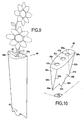
figure 9 représente le vase objet de la présente invention ; - la
figure 10 représente une autre variante de réalisation du vase objet de l'invention. - Il est connu de l'art antérieur un emballage 1 illustré aux
figures 1 à 4 qui présente deux faces 2a et 2b, de forme et de dimension identiques et présentant une forme longitudinale. Ces deux faces longitudinales 2a, 2b ont leurs bords longitudinaux adjacents 3a, 3b et 4a, 4b reliés entre eux, par exemple par collage soudage, selon le matériau utilisé qui peut être par exemple du carton voire un matériau composite. Les deux faces longitudinales 2a, 2b se superposent et se confondent tel que cela apparaît notamment enfigure 1 . Ces faces longitudinales 2a, 2b comprennent chacune une partie centrale 5a, 5b et deux parties disposées aux extrémités longitudinales desdites faces 2a, 2b, ci-après dénommées parties rabattables 6a, 6b, 7a, 7b, lesquelles présentent notamment une forme convexe avec chacune un bord interne 8a, 8b, 9a, 9 b de forme convexe et constituant une ligne de pliage desdites parties rabattables 6a, 6b, 7a, 7b. - En mode d'utilisation, il convient de plier les parties rabattables 6a, 6b , 7a , 7b vers l'intérieur par rapport aux parties 5a, 5b des faces longitudinales 2a, 2b, d'un angle approximativement égal à 90°, permettant alors d'obtenir un bombage des deux faces longitudinales 2a, 2b, tant au niveau de leur partie centrale 5a, 5b que de leur partie rabattables 6a, 6b , 7a, 7b, tel que cela apparaît en regard des
figures 3 et 4 . En position d'utilisation, dans laquelle les parties rabattables sont mises en place telles qu'illustrées auxfigures 3 et 4 , l'emballage définit alors un volume permettant, selon l'art antérieur, de contenir des articles tel que du textile, des produits de parfumerie, des confiseries voire autres, tandis que les parties rabattables 6a, 6b, 7a, 7b ferment ledit volume. - Des variantes de forme peuvent être obtenues selon la forme convexe que l'on donne aux parties rabattables 6a, 6b, 7a, 7b qui, à l'extrême limite, peut consister en un losange, ce qui permettra l'obtention en position d'utilisation d'un emballage présentant des arêtes vives notamment au niveau de l'axe médian des faces longitudinales.
- Le vase selon la présente invention, illustré selon différentes variantes aux
figures 5 à 10 , dispose de caractéristiques semblables à celles de l'emballage 1 selon l'art antérieur illustré auxfigures 1 à 4 . Ainsi on retrouve de manière commune sur les variantes illustrées auxfigures 5 à 9 un emballage 10, 12, 44 qui présente deux faces 14a, 14b comprenant chacune une partie centrale 15a, 15b et deux parties 16a, 16b, 17a, 17b disposées aux extrémités longitudinales des faces 14a, 14b, lesdites parties étant ci-après dénommées parties rabattables 16a, 16b, 17a, 17b. - La différence essentielle de l'emballage constituant le vase selon la présente invention, selon les diverses variantes possibles, vis-à-vis de l'emballage 1 de l'art antérieur illustré aux
figures 1 à 4 , porte sur le bord interne des parties rabattables 17a, 17b, en partie inférieure, permettant le pliage desdites parties rabattables vis-à-vis des parties centrales 15a, 15b, pour la mise en forme de l'emballage définissant un volume permettant la réception de tiges de fleurs. - A ce titre, selon un premier mode de réalisation illustré aux
figures 5 à 7 on constate que le bord interne 18a, 18b inférieur reliant la partie rabattable 17a, 17b à la partie centrale 15a, 15b comprend une ligne de pliage 19a, 19b qui est interrompue par une ligne de découpe 20a, 20b incurvée vers l'intérieur de ladite partie rabattable 17a, 17b. Cette ligne de découpe 20a, 20b présente un point extrême 21a, 21b passant par la droite d1 définie par les deux extrémités 22a, 22b, 23a, 23b dudit bord interne 18a, 18b, tel que cela est illustré enfigure 5 . Au contraire, tel qu'illustré sur lafigure 5 , la partie rabattable 16a, 16b en partie supérieure comprend un bord interne 24a, 24b similaire à celui de l'art antérieur, c'est-à-dire comprenant une ligne de pliage convexe s'étendant sur toute la largueur. Ainsi, lorsque les parties rabattables 16a, 16b, 17a, 17b sont mises en place, c'est-à-dire qu'elles sont pliées en équerre vers l'intérieur vis-à-vis des parties centrales 15a, 15b des deux faces 14a, 14b, l'emballage 10 constituant le vase, laisse alors apparaître deux oreilles 25a, 25b présentant deux points extrêmes 21a, 21b disposés dans un même plan P1 que les extrémités latérales communes 22a, 22b, 23a, 23b des deux bords internes 18a, 18b, ce qui garantit une stabilisation de l'emballage 10 ainsi formé. - On retrouve exactement les mêmes caractéristiques sur la variante de réalisation de l'emballage 12 constituant le vase tel qu'illustré en
figure 8 , les parties rabattables 17a, 17b, en partie inférieure sur chacune des faces 14a , 14b dudit emballage 12 comprenant chacune un bord interne 18a, 18b présentant une ligne de pliage 19a, 19b interrompue par une ligne de découpe 20a, 20b incurvée vers l'intérieur de la partie rabattable, présentant chacune un point extrême 21a, 21b passant par la droite d1 définie par les extrémités 22a, 22b, 23a, 23b des bords internes 18a, 18b. - Selon cette variante illustrée en
figure 8 , l'emballage 12 constituant le vase comprend une fenêtre 35 agencée sur l'une des faces 14b. On pourrait toutefois prévoir une telle fenêtre sur chacune des faces 14a, 14b, voire plusieurs fenêtres 35 sur une même face. Cette fenêtre 35 peut être constituée par un simple découpage dans la face longitudinale 14b voire par l'utilisation d'un matériau transparent, de manière à laisser apparaître en partie le contenu du vase, par exemple de l'eau, des perles ou des cailloux. - Sur le mode de réalisation de l'emballage constituant le vase illustré aux
figures 5 à 7 , les bords longitudinaux adjacents 36a, 36b, 37a, 37b sur chacune des deux faces longitudinales 14a, 14b, reliées entre elles, sont rectilignes et inclinés l'un vis-à-vis de l'autre en formant un cône. Sur lesfigures 5 à 7 , le cône est orienté vers le haut. On peut toutefois prévoir de manière similaire selon une variante de réalisation de vase constitué d'un tel emballage , telle qu'illustrée enfigure 9 , un cône incliné vers le bas. Selon la variante illustrée enfigure 8 , les bords longitudinaux 38a, 38b, 39a, 39b sur chacune des deux faces longitudinales 14a, 14b sont rectilignes et parallèles entre eux. - Bien entendu d'autres variantes de formes sont envisageables sans sortir du cadre de la présente invention.
- Selon les différents modes illustrés aux
figures 5 à 10 , chaque bord interne 18a, 18b de l'emballage 10, 12, 44, 49 constituant le vase, comprend une seule ligne de découpe 20a, 20b de forme circulaire et disposée sur la partie médiane ou centrale. On pourrait toutefois prévoir plusieurs lignes de découpe sur chaque bord interne 18a, 18b en partie inférieure, uniformément réparties et éventuellement d'une forme différente, par exemple triangulaire, sur lesquelles le point extrême passerait par la droite d1. - Tel qu'illustré en
figure 9 , l'emballage 44 permet de constituer, une fois mis en forme, le vase, objet de l'invention, celui-ci présentant une forme évasée vers le haut. L'emballage 44 comprend donc en partie inférieure des oreilles 45 constituant des pattes d'appui telle que décrites précédemment pour les autres variantes illustrées auxfigures 5 à 8 . En outre, les parties rabattables 46a, 46b, en partie supérieure comprennent des perforations ou lumières 47 permettant le passage des tiges de fleurs tel qu'illustré sur cettefigure 9 . De telles perforations ou lumières 47 apparaissent également sur le mode de réalisation illustré enfigure 5 . On constate sur lafigure 8 une variante de réalisation de ces perforations ou lumières 47a. - On peut envisager la mise en oeuvre de ces perforations ou lumières 47, 47a sur les deux parties rabattables 16a, 16b en partie supérieure. Dans ce cas, les deux parties rabattables 16a, 16b sont rabattues en équerre, c'est-à-dire d'un angle approximativement égal à 90° permettant une configuration telle que celle illustrée en
figures 6 et 7 . - On peut envisager selon une variante la mise en oeuvre de ces perforations ou lumières 47, 47a sur une seule partie rabattable 16a ou 16b en partie supérieure. Dans ce cas, seule la partie rabattable 16a ou 16b munie de cette perforation ou lumière 47, 47a est rabattue, l'autre partie rabattable 16b ou 16a restant dans le prolongement de la partie centrale 15b ou 15a. Cela permet de produire des effets esthétiques sur le vase. D'autres variantes de moyens de passage des tiges de fleurs ou des brins sont envisageables sans sortir du cadre de l'invention.
- Bien entendu le vase constitué d'un tel emballage 10, 12, 44, 49 n'est pas étanche et pourra être utilisé de la sorte lorsqu'il reçoit des fleurs artificielles. Toutefois, lorsqu'il s'agit de fleurs naturelles, on peut prévoir l'ajout d'un petit sachet étanche à l'intérieur du vase, dans lequel on verse de l'eau pour la conservation des fleurs naturelles. On peut prévoir d'autres moyens d'étanchéité permettant de remplir le vase avec de l'eau.
- On peut également prévoir l'ajout de moyens de lestage dans le vase, par exemple de la mousse dans laquelle on pique l'extrémité des tiges de fleurs artificielles, voire l'eau versée dans le sachet pour préserver les fleurs naturelles. On peut également prévoir des perles ou des cailloux qui lestent également le vase et peuvent produire des effets esthétiques, lorsque l'emballage 12 constituant ledit vase comprend une fenêtre 35 telle qu'illustrée en
figure 8 . - Selon la variante illustrée en
figure 10 , on constate que les faces longitudinales 48a, 48b de l'emballage 49 constituant le vase objet de l'invention sont reliées entre elles par l'intermédiaire de faces latérales 50a, 50b qui présentent une forme triangulaire ou conique, l'angle au sommet 51a, 51b ou la pointe étant orienté vers le bas. Les bords longitudinaux 52a, 52b, 53a, 53b des deux faces longitudinales 48a, 48b constituent les côtés de l'angle au sommet, les extrémités inférieures desdits bords longitudinaux, constituant cet angle au sommet 51a, 51b, étant communes. Ainsi, la mise en oeuvre de parties rabattables conformes à l'invention et telles que décrites pour les variantes précédentes, permet de constituer des pattes d'appui 54b sur chaque face longitudinale 48a, 48b, présentant chacune un point extrême 55b disposé dans le même plan P3 que les extrémités communes des deux bords longitudinaux constituées par les angles au sommet 51a, 51b. - Selon cette variante illustrée en
figure 10 , on a constaté que le vase comprend plusieurs perforations ou lumières 47b, 47c, 47d pour le passage des tiges de fleurs. - Bien entendu on pourrait prévoir d'autres variantes de réalisation combinant des caractéristiques décrites précédemment pour les diverses variantes de vases.
- Un tel emballage constituant le vase objet de l'invention sera mis en oeuvre par les fabricants d'articles en carton voire par les fabricants d'articles polymère ou composite. Il sera en outre utilisé dans différents types de surfaces commerciales notamment les fleuristes.
Claims (9)
- Vase constitué d'un emballage (10, 12, 44, 49) comprenant deux faces (14a, 14b) de forme longitudinale, reliées entre elles ces deux faces étant souples et présentant au niveau de leurs deux extrémités longitudinales respectives des parties rabattables (16a, 16b, 17a, 17b) notamment de forme convexe, caractérisé en ce que les deux faces (14a, 14b) de forme longitudinale sont reliées entre elles de manière directe au moins aux extrémités communes sur l'un des côtés des bords longitudinaux (36a, 36b, 37a, 37b, 38a, 38b, 39a, 39b) desdites faces aux lesdites parties rabattables étant aptes à être pliées vers l'intérieur, notamment en équerre, par rapport auxdites faces, les deux parties rabattables avoisinantes (17a, 17b) situées en partie inférieure des deux bords longitudinaux, présentent chacune un bord interne (18a, 18b) notamment convexe constituant une ligne de pliage, cette ligne de pliage (19a, 19b) étant interrompue par au moins une ligne de découpe (20a, 20b) incurvée vers l'intérieur de la partie rabattable et présentant au moins un point extrême (21a, 21b) passant par la droite (d1) définie par les deux extrémités latérales (22a, 22b, 23a, 23b,) dudit bord interne, les deux parties rabattables (16a, 16b) en partie supérieure comprenant des moyens de passage (47, 47a, 47b, 47c, 47d) agencés pour laisser passer des tiges ou des brins de fleurs lorsque ledit emballage est formé.
- Vase selon la revendication 1, dans lequel chaque bord interne (18a, 18b) comprend une seule ligne de découpe (20a, 20b) incurvée est disposée en partie centrale.
- Vase selon la revendication 2, dans lequel la ligne de découpe (20a, 20b) incurvée est de forme circulaire.
- Vase selon l'une des revendications 1 à 3, dans lequel les faces (14a, 14b) ont leurs deux bords longitudinaux (38a, 38b, 39a, 39b) rectilignes et parallèles entre eux.
- Vase selon l'une des revendications 1 à 3, dans lequel les faces (14a, 14b) ont leurs deux bords longitudinaux (36a, 36b, 37a, 37b) rectilignes et inclinés l'un vis-à-vis de l'autre en formant un cône.
- Vase selon l'une des revendications 1 à 5, comprenant des moyens d'étanchéité disposés à l'intérieur de l'emballage (10, 12, 44, 49).
- Vase selon la revendication 6, les moyens d'étanchéité consistant en un sachet étanche.
- Vase selon l'une des revendications 1 à 7, comprenant des moyens de lestage disposés dans l'emballage.
- Vase selon la revendication 8, les moyens de lestage étant de la mousse.
Priority Applications (1)
| Application Number | Priority Date | Filing Date | Title |
|---|---|---|---|
| PL10734219T PL2437986T3 (pl) | 2009-06-04 | 2010-06-03 | Wazon utworzony z opakowania, wyposażony w system stabilizacji |
Applications Claiming Priority (2)
| Application Number | Priority Date | Filing Date | Title |
|---|---|---|---|
| FR0953704A FR2946324A1 (fr) | 2009-06-04 | 2009-06-04 | Emballage equipe d'un systeme de stabilisation |
| PCT/FR2010/051087 WO2010139904A1 (fr) | 2009-06-04 | 2010-06-03 | Vase constitue d'un emballage équipé d'un système de stabilisation |
Publications (2)
| Publication Number | Publication Date |
|---|---|
| EP2437986A1 EP2437986A1 (fr) | 2012-04-11 |
| EP2437986B1 true EP2437986B1 (fr) | 2013-08-07 |
Family
ID=41427549
Family Applications (1)
| Application Number | Title | Priority Date | Filing Date |
|---|---|---|---|
| EP10734219.8A Active EP2437986B1 (fr) | 2009-06-04 | 2010-06-03 | Vase constitue d'un emballage équipé d'un système de stabilisation |
Country Status (9)
| Country | Link |
|---|---|
| US (1) | US20120073192A1 (fr) |
| EP (1) | EP2437986B1 (fr) |
| JP (1) | JP2012528764A (fr) |
| CN (1) | CN102803082A (fr) |
| DK (1) | DK2437986T3 (fr) |
| ES (1) | ES2434020T3 (fr) |
| FR (1) | FR2946324A1 (fr) |
| PL (1) | PL2437986T3 (fr) |
| WO (1) | WO2010139904A1 (fr) |
Families Citing this family (5)
| Publication number | Priority date | Publication date | Assignee | Title |
|---|---|---|---|---|
| US8573429B2 (en) * | 2011-07-29 | 2013-11-05 | Target Brands, Inc. | Bin |
| US9215939B2 (en) | 2013-10-14 | 2015-12-22 | Target Brands, Inc. | Retail fixtures |
| JP7471047B2 (ja) | 2017-10-31 | 2024-04-19 | ジオパック株式会社 | 袋体の使用方法 |
| JP7508050B2 (ja) * | 2021-06-11 | 2024-07-01 | Toppanホールディングス株式会社 | 包装容器、型紙及び梱包体 |
| US12108714B1 (en) * | 2024-01-31 | 2024-10-08 | Yusheng Liang | 3D pop up paper flower bouquet |
Family Cites Families (21)
| Publication number | Priority date | Publication date | Assignee | Title |
|---|---|---|---|---|
| US359435A (en) * | 1887-03-15 | Paper box | ||
| FR1469650A (fr) * | 1966-01-07 | 1967-02-17 | O Genest & Cie Ets | Mode de conditionnement et de présentation à la vente de certaines variétés de plantes |
| US3343743A (en) * | 1966-09-12 | 1967-09-26 | St Joseph Paper Box Company | Carrying container |
| JPS495193Y1 (fr) * | 1969-04-10 | 1974-02-06 | ||
| US3929222A (en) * | 1974-10-29 | 1975-12-30 | Graphic Arts Packaging Corp | Pillow box blank |
| JPS597223Y2 (ja) * | 1981-05-21 | 1984-03-06 | 十條セントラル株式会社 | 物品販売用箱 |
| JPS5924650Y2 (ja) * | 1981-10-12 | 1984-07-21 | 健二 中馬 | 紙製組立式容器 |
| US5061501A (en) * | 1987-10-09 | 1991-10-29 | Lowe David M | Display package for meat item |
| JPH02158686A (ja) * | 1988-12-13 | 1990-06-19 | Nkk Corp | 多孔性イオン交換体を含む土壌又は土壌改良剤 |
| JPH11244112A (ja) * | 1998-03-02 | 1999-09-14 | Susumu Kawamata | 簡易式花瓶 |
| US6036628A (en) * | 1998-11-09 | 2000-03-14 | Romer; Nicholas K. | Pillow box maker apparatus and method of use |
| GB0004816D0 (en) * | 2000-03-01 | 2000-04-19 | Boxfoldia Ltd | Disposable vase |
| US6601367B1 (en) * | 2001-08-29 | 2003-08-05 | Southpac Trust International, Inc. | Method of covering a pot or floral grouping with a sleeve having a concave lower end |
| DE10147533A1 (de) * | 2001-09-26 | 2003-04-10 | Markenschmiede Strategische Ma | Vorrichtung zur Aufnahme von Waren sowie Falzbogen zur Herstellung der Vorrichtung |
| US20040187382A1 (en) * | 2003-03-25 | 2004-09-30 | Tsang Haven Kam-Chuen | Foldable vase |
| USD535910S1 (en) * | 2003-05-23 | 2007-01-30 | Shaffer Curt A | Formable vase |
| JP2005280753A (ja) * | 2004-03-29 | 2005-10-13 | Fuji Seal International Inc | 包装容器 |
| US20080112653A1 (en) * | 2004-10-05 | 2008-05-15 | Gispac Pty Ltd. | Collapsible Shopping Bag With Closed End Formed By Overlapping Interlocking Portions |
| USD568762S1 (en) * | 2007-02-12 | 2008-05-13 | Trinova Design, Llc | Tissue container |
| US20080190018A1 (en) * | 2007-02-12 | 2008-08-14 | Outside The Vase. Inc. | Flexible vase |
| US7918338B2 (en) * | 2009-02-19 | 2011-04-05 | Berkshire Fashions, Inc. | Convertible hangtag display |
-
2009
- 2009-06-04 FR FR0953704A patent/FR2946324A1/fr not_active Withdrawn
-
2010
- 2010-06-03 EP EP10734219.8A patent/EP2437986B1/fr active Active
- 2010-06-03 DK DK10734219.8T patent/DK2437986T3/da active
- 2010-06-03 JP JP2012513662A patent/JP2012528764A/ja active Pending
- 2010-06-03 CN CN201080024682XA patent/CN102803082A/zh active Pending
- 2010-06-03 US US13/376,034 patent/US20120073192A1/en not_active Abandoned
- 2010-06-03 PL PL10734219T patent/PL2437986T3/pl unknown
- 2010-06-03 ES ES10734219T patent/ES2434020T3/es active Active
- 2010-06-03 WO PCT/FR2010/051087 patent/WO2010139904A1/fr not_active Ceased
Also Published As
| Publication number | Publication date |
|---|---|
| CN102803082A (zh) | 2012-11-28 |
| EP2437986A1 (fr) | 2012-04-11 |
| JP2012528764A (ja) | 2012-11-15 |
| ES2434020T3 (es) | 2013-12-13 |
| DK2437986T3 (da) | 2013-11-11 |
| FR2946324A1 (fr) | 2010-12-10 |
| PL2437986T3 (pl) | 2014-03-31 |
| WO2010139904A1 (fr) | 2010-12-09 |
| US20120073192A1 (en) | 2012-03-29 |
Similar Documents
| Publication | Publication Date | Title |
|---|---|---|
| EP1127018B1 (fr) | Emballage de transport et de presentation de bouquets de fleurs fraiches coupees | |
| EP2437986B1 (fr) | Vase constitue d'un emballage équipé d'un système de stabilisation | |
| EP1072522A1 (fr) | Boite d'emballage de bouteille | |
| FR2678244A1 (fr) | Suremballage de type fourreau pour un groupe d'objets tels que des recipients primaires. | |
| FR2942214A1 (fr) | Recipient notamment pour produits solides ou pateux, son procede de fabrication et conditionnement comportant ce recipient et un container le recevant | |
| EP2348812B1 (fr) | Support autonome anti-renversement pour bouquet de fleurs | |
| CA2496701C (fr) | Dispositif pour la presentation et la conservation de bouquets de fleurs | |
| EP1479327A1 (fr) | Cache-pot | |
| EP0394595A1 (fr) | Vase démontable | |
| FR2778175A1 (fr) | Boite pliante pour produits tels que patisseries et gateaux | |
| CA2082858A1 (fr) | Receptable utilisable pour la presentation, la decoration, voire la protection d'articles divers, tels notamment les plantes en pot | |
| FR2740433A1 (fr) | Emballage transformable pour un objet de forme assimilable a un cone, notamment un bouquet | |
| FR2778177A1 (fr) | Conditionnement pour la confection, l'emballage et le transport des bouquets de fleurs a reserve d'eau | |
| EP0828661B1 (fr) | Corps tubulaire pliable, et enveloppes, notamment boite ou vase de fleurs jetable, munies d'un tel corps | |
| FR2685994A1 (fr) | Procede de fabrication d'un godet pour vegetaux. | |
| EP1140636B1 (fr) | Dispositif d'emballage universel preforme pour objets solides ou liquides | |
| FR2774576A1 (fr) | Jardiniere autonome ou similaire, notamment pour la decoration florale de balcons et de terrasses | |
| FR2635761A1 (fr) | Emballage composite pour oeufs, fruits ou objets fragiles analogues | |
| FR2733210A1 (fr) | Article transformable en receptacles superposes | |
| FR2789974A1 (fr) | Emballage de produits alimentaires en vrac, notamment du type pommes de terre | |
| FR2874599A1 (fr) | Vase economique pliable pour la presentation, le transport et l'alimentation en eau de fleurs coupees | |
| EP4650290A2 (fr) | Conteneur en papier, étanche à l'eau, en particulier pour bouquet de fleurs à réserve d'eau | |
| EP1175140B1 (fr) | Conteneur pour la culture de plants, notamment d'arbres | |
| FR2816601A1 (fr) | Sac pour le transport des bouquets de fleurs et plantes, notamment pour le transport de bouquets en poche d'eau | |
| EP0297013A1 (fr) | Boite pliante à faces incurvées stockable à plat et à mise en forme par simple pression |
Legal Events
| Date | Code | Title | Description |
|---|---|---|---|
| PUAI | Public reference made under article 153(3) epc to a published international application that has entered the european phase |
Free format text: ORIGINAL CODE: 0009012 |
|
| 17P | Request for examination filed |
Effective date: 20111220 |
|
| AK | Designated contracting states |
Kind code of ref document: A1 Designated state(s): AL AT BE BG CH CY CZ DE DK EE ES FI FR GB GR HR HU IE IS IT LI LT LU LV MC MK MT NL NO PL PT RO SE SI SK SM TR |
|
| DAX | Request for extension of the european patent (deleted) | ||
| GRAP | Despatch of communication of intention to grant a patent |
Free format text: ORIGINAL CODE: EPIDOSNIGR1 |
|
| GRAS | Grant fee paid |
Free format text: ORIGINAL CODE: EPIDOSNIGR3 |
|
| GRAA | (expected) grant |
Free format text: ORIGINAL CODE: 0009210 |
|
| AK | Designated contracting states |
Kind code of ref document: B1 Designated state(s): AL AT BE BG CH CY CZ DE DK EE ES FI FR GB GR HR HU IE IS IT LI LT LU LV MC MK MT NL NO PL PT RO SE SI SK SM TR |
|
| REG | Reference to a national code |
Ref country code: GB Ref legal event code: FG4D Free format text: NOT ENGLISH |
|
| REG | Reference to a national code |
Ref country code: CH Ref legal event code: EP Ref country code: AT Ref legal event code: REF Ref document number: 625645 Country of ref document: AT Kind code of ref document: T Effective date: 20130815 |
|
| REG | Reference to a national code |
Ref country code: IE Ref legal event code: FG4D Free format text: LANGUAGE OF EP DOCUMENT: FRENCH |
|
| REG | Reference to a national code |
Ref country code: DE Ref legal event code: R096 Ref document number: 602010009232 Country of ref document: DE Effective date: 20131010 |
|
| REG | Reference to a national code |
Ref country code: DK Ref legal event code: T3 Effective date: 20131107 |
|
| REG | Reference to a national code |
Ref country code: SE Ref legal event code: TRGR |
|
| REG | Reference to a national code |
Ref country code: CH Ref legal event code: NV Representative=s name: BOVARD AG, CH |
|
| RAP2 | Party data changed (patent owner data changed or rights of a patent transferred) |
Owner name: TIERS, GUY |
|
| REG | Reference to a national code |
Ref country code: NL Ref legal event code: T3 |
|
| RIN2 | Information on inventor provided after grant (corrected) |
Inventor name: TIERS, GUY |
|
| REG | Reference to a national code |
Ref country code: ES Ref legal event code: FG2A Ref document number: 2434020 Country of ref document: ES Kind code of ref document: T3 Effective date: 20131213 |
|
| REG | Reference to a national code |
Ref country code: DE Ref legal event code: R081 Ref document number: 602010009232 Country of ref document: DE Owner name: TIERS, GUY, FR Free format text: FORMER OWNER: BLEU SACRE, NEUVILLE EN FERRAIN, FR Effective date: 20131107 |
|
| REG | Reference to a national code |
Ref country code: LT Ref legal event code: MG4D |
|
| PG25 | Lapsed in a contracting state [announced via postgrant information from national office to epo] |
Ref country code: IS Free format text: LAPSE BECAUSE OF FAILURE TO SUBMIT A TRANSLATION OF THE DESCRIPTION OR TO PAY THE FEE WITHIN THE PRESCRIBED TIME-LIMIT Effective date: 20131207 Ref country code: LT Free format text: LAPSE BECAUSE OF FAILURE TO SUBMIT A TRANSLATION OF THE DESCRIPTION OR TO PAY THE FEE WITHIN THE PRESCRIBED TIME-LIMIT Effective date: 20130807 Ref country code: PT Free format text: LAPSE BECAUSE OF FAILURE TO SUBMIT A TRANSLATION OF THE DESCRIPTION OR TO PAY THE FEE WITHIN THE PRESCRIBED TIME-LIMIT Effective date: 20131209 Ref country code: CY Free format text: LAPSE BECAUSE OF FAILURE TO SUBMIT A TRANSLATION OF THE DESCRIPTION OR TO PAY THE FEE WITHIN THE PRESCRIBED TIME-LIMIT Effective date: 20130821 Ref country code: NO Free format text: LAPSE BECAUSE OF FAILURE TO SUBMIT A TRANSLATION OF THE DESCRIPTION OR TO PAY THE FEE WITHIN THE PRESCRIBED TIME-LIMIT Effective date: 20131107 Ref country code: HR Free format text: LAPSE BECAUSE OF FAILURE TO SUBMIT A TRANSLATION OF THE DESCRIPTION OR TO PAY THE FEE WITHIN THE PRESCRIBED TIME-LIMIT Effective date: 20130807 |
|
| REG | Reference to a national code |
Ref country code: NL Ref legal event code: SD Effective date: 20140212 |
|
| REG | Reference to a national code |
Ref country code: GB Ref legal event code: 732E Free format text: REGISTERED BETWEEN 20140130 AND 20140205 |
|
| PG25 | Lapsed in a contracting state [announced via postgrant information from national office to epo] |
Ref country code: SI Free format text: LAPSE BECAUSE OF FAILURE TO SUBMIT A TRANSLATION OF THE DESCRIPTION OR TO PAY THE FEE WITHIN THE PRESCRIBED TIME-LIMIT Effective date: 20130807 Ref country code: GR Free format text: LAPSE BECAUSE OF FAILURE TO SUBMIT A TRANSLATION OF THE DESCRIPTION OR TO PAY THE FEE WITHIN THE PRESCRIBED TIME-LIMIT Effective date: 20131108 Ref country code: LV Free format text: LAPSE BECAUSE OF FAILURE TO SUBMIT A TRANSLATION OF THE DESCRIPTION OR TO PAY THE FEE WITHIN THE PRESCRIBED TIME-LIMIT Effective date: 20130807 Ref country code: FI Free format text: LAPSE BECAUSE OF FAILURE TO SUBMIT A TRANSLATION OF THE DESCRIPTION OR TO PAY THE FEE WITHIN THE PRESCRIBED TIME-LIMIT Effective date: 20130807 |
|
| REG | Reference to a national code |
Ref country code: AT Ref legal event code: PC Ref document number: 625645 Country of ref document: AT Kind code of ref document: T Owner name: TIERS GUY, FR Effective date: 20140128 |
|
| PG25 | Lapsed in a contracting state [announced via postgrant information from national office to epo] |
Ref country code: CY Free format text: LAPSE BECAUSE OF FAILURE TO SUBMIT A TRANSLATION OF THE DESCRIPTION OR TO PAY THE FEE WITHIN THE PRESCRIBED TIME-LIMIT Effective date: 20130807 |
|
| PG25 | Lapsed in a contracting state [announced via postgrant information from national office to epo] |
Ref country code: EE Free format text: LAPSE BECAUSE OF FAILURE TO SUBMIT A TRANSLATION OF THE DESCRIPTION OR TO PAY THE FEE WITHIN THE PRESCRIBED TIME-LIMIT Effective date: 20130807 Ref country code: CZ Free format text: LAPSE BECAUSE OF FAILURE TO SUBMIT A TRANSLATION OF THE DESCRIPTION OR TO PAY THE FEE WITHIN THE PRESCRIBED TIME-LIMIT Effective date: 20130807 Ref country code: RO Free format text: LAPSE BECAUSE OF FAILURE TO SUBMIT A TRANSLATION OF THE DESCRIPTION OR TO PAY THE FEE WITHIN THE PRESCRIBED TIME-LIMIT Effective date: 20130807 Ref country code: SK Free format text: LAPSE BECAUSE OF FAILURE TO SUBMIT A TRANSLATION OF THE DESCRIPTION OR TO PAY THE FEE WITHIN THE PRESCRIBED TIME-LIMIT Effective date: 20130807 |
|
| PLBE | No opposition filed within time limit |
Free format text: ORIGINAL CODE: 0009261 |
|
| STAA | Information on the status of an ep patent application or granted ep patent |
Free format text: STATUS: NO OPPOSITION FILED WITHIN TIME LIMIT |
|
| 26N | No opposition filed |
Effective date: 20140508 |
|
| REG | Reference to a national code |
Ref country code: DE Ref legal event code: R097 Ref document number: 602010009232 Country of ref document: DE Effective date: 20140508 |
|
| PG25 | Lapsed in a contracting state [announced via postgrant information from national office to epo] |
Ref country code: MC Free format text: LAPSE BECAUSE OF FAILURE TO SUBMIT A TRANSLATION OF THE DESCRIPTION OR TO PAY THE FEE WITHIN THE PRESCRIBED TIME-LIMIT Effective date: 20130807 |
|
| REG | Reference to a national code |
Ref country code: IE Ref legal event code: MM4A |
|
| PG25 | Lapsed in a contracting state [announced via postgrant information from national office to epo] |
Ref country code: IE Free format text: LAPSE BECAUSE OF NON-PAYMENT OF DUE FEES Effective date: 20140603 |
|
| PG25 | Lapsed in a contracting state [announced via postgrant information from national office to epo] |
Ref country code: MT Free format text: LAPSE BECAUSE OF FAILURE TO SUBMIT A TRANSLATION OF THE DESCRIPTION OR TO PAY THE FEE WITHIN THE PRESCRIBED TIME-LIMIT Effective date: 20130807 |
|
| PG25 | Lapsed in a contracting state [announced via postgrant information from national office to epo] |
Ref country code: SM Free format text: LAPSE BECAUSE OF FAILURE TO SUBMIT A TRANSLATION OF THE DESCRIPTION OR TO PAY THE FEE WITHIN THE PRESCRIBED TIME-LIMIT Effective date: 20130807 |
|
| PG25 | Lapsed in a contracting state [announced via postgrant information from national office to epo] |
Ref country code: BG Free format text: LAPSE BECAUSE OF FAILURE TO SUBMIT A TRANSLATION OF THE DESCRIPTION OR TO PAY THE FEE WITHIN THE PRESCRIBED TIME-LIMIT Effective date: 20130807 |
|
| PG25 | Lapsed in a contracting state [announced via postgrant information from national office to epo] |
Ref country code: HU Free format text: LAPSE BECAUSE OF FAILURE TO SUBMIT A TRANSLATION OF THE DESCRIPTION OR TO PAY THE FEE WITHIN THE PRESCRIBED TIME-LIMIT; INVALID AB INITIO Effective date: 20100603 Ref country code: TR Free format text: LAPSE BECAUSE OF FAILURE TO SUBMIT A TRANSLATION OF THE DESCRIPTION OR TO PAY THE FEE WITHIN THE PRESCRIBED TIME-LIMIT Effective date: 20130807 |
|
| REG | Reference to a national code |
Ref country code: AT Ref legal event code: MM01 Ref document number: 625645 Country of ref document: AT Kind code of ref document: T Effective date: 20150603 |
|
| PG25 | Lapsed in a contracting state [announced via postgrant information from national office to epo] |
Ref country code: AT Free format text: LAPSE BECAUSE OF NON-PAYMENT OF DUE FEES Effective date: 20150603 |
|
| REG | Reference to a national code |
Ref country code: FR Ref legal event code: PLFP Year of fee payment: 7 |
|
| REG | Reference to a national code |
Ref country code: FR Ref legal event code: PLFP Year of fee payment: 8 |
|
| PG25 | Lapsed in a contracting state [announced via postgrant information from national office to epo] |
Ref country code: MK Free format text: LAPSE BECAUSE OF FAILURE TO SUBMIT A TRANSLATION OF THE DESCRIPTION OR TO PAY THE FEE WITHIN THE PRESCRIBED TIME-LIMIT Effective date: 20130807 |
|
| REG | Reference to a national code |
Ref country code: FR Ref legal event code: TP Owner name: ESSENCE ET DESIGN, FR Effective date: 20180615 |
|
| PG25 | Lapsed in a contracting state [announced via postgrant information from national office to epo] |
Ref country code: AL Free format text: LAPSE BECAUSE OF FAILURE TO SUBMIT A TRANSLATION OF THE DESCRIPTION OR TO PAY THE FEE WITHIN THE PRESCRIBED TIME-LIMIT Effective date: 20130807 |
|
| REG | Reference to a national code |
Ref country code: CH Ref legal event code: NV Representative=s name: BUGNION S.A., CH |
|
| PGFP | Annual fee paid to national office [announced via postgrant information from national office to epo] |
Ref country code: PL Payment date: 20210701 Year of fee payment: 12 |
|
| PGFP | Annual fee paid to national office [announced via postgrant information from national office to epo] |
Ref country code: SE Payment date: 20220628 Year of fee payment: 13 Ref country code: LU Payment date: 20220629 Year of fee payment: 13 Ref country code: IT Payment date: 20220629 Year of fee payment: 13 Ref country code: DK Payment date: 20220630 Year of fee payment: 13 |
|
| PGFP | Annual fee paid to national office [announced via postgrant information from national office to epo] |
Ref country code: ES Payment date: 20220715 Year of fee payment: 13 |
|
| PGFP | Annual fee paid to national office [announced via postgrant information from national office to epo] |
Ref country code: CH Payment date: 20220628 Year of fee payment: 13 |
|
| REG | Reference to a national code |
Ref country code: DE Ref legal event code: R082 Ref document number: 602010009232 Country of ref document: DE Representative=s name: CBDL PATENTANWAELTE GBR, DE |
|
| PGFP | Annual fee paid to national office [announced via postgrant information from national office to epo] |
Ref country code: NL Payment date: 20230630 Year of fee payment: 14 Ref country code: DE Payment date: 20230627 Year of fee payment: 14 |
|
| PGFP | Annual fee paid to national office [announced via postgrant information from national office to epo] |
Ref country code: BE Payment date: 20230630 Year of fee payment: 14 |
|
| PGFP | Annual fee paid to national office [announced via postgrant information from national office to epo] |
Ref country code: GB Payment date: 20230627 Year of fee payment: 14 |
|
| REG | Reference to a national code |
Ref country code: DK Ref legal event code: EBP Effective date: 20230630 |
|
| REG | Reference to a national code |
Ref country code: SE Ref legal event code: EUG |
|
| REG | Reference to a national code |
Ref country code: CH Ref legal event code: PL |
|
| PG25 | Lapsed in a contracting state [announced via postgrant information from national office to epo] |
Ref country code: LU Free format text: LAPSE BECAUSE OF NON-PAYMENT OF DUE FEES Effective date: 20230603 |
|
| PG25 | Lapsed in a contracting state [announced via postgrant information from national office to epo] |
Ref country code: LU Free format text: LAPSE BECAUSE OF NON-PAYMENT OF DUE FEES Effective date: 20230603 |
|
| PG25 | Lapsed in a contracting state [announced via postgrant information from national office to epo] |
Ref country code: CH Free format text: LAPSE BECAUSE OF NON-PAYMENT OF DUE FEES Effective date: 20230630 |
|
| PG25 | Lapsed in a contracting state [announced via postgrant information from national office to epo] |
Ref country code: SE Free format text: LAPSE BECAUSE OF NON-PAYMENT OF DUE FEES Effective date: 20230604 |
|
| PG25 | Lapsed in a contracting state [announced via postgrant information from national office to epo] |
Ref country code: DK Free format text: LAPSE BECAUSE OF NON-PAYMENT OF DUE FEES Effective date: 20230630 |
|
| REG | Reference to a national code |
Ref country code: ES Ref legal event code: FD2A Effective date: 20240729 |
|
| PG25 | Lapsed in a contracting state [announced via postgrant information from national office to epo] |
Ref country code: IT Free format text: LAPSE BECAUSE OF NON-PAYMENT OF DUE FEES Effective date: 20230603 Ref country code: DK Free format text: LAPSE BECAUSE OF NON-PAYMENT OF DUE FEES Effective date: 20230630 |
|
| PG25 | Lapsed in a contracting state [announced via postgrant information from national office to epo] |
Ref country code: ES Free format text: LAPSE BECAUSE OF NON-PAYMENT OF DUE FEES Effective date: 20230604 |
|
| PG25 | Lapsed in a contracting state [announced via postgrant information from national office to epo] |
Ref country code: ES Free format text: LAPSE BECAUSE OF NON-PAYMENT OF DUE FEES Effective date: 20230604 |
|
| REG | Reference to a national code |
Ref country code: DE Ref legal event code: R119 Ref document number: 602010009232 Country of ref document: DE |
|
| REG | Reference to a national code |
Ref country code: NL Ref legal event code: MM Effective date: 20240701 |
|
| GBPC | Gb: european patent ceased through non-payment of renewal fee |
Effective date: 20240603 |
|
| PG25 | Lapsed in a contracting state [announced via postgrant information from national office to epo] |
Ref country code: NL Free format text: LAPSE BECAUSE OF NON-PAYMENT OF DUE FEES Effective date: 20240701 |
|
| PG25 | Lapsed in a contracting state [announced via postgrant information from national office to epo] |
Ref country code: NL Free format text: LAPSE BECAUSE OF NON-PAYMENT OF DUE FEES Effective date: 20240701 |
|
| PG25 | Lapsed in a contracting state [announced via postgrant information from national office to epo] |
Ref country code: DE Free format text: LAPSE BECAUSE OF NON-PAYMENT OF DUE FEES Effective date: 20250101 |
|
| PG25 | Lapsed in a contracting state [announced via postgrant information from national office to epo] |
Ref country code: BE Free format text: LAPSE BECAUSE OF NON-PAYMENT OF DUE FEES Effective date: 20240630 |
|
| PG25 | Lapsed in a contracting state [announced via postgrant information from national office to epo] |
Ref country code: GB Free format text: LAPSE BECAUSE OF NON-PAYMENT OF DUE FEES Effective date: 20240603 |
|
| REG | Reference to a national code |
Ref country code: BE Ref legal event code: MM Effective date: 20240630 |
|
| PGFP | Annual fee paid to national office [announced via postgrant information from national office to epo] |
Ref country code: FR Payment date: 20250619 Year of fee payment: 16 |