EP2433495B1 - O-Nitro-Verbindungen, pharmazeutische Zusammensetzungen daraus und deren Verwendung - Google Patents
O-Nitro-Verbindungen, pharmazeutische Zusammensetzungen daraus und deren Verwendung Download PDFInfo
- Publication number
- EP2433495B1 EP2433495B1 EP11006197.5A EP11006197A EP2433495B1 EP 2433495 B1 EP2433495 B1 EP 2433495B1 EP 11006197 A EP11006197 A EP 11006197A EP 2433495 B1 EP2433495 B1 EP 2433495B1
- Authority
- EP
- European Patent Office
- Prior art keywords
- cancer
- pharmaceutical composition
- nitro
- nitro compounds
- compound
- Prior art date
- Legal status (The legal status is an assumption and is not a legal conclusion. Google has not performed a legal analysis and makes no representation as to the accuracy of the status listed.)
- Active
Links
Images



Classifications
-
- A—HUMAN NECESSITIES
- A61—MEDICAL OR VETERINARY SCIENCE; HYGIENE
- A61K—PREPARATIONS FOR MEDICAL, DENTAL OR TOILETRY PURPOSES
- A61K31/00—Medicinal preparations containing organic active ingredients
- A61K31/04—Nitro compounds
-
- C—CHEMISTRY; METALLURGY
- C07—ORGANIC CHEMISTRY
- C07D—HETEROCYCLIC COMPOUNDS
- C07D303/00—Compounds containing three-membered rings having one oxygen atom as the only ring hetero atom
- C07D303/02—Compounds containing oxirane rings
- C07D303/12—Compounds containing oxirane rings with hydrocarbon radicals, substituted by singly or doubly bound oxygen atoms
- C07D303/18—Compounds containing oxirane rings with hydrocarbon radicals, substituted by singly or doubly bound oxygen atoms by etherified hydroxyl radicals
- C07D303/20—Ethers with hydroxy compounds containing no oxirane rings
- C07D303/22—Ethers with hydroxy compounds containing no oxirane rings with monohydroxy compounds
-
- A—HUMAN NECESSITIES
- A61—MEDICAL OR VETERINARY SCIENCE; HYGIENE
- A61K—PREPARATIONS FOR MEDICAL, DENTAL OR TOILETRY PURPOSES
- A61K31/00—Medicinal preparations containing organic active ingredients
- A61K31/21—Esters, e.g. nitroglycerine, selenocyanates
-
- A—HUMAN NECESSITIES
- A61—MEDICAL OR VETERINARY SCIENCE; HYGIENE
- A61K—PREPARATIONS FOR MEDICAL, DENTAL OR TOILETRY PURPOSES
- A61K31/00—Medicinal preparations containing organic active ingredients
- A61K31/33—Heterocyclic compounds
- A61K31/335—Heterocyclic compounds having oxygen as the only ring hetero atom, e.g. fungichromin
- A61K31/336—Heterocyclic compounds having oxygen as the only ring hetero atom, e.g. fungichromin having three-membered rings, e.g. oxirane, fumagillin
-
- A—HUMAN NECESSITIES
- A61—MEDICAL OR VETERINARY SCIENCE; HYGIENE
- A61K—PREPARATIONS FOR MEDICAL, DENTAL OR TOILETRY PURPOSES
- A61K31/00—Medicinal preparations containing organic active ingredients
- A61K31/33—Heterocyclic compounds
- A61K31/38—Heterocyclic compounds having sulfur as a ring hetero atom
-
- A—HUMAN NECESSITIES
- A61—MEDICAL OR VETERINARY SCIENCE; HYGIENE
- A61K—PREPARATIONS FOR MEDICAL, DENTAL OR TOILETRY PURPOSES
- A61K31/00—Medicinal preparations containing organic active ingredients
- A61K31/33—Heterocyclic compounds
- A61K31/395—Heterocyclic compounds having nitrogen as a ring hetero atom, e.g. guanethidine or rifamycins
-
- A—HUMAN NECESSITIES
- A61—MEDICAL OR VETERINARY SCIENCE; HYGIENE
- A61K—PREPARATIONS FOR MEDICAL, DENTAL OR TOILETRY PURPOSES
- A61K45/00—Medicinal preparations containing active ingredients not provided for in groups A61K31/00 - A61K41/00
- A61K45/06—Mixtures of active ingredients without chemical characterisation, e.g. antiphlogistics and cardiaca
-
- A—HUMAN NECESSITIES
- A61—MEDICAL OR VETERINARY SCIENCE; HYGIENE
- A61P—SPECIFIC THERAPEUTIC ACTIVITY OF CHEMICAL COMPOUNDS OR MEDICINAL PREPARATIONS
- A61P35/00—Antineoplastic agents
-
- A—HUMAN NECESSITIES
- A61—MEDICAL OR VETERINARY SCIENCE; HYGIENE
- A61P—SPECIFIC THERAPEUTIC ACTIVITY OF CHEMICAL COMPOUNDS OR MEDICINAL PREPARATIONS
- A61P43/00—Drugs for specific purposes, not provided for in groups A61P1/00-A61P41/00
Definitions
- the present invention relates generally to pharmaceutical compositions of O-nitro compounds and methods of using O-nitro compounds and pharmaceutical compositions thereof to treat or prevent diseases characterized by abnormal cell proliferation such as cancer.
- Abnormal cell proliferation is a characteristic symptom of cancer. Further, abnormal cell proliferation has been implicated in numerous other diseases (e.g. , cardiovascular diseases, inflammatory diseases such as rheumatoid arthritis, diabetic retinopathy, etc. ) . Although many methods for treating or preventing aberrant cell proliferation have been developed, a significant problem with most existing therapies is selectively distinguishing between normal and abnormal cell proliferation.
- diseases e.g. , cardiovascular diseases, inflammatory diseases such as rheumatoid arthritis, diabetic retinopathy, etc.
- Radiotherapy is one promising approach to selectively targeting abnormal cell proliferation.
- a number of different radiosensitizers have been described in the art and include thiols, nitroimidazoles and metal texaphyrin compounds (See e.g ., Rosenthal et al., Clin. Cancer. Res., 1999, 739 ).
- Significant problems with existing radiosensitization approaches are (1) the formation of toxic byproducts derived from the radiosensitizers, which has limited their usefulness in cancer therapy; and (2) achieving sufficiently high density of free radicals to be efficacious under dose limiting toxicity.
- bioreductive compounds which are selectively activated in a reducing environment. Since many cancers typically contain regions of low oxygen tension (i.e ., hypoxia), compounds with low redox potentials (i.e., bioreductive compounds) may be selectively activated in the reducing environment of tumor cells without external activation.
- new compounds are required to fully explore treating or preventing abnormal cell proliferation.
- These new compounds may have radiotherapeutic activity or bioreductive activity.
- Such compounds may be effective in treating or preventing various diseases associated with abnormal cell proliferation such as cancer without forming toxic byproducts.
- the present invention satisfies this and other needs by providing, pharmaceutical compositions of O-nitro compounds to treat or prevent cancer, inflammation, autoimmune disease,or cardiovascular disease
- compositions are defined in the claims.
- Alkyl by itself or as part of another substituent refers to a saturated or unsaturated, branched, straight-chain or cyclic monovalent hydrocarbon radical derived by the removal of one hydrogen atom from a single carbon atom of a parent alkane, alkene or alkyne.
- Typical alkyl groups include, but are not limited to, methyl; ethyls such as ethanyl, ethenyl, ethynyl; propyls such as propan-1-yl, propan-2-yl, cyclopropan-1-yl, prop-1-en-1-yl, prop-1-en-2-yl, prop-2-en-1-yl (allyl), cycloprop-1-en-1-yl; cycloprop-2-en-1-yl, prop-1-yn-1-yl, prop-2-yn-1-yl, etc.; butyls such as butan-1-yl, butan-2-yl, 2-methyl-propan-l-yl, 2-methyl-propan-2-yl, cyclobutan-1-yl, but-1-en-1-yl, but-1-en-2-yl, 2-methyl-prop-1-en-1-y1, but-2-en-1-yl, but-2-en-2-yl, buta-1
- alkyl is specifically intended to include groups having any degree or level of saturation, i.e., groups having exclusively single carbon-carbon bonds, groups having one or more double carbon-carbon bonds, groups having one or more triple carbon-carbon bonds and groups having mixtures of single, double and triple carbon-carbon bonds. Where a specific level of saturation is intended, the expressions “alkanyl,” “alkynyl,” and “alkynyl” are used.
- an alkyl group comprises from 1 to 20 carbon atoms. In other embodiments, an alkyl group comprises 1 to 10 carbon atoms. In still other embodiments an alkyl group comprises from 1 to 6 carbon atoms.
- Alkanyl by itself or as part of another substituent refers to a saturated branched, straight-chain or cyclic alkyl radical derived by the removal of one hydrogen atom from a single carbon atom of a parent alkane.
- Typical alkanyl groups include, but are not limited to, methanyl; ethanyl; propanyls such as propan-1-yl, propan-2-yl (isopropyl), cyclopropan-1-yl, etc.; butanyls such as butan-1-yl, butan-2-yl ( sec -butyl), 2-methyl-propan-1-yl (isobutyl), 2-methyl-propan-2-yl ( t -butyl), cyclobutan-1-yl, etc. ; and the like.
- Alkenyl by itself or as part of another substituent refers to an unsaturated branched, straight-chain or cyclic alkyl radical having at least one carbon-carbon double bond derived by the removal of one hydrogen atom from a single carbon atom of a parent alkene.
- the group may be in either the cis or trans conformation about the double bond(s).
- Typical alkenyl groups include, but are not limited to, ethenyl; propenyls such as prop-1-en-1-yl, prop-1-en-2-yl, prop-2-en-1-yl (allyl), prop-2-en-2-yl, cycloprop-1-en-1-yl; cycloprop-2-en-1-yl ; butenyls such as but-1-en-1-yl, but-1-en-2-yl, 2-methyl-prop-1-en-1-yl, but-2-en-1-yl, but-2-en-1-yl, but-2-en-2-yl, buta-1,3-dien-1-yl, buta-1,3-dien-2-yl, cyclobut-1-en-1-yl, cyclobut-1-en-3-yl, cyclobuta-1,3-dien-1-yl, etc. ; and the like.
- Alkynyl by itself or as part of another substituent refers to an unsaturated branched, straight-chain or cyclic alkyl radical having at least one carbon-carbon triple bond derived by the removal of one hydrogen atom from a single carbon atom of a parent alkyne.
- Typical alkynyl groups include, but are not limited to, ethynyl; propynyls such as prop-1-yn-1-yl, prop-2-yn-1-yl, etc.; butynyls such as but-1-yn-1-yl, but-1-yn-3-yl, but-3-yn-1-yl, etc.; and the like.
- Adamantyl by itself or as part of another substituent refers to hydrocarbon radical derived by the removal of one hydrogen atom from a single carbon atom of adamantane.
- Cycloalkyl by itself or as part of another substituent refers to a saturated or unsaturated cyclic alkyl radical derived by the removal of one hydrogen atom from a single carbon atom. Where a specific level of saturation is intended, the nomenclature “cycloalkanyl” or “cycloalkenyl” is used.
- Typical cycloalkyl groups include, but are not limited to, groups derived from cyclopropane, cyclobutane, cyclopentane, cyclohexane, and the like.
- the cycloalkyl group is (C 3 -C 10 ) cycloalkyl. In other embodiments, the cycloalkyl group is (C 3 -C 7 ) cycloalkyl.
- Cycloheteroalkyl by itself or as part of another substituent refers to a saturated or unsaturated cyclic alkyl radical in which one or more carbon atoms (and any associated hydrogen atoms) are independently replaced with the same or different heteroatom.
- Typical heteroatoms to replace the carbon atom(s) include, but are not limited to, N, P, O, S, Si, etc. Where a specific level of saturation is intended, the nomenclature “cycloheteroalkanyl” or “cycloheteroalkenyl” is used.
- Typical cycloheteroalkyl groups include, but are not limited to, groups derived from epoxides, azirines, thiiranes, imidazolidine, morpholine, piperazine, piperidine, pyrazolidine, pyrrolidine, quinuclidine and the like.
- Fused Cycloalkyl by itself or as part of another substituent refers to a saturated or unsaturated fused cyclic alkyl radical of the form m.n.0 alkyl, where m and n are integers greater than 1, derived by the removal of one hydrogen atom from a single carbon atom of a parent fused cycloalkyl compound.
- Typical fused cycloalkyl groups include, but are not limited to, 4.2.0 octane, 4.1.0 heptane, 3.2.0 heptane, 3.1.0 hexane.
- the fused cycloalkyl group is (C 3 -C 10 ) fused cycloalkyl.
- Fused Cycloheteroalkyl by itself or as part of another substituent refers to a saturated or unsaturated fused cycloalkyl radical in which one or more carbon atoms (and any associated hydrogen atoms) are independently replaced with the same or different heteroatom.
- the fused cycloheteroalkyl group is (C 3 -C 10 ) fused cycloheteroalkyl.
- Cubyl by itself or as part of another substituent refers to hydrocarbon radical derived by the removal of one hydrogen atom from a single carbon atom of cubane.
- Heteroalkyl, Heteroalkanyl, Heteroalkenyl and Heteroalkynyl by themselves or as part of another substituent refer to alkyl, alkanyl, alkenyl and alkynyl groups, respectively, in which one or more of the carbon atoms (and any associated hydrogen atoms) are independently replaced with the same or different heteroatomic groups.
- Pharmaceutically acceptable sals refers to a salt of a O-nitro compound, which is pharmaceutically acceptable and possesses the desired pharmacological activity of the parent compound.
- Such salts (1) acid addition salts, formed with inorganic acids such as hydrochloric acid, hydrobromic acid, sulfuric acid, nitric acid, phosphoric acid and the like; or formed with organic acids such as acetic acid, propionic acid, hexanoic acid, cyclopentanepropionic acid, glycolic acid, pyruvic acid, lactic acid, malonic acid, succinic acid, malic acid, maleic acid, fumaric acid, tartaric acid, citric acid, benzoic acid, 3-(4-hydroxybenzoyl) benzoic acid, cinnamic acid, mandelic acid, methanesulfonic acid, ethanesulfonic acid, 1,2-ethane-disulfonic acid, 2-hydroxyethanesulfonic acid, benzenesulfonic acid,
- Pharmaceutically acceptable vehicle refers to a diluent, adjuvant, excipient or carrier with which a O-nitro compound is administered.
- Patient includes humans and other mammals.
- Preventing or “ prevention” refers to a reduction in risk of acquiring a disease or disorder (i.e., causing at least one of the clinical symptoms of the disease not to develop in a patient that may be exposed to or predisposed to the disease but does not yet experience or display symptoms of the disease).
- Substituted refers to a group in which one or more hydrogen atoms are independently replaced with the same or different substituent(s).
- R 60 , R 61 and R 62 are as defined above.
- Treating " or " treatment " of any disease or disorder refers, in some embodiments, to ameliorating the disease or disorder (i.e ., arresting or reducing the development of the disease or at least one of the clinical symptoms thereof). In other embodiments “treating” or “treatment” refers to ameliorating at least one physical parameter, which may not be discernible by the patient. In yet other embodiments, “treating” or “treatment” refers to inhibiting the disease or disorder, either physically, ( e.g. , stabilization or eradication of a discernible symptom), physiologically, ( e.g. , stabilization or eradication of a physical parameter) or both. In still other embodiments, “treating” or “treatment” refers to delaying the onset of the disease or disorder.
- Therapeutically effective amount means the amount of a compound that, when administered to a patient for treating or preventing a disease, is sufficient to effect such treatment or prevention of the disease.
- the “therapeutically effective amount” will vary depending on the compound, the disease and its severity and the age, weight, etc., of the patient to be treated.
- the present invention provides pharmaceutical compositions of O-nitro compounds to treat or prevent diseases associated with abnormal cell proliferation, as defined in the claims.
- Methods generally involve administering to a patient in need of such treatment or prevention a therapeutically effective amount of a pharmaceutical composition according to the claims.
- the O-nitro compound is intracellularly activated by the reducing environment of a tumor cell.
- the patient is irradiated to activate the O-nitro compound.
- the O-nitro compounds of the pharmaceutical compostion may be activated by both intracellular reduction and external irradiation. In such cases , a synergistic or additive effect may be observed.
- O-nitro compounds are generally organic compounds substituted with one or more O-nitro groups.
- O-nitro compounds have a high enthalapy of formation (i.e ., decomposition of O-nitro compounds releases a high amount of energy).
- O-nitro compounds have an enthalapy of formation that varies between about 5 kcal/mole and about 150 kcal/mole, more preferably, between about 10 kcal/mole and about 110 kcal/mole.
- the enthalapy of formation of O-nitro compounds may be readily calculated by methods known to the skilled artisan.
- O-nitro compounds include those O-nitro compounds that decompose with explosive force upon activation. Such compounds may be readily identified by those of skill in the art by calculation of the enthalapy of formation.
- O-nitro compounds may also be reduced at low reduction potentials. Cyclic voltametry demonstrates that electron transfer to O-nitro compounds occurs between about -0.1 volts and about -1.0 volts using standard electrodes (e.g., mercury or carbon cathode and platinum anode) and electrolyte solutions.
- standard electrodes e.g., mercury or carbon cathode and platinum anode
- O-nitro compounds may contain a high density of nitro groups (i.e., the nitro groups represent a significant fraction of the overall mass of the compound). In some embodiments, an O-nitro compounds contain two nitro groups. In other embodiments, an O-nitro compounds contain three nitro groups. In still other embodiments, a O-nitro compound contains six nitro groups.
- the O-nitro compound has a ratio of nitro groups to carbon atoms of 1:1. In other embodiments, the O-nitro compound is has a ratio of nitro groups to carbon atoms of 1:2.
- the O-nitro compound has the structure R 1 -O-NO 2 where R 1 is alkyl, substituted alkyl, cycloalkyl, substituted cycloalkyl, cycloheteroalkyl, substituted cycloheteroalkyl, heteroalkyl, substituted heteroalkyl, fused cycloalkyl, substituted fused cycloalkyl, substituted cycloalkyl, fused cycloalkylcycloheteroalkyl, substituted fused cycloalkylcycloheteroalkyl, cubyl, substituted cubyl, adamantyl or substituted adamantyl, wherein R 1 -O-NO 2 has the structure
- O-nitro compounds may exist in several tautomeric forms and mixtures thereof. O-nitro compounds may also include isotopically labeled compounds where one or more atoms have an atomic mass different from the atomic mass conventionally found in nature. Examples of isotopes that may be incorporated into 0-nitro compounds include, but are not limited to, 2 H, 3 H, 13 C, 14 C, 15 N, 18 O and 17 O. O-nitro compounds may exist in unsolvated forms as well as solvated forms, including hydrated forms or a N-oxides. In general, hydrated and solvated forms are within the scope of the present invention. Certain O-nitro compounds may exist in multiple crystalline or amorphous forms. In general, all physical forms are equivalent for the uses contemplated by the present invention and are intended to be within the scope of the present invention.
- O-nitro compounds may be activated by intracellular reduction.
- O-nitro compounds are activated by intracellular reduction in hypoxic tumor cells, secondary to elevated glutathione levels (high GSH:GSSG (i.e., glutathione to glutathione disulfide ratios)) and possibly high levels of other antioxidant enzymes in many tumor cells and/or a median tumor cell pO 2 of less than about 10 mm Hg.
- GSH:GSSG glutathione to glutathione disulfide ratios
- O-nitro compounds may also be activated by application of external energy.
- Methods useful for decomposing O-nitro compounds include, but are not limited to, irradiation (e.g. , with x-rays, visible light, infrared irradiation) ultrasound (e.g. focused ultrasound), electrochemical reduction, heating, coadministration of free radical initiators (e.g., thiols), etc.
- a O-nitro compound is activated by photon irradiation of the patient.
- the patient's tumor is irradiated using a linear accelerator at a dose rate of about 100 cGy/min.
- the patient may also be treated with electron beam therapy, interoperative radiation therapy, stereostatic radiosurgery and high or low dose brachytherapy.
- the entire patient may be irradiated.
- a portion of the patient is irradiated so that only O-nitro compound localized in the irradiated portion (e.g., tumor region) of the patient is activated.
- the portion of the patient which is irradiated is the site of abnormal cell proliferation.
- irradiation or reduction of O-nitro compounds may lead to formation of free radicals, such as the alkoxy radical, infra, that subsequently prevent cell replication and kill cells, presumably by interfering with DNA replication and/or reacting with cell membranes.
- free radicals such as the alkoxy radical, infra
- Figure 1 illustrates a possible mechanism that may reflect why O-nitro compounds are effective in cancer therapy. Reduction and/or hemolytic cleavage of the O-nitro compound GLYN leads to an alkoxy radical and the NO 2 radical.
- NO 2 radical decomposes via further reduction and loss of water to NO, which is as is well known to those of skill in the pharmaceutical arts a potent vasodilating agent NO may alter blood flow and permeability in pathological regions which in turn can affect drug delivery. NO may also alter the degree of tissue oxygenation which may alter the effect of radiation therapy.
- O-nitro compounds may be obtained via conventional synthetic methods described in the art or are commercially available. Starting materials useful for preparing O-nitro compounds and intermediates thereof are commercially available or can be prepared by well-known synthetic methods. Other methods for synthesis of the O-nitro compounds described herein and/or starting materials are either described in the art or will be readily apparent to the skilled artisan.
- the pharmaceutical composition is administered to a patient, preferably a human, suffering from a disease characterized by abnormal cell proliferation as defined in the claims.
- cancers characterized by abnormal cell proliferation include cancer (e.g., any vascularized tumor, solid tumors, including but not limited to, carcinomas of the lung, breast, ovary, stomach, pancreas, larynx, esophagus, testes, liver, parotid, bilary tract, colon, rectum, cervix, uterus, endometrium, kidney, bladder, prostrate and thyroid, lymphohematopoietic malignancies, squamous cell carcinomas, adenocarcinomas, small cell carcinomas, melanomas, gliomas, neuroblastomas, sarcomas (e.g.
- angiosarcomas chondrosarcomas
- diabetes e.g. , cardiovascular diseases (e.g. , arteriosclerosis), inflammatory diseases (e.g., arthritis, diabetic retinopathy, rheumatoid arthritis, neovascular glaucoma and psoriasis) and autoimmune diseases.
- cardiovascular diseases e.g. , arteriosclerosis
- inflammatory diseases e.g., arthritis, diabetic retinopathy, rheumatoid arthritis, neovascular glaucoma and psoriasis
- autoimmune diseases e.g., arthritis, diabetic retinopathy, rheumatoid arthritis, neovascular glaucoma and psoriasis
- O-nitro compounds may be used for in-vitro sterilization.
- Biological solutions may be treated with O-nitro compounds, which are toxic to pathogenic bacteria, viruses and cells. This process can also be catalyzed by the application of external energy such as light and heat.
- the pharmaceutical composition of the present invention can be administered to a patient, preferably a human, as a preventative measure against various diseases or disorders characterized by abnormal cell proliferation, as defined in the claims
- the pharmaceutical composition of the present invention may be administered as a preventative measure to a patient having a predisposition for a disease characterized by abnormal cell proliferation as referred to in the claims.
- the pharmaceutical composition of the present invention may be used for the prevention of one disease or disorder and concurrently treating another (e.g. , preventing arthritis while treating cancer).
- O-nitro compounds and/or pharmaceutical compositions thereof may be advantageously used in human medicine. As previously described in Section 4.2 supra, O-nitro compounds and/or pharmaceutical compositions thereof are useful for the treatment or prevention of various diseases or disorders.
- O-nitro compounds and/or pharmaceutical compositions thereof When used to treat or prevent the above disease or disorders, O-nitro compounds and/or pharmaceutical compositions thereof may be administered or applied singly, or in combination with other agents. O-nitro compounds and/or pharmaceutical compositions thereof may also be administered or applied singly, or in combination with other pharmaceutically active agents (e.g. , other anticancer agents), including other O-nitro compounds and/or pharmaceutical compositions thereof.
- other pharmaceutically active agents e.g. , other anticancer agents
- the current invention relates to methods of treatment and prophylaxis by administration to a patient of a pharmaceutical composition according to the claims.
- the patient is preferably, a mammal and most preferably, is a human.
- O-nitro compounds and/or pharmaceutical compositions thereof may be administered orally.
- O-nitro compounds and/or pharmaceutical compositions thereof may also be administered by any other convenient route, for example, by infusion or bolus injection, by absorption through epithelial or mucocutaneous linings (e.g., oral mucosa, rectal and intestinal mucosa, etc.). Administration can be systemic or local.
- Various delivery systems are known, ( e.g. , encapsulation in liposomes, microparticles, microcapsules, capsules, etc.) that can be used to administer a O-nitro compound and/or pharmaceutical composition thereof.
- Methods of administration include, but are not limited to, intradermal, intramuscular, intraperitoneal, intravenous, subcutaneous, intranasal, epidural, oral, sublingual, intranasal, intracerebral, intravaginal, transdermal, rectally, by inhalation, or topically, particularly to the ears, nose, eyes or skin.
- the preferred mode of administration is left to the discretion of the practitioner, and will depend in-part upon the site of the medical condition. In most instances, administration will result in the release of O-nitro compounds and/or pharmaceutical compositions thereof into the bloodstream.
- O-nitro compounds and/or pharmaceutical compositions thereof may be desirable to administer one or more O-nitro compounds and/or pharmaceutical compositions thereof locally to the area in need of treatment.
- This may be achieved, for example, and not by way of limitation, by local infusion during surgery, topical application, e.g ., in conjunction with a wound dressing after surgery, by injection, by means of a catheter, by means of a suppository, or by means of an implant, said implant being of a porous, non-porous, or gelatinous material, including membranes, such as sialastic membranes or fibers.
- administration can be by direct injection at the site (or former site) of the disease or disorder.
- Intraventricular injection may be facilitated by an intraventricular catheter, for example, attached to a reservoir, such as an Ommaya reservoir.
- O-nitro compounds and/or pharmaceutical compositions thereof may also be administered directly to the lung by inhalation.
- O-nitro compounds and/or pharmaceutical composition thereof may be conveniently delivered to the lung by a number of different devices.
- a Metered Dose Inhaler which utilizes canisters that contain a suitable low boiling propellent, (e.g. , dichlorodifluoromethane, trichlorofluoromethane, dichlorotetrafluoroethane, carbon dioxide or any other suitable gas) may be used to deliver O-nitro compounds and/or pharmaceutical compositions thereof directly to the lung.
- a suitable low boiling propellent e.g. , dichlorodifluoromethane, trichlorofluoromethane, dichlorotetrafluoroethane, carbon dioxide or any other suitable gas
- a Dry Powder Inhaler (“DPI”) device may be used to administer an O-nitro compound and/or pharmaceutical composition thereof to the lung.
- DPI devices typically use a mechanism such as a burst of gas to create a cloud of dry powder inside a container, which may then be inhaled by the patient and are well known in the art.
- a popular variation is the multiple dose DPI (“MDDPI”) system, which allows for the delivery of more than one therapeutic dose. MDDPI devices are commercially available from a number of pharmaceutical companies ( e.g. , Schering Plough, Madison, NJ).
- capsules and cartridges of gelatin for use in an inhaler or insufflator may be formulated containing a powder mix of an O-nitro compound and/or pharmaceutical composition thereof and a suitable powder base such as lactose or starch for these systems.
- liquid spray device Another type of device that may be used to deliver an O-nitro compound and/or pharmaceutical composition thereof to the lung is a liquid spray device supplied, for example, by Aradigm Corporation, Hayward, CA.
- Liquid spray systems use extremely small nozzle holes to aerosolize liquid drug formulations that may then be directly inhaled into the lung.
- a nebulizer is used to deliver a O-nitro compound and/or pharmaceutical composition thereof to the lung.
- Nebulizers create aerosols from liquid drug formulations by using, for example, ultrasonic energy to form fine particles that may be readily inhaled (see e.g., Verschoyle et al., British J. Cancer, 1999, 80, Suppl. 2, 96 ).
- Examples of nebulizers include devices supplied by Sheffield Pharmaceuticals, St. Louis, MO. (Armer et al., United States Patent No. 5,954,047 ; van der Linden et al., United States Patent No. 5,950,619 ; van der Linden et al., United States Patent No. 5,970,974 ) and Batelle Pulmonary Therapeutics, Columbus, OH).
- an electrahydrodynamic (“EHD”) aerosol device is used to deliver a O-nitro compound and/or pharmaceutical composition thereof to the lung of a patient.
- EHD aerosol devices use electrical energy to aerosolize liquid drug solutions or suspensions (see e.g. , Noakes et al., United States Patent No. 4,765,539 ).
- the electrochemical properties of the formulation may be important parameters to optimize when delivering a O-nitro compound and/or pharmaceutical composition thereof to the lung with an EHD aerosol device and such optimization is routinely performed by one of skill in the art.
- EHD aerosol devices may more efficiently deliver drugs to the lung than existing pulmonary delivery technologies.
- a O-nitro compound and/or pharmaceutical compositions thereof can be delivered in a vesicle, in particular a liposome (e.g. , Langer, 1990, Science, 249:1527-1533 ; Treat et al, in "Liposomes in the Therapy of Infectious Disease and Cancer," Lopez-Berestein and Fidler (eds.), Liss, New York, pp.353-365 (1989 )).
- a liposome e.g. , Langer, 1990, Science, 249:1527-1533 ; Treat et al, in "Liposomes in the Therapy of Infectious Disease and Cancer," Lopez-Berestein and Fidler (eds.), Liss, New York, pp.353-365 (1989 )).
- a O-nitro compound and/or pharmaceutical compositions thereof can be delivered via sustained release systems, preferably oral sustained release systems.
- a pump may be used (e.g., Langer, supra, Sefton, 1987, CRC Crit. RefBiomed. Eng. 14:201 ; Saudek et al., 1989, N. Engl. J Med. 321:574 ).
- polymeric materials can be used (e.g., " Medical Applications of Controlled Release,” Langer and Wise (eds.), CRC Press, Boca Raton, Florida (1974 ); “ Controlled Drug Bioavailability,” Drug Product Design and Performance, Smolen and Ball (eds.), Wiley, New York (1984 ); Ranger et al., 1983, J Macromol. Sci. Rev. Macromol Chem. 23:61 ; Levy et al., 1985, Science 228: 190 ; During et al., 1989, Ann. Neurol. 25:351 ; Howard et al., 1989, J. Neurosurg. 71:105 ).
- polymeric materials are used for oral sustained release delivery.
- Polymers include, but are not limited to, sodium carboxymethylcellulose, hydroxypropylcellulose, hydroxypropylmethylcellulose and hydroxyethylcellulose (most preferred, hydroxypropyl methylcellulose).
- Other cellulose ethers have been described in the art ( Alderman, Int. J. Pharm. Tech. & Prod. Mfr. 1984, 5(3) 1-9 ). Factors affecting drug release are well known to the skilled artisan and have been described in the art ( Bamba et al., Int. J. Pharm. 1979, 2, 307 ).
- enteric-coated preparations can be used for oral sustained release administration.
- Coating materials include, but are not limited to, polymers with a pH-dependent solubility (i.e., pH-controlled release), polymers with a slow or pH-dependent rate of swelling, dissolution or erosion ( i.e ., time-controlled release), polymers that are degraded by enzymes ( i.e., enzyme-controlled release) and polymers that form firm layers that are destroyed by an increase in pressure ( i.e., pressure-controlled release).
- osmotic delivery systems are used for oral sustained release administration ( Verma et al., Drug Dev. Ind. Pharm., 2000, 26:695-708 ).
- OROSTM osmotic devices are used for oral sustained release delivery devices (Theeuwes et al., United States Patent No. 3,845,770 ; Theeuwes et al., United States Patent No. 3,916,899 ).
- a controlled-release system can be placed in proximity of the target of the O-nitro compound and/or pharmaceutical composition, thus requiring only a fraction of the systemic dose (e.g., Goodson, in "Medical Applications of Controlled Release,” supra, vol. 2, pp. 115-138 (1984 )).
- Other controlled-release systems previously may also be used ( Langer, 1990, Science 249:1527-1533 ).
- the present pharmaceutical compositions typically contain a therapeutically effective amount of one or O-nitro compounds as defined in the claims, preferably, in purified form, together with a suitable amount of a pharmaceutically acceptable vehicle, so as to provide the form for proper administration to a patient.
- the O-nitro compound and pharmaceutically acceptable vehicles are preferably sterile.
- Water is a preferred vehicle when the O-nitro compound is administered intravenously.
- Saline solutions and aqueous dextrose and glycerol solutions can also be employed as liquid vehicles, particularly for injectable solutions.
- Suitable pharmaceutical vehicles also include excipients such as starch, glucose, lactose, sucrose, gelatin, malt, rice, flour, chalk, silica gel, sodium stearate, glycerol monostearate, talc, sodium chloride, dried skim milk, glycerol, propylene, glycol, water, ethanol and the like.
- excipients such as starch, glucose, lactose, sucrose, gelatin, malt, rice, flour, chalk, silica gel, sodium stearate, glycerol monostearate, talc, sodium chloride, dried skim milk, glycerol, propylene, glycol, water, ethanol and the like.
- the present pharmaceutical compositions can also contain minor amounts of wetting or emulsifying agents, or pH buffering agents.
- auxiliary, stabilizing, thickening, lubricating and coloring agents may be used.
- compositions comprising an O-mtro compound may be manufactured by means of conventional mixing, dissolving, granulating, dragee-making, levigating, emulsifying, encapsulating, entrapping or lyophilizing processes.
- Pharmaceutical compositions may be formulated in conventional manner using one or more physiologically acceptable carriers, diluents, excipients or auxiliaries, which facilitate processing of compounds into preparations which can be used pharmaceutically. Proper formulation is dependent upon the route of administration chosen.
- the present pharmaceutical compositions can take the form of solutions, suspensions, emulsion, tablets, pills, pellets, capsules, capsules containing liquids, powders, sustained-release formulations, suppositories, emulsions, aerosols, sprays, suspensions, or any other form suitable for use.
- the pharmaceutically acceptable vehicle is a capsule (e.g., Grosswald et al., United States Patent No. 5,698,155 ).
- a general discussion of the preparation of pharmaceutical compositions may be found in Remington, "The Science and Practice of Pharmacy," 19th Editi on.
- O-nitro compound may be formulated as solutions, gels, ointments, creams, suspensions, etc. as is well-lrnown in the art.
- Systemic formulations include those designed for administration by injection, e.g., subcutaneous, intravenous, intramuscular, intrathecal or intraperitoneal injection, as well as those designed for transdermal, transmucosal, oral or pulmonary administration.
- Systemic formulations may be made in combination with a further active agent that improves mucociliary clearance of airway mucus or reduces mucous viscosity.
- active agents include, but are not limited to, sodium channel blockers, antibiotics, N-acetyl cysteine, homocysteine and phospholipids.
- O-nitro compounds are formulated in accordance with routine procedures as a pharmaceutical composition adapted for intravenous administration to human beings.
- O-nitro compounds are solutions in sterile isotonic aqueous buffer for intravenous administration.
- O-nitro compounds may be formulated in aqueous solutions, preferably in physiologically compatible buffers such as Hanks' solution, Ringer's solution, or physiological saline buffer.
- the solution may contain formulatory agents such as suspending, stabilizing and/or dispersing agents.
- the pharmaceutical compositions may also include a solubilizing agent.
- Pharmaceutical compositions for intravenous administration may optionally include a local anesthetic such as lignocaine to ease pain at the site of the injection.
- the ingredients are supplied either separately or mixed together in unit dosage form, for example, as a lyophilized powder or water free concentrate in a hermetically sealed container such as an ampoule or sachette indicating the quantity of active agent.
- a hermetically sealed container such as an ampoule or sachette indicating the quantity of active agent.
- the O-nitro compounds are administered by infusion, it can be dispensed, for example, with an infusion bottle containing sterile pharmaceutical grade water or saline.
- an ampoule of sterile water for injection or saline can be provided so that the ingredients may be mixed prior to administration.
- penetrants appropriate to the barrier to be permeated are used in the formulation.
- penetrants are generally known in the art.
- compositions for oral delivery may be in the form of tablets, lozenges, aqueous or oily suspensions, granules, powders, emulsions, capsules, syrups, or elixirs, for example.
- Orally administered pharmaceutical compositions may contain one or more optional agents, for example, sweetening agents such as fructose, aspartame or saccharin; flavoring agents such as peppermint, oil of wintergreen, or cherry coloring agents and preserving agents, to provide a pharmaceutically palatable preparation.
- the pharmaceutical compositions when in tablet or pill form, may be coated to delay disintegration and absorption in the gastrointestinal tract, thereby providing a sustained action over an extended period of time.
- Selectively permeable membranes surrounding an osmotically active driving compound are also suitable for orally administered compounds.
- fluid from the environment surrounding the capsule is imbibed by the driving compound, which swells to displace the agent or agent composition through an aperture.
- delivery platforms can provide an essentially zero order delivery profile as opposed to the spiked profiles of immediate release formulations.
- a time delay material such as glycerol monostearate or glycerol stearate may also be used.
- Oral compositions can include standard vehicles such as mannitol, lactose, starch, magnesium stearate, sodium saccharine, cellulose, magnesium carbonate, etc. Such vehicles are preferably of pharmaceutical grade.
- suitable carriers, excipients or diluents include water, saline, alkyleneglycols (e.g., propylene glycol), polyalkylene glycols (e.g., polyethylene glycol) oils, alcohols, slightly acidic buffers between pH 4 and pH 6 (e.g., acetate, citrate, ascorbate at between about 5.0 mM to about 50.0 mM), etc.
- alkyleneglycols e.g., propylene glycol
- polyalkylene glycols e.g., polyethylene glycol
- slightly acidic buffers between pH 4 and pH 6 e.g., acetate, citrate, ascorbate at between about 5.0 mM to about 50.0 mM
- flavoring agents, preservatives, coloring agents, bile salts, acylcarnitines and the like may be added.
- the pharmaceutical compositions may take the form of tablets, lozenges, etc. formulated in conventional manner.
- Liquid drug formulations suitable for use with nebulizers and liquid spray devices and EHD aerosol devices typically include an O-nitro compound with a pharmaceutically acceptable vehicle.
- the pharmaceutically acceptable vehicle is a liquid such as alcohol, water, polyethylene glycol or a perfluorocarbon.
- another material may be added to alter the aerosol properties of the solution or suspension of compounds. This material may be a liquid such as an alcohol, glycol, polyglycol or a fatty acid.
- Other methods of formulating liquid drug solutions or suspension suitable for use in aerosol devices are known to those of skill in the art (see, e.g., Biesalski, United States Patent No. 5,112,598 ; Biesalski, United States Patent No. 5,556,611 ).
- An O-nitro compound may also be formulated in rectal or vaginal pharmaceutical compositions such as suppositories or retention enemas, e.g., containing conventional suppository bases such as cocoa butter or other glycerides.
- an O-nitro compound may also be formulated as a depot preparation. Such long acting formulations may be administered by implantation (for example, subcutaneously or intramuscularly) or by intramuscular injection.
- an O-nitro compound may be formulated with suitable polymeric or hydrophobic materials (e.g., as an emulsion in an acceptable oil) or ion exchange resins, or as sparingly soluble derivatives, such as a sparingly soluble salt.
- an O-nitro compound when an O-nitro compound is acidic or basic, it may be included in any of the above-described formulations as the free acid or free base, a pharmaceutically acceptable salt, a solvate or hydrate.
- Pharmaceutically acceptable salts substantially retain the activity of the free acid or base, may be prepared by reaction with bases or acids and tend to be more soluble in aqueous and other protic solvents than the corresponding free acid or base form.
- the pharmaceutical composition will generally be used in an amount effective to achieve the intended purpose.
- the pharmaceutical composition is administered or applied in a therapeutically effective amount.
- the amount of the pharmaceutical composition that will be effective in the treatment of a particular disorder or condition disclosed herein will depend on the nature of the disorder or condition, and can be determined by standard clinical techniques known in the art. In addition, in vitro or in vivo assays may optionally be employed to help identify optimal dosage ranges.
- the amount of the pharmaceutical composition administered will, of course, be dependent on, among other factors, the subject being treated, the weight of the subject, the severity of the affliction, the manner of administration and the judgment of the prescribing physician.
- the dosage may be delivered in a pharmaceutical composition by a single administration, by multiple applications or controlled release. Dosing may be repeated intermittently, may be provided alone or in combination with other drugs and may continue as long as required for effective treatment of the disease state or disorder.
- Suitable dosage ranges for oral administration are dependent on the efficiency of radiosensitization, but are generally about 0.001 mg to about 100 mg of the O-nitro compound per kg body weight. Dosage ranges may be readily determined by methods known to the artisan of ordinary skill.
- Suitable dosage ranges for intravenous (i.v.) administration are about 0.01 mg to about 100 mg per kg/ body weight.
- Suitable dosage ranges for intranasal administration are generally about 0.01 mg/kg body weight to about 1 mg/kg body weight.
- Suppositories generally contain about 0.01 milligram to about 50 milligrams of a O-nitro compound per kg/ body weight and comprise active ingredient in the range of about 0.5% to about 10% by weight.
- Recommended dosages for intradermal, intramuscular, intraperitoneal, subcutaneous, epidural, sublingual or intracerebral administration are in the range of about 0.001 mg to about 200 mg per kg/ body weight.
- Effective doses may be extrapolated from dose-response curves derived from in vitro or animal model test systems. Such animal models and systems are well-known in the art.
- the O-nitro compounds may be assayed in vitro and in vivo, for the desired therapeutic or prophylactic activity, prior to use in humans.
- in vitro assays can be used to determine whether administration of a specific O-nitro compound or a combination of O-nitro compounds is preferred.
- the O-nitro compound may also be demonstrated to be effective and safe using animal model systems.
- a therapeutically effective dose of the pharmaceutical composition described herein will provide therapeutic benefit without causing substantial toxicity.
- Toxicity of O-nitro compounds and/or pharmaceutical compositions thereof may be determined using standard pharmaceutical procedures and may be readily ascertained by the skilled artisan.
- the dose ratio between toxic and therapeutic effect is the therapeutic index.
- a O-nitro compound and/or pharmaceutical composition thereof will preferably exhibit particularly high therapeutic indices in treating disease and disorders characterized by aberrant abnormal cell proliferation.
- the dosage of a O-nitro compound and/or pharmaceutical composition thereof described herein will preferably be within a range of circulating concentrations that include an effective dose with little or no toxicity.
- O-nitro compounds and/or pharmaceutical compositions thereof can be used in combination therapy with at least one other therapeutic agent.
- the O-nitro compound and/or pharmaceutical composition thereof and the therapeutic agent can act additively or, more preferably, synergistically.
- an Q-nitro compound and/or a pharmaceutical composition thereof is administered concurrently with the administration of another therapeutic agent.
- an O-nitro compound and/or pharmaceutical composition thereof is administered prior or subsequent to administration of another therapeutic agent.
- O-nitro compounds and/or pharmaceutical compositions thereof can be used in combination therapy with other chemotherapeutic agents (e.g., alkylating agents (e.g., nitrogen mustards ( e.g. , cyclophosphamide, ifosfamide, mechlorethamine, melphalen, chlorambucil, hexamethylmelamine, thiotepa), alkyl sulfonates (e.g.
- alkylating agents e.g., nitrogen mustards (e.g. , cyclophosphamide, ifosfamide, mechlorethamine, melphalen, chlorambucil, hexamethylmelamine, thiotepa)
- alkylating agents e.g., nitrogen mustards (e.g. , cyclophosphamide, ifosfamide, mechlorethamine, melphalen, chlorambucil, hexamethylmelamine
- folic acid analogs e.g., busulfan
- nitrosoureas, triazines e.g., folic acid analogs
- pyrimidine analogs e.g., fluorouracil, floxuridine, cytosine arabinoside, etc.
- purine analogs e.g., mercaptopurine, thiogunaine, pentostatin, etc.
- the current invention also provides a compound according to claim 9.
- mice were implanted subcutaneously with a murine squamous cell carcinoma SCC VII tumor cells. When tumors grew to 100-150 mm 3 (12 days after implantation), mice with tumors were treated with a single dose of GLYN (100mg/kg or 300mgkg), cisplatin (CDDP, 2 or 5 mg/kg) or in combination. Tumors were measured immediately before treatment and three times a week thereafter.
- GLYN 100mg/kg or 300mgkg
- CDDP cisplatin
- mice were implanted subcutaneously with SCC VII tumor cells. When tumors reached 100-150 mm 3 , mice with tumors were treated with a single dose of GLYN (200mg/kg), sodium glycididazole (SG, 400 mg/kg), 7 Gy radiation, or in combination. Tumors were measured immediately before treatment and three times a week thereafter.
- GLYN 200mg/kg
- SG sodium glycididazole
- 7 Gy radiation or in combination. Tumors were measured immediately before treatment and three times a week thereafter.
- a single dose of 7 Gy radiation inhibited the 4x tumor growth by 0.9 ⁇ 1.4 days.
- the combined therapy of radiation and GLYN or SG inhibited the 4x tumor growth by 4.4 and 3.3 days (p ⁇ 0.05 compared with radiation alone), respectively.
- There was no statistically significant difference in the 4x tumor growth delay time between the combination therapy of radiation plus GLYN and radiation plus SG (p 0.2).
- Example 3 Production of nitric oxide (NO) in tumor cells by GLYN
- SCC VII tumor cells were grown in 96-well plate overnight at 37°C.
- a fluorescent probe DAF-FM diacetate was added at a concentration of 10 ⁇ M for 1 hour and then washed out.
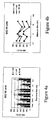
- GLYN was added in the growth media at concentrations of 0.1 mM, 1 mM or 10 mM. The green fluorescence was measured at 0 min, 10 min, 30 min, 1 hour, 2 hours, 6 hours and 24 hours after addition of GLYN using a microplate spectrofluorometer with an excitation at 495 nm and an emission at 515 nm (see Figures 4(a) and 4(b) .
- Example 4 Production of nitric oxide in tumor cells by GLYN and radiation
- SCC VII tumor cells were grown in 96-well plates overnight at 37°C.
- a fluorescent probe DAF-FM diacetate was added at a concentration of 10 ⁇ M for 1 hour and then washed out.
- GLYN was added in the growth media at concentrations of 0.1 mM, 1 mM or 10 mM.
- Cells were immediately irradiated with radiation doses of 2 or 10 Gy. The green fluorescence was measured at 0 min, 10 min, 30 min, 1 hour, 2 hours, 6 hours and 24 hours after addition of GLYN using a microplate spectrofluorometer with an excitation at 495 nm and an emission at 515 nm.
- Figures 5a-d show the production of nitric oxide in SCC VII cells at selected times after exposure to GLYN and radiation. Radiation alone produced a low level of NO in SCC VII tumor cells. When combined with GLYN, the intracellular level of NO slightly increased.
Landscapes
- Health & Medical Sciences (AREA)
- Chemical & Material Sciences (AREA)
- Veterinary Medicine (AREA)
- Medicinal Chemistry (AREA)
- Pharmacology & Pharmacy (AREA)
- Life Sciences & Earth Sciences (AREA)
- Animal Behavior & Ethology (AREA)
- General Health & Medical Sciences (AREA)
- Public Health (AREA)
- Epidemiology (AREA)
- Organic Chemistry (AREA)
- Emergency Medicine (AREA)
- Nuclear Medicine, Radiotherapy & Molecular Imaging (AREA)
- General Chemical & Material Sciences (AREA)
- Chemical Kinetics & Catalysis (AREA)
- Engineering & Computer Science (AREA)
- Bioinformatics & Cheminformatics (AREA)
- Pharmaceuticals Containing Other Organic And Inorganic Compounds (AREA)
- Acyclic And Carbocyclic Compounds In Medicinal Compositions (AREA)
- Epoxy Compounds (AREA)
- Organic Low-Molecular-Weight Compounds And Preparation Thereof (AREA)
Claims (9)
- Pharmazeutische Zusammensetzung, welche (i) eine O-Nitro-Verbindung oder ein pharmazeutisch annehmbares Salz, Hydrat oder Solvat davon und (ii) ein pharmazeutisch annehmbares Vehikel umfasst,
wobei die O-Nitro-Verbindung
zur Verwendung beim Behandeln oder Verhüten von Krebs, Entzündung, Autoimmunerkrankung oder Herz-Kreislauf-Erkrankung. - Pharmazeutische Zusammensetzung nach Anspruch 1, wobei der Krebs Plattenepithelkarzinom, Gebärmutterhalskrebs, Brustkrebs, Nierenkrebs, Hirntumor, Dickdarmkrebs, kolorektaler Krebs, Prostatakrebs, Lungenkrebs, ein jeglicher anderer solider Tumor oder lymphohämopoetische Malignität ist.
- Pharmazeutische Zusammensetzung nach Anspruch 1 zur Verwendung beim Behandeln von Tumorzellen mit einer reduzierten intrazellulären Umgebung.
- Pharmazeutische Zusammensetzung nach Anspruch 1 zur Verwendung beim Behandeln von soliden Tumoren.
- Pharmazeutische Zusammensetzung nach einem der Ansprüche 1-4, wobei die pharmazeutische Zusammensetzung zur Verwendung in Kombination mit mindestens einem anderen therapeutischen Mittel für die Behandlung oder Verhütung von Krebs vorgesehen ist.
- Pharmazeutische Zusammensetzung nach einem der Ansprüche 1-4, wobei die pharmazeutische Zusammensetzung zur Verwendung in Kombination mit einer intraoperativen Strahlentherapie vorgesehen ist.
- Pharmazeutische Zusammensetzung nach einem der Ansprüche 1-4, wobei die pharmazeutische Zusammensetzung zur Verwendung in Kombination mit einem chemotherapeutischen Mittel vorgesehen ist.
- Pharmazeutische Zusammensetzung nach Anspruch 7, wobei das chemotherapeutische Mittel cis-Platin ist.
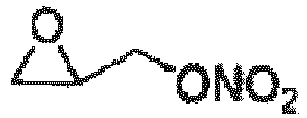
- Verbindung mit der Struktur:
Applications Claiming Priority (3)
| Application Number | Priority Date | Filing Date | Title |
|---|---|---|---|
| US70789605P | 2005-08-12 | 2005-08-12 | |
| US11/502,974 US20070135380A1 (en) | 2005-08-12 | 2006-08-11 | O-nitro compounds, pharmaceutical compositions thereof and uses thereof |
| EP06801465A EP1924143A4 (de) | 2005-08-12 | 2006-08-14 | O-nitro-verbindungen, pharmazeutische zusammensetzungen daraus und deren verwendung |
Related Parent Applications (2)
| Application Number | Title | Priority Date | Filing Date |
|---|---|---|---|
| EP06801465A Division EP1924143A4 (de) | 2005-08-12 | 2006-08-14 | O-nitro-verbindungen, pharmazeutische zusammensetzungen daraus und deren verwendung |
| EP06801465.3 Division | 2006-08-14 |
Publications (2)
| Publication Number | Publication Date |
|---|---|
| EP2433495A1 EP2433495A1 (de) | 2012-03-28 |
| EP2433495B1 true EP2433495B1 (de) | 2016-10-05 |
Family
ID=37758284
Family Applications (2)
| Application Number | Title | Priority Date | Filing Date |
|---|---|---|---|
| EP11006197.5A Active EP2433495B1 (de) | 2005-08-12 | 2006-08-14 | O-Nitro-Verbindungen, pharmazeutische Zusammensetzungen daraus und deren Verwendung |
| EP06801465A Withdrawn EP1924143A4 (de) | 2005-08-12 | 2006-08-14 | O-nitro-verbindungen, pharmazeutische zusammensetzungen daraus und deren verwendung |
Family Applications After (1)
| Application Number | Title | Priority Date | Filing Date |
|---|---|---|---|
| EP06801465A Withdrawn EP1924143A4 (de) | 2005-08-12 | 2006-08-14 | O-nitro-verbindungen, pharmazeutische zusammensetzungen daraus und deren verwendung |
Country Status (9)
| Country | Link |
|---|---|
| US (3) | US20070135380A1 (de) |
| EP (2) | EP2433495B1 (de) |
| JP (1) | JP5241494B2 (de) |
| KR (1) | KR20090023327A (de) |
| AU (1) | AU2006279678B8 (de) |
| CA (1) | CA2620611C (de) |
| IL (1) | IL189438A0 (de) |
| MX (1) | MX2008001982A (de) |
| WO (1) | WO2007022121A2 (de) |
Families Citing this family (13)
| Publication number | Priority date | Publication date | Assignee | Title |
|---|---|---|---|---|
| US20070135380A1 (en) | 2005-08-12 | 2007-06-14 | Radiorx, Inc. | O-nitro compounds, pharmaceutical compositions thereof and uses thereof |
| US7507842B2 (en) | 2005-08-12 | 2009-03-24 | Radiorx, Inc. | Cyclic nitro compounds, pharmaceutical compositions thereof and uses thereof |
| JP5791064B2 (ja) * | 2009-07-17 | 2015-10-07 | エア・ウォーター株式会社 | 医薬用組成物 |
| US8471041B2 (en) | 2010-02-09 | 2013-06-25 | Alliant Techsystems Inc. | Methods of synthesizing and isolating N-(bromoacetyl)-3,3-dinitroazetidine and a composition including the same |
| US8664247B2 (en) | 2011-08-26 | 2014-03-04 | Radiorx, Inc. | Acyclic organonitro compounds for use in treating cancer |
| WO2013052803A2 (en) | 2011-10-07 | 2013-04-11 | Radiorx, Inc. | Methods and compositions comprising a nitrite-reductase promoter for treatment of medical disorders and preservation of blood products |
| CA2850723C (en) | 2011-10-07 | 2019-07-09 | Radiorx, Inc. | Organonitro thioether compounds and medical uses thereof |
| US10342778B1 (en) | 2015-10-20 | 2019-07-09 | Epicentrx, Inc. | Treatment of brain metastases using organonitro compound combination therapy |
| US9987270B1 (en) | 2015-10-29 | 2018-06-05 | Epicentrix, Inc. | Treatment of gliomas using organonitro compound combination therapy |
| EP3402480B1 (de) | 2016-01-11 | 2021-03-24 | EpicentRx, Inc. | Zusammensetzungen und verfahren zur intravenösen verabreichung von 2-bromo-1-( 3,3-dinitroazetidin-1-yl)ethanon |
| JP7332469B2 (ja) | 2016-10-14 | 2023-08-23 | エピセントアールエックス,インコーポレイテッド | スルホキシアルキル有機窒素および関連のある化合物ならびに医学における使用のための医薬組成物 |
| WO2019010447A1 (en) | 2017-07-07 | 2019-01-10 | Epicentrx, Inc. | COMPOSITIONS FOR PARENTERAL ADMINISTRATION OF THERAPEUTIC AGENTS |
| WO2019164593A2 (en) | 2018-01-08 | 2019-08-29 | Epicentrx, Inc. | Methods and compositions utilizing rrx-001 combination therapy for radioprotection |
Family Cites Families (50)
| Publication number | Priority date | Publication date | Assignee | Title |
|---|---|---|---|---|
| US233785A (en) | 1880-10-26 | Condenser for cotton-gins | ||
| US460439A (en) | 1891-09-29 | Ventilator for mattresses | ||
| US119672A (en) | 1871-10-03 | Improvement in railway switches | ||
| US171384A (en) | 1875-12-21 | Improvement in varnishes | ||
| US700750A (en) | 1902-01-31 | 1902-05-27 | Edward G Dougherty | Printers' furniture. |
| US2978453A (en) | 1956-12-12 | 1961-04-04 | Aerojet General Co | 3, 3, 5, 5-tetranitropiperidine |
| US3845770A (en) | 1972-06-05 | 1974-11-05 | Alza Corp | Osmatic dispensing device for releasing beneficial agent |
| US3916899A (en) | 1973-04-25 | 1975-11-04 | Alza Corp | Osmotic dispensing device with maximum and minimum sizes for the passageway |
| US4935450A (en) | 1982-09-17 | 1990-06-19 | Therapeutical Systems Corporation | Cancer therapy system for effecting oncolysis of malignant neoplasms |
| JPS60116642A (ja) * | 1983-11-29 | 1985-06-24 | Nippon Kayaku Co Ltd | 2−モノ−置換メチル−5,5−ジメチル−シクロ−2−ヘキセノン誘導体 |
| GB8504253D0 (en) | 1985-02-19 | 1985-03-20 | Ici Plc | Electrostatic spraying apparatus |
| GB8728418D0 (en) | 1987-12-04 | 1988-01-13 | Jenkins T C | Nitro-substituted aromatic/hetero-aromatic compounds for use in cancer treatment |
| DE3815221C2 (de) | 1988-05-04 | 1995-06-29 | Gradinger F Hermes Pharma | Verwendung einer Retinol- und/oder Retinsäureester enthaltenden pharmazeutischen Zubereitung zur Inhalation zur Einwirkung auf die Schleimhäute des Tracheo-Bronchialtraktes einschließlich der Lungenalveolen |
| GB8817545D0 (en) | 1988-07-22 | 1988-08-24 | Secr Defence | Preparation of epoxy nitrates |
| US5693794A (en) | 1988-09-30 | 1997-12-02 | The United States Of America As Represented By The Secretary Of The Navy | Caged polynitramine compound |
| JP2659614B2 (ja) | 1990-11-13 | 1997-09-30 | 株式会社日立製作所 | 表示制御装置 |
| US5698155A (en) | 1991-05-31 | 1997-12-16 | Gs Technologies, Inc. | Method for the manufacture of pharmaceutical cellulose capsules |
| US5336784A (en) | 1993-06-07 | 1994-08-09 | The Regents Of The University Of California | Synthesis of 1,3,3-trinitroazetidine |
| DK0719145T3 (da) * | 1994-05-27 | 2001-01-02 | Cellegy Pharma Inc | Nitrogenoxiddonorpræparat til behandling af anale lidelser |
| DK0814860T3 (da) | 1995-03-14 | 2000-05-08 | Siemens Ag | Ultrasonisk forstøveranordning med aftagelig præcisionsdoseringsendhed |
| JP3142577B2 (ja) | 1995-03-14 | 2001-03-07 | シーメンス アクチエンゲゼルシヤフト | 着脱自在な精密計量供給ユニット |
| US5580988A (en) | 1995-05-15 | 1996-12-03 | The United States Of America As Represented By The Secretary Of The Army | Substituted azetidines and processes of using them |
| US5898038A (en) | 1996-03-19 | 1999-04-27 | Board Of Regents, The University Of Texas System | Treatment of osteoporosis and metabolic bone disorders with nitric oxide substrate and/or donors |
| US20050137191A1 (en) * | 1996-06-04 | 2005-06-23 | Thatcher Gregory R. | Nitrate esters and their use for mitigating cellular damage |
| IL128589A0 (en) | 1996-10-15 | 2000-01-31 | Eastman Chem Co | Explosive formulations |
| GB9720797D0 (en) * | 1997-09-30 | 1997-12-03 | Rhodes John | Pharmaceutical composition for the treatment of inflammatory bowel disease and irritable bowel syndrome |
| NZ504021A (en) | 1997-10-17 | 2003-04-29 | Systemic Pulmonary Delivery Lt | Method and apparatus for delivering aerosolized medication having air discharged through air tube directly into plume of aerosolized medication |
| US6056966A (en) * | 1998-05-18 | 2000-05-02 | Baker Norton Pharmaceuticals, Inc. | Method and compositions for treating impotence |
| US7635722B1 (en) | 1998-07-27 | 2009-12-22 | Saint Jude Pharmaceuticals, Inc. | Chemical induced intracellular hyperthermia |
| US6448253B1 (en) | 1998-09-16 | 2002-09-10 | King Pharmaceuticals Research And Development, Inc. | Adenosine A3 receptor modulators |
| US6245799B1 (en) | 1999-11-08 | 2001-06-12 | American Home Products Corp | [(Indol-3-yl)-cycloalkyl]-3-substituted azetidines for the treatment of central nervous system disorders |
| SK13942002A3 (sk) | 2000-04-10 | 2004-03-02 | Pfizer Products Inc. | Benzoamidové piperidínové zlúčeniny a príbuzné zlúčeniny |
| JP2002069057A (ja) | 2000-07-07 | 2002-03-08 | Kyowa Hakko Kogyo Co Ltd | ピペリジン誘導体 |
| DE10111049A1 (de) | 2001-03-06 | 2002-09-12 | Beiersdorf Ag | Verwendung von Substanzen, die verhindern, daß die NO-Synthese des warmblütigen Organismus ihre Wirkung entfaltet, zur Herstellung von kosmetischen oder dermatologischen Zubereitungen, zur Prophylaxe und Behandlung von entzündlichen Hautzuständen und/oder zum Hautschutz bei empfindlich determinierter trockener Haut |
| EP1336602A1 (de) * | 2002-02-13 | 2003-08-20 | Giovanni Scaramuzzino | Nitrat-Prodrugs zur Freisetzung von Stickstoffmonoxid in kontrollierter und selektiver Weise sowie deren Verwendung zur Prävention und Behandlung inflammatorischer, ischämischer und proliferativer Erkrankungen |
| CA2478145A1 (en) | 2002-03-06 | 2003-09-12 | Cellegy Pharmaceuticals, Inc. | Formulations and methods of using nitric oxide mimetics in cancer treatment |
| WO2004004648A2 (en) * | 2002-07-03 | 2004-01-15 | Nitromed, Inc. | Nitrosated nonsteroidal antiinflammatory compounds, compositions and methods of use |
| EP1556056A4 (de) | 2002-10-07 | 2008-08-06 | Radiorx Inc | X-nitro-verbindungen, pharmazeutischezusammensetzungen daraus und ihre verwendungen |
| US6870061B2 (en) * | 2003-01-10 | 2005-03-22 | Alliant Techsystems Inc. | Continuous process and system for production of glycidyl nitrate from glycerin, nitric acid and caustic and conversion of glycidyl nitrate to poly(glycidyl nitrate) |
| WO2004098538A2 (en) * | 2003-03-13 | 2004-11-18 | Nitromed, Inc. | Nitrosated and nitrosylated compounds, compositions and methods of use |
| DE602004031621D1 (de) * | 2003-06-25 | 2011-04-14 | Je Il Pharmaceutical Co Ltd | Tricyclische derivate oder pharmazeutisch unnbedenkliche salze davon, deren herstellung und pharmazeutische zusammensetzungen, die diese enthalten |
| GB0326047D0 (en) * | 2003-11-07 | 2003-12-10 | Univ Sheffield | Substance |
| WO2006029385A2 (en) | 2004-09-08 | 2006-03-16 | Chelsea Therapeutics, Inc. | Quinazoline derivatives as metabolically inert antifolate compounds. |
| US7507842B2 (en) | 2005-08-12 | 2009-03-24 | Radiorx, Inc. | Cyclic nitro compounds, pharmaceutical compositions thereof and uses thereof |
| US20070135380A1 (en) | 2005-08-12 | 2007-06-14 | Radiorx, Inc. | O-nitro compounds, pharmaceutical compositions thereof and uses thereof |
| WO2007038459A2 (en) | 2005-09-27 | 2007-04-05 | Novartis Ag | Carboxyamine compounds and their use in the treatment of hdac dependent diseases |
| US8122281B2 (en) | 2007-04-13 | 2012-02-21 | International Business Machines Corporation | System and method for dependent failure-aware allocation of distributed data-processing systems |
| KR100967848B1 (ko) | 2008-05-28 | 2010-07-05 | 국방과학연구소 | 분자화약이 도입된, 고에너지 결합제용1-글리시딜-3,3-디니트로아제티딘 및 그의 제조방법 |
| US8471041B2 (en) | 2010-02-09 | 2013-06-25 | Alliant Techsystems Inc. | Methods of synthesizing and isolating N-(bromoacetyl)-3,3-dinitroazetidine and a composition including the same |
| US20120149678A1 (en) | 2010-12-09 | 2012-06-14 | Oronsky Bryan T | Organonitro Compounds for Use in Treating Non-Hodgkin's Lymphoma and Leukemia, and Methods Relating Thereto |
-
2006
- 2006-08-11 US US11/502,974 patent/US20070135380A1/en not_active Abandoned
- 2006-08-14 JP JP2008526289A patent/JP5241494B2/ja active Active
- 2006-08-14 AU AU2006279678A patent/AU2006279678B8/en active Active
- 2006-08-14 EP EP11006197.5A patent/EP2433495B1/de active Active
- 2006-08-14 EP EP06801465A patent/EP1924143A4/de not_active Withdrawn
- 2006-08-14 CA CA2620611A patent/CA2620611C/en active Active
- 2006-08-14 WO PCT/US2006/031722 patent/WO2007022121A2/en not_active Ceased
- 2006-08-14 KR KR1020087006017A patent/KR20090023327A/ko not_active Ceased
- 2006-08-14 MX MX2008001982A patent/MX2008001982A/es not_active Application Discontinuation
-
2008
- 2008-02-11 IL IL189438A patent/IL189438A0/en unknown
-
2012
- 2012-05-30 US US13/484,138 patent/US8530681B2/en active Active
-
2013
- 2013-07-26 US US13/951,720 patent/US9133150B2/en active Active
Non-Patent Citations (1)
| Title |
|---|
| T BILL CAI ET AL: "Recent developments in anticancer nitric oxide donors", EXPERT OPINION ON THERAPEUTIC PATENTS, vol. 14, no. 6, 1 June 2004 (2004-06-01), pages 849 - 857, XP055058203 * |
Also Published As
| Publication number | Publication date |
|---|---|
| US8530681B2 (en) | 2013-09-10 |
| US20120237615A1 (en) | 2012-09-20 |
| MX2008001982A (es) | 2008-09-26 |
| US9133150B2 (en) | 2015-09-15 |
| KR20090023327A (ko) | 2009-03-04 |
| WO2007022121A2 (en) | 2007-02-22 |
| EP1924143A4 (de) | 2009-05-13 |
| US20070135380A1 (en) | 2007-06-14 |
| JP5241494B2 (ja) | 2013-07-17 |
| AU2006279678B2 (en) | 2012-04-12 |
| AU2006279678A1 (en) | 2007-02-22 |
| US20130309324A1 (en) | 2013-11-21 |
| AU2006279678B8 (en) | 2012-05-10 |
| CA2620611A1 (en) | 2007-02-22 |
| EP2433495A1 (de) | 2012-03-28 |
| CA2620611C (en) | 2017-01-03 |
| WO2007022121A3 (en) | 2007-07-19 |
| EP1924143A2 (de) | 2008-05-28 |
| JP2009505982A (ja) | 2009-02-12 |
| IL189438A0 (en) | 2008-08-07 |
Similar Documents
| Publication | Publication Date | Title |
|---|---|---|
| US9133150B2 (en) | O-nitro compounds and pharmaceutical compositions including same | |
| US20250049756A1 (en) | Cyclic nitro compounds, pharmaceutical compositions thereof and uses thereof | |
| US20090291935A1 (en) | X-nitro compounds, pharmaceutical compositions thereof and uses thereof | |
| AU2012203798B2 (en) | O-nitro compounds, pharmaceutical compositons thereof and uses thereof | |
| ZA200503112B (en) | X-nitro compounds, pharmaceutical compositions thereof and uses thereof |
Legal Events
| Date | Code | Title | Description |
|---|---|---|---|
| PUAI | Public reference made under article 153(3) epc to a published international application that has entered the european phase |
Free format text: ORIGINAL CODE: 0009012 |
|
| 17P | Request for examination filed |
Effective date: 20110728 |
|
| AC | Divisional application: reference to earlier application |
Ref document number: 1924143 Country of ref document: EP Kind code of ref document: P |
|
| AK | Designated contracting states |
Kind code of ref document: A1 Designated state(s): AT BE BG CH CY CZ DE DK EE ES FI FR GB GR HU IE IS IT LI LT LU LV MC NL PL PT RO SE SI SK TR |
|
| AX | Request for extension of the european patent |
Extension state: AL BA HR MK RS |
|
| 17Q | First examination report despatched |
Effective date: 20130408 |
|
| 17Q | First examination report despatched |
Effective date: 20130423 |
|
| RAP1 | Party data changed (applicant data changed or rights of an application transferred) |
Owner name: ORBITAL ATK, INC. |
|
| GRAP | Despatch of communication of intention to grant a patent |
Free format text: ORIGINAL CODE: EPIDOSNIGR1 |
|
| INTG | Intention to grant announced |
Effective date: 20160414 |
|
| RAP1 | Party data changed (applicant data changed or rights of an application transferred) |
Owner name: ORBITAL ATK, INC. |
|
| RIN1 | Information on inventor provided before grant (corrected) |
Inventor name: NING, SHOUCHENG Inventor name: BEDNARSKI, MARK D. Inventor name: WARDLE, ROBERT Inventor name: WARNER, KIRSTIN Inventor name: VELARDE, STEPHEN Inventor name: KNOX, SUSAN Inventor name: CANNIZZO, LOUIS |
|
| GRAS | Grant fee paid |
Free format text: ORIGINAL CODE: EPIDOSNIGR3 |
|
| GRAA | (expected) grant |
Free format text: ORIGINAL CODE: 0009210 |
|
| AC | Divisional application: reference to earlier application |
Ref document number: 1924143 Country of ref document: EP Kind code of ref document: P |
|
| AK | Designated contracting states |
Kind code of ref document: B1 Designated state(s): AT BE BG CH CY CZ DE DK EE ES FI FR GB GR HU IE IS IT LI LT LU LV MC NL PL PT RO SE SI SK TR |
|
| REG | Reference to a national code |
Ref country code: GB Ref legal event code: FG4D |
|
| REG | Reference to a national code |
Ref country code: CH Ref legal event code: EP |
|
| REG | Reference to a national code |
Ref country code: AT Ref legal event code: REF Ref document number: 833759 Country of ref document: AT Kind code of ref document: T Effective date: 20161015 |
|
| REG | Reference to a national code |
Ref country code: IE Ref legal event code: FG4D |
|
| REG | Reference to a national code |
Ref country code: DE Ref legal event code: R096 Ref document number: 602006050530 Country of ref document: DE |
|
| REG | Reference to a national code |
Ref country code: NL Ref legal event code: MP Effective date: 20161005 |
|
| REG | Reference to a national code |
Ref country code: LT Ref legal event code: MG4D |
|
| PG25 | Lapsed in a contracting state [announced via postgrant information from national office to epo] |
Ref country code: LV Free format text: LAPSE BECAUSE OF FAILURE TO SUBMIT A TRANSLATION OF THE DESCRIPTION OR TO PAY THE FEE WITHIN THE PRESCRIBED TIME-LIMIT Effective date: 20161005 |
|
| REG | Reference to a national code |
Ref country code: AT Ref legal event code: MK05 Ref document number: 833759 Country of ref document: AT Kind code of ref document: T Effective date: 20161005 |
|
| PG25 | Lapsed in a contracting state [announced via postgrant information from national office to epo] |
Ref country code: GR Free format text: LAPSE BECAUSE OF FAILURE TO SUBMIT A TRANSLATION OF THE DESCRIPTION OR TO PAY THE FEE WITHIN THE PRESCRIBED TIME-LIMIT Effective date: 20170106 Ref country code: SE Free format text: LAPSE BECAUSE OF FAILURE TO SUBMIT A TRANSLATION OF THE DESCRIPTION OR TO PAY THE FEE WITHIN THE PRESCRIBED TIME-LIMIT Effective date: 20161005 Ref country code: LT Free format text: LAPSE BECAUSE OF FAILURE TO SUBMIT A TRANSLATION OF THE DESCRIPTION OR TO PAY THE FEE WITHIN THE PRESCRIBED TIME-LIMIT Effective date: 20161005 |
|
| PG25 | Lapsed in a contracting state [announced via postgrant information from national office to epo] |
Ref country code: PL Free format text: LAPSE BECAUSE OF FAILURE TO SUBMIT A TRANSLATION OF THE DESCRIPTION OR TO PAY THE FEE WITHIN THE PRESCRIBED TIME-LIMIT Effective date: 20161005 Ref country code: PT Free format text: LAPSE BECAUSE OF FAILURE TO SUBMIT A TRANSLATION OF THE DESCRIPTION OR TO PAY THE FEE WITHIN THE PRESCRIBED TIME-LIMIT Effective date: 20170206 Ref country code: IS Free format text: LAPSE BECAUSE OF FAILURE TO SUBMIT A TRANSLATION OF THE DESCRIPTION OR TO PAY THE FEE WITHIN THE PRESCRIBED TIME-LIMIT Effective date: 20170205 Ref country code: ES Free format text: LAPSE BECAUSE OF FAILURE TO SUBMIT A TRANSLATION OF THE DESCRIPTION OR TO PAY THE FEE WITHIN THE PRESCRIBED TIME-LIMIT Effective date: 20161005 Ref country code: AT Free format text: LAPSE BECAUSE OF FAILURE TO SUBMIT A TRANSLATION OF THE DESCRIPTION OR TO PAY THE FEE WITHIN THE PRESCRIBED TIME-LIMIT Effective date: 20161005 Ref country code: BE Free format text: LAPSE BECAUSE OF FAILURE TO SUBMIT A TRANSLATION OF THE DESCRIPTION OR TO PAY THE FEE WITHIN THE PRESCRIBED TIME-LIMIT Effective date: 20161005 Ref country code: FI Free format text: LAPSE BECAUSE OF FAILURE TO SUBMIT A TRANSLATION OF THE DESCRIPTION OR TO PAY THE FEE WITHIN THE PRESCRIBED TIME-LIMIT Effective date: 20161005 Ref country code: NL Free format text: LAPSE BECAUSE OF FAILURE TO SUBMIT A TRANSLATION OF THE DESCRIPTION OR TO PAY THE FEE WITHIN THE PRESCRIBED TIME-LIMIT Effective date: 20161005 |
|
| REG | Reference to a national code |
Ref country code: DE Ref legal event code: R097 Ref document number: 602006050530 Country of ref document: DE |
|
| PG25 | Lapsed in a contracting state [announced via postgrant information from national office to epo] |
Ref country code: SK Free format text: LAPSE BECAUSE OF FAILURE TO SUBMIT A TRANSLATION OF THE DESCRIPTION OR TO PAY THE FEE WITHIN THE PRESCRIBED TIME-LIMIT Effective date: 20161005 Ref country code: DK Free format text: LAPSE BECAUSE OF FAILURE TO SUBMIT A TRANSLATION OF THE DESCRIPTION OR TO PAY THE FEE WITHIN THE PRESCRIBED TIME-LIMIT Effective date: 20161005 Ref country code: RO Free format text: LAPSE BECAUSE OF FAILURE TO SUBMIT A TRANSLATION OF THE DESCRIPTION OR TO PAY THE FEE WITHIN THE PRESCRIBED TIME-LIMIT Effective date: 20161005 Ref country code: EE Free format text: LAPSE BECAUSE OF FAILURE TO SUBMIT A TRANSLATION OF THE DESCRIPTION OR TO PAY THE FEE WITHIN THE PRESCRIBED TIME-LIMIT Effective date: 20161005 Ref country code: CZ Free format text: LAPSE BECAUSE OF FAILURE TO SUBMIT A TRANSLATION OF THE DESCRIPTION OR TO PAY THE FEE WITHIN THE PRESCRIBED TIME-LIMIT Effective date: 20161005 |
|
| PLBE | No opposition filed within time limit |
Free format text: ORIGINAL CODE: 0009261 |
|
| STAA | Information on the status of an ep patent application or granted ep patent |
Free format text: STATUS: NO OPPOSITION FILED WITHIN TIME LIMIT |
|
| REG | Reference to a national code |
Ref country code: FR Ref legal event code: PLFP Year of fee payment: 12 |
|
| PG25 | Lapsed in a contracting state [announced via postgrant information from national office to epo] |
Ref country code: BG Free format text: LAPSE BECAUSE OF FAILURE TO SUBMIT A TRANSLATION OF THE DESCRIPTION OR TO PAY THE FEE WITHIN THE PRESCRIBED TIME-LIMIT Effective date: 20170105 Ref country code: IT Free format text: LAPSE BECAUSE OF FAILURE TO SUBMIT A TRANSLATION OF THE DESCRIPTION OR TO PAY THE FEE WITHIN THE PRESCRIBED TIME-LIMIT Effective date: 20161005 |
|
| 26N | No opposition filed |
Effective date: 20170706 |
|
| PG25 | Lapsed in a contracting state [announced via postgrant information from national office to epo] |
Ref country code: SI Free format text: LAPSE BECAUSE OF FAILURE TO SUBMIT A TRANSLATION OF THE DESCRIPTION OR TO PAY THE FEE WITHIN THE PRESCRIBED TIME-LIMIT Effective date: 20161005 |
|
| REG | Reference to a national code |
Ref country code: CH Ref legal event code: PL |
|
| PG25 | Lapsed in a contracting state [announced via postgrant information from national office to epo] |
Ref country code: MC Free format text: LAPSE BECAUSE OF FAILURE TO SUBMIT A TRANSLATION OF THE DESCRIPTION OR TO PAY THE FEE WITHIN THE PRESCRIBED TIME-LIMIT Effective date: 20161005 |
|
| PG25 | Lapsed in a contracting state [announced via postgrant information from national office to epo] |
Ref country code: LI Free format text: LAPSE BECAUSE OF NON-PAYMENT OF DUE FEES Effective date: 20170831 Ref country code: CH Free format text: LAPSE BECAUSE OF NON-PAYMENT OF DUE FEES Effective date: 20170831 |
|
| PG25 | Lapsed in a contracting state [announced via postgrant information from national office to epo] |
Ref country code: LU Free format text: LAPSE BECAUSE OF NON-PAYMENT OF DUE FEES Effective date: 20170814 |
|
| REG | Reference to a national code |
Ref country code: FR Ref legal event code: PLFP Year of fee payment: 13 |
|
| REG | Reference to a national code |
Ref country code: DE Ref legal event code: R082 Ref document number: 602006050530 Country of ref document: DE Representative=s name: ARNOLD & SIEDSMA, DE Ref country code: DE Ref legal event code: R081 Ref document number: 602006050530 Country of ref document: DE Owner name: NORTHROP GRUMMAN INNOVATION SYSTEMS, INC. (N.D, US Free format text: FORMER OWNER: ORBITAL ATK, INC., PLYMOUTH, MINN., US |
|
| PG25 | Lapsed in a contracting state [announced via postgrant information from national office to epo] |
Ref country code: HU Free format text: LAPSE BECAUSE OF FAILURE TO SUBMIT A TRANSLATION OF THE DESCRIPTION OR TO PAY THE FEE WITHIN THE PRESCRIBED TIME-LIMIT; INVALID AB INITIO Effective date: 20060814 |
|
| PG25 | Lapsed in a contracting state [announced via postgrant information from national office to epo] |
Ref country code: CY Free format text: LAPSE BECAUSE OF NON-PAYMENT OF DUE FEES Effective date: 20161005 |
|
| PG25 | Lapsed in a contracting state [announced via postgrant information from national office to epo] |
Ref country code: TR Free format text: LAPSE BECAUSE OF FAILURE TO SUBMIT A TRANSLATION OF THE DESCRIPTION OR TO PAY THE FEE WITHIN THE PRESCRIBED TIME-LIMIT Effective date: 20161005 |
|
| P01 | Opt-out of the competence of the unified patent court (upc) registered |
Effective date: 20230607 |
|
| PGFP | Annual fee paid to national office [announced via postgrant information from national office to epo] |
Ref country code: DE Payment date: 20250820 Year of fee payment: 20 |
|
| PGFP | Annual fee paid to national office [announced via postgrant information from national office to epo] |
Ref country code: GB Payment date: 20250820 Year of fee payment: 20 |
|
| PGFP | Annual fee paid to national office [announced via postgrant information from national office to epo] |
Ref country code: FR Payment date: 20250829 Year of fee payment: 20 |
|
| PGFP | Annual fee paid to national office [announced via postgrant information from national office to epo] |
Ref country code: IE Payment date: 20250820 Year of fee payment: 20 |