EP2432891B1 - Methods for preparing a fermented ginseng concentrate or powder - Google Patents
Methods for preparing a fermented ginseng concentrate or powder Download PDFInfo
- Publication number
- EP2432891B1 EP2432891B1 EP09844959.8A EP09844959A EP2432891B1 EP 2432891 B1 EP2432891 B1 EP 2432891B1 EP 09844959 A EP09844959 A EP 09844959A EP 2432891 B1 EP2432891 B1 EP 2432891B1
- Authority
- EP
- European Patent Office
- Prior art keywords
- ginseng
- fermented
- galactosidase
- beta
- extract
- Prior art date
- Legal status (The legal status is an assumption and is not a legal conclusion. Google has not performed a legal analysis and makes no representation as to the accuracy of the status listed.)
- Active
Links
Images
Classifications
-
- C—CHEMISTRY; METALLURGY
- C12—BIOCHEMISTRY; BEER; SPIRITS; WINE; VINEGAR; MICROBIOLOGY; ENZYMOLOGY; MUTATION OR GENETIC ENGINEERING
- C12Y—ENZYMES
- C12Y302/00—Hydrolases acting on glycosyl compounds, i.e. glycosylases (3.2)
- C12Y302/01—Glycosidases, i.e. enzymes hydrolysing O- and S-glycosyl compounds (3.2.1)
- C12Y302/01015—Polygalacturonase (3.2.1.15)
-
- A—HUMAN NECESSITIES
- A23—FOODS OR FOODSTUFFS; TREATMENT THEREOF, NOT COVERED BY OTHER CLASSES
- A23L—FOODS, FOODSTUFFS OR NON-ALCOHOLIC BEVERAGES, NOT OTHERWISE PROVIDED FOR; PREPARATION OR TREATMENT THEREOF
- A23L27/00—Spices; Flavouring agents or condiments; Artificial sweetening agents; Table salts; Dietetic salt substitutes; Preparation or treatment thereof
- A23L27/10—Natural spices, flavouring agents or condiments; Extracts thereof
-
- A—HUMAN NECESSITIES
- A23—FOODS OR FOODSTUFFS; TREATMENT THEREOF, NOT COVERED BY OTHER CLASSES
- A23L—FOODS, FOODSTUFFS OR NON-ALCOHOLIC BEVERAGES, NOT OTHERWISE PROVIDED FOR; PREPARATION OR TREATMENT THEREOF
- A23L29/00—Foods or foodstuffs containing additives; Preparation or treatment thereof
- A23L29/06—Enzymes
-
- A—HUMAN NECESSITIES
- A23—FOODS OR FOODSTUFFS; TREATMENT THEREOF, NOT COVERED BY OTHER CLASSES
- A23L—FOODS, FOODSTUFFS OR NON-ALCOHOLIC BEVERAGES, NOT OTHERWISE PROVIDED FOR; PREPARATION OR TREATMENT THEREOF
- A23L33/00—Modifying nutritive qualities of foods; Dietetic products; Preparation or treatment thereof
- A23L33/10—Modifying nutritive qualities of foods; Dietetic products; Preparation or treatment thereof using additives
- A23L33/105—Plant extracts, their artificial duplicates or their derivatives
-
- A—HUMAN NECESSITIES
- A61—MEDICAL OR VETERINARY SCIENCE; HYGIENE
- A61K—PREPARATIONS FOR MEDICAL, DENTAL OR TOILETRY PURPOSES
- A61K36/00—Medicinal preparations of undetermined constitution containing material from algae, lichens, fungi or plants, or derivatives thereof, e.g. traditional herbal medicines
- A61K36/18—Magnoliophyta (angiosperms)
- A61K36/185—Magnoliopsida (dicotyledons)
- A61K36/25—Araliaceae (Ginseng family), e.g. ivy, aralia, schefflera or tetrapanax
- A61K36/258—Panax (ginseng)
-
- A—HUMAN NECESSITIES
- A61—MEDICAL OR VETERINARY SCIENCE; HYGIENE
- A61P—SPECIFIC THERAPEUTIC ACTIVITY OF CHEMICAL COMPOUNDS OR MEDICINAL PREPARATIONS
- A61P3/00—Drugs for disorders of the metabolism
-
- A—HUMAN NECESSITIES
- A61—MEDICAL OR VETERINARY SCIENCE; HYGIENE
- A61P—SPECIFIC THERAPEUTIC ACTIVITY OF CHEMICAL COMPOUNDS OR MEDICINAL PREPARATIONS
- A61P3/00—Drugs for disorders of the metabolism
- A61P3/08—Drugs for disorders of the metabolism for glucose homeostasis
- A61P3/10—Drugs for disorders of the metabolism for glucose homeostasis for hyperglycaemia, e.g. antidiabetics
-
- A—HUMAN NECESSITIES
- A61—MEDICAL OR VETERINARY SCIENCE; HYGIENE
- A61P—SPECIFIC THERAPEUTIC ACTIVITY OF CHEMICAL COMPOUNDS OR MEDICINAL PREPARATIONS
- A61P35/00—Antineoplastic agents
-
- A—HUMAN NECESSITIES
- A61—MEDICAL OR VETERINARY SCIENCE; HYGIENE
- A61P—SPECIFIC THERAPEUTIC ACTIVITY OF CHEMICAL COMPOUNDS OR MEDICINAL PREPARATIONS
- A61P37/00—Drugs for immunological or allergic disorders
- A61P37/02—Immunomodulators
- A61P37/04—Immunostimulants
-
- A—HUMAN NECESSITIES
- A61—MEDICAL OR VETERINARY SCIENCE; HYGIENE
- A61P—SPECIFIC THERAPEUTIC ACTIVITY OF CHEMICAL COMPOUNDS OR MEDICINAL PREPARATIONS
- A61P39/00—General protective or antinoxious agents
- A61P39/06—Free radical scavengers or antioxidants
-
- C—CHEMISTRY; METALLURGY
- C12—BIOCHEMISTRY; BEER; SPIRITS; WINE; VINEGAR; MICROBIOLOGY; ENZYMOLOGY; MUTATION OR GENETIC ENGINEERING
- C12Y—ENZYMES
- C12Y302/00—Hydrolases acting on glycosyl compounds, i.e. glycosylases (3.2)
- C12Y302/01—Glycosidases, i.e. enzymes hydrolysing O- and S-glycosyl compounds (3.2.1)
- C12Y302/01023—Beta-galactosidase (3.2.1.23), i.e. exo-(1-->4)-beta-D-galactanase
-
- A—HUMAN NECESSITIES
- A23—FOODS OR FOODSTUFFS; TREATMENT THEREOF, NOT COVERED BY OTHER CLASSES
- A23V—INDEXING SCHEME RELATING TO FOODS, FOODSTUFFS OR NON-ALCOHOLIC BEVERAGES AND LACTIC OR PROPIONIC ACID BACTERIA USED IN FOODSTUFFS OR FOOD PREPARATION
- A23V2002/00—Food compositions, function of food ingredients or processes for food or foodstuffs
-
- A—HUMAN NECESSITIES
- A61—MEDICAL OR VETERINARY SCIENCE; HYGIENE
- A61K—PREPARATIONS FOR MEDICAL, DENTAL OR TOILETRY PURPOSES
- A61K2236/00—Isolation or extraction methods of medicinal preparations of undetermined constitution containing material from algae, lichens, fungi or plants, or derivatives thereof, e.g. traditional herbal medicine
Definitions
- the present invention relates to methods for preparing a fermented ginseng concentrate or powder.
- Panaxginseng C.A. Meyer is one of the medicinal plants that have long been used for treading various diseases in Asian countries, including China, Korea, and Japan.
- ginsenosides ginseng saponin
- the main active ingredient of Panaxginseng are known to have various physiological activities, such as anti-aging activity, anti-inflammatory activity, antioxidant activities in the central nervous system, cardiovascular system, and the immune system ( Wu et al., J. Immunol., 148:1519-25.1992 ; Lee, Facts about Ginseng, the Elixir of Life., Hollyn International. New Jersey, 1992 ; Huang, The Pharmacology of Chinese Herb. CRC Press.
- ginsenosides are metabolized by bacteria inside the human intestine after intake, where their metabolites are known to have various physiological activities ( Karikura et al., Chem. Pharm. Bull., 39:2357-61, 1991 ; Kanaoda et al., J. Tradit. Med. 11:241-5, 1994 ; Akao et al., Biol. Pharm. Bull., 21:245-9, 1998 ).
- Rb1, Rb2, and Rc which are protopanaxadiol-type ginsenosides, are metabolized by human intestinal bacteria into IH-901 (20-O- ⁇ -D-glucopyranosyl-20(S)-protopandaxadiol) ( Hasegawa et al., Planta Medica 63:463-40, 1997 ; Tawab et al., DrugMetab.
- IH-901 is generally known for its anti-diabetic ( Choi et al., J. Ginseng Res. 31(2): 79-85, 2007 ) and immune-enhancing activities. Further, IH-901 is known to induce an anti-metastasis or anti-cancer effect by blocking tumor invasion or preventing chromosomal mutation and tumor formation ( Wakabayashi et al., Oncol. Res., 9:411-7, 1998 ; Lee et al., Cancer Lett., 144:39-43,1999 ).
- the present invention is directed to overcoming these deficiencies in the art.
- KR 2002-0009756 A discloses a fermented ginseng extract obtained by reacting beta-galactosidase with a ginseng extract at 10-50°C.
- Do Yeon Kirn "Fermented ginseng attenuates hepatic lipid accumulation and hyperglycemia through AMPK activation", Food science and biotechnology, vol. 18, no.
- FR 2 443 266 A1 discloses a method to produce a fermented ginseng extract comprising adding pectinase to ginseng and extraction with a solvent.
- WO 2009/057836 A1 discloses a fermented ginseng extract obtained by reacting a ginseng, red ginseng, white ginseng, fresh ginseng, ginseng tails, ginseng leaves or ginseng berries extract with beta-galactosidase.
- the present invention relates to a method for preparing a fermented ginseng concentrate.
- the method first involves subjecting ginseng to an extraction with a solvent to obtain a ginseng extract.
- pectinase and beta-galactosidase are added to the ginseng extract under conditions effective to ferment the ginseng extract.
- the fermented ginseng extract is concentrated to produce a fermented ginseng concentrate.
- the present invention also relates to a method for preparing a fermented ginseng concentrate.
- the method first involves suspending ginseng in a first solvent to obtain a ginseng solution.
- pectinase and beta-galactosidase are added to the ginseng solution under conditions effective to ferment the ginseng solution.
- the fermented ginseng solution is subjected to an extraction with a second solvent to obtain a fermented ginseng extract.
- the fermented ginseng extract is concentrated to produce a fermented ginseng concentrate.
- the methods for preparing a fermented ginseng concentrate and fermented ginseng powder according to the present invention involve simple steps and are capable of producing a fermented ginseng concentrate or powder having a high IH-901 content. Due to their high IH-901 content, the fermented ginseng concentrate or powder prepared according to the methods of the present invention can be effectively used in functional food compositions.
- the present invention relates to a method for preparing a fermented ginseng concentrate.
- the method first involves subjecting ginseng to an extraction with a solvent to obtain a ginseng extract.
- ginseng may include, but are not limited to, ginseng tail, white ginseng, fresh ginseng, dried ginseng, red ginseng, taekuk ginseng, Korean ginseng, Chinese ginseng, Japanese ginseng, Asian ginseng, American ginseng, extracts thereof, powders thereof, and mixtures thereof.
- the solvent used in the extraction of ginseng is selected from water, ethanol and a mixture thereof.
- the ginseng may be subjected to an extraction with the above solvents by using any commonly known solvent extraction methods.
- an appropriate mixture of water and ethanol may be used for the extraction, where the ethanol in the mixture may increase the solubility of the ingredients in ginseng that are insoluble in water and/or the intermediates produced form the enzymatic reactions, resulting in an overall increase in the IH-901 content in the final product, i.e. the fermented ginseng concentrate or powder.
- pectinase and beta-galactosidase are added to the ginseng extract under conditions effective to ferment the ginseng extract.
- the ginseng extract may be diluted with a solvent before the pectinase and the beta-galactosidase are added.
- the pectinase and the beta-galactosidase are added to the ginseng extract together or at the same time.
- the pectinase and the beta-galactosidase are added to the ginseng extract separately or at different times.
- the pectinase and the beta-galactosidase may be added to the ginseng extract in a relative ratio ranging from about 100:1 to about 1:100, from about 50:1 to about 1:50, from about 20:1 to about 1:20, from about 10:1 to about 1:10, from about 5:1 to about 1:5, from about 3:1 to about 1:3, or from about 2:1 to about 1:2.
- the pectinase and the beta-galactosidase may be added to the ginseng extract in a relative ratio of about 100:1, about 50:1, about 20:1, about 10:1, about 5:1, about 3:1, about 2:1, about 1:2, about 1:3, about 1:5, about 1:10, about 1:20, about 1:50, or about 1:100.
- the total amount of the pectinase and beta-galactosidase added to the ginseng extract may range from about 0.01 wt.% to about 50 wt.%, from about 0.05 wt.% to about 50 wt.%, from about 0.1 wt.% to about 50 wt.%, from about 0.5 wt.% to about 50 wt.%, from about 1 wt.% to about 50 wt.%, from about 2 wt.% to about 50 wt.%, from about 5 wt.% to about 50 wt.%, from about 10 wt.% to about 50 wt.%, from about 25 wt.% to about 50 wt.%, from about 0.01 wt.% to about 0.05 wt.%, from about 0.01 wt.% to about 0.1 wt.%, from about 0.01 wt.% to about 0.5 wt.%, from about 0.01
- the total amount of the pectinase and beta-galactosidase added to the ginseng extract may be about 0.01 wt.%, about 0.05 wt.%, about 0.1 wt.%, about 0.5 wt.%, about 1 wt.%, about 2 wt.%, about 5 wt.%, about 10 wt.%, about 25 wt.%, or about 50 wt.%, based on the total weight of the ginseng extract or ginseng.
- the pectinase and the beta-galactosidase are added to the ginseng extract where the reaction is carried out at a pH of from about 3 to about 8, from about 4 to about 8, from about 4.5 to about 8, from about 5 to about 8, from about 6 to about 8, from about 3 to about 4, from about 3 to about 4.5, from about 3 to about 5, from about 3 to about 6, from about 4 to about 4.5, from about 4.5 to about 5, or from about 5 to about 6.
- the reaction is carried out at a pH of about 3, about 4, about 4.5, about 5, about 6, or about 8.
- the reaction may be carried out at any pH as song as the activities of the pectinase and the beta-galactosidase are maintained.
- the pH may be adjusted by adding to the ginseng extract solutions, such as but not limited to, a phosphate solution, citric acid solution, and sodium citrate buffer solution.
- the reaction temperature for adding the pectinase and the beta-galactosidase to the ginseng extract may be any temperature as long as the activities of the pectinase and beta-galactosidase are maintained.
- the reaction temperature range may range from about 10°C to about 70°C, from about 30°C to about 70°C, from about 40°C to about 70°C, from about 50°C to about 70°C, from about 60°C to about 70°C, from about 10°C to about 30°C, from about 10°C to about 40°C, from about 10°C to about 50°C, from about 10°C to about 60°C, from about 30°C to about 40°C, from about 40°C to about 50°C, or from about 50°C to about 60°C.
- the reaction temperature may be about 10°C, about 30°C, about 40°C, about 50°C, about 60°C, or about 70°C.
- reaction time may be any length of time, as long as the activities of the pectinase and beta-galactosidase are maintained.
- the reaction time may range from about 1 hour to about 72 hours, from about 12 hours to about 72 hours, from about 24 hours to about 72 hours, from about 48 hours to about 72 hours, from about 60 hours to about 72 hours, from about 1 hour to about 12 hours, from about 1 hour to about 24 hours, from about 1 hour to about 48 hours, from about 1 hour to about 60 hours, from about 12 hours to about 24 hours, from about 24 to about 48 hours, or from about 48 to about 60 hours.
- the reaction time may be about 1 hour, about 12 hours, about 24 hours, about 48 hours, about 60 hours, or about 72 hours.
- the fermented ginseng extract is concentrated to produce a fermented ginseng concentrate.
- the concentrating of the fermented ginseng extract may involve initially carrying out a centrifugation of the fermented ginseng extract and then concentrating only the separated supernatant.
- the concentrating of the fermented ginseng extract may involve concentrating the fermented ginseng extract without any pre-processing steps.
- the fermented ginseng extract may be concentrated by using commonly used devices, such as but not limited to, a vacuum decompression concentrator.
- the method of the present invention may further include drying the prepared fermented ginseng concentrate (which may be in a liquid form) to produce fermented ginseng powder.
- the drying may be carried out by any conventional drying method, such as but not limited to, drying under reduced pressure, hot-air drying, spray drying, fluidized bed drying, fluidized bed granulation, and freeze drying or lyophilization.
- the present invention also relates to a method for preparing a fermented ginseng concentrate.
- the method first involves suspending ginseng in a first solvent to obtain a ginseng solution.
- pectinase and beta-galactosidase are added to the ginseng solution under conditions effective to ferment the ginseng solution.
- the fermented ginseng solution is subjected to an extraction with a second solvent to obtain a fermented ginseng extract.
- the first and second solvents may be an aqueous solvent (e.g., water), an organic solvents, or a mixture thereof.
- the fermented ginseng extract is concentrated to produce a fermented ginseng concentrate. Descriptions regarding the various conditions used in this method, for example, with respect to addition of the pectinase and beta-galactosidase, extraction, and concentration already described above are not necessarily repeated herein.
- ginseng extract 7 g was prepared as described in Example ⁇ 1-1> above. 100 ml of water and then 1 g of beta-galactosidase were added to the ginseng extract, where the reaction mixture was maintained at 50°C for 24 hours, and then the enzyme was inactivated by subjecting the mixture at a temperature of 80°C for 3 hours. The reactant was cooled and the pH was adjusted to 4-5 with citric acid. Then, 0.3 g of pectinase was added thereto where the mixture was subjected to a reaction for 24 hours. Subsequently, the reaction mixture was filtered and concentrated under reduced pressure at 80°C to give 5.9 g of fermented ginseng concentrate according to the present invention.
- ginseng extract 5 g of ginseng tail and 5 g of white ginseng were extracted with a mixture of water and ethanol (mixing ratio of 1:1; in an amount corresponding to 500% compared to the raw materials) to obtain 7 g of ginseng extract. 100 ml of water and then 0.5 g of pectinase and 0.7 g of beta-galactosidase were added to the ginseng extract, where the reaction mixture was maintained at 50°C, pH 4-5, for 48 hours. The reactant was filtered and concentrated under reduced pressure at 80°C to give 6.2 g of fermented ginseng concentrate according to the present invention.
- ginseng extract 5 g of ginseng tail and 5 g of white ginseng were extracted with a mixture of water and ethanol (mixing ratio of 1:1; in an amount corresponding to 500% compared to the raw materials) to obtain 7 g of ginseng extract. 100 ml of water and then 0.9 g of pectinase and 0.6 g of beta-galactosidase were added to the ginseng extract, where the reaction mixture was maintained at 50°C. pH 4-5, for 48 hours. The reactant was filtered and concentrated under reduced pressure at 80°C to give 5.9 g of fermented ginseng concentrate according to the present invention.
- ginseng tail and 5 g of white ginseng were extracted with a mixture of water and ethanol (mixing ratio of 1:1; in an amount corresponding to 500% compared to the raw materials) to obtain 7 g of ginseng extract, 100 ml of water and then 1.2 g of pectinase and 0.2 g of beta-galactosidase were added to the ginseng extract, where the reaction mixture was maintained at 50°C, pH 4-5, for 48 hours. The reactant was filtered and concentrated under reduced pressure at 80°C to give 6.3 g of fermented ginseng concentrate according to the present invention.
- ginseng tail was extracted with a mixture of water and ethanol by the same method as described in Example ⁇ 1-1> above to obtain 7.2 g of ginseng extract.
- the pH of the extract was adjusted to 3-4 with citric acid.
- 0.3 g of pectinase and 1 g of beta-galactosidase were added to the ginseng extract, where the mixture was filtered and concentrated by the same method as described in Example ⁇ 1-1> above to obtain 6.8 g of fermented ginseng concentrate (II) according to the present invention.
- the fermented ginseng concentrate according to the present invention in contrast to the ginseng extract, contains a large amount of IH-901. Furthermore, the IH-901 content in the fermented ginseng concentrate according to the present invention is 3.6 times higher than that in the fermented ginseng concentrate prepared using beta-galactosidase only and 1.5 times higher than that in the fermented ginseng concentrate prepared using pectinase only.
- the average maximum plasma concentration (C max ), average time to reach maximum plasma concentration (T max ), and area under the plasma concentration time curve (AUC) values measured are shown in Table 2 below, where C max is the average of the maximum concentration values of each subject irrespective of time and T max is the average of the time values corresponding to the C max values of each subject.
- the C max , T max , and AUC values for each subject are shown in Figs. 3 to 5 .
- the C max , AUC, and T max of IH-901 in the fermented ginseng concentrate are about 24 times higher, 15 times higher, and 3.7 times lower than those of the ginseng concentrate, respectively.
Landscapes
- Health & Medical Sciences (AREA)
- Life Sciences & Earth Sciences (AREA)
- Chemical & Material Sciences (AREA)
- Engineering & Computer Science (AREA)
- Organic Chemistry (AREA)
- General Health & Medical Sciences (AREA)
- Public Health (AREA)
- Veterinary Medicine (AREA)
- Medicinal Chemistry (AREA)
- Pharmacology & Pharmacy (AREA)
- Animal Behavior & Ethology (AREA)
- Natural Medicines & Medicinal Plants (AREA)
- Chemical Kinetics & Catalysis (AREA)
- General Chemical & Material Sciences (AREA)
- Nuclear Medicine, Radiotherapy & Molecular Imaging (AREA)
- Bioinformatics & Cheminformatics (AREA)
- Diabetes (AREA)
- Immunology (AREA)
- Nutrition Science (AREA)
- Polymers & Plastics (AREA)
- Food Science & Technology (AREA)
- Biochemistry (AREA)
- Mycology (AREA)
- Hematology (AREA)
- Genetics & Genomics (AREA)
- Wood Science & Technology (AREA)
- Zoology (AREA)
- Botany (AREA)
- Obesity (AREA)
- Microbiology (AREA)
- General Engineering & Computer Science (AREA)
- Endocrinology (AREA)
- Emergency Medicine (AREA)
- Alternative & Traditional Medicine (AREA)
- Biotechnology (AREA)
- Medical Informatics (AREA)
- Toxicology (AREA)
- Epidemiology (AREA)
- Medicines Containing Plant Substances (AREA)
- Preparation Of Fruits And Vegetables (AREA)
Description
- The present invention relates to methods for preparing a fermented ginseng concentrate or powder.
- Panaxginseng C.A. Meyer (Araliaceae), is one of the medicinal plants that have long been used for treading various diseases in Asian countries, including China, Korea, and Japan. In particular, ginsenosides (ginseng saponin), the main active ingredient of Panaxginseng, are known to have various physiological activities, such as anti-aging activity, anti-inflammatory activity, antioxidant activities in the central nervous system, cardiovascular system, and the immune system (Wu et al., J. Immunol., 148:1519-25.1992; Lee, Facts about Ginseng, the Elixir of Life., Hollyn International. New Jersey, 1992; Huang, The Pharmacology of Chinese Herb. CRC Press. Florida, 1999), anti-diabetic activity (Chang. Pharmacology and Application of Chinese Material Medica. Vol.1, World Scientific. Singapore, 1986), and anti-tumor activity (Sato et al., Biol. Pharm. Bull. 17:635-9, 1994: Mochizuki et al., Biol. Pharm, Bull. 18:1197-1202, 1995).
- Further, ginsenosides are metabolized by bacteria inside the human intestine after intake, where their metabolites are known to have various physiological activities (Karikura et al., Chem. Pharm. Bull., 39:2357-61, 1991; Kanaoda et al., J. Tradit. Med. 11:241-5, 1994; Akao et al., Biol. Pharm. Bull., 21:245-9, 1998). For example, Rb1, Rb2, and Rc, which are protopanaxadiol-type ginsenosides, are metabolized by human intestinal bacteria into IH-901 (20-O-β-D-glucopyranosyl-20(S)-protopandaxadiol) (Hasegawa et al., Planta Medica 63:463-40, 1997; Tawab et al., DrugMetab. Dispos., 31:1065-71, 2003), while Re and Rg1, protopanaxatriol-type ginsenosides, are metabolized into ginsenoside Rh1 or ginsenoside F1 (Hasegawa et al., Planta Medica 63:463-40, 1997; Tawab et al., DrugMetab. Dispos., 31:1065-, 2003), where the metabolites IH-901, Rh1, and F1 exhibit various physiological activities.
- Specifically, IH-901 is generally known for its anti-diabetic (Choi et al., J. Ginseng Res. 31(2): 79-85, 2007) and immune-enhancing activities. Further, IH-901 is known to induce an anti-metastasis or anti-cancer effect by blocking tumor invasion or preventing chromosomal mutation and tumor formation (Wakabayashi et al., Oncol. Res., 9:411-7, 1998; Lee et al., Cancer Lett., 144:39-43,1999).
- Several researchers have tried to produce genuine prosapogenin or sapogenin by using methods, such as chemical synthesis, subacid hydrolysis, and alkali digestion (Han et al., Planta Medica 44:146-9, 1982; Chen et al., Chem. Pharm. Bull. 35:1653-5, 1987; Elyakov et al., Synthesis of the Ginseng Glycosides and Their Analogs. Proc. 6 thInt. GinsengSymp. Seoul 74-83, 1993). However, the above methods are known to cause various side reactions, such as epimerization, hydration, and hydroxylation.
- Thus, a number of methods that convert ginsenosides under mild conditions by utilizing enzymes (Ko et al., Biosci. Biotechnol. Biochem. 64:2739-43, 2000; Ko et al., PlantaMed. 69:285-6, 2003) or intestinal bacteria (Hasegawa et al., Planta Medica 63:463-40, 1997; Bae et al., J. Microbial. Biotechnol. 13:9-14, 2003) have been studied. Specifically, methods for preparing IH-901 by hydrolyzing diol-type ginsenosides with naringinase, as well as methods for preparing IH-901 by administrating the diol-type ginsenosides orally to a rat and then having them digested in the colon have been developed. However, the above preparation methods were found to have certain drawbacks in that the production yield of IH-901 is extremely low and various secondary metabolites are produced, making it difficult to obtain highly pure IH-901 (Karikura et al., Chem. Pharm. Bull. 38:2859, 1990).
- More recently, other methods for preparing IH-901 by reacting a variety of enzymes with ginsenosides (Korean Laid-open Patent Publication No.
2003-94757 418604 377546 - The present invention is directed to overcoming these deficiencies in the art.
- Further relevant state of the art is disclosed in the following documents:
KR 2002-0009756 A type 2 diabetic patients; and a method of preparation this fermented ginseng comprising adding 1,5% of beta-galactosidase (based on the total amount of the ginseng extract) and ginseng radix ethanol extract to distilled water and incubated at 50°C for 72 hr.US 2006/160752 A1 discloses the addition of pectinase to a ginseng extract (red ginseng, white ginseng and the root hair and leaf of ginseng) at 38°G for 48 hours and the concentration of the reaction mixture.FR 2 443 266 A1WO 2009/057836 A1 discloses a fermented ginseng extract obtained by reacting a ginseng, red ginseng, white ginseng, fresh ginseng, ginseng tails, ginseng leaves or ginseng berries extract with beta-galactosidase. - The present invention relates to a method for preparing a fermented ginseng concentrate. The method first involves subjecting ginseng to an extraction with a solvent to obtain a ginseng extract. Next, pectinase and beta-galactosidase are added to the ginseng extract under conditions effective to ferment the ginseng extract. Then, the fermented ginseng extract is concentrated to produce a fermented ginseng concentrate.
- The present invention also relates to a method for preparing a fermented ginseng concentrate. The method first involves suspending ginseng in a first solvent to obtain a ginseng solution. Next, pectinase and beta-galactosidase are added to the ginseng solution under conditions effective to ferment the ginseng solution. Then, the fermented ginseng solution is subjected to an extraction with a second solvent to obtain a fermented ginseng extract. Finally, the fermented ginseng extract is concentrated to produce a fermented ginseng concentrate.
- The methods for preparing a fermented ginseng concentrate and fermented ginseng powder according to the present invention involve simple steps and are capable of producing a fermented ginseng concentrate or powder having a high IH-901 content. Due to their high IH-901 content, the fermented ginseng concentrate or powder prepared according to the methods of the present invention can be effectively used in functional food compositions.
-
-
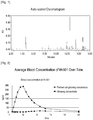
Fig. 1 is a graph depicting the results from a high-pressure liquid chromatography analysis of the fermented ginseng concentrate of the present invention. -
Fig. 2 is a graph showing the average plasma concentrations of IH-901 over time for the subjects who took the fermented ginseng concentrate of the present invention. -
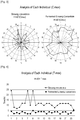
Fig. 3 is a graph showing the maximum plasma concentrations (Cmax) of IH-901 of each subject. -
Fig. 4 is a graph showing the times to reach maximum plasma concentration (Tmax) of IH-901 of each subject. -
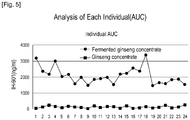
Fig. 5 is a graph showing the area under the plasma concentration time curve (AUC) of each subject. - The present invention relates to a method for preparing a fermented ginseng concentrate.
- The method first involves subjecting ginseng to an extraction with a solvent to obtain a ginseng extract. Examples of ginseng may include, but are not limited to, ginseng tail, white ginseng, fresh ginseng, dried ginseng, red ginseng, taekuk ginseng, Korean ginseng, Chinese ginseng, Japanese ginseng, Asian ginseng, American ginseng, extracts thereof, powders thereof, and mixtures thereof.
- The solvent used in the extraction of ginseng is selected from water, ethanol and a mixture thereof.
- In some embodiments, the ginseng may be subjected to an extraction with the above solvents by using any commonly known solvent extraction methods. In certain embodiments, an appropriate mixture of water and ethanol may be used for the extraction, where the ethanol in the mixture may increase the solubility of the ingredients in ginseng that are insoluble in water and/or the intermediates produced form the enzymatic reactions, resulting in an overall increase in the IH-901 content in the final product, i.e. the fermented ginseng concentrate or powder.
- Next, pectinase and beta-galactosidase are added to the ginseng extract under conditions effective to ferment the ginseng extract. In some embodiments, the ginseng extract may be diluted with a solvent before the pectinase and the beta-galactosidase are added. In some embodiments, the pectinase and the beta-galactosidase are added to the ginseng extract together or at the same time. In other embodiments, the pectinase and the beta-galactosidase are added to the ginseng extract separately or at different times.
- In some embodiments, the pectinase and the beta-galactosidase may be added to the ginseng extract in a relative ratio ranging from about 100:1 to about 1:100, from about 50:1 to about 1:50, from about 20:1 to about 1:20, from about 10:1 to about 1:10, from about 5:1 to about 1:5, from about 3:1 to about 1:3, or from about 2:1 to about 1:2. In other embodiments, the pectinase and the beta-galactosidase may be added to the ginseng extract in a relative ratio of about 100:1, about 50:1, about 20:1, about 10:1, about 5:1, about 3:1, about 2:1, about 1:2, about 1:3, about 1:5, about 1:10, about 1:20, about 1:50, or about 1:100.
- In some embodiments, the total amount of the pectinase and beta-galactosidase added to the ginseng extract may range from about 0.01 wt.% to about 50 wt.%, from about 0.05 wt.% to about 50 wt.%, from about 0.1 wt.% to about 50 wt.%, from about 0.5 wt.% to about 50 wt.%, from about 1 wt.% to about 50 wt.%, from about 2 wt.% to about 50 wt.%, from about 5 wt.% to about 50 wt.%, from about 10 wt.% to about 50 wt.%, from about 25 wt.% to about 50 wt.%, from about 0.01 wt.% to about 0.05 wt.%, from about 0.01 wt.% to about 0.1 wt.%, from about 0.01 wt.% to about 0.5 wt.%, from about 0.01 wt.% to about 1 wt.%, from about 0.01 wt.% to about 2 wt.%, from about 0.01 wt.% to about 5 wt.%, from about 0.01 wt.% to about 10 wt.%, from about 0.01 wt.% to about 25 wt.%, from about 0.05 wt.% to about 0.1 wt.%, from about 0.1 wt.% to about 0.5 wt.%, from about 0.5 wt.% to about 1 wt.% from about 1 wt.% to about 2 wt.%, from about 2 wt.% to about 5 wt.%, from about 5 wt.% to about 10 wt.%, or from about 10 wt.% to about 25 wt.%, based on the total weight of the ginseng extract or ginseng. In other embodiments, the total amount of the pectinase and beta-galactosidase added to the ginseng extract may be about 0.01 wt.%, about 0.05 wt.%, about 0.1 wt.%, about 0.5 wt.%, about 1 wt.%, about 2 wt.%, about 5 wt.%, about 10 wt.%, about 25 wt.%, or about 50 wt.%, based on the total weight of the ginseng extract or ginseng.
- In some embodiments, the pectinase and the beta-galactosidase are added to the ginseng extract where the reaction is carried out at a pH of from about 3 to about 8, from about 4 to about 8, from about 4.5 to about 8, from about 5 to about 8, from about 6 to about 8, from about 3 to about 4, from about 3 to about 4.5, from about 3 to about 5, from about 3 to about 6, from about 4 to about 4.5, from about 4.5 to about 5, or from about 5 to about 6. In other embodiments, the reaction is carried out at a pH of about 3, about 4, about 4.5, about 5, about 6, or about 8. The reaction, however, may be carried out at any pH as song as the activities of the pectinase and the beta-galactosidase are maintained. The pH may be adjusted by adding to the ginseng extract solutions, such as but not limited to, a phosphate solution, citric acid solution, and sodium citrate buffer solution.
- The reaction temperature for adding the pectinase and the beta-galactosidase to the ginseng extract may be any temperature as long as the activities of the pectinase and beta-galactosidase are maintained. In some embodiments, the reaction temperature range may range from about 10°C to about 70°C, from about 30°C to about 70°C, from about 40°C to about 70°C, from about 50°C to about 70°C, from about 60°C to about 70°C, from about 10°C to about 30°C, from about 10°C to about 40°C, from about 10°C to about 50°C, from about 10°C to about 60°C, from about 30°C to about 40°C, from about 40°C to about 50°C, or from about 50°C to about 60°C. In other embodiments, the reaction temperature may be about 10°C, about 30°C, about 40°C, about 50°C, about 60°C, or about 70°C.
- Further, the reaction time may be any length of time, as long as the activities of the pectinase and beta-galactosidase are maintained. In some embodiments, the reaction time may range from about 1 hour to about 72 hours, from about 12 hours to about 72 hours, from about 24 hours to about 72 hours, from about 48 hours to about 72 hours, from about 60 hours to about 72 hours, from about 1 hour to about 12 hours, from about 1 hour to about 24 hours, from about 1 hour to about 48 hours, from about 1 hour to about 60 hours, from about 12 hours to about 24 hours, from about 24 to about 48 hours, or from about 48 to about 60 hours. In other embodiments, the reaction time may be about 1 hour, about 12 hours, about 24 hours, about 48 hours, about 60 hours, or about 72 hours.
- Finally, the fermented ginseng extract is concentrated to produce a fermented ginseng concentrate. In some embodiments, the concentrating of the fermented ginseng extract may involve initially carrying out a centrifugation of the fermented ginseng extract and then concentrating only the separated supernatant. In other embodiments, the concentrating of the fermented ginseng extract may involve concentrating the fermented ginseng extract without any pre-processing steps. The fermented ginseng extract may be concentrated by using commonly used devices, such as but not limited to, a vacuum decompression concentrator.
- In some embodiments, the method of the present invention may further include drying the prepared fermented ginseng concentrate (which may be in a liquid form) to produce fermented ginseng powder. The drying may be carried out by any conventional drying method, such as but not limited to, drying under reduced pressure, hot-air drying, spray drying, fluidized bed drying, fluidized bed granulation, and freeze drying or lyophilization.
- The present invention also relates to a method for preparing a fermented ginseng concentrate. The method first involves suspending ginseng in a first solvent to obtain a ginseng solution. Next, pectinase and beta-galactosidase are added to the ginseng solution under conditions effective to ferment the ginseng solution. Then, the fermented ginseng solution is subjected to an extraction with a second solvent to obtain a fermented ginseng extract. In some embodiments, the first and second solvents may be an aqueous solvent (e.g., water), an organic solvents, or a mixture thereof. Finally, the fermented ginseng extract is concentrated to produce a fermented ginseng concentrate. Descriptions regarding the various conditions used in this method, for example, with respect to addition of the pectinase and beta-galactosidase, extraction, and concentration already described above are not necessarily repeated herein.
- The following examples are provided to illustrate embodiments of the present invention but are by no means intended to limit its scope.
- 5 g of ginseng tail and 5 g of white ginseng were extracted with a mixture of water and ethanol (mixing ratio of 1:1; in an amount corresponding to 500% compared to the raw materials) four times at 80°C at 3-hour intervals to obtain 7 g of ginseng extract. 100 ml of water and then 0.3 g of pectinase and 1 g of beta-galactosidase were added to the ginseng extract, where the reaction mixture was maintained at 50°C, pH 4-5, for 48 hours, The reactant was filtered and concentrated under reduced pressure at 80°C to give 6.3 g of fermented ginseng concentrate according to the present invention.
- 7 g of ginseng extract was prepared as described in Example < 1-1> above. 100 ml of water and then 1 g of beta-galactosidase were added to the ginseng extract, where the reaction mixture was maintained at 50°C for 24 hours, and then the enzyme was inactivated by subjecting the mixture at a temperature of 80°C for 3 hours. The reactant was cooled and the pH was adjusted to 4-5 with citric acid. Then, 0.3 g of pectinase was added thereto where the mixture was subjected to a reaction for 24 hours. Subsequently, the reaction mixture was filtered and concentrated under reduced pressure at 80°C to give 5.9 g of fermented ginseng concentrate according to the present invention.
- 5 g of ginseng tail and 5 g of white ginseng were extracted with a mixture of water and ethanol (mixing ratio of 1:1; in an amount corresponding to 500% compared to the raw materials) to obtain 7 g of ginseng extract. 100 ml of water and then 0.5 g of pectinase and 0.7 g of beta-galactosidase were added to the ginseng extract, where the reaction mixture was maintained at 50°C, pH 4-5, for 48 hours. The reactant was filtered and concentrated under reduced pressure at 80°C to give 6.2 g of fermented ginseng concentrate according to the present invention.
- 5 g of ginseng tail and 5 g of white ginseng were extracted with a mixture of water and ethanol (mixing ratio of 1:1; in an amount corresponding to 500% compared to the raw materials) to obtain 7 g of ginseng extract. 100 ml of water and then 0.9 g of pectinase and 0.6 g of beta-galactosidase were added to the ginseng extract, where the reaction mixture was maintained at 50°C. pH 4-5, for 48 hours. The reactant was filtered and concentrated under reduced pressure at 80°C to give 5.9 g of fermented ginseng concentrate according to the present invention.
- 5 g of ginseng tail and 5 g of white ginseng were extracted with a mixture of water and ethanol (mixing ratio of 1:1; in an amount corresponding to 500% compared to the raw materials) to obtain 7 g of ginseng extract, 100 ml of water and then 1.2 g of pectinase and 0.2 g of beta-galactosidase were added to the ginseng extract, where the reaction mixture was maintained at 50°C, pH 4-5, for 48 hours. The reactant was filtered and concentrated under reduced pressure at 80°C to give 6.3 g of fermented ginseng concentrate according to the present invention.
- 10 g of ginseng tail was extracted with 100 ml of water to obtain 7 g of ginseng extract. The pH of the extract was adjusted to 3-4 with citric acid. 0.3 g of pectinase and 1 g of beta-galactosidase were added to the ginseng extract, where the mixture was subjected to a reaction at 50°C for 48 hours. Subsequently, the reactant was filtered and concentrated by the same method as described in Example <1-1> above to obtain 6.5 g of fermented ginseng concentrate (I) according to the present invention.
- Alternatively, 10 g of ginseng tail was extracted with a mixture of water and ethanol by the same method as described in Example <1-1> above to obtain 7.2 g of ginseng extract. The pH of the extract was adjusted to 3-4 with citric acid. 0.3 g of pectinase and 1 g of beta-galactosidase were added to the ginseng extract, where the mixture was filtered and concentrated by the same method as described in Example <1-1> above to obtain 6.8 g of fermented ginseng concentrate (II) according to the present invention.
- 10 g of ginseng tail was extracted with 100 ml of water to obtain 7 g of ginseng extract. 100 ml of water and then 1 g of beta-galactosidase were added to the ginseng extract where the reaction mixture was maintained at 50°C for 24 hours, and then the enzyme was inactivated by subjecting the mixture at a temperature of 80°C for 3 hours. The reactant was cooled and the pH was adjusted to 4-5 with citric acid. Then, 0.3 g of pectinase was added thereto and reacted at 50°C for 24 hours. Subsequently, the reactant was filtered and concentrated under reduced pressure at 80°C to obtain 6.5 g of fermented ginseng concentrate according to the present invention.
- 1 kg of white ginseng was extracted with 5ℓ of ethanol to obtain 540 g of ginseng extract. 7 g of the extract was concentrated and then suspended in water. 0.3 g of pectinase and 1 g of beta-galactosidase were added thereto, where the mixture was reacted, filtered, and concentrated by the same method as described in Example <1-1> above to obtain 5.2 g of fermented ginseng concentrate according to the present invention.
- 1 kg of white ginseng was extracted with 5ℓ of ethanol to obtain 540 g of ginseng extract. 7 g of the extract was concentrated and then suspended in water. 0.5 g of pectinase and 0.5 g of beta-galactosidase were added thereto, where the mixture was reacted, filtered, and concentrated by the same method as described in Example <1-1> above to obtain 5.1 g of fermented ginseng concentrate according to the present invention.
- 1 kg of white ginseng was extracted with 5ℓ of ethanol to obtain 540 g of ginseng extract. 7 g of the extract was concentrated and then suspended in water. 1.5 g of pectinase and 0.2 g of beta-galactosidase were added thereto, where the mixture was reacted, filtered, and concentrated by the same method as described in Example <1-1> above to obtain 6.2 g of fermented ginseng concentrate according to the present invention.
- 6 g of fresh ginseng was sliced into pieces and sterilized. After the ginseng pieces were suspended in water, the pH was adjusted to 3-4.5 with citric acid, and 0.3 g of pectinase and 1 g of beta-galactosidase were added thereto where the mixture was subjected to a reaction at 50°C for 72 hours. The reactant was extracted with a mixture of water and ethanol prepared by the same method as described in Example <1-1> above four times at 80°C for 4 hours. Then, the extract was filtered and concentrated to obtain 3.5 g of fermented ginseng concentrate according to the present invention.
- 6 g of fresh ginseng was sliced into pieces and sterilized. After the ginseng pieces were suspended in water, 1g of beta-galactosidase was added thereto where the mixture was subjected to a reaction at 50°C for 24 hours and inactivated at 80°C for 3 hours. The reactant was cooled and the pH was adjusted to 4-5 with citric acid. Then, 0.3 g of pectinase was added thereto and reacted at 50°C for 24 hours. Subsequently, the reactant was filtered and then extracted with a mixture of water and ethanol prepared by the same method as described in Example <1-1> above four times at 80°C for 4 hours. Then, the extract was concentrated under reduced pressure at 80°C to obtain 2.9 g of fermented ginseng concentrate according to the present invention.
- 6 g of fresh ginseng was sliced into pieces and sterilized. After the ginseng pieces were suspended in water, the pH was adjusted to 3-4 with citric acid. Then, 0.7g of pectinase and 0.6g of beta-galactosidase were added thereto where the mixture was subjected to a reaction at 50°C for 72 hours. Subsequently, the reactant was filtered and concentrated to obtain 2.9 g of fermented ginseng concentrate according to the present invention.
- 6 g of fresh ginseng was sliced into pieces and sterilized. After the ginseng pieces were suspended in water, 0.7g of beta-galactosidase was added thereto where the mixture was subjected to a reaction at 50°C for 24 hours and inactivated at 80°C for 3 hours. The reactant was cooled and the pH was adjusted to 4-5 with citric acid. Then, 0.6 g of pectinase was added thereto and reacted at 50°C for 24 hours. Subsequently, the reactant was filtered and then extracted with a mixture of water and ethanol prepared by the same method as described in Example <1-1> above four times at 80°C. for 4 hours. Then, the extract was concentrated under reduced pressure at 80°C to obtain 2.3 g of fermented ginseng concentrate according to the present invention.
- 6 g of fresh ginseng was sliced into pieces and sterilized. After the ginseng pieces were suspended in water, the pH was adjusted to 3-4.5 with citric acid. Then, 0.9g of pectinase and 0.5g of beta-galactosidase were added thereto where the mixture was subjected to a reaction at 50°C for 72 hours. Subsequently, the reactant was filtered and concentrated to obtain 2.5 g of fermented ginseng concentrate according to the present invention.
- 6 g of fresh ginseng was sliced into pieces and sterilized. After the ginseng pieces were suspended in water, the pH was adjusted to 3-4.5 with citric acid. Then, 2 g of pectinase and 0.2 g of beta-galactosidase were added thereto where the mixture was subjected to a reaction at 50°C for 72 hours. Subsequently, the reactant was filtered and concentrated to obtain 3.3 g of fermented ginseng concentrate according to the present invention.
- 6 g of fresh ginseng was sliced into pieces and sterilized. After the ginseng pieces were suspended in water, 0.5 g of beta-galactosidase was added thereto where the mixture was subjected to a reaction at 50°C for 24 hours and inactivated at 80°C for 3 hours. The reactant was cooled and the pH was adjusted to 4-5 with citric acid. Then, 1.5 g of pectinase was added thereto and reacted at 50°C for 24 hours. Subsequently, the reactant was filtered and then extracted with a mixture of water and ethanol prepared by the same method as described in Example <1-1> above four times at 80°C for 4 hours. Then, the extract was concentrated under reduced pressure at 80°C to obtain 3.1 g of fermented ginseng concentrate according to the present invention.
- (102) 7 g of ginseng powder was suspended in water. The pH was adjusted to 3-4.5 with nitric acid. The suspended ginseng powder was reacted with 0.3 g of pectinase and 1 g of beta-galactosidase and extracted by the same method as described in Example <1-11> above, and then filtered and concentrated to obtain 3.7 g of fermented ginseng concentrate according to the present invention.
- 100 ml of water was added to 7 g of ginseng extract prepared by the same method as described in Example <1-1> above. Then, 1.3 g of pectinase was added to the extract, which was subsequently reacted and concentrated under reduced pressure by the same method as described in Example <1-1> above to obtain 5.6 g of fermented ginseng concentrate according to the present invention.
- 100 ml of water was added to 7 g of ginseng extract prepared by the same method as described in Example <1-1> above. Then, 1.3 g of beta-galactosidase was added to the extract, which was subsequently reacted and concentrated under reduced pressure by the same method as described in Example <1-1> above to obtain 5.4 g of fermented ginseng concentrate according to the present invention.
- In order to analyze the content of IH-901 (20-O-β-D-glucopyranosyl-20(S)-protopanaxadiol) in the fermented ginseng concentrate prepared by the method described in Example <1-1> above, 1 g of the obtained fermented ginseng concentrate was taken and extracted with 60 ml of water-saturated butanol four times. The butanol fraction was concentrated to obtain 120 mg of concentrate, and the concentrate was dissolved in methanol to analyze the IH-901 content by ultra performance liquid chromatography (UPLC). The results of the UPLC analysis are shown in
Fig. 1 . The IH-901 content in the ginseng extract prepared in Example <1-1> above was also measured in the same manner as above. - Further, the IH-901 content in the fermented ginseng concentrate prepared by the method described in Comparative Example 1 or Comparative Example 2 above was analyzed in the same manner as above.
- The results of the above analyses are summarized in Table 1 below.
-
[Table 1] [Table ] Component Content of each component Ginseng Extract of Example 1-1 Fermented Ginseng Concentrate of Example 1-1 Fermented Ginseng Concentrate of Comp. Example 1 Fermented Ginseng Concentrate of Comp. Example 2 Ginsenoside Rb1 17,6 mg/g 1.2 mg/g 6.3 mg/g 3.2 mg/g Ginsenoside Rb2 14.6 mg/g 1.1 mg/g 7.1 mg/g 5.7 mg/g Ginsenoside Rc 18.9 mg/g 0.1 mg/g 9.3 mg/g 6.3 mg/g Ginsenoside Rd 7.9 mg/g 1.4 mg/g 2.2 mg/g 4.2 mg/g IH-901 0 mg/g 36 mg/ g 24 mg/ g 10 mg/g - As shown in Table 1 above, the fermented ginseng concentrate according to the present invention, in contrast to the ginseng extract, contains a large amount of IH-901. Furthermore, the IH-901 content in the fermented ginseng concentrate according to the present invention is 3.6 times higher than that in the fermented ginseng concentrate prepared using beta-galactosidase only and 1.5 times higher than that in the fermented ginseng concentrate prepared using pectinase only.
- Twenty four healthy male volunteers of ages ranging from 20 to 45, whose body weights are within 20% of the ideal body weights, were used as subjects for the study (randomized, 2
X 2 cross-over design). - Each volunteer received the fermented ginseng extract or ginseng extract for pharmacokinetic characteristic assessments. Blood samples were taken at 0, 0.5, 1, 1.5, 2, 3, 4, 5, 6, 7, 8, 10, 12, and 24 hours after administration of the fermented ginseng extract or ginseng extract and were analyzed by LC-MS/MS. The average plasma concentrations of IH-901 over time are shown in
Fig. 2 . The average maximum plasma concentration (Cmax), average time to reach maximum plasma concentration (Tmax), and area under the plasma concentration time curve (AUC) values measured are shown in Table 2 below, where Cmax is the average of the maximum concentration values of each subject irrespective of time and Tmax is the average of the time values corresponding to the Cmax values of each subject. The Cmax, Tmax, and AUC values for each subject are shown inFigs. 3 to 5 . -
[Table 2] [Table ] Ð Cmax Ð Tmax Ð AUC Fermented ginseng concentrate 325.00±91.97 ng/ml 3.29 hr 2083.09±524.68 ng/ml Ginseng concentrate 13.88±7.24 ng/ml 12.04 hr 134.5±63.10 ng/ml - As shown in Table 2 above, the Cmax, AUC, and Tmax of IH-901 in the fermented ginseng concentrate are about 24 times higher, 15 times higher, and 3.7 times lower than those of the ginseng concentrate, respectively.
- Therefore, it was found that when a ginseng concentrate was taken, each individual had different capabilities with respect to metabolizing ginsenosides to IH-901 and only a small amount of IH-901 was absorbed in the body. Further, when a ginseng concentrate was taken, each individual exhibited different average times in reaching the maximum plasma concentration.
- In contrast, when a fermented ginseng concentrate was taken, the amount of IH-901 absorbed and the average time to reach maximum plasma level were constant for each individual. Further, when a fermented ginseng concentrate was taken, a large amount of IH-901 was absorbed in the body.
- Accordingly, the above results demonstrate that a steady and constant effect (with little individual variation) can be expected when subjects take fermented ginseng concentrate.
- 100 g of water was added to 7 g of an extract of ginseng prepared by the same method as described in Example <1-1> above. Then, 0.3 g of pectinase and 1 g of beta-galactosidase were added to the extract, which was subsequently reacted at 50°C, pH 4-5, for 24 hours. The reacted extract was dried under reduced pressure at 80°C to obtain 4.23 g of fermented ginseng powder according to the present invention.
- 7 g of ginseng powder was suspended in water, and then the pH was adjusted to 3-4.5. Next, 0.3 g of pectinase and 1 g of beta-galactosidase were added to the suspension, which was subsequently reacted at 50°C for 24 hours and extracted with a mixture of water and ethanol prepared by the same method as in described in Example <1-1> above four times at 80°C for 4 hours. The extract was then dried under reduced pressure to obtain 2.6 g of fermented ginseng powder.
Claims (9)
- A method for preparing a fermented ginseng concentrate comprising:subjecting ginseng to an extraction with a solvent selected from water, ethanol, and a mixture thereof to obtain a ginseng extract;adding pectinase and beta-galactosidase to the ginseng extract under conditions effective to ferment the ginseng extract; andconcentrating the fermented ginseng extract to produce a fermented ginseng concentrate.
- The method according to Claim 1, wherein the ginseng is one or more of ginseng tail, white ginseng, fresh ginseng, dried ginseng, red ginseng, taekuk ginseng, Korean ginseng, Chinese ginseng, Japanese ginseng, Asian ginseng, American ginseng, extracts thereof, powders thereof, and mixtures thereof.
- The method according to Claim 1, wherein said adding comprises adding the pectinase and the beta-galactosidase together.
- The method according to Claim 1, wherein said adding comprises adding the pectinase and the beta-galactosidase separately.
- The method according to Claim 1, wherein said adding comprises adding the pectinase and the beta-galactosidase in a relative ratio ranging from 100:1 to 1:100, wherein the amount of the pectinase and beta-galactosidase ranges from 0.01 wt% to 50 wt% based on the total amount of the ginseng extract or ginseng.
- The method according to Claim 1, wherein said adding comprises adding the pectinase and the beta-galactosidase to the ginseng extract at a temperature of from 10°C to 70°C.
- The method according to Claim 1, wherein said adding comprises adding the pectinase and the beta-galactosidase to the ginseng extract for a time period from 1 to 72 hours.
- The method according to Claim 1 further comprising:drying the fermented ginseng concentrate after said concentrating to produce fermented ginseng powder.
- The method according to Claim 8, wherein said drying is carried out by drying under reduced pressure, hot-air drying, spray drying, fluidized bed drying, fluidized bed granulation, or freeze drying.
Applications Claiming Priority (1)
| Application Number | Priority Date | Filing Date | Title |
|---|---|---|---|
| PCT/KR2009/002635 WO2010134650A1 (en) | 2009-05-19 | 2009-05-19 | Methods for preparing a fermented ginseng concentrate or powder |
Publications (3)
| Publication Number | Publication Date |
|---|---|
| EP2432891A1 EP2432891A1 (en) | 2012-03-28 |
| EP2432891A4 EP2432891A4 (en) | 2015-04-22 |
| EP2432891B1 true EP2432891B1 (en) | 2018-04-04 |
Family
ID=43126315
Family Applications (1)
| Application Number | Title | Priority Date | Filing Date |
|---|---|---|---|
| EP09844959.8A Active EP2432891B1 (en) | 2009-05-19 | 2009-05-19 | Methods for preparing a fermented ginseng concentrate or powder |
Country Status (4)
| Country | Link |
|---|---|
| EP (1) | EP2432891B1 (en) |
| JP (1) | JP6170674B2 (en) |
| CN (1) | CN102459623B (en) |
| WO (1) | WO2010134650A1 (en) |
Families Citing this family (9)
| Publication number | Priority date | Publication date | Assignee | Title |
|---|---|---|---|---|
| KR101409761B1 (en) * | 2012-06-20 | 2014-06-19 | 주식회사한국야쿠르트 | A method of preparation for fermented red ginseng using conversion by enzyme mixture and fermentation by lactic acid bacterium and the products containing fermented red ginseng manufactured thereof as effective factor |
| KR101493733B1 (en) | 2013-11-27 | 2015-02-16 | 한국식품연구원 | Ginseng rice beverage containing rice ferment material and method for manufacturing thereof |
| KR20160072802A (en) * | 2014-12-15 | 2016-06-23 | 경성대학교 산학협력단 | Pharmaceutical Composition Including Ginseng Saponin As Active Ingredient |
| KR20170047007A (en) * | 2015-10-22 | 2017-05-04 | (주)아모레퍼시픽 | Method for selectively preparing ginsenoside F2, compound Mc and compound O from saponins of ginseng by enzymatic process |
| KR101633428B1 (en) * | 2016-01-14 | 2016-06-27 | 주식회사 진산사이언스 | Manufacturing Method for Power of Red Ginseng or Ginseng Extract |
| KR101794860B1 (en) * | 2016-01-29 | 2017-11-09 | 주식회사 홍삼단 | Manufacturing method of spherical Red Ginseng Extract granules using Red Ginseng Extract powder and fluidized bed granulation coating device |
| CN106072567A (en) * | 2016-07-01 | 2016-11-09 | 谢少韩 | A kind of ginseng product and preparation technology thereof |
| KR102807859B1 (en) * | 2021-11-17 | 2025-05-14 | 주식회사 엘지생활건강 | Manufacturing method of the red ginseng concentrate with improved palatability |
| CN118490730A (en) * | 2023-02-15 | 2024-08-16 | 上海卓壮诚长生物科技有限公司 | Ginseng extract and preparation method thereof |
Family Cites Families (20)
| Publication number | Priority date | Publication date | Assignee | Title |
|---|---|---|---|---|
| FR2443266A1 (en) * | 1978-12-07 | 1980-07-04 | Cotte Jean Marie | PROCESS FOR THE MANUFACTURE OF A GINSENG EXTRACT |
| JPS61289853A (en) * | 1985-06-17 | 1986-12-19 | Yakult Honsha Co Ltd | Extraction of panax ginseng extract |
| KR19980066516A (en) * | 1997-01-25 | 1998-10-15 | 윤형완 | Method of extracting active ingredient including saponin contained in plant by enzyme treatment |
| KR100377546B1 (en) * | 2000-07-26 | 2003-03-26 | 주식회사 케이티앤지 | Manufacturing Method for Ginsenoside Compound K by Enzymatic Reaction |
| JP2002348245A (en) * | 2001-05-07 | 2002-12-04 | Toyo Hakko:Kk | Method for depolymerizing red ginseng active ingredient, antioxidant beverage and method for producing the same |
| KR100418604B1 (en) * | 2001-11-01 | 2004-02-11 | 주식회사 태평양 | Manufacturing method of Compound K and Ginsenoside F1 from ginseng ginsenosides |
| CN1167805C (en) * | 2001-11-06 | 2004-09-22 | 中国科学院大连化学物理研究所 | Preparation of 20-β-D-glucopyranosyl protopanaxadiol by enzymatic hydrolysis of ginsenosides |
| JP4549625B2 (en) * | 2002-01-05 | 2010-09-22 | 株式會社アモーレパシフィック | Finely emulsified particles containing ginseng saponin metabolites as active ingredients, a method for producing the same, and a cosmetic composition for preventing skin aging containing the same |
| CN1240390C (en) * | 2002-01-30 | 2006-02-08 | 株式会社一和 | Biologic converted ginseng composition and preparing process thereof |
| KR20030094757A (en) | 2002-06-07 | 2003-12-18 | 주식회사 비티진 | Process for preparation of ginsenoside-F2, Compound-K using β-glycosidase |
| JP3678362B2 (en) * | 2002-07-23 | 2005-08-03 | 長谷川 秀夫 | Method for producing fermented carrot containing saponin degradation products |
| KR100485326B1 (en) * | 2002-12-26 | 2005-04-27 | 주식회사 태평양 | Promoter for the production of hyaluronic acid containing ginsenoside compound K |
| KR100618171B1 (en) * | 2003-04-30 | 2006-08-29 | 김재백 | Fermented red ginseng containing ginseng saponin degradate and its manufacturing method |
| JP4939936B2 (en) * | 2003-06-27 | 2012-05-30 | 株式會社アモーレパシフィック | Method for producing self-assembling polymer nanoparticles containing physiologically active ingredients, and external preparation composition containing the obtained self-assembling polymer nanoparticles |
| JP4767686B2 (en) * | 2003-09-30 | 2011-09-07 | 湧永製薬株式会社 | Medicine for liver protection |
| JP2005160373A (en) * | 2003-12-02 | 2005-06-23 | Hideo Hasegawa | Glycoside-degradative probiotics |
| KR101096372B1 (en) * | 2004-04-14 | 2011-12-20 | (주)아모레퍼시픽 | Polymer capsules containing ginsenosides and preparation method thereof, and cosmetic composition containing same |
| CN1899336A (en) * | 2006-07-04 | 2007-01-24 | 辽宁中医药大学 | Method for preparing ginseng anti-cancer active component by immobilized enzyme |
| JP5204771B2 (en) * | 2007-06-21 | 2013-06-05 | 長瀬産業株式会社 | GABAergic neuron activator |
| EP2203151B1 (en) * | 2007-10-31 | 2017-04-19 | Amorepacific Corporation | Use of melanin biosynthesis inhibitors from ginseng for skin whitening |
-
2009
- 2009-05-19 CN CN200980160042.9A patent/CN102459623B/en active Active
- 2009-05-19 EP EP09844959.8A patent/EP2432891B1/en active Active
- 2009-05-19 JP JP2012511737A patent/JP6170674B2/en active Active
- 2009-05-19 WO PCT/KR2009/002635 patent/WO2010134650A1/en not_active Ceased
Non-Patent Citations (1)
| Title |
|---|
| None * |
Also Published As
| Publication number | Publication date |
|---|---|
| JP6170674B2 (en) | 2017-07-26 |
| EP2432891A4 (en) | 2015-04-22 |
| JP2012527233A (en) | 2012-11-08 |
| WO2010134650A1 (en) | 2010-11-25 |
| CN102459623B (en) | 2015-06-24 |
| CN102459623A (en) | 2012-05-16 |
| EP2432891A1 (en) | 2012-03-28 |
Similar Documents
| Publication | Publication Date | Title |
|---|---|---|
| CN102459623B (en) | Methods for preparing a fermented ginseng concentrate or powder | |
| US7811997B2 (en) | Composition containing total triterpenoid sapogenins extracted from bamboo, and the preparation method and use thereof | |
| EP4082519A1 (en) | Dendrobium officinale oligosaccharide and derivative thereof, and preparation methods therefor and applications thereof | |
| CN101618114B (en) | Preparation of total ethanol glycosides from Paulownia tomentosa (original variety) paulownia and its food and medicine application | |
| KR20170061959A (en) | Preparation method of fermented ginseng and fermented black-red ginseng with active ginsenoside heightening rate absorption | |
| WO2008147141A1 (en) | A method for preparing novel black-red ginseng and the extract therefrom and the composition comprising the extract isolated therefrom | |
| EP2857030B1 (en) | Composition for use in preventing and treating allergic diseases | |
| KR100635025B1 (en) | A ginseng preparation using vinegar and process for thereof | |
| KR20200055407A (en) | Preparation method of black Platycodon grandiflorus having increased crude saponin and reduced Platycodin D, inhibiting production of benzopyrene | |
| KR20150057664A (en) | A novel bacterium Chryseobacterium sp. THG-C4-1, and a method for producing gypenoside 17 using the same | |
| US8541035B2 (en) | Methods for preparing a fermented ginseng concentrate or powder | |
| KR101416671B1 (en) | Ginseng prosapogenin high concentration containing ginseng leaf or stem preparation using sonication and process for thereof | |
| WO2022215441A1 (en) | Novel polyphenol compound | |
| KR102258590B1 (en) | Composition Comprising Extract of Saccharina japonica and Herb Medicines for Improvement of Respiratory Disease | |
| KR100706111B1 (en) | Ginseng Preparation Using Vitamin Seed and Method for Preparing the Ginseng | |
| KR100954851B1 (en) | Method for preparing fermented ginseng concentrate or fermented ginseng powder containing high concentration of IH-901 | |
| KR102754013B1 (en) | Composition for preventing or improving skin damage caused by fine dust containing Adenocaulon himalaicum Edgew. extract or neochlorogenic acid as an active ingredient | |
| KR102106018B1 (en) | Method For Producing Steaming Ginseng Berry Fermented Extracts Having Preventive and Improving Effects of Liver Damage | |
| KR101416669B1 (en) | Ginseng prosapogenin high concentration containing ginseng berry preparation using sonication and process for thereof | |
| KR101454067B1 (en) | A composition for anti-aging or wrinkle improvement of skin comprising mixture of enzyme-treated red ginseng extracts and malt extracts | |
| KR101256222B1 (en) | Method for removing the pigment of Red beet extract using irradiation | |
| KR20220020462A (en) | Composition for preventing skin aging comprising perilla seed oil ethanol extract, Anemone Rivularis or Cyperi Rhizoma | |
| CN117384307B (en) | Preparation method and use of almond oligosaccharide | |
| KR101458344B1 (en) | Preparation method of ginseng hydrolysate concentrate or powder having high concentration of ih-901 | |
| KR20200095609A (en) | Composition for antioxidation comprising extracts of Senna obtusifolia, Rubus coreanus and Helianthus tuberosus |
Legal Events
| Date | Code | Title | Description |
|---|---|---|---|
| PUAI | Public reference made under article 153(3) epc to a published international application that has entered the european phase |
Free format text: ORIGINAL CODE: 0009012 |
|
| 17P | Request for examination filed |
Effective date: 20111219 |
|
| AK | Designated contracting states |
Kind code of ref document: A1 Designated state(s): AT BE BG CH CY CZ DE DK EE ES FI FR GB GR HR HU IE IS IT LI LT LU LV MC MK MT NL NO PL PT RO SE SI SK TR |
|
| DAX | Request for extension of the european patent (deleted) | ||
| RA4 | Supplementary search report drawn up and despatched (corrected) |
Effective date: 20150325 |
|
| RIC1 | Information provided on ipc code assigned before grant |
Ipc: A61K 36/25 20060101ALI20150318BHEP Ipc: A23L 1/30 20060101ALI20150318BHEP Ipc: C12N 9/24 20060101ALI20150318BHEP Ipc: A23L 1/03 20060101ALI20150318BHEP Ipc: A23L 1/212 20060101ALI20150318BHEP Ipc: A23L 1/221 20060101ALI20150318BHEP Ipc: C12P 19/00 20060101AFI20150318BHEP Ipc: C12P 19/44 20060101ALI20150318BHEP |
|
| STAA | Information on the status of an ep patent application or granted ep patent |
Free format text: STATUS: EXAMINATION IS IN PROGRESS |
|
| 17Q | First examination report despatched |
Effective date: 20170403 |
|
| REG | Reference to a national code |
Ref country code: DE Ref legal event code: R079 Ref document number: 602009051662 Country of ref document: DE Free format text: PREVIOUS MAIN CLASS: C12P0019000000 Ipc: A61K0036258000 |
|
| GRAP | Despatch of communication of intention to grant a patent |
Free format text: ORIGINAL CODE: EPIDOSNIGR1 |
|
| STAA | Information on the status of an ep patent application or granted ep patent |
Free format text: STATUS: GRANT OF PATENT IS INTENDED |
|
| RIC1 | Information provided on ipc code assigned before grant |
Ipc: A23L 33/105 20160101ALI20170926BHEP Ipc: A23L 29/00 20160101ALI20170926BHEP Ipc: A61K 36/258 20060101AFI20170926BHEP Ipc: A23L 27/10 20160101ALI20170926BHEP |
|
| INTG | Intention to grant announced |
Effective date: 20171027 |
|
| GRAS | Grant fee paid |
Free format text: ORIGINAL CODE: EPIDOSNIGR3 |
|
| GRAA | (expected) grant |
Free format text: ORIGINAL CODE: 0009210 |
|
| STAA | Information on the status of an ep patent application or granted ep patent |
Free format text: STATUS: THE PATENT HAS BEEN GRANTED |
|
| AK | Designated contracting states |
Kind code of ref document: B1 Designated state(s): AT BE BG CH CY CZ DE DK EE ES FI FR GB GR HR HU IE IS IT LI LT LU LV MC MK MT NL NO PL PT RO SE SI SK TR |
|
| REG | Reference to a national code |
Ref country code: GB Ref legal event code: FG4D |
|
| REG | Reference to a national code |
Ref country code: CH Ref legal event code: EP Ref country code: CH Ref legal event code: NV Representative=s name: KELLER AND PARTNER PATENTANWAELTE AG, CH |
|
| REG | Reference to a national code |
Ref country code: AT Ref legal event code: REF Ref document number: 984849 Country of ref document: AT Kind code of ref document: T Effective date: 20180415 |
|
| REG | Reference to a national code |
Ref country code: IE Ref legal event code: FG4D |
|
| REG | Reference to a national code |
Ref country code: DE Ref legal event code: R096 Ref document number: 602009051662 Country of ref document: DE |
|
| REG | Reference to a national code |
Ref country code: NL Ref legal event code: MP Effective date: 20180404 |
|
| REG | Reference to a national code |
Ref country code: LT Ref legal event code: MG4D |
|
| PG25 | Lapsed in a contracting state [announced via postgrant information from national office to epo] |
Ref country code: NL Free format text: LAPSE BECAUSE OF FAILURE TO SUBMIT A TRANSLATION OF THE DESCRIPTION OR TO PAY THE FEE WITHIN THE PRESCRIBED TIME-LIMIT Effective date: 20180404 |
|
| PG25 | Lapsed in a contracting state [announced via postgrant information from national office to epo] |
Ref country code: BG Free format text: LAPSE BECAUSE OF FAILURE TO SUBMIT A TRANSLATION OF THE DESCRIPTION OR TO PAY THE FEE WITHIN THE PRESCRIBED TIME-LIMIT Effective date: 20180704 Ref country code: NO Free format text: LAPSE BECAUSE OF FAILURE TO SUBMIT A TRANSLATION OF THE DESCRIPTION OR TO PAY THE FEE WITHIN THE PRESCRIBED TIME-LIMIT Effective date: 20180704 Ref country code: FI Free format text: LAPSE BECAUSE OF FAILURE TO SUBMIT A TRANSLATION OF THE DESCRIPTION OR TO PAY THE FEE WITHIN THE PRESCRIBED TIME-LIMIT Effective date: 20180404 Ref country code: SE Free format text: LAPSE BECAUSE OF FAILURE TO SUBMIT A TRANSLATION OF THE DESCRIPTION OR TO PAY THE FEE WITHIN THE PRESCRIBED TIME-LIMIT Effective date: 20180404 Ref country code: ES Free format text: LAPSE BECAUSE OF FAILURE TO SUBMIT A TRANSLATION OF THE DESCRIPTION OR TO PAY THE FEE WITHIN THE PRESCRIBED TIME-LIMIT Effective date: 20180404 Ref country code: LT Free format text: LAPSE BECAUSE OF FAILURE TO SUBMIT A TRANSLATION OF THE DESCRIPTION OR TO PAY THE FEE WITHIN THE PRESCRIBED TIME-LIMIT Effective date: 20180404 Ref country code: PL Free format text: LAPSE BECAUSE OF FAILURE TO SUBMIT A TRANSLATION OF THE DESCRIPTION OR TO PAY THE FEE WITHIN THE PRESCRIBED TIME-LIMIT Effective date: 20180404 |
|
| PG25 | Lapsed in a contracting state [announced via postgrant information from national office to epo] |
Ref country code: LV Free format text: LAPSE BECAUSE OF FAILURE TO SUBMIT A TRANSLATION OF THE DESCRIPTION OR TO PAY THE FEE WITHIN THE PRESCRIBED TIME-LIMIT Effective date: 20180404 Ref country code: HR Free format text: LAPSE BECAUSE OF FAILURE TO SUBMIT A TRANSLATION OF THE DESCRIPTION OR TO PAY THE FEE WITHIN THE PRESCRIBED TIME-LIMIT Effective date: 20180404 Ref country code: GR Free format text: LAPSE BECAUSE OF FAILURE TO SUBMIT A TRANSLATION OF THE DESCRIPTION OR TO PAY THE FEE WITHIN THE PRESCRIBED TIME-LIMIT Effective date: 20180705 |
|
| REG | Reference to a national code |
Ref country code: DE Ref legal event code: R119 Ref document number: 602009051662 Country of ref document: DE |
|
| REG | Reference to a national code |
Ref country code: AT Ref legal event code: MK05 Ref document number: 984849 Country of ref document: AT Kind code of ref document: T Effective date: 20180404 |
|
| PG25 | Lapsed in a contracting state [announced via postgrant information from national office to epo] |
Ref country code: PT Free format text: LAPSE BECAUSE OF FAILURE TO SUBMIT A TRANSLATION OF THE DESCRIPTION OR TO PAY THE FEE WITHIN THE PRESCRIBED TIME-LIMIT Effective date: 20180806 |
|
| REG | Reference to a national code |
Ref country code: BE Ref legal event code: MM Effective date: 20180531 |
|
| PG25 | Lapsed in a contracting state [announced via postgrant information from national office to epo] |
Ref country code: EE Free format text: LAPSE BECAUSE OF FAILURE TO SUBMIT A TRANSLATION OF THE DESCRIPTION OR TO PAY THE FEE WITHIN THE PRESCRIBED TIME-LIMIT Effective date: 20180404 Ref country code: AT Free format text: LAPSE BECAUSE OF FAILURE TO SUBMIT A TRANSLATION OF THE DESCRIPTION OR TO PAY THE FEE WITHIN THE PRESCRIBED TIME-LIMIT Effective date: 20180404 Ref country code: RO Free format text: LAPSE BECAUSE OF FAILURE TO SUBMIT A TRANSLATION OF THE DESCRIPTION OR TO PAY THE FEE WITHIN THE PRESCRIBED TIME-LIMIT Effective date: 20180404 Ref country code: CZ Free format text: LAPSE BECAUSE OF FAILURE TO SUBMIT A TRANSLATION OF THE DESCRIPTION OR TO PAY THE FEE WITHIN THE PRESCRIBED TIME-LIMIT Effective date: 20180404 Ref country code: MC Free format text: LAPSE BECAUSE OF FAILURE TO SUBMIT A TRANSLATION OF THE DESCRIPTION OR TO PAY THE FEE WITHIN THE PRESCRIBED TIME-LIMIT Effective date: 20180404 Ref country code: SK Free format text: LAPSE BECAUSE OF FAILURE TO SUBMIT A TRANSLATION OF THE DESCRIPTION OR TO PAY THE FEE WITHIN THE PRESCRIBED TIME-LIMIT Effective date: 20180404 Ref country code: DK Free format text: LAPSE BECAUSE OF FAILURE TO SUBMIT A TRANSLATION OF THE DESCRIPTION OR TO PAY THE FEE WITHIN THE PRESCRIBED TIME-LIMIT Effective date: 20180404 |
|
| PLBE | No opposition filed within time limit |
Free format text: ORIGINAL CODE: 0009261 |
|
| STAA | Information on the status of an ep patent application or granted ep patent |
Free format text: STATUS: NO OPPOSITION FILED WITHIN TIME LIMIT |
|
| REG | Reference to a national code |
Ref country code: IE Ref legal event code: MM4A |
|
| PG25 | Lapsed in a contracting state [announced via postgrant information from national office to epo] |
Ref country code: IT Free format text: LAPSE BECAUSE OF FAILURE TO SUBMIT A TRANSLATION OF THE DESCRIPTION OR TO PAY THE FEE WITHIN THE PRESCRIBED TIME-LIMIT Effective date: 20180404 |
|
| 26N | No opposition filed |
Effective date: 20190107 |
|
| GBPC | Gb: european patent ceased through non-payment of renewal fee |
Effective date: 20180704 |
|
| PG25 | Lapsed in a contracting state [announced via postgrant information from national office to epo] |
Ref country code: LU Free format text: LAPSE BECAUSE OF NON-PAYMENT OF DUE FEES Effective date: 20180519 |
|
| PG25 | Lapsed in a contracting state [announced via postgrant information from national office to epo] |
Ref country code: GB Free format text: LAPSE BECAUSE OF NON-PAYMENT OF DUE FEES Effective date: 20180704 Ref country code: DE Free format text: LAPSE BECAUSE OF NON-PAYMENT OF DUE FEES Effective date: 20181201 Ref country code: FR Free format text: LAPSE BECAUSE OF NON-PAYMENT OF DUE FEES Effective date: 20180604 Ref country code: IE Free format text: LAPSE BECAUSE OF NON-PAYMENT OF DUE FEES Effective date: 20180519 |
|
| PG25 | Lapsed in a contracting state [announced via postgrant information from national office to epo] |
Ref country code: SI Free format text: LAPSE BECAUSE OF FAILURE TO SUBMIT A TRANSLATION OF THE DESCRIPTION OR TO PAY THE FEE WITHIN THE PRESCRIBED TIME-LIMIT Effective date: 20180404 Ref country code: BE Free format text: LAPSE BECAUSE OF NON-PAYMENT OF DUE FEES Effective date: 20180531 |
|
| PG25 | Lapsed in a contracting state [announced via postgrant information from national office to epo] |
Ref country code: MT Free format text: LAPSE BECAUSE OF NON-PAYMENT OF DUE FEES Effective date: 20180519 |
|
| PG25 | Lapsed in a contracting state [announced via postgrant information from national office to epo] |
Ref country code: TR Free format text: LAPSE BECAUSE OF FAILURE TO SUBMIT A TRANSLATION OF THE DESCRIPTION OR TO PAY THE FEE WITHIN THE PRESCRIBED TIME-LIMIT Effective date: 20180404 |
|
| PG25 | Lapsed in a contracting state [announced via postgrant information from national office to epo] |
Ref country code: HU Free format text: LAPSE BECAUSE OF FAILURE TO SUBMIT A TRANSLATION OF THE DESCRIPTION OR TO PAY THE FEE WITHIN THE PRESCRIBED TIME-LIMIT; INVALID AB INITIO Effective date: 20090519 |
|
| PG25 | Lapsed in a contracting state [announced via postgrant information from national office to epo] |
Ref country code: MK Free format text: LAPSE BECAUSE OF NON-PAYMENT OF DUE FEES Effective date: 20180404 Ref country code: CY Free format text: LAPSE BECAUSE OF FAILURE TO SUBMIT A TRANSLATION OF THE DESCRIPTION OR TO PAY THE FEE WITHIN THE PRESCRIBED TIME-LIMIT Effective date: 20180404 |
|
| PG25 | Lapsed in a contracting state [announced via postgrant information from national office to epo] |
Ref country code: IS Free format text: LAPSE BECAUSE OF FAILURE TO SUBMIT A TRANSLATION OF THE DESCRIPTION OR TO PAY THE FEE WITHIN THE PRESCRIBED TIME-LIMIT Effective date: 20180804 |
|
| REG | Reference to a national code |
Ref country code: CH Ref legal event code: PFA Owner name: IL HWA CO., LTD., KR Free format text: FORMER OWNER: IL HWA CO., LTD., KR |
|
| REG | Reference to a national code |
Ref country code: CH Ref legal event code: U11 Free format text: ST27 STATUS EVENT CODE: U-0-0-U10-U11 (AS PROVIDED BY THE NATIONAL OFFICE) Effective date: 20260601 |
|
| PGFP | Annual fee paid to national office [announced via postgrant information from national office to epo] |
Ref country code: CH Payment date: 20260601 Year of fee payment: 18 |