EP2392592B1 - Hypoallergenic chimeric proteins belonging to the lipid transfer family of parietaria judaica for use in the treatment of allergies. - Google Patents
Hypoallergenic chimeric proteins belonging to the lipid transfer family of parietaria judaica for use in the treatment of allergies. Download PDFInfo
- Publication number
- EP2392592B1 EP2392592B1 EP11162543.0A EP11162543A EP2392592B1 EP 2392592 B1 EP2392592 B1 EP 2392592B1 EP 11162543 A EP11162543 A EP 11162543A EP 2392592 B1 EP2392592 B1 EP 2392592B1
- Authority
- EP
- European Patent Office
- Prior art keywords
- par
- chimeric protein
- allergy
- proteins
- organism
- Prior art date
- Legal status (The legal status is an assumption and is not a legal conclusion. Google has not performed a legal analysis and makes no representation as to the accuracy of the status listed.)
- Not-in-force
Links
- 206010020751 Hypersensitivity Diseases 0.000 title claims description 54
- 230000007815 allergy Effects 0.000 title claims description 49
- 102000037865 fusion proteins Human genes 0.000 title claims description 49
- 108020001507 fusion proteins Proteins 0.000 title claims description 49
- 238000011282 treatment Methods 0.000 title claims description 21
- 241001465379 Parietaria judaica Species 0.000 title description 44
- 230000000774 hypoallergenic effect Effects 0.000 title description 14
- 238000012546 transfer Methods 0.000 title description 4
- 150000002632 lipids Chemical class 0.000 title description 3
- 102000004169 proteins and genes Human genes 0.000 claims description 78
- 108090000623 proteins and genes Proteins 0.000 claims description 78
- 239000013566 allergen Substances 0.000 claims description 72
- 208000026935 allergic disease Diseases 0.000 claims description 52
- 238000000034 method Methods 0.000 claims description 32
- 108090000765 processed proteins & peptides Proteins 0.000 claims description 28
- 238000012360 testing method Methods 0.000 claims description 27
- 239000000203 mixture Substances 0.000 claims description 23
- 230000009467 reduction Effects 0.000 claims description 16
- 229960005486 vaccine Drugs 0.000 claims description 16
- 102000004196 processed proteins & peptides Human genes 0.000 claims description 15
- 239000008557 Parietaria judaica pollen Substances 0.000 claims description 10
- 239000002773 nucleotide Substances 0.000 claims description 9
- 125000003729 nucleotide group Chemical group 0.000 claims description 9
- 108091033319 polynucleotide Proteins 0.000 claims description 9
- 239000002157 polynucleotide Substances 0.000 claims description 9
- 102000040430 polynucleotide Human genes 0.000 claims description 9
- 230000002163 immunogen Effects 0.000 claims description 8
- 229920001184 polypeptide Polymers 0.000 claims description 8
- 208000026278 immune system disease Diseases 0.000 claims description 7
- 238000004519 manufacturing process Methods 0.000 claims description 7
- 241000588724 Escherichia coli Species 0.000 claims description 5
- 238000002955 isolation Methods 0.000 claims description 4
- 230000000813 microbial effect Effects 0.000 claims description 4
- 239000003814 drug Substances 0.000 claims description 3
- 239000008194 pharmaceutical composition Substances 0.000 claims description 3
- 239000000546 pharmaceutical excipient Substances 0.000 claims description 3
- 238000002360 preparation method Methods 0.000 claims description 3
- 125000003275 alpha amino acid group Chemical group 0.000 claims 3
- 235000018102 proteins Nutrition 0.000 description 73
- 239000012634 fragment Substances 0.000 description 55
- 229960004784 allergens Drugs 0.000 description 42
- 208000010668 atopic eczema Diseases 0.000 description 28
- 230000000172 allergic effect Effects 0.000 description 27
- 230000027455 binding Effects 0.000 description 24
- 239000000284 extract Substances 0.000 description 24
- 238000009169 immunotherapy Methods 0.000 description 21
- 210000004027 cell Anatomy 0.000 description 19
- 241000721467 Parietaria Species 0.000 description 18
- 230000009257 reactivity Effects 0.000 description 17
- 230000002009 allergenic effect Effects 0.000 description 16
- 150000001413 amino acids Chemical class 0.000 description 14
- 239000013598 vector Substances 0.000 description 13
- 108091034117 Oligonucleotide Proteins 0.000 description 12
- 235000001014 amino acid Nutrition 0.000 description 12
- 230000005764 inhibitory process Effects 0.000 description 12
- 210000001744 T-lymphocyte Anatomy 0.000 description 11
- 238000000746 purification Methods 0.000 description 11
- 238000002965 ELISA Methods 0.000 description 10
- JLCPHMBAVCMARE-UHFFFAOYSA-N [3-[[3-[[3-[[3-[[3-[[3-[[3-[[3-[[3-[[3-[[3-[[5-(2-amino-6-oxo-1H-purin-9-yl)-3-[[3-[[3-[[3-[[3-[[3-[[5-(2-amino-6-oxo-1H-purin-9-yl)-3-[[5-(2-amino-6-oxo-1H-purin-9-yl)-3-hydroxyoxolan-2-yl]methoxy-hydroxyphosphoryl]oxyoxolan-2-yl]methoxy-hydroxyphosphoryl]oxy-5-(5-methyl-2,4-dioxopyrimidin-1-yl)oxolan-2-yl]methoxy-hydroxyphosphoryl]oxy-5-(6-aminopurin-9-yl)oxolan-2-yl]methoxy-hydroxyphosphoryl]oxy-5-(6-aminopurin-9-yl)oxolan-2-yl]methoxy-hydroxyphosphoryl]oxy-5-(6-aminopurin-9-yl)oxolan-2-yl]methoxy-hydroxyphosphoryl]oxy-5-(6-aminopurin-9-yl)oxolan-2-yl]methoxy-hydroxyphosphoryl]oxyoxolan-2-yl]methoxy-hydroxyphosphoryl]oxy-5-(5-methyl-2,4-dioxopyrimidin-1-yl)oxolan-2-yl]methoxy-hydroxyphosphoryl]oxy-5-(4-amino-2-oxopyrimidin-1-yl)oxolan-2-yl]methoxy-hydroxyphosphoryl]oxy-5-(5-methyl-2,4-dioxopyrimidin-1-yl)oxolan-2-yl]methoxy-hydroxyphosphoryl]oxy-5-(5-methyl-2,4-dioxopyrimidin-1-yl)oxolan-2-yl]methoxy-hydroxyphosphoryl]oxy-5-(6-aminopurin-9-yl)oxolan-2-yl]methoxy-hydroxyphosphoryl]oxy-5-(6-aminopurin-9-yl)oxolan-2-yl]methoxy-hydroxyphosphoryl]oxy-5-(4-amino-2-oxopyrimidin-1-yl)oxolan-2-yl]methoxy-hydroxyphosphoryl]oxy-5-(4-amino-2-oxopyrimidin-1-yl)oxolan-2-yl]methoxy-hydroxyphosphoryl]oxy-5-(4-amino-2-oxopyrimidin-1-yl)oxolan-2-yl]methoxy-hydroxyphosphoryl]oxy-5-(6-aminopurin-9-yl)oxolan-2-yl]methoxy-hydroxyphosphoryl]oxy-5-(4-amino-2-oxopyrimidin-1-yl)oxolan-2-yl]methyl [5-(6-aminopurin-9-yl)-2-(hydroxymethyl)oxolan-3-yl] hydrogen phosphate Polymers Cc1cn(C2CC(OP(O)(=O)OCC3OC(CC3OP(O)(=O)OCC3OC(CC3O)n3cnc4c3nc(N)[nH]c4=O)n3cnc4c3nc(N)[nH]c4=O)C(COP(O)(=O)OC3CC(OC3COP(O)(=O)OC3CC(OC3COP(O)(=O)OC3CC(OC3COP(O)(=O)OC3CC(OC3COP(O)(=O)OC3CC(OC3COP(O)(=O)OC3CC(OC3COP(O)(=O)OC3CC(OC3COP(O)(=O)OC3CC(OC3COP(O)(=O)OC3CC(OC3COP(O)(=O)OC3CC(OC3COP(O)(=O)OC3CC(OC3COP(O)(=O)OC3CC(OC3COP(O)(=O)OC3CC(OC3COP(O)(=O)OC3CC(OC3COP(O)(=O)OC3CC(OC3COP(O)(=O)OC3CC(OC3COP(O)(=O)OC3CC(OC3CO)n3cnc4c(N)ncnc34)n3ccc(N)nc3=O)n3cnc4c(N)ncnc34)n3ccc(N)nc3=O)n3ccc(N)nc3=O)n3ccc(N)nc3=O)n3cnc4c(N)ncnc34)n3cnc4c(N)ncnc34)n3cc(C)c(=O)[nH]c3=O)n3cc(C)c(=O)[nH]c3=O)n3ccc(N)nc3=O)n3cc(C)c(=O)[nH]c3=O)n3cnc4c3nc(N)[nH]c4=O)n3cnc4c(N)ncnc34)n3cnc4c(N)ncnc34)n3cnc4c(N)ncnc34)n3cnc4c(N)ncnc34)O2)c(=O)[nH]c1=O JLCPHMBAVCMARE-UHFFFAOYSA-N 0.000 description 10
- 230000002829 reductive effect Effects 0.000 description 10
- 238000002474 experimental method Methods 0.000 description 9
- 108020004414 DNA Proteins 0.000 description 8
- 210000004899 c-terminal region Anatomy 0.000 description 8
- 238000010276 construction Methods 0.000 description 8
- 238000001727 in vivo Methods 0.000 description 8
- 230000003321 amplification Effects 0.000 description 7
- 239000000499 gel Substances 0.000 description 7
- 230000007246 mechanism Effects 0.000 description 7
- 238000003199 nucleic acid amplification method Methods 0.000 description 7
- 241000894007 species Species 0.000 description 7
- 239000000427 antigen Substances 0.000 description 6
- 102000036639 antigens Human genes 0.000 description 6
- 108091007433 antigens Proteins 0.000 description 6
- 210000003719 b-lymphocyte Anatomy 0.000 description 6
- 238000012512 characterization method Methods 0.000 description 6
- 238000006243 chemical reaction Methods 0.000 description 6
- 230000004927 fusion Effects 0.000 description 6
- RAXXELZNTBOGNW-UHFFFAOYSA-N imidazole Natural products C1=CNC=N1 RAXXELZNTBOGNW-UHFFFAOYSA-N 0.000 description 6
- 238000000338 in vitro Methods 0.000 description 6
- 230000035755 proliferation Effects 0.000 description 6
- 102000004190 Enzymes Human genes 0.000 description 5
- 108090000790 Enzymes Proteins 0.000 description 5
- 240000007817 Olea europaea Species 0.000 description 5
- FAPWRFPIFSIZLT-UHFFFAOYSA-M Sodium chloride Chemical compound [Na+].[Cl-] FAPWRFPIFSIZLT-UHFFFAOYSA-M 0.000 description 5
- 230000015572 biosynthetic process Effects 0.000 description 5
- 125000000151 cysteine group Chemical group N[C@@H](CS)C(=O)* 0.000 description 5
- 238000011161 development Methods 0.000 description 5
- 238000010586 diagram Methods 0.000 description 5
- 208000037265 diseases, disorders, signs and symptoms Diseases 0.000 description 5
- 208000035475 disorder Diseases 0.000 description 5
- 229940088598 enzyme Drugs 0.000 description 5
- 239000013604 expression vector Substances 0.000 description 5
- 230000009610 hypersensitivity Effects 0.000 description 5
- 210000004379 membrane Anatomy 0.000 description 5
- 239000012528 membrane Substances 0.000 description 5
- 229920002401 polyacrylamide Polymers 0.000 description 5
- 230000004044 response Effects 0.000 description 5
- 238000002255 vaccination Methods 0.000 description 5
- NTYJJOPFIAHURM-UHFFFAOYSA-N Histamine Chemical compound NCCC1=CN=CN1 NTYJJOPFIAHURM-UHFFFAOYSA-N 0.000 description 4
- 235000002725 Olea europaea Nutrition 0.000 description 4
- 108010076504 Protein Sorting Signals Proteins 0.000 description 4
- 102100021588 Sterol carrier protein 2 Human genes 0.000 description 4
- 208000006673 asthma Diseases 0.000 description 4
- 238000012217 deletion Methods 0.000 description 4
- 230000037430 deletion Effects 0.000 description 4
- 238000001962 electrophoresis Methods 0.000 description 4
- 230000005847 immunogenicity Effects 0.000 description 4
- 230000006698 induction Effects 0.000 description 4
- 239000012139 lysis buffer Substances 0.000 description 4
- 238000012423 maintenance Methods 0.000 description 4
- 239000011159 matrix material Substances 0.000 description 4
- 210000002966 serum Anatomy 0.000 description 4
- 239000000243 solution Substances 0.000 description 4
- 238000001228 spectrum Methods 0.000 description 4
- 108010058363 sterol carrier proteins Proteins 0.000 description 4
- 206010067484 Adverse reaction Diseases 0.000 description 3
- 208000035285 Allergic Seasonal Rhinitis Diseases 0.000 description 3
- 241000196324 Embryophyta Species 0.000 description 3
- 108060003951 Immunoglobulin Proteins 0.000 description 3
- 229910019142 PO4 Inorganic materials 0.000 description 3
- 102000007056 Recombinant Fusion Proteins Human genes 0.000 description 3
- 108010008281 Recombinant Fusion Proteins Proteins 0.000 description 3
- 206010048908 Seasonal allergy Diseases 0.000 description 3
- 206010070834 Sensitisation Diseases 0.000 description 3
- 230000006838 adverse reaction Effects 0.000 description 3
- 229940074608 allergen extract Drugs 0.000 description 3
- 239000000872 buffer Substances 0.000 description 3
- 239000002299 complementary DNA Substances 0.000 description 3
- 210000004443 dendritic cell Anatomy 0.000 description 3
- 238000010790 dilution Methods 0.000 description 3
- 239000012895 dilution Substances 0.000 description 3
- 238000009826 distribution Methods 0.000 description 3
- 235000013305 food Nutrition 0.000 description 3
- 230000001900 immune effect Effects 0.000 description 3
- 230000028993 immune response Effects 0.000 description 3
- 102000018358 immunoglobulin Human genes 0.000 description 3
- 108010053156 lipid transfer protein Proteins 0.000 description 3
- 238000005259 measurement Methods 0.000 description 3
- 230000001404 mediated effect Effects 0.000 description 3
- 239000002609 medium Substances 0.000 description 3
- NBIIXXVUZAFLBC-UHFFFAOYSA-K phosphate Chemical compound [O-]P([O-])([O-])=O NBIIXXVUZAFLBC-UHFFFAOYSA-K 0.000 description 3
- 239000010452 phosphate Substances 0.000 description 3
- 239000013612 plasmid Substances 0.000 description 3
- 239000013573 pollen allergen Substances 0.000 description 3
- 230000008569 process Effects 0.000 description 3
- 102000005962 receptors Human genes 0.000 description 3
- 108020003175 receptors Proteins 0.000 description 3
- 238000012163 sequencing technique Methods 0.000 description 3
- JUJBNYBVVQSIOU-UHFFFAOYSA-M sodium;4-[2-(4-iodophenyl)-3-(4-nitrophenyl)tetrazol-2-ium-5-yl]benzene-1,3-disulfonate Chemical compound [Na+].C1=CC([N+](=O)[O-])=CC=C1N1[N+](C=2C=CC(I)=CC=2)=NC(C=2C(=CC(=CC=2)S([O-])(=O)=O)S([O-])(=O)=O)=N1 JUJBNYBVVQSIOU-UHFFFAOYSA-M 0.000 description 3
- 230000000638 stimulation Effects 0.000 description 3
- 238000003756 stirring Methods 0.000 description 3
- 238000003786 synthesis reaction Methods 0.000 description 3
- 235000003261 Artemisia vulgaris Nutrition 0.000 description 2
- 240000006891 Artemisia vulgaris Species 0.000 description 2
- 206010010741 Conjunctivitis Diseases 0.000 description 2
- 201000004624 Dermatitis Diseases 0.000 description 2
- 244000043261 Hevea brasiliensis Species 0.000 description 2
- 241000124008 Mammalia Species 0.000 description 2
- PXHVJJICTQNCMI-UHFFFAOYSA-N Nickel Chemical compound [Ni] PXHVJJICTQNCMI-UHFFFAOYSA-N 0.000 description 2
- 244000170916 Paeonia officinalis Species 0.000 description 2
- 229920001213 Polysorbate 20 Polymers 0.000 description 2
- 235000004789 Rosa xanthina Nutrition 0.000 description 2
- 241000220222 Rosaceae Species 0.000 description 2
- 238000001042 affinity chromatography Methods 0.000 description 2
- 230000009285 allergic inflammation Effects 0.000 description 2
- 238000004458 analytical method Methods 0.000 description 2
- 208000003455 anaphylaxis Diseases 0.000 description 2
- 210000000612 antigen-presenting cell Anatomy 0.000 description 2
- 230000000890 antigenic effect Effects 0.000 description 2
- 230000008901 benefit Effects 0.000 description 2
- 230000004663 cell proliferation Effects 0.000 description 2
- 230000008859 change Effects 0.000 description 2
- 239000003795 chemical substances by application Substances 0.000 description 2
- 238000002983 circular dichroism Methods 0.000 description 2
- 238000001142 circular dichroism spectrum Methods 0.000 description 2
- 238000010367 cloning Methods 0.000 description 2
- 238000004737 colorimetric analysis Methods 0.000 description 2
- 238000000586 desensitisation Methods 0.000 description 2
- 238000013461 design Methods 0.000 description 2
- 239000003085 diluting agent Substances 0.000 description 2
- 235000013399 edible fruits Nutrition 0.000 description 2
- 238000010828 elution Methods 0.000 description 2
- -1 glutamine amino acid Chemical class 0.000 description 2
- 229940046528 grass pollen Drugs 0.000 description 2
- 229960001340 histamine Drugs 0.000 description 2
- 210000003630 histaminocyte Anatomy 0.000 description 2
- 235000014304 histidine Nutrition 0.000 description 2
- 230000000984 immunochemical effect Effects 0.000 description 2
- 230000007233 immunological mechanism Effects 0.000 description 2
- 230000002779 inactivation Effects 0.000 description 2
- 230000008595 infiltration Effects 0.000 description 2
- 238000001764 infiltration Methods 0.000 description 2
- 230000002401 inhibitory effect Effects 0.000 description 2
- 239000002054 inoculum Substances 0.000 description 2
- 238000007918 intramuscular administration Methods 0.000 description 2
- 238000001990 intravenous administration Methods 0.000 description 2
- 244000005700 microbiome Species 0.000 description 2
- 201000004338 pollen allergy Diseases 0.000 description 2
- 239000000256 polyoxyethylene sorbitan monolaurate Substances 0.000 description 2
- 235000010486 polyoxyethylene sorbitan monolaurate Nutrition 0.000 description 2
- 230000002265 prevention Effects 0.000 description 2
- 239000000047 product Substances 0.000 description 2
- 230000000069 prophylactic effect Effects 0.000 description 2
- BOLDJAUMGUJJKM-LSDHHAIUSA-N renifolin D Natural products CC(=C)[C@@H]1Cc2c(O)c(O)ccc2[C@H]1CC(=O)c3ccc(O)cc3O BOLDJAUMGUJJKM-LSDHHAIUSA-N 0.000 description 2
- 108091008146 restriction endonucleases Proteins 0.000 description 2
- 150000003839 salts Chemical class 0.000 description 2
- 239000011780 sodium chloride Substances 0.000 description 2
- 238000002415 sodium dodecyl sulfate polyacrylamide gel electrophoresis Methods 0.000 description 2
- 238000007619 statistical method Methods 0.000 description 2
- 238000007920 subcutaneous administration Methods 0.000 description 2
- 230000035899 viability Effects 0.000 description 2
- GEYOCULIXLDCMW-UHFFFAOYSA-N 1,2-phenylenediamine Chemical compound NC1=CC=CC=C1N GEYOCULIXLDCMW-UHFFFAOYSA-N 0.000 description 1
- NKDFYOWSKOHCCO-YPVLXUMRSA-N 20-hydroxyecdysone Chemical compound C1[C@@H](O)[C@@H](O)C[C@]2(C)[C@@H](CC[C@@]3([C@@H]([C@@](C)(O)[C@H](O)CCC(C)(O)C)CC[C@]33O)C)C3=CC(=O)[C@@H]21 NKDFYOWSKOHCCO-YPVLXUMRSA-N 0.000 description 1
- DGZSVBBLLGZHSF-UHFFFAOYSA-N 4,4-diethylpiperidine Chemical compound CCC1(CC)CCNCC1 DGZSVBBLLGZHSF-UHFFFAOYSA-N 0.000 description 1
- QFVHZQCOUORWEI-UHFFFAOYSA-N 4-[(4-anilino-5-sulfonaphthalen-1-yl)diazenyl]-5-hydroxynaphthalene-2,7-disulfonic acid Chemical compound C=12C(O)=CC(S(O)(=O)=O)=CC2=CC(S(O)(=O)=O)=CC=1N=NC(C1=CC=CC(=C11)S(O)(=O)=O)=CC=C1NC1=CC=CC=C1 QFVHZQCOUORWEI-UHFFFAOYSA-N 0.000 description 1
- 241000238876 Acari Species 0.000 description 1
- 102000002260 Alkaline Phosphatase Human genes 0.000 description 1
- 108020004774 Alkaline Phosphatase Proteins 0.000 description 1
- 244000144730 Amygdalus persica Species 0.000 description 1
- 206010002198 Anaphylactic reaction Diseases 0.000 description 1
- 206010002199 Anaphylactic shock Diseases 0.000 description 1
- 208000028185 Angioedema Diseases 0.000 description 1
- 235000003826 Artemisia Nutrition 0.000 description 1
- 235000004355 Artemisia lactiflora Nutrition 0.000 description 1
- 235000014036 Castanea Nutrition 0.000 description 1
- 241001070941 Castanea Species 0.000 description 1
- 108020004635 Complementary DNA Proteins 0.000 description 1
- 206010010744 Conjunctivitis allergic Diseases 0.000 description 1
- 108090000695 Cytokines Proteins 0.000 description 1
- 102000004127 Cytokines Human genes 0.000 description 1
- 102000016928 DNA-directed DNA polymerase Human genes 0.000 description 1
- 108010014303 DNA-directed DNA polymerase Proteins 0.000 description 1
- 108020005199 Dehydrogenases Proteins 0.000 description 1
- 108010042407 Endonucleases Proteins 0.000 description 1
- 102000004533 Endonucleases Human genes 0.000 description 1
- 241000620209 Escherichia coli DH5[alpha] Species 0.000 description 1
- 241000233866 Fungi Species 0.000 description 1
- 102000009438 IgE Receptors Human genes 0.000 description 1
- 108010073816 IgE Receptors Proteins 0.000 description 1
- 102100037850 Interferon gamma Human genes 0.000 description 1
- 108010074328 Interferon-gamma Proteins 0.000 description 1
- 108090000978 Interleukin-4 Proteins 0.000 description 1
- 108010002616 Interleukin-5 Proteins 0.000 description 1
- 241001465754 Metazoa Species 0.000 description 1
- 101000952180 Morus alba Mulatexin Proteins 0.000 description 1
- 102000016943 Muramidase Human genes 0.000 description 1
- 108010014251 Muramidase Proteins 0.000 description 1
- 108010062010 N-Acetylmuramoyl-L-alanine Amidase Proteins 0.000 description 1
- 239000000020 Nitrocellulose Substances 0.000 description 1
- 101710196809 Non-specific lipid-transfer protein 1 Proteins 0.000 description 1
- 101710196810 Non-specific lipid-transfer protein 2 Proteins 0.000 description 1
- 239000002033 PVDF binder Substances 0.000 description 1
- 241000123969 Paeonia arietina Species 0.000 description 1
- 241000124497 Paeonia broteri Species 0.000 description 1
- 102000003992 Peroxidases Human genes 0.000 description 1
- 206010057249 Phagocytosis Diseases 0.000 description 1
- 241001499955 Plantago mauritanica Species 0.000 description 1
- 239000004793 Polystyrene Substances 0.000 description 1
- ONIBWKKTOPOVIA-UHFFFAOYSA-N Proline Natural products OC(=O)C1CCCN1 ONIBWKKTOPOVIA-UHFFFAOYSA-N 0.000 description 1
- 235000006040 Prunus persica var persica Nutrition 0.000 description 1
- 108020004511 Recombinant DNA Proteins 0.000 description 1
- 206010039085 Rhinitis allergic Diseases 0.000 description 1
- 241000220221 Rosales Species 0.000 description 1
- 238000012300 Sequence Analysis Methods 0.000 description 1
- 206010040914 Skin reaction Diseases 0.000 description 1
- 101710172711 Structural protein Proteins 0.000 description 1
- QAOWNCQODCNURD-UHFFFAOYSA-N Sulfuric acid Chemical compound OS(O)(=O)=O QAOWNCQODCNURD-UHFFFAOYSA-N 0.000 description 1
- 102000004887 Transforming Growth Factor beta Human genes 0.000 description 1
- 108090001012 Transforming Growth Factor beta Proteins 0.000 description 1
- XSQUKJJJFZCRTK-UHFFFAOYSA-N Urea Chemical compound NC(N)=O XSQUKJJJFZCRTK-UHFFFAOYSA-N 0.000 description 1
- 241000218215 Urticaceae Species 0.000 description 1
- 208000024780 Urticaria Diseases 0.000 description 1
- 238000001793 Wilcoxon signed-rank test Methods 0.000 description 1
- 230000004913 activation Effects 0.000 description 1
- 239000011543 agarose gel Substances 0.000 description 1
- 208000002205 allergic conjunctivitis Diseases 0.000 description 1
- 201000010105 allergic rhinitis Diseases 0.000 description 1
- 229960000723 ampicillin Drugs 0.000 description 1
- AVKUERGKIZMTKX-NJBDSQKTSA-N ampicillin Chemical compound C1([C@@H](N)C(=O)N[C@H]2[C@H]3SC([C@@H](N3C2=O)C(O)=O)(C)C)=CC=CC=C1 AVKUERGKIZMTKX-NJBDSQKTSA-N 0.000 description 1
- 230000036783 anaphylactic response Effects 0.000 description 1
- 238000004873 anchoring Methods 0.000 description 1
- 230000007503 antigenic stimulation Effects 0.000 description 1
- 238000013459 approach Methods 0.000 description 1
- 235000009052 artemisia Nutrition 0.000 description 1
- 208000024998 atopic conjunctivitis Diseases 0.000 description 1
- 230000001580 bacterial effect Effects 0.000 description 1
- 210000003651 basophil Anatomy 0.000 description 1
- 230000000903 blocking effect Effects 0.000 description 1
- 238000004364 calculation method Methods 0.000 description 1
- 239000004202 carbamide Substances 0.000 description 1
- 238000005119 centrifugation Methods 0.000 description 1
- GLNADSQYFUSGOU-UHFFFAOYSA-J chembl1640 Chemical compound [Na+].[Na+].[Na+].[Na+].C1=C(S([O-])(=O)=O)C=C2C=C(S([O-])(=O)=O)C(N=NC3=CC=C(C=C3C)C=3C=C(C(=CC=3)N=NC=3C(=CC4=CC(=CC(N)=C4C=3O)S([O-])(=O)=O)S([O-])(=O)=O)C)=C(O)C2=C1N GLNADSQYFUSGOU-UHFFFAOYSA-J 0.000 description 1
- 239000007795 chemical reaction product Substances 0.000 description 1
- 238000000978 circular dichroism spectroscopy Methods 0.000 description 1
- 238000003776 cleavage reaction Methods 0.000 description 1
- 230000008878 coupling Effects 0.000 description 1
- 238000010168 coupling process Methods 0.000 description 1
- 238000005859 coupling reaction Methods 0.000 description 1
- 230000009260 cross reactivity Effects 0.000 description 1
- 238000012258 culturing Methods 0.000 description 1
- 238000009109 curative therapy Methods 0.000 description 1
- ATDGTVJJHBUTRL-UHFFFAOYSA-N cyanogen bromide Chemical compound BrC#N ATDGTVJJHBUTRL-UHFFFAOYSA-N 0.000 description 1
- 230000016396 cytokine production Effects 0.000 description 1
- 230000003247 decreasing effect Effects 0.000 description 1
- 238000010217 densitometric analysis Methods 0.000 description 1
- 230000001419 dependent effect Effects 0.000 description 1
- 238000011033 desalting Methods 0.000 description 1
- 239000005546 dideoxynucleotide Substances 0.000 description 1
- 230000029087 digestion Effects 0.000 description 1
- 239000012153 distilled water Substances 0.000 description 1
- 239000002552 dosage form Substances 0.000 description 1
- 239000012636 effector Substances 0.000 description 1
- 230000000694 effects Effects 0.000 description 1
- 235000013601 eggs Nutrition 0.000 description 1
- 239000012149 elution buffer Substances 0.000 description 1
- 210000002472 endoplasmic reticulum Anatomy 0.000 description 1
- 238000005516 engineering process Methods 0.000 description 1
- 241001233957 eudicotyledons Species 0.000 description 1
- 238000011156 evaluation Methods 0.000 description 1
- 238000000855 fermentation Methods 0.000 description 1
- 230000004151 fermentation Effects 0.000 description 1
- 239000013568 food allergen Substances 0.000 description 1
- 210000000245 forearm Anatomy 0.000 description 1
- 238000005194 fractionation Methods 0.000 description 1
- ZDXPYRJPNDTMRX-UHFFFAOYSA-N glutamine Natural products OC(=O)C(N)CCC(N)=O ZDXPYRJPNDTMRX-UHFFFAOYSA-N 0.000 description 1
- 239000013574 grass pollen allergen Substances 0.000 description 1
- 239000001963 growth medium Substances 0.000 description 1
- 230000005802 health problem Effects 0.000 description 1
- 238000004128 high performance liquid chromatography Methods 0.000 description 1
- PPZMYIBUHIPZOS-UHFFFAOYSA-N histamine dihydrochloride Chemical compound Cl.Cl.NCCC1=CN=CN1 PPZMYIBUHIPZOS-UHFFFAOYSA-N 0.000 description 1
- 229960000645 histamine hydrochloride Drugs 0.000 description 1
- HNDVDQJCIGZPNO-UHFFFAOYSA-N histidine Natural products OC(=O)C(N)CC1=CN=CN1 HNDVDQJCIGZPNO-UHFFFAOYSA-N 0.000 description 1
- 150000002411 histidines Chemical class 0.000 description 1
- 230000008105 immune reaction Effects 0.000 description 1
- 229940072221 immunoglobulins Drugs 0.000 description 1
- 239000003018 immunosuppressive agent Substances 0.000 description 1
- 230000000415 inactivating effect Effects 0.000 description 1
- 238000011534 incubation Methods 0.000 description 1
- 238000009776 industrial production Methods 0.000 description 1
- 230000002757 inflammatory effect Effects 0.000 description 1
- 208000030603 inherited susceptibility to asthma Diseases 0.000 description 1
- 239000003112 inhibitor Substances 0.000 description 1
- 239000007924 injection Substances 0.000 description 1
- 238000002347 injection Methods 0.000 description 1
- 230000003993 interaction Effects 0.000 description 1
- 239000000543 intermediate Substances 0.000 description 1
- BPHPUYQFMNQIOC-NXRLNHOXSA-N isopropyl beta-D-thiogalactopyranoside Chemical compound CC(C)S[C@@H]1O[C@H](CO)[C@H](O)[C@H](O)[C@H]1O BPHPUYQFMNQIOC-NXRLNHOXSA-N 0.000 description 1
- 229930027917 kanamycin Natural products 0.000 description 1
- 229960000318 kanamycin Drugs 0.000 description 1
- SBUJHOSQTJFQJX-NOAMYHISSA-N kanamycin Chemical compound O[C@@H]1[C@@H](O)[C@H](O)[C@@H](CN)O[C@@H]1O[C@H]1[C@H](O)[C@@H](O[C@@H]2[C@@H]([C@@H](N)[C@H](O)[C@@H](CO)O2)O)[C@H](N)C[C@@H]1N SBUJHOSQTJFQJX-NOAMYHISSA-N 0.000 description 1
- 229930182823 kanamycin A Natural products 0.000 description 1
- 210000002664 langerhans' cell Anatomy 0.000 description 1
- 239000004816 latex Substances 0.000 description 1
- 229920000126 latex Polymers 0.000 description 1
- 229960000274 lysozyme Drugs 0.000 description 1
- 235000010335 lysozyme Nutrition 0.000 description 1
- 239000004325 lysozyme Substances 0.000 description 1
- 239000003550 marker Substances 0.000 description 1
- 239000000463 material Substances 0.000 description 1
- 230000035800 maturation Effects 0.000 description 1
- 229910052751 metal Inorganic materials 0.000 description 1
- 239000002184 metal Substances 0.000 description 1
- 150000002739 metals Chemical class 0.000 description 1
- 235000013336 milk Nutrition 0.000 description 1
- 239000008267 milk Substances 0.000 description 1
- 210000004080 milk Anatomy 0.000 description 1
- 230000002438 mitochondrial effect Effects 0.000 description 1
- 210000002200 mouth mucosa Anatomy 0.000 description 1
- 210000003097 mucus Anatomy 0.000 description 1
- 230000035772 mutation Effects 0.000 description 1
- VMGAPWLDMVPYIA-HIDZBRGKSA-N n'-amino-n-iminomethanimidamide Chemical compound N\N=C\N=N VMGAPWLDMVPYIA-HIDZBRGKSA-N 0.000 description 1
- 239000013642 negative control Substances 0.000 description 1
- 229910052759 nickel Inorganic materials 0.000 description 1
- 229920001220 nitrocellulos Polymers 0.000 description 1
- 230000003287 optical effect Effects 0.000 description 1
- 230000008506 pathogenesis Effects 0.000 description 1
- 210000004976 peripheral blood cell Anatomy 0.000 description 1
- 210000003819 peripheral blood mononuclear cell Anatomy 0.000 description 1
- 108040007629 peroxidase activity proteins Proteins 0.000 description 1
- 230000008782 phagocytosis Effects 0.000 description 1
- 239000008363 phosphate buffer Substances 0.000 description 1
- 239000002504 physiological saline solution Substances 0.000 description 1
- 230000008884 pinocytosis Effects 0.000 description 1
- 239000011505 plaster Substances 0.000 description 1
- 229920002704 polyhistidine Polymers 0.000 description 1
- 229920002223 polystyrene Polymers 0.000 description 1
- 229920002981 polyvinylidene fluoride Polymers 0.000 description 1
- 239000013641 positive control Substances 0.000 description 1
- 230000003449 preventive effect Effects 0.000 description 1
- 125000002924 primary amino group Chemical group [H]N([H])* 0.000 description 1
- 238000012545 processing Methods 0.000 description 1
- 230000001737 promoting effect Effects 0.000 description 1
- 238000011321 prophylaxis Methods 0.000 description 1
- 230000001681 protective effect Effects 0.000 description 1
- 238000011002 quantification Methods 0.000 description 1
- 238000003127 radioimmunoassay Methods 0.000 description 1
- 210000003370 receptor cell Anatomy 0.000 description 1
- 238000010188 recombinant method Methods 0.000 description 1
- 230000001105 regulatory effect Effects 0.000 description 1
- 206010039083 rhinitis Diseases 0.000 description 1
- 230000007017 scission Effects 0.000 description 1
- 239000012679 serum free medium Substances 0.000 description 1
- 238000010181 skin prick test Methods 0.000 description 1
- 230000035483 skin reaction Effects 0.000 description 1
- 231100000430 skin reaction Toxicity 0.000 description 1
- 239000012064 sodium phosphate buffer Substances 0.000 description 1
- YEENEYXBHNNNGV-XEHWZWQGSA-M sodium;3-acetamido-5-[acetyl(methyl)amino]-2,4,6-triiodobenzoate;(2r,3r,4s,5s,6r)-2-[(2r,3s,4s,5r)-3,4-dihydroxy-2,5-bis(hydroxymethyl)oxolan-2-yl]oxy-6-(hydroxymethyl)oxane-3,4,5-triol Chemical compound [Na+].CC(=O)N(C)C1=C(I)C(NC(C)=O)=C(I)C(C([O-])=O)=C1I.O[C@H]1[C@H](O)[C@@H](CO)O[C@]1(CO)O[C@@H]1[C@H](O)[C@@H](O)[C@H](O)[C@@H](CO)O1 YEENEYXBHNNNGV-XEHWZWQGSA-M 0.000 description 1
- 239000007787 solid Substances 0.000 description 1
- 239000007790 solid phase Substances 0.000 description 1
- 238000000527 sonication Methods 0.000 description 1
- 230000002269 spontaneous effect Effects 0.000 description 1
- 238000010186 staining Methods 0.000 description 1
- 239000006228 supernatant Substances 0.000 description 1
- 239000013589 supplement Substances 0.000 description 1
- 208000024891 symptom Diseases 0.000 description 1
- XQTLDIFVVHJORV-UHFFFAOYSA-N tecnazene Chemical compound [O-][N+](=O)C1=C(Cl)C(Cl)=CC(Cl)=C1Cl XQTLDIFVVHJORV-UHFFFAOYSA-N 0.000 description 1
- 150000003536 tetrazoles Chemical class 0.000 description 1
- ZRKFYGHZFMAOKI-QMGMOQQFSA-N tgfbeta Chemical compound C([C@H](NC(=O)[C@H](C(C)C)NC(=O)CNC(=O)[C@H](CCC(O)=O)NC(=O)[C@H](CCCNC(N)=N)NC(=O)[C@H](CC(N)=O)NC(=O)[C@H](CC(C)C)NC(=O)[C@H]([C@@H](C)O)NC(=O)[C@H](CCC(O)=O)NC(=O)[C@H]([C@@H](C)O)NC(=O)[C@H](CC(C)C)NC(=O)CNC(=O)[C@H](C)NC(=O)[C@H](CO)NC(=O)[C@H](CCC(N)=O)NC(=O)[C@@H](NC(=O)[C@H](C)NC(=O)[C@H](C)NC(=O)[C@@H](NC(=O)[C@H](CC(C)C)NC(=O)[C@@H](N)CCSC)C(C)C)[C@@H](C)CC)C(=O)N[C@@H]([C@@H](C)O)C(=O)N[C@@H](C(C)C)C(=O)N[C@@H](CC=1C=CC=CC=1)C(=O)N[C@@H](C)C(=O)N1[C@@H](CCC1)C(=O)N[C@@H]([C@@H](C)O)C(=O)N[C@@H](CC(N)=O)C(=O)N[C@@H](CCC(O)=O)C(=O)N[C@@H](C)C(=O)N[C@@H](CC=1C=CC=CC=1)C(=O)N[C@@H](CCCNC(N)=N)C(=O)N[C@@H](C)C(=O)N[C@@H](CC(C)C)C(=O)N1[C@@H](CCC1)C(=O)N1[C@@H](CCC1)C(=O)N[C@@H](CCCNC(N)=N)C(=O)N[C@@H](CCC(O)=O)C(=O)N[C@@H](CCCNC(N)=N)C(=O)N[C@@H](CO)C(=O)N[C@@H](CCCNC(N)=N)C(=O)N[C@@H](CC(C)C)C(=O)N[C@@H](CC(C)C)C(O)=O)C1=CC=C(O)C=C1 ZRKFYGHZFMAOKI-QMGMOQQFSA-N 0.000 description 1
- 230000001225 therapeutic effect Effects 0.000 description 1
- 238000002560 therapeutic procedure Methods 0.000 description 1
- 230000009466 transformation Effects 0.000 description 1
- 230000001131 transforming effect Effects 0.000 description 1
- 230000009261 transgenic effect Effects 0.000 description 1
- 230000032258 transport Effects 0.000 description 1
- 229940046536 tree pollen allergenic extract Drugs 0.000 description 1
- 230000001960 triggered effect Effects 0.000 description 1
- 241001515965 unidentified phage Species 0.000 description 1
- 239000011534 wash buffer Substances 0.000 description 1
- 238000005406 washing Methods 0.000 description 1
- XLYOFNOQVPJJNP-UHFFFAOYSA-N water Chemical compound O XLYOFNOQVPJJNP-UHFFFAOYSA-N 0.000 description 1
Images






Classifications
-
- C—CHEMISTRY; METALLURGY
- C07—ORGANIC CHEMISTRY
- C07K—PEPTIDES
- C07K14/00—Peptides having more than 20 amino acids; Gastrins; Somatostatins; Melanotropins; Derivatives thereof
- C07K14/415—Peptides having more than 20 amino acids; Gastrins; Somatostatins; Melanotropins; Derivatives thereof from plants
-
- A—HUMAN NECESSITIES
- A61—MEDICAL OR VETERINARY SCIENCE; HYGIENE
- A61K—PREPARATIONS FOR MEDICAL, DENTAL OR TOILETRY PURPOSES
- A61K39/00—Medicinal preparations containing antigens or antibodies
- A61K39/35—Allergens
- A61K39/36—Allergens from pollen
-
- A—HUMAN NECESSITIES
- A61—MEDICAL OR VETERINARY SCIENCE; HYGIENE
- A61P—SPECIFIC THERAPEUTIC ACTIVITY OF CHEMICAL COMPOUNDS OR MEDICINAL PREPARATIONS
- A61P37/00—Drugs for immunological or allergic disorders
- A61P37/02—Immunomodulators
-
- A—HUMAN NECESSITIES
- A61—MEDICAL OR VETERINARY SCIENCE; HYGIENE
- A61P—SPECIFIC THERAPEUTIC ACTIVITY OF CHEMICAL COMPOUNDS OR MEDICINAL PREPARATIONS
- A61P37/00—Drugs for immunological or allergic disorders
- A61P37/08—Antiallergic agents
-
- A—HUMAN NECESSITIES
- A61—MEDICAL OR VETERINARY SCIENCE; HYGIENE
- A61K—PREPARATIONS FOR MEDICAL, DENTAL OR TOILETRY PURPOSES
- A61K39/00—Medicinal preparations containing antigens or antibodies
- A61K2039/57—Medicinal preparations containing antigens or antibodies characterised by the type of response, e.g. Th1, Th2
- A61K2039/577—Medicinal preparations containing antigens or antibodies characterised by the type of response, e.g. Th1, Th2 tolerising response
-
- A—HUMAN NECESSITIES
- A61—MEDICAL OR VETERINARY SCIENCE; HYGIENE
- A61K—PREPARATIONS FOR MEDICAL, DENTAL OR TOILETRY PURPOSES
- A61K38/00—Medicinal preparations containing peptides
-
- C—CHEMISTRY; METALLURGY
- C07—ORGANIC CHEMISTRY
- C07H—SUGARS; DERIVATIVES THEREOF; NUCLEOSIDES; NUCLEOTIDES; NUCLEIC ACIDS
- C07H21/00—Compounds containing two or more mononucleotide units having separate phosphate or polyphosphate groups linked by saccharide radicals of nucleoside groups, e.g. nucleic acids
-
- C—CHEMISTRY; METALLURGY
- C07—ORGANIC CHEMISTRY
- C07K—PEPTIDES
- C07K14/00—Peptides having more than 20 amino acids; Gastrins; Somatostatins; Melanotropins; Derivatives thereof
- C07K14/435—Peptides having more than 20 amino acids; Gastrins; Somatostatins; Melanotropins; Derivatives thereof from animals; from humans
- C07K14/575—Hormones
- C07K14/62—Insulins
- C07K14/625—Extraction from natural sources
-
- C—CHEMISTRY; METALLURGY
- C07—ORGANIC CHEMISTRY
- C07K—PEPTIDES
- C07K2319/00—Fusion polypeptide
-
- C—CHEMISTRY; METALLURGY
- C12—BIOCHEMISTRY; BEER; SPIRITS; WINE; VINEGAR; MICROBIOLOGY; ENZYMOLOGY; MUTATION OR GENETIC ENGINEERING
- C12N—MICROORGANISMS OR ENZYMES; COMPOSITIONS THEREOF; PROPAGATING, PRESERVING, OR MAINTAINING MICROORGANISMS; MUTATION OR GENETIC ENGINEERING; CULTURE MEDIA
- C12N15/00—Mutation or genetic engineering; DNA or RNA concerning genetic engineering, vectors, e.g. plasmids, or their isolation, preparation or purification; Use of hosts therefor
- C12N15/09—Recombinant DNA-technology
- C12N15/63—Introduction of foreign genetic material using vectors; Vectors; Use of hosts therefor; Regulation of expression
- C12N15/70—Vectors or expression systems specially adapted for E. coli
-
- C—CHEMISTRY; METALLURGY
- C12—BIOCHEMISTRY; BEER; SPIRITS; WINE; VINEGAR; MICROBIOLOGY; ENZYMOLOGY; MUTATION OR GENETIC ENGINEERING
- C12Q—MEASURING OR TESTING PROCESSES INVOLVING ENZYMES, NUCLEIC ACIDS OR MICROORGANISMS; COMPOSITIONS OR TEST PAPERS THEREFOR; PROCESSES OF PREPARING SUCH COMPOSITIONS; CONDITION-RESPONSIVE CONTROL IN MICROBIOLOGICAL OR ENZYMOLOGICAL PROCESSES
- C12Q1/00—Measuring or testing processes involving enzymes, nucleic acids or microorganisms; Compositions therefor; Processes of preparing such compositions
- C12Q1/68—Measuring or testing processes involving enzymes, nucleic acids or microorganisms; Compositions therefor; Processes of preparing such compositions involving nucleic acids
- C12Q1/6876—Nucleic acid products used in the analysis of nucleic acids, e.g. primers or probes
- C12Q1/6883—Nucleic acid products used in the analysis of nucleic acids, e.g. primers or probes for diseases caused by alterations of genetic material
Definitions
- the present invention relates to the field of the production of chimeric proteins for the prevention and treatment of allergies, in particular pollen allergies and most particularly allergies caused by allergens from the lipid transfer protein family and more specifically those found in pollen from species of Parietaria.
- Type I allergies are a significant health problem in industrialised countries. This type of allergy is caused by the formation of IgE antibodies against antigens carried by the air. These IgE antibodies interact with the mast cells and basophiles, liberating biological mediators such as histamine, and causing allergic rhinitis, conjunctivitis and bronchial asthma in about 20 % of the population [(1) Miyamoto, T. (1992). Increased prevalence of pollen allergy in Japan. In Advances in Allergology and Clinical Immunology. P. Godard, J. Bousquet, and F.B. Michel, eds. (Cornforth, UK: The Parthenon Publishing Group), pp. 343-347 ].
- SIT Specific immunotherapy
- Specific immunotherapy is an effective treatment for allergic reactions triggered by specific allergens and basically consists in modulating the immune response in the patient by the regular administration, in increasing concentrations, of the proteins which produce the allergy (allergenic extracts).
- High doses of the injected allergens induce the high synthesis of IL-12 by the antigen-presenting cells, for example the dendritic cells, which preferably promote the development of T cells which are cooperative virgin cells (nT H ) toward T H 1 or T H 0.
- T H which are cooperative virgin cells
- This allows a deviation from the immune response of the allergic response type related to the T H 2 cells toward a T H 1/T H 0 type response which leads to the production of high levels of IFN- ⁇ [(2) Akdis, C.A. and Blaser, K. (2000).
- T H 2 memory cells T H 2 memory cells under the influence of regulating T cells (T R 1) which produce the immunosuppressor cytokines IL-10 and TGF- ⁇ [(3) Akdis, C.A., Joss, A., Akdis, M., and Blaser, K. (2001). Mechanism of IL-10 induced cell inactivation in allergic inflammation and normal response to allergens. Int. Arch Allergy Immunol. 124; 180-182 ].
- the reduction in the activation and proliferation of the T H 2 cells is accompanied by reduced production of IL-4, and of IgEs by the B cells.
- the reduction in the activity and infiltration of the T H 2 cells into the nasal and bronchial mucus results in reduced IL-5 synthesis, allowing a reduction in eosinophile infiltration which leads to a great reduction in the liberation of inflammatory mediators such as MBP and ECP proteins.
- the new specific clones of T cells of predominant phenotype allergen T H 0 produce a mixture of T H 1 and T H 2 type cytokines promoting the production of a large quantity of specific IgG allergen antibodies by the B cells.
- the high levels of IL-10 induce the high synthesis of specific IgG4 allergen antibodies.
- These two types of specific antibodies can act as blocking antibodies providing the intersection of the IgE antibodies combined with their receptors in the mast cells and therefore inhibiting the degranulation and liberation of histamine [(4) Moverate, R. (2003). Immunological mechanisms of specific immunotherapy with pollen vaccines: implications for diagnostics and the development of improved vaccination strategies. Expert Rev. Vacc. 2, 85-97 ; (5) Wachholz, P.A., Soni, N.K., Till, S., and Durham, S.R. (2003). Inhibition of allergen-IgE binding to B cells by IgG antibodies after grass pollen immunotherapy. J. Allergy Clin. Immunol. 112; 915-922 ]. They also block the collection of IgE-mediated antigen by the antigen-containing cells, and this suppresses the immune reaction to the allergens.
- the allergen extracts isolated from natural sources are complex mixtures of proteins and other molecules. Their composition, and therefore allergenicity, depends on the material used, which varies according to the ambient conditions, the state of maturation in the case of pollens and the conditions of growth of mites, etc., in the case of fungi, etc. Some extracts can even contain an inadequate concentration of major allergens and can even be contaminated with undesirable components to which the patient is not allergic, or both.
- Current immunotherapy uses complete allergen extracts exclusively, and this leads to a number of problems such as:
- the modified allergen will be directed toward the T cells by a phagocytosis/pinocytosis-mediated antigen collection mechanism, preventing the IgE intersection and the presentation of IgE-dependent antigen.
- This induces a balance in T H 0 or T H 1 cytokine production by the T cells, less production of IgE and more production of IgG by the B cells; all this will lead to the induction of T H 2 type T cell tolerance without a risk of anaphylaxis.
- Progress in recombinant methods of obtaining allergens and allergen derivatives has allowed a great increase in the capacity for developing new vaccines for the treatment of allergies.
- hypoallergenic derivatives in immunotherapy has previously been described using fragments of trimers of Bet v 1 [(7) Niederberger, V., Horak, F., Vrtala, S., Spitzauer, S., Krauth, M.T., Valent, P., Reisinger, J., Pelzmann, M., Hayek, B., Kronqvist, M., Gafvelin, G., Grönlund, H., Purohit, A., Suck, R., Fiebig, H., Cromwell, O., Pauli, G., van Hage-Hamsten, M., and Valenta, R. (2004). Vaccination with genetically engineered allergens prevents progression of allergic disease. Proc.
- allergenic vaccines should not be made with hypoallergens since the bond to IgE could facilitate the capture and presentation of the allergen by the professional antigen-presenting cells, as dendritic cells and activated B lymphocyte cells, which express surface receptors for IgE of both high affinity and low affinity. This approach has a special meaning when using the sublingual route in immunotherapy.
- Parietaria is a genus of dicotyledon weed from the Urticaceae family, and the Urticales order.
- Various species of the Parietaria genus are widely and abundantly distributed along the Mediterranean coast [(15) Colombo, P., Duro, G., Costa, M.A., Izzo, V., Mirisola, M., Locorotondo, G., Cocchiara, R., and Geraci, D. (1998). An update on allergens. Parietaria pollen allergens. Allergy 53, 917-921 ].
- the most common species are P. judaica and P. officinalis, but other species such as P. lusitanica, P. mauritanica , and P.
- Parietaria A significant characteristic of Parietaria is the long pollenisation period which lasts for a plurality of months and results in the presence of almost perennial symptoms in patients who are allergic to Parietaria, ranging from slight rhinoconjunctivitis to severe asthma. It should be noted that the normal light monospecific sensitisation to Parietaria involves the sensitisation to various species of this genus, since significant crosswise reactivity has been demonstrated between differing species of Parietaria.
- Par j 1 and Par j 2 have been cloned and sequenced [(21) Duro, G., Colombo, P., Costa, M.A., Izzo, V., Porcasi, R., DiFiore, R., Locorotondo, G., Mirisola, M.G., Cocchiara, R., and Geraci, D. (1996). cDNA cloning, sequence analysis and allergological characterization of Par j 2.0101, a new major allergen of the Parietaria judaica pollen. FEBS Lett.
- Par j 1 and Par j 2 the major allergens from Parietaria judaica pollen, have similar immunoglobulin E epitopes. Clinical and Experimental Allergy 33, 518-524 ]. These regions are the targets which will be acted upon in order to be able to obtain the optimum hypoallergenic molecules for the treatment of the allergy to P. judaica pollen.
- ns-LTP are well known for their capacity to complete in vitro the intermembrane interchange and/or the transfer of polar lipids [(25) van Ree, R. (2002). Clinical importance of non-specific lipid transfer proteins as food allergens. Biochem. Soc. Trans 30, 910-913 ].
- Two main families have been characterised in plants, LTP1 with a molecular mass of approximately 9 kDa and LTP2 with a molecular mass of approximately 7 kDa. Allergens belonging to the LTP family have been identified in plants other than foods, where they have been widely studied.
- Hev b 12 from the latex of Hevea brasiliensis is a basic 9.3 kDa protein which demonstrates about 65 % sequence identity with allergenic LTPs of fruits of the Rosaceae family [(26) Beezhold, D.H., Hickey, V.L., Kostyal, D.A., and et al. (2003). Lipid transfer protein from Hevea brasiliensis (Hev b 12), a cross-reactive latex protein. Ann Allergy Asthma Immunol 439-445 ].
- LTPs such as Art v 3 of Artemisia vulgaris [(27) Diaz-Perales, A., Lombardero, M., Sanchez-Monge, R., and et al. (2000).
- Lipid-transfer proteins as potential plant panallergens cross-reactivity among proteins of Artemisia pollen, Castanea nut and Rosaceae fruits, with different IgE-binding capacities.
- Clin Exp Allergy 1403-1410 and Ole e 7 of Olea europaea [(28) Tejera, M.L., Villalba, M., Batanero, E., and Rodriguez, R. (1999).
- WO2005/085278 discloses the construction of a fusion protein comprising the two major allergens of Parietaria judaica, wherein the three-dimensional structure of the fusion protein has been disrupted by replacement of certain cysteine residues in the primary sequence of each allergen (more specifically the cysteine residues involved in the formation of disulphide bridges) so that the sequences of allergens maintain essentially the same length. According to later experiments, this should lead to a protein that is 1000 times less allergenic than natural allergens.
- the inventors of the present invention have discovered that a surprisingly large reduction in allergenicity can be obtained not only by disrupting the three-dimensional structure of the allergen but also by deletion of some IgE-binding sites (known as B epitopes) and that, most surprisingly, this does not lead to a reduction in immunogenicity.
- the present invention discloses for the first time differing chimeric proteins obtained by binding fragments of the two allergens of Parietaria judaica (Par j 1 and Par j 2) containing a smaller number of IgE-binding epitopes, as well as differing methods and intermediates for obtaining them. Not only is the three-dimensional structure of the chimeric proteins of the present invention disrupted but also certain B epitopes have been deleted.
- the chimeric proteins according to the present invention can be called hypoallergenic with an allergenicity reduced by 99.99%, as they have a lower capacity to bind IgE antibodies based on: i) in vitro ELISA, ELISA inhibition and immunodetection tests using mixtures of sera from patients allergic to P.
- chimeric proteins according to the present invention maintain their immunogenic capacity, as demonstrated by lymphoproliferation tests on peripheral blood mononuclear cells (CMSP) from 13 patients allergic to P. judaica.
- CMSP peripheral blood mononuclear cells
- the allergenic extracts are complex mixtures of proteins and non-protein molecules.
- the increasing use of techniques for detecting the levels of specific IgE against the components of an extract has made it possible to demonstrate that allergic patients usually have reactivity toward various components. Cases of allergic patients who react only to a single allergen are rare. Since allergenic extracts have obvious problems in immunotherapy, one solution is to group as many therapeutic properties as possible in a single molecule.
- the present inventors have succeeded in combining two allergens in one molecule, this having not only benefits from the point of view of industrial production and therapy, but also showing significantly reduced allergenicity with no change in immunogenicity.
- the present invention relates to chimeric proteins (hereinafter called Q1) composed of fragments of the allergens Par j 1 and Par j 2, of which the allergenic reactivity is reduced without a loss of immunogenic capacity, as they have lost some of their IgE-binding B epitopes.
- Q1 chimeric proteins
- the resultant chimeric polypeptide has a lower molecular weight than the sum of the two individual proteins.
- the present invention also relates to the nucleotide sequence which includes the DNA that encodes the aforesaid chimeric polypeptide, the expression system comprising said sequence accompanied by the sequences required for expression and control, and the receptor cell transformed by said expression system.
- This invention also relates to the clinical use of this chimeric polypeptide, to the specific immunotherapy for the treatment of allergies, as well as to possible compositions in which this chimeric polypeptide occurs and the different methods of administration thereof.
- the hypoallergenic properties of the chimeric proteins of the present invention which allow the use thereof in immunotherapy have been widely demonstrated.
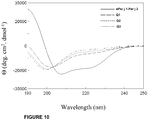
- Immunological tests carried out by the inventors show that the chimera Q2 has no recognition of IgE in sera of patients allergic to Parietaria judaica, as illustrated in Fig. 10 and 11 .
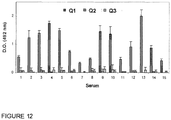
- Q2 has an IgE-binding capacity which is 10,000 times less than that of the mixture of the two natural proteins, as illustrated in Fig. 12 .
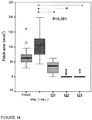
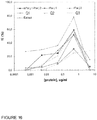
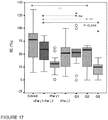
- the low allergenicity (IgE-binding capacity) of the chimera Q2 was corroborated by measuring the reactivity of this molecule with sera of 30 patients allergic to Parietaria judaica ( Fig. 14 ). This reduction in the allergenicity was surprisingly accompanied by maintenance of the immunogenic capacity of the chimera Q2, which did not differ from that of the sum of the individual natural proteins ( Fig. 16 ).
- the strain of the microorganism corresponding to the present invention was deposited in the Spanish collection of type cultures (CECT) at the University of Valencia (Universidad de Valencia, Edificio de Investigative, Campus de Burjasot, 46100 BURJASOT, Valencia) in accordance with the Budapest treaty on the international recognition of the deposit of microorganisms for the purposes of patent procedures, with the following reference:
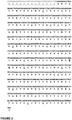
- a chimeric protein comprising an amino acid sequence derived from the sequences corresponding to the major allergens of the Parietaria judaica pollen known as Par j 1 and Par j 2, wherein the chimeric protein comprises the amino acid sequence of SEQ ID NO. 2 and shares the reduction in allergenicity, as compared to the allergens from which it is derived, and as measured by ELISA-inhibition test, of the chimeric protein of SEQ ID NO. 2.
- low allergenicity and similar variants as used herein is a relative term and relates to the reduced in vivo and in vitro ability of the proteins and peptides of the invention to stimulate an allergic response when compared with the same ability of wildtype immunogens.
- the chimeric protein may also comprise a peptide sequence facilitating its purification.
- peptides are commonly known in the art, for example a polyhistidine tail.
- the fragments constituting the chimeric proteins can be synthesised by a qualified trained person following a known scheme by amplification in the polymerase chain (PCR). Said fragments, after being digested by appropriate restriction enzymes, can integrate by ligation to an expression vector.
- This expression vector (like the commercial vector pQE32) may have the ability to fuse the chimeric protein with sequences which assist purification such as a series of histidines positioned at the terminal amino end.
- the differing DNA fragments are bound by linkers formed by recognised sequences by differing restriction enzymes, and residues which did not exist in the original sequence of the natural allergen therefore appear in the final chimeric molecule.
- a polynucleotide encoding a protein or peptide of the invention.
- the polynucleotide comprises the nucleotide sequence shown in SEQ ID No.: 1.
- the polynucleotide may further comprise a sequence encoding a signal peptide.
- the signal peptide is an amino acid sequence which initiates transport of a protein across the membrane of the endoplasmic reticulum. Suitable signal peptides will be known to one skilled in the field of the invention.
- the invention also includes peptides encoded by a polynucleotide sequence of the invention.
- an expression system comprising a polynucleotide sequence of the invention, and a host cell transformed by said expression system capable of expressing a protein or peptide of the invention.
- the invention also includes methods of making a peptide or protein of the invention, said method including the steps of
- the disclosure also comprises transgenic animals capable of producing a protein or peptide of the invention, for example in their milk or in the white of their eggs.
- a protein or peptide of the invention for the treatment of an immunological disorder, particularly a hypersensitivity disorder such as allergy.
- a protein or peptide of the invention for the preparation of a medicament for the treatment of an immunological disorder, particularly a hypersensitivity disorder such as allergy.
- the medicament is a vaccine.
- the hypersensitivity disorder is an allergy to Parietaria pollen, more preferably Parietaria judaica pollen.
- the term treatment and variations such as 'treat' or 'treating' refer to any regime that can benefit a human or non-human animal.
- the treatment may be in respect of an existing condition or may be prophylactic (preventative treatment).
- Treatment may include curative, alleviation or prophylactic effects.
- the treatment is prophylactic treatment.
- a pharmaceutical composition comprising an effective amount of a protein or peptide of the invention and a pharmaceutically acceptable excipient.
- the pharmaceutical composition is a vaccine composition.
- an immunological disorder particularly a hypersensitivity disorder such as allergy
- said method comprising the step of administering an effective amount of a protein or peptide of the invention to a subject in need thereof.
- a protein or peptide of the invention for use in the treatment of an immunological disorder, particularly a hypersensitivity disorder such as allergy.
- the present invention covers the use of the chimeras according to the present invention, i.e. the chimera Q1, or synthetic peptides derived therefrom for desensitisation treatments in mammals.
- Desensitisation methods involve the repeated administration by parenteral routes (subcutaneous, intravenous, or intramuscular), or oral, nasal or rectal routes of the allergen in question.
- parenteral routes subcutaneous, intravenous, or intramuscular
- oral, nasal or rectal routes of the allergen in question can be administered either alone or in combination with other diluents, in accordance with the prevailing legislation and the galenical procedures for use.
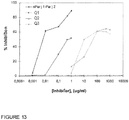
- the chimeric proteins Q2 and Q3 described in the disclosure are hypoallergenic since, as shown in Fig. 10 11 , 12 and 14 , they have lower reactivity to the serum of patients allergic to P. judaica than the complete extract or the combined natural proteins, and, moreover, this hypoallergenicity is also found in in vivo cutaneous tests ( Fig. 13 ).
- the chimeric molecules Q1 and Q2 also have an immunogenic capacity similar to that of the combined natural proteins ( Fig. 16 ). Both characteristics (hypoallergenicity and immunogenicity) make the chimera Q2 an excellent candidate for the preventive and curative treatment of the allergy to P. judaica pollen which can be manifested as rhinitis, conjunctivitis, asthma, urticaria, angioedema, eczema, dermatitis, or even anaphylactic shock.
- Fig. 10 shows an immunodetection test which indicates that the chimeras Q2 and Q3 (lanes 5 and 6) have a greatly reduced IgE-binding capacity in allergic patients when compared with the reactivity of the two natural proteins (lane 1), the isolated recombinant proteins (lanes 2 and 3) or the chimera (lane 4), which shows the recombinant fusion of the two proteins which are complete but contain all their B epitopes. This should indicate that the absence of the B epitopes included between the residues 29 and 52 (chimera Q2) contributes to the reduction in allergenicity.
- a more direct measurement of the hypoallergenicity of the chimera Q2 was obtained by direct measurement of cutaneous reactivity in 30 patients allergic to P. judaica pollen.
- the data given in Fig. 13 shows that the chimera Q2 had a marked reduction in cutaneous reactivity.
- a comparison of the descriptives of each distribution shows that the chimera Q2 has an average size of patches 112 times smaller than that observed for the two natural proteins, and this indicates a reduction in the allergenic activity by more than 99 %.
- the low binding capacity of IgE with the chimeric protein Q2 was also demonstrated with the serum from a further 30 patients allergic to P. judaica measured by EAST ( Fig. 14 ). In all the patients, the IgE-binding was greatly reduced in the chimera Q2 compared to the mixture of natural proteins.
- the protein Q2 demonstrated a lymphoproliferation index which was similar to that induced by the natural extract and the mixture of the two pure natural proteins combined, as shown in Fig. 16 . All this shows that the chimeric protein Q2 constructed with fragments of Par j 1 and Par j 2 contained a smaller number of IgE epitopes but maintained sufficient T epitopes to induce a protective immune response.
- the chimeric proteins were constructed by chain amplification of the polymerase (PCR) using, as a matrix, plasmids containing the sequences coding for Par j 1.0103 and Par j 2.0101 described in González-Rioja et al., "Expression and purification of the recombinant allergens Par j 1 and Par j 2" XXIII Congreso EAACI, Abstracts Book (2004), 181-182 and specific triggers in each case.
- the triggers are composed of the hybridation zone, of various section sites for differing restrictive endonucleases (underlined), and of some anchoring nucleotides.
- the PCR-induced amplification reaction had the following components in a reaction volume of 50 ⁇ l: amplification buffer x10, 5 ⁇ l; 200 ⁇ M of dNTPs; 100 pmoles of each triggering oligonucleotide: 2.5 units of polymerase Taq (Pfx DNA polymerase, Invitrogen); 1 ng DNA matrix and sterile distilled water to 50 ⁇ l.
- the amplification reaction was carried out in a RoboCycler thermocycler (Stratagene) under specific conditions which will be described in each case.
- the reaction product was subjected to electrophoresis in agarose gel (2%) and the band of interest was isolated from the gel using Geneclean (Bio101), using the method described by the manufacturer.
- the isolated fragments were digested by appropriate restrictive enzymes and bound to the pBluescript vector digested by the same enzymes.
- the ligation mixture was used to transform competent cells of E. coli DH5 ⁇ (obtainable from Invitrogen, Paisley, UK). The resultant colonies were grown in order to isolate their plasmid DNA, which was digested by the appropriate enzymes in order to liberate the fragment of interest.
- the positive clones were selected for the sequencing thereof.
- the sequencing of the DNA inserted the pBluescript was carried out by Sanger's method [(30) Hanahan, D. (1983). Studies on transformation of Escherichia coli with plasmids. J. Mol. Biol. 166, 557-580 ] modified for use with fluorescent dideoxynucleotides and amplification in a thermocycler using PRISM Ready Reaction DiDeoxy Termination Cycle Sequencing Kit (Perkin Elmer), following the manufacturer's instructions.
- Par j 1 and Par j 2 Two products of PCR corresponding to Par j 1 and Par j 2 respectively were created.
- the synthetic oligonucleotides F1F1 and F1R1 were used for the N and C terminal ends respectively, a size of approximately 420 pairs of bases (pb) being obtained.
- the amplified fragment was cloned in the pKS-Bluescript vector and its sequence was confirmed.
- the second fragment corresponding to Par j 2 the same procedure was employed using the oligonucleotides F1F2 and F1R2 for the N and C terminal ends respectively. On this occasion, a fragment of approximately 300 pb was obtained, which was cloned in the pKS-Bluescript vector and of which the sequence was confirmed.
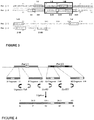
- This second fragment was bound to the first by ligation through the Eco RI target, Par j 1 remaining at the N-terminal end and Par j 2 at the C-terminal end, and the resultant fragment was subsequently subcloned in the commercial expression vector pQE-32 (Qiagen), containing an extra sequence of 13 amino acids at the N-terminal end, corresponding to the affinity tail ( Fig. 2 ). Said sequence coded for a polypeptide having 256 amino acids and an apparent molecular weight of 28070 Da.
- Par j 1 fragment 1
- the synthetic oligonucleotides F1F1 and F2R1 were used for the N and C terminal ends respectively, a size of approximately 90 base pairs being obtained and cloned in the pKS-Bluescript vector.
- the same procedure was carried out using the oligonucleotides F2F2 and F2R2 for the N and C terminal ends respectively.
- a fragment of approximately 260 pb was obtained and was cloned in the pKS-Bluescript vector. This last fragment was bound to the first by ligation through the linker of the target carried by PstI and its sequence was confirmed.
- fragments amplified from the sequence of Par j 2 fragments 3 and 4
- the procedure described for fragments 1 and 2 was followed.
- the oligonucleotides F2F3/F2R3 and F2F4/F1R4 for the N and C terminal ends respectively were used for the amplification thereof, the size of the products of PCR being approximately 90 and 150 pb for fragments 3 and 4.
- Fragment 4 was bound to fragment 3 by ligation through the linker of the target carried by Eco RV and its sequence was confirmed.
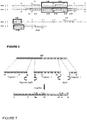
- the two new fragments created were bound by ligation via the linker of the target carried by Eco RI, Par j 1 remaining at the N-terminal end and Par j 2 at the C-terminal end.
- Said fragment was subsequently subcloned in the commercial expression vector pQE-32, containing an extra sequence of 13 aminoacids at the N-terminal end corresponding to the affinity tail ( Fig. 5 ).
- the construction Q2-pQE-32 was used as the matrix and approximately 150, 370 and 290 pb in size were obtained for the fragments 1, 2 and 3 respectively.
- the oligonucleotides used were F3F1 and F3R1 for the fragment 1, F3F2 and F3R2 for the fragment 2, and F3F3 and F3R3 for the fragment 3.
- the processes of sequential ligation of the fragments described in the earlier cases was repeated again.
- the new restrictive enzymes used were Bgl II and Kpn I.
- a pre-inoculum of 50 ml of the same medium was produced and incubated overnight at 37 °C with stirring (260 rpm).
- One litre of the same medium was inoculated with said pre-inoculum, starting from an optical density (600 nm) of 0.2.
- the mixture was incubated at 37°C with stirring for 1 hour and 30 minutes, after which induction with a IPTG (1 mM of final concentration) was carried out for 3 h under the same incubation conditions.
- the cells were centrifuged at 10,000 rpm for 15 minutes at 4 °C and were resuspended in 50 ml of lysis buffer (phosphate 20 mM, pH 7.4; 50 mM imidazole; 0.5 M NaCl).
- the resuspended matter was treated with lysozyme (final concentration of 0.1 mg/ml) for 30 minutes at 37 °C with stirring. Sonication (5 pulses of 20 s) was then carried out and the mixture was centrifuged at 15000 rpm for 15 minutes at 4 °C.
- the supernatant was filtered over 0.45 ⁇ m (Millex HV, Millipore) and was applied (2.5 ml/min) to a 5 ml Hi-Trap Chelating HP column (GE-Healthcare) adapted to the ⁇ KTA Prime system (GE-Healthcare).
- This column was chelated with nickel and had previously been balanced with 10 volumes of the lysis buffer.
- elution buffer phosphate 20 mM pH 7.4; 0.5 M imidazole
- the elute was passed through a 5 ml Hi-Trap Desalting column (GE-Healthcare) in order to remove salts and change the 20 mM pH 7 phosphate buffer sample.
- the protein was kept at -40 °C.
- Electrophoresis was carried out in polyacrylamide gels with SDS (SDS-PAGE).
- SDS-PAGE SDS-PAGE
- the method described by Laemmli was basically followed [(31) Laemmli, U.K. (1970). Cleavage of structural proteins during the assembly of the head of bacteriophage T 4 . Nature 277 , 680-685], using a MINI-PROTEAN electrophoresis apparatus (Bio-Rad).
- the gels, measuring 10 x 10 cm and having a polyacrylamide concentration of 12.5% were subject to a 200 volt current for 45 minutes in tris-glycine buffer.
- the proteins used as a reference were those from the Bio-Rad kit for low molecular weights. Calculation of the molecular weights and densitometric analysis of the gels were carried out using an image analyser (Diversity, BioRad).
- Hybrid protein Q1 was expressed as 32 kDa His-tagged fusion protein ( Fig. 9 ) with a final yield of 2 mg/L of bacterial culture.
- Q2 and Q3 proteins were expressed as 28 kDa His-tagged fusion proteins with a final yield of 5 and 7 mg/L culture, respectively ( Fig. 9 ).
- Example 4 Immunological tests to demonstrate the low IgE-fixing reactivity of chimeric proteins toward a mixture of sera of patients allergic to P. judaica
- a first evaluation of the IgE-binding activity of the fusions 1, 2 and 3 was carried out by the immunotransfer method employing a mixture of sera from patients allergic to P. judaica. Once the protein extracts and the purified proteins had been applied to polyacrylamide gels, electrotransfer was carried out by the method of Towbin et al [(32) Towbin, H., Staehelin, I., and Gordon, J. (1979). Electrophoretic transfer of proteins from polyacrylamide gels to nitrocellulose sheets: Procedure and some applications. Proc. Natl. Acad. Sci. USA 76, 4350-4354 ]. For this purpose, the proteins separated by SDS-PAGE were electrically transfixed to PVDF Hybond-P membranes (GE-Healthcare).
- the membranes had been blocked for 1 h at ambient temperature, they were incubated overnight at 4 °C with a primary antibody and, after the various washes with the same washing buffer, the membranes were incubated for 1 h at ambient temperature with a secondary peroxydase conjugate antibody. Bands were detected by the ECL chemiluminescent method (GE-Healthcare) as described by the manufacturer by exposing the membrane to a film (Hyperfilm.ECL, GE-Healthcare).
- ECL ECL chemiluminescent method
- the immunodetection tests demonstrated a different IgE-binding capacity between the three fusions; recognition of IgE antibodies accordingly existed only in the case of Q1 ( Fig. 11 ). In the case of Q2, recognition dropped very sharply, while in the case of Q3, the demonstrated recognition was zero.
- the reactivity of IgE to the three fusions was analysed by the ELISA method using individual sera from patients allergic to P. judaica.
- the polystyrene plates (Greiner) were incubated overnight at ambient temperature with 1 ⁇ g of P. judaica extract protein or 0.1 ⁇ g of pure protein per cup in PBS buffer (phosphate 10 mM pH 7.2; 137 mM NaCl 2.7 mM KCl). They were blocked with 200 ⁇ l/cup of PBS supplemented with 1 % BSA-0.05 % Tween 20 and kept at 37°C for 1 h. 100 ⁇ l/cup of serum (dilution 1/10) from allergic patients were added and incubated at 37°C for 90 min.
- the mixture of sera from patients allergic to P. judaica was preincubated overnight at 4°C with a given concentration of inhibiting protein (from 1 to 1000 ng/ml). The remainder of the procedure followed is the same as described for the ELISA direct test.
- Example 5 In vivo experiments to demonstrate the low cutaneous reactivity of the chimeric proteins Q1, Q2, and Q3
- the cutaneous tests were carried out using P . judaica extract, nPar j 1-Par j 2, rPar j 1 and rPar j 2 expressed in E. coli, and the chimeras 1, 2 and 3.
- the purified proteins were diluted in a 0.5 % phenolated and 50 % glycerinated physiological saline solution.
- the concentrations used were 0.5, 5, and 50 ⁇ g/ml in the case of natural Par j, Par j 2, Q1; the concentrations were 5, 50 and 250 ⁇ g/ml in the case of Q2 or Q3.
- 0.9% NaCl and histamine hydrochloride (10 mg/ml) were used as negative and positive controls respectively.
- the specific IgE was determined in accordance with Ceska et al. [(33) Ceska, M. and Lundkvist, U. (1972). A new and simple radioimmunoassay method for the determination of IgE. Immunochemistry 9, 1021-1030 ], by coupling the natural and recombinant proteins (50 ⁇ g/ml) as well as the P. judaica extract (2 mg/ml) to discs activated with cyanogen bromide. 50 ⁇ l of serum from the patients was subsequently added and was incubated for 1 hour at ambient temperature.
- Example 7 Induced lymphoproliferation experiments to demonstrate the immunogenic capacity of the chimeric proteins Q1, Q2 and Q3
- CMSP mononuclear peripheral blood cells
- the CMSPs of 13 patients allergic to P. judaica were isolated by centrifugation in a density gradient using a lymphocite separating solution (Lymphoprep, Nycomed). The CMSPs were then resuspended at 1x10 6 viable cells/ml in culture medium (serum free medium AIM V, Gibco) and their viability was tested with 0.25% of tripan blue in PBS (Sigma Chemical Co.). The CMSPs prepared with viability greater than 90% were immediately used for the in vitro proliferation tests as described by the manufacturer (cell proliferation agent WST-1, Roche Diagnostics).
- immunuogenic protein was scanned to determine the optimum concentration for subsequent development of the test. In all cases it was found that the protein concentration demonstrating maximum proliferation (IE %) was 0.5 ⁇ g/ml ( Fig. 16 ).
- the present invention relates to the use of the described hypoallergenic chimeras or synthetic peptides derived therefrom for hyposensitisation treatments in mammals.
- the method of hyposensitisation involves the repeated administration by parenteral (subcutaneous, intravenous or intramuscular), oral, sublingual, nasal or rectal routes of the allergen in question.
- These (poly)peptides can be administered alone and in combination with other pharmaceutically acceptable diluents and excipients, in accordance with the legislation in force and the galenical procedure for use.
Landscapes
- Health & Medical Sciences (AREA)
- Chemical & Material Sciences (AREA)
- Life Sciences & Earth Sciences (AREA)
- Organic Chemistry (AREA)
- General Health & Medical Sciences (AREA)
- Medicinal Chemistry (AREA)
- Immunology (AREA)
- Veterinary Medicine (AREA)
- Public Health (AREA)
- Animal Behavior & Ethology (AREA)
- Pharmacology & Pharmacy (AREA)
- Genetics & Genomics (AREA)
- Proteomics, Peptides & Aminoacids (AREA)
- Molecular Biology (AREA)
- Biophysics (AREA)
- Biochemistry (AREA)
- Gastroenterology & Hepatology (AREA)
- Botany (AREA)
- Microbiology (AREA)
- Mycology (AREA)
- Epidemiology (AREA)
- Bioinformatics & Cheminformatics (AREA)
- Engineering & Computer Science (AREA)
- Chemical Kinetics & Catalysis (AREA)
- General Chemical & Material Sciences (AREA)
- Nuclear Medicine, Radiotherapy & Molecular Imaging (AREA)
- Pulmonology (AREA)
- Peptides Or Proteins (AREA)
- Medicines Containing Antibodies Or Antigens For Use As Internal Diagnostic Agents (AREA)
- Preparation Of Compounds By Using Micro-Organisms (AREA)
- Micro-Organisms Or Cultivation Processes Thereof (AREA)
- Medicines That Contain Protein Lipid Enzymes And Other Medicines (AREA)
- Measuring Or Testing Involving Enzymes Or Micro-Organisms (AREA)
- Medicines Containing Plant Substances (AREA)
Applications Claiming Priority (2)
| Application Number | Priority Date | Filing Date | Title |
|---|---|---|---|
| ES200600955A ES2307381B1 (es) | 2006-04-12 | 2006-04-12 | Proteinas quimericas hipoalergenicas pertenecientes a la familia de transportadoras de lipidos de parietaria judaica utiles para el tratami ento de alergias. |
| EP07734344.0A EP2007798B1 (en) | 2006-04-12 | 2007-04-11 | Hypoallergenic chimeric proteins belonging to the lipid transfer family of parietaria judaica for use in the treatment of allergies |
Related Parent Applications (3)
| Application Number | Title | Priority Date | Filing Date |
|---|---|---|---|
| EP07734344.0A Division-Into EP2007798B1 (en) | 2006-04-12 | 2007-04-11 | Hypoallergenic chimeric proteins belonging to the lipid transfer family of parietaria judaica for use in the treatment of allergies |
| EP07734344.0A Division EP2007798B1 (en) | 2006-04-12 | 2007-04-11 | Hypoallergenic chimeric proteins belonging to the lipid transfer family of parietaria judaica for use in the treatment of allergies |
| EP07734344.0 Division | 2007-04-11 |
Publications (2)
| Publication Number | Publication Date |
|---|---|
| EP2392592A1 EP2392592A1 (en) | 2011-12-07 |
| EP2392592B1 true EP2392592B1 (en) | 2016-12-14 |
Family
ID=38421459
Family Applications (3)
| Application Number | Title | Priority Date | Filing Date |
|---|---|---|---|
| EP11162543.0A Not-in-force EP2392592B1 (en) | 2006-04-12 | 2007-04-11 | Hypoallergenic chimeric proteins belonging to the lipid transfer family of parietaria judaica for use in the treatment of allergies. |
| EP07734344.0A Active EP2007798B1 (en) | 2006-04-12 | 2007-04-11 | Hypoallergenic chimeric proteins belonging to the lipid transfer family of parietaria judaica for use in the treatment of allergies |
| EP11162616A Withdrawn EP2363409A1 (en) | 2006-04-12 | 2007-04-11 | Hypoallergenic chimeric proteins belonging to the lipid transfer family of parietaria judaica for use in the treatment of allergies. |
Family Applications After (2)
| Application Number | Title | Priority Date | Filing Date |
|---|---|---|---|
| EP07734344.0A Active EP2007798B1 (en) | 2006-04-12 | 2007-04-11 | Hypoallergenic chimeric proteins belonging to the lipid transfer family of parietaria judaica for use in the treatment of allergies |
| EP11162616A Withdrawn EP2363409A1 (en) | 2006-04-12 | 2007-04-11 | Hypoallergenic chimeric proteins belonging to the lipid transfer family of parietaria judaica for use in the treatment of allergies. |
Country Status (10)
| Country | Link |
|---|---|
| US (2) | US8697083B2 (OSRAM) |
| EP (3) | EP2392592B1 (OSRAM) |
| JP (3) | JP5373597B2 (OSRAM) |
| CN (2) | CN103059140B (OSRAM) |
| BR (1) | BRPI0710649A2 (OSRAM) |
| CA (1) | CA2646900C (OSRAM) |
| ES (2) | ES2307381B1 (OSRAM) |
| MX (1) | MX2008013050A (OSRAM) |
| PT (1) | PT2007798E (OSRAM) |
| WO (1) | WO2007116316A1 (OSRAM) |
Families Citing this family (3)
| Publication number | Priority date | Publication date | Assignee | Title |
|---|---|---|---|---|
| ES2307381B1 (es) * | 2006-04-12 | 2009-10-23 | Bial Industrial Farmaceutica S.A. | Proteinas quimericas hipoalergenicas pertenecientes a la familia de transportadoras de lipidos de parietaria judaica utiles para el tratami ento de alergias. |
| IT1395735B1 (it) * | 2009-08-04 | 2012-10-19 | Lofarma Spa | Proteina ibrida ipoallergenica e suoi usi |
| RU2470298C2 (ru) * | 2011-04-01 | 2012-12-20 | Федеральное бюджетное учреждение науки "Уфимский научно-исследовательский институт медицины труда и экологии человека" (ФБУН "Уфимский НИИ медицины труда и экологии человека") | Способ ранней (донозологической) диагностики развития сенсибилизации к аллергенам воздуха рабочей зоны птицеводческого комплекса |
Family Cites Families (12)
| Publication number | Priority date | Publication date | Assignee | Title |
|---|---|---|---|---|
| DE10037759A1 (de) | 2000-08-03 | 2002-07-04 | Gruenenthal Gmbh | Screeningverfahren |
| IT1317905B1 (it) | 2000-09-11 | 2003-07-15 | Consiglio Nazionale Ricerche | Varianti di allergeni ns-ltps, loro usi e composizioni che lecomprendono. |
| IT1318690B1 (it) | 2000-09-12 | 2003-08-27 | Consiglio Nazionale Ricerche | Varianti dell'allergene maggiore par j 2 di parietaria judaica. |
| US20030175312A1 (en) * | 2000-11-16 | 2003-09-18 | Alk-Abello A/S | Novel mutant allergens |
| EP1221317A1 (en) * | 2000-12-28 | 2002-07-10 | SHAN-Beteiligungsgesellschaft m.b.H. | Vaccines containing hybrid polypeptides consisting of at least two different allergenic proteins |
| WO2002088317A2 (en) * | 2001-05-01 | 2002-11-07 | The Regents Of The University Of California | Fusion molecules and methods for treatment of immune diseases |
| US7265208B2 (en) * | 2001-05-01 | 2007-09-04 | The Regents Of The University Of California | Fusion molecules and treatment of IgE-mediated allergic diseases |
| ATE307141T1 (de) * | 2003-01-21 | 2005-11-15 | Biomay Prod & Handel | Verfahren zur vorbereitung von hypoallergenen mosaikproteine |
| ITRM20030247A1 (it) * | 2003-05-20 | 2004-11-21 | Bonura Angela | Varianti ipoallergeniche degli allergeni maggiori |
| ITRM20040103A1 (it) * | 2004-02-27 | 2004-05-27 | Consiglio Nazionale Ricerche | Proteine di fusione comprendenti allergeni della famiglia delle ns-ltps, loro usi e composizioni farmaceutiche che le comprendono. |
| AT501101B1 (de) * | 2004-12-02 | 2008-01-15 | Biomay Ag | Protein-allergen-derivat |
| ES2307381B1 (es) * | 2006-04-12 | 2009-10-23 | Bial Industrial Farmaceutica S.A. | Proteinas quimericas hipoalergenicas pertenecientes a la familia de transportadoras de lipidos de parietaria judaica utiles para el tratami ento de alergias. |
-
2006
- 2006-04-12 ES ES200600955A patent/ES2307381B1/es not_active Expired - Fee Related
-
2007
- 2007-04-11 CA CA2646900A patent/CA2646900C/en not_active Expired - Fee Related
- 2007-04-11 EP EP11162543.0A patent/EP2392592B1/en not_active Not-in-force
- 2007-04-11 ES ES07734344.0T patent/ES2550705T3/es active Active
- 2007-04-11 CN CN201210468984.7A patent/CN103059140B/zh not_active Expired - Fee Related
- 2007-04-11 WO PCT/IB2007/001025 patent/WO2007116316A1/en not_active Ceased
- 2007-04-11 EP EP07734344.0A patent/EP2007798B1/en active Active
- 2007-04-11 US US12/296,260 patent/US8697083B2/en not_active Expired - Fee Related
- 2007-04-11 MX MX2008013050A patent/MX2008013050A/es active IP Right Grant
- 2007-04-11 EP EP11162616A patent/EP2363409A1/en not_active Withdrawn
- 2007-04-11 PT PT77343440T patent/PT2007798E/pt unknown
- 2007-04-11 BR BRPI0710649-1A patent/BRPI0710649A2/pt not_active IP Right Cessation
- 2007-04-11 CN CN2007800133849A patent/CN101421296B/zh not_active Expired - Fee Related
- 2007-04-11 JP JP2009504853A patent/JP5373597B2/ja not_active Expired - Fee Related
-
2013
- 2013-07-05 JP JP2013141864A patent/JP6148088B2/ja not_active Expired - Fee Related
-
2014
- 2014-03-05 US US14/198,293 patent/US9522939B2/en not_active Expired - Fee Related
-
2016
- 2016-01-29 JP JP2016015356A patent/JP2016104796A/ja active Pending
Non-Patent Citations (1)
| Title |
|---|
| BONURA A ET AL: "A hybrid expressing genetically engineered major allergens of the Parietaria pollen as a tool for specific allergy vaccination", INTERNATIONAL ARCHIVES OF ALLERGY AND IMMUNOLOGY, KARGER AG, CH, vol. 142, no. 4, 1 March 2007 (2007-03-01), pages 274 - 284, XP008163684, ISSN: 1018-2438, [retrieved on 20061122], DOI: 10.1159/000097358 * |
Also Published As
| Publication number | Publication date |
|---|---|
| CA2646900C (en) | 2016-06-14 |
| JP2009533046A (ja) | 2009-09-17 |
| ES2307381B1 (es) | 2009-10-23 |
| ES2550705T3 (es) | 2015-11-11 |
| BRPI0710649A2 (pt) | 2011-08-23 |
| MX2008013050A (es) | 2009-01-14 |
| EP2392592A1 (en) | 2011-12-07 |
| EP2007798A1 (en) | 2008-12-31 |
| CN103059140A (zh) | 2013-04-24 |
| ES2307381A2 (es) | 2008-11-16 |
| ES2307381R (es) | 2008-12-01 |
| CN103059140B (zh) | 2016-09-28 |
| EP2363409A1 (en) | 2011-09-07 |
| CN101421296B (zh) | 2013-01-02 |
| PT2007798E (pt) | 2015-11-13 |
| CA2646900A1 (en) | 2007-10-18 |
| US20140286972A1 (en) | 2014-09-25 |
| US9522939B2 (en) | 2016-12-20 |
| JP6148088B2 (ja) | 2017-06-14 |
| US20090304727A1 (en) | 2009-12-10 |
| US8697083B2 (en) | 2014-04-15 |
| JP2013233149A (ja) | 2013-11-21 |
| EP2007798B1 (en) | 2015-09-30 |
| CN101421296A (zh) | 2009-04-29 |
| JP2016104796A (ja) | 2016-06-09 |
| WO2007116316A1 (en) | 2007-10-18 |
| JP5373597B2 (ja) | 2013-12-18 |
Similar Documents
| Publication | Publication Date | Title |
|---|---|---|
| JP5807994B2 (ja) | アレルギー治療のための核酸 | |
| JP2017226687A (ja) | アレルゲンエキスを製造するための方法 | |
| US9522939B2 (en) | Hypoallergenic chimeric proteins belonging to the lipid transfer family of Parietaria judaica for use in the treatment of allergies | |
| Chapman et al. | Recombinant allergens for immunotherapy | |
| JP6353510B2 (ja) | アレルギー治療のための核酸 | |
| CA2843804C (en) | Hypoallergenic variants of mal d 1, the major allergen from malus domestica | |
| EP2607376A1 (en) | Hypoallergenic allergen derivatives of Pru p 3 for immunotherapy of IgE-mediated peach allergy | |
| Bonura et al. | Genetic engineering of allergens for immunotherapy | |
| JP6088584B2 (ja) | アレルギー治療のための核酸 | |
| Larche et al. | Modifying allergens and using adjuvants for specific immunotherapy | |
| Asturias | Recombinant hypoallergens for immunotherapy of Parietaria judaica pollen allergy | |
| LEI | Genetic engineering of hybrids of major mite allergens of Dermatophagoides pteronyssinus and evaluation of their potential as vaccines for immunotherapy |
Legal Events
| Date | Code | Title | Description |
|---|---|---|---|
| AC | Divisional application: reference to earlier application |
Ref document number: 2007798 Country of ref document: EP Kind code of ref document: P |
|
| AK | Designated contracting states |
Kind code of ref document: A1 Designated state(s): AT BE BG CH CY CZ DE DK EE ES FI FR GB GR HU IE IS IT LI LT LU LV MC MT NL PL PT RO SE SI SK TR |
|
| AX | Request for extension of the european patent |
Extension state: AL BA HR MK RS |
|
| PUAI | Public reference made under article 153(3) epc to a published international application that has entered the european phase |
Free format text: ORIGINAL CODE: 0009012 |
|
| 17P | Request for examination filed |
Effective date: 20120531 |
|
| 17Q | First examination report despatched |
Effective date: 20130726 |
|
| GRAP | Despatch of communication of intention to grant a patent |
Free format text: ORIGINAL CODE: EPIDOSNIGR1 |
|
| INTG | Intention to grant announced |
Effective date: 20160629 |
|
| GRAS | Grant fee paid |
Free format text: ORIGINAL CODE: EPIDOSNIGR3 |
|
| GRAA | (expected) grant |
Free format text: ORIGINAL CODE: 0009210 |
|
| AC | Divisional application: reference to earlier application |
Ref document number: 2007798 Country of ref document: EP Kind code of ref document: P |
|
| AK | Designated contracting states |
Kind code of ref document: B1 Designated state(s): AT BE BG CH CY CZ DE DK EE ES FI FR GB GR HU IE IS IT LI LT LU LV MC MT NL PL PT RO SE SI SK TR |
|
| REG | Reference to a national code |
Ref country code: GB Ref legal event code: FG4D |
|
| REG | Reference to a national code |
Ref country code: CH Ref legal event code: EP |
|
| REG | Reference to a national code |
Ref country code: IE Ref legal event code: FG4D |
|
| REG | Reference to a national code |
Ref country code: AT Ref legal event code: REF Ref document number: 853491 Country of ref document: AT Kind code of ref document: T Effective date: 20170115 |
|
| REG | Reference to a national code |
Ref country code: DE Ref legal event code: R096 Ref document number: 602007049190 Country of ref document: DE |
|
| PG25 | Lapsed in a contracting state [announced via postgrant information from national office to epo] |
Ref country code: LV Free format text: LAPSE BECAUSE OF FAILURE TO SUBMIT A TRANSLATION OF THE DESCRIPTION OR TO PAY THE FEE WITHIN THE PRESCRIBED TIME-LIMIT Effective date: 20161214 |
|
| REG | Reference to a national code |
Ref country code: LT Ref legal event code: MG4D |
|
| REG | Reference to a national code |
Ref country code: NL Ref legal event code: MP Effective date: 20161214 |
|
| PG25 | Lapsed in a contracting state [announced via postgrant information from national office to epo] |
Ref country code: SE Free format text: LAPSE BECAUSE OF FAILURE TO SUBMIT A TRANSLATION OF THE DESCRIPTION OR TO PAY THE FEE WITHIN THE PRESCRIBED TIME-LIMIT Effective date: 20161214 Ref country code: LT Free format text: LAPSE BECAUSE OF FAILURE TO SUBMIT A TRANSLATION OF THE DESCRIPTION OR TO PAY THE FEE WITHIN THE PRESCRIBED TIME-LIMIT Effective date: 20161214 Ref country code: GR Free format text: LAPSE BECAUSE OF FAILURE TO SUBMIT A TRANSLATION OF THE DESCRIPTION OR TO PAY THE FEE WITHIN THE PRESCRIBED TIME-LIMIT Effective date: 20170315 |
|
| REG | Reference to a national code |
Ref country code: AT Ref legal event code: MK05 Ref document number: 853491 Country of ref document: AT Kind code of ref document: T Effective date: 20161214 |
|
| PG25 | Lapsed in a contracting state [announced via postgrant information from national office to epo] |
Ref country code: FI Free format text: LAPSE BECAUSE OF FAILURE TO SUBMIT A TRANSLATION OF THE DESCRIPTION OR TO PAY THE FEE WITHIN THE PRESCRIBED TIME-LIMIT Effective date: 20161214 |
|
| PG25 | Lapsed in a contracting state [announced via postgrant information from national office to epo] |
Ref country code: NL Free format text: LAPSE BECAUSE OF FAILURE TO SUBMIT A TRANSLATION OF THE DESCRIPTION OR TO PAY THE FEE WITHIN THE PRESCRIBED TIME-LIMIT Effective date: 20161214 |
|
| PG25 | Lapsed in a contracting state [announced via postgrant information from national office to epo] |
Ref country code: CZ Free format text: LAPSE BECAUSE OF FAILURE TO SUBMIT A TRANSLATION OF THE DESCRIPTION OR TO PAY THE FEE WITHIN THE PRESCRIBED TIME-LIMIT Effective date: 20161214 Ref country code: EE Free format text: LAPSE BECAUSE OF FAILURE TO SUBMIT A TRANSLATION OF THE DESCRIPTION OR TO PAY THE FEE WITHIN THE PRESCRIBED TIME-LIMIT Effective date: 20161214 Ref country code: SK Free format text: LAPSE BECAUSE OF FAILURE TO SUBMIT A TRANSLATION OF THE DESCRIPTION OR TO PAY THE FEE WITHIN THE PRESCRIBED TIME-LIMIT Effective date: 20161214 Ref country code: IS Free format text: LAPSE BECAUSE OF FAILURE TO SUBMIT A TRANSLATION OF THE DESCRIPTION OR TO PAY THE FEE WITHIN THE PRESCRIBED TIME-LIMIT Effective date: 20170414 Ref country code: RO Free format text: LAPSE BECAUSE OF FAILURE TO SUBMIT A TRANSLATION OF THE DESCRIPTION OR TO PAY THE FEE WITHIN THE PRESCRIBED TIME-LIMIT Effective date: 20161214 |
|
| PGFP | Annual fee paid to national office [announced via postgrant information from national office to epo] |
Ref country code: DE Payment date: 20170416 Year of fee payment: 11 |
|
| PG25 | Lapsed in a contracting state [announced via postgrant information from national office to epo] |
Ref country code: IT Free format text: LAPSE BECAUSE OF FAILURE TO SUBMIT A TRANSLATION OF THE DESCRIPTION OR TO PAY THE FEE WITHIN THE PRESCRIBED TIME-LIMIT Effective date: 20161214 Ref country code: BE Free format text: LAPSE BECAUSE OF FAILURE TO SUBMIT A TRANSLATION OF THE DESCRIPTION OR TO PAY THE FEE WITHIN THE PRESCRIBED TIME-LIMIT Effective date: 20161214 Ref country code: AT Free format text: LAPSE BECAUSE OF FAILURE TO SUBMIT A TRANSLATION OF THE DESCRIPTION OR TO PAY THE FEE WITHIN THE PRESCRIBED TIME-LIMIT Effective date: 20161214 Ref country code: ES Free format text: LAPSE BECAUSE OF FAILURE TO SUBMIT A TRANSLATION OF THE DESCRIPTION OR TO PAY THE FEE WITHIN THE PRESCRIBED TIME-LIMIT Effective date: 20161214 Ref country code: PT Free format text: LAPSE BECAUSE OF FAILURE TO SUBMIT A TRANSLATION OF THE DESCRIPTION OR TO PAY THE FEE WITHIN THE PRESCRIBED TIME-LIMIT Effective date: 20170414 Ref country code: BG Free format text: LAPSE BECAUSE OF FAILURE TO SUBMIT A TRANSLATION OF THE DESCRIPTION OR TO PAY THE FEE WITHIN THE PRESCRIBED TIME-LIMIT Effective date: 20170314 Ref country code: PL Free format text: LAPSE BECAUSE OF FAILURE TO SUBMIT A TRANSLATION OF THE DESCRIPTION OR TO PAY THE FEE WITHIN THE PRESCRIBED TIME-LIMIT Effective date: 20161214 |
|
| REG | Reference to a national code |
Ref country code: DE Ref legal event code: R097 Ref document number: 602007049190 Country of ref document: DE |
|
| PLBE | No opposition filed within time limit |
Free format text: ORIGINAL CODE: 0009261 |
|
| STAA | Information on the status of an ep patent application or granted ep patent |
Free format text: STATUS: NO OPPOSITION FILED WITHIN TIME LIMIT |
|
| 26N | No opposition filed |
Effective date: 20170915 |
|
| PG25 | Lapsed in a contracting state [announced via postgrant information from national office to epo] |
Ref country code: DK Free format text: LAPSE BECAUSE OF FAILURE TO SUBMIT A TRANSLATION OF THE DESCRIPTION OR TO PAY THE FEE WITHIN THE PRESCRIBED TIME-LIMIT Effective date: 20161214 |
|
| REG | Reference to a national code |
Ref country code: CH Ref legal event code: PL |
|
| GBPC | Gb: european patent ceased through non-payment of renewal fee |
Effective date: 20170411 |
|
| REG | Reference to a national code |
Ref country code: IE Ref legal event code: MM4A |
|
| REG | Reference to a national code |
Ref country code: FR Ref legal event code: ST Effective date: 20171229 |
|
| PG25 | Lapsed in a contracting state [announced via postgrant information from national office to epo] |
Ref country code: FR Free format text: LAPSE BECAUSE OF NON-PAYMENT OF DUE FEES Effective date: 20170502 Ref country code: MC Free format text: LAPSE BECAUSE OF FAILURE TO SUBMIT A TRANSLATION OF THE DESCRIPTION OR TO PAY THE FEE WITHIN THE PRESCRIBED TIME-LIMIT Effective date: 20161214 |
|
| PG25 | Lapsed in a contracting state [announced via postgrant information from national office to epo] |
Ref country code: CH Free format text: LAPSE BECAUSE OF NON-PAYMENT OF DUE FEES Effective date: 20170430 Ref country code: GB Free format text: LAPSE BECAUSE OF NON-PAYMENT OF DUE FEES Effective date: 20170411 Ref country code: LI Free format text: LAPSE BECAUSE OF NON-PAYMENT OF DUE FEES Effective date: 20170430 Ref country code: SI Free format text: LAPSE BECAUSE OF FAILURE TO SUBMIT A TRANSLATION OF THE DESCRIPTION OR TO PAY THE FEE WITHIN THE PRESCRIBED TIME-LIMIT Effective date: 20161214 Ref country code: LU Free format text: LAPSE BECAUSE OF NON-PAYMENT OF DUE FEES Effective date: 20170411 |
|
| PG25 | Lapsed in a contracting state [announced via postgrant information from national office to epo] |
Ref country code: IE Free format text: LAPSE BECAUSE OF NON-PAYMENT OF DUE FEES Effective date: 20170411 |
|
| PG25 | Lapsed in a contracting state [announced via postgrant information from national office to epo] |
Ref country code: MT Free format text: LAPSE BECAUSE OF NON-PAYMENT OF DUE FEES Effective date: 20170411 |
|
| REG | Reference to a national code |
Ref country code: DE Ref legal event code: R119 Ref document number: 602007049190 Country of ref document: DE |
|
| PG25 | Lapsed in a contracting state [announced via postgrant information from national office to epo] |
Ref country code: DE Free format text: LAPSE BECAUSE OF NON-PAYMENT OF DUE FEES Effective date: 20181101 |
|
| PG25 | Lapsed in a contracting state [announced via postgrant information from national office to epo] |
Ref country code: HU Free format text: LAPSE BECAUSE OF FAILURE TO SUBMIT A TRANSLATION OF THE DESCRIPTION OR TO PAY THE FEE WITHIN THE PRESCRIBED TIME-LIMIT; INVALID AB INITIO Effective date: 20070411 |
|
| PG25 | Lapsed in a contracting state [announced via postgrant information from national office to epo] |
Ref country code: CY Free format text: LAPSE BECAUSE OF NON-PAYMENT OF DUE FEES Effective date: 20161214 |
|
| PG25 | Lapsed in a contracting state [announced via postgrant information from national office to epo] |
Ref country code: TR Free format text: LAPSE BECAUSE OF FAILURE TO SUBMIT A TRANSLATION OF THE DESCRIPTION OR TO PAY THE FEE WITHIN THE PRESCRIBED TIME-LIMIT Effective date: 20161214 |