EP2371174B1 - Method and apparatus for robust transmission of control information in a wireless communication network - Google Patents
Method and apparatus for robust transmission of control information in a wireless communication network Download PDFInfo
- Publication number
- EP2371174B1 EP2371174B1 EP09804036.3A EP09804036A EP2371174B1 EP 2371174 B1 EP2371174 B1 EP 2371174B1 EP 09804036 A EP09804036 A EP 09804036A EP 2371174 B1 EP2371174 B1 EP 2371174B1
- Authority
- EP
- European Patent Office
- Prior art keywords
- control information
- mobile terminals
- base station
- transmitting
- targeted
- Prior art date
- Legal status (The legal status is an assumption and is not a legal conclusion. Google has not performed a legal analysis and makes no representation as to the accuracy of the status listed.)
- Not-in-force
Links
Images





Classifications
-
- H—ELECTRICITY
- H04—ELECTRIC COMMUNICATION TECHNIQUE
- H04L—TRANSMISSION OF DIGITAL INFORMATION, e.g. TELEGRAPHIC COMMUNICATION
- H04L5/00—Arrangements affording multiple use of the transmission path
- H04L5/003—Arrangements for allocating sub-channels of the transmission path
- H04L5/0058—Allocation criteria
- H04L5/0064—Rate requirement of the data, e.g. scalable bandwidth, data priority
-
- H—ELECTRICITY
- H04—ELECTRIC COMMUNICATION TECHNIQUE
- H04L—TRANSMISSION OF DIGITAL INFORMATION, e.g. TELEGRAPHIC COMMUNICATION
- H04L5/00—Arrangements affording multiple use of the transmission path
- H04L5/0001—Arrangements for dividing the transmission path
- H04L5/0003—Two-dimensional division
- H04L5/0005—Time-frequency
- H04L5/0007—Time-frequency the frequencies being orthogonal, e.g. OFDM(A) or DMT
-
- H—ELECTRICITY
- H04—ELECTRIC COMMUNICATION TECHNIQUE
- H04L—TRANSMISSION OF DIGITAL INFORMATION, e.g. TELEGRAPHIC COMMUNICATION
- H04L5/00—Arrangements affording multiple use of the transmission path
- H04L5/003—Arrangements for allocating sub-channels of the transmission path
- H04L5/0053—Allocation of signalling, i.e. of overhead other than pilot signals
-
- H—ELECTRICITY
- H04—ELECTRIC COMMUNICATION TECHNIQUE
- H04L—TRANSMISSION OF DIGITAL INFORMATION, e.g. TELEGRAPHIC COMMUNICATION
- H04L5/00—Arrangements affording multiple use of the transmission path
- H04L5/003—Arrangements for allocating sub-channels of the transmission path
- H04L5/0058—Allocation criteria
-
- H—ELECTRICITY
- H04—ELECTRIC COMMUNICATION TECHNIQUE
- H04W—WIRELESS COMMUNICATION NETWORKS
- H04W72/00—Local resource management
- H04W72/20—Control channels or signalling for resource management
- H04W72/23—Control channels or signalling for resource management in the downlink direction of a wireless link, i.e. towards a terminal
Definitions
- the present invention generally relates to wireless communication networks, such as Long Term Evolution (LTE) networks, and particularly relates to improving the robustness of control channel transmissions in such networks.
- LTE Long Term Evolution
- a mobile terminal or other User Equipment is assigned data on a time-frequency basis.
- a given allocation of particular radiofrequency sub-carriers for a given interval of time is referred to as a Resource Block (RB), and resource allocations (uplink or downlink) generally are made on an ongoing, scheduled basis.
- RB Resource Block
- an LTE base station referred to as an "eNodeB” transmits control information to mobile terminals that, among other things, identify scheduled resource allocations.
- the eNodeB transmits Downlink Control Information (DCI) to targeted ones in a plurality of mobile terminals on a Physical Downlink Control Channel (PDCCH), and transmits user data to targeted ones in the plurality of mobile terminals on an associated Physical Downlink Shared Channel (PDSCH).
- DCI Downlink Control Information
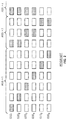
- PDCCH/PDSCH sub-frame is shown in Fig. 1 .
- the PDCCH and the associated PDSCH are transmitted within repeating sub-frames of the OFDM signal, e.g., the first N symbol times of each given sub-frame are allocated as the PDCCH, and the remainder of the sub-frames are allocated as the PDSCH.
- each mobile terminal blindly decodes the PDCCH, looking for a DCI message targeted to it.
- Terminal-specific Medium Access Control (MAC) layer identifiers are used to indicate the targets of the transmitted DCI messages.
- MAC Medium Access Control
- DCI decoding failures have other consequences, such as missed or incorrectly scheduled uplink transmissions, power control interruptions or misbehavior, etc.
- TS36.212 Technical Specification TS36.212 for comprehensive DCI details, but it may be helpful to identify selected details here.
- each sub-frame For example, information about location, modulation and the eNodeB's transmission schemes, etc., is included in the PDCCH of each sub-frame.
- the number of OFDM symbols to be used for this control signaling mainly depends on the number of mobile terminals that are to be scheduled in the current sub-frame.
- Each DCI (message) contains information identifying how to unambiguously decode its scheduled assignments for a particular mobile terminal.
- a DCI can be coded into up to 8 Channel Control Elements (CCEs), where a CCE is defined as 36 Resource Elements (REs), or QPSK symbols, which is equivalent to 72 bits.
- CCEs Channel Control Elements
- REs Resource Elements
- QPSK symbols which is equivalent to 72 bits.
- the lowest coding rate becomes X/576, where X is the number of un-coded bits-including a 16-bit CRC-for the DCI.
- This code rate mainly determines the decoding performance achievable at the targeted mobile terminal, and thus determines that terminal's ability to reliably decode scheduled assignments.
- reception performance e.g., Block Error Rate (BLER) performance
- BLER Block Error Rate
- EP 1 835 649 shows the transmission of a frame containing a control channel and a data channel from one wireless communication device to another wireless communication device. To improve throughput some control information is transmitted on the data channel in addition to, or as an alternative to, transmitting that control information on the control channel.
- the control channel as well as the data channel are dedicated to transmission to one specific other wireless communication device, and a control channel including resources shared by a plurality of targeted mobile terminals is not disclosed.
- the E-PDCCH is discussed in the context of supporting LTE Advanced (LTE-A) functionality (relaying, cooperative MIMO, etc.) where the E-PDCCH is used to carry new/expanded Downlink Control Channel information (DCI) formats.
- LTE-A LTE Advanced
- DCI Downlink Control Channel information
- the invention is defined by a method according to claim 1 and a corresponding base station according to claim 10.
- a base station for use in a wireless communication network includes transmitter circuits and one or more processing circuits that are operatively associated with the transmitter circuits.
- the transmitter circuits are configured to transmit control information and data traffic to mobile terminals in repeating transmission intervals, each transmission interval having a control portion that is defined for transmitting control information to targeted ones of the mobile terminals and a data portion that is defined for transmitting data traffic to targeted ones of the mobile terminals.
- the processing circuits are configured to dynamically determine that the control portion has insufficient resources for transmitting control information to one or more of the mobile terminals, and, responsive to that determination, at least temporarily transmit control information in the data portion, rather than in the control portion, for a selected one or more of the mobile terminals.
- the base station dynamically determines that the control portion has insufficient resources for transmitting control information to one or more of the mobile terminals by determining that an overall information-carrying capacity of the control portion is insufficient, in consideration of collective amounts of control information to be sent in the control portion and corresponding coding gains needed for reliable reception of that control information. Additionally, or alternatively, the base station dynamically determines that the control portion has insufficient resources for transmitting control information to one or more of the mobile terminals by determining that radio reception conditions at a particular one or more of the mobile terminals are such that a maximum coding gain achievable for control information transmitted in the control portion is insufficient for reliable reception of control information at the particular one or more of the mobile terminals.
- the base station in one or more embodiments temporarily transmits control information targeted to that mobile terminal in the data portion, using a coding gain that is higher than the maximum coding gain of the control portion. Further, in at least one such embodiment, the base station reverts back to transmitting control information to the given mobile terminal in the control portion, responsive to determining that the maximum coding gain of the control portion is sufficient for reliable reception of control information at the given mobile terminal.
- the base station comprises, for example, a Long Term Evolution (LTE) base station.
- the base station is configured to transmit control information and data traffic to mobile terminals in repeating transmission intervals by transmitting an Orthogonal Frequency Division Multiplex (OFDM) signal including repeating sub-frames as said repeating transmission intervals, each sub-frame comprising a Physical Downlink Control Channel (PDCCH) as the control portion of the sub-frames, and a Physical Downlink Shared Channel (PDSCH) as the data portion of the sub-frames.
- OFDM Orthogonal Frequency Division Multiplex
- at least temporarily transmitting control information in the data portion, rather than in the control portion comprises transmitting control information that is targeted to a selected one or more mobile terminals on the PDSCH, rather than on the PDCCH.
- the base station is configured to at least temporarily define an Extended PDCCH (E-PDCCH) on the PDSCH.
- E-PDCCH Extended PDCCH
- the base station is configured to transmit control information that is targeted to the selected one or more mobile terminals on the PDSCH by transmitting that control information on the E-PDCCH.
- the base station is configured to transmit pointers on the PDCCH, which identify the location of control information for the selected one or more mobile terminals on the E-PDCCH.
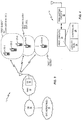
- Fig. 3 illustrates a wireless communication network 10 that includes a Radio Access Network (RAN) 12 having one or more base stations 14.
- the base stations 14 are communicatively coupled to a Core Network (CN) 16 that is, in turn, communicatively coupled to one or more external networks 18, such as the Internet or other packet data networks.
- the network 10 communicatively couples mobile terminals 20-shown as terminals 20-1, 20-2, and so on-to each other and/or to other user equipment or systems accessible via the external networks 18.
- Fig. 4 provides example details for an embodiment of the base station 14, and, according to those example details, the base station 14 comprises transmitter circuits 22 and one or more processing circuits 24.
- the transmitter circuits 22 are configured to transmit control information and data traffic to mobile terminals 20 in repeating transmission intervals. Each transmission interval has a control portion that is defined for transmitting control information to targeted ones of the mobile terminals and a data portion that is defined for transmitting data traffic to targeted ones of the mobile terminals.
- the processing circuits 24 are operatively associated with the transmitter circuits and are configured to dynamically determine that the control portion has insufficient resources for transmitting control information to one or more of the mobile terminals.
- the processing circuits 24 are further configured to at least temporarily transmit control information in the data portion, rather than in the control portion, for a selected one or more of the mobile terminals in response to the determination.
- the processing circuits 24 include a capacity evaluator 26 that is configured to determine, e.g., on a dynamic basis, whether the capacity of the control portion is insufficient for reliably transmitting to one, some, or any of mobile terminals 20 being supported by the base station 14.
- An associated controller 28 is correspondingly configured to control whether control information is sent exclusively in the control portion, or sent in the data portion (for one or more of the mobile terminals 20). In other words, to the extent that the control portion capacity is deemed to be insufficient, the control information for a selected one or more of the mobile terminals 20 is shifted, at least temporarily, from transmission in the control portion to transmission in the data portion.
- the base station 14 e.g., via the controller 28, is configured to select the selected one or more of the mobile terminals 20 according to a function that minimizes transmission resources in the data portion that are given over to the transmission of control information. Further, in one or more embodiments, the base station 14 is configured to dynamically determine that the control portion has insufficient resources for transmitting control information to one or more of the mobile terminals 20 by determining that an overall information-carrying capacity of the control portion is insufficient, in consideration of collective amounts of control information to be sent in the control portion and corresponding coding gains needed for reliable reception of that control information.
- the base station 14 in such embodiments deems the control portion as having insufficient resources if the total amount of control information to be sent to targeted ones of the mobile terminals 20 in any one or more transmission intervals exceeds the information-carrying capacity of the control portion.
- the amount of coding gain needed for encoding control information for reliable transmission to particular mobile terminals 20 depends on the channel qualities associated with those mobile terminals 20.
- the information-carrying capacity of the control portion may vary, in the sense that more information can be sent if lower coding gains are permissible, while less can be sent if higher coding gains (more redundancy) is needed.
- the base station 14 is configured to dynamically determine that the control portion has insufficient resources for transmitting control information to one or more of the mobile terminals by determining that radio reception conditions at a particular one or more of the mobile terminals 20 are such that a maximum coding gain achievable for control information transmitted in the control portion is insufficient for reliable reception of control information at the particular one or more of the mobile terminals.
- the base station 14 determines that the control portion has insufficient resources for transmitting control information to one or more of the mobile terminals by determining that radio reception conditions at a particular one or more of the mobile terminals 20 are such that a maximum coding gain achievable for control information transmitted in the control portion is insufficient for reliable reception of control information at the particular one or more of the mobile terminals.
- the base station 14 is configured to at least temporarily transmit control information in the data portion, rather than in the control portion, by transmitting control information targeted to a particular one or more of the mobile terminals 20 in the data portion using a coding gain that is higher than the maximum coding gain achievable in the control portion.
- the base station 14 determines that a maximum coding gain achievable for transmission of control information in the control portion is insufficient for reliable reception of control information by a given one of the mobile terminals 20.
- a given one or more of the mobile terminals 20 may be experiencing poor reception conditions.
- the base station 14 at least temporarily transmits control information in the data portion by, at least for so long as the maximum coding gain of the control portion is deemed insufficient, transmitting control information that is targeted to the given mobile terminal(s) in the data portion, rather than in the control portion.
- the base station 14 in at least one such embodiment is configured to revert back to transmitting control information that is targeted to the given mobile terminal(s) 20 in the control portion, responsive to determining that the maximum coding gain achievable in the control portion is sufficient for reliable reception of control information by the given mobile terminal(s).
- the mobile terminals 20 may be grouped by the base station 14 into a first subset 30-1 and a second subset 30-2. That is, the base station 14 may be configured in one or more embodiments to form logical subsets of the mobile terminals 20 it is supporting, where control information targeted to mobile terminals 20 in the first subset 30-1 is sent in the control portion of the base station's transmission intervals. Conversely, control information targeted to mobile terminals 20 in the second subset 30-2 is sent in the data portion of the transmission intervals.
- the base station 14 in one or more embodiments is configured to dynamically determine subset membership, and that, for any given transmission interval, no control information may be sent in the data portion. More broadly, it should be understood that the base station 14 may be configured to dynamically evaluate whether the control portion has sufficient resources for transmitting the control information needed to be transmitted in any given transmission interval, and to correspondingly select which mobile terminals 20 are logically placed in the second subset 30-2 (for one, two, or more transmission intervals).
- the base station 14 implements a method transmitting downlink control information (DCI) to a plurality of mobile terminals 20.
- the method includes transmitting control information and data traffic to the mobile terminals 20 in repeating transmission intervals (Block 100).
- Each transmission interval has a control portion that is defined for transmitting control information to targeted ones of the mobile terminals and a data portion that is defined for transmitting data traffic to targeted ones of the mobile terminals.
- the method further includes dynamically determining that the control portion has insufficient resources for transmitting control information to one or more of the mobile terminals (Block 102), and responsive to said determining, at least temporarily transmitting control information in the data portion, rather than in the control portion, for a selected one or more of the mobile terminals (Block 104).
- the processing circuits 24 of the base station 14 include one or more microprocessors, along with associated program and data memory circuits, and supporting interface circuits. With this configuration, at least some of the processing illustrated in Fig. 5 is carried out by the base station 14, based on its execution of program instructions in one or more computer programs that are stored in a computer-readable medium included in or accessible by the base station 14, e.g., one or more non-volatile memory circuits, hard disks, etc.
- Fig. 6 illustrates an example downlink signal structure, as used by the base station 14.
- a downlink signal 40 that logically comprises a series of repeating transmission intervals 42, each divided into a control portion 44 and a data portion 46.
- the downlink signal 40 comprises a number of sub-carriers collectively representing an OFDM frequency band.
- the transmission intervals 42 comprise 1/2 millisecond sub-frames, with the control and data portions 44 and 46 comprising different time-frequency resources within the sub-frame.
- Fig. 7 illustrates the transmit signal 40, for the case where at least some signal resources 48 within the data portion 46 of one or more intervals 42 are allocated to carrying control information, rather than data.
- these signal resources 48 would be specific time-frequency resource allocations within the overall set of time-frequency resources comprising the data portion 46.
- Fig. 8 illustrates one LTE-specific example, where the downlink signal includes repeating sub-frames, where a first portion of each sub-frame serves as the PDSCH, for carrying DCI to targeted mobile terminals 20, and the remaining portion of each sub-frame serves as the PDSCH, for carrying data traffic to targeted mobile terminals 20.
- this basic structure is modified, such that some DCI is transmitted on the PDSCH. That is, the DCI targeted to one or more mobile terminals 20 is transmitted on the PDCCH, as is conventional, while the DCI targeted to one or more other mobile terminals 20 is transmitted on the PDSCH.
- the region(s) of the PDSCH that are allocated for carrying DCI rather than data traffic are referred to as the Extended PDCCH (E-PDCCH).
- E-PDCCH Extended PDCCH
- an E-PDCCH is defined within the PDSCH, possibly on an as-needed basis, and is used to carry DCI to selected mobile terminals 20.
- Higher-layer signaling is used in one embodiment, wherein the base station 14 indicates the location(s) of the E-PDCCH within the time-frequency resources of the PDSCH. In other embodiments, the location(s) are known to the mobile terminals 20, e.g., according to a default arrangement, and such signaling is not needed.
- the base station 14 is configured to transmit some DCI on the PDCCH, and some DCI on the E-PDCCH, carried as a logic sub-channel of the PDSCH. However, as shown in Fig.
- the base station 14 transmits DCI pointers, as needed, on the PDCCH.
- the DCI pointers point to the respective locations used for the E-PDCCH, i.e., the DCI pointers indicate where to find DCI in the PDSCH.
- Each such pointer can be coded to the MAC ID or other identifier of a particular mobile terminal 20, such that a given mobile terminal 20 recognizes DCI pointers targeted to it.
- One advantage of the pointers is that they are small, meaning that the maximum coding gain available in the PDCCH generally will be sufficient for reliably encoding them for transmission to mobile stations 20, even ones in poor channel conditions.
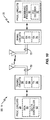
- Fig. 10 depicts a block diagram of the base station 14 and a mobile station 20, as may be implemented for LTE versions of those entities.
- the base station 14 includes one or more transmit/receive antennas 50, transceiver circuits 52, including the aforementioned transmitter circuits 22, along with receiver circuits 54.
- the base station's one or more processing circuits 24 here include a scheduler 60 and a DCI transmission controller 62, which may be understood as a version of the transmission controller introduced in Fig. 3 .
- the mobile station 20 comprises one or more receive/transmit antennas 70, transceiver circuits 72, including a receiver 74 and a transmitter 76.
- the mobile station 20 further includes one or more processing circuits 78, including a baseband processor 80, which includes or is associated with a DCI decoder 82.
- the baseband processor 80 in one or more embodiments comprises a microprocessor-based circuit, such as a DSP-based circuit.
- the DCI decoder 82 of the mobile terminal 20 is configured to blindly decode the DPCCH portion of received OFDM sub-frames, looking for DCI that is particularly targeted to the mobile terminal 20.
- the DCI decoder 82 is further configured to decode DCI from the DPSCH, in at least some operating cases.
- the DCI decoder 82 looks for targeted DCI on the PDSCH, on a selective basis, based on the results of its search for targeted DCI on the PDCCH.
- Fig. 11 depicts such processing, where the mobile terminal 20 receives an OFDM signal, including the PDCCH and PDSCH on repeating sub-frames (Block 110).
- the mobile terminal 20 searches on the PDCCH for DCI targeted to it (Block 112).
- the mobile terminal 20 selectively searches on the PDSCH for DCI targeted to it (Block 114).
- Fig. 12 illustrates one example of this "selective searching.”
- the mobile terminal 20 searches the PDCCH in a current sub-frame of the OFDM signal (Block 120), and it determines whether targeted DCI was found (Block 122). If so (YES from Block 122), the mobile terminal 20 stops its DCI search for the current sub-frame (Block 124)—i.e., if it finds targeted DCI on the PDCCH, it does not search the PDSCH for targeted DCI. On the other hand, if the mobile terminal does not find targeted DCI on the PDCCH in the current sub-frame (NO from Block 122), it extends its DCI searching to the PDSCH, for the current sub-frame (Block 126).
- a mobile terminal can receive multiple DCI messages per sub-frame.
- a mobile terminal that is E-PDCCH is configured to continue looking for DCI in the E-PDCCH, even if it has found a first DCI message in the PDCCH.
- Such behavior can be configured, for example, via higher layer signaling.
- Fig. 13 illustrates another example of mobile terminal processing, wherein the mobile terminal 20 makes a selective determination as to whether it should or should not search for targeted DCI on the PDSCH of any given sub-frame.
- the mobile terminal 20 searches the PDCCH in the current sub-frame for targeted DCI and for any targeted DCI pointers (Block 130). If the mobile terminal 20 finds targeted DCI on the PDCCH (YES from Block 132), it stops searching for DCI in the current sub-frame (Block 134).
- the DCI pointer is targeted to a given mobile terminal MAC ID, but does not necessarily indicate the PDSCH resources used for carrying targeted DCI. For example, there may be default locations for carrying such information in the PDSCH, or the locations may have been signaled to the mobile terminal 14. In such cases, the receipt of a targeted DCI pointer by a given mobile terminal 14 causes that mobile terminal 14 to search the known or default locations of the PDSCH for targeted DCI. Still further, in at least one embodiment, the base station 14 explicitly signals mobile terminals 20, to indicate whether targeted DCI will be sent to them on the PDSCH.
- the base station 14 may send all DCI on the PDCCH (as would a conventional base station). Alternatively, the base station 14 may choose to send at least a portion of the DCI on the PDSCH—e.g., on the E-PDCCH defined as a logical sub-channel of the PDSCH.
- Fig. 14 provides a base station processing example. The example represents processing carried out for any given sub-frame, or series of sub-frames of the base station's transmitted OFDM signal.
- the base station 14 transmits an OFDM signal, including the PDCCH and the PDSCH on repeating sub-frames, on an ongoing basis (Block 140). Further, for any one or more sub-frames of the transmitted signal, the base station 14 sends DCI on the PDCCH for a first sub-set of the mobile terminals 20 being supported on the PDCCH/PDSCH by the base station 14 (Block 142). Further, the base station 14 selectively sends DCI (additionally or alternatively) on the PDSCH for a second subset of the mobile terminals (Block 144). Such processing further includes the base station 14 dynamically determining membership in the first and second subsets (Block 146).
- the actual base station processing may differ from the simplified, sequential processing depicted in Fig. 14 .
- the base station's ongoing determining of sub-set memberships may be done in parallel, or as a background process, while the base station 14 is transmitting control information and data traffic to the mobile terminals 20, on an ongoing basis.
- the selective determination of whether to send all DCI on the PDCCH, or to send at least some of the DCI on the PDSCH may be based on the base station's ongoing monitoring of whether the PDCCH has sufficient resources for reliably transmitting all of the needed DCI to all of the targeted mobile terminals 20.
- the determination of whether the PDCCH has sufficient resources for transmitting needed DCI depends on a number of variables. For example, the coding gain needed for reliable reception of DCI targeted to a particular mobile terminal 20 will depend on the channel conditions prevailing at that mobile terminal 20. Thus, the overall number of mobile terminals 20 for which DCI can be sent on the PDCCH in any given sub-frame depends on the channel conditions of those terminals 20. Of course, different types of DCI require greater or lesser number of bits, and the overall number of mobile terminals 20 for which DCI can be sent on the PDCCH in any given sub-frame further depends on the particular DCI to be sent.
- the base station 14 is configured to transmit control information and data traffic to mobile terminals 20 in repeating transmission intervals by transmitting an Orthogonal Frequency Division Multiplex (OFDM) signal including repeating sub-frames as said repeating transmission intervals.
- OFDM Orthogonal Frequency Division Multiplex
- Each sub-frame comprises a Physical Downlink Control Channel (PDCCH) as the control portion of the sub-frames, and a Physical Downlink Shared Channel (PDSCH) as the data portion of the sub-frames.
- PDCCH Physical Downlink Control Channel
- PDSCH Physical Downlink Shared Channel
- the base station 14 is configured to at least temporarily transmit control information in the data portion, rather than in the control portion, for a selected one or more of the mobile terminals 20 by transmitting control information that is targeted to the selected one or more mobile terminals 20 on the PDSCH, rather than on the PDCCH.
- the base station 14 is configured to at least temporarily define an E-PDCCH on the PDSCH, and to transmit control information that is targeted to the selected one or more mobile terminals 20 on the PDSCH by transmitting the control information that is targeted to the selected one or more mobile terminals 20 on the E-PDCCH.
- the above processing allows the base station 14—e.g., an LTE eNodeB—to increase the robustness of control channel information transmitted to a given mobile terminal 20, based on encoding that information in the data portion of the base station's transmit signal, using a higher coding gain that is achievable in the control portion of the base station's transmit signal.
- the base station 14 evaluates channel quality reports, e.g., Channel Quality Indicator (CQI) reports from a given mobile terminal 20, as a basis for determining whether the control portion provides sufficient coding gain for reliably transmitting control information to the mobile terminal 20.
- CQI Channel Quality Indicator
- the base station 14 sends control information targeted to that mobile terminal 20 using the data portion of the base station's transmissions.
- the base station 14 uses a higher coding gain for that control information, and sends it on the E-PDCCH.
- the mobile terminal 20 treats DCI received on the E-PDCCH as it would DCI conventionally received on the PDCCH.
- control information pertaining to downlink resource assignments is valid for a future sub-frame, rather than for the current sub-frame.
- targeted DCI that tells a given mobile terminal 20 which PDSCH resources carry downlink data traffic for it is used for PDSCH decoding in the same sub-frame in which the DCI is received. That is, downlink resource allocation information is sent in the same sub-frame in which the downlink data traffic is sent.
- downlink resource assignment information that is sent to a given mobile terminal 20 on the E-PDCCH in a given sub-frame pertains to a future sub-frame, rather than the current sub-frame.
- the control information sent on the E-PDCCH pertains to a next sub-frame, rather than the current sub-frame.
- This arrangement relieves buffering and processing overhead—i.e., the processing delay budget—at the mobile terminal 20, as compared to having PDSCH-carried control information apply to the current sub-frame.
- the processing delay budget i.e., the processing delay budget
- it introduces a delay of one sub-frame (1 ms), but a mobile terminal 20 receiving DCI on the E-PDCCH can still receive DCI every sub-frame.
- Such information is just "offset" by one sub-frame.
- the control information sent on the E-PDCCH pertains to a future sub-frame, which may be the next sub-frame or some later sub-frame, and the delay (offset) described here is therefore at least one sub-frame.
- Radio Bearers in the PDSCH are used to carry the control information of a future sub-frame, such as the next sub-frame.
- the PDSCH resources given over to the transmission of control information can be known by the mobile terminal 20 on an a priori basis, such that, upon failing to successfully decode control information from the standard PDCCH region, it continues decoding the control regions of the PDSCH.
- any control information decoded from the PDSCH may relate to the next sub-frame, thereby imposing an initial latency of one sub-frame, the scheduling information for the next sub-frame and decoding of the data indicated by the control information of the previous sub-frame can be carried out simultaneously.
- a given mobile terminal 20 may operate according to rules that determine when it will look for control information in the PDSCH region.
- the extended searching mode can be invoked whenever the mobile terminal 20 is known to be in a low-SNR scenario, and its decoding of the conventional PDCCH was not successful. Referring back to Fig. 12 , for a moment, one sees that Block 126 can be modified in this regard.
- the mobile terminal 20 may apply two tests: first, the mobile terminal 20 determines whether targeted DCI was found in the PDCCH region (Block 122). If not, then the mobile terminal 20 may evaluate its channel conditions, e.g., its current or last measure of received signal quality. If signal quality is high, e.g., above a defined threshold, the mobile terminal 20 has no reason to believe that it missed finding targeted DCI in the PDCCH, and it thus does not extend its search for control information into the PDSCH. On the other hand, if the mobile terminal 20 failed to find targeted DCI in the PDCCH and its signal quality is low, then the mobile terminal 20 extends its search for control information into the PDSCH.
- the mobile terminal 20 may apply two tests: first, the mobile terminal 20 determines whether targeted DCI was found in the PDCCH region (Block 122). If not, then the mobile terminal 20 may evaluate its channel conditions, e.g., its current or last measure of received signal quality. If signal quality is high, e.g., above a defined threshold, the mobile
Landscapes
- Engineering & Computer Science (AREA)
- Signal Processing (AREA)
- Computer Networks & Wireless Communication (AREA)
- Mobile Radio Communication Systems (AREA)
Applications Claiming Priority (3)
| Application Number | Priority Date | Filing Date | Title |
|---|---|---|---|
| US14127808P | 2008-12-30 | 2008-12-30 | |
| US12/464,615 US8005039B2 (en) | 2008-12-30 | 2009-05-12 | Method and apparatus for robust transmission of control information in wireless communication network |
| PCT/EP2009/067944 WO2010076300A1 (en) | 2008-12-30 | 2009-12-28 | Method and apparatus for robust transmission of control information in a wireless communication network |
Publications (2)
| Publication Number | Publication Date |
|---|---|
| EP2371174A1 EP2371174A1 (en) | 2011-10-05 |
| EP2371174B1 true EP2371174B1 (en) | 2016-03-23 |
Family
ID=42284844
Family Applications (1)
| Application Number | Title | Priority Date | Filing Date |
|---|---|---|---|
| EP09804036.3A Not-in-force EP2371174B1 (en) | 2008-12-30 | 2009-12-28 | Method and apparatus for robust transmission of control information in a wireless communication network |
Country Status (6)
| Country | Link |
|---|---|
| US (1) | US8005039B2 (enExample) |
| EP (1) | EP2371174B1 (enExample) |
| JP (1) | JP5530457B2 (enExample) |
| CN (1) | CN102273307B (enExample) |
| BR (1) | BRPI0923910B1 (enExample) |
| WO (1) | WO2010076300A1 (enExample) |
Cited By (1)
| Publication number | Priority date | Publication date | Assignee | Title |
|---|---|---|---|---|
| WO2011139063A2 (en) | 2010-05-03 | 2011-11-10 | Samsung Electronics Co., Ltd. | Method and apparatus for reconfiguring control channel in wireless communication system |
Families Citing this family (101)
| Publication number | Priority date | Publication date | Assignee | Title |
|---|---|---|---|---|
| IL194996A0 (en) * | 2008-10-30 | 2011-08-01 | Mariana Goldhamer | A method for depoying heterogeneous base stations in a wireless network |
| WO2010053984A2 (en) | 2008-11-04 | 2010-05-14 | Nortel Networks Limited | Providing a downlink control structure in a first carrier to indicate control information in a second, different carrier |
| KR101637356B1 (ko) * | 2009-04-08 | 2016-07-07 | 엘지전자 주식회사 | 무선 통신 시스템에서 하향링크 제어 정보 수신 방법 및 이를 위한 장치 |
| US8311013B2 (en) * | 2009-10-28 | 2012-11-13 | Motorola Mobility Llc | Method for efficiently increasing hand-off and access reliability |
| CN101714892B (zh) * | 2009-11-02 | 2014-12-31 | 中兴通讯股份有限公司 | 一种下行控制信息的传输方法及系统 |
| ES2976157T3 (es) * | 2009-12-14 | 2024-07-24 | Ericsson Telefon Ab L M | Método y disposición para reconfigurar la correspondencia de Campo Indicador de Portadora a portadora de componentes |
| US8824405B2 (en) | 2010-01-08 | 2014-09-02 | Lg Electronics Inc. | Method and apparatus for receiving a downlink signal in a wireless communication system supporting carrier aggregation |
| EP2922230B1 (en) * | 2010-01-08 | 2017-03-08 | Nokia Solutions and Networks Oy | Uplink control information transmission |
| KR101678582B1 (ko) * | 2010-03-22 | 2016-12-06 | 삼성전자주식회사 | 통신 시스템에서의 적응형 링크 적용 방법 및 장치. |
| KR101684867B1 (ko) * | 2010-04-07 | 2016-12-09 | 삼성전자주식회사 | 공간 다중화 이득을 이용한 제어 정보 송수신 방법 |
| EP2378703A1 (en) | 2010-04-13 | 2011-10-19 | Panasonic Corporation | Mapping of control information to control channel elements |
| WO2011137383A1 (en) * | 2010-04-30 | 2011-11-03 | Interdigital Patent Holdings, Inc. | Downlink control in heterogeneous networks |
| US9125068B2 (en) | 2010-06-04 | 2015-09-01 | Ixia | Methods, systems, and computer readable media for simulating realistic movement of user equipment in a long term evolution (LTE) network |
| ES2713491T3 (es) | 2010-09-07 | 2019-05-22 | Sun Patent Trust | Transmisión/recepción de información de control de enlace descendente dentro de una primera región de recursos y/o una segunda región de recursos |
| JP5652098B2 (ja) | 2010-10-04 | 2015-01-14 | ソニー株式会社 | 基地局、無線通信方法、プログラム、無線通信システム、および無線端末 |
| US9504027B2 (en) * | 2010-11-25 | 2016-11-22 | Lg Electronics Inc. | Method and apparatus for transmitting a control channel and a data channel in a wireless communication system |
| US8711790B2 (en) * | 2011-02-11 | 2014-04-29 | Nokia Corporation | DL control channel structure enhancement |
| ES2609076T3 (es) | 2011-02-11 | 2017-04-18 | Interdigital Patent Holdings, Inc. | Dispositivo y método para un canal de control mejorado (E-PDCCH) |
| KR101849107B1 (ko) * | 2011-02-17 | 2018-04-16 | 삼성전자주식회사 | 진화된 다운링크 물리 제어 채널에 대응하는 데이터 패킷들의 성공적 수신 여부를 피드백하기 위한 업링크 피드백 채널 할당 방법 및 장치 |
| KR101530801B1 (ko) | 2011-03-01 | 2015-06-22 | 엘지전자 주식회사 | 무선 통신 시스템에서 상향링크 harq 수행 방법 및 장치 |
| CN103404046B (zh) | 2011-03-01 | 2016-09-07 | Lg电子株式会社 | 在多节点系统中用终端搜索控制信息的方法和装置 |
| US10638464B2 (en) | 2011-04-01 | 2020-04-28 | Futurewei Technologies, Inc. | System and method for transmission and reception of control channels in a communications system |
| CN103563319B (zh) * | 2011-04-01 | 2017-09-15 | 英特尔公司 | Lte‑a系统中传送物理下行链路控制信道(pdcch)的增强型节点b和方法 |
| JP5810399B2 (ja) * | 2011-04-27 | 2015-11-11 | シャープ株式会社 | 基地局、端末および無線通信方法 |
| JP5895356B2 (ja) * | 2011-04-27 | 2016-03-30 | シャープ株式会社 | 基地局、端末および無線通信方法 |
| JP5961853B2 (ja) * | 2011-04-27 | 2016-08-02 | シャープ株式会社 | 端末、基地局、通信システムおよび通信方法 |
| JP5801093B2 (ja) * | 2011-04-27 | 2015-10-28 | シャープ株式会社 | 基地局、端末、通信システムおよび通信方法 |
| DK3386139T3 (da) * | 2011-05-03 | 2021-11-22 | Ericsson Telefon Ab L M | Transmission og modtagelse af styredata i et kommunikationssystem |
| US9699771B2 (en) * | 2011-05-04 | 2017-07-04 | Lg Electronics Inc. | Method for enabling terminal to transmit ACK/NACK response in wireless communication system and apparatus therefor |
| US8873489B2 (en) | 2011-05-05 | 2014-10-28 | Mediatek Inc. | Signaling methods for UE-specific dynamic downlink scheduler in OFDMA systems |
| US9282552B2 (en) * | 2011-05-17 | 2016-03-08 | Lg Electronics Inc. | Method for transmitting and receiving control information in a wireless communication system, and apparatus for same |
| WO2012165877A2 (ko) * | 2011-05-31 | 2012-12-06 | 엘지전자 주식회사 | 향상된 물리하향링크제어채널영역을 검색하는 방법 |
| EP2720392B1 (en) | 2011-06-07 | 2019-09-18 | Electronics and Telecommunications Research Institute | Method for transmitting and receiving control information of a mobile communication system |
| WO2012173394A2 (ko) * | 2011-06-15 | 2012-12-20 | 엘지전자 주식회사 | 무선 통신 시스템에서 하향링크 제어 채널 할당 방법 및 장치 |
| ES2733945T3 (es) * | 2011-06-15 | 2019-12-03 | Samsung Electronics Co Ltd | Extensión de señalización de control de enlace descendente físico en un sistema de comunicaciones |
| US9370000B2 (en) | 2011-06-15 | 2016-06-14 | Lg Electronics Inc. | Method and apparatus for downlink control channel allocation in a wireless communication system |
| KR101554804B1 (ko) | 2011-06-27 | 2015-09-21 | 엘지전자 주식회사 | 무선 통신 시스템에서 하향링크 제어 채널 할당 방법 및 장치 |
| US9544790B2 (en) | 2011-06-28 | 2017-01-10 | Lg Electronics Inc. | Method for monitoring downlink control information (DCI) and a user equipment using the same |
| KR20130007250A (ko) * | 2011-06-30 | 2013-01-18 | 주식회사 팬택 | 무선통신 시스템에서 제어채널의 전송 장치 및 방법 |
| KR101455563B1 (ko) * | 2011-07-03 | 2014-10-28 | 엘지전자 주식회사 | 제어 채널 모니터링 방법 및 장치 |
| KR20130004847A (ko) * | 2011-07-04 | 2013-01-14 | 주식회사 팬택 | 확장 제어 정보의 전송 방법, 그 전송단, 확장 제어 정보의 수신 방법, 및 그 단말 |
| CN102256358B (zh) * | 2011-07-08 | 2013-11-20 | 电信科学技术研究院 | 一种数据传输和接收方法、装置及系统 |
| US9344231B2 (en) | 2011-07-12 | 2016-05-17 | Lg Electronics Inc. | Method of user equipment searching for control information in multi-node system and apparatus using the same |
| KR20130008781A (ko) * | 2011-07-13 | 2013-01-23 | 주식회사 팬택 | 무선통신 시스템에서 제어채널의 전송장치 및 방법 |
| EP3407525B1 (en) * | 2011-07-14 | 2019-11-06 | LG Electronics Inc. | Method and device for setting a control channel and a data channel in a wireless communication system |
| JP5719087B2 (ja) * | 2011-07-14 | 2015-05-13 | エルジー エレクトロニクス インコーポレイティド | 無線通信システムにおいてリソースを割り当てる方法及びそのための装置 |
| JP5898874B2 (ja) * | 2011-07-15 | 2016-04-06 | 株式会社Nttドコモ | ユーザ端末、無線基地局装置、無線通信システム及び無線通信方法 |
| US20140161085A1 (en) * | 2011-07-19 | 2014-06-12 | Lg Electronics Inc. | Method for transmitting and receiving resource allocation information in wireless communication system and apparatus therefor |
| KR101486705B1 (ko) | 2011-07-24 | 2015-01-26 | 엘지전자 주식회사 | 무선 통신 시스템에서 하향링크 제어 채널을 위한 비트 맵핑 방법 및 장치 |
| EP2738966B1 (en) * | 2011-07-25 | 2018-09-12 | LG Electronics Inc. | Method and apparatus for transmitting data in a wireless communication system |
| WO2013015517A1 (ko) * | 2011-07-26 | 2013-01-31 | 엘지전자 주식회사 | 무선 통신 시스템에서 기지국이 제어 정보를 송신하는 방법 및 이를 위한 장치 |
| JP2014529208A (ja) * | 2011-07-27 | 2014-10-30 | 富士通株式会社 | 下りリンク制御情報送信及び受信方法並びに基地局及び移動端末 |
| TW201320692A (zh) * | 2011-08-10 | 2013-05-16 | Ind Tech Res Inst | 資料傳送方法及使用此方法的基地台及用戶端設備 |
| CN102938661B (zh) * | 2011-08-15 | 2018-04-03 | 中兴通讯股份有限公司 | 控制信道的传输方法、系统及网络侧设备、接收侧设备 |
| US8917679B2 (en) * | 2011-08-16 | 2014-12-23 | Nokia Corporation | Method for signaling the overlap of downlink control and data channels |
| JP2013055393A (ja) * | 2011-09-01 | 2013-03-21 | Sony Corp | 通信装置、通信方法、通信システムおよび基地局 |
| US20130083746A1 (en) | 2011-09-30 | 2013-04-04 | Interdigital Patent Holdings, Inc. | Method and apparatus for allocating resources for an enhanced physical hybrid automatic repeat request indicator channel |
| KR20140084097A (ko) * | 2011-10-10 | 2014-07-04 | 엘지전자 주식회사 | 무선 통신 시스템에서 기지국이 제어 정보를 다중화하는 방법 및 이를 위한 장치 |
| CN103052160B (zh) * | 2011-10-11 | 2015-12-16 | 华为技术有限公司 | 用于增强物理下行控制信道的通信方法和用户设备 |
| WO2013056138A1 (en) * | 2011-10-13 | 2013-04-18 | Huawei Technologies Co., Ltd. | System and method for data channel transmission and reception |
| US9113463B2 (en) | 2011-11-04 | 2015-08-18 | Qualcomm Incorporated | Resource management for enhanced PDCCH |
| JP5994967B2 (ja) * | 2011-11-07 | 2016-09-21 | シャープ株式会社 | 端末装置、基地局装置、通信方法および集積回路 |
| US9154979B2 (en) | 2011-12-14 | 2015-10-06 | Ixia | Scalable architecture for long term evolution (LTE) multiple user equipment (multi-UE) simulation |
| US8855070B2 (en) | 2011-12-14 | 2014-10-07 | Ixia | Methods, systems, and computer readable media for improved long term evolution (LTE) hybrid automatic repeat request (HARQ) processing |
| CN102611524B (zh) * | 2011-12-19 | 2015-02-04 | 电信科学技术研究院 | 一种传输信息的方法、系统及设备 |
| US9204325B2 (en) * | 2011-12-20 | 2015-12-01 | Ixia | Methods, systems, and computer readable media for reducing the impact of false downlink control information (DCI) detection in long term evolution (LTE) physical downlink control channel (PDCCH) data |
| US9071995B2 (en) | 2012-01-17 | 2015-06-30 | Ixia | Methods, systems, and computer readable media for long term evolution (LTE) uplink data processing |
| CN102573094B (zh) * | 2012-01-17 | 2015-04-08 | 电信科学技术研究院 | 一种传输dci的方法及装置 |
| CN103220077A (zh) * | 2012-01-21 | 2013-07-24 | 华为技术有限公司 | 数据发送和接收方法、基站和用户设备 |
| CN107257275B (zh) | 2012-01-27 | 2021-03-16 | 交互数字专利控股公司 | 由WTRU执行的用于ePDCCH的方法、WTRU、搜索空间监视方法和UE |
| US9571241B2 (en) | 2012-01-30 | 2017-02-14 | Alcatel Lucent | Methods for transmitting and receiving control information using time-frequency resources of decoding candidates |
| US9179456B2 (en) | 2012-02-07 | 2015-11-03 | Samsung Electronics Co., Ltd. | Methods and apparatus for downlink control channels transmissions in wireless communications systems |
| US8908535B2 (en) | 2012-02-10 | 2014-12-09 | Ixia | Methods, traffic simulators, and computer readable media for validating long term evolution (LTE) code blocks and transport blocks |
| US8724498B2 (en) | 2012-02-14 | 2014-05-13 | Ixia | Methods, systems, and computer readable media for performing long term evolution (LTE) channel delineation |
| US8892829B2 (en) | 2012-02-29 | 2014-11-18 | Ixia | Methods, systems, and computer readable media for integrated sub-block interleaving and rate matching |
| US8738985B2 (en) | 2012-03-28 | 2014-05-27 | Ixia | Methods, systems, and computer readable media for dynamically controlling a turbo decoding process in a long term evolution (LTE) multi-user equipment (UE) traffic simulator |
| US9131000B2 (en) | 2012-04-13 | 2015-09-08 | Ixia | Methods, systems, and computer readable media for heuristics-based adaptive protocol parsing |
| CN103391625B (zh) * | 2012-05-11 | 2018-11-06 | 上海诺基亚贝尔股份有限公司 | 在无线通信网中用于分配ePDCCH的方法 |
| US9119197B2 (en) | 2012-05-22 | 2015-08-25 | Futurewei Technologies, Inc. | System and method for delay scheduling |
| US9480060B2 (en) | 2012-09-16 | 2016-10-25 | Lg Electronics Inc. | Method by which a terminal receives enhanced downlink control channel in wireless communication system and apparatus for same |
| US8937882B2 (en) | 2012-10-26 | 2015-01-20 | Ixia | Methods, systems, and computer readable media for automatically decoding uplink data |
| US8929294B2 (en) | 2012-11-20 | 2015-01-06 | Ixia | Methods, systems, and computer readable media for rapid decoding of wireless communications network uplink data |
| CN104054364B (zh) * | 2012-11-27 | 2018-10-30 | 华为技术有限公司 | 数据传输方法、装置、网络设备及ue |
| WO2014121461A1 (zh) * | 2013-02-06 | 2014-08-14 | 华为技术有限公司 | 系统信息调度方法及其装置 |
| US9198065B2 (en) | 2013-03-15 | 2015-11-24 | Ixia | Methods, systems, and computer readable media for utilizing adaptive symbol processing in a multiple user equipment (multi-UE) simulator |
| WO2014185748A1 (ko) * | 2013-05-16 | 2014-11-20 | 엘지전자 주식회사 | 커버리지 개선을 위한 신호 전송 방법 및 이를 위한 장치 |
| CN104349458B (zh) | 2013-08-08 | 2019-05-17 | 中兴通讯股份有限公司 | 控制信道的传输方法、传输处理方法、通信节点及终端 |
| EP3062452B1 (en) | 2013-10-22 | 2019-12-04 | LG Electronics Inc. | Method and apparatus for transmitting physical downlink control channel in wireless access system supporting machine-type communication |
| WO2015108329A1 (ko) | 2014-01-16 | 2015-07-23 | 한양대학교 산학협력단 | 스몰 셀 제어 방법 및 그 장치 |
| KR102024626B1 (ko) * | 2014-01-21 | 2019-09-25 | 한양대학교 산학협력단 | Mtc 단말을 위한 하향링크 채널 전송 및 수신 방법, 그 장치 |
| US10278120B2 (en) | 2014-01-16 | 2019-04-30 | Industry-University Cooperation Foundation Hanyang University | Method for controlling small cell and apparatus for same |
| CN104811409B (zh) * | 2014-01-26 | 2020-02-07 | 夏普株式会社 | 重复传输物理下行控制信道的方法、基站和用户设备 |
| CN104202828B (zh) * | 2014-03-21 | 2019-09-10 | 中兴通讯股份有限公司 | 控制信息的传输、接收方法、装置及系统 |
| CN107113115B (zh) * | 2014-11-07 | 2020-07-24 | 上海诺基亚贝尔股份有限公司 | 用于支持lte系统中的部分子帧数据传输的方法和装置 |
| CN105743603B (zh) * | 2014-12-07 | 2019-01-25 | 联芯科技有限公司 | Dci防误检方法及系统 |
| US9661513B2 (en) | 2015-06-09 | 2017-05-23 | Ixia | Methods, systems, and computer readable media for enhanced channel control element (CCE) decoding in LTE networks |
| EP4270889A1 (en) | 2015-12-18 | 2023-11-01 | Fraunhofer-Gesellschaft zur Förderung der angewandten Forschung e.V. | Data signal transmission in a wireless communication system with reduced end-to-end latency |
| KR102481800B1 (ko) | 2016-08-11 | 2022-12-27 | 삼성전자 주식회사 | 차세대 셀룰러 네트워크에서 데이터 전송 방법 및 장치 |
| CN107949056A (zh) * | 2016-10-13 | 2018-04-20 | 中兴通讯股份有限公司 | 一种信道资源分配方法和装置 |
| TWI650037B (zh) | 2017-12-05 | 2019-02-01 | 財團法人工業技術研究院 | 一種集中式無線存取網路控制方法 |
| US12568508B2 (en) | 2020-04-08 | 2026-03-03 | Qualcomm Incorporated | Multiple DCIS transmitted over PDSCH |
Family Cites Families (12)
| Publication number | Priority date | Publication date | Assignee | Title |
|---|---|---|---|---|
| US7480270B2 (en) * | 2002-05-10 | 2009-01-20 | Qualcomm, Incorporated | Method and apparatus for a reverse link supplemental channel scheduling |
| TWI225339B (en) * | 2002-06-06 | 2004-12-11 | Via Telecom Co Ltd | Power control of plural packet data control channels |
| US7317917B2 (en) * | 2003-10-14 | 2008-01-08 | Via Telecom, Inc. | Mobile station connection management utilizing suitable parameter information |
| US20050163076A1 (en) * | 2004-01-13 | 2005-07-28 | Telefonaktiebolaget L M Ericsson (Publ) | Method and apparatus for broadcasting on a shared packet data channel in a wireless communication network |
| JP4711750B2 (ja) * | 2005-04-13 | 2011-06-29 | 株式会社エヌ・ティ・ティ・ドコモ | 移動通信システム、移動局及び基地局並びに通信制御方法 |
| TW200733622A (en) | 2006-01-17 | 2007-09-01 | Interdigital Tech Corp | Method and apparatus for mapping an uplink control channel to a physical channel in a single carrier frequency division multiple access system |
| KR101075777B1 (ko) * | 2006-02-14 | 2011-10-24 | 한국과학기술원 | 무선 통신 시스템에서 자원 할당 정보 송수신 시스템 및방법 |
| JP4642679B2 (ja) * | 2006-03-14 | 2011-03-02 | 富士通株式会社 | 無線通信装置及び無線通信方法 |
| US8374161B2 (en) * | 2006-07-07 | 2013-02-12 | Qualcomm Incorporated | Method and apparatus for sending data and control information in a wireless communication system |
| US8036672B2 (en) * | 2006-07-14 | 2011-10-11 | Qualcomm Incorporated | Methods and apparatus related to resource allocation in a wireless communications system |
| BRPI0719541B1 (pt) | 2006-10-02 | 2020-02-11 | Lg Electronics, Inc. | Método de transmissão de sinal de controle de downlink |
| CN102165720B (zh) * | 2008-09-26 | 2015-10-14 | 三星电子株式会社 | 支持多个天线的探测参考信号发射的装置及方法 |
-
2009
- 2009-05-12 US US12/464,615 patent/US8005039B2/en active Active
- 2009-12-28 BR BRPI0923910-3A patent/BRPI0923910B1/pt not_active IP Right Cessation
- 2009-12-28 EP EP09804036.3A patent/EP2371174B1/en not_active Not-in-force
- 2009-12-28 JP JP2011542839A patent/JP5530457B2/ja active Active
- 2009-12-28 CN CN200980153372.5A patent/CN102273307B/zh not_active Expired - Fee Related
- 2009-12-28 WO PCT/EP2009/067944 patent/WO2010076300A1/en not_active Ceased
Cited By (2)
| Publication number | Priority date | Publication date | Assignee | Title |
|---|---|---|---|---|
| WO2011139063A2 (en) | 2010-05-03 | 2011-11-10 | Samsung Electronics Co., Ltd. | Method and apparatus for reconfiguring control channel in wireless communication system |
| EP2567475A4 (en) * | 2010-05-03 | 2017-10-04 | Samsung Electronics Co., Ltd | Method and apparatus for reconfiguring control channel in wireless communication system |
Also Published As
| Publication number | Publication date |
|---|---|
| CN102273307A (zh) | 2011-12-07 |
| JP2012514361A (ja) | 2012-06-21 |
| JP5530457B2 (ja) | 2014-06-25 |
| BRPI0923910B1 (pt) | 2021-01-26 |
| EP2371174A1 (en) | 2011-10-05 |
| WO2010076300A1 (en) | 2010-07-08 |
| US8005039B2 (en) | 2011-08-23 |
| BRPI0923910A2 (pt) | 2016-01-12 |
| CN102273307B (zh) | 2014-05-14 |
| US20100165847A1 (en) | 2010-07-01 |
Similar Documents
| Publication | Publication Date | Title |
|---|---|---|
| US8005039B2 (en) | Method and apparatus for robust transmission of control information in wireless communication network | |
| CN110463305B (zh) | 基站、终端及通信方法 | |
| EP3567773B1 (en) | Data transmission method and apparatus | |
| US12279277B2 (en) | Methods to reduce number of blind decoding attempts done by a user equipment | |
| CN108631990B (zh) | 一种信令的指示方法和装置 | |
| CN102858014B (zh) | 控制信令的发送和接收方法及设备 | |
| US8238297B2 (en) | Method and system for dimensioning scheduling assignments in a communication system | |
| CN103684683B (zh) | 适配用于控制信道元素的聚合等级的数量的方法及装置 | |
| EP3042520B1 (en) | A method for the measurement and reporting of channel quality, modulation and channel coding information, and corresponding apparatus | |
| CN104247313B (zh) | 对各个资源的变化自适应的控制信令传输 | |
| US10225856B2 (en) | Apparatus, method and computer program product providing partitioned downlink shared control channel having fixed and variable component parts | |
| JP5396238B2 (ja) | 無線通信制御方法、基地局装置及び移動端末装置 | |
| CN111954311B (zh) | 数据传输的方法、终端设备、基站和通信系统 | |
| CN111030792B (zh) | 一种配置下行控制信道的搜索空间的方法及设备 | |
| US20150063231A1 (en) | Method for receiving downlink control signal, user equipment, method for transmitting downlink control signal and base station | |
| US20110305219A1 (en) | Method for transmitting downlink control signal | |
| KR20140097231A (ko) | 통신 시스템에서의 물리 하향링크 제어 채널 검색 방법 | |
| WO2011000440A1 (en) | Extension of physical downlink control channel coverage | |
| WO2007148610A1 (ja) | 基地局、通信端末、送信方法及び受信方法 | |
| CN108886702A (zh) | 超可靠低时延通信传输 | |
| JP2008172357A (ja) | 基地局装置、移動局装置、制御情報送信方法、制御情報受信方法、およびプログラム | |
| US11122601B2 (en) | Buffer status report sending method, terminal device, and network device | |
| KR101458936B1 (ko) | 이동 통신 시스템에서 제어 채널 수신 방법 및 장치 | |
| HK1159927A (en) | Method and apparatus for robust transmission of control information in a wireless communication network |
Legal Events
| Date | Code | Title | Description |
|---|---|---|---|
| PUAI | Public reference made under article 153(3) epc to a published international application that has entered the european phase |
Free format text: ORIGINAL CODE: 0009012 |
|
| 17P | Request for examination filed |
Effective date: 20110617 |
|
| AK | Designated contracting states |
Kind code of ref document: A1 Designated state(s): AT BE BG CH CY CZ DE DK EE ES FI FR GB GR HR HU IE IS IT LI LT LU LV MC MK MT NL NO PL PT RO SE SI SK SM TR |
|
| DAX | Request for extension of the european patent (deleted) | ||
| REG | Reference to a national code |
Ref country code: DE Ref legal event code: R079 Ref document number: 602009037139 Country of ref document: DE Free format text: PREVIOUS MAIN CLASS: H04W0072140000 Ipc: H04L0005000000 |
|
| GRAP | Despatch of communication of intention to grant a patent |
Free format text: ORIGINAL CODE: EPIDOSNIGR1 |
|
| RIC1 | Information provided on ipc code assigned before grant |
Ipc: H04L 5/00 20060101AFI20150918BHEP Ipc: H04W 72/12 20090101ALI20150918BHEP |
|
| INTG | Intention to grant announced |
Effective date: 20151009 |
|
| RIN1 | Information on inventor provided before grant (corrected) |
Inventor name: LINCOLN, BO Inventor name: BERGLJUNG, CHRISTIAN Inventor name: KAMUF, MATTHIAS |
|
| GRAS | Grant fee paid |
Free format text: ORIGINAL CODE: EPIDOSNIGR3 |
|
| GRAA | (expected) grant |
Free format text: ORIGINAL CODE: 0009210 |
|
| AK | Designated contracting states |
Kind code of ref document: B1 Designated state(s): AT BE BG CH CY CZ DE DK EE ES FI FR GB GR HR HU IE IS IT LI LT LU LV MC MK MT NL NO PL PT RO SE SI SK SM TR |
|
| REG | Reference to a national code |
Ref country code: GB Ref legal event code: FG4D |
|
| REG | Reference to a national code |
Ref country code: CH Ref legal event code: EP |
|
| REG | Reference to a national code |
Ref country code: AT Ref legal event code: REF Ref document number: 784073 Country of ref document: AT Kind code of ref document: T Effective date: 20160415 |
|
| REG | Reference to a national code |
Ref country code: IE Ref legal event code: FG4D |
|
| REG | Reference to a national code |
Ref country code: DE Ref legal event code: R096 Ref document number: 602009037139 Country of ref document: DE |
|
| REG | Reference to a national code |
Ref country code: NL Ref legal event code: FP |
|
| REG | Reference to a national code |
Ref country code: LT Ref legal event code: MG4D |
|
| PG25 | Lapsed in a contracting state [announced via postgrant information from national office to epo] |
Ref country code: GR Free format text: LAPSE BECAUSE OF FAILURE TO SUBMIT A TRANSLATION OF THE DESCRIPTION OR TO PAY THE FEE WITHIN THE PRESCRIBED TIME-LIMIT Effective date: 20160624 Ref country code: NO Free format text: LAPSE BECAUSE OF FAILURE TO SUBMIT A TRANSLATION OF THE DESCRIPTION OR TO PAY THE FEE WITHIN THE PRESCRIBED TIME-LIMIT Effective date: 20160623 Ref country code: FI Free format text: LAPSE BECAUSE OF FAILURE TO SUBMIT A TRANSLATION OF THE DESCRIPTION OR TO PAY THE FEE WITHIN THE PRESCRIBED TIME-LIMIT Effective date: 20160323 |
|
| REG | Reference to a national code |
Ref country code: AT Ref legal event code: MK05 Ref document number: 784073 Country of ref document: AT Kind code of ref document: T Effective date: 20160323 |
|
| PG25 | Lapsed in a contracting state [announced via postgrant information from national office to epo] |
Ref country code: LT Free format text: LAPSE BECAUSE OF FAILURE TO SUBMIT A TRANSLATION OF THE DESCRIPTION OR TO PAY THE FEE WITHIN THE PRESCRIBED TIME-LIMIT Effective date: 20160323 Ref country code: LV Free format text: LAPSE BECAUSE OF FAILURE TO SUBMIT A TRANSLATION OF THE DESCRIPTION OR TO PAY THE FEE WITHIN THE PRESCRIBED TIME-LIMIT Effective date: 20160323 Ref country code: SE Free format text: LAPSE BECAUSE OF FAILURE TO SUBMIT A TRANSLATION OF THE DESCRIPTION OR TO PAY THE FEE WITHIN THE PRESCRIBED TIME-LIMIT Effective date: 20160323 |
|
| PG25 | Lapsed in a contracting state [announced via postgrant information from national office to epo] |
Ref country code: IS Free format text: LAPSE BECAUSE OF FAILURE TO SUBMIT A TRANSLATION OF THE DESCRIPTION OR TO PAY THE FEE WITHIN THE PRESCRIBED TIME-LIMIT Effective date: 20160723 Ref country code: EE Free format text: LAPSE BECAUSE OF FAILURE TO SUBMIT A TRANSLATION OF THE DESCRIPTION OR TO PAY THE FEE WITHIN THE PRESCRIBED TIME-LIMIT Effective date: 20160323 Ref country code: PL Free format text: LAPSE BECAUSE OF FAILURE TO SUBMIT A TRANSLATION OF THE DESCRIPTION OR TO PAY THE FEE WITHIN THE PRESCRIBED TIME-LIMIT Effective date: 20160323 |
|
| PG25 | Lapsed in a contracting state [announced via postgrant information from national office to epo] |
Ref country code: ES Free format text: LAPSE BECAUSE OF FAILURE TO SUBMIT A TRANSLATION OF THE DESCRIPTION OR TO PAY THE FEE WITHIN THE PRESCRIBED TIME-LIMIT Effective date: 20160323 Ref country code: AT Free format text: LAPSE BECAUSE OF FAILURE TO SUBMIT A TRANSLATION OF THE DESCRIPTION OR TO PAY THE FEE WITHIN THE PRESCRIBED TIME-LIMIT Effective date: 20160323 Ref country code: SM Free format text: LAPSE BECAUSE OF FAILURE TO SUBMIT A TRANSLATION OF THE DESCRIPTION OR TO PAY THE FEE WITHIN THE PRESCRIBED TIME-LIMIT Effective date: 20160323 Ref country code: SK Free format text: LAPSE BECAUSE OF FAILURE TO SUBMIT A TRANSLATION OF THE DESCRIPTION OR TO PAY THE FEE WITHIN THE PRESCRIBED TIME-LIMIT Effective date: 20160323 Ref country code: RO Free format text: LAPSE BECAUSE OF FAILURE TO SUBMIT A TRANSLATION OF THE DESCRIPTION OR TO PAY THE FEE WITHIN THE PRESCRIBED TIME-LIMIT Effective date: 20160323 Ref country code: PT Free format text: LAPSE BECAUSE OF FAILURE TO SUBMIT A TRANSLATION OF THE DESCRIPTION OR TO PAY THE FEE WITHIN THE PRESCRIBED TIME-LIMIT Effective date: 20160725 Ref country code: CZ Free format text: LAPSE BECAUSE OF FAILURE TO SUBMIT A TRANSLATION OF THE DESCRIPTION OR TO PAY THE FEE WITHIN THE PRESCRIBED TIME-LIMIT Effective date: 20160323 |
|
| REG | Reference to a national code |
Ref country code: FR Ref legal event code: PLFP Year of fee payment: 8 |
|
| PG25 | Lapsed in a contracting state [announced via postgrant information from national office to epo] |
Ref country code: BE Free format text: LAPSE BECAUSE OF FAILURE TO SUBMIT A TRANSLATION OF THE DESCRIPTION OR TO PAY THE FEE WITHIN THE PRESCRIBED TIME-LIMIT Effective date: 20160323 |
|
| REG | Reference to a national code |
Ref country code: DE Ref legal event code: R097 Ref document number: 602009037139 Country of ref document: DE |
|
| PLBE | No opposition filed within time limit |
Free format text: ORIGINAL CODE: 0009261 |
|
| STAA | Information on the status of an ep patent application or granted ep patent |
Free format text: STATUS: NO OPPOSITION FILED WITHIN TIME LIMIT |
|
| PG25 | Lapsed in a contracting state [announced via postgrant information from national office to epo] |
Ref country code: DK Free format text: LAPSE BECAUSE OF FAILURE TO SUBMIT A TRANSLATION OF THE DESCRIPTION OR TO PAY THE FEE WITHIN THE PRESCRIBED TIME-LIMIT Effective date: 20160323 |
|
| PG25 | Lapsed in a contracting state [announced via postgrant information from national office to epo] |
Ref country code: BG Free format text: LAPSE BECAUSE OF FAILURE TO SUBMIT A TRANSLATION OF THE DESCRIPTION OR TO PAY THE FEE WITHIN THE PRESCRIBED TIME-LIMIT Effective date: 20160623 |
|
| 26N | No opposition filed |
Effective date: 20170102 |
|
| PG25 | Lapsed in a contracting state [announced via postgrant information from national office to epo] |
Ref country code: SI Free format text: LAPSE BECAUSE OF FAILURE TO SUBMIT A TRANSLATION OF THE DESCRIPTION OR TO PAY THE FEE WITHIN THE PRESCRIBED TIME-LIMIT Effective date: 20160323 |
|
| REG | Reference to a national code |
Ref country code: CH Ref legal event code: PL |
|
| PG25 | Lapsed in a contracting state [announced via postgrant information from national office to epo] |
Ref country code: MC Free format text: LAPSE BECAUSE OF FAILURE TO SUBMIT A TRANSLATION OF THE DESCRIPTION OR TO PAY THE FEE WITHIN THE PRESCRIBED TIME-LIMIT Effective date: 20160323 |
|
| PG25 | Lapsed in a contracting state [announced via postgrant information from national office to epo] |
Ref country code: LI Free format text: LAPSE BECAUSE OF NON-PAYMENT OF DUE FEES Effective date: 20161231 Ref country code: LU Free format text: LAPSE BECAUSE OF NON-PAYMENT OF DUE FEES Effective date: 20161228 Ref country code: CH Free format text: LAPSE BECAUSE OF NON-PAYMENT OF DUE FEES Effective date: 20161231 |
|
| REG | Reference to a national code |
Ref country code: FR Ref legal event code: PLFP Year of fee payment: 9 |
|
| PG25 | Lapsed in a contracting state [announced via postgrant information from national office to epo] |
Ref country code: CY Free format text: LAPSE BECAUSE OF FAILURE TO SUBMIT A TRANSLATION OF THE DESCRIPTION OR TO PAY THE FEE WITHIN THE PRESCRIBED TIME-LIMIT Effective date: 20160323 Ref country code: HU Free format text: LAPSE BECAUSE OF FAILURE TO SUBMIT A TRANSLATION OF THE DESCRIPTION OR TO PAY THE FEE WITHIN THE PRESCRIBED TIME-LIMIT; INVALID AB INITIO Effective date: 20091228 |
|
| PG25 | Lapsed in a contracting state [announced via postgrant information from national office to epo] |
Ref country code: MK Free format text: LAPSE BECAUSE OF FAILURE TO SUBMIT A TRANSLATION OF THE DESCRIPTION OR TO PAY THE FEE WITHIN THE PRESCRIBED TIME-LIMIT Effective date: 20160323 Ref country code: TR Free format text: LAPSE BECAUSE OF FAILURE TO SUBMIT A TRANSLATION OF THE DESCRIPTION OR TO PAY THE FEE WITHIN THE PRESCRIBED TIME-LIMIT Effective date: 20160323 Ref country code: HR Free format text: LAPSE BECAUSE OF FAILURE TO SUBMIT A TRANSLATION OF THE DESCRIPTION OR TO PAY THE FEE WITHIN THE PRESCRIBED TIME-LIMIT Effective date: 20160323 |
|
| PG25 | Lapsed in a contracting state [announced via postgrant information from national office to epo] |
Ref country code: MT Free format text: LAPSE BECAUSE OF NON-PAYMENT OF DUE FEES Effective date: 20161228 |
|
| PGFP | Annual fee paid to national office [announced via postgrant information from national office to epo] |
Ref country code: IE Payment date: 20221227 Year of fee payment: 14 |
|
| P01 | Opt-out of the competence of the unified patent court (upc) registered |
Effective date: 20230517 |
|
| PGFP | Annual fee paid to national office [announced via postgrant information from national office to epo] |
Ref country code: GB Payment date: 20231227 Year of fee payment: 15 |
|
| PGFP | Annual fee paid to national office [announced via postgrant information from national office to epo] |
Ref country code: NL Payment date: 20231226 Year of fee payment: 15 Ref country code: IT Payment date: 20231220 Year of fee payment: 15 Ref country code: FR Payment date: 20231227 Year of fee payment: 15 |
|
| PGFP | Annual fee paid to national office [announced via postgrant information from national office to epo] |
Ref country code: DE Payment date: 20231229 Year of fee payment: 15 |
|
| REG | Reference to a national code |
Ref country code: IE Ref legal event code: MM4A |
|
| PG25 | Lapsed in a contracting state [announced via postgrant information from national office to epo] |
Ref country code: IE Free format text: LAPSE BECAUSE OF NON-PAYMENT OF DUE FEES Effective date: 20231228 |
|
| PG25 | Lapsed in a contracting state [announced via postgrant information from national office to epo] |
Ref country code: IE Free format text: LAPSE BECAUSE OF NON-PAYMENT OF DUE FEES Effective date: 20231228 |
|
| REG | Reference to a national code |
Ref country code: DE Ref legal event code: R119 Ref document number: 602009037139 Country of ref document: DE |
|
| REG | Reference to a national code |
Ref country code: NL Ref legal event code: MM Effective date: 20250101 |
|
| GBPC | Gb: european patent ceased through non-payment of renewal fee |
Effective date: 20241228 |
|
| PG25 | Lapsed in a contracting state [announced via postgrant information from national office to epo] |
Ref country code: NL Free format text: LAPSE BECAUSE OF NON-PAYMENT OF DUE FEES Effective date: 20250101 |
|
| PG25 | Lapsed in a contracting state [announced via postgrant information from national office to epo] |
Ref country code: DE Free format text: LAPSE BECAUSE OF NON-PAYMENT OF DUE FEES Effective date: 20250701 |
|
| PG25 | Lapsed in a contracting state [announced via postgrant information from national office to epo] |
Ref country code: IT Free format text: LAPSE BECAUSE OF NON-PAYMENT OF DUE FEES Effective date: 20241228 |
|
| PG25 | Lapsed in a contracting state [announced via postgrant information from national office to epo] |
Ref country code: GB Free format text: LAPSE BECAUSE OF NON-PAYMENT OF DUE FEES Effective date: 20241228 |
|
| PG25 | Lapsed in a contracting state [announced via postgrant information from national office to epo] |
Ref country code: FR Free format text: LAPSE BECAUSE OF NON-PAYMENT OF DUE FEES Effective date: 20241231 |