EP2297337B1 - Analyseverfahren mit nukleinsäure-mikroarray - Google Patents
Analyseverfahren mit nukleinsäure-mikroarray Download PDFInfo
- Publication number
- EP2297337B1 EP2297337B1 EP09754854.9A EP09754854A EP2297337B1 EP 2297337 B1 EP2297337 B1 EP 2297337B1 EP 09754854 A EP09754854 A EP 09754854A EP 2297337 B1 EP2297337 B1 EP 2297337B1
- Authority
- EP
- European Patent Office
- Prior art keywords
- nucleic acid
- labeled
- verification
- sample
- spot
- Prior art date
- Legal status (The legal status is an assumption and is not a legal conclusion. Google has not performed a legal analysis and makes no representation as to the accuracy of the status listed.)
- Active
Links
Images





Classifications
-
- C—CHEMISTRY; METALLURGY
- C12—BIOCHEMISTRY; BEER; SPIRITS; WINE; VINEGAR; MICROBIOLOGY; ENZYMOLOGY; MUTATION OR GENETIC ENGINEERING
- C12Q—MEASURING OR TESTING PROCESSES INVOLVING ENZYMES, NUCLEIC ACIDS OR MICROORGANISMS; COMPOSITIONS OR TEST PAPERS THEREFOR; PROCESSES OF PREPARING SUCH COMPOSITIONS; CONDITION-RESPONSIVE CONTROL IN MICROBIOLOGICAL OR ENZYMOLOGICAL PROCESSES
- C12Q1/00—Measuring or testing processes involving enzymes, nucleic acids or microorganisms; Compositions therefor; Processes of preparing such compositions
- C12Q1/68—Measuring or testing processes involving enzymes, nucleic acids or microorganisms; Compositions therefor; Processes of preparing such compositions involving nucleic acids
- C12Q1/6813—Hybridisation assays
- C12Q1/6834—Enzymatic or biochemical coupling of nucleic acids to a solid phase
- C12Q1/6837—Enzymatic or biochemical coupling of nucleic acids to a solid phase using probe arrays or probe chips
-
- G—PHYSICS
- G01—MEASURING; TESTING
- G01N—INVESTIGATING OR ANALYSING MATERIALS BY DETERMINING THEIR CHEMICAL OR PHYSICAL PROPERTIES
- G01N33/00—Investigating or analysing materials by specific methods not covered by groups G01N1/00 - G01N31/00
- G01N33/48—Biological material, e.g. blood, urine; Haemocytometers
- G01N33/50—Chemical analysis of biological material, e.g. blood, urine; Testing involving biospecific ligand binding methods; Immunological testing
- G01N33/58—Chemical analysis of biological material, e.g. blood, urine; Testing involving biospecific ligand binding methods; Immunological testing involving labelled substances
- G01N33/582—Chemical analysis of biological material, e.g. blood, urine; Testing involving biospecific ligand binding methods; Immunological testing involving labelled substances with fluorescent label
Definitions
- This invention relates to a method for increasing reliability of measured values in the analysis which uses a nucleic acid microarray.
- the array CGH method uses an array in which fragments of genomic DNA, such as BAC (bacterial artificial chromosomes) clones, YAC (yeast artificial chromosomes) clones, PAC (P1-derived artificial chromosomes) or DNAs or oligonucleotides prepared based on these BAC, YAC, PAC and the like, are arranged on a solid substrate by spotting them on the substrate.
- genomic DNA such as BAC (bacterial artificial chromosomes) clones, YAC (yeast artificial chromosomes) clones, PAC (P1-derived artificial chromosomes) or DNAs or oligonucleotides prepared based on these BAC, YAC, PAC and the like.
- this is a method for detecting relative numbers of copies of genes, by extracting target DNA samples from an abnormal cell to be used as a sample to be tested collected from a patient or the like and a normal cell to be used as a standard sample collected from a healthy person, labeling them with respectively different labels (fluorescent materials or the like), allowing them to simultaneously contact with a probe on the nucleic acid microarray, thereby allowing them to undergo interaction via hybridization, reading off fluorescence signals generated from the interacted target nucleic acids using a scanner or the like, and comparing intensity ratios of the signals of the normal cell- and abnormal cell-derived target nucleic acids.
- the problem does not occur when a method is employed in which the standard and sample to be tested are labeled with the same labeling compound and allowed to undergo hybridization separately with two or more nucleic acid arrays, and the evaluation is carried out between them.
- a problem is generated by this method, in which the data fluctuation due to difference in spot once resolved by simultaneously carrying out the hybridization is again generated in carrying out separate labeling.
- a method for solving these problems there is a method in which a difference between arrays is corrected by newly mounting a spot for correction and internal standard use on the micro array, but it cannot correct the difference between separate spots (e.g., JP-A-2004-028695 ).
- the problem that the invention is to solve is to provide a method which can simultaneously solve a problem of a method for labeling a sample to be tested and a standard using two species or more labels, in which a difference between the labels exerts influence on data, and a problem in which a difference between individual spots exerts influence on date when a sample to be tested and a standard are labeled using one species of label, in carrying out a measuring method which uses a nucleic acid microarray.
- a difference between spots of probe nucleic acid can be detected when a nucleic acid having substantially the same binding ability in all of the spots on an array and on similar spots between different arrays, namely a verification nucleic acid having a sequence capable of hybridizing with at least a part of the probe nucleic acid on all of the spots, is allowed to coexist with a sample to be detected and a standard, and binding amount of the verification nucleic acid is detected by respectively carrying out hybridization.
- it was able to correct a difference between spots using the binding amount as an index thus resulting in the accomplishment of the invention.
- hybridization is carried out on the first plate of array by allowing a standard labeled with Cy 3 and a verification nucleic acid labeled with Cy 5 to coexist.
- a mixture of a sample to be tested labeled with Cy 3 and the verification nucleic acid labeled with Cy 5 is hybridized with a probe nucleic acid on the array.
- the verification nucleic acids labeled with Cy 5 are nucleic acids having identical sequence, and it is desirable that their preparation is identical.
- the method for correcting a difference between spots it may be any calculation method with the proviso that the correction can be theoretically made using any calculation method.
- the standard and sample to be tested are compared by calculating ratios of fluorescence values of the standard and sample to be tested using a fluorescence value obtained from the verification nucleic acid.
- the invention consists of the following constructions.
- the invention relates to a method for analyzing nucleic acid using a nucleic acid microarray, characterized in that said nucleic acid microarray has a spot (X 1) onto which a first probe nucleic acid comprising a prove sequence (a') complementary to a sequence (a) is immobilized, and that it comprises a step for allowing a labeled sample nucleic acid (A 1) of a sample to be tested to hybridize with at least said first probe nucleic acid immobilized onto the spot (X 1), a step for providing the spot (X 1) with, and thereby allowing it to hybridize with, a labeled verification nucleic acid (B) which has a sequence capable of hybridizing with at least a part of the first probe nucleic acid and is labeled with a label different from the aforementioned labeled sample nucleic acid, at all spots, a step for measuring a labeled quantity value (F 1) of said labeled sample nucleic acid hybridized on the spot (X 1), and
- the above-mentioned analytical method is preferably a nucleic acid analyzing method for examining a nucleic acid having a sequence (a) in a sample to be tested (A) using a nucleic acid microarray, characterized in that said nucleic acid microarray has a spot (X 1) onto which a first probe nucleic acid comprising at least one or more of a sequence (a') complementary to the (a) is immobilized, and that it comprises a step for allowing a sample nucleic acid (A 1) prepared by labeling (A) and a verification nucleic acid (B) having a sequence capable of hybridizing with at least a part of the first probe nucleic acid, at all spots, to hybridize with said first probe nucleic acid immobilized onto the spot (X 1), in the coexistence of a nucleic acid (B 1) labeled with a label which is different from (A), a step for further allowing a nucleic acid (C 1) prepared by labeling a standard (C) with
- an abnormality of said spot can be judged for example from its comparison with the designed value of (Fc 1), an error between spots can be detected by verifying labeled quantity value of the labeled verification nucleic acid (B) among two or more spots, and it also becomes possible to correct the error.
- the invention can use a nucleic acid array in which preferably a probe nucleic acid having two or more sequences is spotted on one position.
- amount of a sample nucleic acid (A) can be ascertained, further preferably, by using a solution containing (A) of a sample to be tested and a verification nucleic acid (B) having a sequence capable of hybridizing with at least a part of the probe nucleic acid, at all spots, for one array as the hybridization solution containing nucleic acids, subsequently carrying out an array test using a standard nucleic acid (C) and the labeled verification nucleic acid (B) for another array, correcting labeled quantity value of (A) and labeled quantity value of (C) using labeled quantity value of the thus detected labeled verification nucleic acid (B), and comparing the labeled quantity value of (A) with the labeled quantity value of (C).
- the another array means the same kind of array, namely an array on which the same kind of probe is spotted.
- the spots as the objects of carrying out comparison and correction are not particularly limited, but it is desirable that these are the same kind of spots (spots prepared by spotting the same probe, that is, spots having the same sequence (a') as the object of the immobilized probe nucleic acid).
- a change in the labeled quantity value caused by a difference in the amount of probe nucleic acid and a difference in the hybridization can for example be corrected.
- labeled quantity value includes a labeled amount obtained from a complex generated by the hybridization of a labeled nucleic acid and a probe nucleic acid, such as a labeling compound of a double-stranded nucleic acid or the like.
- the step for detecting labeled amounts of a labeled sample nucleic acid (A) and a labeled verification nucleic acid (B) by allowing the labeled sample nucleic acid (A) and labeled verification nucleic acid (B) to undergo hybridization, through the application of a hybridization solution containing the labeled sample nucleic acid (A) and labeled verification nucleic acid (B), prepared by labeling respective nucleic acids, to the spots on the microarray, more illustratively, it is desirable that it comprises the following steps (a) to (e).
- step (d) it is desirable to further include, between the step (d) and step (e), a step for washing the hybridized array with a washing liquid.
- labeled sample nucleic acid (A) and labeled verification nucleic acid (B) in the step (c) may be added simultaneously or separately.
- step (c) A step for preparing a hybridization solution containing the labeled standard nucleic acid (C) and the labeled verification nucleic acid (B) obtained in the above-mentioned step (b).
- step (d) A step for carrying out hybridization with an array which is the same kind but different from the aforementioned step (d).
- the hybridization can be carried out using a commercially available instrument for carrying out hybridization or an instrument which can carry out temperature control alone. It is desirable to carry out the hybridization at a temperature of within the range of from 30°C to 50°C, more preferably within the range of from 35°C to 45°C.
- the hybridization time is desirable to from 16 to 100 hours, more preferably from 24 to 80 hours, further preferably from 40 to 72 hours.
- washing and the like are optionally carried out.
- the washing conditions the washing effect becomes high as the frequency is increased, and it is possible to use a washing liquid having adjusted ionic strength, such as 2 x SSC, 2 x SSC/50% formamide, 2 x SSC/0.1% SDS, 1 x SSC or the like, or a dispersant, surfactant or the like washing liquid which is generally used in carrying out Southern blotting, northern blotting or the like hybridization experiment.
- the temperature it is preferable to set it to a range of from 15°C to 70°C, more preferably from 25°C to 50°C, and it is necessary to adjust the solution volume to an equivalent level of the hybridization condition.
- Preferred is a method for correcting labeled quantity values among spots prepared by spotting the same probe nucleic acid between nucleic acid microarrays or between hybridization regions, which comprises the following steps (1) or (1') and (2).
- At least one of the samples to be tested is the above-mentioned standard (C) having known amount. By this, other samples to be tested can be measured more precisely.
- respective labeled quantity values are obtained by allowing a labeled sample nucleic acid (A1) and a labeled verification nucleic acid (B) to simultaneously hybridize with the first spot, and a probe nucleic acid identical to the aforementioned spot is spotted, but more illustratively, respective labeled quantity values are obtained by allowing a labeled standard nucleic acid (A n; n is an integer of 2 or more) which is deferent from the aforementioned labeled sample nucleic acid (A1), but is prepared with the aim of comparing labeled quantity value with the aforementioned labeled sample nucleic acid (A1), and a labeled verification nucleic acid (B) to simultaneously hybridize with the n th spot different from the aforementioned spot, ratio of the labeled quantity values of respective labeled verification nucleic acids (B) obtained by allowing to hybridize with the 1 st spot and the n th spot is used as the
- n spots (Xn) immobilized with a probe nucleic acid having the same sequence (a') identical to a spot (X1) presenting on the same nucleic acid array or different arrays it is desirable to include a step for obtaining labeled quantity values of said labeled verification nucleic acids (B) hybridized with the n spots, by the method described in any one of the items (1) to (6) above and a step for calculating numerical values obtained by averaging, or deviating from the average value, of labeled quantity values of n numbers of said labeled verification nucleic acids (B).
- labeled quantity value of a labeled verification nucleic acid (B) obtained from the 1 st spot hybridized with a labeled sample nucleic acid (A1) derived from the 1 st sample to be tested and the labeled verification nucleic acid (B) is regarded as Fc 1
- labeled quantity values of a labeled sample nucleic acid (An) derived from the n th sample to be tested and the labeled verification nucleic acid (B) are regarded as Fc n
- it is desirable to carry out the correction by calculating the corrected labeled quantity value after correction of the n th labeled sample nucleic acid (An) using the following numerical expression (1).
- FIG. 1 A principle of the invention is described using Fig. 1 .
- this drawing is for describing a principle of the invention and therefore is very simplified, thus illustrating only the gist of the invention as an example, it does not include all of the above-mentioned scope of the invention, so that the invention is not limited by this drawing.
- Fig. 1 a schematic drawing was prepared for the sake of simplification by imagining, in the case of using nucleic acid microarrays for the analysis of the number of copies between two species of samples to be tested, two nucleic acid microarrays in which 4 probe sample nucleic acids (A to D or a to d) and identical probe nucleic acids 1 to 4 are spotted, in a total of 16 spots, on one array.
- a mixture of a cell 1-derived labeled sample nucleic acid (A) as a sample to be tested, a labeled verification nucleic acid (B) and a hybridization solution is coated on a nucleic acid microarray 1 and allowed to undergo hybridization.
- a mixture of a standard-derived labeled sample nucleic acid (A), the labeled verification nucleic acid (B) and a hybridization solution is coated on a nucleic acid microarray 2 and allowed to undergo hybridization. After the hybridization and subsequent washing and drying steps, labeled quantity value of both of the nucleic acid microarray 1 and nucleic acid microarray 2 is read off.
- the labeled sample nucleic acid (A)-derived labeled quantity value for spot A1 on the nucleic acid microarray 1 is regarded as F 1
- the labeled sample nucleic acid (A)-derived labeled quantity value for spot a1 on the nucleic acid microarray 2 is regarded as F 2
- the corrected labeled quantity value F 2' after correction of the labeled sample nucleic acid (A)-derived labeled quantity value on the nucleic acid microarray 2 can be calculated, for example, by the following formula.
- a background labeled quantity value may be subtracted or not subtracted from the labeled quantity value.
- F 2 ⁇ ⁇ Fb 1 / Fb 2 ⁇ F 2
- a result is obtained by carrying out this for all of the spots. That is, correction of all spots for the nucleic acid microarray 2 is carried out by carrying out correction of a group between spots to which a substantially identical prove nucleic acid is bonded, such as a group of the spot A2 on the nucleic acid microarray 1 and the spot a2 on the nucleic acid microarray 2, a group of the spot B1 on the nucleic acid microarray 1 and the spot b2 on the nucleic acid microarray 2, and the like.
- a corrected labeled quantity value of the labeled sample nucleic acid (A) by using the ratio of a labeled quantity value of the labeled verification nucleic acid (B) of an optional spot to the average of labeled quantity values of labeled verification nucleic acid (B) measured on two or more of the same kind of spots, as a coefficient on said spots, and by dividing the labeled quantity value of the labeled sample nucleic acid (A) measured at said spots by said coefficient.
- the spots to be corrected may be corrected for any spots with the proviso that they are spots to which substantially the same prove nucleic acid is bonded.
- correction of positionally symmetric spots between nucleic acid microarrays namely between the spots A1 and a1, spots B1 and b1 and the like of Fig. 1
- correction of positionally asymmetric spots can also be carried out with the proviso that substantially the same probe nucleic acid is immobilized thereto.
- correction between different nucleic acid microarrays can be carried out with the proviso that the probe nucleic acids are almost the same.
- the different nucleic acid microarray means a nucleic acid microarray produced for a different purpose or a nucleic acid microarray spotted in spots having different arrangement, shape or concentration.
- the evaluation can be carried out by correcting it by the method of the invention.
- the labeled quantity value may be a value after carrying out a mathematical treatment.
- the correction may be carried out after carrying out a step for averaging the labeled quantity values obtained from the spots prepared by spotting a substantially the same probe nucleic acid.
- an average value calculated from the spots prepared by spotting a substantially the same probe nucleic acid can also be used. That is, an averaging treatment can be carried out on the labeled quantity values before correction. By the use of an average value, the data cone close to the true values.
- average value of labeled quantity values after correction can be calculated by the labeled quantity values obtained from the spots prepared by spotting a substantially the same probe nucleic acid. The averaging can also be carried out on the mathematical values obtained by processing the labeled quantity values after correction.
- an average value obtained by eliminating the maximum value and the minimum value in a group of substantially the same kind of probe nucleic acid can also be used, and a labeled amount of a spot in which a certain threshold value is eliminated from the average labeled amount of a probe nucleic acid group can also be used.
- the correction of labeled quantity value can be carried out together with various control spots.
- a housekeeping gene having a relatively constant expression quantity among cells is spotted on a nucleic acid microarray in advance, entire portion of the samples is corrected based on its hybridized amount, and then correction of each spot is carried out using the verification nucleic acid of the invention.
- correction of each spot by the verification nucleic acid of the invention may be carried out after correcting the amplification or labeling with the internal standard nucleic acid.
- quantities can be calculated by obtaining data on the labeled quantity value of a labeled sample nucleic acid as the standard and labeled quantity value of a labeled verification nucleic acid and on the labeled quantity values of respective two or more samples to be tested and labeled quantity values of verification nucleic acids, correcting labeled quantity values of respective samples to be tested and labeled quantity value of the standard using the method of the invention, and then comparing labeled quantity values of the standard and respective samples to be tested.
- nucleic acid microarray which uses samples to be tested as the target can be carried out, and it is not necessary to prepare a step for labeling the standard in equivalent numbers of the species of samples to be tested so that the number of steps can be reduced in that degree and the testing period of time and diagnosing period of time can also be shortened. Also, necessary amounts of reagents can be sharply decreased, and accompanied by this, the cost can be sharply reduced. In addition, the results can be further clarified by using two or more species of standard.
- the nucleic acid microarray as used herein means an array in which a probe nucleic acid is bonded, immobilized and onto the surface of a solid material (the surface as used herein is also called three-dimensional surface and surfaces of fibers and the like are also included therein, that is, in the case of a large shape, it is called a surface herein when it is substantially a surface even when it appears to be included).
- the solid material is not particularly limited, with the proviso that it is a material to which a probe nucleic acid can be bonded, such as a generally used slide glass or the like glass material, as well as a plastic material, a carbon fiber, a gel or sol, a membrane, a metal and the like.
- Shape of the solid material such as plane, peak of a projection, granular, inside of a capillary or the like is not particularly limited too.
- a DNA microarray produced using a spotter and a DNA chip produced by a semiconductor technique are also included in the nucleic acid microarray of the invention.
- a BAC-DNA array, an oligonucleotide microarray, a c-DNA microarray and the like can be used as the nucleic acid microarray.
- arrangement of spots of microarray is varied, and there are a multiple sample array which has two or more areas of array and can measure two or more samples to be tested on one basement, a tiling array which reproduced a large number of spots on one basement by combining two or more arrays, and the like.
- microarrays there are various shapes of microarrays, and those in which the reaction efficiency was improved by forming a three-dimensional structure, those in which nucleic acid was bonded in a granular shape, those in which nucleic acid was bonded on a tape, and the like, as well as those in which nucleic acid was bonded in a CD or the like disc shape, can be cited.
- the BAC-DNA array is not particularly limited and may be any array with the proviso that it is prepared based on a DNA under a state of introducing a mammalian or the like insert into BAC, including those to which itself is applied and those in which it is amplified using PCR or the like amplification technique.
- the probe nucleic acid is a nucleic acid comprising a sequence in which its inclusion is known in advance, and in the case of a microarray, two or more of it is immobilized generally in the form of spots.
- a chemically synthesized nucleic acid a cDNA, BAC (bacterial artificial chromosomes), YAC (yeast artificial chromosomes) and the like, and those in which these substances are amplified using genetic engineering techniques, can be used.
- a nucleic acid prepared by chemically modifying a DNA, RNA or the like natural type nucleic acid may be used as a probe nucleic acid.
- a PNA peptide nucleic acid
- BNA bridged nucleic acid
- a chimeric nucleic acid can also be used.
- those in which a DNA moiety and an RNA moiety are mixed in a nucleic acid and a natural type nucleic acid and a modified type nucleic acid are mixed therein can be used.
- a method for mounting a probe nucleic acid on a solid substrate a method in which nucleotides are chemically synthesized one by one using an amidite monomer to which a photodesorption group typified by GeneChip is bonded and using a mask, a method in which a desired sequence is chemically synthesized by spotting an amidite monomer on a solid substrate by an ink jet method, a method in which a nucleic acid is synthesized on a substrate by changing pH of a solution on an electrode and releasing a protecting group making use of the change in pH, a method in which a nucleic acid chemically synthesized in advance is purified and spotted on a substrate, a method in which a cDNA is spotted using a spotter, and the like can be used.
- the spotting method an ink jet method, a pin array method and the like can be used.
- size of the probe nucleic acid is from 10 b to 10 kb, preferably from 50 b to 5 kb, more preferably from 100 b to 2 kb.
- a nucleic acid microarray has two or more of a region (spot) in which a probe nucleic acid having a substantially identical sequence is immobilized in a large amount and at high density, and the number of spots of the substantially the same species and the same amount of the probe nucleic acid which can be used in the invention may be one or more, independent of the number of spots. It can be optionally selected in response to the purpose of analysis.
- Immobilizing amount of the probe nucleic acid is preferably from 0.8 to 5 ⁇ g, more preferably from 1.0 to 2.0 ⁇ g, per one spot.
- the spot shape is not restricted, but a round shape is preferably used.
- the diameter of the spot is not restricted, but 10 ⁇ m to 1000 ⁇ m is preferred.
- the sample to be tested according to the invention is a nucleic acid considered to be analyzed using a nucleic acid microarray (sample nucleic acid), a cell containing the nucleic acid, or the like, means all of those which are considered to be analyzed using a nucleic acid microarray, and is not particularly limited.
- it is an analyzing object which contains a nucleic acid to be used for the measurement of the expressed amount and presenting amount of a nucleic acid, the number of copies in genome, and the like, a cell to be used for the evaluation of diagnosis, or the like, but it also includes an organ, an individual and the like, so that it does not limited to a cell itself.
- samples to be tested those which are used in testing the ability of arrays and measuring instruments, and the like, using a substance in which the existing amount of a synthetic nucleic acid and the like are known or not known in advance, can also be considered as samples to be tested, and it is also possible to consider the verification nucleic acid which described later as a sample to be tested when it is regarded as an object of measurement.
- nucleic acid which can be obtained from a patient or animal having a certain disease, a cell from which a nucleic acid can be obtained, and the like can be cited, and all of those which include cells are included. In a narrow sense, it means a nucleic acid.
- the disease all of the diseases considered to have a possibility of having certain information on nucleic acids, such as a cancer, a hereditary disease, an inflammation and the like, come under the case, without other particular limitations.
- a cancer sample to be tested to which an LCM (laser capture microdissection) treatment was applied can also be used.
- the standard means all cases which include the above-mentioned nucleic acid having a certain degree of information in advance for comparing with a sample to be tested, a cell from which a nucleic acid can be obtained and details thereof. Even when different from a general existing amount, it is possible to regard it as a standard with the proviso that information can be obtained by comparing with a sample to be tested. For example, assuming that a cancer was generated in a patient having CNV or certain mosaic, and when a nucleic acid obtained from the cancer cell was compared with a cell obtained from a normal cell other than the cancer cell, it is considered that the CNV and certain mosaic are mutually eliminated so that there is no hindrance in using it as a standard.
- nucleic acid prepared from a cell or the like having completely different origin it is possible to regard it as a standard with the proviso that it can be used as a comparing object.
- both of a sample nucleic acid extracted as a sample nucleic acid from a sample to be tested and a standard can be used, but as described in the foregoing, it is desirable to hybridize the sample nucleic acid extracted from a sample to be tested and the standard with separate arrays.
- a cancer cell-derived nucleic acid or a nucleic acid derived from a normal cell (a cell not causing cancer) as the sample nucleic acid.
- the invention it is desirable to carry out purification in preparing a nucleic acid from a sample to be tested or a standard.
- labeling various side reactions are generated and proteins, lipids, saccharides and the like in cell lysate exert influence on the labeling reaction and exert a serious influence on the background noise, so that measuring capacity of a nucleic acid microarray is considerably lowered when purification is not carried out.
- a method which uses a cartridge that carries a nucleic acid adsorbent membrane of silica, a cellulose derivative or the like, ethanol precipitation or isopropanol precipitation, phenol-chloroform extraction and the like can be used. Also useful are a method by a solid phase extraction cartridge which uses an ion exchange resin, a silica carrier to which octadecyl group or the like hydrophobic substituent group is linked, a resin having a size excluding effect or the like, and a method by a chromatography or the like. Among these, purification by a QuickGene Series (mfd.
- nucleic acid adsorbent porous membrane prepared by saponificating cellulose triacetate is kept in a cartridge is desirable.
- a nucleic acid can be prepared semi-automatically using a low price machine, by the use of the QuickGene Series.
- this is very thin in comparison with the silica system nucleic acid adsorbent porous membrane and is suited for nucleic acid extraction with a small amount, so that a nucleic acid having markedly high concentration can be obtained in comparison with other methods.
- this is a method suited for obtaining a labeled nucleic acid in a small amount and with a high concentration, because a nucleic acid having further high purity can be obtained in comparison with the ethanol precipitation method and isopropanol precipitation method which can perform purification with a small liquid volume.
- two or more purification steps can also be carried out for the improvement of purity.
- fragmentation of chain length of the nucleic acid extracted from a sample to be tested from the viewpoint that the step is simple and the treating period of time is short, but fragmentation of the chain length of nucleic acid extracted from the sample to be tested, namely its shortening, can be effected by carrying out an enzyme treatment, an ultrasonic treatment, a mechanical fragmentation treatment, a chemical treatment or the like.
- the purification step can be carried out or the purification step can be omitted after carrying out these treatments.
- purification step when the purification step is carried out, according to the invention, purity of a nucleic acid is increased by fragmenting it with a restriction enzyme or the like nuclease and purifying the obtained nucleic acid, and also, a nucleic acid having further high purity and high concentration can be obtained by incorporating a concentration step at the time of purification, for example by extracting it with a recovering liquid volume smaller than the solution volume of the nucleic acid, so that it can be suitably used because the efficiency for obtaining a target nucleic acid becomes good.
- the enzyme to be used in the enzyme treatment it is desirable to use a restriction enzyme or a nuclease. It is possible also to use two or more species of restriction enzymes.
- the mechanical fragmentation treatment according to the invention means to carry out a reciprocal movement of a container toward a certain direction (however, an eight figure and the like movements are included).
- balls such as of glass, stainless steel, zirconia or the like are added in carrying out this treatment, the treatment further advances and the nucleic acid is further digested, so that these can be suitably used.
- cutting by an ultrasonic treatment can also be carried out.
- the method of the invention can also increase accuracy of the nucleic acid microarray measurement by a subtraction method.
- the subtraction method is a method for efficiently isolating a gene by subtracting, when there is a difference in the number of copies or expression of the gene of interest, the difference presenting in the gene by the knack of carrying out subtraction.
- a PCR-Select method an RDA (representation difference analysis) method, a DsDD (Duplex-specific Direct Digestion) method and the like can be used.
- the labeling is an action to allow a detectable substance to bind to a nucleic acid, and so far as it is detectable, any substance can be incorporated into the invention.
- a fluorescent material, an inorganic compound, an enzyme, a radioisotope, a pigment and the like can be included, and it is desirable that the labeling is effected by fluorescence. It is also possible to label two or more substances for one sample to be tested.
- fluorescent material though its use is not particularly limited, all of fluorescein isothiocyanate (FITC), Cy-dye, ALEXA, green fluorescent protein (GFP), blue fluorescent protein (BFP), yellow fluorescent protein (YFP), red fluorescent protein (RFP), acridine, DAPI, ethidium bromide, SYBR Green, Texas Red, a rare metal fluorescence labeling agent, TAMRA, ROX and the like substances can be used, with the proviso that they are commercially available or can be prepared, and preferably, fluorescence labeling can be made by cy-3 or cy-5.
- the inorganic compound though its raw material to be used is not particularly limited, for example, a quantum dot made of a semiconductor inorganic material can be cited.
- a quantum dot made of a semiconductor inorganic material can be cited.
- nanoparticulate of silica, CdTe, ZnSe or CdSe can be cited.
- This particulate can change its generating fluorescence wavelength by changing its particle diameter, and it becomes blue at a diameter of 2 nm, green at a diameter of 3 nm, yellow at a diameter of 4 nm and red at a diameter of 5 nm. Accordingly, its fluorescence may be detected, or the presence of its particle may be directly detected.
- an AFM atomic force microscope
- an electron microscope can be used as a means for directly detecting the presence of particle.
- DIG digoxigenin
- biotin it can be used in the detection of purple color development which can be seen when avidin is allowed to bind to biotin that has been linked to a probe, biotin-linked alkaline phosphatase is allowed to bind thereto, and then nitro-blue tetrazolium and 5-bromo-4-chloro-3-indolyl phosphate are added thereto as substrates of the alkaline phosphatase.
- ULS arrayCGH Labeling Kit (mfd. by Kreatech Biotechnology BV) and the like can also be used.
- the labeling method either a direct labeling method or an indirect labeling method may be used in the invention.
- the direct labeling method is a method in which, when Cy-dye is used for example, a nucleic acid is converted into single strand, a short chain nucleic acid is allowed to hybridize therewith and a Cy-dye-linked nucleotide derivative is mixed therewith together with nucleotides, all in advance, and then a labeled nucleic acid is synthesized at one step.
- the uptake efficiency when an enzyme uptakes a non-natural type nucleotide derivative is lower than that of a natural type nucleotide, the step is convenient and it can be suitably used in the invention.
- the indirect labeling method is a method in which, when Cy-dye is used for example, a nucleic acid is converted into single strand, a short chain nucleic acid is allowed to hybridize therewith and a nucleotide derivative having a substituent group to which Cy-dye can be linked, such as a nucleotide derivative having aminoallyl group, is mixed therewith together with natural type nucleotides, all in advance, and a labeled nucleic acid is obtained by firstly synthesizing a nucleic acid having this substituent group and then allowing Cy-dye to linked thereto via aminoallyl group.
- a random primer method (primer extension method), a nick translation method, a PCR (polymerase chain reaction) method, a terminal labeling method and the like can be used as the method for introducing a labeling compound into a nucleic acid.
- the random primer method can be suitably used particularly in the invention.
- the random primer method is a method in which a random primer nucleic acid of from several bp (base pair) to a little over ten bp is allowed to hybridize with a nucleic acid and a labeled nucleic acid is synthesized by simultaneously carrying out amplification and labeling using a polymerase.
- the nick translation method is a method in which a DNA is degraded by allowing a DNA polymerase to act upon a double-stranded nucleic acid nicked, for example, with DNase I, and a labeled nucleic acid is synthesized at the same time by the DNA polymerase activity.
- the PCR method is a method in which a labeled nucleic acid is obtained by preparing two species of primer and by simultaneously carrying out amplification and labeling through a PCR reaction using the primers.
- the terminal labeling method is, in the case of labeling the 5' end, a method in which a labeling compound is incorporated into the 5' end of a nucleic acid dephosphorylated with alkaline phosphatase, effected by the phosphorylation reaction of T4 polynucleotide kinase.
- the method for labeling 3' end is a method in which a labeling compound is added to the 3' end of a nucleic acid by a terminal transferase.
- a dye swapping method can also be used in the invention.
- samples in which a nucleic acid derived from a standard cell is labeled with Cy3, and a verification nucleic acid with Cy5 are allowed to hybridize on a first nucleic acid microarray
- samples in which a nucleic acid derived from a sample cell is labeled with Cy3, and a verification nucleic acid with Cy5 are allowed to hybridize on a second nucleic acid microarray.
- a ratio is calculated from the fluorescence values obtained from the first and second nucleic acid microarrays.
- samples in which a nucleic acid derived from a standard cell is labeled with Cy5, and a verification nucleic acid with Cy3, are allowed to hybridize on a third nucleic acid microarray
- samples in which a nucleic acid derived from a sample cell is labeled with Cy5, and a verification nucleic acid with Cy3, are allowed to hybridize on a fourth nucleic acid microarray.
- a ratio is calculated from the fluorescence values obtained from the third and fourth nucleic acid microarrays. This is a method in which a difference in enzyme incorporation efficiency due to labeling compounds is corrected by such a method.
- the labeled sample nucleic acid and labeled verification nucleic acid it is also possible to use un-purified solutions containing them.
- un-purified solutions an enzyme and the like are remained a such in these solutions, so that it is desirable to deactivate activity of the enzyme remaining in the solutions, after their preparation.
- any method which can deactivate enzymes may be used as the enzyme deactivation method, but it is desirable to carry out either one or both of a method for adding a chelating agent and a heat treatment at 60°C or more.
- the heating temperature is preferably 60°C or more, more preferably 63°C or more.
- the heating period of time may be 1 minute or more, but most desirably, it is desirable to carry out a heating treatment at 65°C or more for 5 minutes or more.
- the labeled nucleic acid means a nucleic acid to which a labeling compound is bonded, and it may be purified or not purified.
- the purified solution containing labeled nucleic acid means a nucleic acid solution obtained by applying a purification step to a solution containing a labeled nucleic acid.
- the purification step is a step for removing unreacted labeling compound, enzyme and the like after carrying out the labeling treatment, but since it also includes a means for removing nucleic acids which do not contribute to the hybridization and bio-materials and chemical materials which exert influence on the subsequent hybridization, any occasion in which certain materials are removed before or after the step is regarded as the purification step.
- the un-purified solution containing labeled nucleic acid means a nucleic acid solution obtained by not carrying out a purification step after carrying out the labeling step on the solution of nucleic acid extracted from a sample to be tested.
- the purification step is a step for removing unreacted labeling compound, enzyme and the like after carrying out the labeling treatment, but a purification step for preparing a nucleic acid solution is not included therein. Since purification is not carried out, this is a nucleic acid solution, coexisting with various unreacted compounds added by the labeling step, such as primers, enzymes, nucleotides, ions contained in the buffer, and the like.
- a nucleic acid solution after carrying out heating, addition of a chelating agent or the like treatment on the unpurified solution containing labeled nucleic acid, with the aim of deactivating the coexisting enzyme is also called un-purified solution containing labeled nucleic acid in the invention.
- the verification nucleic acid is a nucleic acid which, on all of the spots of object, has a sequence capable of hybridizing at least a part of the probe nucleic acid, can detect abnormality of hybridizing ability in the spot of interest, illustratively an abnormality caused by the amount of the probe nucleic acid immobilized onto said spot, and is further used for correcting spotting amounts of the probe nucleic acid between abnormal spots.
- the verification nucleic acid may be any nucleic acid which can hybridize with the probe nucleic acid immobilized to all spots on the nucleic acid microarray, and may have any sequence or chain length.
- the all spots represent all of the spots having a possibility of reacting with the sample to be tested and standard in the same solution and are generally all spots on a single nucleic acid microarray.
- nucleic acid it may be any nucleic acid so far as it can perform hybridization, and a DNA, RNA or the like wild type nucleic acid or a nucleic acid prepared by chemically modifying the DNA, RNA or the like wild type nucleic acid may be used.
- a PNA peptide nucleic acid
- BNA bridged nucleic acid
- a methyl phosphonate type DNA a phosphorothioate type DNA
- a phosphoroamidate type DNA a boranophosphate type DNA and the like
- a chimeric nucleic acid can also be used.
- those in which a DNA moiety and an RNA moiety are mixed in a nucleic acid and a natural type nucleic acid and a modified type nucleic acid are mixed therein can be used.
- the labeled verification nucleic acid (B) for example, a nucleic acid sequence considered to be present in the all spots when an array is prepared, such as a repeated sequence, a vector, Escherichia coli genome or the like, can be used, and it is desirable to use a nucleic acid which is different from the sample to be tested and has a sequence on the first and n th probe nucleic acids.
- a plasmid As the vector, a plasmid, a BAC, a YAC, a PAC, a cosmid, a virus and the like various vectors can be cited, and any vector used in preparing an array or a nucleic acid having the same sequence with this vector may be used.
- a repeated sequence can be cited as a sequence which is desirable as the verification nucleic acid.
- the repeated sequence is also called a repetitive sequence, which is a restriction enzyme recognition region or the like sequence that repeatedly appears every certain number of bases, its examples include a sequence which repeats a pattern of short nucleotide sequence many times, such as poly d(AT), poly d(GC) or the like, and a sequence in which a long sequence of reaching several thousand base pairs per one unit is repeated many times, and it is known that this appears at a high frequency in the genome of human and the like higher life.
- the Cot-1 DNA available from Invitrogen can be suitably used.
- the Cot-1 DNA is a nucleic acid which is generally used for blocking a repeated sequence in a sample to be tested obtained from mammalian at the time of nucleic acid microarray measurement, and in the case of a nucleic acid microarray which uses a mammalian BAC probe, generally in the prove, a repeated sequence is contained in substantially many BAC probes.
- nucleic acid microarray which uses a BAC-DNA having a repeated sequence in the probe
- by blocking the repeated sequence presenting on the target nucleic acid and probe nucleic acid through nonspecific hybridization by adding the Cot-1 DNA nonspecific hybridization of the repeated sequence presenting on the target nucleic acid side with the probe nucleic acid presenting on the probe nucleic acid side is prevented, so that the fluorescence value originated from the specific hybridization can be selectively detected.
- the invention it was found that it is possible to increase detection sensitivity of specific hybridization and to reduce a difference between spots, using the Cot-1 DNA by labeling at least a portion thereof (preferably together with an un-labeled nucleic acid identical to the same species (i.e. having the same sequence) of the labeled verification nucleic acid, for example un-labeled Cot-1 DNA).
- a synthetic oligonucleotide having a nucleic acid sequence substantially complementary to a nucleic acid sequence moiety which is commonly present in probe nucleic acids can also be used as the verification nucleic acid.
- the verification nucleic acid in an amount of 1 or more in molar ratio based on nucleic acids. This is because capacity of the nucleic acid microarray is improved by the use of q or more of molar ratio.
- Size of the verification nucleic acid is preferably 20 bp or more, more preferably from 20 bp to 1 Mbp, further preferably from 100 bp to 500 kb.
- amount of the verification nucleic acid is set to a range of from 0.5 to 2 times moles based on the nucleic acid of the sample to be tested or of the standard.
- the labeled verification nucleic acid (B) means a verification nucleic acid in which a labeling compound is linked to the verification nucleic acid, and it is called labeled verification nucleic acid in the invention when it is purified or not purified.
- a nucleic acid derived from a sample to be tested a nucleic acid derived from a normal cell or a nucleic acid containing a repeated sequence can be used, and it is desirable to use Cot-1 DNA.
- the labeled verification nucleic acid in an amount of 1 mole or more, more desirable to use it in an amount of 3 moles or more, most desirably 8 moles or more, based on the sample nucleic acid (A).
- the purified solution containing labeled verification nucleic acid means a solution containing labeled verification nucleic acid, obtained by applying a purification step to a solution containing the labeled verification nucleic acid (B).
- the purification step is a step for removing unreacted labeling compound, enzyme and the like after carrying out the labeling treatment.
- the unpurified solution containing labeled verification nucleic acid means a solution containing a labeled verification nucleic acid, obtained by not carrying out a purification step on the solution containing the labeled verification nucleic acid (B). Since purification is not carried out, this is a solution containing a labeled verification nucleic acid, in which various unreacted compounds added by the labeling step, such as primers, enzymes, nucleotides, ions contained in the buffer, and the like are coexisted.
- a nucleic acid solution after carrying out heating, addition of a chelating agent or the like treatment on the unpurified solution containing labeled verification nucleic acid, with the aim of deactivating the remaining enzyme is also called unpurified solution containing labeled verification nucleic acid in the invention.
- the blocking agent as described herein is used for reducing detection of nonspecific hybridization at the time of the hybridization, and can be added together with the labeled sample nucleic acid (A), labeled verification nucleic acid (B) and the like at the time of preparing a hybridization solution.
- A labeled sample nucleic acid
- B labeled verification nucleic acid
- it means tRNA (transfer RNA), denatured salmon sperm DNA, poly A, poly dA, skim milk and the like substances which mainly have a function to reduce background noise of nucleic acid microarray, and a blocking agent which is generally on the market can also be used.
- the invention can use the following substances as a composition of the hybridization solution.
- dextran sulfate having an action to increase nucleic acid concentration and a function to keep an area to a certain degree even when partitioned by increasing viscosity
- formamide having an action to lower melting point of nucleic acid and solution which can increase ionic strength and has a function to keep pH at a constant level
- dextran sulfate having an action to increase nucleic acid concentration and a function to keep an area to a certain degree even when partitioned by increasing viscosity
- formamide having an action to lower melting point of nucleic acid and solution which can increase ionic strength and has a function to keep pH at a constant level
- Polyethylene glycol PEG, JP-A-2000-325099
- dextran sulfate or the like can be used as a substance having excluded volume effect.
- Formamide, glycerol, formaldehyde, DMSO, DMF, GuSCN, iodine or the like can be used as a compound which lowers melting point.
- SSPE can be generally cited as a solution for adjusting ionic strength.
- MES hybridization buffer and the like can be used.
- the hybridization solution as described in the invention is a solution in which the above-mentioned reagent and blocking agent and other reagent, labeled sample nucleic acid and verification nucleic acid are mixed, is a solution which has a property to optimize hybridization of the labeled sample nucleic acid (A) and labeled verification nucleic acid (B) with a probe nucleic acid on the nucleic acid microarray, and is a solution which accelerates a hybridization having high consistency of sequences between the probe nucleic acid and the labeled sample nucleic acid and labeled verification nucleic acid, and on the other hand, has an action to inhibit a hybridization having low consistency of sequences.
- a phospholipid In addition to these, as described in JP-A-2005-087109 , a phospholipid, a Denhardt solution (a solution containing Ficoll, polyvinyl pyrrolidone and bovine serum albumin as the main components), a quaternary ammonium salt, betaine ( Biochemistry, 32, 137 - 144 (1993 )), TMAC (tetramethyl ammonium chloride) ( Proc. Natl. Acad. Sci.
- hybridization solution such as ExpressHyb (Clontech), PerfectHyb (TOYOBO), ULTRAhyb (Ambion or the like), or the like can be used in the invention as one of the composition of the hybridization solution.
- a surfactant can also be added to the hybridization solution.
- a cationic surfactant an anionic surfactant or a nonionic surfactant can also be used.
- anionic surfactant it is desirable to use sodium dodecyl sulfate. Sodium dodecyl sulfate can efficiently suppress background. In addition to this, N-lauryl sarcoside, lithium lauryl sulfate and the like are used.
- the nonionic surfactant Tween (registered trademark), Triton X (registered trademark) and the like are known. These surfactants can be used in the invention.
- the hybridization solution containing labeled sample nucleic acid and labeled verification nucleic acid as described in the invention means a hybridization solution into which at least one species of labeled sample nucleic acid and at least one species of labeled verification nucleic acid are entrapped.
- the hybridization solution containing labeled sample nucleic acid, labeled verification nucleic acid and blocking agent as described in the invention means a hybridization solution into which at least one species of labeled sample nucleic acid, at least one species of labeled verification nucleic acid and at least one species of blocking agent are entrapped.
- Preparation of a hybridization solution which does not contain a labeled sample nucleic acid but contains other nucleic acids may be carried out by the user, but it may be prepared and provided by a provider of arrays and the like.
- the labeled verification nucleic acid (B) is contained in this hybridization solution, it is desirable to unify concentration and kind of the labeled verification nucleic acid, batch number of the product, and the like, so that the user can easily carry out a nucleic acid microarray test having high accuracy.
- concentration of the hybridization solution which does not contain a labeled sample nucleic acid but contains other nucleic acids is carried out in advance, it becomes possible to carry out a nucleic acid microarray having high accuracy. That is, it is considered that a test having further high accuracy can be carried out because the frequency of meeting the hybridizing nucleic acids with each other becomes high.
- a method which uses a cartridge that carries a nucleic acid adsorbent membrane of silica, a cellulose derivative or the like, ethanol precipitation or isopropanol precipitation, phenol-chloroform extraction, a solid phase extraction cartridge which uses an ion exchange resin, a silica carrier to which octadecyl group or the like hydrophobic substituent group is linked or a resin having a size excluding effect, and a method by a chromatography can be included therein.
- the method for reading off hybridization on the nucleic acid array may be any method which can measure a label and is not limited.
- an X-ray film or BASS can be used in the case of a radioisotope.
- a method which uses a fluorescence scanner is the method most suitably used in the invention. This is suitably used when a fluorescent material is used as the labeling compound of labeled nucleic acids.
- a fluorescent material for example, an FLA series (Fuji Photo Film), a GenePix series (Axon Instruments), LS Reloaded (Tecan) and the like can be cited, though not particularly limited with the proviso that it is an apparatus which can read out microarray.
- nucleic acid when a nucleic acid can be measured without labeling and a correction or the like calculation can be carried out, it cannot be said that labeling is an essential condition.
- labeling For example, measurement by an SPR system can be considered.
- all steps can be carried out by manual labor, some steps can be carried out using automated machines or all steps can be carried out using automated machines.
- automation workers are released from troublesome works, labor cost is lowered, and a human error can be prevented by reducing a difference between results due to difference in the skillfulness.
- the invention it is possible to employ a technique in which a special standard is measured in advance, and a sample to be tested is evaluated by providing the same. As a result of this, it becomes possible to carry out hybridization of samples to be tested alone without always preparing the standard, so that it becomes possible to carry out tests efficiently. In addition, it is also possible to use the data on samples to be tested by regarding them as the standard.
- Said program is provided generally in the form of recording it on a computer-readable recording medium.
- Said recording medium is not particularly limited with the proviso that it can be read by a computer.
- Both of the transportable type and fixed type media are included in the recording medium of the invention, and for example, a compact disk (CD), a flexible disk (FD), a digital video disk (DVD), a hard disk, a semiconductor memory and the like can be cited.
- the program of the invention can be circulated by recording it on the above-mentioned recording medium, or can be circulated in the form of recording it on the recording device of a computer in advance and transferring it to other computers through a network.
- the kit for the analytical method of the invention contains a nucleic acid microarray having a plurality of spots onto each of which a probe nucleic acid is immobilized, and a verification nucleic acid that has a sequence capable of hybridizing with at least respective parts of the probe nucleic acids at all spots on the nucleic acid microarray.
- the verification nucleic acid may be preliminary labeled or may be labeled at the time of use by a user. Further, it is preferred that the verification nucleic acid is provided as a component for controlling ion strength or a hybridization solution containing a surfactant, etc.
- % represents % by mass.
- a 1.7 ml capacity micro tube (platinum tube, mfd. by BM Equipment) was charged with 3 ⁇ l (0.75 ⁇ g) of a female DNA G 1521, mfd. by Promega), 8 ⁇ l of water (distilled water, DNase- and RNase-free, mfd. by GIBCO) and 20 ⁇ l of 2.5 x Random Primers Solution (mfd. by Invitrogen) of BioPrime (R) Array CGH Genomic Labeling System, and heat treatment was carried out at 95°C for 5 minutes on BLOCK INCUBATOR BI-535A (mfd. by ASTEC). Five minutes thereafter, the micro tube was taken out to carry out 10 minutes of rapid cooling treatment on ice.
- the micro tube was taken out from the incubator and subjected to a heating treatment on the BLOCK INCUBATOR BI-535A which had been set to 65°C, thereby inactivating the Exo-Klenow Fragment contained in the reaction solution.
- a 65 ⁇ l portion of Cot-1 DNA (65 ⁇ g, mfd. by Invitrogen) was put into a 1.7 ml capacity micro tube and 6.5 ⁇ l of 3 M sodium acetate (pH 5.2) and 167 ⁇ l of ethanol cooled to -20°C were added thereto and mixed therewith, and then the mixture was allowed to stand at -80°C for 10 minutes. Thereafter, centrifugation was carried out at 4°C and at 1,5000 rpm for 30 minutes using a centrifuge MX-300 manufactured by TOMY SEIKO. After the centrifugation, since the precipitate accumulated on the bottom of the centrifugation tube, the supernatant was discarded while taking care in not sucking the precipitate.
- the remaining ethanol was removed by allowing the centrifugation tube to stand for 10 minutes while opening its cap. Ten minutes thereafter, 18 ⁇ l of 20% SDS was added thereto and allowed to stand for 30 minutes. After 30 minutes, 20 ⁇ l of a solution (prepared by mixing and dissolving 1 g of dextran sulfate (mfd. by SIGMA), 5 ml of formamide and 1 ml of 20 x SSC and then adjusting the liquid volume to 7 ml by adding water) was added thereto and thoroughly mixed by stirring.
- a solution prepared by mixing and dissolving 1 g of dextran sulfate (mfd. by SIGMA), 5 ml of formamide and 1 ml of 20 x SSC and then adjusting the liquid volume to 7 ml by adding water
- BAC DNA was obtained by carrying out its extraction and purification using an ion exchange column (Plasmid Midi Kit 100, Cat. No. 12145, mfd. by QIAGEN).
- BAC DNA was digested with four base-recognizing enzymes Rsa I, Dpn I and Hae III, and then ligation was carried out by adding an adapter.
- a probe DNA having a length of approximately from 1,000 to 3,000 bp was obtained.
- the thus obtained probe DNA was spotted on a glass substrate using GENESHOT (mfd. by NGK INSULATORS, Nagoya).
- nucleic acid microarray having a total of 1,600 spots, in which two for each of 800 probe DNA species prepared from the BAC clones were respectively spotted on the glass substrate, was obtained and used in the following tests.
- a blocking solution (mfd. by Matsunami Glass) was put into a glass container, the above-mentioned nucleic acid microarray was soaked therein, and the blocking reaction was carried out for 20 minutes using SLIDE WASHER SW-4 (mfd. by JUJI FIELD) while moving the slide glass up and down. After 20 minutes of the reaction, the nucleic acid microarray was taken off from the blocking solution and put into a container filled with 200 ml of water. This was washed for 3 minutes using the SLIDE WASHER and, 3 minutes thereafter, again put into a container filled with 200 ml of fresh water and washed using the SLIDE WASHER.
- nucleic acid microarray was taken off and its centrifugation was carried out using a table top centrifuge Spin Dryer mini 2350 (mfd. by TOMY SEIKO) to dry the nucleic acid microarray.
- the nucleic acid microarray was soaked in boiling water for 2 minutes, subsequently soaked in 70% ethanol of -20°C for 2 minutes, in 85% ethanol of -20°C for 2 minutes and in 100% ethanol of -20°C for 2 minutes, and then the nucleic acid microarray was dried by carrying out 1 minute of centrifugation using the spin drier.
- Hybridization was carried out based on the protocol described in " A Guidebook for Practical Use of Array CGH Diagnosis - Chromosomal Fine Structure Aberrancy to be Known Beforehand (written in Japanese)” (Iyaku (Medicine and Drug) Journal ). Specifically, heating treatment of each of the two sample solutions prepared in ⁇ Preparation of hybridization solution> was carried out at 75°C for 16 minutes. Thereafter, pre-incubation was carried out at 42°C for 30 minutes or more. Each of the solutions was added dropwise to one plate for each of nucleic acid microarray, and a gap cover glass (24 x 50 mm) (mfd. by Matsunami Glass) was put thereon in such a manner that bubbles are not formed.
- each of the nucleic acid microarrays was put into a SUMILON tube filled with 45 ml of a solution of 2 x SSC and soaked therein until the cover glass was peeled off spontaneously from the nucleic acid microarray.
- each nucleic acid microarray from which the cover glass came off was put into a 50 ml capacity SUMILON tube (mfd. by Sumitomo Bakelite) filled with 45 ml of 50% formamide/2 x SSC (pH 7.0) solution which had been heated to 50°C in advance. This was put into the HYBRIDIZATION INCUBATOR to carry out 15 minutes of washing at 50°C by shaking the stage at a speed of 30 revolutions per minute.
- each nucleic acid microarray was put into a SUMILON tube filled with 2 x SSC/0.1% SDS (pH 7.0) solution which had been heated to 50°C in advance. This was put into a constant temperature incubator to carry out 30 minutes of washing at 50°C by shaking the stage at a speed of 30 revolutions per minute.
- each nucleic acid microarray was put into a 50 ml capacity SUMILON tube filled with 45 ml of 2 x SSC solution and 5 minutes of washing was carried out at room temperature by shaking the stage at a speed of 30 revolutions per minute. After the washing, each nucleic acid microarray was dried by carrying out 1 minute of centrifugation using Spin Dryer-Mini MODEL 2350.
- Respective unpurified labeled sample nucleic acids were prepared from a female-derived nucleic acid and a male-derived nucleic acid by the same method of the ⁇ Preparation of unpurified labeled nucleic acid> in Comparative Example 1.
- a 1.7 ml capacity micro tube (platinum tube, mfd. by BM Equipment) was charged with 0.75 ⁇ g of Cot-1 DNA, 8 ⁇ 1 of water and 20 ⁇ 1 of 2.5 x Random Primers Solution, and heat treatment was carried out at 95°C for 5 minutes on the BLOCK INCUBATOR BI-535A. Five minutes thereafter, the micro tube was taken out to carry out 10 minutes of rapid cooling treatment on ice.
- a 20 ⁇ l portion of the unpurified labeled sample nucleic acid Cy3-Female prepared in the ⁇ Preparation of unpurified labeled nucleic acid>, 20 ⁇ l of the unpurified labeled verification nucleic acid Cy5-Cot-1 DNA prepared in the ⁇ Purification of unpurified labeled verification nucleic acid> and 38 ⁇ l of the solution A were put into a 1.7 ml capacity micro tube and sufficient stirring (Vortex) treatment was carried out.
- Hybridization was carried out by the same method of the ⁇ Hybridization> of Comparative Example 1.
- a mixture of unpurified labeled sample nucleic acid Cy3-Female and unpurified labeled verification nucleic acid Cy5-Cot-1 DNA and a mixture of unpurified labeled sample nucleic acid Cy3-Male and unpurified labeled verification nucleic acid Cy5-Cot-1 DNA were respectively used as the sample.
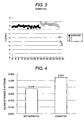
- FIG. 4 A drawing in which a difference in Log Ratio was plotted is shown in Fig. 4 .
- the difference in Log Ratio was obtained by the same method of Comparative Example 1. That is, the difference in Log Ratio was calculated from the difference between the average value of Log Ratio of X-chromosome moiety and the average value of Log Ratio of autosome moiety. Larger value of this difference means superiority as a nucleic acid microarray measurement. It became 0.38 when the correction was not carried out, and 0.55 when the correction was carried out, so that the difference in Log Ratio was increased by a factor of about 0.17 by carrying out the correction.
- the number of X-chromosomes is different when male and female are compared so that there must be a difference from the case of autosome.
- a change in the number of copies can be grasped with further high sensitivity, and more correct judgment can be made. That is, the fact that a difference in Log Ratio shows effectiveness of the use of a verification nucleic acid.
- Fig. 5 shows average values of dispersion calculated only on the autosomal moieties of parts which correspond to the female-derived and male-derived autosomal moieties.
- the dispersion becomes 0.189 which is a very small numerical value in comparison with the uncorrected dispersion of 0.313 and is close to the true value, thus showing the effectiveness of the use of a verification nucleic acid.
- Respective unpurified labeled sample nucleic acids were prepared from a female-derived nucleic acid and a male-derived nucleic acid by the same method of Comparative Example 1.
- a female-derived unpurified labeled nucleic acid was used as the unpurified labeled verification nucleic acid in this inventive example.
- Cy3 was used as the labeling compound.
- a 20 ⁇ l portion of the unpurified labeled sample nucleic acid Cy5-Female prepared in the ⁇ Preparation of unpurified labeled nucleic acid>, 20 ⁇ l of the unpurified labeled verification nucleic acid Cy3-Female DNA prepared in the ⁇ Purification of unpurified labeled verification nucleic acid> and 38 ⁇ l of the solution A were put into a 1.7 ml capacity micro tube and sufficient stirring (Vortex) treatment was carried out.
- Hybridization was carried out by the same method of the ⁇ Hybridization> of Comparative Example 1. In this case, a mixture of unpurified labeled sample nucleic acid Cy5-Female and unpurified labeled verification nucleic acid Cy3-Female and a mixture of unpurified labeled sample nucleic acid Cy5-Male and unpurified labeled verification nucleic acid Cy3-Female were respectively used as the sample.
- Respective unpurified labeled sample nucleic acids were prepared from a female-derived nucleic acid and a male-derived nucleic acid by the same method of Comparative Example 1.
- Cy5-Cot-1 DNA was prepared using Cot-1 DNA as the verification nucleic acid.
- Hybridization solutions containing an unpurified labeled sample nucleic acid and an unpurified labeled verification nucleic acid were prepared. That is, a hybridization solution containing unpurified labeled sample nucleic acid Cy3-Female and unpurified labeled verification nucleic acid Cy5-Cot-1 DNA, and a hybridization solution containing unpurified labeled sample nucleic acid Cy3-Male and unpurified labeled verification nucleic acid Cy5-Cot-1 DNA, were prepared.
- a microarray of 1,600 spots consisting of two spots for each of 800 genes prepared from BAC clones, spotted at NGK INSULATORS, was used as the nucleic acid microarray.
- Hybridization was carried out by the same method of the ⁇ Hybridization> of Comparative Example 1.
- a mixture of unpurified labeled sample nucleic acid Cy3-Female and unpurified labeled verification nucleic acid Cy5-Cot-1 DNA and a mixture of unpurified labeled sample nucleic acid Cy3-Male and unpurified labeled verification nucleic acid Cy5-Cot-1 DNA were respectively used as the sample.
- Respective unpurified labeled sample nucleic acids were prepared from a female-derived nucleic acid and a male-derived nucleic acid by the same method of Comparative Example 1. In this connection, Cy3 was used in both cases.
- An unpurified labeled verification nucleic acid Cy5-Cot-1 DNA was prepared by the same method of Inventive Example 1, using Cy5 as the labeling compound, and Cot-1 DNA as the verification nucleic acid.
- a 20 ⁇ l portion of the Cy5-Cot-1 DNA prepared in the ⁇ Preparation of unpurified labeled verification nucleic acid> and 65 ⁇ l (65 ⁇ g) of Cot-1 DNA were put into a 1.7 ml capacity micro tube and 8.5 ⁇ l of 3 M sodium acetate (pH 5.2) and 218 ⁇ l of ethanol cooled to -20°C were added thereto and mixed therewith, and then the mixture was allowed to stand at -80°C for 10 minutes. Thereafter, centrifugation was carried out at 4°C and at 1,5000 rpm for 30 minutes using a centrifuge MX-300 manufactured by TOMY SEIKO.
- this step is not carried out by a user, but a kit producer prepares it in advance.
- a 20 ⁇ l portion of the unpurified labeled sample nucleic acid Cy3-Female prepared in the ⁇ Preparation of unpurified labeled nucleic acid> and 58 ⁇ l of the solution B were put into a 1.7 ml capacity micro tube and sufficient stirring (Vortex) treatment was carried out.
- 20 ⁇ l of the unpurified labeled sample nucleic acid Cy3-Male prepared in the ⁇ Preparation of unpurified labeled nucleic acid> and 58 ⁇ l of the solution B were put into a 1.7 ml capacity micro tube and sufficient stirring (Vortex) treatment was carried out.
- Hybridization was carried out by the same method of the ⁇ Hybridization> of Comparative Example 1.
- a mixture of unpurified labeled sample nucleic acid Cy3-Female and unpurified labeled verification nucleic acid Cy5-Cot-1 DNA and a mixture of unpurified labeled sample nucleic acid Cy3-Male and unpurified labeled verification nucleic acid Cy5-Cot-1 DNA were respectively used as the sample.
- Respective unpurified labeled sample nucleic acids were prepared from a female-derived nucleic acid and a male-derived nucleic acid by the same method of Comparative Example 1.
- Cy5 as the labeling compound and Cot-1 DNA as the verification nucleic acid
- an unpurified labeled verification nucleic acid Cy5-Cot-1 DNA was prepared by the same method of Inventive Example 1. in this case, 3 ⁇ g of Cot-1 DNA was used as the Cot-1 DNA.
- the array 1 is an array on which 4 spots for each of 16 genes, a total of 64 spots, are spotted. This is an array identical to the array used in Comparative Example 1 and the like.
- the array 2 is a multiple test sample array on which 3 spots for each of 550 genes are spotted and which has two hybridization regions. In this connection, hybridization of the array 2 was carried out using a hybridizer.
- a comparison was carried out between 10 probe nucleic acids common in these two kinds of arrays using a verification nucleic acid.
- the 10 probes are 20p11.22, 20p12.3, 20p11.21, 21q22.3, 22q12.2, X11.23, Xp12, Xq13.3, Xq24 and Xq26.2.
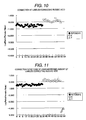
- Fig. 12 is a result of a case in which hybridization was carried out on two plates of the array 1, namely Cy3-Female DNA with Cy5-Cot-1 DNA on the first array, and Cy3-Male DNA with Cy5-Cot-1 DNA on the second array, and their correction was carried out by the method of the invention.
- the autosomal moiety and the X-chromosomal moiety are sufficiently separated from each other.
- Fig. 13 is a result of a case in which hybridization was carried out on two plates of the array 2, namely Cy3-Female DNA with Cy5-Cot-1 DNA on the first array, and Cy3-Male DNA with Cy5-Cot-1 DNA on the second array, and their correction was carried out by the method of the invention.
- the autosomal moiety and the X-chromosomal moiety are sufficiently separated from each other also in this case.
- Fig. 14 is a result of a case in which hybridization was carried out on two plates using the array 1 and array 2, namely Cy3-Male DNA with Cy5-Cot-1 DNA on the first array, and Cy3-Female DNA with Cy5-Cot-1 DNA on the second array, and their correction was not carried out.
- the autosomal moiety and X-chromosomal moiety are not separated from each other.
- Fig. 15 is a result of a case in which hybridization was carried out on two plates using the array 1 and array 2, namely Cy3-Male DNA with Cy5-Cot-1 DNA on the first array, and Cy3-Female DNA with Cy5-Cot-1 DNA on the second array, and their correction was carried out by the method of the invention.
- the autosomal moiety and X-chromosomal moiety are sufficiently separated from each other.
- Fig. 14 it is shown that the use of a verification nucleic acid by the invention is a markedly effective method, because correction can be sufficiently carried out even when the array format is different.
- a Cy3-Female DNA, supposing a normal cell-derived nucleic acid, and a labeled verification nucleic acid Cy5-Cot-1 DNA were used as the samples for digital data supplying data, these nucleic acids were hybridized on a nucleic acid microarray, and the data obtained therefrom were used as the data for digital data supplication use.
- Respective unpurified labeled sample nucleic acids were prepared from a female-derived nucleic acid and a male-derived nucleic acid by the same method of Comparative Example 1. In this case, both of the female and male were labeled with Cy3.
- a vector-derived nucleic acid was used as the verification nucleic acid.
- One clone was selected from RPCI-11 and cultured overnight at 37°C in LB medium which had been supplemented with chloramphenicol to a concentration of 100 mg/ml, using BE-43FL (mfd. by TAITEC).
- a BAC was extracted from this using QIAamp Miniprep kit manufactured by QIAgen.
- the thus extracted BAC was digested with a restriction enzyme Not I manufactured by Nippon Gene and subjected to an agarose electrophoresis.
- a fragment of about 7 kb was cut out and purified from the agarose using Nucleospin column manufactured by MN. Ligation of this was carried out at 4°C overnight using T4 DNA ligase manufactured by Invitrogen, thereby obtaining pBAC108L.
- the pBAC108L was added to DH-10B Chemical Competent Cell manufactured by Invitrogen, allowed to stand on ice for 30 minutes, heated at 42°C for 30 seconds and again allowed to stand on ice for 2 minutes. This was mixed with 600 ⁇ l of SOC medium and spread on the LB medium containing 100 mg/ml of chloramphenicol using a spreader. After two nights of standing at 37°C, a colony thus grown was picked up and inoculated onto the LB medium containing 100 mg/ml of chloramphenicol. After overnight culturing of this at 37°C, a BAC DNA was extracted using QIAprep spin Miniprep kit manufactured by QIAgen, thereby obtaining a BAC vector. By labeling this using Cy5, a vector-derived labeled verification nucleic acid was obtained.
- Hybridization was carried out by the same method of the ⁇ Hybridization> of Comparative Example 1. In this case however, an HS-300 manufactured by ALOKA was used as the hybridization device. In addition, a mixture of the unpurified labeled sample nucleic acid Cy3-Female with the above-mentioned vector-derived labeled verification nucleic acid, and a mixture of the unpurified labeled sample nucleic acid Cy3-Male with the above-mentioned vector-derived labeled verification nucleic acid, were respectively used as two kinds of the sample.
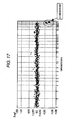
- the values were calculated based on Log 2 (FM/Fc2/FF ⁇ Fc1) and arranged for each probe chromosome. In addition, the values of the same probe were averaged and made into a graph.
Landscapes
- Chemical & Material Sciences (AREA)
- Organic Chemistry (AREA)
- Life Sciences & Earth Sciences (AREA)
- Zoology (AREA)
- Wood Science & Technology (AREA)
- Proteomics, Peptides & Aminoacids (AREA)
- Health & Medical Sciences (AREA)
- Engineering & Computer Science (AREA)
- Microbiology (AREA)
- Biochemistry (AREA)
- Physics & Mathematics (AREA)
- Molecular Biology (AREA)
- Biotechnology (AREA)
- Biophysics (AREA)
- Analytical Chemistry (AREA)
- Immunology (AREA)
- Bioinformatics & Cheminformatics (AREA)
- General Engineering & Computer Science (AREA)
- General Health & Medical Sciences (AREA)
- Genetics & Genomics (AREA)
- Measuring Or Testing Involving Enzymes Or Micro-Organisms (AREA)
- Investigating Or Analysing Materials By The Use Of Chemical Reactions (AREA)
- Apparatus Associated With Microorganisms And Enzymes (AREA)
Claims (15)
- Analytisches Verfahren, bei dem ein Nukleinsäure-Microarray mit zwei oder mehreren Spots verwendet wird, wobei der Nukleinsäure-Microarray einen Spot X1 aufweist, auf welchem eine erste Sonde-Nukleinsäure immobilisiert ist, wobei das Verfahren umfasst:Hybridisierenlassen einer gelabelten Probe-Nukleinsäure A 1 von einer zu untersuchenden Probe mit der ersten Sonde-Nukleinsäure, immobilisiert auf dem Spot X 1;Versehen des Spots X 1 mit einer gelabelten Verifikations-Nukleinsäure B, welche eine Sequenz aufweist, die imstande ist, mit wenigstens einem Teil der ersten Sonde-Nukleinsäure zu hybridisieren und mit einem von der gelabelten Probe-Nukleinsäure A 1 unterschiedlichen Label gelabelt ist, und Hybridisierenlassen der gelabelten Verifikations-Nukleinsäure B mit wenigstens der ersten Sonde-Nukleinsäure, wobei die Verifikations-Nukleinsäure B ferner imstande ist, mit wenigstens einem Teil der Sonde-Nukleinsäure auf allen Spots zu hybridisieren;Messung eines gelabelten Mengenwertes F 1 der gelabelten Probe-Nukleinsäure A1, die auf dem Spot X 1 hybridisiert ist; undMessung eines gelabelten Mengenwertes Fc 1 der gelabelten Verifikations-Nukleinsäure B, die auf dem Spot X 1 hybridisiert ist,wobei das Verfahren ferner umfasst:Versehen eines Spots X n, auf welchem eine nte Sonde-Nukleinsäure immobilisiert ist, die im wesentlichen die gleiche Sequenz der ersten auf dem Spot X 1 immobilisierten Sonde-Nukleinsäure aufweist, mit einer gelabelten Probe-Nukleinsäure A n, welche identisch zu oder unterschiedlich von der gelabelten Probe-Nukleinsäure A 1 ist, und Hybridisierenlassen der gelabelten Probe-Nukleinsäure A n mit der nten Sonde-Nukleinsäure, immobilisiert auf dem Spot X n, wobei der Spot X n auf dem gleichen Probe-Nukleinsäure-Microarray des Spots X 1 oder einem anderen Nukleinsäure-Microarray vorliegt;Versehen des Spots X n mit der gelabelten Verifikations-Nukleinsäure B und Hybridisierenlassen der gelabelten Verifikations-Nukleinsäure B mit wenigstens der nten Sonde-Nukleinsäure;Messung eines gelabelten Mengenwertes F n der gelabelten Probe-Nukleinsäure A n, die auf dem Spot X n hybridisiert ist; undMessung eines gelabelten Mengenwertes Fc n der gelabelten Verifikations-Nukleinsäure B, die auf dem Spot X n hybridisiert ist,wobei ein korrigierter gelabelter Mengenwert, welcher einer hybridisierten Menge der gelabelten Probe-Nukleinsäure A n auf dem Spot X n entspricht, unter Verwendung der folgenden Formel (1) berechnet wird:Formel (1); korrigierter gelabelter Mengewert der gelabelten Probe-Nukleinsäure A n = der gelabelte Mengenwert Fc 1 / der gelabelte Mengenwert Fc n x der gelabelte Mengenwert F n der nten gelabelten Probe-Nukleinsäure A n, wobei n eine ganze Zahl von 2 oder mehr ist,wobei eine Nukleinsäure, enthaltend eine wiederholte Sequenz, als die gelabelte Verifikations-Nukleinsäure B verwendet wird.
- Analytisches Verfahren gemäß Anspruch 1,
wobei das Hybridisierenlassen der gelabelten Probe-Nukleinsäure A 1 und das Hybridisierenlassen der gelabelten Verifikations-Nukleinsäure B gleichzeitig durchgeführt werden, und
die Messung einer Menge der hybridisierten gelabelten Probe-Nukleinsäure A 1 und die Messung einer Menge der hybridisierten Verifikations-Nukleinsäure B gleichzeitig durchgeführt werden. - Analytisches Verfahren gemäß Anspruch 1 oder 2,
wobei eine Menge der ersten Sonde-Nukleinsäure, immobilisiert auf dem Spot X 1, aufgrund des gelabelten Mengenwerts Fc 1 detektiert wird und der gelabelte Mengenwert F 1 aufgrund der detektierten Menge korrigiert wird. - Analytisches Verfahren gemäß einem der Ansprüche 1 bis 3, ferner umfassend:Berechnung eines Koeffizienten der gelabelten Mengenwerte am Spot X 1 und Spot X n durch Vergleich der gelabelten Mengenwerte Fc 1 und Fc n.
- Analytisches Verfahren gemäß einem der Ansprüche 1 bis 4,
wobei die gelabelte Probe-Nukleinsäure A 1 und gelabelte Probe-Nukleinsäure A n durch Labeln von Nukleinsäuren, erhalten aus unterschiedlichen Proben, hergestellt werden. - Analytisches Verfahren gemäß einem der Ansprüche 1 bis 5,
wobei eine ungelabelte Nukleinsäure, identisch zu der gelabelten Verifikations-Nukleinsäure B, vor dem Zusammenmischen mit einer Labeling-Verbindung ferner zu der Hybridisierung der gelabelten Verifikations-Nukleinsäure B zugegeben wird. - Analytisches Verfahren gemäß einem der Ansprüche 1 bis 6,
wobei wenigstens ein Labeling der gelabelten Probe-Nukleinsäure A 1 und der gelabelten Verifikations-Nukleinsäure B ein Fluoreszenz-Labeling ist. - Analytisches Verfahren gemäß einem der Ansprüche 1 bis 7,
wobei ein BAC-DNA-Microarray als der Nukleinsäure-Microarray verwendet wird. - Analytisches Verfahren gemäß einem der Ansprüche 1 bis 8,
wobei zwei oder mehrere der gleichen Spezies der Spots X n in verschiedenen Nukleinsäure-Microarrays vorliegen und eine Anordnung der nten Sonde-Nukleinsäure und auf Spots aufgetragene Mengen der nten Sonde-Nukleinsäure zwischen den jeweiligen Nukleinsäure-Microarrays unterschiedlich in den jeweiligen Nukleinsäure-Microarrays sind. - Analytisches Verfahren gemäß einem der Ansprüche 1 bis 9,
wobei eine Nukleinsäure, welche von der Nukleinsäure in der Probe unterschiedlich ist und eine Sequenz aufweist, die imstande ist, mit wenigstens einem Teil der Sonde-Nukleinsäure auf allen Spots zu hybridisieren, als die gelabelte Verifikations-Nukleinsäure B verwendet wird. - Analytisches Verfahren gemäß einem der Ansprüche 1 bis 10,
wobei Cot-1-DNA als die gelabelte Verifikations-Nukleinsäure B verwendet wird. - Programm, das einen Computer einen Prozess für das analytische Verfahren gemäß einem der Ansprüche 4 bis 11 ausführen lässt, wobei der Prozess umfasst:Korrigieren des gelabelten Mengenwertes F n der nten gelabelten Probe-Nukleinsäure A n, wobei n eine ganze Zahl von 2 oder mehr ist, basierend auf dem gelabelten Mengenwert Fc 1 und dem gelabelten Mengenwert Fc n der gelabelten Verifikations-Nukleinsäure B.
- Computer-lesbares Medium, das ein Programm speichert, das einen Computer einen Prozess für das analytische Verfahren gemäß einem der Ansprüche 4 bis 11 ausführen lässt, wobei der Prozess umfasst:Korrigieren des gelabelten Mengenwertes F n der nten gelabelten Probe-Nukleinsäure A n, wobei n eine ganze Zahl von 2 oder mehr ist, basierend auf dem gelabelten Mengenwert Fc 1 und dem gelabelten Mengenwert Fc n der gelabelten Verifikations-Nukleinsäure B.
- Verfahren zur Berechnung von Genexpressionsmengen zwischen Proben oder Anzahlen von Genkopien zwischen Proben unter Verwendung des analytischen Verfahrens gemäß einem der Ansprüche 1 bis 11.
- Kit für das analytische Verfahren gemäß einem der Ansprüche 1 bis 11, wobei der Kit umfasst:einen Nukleinsäure-Microarray mit einer Vielzahl von Spots, auf jedem von denen eine Sonde-Nukleinsäure immobilisiert ist; undeine gelabelte Verifikations-Nukleinsäure mit einer Sequenz, die im Stande ist, wenigstens mit Teilen der besagten Sonde-Nukleinsäuren auf allen Spots auf dem Nukleinsäure-Microarray zu hybridisieren, wobei die Verifikations-Nukleinsäure eine wiederholte Sequenz enthält.
Applications Claiming Priority (3)
| Application Number | Priority Date | Filing Date | Title |
|---|---|---|---|
| JP2008138533 | 2008-05-27 | ||
| JP2009126780A JP2010004873A (ja) | 2008-05-27 | 2009-05-26 | 核酸マイクロアレイを用いた解析方法 |
| PCT/JP2009/060098 WO2009145346A2 (en) | 2008-05-27 | 2009-05-27 | Method for analysis using nucleic acid microarray |
Publications (2)
| Publication Number | Publication Date |
|---|---|
| EP2297337A2 EP2297337A2 (de) | 2011-03-23 |
| EP2297337B1 true EP2297337B1 (de) | 2015-12-23 |
Family
ID=41377692
Family Applications (1)
| Application Number | Title | Priority Date | Filing Date |
|---|---|---|---|
| EP09754854.9A Active EP2297337B1 (de) | 2008-05-27 | 2009-05-27 | Analyseverfahren mit nukleinsäure-mikroarray |
Country Status (5)
| Country | Link |
|---|---|
| US (1) | US9034796B2 (de) |
| EP (1) | EP2297337B1 (de) |
| JP (1) | JP2010004873A (de) |
| CN (1) | CN102105597B (de) |
| WO (1) | WO2009145346A2 (de) |
Families Citing this family (4)
| Publication number | Priority date | Publication date | Assignee | Title |
|---|---|---|---|---|
| US20120179384A1 (en) | 2009-09-10 | 2012-07-12 | Masayuki Kuramitsu | Method for analyzing nucleic acid mutation using array comparative genomic hybridization technique |
| EP3303624B1 (de) * | 2015-05-29 | 2021-05-19 | Altergon S.A. | Verfahren zur verbesserten cgh-analyse |
| CN107058576B (zh) * | 2017-05-27 | 2021-01-05 | 上海百傲科技股份有限公司 | 基因芯片杂交组件、包含该杂交组件的试剂盒、其应用及杂交检测方法 |
| CN107766695B (zh) * | 2017-10-20 | 2019-03-08 | 中国科学院北京基因组研究所 | 一种获取外周血基因模型训练数据的方法及装置 |
Family Cites Families (7)
| Publication number | Priority date | Publication date | Assignee | Title |
|---|---|---|---|---|
| CA2327527A1 (en) * | 2000-12-27 | 2002-06-27 | Geneka Biotechnologie Inc. | Method for the normalization of the relative fluorescence intensities of two rna samples in hybridization arrays |
| CA2470950A1 (en) * | 2001-12-21 | 2003-07-03 | Pamgene B.V. | Normalisation of microarray data based on hybridisation with an internal reference |
| EP1522853A4 (de) | 2002-06-24 | 2005-10-19 | Canon Kk | Dna-mikro-array mit standard sonde und kit der diese enthaelt |
| JP3998237B2 (ja) * | 2002-06-24 | 2007-10-24 | キヤノン株式会社 | 含有量検定用標準プローブを持つdnaマイクロアレイ及び検出用キット |
| EP1722309A1 (de) * | 2005-05-12 | 2006-11-15 | Max-Planck-Gesellschaft Zur Förderung Der Wissenschaften E.V. | Verfahren zur Normalisierung von Genexpressionsdaten |
| GB2449048A (en) * | 2006-02-15 | 2008-11-05 | Agilent Technologies Inc | Normalization probes for comparative genome hybridization arrays |
| US7660675B2 (en) * | 2006-07-24 | 2010-02-09 | Agilent Technologies, Inc. | Method and system for analysis of array-based, comparative-hybridization data |
-
2009
- 2009-05-26 JP JP2009126780A patent/JP2010004873A/ja active Pending
- 2009-05-27 EP EP09754854.9A patent/EP2297337B1/de active Active
- 2009-05-27 CN CN200980128809.XA patent/CN102105597B/zh active Active
- 2009-05-27 US US12/994,718 patent/US9034796B2/en active Active
- 2009-05-27 WO PCT/JP2009/060098 patent/WO2009145346A2/en not_active Ceased
Non-Patent Citations (2)
| Title |
|---|
| CAI W-W ET AL: "GENOME-WIDE DETECTION OF CHROMOSOMAL IMBALANCES IN TUMORS USING BAC MICROARRAYS", NATURE BIOTECHNOLOGY, NATURE PUBLISHING GROUP, NEW YORK, NY, US, vol. 20, no. 4, 1 April 2002 (2002-04-01), pages 393 - 396, XP001180278, ISSN: 1087-0156, DOI: 10.1038/NBT0402-393 * |
| PEIXOTO BERNARDO R ET AL: "Evaluation of reference-based two-color methods for measurement of gene expression ratios using spotted cDNA microarrays", BMC GENOMICS, BIOMED CENTRAL LTD, LONDON, UK, vol. 7, no. 1, 24 February 2006 (2006-02-24), pages 35, XP021014633, ISSN: 1471-2164, DOI: 10.1186/1471-2164-7-35 * |
Also Published As
| Publication number | Publication date |
|---|---|
| CN102105597A (zh) | 2011-06-22 |
| JP2010004873A (ja) | 2010-01-14 |
| WO2009145346A2 (en) | 2009-12-03 |
| CN102105597B (zh) | 2014-07-02 |
| US9034796B2 (en) | 2015-05-19 |
| EP2297337A2 (de) | 2011-03-23 |
| US20110105357A1 (en) | 2011-05-05 |
| WO2009145346A3 (en) | 2010-04-01 |
Similar Documents
| Publication | Publication Date | Title |
|---|---|---|
| US20240150814A1 (en) | Modification of dna on magnetic beads | |
| JP4338783B2 (ja) | 核酸アレイへの比較蛍光ハイブリダイゼーション | |
| US20230183788A1 (en) | Oligonucleotide Paints | |
| US11091810B2 (en) | Focal gene expression profiling of stained FFPE tissues with spatial correlation to morphology | |
| Johnson et al. | Fluorescent detection of nuclear RNA and DNA: implications for genome organization | |
| US5641658A (en) | Method for performing amplification of nucleic acid with two primers bound to a single solid support | |
| US20190284552A1 (en) | Arrays for Single Molecule Detection and Uses Thereof | |
| US20180023124A1 (en) | Arrays for Single Molecule Detection and Use Thereof | |
| EP1469067A1 (de) | Verfahren und vorrichtung zum nachweis von nukleinsäuredaten | |
| EP2843058B1 (de) | Verfahren zur nukleinsäureamplifikation und verfahren zum nachweis von amplifizierten nukleinsäuren | |
| US20030003496A1 (en) | Novel compositions and methods for array-based nucleic acid hybridization | |
| WO2011030838A1 (ja) | アレイ比較ゲノムハイブリダイゼーション法による核酸変異解析法 | |
| JP2009165493A (ja) | ヒト第20染色体の20q13領域における新規アンプリコンおよびその使用 | |
| JP2005503762A (ja) | 低分子量デキストラン硫酸を使用するハイブリダイゼーション緩衝液およびそれらの使用方法 | |
| US9034796B2 (en) | Method for analysis using nucleic acid microarray | |
| Patel et al. | Application of DNA microarray to clinical diagnostics | |
| EP2261370B1 (de) | Verfahren zur Erkennung abnormaler Punkte eines Nukleinsäuremikroarrays | |
| US20100304997A1 (en) | Method for detecting abnormal spots of nucleic acid microarray | |
| Gilson et al. | Comprehensive DNA methylation profiling of human repetitive DNA elements using an MeDIP-on-RepArray assay | |
| JP5476989B2 (ja) | ゲノムdna断片の増幅または欠失の検出方法 | |
| JP2009284783A (ja) | ハイブリダイゼーション用溶液の調製方法 | |
| WO2009145355A1 (en) | Method for measuring nucleic acid using nucleic acid microarray | |
| Hu et al. | Optical mapping of DNA polymerase I action and products | |
| RU2828103C1 (ru) | Способ получения панели ДНК-зондов для определения хромосомных транслокаций, делеций и амплификаций | |
| Unger et al. | In situ hybridization: principles and diagnostic applications in infection |
Legal Events
| Date | Code | Title | Description |
|---|---|---|---|
| PUAI | Public reference made under article 153(3) epc to a published international application that has entered the european phase |
Free format text: ORIGINAL CODE: 0009012 |
|
| 17P | Request for examination filed |
Effective date: 20101223 |
|
| AK | Designated contracting states |
Kind code of ref document: A2 Designated state(s): AT BE BG CH CY CZ DE DK EE ES FI FR GB GR HR HU IE IS IT LI LT LU LV MC MK MT NL NO PL PT RO SE SI SK TR |
|
| DAX | Request for extension of the european patent (deleted) | ||
| 17Q | First examination report despatched |
Effective date: 20121206 |
|
| GRAP | Despatch of communication of intention to grant a patent |
Free format text: ORIGINAL CODE: EPIDOSNIGR1 |
|
| INTG | Intention to grant announced |
Effective date: 20150714 |
|
| GRAS | Grant fee paid |
Free format text: ORIGINAL CODE: EPIDOSNIGR3 |
|
| GRAA | (expected) grant |
Free format text: ORIGINAL CODE: 0009210 |
|
| AK | Designated contracting states |
Kind code of ref document: B1 Designated state(s): AT BE BG CH CY CZ DE DK EE ES FI FR GB GR HR HU IE IS IT LI LT LU LV MC MK MT NL NO PL PT RO SE SI SK TR |
|
| REG | Reference to a national code |
Ref country code: GB Ref legal event code: FG4D |
|
| REG | Reference to a national code |
Ref country code: CH Ref legal event code: EP |
|
| REG | Reference to a national code |
Ref country code: IE Ref legal event code: FG4D |
|
| REG | Reference to a national code |
Ref country code: AT Ref legal event code: REF Ref document number: 766598 Country of ref document: AT Kind code of ref document: T Effective date: 20160115 |
|
| REG | Reference to a national code |
Ref country code: DE Ref legal event code: R096 Ref document number: 602009035408 Country of ref document: DE |
|
| REG | Reference to a national code |
Ref country code: FR Ref legal event code: PLFP Year of fee payment: 8 |
|
| REG | Reference to a national code |
Ref country code: LT Ref legal event code: MG4D |
|
| REG | Reference to a national code |
Ref country code: NL Ref legal event code: MP Effective date: 20151223 |
|
| PG25 | Lapsed in a contracting state [announced via postgrant information from national office to epo] |
Ref country code: NO Free format text: LAPSE BECAUSE OF FAILURE TO SUBMIT A TRANSLATION OF THE DESCRIPTION OR TO PAY THE FEE WITHIN THE PRESCRIBED TIME-LIMIT Effective date: 20160323 Ref country code: HR Free format text: LAPSE BECAUSE OF FAILURE TO SUBMIT A TRANSLATION OF THE DESCRIPTION OR TO PAY THE FEE WITHIN THE PRESCRIBED TIME-LIMIT Effective date: 20151223 Ref country code: LT Free format text: LAPSE BECAUSE OF FAILURE TO SUBMIT A TRANSLATION OF THE DESCRIPTION OR TO PAY THE FEE WITHIN THE PRESCRIBED TIME-LIMIT Effective date: 20151223 |
|
| REG | Reference to a national code |
Ref country code: AT Ref legal event code: MK05 Ref document number: 766598 Country of ref document: AT Kind code of ref document: T Effective date: 20151223 |
|
| PG25 | Lapsed in a contracting state [announced via postgrant information from national office to epo] |
Ref country code: FI Free format text: LAPSE BECAUSE OF FAILURE TO SUBMIT A TRANSLATION OF THE DESCRIPTION OR TO PAY THE FEE WITHIN THE PRESCRIBED TIME-LIMIT Effective date: 20151223 Ref country code: GR Free format text: LAPSE BECAUSE OF FAILURE TO SUBMIT A TRANSLATION OF THE DESCRIPTION OR TO PAY THE FEE WITHIN THE PRESCRIBED TIME-LIMIT Effective date: 20160324 Ref country code: SE Free format text: LAPSE BECAUSE OF FAILURE TO SUBMIT A TRANSLATION OF THE DESCRIPTION OR TO PAY THE FEE WITHIN THE PRESCRIBED TIME-LIMIT Effective date: 20151223 Ref country code: NL Free format text: LAPSE BECAUSE OF FAILURE TO SUBMIT A TRANSLATION OF THE DESCRIPTION OR TO PAY THE FEE WITHIN THE PRESCRIBED TIME-LIMIT Effective date: 20151223 Ref country code: LV Free format text: LAPSE BECAUSE OF FAILURE TO SUBMIT A TRANSLATION OF THE DESCRIPTION OR TO PAY THE FEE WITHIN THE PRESCRIBED TIME-LIMIT Effective date: 20151223 |
|
| PG25 | Lapsed in a contracting state [announced via postgrant information from national office to epo] |
Ref country code: ES Free format text: LAPSE BECAUSE OF FAILURE TO SUBMIT A TRANSLATION OF THE DESCRIPTION OR TO PAY THE FEE WITHIN THE PRESCRIBED TIME-LIMIT Effective date: 20151223 Ref country code: CZ Free format text: LAPSE BECAUSE OF FAILURE TO SUBMIT A TRANSLATION OF THE DESCRIPTION OR TO PAY THE FEE WITHIN THE PRESCRIBED TIME-LIMIT Effective date: 20151223 Ref country code: IT Free format text: LAPSE BECAUSE OF FAILURE TO SUBMIT A TRANSLATION OF THE DESCRIPTION OR TO PAY THE FEE WITHIN THE PRESCRIBED TIME-LIMIT Effective date: 20151223 |
|
| PG25 | Lapsed in a contracting state [announced via postgrant information from national office to epo] |
Ref country code: SK Free format text: LAPSE BECAUSE OF FAILURE TO SUBMIT A TRANSLATION OF THE DESCRIPTION OR TO PAY THE FEE WITHIN THE PRESCRIBED TIME-LIMIT Effective date: 20151223 Ref country code: EE Free format text: LAPSE BECAUSE OF FAILURE TO SUBMIT A TRANSLATION OF THE DESCRIPTION OR TO PAY THE FEE WITHIN THE PRESCRIBED TIME-LIMIT Effective date: 20151223 Ref country code: PL Free format text: LAPSE BECAUSE OF FAILURE TO SUBMIT A TRANSLATION OF THE DESCRIPTION OR TO PAY THE FEE WITHIN THE PRESCRIBED TIME-LIMIT Effective date: 20151223 Ref country code: BE Free format text: LAPSE BECAUSE OF NON-PAYMENT OF DUE FEES Effective date: 20160531 Ref country code: AT Free format text: LAPSE BECAUSE OF FAILURE TO SUBMIT A TRANSLATION OF THE DESCRIPTION OR TO PAY THE FEE WITHIN THE PRESCRIBED TIME-LIMIT Effective date: 20151223 Ref country code: PT Free format text: LAPSE BECAUSE OF FAILURE TO SUBMIT A TRANSLATION OF THE DESCRIPTION OR TO PAY THE FEE WITHIN THE PRESCRIBED TIME-LIMIT Effective date: 20160426 Ref country code: RO Free format text: LAPSE BECAUSE OF FAILURE TO SUBMIT A TRANSLATION OF THE DESCRIPTION OR TO PAY THE FEE WITHIN THE PRESCRIBED TIME-LIMIT Effective date: 20151223 Ref country code: IS Free format text: LAPSE BECAUSE OF FAILURE TO SUBMIT A TRANSLATION OF THE DESCRIPTION OR TO PAY THE FEE WITHIN THE PRESCRIBED TIME-LIMIT Effective date: 20160423 |
|
| REG | Reference to a national code |
Ref country code: DE Ref legal event code: R097 Ref document number: 602009035408 Country of ref document: DE |
|
| PLBE | No opposition filed within time limit |
Free format text: ORIGINAL CODE: 0009261 |
|
| STAA | Information on the status of an ep patent application or granted ep patent |
Free format text: STATUS: NO OPPOSITION FILED WITHIN TIME LIMIT |
|
| PG25 | Lapsed in a contracting state [announced via postgrant information from national office to epo] |
Ref country code: DK Free format text: LAPSE BECAUSE OF FAILURE TO SUBMIT A TRANSLATION OF THE DESCRIPTION OR TO PAY THE FEE WITHIN THE PRESCRIBED TIME-LIMIT Effective date: 20151223 |
|
| 26N | No opposition filed |
Effective date: 20160926 |
|
| PG25 | Lapsed in a contracting state [announced via postgrant information from national office to epo] |
Ref country code: LU Free format text: LAPSE BECAUSE OF FAILURE TO SUBMIT A TRANSLATION OF THE DESCRIPTION OR TO PAY THE FEE WITHIN THE PRESCRIBED TIME-LIMIT Effective date: 20160527 Ref country code: BE Free format text: LAPSE BECAUSE OF FAILURE TO SUBMIT A TRANSLATION OF THE DESCRIPTION OR TO PAY THE FEE WITHIN THE PRESCRIBED TIME-LIMIT Effective date: 20151223 |
|
| REG | Reference to a national code |
Ref country code: CH Ref legal event code: PL |
|
| PG25 | Lapsed in a contracting state [announced via postgrant information from national office to epo] |
Ref country code: LI Free format text: LAPSE BECAUSE OF NON-PAYMENT OF DUE FEES Effective date: 20160531 Ref country code: CH Free format text: LAPSE BECAUSE OF NON-PAYMENT OF DUE FEES Effective date: 20160531 |
|
| REG | Reference to a national code |
Ref country code: IE Ref legal event code: MM4A |
|
| PG25 | Lapsed in a contracting state [announced via postgrant information from national office to epo] |
Ref country code: SI Free format text: LAPSE BECAUSE OF FAILURE TO SUBMIT A TRANSLATION OF THE DESCRIPTION OR TO PAY THE FEE WITHIN THE PRESCRIBED TIME-LIMIT Effective date: 20151223 |
|
| REG | Reference to a national code |
Ref country code: FR Ref legal event code: PLFP Year of fee payment: 9 |
|
| PG25 | Lapsed in a contracting state [announced via postgrant information from national office to epo] |
Ref country code: IE Free format text: LAPSE BECAUSE OF NON-PAYMENT OF DUE FEES Effective date: 20160527 |
|
| REG | Reference to a national code |
Ref country code: FR Ref legal event code: PLFP Year of fee payment: 10 |
|
| PG25 | Lapsed in a contracting state [announced via postgrant information from national office to epo] |
Ref country code: HU Free format text: LAPSE BECAUSE OF FAILURE TO SUBMIT A TRANSLATION OF THE DESCRIPTION OR TO PAY THE FEE WITHIN THE PRESCRIBED TIME-LIMIT; INVALID AB INITIO Effective date: 20090527 Ref country code: CY Free format text: LAPSE BECAUSE OF FAILURE TO SUBMIT A TRANSLATION OF THE DESCRIPTION OR TO PAY THE FEE WITHIN THE PRESCRIBED TIME-LIMIT Effective date: 20151223 |
|
| PG25 | Lapsed in a contracting state [announced via postgrant information from national office to epo] |
Ref country code: MC Free format text: LAPSE BECAUSE OF FAILURE TO SUBMIT A TRANSLATION OF THE DESCRIPTION OR TO PAY THE FEE WITHIN THE PRESCRIBED TIME-LIMIT Effective date: 20151223 Ref country code: MK Free format text: LAPSE BECAUSE OF FAILURE TO SUBMIT A TRANSLATION OF THE DESCRIPTION OR TO PAY THE FEE WITHIN THE PRESCRIBED TIME-LIMIT Effective date: 20151223 Ref country code: TR Free format text: LAPSE BECAUSE OF FAILURE TO SUBMIT A TRANSLATION OF THE DESCRIPTION OR TO PAY THE FEE WITHIN THE PRESCRIBED TIME-LIMIT Effective date: 20151223 Ref country code: MT Free format text: LAPSE BECAUSE OF NON-PAYMENT OF DUE FEES Effective date: 20160531 |
|
| PG25 | Lapsed in a contracting state [announced via postgrant information from national office to epo] |
Ref country code: BG Free format text: LAPSE BECAUSE OF FAILURE TO SUBMIT A TRANSLATION OF THE DESCRIPTION OR TO PAY THE FEE WITHIN THE PRESCRIBED TIME-LIMIT Effective date: 20151223 |
|
| REG | Reference to a national code |
Ref country code: FR Ref legal event code: PLFP Year of fee payment: 15 |
|
| PGFP | Annual fee paid to national office [announced via postgrant information from national office to epo] |
Ref country code: DE Payment date: 20250402 Year of fee payment: 17 |
|
| PGFP | Annual fee paid to national office [announced via postgrant information from national office to epo] |
Ref country code: FR Payment date: 20250401 Year of fee payment: 17 |
|
| PGFP | Annual fee paid to national office [announced via postgrant information from national office to epo] |
Ref country code: GB Payment date: 20260323 Year of fee payment: 18 |