EP2231700B1 - Vaccine comprising a ribosomal protein extract (rpe) and optionally a th1-promoting adjuvant - Google Patents
Vaccine comprising a ribosomal protein extract (rpe) and optionally a th1-promoting adjuvant Download PDFInfo
- Publication number
- EP2231700B1 EP2231700B1 EP09701571.3A EP09701571A EP2231700B1 EP 2231700 B1 EP2231700 B1 EP 2231700B1 EP 09701571 A EP09701571 A EP 09701571A EP 2231700 B1 EP2231700 B1 EP 2231700B1
- Authority
- EP
- European Patent Office
- Prior art keywords
- mice
- leishmania
- lrpe
- vaccine
- ribosomal protein
- Prior art date
- Legal status (The legal status is an assumption and is not a legal conclusion. Google has not performed a legal analysis and makes no representation as to the accuracy of the status listed.)
- Not-in-force
Links
Images





Classifications
-
- A—HUMAN NECESSITIES
- A61—MEDICAL OR VETERINARY SCIENCE; HYGIENE
- A61K—PREPARATIONS FOR MEDICAL, DENTAL OR TOILETRY PURPOSES
- A61K39/00—Medicinal preparations containing antigens or antibodies
- A61K39/002—Protozoa antigens
- A61K39/008—Leishmania antigens
-
- A—HUMAN NECESSITIES
- A61—MEDICAL OR VETERINARY SCIENCE; HYGIENE
- A61P—SPECIFIC THERAPEUTIC ACTIVITY OF CHEMICAL COMPOUNDS OR MEDICINAL PREPARATIONS
- A61P33/00—Antiparasitic agents
-
- A—HUMAN NECESSITIES
- A61—MEDICAL OR VETERINARY SCIENCE; HYGIENE
- A61P—SPECIFIC THERAPEUTIC ACTIVITY OF CHEMICAL COMPOUNDS OR MEDICINAL PREPARATIONS
- A61P33/00—Antiparasitic agents
- A61P33/02—Antiprotozoals, e.g. for leishmaniasis, trichomoniasis, toxoplasmosis
-
- A—HUMAN NECESSITIES
- A61—MEDICAL OR VETERINARY SCIENCE; HYGIENE
- A61P—SPECIFIC THERAPEUTIC ACTIVITY OF CHEMICAL COMPOUNDS OR MEDICINAL PREPARATIONS
- A61P33/00—Antiparasitic agents
- A61P33/02—Antiprotozoals, e.g. for leishmaniasis, trichomoniasis, toxoplasmosis
- A61P33/06—Antimalarials
-
- A—HUMAN NECESSITIES
- A61—MEDICAL OR VETERINARY SCIENCE; HYGIENE
- A61P—SPECIFIC THERAPEUTIC ACTIVITY OF CHEMICAL COMPOUNDS OR MEDICINAL PREPARATIONS
- A61P37/00—Drugs for immunological or allergic disorders
- A61P37/02—Immunomodulators
- A61P37/04—Immunostimulants
-
- A—HUMAN NECESSITIES
- A61—MEDICAL OR VETERINARY SCIENCE; HYGIENE
- A61K—PREPARATIONS FOR MEDICAL, DENTAL OR TOILETRY PURPOSES
- A61K39/00—Medicinal preparations containing antigens or antibodies
- A61K2039/51—Medicinal preparations containing antigens or antibodies comprising whole cells, viruses or DNA/RNA
- A61K2039/52—Bacterial cells; Fungal cells; Protozoal cells
- A61K2039/521—Bacterial cells; Fungal cells; Protozoal cells inactivated (killed)
-
- A—HUMAN NECESSITIES
- A61—MEDICAL OR VETERINARY SCIENCE; HYGIENE
- A61K—PREPARATIONS FOR MEDICAL, DENTAL OR TOILETRY PURPOSES
- A61K39/00—Medicinal preparations containing antigens or antibodies
- A61K2039/555—Medicinal preparations containing antigens or antibodies characterised by a specific combination antigen/adjuvant
- A61K2039/55511—Organic adjuvants
- A61K2039/55561—CpG containing adjuvants; Oligonucleotide containing adjuvants
-
- Y—GENERAL TAGGING OF NEW TECHNOLOGICAL DEVELOPMENTS; GENERAL TAGGING OF CROSS-SECTIONAL TECHNOLOGIES SPANNING OVER SEVERAL SECTIONS OF THE IPC; TECHNICAL SUBJECTS COVERED BY FORMER USPC CROSS-REFERENCE ART COLLECTIONS [XRACs] AND DIGESTS
- Y02—TECHNOLOGIES OR APPLICATIONS FOR MITIGATION OR ADAPTATION AGAINST CLIMATE CHANGE
- Y02A—TECHNOLOGIES FOR ADAPTATION TO CLIMATE CHANGE
- Y02A50/00—TECHNOLOGIES FOR ADAPTATION TO CLIMATE CHANGE in human health protection, e.g. against extreme weather
- Y02A50/30—Against vector-borne diseases, e.g. mosquito-borne, fly-borne, tick-borne or waterborne diseases whose impact is exacerbated by climate change
Definitions
- the invention relates to a composition
- a composition comprising a ribosomal protein extract (RPE) and optionally a Th 1 -promoting adjuvant for the preparation of a medicament for the treatment or prevention of a parasitic disease and to its use.
- RPE ribosomal protein extract
- Leishmaniasis comprise several diseases caused by intracellular protozoan parasites belonging to the genus Leishmania that mainly infect macrophages of a variety of mammals including human and dogs. Depending largely on the species of the parasite and the immunocompetence state of the human host, the disease spectrum ranges from self-healing cutaneous leishmaniasis (CL) to fatal visceral leishmaniasis (VL) or kala-azar (18). Canine viscerocutaneous leishmaniasis (VCL) caused by Leishmania infantum and L.
- CL self-healing cutaneous leishmaniasis
- VL fatal visceral leishmaniasis
- VL kala-azar
- chagasi is an important emerging zoonosis found in countries around the Mediterranean basin, in the Middle East and in Latin America (16) being dogs the major reservoir of these parasites playing central role in the transmission to humans by phebotomine sand flies (47).
- Outcome of infection is determined by interactions between the host immune system and the different parasite species, yet the pathogenesis of leishmaniasis remains unclear and the knowledge on the mechanisms involved in the immune response to Leishmania in humans and dogs is still limited.
- protective immunity is associated with a classical cell mediated immune response that induce macrophage activation by T cells derived cytokines, while non-healing disease is associated with the generation of strong humoral responses (15, 26).
- some of the isolated antigens are intracellular conserved proteins that predominantly stimulate humoral responses in human or dogs suffering VL or Th 2 mediated humoral responses in experimentally infected mice (3, 36, 38, 40, 42).
- the inadequate humoral response induced against them in dogs suffering leishmaniasis is thought to result in immunopathology, mainly due to the advert effects of immune complexes, particularly uveitis (13), lesions in the central nervous system (14) or nephritis (23, 24, 33, 34).
- IgG immune complexes in humans with VL correlates to an inability to resolve infections demonstrating that immune complexes can be detrimental to the infected host (30).
- proteins that induce high humoral responses during the infectious process have been associated with the induction of protective responses.
- parasite tubulins and the histone H2B were recognized by T-cell clones derived from a immune donor (39) and rK39 cause proliferation and IFN- ⁇ production by T cells from immune mice (25). It has been also shown that genetic immunization with parasite H2B, H3 and H4 genes induces protection in murine visceral leishmaniasis models (27).
- ribosomal proteins are immunologically relevant molecules during Leishmania infection.
- ribosomal constituents can contribute to the host immune system dysfunction through their capacity to modulate cell activities and cytokine release during infection.
- injection of the L. major ribosomal protein S3a into BALB/c mice induced the polyclonal expansion ofB-cell clones and inhibited T-cell proliferation (10).
- genetic immunization with a DNA vaccine coding for the putative 60S ribosomal protein L31 exacerbate disease in mice models by the induction of IL-10 and Th 2 cytokines (44, 53).
- some parasite ribosomal proteins like the parasite acidic P proteins have been related with the generation of strong humoral responses in dogs and humans suffering leishmaniasis (reviewed in (42)).
- US6500437 discloses a vaccine comprising the ribosomal antigen LbeLF4A.
- a RPE especially a Leishmania RPE (LRPE) is a target of the immune response in dogs naturally infected with L. infantum and in mice experimentally infected with L. major.
- LRPE Leishmania RPE
- a strong Th 1 protective immune response is induced when a LRPE is coadministered with a Th 1 -promoting adjuvant such as CpG oligodeoxynucleotide (ODN).
- ODN CpG oligodeoxynucleotide
- Such compositions are very attractive to be used as a vaccine. The invention is further described below.
- a RPE and optionally a Th 1 -promoting adjuvant for the preparation of a medicament for the treatment or prevention of a parasitic disease in a subject.
- a RPE is obtainable by carrying out the following steps using a parasite cell causing a parasitic disease when present in a subject:
- a parasite preferably means a protozoa. Preferred parasites are defined later herein. More preferably, a protozoa is in the promastigote stage. The skilled person will know the amount of parasite cells approximately needed in order to prepare a desired amount of RPE. Typically for preparing approximately 500 micrograms of RPE, one will use approximately 3.10 9 parasite cells.
- a lysis buffer is a buffer, which will break down at least some of the parasite cells.
- a preferred lysis buffer comprises a non-ionic surfactant. Good results were obtained with Nonidet P 40 (NP40) as non-ionic surfactant. However, other non-ionic surfactant may be used.
- a preferred lysis buffer used is as follows (Buffer A) : 10mM Tris HCl, pH 8.0,150 mM NaCl, 1.5 mM MgCl 2 and 0.5% NP40 (Roche) and preferably supplemented with protease inhibitors such as PMSF 1mM, Leupeptin 8 ⁇ g/ml, Aprotinin 4 ⁇ g/ml and Pentatin 8 ⁇ g/ml).
- a suitable amount of parasite cells (approximately 10 9 cells/ ml buffer A) is typically gently mixed with this lysis buffer using an eppendorf pipet.
- step b at least one step of centrifugation at 4°C is applied on the obtained mixture of step a.
- a first centrifugation step is carried out at approximately 3,000g for approximately 2 minutes.
- the obtained supernatant is preferably again centrifuged at approximately 13,000g for approximately 15 minutes at 4°C once or twice.
- step c the obtained supernatant is used for preparing a RPE as described in (45). Briefly, the obtained supernatant is submitted to high speed centrifugation at approximately 90,000 rpm for approximately 30 min at 4°C in a Beckman TL100.3 rotor.
- the obtained pellet is a crude ribosomal pellet, which is resuspended in buffer B (20 mM Tris-HCl, pH 7.4, 500 mM AcNH 4 , 100 mMMgCL 2 , 5mM ⁇ -mercaptoethanol) and centrifuged through a discontinuous sucrose gradient (20/40%) in buffer B at approximately 90,000 rpm at 4 °C in a TL100.3 rotor.
- the obtained pellet comprises ribosomes. This pellet is preferably dissolved in PBS (Phosphate Buffer Saline), sonicated and stored at - 70 °C.
- PBS Phosphate Buffer Saline
- Ribosomal proteins are well conserved cytosolic proteins.
- RPE trypanosomatical protozoan Leishmania.
- Leishmania comprising species of the subgenus Leishmania, comprising the complex L. major, including L. major, the complex L. Donovani, including L. chagasi, L. donovani and L. infantum, the complex L. Mexicana, including L. amazonensis and L. mexicana, as well as the subspecies Viannia, comprising the complex L. braziliensis, including L. braziliensis and L . peruviana and the complex L. guyanensis, including L.
- a RPE is obtained from a Leishmania species, preferably Leishmania major and/or Leishmania infantum.
- a RPE may also be prepared by mixing a RPE from several distinct organims as identified herein.
- the use of a RPE in a vaccine instead of the use of a given protein is quite attractive since a RPE contains a large number of distinct antigens. Each of these antigens could potentially induce an immune protective response in a treated subject.
- a vaccine as defined herein is intended to be used for a broad population of subjects since it contains a large number of distinct antigens.
- Th 1 -promoting adjuvant (like an adjuvant comprising a CpG ODN motif) is defined in the literature ( Liu N., et al., (2003), Nature Immunology, 687-693 ) as an adjuvant which is able to promote or trigger a Th 1 immune response against a given antigen when used together with this antigen (here RPE) as detected in supernatants of splenocytes of a treated subject when cultured with the antigen.
- RPE this antigen
- the promotion or triggering of a Th1 immune response is assessed in a splenocyte population of the same subject which does not have been treated with the antigen and the adjuvant, or with same population only treated with the antigen.
- Triggering or promoting a Th 1 immune response is preferably defined by the induction of IFN ⁇ as detected by culturing splenocytes of a treated subject with the antigen and/or by inducing the production of antigen specifc IgG2a immunoglobulines.
- the assessment of the induction of this cytokine is preferably carried out by ELISA on splenocytes as described in the example.
- the assessment of the induction of IgG2a is preferably carried out by ELISA or Western Blot as described in the example.
- the induction of IFN ⁇ and/or IgG2a upon stimulation of splenocytes with RPE and an adjuvant preferably means that the adjuvant is qualified as a Th1-promoting adjuvant.
- triggering or promoting a Th 1 immune response may further be defined by the absence (or the absence of an induction) of a Th 2 immune response.
- a Th 2 immune response is characterised by a detectable increase in IL-4, IL-10 induction and/or the production of detectable IgG1 immunoglobulines when compared with non-treated splenocytes.
- the assessment of the induction of IL-4 and/or IL-10 is preferably carried out by ELISA on splenocytes as described in the example.
- the assessment of the induction of an IgG1 is preferably carried out by ELISA or Western Blot as described in the example.
- triggering or promoting a Th 1 immune response may further be defined by the generation of an increase in IFN ⁇ / IL-10 ratio and/or IFN ⁇ / IL-4 ratio and /or a decrease in IgG1/IgG2a ratio against a defined antigen, in that case a RPE.
- a change (increase or decrease as indicated above) in any of these ratio of more than 2 indicates that an adjuvant has Th1 properties.
- the assessment of the induction of each of the mentioned cytokines is preferably carried out by ELISA on splenocytes as described in the example.
- the assessment of the induction of an immunoglobuline IgG1 or IgG2a is preferably carried out by ELISA or Western Blot as described in the example.
- a Th-1 promoting adjuvant is or comprises or consists of an oligodeoxynucleotide.
- an oligodeoxynucleotide comprises or consists of CpG in which the C is non-methylated (CpG ODN): 3'purine-CpG-5'pyrimidine.
- a preferred oligodeoxynucleotide is or comprises or consists of a phosphorothioate-modified ODN sequence.
- Th-1 promoting adjuvant consists of or comprises at least one CpG motif , at least two or at least three.
- Preferred sequences of the immunostimulatory ODN (5' to 3') were TCAACGTTGA and GCTAGCGTTAGCGT. It is possible to design other sequences and subsequently test them for their Th-1 promoting property as defined earlier herein.
- This preferred identified adjuvant CpG ODN is highly attractive since it was demonstrated in the example that the co-inoculation of LRPE with this Th1 -promoting adjuvant induces protection against a challenge with L. major parasites in both BALB/c and C57BL/6 mouse strains. In both models, protection correlates to a specific production of IFN- ⁇ . In BALB/c, a restriction in the production of IL-4 and IL-10 was also detected.
- One advantage of the present invention is that it allows for the preparation of a medicament for the treatment of a broader spectrum of parasitic diseases i.e. a medicament with cross-species specificity.
- a vaccine raised against a specific species only works against that specific species.
- a parasitic disease in which this is the case is Leishmaniasis.
- the disease is controlled by drugs, but drug treatment does not prevent the spread of the disease and in many cases is not very effective.
- a parasitic disease is leishmaniasis. More preferably, a parasitic disease is caused by a Leishmania species.
- a parasitic disease is caused by a different species than the species from which a RPE is derived.
- Leishmaniasis caused by one species from the genus Leishmania may be treated by using a composition based on a RPE from another Leishmania species.
- Leishmaniasis caused by L. major is successfully treated with a composition comprising a RPE from L. infantum.
- other parasitic diseases, such as malaria may be successfully treated with a composition based on a RPE of another species, for instance based on a RPE of L. infantum.
- a subject means a human or an animal.
- An animal which is encompassed within the scope of the invention includes a mammal, preferably a dog.
- a medicament as defined herein is used to increase the ability of a human or animal immune system to fight against an infection and/or a disease, more preferably a parasitic infection and/or a parasitic disease.
- it may be used for administration to a human or animal subject.
- a medicament as defined herein is preferably administered parenterally, e.g. by injection or infusion by intravenous, subcutaneous, intraperitoneal, intramuscular, intraarterial or intralesional route.
- a preferred administration mode is subcutaneous.
- a medicament may be combined with a pharmaceutically acceptable medium or delivery vehicle by conventional techniques known in the art.
- a RPE and optionally a Th 1 -promoting adjuvant may be dissolved in Phosphate buffer saline (PBS).
- PBS Phosphate buffer saline
- Methods for preparing parenterally administrable compositions are well known in the art and described in more details in various sources, including, for example, Remington's Pharmaceutical Sciences, Ed. AR Gennaro, 20th edition, 2000, Williams & Wilkins, PA, USA .
- a medicament is preferably administered in a therapeutically effective dose, i.e. one that will increase the ability of the human or animal immune system to fight an infection and/or a disease as defined herein.
- a therapeutically effective dose of a medicament of the invention will prevent and/or delay the development of dermal lesion and/or induces a significant reduction of the parasite load in an ear and/or in a draining lymph node (DLN).
- DNN draining lymph node
- the assessment of the presence of a dermal lesion is described in the legends of figure 6 .
- the assessment of a parasite load is described in the example.
- a therapeutically effective dose of a medicament of the invention will preferably prevent the development of dermal lesion and/or will preferably induces a parasite load reduction in an ear of approximately 3 orders of magnitude and/or of approximately a similar magnitude in a DLN after a time period comprising first one vaccination using a composition of the invention followed by one sequential infection with a parasite and a waiting time of approximately ⁇ 6 weeks.
- a medicament as defined herein is a vaccine.
- at least 12 ⁇ g a RPE is being used in a vaccine.
- At least 12-20 ⁇ g of a RPE must be used to provide an immune response optionally in combination with at least 50 ⁇ g of a Th 1 -promoting adjuvant such as for example, CpG ODN.
- a vaccine as defined herein may be a prophylactic or a therapeutic vaccine.
- the volume in which a RPE and optionally a Th1 promoting adjuvant may be dissolved may vary from 100-500 microliters.
- a composition comprising a RPE and optionally a Th 1 -promoting adjuvant.
- RPE and Th 1 -promoting adjuvant have already been defined herein.
- a composition consists of a RPE and a Th 1 -promoting adjuvant.
- a preferred Th 1 -promoting adjuvant is a CpG ODN.
- a preferred composition comprises or consists of a RPE and optionally a Th 1 -promoting adjuvant dissolved in PBS.
- a RPE and a Th1 -promoting adjuvant are sequentially administered. Therefore, both components do not need to be physically present in one single composition as long as they are both administered to a subject.
- composition may further comprise a pharmaceutically acceptable adjuvant and/or carrier.
- composition is preferably for use as a medicament.
- the medicament is preferably a vaccine.
- Medicament and vaccine have already been extensively defined herein.
- the invention provides for a method to prevent and/or treat a parasitic disease and/or delay its progression and/or prevent and/or delay the development of dermal lesion and/or induces a significant reduction of the parasite load in an ear and/or in a draining lymph node (DLN) all as defined herein.
- a vaccine of the invention functions as a therapeutic vaccine.
- a vaccine would act as a pharmacological immune product that would prevent and/or treat the disease and/or delay its progression by eliciting in the host an immune response that counteracts the pathological effect of the infection.
- a therapeutic vaccine differs from a prophylactic vaccine in that a therapeutic vaccine will induce protection in a patient who already has the infection or the disease.
- the verb "to comprise” and its conjugations is used in its non-limiting sense to mean that items following the word are included, but items not specifically mentioned are not excluded.
- the verb "to consist” may be replaced by "to consist essentially of” meaning that a product or a composition or a preservation mixture as defined herein may comprise additional component(s) than the ones specifically identified, said additional component(s) not altering the unique characteristic of the invention.
- indefinite article “a” or “an” does not exclude the possibility that more than one of the element is present, unless the context clearly requires that there be one and only one of the elements.
- the indefinite article “a” or “an” thus usually means “at least one”.
- mice Female BALB/c mice were 6-8 week old at the onset of experiments and were purchased from Harlan Interfauna Ibérica S.A. (Barcelona, Spain). L. major parasites (clone WHOM/IR/-173) and clone V1 (MHOM/IL/80(Friedlin) were kept in a virulent state by passage in BALB/c mice. L. major amastigotes were obtained from popliteal draining lymph nodes (DLN) and transformed to promastigote by culturing at 26 °C in Schneider's medium (Gibco, BRL) supplemented with 20% foetal calf serum (FCS) until they reached the late stationary phase.
- L. major amastigotes were obtained from popliteal draining lymph nodes (DLN) and transformed to promastigote by culturing at 26 °C in Schneider's medium (Gibco, BRL) supplemented with 20% foetal calf serum (FCS) until they
- Promastigotes of both clones were cultured at 26 °C in Schneider's medium (Gibco, BRL) supplemented with 20% FCS.
- Infective-stage promastigotes (metacyclics) of L. major (clone V1) were isolated from stationary cultures by negative selection using peanut agglutinin (Vector Laboratories, Burlingame, CA.).
- L. infantum (MCAN/ES/96/BCN/150, MON-1) promastigotes were cultured at 26 °C in RPMI medium (Gibco, BRL) supplemented with 10% FCS.
- LRP Leishmania ribosomal protein extracts
- L. major and L . infantum promastigotes were harvested, washed twice in pre-chilled PBS and resuspended in I ml NP40 (Roche Diagnostics, GmbH, Manheim Germany, cat. N. 11332473001) lysis buffer (Buffer A) (10 mM Tris CIH pH 8.0 150 mM NaCl 1.5 mM Mg12 and 0.5 % NP40, PMSF 1 mM, Leopeptin 8 ⁇ g/ml, Aprotinin 4 ⁇ g/ml and Pentatin 8 ⁇ g/ml). and pipetted up and down 10 times.
- Buffer A 10 mM Tris CIH pH 8.0 150 mM NaCl 1.5 mM Mg12 and 0.5 % NP40, PMSF 1 mM, Leopeptin 8 ⁇ g/ml, Aprotinin 4 ⁇ g/ml and Pentatin 8
- cytosol was submitted to high speed centrifugation at 90,000 rpm for 30 min at 4 °C in a Beckman TL100.3 rotor. The crude.
- ribosomal pellet was resuspended in buffer B (20 mM Tris-HCl, pH 7.4, 500 mM AcNH4, 100 mMMgCL2, 5mM ⁇ -mercaptoethanol) and centrifuged through a discontinuous sucrose gradient (20/40%) in buffer B at 90,000 rpm at 4 °C in a TL100.3 rotor.
- the pellet of washed ribosomes was dissolved in PBS, sonicated and stored at - 70 °C.
- Total proteins of L. major (soluble Leishmania antigen [SLA]) was prepared by three freezing and thawing cycles of stationary promastigotes of L. major suspended in PBS. After cell lysis, soluble antigens were separated from the insoluble fraction by centrifugation for 15 min at 12,000 g using a microfuge and stored at - 70 °C. Phosphorothioate-modified ODN sequences containing CpG motifs (CpG ODN) were synthesized by Isogen (The Netherlands). The sequences of the immunostimulatory ODN (5' to 3') were TCAACGTTGA and GCTAGCGTTAGCGT.
- mice were subcutaneously (s.c.) inoculated in the right footpad with either 12 ⁇ g of L . major LRP alone or plus 50 ⁇ g of CpG ODN (25 ⁇ g of each immunostimulatory ODN), CpG ODN (50 ⁇ g) adjuvant alone, or phosphate saline buffer (PBS). Each group was boosted 2 and 4 weeks later using the same regime.
- First parasite challenge was carried out by s.c. inoculation with 5 ⁇ 10 4 stationary-phase promastigotes of L. major (clone WHOM/IR/-173) into the left (untreated) footpad four weeks after the last inoculation.
- the progress of the infection was followed by measuring the thickness with a metric calliper.
- the contralateral footpad of each animal represented the control value, and the swelling was calculated as follows: thickness of the left footpad minus thickness of the right footpad.
- the animals were euthanized when the lesions became necrotic.
- For re-infection six BALB/c mice were vaccinated and infected as above. After eighteen weeks, 300 metacyclic promastigotes of L . major (clone V1) were injected into the dermis of both ears of each mouse. The evolution of the infection was monitored by measuring the diameter of the indurations of the ear lesions with a metric calliper. As control a group of six naive BALB/c mice were also infected in the ear dermis.
- mice were injected s.c. in the footpad with 12 ⁇ g of L. major LRP + 50 ⁇ g CpG ODN (25 ⁇ g of each immunostimulatory ODN), and 50 ⁇ g of CpG ODN (50 ⁇ g) adjuvant alone. These mice were boosted two and four weeks later with the same immunization regime. The infection was performed 4 weeks after the last vaccination by intradermal (i.d.) inoculation of 300 metacyclic promastigotes of L. major (clone V1) into the dermis of both ears of the mouse. The evolution of the infection was monitored by measuring the diameter of the indurations of the ear lesion with a metric calliper.
- the number of parasites was determined in the ears by limiting dilution assay (6). Briefly, ears were recovered from infected mice. The ventral and dorsal sheets of the infected ears were separated. Ear sheets were deposited in Dulbecco's modified Eagle medium containing Liberase CI enzyme blend (50 ⁇ g ml-1). After 2 hours of incubation at 37 °C, the tissues were cut into small pieces, homogenized and filtered using a cell strainer (70 ⁇ m-pore size). The homogenized tissue was serially diluted in a 96-well flatbottomed microtiter plate containing Schneider's medium plus 20% FCS.
- the number of viable parasites was determined from the highest dilution at which promastigotes could be grown up to 7 days incubation at 26 °C. The number of parasites was also determined in the local draining lymph nodes (DLNs) of infected ears (retromaxilar) and footpad (popliteal) and in the spleen. Organs were recovered, mechanically dissociated and then serially diluted as above. Parasite load is expressed as the number of parasites in the whole organ.
- DLN cells stimulated with 12 ⁇ g ml -1 of LRP were incubated in the presence of 10 ⁇ g ml -1 of monoclonal antibody (mAb) against either mouse CD4 (GK 1.5), mouse IL-12 (C17.8), mouse CD8 (53-6.7).
- mAb monoclonal antibody
- Appropriate isotype-matched controls were also analyzed in the assay.
- the antibodies no azide/low endotoxinTM were purchased from BD (PharMingen).
- Serum samples were analysed for specific antibodies against LRP or SLA by ELISA or Western blot. Briefly, standard ELISA plates were coated overnight at room temperature with 100 ⁇ l of LRP (5 ⁇ g ml -1 ) in PBS) or SLA (2 ⁇ g ml -1 in PBS). The titre was determined by serial dilution of the sera, and was defined as the inverse of the highest serum dilution factor giving an absorbance > 0.2. The isotype-specific analyses were done with the following horseradish peroxidase-conjugated anti-mouse immunoglobulins (Nordic Immunological Laboratories, Tilburg, The Netherlands): anti-IgGl (1/1000) and anti-IgG2a (1/500).
- Ortophenyle diamine dihydrochloride - OPD- (Dako, A/S, Glostrup, Denmark) was used as peroxidase substrate for ELISA assays. After 15 min, the reaction was stopped by addition of 100 ⁇ l of H 2 SO 4 1 M and the absorbance was read at 450 nm.
- mice The immune responses to LRP were evaluated in BALB/c mice after administration of the ribosomal proteins in the absence and in the presence of CpG ODN.
- the anti-LRPE humoral response was predominantly of the IgG2a isotype, whereas lower titre of antibodies of the IgG 1 isotype was detected in the sera from mice immunized with LRPE alone ( Fig. 2A ).
- Fig. 2B After in vitro stimulation with LRPE spleen cells from mice immunized with LRPE + GpG ODN secreted higher levels of IFN- ⁇ than those secreted by spleen cells from controls and from mice immunized with LRPE alone ( Fig. 2B ).
- ODN protects BALB/c mice against a L. major challenge.
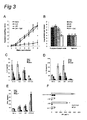
- mice immunized LRPE-CpG showed a ⁇ 3-log reduction in parasite burden relative to the other groups.
- similar parasite loads were found in the spleen of control mice and of mice immunized with LRPE alone no parasites could be detected in the spleen of the LRPE + CpG ODN vaccinated mice ( Fig. 3B ).
- the SLA or the LRPE-driven production of IL-4, IL-10 and IF- ⁇ was assayed.
- SLA or LRPE specifically-induced IL-4 and IL-10 production was detected in DLN cells from controls (saline and CpG) and from mice immunized with LRPE alone ( Fig. 3C-D ).
- DLN cells from mice immunized with LRPE + CpG ODN produced higher amounts of IFN- ⁇ than those detected in the other three groups ( Fig. 3E ).
- the contribution of CD 4 + and CD8 + T cells and the dependence on IL-12 to the LRPE specific production of IFN- ⁇ was also analyzed.
- mice Given that in BALB/c mice the IL-4 dependent production of high titres of antibodies is associated with disease progression we analyzed by ELISA the humoral responses elicited against the LRPE at week eight after infection.
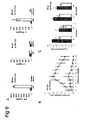
- lower titre of anti-LRPE antibodies of the IgG 1 isotype were present in the sera of protected mice when compared with those immunized with LRPE alone and in the two control groups ( Fig. 4 A) .
- the reduction of the IgG1 1 titre against LRPE correlated to a decrease in the number of ribosomal proteins bands recognized by the IgG I antibodies from sera of the LRPE + CpG ODN vaccinated mice.
- the IgG1 isotype antibodies from sera of mice immunized with saline, CpG or LRPE alone recognized a higher number of protein bands in LRPE western blots, whereas only a few bands were recognized by the IgG antibodies of the protected mice.
- the western blot analysis also showed that there was not an increase in the number of protein bands recognized by the IgG2a antibodies in the sera from LRPE + CpG ODN vaccinated mice when compared with the other three groups ( Fig. 4B ).
- Vaccination with LRPE + CpG ODN also conditioned the global anti- Leishmania humoral response induced by L. major infection.
- the antibodies against SLA elicited by the parasite challenge in mice that had been immunized with LRPE + CpG ODN were mainly of the IgG2a isotype being the anti-SLA titre of the IgG 1 isotype antibodies significantly lower than those detected in the other three groups ( Fig. 4C ).
- LRPE + CpG ODN vaccinated and infected mice are resistant against L. major reinfection in the ear dermis.
- mice were vaccinated and infected in the footpad as described above. The footpad swelling of these mice group were ⁇ 0.7 mm during 18 weeks (data not shown). Then, these protected mice were re-infected with 300 L. major metacyclic promastigotes in the ear dermis. A control group of six naive mice was also infected. It was observed that the LRPE + CpG ODN vaccinated re-infected mice were protected against the development of dermal lesions since no pathology was observed in these mice whereas the control mice developed patent ear lesions at week seven ( Fig.
- Vaccination with LRPE + CpG ODN confers protection against dermal pathology due to L. major challenge in C57BL/6 mice.
- the number of parasites in the ear dermis of vaccinated mice had a ⁇ 300-fold reduction (1.0 ⁇ 10 4 parasites for LRPE + CpG ODN and 3 ⁇ 10 6 parasites for CpG-ODN immunized mice) and ⁇ 40-fold reduction in the DLN (5.0 ⁇ 10 4 parasites for LRPE + CpG ODN and 2 ⁇ 10 6 parasites for CpG ODN mice). After healing, in control mice (13 weeks after challenge) a reduction in the number of parasites was observed in all of the groups.
- the antigen driven production of IL-4, IL-10 and IFN- ⁇ was assayed.
- At week five after challenge cultures of the DLN cells were established and stimulated with LRPE or SLA.
- the cells from vaccinated mice produced more SLA and LRPE specific IFN- ⁇ than those from control mice.
- the contribution of CD4 + and CD8 + T cells and the dependence on IL-12 to the LRPE specific production of IFN- ⁇ was also analyzed.
- the secretion of IFN- ⁇ was completely inhibited by anti-IL-12 or anti-CD4 monoclonal antibodies.
- the anti-CD8 antibodies treatment only partially reduced the level of this cytokine.
- LRPE were also implicated in the in vitro production of INF- ⁇ , comparable levels of IL-10 were detected, a pleiotropic anti-inflammatory cytokine that renders infected macrophages unresponsive to the activation signals for parasite destruction (31). Furthermore, given that the effects of IL-4 and IL-10 in promoting disease in BALB/c mice appear to be additive (reviewed in (37)), stimulation of these cytokines by LRPE can be taken as an indication that the host responses against ribosomal antigens favour parasite expansion and persistence in the BALB/c mice.
- the immune response developed in BALB/c was found to be of the Th 1 type since immunized mice developed anti-LRPE antibodies of the IgG2a isotype and splenocytes from vaccinated mice produced high amounts of IFN- ⁇ , but not IL-4, after in vitro stimulation with LRPE. Similar specific immune responses were generated in C57BL/6 mice when immunized with the LRPE + CpG ODN ( Fig. 6A ). In both mouse strains, the LRPE-driven production of IL-10 was also observed after immunization.
- Vaccinated BALB/c mice had a reduced parasite burden in the popliteal.DLN with the absence of parasite dissemination in the spleen. Also very low inflammation was detected in the inflected footpads. Vaccinated C57BL/6 mice were protected against ear dermal pathology showing and a reduction in the parasite burden in the skin and in the DLN.
- mice Although DLN cells from protected mice did not produce larger quantities of IFN- ⁇ than controls (measured at week 7 post-infection), the titre of the IgG2a antibodies against LRPE and SLA can be taken as an indication that these mice mounted a specific Th 1 protective response after the secondary challenge. Remarkably, the specific production of the IL-4 and IL-10 disease associated cytokines in these mice was very low. These data indicate that the immune state generated after the first parasite challenge is extremely potent, leading to a rapid and efficient elimination of the parasite from the site of re-infection.
Landscapes
- Health & Medical Sciences (AREA)
- Veterinary Medicine (AREA)
- Tropical Medicine & Parasitology (AREA)
- Life Sciences & Earth Sciences (AREA)
- Animal Behavior & Ethology (AREA)
- Chemical & Material Sciences (AREA)
- Medicinal Chemistry (AREA)
- Public Health (AREA)
- General Health & Medical Sciences (AREA)
- Pharmacology & Pharmacy (AREA)
- Immunology (AREA)
- General Chemical & Material Sciences (AREA)
- Organic Chemistry (AREA)
- Nuclear Medicine, Radiotherapy & Molecular Imaging (AREA)
- Chemical Kinetics & Catalysis (AREA)
- Microbiology (AREA)
- Mycology (AREA)
- Epidemiology (AREA)
- Engineering & Computer Science (AREA)
- Bioinformatics & Cheminformatics (AREA)
- Medicines Containing Antibodies Or Antigens For Use As Internal Diagnostic Agents (AREA)
- Medicines That Contain Protein Lipid Enzymes And Other Medicines (AREA)
Priority Applications (3)
| Application Number | Priority Date | Filing Date | Title |
|---|---|---|---|
| EP09701571.3A EP2231700B1 (en) | 2008-01-18 | 2009-01-14 | Vaccine comprising a ribosomal protein extract (rpe) and optionally a th1-promoting adjuvant |
| EP20120196741 EP2570427A1 (en) | 2008-01-18 | 2009-01-14 | Vaccine comprising a Ribosomal Protein Extract (RPE) and optionally a Th1-promoting adjuvant |
| PL09701571T PL2231700T3 (pl) | 2008-01-18 | 2009-01-14 | Szczepionka zawierająca ekstrakt białek rybosomalnych (rpe) i opcjonalny adiuwant promujący th1 |
Applications Claiming Priority (4)
| Application Number | Priority Date | Filing Date | Title |
|---|---|---|---|
| US2192808P | 2008-01-18 | 2008-01-18 | |
| EP08100634 | 2008-01-18 | ||
| EP09701571.3A EP2231700B1 (en) | 2008-01-18 | 2009-01-14 | Vaccine comprising a ribosomal protein extract (rpe) and optionally a th1-promoting adjuvant |
| PCT/EP2009/050334 WO2009090175A1 (en) | 2008-01-18 | 2009-01-14 | Vaccine comprising a ribosomal protein extract (rpe) and optionally a th1-promoting adjuvant |
Related Child Applications (1)
| Application Number | Title | Priority Date | Filing Date |
|---|---|---|---|
| EP20120196741 Division-Into EP2570427A1 (en) | 2008-01-18 | 2009-01-14 | Vaccine comprising a Ribosomal Protein Extract (RPE) and optionally a Th1-promoting adjuvant |
Publications (2)
| Publication Number | Publication Date |
|---|---|
| EP2231700A1 EP2231700A1 (en) | 2010-09-29 |
| EP2231700B1 true EP2231700B1 (en) | 2014-05-07 |
Family
ID=39471089
Family Applications (2)
| Application Number | Title | Priority Date | Filing Date |
|---|---|---|---|
| EP09701571.3A Not-in-force EP2231700B1 (en) | 2008-01-18 | 2009-01-14 | Vaccine comprising a ribosomal protein extract (rpe) and optionally a th1-promoting adjuvant |
| EP20120196741 Withdrawn EP2570427A1 (en) | 2008-01-18 | 2009-01-14 | Vaccine comprising a Ribosomal Protein Extract (RPE) and optionally a Th1-promoting adjuvant |
Family Applications After (1)
| Application Number | Title | Priority Date | Filing Date |
|---|---|---|---|
| EP20120196741 Withdrawn EP2570427A1 (en) | 2008-01-18 | 2009-01-14 | Vaccine comprising a Ribosomal Protein Extract (RPE) and optionally a Th1-promoting adjuvant |
Country Status (19)
| Country | Link |
|---|---|
| US (1) | US20110020405A1 (enExample) |
| EP (2) | EP2231700B1 (enExample) |
| JP (2) | JP2011509968A (enExample) |
| CN (1) | CN101977930B (enExample) |
| AP (1) | AP3007A (enExample) |
| AU (1) | AU2009204849B2 (enExample) |
| BR (1) | BRPI0906787A2 (enExample) |
| CA (1) | CA2712475A1 (enExample) |
| CO (1) | CO6280495A2 (enExample) |
| DK (1) | DK2231700T3 (enExample) |
| ES (1) | ES2486365T3 (enExample) |
| HR (1) | HRP20140447T1 (enExample) |
| MA (1) | MA32080B1 (enExample) |
| MX (1) | MX2010007831A (enExample) |
| PL (1) | PL2231700T3 (enExample) |
| PT (1) | PT2231700E (enExample) |
| RU (1) | RU2521499C2 (enExample) |
| WO (1) | WO2009090175A1 (enExample) |
| ZA (1) | ZA201005143B (enExample) |
Families Citing this family (2)
| Publication number | Priority date | Publication date | Assignee | Title |
|---|---|---|---|---|
| SA110310855B1 (ar) | 2009-11-13 | 2014-09-16 | Laboratories Leti S L Unipersonal | استخدام مصدر l3 و/ أو l5 كلقاح أو كوسيلة تشخيصية لمرض طفيلي |
| SG190222A1 (en) | 2010-11-10 | 2013-06-28 | Leti Sl Lab | New adjuvant |
Family Cites Families (4)
| Publication number | Priority date | Publication date | Assignee | Title |
|---|---|---|---|---|
| US6500437B1 (en) * | 1995-09-22 | 2002-12-31 | Corixa Corporation | Leishmania antigens for use in the therapy and diagnosis of leishmaniasis |
| PT1141305E (pt) * | 1998-12-23 | 2006-10-31 | Leti Lab | Gene quimerico formado pelas sequencias de adn que codifica os determinantes antigenicos de quatro proteinas de l. infantum |
| ES2169995B1 (es) * | 2000-04-17 | 2003-12-01 | Leti Lab | Composicion a base de la proteina lip2a y su uso en la preparacion de un medicamento para suscitar una respuesta inmune contra un antigeno. |
| US20030072714A1 (en) * | 2001-10-12 | 2003-04-17 | Magill Alan J. | Microfluidized leishmania lysate and methods of making and using thereof |
-
2009
- 2009-01-14 CA CA2712475A patent/CA2712475A1/en not_active Abandoned
- 2009-01-14 AU AU2009204849A patent/AU2009204849B2/en not_active Ceased
- 2009-01-14 JP JP2010542611A patent/JP2011509968A/ja active Pending
- 2009-01-14 PL PL09701571T patent/PL2231700T3/pl unknown
- 2009-01-14 CN CN200980109592.8A patent/CN101977930B/zh not_active Expired - Fee Related
- 2009-01-14 DK DK09701571.3T patent/DK2231700T3/da active
- 2009-01-14 RU RU2010134427/10A patent/RU2521499C2/ru not_active IP Right Cessation
- 2009-01-14 ES ES09701571.3T patent/ES2486365T3/es active Active
- 2009-01-14 EP EP09701571.3A patent/EP2231700B1/en not_active Not-in-force
- 2009-01-14 PT PT97015713T patent/PT2231700E/pt unknown
- 2009-01-14 EP EP20120196741 patent/EP2570427A1/en not_active Withdrawn
- 2009-01-14 AP AP2010005333A patent/AP3007A/xx active
- 2009-01-14 US US12/863,562 patent/US20110020405A1/en not_active Abandoned
- 2009-01-14 HR HRP20140447AT patent/HRP20140447T1/hr unknown
- 2009-01-14 MX MX2010007831A patent/MX2010007831A/es active IP Right Grant
- 2009-01-14 WO PCT/EP2009/050334 patent/WO2009090175A1/en not_active Ceased
- 2009-01-14 BR BRPI0906787-6A patent/BRPI0906787A2/pt not_active IP Right Cessation
-
2010
- 2010-07-16 CO CO10087106A patent/CO6280495A2/es not_active Application Discontinuation
- 2010-07-19 ZA ZA2010/05143A patent/ZA201005143B/en unknown
- 2010-08-13 MA MA33087A patent/MA32080B1/fr unknown
-
2015
- 2015-04-30 JP JP2015093123A patent/JP2015180638A/ja active Pending
Non-Patent Citations (2)
| Title |
|---|
| CHÁVEZ-FUMAGALLI MIGUEL A ET AL: "Vaccination with the Leishmania infantum ribosomal proteins induces protection in BALB/c mice against Leishmania chagasi and Leishmania amazonensis challenge.", MICROBES AND INFECTION / INSTITUT PASTEUR NOV 2010, vol. 12, no. 12-13, November 2010 (2010-11-01), pages 967 - 977, XP027428647, ISSN: 1769-714X, DOI: doi:10.1016/j.micinf.2010.06.008 * |
| M. A. RODRIGUEZ-GABRIEL ET AL: "The RNA Interacting Domain but Not the Protein Interacting Domain Is Highly Conserved in Ribosomal Protein P0", JOURNAL OF BIOLOGICAL CHEMISTRY, vol. 275, no. 3, 21 January 2000 (2000-01-21), pages 2130 - 2136, XP055043974, ISSN: 0021-9258, DOI: 10.1074/jbc.275.3.2130 * |
Also Published As
| Publication number | Publication date |
|---|---|
| RU2010134427A (ru) | 2012-02-27 |
| JP2015180638A (ja) | 2015-10-15 |
| PL2231700T3 (pl) | 2014-09-30 |
| JP2011509968A (ja) | 2011-03-31 |
| HRP20140447T1 (hr) | 2014-07-04 |
| MA32080B1 (fr) | 2011-02-01 |
| AP3007A (en) | 2014-10-31 |
| CN101977930A (zh) | 2011-02-16 |
| WO2009090175A1 (en) | 2009-07-23 |
| CA2712475A1 (en) | 2009-07-23 |
| EP2570427A1 (en) | 2013-03-20 |
| AP2010005333A0 (en) | 2010-08-31 |
| DK2231700T3 (da) | 2014-07-14 |
| AU2009204849A1 (en) | 2009-07-23 |
| PT2231700E (pt) | 2014-07-31 |
| CO6280495A2 (es) | 2011-05-20 |
| AU2009204849B2 (en) | 2013-10-03 |
| MX2010007831A (es) | 2011-06-20 |
| US20110020405A1 (en) | 2011-01-27 |
| HK1150291A1 (en) | 2011-11-18 |
| RU2521499C2 (ru) | 2014-06-27 |
| ES2486365T3 (es) | 2014-08-18 |
| ZA201005143B (en) | 2011-12-28 |
| BRPI0906787A2 (pt) | 2015-08-18 |
| EP2231700A1 (en) | 2010-09-29 |
| CN101977930B (zh) | 2014-12-17 |
Similar Documents
| Publication | Publication Date | Title |
|---|---|---|
| Iborra et al. | Vaccination with the Leishmania major ribosomal proteins plus CpG oligodeoxynucleotides induces protection against experimental cutaneous leishmaniasis in mice | |
| Frank et al. | Use of a purified Trypanosoma cruzi antigen and CpG oligodeoxynucleotides for immunoprotection against a lethal challenge with trypomastigotes | |
| JP5623995B2 (ja) | 寄生虫疾患の処置のための特異的ヒストンの使用 | |
| Sánchez et al. | Homologous prime-boost strategy with TgPI-1 improves the immune response and protects highly susceptible mice against chronic Toxoplasma gondii infection | |
| EP2231700B1 (en) | Vaccine comprising a ribosomal protein extract (rpe) and optionally a th1-promoting adjuvant | |
| CA2780740C (en) | The use of an l3 and/or l5 source as a vaccine or as a diagnostic for a parasitic disease | |
| Mazumder et al. | Non-coding pDNA bearing immunostimulatory sequences co-entrapped with leishmanial antigens in cationic liposomes elicits almost complete protection against experimental visceral leishmaniasis in BALB/c mice | |
| US8206725B2 (en) | Immunogenic agent and pharmaceutical composition for use against homologous and heterologous pathogens including plasmodium SPP | |
| HK1150291B (en) | Vaccine comprising a ribosomal protein extract (rpe) and optionally a th1-promoting adjuvant | |
| EP1924279A2 (en) | Adjuvanted vaccine | |
| Verthelyi | Prevention and Treatment of Cutaneous Leishmaniasis in Primates by Using Synthetic Type D/A Oligodeoxynucleotides Expressing CpG Motifs | |
| Oligodeoxynucleotides | Coinjection with CpG-Containing | |
| AU2004266028A1 (en) | Immunogenic agent and pharmaceutical composition for use against homologous and heterologous pathogens including Plasmodium spp | |
| AU2012201243A1 (en) | Immunogenic agent and pharmaceutical composition for use against homologous and heterologous pathogens including plasmodium spp |
Legal Events
| Date | Code | Title | Description |
|---|---|---|---|
| PUAI | Public reference made under article 153(3) epc to a published international application that has entered the european phase |
Free format text: ORIGINAL CODE: 0009012 |
|
| 17P | Request for examination filed |
Effective date: 20100719 |
|
| AK | Designated contracting states |
Kind code of ref document: A1 Designated state(s): AT BE BG CH CY CZ DE DK EE ES FI FR GB GR HR HU IE IS IT LI LT LU LV MC MK MT NL NO PL PT RO SE SI SK TR |
|
| AX | Request for extension of the european patent |
Extension state: AL BA RS |
|
| 17Q | First examination report despatched |
Effective date: 20101215 |
|
| DAX | Request for extension of the european patent (deleted) | ||
| GRAP | Despatch of communication of intention to grant a patent |
Free format text: ORIGINAL CODE: EPIDOSNIGR1 |
|
| INTG | Intention to grant announced |
Effective date: 20130506 |
|
| GRAP | Despatch of communication of intention to grant a patent |
Free format text: ORIGINAL CODE: EPIDOSNIGR1 |
|
| INTG | Intention to grant announced |
Effective date: 20130925 |
|
| GRAP | Despatch of communication of intention to grant a patent |
Free format text: ORIGINAL CODE: EPIDOSNIGR1 |
|
| INTG | Intention to grant announced |
Effective date: 20140121 |
|
| RIC1 | Information provided on ipc code assigned before grant |
Ipc: A61K 39/00 20060101ALI20140110BHEP Ipc: A61K 39/008 20060101ALI20140110BHEP Ipc: C07K 14/44 20060101AFI20140110BHEP |
|
| GRAS | Grant fee paid |
Free format text: ORIGINAL CODE: EPIDOSNIGR3 |
|
| GRAA | (expected) grant |
Free format text: ORIGINAL CODE: 0009210 |
|
| AK | Designated contracting states |
Kind code of ref document: B1 Designated state(s): AT BE BG CH CY CZ DE DK EE ES FI FR GB GR HR HU IE IS IT LI LT LU LV MC MK MT NL NO PL PT RO SE SI SK TR |
|
| REG | Reference to a national code |
Ref country code: GB Ref legal event code: FG4D |
|
| REG | Reference to a national code |
Ref country code: AT Ref legal event code: REF Ref document number: 666617 Country of ref document: AT Kind code of ref document: T Effective date: 20140515 |
|
| REG | Reference to a national code |
Ref country code: HR Ref legal event code: TUEP Ref document number: P20140447 Country of ref document: HR |
|
| REG | Reference to a national code |
Ref country code: IE Ref legal event code: FG4D |
|
| REG | Reference to a national code |
Ref country code: CH Ref legal event code: NV Representative=s name: FIAMMENGHI-FIAMMENGHI, CH |
|
| REG | Reference to a national code |
Ref country code: DE Ref legal event code: R096 Ref document number: 602009023852 Country of ref document: DE Effective date: 20140618 |
|
| REG | Reference to a national code |
Ref country code: HR Ref legal event code: T1PR Ref document number: P20140447 Country of ref document: HR |
|
| REG | Reference to a national code |
Ref country code: DK Ref legal event code: T3 Effective date: 20140707 |
|
| REG | Reference to a national code |
Ref country code: PT Ref legal event code: SC4A Free format text: AVAILABILITY OF NATIONAL TRANSLATION Effective date: 20140721 |
|
| REG | Reference to a national code |
Ref country code: ES Ref legal event code: FG2A Ref document number: 2486365 Country of ref document: ES Kind code of ref document: T3 Effective date: 20140818 |
|
| REG | Reference to a national code |
Ref country code: PL Ref legal event code: T3 |
|
| REG | Reference to a national code |
Ref country code: NO Ref legal event code: T2 Effective date: 20140507 |
|
| REG | Reference to a national code |
Ref country code: NL Ref legal event code: VDEP Effective date: 20140507 |
|
| REG | Reference to a national code |
Ref country code: LT Ref legal event code: MG4D |
|
| PG25 | Lapsed in a contracting state [announced via postgrant information from national office to epo] |
Ref country code: CY Free format text: LAPSE BECAUSE OF FAILURE TO SUBMIT A TRANSLATION OF THE DESCRIPTION OR TO PAY THE FEE WITHIN THE PRESCRIBED TIME-LIMIT Effective date: 20140507 Ref country code: FI Free format text: LAPSE BECAUSE OF FAILURE TO SUBMIT A TRANSLATION OF THE DESCRIPTION OR TO PAY THE FEE WITHIN THE PRESCRIBED TIME-LIMIT Effective date: 20140507 Ref country code: IS Free format text: LAPSE BECAUSE OF FAILURE TO SUBMIT A TRANSLATION OF THE DESCRIPTION OR TO PAY THE FEE WITHIN THE PRESCRIBED TIME-LIMIT Effective date: 20140907 Ref country code: GR Free format text: LAPSE BECAUSE OF FAILURE TO SUBMIT A TRANSLATION OF THE DESCRIPTION OR TO PAY THE FEE WITHIN THE PRESCRIBED TIME-LIMIT Effective date: 20140808 Ref country code: LT Free format text: LAPSE BECAUSE OF FAILURE TO SUBMIT A TRANSLATION OF THE DESCRIPTION OR TO PAY THE FEE WITHIN THE PRESCRIBED TIME-LIMIT Effective date: 20140507 |
|
| PG25 | Lapsed in a contracting state [announced via postgrant information from national office to epo] |
Ref country code: SE Free format text: LAPSE BECAUSE OF FAILURE TO SUBMIT A TRANSLATION OF THE DESCRIPTION OR TO PAY THE FEE WITHIN THE PRESCRIBED TIME-LIMIT Effective date: 20140507 |
|
| PG25 | Lapsed in a contracting state [announced via postgrant information from national office to epo] |
Ref country code: BE Free format text: LAPSE BECAUSE OF FAILURE TO SUBMIT A TRANSLATION OF THE DESCRIPTION OR TO PAY THE FEE WITHIN THE PRESCRIBED TIME-LIMIT Effective date: 20140507 Ref country code: EE Free format text: LAPSE BECAUSE OF FAILURE TO SUBMIT A TRANSLATION OF THE DESCRIPTION OR TO PAY THE FEE WITHIN THE PRESCRIBED TIME-LIMIT Effective date: 20140507 Ref country code: SK Free format text: LAPSE BECAUSE OF FAILURE TO SUBMIT A TRANSLATION OF THE DESCRIPTION OR TO PAY THE FEE WITHIN THE PRESCRIBED TIME-LIMIT Effective date: 20140507 Ref country code: RO Free format text: LAPSE BECAUSE OF FAILURE TO SUBMIT A TRANSLATION OF THE DESCRIPTION OR TO PAY THE FEE WITHIN THE PRESCRIBED TIME-LIMIT Effective date: 20140507 |
|
| REG | Reference to a national code |
Ref country code: DE Ref legal event code: R097 Ref document number: 602009023852 Country of ref document: DE |
|
| PG25 | Lapsed in a contracting state [announced via postgrant information from national office to epo] |
Ref country code: NL Free format text: LAPSE BECAUSE OF FAILURE TO SUBMIT A TRANSLATION OF THE DESCRIPTION OR TO PAY THE FEE WITHIN THE PRESCRIBED TIME-LIMIT Effective date: 20140507 |
|
| PLBE | No opposition filed within time limit |
Free format text: ORIGINAL CODE: 0009261 |
|
| STAA | Information on the status of an ep patent application or granted ep patent |
Free format text: STATUS: NO OPPOSITION FILED WITHIN TIME LIMIT |
|
| 26N | No opposition filed |
Effective date: 20150210 |
|
| REG | Reference to a national code |
Ref country code: DE Ref legal event code: R097 Ref document number: 602009023852 Country of ref document: DE Effective date: 20150210 |
|
| PG25 | Lapsed in a contracting state [announced via postgrant information from national office to epo] |
Ref country code: SI Free format text: LAPSE BECAUSE OF FAILURE TO SUBMIT A TRANSLATION OF THE DESCRIPTION OR TO PAY THE FEE WITHIN THE PRESCRIBED TIME-LIMIT Effective date: 20140507 |
|
| PG25 | Lapsed in a contracting state [announced via postgrant information from national office to epo] |
Ref country code: LU Free format text: LAPSE BECAUSE OF FAILURE TO SUBMIT A TRANSLATION OF THE DESCRIPTION OR TO PAY THE FEE WITHIN THE PRESCRIBED TIME-LIMIT Effective date: 20150114 |
|
| PG25 | Lapsed in a contracting state [announced via postgrant information from national office to epo] |
Ref country code: MC Free format text: LAPSE BECAUSE OF FAILURE TO SUBMIT A TRANSLATION OF THE DESCRIPTION OR TO PAY THE FEE WITHIN THE PRESCRIBED TIME-LIMIT Effective date: 20140507 |
|
| REG | Reference to a national code |
Ref country code: IE Ref legal event code: MM4A |
|
| REG | Reference to a national code |
Ref country code: HR Ref legal event code: ODRP Ref document number: P20140447 Country of ref document: HR Payment date: 20160111 Year of fee payment: 8 |
|
| REG | Reference to a national code |
Ref country code: FR Ref legal event code: PLFP Year of fee payment: 8 |
|
| PG25 | Lapsed in a contracting state [announced via postgrant information from national office to epo] |
Ref country code: IE Free format text: LAPSE BECAUSE OF NON-PAYMENT OF DUE FEES Effective date: 20150114 |
|
| PGFP | Annual fee paid to national office [announced via postgrant information from national office to epo] |
Ref country code: IT Payment date: 20160121 Year of fee payment: 8 Ref country code: DK Payment date: 20160126 Year of fee payment: 8 Ref country code: DE Payment date: 20160331 Year of fee payment: 8 Ref country code: CZ Payment date: 20160113 Year of fee payment: 8 Ref country code: CH Payment date: 20160125 Year of fee payment: 8 Ref country code: TR Payment date: 20160113 Year of fee payment: 8 Ref country code: NO Payment date: 20160126 Year of fee payment: 8 Ref country code: ES Payment date: 20160223 Year of fee payment: 8 |
|
| PGFP | Annual fee paid to national office [announced via postgrant information from national office to epo] |
Ref country code: GB Payment date: 20160129 Year of fee payment: 8 Ref country code: AT Payment date: 20160127 Year of fee payment: 8 Ref country code: HR Payment date: 20160111 Year of fee payment: 8 Ref country code: FR Payment date: 20160126 Year of fee payment: 8 Ref country code: PL Payment date: 20160112 Year of fee payment: 8 Ref country code: PT Payment date: 20160107 Year of fee payment: 8 Ref country code: LV Payment date: 20160118 Year of fee payment: 8 |
|
| PG25 | Lapsed in a contracting state [announced via postgrant information from national office to epo] |
Ref country code: MT Free format text: LAPSE BECAUSE OF FAILURE TO SUBMIT A TRANSLATION OF THE DESCRIPTION OR TO PAY THE FEE WITHIN THE PRESCRIBED TIME-LIMIT Effective date: 20140507 |
|
| PG25 | Lapsed in a contracting state [announced via postgrant information from national office to epo] |
Ref country code: BG Free format text: LAPSE BECAUSE OF FAILURE TO SUBMIT A TRANSLATION OF THE DESCRIPTION OR TO PAY THE FEE WITHIN THE PRESCRIBED TIME-LIMIT Effective date: 20140507 Ref country code: HU Free format text: LAPSE BECAUSE OF FAILURE TO SUBMIT A TRANSLATION OF THE DESCRIPTION OR TO PAY THE FEE WITHIN THE PRESCRIBED TIME-LIMIT; INVALID AB INITIO Effective date: 20090114 |
|
| REG | Reference to a national code |
Ref country code: HR Ref legal event code: PBON Ref document number: P20140447 Country of ref document: HR Effective date: 20170114 |
|
| REG | Reference to a national code |
Ref country code: DE Ref legal event code: R119 Ref document number: 602009023852 Country of ref document: DE |
|
| REG | Reference to a national code |
Ref country code: DK Ref legal event code: EBP Effective date: 20170131 |
|
| REG | Reference to a national code |
Ref country code: NO Ref legal event code: MMEP |
|
| REG | Reference to a national code |
Ref country code: CH Ref legal event code: PL |
|
| REG | Reference to a national code |
Ref country code: AT Ref legal event code: MM01 Ref document number: 666617 Country of ref document: AT Kind code of ref document: T Effective date: 20170114 |
|
| GBPC | Gb: european patent ceased through non-payment of renewal fee |
Effective date: 20170114 |
|
| REG | Reference to a national code |
Ref country code: FR Ref legal event code: ST Effective date: 20170929 |
|
| PG25 | Lapsed in a contracting state [announced via postgrant information from national office to epo] |
Ref country code: FR Free format text: LAPSE BECAUSE OF NON-PAYMENT OF DUE FEES Effective date: 20170131 Ref country code: LI Free format text: LAPSE BECAUSE OF NON-PAYMENT OF DUE FEES Effective date: 20170131 Ref country code: CH Free format text: LAPSE BECAUSE OF NON-PAYMENT OF DUE FEES Effective date: 20170131 Ref country code: AT Free format text: LAPSE BECAUSE OF NON-PAYMENT OF DUE FEES Effective date: 20170114 Ref country code: NO Free format text: LAPSE BECAUSE OF NON-PAYMENT OF DUE FEES Effective date: 20170131 Ref country code: CZ Free format text: LAPSE BECAUSE OF NON-PAYMENT OF DUE FEES Effective date: 20170114 Ref country code: HR Free format text: LAPSE BECAUSE OF NON-PAYMENT OF DUE FEES Effective date: 20170114 |
|
| PG25 | Lapsed in a contracting state [announced via postgrant information from national office to epo] |
Ref country code: GB Free format text: LAPSE BECAUSE OF NON-PAYMENT OF DUE FEES Effective date: 20170114 Ref country code: LV Free format text: LAPSE BECAUSE OF NON-PAYMENT OF DUE FEES Effective date: 20170114 Ref country code: PT Free format text: LAPSE BECAUSE OF NON-PAYMENT OF DUE FEES Effective date: 20170714 Ref country code: DE Free format text: LAPSE BECAUSE OF NON-PAYMENT OF DUE FEES Effective date: 20170801 |
|
| PG25 | Lapsed in a contracting state [announced via postgrant information from national office to epo] |
Ref country code: DK Free format text: LAPSE BECAUSE OF NON-PAYMENT OF DUE FEES Effective date: 20170131 |
|
| PG25 | Lapsed in a contracting state [announced via postgrant information from national office to epo] |
Ref country code: IT Free format text: LAPSE BECAUSE OF NON-PAYMENT OF DUE FEES Effective date: 20170114 |
|
| PG25 | Lapsed in a contracting state [announced via postgrant information from national office to epo] |
Ref country code: ES Free format text: LAPSE BECAUSE OF NON-PAYMENT OF DUE FEES Effective date: 20170115 |
|
| PG25 | Lapsed in a contracting state [announced via postgrant information from national office to epo] |
Ref country code: MK Free format text: LAPSE BECAUSE OF FAILURE TO SUBMIT A TRANSLATION OF THE DESCRIPTION OR TO PAY THE FEE WITHIN THE PRESCRIBED TIME-LIMIT Effective date: 20140507 |
|
| PG25 | Lapsed in a contracting state [announced via postgrant information from national office to epo] |
Ref country code: PL Free format text: LAPSE BECAUSE OF NON-PAYMENT OF DUE FEES Effective date: 20170114 |
|
| REG | Reference to a national code |
Ref country code: ES Ref legal event code: FD2A Effective date: 20181116 |
|
| PG25 | Lapsed in a contracting state [announced via postgrant information from national office to epo] |
Ref country code: TR Free format text: LAPSE BECAUSE OF NON-PAYMENT OF DUE FEES Effective date: 20170114 |