EP2222839B1 - Verfahren und zusammensetzungen zur modulation der differenzierung pluripotenter zellen - Google Patents
Verfahren und zusammensetzungen zur modulation der differenzierung pluripotenter zellen Download PDFInfo
- Publication number
- EP2222839B1 EP2222839B1 EP08856546.0A EP08856546A EP2222839B1 EP 2222839 B1 EP2222839 B1 EP 2222839B1 EP 08856546 A EP08856546 A EP 08856546A EP 2222839 B1 EP2222839 B1 EP 2222839B1
- Authority
- EP
- European Patent Office
- Prior art keywords
- cells
- mascs
- nicd
- cell
- notch
- Prior art date
- Legal status (The legal status is an assumption and is not a legal conclusion. Google has not performed a legal analysis and makes no representation as to the accuracy of the status listed.)
- Active
Links
Images

Classifications
-
- C—CHEMISTRY; METALLURGY
- C12—BIOCHEMISTRY; BEER; SPIRITS; WINE; VINEGAR; MICROBIOLOGY; ENZYMOLOGY; MUTATION OR GENETIC ENGINEERING
- C12N—MICROORGANISMS OR ENZYMES; COMPOSITIONS THEREOF; PROPAGATING, PRESERVING, OR MAINTAINING MICROORGANISMS; MUTATION OR GENETIC ENGINEERING; CULTURE MEDIA
- C12N5/00—Undifferentiated human, animal or plant cells, e.g. cell lines; Tissues; Cultivation or maintenance thereof; Culture media therefor
- C12N5/06—Animal cells or tissues; Human cells or tissues
- C12N5/0602—Vertebrate cells
- C12N5/0652—Cells of skeletal and connective tissues; Mesenchyme
- C12N5/0662—Stem cells
- C12N5/0663—Bone marrow mesenchymal stem cells (BM-MSC)
-
- C—CHEMISTRY; METALLURGY
- C12—BIOCHEMISTRY; BEER; SPIRITS; WINE; VINEGAR; MICROBIOLOGY; ENZYMOLOGY; MUTATION OR GENETIC ENGINEERING
- C12N—MICROORGANISMS OR ENZYMES; COMPOSITIONS THEREOF; PROPAGATING, PRESERVING, OR MAINTAINING MICROORGANISMS; MUTATION OR GENETIC ENGINEERING; CULTURE MEDIA
- C12N2501/00—Active agents used in cell culture processes, e.g. differentation
- C12N2501/40—Regulators of development
- C12N2501/42—Notch; Delta; Jagged; Serrate
-
- C—CHEMISTRY; METALLURGY
- C12—BIOCHEMISTRY; BEER; SPIRITS; WINE; VINEGAR; MICROBIOLOGY; ENZYMOLOGY; MUTATION OR GENETIC ENGINEERING
- C12N—MICROORGANISMS OR ENZYMES; COMPOSITIONS THEREOF; PROPAGATING, PRESERVING, OR MAINTAINING MICROORGANISMS; MUTATION OR GENETIC ENGINEERING; CULTURE MEDIA
- C12N2510/00—Genetically modified cells
Definitions
- the present disclosure is in the fields of developmental biology and cell therapy.
- Mesenchymal stem cells also known as marrow adherent stromal cells are, as their name suggests, a class of pluripotential cells, found in bone marrow, that can give rise to a number of different connective tissue cell types including, e.g., osteocytes, chondrocytes, adipocytes, endothelial cells, fibroblasts and smooth muscle cells.
- Mesenchymal stem cells can be isolated and purified from bone marrow specimens by virtue of their adherence to the plastic surface of culture vessels. In this way, enriched populations of mesenchymal stem cells, that are essentially free of hematopoietic progenitor cells and marrow stroma, can be obtained from adult bone marrow.
- enriched populations of mesenchymal stem cells can be induced, by choice of culture conditions, to differentiate into various types of connective tissue, including bone, cartilage and adipose tissue. See, e.g., Prockop (1997) Science 276:71-74 and Pittenger et al. (1999) Science 284:143-147 .
- Mesenchymal stem cells do not, in the course of normal ontogeny, develop into cells of the nervous system.
- several methods of treating mesenchymal stem cells in culture have been shown to shift their developmental potential at least partly toward neuronal and glial cells. See, for example, Dezawa et al. (2004) J. Clin. Invest. 113:1701-1710 ; United States Patents 6,528,245 (March 4, 2003 ), 6,989,271 (Jan. 24, 2006 ) and 7,129,034 (Oct. 31, 2006 ); United States Patent Application Publications 2003/0003090 (Jan. 2, 2003 ), 2003/0203484 (Oct. 30, 2003 ), 2004/0235165 (Nov. 25, 2004 ), 2006/0166362 (July 27, 2006 ) and 2006/0251624 (Nov. 9, 2006 ).
- the disclosures of all of the above-cited documents provide methods of converting mesenchymal stem cells to cells having neurogenic potential.
- Notch signaling a first cell that has committed to differentiate into a neuronal lineage signals an adjacent second cell, containing the Notch transmembrane receptor on its surface, so as to prevent differentiation of the second cell into a neuronal lineage.
- the signal is transmitted via a Notch Ligand (e.g., Delta, Serrate, Jagged) on the surface of the first cell and results in cleavage of the Notch protein and translocation of its intracellular domain to the nucleus of the second cell.
- Notch Ligand e.g., Delta, Serrate, Jagged
- cleavage of the Notch protein and release of its intracellular domain from the interior of the surface of a cell can block neural differentiation of that cell.
- transfection of a plasmid encoding the Notch intracellular domain into mesenchymal stem cells also known as marrow adherent stromal cells
- mesenchymal stem cells also known as marrow adherent stromal cells
- 2006/0166362 July 27, 2006 , describe methods of inducing mesenchymal stem cells to develop into cells having neurogenic and myogenic potential by transfecting mesenchymal stem cells with a nucleic acid encoding a Notch intracellular domain.
- marrow adherent stromal cells are also provided.
- marrow adherent stromal cells and their descendents with redirected developmental potential are also provided.
- bone marrow stromal cells refer to mitotic, pluripotent cells, obtained from bone marrow that, in the course of normal development, are capable of giving rise to a number of differentiated cell types such as, for example, osteocytes, and cells normally found in connective tissue including, but not limited to, chondrocytes and adipocytes.
- MASCs can be human cells or cells from other mammals or vertebrates.
- neural precursor cell refers to mitotic cells, descended from marrow adherent stromal cells, that have the capability to differentiate into neurons, glial cells, or their precursors. They are thus distinct from primary neural precursor cells, such as can be obtained from fetuses or adult tissues such as the hippocampus and the periventricular subependymal zone. NPCs can be human cells or cells from other mammals or vertebrates.
- differentiation-restricted cell refers to a cell, descended from a mesenchymal stem cell, whose normal lineage specification (to mesenchymal lineages such as osteocytes, chondrocytes and adipocytes) has been restricted. That is, the ability of such a cell to enter a lineage resulting in terminal differentiation into osteocytes, adipocytes and/or chondrocytes is reduced.
- a differentiation restricted cell may optionally acquire one or more new developmental potentials including but not limited to the ability to enter a neural lineage and differentiate into neurons and/or glial cells, and/or the ability to enter a myogenic lineage.
- a differentiation restricted cell may also acquire the ability, or gain an enhanced ability, to secrete soluble and/or insoluble factors that promote regeneration and/or growth of neural tissue (e.g. , neurons, astrocytes, oligodendrocytes, microglia, Schwann cells), and/or prevent death of neural tissue.
- neural tissue e.g. , neurons, astrocytes, oligodendrocytes, microglia, Schwann cells
- the present disclosure provides methods and compositions for, inter alia , restricting the differentiation potential of marrow adherent stromal cells. That is, the normal ontogenic potential of marrow stromal cells to enter mesenchymal lineages and give rise to, e.g. , chondrocytes, osteocytes and adipocytes, is restricted; and their development can be redirected into other lineages, e.g. , neural and myogenic, making them useful for various types of cell therapy, e.g. , in the treatment of neural degeneration, stroke, muscular dystrophy, etc.
- Marrow adherent stromal cells are easily extracted by bone marrow aspiration on an outpatient basis, and due to their highly proliferative nature they can be cultured in large amounts within a relatively short period.
- a further advantage of their use as starting material for various types of cell therapy is that they allow autologous transplantation to be carried out (e.g. , new muscular and/or neural tissue can be formed from cells derived from the patient's own bone marrow stem cells).
- the consequent lack of immunological rejection dispenses with the need for administering immunosuppressants, thus enabling safer treatment.
- bone marrow stem cells can be obtained from a bone marrow bank, this method is also advantageous from a supply standpoint.
- Marrow adherent stromal cells can be obtained from bone marrow aspirates by culturing for three days in ⁇ MEM + 10% FBS + L-Glutamine, then aspirating away non-adherent cells. See Example 1 below for an exemplary method for extraction and expansion of marrow adherent stromal cells.
- differentiation-restricted cells are obtained by methods comprising transfection of marrow adherent stromal cells with a polynucleotide comprising a sequence encoding a Notch intracellular domain (NICD) as described, for example, in US Patent Application Publication No. 2006-0166362 (July 27, 2006 ), and Dezawa et al. (2004) J. Clin. Invest. 113:1701-1710 .
- the Notch intracellular domain consists of amino acids 1703-2504 of the human Notch-1 protein. Ellison et al. (1991) Cell 66:649-661 .
- differentiation-restricted cells are obtained as described in US Patent Application Publication No. 2006-0251624 (November 9, 2006 ). Alternatively, such cells can be obtained as described in US Patent Application Publication No. 2003-0003090 (January 2, 2003 ).
- Example 2 describes an exemplary method for the preparation of DRCs.
- DRCs differentiate-restricted cells
- DRCs can be induced to differentiate into neural cells and neural cell precursors under appropriate culture conditions. See, for example, Dezawa et al. (2004) J. Clin. Invest. 113:1701-1710 and US Patent Application Publication No. 2006-0166362 (July 27, 2006 ).
- Use of such neural cells and neural precursor cells for treatment of neural injuries, by transplantation into areas where they may potentially be exposed to osteogenic and/or adipogenic signals e.g.
- DRCs have a better safety profile than other types of cells that can be used for transplantation.
- Certain of the examples show that regulation of gene expression is altered in differentiation-restricted cells.
- levels of mRNA encoded by the Hey1 and cyclin D1 genes are increased; while levels of Hes1, HR and Wisp1 mRNAs are decreased, in DRCs compared to their MASC progenitors.
- DRCs are distinguished, from their MASC progenitors and from other cells, by virtue of this differential gene expression.
- methods of artificially up-regulating Hey 1 and/or cyclin D1 expression, and/or artificially down-regulating Hes1, HR and/or Wisp1 expression can also be used to generate differentiation-restricted cells.
- gene expression can be up-regulated by inserting a cDNA encoding the gene product into a cell; and gene expression can be downregulated by inserting siRNA, shRNA, micro RNA and/or antisense RNA, complementary to the gene of interest, into a cell.
- artificial transcription factors can be used for both activation and repression of gene expression in a cell. See, for example, U.S. Patents 6,534,261 and 6,933,113 ; describing the synthesis and uses of artificial transcription factors.
- Bone marrow aspirates obtained from human donors, were divided into 12.5 ml aliquots in 50 ml tubes, and 12.5 ml of growth medium (10% FBS in ⁇ MEM, supplemented with penicillin/streptomycin and 2 mM L-glutamine) was added to each tube. The contents of the tubes were mixed by inversion and the tubes were centrifuged at 200 x g for 8 minutes. The upper, clear phase was discarded, the volume of the lower phase was adjusted to 25 ml with fresh growth medium, and the tubes were again mixed and centrifuged. The upper layer was again removed. The volume of the lower phase in each tube was again adjusted to 25 ml and the contents of all tubes was pooled in a 250 ml tube.
- growth medium 10% FBS in ⁇ MEM, supplemented with penicillin/streptomycin and 2 mM L-glutamine
- cells were plated in T225 flasks, in 40 ml per flask of growth medium at a density of 100 x 10 6 total nucleated cells per flask. The flasks were incubated at 37°C for 3 days in a CO 2 incubator, during which time the MASCs attached to the flask.
- the MASCs (passage M0) were harvested for further passage.
- MASCs were harvested from up to 10 T-225 flasks at a time. Medium was removed from the flasks and the adherent cells were rinsed with 20ml of DPBS w/o Ca/Mg (DPBS -/-, HyClone) 2 times. Ten ml of 0.25% Trypsin/EDTA (Invitrogen, Carlsbad, CA) was added to each flask and flasks were incubated for approximately 5 min at room temperature.
- the trypsin was inactivated by addition of 10ml of growth medium followed by gentle mixing.
- the cell suspensions were withdrawn from the flasks, and pooled in 250ml tubes.
- the tubes were subjected to centrifugation at 200 x g for 8 minutes.
- the supernatants were carefully removed and the wet cell pellets were resuspended in growth medium to an estimated cell concentration of approximately 1x10 6 cells/ml.
- Viable cell count was determined and cells were plated in T225 flasks at a concentration of 2 x 10 6 cells per flask in growth medium (passage M1). Cells were grown for 3-5 days, or until 85-90% confluent, changing medium every 2 to 3 days.
- passage M1 cells were harvested by trypsinization and replated at 2 x 10 6 cells per T225flask as described above, to generate passage M2 cultures. M2 cultures were fed fresh medium every three days, if necessary. When passage M2 cultures reached 85-90% confluence (usually within 3-5 days), they were either harvested for transfection to generate DRCs (Example 2 below) or frozen for future use (Example 3 below).
- DRCs were made either directly from MASCs harvested from passage M2 cultures, or from passage M2 MASCs that had been frozen as described in Example 3, and thawed and revived as described in Example 4.
- Differentiation-restricted cells were made by transfection of passage M2 MASCs with a plasmid encoding the Notch intracellular domain.
- the plasmid (pN2) comprised a pCI-neo backbone (Promega, Madison, WI) in which sequences encoding amino acids 1703-2504 of the human Notch-1 protein, which encode the intracellular domain, were introduced into the multiple cloning site.
- sequences encoding the NICD are under the transcriptional control of the CMV promoter, a strong constitutive promoter.
- pN2 also contains a neomycin phosphotransferase gene (which encodes G418 resistance) under the transcriptional control of the SV40 early promoter and enhancer.
- transfection mixture containing 40 ⁇ g of plasmid and 0.2 ml of Fugene 6 ® solution
- Fugene 6 ® solution was added to ⁇ MEM in a sterile 250ml tube, using a glass pipette. The solution was mixed gently and incubated for 5 min at room temperature. The appropriate amount of plasmid DNA was then added dropwise to the Fugene ® / ⁇ MEM mixture, gently mixed, and incubated for 30 min at room temperature.
- pCI-Notch DNA Prior to the addition of pCI-Notch DNA to the Fugene ® /MEM mixture, 5ml was removed and placed into a 15ml tube to which was added 40ug of pEGFP plasmid. This solution was used to transfect one flask of cells, as a control for transfection efficiency. For certain experiments, "mock DRCs" were also prepared, by transfecting M2 MASCs with a derivative of the pCI-Notch vector from which the Notch-encoding sequences had been removed. All other procedures were identical.
- passage M2 MASCs were harvested by trypsinization (as described in Example 1) and plated at a density of 2.5 x 10 6 cells in 40 ml of growth medium per T225 flask. When the cells reached 50-70% confluence (usually within 18-24 hours) they were prepared for transfection, by replacing their growth medium with 35 ml per flask of transfection medium ( ⁇ MEM +10% FBS without penicillin/streptomycin).
- T-225 flask Three hours after introduction of transfection medium, 5ml of the transfection mixture (Section A above) was added to each T-225 flask by pipetting directly into the medium, without contacting the growth surface, followed by gentle mixing. A control T-225 flask was transfected with 40 ⁇ g of pEGFP plasmid, for determination of transfection efficiency.
- transfection medium was replaced with ⁇ MEM +10% FBS + penicillin/streptomycin.
- Selection of cells that had incorporated plasmid DNA was begun 48 hrs after transfection by replacing the medium with 40 ml per flask of selection medium (growth medium containing 100 ⁇ g/ml G-418). Fresh selection medium was provided 3 days, and again 5 days after selection was begun. After 7 days, selection medium was removed and the cells were fed with 40 ml of growth medium. The cultures were then grown for about 3 weeks (range 18 to 21 days), being re-fed with fresh growth medium every 2-3 days.
- trypsin was inactivated by addition of 10ml of growth medium per flask.
- the mixture was rinsed over the culture surface, mixed by pipetting 4-5 times with a 10ml pipette, and the suspension was transferred into a sterile 50 ml conical centrifuge tube. Cells harvested from several flasks could be pooled in a single tube. If any clumps were present, they were allowed to settle and the suspension was removed to a fresh tube.
- the cell suspensions were centrifuged at 800 rpm (200 x g) for 8 min at room temperature. Supernatants were removed by aspiration. Cell pellets were loosened by tapping the tube, about 10 ml of DPBS without Ca 2+ /Mg 2+ was added to each tube and cells were resuspended by gently pipetting 4-5 times with a 10ml pipette to obtain a uniform suspension.
- M2P1 Passage #1
- M2P1 cultures were fed with fresh medium every 2-3 days, and when cells reached 90-95% confluence (usually 4-7 days after passage), they were harvested and replated at 2 x 10 6 cells per flask to generate passage M2P2.
- M2P2 cultures reached 90-95% confluence, they were harvested for cryopreservation (Example 3) or for further assay.
- MASCs and DRCs were frozen for storage according to the following procedure.
- MASCs were typically frozen after passage M2, and DRCs were typically frozen after passage M2P2.
- medium was aspirated from the culture flasks, 10 ml of 0.25% Trypsin/EDTA (at room temperature) was added to each flask, gently rinsed over the culture surface for no longer than 30 sec, and removed by aspirating. Then 10 ml of warmed (37°C) 0.25% Trypsin/EDTA was added to each flask, rinsed over the growth surface, and the flasks were incubated for 5-10 min. at room temperature. Cultures were monitored by microscopic examination to ensure complete detachment of cells.
- the tube was subjected to centrifugation at 800 rpm (200 x g) for 8 min at room temperature. The supernatant was removed by aspirating. The pellet was loosened by tapping the tube, and about 25 ml of DPBS (-/-) was added to each tube. Cells were resuspended by gently pipetting 4-5 times with a 10ml pipette to obtain a uniform suspension. Any clumps in the suspension were removed by pipetting each sample through a sterile 70 ⁇ m sieve placed in the neck of a 50 ml tube.
- the final volume was adjusted with DPBS (-/-) to give an estimated concentration of approximately 0.5- 1.0 x 10 6 cells/ml, usually about 4-5ml perT225 flask harvested, or about 200ml for a 40-flask harvest.
- a viable cell count was conducted on the suspension, which was then subjected to centrifugation at 800 rpm (200 x g) for 8 minutes. The supernatant was aspirated, and the cell pellet was resuspended in cold Cryo Stor solution (BioLife Solutions, Bothell, WA) to a concentration of 12 x 10 6 cells/ml. One ml aliquots were dispensed into vials, which were sealed and placed at 4°C in a Cryo Cooler. Vials were transferred into a CryoMed (Thermo Forma) freezer rack and frozen.
- CryoMed Thermo Forma
- Frozen cells (MASCs or DRCs) were stored in liquid nitrogen. When needed for experiments, they were quick-thawed and cultured as follows. A tube of frozen cells was placed in a 37°C bath until thawed. The thawed cell suspension (1 ml) was immediately placed into 10 ml of growth medium and gently resuspended. The suspension was centrifuged at 200 x g, the supernatant was removed, and cells were resuspended in growth medium to an estimated concentration of 10 6 cells/ml. Live cells were counted by Trypan Blue exclusion and cells were plated at a density of 2 x 10 6 cells per T225 flask. Cells were cultured at 37°C in a CO 2 incubator for 3-4 days until cell growth resumed. They were then used in the osteogenic and adipogenic differentiation assays described in Examples 5 and 6.
- Example 5 Restriction of osteogenic differentiation potential of marrow adherent stromal cells
- MSCs For assay of osteogenic differentiation potential, cells (MASCs, DRCs or mock DRCs) were plated at 10 4 cells/well in 96-well plates in ⁇ MEM (Mediatech, Herndon, VA) supplemented with 10% Fetal Bovine Serum (FBS, HyClone, Logan UT) and cultured overnight.
- ⁇ MEM Mediatech, Herndon, VA
- FBS Fetal Bovine Serum
- DMEM Mediatech, Herndon, VA
- Ascorbic acid L-ascorbic acid 2-phosphate, Wako Chemical, Ltd., Japan, added freshly before use
- 10 mM ⁇ -glycerophosphate Sigma-Aldrich, St. Louis, MO
- 100 nM Dexamethasone Sigma-Aldrich, St. Louis, MO
- Osteogenic differentiation assays were conducted in the absence or presence of recombinant human bone morphogenetic protein 6 (BMP-6; R&D Systems, Minneapolis, MN), at a concentration of 500 ng/ml.
- Example 6 Restriction of adipogenic differentiation potential of marrow adherent stromal cells
- cells were plated at 10 4 cells/well in 96-well plates in ⁇ MEM (Mediatech, Herndon, VA) supplemented with 10% Fetal Bovine Serum (FBS, HyClone, Logan UT) and cultured overnight.
- ⁇ MEM Mediatech, Herndon, VA
- Fetal Bovine Serum FBS, HyClone, Logan UT
- DMEM Mediatech, Herndon, VA
- FBS FBS supplemented with 1 ⁇ M Dexamethasone, 0.5 ⁇ M 1-methyl-3 isobutylxanthine, 100 ⁇ M indomethacin and 10 ⁇ g/ml insulin (all supplements from Sigma-Aldrich, St. Louis, MO).
- This "adipogenic differentiation medium” was changed every 3-4 days.
- Adipogenic differentiation assays were conducted in the absence or presence of recombinant human bone morphogenetic protein 6 (BMP-6; R&D Systems, Minneapolis, MN) at a concentration of 100 ng/ml.
- Example 7 Osteogenic potential of MASCs is enhanced by activation with Jagged, a Notch ligand
- the human Jagged1 protein is a ligand of the human Notch1 protein.
- a cell expressing Jagged on its surface will, when contacted with a Notch-expressing cell, induce cleavage of transmembrane Notch and generation of cytoplasmic NICD in the Notch-expressing cell.
- the effect of sustained Notch activation in MASCs, by the Jagged protein, was investigated in the osteogenic differentiation system described in Example 5.
- MASCs prepared essentially as described in Example 1 were plated at 10 4 cells/well in 96-well plates in ⁇ MEM (Mediatech, Herndon, VA) supplemented with 10% Fetal Bovine Serum (FBS, HyClone, Logan UT) and cultured overnight. The next day, cells were transferred to osteogenic differentiation medium (composition described in Example 5).
- ⁇ MEM Mediatech, Herndon, VA
- Fetal Bovine Serum FBS, HyClone, Logan UT
- the chimeric Jag1/F c protein was "clustered” by preincubation with a ten-fold weight excess of goat anti-human F c (Sigma, St. Louis MO). Before use, the antibody solution (2 mg/ml) was dialyzed overnight, with three changes, against PBS to remove sodium azide. The volume of antibody solution was not changed by dialysis. For clustering, Jag1/F c (1 mg/ml in PBS + 0.1% BSA) and anti-human F c (2 mg/ml in PBS) were mixed and incubated at room temperature for 40 min prior to addition to the cell cultures.
- Clustered Jag1/F c was added to cultures at a final concentration of 5 ⁇ g/ml Jag1/F c and 50 ⁇ g/ml antibody. Control cultures received only the antibody. Additional cultures received Jag1/F c and anti-F c as above, along with 5 ⁇ M N-[N-(3,5-Difluorophenacetyl)-L-alanyl]-S-phenylglycine t-butyl ester (DAPT), a ⁇ -secretase inhibitor. Stock solutions of 2 mM DAPT in DMSO were obtained from Sigma-Aldrich, St. Louis, MO.
- ⁇ -secretase is a protease that, upon activation of transmembrane Notch protein by a Notch ligand, cleaves the Notch protein at a site that allows release of the Notch intracellular domain.
- Certain cultures also included BMP-6 (final concentration 500 ng/ml), as described in Example 5.
- Example 8 Levels of NICD-encoding DNA and mRNA in DRCs during passage
- the probe sequence was:
- This probe contained the fluorophore 6-FAM at the 5' end and the BHQ1 ® quencher (Biosearch Technologies, Novato, CA) at the 3' end. Oligonucleotides were obtained from Operon Technologies (Huntsville, AL).
- amplification reaction 100 ng of cellular DNA was present in each 20 ⁇ l amplification reaction. Primer concentrations were 900 nM each and probe concentration was 200 nM.
- the amplification reaction was conducted in LightCycler ® 480 Master Mix (Roche, Mannheim, Germany) with a preincubation of 1 min. at 95°C; followed by 40 cycles of 5 min. at 95°C.
- the detection format used was mono color hydrolysis probe.
- Isolated cellular RNA was tested for the presence of exogenous Notch sequences by QRT-PCR using a Roche LightCycler ® 480 real-time PCR System. Primer sequences were as follows:
- the probe sequence was the same as that used for DNA analysis (SEQ ID NO:3, above).
- RNA 100 ng of cellular RNA was present in each 20 ⁇ l amplification reaction.
- the F1 primer was present at a final concentration of 100 nM; the R2 primer was present at a final concentration of 900 nM, and the probe was present at a final concentration of 200 nM.
- Reactions also contained 10 Units M-MuLV reverse transcriptase (New England Biolabs, Ipswich, MA) and 6 Units of RNasin ® (Promega, Madison, WI).
- the reverse transcription/amplification reaction was conducted in LightCycler ® 480 Master Mix (Roche, Mannheim, Germany) with a preincubation of 30 min. at 48°C; followed by 45 cycles of 5 min. at 95°C.
- the detection format used was mono color hydrolysis probe.
- Example 9 Stable expression of exogenous NICD enhances osteogenic potential of MASCs
- the pN2 vector is the same vector that was used in the previous experiments. It contains sequences encoding a NICD under the transcriptional control of the CMV promoter, and sequence encoding neomycin phosphotransferase under the transcriptional control of the SV40 early promoter and enhancer.
- the pNFK vector contains a CMV promoter which drives transcription of a multicistronic transcription unit including sequences encoding the human Notch 1 NICD, a Flag immunotag, 2A peptide sequences and a neomycin phosphotransferase gene. Following transcription and translation, the 2A peptide sequence in the resultant polyprotein is cleaved by cellular proteases to generate equimolar amounts of the NICD and neomycin phosphotransferase.
- the pN0 vector was used as a control. It contains sequences encoding neomycin phosphotransferase (NPT) under the transcriptional control of the SV40 early promoter and enhancer, and does not contain sequences encoding a NICD.
- NPT neomycin phosphotransferase
- MASCs prepared essentially as described in Example 1, were transfected separately with the vectors described above. Transfections were conducted essentially as described for the pN2 transfections in Example 2. Following transfection, cells were maintained under continuous selection with 100 ⁇ g/ml G418 for two passages; each passage requiring growth of cells to 90% confluence (as compared to one week of selection to generate DRCs). This process of selection and propagation took approximately two months. Cells were then transferred into osteogenic differentiation medium (Example 5) containing 100 ⁇ g/ml G418 and cultured for a further six days, after which they were fixed, stained and examined as described in Example 5.
- osteogenic differentiation medium Example 5
- results from the osteogenesis assay indicated that, under continuous selection conditions (in which cells grew more slowly), MASCs stably transfected with the NICD-encoding vectors pNFK and pN2 show much stronger Alizarin Red staining than MASCs stably transfected with a vector encoding only NPT (pN0), in both the presence and absence of 500 ng/ml BMP6.
- Comparison of cells that had not undergone continuous selection showed that DRCs, which underwent only one week of selection after transfection with a NICD-encoding vector, had a weaker osteogenic potential (as evidenced by Alizarin Red staining) than untransfected MASCs.
- Alizarin Red was extracted from duplicates of the samples analyzed as described above, and levels of extracted Alizarin Red were determined by spectrophotometry. The samples were extracted with 0.5N HCl/5%SDS and the extract was transferred to a fresh microwell for determination of absorbance at 450 nm.
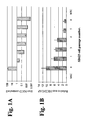
- Figure 2 shows that Alizarin Red levels (and therefore osteogenic potential) were highest in cells that were stably transfected with pNFK and pN2, and lowest in DRCs (labeled SB623 in the figure) and cells transfected with a vector lacking NICD sequences (pN0).
- NICD-encoding mRNA transcribed from the exogenous DNA in stably transfected cells were determined.
- NICD-encoding mRNA in these cell samples were determined as described in Example 8.
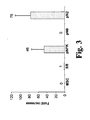
- NICD mRNA levels were normalized to levels of GAPDH mRNA, and the normalized value in DRCs was arbitrarily set to 1.0.
- Figure 3 shows the results, expressed as levels of GAPDH-normalized NICD mRNA relative to that present in DRCs (labeled "SB" in the Figure).
- NICD-encoding mRNA The highest levels of NICD-encoding mRNA were found in the pN2- and pNFK-stably transfected cells. Since these cells also show the highest levels of Alizarin Red staining ( e.g. , Figure 2 ), these results are consistent with the idea that high NICD levels at late times after transfection stimulate osteogenic differentiation.
- Example 10 Adipogenic potential of MASCs is inhibited by activation with Jagged, a Notch ligand
- MASCs were prepared essentially as described in Example 1. Culture in adipogenic differentiation medium was as described in Example 6. Treatment of cells with Anti-F c and Clustered Jag1/F c were as described in Example 7. Fixation, staining with Oil Red O and analysis of adipogenic differentiation were as described in Example 6.
- NICD intracellular domain
- RNA levels of Hes1 and Hey1 mRNAs were measured in several matched sets of DRCs and MASCs (i.e., MASCs were obtained from a donor and a portion of those MASCs were converted to DRCs).
- Total RNA was purified and used as template for RT-PCR, using PCR primers specific for Hes1 and Hey1.
- GAPDH mRNA levels were also measured in the same cells, for use as a normalization standard.
- Hes1 gene product negatively autoregulates its expression; thus, initial activation of Hes1 by the NICD in DRCs may be followed by its auto-repression.
- Table 1 Relative mRNA levels of NICD-activated genes in DRCs compared to their parental MASCs* Donor Hes 1 Hey 1 D33 0.09 D36 0.21 D38 0.25 D41 0.55 2.11 D51 0.74 3.52 Average 0.37 2.82 Std. Dev. 0.27 1.0 * Hes 1 levels were measured and compared in five different sets of matched DRC/MASC pairs and the ratio of levels in DRCs/levels in MASCs is given. In two of those donor pairs, Hey levels were also measured. Average ratios and standard deviations are presented in the bottom two rows.
- Example 13 Analysis of additional Notch targets, notch pathway members and Wnt pathway members
- Notch pathway members include genes encoding Notch ligands, enzymes that modify the Notch protein and various transcriptional regulatory proteins that control the expression of the Notch pathway members.
- Notch pathway targets are genes whose expression is either directly or indirectly regulated by Notch activation.
- Wnt pathway members are Wnt ligands or proteins that participate in WNT-mediated signaling pathways.
- the Wnt pathway was investigated because of known crosstalk between the Notch and Wnt signaling pathways, and because it is involved in osteogenic differentiation, which is inhibited in DRCs.
- Table 2 Genes involved in, or related to, Notch signaling Notch Signaling Pathway: Notch Binding: DLL1 (DELTA1), DTX1, JAG1, JAG2.
- Notch Receptor Processing ADAM10, PSEN1, PSEN2, PSENEN (PEN2).
- Notch Signaling Pathway Target Genes Apoptosis Genes : CDKN1A, CFLAR (CASH), IL2RA, NFKB1.
- Cell Cycle Regulators CCND1 (Cyclin D1), CDKN1A (P21), IL2RA. Cell Proliferation: CDKN1A (P21), ERBB2, FOSL1, IL2RA. Genes Regulating Cell Differentiation: DTX1, PPARG. Neurogenesis: HES1, HEY1. Regulation of Transcription: DTX1, FOS, FOSL1, HES1, HEY1, NFKB1, NFKB2, NR4A2, PPARG, STAT6. Other Target Genes with Unspecified Functions: CD44, CHUK, IFNG, IL17B, KRT1, LOR, MAP2K7, PDPK1, PTCRA.
- Apoptosis Genes AXIN1, EP300, HDAC1, NOTCH2, PSEN1, PSEN2.
- Cell Cycle Regulators AXIN1, CCNE1, CDC16, EP300, FIGF, JAG2, NOTCH2, PCAF.
- Cell Proliferation CDC16, FIGF, FZD3, JAG1, JAG2, LRP5, NOTCH2, PCAF, STIL (SIL).
- Genes Regulating Cell Differentiation DLL1, JAG1, JAG2, NOTCH1, NOTCH2, NOTCH3, NOTCH4, PAX5, SHH.
- Neurogenesis DLL1, EP300, HEYL, JAG1, NEURL, NOTCH2, PAX5, RFNG, ZIC2 (HPE5).
- Wnt Receptor Signaling Pathway AES, AXIN1, CTNNB1, FZD1, FZD2, FZD3, FZD4, FZD6, FZD7, GSK3B, LRP5, TLE1, WISP1, WNT11.
- Other Genes Involved in the Immune Response CXCL9, FAS (TNFRSF6), G1P2, GBP1, IFNG, IL2RA, IL2RG, IL4, IL4R, IL6ST, IRF1, ISGF3G, OAS1, OSM, STAT5A, STUB1.
- MASCs and DRCs prepared and frozen as described in Examples 1-3, were thawed (Example 4), grown for 4-7 days in alpha-MEM/10% FBS/pen-strep, then replated into 10-cm Petri dishes at a concentration of 0.5 x 10 6 cells/dish, in duplicate. After re-plating, cells were grown for 4 days to allow intracellular levels of endogenous NICD, activated by trypsinization, to return to basal. At the end of this period, culture medium was carefully aspirated, the cells were lysed in 400 ⁇ l RLT Buffer (Qiagen, Valencia, CA), and the lysate was scraped from the plate.
- RLT Buffer Qiagen, Valencia, CA
- MASCs that had been exposed to clustered soluble Jagged1 protein, to activate the Notch signaling pathway were also analyzed and compared to MASCs.
- the lysate was homogenized using a QiaShredder (Qiagen, Valencia, CA). The homogenate was mixed with ethanol, and the mixture was applied to a RNeasy column (Qiagen, Valencia, CA) and processed according to the manufacturer's instructions. The eluate was treated with a DNA-free TM kit (Ambion, Austin, TX), according to the manufacturer's protocol, for elimination of genomic DNA.
- RNA concentration and purity was assayed on Nanodrop spectrophotometer (Thermo Scientific, Wilmington, DE). If an RNA sample had an OD260/OD280 ratio >2 and an OD260/OD230 ratio >1.7, the RNA samples were used for further analysis. If an RNA sample did not meet these criteria, it was re-purified using a RNeasy column (as above) and re-assayed spectrophotometrically. When the requisite purity was obtained, the RNA samples were converted to cDNA using the Superarray RT 2 First Strand kit (SA Biosciences, Frederick, MD, Cat # C-03), using 0.5 ug of RNA template. First strand synthesis was conducted in parallel for samples of MASCs and DRCs from the same donor.
- cDNA samples synthesized as described above, were diluted and added to RT 2 SYBR Green qPCR Master Mix (SA Biosciences) according to the manufacturer's recommendations. Samples were then applied to the RT 2 Profiler PCR Array Human Notch Signaling Pathway plate (SA Biosciences No. PAHS-059F), according to the manufacturer's protocol. The plate contains, in each well, a primer pair specific to a particular gene (see Table 2 for a list of genes that were tested). Real-time PCR was conducted on a Light Cycler R (Roche) according to the manufacturer's instructions and using a program recommended by SA Biosciences for assaying its RT 2 arrays. As amplification product is produced and self-anneals, SYBR green dye binds to double-stranded material. SYBR green fluorescence, normalized to controls also present on the array, is used a s a measure of mRNA level.
- Results were analyzed using analysis tools provided by SA Biosciences, assigning results from MASCs to the "Control” field and DRC results to the "Test” field, to obtain figures for relative changes in expression for the genes assayed. This analysis was conducted for each of three donor pairs of MASCs and DRCs, and the results were averaged.
- Table 3 shows a list of genes (out of the 84 tested on the array) whose expression was altered by at least two-fold in Jag-activated MASCs.
- Jag-activated MASCs were tested to provide results for cells in which Notch activation and NICD release occur through the physiological mechanism of contact between a Notch ligand and cell-surface Notch receptor.
- levels of expression of certain genes were compared in DRCs and their progenitor MASCs. The ratios of their mRNA levels in DRCs to their mRNA levels in MASCs (averaged across three pairs of MASCs and DRCs, each pair obtained from the same donor) are given in Table 4.
- Criteria for changes in gene expression were established as follows. Any gene whose mRNA levels increased by two-fold or more in DRCs compared to MASCs, or in Jag-activated MASCs compared to MASCs, was scored as activated; and any gene whose mRNA levels decreased by two-fold or more in DRCs or Jag-activated MASCs, compared to MASCs ( i.e. levels were 50% or less in DRCs or Jag-activated MASCs, compared to MASCs) was scored as repressed.
- Notch pathway members DLL1 0.86 0.08 HR 0.38 0.27 JAG1 0.86 0.09 LFNG 0.57 0.19 NEURL 1.68 1.19 NOTCH3 0.86 0.14 PCAF 1.32 0.79
- Notch pathway targets CCND1 2.11 0.42 CD44 0.81 0.74 CDKN1A 1.04 0.37 FOSL1 1.07 0.09 HES1 0.49 0.21 HEY1 2.85 1.09 MAP2K7 0.95 0.86 PDPK1 1.13 0.15 PPAR ⁇ 0.82 0.40 Wnt pathway members
- FZD6 1.10 0.29 WISP1 0.40 0.11 WNT11 1.96 2.22 ⁇ See Table 2 for identification of genes * Averaged from matched MASC/DRC pairs from three donors
Landscapes
- Health & Medical Sciences (AREA)
- Life Sciences & Earth Sciences (AREA)
- Engineering & Computer Science (AREA)
- Biomedical Technology (AREA)
- Chemical & Material Sciences (AREA)
- Wood Science & Technology (AREA)
- Organic Chemistry (AREA)
- Developmental Biology & Embryology (AREA)
- Biotechnology (AREA)
- Zoology (AREA)
- Bioinformatics & Cheminformatics (AREA)
- Genetics & Genomics (AREA)
- Cell Biology (AREA)
- Microbiology (AREA)
- Rheumatology (AREA)
- Hematology (AREA)
- Biochemistry (AREA)
- General Engineering & Computer Science (AREA)
- General Health & Medical Sciences (AREA)
- Immunology (AREA)
- Micro-Organisms Or Cultivation Processes Thereof (AREA)
- Medicines Containing Material From Animals Or Micro-Organisms (AREA)
Claims (7)
- Verfahren zur Beschränkung des Potentials einer Mark-adhärenten Stromazelle zur Differenzierung in eine Zelle der mesenchymalen Linie, wobei das Verfahren umfasst:(a) Transfizieren von Mark-adhärenten Stromazellen mit einer Nukleinsäure umfassend Sequenzen kodierend eine intrazelluläre Notch-Domäne (NICD),(b) Durchführen einer Selektion der Zellen auf die Nukleinsäure aus Schritt (a),(c) Beenden der Selektion nach einer vorbestimmten Zeitdauer, und(d) Expandieren der Zellen aus Schritt (c).
- Verfahren gemäß Anspruch 1, wobei die Entwicklung der Mark-adhärenten Stromazelle in eine osteogene Linie reduziert ist.
- Verfahren gemäß Anspruch 1, wobei die Entwicklung der Mark-adhärenten Stromazelle in eine adipogene Linie reduziert ist.
- Verfahren gemäß Anspruch 1, wobei die Entwicklung der Mark-adhärenten Stromazelle sowohl in eine osteogene als auch in eine adipogene Linie reduziert ist.
- Verfahren gemäß Anspruch 1, wobei das NICD ein humanes NICD ist.
- Verfahren gemäß Anspruch 5, wobei das NICD die Aminosäuren 1703-2504 des humanen Notch-Proteins umfasst.
- Verfahren gemäß Anspruch 1, wobei die vorbestimmte Zeitdauer sieben Tage ist.
Priority Applications (3)
| Application Number | Priority Date | Filing Date | Title |
|---|---|---|---|
| EP15185035.1A EP2985341B1 (de) | 2007-12-03 | 2008-12-03 | Verfahren und zusammensetzungen zur modulation der differenzierung pluripotenter zellen |
| EP20154814.6A EP3696261A1 (de) | 2007-12-03 | 2008-12-03 | Verfahren und zusammensetzungen zur modulation der differenzierung von pluripotenten zellen |
| PL08856546T PL2222839T3 (pl) | 2007-12-03 | 2008-12-03 | Sposoby i kompozycje do modulowania i różnicowania pluripotencjalnych komórek |
Applications Claiming Priority (4)
| Application Number | Priority Date | Filing Date | Title |
|---|---|---|---|
| US521107P | 2007-12-03 | 2007-12-03 | |
| US12594108P | 2008-04-30 | 2008-04-30 | |
| US13157708P | 2008-06-10 | 2008-06-10 | |
| PCT/US2008/013299 WO2009073180A2 (en) | 2007-12-03 | 2008-12-03 | Methods and compositions for modulating differentiation of pluripotential cells |
Related Child Applications (2)
| Application Number | Title | Priority Date | Filing Date |
|---|---|---|---|
| EP15185035.1A Division EP2985341B1 (de) | 2007-12-03 | 2008-12-03 | Verfahren und zusammensetzungen zur modulation der differenzierung pluripotenter zellen |
| EP20154814.6A Division EP3696261A1 (de) | 2007-12-03 | 2008-12-03 | Verfahren und zusammensetzungen zur modulation der differenzierung von pluripotenten zellen |
Publications (3)
| Publication Number | Publication Date |
|---|---|
| EP2222839A2 EP2222839A2 (de) | 2010-09-01 |
| EP2222839A4 EP2222839A4 (de) | 2012-02-01 |
| EP2222839B1 true EP2222839B1 (de) | 2015-09-16 |
Family
ID=40718417
Family Applications (3)
| Application Number | Title | Priority Date | Filing Date |
|---|---|---|---|
| EP08856546.0A Active EP2222839B1 (de) | 2007-12-03 | 2008-12-03 | Verfahren und zusammensetzungen zur modulation der differenzierung pluripotenter zellen |
| EP20154814.6A Pending EP3696261A1 (de) | 2007-12-03 | 2008-12-03 | Verfahren und zusammensetzungen zur modulation der differenzierung von pluripotenten zellen |
| EP15185035.1A Active EP2985341B1 (de) | 2007-12-03 | 2008-12-03 | Verfahren und zusammensetzungen zur modulation der differenzierung pluripotenter zellen |
Family Applications After (2)
| Application Number | Title | Priority Date | Filing Date |
|---|---|---|---|
| EP20154814.6A Pending EP3696261A1 (de) | 2007-12-03 | 2008-12-03 | Verfahren und zusammensetzungen zur modulation der differenzierung von pluripotenten zellen |
| EP15185035.1A Active EP2985341B1 (de) | 2007-12-03 | 2008-12-03 | Verfahren und zusammensetzungen zur modulation der differenzierung pluripotenter zellen |
Country Status (7)
| Country | Link |
|---|---|
| US (1) | US20110306137A1 (de) |
| EP (3) | EP2222839B1 (de) |
| DK (1) | DK2222839T3 (de) |
| ES (2) | ES2551356T3 (de) |
| PL (1) | PL2222839T3 (de) |
| PT (1) | PT2222839E (de) |
| WO (1) | WO2009073180A2 (de) |
Families Citing this family (6)
| Publication number | Priority date | Publication date | Assignee | Title |
|---|---|---|---|---|
| WO2003066856A1 (fr) | 2002-02-06 | 2003-08-14 | Sanbio, Inc. | Methode de differenciation/d'induction de cellules interstitielles de moelle osseuse en cellules nerveuses et en cellules musculaires du squelette par transfert du gene notch |
| PL2274430T3 (pl) * | 2008-04-30 | 2017-09-29 | Sanbio Inc | Komórki regenerujące nerwy ze zmianami w metylacji DNA |
| EP4218727A3 (de) | 2012-01-27 | 2023-08-30 | SanBio, Inc. | Verfahren und zusammensetzungen zur modulation der angiogenese und vaskulogenese |
| EP2849766B1 (de) | 2012-05-16 | 2019-03-06 | SanBio, Inc. | Zellen zur verwendung in der behandlung von traumatischer gehirnschäden |
| SG11201502753YA (en) | 2012-10-09 | 2015-05-28 | Sanbio Inc | Methods and compositions for treatment of retinal degeneration |
| WO2016210256A1 (en) * | 2015-06-25 | 2016-12-29 | The University Of Florida Research Foundation, Inc. | Conductive nonwoven mat and method of using the conductive nonwoven mat |
Family Cites Families (11)
| Publication number | Priority date | Publication date | Assignee | Title |
|---|---|---|---|---|
| ES2246085T3 (es) | 1998-05-07 | 2006-02-01 | University Of South Florida | Celulas de medula osea como fuente de neuronas util para reparar la medula espinal y el cerebro. |
| US6534261B1 (en) | 1999-01-12 | 2003-03-18 | Sangamo Biosciences, Inc. | Regulation of endogenous gene expression in cells using zinc finger proteins |
| US7015037B1 (en) * | 1999-08-05 | 2006-03-21 | Regents Of The University Of Minnesota | Multiponent adult stem cells and methods for isolation |
| JP2003521935A (ja) | 2000-02-11 | 2003-07-22 | フイラデルフイア・ヘルス・アンド・エデユケーシヨン・コーポレーシヨン | 骨髄細胞のニューロン細胞への分化およびそのための使用 |
| US20030003090A1 (en) | 2001-05-31 | 2003-01-02 | Prockop Darwin J. | Directed in vitro differentiation of marrow stromal cells into neural cell progenitors |
| JP3886346B2 (ja) | 2001-06-22 | 2007-02-28 | サンバイオ,インコーポレイティド | 骨髄間質細胞由来Schwann細胞を含む神経再生用医薬組成物 |
| US7129034B2 (en) | 2001-10-25 | 2006-10-31 | Cedars-Sinai Medical Center | Differentiation of whole bone marrow |
| WO2003066856A1 (fr) * | 2002-02-06 | 2003-08-14 | Sanbio, Inc. | Methode de differenciation/d'induction de cellules interstitielles de moelle osseuse en cellules nerveuses et en cellules musculaires du squelette par transfert du gene notch |
| US20030181380A1 (en) * | 2002-03-08 | 2003-09-25 | Pear Warren S. | Modulating lymphoid commitment and survival |
| US20040235165A1 (en) | 2003-05-19 | 2004-11-25 | Darwin Prockop | In vitro differentiation of adult stem cells |
| KR101277310B1 (ko) | 2004-04-12 | 2013-06-25 | 산바이오 인코포레이티드 | 뉴런의 전구 세포 특징들을 나타내는 세포 |
-
2008
- 2008-12-03 EP EP08856546.0A patent/EP2222839B1/de active Active
- 2008-12-03 PT PT88565460T patent/PT2222839E/pt unknown
- 2008-12-03 US US12/734,856 patent/US20110306137A1/en not_active Abandoned
- 2008-12-03 EP EP20154814.6A patent/EP3696261A1/de active Pending
- 2008-12-03 ES ES08856546.0T patent/ES2551356T3/es active Active
- 2008-12-03 ES ES15185035T patent/ES2787513T3/es active Active
- 2008-12-03 WO PCT/US2008/013299 patent/WO2009073180A2/en not_active Ceased
- 2008-12-03 EP EP15185035.1A patent/EP2985341B1/de active Active
- 2008-12-03 DK DK08856546.0T patent/DK2222839T3/en active
- 2008-12-03 PL PL08856546T patent/PL2222839T3/pl unknown
Non-Patent Citations (1)
| Title |
|---|
| AKIHIRO UMEZAWA ET AL: "Multipotent marrow stromal cell line is able to induce hematopoiesis in vivo", JOURNAL OF CELLULAR PHYSIOLOGY, vol. 151, no. 1, 1 April 1992 (1992-04-01), pages 197 - 205, XP055074912, ISSN: 0021-9541, DOI: 10.1002/jcp.1041510125 * |
Also Published As
| Publication number | Publication date |
|---|---|
| EP3696261A1 (de) | 2020-08-19 |
| EP2985341A2 (de) | 2016-02-17 |
| ES2551356T3 (es) | 2015-11-18 |
| US20110306137A1 (en) | 2011-12-15 |
| EP2985341B1 (de) | 2020-04-01 |
| DK2222839T3 (en) | 2015-12-21 |
| EP2222839A2 (de) | 2010-09-01 |
| EP2222839A4 (de) | 2012-02-01 |
| ES2787513T3 (es) | 2020-10-16 |
| WO2009073180A3 (en) | 2009-10-15 |
| EP2985341A3 (de) | 2016-06-01 |
| PL2222839T3 (pl) | 2016-02-29 |
| PT2222839E (pt) | 2015-11-30 |
| WO2009073180A2 (en) | 2009-06-11 |
Similar Documents
| Publication | Publication Date | Title |
|---|---|---|
| US10752883B2 (en) | Generation of neural stem cells and motor neurons | |
| Sallustio et al. | TLR2 plays a role in the activation of human resident renal stem/progenitor cells | |
| Lee et al. | Characterization and expression analysis of mesenchymal stem cells from human bone marrow and adipose tissue | |
| JP5892939B2 (ja) | 細胞状態をモニタリングするための方法及び間葉系幹細胞を不死化するための方法 | |
| Oishi et al. | Osteogenic differentiation capacity of human skeletal muscle-derived progenitor cells | |
| EP2222839B1 (de) | Verfahren und zusammensetzungen zur modulation der differenzierung pluripotenter zellen | |
| Ragni et al. | Adipogenic potential in human mesenchymal stem cells strictly depends on adult or foetal tissue harvest | |
| US20230355652A1 (en) | Fetal stromal cell derived exosomes for tissue repair | |
| KR20190037299A (ko) | 생체 내 혈관 형성 능력을 갖는 중배엽 및/또는 내피 콜로니 형성 세포-유사 세포를 생성시키기 위한 방법 | |
| Wang et al. | miR-26b-3p regulates human umbilical cord-derived mesenchymal stem cell proliferation by targeting estrogen receptor | |
| US10017817B2 (en) | Skin activation by acceleration of PDGF-BB activity | |
| US20080254002A1 (en) | Bone Marrow Derived Oct3/4+ Stem Cells | |
| HK40024933A (en) | Methods and compositions for modulating differentiation of pluripotential cells | |
| Lee et al. | A functionally robust phenotypic screen that identifies drug resistance-associated genes using 3D cell culture | |
| An et al. | Low oxygen tension modulates the osteogenic differentiation of mouse embryonic stem cells | |
| WO2015088162A1 (ko) | 줄기세포로부터 연골세포로의 분화 촉진용 조성물 | |
| CN113939317A (zh) | P2x7受体表达调节剂 | |
| JP2021506804A (ja) | miRNAを含有する、腎癌の処置における使用のための薬学的担体 | |
| Aldreiwish | A systematic analysis of gene expression of human mesenchymal stromal/stem cells derived from acute myeloid leukemia patients identifies potential leukemogenic targets including CD248 and its potential role in MSC adipogenesis | |
| Suen | The Genomic Landscape of Male Germ Cell and Testis Development: One Cell at a Time | |
| Wen | Comparative Molecular Signatures of Human Mesenchymal Stromal Cells During in Vitro Passaging | |
| Aung | Comparative molecular signatures of human mesenchymal stromal cells during in vitro passaging/Aung Shuh Wen | |
| CA3062963A1 (en) | Functional prediction of cellular functions by means of microrna expression profiling in mesenchymal stem cells | |
| HK40062372A (en) | Expression regulator of p2x7 receptor | |
| Zhang | Functional characterisation of cardiac progenitors from patients with ischaemic heart disease |
Legal Events
| Date | Code | Title | Description |
|---|---|---|---|
| PUAI | Public reference made under article 153(3) epc to a published international application that has entered the european phase |
Free format text: ORIGINAL CODE: 0009012 |
|
| 17P | Request for examination filed |
Effective date: 20100531 |
|
| AK | Designated contracting states |
Kind code of ref document: A2 Designated state(s): AT BE BG CH CY CZ DE DK EE ES FI FR GB GR HR HU IE IS IT LI LT LU LV MC MT NL NO PL PT RO SE SI SK TR |
|
| AX | Request for extension of the european patent |
Extension state: AL BA MK RS |
|
| DAX | Request for extension of the european patent (deleted) | ||
| REG | Reference to a national code |
Ref country code: HK Ref legal event code: DE Ref document number: 1145513 Country of ref document: HK |
|
| A4 | Supplementary search report drawn up and despatched |
Effective date: 20111230 |
|
| 17Q | First examination report despatched |
Effective date: 20130816 |
|
| REG | Reference to a national code |
Ref country code: DE Ref legal event code: R079 Ref document number: 602008040235 Country of ref document: DE Free format text: PREVIOUS MAIN CLASS: C12N0005080000 Ipc: C12N0005077500 |
|
| RIC1 | Information provided on ipc code assigned before grant |
Ipc: C12N 5/0775 20100101AFI20150127BHEP |
|
| GRAP | Despatch of communication of intention to grant a patent |
Free format text: ORIGINAL CODE: EPIDOSNIGR1 |
|
| INTG | Intention to grant announced |
Effective date: 20150409 |
|
| GRAS | Grant fee paid |
Free format text: ORIGINAL CODE: EPIDOSNIGR3 |
|
| GRAA | (expected) grant |
Free format text: ORIGINAL CODE: 0009210 |
|
| AK | Designated contracting states |
Kind code of ref document: B1 Designated state(s): AT BE BG CH CY CZ DE DK EE ES FI FR GB GR HR HU IE IS IT LI LT LU LV MC MT NL NO PL PT RO SE SI SK TR |
|
| REG | Reference to a national code |
Ref country code: GB Ref legal event code: FG4D |
|
| REG | Reference to a national code |
Ref country code: CH Ref legal event code: NV Representative=s name: E. BLUM AND CO. AG PATENT- UND MARKENANWAELTE , CH Ref country code: CH Ref legal event code: EP |
|
| REG | Reference to a national code |
Ref country code: IE Ref legal event code: FG4D |
|
| REG | Reference to a national code |
Ref country code: AT Ref legal event code: REF Ref document number: 749850 Country of ref document: AT Kind code of ref document: T Effective date: 20151015 |
|
| REG | Reference to a national code |
Ref country code: DE Ref legal event code: R096 Ref document number: 602008040235 Country of ref document: DE |
|
| REG | Reference to a national code |
Ref country code: ES Ref legal event code: FG2A Ref document number: 2551356 Country of ref document: ES Kind code of ref document: T3 Effective date: 20151118 |
|
| REG | Reference to a national code |
Ref country code: PT Ref legal event code: SC4A Free format text: AVAILABILITY OF NATIONAL TRANSLATION Effective date: 20151113 |
|
| REG | Reference to a national code |
Ref country code: SE Ref legal event code: TRGR |
|
| REG | Reference to a national code |
Ref country code: FR Ref legal event code: PLFP Year of fee payment: 8 |
|
| REG | Reference to a national code |
Ref country code: DK Ref legal event code: T3 Effective date: 20151217 |
|
| REG | Reference to a national code |
Ref country code: NL Ref legal event code: FP |
|
| PG25 | Lapsed in a contracting state [announced via postgrant information from national office to epo] |
Ref country code: LT Free format text: LAPSE BECAUSE OF FAILURE TO SUBMIT A TRANSLATION OF THE DESCRIPTION OR TO PAY THE FEE WITHIN THE PRESCRIBED TIME-LIMIT Effective date: 20150916 Ref country code: LV Free format text: LAPSE BECAUSE OF FAILURE TO SUBMIT A TRANSLATION OF THE DESCRIPTION OR TO PAY THE FEE WITHIN THE PRESCRIBED TIME-LIMIT Effective date: 20150916 Ref country code: NO Free format text: LAPSE BECAUSE OF FAILURE TO SUBMIT A TRANSLATION OF THE DESCRIPTION OR TO PAY THE FEE WITHIN THE PRESCRIBED TIME-LIMIT Effective date: 20151216 |
|
| REG | Reference to a national code |
Ref country code: LT Ref legal event code: MG4D |
|
| PG25 | Lapsed in a contracting state [announced via postgrant information from national office to epo] |
Ref country code: HR Free format text: LAPSE BECAUSE OF FAILURE TO SUBMIT A TRANSLATION OF THE DESCRIPTION OR TO PAY THE FEE WITHIN THE PRESCRIBED TIME-LIMIT Effective date: 20150916 |
|
| REG | Reference to a national code |
Ref country code: GR Ref legal event code: EP Ref document number: 20150402204 Country of ref document: GR Effective date: 20151209 |
|
| PG25 | Lapsed in a contracting state [announced via postgrant information from national office to epo] |
Ref country code: EE Free format text: LAPSE BECAUSE OF FAILURE TO SUBMIT A TRANSLATION OF THE DESCRIPTION OR TO PAY THE FEE WITHIN THE PRESCRIBED TIME-LIMIT Effective date: 20150916 Ref country code: IS Free format text: LAPSE BECAUSE OF FAILURE TO SUBMIT A TRANSLATION OF THE DESCRIPTION OR TO PAY THE FEE WITHIN THE PRESCRIBED TIME-LIMIT Effective date: 20160116 Ref country code: CZ Free format text: LAPSE BECAUSE OF FAILURE TO SUBMIT A TRANSLATION OF THE DESCRIPTION OR TO PAY THE FEE WITHIN THE PRESCRIBED TIME-LIMIT Effective date: 20150916 Ref country code: SK Free format text: LAPSE BECAUSE OF FAILURE TO SUBMIT A TRANSLATION OF THE DESCRIPTION OR TO PAY THE FEE WITHIN THE PRESCRIBED TIME-LIMIT Effective date: 20150916 |
|
| PG25 | Lapsed in a contracting state [announced via postgrant information from national office to epo] |
Ref country code: RO Free format text: LAPSE BECAUSE OF FAILURE TO SUBMIT A TRANSLATION OF THE DESCRIPTION OR TO PAY THE FEE WITHIN THE PRESCRIBED TIME-LIMIT Effective date: 20150916 |
|
| REG | Reference to a national code |
Ref country code: DE Ref legal event code: R097 Ref document number: 602008040235 Country of ref document: DE |
|
| PLBE | No opposition filed within time limit |
Free format text: ORIGINAL CODE: 0009261 |
|
| STAA | Information on the status of an ep patent application or granted ep patent |
Free format text: STATUS: NO OPPOSITION FILED WITHIN TIME LIMIT |
|
| PG25 | Lapsed in a contracting state [announced via postgrant information from national office to epo] |
Ref country code: MC Free format text: LAPSE BECAUSE OF FAILURE TO SUBMIT A TRANSLATION OF THE DESCRIPTION OR TO PAY THE FEE WITHIN THE PRESCRIBED TIME-LIMIT Effective date: 20150916 Ref country code: LU Free format text: LAPSE BECAUSE OF FAILURE TO SUBMIT A TRANSLATION OF THE DESCRIPTION OR TO PAY THE FEE WITHIN THE PRESCRIBED TIME-LIMIT Effective date: 20151203 |
|
| 26N | No opposition filed |
Effective date: 20160617 |
|
| PG25 | Lapsed in a contracting state [announced via postgrant information from national office to epo] |
Ref country code: SI Free format text: LAPSE BECAUSE OF FAILURE TO SUBMIT A TRANSLATION OF THE DESCRIPTION OR TO PAY THE FEE WITHIN THE PRESCRIBED TIME-LIMIT Effective date: 20150916 |
|
| REG | Reference to a national code |
Ref country code: FR Ref legal event code: PLFP Year of fee payment: 9 |
|
| PG25 | Lapsed in a contracting state [announced via postgrant information from national office to epo] |
Ref country code: IT Free format text: LAPSE BECAUSE OF NON-PAYMENT OF DUE FEES Effective date: 20151203 |
|
| PG25 | Lapsed in a contracting state [announced via postgrant information from national office to epo] |
Ref country code: HU Free format text: LAPSE BECAUSE OF FAILURE TO SUBMIT A TRANSLATION OF THE DESCRIPTION OR TO PAY THE FEE WITHIN THE PRESCRIBED TIME-LIMIT; INVALID AB INITIO Effective date: 20081203 Ref country code: BG Free format text: LAPSE BECAUSE OF FAILURE TO SUBMIT A TRANSLATION OF THE DESCRIPTION OR TO PAY THE FEE WITHIN THE PRESCRIBED TIME-LIMIT Effective date: 20150916 |
|
| PG25 | Lapsed in a contracting state [announced via postgrant information from national office to epo] |
Ref country code: CY Free format text: LAPSE BECAUSE OF FAILURE TO SUBMIT A TRANSLATION OF THE DESCRIPTION OR TO PAY THE FEE WITHIN THE PRESCRIBED TIME-LIMIT Effective date: 20150916 |
|
| REG | Reference to a national code |
Ref country code: HK Ref legal event code: WD Ref document number: 1145513 Country of ref document: HK |
|
| PG25 | Lapsed in a contracting state [announced via postgrant information from national office to epo] |
Ref country code: MT Free format text: LAPSE BECAUSE OF FAILURE TO SUBMIT A TRANSLATION OF THE DESCRIPTION OR TO PAY THE FEE WITHIN THE PRESCRIBED TIME-LIMIT Effective date: 20150916 Ref country code: IT Free format text: LAPSE BECAUSE OF NON-PAYMENT OF DUE FEES Effective date: 20151203 Ref country code: TR Free format text: LAPSE BECAUSE OF FAILURE TO SUBMIT A TRANSLATION OF THE DESCRIPTION OR TO PAY THE FEE WITHIN THE PRESCRIBED TIME-LIMIT Effective date: 20150916 |
|
| PGRI | Patent reinstated in contracting state [announced from national office to epo] |
Ref country code: IT Effective date: 20170710 |
|
| REG | Reference to a national code |
Ref country code: FR Ref legal event code: PLFP Year of fee payment: 10 |
|
| REG | Reference to a national code |
Ref country code: AT Ref legal event code: UEP Ref document number: 749850 Country of ref document: AT Kind code of ref document: T Effective date: 20150916 |
|
| PGFP | Annual fee paid to national office [announced via postgrant information from national office to epo] |
Ref country code: IE Payment date: 20191227 Year of fee payment: 12 Ref country code: FI Payment date: 20191227 Year of fee payment: 12 Ref country code: SE Payment date: 20191227 Year of fee payment: 12 Ref country code: PT Payment date: 20191121 Year of fee payment: 12 Ref country code: NL Payment date: 20191226 Year of fee payment: 12 |
|
| PGFP | Annual fee paid to national office [announced via postgrant information from national office to epo] |
Ref country code: GR Payment date: 20191230 Year of fee payment: 12 Ref country code: PL Payment date: 20191119 Year of fee payment: 12 |
|
| PGFP | Annual fee paid to national office [announced via postgrant information from national office to epo] |
Ref country code: AT Payment date: 20191120 Year of fee payment: 12 |
|
| PGFP | Annual fee paid to national office [announced via postgrant information from national office to epo] |
Ref country code: DK Payment date: 20191230 Year of fee payment: 12 |
|
| PGFP | Annual fee paid to national office [announced via postgrant information from national office to epo] |
Ref country code: BE Payment date: 20191227 Year of fee payment: 12 Ref country code: CH Payment date: 20191231 Year of fee payment: 12 |
|
| REG | Reference to a national code |
Ref country code: FI Ref legal event code: MAE |
|
| REG | Reference to a national code |
Ref country code: DK Ref legal event code: EBP Effective date: 20201231 |
|
| PG25 | Lapsed in a contracting state [announced via postgrant information from national office to epo] |
Ref country code: FI Free format text: LAPSE BECAUSE OF NON-PAYMENT OF DUE FEES Effective date: 20201203 Ref country code: PT Free format text: LAPSE BECAUSE OF NON-PAYMENT OF DUE FEES Effective date: 20210604 |
|
| REG | Reference to a national code |
Ref country code: CH Ref legal event code: PL |
|
| REG | Reference to a national code |
Ref country code: SE Ref legal event code: EUG |
|
| REG | Reference to a national code |
Ref country code: NL Ref legal event code: MM Effective date: 20210101 |
|
| REG | Reference to a national code |
Ref country code: AT Ref legal event code: MM01 Ref document number: 749850 Country of ref document: AT Kind code of ref document: T Effective date: 20201203 |
|
| REG | Reference to a national code |
Ref country code: BE Ref legal event code: MM Effective date: 20201231 |
|
| PG25 | Lapsed in a contracting state [announced via postgrant information from national office to epo] |
Ref country code: NL Free format text: LAPSE BECAUSE OF NON-PAYMENT OF DUE FEES Effective date: 20210101 |
|
| PG25 | Lapsed in a contracting state [announced via postgrant information from national office to epo] |
Ref country code: IE Free format text: LAPSE BECAUSE OF NON-PAYMENT OF DUE FEES Effective date: 20201203 Ref country code: AT Free format text: LAPSE BECAUSE OF NON-PAYMENT OF DUE FEES Effective date: 20201203 |
|
| PG25 | Lapsed in a contracting state [announced via postgrant information from national office to epo] |
Ref country code: GR Free format text: LAPSE BECAUSE OF NON-PAYMENT OF DUE FEES Effective date: 20210707 Ref country code: LI Free format text: LAPSE BECAUSE OF NON-PAYMENT OF DUE FEES Effective date: 20201231 Ref country code: SE Free format text: LAPSE BECAUSE OF NON-PAYMENT OF DUE FEES Effective date: 20201204 Ref country code: CH Free format text: LAPSE BECAUSE OF NON-PAYMENT OF DUE FEES Effective date: 20201231 |
|
| PG25 | Lapsed in a contracting state [announced via postgrant information from national office to epo] |
Ref country code: DK Free format text: LAPSE BECAUSE OF NON-PAYMENT OF DUE FEES Effective date: 20201231 |
|
| PG25 | Lapsed in a contracting state [announced via postgrant information from national office to epo] |
Ref country code: BE Free format text: LAPSE BECAUSE OF NON-PAYMENT OF DUE FEES Effective date: 20201231 |
|
| PG25 | Lapsed in a contracting state [announced via postgrant information from national office to epo] |
Ref country code: PL Free format text: LAPSE BECAUSE OF NON-PAYMENT OF DUE FEES Effective date: 20201203 |
|
| PGFP | Annual fee paid to national office [announced via postgrant information from national office to epo] |
Ref country code: ES Payment date: 20250102 Year of fee payment: 17 |
|
| PGFP | Annual fee paid to national office [announced via postgrant information from national office to epo] |
Ref country code: DE Payment date: 20251126 Year of fee payment: 18 |
|
| PGFP | Annual fee paid to national office [announced via postgrant information from national office to epo] |
Ref country code: GB Payment date: 20251120 Year of fee payment: 18 |
|
| PGFP | Annual fee paid to national office [announced via postgrant information from national office to epo] |
Ref country code: IT Payment date: 20251119 Year of fee payment: 18 |
|
| PGFP | Annual fee paid to national office [announced via postgrant information from national office to epo] |
Ref country code: FR Payment date: 20251120 Year of fee payment: 18 |