EP2193142B1 - Compositions and methods of using proislet peptides and analogs thereof - Google Patents
Compositions and methods of using proislet peptides and analogs thereof Download PDFInfo
- Publication number
- EP2193142B1 EP2193142B1 EP08798997.6A EP08798997A EP2193142B1 EP 2193142 B1 EP2193142 B1 EP 2193142B1 EP 08798997 A EP08798997 A EP 08798997A EP 2193142 B1 EP2193142 B1 EP 2193142B1
- Authority
- EP
- European Patent Office
- Prior art keywords
- peptide
- seq
- hip
- optimized
- diabetes
- Prior art date
- Legal status (The legal status is an assumption and is not a legal conclusion. Google has not performed a legal analysis and makes no representation as to the accuracy of the status listed.)
- Active
Links
- 108090000765 processed proteins & peptides Proteins 0.000 title claims description 312
- 102000004196 processed proteins & peptides Human genes 0.000 title description 92
- 238000000034 method Methods 0.000 title description 53
- 239000000203 mixture Substances 0.000 title description 46
- NOESYZHRGYRDHS-UHFFFAOYSA-N insulin Chemical compound N1C(=O)C(NC(=O)C(CCC(N)=O)NC(=O)C(CCC(O)=O)NC(=O)C(C(C)C)NC(=O)C(NC(=O)CN)C(C)CC)CSSCC(C(NC(CO)C(=O)NC(CC(C)C)C(=O)NC(CC=2C=CC(O)=CC=2)C(=O)NC(CCC(N)=O)C(=O)NC(CC(C)C)C(=O)NC(CCC(O)=O)C(=O)NC(CC(N)=O)C(=O)NC(CC=2C=CC(O)=CC=2)C(=O)NC(CSSCC(NC(=O)C(C(C)C)NC(=O)C(CC(C)C)NC(=O)C(CC=2C=CC(O)=CC=2)NC(=O)C(CC(C)C)NC(=O)C(C)NC(=O)C(CCC(O)=O)NC(=O)C(C(C)C)NC(=O)C(CC(C)C)NC(=O)C(CC=2NC=NC=2)NC(=O)C(CO)NC(=O)CNC2=O)C(=O)NCC(=O)NC(CCC(O)=O)C(=O)NC(CCCNC(N)=N)C(=O)NCC(=O)NC(CC=3C=CC=CC=3)C(=O)NC(CC=3C=CC=CC=3)C(=O)NC(CC=3C=CC(O)=CC=3)C(=O)NC(C(C)O)C(=O)N3C(CCC3)C(=O)NC(CCCCN)C(=O)NC(C)C(O)=O)C(=O)NC(CC(N)=O)C(O)=O)=O)NC(=O)C(C(C)CC)NC(=O)C(CO)NC(=O)C(C(C)O)NC(=O)C1CSSCC2NC(=O)C(CC(C)C)NC(=O)C(NC(=O)C(CCC(N)=O)NC(=O)C(CC(N)=O)NC(=O)C(NC(=O)C(N)CC=1C=CC=CC=1)C(C)C)CC1=CN=CN1 NOESYZHRGYRDHS-UHFFFAOYSA-N 0.000 claims description 215
- 210000004027 cell Anatomy 0.000 claims description 115
- 229940125396 insulin Drugs 0.000 claims description 108
- 108090001061 Insulin Proteins 0.000 claims description 107
- 102000004877 Insulin Human genes 0.000 claims description 107
- 101000644689 Homo sapiens Ubiquitin-conjugating enzyme E2 K Proteins 0.000 claims description 95
- 102100020696 Ubiquitin-conjugating enzyme E2 K Human genes 0.000 claims description 95
- 239000003795 chemical substances by application Substances 0.000 claims description 91
- 206010012601 diabetes mellitus Diseases 0.000 claims description 87
- 241000282414 Homo sapiens Species 0.000 claims description 73
- 210000004899 c-terminal region Anatomy 0.000 claims description 51
- 102100027336 Regenerating islet-derived protein 3-alpha Human genes 0.000 claims description 47
- 206010067584 Type 1 diabetes mellitus Diseases 0.000 claims description 42
- 101000581815 Homo sapiens Regenerating islet-derived protein 3-alpha Proteins 0.000 claims description 40
- 150000001413 amino acids Chemical group 0.000 claims description 38
- 210000004153 islets of langerhan Anatomy 0.000 claims description 38
- DTHNMHAUYICORS-KTKZVXAJSA-N Glucagon-like peptide 1 Chemical compound C([C@@H](C(=O)N[C@@H]([C@@H](C)CC)C(=O)N[C@@H](C)C(=O)N[C@@H](CC=1C2=CC=CC=C2NC=1)C(=O)N[C@@H](CC(C)C)C(=O)N[C@@H](C(C)C)C(=O)N[C@@H](CCCCN)C(=O)NCC(=O)N[C@@H](CCCNC(N)=N)C(N)=O)NC(=O)[C@H](CCC(O)=O)NC(=O)[C@H](CCCCN)NC(=O)[C@H](C)NC(=O)[C@H](C)NC(=O)[C@H](CCC(N)=O)NC(=O)CNC(=O)[C@H](CCC(O)=O)NC(=O)[C@H](CC(C)C)NC(=O)[C@H](CC=1C=CC(O)=CC=1)NC(=O)[C@H](CO)NC(=O)[C@H](CO)NC(=O)[C@@H](NC(=O)[C@H](CC(O)=O)NC(=O)[C@H](CO)NC(=O)[C@@H](NC(=O)[C@H](CC=1C=CC=CC=1)NC(=O)[C@@H](NC(=O)CNC(=O)[C@H](CCC(O)=O)NC(=O)[C@H](C)NC(=O)[C@@H](N)CC=1N=CNC=1)[C@@H](C)O)[C@@H](C)O)C(C)C)C1=CC=CC=C1 DTHNMHAUYICORS-KTKZVXAJSA-N 0.000 claims description 37
- 102400000322 Glucagon-like peptide 1 Human genes 0.000 claims description 29
- 101000872458 Homo sapiens Huntingtin-interacting protein 1-related protein Proteins 0.000 claims description 29
- 239000003814 drug Substances 0.000 claims description 26
- 241000699800 Cricetinae Species 0.000 claims description 25
- 125000002777 acetyl group Chemical group [H]C([H])([H])C(*)=O 0.000 claims description 25
- 210000000227 basophil cell of anterior lobe of hypophysis Anatomy 0.000 claims description 25
- 230000009707 neogenesis Effects 0.000 claims description 24
- 125000003368 amide group Chemical group 0.000 claims description 23
- 208000001072 type 2 diabetes mellitus Diseases 0.000 claims description 22
- 241000283690 Bos taurus Species 0.000 claims description 21
- 101001021527 Homo sapiens Huntingtin-interacting protein 1 Proteins 0.000 claims description 20
- 102100035957 Huntingtin-interacting protein 1 Human genes 0.000 claims description 20
- 108010019598 Liraglutide Proteins 0.000 claims description 20
- YSDQQAXHVYUZIW-QCIJIYAXSA-N Liraglutide Chemical compound C([C@@H](C(=O)N[C@@H](CC(C)C)C(=O)N[C@@H](CCC(O)=O)C(=O)NCC(=O)N[C@@H](CCC(N)=O)C(=O)N[C@@H](C)C(=O)N[C@@H](C)C(=O)N[C@@H](CCCCNC(=O)CC[C@H](NC(=O)CCCCCCCCCCCCCCC)C(O)=O)C(=O)N[C@@H](CCC(O)=O)C(=O)N[C@@H](CC=1C=CC=CC=1)C(=O)N[C@@H]([C@@H](C)CC)C(=O)N[C@@H](C)C(=O)N[C@@H](CC=1C2=CC=CC=C2NC=1)C(=O)N[C@@H](CC(C)C)C(=O)N[C@@H](C(C)C)C(=O)N[C@@H](CCCNC(N)=N)C(=O)NCC(=O)N[C@@H](CCCNC(N)=N)C(=O)NCC(O)=O)NC(=O)[C@H](CO)NC(=O)[C@H](CO)NC(=O)[C@@H](NC(=O)[C@H](CC(O)=O)NC(=O)[C@H](CO)NC(=O)[C@@H](NC(=O)[C@H](CC=1C=CC=CC=1)NC(=O)[C@@H](NC(=O)CNC(=O)[C@H](CCC(O)=O)NC(=O)[C@H](C)NC(=O)[C@@H](N)CC=1NC=NC=1)[C@@H](C)O)[C@@H](C)O)C(C)C)C1=CC=C(O)C=C1 YSDQQAXHVYUZIW-QCIJIYAXSA-N 0.000 claims description 20
- 229960002701 liraglutide Drugs 0.000 claims description 20
- 101001096072 Homo sapiens Regenerating islet-derived protein 3-gamma Proteins 0.000 claims description 19
- 229940079593 drug Drugs 0.000 claims description 19
- 108010011459 Exenatide Proteins 0.000 claims description 16
- 241000700157 Rattus norvegicus Species 0.000 claims description 16
- 229960001519 exenatide Drugs 0.000 claims description 16
- 230000004203 pancreatic function Effects 0.000 claims description 16
- 201000009104 prediabetes syndrome Diseases 0.000 claims description 16
- QFJCIRLUMZQUOT-HPLJOQBZSA-N sirolimus Chemical compound C1C[C@@H](O)[C@H](OC)C[C@@H]1C[C@@H](C)[C@H]1OC(=O)[C@@H]2CCCCN2C(=O)C(=O)[C@](O)(O2)[C@H](C)CC[C@H]2C[C@H](OC)/C(C)=C/C=C/C=C/[C@@H](C)C[C@@H](C)C(=O)[C@H](OC)[C@H](O)/C(C)=C/[C@@H](C)C(=O)C1 QFJCIRLUMZQUOT-HPLJOQBZSA-N 0.000 claims description 16
- JUFFVKRROAPVBI-PVOYSMBESA-N chembl1210015 Chemical compound C([C@@H](C(=O)N[C@@H]([C@@H](C)CC)C(=O)N[C@@H](CCC(O)=O)C(=O)N[C@@H](CC=1C2=CC=CC=C2NC=1)C(=O)N[C@@H](CC(C)C)C(=O)N[C@@H](CCCCN)C(=O)N[C@@H](CC(=O)N[C@H]1[C@@H]([C@@H](O)[C@H](O[C@H]2[C@@H]([C@@H](O)[C@@H](O)[C@@H](CO[C@]3(O[C@@H](C[C@H](O)[C@H](O)CO)[C@H](NC(C)=O)[C@@H](O)C3)C(O)=O)O2)O)[C@@H](CO)O1)NC(C)=O)C(=O)NCC(=O)NCC(=O)N1[C@@H](CCC1)C(=O)N[C@@H](CO)C(=O)N[C@@H](CO)C(=O)NCC(=O)N[C@@H](C)C(=O)N1[C@@H](CCC1)C(=O)N1[C@@H](CCC1)C(=O)N1[C@@H](CCC1)C(=O)N[C@@H](CO)C(N)=O)NC(=O)[C@H](CC(C)C)NC(=O)[C@H](CCCNC(N)=N)NC(=O)[C@@H](NC(=O)[C@H](C)NC(=O)[C@H](CCC(O)=O)NC(=O)[C@H](CCC(O)=O)NC(=O)[C@H](CCC(O)=O)NC(=O)[C@H](CCSC)NC(=O)[C@H](CCC(N)=O)NC(=O)[C@H](CCCCN)NC(=O)[C@H](CO)NC(=O)[C@H](CC(C)C)NC(=O)[C@H](CC(O)=O)NC(=O)[C@H](CO)NC(=O)[C@@H](NC(=O)[C@H](CC=1C=CC=CC=1)NC(=O)[C@@H](NC(=O)CNC(=O)[C@H](CCC(O)=O)NC(=O)CNC(=O)[C@@H](N)CC=1NC=NC=1)[C@@H](C)O)[C@@H](C)O)C(C)C)C1=CC=CC=C1 JUFFVKRROAPVBI-PVOYSMBESA-N 0.000 claims description 15
- 239000008194 pharmaceutical composition Substances 0.000 claims description 15
- 230000006378 damage Effects 0.000 claims description 14
- 230000008929 regeneration Effects 0.000 claims description 14
- 238000011069 regeneration method Methods 0.000 claims description 14
- 229960005486 vaccine Drugs 0.000 claims description 14
- 108010035620 INGAP peptide Proteins 0.000 claims description 13
- 241000282577 Pan troglodytes Species 0.000 claims description 13
- 230000001771 impaired effect Effects 0.000 claims description 13
- 230000007170 pathology Effects 0.000 claims description 13
- 108010041872 Islet Amyloid Polypeptide Proteins 0.000 claims description 12
- 102000036770 Islet Amyloid Polypeptide Human genes 0.000 claims description 12
- 102100037886 Regenerating islet-derived protein 3-gamma Human genes 0.000 claims description 12
- ZAHRKKWIAAJSAO-UHFFFAOYSA-N rapamycin Natural products COCC(O)C(=C/C(C)C(=O)CC(OC(=O)C1CCCCN1C(=O)C(=O)C2(O)OC(CC(OC)C(=CC=CC=CC(C)CC(C)C(=O)C)C)CCC2C)C(C)CC3CCC(O)C(C3)OC)C ZAHRKKWIAAJSAO-UHFFFAOYSA-N 0.000 claims description 12
- 229960002930 sirolimus Drugs 0.000 claims description 12
- 230000004048 modification Effects 0.000 claims description 11
- 238000012986 modification Methods 0.000 claims description 11
- 108010029667 pramlintide Proteins 0.000 claims description 11
- NRKVKVQDUCJPIZ-MKAGXXMWSA-N pramlintide acetate Chemical compound C([C@@H](C(=O)NCC(=O)N1CCC[C@H]1C(=O)N[C@@H]([C@@H](C)CC)C(=O)N[C@@H](CC(C)C)C(=O)N1[C@@H](CCC1)C(=O)N1[C@@H](CCC1)C(=O)N[C@@H]([C@@H](C)O)C(=O)N[C@@H](CC(N)=O)C(=O)N[C@@H](C(C)C)C(=O)NCC(=O)N[C@@H](CO)C(=O)N[C@@H](CC(N)=O)C(=O)N[C@@H]([C@@H](C)O)C(=O)N[C@@H](CC=1C=CC(O)=CC=1)C(N)=O)NC(=O)[C@H](CC(N)=O)NC(=O)[C@H](CC(N)=O)NC(=O)[C@H](CO)NC(=O)[C@H](CO)NC(=O)[C@H](CC=1NC=NC=1)NC(=O)[C@@H](NC(=O)[C@H](CC(C)C)NC(=O)[C@H](CC=1C=CC=CC=1)NC(=O)[C@H](CC(N)=O)NC(=O)[C@H](C)NC(=O)[C@H](CC(C)C)NC(=O)[C@H](CCCNC(N)=N)NC(=O)[C@H](CCC(N)=O)NC(=O)[C@@H](NC(=O)[C@H](C)NC(=O)[C@H](CS)NC(=O)[C@@H](NC(=O)[C@H](C)NC(=O)[C@@H](NC(=O)[C@H](CC(N)=O)NC(=O)[C@H](CS)NC(=O)[C@@H](N)CCCCN)[C@@H](C)O)[C@@H](C)O)[C@@H](C)O)C(C)C)C1=CC=CC=C1 NRKVKVQDUCJPIZ-MKAGXXMWSA-N 0.000 claims description 11
- 101100412400 Mus musculus Reg3a gene Proteins 0.000 claims description 10
- 101100301514 Rattus norvegicus Reg3g gene Proteins 0.000 claims description 10
- 230000001363 autoimmune Effects 0.000 claims description 10
- 229960003611 pramlintide Drugs 0.000 claims description 10
- 210000003289 regulatory T cell Anatomy 0.000 claims description 10
- 229940089838 Glucagon-like peptide 1 receptor agonist Drugs 0.000 claims description 9
- 230000004936 stimulating effect Effects 0.000 claims description 9
- 210000002237 B-cell of pancreatic islet Anatomy 0.000 claims description 8
- 208000002705 Glucose Intolerance Diseases 0.000 claims description 8
- 206010018429 Glucose tolerance impaired Diseases 0.000 claims description 8
- 206010056997 Impaired fasting glucose Diseases 0.000 claims description 8
- 208000001145 Metabolic Syndrome Diseases 0.000 claims description 8
- 208000008589 Obesity Diseases 0.000 claims description 8
- 208000001280 Prediabetic State Diseases 0.000 claims description 8
- 108010058432 Chaperonin 60 Proteins 0.000 claims description 7
- 101001057504 Homo sapiens Interferon-stimulated gene 20 kDa protein Proteins 0.000 claims description 7
- 101001055144 Homo sapiens Interleukin-2 receptor subunit alpha Proteins 0.000 claims description 7
- 102000006992 Interferon-alpha Human genes 0.000 claims description 7
- 108010047761 Interferon-alpha Proteins 0.000 claims description 7
- DEFJQIDDEAULHB-IMJSIDKUSA-N L-alanyl-L-alanine Chemical compound C[C@H](N)C(=O)N[C@@H](C)C(O)=O DEFJQIDDEAULHB-IMJSIDKUSA-N 0.000 claims description 7
- 108091058543 REG3 Proteins 0.000 claims description 7
- 229930003316 Vitamin D Natural products 0.000 claims description 7
- QYSXJUFSXHHAJI-XFEUOLMDSA-N Vitamin D3 Natural products C1(/[C@@H]2CC[C@@H]([C@]2(CCC1)C)[C@H](C)CCCC(C)C)=C/C=C1\C[C@@H](O)CCC1=C QYSXJUFSXHHAJI-XFEUOLMDSA-N 0.000 claims description 7
- 108010056243 alanylalanine Proteins 0.000 claims description 7
- 208000011580 syndromic disease Diseases 0.000 claims description 7
- 235000019166 vitamin D Nutrition 0.000 claims description 7
- 239000011710 vitamin D Substances 0.000 claims description 7
- 150000003710 vitamin D derivatives Chemical class 0.000 claims description 7
- 229940046008 vitamin d Drugs 0.000 claims description 7
- 206010036049 Polycystic ovaries Diseases 0.000 claims description 6
- QJJXYPPXXYFBGM-LFZNUXCKSA-N Tacrolimus Chemical compound C1C[C@@H](O)[C@H](OC)C[C@@H]1\C=C(/C)[C@@H]1[C@H](C)[C@@H](O)CC(=O)[C@H](CC=C)/C=C(C)/C[C@H](C)C[C@H](OC)[C@H]([C@H](C[C@H]2C)OC)O[C@@]2(O)C(=O)C(=O)N2CCCC[C@H]2C(=O)O1 QJJXYPPXXYFBGM-LFZNUXCKSA-N 0.000 claims description 6
- 239000004220 glutamic acid Substances 0.000 claims description 6
- 235000020824 obesity Nutrition 0.000 claims description 6
- 201000010065 polycystic ovary syndrome Diseases 0.000 claims description 6
- 101000966379 Bos taurus Lithostathine Proteins 0.000 claims description 5
- 101001028762 Bos taurus Phosphate carrier protein, mitochondrial Proteins 0.000 claims description 5
- 208000030814 Eating disease Diseases 0.000 claims description 5
- 208000019454 Feeding and Eating disease Diseases 0.000 claims description 5
- 102000006395 Globulins Human genes 0.000 claims description 5
- 108010044091 Globulins Proteins 0.000 claims description 5
- 101000581802 Homo sapiens Lithostathine-1-alpha Proteins 0.000 claims description 5
- 101000581803 Homo sapiens Lithostathine-1-beta Proteins 0.000 claims description 5
- 101001096074 Homo sapiens Regenerating islet-derived protein 4 Proteins 0.000 claims description 5
- 101100343530 Mus musculus Reg2 gene Proteins 0.000 claims description 5
- 101100412402 Mus musculus Reg3b gene Proteins 0.000 claims description 5
- 101100301513 Mus musculus Reg3g gene Proteins 0.000 claims description 5
- 101100301519 Mus musculus Reg4 gene Proteins 0.000 claims description 5
- 108700012361 REG2 Proteins 0.000 claims description 5
- 101150108637 REG2 gene Proteins 0.000 claims description 5
- 101001035657 Rattus norvegicus 28 kDa heat- and acid-stable phosphoprotein Proteins 0.000 claims description 5
- 101000976209 Rattus norvegicus Endoribonuclease ZC3H12A Proteins 0.000 claims description 5
- 101100120298 Rattus norvegicus Flot1 gene Proteins 0.000 claims description 5
- 101100412403 Rattus norvegicus Reg3b gene Proteins 0.000 claims description 5
- 210000001744 T-lymphocyte Anatomy 0.000 claims description 5
- 201000000690 abdominal obesity-metabolic syndrome Diseases 0.000 claims description 5
- 229960002806 daclizumab Drugs 0.000 claims description 5
- 235000014632 disordered eating Nutrition 0.000 claims description 5
- 102000045287 human REG1A Human genes 0.000 claims description 5
- 102000045286 human REG1B Human genes 0.000 claims description 5
- 102000045701 human REG3G Human genes 0.000 claims description 5
- 102000053579 human REG4 Human genes 0.000 claims description 5
- 208000006575 hypertriglyceridemia Diseases 0.000 claims description 5
- 230000008004 immune attack Effects 0.000 claims description 5
- 230000028993 immune response Effects 0.000 claims description 5
- 229960004866 mycophenolate mofetil Drugs 0.000 claims description 5
- RTGDFNSFWBGLEC-SYZQJQIISA-N mycophenolate mofetil Chemical compound COC1=C(C)C=2COC(=O)C=2C(O)=C1C\C=C(/C)CCC(=O)OCCN1CCOCC1 RTGDFNSFWBGLEC-SYZQJQIISA-N 0.000 claims description 5
- 239000000546 pharmaceutical excipient Substances 0.000 claims description 5
- 229960004641 rituximab Drugs 0.000 claims description 5
- 108700012368 REG3B Proteins 0.000 claims description 4
- 101150043784 Reg3b gene Proteins 0.000 claims description 4
- 108700025316 aldesleukin Proteins 0.000 claims description 4
- 230000003110 anti-inflammatory effect Effects 0.000 claims description 4
- 108010044644 pegfilgrastim Proteins 0.000 claims description 4
- 229940099538 rapamune Drugs 0.000 claims description 4
- JWUBBDSIWDLEOM-XHQRYOPUSA-N (3e)-3-[(2e)-2-[1-(6-hydroxy-6-methylheptan-2-yl)-7a-methyl-2,3,3a,5,6,7-hexahydro-1h-inden-4-ylidene]ethylidene]-4-methylidenecyclohexan-1-ol Chemical compound C1CCC2(C)C(C(CCCC(C)(C)O)C)CCC2\C1=C\C=C1/CC(O)CCC1=C JWUBBDSIWDLEOM-XHQRYOPUSA-N 0.000 claims description 3
- FWMNVWWHGCHHJJ-SKKKGAJSSA-N 4-amino-1-[(2r)-6-amino-2-[[(2r)-2-[[(2r)-2-[[(2r)-2-amino-3-phenylpropanoyl]amino]-3-phenylpropanoyl]amino]-4-methylpentanoyl]amino]hexanoyl]piperidine-4-carboxylic acid Chemical compound C([C@H](C(=O)N[C@H](CC(C)C)C(=O)N[C@H](CCCCN)C(=O)N1CCC(N)(CC1)C(O)=O)NC(=O)[C@H](N)CC=1C=CC=CC=1)C1=CC=CC=C1 FWMNVWWHGCHHJJ-SKKKGAJSSA-N 0.000 claims description 3
- 235000021318 Calcifediol Nutrition 0.000 claims description 3
- 102000003779 Dipeptidyl-peptidases and tripeptidyl-peptidases Human genes 0.000 claims description 3
- 108090000194 Dipeptidyl-peptidases and tripeptidyl-peptidases Proteins 0.000 claims description 3
- 208000031226 Hyperlipidaemia Diseases 0.000 claims description 3
- 230000030833 cell death Effects 0.000 claims description 3
- 230000003915 cell function Effects 0.000 claims description 3
- HMLGSIZOMSVISS-ONJSNURVSA-N (7r)-7-[[(2z)-2-(2-amino-1,3-thiazol-4-yl)-2-(2,2-dimethylpropanoyloxymethoxyimino)acetyl]amino]-3-ethenyl-8-oxo-5-thia-1-azabicyclo[4.2.0]oct-2-ene-2-carboxylic acid Chemical compound N([C@@H]1C(N2C(=C(C=C)CSC21)C(O)=O)=O)C(=O)\C(=N/OCOC(=O)C(C)(C)C)C1=CSC(N)=N1 HMLGSIZOMSVISS-ONJSNURVSA-N 0.000 claims description 2
- 206010002659 Anovulatory cycle Diseases 0.000 claims description 2
- XUKUURHRXDUEBC-KAYWLYCHSA-N Atorvastatin Chemical compound C=1C=CC=CC=1C1=C(C=2C=CC(F)=CC=2)N(CC[C@@H](O)C[C@@H](O)CC(O)=O)C(C(C)C)=C1C(=O)NC1=CC=CC=C1 XUKUURHRXDUEBC-KAYWLYCHSA-N 0.000 claims description 2
- XUKUURHRXDUEBC-UHFFFAOYSA-N Atorvastatin Natural products C=1C=CC=CC=1C1=C(C=2C=CC(F)=CC=2)N(CCC(O)CC(O)CC(O)=O)C(C(C)C)=C1C(=O)NC1=CC=CC=C1 XUKUURHRXDUEBC-UHFFFAOYSA-N 0.000 claims description 2
- 102000008203 CTLA-4 Antigen Human genes 0.000 claims description 2
- 108010021064 CTLA-4 Antigen Proteins 0.000 claims description 2
- 108010004460 Gastric Inhibitory Polypeptide Proteins 0.000 claims description 2
- 108010017080 Granulocyte Colony-Stimulating Factor Proteins 0.000 claims description 2
- 102000004269 Granulocyte Colony-Stimulating Factor Human genes 0.000 claims description 2
- 229940121710 HMGCoA reductase inhibitor Drugs 0.000 claims description 2
- 102000051628 Interleukin-1 receptor antagonist Human genes 0.000 claims description 2
- 108700021006 Interleukin-1 receptor antagonist Proteins 0.000 claims description 2
- 108010002350 Interleukin-2 Proteins 0.000 claims description 2
- 108010014691 Lithostathine Proteins 0.000 claims description 2
- 229940122344 Peptidase inhibitor Drugs 0.000 claims description 2
- 229960003697 abatacept Drugs 0.000 claims description 2
- 210000004504 adult stem cell Anatomy 0.000 claims description 2
- 229960005310 aldesleukin Drugs 0.000 claims description 2
- 229960004238 anakinra Drugs 0.000 claims description 2
- 229960005370 atorvastatin Drugs 0.000 claims description 2
- 230000016396 cytokine production Effects 0.000 claims description 2
- 229940029030 dendritic cell vaccine Drugs 0.000 claims description 2
- 229960004042 diazoxide Drugs 0.000 claims description 2
- 229960002706 gusperimus Drugs 0.000 claims description 2
- 125000002887 hydroxy group Chemical group [H]O* 0.000 claims description 2
- IDINUJSAMVOPCM-INIZCTEOSA-N n-[(1s)-2-[4-(3-aminopropylamino)butylamino]-1-hydroxy-2-oxoethyl]-7-(diaminomethylideneamino)heptanamide Chemical compound NCCCNCCCCNC(=O)[C@H](O)NC(=O)CCCCCCN=C(N)N IDINUJSAMVOPCM-INIZCTEOSA-N 0.000 claims description 2
- 229940071846 neulasta Drugs 0.000 claims description 2
- HQQSBEDKMRHYME-UHFFFAOYSA-N pefloxacin mesylate Chemical compound [H+].CS([O-])(=O)=O.C1=C2N(CC)C=C(C(O)=O)C(=O)C2=CC(F)=C1N1CCN(C)CC1 HQQSBEDKMRHYME-UHFFFAOYSA-N 0.000 claims description 2
- 229960001373 pegfilgrastim Drugs 0.000 claims description 2
- 230000000770 proinflammatory effect Effects 0.000 claims description 2
- 229940087463 proleukin Drugs 0.000 claims description 2
- UAOCLDQAQNNEAX-ABMICEGHSA-N remogliflozin etabonate Chemical compound O[C@@H]1[C@@H](O)[C@H](O)[C@@H](COC(=O)OCC)O[C@H]1OC1=NN(C(C)C)C(C)=C1CC1=CC=C(OC(C)C)C=C1 UAOCLDQAQNNEAX-ABMICEGHSA-N 0.000 claims description 2
- 230000009469 supplementation Effects 0.000 claims description 2
- 229950010127 teplizumab Drugs 0.000 claims description 2
- 229940107955 thymoglobulin Drugs 0.000 claims description 2
- 241000282465 Canis Species 0.000 claims 4
- 102100026878 Interleukin-2 receptor subunit alpha Human genes 0.000 claims 2
- 238000005457 optimization Methods 0.000 claims 2
- JWZZKOKVBUJMES-UHFFFAOYSA-N (+-)-Isoprenaline Chemical compound CC(C)NCC(O)C1=CC=C(O)C(O)=C1 JWZZKOKVBUJMES-UHFFFAOYSA-N 0.000 claims 1
- 102000006303 Chaperonin 60 Human genes 0.000 claims 1
- 102100025892 Complement C1q tumor necrosis factor-related protein 1 Human genes 0.000 claims 1
- 101710198884 GATA-type zinc finger protein 1 Proteins 0.000 claims 1
- 102100027361 Lithostathine-1-alpha Human genes 0.000 claims 1
- 229940030156 cell vaccine Drugs 0.000 claims 1
- 210000003890 endocrine cell Anatomy 0.000 claims 1
- 230000009996 pancreatic endocrine effect Effects 0.000 claims 1
- 229940124531 pharmaceutical excipient Drugs 0.000 claims 1
- WQZGKKKJIJFFOK-GASJEMHNSA-N Glucose Natural products OC[C@H]1OC(O)[C@H](O)[C@@H](O)[C@@H]1O WQZGKKKJIJFFOK-GASJEMHNSA-N 0.000 description 80
- 239000008103 glucose Substances 0.000 description 80
- 238000011282 treatment Methods 0.000 description 62
- 108090000623 proteins and genes Proteins 0.000 description 56
- 241000699670 Mus sp. Species 0.000 description 55
- 150000001875 compounds Chemical class 0.000 description 51
- 229920001223 polyethylene glycol Polymers 0.000 description 46
- 239000002202 Polyethylene glycol Substances 0.000 description 39
- 102000004169 proteins and genes Human genes 0.000 description 39
- 235000018102 proteins Nutrition 0.000 description 38
- 235000001727 glucose Nutrition 0.000 description 37
- 210000002381 plasma Anatomy 0.000 description 37
- 235000001014 amino acid Nutrition 0.000 description 32
- 229940024606 amino acid Drugs 0.000 description 32
- 125000000151 cysteine group Chemical group N[C@@H](CS)C(=O)* 0.000 description 31
- 239000000902 placebo Substances 0.000 description 29
- 229940068196 placebo Drugs 0.000 description 29
- 102100021061 Palmitoyltransferase ZDHHC17 Human genes 0.000 description 28
- 230000014509 gene expression Effects 0.000 description 27
- 101800000224 Glucagon-like peptide 1 Proteins 0.000 description 26
- 208000037265 diseases, disorders, signs and symptoms Diseases 0.000 description 26
- 230000000694 effects Effects 0.000 description 26
- 238000007920 subcutaneous administration Methods 0.000 description 26
- 230000000052 comparative effect Effects 0.000 description 25
- 238000002560 therapeutic procedure Methods 0.000 description 25
- 210000000496 pancreas Anatomy 0.000 description 24
- 239000000539 dimer Substances 0.000 description 23
- 201000010099 disease Diseases 0.000 description 23
- -1 Optimized HIP Chemical class 0.000 description 21
- DTQVDTLACAAQTR-UHFFFAOYSA-N Trifluoroacetic acid Chemical compound OC(=O)C(F)(F)F DTQVDTLACAAQTR-UHFFFAOYSA-N 0.000 description 21
- 210000004369 blood Anatomy 0.000 description 21
- 239000008280 blood Substances 0.000 description 21
- 210000000130 stem cell Anatomy 0.000 description 21
- 241001465754 Metazoa Species 0.000 description 19
- 102000035195 Peptidases Human genes 0.000 description 19
- 108091005804 Peptidases Proteins 0.000 description 19
- 239000004365 Protease Substances 0.000 description 19
- WEVYAHXRMPXWCK-UHFFFAOYSA-N Acetonitrile Chemical compound CC#N WEVYAHXRMPXWCK-UHFFFAOYSA-N 0.000 description 18
- 102000005962 receptors Human genes 0.000 description 18
- 108020003175 receptors Proteins 0.000 description 18
- 102100035976 Exostosin-like 3 Human genes 0.000 description 17
- 101000875556 Homo sapiens Exostosin-like 3 Proteins 0.000 description 17
- 238000009472 formulation Methods 0.000 description 17
- 239000000243 solution Substances 0.000 description 17
- 230000002641 glycemic effect Effects 0.000 description 16
- 238000004519 manufacturing process Methods 0.000 description 16
- 210000004940 nucleus Anatomy 0.000 description 16
- 208000024891 symptom Diseases 0.000 description 16
- 241000282472 Canis lupus familiaris Species 0.000 description 15
- 241001494479 Pecora Species 0.000 description 15
- 238000004458 analytical method Methods 0.000 description 15
- 239000013604 expression vector Substances 0.000 description 15
- 238000001727 in vivo Methods 0.000 description 15
- 239000000178 monomer Substances 0.000 description 15
- 241000699666 Mus <mouse, genus> Species 0.000 description 14
- 230000004069 differentiation Effects 0.000 description 14
- 108020001507 fusion proteins Proteins 0.000 description 14
- 102000037865 fusion proteins Human genes 0.000 description 14
- 230000001965 increasing effect Effects 0.000 description 14
- 238000011534 incubation Methods 0.000 description 14
- 238000001990 intravenous administration Methods 0.000 description 14
- 235000012054 meals Nutrition 0.000 description 14
- 239000000047 product Substances 0.000 description 14
- 230000001225 therapeutic effect Effects 0.000 description 14
- XLYOFNOQVPJJNP-UHFFFAOYSA-N water Substances O XLYOFNOQVPJJNP-UHFFFAOYSA-N 0.000 description 14
- 230000010933 acylation Effects 0.000 description 13
- 238000005917 acylation reaction Methods 0.000 description 13
- 230000009435 amidation Effects 0.000 description 13
- 238000007112 amidation reaction Methods 0.000 description 13
- 238000004128 high performance liquid chromatography Methods 0.000 description 13
- 239000013598 vector Substances 0.000 description 13
- VOUAQYXWVJDEQY-QENPJCQMSA-N 33017-11-7 Chemical compound OC(=O)CC[C@H](N)C(=O)N[C@@H](C)C(=O)N[C@@H](CCC(O)=O)C(=O)N[C@@H](CC(O)=O)C(=O)N[C@@H](CC(C)C)C(=O)N[C@@H](CCC(N)=O)C(=O)N[C@@H](C(C)C)C(=O)NCC(=O)N[C@@H](CCC(N)=O)C(=O)N[C@@H](C(C)C)C(=O)N[C@@H](CCC(O)=O)C(=O)N[C@@H](CC(C)C)C(=O)NCC(=O)NCC(=O)NCC(=O)N1CCC[C@H]1C(=O)NCC(=O)N[C@@H](C)C(=O)NCC(=O)N[C@@H](CO)C(=O)N[C@@H](CC(C)C)C(=O)N[C@@H](CCC(N)=O)C(=O)N1[C@H](C(=O)N[C@@H](CC(C)C)C(=O)N[C@@H](C)C(=O)N[C@@H](CC(C)C)C(=O)N[C@@H](CCC(O)=O)C(=O)NCC(=O)N[C@@H](CO)C(=O)N[C@@H](CC(C)C)C(=O)N[C@@H](CCC(N)=O)C(O)=O)CCC1 VOUAQYXWVJDEQY-QENPJCQMSA-N 0.000 description 12
- QTBSBXVTEAMEQO-UHFFFAOYSA-N Acetic acid Chemical compound CC(O)=O QTBSBXVTEAMEQO-UHFFFAOYSA-N 0.000 description 12
- 108010075254 C-Peptide Proteins 0.000 description 12
- 241000699660 Mus musculus Species 0.000 description 12
- 238000000746 purification Methods 0.000 description 12
- 230000009467 reduction Effects 0.000 description 12
- 239000011347 resin Substances 0.000 description 12
- 229920005989 resin Polymers 0.000 description 12
- 230000004044 response Effects 0.000 description 12
- 101710164669 Hedgehog-interacting protein Proteins 0.000 description 11
- PEEHTFAAVSWFBL-UHFFFAOYSA-N Maleimide Chemical compound O=C1NC(=O)C=C1 PEEHTFAAVSWFBL-UHFFFAOYSA-N 0.000 description 11
- 230000015556 catabolic process Effects 0.000 description 11
- 238000003776 cleavage reaction Methods 0.000 description 11
- 238000002648 combination therapy Methods 0.000 description 11
- 238000001513 hot isostatic pressing Methods 0.000 description 11
- 238000001802 infusion Methods 0.000 description 11
- 230000000977 initiatory effect Effects 0.000 description 11
- 230000001105 regulatory effect Effects 0.000 description 11
- 230000007017 scission Effects 0.000 description 11
- 239000004017 serum-free culture medium Substances 0.000 description 11
- 210000001519 tissue Anatomy 0.000 description 11
- 150000001408 amides Chemical class 0.000 description 10
- 230000015572 biosynthetic process Effects 0.000 description 10
- 210000000170 cell membrane Anatomy 0.000 description 10
- 238000006731 degradation reaction Methods 0.000 description 10
- 238000009169 immunotherapy Methods 0.000 description 10
- 239000007924 injection Substances 0.000 description 10
- 238000002347 injection Methods 0.000 description 10
- 230000035935 pregnancy Effects 0.000 description 10
- ZSJLQEPLLKMAKR-GKHCUFPYSA-N streptozocin Chemical compound O=NN(C)C(=O)N[C@H]1[C@@H](O)O[C@H](CO)[C@@H](O)[C@@H]1O ZSJLQEPLLKMAKR-GKHCUFPYSA-N 0.000 description 10
- WFDIJRYMOXRFFG-UHFFFAOYSA-N Acetic anhydride Chemical compound CC(=O)OC(C)=O WFDIJRYMOXRFFG-UHFFFAOYSA-N 0.000 description 9
- 108020004414 DNA Proteins 0.000 description 9
- 241000699673 Mesocricetus auratus Species 0.000 description 9
- 241000700159 Rattus Species 0.000 description 9
- 230000007423 decrease Effects 0.000 description 9
- 230000003292 diminished effect Effects 0.000 description 9
- 230000004153 glucose metabolism Effects 0.000 description 9
- 239000012071 phase Substances 0.000 description 9
- 238000010186 staining Methods 0.000 description 9
- XUJNEKJLAYXESH-REOHCLBHSA-N L-Cysteine Chemical class SC[C@H](N)C(O)=O XUJNEKJLAYXESH-REOHCLBHSA-N 0.000 description 8
- 239000000872 buffer Substances 0.000 description 8
- 238000006243 chemical reaction Methods 0.000 description 8
- 239000000499 gel Substances 0.000 description 8
- 102000049256 human REG3A Human genes 0.000 description 8
- 201000001421 hyperglycemia Diseases 0.000 description 8
- 238000000338 in vitro Methods 0.000 description 8
- 229920001184 polypeptide Polymers 0.000 description 8
- 210000002966 serum Anatomy 0.000 description 8
- 238000003786 synthesis reaction Methods 0.000 description 8
- 238000013518 transcription Methods 0.000 description 8
- 230000035897 transcription Effects 0.000 description 8
- 238000001262 western blot Methods 0.000 description 8
- 125000003088 (fluoren-9-ylmethoxy)carbonyl group Chemical group 0.000 description 7
- 229940124213 Dipeptidyl peptidase 4 (DPP IV) inhibitor Drugs 0.000 description 7
- FAPWRFPIFSIZLT-UHFFFAOYSA-M Sodium chloride Chemical compound [Na+].[Cl-] FAPWRFPIFSIZLT-UHFFFAOYSA-M 0.000 description 7
- 241000700605 Viruses Species 0.000 description 7
- 238000011161 development Methods 0.000 description 7
- 230000018109 developmental process Effects 0.000 description 7
- 239000003603 dipeptidyl peptidase IV inhibitor Substances 0.000 description 7
- 239000012634 fragment Substances 0.000 description 7
- 238000007918 intramuscular administration Methods 0.000 description 7
- 238000004895 liquid chromatography mass spectrometry Methods 0.000 description 7
- 230000007246 mechanism Effects 0.000 description 7
- 230000006320 pegylation Effects 0.000 description 7
- 238000010647 peptide synthesis reaction Methods 0.000 description 7
- 230000036470 plasma concentration Effects 0.000 description 7
- 230000002441 reversible effect Effects 0.000 description 7
- 102100038222 60 kDa heat shock protein, mitochondrial Human genes 0.000 description 6
- 108010086246 Glucagon-Like Peptide-1 Receptor Proteins 0.000 description 6
- 102000007446 Glucagon-Like Peptide-1 Receptor Human genes 0.000 description 6
- 108091028043 Nucleic acid sequence Proteins 0.000 description 6
- 206010033307 Overweight Diseases 0.000 description 6
- 239000002775 capsule Substances 0.000 description 6
- RWSXRVCMGQZWBV-WDSKDSINSA-N glutathione Chemical compound OC(=O)[C@@H](N)CCC(=O)N[C@@H](CS)C(=O)NCC(O)=O RWSXRVCMGQZWBV-WDSKDSINSA-N 0.000 description 6
- 229940088597 hormone Drugs 0.000 description 6
- 239000005556 hormone Substances 0.000 description 6
- 230000002519 immonomodulatory effect Effects 0.000 description 6
- 238000005259 measurement Methods 0.000 description 6
- 229920000642 polymer Polymers 0.000 description 6
- 239000007790 solid phase Substances 0.000 description 6
- 238000012360 testing method Methods 0.000 description 6
- 239000003981 vehicle Substances 0.000 description 6
- RTZKZFJDLAIYFH-UHFFFAOYSA-N Diethyl ether Chemical compound CCOCC RTZKZFJDLAIYFH-UHFFFAOYSA-N 0.000 description 5
- 108010010803 Gelatin Proteins 0.000 description 5
- 241000282412 Homo Species 0.000 description 5
- 102100027268 Interferon-stimulated gene 20 kDa protein Human genes 0.000 description 5
- 241000124008 Mammalia Species 0.000 description 5
- 229920002472 Starch Polymers 0.000 description 5
- 239000000427 antigen Substances 0.000 description 5
- 102000036639 antigens Human genes 0.000 description 5
- 108091007433 antigens Proteins 0.000 description 5
- 230000008859 change Effects 0.000 description 5
- 239000003153 chemical reaction reagent Substances 0.000 description 5
- 230000003247 decreasing effect Effects 0.000 description 5
- 229920000159 gelatin Polymers 0.000 description 5
- 239000008273 gelatin Substances 0.000 description 5
- 235000019322 gelatine Nutrition 0.000 description 5
- 235000011852 gelatine desserts Nutrition 0.000 description 5
- 239000012528 membrane Substances 0.000 description 5
- 238000010172 mouse model Methods 0.000 description 5
- 150000007523 nucleic acids Chemical group 0.000 description 5
- 239000000843 powder Substances 0.000 description 5
- 238000012545 processing Methods 0.000 description 5
- 239000000523 sample Substances 0.000 description 5
- 241000894007 species Species 0.000 description 5
- 238000010254 subcutaneous injection Methods 0.000 description 5
- 239000007929 subcutaneous injection Substances 0.000 description 5
- 238000013268 sustained release Methods 0.000 description 5
- 239000012730 sustained-release form Substances 0.000 description 5
- 230000009885 systemic effect Effects 0.000 description 5
- 239000003826 tablet Substances 0.000 description 5
- 229940124597 therapeutic agent Drugs 0.000 description 5
- 238000013519 translation Methods 0.000 description 5
- 230000005945 translocation Effects 0.000 description 5
- 238000002054 transplantation Methods 0.000 description 5
- 230000004580 weight loss Effects 0.000 description 5
- 206010060933 Adverse event Diseases 0.000 description 4
- CURLTUGMZLYLDI-UHFFFAOYSA-N Carbon dioxide Chemical compound O=C=O CURLTUGMZLYLDI-UHFFFAOYSA-N 0.000 description 4
- 108091026890 Coding region Proteins 0.000 description 4
- QOSSAOTZNIDXMA-UHFFFAOYSA-N Dicylcohexylcarbodiimide Chemical compound C1CCCCC1N=C=NC1CCCCC1 QOSSAOTZNIDXMA-UHFFFAOYSA-N 0.000 description 4
- IAZDPXIOMUYVGZ-UHFFFAOYSA-N Dimethylsulphoxide Chemical compound CS(C)=O IAZDPXIOMUYVGZ-UHFFFAOYSA-N 0.000 description 4
- 102100021309 Elongation factor Ts, mitochondrial Human genes 0.000 description 4
- 102000051325 Glucagon Human genes 0.000 description 4
- 108060003199 Glucagon Proteins 0.000 description 4
- 101000895350 Homo sapiens Elongation factor Ts, mitochondrial Proteins 0.000 description 4
- 101000976213 Mus musculus Endoribonuclease ZC3H12A Proteins 0.000 description 4
- 208000002193 Pain Diseases 0.000 description 4
- 108091081024 Start codon Proteins 0.000 description 4
- 125000000539 amino acid group Chemical group 0.000 description 4
- 230000002238 attenuated effect Effects 0.000 description 4
- 230000037396 body weight Effects 0.000 description 4
- 125000003178 carboxy group Chemical group [H]OC(*)=O 0.000 description 4
- 210000004978 chinese hamster ovary cell Anatomy 0.000 description 4
- 239000012043 crude product Substances 0.000 description 4
- 229940090124 dipeptidyl peptidase 4 (dpp-4) inhibitors for blood glucose lowering Drugs 0.000 description 4
- 231100000673 dose–response relationship Toxicity 0.000 description 4
- 239000008298 dragée Substances 0.000 description 4
- 239000000839 emulsion Substances 0.000 description 4
- MASNOZXLGMXCHN-ZLPAWPGGSA-N glucagon Chemical compound C([C@@H](C(=O)N[C@H](C(=O)N[C@@H](CCC(N)=O)C(=O)N[C@@H](CC=1C2=CC=CC=C2NC=1)C(=O)N[C@@H](CC(C)C)C(=O)N[C@@H](CCSC)C(=O)N[C@@H](CC(N)=O)C(=O)N[C@@H]([C@@H](C)O)C(O)=O)C(C)C)NC(=O)[C@H](CC(O)=O)NC(=O)[C@H](CCC(N)=O)NC(=O)[C@H](C)NC(=O)[C@H](CCCNC(N)=N)NC(=O)[C@H](CCCNC(N)=N)NC(=O)[C@H](CO)NC(=O)[C@H](CC(O)=O)NC(=O)[C@H](CC(C)C)NC(=O)[C@H](CC=1C=CC(O)=CC=1)NC(=O)[C@H](CCCCN)NC(=O)[C@H](CO)NC(=O)[C@H](CC=1C=CC(O)=CC=1)NC(=O)[C@H](CC(O)=O)NC(=O)[C@H](CO)NC(=O)[C@@H](NC(=O)[C@H](CC=1C=CC=CC=1)NC(=O)[C@@H](NC(=O)CNC(=O)[C@H](CCC(N)=O)NC(=O)[C@H](CO)NC(=O)[C@@H](N)CC=1NC=NC=1)[C@@H](C)O)[C@@H](C)O)C1=CC=CC=C1 MASNOZXLGMXCHN-ZLPAWPGGSA-N 0.000 description 4
- 229960004666 glucagon Drugs 0.000 description 4
- 101150110819 hip gene Proteins 0.000 description 4
- 230000002209 hydrophobic effect Effects 0.000 description 4
- 238000012744 immunostaining Methods 0.000 description 4
- 230000001976 improved effect Effects 0.000 description 4
- 230000006872 improvement Effects 0.000 description 4
- 230000002401 inhibitory effect Effects 0.000 description 4
- 239000007928 intraperitoneal injection Substances 0.000 description 4
- 239000007788 liquid Substances 0.000 description 4
- 230000037361 pathway Effects 0.000 description 4
- 239000002953 phosphate buffered saline Substances 0.000 description 4
- 239000013612 plasmid Substances 0.000 description 4
- 235000013855 polyvinylpyrrolidone Nutrition 0.000 description 4
- 229920000036 polyvinylpyrrolidone Polymers 0.000 description 4
- 239000001267 polyvinylpyrrolidone Substances 0.000 description 4
- 125000002924 primary amino group Chemical group [H]N([H])* 0.000 description 4
- 230000008569 process Effects 0.000 description 4
- 125000006239 protecting group Chemical group 0.000 description 4
- 238000011160 research Methods 0.000 description 4
- 108091008146 restriction endonucleases Proteins 0.000 description 4
- 239000011780 sodium chloride Substances 0.000 description 4
- 235000019698 starch Nutrition 0.000 description 4
- 230000000638 stimulation Effects 0.000 description 4
- 239000011550 stock solution Substances 0.000 description 4
- 239000000126 substance Substances 0.000 description 4
- 239000000725 suspension Substances 0.000 description 4
- 150000003626 triacylglycerols Chemical class 0.000 description 4
- 241000701161 unidentified adenovirus Species 0.000 description 4
- VBEQCZHXXJYVRD-GACYYNSASA-N uroanthelone Chemical compound C([C@@H](C(=O)N[C@H](C(=O)N[C@@H](CS)C(=O)N[C@@H](CC(N)=O)C(=O)N[C@@H](CS)C(=O)N[C@H](C(=O)N[C@@H]([C@@H](C)CC)C(=O)NCC(=O)N[C@@H](CC=1C=CC(O)=CC=1)C(=O)N[C@@H](CO)C(=O)NCC(=O)N[C@@H](CC(O)=O)C(=O)N[C@@H](CCCNC(N)=N)C(=O)N[C@@H](CS)C(=O)N[C@@H](CCC(N)=O)C(=O)N[C@@H]([C@@H](C)O)C(=O)N[C@@H](CCCNC(N)=N)C(=O)N[C@@H](CC(O)=O)C(=O)N[C@@H](CC(C)C)C(=O)N[C@@H](CCCNC(N)=N)C(=O)N[C@@H](CC=1C2=CC=CC=C2NC=1)C(=O)N[C@@H](CC=1C2=CC=CC=C2NC=1)C(=O)N[C@@H](CCC(O)=O)C(=O)N[C@@H](CC(C)C)C(=O)N[C@@H](CCCNC(N)=N)C(O)=O)C(C)C)[C@@H](C)O)NC(=O)[C@H](CO)NC(=O)[C@H](CC(O)=O)NC(=O)[C@H](CC(C)C)NC(=O)[C@H](CO)NC(=O)[C@H](CCC(O)=O)NC(=O)[C@@H](NC(=O)[C@H](CC=1NC=NC=1)NC(=O)[C@H](CCSC)NC(=O)[C@H](CS)NC(=O)[C@@H](NC(=O)CNC(=O)CNC(=O)[C@H](CC(N)=O)NC(=O)[C@H](CC(C)C)NC(=O)[C@H](CS)NC(=O)[C@H](CC=1C=CC(O)=CC=1)NC(=O)CNC(=O)[C@H](CC(O)=O)NC(=O)[C@H](CC=1C=CC(O)=CC=1)NC(=O)[C@H](CO)NC(=O)[C@H](CO)NC(=O)[C@H]1N(CCC1)C(=O)[C@H](CS)NC(=O)CNC(=O)[C@H]1N(CCC1)C(=O)[C@H](CC=1C=CC(O)=CC=1)NC(=O)[C@H](CO)NC(=O)[C@@H](N)CC(N)=O)C(C)C)[C@@H](C)CC)C1=CC=C(O)C=C1 VBEQCZHXXJYVRD-GACYYNSASA-N 0.000 description 4
- 238000002255 vaccination Methods 0.000 description 4
- 241000201370 Autographa californica nucleopolyhedrovirus Species 0.000 description 3
- FBPFZTCFMRRESA-KVTDHHQDSA-N D-Mannitol Chemical compound OC[C@@H](O)[C@@H](O)[C@H](O)[C@H](O)CO FBPFZTCFMRRESA-KVTDHHQDSA-N 0.000 description 3
- YMWUJEATGCHHMB-UHFFFAOYSA-N Dichloromethane Chemical compound ClCCl YMWUJEATGCHHMB-UHFFFAOYSA-N 0.000 description 3
- 241000588724 Escherichia coli Species 0.000 description 3
- 108010024636 Glutathione Proteins 0.000 description 3
- PEDCQBHIVMGVHV-UHFFFAOYSA-N Glycerine Chemical compound OCC(O)CO PEDCQBHIVMGVHV-UHFFFAOYSA-N 0.000 description 3
- GUBGYTABKSRVRQ-QKKXKWKRSA-N Lactose Natural products OC[C@H]1O[C@@H](O[C@H]2[C@H](O)[C@@H](O)C(O)O[C@@H]2CO)[C@H](O)[C@@H](O)[C@H]1O GUBGYTABKSRVRQ-QKKXKWKRSA-N 0.000 description 3
- 229930195725 Mannitol Natural products 0.000 description 3
- ZMXDDKWLCZADIW-UHFFFAOYSA-N N,N-Dimethylformamide Chemical compound CN(C)C=O ZMXDDKWLCZADIW-UHFFFAOYSA-N 0.000 description 3
- 241000283973 Oryctolagus cuniculus Species 0.000 description 3
- 108090000631 Trypsin Proteins 0.000 description 3
- 102000004142 Trypsin Human genes 0.000 description 3
- 239000004480 active ingredient Substances 0.000 description 3
- 239000008186 active pharmaceutical agent Substances 0.000 description 3
- 239000003463 adsorbent Substances 0.000 description 3
- 230000006470 autoimmune attack Effects 0.000 description 3
- 230000001580 bacterial effect Effects 0.000 description 3
- 230000009286 beneficial effect Effects 0.000 description 3
- 230000008901 benefit Effects 0.000 description 3
- 230000000903 blocking effect Effects 0.000 description 3
- 239000000969 carrier Substances 0.000 description 3
- 238000004113 cell culture Methods 0.000 description 3
- 230000021615 conjugation Effects 0.000 description 3
- 235000018417 cysteine Nutrition 0.000 description 3
- XUJNEKJLAYXESH-UHFFFAOYSA-N cysteine Natural products SCC(N)C(O)=O XUJNEKJLAYXESH-UHFFFAOYSA-N 0.000 description 3
- 210000000805 cytoplasm Anatomy 0.000 description 3
- 230000001086 cytosolic effect Effects 0.000 description 3
- 238000010511 deprotection reaction Methods 0.000 description 3
- 238000001212 derivatisation Methods 0.000 description 3
- 238000001514 detection method Methods 0.000 description 3
- 239000003085 diluting agent Substances 0.000 description 3
- 239000012895 dilution Substances 0.000 description 3
- 238000010790 dilution Methods 0.000 description 3
- 208000035475 disorder Diseases 0.000 description 3
- 239000012153 distilled water Substances 0.000 description 3
- 238000005538 encapsulation Methods 0.000 description 3
- 238000011156 evaluation Methods 0.000 description 3
- 230000001747 exhibiting effect Effects 0.000 description 3
- 239000000945 filler Substances 0.000 description 3
- 230000037406 food intake Effects 0.000 description 3
- 230000004927 fusion Effects 0.000 description 3
- 239000003877 glucagon like peptide 1 receptor agonist Substances 0.000 description 3
- 229960003180 glutathione Drugs 0.000 description 3
- 239000001963 growth medium Substances 0.000 description 3
- 238000010438 heat treatment Methods 0.000 description 3
- NPZTUJOABDZTLV-UHFFFAOYSA-N hydroxybenzotriazole Substances O=C1C=CC=C2NNN=C12 NPZTUJOABDZTLV-UHFFFAOYSA-N 0.000 description 3
- 230000002218 hypoglycaemic effect Effects 0.000 description 3
- 230000006058 immune tolerance Effects 0.000 description 3
- 238000004255 ion exchange chromatography Methods 0.000 description 3
- AGPKZVBTJJNPAG-UHFFFAOYSA-N isoleucine Natural products CCC(C)C(N)C(O)=O AGPKZVBTJJNPAG-UHFFFAOYSA-N 0.000 description 3
- 229960000310 isoleucine Drugs 0.000 description 3
- 210000003734 kidney Anatomy 0.000 description 3
- 239000008101 lactose Substances 0.000 description 3
- 230000007774 longterm Effects 0.000 description 3
- 210000004962 mammalian cell Anatomy 0.000 description 3
- 239000000594 mannitol Substances 0.000 description 3
- 235000010355 mannitol Nutrition 0.000 description 3
- 239000003550 marker Substances 0.000 description 3
- 239000000463 material Substances 0.000 description 3
- 239000002207 metabolite Substances 0.000 description 3
- 230000004660 morphological change Effects 0.000 description 3
- 208000004296 neuralgia Diseases 0.000 description 3
- 208000021722 neuropathic pain Diseases 0.000 description 3
- 210000000633 nuclear envelope Anatomy 0.000 description 3
- 210000004923 pancreatic tissue Anatomy 0.000 description 3
- 239000008188 pellet Substances 0.000 description 3
- 239000000813 peptide hormone Substances 0.000 description 3
- 230000000291 postprandial effect Effects 0.000 description 3
- 239000002243 precursor Substances 0.000 description 3
- 230000001737 promoting effect Effects 0.000 description 3
- 235000019419 proteases Nutrition 0.000 description 3
- 230000017854 proteolysis Effects 0.000 description 3
- 230000002797 proteolythic effect Effects 0.000 description 3
- 238000003127 radioimmunoassay Methods 0.000 description 3
- 230000002829 reductive effect Effects 0.000 description 3
- 150000003839 salts Chemical class 0.000 description 3
- 230000036186 satiety Effects 0.000 description 3
- 235000019627 satiety Nutrition 0.000 description 3
- 230000028327 secretion Effects 0.000 description 3
- 238000000638 solvent extraction Methods 0.000 description 3
- 238000001179 sorption measurement Methods 0.000 description 3
- 239000003381 stabilizer Substances 0.000 description 3
- 235000000346 sugar Nutrition 0.000 description 3
- 230000002103 transcriptional effect Effects 0.000 description 3
- 239000012588 trypsin Substances 0.000 description 3
- 230000003827 upregulation Effects 0.000 description 3
- WMUIYURBHSELFV-NZODMTSUSA-N (3s)-4-[(2s)-2-[[(2s)-1-[[(2s)-1-[[2-[[(2s,3r)-1-[[(2s)-1-[(2s)-2-[[(2s)-4-amino-1-[[2-[[(1s)-1-carboxy-2-hydroxyethyl]amino]-2-oxoethyl]amino]-1,4-dioxobutan-2-yl]carbamoyl]pyrrolidin-1-yl]-4-methyl-1-oxopentan-2-yl]amino]-3-hydroxy-1-oxobutan-2-yl]amino Chemical compound C([C@H](NC(=O)[C@H](CC(C)C)NC(=O)CNC(=O)[C@@H](N)[C@@H](C)CC)C(=O)N[C@@H](CC(O)=O)C(=O)N1[C@@H](CCC1)C(=O)N[C@@H](CO)C(=O)N[C@@H](CC=1NC=NC=1)C(=O)NCC(=O)N[C@@H]([C@@H](C)O)C(=O)N[C@@H](CC(C)C)C(=O)N1[C@@H](CCC1)C(=O)N[C@@H](CC(N)=O)C(=O)NCC(=O)N[C@@H](CO)C(O)=O)C1=CN=CN1 WMUIYURBHSELFV-NZODMTSUSA-N 0.000 description 2
- VHUUQVKOLVNVRT-UHFFFAOYSA-N Ammonium hydroxide Chemical compound [NH4+].[OH-] VHUUQVKOLVNVRT-UHFFFAOYSA-N 0.000 description 2
- 101100208110 Arabidopsis thaliana TRX4 gene Proteins 0.000 description 2
- VTYYLEPIZMXCLO-UHFFFAOYSA-L Calcium carbonate Chemical compound [Ca+2].[O-]C([O-])=O VTYYLEPIZMXCLO-UHFFFAOYSA-L 0.000 description 2
- 108090000695 Cytokines Proteins 0.000 description 2
- 102000004127 Cytokines Human genes 0.000 description 2
- FBPFZTCFMRRESA-FSIIMWSLSA-N D-Glucitol Natural products OC[C@H](O)[C@H](O)[C@@H](O)[C@H](O)CO FBPFZTCFMRRESA-FSIIMWSLSA-N 0.000 description 2
- FBPFZTCFMRRESA-JGWLITMVSA-N D-glucitol Chemical compound OC[C@H](O)[C@@H](O)[C@H](O)[C@H](O)CO FBPFZTCFMRRESA-JGWLITMVSA-N 0.000 description 2
- 238000000116 DAPI staining Methods 0.000 description 2
- 102000004163 DNA-directed RNA polymerases Human genes 0.000 description 2
- 108090000626 DNA-directed RNA polymerases Proteins 0.000 description 2
- 101100425276 Dictyostelium discoideum trxD gene Proteins 0.000 description 2
- 206010013786 Dry skin Diseases 0.000 description 2
- 238000002965 ELISA Methods 0.000 description 2
- 102400001368 Epidermal growth factor Human genes 0.000 description 2
- 101800003838 Epidermal growth factor Proteins 0.000 description 2
- 102400000921 Gastrin Human genes 0.000 description 2
- 108010052343 Gastrins Proteins 0.000 description 2
- DHMQDGOQFOQNFH-UHFFFAOYSA-N Glycine Chemical compound NCC(O)=O DHMQDGOQFOQNFH-UHFFFAOYSA-N 0.000 description 2
- 102000002812 Heat-Shock Proteins Human genes 0.000 description 2
- 108010004889 Heat-Shock Proteins Proteins 0.000 description 2
- 102000001554 Hemoglobins Human genes 0.000 description 2
- 108010054147 Hemoglobins Proteins 0.000 description 2
- 241000238631 Hexapoda Species 0.000 description 2
- 101000886868 Homo sapiens Gastric inhibitory polypeptide Proteins 0.000 description 2
- 101000976075 Homo sapiens Insulin Proteins 0.000 description 2
- 101000998011 Homo sapiens Keratin, type I cytoskeletal 19 Proteins 0.000 description 2
- 101000731000 Homo sapiens Membrane-associated progesterone receptor component 1 Proteins 0.000 description 2
- 208000013016 Hypoglycemia Diseases 0.000 description 2
- 108010091358 Hypoxanthine Phosphoribosyltransferase Proteins 0.000 description 2
- 102000018251 Hypoxanthine Phosphoribosyltransferase Human genes 0.000 description 2
- 229940123993 Incretin mimetic Drugs 0.000 description 2
- 206010022489 Insulin Resistance Diseases 0.000 description 2
- 206010022998 Irritability Diseases 0.000 description 2
- 102100033420 Keratin, type I cytoskeletal 19 Human genes 0.000 description 2
- AGPKZVBTJJNPAG-WHFBIAKZSA-N L-isoleucine Chemical compound CC[C@H](C)[C@H](N)C(O)=O AGPKZVBTJJNPAG-WHFBIAKZSA-N 0.000 description 2
- 102100032399 Membrane-associated progesterone receptor component 1 Human genes 0.000 description 2
- 101100154863 Mus musculus Txndc2 gene Proteins 0.000 description 2
- 206010033645 Pancreatitis Diseases 0.000 description 2
- 108010033276 Peptide Fragments Proteins 0.000 description 2
- 102000007079 Peptide Fragments Human genes 0.000 description 2
- NQRYJNQNLNOLGT-UHFFFAOYSA-N Piperidine Chemical compound C1CCNCC1 NQRYJNQNLNOLGT-UHFFFAOYSA-N 0.000 description 2
- 101710182846 Polyhedrin Proteins 0.000 description 2
- 108010076504 Protein Sorting Signals Proteins 0.000 description 2
- 208000003251 Pruritus Diseases 0.000 description 2
- 206010037093 Pruritus genital Diseases 0.000 description 2
- 108020004511 Recombinant DNA Proteins 0.000 description 2
- 240000004808 Saccharomyces cerevisiae Species 0.000 description 2
- 206010043458 Thirst Diseases 0.000 description 2
- GWEVSGVZZGPLCZ-UHFFFAOYSA-N Titan oxide Chemical compound O=[Ti]=O GWEVSGVZZGPLCZ-UHFFFAOYSA-N 0.000 description 2
- 241000723873 Tobacco mosaic virus Species 0.000 description 2
- 208000013439 Unusual infection Diseases 0.000 description 2
- 206010047513 Vision blurred Diseases 0.000 description 2
- 201000007096 Vulvovaginal Candidiasis Diseases 0.000 description 2
- 239000003875 Wang resin Substances 0.000 description 2
- 230000001594 aberrant effect Effects 0.000 description 2
- 238000010521 absorption reaction Methods 0.000 description 2
- 230000002411 adverse Effects 0.000 description 2
- 239000000443 aerosol Substances 0.000 description 2
- 125000003277 amino group Chemical group 0.000 description 2
- 238000013459 approach Methods 0.000 description 2
- 239000011324 bead Substances 0.000 description 2
- 239000011230 binding agent Substances 0.000 description 2
- 230000004071 biological effect Effects 0.000 description 2
- 210000000601 blood cell Anatomy 0.000 description 2
- 229910052799 carbon Inorganic materials 0.000 description 2
- 229910002092 carbon dioxide Inorganic materials 0.000 description 2
- 230000001413 cellular effect Effects 0.000 description 2
- 239000001913 cellulose Substances 0.000 description 2
- 229920002678 cellulose Polymers 0.000 description 2
- 235000010980 cellulose Nutrition 0.000 description 2
- 238000005119 centrifugation Methods 0.000 description 2
- AOXOCDRNSPFDPE-UKEONUMOSA-N chembl413654 Chemical compound C([C@H](C(=O)NCC(=O)N[C@H](CC=1C2=CC=CC=C2NC=1)C(=O)N[C@H](CCSC)C(=O)N[C@H](CC(O)=O)C(=O)N[C@H](CC=1C=CC=CC=1)C(N)=O)NC(=O)[C@@H](C)NC(=O)[C@@H](CCC(O)=O)NC(=O)[C@@H](CCC(O)=O)NC(=O)[C@@H](CCC(O)=O)NC(=O)[C@H](CCC(O)=O)NC(=O)[C@H](CCC(O)=O)NC(=O)[C@H](CC(C)C)NC(=O)[C@H](CC=1C2=CC=CC=C2NC=1)NC(=O)[C@H]1N(CCC1)C(=O)CNC(=O)[C@@H](N)CCC(O)=O)C1=CC=C(O)C=C1 AOXOCDRNSPFDPE-UKEONUMOSA-N 0.000 description 2
- 239000003638 chemical reducing agent Substances 0.000 description 2
- 210000000349 chromosome Anatomy 0.000 description 2
- 239000007979 citrate buffer Substances 0.000 description 2
- 238000010367 cloning Methods 0.000 description 2
- 238000000576 coating method Methods 0.000 description 2
- 208000012696 congenital leptin deficiency Diseases 0.000 description 2
- 238000007796 conventional method Methods 0.000 description 2
- 238000011262 co‐therapy Methods 0.000 description 2
- 239000006071 cream Substances 0.000 description 2
- 238000013118 diabetic mouse model Methods 0.000 description 2
- 238000003745 diagnosis Methods 0.000 description 2
- 238000002405 diagnostic procedure Methods 0.000 description 2
- 239000002552 dosage form Substances 0.000 description 2
- 239000003937 drug carrier Substances 0.000 description 2
- 229940029980 drug used in diabetes Drugs 0.000 description 2
- 206010013781 dry mouth Diseases 0.000 description 2
- 238000001962 electrophoresis Methods 0.000 description 2
- 230000008030 elimination Effects 0.000 description 2
- 238000003379 elimination reaction Methods 0.000 description 2
- 230000002124 endocrine Effects 0.000 description 2
- 229940116977 epidermal growth factor Drugs 0.000 description 2
- 206010016256 fatigue Diseases 0.000 description 2
- 210000003754 fetus Anatomy 0.000 description 2
- 210000002950 fibroblast Anatomy 0.000 description 2
- 239000012530 fluid Substances 0.000 description 2
- 235000012631 food intake Nutrition 0.000 description 2
- 230000006870 function Effects 0.000 description 2
- 230000002496 gastric effect Effects 0.000 description 2
- 230000013595 glycosylation Effects 0.000 description 2
- 238000006206 glycosylation reaction Methods 0.000 description 2
- 239000008187 granular material Substances 0.000 description 2
- 230000012010 growth Effects 0.000 description 2
- UYTPUPDQBNUYGX-UHFFFAOYSA-N guanine Chemical compound O=C1NC(N)=NC2=C1N=CN2 UYTPUPDQBNUYGX-UHFFFAOYSA-N 0.000 description 2
- 230000035876 healing Effects 0.000 description 2
- 230000036541 health Effects 0.000 description 2
- 235000003642 hunger Nutrition 0.000 description 2
- FDGQSTZJBFJUBT-UHFFFAOYSA-N hypoxanthine Chemical compound O=C1NC=NC2=C1NC=N2 FDGQSTZJBFJUBT-UHFFFAOYSA-N 0.000 description 2
- 230000008102 immune modulation Effects 0.000 description 2
- 238000003125 immunofluorescent labeling Methods 0.000 description 2
- 239000007943 implant Substances 0.000 description 2
- 201000001881 impotence Diseases 0.000 description 2
- PBGKTOXHQIOBKM-FHFVDXKLSA-N insulin (human) Chemical compound C([C@@H](C(=O)N[C@@H](CC(C)C)C(=O)N[C@H]1CSSC[C@H]2C(=O)N[C@H](C(=O)N[C@@H](CO)C(=O)N[C@H](C(=O)N[C@H](C(N[C@@H](CO)C(=O)N[C@@H](CC(C)C)C(=O)N[C@@H](CC=3C=CC(O)=CC=3)C(=O)N[C@@H](CCC(N)=O)C(=O)N[C@@H](CC(C)C)C(=O)N[C@@H](CCC(O)=O)C(=O)N[C@@H](CC(N)=O)C(=O)N[C@@H](CC=3C=CC(O)=CC=3)C(=O)N[C@@H](CSSC[C@H](NC(=O)[C@H](C(C)C)NC(=O)[C@H](CC(C)C)NC(=O)[C@H](CC=3C=CC(O)=CC=3)NC(=O)[C@H](CC(C)C)NC(=O)[C@H](C)NC(=O)[C@H](CCC(O)=O)NC(=O)[C@H](C(C)C)NC(=O)[C@H](CC(C)C)NC(=O)[C@H](CC=3NC=NC=3)NC(=O)[C@H](CO)NC(=O)CNC1=O)C(=O)NCC(=O)N[C@@H](CCC(O)=O)C(=O)N[C@@H](CCCNC(N)=N)C(=O)NCC(=O)N[C@@H](CC=1C=CC=CC=1)C(=O)N[C@@H](CC=1C=CC=CC=1)C(=O)N[C@@H](CC=1C=CC(O)=CC=1)C(=O)N[C@@H]([C@@H](C)O)C(=O)N1[C@@H](CCC1)C(=O)N[C@@H](CCCCN)C(=O)N[C@@H]([C@@H](C)O)C(O)=O)C(=O)N[C@@H](CC(N)=O)C(O)=O)=O)CSSC[C@@H](C(N2)=O)NC(=O)[C@H](CCC(N)=O)NC(=O)[C@H](CCC(O)=O)NC(=O)[C@H](C(C)C)NC(=O)[C@@H](NC(=O)CN)[C@@H](C)CC)[C@@H](C)CC)[C@@H](C)O)NC(=O)[C@H](CCC(N)=O)NC(=O)[C@H](CC(N)=O)NC(=O)[C@@H](NC(=O)[C@@H](N)CC=1C=CC=CC=1)C(C)C)C1=CN=CN1 PBGKTOXHQIOBKM-FHFVDXKLSA-N 0.000 description 2
- 230000003993 interaction Effects 0.000 description 2
- 238000007912 intraperitoneal administration Methods 0.000 description 2
- 238000010253 intravenous injection Methods 0.000 description 2
- 150000002500 ions Chemical class 0.000 description 2
- 125000000741 isoleucyl group Chemical group [H]N([H])C(C(C([H])([H])[H])C([H])([H])C([H])([H])[H])C(=O)O* 0.000 description 2
- 208000001921 latent autoimmune diabetes in adults Diseases 0.000 description 2
- 239000012160 loading buffer Substances 0.000 description 2
- 239000000314 lubricant Substances 0.000 description 2
- HQKMJHAJHXVSDF-UHFFFAOYSA-L magnesium stearate Chemical compound [Mg+2].CCCCCCCCCCCCCCCCCC([O-])=O.CCCCCCCCCCCCCCCCCC([O-])=O HQKMJHAJHXVSDF-UHFFFAOYSA-L 0.000 description 2
- 238000004949 mass spectrometry Methods 0.000 description 2
- 230000008774 maternal effect Effects 0.000 description 2
- 239000011159 matrix material Substances 0.000 description 2
- 230000027939 micturition Effects 0.000 description 2
- 208000001022 morbid obesity Diseases 0.000 description 2
- 239000013642 negative control Substances 0.000 description 2
- 201000001119 neuropathy Diseases 0.000 description 2
- 230000007823 neuropathy Effects 0.000 description 2
- 230000005937 nuclear translocation Effects 0.000 description 2
- 239000002773 nucleotide Substances 0.000 description 2
- 125000003729 nucleotide group Chemical group 0.000 description 2
- 210000004789 organ system Anatomy 0.000 description 2
- 239000003960 organic solvent Substances 0.000 description 2
- 230000036407 pain Effects 0.000 description 2
- 210000000277 pancreatic duct Anatomy 0.000 description 2
- 238000007911 parenteral administration Methods 0.000 description 2
- 239000000137 peptide hydrolase inhibitor Substances 0.000 description 2
- 208000033808 peripheral neuropathy Diseases 0.000 description 2
- 239000000825 pharmaceutical preparation Substances 0.000 description 2
- 230000003285 pharmacodynamic effect Effects 0.000 description 2
- 239000006187 pill Substances 0.000 description 2
- 230000004481 post-translational protein modification Effects 0.000 description 2
- 238000001556 precipitation Methods 0.000 description 2
- 238000002360 preparation method Methods 0.000 description 2
- 239000003755 preservative agent Substances 0.000 description 2
- 230000002250 progressing effect Effects 0.000 description 2
- 230000000069 prophylactic effect Effects 0.000 description 2
- 238000003259 recombinant expression Methods 0.000 description 2
- 230000000306 recurrent effect Effects 0.000 description 2
- 238000004007 reversed phase HPLC Methods 0.000 description 2
- 239000012679 serum free medium Substances 0.000 description 2
- 238000002415 sodium dodecyl sulfate polyacrylamide gel electrophoresis Methods 0.000 description 2
- 239000007787 solid Substances 0.000 description 2
- 238000010532 solid phase synthesis reaction Methods 0.000 description 2
- 239000000600 sorbitol Substances 0.000 description 2
- 238000012453 sprague-dawley rat model Methods 0.000 description 2
- 230000006641 stabilisation Effects 0.000 description 2
- 238000011105 stabilization Methods 0.000 description 2
- 239000008107 starch Substances 0.000 description 2
- 238000003756 stirring Methods 0.000 description 2
- 238000003860 storage Methods 0.000 description 2
- 150000008163 sugars Chemical class 0.000 description 2
- 239000010414 supernatant solution Substances 0.000 description 2
- 239000000829 suppository Substances 0.000 description 2
- 230000002194 synthesizing effect Effects 0.000 description 2
- 239000000454 talc Substances 0.000 description 2
- 229910052623 talc Inorganic materials 0.000 description 2
- 235000012222 talc Nutrition 0.000 description 2
- WROMPOXWARCANT-UHFFFAOYSA-N tfa trifluoroacetic acid Chemical compound OC(=O)C(F)(F)F.OC(=O)C(F)(F)F WROMPOXWARCANT-UHFFFAOYSA-N 0.000 description 2
- 238000011285 therapeutic regimen Methods 0.000 description 2
- 238000012546 transfer Methods 0.000 description 2
- 235000015112 vegetable and seed oil Nutrition 0.000 description 2
- 239000008158 vegetable oil Substances 0.000 description 2
- 230000003612 virological effect Effects 0.000 description 2
- 230000000007 visual effect Effects 0.000 description 2
- QYSXJUFSXHHAJI-YRZJJWOYSA-N vitamin D3 Chemical compound C1(/[C@@H]2CC[C@@H]([C@]2(CCC1)C)[C@H](C)CCCC(C)C)=C\C=C1\C[C@@H](O)CCC1=C QYSXJUFSXHHAJI-YRZJJWOYSA-N 0.000 description 2
- DGVVWUTYPXICAM-UHFFFAOYSA-N β‐Mercaptoethanol Chemical compound OCCS DGVVWUTYPXICAM-UHFFFAOYSA-N 0.000 description 2
- DIGQNXIGRZPYDK-WKSCXVIASA-N (2R)-6-amino-2-[[2-[[(2S)-2-[[2-[[(2R)-2-[[(2S)-2-[[(2R,3S)-2-[[2-[[(2S)-2-[[2-[[(2S)-2-[[(2S)-2-[[(2R)-2-[[(2S,3S)-2-[[(2R)-2-[[(2S)-2-[[(2S)-2-[[(2S)-2-[[2-[[(2S)-2-[[(2R)-2-[[2-[[2-[[2-[(2-amino-1-hydroxyethylidene)amino]-3-carboxy-1-hydroxypropylidene]amino]-1-hydroxy-3-sulfanylpropylidene]amino]-1-hydroxyethylidene]amino]-1-hydroxy-3-sulfanylpropylidene]amino]-1,3-dihydroxypropylidene]amino]-1-hydroxyethylidene]amino]-1-hydroxypropylidene]amino]-1,3-dihydroxypropylidene]amino]-1,3-dihydroxypropylidene]amino]-1-hydroxy-3-sulfanylpropylidene]amino]-1,3-dihydroxybutylidene]amino]-1-hydroxy-3-sulfanylpropylidene]amino]-1-hydroxypropylidene]amino]-1,3-dihydroxypropylidene]amino]-1-hydroxyethylidene]amino]-1,5-dihydroxy-5-iminopentylidene]amino]-1-hydroxy-3-sulfanylpropylidene]amino]-1,3-dihydroxybutylidene]amino]-1-hydroxy-3-sulfanylpropylidene]amino]-1,3-dihydroxypropylidene]amino]-1-hydroxyethylidene]amino]-1-hydroxy-3-sulfanylpropylidene]amino]-1-hydroxyethylidene]amino]hexanoic acid Chemical compound C[C@@H]([C@@H](C(=N[C@@H](CS)C(=N[C@@H](C)C(=N[C@@H](CO)C(=NCC(=N[C@@H](CCC(=N)O)C(=NC(CS)C(=N[C@H]([C@H](C)O)C(=N[C@H](CS)C(=N[C@H](CO)C(=NCC(=N[C@H](CS)C(=NCC(=N[C@H](CCCCN)C(=O)O)O)O)O)O)O)O)O)O)O)O)O)O)O)N=C([C@H](CS)N=C([C@H](CO)N=C([C@H](CO)N=C([C@H](C)N=C(CN=C([C@H](CO)N=C([C@H](CS)N=C(CN=C(C(CS)N=C(C(CC(=O)O)N=C(CN)O)O)O)O)O)O)O)O)O)O)O)O DIGQNXIGRZPYDK-WKSCXVIASA-N 0.000 description 1
- MTCFGRXMJLQNBG-REOHCLBHSA-N (2S)-2-Amino-3-hydroxypropansäure Chemical compound OC[C@H](N)C(O)=O MTCFGRXMJLQNBG-REOHCLBHSA-N 0.000 description 1
- LNAZSHAWQACDHT-XIYTZBAFSA-N (2r,3r,4s,5r,6s)-4,5-dimethoxy-2-(methoxymethyl)-3-[(2s,3r,4s,5r,6r)-3,4,5-trimethoxy-6-(methoxymethyl)oxan-2-yl]oxy-6-[(2r,3r,4s,5r,6r)-4,5,6-trimethoxy-2-(methoxymethyl)oxan-3-yl]oxyoxane Chemical compound CO[C@@H]1[C@@H](OC)[C@H](OC)[C@@H](COC)O[C@H]1O[C@H]1[C@H](OC)[C@@H](OC)[C@H](O[C@H]2[C@@H]([C@@H](OC)[C@H](OC)O[C@@H]2COC)OC)O[C@@H]1COC LNAZSHAWQACDHT-XIYTZBAFSA-N 0.000 description 1
- DDMOUSALMHHKOS-UHFFFAOYSA-N 1,2-dichloro-1,1,2,2-tetrafluoroethane Chemical compound FC(F)(Cl)C(F)(F)Cl DDMOUSALMHHKOS-UHFFFAOYSA-N 0.000 description 1
- ASOKPJOREAFHNY-UHFFFAOYSA-N 1-Hydroxybenzotriazole Chemical compound C1=CC=C2N(O)N=NC2=C1 ASOKPJOREAFHNY-UHFFFAOYSA-N 0.000 description 1
- IXPNQXFRVYWDDI-UHFFFAOYSA-N 1-methyl-2,4-dioxo-1,3-diazinane-5-carboximidamide Chemical compound CN1CC(C(N)=N)C(=O)NC1=O IXPNQXFRVYWDDI-UHFFFAOYSA-N 0.000 description 1
- YEDUAINPPJYDJZ-UHFFFAOYSA-N 2-hydroxybenzothiazole Chemical compound C1=CC=C2SC(O)=NC2=C1 YEDUAINPPJYDJZ-UHFFFAOYSA-N 0.000 description 1
- HZLCGUXUOFWCCN-UHFFFAOYSA-N 2-hydroxynonadecane-1,2,3-tricarboxylic acid Chemical compound CCCCCCCCCCCCCCCCC(C(O)=O)C(O)(C(O)=O)CC(O)=O HZLCGUXUOFWCCN-UHFFFAOYSA-N 0.000 description 1
- FWBHETKCLVMNFS-UHFFFAOYSA-N 4',6-Diamino-2-phenylindol Chemical compound C1=CC(C(=N)N)=CC=C1C1=CC2=CC=C(C(N)=N)C=C2N1 FWBHETKCLVMNFS-UHFFFAOYSA-N 0.000 description 1
- FZTIWOBQQYPTCJ-UHFFFAOYSA-N 4-[4-(4-carboxyphenyl)phenyl]benzoic acid Chemical compound C1=CC(C(=O)O)=CC=C1C1=CC=C(C=2C=CC(=CC=2)C(O)=O)C=C1 FZTIWOBQQYPTCJ-UHFFFAOYSA-N 0.000 description 1
- FVFVNNKYKYZTJU-UHFFFAOYSA-N 6-chloro-1,3,5-triazine-2,4-diamine Chemical group NC1=NC(N)=NC(Cl)=N1 FVFVNNKYKYZTJU-UHFFFAOYSA-N 0.000 description 1
- DBTMQODRSDEGRZ-UHFFFAOYSA-N 9h-fluoren-9-ylmethyl n-(2-oxoethyl)carbamate Chemical compound C1=CC=C2C(COC(=O)NCC=O)C3=CC=CC=C3C2=C1 DBTMQODRSDEGRZ-UHFFFAOYSA-N 0.000 description 1
- 244000215068 Acacia senegal Species 0.000 description 1
- QTBSBXVTEAMEQO-UHFFFAOYSA-M Acetate Chemical compound CC([O-])=O QTBSBXVTEAMEQO-UHFFFAOYSA-M 0.000 description 1
- 108010024223 Adenine phosphoribosyltransferase Proteins 0.000 description 1
- 102100029457 Adenine phosphoribosyltransferase Human genes 0.000 description 1
- 229920001817 Agar Polymers 0.000 description 1
- 229920000936 Agarose Polymers 0.000 description 1
- 108010088751 Albumins Proteins 0.000 description 1
- 102000009027 Albumins Human genes 0.000 description 1
- 102000002260 Alkaline Phosphatase Human genes 0.000 description 1
- 108020004774 Alkaline Phosphatase Proteins 0.000 description 1
- GUBGYTABKSRVRQ-XLOQQCSPSA-N Alpha-Lactose Chemical compound O[C@@H]1[C@@H](O)[C@@H](O)[C@@H](CO)O[C@H]1O[C@@H]1[C@@H](CO)O[C@H](O)[C@H](O)[C@H]1O GUBGYTABKSRVRQ-XLOQQCSPSA-N 0.000 description 1
- USFZMSVCRYTOJT-UHFFFAOYSA-N Ammonium acetate Chemical compound N.CC(O)=O USFZMSVCRYTOJT-UHFFFAOYSA-N 0.000 description 1
- 101001084702 Arabidopsis thaliana Histone H2B.10 Proteins 0.000 description 1
- 239000004475 Arginine Substances 0.000 description 1
- DCXYFEDJOCDNAF-UHFFFAOYSA-N Asparagine Natural products OC(=O)C(N)CC(N)=O DCXYFEDJOCDNAF-UHFFFAOYSA-N 0.000 description 1
- 241000416162 Astragalus gummifer Species 0.000 description 1
- 206010003694 Atrophy Diseases 0.000 description 1
- MBUVEWMHONZEQD-UHFFFAOYSA-N Azeptin Chemical compound C1CN(C)CCCC1N1C(=O)C2=CC=CC=C2C(CC=2C=CC(Cl)=CC=2)=N1 MBUVEWMHONZEQD-UHFFFAOYSA-N 0.000 description 1
- 235000014469 Bacillus subtilis Nutrition 0.000 description 1
- 241000894006 Bacteria Species 0.000 description 1
- 201000004569 Blindness Diseases 0.000 description 1
- 108010017384 Blood Proteins Proteins 0.000 description 1
- 102000004506 Blood Proteins Human genes 0.000 description 1
- 108091003079 Bovine Serum Albumin Proteins 0.000 description 1
- 208000032841 Bulimia Diseases 0.000 description 1
- 206010006550 Bulimia nervosa Diseases 0.000 description 1
- 238000011746 C57BL/6J (JAX™ mouse strain) Methods 0.000 description 1
- OKTJSMMVPCPJKN-UHFFFAOYSA-N Carbon Chemical compound [C] OKTJSMMVPCPJKN-UHFFFAOYSA-N 0.000 description 1
- 241000701489 Cauliflower mosaic virus Species 0.000 description 1
- VEXZGXHMUGYJMC-UHFFFAOYSA-M Chloride anion Chemical group [Cl-] VEXZGXHMUGYJMC-UHFFFAOYSA-M 0.000 description 1
- 108020004705 Codon Proteins 0.000 description 1
- 102000008186 Collagen Human genes 0.000 description 1
- 108010035532 Collagen Proteins 0.000 description 1
- 108020004635 Complementary DNA Proteins 0.000 description 1
- 229920002261 Corn starch Polymers 0.000 description 1
- 241000701022 Cytomegalovirus Species 0.000 description 1
- LEVWYRKDKASIDU-QWWZWVQMSA-N D-cystine Chemical compound OC(=O)[C@H](N)CSSC[C@@H](N)C(O)=O LEVWYRKDKASIDU-QWWZWVQMSA-N 0.000 description 1
- 101150074155 DHFR gene Proteins 0.000 description 1
- 102000053602 DNA Human genes 0.000 description 1
- 239000004338 Dichlorodifluoromethane Substances 0.000 description 1
- 102000016622 Dipeptidyl Peptidase 4 Human genes 0.000 description 1
- 108010067722 Dipeptidyl Peptidase 4 Proteins 0.000 description 1
- 206010061818 Disease progression Diseases 0.000 description 1
- 239000006144 Dulbecco’s modified Eagle's medium Substances 0.000 description 1
- KCXVZYZYPLLWCC-UHFFFAOYSA-N EDTA Chemical compound OC(=O)CN(CC(O)=O)CCN(CC(O)=O)CC(O)=O KCXVZYZYPLLWCC-UHFFFAOYSA-N 0.000 description 1
- 238000003072 Ellman's test Methods 0.000 description 1
- 241000196324 Embryophyta Species 0.000 description 1
- 241000792859 Enema Species 0.000 description 1
- 108010013369 Enteropeptidase Proteins 0.000 description 1
- 102100029727 Enteropeptidase Human genes 0.000 description 1
- YQYJSBFKSSDGFO-UHFFFAOYSA-N Epihygromycin Natural products OC1C(O)C(C(=O)C)OC1OC(C(=C1)O)=CC=C1C=C(C)C(=O)NC1C(O)C(O)C2OCOC2C1O YQYJSBFKSSDGFO-UHFFFAOYSA-N 0.000 description 1
- 241000283086 Equidae Species 0.000 description 1
- HTQBXNHDCUEHJF-XWLPCZSASA-N Exenatide Chemical compound C([C@@H](C(=O)N[C@@H]([C@@H](C)CC)C(=O)N[C@@H](CCC(O)=O)C(=O)N[C@@H](CC=1C2=CC=CC=C2NC=1)C(=O)N[C@@H](CC(C)C)C(=O)N[C@@H](CCCCN)C(=O)N[C@@H](CC(N)=O)C(=O)NCC(=O)NCC(=O)N1[C@@H](CCC1)C(=O)N[C@@H](CO)C(=O)N[C@@H](CO)C(=O)NCC(=O)N[C@@H](C)C(=O)N1[C@@H](CCC1)C(=O)N1[C@@H](CCC1)C(=O)N1[C@@H](CCC1)C(=O)N[C@@H](CO)C(N)=O)NC(=O)[C@H](CC(C)C)NC(=O)[C@H](CCCNC(N)=N)NC(=O)[C@@H](NC(=O)[C@H](C)NC(=O)[C@H](CCC(O)=O)NC(=O)[C@H](CCC(O)=O)NC(=O)[C@H](CCC(O)=O)NC(=O)[C@H](CCSC)NC(=O)[C@H](CCC(N)=O)NC(=O)[C@H](CCCCN)NC(=O)[C@H](CO)NC(=O)[C@H](CC(C)C)NC(=O)[C@H](CC(O)=O)NC(=O)[C@H](CO)NC(=O)[C@@H](NC(=O)[C@H](CC=1C=CC=CC=1)NC(=O)[C@@H](NC(=O)CNC(=O)[C@H](CCC(O)=O)NC(=O)CNC(=O)[C@@H](N)CC=1NC=NC=1)[C@@H](C)O)[C@@H](C)O)C(C)C)C1=CC=CC=C1 HTQBXNHDCUEHJF-XWLPCZSASA-N 0.000 description 1
- 102100035975 Exostosin-like 1 Human genes 0.000 description 1
- XZWYTXMRWQJBGX-VXBMVYAYSA-N FLAG peptide Chemical compound NCCCC[C@@H](C(O)=O)NC(=O)[C@H](CC(O)=O)NC(=O)[C@H](CC(O)=O)NC(=O)[C@H](CC(O)=O)NC(=O)[C@H](CC(O)=O)NC(=O)[C@H](CCCCN)NC(=O)[C@@H](NC(=O)[C@@H](N)CC(O)=O)CC1=CC=C(O)C=C1 XZWYTXMRWQJBGX-VXBMVYAYSA-N 0.000 description 1
- 108010020195 FLAG peptide Proteins 0.000 description 1
- 108010074860 Factor Xa Proteins 0.000 description 1
- 241000282326 Felis catus Species 0.000 description 1
- 208000003790 Foot Ulcer Diseases 0.000 description 1
- 241000287828 Gallus gallus Species 0.000 description 1
- 102100039994 Gastric inhibitory polypeptide Human genes 0.000 description 1
- 108700028146 Genetic Enhancer Elements Proteins 0.000 description 1
- WHUUTDBJXJRKMK-UHFFFAOYSA-N Glutamic acid Natural products OC(=O)C(N)CCC(O)=O WHUUTDBJXJRKMK-UHFFFAOYSA-N 0.000 description 1
- 239000004471 Glycine Substances 0.000 description 1
- 229920000084 Gum arabic Polymers 0.000 description 1
- 101000676246 Homo sapiens 60S ribosomal protein L29 Proteins 0.000 description 1
- 101000875550 Homo sapiens Exostosin-like 1 Proteins 0.000 description 1
- 101001021500 Homo sapiens Hedgehog-interacting protein Proteins 0.000 description 1
- 101100321817 Human parvovirus B19 (strain HV) 7.5K gene Proteins 0.000 description 1
- 206010060378 Hyperinsulinaemia Diseases 0.000 description 1
- UGQMRVRMYYASKQ-UHFFFAOYSA-N Hypoxanthine nucleoside Natural products OC1C(O)C(CO)OC1N1C(NC=NC2=O)=C2N=C1 UGQMRVRMYYASKQ-UHFFFAOYSA-N 0.000 description 1
- 108060003951 Immunoglobulin Proteins 0.000 description 1
- 102000018071 Immunoglobulin Fc Fragments Human genes 0.000 description 1
- 108010091135 Immunoglobulin Fc Fragments Proteins 0.000 description 1
- 102000012745 Immunoglobulin Subunits Human genes 0.000 description 1
- 108010079585 Immunoglobulin Subunits Proteins 0.000 description 1
- 206010062016 Immunosuppression Diseases 0.000 description 1
- 108020005350 Initiator Codon Proteins 0.000 description 1
- COCFEDIXXNGUNL-RFKWWTKHSA-N Insulin glargine Chemical compound C([C@@H](C(=O)N[C@@H](CC(C)C)C(=O)N[C@H]1CSSC[C@H]2C(=O)N[C@H](C(=O)N[C@@H](CO)C(=O)N[C@H](C(=O)N[C@H](C(N[C@@H](CO)C(=O)N[C@@H](CC(C)C)C(=O)N[C@@H](CC=3C=CC(O)=CC=3)C(=O)N[C@@H](CCC(N)=O)C(=O)N[C@@H](CC(C)C)C(=O)N[C@@H](CCC(O)=O)C(=O)N[C@@H](CC(N)=O)C(=O)N[C@@H](CC=3C=CC(O)=CC=3)C(=O)N[C@@H](CSSC[C@H](NC(=O)[C@H](C(C)C)NC(=O)[C@H](CC(C)C)NC(=O)[C@H](CC=3C=CC(O)=CC=3)NC(=O)[C@H](CC(C)C)NC(=O)[C@H](C)NC(=O)[C@H](CCC(O)=O)NC(=O)[C@H](C(C)C)NC(=O)[C@H](CC(C)C)NC(=O)[C@H](CC=3NC=NC=3)NC(=O)[C@H](CO)NC(=O)CNC1=O)C(=O)NCC(=O)N[C@@H](CCC(O)=O)C(=O)N[C@@H](CCCNC(N)=N)C(=O)NCC(=O)N[C@@H](CC=1C=CC=CC=1)C(=O)N[C@@H](CC=1C=CC=CC=1)C(=O)N[C@@H](CC=1C=CC(O)=CC=1)C(=O)N[C@@H]([C@@H](C)O)C(=O)N1[C@@H](CCC1)C(=O)N[C@@H](CCCCN)C(=O)N[C@@H]([C@@H](C)O)C(=O)N[C@@H](CCCNC(N)=N)C(=O)N[C@@H](CCCNC(N)=N)C(O)=O)C(=O)NCC(O)=O)=O)CSSC[C@@H](C(N2)=O)NC(=O)[C@H](CCC(N)=O)NC(=O)[C@H](CCC(O)=O)NC(=O)[C@H](C(C)C)NC(=O)[C@@H](NC(=O)CN)[C@@H](C)CC)[C@@H](C)CC)[C@@H](C)O)NC(=O)[C@H](CCC(N)=O)NC(=O)[C@H](CC(N)=O)NC(=O)[C@@H](NC(=O)[C@@H](N)CC=1C=CC=CC=1)C(C)C)C1=CN=CN1 COCFEDIXXNGUNL-RFKWWTKHSA-N 0.000 description 1
- ONIBWKKTOPOVIA-BYPYZUCNSA-N L-Proline Chemical compound OC(=O)[C@@H]1CCCN1 ONIBWKKTOPOVIA-BYPYZUCNSA-N 0.000 description 1
- QNAYBMKLOCPYGJ-REOHCLBHSA-N L-alanine Chemical compound C[C@H](N)C(O)=O QNAYBMKLOCPYGJ-REOHCLBHSA-N 0.000 description 1
- ODKSFYDXXFIFQN-BYPYZUCNSA-P L-argininium(2+) Chemical compound NC(=[NH2+])NCCC[C@H]([NH3+])C(O)=O ODKSFYDXXFIFQN-BYPYZUCNSA-P 0.000 description 1
- DCXYFEDJOCDNAF-REOHCLBHSA-N L-asparagine Chemical compound OC(=O)[C@@H](N)CC(N)=O DCXYFEDJOCDNAF-REOHCLBHSA-N 0.000 description 1
- CKLJMWTZIZZHCS-REOHCLBHSA-N L-aspartic acid Chemical compound OC(=O)[C@@H](N)CC(O)=O CKLJMWTZIZZHCS-REOHCLBHSA-N 0.000 description 1
- WHUUTDBJXJRKMK-VKHMYHEASA-N L-glutamic acid Chemical compound OC(=O)[C@@H](N)CCC(O)=O WHUUTDBJXJRKMK-VKHMYHEASA-N 0.000 description 1
- ZDXPYRJPNDTMRX-VKHMYHEASA-N L-glutamine Chemical compound OC(=O)[C@@H](N)CCC(N)=O ZDXPYRJPNDTMRX-VKHMYHEASA-N 0.000 description 1
- HNDVDQJCIGZPNO-YFKPBYRVSA-N L-histidine Chemical compound OC(=O)[C@@H](N)CC1=CN=CN1 HNDVDQJCIGZPNO-YFKPBYRVSA-N 0.000 description 1
- ROHFNLRQFUQHCH-YFKPBYRVSA-N L-leucine Chemical compound CC(C)C[C@H](N)C(O)=O ROHFNLRQFUQHCH-YFKPBYRVSA-N 0.000 description 1
- KDXKERNSBIXSRK-YFKPBYRVSA-N L-lysine Chemical compound NCCCC[C@H](N)C(O)=O KDXKERNSBIXSRK-YFKPBYRVSA-N 0.000 description 1
- FFEARJCKVFRZRR-BYPYZUCNSA-N L-methionine Chemical compound CSCC[C@H](N)C(O)=O FFEARJCKVFRZRR-BYPYZUCNSA-N 0.000 description 1
- FBOZXECLQNJBKD-ZDUSSCGKSA-N L-methotrexate Chemical compound C=1N=C2N=C(N)N=C(N)C2=NC=1CN(C)C1=CC=C(C(=O)N[C@@H](CCC(O)=O)C(O)=O)C=C1 FBOZXECLQNJBKD-ZDUSSCGKSA-N 0.000 description 1
- COLNVLDHVKWLRT-QMMMGPOBSA-N L-phenylalanine Chemical compound OC(=O)[C@@H](N)CC1=CC=CC=C1 COLNVLDHVKWLRT-QMMMGPOBSA-N 0.000 description 1
- AYFVYJQAPQTCCC-GBXIJSLDSA-N L-threonine Chemical compound C[C@@H](O)[C@H](N)C(O)=O AYFVYJQAPQTCCC-GBXIJSLDSA-N 0.000 description 1
- QIVBCDIJIAJPQS-VIFPVBQESA-N L-tryptophane Chemical compound C1=CC=C2C(C[C@H](N)C(O)=O)=CNC2=C1 QIVBCDIJIAJPQS-VIFPVBQESA-N 0.000 description 1
- OUYCCCASQSFEME-QMMMGPOBSA-N L-tyrosine Chemical compound OC(=O)[C@@H](N)CC1=CC=C(O)C=C1 OUYCCCASQSFEME-QMMMGPOBSA-N 0.000 description 1
- KZSNJWFQEVHDMF-BYPYZUCNSA-N L-valine Chemical compound CC(C)[C@H](N)C(O)=O KZSNJWFQEVHDMF-BYPYZUCNSA-N 0.000 description 1
- 238000008214 LDL Cholesterol Methods 0.000 description 1
- ROHFNLRQFUQHCH-UHFFFAOYSA-N Leucine Natural products CC(C)CC(N)C(O)=O ROHFNLRQFUQHCH-UHFFFAOYSA-N 0.000 description 1
- 102000016997 Lithostathine Human genes 0.000 description 1
- KDXKERNSBIXSRK-UHFFFAOYSA-N Lysine Natural products NCCCCC(N)C(O)=O KDXKERNSBIXSRK-UHFFFAOYSA-N 0.000 description 1
- 239000004472 Lysine Substances 0.000 description 1
- 235000019759 Maize starch Nutrition 0.000 description 1
- 102000003792 Metallothionein Human genes 0.000 description 1
- 108090000157 Metallothionein Proteins 0.000 description 1
- 239000004909 Moisturizer Substances 0.000 description 1
- 241001529936 Murinae Species 0.000 description 1
- HSHXDCVZWHOWCS-UHFFFAOYSA-N N'-hexadecylthiophene-2-carbohydrazide Chemical compound CCCCCCCCCCCCCCCCNNC(=O)c1cccs1 HSHXDCVZWHOWCS-UHFFFAOYSA-N 0.000 description 1
- 125000001429 N-terminal alpha-amino-acid group Chemical group 0.000 description 1
- 239000000020 Nitrocellulose Substances 0.000 description 1
- 206010067482 No adverse event Diseases 0.000 description 1
- 108091092724 Noncoding DNA Proteins 0.000 description 1
- 238000012408 PCR amplification Methods 0.000 description 1
- 206010061902 Pancreatic neoplasm Diseases 0.000 description 1
- 102000008080 Pancreatitis-Associated Proteins Human genes 0.000 description 1
- 108010074467 Pancreatitis-Associated Proteins Proteins 0.000 description 1
- 241000235648 Pichia Species 0.000 description 1
- 206010035226 Plasma cell myeloma Diseases 0.000 description 1
- 239000004793 Polystyrene Substances 0.000 description 1
- JQOHKCDMINQZRV-WDSKDSINSA-N Pro-Asn Chemical compound NC(=O)C[C@@H](C([O-])=O)NC(=O)[C@@H]1CCC[NH2+]1 JQOHKCDMINQZRV-WDSKDSINSA-N 0.000 description 1
- ONIBWKKTOPOVIA-UHFFFAOYSA-N Proline Natural products OC(=O)C1CCCN1 ONIBWKKTOPOVIA-UHFFFAOYSA-N 0.000 description 1
- 108010008281 Recombinant Fusion Proteins Proteins 0.000 description 1
- 102000007056 Recombinant Fusion Proteins Human genes 0.000 description 1
- 208000001647 Renal Insufficiency Diseases 0.000 description 1
- 108020005091 Replication Origin Proteins 0.000 description 1
- 241000220010 Rhode Species 0.000 description 1
- 241000235070 Saccharomyces Species 0.000 description 1
- MTCFGRXMJLQNBG-UHFFFAOYSA-N Serine Natural products OCC(N)C(O)=O MTCFGRXMJLQNBG-UHFFFAOYSA-N 0.000 description 1
- 108020004682 Single-Stranded DNA Proteins 0.000 description 1
- 102220497176 Small vasohibin-binding protein_T47D_mutation Human genes 0.000 description 1
- 229920002125 Sokalan® Polymers 0.000 description 1
- 241000256251 Spodoptera frugiperda Species 0.000 description 1
- 229930006000 Sucrose Natural products 0.000 description 1
- CZMRCDWAGMRECN-UGDNZRGBSA-N Sucrose Chemical compound O[C@H]1[C@H](O)[C@@H](CO)O[C@@]1(CO)O[C@@H]1[C@H](O)[C@@H](O)[C@H](O)[C@@H](CO)O1 CZMRCDWAGMRECN-UGDNZRGBSA-N 0.000 description 1
- 108700026226 TATA Box Proteins 0.000 description 1
- AYFVYJQAPQTCCC-UHFFFAOYSA-N Threonine Natural products CC(O)C(N)C(O)=O AYFVYJQAPQTCCC-UHFFFAOYSA-N 0.000 description 1
- 239000004473 Threonine Substances 0.000 description 1
- 108090000190 Thrombin Proteins 0.000 description 1
- 102000006601 Thymidine Kinase Human genes 0.000 description 1
- 108020004440 Thymidine kinase Proteins 0.000 description 1
- 229920001615 Tragacanth Polymers 0.000 description 1
- 102000004338 Transferrin Human genes 0.000 description 1
- 108090000901 Transferrin Proteins 0.000 description 1
- QIVBCDIJIAJPQS-UHFFFAOYSA-N Tryptophan Natural products C1=CC=C2C(CC(N)C(O)=O)=CNC2=C1 QIVBCDIJIAJPQS-UHFFFAOYSA-N 0.000 description 1
- 241000700618 Vaccinia virus Species 0.000 description 1
- KZSNJWFQEVHDMF-UHFFFAOYSA-N Valine Natural products CC(C)C(N)C(O)=O KZSNJWFQEVHDMF-UHFFFAOYSA-N 0.000 description 1
- 206010047626 Vitamin D Deficiency Diseases 0.000 description 1
- 108010084455 Zeocin Proteins 0.000 description 1
- 235000010489 acacia gum Nutrition 0.000 description 1
- 239000000205 acacia gum Substances 0.000 description 1
- 239000008351 acetate buffer Substances 0.000 description 1
- DPXJVFZANSGRMM-UHFFFAOYSA-N acetic acid;2,3,4,5,6-pentahydroxyhexanal;sodium Chemical compound [Na].CC(O)=O.OCC(O)C(O)C(O)C(O)C=O DPXJVFZANSGRMM-UHFFFAOYSA-N 0.000 description 1
- 239000002253 acid Substances 0.000 description 1
- 230000002378 acidificating effect Effects 0.000 description 1
- 238000011360 adjunctive therapy Methods 0.000 description 1
- 239000002671 adjuvant Substances 0.000 description 1
- 238000001042 affinity chromatography Methods 0.000 description 1
- 238000001261 affinity purification Methods 0.000 description 1
- 239000008272 agar Substances 0.000 description 1
- 235000010419 agar Nutrition 0.000 description 1
- 229940040563 agaric acid Drugs 0.000 description 1
- 239000000556 agonist Substances 0.000 description 1
- 235000004279 alanine Nutrition 0.000 description 1
- 235000010443 alginic acid Nutrition 0.000 description 1
- 239000000783 alginic acid Substances 0.000 description 1
- 229920000615 alginic acid Polymers 0.000 description 1
- 229960001126 alginic acid Drugs 0.000 description 1
- 150000004781 alginic acids Chemical class 0.000 description 1
- 230000004075 alteration Effects 0.000 description 1
- 230000003321 amplification Effects 0.000 description 1
- 238000002266 amputation Methods 0.000 description 1
- 239000002269 analeptic agent Substances 0.000 description 1
- 238000010171 animal model Methods 0.000 description 1
- 208000022531 anorexia Diseases 0.000 description 1
- 230000000340 anti-metabolite Effects 0.000 description 1
- 229940100197 antimetabolite Drugs 0.000 description 1
- 239000002256 antimetabolite Substances 0.000 description 1
- 230000006907 apoptotic process Effects 0.000 description 1
- 239000008135 aqueous vehicle Substances 0.000 description 1
- ODKSFYDXXFIFQN-UHFFFAOYSA-N arginine Natural products OC(=O)C(N)CCCNC(N)=N ODKSFYDXXFIFQN-UHFFFAOYSA-N 0.000 description 1
- 235000009582 asparagine Nutrition 0.000 description 1
- 229960001230 asparagine Drugs 0.000 description 1
- 235000003704 aspartic acid Nutrition 0.000 description 1
- 230000037444 atrophy Effects 0.000 description 1
- 230000005784 autoimmunity Effects 0.000 description 1
- 210000003719 b-lymphocyte Anatomy 0.000 description 1
- WQZGKKKJIJFFOK-VFUOTHLCSA-N beta-D-glucose Chemical compound OC[C@H]1O[C@@H](O)[C@H](O)[C@@H](O)[C@@H]1O WQZGKKKJIJFFOK-VFUOTHLCSA-N 0.000 description 1
- OQFSQFPPLPISGP-UHFFFAOYSA-N beta-carboxyaspartic acid Natural products OC(=O)C(N)C(C(O)=O)C(O)=O OQFSQFPPLPISGP-UHFFFAOYSA-N 0.000 description 1
- 230000003115 biocidal effect Effects 0.000 description 1
- 229930189065 blasticidin Natural products 0.000 description 1
- 238000006664 bond formation reaction Methods 0.000 description 1
- 229910000019 calcium carbonate Inorganic materials 0.000 description 1
- 239000001506 calcium phosphate Substances 0.000 description 1
- 229910000389 calcium phosphate Inorganic materials 0.000 description 1
- 235000011010 calcium phosphates Nutrition 0.000 description 1
- 239000001569 carbon dioxide Substances 0.000 description 1
- 229960004424 carbon dioxide Drugs 0.000 description 1
- 239000001768 carboxy methyl cellulose Substances 0.000 description 1
- 230000010261 cell growth Effects 0.000 description 1
- 230000006727 cell loss Effects 0.000 description 1
- 239000013592 cell lysate Substances 0.000 description 1
- 230000004663 cell proliferation Effects 0.000 description 1
- 230000010307 cell transformation Effects 0.000 description 1
- 238000011260 co-administration Methods 0.000 description 1
- 229940110456 cocoa butter Drugs 0.000 description 1
- 235000019868 cocoa butter Nutrition 0.000 description 1
- 229920001436 collagen Polymers 0.000 description 1
- 238000004440 column chromatography Methods 0.000 description 1
- 230000002301 combined effect Effects 0.000 description 1
- 230000000295 complement effect Effects 0.000 description 1
- 238000012790 confirmation Methods 0.000 description 1
- 239000013068 control sample Substances 0.000 description 1
- 229920001577 copolymer Polymers 0.000 description 1
- 239000007822 coupling agent Substances 0.000 description 1
- 229940124446 critical care medicine Drugs 0.000 description 1
- 239000013058 crude material Substances 0.000 description 1
- 229960003067 cystine Drugs 0.000 description 1
- 230000009849 deactivation Effects 0.000 description 1
- 230000034994 death Effects 0.000 description 1
- 206010061428 decreased appetite Diseases 0.000 description 1
- 230000007812 deficiency Effects 0.000 description 1
- 230000006735 deficit Effects 0.000 description 1
- 239000003405 delayed action preparation Substances 0.000 description 1
- 230000002939 deleterious effect Effects 0.000 description 1
- 238000002716 delivery method Methods 0.000 description 1
- 230000000368 destabilizing effect Effects 0.000 description 1
- 239000003599 detergent Substances 0.000 description 1
- 238000000502 dialysis Methods 0.000 description 1
- GDLBFKVLRPITMI-UHFFFAOYSA-N diazoxide Chemical compound ClC1=CC=C2NC(C)=NS(=O)(=O)C2=C1 GDLBFKVLRPITMI-UHFFFAOYSA-N 0.000 description 1
- PXBRQCKWGAHEHS-UHFFFAOYSA-N dichlorodifluoromethane Chemical compound FC(F)(Cl)Cl PXBRQCKWGAHEHS-UHFFFAOYSA-N 0.000 description 1
- 235000019404 dichlorodifluoromethane Nutrition 0.000 description 1
- 229940042935 dichlorodifluoromethane Drugs 0.000 description 1
- 229940087091 dichlorotetrafluoroethane Drugs 0.000 description 1
- 229960004132 diethyl ether Drugs 0.000 description 1
- LOKCTEFSRHRXRJ-UHFFFAOYSA-I dipotassium trisodium dihydrogen phosphate hydrogen phosphate dichloride Chemical compound P(=O)(O)(O)[O-].[K+].P(=O)(O)([O-])[O-].[Na+].[Na+].[Cl-].[K+].[Cl-].[Na+] LOKCTEFSRHRXRJ-UHFFFAOYSA-I 0.000 description 1
- 229940042399 direct acting antivirals protease inhibitors Drugs 0.000 description 1
- 230000005750 disease progression Effects 0.000 description 1
- 239000007884 disintegrant Substances 0.000 description 1
- 239000002270 dispersing agent Substances 0.000 description 1
- 238000006073 displacement reaction Methods 0.000 description 1
- 238000009826 distribution Methods 0.000 description 1
- 230000003828 downregulation Effects 0.000 description 1
- 230000004064 dysfunction Effects 0.000 description 1
- 230000002526 effect on cardiovascular system Effects 0.000 description 1
- 238000010828 elution Methods 0.000 description 1
- 230000013020 embryo development Effects 0.000 description 1
- 239000003995 emulsifying agent Substances 0.000 description 1
- 239000007920 enema Substances 0.000 description 1
- 229940079360 enema for constipation Drugs 0.000 description 1
- 238000005516 engineering process Methods 0.000 description 1
- 230000002708 enhancing effect Effects 0.000 description 1
- 230000002255 enzymatic effect Effects 0.000 description 1
- 238000001976 enzyme digestion Methods 0.000 description 1
- 210000002919 epithelial cell Anatomy 0.000 description 1
- 210000003237 epithelioid cell Anatomy 0.000 description 1
- 150000002148 esters Chemical class 0.000 description 1
- 210000003527 eukaryotic cell Anatomy 0.000 description 1
- 238000002474 experimental method Methods 0.000 description 1
- 239000000284 extract Substances 0.000 description 1
- 239000010685 fatty oil Substances 0.000 description 1
- 239000012091 fetal bovine serum Substances 0.000 description 1
- 230000008175 fetal development Effects 0.000 description 1
- 230000001605 fetal effect Effects 0.000 description 1
- 238000011049 filling Methods 0.000 description 1
- 239000007850 fluorescent dye Substances 0.000 description 1
- 239000006260 foam Substances 0.000 description 1
- 230000005714 functional activity Effects 0.000 description 1
- 230000030136 gastric emptying Effects 0.000 description 1
- 238000001502 gel electrophoresis Methods 0.000 description 1
- 238000005227 gel permeation chromatography Methods 0.000 description 1
- 238000002523 gelfiltration Methods 0.000 description 1
- 230000010030 glucose lowering effect Effects 0.000 description 1
- 150000002304 glucoses Chemical class 0.000 description 1
- 235000013922 glutamic acid Nutrition 0.000 description 1
- ZDXPYRJPNDTMRX-UHFFFAOYSA-N glutamine Natural products OC(=O)C(N)CCC(N)=O ZDXPYRJPNDTMRX-UHFFFAOYSA-N 0.000 description 1
- 125000005456 glyceride group Chemical group 0.000 description 1
- 238000000227 grinding Methods 0.000 description 1
- 239000000122 growth hormone Substances 0.000 description 1
- 238000011553 hamster model Methods 0.000 description 1
- 230000002440 hepatic effect Effects 0.000 description 1
- 229920005669 high impact polystyrene Polymers 0.000 description 1
- 239000004797 high-impact polystyrene Substances 0.000 description 1
- HNDVDQJCIGZPNO-UHFFFAOYSA-N histidine Natural products OC(=O)C(N)CC1=CN=CN1 HNDVDQJCIGZPNO-UHFFFAOYSA-N 0.000 description 1
- 230000006801 homologous recombination Effects 0.000 description 1
- 238000002744 homologous recombination Methods 0.000 description 1
- 102000046159 human RPL29 Human genes 0.000 description 1
- 210000005260 human cell Anatomy 0.000 description 1
- 239000003906 humectant Substances 0.000 description 1
- 239000001866 hydroxypropyl methyl cellulose Substances 0.000 description 1
- 235000010979 hydroxypropyl methyl cellulose Nutrition 0.000 description 1
- 229920003088 hydroxypropyl methyl cellulose Polymers 0.000 description 1
- 230000003345 hyperglycaemic effect Effects 0.000 description 1
- 230000003451 hyperinsulinaemic effect Effects 0.000 description 1
- 201000008980 hyperinsulinism Diseases 0.000 description 1
- 230000006303 immediate early viral mRNA transcription Effects 0.000 description 1
- 238000001597 immobilized metal affinity chromatography Methods 0.000 description 1
- 230000036737 immune function Effects 0.000 description 1
- 230000008629 immune suppression Effects 0.000 description 1
- 210000000987 immune system Anatomy 0.000 description 1
- 102000018358 immunoglobulin Human genes 0.000 description 1
- 238000011532 immunohistochemical staining Methods 0.000 description 1
- 238000003364 immunohistochemistry Methods 0.000 description 1
- 230000001506 immunosuppresive effect Effects 0.000 description 1
- 239000003018 immunosuppressive agent Substances 0.000 description 1
- 229940125721 immunosuppressive agent Drugs 0.000 description 1
- 238000002513 implantation Methods 0.000 description 1
- 238000000099 in vitro assay Methods 0.000 description 1
- 238000005462 in vivo assay Methods 0.000 description 1
- 238000011065 in-situ storage Methods 0.000 description 1
- 230000002779 inactivation Effects 0.000 description 1
- MGXWVYUBJRZYPE-YUGYIWNOSA-N incretin Chemical class C([C@@H](C(=O)N[C@@H](CO)C(=O)N[C@@H]([C@@H](C)CC)C(=O)N[C@@H](C)C(=O)N[C@@H](CCSC)C(=O)N[C@@H](CC(O)=O)C(=O)N[C@@H](CCCCN)C(=O)N[C@@H]([C@@H](C)CC)C(=O)N[C@@H](CC=1NC=NC=1)C(=O)N[C@@H](CCC(N)=O)C(=O)N[C@@H](CCC(N)=O)C(=O)N[C@@H](CC(O)=O)C(=O)N[C@@H](CC=1C=CC=CC=1)C(=O)N[C@@H](C(C)C)C(=O)N[C@@H](CC(N)=O)C(=O)N[C@@H](CC=1C2=CC=CC=C2NC=1)C(=O)N[C@@H](CC(C)C)C(=O)N[C@@H](CC(C)C)C(=O)N[C@@H](C)C(=O)N[C@@H](CCC(N)=O)C(=O)N[C@@H](CCCCN)C(=O)NCC(=O)N[C@@H](CCCCN)C(=O)N[C@@H](CCCCN)C(=O)N[C@@H](CC(N)=O)C(=O)N[C@@H](CC(O)=O)C(=O)N[C@@H](CC=1C2=CC=CC=C2NC=1)C(=O)N[C@@H](CCCCN)C(=O)N[C@@H](CC=1NC=NC=1)C(=O)N[C@@H](CC(N)=O)C(=O)N[C@@H]([C@@H](C)CC)C(=O)N[C@@H]([C@@H](C)O)C(=O)N[C@@H](CCC(N)=O)C(O)=O)NC(=O)[C@H](CC(O)=O)NC(=O)[C@H](CO)NC(=O)[C@@H](NC(=O)[C@H](CC=1C=CC=CC=1)NC(=O)[C@@H](NC(=O)CNC(=O)[C@H](CCC(O)=O)NC(=O)[C@H](C)NC(=O)[C@@H](N)CC=1C=CC(O)=CC=1)[C@@H](C)O)[C@@H](C)CC)C1=CC=C(O)C=C1 MGXWVYUBJRZYPE-YUGYIWNOSA-N 0.000 description 1
- 239000000859 incretin Substances 0.000 description 1
- 230000006698 induction Effects 0.000 description 1
- 239000004615 ingredient Substances 0.000 description 1
- 238000011221 initial treatment Methods 0.000 description 1
- 238000003780 insertion Methods 0.000 description 1
- 230000037431 insertion Effects 0.000 description 1
- 239000002198 insoluble material Substances 0.000 description 1
- 229960002869 insulin glargine Drugs 0.000 description 1
- 230000003914 insulin secretion Effects 0.000 description 1
- 230000010354 integration Effects 0.000 description 1
- 238000010255 intramuscular injection Methods 0.000 description 1
- 239000007927 intramuscular injection Substances 0.000 description 1
- 238000005342 ion exchange Methods 0.000 description 1
- 239000003456 ion exchange resin Substances 0.000 description 1
- 229920003303 ion-exchange polymer Polymers 0.000 description 1
- 238000002955 isolation Methods 0.000 description 1
- 229940090473 januvia Drugs 0.000 description 1
- 235000015110 jellies Nutrition 0.000 description 1
- 238000005304 joining Methods 0.000 description 1
- 210000004731 jugular vein Anatomy 0.000 description 1
- 201000006370 kidney failure Diseases 0.000 description 1
- 238000002372 labelling Methods 0.000 description 1
- 239000004922 lacquer Substances 0.000 description 1
- 239000002502 liposome Substances 0.000 description 1
- 229940057995 liquid paraffin Drugs 0.000 description 1
- 239000007791 liquid phase Substances 0.000 description 1
- 239000007937 lozenge Substances 0.000 description 1
- 210000004698 lymphocyte Anatomy 0.000 description 1
- 125000003588 lysine group Chemical group [H]N([H])C([H])([H])C([H])([H])C([H])([H])C([H])([H])C([H])(N([H])[H])C(*)=O 0.000 description 1
- 235000019359 magnesium stearate Nutrition 0.000 description 1
- 230000014759 maintenance of location Effects 0.000 description 1
- 208000015486 malignant pancreatic neoplasm Diseases 0.000 description 1
- 230000035800 maturation Effects 0.000 description 1
- 238000002483 medication Methods 0.000 description 1
- 239000013028 medium composition Substances 0.000 description 1
- 102000006240 membrane receptors Human genes 0.000 description 1
- 108020004084 membrane receptors Proteins 0.000 description 1
- 230000004060 metabolic process Effects 0.000 description 1
- 230000029052 metamorphosis Effects 0.000 description 1
- 229930182817 methionine Natural products 0.000 description 1
- 229960000485 methotrexate Drugs 0.000 description 1
- 229920000609 methyl cellulose Polymers 0.000 description 1
- 239000001923 methylcellulose Substances 0.000 description 1
- 235000010981 methylcellulose Nutrition 0.000 description 1
- HPNSFSBZBAHARI-UHFFFAOYSA-N micophenolic acid Natural products OC1=C(CC=C(C)CCC(O)=O)C(OC)=C(C)C2=C1C(=O)OC2 HPNSFSBZBAHARI-UHFFFAOYSA-N 0.000 description 1
- 238000010208 microarray analysis Methods 0.000 description 1
- 244000005700 microbiome Species 0.000 description 1
- 230000001333 moisturizer Effects 0.000 description 1
- 238000012544 monitoring process Methods 0.000 description 1
- 230000000877 morphologic effect Effects 0.000 description 1
- 229960000951 mycophenolic acid Drugs 0.000 description 1
- HPNSFSBZBAHARI-RUDMXATFSA-N mycophenolic acid Chemical compound OC1=C(C\C=C(/C)CCC(O)=O)C(OC)=C(C)C2=C1C(=O)OC2 HPNSFSBZBAHARI-RUDMXATFSA-N 0.000 description 1
- 201000000050 myeloid neoplasm Diseases 0.000 description 1
- 239000006199 nebulizer Substances 0.000 description 1
- 230000007935 neutral effect Effects 0.000 description 1
- 229920001220 nitrocellulos Polymers 0.000 description 1
- 235000020925 non fasting Nutrition 0.000 description 1
- 238000003199 nucleic acid amplification method Methods 0.000 description 1
- 108020004707 nucleic acids Proteins 0.000 description 1
- 102000039446 nucleic acids Human genes 0.000 description 1
- 230000030648 nucleus localization Effects 0.000 description 1
- 230000000414 obstructive effect Effects 0.000 description 1
- 239000003921 oil Substances 0.000 description 1
- 235000019198 oils Nutrition 0.000 description 1
- 239000002674 ointment Substances 0.000 description 1
- 230000003287 optical effect Effects 0.000 description 1
- 229940061037 optivar Drugs 0.000 description 1
- 239000003791 organic solvent mixture Substances 0.000 description 1
- 230000003647 oxidation Effects 0.000 description 1
- 238000007254 oxidation reaction Methods 0.000 description 1
- 238000004806 packaging method and process Methods 0.000 description 1
- 201000002528 pancreatic cancer Diseases 0.000 description 1
- 208000008443 pancreatic carcinoma Diseases 0.000 description 1
- 210000002797 pancreatic ductal cell Anatomy 0.000 description 1
- 230000000803 paradoxical effect Effects 0.000 description 1
- 239000006201 parenteral dosage form Substances 0.000 description 1
- 238000004810 partition chromatography Methods 0.000 description 1
- 239000006072 paste Substances 0.000 description 1
- 210000001322 periplasm Anatomy 0.000 description 1
- 230000000144 pharmacologic effect Effects 0.000 description 1
- 239000013034 phenoxy resin Substances 0.000 description 1
- 229920006287 phenoxy resin Polymers 0.000 description 1
- COLNVLDHVKWLRT-UHFFFAOYSA-N phenylalanine Natural products OC(=O)C(N)CC1=CC=CC=C1 COLNVLDHVKWLRT-UHFFFAOYSA-N 0.000 description 1
- CWCMIVBLVUHDHK-ZSNHEYEWSA-N phleomycin D1 Chemical compound N([C@H](C(=O)N[C@H](C)[C@@H](O)[C@H](C)C(=O)N[C@@H]([C@H](O)C)C(=O)NCCC=1SC[C@@H](N=1)C=1SC=C(N=1)C(=O)NCCCCNC(N)=N)[C@@H](O[C@H]1[C@H]([C@@H](O)[C@H](O)[C@H](CO)O1)O[C@@H]1[C@H]([C@@H](OC(N)=O)[C@H](O)[C@@H](CO)O1)O)C=1N=CNC=1)C(=O)C1=NC([C@H](CC(N)=O)NC[C@H](N)C(N)=O)=NC(N)=C1C CWCMIVBLVUHDHK-ZSNHEYEWSA-N 0.000 description 1
- 230000026731 phosphorylation Effects 0.000 description 1
- 238000006366 phosphorylation reaction Methods 0.000 description 1
- 230000035790 physiological processes and functions Effects 0.000 description 1
- 239000000049 pigment Substances 0.000 description 1
- 238000009832 plasma treatment Methods 0.000 description 1
- 239000011505 plaster Substances 0.000 description 1
- 239000004014 plasticizer Substances 0.000 description 1
- 230000008488 polyadenylation Effects 0.000 description 1
- 229920002223 polystyrene Polymers 0.000 description 1
- 239000013641 positive control Substances 0.000 description 1
- 230000008092 positive effect Effects 0.000 description 1
- 230000001323 posttranslational effect Effects 0.000 description 1
- 229920001592 potato starch Polymers 0.000 description 1
- 238000002953 preparative HPLC Methods 0.000 description 1
- GCYXWQUSHADNBF-AAEALURTSA-N preproglucagon 78-108 Chemical compound C([C@@H](C(=O)N[C@@H]([C@@H](C)CC)C(=O)N[C@@H](C)C(=O)N[C@@H](CC=1C2=CC=CC=C2NC=1)C(=O)N[C@@H](CC(C)C)C(=O)N[C@@H](C(C)C)C(=O)N[C@@H](CCCCN)C(=O)NCC(=O)N[C@@H](CCCNC(N)=N)C(=O)NCC(O)=O)NC(=O)[C@H](CCC(O)=O)NC(=O)[C@H](CCCCN)NC(=O)[C@H](C)NC(=O)[C@H](C)NC(=O)[C@H](CCC(N)=O)NC(=O)CNC(=O)[C@H](CCC(O)=O)NC(=O)[C@H](CC(C)C)NC(=O)[C@H](CC=1C=CC(O)=CC=1)NC(=O)[C@H](CO)NC(=O)[C@H](CO)NC(=O)[C@@H](NC(=O)[C@H](CC(O)=O)NC(=O)[C@H](CO)NC(=O)[C@@H](NC(=O)[C@H](CC=1C=CC=CC=1)NC(=O)[C@@H](NC(=O)CNC(=O)[C@H](CCC(O)=O)NC(=O)[C@H](C)NC(=O)[C@@H](N)CC=1N=CNC=1)[C@@H](C)O)[C@@H](C)O)C(C)C)C1=CC=CC=C1 GCYXWQUSHADNBF-AAEALURTSA-N 0.000 description 1
- 230000002335 preservative effect Effects 0.000 description 1
- 230000002265 prevention Effects 0.000 description 1
- 239000003380 propellant Substances 0.000 description 1
- 230000009145 protein modification Effects 0.000 description 1
- 238000003751 purification from natural source Methods 0.000 description 1
- 239000012264 purified product Substances 0.000 description 1
- 239000002516 radical scavenger Substances 0.000 description 1
- 238000010188 recombinant method Methods 0.000 description 1
- 230000006798 recombination Effects 0.000 description 1
- 238000005215 recombination Methods 0.000 description 1
- 239000006215 rectal suppository Substances 0.000 description 1
- 230000009711 regulatory function Effects 0.000 description 1
- 230000008439 repair process Effects 0.000 description 1
- 230000000717 retained effect Effects 0.000 description 1
- 238000004366 reverse phase liquid chromatography Methods 0.000 description 1
- 229940100486 rice starch Drugs 0.000 description 1
- 238000005070 sampling Methods 0.000 description 1
- 239000006152 selective media Substances 0.000 description 1
- 230000019491 signal transduction Effects 0.000 description 1
- 230000011664 signaling Effects 0.000 description 1
- 238000011125 single therapy Methods 0.000 description 1
- MFFMDFFZMYYVKS-SECBINFHSA-N sitagliptin Chemical compound C([C@H](CC(=O)N1CC=2N(C(=NN=2)C(F)(F)F)CC1)N)C1=CC(F)=C(F)C=C1F MFFMDFFZMYYVKS-SECBINFHSA-N 0.000 description 1
- 239000002002 slurry Substances 0.000 description 1
- 235000010413 sodium alginate Nutrition 0.000 description 1
- 239000000661 sodium alginate Substances 0.000 description 1
- 229940005550 sodium alginate Drugs 0.000 description 1
- 235000019812 sodium carboxymethyl cellulose Nutrition 0.000 description 1
- 229920001027 sodium carboxymethylcellulose Polymers 0.000 description 1
- 239000007901 soft capsule Substances 0.000 description 1
- 239000007909 solid dosage form Substances 0.000 description 1
- 239000012439 solid excipient Substances 0.000 description 1
- 239000002904 solvent Substances 0.000 description 1
- 238000010183 spectrum analysis Methods 0.000 description 1
- 238000013222 sprague-dawley male rat Methods 0.000 description 1
- 239000007921 spray Substances 0.000 description 1
- 238000012430 stability testing Methods 0.000 description 1
- 230000000087 stabilizing effect Effects 0.000 description 1
- 230000010473 stable expression Effects 0.000 description 1
- 239000007858 starting material Substances 0.000 description 1
- 150000003431 steroids Chemical class 0.000 description 1
- 229960001052 streptozocin Drugs 0.000 description 1
- 238000006467 substitution reaction Methods 0.000 description 1
- 239000005720 sucrose Substances 0.000 description 1
- 239000006228 supernatant Substances 0.000 description 1
- 239000002511 suppository base Substances 0.000 description 1
- 230000001629 suppression Effects 0.000 description 1
- 239000004094 surface-active agent Substances 0.000 description 1
- 239000000375 suspending agent Substances 0.000 description 1
- 229940099093 symlin Drugs 0.000 description 1
- 238000010189 synthetic method Methods 0.000 description 1
- 239000006188 syrup Substances 0.000 description 1
- 235000020357 syrup Nutrition 0.000 description 1
- 238000007910 systemic administration Methods 0.000 description 1
- 230000008685 targeting Effects 0.000 description 1
- 150000003573 thiols Chemical group 0.000 description 1
- 229960004072 thrombin Drugs 0.000 description 1
- 230000036962 time dependent Effects 0.000 description 1
- 239000010936 titanium Substances 0.000 description 1
- 239000004408 titanium dioxide Substances 0.000 description 1
- 239000006208 topical dosage form Substances 0.000 description 1
- 230000000699 topical effect Effects 0.000 description 1
- 230000001988 toxicity Effects 0.000 description 1
- 231100000419 toxicity Toxicity 0.000 description 1
- 239000012581 transferrin Substances 0.000 description 1
- 238000011830 transgenic mouse model Methods 0.000 description 1
- 230000014621 translational initiation Effects 0.000 description 1
- 230000032258 transport Effects 0.000 description 1
- ZGYICYBLPGRURT-UHFFFAOYSA-N tri(propan-2-yl)silicon Chemical compound CC(C)[Si](C(C)C)C(C)C ZGYICYBLPGRURT-UHFFFAOYSA-N 0.000 description 1
- QORWJWZARLRLPR-UHFFFAOYSA-H tricalcium bis(phosphate) Chemical compound [Ca+2].[Ca+2].[Ca+2].[O-]P([O-])([O-])=O.[O-]P([O-])([O-])=O QORWJWZARLRLPR-UHFFFAOYSA-H 0.000 description 1
- CYRMSUTZVYGINF-UHFFFAOYSA-N trichlorofluoromethane Chemical compound FC(Cl)(Cl)Cl CYRMSUTZVYGINF-UHFFFAOYSA-N 0.000 description 1
- 229940029284 trichlorofluoromethane Drugs 0.000 description 1
- UFTFJSFQGQCHQW-UHFFFAOYSA-N triformin Chemical compound O=COCC(OC=O)COC=O UFTFJSFQGQCHQW-UHFFFAOYSA-N 0.000 description 1
- OUYCCCASQSFEME-UHFFFAOYSA-N tyrosine Natural products OC(=O)C(N)CC1=CC=C(O)C=C1 OUYCCCASQSFEME-UHFFFAOYSA-N 0.000 description 1
- 238000000108 ultra-filtration Methods 0.000 description 1
- 241000701447 unidentified baculovirus Species 0.000 description 1
- 241001515965 unidentified phage Species 0.000 description 1
- 239000000522 vaginal cream Substances 0.000 description 1
- 239000006213 vaginal ring Substances 0.000 description 1
- 239000004474 valine Substances 0.000 description 1
- MECHNRXZTMCUDQ-RKHKHRCZSA-N vitamin D2 Chemical compound C1(/[C@@H]2CC[C@@H]([C@]2(CCC1)C)[C@H](C)/C=C/[C@H](C)C(C)C)=C\C=C1\C[C@@H](O)CCC1=C MECHNRXZTMCUDQ-RKHKHRCZSA-N 0.000 description 1
- 238000005406 washing Methods 0.000 description 1
- 230000036266 weeks of gestation Effects 0.000 description 1
- 230000004584 weight gain Effects 0.000 description 1
- 229940100445 wheat starch Drugs 0.000 description 1
- 238000010626 work up procedure Methods 0.000 description 1
Images

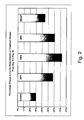

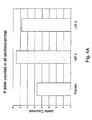
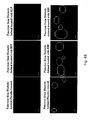
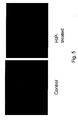
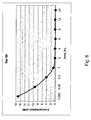
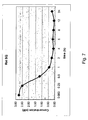

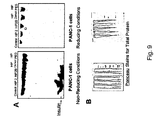

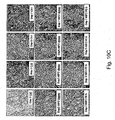
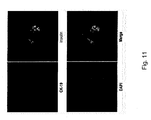
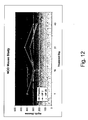

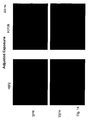

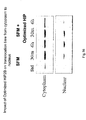
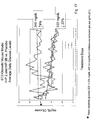



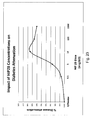
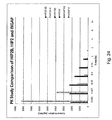
Classifications
-
- C—CHEMISTRY; METALLURGY
- C07—ORGANIC CHEMISTRY
- C07K—PEPTIDES
- C07K7/00—Peptides having 5 to 20 amino acids in a fully defined sequence; Derivatives thereof
- C07K7/04—Linear peptides containing only normal peptide links
- C07K7/08—Linear peptides containing only normal peptide links having 12 to 20 amino acids
-
- C—CHEMISTRY; METALLURGY
- C07—ORGANIC CHEMISTRY
- C07K—PEPTIDES
- C07K14/00—Peptides having more than 20 amino acids; Gastrins; Somatostatins; Melanotropins; Derivatives thereof
- C07K14/435—Peptides having more than 20 amino acids; Gastrins; Somatostatins; Melanotropins; Derivatives thereof from animals; from humans
- C07K14/46—Peptides having more than 20 amino acids; Gastrins; Somatostatins; Melanotropins; Derivatives thereof from animals; from humans from vertebrates
- C07K14/47—Peptides having more than 20 amino acids; Gastrins; Somatostatins; Melanotropins; Derivatives thereof from animals; from humans from vertebrates from mammals
-
- A—HUMAN NECESSITIES
- A61—MEDICAL OR VETERINARY SCIENCE; HYGIENE
- A61K—PREPARATIONS FOR MEDICAL, DENTAL OR TOILETRY PURPOSES
- A61K38/00—Medicinal preparations containing peptides
- A61K38/16—Peptides having more than 20 amino acids; Gastrins; Somatostatins; Melanotropins; Derivatives thereof
- A61K38/17—Peptides having more than 20 amino acids; Gastrins; Somatostatins; Melanotropins; Derivatives thereof from animals; from humans
-
- A—HUMAN NECESSITIES
- A61—MEDICAL OR VETERINARY SCIENCE; HYGIENE
- A61K—PREPARATIONS FOR MEDICAL, DENTAL OR TOILETRY PURPOSES
- A61K38/00—Medicinal preparations containing peptides
- A61K38/16—Peptides having more than 20 amino acids; Gastrins; Somatostatins; Melanotropins; Derivatives thereof
- A61K38/17—Peptides having more than 20 amino acids; Gastrins; Somatostatins; Melanotropins; Derivatives thereof from animals; from humans
- A61K38/22—Hormones
-
- A—HUMAN NECESSITIES
- A61—MEDICAL OR VETERINARY SCIENCE; HYGIENE
- A61P—SPECIFIC THERAPEUTIC ACTIVITY OF CHEMICAL COMPOUNDS OR MEDICINAL PREPARATIONS
- A61P1/00—Drugs for disorders of the alimentary tract or the digestive system
- A61P1/18—Drugs for disorders of the alimentary tract or the digestive system for pancreatic disorders, e.g. pancreatic enzymes
-
- A—HUMAN NECESSITIES
- A61—MEDICAL OR VETERINARY SCIENCE; HYGIENE
- A61P—SPECIFIC THERAPEUTIC ACTIVITY OF CHEMICAL COMPOUNDS OR MEDICINAL PREPARATIONS
- A61P15/00—Drugs for genital or sexual disorders; Contraceptives
-
- A—HUMAN NECESSITIES
- A61—MEDICAL OR VETERINARY SCIENCE; HYGIENE
- A61P—SPECIFIC THERAPEUTIC ACTIVITY OF CHEMICAL COMPOUNDS OR MEDICINAL PREPARATIONS
- A61P15/00—Drugs for genital or sexual disorders; Contraceptives
- A61P15/08—Drugs for genital or sexual disorders; Contraceptives for gonadal disorders or for enhancing fertility, e.g. inducers of ovulation or of spermatogenesis
-
- A—HUMAN NECESSITIES
- A61—MEDICAL OR VETERINARY SCIENCE; HYGIENE
- A61P—SPECIFIC THERAPEUTIC ACTIVITY OF CHEMICAL COMPOUNDS OR MEDICINAL PREPARATIONS
- A61P25/00—Drugs for disorders of the nervous system
-
- A—HUMAN NECESSITIES
- A61—MEDICAL OR VETERINARY SCIENCE; HYGIENE
- A61P—SPECIFIC THERAPEUTIC ACTIVITY OF CHEMICAL COMPOUNDS OR MEDICINAL PREPARATIONS
- A61P29/00—Non-central analgesic, antipyretic or antiinflammatory agents, e.g. antirheumatic agents; Non-steroidal antiinflammatory drugs [NSAID]
-
- A—HUMAN NECESSITIES
- A61—MEDICAL OR VETERINARY SCIENCE; HYGIENE
- A61P—SPECIFIC THERAPEUTIC ACTIVITY OF CHEMICAL COMPOUNDS OR MEDICINAL PREPARATIONS
- A61P3/00—Drugs for disorders of the metabolism
-
- A—HUMAN NECESSITIES
- A61—MEDICAL OR VETERINARY SCIENCE; HYGIENE
- A61P—SPECIFIC THERAPEUTIC ACTIVITY OF CHEMICAL COMPOUNDS OR MEDICINAL PREPARATIONS
- A61P3/00—Drugs for disorders of the metabolism
- A61P3/04—Anorexiants; Antiobesity agents
-
- A—HUMAN NECESSITIES
- A61—MEDICAL OR VETERINARY SCIENCE; HYGIENE
- A61P—SPECIFIC THERAPEUTIC ACTIVITY OF CHEMICAL COMPOUNDS OR MEDICINAL PREPARATIONS
- A61P3/00—Drugs for disorders of the metabolism
- A61P3/06—Antihyperlipidemics
-
- A—HUMAN NECESSITIES
- A61—MEDICAL OR VETERINARY SCIENCE; HYGIENE
- A61P—SPECIFIC THERAPEUTIC ACTIVITY OF CHEMICAL COMPOUNDS OR MEDICINAL PREPARATIONS
- A61P3/00—Drugs for disorders of the metabolism
- A61P3/08—Drugs for disorders of the metabolism for glucose homeostasis
-
- A—HUMAN NECESSITIES
- A61—MEDICAL OR VETERINARY SCIENCE; HYGIENE
- A61P—SPECIFIC THERAPEUTIC ACTIVITY OF CHEMICAL COMPOUNDS OR MEDICINAL PREPARATIONS
- A61P3/00—Drugs for disorders of the metabolism
- A61P3/08—Drugs for disorders of the metabolism for glucose homeostasis
- A61P3/10—Drugs for disorders of the metabolism for glucose homeostasis for hyperglycaemia, e.g. antidiabetics
-
- A—HUMAN NECESSITIES
- A61—MEDICAL OR VETERINARY SCIENCE; HYGIENE
- A61P—SPECIFIC THERAPEUTIC ACTIVITY OF CHEMICAL COMPOUNDS OR MEDICINAL PREPARATIONS
- A61P37/00—Drugs for immunological or allergic disorders
- A61P37/02—Immunomodulators
- A61P37/06—Immunosuppressants, e.g. drugs for graft rejection
-
- A—HUMAN NECESSITIES
- A61—MEDICAL OR VETERINARY SCIENCE; HYGIENE
- A61P—SPECIFIC THERAPEUTIC ACTIVITY OF CHEMICAL COMPOUNDS OR MEDICINAL PREPARATIONS
- A61P43/00—Drugs for specific purposes, not provided for in groups A61P1/00-A61P41/00
-
- C—CHEMISTRY; METALLURGY
- C07—ORGANIC CHEMISTRY
- C07K—PEPTIDES
- C07K14/00—Peptides having more than 20 amino acids; Gastrins; Somatostatins; Melanotropins; Derivatives thereof
-
- C—CHEMISTRY; METALLURGY
- C07—ORGANIC CHEMISTRY
- C07K—PEPTIDES
- C07K14/00—Peptides having more than 20 amino acids; Gastrins; Somatostatins; Melanotropins; Derivatives thereof
- C07K14/435—Peptides having more than 20 amino acids; Gastrins; Somatostatins; Melanotropins; Derivatives thereof from animals; from humans
- C07K14/46—Peptides having more than 20 amino acids; Gastrins; Somatostatins; Melanotropins; Derivatives thereof from animals; from humans from vertebrates
- C07K14/47—Peptides having more than 20 amino acids; Gastrins; Somatostatins; Melanotropins; Derivatives thereof from animals; from humans from vertebrates from mammals
- C07K14/4701—Peptides having more than 20 amino acids; Gastrins; Somatostatins; Melanotropins; Derivatives thereof from animals; from humans from vertebrates from mammals not used
- C07K14/4733—Acute pancreatitis-associated protein
-
- C—CHEMISTRY; METALLURGY
- C07—ORGANIC CHEMISTRY
- C07K—PEPTIDES
- C07K14/00—Peptides having more than 20 amino acids; Gastrins; Somatostatins; Melanotropins; Derivatives thereof
- C07K14/435—Peptides having more than 20 amino acids; Gastrins; Somatostatins; Melanotropins; Derivatives thereof from animals; from humans
- C07K14/46—Peptides having more than 20 amino acids; Gastrins; Somatostatins; Melanotropins; Derivatives thereof from animals; from humans from vertebrates
- C07K14/47—Peptides having more than 20 amino acids; Gastrins; Somatostatins; Melanotropins; Derivatives thereof from animals; from humans from vertebrates from mammals
- C07K14/4701—Peptides having more than 20 amino acids; Gastrins; Somatostatins; Melanotropins; Derivatives thereof from animals; from humans from vertebrates from mammals not used
- C07K14/4738—Cell cycle regulated proteins, e.g. cyclin, CDC, INK-CCR
-
- A—HUMAN NECESSITIES
- A61—MEDICAL OR VETERINARY SCIENCE; HYGIENE
- A61K—PREPARATIONS FOR MEDICAL, DENTAL OR TOILETRY PURPOSES
- A61K38/00—Medicinal preparations containing peptides
- A61K38/16—Peptides having more than 20 amino acids; Gastrins; Somatostatins; Melanotropins; Derivatives thereof
- A61K38/17—Peptides having more than 20 amino acids; Gastrins; Somatostatins; Melanotropins; Derivatives thereof from animals; from humans
- A61K38/1703—Peptides having more than 20 amino acids; Gastrins; Somatostatins; Melanotropins; Derivatives thereof from animals; from humans from vertebrates
- A61K38/1709—Peptides having more than 20 amino acids; Gastrins; Somatostatins; Melanotropins; Derivatives thereof from animals; from humans from vertebrates from mammals
Definitions
- Proislet peptides designed to increase their solubility, bioavailability and in-serum-resistance to protease cleavage thereby improving their effectiveness as a therapeutic agent and methods of using the same are disclosed.
- Proislet peptides modified as defined in claim 1 are provided.
- the proislet peptides are blocked with a N-terminal acetyl group and a C-terminal amide group.
- HIP and derivatives thereof are blocked with a N-terminal acetyl group and a C-terminal amide group (HIP3Blocked (SEQ ID NO: 5), HIP1Blocked (SEQ ID NO: 6) and HIP2Blocked (SEQ ID NO:7)).
- HIP3Blocked SEQ ID NO: 5
- HIP1Blocked SEQ ID NO: 6
- HIP2Blocked SEQ ID NO:7
- Optimized proislet peptide compounds including Optimized HIPs (SEQ ID NOs: 5 to 17 and 19), for administration alone or in combination with other therapeutic agents for stimulating pancreatic islet cell regeneration.
- a therapeutically effective amount of Optimized proislet peptide can be administered alone, in combination with insulin, in combination with insulin and another agent, and in combination with one or more agents other than insulin.
- the pharmaceutical formulation provided contains Optimized HIP alone or in combination with one or more other active pharmaceutical ingredients (APIs).
- the API is an or agents in soluble liposome preparations that allow the Optimized HIP to be administered by a variety of routes, including subcutaneously, intramuscularly, intravenously, and even orally, depending on the formulation selected.
- the formulation is for general systemic administration, but in other embodiments, the formulation comprises a targeting agent for targeted administration to specific locations, receptors, cells, tissues, organs, or organ systems within a subject.
- the peptides can be used for treating a pathology associated with impaired pancreatic function in a subject in need of such treatment.
- One or more agents for stimulating pancreatic islet cell regeneration can be administered in addition to the Optimized proislet peptide compounds, including Optimized HIP.
- the agents are selected from HIP or HIP-related peptide other than Optimized HIP, amylin/Pramlintide (SYMLINTM), exendin-4 (EXENATIDETM), GIP, GLP-1, GLP-1 receptor agonists, GLP-1 analogs, hamster INGAP peptide and related peptides, Liraglutide (NN2211), and a dipeptidyl peptidase inhibitor, which blocks the degradation of GLP-1.
- HIP or HIP-related peptide other than Optimized HIP amylin/Pramlintide (SYMLINTM), exendin-4 (EXENATIDETM), GIP, GLP-1, GLP-1 receptor agonists, GLP-1 analogs, hamster INGAP peptide and related peptides, Liraglutide (NN2211), and a dipeptidyl peptidase inhibitor, which blocks the degradation of GLP-1.
- the peptides can be used for treating a pathology associated with impaired pancreatic function in a subject in need of such treatment. Also described is a step of (1) intensifying glycemic control; (2) administering oral vitamin D3 (cholecalciferol) or vitamin D2 (ergocalciferol) to maintain 25-hydroxyvitamin levels above 40 ng/ml; (3) administering one or more immune therapies for protecting new islet cell formation, including administration of immunosuppressive agents; (4) administering Optimized proislet peptide compounds, including Optimized HIP in combination with insulin but decreasing the insulin administered over time; and (5) repeatedly administering a therapy for protection of islets, preferably on a 3 to 24 month basis, depending on the selected immune therapy, in addition to the step of administering Optimized HIP.
- the peptides can be used for treating a pathology associated with impaired pancreatic function in a subject in need of such treatment.
- a method comprising one or more of the steps of: (1) intensifying glycemic control; (2) administering oral vitamin D3 (cholecalciferol) to maintain 25-hydroxyvitamin levels above 40 ng/ml; (3) administering an agent for stimulating pancreatic islet regeneration in addition to Optimized proislet peptide compounds, including Optimized HIP, including but not limited to HIP and HIP analogs other than Optimized HIP; (4) co-administering an agent selected from the group consisting of amylin/Pramlintide (SYMLINTM), exendin-4 (EXENATIDETM; BYETTATM), Gastrin, Epidermal Growth Factor and Epidermal Growth Factor analog GIP, GLP-1, GLP-1 receptor agonists, GLP-1 analogs, INGAP, Liraglutide (NN2211), and a di
- the peptides can be used for treating a pathology associated with impaired pancreatic function in a subject in need of such treatment.
- a method comprising in addition to administering Optimized proislet peptide compounds, including Optimized HIP, the step of administering one or more agents that inhibit, block, or destroy the autoimmune cells that target pancreatic islets.
- agents that inhibit, block, or destroy the autoimmune cells that target pancreatic islets are selected from the group consisting of the following given individually or in combination with one another.
- Anti CD-3 antibodies including hOKT3 ⁇ 1(Ala-Ala) (teplizumab); ChAglyCD3 that target the immune response and specifically block the T-lymphocytes that cause beta cell death in type 1 diabetes; the Cytotoxic T-lymphocyte antigen 4 , CLTA-4 Ig (Abatacept); Sirolimus (Rapamycin) alone in combination with either Tacrolimus (FK506) or IL-2 (rapamune); Rapamune alone or in combination with Proleukin (aldesleukin); a heat-shock protein 60 (Diapep277); an anti-Glutamic Acid Decarboxylase 65 (GAD65) vaccine; the diabetes-suppressive dendritic cell vaccine, GSK189075, diazoxide and statin drugs including atorvastatin utilized as an agent to presever beta cell function, Mycophenolate Mofetil alone or in combination with Daclizumab; the anti-CD20 agent, Rituximab; Campath-1H (Anti-CD52
- the peptides can be used for treating a pathology associated with impaired pancreatic function in a subject in need of such treatment, wherein at least one symptom of the pathology associated with impaired pancreatic function is treated or reduced as a result of the administration of Optimized proislet peptide compounds, including Optimized HIP.
- the symptom is selected from low levels of insulin or insulin activity, insulin resistance, hyperglycemia, hemoglobin A1C level greater than 6.0%, frequent urination, excessive thirst, extreme hunger, unusual weight loss or gain, being overweight, increased fatigue, irritability, blurry vision, genital itching, odd aches and pains, dry mouth, dry or itchy skin, impotence, vaginal yeast infections, poor healing of cuts and scrapes, excessive or unusual infections, loss or worsening of glycemic control, fluctuations in blood glucose, fluctuations in blood glucagon, and fluctuations in blood triglycerides, with hyperglycemia ultimately leading to microvascular and macrovascular complications, which include visual symptoms that lead to blindness, accelerated kidney impairment that can lead to renal failure necessitating dialysis and kidney transplant and neuropathy leading to foot ulcers and amputations. Additionally, recent studies have demonstrated both microvascular and macrovascular/cardiovascular risk reduction among type 1 diabetes patients who have improved glycemic control.
- the peptides can be used for treating a pathology associated with impaired pancreatic function in a subject in need of such treatment are provided.
- the pathology associated with impaired pancreatic function is any one of type 1 diabetes, new onset type 1 diabetes, type 2 diabetes, latent autoimmune diabetes of adulthood, pre-diabetes, impaired fasting glucose, impaired glucose tolerance, insulin resistant syndrome, metabolic syndrome/dysmetabolic syndrome, being overweight, obesity, hyperlipidemia, hypertriglyceridemia, eating disorders, anovulatory cycles and polycystic ovarian syndrome.
- antibodies which selectively bind to an Optimized proislet peptide compounds including Optimized HIP.
- the antibody is a monoclonal antibody.
- the antibody is a polyclonal antibody.
- diagnostic methods which methods comprise detecting Optimized HIP levels in the serum or tissue of a mammal.
- the diagnostic method is used to monitor treatment with Optimized HIP to ensure that therapeutically effective levels are being achieved in a patient receiving such therapy.
- Embodiments of the disclosure also provide kits for treating a patient having type 1 or type 2 diabetes or other condition in which there are aberrant insulin levels, perturbation in glucose metabolism or insulin resistance, comprising a therapeutically effective dose of Optimized proislet peptide compounds, including Optimized HIP and optionally at least one agent for stimulating GLP-1 receptors or enhancing GLP-1 levels, promoting beta cell regeneration, increased satiety, decreased food intake and weight loss, either in the same or separate packaging, and instructions for its use.
- Optimized proislet peptide compounds including Optimized HIP and optionally at least one agent for stimulating GLP-1 receptors or enhancing GLP-1 levels, promoting beta cell regeneration, increased satiety, decreased food intake and weight loss, either in the same or separate packaging, and instructions for its use.
- kits for measuring Optimized proislet peptide compounds including Optimized HIP levels in a sample, the kit comprising a Optimized proislet peptide antibody, including Optimized HIP-specific antibody and optionally Optimized proislet peptide compounds, including Optimized HIP and optionally a labeling means.
- Insulin has been, since 1922, the primary if not only available therapy for the treatment of type 1 diabetes and other conditions related to the lack of or diminished efficacy or production of insulin.
- diabetic patients on insulin do not have normal glucose metabolism, because insulin is only part of the missing and aberrant pancreatic function.
- beta cell proliferation does not occur in patients with type 1 diabetes and is limited in type 2 patients.
- pancreatic ducts might lead to the identification of a substance that could be useful in the treatment of diabetes. Surgeons ligated the pancreatic ducts of diabetic children in the hopes of producing substances that would form new islets. Although the positive effects of these procedures were short-lived, they demonstrated the potential for islet restoration in man.
- pancreatic ductal ligation studies that were intended to create a hamster model for pancreatitis resulted in the formation of many new islets.
- This research led to the isolation of a hamster peptide referred to as the Islet Neogenesis Associated Peptide, or INGAP.
- INGAP Islet Neogenesis Associated Peptide
- GLP-1 Glucagon Like Peptide-1
- GLP-1 receptor analogs Exendin-4, Exenatide/BYETTATM, which is derived from the Gila Monster, Januvia TM, Gastric Inhibitory Peptide/Glucose-Dependent Insulinoptropic polypeptide (GIP)
- GLP-1 Gastric Inhibitory Peptide/Glucose-Dependent Insulinoptropic polypeptide
- compounds homologous to GLP-1 such as Liraglutide (NN2211), Dipeptidyl Peptidase-4 Inhibitors, which inhibit the breakdown of GLP-1, Gastrin, Epidermal Growth Factor and Epidermal Growth Factor Analogs, and Hamster derived Islet Neogenesis Associated Peptide (INGAP).
- INGAP Hamster derived Islet Neogenesis Associated Peptide
- pancreas For any islet cell neogenesis agent to be effective, the pancreas must be "elastic" with respect to its ability to generate new islet cells. Proof of the elasticity of the pancreas with respect to the generation of new pancreatic islets throughout one's lifetime in response to pancreatic islet death or apoptosis has replaced the long held concept that the number of insulin producing islet structures is fixed at birth and maintained throughout life, whereas the plasticity and ability of beta cells to proliferate within existing islets has been well established. It is currently accepted that pancreatic islet neogenesis occurs from preexisting pancreatic cells through differentiation of progenitor cells found amongst both the endocrine and exocrine fractions of the pancreas. Data demonstrates that, even decades after the onset of type 1 diabetes, pancreatic islets can be regenerated.
- islet neogenesis that occurs during pregnancy results from the concomitant rise in endogenous steroid production and a down regulation of the immune system preventing immune attack on the fetus, which likely also plays a role in suppression of lymphocyte attack on the islets.
- immune suppression it is also speculated that there is an up regulation of maternal islet growth promoting factors during pregnancy to compensate for the lowering of the maternal glucose setpoint in pregnancy.
- Animal models have also demonstrated that islet neogenesis precedes the development of beta cell expansion during pregnancy and it has been demonstrated that human pancreatic progenitor cells differentiate into islets. Similarly, patients who have been on long term immunosuppression for kidney transplantation have been observed to regenerate insulin producing islets.
- Anti CD-3 antibodies such as hOKT3 ⁇ 1(Ala-Ala) and ChAglyCD3 that target the immune response and specifically block the T-lymphocytes that cause beta cell death in type 1 diabetes have been utilized for this purpose, as have treatments involving the administration of Sirolimus (Rapamycin), Tacrolimus (FK506), a heat-shock protein 60 (DIAPEP277TM), an anti-Glutamic Acid Decarboxylase 65 (GAD65) vaccine, Mycophenolate Mofetil alone or in combination with Daclizumab, the anti-CD20 agent, polyclonal Anti-T-lymphocyte globulin (ATG), lysofylline, Rituximab, Campath-1H (Anti-CD52 Antibody), Vitamin D, IBC-VSO vaccine, which is a synthetic, metabolically inactive form of insulin designed to prevent
- vitamin D may play an important immune modulating role in the prevention of type 1 diabetes.
- Vitamin D deficiency has been demonstrated, not only to be associated with the increased risk of type 1 diabetes and seen at the onset of type I diagnosis, but also is commonly seen among both patients with type 1 and 2 diabetes. Maintaining levels above 40 ng/ml are recommended to sustain normal immune function. No adverse effects have been seen with doses up to 10,000 IU/day.
- proislet peptide refers to proteins or peptides derived from such proteins that stimulate islet cell neogenesis, including, but not limited to, human REG3A (SEQ ID NO: 1), human REG3G (SEQ ID NO: 28), human REG1A, human REG1B, human REG4, hamster INGAP (SEQ ID NO: 27), hamster REG2, hamster REG3G, rat REG1, rat PAP/REG3B, rat PAP3, rat REG3G, mouse REG1, mouse REG2, mouse REG3A, mouse REG3B, mouse REG3G, mouse REG3S, mouse REG4, bovine PTP, chimpanzee, cow, dog, sheep and analogs and homologs of such proteins, and peptides fragment
- Proislet peptides further include peptides which are fragments of REG3A, INGAP or homolog proteins that contain the active fourteen amino acid sequence of HIP2 (or the corresponding sequence for each homolog) (see Table 1 below) and are less than 150 amino acids, less than 125 amino acids, less than 100 amino acids, less than 75 amino acids, less than 50 amino acids or less than 25 amino acids.
- Examples of such peptides include, but are not limited to, the following: Table 1 Human REG3A I G L H D P T Q G T E P N G SEQ ID NO: 4 Chimp I G L H D P T Q G S E P D G SEQ ID NO: 60 Hamste r INGAP I G L H D P S H G T L P N G SEQ ID NO: 61 Mouse REG3A I G L H D P T M G Q Q P N G SEQ ID NO: 62 Norway Rat REG3 I W L H D P T M G Q Q P N G SEQ ID NO: 63 Cow I G L H D P T E G S E P D A SEQ ID NO: 64 Dog M G L H D P T E G Y E P N A SEQ ID NO: 65 Sheep I G L H D P T E G S E P N A SEQ ID NO: 66 Human REG1A I G L H D P K K N R R W H W SEQ ID NO: 67 Human REG1B
- Such peptide fragments include, but are not limited to, HIP1, HIP2, HIP3, INGAP peptide (SEQ ID NO: 26), and homologs thereof, identified below.
- HIP1, HIP2, HIP3, INGAP peptide SEQ ID NO: 26
- Optimized proislet peptide refers to variations of a proislet peptide, including, but not limited to, human REG3A, human REG3G, human REG1A, human REG1B, human REG4, hamster INGAP, hamster REG2, hamster REG3G, rat REG1, rat PAP/REG3B, rat PAP3, rat REG3G, mouse REG1, mouse REG2, mouse REG3A, mouse REG3B, mouse REG3G, mouse REG3S, mouse REG4, bovine PTP, HIP1, HIP2 and/or HIP3, wherein the peptide has been modified to increase the stability, solubility or bioavailability of such peptides as defined in claim 1.
- stability refers to the peptide's resistance to degradation by in-serum proteases which target and degrade non-Optimized proislet peptides, REG3A, REG3G, INGAP, REG3G peptide, INGAP peptide, HIP1, HIP2 and/or HIP3 or homologs of such peptides.
- bioavailability refers to the amount of peptide available for in vivo therapeutic use by the target cells, pathways and/or systemic mechanisms based on the peptide's ability to avoid degradation by proteases and other systemic pathways that degraded non-Optimized proislet peptides, human REG3A, human REG3G, human REG1A, human REG1B, human REG4, hamster INGAP, hamster REG2, hamster REG3G, rat REG1, rat PAP/REG3B, rat PAP3, rat REG3G, mouse REG1, mouse REG2, mouse REG3A, mouse REG3B, mouse REG3G, mouse REG3S, mouse REG4, bovine PTP, chimpanzee, cow, dog, sheep and analogs and homologs of such proteins, HIP1, HIP2 and/or HIP3 or homologs of such peptides.
- Optimized proislet peptides refers to REG3G peptide, INGAP peptide, HIP3, HIP 1 and/or HIP 2 or homologs that are blocked by the addition of a C-terminal amide group and a N-terminal acetyl group, pegylated, and a combination thereof.
- Optimized HIP refers to variations of HIP, HIP1 and/or HIP2 wherein the peptide has been modified to increase the stability, solubility or bioavailability of HIP, HIP1 or HIP2 as defined in claim 1.
- stability refers to the peptide's resistance to degradation by in-serum proteases which target and degrade non-Optimized HIP3, HIP1 and/or HIP2.
- bioavailability refers to the amount of peptide available for in vivo therapeutic use by the target cells, pathways and/or systemic mechanisms based on the peptide's ability to avoid degradation by proteases and other systemic pathways that degraded non-Optimized HIP3, HIP1 and/or HIP2.
- Optimized HIP refers to HIP3, HIP 1 and/or HIP 2 that are blocked by the addition of a C-terminal amide group and a N-terminal acetyl group, pegylated, and a combination thereof.
- beneficial or desired clinical results include, but are not limited to, alleviation or amelioration of one or more symptoms of diabetes, diminishment of extent of disease, delay or slowing of disease progression, amelioration, palliation or stabilization of the disease state, and other beneficial results described below.
- Symptoms of diabetes include low or inadequate levels of insulin or insulin activity, frequent urination, excessive thirst, extreme hunger, unusual weight loss, increased fatigue, irritability, blurry vision, genital itching, odd aches and pains, dry mouth, dry or itchy skin, impotence, vaginal yeast infections, poor healing of cuts and scrapes, excessive or unusual infections, hyperglycemia, loss of glycemic control, fluctuations in postprandial blood glucose, fluctuations in blood glucagon, fluctuations in blood triglycerides. Diabetes may be diagnosed by methods well known to one of ordinary skill in the art. For example, commonly, diabetics have a plasma blood glucose result of greater than 126 mg/dL of glucose.
- Pre diabetes which may also be treated by the compositions and methods disclosed herein, is commonly diagnosed in patients with a blood glucose level between 100 and 125 mg/dL of glucose. Other symptoms may also be used to diagnose diabetes, related diseases and conditions, and diseases and conditions affected by diminished pancreatic function.
- inhibitor includes the administration of a compound of the present disclosure to prevent the onset of the symptoms, alleviating the symptoms, or eliminating the disease, condition or disorder.
- a "pathology associated with impaired pancreatic function” is one in which the pathology is associated with a diminished capacity in a subject for the pancreas of the subject to produce and/or secrete hormones and/or cytokines.
- this hormone or cytokine is insulin.
- Pathologies that are associated with impaired pancreatic function include type 1 diabetes, new onset type 1 diabetes, type 2 diabetes, latent autoimmune diabetes of adulthood, pre-diabetes, impaired fasting glucose, impaired glucose tolerance, insulin resistant syndrome, metabolic syndrome, being overweight, obesity, hyperlipidemia, hypertriglyceridemia, eating disorders and polycystic ovarian syndrome.
- administering or “administration of” a drug or therapeutic to a subject (and grammatical equivalents of this phrase) includes both direct administration, including self-administration, directly into or onto a target tissue or to administer a therapeutic to a subject whereby the therapeutic positively impacts the tissue to which it is targeted, and indirect administration, including the act of prescribing a drug.
- direct administration including self-administration, directly into or onto a target tissue or to administer a therapeutic to a subject whereby the therapeutic positively impacts the tissue to which it is targeted
- indirect administration including the act of prescribing a drug.
- a physician who instructs a patient to self-administer a drug and/or provides a patient with a prescription for a drug is administering the drug to the patient.
- a "subject” or “patient” is a mammal, typically a human, but optionally a mammalian animal of veterinary importance, including but not limited to horses, cattle, sheep, dogs, and cats.
- a "manifestation" of a disease refers to a symptom, sign, anatomical state (e.g., lack of islet cells), physiological state (e.g., glucose level), or report (e.g., triglyceride level) characteristic of a subject with the disease.
- anatomical state e.g., lack of islet cells
- physiological state e.g., glucose level
- report e.g., triglyceride level
- a "therapeutically effective amount" of a drug or agent is an amount of a drug or agent that, when administered to a subject with a disease or condition will have the intended therapeutic effect, e.g., alleviation, amelioration, palliation or elimination of one or more manifestations of the disease or condition in the subject.
- the full therapeutic effect does not necessarily occur by administration of one dose and may occur only after administration of a series of doses.
- a therapeutically effective amount may be administered in one or more administrations.
- a prophylactically effective amount of a drug is an amount of a drug that, when administered to a subject, will have the intended prophylactic effect, e.g., preventing or delaying the onset (or reoccurrence) of disease or symptoms, or reducing the likelihood of the onset (or reoccurrence) of disease or symptoms.
- the full prophylactic effect does not necessarily occur by administration of one dose and may occur only after administration of a series of doses.
- a prophylactically effective amount may be administered in one or more administrations.
- pharmaceutically acceptable it is meant the carrier, diluent or excipient must be compatible with the other ingredients of the formulation and not deleterious to the recipient thereof.
- TID time a day
- QD time a day
- QHS time a day
- Administration of an agent "in combination with” includes parallel administration (administration of both the agents to the patient over a period-of time, such as administration of a monoclonal antibody and a peptide hormone such as an incretin hormone or analog on alternate days for one month), co-administration (in which the agents are administered at approximately the same time, e.g., within about a few minutes to a few hours of one another), and co-formulation (in which the agents are combined or compounded into a single dosage form suitable for oral, subcutaneous or parenteral administration).
- DPP-4 Inhibitors are dipeptidyl peptidase-4 inhibitors.
- “Hamster INGAP” is a non-human islet neogenesis associated peptide having the sequence Ile-Gly-Leu-His-Asp-Pro-Ser-His-Gly-Thr-Leu-Pro-Asn-Gly-Ser (SEQ ID NO: 26). This peptide is a fragment of the Hamster INGAP protein having the sequence Ile-Gly-Leu-His-Asp-Pro-Ser-His-Gly-Thr-Leu-Pro-Asn-Gly-Ser (SEQ ID NO: 27).
- GIP Gastric Inhibitory Peptide, also known as Glucose-Dependent Insulinotropic Polypeptide.
- GLP-1 is Glucagon-like Peptide 1.
- HIP3 Human prolslet Peptide in purified, synthetic, or recombinant form. HIP3 has a molecular weight of about 1564.6.
- HIP1 Human proIslet Peptide in purified, synthetic, or recombinant form.
- HIP2 Human proIslet Peptide in purified, synthetic, or recombinant form. HIP2 has a molecular weight of about 1435.5.
- HIP3Blocked or HIP3B (Ac-Ile-Gly-Leu-His-Asp-Pro-Thr-Gln-Gly-Thr-Glu-Pro-Asn-Gly-Glu-NH2) (SEQ ID NO: 5)) is a Human proIslet Peptide which has been blocked with a N-terminal acetyl group and a C-terminal amide group, in purified, synthetic, or recombinant form.
- HIPB has a molecular weight of about 1605.7.
- HIP1Blocked (Ac-Trp-Ile-Gly-Leu-His-Asp-Pro-Thr-Gln-Gly-Thr-Glu-Pro-Asn-Gly-NH2 (SEQ ID NO: 6)) is a Human proIslet Peptide which has been blocked with a N-terminal acetyl group and an C-terminal amide group, in purified, synthetic, or recombinant form.
- HIP2Blocked or HIP2B (Ac-Ile-Gly-Leu-His-Asp-Pro-Thr-Gln-Gly-Thr-Glu-Pro-Asn-Gly-NH2) (SEQ ID NO: 7)) is a Human prolslet Peptide which has been blocked with a N-terminal acetyl group and an C-terminal amide group, in purified, synthetic, or recombinant form.
- HIP2B has a molecular weight of about 1476.6.
- INGAP PeptideBlocked or INGAPB is a INGAP Peptide which has been blocked with a N-terminal acetyl group and an C-terminal amide group, in purified, synthetic, or recombinant form.
- HIP3Cys (Ile-Gly-Leu-His-Asp-Pro-Thr-Gln-Gly-Thr-Glu-Pro-Asn-Gly-Glu-Cys) (SEQ ID NO: 8)) is a Human proIslet Peptide which has an additional C-terminal cysteine residue, in purified, synthetic or recombinant form (comparative).
- HIP1Cys (Trp- Ile-Gly- Leu- His- Asp-Pro-Thr-Gln-Gly-Thr-Glu-Pro-Asn-Gly-Cys) (SEQ ID NO: 9)) is a Human prolslet Peptide which has an additional C-terminal cysteine residue, in purified, synthetic or recombinant form (comparative).
- HIP2Cys (Ile-Gly-Leu-His-Asp-Pro-Thr-Gln-Gly-Thr-Glu-Pro-Asn-Gly-Cys) (SEQ ID NO: 10)) is a Human proIslet Peptide which has an additional C-terminal cysteine residue, in purified, synthetic or recombinant form (comparative).
- INGAP PeptideCys or INGAPCys is INGAP Peptide which has an additional C-terminal cysteine residue, in purified, synthetic or recombinant form (comparative).
- HIP3CysDimer (Ile-Gly-Leu-His-Asp-Pro-Thr-Gln-Gly-Thr-Glu-Pro-Asn-Gly-Cys) 2 (SEQ ID NO: 11)) is a Human proIslet Peptide dimer wherein each monomer has been modified to include a C-terminal cysteine residue, in purified, synthetic, or recombinant form. The dimer forms via the creation of a disulfide bond between the cysteine residues of the individual monomers (comparative).
- HIP1CysDimer (Trp-Ile-Gly-Leu-His-Asp-Pro-Thr-Gln-Gly-Thr-Glu-Pro-Asn-Gly-Glu-Cys) 2 (SEQ ID NO: 12)) is a Human proIslet Peptide dimer wherein each monomer has been modified to include a C-terminal cysteine residue, in purified, synthetic, or recombinant form. The dimer forms via the creation of a disulfide bond between the cysteine residues of the individual monomers (comparative).
- HIP2CysDimer (Ile-Gly-Leu-His-Asp-Pro-Thr-Gln-Gly-Thr-Glu-Pro-Asn-Gly-Cys) 2 (SEQ ID NO: 13)) is a Human proIslet Peptide dimer wherein each monomer has been modified to include a C-terminal cysteine residue, in purified, synthetic, or recombinant form. The dimer forms via the creation of a disulfide bond between the cysteine residues of the individual monomers.
- HIP2 has a molecular weight of about 1435.5 (comparative).
- INGAPCysDimer is an INGAP Peptide dimer wherein each monomer has been modified to include a N-terminal cysteine residue, in purified, synthetic, or recombinant form (comparative).
- HIP3CysBlocked (Ac-Ile-Gly-Leu-His-Asp-Pro-Thr-Gln-Gly-Thr-Glu-Pro-Asn-Gly-Glu-Cys-NH2) (SEQ ID NO: 14)) is a Human proIslet Peptide which has been modified to include a C-terminal cysteine residue and has been blocked with a N-terminal acetyl group and a C-terminal amide group, in purified, synthetic, or recombinant form.
- HIP1CysBlocked (Ac-Trp-Ile-Gly-Leu-His-Asp-Pro-Thr-Gln-Gly-Thr-Glu-Pro-Asn-Gly-Cys-NH2) (SEQ ID NO: 15)) is a Human proIslet Peptide which has been modified to include a C-terminal cysteine residue and has been blocked with an N-terminal acetyl group and a C-terminal amide group, in purified, synthetic, or recombinant form.
- HIP2CysBlocked (Ac-Ile-Gly-Leu-His-Asp-Pro-Thr-Gln-Gly-Thr-Glu-Pro-Asn-Gly-Cys-NH2) (SEQ ID NO: 16)) is a Human proIslet Peptide which has been modified to include a C-terminal cysteine residue and has been blocked with a N-terminal acetyl group and a C-terminal amide group, in purified, synthetic, or recombinant form.
- INGAPCysBlocked is INGAP Peptide which has been modified to include a C-terminal cysteine residue and has been blocked with a N-terminal acetyl group and a C-terminal amide group, in purified, synthetic, or recombinant form.
- HIP3CysBlockedDimer (Ac-Ile-Gly-Leu-His-Asp-Pro-Thr-Gln-Gly-Thr-Glu-Pro-Asn-Gly-Glu-Cys-NH2) 2 (SEQ ID NO: 17) is a Human proIslet Peptide dimer wherein each monomer has been modified to include a C-terminal cysteine residue and has been blocked with a N-terminal acetyl group and a C-terminal amide group, in purified, synthetic, or recombinant form. The dimer forms via the creation of a disulfide bond between the cysteine residues of the individual monomers.
- HIP1CysBlockedDimer (Ac-Trp-Ile-Gly-Leu-His-Asp-Pro-Thr-Gln-Gly-Thr-Glu-Pro-Asn-Gly-Cys-NH2) 2 (SEQ ID NO: 18) is a Human proIslet Peptide dimer wherein each monomer has been modified to include a C-terminal cysteine residue and has been blocked with an N-terminal acetyl group and a C-terminal amide group, in purified, synthetic, or recombinant form. The dimer forms via the creation of a disulfide bond between the cysteine residues of the individual monomers.
- HIP2CysBlockedDimer or HIP2B Cys Dimer (Ac-Ile-Gly-Leu-His-Asp-Pro-Thr-Gln-Gly-Thr-Glu-Pro-Asn-Gly-Cys-NH2) 2 (SEQ ID NO:19) is a Human proIslet Peptide dimer wherein each monomer has been modified to include a C-terminal cysteine residue and has been blocked with a N-terminal acetyl group and an C-terminal amide group, in purified, synthetic, or recombinant form. The dimer forms via the creation of a disulfide bond between the cysteine residues of the individual monomers.
- HIP2B Cys Dimer has a molecular weight of about 3157.5.
- INGAPCysBlocked Dimer is INGAP Peptide dimer wherein each monomer has been modified to include a C-terminal cysteine residue and has been blocked with a N-terminal acetyl group and an C-terminal amide group, in purified, synthetic, or recombinant form.
- the dimer forms via the creation of a disulfide bond between the cysteine residues of the individual monomers.
- HIP3CysPEG (Ile-Gly-Leu-His-Asp-Pro-Thr-Gln-Gly-Thr-Glu-Pro-Asn-Gly-Glu-Cys(PEG)) (SEQ ID NO: 20) is a Human proIslet Peptide which has been modified to include a C-terminal cysteine residue to which has been covalently bonded to a dimeric maleimide activated 40Kd PEG construct, in purified, synthetic, or recombinant form (comparative).
- HIP1CysPEG (Trp-Ile-Gly-Leu-His-Asp-Pro-Thr-Gln-Gly-Thr-Glu-Pro-Asn-Gly-Cys(PEG)) (SEQ ID NO: 21) is a Human proIslet Peptide which has been modified to include a C-terminal cysteine residue to which has been covalently bonded to a dimeric maleimide activated 40Kd PEG construct, in purified, synthetic, or recombinant form (comparative).
- HIP2CysPEG (Ile-Gly-Leu-His-Asp-Pro-Thr-Gln-Gly-Thr-Glu-Pro-Asn-Gly-Cys(PEG)) (SEQ ID NO: 22) is a Human proIslet Peptide which has been modified to include a C-terminal cysteine residue to which has been covalently bonded to a dimeric maleimide activated 40Kd PEG construct, in purified, synthetic, or recombinant form (comparative).
- INGAPCysPEG is INGAP Peptide which has been modified to include a C-terminal cysteine residue to which has been covalently bonded to a dimeric maleimide activated 40Kd PEG construct, in purified, synthetic, or recombinant form (comparative).
- HIP3CysBlockedPEG (Ac-Ile-Gly-Leu-His-Asp-Pro-Thr-Gln-Gly-Thr-Glu-Pro-Asn-Gly-Glu-Cys(PEG)-NH2) (SEQ ID NO: 23) is a Human proIslet Peptide which has been blocked with a N-terminal acetyl group and a C-terminal amide group, and modified to include an C-terminal cysteine residue to which has been covalently bonded to a dimeric maleimide activated 40Kd PEG construct, in purified, synthetic, or recombinant form.
- HIP1CysBlockedPEG (Ac-Trp-Ile-Gly-Leu-His-Asp-Pro-Thr-Gln-Gly-Thr-Glu-Pro-Asn-Gly-Cys(PEG)-NH2) (SEQ ID NO: 24) is a Human proIslet Peptide which has been blocked with a N-terminal acetyl group and a C-terminal amide group, and modified to include an C-terminal cysteine residue to which has been covalently bonded to a dimeric maleimide activated 40Kd PEG construct, in purified, synthetic, or recombinant form.
- HIP2CysBlockedPEG or HIP2B Cys-PEG (Ac-Ile-Gly-Leu-His-Asp-Pro-Thr-Gln-Gly-Thr-Glu-Pro-Asn-Gly-Cys(PEG)-NH2) (SEQ ID NO: 25) is a Human prolslet Peptide which has been blocked with a N-terminal acetyl group and a C-terminal amide group, and modified to include an C-terminal cysteine residue to which has been covalently bonded to a dimeric maleimide activated 40Kd PEG construct, in purified, synthetic, or recombinant form.
- HIP2B Cys(PEG) has a molecular weight of about 44,782.
- INGAPCysBlocked PEG is INGAP Peptide which has been blocked with a C-terminal acetyl group and an N-terminal amide group, and modified to include a C-terminal cysteine residue to which has been covalently bonded to a dimeric maleimide activated 40Kd PEG construct, in purified, synthetic, or recombinant form (Comparative).
- REG3G is human regenerating islet-derived protein 3 gamma precursor having the sequence MLPPMALPSVSWMLLSCLILLCQVQGEETQKELPSPRISCPKGSKAYGSPCYALFLSPKS WMDADLACQKRPSGKLVSVLSGAEGSFVSSLVRSISNSYSYIWIGLHDPTQGSEPDGDG WEWSSTDVMNYFAWEKNPSTILNPGHCGSLSRSTGFLKWKDYNCDAICLPYVCKFKD (SEQ ID NO: 28).
- REG3G peptide is human regenerating islet-derived protein 3 gamma precursor peptide derived from REG3G having the sequence IGLHDPTQGSEPDG (SEQ ID NO: 29).
- Other REG3G peptides are WIGLHDPTQGSEPDG (SEQ ID NO: 58) and IGLHDPTQGSEPDGD (SEQ ID NO: 59).
- Embodiments of the present disclosure provide detailed strategies for optimizing the stability and solubility of proislet peptides, including HIP, for improved use as a therapeutic agent.
- HIP is a peptide fragment of the human protein regenerating islet-derived 3 alpha protein (REG3A) (NM_138937.1), also known as pancreatitis-associated protein precursor (NP-002571) located on chromosome 2, location 2p12 position 79240075 (SEQ ID NO: 1).
- HIP3, HIP1 and HIP2 induce or stimulate islet neogenesis from progenitor cells resident within the pancreas.
- neogenesis agents used in accordance with the methods of the current disclosure result in Optimized forms of proislet peptides, including HIP, which demonstrate increased in vivo stability, solubility and efficacy when used as a therapeutic agent to treat diseases.
- diseases include but are not limited to diabetes mellitus (type 1 diabetes), type 2 diabetes (non-insulin dependent diabetes mellitus and insulin requiring adult onset diabetes, diabetes in childhood and adolescence), and Latent Autoimmune Diabetes in Adults (LADA).
- Embodiments of the disclosure also provide pharmaceutical compositions and therapies for the treatment of pancreatic dysfunction, including type 1 and type 2 diabetes, with such compositions.
- these compositions comprise Optimized proislet peptides, including Optimized HIP, as defined in claim 1.
- these compositions include Optimized proislet peptides, including Optimized HIP and other agents that affect glucose metabolism. Included among these other agents are agents that are involved in pancreatic islet neogenesis and agents that inhibit, block, or destroy the autoimmune cells that target pancreatic islet cells.
- the therapies disclosed herein are practiced by administering a therapeutically effective dose of Optimized proislet peptides, including Optimized HIP ,to a mammal in need of such therapy.
- the therapies disclosed herein are practiced by administering a therapeutically effective dose of Optimized proislet peptides, including Optimized HIP, to a mammal in need of such therapy in combination with another agent (such as a hormone or compound) that affects glucose metabolism, including but not limited to hormones or compounds that are involved in beta cell regeneration, satiety, and gastric emptying, such as GLP-1, GIP, GLP-1 receptor analogs, GLP-1 analogs, and Dipeptidyl Peptidase-4 Inhibitors, which prevent destruction of GLP-1, and agents that inhibit, block, or destroy the autoimmune cells that target pancreatic cells.
- the Optimized HIP and the other agent may be administered separately or may first be admixed to provide a combination composition and administered simultaneously.
- HIP1, HIP2 and HIP3 when introduced into diabetic mice, stimulate differentiation of progenitor cells within the pancreas into new islet structures.
- Optimized proislet peptides including Optimized HIP, is provided by the present disclosure in purified, synthetic, or recombinant form and are useful for administration as disclosed herein to induce pancreatic islet neogenesis.
- Optimized proislet peptides may be stably stored for long periods of time.
- Optimized HIP is stable for months when stored at 20 °C in isotonic saline.
- Optimized proislet peptides is functionally hyperactive, i.e., capable of exhibiting greater activity of one or more of the functional activities associated with REG3A, other HIP peptides, and non-human HIP homologues, such as the hamster INGAP.
- a variety of DNA sequences which encode the same or a substantially similar amino acid sequences as Optimized proislet peptides, including Optimized HIP may be used in the practice of the present disclosure to prepare expression vectors for the production of recombinant Optimized proislet peptides, including Optimized HIP variants.
- These include, but are not limited to, nucleic acid sequences comprising all or portions of Optimized proislet peptides, including Optimized HIP, that are altered by the substitution of different codons that encode the same or a functionally equivalent amino acid residue within the sequence, thus producing a silent change.
- the Optimized proislet peptides include, but are not limited to, those containing, as a primary amino acid sequence, all or part of the amino acid sequences of Optimized proislet peptides, including Optimized HIP variants, including altered sequences in which functionally equivalent amino acid residues are substituted for residues within the sequence resulting in a silent change.
- one or more amino acid residues within the sequence can be substituted by another amino acid of a similar polarity that acts as a functional equivalent, resulting in a silent alteration.
- Substitutes for an amino acid within the sequence may be selected from other members of the class to which the amino acid belongs.
- the nonpolar (hydrophobic) amino acids include alanine, leucine, isoleucine, valine, proline, phenylalanine, tryptophan and methionine.
- the polar neutral amino acids include glycine, serine, threonine, cysteine, tyrosine, asparagine, and glutamine.
- the positively charged (basic) amino acids include arginine, lysine and histidine.
- the negatively charged (acidic) amino acids include aspartic acid and glutamic acid.
- Optimized proislet peptides including Optimized HIP derivatives, also include, but are not limited to, those containing, as a primary amino acid sequence, all or part of the amino acid sequence of the proislet peptide, including HIP, including altered sequences in which amino acid residues are substituted for residues with similar chemical properties.
- 1, 2, 3, 4, or 5 amino acids of Optimized HIP are substituted resulting in analogs and/or derivatives of Optimized HIP.
- a "chimeric protein” or “fusion protein” comprises Optimized proislet peptides, including Optimized HIP, or an analog or derivative thereof operatively-linked to a non-proislet peptide or HIP polypeptide or an analog or derivative thereof.
- Optimized proislet peptide or HIP and the non-proislet or HIP polypeptide are "operatively-linked", that is they are fused in-frame with one another.
- the non-proislet or HIP polypeptide can be fused to the N-terminus or C-terminus of Optimized proislet peptide or HIP.
- the fusion protein may be Optimized HIP containing a heterologous signal sequence at its N-terminus.
- expression and/or secretion of Optimized HIP or an analog or derivative thereof can be increased through use of a heterologous signal sequence.
- the fusion protein is an Optimized HIP-immunoglobulin fusion protein in which the Optimized HIP sequence is fused to sequences derived from a member of the immunoglobulin protein family.
- the Optimized HIP-immunoglobulin fusion protein can be incorporated into pharmaceutical compositions and administered to a subject to inhibit an immunological response according to the present disclosure.
- Optimized proislet peptides including Optimized HIP, for use as disclosed herein may be chemically modified for the purpose of improving bioavailability, and/or increasing efficacy, solubility and stability.
- the protein may be covalently or non-covalently linked to albumin, transferrin or additional polyethylene glycol (PEG) moieties.
- Optimized proislet peptides for use as disclosed herein can be produced by standard recombinant DNA techniques in accordance with the teachings herein and known in the art.
- DNA fragments coding for the different polypeptide sequences may be ligated together in-frame in accordance with conventional techniques, e.g., by employing blunt-ended or stagger-ended termini for ligation, restriction enzyme digestion to provide for appropriate termini, filling-in of cohesive ends as appropriate, alkaline phosphatase treatment to avoid undesirable joining, and enzymatic ligation.
- the fusion gene can be synthesized by conventional techniques including automated DNA synthesizers.
- PCR amplification of gene fragments can be carried out using anchor primers that give rise to complementary overhangs between two consecutive gene fragments that can subsequently be annealed and reamplified to generate a chimeric gene sequence.
- many expression vectors are commercially available that already encode a fusion moiety (e.g., a GST polypeptide).
- An Optimized HIP-encoding nucleic acid can be cloned into such an expression vector such that the fusion moiety is linked in-frame to Optimized HIP.
- the fusion protein can be an Optimized HIP fused to a His tag or epitope tag (e.g.
- Optimized HIP makes synthetic production of these valuable peptides readily practicable as well, and a variety of automated instruments for peptide synthesis are commercially available, and synthetic methods for peptide synthesis not requiring automation have long been known and can be used in accordance with the teachings herein to prepare. Optimized HIP.
- Optimized proislet peptides can be modified so that it has an extended half-life in vivo using any methods known in the art.
- the Fc fragment of human IgG or inert polymer molecules such as high molecular weight polyethyleneglycol (PEG) can be attached to Optimized HIP with or without a multifunctional linker either through site-specific conjugation of the PEG to the N- or C-terminus of the protein or via epsilon-amino groups present on lysine residues. Linear or branched polymer derivatization that results in minimal loss of biological activity will be used.
- the degree of conjugation can be closely monitored by SDS-PAGE and mass spectrometry to ensure proper conjugation of PEG molecules to Optimized HIP .
- Unreacted PEG can be separated from Optimized HIP-PEG conjugates by size-exclusion or by ion-exchange chromatography.
- PEG-derivatized conjugates can be tested for in vivo efficacy using methods known to those of skill in the art.
- Embodiments of the present disclosure provide Optimized proislet peptide formulations, including Optimized HIP formulations, and Optimized proislet or HIP-based for use in the treatment of diabetes and the various other indications involving impaired pancreatic function.
- a proislet peptide is optimized by the addition of a C-terminal amide group and a N-terminal acetyl group thereby effectively blocking proteolytic activity by those proteases that recognize and degrade free ends of peptides in serum and resulting in the Optimized proislet peptide compounds.
- HIP3, HIP1 and/or HIP2 is optimized by the addition of a C-terminal amide group and a N-terminal acetyl group thereby effectively blocking proteolytic activity by those proteases that recognize and degrade free ends of peptides in serum and resulting in the Optimized HIP compounds HIP3Blocked (SEQ ID NO: 5), HIP1Blocked (SEQ ID NO: 6) and HIP2Blocked (SEQ ID NO: 7), respectively.
- These blocking groups are added by were prepared by Solid Phase Peptide Synthesis (SPPS).
- SPPS Solid Phase Peptide Synthesis
- the carboxyl terminus of the peptide is linked to the polymer.
- a reagent can be applied to cleave the peptide chain from the support and liberate the crude peptide into solution. All the reactions involved in the synthesis are carried to completion if possible, so that a homogeneous product could be obtained.
- the C-terminal of a peptide is an amide
- the derivative is a peptide amide.
- Peptide-amides are extremely important derivatives since many naturally occurring peptide hormones are present as the amide.
- solid phase resins have been developed which yield peptide amides directly upon cleavage.
- the N-terminal is an acetyl group
- the peptide is assembled from the C-terminal to the N-terminal.
- the N-terminal is then acetylated using acetic anhydride in the presence of a base.
- the Optimized proislet peptide or HIP can be used to treat any mammal, including humans and animals, suffering from a disease, symptom, or condition related to a diminished production or secretion of insulin due to the loss of or diminished beta cell function or the need for greater insulin production than can be provided to the subject via differentiation of new islet structures from progenitor cells utilizing Optimized HIP compounds and methods of treatment.
- Such diseases and conditions include type 1 diabetes mellitus, type 2 diabetes, pre-diabetes, impaired fasting glucose, fasting hyperinsulinemia, including but not limited to patients with type 1a diabetes patients or patients with Latent Autoimmune Diabetes of Adulthood who may manifest antibodies (anti-GAD65 antibodies, anti-islet antibodies, or anti-insulin antibodies) or those patients with type 1 diabetes with insulin deficiency without autoimmunity directed toward the beta cells (type lb diabetes).
- embodiments of the present disclosure can be practiced with therapeutic benefit for patients newly diagnosed as having type 1 diabetes, the siblings and first degree relatives of patients with type 1 diabetes, and people with positive antibodies and other autoimmune conditions that indicate a predilection to type 1 diabetes.
- the peptides disclosed herein are provided to reverse type 1 diabetes in a patient in need of such treatment.
- the combination therapies and related compositions ocan also be employed as adjunctive therapy to insulin therapy in type 1 diabetes in children and adults, to ameliorate glucose swings in patients with diabetes, and in patients with poorly controlled diabetes, hypoglycemic unawareness, and recurrent hypoglycemia in type 1 diabetes.
- the Optimized proislet peptide or HIP and related compositions can be used to treat patients having newly diagnosed type 2 diabetes, type 2 diabetes in children and adults with hyperglycemia, type 2 diabetes being concurrently treated with insulin, oral diabetic or other subcutaneous diabetic therapies, and poorly controlled type 2 diabetes.
- the compositions disclosed herein can reverse type 1 and 2 diabetes.
- the compositions disclosed herein can also be used to treat both children and adults having atypical forms of diabetes and patients having the conditions of postprandial hyperglycemia.
- the Optimized proislet peptide or HIP and related compositions can also be used to treat patients who are children, as well, as adult patients, in need of weight loss, reduction in triglycerides, LDL cholesterol, including but not limited to achieve weight loss or treat obesity, overweight in patients having diabetes as well as those who do not have type 1 or 2 diabetes.
- the compositions disclosed herein are used to treat a patient having morbid obesity.
- the compositions disclosed herein are used to treat a patient having morbid obesity or patients having anorexia, bulimia, or other eating disorders.
- the single agent Optimized therapies and related compositions can also be used to treat children and adults having dysmetabolic syndrome or metabolic syndrome, as well as patients exhibiting the conditions of neuropathic pain syndromes secondary to altered glucose metabolism, and those with hypertriglyceridemia with and without diabetes, and postprandial hypertriglyceridemia.
- these peptides are provided to treat polycystic ovarian syndrome in a patient in need of such treatment.
- Optimized proislet peptide or HIP Other patients that can benefit from the Optimized proislet peptide or HIP include children and adult patients diagnosed as having conditions such as fasting hyperglycemia, pre-diabetes, impaired fasting glucose, impaired glucose tolerance, and hyperglycemic conditions generally.
- Optimized proislet peptide or HIP and related compositions can also be used to treat patients having neuropathic pain syndromes and neuropathy, regardless of whether the patient is diagnosed as diabetic.
- Optimized proislet peptide or HIP and related compositions can also be used to treat patients having recurrent pancreatitis or pancreatic cancer and can be used in all modalities aimed at achieving new islet structures derived from progenitor cells in the pancreas.
- the agent that stimulates islet differentiation from pancreatic progenitor cells into insulin producing islet structures is selected from Optimized proislet peptide or HIP.
- a combination of Optimized proislet peptide, including HIP, and another agent to stimulate islet cell neogenesis is selected from Optimized proislet peptide or HIP.
- This additional agent can be, for example, amylin and/or an analog, including but not limited to Pramlintide (SYMLINTM), GLP-1 receptor analogs, exendin-4 (EXENATIDETM), Liraglutide (NN2211), GLP-1, GLP-1 analogs GIP, GLP-1, hamster INGAP, other incretin-mimetic hormones, and/or similarly acting compounds and agents, and agents that extend the half-life or increase the level or activity of any of the foregoing compounds and agents, such as, for example, dipeptidyl peptidase-4 inhibitors, which delay the degradation of GLP-1.
- GLP-1 mimetics that act via direct agonist activity on the GLP-1 receptors or by inhibiting the degradation of GLP-1. These agents are useful in certain embodiments of the present disclosure. GLP-1 mimetics can be used in conjunction with HIP and/or targeted immune therapy for the treatment of type 1 diabetes, and, they can be used to improve glycemic control, increase satiety, delay gut glucose absorption and lead to a reversal of the underlying mechanisms resulting in type 1 diabetes.
- These agents may prevent progression of impaired glucose tolerance in diabetes; to prevent pre-diabetes, progression of impaired fasting glucose to impaired glucose tolerance and diabetes; to reverse newly diagnosed type 2 diabetes; to treat type 2 diabetes, and to treat or prevent overweight, obesity, polycystic ovarian syndrome, and neuropathic pain syndromes.
- Agents, and pharmaceutical formulations useful in the practice of the present disclosure to achieve pancreatic islet differentiation from progenitor cells in the adult pancreas include those described for other purposes in the following references, each of which is incorporated herein by reference: Rosenberg et al., 1992, Adv. Exp. Med. Biol. 321: 95-104 ; Mar. 1996, Diabetologia 39(3):256-62 ; Jul. 1996, Pancreas 13(1):38-46 ; and Nov. 2004, Ann. Surg. 240(5):875-84 ; Vinik et al., Jun. 1997, Horm. Metab. Res. 29(6):278-93 .
- the successful stimulation of islet regeneration or differentiation of pancreatic progenitor cells can be shown through the increased production and/or secretion of insulin in a subject.
- amylin or an analog of amylin such as SymlinTM or Pramlintide is employed prior to administration or in concomitant administration with Optimized HIP.
- Amylin may be administered prior to islet regeneration and continued through the islet regeneration period administration in accordance with the teachings of the reference Young et al., 1997, Curr. Opin. Endocrin. Diabetes 4: 282-290 .
- amylin and/or an analog is administered subcutaneously to optimize glycemic control prior to the initiation of Optimized HIP and may then be and used alone or in conjunction with other islet stimulating peptides, such as Optimized HIP or a Optimized HIP.
- amylin or pramlintide is dosed at 0.3-0.8 micrograms per kilogram patient weight. In one embodiment, this dose is administered subcutaneously before meals, for example, QHS and 3 AM.
- the therapeutically effective dose is delivered subcutaneously or via an infusion device/pump and/or a transdermal, intranasal, buccal, microneedle delivery system, oral encapsulation method.
- the therapeutically effective dose is administered utilizing sustained release formulations requiring administration by injection or other delivery method no more frequently than once a week, once every 2 weeks, or once monthly.
- amylin or pramlintide is co-administered with another islet stimulating agent.
- a GLP-1 receptor analog including exendin-4 or an analog of exendin 4 is employed in the method with Optimized HIP at doses of 5-10 mcg with meals.
- Exendin-4 can be formulated and administered for purposes of the present disclosure in accordance with the teachings of the following references: Alcantara et al., 1998, Cell Biochem. Funct. 16(1): 51-6 ; Dupre et al., 2004, J. Clin. Endocrin. Metab. 89(7): 3469-73 ; Edwards et al., 1999, Diabetes 48: 86-93 ; and Xu et al., 1999, Diabetes 48: 2270-76 .
- exendin-4 is dosed in the range of 5-10 micrograms before meals. In one embodiment, exendin-4 is administered subcutaneously alone or in conjunction with Optimized HIP and/or other islet stimulating peptides. In one embodiment, the therapeutically effective dose is administered subcutaneously. In another embodiment, delivery of exendin-4 is via transdermal, buccal, oral encapsulation methods, intranasal or microneedle delivery systems. In another embodiment, the therapeutically effective dose is contained in a sustained release formulation that requires administration no more frequently than once a week, once every 2 weeks, or once monthly.
- exendin-4 is co-administered with Optimized HIP or another islet cell neogenesis or progenitor cell transformation agent among patients with type 1 or 2 diabetes, or those with obesity, overweight, insulin resistant syndrome, impaired fasting glucose, pre-diabetes, polycystic ovarian syndrome, the metabolic syndrome or eating disorders.
- GIP and GLP-1 belong to the incretin family of growth hormones (see the references Creutzfeldt, 1979, Diabetologia 16: 75-85 ; Creutzfeldt and Ebert, 1985, Diabetologia 28: 565-573 ; Holst et al., 2001, Scand. J. Clin. Lab. Invest. Suppl. 234: 75-85 ; and Vilsboll et al., Jun. 2003, J. Clin. Endocrin. Metab.88(6) :2706-13 ), and in one embodiment, an incretin hormone or analog with or without the concomitant usage of Optimized HIP is employed in the method to stimulate differentiation to islets from progenitor cells in the adult pancreas.
- GIP or a GIP analog is employed with Optimized proislet peptide, including HIP.
- GIP can be formulated and administered for purposes of the present disclosure in accordance with the teachings of the following references: Andersen et al., 1978, J. Clin. Invest. 62: 152-161 ; Creutzfeldt et al., Feb. 1980, Diabetes 29(2):140-5 ; Duient et al., 1973, J. Clin. Endocrin. Metab. 37: 826-828 ; Ebert et al., 1980, Clinical Gastroenterology 9(3): 679-98 ; Elahi et al., 1979, Am. J. Physiol.
- GIP is administered intravenously or subcutaneously in combination with Optimized proislet peptide, including HIP, and dosed at 2-10 nanograms per kilogram patient weight to provide a 30-minute continuous infusion by either intravenous or subcutaneous delivery time beginning 3-5 minutes before meals, before bedtime, and beginning at 3 AM.
- GIP is administered subcutaneously before meals, QHS, and 3AM.
- GIP is administered orally or using an infusion device or a transdermal, buccal, intranasal or microneedle delivery systems.
- a sustained release formulation requiring administration no more frequently than once every week, once every 2 weeks, or once monthly injections is employed. Suitable compositions for administering GIP are described for other purposes in the reference Jones et al., 6 Nov. 1989, Diabetes Res. Clin. Pract. 7(4):263-9 .
- GLP-1 or an analog, or a GLP-1 receptor agonist or a Dipeptidyl Peptidase-4 Inhibitor is employed in combination with Optimized proislet peptide, including HIP, in the method to stimulate islet differentiation from progenitor cells, GLP-1, GLP-1 receptor agonists, GLP-1 analogs and DPP-4 inhibitors can be formulated and administered for purposes of the present disclosure in accordance with the teachings of the following references: Elahi et al., 1994, Regulatory Peptides 51(1): 63-74 ; Gutniak et al., 1994, Diabetes Care 17:1039-44 ; Kreymann et al., 1987, Lancet 2: 1300-1304 ; Larsen et al., 1996, Diabetes 45(Suppl.
- GLP-1, a GLP-1 receptor agonist, or a GLP-1 analog is administered subcutaneously or DPP-4 inhibitors are given orally in combination with Optimized proislet peptide, including HIP, and dosed in the range of 400-800 mg per day at 8-20 mg per kilogram patient weight.
- GLP-1 is administered orally or subcutaneously before meals, QHS.
- GLP-1 is administered using a continuous subcutaneous infusion device at a rate of 1-30 ng/kilogram body weight/minute or a transdermal, buccal, or microneedle delivery system to provide a 30-minute continuous infusion by either intravenous or subcutaneous delivery time beginning 3-5 minutes before meals, before bedtime, and beginning at 3 AM.
- a sustained release formulation requiring administration no more frequently than once every week, once every 2 weeks, or once monthly injections is employed.
- liraglutide (NN2211) is administered subcutaneously in combination with Optimized proislet peptide, including HIP, in doses of 10-40 micrograms per kilogram body weight.
- liraglutide is administered subcutaneously before meals, QHS, and 3AM.
- liraglutide is administered using an infusion device or a transdermal, buccal, or microneedle delivery system to provide a 30-minute continuous infusion by either intravenous or subcutaneous delivery time beginning 3-5 minutes before meals, before bedtime, and beginning at 3 AM.
- a sustained release formulation requiring administration no more frequently than once every week, once every 2 weeks, or once monthly injections is employed.
- liraglutide or NN2211 is administered at a dose of about 20 micrograms per kg of patient weight daily in combination with Optimized proislet peptide, including HIP.
- This dose will provide patients the ability to reduce bolus insulin before meals by 10-20% with reduced fluctuations and decreased postprandial glucose, glucagon, and triglycerides.
- Administration of liraglutide in accordance with the methods disclosed herein can be used to improve glycemic control, as measured, for example and without limitation, by hemoglobin A1C, in type 1 diabetes; to prevent progression of impaired glucose tolerance in diabetes; to prevent progression of impaired fasting glucose to impaired glucose tolerance and diabetes; to reverse newly diagnosed type 2 diabetes; and to treat type 2 diabetes.
- liraglutide or NN2211 is administered at a dose of about 20 micrograms per kg of patient weight to an adult patient in the morning, about 4 hours before food intake, and at bedtime for three consecutive weeks during Optimized proislet peptide or HIP therapy.
- C-peptide levels are monitored, and when they rise above 0.5 ng/mL, the antibody hOKT3g1 (ala-ala) is administered for 12 consecutive days.
- exendin-4 or synthetic exendin-4 or another GLP-1 analog, GLP-1 receptor agonist, or Dipeptidyl Peptidase-4 Inhibibtor is administered prior to meals alone or with Optimized proislet peptide or HIP or another islet differentiation agent to improve glycemic control prior to or during the initiation of Optimized HIP therapies.
- Optimized proislet peptide or HIP or another islet differentiation agent to improve glycemic control prior to or during the initiation of Optimized HIP therapies.
- Such agents when delivered prior to meals may result in a reduction in the need for insulin of at least 20% and appropriate tapering of insulin and diabetic medications will be conducted while Optimized HIP is administered.
- Optimized HIP and/or other agents are delivered in both type I and type 2 patients, careful tapering of insulin and other diabetes medications will take place to protect against hypoglycemia as new islet cells are differentiated from progenitor cells.
- insulin and diabetes medications including Optimized HIP, will be tapered off, as the pancreas is repopulated with new functional islets.
- C-peptide levels are monitored, and when they rise above 0.5 ng/mL, careful monitoring and tapering of exogenous insulin doses will occur.
- Optimized proislet peptide including HIP, and/or other peptide compounds (SYMLINTM, hamster INGAP, GLP-1, GLP-1 receptor agonists, GLP-1 analogs, DPP-4 inhibitors are used with (preceding, during, or following) immune therapy will be administered to protect newly formed islets.
- the antibody hOKT3g1 (ala-ala) is administered for 12 consecutive days with its efficacy demonstrated following the first treatment out to 24 months, whereas a similar humanized monoclonal antibody, ChAglyCD3 may be administered for 6 consecutive days, then repeated yearly.
- Diamyd's GAD65 compound is delivered in two subcutaneous injections, one month apart.
- DIAPEP277TM a heat shock protein 60
- DIAPEP277TM a heat shock protein 60
- IBC-VSO vaccine which is a synthetic, metabolically inactive form of insulin designed to prevent pancreatic beta-cell destruction, interferon-alpha, or vaccination using CD4 + CD25 + antigen-specific regulatory T cells or a similar agent is used in the combination therapy.
- immunomodulation agents including, but not limited to, anti-CD3 immunotherapy agents and polyclonal Anti-T-lymphocyte globulin, are used in combination with Optimized HIP.
- Such agents also include: Sirolimus (Rapamycin), Tacrolimus (FK506), a heat-shock protein 60 (DIAPEP277TM), anti-Glutamic Acid Decarboxylase65 (GAD65) vaccine, Mycophenolate Mofetil alone or in combination with Daclizumab, the anti-CD20 agent Rituximab, Campath-1H (Anti-CD52 Antibody) and/or Vitamin D.
- Some autoimmune cells target pancreatic beta cells and so play a causative role in some of the diseases and conditions treatable in accordance with the methods disclosed herein. See the references Bach et al., 2001, Ann. Rev. Immun. 19: 131-161 ; Lernmark et al., Endocrin. Metab. Clin. N.Am. 20(3): 589-617 ; and Mathis et al., Dec. 2001, Nature 414(6865): 792-798 .
- the peptides of the present disclosure may be used with agents that specifically inhibit the activity of or block or destroy the autoimmune cells that target pancreatic beta cells that produce insulin, amylin, or glucagon.
- agents include immunomodulatory peptides that arrest pancreatic islet cell destruction.
- one such agent is a monoclonal antibody that can delay the progression of islet cell loss or slow or stop the onset of type 1 diabetes.
- Anti-CD3 antibodies constitute a general class of agents useful in the methods disclosed herein.
- suitable anti-CD3 antibodies for purposes of the present disclosure include the TRX4 (Ala-Ala and ChAglyCD3) antibody under development by TolerRx and the humanized anti-CD3 antibody described in the reference Herold et al., 30 May 2002, NEJM 346(22):1692-1698 .
- the humanized anti-CD3 antibody is delivered intravenously, 14 days per year in the dosage of 1-1.42 ⁇ g/kg on day 1, 5.67 ⁇ g/kg on day 2, 11.3 ⁇ g/kg on day 3, 22.6 ⁇ g/kg on day 4 and 45.4 ⁇ g/kg on days 5-14.
- the immuno-modulatory compound is a heat shock protein that can arrest or slow islet cell destruction.
- Such proteins include DIAPEP277TM, a heat-shock protein under development by Develogen AG.
- DIAPEP277TM is delivered subcutaneously by giving 1 mg in 40 mg mannitol in vegetable oil subcutaneously at baseline and at one month and then twice at 3 month intervals.
- Optimized proislet peptide, including HIP is co-administered with DIAPEP277TM as follows. The DIAPEP277TM is first administered subcutaneously at a dose of about 1 mg, about 30 days prior to the initiation of the Optimized proislet peptide, including HIP, based therapy. A second administration of the DIAPEP277TM is then made at the time (90 days after the first administration) of initiating the Optimized HIP based therapy.
- the immuno-modulatory compound is Polyclonal Anti-T-Lymphocyte Globulin (ATG).
- ATG Polyclonal Anti-T-Lymphocyte Globulin
- Four dosages of ATG doses are given.
- the first dosage of ATG is 9 mg/kg of body weight, then 3 consecutive doses of 3 mg/kg) will be administered intravenously over 4 hours.
- One hour before the first ATG administration a cutaneous tolerance test (0.2 ml of the final solution) will be performed.
- ATG is delivered prior to the usage of Optimized HIP.
- the last dosage of ATG is delivered a minimum of 14 days prior to the initiation of the Optimized HIP.
- a second administration of the ATG may be required based on quarterly measurements of anti-GAD65 antibodies and other immune markers suggesting autoimmune attack at 24 months after the initial treatment with ATG. Earlier treatment may be required if there is a significant rise in autoimmune antibodies directed toward the pancreas.
- the Optimized proislet peptide may be delivered via subcutaneous injection, orally via hepatic targeted vesicle, or other liposomal agent, or via 24 hour continuous subcutaneous infusion at a therapeutically effective dose, as described above.
- the daily dose is about 5 to 20 mg per kg of patient body weight per 24 hours.
- the daily dose is ⁇ 600-800 mg.
- the Optimized proislet peptide based therapy is continued for a 3-6 month period and monitored closely by C-peptide production.
- the immune therapy will be delivered cyclically based upon the immune agent selected. For example, the DIAPEP277TM is administered at 3 month intervals for a total of 6 months, and would initially be delivered 3 months prior to Optimized HIP based therapy.
- immuno-modulatory agents useful in the methods disclosed herein can be formulated, administered, and dosed as known in the art or as described herein. Pharmaceutical formulations and additional dosing and administration protocols for practice of the methods disclosed herein are described below.
- compositions of Optimized proislet peptide including HIP, e.g., and pharmaceutically acceptable salts and esters thereof are synergistically or additively effective to differentiate progenitor cells into new islet cells in treating diabetes or a similar disorders when combined with various other compounds.
- Optimized proislet peptide including HIP, amylin and/or an analog, including but not limited to Symlin/Pramlintide, GLP-1, GLP-1 receptor agonists, such as exendin-4, Liraglutide (NN2211), GLP-1 analogs, Dipeptidyl Peptidase-4 Inhibitors, GIP, hamster INGAP, and other incretin-mimetic hormones, and/or similarly acting compounds and agents, and agents that extend the half-life or increase the level or activity of any of the foregoing compounds and agents, such as, for example, dipeptidyl peptidase inhibitors, which delay the degradation of GLP-1, and agents that inhibit, block, or destroy the autoimmune cells that target beta cells including but not limited to: anti CD-3 antibodies, including hOKT31 (Ala-Ala) and ChAglyCD3, ATG, Sirolimus (Rapamycin), Tacrolimus (FK506), a heat-shock protein 60 (DIAPE), a
- Compounds such as Sirolimus (Rapamycin), Tacrolimus (FK506), TRX4 antibody, humanized anti-CD3 antibody, DYAMIDTM anti-GAD65 antibody, and DIAPEP277TM are also synergistically or additively effective when added to usage of Optimized HIP or an agent to differentiate progenitor cells into new islet cells in treating diabetes or a similar disorders.
- An improvement in a drug therapeutic regimen can be obtained by the combined administration of two agents having therapeutic effect, if the interaction of the two or more agents is such that their combined effect reduces the incidence of adverse event (AE) of either or both agents used in the co-therapy.
- AE adverse event
- This reduction in the incidence of adverse effects can be a result of, e.g., administration of lower doses of either or both agent used in the co-therapy.
- the combination therapies provided by the present disclosure include those exhibiting such improvements.
- Optimized proislet petides are delivered in a concentration about 0.5 to about 5 mg/kg/day, more preferably in divided subcutaneous injections in humans. Thus a 60 kg individual would potentially receive 60 mg/day divided into two to three, 20 mg dosages delivered after meals.
- Optimized proislet peptides, including HIP may also be delivered via an oral encapsulation method with dosages in the range of about 0.5 to about 5 mg/kg/day, preferably delivered orally in divided dosages after meals.
- HIP2B could be utilized in a dosage of approximately 10% of that of HIP2 and the equivalent of approximately 1 mg/kg compared to 10 mg/kg (600 mg/day) dosage used in human trials of hamster-derived INGAP ( Figure 23 )
- the various embodiments are directed to a pharmaceutical composition comprising a compound, as defined above, and a pharmaceutically acceptable carrier or diluent, or an effective amount of a pharmaceutical composition comprising a compound as defined above.
- the compounds disclosed herein can be administered in the conventional manner by any route where they are active. Administration can be systemic, topical, or oral. For example, administration can be, but is not limited to, parenteral, subcutaneous, intravenous, intramuscular, intraperitoneal, transdermal, oral, buccal, or ocular routes, or intravaginally, by inhalation, by depot injections, or by implants.
- modes of administration for the compunds of the present disclosure can be, but are not limited to, sublingual, injectable (including short-acting, depot, implant and pellet forms injected subcutaneously or intramuscularly), or by use of vaginal creams, suppositories, pessaries, vaginal rings, rectal suppositories, intrauterine devices, and transdermal forms such as patches and creams.
- Specific modes of administration will depend on the indication.
- the selection of the specific route of administration and the dose regimen is to be adjusted or titrated by the clinician according to methods known to the clinician in order to obtain the optimal clinical response.
- the amount of compound to be administered is that amount which is therapeutically effective.
- the dosage to be administered will depend on the characteristics of the subject being treated, e.g., the particular animal treated, age, weight, health, types of concurrent treatment, if any, and frequency of treatments, and can be easily determined by one of skill in the art ( e.g., by the clinician).
- compositions containing the compounds of the present disclosure and a suitable carrier can be solid dosage forms which include, but are not limited to, tablets, capsules, cachets, pellets, pills, powders and granules; topical dosage forms which include, but are not limited to, solutions, powders, fluid emulsions, fluid suspensions, semi-solids, ointments, pastes, creams, gels and jellies, and foams; and parenteral dosage forms which include, but are not limited to, solutions, suspensions, emulsions, and dry powder; comprising an effective amount of a polymer or copolymer of the present disclosure.
- the active ingredients can be contained in such formulations with pharmaceutically acceptable diluents, fillers, disintegrants, binders, lubricants, surfactants, hydrophobic vehicles, water soluble vehicles, emulsifiers, buffers, humectants, moisturizers, solubilizers, preservatives and the like.
- pharmaceutically acceptable diluents fillers, disintegrants, binders, lubricants, surfactants, hydrophobic vehicles, water soluble vehicles, emulsifiers, buffers, humectants, moisturizers, solubilizers, preservatives and the like.
- the means and methods for administration are known in the art and an artisan can refer to various pharmacologic references for guidance. For example, Modern Pharmaceutics, Banker & Rhodes, Marcel Dekker, Inc. (1979 ); and Goodman & Gilman's The Pharmaceutical Basis of Therapeutics, 6th Edition, MacMillan Publishing Co., New York (1980 ) can be
- the compounds of the present disclosure can be formulated for parenteral administration by injection, e.g., by bolus injection or continuous infusion.
- the compounds can be administered by continuous infusion subcutaneously over a period of about 15 minutes to about 24 hours.
- Formulations for injection can be presented in unit dosage form, e.g., in ampoules or in multi-dose containers, with an added preservative.
- the compositions can take such forms as suspensions, solutions or emulsions in oily or aqueous vehicles, and can contain formulatory agents such as suspending, stabilizing and/or dispersing agents.
- the compounds can be formulated readily by combining these compounds with pharmaceutically acceptable carriers well known in the art.
- Such carriers enable the compounds disclosed herein to be formulated as tablets, pills, dragees, capsules, liquids, gels, syrups, slurries, suspensions and the like, for oral ingestion by a patient to be treated.
- Pharmaceutical preparations for oral use can be obtained by adding a solid excipient, optionally grinding the resulting mixture, and processing the mixture of granules, after adding suitable auxiliaries, if desired, to obtain tablets or dragee cores.
- Suitable excipients include, but are not limited to, fillers such as sugars, including, but not limited to, lactose, sucrose, mannitol, and sorbitol; cellulose preparations such as, but not limited to, maize starch, wheat starch, rice starch, potato starch, gelatin, gum tragacanth, methyl cellulose, hydroxypropylmethyl-cellulose, sodium carboxymethylcellulose, and polyvinylpyrrolidone (PVP).
- disintegrating agents can be added, such as, but not limited to, the cross-linked polyvinyl pyrrolidone, agar, or alginic acid or a salt thereof such as sodium alginate.
- Dragee cores can be provided with suitable coatings.
- suitable coatings can be used, which can optionally contain gum arabic, talc, polyvinyl pyrrolidone, carbopol gel, polyethylene glycol, and/or titanium dioxide, lacquer solutions, and suitable organic solvents or solvent mixtures.
- Dyestuffs or pigments can be added to the tablets or dragee coatings for identification or to characterize different combinations of active compound doses.
- compositions which can be used orally include, but are not limited to, push-fit capsules made of gelatin, as well as soft, sealed capsules made of gelatin and a plasticizer, such as glycerol or sorbitol.
- the push-fit capsules can contain the active ingredients in admixture with filler such as, e.g., lactose, binders such as, e.g., starches, and/or lubricants such as, e.g., talc or magnesium stearate and, optionally, stabilizers.
- the active compounds can be dissolved or suspended in suitable liquids, such as fatty oils, liquid paraffin, or liquid polyethylene glycols.
- stabilizers can be added. All formulations for oral administration should be in dosages suitable for such administration.
- compositions can take the form of, e.g., tablets or lozenges formulated in a conventional manner.
- the compounds for use according to the present disclosure are conveniently delivered in the form of an aerosol spray presentation from pressurized packs or a nebulizer, with the use of a suitable propellant, e.g ., dichlorodifluoromethane, trichlorofluoromethane, dichlorotetrafluoroethane, carbon dioxide or other suitable gas.
- a suitable propellant e.g ., dichlorodifluoromethane, trichlorofluoromethane, dichlorotetrafluoroethane, carbon dioxide or other suitable gas.
- a suitable propellant e.g ., dichlorodifluoromethane, trichlorofluoromethane, dichlorotetrafluoroethane, carbon dioxide or other suitable gas.
- a suitable propellant e.g ., dichlorodifluoromethane, trichlorofluoromethane, dichlorotetrafluoroethane
- the compounds of the present disclosur can also be formulated in rectal compositions such as suppositories or retention enemas, e.g., containing conventional suppository bases such as cocoa butter or other glycerides.
- the compounds of the present disclosur can also be formulated as a depot preparation.
- Such long acting formulations can be administered by implantation (for example subcutaneously or intramuscularly) or by intramuscular injection.
- the compounds can be formulated with suitable polymeric or hydrophobic materials (for example as an emulsion in an acceptable oil) or ion exchange resins, or as sparingly soluble derivatives, for example, as a sparingly soluble salt.
- the compounds of the present disclosur for example, can be applied to a plaster, or can be applied by transdermal, therapeutic systems that are consequently supplied to the organism.
- compositions of the compounds also can comprise suitable solid or gel phase carriers or excipients.
- suitable solid or gel phase carriers or excipients include but are not limited to calcium carbonate, calcium phosphate, various sugars, starches, cellulose derivatives, gelatin, and polymers such as, e.g ., polyethylene glycols.
- the compounds of the present disclosur can also be administered in combination with other active ingredients, such as, for example, adjuvants, protease inhibitors, or other compatible drugs or compounds where such combination is seen to be desirable or advantageous in achieving the desired effects of the methods described herein.
- active ingredients such as, for example, adjuvants, protease inhibitors, or other compatible drugs or compounds where such combination is seen to be desirable or advantageous in achieving the desired effects of the methods described herein.
- Optimized HIP any techniques known in the art can be used in synthesizing and purifying Optimized HIP, including, but not limited to, de novo chemical synthesis and purification by precipitation, adsorption (e.g., column chromatography, membrane adsorbents, radial flow columns, batch adsorption, high-performance liquid chromatography, ion exchange chromatography, inorganic adsorbents, hydrophobic adsorbents, immobilized metal affinity chromatography, affinity chromatography), or gel filtration, electrophoresis, liquid phase partitioning, detergent partitioning, organic solvent extraction, and ultrafiltration.
- adsorption e.g., column chromatography, membrane adsorbents, radial flow columns, batch adsorption, high-performance liquid chromatography, ion exchange chromatography, inorganic adsorbents, hydrophobic adsorbents, immobilized metal affinity chromatography, affinity chromatography
- electrophoresis
- Optimized proislet peptides may be monitored by one or more in vitro or in vivo assays.
- the purity of Optimized proislet peptide can be assayed by any methods known in the art, such as but not limited to, gel electrophoresis. See Scopes, supra .
- Optimized proislet peptide, including HIP, employed in a composition disclosed herein can be in the range of 80 to 100 percent of the total mg protein, or at least 80%, at least 85%, at least 90%, at least 95%, or at least 98% of the total mg protein.
- Optimized proislet peptide, including HIP employed in a composition that is at least 99% of the total protein.
- Optimized proislet peptide, including HIP is purified to apparent homogeneity, as assayed, e.g ., by sodium dodecyl sulfate polyacrylamide gel electrophoresis.
- Optimized proislet peptide, including HIP is synthesized and tested by HPLC to a purity greater than 95%.
- Optimized proislet peptide including HIP recombinantly.
- a nucleic acid sequence encoding Optimized proislet peptide, including HIP can be inserted into an expression vector for propagation and expression in host cells.
- An expression construct refers to a nucleic acid sequence encoding a Optimized proislet peptide, including HIP operably associated with one or more regulatory regions that enable expression of a Optimized HIP in an appropriate host cell.
- "Operably-associated” refers to an association in which the regulatory regions and the Optimized proislet peptide, including HIP to be expressed are joined and positioned in such a way as to permit transcription, and ultimately, translation.
- the regulatory regions that are necessary for transcription of Optimized proislet peptide, including HIP can be provided by the expression vector.
- a translation initiation codon may also be provided if a Optimized proislet peptide, including HIP gene sequence lacking its cognate initiation codon is to be expressed.
- cellular transcriptional factors such as RNA polymerase, will bind to the regulatory regions on the expression construct to effect transcription of the Optimized proislet peptide, including HIP sequence in the host organism.
- the precise nature of the regulatory regions needed for gene expression may vary from host cell to host cell. Generally, a promoter is required which is capable of binding RNA polymerase and promoting the transcription of an operably-associated nucleic acid sequence.
- Such regulatory regions may include those 5' non-coding sequences involved with initiation of transcription and translation, such as the TATA box, capping sequence, CAAT sequence, and the like.
- the non-coding region 3' to the coding sequence may contain transcriptional termination regulatory sequences, such as terminators and polyadenylation sites.
- linkers or adapters providing the appropriate compatible restriction sites may be ligated to the ends of the cDNAs by techniques well known in the art. Cleavage with a restriction enzyme can be followed by modification to create blunt ends by digesting back or filling in single-stranded DNA termini before ligation. Alternatively, a desired restriction enzyme site can be introduced into a fragment of DNA by amplification of the DNA using PCR with primers containing the desired restriction enzyme site.
- An expression construct comprising a Optimized proislet peptide, including HIP sequence operably associated with regulatory regions can be directly introduced into appropriate host cells for expression and production of a proislet peptide, including Optimized HIP without further cloning.
- the expression constructs can also contain DNA sequences that facilitate integration of a proislet peptide, including Optimized HIP sequence into the genome of the host cell, e.g., via homologous recombination. In this instance, it is not necessary to employ an expression vector comprising a replication origin suitable for appropriate host cells to propagate and express Optimized proislet peptide, including HIP in the host cells.
- a variety of expression vectors may be used, including but are not limited to, plasmids, cosmids, phage, phagemids or modified viruses.
- host-expression systems represent vehicles by which the coding sequences of a Optimized proislet peptide, including HIP gene may be produced and subsequently purified, but also represent cells which may, when transformed or transfected with the appropriate nucleotide coding sequences, express Optimized proislet peptide, including HIP in situ.
- These include, but are not limited to, microorganisms such as bacteria ( e.g., E. coli and B.
- subtilis transformed with recombinant bacteriophage DNA, plasmid DNA or cosmid DNA expression vectors containing Optimized proislet peptide, including HIP coding sequences; yeast ( e.g., Saccharomyces, Pichia ) transformed with recombinant expression vectors containing proislet peptide, including Optimized HIP coding sequences; insect cell systems infected with recombinant virus expression vectors ( e.g ., baculovirus) containing Optimized proislet peptide, including HIP coding sequences; plant cell systems infected with recombinant virus expression vectors (e.g., cauliflower mosaic virus, CaMV; tobacco mosaic virus, TMV) or transformed with recombinant plasmid expression vectors (e.g., Ti plasmid) containing Optimized proislet peptide, including HIP coding sequences; or mammalian cell systems (e.g ., COS, CHO, BHK
- bacterial cells such as Escherichia coli and eukaryotic cells are used for the expression of a recombinant Optimized proislet peptide, including HIP.
- mammalian cells such as Chinese hamster ovary cells (CHO) can be used with a vector bearing promoter element from major intermediate early gene of cytomegalovirus for effective expression of a Optimized proislet peptide, including HIP, sequence.
- a number of expression vectors may be advantageously selected depending upon the use intended for the Optimized proislet peptide, including HIP, being expressed.
- vectors that direct the expression of high levels of fusion protein products that are readily purified may be desirable.
- Vectors include, but are not limited to, the E. coli expression vector pCR2.1 TOPO (Invitrogen); pIN vectors, and the like.
- pFLAG Sigma
- pMAL NEB
- pET Novagen
- GST glutathione 5-transferase
- fusion proteins are soluble and can easily be purified from lysed cells by adsorption and binding to matrix glutathione agarose beads followed by elution in the presence of free glutathione.
- the pGEX vectors are designed to include thrombin or factor Xa protease cleavage sites so that the cloned target gene product can be released from the GST moiety.
- AcNPV Autographa californica nuclear polyhedrosis virus
- the virus grows in cells like Spodoptera frugiperda cells.
- An Optimized proislet peptide, including HIP, coding sequence may be cloned individually into non-essential regions (e.g ., the polyhedrin gene) of the virus and placed under control of an AcNPV promoter (e.g., the polyhedrin promoter).
- an Optimized proislet peptide including HIP
- coding sequence of interest may be ligated to an adenovirus transcription/translation control complex, e.g., the late promoter and tripartite leader sequence. This chimeric gene may then be inserted in the adenovirus genome by in vitro or in vivo recombination.
- Insertion in a non-essential region of the viral genome will result in a recombinant virus that is viable and capable of expressing Optimized proislet peptide, including HIP, in infected hosts.
- Specific initiation signals may also be required for efficient translation of inserted Optimized proislet peptide, including HIP, coding sequences. These signals include the ATG initiation codon and adjacent sequences. Furthermore, the initiation codon must be in phase with the reading frame of the desired coding sequence to ensure translation of the entire insert.
- These exogenous translational control signals and initiation codons can be of a variety of origins, both natural and synthetic. The efficiency of expression may be enhanced by the inclusion of appropriate transcription enhancer elements, transcription terminators, and the like.
- a host cell strain may be chosen which modulates the expression of the inserted sequences, or modifies and processes the gene product in the specific fashion desired. Such modifications (e.g., glycosylation) and processing (e.g., cleavage) of protein products can be important for the function of the protein.
- Different host cells have characteristic and specific mechanisms for the post-translational processing and modification of proteins and gene products. Appropriate cell lines or host systems can be chosen to ensure the correct modification and processing of the foreign protein expressed.
- eukaryotic host cells that possess the cellular machinery for proper processing of the primary transcript and post-translational modification of the gene product, e.g ., glycosylation and phosphorylation of the gene product, may be used.
- Such mammalian host cells include, but are not limited to, PC12, CHO, VERY, BHK, HeLa, COS, MDCK, 293, 3T3, W138, BT483, Hs578T, HTB2, BT2O and T47D, NS0 (a murine myeloma cell line that does not endogenously produce any immunoglobulin chains), CRL7O3O, and HsS78Bst cells. Expression in a bacterial or yeast system can be used if post-translational modifications are found to be non-essential for a desired activity of Optimized HIP.
- Optimized proislet peptide including HIP
- stable expression in cells is preferred.
- Cell lines that stably express Optimized proislet peptide, including HIP may be engineered by using a vector that contains a selectable marker.
- engineered cells may be allowed to grow for 1-2 days in an enriched media, and then are switched to a selective media.
- the selectable marker in the expression construct confers resistance to the selection and may, depending on the vector construct and host cell employed, allow cells to stably integrate the expression construct into their chromosomes and to grow in culture and to be expanded into cell lines. Such cells can be cultured for a long period of time while Optimized proislet peptide, including HIP is expressed continuously.
- a number of selection systems may be used, including but not limited to, antibiotic resistance (markers like Neo, which confers resistance to geneticine, or G-418; Zeo, for resistance to Zeocin; and Bsd, for resistance to blasticidin); antimetabolite resistance (markers like Dhfr, which confers resistance to methotrexate; gpt, which confers resistance to mycophenolic acid; and hygro, which confers resistance to hygromycin.
- antibiotic resistance markers like Neo, which confers resistance to geneticine, or G-418
- Zeo for resistance to Zeocin
- Bsd for resistance to blasticidin
- antimetabolite resistance markers like Dhfr, which confers resistance to methotrexate
- gpt which confers resistance to mycophenolic acid
- hygro which confers resistance to hygromycin.
- mutant cell lines including, but not limited to, tk-, hgprt- or aprt- cells, can be used in combination with vectors bearing the corresponding genes for thymidine kinase, hypoxanthine, guanine or adenine phosphoribosyl-transferase.
- Methods commonly known in the art of recombinant DNA technology may be routinely applied to select the desired recombinant clone, 150:1.
- the recombinant cells may be cultured under standard conditions of temperature, incubation time, optical density and media composition. However, conditions for growth of recombinant cells may be different from those for expression of Optimized proislet peptide, including HIP. Modified culture conditions and media may also be used to enhance production of Optimized proislet peptide, including HIP. Any techniques known in the art may be applied to establish the optimal conditions for producing Optimized proislet peptide, including HIP.
- Optimized proislet peptide including HIP by recombinant techniques or purification from natural sources is peptide synthesis.
- an entire Optimized HIP, or a protein corresponding to a portion of Optimized HIP can be synthesized by use of a peptide synthesizer. Conventional peptide synthesis or other synthetic protocols well known in the art may be used.
- Proteins having the amino acid sequence of Optimized proislet peptide, including HIP may be synthesized by solid-phase peptide synthesis.
- N- ⁇ -protected amino acids having protected side chains are added stepwise to a growing polypeptide chain linked by its C-terminal and to an insoluble polymeric support, i.e., polystyrene beads.
- the proteins are synthesized by linking an amino group of an N- ⁇ -deprotected amino acid to an ⁇ -carboxyl group of an N- ⁇ -protected amino acid that has been activated by reacting it with a reagent such as dicyclohexylcarbodiimide.
- N- ⁇ -protecting groups include Boc, which is acid labile, and Fmoc, which is base labile. Details of appropriate chemistries, resins, protecting groups, protected amino acids and reagents are well known in the art and so are not discussed in detail herein.
- Optimized proislet peptide including HIP is accomplished using conventional procedures, such as preparative HPLC using gel permeation, partition and/or ion exchange chromatography.
- preparative HPLC using gel permeation, partition and/or ion exchange chromatography.
- matrices and buffers are well known in the art and so are not described in detail herein.
- Duplicate cultures were treated on day 10 and day 12 and then lysed for detection of insulin content after 1 week of treatment HIP peptides, control and INGAP. During 10-day culture, the insulin production goes down and then after treatment with HIP peptides, insulin is produced again.
- the ductal fraction graph as shown in Fig. 1 depicts the insulin levels on the y axis as measured by radioimmunoassay after incubation in culture with human pancreatic ductal tissue.
- the islet fraction graph indicates insulin levels after incubation in human pancreatic islet tissue. Baseline insulin levels are significantly higher in the islet fraction at baseline than in the ductal fractions at baseline.
- the ductal and islet tissue were separated using the Ricordi method. Neither ductal cell nor islet culture was completely homogeneous in nature. The studies also suggest that progenitor cells, which are the target for HIP, are found both in islet and ductal cultures. The studies were repeated with similar findings shown in the following chart, with as much as a four-fold increase in insulin levels by radioimmunoassay among human ductal tissue cultured with HIP 2.
- HIP3, HIP1 and HIP2 has been the subject of in vivo studies in mice. Studies have shown that these HIP variants, when introduced into diabetic mice, stimulate differentiation of progenitor cells within the pancreas into new islet structures A model of diabetes has been developed in the mouse (Rosenberg et. al., 2004). The subject number was selected to yield a sufficient number of diabetic animals for the study and animals were randomly assigned to study groups. All animals were dosed via intraperitoneal injections twice daily (am and pm) for 28 consecutive days. The timing of dose administration remained consistent ( ⁇ 2 hours) during the dosing phase. After confirmation that the mice had been diabetic (blood glucose greater than 16.7 mmol/L (300 mg/dL) for at least 1 week, mice were dosed.
- mice were injected intraperitoneally with streptozocin at 40 mg/kg in citrate buffer, pH 4.5, on 5 consecutive days in an attempt to render them diabetic. Mice must have had blood glucose greater than 16.7 mmol/L (300 mg/dL) for at least 1 week to be considered diabetic. If the blood glucose level in any animal rose to above 400 mg/dL, the animal was treated with insulin. Every 3 days, at the same time each day, a nick was made on the tail and a drop of blood was collected. Glucose measurements were determined using a glucose meter. Group assignments and dose levels were as follows in Table 1: Table 2. Group Treatment Dose Level Dose Volume Number of Animals 1 Vehicle 0 100 ⁇ l 6 2 HIP3 250 ⁇ g 100 ⁇ l 6 3 HIP1 250 ⁇ g 100 ⁇ l 6 4 HIP2 250 ⁇ g 100 ⁇ l 6
- Study endpoints included the following: changes in glucose; changes in insulin requirements; and histology of post-mortem pancreata.
- Immunofluorescent staining for insulin was also performed on mouse pancreata demonstrate are greater degree of insulin staining in the HIP-treated mice, as shown in Fig. 5 .
- This mouse pancreas tissue was harvested and fixed in 4% PFA, blocked and sectioned. 10X-Objective, 1.6 optivar.
- Resin bound protected peptide was cleaved and deprotected by treatment with trifluoroacetic acid (TFA) in the presence of scavenger to give crude product. Purified peptide product was obtained by reverse-phase high performance liquid chromatography (HPLC).
- TFA trifluoroacetic acid
- Derivatization of peptides with polyethylene glycol may consist of the introduction of discrete PEG units in a molecular weight range of 300 to 43,000.
- Example A Ac-IGLHDPTQGTEPNG-NH 2 (HIP2B) (SEQ ID NO: 7).
- Rink amide resin 4-[2',4'-Dimethoxyphenyl-Fmoc-aminomethyl)-phenoxy resin, Fmoc protected amino acids are introduced sequentially and coupled using HOBt and DCC (N-hydroxybenzotriazole and dicyclohexylcarbodiimide). Fmoc deprotection of the starting resin and the Fmoc protecting group of each amino acid was achieved with 20% piperidine in dimethylformamide.
- the resin bound protected peptide was acetylated with 20% acetic anhydride in methylene chloride. Deprotection of the side chain groups and cleavage of the peptide from the resin was achieved with 95% trifluoroacetic acid with 2.5% water and 2.5% triisopropylsilane. Following a one hour treatment the peptide was precipitated from the cleavage solution with diethylether, filtered and dried.
- the crude product was purified by reverse phase high performance liquid chromatography (HPLC) on a C-18 support using 0.1% TFA in water and a 0.1% TFA in acetonitrile as buffers A and B respectively.
- HPLC reverse phase high performance liquid chromatography
- An increasing gradient of buffer B was used to elute the product.
- Exchange of residual TFA to acetate was achieved by reapplying the product fractions onto a C-18 HPLC column, washing with aqueous 0.1M NH 4 OAc and eluting the product with a gradient of 1% acetic acid in water and acetonitrile as the mobile phase. Pure product fractions were pooled and lyophilized. Identity and homogeneity of the peptide was confirmed by amino acid compositional analysis, analytical HPLC, and mass spectral analysis.
- Example B IGLHDPTQGTEPNG (HIP2) (SEQ ID NO: 4) comparative. Starting with Fmoc-Gly-Wang resin, the peptide sequence was assembled as in Example A. The amino terminus was not acetylated as to provide the peptide with an unblocked free amino and carboxyl terminus. Purified product was isolated as in Example A.
- Example C (Ac-IGLHDPTQGTEPNGC-NH 2 ) 2 (HIP2B CysDimer) (SEQ ID NO: 19) comparative. Synthesis of the peptide in its' free thiol form was as described in Example A. The crude product was oxidized to form dimer by dissolving about 2g of peptide with 2ml acetic acid and dilution with ⁇ 500 ml distilled water, the pH was adjusted to ⁇ 8.2 by adding 20% NH 4 OH solution drop-wise. The solution was allowed to stir overnight at room temperature. The reaction did not reach completion overnight. To complete the reaction a 1% solution of potassium ferricyanide was added until a permanent yellowish green color persisted.
- Example D (IGLHDPTQGTEPNGC) 2 (HIP2 Cys Dimer) (SEQ ID NO: 13) comparative. Starting with Fmoc-Cys(Trt)-Wang resin the peptide sequence was prepared as in Example 2. Ether precipitation of the crude product, oxidation to dimer and HPLC purification was achieved as described in Example C.
- Example E Ac-IGLHDPTQGTEPNGC-NH 2 (HIP2B Cys) (SEQ ID NO: 16) comparative. Synthesis and purification of the monomeric primary sequence is accomplished as in Example A.
- the following example describes an exemplary method of preparing blocked HIPs.
- the HIP blocked peptides were prepared by Solid Phase Peptide Synthesis (SPPS).
- SPPS Solid Phase Peptide Synthesis
- the fundamental premise of solid phase synthesis is that amino acids can be assembled into a peptide of any desired sequence while one end of the chain is anchored to an insoluble support.
- the carboxyl terminus of the peptide is linked to the polymer.
- a reagent can be applied to cleave the peptide chain from the support and liberate the crude peptide into solution. All the reactions involved in the synthesis are carried to completion if possible, so that a homogeneous product could be obtained.
- the C-terminal of a peptide is an amide
- the derivative is a peptide amide.
- Peptide-amides are extremely important derivatives since many naturally occurring peptide hormones are present as the amide.
- solid phase resins have been developed which yield peptide amides directly upon cleavage.
- the N-terminal is an acetyl group
- the peptide is assembled from the C-terminal to the N-terminal.
- the N-terminal is then acetylated using acetic anhydride in the presence of a base.
- Fmoc-amino acid derivatives are used to build the sequence. After the desired sequence of amino acids was linked together on the support the peptide is acetylated, filtered and dried. The acetylated peptide-resin is then cleaved with Trifluoroacetic acid (TFA) containing scavengers to release the peptide from the support as well as all protecting groups. Purification is then performed on the crude material using High Performance Liquid Chromatography (HPLC).
- TFA Trifluoroacetic acid
- Example F Ac-IGLHDPTQGTEPNGC(PEG)-NH 2 (HIP2B Cys-PEG) (SEQ ID NO: 25) comparative.
- a solution (1 equivalent) of maleimide derivatized polyethylene glycol (PEG maleimide) was prepared in distilled water and added to the peptide solution with stirring.
- the pH of the resulting solution was adjusted to ⁇ 6.5 with dilute NH 4 OH solution, stirred at room temperature for 30 minutes, acidified with a few drops of acetic acid and purified by HPLC.
- Example G IGLHDPTQGTEPNGC(PEG) (HIP2 Cys-PEG) (SEQ ID NO: 22) comparative. Starting with Fmoc-Cys(Trt)-Wang resin, synthesis and purification of the primary sequence is as described in Example B. Derivatization with PEG maleimide followed by HPLC purification is as in Example F.
- Example H (PEG)-IGLHDPTQGTEPNG (PEG -HIP2) (SEQ ID NO: 91) comparative.
- the primary resin bound peptide sequence was prepared as in Example 2. Following Fmoc deprotection of the N-terminal Ile the protected peptide resin was derivatized with PEG-carboxylic acid using HOBT and DCC as coupling agents. Cleavage and purification of the (PEG)-peptide from the resin was as described in Example A.
- the following example illustrates the pharmacokinetics of the intramuscular and subcutaneous administration of HIP1, which is cleaved into HIP2.
- the subcutaneous (SQ) route of administration showed a slightly longer half-life, as shown in Figure 7 , but the levels detected by ELISA were less than by the IM route.
- the IM route provides a slightly longer half-life in the blood than SQ.
- the peptides were incubated in human plasma, at 37°C. Sample incubations were performed over a period of 1 hr. Individual time points of 1, 5, 10, 30, and 60 minutes were used to follow the reactions. Deactivation of plasma proteases at each time point was achieved by heating the samples at 100°C for 1 min. Following work-up the plasma treated samples were evaluated by reverse phase chromatography in series with at mass spectrometer, HPLC/LC-MS, against control samples.
- Plasma Treated with HIP and Optimized HIP peptides were evaluated over 1, 5, 10, 30 and 60 minutes. For each time point 0.70 ml of plasma was pipetted into a 10 ml test tube. To each was added 0.30 ml of a stock solution of HIP or Optimized HIP peptide (1.66 mg/ml) prepared in phosphate buffered saline. The plasma/peptide samples were incubated at 37°C for each time point followed by heating at 100°C to inactivate the proteolytic activity of plasma proteases. Following inactivation, the samples were diluted with 1 ml of H 2 O, centrifuged and the supernatant liquid removed for analysis.
- HIP2 (IGLHDPTQGTEPNG) (SEQ ID NO: 4) (Comparative) Evidence of proteolysis by the appearance of a new component ( ⁇ 5%) is evident after only 1 min. of HIP2 incubation. The new component continues to increase over time. At 30 min. it represents ⁇ 50% and at 60 min. the concentration is ⁇ 70%.
- the major metabolite is identified as GLHDPTQGTEPNG (SEQ ID NO: 92), indicating the primary loss of N-terminal isoleucine.
- HDPTQGTEPNG SEQ ID NO: 93
- HIP2B (Ac-IGLHDPTQGTEPNG-NH 2 ) (SEQ ID NO: 7)
- the N-acetylated C-amide form of HIP2 appears to be completely stable to plasma proteases after 1 hr of incubation at 37°C.
- HIP3 (IGLHDPTQGTEPNGE) (SEQ ID NO: 3) (Comparative) Proteolysis of HIP3 is slower relative to that of HIP2. After 60 min. the starting concentration of HIP3 is ⁇ 50%. The major identified metabolite is HDPTQGTEPNG (SEQ ID NO: 93), indicating a loss of IG.
- HIP3B (Ac-IGLHDPTQGTEPNGE-NH 2) (SEQ ID NO: 5)
- the blocked form of HIP3 is completely stable up to 1 hr of plasma incubation.
- HIP2B Cys-PEG (Ac-IGLHDPTQGTEPNGC(PEG)-NH 2 ) (SEQ ID NO: 22). This high molecular construct is stable to plasma proteases for up to 1 hr.
- HIP2B The proteolysis of the HIP2 and HIP2B peptides in plasma is shown in Fig. 8 .
- the results of HIP2 showed appearance of a new component ( ⁇ 5%) after only 1 minute of incubation in plasma. This new component continues to increase over time and represents and the major metabolite is identified as the HIP2 sequence with primary loss of the N-terminal isoleucine and secondarily the loss of the first three amino acids.
- HIP2B appeared completely stable to plasma proteases after 1 hour of incubation at 37°C.
- Blocked forms of HIP2 and HIP3 referred to as HIP2B and HIP3B are clearly more stable to plasma proteases for up to 1 hr relative to the unblocked structures. Dimer and PEG derivatives of HIP2B are also very stable.
- PANC-1 pancreatic epithelioid cells
- Panc-1 cells were seeded in T75 flasks in DMEM media containing 10% fetal bovine serum. The cells were incubated at 37 0C, 5% CO2 for 24 hours and then treated with HIPs at the final concentration of 167 nM. This treatment was performed once a day for four days. On the fifth day the cells were broken to obtain the cell lysates. In these cell extracts the total protein levels were determined, and 50 micrograms of total protein were used to perform the western blot analysis. The samples containing 50 micrograms of proteins were diluted in loading buffer containing or not 5% of the reducing agent beta-mercaptoethanol, and loaded into each well of the gel.
- the presence of insulin was detected by using as a primary antibody the polyclonal chicken anti insulin antibody (ab14042, dilution of 1/2000), and as secondary antibody the rabbit polyclonal-HRP conjugated anti-chicken (dilution 1/1000 for the NIT gel and 1/2000 for the PANC-1 gel).
- Fig. 9 is the Western Blot analysis demonstrating expression of human insulin from PANC-1 cells in response to incubation with HIP optimized HIP.
- the panel below labeled A demonstrates bands for insulin in the Panc-1 cells when the samples were loaded in non-reducing conditions.
- the results indicate that HIP2, HIP2B, and HIP2 dimerized stimulate more insulin production than the HIP2 PEGylated or control.
- HIP2, HIP2B, and HIP2 dimerized stimulate more insulin production than the HIP2 PEGylated or control.
- the disulphide bonds connecting the two polypeptide chain in the insulin are reduced and therefore the chain are separated and, in this condition, the insulin antibody does not react with insulin.
- the insulin molecule is complete and is recognized by the antibody.
- Fig. 9B show the total protein contained in the same membranes as in Fig.9A .
- the determination of the levels of total protein via Ponceau staining demonstrates that the different lanes contain similar amount of proteins.
- the total protein levels in the NIT-1 and PANC-1 cells were determined, and 50 micrograms of total protein were used to perform the Western Blot analysis.
- the samples containing 50 micrograms of proteins were diluted in loading buffer containing or not 5% of the reducing agent beta-mercaptoethanol, and loaded into each well of the gel.
- the Ponceau staining demonstrates that the differences in insulin expression respond to different HIPs and Optimized HIPs are not related with amount of protein loaded in the wells. Also the lack of signal for insulin, for example, the membrane in the reducing conditions, is not attributed to a lack of protein.
- FIG. 10A taken on day 7 at 200X magnification, morphological differences can be seen between the control condition and the cells treated with HIPs and Optimized HIPS with histologically more differentiated cells, particularly in the HIP2B-treated cells.
- Fig. 10B show the progression of the cell morphology changes through 7 days, with the control on the top, HIP2 in the middle, and HIP2B on the bottom. Pictures were taken on days 1, 2, 3, 5, and 7 at 200X magnification.
- Fig. 10C demonstrates the progression of morphological changes when HIP2 Dimer and HIP2 PEG are treated in PANC-1 cell cultures. Overall, the control-treated cells did not undergo any significant visual changes, the cells treated with HIP2 and HIP2B deviate significantly from their initial appearance.
- HIP 2B Activity in Human Pancreatic Tissue Culture The University of Pennsylvania Human Islet Lab demonstrated the impact of HIP and Optimized HIP peptides in, human pancreatic ductal cell cultures.
- the ductal fraction of human pancreatic cells were cultured for 10 days in a collagen matrix and then treated every other day with HIP2B.
- Cells were labeled by double antibody staining for CK19, a marker for ductal tissue, and DAP1 staining to show nuclei and insulin. As shown in Fig. 11 , the cells underwent morphological changes that induced insulin expression in otherwise insulin negative cells.
- the non obese diabetic (NOD) model is used as a model for type 1 autoimmune diabetes.
- This form of diabetes is the most challenging in that the underlying damage to the pancreas and its insulin production is due to autoimmune attack. Therefore, in order to show definitive islet neogenesis in this form of diabetes an immune tolerance agent must be used in combination with HIP.
- the NOD mouse model is extremely difficult model. because many of the mice may only transiently become diabetic and go into remission, whereas others develop severe diabetes. The timing intervention in this transgenic mouse model is difficult to determine.
- HIP2B Impact of HIP2B and HIP2 on HIP Receptor.
- the following sets of studies demonstrate that HIP2B is as effective as HIP2 in the interaction with the cytoplasmic membrane receptor for HIP and trafficking from the receptor to the nucleus.
- the receptor for Human ProIslet Peptide was labeled using a double antibody method in a stable human pancreatic cell line. The first antibody was a rabbit polyclonal and the second was a goat-anti-rabbit labeled with Cy3 fluorescent dye.
- the labeled receptor When treated with HIP under stable conditions, no changes result.
- the labeled receptor When treated with HIP under developmentally competent conditions, responds to the presence of HIP by being encapsulated by the cytoplasmic membrane and moving to the nuclear membrane where the signals for differentiation are received.
- the labeled receptor When treated with HIP under stable conditions, no changes result.
- the labeled receptor When treated with HIP under developmentally competent conditions, responds to the presence of HIP by being encapsulated by the cytoplasmic membrane and moving to the nuclear membrane where the signals for differentiation are received.
- Fig. 13 demonstrates PANC-1 cells treated with trypsin and incubated in serum free medium differentiate into islet cell aggregates.
- HIP receptor is upregulated during differentiation of human pancreatic cells and appears to interact with HIP2 and HIP2B interact with HIP receptor.
- HIP2 and Optimized HIP2B stimulated traffic from the HIP receptor on the cytoplasmic membrane into the nucleus of the cells stimulating differentiation of pancreatic progenitor cells into insulin-producing new islets.
- Fig. 14 demonstrates rabbit anti-human HIP receptor antibody labeled with Cy3 in (A) TSFM alone and (B) TSFM with 150 ⁇ M (Optimized HIP2B) for 48 hours. HIP stimulates the receptor membrane bound protein to be engulfed by the cytoplasmic membrane and transported to the nuclear membrane.
- Figure 15 demonstrates repeated immunofluorescent analyses of the impact of Optimized HIP2B on the HIP receptor (EXTL3).
- the Cy3 immunostaining of EXTL3 has been overlaid with DAPI (blue) staining of the nuclei.
- Cells were grown in standard growth medium as a control and compared to cells grown serum-free medium (SFM) in the presence or absence of HIP.
- SFM serum-free medium
- the yellow arrows demonstrate examples of the surface expression of EXTL3 grown in standard growth medium.
- the cell borders are well-defined indicating surface expression of EXTL3 on the plasma membrane.
- the yellow arrows delineate the cell borders while the nuclei are shown in blue.
- the middle images are cells grown in SFM.
- EXTL3 is localized in the cytoplasm as indicated by cytoplasmic Cy3 staining.
- the green arrows show the lack of staining in the position of the nuclei.
- the green arrows in the lower image of cells grown in SFM demonstrate intense blue DAPI staining of the nuclei indicating a lack of EXTL3 in the nucleus.
- the presence of EXTL3 immunostaining in the nucleus indicated by the blue arrows suggests a translocation of EXTL3 into the nucleus.
- FIG 16 demonstrates Optimized HIP2B enhances HIP receptor (EXTL3) translocation from the cytoplasmic membrane to the nucleus in PANC-1 cells.
- EXTL3 HIP receptor
- Western blot analysis demonstrates higher nuclear levels of HIP receptor (EXTL3) were observed at 6 hours after culture in SFM without HIP.
- Addition of HIP2 and HIP2B in culture media enhanced EXTL3 nuclear translocation, demonstrated by higher nuclear levels of this protein at 30 minutes.
- HIP2B HIP2B v. placebo
- mice After 36 days, all HIP treated mice are off insulin and glucoses have trended downward significantly as compared to the placebo group. Randomly selected mice were sacrificed during the course of the study the immunohistochemistry on their pancreata. C-peptide analyses on serum are underway. After 39 days of intervention, the remaining mice will be tested daily for glucose levels and overall health for the next 60 days.
- HIP treatment resulted in glucose levels that were 116 mg/dL lower than placebo ( ⁇ 38.7% p ⁇ 0.05). All HIP treated mice came off of insulin. 56% (9/16) of HIP-treated mice had glucose levels ⁇ 230 mg/dL. 9% (1/11) of placebo-treated mice had glucose levels ⁇ 230 mg/dL. HIP 2B is significantly more a more stable in vitro in serum at 37 degrees. HIP 2B has a longer half-life in saline also. Modifications to HIP 2 to form HIP 2B have not diminished activity in vivo.
- HIP2B a STZ-induced diabetes mouse model was utilized. Sixty C57BL/6J mice were injected intraperitoneally with STZ at 50 mg/kg in citrate buffer, pH 4.5, for 5 consecutive days to render them diabetic. Mice were randomized into the study when the blood glucose level was ⁇ 200 mg/dl for two consecutive days. Blood glucose was monitored daily using a drop of blood collected from a nick made on the tip of the tail. Glucose measurements were determined using a glucose meter. If the blood glucose level in any animal rose to ⁇ 324 mg/dL, the animal was treated with insulin (1 Unit per day, glargine insulin, intramuscularly) until blood glucose dropped below 324 mg/dL. A record was kept of insulin dosing, so that insulin requirement comparisons could be performed. An additional 3 animals were not treated with STZ and were used to establish non-diabetic baseline values.
- mice were assigned into three groups, as shown in Table 4. Diabetic animals were injected intraperitoneally twice daily (am and pm) for 39 consecutive days with either vehicle control, HIP2 (300 ⁇ g) or HIP2B (300 ⁇ g). Mice from each of the treatment arms (Groups 1-3) were sacrificed on Day 39. On the evening prior to sacrifice, all mice were fasted with a morning glucose level measured prior to sacrifice, which was considered as a fasting glucose level. The remaining animal groups were maintained with no medical intervention from Day 40-60. They received daily morning glucose measurements and insulin administration, when appropriate. Study endpoints included the following: 1) changes in blood glucose and 2) changes in insulin requirements.
- Table 4 Randomization of STZ-rendered diabetic mice Group Treatment Dosage Dose Level Dose Volume Number of Animals 1 Vehicle 2 IP injections daily X 39 days 0 100 ⁇ l 20 2 HIP2 2 IP injections daily X 39 days 300 ⁇ g 100 ⁇ l 20 3 HIP2B 2 IP injections daily X 39 days 300 ⁇ g 100 ⁇ l 20
- HIP2 and HIP2B groups had a significant decrease in blood glucose levels from the control group. There was, however, no difference in blood glucose level between the two HIP groups.
- Figure 17 demonstrates that by day 36, Modifications to HIP 2 to form HIP 2B have not diminished activity in vivo. HIP treatment resulted in glucose levels that were 116 mg/dL lower than placebo ( ⁇ 38.7% p ⁇ 0.05). All HIP treated mice came off of insulin. Fifty-six (56)% (9/16) of HIP-treated mice had glucose levels ⁇ 230 mg/dL. Nine (9)% (1/11) of Placebo-treated mice had glucose levels ⁇ 230 mg/dL.
- Figure 17 is a graph depicting the average daily glucose levels in an STZ-Diabetic Mouse Model following administration of HIP2, HIP2B and placebo.
- Figure 18 is a graph depicting the daily glucose levels among HIP2B treated (green) and control (purple) and placebo groups of mice.
- the slopes of the lines of each group ( Figure 18 ) represent the rate of change in glucose levels, which we refer to as "regeneration speed.”
- HIP2B treatment resulted in rate of fall (regeneration speed) in glucose levels of -0.602 as compared to rate of rise in glucose in levels within the placebo-treated group having a rate of rise in glucose of +0.381 over the course of the study from days 1-39.
- Figure 19 demonstrates the differences in glucose between day 1 and day 38 of the study comparing HIP2B, HIP2 and placebo.
- Figure 19 demonstrates the improved glucose control among Optimized HIP2B recipents (yellow), HIP2 (green) and control (blue) treated groups of mice at the beginning and end of intervention.
- the control group had a mean increase from baseline by 28.9 mg/dL to 334.6 mg/dL.
- Figure 20 demonstrates fasting glucose levels at the study close between treatment groups.
- Figure 21 demonstrates the results of glucose tolerance testing performed on animals following the treatment course and prior to sacrifice.
- Optimized HIP 2B is significantly more a more stable in vitro in serum at 37 degrees.
- Optimized HIP 2B has a longer half-life in saline also. Modifications to HIP 2 to form HIP 2B have not diminished activity in vivo
- Figure 22 demonstrates the results of a dose response analysis of HIP2B conducted to evaluate and compare the effects of Optimized HIP2B on glucose control when delivered at differing dosages in a diabetes model in mice in order to determine the lowest potential dosage producing the maximum efficacy.
- This study was a randomized trial to determine the impact of five concentrations of HIP2B on glycemic control and attenuation of diabetes in an STZ-treated mouse model.
- Treatment groups ranged from a maximum of 1000 micrograms BID to 0.1 micrograms BID of Optimized HIP2B in 100 ⁇ l of isotonic saline.
- Test Article Equivalent Dosage in Man 60 kg
- Mouse Dose/day mg/kg/day (mouse weight ⁇ 20 grams) 1 100 mg kg day 1000 mcg 100 ⁇ l
- Saline placebo placebo 100 ⁇ l BID
- Glucose levels were checked daily in mice at ⁇ 0900-1100, independent of feeding patterns in the mice. Because of the potential glucose variations at the time of the daily glucose measurements, five-day moving average glucose values were calculated daily in each treatment group. The impact of HIP2B concentrations was evaluated by 1) the average glucose levels and 2) the extent to which the differing concentrations of HIP2B attenuated the development of glucose toxicity as determined by the glycemic excursions among intervention groups compared to the control group.
- Figure 22 depicts the dose response study conducted in STZ-treated mice and confirms that the efficacy among diabetic mice treated with 10, 100 and 1000 micrograms BID are equivalent. At less than 1 mg/kg dosing there was a diminished efficacy signal in mice which corresponds to a 0.1 and 0.01 mg/kg dose levels.
- Optimized HIP2B is distinct in many ways from traditional therapies such as insulin for the treatment of diabetes.
- HIP2B initiates a signalling cascade leading to islet neogenesis.
- the efficacy of the response is measured primarily by its immediate glucose-lowering capacity
- the pharmacodynamic response of any islet neogenesis agent is measured over days and weeks.
- the efficacy of islet neogenesis agents such as HIP2B and INGAP may be evaluated not only by long term restoration of glycemic control following repeated daily dosing, but also by the attenuation of hyperglycemia, and/or the rate at which euglycemia is achieved. All HIP treatment groups approached euglycemia.
- the dose attenuation response was calculated as the change in average glucose with the greatest attainable response equal to the maximum extent to which diabetes is attenuated..
- the control group had no disease attenuation and achieved 100% disease induction.
- the extent to which the HIP2B doses attenuated this effect is described as the % attenuation of disease in each treatment group relative to the placebo group.
- Figure 23 depicts the impact of differing concentration of HIP2B on the attenuation of diabetes.
- Each of the three highest treatment levels attenuated the severity of diabetes to the same extent.
- the two lowest treatment dosage of HIP (0.1 and 1 microgram per day delivered BID) did not demonstrate as optimal a response as did the three higher dosages.
- the HIP2B response demonstrated disease attenuation over that of the placebo.
- the HIP2B concentration increased to 10 micrograms BID, the greatest efficacy and attenuation of diabetes resulted.
- diabetes was attenuation between 60-70% of the maximum disease state seen in the placebo group. From these results, we conclude that the lowest dose level of HIP2B that will provide optimal efficacy in is in the range of 1-10 micrograms BID in mice or a human dose equivalent of 0.5-1.0 mg/kg in humans (30-60 mg BID). This dose is about 1/10 of the dosage used in the Phase2B INGAP trials (600 mg/day).
- Rat plasma samples of 200 ⁇ l each were added to a micro centrifuge tube containing 1 ml of acetonitrile (0.07% trifluoroacetic acid, TFA) and stirred with a vortex mixer for 1 min. followed by centrifugation to remove precipitated plasma proteins. The supernatant solution was removed and evaporated, using a Speed Vac, to dryness. To the micro centrifuge tube containing the dry pellet was added 200 ⁇ l of 20:80 acetonitrile: water (containing 0.07% TFA). The sample was centrifuged to remove any insoluble material and the supernatant solution transferred to analytical vials for LC/MS MS analysis.
- TFA trifluoroacetic acid
- Optimized HIP2B, HIP2 and INGAP plasma samples were analyzed on a C-18 reverse phase column (50 mm x 2.0 mm, Varian Pursuit XRS3) using 0.07% TFA in H 2 O as buffer A and 0.07% TFA in acetonitrile as buffer B.
- a linear gradient of 98% A /2%B progressing to 100% B over 9 minutes was used at a flow rate of 0.4 ml/min.
- HIP2B, HIP2 and INGAP were also analyzed by LC/MSMS in order to determine the concentration of each at the time of injection. Analysis confirmed the concentration, within experimental error, to be 2mg/ml. All animals appeared normal at all times post-dosing and following each route of administration.
- HIP2 and INGAP Following intravenous or subcutaneous administration of HIP2, very low levels of HIP2 were observed only at five minutes post dosage with all subsequent samples being below the limit of quantitation. Following intravenous or subcutaneous administration of INGAP, all plasma samples measured were below the lower limit of quantitation. As a result, the plasma pharmacokinetic parameters for HIP2 and INGAP following intravenous and subcutaneous dose administration could not be calculated.
- HIP2B plasma concentrations declined in a monophasic manner, with a mean terminal phase plasma half-life of 0.19 hours (11 minutes).
- Mean C max was 8237 ng/ml which occurred at the first sampling time point of 5 minutes.
- Mean C0 was estimated to be 18805 ng/ml.
- Mean AUC 0- ⁇ was 2231 ng*hr/ml.
- Apparent mean plasma clearance was 1.9 1/hr/kg with an apparent mean volume of distribution of 0.48 l/kg.
- INGAP plasma concentrations were undetectable at any time point indicating that INGAP is rapidly cleared and/or metabolized.
- Optimized HIP2B plasma levels are significantly higher relative to HIP2 or INGAP following subcutaneous dose administration. Based on the observed multi-peak LC/MS chromatographic plasma profiles. Optimized HIP2B is much less likely to be rapidly metabolized in vivo compared to HIP2 and INGAP. The bioavailability of HIP2B is 87%.
- Figure 24 demonstrates the LC/MS MS analysis of Optimized HIP2B, HIP2 and INGAP samples derived from rat plasma as part of a PK analysis in which HIP2B, HIP2 and INGAP were dose administered by subcutaneously or via intravenous injection at 4mg/kg.
- HIP2B levels were detectable up to 1.5 hrs.
- the T 1/2 is approximately 0.5 hrs.
- Very low levels of HIP2 were detected at 5 minutes with no subsequent detection post 5 min. Based on the observed multi-peak LC/MS chromatographic profile of optimized HIP2B is less rapidly metabolized in vivo compared to HIP2.
- HIP2B plasma levels of optimized HIP2B are significantly higher relative to HIP2 or INGAP following subcutaneous administration administration.
- HIP2B plasma levels are significantly higher relative to HIP or INGAP following IV administration.
- optimized HIP2B shows a time dependent depletion with undetectable concentrations by 45 min. The T 1/2 is approximately 9 minutes. HIP2 was observed only at the 5 minute time point and INGAP was undetectable at any time point, indicating that both are rapidly cleared and or metabolized.
Landscapes
- Health & Medical Sciences (AREA)
- Chemical & Material Sciences (AREA)
- Life Sciences & Earth Sciences (AREA)
- Organic Chemistry (AREA)
- General Health & Medical Sciences (AREA)
- Medicinal Chemistry (AREA)
- Bioinformatics & Cheminformatics (AREA)
- Veterinary Medicine (AREA)
- Engineering & Computer Science (AREA)
- Public Health (AREA)
- Pharmacology & Pharmacy (AREA)
- Animal Behavior & Ethology (AREA)
- General Chemical & Material Sciences (AREA)
- Nuclear Medicine, Radiotherapy & Molecular Imaging (AREA)
- Chemical Kinetics & Catalysis (AREA)
- Proteomics, Peptides & Aminoacids (AREA)
- Diabetes (AREA)
- Gastroenterology & Hepatology (AREA)
- Molecular Biology (AREA)
- Genetics & Genomics (AREA)
- Biophysics (AREA)
- Biochemistry (AREA)
- Zoology (AREA)
- Toxicology (AREA)
- Hematology (AREA)
- Obesity (AREA)
- Endocrinology (AREA)
- Immunology (AREA)
- Reproductive Health (AREA)
- Emergency Medicine (AREA)
- Epidemiology (AREA)
- Cell Biology (AREA)
- Biomedical Technology (AREA)
- Child & Adolescent Psychology (AREA)
- Neurosurgery (AREA)
- Neurology (AREA)
- Pain & Pain Management (AREA)
- Gynecology & Obstetrics (AREA)
- Rheumatology (AREA)
- Transplantation (AREA)
Priority Applications (6)
| Application Number | Priority Date | Filing Date | Title |
|---|---|---|---|
| EP20120183674 EP2559700A3 (en) | 2007-08-30 | 2008-08-29 | Compositions and methods of using proislet peptides and analogs thereof |
| HRP20150330TT HRP20150330T1 (hr) | 2007-08-30 | 2008-08-29 | Pripravci i postupci uporabe prostaniäśnog peptida za stanice otoäśiä†a i njegovih analoga |
| PL08798997T PL2193142T3 (pl) | 2007-08-30 | 2008-08-29 | Kompozycje i sposoby z zastosowaniem peptydów prowysepkowych i ich analogów |
| EP12183685.2A EP2570431A3 (en) | 2007-08-30 | 2008-08-29 | Compositions and methods of using proislet peptides and analogs thereof |
| SI200831410T SI2193142T1 (sl) | 2007-08-30 | 2008-08-29 | Sestavek in postopek za uporabo proislet peptidov in analogov le-teh |
| CY20151100332T CY1116169T1 (el) | 2007-08-30 | 2015-04-07 | Συνθεσεις και μεθοδοι χρησης πεπτιδιων προνησιδιων και αναλογων εξ' αυτων |
Applications Claiming Priority (5)
| Application Number | Priority Date | Filing Date | Title |
|---|---|---|---|
| US96901907P | 2007-08-30 | 2007-08-30 | |
| US97952607P | 2007-10-12 | 2007-10-12 | |
| US99196407P | 2007-12-03 | 2007-12-03 | |
| US3147908P | 2008-02-26 | 2008-02-26 | |
| PCT/US2008/074868 WO2009029847A1 (en) | 2007-08-30 | 2008-08-29 | Compositions and methods of using proislet peptides and analogs thereof |
Related Child Applications (2)
| Application Number | Title | Priority Date | Filing Date |
|---|---|---|---|
| EP20120183674 Division-Into EP2559700A3 (en) | 2007-08-30 | 2008-08-29 | Compositions and methods of using proislet peptides and analogs thereof |
| EP12183685.2A Division-Into EP2570431A3 (en) | 2007-08-30 | 2008-08-29 | Compositions and methods of using proislet peptides and analogs thereof |
Publications (2)
| Publication Number | Publication Date |
|---|---|
| EP2193142A1 EP2193142A1 (en) | 2010-06-09 |
| EP2193142B1 true EP2193142B1 (en) | 2015-01-07 |
Family
ID=40084133
Family Applications (3)
| Application Number | Title | Priority Date | Filing Date |
|---|---|---|---|
| EP08798997.6A Active EP2193142B1 (en) | 2007-08-30 | 2008-08-29 | Compositions and methods of using proislet peptides and analogs thereof |
| EP12183685.2A Withdrawn EP2570431A3 (en) | 2007-08-30 | 2008-08-29 | Compositions and methods of using proislet peptides and analogs thereof |
| EP20120183674 Withdrawn EP2559700A3 (en) | 2007-08-30 | 2008-08-29 | Compositions and methods of using proislet peptides and analogs thereof |
Family Applications After (2)
| Application Number | Title | Priority Date | Filing Date |
|---|---|---|---|
| EP12183685.2A Withdrawn EP2570431A3 (en) | 2007-08-30 | 2008-08-29 | Compositions and methods of using proislet peptides and analogs thereof |
| EP20120183674 Withdrawn EP2559700A3 (en) | 2007-08-30 | 2008-08-29 | Compositions and methods of using proislet peptides and analogs thereof |
Country Status (25)
| Country | Link |
|---|---|
| US (2) | US8816047B2 (pl) |
| EP (3) | EP2193142B1 (pl) |
| JP (2) | JP2010538017A (pl) |
| KR (1) | KR20100080519A (pl) |
| CN (1) | CN101896499B (pl) |
| AU (1) | AU2008292913B2 (pl) |
| BR (1) | BRPI0815308A2 (pl) |
| CA (1) | CA2698100C (pl) |
| CO (1) | CO6270235A2 (pl) |
| CY (1) | CY1116169T1 (pl) |
| DK (1) | DK2193142T3 (pl) |
| EA (1) | EA201000399A1 (pl) |
| ES (1) | ES2534434T3 (pl) |
| HR (1) | HRP20150330T1 (pl) |
| IL (2) | IL233024A (pl) |
| MA (1) | MA31822B1 (pl) |
| MX (2) | MX337147B (pl) |
| MY (1) | MY165889A (pl) |
| NZ (3) | NZ599755A (pl) |
| PL (1) | PL2193142T3 (pl) |
| PT (1) | PT2193142E (pl) |
| SG (1) | SG185940A1 (pl) |
| SI (1) | SI2193142T1 (pl) |
| WO (1) | WO2009029847A1 (pl) |
| ZA (1) | ZA201001798B (pl) |
Cited By (2)
| Publication number | Priority date | Publication date | Assignee | Title |
|---|---|---|---|---|
| US11434291B2 (en) | 2019-05-14 | 2022-09-06 | Provention Bio, Inc. | Methods and compositions for preventing type 1 diabetes |
| US12006366B2 (en) | 2020-06-11 | 2024-06-11 | Provention Bio, Inc. | Methods and compositions for preventing type 1 diabetes |
Families Citing this family (46)
| Publication number | Priority date | Publication date | Assignee | Title |
|---|---|---|---|---|
| EP1858545A2 (en) * | 2005-03-04 | 2007-11-28 | Curedm Inc. | Methods and pharmaceutical compositions for treating type 1 diabetes mellitus and other conditions |
| US20090142338A1 (en) * | 2005-03-04 | 2009-06-04 | Curedm, Inc. | Methods and Compositions for Treating Type 1 and Type 2 Diabetes Mellitus and Related Conditions |
| CA2609667C (en) | 2005-05-25 | 2011-02-22 | Curedm, Inc. | Human proislet peptide, derivatives and analogs thereof, and methods of using same |
| US8816047B2 (en) | 2007-08-30 | 2014-08-26 | Cure DM Group Holdings, LLC | Compositions and methods of using proislet peptides and analogs thereof |
| EP2679270B1 (en) * | 2011-02-24 | 2016-11-09 | Hisamitsu Pharmaceutical Co., Inc. | Glp-1 analogue composition for microneedle devices |
| WO2013106273A2 (en) | 2012-01-09 | 2013-07-18 | Serpin Pharma, Llc | Peptides and methods of using same |
| RU2480234C1 (ru) * | 2012-03-01 | 2013-04-27 | Закрытое акционерное общество "Инновационный научно-производственный центр "Пептоген" | Способ профилактики и лечения нарушений углеводного и липидного обмена при метаболическом синдроме и энцефалопатии, применение тетрапептида и фармацевтическая композиция для профилактики и лечения таких нарушений |
| CN103372214B (zh) * | 2012-04-13 | 2017-09-29 | 北京艾棣维欣生物技术有限公司 | 治疗和/或预防ⅰ型糖尿病的药物组合物及其应用 |
| US8735359B2 (en) * | 2012-05-24 | 2014-05-27 | Orban Biotech Llc | Combinations of modalities for the treatment of diabetes |
| KR20150033703A (ko) | 2012-06-27 | 2015-04-01 | 오르반 바이오테크 엘엘씨 | 당뇨병 치료를 위한 ctla4 융합 단백질 |
| AU2013323476A1 (en) * | 2012-09-27 | 2015-07-30 | Claresa LEVETAN | Insulin independence among patients with diabetes utilizing a PPI in combination with an immune tolerance agent |
| CA2886442A1 (en) * | 2012-09-27 | 2014-04-03 | Claresa LEVETAN | Generation of new pancreatic beta cells |
| UA116217C2 (uk) | 2012-10-09 | 2018-02-26 | Санофі | Пептидна сполука як подвійний агоніст рецепторів glp1-1 та глюкагону |
| GB201220901D0 (en) | 2012-11-21 | 2013-01-02 | Kit Karlsrusher Inst Fuer Technologie Und Inst Fuer Toxikologie Und Genetik And Amcure Gmbh | CD44v6-derived peptides for treating pancreatic cancer |
| HRP20181300T1 (hr) | 2012-12-21 | 2018-10-05 | Sanofi | Derivati eksendina-4 kao dvostruki glp1/gip- ili trostruki glp1/gip/glukagon agonisti |
| CN104045700A (zh) * | 2013-03-15 | 2014-09-17 | 深圳君圣泰生物技术有限公司 | 一种多肽、多肽衍生物、多肽的可药用盐及药物组合物 |
| CN104045702A (zh) * | 2013-03-15 | 2014-09-17 | 深圳君圣泰生物技术有限公司 | 一种多肽、多肽衍生物、多肽的可药用盐及药物组合物 |
| CN104045703B (zh) * | 2013-03-15 | 2021-04-06 | 深圳君圣泰生物技术有限公司 | 一种多肽、多肽衍生物、多肽的可药用盐及药物组合物 |
| CN104592380A (zh) * | 2013-03-15 | 2015-05-06 | 深圳君圣泰生物技术有限公司 | 一种多肽、多肽衍生物、多肽的可药用盐、药物组合物及其应用 |
| CN104045699A (zh) * | 2013-03-15 | 2014-09-17 | 深圳君圣泰生物技术有限公司 | 一种多肽、多肽衍生物、多肽的可药用盐及药物组合物 |
| US20160039877A1 (en) * | 2013-03-15 | 2016-02-11 | Shenzhen Hightide Biopharmaceutical, Ltd. | Compositions and methods of using islet neogenesis peptides and analogs thereof |
| CN104045701A (zh) * | 2013-03-15 | 2014-09-17 | 深圳君圣泰生物技术有限公司 | 一种多肽、多肽衍生物、多肽的可药用盐及药物组合物 |
| CN104045698B (zh) * | 2013-03-15 | 2019-04-16 | 深圳君圣泰生物技术有限公司 | 一种多肽、多肽衍生物、多肽的可药用盐及药物组合物 |
| CN104650212A (zh) * | 2013-03-15 | 2015-05-27 | 深圳君圣泰生物技术有限公司 | 一种多肽、多肽衍生物、多肽的可药用盐、药物组合物及其应用 |
| EP3080154B1 (en) | 2013-12-13 | 2018-02-07 | Sanofi | Dual glp-1/gip receptor agonists |
| WO2015086728A1 (en) | 2013-12-13 | 2015-06-18 | Sanofi | Exendin-4 peptide analogues as dual glp-1/gip receptor agonists |
| EP3080149A1 (en) | 2013-12-13 | 2016-10-19 | Sanofi | Dual glp-1/glucagon receptor agonists |
| TW201609796A (zh) | 2013-12-13 | 2016-03-16 | 賽諾菲公司 | 非醯化之艾塞那肽-4(exendin-4)胜肽類似物 |
| GB2523399B (en) | 2014-02-25 | 2019-03-13 | Orban Tihamer | A composition comprising ten overlapping peptide fragments of the entire preproinsulin sequence |
| US20160039876A1 (en) * | 2014-03-28 | 2016-02-11 | Claresa Levetan | Insulin independence among patients with diabetes utilizing an optimized hamster reg3 gamma peptide |
| TW201625668A (zh) | 2014-04-07 | 2016-07-16 | 賽諾菲公司 | 作為胜肽性雙重glp-1/昇糖素受體激動劑之艾塞那肽-4衍生物 |
| TW201625669A (zh) | 2014-04-07 | 2016-07-16 | 賽諾菲公司 | 衍生自艾塞那肽-4(Exendin-4)之肽類雙重GLP-1/升糖素受體促效劑 |
| TW201625670A (zh) | 2014-04-07 | 2016-07-16 | 賽諾菲公司 | 衍生自exendin-4之雙重glp-1/升糖素受體促效劑 |
| WO2015158241A1 (en) * | 2014-04-18 | 2015-10-22 | National Institute Of Biological Sciences, Beijing | Reg3 therapeutics |
| PL3139948T3 (pl) * | 2014-05-07 | 2020-08-10 | Novo Nordisk A/S | Leczenie cukrzycy z zastosowaniem glp-1 i anty-il-21 |
| US9932381B2 (en) | 2014-06-18 | 2018-04-03 | Sanofi | Exendin-4 derivatives as selective glucagon receptor agonists |
| CN105727262B (zh) * | 2014-12-08 | 2020-08-25 | 华东师范大学 | 胰再生源蛋白在制备促进过度炎症伤口愈合的药物中的应用 |
| CN105732793A (zh) * | 2014-12-08 | 2016-07-06 | 华东师范大学 | 一种胰再生源蛋白衍生物及其应用 |
| AR105319A1 (es) | 2015-06-05 | 2017-09-27 | Sanofi Sa | Profármacos que comprenden un conjugado agonista dual de glp-1 / glucagón conector ácido hialurónico |
| AR105284A1 (es) | 2015-07-10 | 2017-09-20 | Sanofi Sa | Derivados de exendina-4 como agonistas peptídicos duales específicos de los receptores de glp-1 / glucagón |
| CN108366985B (zh) | 2015-08-28 | 2021-06-18 | 赛品制药有限责任公司 | 用于疾病治疗的方法 |
| WO2017152861A1 (en) * | 2016-03-10 | 2017-09-14 | Shenzhen Hightide Biopharmaceutical, Ltd. | Conjugates of islet neogenesis peptides and analogs, and methods thereof |
| BR112019023511A2 (pt) * | 2017-05-11 | 2020-05-19 | Shenzhen Hightide Biopharmaceutical Ltd | uso de compostos peptídeos no tratamento de pancreatite aguda |
| KR101995768B1 (ko) | 2019-03-13 | 2019-07-03 | (주)엔솔바이오사이언스 | 신규 펩타이드 및 그 용도 |
| CA3143024A1 (en) * | 2019-06-13 | 2020-12-17 | Regeneron Pharmaceuticals, Inc. | Methods for removing undesired components during multistage chromatographic processes |
| CN117442585B (zh) * | 2023-12-25 | 2024-03-19 | 北京爱思益普生物科技股份有限公司 | 一种靶向胰腺癌的雷公藤红素递送体及其制备方法 |
Citations (1)
| Publication number | Priority date | Publication date | Assignee | Title |
|---|---|---|---|---|
| WO2005035761A1 (en) * | 2003-10-16 | 2005-04-21 | Compugen Ltd. | Splice variants of preproglucagon, glucagon-like peptide-1 and oxyntomodulin |
Family Cites Families (75)
| Publication number | Priority date | Publication date | Assignee | Title |
|---|---|---|---|---|
| US4444887A (en) * | 1979-12-10 | 1984-04-24 | Sloan-Kettering Institute | Process for making human antibody producing B-lymphocytes |
| US4716111A (en) * | 1982-08-11 | 1987-12-29 | Trustees Of Boston University | Process for producing human antibodies |
| GB8308235D0 (en) * | 1983-03-25 | 1983-05-05 | Celltech Ltd | Polypeptides |
| US4816567A (en) * | 1983-04-08 | 1989-03-28 | Genentech, Inc. | Recombinant immunoglobin preparations |
| US5807715A (en) * | 1984-08-27 | 1998-09-15 | The Board Of Trustees Of The Leland Stanford Junior University | Methods and transformed mammalian lymphocyte cells for producing functional antigen-binding protein including chimeric immunoglobulin |
| US4757060A (en) * | 1986-03-04 | 1988-07-12 | Bristol-Myers Company | Non-steroidal anti-inflammatory compositions protected against gastrointestinal injury with a combination of certain H1 and H2, receptor blockers |
| GB8607679D0 (en) | 1986-03-27 | 1986-04-30 | Winter G P | Recombinant dna product |
| US5225539A (en) * | 1986-03-27 | 1993-07-06 | Medical Research Council | Recombinant altered antibodies and methods of making altered antibodies |
| JPH01137994A (ja) * | 1987-08-10 | 1989-05-30 | Shionogi & Co Ltd | reg蛋白質 |
| US5223409A (en) * | 1988-09-02 | 1993-06-29 | Protein Engineering Corp. | Directed evolution of novel binding proteins |
| EP0436597B1 (en) | 1988-09-02 | 1997-04-02 | Protein Engineering Corporation | Generation and selection of recombinant varied binding proteins |
| US5530101A (en) * | 1988-12-28 | 1996-06-25 | Protein Design Labs, Inc. | Humanized immunoglobulins |
| US5028535A (en) | 1989-01-10 | 1991-07-02 | Biosite Diagnostics, Inc. | Threshold ligand-receptor assay |
| US5703055A (en) * | 1989-03-21 | 1997-12-30 | Wisconsin Alumni Research Foundation | Generation of antibodies through lipid mediated DNA delivery |
| GB8928874D0 (en) | 1989-12-21 | 1990-02-28 | Celltech Ltd | Humanised antibodies |
| US5780225A (en) * | 1990-01-12 | 1998-07-14 | Stratagene | Method for generating libaries of antibody genes comprising amplification of diverse antibody DNAs and methods for using these libraries for the production of diverse antigen combining molecules |
| AU7247191A (en) | 1990-01-11 | 1991-08-05 | Molecular Affinities Corporation | Production of antibodies using gene libraries |
| EP1690935A3 (en) | 1990-01-12 | 2008-07-30 | Abgenix, Inc. | Generation of xenogeneic antibodies |
| FR2661187B1 (fr) * | 1990-04-20 | 1994-08-05 | Inst Nat Sante Rech Med | Proteine associee a la pancreatite aiguue. moyens pour le diagnostic de la pancreatite aiguue. |
| US5427908A (en) * | 1990-05-01 | 1995-06-27 | Affymax Technologies N.V. | Recombinant library screening methods |
| GB9015198D0 (en) * | 1990-07-10 | 1990-08-29 | Brien Caroline J O | Binding substance |
| US5698426A (en) * | 1990-09-28 | 1997-12-16 | Ixsys, Incorporated | Surface expression libraries of heteromeric receptors |
| WO1992009690A2 (en) * | 1990-12-03 | 1992-06-11 | Genentech, Inc. | Enrichment method for variant proteins with altered binding properties |
| EP1471142B1 (en) | 1991-04-10 | 2008-11-19 | The Scripps Research Institute | Heterodimeric receptor libraries using phagemids |
| EP0519596B1 (en) | 1991-05-17 | 2005-02-23 | Merck & Co. Inc. | A method for reducing the immunogenicity of antibody variable domains |
| CA2103059C (en) | 1991-06-14 | 2005-03-22 | Paul J. Carter | Method for making humanized antibodies |
| CA2110799A1 (en) | 1991-06-14 | 1992-12-23 | Arnold H. Horwitz | Microbially-produced antibody fragments and their conjugates |
| US5261752A (en) * | 1991-09-12 | 1993-11-16 | Nsk Ltd. | Bearing having passive pulser ring |
| US5565332A (en) * | 1991-09-23 | 1996-10-15 | Medical Research Council | Production of chimeric antibodies - a combinatorial approach |
| WO1993011236A1 (en) | 1991-12-02 | 1993-06-10 | Medical Research Council | Production of anti-self antibodies from antibody segment repertoires and displayed on phage |
| WO1993011794A1 (en) * | 1991-12-13 | 1993-06-24 | Xoma Corporation | Methods and materials for preparation of modified antibody variable domains and therapeutic uses thereof |
| GB9203459D0 (en) | 1992-02-19 | 1992-04-08 | Scotgen Ltd | Antibodies with germ-line variable regions |
| DK36392D0 (da) * | 1992-03-19 | 1992-03-19 | Novo Nordisk As | Anvendelse af kemisk forbindelse |
| US5733743A (en) * | 1992-03-24 | 1998-03-31 | Cambridge Antibody Technology Limited | Methods for producing members of specific binding pairs |
| US5639641A (en) | 1992-09-09 | 1997-06-17 | Immunogen Inc. | Resurfacing of rodent antibodies |
| AU696293B2 (en) | 1993-12-08 | 1998-09-03 | Genzyme Corporation | Process for generating specific antibodies |
| DK0744958T3 (da) | 1994-01-31 | 2003-10-20 | Univ Boston | Polyklonale antistofbiblioteker |
| US5516637A (en) * | 1994-06-10 | 1996-05-14 | Dade International Inc. | Method involving display of protein binding pairs on the surface of bacterial pili and bacteriophage |
| DE820303T1 (de) | 1994-12-21 | 1999-05-20 | Yeda Research And Development Co., Ltd., Rehovot | p277 PEPTIDANALOGE, PHARMAZEUTISCHE ZUSAMMENSTELLUNG DAVON ZUR BEHANDLUNG UND DIAGNOSE VON DIABETES |
| JP4111539B2 (ja) * | 1995-02-22 | 2008-07-02 | イースタン・ヴァージニア・メディカル・スクール・オブ・ザ・メディカル・カレッジ・オブ・ハンプトン・ローズ | 膵島新生に関与するingapタンパク質 |
| US5834590A (en) | 1995-02-22 | 1998-11-10 | Eastern Virginia Medical School Of The Medical College Of Hampton Roads | Ingap protein involved in pancreatic islet neogenesis |
| DE69637481T2 (de) | 1995-04-27 | 2009-04-09 | Amgen Fremont Inc. | Aus immunisierten Xenomäusen stammende menschliche Antikörper gegen IL-8 |
| EP0823941A4 (en) | 1995-04-28 | 2001-09-19 | Abgenix Inc | HUMAN ANTIBODIES DERIVED FROM IMMUNIZED XENO MOUSES |
| GB9601081D0 (en) | 1995-10-06 | 1996-03-20 | Cambridge Antibody Tech | Specific binding members for human transforming growth factor beta;materials and methods |
| JP2978435B2 (ja) * | 1996-01-24 | 1999-11-15 | チッソ株式会社 | アクリロキシプロピルシランの製造方法 |
| US5916771A (en) | 1996-10-11 | 1999-06-29 | Abgenix, Inc. | Production of a multimeric protein by cell fusion method |
| ES2301183T3 (es) | 1996-12-03 | 2008-06-16 | Amgen Fremont Inc. | Anticuerpo completamente humano que se une al receptor del egfr. |
| CN100387621C (zh) | 1997-04-14 | 2008-05-14 | 麦可麦脱股份公司 | 抗人抗原受体的新的生产方法及其用途 |
| US6235883B1 (en) | 1997-05-05 | 2001-05-22 | Abgenix, Inc. | Human monoclonal antibodies to epidermal growth factor receptor |
| DE19735587B4 (de) * | 1997-08-16 | 2012-03-22 | Eberhard-Karls-Universität Tübingen Universitätsklinikum | Peptid mit radioprotektiver Wirkung, dieses enthaltende kosmetische oder pharmazeutische Zusammensetzung, für dieses kodierende Nukleinsäure, Herstellungsverfahren für dieses Peptid und die Verwendung als radioprotektives Agens |
| US6311415B1 (en) * | 1998-09-14 | 2001-11-06 | Lind Shoe Company | Bowling shoe with replaceable tip |
| EP1076066A1 (en) | 1999-07-12 | 2001-02-14 | Zealand Pharmaceuticals A/S | Peptides for lowering blood glucose levels |
| US6713058B2 (en) * | 1999-09-14 | 2004-03-30 | Milkhaus Laboratory, Inc. | Methods for alleviating symptoms associated with neuropathic conditions comprising administration of low levels of antibodies |
| US6664230B1 (en) * | 2000-08-24 | 2003-12-16 | The Regents Of The University Of California | Orally administered peptides to ameliorate atherosclerosis |
| US20040132644A1 (en) * | 2001-10-16 | 2004-07-08 | The Procter & Gamble Company | Composition and method for treating diabetes |
| JPWO2003064462A1 (ja) * | 2002-02-01 | 2005-05-26 | 中外製薬株式会社 | Peg結合pth又はpeg結合pth誘導体 |
| US7166439B2 (en) | 2002-03-01 | 2007-01-23 | Gmp Endotherapeutics, Inc. | Assay for anti-INGAP antibodies |
| US20030212000A1 (en) * | 2002-05-09 | 2003-11-13 | Medtronic Minimed, Inc. | Immunoprotective methods for beta cell neogenesis |
| EP1515749B1 (en) | 2002-06-14 | 2012-08-15 | Novo Nordisk A/S | Combined use of a modulator of cd3 and a glp-1 compound |
| US6946151B2 (en) * | 2002-11-12 | 2005-09-20 | Ayurvedic-Life International, Llc | Therapeutic compositions |
| AU2003294828A1 (en) * | 2002-12-17 | 2004-07-09 | Sinogenomax Co. Ltd. Chinese National Human Genomecenter | Specific markers for pancreatic cancer |
| KR20120054644A (ko) * | 2003-01-15 | 2012-05-30 | 추가이 세이야쿠 가부시키가이샤 | 이량체화 펩티드 |
| AU2004224390A1 (en) * | 2003-03-19 | 2004-10-07 | Abgenix, Inc. | Antibodies against T cell immunoglobulin domain and mucin domain 1 (TIM-1) antigen and uses thereof |
| US7576121B2 (en) * | 2003-11-12 | 2009-08-18 | Phenomix Corporation | Pyrrolidine compounds and methods for selective inhibition of dipeptidyl peptidase-IV |
| WO2005076987A2 (en) * | 2004-02-10 | 2005-08-25 | Santarus, Inc. | Combination of proton pump inhibitor, buffering agent, and nonsteroidal anti-inflammatory agent |
| WO2006059106A2 (en) * | 2004-12-02 | 2006-06-08 | Domantis Limited | Bispecific domain antibodies targeting serum albumin and glp-1 or pyy |
| US20090142338A1 (en) * | 2005-03-04 | 2009-06-04 | Curedm, Inc. | Methods and Compositions for Treating Type 1 and Type 2 Diabetes Mellitus and Related Conditions |
| EP1858545A2 (en) | 2005-03-04 | 2007-11-28 | Curedm Inc. | Methods and pharmaceutical compositions for treating type 1 diabetes mellitus and other conditions |
| CA2609667C (en) * | 2005-05-25 | 2011-02-22 | Curedm, Inc. | Human proislet peptide, derivatives and analogs thereof, and methods of using same |
| US20090227692A1 (en) * | 2005-05-26 | 2009-09-10 | The Johns Hopkins University | Biomarkers for breast cancer |
| CN100429227C (zh) * | 2005-06-29 | 2008-10-29 | 常州制药厂有限公司 | Exendin4多肽片段 |
| JP2009528507A (ja) * | 2006-03-02 | 2009-08-06 | オンコセラピー・サイエンス株式会社 | Reg4タンパク質を用いて膵癌を診断する方法 |
| WO2008064306A2 (en) * | 2006-11-22 | 2008-05-29 | Curedm, Inc. | Methods and compositions relating to islet cell neogenesis |
| US8816047B2 (en) | 2007-08-30 | 2014-08-26 | Cure DM Group Holdings, LLC | Compositions and methods of using proislet peptides and analogs thereof |
| WO2009049222A1 (en) * | 2007-10-12 | 2009-04-16 | Curedm, Inc. | Compositions and methods of using the human proislet peptide receptor |
-
2008
- 2008-08-29 US US12/674,573 patent/US8816047B2/en not_active Expired - Fee Related
- 2008-08-29 NZ NZ599755A patent/NZ599755A/xx not_active IP Right Cessation
- 2008-08-29 BR BRPI0815308A patent/BRPI0815308A2/pt not_active IP Right Cessation
- 2008-08-29 PT PT87989976T patent/PT2193142E/pt unknown
- 2008-08-29 NZ NZ583679A patent/NZ583679A/en not_active IP Right Cessation
- 2008-08-29 JP JP2010523166A patent/JP2010538017A/ja active Pending
- 2008-08-29 MX MX2013001304A patent/MX337147B/es unknown
- 2008-08-29 MY MYPI2010000893A patent/MY165889A/en unknown
- 2008-08-29 EP EP08798997.6A patent/EP2193142B1/en active Active
- 2008-08-29 EP EP12183685.2A patent/EP2570431A3/en not_active Withdrawn
- 2008-08-29 HR HRP20150330TT patent/HRP20150330T1/hr unknown
- 2008-08-29 EP EP20120183674 patent/EP2559700A3/en not_active Withdrawn
- 2008-08-29 DK DK08798997.6T patent/DK2193142T3/da active
- 2008-08-29 SG SG2012080883A patent/SG185940A1/en unknown
- 2008-08-29 KR KR1020107006933A patent/KR20100080519A/ko not_active Ceased
- 2008-08-29 SI SI200831410T patent/SI2193142T1/sl unknown
- 2008-08-29 ES ES08798997.6T patent/ES2534434T3/es active Active
- 2008-08-29 PL PL08798997T patent/PL2193142T3/pl unknown
- 2008-08-29 CN CN200880114452.5A patent/CN101896499B/zh not_active Expired - Fee Related
- 2008-08-29 WO PCT/US2008/074868 patent/WO2009029847A1/en not_active Ceased
- 2008-08-29 NZ NZ599756A patent/NZ599756A/xx not_active IP Right Cessation
- 2008-08-29 MX MX2010002264A patent/MX2010002264A/es active IP Right Grant
- 2008-08-29 EA EA201000399A patent/EA201000399A1/ru unknown
- 2008-08-29 CA CA2698100A patent/CA2698100C/en not_active Expired - Fee Related
- 2008-08-29 AU AU2008292913A patent/AU2008292913B2/en not_active Ceased
-
2010
- 2010-02-25 IL IL233024A patent/IL233024A/en not_active IP Right Cessation
- 2010-02-25 IL IL204183A patent/IL204183A/en not_active IP Right Cessation
- 2010-03-12 ZA ZA2010/01798A patent/ZA201001798B/en unknown
- 2010-03-26 MA MA32722A patent/MA31822B1/fr unknown
- 2010-04-05 CO CO10037698A patent/CO6270235A2/es not_active Application Discontinuation
-
2013
- 2013-09-10 JP JP2013187508A patent/JP5960661B2/ja not_active Expired - Fee Related
-
2014
- 2014-08-22 US US14/465,835 patent/US20150018272A1/en not_active Abandoned
-
2015
- 2015-04-07 CY CY20151100332T patent/CY1116169T1/el unknown
Patent Citations (1)
| Publication number | Priority date | Publication date | Assignee | Title |
|---|---|---|---|---|
| WO2005035761A1 (en) * | 2003-10-16 | 2005-04-21 | Compugen Ltd. | Splice variants of preproglucagon, glucagon-like peptide-1 and oxyntomodulin |
Cited By (2)
| Publication number | Priority date | Publication date | Assignee | Title |
|---|---|---|---|---|
| US11434291B2 (en) | 2019-05-14 | 2022-09-06 | Provention Bio, Inc. | Methods and compositions for preventing type 1 diabetes |
| US12006366B2 (en) | 2020-06-11 | 2024-06-11 | Provention Bio, Inc. | Methods and compositions for preventing type 1 diabetes |
Also Published As
Similar Documents
| Publication | Publication Date | Title |
|---|---|---|
| EP2193142B1 (en) | Compositions and methods of using proislet peptides and analogs thereof | |
| US8785400B2 (en) | Methods and compositions relating to islet cell neogenesis | |
| US8383578B2 (en) | Peptides, derivatives and analogs thereof, and methods of using same | |
| HK1144823B (en) | Compositions and methods of using proislet peptides and analogs thereof | |
| HK1178923A (en) | Compositions and methods of using proislet peptides and analogs thereof | |
| HK1181793A (en) | Compositions and methods of using proislet peptides and analogs thereof | |
| US20210122797A1 (en) | Conjugates of islet neogenesis peptides and analogs, and methods thereof |
Legal Events
| Date | Code | Title | Description |
|---|---|---|---|
| PUAI | Public reference made under article 153(3) epc to a published international application that has entered the european phase |
Free format text: ORIGINAL CODE: 0009012 |
|
| 17P | Request for examination filed |
Effective date: 20100325 |
|
| AK | Designated contracting states |
Kind code of ref document: A1 Designated state(s): AT BE BG CH CY CZ DE DK EE ES FI FR GB GR HR HU IE IS IT LI LT LU LV MC MT NL NO PL PT RO SE SI SK TR |
|
| AX | Request for extension of the european patent |
Extension state: AL BA MK RS |
|
| 17Q | First examination report despatched |
Effective date: 20100910 |
|
| REG | Reference to a national code |
Ref country code: HK Ref legal event code: DE Ref document number: 1144823 Country of ref document: HK |
|
| GRAP | Despatch of communication of intention to grant a patent |
Free format text: ORIGINAL CODE: EPIDOSNIGR1 |
|
| INTG | Intention to grant announced |
Effective date: 20140718 |
|
| GRAS | Grant fee paid |
Free format text: ORIGINAL CODE: EPIDOSNIGR3 |
|
| GRAA | (expected) grant |
Free format text: ORIGINAL CODE: 0009210 |
|
| AK | Designated contracting states |
Kind code of ref document: B1 Designated state(s): AT BE BG CH CY CZ DE DK EE ES FI FR GB GR HR HU IE IS IT LI LT LU LV MC MT NL NO PL PT RO SE SI SK TR |
|
| AX | Request for extension of the european patent |
Extension state: AL BA MK RS |
|
| REG | Reference to a national code |
Ref country code: GB Ref legal event code: FG4D |
|
| REG | Reference to a national code |
Ref country code: CH Ref legal event code: EP |
|
| REG | Reference to a national code |
Ref country code: IE Ref legal event code: FG4D |
|
| REG | Reference to a national code |
Ref country code: AT Ref legal event code: REF Ref document number: 705651 Country of ref document: AT Kind code of ref document: T Effective date: 20150215 |
|
| REG | Reference to a national code |
Ref country code: DE Ref legal event code: R096 Ref document number: 602008036258 Country of ref document: DE Effective date: 20150226 |
|
| REG | Reference to a national code |
Ref country code: HR Ref legal event code: TUEP Ref document number: P20150330 Country of ref document: HR |
|
| REG | Reference to a national code |
Ref country code: CH Ref legal event code: NV Representative=s name: MURGITROYD AND COMPANY, CH |
|
| REG | Reference to a national code |
Ref country code: NL Ref legal event code: T3 |
|
| REG | Reference to a national code |
Ref country code: DK Ref legal event code: T3 Effective date: 20150415 |
|
| REG | Reference to a national code |
Ref country code: ES Ref legal event code: FG2A Ref document number: 2534434 Country of ref document: ES Kind code of ref document: T3 Effective date: 20150422 Ref country code: PT Ref legal event code: SC4A Free format text: AVAILABILITY OF NATIONAL TRANSLATION Effective date: 20150327 |
|
| RIN2 | Information on inventor provided after grant (corrected) |
Inventor name: LEVETAN, CLARESA S. Inventor name: UPHAM, LORAINE VEAL Inventor name: GARSKY, VICTOR, M. |
|
| REG | Reference to a national code |
Ref country code: SE Ref legal event code: TRGR |
|
| REG | Reference to a national code |
Ref country code: EE Ref legal event code: FG4A Ref document number: E010504 Country of ref document: EE Effective date: 20150406 |
|
| REG | Reference to a national code |
Ref country code: HR Ref legal event code: T1PR Ref document number: P20150330 Country of ref document: HR |
|
| REG | Reference to a national code |
Ref country code: GR Ref legal event code: EP Ref document number: 20150400757 Country of ref document: GR Effective date: 20150518 |
|
| REG | Reference to a national code |
Ref country code: NO Ref legal event code: T2 Effective date: 20150107 |
|
| REG | Reference to a national code |
Ref country code: PL Ref legal event code: T3 |
|
| REG | Reference to a national code |
Ref country code: HR Ref legal event code: ODRP Ref document number: P20150330 Country of ref document: HR Payment date: 20150804 Year of fee payment: 8 |
|
| PG25 | Lapsed in a contracting state [announced via postgrant information from national office to epo] |
Ref country code: IS Free format text: LAPSE BECAUSE OF FAILURE TO SUBMIT A TRANSLATION OF THE DESCRIPTION OR TO PAY THE FEE WITHIN THE PRESCRIBED TIME-LIMIT Effective date: 20150507 |
|
| REG | Reference to a national code |
Ref country code: SK Ref legal event code: T3 Ref document number: E 18717 Country of ref document: SK |
|
| REG | Reference to a national code |
Ref country code: DE Ref legal event code: R097 Ref document number: 602008036258 Country of ref document: DE |
|
| PGFP | Annual fee paid to national office [announced via postgrant information from national office to epo] |
Ref country code: FI Payment date: 20150929 Year of fee payment: 8 Ref country code: PT Payment date: 20150804 Year of fee payment: 8 Ref country code: MC Payment date: 20150804 Year of fee payment: 8 Ref country code: SK Payment date: 20150731 Year of fee payment: 8 Ref country code: BG Payment date: 20150831 Year of fee payment: 8 Ref country code: LT Payment date: 20150731 Year of fee payment: 8 Ref country code: EE Payment date: 20150805 Year of fee payment: 8 Ref country code: HR Payment date: 20150804 Year of fee payment: 8 |
|
| PLBE | No opposition filed within time limit |
Free format text: ORIGINAL CODE: 0009261 |
|
| REG | Reference to a national code |
Ref country code: RO Ref legal event code: EPE |
|
| STAA | Information on the status of an ep patent application or granted ep patent |
Free format text: STATUS: NO OPPOSITION FILED WITHIN TIME LIMIT |
|
| PGFP | Annual fee paid to national office [announced via postgrant information from national office to epo] |
Ref country code: IS Payment date: 20150804 Year of fee payment: 8 Ref country code: LU Payment date: 20151001 Year of fee payment: 8 Ref country code: LV Payment date: 20150804 Year of fee payment: 8 Ref country code: SI Payment date: 20150803 Year of fee payment: 8 Ref country code: AT Payment date: 20150803 Year of fee payment: 8 |
|
| REG | Reference to a national code |
Ref country code: HU Ref legal event code: AG4A Ref document number: E024600 Country of ref document: HU |
|
| 26N | No opposition filed |
Effective date: 20151008 |
|
| REG | Reference to a national code |
Ref country code: HK Ref legal event code: GR Ref document number: 1144823 Country of ref document: HK |
|
| PGFP | Annual fee paid to national office [announced via postgrant information from national office to epo] |
Ref country code: NO Payment date: 20150929 Year of fee payment: 8 |
|
| PGFP | Annual fee paid to national office [announced via postgrant information from national office to epo] |
Ref country code: CY Payment date: 20150810 Year of fee payment: 8 |
|
| REG | Reference to a national code |
Ref country code: AT Ref legal event code: UEP Ref document number: 705651 Country of ref document: AT Kind code of ref document: T Effective date: 20150107 |
|
| REG | Reference to a national code |
Ref country code: FR Ref legal event code: PLFP Year of fee payment: 9 |
|
| PGFP | Annual fee paid to national office [announced via postgrant information from national office to epo] |
Ref country code: DK Payment date: 20160831 Year of fee payment: 9 |
|
| PGFP | Annual fee paid to national office [announced via postgrant information from national office to epo] |
Ref country code: SE Payment date: 20160829 Year of fee payment: 9 Ref country code: GR Payment date: 20160829 Year of fee payment: 9 Ref country code: HU Payment date: 20160822 Year of fee payment: 9 Ref country code: CZ Payment date: 20160819 Year of fee payment: 9 Ref country code: RO Payment date: 20160819 Year of fee payment: 9 Ref country code: PL Payment date: 20160819 Year of fee payment: 9 |
|
| PGFP | Annual fee paid to national office [announced via postgrant information from national office to epo] |
Ref country code: TR Payment date: 20160819 Year of fee payment: 9 Ref country code: BE Payment date: 20160829 Year of fee payment: 9 |
|
| REG | Reference to a national code |
Ref country code: HR Ref legal event code: PBON Ref document number: P20150330 Country of ref document: HR Effective date: 20160829 Ref country code: EE Ref legal event code: MM4A Ref document number: E010504 Country of ref document: EE Effective date: 20160831 |
|
| REG | Reference to a national code |
Ref country code: NO Ref legal event code: MMEP |
|
| REG | Reference to a national code |
Ref country code: LT Ref legal event code: MM4D Effective date: 20160829 |
|
| PG25 | Lapsed in a contracting state [announced via postgrant information from national office to epo] |
Ref country code: MC Free format text: LAPSE BECAUSE OF NON-PAYMENT OF DUE FEES Effective date: 20160831 |
|
| PGFP | Annual fee paid to national office [announced via postgrant information from national office to epo] |
Ref country code: MT Payment date: 20151102 Year of fee payment: 8 |
|
| REG | Reference to a national code |
Ref country code: AT Ref legal event code: MM01 Ref document number: 705651 Country of ref document: AT Kind code of ref document: T Effective date: 20160829 |
|
| PG25 | Lapsed in a contracting state [announced via postgrant information from national office to epo] |
Ref country code: FI Free format text: LAPSE BECAUSE OF NON-PAYMENT OF DUE FEES Effective date: 20160829 Ref country code: EE Free format text: LAPSE BECAUSE OF NON-PAYMENT OF DUE FEES Effective date: 20160831 Ref country code: LV Free format text: LAPSE BECAUSE OF NON-PAYMENT OF DUE FEES Effective date: 20160829 Ref country code: NO Free format text: LAPSE BECAUSE OF NON-PAYMENT OF DUE FEES Effective date: 20160831 Ref country code: LT Free format text: LAPSE BECAUSE OF NON-PAYMENT OF DUE FEES Effective date: 20160829 |
|
| REG | Reference to a national code |
Ref country code: SK Ref legal event code: MM4A Ref document number: E 18717 Country of ref document: SK Effective date: 20160829 |
|
| PG25 | Lapsed in a contracting state [announced via postgrant information from national office to epo] |
Ref country code: AT Free format text: LAPSE BECAUSE OF NON-PAYMENT OF DUE FEES Effective date: 20160829 Ref country code: PT Free format text: LAPSE BECAUSE OF NON-PAYMENT OF DUE FEES Effective date: 20170228 Ref country code: SK Free format text: LAPSE BECAUSE OF NON-PAYMENT OF DUE FEES Effective date: 20160829 Ref country code: CY Free format text: LAPSE BECAUSE OF NON-PAYMENT OF DUE FEES Effective date: 20160829 Ref country code: SI Free format text: LAPSE BECAUSE OF NON-PAYMENT OF DUE FEES Effective date: 20160830 Ref country code: IS Free format text: LAPSE BECAUSE OF FAILURE TO SUBMIT A TRANSLATION OF THE DESCRIPTION OR TO PAY THE FEE WITHIN THE PRESCRIBED TIME-LIMIT Effective date: 20170301 Ref country code: BG Free format text: LAPSE BECAUSE OF NON-PAYMENT OF DUE FEES Effective date: 20170331 |
|
| REG | Reference to a national code |
Ref country code: SI Ref legal event code: KO00 Effective date: 20170419 |
|
| PG25 | Lapsed in a contracting state [announced via postgrant information from national office to epo] |
Ref country code: HR Free format text: LAPSE BECAUSE OF NON-PAYMENT OF DUE FEES Effective date: 20160829 |
|
| REG | Reference to a national code |
Ref country code: FR Ref legal event code: PLFP Year of fee payment: 10 |
|
| PG25 | Lapsed in a contracting state [announced via postgrant information from national office to epo] |
Ref country code: LU Free format text: LAPSE BECAUSE OF NON-PAYMENT OF DUE FEES Effective date: 20160829 |
|
| REG | Reference to a national code |
Ref country code: DK Ref legal event code: EBP Effective date: 20170831 |
|
| PG25 | Lapsed in a contracting state [announced via postgrant information from national office to epo] |
Ref country code: SE Free format text: LAPSE BECAUSE OF NON-PAYMENT OF DUE FEES Effective date: 20170830 Ref country code: HU Free format text: LAPSE BECAUSE OF NON-PAYMENT OF DUE FEES Effective date: 20170830 Ref country code: CZ Free format text: LAPSE BECAUSE OF NON-PAYMENT OF DUE FEES Effective date: 20170829 Ref country code: RO Free format text: LAPSE BECAUSE OF NON-PAYMENT OF DUE FEES Effective date: 20170829 |
|
| PG25 | Lapsed in a contracting state [announced via postgrant information from national office to epo] |
Ref country code: GR Free format text: LAPSE BECAUSE OF NON-PAYMENT OF DUE FEES Effective date: 20180305 |
|
| REG | Reference to a national code |
Ref country code: BE Ref legal event code: FP Effective date: 20150401 Ref country code: BE Ref legal event code: MM Effective date: 20170831 |
|
| PG25 | Lapsed in a contracting state [announced via postgrant information from national office to epo] |
Ref country code: DK Free format text: LAPSE BECAUSE OF NON-PAYMENT OF DUE FEES Effective date: 20170831 |
|
| PG25 | Lapsed in a contracting state [announced via postgrant information from national office to epo] |
Ref country code: BE Free format text: LAPSE BECAUSE OF NON-PAYMENT OF DUE FEES Effective date: 20170831 |
|
| PG25 | Lapsed in a contracting state [announced via postgrant information from national office to epo] |
Ref country code: MT Free format text: LAPSE BECAUSE OF NON-PAYMENT OF DUE FEES Effective date: 20160829 |
|
| PG25 | Lapsed in a contracting state [announced via postgrant information from national office to epo] |
Ref country code: PL Free format text: LAPSE BECAUSE OF NON-PAYMENT OF DUE FEES Effective date: 20170829 |
|
| PGFP | Annual fee paid to national office [announced via postgrant information from national office to epo] |
Ref country code: GB Payment date: 20200127 Year of fee payment: 12 Ref country code: DE Payment date: 20200129 Year of fee payment: 12 Ref country code: NL Payment date: 20200126 Year of fee payment: 12 Ref country code: ES Payment date: 20200205 Year of fee payment: 12 Ref country code: IT Payment date: 20200123 Year of fee payment: 12 Ref country code: IE Payment date: 20200127 Year of fee payment: 12 |
|
| PGFP | Annual fee paid to national office [announced via postgrant information from national office to epo] |
Ref country code: CH Payment date: 20200127 Year of fee payment: 12 |
|
| PGFP | Annual fee paid to national office [announced via postgrant information from national office to epo] |
Ref country code: FR Payment date: 20200127 Year of fee payment: 12 |
|
| REG | Reference to a national code |
Ref country code: DE Ref legal event code: R119 Ref document number: 602008036258 Country of ref document: DE |
|
| REG | Reference to a national code |
Ref country code: CH Ref legal event code: PL |
|
| REG | Reference to a national code |
Ref country code: NL Ref legal event code: MM Effective date: 20200901 |
|
| GBPC | Gb: european patent ceased through non-payment of renewal fee |
Effective date: 20200829 |
|
| PG25 | Lapsed in a contracting state [announced via postgrant information from national office to epo] |
Ref country code: CH Free format text: LAPSE BECAUSE OF NON-PAYMENT OF DUE FEES Effective date: 20200831 Ref country code: LI Free format text: LAPSE BECAUSE OF NON-PAYMENT OF DUE FEES Effective date: 20200831 |
|
| PG25 | Lapsed in a contracting state [announced via postgrant information from national office to epo] |
Ref country code: DE Free format text: LAPSE BECAUSE OF NON-PAYMENT OF DUE FEES Effective date: 20210302 Ref country code: IT Free format text: LAPSE BECAUSE OF NON-PAYMENT OF DUE FEES Effective date: 20200829 Ref country code: FR Free format text: LAPSE BECAUSE OF NON-PAYMENT OF DUE FEES Effective date: 20200831 |
|
| PG25 | Lapsed in a contracting state [announced via postgrant information from national office to epo] |
Ref country code: IE Free format text: LAPSE BECAUSE OF NON-PAYMENT OF DUE FEES Effective date: 20200829 Ref country code: GB Free format text: LAPSE BECAUSE OF NON-PAYMENT OF DUE FEES Effective date: 20200829 |
|
| PG25 | Lapsed in a contracting state [announced via postgrant information from national office to epo] |
Ref country code: NL Free format text: LAPSE BECAUSE OF NON-PAYMENT OF DUE FEES Effective date: 20200901 |
|
| REG | Reference to a national code |
Ref country code: ES Ref legal event code: FD2A Effective date: 20220114 |
|
| PG25 | Lapsed in a contracting state [announced via postgrant information from national office to epo] |
Ref country code: ES Free format text: LAPSE BECAUSE OF NON-PAYMENT OF DUE FEES Effective date: 20200830 |
|
| PG25 | Lapsed in a contracting state [announced via postgrant information from national office to epo] |
Ref country code: TR Free format text: LAPSE BECAUSE OF NON-PAYMENT OF DUE FEES Effective date: 20170829 |