EP2187882B1 - Treatment of progressive neurodegenerative disease with ibudilast - Google Patents
Treatment of progressive neurodegenerative disease with ibudilast Download PDFInfo
- Publication number
- EP2187882B1 EP2187882B1 EP08781498A EP08781498A EP2187882B1 EP 2187882 B1 EP2187882 B1 EP 2187882B1 EP 08781498 A EP08781498 A EP 08781498A EP 08781498 A EP08781498 A EP 08781498A EP 2187882 B1 EP2187882 B1 EP 2187882B1
- Authority
- EP
- European Patent Office
- Prior art keywords
- ibudilast
- progressive
- day
- multiple sclerosis
- pharmaceutically acceptable
- Prior art date
- Legal status (The legal status is an assumption and is not a legal conclusion. Google has not performed a legal analysis and makes no representation as to the accuracy of the status listed.)
- Active
Links
Images

Classifications
-
- A—HUMAN NECESSITIES
- A61—MEDICAL OR VETERINARY SCIENCE; HYGIENE
- A61K—PREPARATIONS FOR MEDICAL, DENTAL OR TOILETRY PURPOSES
- A61K31/00—Medicinal preparations containing organic active ingredients
- A61K31/33—Heterocyclic compounds
- A61K31/395—Heterocyclic compounds having nitrogen as a ring hetero atom, e.g. guanethidine or rifamycins
- A61K31/435—Heterocyclic compounds having nitrogen as a ring hetero atom, e.g. guanethidine or rifamycins having six-membered rings with one nitrogen as the only ring hetero atom
- A61K31/4353—Heterocyclic compounds having nitrogen as a ring hetero atom, e.g. guanethidine or rifamycins having six-membered rings with one nitrogen as the only ring hetero atom ortho- or peri-condensed with heterocyclic ring systems
- A61K31/437—Heterocyclic compounds having nitrogen as a ring hetero atom, e.g. guanethidine or rifamycins having six-membered rings with one nitrogen as the only ring hetero atom ortho- or peri-condensed with heterocyclic ring systems the heterocyclic ring system containing a five-membered ring having nitrogen as a ring hetero atom, e.g. indolizine, beta-carboline
-
- A—HUMAN NECESSITIES
- A61—MEDICAL OR VETERINARY SCIENCE; HYGIENE
- A61K—PREPARATIONS FOR MEDICAL, DENTAL OR TOILETRY PURPOSES
- A61K45/00—Medicinal preparations containing active ingredients not provided for in groups A61K31/00 - A61K41/00
- A61K45/06—Mixtures of active ingredients without chemical characterisation, e.g. antiphlogistics and cardiaca
-
- A—HUMAN NECESSITIES
- A61—MEDICAL OR VETERINARY SCIENCE; HYGIENE
- A61K—PREPARATIONS FOR MEDICAL, DENTAL OR TOILETRY PURPOSES
- A61K9/00—Medicinal preparations characterised by special physical form
- A61K9/0012—Galenical forms characterised by the site of application
- A61K9/0014—Skin, i.e. galenical aspects of topical compositions
-
- A—HUMAN NECESSITIES
- A61—MEDICAL OR VETERINARY SCIENCE; HYGIENE
- A61K—PREPARATIONS FOR MEDICAL, DENTAL OR TOILETRY PURPOSES
- A61K9/00—Medicinal preparations characterised by special physical form
- A61K9/0012—Galenical forms characterised by the site of application
- A61K9/0019—Injectable compositions; Intramuscular, intravenous, arterial, subcutaneous administration; Compositions to be administered through the skin in an invasive manner
-
- A—HUMAN NECESSITIES
- A61—MEDICAL OR VETERINARY SCIENCE; HYGIENE
- A61K—PREPARATIONS FOR MEDICAL, DENTAL OR TOILETRY PURPOSES
- A61K9/00—Medicinal preparations characterised by special physical form
- A61K9/0012—Galenical forms characterised by the site of application
- A61K9/0053—Mouth and digestive tract, i.e. intraoral and peroral administration
-
- A—HUMAN NECESSITIES
- A61—MEDICAL OR VETERINARY SCIENCE; HYGIENE
- A61K—PREPARATIONS FOR MEDICAL, DENTAL OR TOILETRY PURPOSES
- A61K9/00—Medicinal preparations characterised by special physical form
- A61K9/06—Ointments; Bases therefor; Other semi-solid forms, e.g. creams, sticks, gels
-
- A—HUMAN NECESSITIES
- A61—MEDICAL OR VETERINARY SCIENCE; HYGIENE
- A61P—SPECIFIC THERAPEUTIC ACTIVITY OF CHEMICAL COMPOUNDS OR MEDICINAL PREPARATIONS
- A61P21/00—Drugs for disorders of the muscular or neuromuscular system
-
- A—HUMAN NECESSITIES
- A61—MEDICAL OR VETERINARY SCIENCE; HYGIENE
- A61P—SPECIFIC THERAPEUTIC ACTIVITY OF CHEMICAL COMPOUNDS OR MEDICINAL PREPARATIONS
- A61P25/00—Drugs for disorders of the nervous system
-
- A—HUMAN NECESSITIES
- A61—MEDICAL OR VETERINARY SCIENCE; HYGIENE
- A61P—SPECIFIC THERAPEUTIC ACTIVITY OF CHEMICAL COMPOUNDS OR MEDICINAL PREPARATIONS
- A61P25/00—Drugs for disorders of the nervous system
- A61P25/14—Drugs for disorders of the nervous system for treating abnormal movements, e.g. chorea, dyskinesia
-
- A—HUMAN NECESSITIES
- A61—MEDICAL OR VETERINARY SCIENCE; HYGIENE
- A61P—SPECIFIC THERAPEUTIC ACTIVITY OF CHEMICAL COMPOUNDS OR MEDICINAL PREPARATIONS
- A61P25/00—Drugs for disorders of the nervous system
- A61P25/14—Drugs for disorders of the nervous system for treating abnormal movements, e.g. chorea, dyskinesia
- A61P25/16—Anti-Parkinson drugs
-
- A—HUMAN NECESSITIES
- A61—MEDICAL OR VETERINARY SCIENCE; HYGIENE
- A61P—SPECIFIC THERAPEUTIC ACTIVITY OF CHEMICAL COMPOUNDS OR MEDICINAL PREPARATIONS
- A61P25/00—Drugs for disorders of the nervous system
- A61P25/28—Drugs for disorders of the nervous system for treating neurodegenerative disorders of the central nervous system, e.g. nootropic agents, cognition enhancers, drugs for treating Alzheimer's disease or other forms of dementia
-
- A—HUMAN NECESSITIES
- A61—MEDICAL OR VETERINARY SCIENCE; HYGIENE
- A61P—SPECIFIC THERAPEUTIC ACTIVITY OF CHEMICAL COMPOUNDS OR MEDICINAL PREPARATIONS
- A61P43/00—Drugs for specific purposes, not provided for in groups A61P1/00-A61P41/00
Definitions
- the present invention relates generally to methods for treating progressive neurodegenerative diseases.
- the present invention pertains to methods of treating or preventing progressive neurodegenerative diseases and their associated symptoms by administration of ibudilast (3-isobutyryl-2-isopropylpyrazolo[1,5-a]pyridine).
- the small molecule ibudilast (3-isobutyryl-2-isopropylpyrazolo[1,5-a]pyridine) is a selective inhibitor of cyclic nucleotide phosphodiesterases (PDEs) 3A, 4, 10A1 and 11A1 ( Gibson et al., Eur J Pharmacol 538: 39-42, 2006 ). Ibudilast also acts as a leukotriene D4 antagonist, an anti-inflammatory, a PAF antagonist, and a vasodilatory agent (Thompson Current Drug Reports). Ibudilast is thought to exert a neuroprotective role in the central nervous system of mammals, presumably via suppression of the activation of glial cells ( Mizuno et al., Neuropharmacology 46: 404-411, 2004 ).
- Ibudilast has been widely used in Japan for relieving symptoms associated with ischemic stroke or bronchial asthma.
- MS multiple sclerosis
- this clinical trial was expected to treat "relapsing-remitting MS,” however, no mention is made of progressive multiple sclerosis.
- US Patent 6,395,747 ibudilast is disclosed as a treatment for multiple sclerosis, which is generally understood to mean relapsing and remitting multiple sclerosis, not progressive multiple sclerosis.
- US Patent Application No. 20060160843 discloses ibudilast for the treatment of intermittent and short term pain, however, this is not pain related to a progressive neurodegenerative disease.
- the present invention is based upon the surprising discovery that progressive neurodegenerative diseases can be successfully treated or prevented by administration of ibudilast.
- ibudilast Using standard progressive neurodegenerative diseases models, the inventors have discovered that the systemic administration of ibudilast is effective in preventing and/or attenuating, if not eliminating, chronic progressive neurodegenerative diseases, such as that associated with various syndromes.
- the invention provides ibudilast, for the uses defined in the claims.
- Human subjects suitable to be selected for treatment include those suffering from primary progressive or secondary progressive multiple sclerosis.
- ibudilast is administered at a daily dosage amount ranging from about 30 mg to 240 mg daily, or from about 30 mg to 180 mg daily, 60 mg to 120 mg daily, or 20 to 80 mg daily.
- the therapeutic dosage amount may be achieved by administration once daily (i.e., in a single dose), twice daily (i.e., in two separate doses), three times daily, or may be administered as multiple doses over a time course of several days, weeks, or even months.
- Such administering is typically over a duration of time effective to result in a slowing (an inhibition) or dimunition (a lessening), and ideally elimination or even reversal, of a progressive neurodegenerative disease.
- Exemplary durations of treatment include at least about 1 month, from 1 to 3 months, up to about 6 months, up to about 12 months or even longer, such as 24 months or longer. In one particular embodiment, treatment lasts from about 1 week to about 52 weeks.
- the administering is over a duration of time effective to result in elimination of the progressive neurodegenerative disease.
- a duration of time can be a least one year, for at least 20 months or for at least two years.
- ibudilast when administered either singly or as part of a combination therapy, is administered either systemically or centrally (e.g., by intrathecal administration, i.e., into the cerebrospinal fluid surrounding the spinal cord).
- intrathecal administration i.e., into the cerebrospinal fluid surrounding the spinal cord.
- ibudilast is administered systemically, e.g. via parenteral, enteral, oral, intravenous, intranasal, sublingual or other systemic routes, to a human, subject for the treatment of progressive neurodegenerative diseases.
- the invention provides a composition or combination effective for treating progressive neurodegenerative diseases.
- the composition comprises a combination of: (i) ibudilast, and (ii) at least one additional agent effective for treating progressive neurodegenerative diseases, where each of the components is either contained in a single composition or dosage form (such as in an admixture), or is present as a discrete or separate entity (e.g., in a kit).
- composition of the invention may optionally include one or more pharmaceutically acceptable excipients.
- the invention encompasses a kit comprising a combination of medicaments for the treatment of progressive neurodegenerative diseases or a related syndrome, comprising, (i) ibudilast, and (ii) at least one additional agent effective for treating progressive neurodegenerative diseases, for simultaneous, sequential or separate use.
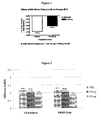
- Figure 1 shows the percent change in brain volume of patients in a Phase II clinical trial. Patients being administered 60 mg a day of ibudilast had an average of 0.79% loss of brain volume, whereas patients being given a placebo had a brain volume loss of 1.2% over a 1-year treatment period. This is a statistically significant result with a p value of 0.0352.
- MRI cranial magnetic resonance imaging
- Figure 3 shows results from a clinical trial in which patients who received placebo during the first 12 months of the trial were randomized to receive either 30 or 60 mg of MN-166 per day (double-blind maintained) during the second 12 months of the trial; patients who received 30 or 60 mg of MN-166 per day during the first 12 months remained on the assigned dose for the second 12 months of the trial.
- “Pharmaceutically acceptable excipient or carrier” refers to an excipient that may optionally be included in the compositions of the invention and that causes no significant adverse toxicological effects to the patient.
- “Pharmaceutically acceptable salt” includes, but is not limited to, amino acid salts, salts prepared with inorganic acids, such as chloride, sulfate, phosphate, diphosphate, bromide, and nitrate salts, or salts prepared from the corresponding inorganic acid form of any of the preceding, e.g., hydrochloride, etc., or salts prepared with an organic acid, such as malate, maleate, fumarate, tartrate, succinate, ethylsuccinate, citrate, acetate, lactate, methanesulfonate, benzoate, ascorbate, para-toluenesulfonate, palmoate, salicylate and stearate, as well as estolate, gluceptate and lactobionate salts.
- salts containing pharmaceutically acceptable cations include, but are not limited to, sodium, potassium, calcium, aluminum, lithium, and ammonium (including substituted ammonium).
- Active molecule or “active agent” as described herein includes any agent, drug, compound, composition of matter or mixture which provides some pharmacologic, often beneficial, effect that can be demonstrated in-vivo or in vitro. This includes foods, food supplements, nutrients, nutriceuticals, drugs, vaccines, antibodies, vitamins, and other beneficial agents. As used herein, the terms further include any physiologically or pharmacologically active substance that produces a localized or systemic effect in a patient.
- progressive neurodegenerative disease means any neurodegenerative disease that is in the progressive state, or has progressive characteristics and is not solely in the state relapse and or remitting occurrences.
- a progressive state is a worsening of symptoms over time. Generally, the symptoms worsen at a gradual rate.
- central nervous system includes all cells and tissue of the brain and spinal cord of a vertebrate. Thus, the term includes, but is not limited to, neuronal cells, glial cells, astrocytes, cerebrospinal fluid (CSF), interstitial spaces and the like.
- CSF cerebrospinal fluid
- Glial cells refer to various cells of the CNS also known as microglia, astrocytes, and oligodendrocytes.
- subject refers to a vertebrate, preferably a mammal.
- Mammals include, but are not limited to, murines, rodents, simians, humans, farm animals, sport animals and pets.
- compositions or agents refer to a nontoxic but sufficient amount of the composition or agent to provide the desired response, such as a reduction or reversal of progressive neurodegenerative diseases.
- amount required will vary from subject to subject, depending on the species, age, and general condition of the subject, the severity of the condition being treated, the particular drug or drugs employed, mode of administration, and the like.
- An appropriate "effective" amount in any individual case may be determined by one of ordinary skill in the art using routine experimentation, based upon the information provided herein.
- Progressive neurodegenerative disease means any neurodegenerative disease that is in the progressive state (that is, getting worse compared to a baseline level) or has such progressive characteristics. Thus a progressive state is a worsening of symptoms over time and can be precipitous or gradual.
- progressive neurodegenerative diseases include progressive forms of multiple sclerosis exclusive of relapse/remitting multiple sclerosis.
- RR multiple sclerosis Relapsing/Remitting Multiple Sclerosis
- SP multiple sclerosis Secondary Progressive Multiple Sclerosis
- PR multiple sclerosis Progressive Relapsing Multiple Sclerosis
- PP multiple sclerosis Primary Progressive Multiple Sclerosis
- RR multiple sclerosis is characterized by relapses (also known as exacerbations) during which time new symptoms can appear and old ones resurface or worsen. The relapses are followed by periods of remission, during which time the person fully or partially recovers from the deficits acquired during the relapse. Relapses can last for days, weeks or months and recovery can be slow and gradual or almost instantaneous.
- the vast majority of people presenting with Multiple Sclerosis are first diagnosed with relapsing/remitting. This is typically when they are in their twenties or thirties, though diagnoses much earlier or later are known. Around twice as many women as men present with this variety.
- SP multiple sclerosis a person who initially had relapsing-remitting multiple sclerosis begins to develop a gradual deterioration in nerve function, with or without relapses. After a number of years many people who have had relapsing/remitting multiple sclerosis will pass into a secondary progressive phase of the disease. This is characterized by a gradual worsening of the disease between relapses. In the early phases of Secondary Progressive, the person may still experience a few relapses but after a while these merge into a general progression. People often do not return to their prior level of function after a relapse.
- Progressive Relapsing Multiple Sclerosis shows clear progression in the level of disability from the time symptoms first begin, but with episodes of clear relapses that may or may not be associated with some recovery following the acute episode.
- This form of multiple sclerosis follows a progressive course from onset, punctuated by relapses. There is significant recovery immediately following a relapse but between relapses there is a gradual worsening of symptoms.
- Primary Progressive Multiple Sclerosis (PP multiple sclerosis) is characterized by a gradual progression of the disease from its onset with no remissions or relapses at all. There may be periods of a leveling off of disease activity and, as with secondary progressive, there may be good and bad days or weeks.
- PP multiple sclerosis differs from Relapsing/Remitting and Secondary Progressive in that onset is typically in the late thirties or early forties, men are as likely women to develop it and initial disease activity is in the spinal cord and not in the brain.
- Primary Progressive multiple sclerosis often migrates into the brain, but is less likely to damage brain areas than relapsing/remitting or secondary progressive - for example, people with Primary Progressive are less likely to develop cognitive problems.
- Treatment or “treating” progressive neurodegenerative diseases includes arresting the development or reversing the symptom of a progressive neurodegenerative disease.
- Persistent neuronal or axon damage includes damage to neurons that is long term or permanent, such as when neurons die and disappear.
- Persistent black hole is defined as a hypointense lesion. Black holes, or dark areas on a T1 weighted magnetic resonance imaging (MRI) scan, show loss of myelin and loss of axons. As one of skill in the art will appreciate, a T1 weighted scan uses longitudinal relaxation time a short relaxation time (TR) and short echo time (TE) (TR ⁇ 1000msec, TE ⁇ 30msec).
- TR short relaxation time
- TE short echo time
- Ibudilast is a small molecule drug (molecular weight of 230.3) having the structure shown below.
- Ibudilast is also found under ChemBank ID 3227, CAS # 50847-11-5, and Beilstein Handbook Reference No. 5-24-03-00396. Its molecular formula corresponds to C 14 H 18 N 2 O. Ibudilast is also known by various chemical names including 2-methyl-1-(2-(1-methylethyl)pyrazolo(1,5-a)pyridin-3-yl)1-propanone; 3-isobutyryl-2-isopropylpyrazolo(1,5-a)pyridine]; and 1-(2-isopropyl-pyrazolo[1,5-a]pyridin-3-yl)-2-methyl-propan-1-one.
- Ibudilastum Latin
- BRN 0656579 KC-404
- MN-166 MN-166
- Ibudilastum Latin
- BRN 0656579 KC-404
- MN-166 MN-166
- Ibudilast is meant to include any and all pharmaceutically acceptable salt forms thereof, prodrug forms (e.g., the corresponding ketal), solvates, and the like, as appropriate for use in its intended formulation for administration.
- Ibudilast is a is a selective inhibitor of cyclic nucleotide phosphodiesterases (PDEs) 3A, 4, 10A1 and 11A1 ( Gibson et al., Eur J Pharmacol 538: 39-42, 2006 )., and has also been reported to have leukotriene D4 and PAF antagonistic activities. Its profile appears effectively anti-inflammatory and unique in comparison to other PDE inhibitors and anti-inflammatory agents. PDEs catalyze the hydrolysis of the phosphoester bond on the 3'-carbon to yield the corresponding 5'-nucleotide monophosphate. Thus, they regulate the cellular concentrations of cyclic nucleotides.
- PDEs cyclic nucleotide phosphodiesterases
- PDE1 Ca 2 +/calmodulin-dependent PDEs
- PDE2 cGMP-stimulated PDEs
- PDE3 cGMP-inhibited PDEs
- PDE4 cAMP-specific PDEs
- PDE5 cGMP-binding PDEs
- PDE6 high affinity, cAMP-specific PDEs
- PDE9 high affinity cGMP-specific PDEs
- Ibudilast acts to suppress inflammation via action on inflammatory cells (e.g., glial cells) resulting in the suppression of both pro-inflammatory mediator and neuroactive mediator release. Ibudilast may also suppress the production of pro-inflammatory cytokines (IL-1 ⁇ , TNF- ⁇ ) and may enhance the production of the anti-inflammatory cytokines (IL-4, IL-10).
- IL-1 ⁇ , TNF- ⁇ pro-inflammatory cytokines
- IL-4, IL-10 anti-inflammatory cytokines
- any one or more of the herein-described drugs, in particular ibudilast is meant to encompass, where applicable, any and all enantiomers, mixtures of enantiomers including racemic mixtures, prodrugs, pharmaceutically acceptable salt forms, hydrates (e.g., monohydrates, dihydrates, etc.), solvates, different physical forms (e.g., crystalline solids, amorphous solids), metabolites, and the like.
- the present invention is directed to a method of treating a human subject suffering from a progressive neurodegenerative disease by administering a therapeutically effective dosage of ibudilast.
- a therapeutically effective dosage of ibudilast is effective to decrease the amount of progressive neurodegenerative disease experienced by the subject, i.e., to result in a significant attenuation or even reversal of progressive neurodegenerative disease, as demonstrated in the accompanying Examples.
- Ibudilast is preferably administered at a daily dosage amount ranging from about 30 mg to 240 mg daily, or from about 30 mg to 180 mg daily, or 60 mg to 120 mg daily.
- the method may, in certain instances, comprise a step of selecting a subject experiencing progressive neurodegenerative diseases prior to administering ibudilast thereto.
- Such subjects are typically selected from those suffering from: primary progressive or secondary progressive multiple sclerosis, but excluding relapsing, remitting multiple sclerosis.
- Ibudilast may also be administered in combination with an additional agent effective for treating progressive neurodegenerative diseases.
- an additional agent effective for treating progressive neurodegenerative diseases.
- such agent possesses a mechanism of action different from ibudilast.
- exemplary agents include cholinesterase inhibitors (e.g., Razadyne® (formerly known as Reminyl®) (galantamine), Exelon® (rivastigmine), Aricept® (donepezil), and Cognex® (tacrine)), N-methyl-D-aspartate (NMDA) inhibitors (e.g., Namenda® (memantine)), levodopa preparations (e.g., levodopa/carbidopa (Sinemet® or Atamet®), levodopa/benserazide (Madopar®), levodopa/carbiopa (Sinemet CR®), levodopa/benserazide (Mado
- Preferred methods of delivery of ibudilast-based therapeutic formulations for the treatment of progressive neuropathic diseases include systemic and localized delivery.
- routes of administration include but are not limited to, oral, intra-arterial, intrathecal, intraspinal, intramuscular, intraperitoneal, intranasal, and inhalation routes.
- an ibudilast-based formulation of the present invention may be administered for therapy by any suitable route, including without limitation, oral, rectal, nasal, topical (including transdermal, aerosol, buccal and sublingual), vaginal, parenteral (including subcutaneous, intravenous, intramuscular, and intradermal), intrathecal, and pulmonary.
- suitable route including without limitation, oral, rectal, nasal, topical (including transdermal, aerosol, buccal and sublingual), vaginal, parenteral (including subcutaneous, intravenous, intramuscular, and intradermal), intrathecal, and pulmonary.
- the preferred route will, of course, vary with the condition and age of the recipient, the particular syndrome being treated, and the specific combination of drugs employed.
- An ibudilast composition of the invention when comprising more than one active agent, may be administered as a single combination composition comprising a combination of ibudilast and at least one additional active agent effective in the treatment of progressive neurodegenerative diseases.
- a combination of the invention is administered as separate dosage forms.
- ibudilast and each of the additional active agents may be administered simultaneously, sequentially in any order, or separately.
- Therapeutic amounts can be empirically determined and will vary with the particular condition being treated, the subject, and the efficacy and toxicity of each of the active agents contained in the composition.
- the actual dose to be administered will vary depending upon the age, weight, and general condition of the subject as well as the severity of the condition being treated, the judgment of the health care professional, and particular combination being administered.
- Therapeutically effective amounts can be determined by those skilled in the art, and will be adjusted to the requirements of each particular case. Generally, a therapeutically effective amount of ibudilast will range from a total daily dosage of about 0.1 and 200 mg/day, more preferably, in an amount between 1-240 mg/day, 30-240 mg/day, 1-120 mg/day, 30-120 mg/day,, administered as either a single dosage or as multiple dosages. Preferred dosage amounts include dosages greater than about 10 mg BID or TID. That is to say, a preferred dosage amount is greater than about 20 mg/day or greater than 30 mg/day. Dosage amounts may be selected from 30 mg/day, , 60 mg/day, , 90 mg/day or 120 mg/day or more.
- administration can be one, two, or three times daily for a time course of one day to several days, weeks, months, and even years, and may even be for the life of the patient.
- Illustrative dosing regimes will last a period of at least about a week, from about 1-4 weeks, from 1-3 months, from 1-6 months, from 1-52 weeks, from 1-24 months, or longer.
- a unit dose of any given composition of the invention or active agent can be administered in a variety of dosing schedules, depending on the judgment of the clinician, needs of the patient, and so forth.
- the specific dosing schedule will be known by those of ordinary skill in the art or can be determined experimentally using routine methods.
- Exemplary dosing schedules include, without limitation, administration five times a day, four times a day, three times a day, twice daily, once daily, every other day, three times weekly, twice weekly, once weekly, twice monthly, once monthly, and so forth.
- Ibudilast is a potent suppressor of glial activation ( Mizuno et al. (2004) Neuropharmacology 46: 404-411 ). In a dose-dependent manner, ibudilast has been shown to suppress the production of nitric oxide (NO), reactive oxygen species, interleukin (IL)-1.beta., IL-6, and tumor necrosis factor (TNF) and enhance the production of the inhibitory cytokine, IL-10, along with additional neurotrophic factors including nerve growth factor (NGF), glia-derived neurotrophic factor (GDNF), and neurotrophin (NT)-4 in activated microglia.
- NO nitric oxide
- IL-1.beta. interleukin-1.beta.
- TNF tumor necrosis factor
- IL-10 inhibitory cytokine
- additional neurotrophic factors including nerve growth factor (NGF), glia-derived neurotrophic factor (GDNF), and neurotrophin (NT)-4 in activated microglia.
- Ibudilast crosses the blood-brain barrier when administered systemically ( Sugiyama et al. (1993) No To Shinkei 45(2):139-42 ; FIG. 5), thus eliminating the need for more invasive methods of administration in order to access central sites of progressive neurodegenerative diseases.
- Example 1 the inventors of the present invention made the surprising discovery in a human clinical trial that administration of ibudilast can reduce brain volume loss in patients that are suffering from an affliction that causes brain volume to shrink.
- ibudilast administered in accordance with the present claims will cause a slowing or reversal in the loss of brain volume due to the atropy and death of neurons in a progressive neurodegenerative disease that causes the brain to shrink; these changes can be tracked in cerebral MR or CT images.
- This discovery of the slowing or reversal of brain volume shrinkage has significant application in the treatment of progressive neurodegenerative diseases described in this application.
- ibudilast to treat progressive neuropathic diseases can be evaluated by any of the standard progressive neuropathic disease models known in the art. Examples of such models are described in Animal Models of Neurological Disease: Neurodegenerative Diseases (Neuromethods) by Alan A. Boulton, Glen B. Baker, and Roger F. Butterworth (1992 ); Handbook of Laboratory Animal Science, Second Edition: Volumes I-III (Handbook of Laboratory Animal Science) by Jann Hau (Editor), Jr., Gerald L. Van Hoosier (Editor).(2004 ); Animal Models of Movement Disorders by Mark LeDoux (Editor), (2005 ); and Animal Models of Cognitive Impairment (Frontiers in Neuroscience) (2006) by Edward D. Levin (Editor), Jerry J. Buccafusco (Edit or).
- a therapeutic formulation of the invention may optionally contain one or more additional components as described below.
- compositions of the invention for treating progressive neurodegenerative diseases may further comprise one or more pharmaceutically acceptable excipients or carriers.
- excipients include, without limitation, polyethylene glycol (PEG), hydrogenated castor oil (HCO), cremophors, carbohydrates, starches (e.g., corn starch), inorganic salts, antimicrobial agents, antioxidants, binders/fillers, surfactants, lubricants (e.g., calcium or magnesium stearate), glidants such as talc, disintegrants, diluents, buffers, acids, bases, film coats, combinations thereof, and the like.
- PEG polyethylene glycol
- HCO hydrogenated castor oil
- cremophors carb, starches (e.g., corn starch), inorganic salts, antimicrobial agents, antioxidants, binders/fillers, surfactants, lubricants (e.g., calcium or magnesium stearate), glidants such as talc, disintegrants,
- a composition of the invention may include one or more carbohydrates such as a sugar, a derivatized sugar such as an alditol, aldonic acid, an esterified sugar, and/or a sugar polymer.
- carbohydrate excipients include, for example: monosaccharides, such as fructose, maltose, galactose, glucose, D-mannose, sorbose, and the like; disaccharides, such as lactose, sucrose, trehalose, cellobiose, and the like; polysaccharides, such as raffinose, melezitose, maltodextrins, dextrans, starches, and the like; and alditols, such as mannitol, xylitol, maltitol, lactitol, xylitol, sorbitol (glucitol), pyranosyl sorbitol, myoinositol, and the like
- compositions of the invention are potato and corn-based starches such as sodium starch glycolate and directly compressible modified starch.
- excipients include inorganic salt or buffers such as citric acid, sodium chloride, potassium chloride, sodium sulfate, potassium nitrate, sodium phosphate monobasic, sodium phosphate dibasic, and combinations thereof.
- An ibudilast-containing composition of the invention may also include an antimicrobial agent, e.g., for preventing or deterring microbial growth.
- antimicrobial agents suitable for the present invention include benzalkonium chloride, benzethonium chloride, benzyl alcohol, cetylpyridinium chloride, chlorobutanol, phenol, phenylethyl alcohol, phenylmercuric nitrate, thimersol, and combinations thereof.
- a composition of the invention may also contain one or more antioxidants.
- Antioxidants are used to prevent oxidation, thereby preventing the deterioration of the drug(s) or other components of the preparation.
- Suitable antioxidants for use in the present invention include, for example, ascorbyl palmitate, butylated hydroxyanisole, butylated hydroxytoluene, hypophosphorous acid, monothioglycerol, propyl gallate, sodium bisulfite, sodium formaldehyde sulfoxylate, sodium metabisulfite, and combinations thereof.
- Additional excipients include surfactants such as polysorbates, e.g., "Tween 20" and “Tween 80,” and pluronics such as F68 and F88 (both of which are available from BASF, Mount Olive, N.J.), sorbitan esters, lipids (e.g., phospholipids such as lecithin and other phosphatidylcholines, and phosphatidylethanolamines), fatty acids and fatty esters, steroids such as cholesterol, and chelating agents, such as EDTA, zinc and other such suitable cations.
- surfactants such as polysorbates, e.g., "Tween 20" and “Tween 80,” and pluronics such as F68 and F88 (both of which are available from BASF, Mount Olive, N.J.), sorbitan esters, lipids (e.g., phospholipids such as lecithin and other phosphatidylcholines, and phosphatidylethanolamines
- composition of the invention may optionally include one or more acids or bases.
- acids that can be used include those acids selected from the group consisting of hydrochloric acid, acetic acid, phosphoric acid, citric acid, malic acid, lactic acid, formic acid, trichloroacetic acid, nitric acid, perchloric acid, phosphoric acid, sulfuric acid, fumaric acid, and combinations thereof.
- Suitable bases include, without limitation, bases selected from the group consisting of sodium hydroxide, sodium acetate, ammonium hydroxide, potassium hydroxide, ammonium acetate, potassium acetate, sodium phosphate, potassium phosphate, sodium citrate, sodium formate, sodium sulfate, potassium sulfate, potassium fumerate, and combinations thereof.
- the amount of any individual excipient in the composition will vary depending on the role of the excipient, the dosage requirements of the active agent components, and particular needs of the composition. Typically, the optimal amount of any individual excipient is determined through routine experimentation, i.e., by preparing compositions containing varying amounts of the excipient (ranging from low to high), examining the stability and other parameters, and then determining the range at which optimal performance is attained with no significant adverse effects.
- the excipient will be present in the composition in an amount of about 1% to about 99% by weight, preferably from about 5% to about 98% by weight, more preferably from about 15 to about 95% by weight of the excipient.
- the amount of excipient present in an ibudilast composition of the invention is selected from the following: at least about 2%, 5%, 10%, 15%, 20%, 25%, 30%, 35%, 40%, 45%, 50%, 55%, 60%, 65%, 70%, 75%, 80%, 85%, 90%, or even 95% by weight.
- a formulation (or kit) in accordance with the invention may contain, in addition to ibudilast, one or more additional active agents effective in treating progressive neurodegenerative diseases.
- the active agent is one that possesses a mechanism of action different from that of ibudilast.
- Such actives include the combinations for pain listed in US Application No. 20060160843 , as well as the active ingredients recognized for treatment for the target diseases.
- Such active ingredients can be found listed in the FDA's Orange Book, Goodman & Gilman The Pharmacological Basis of Therapeutics, J. Griffith Hardman, L. L. Limbird, A. Gilman, 11th Ed., 2005 , The Merck Manual, 18th edition, 2007 , and The Merck Manual of Medical Information 2003 .
- dosage amounts provided above are meant to be merely guidelines; the precise amount of a secondary active agent to be administered during combination therapy with ibudilast will, of course, be adjusted accordingly and will depend upon factors such as intended patient population, the particular progressive neuropathic disease symptom or condition to be treated, potential synergies between the active agents administered, and the like, and will readily be determined by one skilled in the art based upon the guidance provided herein.
- the compositions are formulated in order to improve stability and extend the half-life of ibudilast.
- ibudilast may be delivered in a sustained-release formulation.
- Controlled or sustained-release formulations are prepared by incorporating ibudilast into a carrier or vehicle such as liposomes, nonresorbable impermeable polymers such as ethylenevinyl acetate copolymers and Hytrel.RTM. copolymers, swellable polymers such as hydrogels, or resorbable polymers such as collagen and certain polyacids or polyesters such as those used to make resorbable sutures.
- ibudilast can be encapsulated, adsorbed to, or associated with, particulate carriers.
- particulate carriers include those derived from polymethyl methacrylate polymers, as well as microparticles derived from poly(lactides) and poly(lactide-co-glycolides), known as PLG. See, e.g., Jeffery et al., Pharm. Res. (1993) 10:362-368 ; and McGee et al., J. Microencap. (1996 ).
- ibudilast compositions described herein encompass all types of formulations, and in particular, those that are suited for systemic or intrathecal administration.
- Oral dosage forms include tablets, lozenges, capsules, syrups, oral suspensions, emulsions, granules, and pellets.
- Alternative formulations include aerosols, transdermal patches, gels, creams, ointments, suppositories, powders or lyophilates that can be reconstituted, as well as liquids.
- Suitable diluents for reconstituting solid compositions include bacteriostatic water for injection, dextrose 5% in water, phosphate-buffered saline, Ringer's solution, saline, sterile water, deionized water, and combinations thereof.
- bacteriostatic water for injection dextrose 5% in water
- phosphate-buffered saline Ringer's solution
- saline sterile water
- deionized water deionized water
- an ibudilast composition of the invention is one suited for oral administration.
- tablets can be made by compression or molding, optionally with one or more accessory ingredients or additives.
- Compressed tablets are prepared, for example, by compressing in a suitable tabletting machine, the active ingredients in a free-flowing form such as a powder or granules, optionally mixed with a binder (e.g., povidone, gelatin, hydroxypropylmethyl cellulose), lubricant, inert diluent, preservative, disintegrant (e.g., sodium starch glycolate, cross-linked povidone, cross-linked sodium carboxymethyl cellulose) and/or surface-active or dispersing agent.
- a binder e.g., povidone, gelatin, hydroxypropylmethyl cellulose
- lubricant e.g., inert diluent
- preservative e.g., sodium starch glycolate, cross-linked povidone, cross-linked sodium carboxymethyl cellulose
- disintegrant e.g., sodium starch glycolate
- Molded tablets are made, for example, by molding in a suitable tabletting machine, a mixture of powdered compounds moistened with an inert liquid diluent.
- the tablets may optionally be coated or scored, and may be formulated so as to provide slow or controlled release of the active ingredients, using, for example, hydroxypropylmethyl cellulose in varying proportions to provide the desired release profile.
- Tablets may optionally be provided with a coating, such as a thin film, sugar coating, or an enteric coating to provide release in parts of the gut other than the stomach. Processes, equipment, and toll manufacturers for tablet and capsule making are well-known in the art.
- Formulations for topical administration in the mouth include lozenges comprising the active ingredients, generally in a flavored base such as sucrose and acacia or tragacanth and pastilles comprising the active ingredients in an inert base such as gelatin and glycerin or sucrose and acacia.
- a pharmaceutical composition for topical administration may also be formulated as an ointment, cream, suspension, lotion, powder, solution, paste, gel, spray, aerosol or oil.
- the formulation may be in the form of a patch (e.g., a transdermal patch) or a dressing such as a bandage or adhesive plaster impregnated with active ingredients and optionally one or more excipients or diluents.
- Topical formulations may additionally include a compound that enhances absorption or penetration of the ingredients through the skin or other affected areas, such as dimethylsulfoxidem bisabolol, oleic acid, isopropyl myristate, and D-limonene, to name a few.
- the oily phase is constituted from known ingredients in a known manner. While this phase may comprise merely an emulsifier (otherwise known as an emulgent), it desirably comprises a mixture of at least one emulsifier with a fat and/or an oil. Preferably, a hydrophilic emulsifier is included together with a lipophilic emulsifier that acts as a stabilizer. Together, the emulsifier(s) with or without stabilizer(s) make up the so-called emulsifying wax, and the wax together with the oil and/or fat make up the so-called emulsifying ointment base which forms the oily dispersed phase of cream formulations.
- Illustrative emulgents and emulsion stabilizers include Tween 60, Span 80, cetostearyl alcohol, myristyl alcohol, glyceryl monostearate and sodium lauryl sulfate.
- Formulations for rectal administration are typically in the form of a suppository with a suitable base comprising, for example, cocoa butter or a salicylate.
- Formulations suitable for vaginal administration generally take the form of a suppository, tampon, cream, gel, paste, foam or spray.
- Formulations suitable for nasal administration include a coarse powder having a particle size, for example, in the range of about 20 to about 500 microns. Such a formulation is typically administered by rapid inhalation through the nasal passage, e.g., from a container of the powder held in proximity to the nose.
- a formulation for nasal delivery may be in the form of a liquid, e.g., a nasal spray or nasal drops.
- Aerosolizable formulations for inhalation may be in dry powder form (e.g., suitable for administration by a dry powder inhaler), or, alternatively, may be in liquid form, e.g., for use in a nebulizer.
- Nebulizers for delivering an aerosolized solution include the AERx.TM. (Aradigm), the Ultravent® (Mallinkrodt), and the Acorn II® (Marquest Medical Products).
- a composition of the invention may also be delivered using a pressurized, metered dose inhaler (MDI), e.g., the Ventolin® metered dose inhaler, containing a solution or suspension of a combination of drugs as described herein in a pharmaceutically inert liquid propellant, e.g., a chlorofluorocarbon or fluorocarbon.
- MDI pressurized, metered dose inhaler
- a pharmaceutically inert liquid propellant e.g., a chlorofluorocarbon or fluorocarbon.
- Formulations suitable for parenteral administration include aqueous and non-aqueous isotonic sterile solutions suitable for injection, as well as aqueous and non-aqueous sterile suspensions.
- Parenteral formulations of the invention are optionally contained in unit-dose or multi-dose sealed containers, for example, ampoules and vials, and may be stored in a freeze-dried (lyophilized) condition requiring only the addition of the sterile liquid carrier, for example, water for injections, immediately prior to use.
- sterile liquid carrier for example, water for injections
- Extemporaneous injection solutions and suspensions may be prepared from sterile powders, granules and tablets of the types previously described.
- a formulation of the invention may also be a sustained release formulation, such that each of the drug components is released or absorbed slowly over time, when compared to a non-sustained release formulation.
- Sustained release formulations may employ pro-drug forms of the active agent, delayed-release drug delivery systems such as liposomes or polymer matrices, hydrogels, or covalent attachment of a polymer such as polyethylene glycol to the active agent.
- formulations of the invention may optionally include other agents conventional in the pharmaceutical arts and particular type of formulation being employed, for example, for oral administration forms, the composition for oral administration may also include additional agents as sweeteners, thickeners or flavoring agents
- kits containing at least one combination composition of the invention, accompanied by instructions for use
- the kit comprises ibudilast in addition to each of the drugs making up the composition of the invention, along with instructions for use.
- the drug components may be packaged in any manner suitable for administration, so long as the packaging, when considered along with the instructions for administration, clearly indicates the manner in which each of the drug components is to be administered.
- the kit may be organized by any appropriate time period, such as by day.
- a representative kit may comprise unit dosages of each of ibudilast and gabapentin. If each of the drugs is to be administered twice daily, then the kit may contain, corresponding to Day 1, two rows of unit dosage forms of each of ibudilast and gabapentin, along with instructions for the timing of administration.
- the kit may contain, corresponding to Day 1, two rows of unit dosage forms of each of ibudilast and gabapentin, along with instructions for the timing of administration.
- one or more of the drugs differs in the timing or quantity of unit dosage form to be administered in comparison to the other drug members of the combination, then such would be reflected in the packaging and instructions.
- the packaging may be in any form commonly employed for the packaging of pharmaceuticals, and may utilize any of a number of features such as different colors, wrapping, tamper-resistant packaging, blister paks, dessicants, and the like.
- patients were treated with 0 mg tid (placebo), 10 mg tid or 20 mg tid of ibudilast; during year 2, patients on placebo were randomized to receive either 10 mg tid or 20 mg tid of ibudilast (patients on 10 mg tid or 20 mg tid during the first year of the study continued on that dose during the second year).
- a baseline MRI scan was taken two weeks prior to treatment. Brain volume changes were assessed on an annual basis with subsequent MRI scans. MRI scans were performed every two months of the 2-year period to assess changes in T1 and T2 lesions.
- Table 1 Outcome Measure p-value (pbo vs. 60 mg/day) Annualized relapse rate: pbo - 0.8, 60 mg - 0.6 (completers) 0.0752 pbo - 0.9, 60 mg - 0.7 (ITT) 0.1106
- a rat animal model for Alzheimer's disease is administered ibudilast and an improvement in cognitive function is achieved for the group of animals being administered ibudilast, thereby indicating that this model could be effective for the treatment of Alzheimer' disease in humans.
- An animal model for progressive multiple sclerosis is administered ibudilast and an improvement in functional outcomes is achieved for the group of animals being administered ibudilast, thereby indicating that this model could be effective for the treatment progressive multiple sclerosis.
- An animal model for Parkinson's disease is administered ibudilast and an improvement in locomotion is achieved for the group of animals being administered ibudilast, thereby indicating that this model could be effective for the treatment Parkinson's disease.
- Table 3 shows a double-blind analysis of the MRI data from the first year of treatment of the two-year Phase II clinical trial of MN-166 in multiple sclerosis (MS) was conducted.
- the analysis showed that MN-166 decreased the formation of black holes (permanent brain lesions believed to indicate the death of nerves in the brain) on magnetic resonance imaging (MRI) in MS patients.
- MRI magnetic resonance imaging
- Data demonstrated that a 60 mg/day dosing regimen of MN-166 significantly reduced the proportion of new T1 gadolinium-enhancing or new T2 lesions identified at month two of the study that evolved into persistent black holes at month 10 compared to placebo (RR 0.63, p 0.011).
- 72 of the placebo-treated patients 64 of the patients receiving 30 mg/day of MN-166 and 56 of the patients receiving 60 mg/day of MN-166 had new lesions in month two of the study.
- the proportions of new lesions evolving to persistent black holes were 0.24, 0.20 and 0.16 in the placebo, 30 mg/day of MN-166 and 60 mg/day of MN-166 treatment groups, respectively.
- RR relative risk
- the study is the result of randomized, double-blind, placebo-controlled analysis of year 1 MRI data with MN-166 administration.
- MRIs were collected bimonthly during the one year treatment period and were re-evaluated in a double-blind manner for this new analysis.
- Predefined endpoints for this evaluation were the rate of evolution of new lesions to persistent black holes and remyelinated lesions.
- the predefined statistical endpoints were at the rate of evolution of new lesions (NL) to persistent black holes (PBH) and remyelinated lesions (RL).
- New T1 gadolinium-enhancing or new T2 lesions were defined as NL in the first on-study MRI at month 2.
- Lesions that were hypointense and inactive at month 10 were defined as PBH.
- Hypointense lesions at month 2 or 4 that were isointense at month 10 were RL.
- Relative Risk (RR) of NL evolution to PBH and RL per patient was analyzed using a general linear
- the benefits to multiple sclerosis patents of extended (at least about two years) ibudilast administration include, but are not limited to, prolongation of time to relapse (by an average of about 130 days compared with untreated patients), lessened likelihood for sustained disability progression (a decrease in the rate by about 50% compared with patients treated for less than two years), reduction in brain volume loss, and reduction in conversion of acute lesions to persistent black holes.
- Table 3 Reduction of Persistent Black Hole (PBH) Formation Parameter Treatment Groups Placebo 30 mg/day 60 mg/day # Patients w.
Landscapes
- Health & Medical Sciences (AREA)
- Medicinal Chemistry (AREA)
- Chemical & Material Sciences (AREA)
- Public Health (AREA)
- Veterinary Medicine (AREA)
- Pharmacology & Pharmacy (AREA)
- Life Sciences & Earth Sciences (AREA)
- Animal Behavior & Ethology (AREA)
- General Health & Medical Sciences (AREA)
- Epidemiology (AREA)
- Bioinformatics & Cheminformatics (AREA)
- Engineering & Computer Science (AREA)
- Neurology (AREA)
- Nuclear Medicine, Radiotherapy & Molecular Imaging (AREA)
- Chemical Kinetics & Catalysis (AREA)
- Biomedical Technology (AREA)
- Organic Chemistry (AREA)
- General Chemical & Material Sciences (AREA)
- Neurosurgery (AREA)
- Dermatology (AREA)
- Psychology (AREA)
- Nutrition Science (AREA)
- Physiology (AREA)
- Psychiatry (AREA)
- Orthopedic Medicine & Surgery (AREA)
- Physical Education & Sports Medicine (AREA)
- Hospice & Palliative Care (AREA)
- Pharmaceuticals Containing Other Organic And Inorganic Compounds (AREA)
- Nitrogen Condensed Heterocyclic Rings (AREA)
Priority Applications (2)
| Application Number | Priority Date | Filing Date | Title |
|---|---|---|---|
| PL08781498T PL2187882T3 (pl) | 2007-07-11 | 2008-07-08 | Leczenie postępującej choroby neurodegeneracyjnej ibudilastem |
| EP12196108A EP2567699A1 (en) | 2007-07-11 | 2008-07-08 | Treatment of progressive neurodegenerative disease with ibudilast |
Applications Claiming Priority (3)
| Application Number | Priority Date | Filing Date | Title |
|---|---|---|---|
| US92974507P | 2007-07-11 | 2007-07-11 | |
| US4218108P | 2008-04-03 | 2008-04-03 | |
| PCT/US2008/069417 WO2009009529A1 (en) | 2007-07-11 | 2008-07-08 | Treatment of progressive neurodegenerative disease with ibudilast |
Publications (2)
| Publication Number | Publication Date |
|---|---|
| EP2187882A1 EP2187882A1 (en) | 2010-05-26 |
| EP2187882B1 true EP2187882B1 (en) | 2013-01-09 |
Family
ID=39789775
Family Applications (2)
| Application Number | Title | Priority Date | Filing Date |
|---|---|---|---|
| EP08781498A Active EP2187882B1 (en) | 2007-07-11 | 2008-07-08 | Treatment of progressive neurodegenerative disease with ibudilast |
| EP12196108A Withdrawn EP2567699A1 (en) | 2007-07-11 | 2008-07-08 | Treatment of progressive neurodegenerative disease with ibudilast |
Family Applications After (1)
| Application Number | Title | Priority Date | Filing Date |
|---|---|---|---|
| EP12196108A Withdrawn EP2567699A1 (en) | 2007-07-11 | 2008-07-08 | Treatment of progressive neurodegenerative disease with ibudilast |
Country Status (14)
| Country | Link |
|---|---|
| US (10) | US8138201B2 (pl) |
| EP (2) | EP2187882B1 (pl) |
| JP (2) | JP5468001B2 (pl) |
| CN (1) | CN101848712B (pl) |
| AU (1) | AU2008275148A1 (pl) |
| BR (1) | BRPI0814624A2 (pl) |
| CA (2) | CA2970273C (pl) |
| DK (1) | DK2187882T3 (pl) |
| ES (1) | ES2402175T3 (pl) |
| HR (1) | HRP20130057T1 (pl) |
| PL (1) | PL2187882T3 (pl) |
| PT (1) | PT2187882E (pl) |
| TW (1) | TW200918051A (pl) |
| WO (1) | WO2009009529A1 (pl) |
Families Citing this family (50)
| Publication number | Priority date | Publication date | Assignee | Title |
|---|---|---|---|---|
| RS54328B1 (sr) * | 2009-06-19 | 2016-02-29 | Teva Pharmaceutical Industries Ltd. | Tretman multiple skleroze lakvinimodom |
| EP2445504A4 (en) | 2009-06-23 | 2012-11-14 | Medicinova Inc | 2-AMINO-1- (2-ISOPROPYLPYRAZOLO [1,5-A] PYRIDINE-3-YL) PROPAN-1-ONE ENANTIOMER COMPOSITIONS AND METHODS THEREOF |
| ME02414B (me) * | 2009-07-30 | 2016-09-20 | Teva Pharma | Tretman kronove bolesti lakvinimodom |
| PT2467372T (pt) * | 2009-08-10 | 2016-08-23 | Teva Pharma | Tratamento de distúrbios relacionados com bdnf usando laquinimod |
| USRE49251E1 (en) | 2010-01-04 | 2022-10-18 | Mapi Pharma Ltd. | Depot systems comprising glatiramer or pharmacologically acceptable salt thereof |
| JP5916622B2 (ja) * | 2010-01-04 | 2016-05-11 | マピ ファーマ リミテッド | グラチラマーまたはその薬理学的に許容される塩を含むデポーシステム |
| NZ602512A (en) * | 2010-03-03 | 2014-07-25 | Teva Pharma | Treatment of lupus arthritis using laquinimod |
| JP5819328B2 (ja) * | 2010-03-03 | 2015-11-24 | テバ ファーマシューティカル インダストリーズ リミティド | ラキニモドとメトトレキセートとの組合せによる関節リウマチの治療 |
| CN102791130B (zh) * | 2010-03-03 | 2015-02-25 | 泰华制药工业有限公司 | 使用拉喹莫德治疗狼疮肾炎 |
| ES2601892T3 (es) | 2011-04-21 | 2017-02-16 | Mapi Pharma Limited | Pentapolímero aleatorio para el tratamiento de enfermedades autoinmunes |
| CN106344576A (zh) | 2011-10-12 | 2017-01-25 | 泰华制药工业有限公司 | 以拉喹莫德和芬戈莫德的组合治疗多发性硬化症 |
| CN106063787A (zh) | 2012-02-03 | 2016-11-02 | 泰华制药工业有限公司 | 拉喹莫德用于治疗一线抗TNFα疗法失败的克罗恩氏病患者的用途 |
| CN103255142B (zh) * | 2012-02-21 | 2017-07-25 | 上海转基因研究中心 | 一种利用RNAi调控内源性朊蛋白表达的方法及其应用 |
| TW201400117A (zh) | 2012-06-05 | 2014-01-01 | Teva Pharma | 使用拉喹莫德治療眼發炎疾病 |
| CN103505731A (zh) * | 2012-06-15 | 2014-01-15 | 中国药科大学 | 1型半胱氨酰白三烯受体拮抗剂在制备用于治疗阿尔茨海默病的药物中的用途 |
| FR3000746A1 (fr) | 2013-01-04 | 2014-07-11 | Centre Nat Rech Scient | Peptide pour son utilisation dans le traitement des neuronopathies motrices |
| EA201591507A1 (ru) * | 2013-02-15 | 2015-12-30 | Тева Фармасьютикал Индастриз Лтд. | Лечение рассеянного склероза лахинимодом |
| WO2014178892A1 (en) | 2013-05-03 | 2014-11-06 | Scanlan Thomas S | Use of sobetirome in the treatment of x-linked adrenolenoleukodystrophy |
| EA201692180A1 (ru) | 2014-04-29 | 2017-08-31 | Тева Фармасьютикал Индастриз Лтд. | Лахинимод для лечения пациентов с рецидивирующе-ремиттирующим рассеянным склерозом (рррс) с высоким статусом инвалидизации |
| WO2015195822A1 (en) * | 2014-06-20 | 2015-12-23 | Medicinova, Inc. | A combination of geranylgeranylacetone and ibudilast and methods of using same |
| EP3193870A4 (en) * | 2014-09-16 | 2018-04-25 | Teva Pharmaceutical Industries Ltd. | Treatment of neurodegenerative diseases with combination of laquinimod and fingolimod |
| WO2016086000A1 (en) * | 2014-11-26 | 2016-06-02 | Medicinova, Inc. | A combination of geranygeranylacetone, ibudilast, and riluzole and methods of using same |
| WO2016085998A1 (en) | 2014-11-26 | 2016-06-02 | Medicinova, Inc. | Combination of ibudilast and riluzole and methods of using same |
| CN105395511A (zh) * | 2015-12-07 | 2016-03-16 | 黑龙江省智诚医药科技有限公司 | 一种异丁司特缓释微丸及其制备方法 |
| WO2017196857A1 (en) * | 2016-05-10 | 2017-11-16 | Medicinova, Inc. | Treatment of alcoholism and depression and/or dysphoric mood using ibudilast |
| US12097292B2 (en) | 2016-08-28 | 2024-09-24 | Mapi Pharma Ltd. | Process for preparing microparticles containing glatiramer acetate |
| HUE071047T2 (hu) | 2016-08-31 | 2025-07-28 | Mapi Pharma Ltd | Glatiramer-acetátot tartalmazó depórendszerek |
| EP3558301A4 (en) | 2016-12-22 | 2020-07-29 | MediciNova, Inc. | METHOD FOR TREATING GLIOBLASTOMA MULTIFORME WITH IBUDILAST |
| CN110382052A (zh) | 2017-03-26 | 2019-10-25 | Mapi医药公司 | 用于治疗进展型形式的多发性硬化症的格拉替雷储库系统 |
| US20190247369A1 (en) * | 2018-02-12 | 2019-08-15 | Medicinova, Inc. | Methods of suppressing myeloid-derived suppressor cells in patients |
| WO2019157423A1 (en) * | 2018-02-12 | 2019-08-15 | Medicinova, Inc. | Methods and dosing regimens using ibudilast and a second agent for cancer therapy |
| EP3863628B1 (en) | 2018-10-09 | 2023-12-27 | MediciNova, Inc. | Combination of ibudilast and interferon-beta and methods of using same |
| US11154540B2 (en) | 2018-10-19 | 2021-10-26 | Medicinova, Inc. | Methods of treating ophthalmic disease/disorder or injury with ibudilast |
| EP3894383A1 (en) | 2018-12-12 | 2021-10-20 | Autobahn Therapeutics, Inc. | Novel thyromimetics |
| WO2020176445A1 (en) * | 2019-02-26 | 2020-09-03 | Universitat De Valencia-Estudi General | Methods and compositions for treating motor neuron diseases |
| CA3130371A1 (en) | 2019-03-01 | 2020-09-10 | Autobahn Therapeutics, Inc. | Novel thyromimetics |
| US12377074B2 (en) * | 2019-06-11 | 2025-08-05 | Yale University | Treatment for Wolfram syndrome |
| EP4034090A1 (en) | 2019-09-23 | 2022-08-03 | MediciNova, Inc. | Ibudilast oral formulations and methods of using same |
| KR20220121239A (ko) | 2019-11-29 | 2022-08-31 | 아우토반 쎄라퓨틱스, 인크. | 신규한 갑상선 호르몬 모방제 |
| EP4132521A1 (en) | 2020-04-06 | 2023-02-15 | MediciNova, Inc. | Methods of reducing plasma level of macrophage migratory inhibitory factor in patients with ibudilast |
| WO2021257851A1 (en) | 2020-06-17 | 2021-12-23 | Autobahn Therapeutics, Inc. | Thyromimetics |
| JP7813730B2 (ja) | 2020-06-17 | 2026-02-13 | オートバーン セラピューティクス,インク. | 甲状腺様作用剤 |
| WO2022164948A1 (en) | 2021-01-29 | 2022-08-04 | Medicinova, Inc. | Methods of treating chemical gas exposure |
| CA3226898A1 (en) | 2021-07-26 | 2023-02-02 | Kazuko Matsuda | Ibudilast for preventing eye cancer metastasis |
| US20230090534A1 (en) | 2021-09-21 | 2023-03-23 | Medicinova, Inc. | Methods of treating glioblastoma multiforme using combination therapy |
| US12042485B2 (en) | 2021-10-07 | 2024-07-23 | Medicinova, Inc. | Methods of minimizing cancer metastasis |
| WO2023150093A1 (en) | 2022-02-01 | 2023-08-10 | Medicinova, Inc. | Ibudilast for use in the treatment of post-covid conditions |
| AU2023244348A1 (en) * | 2022-03-28 | 2024-10-10 | Praxis Precision Medicines, Inc. | Methods of using oligomeric compounds to treat scn2a-related disorders |
| JP2025523822A (ja) | 2022-07-13 | 2025-07-25 | メディシノバ・インコーポレイテッド | イブジラストの注射用製剤 |
| US20260069545A1 (en) | 2024-09-11 | 2026-03-12 | Medicinova, Inc. | Modified release formulations of ibudilast |
Family Cites Families (6)
| Publication number | Priority date | Publication date | Assignee | Title |
|---|---|---|---|---|
| DK1106178T3 (da) * | 1998-08-10 | 2005-02-28 | Kyorin Seiyaku Kk | Anvendelse af ibudilast til fremstilling af et lægemiddel til behandling af dissemineret sklerose |
| EP1343528A2 (en) | 2000-11-02 | 2003-09-17 | Research Foundation of City University of New York | Methods for stimulating nervous system regeneration and repair by inhibition phosphodiesterase type 4 |
| US20050043319A1 (en) * | 2001-08-14 | 2005-02-24 | Exonhit Therapeutics Sa | Molecular target of neurotoxicity |
| SG148198A1 (en) | 2003-11-21 | 2008-12-31 | Combinatorx Inc | Methods and reagents for the treatment of inflammatory disorders |
| MX2007006777A (es) | 2004-12-06 | 2007-08-06 | Avigen Inc | Ibudilast para tratar dolor neuropatico y sindromes asociados. |
| EP1940389A2 (en) | 2005-10-21 | 2008-07-09 | Braincells, Inc. | Modulation of neurogenesis by pde inhibition |
-
2008
- 2008-07-08 CA CA2970273A patent/CA2970273C/en active Active
- 2008-07-08 ES ES08781498T patent/ES2402175T3/es active Active
- 2008-07-08 EP EP08781498A patent/EP2187882B1/en active Active
- 2008-07-08 JP JP2010516198A patent/JP5468001B2/ja active Active
- 2008-07-08 AU AU2008275148A patent/AU2008275148A1/en not_active Abandoned
- 2008-07-08 BR BRPI0814624-1A2A patent/BRPI0814624A2/pt not_active Application Discontinuation
- 2008-07-08 US US12/169,042 patent/US8138201B2/en active Active
- 2008-07-08 DK DK08781498.4T patent/DK2187882T3/da active
- 2008-07-08 CN CN200880106623XA patent/CN101848712B/zh active Active
- 2008-07-08 CA CA2693697A patent/CA2693697C/en active Active
- 2008-07-08 HR HRP20130057AT patent/HRP20130057T1/hr unknown
- 2008-07-08 WO PCT/US2008/069417 patent/WO2009009529A1/en not_active Ceased
- 2008-07-08 PT PT87814984T patent/PT2187882E/pt unknown
- 2008-07-08 PL PL08781498T patent/PL2187882T3/pl unknown
- 2008-07-08 EP EP12196108A patent/EP2567699A1/en not_active Withdrawn
- 2008-07-10 TW TW097126065A patent/TW200918051A/zh unknown
-
2012
- 2012-02-22 US US13/402,702 patent/US8338453B2/en active Active
- 2012-12-21 US US13/725,627 patent/US9114136B2/en active Active
-
2013
- 2013-12-10 JP JP2013255214A patent/JP2014062118A/ja active Pending
-
2014
- 2014-02-24 US US14/188,061 patent/US9314452B2/en active Active
- 2014-09-19 US US14/491,939 patent/US20150011581A1/en not_active Abandoned
-
2016
- 2016-03-23 US US15/078,291 patent/US20170014390A1/en not_active Abandoned
- 2016-10-07 US US15/288,582 patent/US20170020851A1/en not_active Abandoned
-
2019
- 2019-05-01 US US16/400,844 patent/US11083713B2/en active Active
-
2021
- 2021-07-02 US US17/366,563 patent/US11944607B2/en active Active
-
2024
- 2024-03-29 US US18/621,850 patent/US20250073213A1/en active Pending
Also Published As
Similar Documents
| Publication | Publication Date | Title |
|---|---|---|
| US11944607B2 (en) | Treatment of progressive neurodegenerative disease with ibudilast | |
| US20230090534A1 (en) | Methods of treating glioblastoma multiforme using combination therapy | |
| EP3863628B1 (en) | Combination of ibudilast and interferon-beta and methods of using same | |
| EP3866788B1 (en) | Treatment of macular injury associated with multiple sclerosis with ibudilast | |
| HK1147953A (en) | Treatment of progressive neurodegenerative disease with ibudilast |
Legal Events
| Date | Code | Title | Description |
|---|---|---|---|
| PUAI | Public reference made under article 153(3) epc to a published international application that has entered the european phase |
Free format text: ORIGINAL CODE: 0009012 |
|
| 17P | Request for examination filed |
Effective date: 20100125 |
|
| AK | Designated contracting states |
Kind code of ref document: A1 Designated state(s): AT BE BG CH CY CZ DE DK EE ES FI FR GB GR HR HU IE IS IT LI LT LU LV MC MT NL NO PL PT RO SE SI SK TR |
|
| AX | Request for extension of the european patent |
Extension state: AL BA MK RS |
|
| DAX | Request for extension of the european patent (deleted) | ||
| 17Q | First examination report despatched |
Effective date: 20101209 |
|
| GRAP | Despatch of communication of intention to grant a patent |
Free format text: ORIGINAL CODE: EPIDOSNIGR1 |
|
| GRAS | Grant fee paid |
Free format text: ORIGINAL CODE: EPIDOSNIGR3 |
|
| GRAA | (expected) grant |
Free format text: ORIGINAL CODE: 0009210 |
|
| AK | Designated contracting states |
Kind code of ref document: B1 Designated state(s): AT BE BG CH CY CZ DE DK EE ES FI FR GB GR HR HU IE IS IT LI LT LU LV MC MT NL NO PL PT RO SE SI SK TR |
|
| REG | Reference to a national code |
Ref country code: GB Ref legal event code: FG4D |
|
| REG | Reference to a national code |
Ref country code: CH Ref legal event code: EP Ref country code: AT Ref legal event code: REF Ref document number: 592334 Country of ref document: AT Kind code of ref document: T Effective date: 20130115 |
|
| REG | Reference to a national code |
Ref country code: HR Ref legal event code: TUEP Ref document number: P20130057 Country of ref document: HR |
|
| REG | Reference to a national code |
Ref country code: IE Ref legal event code: FG4D |
|
| REG | Reference to a national code |
Ref country code: HR Ref legal event code: T1PR Ref document number: P20130057 Country of ref document: HR |
|
| REG | Reference to a national code |
Ref country code: DE Ref legal event code: R096 Ref document number: 602008021569 Country of ref document: DE Effective date: 20130307 |
|
| REG | Reference to a national code |
Ref country code: RO Ref legal event code: EPE |
|
| REG | Reference to a national code |
Ref country code: DK Ref legal event code: T3 |
|
| REG | Reference to a national code |
Ref country code: SE Ref legal event code: TRGR |
|
| REG | Reference to a national code |
Ref country code: PT Ref legal event code: SC4A Free format text: AVAILABILITY OF NATIONAL TRANSLATION Effective date: 20130409 |
|
| REG | Reference to a national code |
Ref country code: ES Ref legal event code: FG2A Ref document number: 2402175 Country of ref document: ES Kind code of ref document: T3 Effective date: 20130429 |
|
| REG | Reference to a national code |
Ref country code: NL Ref legal event code: T3 |
|
| REG | Reference to a national code |
Ref country code: NO Ref legal event code: T2 Effective date: 20130109 |
|
| PG25 | Lapsed in a contracting state [announced via postgrant information from national office to epo] |
Ref country code: SI Free format text: LAPSE BECAUSE OF FAILURE TO SUBMIT A TRANSLATION OF THE DESCRIPTION OR TO PAY THE FEE WITHIN THE PRESCRIBED TIME-LIMIT Effective date: 20130109 |
|
| REG | Reference to a national code |
Ref country code: PL Ref legal event code: T3 |
|
| REG | Reference to a national code |
Ref country code: GR Ref legal event code: EP Ref document number: 20130400710 Country of ref document: GR Effective date: 20130517 |
|
| REG | Reference to a national code |
Ref country code: LT Ref legal event code: MG4D |
|
| REG | Reference to a national code |
Ref country code: HR Ref legal event code: ODRP Ref document number: P20130057 Country of ref document: HR Payment date: 20130703 Year of fee payment: 6 |
|
| PG25 | Lapsed in a contracting state [announced via postgrant information from national office to epo] |
Ref country code: BG Free format text: LAPSE BECAUSE OF FAILURE TO SUBMIT A TRANSLATION OF THE DESCRIPTION OR TO PAY THE FEE WITHIN THE PRESCRIBED TIME-LIMIT Effective date: 20130409 Ref country code: LT Free format text: LAPSE BECAUSE OF FAILURE TO SUBMIT A TRANSLATION OF THE DESCRIPTION OR TO PAY THE FEE WITHIN THE PRESCRIBED TIME-LIMIT Effective date: 20130109 |
|
| PGFP | Annual fee paid to national office [announced via postgrant information from national office to epo] |
Ref country code: MC Payment date: 20130626 Year of fee payment: 6 Ref country code: IS Payment date: 20130625 Year of fee payment: 6 |
|
| PG25 | Lapsed in a contracting state [announced via postgrant information from national office to epo] |
Ref country code: LV Free format text: LAPSE BECAUSE OF FAILURE TO SUBMIT A TRANSLATION OF THE DESCRIPTION OR TO PAY THE FEE WITHIN THE PRESCRIBED TIME-LIMIT Effective date: 20130109 |
|
| PGFP | Annual fee paid to national office [announced via postgrant information from national office to epo] |
Ref country code: PL Payment date: 20130628 Year of fee payment: 6 Ref country code: TR Payment date: 20130627 Year of fee payment: 6 Ref country code: GR Payment date: 20130627 Year of fee payment: 6 Ref country code: LU Payment date: 20130710 Year of fee payment: 6 Ref country code: RO Payment date: 20130627 Year of fee payment: 6 |
|
| PG25 | Lapsed in a contracting state [announced via postgrant information from national office to epo] |
Ref country code: SK Free format text: LAPSE BECAUSE OF FAILURE TO SUBMIT A TRANSLATION OF THE DESCRIPTION OR TO PAY THE FEE WITHIN THE PRESCRIBED TIME-LIMIT Effective date: 20130109 Ref country code: EE Free format text: LAPSE BECAUSE OF FAILURE TO SUBMIT A TRANSLATION OF THE DESCRIPTION OR TO PAY THE FEE WITHIN THE PRESCRIBED TIME-LIMIT Effective date: 20130109 |
|
| PGFP | Annual fee paid to national office [announced via postgrant information from national office to epo] |
Ref country code: CZ Payment date: 20130703 Year of fee payment: 6 Ref country code: BE Payment date: 20130712 Year of fee payment: 6 Ref country code: AT Payment date: 20130626 Year of fee payment: 6 Ref country code: NO Payment date: 20130709 Year of fee payment: 6 Ref country code: FI Payment date: 20130711 Year of fee payment: 6 Ref country code: PT Payment date: 20130409 Year of fee payment: 6 |
|
| PLBE | No opposition filed within time limit |
Free format text: ORIGINAL CODE: 0009261 |
|
| STAA | Information on the status of an ep patent application or granted ep patent |
Free format text: STATUS: NO OPPOSITION FILED WITHIN TIME LIMIT |
|
| REG | Reference to a national code |
Ref country code: HU Ref legal event code: AG4A Ref document number: E017495 Country of ref document: HU |
|
| PG25 | Lapsed in a contracting state [announced via postgrant information from national office to epo] |
Ref country code: CY Free format text: LAPSE BECAUSE OF FAILURE TO SUBMIT A TRANSLATION OF THE DESCRIPTION OR TO PAY THE FEE WITHIN THE PRESCRIBED TIME-LIMIT Effective date: 20130109 |
|
| PGFP | Annual fee paid to national office [announced via postgrant information from national office to epo] |
Ref country code: IE Payment date: 20130511 Year of fee payment: 6 Ref country code: HR Payment date: 20130703 Year of fee payment: 6 |
|
| 26N | No opposition filed |
Effective date: 20131010 |
|
| REG | Reference to a national code |
Ref country code: DE Ref legal event code: R097 Ref document number: 602008021569 Country of ref document: DE Effective date: 20131010 |
|
| REG | Reference to a national code |
Ref country code: PT Ref legal event code: MM4A Free format text: LAPSE DUE TO NON-PAYMENT OF FEES Effective date: 20150108 |
|
| REG | Reference to a national code |
Ref country code: HR Ref legal event code: PBON Ref document number: P20130057 Country of ref document: HR Effective date: 20140708 |
|
| PG25 | Lapsed in a contracting state [announced via postgrant information from national office to epo] |
Ref country code: CZ Free format text: LAPSE BECAUSE OF NON-PAYMENT OF DUE FEES Effective date: 20140708 |
|
| PG25 | Lapsed in a contracting state [announced via postgrant information from national office to epo] |
Ref country code: LU Free format text: LAPSE BECAUSE OF NON-PAYMENT OF DUE FEES Effective date: 20140708 |
|
| REG | Reference to a national code |
Ref country code: AT Ref legal event code: MM01 Ref document number: 592334 Country of ref document: AT Kind code of ref document: T Effective date: 20140708 |
|
| REG | Reference to a national code |
Ref country code: GR Ref legal event code: ML Ref document number: 20130400710 Country of ref document: GR Effective date: 20150204 |
|
| REG | Reference to a national code |
Ref country code: IE Ref legal event code: MM4A |
|
| PG25 | Lapsed in a contracting state [announced via postgrant information from national office to epo] |
Ref country code: PT Free format text: LAPSE BECAUSE OF NON-PAYMENT OF DUE FEES Effective date: 20150108 Ref country code: IS Free format text: LAPSE BECAUSE OF FAILURE TO SUBMIT A TRANSLATION OF THE DESCRIPTION OR TO PAY THE FEE WITHIN THE PRESCRIBED TIME-LIMIT Effective date: 20150201 Ref country code: NO Free format text: LAPSE BECAUSE OF NON-PAYMENT OF DUE FEES Effective date: 20140731 Ref country code: FI Free format text: LAPSE BECAUSE OF NON-PAYMENT OF DUE FEES Effective date: 20140708 Ref country code: RO Free format text: LAPSE BECAUSE OF NON-PAYMENT OF DUE FEES Effective date: 20140708 |
|
| PG25 | Lapsed in a contracting state [announced via postgrant information from national office to epo] |
Ref country code: GR Free format text: LAPSE BECAUSE OF NON-PAYMENT OF DUE FEES Effective date: 20150204 Ref country code: HR Free format text: LAPSE BECAUSE OF NON-PAYMENT OF DUE FEES Effective date: 20140708 Ref country code: AT Free format text: LAPSE BECAUSE OF NON-PAYMENT OF DUE FEES Effective date: 20140708 |
|
| PG25 | Lapsed in a contracting state [announced via postgrant information from national office to epo] |
Ref country code: MT Free format text: LAPSE BECAUSE OF FAILURE TO SUBMIT A TRANSLATION OF THE DESCRIPTION OR TO PAY THE FEE WITHIN THE PRESCRIBED TIME-LIMIT Effective date: 20130109 |
|
| PG25 | Lapsed in a contracting state [announced via postgrant information from national office to epo] |
Ref country code: IE Free format text: LAPSE BECAUSE OF NON-PAYMENT OF DUE FEES Effective date: 20140708 |
|
| REG | Reference to a national code |
Ref country code: PL Ref legal event code: LAPE |
|
| PG25 | Lapsed in a contracting state [announced via postgrant information from national office to epo] |
Ref country code: PL Free format text: LAPSE BECAUSE OF NON-PAYMENT OF DUE FEES Effective date: 20140708 |
|
| PG25 | Lapsed in a contracting state [announced via postgrant information from national office to epo] |
Ref country code: MC Free format text: LAPSE BECAUSE OF NON-PAYMENT OF DUE FEES Effective date: 20140731 |
|
| REG | Reference to a national code |
Ref country code: FR Ref legal event code: PLFP Year of fee payment: 9 |
|
| REG | Reference to a national code |
Ref country code: FR Ref legal event code: PLFP Year of fee payment: 10 |
|
| PG25 | Lapsed in a contracting state [announced via postgrant information from national office to epo] |
Ref country code: BE Free format text: LAPSE BECAUSE OF NON-PAYMENT OF DUE FEES Effective date: 20140731 |
|
| PG25 | Lapsed in a contracting state [announced via postgrant information from national office to epo] |
Ref country code: TR Free format text: LAPSE BECAUSE OF NON-PAYMENT OF DUE FEES Effective date: 20140708 |
|
| REG | Reference to a national code |
Ref country code: FR Ref legal event code: PLFP Year of fee payment: 11 |
|
| P01 | Opt-out of the competence of the unified patent court (upc) registered |
Effective date: 20230522 |
|
| PGFP | Annual fee paid to national office [announced via postgrant information from national office to epo] |
Ref country code: NL Payment date: 20250516 Year of fee payment: 18 |
|
| PGFP | Annual fee paid to national office [announced via postgrant information from national office to epo] |
Ref country code: GB Payment date: 20250515 Year of fee payment: 18 |
|
| PGFP | Annual fee paid to national office [announced via postgrant information from national office to epo] |
Ref country code: FR Payment date: 20250508 Year of fee payment: 18 |
|
| PGFP | Annual fee paid to national office [announced via postgrant information from national office to epo] |
Ref country code: SE Payment date: 20250514 Year of fee payment: 18 |
|
| PGFP | Annual fee paid to national office [announced via postgrant information from national office to epo] |
Ref country code: HU Payment date: 20250610 Year of fee payment: 18 |
|
| PGFP | Annual fee paid to national office [announced via postgrant information from national office to epo] |
Ref country code: ES Payment date: 20250804 Year of fee payment: 18 |
|
| PGFP | Annual fee paid to national office [announced via postgrant information from national office to epo] |
Ref country code: DK Payment date: 20250714 Year of fee payment: 18 Ref country code: DE Payment date: 20250514 Year of fee payment: 18 |
|
| PGFP | Annual fee paid to national office [announced via postgrant information from national office to epo] |
Ref country code: IT Payment date: 20250623 Year of fee payment: 18 |
|
| PGFP | Annual fee paid to national office [announced via postgrant information from national office to epo] |
Ref country code: CH Payment date: 20250801 Year of fee payment: 18 |