EP2120906B1 - Verwendung von xanthohumol als wirkstoff zur vorbeugung und/oder bekämpfung von lebererkrankungen - Google Patents
Verwendung von xanthohumol als wirkstoff zur vorbeugung und/oder bekämpfung von lebererkrankungen Download PDFInfo
- Publication number
- EP2120906B1 EP2120906B1 EP20070857069 EP07857069A EP2120906B1 EP 2120906 B1 EP2120906 B1 EP 2120906B1 EP 20070857069 EP20070857069 EP 20070857069 EP 07857069 A EP07857069 A EP 07857069A EP 2120906 B1 EP2120906 B1 EP 2120906B1
- Authority
- EP
- European Patent Office
- Prior art keywords
- bodyweight
- xanthohumol
- day
- weight
- use according
- Prior art date
- Legal status (The legal status is an assumption and is not a legal conclusion. Google has not performed a legal analysis and makes no representation as to the accuracy of the status listed.)
- Not-in-force
Links
Images




Classifications
-
- A—HUMAN NECESSITIES
- A61—MEDICAL OR VETERINARY SCIENCE; HYGIENE
- A61K—PREPARATIONS FOR MEDICAL, DENTAL OR TOILETRY PURPOSES
- A61K31/00—Medicinal preparations containing organic active ingredients
- A61K31/33—Heterocyclic compounds
- A61K31/335—Heterocyclic compounds having oxygen as the only ring hetero atom, e.g. fungichromin
- A61K31/35—Heterocyclic compounds having oxygen as the only ring hetero atom, e.g. fungichromin having six-membered rings with one oxygen as the only ring hetero atom
- A61K31/352—Heterocyclic compounds having oxygen as the only ring hetero atom, e.g. fungichromin having six-membered rings with one oxygen as the only ring hetero atom condensed with carbocyclic rings, e.g. methantheline
- A61K31/353—3,4-Dihydrobenzopyrans, e.g. chroman, catechin
-
- A—HUMAN NECESSITIES
- A61—MEDICAL OR VETERINARY SCIENCE; HYGIENE
- A61K—PREPARATIONS FOR MEDICAL, DENTAL OR TOILETRY PURPOSES
- A61K31/00—Medicinal preparations containing organic active ingredients
- A61K31/12—Ketones
- A61K31/121—Ketones acyclic
-
- A—HUMAN NECESSITIES
- A61—MEDICAL OR VETERINARY SCIENCE; HYGIENE
- A61K—PREPARATIONS FOR MEDICAL, DENTAL OR TOILETRY PURPOSES
- A61K31/00—Medicinal preparations containing organic active ingredients
- A61K31/12—Ketones
- A61K31/122—Ketones having the oxygen directly attached to a ring, e.g. quinones, vitamin K1, anthralin
-
- A—HUMAN NECESSITIES
- A61—MEDICAL OR VETERINARY SCIENCE; HYGIENE
- A61K—PREPARATIONS FOR MEDICAL, DENTAL OR TOILETRY PURPOSES
- A61K36/00—Medicinal preparations of undetermined constitution containing material from algae, lichens, fungi or plants, or derivatives thereof, e.g. traditional herbal medicines
- A61K36/18—Magnoliophyta (angiosperms)
- A61K36/185—Magnoliopsida (dicotyledons)
- A61K36/348—Cannabaceae
- A61K36/3486—Humulus
-
- A—HUMAN NECESSITIES
- A61—MEDICAL OR VETERINARY SCIENCE; HYGIENE
- A61P—SPECIFIC THERAPEUTIC ACTIVITY OF CHEMICAL COMPOUNDS OR MEDICINAL PREPARATIONS
- A61P1/00—Drugs for disorders of the alimentary tract or the digestive system
- A61P1/16—Drugs for disorders of the alimentary tract or the digestive system for liver or gallbladder disorders, e.g. hepatoprotective agents, cholagogues, litholytics
-
- A—HUMAN NECESSITIES
- A61—MEDICAL OR VETERINARY SCIENCE; HYGIENE
- A61P—SPECIFIC THERAPEUTIC ACTIVITY OF CHEMICAL COMPOUNDS OR MEDICINAL PREPARATIONS
- A61P3/00—Drugs for disorders of the metabolism
-
- A—HUMAN NECESSITIES
- A61—MEDICAL OR VETERINARY SCIENCE; HYGIENE
- A61P—SPECIFIC THERAPEUTIC ACTIVITY OF CHEMICAL COMPOUNDS OR MEDICINAL PREPARATIONS
- A61P3/00—Drugs for disorders of the metabolism
- A61P3/04—Anorexiants; Antiobesity agents
-
- A—HUMAN NECESSITIES
- A61—MEDICAL OR VETERINARY SCIENCE; HYGIENE
- A61P—SPECIFIC THERAPEUTIC ACTIVITY OF CHEMICAL COMPOUNDS OR MEDICINAL PREPARATIONS
- A61P3/00—Drugs for disorders of the metabolism
- A61P3/08—Drugs for disorders of the metabolism for glucose homeostasis
- A61P3/10—Drugs for disorders of the metabolism for glucose homeostasis for hyperglycaemia, e.g. antidiabetics
-
- A—HUMAN NECESSITIES
- A61—MEDICAL OR VETERINARY SCIENCE; HYGIENE
- A61P—SPECIFIC THERAPEUTIC ACTIVITY OF CHEMICAL COMPOUNDS OR MEDICINAL PREPARATIONS
- A61P31/00—Antiinfectives, i.e. antibiotics, antiseptics, chemotherapeutics
- A61P31/12—Antivirals
-
- A—HUMAN NECESSITIES
- A61—MEDICAL OR VETERINARY SCIENCE; HYGIENE
- A61P—SPECIFIC THERAPEUTIC ACTIVITY OF CHEMICAL COMPOUNDS OR MEDICINAL PREPARATIONS
- A61P31/00—Antiinfectives, i.e. antibiotics, antiseptics, chemotherapeutics
- A61P31/12—Antivirals
- A61P31/14—Antivirals for RNA viruses
-
- A—HUMAN NECESSITIES
- A61—MEDICAL OR VETERINARY SCIENCE; HYGIENE
- A61P—SPECIFIC THERAPEUTIC ACTIVITY OF CHEMICAL COMPOUNDS OR MEDICINAL PREPARATIONS
- A61P31/00—Antiinfectives, i.e. antibiotics, antiseptics, chemotherapeutics
- A61P31/12—Antivirals
- A61P31/20—Antivirals for DNA viruses
-
- A—HUMAN NECESSITIES
- A61—MEDICAL OR VETERINARY SCIENCE; HYGIENE
- A61P—SPECIFIC THERAPEUTIC ACTIVITY OF CHEMICAL COMPOUNDS OR MEDICINAL PREPARATIONS
- A61P35/00—Antineoplastic agents
-
- A—HUMAN NECESSITIES
- A61—MEDICAL OR VETERINARY SCIENCE; HYGIENE
- A61P—SPECIFIC THERAPEUTIC ACTIVITY OF CHEMICAL COMPOUNDS OR MEDICINAL PREPARATIONS
- A61P39/00—General protective or antinoxious agents
- A61P39/06—Free radical scavengers or antioxidants
-
- A—HUMAN NECESSITIES
- A61—MEDICAL OR VETERINARY SCIENCE; HYGIENE
- A61P—SPECIFIC THERAPEUTIC ACTIVITY OF CHEMICAL COMPOUNDS OR MEDICINAL PREPARATIONS
- A61P43/00—Drugs for specific purposes, not provided for in groups A61P1/00-A61P41/00
Definitions
- the present invention relates to the use of xanthohumol as an active ingredient for the preparation of a nutritional supplement or medicament for the prevention of mediated liver damage.
- Xanthohumol is a prenylflavenoid found in hops. Various studies show biological effects of xanthohumol.
- xanthohumol has a strong inhibitory activity against bone resorption and therefore can be used as an agent for the treatment of osteoporosis.
- the DE 103 08 864 A 1 describes a new brewing process, with which a beer is to be produced, which due to a special brewing process justifies an increased proportion of xanthohumol and thus increased health-promoting effects.
- the EP 1 543 834 A1 relates to the production of hop extracts with oestrogenic and antiproliferative bioactivity.
- the proestrogenic effect of Isoxanthohumol is used as an isomerization product of xanthohumol to provide a drug for the chemoprevention of cancers.
- WO 01/03681 A2 describes various activities of naringenin.
- the US 2006/0276372 A1 concerns the use of carotenoid-xanthohumol conjugates for the treatment of liver cancer.
- TZONG-HSIEN ET AL "Enhanced nuclear factor-kappa B-associated Wnt-1 expression in hepatitis B and C-related hepatocarcinogenesis: identification by functional proteomics" JOURNAL OF BIOMEDICAL SCIENCE, Vol. 13, No. 1, January 2006 (2006-01), pages 27-39, XP002473939 ISSN: 1021-7770 the NF-kappa B factor is proposed as a starting point for the treatment of hepatocellular carcinoma induced by NF-kappa B activation as a result of HBV or HCV and cirrhosis.
- DIETZ BIRGIT M ET AL "Xanthohumol isolated from Humulus lupulus inhibits menadione-induced DNA damage by induction of quinone reductase" CHEMICAL RESEARCH IN TOXICOLOGY, Vol. 18, No. 8, August 2005 (2005-08), pages 1296-1305, XP002473941 ISSN: 0893-228X describes the influence of xanthohumol on toxic damaged liver cancer cells.
- GERHAUSER CLARISSA ET AL "Cancer chemopreventive activity of xanthohumol, a natural product derived from hop" MOLECULAR CANCER THE-RAPEUTICS, Vol. 1, No. 11, September 2002 (2002-09), pages 959-969, XP002473942 ISSN: 1535 -7,163 describes the growth-inhibiting influence of xanthohumol to inhibit the proliferation of cancer cells in general.
- NIKOLIC D ET AL "Metabolism of xanthohumol and isoxanthohumol, prenylated flavonoids from hops (Humulus lupulus L.), by human liver microsomes" JOURNAL OF MASS SPECTROMETRY, WILEY, CHICHESTER, GB, Vol. 40, No. 3, 15 February 2005 (2005-02-15).
- Pp. 289-299, XP002393640 ISSN: 1076-5174 discloses processes of metabolism in the intake of xanthohumol and isoxanthohumol and refers to a usefulness of xanthohumol as a cancer-preventive agent.
- the present invention has set itself the task of finding other health-promoting applications of xanthohumol.
- Xanthohumol has no side effects. This makes it possible to prophylactically prevent over a long time chronic liver disease, especially chronic liver disease by regular ingestion. It has surprisingly been found in studies that xanthohumol inhibits metabolic mechanisms of particular importance for obesity (overweight) and diabetes mediated liver damage. Obesity and diabetes are responsible for a large proportion of liver cirrhosis. The tendency is rising. Overall, chronic liver disease is now a major economic problem. By continuously taking xanthohumol, effective prophylactic protection can be built without side effects for the entire population.
- liver fibrosis For the treatment of liver fibrosis, there are currently no secured forms of therapy.
- An inhibition or a stop of the fibrosis can only by the elimination of the harmful cause, ie z. B. in the case of hepatitis virus infection by eliminating the hepatitis virus can be achieved.
- elimination of the damaging cause is only possible in some patients with chronic liver disease or is currently generally not possible in patients with genetic liver disease.
- the xanthohumol can be used prophylactically especially in persons with a high risk profile (obese, diabetics).
- the xanthohumol is used as an effective ingredient of a pharmaceutical composition with a pharmaceutically acceptable carrier, such as, e.g. As mannitol, sucrose, lactose, glucose, fructose, maltose, etc. are supplied.
- a pharmaceutically acceptable carrier such as, e.g. As mannitol, sucrose, lactose, glucose, fructose, maltose, etc. are supplied.
- Xanthohumol is particularly suitable for use as a drug in a food to be buried or be added to a drink.
- xanthohumol as an active ingredient is in particular to concretely reduce or prevent the activity of free oxygen radicals in the liver.
- xanthohumol it has been found that if the liver is damaged in any form, i. H. either by inflammation (for example, by viruses, excessive consumption of alcohol, by obesity and / or diabetes or radiation exposure) free oxygen radicals that contribute to the development of liver inflammation, liver fibrosis.
- the formation of free oxygen radicals is inhibited by the xanthohumol or impaired their activity. This has the advantage that all three aforementioned damage mechanisms of the liver can be influenced equally effectively by xanthohumol.
- NF-kappa B factor ie in particular for reducing or suppressing its activity.
- NF-Kappa-B is an intermediary of signals in the cell and involved in the modulation of numerous cell functions. It has just been found that the NF-kappa B factor plays a very special role for the aforementioned three damage mechanisms of the liver. NF-Kappa-B also plays an important role in the genesis and progression of NASH.
- the xanthohumol can be used surprisingly in comparatively high dosages. Because it has been found that even at higher dosages no cell damaging effect of xanthohumol occurs, so that a selective effectiveness is given.
- the active ingredient ie the xanthohumol in a dosage form (application and / or dosage) apply, so that in the Liver drug concentrations ⁇ 5 uM, in particular ⁇ 10 uM, in particular ⁇ 20 uM, in particular ⁇ 30 uM, in particular ⁇ 40 uM, in particular ⁇ 50 uM set.
- the active ingredient is to be used in a dosage form such that an active ingredient concentration of not more than 100 ⁇ M is established in the liver.
- the respective active substance is to be used in a dosage form, so that in the liver drug concentrations in the following ranges are 1 to 100 ⁇ M, preferably 1 to 25 ⁇ M, preferably 1 to 10 ⁇ M or 5 to 100 ⁇ M, preferably 10 to 50 ⁇ M. preferably 10 - 25 ⁇ M.
- the relevant areas can be selected. In particular, in the treatment of fibrosis already comparatively low dosages are sufficient, whereas in the treatment of liver cancer increased dosages are expedient.
- xanthohumol when administered as a food or as a tablet, it may have relatively high xanthohumol levels due to uptake via the intestine, but it will rapidly dilute after passage through the liver, i. in no other organ even an approximately as high xanthohumol level is reached anymore.
- a composition in which xanthohumol is not in pure form but as a hops extraction product can be used as the active substance. It has been found that, in addition to the xanthohumol, carrier constituents which are present as a result of the preparation, The absorption of the active substance in the organism and thus even the effectiveness can support.
- the dose for administration of the active substance based on the respective (pure) proportion of active substance is greater than 0.01 mg / kg body weight / day, preferably greater than 0.1 mg / kg body weight / day, preferably greater than 1 mg / kg body weight / day, preferably greater than 10 mg / kg body weight / day, preferably greater than 50 mg / kg body weight / day, preferably greater than 100 mg / kg body weight / day, the body weight being the body weight of a human ,
- the dose for administration based on the respective (pure) proportion of active substance is less than 161 mg / kg body weight / day, preferably less than 50 mg / kg body weight / day, preferably less than 10 mg / kg body weight / day, preferably less than 1 mg / kg body weight / day, preferably less than 0.1 mg / kg body weight / day, where the body weight is the body weight of a human.
- the dose for administration based on the respective (pure) proportion of active substance is a range of 0.01 to 161 mg / kg body weight / day, preferably 0.05 to 120 mg / kg body weight / day, preferably 0.1 to 100 mg / kg body weight / day, preferably 0.5 to 80 mg / kg body weight / day, preferably 1 to 80 mg / kg body weight / day, preferably 5 to 80 mg / kg body weight / day, preferably 10 to 80 mg / kg Body weight / day, where body weight is the body weight of a human being.
- the proportions of xanthohumol are in the range of 0.1% by weight to 99% by weight, preferably 5% by weight to 99% by weight, preferably 10 Wt .-% - 99 wt .-%, preferably 20 wt .-% - 99 wt .-%, preferably 30 wt .-% - 99 wt .-%, preferably 40 wt .-% - 99 wt .-%, preferably 50% by weight to 99% by weight, preferably 60% by weight to 99% by weight, preferably 70% by weight to 99% by weight.
- xanthohumol as the active ingredient further ingredients, especially natural ingredients due to the extraction of xanthohumol from hops are present, this may even increase the effectiveness, since these ingredients cause an improved uptake of the drug in the organism.
- the xanthohumol can also be used in pure form.
- the xanthohumol is used in conjunction with at least one further active ingredient.
- This active ingredient may preferably be an active ingredient which positively influences the compatibility and / or uptake of the active substance to be administered in the body and / or its activity and / or its stability and / or its handling.
- the xanthohumol or a metabolite thereof can be used in conjunction with or based on an alkali or alkaline earth metal salt.
- the agent to be administered can be used in particular as a liquid, porridge, emulsion, in the form of nanoparticles, as a powder or as a gel.
- the Administration can take place as an independent drug, but also as an additive to a liquid or solid food, depending on whether therapy or prophylaxis is desired.
- the active ingredient can be prepared using pharmaceutically equitable, nutrient-compatible or food-grade solvents, excipients or additives such.
- composition of a drug The following is an example composition of a drug.
- Xanthohumol Pure substance 5 g
- Microcrystalline cellulose 10% by weight sodium carboxymethyl 3% by weight
- Highly disperse silica 1% by weight magnesium stearate 1% by weight
- Tablettose lactose monohydrate
- the following is an exemplary composition of a food supplemented with xanthohumol as an active ingredient.
- Xanthohumol pure substance in powder form 500 mg per 200 ml of milk product (creamy, eg yoghurt)
- composition for a food due to the ease of incorporation into a creamy food, allows optimum administration for the required amount of xanthohumol.
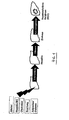
- FIG. 1 shows the therapeutic objectives of xanthohumol.
- the presentation reflects the chain of mechanisms of action based on liver disease, for example due to alcohol, viruses, radiation, obesity and / or diabetes, up to liver cancer.
- the use of a preparation with xanthohumol advantageously affects all stages of the chain of action FIG. 1 ,
- xanthohumol can also be used successfully in the treatment of individual stations of the action sites.
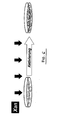
- FIG. 2 shows a schematic representation of the efficacy of xanthohumol at a viral damage to the liver, in particular by hepatitis B and C. It has been found that the aforementioned drugs not only inhibit the virus proliferation in an advantageous manner, but also a selective killing of already from the virus Affected endogenous liver cells ensure, whereas healthy liver cells remain unaffected. As a result of the invention, targeted therapy for reducing or eliminating liver cells infected with the virus is made possible.
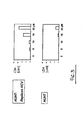
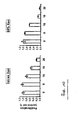
- FIG. 3 shows a graph comparison of the selective efficacy of the use of xanthohumol with respect to hepatitis C infected liver cells as well as hepatitis C infected liver cells in comparison.
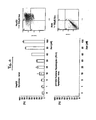
- FIG. 4 Figure 4 shows a graphical representation of the efficacy of the use of xanthohumol with respect to apoptosis (programmed cell death) of liver cancer cells (HepG2) compared to healthy liver cells (primary human hepatocytes).
- FIG. 5 shows a comparison of the growth of liver cancer cells (HepG2) over time as a function of the dosage of xanthohumol.
- HepG2 liver cancer cells
- FIGS. 6 and 7 illustrate the effect of adding xanthohumol with respect to preventing the transformation of autologous liver cells into hepatic stellate cells responsible for scarring of the liver in cirrhosis of the liver.
- FIG. 7 As can be seen, the formation of scar tissue is increasingly suppressed with increasing dosage of xanthohumol.
- FIG. 8 is an illustration of the effect of xanthohumol in increasing dosage on the already existing, activated hepatic stellate cells evident. From the illustration according to FIG. 6 It can be seen that as the dosage of xanthohumol increases, there is an increased effect of killing (LDH) activated hepatic stellate cells.
- LDH killing
- FIG. 9 results from the influence of the dosage of xanthohumol on the growth of activated hepatic stem cells.
- FIG. 10 shows a comparison of the lifetime (proliferation) of liver cancer cells after use of xanthohumol in pure form (> 98%) or in a form in which xanthohumol is present as a proportion of 60%.
- the latter is the xanthohumol obtained from hop extract in a standard technical process which contains other natural components. The lower the bars, the more cells are inhibited in their growth.
Landscapes
- Health & Medical Sciences (AREA)
- Life Sciences & Earth Sciences (AREA)
- Chemical & Material Sciences (AREA)
- Pharmacology & Pharmacy (AREA)
- Veterinary Medicine (AREA)
- Public Health (AREA)
- General Health & Medical Sciences (AREA)
- Medicinal Chemistry (AREA)
- Animal Behavior & Ethology (AREA)
- General Chemical & Material Sciences (AREA)
- Organic Chemistry (AREA)
- Nuclear Medicine, Radiotherapy & Molecular Imaging (AREA)
- Chemical Kinetics & Catalysis (AREA)
- Engineering & Computer Science (AREA)
- Epidemiology (AREA)
- Natural Medicines & Medicinal Plants (AREA)
- Bioinformatics & Cheminformatics (AREA)
- Diabetes (AREA)
- Virology (AREA)
- Communicable Diseases (AREA)
- Biotechnology (AREA)
- Oncology (AREA)
- Hematology (AREA)
- Obesity (AREA)
- Molecular Biology (AREA)
- Alternative & Traditional Medicine (AREA)
- Mycology (AREA)
- Microbiology (AREA)
- Medical Informatics (AREA)
- Botany (AREA)
- Child & Adolescent Psychology (AREA)
- Biochemistry (AREA)
- Gastroenterology & Hepatology (AREA)
- Toxicology (AREA)
- Endocrinology (AREA)
- Emergency Medicine (AREA)
- Pharmaceuticals Containing Other Organic And Inorganic Compounds (AREA)
- Acyclic And Carbocyclic Compounds In Medicinal Compositions (AREA)
- Medicines Containing Plant Substances (AREA)
- Coloring Foods And Improving Nutritive Qualities (AREA)
Description
- Die vorliegende Erfindung betrifft die Verwendung von Xanthohumol als Wirkstoff für die Herstellung eines Nahrungsergänzungsmittels oder Medikaments zur Vorbeugung von vermittelten Leberschädigungen.
- Xanthohumol ist ein Prenylflavenoid, welches im Hopfen vorkommt. Verschiedene Untersuchungen zeigen biologische Effekte von Xanthohumol.
- So wird beispielsweise in der
EP 1 543 834 A 1 die anti-karzenogene Wirkung von Xanthohumol beschrieben. - Aus der
EP 0 679 393 B 1 ist bekannt, dass Xanthohumol eine stark inhibierende Wirkung gegenüber einer Knochenresorption aufweist und daher als Mittel zur Behandlung von Osteoporose eingesetzt werden kann. - Die
DE 103 08 864 A 1 beschreibt ein neues Brauverfahren, mit dem ein Bier hergestellt werden soll, welches aufgrund eines besonderen Brauverfahrens einen erhöhten Anteil an Xanthohumol und damit gesteigerte gesundheitsfördernde Wirkungen begründet. - Die
EP 1 543 834 A1 betrifft die Herstellung von Hopfenextrakten mit östrogener und antiproliferativer Bioaktivität. Hierbei wird die proöstrogene Wirkung von Isoxanthohumol als Isomerisationsprodukt von Xanthohumol genutzt, um ein Arzneimittel zur Chemoprävention von Krebserkrankungen bereitzustellen. -
WO 01/03681 A2 - Die
US 2006/0276372 A1 betrifft die Verwendung von Carotinoid-Xanthohumol Konjugaten zur Behandlung von Leberkrebs. - In LEE TZONG-HSIEN ET AL: "Enhanced nuclear factor-kappa B-associated Wnt-1 expression in hepatitis B- and C-related hepatocarcinogenesis: identification by functional proteomics" JOURNAL OF BIOMEDICAL SCIENCE, Bd. 13, Nr. 1, Januar 2006 (2006-01), Seiten 27-39, XP002473939 ISSN: 1021-7770 wird der NF-Kappa B Faktor als Ansatzpunkt für die Behandlung des hepatozellulären Karzinoms, welches durch NF-Kappa B Aktivierung infolge von HBV oder HCV und Zirrhose induziert wird, vorgeschlagen.
- In ALBINI ADRIANA ET AL: "Mechanisms of the antiangiogenic activity by the hop flavonoid xanthohumol: NF-kappa B and Akt as targets" FASEB JOURNAL, Bd. 19, Nr. 14, Dezember 2005 (2005-12), XP002473940 ISSN: 0892-6638 wird darauf abgestellt, dass Xanthohumol den Signalübertragungsweg hemmt und damit das Wachstum von Gefäßkrebszellen unterbindet.
- XINGJUN LIU ET AL: "Smad3 Specific inhibitor, Naringenin, Decreases the Expression of Extracellular Matrix Induced by TGF-[β]1 in Cultured Rat Hepatic Stellate Cells" PHARMACEUTICAL RESEARCH, KLUWER ACADEMIC PUBLISHERS-PLENUM PUBLISHERS, NE, Bd. 23, Nr. 1, 1. Januar 2006 (2006-01-01), Seiten 82-89, XP019370960 ISSN: 1573-904X behandelt den Einsatz von Naringenin und beschreibt in diesem Zusammenhang eine antifibrogene Wirkung.
- BUCKWOLD V E ET AL: "Antiviral activity of hop constituents against a series of DNA and RNA viruses" ANTIVIRAL RESEARCH, ELSEVIER SCIENCE BV., AMSTERDAM, NL, Bd. 61, Nr. 1, Januar 2004 (2004-01), Seiten 57-62, XP002398448 ISSN: 0166-3542 betrifft den Einsatz von Xanthohumol zur Bekämpfung unterschiedlicher Viruserkrankungen.
- DIETZ BIRGIT M ET AL: "Xanthohumol isolated from Humulus lupulus inhibits menadione-induced DNA damage through induction of quinone reductase" CHEMICAL RESEARCH IN TOXICOLOGY, Bd. 18, Nr. 8, August 2005 (2005-08), Seiten 1296-1305, XP002473941 ISSN: 0893-228X beschreibt den Einfluss von Xanthohumol auf toxisch geschädigte Leberkrebszellen.
- GERHAUSER CLARISSA ET AL: "Cancer chemopreventive activity of Xanthohumol, a natural product derived from hop" MOLECULAR CANCER THE-RAPEUTICS, Bd. 1, Nr. 11, September 2002 (2002-09), Seiten 959-969, XP002473942 ISSN: 1535-7163 beschreibt den wachstumshemmenden Einfluss von Xanthohumol zur Hemmung der Vermehrung von Krebszellen allgemein.
- NIKOLIC D ET AL: "Metabolism of xanthohumol and isoxanthohumol, prenylated flavonoids from hops (Humulus lupulus L.), by human liver microsomes" JOURNAL OF MASS SPECTROMTETRY, WILEY, CHICHESTER, GB, Bd. 40, Nr. 3, 15 Februar 2005 (2005-02-15). Seiten 289-299, XP002393640 ISSN: 1076-5174 offenbart Vorgänge des Stoffwechsels bei der Einnahme von Xanthohumol und Isoxanthohumol und verweist auf eine Nützlichkeit des Xanthohumols als krebspräventiver Wirkstoff.
- Die vorliegende Erfindung hat sich zur Aufgabe gestellt, weitere gesundheitsfördernde Anwendungen von Xanthohumol aufzufinden.
- Diese Aufgabe wird durch die Merkmale der Ansprüche 1 sowie 14 gelöst. Xanthohumol hat keinerlei Nebenwirkungen. Dies ermöglicht es, wirkungsvoll über eine lange Zeit chronischen Lebererkrankungen, insbesondere chronischen Lebererkrankungen durch regelmäßige Einnahme, prophylaktisch vorzubeugen. Es hat sich bei Untersuchungen überraschend herausgestellt, dass Xanthohumol Stoffwechselmechanismen hemmt, die von ganz besonderer Bedeutung für die durch Adipositas (Übergewicht) und Diabetes vermittelte Leberschädigung sind. Adipositas und Diabetes sind für einen großen Teil der Leberzirrhosen verantwortlich. Die Tendenz ist steigend. Insgesamt stellen chronische Lebererkrankungen mittlerweile ein bedeutendes wirtschaftliches Problem dar. Durch kontinuierliche Einnahme von Xanthohumol kann ein wirksamer prophylaktischer Schutz ohne Nebenwirkungen für die gesamte Bevölkerung aufgebaut werden.
- Für die Behandlung der Leberfibrose gibt es derzeit noch keine gesicherten Therapieformen. Eine Inhibierung bzw. ein Stopp der Fibrosierung kann nur durch die Eliminierung der schädigenden Ursache, also z. B. im Fall von Hepatitis-VirusInfektion durch Eliminierung der Hepatitis-Viren erreicht werden. Die Eliminierung der schädigenden Ursache gelingt jedoch nur bei einem Teil der Patienten mit chronischen Lebererkrankungen bzw. ist bei Patienten mit genetischen Lebererkrankungen derzeit generell nicht möglich. Im Falle von Hepatitis-VirusInfektionen ist hier bisher ein Einsatz von Medikamenten mit starken Nebenwirkungen erforderlich. Selbst bei Einsatz solcher Medikamente wird lediglich bei einem Teil der Patienten eine Virus-Elimination erreicht. Der Einsatz von Xanthohumol kann hier erfreulicherweise Abhilfe schaffen.
- Gemäß der Erfindung kann das Xanthohumol gerade bei Personen mit einem hohen Risikoprofil (Adipösen, Diabetiker) prophylaktisch eingesetzt werden.
- Was die Darreichung anbelangt, ist gemäß der Erfindung eine Verwendung dahingehend vorgesehen, dass das Xanthohumol als wirksamer Bestandteil einer pharmazeutischen Zusammensetzung mit einem pharmazeutisch annehmbaren Träger wie z. B. Mannit, Saccharose, Laktose, Glukose, Fructose, Maltose usw. zugeführt werden.
- Xanthohumol eignet sich ganz besonders dafür, als Wirkstoff einem Nahrungsmittel beigesetzt zu werden bzw. einem Getränk beigemischt zu werden.
- Die Zugabe von Xanthohumol als Wirkstoff erfolgt insbesondere dazu, die Aktivität von freien Sauerstoffradikalen konkret in der Leber zu reduzieren oder zu unterbinden. Es wurde nämlich herausgefunden, dass bei einer Schädigung der Leber in jeglicher Form, d. h. entweder durch Entzündung (beispielsweise durch Viren, durch übermäßigen Alkoholgenuss, durch Fettleibigkeit und/oder Diabetes oder Strahlenbelastung) freie Sauerstoffradikale entstehen, die zur Entstehung einer Leberentzündung, Leberfibrose beitragen. Die Entstehung der freien Sauerstoffradikalen wird durch das Xanthohumol gehemmt bzw. deren Aktivität beeinträchtigt. Daraus ergibt sich der Vorteil, dass durch Xanthohumol alle drei vorgenannten Schädigungsmechanismen der Leber gleichermaßen wirksam beeinflusst werden können.
- Insbesondere wurde herausgefunden, dass die Zugabe von Xanthohumol besonders dazu geeignet ist, den so genannten NF-Kappa-B-Faktor entscheidend zu beeinflussen, d. h. insbesondere dessen Aktivität zu reduzieren oder zu unterbinden. NF-Kappa-B ist ein Vermittler von Signalen in der Zelle und an der Modulation zahlreicher Zellfunktionen beteiligt. Es wurde gefunden, dass gerade der NF-Kappa-B-Faktor für die vorgenannten drei Schädigungsmechanismen der Leber eine ganz besondere Rolle spielt. Auch für die Entstehung und das Voranschreiten von NASH spielt NF-Kappa-B eine wichtige Rolle.
- Des Weiteren wurde herausgefunden, dass das Xanthohumol in überraschender Weise in vergleichsweise hohen Dosierungen eingesetzt werden kann. Denn es hat sich herausgestellt, dass auch bei höheren Dosierungen keine die Zellen schädigende Wirkung von Xanthohumol auftritt, so dass eine selektive Wirksamkeit gegeben ist.
- Es wurde herausgefunden, dass mit zunehmender Dosierung an Xanthohumol beispielsweise beginnend mit einer Untergrenze von 5 µM ein kontinuierlicher Anstieg der positiven Wirkung festgestellt werden kann, dies insbesondere bis zu einer Maximalgrenze von 100 µM. Daraus resultiert der Vorteil, dass je nach beabsichtigtem Einsatz des Behandlungsmittels (Nahrungsmittel mit Anteil an Xanthohumol zur täglichen Einnahme als Prophylaxe oder als Arzneimittel zur Therapie) Präparate mit unterschiedlichen Dosierungen zielgerichtet angeboten werden können.
- Beispielsweise können bei einer chronischen Erkrankung mehrere Wirkungsmechanismen gleichzeitig auftreten, so dass durch das erfindungsgemäße Präparat die drei Wirkungsmechanismen der Leberentzündung, als auch der Wirkungsmechanismus der Leberzirrhose bzw. Leberfibrose als auch der Wirkungsmechanismus der Entstehung von Leberkrebs als auch der Wirkungsmechanismus des Voranschreitens des Leberkrebses maßgeblich gleichzeitig bekämpft werden können.
- Zweckmäßigerweise ist der Wirkstoff, d. h. das Xanthohumol in einer Darreichungsform (Applikation und/oder Dosierung) anzuwenden, so dass sich in der Leber Wirkstoffkonzentrationen ≥ 5 µM, insbesondere ≥ 10 µM, insbesondere ≥ 20 µM, insbesondere ≥ 30 µM, insbesondere ≥ 40 µM, insbesondere ≥ 50 µM einstellen.
- Vorzugsweise ist der Wirkstoff in einer Darreichungsform anzuwenden, dass sich in der Leber eine Wirkstoffkonzentration von maximal 100 µM einstellt.
- Anwendungsfallbezogen ist der jeweilige Wirkstoff in einer Darreichungsform anzuwenden, so dass sich in der Leber Wirkstoffkonzentrationen in folgenden Bereichen einstellen, 1 bis 100 µM, vorzugsweise 1 - 25 µM, vorzugsweise 1 - 10 µM oder 5 - 100 µM, vorzugsweise 10 - 50 µM, vorzugsweise 10 - 25 µM. Je nach Anwendungsfall können die betreffenden Bereiche ausgewählt werden. Insbesondere genügen bei der Behandlung von Fibrose bereits vergleichsweise geringe Dosierungen, wohingegen bei der Behandlung von Leberkrebs erhöhte Dosierungen zweckmäßig sind.
- Wird Xanthohumol beispielsweise der der Nahrung bzw. als Tablette verabreicht, kann somit aufgrund der Aufnahme über den Darm es zu vergleichsweise hohen Xanthohumol- Spiegeln kommen, die sich nach der Passage durch die Leber aber rasch verdünnen, d.h. in keinem anderen Organ auch nur ein annähernd ein so hoher Xanthohumol-Spiegel mehr erreicht wird.
- Hinsichtlich der Gewinnung von Xanthohumol aus Hopfenpflanzen wird auf die
EP 0 679 393 B 1 und dieEP 1 543 834 A 1 vollinhaltlich verwiesen. - Gemäß der vorliegenden Erfindung kann eine Zusammensetzung als Wirksubstanz verwendet werden, bei der Xanthohumol nicht in Reinform, sondern als Hopfenextraktionsprodukt vorliegt. Es wurde festgestellt, dass neben dem Xanthohumol vorliegende Trägerbestandteile, die herstellungsbedingt vorliegen, die Aufnahme der Wirksubstanz in den Organismus und damit die Wirksamkeit sogar noch unterstützen können.
- Zweckmäßigerweise ist die Dosis zur Verabreichung der Wirksubstanz bezogen auf den jeweiligen (Rein-)Anteil an Wirksubstanz größer als 0,01 mg / kg Körpergewicht / Tag, vorzugsweise größer als 0,1 mg / kg Körpergewicht / Tag, vorzugsweise größer als 1 mg / kg Körpergewicht / Tag, vorzugsweise größer als 10 mg / kg Körpergewicht / Tag, vorzugsweise größer als 50 mg / kg Körpergewicht / Tag, vorzugsweise größer als 100 mg / kg Körpergewicht / Tag, wobei es sich bei dem Körpergewicht um das Körpergewicht eines Menschen handelt.
- Zweckmäßigerweise ist die Dosis zur Verabreichung bezogen auf den jeweiligen (Rein-)Anteil an Wirksubstanz kleiner als 161 mg / kg Körpergewicht / Tag, vorzugsweise kleiner als 50 mg / kg Körpergewicht / Tag, vorzugsweise kleiner als 10 mg / kg Körpergewicht / Tag, vorzugsweise kleiner als 1 mg / kg Körpergewicht / Tag, vorzugsweise kleiner als 0,1 mg / kg Körpergewicht / Tag, wobei es sich bei dem Körpergewicht um das Körpergewicht eines Menschen handelt.
- Zweckmäßigerweise ist die Dosis zur Verabreichung bezogen auf den jeweiligen (Rein-)Anteil an Wirksubstanz ein Bereich von 0,01 bis 161 mg / kg Körpergewicht / Tag, vorzugsweise 0,05 bis 120 mg / kg Körpergewicht / Tag, vorzugsweise 0,1 bis 100 mg / kg Körpergewicht / Tag, vorzugsweise 0,5 bis 80 mg / kg Körpergewicht / Tag, vorzugsweise 1 bis 80 mg / kg Körpergewicht / Tag, vorzugsweise 5 bis 80 mg / kg Körpergewicht / Tag, vorzugsweise 10 bis 80 mg / kg Körpergewicht / Tag, wobei es sich bei dem Körpergewicht um das Körpergewicht eines Menschen handelt.
- In vorteilhafter Weise liegen die Anteile des Xanthohumol im Bereich von 0,1 Gew.-% - 99 Gew.-%, vorzugsweise 5 Gew.-% - 99 Gew.-%, vorzugsweise 10 Gew.-% - 99 Gew.-%, vorzugsweise 20 Gew.-% - 99 Gew.-%, vorzugsweise 30 Gew.-% - 99 Gew.-%, vorzugsweise 40 Gew.-% - 99 Gew.-%, vorzugsweise 50 Gew.-% - 99 Gew.-%, vorzugsweise 60 Gew.-% - 99 Gew.-%, vorzugsweise 70 Gew.-% - 99 Gew.-%.
- Sofern neben dem Xanthohumol als Wirkstoff weitere Bestandteile, insbesondere natürliche Bestandteile aufgrund der Gewinnung des Xanthohumols aus Hopfen vorhanden sind, kann dies die Wirksamkeit sogar noch erhöhen, da diese Bestandteile eine verbesserte Aufnahme des Wirkstoffes im Organismus bewirken.
- Alternativ kann das Xanthohumol aber auch in Reinform verwendet werden.
- Zudem ist gemäß der vorliegenden Erfindung auch die Verwendung von Xanthohumol in synthetisierter Form möglich.
- Gemäß einer weiteren Ausgestaltung wird das Xanthohumol, in Verbindung mit mindestens einem weiteren Wirkstoff eingesetzt. Bei diesem Wirkstoff kann es sich vorzugsweise um einen Wirkstoff handeln, welcher die Verträglichkeit und/oder die Aufnahme des zu verabreichenden Wirkstoffes im Körper und/oder dessen Wirksamkeit und/oder dessen Stabilität und/oder dessen Handhabbarkeit positiv beeinflusst.
- Das Xanthohumol bzw. ein Metabolit davon können in Verbindung mit oder auf der Basis von einem Alkali- oder Erdalkalisalz zum Einsatz kommen.
- Das zu verabreichende Mittel kann insbesondere als Flüssigkeit, Brei, Emulsion, in Form von Nanopartikeln, als Puder oder als Gel zum Einsatz kommen. Die Darreichung kann als eigenständiges Medikament, aber auch als Zusatz zu einem flüssigen oder festen Lebensmittel, je nachdem, ob eine Therapie oder eine Prophylaxe gewünscht ist, erfolgen.
- Der Wirkstoff kann unter Einsatz von pharmazeutisch gerechten, Nährstoff- gerechten oder lebensmittelgerechten Lösungsmitteln, Trägerstoffen oder Additiven wie z. B. Stärke, Dextrin, insbesondere Zyklodextrin, Maltodextrin, Proteinen, Methylzellulose, Carbomethoxyzellulose oder Xanthan erfolgen.
- Die Untersuchungen gemäß den nachfolgenden
Figuren 1 - 9 wurden mit Xanthohumol in Reinform (> 98%) durchgeführt. - Nachstehend wird eine beispielhafte Zusammensetzung eines Arzneimittels wiedergegeben.
-
Xanthohumol (Reinsubstanz) 5 g Mikrokristalline Zellulose 10 Gew. % Natriumcarboxymethylstärke 3 Gew. % Hochdisperses Siliciumdioxid 1 Gew. % Magnesiumstearat 1 Gew. % Tablettose (Lactose-Monohydrat) Rest auf 100 Gew. % - Nachstehend wir eine beispielhafte Zusammensetzung eines Nahrungsmittels mit hinzugefügtem Xanthohumol als Wirkstoff wiedergegeben.
- Die obige Zusammensetzung für ein Nahrungsmittel erlaubt aufgrund der einfach durchzuführenden Beimengung in ein cremiges Nahrungsmittel eine für die erforderliche Menge von Xanthohumol optimale Darreichung.
-
Figur 1 zeigt die therapeutischen Zielsetzungen von Xanthohumol. Die Darstellung spiegelt die Kette der Wirkungsmechanismen ausgehend von einer Lebererkrankung bedingt beispielsweise durch Alkohol, Viren, Strahlen, Adipositas und/oder Diabetes bis hin zum Leberkrebs wider. Die Verwendung eines Präparats mit Xanthohumol beeinträchtigt in vorteilhafter Weise sämtliche Stufen der Wirkungskette gemäßFigur 1 . Xanthohumol kann aber auch gezielt bei der Behandlung einzelner Stationen der Wirkungsstellen erfolgreich eingesetzt werden. -
Figur 2 zeigt eine schematische Darstellung der Wirksamkeit von Xanthohumol bei einer viralen Schädigung der Leber, insbesondere durch Hepatitis B und C. Es wurde herausgefunden, dass die vorgenannten Wirkstoffe nicht nur die Virusvermehrung in vorteilhafter Weise hemmen, sondern darüber hinaus auch eine selektive Abtötung der bereits vom Virus betroffenen körpereigenen Leberzellen gewährleistet, wohingegen gesunde Leberzellen unbeeinträchtigt bleiben. Durch die Erfindung wird demzufolge eine gezielte Therapie zur Reduzierung bzw. Beseitigung von mit dem Virus infizierten Leberzellen ermöglicht. -
Figur 3 zeigt anhand einer Diagrammgegenüberstellung die selektive Wirksamkeit des Einsatzes von Xanthohumol in Bezug auf mit Hepatitis C infizierten Leberzellen sowie nicht mit Hepatitis C infizierten Leberzellen im Vergleich. -
Figur 4 zeigt eine grafische Darstellung der Wirksamkeit des Einsatzes von Xanthohumol in Bezug auf Apoptose (programmierter Zelltod) von Leberkrebszellen (HepG2) im Vergleich zu gesunden Leberzellen (primäre humane Hepatozyten). -
Figur 5 zeigt eine Gegenüberstellung des Wachstums von Leberkrebszellen (HepG2) über der Zeit in Abhängigkeit der Dosierung von Xanthohumol. Wie aus der Darstellung deutlich wird, wird das Wachstum der Krebszellen mit zunehmender Konzentration an Xanthohumol fortschreitend gehemmt. - Die
Figuren 6 und7 veranschaulichen den Effekt der Zugabe von Xanthohumol in Bezug auf die Prävention der Transformation körpereigener Leberzellen in hepatische Sternzellen, welche für die Vernarbung der Leber bei Leberzirrhose verantwortlich sind. - Wie aus
Figur 7 ersichtlich ist, wird mit zunehmender Dosierung von Xanthohumol die Bildung von Narbengewebe zunehmend unterdrückt. - Aus
Figur 8 ist eine Darstellung der Wirkung von Xanthohumol in zunehmender Dosierung auf die bereits vorhandenen, aktivierten hepatischen Sternzellen ersichtlich. Aus der Darstellung gemäßFigur 6 ist ersichtlich, dass mit zunehmender Dosierung an Xanthohumol ein erhöhter Effekt der Abtötung (LDH) aktivierter, hepatischer Sternzellen sich einstellt. - Aus
Figur 9 ergibt sich der Einfluss der Dosierung von Xanthohumol auf das Wachstum der aktivierten hepatischen Stemzellen. -
Figur 10 zeigt eine Gegenüberstellung der Lebensdauer (Proliferation) von Leberkrebszellen nach Anwendung von Xanthohumol in Reinform (> 98%) bzw. in einer Form, bei der Xanthohumol als Anteil zu 60% vorliegt. Bei Letzterem handelt es sich um das aus Hopfenextrakt in einem üblichen technischen Prozess gewonnene Xanthohumol, welches weitere, natürliche Bestandteile enthält. Je niedriger die Balken sind, umso mehr Zellen werden in ihrem Wachstum gehemmt. - Es zeigt sich, dass sich bei 60%-igem Xanthohumol sogar noch eine stärkere Wirkung einstellt als bei Xanthohumol in Reinform. Dies ist darauf zurückzuführen, dass die restlichen Bestandteile bei dem natürlichen Xanthohumol eine Trägerfunktion haben und damit eine wirkungsvollere Zuführung des Wirkstoffs in den Organismus begründen.
Claims (14)
- Verwendung von Xanthohumol mit der Formel

- Verwendung nach Anspruch 1,
dadurch gekennzeichnet, dass
der jeweilige Wirkstoff in einer Darreichungsform anzuwenden ist, so dass sich in der Leber Wirkstoffkonzentrationen in einer Dosierung von ≥ 5 µM, insbesondere ≥ 10 µM, insbesondere ≥ 20 µM, insbesondere ≥ 30 µM, insbesondere ≥ 40 µM, insbesondere ≥ 50 µM einstellen. - Verwendung nach Anspruch 1 oder 2,
dadurch gekennzeichnet, dass
der Wirkstoff in einer Darreichungsform anzuwenden ist, so dass sich in der Leber eine Wirkstoffkonzentration von maximal 100 µM einstellt. - Verwendung nach Anspruch 1,
dadurch gekennzeichnet, dass
das Xanthohumol in einer Darreichungsform anzuwenden ist, so dass sich in der Leber Wirkstoffkonzentrationen in folgenden Bereichen einstellen, 1 bis 100 µM, vorzugsweise 1 - 25 µM, vorzugsweise 1 - 10 µM oder 5 - 100 µM, vorzugsweise 10 - 50 µM, vorzugsweise 10 - 25 µM einstellen. - Verwendung nach Anspruch 1,
dadurch gekennzeichnet, dass
die Dosis bezogen auf den Anteil an Wirksubstanz größer ist als 0,01 mg / kg Körpergewicht / Tag, vorzugsweise größer ist als 0,1 mg / kg Körpergewicht / Tag, vorzugsweise größer ist als 1 mg / kg Körpergewicht / Tag, vorzugsweise größer ist als 10 mg / kg Körpergewicht / Tag, vorzugsweise größer ist als 50 mg / kg Körpergewicht / Tag, vorzugsweise größer ist als 100 mg / kg Körpergewicht / Tag, wobei es sich bei dem Körpergewicht um das Körpergewicht eines Menschen handelt. - Verwendung nach Anspruch 1,
dadurch gekennzeichnet, dass
die Dosis bezogen auf den Anteil an Wirksubstanz kleiner ist als 161 mg / kg Körpergewicht / Tag, vorzugsweise kleiner ist als 50 mg / kg Körpergewicht / Tag, vorzugsweise kleiner ist als 10 mg / kg Körpergewicht / Tag, vorzugsweise kleiner ist als 1 mg / kg Körpergewicht / Tag, vorzugsweise kleiner ist als 0,1 mg / kg Körpergewicht / Tag, wobei es sich bei dem Körpergewicht um das Körpergewicht eines Menschen handelt. - Verwendung nach Anspruch 1,
dadurch gekennzeichnet, dass
als Dosis bezogen auf den Anteil an Wirksubstanz ein Bereich von 0,01 bis 161 mg / kg Körpergewicht / Tag, vorzugsweise 0,05 bis 120 mg / kg Körpergewicht / Tag, vorzugsweise 0,1 bis 100 mg / kg Körpergewicht / Tag, vorzugsweise 0,5 bis 80 mg / kg Körpergewicht / Tag, vorzugsweise 1 bis 80 mg / kg Körpergewicht / Tag, vorzugsweise 5 bis 80 mg / kg Körpergewicht / Tag, vorzugsweise 10 bis 80 mg / kg Körpergewicht / Tag vorgesehen ist, wobei es sich bei dem Körpergewicht um das Körpergewicht eines Menschen handelt. - Verwendung nach einem der vorhergehenden Ansprüche,
dadurch gekennzeichnet, dass
eine Zusammensetzung als Wirksubstanz verwendet wird, bei der Xanthohumol mit einem Anteil im Bereich von 0,1 Gew.-% - 99 Gew.-%, vorzugsweise 5 Gew.-% - 99 Gew.-%, vorzugsweise 10 Gew.-% - 99 Gew.-%, vorzugsweise 20 Gew.-% - 99 Gew.-%, vorzugsweise 30 Gew.-% - 99 Gew.-%, vorzugsweise 40 Gew.-% - 99 Gew.-%, vorzugsweise 50 Gew.-% - 99 Gew.-%, vorzugsweise 60 Gew.-% - 99 Gew.-%, vorzugsweise 70 Gew.-% - 99 Gew.-% verwendet wird. - Verwendung nach Anspruch 1,
dadurch gekennzeichnet, dass
das Xanthohumol in Reinform verwendet wird. - Verwendung nach Anspruch 1,
dadurch gekennzeichnet, dass
das Xanthohumol in synthetisierter Form verwendet wird. - Verwendung nach Anspruch 1,
dadurch gekennzeichnet, dass
das Xanthohumol in Verbindung mit mindestens einem weiteren Wirkstoff eingesetzt wird. - Verwendung nach Anspruch 1,
dadurch gekennzeichnet, dass
das Xanthohumol in Verbindung mit oder auf der Basis von einem Alkali-oder Erdalkalisalz zum Einsatz kommt. - Verwendung nach Anspruch 1,
dadurch gekennzeichnet, dass
das Xanthohumol als Flüssigkeit, Brei, Emulsion, in Form von Nanopartikeln, als Puder oder als Gel zum Einsatz kommt. - Verwendung von Xanthohumol mit der Formel

Applications Claiming Priority (2)
| Application Number | Priority Date | Filing Date | Title |
|---|---|---|---|
| DE102006062264A DE102006062264A1 (de) | 2006-12-22 | 2006-12-22 | Verwendung von Xanthohumol zur Vorbeugung und/oder Bekämpfung von Lebererkrankungen |
| PCT/EP2007/011358 WO2008077618A1 (de) | 2006-12-22 | 2007-12-21 | Verwendung von xanthohumol bzw. isoxanthohumol als wirkstoff zur vorbeugung und/oder bekämpfung von lebererkrankungen |
Publications (2)
| Publication Number | Publication Date |
|---|---|
| EP2120906A1 EP2120906A1 (de) | 2009-11-25 |
| EP2120906B1 true EP2120906B1 (de) | 2015-04-22 |
Family
ID=39186950
Family Applications (1)
| Application Number | Title | Priority Date | Filing Date |
|---|---|---|---|
| EP20070857069 Not-in-force EP2120906B1 (de) | 2006-12-22 | 2007-12-21 | Verwendung von xanthohumol als wirkstoff zur vorbeugung und/oder bekämpfung von lebererkrankungen |
Country Status (7)
| Country | Link |
|---|---|
| US (1) | US20100029757A1 (de) |
| EP (1) | EP2120906B1 (de) |
| JP (1) | JP5513126B2 (de) |
| CA (1) | CA2672155C (de) |
| DE (1) | DE102006062264A1 (de) |
| RU (1) | RU2454996C2 (de) |
| WO (1) | WO2008077618A1 (de) |
Families Citing this family (19)
| Publication number | Priority date | Publication date | Assignee | Title |
|---|---|---|---|---|
| US10722575B2 (en) | 2009-11-26 | 2020-07-28 | Genfit | Use of 1,3-diphenylprop-2-en-1-one derivatives for treating liver disorders |
| US9221751B2 (en) | 2009-11-26 | 2015-12-29 | Genfit | Use of 1,3-diphenylprop-2-en-1-one derivatives for treating liver disorders |
| TR201810393T4 (tr) * | 2009-11-26 | 2018-08-27 | Genfit | Karaciğer rahatıszlıklarının tedavisi için 1,3-difenilprop-2-en-1-on türevlerinin kullanımı. |
| WO2013191903A1 (en) | 2012-06-18 | 2013-12-27 | 3M Innovative Properties Company | Powder composition for air polishing the surface of hard dental tissue |
| PL2877167T3 (pl) * | 2012-07-26 | 2021-02-08 | Arcaini, Antonio | Zastosowania kompozycji zawierającej prażony ekstrakt i ksantohumol |
| EP2742898A1 (de) | 2012-12-17 | 2014-06-18 | 3M Innovative Properties Company | Pulverstrahlvorrichtung zur Ausgabe von Dentalmaterial |
| EP2931171B1 (de) | 2012-12-17 | 2018-08-15 | 3M Innovative Properties Company | Vorrichtung zur ausgabe von dentalmaterial mit verriegelungsmechanismus |
| EP2742897A1 (de) | 2012-12-17 | 2014-06-18 | 3M Innovative Properties Company | Düsenkopf, Handstück und Pulverstrahlvorrichtung zum Aufbringen eines Dentalmaterials |
| US20180193287A1 (en) * | 2015-07-02 | 2018-07-12 | John I. Haas, Inc. | Hops-based substance and use of the substance |
| KR20190099481A (ko) * | 2016-12-20 | 2019-08-27 | 산토리 홀딩스 가부시키가이샤 | 이소잔토휴몰을 함유하는 지질 대사 촉진용 조성물 |
| EP3651804B1 (de) | 2017-07-11 | 2023-08-23 | Aquanova AG | Solubilisat mit curcumin und boswellia und xanthohumol |
| EP3820527B1 (de) * | 2018-07-11 | 2023-08-23 | Aquanova AG | Xanthohumol-solubilisat |
| PL3820527T3 (pl) | 2018-07-11 | 2024-01-03 | Aquanova Ag | Solubilizator ksantohumolu |
| US20210169078A1 (en) * | 2018-08-10 | 2021-06-10 | Suntory Holdings Limited | Agent for suppressing microbial growth, method for preventing microbial contamination, and beverage |
| WO2020031957A1 (ja) * | 2018-08-10 | 2020-02-13 | サントリーホールディングス株式会社 | 腸内環境改善用組成物及び腸内細菌叢改善方法 |
| AU2019319292A1 (en) * | 2018-08-10 | 2021-02-04 | Suntory Holdings Limited | Composition for promoting uric acid excretion, composition for inhibiting URAT1 and composition for lowering blood uric acid level |
| US20210161857A1 (en) * | 2018-08-10 | 2021-06-03 | Suntory Holdings Limited | Composition and method for suppressing increase in blood glucose level |
| EP4291307A4 (de) * | 2021-02-09 | 2025-01-22 | Oregon State University | Xanthohumolderivate und verfahren zur herstellung und verwendung |
| US20250009709A1 (en) * | 2021-07-09 | 2025-01-09 | INNOX Corp. | Prenylated chalcone and flavonoid compositions for use in treating cancer |
Citations (1)
| Publication number | Priority date | Publication date | Assignee | Title |
|---|---|---|---|---|
| EP1277473A1 (de) * | 2000-04-10 | 2003-01-22 | Takara Bio Inc. | Hilfsmittel |
Family Cites Families (13)
| Publication number | Priority date | Publication date | Assignee | Title |
|---|---|---|---|---|
| JPH07285856A (ja) | 1994-04-21 | 1995-10-31 | Hoechst Japan Ltd | 骨粗鬆症治療剤 |
| CA2264577A1 (en) * | 1996-08-30 | 1998-03-05 | Nps Pharmaceuticals, Inc. | Treatment of spasticity, convulsions by isovaleric acid derivatives cns depressants |
| US6555523B1 (en) | 1999-07-08 | 2003-04-29 | Patrick T. Prendergast | Use of cirsiliol and derivatives to treat infections |
| JP3293601B2 (ja) * | 1999-09-03 | 2002-06-17 | 松下電器産業株式会社 | 管球およびその製造方法 |
| BR0208418A (pt) * | 2001-04-05 | 2004-03-30 | Unilever Nv | Uso de isoxantohumol e/ou xantohumol, método para administrar isoxantohumol e/ou xantohumol a seres humanos em necessidade de receber um componente ani-inflamatório ou anti-envelhecimento, e, produto alimentìcio |
| US20040219238A1 (en) * | 2001-07-13 | 2004-11-04 | Eiji Nishiyama | Remedies |
| DE10308864B4 (de) | 2003-02-28 | 2007-03-01 | Paulaner Brauerei Gmbh & Co. Kg | Neues Brauverfahren, damit gebrautes Bier und dessen Verwendung |
| EP1543834A1 (de) | 2003-12-16 | 2005-06-22 | Biodynamics | Herstellung von Hopfenextrakten mit östrogener und antiproliferativer Bioaktivität |
| US20060276372A1 (en) | 2005-03-09 | 2006-12-07 | Lockwood Samuel F | Carotenoids, carotenoid analogs, or carotenoid derivatives for the treatment of proliferative disorders |
| JP2006306800A (ja) * | 2005-04-28 | 2006-11-09 | Kirin Brewery Co Ltd | ファルネソイドx受容体活性化剤 |
| WO2007016578A2 (en) * | 2005-07-29 | 2007-02-08 | Bioactives, Inc. | Prenylflavonoid formulations |
| WO2007021694A2 (en) * | 2005-08-09 | 2007-02-22 | Metaproteomics, Llc | Protein kinase modulation by hops and acacia products |
| JP5246834B2 (ja) * | 2005-12-27 | 2013-07-24 | 独立行政法人産業技術総合研究所 | アディポネクチン産生強化剤 |
-
2006
- 2006-12-22 DE DE102006062264A patent/DE102006062264A1/de not_active Ceased
-
2007
- 2007-12-21 CA CA2672155A patent/CA2672155C/en not_active Expired - Fee Related
- 2007-12-21 JP JP2009541912A patent/JP5513126B2/ja not_active Expired - Fee Related
- 2007-12-21 US US12/520,756 patent/US20100029757A1/en not_active Abandoned
- 2007-12-21 EP EP20070857069 patent/EP2120906B1/de not_active Not-in-force
- 2007-12-21 WO PCT/EP2007/011358 patent/WO2008077618A1/de not_active Ceased
- 2007-12-21 RU RU2009128213/15A patent/RU2454996C2/ru not_active IP Right Cessation
Patent Citations (1)
| Publication number | Priority date | Publication date | Assignee | Title |
|---|---|---|---|---|
| EP1277473A1 (de) * | 2000-04-10 | 2003-01-22 | Takara Bio Inc. | Hilfsmittel |
Non-Patent Citations (2)
| Title |
|---|
| BOSSERHOFF ANJA ET AL: "Obesity and Fatty Liver Are 'Grease' for the Machinery of Hepatic Fibrosis", DIGESTIVE DISEASES, vol. 29, no. 4, 2011, pages 377 - 383, ISSN: 0257-2753(print) * |
| ROMBOUTS KRISTA ET AL: "Molecular Mechanisms of Hepatic Fibrosis in Non-Alcoholic Steatohepatitis", DIGESTIVE DISEASES, vol. 28, no. 1, 2010, pages 229 - 235, ISSN: 0257-2753 * |
Also Published As
| Publication number | Publication date |
|---|---|
| US20100029757A1 (en) | 2010-02-04 |
| RU2454996C2 (ru) | 2012-07-10 |
| EP2120906A1 (de) | 2009-11-25 |
| CA2672155C (en) | 2013-10-01 |
| DE102006062264A1 (de) | 2008-06-26 |
| JP2010513360A (ja) | 2010-04-30 |
| CA2672155A1 (en) | 2008-07-03 |
| RU2009128213A (ru) | 2011-01-27 |
| JP5513126B2 (ja) | 2014-06-04 |
| WO2008077618A1 (de) | 2008-07-03 |
Similar Documents
| Publication | Publication Date | Title |
|---|---|---|
| EP2120906B1 (de) | Verwendung von xanthohumol als wirkstoff zur vorbeugung und/oder bekämpfung von lebererkrankungen | |
| US20190008907A1 (en) | Compositions for management of wounds, skin diseases, dehydration, chronic diseases, and respiratory diseases | |
| AT506095A1 (de) | Verwendung von proteasen | |
| US20050123560A1 (en) | High purity and water dispersible extract and formulations of larrea tridentata leaf resin, and methods of making and using the same | |
| EP2057994A1 (de) | Feigenkakteen-Extraktzubereitung | |
| DE60001857T2 (de) | Verfahren zur behandlung von chronischer venöser insuffizienz mit einem extrakt aus blättern von roten weinreben | |
| Shyam et al. | Harnessing the power of Arctium lappa root: a review of its pharmacological properties and therapeutic applications | |
| EP2293805B1 (de) | Lutschzusammensetzung zur behandlung von entzündlichen erkrankungen des mund- und rachenraums | |
| EP1399173B1 (de) | Pharmazeutische zubereitung enthaltend wirkstoffe aus den pflanzen centella asiatica, mahonia aquifolium und viola tricolor | |
| EP2376094B1 (de) | Verfahren zur herstellung eines kaktusfruchtextrakt | |
| Chiuman et al. | Oral Ulcer Healing Activity of Lemon Pepper Ethanol Extract Gel in Streptozotocin-Induced Diabetic Wistar Rats | |
| DE69424679T2 (de) | Zusammensetzung zur behandlung oder vorbeugung von herpes | |
| EP1395270A1 (de) | Verwendung von phyllanthusbestandteilen zur behandlung oder prophylaxe von infekten durch hepatitis b-viren | |
| EP4297588A1 (de) | Pulverförmiges nahrungsergänzungsmittel zur herstellung eines getränks | |
| DE69919040T2 (de) | Verwendung einer synergistischen zusammensetzung zur herstellung eines medikaments zur behandlung von lebererkrankungen | |
| EP1944023A1 (de) | Produkt Süssholzwurzel + Eichenrinde in Kombination mit Dexpanthenol | |
| Satria et al. | In vivo Analysis of Saurauia vulcani Korth. Leaves Extract as Antihypercholesterolemic | |
| US10959451B2 (en) | Sucralez composition | |
| Syrov et al. | PLANTS OF THE CENTRAL-ASIAN REGION A PERSPECTIVE SOURCE OF SUBSTANCES WITH A METABOLIC DIRECTION OF ACTION | |
| Boggia | Microdispersions of ellagic acid and pomegranate extracts as new potential nutraceutical ingredients | |
| DE102023117188A1 (de) | Darreichungsform auf Basis von Pflanzenextrakten | |
| CN113133990A (zh) | 一种含有依折麦布的复方制剂及其制备方法 | |
| EP2355815A1 (de) | Verwendung von leukotrien-inhibitoren zur behandlung von lungenerkrankungen bei frühgeborenen kindern | |
| EP0689446A1 (de) | Arzneimittel zur behandlung von retrovirusinfektionen | |
| Platkin | Dietary Supplements and their Uses: Echinacea |
Legal Events
| Date | Code | Title | Description |
|---|---|---|---|
| PUAI | Public reference made under article 153(3) epc to a published international application that has entered the european phase |
Free format text: ORIGINAL CODE: 0009012 |
|
| 17P | Request for examination filed |
Effective date: 20090708 |
|
| AK | Designated contracting states |
Kind code of ref document: A1 Designated state(s): AT BE BG CH CY CZ DE DK EE ES FI FR GB GR HU IE IS IT LI LT LU LV MC MT NL PL PT RO SE SI SK TR |
|
| DAX | Request for extension of the european patent (deleted) | ||
| 17Q | First examination report despatched |
Effective date: 20110125 |
|
| RIC1 | Information provided on ipc code assigned before grant |
Ipc: A61K 31/121 20060101AFI20130322BHEP Ipc: A61K 31/122 20060101ALI20130322BHEP Ipc: A61P 35/00 20060101ALI20130322BHEP Ipc: A61P 1/16 20060101ALI20130322BHEP Ipc: A61P 31/14 20060101ALI20130322BHEP Ipc: A61K 36/185 20060101ALI20130322BHEP Ipc: A61K 31/353 20060101ALI20130322BHEP |
|
| RAP1 | Party data changed (applicant data changed or rights of an application transferred) |
Owner name: FLAXAN GMBH & CO. KG |
|
| GRAP | Despatch of communication of intention to grant a patent |
Free format text: ORIGINAL CODE: EPIDOSNIGR1 |
|
| INTG | Intention to grant announced |
Effective date: 20141023 |
|
| GRAS | Grant fee paid |
Free format text: ORIGINAL CODE: EPIDOSNIGR3 |
|
| GRAP | Despatch of communication of intention to grant a patent |
Free format text: ORIGINAL CODE: EPIDOSNIGR1 |
|
| GRAA | (expected) grant |
Free format text: ORIGINAL CODE: 0009210 |
|
| INTG | Intention to grant announced |
Effective date: 20150313 |
|
| AK | Designated contracting states |
Kind code of ref document: B1 Designated state(s): AT BE BG CH CY CZ DE DK EE ES FI FR GB GR HU IE IS IT LI LT LU LV MC MT NL PL PT RO SE SI SK TR |
|
| REG | Reference to a national code |
Ref country code: GB Ref legal event code: FG4D Free format text: NOT ENGLISH |
|
| REG | Reference to a national code |
Ref country code: CH Ref legal event code: EP |
|
| REG | Reference to a national code |
Ref country code: AT Ref legal event code: REF Ref document number: 722771 Country of ref document: AT Kind code of ref document: T Effective date: 20150515 |
|
| REG | Reference to a national code |
Ref country code: IE Ref legal event code: FG4D Free format text: LANGUAGE OF EP DOCUMENT: GERMAN |
|
| REG | Reference to a national code |
Ref country code: DE Ref legal event code: R096 Ref document number: 502007013892 Country of ref document: DE Effective date: 20150603 |
|
| REG | Reference to a national code |
Ref country code: CH Ref legal event code: NV Representative=s name: PATENTANWAELTE SCHAAD, BALASS, MENZL AND PARTN, CH |
|
| REG | Reference to a national code |
Ref country code: NL Ref legal event code: VDEP Effective date: 20150422 |
|
| REG | Reference to a national code |
Ref country code: LT Ref legal event code: MG4D |
|
| PG25 | Lapsed in a contracting state [announced via postgrant information from national office to epo] |
Ref country code: NL Free format text: LAPSE BECAUSE OF FAILURE TO SUBMIT A TRANSLATION OF THE DESCRIPTION OR TO PAY THE FEE WITHIN THE PRESCRIBED TIME-LIMIT Effective date: 20150422 |
|
| PG25 | Lapsed in a contracting state [announced via postgrant information from national office to epo] |
Ref country code: LT Free format text: LAPSE BECAUSE OF FAILURE TO SUBMIT A TRANSLATION OF THE DESCRIPTION OR TO PAY THE FEE WITHIN THE PRESCRIBED TIME-LIMIT Effective date: 20150422 Ref country code: FI Free format text: LAPSE BECAUSE OF FAILURE TO SUBMIT A TRANSLATION OF THE DESCRIPTION OR TO PAY THE FEE WITHIN THE PRESCRIBED TIME-LIMIT Effective date: 20150422 Ref country code: ES Free format text: LAPSE BECAUSE OF FAILURE TO SUBMIT A TRANSLATION OF THE DESCRIPTION OR TO PAY THE FEE WITHIN THE PRESCRIBED TIME-LIMIT Effective date: 20150422 Ref country code: PT Free format text: LAPSE BECAUSE OF FAILURE TO SUBMIT A TRANSLATION OF THE DESCRIPTION OR TO PAY THE FEE WITHIN THE PRESCRIBED TIME-LIMIT Effective date: 20150824 |
|
| PG25 | Lapsed in a contracting state [announced via postgrant information from national office to epo] |
Ref country code: GR Free format text: LAPSE BECAUSE OF FAILURE TO SUBMIT A TRANSLATION OF THE DESCRIPTION OR TO PAY THE FEE WITHIN THE PRESCRIBED TIME-LIMIT Effective date: 20150723 Ref country code: IS Free format text: LAPSE BECAUSE OF FAILURE TO SUBMIT A TRANSLATION OF THE DESCRIPTION OR TO PAY THE FEE WITHIN THE PRESCRIBED TIME-LIMIT Effective date: 20150822 Ref country code: LV Free format text: LAPSE BECAUSE OF FAILURE TO SUBMIT A TRANSLATION OF THE DESCRIPTION OR TO PAY THE FEE WITHIN THE PRESCRIBED TIME-LIMIT Effective date: 20150422 |
|
| REG | Reference to a national code |
Ref country code: FR Ref legal event code: PLFP Year of fee payment: 9 |
|
| REG | Reference to a national code |
Ref country code: DE Ref legal event code: R097 Ref document number: 502007013892 Country of ref document: DE |
|
| PG25 | Lapsed in a contracting state [announced via postgrant information from national office to epo] |
Ref country code: DK Free format text: LAPSE BECAUSE OF FAILURE TO SUBMIT A TRANSLATION OF THE DESCRIPTION OR TO PAY THE FEE WITHIN THE PRESCRIBED TIME-LIMIT Effective date: 20150422 Ref country code: EE Free format text: LAPSE BECAUSE OF FAILURE TO SUBMIT A TRANSLATION OF THE DESCRIPTION OR TO PAY THE FEE WITHIN THE PRESCRIBED TIME-LIMIT Effective date: 20150422 |
|
| PLBE | No opposition filed within time limit |
Free format text: ORIGINAL CODE: 0009261 |
|
| STAA | Information on the status of an ep patent application or granted ep patent |
Free format text: STATUS: NO OPPOSITION FILED WITHIN TIME LIMIT |
|
| PG25 | Lapsed in a contracting state [announced via postgrant information from national office to epo] |
Ref country code: RO Free format text: LAPSE BECAUSE OF NON-PAYMENT OF DUE FEES Effective date: 20150422 Ref country code: CZ Free format text: LAPSE BECAUSE OF FAILURE TO SUBMIT A TRANSLATION OF THE DESCRIPTION OR TO PAY THE FEE WITHIN THE PRESCRIBED TIME-LIMIT Effective date: 20150422 Ref country code: SK Free format text: LAPSE BECAUSE OF FAILURE TO SUBMIT A TRANSLATION OF THE DESCRIPTION OR TO PAY THE FEE WITHIN THE PRESCRIBED TIME-LIMIT Effective date: 20150422 Ref country code: PL Free format text: LAPSE BECAUSE OF FAILURE TO SUBMIT A TRANSLATION OF THE DESCRIPTION OR TO PAY THE FEE WITHIN THE PRESCRIBED TIME-LIMIT Effective date: 20150422 |
|
| 26N | No opposition filed |
Effective date: 20160125 |
|
| PG25 | Lapsed in a contracting state [announced via postgrant information from national office to epo] |
Ref country code: IT Free format text: LAPSE BECAUSE OF FAILURE TO SUBMIT A TRANSLATION OF THE DESCRIPTION OR TO PAY THE FEE WITHIN THE PRESCRIBED TIME-LIMIT Effective date: 20150422 |
|
| PG25 | Lapsed in a contracting state [announced via postgrant information from national office to epo] |
Ref country code: SI Free format text: LAPSE BECAUSE OF FAILURE TO SUBMIT A TRANSLATION OF THE DESCRIPTION OR TO PAY THE FEE WITHIN THE PRESCRIBED TIME-LIMIT Effective date: 20150422 Ref country code: BE Free format text: LAPSE BECAUSE OF NON-PAYMENT OF DUE FEES Effective date: 20151231 |
|
| PG25 | Lapsed in a contracting state [announced via postgrant information from national office to epo] |
Ref country code: LU Free format text: LAPSE BECAUSE OF FAILURE TO SUBMIT A TRANSLATION OF THE DESCRIPTION OR TO PAY THE FEE WITHIN THE PRESCRIBED TIME-LIMIT Effective date: 20151221 Ref country code: MC Free format text: LAPSE BECAUSE OF FAILURE TO SUBMIT A TRANSLATION OF THE DESCRIPTION OR TO PAY THE FEE WITHIN THE PRESCRIBED TIME-LIMIT Effective date: 20150422 |
|
| REG | Reference to a national code |
Ref country code: IE Ref legal event code: MM4A |
|
| PG25 | Lapsed in a contracting state [announced via postgrant information from national office to epo] |
Ref country code: IE Free format text: LAPSE BECAUSE OF NON-PAYMENT OF DUE FEES Effective date: 20151221 |
|
| REG | Reference to a national code |
Ref country code: FR Ref legal event code: PLFP Year of fee payment: 10 |
|
| PGFP | Annual fee paid to national office [announced via postgrant information from national office to epo] |
Ref country code: GB Payment date: 20161228 Year of fee payment: 10 Ref country code: CH Payment date: 20161227 Year of fee payment: 10 |
|
| REG | Reference to a national code |
Ref country code: AT Ref legal event code: MM01 Ref document number: 722771 Country of ref document: AT Kind code of ref document: T Effective date: 20151221 |
|
| PGFP | Annual fee paid to national office [announced via postgrant information from national office to epo] |
Ref country code: FR Payment date: 20161227 Year of fee payment: 10 |
|
| PGFP | Annual fee paid to national office [announced via postgrant information from national office to epo] |
Ref country code: DE Payment date: 20161229 Year of fee payment: 10 |
|
| PG25 | Lapsed in a contracting state [announced via postgrant information from national office to epo] |
Ref country code: BG Free format text: LAPSE BECAUSE OF FAILURE TO SUBMIT A TRANSLATION OF THE DESCRIPTION OR TO PAY THE FEE WITHIN THE PRESCRIBED TIME-LIMIT Effective date: 20150422 Ref country code: AT Free format text: LAPSE BECAUSE OF NON-PAYMENT OF DUE FEES Effective date: 20151221 Ref country code: HU Free format text: LAPSE BECAUSE OF FAILURE TO SUBMIT A TRANSLATION OF THE DESCRIPTION OR TO PAY THE FEE WITHIN THE PRESCRIBED TIME-LIMIT; INVALID AB INITIO Effective date: 20071221 |
|
| PG25 | Lapsed in a contracting state [announced via postgrant information from national office to epo] |
Ref country code: SE Free format text: LAPSE BECAUSE OF FAILURE TO SUBMIT A TRANSLATION OF THE DESCRIPTION OR TO PAY THE FEE WITHIN THE PRESCRIBED TIME-LIMIT Effective date: 20150422 Ref country code: CY Free format text: LAPSE BECAUSE OF FAILURE TO SUBMIT A TRANSLATION OF THE DESCRIPTION OR TO PAY THE FEE WITHIN THE PRESCRIBED TIME-LIMIT Effective date: 20150422 |
|
| PG25 | Lapsed in a contracting state [announced via postgrant information from national office to epo] |
Ref country code: MT Free format text: LAPSE BECAUSE OF FAILURE TO SUBMIT A TRANSLATION OF THE DESCRIPTION OR TO PAY THE FEE WITHIN THE PRESCRIBED TIME-LIMIT Effective date: 20150422 Ref country code: TR Free format text: LAPSE BECAUSE OF FAILURE TO SUBMIT A TRANSLATION OF THE DESCRIPTION OR TO PAY THE FEE WITHIN THE PRESCRIBED TIME-LIMIT Effective date: 20150422 |
|
| REG | Reference to a national code |
Ref country code: DE Ref legal event code: R119 Ref document number: 502007013892 Country of ref document: DE |
|
| REG | Reference to a national code |
Ref country code: CH Ref legal event code: PL |
|
| GBPC | Gb: european patent ceased through non-payment of renewal fee |
Effective date: 20171221 |
|
| REG | Reference to a national code |
Ref country code: FR Ref legal event code: ST Effective date: 20180831 |
|
| PG25 | Lapsed in a contracting state [announced via postgrant information from national office to epo] |
Ref country code: DE Free format text: LAPSE BECAUSE OF NON-PAYMENT OF DUE FEES Effective date: 20180703 Ref country code: FR Free format text: LAPSE BECAUSE OF NON-PAYMENT OF DUE FEES Effective date: 20180102 |
|
| PG25 | Lapsed in a contracting state [announced via postgrant information from national office to epo] |
Ref country code: GB Free format text: LAPSE BECAUSE OF NON-PAYMENT OF DUE FEES Effective date: 20171221 Ref country code: LI Free format text: LAPSE BECAUSE OF NON-PAYMENT OF DUE FEES Effective date: 20171231 Ref country code: CH Free format text: LAPSE BECAUSE OF NON-PAYMENT OF DUE FEES Effective date: 20171231 |