EP2117520B1 - Behandlung von brustkrebs mit taxan nanopartikeln, wobei die behandlung auf dem hormonrezeptor-status basiert - Google Patents
Behandlung von brustkrebs mit taxan nanopartikeln, wobei die behandlung auf dem hormonrezeptor-status basiert Download PDFInfo
- Publication number
- EP2117520B1 EP2117520B1 EP07862937.5A EP07862937A EP2117520B1 EP 2117520 B1 EP2117520 B1 EP 2117520B1 EP 07862937 A EP07862937 A EP 07862937A EP 2117520 B1 EP2117520 B1 EP 2117520B1
- Authority
- EP
- European Patent Office
- Prior art keywords
- breast cancer
- composition
- abraxane
- albumin
- individual
- Prior art date
- Legal status (The legal status is an assumption and is not a legal conclusion. Google has not performed a legal analysis and makes no representation as to the accuracy of the status listed.)
- Active
Links
Images

Classifications
-
- A—HUMAN NECESSITIES
- A61—MEDICAL OR VETERINARY SCIENCE; HYGIENE
- A61K—PREPARATIONS FOR MEDICAL, DENTAL OR TOILETRY PURPOSES
- A61K47/00—Medicinal preparations characterised by the non-active ingredients used, e.g. carriers or inert additives; Targeting or modifying agents chemically bound to the active ingredient
- A61K47/50—Medicinal preparations characterised by the non-active ingredients used, e.g. carriers or inert additives; Targeting or modifying agents chemically bound to the active ingredient the non-active ingredient being chemically bound to the active ingredient, e.g. polymer-drug conjugates
- A61K47/51—Medicinal preparations characterised by the non-active ingredients used, e.g. carriers or inert additives; Targeting or modifying agents chemically bound to the active ingredient the non-active ingredient being chemically bound to the active ingredient, e.g. polymer-drug conjugates the non-active ingredient being a modifying agent
- A61K47/62—Medicinal preparations characterised by the non-active ingredients used, e.g. carriers or inert additives; Targeting or modifying agents chemically bound to the active ingredient the non-active ingredient being chemically bound to the active ingredient, e.g. polymer-drug conjugates the non-active ingredient being a modifying agent the modifying agent being a protein, peptide or polyamino acid
- A61K47/64—Drug-peptide, drug-protein or drug-polyamino acid conjugates, i.e. the modifying agent being a peptide, protein or polyamino acid which is covalently bonded or complexed to a therapeutically active agent
- A61K47/643—Albumins, e.g. HSA, BSA, ovalbumin or a Keyhole Limpet Hemocyanin [KHL]
-
- A—HUMAN NECESSITIES
- A61—MEDICAL OR VETERINARY SCIENCE; HYGIENE
- A61K—PREPARATIONS FOR MEDICAL, DENTAL OR TOILETRY PURPOSES
- A61K31/00—Medicinal preparations containing organic active ingredients
- A61K31/28—Compounds containing heavy metals
- A61K31/282—Platinum compounds
-
- A—HUMAN NECESSITIES
- A61—MEDICAL OR VETERINARY SCIENCE; HYGIENE
- A61K—PREPARATIONS FOR MEDICAL, DENTAL OR TOILETRY PURPOSES
- A61K31/00—Medicinal preparations containing organic active ingredients
- A61K31/33—Heterocyclic compounds
- A61K31/335—Heterocyclic compounds having oxygen as the only ring hetero atom, e.g. fungichromin
- A61K31/337—Heterocyclic compounds having oxygen as the only ring hetero atom, e.g. fungichromin having four-membered rings, e.g. taxol
-
- A—HUMAN NECESSITIES
- A61—MEDICAL OR VETERINARY SCIENCE; HYGIENE
- A61K—PREPARATIONS FOR MEDICAL, DENTAL OR TOILETRY PURPOSES
- A61K31/00—Medicinal preparations containing organic active ingredients
- A61K31/33—Heterocyclic compounds
- A61K31/395—Heterocyclic compounds having nitrogen as a ring hetero atom, e.g. guanethidine or rifamycins
- A61K31/435—Heterocyclic compounds having nitrogen as a ring hetero atom, e.g. guanethidine or rifamycins having six-membered rings with one nitrogen as the only ring hetero atom
- A61K31/47—Quinolines; Isoquinolines
- A61K31/475—Quinolines; Isoquinolines having an indole ring, e.g. yohimbine, reserpine, strychnine, vinblastine
-
- A—HUMAN NECESSITIES
- A61—MEDICAL OR VETERINARY SCIENCE; HYGIENE
- A61K—PREPARATIONS FOR MEDICAL, DENTAL OR TOILETRY PURPOSES
- A61K31/00—Medicinal preparations containing organic active ingredients
- A61K31/33—Heterocyclic compounds
- A61K31/395—Heterocyclic compounds having nitrogen as a ring hetero atom, e.g. guanethidine or rifamycins
- A61K31/495—Heterocyclic compounds having nitrogen as a ring hetero atom, e.g. guanethidine or rifamycins having six-membered rings with two or more nitrogen atoms as the only ring heteroatoms, e.g. piperazine or tetrazines
- A61K31/505—Pyrimidines; Hydrogenated pyrimidines, e.g. trimethoprim
-
- A—HUMAN NECESSITIES
- A61—MEDICAL OR VETERINARY SCIENCE; HYGIENE
- A61K—PREPARATIONS FOR MEDICAL, DENTAL OR TOILETRY PURPOSES
- A61K31/00—Medicinal preparations containing organic active ingredients
- A61K31/33—Heterocyclic compounds
- A61K31/395—Heterocyclic compounds having nitrogen as a ring hetero atom, e.g. guanethidine or rifamycins
- A61K31/495—Heterocyclic compounds having nitrogen as a ring hetero atom, e.g. guanethidine or rifamycins having six-membered rings with two or more nitrogen atoms as the only ring heteroatoms, e.g. piperazine or tetrazines
- A61K31/505—Pyrimidines; Hydrogenated pyrimidines, e.g. trimethoprim
- A61K31/513—Pyrimidines; Hydrogenated pyrimidines, e.g. trimethoprim having oxo groups directly attached to the heterocyclic ring, e.g. cytosine
-
- A—HUMAN NECESSITIES
- A61—MEDICAL OR VETERINARY SCIENCE; HYGIENE
- A61K—PREPARATIONS FOR MEDICAL, DENTAL OR TOILETRY PURPOSES
- A61K31/00—Medicinal preparations containing organic active ingredients
- A61K31/33—Heterocyclic compounds
- A61K31/395—Heterocyclic compounds having nitrogen as a ring hetero atom, e.g. guanethidine or rifamycins
- A61K31/535—Heterocyclic compounds having nitrogen as a ring hetero atom, e.g. guanethidine or rifamycins having six-membered rings with at least one nitrogen and one oxygen as the ring hetero atoms, e.g. 1,2-oxazines
- A61K31/5375—1,4-Oxazines, e.g. morpholine
- A61K31/5377—1,4-Oxazines, e.g. morpholine not condensed and containing further heterocyclic rings, e.g. timolol
-
- A—HUMAN NECESSITIES
- A61—MEDICAL OR VETERINARY SCIENCE; HYGIENE
- A61K—PREPARATIONS FOR MEDICAL, DENTAL OR TOILETRY PURPOSES
- A61K31/00—Medicinal preparations containing organic active ingredients
- A61K31/66—Phosphorus compounds
- A61K31/661—Phosphorus acids or esters thereof not having P—C bonds, e.g. fosfosal, dichlorvos, malathion or mevinphos
-
- A—HUMAN NECESSITIES
- A61—MEDICAL OR VETERINARY SCIENCE; HYGIENE
- A61K—PREPARATIONS FOR MEDICAL, DENTAL OR TOILETRY PURPOSES
- A61K31/00—Medicinal preparations containing organic active ingredients
- A61K31/66—Phosphorus compounds
- A61K31/664—Amides of phosphorus acids
-
- A—HUMAN NECESSITIES
- A61—MEDICAL OR VETERINARY SCIENCE; HYGIENE
- A61K—PREPARATIONS FOR MEDICAL, DENTAL OR TOILETRY PURPOSES
- A61K31/00—Medicinal preparations containing organic active ingredients
- A61K31/70—Carbohydrates; Sugars; Derivatives thereof
- A61K31/7028—Compounds having saccharide radicals attached to non-saccharide compounds by glycosidic linkages
- A61K31/7034—Compounds having saccharide radicals attached to non-saccharide compounds by glycosidic linkages attached to a carbocyclic compound, e.g. phloridzin
-
- A—HUMAN NECESSITIES
- A61—MEDICAL OR VETERINARY SCIENCE; HYGIENE
- A61K—PREPARATIONS FOR MEDICAL, DENTAL OR TOILETRY PURPOSES
- A61K31/00—Medicinal preparations containing organic active ingredients
- A61K31/70—Carbohydrates; Sugars; Derivatives thereof
- A61K31/7028—Compounds having saccharide radicals attached to non-saccharide compounds by glycosidic linkages
- A61K31/7034—Compounds having saccharide radicals attached to non-saccharide compounds by glycosidic linkages attached to a carbocyclic compound, e.g. phloridzin
- A61K31/704—Compounds having saccharide radicals attached to non-saccharide compounds by glycosidic linkages attached to a carbocyclic compound, e.g. phloridzin attached to a condensed carbocyclic ring system, e.g. sennosides, thiocolchicosides, escin, daunorubicin
-
- A—HUMAN NECESSITIES
- A61—MEDICAL OR VETERINARY SCIENCE; HYGIENE
- A61K—PREPARATIONS FOR MEDICAL, DENTAL OR TOILETRY PURPOSES
- A61K31/00—Medicinal preparations containing organic active ingredients
- A61K31/70—Carbohydrates; Sugars; Derivatives thereof
- A61K31/7042—Compounds having saccharide radicals and heterocyclic rings
- A61K31/7052—Compounds having saccharide radicals and heterocyclic rings having nitrogen as a ring hetero atom, e.g. nucleosides, nucleotides
- A61K31/706—Compounds having saccharide radicals and heterocyclic rings having nitrogen as a ring hetero atom, e.g. nucleosides, nucleotides containing six-membered rings with nitrogen as a ring hetero atom
- A61K31/7064—Compounds having saccharide radicals and heterocyclic rings having nitrogen as a ring hetero atom, e.g. nucleosides, nucleotides containing six-membered rings with nitrogen as a ring hetero atom containing condensed or non-condensed pyrimidines
- A61K31/7068—Compounds having saccharide radicals and heterocyclic rings having nitrogen as a ring hetero atom, e.g. nucleosides, nucleotides containing six-membered rings with nitrogen as a ring hetero atom containing condensed or non-condensed pyrimidines having oxo groups directly attached to the pyrimidine ring, e.g. cytidine, cytidylic acid
-
- A—HUMAN NECESSITIES
- A61—MEDICAL OR VETERINARY SCIENCE; HYGIENE
- A61K—PREPARATIONS FOR MEDICAL, DENTAL OR TOILETRY PURPOSES
- A61K39/00—Medicinal preparations containing antigens or antibodies
- A61K39/395—Antibodies; Immunoglobulins; Immune serum, e.g. antilymphocytic serum
- A61K39/39533—Antibodies; Immunoglobulins; Immune serum, e.g. antilymphocytic serum against materials from animals
- A61K39/39558—Antibodies; Immunoglobulins; Immune serum, e.g. antilymphocytic serum against materials from animals against tumor tissues, cells, antigens
-
- A—HUMAN NECESSITIES
- A61—MEDICAL OR VETERINARY SCIENCE; HYGIENE
- A61K—PREPARATIONS FOR MEDICAL, DENTAL OR TOILETRY PURPOSES
- A61K47/00—Medicinal preparations characterised by the non-active ingredients used, e.g. carriers or inert additives; Targeting or modifying agents chemically bound to the active ingredient
- A61K47/30—Macromolecular organic or inorganic compounds, e.g. inorganic polyphosphates
- A61K47/42—Proteins; Polypeptides; Degradation products thereof; Derivatives thereof, e.g. albumin, gelatin or zein
-
- A—HUMAN NECESSITIES
- A61—MEDICAL OR VETERINARY SCIENCE; HYGIENE
- A61K—PREPARATIONS FOR MEDICAL, DENTAL OR TOILETRY PURPOSES
- A61K47/00—Medicinal preparations characterised by the non-active ingredients used, e.g. carriers or inert additives; Targeting or modifying agents chemically bound to the active ingredient
- A61K47/50—Medicinal preparations characterised by the non-active ingredients used, e.g. carriers or inert additives; Targeting or modifying agents chemically bound to the active ingredient the non-active ingredient being chemically bound to the active ingredient, e.g. polymer-drug conjugates
- A61K47/51—Medicinal preparations characterised by the non-active ingredients used, e.g. carriers or inert additives; Targeting or modifying agents chemically bound to the active ingredient the non-active ingredient being chemically bound to the active ingredient, e.g. polymer-drug conjugates the non-active ingredient being a modifying agent
- A61K47/62—Medicinal preparations characterised by the non-active ingredients used, e.g. carriers or inert additives; Targeting or modifying agents chemically bound to the active ingredient the non-active ingredient being chemically bound to the active ingredient, e.g. polymer-drug conjugates the non-active ingredient being a modifying agent the modifying agent being a protein, peptide or polyamino acid
- A61K47/64—Drug-peptide, drug-protein or drug-polyamino acid conjugates, i.e. the modifying agent being a peptide, protein or polyamino acid which is covalently bonded or complexed to a therapeutically active agent
-
- A—HUMAN NECESSITIES
- A61—MEDICAL OR VETERINARY SCIENCE; HYGIENE
- A61K—PREPARATIONS FOR MEDICAL, DENTAL OR TOILETRY PURPOSES
- A61K9/00—Medicinal preparations characterised by special physical form
- A61K9/0012—Galenical forms characterised by the site of application
- A61K9/0019—Injectable compositions; Intramuscular, intravenous, arterial, subcutaneous administration; Compositions to be administered through the skin in an invasive manner
-
- A—HUMAN NECESSITIES
- A61—MEDICAL OR VETERINARY SCIENCE; HYGIENE
- A61K—PREPARATIONS FOR MEDICAL, DENTAL OR TOILETRY PURPOSES
- A61K9/00—Medicinal preparations characterised by special physical form
- A61K9/48—Preparations in capsules, e.g. of gelatin, of chocolate
- A61K9/50—Microcapsules having a gas, liquid or semi-solid filling; Solid microparticles or pellets surrounded by a distinct coating layer, e.g. coated microspheres, coated drug crystals
- A61K9/51—Nanocapsules; Nanoparticles
- A61K9/5107—Excipients; Inactive ingredients
- A61K9/513—Organic macromolecular compounds; Dendrimers
- A61K9/5169—Proteins, e.g. albumin, gelatin
-
- A—HUMAN NECESSITIES
- A61—MEDICAL OR VETERINARY SCIENCE; HYGIENE
- A61P—SPECIFIC THERAPEUTIC ACTIVITY OF CHEMICAL COMPOUNDS OR MEDICINAL PREPARATIONS
- A61P35/00—Antineoplastic agents
Definitions
- Radiation therapy is only effective for individuals who present with clinically localized disease at early and middle stages of cancer, and is not effective for the late stages of cancer with metastasis. Radiation is generally applied to a defined area of the subject's body which contains abnormal proliferative tissue, in order to maximize the dose absorbed by the abnormal tissue and minimize the dose absorbed by the nearby normal tissue. However, it is difficult (if not impossible) to selectively administer therapeutic radiation to the abnormal tissue. Thus, normal tissue proximate to the abnormal tissue is also exposed to potentially damaging doses of radiation throughout the course of treatment.
- Chemotherapeutic agents can also result in subnormal formation of platelets which produces a propensity toward hemorrhage. Inhibition of erythrocyte production can result in anemia. For some cancer individuals, the risk of damage to the hematopoietic system or other important tissues frequently limits the opportunity for chemotherapy dose escalation of chemotherapy agents high enough to provide good antitumor or antiviral efficacy. Repeated or high dose cycles of chemotherapy may be responsible for severe stem cell depletion leading to serious long-term hematopoietic sequelea and marrow exhaustion.
- EGF Epidermal growth factor
- the EGF receptor is a 170-180 kD membrane-spanning glycoprotein, which is detectable on a wide variety of cell types.
- the extracellular N-terminal domain of the receptor is highly glycosylated and binds EGF antibodies that selectively bind to EGFR.
- Agents that competitively bind to EGFR have been used to treat certain types of cancer, since many tumors of mesodermal and ectodermal origin overexpress the EGF receptor.
- Cremophor® in this formulation has been linked to severe hypersensitivity reactions in animals ( Lorenz et al., Agents Actions 7:63-67 (1987 )) and humans ( Weiss et al., J. Clin. Oncol. 8:1263-68 (1990 )) and consequently requires premedication of individuals with corticosteroids (dexamethasone) and antihistamines.
- the invention provides a method of identifying an individual suitable for breast cancer treatment, the method comprising determining hormone receptor status of estrogen receptor and progesterone receptor, wherein the individual is identified as suitable for breast cancer treatment with a composition comprising nanoparticles comprising paclitaxel and albumin, if hormone receptor status is negative for both estrogen receptor and progesterone receptor, wherein said negative hormone receptor status is defined in that less than about 1% of the cells of the breast cancer tissue express estrogen receptor and progesterone receptor.
- the present disclosure describes methods of treating breast cancer based on hormone receptor status (e.g ., whether an individual's cell (e.g ., breast cancer cells) express or do not express the estrogen receptor and/or progesterone receptor) with nanoparticles comprising a taxane and a carrier protein (such as albumin)
- hormone receptor status e.g ., whether an individual's cell (e.g ., breast cancer cells) express or do not express the estrogen receptor and/or progesterone receptor
- nanoparticles comprising a taxane and a carrier protein (such as albumin)
- the disclosure describes a method for treating breast cancer in an individual, the method includes: (a) determining hormone receptor status of estrogen receptor and/or progesterone receptor; and (b) administering to the individual an effective amount of a composition comprising nanoparticles comprising a taxane and a carrier protein.
- a method comprises administering a composition comprising nanoparticles comprising a taxane and a carrier protein (such as albumin), wherein the nanoparticle composition is administered over a period of at least one month, wherein the interval between each administration is no more than about a week, and wherein the dose of taxane at each administration is about 0.25% to about 25% of its maximum tolerated dose following a traditional dosing regime.
- a carrier protein such as albumin
- the nanoparticles comprising a taxane and a carrier protein is the nanoparticle albumin bound paclitaxel, described, for example, in U.S. Patent 6,566,405 , and commercially available under the tradename Abraxane®.
- the nanoparticles comprising a taxane and a carrier protein is considered to be nanoparticle albumin bound docetaxel described for example in U.S. Patent Application Publication 2005/0004002A1 .
- a composition comprising nanoparticles comprising a taxane and a carrier protein (such as albumin) may be administered, wherein the taxane is administered over a period of at least one month, wherein the interval between each administration is no more than about a week, and wherein the dose of the taxane at each administration is about 0.25 mg/m 2 to about 25 mg/m 2 .
- a carrier protein such as albumin
- kits comprising: (a) an agent for detecting hormone receptor status of estrogen receptor and/or progesterone receptor of a breast cancer patient; and (b) a composition comprising nanoparticles comprising a taxane and a carrier protein.
- the present invention in one its embodiments is the use of a composition comprising Abraxane® for the treatment of breast cancer based on hormone receptor status (i.e., not expressing the estrogen receptor and progesterone receptor).
- the present invention is the use of a first therapy comprising Abraxane® in combination with a second therapy such as another chemotherapeutic agent or agents, radiation, or the like for treating breast cancer based on hormone receptor status.
- the first therapy comprising a taxane and second therapy can be administered to a mammal having the proliferative sequentially, or they can be co-administered, and even administered simultaneously in the same pharmaceutical composition.
- an effective amount refers to an amount of a compound or composition sufficient to treat a specified disorder, condition or disease such as ameliorate, palliate, lessen, and/or delay one or more of its symptoms.
- an effective amount comprises an amount sufficient to cause a tumor to shrink and/or to decrease the growth rate of the tumor (such as to suppress tumor growth) or to prevent or delay other unwanted cell proliferation.
- an effective amount is an amount sufficient to delay development.
- an effective amount is an amount sufficient to prevent or delay occurrence and/or recurrence.
- An effective amount can be administered in one or more administrations.
- compositions are used in a method of treating a primary tumor.
- compositions are used in a method of treating metastatic cancer (that is, cancer that has metastasized from the primary tumor).
- compositions are used in a method of treating cancer at advanced stage(s).
- compositions are used in a method of treating breast cancer (which may be HER2 positive or HER2 negative), including, for example, advanced breast cancer, stage IV breast cancer, locally advanced breast cancer, and metastatic breast cancer.
- compositions are used in a method of treating solid tumors (such as advanced solid tumors).
- compositions are used in a method of reducing cell proliferation and/or cell migration.
- the present invention also provides compositions are used in methods of delaying development of any of the proliferative diseases described herein.
- the hormone receptor status such as progesterone receptor and estrogen receptor may be determined. For example, using immunohistochemistry and measuring nuclear reactivity of estrogen receptor and/or the progesterone receptor, the percentage of immunoreactive cells expressing estrogen receptor and/or the progesterone receptor recorded as the percentage of immunoreactive cells over at least 2,000 neoplastic cells may be determined.
- Breast cancer tissue is characterized as having a low hormone receptor status if greater than or equal to about 1% to about 10% of the cells of the breast cancer tissue express the estrogen receptor and/or the progesterone receptor.
- the chemotherapeutic agent is a composition comprising nanoparticles comprising a thiocolchicine derivative and a carrier protein (such as albumin).
- the chemotherapeutic agent is a chemotherapeutic agent other than an anti-VEGF antibody, a HER2 antibody, interferon, and an HGF ⁇ antagonist.
- the invention provides a composition for use in a method of treating breast cancer based on hormone receptor status (i.e., not expressing the estrogen receptor and progesterone receptor) in an individual, wherein the method comprises administering to the individual a) an effective amount of a composition comprising nanoparticles comprising paclitaxel and an albumin (such as Abraxane®), and b) an effective amount of an antimetabolite agent.
- an "antimetabolic agent” is an agent which is structurally similar to a metabolite, but cannot be used by the body in a productive manner. Many antimetabolite agents interfere with production of nucleic acids, RNA and DNA.
- Suitable alkylating agents include cyclophosphamide (Cytoxan), mechlorethamine, chlorambucil, melphalan, carmustine (BCNU), thiotepa, busulfan, alkyl sulphonates, ethylene imines, nitrogen mustard analogs, estramustine sodium phosphate, ifosfamide, nitrosoureas, lomustine, and streptozocin.
- the alkylating agent is cyclophosphamide.
- the cyclophosphamide is administered prior to the administration of the nanoparticle composition.
- the method is for treatment of an early stage breast cancer.
- the method is for treatment of a breast cancer in an adjuvant or a neoadjuvant setting.
- the invention provides a composition for use in a method of treating breast cancer based on hormone receptor status (i.e., not expressing the estrogen receptor and progesterone receptor) in an individual, wherein the method comprises administering to the individual a) an effective amount of a composition comprising nanoparticles comprising paclitaxel and an albumin (such as Abraxane®), and b) an effective amount of a platinum-based agent.
- Suitable platinum-based agents include carboplatin, cisplatin, and oxaliplatin.
- the platinum-based agent is carboplatin.
- the method is for treatment of breast cancer (HER2 positive or HER2 negative, including metastatic breast cancer and advanced breast cancer).
- a method of treating breast cancer based on hormone receptor status (e.g., not expressing the estrogen receptor and/or progesterone receptor) in an individual may comprise administering to the individual a) an effective amount of a composition comprising nanoparticles comprising a taxane and a carrier protein (such as albumin), and b) an effective amount of an anthracycline antibiotic.
- a method of treating breast cancer based on hormone receptor status may comprise administering to the individual a) an effective amount of a composition comprising nanoparticles comprising a taxane and a carrier protein (such as albumin), and b) an effective amount of a proteasome inhibitor, such as bortezomib (Velcade).
- a composition comprising nanoparticles comprising a taxane and a carrier protein (such as albumin)
- a proteasome inhibitor such as bortezomib (Velcade).
- a method of treating breast cancer based on hormone receptor status comprising administering to the individual a) an effective amount of a composition comprising nanoparticles comprising a taxane and a carrier protein (such as albumin), and b) an effective amount of a therapeutic antibody.
- hormone receptor status e.g ., not expressing the estrogen receptor and/or progesterone receptor
- a method of treating breast cancer based on hormone receptor status (e.g ., not expressing the estrogen receptor and/or progesterone receptor) in an individual may comprise administering to the individual: a) an effective amount of a composition comprising nanoparticles comprising taxane and a carrier protein, and b) an effective amount of an anti-VEGF antibody.
- the effective amounts of paclitaxel nanoparticle composition and the anti-VEGF antibody synergistically inhibit cell proliferation (such as tumor cell growth).
- at least about 10% including for example at least about any of 20%, 30%, 40%, 60%, 70%, 80%, 90%, or 100%) cell proliferation is inhibited.
- the anti-VEGF antibody is bevacizumab (such as Avastin®).
- paclitaxel in the nanoparticle in the composition is administered by intravenous administration.
- the anti-VEGF antibody is administered by intravenous administration.
- both paclitaxel in the nanoparticle composition and the anti-VEGF antibody are administered by intravenous administration.
- Suitable dosages for anti-VEGF antibody include, for example, about 1 mg/kg to about 20 mg/kg, including for example about 1 mg/kg to about 15 mg/kg (such as about any of 2, 4, 6, 8, 10, or 12 mg/kg).
- the dosage of the anti-VEGF antibody is about 40 mg/m 2 to about 600 mg/m 2 , including for example about 100 mg/m 2 to about 400 mg/m 2 (such as about any of 100, 200, or 300 mg/m 2 ).
- the anti-VEGF antibody is bevacizumab (such as Avastin®).
- Suitable combinations of the amounts of taxane in a nanoparticle composition and the anti-VEGF antibody include, for example, about 1 mg/kg to about 20 mg/kg (such as about any of 2, 5, 10, or 15 mg/kg) taxane in a nanoparticle composition and about 1 mg/kg to about 20 mg/kg (such as about any of 2, 4, 6, 8, 10, 12, 14, 16, or 18 mg/kg) anti-VEGF antibody; about 3 mg/m 2 to about 400 mg/m 2 (such as about any of 6, 10, 15, 30, 45, 60, 100, 150, 200, or 300 mg/m 2 ) taxane in a nanoparticle composition and 40 mg/m 2 to about 600 mg/m 2 , including for example about 100 mg/m 2 to about 400 mg/m 2 (such as about any of 100, 200, or 300 mg/m 2 ) anti-VEGF antibody; about 3 mg/m 2 to about 300 mg/m 2 (such as about any of 6, 10, 15, 30, 45, 60, 100, 150, 200, or 300 mg/m 2 ) taxane in
- One exemplary dosing regime for the combination therapy of taxane nanoparticle composition includes administration of 10 mg/kg taxane in a nanoparticle composition daily for 5 days in two cycles separated by one week followed by administration of an anti-VEGF antibody at dosages of 2 mg/kg, 4 mg/kg, or 8 mg/kg twice a week for 6 weeks.
- taxane nanoparticle composition such as paclitaxel/albumin nanoparticle composition, for example Abraxane®
- anti-VEGF antibody such as bevacizumab, for example Avastin®
- Two or more chemotherapeutic agents may be administered in addition to the taxane in the nanoparticle composition. These two or more chemotherapeutic agents may (but not necessarily) belong to different classes of chemotherapeutic agents. Examples of these combinations are provided herein. Other combinations are also contemplated.
- a method of treating breast cancer based on hormone receptor status may comprise administering to the individual a) an effective amount of a composition comprising nanoparticles comprising a taxane and a carrier protein (such as albumin), b) an effective amount of an antimetabolite (such as a nucleoside analog, for example, gemcitabine), and c) an anthracycline antibiotic (such as epirubicin).
- a composition comprising nanoparticles comprising a taxane and a carrier protein (such as albumin)
- an antimetabolite such as a nucleoside analog, for example, gemcitabine
- an anthracycline antibiotic such as epirubicin
- compositions for use in method of treating locally advanced/inflammatory cancer in an individual comprising administering to the individual 220 mg/m 2 paclitaxel/albumin nanoparticle composition (such as Abraxane®) every two weeks; 2000 mg/m 2 gemcitabine, every two weeks; and 50 mg/m 2 epirubicin, every two weeks.
- a composition for use in a method of treating breast cancer in an individual in an adjuvant setting comprising administering to the individual 175 mg/m 2 paclitaxel/albumin nanoparticle composition (such as Abraxane®) every two weeks, 2000 mg/m 2 gemcitabine, every two weeks, and 50 mg/m 2 epirubicin, every two weeks.
- a method of treating breast cancer based on hormone receptor status may comprise administering to the individual a) an effective amount of a composition comprising nanoparticles comprising a taxane and a carrier protein (such as albumin), b) an effective amount of a platinum-based agent (such as carboplatin), and c) a therapeutic antibody (such as ant-HER2 antibody (such as Herceptin®) and anti-VEGF antibody (such as Avastin®)).
- a composition comprising nanoparticles comprising a taxane and a carrier protein (such as albumin)
- a platinum-based agent such as carboplatin
- a therapeutic antibody such as ant-HER2 antibody (such as Herceptin®) and anti-VEGF antibody (such as Avastin®)
- a composition for use in a method of treating breast cancer based on hormone receptor status i.e, not expressing the estrogen receptor and progesterone receptor
- the method comprises administering to the individual a) an effective amount of a composition comprising nanoparticles comprising paclitaxel and an albumin (such as Abraxane®), b) an effective amount of a platinum-based agent (such as carboplatin), and c) a therapeutic antibody (such as ant-HER2 antibody (such as Herceptin®) and anti-VEGF antibody (such as Avastin®)).
- the method is for treatment of any of advanced breast cancer, metastatic breast cancer, and breast cancer in an adjuvant setting.
- the method further comprises weekly administering about 2-4 mg/kg of Herceptin®.
- compositions for use in a method of treating breast cancer based on hormone receptor status i.e., not expressing the estrogen receptor and progesterone receptor
- the method comprises administering to the individual a) an effective amount of a composition comprising nanoparticles comprising paclitaxel and an albumin (such as Abraxane®), b) an effective amount of a platinum-based agent (such as carboplatin), and c) a vinca alkaloid (such as Navelbine®).
- a composition for use in a method of treating metastatic breast cancer in an individual comprising administering to the individual a) an effective amount of a composition comprising nanoparticles comprising paclitaxel and an albumin (such as Abraxane®), b) an effective amount of gemcitabine.
- a method of treating advanced non-small cell lung cancer in an individual comprising administering to the individual a) an effective amount of a composition comprising nanoparticles comprising paclitaxel and an albumin (such as Abraxane®), b) an effective amount of carboplatin.
- a composition comprising nanoparticles may comprise a taxane (such as paclitaxel, docetaxel, or ortataxel) and a carrier protein (such as albumin) and at least one other chemotherapeutic agent.
- the compositions described herein may comprise effective amounts of the taxane and the chemotherapeutic agent for the treatment of breast cancer based on hormone receptor status (e.g., not expressing the estrogen receptor and/or progesterone receptor).
- the chemotherapeutic agent and the taxane may be present in the composition at a predetermined ratio, such as the weight ratios described herein.
- paclitaxel and the chemotherapeutic agent may be present in a single composition containing at least two different nanoparticles, wherein some of the nanoparticles in the composition comprise the taxane and a carrier protein, and some of the other nanoparticles in the composition comprise the chemotherapeutic agent and a carrier protein.
- the invention contemplates and encompasses such compositions.
- only paclitaxel is contained in nanoparticles.
- simultaneous administration of the drug in the nanoparticle composition and the chemotherapeutic agent can be combined with supplemental doses of paclitaxel and/or the chemotherapeutic agent.
- enough chemotherapeutic agent is administered so as to allow reduction of the normal dose of the drug in the nanoparticle composition required to effect the same degree of treatment by at least about any of 5%, 10%, 20%, 30%, 50%, 60%, 70%, 80%, 90%, or more.
- enough drug in the nanoparticle composition is administered so as to allow reduction of the normal dose of the chemotherapeutic agent required to affect the same degree of treatment by at least about any of 5%, 10%, 20%, 30%, 50%, 60%, 70%, 80%, 90%, or more.
- Neoadjuvant Gem: 2000 mg/m 2 , ABX: 175 mg/m 2 , Epi 50 mg/m 2 Breast Cancer - Neoadjuvant Phase II Trial of Dose Dense Neoadjuvant Gemcitabine, Epirubicin, ABI-007 (GEA) in Locally Advanced or Inflammatory Breast Cance q2wk x 6 Arm 2: Adjuvant: Gem: 2000 mg/m 2 , ABX: 220 mg/m 2 q2wk x 4 27.
- the weight ratio of the albumin to paclitaxel in the composition is about 18:1 or less, such as about 9:1 or less.
- the paclitaxel is coated with albumin.
- the paclitaxel/albumin nanoparticles have an average diameter of no greater than about 200 nm and the paclitaxel/albumin composition is substantially free (such as free) of surfactant (such as Cremophor).
- the paclitaxel/albumin nanoparticles have an average diameter of no greater than about 200 nm and the paclitaxel is coated with albumin.
- the nanoparticle composition is Abraxane®.
- the isotope may be conjugated to a targeting agent, such as a therapeutic antibody, which carries the radionucleotide to the target tissue.
- a targeting agent such as a therapeutic antibody
- Suitable radioactive isotopes include astatine 211 , carbon 14 , chromium 51 , chlorine 36 , iron 57 , cobalt 58 , copper 67 , Eu 152 , gallium 67 , hydrogen 3 , iodine 123 , iodine 131 , indium 111 , iron 59 , phosphorus 32 , rhenium 186 , selenium 75 , sulphur 35 , technicium 99m , and/or yttrium 90 .
- Tumor resection refers to physical removal of at least part of a tumor.
- treatment by surgery includes laser surgery, cryosurgery, electrosurgery, and micropically controlled surgery (Mohs surgery). Removal of superficial surgery, precancers, or normal tissues are also contemplated.
- the breast cancer tissue further expresses HER2 (HER2+). In some embodiments, the breast cancer tissue further does not express HER2 (HER2-).
- compositions for use in a method of administering a composition comprising nanoparticles comprise paclitaxel and an albumin, wherein the nanoparticle composition is administered over a period of at least one month, wherein the interval between each administration is no more than about a week, and wherein the dose of the taxane at each administration is about 0.25% to about 25% of its maximum tolerated dose following a traditional dosing regime.
- the dosing of the taxane (such as paclitaxel) in the nanoparticle composition per administration may be less than about any of 1%, 2%, 3&, 4%, 5%, 6%, 7%, 8%, 9%, 10%, 11%, 12%, 13%, 14%, 15%, 18%, 20%, 22%, 24%, or 25% of the MTD for the same taxane (such as paclitaxel) in the same formulation following a given traditional dosing schedule.
- Traditional dosing schedule refers to the dosing schedule that is generally established in a clinical setting. For example, the tradition dosing schedule for Abraxane® is a three-weekly schedule, i.e., administering the composition every three weeks.
- the dosing of paclitaxel per administration is between about 0.25% to about 25% of the corresponding MTD value, including for example any of about 0.25% to about 20%, about 0.25% to about 15%, about 0.25% to about 10%, about 0.25% to about 20%, and about 0.25% to about 25%, of the corresponding MTD value.
- the MTD value for a taxane following a traditional dosing schedule is known or can be easily determined by a person skilled in the art.
- the MTD value when Abraxane® is administered following a traditional three-week dosing schedule is about 300 mg/m 2 .
- the dose of paclitaxel at each administration is less than about any of 2, 3, 4, 5, 6, 7, 8, 9, 10, 11, 12, 13, 14, 15, 18, 20, 22, 25, and 30 mg/m 2 .
- the dose of paclitaxel can range from about 0.25 mg/m 2 to about 30 mg/m 2 , about 0.25 mg/m 2 to about 25 mg/m 2 , about 0.25 mg/m 2 to about 15 mg/m 2 , about 0.25 mg/m 2 to about 10 mg/m 2 , and about 0.25 mg/m 2 to about 5 mg/m 2 .
- Dosing frequency for the taxane (such as paclitaxel) in the nanoparticle composition includes at least about any of once a week, twice a week, three times a week, four times a week, five times a week, six times a week, or daily.
- the interval between each administration is less than about a week, such as less than about any of 6, 5, 4, 3, 2, or 1 day.
- the interval between each administration is constant.
- the administration can be carried out daily, every two days, every three days, every four days, every five days, or weekly.
- the administration can be carried out twice daily, three times daily, or more frequent.
- the metronomic dosing regimes described herein can be extended over an extended period of time, such as from about a month up to about three years.
- the dosing regime can be extended over a period of any of about 2, 3, 4, 5, 6, 7, 8, 9, 10, 11, 12, 18, 24, 30, and 36 months.
- the cumulative dose of the taxane (such as paclitaxel) administered by the metronomic regime may be higher than that of the taxane administered according to a standard MTD dosing schedule over the same time period. In some embodiments, the cumulative dose of the taxane administered by the metronomic regime equals to or is lower than that of the taxane administered according to a standard MTD dosing schedule over the same time period.
- the metronomic dosing regime described herein may be used alone as a treatment of a proliferative disease, or carried out in a combination therapy context, such as the combination therapies described herein.
- the metronomic therapy dosing regime may be used in combination or conjunction with other established therapies administered via standard MTD regimes.
- “combination or in conjunction with” it is meant that the metronomic dosing regime of the present invention is conducted either at the same time as the standard MTD regime of established therapies, or between courses of induction therapy to sustain the benefit accrued to the individual by the induction therapy, the intent is to continue to inhibit tumor growth while not unduly compromising the individual's health or the individual's ability to withstand the next course of induction therapy.
- a metronomic dosing regime may be adopted after an initial short course of MTD chemotherapy.
- a method of administering a composition comprising nanoparticles comprising a taxane and a carrier protein (such as albumin), wherein the nanoparticle composition is administered over a period of at least one month, wherein the interval between each administration is no more than about a week, and wherein the dose of the taxane at each administration is about 0.25% to about 25% of its maximum tolerated dose following a traditional dosing regime.
- the taxane may be coated with the carrier protein (such as albumin).
- the method comprises administering a composition comprising nanoparticles comprising paclitaxel and an albumin, wherein the nanoparticle composition is administered over a period of at least one month, wherein the interval between each administration is no more than about a week, and wherein the dose of the taxane at each administration is about 0.25% to about 25% of its maximum tolerated dose following a traditional dosing regime.
- the paclitaxel/albumin nanoparticles have an average diameter of no greater than about 200 nm.
- the paclitaxel/albumin nanoparticle composition is substantially free (such as free) of surfactant (such as Cremophor).
- Also disclosed herein is a method of administering a composition comprising nanoparticles comprising a taxane and a carrier protein (such as albumin), wherein the nanoparticle composition is administered over a period of at least one month, wherein the interval between each administration is no more than about a week, and wherein the dose of the taxane at each administration is about 0.25 mg/m 2 to about 25 mg/m 2 .
- the taxane may be coated with the carrier protein (such as albumin).
- the dose of the taxane per administration may be less than about any of 2, 3, 4, 5, 6, 7, 8, 9, 10, 11, 12, 13, 14, 15, 18, 20, 22, and 25 mg/m 2 .
- the taxane may be administered at least about any of 1x, 2x, 3x, 4x, 5x, 6x, 7x (i.e., daily) a week.
- the intervals between each administration may be less than about any of 7 days, 6 days, 5 days, 4 days, 3 days, 2 days, and 1 day.
- the taxane may be administered over a period of at least about any of 2, 3, 4, 5, 6, 7, 8, 9, 10, 11, 12, 18, 24, 30 and 36 months.
- the weight ratio of the albumin to paclitaxel in the composition is about 18:1 or less, such as about 9:1 or less.
- the paclitaxel is coated with albumin.
- the paclitaxel/albumin nanoparticles have an average diameter of no greater than about 200 nm and the paclitaxel/albumin composition is substantially free (such as free) of surfactant (such as Cremophor).
- the paclitaxel/albumin nanoparticles have an average diameter of no greater than about 200 nm and the paclitaxel is coated with albumin.
- the nanoparticle composition is Abraxane®
- compositions for use in the metronomic regime(s) described herein are disclosed herein.
- a composition comprising nanoparticles comprising a taxane and a carrier protein (such as albumin), wherein said composition is administered to an individual via a metronomic dosing regime, such as the dosing regime described herein.
- a composition comprising nanoparticles comprising paclitaxel for use in a method of treating breast cancer wherein the method comprises administering the nanoparticle composition according to any of the dosing regimes described in Table 2.
- the cancer is a Taxane refractory metastatic breast cancer. TABLE 2 Row No. Combination Regimen/Dosage Study therapy type Protocol title 1. ABX alone ABX: 125 mg/m 2 qwk x 3/4 Metastatic Breast Cancer Phase II study with weekly Abraxane® treatment in taxane-refractory MBC patients 2. ABX alone Arm 1: ABX 130 mg/m 2 qwk Metastatic Breast Cancer 3-arm phase II trial in 1st-line Her-2-MBC patients.
- ABX alone Arm 1 ABX weekly Metastatic Breast Cancer 3-arm phase II trial in 1st-line and 2nd-line MBC, with biological correlates analysis
- Arm 2 ABX q3wk Arm 3: Taxol weekly 5.
- ABX alone ABX 300 mg/m 2 q3wk
- NCT neoadjuvant chemotherapy
- ABSI-007, Abraxane® nanoparticle paclitaxel
- the composition may comprise nanoparticles with an average or mean diameter of no greater than about 1000 nanometers (nm), such as no greater than about any of 900, 800, 700, 600, 500, 400, 300, 200, and 100 nm.
- the average or mean diameters of the nanoparticles is no greater than about 200 nm.
- the average or mean diameters of the nanoparticles is no greater than about 150 nm.
- the average or mean diameters of the nanoparticles is no greater than about 100 nm.
- the average or mean diameter of the nanoparticles is about 20 to about 400 nm.
- the average or mean diameter of the nanoparticles is about 40 to about 200 nm.
- the nanoparticles are sterile-filterable.
- proteins refers to polypeptides or polymers of amino acids of any length (including full length or fragments), which may be linear or branched, comprise modified amino acids, and/or be interrupted by non-amino acids.
- the term also encompasses an amino acid polymer that has been modified naturally or by intervention; for example, disulfide bond formation, glycosylation, lipidation, acetylation, phosphorylation, or any other manipulation or modification.
- polypeptides containing one or more analogs of an amino acid including, for example, unnatural amino acids, etc.
- the proteins described herein may be naturally occurring, i.e., obtained or derived from a natural source (such as blood), or synthesized (such as chemically synthesized or by synthesized by recombinant DNA techniques).
- suitable carrier proteins include proteins normally found in blood or plasma, which include albumin, immunoglobulin including IgA, lipoproteins, apolipoprotein B, alpha-acid glycoprotein, beta-2-macroglobulin, thyroglobulin, transferin, fibronectin, factor VII, factor VIII, factor IX, factor X, and the like.
- the carrier protein is non-blood protein, such as casein, ⁇ -lactalbumin, and ⁇ -lactoglobulin.
- the carrier proteins may either be natural in origin or synthetically prepared.
- the pharmaceutically acceptable carrier comprises albumin, such as human serum albumin.
- HSA Human serum albumin
- hydrophobic binding sites a total of eight for fatty acids, an endogenous ligand of HSA
- binds a diverse set of taxanes, especially neutral and negatively charged hydrophobic compounds Goodman et al., The Pharmacological Basis of Therapeutics, 9th ed, McGraw-Hill New York (1996 )
- Two high affinity binding sites have been proposed in subdomains IIA and IIIA of HSA, which are highly elongated hydrophobic pockets with charged lysine and arginine residues near the surface which function as attachment points for polar ligand features ( see, e.g., Fehske et al., Biochem. Pharmcol.
- the amount of carrier protein in the composition described herein will vary depending on other components in the composition.
- the composition may comprise a carrier protein in an amount that is sufficient to stabilize the taxane in an aqueous suspension, for example, in the form of a stable colloidal suspension (such as a stable suspension of nanoparticles).
- the carrier protein may be in an amount that reduces the sedimentation rate of the taxane in an aqueous medium.
- the amount of the carrier protein also depends on the size and density of nanoparticles of the taxane.
- a taxane is "stabilized" in an aqueous suspension if it remains suspended in an aqueous medium (such as without visible precipitation or sedimentation) for an extended period of time, such as for at least about any of 0.1, 0.2, 0.25, 0.5, 1, 2, 3, 4, 5, 6, 7, 8, 9, 10, 11, 12, 24, 36, 48, 60, or 72 hours.
- the suspension is generally, but not necessarily, suitable for administration to an individual (such as human). Stability of the suspension is generally (but not necessarily) evaluated at a storage temperature (such as room temperature (such as 20-25 °C) or refrigerated conditions (such as 4 °C)).
- the weight ratio of carrier protein, e.g., albumin, to the taxane in the nanoparticle composition may be such that a sufficient amount of taxane binds to, or is transported by, the cell. While the weight ratio of carrier protein to taxane will have to be optimized for different carrier protein and taxane combinations, generally the weight ratio of carrier protein, e.g., albumin, to taxane (w/w) is about 0.01:1 to about 100:1, about 0.02:1 to about 50:1, about 0.05:1 to about 20:1, about 0.1:1 to about 20:1, about 1:1 to about 18:1, about 2:1 to about 15:1, about 3:1 to about 12:1, about 4:1 to about 10:1, about 5:1 to about 9:1, or about 9:1.
- carrier protein e.g., albumin
- Abraxane® can be reconstituted in a wide range of concentrations ranging from dilute (0.1 mg/ml paclitaxel) to concentrated (20 mg/ml paclitaxel), including for example about 2 mg/ml to about 8 mg/ml, about 5 mg/ml.
- the taxane (such as docetaxel) is dissolved in an organic solvent, and the solution can be added to a human serum albumin solution. The mixture is subjected to high pressure homogenization. The organic solvent can then be removed by evaporation. The dispersion obtained can be further lyophilized.
- Suitable organic solvent include, for example, ketones, esters, ethers, chlorinated solvents, and other solvents known in the art.
- the organic solvent can be methylene chloride and chloroform/ethanol (for example with a ratio of 1:9, 1:8, 1:7, 1:6, 1:5, 1:4, 1:3, 1:2, 1:1, 2:1, 3:1, 4:1, 5:1, 6:1, 7:1, 8:1, or 9:a).
- Lozenge forms can comprise the active ingredient in a flavor, usually sucrose and acacia or tragacanth, as well as pastilles comprising the active ingredient in an inert base, such as gelatin and glycerin, or sucrose and acacia, emulsions, gels, and the like containing, in addition to the active ingredient, such excipients as are known in the art.
- a flavor usually sucrose and acacia or tragacanth
- pastilles comprising the active ingredient in an inert base, such as gelatin and glycerin, or sucrose and acacia, emulsions, gels, and the like containing, in addition to the active ingredient, such excipients as are known in the art.
- Kits may include a detection means for identifying the hormone receptor status of a breast cancer patient (e.g., having tumor tissue not expressing both estrogen receptor (ER) and progesterone receptor (PgR)).
- the kit comprising: (a) an agent for detecting hormone receptor status of estrogen receptor and/or progesterone receptor of a breast cancer patient; and (b) a composition comprising nanoparticles comprising a taxane and a carrier protein.
- kits of the invention further include one or more containers comprising taxane-containing nanoparticle compositions (or unit dosage forms and/or articles of manufacture).
- the kits of the invention include one or more containers comprising taxane-containing nanoparticle compositions (or unit dosage forms and/or articles of manufacture) and/or a chemotherapeutic agent, and in some embodiments, further comprise instructions for use in accordance with any of the methods described herein.
- the kit may further comprise a description of selection an individual suitable or treatment. Instructions supplied in the kits may typically be written instructions on a label or package insert (e.g., a paper sheet included in the kit), but machine-readable instructions (e.g., instructions carried on a magnetic or optical storage disk) are also acceptable.
- the individual expresses ( i.e., is positive for) either the estrogen receptor or the progesterone receptor. In some examples, the individual expresses ( i . e ., is positive for) both the estrogen receptor and the progesterone receptor. In some examples, the individual is likely less responsive to therapy if the hormone receptor status is positive for the estrogen receptor and/or the progesterone receptor.
- the breast cancer tissue may further expresse HER2 (HER2+), or the breast cancer tissue further does not express HER2 (HER2-).
- the kit comprises a) a composition comprising nanoparticles comprising a taxane and a carrier protein (such as albumin), b) an effective amount of at least one other chemotherapeutic agent, and c) instructions for administering the nanoparticles and the chemotherapeutic agents simultaneously and/or sequentially, for treatment of breast cancer based on hormone receptor status (e.g., not expressing the estrogen receptor and/or progesterone receptor).
- the taxane is any of paclitaxel, docetaxel, and ortataxel.
- the kit comprises nanoparticles comprising a) a composition comprising nanoparticles comprising paclitaxel and an albumin (such as Abraxane®), b) an effective amount of at least one other chemotherapeutic agent, and c) instructions for administering the nanoparticles and the chemotherapeutic agents simultaneously and/or sequentially, for the effective treatment of breast cancer based on hormone receptor status (e.g., not expressing the estrogen receptor and/or progesterone receptor).
- hormone receptor status e.g., not expressing the estrogen receptor and/or progesterone receptor
- the kit comprises a) a composition comprising nanoparticles comprising a taxane and a carrier protein (such as albumin), b) a composition comprising nanoparticles comprising at least one other chemotherapeutic agent and a carrier protein (such as albumin), and c) instructions for administering the nanoparticle compositions simultaneously and/or sequentially, for treatment of breast cancer based on hormone receptor status (e.g., not expressing the estrogen receptor and/or progesterone receptor).
- hormone receptor status e.g., not expressing the estrogen receptor and/or progesterone receptor
- the nanoparticles and the chemotherapeutic agents can be present in separate containers or in a single container. It is understood that the kit may comprise one distinct composition or two or more compositions wherein one composition comprises nanoparticles and one composition comprises a chemotherapeutic agent.
- the instructions relating to the use of the nanoparticle compositions generally include information as to dosage, dosing schedule, and route of administration for the intended treatment.
- the containers may be unit doses, bulk packages (e.g., multi-dose packages) or sub-unit doses.
- kits may be provided that contain sufficient dosages of the taxane (such as taxane) as disclosed herein to provide effective treatment of an individual for an extended period, such as any of a week, 2 weeks, 3 weeks, 4 weeks, 6 weeks, 8 weeks, 3 months, 4 months, 5 months, 7 months, 8 months, 9 months, or more.
- Kits may also include multiple unit doses of the taxane and pharmaceutical compositions and instructions for use and packaged in quantities sufficient for storage and use in pharmacies, for example, hospital pharmacies and compounding pharmacies.
- Cyclophosphamide 500 mg/m 2 (referred to as FEC-75) and they received trastuzumab (Herceptin®). Trastuzumab was co-administered with Abraxane® and FEC-75 on a standard weekly schedule at the discretion of the investigator in patients with HER2+ disease.
- the primary endpoint of the trial was pathologic complete response rate following completion of the FEC treatment.
- the secondary endpoints included complete clinical response rates assessed at the completion of Abraxane® toxicity/safety, progression-free survival, and overall survival.
- the median age of the patients was 47 years (range of 28-70). Stage IIB disease was present in 33% of the patients, stage IIIA in 42%, and stage IIIB in 24%. Tumors were evaluated for hormone receptor status, including estrogen receptor (ER) and progesterone receptor (PgR). 58% of patients were either ER or PgR positive, and 42% were negative for both receptors. HER2 status was evaluated in the patients, 29% were HER2+ and 71% were HER2 negative. The protocol was completed in 58 (89.2%) of the patients, with therapy not completed for the rest. All 12 doses of Abraxane were administered to 61 of the patients; 48 received the 12 doses in 12 weeks, and 13 received the 12 doses in 13-14 weeks. Toxicity data with Abraxane showed the most frequent toxicities were diarrhea, rash, fatigue, nausea and sensory neuropathy. No Grade 4 or 5 toxicities and only one Grade 3 neutropenia were been reported.
- the pathologic complete response (pCR) breast rate in HER2 positive LABC was 56% with concurrent treatment with trastuzumab.
- the pathologic complete response (pCR) breast rate in HER2 negative, hormone receptor negative LABC was 29% (5/17); the pCR breast rate in HER2 negative, HR positive LABC was 10% (3/29).
- Example 2 Improved response and reduced toxicities for Abraxane® compared to Taxol® in a Phase III study of Abraxane® given every three weeks.
- Grade 3 sensory neuropathy was more common in the ABI-007 group than in the Taxol® group (10% vs. 2%; p ⁇ 0.001) but was easily managed and improved more rapidly (median, 22 days) than for Taxol® (median 73 days).
- No severe (grade 3 or 4) treatment-related hypersensitivity reactions occurred in any of the individuals in the ABI-007 group despite the absence of premedication and shorter administration time.
- grade 3 hypersensitivity reactions occurred in the Taxol® group despite standard premedication (chest pain: 2 individuals; allergic reaction: 3 individuals).
- Abraxane® is believed to represent the first biologically interactive composition that exploits the receptor-mediated (gp60) pathway found to be integral to achieving high intracellular tumor concentrations of the active ingredient - paclitaxel.
- the Phase II study included 75 individuals with taxane-refractory metastatic breast cancer.
- Abraxane® was administered weekly via a 30-minute infusion at 125 mg/m 2 without steroid/antihistamine premedication or G-CSF prophylaxis. Individuals received three weekly doses followed by one week of rest, repeated every 28 days.
- Taxol® or Taxotere® which contain detergents that may inhibit tumor uptake, the mechanism of action of the albumin-bound nanoparticle paclitaxel may result in improved outcomes, especially in this difficult-to-treat individual population.
- 75% of individuals were treated at the full high dose of 125 mg/m 2 weekly Abraxane®, with no dose reductions due to toxicities/adverse events.
- 77% were able to restart Abraxane® at a reduced dose (75-100 mg/m 2 ) and received a mean of 12.2 (range, 1-28) additional doses of Abraxane®.
- Abraxane® utilizes the gp60 receptor based pathway on the microvessel endothelial cells to transport the albumin-paclitaxel complex out of the blood vessel and into the tumor interstitium, and it has been shown that Taxol® was not transported by this mechanism. Furthermore, an albumin-binding protein, SPARC, was over-expressed in breast tumors and may play a role in the increased intra-tumoral accumulation of Abraxane®. The proposed mechanism suggested that once in the tumor interstitium, the albumin-paclitaxel complex would bind to SPARC that was present on the tumor cell surface and be rapidly internalized into the tumor cell by a non-lysosomal mechanism.
- Abraxane® acts synergistically with targeted antiangiogenic pro-apoptotic peptides (HKP) in MDA-MB-435 human tumor xenografts.
- anti-angiogenic agents such as Avastin® exhibit synergism in combination with cytotoxic agents such as 5-fluorouracil
- cytotoxic agents such as 5-fluorouracil
- tumor volume was significantly decreased between control group (10,298 mm 3 ⁇ 2,570) and HKP (4,372 mm 3 ⁇ 2,470; p ⁇ 0.05 vs control) or ABI-007 (3,909 mm 3 ⁇ 506; p ⁇ 0.01 vs control).
- the combination of ABI-007 and HKP significantly reduced the tumor volume over either monotherapy (411 mm 3 ⁇ 386; p ⁇ 0.01 vs. Abraxane® monotherapy or HKP monotherapy). The treatments were well tolerated.
- ABI-007 The antiangiogenic activity of ABI-007 was assessed by the rat aortic ring, human umbilical vein endothelial cell (HUVEC) proliferation and tube formation assays.
- CEPs circulating endothelial progenitors
- MTD ABI-007 (30 mg/kg) inhibited tumor growth more effectively than MTD Taxol® (13 mg/kg), significant weight loss was noted with the former. Interestingly, the antitumor effect of metronomic ABI-007 approximated that of MTD Taxol®.
- Rat Aortic Ring Assay Twelve-well tissue culture plates were coated with Matrigel (Collaborative Biomedical Products, Bedford, MA) and allowed to gel for 30 min at 37°C and 5% CO 2 . Thoracic aortas were excised from 8- to 10-week-old male Sprague-Dawley rats, cut into 1-mm-long cross-sections, placed on Matrigel-coated wells and covered with an additional Matrigel. After the second layer of Matrigel had set, the rings were covered with EGM-II and incubated overnight at 37°C and 5% CO 2 .
- Matrigel Collaborative Biomedical Products, Bedford, MA
- EGM-II consists of endothelial cell basal medium (EBM-II; Cambrex, Walkersville, MD) plus endothelial cell growth factors provided as the EGM-II Bulletkit (Cambrex).
- the culture medium was subsequently changed to EBM-II supplemented with 2% FBS, 0.25 ⁇ g/ml amphotericin B and 10 ⁇ g/ml gentamycin.
- Aortic rings were treated with EBM-II containing the vehicle (0.9% saline/albumin), carboxyamidotriazole (CAI; 12 ⁇ g/ml), or ABI-007 (0.05-10 nM paclitaxel) for 4 days and photographed on the fifth day.
- CAI a known anti-angiogenic agent
- Endothelial Cell Tube Formation Assay Eight-well slide chambers were coated with Matrigel and allowed to gel at 37°C and 5% CO 2 for 30 min. HUVECs were then seeded at 30,000 cells/well in EGM-II containing either the vehicle (0.9% saline/albumin) or ABI-007 (0.05-10 nM paclitaxel) and incubated at 37°C and 5% CO 2 for 16 h. After incubation, slides were washed in PBS, fixed in 100% methanol for 10 s, and stained with DiffQuick solution II (Dade Behring Inc., Newark, DE) for 2 min. To analyze tube formation, each well was digitally photographed using a 2.5x objective. A threshold level was set to mask the stained tubes. The corresponding area was measured as the number of pixels using MetaMorph software (Universal Imaging, Downingtown, PA). Experiments were repeated three times.
- ABI-007 blocked tube formation by 75% at both 5 nM and 10 nM.
- cell suspensions were evaluated by a FACSCalibur (BD Biosciences) using analysis gates designed to exclude dead cells, platelets, and debris. At least 100,000 events/sample were obtained in order to analyze the percentage of CECs and CEPs. The absolute number of CECs and CEPs was then calculated as the percentage of the events collected in the CEC and CEP enumeration gates multiplied by the total white cell count. Percentages of stained cells were determined and compared to the appropriate negative controls. Positive staining was defined as being greater than non-specific background staining. 7-aminoactinomycin D (7AAD) was used to enumerate viable versus apoptotic and dead cells.
- 7AAD 7-aminoactinomycin D
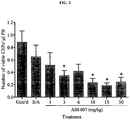
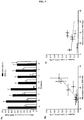
- Figure 2 shows that ABI-007 administered i.p. daily for 7 days at 3, 10-30 mg/kg significantly decreased CEP levels in non-tumor bearing Balb/cJ mice.
- ABI-007 at 10-30 mg/kg was associated with a significant reduction of white blood cell count indicative of toxicity.
- the reduction of CEP levels by ABI-007 at 6 mg/kg did not reach statistical significance, decrease in white blood cell count was not evident. Therefore it was concluded that the in vivo optimal biologic dose for metronomic ABI-007 was between 3-10 mg/kg.
- metronomic Taxol® at 1.3, 3, 6, or 13 mg/kg given i.p.
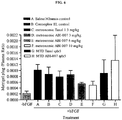
- Each group was treated with either 0.9% saline/albumin vehicle control, Cremophor® EL vehicle control, metronomic Taxol® (1.3 mg/kg, i.p., qd), metronomic ABI-007 (3, 6, or 10 mg/kg paclitaxel, i.p., qd), MTD Taxol® (13 mg/kg, i.p., qd x 5, 1 cycle), or MTD ABI-007 (30 mg/kg paclitaxel, i.v., qd x 5, 1 cycle).
- Perpendicular tumor diameters were measured with a caliper once a week and their volumes were calculated. At the end of the treatment period, blood samples were drawn by cardiac puncture from mice in all groups. CECs and CEPs were enumerated as described herein.
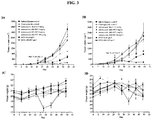
- Metronomic ABI-007 (3, 6 and 10 mg/kg) but not Taxol® (1.3 mg/kg) administered i.p. daily for 4 weeks significantly (p ⁇ 0.05) inhibited growth of both MDA-MB-231 and PC3 tumors ( Fig. 3A and Fig. 3B ). Neither ABI-007 nor Taxol® administered metronomically induced any weight loss ( Fig. 3C and Fig. 3D ). Although MTD ABI-007 (30 mg/kg) inhibited tumor growth more effectively than MTD Taxol® (13 mg/kg), significant weight loss was noted with the former, indicating toxicity.
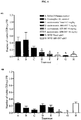
- Metronomic ABI-007 significantly decreased the levels of viable CEPs in a dose-dependent manner in MDA-MB-231 tumor-bearing mice ( Fig. 4A ). Viable CEP levels also exhibited a dose-dependent reduction in response to metronomic ABI-007 in PC3 tumor-bearing mice, but reached statistical significance only at 10 mg/kg ( Fig. 4B ). The levels of CEPs were not altered by metronomic Taxol® in both xenograft models ( Fig. 4A and 4B ).
- bFGF basic fibroblast growth factor
- Each group was treated with either 0.9% saline/albumin vehicle control, Cremophor® EL vehicle control, metronomic Taxol® (1.3 mg/kg, i.p., qd), metronomic ABI-007 (3, 6, or 10 mg/kg paclitaxel, i.p., qd), MTD Taxol® (13 mg/kg, i.v., qd x 5), or MTD ABI-007 (30 mg/kg paclitaxel, i.v, qd x 5).
- As a negative control five additional female Balb/cJ mice of similar age were injected with Matrigel alone. On day 10, all animals were injected i.v.
- FITC-dextran 25 mg/ml FITC-dextran (Sigma, St. Louis, MO). Plasma samples were subsequently collected. Matrigel plugs were removed, incubated with Dispase (Collaborative Biomedical Products, Bedford, MA) overnight at 37°C, and then homogenized. Fluorescence readings were obtained using a FL600 fluorescence plate reader (Biotech Instruments, Winooski, VT). Angiogenic response was expressed as the ratio of Matrigel plug fluorescence to plasma fluorescence.
- Toxicity of Abraxane® and Taxotere® was compared in a dose-ranging study in nude mice given the drugs on a q4d x 3 schedule.
- the dose levels were Taxotere® 7, 15, 22, 33, and 50 mg/kg and ABX 15, 30, 60, 120, and 240 mg/kg.
- Antitumor activity of Abraxane® and Taxotere® was compared in nude mice with human MX-1 mammary xenografts at a dose of 15 mg/kg weekly for 3 weeks.
- Nanoparticle abumin-bound paclitaxel (Abraxane®) was superior to Taxotere®, in the MX-1 tumor model when tested at equal doses. Furthermore, the toxicity of Abraxane® was significantly lower than that of Taxotere®, which would allow dosing of Abraxane® at substantially higher levels. These results are similar to the enhanced therapeutic index seen with Abraxane® compared to Taxol® and suggest that the presence of surfactants may impair the transport, antitumor activity and increase the toxicity of taxanes. Studies in additional tumor models comparing Abraxane® and Taxotere®, are ongoing.
- Abraxane® the nanoparticle albumin-bound paclitaxel
- Phase II trial of weekly Abraxane® monotherapy for 1st-line MBC (plus Herceptin® in Her2+ pts) ABX 125 mg/m 2 Q3/4wk A relatively large phase II of weekly ABX monotherapy at 125 mg/m 2 in 1st-line MBC.
- This phase I trial is to determine the safety and tolerability of a 2 day gefitinib pulse given prior to Abraxane® administration.
- Taxol® has shown significant efficacy against metastatic breast cancer.
- Taxol® can only be dosed at up to 80mg/m 2 . Higher doses cannot be tolerated due to toxicity.
- HER-2-positive individuals derive greater benefit when Herceptin® is included in their therapeutic regime.
- This open-label Phase II study was conducted to determine the synergistic therapeutic effect of ABI-007 (Abraxane®) with these agents. The current study was initiated to evaluate the safety and antitumor activity of ABI-007/carboplatin with Herceptin® for individuals with HER-2 positive disease.
- ABI-007 was given in combination with carboplatin and Herceptin® administered intravenously weekly to individuals with HER-2 positive advanced breast cancer.
- Six individuals were treated to date. Of the 4 individuals that were evaluated for response, all 4 (100%) showed a response to the therapy. It should be noted that due to lower toxicity of Abraxane®, a higher total paclitaxel dose could be given compared to Taxol® with resulting benefits to the individuals.
- Pulse-dosing of gefitinib in combination with the use of Abraxane® is useful to inhibit the proliferation of EGFR expressing tumors.
- 120 nude mice are inoculated with BT474 tumor cells to obtain at least 90 mice bearing BT474 xenograft tumors and split into 18 experimental arms (5 mice each).
- Arm 1 mice receive control i.v. injections. All other mice receive weekly i.v. injections of Abraxane® at 50 mg/kg for 3 weeks.
- Arm 2 receives Abraxane® alone.
- Arms 3, 4, 5, 6, 7, 8 receive weekly Abraxane® preceded by 2 days of a gefitinib pulse at increasing doses.
- Arms 9, 10, 11, 12, 13 receive weekly Abraxane® preceded by one day of a gefitinib pulse at increasing doses.
- Arms 14, 15, 16, 17, 18 receive weekly Abraxane® along with everyday administration of gefitinib at increasing doses.
- the maximum tolerated dose of gefitinib that can be given in a 1 or 2 day pulse preceding weekly Abraxane® or in continuous administration with Abraxane® is established.
- measurement of anti-tumor responses will determine whether a dose-response relationship exists and whether 2 day pulsing or 1 day pulsing is superior.
- mice 120 nude mice are inoculated with BT474 tumor cells to obtain 90 mice bearing tumors. These mice are split into 6 groups (15 each). Arm 1 receive control i.v. injections. Arm 2 receives Abraxane® 50 mg/kg i.v. weekly for 3 weeks. Arm 3 receive oral gefitinib at 150 mg/kg/day. Arm 4 receive Abraxane® 50 mg/kg along with daily gefitinib at the previously established dose. Arm 5 receive Abraxane® 50 mg/kg preceded by a gefitinib pulse at the previously established dose and duration. Arm 6 receive only a weekly gefitinib pulse at the previously established dose. After three weeks of therapy, mice are followed until controls reach maximum allowed tumor sizes.
- Example 10 Phase II Study of Weekly, Dose-dense nabTM -Paclitaxet (Abraxane®), Carboplatin With Trastuzumab® As First-line Therapy Of Advanced HER-2 Positive Breast Cancer
- trastuzumab plus Abraxane® plus carboplatin demonstrated a high degree of antitumor activity with acceptable tolerability as a first-line therapy for MBC.
- the primary endpoint was objective response rate and safety/toxicity, with evaluation performed after every 2 cycles.
- a secondary endpoint was time to progression. 12 patients have been enrolled with safety analysis completed on the first 6 patients and the response rate evaluable after 2 cycles in the first 8 patients. There were no unique or unexpected toxicities with no grade 4 toxicities or neuropathy greater than grade 1. Response data were confirmed on only the first 2 cycles of therapy (first evaluation point) in 6 patients. Two patients have completed 6 cycles with 1 partial response and 1 stable disease. Of the first 8 patients after 2 cycles, there were 2 partial responses and 4 with stable disease.
- the clinical response was evaluated in 34 patients with 3 (9%) demonstrating complete response, 15 (44%) demonstrating partial response, 11 (32%) demonstrating stable disease and 5 (15%) demonstrating progressive disease.
- the combination of capecitabine and Abraxane was a very active combination regimen in first line metastatic breast cancer treatment. The results demonstrated a prolonged time to progression with this combination regimen.
- Example 13 Weekly nab -Paclitaxel (Abraxane®) as First Line Treatment of Metastatic Breast Cancer with Trastuzumab Add On for HER-2/ neu -Positive Patients
- the purpose of the current study was to move weekly Abraxane® to a front-line setting and add trastuzumab for HER2/ neu -positive patients.
- Abraxane® was given at 125 mg/m 2 by 30 minute i.v. infusion on days 1, 8, and 15 followed by a week of rest.
- Trastuzumab was given concurrently with study treatment for patients who were HER2-positive.
- the primary endpoint was response rate and the secondary endpoints were time to progression (TTP), overall survival (OS), and toxicity.
- neutropenia, thrombocytopenia and neuropathy were the most common grade 3/4 toxicities (3/17 each).
- neutropenia 5/13 was the most common grade 3/4 toxicity.
- Example 15 Phase II Trial of Dose-Dense Gemcitabine, Epirubicin, and nab -Paclitaxel (Abraxane®) (GEA) in Locally Advanced/Inflammatory Breast Cancer
- Gemcitabine anthracyclines and taxanes are among the most active agents in the treatment of breast cancer with metastatic breast cancer (MBC) trials confirming the high activity of this triplet.
- MBC metastatic breast cancer
- pCR pathologic complete response
- Abraxane® is a novel taxane with superior responses, time to progression (TTP), and less myelosuppression than standard paclitaxel.
- HER2 status was shown to be HER2+ tumors-81 % of patients and HER2- tumors-19% of patients. 113 cycles have been administered. 18 patients have completed the post-op therapy.
- Hemotologic toxicity primarily consisted of G3/4 neutropenia, 4 patients (8%); G3 thrombocytopenia, 3 patients (6%); and G3 anemia, 1 patient (2%). There were no episodes of febrile neutropenia. Non-hematologic toxicity was minimal with only 1 G4 event (fatigue). G3 events primarily consisted of arthralgia/pain, 5 patients (10%); neuropathy and infection each were noted in 2 patients.
- Pathologic complete response (pCR; defined as pathologic complete responses in both the primary breast and lymph node tissue) was 20% (7/35); pathologic partial response was 74% (26.35); and stable disease was 6% (2/35).
- Example 16 Abraxane® (ABI-007) reduces tumor growth in MDA-MB-231 human tumor xenografts and induces necrosis, hypoxia and VEGF-A expression.
- VEGF-A protein levels in tumor extracts were determined by ELISA. In some cases, tumors from mice treated with Abraxane® were analyzed by histology. TABLE 5 Treatment Dose Schedule Mean Tumor Volume (mm 3 ) % TGI VEGF-A (pg/mg protein) Saline control 100 ⁇ l qdx5 523 ⁇ 79 337 ⁇ 51 Taxol® 10 mg/kg/day qdx5 231 ⁇ 32 56 664 ⁇ 66 Abraxane® 15 mg/kg/day qdx5 187 ⁇ 29 64 890 ⁇ 82 Doxorubicin 10 mg/kg/day qdx5 287 ⁇ 56 45 754 ⁇ 49
- Taxol®, Abraxane® and doxorubicin all inhibited tumor growth as represented by a reduction in tumor volume when compared to saline-treated control animals.
- Tumor growth inhibition TGI was calculated by comparing mean tumor volume of test groups to that of the control group at the last measurement of the control group. Tumor growth inhibition was greatest in mice treated with Abraxane® (64% inhibition). Taxol® and doxorubicin showed tumor growth inhibition of 56% and 45%, respectively.
- VEGF-A protein in tumor cellular extracts were measured by ELISA and shown to be increased in tumors from mice treated with Taxol®, Abraxane® and doxorubicin.
- VEGF-A protein levels were highest in tumors from mice treated with Abraxane® (164% increase), followed by doxorubicin (124%) and Taxol® (97%).
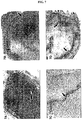
- Tumors were harvested from saline-treated control mice and Abraxane®-treated mice one week after the last injection of Abraxane®. The tumors were evaluated for sites of necrosis and for the presence of hypoxic cells. Hypoxic cells were identified by immunohistochemical detection of pimonidazole-protein conjugates. As shown in Figure 7 , inhibition of tumor growth in Abraxane®-treated mice was accompanied by necrosis ( Fig. 7B ) and hypoxia ( Fig. 7D ) in the tumor tissue. Necrosis and hypoxia was not observed in tumor tissue from saline-treated control mice ( Fig. 7A and Fig. 7C ).
- VEGF-A or an anti-VEGF antibody (Avastin®) was assessed in an in vitro cellular cytotoxicity assay.
- Cells were treated with Abraxane® in a range of concentrations (1 to 24 nM).
- Cells were also treated with VEGF-A or Avastin® and cytotoxicity was compared to cells treated with Abraxane® alone.
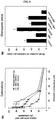
- Fig. 8A addition of VEGF-A reduced the in vitro cytotoxicity of Abraxane®.
- Avastin® increased the in vitro cytotoxicity of Abraxane® ( Fig. 8A ).
- Avastin® to Abraxane®-treated cells appeared to have a synergistic effect demonstrating an increase in cytotoxicity (as demonstrated by a sharp decrease in number of colonies formed) over the level observed with Abraxane® or Avastin® alone.
- Example 18 Abraxane® (ABI-007) in combination with Avastin® reduces tumor growth in MDA-MB-231 tumor xenografts
- Luciferase-expressing MDA-MB-231 human breast cancer xenografts were orthotopically implanted in the mammary fat pads of female nude ( nu / nu ) mice. When the average tumor volume reached 230 mm 3 , mice were randomized into groups of five animals and treated with saline, Abraxane®, Avastin®, or a combination of Abraxane® plus Avastin®. Abraxane®, either alone or in combination, was administered at 10 mg/kg/day daily for 5 days in two cycles separated by 1 week. Some groups were administered Abraxane® at 10 mg/kg daily for 5 days for only one cycle.
- Avastin® was administered following the two cycles of Abraxane® at dosages of 2 mg/kg, 4 mg/kg or 8 mg/kg twice a week for 6 weeks.
- Avastin® alone was administered at a dosage of 4 mg/kg at the same time as mice in combination therapy.
- Mice were monitored for tumor growth and drug toxicity. Mice were sacrificed when the mean tumor volume in the saline-treated control group reached 2000 mm 3 .
- Avastin® Dose Mean Tumor Volume (mm 3 ) %TGI % Complete Regression 3 Saline control 2391 ⁇ 432 0 Abraxane® (ABX) 117 ⁇ 38 95.11 0 Avastin® 4 mg/kg 2089 ⁇ 251 12.56 0 ABX + Avastin® 2 mg/kg 138 ⁇ 42 94.23 20 (1/5) ABX + Avastin® 4 mg/kg 60 ⁇ 17 97.49 40 (2/5) ABX + Avastin® 8 mg/kg 36 ⁇ 16 98.49 40 (2/5)
- Tumor growth inhibition was calculated by comparing mean tumor volume of test groups to that of the control group at the last measurement of the control group. As shown in Table 6 and in Fig. 9 , Avastin® at a dose of 4 mg/kg did not significantly inhibit growth of primary tumors (12.56% inhibition). Abraxane® and Avastin® combination therapy, particularly with 2 cycles of Abraxane®, yielded a significantly better outcome than Avastin® alone, with tumor inhibition ranging from 94.23% to 98.49%.
- Abraxane® in combination with Avastin® at the two highest doses yielded a better outcome that Abraxane® alone (97.49 or 98.49% compared to 95.11% inhibition).
- Abraxane® and Avastin® in combination resulted in regression of tumors in treated mice wherein complete regression referred to mice with no measurable tumors at day 65.
- Five of fifteen (30%) mice treated with a combination of Abraxane® and Avastin® showed complete tumor regression; tumors in the remaining mice were reduced by 90% compared with controls.
- Avastin® alone did not significantly inhibit primary tumors.
- the efficacy of Abraxane® was much higher than that of Avastin® and was substantially improved by adding a second cycle of Abraxane®. Only the combination of Abraxane® and Avastin® eradicated primary tumors in 30% of the mice.
- Example 19 Abraxane® (ABI-007) in combination with Avastin® reduces tumor metastasis in MDA-MB-231 tumor xenografts
- Abraxane® either alone or in combination, was administered at 10 mg/kg/day daily for 5 days in two cycles separated by 1 week. Some groups were administered Abraxane® at 10 mg/kg daily for 5 days for only one cycle.
- Avastin® was administered following the two cycles of Abraxane® at dosages of 2 mg/kg, 4 mg/kg or 8 mg/kg twice a week for 6 weeks.
- Avastin® alone was administered at a dosage of 4 mg/kg at the same time as mice in combination therapy.
- Mice were sacrificed when the mean tumor volume in the saline-treated control group reached 2000 mm 3 .
- Axillary lymph nodes and both lobes of the lungs were removed from each mouse and cellular extracts were prepared. The presence of MDA-MB-231 cells in these tissues was evaluated by analysis of luciferase activity and was an indicator of metastasis from the primary tumor.
- Fig. 10 Tumor metastasis to the lymph nodes and lungs as evaluated by luciferase activity in tissue extracts is shown in Fig. 10 .
- the efficacy of Abraxane® was much higher than that of Avastin® and was substantially improved by adding a second cycle of Abraxane®. Only the combination of Abraxane® and Avastin® eliminated regional and distant metastases in a proportion of the treated mice.
- Example 20 Abraxane® (ABI-007) in combination with Avastin® for treatment of metastatic breast cancer
Landscapes
- Health & Medical Sciences (AREA)
- Life Sciences & Earth Sciences (AREA)
- Chemical & Material Sciences (AREA)
- Medicinal Chemistry (AREA)
- Animal Behavior & Ethology (AREA)
- Veterinary Medicine (AREA)
- Public Health (AREA)
- General Health & Medical Sciences (AREA)
- Pharmacology & Pharmacy (AREA)
- Epidemiology (AREA)
- Engineering & Computer Science (AREA)
- Bioinformatics & Cheminformatics (AREA)
- Molecular Biology (AREA)
- Proteomics, Peptides & Aminoacids (AREA)
- Biomedical Technology (AREA)
- Nanotechnology (AREA)
- Optics & Photonics (AREA)
- Inorganic Chemistry (AREA)
- Dermatology (AREA)
- Physics & Mathematics (AREA)
- General Chemical & Material Sciences (AREA)
- Chemical Kinetics & Catalysis (AREA)
- Nuclear Medicine, Radiotherapy & Molecular Imaging (AREA)
- Organic Chemistry (AREA)
- Oncology (AREA)
- Immunology (AREA)
- Microbiology (AREA)
- Mycology (AREA)
- Pharmaceuticals Containing Other Organic And Inorganic Compounds (AREA)
- Medicines That Contain Protein Lipid Enzymes And Other Medicines (AREA)
- Medicinal Preparation (AREA)
Claims (14)
- Zusammensetzung, umfassend Paclitaxel und Albumin umfassende Nanopartikel, zur Verwendung in einem Verfahren zur Behandlung von Brustkrebs bei einem Individuum, wobei das Verfahren umfasst:(a) Bestimmen des Hormonrezeptor-Status von Östrogenrezeptor und Progesteronrezeptor; und(b) Verabreichen einer wirksamen Menge der Zusammensetzung an das Individuum, wobei der Hormonrezeptor-Status von Östrogenrezeptor und Progesteronrezeptor des Individuums negativ ist, wobei der negative Hormonrezeptor-Status dadurch definiert ist, dass weniger als etwa 1 % der Zellen des Brustkrebsgewebes Östrogenrezeptor und Progesteronrezeptor exprimieren.
- Zusammensetzung, umfassend Paclitaxel und Albumin umfassende Nanopartikel, zur Verwendung in einem Verfahren zur Behandlung von Brustkrebs bei einem Individuum, wobei der negative Hormonrezeptor-Status von Östrogenrezeptor und Progesteronrezeptor als Grundlage für das Auswählen des Individuums, das behandelt werden soll, verwendet wird, wobei der negative Hormonrezeptor-Status dadurch definiert ist, dass weniger als etwa 1 % der Zellen des Brustkrebsgewebes Östrogenrezeptor und Progesteronrezeptor exprimieren.
- Verfahren zum Identifizieren eines für eine Brustkrebsbehandlung geeigneten Individuums, wobei das Verfahren das Bestimmen des Hormonrezeptor-Status von Östrogenrezeptor und Progesteronrezeptor umfasst, wobei das Individuum als für eine Brustkrebsbehandlung mit einer Zusammensetzung, umfassend Paclitaxel und Albumin umfassende Nanopartikel, geeignet identifiziert wird, wenn der Hormonrezeptor-Status von sowohl Östrogenrezeptor als auch Progesteronrezeptor negativ ist, wobei der negative Hormonrezeptor-Status dadurch definiert ist, dass weniger als etwa 1 % der Zellen des Brustkrebsgewebes Östrogenrezeptor und Progesteronrezeptor exprimieren.
- Verfahren zum Beurteilen des Ansprechens eines Individuums auf eine Behandlung von Brustkrebs, wobei das Verfahren das Bestimmen des Hormonrezeptor-Status von Östrogenrezeptor und Progesteronrezeptor umfasst, wobei die Behandlung von Brustkrebs das Verabreichen einer Zusammensetzung, umfassend Paclitaxel und Albumin umfassende Nanopartikel, umfasst, wobei:(a) das Individuum wahrscheinlich mehr auf die Behandlung anspricht, wenn der Hormonrezeptor-Status von sowohl Östrogenrezeptor als auch Progesteronrezeptor negativ ist, wobei der negative Hormonrezeptor-Status als weniger als etwa 1 % der Zellen des Brustkrebsgewebes definiert ist, die Östrogenrezeptor und Progesteronrezeptor exprimieren; und(b) das Individuum wahrscheinlich weniger auf die Behandlung anspricht, wenn der Hormonrezeptor-Status von Östrogenrezeptor und/oder Progesteronrezeptor positiv ist.
- Zusammensetzung zur Verwendung oder Verfahren nach einem der Ansprüche 1 bis 4, wobei der durchschnittliche Durchmesser der Nanopartikel in der Zusammensetzung nicht größer als etwa 200 nm ist.
- Zusammensetzung zur Verwendung oder Verfahren nach einem der Ansprüche 1 bis 5, wobei das Albumin humanes Serumalbumin ist.
- Zusammensetzung zur Verwendung oder Verfahren nach einem der Ansprüche 1 bis 6, wobei das Gewichtsverhältnis von Albumin und Paclitaxel in der Nanopartikelzusammensetzung etwa 9:1 oder geringer ist.
- Zusammensetzung zur Verwendung oder Verfahren nach einem der Ansprüche 1 bis 7, wobei die Nanopartikelzusammensetzung frei von Cremophor ist.
- Zusammensetzung zur Verwendung oder Verfahren nach einem der Ansprüche 1 bis 8, weiterhin umfassend das Verabreichen einer wirksamen Menge mindestens eines anderen chemotherapeutikums an das Individuum.
- Zusammensetzung zur Verwendung oder Verfahren nach Anspruch 9, wobei das mindestens eine andere Chemotherapeutikum 5-Fluorouracil, Epirubicin und Cyclophosphamid umfasst.
- Zusammensetzung zur Verwendung oder Verfahren nach einem der Ansprüche 1 bis 10, wobei der Brustkrebs ein lokal progredienter Brustkrebs ist.
- Zusammensetzung zur Verwendung oder Verfahren nach einem der Ansprüche 1 bis 11, wobei der Brustkrebs HER2 (HER2+) exprimiert.
- Zusammensetzung zur Verwendung oder Verfahren nach einem der Ansprüche 1 bis 11, wobei der Brustkrebs nicht HER2 (HER2-) exprimiert.
- Zusammensetzung zur Verwendung oder Verfahren nach einem der Ansprüche 1 bis 13, wobei das Individuum ein Mensch ist.
Priority Applications (3)
| Application Number | Priority Date | Filing Date | Title |
|---|---|---|---|
| EP18190377.4A EP3470071A1 (de) | 2006-12-14 | 2007-12-14 | Brustkrebstherapie auf basis des hormonrezeptorstatus mit nanopartikel mit taxan |
| SI200732082T SI2117520T1 (sl) | 2006-12-14 | 2007-12-14 | Zdravljenje raka dojk glede na status hormonskih receptorjev z nano delci, ki zajemajo taksan |
| PL07862937T PL2117520T3 (pl) | 2006-12-14 | 2007-12-14 | Terapia raka piersi w oparciu o status występowania receptora hormonalnego przy użyciu nanocząstek zawierających taksan |
Applications Claiming Priority (2)
| Application Number | Priority Date | Filing Date | Title |
|---|---|---|---|
| US87500406P | 2006-12-14 | 2006-12-14 | |
| PCT/US2007/025645 WO2008076373A1 (en) | 2006-12-14 | 2007-12-14 | Breast cancer therapy based on hormone receptor status with nanoparticles comprising taxane |
Related Child Applications (1)
| Application Number | Title | Priority Date | Filing Date |
|---|---|---|---|
| EP18190377.4A Division EP3470071A1 (de) | 2006-12-14 | 2007-12-14 | Brustkrebstherapie auf basis des hormonrezeptorstatus mit nanopartikel mit taxan |
Publications (2)
| Publication Number | Publication Date |
|---|---|
| EP2117520A1 EP2117520A1 (de) | 2009-11-18 |
| EP2117520B1 true EP2117520B1 (de) | 2018-08-29 |
Family
ID=39135325
Family Applications (2)
| Application Number | Title | Priority Date | Filing Date |
|---|---|---|---|
| EP07862937.5A Active EP2117520B1 (de) | 2006-12-14 | 2007-12-14 | Behandlung von brustkrebs mit taxan nanopartikeln, wobei die behandlung auf dem hormonrezeptor-status basiert |
| EP18190377.4A Withdrawn EP3470071A1 (de) | 2006-12-14 | 2007-12-14 | Brustkrebstherapie auf basis des hormonrezeptorstatus mit nanopartikel mit taxan |
Family Applications After (1)
| Application Number | Title | Priority Date | Filing Date |
|---|---|---|---|
| EP18190377.4A Withdrawn EP3470071A1 (de) | 2006-12-14 | 2007-12-14 | Brustkrebstherapie auf basis des hormonrezeptorstatus mit nanopartikel mit taxan |
Country Status (15)
| Country | Link |
|---|---|
| US (4) | US9675578B2 (de) |
| EP (2) | EP2117520B1 (de) |
| JP (3) | JP5933893B2 (de) |
| CN (2) | CN104586815A (de) |
| AU (1) | AU2007334360B2 (de) |
| CA (1) | CA2672618C (de) |
| CY (1) | CY1121200T1 (de) |
| DK (1) | DK2117520T3 (de) |
| ES (1) | ES2700074T3 (de) |
| HK (1) | HK1210045A1 (de) |
| LT (1) | LT2117520T (de) |
| PL (1) | PL2117520T3 (de) |
| PT (1) | PT2117520T (de) |
| SI (1) | SI2117520T1 (de) |
| WO (1) | WO2008076373A1 (de) |
Families Citing this family (65)
| Publication number | Priority date | Publication date | Assignee | Title |
|---|---|---|---|---|
| US5439686A (en) * | 1993-02-22 | 1995-08-08 | Vivorx Pharmaceuticals, Inc. | Methods for in vivo delivery of substantially water insoluble pharmacologically active agents and compositions useful therefor |
| US20070092563A1 (en) * | 1996-10-01 | 2007-04-26 | Abraxis Bioscience, Inc. | Novel formulations of pharmacological agents, methods for the preparation thereof and methods for the use thereof |
| US20030199425A1 (en) * | 1997-06-27 | 2003-10-23 | Desai Neil P. | Compositions and methods for treatment of hyperplasia |
| US8853260B2 (en) | 1997-06-27 | 2014-10-07 | Abraxis Bioscience, Llc | Formulations of pharmacological agents, methods for the preparation thereof and methods for the use thereof |
| SI1585548T1 (sl) | 2002-12-09 | 2018-11-30 | Abraxis Bioscience, Llc | Sestave in metode odmerjanja farmakoloških sredstev |
| MX383644B (es) | 2005-02-18 | 2025-03-14 | Abraxis Bioscience Llc | Combinaciones y metodos de administracion de agentes terapeuticos y terapia de combinacion. |
| US8735394B2 (en) * | 2005-02-18 | 2014-05-27 | Abraxis Bioscience, Llc | Combinations and modes of administration of therapeutic agents and combination therapy |
| BRPI0615265A8 (pt) | 2005-08-31 | 2018-03-06 | Abraxis Bioscience Llc | composições compreendendo agentes farmacêuticos pouco hidrossoluíveis e agentes antimicrobianos |
| JP5368093B2 (ja) * | 2005-08-31 | 2013-12-18 | アブラクシス バイオサイエンス, エルエルシー | 増大した安定性を有する難水溶性薬剤の組成物および調製の方法 |
| US20080280987A1 (en) * | 2006-08-31 | 2008-11-13 | Desai Neil P | Methods of inhibiting angiogenesis and treating angiogenesis-associated diseases |
| EP2117520B1 (de) | 2006-12-14 | 2018-08-29 | Abraxis BioScience, LLC | Behandlung von brustkrebs mit taxan nanopartikeln, wobei die behandlung auf dem hormonrezeptor-status basiert |
| EP2131821B1 (de) | 2007-03-07 | 2018-05-09 | Abraxis BioScience, LLC | Nanoteilchen mit rapamycin und albumin als anti-krebs-mittel |
| CA2686736A1 (en) * | 2007-05-03 | 2008-11-13 | Abraxis Bioscience, Llc | Nanoparticle compositions comprising rapamycin for treating pulmonary hypertension |
| DK2155188T3 (da) * | 2007-06-01 | 2013-11-04 | Abraxis Bioscience Llc | Fremgangsmåder og sammensætninger til behandling af tilbagevendende kræft |
| CA2721153C (en) * | 2008-04-10 | 2018-10-02 | Abraxis Bioscience, Llc | Compositions of hydrophobic taxane derivatives and uses thereof |
| EP3626233A1 (de) | 2009-04-15 | 2020-03-25 | Abraxis BioScience, LLC | Prionenfreie nanopartikelzusammensetzungen und verfahren |
| NZ598801A (en) * | 2009-09-18 | 2014-07-25 | Abraxis Bioscience Llc | Use of the sparc microenvironment signature in the treatment of cancer |
| ES2580135T3 (es) | 2010-03-26 | 2016-08-19 | Abraxis Bioscience, Llc | Métodos de tratamiento de carcinoma hepatocelular |
| KR20180050426A (ko) | 2010-03-29 | 2018-05-14 | 아브락시스 바이오사이언스, 엘엘씨 | 치료제의 약물 전달 및 유효성 향상 방법 |
| KR101894689B1 (ko) | 2010-03-29 | 2018-09-04 | 아브락시스 바이오사이언스, 엘엘씨 | 암의 치료 방법 |
| MX2012012992A (es) * | 2010-05-14 | 2012-12-17 | Genentech Inc | Metodos de tratamiento. |
| CA2801190A1 (en) | 2010-06-03 | 2011-12-08 | Abraxis Bioscience, Llc | Use of the sparc microenvironment signature in the treatment of cancer |
| CA2801645A1 (en) | 2010-06-04 | 2011-12-08 | Abraxis Bioscience, Llc | Use of nanoparticules comprising a taxane and an albumin in the treatment of pancreatic cancer |
| JP6055764B2 (ja) * | 2010-07-19 | 2016-12-27 | エフ・ホフマン−ラ・ロシュ・アクチェンゲゼルシャフト | 乳癌の治療のためのベバシズマブ組合せ療法のための血漿バイオマーカー |
| CN103648521A (zh) | 2011-04-28 | 2014-03-19 | 阿布拉科斯生物科学有限公司 | 纳米颗粒组合物的血管内递送及其应用 |
| TWI558401B (zh) | 2011-11-01 | 2016-11-21 | 西建公司 | 利用胞嘧啶核苷類似物之口服配方治療癌症的方法 |
| KR20140107417A (ko) | 2011-12-14 | 2014-09-04 | 아브락시스 바이오사이언스, 엘엘씨 | 입자의 동결건조 또는 동결을 위한 중합체 부형제의 용도 |
| GB201121924D0 (en) * | 2011-12-20 | 2012-02-01 | Fahy Gurteen Labs Ltd | Detection of breast cancer |
| CA2883339A1 (en) * | 2012-09-05 | 2014-03-13 | Sopherion Therapeutics, Llc | Non-pegylated liposomal doxorubicin combinations for the treatment of triple-negative breast cancer |
| AU2013327638B2 (en) * | 2012-10-01 | 2018-06-14 | Mayo Foundation For Medical Education And Research | Cancer treatments |
| US9149455B2 (en) | 2012-11-09 | 2015-10-06 | Abraxis Bioscience, Llc | Methods of treating melanoma |
| US9511046B2 (en) | 2013-01-11 | 2016-12-06 | Abraxis Bioscience, Llc | Methods of treating pancreatic cancer |
| WO2014159171A1 (en) | 2013-03-12 | 2014-10-02 | Abraxis Bioscience, Llc | Methods of treating lung cancer |
| SG11201507234UA (en) | 2013-03-14 | 2015-10-29 | Abraxis Bioscience Llc | Methods of treating bladder cancer |
| US10679730B2 (en) | 2013-05-28 | 2020-06-09 | The University Of Chicago | Prognostic and predictive breast cancer signature |
| WO2014193964A2 (en) * | 2013-05-28 | 2014-12-04 | Marsha Rosner | Prognostic and predictive breast cancer signature |
| JP6600651B2 (ja) | 2014-06-16 | 2019-10-30 | マヨ ファウンデーション フォー メディカル エデュケーション アンド リサーチ | 骨髄腫の治療 |
| US20150359810A1 (en) | 2014-06-17 | 2015-12-17 | Celgene Corporation | Methods for treating epstein-barr virus (ebv) associated cancers using oral formulations of 5-azacytidine |
| WO2016089873A1 (en) | 2014-12-02 | 2016-06-09 | Celgene Corporation | Combination therapies |
| US10527604B1 (en) | 2015-03-05 | 2020-01-07 | Abraxis Bioscience, Llc | Methods of assessing suitability of use of pharmaceutical compositions of albumin and paclitaxel |
| US10705070B1 (en) | 2015-03-05 | 2020-07-07 | Abraxis Bioscience, Llc | Methods of assessing suitability of use of pharmaceutical compositions of albumin and poorly water soluble drug |
| HUE070408T2 (hu) | 2015-06-29 | 2025-06-28 | Abraxis Bioscience Llc | Szirolimuszt és albumint tartalmazó nanorészecskék epitelioid sejtes tumorok kezelésében történõ alkalmazásra |
| TW201707725A (zh) | 2015-08-18 | 2017-03-01 | 美國馬友醫藥教育研究基金會 | 載體-抗體組合物及其製造及使用方法 |
| CN119139479A (zh) | 2015-09-16 | 2024-12-17 | Dfb索里亚有限责任公司 | 包含紫杉烷类纳米颗粒的组合物及其用途 |
| TW201713360A (en) | 2015-10-06 | 2017-04-16 | Mayo Foundation | Methods of treating cancer using compositions of antibodies and carrier proteins |
| EP3399861A4 (de) | 2016-01-07 | 2019-08-07 | Mayo Foundation for Medical Education and Research | Verfahren zur behandlung von krebs mit interferon |
| US11585805B2 (en) | 2016-02-19 | 2023-02-21 | Nantcell, Inc. | Methods of immunogenic modulation |
| WO2017165440A1 (en) | 2016-03-21 | 2017-09-28 | Mayo Foundation For Medical Education And Research | Methods for reducing toxicity of a chemotherapeutic drug |
| CA3018340A1 (en) | 2016-03-21 | 2017-09-28 | Mayo Foundation For Medical Education And Research | Methods for improving the therapeutic index for a chemotherapeutic drug |
| US10618969B2 (en) | 2016-04-06 | 2020-04-14 | Mayo Foundation For Medical Education And Research | Carrier-binding agent compositions and methods of making and using the same |
| CN109890419A (zh) | 2016-09-01 | 2019-06-14 | 梅约医学教育与研究基金会 | 用于治疗癌症的载体-pd-l1结合剂组合物 |
| WO2018048815A1 (en) | 2016-09-06 | 2018-03-15 | Nantibodyfc, Llc | Methods of treating triple-negative breast cancer using compositions of antibodies and carrier proteins |
| JP2019526587A (ja) | 2016-09-06 | 2019-09-19 | マヨ ファウンデーション フォー メディカル エデュケーション アンド リサーチMayo Foundation For Medical Education And Research | Pd−l1を発現する癌を処置する方法 |
| EP3595633B1 (de) | 2017-03-15 | 2023-07-05 | DFB Soria, LLC | Topische therapie zur behandlung von hautmalignitäten mit taxan nanopartikeln |
| EP3612177A4 (de) | 2017-04-21 | 2021-01-13 | Lunella Biotech, Inc. | Targeting von hypoxischen krebsstammzellen (cscs) mit doxycyclin: implikationen zur verbesserung der anti-angiogenesetherapie |
| CA3060510A1 (en) | 2017-04-21 | 2018-10-25 | Lunella Biotech, Inc. | Vitamin c and doxycycline: a synthetic lethal combination therapy for eradicating cancer stem cells (cscs) |
| EP3624897A4 (de) | 2017-05-19 | 2021-07-14 | Lunella Biotech, Inc. | Begleitdiagnostika für mitochondrien-hemmer |
| CA3063717C (en) | 2017-05-19 | 2021-08-24 | Lunella Biotech, Inc. | Antimitoscins: targeted inhibitors of mitochondrial biogenesis for eradicating cancer stem cells |
| MX2019014806A (es) | 2017-06-26 | 2020-02-10 | Lunella Biotech Inc | Mitocetoscinas: agentes terapeuticos basados en mitocondrias que fijan como objetivo el metabolismo de cetonas en celulas cancerosas. |
| BR112020009055A2 (pt) | 2017-11-06 | 2020-11-03 | Rapt Therapeutics, Inc. | moduladores de receptor de quimiocina para tratamento de câncer positivo para vírus epstein barr |
| CN112165949A (zh) | 2018-03-16 | 2021-01-01 | Dfb索里亚有限责任公司 | 使用紫杉烷纳米颗粒治疗宫颈上皮内瘤变(cin)和宫颈癌的局部疗法 |
| AU2019239953B2 (en) | 2018-03-20 | 2025-01-02 | Abraxis Bioscience, Llc | Methods of treating central nervous system disorders via administration of nanoparticles of an mtor inhibitor and an albumin |
| KR20220106758A (ko) | 2019-10-28 | 2022-07-29 | 아브락시스 바이오사이언스, 엘엘씨 | 알부민 및 라파마이신의 제약 조성물 |
| US20250268909A1 (en) * | 2022-04-19 | 2025-08-28 | Us Oncology Corporate, Inc. | Combination Therapy |
| GB202315961D0 (en) * | 2023-10-18 | 2023-11-29 | Ucl Business Ltd | Protein-based nanoparticles suitable for tumour targeting of anti-cancer drugs |
Family Cites Families (84)
| Publication number | Priority date | Publication date | Assignee | Title |
|---|---|---|---|---|
| US5470571A (en) | 1988-01-27 | 1995-11-28 | The Wistar Institute | Method of treating human EGF receptor-expressing gliomas using radiolabeled EGF receptor-specific MAB 425 |
| IL98528A0 (en) | 1990-06-21 | 1992-07-15 | Merck & Co Inc | Pharmaceutical compositions containing hybrid for killing bladder cancer cells |
| CZ333796A3 (cs) | 1991-03-06 | 1998-06-17 | MERCK Patent Gesellschaft mit beschränkter Haftung | Chimérická monoklonální protilátka, expresní vektory a farmaceutický prostředek |
| US5916596A (en) | 1993-02-22 | 1999-06-29 | Vivorx Pharmaceuticals, Inc. | Protein stabilized pharmacologically active agents, methods for the preparation thereof and methods for the use thereof |
| US5650156A (en) * | 1993-02-22 | 1997-07-22 | Vivorx Pharmaceuticals, Inc. | Methods for in vivo delivery of nutriceuticals and compositions useful therefor |
| US6753006B1 (en) * | 1993-02-22 | 2004-06-22 | American Bioscience, Inc. | Paclitaxel-containing formulations |
| ES2219646T5 (es) * | 1993-02-22 | 2008-11-01 | Abraxis Bioscience, Inc. | Metodos para la administracion in vivo de compuestos biologicos y composiciones utiles para los mismos. |
| US5665383A (en) * | 1993-02-22 | 1997-09-09 | Vivorx Pharmaceuticals, Inc. | Methods for the preparation of immunostimulating agents for in vivo delivery |
| US20070117863A1 (en) * | 1993-02-22 | 2007-05-24 | Desai Neil P | Novel formulations of pharmacological agents, methods for the preparation thereof and methods for the use thereof |
| US20030068362A1 (en) | 1993-02-22 | 2003-04-10 | American Bioscience, Inc. | Methods and formulations for the delivery of pharmacologically active agents |
| US6749868B1 (en) * | 1993-02-22 | 2004-06-15 | American Bioscience, Inc. | Protein stabilized pharmacologically active agents, methods for the preparation thereof and methods for the use thereof |
| US5997904A (en) * | 1993-02-22 | 1999-12-07 | American Bioscience, Inc. | Total nutrient admixtures as stable multicomponent liquids or dry powders and methods for the preparation thereof |
| US5362478A (en) * | 1993-03-26 | 1994-11-08 | Vivorx Pharmaceuticals, Inc. | Magnetic resonance imaging with fluorocarbons encapsulated in a cross-linked polymeric shell |
| US5439686A (en) * | 1993-02-22 | 1995-08-08 | Vivorx Pharmaceuticals, Inc. | Methods for in vivo delivery of substantially water insoluble pharmacologically active agents and compositions useful therefor |
| US5665382A (en) * | 1993-02-22 | 1997-09-09 | Vivorx Pharmaceuticals, Inc. | Methods for the preparation of pharmaceutically active agents for in vivo delivery |
| US6528067B1 (en) * | 1993-02-22 | 2003-03-04 | American Bioscience, Inc. | Total nutrient admixtures as stable multicomponent liquids or dry powders and methods for the preparation thereof |
| US6096331A (en) * | 1993-02-22 | 2000-08-01 | Vivorx Pharmaceuticals, Inc. | Methods and compositions useful for administration of chemotherapeutic agents |
| US6537579B1 (en) | 1993-02-22 | 2003-03-25 | American Bioscience, Inc. | Compositions and methods for administration of pharmacologically active compounds |
| EP0739203A4 (de) | 1994-01-14 | 2000-12-20 | Cell Therapeutics Inc | Verfahren zur behandlung von erkrankungen, die durch zellproliferation als antwort auf pdgf, egf, fgf und vegf vermittelt werden |
| US6565842B1 (en) | 1995-06-07 | 2003-05-20 | American Bioscience, Inc. | Crosslinkable polypeptide compositions |
| US20070092563A1 (en) * | 1996-10-01 | 2007-04-26 | Abraxis Bioscience, Inc. | Novel formulations of pharmacological agents, methods for the preparation thereof and methods for the use thereof |
| US20030199425A1 (en) | 1997-06-27 | 2003-10-23 | Desai Neil P. | Compositions and methods for treatment of hyperplasia |
| US8853260B2 (en) * | 1997-06-27 | 2014-10-07 | Abraxis Bioscience, Llc | Formulations of pharmacological agents, methods for the preparation thereof and methods for the use thereof |
| KR100789008B1 (ko) | 1997-06-27 | 2007-12-26 | 아브락시스 바이오사이언스 인크. | 신규 약물 제제 |
| ATE350048T1 (de) | 1998-04-16 | 2007-01-15 | Eurovita As | Neue synergistische zusammensetzungen, die aromatische verbindungen und in alpinia galanga vorhandene terpenoide enthalten |
| EP1171117A4 (de) | 1999-04-22 | 2002-08-07 | American Bioscience Inc | Langzeitverabreichung von pharmakologisch aktiven mitteln |
| EP1178786A4 (de) | 1999-05-21 | 2006-03-01 | American Bioscience Inc | Protein stabilisierte pharmacologisch aktive wirkstoffe, verfahren zu deren herstellung und methoden zu deren anwendungen |
| ITMI20001107A1 (it) * | 2000-05-18 | 2001-11-18 | Acs Dobfar Spa | Metodo per il trattamento di tumori solici mediante microparticelle di albumina incorporanti paclitaxel |
| US20040143004A1 (en) | 2002-02-26 | 2004-07-22 | Joseph Fargnoli | Metronomic dosing of taxanes |
| SI1585548T1 (sl) | 2002-12-09 | 2018-11-30 | Abraxis Bioscience, Llc | Sestave in metode odmerjanja farmakoloških sredstev |
| WO2004052401A2 (en) | 2002-12-09 | 2004-06-24 | American Bioscience, Inc. | Compositions and methods of delivery of pharmacological agents |
| US20050186208A1 (en) | 2003-05-30 | 2005-08-25 | Genentech, Inc. | Treatment with anti-VEGF antibodies |
| US20060003931A1 (en) | 2004-05-06 | 2006-01-05 | Genentech, Inc. | Crystal structure of the hepatocyte growth factor and methods of use |
| BRPI0510883B8 (pt) | 2004-06-01 | 2021-05-25 | Genentech Inc | composto conjugado de droga e anticorpo, composição farmacêutica, método de fabricação de composto conjugado de droga e anticorpo e usos de uma formulação, de um conjugado de droga e anticorpo e um agente quimioterapêutico e de uma combinação |
| BRPI0510915A (pt) | 2004-06-04 | 2007-11-13 | Genentech Inc | método para o tratamento da esclerose múltipla e artigo manufaturado |
| SV2006002143A (es) * | 2004-06-16 | 2006-01-26 | Genentech Inc | Uso de un anticuerpo para el tratamiento del cancer resistente al platino |
| MX383644B (es) * | 2005-02-18 | 2025-03-14 | Abraxis Bioscience Llc | Combinaciones y metodos de administracion de agentes terapeuticos y terapia de combinacion. |
| US20070166388A1 (en) | 2005-02-18 | 2007-07-19 | Desai Neil P | Combinations and modes of administration of therapeutic agents and combination therapy |
| US8735394B2 (en) * | 2005-02-18 | 2014-05-27 | Abraxis Bioscience, Llc | Combinations and modes of administration of therapeutic agents and combination therapy |
| JP5368093B2 (ja) * | 2005-08-31 | 2013-12-18 | アブラクシス バイオサイエンス, エルエルシー | 増大した安定性を有する難水溶性薬剤の組成物および調製の方法 |
| BRPI0615265A8 (pt) * | 2005-08-31 | 2018-03-06 | Abraxis Bioscience Llc | composições compreendendo agentes farmacêuticos pouco hidrossoluíveis e agentes antimicrobianos |
| US20080280987A1 (en) * | 2006-08-31 | 2008-11-13 | Desai Neil P | Methods of inhibiting angiogenesis and treating angiogenesis-associated diseases |
| AU2006347740A1 (en) | 2006-08-31 | 2008-03-06 | Abraxis Bioscience, Llc | Methods of inhibiting angiogenesis and treating angiogenesis-associated diseases |
| US20100112077A1 (en) * | 2006-11-06 | 2010-05-06 | Abraxis Bioscience, Llc | Nanoparticles of paclitaxel and albumin in combination with bevacizumab against cancer |
| EP2117520B1 (de) * | 2006-12-14 | 2018-08-29 | Abraxis BioScience, LLC | Behandlung von brustkrebs mit taxan nanopartikeln, wobei die behandlung auf dem hormonrezeptor-status basiert |
| EP2131821B1 (de) * | 2007-03-07 | 2018-05-09 | Abraxis BioScience, LLC | Nanoteilchen mit rapamycin und albumin als anti-krebs-mittel |
| CA2686736A1 (en) | 2007-05-03 | 2008-11-13 | Abraxis Bioscience, Llc | Nanoparticle compositions comprising rapamycin for treating pulmonary hypertension |
| DK2155188T3 (da) | 2007-06-01 | 2013-11-04 | Abraxis Bioscience Llc | Fremgangsmåder og sammensætninger til behandling af tilbagevendende kræft |
| CA2721153C (en) | 2008-04-10 | 2018-10-02 | Abraxis Bioscience, Llc | Compositions of hydrophobic taxane derivatives and uses thereof |
| EP2285392A4 (de) * | 2008-04-11 | 2012-06-06 | Bionovo Inc | Verfahren gegen krebs mit extrakten von gleditsia sinensis lam |
| US20120128732A1 (en) * | 2008-12-11 | 2012-05-24 | Vuong Trieu | Combinations and modes of administration of therapeutic agents and combination therapy |
| US9724232B2 (en) | 2009-02-27 | 2017-08-08 | Cvdevices, Llc | Systems and methods for selective auto-retroperfusion along with regional mild hypothermia |
| JP5725563B2 (ja) | 2009-03-13 | 2015-05-27 | アブラクシス バイオサイエンス, エルエルシー | チオコルヒチン誘導体との組み合わせ療法 |
| MX2011010673A (es) * | 2009-04-10 | 2012-02-21 | Abraxis Bioscience Llc | Formulaciones de nanoparticulas y usos de las mismas. |
| EP3626233A1 (de) | 2009-04-15 | 2020-03-25 | Abraxis BioScience, LLC | Prionenfreie nanopartikelzusammensetzungen und verfahren |
| DK2470173T3 (en) * | 2009-08-25 | 2016-06-06 | Abraxis Bioscience Llc | Combination therapy of nanoparticle composition of the taxane and the hedgehog inhibitors |
| ES2580135T3 (es) * | 2010-03-26 | 2016-08-19 | Abraxis Bioscience, Llc | Métodos de tratamiento de carcinoma hepatocelular |
| KR20180050426A (ko) * | 2010-03-29 | 2018-05-14 | 아브락시스 바이오사이언스, 엘엘씨 | 치료제의 약물 전달 및 유효성 향상 방법 |
| KR101894689B1 (ko) * | 2010-03-29 | 2018-09-04 | 아브락시스 바이오사이언스, 엘엘씨 | 암의 치료 방법 |
| ES2639038T3 (es) * | 2010-06-02 | 2017-10-25 | Abraxis Bioscience, Llc | Métodos para el tratamiento de cáncer de vejiga |
| CA2801645A1 (en) * | 2010-06-04 | 2011-12-08 | Abraxis Bioscience, Llc | Use of nanoparticules comprising a taxane and an albumin in the treatment of pancreatic cancer |
| RU2016103126A (ru) | 2010-06-07 | 2018-11-22 | АБРАКСИС БАЙОСАЙЕНС, ЭлЭлСи | Способы комбинированной терапии для лечения пролиферативных заболеваний |
| CN103648521A (zh) | 2011-04-28 | 2014-03-19 | 阿布拉科斯生物科学有限公司 | 纳米颗粒组合物的血管内递送及其应用 |
| KR20140107417A (ko) | 2011-12-14 | 2014-09-04 | 아브락시스 바이오사이언스, 엘엘씨 | 입자의 동결건조 또는 동결을 위한 중합체 부형제의 용도 |
| US9149455B2 (en) | 2012-11-09 | 2015-10-06 | Abraxis Bioscience, Llc | Methods of treating melanoma |
| US20140186447A1 (en) | 2012-12-28 | 2014-07-03 | Abraxis Bioscience, Llc | Nanoparticle compositions of albumin and paclitaxel |
| US20140199405A1 (en) | 2013-01-11 | 2014-07-17 | Abraxis Bioscience, Llc | Method for treating cancer based on mutation status of k-ras |
| US20140199404A1 (en) | 2013-01-11 | 2014-07-17 | Abraxis Bioscience, Llc | Method for treating cancer based on level of a nucleoside transporter |
| US9511046B2 (en) | 2013-01-11 | 2016-12-06 | Abraxis Bioscience, Llc | Methods of treating pancreatic cancer |
| WO2014159171A1 (en) | 2013-03-12 | 2014-10-02 | Abraxis Bioscience, Llc | Methods of treating lung cancer |
| US20160015817A1 (en) | 2013-03-13 | 2016-01-21 | Abraxis Bioscience, Llc | Methods of treatment of pediatric solid tumor |
| SG11201507234UA (en) | 2013-03-14 | 2015-10-29 | Abraxis Bioscience Llc | Methods of treating bladder cancer |
| WO2015157120A1 (en) | 2014-04-06 | 2015-10-15 | Abraxis Bioscience, Llc | Combination therapy comprising nanoparticles of a taxane and albumin with abt-263 in methods for treating cancer |
| WO2016141365A1 (en) | 2015-03-05 | 2016-09-09 | Abraxis Bioscience, Llc | Method for treating cancer based on level of glucocorticoid receptor |
| HUE070408T2 (hu) | 2015-06-29 | 2025-06-28 | Abraxis Bioscience Llc | Szirolimuszt és albumint tartalmazó nanorészecskék epitelioid sejtes tumorok kezelésében történõ alkalmazásra |
| AU2016287508B2 (en) | 2015-06-29 | 2021-10-14 | Abraxis Bioscience, Llc | Methods of treating solid tumors using nanoparticle MTOR inhibitor combination therapy |
| IL312318A (en) | 2015-06-29 | 2024-06-01 | Abraxis Bioscience Llc | Biomarkers for nanoparticle preparations |
| JP2018526334A (ja) | 2015-06-29 | 2018-09-13 | アブラクシス バイオサイエンス, エルエルシー | ナノ粒子mTOR阻害剤併用治療を使用して血液学的悪性疾患を処置する方法 |
| US20170181988A1 (en) | 2015-12-23 | 2017-06-29 | Cipla Limited | Methods for the treatment of bladder cancer |
| US20190147986A1 (en) | 2016-05-17 | 2019-05-16 | Abraxis Bioscience, Llc | Methods for assessing neoadjuvant therapies |
| MA46365A (fr) | 2016-09-28 | 2019-08-07 | Abraxis Bioscience Llc | Méthodes de traitement de troubles mitochondriaux et métaboliques |
| AU2017343553A1 (en) | 2016-10-10 | 2019-05-02 | Abraxis Bioscience, Llc | Nanoparticle formulations and methods of making and using thereof |
| US20180374583A1 (en) | 2017-05-16 | 2018-12-27 | Abraxis Bioscience, Llc | Nomogram and survival predictions for pancreatic cancer |
| AU2018388579A1 (en) | 2017-12-19 | 2020-07-09 | Abraxis Bioscience, Llc | Methods of treating colon cancer using nanoparticle mTOR inhibitor combination therapy |
-
2007
- 2007-12-14 EP EP07862937.5A patent/EP2117520B1/de active Active
- 2007-12-14 LT LTEP07862937.5T patent/LT2117520T/lt unknown
- 2007-12-14 JP JP2009541399A patent/JP5933893B2/ja active Active
- 2007-12-14 PT PT07862937T patent/PT2117520T/pt unknown
- 2007-12-14 SI SI200732082T patent/SI2117520T1/sl unknown
- 2007-12-14 AU AU2007334360A patent/AU2007334360B2/en active Active
- 2007-12-14 DK DK07862937.5T patent/DK2117520T3/en active
- 2007-12-14 CA CA2672618A patent/CA2672618C/en active Active
- 2007-12-14 WO PCT/US2007/025645 patent/WO2008076373A1/en not_active Ceased
- 2007-12-14 CN CN201410795009.6A patent/CN104586815A/zh active Pending
- 2007-12-14 PL PL07862937T patent/PL2117520T3/pl unknown
- 2007-12-14 US US12/519,126 patent/US9675578B2/en active Active
- 2007-12-14 CN CNA2007800496236A patent/CN101605535A/zh active Pending
- 2007-12-14 EP EP18190377.4A patent/EP3470071A1/de not_active Withdrawn
- 2007-12-14 ES ES07862937T patent/ES2700074T3/es active Active
-
2013
- 2013-02-27 US US13/779,624 patent/US8999396B2/en active Active
-
2014
- 2014-02-10 JP JP2014023616A patent/JP2014080443A/ja active Pending
-
2015
- 2015-02-25 US US14/631,671 patent/US9724323B2/en active Active
- 2015-11-02 JP JP2015215454A patent/JP2016020398A/ja active Pending
- 2015-11-05 HK HK15110929.8A patent/HK1210045A1/xx unknown
-
2017
- 2017-05-11 US US15/593,155 patent/US10682420B2/en active Active
-
2018
- 2018-11-27 CY CY20181101253T patent/CY1121200T1/el unknown
Non-Patent Citations (6)
| Title |
|---|
| GIANNI: "First report of the European cooperative trial in operable breast cancer effects at primary systemic therapy on local-regional diseasae", PROCEEDINGS OF ASCO, 2002, pages 34a - 34a * |
| KUERER H M ET AL: "Clinical course of breast cancer patients with complete pathologic primary tumor and axillary lymph node response to doxorubicin-based neoadjuvant chemotherapy.", JOURNAL OF CLINICAL ONCOLOGY : OFFICIAL JOURNAL OF THE AMERICAN SOCIETY OF CLINICAL ONCOLOGY FEB 1999, vol. 17, no. 2, February 1999 (1999-02-01), pages 460 - 469, ISSN: 0732-183X * |
| LINK J S ET AL: "Bevacizumab and albumin-bound paclitaxel treatment in metastatic breast cancer", CLINICAL BREAST CANCER 200710 US, vol. 7, no. 10, October 2007 (2007-10-01), pages 779 - 783, XP055205008, ISSN: 1526-8209, DOI: doi:10.1038/nrd3869 * |
| MAMOUNAS ELEFTHERIOS P ET AL: "Paclitaxel after doxorubicin plus cyclophosphamide as adjuvant chemotherapy for node-positive breast cancer: results from NSABP B-28", JOURNAL OF CLINICAL ONCOLOGY, AMERICAN SOCIETY OF CLINICAL ONCOLOGY, US, vol. 23, no. 16, 1 June 2005 (2005-06-01), pages 3686 - 3696, XP002599216, ISSN: 0732-183X, [retrieved on 20050516], DOI: 10.1200/JCO.2005.10.517 * |
| MAURIAC L ET AL: "Neoadjuvant chemotherapy for operable breast carcinoma larger than 3 cm: A unicentre randomized trial with a 124-month median follow-up", ANNALS OF ONCOLOGY 1999 NL, vol. 10, no. 1, 1999, pages 47 - 52, ISSN: 0923-7534 * |
| SEMLGLAZOV V F ET AL: "Breast conserving surgery after neoadjuvant chemotherapy Paclitaxel+Doxorubicin vs Fluorouracil+Doxorubicin+Cyclophosphamide in locally advanced breast cancer.", BREAST CANCER RESEARCH AND TREATMENT, vol. 76, no. Supplement 1, December 2002 (2002-12-01), & 25TH ANNUAL SAN ANTONIO BREAST CANCER SYMPOSIUM; SAN ANTONIO, TX, USA; DECEMBER 11-14, 2002, pages S52, ISSN: 0167-6806 * |
Also Published As
| Publication number | Publication date |
|---|---|
| PT2117520T (pt) | 2018-12-04 |
| CY1121200T1 (el) | 2020-05-29 |
| ES2700074T3 (es) | 2019-02-13 |
| JP2010513284A (ja) | 2010-04-30 |
| US20100048499A1 (en) | 2010-02-25 |
| DK2117520T3 (en) | 2019-01-07 |
| CN101605535A (zh) | 2009-12-16 |
| HK1210045A1 (en) | 2016-04-15 |
| JP5933893B2 (ja) | 2016-06-15 |
| SI2117520T1 (sl) | 2019-01-31 |
| US20130280337A1 (en) | 2013-10-24 |
| AU2007334360A1 (en) | 2008-06-26 |
| CA2672618C (en) | 2021-03-02 |
| US20170340599A1 (en) | 2017-11-30 |
| US8999396B2 (en) | 2015-04-07 |
| PL2117520T3 (pl) | 2019-03-29 |
| US10682420B2 (en) | 2020-06-16 |
| US9675578B2 (en) | 2017-06-13 |
| CA2672618A1 (en) | 2008-06-26 |
| CN104586815A (zh) | 2015-05-06 |
| JP2016020398A (ja) | 2016-02-04 |
| EP3470071A1 (de) | 2019-04-17 |
| EP2117520A1 (de) | 2009-11-18 |
| AU2007334360B2 (en) | 2013-10-17 |
| LT2117520T (lt) | 2018-12-10 |
| US9724323B2 (en) | 2017-08-08 |
| US20150313866A1 (en) | 2015-11-05 |
| JP2014080443A (ja) | 2014-05-08 |
| WO2008076373A1 (en) | 2008-06-26 |
Similar Documents
| Publication | Publication Date | Title |
|---|---|---|
| US10682420B2 (en) | Breast cancer therapy based on hormone receptor status with nanoparticles comprising taxane | |
| US20200316216A1 (en) | Combinations and modes of administration of therapeutic agents and combination therapy | |
| EP1853250B1 (de) | Kombinationen und modi zur verabreichung therapeutischer mittel und kombinationstherapie | |
| EP2481405B1 (de) | Nanoteilchen von Paclitaxel und Albumin in Kombination mit Bevacizumab gegen Krebs | |
| AU2016204834B2 (en) | Combinations and modes of administration of therapeutic agents and combination therapy | |
| AU2012201568B2 (en) | Combinations and modes of administration of therapeutic agents and combination therapy | |
| HK40008680A (en) | Breast cancer therapy based on hormone receptor status with nanoparticles comprising taxane | |
| HK40035869A (en) | Combinations and modes of administration of therapeutic agents and combination therapy | |
| HK1250006B (en) | Combinations and modes of administration of therapeutic agents and combination therapy | |
| HK1109589B (en) | Combinations and modes of administration of therapeutic agents and combination therapy | |
| HK1155067B (en) | Combinations and modes of administration of therapeutic agents and combination therapy | |
| HK1155067A (en) | Combinations and modes of administration of therapeutic agents and combination therapy | |
| HK1134256B (en) | Nanoparticles of paclitaxel and albumin in combination with bevacizumab against cancer | |
| HK1134256A (en) | Nanoparticles of paclitaxel and albumin in combination with bevacizumab against cancer | |
| HK1173976B (en) | Nanoparticles of paclitaxel and albumin in combination with bevacizumab against cancer |
Legal Events
| Date | Code | Title | Description |
|---|---|---|---|
| PUAI | Public reference made under article 153(3) epc to a published international application that has entered the european phase |
Free format text: ORIGINAL CODE: 0009012 |
|
| 17P | Request for examination filed |
Effective date: 20090626 |
|
| AK | Designated contracting states |
Kind code of ref document: A1 Designated state(s): AT BE BG CH CY CZ DE DK EE ES FI FR GB GR HU IE IS IT LI LT LU LV MC MT NL PL PT RO SE SI SK TR |
|
| DAX | Request for extension of the european patent (deleted) | ||
| RAP1 | Party data changed (applicant data changed or rights of an application transferred) |
Owner name: ABRAXIS BIOSCIENCE, LLC |
|
| 17Q | First examination report despatched |
Effective date: 20130128 |
|
| GRAP | Despatch of communication of intention to grant a patent |
Free format text: ORIGINAL CODE: EPIDOSNIGR1 |
|
| RAP1 | Party data changed (applicant data changed or rights of an application transferred) |
Owner name: ABRAXIS BIOSCIENCE, LLC |
|
| INTG | Intention to grant announced |
Effective date: 20180319 |
|
| GRAS | Grant fee paid |
Free format text: ORIGINAL CODE: EPIDOSNIGR3 |
|
| GRAA | (expected) grant |
Free format text: ORIGINAL CODE: 0009210 |
|
| AK | Designated contracting states |
Kind code of ref document: B1 Designated state(s): AT BE BG CH CY CZ DE DK EE ES FI FR GB GR HU IE IS IT LI LT LU LV MC MT NL PL PT RO SE SI SK TR |
|
| REG | Reference to a national code |
Ref country code: GB Ref legal event code: FG4D |
|
| RIN1 | Information on inventor provided before grant (corrected) |
Inventor name: SOON-SHIONG, PATRICK Inventor name: DESAI, NEIL P. |
|
| REG | Reference to a national code |
Ref country code: CH Ref legal event code: EP |
|
| REG | Reference to a national code |
Ref country code: AT Ref legal event code: REF Ref document number: 1034309 Country of ref document: AT Kind code of ref document: T Effective date: 20180915 |
|
| REG | Reference to a national code |
Ref country code: IE Ref legal event code: FG4D |
|
| REG | Reference to a national code |
Ref country code: DE Ref legal event code: R096 Ref document number: 602007055972 Country of ref document: DE |
|
| REG | Reference to a national code |
Ref country code: RO Ref legal event code: EPE |
|
| REG | Reference to a national code |
Ref country code: CH Ref legal event code: NV Representative=s name: VALIPAT S.A. GEVERS SA, CH |
|
| REG | Reference to a national code |
Ref country code: PT Ref legal event code: SC4A Ref document number: 2117520 Country of ref document: PT Date of ref document: 20181204 Kind code of ref document: T Free format text: AVAILABILITY OF NATIONAL TRANSLATION Effective date: 20181126 |
|
| REG | Reference to a national code |
Ref country code: NL Ref legal event code: FP |
|
| REG | Reference to a national code |
Ref country code: SE Ref legal event code: TRGR |
|
| REG | Reference to a national code |
Ref country code: DK Ref legal event code: T3 Effective date: 20190103 |
|
| PG25 | Lapsed in a contracting state [announced via postgrant information from national office to epo] |
Ref country code: SE Free format text: LAPSE BECAUSE OF FAILURE TO SUBMIT A TRANSLATION OF THE DESCRIPTION OR TO PAY THE FEE WITHIN THE PRESCRIBED TIME-LIMIT Effective date: 20180829 |
|
| REG | Reference to a national code |
Ref country code: ES Ref legal event code: FG2A Ref document number: 2700074 Country of ref document: ES Kind code of ref document: T3 Effective date: 20190213 |
|
| REG | Reference to a national code |
Ref country code: EE Ref legal event code: FG4A Ref document number: E016536 Country of ref document: EE Effective date: 20181129 |
|
| REG | Reference to a national code |
Ref country code: CH Ref legal event code: PCAR Free format text: NEW ADDRESS: RUE DES NOYERS 11, 2000 NEUCHATEL (CH) |
|
| REG | Reference to a national code |
Ref country code: SK Ref legal event code: T3 Ref document number: E 29293 Country of ref document: SK |
|
| REG | Reference to a national code |
Ref country code: GR Ref legal event code: EP Ref document number: 20180403551 Country of ref document: GR Effective date: 20190404 |
|
| REG | Reference to a national code |
Ref country code: DE Ref legal event code: R097 Ref document number: 602007055972 Country of ref document: DE |
|
| PLBE | No opposition filed within time limit |
Free format text: ORIGINAL CODE: 0009261 |
|
| STAA | Information on the status of an ep patent application or granted ep patent |
Free format text: STATUS: NO OPPOSITION FILED WITHIN TIME LIMIT |
|
| 26N | No opposition filed |
Effective date: 20190531 |
|
| REG | Reference to a national code |
Ref country code: AT Ref legal event code: UEP Ref document number: 1034309 Country of ref document: AT Kind code of ref document: T Effective date: 20180829 |
|
| P01 | Opt-out of the competence of the unified patent court (upc) registered |
Effective date: 20230518 |
|
| PGFP | Annual fee paid to national office [announced via postgrant information from national office to epo] |
Ref country code: ES Payment date: 20250116 Year of fee payment: 18 |
|
| PGFP | Annual fee paid to national office [announced via postgrant information from national office to epo] |
Ref country code: CH Payment date: 20250101 Year of fee payment: 18 |
|
| PGFP | Annual fee paid to national office [announced via postgrant information from national office to epo] |
Ref country code: LU Payment date: 20251128 Year of fee payment: 19 Ref country code: NL Payment date: 20251112 Year of fee payment: 19 |
|
| REG | Reference to a national code |
Ref country code: CH Ref legal event code: U11 Free format text: ST27 STATUS EVENT CODE: U-0-0-U10-U11 (AS PROVIDED BY THE NATIONAL OFFICE) Effective date: 20260101 |
|
| PGFP | Annual fee paid to national office [announced via postgrant information from national office to epo] |
Ref country code: IS Payment date: 20251211 Year of fee payment: 19 Ref country code: DE Payment date: 20251028 Year of fee payment: 19 |
|
| PGFP | Annual fee paid to national office [announced via postgrant information from national office to epo] |
Ref country code: GB Payment date: 20251030 Year of fee payment: 19 Ref country code: LT Payment date: 20251103 Year of fee payment: 19 |
|
| PGFP | Annual fee paid to national office [announced via postgrant information from national office to epo] |
Ref country code: MC Payment date: 20251127 Year of fee payment: 19 |
|
| PGFP | Annual fee paid to national office [announced via postgrant information from national office to epo] |
Ref country code: PT Payment date: 20251212 Year of fee payment: 19 Ref country code: AT Payment date: 20251126 Year of fee payment: 19 |
|
| PGFP | Annual fee paid to national office [announced via postgrant information from national office to epo] |
Ref country code: FI Payment date: 20251211 Year of fee payment: 19 Ref country code: DK Payment date: 20251212 Year of fee payment: 19 Ref country code: IT Payment date: 20251121 Year of fee payment: 19 |
|
| PGFP | Annual fee paid to national office [announced via postgrant information from national office to epo] |
Ref country code: HU Payment date: 20251127 Year of fee payment: 19 Ref country code: FR Payment date: 20251110 Year of fee payment: 19 |
|
| PGFP | Annual fee paid to national office [announced via postgrant information from national office to epo] |
Ref country code: BE Payment date: 20251117 Year of fee payment: 19 Ref country code: TR Payment date: 20251205 Year of fee payment: 19 Ref country code: GR Payment date: 20251114 Year of fee payment: 19 |
|
| PGFP | Annual fee paid to national office [announced via postgrant information from national office to epo] |
Ref country code: SE Payment date: 20251112 Year of fee payment: 19 |
|
| PGFP | Annual fee paid to national office [announced via postgrant information from national office to epo] |
Ref country code: IE Payment date: 20251111 Year of fee payment: 19 Ref country code: CZ Payment date: 20251124 Year of fee payment: 19 Ref country code: CY Payment date: 20251107 Year of fee payment: 19 |
|
| PGFP | Annual fee paid to national office [announced via postgrant information from national office to epo] |
Ref country code: LV Payment date: 20251104 Year of fee payment: 19 Ref country code: MT Payment date: 20251223 Year of fee payment: 19 |
|
| PGFP | Annual fee paid to national office [announced via postgrant information from national office to epo] |
Ref country code: BG Payment date: 20251113 Year of fee payment: 19 Ref country code: PL Payment date: 20251117 Year of fee payment: 19 |
|
| PGFP | Annual fee paid to national office [announced via postgrant information from national office to epo] |
Ref country code: EE Payment date: 20251118 Year of fee payment: 19 |
|
| PGFP | Annual fee paid to national office [announced via postgrant information from national office to epo] |
Ref country code: RO Payment date: 20251128 Year of fee payment: 19 Ref country code: SK Payment date: 20251112 Year of fee payment: 19 |
|
| PGFP | Annual fee paid to national office [announced via postgrant information from national office to epo] |
Ref country code: SI Payment date: 20251113 Year of fee payment: 19 |