EP2115979B2 - Verfahren und vorrichtung zum auswählen von vorcodierungsvektoren - Google Patents
Verfahren und vorrichtung zum auswählen von vorcodierungsvektoren Download PDFInfo
- Publication number
- EP2115979B2 EP2115979B2 EP08719450.2A EP08719450A EP2115979B2 EP 2115979 B2 EP2115979 B2 EP 2115979B2 EP 08719450 A EP08719450 A EP 08719450A EP 2115979 B2 EP2115979 B2 EP 2115979B2
- Authority
- EP
- European Patent Office
- Prior art keywords
- channel status
- status information
- coding
- coding vector
- recommended
- Prior art date
- Legal status (The legal status is an assumption and is not a legal conclusion. Google has not performed a legal analysis and makes no representation as to the accuracy of the status listed.)
- Active
Links
- 239000013598 vector Substances 0.000 title claims description 227
- 238000000034 method Methods 0.000 title claims description 46
- 239000011159 matrix material Substances 0.000 claims description 20
- 230000005540 biological transmission Effects 0.000 claims description 18
- 238000004891 communication Methods 0.000 description 4
- 238000010586 diagram Methods 0.000 description 4
- 238000001514 detection method Methods 0.000 description 1
- 230000000694 effects Effects 0.000 description 1
- 239000000284 extract Substances 0.000 description 1
- 238000005562 fading Methods 0.000 description 1
- 238000010295 mobile communication Methods 0.000 description 1
- 238000012986 modification Methods 0.000 description 1
- 230000004048 modification Effects 0.000 description 1
- 238000001228 spectrum Methods 0.000 description 1
Images



Classifications
-
- H—ELECTRICITY
- H04—ELECTRIC COMMUNICATION TECHNIQUE
- H04B—TRANSMISSION
- H04B7/00—Radio transmission systems, i.e. using radiation field
- H04B7/02—Diversity systems; Multi-antenna system, i.e. transmission or reception using multiple antennas
- H04B7/04—Diversity systems; Multi-antenna system, i.e. transmission or reception using multiple antennas using two or more spaced independent antennas
- H04B7/0413—MIMO systems
- H04B7/0456—Selection of precoding matrices or codebooks, e.g. using matrices antenna weighting
-
- H—ELECTRICITY
- H04—ELECTRIC COMMUNICATION TECHNIQUE
- H04L—TRANSMISSION OF DIGITAL INFORMATION, e.g. TELEGRAPHIC COMMUNICATION
- H04L25/00—Baseband systems
- H04L25/02—Details ; arrangements for supplying electrical power along data transmission lines
- H04L25/03—Shaping networks in transmitter or receiver, e.g. adaptive shaping networks
- H04L25/03006—Arrangements for removing intersymbol interference
- H04L25/03343—Arrangements at the transmitter end
-
- H—ELECTRICITY
- H04—ELECTRIC COMMUNICATION TECHNIQUE
- H04B—TRANSMISSION
- H04B7/00—Radio transmission systems, i.e. using radiation field
- H04B7/02—Diversity systems; Multi-antenna system, i.e. transmission or reception using multiple antennas
- H04B7/04—Diversity systems; Multi-antenna system, i.e. transmission or reception using multiple antennas using two or more spaced independent antennas
- H04B7/0413—MIMO systems
- H04B7/0417—Feedback systems
-
- H—ELECTRICITY
- H04—ELECTRIC COMMUNICATION TECHNIQUE
- H04B—TRANSMISSION
- H04B7/00—Radio transmission systems, i.e. using radiation field
- H04B7/02—Diversity systems; Multi-antenna system, i.e. transmission or reception using multiple antennas
- H04B7/04—Diversity systems; Multi-antenna system, i.e. transmission or reception using multiple antennas using two or more spaced independent antennas
- H04B7/0413—MIMO systems
- H04B7/0452—Multi-user MIMO systems
-
- H—ELECTRICITY
- H04—ELECTRIC COMMUNICATION TECHNIQUE
- H04B—TRANSMISSION
- H04B7/00—Radio transmission systems, i.e. using radiation field
- H04B7/02—Diversity systems; Multi-antenna system, i.e. transmission or reception using multiple antennas
- H04B7/04—Diversity systems; Multi-antenna system, i.e. transmission or reception using multiple antennas using two or more spaced independent antennas
- H04B7/06—Diversity systems; Multi-antenna system, i.e. transmission or reception using multiple antennas using two or more spaced independent antennas at the transmitting station
- H04B7/0613—Diversity systems; Multi-antenna system, i.e. transmission or reception using multiple antennas using two or more spaced independent antennas at the transmitting station using simultaneous transmission
- H04B7/0615—Diversity systems; Multi-antenna system, i.e. transmission or reception using multiple antennas using two or more spaced independent antennas at the transmitting station using simultaneous transmission of weighted versions of same signal
- H04B7/0619—Diversity systems; Multi-antenna system, i.e. transmission or reception using multiple antennas using two or more spaced independent antennas at the transmitting station using simultaneous transmission of weighted versions of same signal using feedback from receiving side
- H04B7/0621—Feedback content
- H04B7/0626—Channel coefficients, e.g. channel state information [CSI]
-
- H—ELECTRICITY
- H04—ELECTRIC COMMUNICATION TECHNIQUE
- H04B—TRANSMISSION
- H04B7/00—Radio transmission systems, i.e. using radiation field
- H04B7/02—Diversity systems; Multi-antenna system, i.e. transmission or reception using multiple antennas
- H04B7/04—Diversity systems; Multi-antenna system, i.e. transmission or reception using multiple antennas using two or more spaced independent antennas
- H04B7/06—Diversity systems; Multi-antenna system, i.e. transmission or reception using multiple antennas using two or more spaced independent antennas at the transmitting station
- H04B7/0613—Diversity systems; Multi-antenna system, i.e. transmission or reception using multiple antennas using two or more spaced independent antennas at the transmitting station using simultaneous transmission
- H04B7/0615—Diversity systems; Multi-antenna system, i.e. transmission or reception using multiple antennas using two or more spaced independent antennas at the transmitting station using simultaneous transmission of weighted versions of same signal
- H04B7/0619—Diversity systems; Multi-antenna system, i.e. transmission or reception using multiple antennas using two or more spaced independent antennas at the transmitting station using simultaneous transmission of weighted versions of same signal using feedback from receiving side
- H04B7/0621—Feedback content
- H04B7/0634—Antenna weights or vector/matrix coefficients
-
- H—ELECTRICITY
- H04—ELECTRIC COMMUNICATION TECHNIQUE
- H04B—TRANSMISSION
- H04B7/00—Radio transmission systems, i.e. using radiation field
- H04B7/02—Diversity systems; Multi-antenna system, i.e. transmission or reception using multiple antennas
- H04B7/04—Diversity systems; Multi-antenna system, i.e. transmission or reception using multiple antennas using two or more spaced independent antennas
- H04B7/06—Diversity systems; Multi-antenna system, i.e. transmission or reception using multiple antennas using two or more spaced independent antennas at the transmitting station
- H04B7/0613—Diversity systems; Multi-antenna system, i.e. transmission or reception using multiple antennas using two or more spaced independent antennas at the transmitting station using simultaneous transmission
- H04B7/0615—Diversity systems; Multi-antenna system, i.e. transmission or reception using multiple antennas using two or more spaced independent antennas at the transmitting station using simultaneous transmission of weighted versions of same signal
- H04B7/0619—Diversity systems; Multi-antenna system, i.e. transmission or reception using multiple antennas using two or more spaced independent antennas at the transmitting station using simultaneous transmission of weighted versions of same signal using feedback from receiving side
- H04B7/0636—Feedback format
- H04B7/0639—Using selective indices, e.g. of a codebook, e.g. pre-distortion matrix index [PMI] or for beam selection
-
- H—ELECTRICITY
- H04—ELECTRIC COMMUNICATION TECHNIQUE
- H04L—TRANSMISSION OF DIGITAL INFORMATION, e.g. TELEGRAPHIC COMMUNICATION
- H04L25/00—Baseband systems
- H04L25/02—Details ; arrangements for supplying electrical power along data transmission lines
- H04L25/03—Shaping networks in transmitter or receiver, e.g. adaptive shaping networks
- H04L25/03006—Arrangements for removing intersymbol interference
- H04L2025/0335—Arrangements for removing intersymbol interference characterised by the type of transmission
- H04L2025/03426—Arrangements for removing intersymbol interference characterised by the type of transmission transmission using multiple-input and multiple-output channels
-
- H—ELECTRICITY
- H04—ELECTRIC COMMUNICATION TECHNIQUE
- H04L—TRANSMISSION OF DIGITAL INFORMATION, e.g. TELEGRAPHIC COMMUNICATION
- H04L25/00—Baseband systems
- H04L25/02—Details ; arrangements for supplying electrical power along data transmission lines
- H04L25/03—Shaping networks in transmitter or receiver, e.g. adaptive shaping networks
- H04L25/03006—Arrangements for removing intersymbol interference
- H04L2025/03777—Arrangements for removing intersymbol interference characterised by the signalling
- H04L2025/03802—Signalling on the reverse channel
Definitions
- the present invention relates to a multi-user multi-input multi-output (MIMO) communication system, and more particularly to a method and apparatus for selecting pre-coding vectors in a multi-user MIMO communication system.
- MIMO multi-user multi-input multi-output
- a next generation communication system aims at providing high rate data transmission, high spectrum utilization and large system capacity.
- the MIMO technique has been focused on and researched for several years, since it proved to be capable of improving the data transmission rate and system capacity dramatically.
- techniques of joint detection, spatial code, etc. could not be used together with user terminals because antennas between different users are independent from each other, it is needed to transfer information about channel characteristics acquired by each terminal to the network, so that techniques, such as the multi-user interference technique, could be further adopted in base stations.
- PU2RC per-user unitary rate control
- the pre-coding codebook used by a base station must be a unitary matrix, i.e., any two pre-coding vectors in the pre-coding codebook should be orthogonal to each other, so that the selection range of pre-coding vectors is limited, thus resulting in that the pre-coding codebook selected in most cases could only meet requirements of partial users for transmission rate and signal-noise ratio at the cost of other users' performance. Consequently, the total data transmission rate and total system capacity of the system as a whole are further limited.
- US Patent Application No. 200602700360 discloses a method for transmitting and receiving date in a mobile communication system.
- the receiver estimates fading channel and transmits feedback information including a selected weight set and channel state information to the transmitter.
- the embodiment of the invention relates to a method of recommending a pre-coding vector in a terminal as claimed in claim 1; a method of transmitting from a base station using a pre-coding codebook as claimed in claim 5 and the corresponding apparatus as claimed in claims 9 and 11, respectively.
- An object of the invention is to provide a method of recommending pre-coding vectors, which could feed back channel informations acquired by each terminal and desired pre-coding vectors to base stations.
- Another object of the invention is to provide a method for data transmission, which serves to optimize the selection of pre-coding vectors in base stations based on the information fed back by each terminal so as to improve the total system performance.
- a method of recommending pre-coding vectors that is performed in a terminal, the method including: calculating a channel response matrix using a plurality of received signals, wherein each element of the channel response matrix describes a channel status response of a channel between the terminal and a corresponding base station; calculating a plurality of channel status informations using a predefined pre-coding codebook and the channel response matrix, wherein each of the plurality of channel status informations corresponds to a pre-coding vector in the predefined pre-coding codebook; selecting a plurality of pre-coding vectors from the predefined pre-coding codebook as a recommended pre-coding codebook, using the correlation between the pre-coding vectors of the predefined pre-coding codebook and the plurality of channel status informations; and generating a feedback signal based on the recommended pre-coding codebook and the corresponding plurality of channel status informations, and transmitting the feedback signal to the base station, where
- a method of transmitting data in a multi-user MIMO system which comprises a base station and a plurality of terminals, the method comprising the steps of: receiving a plurality of feedback signals from the plurality of terminals, wherein at least one feedback signal includes a plurality of recommended pre-coding vector informations and a plurality of channel status informations (CSI), each of the channel status informations corresponding to a recommended pre-coding vector information, and each of the recommended pre-coding vector informations being used for determining a corresponding pre-coding vector in a predefined pre-coding codebook as a recommended pre-coding vector; generating a pre-coding codebook based on the plurality of feedback signals, wherein at least one pre-coding vector in the pre-coding codebook is determined based on a correlation coefficient between at least two recommended pre-coding vectors; and performing the transmission operation using the pre-coding codebook.
- CSI channel status informations
- the step of generating a pre-coding codebook further includes the steps of: selecting a maximum channel status information from all the channel status informations; determining a pre-coding vector and a terminal corresponding to the maximum channel status information and a transmitting antenna corresponding to the determined pre-coding vector and the determined terminal, so as to allocate the determined pre-coding vector to the transmitting antenna; for each of the other channel status informations, performing a weighting operation on the channel status information, based on the correlation coefficient between the determined pre-coding vector and a pre-coding vector corresponding to the channel status information, to acquire a corresponding weighted channel status information; selecting a maximum weighted channel status information from all the weighted channel status informations; and determining a pre-coding vector and a terminal corresponding to the maximum weighted channel status information, so as to allocate the newly determined pre-coding vector to the terminal.
- the method further includes the following steps: for each weighted channel status information generated in the previous weighting step, performing a weighting operation on the weighted channel status information, according to the correlation coefficient between a determined pre-coding vector determined in the previous determining step and a pre-coding vector corresponding to the weighted channel status information, to update the weighted channel status information; selecting a maximum weighted channel status information from all the weighted channel status informations that have been updated; and determining a pre-coding vector and a terminal corresponding to the maximum weighted channel status information and a transmitting antenna corresponding to the terminal, so as to allocate the determined pre-coding vector to the transmitting antenna.
- the basic concept of the invention is: in a base station, to try to select the pre-coding vectors having the best correlation, using correlation characteristics between pre-coding vectors and different channel characteristics obtained by a plurality of terminals, to form a pre-coding codebook enabling data to be transmitted to be pre-coding vector modulated.
- the above pre-coding codebook is not generated by selecting pre-coding vectors merely through the comparison of the magnitudes of channel responses, but rather by selecting a plurality of pre-coding vectors that correspond to larger channel responses and have better correlation with each other, taking into account the correlation characteristics between pre-coding vectors and the magnitudes of the corresponding channel responses.
- the method of the invention does not need any two pre-coding vectors in the pre-coding codebook being strictly orthogonal with each other, so as to widen the selection range of pre-coding vectors, take different users' needs into account sufficiently, and improve the total data transmission rate and total system capacity of a system.
- a weighting operation is performed on measured channel responses of different channels using the correlation characteristics between a plurality of pre-coding vectors, so as to generate a recommended pre-coding codebook.
- the recommended pre-coding codebook is not generated by recommending pre-coding vectors merely through the comparison of the magnitudes of a plurality of channel responses, but rather by recommending, in connection with the correlation characteristics between pre-coding vectors and corresponding channel responses, pre-coding vectors that correspond to larger channel responses and have a better correlation with each other.
- Figure 1 illustrates a flow chart of a method of generating recommended pre-coding vectors that is performed in a terminal according to an embodiment of the invention.
- the terminal receives a plurality of signals from a base station, measures channel responses corresponding to a plurality of channels that are used for transmitting the plurality of signals, and generates a channel response matrix.
- Each element of the channel response matrix represents the channel response of the transmission channel between a receiving antenna of the terminal and a transmitting antenna of a corresponding base station.
- the terminal extracts a pre-coding vector each time from a known predefined pre-coding codebook, and calculates a channel status information corresponding to the pre-coding vector, using the channel response matrix obtained at step S110. After traversing all the pre-coding vectors in the predefined pre-coding codebook, the terminal obtains different channel status information corresponding to different pre-coding vectors.
- the channel status information may be a signal-noise ratio SNR, a signal-interference ratio SINR, or a channel quality indicator CQI.
- a recommended pre-coding codebook is generated using the correlation characteristics between pre-coding vectors and corresponding channel status information, wherein, each of the recommended pre-coding vectors is a pre-coding vector in the predefined pre-coding codebook.
- the terminal transmits the recommended pre-coding codebook and the corresponding channel status information to the base station, wherein, each of the channel status informations corresponds to a recommended pre-coding vector.
- each of the recommended pre-coding vectors themselves may be transmitted back to the base station, or the index number of the recommended pre-coding vector in the predefined pre-coding codebook may be transmitted back to the base station for saving bandwidth.
- Figure 2 illustrates a flow chart of the method of generating the recommended pre-coding codebook at step S130 according to an embodiment of the invention.
- a channel status information having the largest value is selected from a plurality of channel status informations.
- a corresponding pre-coding vector is found, through the corresponding relation between a channel status information and a pre-coding vector, as a first recommended pre-coding vector to be added to the recommended pre-coding codebook.
- a weighting operation is performed.
- a maximum weighted channel status information is selected from a plurality of weighted channel status informations, and at step S250, a corresponding pre-coding vector is determined as a new recommended pre-coding vector to be added to the recommended pre-coding codebook.
- step S260 it is determined whether the recommending step has been completed under predefined criteria, if not, reversion to step S230 takes place, otherwise, there is proceeded to step S140.
- the predefined criteria may be whether a predefined number of pre-coding vectors have been recommended, or whether the channel status information other than the channel status information corresponding to the recommended pre-coding vectors is larger than a predefined threshold, so that there is a need to continue recommending, etc.
- CSI current ( i ) f ( e i , e j ) ⁇ CSI previous ( i ) ⁇
- CSI previous ( i ) may also represent a weighted channel status information before the current weighting step
- CSI current ( i ) may also represent a weighted channel status information obtained in the current weighting step.
- the terminal could generate a recommended pre-coding codebook including a plurality of recommended pre-coding vectors, and transmit the pre-coding codebook and corresponding channel status information to the base station, so that the base station could optimize the selection of pre-coding vectors.
- the method proposed in EP1699145A2 determines the best suitable pre-coding vector for the terminal only by comparing the magnitudes of signal-noise ratios.
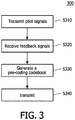
- Figure 3 illustrates a flow chart of a method of transmitting data by optimizing the selection of pre-coding vectors that is performed in a base station according to an embodiment of the invention.
- a plurality of signals is transmitted from the base station to a plurality of terminals, wherein each of the signals may be a pilot signal or a signal including a pilot signal.
- the base station does not perform a precoding operation on the pilot signal or the pilot portion, for the terminal measures a corresponding channel response by evaluating received pilot signals.
- the base station receives a plurality of feedback signals from the plurality of terminals, wherein at least one of the feedback signals includes a plurality of recommended pre-coding vectors and a plurality of corresponding channel status informations.
- the recommended pre-coding vectors included in the feedback signals may be pre-coding vectors or the index numbers of the pre-coding vectors in a predefined pre-coding codebook that can be used for determining corresponding pre-coding vectors.
- the base station generates a pre-coding codebook, using the correlation characteristics between the recommended pre-coding vectors that are obtained or meet predefined criteria.
- Each pre-coding vector of the pre-coding codebook is a recommended pre-coding vector in the recommended pre-coding codebook transmitted from the terminal, and the determining procedure of the pre-coding vector utilizes the correlation characteristics between the recommended pre-coding vectors and the corresponding channel status information.
- the base station performs a transmission operation on subsequent signals, using the pre-coding codebook at step S340.
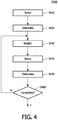
- Figure 4 illustrates a flow chart of a method of generating a pre-coding codebook according to an embodiment of the invention.
- the base station selects the maximum channel status information from all the received channel status informations at step S410.
- the base station determines a pre-coding vector and a corresponding terminal corresponding to the maximum channel status information, and a transmitting antenna corresponding to the determined pre-coding vector and the determined terminal, so as to allocate the determined pre-coding vector to the transmitting antenna.
- the base station performs a weighting operation on the channel status information, based on the correlation coefficient between the determined pre-coding vector and a pre-coding vector corresponding to the channel status information, to acquire corresponding weighted channel status information.
- the base station selects, at step S440, a maximum weighted channel status information from all the weighted channel status informations, and determines, at step S450, a pre-coding vector and a corresponding terminal corresponding to the maximum weighted channel status information and a transmitting antenna corresponding to the determined pre-coding vector and the determined terminal, so as to allocate the determined pre-coding vector to the transmitting antenna.
- CSI current ( i ) f ( e i , e j ) ⁇ CSI previous ( i ) ⁇
- CSI previous ( i ) may also represent a weighted channel status information before the current weighting step
- CSI current ( i ) may also represent a weighted channel status information obtained in the current weighting step
- the pre-coding vector e j is the determined pre-coding vector that is determined by the operation in the previous cycle
- the pre-coding vector e i is the pre-coding vector corresponding to the channel status information in the current weighting operation.
- the pre-coding codebook obtained through the embodiment in Figures 3 and 4 may be a unitary matrix in which any two pre-coding vectors are orthogonal to each other, or a non-unitary matrix, with the correlation coefficient being smaller than 1, in which there are two pre-coding vectors that are not strictly orthogonal to each other.
- a pre-coding codebook which has a better correlation (i.e., the correlation coefficient is large) and the corresponding channel status response is also large, could be selected, so that each antenna could be allocated to a suitable pre-coding vector, the corresponding terminal may obtain a higher data transmission rate, and further the total data transmission rate and system capacity obtained by the system may be higher.
- FIG. 5 illustrates a block diagram of a terminal according to an embodiment of the invention.
- the terminal 500 includes a receiver 510, an evaluator 520, a calculator 530, a recommending unit 540, and a transmitter 550.
- the receiver 510 is configured to receive a plurality of signals from a base station.
- the evaluator 520 is configured to evaluate a channel response matrix corresponding to the plurality of received signals, wherein, each element of the channel response matrix is used for representing a channel response of a channel corresponding to a signal.
- the calculator 530 is configured to calculate a plurality of channel status informations, wherein each of the channel status informations corresponds to a pre-coding vector in the predefined pre-coding codebook.
- the recommending unit 540 is configured to generate a recommended pre-coding codebook based on the correlation coefficients between pre-coding vectors and the corresponding channel status information, wherein each recommended pre-coding vector is a pre-coding vector in the predefined pre-coding codebook.
- the transmitter 550 is configured to transmit the recommended pre-coding codebook and a plurality of corresponding channel status informations to the base station.
- the calculator 530 includes: a first selector 532 for selecting a pre-coding vector from the predefined pre-coding codebook; and a channel status information calculator 534 for calculating a channel status information.
- the recommending unit 540 includes: a second selector 542, a determining unit 544, a generator 546 and a weighting device 548.
- the second selector 542 is configured to select maximum channel status information.
- the determining unit 544 is configured to determine a pre-coding vector corresponding to the maximum channel status information.
- the generator 546 is configured to add the pre-coding vector selected by the determining unit to the recommended pre-coding codebook.
- the weighting device 548 is configured to perform a weighting operation on the plurality of channel status informations, which weighting device further comprises: a correlation coefficient calculator 5481 for calculating the correlation coefficient between two pre-coding vectors; and a multiplier 5482 for multiplying the correlation coefficient with corresponding channel status information to update the corresponding channel status information.
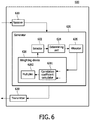
- FIG. 6 illustrates a block diagram of a base station according to an embodiment of the invention.
- the base station 600 includes a receiver 610, a generator 620 and a transmitter 630.
- the receiver 610 is configured to receive a plurality of feedback signals from a plurality of terminals, wherein, at least one feedback signal includes a plurality of recommended pre-coding vectors and a plurality of corresponding channel status informations.
- the generator 620 is configured to generate a pre-coding codebook based on the plurality of feedback signals, wherein at least one pre-coding vector in the pre-coding codebook is determined based on a correlation coefficient between at least two recommended pre-coding vectors.
- the transmitter 630 is configured to perform transmission operations using the pre-coding codebook.
- the transmitter 630 is further configured to transmit signals without being pre-coding vectored.
- the generator 620 further includes a selector 622, a determining unit 624, an allocator 626 and a weighting device 628.
- the selector 622 is configured to select maximum channel status information from the plurality of channel status informations.
- the determining unit 624 is configured to determine a pre-coding vector and a terminal corresponding to the maximum channel status information, and a corresponding transmitting antenna.
- the allocator 626 is configured to allocate the determined pre-coding vector to the determined transmitting antenna.
- the weighting device 628 is configured to perform a weighting operation on the plurality of channel status informations, which weighting device further comprises: a correlation coefficient calculator 6281 for calculating a correlation coefficient between two pre-coding vectors; and a multiplier 6282 for multiplying the correlation coefficient with corresponding channel status information to update the corresponding channel status information.
Landscapes
- Engineering & Computer Science (AREA)
- Computer Networks & Wireless Communication (AREA)
- Signal Processing (AREA)
- Physics & Mathematics (AREA)
- Mathematical Physics (AREA)
- Power Engineering (AREA)
- Mobile Radio Communication Systems (AREA)
- Radio Transmission System (AREA)
Claims (11)
- Eine Methode zum Empfehlen eines Vorcodierungsvektors in einem Endgerät eines Mehrbenutzer-MIMO-Systems, wobei die Methode folgende Schritte umfasst:(a) Berechnen einer Kanalantwortmatrix (S110) unter Verwendung mehrerer empfangener Signale, wobei die einzelnen Elemente der Kanalantwortmatrix eine Kanalstatusantwort eines Übertragungskanals zwischen einer Empfangsantenne des Endgeräts und einer Sendeantenne einer entsprechenden Basisstation beschreiben;(b) Berechnen mehrerer von Kanalstatusinformationen (S120) unter Verwendung eines vordefinierten Vorcodierungs-Codebuchs und der Kanalantwortmatrix,
wobei die einzelnen Kanalstatusinformationen jeweils einem Vorcodierungsvektor im vordefinierten Vorcodierungs-Codebuch entsprechen;(c) Auswählen (S130) mehrerer Vorcodierungsvektoren aus dem vordefinierten Vorcodierungs-Codebuch als empfohlenes Vorcodierungs-Codebuch unter Verwendung der Korrelation zwischen den Vorcodierungsvektoren des vordefinierten Vorcodierungs-Codebuchs und der Kanalstatusinformationen; und(d) Erzeugen (S140) eines Rückkopplungssignals anhand des empfohlenen Vorcodierungs-Codebuchs und mehrerer entsprechender Kanalstatusinformationen und Übertragen des Rückkopplungssignals an die Basisstation, wobei die einzelnen entsprechenden Kanalstatusinformationen jeweils einem empfohlenen Vorcodierungsvektor im empfohlenen Vorcodierungs-Codebuch entsprechen;wobei Schritt (c) zudem folgende Schritte umfasst:(i) Auswählen (S210) der maximalen Kanalstatusinformation aus der Vielzahl von Kanalstatusinformationen;(ii) Ermitteln (S220) eines Vorcodierungsvektors, der der maximalen Kanalstatusinformationen entspricht, als einen ersten empfohlenen Vorcodierungsvektor im empfohlenen Vorcodierungs-Codebuch;(iii) für jede der weiteren Kanalstatusinformationen Durchführen (S230) eines Gewichtungsvorgangs für die einzelnen anderen Kanalstatusinformationen anhand des Korrelationskoeffizienten zwischen dem ersten empfohlenen Vorcodierungsvektor und einem Vorcodierungsvektor, der den einzelnen anderen Kanalstatusinformationen entspricht, um eine gewichtete Kanalstatusinformation zu erzeugen;(iv) Auswählen (S240) einer maximalen gewichteten Kanalstatusinformation aus den mehreren gewichteten Kanalstatusinformationen; und(v) Ermitteln (S250) eines Vorcodierungsvektors, der der maximalen gewichteten Kanalstatusinformation entspricht, als einen zweiten empfohlenen Vorcodierungsvektor im empfohlenen Vorcodierungs-Codebuch;wobei in Schritt (c) zudem die folgenden Schritte mehrmals durchgeführt werden:I) für jede gewichtete Kanalstatusinformation, die im vorherigen Gewichtungsschritt erzeugt wurde, Durchführen (S230) eines Gewichtungsvorgangs für die gewichtete Kanalstatusinformation gemäß dem Korrelationskoeffizienten zwischen dem Vorcodierungsvektor, der der gewichteten Kanalstatusinformation entspricht, und dem empfohlenen Vorcodierungsvektor, der im vorherigen Ermittlungsschritt ermittelt wurde, um die gewichtete Kanalstatusinformation zu aktualisieren;II) Auswählen (S240) einer maximalen gewichteten Kanalstatusinformation aus den mehreren in Schritt (I) erzeugten gewichteten Kanalstatusinformationen; undIII) Ermitteln (S250) eines Vorcodierungsvektors, der der maximalen gewichteten Kanalstatusinformation entspricht, als empfohlenen Vorcodierungsvektor, der dem empfohlenen Vorcodierungs-Codebuch hinzugefügt wird; wobei die gewichtete Kanalstatusinformation anhand der Gleichung CSIcurrent (i) =f(ei ,ej)αCSIprevious(i)ß berechnet wird, wobei f(ei,ej) der Korrelationskoeffizient zwischen den Vorcodierungsvektoren ei und ej ist, und wobei der Vorcodierungsvektor ej der erste empfohlene Vorcodierungsvektor in Schritt (iii) oder der empfohlene Vorcodierungsvektor in Schritt (I) ist, und wobei der Vorcodierungsvektor ei einer der Vorcodierungsvektoren, die den einzelnen anderen Kanalstatusinformationen in Schritt (iii) entsprechen, oder derjenige Vorcodierungsvektor ist, der den gewichteten Kanalstatusinformationen in Schritt (I) entspricht, und wobei CSIprevious(i) eine der Kanalstatusinformationen in Schritt (iii) oder die gewichtete Kanalstatusinformation vor dem aktuellen Gewichtungsschritt in Schritt (I) ist, und wobei CSIcurrent (i) eine der gewichteten Kanalstatusinformationen in Schritt (iii) oder der aktualisierten gewichteten Kanalstatusinformationen in Schritt (I) ist, und wobei α und β vordefinierte natürliche Zahlen sind. - Die Methode gemäß Anspruch 1, wobei in Schritt (b) die Kanalstatusinformation gemäß der Gleichung

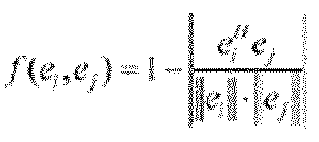
- Die Methode gemäß Anspruch 1, wobei der Korrelationskoeffizient gemäß einer der Gleichungen

- Die Methode gemäß Anspruch 1, wobei das Rückkopplungssignal einen beliebigen der empfohlenen Vorcodierungsvektor im empfohlenen Vorcodierungs-Codebuch sowie die Indexnummer des empfohlenen Vorcodierungsvektors im vordefinierten Vorcodierungs-Codebuch umfasst.
- Eine Methode zum Übertragen von Daten in einem Mehrbenutzer-MIMO-System, das eine Basisstation und mehrere Endgeräte umfasst,wobei die Methode folgende Schritte umfasst:(a) Empfangen (S320) an der Basisstation mehrerer Rückkopplungssignale von den mehreren Endgeräten, wobei mindestens ein Rückkopplungssignal mehrere empfohlene Vorcodierungsvektor-Informationen und mehrere Kanalstatusinformationen umfasst, und wobei die einzelnen von Kanalstatusinformationen einer empfohlenen Vorcodierungsvektor-Information entsprechen, und wobei die einzelnen empfohlenen Vorcodierungsvektor-Informationen zum Ermitteln eines entsprechenden Vorcodierungsvektors in einem vordefinierten Vorcodierungs-Codebuch als empfohlener Vorcodierungsvektor verwendet werden;(b) auf der Basisstation Erzeugen (S330) eines Vorcodierungs-Codebuchs anhand der mehreren Rückkopplungssignale, wobei mindestens ein Vorcodierungsvektor im Vorcodierungscodebuch anhand eines Korrelationskoeffizienten zwischen mindestens zwei empfohlenen Vorcodierungsvektoren ermittelt wird; und(c) auf der Basisstation Durchführen (S340) des Übertragungsvorgangs unter Verwendung des Vorcodierungs-Codebuchs; wobei Schritt (b) zudem folgende Schritte umfasst:(i) Auswählen (S410) der maximalen Kanalstatusinformation aus allen Kanalstatusinformationen;(ii) Ermitteln (S420) eines Vorcodierungsvektors und eines Endgeräts entsprechend der maximalen Kanalstatusinformation sowie einer Sendeantenne entsprechend dem ermittelten Vorcodierungsvektor und dem ermittelten Endgerät, um den ermittelten Vorcodierungsvektor der Sendeantenne zuzuordnen;(iii) für jede der weiteren Kanalstatusinformationen Durchführen (S430) eines Gewichtungsvorgangs für die einzelnen anderen Kanalstatusinformationen anhand des Korrelationskoeffizienten zwischen dem ermittelten Vorcodierungsvektor und einem Vorcodierungsvektor, der den einzelnen anderen Kanalstatusinformationen entspricht, um eine entsprechende gewichtete Kanalstatusinformation zu erhalten;(iv) Auswählen (S440) einer maximalen gewichteten Kanalstatusinformation aus allen in Schritt (iii) erzeugten gewichteten Kanalstatusinformationen; und(v) Ermitteln (S450) eines Vorcodierungsvektors und eines Endgeräts entsprechend der maximalen gewichteten Kanalstatusinformation sowie einer Sendeantenne entsprechend dem ermittelten Vorcodierungsvektor und dem ermittelten Endgerät, um den ermittelten Vorcodierungsvektor der Sendeantenne zuzuordnen;wobei in Schritt (b) zudem die folgenden Schritte mehrmals durchgeführt werden:I) für jede gewichtete Kanalstatusinformation, die im vorhergehenden Gewichtungsschritt erzeugt wurde, Durchführen (S430) eines Gewichtungsvorgangs für die gewichtete Kanalstatusinformation gemäß dem Korrelationskoeffizienten zwischen einem bestimmten Vorcodierungsvektor, der im vorhergehenden Ermittlungsschritt ermittelt wurde, und einem Vorcodierungsvektor, der der gewichteten Kanalstatusinformation entspricht, um die gewichtete Kanalstatusinformation zu aktualisieren;II) Auswählen (S440) der maximalen gewichteten Kanalstatusinformation aus allen in Schritt (I) aktualisierten gewichteten Kanalstatusinformationen; undIII) Ermitteln (S450) eines Vorcodierungsvektors und eines Endgeräts entsprechend der maximalen gewichteten Kanalstatusinformation sowie einer Sendeantenne entsprechend dem Endgerät, um die ermittelte Vorcodierung der Sendeantenne zuzuordnen; undwobei die gewichtete Kanalstatusinformation anhand der Gleichung CSIcurrent(i) =f(ei ,ej)αCSIprevious (i) ß berechnet wird, wobei f(ei,ej) dem Korrelationskoeffizienten zwischen den Vorcodierungsvektoren ei und ej entspricht, und wobei der Vorcodierungsvektor ei einer der Vorcodierungsvektoren, die den einzelnen anderen Kanalstatusinformationen in Schritt (iii) entsprechen, oder derjenige Vorcodierungsvektor ist, der den gewichteten Kanalstatusinformationen in Schritt (I) entspricht, und wobei der Vorcodierungsvektor ej einer der Vorcodierungsvektoren, die den einzelnen anderen Kanalstatusinformationen in Schritt (iii) entsprechen, oder derjenige Vorcodierungsvektor ist, der den gewichteten Kanalstatusinformationen in Schritt (I) entspricht, und wobei CSIprevious(i) eine der Kanalstatusinformationen in Schritt (iii) oder die gewichtete Kanalstatusinformation vor dem aktuellen Gewichtungsschritt in Schritt (I) ist, und wobei CSIcurrent(i) einer der gewichteten Kanalstatusinformationen in Schritt (iii) oder der aktualisierten gewichteten Kanalstatusinformationen in Schritt (I) entspricht, und wobei α und β vordefinierte natürliche Zahlen sind.
- Die Methode gemäß Anspruch 5, wobei vor Schritt (a) zudem folgender Schritt durchgeführt wird:
ohne Vorcodierung Übertragen mehrerer Pilotsignale an die mehreren Endgeräte. - Die Methode gemäß Anspruch 5, wobei mindestens zwei Vorcodierungsvektoren im Vorcodierungs-Codebuch nicht orthogonal sind.
- Die Methode gemäß Anspruch 5, wobei der Korrelationskoeffizient gemäß einer der Gleichungen


- Ein Gerät (500) zum Empfehlen von Vorcodierungsvektoren für ein Mehrbenutzer-MIMO-System, das Folgendes umfasst:einen Empfänger (510), der mehrere Signale von einer Basisstation empfängt;einen Auswerter (520), der eine Kanalantwortmatrix auswertet, die den mehreren empfangenen Signalen entspricht, wobei die einzelnen Elemente der Kanalantwortmatrix einer Kanalantwort eines Übertragungskanals zwischen einer Empfangsantenne des Geräts und einer Sendeantenne der Basisstation entsprechen;einen Rechner (530), der mehrere Kanalstatusinformationen unter Verwendung eines vordefinierten Vorcodierungs-Codebuchs und der Kanalantwortmatrix berechnet, wobei die einzelnen Kanalstatusinformationen jeweils einem Vorcodierungsvektor im vordefinierten Vorcodierungs-Codebuch entsprechen;eine Empfehlungseinheit (540), die mehrere Vorcodierungsvektoren im vordefinierten Vorcodierungs-Codebuch als empfohlenes Vorcodierungs-Codebuch auswählt, wobei die Auswahl auf den Korrelationskoeffizienten zwischen den Vorcodierungsvektoren im vordefinierten Vorcodierungs-Codebuch und den mehreren Kanalstatusinformationen beruht; undeinen Sender (550), der das empfohlene Vorcodierungs-Codebuch und mehrere entsprechende Kanalstatusinformationen an die Basisstation sendet, wobei die einzelnen Kanalstatusinformationen jeweils einem empfohlenen Vorcodierungsvektor im empfohlenen Vorcodierungs-Codebuch entsprechen;wobei die Empfehlungseinheit (540) Folgendes umfasst:eine zweite Auswahleinheit (542), die die maximale Kanalstatusinformation aus den mehreren Kanalstatusinformationen auswählt;eine Ermittlungseinheit (544) zum Ermitteln eines Vorcodierungsvektors, der der maximalen Kanalstatusinformationen entspricht, als einen ersten empfohlenen Vorcodierungsvektor im empfohlenen Vorcodierungs-Codebuch;ein Gewichtungsgerät (548), das für jede der weiteren Kanalstatusinformationen einen Gewichtungsvorgang für die einzelnen anderen Kanalstatusinformationen anhand des Korrelationskoeffizienten zwischen dem ersten empfohlenen Vorcodierungsvektor und einem Vorcodierungsvektor durchführt, der den einzelnen anderen Kanalstatusinformationen entspricht, um eine gewichtete Kanalstatusinformation zu erzeugen,wobei die zweite Auswahleinheit (542) die maximale gewichtete Kanalstatusinformation aus den mehreren gewichteten Kanalstatusinformationen auswählt; undwobei die Ermittlungseinheit (544) einen Vorcodierungsvektor, der der maximalen gewichteten Kanalstatusinformation entspricht, als einen zweiten empfohlenen Vorcodierungsvektor im empfohlenen Vorcodierungs-Codebuch ermittelt;wobei die Empfehlungseinheit (540) zudem die folgenden Schritte mehrmals durchführt:I) für jede gewichtete Kanalstatusinformation, die im vorherigen Gewichtungsschritt erzeugt wurde, Durchführen (S230) eines Gewichtungsvorgangs für die gewichtete Kanalstatusinformation gemäß dem Korrelationskoeffizienten zwischen dem Vorcodierungsvektor, der der gewichteten Kanalstatusinformation entspricht, und dem empfohlenen Vorcodierungsvektor, der im vorherigen Ermittlungsschritt ermittelt wurde, um die gewichtete Kanalstatusinformation zu aktualisieren;II) Auswählen (S240) einer maximalen gewichteten Kanalstatusinformation aus den mehreren in Schritt (I) erzeugten gewichteten Kanalstatusinformationen; undIII) Ermitteln (S250) eines Vorcodierungsvektors, der der maximalen gewichteten Kanalstatusinformation entspricht, als empfohlenen Vorcodierungsvektor, der dem empfohlenen Vorcodierungs-Codebuch hinzugefügt wird; undwobei die gewichtete Kanalstatusinformation anhand der Gleichung CSIcurrent (i) =f(ei,ej)αCSIprevious(i)ß berechnet wird, wobei f(ei,ej) der Korrelationskoeffizient zwischen den Vorcodierungsvektoren ei und ej ist, und wobei der Vorcodierungsvektor ej der erste empfohlene Vorcodierungsvektor in Schritt (iii) oder der empfohlene Vorcodierungsvektor in Schritt (I) ist, und wobei der Vorcodierungsvektor ei einer der Vorcodierungsvektoren, die den einzelnen anderen Kanalstatusinformationen in Schritt (iii) entsprechen, oder derjenige Vorcodierungsvektor ist, der den gewichteten Kanalstatusinformationen in Schritt (I) entspricht, und wobei CSIprevious(i) eine der Kanalstatusinformationen in Schritt (iii) oder die gewichtete Kanalstatusinformation vor dem aktuellen Gewichtungsschritt in Schritt (I) ist, und wobei CSIcurrent (i) eine der gewichteten Kanalstatusinformationen in Schritt (iii) oder der aktualisierten gewichteten Kanalstatusinformationen in Schritt (I) ist, und wobei α und β vordefinierte natürliche Zahlen sind.
- Das Gerät gemäß Anspruch 9, wobei der Rechner (530) zudem Folgendes umfasst:eine erste Auswahleinheit (532), die einen Vorcodierungsvektor aus dem vordefinierten Vorcodierungs-Codebuch auswählt; undeinen Kanalstatus-Informationsrechner (534), der an-hand der Gleichung

- Ein Gerät (600) zum Übertragen von Daten für ein Mehrbenutzer-MIMO-System, das Folgendes umfasst:einen Empfänger (610), der mehrere Rückkopplungssignale von mehreren Endgeräten im Mehrbenutzer-MIMO-System empfängt, wobei mindestens ein Rückkopplungssignal mehrerer empfohlene Vorcodierungsvektor-Informationen und mehrere entsprechende Kanalstatusinformationen umfasst, und wobei die einzelnen empfohlenen Vorcodierungsvektor-Informationen zum Ermitteln eines entsprechenden Vorcodierungsvektors in einem vordefinierten Vorcodierungs-Codebuch als empfohlener Vorcodierungsvektor verwendet werden;einen Generator (620) zum Erzeugen eines Vorcodierungs-Codebuchs anhand der mehreren Rückkopplungssignale, wobei mindestens ein Vorcodierungsvektor im Vorcodierungscodebuch anhand eines Korrelationskoeffizienten zwischen mindestens zwei empfohlenen Vorcodierungsvektoren ermittelt wird; undeinen Sender (630) der mithilfe des Vorcodierungs-Codebuchs einen Übertragungsvorgang durchführt;wobei der Generator (620) zudem Folgendes umfasst:eine Auswahleinheit (622), die die maximale Kanalstatusinformation aus den mehreren Kanalstatusinformationen auswählt;eine Ermittlungseinheit (624) zum Ermitteln eines Vorcodierungsvektors und eines Endgeräts entsprechend der maximalen Kanalstatusinformation sowie einer Sendeantenne entsprechend dem ermittelten Vorcodierungsvektor und dem ermittelten Endgerät;ein Gewichtungsgerät (628), das für jede der weiteren Kanalstatusinformationen einen Gewichtungsvorgang für die einzelnen anderen Kanalstatusinformationen anhand des Korrelationskoeffizienten zwischen dem ermittelten Vorcodierungsvektor und einem Vorcodierungsvektor durchführt, der den einzelnen anderen Kanalstatusinformationen entspricht, um eine entsprechende gewichtete Kanalstatusinformation zu erhalten;wobei die Auswahleinheit (622) zum Auswählen einer maximalen gewichteten Kanalstatusinformation aus allen gewichteten Kanalstatusinformationen konfiguriert ist, die vom Gewichtungsgerät (628) erzeugt wurden; undwobei die Ermittlungseinheit (624) einen Vorcodierungsvektor und ein Endgerät entsprechend der maximalen gewichteten Kanalstatusinformation sowie einer Sendeantenne entsprechend dem ermittelten Vorcodierungsvektor und dem ermittelten Endgerät ermittelt (S450), um den ermittelten Vorcodierungsvektor der Sendeantenne zuzuordnen;wobei der Generator (620) zudem die folgenden Schritte mehrmals durchführt:I) für jede gewichtete Kanalstatusinformation, die im vorhergehenden Gewichtungsschritt erzeugt wurde, Durchführen (S430) eines Gewichtungsvorgangs für die gewichtete Kanalstatusinformation gemäß dem Korrelationskoeffizienten zwischen einem bestimmten Vorcodierungsvektor, der im vorhergehenden Ermittlungsschritt ermittelt wurde, und einem Vorcodierungsvektor, der der gewichteten Kanalstatusinformation entspricht, um die gewichtete Kanalstatusinformation zu aktualisieren;II) Auswählen (S440) der maximalen gewichteten Kanalstatusinformation aus allen in Schritt (I) aktualisierten gewichteten Kanalstatusinformationen; undIII) Ermitteln (S450) eines Vorcodierungsvektors und eines Endgeräts entsprechend der maximalen gewichteten Kanalstatusinformation sowie einer Sendeantenne entsprechend dem Endgerät, um die ermittelte Vorcodierung der Sendeantenne zuzuordnen; undwobei die gewichtete Kanalstatusinformation anhand der Gleichung CSIcurrent(i)=f(ei ,ej)αCSIprevious (i) ß berechnet wird, wobei f(ei,ej) dem Korrelationskoeffizienten zwischen den Vorcodierungsvektoren ei und ej entspricht, und wobei der Vorcodierungsvektor ei einer der Vorcodierungsvektoren, die den einzelnen anderen Kanalstatusinformationen in Schritt (iii) entsprechen, oder derjenige Vorcodierungsvektor ist, der den gewichteten Kanalstatusinformationen in Schritt (I) entspricht, und wobei der Vorcodierungsvektor ej der Vorcodierungsvektor ist, der der maximalen Kanalstatusinformation in Schritt (iii) oder dem empfohlenen Vorcodierungsvektor in Schritt (I) entspricht, und wobei CSIprevious(i) einer der Kanalstatusinformationen in Schritt (iii) oder der gewichteten Kanalstatusinformation vor dem aktuellen Gewichtungsschritt in Schritt (I) entspricht, und wobei CSIcur-rent(i) einer der gewichteten Kanalstatusinformationen in Schritt (iii) oder der aktualisierten gewichteten Kanalstatusinformationen in Schritt (I) entspricht, und wobei α und β vordefinierte natürliche Zahlen sind.
Applications Claiming Priority (2)
| Application Number | Priority Date | Filing Date | Title |
|---|---|---|---|
| CN2007100843820A CN101257367B (zh) | 2007-02-28 | 2007-02-28 | 选择预编码的方法和装置 |
| PCT/IB2008/050643 WO2008104907A2 (en) | 2007-02-28 | 2008-02-22 | Method and apparatus for selecting pre-coding vectors |
Publications (3)
| Publication Number | Publication Date |
|---|---|
| EP2115979A2 EP2115979A2 (de) | 2009-11-11 |
| EP2115979B1 EP2115979B1 (de) | 2018-04-11 |
| EP2115979B2 true EP2115979B2 (de) | 2022-01-12 |
Family
ID=39721662
Family Applications (1)
| Application Number | Title | Priority Date | Filing Date |
|---|---|---|---|
| EP08719450.2A Active EP2115979B2 (de) | 2007-02-28 | 2008-02-22 | Verfahren und vorrichtung zum auswählen von vorcodierungsvektoren |
Country Status (7)
| Country | Link |
|---|---|
| US (1) | US8300727B2 (de) |
| EP (1) | EP2115979B2 (de) |
| JP (1) | JP5295980B2 (de) |
| KR (1) | KR101346123B1 (de) |
| CN (1) | CN101257367B (de) |
| TW (1) | TWI413370B (de) |
| WO (1) | WO2008104907A2 (de) |
Families Citing this family (50)
| Publication number | Priority date | Publication date | Assignee | Title |
|---|---|---|---|---|
| US7917176B2 (en) * | 2006-02-14 | 2011-03-29 | Nec Laboratories America, Inc. | Structured codebook and successive beamforming for multiple-antenna systems |
| CN101330357B (zh) * | 2007-06-18 | 2013-04-17 | 华为技术有限公司 | 信道状态信息的反馈方法及网元设备 |
| US20080317145A1 (en) * | 2007-06-25 | 2008-12-25 | Bruno Clerckx | Multiple input multiple output communication system and a method of adaptively generating codebook |
| CN101388703B (zh) * | 2008-10-08 | 2012-06-13 | 安徽创毅通信科技有限公司 | 一种多用户mimo预编码的方法及系统 |
| US8649455B2 (en) * | 2008-10-20 | 2014-02-11 | Samsung Electronics Co., Ltd. | Multiple input multiple output communication system and communication method of adaptably transforming codebook |
| US8385452B2 (en) * | 2008-10-24 | 2013-02-26 | Qualcomm Incorporated | Method and apparatus for separable channel state feedback in a wireless communication system |
| US20120260777A1 (en) | 2010-06-23 | 2012-10-18 | Baer Jr Russel F | Protective gripping sleeve on rotating tool extension arm |
| US8565064B2 (en) | 2008-12-15 | 2013-10-22 | Futurewei Technologies, Inc. | System and method for employing six-bit rank 1 and 2 codebooks for four transmit antennas |
| JP5280193B2 (ja) * | 2008-12-26 | 2013-09-04 | Kddi株式会社 | 送信装置および送受信方法 |
| KR101587005B1 (ko) | 2009-03-11 | 2016-02-02 | 삼성전자주식회사 | 다중안테나시스템에서 간섭완화를 위한 제어정보를 전송하기 위한 방법 및 장치 |
| TWI517620B (zh) * | 2009-03-17 | 2016-01-11 | 皇家飛利浦電子股份有限公司 | 在多輸入多輸出(mimo)網路中通信的方法及裝置 |
| CN102334367B (zh) * | 2009-04-16 | 2014-04-30 | 上海贝尔股份有限公司 | 多基站mimo系统中选择对象终端的方法和装置 |
| CN101877684B (zh) * | 2009-04-28 | 2012-11-14 | 电信科学技术研究院 | 一种预编码矩阵的确定方法及装置 |
| WO2010130097A1 (zh) | 2009-05-14 | 2010-11-18 | 华为技术有限公司 | 信息处理方法、设备和系统 |
| BRPI0924670A2 (pt) | 2009-06-23 | 2016-01-26 | Alcatel Lucent | método e aparelho para retroalimentação de informação de estado de canal |
| KR101587563B1 (ko) * | 2009-09-01 | 2016-02-02 | 삼성전자주식회사 | 간섭 정렬을 수행하는 통신 시스템 및 그 방법 |
| US20110075752A1 (en) * | 2009-09-25 | 2011-03-31 | Hongming Zheng | Non-unitary precoding scheme for wireless communications |
| US8369439B2 (en) * | 2009-09-30 | 2013-02-05 | Alcatel Lucent | Transmission of precoding codebook over an air interface |
| WO2011065898A2 (en) * | 2009-11-25 | 2011-06-03 | Telefonaktiebolaget L M Ericsson (Publ) | A method and apparatus for using factorized precoding |
| US8112049B2 (en) | 2009-12-17 | 2012-02-07 | Telefonaktiebolaget Lm Ericsson (Publ) | Channel quality handling for precoder override |
| CN102118863B (zh) * | 2009-12-31 | 2014-12-10 | 华为技术有限公司 | 反馈信道状态信息及确定多点协作模式的方法及设备 |
| CN102130708B (zh) | 2010-01-15 | 2014-04-30 | 华为技术有限公司 | 多小区信道状态信息的反馈方法和用户设备 |
| JP5388356B2 (ja) | 2010-01-20 | 2014-01-15 | 株式会社Nttドコモ | プリコーディングウェイト生成方法、移動局装置及び基地局装置 |
| JP5373650B2 (ja) * | 2010-01-20 | 2013-12-18 | 株式会社エヌ・ティ・ティ・ドコモ | 移動局装置、チャネル情報フィードバック方法 |
| US20110200139A1 (en) * | 2010-02-12 | 2011-08-18 | Yu-Chih Jen | Multiple-input multiple-output systems and methods for wireless communication thereof for reducing the quantization effect of precoding operations utilizing a finite codebook |
| US8897386B2 (en) * | 2010-02-12 | 2014-11-25 | Htc Corporation | Multiple-input multiple-output systems and methods for wireless communication thereof for reducing the quantization effect of precoding operations utilizing finite codebooks |
| US8995373B2 (en) | 2010-04-01 | 2015-03-31 | Lg Electronics Inc. | Method for transmitting channel state information in wireless access system |
| EP2557698B1 (de) | 2010-04-07 | 2017-06-14 | Alcatel Lucent | Verfahren und vorrichtung für informationsfeedback und vorcodierung |
| ES2639770T3 (es) | 2010-04-07 | 2017-10-30 | Telefonaktiebolaget Lm Ericsson (Publ) | Una estructura de precodificador para precodificación MIMO |
| TWI492561B (zh) * | 2010-06-22 | 2015-07-11 | Htc Corp | 用於多輸入多輸出系統之無線通訊方法及其相關多輸入多輸出系統及接收器 |
| KR101358301B1 (ko) | 2010-07-01 | 2014-02-06 | 한국전자통신연구원 | 다중 안테나 통신 시스템의 기지국 수신 장치 및 그것의 상향 링크 적응 방법 |
| CN101984570B (zh) * | 2010-10-25 | 2013-09-18 | 北京邮电大学 | 一种应用于mimo-ofdm系统下克服弱散射的码本选择调制方法 |
| CN102013906B (zh) * | 2010-12-03 | 2013-07-10 | 中国科学技术大学 | 基于每用户归一化波束成型与速率控制的多模传输方法 |
| US20130044799A1 (en) * | 2011-02-15 | 2013-02-21 | Pang-Chang Lan | Method of Handling Geodesic Interpolation for MIMO Precoding and Related Communication Device |
| PL2515495T3 (pl) * | 2011-04-21 | 2013-12-31 | Ntt Docomo Inc | Sposób i urządzenie do ustalania wektora prekodowania do prekodowania danych przesyłanych do urządzenia bezprzewodowego w systemie komunikacji bezprzewodowej |
| CN103312393B (zh) * | 2012-03-14 | 2016-03-30 | 中兴通讯股份有限公司 | 一种上行协作多点方法及系统 |
| KR101977593B1 (ko) | 2012-06-25 | 2019-08-28 | 삼성전자주식회사 | 복수의 안테나들을 이용한 mimo 다중화에 기반하여 전송단에서 시크릿 정보를 전송하는 방법 및 수신단에서 시크릿 정보를 수신하는 방법 |
| US9363003B2 (en) * | 2012-11-07 | 2016-06-07 | Nipon Telegraph And Telephone Corporation | Transmitter and wireless communication method |
| JP5552180B2 (ja) * | 2013-04-08 | 2014-07-16 | Kddi株式会社 | 送信装置および送受信方法 |
| US9112554B1 (en) * | 2013-06-12 | 2015-08-18 | Marvell International Ltd. | Estimation of correlated MIMO channels |
| CN103441820B (zh) * | 2013-09-02 | 2017-06-16 | 中国科学技术大学 | 一种基于策略选择的联合编解码方法 |
| BR112016025486A2 (pt) * | 2014-04-30 | 2017-08-15 | Huawei Tech Co Ltd | método de medição de canal, aparelho de medição de canal, equipamento de usuário, e sistema |
| US10051634B2 (en) * | 2014-06-10 | 2018-08-14 | Qualcomm Incorporated | Devices and methods for facilitating non-orthogonal wireless communications |
| CN105207745A (zh) * | 2015-08-31 | 2015-12-30 | 清华大学 | 一种多址接入信道的多用户编码调制传输方法 |
| CN106936484B (zh) | 2015-12-28 | 2020-03-24 | 电信科学技术研究院 | 一种上行信息反馈和下行数据传输方法和设备 |
| CN108880645B (zh) * | 2017-07-26 | 2019-08-27 | 华为技术有限公司 | 用于数据传输的方法、装置和系统 |
| WO2022160344A1 (zh) * | 2021-02-01 | 2022-08-04 | 株式会社Ntt都科摩 | 基站和终端 |
| WO2022261842A1 (zh) * | 2021-06-15 | 2022-12-22 | 北京小米移动软件有限公司 | 预编码矩阵确定方法、装置、用户设备、基站及存储介质 |
| CN117353779A (zh) * | 2022-06-29 | 2024-01-05 | 华为技术有限公司 | 一种通信方法及装置 |
| CN117807383B (zh) * | 2024-03-01 | 2024-07-02 | 深圳市大数据研究院 | 信道状态信息恢复方法及装置、设备、存储介质 |
Family Cites Families (12)
| Publication number | Priority date | Publication date | Assignee | Title |
|---|---|---|---|---|
| US7088671B1 (en) * | 1999-11-24 | 2006-08-08 | Peter Monsen | Multiple access technique for downlink multibeam digital radio systems |
| US6952455B1 (en) | 2000-08-02 | 2005-10-04 | Via Telecom, Co., Ltd. | Adaptive antenna method and apparatus |
| US7197084B2 (en) * | 2002-03-27 | 2007-03-27 | Qualcomm Incorporated | Precoding for a multipath channel in a MIMO system |
| WO2006062356A1 (en) | 2004-12-08 | 2006-06-15 | Electronics And Telecommunications Research Institute | Transmitter, receiver and method for controlling multiple input multiple output system |
| KR100950644B1 (ko) * | 2005-03-04 | 2010-04-01 | 삼성전자주식회사 | 다중사용자 다중입출력 시스템의 피드백 방법 |
| WO2006117665A1 (en) * | 2005-05-04 | 2006-11-09 | Nortel Networks Limited | Wireless feedback system and method |
| KR101124932B1 (ko) * | 2005-05-30 | 2012-03-28 | 삼성전자주식회사 | 어레이 안테나를 이용하는 이동 통신 시스템에서의 데이터송/수신 장치 및 방법 |
| KR20060130806A (ko) | 2005-06-08 | 2006-12-20 | 삼성전자주식회사 | 코드북 기반 폐루프 방식의 다중 송수신 안테나 시스템에서송수신 장치 및 방법 |
| CN101444057B (zh) * | 2006-03-17 | 2013-04-24 | 北电网络有限公司 | 发射和接收mimo信号的系统和方法 |
| US10044532B2 (en) * | 2006-03-20 | 2018-08-07 | Texas Instruments Incorporated | Pre-coder selection based on resource block grouping |
| MY157698A (en) * | 2006-08-17 | 2016-07-15 | Intel Corp | Method and apparatus for providing efficient precoding feedback in a mimo wireless communication system |
| KR20080074004A (ko) * | 2007-02-07 | 2008-08-12 | 엘지전자 주식회사 | 피드백 정보를 이용한 상향링크의 가상 다중 안테나 전송방법 및 이를 지원하는 이동 단말 |
-
2007
- 2007-02-28 CN CN2007100843820A patent/CN101257367B/zh active Active
- 2007-03-03 TW TW096107383A patent/TWI413370B/zh active
-
2008
- 2008-02-22 KR KR1020097020042A patent/KR101346123B1/ko active Active
- 2008-02-22 US US12/528,096 patent/US8300727B2/en active Active
- 2008-02-22 EP EP08719450.2A patent/EP2115979B2/de active Active
- 2008-02-22 JP JP2009551292A patent/JP5295980B2/ja active Active
- 2008-02-22 WO PCT/IB2008/050643 patent/WO2008104907A2/en not_active Ceased
Also Published As
| Publication number | Publication date |
|---|---|
| EP2115979A2 (de) | 2009-11-11 |
| US20100027713A1 (en) | 2010-02-04 |
| TW200838190A (en) | 2008-09-16 |
| EP2115979B1 (de) | 2018-04-11 |
| KR20090126271A (ko) | 2009-12-08 |
| JP5295980B2 (ja) | 2013-09-18 |
| WO2008104907A2 (en) | 2008-09-04 |
| CN101257367A (zh) | 2008-09-03 |
| KR101346123B1 (ko) | 2013-12-31 |
| TWI413370B (zh) | 2013-10-21 |
| JP2010520657A (ja) | 2010-06-10 |
| CN101257367B (zh) | 2013-03-27 |
| US8300727B2 (en) | 2012-10-30 |
| WO2008104907A3 (en) | 2008-12-31 |
Similar Documents
| Publication | Publication Date | Title |
|---|---|---|
| EP2115979B2 (de) | Verfahren und vorrichtung zum auswählen von vorcodierungsvektoren | |
| CN103139117B (zh) | 使用任意预编码基准信号的mu‑mimo的通用化基准信令方案 | |
| EP2227869B1 (de) | Verfahren zur minderung von interferenzen zwischen zellen | |
| KR101402242B1 (ko) | 복합 분할 복신 기반의 다중 입출력 무선통신 시스템에서빔포밍 장치 및 방법 | |
| US9935693B2 (en) | Method for communicating in a MIMO network | |
| KR101585697B1 (ko) | 폐루프 다중사용자 다중 송수신 안테나 시스템에서 프리 스케쥴링 방법 및 장치 | |
| US20090296650A1 (en) | Coordinated linear beamforming in downlink multi-cell wireless networks | |
| US9124322B2 (en) | Method and apparatus for constructing codebook, and method, apparatus and system for precoding | |
| CN101686214B (zh) | 一种进行信道质量指示估计的方法及装置 | |
| CN101453259A (zh) | 一种多输入多输出系统的预编码传输方法 | |
| JP2012531132A (ja) | 時分割多元接続mimoシステムにおいて信号を送信する方法および関連の装置 | |
| KR20100120291A (ko) | 장기 통계 csi 보조 mu―mimo 스케줄링 방법, 기지국 및 이용자 디바이스 | |
| CN101207590A (zh) | 一种多输入多输出(mimo)传输方法及系统 | |
| EP2795807B1 (de) | Downlink-übertragung in einem mu-mimo-system | |
| US9276658B2 (en) | Method for communicating in a MIMO network | |
| US7907552B2 (en) | MIMO communication system with user scheduling and modified precoding based on channel vector magnitudes | |
| EP2517375B1 (de) | Übertragungsverfahren und system für die telekommunikation | |
| CN101834650A (zh) | 一种多用户mimo下行传输调度方法 | |
| CN102571172B (zh) | 在mimo无线通信系统中进行用户调度的方法和设备 | |
| CN102571180B (zh) | 在mimo无线通信系统中进行用户调度的方法和设备 | |
| CN102404806B (zh) | 一种多输入多输出自适应模式切换方法和装置 | |
| KR101787760B1 (ko) | 다중 사용자를 지원하는 다중 입력 다중 출력 통신 시스템에서 채널 품질 정보를 피드백하는 방법 및 장치 | |
| CN106792926A (zh) | 模式的切换方法、系统及所适用的基站 | |
| CN104067531A (zh) | Mu-mimo系统中的下行链路传输 |
Legal Events
| Date | Code | Title | Description |
|---|---|---|---|
| PUAI | Public reference made under article 153(3) epc to a published international application that has entered the european phase |
Free format text: ORIGINAL CODE: 0009012 |
|
| 17P | Request for examination filed |
Effective date: 20090928 |
|
| AK | Designated contracting states |
Kind code of ref document: A2 Designated state(s): AT BE BG CH CY CZ DE DK EE ES FI FR GB GR HR HU IE IS IT LI LT LU LV MC MT NL NO PL PT RO SE SI SK TR |
|
| DAX | Request for extension of the european patent (deleted) | ||
| RAP1 | Party data changed (applicant data changed or rights of an application transferred) |
Owner name: KONINKLIJKE PHILIPS N.V. |
|
| STAA | Information on the status of an ep patent application or granted ep patent |
Free format text: STATUS: EXAMINATION IS IN PROGRESS |
|
| 17Q | First examination report despatched |
Effective date: 20170214 |
|
| GRAP | Despatch of communication of intention to grant a patent |
Free format text: ORIGINAL CODE: EPIDOSNIGR1 |
|
| STAA | Information on the status of an ep patent application or granted ep patent |
Free format text: STATUS: GRANT OF PATENT IS INTENDED |
|
| INTG | Intention to grant announced |
Effective date: 20170919 |
|
| GRAS | Grant fee paid |
Free format text: ORIGINAL CODE: EPIDOSNIGR3 |
|
| GRAA | (expected) grant |
Free format text: ORIGINAL CODE: 0009210 |
|
| STAA | Information on the status of an ep patent application or granted ep patent |
Free format text: STATUS: THE PATENT HAS BEEN GRANTED |
|
| AK | Designated contracting states |
Kind code of ref document: B1 Designated state(s): AT BE BG CH CY CZ DE DK EE ES FI FR GB GR HR HU IE IS IT LI LT LU LV MC MT NL NO PL PT RO SE SI SK TR |
|
| REG | Reference to a national code |
Ref country code: GB Ref legal event code: FG4D |
|
| REG | Reference to a national code |
Ref country code: CH Ref legal event code: EP |
|
| REG | Reference to a national code |
Ref country code: AT Ref legal event code: REF Ref document number: 989151 Country of ref document: AT Kind code of ref document: T Effective date: 20180415 |
|
| REG | Reference to a national code |
Ref country code: IE Ref legal event code: FG4D |
|
| REG | Reference to a national code |
Ref country code: DE Ref legal event code: R096 Ref document number: 602008054772 Country of ref document: DE |
|
| REG | Reference to a national code |
Ref country code: NL Ref legal event code: MP Effective date: 20180411 |
|
| REG | Reference to a national code |
Ref country code: LT Ref legal event code: MG4D |
|
| PG25 | Lapsed in a contracting state [announced via postgrant information from national office to epo] |
Ref country code: NL Free format text: LAPSE BECAUSE OF FAILURE TO SUBMIT A TRANSLATION OF THE DESCRIPTION OR TO PAY THE FEE WITHIN THE PRESCRIBED TIME-LIMIT Effective date: 20180411 |
|
| PG25 | Lapsed in a contracting state [announced via postgrant information from national office to epo] |
Ref country code: SE Free format text: LAPSE BECAUSE OF FAILURE TO SUBMIT A TRANSLATION OF THE DESCRIPTION OR TO PAY THE FEE WITHIN THE PRESCRIBED TIME-LIMIT Effective date: 20180411 Ref country code: LT Free format text: LAPSE BECAUSE OF FAILURE TO SUBMIT A TRANSLATION OF THE DESCRIPTION OR TO PAY THE FEE WITHIN THE PRESCRIBED TIME-LIMIT Effective date: 20180411 Ref country code: NO Free format text: LAPSE BECAUSE OF FAILURE TO SUBMIT A TRANSLATION OF THE DESCRIPTION OR TO PAY THE FEE WITHIN THE PRESCRIBED TIME-LIMIT Effective date: 20180711 Ref country code: ES Free format text: LAPSE BECAUSE OF FAILURE TO SUBMIT A TRANSLATION OF THE DESCRIPTION OR TO PAY THE FEE WITHIN THE PRESCRIBED TIME-LIMIT Effective date: 20180411 Ref country code: PL Free format text: LAPSE BECAUSE OF FAILURE TO SUBMIT A TRANSLATION OF THE DESCRIPTION OR TO PAY THE FEE WITHIN THE PRESCRIBED TIME-LIMIT Effective date: 20180411 Ref country code: FI Free format text: LAPSE BECAUSE OF FAILURE TO SUBMIT A TRANSLATION OF THE DESCRIPTION OR TO PAY THE FEE WITHIN THE PRESCRIBED TIME-LIMIT Effective date: 20180411 Ref country code: BG Free format text: LAPSE BECAUSE OF FAILURE TO SUBMIT A TRANSLATION OF THE DESCRIPTION OR TO PAY THE FEE WITHIN THE PRESCRIBED TIME-LIMIT Effective date: 20180711 |
|
| PG25 | Lapsed in a contracting state [announced via postgrant information from national office to epo] |
Ref country code: LV Free format text: LAPSE BECAUSE OF FAILURE TO SUBMIT A TRANSLATION OF THE DESCRIPTION OR TO PAY THE FEE WITHIN THE PRESCRIBED TIME-LIMIT Effective date: 20180411 Ref country code: GR Free format text: LAPSE BECAUSE OF FAILURE TO SUBMIT A TRANSLATION OF THE DESCRIPTION OR TO PAY THE FEE WITHIN THE PRESCRIBED TIME-LIMIT Effective date: 20180712 Ref country code: HR Free format text: LAPSE BECAUSE OF FAILURE TO SUBMIT A TRANSLATION OF THE DESCRIPTION OR TO PAY THE FEE WITHIN THE PRESCRIBED TIME-LIMIT Effective date: 20180411 |
|
| REG | Reference to a national code |
Ref country code: AT Ref legal event code: MK05 Ref document number: 989151 Country of ref document: AT Kind code of ref document: T Effective date: 20180411 |
|
| PG25 | Lapsed in a contracting state [announced via postgrant information from national office to epo] |
Ref country code: PT Free format text: LAPSE BECAUSE OF FAILURE TO SUBMIT A TRANSLATION OF THE DESCRIPTION OR TO PAY THE FEE WITHIN THE PRESCRIBED TIME-LIMIT Effective date: 20180813 |
|
| REG | Reference to a national code |
Ref country code: DE Ref legal event code: R026 Ref document number: 602008054772 Country of ref document: DE |
|
| PLBI | Opposition filed |
Free format text: ORIGINAL CODE: 0009260 |
|
| PLAX | Notice of opposition and request to file observation + time limit sent |
Free format text: ORIGINAL CODE: EPIDOSNOBS2 |
|
| PG25 | Lapsed in a contracting state [announced via postgrant information from national office to epo] |
Ref country code: AT Free format text: LAPSE BECAUSE OF FAILURE TO SUBMIT A TRANSLATION OF THE DESCRIPTION OR TO PAY THE FEE WITHIN THE PRESCRIBED TIME-LIMIT Effective date: 20180411 Ref country code: DK Free format text: LAPSE BECAUSE OF FAILURE TO SUBMIT A TRANSLATION OF THE DESCRIPTION OR TO PAY THE FEE WITHIN THE PRESCRIBED TIME-LIMIT Effective date: 20180411 Ref country code: SK Free format text: LAPSE BECAUSE OF FAILURE TO SUBMIT A TRANSLATION OF THE DESCRIPTION OR TO PAY THE FEE WITHIN THE PRESCRIBED TIME-LIMIT Effective date: 20180411 Ref country code: EE Free format text: LAPSE BECAUSE OF FAILURE TO SUBMIT A TRANSLATION OF THE DESCRIPTION OR TO PAY THE FEE WITHIN THE PRESCRIBED TIME-LIMIT Effective date: 20180411 Ref country code: CZ Free format text: LAPSE BECAUSE OF FAILURE TO SUBMIT A TRANSLATION OF THE DESCRIPTION OR TO PAY THE FEE WITHIN THE PRESCRIBED TIME-LIMIT Effective date: 20180411 Ref country code: RO Free format text: LAPSE BECAUSE OF FAILURE TO SUBMIT A TRANSLATION OF THE DESCRIPTION OR TO PAY THE FEE WITHIN THE PRESCRIBED TIME-LIMIT Effective date: 20180411 |
|
| 26 | Opposition filed |
Opponent name: MOLNIA, DAVID Effective date: 20190111 |
|
| PG25 | Lapsed in a contracting state [announced via postgrant information from national office to epo] |
Ref country code: IT Free format text: LAPSE BECAUSE OF FAILURE TO SUBMIT A TRANSLATION OF THE DESCRIPTION OR TO PAY THE FEE WITHIN THE PRESCRIBED TIME-LIMIT Effective date: 20180411 |
|
| PG25 | Lapsed in a contracting state [announced via postgrant information from national office to epo] |
Ref country code: SI Free format text: LAPSE BECAUSE OF FAILURE TO SUBMIT A TRANSLATION OF THE DESCRIPTION OR TO PAY THE FEE WITHIN THE PRESCRIBED TIME-LIMIT Effective date: 20180411 |
|
| PLBB | Reply of patent proprietor to notice(s) of opposition received |
Free format text: ORIGINAL CODE: EPIDOSNOBS3 |
|
| REG | Reference to a national code |
Ref country code: CH Ref legal event code: PL |
|
| PG25 | Lapsed in a contracting state [announced via postgrant information from national office to epo] |
Ref country code: LU Free format text: LAPSE BECAUSE OF NON-PAYMENT OF DUE FEES Effective date: 20190222 Ref country code: MC Free format text: LAPSE BECAUSE OF FAILURE TO SUBMIT A TRANSLATION OF THE DESCRIPTION OR TO PAY THE FEE WITHIN THE PRESCRIBED TIME-LIMIT Effective date: 20180411 |
|
| REG | Reference to a national code |
Ref country code: BE Ref legal event code: MM Effective date: 20190228 |
|
| REG | Reference to a national code |
Ref country code: IE Ref legal event code: MM4A |
|
| PG25 | Lapsed in a contracting state [announced via postgrant information from national office to epo] |
Ref country code: CH Free format text: LAPSE BECAUSE OF NON-PAYMENT OF DUE FEES Effective date: 20190228 Ref country code: LI Free format text: LAPSE BECAUSE OF NON-PAYMENT OF DUE FEES Effective date: 20190228 |
|
| PG25 | Lapsed in a contracting state [announced via postgrant information from national office to epo] |
Ref country code: IE Free format text: LAPSE BECAUSE OF NON-PAYMENT OF DUE FEES Effective date: 20190222 |
|
| PG25 | Lapsed in a contracting state [announced via postgrant information from national office to epo] |
Ref country code: BE Free format text: LAPSE BECAUSE OF NON-PAYMENT OF DUE FEES Effective date: 20190228 |
|
| RAP2 | Party data changed (patent owner data changed or rights of a patent transferred) |
Owner name: KONINKLIJKE PHILIPS N.V. |
|
| PG25 | Lapsed in a contracting state [announced via postgrant information from national office to epo] |
Ref country code: TR Free format text: LAPSE BECAUSE OF FAILURE TO SUBMIT A TRANSLATION OF THE DESCRIPTION OR TO PAY THE FEE WITHIN THE PRESCRIBED TIME-LIMIT Effective date: 20180411 |
|
| PG25 | Lapsed in a contracting state [announced via postgrant information from national office to epo] |
Ref country code: MT Free format text: LAPSE BECAUSE OF NON-PAYMENT OF DUE FEES Effective date: 20190222 |
|
| PG25 | Lapsed in a contracting state [announced via postgrant information from national office to epo] |
Ref country code: CY Free format text: LAPSE BECAUSE OF FAILURE TO SUBMIT A TRANSLATION OF THE DESCRIPTION OR TO PAY THE FEE WITHIN THE PRESCRIBED TIME-LIMIT Effective date: 20180411 |
|
| PG25 | Lapsed in a contracting state [announced via postgrant information from national office to epo] |
Ref country code: IS Free format text: LAPSE BECAUSE OF FAILURE TO SUBMIT A TRANSLATION OF THE DESCRIPTION OR TO PAY THE FEE WITHIN THE PRESCRIBED TIME-LIMIT Effective date: 20180811 |
|
| PG25 | Lapsed in a contracting state [announced via postgrant information from national office to epo] |
Ref country code: HU Free format text: LAPSE BECAUSE OF FAILURE TO SUBMIT A TRANSLATION OF THE DESCRIPTION OR TO PAY THE FEE WITHIN THE PRESCRIBED TIME-LIMIT; INVALID AB INITIO Effective date: 20080222 |
|
| PUAH | Patent maintained in amended form |
Free format text: ORIGINAL CODE: 0009272 |
|
| STAA | Information on the status of an ep patent application or granted ep patent |
Free format text: STATUS: PATENT MAINTAINED AS AMENDED |
|
| 27A | Patent maintained in amended form |
Effective date: 20220112 |
|
| AK | Designated contracting states |
Kind code of ref document: B2 Designated state(s): AT BE BG CH CY CZ DE DK EE ES FI FR GB GR HR HU IE IS IT LI LT LU LV MC MT NL NO PL PT RO SE SI SK TR |
|
| REG | Reference to a national code |
Ref country code: DE Ref legal event code: R102 Ref document number: 602008054772 Country of ref document: DE |
|
| PGFP | Annual fee paid to national office [announced via postgrant information from national office to epo] |
Ref country code: DE Payment date: 20250226 Year of fee payment: 18 |
|
| PGFP | Annual fee paid to national office [announced via postgrant information from national office to epo] |
Ref country code: FR Payment date: 20250224 Year of fee payment: 18 |
|
| PGFP | Annual fee paid to national office [announced via postgrant information from national office to epo] |
Ref country code: GB Payment date: 20250218 Year of fee payment: 18 |