EP2112225A1 - Recombinant pox virus for immunization against tumor-associated antigens - Google Patents
Recombinant pox virus for immunization against tumor-associated antigens Download PDFInfo
- Publication number
- EP2112225A1 EP2112225A1 EP09010415A EP09010415A EP2112225A1 EP 2112225 A1 EP2112225 A1 EP 2112225A1 EP 09010415 A EP09010415 A EP 09010415A EP 09010415 A EP09010415 A EP 09010415A EP 2112225 A1 EP2112225 A1 EP 2112225A1
- Authority
- EP
- European Patent Office
- Prior art keywords
- virus
- pox
- recombinant
- gene
- vector system
- Prior art date
- Legal status (The legal status is an assumption and is not a legal conclusion. Google has not performed a legal analysis and makes no representation as to the accuracy of the status listed.)
- Ceased
Links
Images



Classifications
-
- C—CHEMISTRY; METALLURGY
- C12—BIOCHEMISTRY; BEER; SPIRITS; WINE; VINEGAR; MICROBIOLOGY; ENZYMOLOGY; MUTATION OR GENETIC ENGINEERING
- C12N—MICROORGANISMS OR ENZYMES; COMPOSITIONS THEREOF; PROPAGATING, PRESERVING, OR MAINTAINING MICROORGANISMS; MUTATION OR GENETIC ENGINEERING; CULTURE MEDIA
- C12N15/00—Mutation or genetic engineering; DNA or RNA concerning genetic engineering, vectors, e.g. plasmids, or their isolation, preparation or purification; Use of hosts therefor
- C12N15/09—Recombinant DNA-technology
- C12N15/63—Introduction of foreign genetic material using vectors; Vectors; Use of hosts therefor; Regulation of expression
- C12N15/79—Vectors or expression systems specially adapted for eukaryotic hosts
- C12N15/85—Vectors or expression systems specially adapted for eukaryotic hosts for animal cells
- C12N15/86—Viral vectors
-
- A—HUMAN NECESSITIES
- A61—MEDICAL OR VETERINARY SCIENCE; HYGIENE
- A61P—SPECIFIC THERAPEUTIC ACTIVITY OF CHEMICAL COMPOUNDS OR MEDICINAL PREPARATIONS
- A61P13/00—Drugs for disorders of the urinary system
- A61P13/08—Drugs for disorders of the urinary system of the prostate
-
- A—HUMAN NECESSITIES
- A61—MEDICAL OR VETERINARY SCIENCE; HYGIENE
- A61P—SPECIFIC THERAPEUTIC ACTIVITY OF CHEMICAL COMPOUNDS OR MEDICINAL PREPARATIONS
- A61P35/00—Antineoplastic agents
-
- C—CHEMISTRY; METALLURGY
- C07—ORGANIC CHEMISTRY
- C07K—PEPTIDES
- C07K14/00—Peptides having more than 20 amino acids; Gastrins; Somatostatins; Melanotropins; Derivatives thereof
- C07K14/435—Peptides having more than 20 amino acids; Gastrins; Somatostatins; Melanotropins; Derivatives thereof from animals; from humans
- C07K14/705—Receptors; Cell surface antigens; Cell surface determinants
- C07K14/70503—Immunoglobulin superfamily
-
- A—HUMAN NECESSITIES
- A61—MEDICAL OR VETERINARY SCIENCE; HYGIENE
- A61K—PREPARATIONS FOR MEDICAL, DENTAL OR TOILETRY PURPOSES
- A61K38/00—Medicinal preparations containing peptides
-
- C—CHEMISTRY; METALLURGY
- C12—BIOCHEMISTRY; BEER; SPIRITS; WINE; VINEGAR; MICROBIOLOGY; ENZYMOLOGY; MUTATION OR GENETIC ENGINEERING
- C12N—MICROORGANISMS OR ENZYMES; COMPOSITIONS THEREOF; PROPAGATING, PRESERVING, OR MAINTAINING MICROORGANISMS; MUTATION OR GENETIC ENGINEERING; CULTURE MEDIA
- C12N2710/00—MICROORGANISMS OR ENZYMES; COMPOSITIONS THEREOF; PROPAGATING, PRESERVING, OR MAINTAINING MICROORGANISMS; MUTATION OR GENETIC ENGINEERING; CULTURE MEDIA dsDNA viruses
- C12N2710/00011—Details
- C12N2710/24011—Poxviridae
- C12N2710/24041—Use of virus, viral particle or viral elements as a vector
- C12N2710/24043—Use of virus, viral particle or viral elements as a vector viral genome or elements thereof as genetic vector
Definitions
- TAAs tumor-associated antigens
- These antigens which include viral tumor antigens, cellular oncogene proteins, and tumor-associated differentiation antigens, can serve as targets for the host immune system and elicit responses which result in tumor destruction.
- This immune response is mediated primarily by lymphocytes; T cells in general and class I MHC-restricted cytotoxic T lymphocytes in particular play a central role in tumor rejection.
- Hellstrom, K.E., et al., l1969 Adv. Cancer Res. 12:167-223 ; Greenberg, P.D. (1991) in Advances in Immunology, vol.
- MART-1 Melanoma Antigen Recognized by T cells - 1
- gp100 gp100
- MART-1 and gp 100 appear to be expressed in virtually all fresh and cultured melanomas. With the exception of melanocyte and retina, no normal tissues express the antigens.
- the antigens may be responsible for mediating tumor regression in patients with advanced melanoma, since the tumor-infiltrating lymphocytes (TIL) used to identify MART-1 and gp100 were capable of effecting tumor regression in vivo.
- TIL tumor-infiltrating lymphocytes
- immunization of melanoma patients with MART-1 or gp100 may boost their cellular immune responses against their cancers.
- CEA carcinoembryonic antigen
- mice bearing established CEA-transduced murine carcinomas were treated with the recombinant virus, the tumors showed greatly reduced growth or complete regression.
- rhesus monkeys which carry an antigen on the surface of their granulocytes that cross-reacts with human CEA, immunization with the recombinant elicited anti-CEA antibodies, delayed type hypersensitivity, and lymphoproliferative responses.
- Kantor, J., et al. (1992) Cancer Res. 52:6917-6925 No toxicity was observed.
- Prostate-specific antigen is a 33,000-34,000 dalton glycoprotein that is produced in normal, benign, and cancerous prostate epithelia, but not in other normal or malignant tissues.
- PSA is secreted into prostatic fluid and seminal plasma.
- Elevation of PSA levels in serum is correlated with growth of the prostate, and prostate cancer patients show an exponential increase in PSA levels.
- Pox viruses of the family Poxviridae (pox viruses) are useful as vectors for the delivery of foreign genes and gene products in many clinical and research settings.
- Pox viruses of the genus Orthopoxvirus, particularly vaccinia are used for several reasons. Among these are: (a) its wide use in humans in the eradication of smallpox; (b) its ability to infect a wide range of cells, including professional antigen presenting cells, and express the inserted gene product (i.e. foreign gene product) in a manner that has the potential to be processed in the context of class I and/or class II MHC molecules; and (c) use as a recombinant vaccine in the treatment of certain tumors (Kantor, J. et al. (1992)).
- Fowlpox virus is a member of the avipox virus family. Productive FPV infection is restricted in vivo to cells derived from avian species; however, FPV-mediated gene expression does occur in infected non-avian cells. Taylor, J. et al., (1988) Vaccine 6:497-503 . Fowlpox virus based recombinant vaccines are described in: Technological Advances in Vaccine Development (Alan R. Liss, Inc.) pp. 321-334 . Furthermore, in vivo FPV-mediated gene expression in several mammalian species has been demonstrated.
- a recombinant FPV containing a measles fusion protein was shown to partially protect mice against lethal challenge the measles virus, although antibodies against the fusion protein were not detected. Wild, T.F., et al., (1990) Vaccine 8:441-442 . It was therefore postulated that protection was mediated by cellular immune responses. These results suggest that recombinant FPV may have utility as a safe and effective alternative to vaccinia virus as a vaccine vector.
- the present invention relates to recombinant pox viruses capable of expressing cell-encoded tumor associated antigens and/or immunomodulators.
- Recombinant pox virus capable of expressing a cell-encoded tumor-associated antigen are produced by integrating into the pox virus genome sequences encoding the antigen or immunogenic portions thereof.
- Tumor associated antigens include molecules expressed by tumor cells (e.g. carcinoembryonic antigen, prostate-specific antigen (PSA), MUCIN (MUC-1), melanoma associated antigens such as MART-1, etc.).
- Immunomodulators include interleukin 2, B7.1 and B7.2.
- Particularly preferred recombinant pox viruses include TBC-CEA (vaccinia, CEA), PROSTVAC (vaccinia, PSA), rV-B7.1 (vaccinia; B7), rF-B7.1 (fowlpox, 7.1), rF-CEA (fowlpox, CEA), rV-MUC-1 (vaccinia, MUC-1) and rF-PSA (fowlpox, PSA).
- Pox viruses serve as effective vectors for inducing immunity against tumor-associated antigens.
- tumor-associated antigens are cell surface molecules. These are positioned for recognition by elements of the immune systems and thus are excellent targets for immunotherapy.
- Tumor-associated antigens are expressed by certain tumor cells and provide effective targets for immunotherapy. Some examples are carcinoembryonic antigen (CEA) and prostate-specific antigen (PSA).
- CEA carcinoembryonic antigen
- PSA prostate-specific antigen
- Immunomodulators can regulate immune responses, increasing the likelihood of a sufficient cellular immune response occurring, (e.g. IL-2) or can provide cellular ligand necessary for stimulating a CTL response (e.g. B7.1 or B7.2)
- Pox viruses useful in practicing the present invention include orthopox, suipox, avipox and capripoxvirus.
- Orthopox virus include vaccinia, ectromelia and raccoon pox.
- the preferred orthopox is vaccinia. More preferred is a sub-clone of vaccinia having decreased virulence relative to a standard vaccine strain of vaccinia.
- Avipox viruses include fowlpox, canary pox and pigeon pox.
- the preferred avipox is fowlpox.
- a preferred suipox is swinepox.
- the DNA gene sequence to be inserted into the virus can be placed into a donor plasmid, e.g., an E. coli plasmid construct.
- a donor plasmid e.g., an E. coli plasmid construct.
- the DNA gene sequence to be inserted is ligated to a promoter.
- the promoter-gene linkage is positioned in the plasmid construct so that the promoter-gene linkage is flanked on both ends by DNA homologous to a DNA sequence flanking a region of pox DNA which is the desired insertion region.
- a pox promoter is used with a parental pox viral vector.
- the resulting plasmid construct is then amplified by growth within E. coli bacteria and isolated.
- the plasmid also contains an origin of replication such as the E. coli origin of replication, and a marker such as an antibiotic resistance gene for selection and propagation in E. coli.
- the isolated plasmid containing the DNA gene sequence to be inserted is transfected into a cell culture, e.g., chick embryo fibroblasts, along with the parental virus, e.g., poxvirus.
- a cell culture e.g., chick embryo fibroblasts
- the parental virus e.g., poxvirus.
- Recombination between homologous pox DNA in the plasmid and the viral genome respectively results in a recombinant poxvirus modified by the presence of the promoter-gene construct in its genome, at a site which does not affect virus viability.
- the gene is inserted into a region (insertion region), in the virus which does not affect virus viability of the resultant recombinant virus.
- a region insertion region
- the skilled artisan can readily identify such regions in a virus by, for example, randomly testing segments of virus DNA for regions that allow recombinant formation without seriously affecting virus viability of the recombinant.
- One region that can readily be used and is present in many viruses is the thymidine kinase (TK) gene.
- TK thymidine kinase
- the TK gene has been found in all pox virus genomes examined [leporipoxvirus: Upton, et al., J.
- insertion regions include, for example, HindIII M.
- insertion regions include, for example, BamHI J [ Jenkins, et al., AIDS Research and Human Retroviruses 7:991-998 (1991 )] the Eco RI -Hind III fragment, Bam HI fragment, Eco RV -Hind III fragment, Bam HI fragment and the Hind III fragment set forth in EPO Application No. 0 308 220 A1 .
- BamHI J Jenkins, et al., AIDS Research and Human Retroviruses 7:991-998 (1991 )
- preferred insertion sites include the thymidine kinase gene region.
- promoter operably linked to the desired gene, i.e., in the proper relationship to the inserted gene.
- the promoter must be placed so that it is located upstream from the gene to be expressed. Promoters are well known in the art and can readily be selected depending on the host and the cell type you wish to target. For example in poxviruses, pox viral promoters should be used, such as the vaccinia 7.5K, or 40K or fowlpox C1. Artificial constructs containing appropriate pox sequences can also be used. Enhancer elements can also be used in combination to increase the level of expression. Furthermore, the use of inducible promoters, which are also well known in the art, are preferred in some embodiments.
- Live recombinant viruses expressing an immunogenic cell encoded tumor associated antigen can be used to induce an immune response against tumor cells which express the protein.
- These recombinant viruses may be administered by intradermal scarification, as was conventionally done for small pox vaccination, or by other routes appropriate to the recombinant virus used. These may include among others, intramuscular, subcutaneous, and intravenous routes. Vaccination of a host organism with live recombinant vaccinia virus is followed by replication of the virus within the host.
- the recombinant vectors will typically be injected in a sterile aqueous or non-aqueous solution, suspension or emulsion in association with a pharmaceutically-acceptable carrier such as physiological saline.
- a specific immune response to a tumor associated antigen can be generated by administering between about 10 5 -10 9 pfu of the recombinant pox virus, constructed as discussed above to a host, more preferably one uses ⁇ 10 7 pfu.
- the preferred host is a human.
- At least one interval thereafter, which is preferably one to three months later, the immune response is boosted by administering additional antigen to the host. More preferably there is at least a second "boost" preferably at least one to three months after the first boost, more preferably 6-12 months after the first boost.
- the antigen for boosting may be administered using the same pox virus vector.
- the boosting antigen may be administered as a whole protein, an immunogenic peptide fraction of the protein, or DNA encoding the protein or peptide.
- the boosting antigen may preferably be administered using a second pox virus vector from a different pox genus, or may be administered directly, for example, purified protein plus an adjuvant or in a liposome formation.
- Cytokines e.g., IL-2, IL-6, IL-12, IL-15, or co-stimulatory molecules, e.g., B7.1, B7.2, may be used as biologic adjuvants.
- the cytokines can be administered systemically to the host, either cytokines or costimulatory molecules can be co-administered via insertion of the genes encoding the molecules into the recombinant pox vector or a second recombinant poxvirus which is admixed with the recombinant poxvirus expressing the TAA.
- Adjuvants include, for example, RIBI Detox (Ribi Immunochemical), QS21 (Cambridge Biotech), incomplete Freund's adjuvant or many others.
- Cytotoxic T-cells specific for a tumor specific antigen can be established from peripheral blood mononuclear cells (PBMC) obtained from a host immunized as discussed above.
- PBMC peripheral blood mononuclear cells
- PBMC can be separated by using Lymphocyte Separation Medium gradient (Organon Teknika, Durham, NC, USA) as previously described [ Boyum, et al., Scand J. Clin Lab Invest 21: 77-80 (1968 )].
- Washed PBMC are resuspended in a complete medium, for example, RPMI 1640 (GIBCO) supplemented with 10% pool human AB serum (Pel-Freeze Clinical System, Brown Dear, WI, USA), 2mM glutamine, 100 U/ml penicillin and 100 ⁇ g/ml of streptomycin (GIBCO).
- PBMC at a concentration of about 2 x 10 5 cells in complete medium in a volume of, for example, 100 ⁇ l are added into each well of a 96-well flat-bottom assay plate (Costar, Cambridge, MA, USA).
- the antigen or peptides are added into the cultures in a final concentration of about 50 ⁇ g/ml and incubated at 37°C in a humidified atmosphere containing 5% CO 2 for 5 days. After removal of peptide containing media, the cultures are provided with fresh human IL-2 (10U/ml) after 5 days and replenished with IL-2 containing medium every 3 days. Primary cultures are restimulated with the same peptide (50 ⁇ g/ml) on day 16. 5 x 10 5 irradiated (4,000 rad) autologous PBMC are added in a volume of about 50 ⁇ l complete medium as antigen-presenting cells (APC). About five days later, the cultures are provided with human IL-2 containing medium as described previously. Cells are restimulated for 5 days at intervals of 16 days.
- the cytotoxic T-cell can be cultured to amplify its number and then injected back into the host by a variety of means. Generally, between 1 x 10 5 and 2 x 10 11 cytotoxic T-cells per infusion are administered in, for example, one to three infusions of 200 to 250 ml each over a period of 30 to 60 minutes. After the completion of the infusions, the patient may be treated with recombinant interleukin-2 with a dose of 720,000 IU per kilogram of body weight intravenously every eight hours; some doses can be omitted depending on the patient's tolerance for the drug.
- additional antigen or fragments containing T-cell eliciting epitope(s) may be administered to the patient to further expand the T-cell number.
- the antigen or epitope may be formulated with an adjuvant and/or may be in a liposomal formulation.
- the cytotoxic T-cells can also be modified by introduction of a viral vector containing a DNA encoding TNF and reintroduced into a host in an effort to enhance the anti-tumor activity of the cells.
- Other cytokines can also be used.
- a number of pox viruses have been developed as live viral vectors for the expression of heterologous proteins ( Cepko et al., Cell 37:1053-1062 (1984 ); Morin et al., Proc. Natl. Acad. Sci. USA 84:4626-4630 (1987 ); Lowe et al., Proc. Natl. Acad. Sci. USA, 84:3896-3900 (1987 ); Panicali & Paoletti, Proc. Natl. Acad. Sci. USA, 79:4927-4931 (1982 ); Machett et al., Proc. Natl. Acad. Sci. USA, 79:7415-7419 (1982 )).
- Representative fowlpox and swinepox virus are available through the ATCC under accession numbers VR-229 and VR-363, respectively.
- the Wyeth strain of vaccinia is available through the ATCC under accession number VR-325.
- the parental fowlpox virus is a plaque purified isolate of the POXVAC-TC vaccine strain of fowlpox virus (Schering Corp.).
- the parental vaccinia virus (clone B-3-1) is a plaque-purified isolate of the Wyeth strain that was received from Flow Laboratories.
- the virulence of this plaque isolate of the Wyeth vaccinia strain was assessed by determining the infections dose of the virus lethal to 50% (LD 50 ) of weaning mice infected intracranially. Two to three week old immunocompetent mice were inoculated with various doses of virus (7 mice/dose); the LD 50 was determined on mice succubing between 2 and 12 days post-inoculation by calculating the 50% endpoint using the Reed-Muench method (20). These values were compared to those obtained using a virus stock prepared by expanding virus directly from a vial of the CDC Smallpox Vaccine (Table 1).
- Genes that code for desired carcinoma associated antigens are inserted into the genome of a pox virus in such a manner as to allow them to be expressed by that virus along with the expression of the normal complement of parent virus proteins. This can be accomplished by first constructing a DNA donor vector for in vivo recombination with a pox virus.
- the DNA donor vector contains the following elements:
- donor plasmids for the introduction of multiple foreign genes into pox virus are described in WO91/19803 , the techniques of which are incorporated herein by reference.
- all DNA fragments for construction of the donor vector including fragments containing transcriptional promoters and fragments containing sequences homologous to the region of the parent virus genome into which foreign genes are to be inserted, can be obtained from genomic DNA or cloned DNA fragments.
- the donor plasmids can be mono-,di-, or multivalent (i.e., can contain one or more inserted foreign gene sequences).
- the donor vector preferably contains an additional gene which encodes a marker which will allow identification of recombinant viruses containing inserted foreign DNA.
- marker genes can be used to permit the identification and isolation of recombinant viruses. These include genes that encode antibiotic or chemical resistance (e.g., see Spyropoulos et al., J. Virol., 62:1046 (1988 ); Falkner and Moss., J. Virol., 62:1849 (1988 ); Franke et al., Mol. Cell. Biol., 5:1918 (1985 ), as well as genes such as the E. coli lac Z gene, that permit identification of recombinant viral plaques by colorimetric assay ( Panicali et al., Gene, 47:193-199 (1986 )).
- Homologous recombination between donor plasmid DNA and viral DNA in an infected cell results in the formation of recombinant viruses that incorporate the desired elements.
- Appropriate host cells for in vivo recombination are generally eukaryotic cells that can be infected by the virus and transfected by the plasmid vector. Examples of such cells suitable for use with a pox virus are chick embryo dermal (CED) cells, HuTK143 (human) cells, and CV-1 and BSC-40 (both monkey kidney) cells. Infection of cells with pox virus and transfection of these cells with plasmid vectors is accomplished by techniques standard in the art (Panicali and Paoletti, U.S. Patent No. 4,603,112 , WO89/03429 ).
- recombinant viral progeny can be identified by one of several techniques. For example, if the DNA donor vector is designed to insert foreign genes into the parent virus thymidine kinase (TK) gene, viruses containing integrated DNA will be TK - and can be selected on this basis ( Mackett et al., Proc. Natl. Acad. Sci. USA, 79:7415 (1982 )). Alternatively, co-integration of a gene encoding a marker or indicator gene with the foreign gene(s) of interest, as described above, can be used to identify recombinant progeny.
- One preferred indicator gene is the E. coli lac Z gene: recombinant viruses expressing ⁇ -galactosidase can be selected using a chromogenic substrate for the enzyme ( Panicali et al., Gene, 47:193 (1986 )).
- recombinant viral progeny can be identified by one of several techniques.
- the presence of integrated foreign DNA can be detected by hybridization with a labeled DNA probe specific for the inserted DNA.
- Preferred techniques for selection are based upon co-integration of a gene encoding a marker or indicator gene along with the gene of interest, as described above.
- a preferred indicator gene is the E. coli lac Z gene which encodes the enzyme ⁇ -galactosidase.
- Selection of recombinant virus expressing ⁇ -galactosidase can be done by employing a chromogenic substrate for the enzyme.
- recombinant viruses are detected as blue plaques in the presence of the substrate 5-bromo-4-chloro-3-indolyl- ⁇ -D-galactoside or other halogenated-indolyl- ⁇ -D-galactoside (e.g., BluoGalTM).
- black plaque assay an in situ enzyme immunoassay performed on viral plaques
- Western blot analysis a variety of methods can be used to assay the expression of the polypeptide encoded by the inserted gene.
- RIPA radioimmunoprecipitation
- EIA enzyme immunoassay
- a 786 bp DNA fragment encoding the entire open reading frame of human prostate specific antigen was amplified by reverse transcriptase PCR (GeneAmp RNA PCR Kit, Perkin Elmer, Norwalk, CT) from total RNA extracted from the human metastatic prostate adenocarcinoma cell line, LNCaP.FGC (CRL 1740, American Type Culture Collection (ATCC), Rockville, MD).
- the predicted amino acid sequence derived from the PSA coding sequence was shown to be nearly identical to the published sequence ( Lundwall, et al., FEBS Letters, 214:317-322, (1987 ), differing only in a change from asparagine to tyrosine at position 220.
- the PSA DNA fragment containing the entire coding sequence for PSA, 41 nucleotides of the 5' untranslated region, and 520 nucleotides of the 3' untranslated region, was inserted into the Xba I restriction endonuclease cleavage site of the vaccinia virus transfer vector pT1 16.
- the resulting plasmid designated pT1001, contains the PSA gene under the control of the vaccinia virus 40K promoter ( Gritz, et al., J. Virol. 64:5948-5957, (1990 ), and the E.
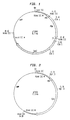
- FIG. 1 is a plasmid map of PT1001.
- a plaque-purified isolate from the Wyeth (New York City Board of Health) strain of vaccinia was used as the parental virus in the construction of the recombinant vaccinia virus, PROSTVAC.
- the generation of recombinant vaccinia virus was accomplished via homologous recombination between vaccinia sequences in the Wyeth vaccinia genome and the corresponding sequences in pT1001 in vaccinia-infected RK 13 cells (CCL 37, ATCC) transfected with pT1001.
- Recombinant virus was identified using a chromogenic assay, performed on viral plaques in situ, that detects expression of the lacZ gene product in the presence of halogenated indolyl-beta-D-galactoside (Bluo-gal), as described previously (Panacali, et al., 1986). Appropriate blue recombinant viruses were purified by four rounds of plaque-purification. Virus stocks were prepared by clarifying infected RK 13 cell lysates followed by centrifugation through a 36% sucrose cushion.
- the generation of recombinant fowlpox viruses is accomplished via homologous recombination in vivo between fowlpox DNA and a plasmid vector that carries the heterologous sequences to be inserted.
- the plasmid vectors contain one or more chimeric genes, each comprising a poxvirus promoter linked to a protein coding sequence, flanked by viral sequences from a non-essential region of the fowlpox virus genome.
- the plasmid is transfected into cells infected with the parental fowlpox virus, and recombination between fowlpox sequences on the plasmid and the corresponding DNA in the viral genome results in the insertion into the viral genome of the chimeric genes on the plasmid.
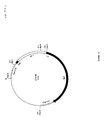
- the plasmid vector (pT109) used for insertion of the CEA gene into the parental fowlpox virus genome by in vivo recombination is illustrated in Figure 3 .
- This vector contains the following elements: (1) a prokaryotic origin of replication to allow amplification of the vector in a bacterial host; (2) the gene encoding resistance to the antibiotic ampicillin, to permit selection of prokaryotic host cells that contain the plasmid; (3) DNA sequences homologous to the BamHIJ region of the fowlpox genome, which direct insertion of foreign sequences into this region via homologous recombination; (4) a chimeric gene comprising the vaccinia 40K transcriptional promotor linked to the CEA gene; (5) a second chimeric gene comprising the fowlpox C1 transcriptional promoter linked to the E. coli lacZ gene.
- CEA The gene encoding CEA was isolated at the National Cancer Institute from a cDNA library derived from RNA from a human colon carcinoma cell line as disclosed by Kaufman et al., (1991) Int. J. Cancer 48, 900-907 , the disclosure of which is herein incorporated by reference.
- a plaque-purified isolate from the POXVAC-TC vaccine strain of fowlpox virus was used as the parental virus for this recombinant vaccine.
- In vivo recombination between the plasmid vector and the viral DNA resulted in the formation of a recombinant virus in which the CEA gene, under the transcriptional direction of the vaccinia 40K promoter, and the / acZ gene, under the control of the C1 promoter, were inserted into the BamHIJ region of the fowlpox virus genome.
- a chromogenic assay for ⁇ -galactosidase was used to identify recombinant viruses containing the lacZ and CEA sequences. This method takes advantage of the ability of fowlpox virus to form distinct plaques when grown on monolayers of CED cells. After in vivo recombination, cells were infected with progeny virus until distinct plaques were visible, at which time the plaques were overlaid with a chromogenic substrate for Beta-galactosidase (Bluo-gal). Viral plaques expressing / acZ appeared blue against a clear background. Positive plaques were picked from the cell monolayer and their progeny were further propagated.
- the structure of the plasmid transfer vector was verified by restriction endonuclease digestion using Xba I and BamHI.
- the products of digestion with these enzymes were subjected to Southern blot analysis using labeled probes corresponding to the CEA gene and to the fowlpox BamHI J sequences.
- the DNA fragments visualized by these methods were of the predicted sizes, and the presence of the CEA gene was unequivocally demonstrated, thus confirming the predicted structure of the plasmid.
Landscapes
- Health & Medical Sciences (AREA)
- Life Sciences & Earth Sciences (AREA)
- Chemical & Material Sciences (AREA)
- Genetics & Genomics (AREA)
- Organic Chemistry (AREA)
- Engineering & Computer Science (AREA)
- Zoology (AREA)
- General Health & Medical Sciences (AREA)
- Bioinformatics & Cheminformatics (AREA)
- Medicinal Chemistry (AREA)
- Wood Science & Technology (AREA)
- Molecular Biology (AREA)
- General Engineering & Computer Science (AREA)
- Biomedical Technology (AREA)
- Biochemistry (AREA)
- Biotechnology (AREA)
- Biophysics (AREA)
- Immunology (AREA)
- Animal Behavior & Ethology (AREA)
- Chemical Kinetics & Catalysis (AREA)
- Virology (AREA)
- Proteomics, Peptides & Aminoacids (AREA)
- Veterinary Medicine (AREA)
- Public Health (AREA)
- Plant Pathology (AREA)
- Microbiology (AREA)
- Pharmacology & Pharmacy (AREA)
- Nuclear Medicine, Radiotherapy & Molecular Imaging (AREA)
- General Chemical & Material Sciences (AREA)
- Physics & Mathematics (AREA)
- Cell Biology (AREA)
- Toxicology (AREA)
- Gastroenterology & Hepatology (AREA)
- Urology & Nephrology (AREA)
- Medicines Containing Antibodies Or Antigens For Use As Internal Diagnostic Agents (AREA)
- Micro-Organisms Or Cultivation Processes Thereof (AREA)
- Medicines Containing Material From Animals Or Micro-Organisms (AREA)
- Medicines That Contain Protein Lipid Enzymes And Other Medicines (AREA)
- Peptides Or Proteins (AREA)
Applications Claiming Priority (2)
| Application Number | Priority Date | Filing Date | Title |
|---|---|---|---|
| US68628096A | 1996-07-25 | 1996-07-25 | |
| EP97934142A EP0954593A1 (en) | 1996-07-25 | 1997-07-15 | Recombinant pox virus for immunization against tumor-associated antigens |
Related Parent Applications (1)
| Application Number | Title | Priority Date | Filing Date |
|---|---|---|---|
| EP97934142A Division EP0954593A1 (en) | 1996-07-25 | 1997-07-15 | Recombinant pox virus for immunization against tumor-associated antigens |
Publications (1)
| Publication Number | Publication Date |
|---|---|
| EP2112225A1 true EP2112225A1 (en) | 2009-10-28 |
Family
ID=24755674
Family Applications (2)
| Application Number | Title | Priority Date | Filing Date |
|---|---|---|---|
| EP09010415A Ceased EP2112225A1 (en) | 1996-07-25 | 1997-07-15 | Recombinant pox virus for immunization against tumor-associated antigens |
| EP97934142A Withdrawn EP0954593A1 (en) | 1996-07-25 | 1997-07-15 | Recombinant pox virus for immunization against tumor-associated antigens |
Family Applications After (1)
| Application Number | Title | Priority Date | Filing Date |
|---|---|---|---|
| EP97934142A Withdrawn EP0954593A1 (en) | 1996-07-25 | 1997-07-15 | Recombinant pox virus for immunization against tumor-associated antigens |
Country Status (6)
| Country | Link |
|---|---|
| US (1) | US7410644B2 (cg-RX-API-DMAC10.html) |
| EP (2) | EP2112225A1 (cg-RX-API-DMAC10.html) |
| JP (2) | JP4475683B2 (cg-RX-API-DMAC10.html) |
| AU (1) | AU731860B2 (cg-RX-API-DMAC10.html) |
| CA (1) | CA2261989C (cg-RX-API-DMAC10.html) |
| WO (1) | WO1998004727A1 (cg-RX-API-DMAC10.html) |
Families Citing this family (44)
| Publication number | Priority date | Publication date | Assignee | Title |
|---|---|---|---|---|
| JPH09504000A (ja) * | 1993-08-11 | 1997-04-22 | ジェナー テクノロジーズ | 前立腺癌ワクチン |
| US20010036928A1 (en) * | 1996-04-22 | 2001-11-01 | Chamberlain Ronald S. | Heterologous boosting immunizations |
| US6969609B1 (en) | 1998-12-09 | 2005-11-29 | The United States Of America As Represented By The Department Of Health And Human Serivces | Recombinant vector expressing multiple costimulatory molecules and uses thereof |
| US7148035B1 (en) | 1998-11-18 | 2006-12-12 | Oxford Biomedica (Uk) Limited | Polypeptide |
| EP1152060B1 (en) * | 1998-11-18 | 2015-04-15 | Oxford Biomedica (UK) Limited | 5T4 tumour-associated antigen for use in tumour immunotherapy |
| ATE361988T1 (de) * | 1998-12-09 | 2007-06-15 | Us Gov Health & Human Serv | Recombinanter vector, welcher mehrere kostimulatorische moleküle exprimiert und dessen verwenden |
| EP1865065A1 (en) * | 1998-12-09 | 2007-12-12 | The Government of the United States of America, as represented by the Secretary, Department of Health and Human Services | A recombinant vector expressing multiple costimulatory molecules and uses thereof |
| ATE369895T1 (de) * | 2002-04-09 | 2007-09-15 | Sanofi Pasteur Ltd | Modifizierte cea nucleinsäure und expressionsvektoren |
| JP2007502602A (ja) * | 2003-08-21 | 2007-02-15 | バイラックス・ディベロップメント・プロプライエタリー・リミテッド | 前立腺癌の治療用の前立腺特異的抗原をコードするポックスウィルスベクター |
| US8562970B2 (en) * | 2003-10-08 | 2013-10-22 | Sanofi Pasteur Limited | Modified CEA/B7 vector |
| AU2004289368B2 (en) | 2003-11-12 | 2010-08-26 | The Government Of The United States Of America As Represented By The Secretary Of The Department Of Health And Human Services | Custom vectors for treating and preventing pancreatic cancer |
| ES2476990T3 (es) * | 2003-11-12 | 2014-07-15 | The Government Of The United States Of America, As Represented By The Secretary, Department Of Health And Human Services | Sistema para tratar y prevenir cáncer de mama |
| CN102281892A (zh) | 2009-01-13 | 2011-12-14 | 特朗斯吉有限公司 | 酿酒酵母线粒体核酸级分用于免疫刺激的用途 |
| EP2382474B1 (en) | 2009-01-20 | 2015-03-04 | Transgene SA | Soluble icam-1 as biomarker for prediction of therapeutic response |
| NZ595290A (en) | 2009-03-24 | 2012-09-28 | Transgene Sa | Biomarker for monitoring patients |
| WO2010119003A1 (en) | 2009-04-17 | 2010-10-21 | Transgene Sa | Biomarker for monitoring patients |
| CA2767458A1 (en) | 2009-07-10 | 2011-01-13 | Bruce Acres | Biomarker for selecting patients and related methods |
| AU2011285534B2 (en) | 2010-08-06 | 2015-12-17 | The United States Of America, As Represented By The Secretary, Department Of Health And Human Services | Biomarkers for prostate cancer and methods for their detection |
| US9725494B2 (en) * | 2013-05-17 | 2017-08-08 | United States Of America, As Represented By The Secretary, Department Of Health And Human Services | Soluble CD27 (sCD27) and the use thereof |
| CA2928199C (en) * | 2013-11-05 | 2025-06-17 | Bavarian Nordic A/S | POLYTHERAPY FOR CANCER TREATMENT USING A POXVIRUS EXPRESSING A TUMOR ANTIGEN AND AN ANTAGONIST AND/OR AGONIST OF AN IMMUNE CHECKPOINT INHIBITOR |
| DK3142689T3 (da) | 2014-05-13 | 2021-02-15 | Bavarian Nordic As | Kombinationsbehandling til behandling af cancer med en koppevirus, som udtrykker et tumorantigen, og et monoklonalt antistof mod tim-3 |
| CN106999577B (zh) | 2014-07-16 | 2021-12-21 | 特兰斯吉恩股份有限公司 | 溶瘤病毒和免疫检查点调节因子组合 |
| WO2016128542A1 (en) | 2015-02-13 | 2016-08-18 | Transgene Sa | Immunotherapeutic vaccine and antibody combination therapy |
| ES2901468T3 (es) | 2015-07-31 | 2022-03-22 | Bavarian Nordic As | Promotores para mejorar la expresión en poxvirus |
| US20190183870A1 (en) | 2016-01-05 | 2019-06-20 | The United States Of America, As Represented By The Secretary, Dept. Of Health And Human Services | Combination of histone deacetylase inhibitor and immunotherapy |
| WO2017129769A1 (en) | 2016-01-28 | 2017-08-03 | INSERM (Institut National de la Santé et de la Recherche Médicale) | Methods for enhancing the potency of the immune checkpoint inhibitors |
| WO2017136342A1 (en) | 2016-02-02 | 2017-08-10 | The United States Of America, As Represented By The Secretary, Department Of Health And Human Services | Fulvestrant for inducing immune-mediated cytotoxic lysis of cancer cells |
| US20190134190A1 (en) | 2016-05-04 | 2019-05-09 | Transgene Sa | Combination therapy with cpg tlr9 ligand |
| US11052139B2 (en) | 2016-09-28 | 2021-07-06 | Bavarian Nordic A/S | Compositions and methods for enhancing the stability of transgenes in poxviruses |
| EP3522920A2 (en) | 2016-10-10 | 2019-08-14 | Transgene SA | Immunotherapeutic product and mdsc modulator combination therapy |
| WO2018091680A1 (en) | 2016-11-18 | 2018-05-24 | Transgene Sa | Cowpox-based oncolytic vectors |
| EP3562946B1 (en) | 2016-12-28 | 2021-11-24 | Transgene SA | Oncolytic viruses and therapeutic molecules |
| WO2018189382A1 (en) | 2017-04-14 | 2018-10-18 | Solstice Biologics, Ltd. | Immunomodulating polynucleotides, antibody conjugates thereof, and methods of their use |
| KR20200003921A (ko) | 2017-05-15 | 2020-01-10 | 얀센 백신스 앤드 프리벤션 비.브이. | 안정한 바이러스-함유 조성물 |
| KR102658198B1 (ko) | 2017-05-15 | 2024-04-16 | 얀센 백신스 앤드 프리벤션 비.브이. | 안정한 바이러스 함유 조성물 |
| WO2019020543A1 (en) | 2017-07-28 | 2019-01-31 | Transgene Sa | ONCOLYTIC VIRUSES EXPRESSING AGENTS TARGETING METABOLIC IMMUNE MODULATORS |
| KR102754876B1 (ko) | 2017-08-24 | 2025-01-13 | 버베리안 노딕 에이/에스 | 재조합 mva 및 항체의 정맥내 투여에 의한 암 치료를 위한 병용 요법 |
| WO2019170820A1 (en) | 2018-03-07 | 2019-09-12 | Transgene | Parapoxvirus vectors |
| WO2020011754A1 (en) | 2018-07-09 | 2020-01-16 | Transgene | Chimeric vaccinia viruses |
| US12150988B2 (en) | 2018-09-06 | 2024-11-26 | Bavarian Nordic A/S | Storage improved poxvirus compositions |
| US20220233607A1 (en) | 2019-05-29 | 2022-07-28 | Université De Tours | Toxoplasma platform for treating cancer |
| CN115427458A (zh) | 2020-02-28 | 2022-12-02 | 塔拉克治疗公司 | 转谷氨酰胺酶介导的缀合 |
| US20230114464A1 (en) | 2020-03-12 | 2023-04-13 | Bavarian Nordic A/S | Conditions Improving Poxvirus Stability |
| TW202413636A (zh) | 2022-08-18 | 2024-04-01 | 法商傳斯堅公司 | 嵌合痘病毒 |
Citations (10)
| Publication number | Priority date | Publication date | Assignee | Title |
|---|---|---|---|---|
| US4603112A (en) | 1981-12-24 | 1986-07-29 | Health Research, Incorporated | Modified vaccinia virus |
| EP0308220A1 (en) | 1987-09-16 | 1989-03-22 | Nippon Zeon Co., Ltd. | Recombinant avipoxvirus |
| WO1989003429A1 (en) | 1987-08-28 | 1989-04-20 | Health Research Inc. | Recombinant avipox virus |
| WO1991019803A1 (en) | 1990-06-19 | 1991-12-26 | Applied Biotechnology, Incorporated | Self assembled, defective, nonself-propagating viral particles |
| US5093258A (en) | 1988-08-26 | 1992-03-03 | Therion Biologics Corporation | Recombinant fowlpox virus and recombination vector |
| US5445953A (en) | 1991-08-26 | 1995-08-29 | Immuno Aktiengesellschaft | Direct molecular cloning of a modified poxvirus genome |
| WO1996010419A2 (en) * | 1994-10-03 | 1996-04-11 | The Government Of The United States Of America, Represented By The Secretary, Department Of Health And Human Services, Office Of Technology Transfer | Composition comprising a recombinant virus expressing an antigen and a recombinant virus expressing an immunostimulatory molecule |
| WO1996011279A2 (en) * | 1994-10-03 | 1996-04-18 | The Government Of The United States Of America, Represented By The Secretary, Department Of Health And Human Services | Enhanced immune response by introduction of cytokine gene and/or costimulatory molecule b7 gene in a recombinant virus expressing system |
| WO1996026271A1 (en) * | 1995-02-22 | 1996-08-29 | Therion Biologics Corporation | Generation of human cytotoxic t-cells specific for carcinoma self-associated antigens and uses thereof |
| WO1997003203A2 (en) * | 1995-07-10 | 1997-01-30 | Therion Biologics Corporation | Generation of immune responses to prostate-specific antigen (psa) |
Family Cites Families (7)
| Publication number | Priority date | Publication date | Assignee | Title |
|---|---|---|---|---|
| US5174993A (en) | 1981-12-24 | 1992-12-29 | Health Research Inc. | Recombinant avipox virus and immunological use thereof |
| US5833975A (en) * | 1989-03-08 | 1998-11-10 | Virogenetics Corporation | Canarypox virus expressing cytokine and/or tumor-associated antigen DNA sequence |
| DK354487A (da) * | 1986-07-11 | 1988-01-12 | Noboru Yanaihara | Oncogen-relaterede peptider |
| US5266313A (en) | 1987-02-03 | 1993-11-30 | The United States Of America As Represented By The Department Of Health And Human Services | Raccoon poxvirus as a gene expression and vaccine vector for genes of rabies virus and other organisms |
| AU674492B2 (en) * | 1991-05-06 | 1997-01-02 | United States of America, as represented by the Department of Health and Human Services, The | Recombinant virus expressing carcinoembryonic antigen and methods of use thereof |
| US5382425A (en) | 1992-01-13 | 1995-01-17 | Syntro Corporation | Recombinant swinepox virus |
| US5374149A (en) | 1993-01-13 | 1994-12-20 | Computower Technologies, Corp. | Vertical storage conveyor with symmetrical motor drive system |
-
1997
- 1997-07-15 AU AU37268/97A patent/AU731860B2/en not_active Ceased
- 1997-07-15 JP JP50884498A patent/JP4475683B2/ja not_active Expired - Lifetime
- 1997-07-15 WO PCT/US1997/012203 patent/WO1998004727A1/en not_active Ceased
- 1997-07-15 EP EP09010415A patent/EP2112225A1/en not_active Ceased
- 1997-07-15 EP EP97934142A patent/EP0954593A1/en not_active Withdrawn
- 1997-07-15 CA CA002261989A patent/CA2261989C/en not_active Expired - Fee Related
-
2002
- 2002-07-17 US US10/197,127 patent/US7410644B2/en not_active Expired - Fee Related
-
2009
- 2009-07-22 JP JP2009171254A patent/JP2009278997A/ja active Pending
Patent Citations (10)
| Publication number | Priority date | Publication date | Assignee | Title |
|---|---|---|---|---|
| US4603112A (en) | 1981-12-24 | 1986-07-29 | Health Research, Incorporated | Modified vaccinia virus |
| WO1989003429A1 (en) | 1987-08-28 | 1989-04-20 | Health Research Inc. | Recombinant avipox virus |
| EP0308220A1 (en) | 1987-09-16 | 1989-03-22 | Nippon Zeon Co., Ltd. | Recombinant avipoxvirus |
| US5093258A (en) | 1988-08-26 | 1992-03-03 | Therion Biologics Corporation | Recombinant fowlpox virus and recombination vector |
| WO1991019803A1 (en) | 1990-06-19 | 1991-12-26 | Applied Biotechnology, Incorporated | Self assembled, defective, nonself-propagating viral particles |
| US5445953A (en) | 1991-08-26 | 1995-08-29 | Immuno Aktiengesellschaft | Direct molecular cloning of a modified poxvirus genome |
| WO1996010419A2 (en) * | 1994-10-03 | 1996-04-11 | The Government Of The United States Of America, Represented By The Secretary, Department Of Health And Human Services, Office Of Technology Transfer | Composition comprising a recombinant virus expressing an antigen and a recombinant virus expressing an immunostimulatory molecule |
| WO1996011279A2 (en) * | 1994-10-03 | 1996-04-18 | The Government Of The United States Of America, Represented By The Secretary, Department Of Health And Human Services | Enhanced immune response by introduction of cytokine gene and/or costimulatory molecule b7 gene in a recombinant virus expressing system |
| WO1996026271A1 (en) * | 1995-02-22 | 1996-08-29 | Therion Biologics Corporation | Generation of human cytotoxic t-cells specific for carcinoma self-associated antigens and uses thereof |
| WO1997003203A2 (en) * | 1995-07-10 | 1997-01-30 | Therion Biologics Corporation | Generation of immune responses to prostate-specific antigen (psa) |
Non-Patent Citations (60)
| Title |
|---|
| "Technological Advances in Vaccine Development", ALAN R. LISS, INC., pages: 321 - 334 |
| AUSTIN, F.C. ET AL., ADV. CANCER RES., vol. 50, 1979, pages 301 - 345 |
| BALLOUL J-M ET AL: "RECOMBINANT MUC 1 VASSINIA VIRUS: A POTENTIAL VECTOR FOR IIMUNITHERAPY OF BREAST CANCER", CELLULAR AND MOLECULAR BIOLOGY, CMB ASSOCIATIONS, NOISY-LE-GRAND, FR, vol. 40, no. 1, 1994, pages 49 - 59, XP000561067, ISSN: 0145-5680 * |
| BINNS ET AL., J. GEN. VIROL., vol. 69, 1988, pages 1275 |
| BOON, T. ET AL., ANNU. REV. LMMUNOL., vol. 12, 1994, pages 337 - 365 |
| BOURSNELL ET AL., J. OF GEN. VIROL., vol. 71, 1990, pages 621 - 628 |
| BOYLE ET AL., VIROLOGY, vol. 156, 1987, pages 355 |
| BOYUM ET AL., SCAND J. CLIN LAB INVEST, vol. 21, 1968, pages 77 - 80 |
| BRITHCARD, V. ET AL., J. EXP. MED., vol. 178, 1993, pages 489 - 495 |
| CALVERT ET AL., J. OF VIROL., vol. 67, 1993, pages 3069 - 3076 |
| CARTER, H.B. ET AL., CANCER RESEARCH, vol. 52, 1992, pages 3323 - 3328 |
| CEPKO ET AL., CELL, vol. 37, 1984, pages 1053 - 1062 |
| COX W I ET AL: "INDUCTION OF CYTOTOXIC T LYMPHOCYTES BY RECOMBINANT CANARYPOX (ALVAC) AND ATTENUATED VACCINIA (NYVAC) VIRUSES EXPRESSING THE HIV-1 ENVELOPE GLYCOPROTEIN", VIROLOGY, ACADEMIC PRESS,ORLANDO, US, vol. 195, 1 January 1993 (1993-01-01), pages 845 - 850, XP002085837, ISSN: 0042-6822 * |
| COX, A.L. ET AL., SCIENCE, vol. 264, 1994, pages 716 - 719 |
| ESPOSITO ET AL., VIROLOGY, vol. 135, 1984, pages 561 |
| FALKNER; MOSS, J. VIROL., vol. 62, 1988, pages 1849 |
| FRANKE ET AL., MOL. CELL. BIOL., vol. 5, 1985, pages 1918 |
| GERSHON ET AL., J. GEN. VIROL., vol. 70, 1989, pages 525 |
| GREENBERG, P.D.: "Advances in Immunology", vol. 49, 1991, ACADEMIC PRESS, INC., pages: 281 - 355 |
| GRITZ ET AL., J. VIRAL., vol. 64, 1990, pages 5948 - 5957 |
| HELLSTROM, K.E. ET AL., ADV. CANCER RES., vol. 12, 1969, pages 167 - 223 |
| HODGE J W ET AL: "A RECOMBINANT VACCINIA VIRUS EXPRESSING HUMAN PROSTATE-SPECIFIC ANTIGEN (PSA): SAFETY AND IMMUNOGENICITY IN A NON-HUMAN PRIMATE", INTERNATIONAL JOURNAL OF CANCER, NEW YORK, NY, US, vol. 63, no. 2, 9 October 1995 (1995-10-09), pages 231 - 237, XP000604553, ISSN: 0020-7136 * |
| HOUGHTON, A.N., J. EXP. MED., vol. 180, 1994, pages 1 - 4 |
| HRUBY ET AL., PNAS, vol. 80, 1983, pages 341 |
| HU, S.L.; HELLSTROM, I.; HELLSTROM K.E., VACCINES: NEW APPROACHES TO IMMUNOLOGICAL PROBLEMS, 1992, pages 327 - 343 |
| IRVINE K ET AL: "COMPARISON OF A CEA-RECOMBINANT VACCINIA VIRUS, PURIFIED CEA, AND AN ANTI-IDIOTYPE ANTIBODY BEARING THE IMAGE OF A CEA EPITOPE IN THETREATMENT AND PREVENTION OF CEA-EXPRESSING TUMORS", VACCINE RESEARCH, MARY ANN LIEBERT, INC., PUBLISHERS, US, vol. 2, no. 2, 1993, pages 79 - 94, XP000577769 * |
| IRVINE K R ET AL: "Enhancing efficacy of recombinant anticancer vaccines with prime/boost regimens that use two different vectors", JOURNAL OF THE NATIONAL CANCER INSTITUTE, OXFORD UNIVERSITY PRESS, GB, vol. 89, no. 21, 5 November 1997 (1997-11-05), pages 1595 - 1601, XP002110478, ISSN: 0027-8874 * |
| JENKINS ET AL., AIDS RESEARCH AND HUMAN RETROVIRUSES, vol. 7, 1991, pages 991 - 998 |
| KANTOR J ET AL: "ANTITUMOR ACTIVITY AND IMMUNE RESPONSES INDUCED BY A RECOMBINANT CARCINOEMBRYONIC ANTIGEN-VACCINIA VIRUS VACCINE", JOURNAL OF THE NATIONAL CANCER INSTITUTE, US DEPT. OF HEALTH, EDICATIONAND WELFARE, PUBLIC HEALTH, US, vol. 84, no. 14, 15 July 1992 (1992-07-15), pages 1084 - 1091, XP000566534, ISSN: 0027-8874 * |
| KANTOR J ET AL: "IMMUNOGENICITY AND SAFETY OF A RECOMBINANT VACCINIA VIRUS VACCINE EXPRESSING THE CARCINOEMBRYONIC ANTIGEN GENE IN A NONHUMAN PRIMATE", CANCER RESEARCH, AMERICAN ASSOCIATION FOR CANCER RESEARCH, BALTIMORE, MD, US, vol. 52, 15 December 1992 (1992-12-15), pages 6917 - 6925, XP000605381, ISSN: 0008-5472 * |
| KANTOR, J. ET AL., CANCER RES., vol. 52, 1992, pages 6917 - 6925 |
| KANTOR, J. ET AL., J. NATL. CANCER INST., vol. 84, 1992, pages 1084 - 1091 |
| KAUFMAN ET AL., INT. J. CANCER, vol. 48, 1991, pages 900 - 907 |
| KAWAKAMI, Y. ET AL., PROC. NATL. ACAD. SCI. U.S.A., vol. 91, 1994, pages 3515 - 3519 |
| KAWAKAMI, Y. ET AL., PROC. NATL. ACAD. SCI. U.S.A., vol. 91, 1994, pages 6458 - 6462 |
| KENT STEPHEN J ET AL: "ANALYSIS OF CYTOTOXIC T LYMPHOCYTE RESPONSES TO SIV PROTEINS IN SIV-INFECTED MACAQUES USING ANTIGEN-SPCIFIC STIMULATION WITH RECOMBINANT VACCINIA AND FOWL POXVIRUSES", AIDS RESEARCH AND HUMAN RETROVIRUSES, MARY ANN LIEBERT, US, vol. 10, no. 5, 1 January 1994 (1994-01-01), pages 551 - 560, XP009076825, ISSN: 0889-2229 * |
| KILPATRICK ET AL., VIROLOGY, vol. 143, 1985, pages 399 |
| LOWE ET AL., PROC. NATL. ACAD. SCI. USA, vol. 84, 1987, pages 3896 - 3900 |
| LUNDWALL ET AL., FEBS LETTERS, vol. 214, 1987, pages 317 - 322 |
| LYTVYN ET AL., J. GEN. VIROL., vol. 73, 1992, pages 3235 - 3240 |
| MACHETT ET AL., PROC. NATL. ACAD. SCI. USA, vol. 79, 1982, pages 7415 - 7419 |
| MACKETT ET AL., PROC. NATL. ACAD. SCI. USA, vol. 79, 1982, pages 7415 |
| MACKETT ET AL., PROC. NATL. ACAD. SCI. USA, vol. 79, 1982, pages 7415 - 7419 |
| MORIN ET AL., PROC. NATL. ACAD. SCI. USA, vol. 84, 1987, pages 4626 - 4630 |
| MURARO, R. ET AL., CANCER RES., vol. 4S, 1985, pages 5769 - 5780 |
| PANICALI ET AL., GENE, vol. 47, 1986, pages 193 |
| PANICALI ET AL., GENE, vol. 47, 1986, pages 193 - 199 |
| PANICALI; PAOLETTI, PROC. NATL. ACAD. SCI. USA, vol. 79, 1982, pages 4927 - 4931 |
| PARDOLL, D.M., NATURE, vol. 369, 1994, pages 357 - 358 |
| PROC. NATL. ACAD. SCI. U.S.A., vol. 91, pages 3515 - 3519 |
| ROBBINS, P.F. ET AL., CANCER RES., vol. 51, 1991, pages 3657 - 3662 |
| SCHNITZLEIN ET AL., J. VIROLOGICAL METHODS, vol. 20, 1988, pages 341 |
| SPYROPOULOS ET AL., J. VIRAL., vol. 62, 1988, pages 1046 |
| TAYLOR ET AL., VACCINE, vol. 6, 1988, pages 497 - 503 |
| TAYLOR, J. ET AL., VACCINE, vol. 6, 1988, pages 497 - 503 |
| TSANG K Y ET AL: "GENERATION OF HUMAN CYTOTOXIC T CELLS SPECIFIC FOR HUMAN CARCINOEMBRYONIC ANTIGEN EPITOPES FROM PATIENTS IMMUNIZED WITH RECOMBINANT VACCINIA-CEA VACCINE", JOURNAL OF THE NATIONAL CANCER INSTITUTE, US DEPT. OF HEALTH, EDICATIONAND WELFARE, PUBLIC HEALTH, US, vol. 87, no. 13, 5 July 1995 (1995-07-05), pages 982 - 990, XP000567117, ISSN: 0027-8874 * |
| UPTON ET AL., J. VIROLOGY, vol. 60, 1986, pages 920 |
| WANG, M.C. ET AL., METH CANCER RES., vol. 1 9, 1982, pages 1 79 - 1 97 |
| WEIR ET AL., J. VIROL., vol. 46, 1983, pages 530 |
| WILD, T.F. ET AL., VACCINE, vol. 8, 1990, pages 441 - 442 |
Also Published As
| Publication number | Publication date |
|---|---|
| JP4475683B2 (ja) | 2010-06-09 |
| JP2009278997A (ja) | 2009-12-03 |
| CA2261989A1 (en) | 1998-02-05 |
| US7410644B2 (en) | 2008-08-12 |
| EP0954593A1 (en) | 1999-11-10 |
| WO1998004727A1 (en) | 1998-02-05 |
| CA2261989C (en) | 2008-09-30 |
| AU3726897A (en) | 1998-02-20 |
| JP2000516459A (ja) | 2000-12-12 |
| AU731860B2 (en) | 2001-04-05 |
| US20030003079A1 (en) | 2003-01-02 |
Similar Documents
| Publication | Publication Date | Title |
|---|---|---|
| US7410644B2 (en) | Recombinant pox virus for immunization against tumor-associated antigens | |
| US7118738B2 (en) | Recombinant pox virus for immunization against MUC1 tumor-associated antigen | |
| AU774076B2 (en) | A recombinant vector expressing multiple costimulatory molecules and uses thereof | |
| US6969609B1 (en) | Recombinant vector expressing multiple costimulatory molecules and uses thereof | |
| EP0789774A2 (en) | Enhanced immune response by introduction of cytokine gene and/or costimulatory molecule b7 gene in a recombinant virus expressing system | |
| AU2004289340B2 (en) | System for treating and preventing breast cancer | |
| AU718945B2 (en) | Recombinant pox virus for immunization against tumor-associated antigens | |
| CA2252406A1 (en) | Heterologous boosting immunizations | |
| US20050100558A1 (en) | Heterologous boosting immunizations | |
| AU767562B2 (en) | Recombinant pox virus for immunization against tumor-associated antigens | |
| AU2003266471A1 (en) | Recombinant pox virus for immunization against tumor-associated antigens |
Legal Events
| Date | Code | Title | Description |
|---|---|---|---|
| PUAI | Public reference made under article 153(3) epc to a published international application that has entered the european phase |
Free format text: ORIGINAL CODE: 0009012 |
|
| 17P | Request for examination filed |
Effective date: 20090812 |
|
| AC | Divisional application: reference to earlier application |
Ref document number: 0954593 Country of ref document: EP Kind code of ref document: P |
|
| AK | Designated contracting states |
Kind code of ref document: A1 Designated state(s): AT BE CH DE DK ES FI FR GB GR IE IT LI LU MC NL PT SE |
|
| 17Q | First examination report despatched |
Effective date: 20100611 |
|
| STAA | Information on the status of an ep patent application or granted ep patent |
Free format text: STATUS: THE APPLICATION HAS BEEN REFUSED |
|
| 18R | Application refused |
Effective date: 20141030 |