EP2020241A1 - Zerebraler vasospasmus-inhibitor - Google Patents
Zerebraler vasospasmus-inhibitor Download PDFInfo
- Publication number
- EP2020241A1 EP2020241A1 EP07743666A EP07743666A EP2020241A1 EP 2020241 A1 EP2020241 A1 EP 2020241A1 EP 07743666 A EP07743666 A EP 07743666A EP 07743666 A EP07743666 A EP 07743666A EP 2020241 A1 EP2020241 A1 EP 2020241A1
- Authority
- EP
- European Patent Office
- Prior art keywords
- cerebral vasospasm
- subarachnoid hemorrhage
- monoclonal antibody
- hmgb1
- inhibitor
- Prior art date
- Legal status (The legal status is an assumption and is not a legal conclusion. Google has not performed a legal analysis and makes no representation as to the accuracy of the status listed.)
- Granted
Links
Images


Classifications
-
- C—CHEMISTRY; METALLURGY
- C07—ORGANIC CHEMISTRY
- C07K—PEPTIDES
- C07K16/00—Immunoglobulins [IG], e.g. monoclonal or polyclonal antibodies
- C07K16/18—Immunoglobulins [IG], e.g. monoclonal or polyclonal antibodies against material from animals or humans
- C07K16/24—Immunoglobulins [IG], e.g. monoclonal or polyclonal antibodies against material from animals or humans against cytokines, lymphokines or interferons
-
- A—HUMAN NECESSITIES
- A61—MEDICAL OR VETERINARY SCIENCE; HYGIENE
- A61P—SPECIFIC THERAPEUTIC ACTIVITY OF CHEMICAL COMPOUNDS OR MEDICINAL PREPARATIONS
- A61P9/00—Drugs for disorders of the cardiovascular system
-
- A—HUMAN NECESSITIES
- A61—MEDICAL OR VETERINARY SCIENCE; HYGIENE
- A61K—PREPARATIONS FOR MEDICAL, DENTAL OR TOILETRY PURPOSES
- A61K39/00—Medicinal preparations containing antigens or antibodies
- A61K2039/505—Medicinal preparations containing antigens or antibodies comprising antibodies
-
- C—CHEMISTRY; METALLURGY
- C07—ORGANIC CHEMISTRY
- C07K—PEPTIDES
- C07K2317/00—Immunoglobulins specific features
- C07K2317/30—Immunoglobulins specific features characterized by aspects of specificity or valency
- C07K2317/34—Identification of a linear epitope shorter than 20 amino acid residues or of a conformational epitope defined by amino acid residues
-
- C—CHEMISTRY; METALLURGY
- C07—ORGANIC CHEMISTRY
- C07K—PEPTIDES
- C07K2317/00—Immunoglobulins specific features
- C07K2317/70—Immunoglobulins specific features characterized by effect upon binding to a cell or to an antigen
- C07K2317/76—Antagonist effect on antigen, e.g. neutralization or inhibition of binding
Definitions
- the present invention relates to a medicament for inhibiting cerebral vasospasm occurring after subarachnoid hemorrhage.
- Subarachnoid hemorrhage occurs generally in fourty- to sixtysomething virile aged persons, and refers to the condition that there is hemorrhage in the space between the brain-circumscribing arachnoid and the brain mainly as a result of aneurysm rupture.
- the intracranial pressure is instantaneously elevated by such a hemorrhage, to give damage to the brain.
- About 10% of the patients suffering from a subarachnoid hemorrhage will die immediately after the onset and about 25% will become serious, according to the statistics. Even if a patient suffering from a subarachnoid hemorrhage for the first time stays alive, re-hemorrhage is said to occur within 2 weeks in about 25% of the patient.
- the treatments of the subarachnoid hemorrhage include removal of hematoma and prevention of re-rupture of the ruptured aneurysm.
- Cerebral vasospasm is a reversible constriction of the cerebral main artery, which occurs in 3 to 14 days after subarachnoid hemorrhage and persists for 1 to 2 weeks. Cerebral ischemia as a result of the condition causes death in about 40% of the patients and serious sequelae in about 30%, and only about 30% can return to normal life. Accordingly, cerebral vasospasm is causing a serious problem.
- Fasudil hydrochloride or sodium ozagrel is currently administered as the systemic chemotherapy for cerebral vasospasm.
- the cisternal administration of a tissue plasminogen activator during operation for subarachnoid hemorrhage is also employed.
- the effect of these therapies, however, has been insufficient.
- HMGB1 is a protein present in rodents to human beings, and 95% or more of the amino acid sequence thereof is common. HMGB1 exists in normal cells, and the blood level is increased by stimulation with an LPS: lipopolysaccharide which is a bacterial endotoxin released in sepsis: systemic inflammatory response syndrome, to produce tissue damage eventually. Accordingly, the method described in JP 2003-520763 T employs administration of an HMGB1 antagonist for the treatment of the symptoms by an activated inflammatory cytokine cascade. However, there is neither description nor suggestion concerning cerebral vasospasm in JP 2003-520763 T , although there is a description of many diseases and symptoms mediated by the inflammatory cytokine cascade as examples of the target diseases to be treated.
- JP 2005-537253 T discloses a composition containing an HMGB1 antibody or the like for the treatment of side-effects induced by a necrotic tissue.
- the side effects are exemplified only by activation of viable cells in the vicinity, mobilization and activation of myelocytes, loss of barrier function of the endothelium, and edema; and there is no description or suggestion concerning cerebral vasospasm.
- an objective to be solved by the present invention is to provide a cerebral vasospasm inhibitor which is effective on cerebral vasospasm occurring after subarachnoid hemorrhage and has few side-effects.
- an anti-HMGB1 monoclonal antibody has an effect superior to that of any agent which had been reported by then, and completed the present invention.
- the cerebral vasospasm inhibitor of the present invention is characterized in comprising an anti-HMGB1 monoclonal antibody as an active ingredient.
- the present invention uses an anti-HMGB1 monoclonal antibody for production of a medicament to inhibit cerebral vasospasm.
- the method for inhibiting cerebral vasospasm of the present invention is characterized by administration of an anti-HMGB1 monoclonal antibody.
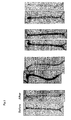
- Fig. 1 is contrast images of a basilar artery before and after subarachnoid hemorrhage in an untreated animal group of subarachnoid hemorrhage model rabbits.
- a photograph before subarachnoid hemorrhage, represented as "before”, is on the left; and a photograph after subarachnoid hemorrhage, represented as "after”, is on the right.
- the vascular diameter obviously becomes smaller, in other words, severe cerebral vasospasm is observed, after subarachnoid hemorrhage (in the right photographs).
- FIG. 2 is contrast images of a basilar artery before and after subarachnoid hemorrhage in an IgG-administered animal group of subarachnoid hemorrhage model rabbits.
- a photograph before subarachnoid hemorrhage, represented as "before”, is on the left; and a photograph after subarachnoid hemorrhage, represented as "after”, is on the right.
- the vascular diameter obviously becomes smaller, in other words, severe cerebral vasospasm is observed, after subarachnoid hemorrhage (in the right photographs).
- FIG. 3 is contrast images of a basilar artery before and after subarachnoid hemorrhage in an animal group of subarachnoid hemorrhage model rabbits administered with the antibody of the present invention.
- a photograph before subarachnoid hemorrhage, represented as "before”, is on the left; and a photograph after subarachnoid hemorrhage, represented as "after”, is on the right.
- cerebral vasospasm in the photograph after subarachnoid hemorrhage (in the right photographs) is obviously inhibited as compared with the untreated animal group in Fig. 1 and the IgG-administered animal group in Fig. 2 .
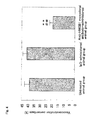
- FIG. 4 is a graph for comparison of the vasoconstriction percentage among the untreated animal group, the IgG-administered animal group and the group of animals administered with the anti-HMGB1 monoclonal antibody of the present invention.
- the effect of inhibiting cerebral vasospasm by the anti-HMGB1 monoclonal antibody of the present invention is significantly superior to that in the case of no treatment and that in the case of IgG administration.
- the cerebral vasospasm inhibitor of the present invention contains an anti-HMGB1 monoclonal antibody as an active ingredient.
- the anti-HMGB1 monoclonal antibody acts only on HMGB1 which is one of tissue-damaging factors, and inhibits cerebral vasospasm occurring after subarachnoid hemorrhage though the action mechanism is unknown.
- the anti-HMGB1 monoclonal antibody basically does not act on any other compounds. Therefore, it is impossible or very unlikely that side-effects occur.
- An anti-HMGB1 monoclonal antibody may be prepared according to a conventional method. For example, a mouse, a rat or the like is immunized using commercially available HMGB1, and the antibody-producing cell or spleen cell is fused with a myeloma cell to obtain a hybridoma. The hybridoma is cloned, and a clone producing an antibody which specifically reacts with HMGB1 is screened. The clone is cultured, and a secreted monoclonal antibody may be purified.
- the kind of the anti-HMGB1 monoclonal antibody used in the present invention is not specifically limited.
- a human-type antibody and a complete human antibody may be used.
- a dosage form of the cerebral vasospasm inhibitor of the present invention is not specified.
- liquid preparations such as solutions and emulsion preparations are preferable for the administration as injection, taking into consideration the fact that an anti-HMGB1 monoclonal antibody as an active ingredient is a peptide.
- a solution isotonic to plasma such as pH-adjusted physiological saline and aqueous solution of glucose
- a solution isotonic to plasma can be used as a solvent for a liquid preparation.
- an antibody is freeze-dried together with a salt or the like, pure water, distilled water, sterilized water and the like can also be used.
- the concentration may be that of a common antibody preparation; and may be about 0.1 to 1 mg/mL generally, and about 0.02 to 0.2 mg/mL for drip infusion.
- the osmotic pressure of an injection needs to be similar to that of plasma.
- the cerebral vasospasm inhibitor of the present invention may be administered for the preventive purpose between subarachnoid hemorrhage and the occurrence of cerebral vasospasm, or for the treatment purpose after the occurrence of cerebral vasospasm.
- Cerebral vasospasm is observed in half or more of the patients in 3 to 14 days after subarachnoid hemorrhage.
- the mechanism of development of subarachnoid hemorrhage to cerebral vasospasm is not yet completely clarified, though some factors have been suggested and multiple factors are supposed to be involved in a complicated manner. Therefore, the blood level of the cerebral vasospasm inhibitor of the present invention should be maintained in the cerebral blood vessel after subarachnoid hemorrhage or after the occurrence of cerebral vasospasm.
- the cerebral vasospasm inhibitor of the present invention is preferably administered in a plurality of times or continuously after subarachnoid hemorrhage.
- the frequency and the dose for administration in a plurality of times may be appropriately adjusted according to whether the administration is before or after the occurrence of cerebral vasospasm, or the patient's condition, or the like.
- a remarkable effect in inhibition of cerebral vasospasm was obtained after administration of an anti-HMGB1 monoclonal antibody two times at the dose of 2 mg per one time in subarachnoid hemorrhage model rabbits weighing about 3 kg.
- the dose of an anti-HMGB1 monoclonal antibody for humans may be 0.1 to 2 mg/kg, more preferably 0.2 to 2 mg/kg per one time, and administration two times per day is acceptable.
- the administration method is not limited, and for example administration may be carried out by intravenous injection, and in emergency, administration via cisternal drainage placed in a subarachnoid hemorrhage surgery is acceptable.
- concentration in a preparation and the dose for continuous administration may be appropriately adjusted.
- a liquid preparation of 0.02 to 0.2 mg/mL can be administered by drip infusion over 2 to 4 hours two times a day.
- the cerebral vasospasm inhibitor of the present invention can be gradually reduced in consideration of the patient's condition or the like.
- the cerebral vasospasm inhibitor of the present invention can effectively inhibit cerebral vasospasm which occurs after subarachnoid hemorrhage and may have serious adverse effects on the patient. As compared with the antibody agents currently used, the inhibitor is very unlikely to cause serious side-effects. Therefore, the cerebral vasospasm inhibitor of the present invention is very useful as a medicament that inhibits cerebral vasospasm for which no effective method has been available, prevents sequelae and promotes the patient's comeback to normal life.
- a commercially available 1 mg/mL mixture of bovine thymus-derived HMGB1 and HMGB2 (manufactured by Wako Pure Chemical Industries Ltd., code No. 080-070741) was taken into a 2 mL glass syringe; and was gradually mixed with an equal volume of a Freund' s complete adjuvant taken into another 2 mL glass syringe via a connecting tube, to give an emulsion.
- Into the footpads of the hind limbs of a sevoflurane-anesthetized rat 0.1 mL each, 0.2 mL in total, of the emulsion was injected.
- the iliac lymph node cells and mouse myeloma SP2/o-Ag14(SP2) cells were fused using polyethylene glycol.
- the resultant fused cells were distributed onto a 96-well microplate.
- the first ELISA screening was carried out one week later, and the cells in the positive wells were subjected to the secondary screening by Western blot analysis.
- the positive cells were transferred to a 24-well microplate, cultured until the cells became almost confluent (about 2 x 10 5 ), and frozen for preservation in liquid nitrogen using 0.5 mL of a frozen culture medium which was a GIT medium added with 10% of bovine fetal serum and 10% of dimethylsulfoxide. These frozen cells were thawed and were cloned in a 96-well microplate.
- the positive cells were cultured in large scale for 2 weeks in a rotating culture apparatus manufactured by Vivascience Co., to give an antibody fluid of a concentration of 2 to 3 mg/mL.
- the antibody fluid was mixed with an affinity gel: MEP-HyperCel manufactured by Invitrogen Co., at a neutral pH, so that the anti-HMGB1 antibody might be specifically bound to the gel.
- the antibody specifically bound to the gel was eluted with a glycine-hydrochloric acid buffer (pH 4). The eluate was concentrated in an ultrafiltration device, followed by further purification through a Sepharose CL6B gel filtration column (2 cm in diameter x 97 cm in length).
- the obtained monoclonal antibody is an antibody specifically recognizing the C-terminal sequence of the HMGB1 protein, 208EEEDDDDE215 (E stands for glutamic acid and D stands for aspartic acid) as an epitope.
- HMGB2 is similar to HMGB1, the monoclonal antibody of the present invention does not bind to HMGB2, since HMGB2 lacks the sequence: DDDDE after 211; however, the antibody can specifically recognize and bind to only HMGB1.
- each rabbit was anesthetized with ketamine hydrochloride (50 mg/kg, intramuscular administration) and pentobarbital (20 mg/kg, intravenous administration), and 1 mL of arterial blood was taken.
- the arterial blood thus taken was injected into the cisterna magna, i.e. the cerebellomedullary cistern, of the same animal. Then, the animal was held with the head downward for 30 minutes to obtain a subarachnoid hemorrhage model.
- Example 2 2 mg of the rat anti-bovine HMGB1 monoclonal antibody purified in Example 1 was dissolved in 1 mL of a phosphate buffer, to obtain an antibody solution.
- 1 mL of the antibody solution i.e. 2 mg of the anti-bovine HMGB1 monoclonal antibody, was intravenously injected at 1 and 24 hours after the experimental subarachnoid hemorrhage.
- Fig. 1 is an example of the untreated animal group, Fig.
- Fig. 2 is an example of administering polyclonal immune globulin G
- Fig. 3 is an example of administering the anti-HMGB1 monoclonal antibody of the present invention.
- the inner diameter was measured at nine sites of the basilar artery from the photographs using the NIH Image J (National Institute of Health) for determination of the shrinkage ratio of the inner diameter after subarachnoid hemorrhage, and the mean value of the measurements was calculated for each individual. From the mean values of the individual animals, the mean shrinkage ratio in each group was calculated. A t-test was carried out for any significant difference among groups. The results are shown in Table 1 and Fig. 4 . In Fig. 4 , "**" represents a significant difference at p ⁇ 0.01 as compared with the untreated animal group and "##" represents a significant difference at p ⁇ 0.01 as compared with the IgG-administered animal group.
- the basilar artery of the rabbit without administration of an antibody became narrower after experimental subarachnoid hemorrhage and had severe cerebral vasospasm.
- the rabbit given IgG also had severe cerebral vasospasm.
- the width of the basilar artery of the rabbit given the anti-HMGB1 monoclonal antibody of the present invention was maintained to a considerable degree and cerebral vasospasm was remarkably inhibited.
- the inhibition effect of cerebral vasospasm by the anti-HMGB1 monoclonal antibody of the invention was statistically significantly superior to that in the case of no treatment and that in the case of administration of IgG. Therefore, it was demonstrated that the cerebral vasospasm inhibitor of the present invention is capable of remarkably inhibiting cerebral vasospasm.
Landscapes
- Health & Medical Sciences (AREA)
- Chemical & Material Sciences (AREA)
- Organic Chemistry (AREA)
- Life Sciences & Earth Sciences (AREA)
- General Health & Medical Sciences (AREA)
- Medicinal Chemistry (AREA)
- Immunology (AREA)
- Biochemistry (AREA)
- Biophysics (AREA)
- Genetics & Genomics (AREA)
- Molecular Biology (AREA)
- Proteomics, Peptides & Aminoacids (AREA)
- Engineering & Computer Science (AREA)
- Bioinformatics & Cheminformatics (AREA)
- Cardiology (AREA)
- Heart & Thoracic Surgery (AREA)
- Chemical Kinetics & Catalysis (AREA)
- General Chemical & Material Sciences (AREA)
- Nuclear Medicine, Radiotherapy & Molecular Imaging (AREA)
- Pharmacology & Pharmacy (AREA)
- Animal Behavior & Ethology (AREA)
- Public Health (AREA)
- Veterinary Medicine (AREA)
- Medicines Containing Antibodies Or Antigens For Use As Internal Diagnostic Agents (AREA)
Applications Claiming Priority (2)
| Application Number | Priority Date | Filing Date | Title |
|---|---|---|---|
| JP2006140773A JP3882090B1 (ja) | 2006-05-19 | 2006-05-19 | 脳血管攣縮抑制剤 |
| PCT/JP2007/060231 WO2007135992A1 (ja) | 2006-05-19 | 2007-05-18 | 脳血管攣縮抑制剤 |
Publications (3)
| Publication Number | Publication Date |
|---|---|
| EP2020241A1 true EP2020241A1 (de) | 2009-02-04 |
| EP2020241A4 EP2020241A4 (de) | 2009-05-27 |
| EP2020241B1 EP2020241B1 (de) | 2010-09-08 |
Family
ID=37801387
Family Applications (1)
| Application Number | Title | Priority Date | Filing Date |
|---|---|---|---|
| EP07743666A Ceased EP2020241B1 (de) | 2006-05-19 | 2007-05-18 | Zerebraler vasospasmus-inhibitor |
Country Status (6)
| Country | Link |
|---|---|
| US (1) | US8071098B2 (de) |
| EP (1) | EP2020241B1 (de) |
| JP (1) | JP3882090B1 (de) |
| CN (1) | CN101448524A (de) |
| DE (1) | DE602007009087D1 (de) |
| WO (1) | WO2007135992A1 (de) |
Families Citing this family (4)
| Publication number | Priority date | Publication date | Assignee | Title |
|---|---|---|---|---|
| US20100172909A1 (en) * | 2005-10-24 | 2010-07-08 | Masahiro Nishibori | Cerebral edema suppressant |
| JP3882090B1 (ja) * | 2006-05-19 | 2007-02-14 | 国立大学法人 岡山大学 | 脳血管攣縮抑制剤 |
| JP5467313B2 (ja) * | 2009-09-28 | 2014-04-09 | 国立大学法人 岡山大学 | アテローム動脈硬化抑制剤 |
| CA2897914A1 (en) | 2013-01-28 | 2014-07-31 | Evec Inc. | Humanized anti-hmgb1 antibody or antigen-binding fragment thereof |
Family Cites Families (16)
| Publication number | Priority date | Publication date | Assignee | Title |
|---|---|---|---|---|
| TW199152B (de) | 1990-11-01 | 1993-02-01 | Takeda Pharm Industry Co Ltd | |
| US5891459A (en) * | 1993-06-11 | 1999-04-06 | The Board Of Trustees Of The Leland Stanford Junior University | Enhancement of vascular function by modulation of endogenous nitric oxide production or activity |
| US6004986A (en) * | 1997-05-08 | 1999-12-21 | The University Of Virginia Patent Foundation | Method for treating cerebral vasospasm and cerebral ischemia using iron chelators and pharmaceutical compositions therefor |
| CN100444843C (zh) * | 1998-08-10 | 2008-12-24 | 旭化成制药株式会社 | 法舒地尔盐酸盐缓释口服制剂 |
| US6303321B1 (en) | 1999-02-11 | 2001-10-16 | North Shore-Long Island Jewish Research Institute | Methods for diagnosing sepsis |
| JP2002060346A (ja) | 2000-05-19 | 2002-02-26 | Chemo Sero Therapeut Res Inst | 新規な虚血・再灌流障害抑制剤 |
| US6610713B2 (en) | 2000-05-23 | 2003-08-26 | North Shore - Long Island Jewish Research Institute | Inhibition of inflammatory cytokine production by cholinergic agonists and vagus nerve stimulation |
| US7304034B2 (en) | 2001-05-15 | 2007-12-04 | The Feinstein Institute For Medical Research | Use of HMGB fragments as anti-inflammatory agents |
| US7220723B2 (en) | 2001-05-15 | 2007-05-22 | The Feinstein Institute For Medical Research | Inhibitors of the interaction between HMGB polypeptides and toll-like receptor 2 as anti-inflammatory agents |
| CN100447154C (zh) | 2001-05-15 | 2008-12-31 | 费因斯坦医学研究学院 | 利用hmg片段作为抗炎症试剂 |
| AU2003228099A1 (en) | 2002-07-03 | 2004-01-23 | Centro Cardiologico Monzino S.P.A.-Irccs | Use of hmgb1 in the treatment of tissue damage and/or to promote tissue repair |
| JP2005120070A (ja) | 2003-03-10 | 2005-05-12 | Taisho Pharmaceut Co Ltd | エラスターゼ遊離抑制剤及び脳梗塞治療薬 |
| AU2004272607B2 (en) * | 2003-09-11 | 2008-11-06 | Cornerstone Therapeutics Inc. | Monoclonal antibodies against HMGB1 |
| EP1768677B1 (de) * | 2004-07-02 | 2008-06-25 | Creabilis Therapeutics S.P.A. | Nukleinsäuren zur behandlung von erkrankungen im zusammenhang mit hmgb1 |
| WO2006124477A2 (en) | 2005-05-13 | 2006-11-23 | The Feinstein Institute For Medical Research | Combination therapy with inhibitors of hmgb and caspase for the treatment of inflammatory diseases |
| JP3882090B1 (ja) * | 2006-05-19 | 2007-02-14 | 国立大学法人 岡山大学 | 脳血管攣縮抑制剤 |
-
2006
- 2006-05-19 JP JP2006140773A patent/JP3882090B1/ja active Active
-
2007
- 2007-05-18 WO PCT/JP2007/060231 patent/WO2007135992A1/ja not_active Ceased
- 2007-05-18 US US12/227,292 patent/US8071098B2/en not_active Expired - Fee Related
- 2007-05-18 DE DE602007009087T patent/DE602007009087D1/de active Active
- 2007-05-18 EP EP07743666A patent/EP2020241B1/de not_active Ceased
- 2007-05-18 CN CNA200780018253XA patent/CN101448524A/zh active Pending
Also Published As
| Publication number | Publication date |
|---|---|
| DE602007009087D1 (de) | 2010-10-21 |
| US20090175878A1 (en) | 2009-07-09 |
| WO2007135992A1 (ja) | 2007-11-29 |
| JP3882090B1 (ja) | 2007-02-14 |
| US8071098B2 (en) | 2011-12-06 |
| EP2020241A4 (de) | 2009-05-27 |
| JP2007308436A (ja) | 2007-11-29 |
| EP2020241B1 (de) | 2010-09-08 |
| CN101448524A (zh) | 2009-06-03 |
Similar Documents
| Publication | Publication Date | Title |
|---|---|---|
| Bone | A critical evaluation of new agents for the treatment of sepsis | |
| AU2004216176B2 (en) | Methods for preventing and treating tissue damage associated with ischemia-reperfusion injury | |
| AU2015275440B2 (en) | Pharmaceutical composition for use in prevention and/or treatment of disease that develops or progresses as a result of decrease or loss of activity of blood coagulation factor Vlll and/or activated blood coagulation factor Vlll. | |
| Deitch | Multiple organ failure pathophysiology and potential future therapy | |
| US6248365B1 (en) | Use of complement inhibitors for the preparation of a pharmaceutical for the prophylaxis and therapy of inflammatory intestinal and skin disorders as well as purpura | |
| JP6698529B2 (ja) | フィブロネクチン−edaに対する免疫グロブリン様分子 | |
| EP2020241B1 (de) | Zerebraler vasospasmus-inhibitor | |
| Shah et al. | Attenuation of renal ischemia and reperfusion injury by human adrenomedullin and its binding protein | |
| Madaio et al. | The TNF-derived TIP peptide activates the epithelial sodium channel and ameliorates experimental nephrotoxic serum nephritis | |
| Inoue et al. | Renal thrombotic microangiopathy during nintedanib treatment for idiopathic pulmonary fibrosis | |
| JP3468515B2 (ja) | Tnfに対する抗体またはその誘導フラグメントおよびキサンチン誘導体の組み合わせ治療およびそのための組成物についての使用 | |
| JP3876325B1 (ja) | 脳梗塞抑制剤 | |
| AU2002365514A1 (en) | Therapeutic use of antibodies and fragments thereof binding primate ifn-gamma | |
| US20100172909A1 (en) | Cerebral edema suppressant | |
| US20120183556A1 (en) | Suppressant for atherosclerosis | |
| CN107406498A (zh) | 针对纤连蛋白‑eda的免疫球蛋白样分子 | |
| CN117100862A (zh) | Mif和ripk1在围术期缺血性脑损伤中的应用 | |
| CA3211215A1 (en) | Therapeutic methods | |
| JP7630625B2 (ja) | 改善された凍結乾燥製剤 | |
| JP5224325B2 (ja) | B細胞悪性リンパ腫治療薬 | |
| EP3645035A1 (de) | Hemmung von gefässmatrix-metalloproteinase-9 zur behandlung ischämischer läsionen | |
| US20220041710A1 (en) | Treatment of brain ischemia-reperfusion injury | |
| US3457347A (en) | Method for controlling the coagulation of blood by administering epsilon amino caproic acid and heparin | |
| Cakalaroski | Cytokines and acute renal failure | |
| Manolis et al. | Is Atherosclerosis Amenable to Anti-Inflammatory Compounds? |
Legal Events
| Date | Code | Title | Description |
|---|---|---|---|
| PUAI | Public reference made under article 153(3) epc to a published international application that has entered the european phase |
Free format text: ORIGINAL CODE: 0009012 |
|
| 17P | Request for examination filed |
Effective date: 20081204 |
|
| AK | Designated contracting states |
Kind code of ref document: A1 Designated state(s): AT BE BG CH CY CZ DE DK EE ES FI FR GB GR HU IE IS IT LI LT LU LV MC MT NL PL PT RO SE SI SK TR |
|
| AX | Request for extension of the european patent |
Extension state: AL BA HR MK RS |
|
| RIN1 | Information on inventor provided before grant (corrected) |
Inventor name: ONO, SHIGEKI Inventor name: TAKAHASHI, HIDEO Inventor name: TOMONO, YASUKO Inventor name: NISHIBORI, MASAHIRO Inventor name: DATE, ISAO Inventor name: MORI, SHUJI |
|
| A4 | Supplementary search report drawn up and despatched |
Effective date: 20090423 |
|
| DAX | Request for extension of the european patent (deleted) | ||
| RBV | Designated contracting states (corrected) |
Designated state(s): CH DE FR GB LI |
|
| 17Q | First examination report despatched |
Effective date: 20090807 |
|
| GRAP | Despatch of communication of intention to grant a patent |
Free format text: ORIGINAL CODE: EPIDOSNIGR1 |
|
| GRAS | Grant fee paid |
Free format text: ORIGINAL CODE: EPIDOSNIGR3 |
|
| GRAA | (expected) grant |
Free format text: ORIGINAL CODE: 0009210 |
|
| AK | Designated contracting states |
Kind code of ref document: B1 Designated state(s): CH DE FR GB LI |
|
| REG | Reference to a national code |
Ref country code: GB Ref legal event code: FG4D |
|
| REG | Reference to a national code |
Ref country code: CH Ref legal event code: EP |
|
| REG | Reference to a national code |
Ref country code: CH Ref legal event code: NV Representative=s name: BOVARD AG PATENTANWAELTE |
|
| REF | Corresponds to: |
Ref document number: 602007009087 Country of ref document: DE Date of ref document: 20101021 Kind code of ref document: P |
|
| REG | Reference to a national code |
Ref country code: CH Ref legal event code: PFA Owner name: NATIONAL UNIVERSITY CORPORATION OKAYAMA UNIVERSIT Free format text: NATIONAL UNIVERSITY CORPORATION OKAYAMA UNIVERSITY#1-1, TSUSHIMA-NAKA 3-CHOME#OKAYAMA-SHI, OKAYAMA 700-8530 (JP) -TRANSFER TO- NATIONAL UNIVERSITY CORPORATION OKAYAMA UNIVERSITY#1-1, TSUSHIMA-NAKA 3-CHOME#OKAYAMA-SHI, OKAYAMA 700-8530 (JP) |
|
| PLBE | No opposition filed within time limit |
Free format text: ORIGINAL CODE: 0009261 |
|
| STAA | Information on the status of an ep patent application or granted ep patent |
Free format text: STATUS: NO OPPOSITION FILED WITHIN TIME LIMIT |
|
| 26N | No opposition filed |
Effective date: 20110609 |
|
| REG | Reference to a national code |
Ref country code: DE Ref legal event code: R097 Ref document number: 602007009087 Country of ref document: DE Effective date: 20110609 |
|
| REG | Reference to a national code |
Ref country code: FR Ref legal event code: PLFP Year of fee payment: 10 |
|
| REG | Reference to a national code |
Ref country code: FR Ref legal event code: PLFP Year of fee payment: 11 |
|
| REG | Reference to a national code |
Ref country code: FR Ref legal event code: PLFP Year of fee payment: 12 |
|
| PGFP | Annual fee paid to national office [announced via postgrant information from national office to epo] |
Ref country code: DE Payment date: 20210520 Year of fee payment: 15 Ref country code: FR Payment date: 20210525 Year of fee payment: 15 |
|
| PGFP | Annual fee paid to national office [announced via postgrant information from national office to epo] |
Ref country code: CH Payment date: 20210519 Year of fee payment: 15 Ref country code: GB Payment date: 20210520 Year of fee payment: 15 |
|
| REG | Reference to a national code |
Ref country code: DE Ref legal event code: R119 Ref document number: 602007009087 Country of ref document: DE |
|
| REG | Reference to a national code |
Ref country code: CH Ref legal event code: PL |
|
| GBPC | Gb: european patent ceased through non-payment of renewal fee |
Effective date: 20220518 |
|
| PG25 | Lapsed in a contracting state [announced via postgrant information from national office to epo] |
Ref country code: LI Free format text: LAPSE BECAUSE OF NON-PAYMENT OF DUE FEES Effective date: 20220531 Ref country code: CH Free format text: LAPSE BECAUSE OF NON-PAYMENT OF DUE FEES Effective date: 20220531 |
|
| PG25 | Lapsed in a contracting state [announced via postgrant information from national office to epo] |
Ref country code: FR Free format text: LAPSE BECAUSE OF NON-PAYMENT OF DUE FEES Effective date: 20220531 |
|
| PG25 | Lapsed in a contracting state [announced via postgrant information from national office to epo] |
Ref country code: GB Free format text: LAPSE BECAUSE OF NON-PAYMENT OF DUE FEES Effective date: 20220518 Ref country code: DE Free format text: LAPSE BECAUSE OF NON-PAYMENT OF DUE FEES Effective date: 20221201 |