EP2012805B1 - Therapeutische zusammensetzung und verwendung - Google Patents
Therapeutische zusammensetzung und verwendung Download PDFInfo
- Publication number
- EP2012805B1 EP2012805B1 EP20070728058 EP07728058A EP2012805B1 EP 2012805 B1 EP2012805 B1 EP 2012805B1 EP 20070728058 EP20070728058 EP 20070728058 EP 07728058 A EP07728058 A EP 07728058A EP 2012805 B1 EP2012805 B1 EP 2012805B1
- Authority
- EP
- European Patent Office
- Prior art keywords
- nitrite
- oxides
- nitrogen
- composition
- ascorbic acid
- Prior art date
- Legal status (The legal status is an assumption and is not a legal conclusion. Google has not performed a legal analysis and makes no representation as to the accuracy of the status listed.)
- Active
Links
- 0 NN***O**O Chemical compound NN***O**O 0.000 description 1
Images









Classifications
-
- A—HUMAN NECESSITIES
- A61—MEDICAL OR VETERINARY SCIENCE; HYGIENE
- A61K—PREPARATIONS FOR MEDICAL, DENTAL OR TOILETRY PURPOSES
- A61K33/00—Medicinal preparations containing inorganic active ingredients
-
- A—HUMAN NECESSITIES
- A61—MEDICAL OR VETERINARY SCIENCE; HYGIENE
- A61P—SPECIFIC THERAPEUTIC ACTIVITY OF CHEMICAL COMPOUNDS OR MEDICINAL PREPARATIONS
- A61P11/00—Drugs for disorders of the respiratory system
-
- A—HUMAN NECESSITIES
- A61—MEDICAL OR VETERINARY SCIENCE; HYGIENE
- A61P—SPECIFIC THERAPEUTIC ACTIVITY OF CHEMICAL COMPOUNDS OR MEDICINAL PREPARATIONS
- A61P31/00—Antiinfectives, i.e. antibiotics, antiseptics, chemotherapeutics
-
- A—HUMAN NECESSITIES
- A61—MEDICAL OR VETERINARY SCIENCE; HYGIENE
- A61P—SPECIFIC THERAPEUTIC ACTIVITY OF CHEMICAL COMPOUNDS OR MEDICINAL PREPARATIONS
- A61P31/00—Antiinfectives, i.e. antibiotics, antiseptics, chemotherapeutics
- A61P31/04—Antibacterial agents
Definitions
- the present invention relates to the use of liquid formulations in the preparation of a medicament for the prevention and treatment of oral, gastric and digestive infections and in particular for the prevention of ventilator associated pneumonia as well as liquid enteral tube feeding compositions.
- the feeding compositions are suitable for use in the prevention of ventilator associated pneumonia.
- Nitric oxide is formed naturally in the stomach from a reaction of nitrite in saliva in combination with the acid in the stomach.
- Nitric oxide has been shown to possess antimicrobial properties, reviewed by F. C. Fang (1997) (J. Clin. Invest. 99 (12) 2818-2825 (1997 )).
- WO 95/22335 (Benjamin & Dougal ) discloses a dosage form for the treatment of bacterial, virus, or fungal conditions which comprises a pharmaceutically acceptable acidifying agent, a pharmaceutically acceptable source of nitrite ions or a nitrate precursor therefor, and a pharmaceutically acceptable carrier or diluent, wherein the acidifying agent is adapted to reduce the pH at the environment of use to below pH 4.
- the acidifying agent is an organic acid, for example salicylic acid or ascorbic acid.
- the precursor for the nitrite ion may be an alkaline metal or alkaline earth metal capable of conversion to a nitrate by enzymatic action.
- the acidifying agent and the source of nitrite ions or precursor therefore are separately disposed in said cream or ointment for the admixture to release nitrite ions at the environment of use.
- an acid composition may be presented for administration in tablet or liquid form.
- US-A-5648101 discloses a method for delivering NO gas to a desired site or into the body of a sentient animal, e.g. humans, comprising combining and causing to react a soluble reducing salt, preferably ferrous sulphate, and a nitrite, preferable sodium nitrite in the presence of moisture in situ at or adjacent to such a site.
- Means for such delivery include compositions such as tablets, capsules, ointments, creams, lotions and sprays containing mixtures of particles or granules of the two reactants, transdermal patches and osmotic pumps for combining solutions of reactant or reactants in situ.
- WO-A-01/53193 discloses the use of acidified nitrite to produce nitric oxide topically at the skin surface. The treatment is useful in the treatment of ischaemia and related conditions.
- the nitrite In topical application to the skin of nitrite at concentrations of up to 20 % in an inert carrier cream or ointment, the nitrite, when mixed with an organic acid such as ascorbic acid (vitamin C), reacts to produce oxides of nitrogen to cause the release of nitric oxides leading to sustained vasodilation of the microcirculatory blood vessels, without significant inflammation.
- an organic acid such as ascorbic acid (vitamin C)
- VAP Ventilator associated pneumonia
- VAP late onset VAP
- the oropharynx is colonised by non-pathogenic bacteria and the stomach is sterile
- pathogenic organisms including aerobic gram-negative bacteria, staphylococcus spp. and pseudomonas spp.
- infected secretions pooling in the oropharynx and the laryngeal opening leak past the cuff of the tracheal tube and are dispersed distally.
- a nasogastric tube The almost invariable presence of a nasogastric tube is thought to predispose patients to gastric reflux and increase the potential for aspiration. Moreover the inner lumen of the tracheal tube rapidly develops a viscous, adhesive layer of accretions containing pathogenic organisms ('biofilm'), particles of which may be dislodged and propelled deeper into the lungs. On the other hand direct inoculation from contaminated respiratory apparatus or the ventilator circuit is thought to be an unusual cause of VAP.
- the vulnerability of mechanically ventilated patients to the development of nosocomial pneumonia is further increased by compromised defence mechanisms, including impaired cough and decreased muco-ciliary clearance.
- Mucosal injury at the level of the tracheal tube cuff and tip (perhaps exacerbated by aspiration of bile and gastric fluid) and damage to the mucosa by suction catheters exposes the basement membrane, thereby facilitating bacterial adhesion and colonisation. Finally alveolar damage and loss of surfactant further impair lung defences.
- a liquid formulation comprising an clinically effective amount of oxides of nitrogen dissolved and/or dispersed therein for use in the prevention of ventilator associated pneumonia, wherein the liquid formulation contains from 10 to 40,000 parts per billion of the oxides of nitrogen.
- a suitable method of feeding the oxides of nitrogen containing liquid formulation into the stomach is via an enteral tube.
- a preferred method of feeding the oxides of nitrogen into the stomach is therefore the use of a liquid feeding composition which comprises the oxides of nitrogen.
- a liquid enteral tube feeding composition comprising both a clinically effective amount of oxides of nitrogen dissolved and/or dispersed therein and at least one nutrient.
- the feeding composition allows the oxides of nitrogen to be fed directly into the stomach.
- the feeding composition can also prevent microbial (bacterial, fungal, protozoan and viral) formation on the inside of the enteral tube. Such colony formation can easily occur because the liquid nutrient feed provides a particularly good environment for such bacteria to grow.
- the nutrient containing solution preferably contains variable calorific content, protein, glucose, fat, water, electrolytes, trace elements and vitamins; but may be varied according to clinical indication.
- Enteral feeds can be classified into three categories: chemically defined diets, specifically formulated diets, and Standard polymeric diets. Chemically defined or elemental diets contain nutrients that require little or no digestion and hence are easily absorbed. Specially formulated diets are those designed to overcome a specific problem in digestion such as lactose intolerance. The standard polymeric diet has whole protein rather than amino acids as the nitrogen source and is appropriate where there is normal or near normal gastrointestinal function.
- Preparations suitable for tube feeding are usually one of three types: normal food that has been put through a blender and sieved, reconstituted powder preparations which require the addition of water or milk, and ready-to-feed products. It is particularly preferred that the nutrient feed is a commercially available liquid enteral feeding composition such as that sold under the trade name Osmolite®.
- the liquid formulations of the present invention, and particularly the feeding composition can additionally comprise other components.
- additional components include foaming agents (such as soap and detergents),for reducing the drift of the discharged system in situ.
- Other preferred additional components include gelling agents (for increasing viscosity), thickeners (for increasing droplet size), spreaders (for enhancing even coating of a target surface), stabilizers and buffers (for maintaining integrity of the system and enhancing effective combination with additional agents), and surfactants (for increasing wettability of a target surface).
- the oxides of nitrogen may be present in the liquid formulations according to the invention in true solution, and/or in the form of a dispersion or suspension (for example in colloidal suspension). All such formulation types are referred to herein as "solutions”.
- the oxides of nitrogen which are present comprise nitric oxide. However, other oxides of nitrogen may also be present in the mixture. A range of oxides of nitrogen are usually present.
- the effective compositions will generally contain concentrations of dispersed and/or dissolved NO in the range of from 10 to 40,000 ppb (parts per billion) by weight, preferably from 100 to 10,000 ppb, more preferably from 1,000 to 10,000 ppb.
- liquid formulations employed in accordance with the present invention may be prepared by the use of a pharmacologically acceptable acidifying agent, together with a pharmacologically acceptable source of nitrite ions or a nitrite precursor.
- the nitric oxide is dissolved or suspended in a liquid, either by passing gaseous NO through a liquid, or by generating NO in situ in the liquid.
- the NO is generated in the liquid in situ by the reaction of at least one nitrite and at least one acid.
- the NO can be produced in aqueous solution by the reaction of 0.5 molar nitrite with 0.5 molar citric acid, which results in a concentration of NO dispersed or dissolved in the liquid formulation, after gas evolution, of the order of 1,500 ppb (1.5 ppm).
- the resulting liquid formulation remains stable within a time span required for use to prevent ventilator associated pneumonia (for example, for periods in excess of one hour).
- a preferred method of NO generation is the reaction of NaNO 2 and KNO 2 with ascorbic acid. It is particularly preferred that equimolar amounts of NaNO 2 and KNO 2 are used.
- the NO is generated by a reaction of a volume of 1M NaNO 2 and an equal volume of 1M KNO 2 with twice the volume of 1M ascorbic acid.
- the pH of the resulting liquid formulation may be manipulated by the titration of the acidifying agent and/or subsequent chemical buffering using standard techniques to create a pharmaceutically acceptable formulation.
- the acidifying agent may include any suitable organic acid such as ascorbic acid (vitamin C), salicylic acid, acetyl salicylic acid, acetic acid or a salt or a derivative thereof, generally in a concentration up to 20% w/v, preferably 0.25 to 10% w/v, more preferably 4 to 6% w/v. A particularly preferred concentration is 4% or 5% w/v.
- Other acidifying agents include but are not limited to, ammonium or aluminium salts, phenol, and benzoic acid. Inorganic acids such as hydrochloric acid may be used if sufficiently dilute and/or appropriately buffered.
- the acidifying agent may be present as a dissolved salt or in a liquid form.
- the pharmacologically acceptable source of nitrite ions may an alkaline metal nitrite or an alkaline earth metal nitrite, for example, LiNO 2 , NaNO 2 KNO 2 , RbNO 2 , CsNO 2 , FrNO 2 , Be(NO 2 ) 2 , Mg(NO 2 ) 2 , Ca(NO 2 ) 2 , Sr(NO 2 ) 2 , Ba(NO 2 ) 2 , or Ra(NO 2 ) 2 .
- a nitrite precursor may be used as the source of the nitrite ions in the composition, such as for example a dilute solution of nitric acid.
- nitrate ions derived from alkali metal or alkaline earth metal salts capable of enzymic conversion to nitrite, For example, LiNO 3 , NaNO 3 , KNO 3 , RbNO 3 , CsNO 3 , FrNO 3 , Be(NO 3 ) 2 , Mg(NO 3 ) 2 , Ca(NO 3 ) 2 , Sr(NO 3 ) 2 , Ba(NO 3 ) 2 , or Ra(NO 3 ) 2 .
- concentration of the nitrate ion source prior to acidification may be up to 20% w/v, suitably 0.25 to 10%, preferably 4 to 6%. A particularly preferred concentration is 4% or 5% w/v.
- the liquid formulation employed in accordance with the invention is preferably saturated with nitric oxide in solution.
- a premixed "oxides of nitrogen" generating solution was prepared by acidification of sodium nitrite (NaN02) and potassium nitrite (KN02) with ascorbic acid.
- a I M solution of sodium nitrite was prepared by dissolving 6.9g of NaNO 2 in 100ml of distilled water.
- a 1M solution of potassium nitrite was prepared by diluting 8.51g of KNO 2 in 100ml of distilled water. 17.612g of ascorbic acid was diluted in 100ml of distilled water to form a 1M solution.
- the three stock solutions were prepared a few minutes prior to the experiments.
- a volume of NaNO 2 and an equal volume of KNO 2 were mixed with twice the volume of ascorbic acid in a sterile container to produce an "oxides of nitrogen" containing solution.
- a reaction between the nitrites and the acid occurred instantly.
- the gas produced was released and 2ml of the premixed liquid (0.25M) was added to 20 ml of distilled water to give a final concentration of the solution of 1.25mM.
- An overnight culture of bacteria was prepared by inoculating 20 ml of LB( Luria-Bertani 10g Bacto-tryptone, + 5g Bacto-yeast extract, + 10g sodium chloride per litre, at pH 7.5) broth with 2 to 3 colonies, and incubating at 37°C overnight. Broth cultures containing approximately 109 organisms were produced. Bacteria were diluted 1:1000 using phosphate buffer saline (PBS) and 100 ⁇ l of diluted broth cultures were seeded on the Brain-Heart agar plates. Prior to seeding bacteria on to the surface of the agar plates a piece of agar (approximately 70mm in diameter) from the centre of the plates was removed.
- PBS phosphate buffer saline
- MRSA Methicillin Resistant Staphylococcus Aureus
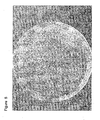
- the bactericidal effect of oxides of nitrogen generating solution was tested under conditions simulating the stomach.
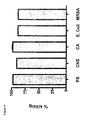
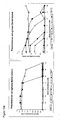
- Figure 6 shows that exposure of bacteria to oxides of nitrogen generating solution for 1 hour did result in on average 97% killing in five different bacteria tested, namely Pseudomonas Aeruginosa; Coagulase negative Staphylococcus; Candida albicans; Escherichia coli; and Staphylococcus Aureus.
- the experimental design was identical to that described in Examples 1 to 4.
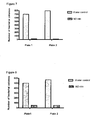
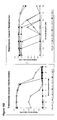
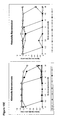
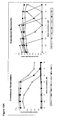
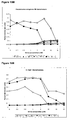
- the oxides of nitrogen generating solution used in Examples 1 to 4 was used to test its anti-microbial activity in commercially available enteral feed Osmolite® used for patients nutrition in ICU. The effect of mixture was tested on Pseudomonas Aeruginosa (PS), Coagulase negative Staphylococcus (CNS), Esherichia coli (E. Coli) Candida Albicans and Methicillin Resistant Staphylococcus Aureus.
- PS Pseudomonas Aeruginosa
- CNS Coagulase negative Staphylococcus
- E. Coli Esherichia coli
- Candida Albicans and Methicillin Resistant Staphylococcus Aureus.
- Overnight cultures of bacteria were prepared by inoculating 20 ml of LB( Luria-Bertani 10g Bacto-tryptone, + 5g Bacto-yeast extract, + 10g sodium Chloride per litre, at pH 7.5) broth with 2-3 colonies, and incubating at 37°C overnight. Broth cultures containing approximately 109 organisms were produced. Bacteria were diluted 1:1000 in phosphate buffer saline (PBS) and 100 ⁇ l of diluted broth cultures were placed in 20ml of commercially available enteral feed Osmolite® used in ICU for patients nutrition.
- PBS phosphate buffer saline
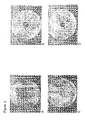
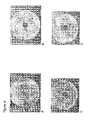
- Figure 7 shows the effect on Pseudomonas Aeruginosa
- Figure 8 shows the effect on Coagulase Negative Staphylococcus (CNS)
- Figure 9 shows the effect on Candida Albicans
- Figure 10 shows the effect on Escherichia Coli (E. Coli)
- Figure 11 shows the effect on Methicillin Resistant Staphylococcus Aureus (MRSA).
- nitrite and acid are not premixed, the nitrite can react with the feed to produce a precipitate.
- nitrite, followed by addition of ascorbic acid results in significant precipitation of the proteins, which increases the viscosity of the feed.
- the components must be premixed to produce oxides of nitrogen generating solution. Increased viscosity of the feed will substantially increase the known risks of catheter blockage.
- premixed oxides of nitrogen generating solution Another benefit of the premixed oxides of nitrogen generating solution is that antibacterial effect is exhibited at a wider range of pH levels, i.e. not only below 5.0.
- the solution can be used safely for oropharyngeal hygiene of the patients.
- Vitamin C is a powerful water-soluble antioxidant, protecting low-density lipoproteins from oxidation, reducing harmful oxidants in the stomach (for example peroxinitrite free radicals) and promotes iron absorption.
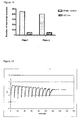
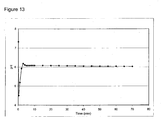
- the pH change was measured when L-ascorbic acid was added to sodium nitrite incrementally and as a single addition.
- Analytical grade >99 % purity
- sodium nitrite NaNO 2
- L-ascorbic acid C 6 H 8 O 6
- Saline 0.9 % wv of NaCl
- Normal saline was used as solvent in the preparation of the solutions of sodium nitrite and ascorbic acid. All solutions were prepared at room temperature (22-25 °C) in lots of 25 or 50 ml and were used within 10 - 20 days. Stock solutions were kept in airtight vessels away from light.
- the pH of the solutions was measured with the addition of a standard magnetic stir bar operating at 60 rpm. At least 12 ml of solutions were used to ensure that the electrode was completely immersed. 1M solutions of sodium nitrite and ascorbic acid were prepared using normal saline as solvent. In Example 16, 1 ml of acid was added to the nitrite every 10 minutes. In Example 17, 5ml of 1M ascorbic acid were added to 12ml of 1M sodium nitrite solution.
- Example 16 the initial pH of sodium nitrite solution was measured to be approximately 7.35. The pH drops sharply to a level between 4.2 and 4.7 and then recovers rapidly (within 4-5 minutes) to a more stable value of ⁇ 6 after each addition. In some instances the pH recovery is so rapid that it produces an overshoot before falling back to the stable value.
- Example 17 the stable pH level that is achieved after mixing the reagents for 5 minutes is well above the physiologically tolerable level of 5.0 (the pH of saline) for oral-gastric-digestive delivery.
- the reactive mixtures and the end products were measured using a Nicolet Almega XR; dispersive Raman spectrometer equipped with both macro- and microscope entrances. Spectra were excited with an externally stabilised near-infrared (NIR 785nm) laser diode. Measurements are done with a slit width of 25 ⁇ m and spectral resolution is 4cm -1 .
- a software system (Omnic, ver. 7.2a) was used to display and collect the data. Liquid or crystalline samples to be analysed were placed in a small quartz tube that fits into a sample holder and aligned with the laser beam.
- the acid was added to the nitrite solution while the mixture was stirred at a constant rate of 60 rpm. A small amount (approximately 0.07ml) of the mixture is taken out for spectroscopic analysis at varying intervals.
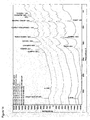
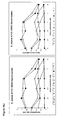
- Figure 14 shows the spectrum of sodium nitrite solution along with the spectra obtained during the reaction of 6 ml of acid with 12 ml of nitrite solution.
- the lower trace belongs to a sodium nitrite only solution.
- the absence of any peak at all, in the 2250 -2050 cm -1 region indicates the absence of any hazardous ionic cyanide (like NaCN), cyanato (OCN) or fulminato (CNO) compounds in the mixture.
- the stretching (CN) vibration produces a sharp band located in the region 2250 - 2050 cm -1 .
- the Raman bands of an acidified nitrite solution are shown in Table 1.
- Table 2 shows the peak areas of Raman bands of acidified nitrite solution recorded at the times indicated.
- a simple viability assay was used to determine if a standard laboratory strain of M . tuberculosis was susceptible to NO/NOx-mediated killing.
- M. tuberculosis was cultured in 10 ml of standard medium (Middlebrook 7H9, 0.05% Tween 80, 10% v/v OADC supplement). For NO/NOx exposure, 1 ml of culture was inoculated into 10 ml of the Middlebrook solution plus 0.1 ml of a mixture of 0.5M NaNO 2 and 0.25M ascorbic acid. A control without the nitrite/ascorbric acid solution was set up.
- the pH of the medium was not significantly reduced by addition of the nitrite/ascorbic acid solution.
- Colony forming unit (CFU) counts from the control culture were 1.5 x 10 7 per ml. There were no viable bacteria from the NO-treated culture at the lowest dilution plated (limit of detection 10 CFU/ml).
- the NO-generating nitrite/ascorbic acid solution was effective in killing >6 logs of M . tuberculosis in 24 hours.
- An assay was used to determine the susceptibly of a number of different bacteria to NO/NOx-mediated killing.
- the plates were sealed and incubated over night at 37°C.
- the inhibitory effect of acidified nitrite on bacterial growth was determined by measurement of the optical density (540 nm) of the wells using a microwell plate reader (Anthos ht III, Salzburg, Austria).
- bactericidal activity after exposure to acidified nitrite, 60 ⁇ l of the bacterial suspension was transferred to 180 ⁇ l of a recovery media (Brain Heart Infusion broth; pH 7.0). Assessment of microbial growth was determined with the microwell plate reader to measure the optical density as above.
- a recovery media Brain Heart Infusion broth; pH 7.0
- the acidified nitrite solution has a bacteriostatic as well as bactericidal effect on various bacterial isolates.
- the solution can be used for treatment of various conditions, as it is active against antibiotic resistant organisms, does not encourage the emergence of resistant strains and is effective over a wide pH range.
Landscapes
- Health & Medical Sciences (AREA)
- Pharmacology & Pharmacy (AREA)
- Veterinary Medicine (AREA)
- Public Health (AREA)
- Chemical & Material Sciences (AREA)
- General Health & Medical Sciences (AREA)
- Medicinal Chemistry (AREA)
- Animal Behavior & Ethology (AREA)
- Life Sciences & Earth Sciences (AREA)
- General Chemical & Material Sciences (AREA)
- Nuclear Medicine, Radiotherapy & Molecular Imaging (AREA)
- Chemical Kinetics & Catalysis (AREA)
- Organic Chemistry (AREA)
- Inorganic Chemistry (AREA)
- Epidemiology (AREA)
- Oncology (AREA)
- Communicable Diseases (AREA)
- Bioinformatics & Cheminformatics (AREA)
- Pulmonology (AREA)
- Engineering & Computer Science (AREA)
- Pharmaceuticals Containing Other Organic And Inorganic Compounds (AREA)
- Medicinal Preparation (AREA)
- Medicines That Contain Protein Lipid Enzymes And Other Medicines (AREA)
Claims (12)
- Flüssige Rezeptur umfassend eine klinisch wirksame Menge von Stickstoffoxiden, die darin gelöst und/oder dispergiert sind, zur Verwendung zur Verhinderung von Ventilator-verbundener Pneumonie, wobei die flüssige Rezeptur 10 bis 40.000 Teile pro Milliarde Strickstoffoxide enthält.
- Rezeptur zur Verwendung nach Anspruch 1, wobei die flüssige Rezeptur 100 bis 10.000 Teile pro Milliarde Stickstoffoxide enthält.
- Rezeptur zur Verwendung nach einem der vorhergehenden Ansprüche, wobei die flüssige Rezeptur eine wässrige Rezeptur ist.
- Rezeptur zur Verwendung nach einem der vorhergehenden Ansprüche, wobei die flüssige Rezeptur das Reaktionsprodukt von mindestens einem Alkalimetallnitrit und/oder mindestens einem Erdalkalimetallnitrit mit mindestens einer Säure umfasst.
- Rezeptur zur Verwendung nach Anspruch 4, wobei die flüssige Rezeptur das Reaktionsprodukt von mindestens einem Alkalimetallnitrit mit Ascorbinsäure umfasst.
- Rezeptur zur Verwendung nach einem der vorhergehenden Ansprüche, wobei die flüssige Rezeptur zusätzlich mindestens einen Nährstoff umfasst.
- Flüssige enterale Sondenernährungszusammensetzung zur Verhinderung von Ventilator-verbundener Pneumonie, wobei Zusammensetzung eine klinisch wirksame Menge von Stickstoffoxiden, die darin gelöst und/oder dispergiert sind und mindestens einen Nährstoff umfasst.
- Zusammensetzung nach Anspruch 7, wobei die Zusammensetzung 10 bis 40.000 Teile pro Milliarde Stickstoffoxide enthält.
- Zusammensetzung nach Anspruch 8, wobei die flüssige Rezeptur 100 bis 10.000 Teile pro Milliarde Stickstoffoxide enthält.
- Zusammensetzung nach einem der Ansprüche 7 bis 9, wobei die Zusammensetzung eine wässrige Zusammensetzung ist.
- Zusammensetzung nach einem der Ansprüche 7 bis 10, wobei die Zusammensetzung das Reaktionsprodukt von mindestens einem Alkalimetallnitrit und/oder mindestens einem Erdalkalimetallnitrit mit mindestens einer Säure umfasst.
- Zusammensetzung nach Anspruch 11, wobei die Zusammensetzung das Reaktionsprodukt von mindestens einem Alkalimetallnitrit mit Ascorbinsäure umfasst.
Priority Applications (1)
| Application Number | Priority Date | Filing Date | Title |
|---|---|---|---|
| PL07728058T PL2012805T3 (pl) | 2006-04-12 | 2007-04-12 | Kompozycja lecznicza i jej zastosowanie |
Applications Claiming Priority (2)
| Application Number | Priority Date | Filing Date | Title |
|---|---|---|---|
| GB0607402A GB0607402D0 (en) | 2006-04-12 | 2006-04-12 | Therapeutic composition and use |
| PCT/EP2007/053591 WO2007116102A2 (en) | 2006-04-12 | 2007-04-12 | Therapeutic composition and use |
Publications (2)
| Publication Number | Publication Date |
|---|---|
| EP2012805A2 EP2012805A2 (de) | 2009-01-14 |
| EP2012805B1 true EP2012805B1 (de) | 2013-09-04 |
Family
ID=36571733
Family Applications (1)
| Application Number | Title | Priority Date | Filing Date |
|---|---|---|---|
| EP20070728058 Active EP2012805B1 (de) | 2006-04-12 | 2007-04-12 | Therapeutische zusammensetzung und verwendung |
Country Status (8)
| Country | Link |
|---|---|
| US (2) | US9011935B2 (de) |
| EP (1) | EP2012805B1 (de) |
| JP (1) | JP2009533396A (de) |
| ES (1) | ES2432844T3 (de) |
| GB (1) | GB0607402D0 (de) |
| PL (1) | PL2012805T3 (de) |
| PT (1) | PT2012805E (de) |
| WO (1) | WO2007116102A2 (de) |
Families Citing this family (10)
| Publication number | Priority date | Publication date | Assignee | Title |
|---|---|---|---|---|
| US20080167603A1 (en) * | 2000-12-26 | 2008-07-10 | Alex Stenzler | Method and device to prevent ventilator acquired pneumonia using nitric oxide |
| GB0607402D0 (en) * | 2006-04-12 | 2006-05-24 | Barts & London Nhs Trust | Therapeutic composition and use |
| CN101939014B (zh) | 2007-11-15 | 2016-04-27 | 路易斯安那州大学及农业和机械学院管理委员会 | 亚硝酸盐在慢性缺血中的应用 |
| US20090196930A1 (en) * | 2007-12-27 | 2009-08-06 | Aires Pharmaceuticals, Inc. | Aerosolized nitrite and nitric oxide -donating compounds and uses thereof |
| CA2777066C (en) | 2009-10-14 | 2020-02-18 | TheraVasc, LLC | Pharmaceutical formulations of nitrite and uses thereof |
| ES2741146T3 (es) | 2013-02-20 | 2020-02-10 | The Board Of Supervisors Of The Louisiana State Univ Mechanical And Agricultural College | Formulaciones farmacéuticas de nitrio y sus usos |
| WO2017093217A1 (en) * | 2015-11-30 | 2017-06-08 | Fresenius Kabi Deutschland Gmbh | High protein enteral tube feed for icu patients |
| GB2610721B (en) * | 2020-04-23 | 2024-07-31 | Thirty Respiratory Ltd | Compositions for treating and combatting tuberculosis |
| EP4138795A1 (de) * | 2020-04-23 | 2023-03-01 | Thirty Respiratory Limited | Stickoxid oder stickoxid freisetzende zusammensetzungen zur verwendung bei der behandlung von sars-cov und sars-cov-2 |
| GB2644374A (en) | 2024-09-20 | 2026-04-08 | Thirty Holdings Ltd | Compositions and kits for generating nitric oxide |
Family Cites Families (26)
| Publication number | Priority date | Publication date | Assignee | Title |
|---|---|---|---|---|
| IT1213141B (it) * | 1984-02-17 | 1989-12-14 | Dobrivoje Tomic | Composizioni farmaceutiche per il trattamento del diabete e di malattie e disfunzioni epatiche. |
| US5396882A (en) | 1992-03-11 | 1995-03-14 | The General Hospital Corporation | Generation of nitric oxide from air for medical uses |
| US5536241A (en) | 1990-12-05 | 1996-07-16 | The General Hospital Corporation | Methods and devices for relaxing smooth muscle contractions |
| GB2279014B (en) | 1993-06-02 | 1997-07-16 | Niall Keaney | Device for controlling delivery of respiratory drugs |
| AU7972294A (en) | 1993-10-07 | 1995-05-01 | Entremed, Inc | Encapsulated and non-encapsulated nitric oxide generators used as antimicrobial agents |
| GB9320978D0 (en) | 1993-10-12 | 1993-12-01 | Higenbottam Timohy W | Nitric oxide treatment |
| PL180769B1 (pl) | 1994-02-21 | 2001-04-30 | Univ Aberdeen | Postać dawkowana do miejscowego leczenia stanów powodowanych przez drobnoustroje, sposób sterylizacji obiektów i kompozycja sterylizująca |
| US5583101A (en) * | 1994-07-15 | 1996-12-10 | Harvard College | Use of nitrogen oxide species and adducts to inhibit skeletal muscle contraction |
| US5648101A (en) | 1994-11-14 | 1997-07-15 | Tawashi; Rashad | Drug delivery of nitric oxide |
| US5824669A (en) | 1996-03-22 | 1998-10-20 | Nitromed, Inc. | Nitrosated and nitrosylated compounds and compositions and their use for treating respiratory disorders |
| HUP0002859A2 (hu) | 1997-07-11 | 2001-01-29 | The Johns Hopkins University School Of Medicine | A nitrogén-monoxidot kibocsátó vegyületek alkalmazása rinovírus-fertőzés által előidézett kórtünetek enyhítésére |
| US6645948B2 (en) * | 1998-03-24 | 2003-11-11 | George D. Petito | Nutritional composition for the treatment of connective tissue |
| US6288116B1 (en) * | 1998-05-13 | 2001-09-11 | Novartis Nutrition Ag | Method of administration of a nutritional product to a person having renal failure |
| US20040120938A1 (en) * | 1998-08-28 | 2004-06-24 | The University Of Bath | Ingestible compositions comprising antibacterial agents |
| CA2254645A1 (en) | 1998-11-23 | 2000-05-23 | Pulmonox Medical Corporation | Method and apparatus for treatment of respiratory infections by nitric oxide inhalation |
| GB9905425D0 (en) | 1999-03-09 | 1999-05-05 | Queen Mary & Westfield College | Pharmaceutical composition |
| US6187332B1 (en) | 1999-06-14 | 2001-02-13 | Wisconsin Alumni Research Foundation | Acidic buffered nasal spray |
| US6612306B1 (en) | 1999-10-13 | 2003-09-02 | Healthetech, Inc. | Respiratory nitric oxide meter |
| WO2001080890A2 (en) | 2000-04-26 | 2001-11-01 | Queen's University At Kingston | Formulations and methods of using nitric oxide mimetics against a malignant cell phenotype |
| DE60125191T2 (de) | 2000-07-28 | 2007-10-25 | Bioenergy Inc., Ham Lake | Zusammensetzungen und methoden zur verbesserung der kardiovaskulären funktion |
| GB0021317D0 (en) | 2000-08-30 | 2000-10-18 | Queen Mary & Westfield College | Transdermal pharmaceutical delivery composition |
| AUPR164400A0 (en) | 2000-11-23 | 2000-12-14 | Emphatec Pty Ltd | Nitric oxide donor compounds and methods of treatment using same |
| GB0125222D0 (en) | 2001-10-19 | 2001-12-12 | Barts & London Nhs Trust | Composition for the treatment of microbial infections |
| JP4159395B2 (ja) * | 2003-04-11 | 2008-10-01 | カゴメ株式会社 | 野菜汁からの硝酸性窒素の除去方法 |
| US20070239107A1 (en) * | 2003-12-15 | 2007-10-11 | Jon Lundberg | Device and Method for Administering Therapeutic Agents |
| GB0607402D0 (en) * | 2006-04-12 | 2006-05-24 | Barts & London Nhs Trust | Therapeutic composition and use |
-
2006
- 2006-04-12 GB GB0607402A patent/GB0607402D0/en not_active Ceased
-
2007
- 2007-04-12 JP JP2009504758A patent/JP2009533396A/ja active Pending
- 2007-04-12 PT PT77280584T patent/PT2012805E/pt unknown
- 2007-04-12 EP EP20070728058 patent/EP2012805B1/de active Active
- 2007-04-12 WO PCT/EP2007/053591 patent/WO2007116102A2/en not_active Ceased
- 2007-04-12 US US12/226,331 patent/US9011935B2/en active Active
- 2007-04-12 PL PL07728058T patent/PL2012805T3/pl unknown
- 2007-04-12 ES ES07728058T patent/ES2432844T3/es active Active
-
2014
- 2014-12-18 US US14/574,713 patent/US20150140131A1/en not_active Abandoned
Also Published As
| Publication number | Publication date |
|---|---|
| WO2007116102A2 (en) | 2007-10-18 |
| JP2009533396A (ja) | 2009-09-17 |
| WO2007116102A3 (en) | 2008-06-12 |
| US20150140131A1 (en) | 2015-05-21 |
| PL2012805T3 (pl) | 2014-01-31 |
| EP2012805A2 (de) | 2009-01-14 |
| ES2432844T3 (es) | 2013-12-05 |
| PT2012805E (pt) | 2013-11-20 |
| US20090317492A1 (en) | 2009-12-24 |
| US9011935B2 (en) | 2015-04-21 |
| GB0607402D0 (en) | 2006-05-24 |
Similar Documents
| Publication | Publication Date | Title |
|---|---|---|
| US20150140131A1 (en) | Therapeutic Composition And Use | |
| US20230390327A1 (en) | Compositions and methods for treating diseases or disorders using extended release nitric oxide releasing solutions | |
| US6709681B2 (en) | Acidified nitrite as an antimicrobial agent | |
| FI114852B (fi) | Antimikrobisena aineena käytettävä hapotettu nitraatti | |
| AU2021250976B2 (en) | Nitric oxide inhalation therapy for infants with bronchiolitis | |
| CN109069701A (zh) | 氧化氮产生制剂和试剂盒 | |
| AU2002334190A1 (en) | Therapeutic composition and use | |
| US20260107945A1 (en) | Compositions and methods to disinfect, treat and prevent microbial infections | |
| US12611425B2 (en) | Compositions and methods for treatment and prevention of pathogens | |
| Benjamin et al. | Implications for Nitrate Intake | |
| Carlsson | Antibacterial effects of nitrite in urine | |
| CN121057579A (zh) | 浮游细菌代谢的失调 | |
| HK40057444A (en) | Compositions and methods for treating diseases or disorders using extended release nitric oxide releasing solutions |
Legal Events
| Date | Code | Title | Description |
|---|---|---|---|
| PUAI | Public reference made under article 153(3) epc to a published international application that has entered the european phase |
Free format text: ORIGINAL CODE: 0009012 |
|
| 17P | Request for examination filed |
Effective date: 20081105 |
|
| AK | Designated contracting states |
Kind code of ref document: A2 Designated state(s): AT BE BG CH CY CZ DE DK EE ES FI FR GB GR HU IE IS IT LI LT LU LV MC MT NL PL PT RO SE SI SK TR |
|
| 17Q | First examination report despatched |
Effective date: 20091124 |
|
| DAX | Request for extension of the european patent (deleted) | ||
| GRAP | Despatch of communication of intention to grant a patent |
Free format text: ORIGINAL CODE: EPIDOSNIGR1 |
|
| INTG | Intention to grant announced |
Effective date: 20130422 |
|
| GRAS | Grant fee paid |
Free format text: ORIGINAL CODE: EPIDOSNIGR3 |
|
| GRAA | (expected) grant |
Free format text: ORIGINAL CODE: 0009210 |
|
| AK | Designated contracting states |
Kind code of ref document: B1 Designated state(s): AT BE BG CH CY CZ DE DK EE ES FI FR GB GR HU IE IS IT LI LT LU LV MC MT NL PL PT RO SE SI SK TR |
|
| REG | Reference to a national code |
Ref country code: GB Ref legal event code: FG4D |
|
| REG | Reference to a national code |
Ref country code: CH Ref legal event code: EP |
|
| REG | Reference to a national code |
Ref country code: AT Ref legal event code: REF Ref document number: 630098 Country of ref document: AT Kind code of ref document: T Effective date: 20130915 |
|
| REG | Reference to a national code |
Ref country code: IE Ref legal event code: FG4D |
|
| REG | Reference to a national code |
Ref country code: DE Ref legal event code: R096 Ref document number: 602007032653 Country of ref document: DE Effective date: 20131031 |
|
| REG | Reference to a national code |
Ref country code: PT Ref legal event code: SC4A Free format text: AVAILABILITY OF NATIONAL TRANSLATION Effective date: 20131112 |
|
| REG | Reference to a national code |
Ref country code: CH Ref legal event code: NV Representative=s name: MEYER AND KOLLEGEN, CH |
|
| REG | Reference to a national code |
Ref country code: ES Ref legal event code: FG2A Ref document number: 2432844 Country of ref document: ES Kind code of ref document: T3 Effective date: 20131205 |
|
| REG | Reference to a national code |
Ref country code: SE Ref legal event code: TRGR |
|
| REG | Reference to a national code |
Ref country code: NL Ref legal event code: T3 |
|
| PG25 | Lapsed in a contracting state [announced via postgrant information from national office to epo] |
Ref country code: CY Free format text: LAPSE BECAUSE OF FAILURE TO SUBMIT A TRANSLATION OF THE DESCRIPTION OR TO PAY THE FEE WITHIN THE PRESCRIBED TIME-LIMIT Effective date: 20130619 Ref country code: LT Free format text: LAPSE BECAUSE OF FAILURE TO SUBMIT A TRANSLATION OF THE DESCRIPTION OR TO PAY THE FEE WITHIN THE PRESCRIBED TIME-LIMIT Effective date: 20130904 |
|
| REG | Reference to a national code |
Ref country code: PL Ref legal event code: T3 |
|
| REG | Reference to a national code |
Ref country code: LT Ref legal event code: MG4D |
|
| PG25 | Lapsed in a contracting state [announced via postgrant information from national office to epo] |
Ref country code: SI Free format text: LAPSE BECAUSE OF FAILURE TO SUBMIT A TRANSLATION OF THE DESCRIPTION OR TO PAY THE FEE WITHIN THE PRESCRIBED TIME-LIMIT Effective date: 20130904 Ref country code: GR Free format text: LAPSE BECAUSE OF FAILURE TO SUBMIT A TRANSLATION OF THE DESCRIPTION OR TO PAY THE FEE WITHIN THE PRESCRIBED TIME-LIMIT Effective date: 20131205 Ref country code: LV Free format text: LAPSE BECAUSE OF FAILURE TO SUBMIT A TRANSLATION OF THE DESCRIPTION OR TO PAY THE FEE WITHIN THE PRESCRIBED TIME-LIMIT Effective date: 20130904 Ref country code: FI Free format text: LAPSE BECAUSE OF FAILURE TO SUBMIT A TRANSLATION OF THE DESCRIPTION OR TO PAY THE FEE WITHIN THE PRESCRIBED TIME-LIMIT Effective date: 20130904 |
|
| PG25 | Lapsed in a contracting state [announced via postgrant information from national office to epo] |
Ref country code: CY Free format text: LAPSE BECAUSE OF FAILURE TO SUBMIT A TRANSLATION OF THE DESCRIPTION OR TO PAY THE FEE WITHIN THE PRESCRIBED TIME-LIMIT Effective date: 20130904 |
|
| PG25 | Lapsed in a contracting state [announced via postgrant information from national office to epo] |
Ref country code: SK Free format text: LAPSE BECAUSE OF FAILURE TO SUBMIT A TRANSLATION OF THE DESCRIPTION OR TO PAY THE FEE WITHIN THE PRESCRIBED TIME-LIMIT Effective date: 20130904 Ref country code: IS Free format text: LAPSE BECAUSE OF FAILURE TO SUBMIT A TRANSLATION OF THE DESCRIPTION OR TO PAY THE FEE WITHIN THE PRESCRIBED TIME-LIMIT Effective date: 20140104 Ref country code: CZ Free format text: LAPSE BECAUSE OF FAILURE TO SUBMIT A TRANSLATION OF THE DESCRIPTION OR TO PAY THE FEE WITHIN THE PRESCRIBED TIME-LIMIT Effective date: 20130904 Ref country code: RO Free format text: LAPSE BECAUSE OF FAILURE TO SUBMIT A TRANSLATION OF THE DESCRIPTION OR TO PAY THE FEE WITHIN THE PRESCRIBED TIME-LIMIT Effective date: 20130904 Ref country code: EE Free format text: LAPSE BECAUSE OF FAILURE TO SUBMIT A TRANSLATION OF THE DESCRIPTION OR TO PAY THE FEE WITHIN THE PRESCRIBED TIME-LIMIT Effective date: 20130904 |
|
| REG | Reference to a national code |
Ref country code: DE Ref legal event code: R097 Ref document number: 602007032653 Country of ref document: DE |
|
| PLBE | No opposition filed within time limit |
Free format text: ORIGINAL CODE: 0009261 |
|
| STAA | Information on the status of an ep patent application or granted ep patent |
Free format text: STATUS: NO OPPOSITION FILED WITHIN TIME LIMIT |
|
| 26N | No opposition filed |
Effective date: 20140605 |
|
| REG | Reference to a national code |
Ref country code: DE Ref legal event code: R097 Ref document number: 602007032653 Country of ref document: DE Effective date: 20140605 |
|
| PG25 | Lapsed in a contracting state [announced via postgrant information from national office to epo] |
Ref country code: DK Free format text: LAPSE BECAUSE OF FAILURE TO SUBMIT A TRANSLATION OF THE DESCRIPTION OR TO PAY THE FEE WITHIN THE PRESCRIBED TIME-LIMIT Effective date: 20130904 |
|
| PG25 | Lapsed in a contracting state [announced via postgrant information from national office to epo] |
Ref country code: MC Free format text: LAPSE BECAUSE OF FAILURE TO SUBMIT A TRANSLATION OF THE DESCRIPTION OR TO PAY THE FEE WITHIN THE PRESCRIBED TIME-LIMIT Effective date: 20130904 Ref country code: LU Free format text: LAPSE BECAUSE OF FAILURE TO SUBMIT A TRANSLATION OF THE DESCRIPTION OR TO PAY THE FEE WITHIN THE PRESCRIBED TIME-LIMIT Effective date: 20140412 |
|
| PG25 | Lapsed in a contracting state [announced via postgrant information from national office to epo] |
Ref country code: MT Free format text: LAPSE BECAUSE OF FAILURE TO SUBMIT A TRANSLATION OF THE DESCRIPTION OR TO PAY THE FEE WITHIN THE PRESCRIBED TIME-LIMIT Effective date: 20130904 |
|
| REG | Reference to a national code |
Ref country code: FR Ref legal event code: PLFP Year of fee payment: 10 |
|
| PG25 | Lapsed in a contracting state [announced via postgrant information from national office to epo] |
Ref country code: BG Free format text: LAPSE BECAUSE OF FAILURE TO SUBMIT A TRANSLATION OF THE DESCRIPTION OR TO PAY THE FEE WITHIN THE PRESCRIBED TIME-LIMIT Effective date: 20130904 |
|
| PG25 | Lapsed in a contracting state [announced via postgrant information from national office to epo] |
Ref country code: HU Free format text: LAPSE BECAUSE OF FAILURE TO SUBMIT A TRANSLATION OF THE DESCRIPTION OR TO PAY THE FEE WITHIN THE PRESCRIBED TIME-LIMIT; INVALID AB INITIO Effective date: 20070412 |
|
| REG | Reference to a national code |
Ref country code: FR Ref legal event code: PLFP Year of fee payment: 11 |
|
| REG | Reference to a national code |
Ref country code: FR Ref legal event code: PLFP Year of fee payment: 12 |
|
| PGFP | Annual fee paid to national office [announced via postgrant information from national office to epo] |
Ref country code: PT Payment date: 20180329 Year of fee payment: 12 |
|
| PGFP | Annual fee paid to national office [announced via postgrant information from national office to epo] |
Ref country code: BG Payment date: 20180330 Year of fee payment: 16 |
|
| PG25 | Lapsed in a contracting state [announced via postgrant information from national office to epo] |
Ref country code: PT Free format text: LAPSE BECAUSE OF NON-PAYMENT OF DUE FEES Effective date: 20191014 |
|
| PGFP | Annual fee paid to national office [announced via postgrant information from national office to epo] |
Ref country code: IE Payment date: 20210326 Year of fee payment: 15 |
|
| PGFP | Annual fee paid to national office [announced via postgrant information from national office to epo] |
Ref country code: IT Payment date: 20210430 Year of fee payment: 15 |
|
| PG25 | Lapsed in a contracting state [announced via postgrant information from national office to epo] |
Ref country code: PL Free format text: LAPSE BECAUSE OF NON-PAYMENT OF DUE FEES Effective date: 20190412 |
|
| PGFP | Annual fee paid to national office [announced via postgrant information from national office to epo] |
Ref country code: AT Payment date: 20210420 Year of fee payment: 15 Ref country code: BE Payment date: 20210408 Year of fee payment: 15 Ref country code: SE Payment date: 20210407 Year of fee payment: 15 Ref country code: CH Payment date: 20210428 Year of fee payment: 15 Ref country code: ES Payment date: 20210519 Year of fee payment: 15 |
|
| PGFP | Annual fee paid to national office [announced via postgrant information from national office to epo] |
Ref country code: NL Payment date: 20210408 Year of fee payment: 15 |
|
| PG25 | Lapsed in a contracting state [announced via postgrant information from national office to epo] |
Ref country code: TR Free format text: LAPSE BECAUSE OF NON-PAYMENT OF DUE FEES Effective date: 20190412 |
|
| REG | Reference to a national code |
Ref country code: SE Ref legal event code: EUG |
|
| REG | Reference to a national code |
Ref country code: CH Ref legal event code: PL |
|
| REG | Reference to a national code |
Ref country code: NL Ref legal event code: MM Effective date: 20220501 |
|
| REG | Reference to a national code |
Ref country code: AT Ref legal event code: MM01 Ref document number: 630098 Country of ref document: AT Kind code of ref document: T Effective date: 20220412 |
|
| REG | Reference to a national code |
Ref country code: BE Ref legal event code: MM Effective date: 20220430 |
|
| PG25 | Lapsed in a contracting state [announced via postgrant information from national office to epo] |
Ref country code: SE Free format text: LAPSE BECAUSE OF NON-PAYMENT OF DUE FEES Effective date: 20220413 Ref country code: NL Free format text: LAPSE BECAUSE OF NON-PAYMENT OF DUE FEES Effective date: 20220501 Ref country code: LI Free format text: LAPSE BECAUSE OF NON-PAYMENT OF DUE FEES Effective date: 20220430 Ref country code: CH Free format text: LAPSE BECAUSE OF NON-PAYMENT OF DUE FEES Effective date: 20220430 Ref country code: AT Free format text: LAPSE BECAUSE OF NON-PAYMENT OF DUE FEES Effective date: 20220412 |
|
| PG25 | Lapsed in a contracting state [announced via postgrant information from national office to epo] |
Ref country code: BE Free format text: LAPSE BECAUSE OF NON-PAYMENT OF DUE FEES Effective date: 20220430 |
|
| PG25 | Lapsed in a contracting state [announced via postgrant information from national office to epo] |
Ref country code: IE Free format text: LAPSE BECAUSE OF NON-PAYMENT OF DUE FEES Effective date: 20220412 |
|
| REG | Reference to a national code |
Ref country code: ES Ref legal event code: FD2A Effective date: 20230526 |
|
| PG25 | Lapsed in a contracting state [announced via postgrant information from national office to epo] |
Ref country code: IT Free format text: LAPSE BECAUSE OF NON-PAYMENT OF DUE FEES Effective date: 20220412 |
|
| P01 | Opt-out of the competence of the unified patent court (upc) registered |
Effective date: 20230526 |
|
| PG25 | Lapsed in a contracting state [announced via postgrant information from national office to epo] |
Ref country code: ES Free format text: LAPSE BECAUSE OF NON-PAYMENT OF DUE FEES Effective date: 20220413 |
|
| PGFP | Annual fee paid to national office [announced via postgrant information from national office to epo] |
Ref country code: DE Payment date: 20250428 Year of fee payment: 19 |
|
| PGFP | Annual fee paid to national office [announced via postgrant information from national office to epo] |
Ref country code: FR Payment date: 20250429 Year of fee payment: 19 |
|
| PGFP | Annual fee paid to national office [announced via postgrant information from national office to epo] |
Ref country code: GB Payment date: 20260327 Year of fee payment: 20 |