EP1947175B1 - Sequence of nucleotides and peptides gse 24.2 of dyskerin, which can induce telomerase activity, method for obtaining same, therapeutic compositions and applications thereof - Google Patents
Sequence of nucleotides and peptides gse 24.2 of dyskerin, which can induce telomerase activity, method for obtaining same, therapeutic compositions and applications thereof Download PDFInfo
- Publication number
- EP1947175B1 EP1947175B1 EP06849419A EP06849419A EP1947175B1 EP 1947175 B1 EP1947175 B1 EP 1947175B1 EP 06849419 A EP06849419 A EP 06849419A EP 06849419 A EP06849419 A EP 06849419A EP 1947175 B1 EP1947175 B1 EP 1947175B1
- Authority
- EP
- European Patent Office
- Prior art keywords
- sequence
- cells
- seq
- pharmaceutical composition
- nucleotide sequence
- Prior art date
- Legal status (The legal status is an assumption and is not a legal conclusion. Google has not performed a legal analysis and makes no representation as to the accuracy of the status listed.)
- Active
Links
Images


Classifications
-
- C—CHEMISTRY; METALLURGY
- C07—ORGANIC CHEMISTRY
- C07K—PEPTIDES
- C07K14/00—Peptides having more than 20 amino acids; Gastrins; Somatostatins; Melanotropins; Derivatives thereof
- C07K14/435—Peptides having more than 20 amino acids; Gastrins; Somatostatins; Melanotropins; Derivatives thereof from animals; from humans
- C07K14/46—Peptides having more than 20 amino acids; Gastrins; Somatostatins; Melanotropins; Derivatives thereof from animals; from humans from vertebrates
- C07K14/47—Peptides having more than 20 amino acids; Gastrins; Somatostatins; Melanotropins; Derivatives thereof from animals; from humans from vertebrates from mammals
- C07K14/4701—Peptides having more than 20 amino acids; Gastrins; Somatostatins; Melanotropins; Derivatives thereof from animals; from humans from vertebrates from mammals not used
- C07K14/4702—Regulators; Modulating activity
- C07K14/4705—Regulators; Modulating activity stimulating, promoting or activating activity
-
- A—HUMAN NECESSITIES
- A61—MEDICAL OR VETERINARY SCIENCE; HYGIENE
- A61P—SPECIFIC THERAPEUTIC ACTIVITY OF CHEMICAL COMPOUNDS OR MEDICINAL PREPARATIONS
- A61P1/00—Drugs for disorders of the alimentary tract or the digestive system
- A61P1/04—Drugs for disorders of the alimentary tract or the digestive system for ulcers, gastritis or reflux esophagitis, e.g. antacids, inhibitors of acid secretion, mucosal protectants
-
- A—HUMAN NECESSITIES
- A61—MEDICAL OR VETERINARY SCIENCE; HYGIENE
- A61P—SPECIFIC THERAPEUTIC ACTIVITY OF CHEMICAL COMPOUNDS OR MEDICINAL PREPARATIONS
- A61P17/00—Drugs for dermatological disorders
-
- A—HUMAN NECESSITIES
- A61—MEDICAL OR VETERINARY SCIENCE; HYGIENE
- A61P—SPECIFIC THERAPEUTIC ACTIVITY OF CHEMICAL COMPOUNDS OR MEDICINAL PREPARATIONS
- A61P25/00—Drugs for disorders of the nervous system
-
- A—HUMAN NECESSITIES
- A61—MEDICAL OR VETERINARY SCIENCE; HYGIENE
- A61P—SPECIFIC THERAPEUTIC ACTIVITY OF CHEMICAL COMPOUNDS OR MEDICINAL PREPARATIONS
- A61P25/00—Drugs for disorders of the nervous system
- A61P25/14—Drugs for disorders of the nervous system for treating abnormal movements, e.g. chorea, dyskinesia
- A61P25/16—Anti-Parkinson drugs
-
- A—HUMAN NECESSITIES
- A61—MEDICAL OR VETERINARY SCIENCE; HYGIENE
- A61P—SPECIFIC THERAPEUTIC ACTIVITY OF CHEMICAL COMPOUNDS OR MEDICINAL PREPARATIONS
- A61P25/00—Drugs for disorders of the nervous system
- A61P25/28—Drugs for disorders of the nervous system for treating neurodegenerative disorders of the central nervous system, e.g. nootropic agents, cognition enhancers, drugs for treating Alzheimer's disease or other forms of dementia
-
- A—HUMAN NECESSITIES
- A61—MEDICAL OR VETERINARY SCIENCE; HYGIENE
- A61P—SPECIFIC THERAPEUTIC ACTIVITY OF CHEMICAL COMPOUNDS OR MEDICINAL PREPARATIONS
- A61P35/00—Antineoplastic agents
-
- A—HUMAN NECESSITIES
- A61—MEDICAL OR VETERINARY SCIENCE; HYGIENE
- A61P—SPECIFIC THERAPEUTIC ACTIVITY OF CHEMICAL COMPOUNDS OR MEDICINAL PREPARATIONS
- A61P43/00—Drugs for specific purposes, not provided for in groups A61P1/00-A61P41/00
-
- A—HUMAN NECESSITIES
- A61—MEDICAL OR VETERINARY SCIENCE; HYGIENE
- A61P—SPECIFIC THERAPEUTIC ACTIVITY OF CHEMICAL COMPOUNDS OR MEDICINAL PREPARATIONS
- A61P7/00—Drugs for disorders of the blood or the extracellular fluid
- A61P7/06—Antianaemics
-
- A—HUMAN NECESSITIES
- A61—MEDICAL OR VETERINARY SCIENCE; HYGIENE
- A61P—SPECIFIC THERAPEUTIC ACTIVITY OF CHEMICAL COMPOUNDS OR MEDICINAL PREPARATIONS
- A61P9/00—Drugs for disorders of the cardiovascular system
-
- A—HUMAN NECESSITIES
- A61—MEDICAL OR VETERINARY SCIENCE; HYGIENE
- A61P—SPECIFIC THERAPEUTIC ACTIVITY OF CHEMICAL COMPOUNDS OR MEDICINAL PREPARATIONS
- A61P9/00—Drugs for disorders of the cardiovascular system
- A61P9/10—Drugs for disorders of the cardiovascular system for treating ischaemic or atherosclerotic diseases, e.g. antianginal drugs, coronary vasodilators, drugs for myocardial infarction, retinopathy, cerebrovascula insufficiency, renal arteriosclerosis
-
- A—HUMAN NECESSITIES
- A61—MEDICAL OR VETERINARY SCIENCE; HYGIENE
- A61P—SPECIFIC THERAPEUTIC ACTIVITY OF CHEMICAL COMPOUNDS OR MEDICINAL PREPARATIONS
- A61P9/00—Drugs for disorders of the cardiovascular system
- A61P9/14—Vasoprotectives; Antihaemorrhoidals; Drugs for varicose therapy; Capillary stabilisers
-
- C—CHEMISTRY; METALLURGY
- C12—BIOCHEMISTRY; BEER; SPIRITS; WINE; VINEGAR; MICROBIOLOGY; ENZYMOLOGY; MUTATION OR GENETIC ENGINEERING
- C12N—MICROORGANISMS OR ENZYMES; COMPOSITIONS THEREOF; PROPAGATING, PRESERVING, OR MAINTAINING MICROORGANISMS; MUTATION OR GENETIC ENGINEERING; CULTURE MEDIA
- C12N9/00—Enzymes; Proenzymes; Compositions thereof; Processes for preparing, activating, inhibiting, separating or purifying enzymes
- C12N9/10—Transferases (2.)
- C12N9/12—Transferases (2.) transferring phosphorus containing groups, e.g. kinases (2.7)
- C12N9/1241—Nucleotidyltransferases (2.7.7)
-
- A—HUMAN NECESSITIES
- A61—MEDICAL OR VETERINARY SCIENCE; HYGIENE
- A61K—PREPARATIONS FOR MEDICAL, DENTAL OR TOILETRY PURPOSES
- A61K38/00—Medicinal preparations containing peptides
-
- A—HUMAN NECESSITIES
- A61—MEDICAL OR VETERINARY SCIENCE; HYGIENE
- A61K—PREPARATIONS FOR MEDICAL, DENTAL OR TOILETRY PURPOSES
- A61K48/00—Medicinal preparations containing genetic material which is inserted into cells of the living body to treat genetic diseases; Gene therapy
Definitions
- Biotechnological sector with applications related to human health and, more specifically, biological compounds - nucleotide sequences, peptides and transformed human cells - with therapeutic applications for human beings.
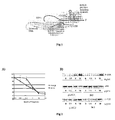
- Dyskerin ( Figure 1 ) is a 58-kD nucleolar protein that is associated with the H/ACA box in the SnoRNAs, present in the small ribonucleoprotein particles in charge of pseudouridinising the ribosomal RNA. On the other hand, it is also a component of the telomerase complex, which is responsible for maintaining telomeric repetitions at the chromosome ends.
- the X-chromosome-linked form of dyskeratosis congenita (Marrone et al., 2003; Besseler et al., 2004) is a congenital syndrome that causes bone marrow failure and is associated with greater susceptibility to cancer.
- dyskeratosis is caused by a specific mutation of the DKC1 gene, which encodes dyskerin.
- DKC1 gene which encodes dyskerin.
- Another autosomal dominant dyskeratosis congenita in this case, the disease is associated with mutations in the RNA component of telomerase (hTR) (Heiss et al., 1998).
- hTR RNA component of telomerase
- telomerase activity In the fibroblasts and lymphoblasts of patients with dyskeratosis congenita there is less telomerase activity and the telomeres are shorter than those of cells not affected by the disease (Siriniavin et al., 1975; Trowbridge et al., 1977).
- telomerase defects have been overcome by expressing hTERT ectopically (Mitchell et al., 1999).
- hTERT ectopically Mitsubishi chromosome-linked form of dyskeratosis congenita.
- the only way to recover telomerase activity is by re-expressing hTR (Fu et al., 2003).
- Telomeres are composed of 500-2,000 repetitions of the TTAGGG conserved sequence at the chromosome 3' end and their shortening through successive divisions becomes a limitation for the cell's proliferation capacity. Telomeres are susceptible to suffering DNA damage caused by exogenous agents, including cisplatin. It has been described that cisplatin is capable of inhibiting telomerase activity in different cell lines (Ishibashi et al., 1998; Burger et al., 1997). There are several hypotheses as to how this inhibition may occur. One possibility is the formation of G-Pt-G adducts, typical of cisplatin, in the repeated sequence of TTAGGG telomeres.
- One object of this invention is a compound that induces or activates telomerase activity, hereinafter activator compound of this invention, based on the nucleotide sequence of the GSE 24.2 fragment of dyskerin or the protein or peptide sequence encoded by said nucleotide sequence which is capable of recovering telomerase activity in the interior of the cells of a mammal, preferably human.
- GSE 24.2 gene sequence of this invention which allows for the expression of a protein or peptide that induces telomerase activity in the interior of the cells of a mammal, preferably human, and which consists of one or several GSE 24.2 nucleotide sequences belonging to the following group:
- nucleotide sequence refers to a DNA, cDNA or mRNA sequence.
- a particular embodiment of this invention is the nucleotide sequence of the GSE 24.2 sequence of a) composed of SEQ ID NO1.
- Another particular embodiment of this invention is the nucleotide sequence of the GSE 24.2 sequence of b) composed of SEQ ID NO11 or SEQ ID NO13, which encode the Trub I and Trub II peptide domains, respectively (Example 1.7).
- Another particular object of this invention is a GSE 24.2 genetic construction which comprises the GSE 24.2 nucleotide sequence.
- GSE 24.2 expression vector which comprises a GSE 24.2 nucleotide sequence or a GSE 24.2 genetic construction, described in this invention, and which allows for the expression of a protein or peptide capable of recovering telomerase activity in the interior of the cells of mammals, preferably humans.
- a protein or peptide capable of recovering telomerase activity in the interior of the cells of mammals, preferably humans.
- pLNCX 24.2 expression vector of the invention see examples).
- GSE 24.2 protein of this invention which exhibits activity aimed at recovering telomerase in the interior of the cells of a mammal, preferably human, and which comprises one or several amino acid sequences belonging to the following group:
- Another particular embodiment of this invention is a protein whose amino acid sequence of a) is composed of SEQ ID NO2.
- Another particular embodiment of this invention is a protein whose amino acid sequence of c), fragment of which is composed of SEQ ID NO12 or SEQ ID NO14.
- GSE 24.2 cells of the invention which comprise the GSE 24.2 nucleotide sequence, construction and expression vector of the invention and wherein the GSE 24.2 peptide or protein of the invention may be adequately expressed.
- another object of the invention is the use of the GSE 24.2 activator compound of this invention in the preparation of a drug or pharmaceutical composition for the treatment of a disease caused by an alteration of, preferably a reduction in, telomerase activity, belonging, for illustrative purposes and without this limiting the scope of the invention, to the following group: ageing or acceleration of ageing, neurodegenerative diseases and dyskeratosis congenita.
- Another object of this invention is a pharmaceutical composition or drug for the treatment of diseases, disorders or pathologies that develop with alterations of telomerase activity, preferably a reduction in activity, hereinafter pharmaceutical composition of this invention, which comprises a therapeutically effective quantity of a compound or agent capable of recovering telomerase activity jointly with, optionally, one or more pharmaceutically acceptable adjuvants and/or vehicles, and which is capable of stimulating the generation and maintenance of telomerase activity.
- Another particular object of this invention is a pharmaceutical composition of the invention wherein the compound or agent capable of recovering telomerase activity belongs to the following group: GSE 24.2 sequence, genetic construction or vector that allow for the expression of a protein or peptide capable of recovering telomerase activity in the interior of the cells of a mammal, preferably human.
- a particular embodiment of the invention is a pharmaceutical composition of the invention wherein the compound or agent capable of recovering telomerase activity is one or several GSE 24.2 sequences belonging to the following group:
- nucleotide sequence of a) is the GSE 24.2 nucleotide sequence (SEQ ID NO1).
- nucleotide sequence of c) is the SEQ ID NO11 or SEQ ID NO 13 nucleotide sequence.
- nucleotide sequence is a vector, preferably the pLNCX 24.2 vector.
- Another particular object of this invention is a pharmaceutical composition of the invention wherein the compound or agent capable of recovering telomerase activity is a protein or a peptide encoded by the GSE 24.2 sequence, genetic construction or vector of the invention.
- a particular embodiment of the invention is a pharmaceutical composition of the invention wherein the GSE 24.2 protein or peptide belongs to the following group:
- Another particular embodiment of this invention is the pharmaceutical composition of the invention wherein the amino acid sequence of a) is the SEQ ID NO2 sequence.
- Another particular embodiment of this invention is the pharmaceutical composition of the invention wherein the amino acid sequence of c) is the SEQ ID NO12 or SEQ ID NO14 sequence.
- Another particular object of this invention is a pharmaceutical composition of the invention wherein the telomerase-activating compound or agent is a cell, preferably human, transformed by the GSE 24.2 sequence, construction or vector.
- Another object of the invention is the use of the pharmaceutical composition of the invention, hereinafter use of the pharmaceutical composition of the invention, in a method of treatment or prophylaxis for a mammal, preferably a human being, affected by a disease, disorder or pathology that develops with alterations of telomerase activity, consisting of the administration of said therapeutic composition in a suitable dose which allows for the recovery of telomerase activity in the interior of its cells.
- Another particular object of this invention is the use of the pharmaceutical composition of the invention in a treatment method for a disease or disorder that develops with alterations of telomerase activity and which affects human beings, belonging, for illustrative purposes and without this limiting the scope of the invention, to the following group: ageing or acceleration of ageing, neurodegenerative diseases, dyskeratosis congenita, Cri du chat, ataxia telangiectasia, Nijmegen Breakage Syndrome, Bloom Syndrome, Werner Syndrome, Fanconi's anaemia, ulcerous colitis, vascular ageing, atherosclerosis and cancer.
- Another particular embodiment of this invention is the use of the pharmaceutical composition of the invention in a treatment method for a neurodegenerative disease belonging to the following group: Alzheimer's disease, Parkinson's disease, cerebellar ataxia and spinal cord degeneration.
- Another particular embodiment of this invention is the use of the pharmaceutical composition of the invention in a treatment method for autosomal dominant dyskeratosis congenita.
- This invention addresses the problem of providing new therapeutic tools for the treatment of diseases that develop with alterations of telomerase activity and, more specifically, dyskeratosis congenita.
- This invention is based on the fact that the inventors have proven that the expression of a cDNA fragment of dyskerin, fragment GSE 24.2 (SEQ ID NO1), which expresses an internal sequence of dyskerin (SEQ ID NO2), compensates for the defects in telomerase activity in the cells of patients with dyskeratosis congenita and in VA13 cells (Example 3). More specifically, when the cells of patients with dyskeratosis congenita and VA13 cells are transfected with the GSE 24.2 sequence, in addition to recovering telomerase activity, there is an increase in hTERT and hTR levels.
- the hTERT protein promoter in cells transfected with the GSE 24.2 peptide, the hTERT protein promoter, but not hTR, is constitutively activated in a manner dependent on c-myc expression, more specifically through its binding to the NHEIII region, located in the purine-rich P1 region of the promoter (Pu27, see Example 2), thus allowing for a change in the secondary conformation of DNA, in such a way that transcription factors may access the DNA. Any change in the sequence of this region that modifies the secondary structure thereof alters the activity of the GSE 24.2 peptide.
- GSE 24.2 a sequence equivalent to the human GSE 24.2 peptide (CBF5 of yeast, S. cerevisiae CBF5) exhibits a similar activity in the activation of hTERT (data not shown), indicating a high degree of functional conservation in the activity of this domain of dyskerin, thus defining and illustrating the multiple possibilities of elements or sequences homologous to GSE 24.2 that may be used in this invention.
- this GSE 24.2 peptide provides human cell lines with a survival capacity to cisplatin (Example 1).
- the 24.2 cell line increases viability in the face of the inhibitor of telomerase 1.
- This inhibitor has an action mechanism that is similar to cisplatin, forming G-quadruplexes in the telomeres and reducing telomerase activity (Sun et al., 1997). Sequences have also been described which form G-quadruplexes in an hTERT intron; therefore, it is possible that this inhibitor also reduces hTERT levels, thereby also reducing telomerase activity (Lemateleur et al., 2004).
- the GSE 24.2 peptide could reduce the efficacy of these inhibitors by preventing or reducing the formation of these G-quadruplexes, or perhaps it is capable of increasing hTERT levels, thus increasing telomerase activity, through another mechanism.
- GSEs Gene suppression elements are biologically active cDNA fragments that encode peptides or RNA anti-sense inhibitors and act in a dominant fashion on gene expression in mammal cells.
- GSE 24.2 is a 165-pb fragment that comprises nucleotides 268 to 433, and corresponds to a sequence formed by two highly conserved domains in different species, called TRUB ( Figure 2b , see SEQ ID NO12 and 14, respectively).
- telomere complex shortening of telomeres and diseases with cell ageing or stem cells
- GSE 24.2 element or derivatives thereof may be used as drugs to recover telomerase activity.
- syndromes other than DC which include a shortening of telomeres amongst the cellular phenotypes, and also bone marrow failures, immunosuppression and predisposition to cancer.
- the telomerase gene is not affected by mutations in any of them, but telomere replacement and telomerase activity are.
- one object of this invention is a compound that induces or activates telomerase activity, hereinafter activator compound of this invention, based on the nucleotide sequence of the GSE 24.2 fragment of dyskerin, or the protein or peptide sequence encoded by said nucleotide sequence, which is capable of recovering telomerase activity in the interior of the cells of a mammal, preferably human.
- the term "compound that induces or activates telomerase” refers to a molecule that increases the intensity or prolongs the duration of the biological activity thereof. This definition includes, moreover, those compounds or molecules which allow for the expression of a nucleotide sequence that encodes for a GSE 24.2 protein.
- An activator compound may be composed of a peptide, a protein or a nucleotide sequence.
- a particular object of the invention is a nucleotide sequence, hereinafter GSE 24.2 gene sequence of this invention, which allows for the expression of a protein or peptide that induces the recovery of telomerase activity in the interior of the cells of a mammal, preferably human, and which is composed of one or several sequences of GSE 24.2 nucleotides belonging to the following group:
- analogous is intended to include any nucleotide sequence that may be isolated or constructed on the basis of the sequence shown in this specification; for example, by introducing conservative or non-conservative nucleotide substitutions, including the insertion of one or more nucleotides, the addition of one or more nucleotides at any of the ends of the molecule or the deletion of one or more nucleotides at any end or in the interior of the sequence, which allows for the encoding of a peptide or protein capable of mimicking the activity of the GSE 24.2 sequence (SEQ ID NO2) or fragments thereof (SEQ ID NO12 and SEQ ID NO14).
- the dyskerin enzyme belongs to a family of pseudouridine synthase present in several organisms (see Figure 3B, Mitchel et al,, 1999). On the basis of the information described in this invention and of different organisms found in nature, a person skilled in the art may isolate or construct a nucleotide sequence analogous to those described in this invention.
- an analogous nucleotide sequence is substantially homologous to the nucleotide sequence described above.
- the expression “substantially homologous” means that the nucleotide sequences in question have a degree of identity of, at least, 30%, preferably of, at least, 85%, or more preferably of, at least, 95%.
- nucleotide sequence refers to a DNA, cDNA or mRNA sequence.
- a particular embodiment of this invention is the nucleotide sequence of the GSE 24.2 sequence of a) composed of SEQ ID NO1.
- Another particular embodiment of this invention is the nucleotide sequence of the GSE 24.2 sequence of b) composed of SEQ ID NO11 or SEQ ID NO13, which encode the Trub I and Trub II peptide domains, respectively (Example 1.7).
- the GSE 24.2 nucleotide sequence identified as d) corresponds to a GSE 24.2 gene construction.
- This GSE 24.2 gene construction of the invention may also comprise, if necessary and in order to allow for better isolation, detection or cytoplasm secretion of the expressed peptide, a nucleotide sequence that encodes a peptide susceptible to being used for purposes of isolation, detection or secretion of said peptide.
- another particular object of this invention is a GSE 24.2 genetic construction that comprises, in addition to the GSE 24.2 nucleotide sequence, any other nucleotide sequence that encodes a peptide or peptide sequence which allows for the isolation, the detection or the cell cytoplasm secretion of the expressed peptide; for example, for illustrative purposes and without this limiting the scope of the invention, a polyhistidine sequence (6xHis), a peptide sequence that is recognisable by a monoclonal antibody (for example, for the identification thereof, or any other that may be used to purify the resulting fusion protein by immunoaffinity chromatography: tag peptides such as c-myc, HA, E-tag) (" Using antibodies: a laboratory manual”. Ed. Harlow and David Lane (1999). Cold Spring Harbor Laboratory Press. New York. Chapter: Tagging proteins. Pp. 347-377 ).
- the GSE 24.2 nucleotide sequence and the GSE 24.2 genetic construction described above may be obtained by a person skilled in the art using techniques that are widely known in the state of the art ( Sambrook et al. "Molecular cloning, a Laboratory Manual”. 2nd ed., Cold Spring Harbor Laboratory Press, N.Y., 1989. vols. 1-3 ). Said nucleotide sequences may be integrated in a gene expression vector that allows for the regulation of the expression thereof under suitable conditions in the interior of cells.
- another particular object of this invention is a GSE 24.2 expression vector that comprises a GSE 24.2 nucleotide sequence or a GSE 24.2 genetic construction, described in this invention, which allows for the expression of a protein or peptide capable of recovering telomerase activity in the interior of cells of mammals, preferably humans.
- a GSE 24.2 expression vector that comprises a GSE 24.2 nucleotide sequence or a GSE 24.2 genetic construction, described in this invention, which allows for the expression of a protein or peptide capable of recovering telomerase activity in the interior of cells of mammals, preferably humans.
- pLNCX 24.2 expression vector of the invention see examples 1 and 2).
- an expression vector comprises, in addition to the GSE 24.2 nucleotide sequence or the 24.2 genetic construction described in the invention, a promoter that directs the transcription thereof (for example, pT7, plac, ptrc, ptac, pBAD, ret, etc.), whereto it is operatively bound, and other necessary or appropriate sequences which control and regulate said transcription and, if applicable, the translation of the product of interest; for example, transcription initiation and termination signals ( tlt2, etc.), polyadenylation signal, replication origin, ribosome-binding sequences (RBS), transcriptional-regulator-encoding sequences (enhancers), transcriptional silencers, repressors, etc.
- a promoter that directs the transcription thereof for example, pT7, plac, ptrc, ptac, pBAD, ret, etc.
- a promoter that directs the transcription thereof for example, pT7, plac, ptr
- Examples of appropriate expression vectors may be selected, on the basis of the conditions and needs of each specific case, amongst expression plasmids, viral vectors (DNA or RNA), cosmids, artificial chromosomes, etc., which may contain, in addition, markers that may be used to select the cells transfected or transformed with the gene or genes of interest.
- the selection of the vector will depend on the host cell and the type of use intended. Therefore, in accordance with a particular embodiment of this invention, said vector is a plasmid or a viral vector.
- Said vector may be obtained by conventional methods known by those skilled in the art; similarly, different widely-known methods may be used for the transformation of microorganisms and eukaryotic cells - chemical transformation, electroporation, microinjection, etc.
- GSE 24.2 protein of this invention that exhibits activity aimed at recovering telomerase in the interior of the cells of a mammal, preferably human, and which comprises one or several amino acid sequences belonging to the following group:
- analogous is intended to include any amino acid sequence that may be isolated or constructed on the basis of the sequence shown in this specification; for example, by the introduction of conservative or non-conservative amino acid substitutions, including the insertion of one or more amino acids, the addition of one or more amino acids at any of the ends of the molecule or the deletion of one or more amino acids at any end or in the interior of the sequence, and which mimics the telomerase recovery activity of SEQ ID NO2.
- the dyskerin enzyme belongs to a family of pseudouridine synthase present in several organisms (see Figure 3B, Mitchel et al., 1999). On the basis of the information described in this invention and of different organisms present in nature, a person skilled in the art may isolate or construct an amino acid sequence analogous to those described in this invention.
- an analogous amino acid sequence is substantially homologous to the amino acid sequence discussed above.
- the expression “substantially homologous” means that the amino acid sequences in question have a degree of identity of, at least, 30%, preferably of, at least, 85%, or more preferably of, at least, 95%.
- Another particular embodiment of this invention is a protein whose amino acid sequence of a) is composed of SEQ ID NO2.
- Another particular embodiment of this invention is a protein whose amino acid sequence of c), fragment of which is composed of SEQ ID NO12 or SEQ ID NO14.
- GSE 24.2 cells of the invention which comprise the GSE 24.2 nucleotide sequence, construction and expression vector of the invention and wherein the GSE 24.2 peptide or protein of the invention may be adequately expressed.
- GSE 24.2 cells of the invention which comprise the GSE 24.2 nucleotide sequence, construction and expression vector of the invention and wherein the GSE 24.2 peptide or protein of the invention may be adequately expressed.
- These cells may be transformed, infected or transfected by means of said nucleotide sequences using genetic engineering techniques known by those skilled in the art [ Sambrook, J., Fritsch, E.F., and Maniatis, T. (1989). Molecular cloning: a laboratory manual, 2nd ed. Cold Spring Harbor Laboratory ] and are a part of this invention.
- These cells may be useful for the production of peptides capable of recovering telomerase activity, which may form the basis for a pharmaceutical composition, for the recombinant amplification of said nucleotide sequences, or may be useful per se as cells for gene therapy, etc.
- a particular embodiment would be a human cell transformed by these GSE 24.2 nucleotide sequences, from different cell strains, which may be used as cells for human tissue regeneration.
- Gene expression systems may or may not allow for the integration of new genetic material into the host cell's genome.
- the GSE 24.2 nucleotide sequence, gene construction or expression vector may be used as a drug to protect host cells, preferably human cells affected by an alteration of telomerase activity, in a gene therapy method of treatment and prophylaxis for a human being affected by a disease that develops with alterations of telomerase activity.
- the GSE 24.2 cells of the invention may be used as a drug for the regeneration or implantation of tissues or cells in human beings.
- the biopharmaceutical tools and gene therapy procedures are sufficiently known by those skilled in the art such that, with the information described in this invention, they may be developed relatively easily.
- the proteins or peptides and the cells themselves may become biodrugs.
- another object of the invention is the use of the GSE 24.2 activator compound of this invention in the preparation of a drug or pharmaceutical composition for the treatment of a disease caused by an alteration of, preferably a reduction in, telomerase activity, belonging, for illustrative purposes and without this limiting the scope of the invention, to the following group: ageing or acceleration of ageing, neurodegenerative diseases, dyskeratosis congenita, Cri du chat (CdC, OMIM 123450), ataxia telangiectasia (AT, OMIM 208900), Nijmegen Breakage Syndrome (NBS, OMIM 251260), Bloom Syndrome (BS, OMIM 10900), Werner Syndrome (WS, OMIM 277900), Fanconi's anaemia (FA OMIM 227650), ulcerous colitis, vascular ageing, atherosclerosis and cancer.
- ageing or acceleration of ageing neurodegenerative diseases, dyskeratosis congenita, Cri du chat (CdC, OMIM
- Cri du chat disease (CdC, OMIM 123450) is a congenital hereditary syndrome associated with deletions of the short arm of chromosome 5 and appears with a frequency of 1:20,000 and 1:50,000; the frequency in patients affected by profound mental retardation (IQ less than 20) reaches 1%.
- Ataxia telangiectasia is an autosomal recessive syndrome caused by mutations in the ATM gene.
- the problems appear between the second and fifth years of life and consist of progressive neuronal degeneration (cerebral ataxia), ocular telangiectasia, immunodeficiency, hypogonadism, genomic instability, premature ageing, mild diabetes mellitus, small height and predisposition to cancer (lymphomas and leukemias).
- Nijmegen Breakage Syndrome (NBS, OMIM 251260) is an autosomal recessive disease caused by mutations or losses of the Nibrin gene.
- the syndrome is characterised by microcephalia, destructive facial appearance, retarded growth, progressive mental retardation and strong predisposition to lymphomas and respiratory tract infections.
- Bloom Syndrome (BS, OMIM 210900) and Werner Syndrome (WS, OMIM 277900).
- BS is an autosomal recessive syndrome induced by mutations in the recQ gene, a protein with helicase activity.
- WS is also an autosomal recessive syndrome caused by mutations in helicase recQL2. Both diseases are characterised by accelerated ageing and the symptoms include atherosclerosis, osteoporosis, diabetes mellitus, binocular cataracts and predisposition to some types of tumours, particularly sarcomas (WS) and leukemias (BS).
- Fanconi's anaemia (FA, OMIM 227650) is an autosomal recessive disease characterised by a great number of developmental defects, bone marrow failures and a one-thousand-fold increase in the incidence of myeloid leukemias and a strong predisposition to develop solid tumours.
- the frequency of development of the disease amongst mutation carriers is 1:100.
- Ulcerous colitis is a disease which affects one in 100 Vietnameserds. It is believed to have an autoimmune origin wherein genetic and environmental factors intervene. Ulcerous colitis affects the small intestine and is characterised by chronic inflammation of the colonic sheet, with consequent ulceration, disruption of the mucous barrier and atrophia of the colon mucous membrane. The risk of cancer increases with the duration of the disease and occurs in numerous organs, such as the colon and lymphomas.
- telomeric dysfunction is present in blood vessels with atherosclerotic plaques.
- the reactivation of telomerase in vascular progenitor cells increases these cells' division capacity and vasculogenesis.
- a loss of these progenitor cells contributes to an important vascular dysfunction; therefore, an anti-senescence therapy would provide a new approach to palliate the vascular effects of ageing and atherosclerosis.
- the GSE 24.4 element of the invention may be very broad once we know the mechanism, or one of the mechanisms, whereby this element carries out its biological activity, and which is described for the first time in this invention: by binding to the NHEIII region.
- this polypurine sequence in this area, there are few examples of this polypurine sequence in other promoters, but we can highlight the fact that this polypurine region is located in the promoter regions of the CCR5 and PDGFA genes, amongst others.
- few transcription factors that interact with this NHE domain are known, although we must highlight the nm23H1 metastasis-suppressing peptide (Yoshiro O et al., 2001; Grand et al., 2004).
- the GSE 24.2 element of the invention could be used as a suppressing factor for tumour growth and metastasis propagation, an application that is a part of this invention.
- neurodegenerative disease refers to a disease belonging, amongst others, for illustrative purposes, to the following group: Alzheimer's disease, Parkinson's disease, cerebellar ataxia and spinal cord degeneration.
- Another object of this invention is a pharmaceutical composition or drug for the treatment of diseases, disorders or pathologies that develop with alterations of telomerase activity, preferably a reduction in activity, hereinafter pharmaceutical composition of this invention, that comprises a therapeutically effective quantity of a compound or agent capable of recovering telomerase activity jointly with, optionally, one or more pharmaceutically acceptable adjuvants and/or vehicles, which is capable of stimulating the generation and maintenance of telomerase activity.
- compositions are the adjuvants and vehicles known by those skilled in the art which are habitually used in the preparation of therapeutic compositions.
- the expression "therapeutically effective quantity” refers to the quantity of the agent or compound capable of recovering telomerase activity calculated to produce the desired effect and, in general, it will be determined, amongst other causes, by the compounds' characteristics, including the patient's age and condition, the severity of the alteration or disorder, and the route and frequency of administration.
- said therapeutic composition is prepared in solid form or aqueous suspension, in a pharmaceutically acceptable diluent.
- the therapeutic composition provided by this invention may be administered by any appropriate administration route; to this end, said composition will be formulated in the suitable pharmaceutical form for the selected administration route.
- administration of the therapeutic composition provided by this invention is performed by parenteral route, by oral route, by intraperitoneal route, subcutaneous route, etc.
- Another particular object of this invention is a pharmaceutical composition of the invention wherein the compound or agent capable of recovering telomerase activity belongs to the following group: GSE 24.2 sequence, genetic construction or vector which allow for the expression of a protein or peptide capable of recovering telomerase activity in the interior of the cells of a mammal, preferably human.
- a particular embodiment of the invention is a pharmaceutical composition of the invention wherein the compound or agent capable of recovering telomerase activity is one or several GSE 24.2 sequences belonging to the following group:
- nucleotide sequence of a) is the GSE 24.2 nucleotide sequence (SEQ ID NO1).
- nucleotide sequence of c) is the SEQ ID NO11 or SEQ ID NO 13 nucleotide sequence.
- nucleotide sequence is a vector, preferably the pLNCX 24.2 vector.
- Another particular object of this invention is a pharmaceutical composition of the invention wherein the compound or agent capable of recovering telomerase activity is a protein or a peptide encoded by the GSE 24.2 sequence, genetic construction or vector of the invention.
- a particular embodiment of the invention is a pharmaceutical composition of the invention wherein the .GSE 24.2 protein or peptide belongs to the following group:
- Another particular embodiment of this invention is the pharmaceutical composition of the invention wherein the amino acid sequence of a) is the SEQ ID NO2 sequence.
- Another particular embodiment of this invention is the pharmaceutical composition of the invention wherein the amino acid sequence of c) is the SEQ ID NO12 or SEQ ID NO14 sequence.
- Another particular object of this invention is a pharmaceutical composition of the invention wherein the compound or agent that activates telomerase is a cell, preferably human, that is transformed by the GSE 24.2 sequence, construction or vector.
- Another object of the invention is the use of the pharmaceutical composition of the invention, hereinafter use of the pharmaceutical composition of the invention, in a method of treatment or prophylaxis for a mammal, preferably a human being, affected by a disease, disorder or pathology that develops with alterations of telomerase activity, consisting of the administration of said therapeutic composition in a suitable dose that allows for the recovery of telomerase activity in the interior of its cells.
- the pharmaceutical composition of this invention may be used in a treatment method in isolation or jointly with other pharmaceutical compounds.
- Another particular object of this invention is the use of the pharmaceutical composition of the invention in a treatment method for a disease or disorder that develops with alterations of telomerase activity and which affects human beings, belonging, for illustrative purposes and without this limiting the scope of the invention, to the following group: ageing or acceleration of ageing, neurodegenerative diseases, dyskeratosis congenita, Cri du chat (CdC, OMIM 123450), ataxia telangiectasia (AT, OMIM 208900), Nijmegen Breakage Syndrome (NBS, OMIM 251260), Bloom Syndrome (BS, OMIM 210900), Werner Syndrome (WS, OMIM 277900), Fanconi's anaemia (FA OMIM 227650), ulcerous colitis, vascular ageing, atherosclerosis and cancer.
- ageing or acceleration of ageing neurodegenerative diseases, dyskeratosis congenita, Cri du chat (CdC, OMIM 123450), ataxia telan
- Another particular embodiment of this invention is the use of the pharmaceutical composition of the invention in a treatment method for a neurodegenerative disease belonging to the following group: Alzheimer's disease, Parkinson's disease, cerebellar ataxia and spinal cord degeneration.
- Another particular embodiment of this invention is the use of the pharmaceutical composition of the invention in a treatment method for the X-chromosome-linked form of dyskeratosis congenita.
- Another particular embodiment of this invention is the use of the pharmaceutical composition of the invention in a treatment method for autosomal dominant dyskeratosis congenita.
- cDNA library sequences that conferred resistance to cisplatin were isolated by tracking the gene suppression elements.
- This methodology which has been previously described (Roninson et al., 1995), consists of the expression of cDNA constructions from a human placenta library, normalised in order to equate the abundance in gene expression. Close to 100 different clones that conferred resistance to cisplatin were isolated. After amplifying the cDNA inserts, they were subcloned in the pLNCX plasmid and transfected again in order to ensure that they conferred resistance.
- One of these GSEs was a 165-pb fragment called 24.2 (see SEQ ID NO1) which corresponded to an internal sequence of human dyskerin.
- the pLNCX24-2 plasmid containing GSE of the same name was transfected in a stable manner in the 293T cells and, as a control, the pLNCX empty vector was transfected.
- Figure 2a shows the viability curve for the two cell lines in response to different doses of cisplatin after 72 hours.
- JNK and p38 are MAPKs that are activated in response to genotoxic agents (Sánchez-Perez et al., 1998).
- the activation kinetics of these two proteins in response to cisplatin is related to the capacity to induce cell death; for this reason, the activation of these kinases in the two cell lines was studied ( Figure 2b ) and it was observed that a greater dose of cisplatin is required to activate both kinases in cells that express GSE 24.2 in a stable manner, thus suggesting that the expression of GSE 24.2 attenuates the cell damage signal that activates both kinases.
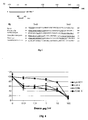
- a cell line was generated which overexpressed, in a stable manner, the complete cDNA, of dyskerin (pLNCX DSK). Also transfected was a construction that contained a fragment of dyskerin described in Figure 3 a), which includes the GSE 24.2 sequence, in order to study whether the effect is exclusive of the region contained in 24.2 or a larger region of dyskerin (pLNCX DSK-5').
- Figure 4 shows the viability curve for the four cell lines in response to different doses of cisplatin.
- cisplatin inhibits telomerase activity through a mechanism that is yet to be defined. Since GSE 24.2 corresponds to an internal sequence of dyskerin and the latter is a part of the ribonucleoprotein complex of telomerase, the effect of cisplatin on telomerase activity was studied in the cell line that expressed GSE 24.2; also studied was whether this effect varied with respect to the cell line that expresses the empty vector.
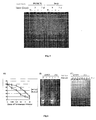
- telomerase activity was performed using the TRAP method with the pLNCX and pLNCX 24.2 cell lines ( Figure 5 ), pretreating them for 3 days with 0.5 ⁇ g/ml of cisplatin; subsequently, they were treated with 3 ⁇ g/ml of cisplatin for 3 and 7 days.
- the 3-day treatment was performed because it had been described that a specific inhibitor of telomerase needed to act during this time for efficient inhibition of the enzyme (Kim et al., 2003; Bednarek et al., 1999; Gowan et al., 2002).
- the Inhibitor of Telomerase I is a compound that forms G-quadruplexes in the telomeres, thereby inhibiting telomerase activity (Thompson et al., 1997).
- GSE 24.2 in response to the inhibitor of telomerase I.
- Figure 6a shows that the 24.2 cells are more resistant to the inhibitor of telomerase I than parental cells.
- telomere activity and cell survival in both cell lines are common for cisplatin and the inhibitor of telomerase I, thus suggesting that the GSE 24.2 fragment could have a significant role in the maintenance of the telomeres' structure, at least in part, since it is capable of preventing the inhibition caused by the inhibitor of telomerase I.
- telomere complex a change in the levels of some of the components of the telomerase complex. Therefore, the expression levels of different genes involved in the telomerase complex and the effect that cisplatin had on their expression were studied.
- the pLNCX and pLNCX 24.2 cells were pre-treated with 0.5 ⁇ g/ml and treated with 3 ⁇ g/ml of cisplatin for 3 and 7 days. Using oligos specific for hTR, hTERT and dyskerin, the expression levels of these genes and the effect of cisplatin on said expression were studied.
- the pseudouridine synthase TRUB domain of dyskerin comprises two structural subdomains: the Trub I and II motifs (Zucchini et al., 2003). These two domains are critical to maintain the global protein structure of dyskerin. Moreover, motif II contains at least one residue (asp125) that is essential for enzymatic activity.
- the hTERT-luc reporter vector containing a 3,402-pb sequence (Song et al., 1999) of the human hTERT promoter was transfected in the cell lines: pLNCX 24.2 and pLNCX.
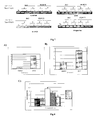
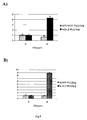
- Figure 8a shows that, in the pLNCX 24.2 cell line, the activity of the hTERT promoter is greater than in the cells that express the empty vector (pLNCX).
- the same experiment was performed by transitorily expressing GSE 24.2 in the 293T cells ( Figure 8b ) and it was observed that the transitory expression of GSE 24.2 also increases the activity of the hTERT promoter as compared to the cells transfected with the empty vector.
- the pLNCX and pLNCX 24.2 cells were transfected with the hTERT-luc reporter vector. After 24 hours of transfection, they were treated with 3 ⁇ g/ml of cisplatin for 8 hours and the telomerase activity was assayed ( Figure 9a ).
- Example 2 The NHEIII fragment of the promoter of the c-MYC gene is the target of the GSE 24.2 peptide.
- the hTERT promoter contains two E-box regions (CACGTG), binding sites to myc/max heterodimers (Oh et al., 1999; Wu et al., 1999), as well as five sp1 regions.
- CACGTG binding sites to myc/max heterodimers
- GSE 24.2 peptide binding sites to myc/max heterodimers
- a hybrid molecule containing this binding domain to c-myc DNA and the mad transactivation domain was transfected, which was capable of inhibiting binding to this E-box, inhibiting the dependent transcription of c-myc.
- the control cells and cells that express the dyskerin protein (DKC) and the GSE 24.2 peptide were transfected with incremental quantities of said hybrid molecule.
- DKC dyskerin protein
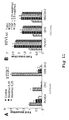
- the expression of the mad/myc fusion protein inhibited the baseline activity of the hTERT promoter in a dose-dependent manner, in both the control group and the DKC cells. Furthermore, the expression of the myc/mad fusion protein was capable of blocking the GSE-24.2-peptide-mediated transcription in the GSE 24.2 cells, thus suggesting that the activation of the hTERT transcription induced by GSE 24.2 is dependent on c-myc ( Figure 11b ). This inhibition was specific, since the transfection of the myc/mad construction jointly with an NF ⁇ B-dependent promoter (HIVLuc) did not affect the transcription following stimulation with TNF ⁇ in any of the cell lines ( Figure 11c).
- NHEIII region Since the NHEIII region has been described as an inhibitor of the transcription of c-myc, several mutants of the NHEIII region were constructed by Guanine modification of the purine-rich region.
- the 27 Guanines present in the NHEIII region are involved in maintaining the secondary structure of the G-quadruplexes of the purine-rich region (Pu27).
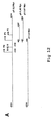
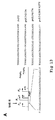
- the following were mutated: G12A, located on the second guanine of the second quartet; G17A, on the second triplet of Guanines; and, finally, two consecutive Guanines (G26A/G27A) at the end of the purine-rich region ( Figure 13a ).
- Example 3 Expression of GSE 24.2 in the cells of patients with the X-chromosome-linked form of dyskeratosis congenita and in VA13 cells.
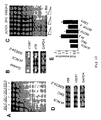
- telomerase activity was measured and an increase in telomerase activity was observed in both the carrier mother cells and the cells of patients with dyskeratosis congenita when the GSE 24.2 fragment is expressed ( Figure 10a ). Curiously, an increase in telomerase activity was not observed with the expression of complete dyskerin (data not shown). On the other hand, the levels of hTR are low in the DC cells that express a mutated form of the dyskerin gene (Mochizuki et al., 2004). It was investigated whether this increase in activity was the consequence of an increase in the expression of any of the components of the telomerase complex, hTERT and hTR. To this end, an RT-PCR assay was performed 24 hours after the transfection, using oligos specific for hTERT and hTR ( Figure 10b ), and in both cases an increase in the expression levels was observed following expression of GSE 24.2.
- the expression of the GSE 24.2 peptide of the invention in the VA13 telomerase-deficient cell line (Cesare and Griffith, 2004) was capable of recovering telomerase activity ( Figure 10c ), and the expression of the hTERT and hTR RNAs ( Figure 10d ).
- the expression of motif I of the GSE 24.2 peptide (with a lower efficiency) and the fragment of the CBF5 gene of yeast additionally activated the hTERT promoter ( Figure 10e ).
- the results indicate that the expression of the GSE 24.2 peptide was capable of recovering telomerase activity in both cell lines.
- the cell lines of patients with X-chromosome-linked dyskeratosis congenita were obtained from the Corriel Cell Repository and kept in RPMI 20% FBS.
- the VA13 line was obtained from Dr. M Serrano.
- the DKC family was clinically described (Sirinavin et al.,1975; Trowbridge et al., 1977) and the affected individuals exhibit substitution of a T66A amino acid (data not shown) (DC-1, DC-2, DC-3).
- the carrier mother cell line (DC-C) expresses a messenger RNA without mutation (data not shown). These cells were grown in RPMI (Gibco) supplemented with 20% fetal bovine serum (Gibco) and 2 mM of Glutamine.
- the DSK construction contains the complete cDNA of human dyskerin and the DSK 5' construction (SEQ ID NO5) contains the first 500 nucleotides of human dyskerin. Both constructions, like GSE 24.2 (SEQ ID NO1), were cloned in the Clal site of the pLNCX plasmid (BD Biosciences Clontech).
- the cells derived from patients with DC and their respective controls were transitorily transfected by means of electroporation using 3 ⁇ g of the pLNCX or pLNCX 24.2 construction per million cells.
- the 293T cell line was obtained from the American Type Culture Collection and the cells were grown in DMEM (Dulbecco's Modified Eagle's Medium) (Gibco) supplemented with 10% fetal bovine serum (Gibco) and 2 mM of Glutamine.
- This cell line was transfected in a stable manner using the calcium chloride method, 10 ⁇ g of plasmid per million cells. These cells were co-transfected with pBABEpur, 1 ⁇ g of vector per million cells. 24 hours after the transfection, the cells were treated with puromycin in order to select stable clones. It was confirmed that the cells expressed the GSE 24.2 fragment in a stable manner by means of PCR of the genomic DNA (data not shown).
- the hTERT-luc construction was cloned in the pGL3 basic plasmid (Promega) and has been provided by Tae Kook Kim (Kim et al., 1999).
- telomerase activity assay based on the TRAP method (Wright et al., 1995).
- the telomerase activity was measured using the TRAPeze telomerase detection kit (Intergen) in accordance with the instruction manual.
- the protein concentration of each extract was quantified by means of the Bradford method using the BIORAD reagent and after performing a PCR in accordance with the manual instructions; polyacrylamide gel electrophoresis was performed with the reaction products under non-denaturing conditions and, subsequently, it was stained with Ethidium bromide for 30 minutes.
- the cells were lysed after being washed with PBS in order to eliminate residue from the medium.
- the lysis buffer was prepared in accordance with standard protocols and the protein inhibitors were added: ABSF,orthovanadate, Leupeptin, pepstatin A, aprotinine and DTT (Sigma). Subsequently, the extracts were centrifuged at 14,000 rpm for 10 minutes at 4°C and the supernatant was recovered. The total protein content was determined by means of the Bradford method using the BIORAD reagent.
- the antibodies used for the assays were: anti-pJNK (V7391, Promega), anti-JNK1 (C-17, Santa Cruz Biotechnologies), anti p-P38 (C20, Santa Cruz Technologies).
- RNA extraction from the cells was performed using the Trizol reagent (Life Technologies) following the manufacturer's instructions. In each reaction, 2 ⁇ g of total RNA were transcribed to cDNA using the M-Mlv reverse transcriptase (Promega).
- the PCR conditions for the amplification of hTERT were the following: 94°C, 45 s; 60°C, 45 s; 72°C, 90 s for 31 cycles.
- the PCR conditions for hTR were: 94°C, 45 seconds; 55°C, 45 seconds; 72°C, 90 seconds for 28 cycles.
- the conditions for dyskerin were: 94°C, 40 seconds; 60°C, 60 seconds; 72°C, 120 seconds for 28 cycles (Zhang et al., 2002).
- Luciferase assay The transcriptional regulation of hTERT was measured by means of the Luciferase reporter gene, preceded by a 3,402-pb sequence of the hTERT promoter. After 24 hours of transfection, the cells were lysed with the commercial Reporter Lysis Buffer (Promega). The cell lysates were centrifuged and the expression of luciferase was quantified with 10 ⁇ g of protein from the supernatant, using a Berthold luminometer. A construction of the CMV promoter, followed by the renilla gene, was used as a transfection control. The luciferase activity is expressed per microgram of protein and is normalised using the luminescence of the renilla in the same extract.
- the cell viability was studied by means of the crystal violet technique.
- the cells were seeded in 24-well plates and treated with different concentrations of the corresponding drug, specified in the figures. After 72 hours of incubation, the cells were fixated with 1% glutaraldehyde for 15 minutes and, after being washed with PBS, they were stained with 0.1% of the crystal violet colouring agent. The colouring agent associated with the cells was removed with a 10% acetic acid solution. The number of cells was determined by estimating the absorbance at 595 nm.
- the figures show the % viability with respect to the cells not subject to treatment and represent the mean of 2 experiments performed in quadruplicate with the corresponding deviations.
Landscapes
- Health & Medical Sciences (AREA)
- Chemical & Material Sciences (AREA)
- Life Sciences & Earth Sciences (AREA)
- Engineering & Computer Science (AREA)
- Bioinformatics & Cheminformatics (AREA)
- Organic Chemistry (AREA)
- Medicinal Chemistry (AREA)
- General Health & Medical Sciences (AREA)
- Pharmacology & Pharmacy (AREA)
- General Chemical & Material Sciences (AREA)
- Nuclear Medicine, Radiotherapy & Molecular Imaging (AREA)
- Chemical Kinetics & Catalysis (AREA)
- Animal Behavior & Ethology (AREA)
- Public Health (AREA)
- Veterinary Medicine (AREA)
- Biomedical Technology (AREA)
- Genetics & Genomics (AREA)
- Zoology (AREA)
- Neurology (AREA)
- Neurosurgery (AREA)
- Wood Science & Technology (AREA)
- Biochemistry (AREA)
- Molecular Biology (AREA)
- Cardiology (AREA)
- Heart & Thoracic Surgery (AREA)
- General Engineering & Computer Science (AREA)
- Microbiology (AREA)
- Biotechnology (AREA)
- Vascular Medicine (AREA)
- Biophysics (AREA)
- Toxicology (AREA)
- Proteomics, Peptides & Aminoacids (AREA)
- Gastroenterology & Hepatology (AREA)
- Urology & Nephrology (AREA)
- Psychiatry (AREA)
- Diabetes (AREA)
- Psychology (AREA)
- Hematology (AREA)
- Hospice & Palliative Care (AREA)
- Dermatology (AREA)
Applications Claiming Priority (2)
| Application Number | Priority Date | Filing Date | Title |
|---|---|---|---|
| ES200502511A ES2325431B1 (es) | 2005-10-14 | 2005-10-14 | Secuencia de nucleotidos y peptidos gse 24.2 de la disquerina inductores de la actividad telomerasa, procedimiento de obtencion, composiciones terapeuticas y sus aplicaciones. |
| PCT/ES2006/070152 WO2007090911A1 (es) | 2005-10-14 | 2006-10-11 | Secuencia de nucleótidos y péptidos gse 24.2 de la disquerina inductores de la actividad telomerasa, procedimiento de obtención, composiciones terapéuticas y sus aplicaciones |
Publications (2)
| Publication Number | Publication Date |
|---|---|
| EP1947175A1 EP1947175A1 (en) | 2008-07-23 |
| EP1947175B1 true EP1947175B1 (en) | 2010-05-26 |
Family
ID=38344881
Family Applications (1)
| Application Number | Title | Priority Date | Filing Date |
|---|---|---|---|
| EP06849419A Active EP1947175B1 (en) | 2005-10-14 | 2006-10-11 | Sequence of nucleotides and peptides gse 24.2 of dyskerin, which can induce telomerase activity, method for obtaining same, therapeutic compositions and applications thereof |
Country Status (10)
| Country | Link |
|---|---|
| US (2) | US9074194B2 (enExample) |
| EP (1) | EP1947175B1 (enExample) |
| JP (1) | JP5560398B2 (enExample) |
| AT (1) | ATE469212T1 (enExample) |
| CA (1) | CA2625981A1 (enExample) |
| DE (1) | DE602006014574D1 (enExample) |
| DK (1) | DK1947175T3 (enExample) |
| ES (2) | ES2325431B1 (enExample) |
| PT (1) | PT1947175E (enExample) |
| WO (1) | WO2007090911A1 (enExample) |
Families Citing this family (6)
| Publication number | Priority date | Publication date | Assignee | Title |
|---|---|---|---|---|
| ES2334736B1 (es) * | 2007-11-23 | 2011-02-02 | Consejo Superior De Investigaciones Cientificas (Titular Al 90%) | Uso de agentes inductores gse24.2 para la elaboracion de composiciones farmaceuticas para el tratamiento de enfermedades que cursan con senescencia celular. |
| US20160051485A1 (en) * | 2013-02-05 | 2016-02-25 | Consejo Superior De Investigaciones (Csic) | Biodegradable Bionanoparticles for Releasing the GSE24-2 Peptide, Method for the Production Thereof, and Use of Same |
| EP3061815B1 (en) * | 2013-10-25 | 2020-02-19 | Consejo Superior de Investigaciones Cientificas (CSIC) | Peptides derived from gse 24.2 for treating diseases caused by oxidative stress and damage to dna |
| KR20220022126A (ko) * | 2019-05-02 | 2022-02-24 | 더 보드 오브 리젠츠 오브 더 유니버시티 오브 텍사스 시스템 | Tert 활성화 치료요법을 포함하는 방법 및 조성물 |
| WO2024194500A1 (es) | 2023-03-17 | 2024-09-26 | Consejo Superior De Investigaciones Científicas (Csic) | Péptido derivado de gse24.2 y usos del mismo |
| ES2989543A1 (es) * | 2023-05-22 | 2024-11-26 | Alodia Farm S L U | Peptidos para su uso en la prevencion y/o tratamiento de radiodermitis |
Family Cites Families (2)
| Publication number | Priority date | Publication date | Assignee | Title |
|---|---|---|---|---|
| US5350836A (en) * | 1989-10-12 | 1994-09-27 | Ohio University | Growth hormone antagonists |
| DE19817118C1 (de) * | 1998-04-17 | 1999-10-28 | Deutsches Krebsforsch | Dyskerin und dafür codierende DNA-Moleküle, diese enthaltende Vektoren, Antikörper gegen Dyskerin und die Verwendung dieser Gegenstände |
-
2005
- 2005-10-14 ES ES200502511A patent/ES2325431B1/es not_active Expired - Fee Related
-
2006
- 2006-10-11 DE DE602006014574T patent/DE602006014574D1/de active Active
- 2006-10-11 JP JP2008535049A patent/JP5560398B2/ja not_active Expired - Fee Related
- 2006-10-11 US US12/090,215 patent/US9074194B2/en not_active Expired - Fee Related
- 2006-10-11 AT AT06849419T patent/ATE469212T1/de active
- 2006-10-11 PT PT06849419T patent/PT1947175E/pt unknown
- 2006-10-11 EP EP06849419A patent/EP1947175B1/en active Active
- 2006-10-11 WO PCT/ES2006/070152 patent/WO2007090911A1/es not_active Ceased
- 2006-10-11 CA CA002625981A patent/CA2625981A1/en not_active Abandoned
- 2006-10-11 ES ES06849419T patent/ES2360238T3/es active Active
- 2006-10-11 DK DK06849419.4T patent/DK1947175T3/da active
-
2015
- 2015-06-16 US US14/740,890 patent/US9587002B2/en not_active Expired - Fee Related
Also Published As
| Publication number | Publication date |
|---|---|
| DK1947175T3 (da) | 2010-09-27 |
| US20150337022A1 (en) | 2015-11-26 |
| ES2360238T3 (es) | 2011-06-02 |
| DE602006014574D1 (de) | 2010-07-08 |
| CA2625981A1 (en) | 2007-08-16 |
| JP2009511036A (ja) | 2009-03-19 |
| US9074194B2 (en) | 2015-07-07 |
| ES2325431B1 (es) | 2010-06-28 |
| EP1947175A1 (en) | 2008-07-23 |
| ES2325431A1 (es) | 2009-09-03 |
| WO2007090911A1 (es) | 2007-08-16 |
| US20090202503A1 (en) | 2009-08-13 |
| US9587002B2 (en) | 2017-03-07 |
| PT1947175E (pt) | 2010-09-02 |
| JP5560398B2 (ja) | 2014-07-23 |
| ATE469212T1 (de) | 2010-06-15 |
Similar Documents
| Publication | Publication Date | Title |
|---|---|---|
| US9587002B2 (en) | Sequence of nucleotides and peptides GSE 24.2 of dyskerin, which can induce telomerase activity, method for obtaining same, therapeutic compositions and applications thereof | |
| KR20010020601A (ko) | 척추 동물 텔로머라제 유전자 및 단백질과 이의 용도 | |
| AU745420B2 (en) | Human catalytic telomerase sub-unit and its diagnostic and therapeutic use | |
| CA2666536A1 (en) | Compositions and methods of using chondroitinase abci mutants | |
| EP0896055B1 (en) | Apoptosis inducing protein and gene encoding the same | |
| JP2010522159A (ja) | Ec−sodの新規な用途及びその製造方法 | |
| US5925566A (en) | Non-activated receptor complex proteins and uses thereof | |
| AU744125B2 (en) | Enzyme having S-adenosyl-L-homocysteine hydrolase (AHCY) type activity | |
| JP2011504483A (ja) | 細胞老化に関する疾患の治療における医薬組成物を製造するための、gse24.2誘導化剤の使用 | |
| Perona Abellón et al. | Sequence of nucleotides and peptides GSE 24.2 of dyskerin, which can induce telomerase activity, method for obtaining same, therapeutic compositions and applications thereof | |
| SÁNCHEZ PÉREZ | TELOMERASE ACTIVITY, METHOD FOR OBTAINING SAME, THERAPEUTIC COMPOSITIONS | |
| CN100480259C (zh) | 端粒酶抑制肽及其用途 | |
| WO2017071889A1 (en) | Homeoproteins for use in the treatment of neurodegenerative disorders | |
| Lepetit et al. | The cloning and characterization of a cDNA encoding Xenopus laevis DNA ligase I | |
| US20070128710A1 (en) | Novel protein associated with cell stress response | |
| KR102241134B1 (ko) | Fgf2 또는 api5 유래 펩타이드를 발현하는 항암 바이러스 및 이의 용도 | |
| KR101156626B1 (ko) | Ape1 활성 조절 사이트 및 이를 이용한 분석 또는 치료 방법 | |
| US20030105008A1 (en) | Geminin and Orc3N inhibit replication of herpesviruses, papillomaviruses, and polyomaviruses | |
| US20090047672A1 (en) | Telomerase RNA Subunit and Methods of Use Thereof | |
| JP2007169223A (ja) | アポトーシス促進剤およびそれを用いた医薬製剤 | |
| Suzanne Lewis | Genetic modification of the human mitotic clock by telomerase: a matter of life and death. | |
| AU2002325676A1 (en) | Telomerase inhibitory peptides and uses thereof | |
| CN101240275A (zh) | 核苷酸分子septin1sr2及其在制备免疫制剂中的应用 |
Legal Events
| Date | Code | Title | Description |
|---|---|---|---|
| PUAI | Public reference made under article 153(3) epc to a published international application that has entered the european phase |
Free format text: ORIGINAL CODE: 0009012 |
|
| 17P | Request for examination filed |
Effective date: 20080514 |
|
| AK | Designated contracting states |
Kind code of ref document: A1 Designated state(s): AT BE BG CH CY CZ DE DK EE ES FI FR GB GR HU IE IS IT LI LT LU LV MC NL PL PT RO SE SI SK TR |
|
| 17Q | First examination report despatched |
Effective date: 20090909 |
|
| GRAP | Despatch of communication of intention to grant a patent |
Free format text: ORIGINAL CODE: EPIDOSNIGR1 |
|
| DAX | Request for extension of the european patent (deleted) | ||
| GRAS | Grant fee paid |
Free format text: ORIGINAL CODE: EPIDOSNIGR3 |
|
| GRAA | (expected) grant |
Free format text: ORIGINAL CODE: 0009210 |
|
| AK | Designated contracting states |
Kind code of ref document: B1 Designated state(s): AT BE BG CH CY CZ DE DK EE ES FI FR GB GR HU IE IS IT LI LT LU LV MC NL PL PT RO SE SI SK TR |
|
| REG | Reference to a national code |
Ref country code: GB Ref legal event code: FG4D |
|
| REG | Reference to a national code |
Ref country code: CH Ref legal event code: EP |
|
| REG | Reference to a national code |
Ref country code: IE Ref legal event code: FG4D |
|
| REF | Corresponds to: |
Ref document number: 602006014574 Country of ref document: DE Date of ref document: 20100708 Kind code of ref document: P |
|
| REG | Reference to a national code |
Ref country code: NL Ref legal event code: T3 |
|
| REG | Reference to a national code |
Ref country code: PT Ref legal event code: SC4A Free format text: AVAILABILITY OF NATIONAL TRANSLATION Effective date: 20100825 |
|
| REG | Reference to a national code |
Ref country code: SE Ref legal event code: TRGR |
|
| REG | Reference to a national code |
Ref country code: GR Ref legal event code: EP Ref document number: 20100402012 Country of ref document: GR |
|
| REG | Reference to a national code |
Ref country code: DK Ref legal event code: T3 |
|
| LTIE | Lt: invalidation of european patent or patent extension |
Effective date: 20100526 |
|
| PG25 | Lapsed in a contracting state [announced via postgrant information from national office to epo] |
Ref country code: LT Free format text: LAPSE BECAUSE OF FAILURE TO SUBMIT A TRANSLATION OF THE DESCRIPTION OR TO PAY THE FEE WITHIN THE PRESCRIBED TIME-LIMIT Effective date: 20100526 |
|
| PG25 | Lapsed in a contracting state [announced via postgrant information from national office to epo] |
Ref country code: LV Free format text: LAPSE BECAUSE OF FAILURE TO SUBMIT A TRANSLATION OF THE DESCRIPTION OR TO PAY THE FEE WITHIN THE PRESCRIBED TIME-LIMIT Effective date: 20100526 Ref country code: IS Free format text: LAPSE BECAUSE OF FAILURE TO SUBMIT A TRANSLATION OF THE DESCRIPTION OR TO PAY THE FEE WITHIN THE PRESCRIBED TIME-LIMIT Effective date: 20100926 Ref country code: SI Free format text: LAPSE BECAUSE OF FAILURE TO SUBMIT A TRANSLATION OF THE DESCRIPTION OR TO PAY THE FEE WITHIN THE PRESCRIBED TIME-LIMIT Effective date: 20100526 |
|
| PG25 | Lapsed in a contracting state [announced via postgrant information from national office to epo] |
Ref country code: CY Free format text: LAPSE BECAUSE OF FAILURE TO SUBMIT A TRANSLATION OF THE DESCRIPTION OR TO PAY THE FEE WITHIN THE PRESCRIBED TIME-LIMIT Effective date: 20100526 Ref country code: PL Free format text: LAPSE BECAUSE OF FAILURE TO SUBMIT A TRANSLATION OF THE DESCRIPTION OR TO PAY THE FEE WITHIN THE PRESCRIBED TIME-LIMIT Effective date: 20100526 |
|
| REG | Reference to a national code |
Ref country code: CH Ref legal event code: NV Representative=s name: BUGNION S.A. |
|
| PG25 | Lapsed in a contracting state [announced via postgrant information from national office to epo] |
Ref country code: EE Free format text: LAPSE BECAUSE OF FAILURE TO SUBMIT A TRANSLATION OF THE DESCRIPTION OR TO PAY THE FEE WITHIN THE PRESCRIBED TIME-LIMIT Effective date: 20100526 |
|
| PG25 | Lapsed in a contracting state [announced via postgrant information from national office to epo] |
Ref country code: RO Free format text: LAPSE BECAUSE OF FAILURE TO SUBMIT A TRANSLATION OF THE DESCRIPTION OR TO PAY THE FEE WITHIN THE PRESCRIBED TIME-LIMIT Effective date: 20100526 Ref country code: CZ Free format text: LAPSE BECAUSE OF FAILURE TO SUBMIT A TRANSLATION OF THE DESCRIPTION OR TO PAY THE FEE WITHIN THE PRESCRIBED TIME-LIMIT Effective date: 20100526 Ref country code: SK Free format text: LAPSE BECAUSE OF FAILURE TO SUBMIT A TRANSLATION OF THE DESCRIPTION OR TO PAY THE FEE WITHIN THE PRESCRIBED TIME-LIMIT Effective date: 20100526 |
|
| PLBE | No opposition filed within time limit |
Free format text: ORIGINAL CODE: 0009261 |
|
| STAA | Information on the status of an ep patent application or granted ep patent |
Free format text: STATUS: NO OPPOSITION FILED WITHIN TIME LIMIT |
|
| 26N | No opposition filed |
Effective date: 20110301 |
|
| PG25 | Lapsed in a contracting state [announced via postgrant information from national office to epo] |
Ref country code: MC Free format text: LAPSE BECAUSE OF NON-PAYMENT OF DUE FEES Effective date: 20101031 |
|
| REG | Reference to a national code |
Ref country code: ES Ref legal event code: FG2A Ref document number: 2360238 Country of ref document: ES Kind code of ref document: T3 Effective date: 20110602 |
|
| REG | Reference to a national code |
Ref country code: DE Ref legal event code: R097 Ref document number: 602006014574 Country of ref document: DE Effective date: 20110228 |
|
| PG25 | Lapsed in a contracting state [announced via postgrant information from national office to epo] |
Ref country code: HU Free format text: LAPSE BECAUSE OF FAILURE TO SUBMIT A TRANSLATION OF THE DESCRIPTION OR TO PAY THE FEE WITHIN THE PRESCRIBED TIME-LIMIT Effective date: 20101127 Ref country code: LU Free format text: LAPSE BECAUSE OF NON-PAYMENT OF DUE FEES Effective date: 20101011 Ref country code: BG Free format text: LAPSE BECAUSE OF FAILURE TO SUBMIT A TRANSLATION OF THE DESCRIPTION OR TO PAY THE FEE WITHIN THE PRESCRIBED TIME-LIMIT Effective date: 20100526 |
|
| PG25 | Lapsed in a contracting state [announced via postgrant information from national office to epo] |
Ref country code: TR Free format text: LAPSE BECAUSE OF FAILURE TO SUBMIT A TRANSLATION OF THE DESCRIPTION OR TO PAY THE FEE WITHIN THE PRESCRIBED TIME-LIMIT Effective date: 20100526 |
|
| PG25 | Lapsed in a contracting state [announced via postgrant information from national office to epo] |
Ref country code: BG Free format text: LAPSE BECAUSE OF FAILURE TO SUBMIT A TRANSLATION OF THE DESCRIPTION OR TO PAY THE FEE WITHIN THE PRESCRIBED TIME-LIMIT Effective date: 20100826 |
|
| REG | Reference to a national code |
Ref country code: FR Ref legal event code: PLFP Year of fee payment: 10 |
|
| REG | Reference to a national code |
Ref country code: FR Ref legal event code: PLFP Year of fee payment: 11 |
|
| REG | Reference to a national code |
Ref country code: FR Ref legal event code: PLFP Year of fee payment: 12 |
|
| REG | Reference to a national code |
Ref country code: FR Ref legal event code: PLFP Year of fee payment: 13 |
|
| PGFP | Annual fee paid to national office [announced via postgrant information from national office to epo] |
Ref country code: NL Payment date: 20181026 Year of fee payment: 13 |
|
| PGFP | Annual fee paid to national office [announced via postgrant information from national office to epo] |
Ref country code: DK Payment date: 20181029 Year of fee payment: 13 Ref country code: IE Payment date: 20181025 Year of fee payment: 13 Ref country code: GR Payment date: 20181030 Year of fee payment: 13 Ref country code: AT Payment date: 20181019 Year of fee payment: 13 |
|
| PGFP | Annual fee paid to national office [announced via postgrant information from national office to epo] |
Ref country code: PT Payment date: 20191018 Year of fee payment: 14 Ref country code: DE Payment date: 20191029 Year of fee payment: 14 |
|
| PGFP | Annual fee paid to national office [announced via postgrant information from national office to epo] |
Ref country code: FR Payment date: 20191025 Year of fee payment: 14 Ref country code: IT Payment date: 20191023 Year of fee payment: 14 |
|
| PGFP | Annual fee paid to national office [announced via postgrant information from national office to epo] |
Ref country code: GB Payment date: 20191028 Year of fee payment: 14 |
|
| REG | Reference to a national code |
Ref country code: FI Ref legal event code: MAE |
|
| REG | Reference to a national code |
Ref country code: DK Ref legal event code: EBP Effective date: 20191031 |
|
| REG | Reference to a national code |
Ref country code: CH Ref legal event code: PL |
|
| REG | Reference to a national code |
Ref country code: NL Ref legal event code: MM Effective date: 20191101 |
|
| PG25 | Lapsed in a contracting state [announced via postgrant information from national office to epo] |
Ref country code: LI Free format text: LAPSE BECAUSE OF NON-PAYMENT OF DUE FEES Effective date: 20191031 Ref country code: GR Free format text: LAPSE BECAUSE OF NON-PAYMENT OF DUE FEES Effective date: 20200506 Ref country code: CH Free format text: LAPSE BECAUSE OF NON-PAYMENT OF DUE FEES Effective date: 20191031 Ref country code: FI Free format text: LAPSE BECAUSE OF NON-PAYMENT OF DUE FEES Effective date: 20191011 |
|
| REG | Reference to a national code |
Ref country code: BE Ref legal event code: MM Effective date: 20191031 |
|
| REG | Reference to a national code |
Ref country code: AT Ref legal event code: MM01 Ref document number: 469212 Country of ref document: AT Kind code of ref document: T Effective date: 20191011 |
|
| PG25 | Lapsed in a contracting state [announced via postgrant information from national office to epo] |
Ref country code: NL Free format text: LAPSE BECAUSE OF NON-PAYMENT OF DUE FEES Effective date: 20191101 Ref country code: BE Free format text: LAPSE BECAUSE OF NON-PAYMENT OF DUE FEES Effective date: 20191031 Ref country code: SE Free format text: LAPSE BECAUSE OF NON-PAYMENT OF DUE FEES Effective date: 20191012 |
|
| PG25 | Lapsed in a contracting state [announced via postgrant information from national office to epo] |
Ref country code: IE Free format text: LAPSE BECAUSE OF NON-PAYMENT OF DUE FEES Effective date: 20191011 Ref country code: DK Free format text: LAPSE BECAUSE OF NON-PAYMENT OF DUE FEES Effective date: 20191031 |
|
| PG25 | Lapsed in a contracting state [announced via postgrant information from national office to epo] |
Ref country code: AT Free format text: LAPSE BECAUSE OF NON-PAYMENT OF DUE FEES Effective date: 20191011 |
|
| REG | Reference to a national code |
Ref country code: DE Ref legal event code: R119 Ref document number: 602006014574 Country of ref document: DE |
|
| GBPC | Gb: european patent ceased through non-payment of renewal fee |
Effective date: 20201011 |
|
| PG25 | Lapsed in a contracting state [announced via postgrant information from national office to epo] |
Ref country code: DE Free format text: LAPSE BECAUSE OF NON-PAYMENT OF DUE FEES Effective date: 20210501 Ref country code: PT Free format text: LAPSE BECAUSE OF NON-PAYMENT OF DUE FEES Effective date: 20210412 Ref country code: FR Free format text: LAPSE BECAUSE OF NON-PAYMENT OF DUE FEES Effective date: 20201031 |
|
| PG25 | Lapsed in a contracting state [announced via postgrant information from national office to epo] |
Ref country code: GB Free format text: LAPSE BECAUSE OF NON-PAYMENT OF DUE FEES Effective date: 20201011 |
|
| PG25 | Lapsed in a contracting state [announced via postgrant information from national office to epo] |
Ref country code: IT Free format text: LAPSE BECAUSE OF NON-PAYMENT OF DUE FEES Effective date: 20201011 |
|
| PGFP | Annual fee paid to national office [announced via postgrant information from national office to epo] |
Ref country code: ES Payment date: 20251117 Year of fee payment: 20 |