EP1944307A2 - Synthetische Salicylihalamide, Apicularene und Derivate davon - Google Patents
Synthetische Salicylihalamide, Apicularene und Derivate davon Download PDFInfo
- Publication number
- EP1944307A2 EP1944307A2 EP08152063A EP08152063A EP1944307A2 EP 1944307 A2 EP1944307 A2 EP 1944307A2 EP 08152063 A EP08152063 A EP 08152063A EP 08152063 A EP08152063 A EP 08152063A EP 1944307 A2 EP1944307 A2 EP 1944307A2
- Authority
- EP
- European Patent Office
- Prior art keywords
- nmr
- mmol
- mhz
- cdcl
- app
- Prior art date
- Legal status (The legal status is an assumption and is not a legal conclusion. Google has not performed a legal analysis and makes no representation as to the accuracy of the status listed.)
- Withdrawn
Links
- 0 CC(C)(Oc1cccc(C[C@@]2OC(CC=O)CC([*+])C2)c11)OC1=O Chemical compound CC(C)(Oc1cccc(C[C@@]2OC(CC=O)CC([*+])C2)c11)OC1=O 0.000 description 20
- VNSZJKCFYPJQEU-NTUHNPAUSA-N CC(CCCCc1cccc(O)c1C(OC(C/C=C/C(OCC=C)=O)C1)=O)C1O Chemical compound CC(CCCCc1cccc(O)c1C(OC(C/C=C/C(OCC=C)=O)C1)=O)C1O VNSZJKCFYPJQEU-NTUHNPAUSA-N 0.000 description 2
- LNTUJFDZJGAQOL-PYEOEOCKSA-N C=CCC(CC(C[C@@H](C1)[O]=C)OC1Cc1cccc(O)c11)OC1=O Chemical compound C=CCC(CC(C[C@@H](C1)[O]=C)OC1Cc1cccc(O)c11)OC1=O LNTUJFDZJGAQOL-PYEOEOCKSA-N 0.000 description 1
- NWAVWRJYVSJURV-YFCJFGHNSA-N CC(C)(C)C(N/C=C/CC(C[C@@H](C[C@@H](C1)O)OC1Cc1cccc(O)c11)OC1=O)=O Chemical compound CC(C)(C)C(N/C=C/CC(C[C@@H](C[C@@H](C1)O)OC1Cc1cccc(O)c11)OC1=O)=O NWAVWRJYVSJURV-YFCJFGHNSA-N 0.000 description 1
- PYMNQQRFFNMKMO-UHFFFAOYSA-N CC(C)(Oc1cccc(CC=C)c11)OC1=O Chemical compound CC(C)(Oc1cccc(CC=C)c11)OC1=O PYMNQQRFFNMKMO-UHFFFAOYSA-N 0.000 description 1
- QOEFBMMCCQGUFW-UHFFFAOYSA-N CC(C)(Oc1cccc(CC=O)c11)OC1=O Chemical compound CC(C)(Oc1cccc(CC=O)c11)OC1=O QOEFBMMCCQGUFW-UHFFFAOYSA-N 0.000 description 1
- YFHMSBMPBOQVNV-LBPRGKRZSA-N CC(C)(Oc1cccc(C[C@@H](C2)OC=CC2=O)c11)OC1=O Chemical compound CC(C)(Oc1cccc(C[C@@H](C2)OC=CC2=O)c11)OC1=O YFHMSBMPBOQVNV-LBPRGKRZSA-N 0.000 description 1
- UNZLAQUTMKZRGG-KZUDCZAMSA-N CC(C)(Oc1cccc(C[C@@H](CC(C2)=O)OC2C=C)c11)OC1=O Chemical compound CC(C)(Oc1cccc(C[C@@H](CC(C2)=O)OC2C=C)c11)OC1=O UNZLAQUTMKZRGG-KZUDCZAMSA-N 0.000 description 1
- WVPVWJDGAVFPQL-VSADMUCTSA-N CC(C/C=C/Cc(cccc1O)c1C(OC(C/C=C/NC(OC/C=C(\C)/CC/C=C(\C)/CCC=C(C)C)=O)C1)=O)C1O Chemical compound CC(C/C=C/Cc(cccc1O)c1C(OC(C/C=C/NC(OC/C=C(\C)/CC/C=C(\C)/CCC=C(C)C)=O)C1)=O)C1O WVPVWJDGAVFPQL-VSADMUCTSA-N 0.000 description 1
- VXASOIJAEZIDJQ-UHFFFAOYSA-N CC(CC(C1)OC(Cc2c(C(C)=O)c(O)ccc2)CC1O)CC=C Chemical compound CC(CC(C1)OC(Cc2c(C(C)=O)c(O)ccc2)CC1O)CC=C VXASOIJAEZIDJQ-UHFFFAOYSA-N 0.000 description 1
- MVOORUCGKRDJFW-OAMCEMLCSA-N CC/C=C/C=C\C(N/C=C/CC(C[C@@H](C[C@@H](C1)O)OC1Cc1cccc(O)c11)OC1=O)=O Chemical compound CC/C=C/C=C\C(N/C=C/CC(C[C@@H](C[C@@H](C1)O)OC1Cc1cccc(O)c11)OC1=O)=O MVOORUCGKRDJFW-OAMCEMLCSA-N 0.000 description 1
- MVOORUCGKRDJFW-JEAAQTOTSA-N CC/C=C\C=C/C(N/C=C/CC(C[C@@H](C[C@@H](C1)O)OC1Cc1cccc(O)c11)OC1=O)=O Chemical compound CC/C=C\C=C/C(N/C=C/CC(C[C@@H](C[C@@H](C1)O)OC1Cc1cccc(O)c11)OC1=O)=O MVOORUCGKRDJFW-JEAAQTOTSA-N 0.000 description 1
- MQVVQXMUOTUCPI-MDZDMXLPSA-N CCCCCCCC(OCCC(C)CC(C(C)C/C=C/Cc1cccc(O)c1C(O)=O)O)=O Chemical compound CCCCCCCC(OCCC(C)CC(C(C)C/C=C/Cc1cccc(O)c1C(O)=O)O)=O MQVVQXMUOTUCPI-MDZDMXLPSA-N 0.000 description 1
- ZGWVETJWDFSBAF-CMDGGOBGSA-N CCCCCCCC(OCCC(CC(C(C)C/C=C/Cc1c2c(O)ccc1)O)OC2=O)=O Chemical compound CCCCCCCC(OCCC(CC(C(C)C/C=C/Cc1c2c(O)ccc1)O)OC2=O)=O ZGWVETJWDFSBAF-CMDGGOBGSA-N 0.000 description 1
- ZIMXCIKGGVSXKC-OQLLNIDSSA-N CCCCCOC(N/C=C/CC(CC(C(C)CCCCc1cccc(O)c11)O)OC1=O)=O Chemical compound CCCCCOC(N/C=C/CC(CC(C(C)CCCCc1cccc(O)c11)O)OC1=O)=O ZIMXCIKGGVSXKC-OQLLNIDSSA-N 0.000 description 1
- BXMJAYCZEPBDMX-OHWDYGQQSA-N CCCCCOC(N/C=C/C[C@@H](C[C@H](C(C)C/C=C/Cc1c2c(O)ccc1)OC(c1ccccc1)=O)OC2=O)=O Chemical compound CCCCCOC(N/C=C/C[C@@H](C[C@H](C(C)C/C=C/Cc1c2c(O)ccc1)OC(c1ccccc1)=O)OC2=O)=O BXMJAYCZEPBDMX-OHWDYGQQSA-N 0.000 description 1
- IWSZQNWZODHVNU-RCZSKKKRSA-N CCCCCOC(NCCC[C@@H](C[C@H]([C@@H](C)CCCCc1cccc(O)c11)O)OC1=O)=O Chemical compound CCCCCOC(NCCC[C@@H](C[C@H]([C@@H](C)CCCCc1cccc(O)c11)O)OC1=O)=O IWSZQNWZODHVNU-RCZSKKKRSA-N 0.000 description 1
Images
















Classifications
-
- C—CHEMISTRY; METALLURGY
- C07—ORGANIC CHEMISTRY
- C07D—HETEROCYCLIC COMPOUNDS
- C07D313/00—Heterocyclic compounds containing rings of more than six members having one oxygen atom as the only ring hetero atom
-
- A—HUMAN NECESSITIES
- A61—MEDICAL OR VETERINARY SCIENCE; HYGIENE
- A61P—SPECIFIC THERAPEUTIC ACTIVITY OF CHEMICAL COMPOUNDS OR MEDICINAL PREPARATIONS
- A61P19/00—Drugs for skeletal disorders
- A61P19/08—Drugs for skeletal disorders for bone diseases, e.g. rachitism, Paget's disease
- A61P19/10—Drugs for skeletal disorders for bone diseases, e.g. rachitism, Paget's disease for osteoporosis
-
- A—HUMAN NECESSITIES
- A61—MEDICAL OR VETERINARY SCIENCE; HYGIENE
- A61P—SPECIFIC THERAPEUTIC ACTIVITY OF CHEMICAL COMPOUNDS OR MEDICINAL PREPARATIONS
- A61P35/00—Antineoplastic agents
-
- A—HUMAN NECESSITIES
- A61—MEDICAL OR VETERINARY SCIENCE; HYGIENE
- A61P—SPECIFIC THERAPEUTIC ACTIVITY OF CHEMICAL COMPOUNDS OR MEDICINAL PREPARATIONS
- A61P43/00—Drugs for specific purposes, not provided for in groups A61P1/00-A61P41/00
-
- C—CHEMISTRY; METALLURGY
- C07—ORGANIC CHEMISTRY
- C07D—HETEROCYCLIC COMPOUNDS
- C07D493/00—Heterocyclic compounds containing oxygen atoms as the only ring hetero atoms in the condensed system
- C07D493/02—Heterocyclic compounds containing oxygen atoms as the only ring hetero atoms in the condensed system in which the condensed system contains two hetero rings
- C07D493/08—Bridged systems
Definitions
- the present invention relates to the organic synthesis of chemical compounds and anti-cancer pharmaceuticals, particularly macrocyclic lactones having anti-cancer activity and vacuolar ATPase inhibitory activity and methods of synthesis and use of these compounds.
- a number of biological metabolites isolated from natural sources such as sponges, tunicates, and bacteria have been found to have anti-cancer activity. These metabolites are macrocyclic lactones such as salicylihalamide and lobatamide, which appear to represent a new mechanistic class based on their cytotoxicity profiles when compared to other compounds in NCI's standard agents database. Apicularen has also been shown to be cytostatic against human cancer cell lines (Kunze et al. (1998)). Macrolides were previously known to have cytotoxic activity and some possess anti-fungal or anti-bacterial properties.
- salicylihalamide The anti-cancer activity of a class of macrolides called salicylihalamide was discovered by Boyd et al., (1997) in a screen of the cytotoxic activity of extracts from a family of sponges (species Haliclona ).
- Two novel macrolides, salicylihalamides A and B were purified from the extract and tested in the NCI 60-cell line human tumor screen. Upon screening, these compounds demonstrated a mean-graph profile that was unlike any of the known tumor profiles of known anti-tumor agents. Therefore, these compounds represent a new class of anti-tumor agents. These compounds were especially effective against human solid tumor cell lines. Solid tumors are usually the most resistant to drugs.
- lobatamides isolated from Aplidium lobatum
- apicularens isolated from Chondromyces
- oximidines isolated from Pseudomonas.
- Lobatamides contain a similar enamide side chain and core structure to salicylihalamides.
- lobatamides contain an oxime methyl ether structure at the end of the enamide side chain.
- the NCI 60-cell line human tumor screen profile of the lobatamides correlated with the profile of salicylihalamide (McKee et al., (1998)).
- Apicularen A causes a potent growth inhibition of human cancer cell lines, the induction of an apoptotic-like cell death, and the formation of mitotic spindles with multiple spindle poles and clusters of bundled actin from the cytoskeleton (Kunze et al., 1998; Jansen et al., 2000).
- the NCI 60-cell line human tumor screen is a measure of the effectiveness of a compound for inhibiting or killing various human cancers. It is a set of 60 different cancer cell lines against which chemical compounds can be tested against to determine if the compound has anti-cancer activity. Each compound has an individual "fingerprint" based on effectiveness in killing each of the 60 cancer cell lines.
- the naturally occurring structure of salicylihalamide is unstable under certain conditions. Salicylihalamides decompose in CDCl 3 , due to the unstable side chain (Snider and Song (2000)).
- the present invention provides macrocyclic lactones which exhibit improved stability over the natural compound.
- the present invention also includes a process for the synthesis of these compounds which is particularly flexible for making various compounds.
- the natural compound has not previously been synthesized and its structure was misidentified when it was purified from marine sponges of the genus Haliclona. Boyd et al., in PCT/US98/15011 disclosed the structure of natural salicylihalamide with a negative rotation and assigned the absolute configuration as 12R, 135, 15R.
- the present invention describes the first synthesis of (+)-and (-)-salicylihalamide A and assigns the absolute configuration of the natural product with negative rotation as 12S, 13R, 15S. It a highly efficient, trans-selective ring-closing olefin metathesis for the assembly of the benzolactone skeleton and has been readily adapted to obtain a variety of analogs.
- the invention includes a method of synthesis of a broad class of cyclic benzolactones with chemotherapeutic activity which exhibit increased stability over natural benzolactones. Included in the invention are the compounds, compositions containing the compounds, methods of synthesis, and methods of treatment.
- An embodiment of the invention is a composition comprising a compound of the formula: wherein E is
- compositions comprising compounds of the formulas: wherein E is
- a further embodiment of the invention is the following compositions comprising compounds of the formulas: (These compounds have been tested for growth inhibitory activities against several cell lines, including human melanoma cell line SK-MEL-5 [see Example 7; Table 3], as well a inhibition against reconstituted purified Vacuolar (H + )-ATPase from bovine brain [see Example 7; Table 5]).
- R Z,Z-hexadienyl; Z,E-hexadienyl; a straight chain alkyl comprising 5 to 8 carbons ( e.g. -(CH2)5Me); a straight chain alcohol ( e.g . -O(CH2)4Me); and a straight chain diol ( e .
- Yet another embodiment of the invention is a process for preparing a salicylihalamide comprising the steps of: a) synthesis of a benzolactone core; b) synthesis of an enamide side chain; and c) and addition of the side chain by addition of a dienyllithium (28) to the benzolactone core.
- Another embodiment of the invention is a process for preparing a salicylihalamide comprising the steps of: a) synthesis of a benzolactone core; b) synthesis of a side chain; and c) and addition of the side chain to the benzolactone core.
- Still another embodiment of the invention is a process for preparing an Apicularen comprising the steps of: a) synthesis of a benzolactone core: b) synthesis of an enamide side chain; and c) and addition of the side chain by addition of a dienyllithium (28) to the benzolactone core.
- Another embodiment of the invention is a process for preparing an Apicularen comprising the steps of: a) synthesis of a benzolactone core: b) synthesis of a side chain; and c) and addition of the side chain to the benzolactone core.
- Another embodiment of the invention is a method of treating or preventing cancer, comprising the step of administering to a patient a therapeutically effective amount of a compound of the formula: wherein E is
- compositions comprising compounds of the formulas: wherein E is
- An embodiment of the invention is a method of treating or preventing cancer, comprising the step of administering to a patient a therapeutically effective amount of a compound of the formula:
- An embodiment of the invention is a method of treating or preventing cancer, comprising the step of administering to a patient a therapeutically effective amount of a compound of the formula:
- An embodiment of the invention is a method of treating or preventing cancer, comprising the step of administering to a patient a therapeutically effective amount of a compound of the formula:
- An embodiment of the invention is a method of treating or preventing cancer, comprising the step of administering to a patient a therapeutically effective amount of a compound of the formula:
- An embodiment of the invention is a method of treating or preventing cancer, comprising the step of administering to a patient a therapeutically effective amount of a compound of the formula:
- An embodiment of the invention is a method of treating or preventing cancer, comprising the step of administering to a patient a therapeutically effective amount of a compound of the formula:
- An embodiment of the invention is a method for treating cancer comprising the step of contacting a tumor cell within a subj ect with a macrocyclic lactone of the present invention under conditions permitting the uptake of said macrocyclic lactone by said tumor cell.
- the tumor cell may be derived from a tissue selected from the group consisting of brain, lung, liver, spleen, kidney, lymph node, small intestine, blood, pancreas, colon, stomach, breast, endometrium, prostate, testicle, ovary, skin, head, and neck, esophagus, and bone marrow.
- the subject is human.
- the macrocyclic lactone is contained within a liposome.
- the macrocyclic lactone is administered intratumorally, in the tumor vasculature, local to the tumor, regional to the tumor, or systemically.
- the method comprises administering a second chemotherapuetic agent to said subj ect.
- the second chemotherapeutic agent may be cisplatin (CDDP), carboplatin, procarbazine, mechlorethamine, cyclophosphamide, camptothecin, ifosfamide, melphalan, chlorambucil, busulfan, nitrosurea, dactinomycin, daunorubicin, doxorubicin, bleomycin, plicomycin, mitomycin, etoposide (VP16), tamoxifen, raloxifene, estrogen receptor binding agents, taxol, gemcitabien, navelbine, farnesyl-protein transferase inhibitors, transplatinum, 5-fluorouracil, vincristin, vinblastin and methotrexate or any analog or derivative variant of the foregoing.
- CDDP cisplatin
- carboplatin carboplatin
- procarbazine mechlorethamine
- cyclophosphamide camptothecin
- the method further comprises administering radiation to said subject.
- the radiation is delivered local to a cancer site.
- the radiation is whole body radiation.
- the radiation may be ⁇ -rays, X-rays, accelerated protons, microwave radiation, UV radiation or the directed delivery of radioisotopes to tumor cells.
- the method further comprises administering an anticancer gene to said subject.
- the anticancer gene is a tumor suppressor.
- the anticancer gene is an inhibitor of apoptosis.
- the anticancer gene is an oncogene antisense construct.
- the method comprises contacting V-ATPase with the compounds of the present invention in an amount sufficient to inhibit the ATPase proton-pumping activity of the V-ATPase.
- Inhibition of the V-ATPase proton pumping activity by the compounds of the present invention is useful, inter alia, for the treatment and prevention of cancer and osteoporosis.
- An embodiment of the invention is a method for altering the phenotype of a tumor cell comprising the step of contacting the cell with a macrocyclic lactone of the present invention, under conditions permitting the uptake of said macrocyclic lactone by said tumor cell.
- the tumor cell may be derived from a tissue selected from the group consisting of brain, lung, liver, spleen, kidney, lymph node, small intestine, blood, pancreas, colon, stomach, breast, endometrium, prostate, testicle, ovary, skin, head, and neck, esophagus, and bone marrow.
- the phenotype is selected from the group consisting of proliferation, migration, contact inhibition, soft agar growth, cell cycling, invasiveness, tumorigenesis, and metastatic potential.
- the macrocyclic lactone may be contained within a liposome.
- Another embodiment of the invention is a method of treating a subject with cancer comprising the step of administering to said subject a macrocyclic lactone of the present invention under conditions permitting the uptake of said macrocyclic lactone by said cancer cell.
- the subject is human.
- Another embodiment of the invention is a method of suppressing growth of a tumor cell comprising contacting said cell with a macrocyclic lactone of the present invention, under conditions permitting the uptake of said macrocyclic lactone by said tumor cell.
- the macrocyclic lactone is contained within a liposome.
- Another embodiment of the invention is a method of regulating cell growth and proliferation in normal and malignant cells, comprising the step of administering, to an individual in need of said treatment, a therapeutically effective amount of a compound of the present invention.
- Another embodiment of the present invention is a method of inhibiting growth of proliferating cells comprising the step of administering, to the proliferating cells, a therapeutically effective amount of a compound of the present invention.
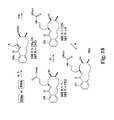
- the synthesis utilizes a highly efficient, trans-selective ring-closing olefin metathesis for the assembly of the benzolactone skeleton and can be readily adapted to obtain a variety of analogs.
- the inventor has determined the absolute configuration of synthetic salicylihalamide (87), suggesting that the absolute configuration of natural salicylihalamide A was misassigned and has to be corrected to the one represented by structure 89.
- the ultimate proof for this assignment came from a crystallographic analysis of a p -bromobenzoate derivative of salicylihalamide 90, prepared from 73 in a manner similar to the synthesis of 74. This structure is shown in FIG. 11 .
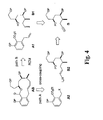
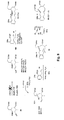
- the present invention also provides for methods/processes of synthesis of the compounds of the present invention which include two equally active routes for its assembly ( Fig. 4 ).
- One route features an esterification / intramolecular olefin metathesis sequence (RCM) to form the C9-C10 bond and offers the advantage of operational simplicity combined with functional group tolerance (A1 +B1 gives AB; Path A; Fig. 4 ).
- RCM esterification / intramolecular olefin metathesis sequence
- the present invention provides for a process for preparing an Apicularen comprising:
- the present invention provides for a process for preparing a salicylihalamide comprising:
- the process for preparing a salicylihalamide comprises:
- the process may further comprise:
- the process for preparing a salicylihalamide comprises:
- compounds of the present invention have potential for treatment of osteoporosis, a condition in which bone resorption is increased resulting in weakening of bone.
- the compounds can be administered alone or in combination with other treatments for osteoporosis.
- Other treatments for osteoporosis may include, but are not limited to calcium supplements, estrogen replacement for women, and treatment with bisphosphonates or growth factors.
- the pharmaceutical compositions containing the compounds of the present invention are administered in the manner as described herein.
- Salicylihalamide A exhibits a unique differential cytotoxicity profile in the NCI 60-cell line human tumor assay and represents a novel mechanistic class of antitumor compounds.
- the inherent lability of the enamide side-chain has compromised the development of salicylihalamide-based probe reagents for biochemical analysis.
- the inventor has synthesized stable functional substitutes of the side-chain.
- Lobatamides A-F and salicylihalamide A-B are active and gave similar "signatures" in the NCI cancer panel.
- FIG. 22 outlines methods to build a small library of synthetic "salicylihalamides" from common intermediates 105 (ent-73, FIG. 9 ) and 107.
- Compounds represented by 106 are accessible from 105 via Mitsunobu esterification with a variety of carboxylic acids followed by deprotection (BBr 3 ).
- Aldehyde 107 is the central handle for olefination chemistry (stabilized and non-stabilized yields) and N -acyl hydrazone formation.
- Compounds 110-113 are representative examples of a larger group of compounds that could be made by varying the R-group in the reagents. Variations on the theme include geranyl ester 115 and allyl esters 109 .
- This method of synthesis is being used to provide new anti-cancer compounds. See also Examples 7 and 8.
- the inventor will use a cell-based cytotoxicity assay to establish structure-activity relationships. Initial hits will be sent to the National Cancer Institute for COMPARE-analysis in the NCI 60-cell line screen. Internal screening against a broad range of primary human lung cancer cell lines will be carried out.
- the compounds of the present invention have also been tested for their ability to inhibit the growth of tumor cells, including SK-MEL-5, H1299, J2009, H358, J2058, H175 and H1264. See Table 3 and Table 4 and Example 7 below.
- yeast Saccharomyces cervisiae Compounds may also be tested for activity in the yeast Saccharomyces cervisiae. Yeast-based screening methods are fast and would allow for the identification of salicylihalamide's target via genetic approaches, but only if a yeast homologue exists. Moreover, the complete genome of Saccharomyces cervisiae is sequenced and gene-chips are available as powerful tools to look at expression patterns in response to drugs.
- yeast is relatively impermeable to small-molecule drugs and becomes resistant by overproduction of multidrug resistance pumps. To alleviate potential problems, ⁇ erg6 mutant strains, displaying reduced multi-drug resistance and more permeability to drugs due to more fluid membranes, will be used.
- the compounds of the present invention can inhibit V-ATPase proton-pumping activity.
- the V-ATPase proton-pumping inhibitory activity of the compounds of the present invention may be tested as described in Example 7 below (Table 5).
- the present invention provides a method for inhibiting the proton-pumping activity of V-ATPase by contacting V-ATPase, either in vitro or in vivo with the compounds of the present invention. Inhibition of the proton-pumping activity of V-ATPase is useful, inter alia, for the treatment and prevention of cancer and osteoporosis.
- Salicylihalamide A has been shown to inhibit V-ATPase activity in crude membrane preparations of mammalian V-ATPases. See Boyd, M.R. et al., J. Pharmacol. Exp. Ther. 297, 114-120 (2001 ); see also, PCT publication WO 00/51589 of Boyd et al .
- V-ATPase is composed of an ATPase domain and a proton translocating membraneous channel.
- the present invention demonstrates, through the use of a purified V-ATPase assay, that the mode of inhibition is through the blocking of the proton-pumping activity (or proton translocation, also known as pore blocking) of V-ATPase and not through its ATP hydrolysis activity.
- the present invention also demonstrates that the compounds of the present invention bind to the trans-membraneous proton channel domain of V-ATPase and not to the ATPase domain. See Crider, Xie and Stone, J. Biol. Chem. 269:17379-17381 (1994 ) for the experimental procedure for binding.
- FIG. 23 outlines some elaborations of side chain-modified congeners. The exact nature of this side-chain (designated as R in FIG. 23 ) is contingent on the screening results. In addition, Example 7 below describes other chain modifications.
- probes can be attached to, or substitute for, the side-chain.
- Biotinylation allows cellular localization studies, affinity chromatography and ligand-based gel blotting analysis to be carried out using avidin conjugates.
- Treatment of alcohol 116 with N -(+)-biotinyl-6-aminocaproic acid N -hydroxysuccinimide ester will give biotinylated compound 117.
- iodophenol 119 may be used as the starting material for derivatizations emanating from the aromatic ring.
- Iodophenol 119 can be prepared from 116 (I 2 ). Selectivity for the para-position is usually observed.
- Substituting a chloramine T/Na 125 I reagent combination for iodine is a method to synthesize radiochemicals.
- Sonogashira coupling of iodophenol 119 with propargyl alcohol provides a handle (121) for introducing biotin ( ⁇ 122) or photolabels ( ⁇ 123/124) using the same acylating agents as described above. Radiochemicals are accessible via tritiation (Lindlar, 3 H 2 ).
- Alkyne libraries ( 120 ) can be prepared using Sonogashira cross-coupling chemistry.
- the C13-OH in 125 (ent- 64 ) will be masked as triisopropylsilylether 126, followed by reduction of the carboxamide (LiEt 3 BH).
- the resulting primary alcohol can be converted to a coupling partner having a latent C12-hydroxymethyl substituent (121). Care must be taken to introduce the base-sensitive o -NO 2 -benzylether.
- a nitroveratrylether is also a viable alternative.
- the inventor has also succeeded in the first and only total synthesis of Apicularen A and a variety of analogs.
- the synthetic sequence is outlined in Figures 20 and 43 .
- the initial lactonization approach of the inventor required the natural configuration at the C15 hydroxyl-bearing center (15 S ) in a 1,3-syn relationship with C13.
- a reagent-controlled mismatched allylation (double diastereodifferentiation) was used for its formation.
- the inventor knew from work on salicylihalamides that ortho -alkoxy benzoates behave as poor electrophiles in esterification (lactonization) chemistry. Utilizing an intramolecular Mitsunobu inversion as the key ring-forming step could solve both problems.
- the substrate for this reaction would require an inverted C15 alcohol in a 1,3-anti relationship with respect to C13.
- the intrinsic facial bias of ⁇ -alkoxyaldehydes favors such a relationship in their addition products.
- aldehyde 98 would be expected to yield anti-homoallyl alcohol 99 with good stereocontrol by a chelation-controlled (TiCl 4 ) addition of allyltrimethylsilane.
- TiCl 4 chelation-controlled
- allenylzinc prepared in situ from propargylbromide and Zn
- the ozone adduct of silyl-protected derivative 138 (O 3 , -78°C) will be decomposed to aldehyde 139 (Me 2 S), alcohol 140 (NaBH 4 ) and carboxylic acid 141 (H 2 O 2 ), respectively.
- Apicularen A (4a) will be accessed from aldehyde 139 via a sequence similar to the one successfully employed for the synthesis of salicylihalamide A ( FIG. 10 ).
- compounds 139-141 are functionally equivalent to their corresponding salicylihalamide counterparts 104, 107 and 114 ( FIG. 22 ), and will be processed in similar ways to deliver side chain-modified apicularen mimics 142-144 (apicularens of general structure 142 are accessible directly from 101 by intermolecular olefin metathesis).
- alkyne 146 will be prepared from 145 in a manner similar to the one outlined for 101.
- the terminal alkyne provides the ideal handle for a Sonogashira cross-coupling to prepare apicularen-based analogs 147.
- Catalytic hydrogenation of compounds containing a triple bond will provide Z-alkenes (e.g. 151), potentially radiolabeled ( 3 H 2 , Lindlar cat.).
- X-ray crystallography is the study of the molecular structure of crystalline compounds through X-ray DIFFRACTION techniques.
- X-ray diffraction occurs when the wavelength of the X rays and the distances between atoms in the crystal are of similar magnitude.
- X-ray crystallography provides information on the positions of individual atoms in the crystal, the distances between atoms, the angles of the atomic bonds, and other features of molecular geometry.
- X-ray crystallography is also used to determine the structure of proteins, nucleic acids, and other substances, such as small molecules (http://www.encyclopedia.com/articles/14056.html (6/7/00)).
- Mass spectrometers use the difference in mass-to-charge ratio (m/e) of ionized atoms or molecules to separate them from each other. Mass spectrometry is therefore useful for quantitation of atoms or molecules and also for determining chemical and structural information about molecules. Molecules have distinctive fragmentation patterns that provide structural information to identify structural components.
- the general operation of a mass spectrometer is: create gas-phase ions, separate the ions in space or time based on their mass-to-charge ratio, and measure the quantity of ions of each mass-to-charge ratio (http://www.scimedia.com/chemed/ms/ms-intro.htm(6/7/00)).
- the temperature used for synthesis is, except where stated to be different, in a range from about -78°C to about 125°C, preferably 0°C to 90°C.
- the present invention also provides for physiological compositions comprising the compounds of the present invention.
- Aqueous physiological compositions of the present invention comprise an effective amount of a macrocyclic lactone of the present invention or pharmaceutically acceptable salt thereof, dissolved and/or dispersed in a pharmaceutically acceptable carrier and/or aqueous medium.
- physiologically, pharmaceutically and/or pharmacologically acceptable refer to molecular entities and/or compositions that do not produce an adverse, allergic and/or other untoward reaction when administered to an animal.
- physiologically and/or pharmaceutically acceptable carrier includes any and/or all solvents, dispersion media, coatings, antibacterial and/or antifungal agents, isotonic and/or absorption delaying agents and/or the like.
- the use of such media and/or agents for pharmaceutical active substances is well known in the art. Except insofar as any conventional media and/or agent is incompatible with the active ingredient, its use in the therapeutic compositions is contemplated. Supplementary active ingredients can also be incorporated into the compositions.
- preparations should meet sterility, pyrogenicity, general safety and/or purity standards as required by FDA Office of Biologics standards.
- the biological material should be extensively dialyzed to remove undesired small molecular weight molecules and/or lyophilized for more ready formulation into a desired vehicle, where appropriate.
- the active compounds may generally be formulated for parenteral administration, e.g., formulated for injection via the intravenous, intramuscular, sub-cutaneous, intralesional, and/or even intraperitoneal routes.
- parenteral administration e.g., formulated for injection via the intravenous, intramuscular, sub-cutaneous, intralesional, and/or even intraperitoneal routes.
- the preparation of aqueous compositions that contain a therapeutically effective amount of the macrocyclic lactones of the invention or pharmaceutically acceptable salts thereof as an active component and/or ingredient will be known to those of skill in the art in light of the present disclosure.
- compositions can be prepared as injectables, either as liquid solutions and/or suspensions; solid forms suitable for using to prepare solutions and/or suspensions upon the addition of a liquid prior to injection can also be prepared; and/or the preparations can also be emulsified.
- the pharmaceutical forms suitable for injectable use include sterile aqueous solutions and/or dispersions; formulations including sesame oil, peanut oil and/or aqueous propylene glycol; and/or sterile powders for the extemporaneous preparation of sterile injectable solutions and/or dispersions.
- the form must be sterile and/or must be fluid to the extent that easy syringability exists. It must be stable under the conditions of manufacture and/or storage and/or must be preserved against the contaminating action of microorganisms, such as bacteria and/or fungi.
- Solutions of the active compounds as free base and/or pharmacologically acceptable salts can be prepared in water suitably mixed with a surfactant, such as hydroxypropylcellulose. Dispersions can also be prepared in glycerol, liquid polyethylene glycols, and/or mixtures thereof and/or in oils. Under ordinary conditions of storage and/or use, these preparations contain a preservative to prevent the growth of microorganisms.
- Macrocyclic lactones of the present invention can be formulated into a composition in a neutral and/or salt form.
- Pharmaceutically acceptable salts include the acid addition salts and/or which are formed with inorganic acids such as, for example, hydrochloric and/or phosphoric acids, and/or such organic acids as acetic, oxalic, tartaric, mandelic, and/or the like.
- the carrier can also be a solvent and/or dispersion medium containing, for example, water, ethanol, polyol (for example, glycerol, propylene glycol, and/or liquid polyethylene glycol, and/or the like), suitable mixtures thereof, and/or vegetable oils.
- the proper fluidity can be maintained, for example, by the use of a coating, such as lecithin, by the maintenance of the required particle size in the case of dispersion and/or by the use of surfactants.
- the prevention of the action of microorganisms can be brought about by various antibacterial and/or antifungal agents, for example, parabens, chlorobutanol, phenol, sorbic acid, thimerosal, and/or the like.
- isotonic agents for example, sugars and/or sodium chloride.
- Prolonged absorption of the injectable compositions can be brought about by the use in the compositions of agents delaying absorption, for example, aluminum monostearate and/or gelatin.
- Sterile injectable solutions are prepared by incorporating the active compounds in the required amount in the appropriate solvent with various of the other ingredients enumerated above, as required, followed by filtered sterilization.
- dispersions are prepared by incorporating the various sterilized active ingredients into a sterile vehicle which contains the basic dispersion medium and/or the required other ingredients from those enumerated above.
- the preferred methods of preparation are vacuum-drying and/or freeze-drying techniques which yield a powder of the active ingredient plus any additional desired ingredient from a previously sterile-filtered solution thereof.
- the preparation of more, and/or highly, concentrated solutions for direct injection is also contemplated, where the use of DMSO as solvent is envisioned to result in extremely rapid penetration, delivering high concentrations of the active agents to a small tumor area.
- solutions Upon formulation, solutions will be administered in a manner compatible with the dosage formulation and/or in such amount as is therapeutically effective.
- the formulations are easily administered in a variety of dosage forms, such as the type of injectable solutions described above, but drug release capsules and/or the like can also be employed.
- the solution should be suitably buffered if necessary and/or the liquid diluent first rendered isotonic with sufficient saline and/or glucose.
- aqueous solutions are especially suitable for intravenous, intramuscular, subcutaneous and/or intraperitoneal administration.
- sterile aqueous media which can be employed will be known to those of skill in the art in light of the present disclosure.
- one dosage could be dissolved in 1 ml of isotonic NaCl solution and/or either added to 1000 ml of hypodermoclysis fluid and/or injected at the proposed site of infusion, (see for example, " Remington's Pharmaceutical Sciences” 15th Edition, pages 1035-1038 and/or 1570-1580 ). Some variation in dosage will necessarily occur depending on the condition of the subject being treated. The person responsible for administration will, in any event, determine the appropriate dose for the individual subject.
- the macrocyclic lactones of the present invention may be formulated within a therapeutic mixture to comprise about 0.0001 to 1.0 milligrams, and/or about 0.001 to 0.1 milligrams, and/or about 0.1 to 1.0 and/or even about 10 milligrams per dose and/or so. Multiple doses can also be administered.
- Various routes of administration are contemplated for various tumor types.
- systemic delivery is contemplated. This will prove especially important for attacking microscopic or metastatic cancer.
- discrete tumor mass may be identified, a variety of direct, local and regional approaches may be taken.
- the tumor may be directly injected with the macrocyclic lactone.
- a tumor bed may be treated prior to, during or after resection. Following resection, one could deliver the macrocyclic lactone by a catheter left in place following surgery.
- One may utilize the tumor vasculature to introduce the macrocyclic lactone into the tumor by injecting a supporting vein or artery.
- a more distal blood supply route also may be utilized.
- other pharmaceutically acceptable forms include, e.g., tablets and/or other solids for oral administration; liposomal formulations; time release capsules; and/or any other form currently used, including cremes.
- Nasal solutions are usually aqueous solutions designed to be administered to the nasal passages in drops and/or sprays. Nasal solutions are prepared so that they are similar in many respects to nasal secretions, so that normal ciliary action is maintained. Thus, the aqueous nasal solutions usually are isotonic and/or slightly buffered to maintain a pH of 5.5 to 6.5.
- antimicrobial preservatives similar to those used in ophthalmic preparations, and/or appropriate drug stabilizers, if required, may be included in the formulation.
- Various commercial nasal preparations are known and/or include, for example, antibiotics and/or antihistamines and/or are used for asthma prophylaxis.
- vaginal suppositories are solid dosage forms of various weights and/or shapes, usually medicated, for insertion into the rectum, vagina and/or the urethra. After insertion, suppositories soften, melt and/or dissolve in the cavity fluids.
- traditional binders and/or carriers may include, for example, polyalkylene glycols and/or triglycerides; such suppositories may be formed from mixtures containing the active ingredient in the range of 0.5% to 10%, preferably 1%-2%.
- Oral formulations include such normally employed excipients as, for example, pharmaceutical grades of mannitol, lactose, starch, magnesium stearate, sodium saccharine, cellulose, magnesium carbonate and/or the like. These compositions take the form of solutions, suspensions, tablets, pills, capsules, sustained release formulations and/or powders.
- oral pharmaceutical compositions will comprise an inert diluent and/or assimilable edible carrier, and/or they may be enclosed in hard and/or soft shell gelatin capsule, and/or they may be compressed into tablets, and/or they may be incorporated directly with the food of the diet.
- the active compounds may be incorporated with excipients and/or used in the form of ingestible tablets, buccal tables, troches, capsules, elixirs, suspensions, syrups, wafers, and/or the like.
- Such compositions and/or preparations should contain at least 0.1% of active compound.
- the percentage of the compositions and/or preparations may, of course, be varied and/or may conveniently be between about 2 to about 75% of the weight of the unit, and/or preferably between 25-60%.
- the amount of active compounds in such therapeutically useful compositions is such that a suitable dosage will be obtained.
- the tablets, troches, pills, capsules and/or the like may also contain the following: a binder, as gum tragacanth, acacia, cornstarch, and/or gelatin; excipients, such as dicalcium phosphate; a disintegrating agent, such as corn starch, potato starch, alginic acid and/or the like; a lubricant, such as magnesium stearate; and/or a sweetening agent, such as sucrose, lactose and/or saccharin may be added and/or a flavoring agent, such as peppermint, oil of wintergreen, and/or cherry flavoring.
- a binder as gum tragacanth, acacia, cornstarch, and/or gelatin
- excipients such as dicalcium phosphate
- a disintegrating agent such as corn starch, potato starch, alginic acid and/or the like
- a lubricant such as magnesium stearate
- a sweetening agent such as
- lipid formulations and/or nanocapsules are contemplated for the introduction of the macrocyclic lactones of the present invention or pharmaceutically acceptable salts thereof into host cells.
- Lipid formulations and nonocapsules may be prepared by methods well known in the art.
- Liposome is a generic term encompassing a variety of single and multilamellar lipid vehicles formed by the generation of enclosed lipid bilayers or aggregates.
- Liposomes may be characterized as having vesicular structures with a phospholipid bilayer membrane and an inner aqueous medium.
- Multilamellar liposomes have multiple lipid layers separated by aqueous medium. They form spontaneously when phospholipids are suspended in an excess of aqueous solution. The lipid components undergo self-rearrangement before the formation of closed structures and entrap water and dissolved solutes between the lipid bilayers (Ghosh and Bachhawat, 1991).
- the present invention also encompasses compositions that have different structures in solution than the normal vesicular structure.
- the lipids may assume a micellar structure or merely exist as nonuniform aggregates of lipid molecules.
- Liposomes within the scope of the present invention can be prepared in accordance with known laboratory techniques.
- liposomes are prepared by mixing liposomal lipids, in a solvent in a container, e.g., a glass, pear-shaped flask.
- the container should have a volume ten-times greater than the volume of the expected suspension of liposomes.
- the solvent is removed at approximately 40°C under negative pressure.
- the solvent normally is removed within about 5 min. to 2 hours, depending on the desired volume of the liposomes.
- the composition can be dried further in a desiccator under vacuum. The dried lipids generally are discarded after about 1 week because of a tendency to deteriorate with time.
- liposomes can be prepared in accordance with other known laboratory procedures: the method of Bangham et al. (1965), the contents of which are incorporated herein by reference; the method of Gregoriadis, as described in DRUG CARRIERSINBIOLOGYAND MEDICINE, G. Gregoriadis ed. (1979) pp. 287-341 , the contents of which are incorporated herein by reference; the method of Deamer and Uster (1983), the contents of which are incorporated by reference; and the reverse-phase evaporation method as described by Szoka and Papahadjopoulos (1978).
- the aforementioned methods differ in their respective abilities to entrap aqueous material and their respective aqueous space-to-lipid ratios.
- a physiological composition comprising the liposomes will usually include a sterile, pharmaceutically acceptable carrier or diluent, such as water or saline solution.
- kits comprising the macrocyclic lactones of the present invention or pharmaceutically acceptable salts thereof.
- kits will generally contain, in suitable container means, a pharmaceutically acceptable formulation of the macrocyclic lactones of the present invention in a pharmaceutically acceptable formulation.
- the container means will generally include at least one vial, test tube, flask, bottle, syringe and/or other container means, into which the macrocyclic lactones of the present invention formulation are placed, preferably, suitably allocated.
- the kits may also comprise a second container means for containing a sterile, pharmaceutically acceptable buffer and/or other diluent.
- kits of the present invention will also typically include a means for containing the vials in close confinement for commercial sale, such as, e.g., injection and/or blow-molded plastic containers into which the desired vials are retained.
- a means for containing the vials in close confinement for commercial sale such as, e.g., injection and/or blow-molded plastic containers into which the desired vials are retained.
- kits of the invention may also comprise, and/or be packaged with, an instrument for assisting with the injection/administration and/or placement of the ultimate the macrocyclic lactones of the present invention or pharmaceutically acceptable salts thereof within the body of an animal.
- an instrument may be a syringe, pipette, forceps, and/or any such medically approved delivery vehicle.
- an "anti-cancer” agent is capable of negatively affecting cancer in a subject, for example, by killing cancer cells, inducing apoptosis in cancer cells, reducing the growth rate of cancer cells, reducing the incidence or number of metastases, reducing tumor size, inhibiting tumor growth, reducing the blood supply to a tumor or cancer cells, promoting an immune response against cancer cells or a tumor, preventing or inhibiting the progression of cancer, or increasing the lifespan of a subject with cancer.
- these other compositions would be provided in a combined amount effective to kill or inhibit proliferation of the cell.
- This process may involve contacting the cells with the macrocylic lactones and other agent(s) at the same time. This may be achieved by contacting the cell with a single composition or pharmacological formulation that includes both agents, or by contacting the cell with two distinct compositions or formulations, at the same or different time, wherein one composition includes the macrocyclic lactone and the other includes the second agent(s).
- Cancer therapies may include a variety of combination therapies with both chemical and radiation based treatments.
- Combination chemotherapies may include, for example, macrocylic lactones, cisplatin (CDDP), carboplatin, procarbazine, mechlorethamine, cyclophosphamide, camptothecin, ifosfamide, melphalan, chlorambucil, busulfan, nitrosurea, dactinomycin, daunorubicin, doxorubicin, bleomycin, plicomycin, mitomycin, etoposide (VP16), tamoxifen, raloxifene, estrogen receptor binding agents, taxol, gemcitabien, navelbine, farnesyl-protein tansferase inhibitors, transplatinum, 5-fluorouracil, vincristin, vinblastin and methotrexate, or any analog or derivative variant of the foregoing.
- CDDP macrocylic lactones
- the compounds may also be used together with immunotherapy.
- Immunotherapeutics generally, rely on the use of immune effector cells and molecules to target and destroy cancer cells.
- the immune effector may be, for example, an antibody specific for some marker on the surface of a tumor cell.
- the antibody alone may serve as an effector of therapy or it may recruit other cells to actually effect cell killing.
- the antibody also may be conjugated to a drug or toxin (chemotherapeutic, radionuclide, ricin A chain, cholera toxin, pertussis toxin, etc.) and serve merely as a targeting agent.
- the effector may be a lymphocyte carrying a surface molecule that interacts, either directly or indirectly, with a tumor cell target.
- Various effector cells include cytotoxic T cells and NK cells.
- the compounds of the present invention may be combined with gene therapy in which a therapeutic polynucleotide is administered before, after, or at the same time as the macrocyclic lactone of the present invention. Delivery of a vector encoding one of the following gene products will have a combined anti-hyperproliferative effect on target tissues.
- genes which can be used in gene therapy in conjunction with administration of the macrocyclic lactones will be described.
- the compounds may be administered together with an expression construct comprising a tumor suppressor gene, such as, but not limited to, the p53 and p16 gene.
- genes that may be employed according to the present invention include Rb, APC, DCC, NF-1, NF-2, WT-1, MEN-I, MEN-II, zac1, p73, VHL, MMAC1 / PTEN, DBCCR-1, FCC, rsk-3, p27, p27/p16 fusions, p21/p27 fusions, anti-thrombotic genes (e.g., COX-1, TFPI), PGS, Dp, E2F, ras, myc, neu, raf, erb, fns, trk, ret, gsp, hst, abl, E1A, p300, genes involved in angiogenesis (e.g., VEGF, FGF, thrombospondin, BAI-1, GDAIF, or their receptors) and MCC, the Bcl-2 protein family genes, and ICE-like protease genes.
- angiogenesis e
- compouns of the present invention may be used in combination with surgery.
- agents may be used in combination with the present invention to improve the therapeutic efficacy of treatment.
- additional agents include immunomodulatory agents, agents that affect the upregulation of cell surface receptors and GAP junctions, cytostatic and differentiation agents, inhibitors of cell adehesion, or agents that increase the sensitivity of the hyperproliferative cells to apoptotic inducers.
- Immunomodulatory agents include tumor necrosis factor; interferon alpha, beta, and gamma; IL-2 and other.cytokines; F42K and other cytokine analogs; or MIP-1, MIP-1beta, MCP-1, RANTES, and other chemokines.
- cell surface receptors or their ligands such as Fas / Fas ligand, DR4 or DR5 / TRAIL would potentiate the chemotherapeutic abililties of the present invention by establishment of an autocrine or paracrine effect on hyperproliferative cells. Increases intercellular signaling by elevating the number of GAP junctions would increase the anti-hyperproliferative effects on the neighboring hyperproliferative cell population.
- cytostatic or differentiation agents can be used in combination with the present invention to improve the anti-hyerproliferative efficacy of the treatments.
- Inhibitors of cell adhesion are contemplated to improve the efficacy of the present invention.
- cell adhesion inhibitors are focal adhesion kinase (FAKs) inhibitors and Lovastatin. It is further contemplated that other agents that increase the sensitivity of a hyperproliferative cell to apoptosis, such as the antibody c225, could be used in combination with the present invention to improve the treatment efficacy.
- FAKs focal adhesion kinase
- Lovastatin Lovastatin
- Hormonal therapy may also be used in conjunction with the present invention or in combination with any other cancer therapy previously described.
- the use of hormones may be employed in the treatment of certain cancers such as breast, prostate, ovarian, or cervical cancer to lower the level or block the effects of certain hormones such as testosterone or estrogen. This treatment is often used in combination with at least one other cancer therapy as a treatment option or to reduce the risk of metastases.
- the macrocyclic salicylates of the invention may be decorated with one of two classes of an unsaturated side chain connected via a common enamide linkage.
- This acid and base sensitive construct was introduced at a late stage in the synthesis ( FIG. 1 ).
- Isocyanate 19 was derived from the corresponding ⁇ , ⁇ -unsaturated carboxylic acid (acyl azide formation / Curtius rearrangement), in turn accessible from a C17 aldehyde 22 via Horner-Wadsworth-Emmons homologation.
- FIG. 4 shows an example of side chain synthesis.
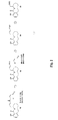
- alkenyllithium fragment for the synthesis of both salicylihalamides and apicularens was derived from the corresponding 1Z, 3Z-hexadienyl halide via transmetalation with t -butyllithium. Beginning with a Sonagashira coupling of Z-1-bromobutene (23) with trimethylsilylacetylene, enyne 24 was obtained in 93% yield. Exchange of the silyl group with iodine or bromine (NIS or NBS) was accomplished in the presence of AgNO 3 .
- fragments 32 and 34 are not be easily obtained from a salicylic acid precursor.
- benzylic bromide To access benzylic bromide, a de novo synthesis from non-aromatic precursors was performed. Indeed, by stirring a mixture of 1-methoxy-1,3-cyclohexadiene (39) with ethyl propiolate (40) at 170°C, a Diels-Alder reaction takes place (41), which is followed by a pericyclic extrusion of ethylene yielding benzoate 42. A radical bromination completes the synthesis of benzylic bromide 34 in 50% yield for the two step sequence. On the other hand, derivative 32 was obtained from 2,6-dihydroxybenzoic acid (43).
- alkyne 36 starts from readily available aldehyde 47, prepared in two steps from 1,3-propanediol (i. NaH, THF, t -BuMe 2 SiCl; ii. (COCl) 2 , DMSO, NEt 3 , CH 2 Cl 2 , -78°C).
- Aldol reaction of aldehyde 47 with the borylenolate derived from 2- N -acetylbornanesultam 46 gave a separable mixture of two aldol products, 48 and its epimer, in an 85 : 15 ratio.
- An X-ray crystallographic analysis of 48 revealed its absolute configuration.
- Aldehyde 37 obtained via a one step reduction of protected aldol derivative 49, was subjected to a stereoselective syn -aldol reaction with the titanium enolate derived from (2)- N -(4-pentynoyl) bornanesultam 38. Only a single diastereomer could be detected by 1 H NMR-analysis of the crude reaction mixture. Protection followed by reduction (LiEt 3 BH) of the N -acyl sulfonamide 51 delivered primary alcohol 52. Tosylate formation and another reduction (LiEt 3 BH) completed the synthesis of fragment 36 (78%, 2 steps).
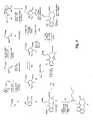
- FIG. 8 A procedure delivering gram quantities of benzolactone 75 is presented in FIG. 8 .
- the inventor opted for an enantioselective allylation of aldehyde 59 to set absolute stereochemistry at C15.
- the corresponding homoallyl alcohol 60 obtained in 96% yield, was protected followed by oxidative double bond-cleavage (72% yield, 3 steps).
- Treatment of the corresponding aldehyde 62 with the in situ prepared Z(O)- titanium enolate derived from (2 R )- N -(4-pentenoyl)bornanesultam 63 produced exclusively one diastereomeric aldol product 64 in 95% yield.
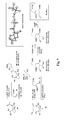
- Alcohol 75 was oxidized to aldehyde 76 with Dess-Martin periodinane (DMP) in 93% yield ( FIG. 10 ).
- DMP Dess-Martin periodinane
- aldehyde 76 had to be homologated to ⁇ , ⁇ -unsaturated carboxylic acid 77. This was achieved with excellent trans-selectivity by a Horner-Wadsworth-Emmons homologation with trimethylsilyl dimethylphosphonoacetate followed by a slightly acidic aqueous workup.
- isocyanate 80 was obtained as a chromatographically pure compound.
- the dienamide side-chain was then installed. Incorporation proceeded smoothly via the addition of hexadienyllithium (27, t-BuLi; see FIG. 2 ) to a cold (-78°C) solution of isocyanate 80. All attempts to remove the protecting groups uniformly met with failure, leading to decomposition. To circumvent this problem, the inventor used a protecting group interconversion at an earlier stage.
- Carboxylic acid 77 and t-butylester 78 were not viable options, yielding intractable mixtures of unidentified materials under the reaction conditions required to remove the protecting groups (BBr 3 , CH 2 Cl 2 , -78°C).
- BBr 3 cleanly removed both methyl and MOM-ether protecting groups of methylester 79 (obtained from 76 as an inseparable mixture of E/Z-isomers), after which the corresponding E- and Z-methylesters 82 and 83 could be separated.
- 83 is a useful intermediate for the synthesis of salicylihalamide B (1b).
- (+) form was still inactive at 20 ⁇ M whereas natural salicylihalamide ((-) form) is active at 10 nM when tested against SK-MEL-28 cells.
- This cell line is one of the cell lines in the NCI 60 cell line screen.
- the inventor has accomplished the first synthesis of salicylihalamide A.
- the approach features a highly efficient, trans-selective ring-closing olefin metathesis for the assembly of the benzolactone skeleton and installation of a dienamide side-chain.
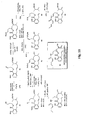
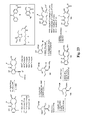
- apicularen A (4a) by the process shown in FIG. 20 .
- Dihydropyranone 94 was considered a useful intermediate from which to build the tetrahydropyranyl ring present in apicularens.
- the most straightforward approach for its assembly constitutes an enantioselective hetero-Diels-Alder reaction of aldehyde 92 with Danishefsky's diene (1-methoxy-3-(trimethylsilyloxy)butadiene).
- epimeric (C11) alcohols 101 and 102 could be separated by chromatography.
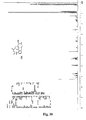
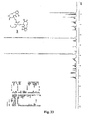
- the chemical shift values and coupling constants of protons H3 through H15 (400 MHz NMR) of 101 are nearly identical to the values reported for apicularen A.
- synthesized compounds Prior to assay, synthesized compounds were stored in dimethylsulfoxide at -70°C. Five different test concentrations of each compound were prepared by diluting the stock solution into complete medium. Sample concentrations were 2x the final concentration and range from 10 -6 and 10 -10 molar. An aliquot of each concentration of each compound was added to separate microtiter wells containing the respective cell lines in culture medium. The plates were incubated for 48 hours at 37°C with 5% CO 2 and 100% humidity. Adherent cells were fixed by addition of cold 50% trichloracetic acid and incubation at 4°C for 60 minutes. Suspended cells were fixed to the bottom of the well by addition of 80% trichloracetic acid.
- the ratio observed with catalyst ii is deemed to be a thermodynamic one based on the following observations: (1) the ratio doesn't change over time, (2) an identical product ratio is observed for the formation of benzolactones 329-330 from both our precursors (328a,b), and (3) upon resubmission of either geometrically pure 329a or 330a to the same reaction conditions, an identical 67:33 mixture of 329a:330a was formed.
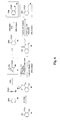
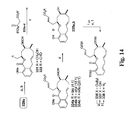
- Fig. 15 shows that final carbon-carbon bond formation proceeded smoothly via the addition of hexadienyllithium, prepared in situ from bromide 340 via metal-halogen exchange ( t -BuLi, Et 2 O), to a -78°C solution of isocyanate 339.
- Compound 341 was obtained as an inseparable mixture of 22-Z and 22- E isomers together with a chromatographically (silicagel) more mobile fraction containing a mixture of E/Z-dimeric compounds 342.
- Careful fluoride-assisted desilylation was best performed with a buffered solution of commercially available HF-pyridine in THF/pyridine.
- geometrical isomers 301a/301c and 343/344 could be separated by semi-preparative HPLC.
- Flash chromatography was performed using E Merck silicagel 60 (240-400 mesh) according to the protocol of Still, Kahn, and Mitra (J. Org. Chem. 1978, 43, 2923 ).
- Thin Layer chromatography was performed using precoated plates purchased from E. Merck (silicagel 60 PF254, 0.25 mm) that were visualized using a KMnO 4 or Ce(IV) stain.
- NMR Nuclear magnetic resonance
- CDCl 3 Nuclear magnetic resonance (NMR) spectra were recorded in CDCl 3 , unless otherwise specified, on either a Varian Inova-400 or Mercury-300 spectrometer at operating frequencies of 400 / 300 MHz ( 1 H NMR) or 100 / 60 MHz ( 13 C NMR). Chemical shifts ( ⁇ ) are given in ppm relative to residual solvent (usually chloroform; ⁇ 7.27 for 1 H NMR or ⁇ 77.25 for proton decoupled 13 C NMR), and coupling constants ( J ) in Hz.
- solvent usually chloroform; ⁇ 7.27 for 1 H NMR or ⁇ 77.25 for proton decoupled 13 C NMR
- Multiplicity is tabulated as s for singlet, d for doublet, t for triplet, q for quadruplet, and m for multiplet, whereby the prefix app is applied in cases where the true multiplicity is unresolved, and br when the signal in question is broadened.
- Infrared spectra were recorded on a Perkin-Elmer 1000 series FTIR with wavenumbers expressed in cm -1 using samples prepared as thin films between salt plates.
- High-resolution mass spectra were recorded at the NIH regional mass spectrometry facility at the University of Washington, St. Louis, MO. Combustion analyses were performed by. Optical rotations were measured at 20°C on a Perkin-Elmer 241 MC polarimeter.
- N -(4-pentenyl)-bomanesultam 323 (18.3 g, 61.27 mmol) in CH 2 Cl 2 (240 mL) was added at -78°C TiCl 4 (6.44 mL, 58.71 mmol), followed by the dropwise addition of i Pr 2 NEt (11.2 mL, 63.82 mmol).
- the deep red solution was stirred for 1 h at -78°C and a solution of aldehyde 322 (18.0 g, 51.06 mmol) in CH 2 Cl 2 (60 mL) was added dropwise.
- alcohol 356 (52 mg, 0.137 mmol) was oxidized with Dess-Martin periodinane (231 mg, 0.547 mmol), delivering 42 mg of aldehyde 357 (81 %).
- esters 334a-c were prepared using the same procedure with trimethylsilyl dimethylphosphonoacetate, t-butyl dimethylphosphonoacetate and trimethyl phosphonoacetate respectively.
- 334b: [ ⁇ ] D -95.0 (c 2.49, CHCl 3 ); IR 1 H NMR (400 MHz, CDCl 3 ) ⁇ 7.23 (1H, app.
- the less polar product 342 was treated with 250 ⁇ L of a solution prepared from 0.5 g commercial HF pyridine in 1.25 mL pyridine and 6.75 mL THF.
- the more polar product 341 was similarly treated with 410 ⁇ L of the same solution.
- the reactions were quenched with a phosphate buffer (pH 7.0; 10 mL), extracted with EtOAc (4x), dried (Na 2 SO 4 ) and concentrated.
- acyl azide 338 (9.0 mg; 0.0146 mmol) was converted to isocyanate 339, followed by the addition of n- hexyllithium (0.15 M in THF; prepared from the bromide as described above).
- Workup and rapid purification by FC (silicagel, 15% EtOAc in hexanes containing 0.2% Et 3 N) gave 4.0 mg of a less polar product x and 4.2 mg of a more polar product xi.
- Deprotection and purification by semi-preparative HPLC as described above yielded 1.4 mg of 346 (22%) and 1.6 mg of the corresponding dimer 345 (14%), respectively.
- compositions and/or methods disclosed and claimed herein can be made and executed without undue experimentation in light of the present disclosure. While the compositions and methods of the invention have been described in terms of preferred embodiments, it will be apparent to those of skill in the art that variations may be applied to the compositions and/or methods and in the steps or in the sequence of steps of the method described herein without departing from the concept, spirit and scope of the invention. More specifically, it will be apparent that certain agents which are both chemically and physiologically related may be substituted for the agents described herein while the same or similar results would be achieved. All such similar substitutes and modifications apparent to those skilled in the art are deemed to be within the spirit, scope and concept of the invention as defined by the appended claims.
Landscapes
- Organic Chemistry (AREA)
- Chemical & Material Sciences (AREA)
- Health & Medical Sciences (AREA)
- Life Sciences & Earth Sciences (AREA)
- General Health & Medical Sciences (AREA)
- Nuclear Medicine, Radiotherapy & Molecular Imaging (AREA)
- General Chemical & Material Sciences (AREA)
- Pharmacology & Pharmacy (AREA)
- Chemical Kinetics & Catalysis (AREA)
- Animal Behavior & Ethology (AREA)
- Medicinal Chemistry (AREA)
- Public Health (AREA)
- Veterinary Medicine (AREA)
- Physical Education & Sports Medicine (AREA)
- Bioinformatics & Cheminformatics (AREA)
- Orthopedic Medicine & Surgery (AREA)
- Engineering & Computer Science (AREA)
- Rheumatology (AREA)
- Pharmaceuticals Containing Other Organic And Inorganic Compounds (AREA)
Applications Claiming Priority (3)
| Application Number | Priority Date | Filing Date | Title |
|---|---|---|---|
| US22280900P | 2000-08-04 | 2000-08-04 | |
| US25285600P | 2000-11-22 | 2000-11-22 | |
| EP01956119A EP1307439A2 (de) | 2000-08-04 | 2001-08-03 | Synthetische salizylhalamide, apiculare und deren derivate |
Related Parent Applications (1)
| Application Number | Title | Priority Date | Filing Date |
|---|---|---|---|
| EP01956119A Division EP1307439A2 (de) | 2000-08-04 | 2001-08-03 | Synthetische salizylhalamide, apiculare und deren derivate |
Publications (2)
| Publication Number | Publication Date |
|---|---|
| EP1944307A2 true EP1944307A2 (de) | 2008-07-16 |
| EP1944307A3 EP1944307A3 (de) | 2008-07-30 |
Family
ID=39521720
Family Applications (1)
| Application Number | Title | Priority Date | Filing Date |
|---|---|---|---|
| EP08152063A Withdrawn EP1944307A3 (de) | 2000-08-04 | 2001-08-03 | Synthetische Salicylihalamide, Apicularene und Derivate davon |
Country Status (1)
| Country | Link |
|---|---|
| EP (1) | EP1944307A3 (de) |
Citations (3)
| Publication number | Priority date | Publication date | Assignee | Title |
|---|---|---|---|---|
| WO1999005136A1 (en) | 1997-07-25 | 1999-02-04 | The Government Of The United States Of America, Represented By The Secretary, Department Of Health And Human Services | Macrocyclic lactones, compositions, and methods of use |
| US5936100A (en) | 1996-12-16 | 1999-08-10 | Studiengesellschaft Kohle Mbh | Synthesis of functionalized macrocycles by ring closing metathesis |
| WO2000051589A2 (en) | 1999-03-05 | 2000-09-08 | The United States Of America, Represented By The Secretary, Department Of Health And Human Services | VACUOLAR-TYPE (H+)-ATPase-INHIBITING COMPOUNDS, COMPOSITIONS, AND USES THEREOF |
Family Cites Families (1)
| Publication number | Priority date | Publication date | Assignee | Title |
|---|---|---|---|---|
| AU3145999A (en) * | 1998-03-17 | 1999-10-11 | Gesellschaft Fur Biotechnologische Forschung Mbh | A and b apicularene |
-
2001
- 2001-08-03 EP EP08152063A patent/EP1944307A3/de not_active Withdrawn
Patent Citations (3)
| Publication number | Priority date | Publication date | Assignee | Title |
|---|---|---|---|---|
| US5936100A (en) | 1996-12-16 | 1999-08-10 | Studiengesellschaft Kohle Mbh | Synthesis of functionalized macrocycles by ring closing metathesis |
| WO1999005136A1 (en) | 1997-07-25 | 1999-02-04 | The Government Of The United States Of America, Represented By The Secretary, Department Of Health And Human Services | Macrocyclic lactones, compositions, and methods of use |
| WO2000051589A2 (en) | 1999-03-05 | 2000-09-08 | The United States Of America, Represented By The Secretary, Department Of Health And Human Services | VACUOLAR-TYPE (H+)-ATPase-INHIBITING COMPOUNDS, COMPOSITIONS, AND USES THEREOF |
Non-Patent Citations (9)
| Title |
|---|
| "DRUG CARRIERS IN BIOLOGY AND MEDICINE", 1979, pages: 287 - 341 |
| "Remington's Pharmaceutical Sciences", pages: 1035 - 1038 |
| ACKERMANN, L. ET AL., TETRAHEDRON LETT., vol. 40, 1999, pages 4787 - 4790 |
| BILL ET AL., J. BIOL. CHEM., vol. 269, 1994, pages 17379 - 17381 |
| BOYD, M.R. ET AL., J. PHARMACOL. EXP. THER., vol. 297, 2001, pages 114 - 120 |
| CRIDER; XIE; STONE, J. BIOL. CHEM., vol. 269, 1994, pages 17379 - 17381 |
| HUANG, J. ET AL., J. AM. CHEM. SOC., vol. 121, 1999, pages 2674 - 2678 |
| SCHOLL, M. ET AL., TETRAHEDRON LETT., vol. 40, 1999, pages 2247 - 2250 |
| STILL; KAHN; MITRA, J. ORG. CHEM., vol. 43, 1978, pages 2923 |
Also Published As
| Publication number | Publication date |
|---|---|
| EP1944307A3 (de) | 2008-07-30 |
Similar Documents
| Publication | Publication Date | Title |
|---|---|---|
| Zurwerra et al. | Total synthesis of (−)‐zampanolide and structure–activity relationship studies on (−)‐dactylolide derivatives | |
| RU2253652C2 (ru) | С-21 модифицированные эпотилоны | |
| US6596875B2 (en) | Method for synthesizing epothilones and epothilone analogs | |
| PT1767535E (pt) | Síntese de epotilonas, respectivos intermediários, análogos e suas utilizações | |
| JP2001504856A (ja) | エポチロン類似体 | |
| JP2002512634A (ja) | エポチロン誘導体 | |
| CN101519404B (zh) | 15环噻酮衍生物及其制备方法与应用 | |
| US6734209B2 (en) | Synthetic salicylihalamides, apicularens and derivatives thereof | |
| US20030176368A1 (en) | Synthesis of epothilones, intermediates thereto and analogues thereof | |
| US6617348B1 (en) | Synthetic salicylihalamides, apicularens and derivatives thereof | |
| AU2001278152A1 (en) | Synthetic salicylihalamides, apicularens and derivatives thereof | |
| EP1581536A2 (de) | Epothilonderivate | |
| EP1944307A2 (de) | Synthetische Salicylihalamide, Apicularene und Derivate davon | |
| US20040092581A1 (en) | Ratjadone derivatives for inhibiting cell growth | |
| Knust et al. | Synthesis and conformational analysis of macrocyclic dilactones mimicking the pharmacophore of aplysiatoxin | |
| US20040235939A1 (en) | Synthesis of peloruside a and analogs thereof for use as antitumor agents | |
| JP2009508878A (ja) | 細胞毒化合物および単離法 | |
| Dissanayake | Phosphate Tether-Mediated Strategies for the Synthesis of Complex Polyols, Natural Products, and Analogs | |
| Lizzadro | (-)-disorazole C1 and new analogs: total synthesis and biological evaluation | |
| LT4743B (lt) | Epotilono dariniai | |
| Wilson | Synthesis, conformational analysis, and biological evaluation of the potent microtubule-stabilizing agents,(–)-zampanolide and (–)-dactylolide | |
| Chalupa | Příprava strukturních analogů pseurotinů | |
| Knutson | A versatile method for the synthesis of α, β unsaturated lactones and the total asymmetric total synthesis of (−)-pironetin | |
| Chen | Part I. Chemistry and biology of uncialamycin. Part II. Total synthesis of aspidophytine | |
| Vadhadiya | Studies toward the total synthesis of (+)-stagonolide D, mangiferaelactone, cytospolide E and sinenside A |
Legal Events
| Date | Code | Title | Description |
|---|---|---|---|
| PUAI | Public reference made under article 153(3) epc to a published international application that has entered the european phase |
Free format text: ORIGINAL CODE: 0009012 |
|
| PUAL | Search report despatched |
Free format text: ORIGINAL CODE: 0009013 |
|
| AC | Divisional application: reference to earlier application |
Ref document number: 1307439 Country of ref document: EP Kind code of ref document: P |
|
| AK | Designated contracting states |
Kind code of ref document: A2 Designated state(s): AT BE CH CY DE DK ES FI FR GB GR IE IT LI LU MC NL PT SE TR |
|
| AK | Designated contracting states |
Kind code of ref document: A3 Designated state(s): AT BE CH CY DE DK ES FI FR GB GR IE IT LI LU MC NL PT SE TR |
|
| AKX | Designation fees paid | ||
| REG | Reference to a national code |
Ref country code: DE Ref legal event code: 8566 |
|
| STAA | Information on the status of an ep patent application or granted ep patent |
Free format text: STATUS: THE APPLICATION IS DEEMED TO BE WITHDRAWN |
|
| 18D | Application deemed to be withdrawn |
Effective date: 20090203 |