EP1891975A1 - Anti-allergic complex molecules - Google Patents
Anti-allergic complex molecules Download PDFInfo
- Publication number
- EP1891975A1 EP1891975A1 EP07022899A EP07022899A EP1891975A1 EP 1891975 A1 EP1891975 A1 EP 1891975A1 EP 07022899 A EP07022899 A EP 07022899A EP 07022899 A EP07022899 A EP 07022899A EP 1891975 A1 EP1891975 A1 EP 1891975A1
- Authority
- EP
- European Patent Office
- Prior art keywords
- peptide
- allergic
- succinyl
- segment
- mast cells
- Prior art date
- Legal status (The legal status is an assumption and is not a legal conclusion. Google has not performed a legal analysis and makes no representation as to the accuracy of the status listed.)
- Withdrawn
Links
Images






Classifications
-
- C—CHEMISTRY; METALLURGY
- C07—ORGANIC CHEMISTRY
- C07K—PEPTIDES
- C07K14/00—Peptides having more than 20 amino acids; Gastrins; Somatostatins; Melanotropins; Derivatives thereof
- C07K14/435—Peptides having more than 20 amino acids; Gastrins; Somatostatins; Melanotropins; Derivatives thereof from animals; from humans
- C07K14/46—Peptides having more than 20 amino acids; Gastrins; Somatostatins; Melanotropins; Derivatives thereof from animals; from humans from vertebrates
- C07K14/47—Peptides having more than 20 amino acids; Gastrins; Somatostatins; Melanotropins; Derivatives thereof from animals; from humans from vertebrates from mammals
- C07K14/4701—Peptides having more than 20 amino acids; Gastrins; Somatostatins; Melanotropins; Derivatives thereof from animals; from humans from vertebrates from mammals not used
- C07K14/4722—G-proteins
-
- A—HUMAN NECESSITIES
- A61—MEDICAL OR VETERINARY SCIENCE; HYGIENE
- A61K—PREPARATIONS FOR MEDICAL, DENTAL OR TOILETRY PURPOSES
- A61K47/00—Medicinal preparations characterised by the non-active ingredients used, e.g. carriers or inert additives; Targeting or modifying agents chemically bound to the active ingredient
- A61K47/50—Medicinal preparations characterised by the non-active ingredients used, e.g. carriers or inert additives; Targeting or modifying agents chemically bound to the active ingredient the non-active ingredient being chemically bound to the active ingredient, e.g. polymer-drug conjugates
- A61K47/51—Medicinal preparations characterised by the non-active ingredients used, e.g. carriers or inert additives; Targeting or modifying agents chemically bound to the active ingredient the non-active ingredient being chemically bound to the active ingredient, e.g. polymer-drug conjugates the non-active ingredient being a modifying agent
- A61K47/62—Medicinal preparations characterised by the non-active ingredients used, e.g. carriers or inert additives; Targeting or modifying agents chemically bound to the active ingredient the non-active ingredient being chemically bound to the active ingredient, e.g. polymer-drug conjugates the non-active ingredient being a modifying agent the modifying agent being a protein, peptide or polyamino acid
- A61K47/64—Drug-peptide, drug-protein or drug-polyamino acid conjugates, i.e. the modifying agent being a peptide, protein or polyamino acid which is covalently bonded or complexed to a therapeutically active agent
-
- A—HUMAN NECESSITIES
- A61—MEDICAL OR VETERINARY SCIENCE; HYGIENE
- A61P—SPECIFIC THERAPEUTIC ACTIVITY OF CHEMICAL COMPOUNDS OR MEDICINAL PREPARATIONS
- A61P1/00—Drugs for disorders of the alimentary tract or the digestive system
-
- A—HUMAN NECESSITIES
- A61—MEDICAL OR VETERINARY SCIENCE; HYGIENE
- A61P—SPECIFIC THERAPEUTIC ACTIVITY OF CHEMICAL COMPOUNDS OR MEDICINAL PREPARATIONS
- A61P11/00—Drugs for disorders of the respiratory system
- A61P11/02—Nasal agents, e.g. decongestants
-
- A—HUMAN NECESSITIES
- A61—MEDICAL OR VETERINARY SCIENCE; HYGIENE
- A61P—SPECIFIC THERAPEUTIC ACTIVITY OF CHEMICAL COMPOUNDS OR MEDICINAL PREPARATIONS
- A61P11/00—Drugs for disorders of the respiratory system
- A61P11/06—Antiasthmatics
-
- A—HUMAN NECESSITIES
- A61—MEDICAL OR VETERINARY SCIENCE; HYGIENE
- A61P—SPECIFIC THERAPEUTIC ACTIVITY OF CHEMICAL COMPOUNDS OR MEDICINAL PREPARATIONS
- A61P13/00—Drugs for disorders of the urinary system
- A61P13/10—Drugs for disorders of the urinary system of the bladder
-
- A—HUMAN NECESSITIES
- A61—MEDICAL OR VETERINARY SCIENCE; HYGIENE
- A61P—SPECIFIC THERAPEUTIC ACTIVITY OF CHEMICAL COMPOUNDS OR MEDICINAL PREPARATIONS
- A61P17/00—Drugs for dermatological disorders
- A61P17/04—Antipruritics
-
- A—HUMAN NECESSITIES
- A61—MEDICAL OR VETERINARY SCIENCE; HYGIENE
- A61P—SPECIFIC THERAPEUTIC ACTIVITY OF CHEMICAL COMPOUNDS OR MEDICINAL PREPARATIONS
- A61P17/00—Drugs for dermatological disorders
- A61P17/06—Antipsoriatics
-
- A—HUMAN NECESSITIES
- A61—MEDICAL OR VETERINARY SCIENCE; HYGIENE
- A61P—SPECIFIC THERAPEUTIC ACTIVITY OF CHEMICAL COMPOUNDS OR MEDICINAL PREPARATIONS
- A61P25/00—Drugs for disorders of the nervous system
- A61P25/06—Antimigraine agents
-
- A—HUMAN NECESSITIES
- A61—MEDICAL OR VETERINARY SCIENCE; HYGIENE
- A61P—SPECIFIC THERAPEUTIC ACTIVITY OF CHEMICAL COMPOUNDS OR MEDICINAL PREPARATIONS
- A61P25/00—Drugs for disorders of the nervous system
- A61P25/28—Drugs for disorders of the nervous system for treating neurodegenerative disorders of the central nervous system, e.g. nootropic agents, cognition enhancers, drugs for treating Alzheimer's disease or other forms of dementia
-
- A—HUMAN NECESSITIES
- A61—MEDICAL OR VETERINARY SCIENCE; HYGIENE
- A61P—SPECIFIC THERAPEUTIC ACTIVITY OF CHEMICAL COMPOUNDS OR MEDICINAL PREPARATIONS
- A61P27/00—Drugs for disorders of the senses
- A61P27/02—Ophthalmic agents
- A61P27/14—Decongestants or antiallergics
-
- A—HUMAN NECESSITIES
- A61—MEDICAL OR VETERINARY SCIENCE; HYGIENE
- A61P—SPECIFIC THERAPEUTIC ACTIVITY OF CHEMICAL COMPOUNDS OR MEDICINAL PREPARATIONS
- A61P37/00—Drugs for immunological or allergic disorders
- A61P37/08—Antiallergic agents
-
- A—HUMAN NECESSITIES
- A61—MEDICAL OR VETERINARY SCIENCE; HYGIENE
- A61P—SPECIFIC THERAPEUTIC ACTIVITY OF CHEMICAL COMPOUNDS OR MEDICINAL PREPARATIONS
- A61P43/00—Drugs for specific purposes, not provided for in groups A61P1/00-A61P41/00
-
- C—CHEMISTRY; METALLURGY
- C07—ORGANIC CHEMISTRY
- C07K—PEPTIDES
- C07K14/00—Peptides having more than 20 amino acids; Gastrins; Somatostatins; Melanotropins; Derivatives thereof
- C07K14/435—Peptides having more than 20 amino acids; Gastrins; Somatostatins; Melanotropins; Derivatives thereof from animals; from humans
- C07K14/475—Growth factors; Growth regulators
- C07K14/50—Fibroblast growth factor [FGF]
-
- C—CHEMISTRY; METALLURGY
- C07—ORGANIC CHEMISTRY
- C07K—PEPTIDES
- C07K14/00—Peptides having more than 20 amino acids; Gastrins; Somatostatins; Melanotropins; Derivatives thereof
- C07K14/435—Peptides having more than 20 amino acids; Gastrins; Somatostatins; Melanotropins; Derivatives thereof from animals; from humans
- C07K14/705—Receptors; Cell surface antigens; Cell surface determinants
- C07K14/70546—Integrin superfamily
- C07K14/70557—Integrin beta3-subunit-containing molecules, e.g. CD41, CD51, CD61
-
- C—CHEMISTRY; METALLURGY
- C07—ORGANIC CHEMISTRY
- C07K—PEPTIDES
- C07K19/00—Hybrid peptides, i.e. peptides covalently bound to nucleic acids, or non-covalently bound protein-protein complexes
-
- C—CHEMISTRY; METALLURGY
- C07—ORGANIC CHEMISTRY
- C07K—PEPTIDES
- C07K2319/00—Fusion polypeptide
Definitions
- the present invention discloses novel anti-allergic complex molecules, and in particular, peptidic or peptidomimetic molecules, comprising a first part which is competent for cell penetration and a second part which is able to reduce or abolish mast cell degranulation, in particular to reduce or abolish allergy mediators such as histamine secretion from mast cells, wherein the first part is connected to the second part via a linker or a direct bond that creates a conformational constraint by forming a bend or turn.
- Allergic diseases including nasal allergy, asthma, urticaria and angioedema, are among the most common diseases encountered by physicians in their clinical practice. Allergy refers to certain diseases in which a wide spectrum of biologically active substances, released from activated mast cells, cause tissue inflammation and organ dysfunction. In essence, any allergic reaction may lead to tissue damage in one or more target organs (see for example Lichtenstein, 1993).
- mast cells are significant mediators of the allergic reaction and are packed with 500 to 1000 granules in which the mediators of the inflammatory reactions are stored. These include vasoactive mediators such as histamine, chemotactic mediators and proteolytic enzymes. In addition, following the activation of mast cells, a number of mediators are generated de novo and released. These include arachidonic acid metabolites such as leukotrienes and prostaglandins and a number of multifunctional cytokines. Mast cell derived factors also recruit and activate additional inflammatory cells, such as eosinophils, neutrophils and mononuclear cells.
- mast cell derived mediators possess all the requisite properties to induce the symptoms of itching, swelling, coughing and choking that are associated with an allergic reaction (Bienenstock et al., 1987). These mediators are released in response to processes which occur through a number of different pathways within mast cells. Thus, therapeutic treatments for allergy and related inflammatory conditions must intervene at some point in the allergenic pathway in order to be effective.
- H 1 and H 2 blockers which block the biological activities of histamine. Examples include chlorpheniramine, azatidine, ketotifen, loratidine and others.
- anti-histamines cannot counteract the inflammatory reactions effected by the additional mediators released alongside histamine. Therefore, anti-histamines cannot provide a reliable protection against allergy.
- a better allergy treatment would block the secretory process by preventing mast cell degranulation.
- Drugs which are currently available for this purpose include hydrocortisone and disodium cromoglycate.
- disodium cromoglycate cannot inhibit all types of histamine secretion, and is not always completely effective.
- Steroids are effective for blocking mast cell degranulation, but have many unacceptable side effects. Therefore, therapeutic agents which could prevent mast cell degranulation without significant side effects, and could thus prevent or significantly reduce the occurrence of clinical symptoms associated with allergy, such as neurogenic inflammation (see below for details), would be very useful for the treatment of allergy and related conditions.
- Mast cell degranulation is a complex process involving at least two different pathways. Mast cells secrete their granular contents in a process of regulated exocytosis (degranulation) by two major pathways, the IgE (immunoglobulin E) dependent pathway and the IgE independent pathway.
- the IgE dependent pathway is invoked in response to an immunological trigger, brought about by aggregation of the high affinity receptors (F c ⁇ RI) for IgE, which are present on the cell surface of mast cells. This response involves crosslinking of cell bound IgE antibodies by the corresponding antigens (allergens).
- the IgE-independent or peptidergic pathway is invoked in response to a number of polycationic compounds, collectively known as the basic secretagogues of mast cells.
- polycationic compounds include the synthetic compound 48/80, naturally occurring polyamines and positively charged peptides, such as the neurotransmitter substance P (Ennis et al., 1980; Sagi-Eisenberg 1993; Chahdi et al., 1998).
- GTP-binding proteins GTP-binding proteins
- This G-protein was subsequently identified as Gi 3 , which appears to mediate the peptidergic pathway leading to exocytosis in mast cells.
- a synthetic peptide which corresponds to the C terminal sequence of G ⁇ i 3 was able to inhibit histamine release when introduced, into permeabilized mast cells (Aridor et al., 1993).
- the cell membrane is generally impermeable to most peptides. Therefore, the use of a peptide as a therapeutic agent, directed against an intracellular target, requires a special mechanism to enable the peptide to overcome the membrane permeability barrier.
- hydrophobic regions are the signal sequence of the Kaposi fibroblast growth factor (AAVALLPAVLLALLAP; Lin et al., 1995; Rojas et al., 1997) and the signal sequence within human integrin ⁇ 3 (VTVLALGALAGVGVG; Liu et al., 1996; Review by Hawiger 1997).
- variables which may affect the efficacy of the biologically active molecule include the effect of linking the molecule to the signal peptide, which may result in an inactive hybrid molecule; unpredictable effects of the entire complex within the cell; and even the inability of the entire complex to be imported into the cell, despite the presence of the signal peptide.
- identifying a suitable biologically active molecule for treatment of allergy may also be difficult.
- linking a non-peptide molecule, such as a known secretion-blocking compound, to a signal peptide is both difficult and may result in an unstable molecule.
- a peptide could be used as the secretion-blocking compound, but then such a peptide must be carefully selected and tested.
- the entire complex would require testing, particularly in vivo, since the ability to penetrate a cell in tissue culture does not necessarily predict the efficacy of the complex in a human or animal subject.
- 5,807,746 therefore suffers from the drawback that only in vitro data is disclosed, such that the effect of the signaling peptides in vivo, alone or as part of a complex, is not known.
- suitable, targeted, specific therapeutic agents for the treatment of allergy are not currently available and are potentially complex and difficult to develop.
- a novel peptide designated Peptide 2 that was designed and synthesized to include an importation competent signal peptide, as a first segment at the N-terminus (underlined), and the C-terminal sequence of G ⁇ i 3 as a second segment at the C-terminus AAVALLPAVLLALLAP KNNLKECGLY) inhibited histamine release from activated mast cells ( WO 00/78346 ).
- Additional active peptides in that disclosure include
- the present invention is not intended to encompass any of the peptides disclosed and claimed in that application, and they are specifically excluded from the present invention, as are any known peptides according to the principles disclosed hereinbelow.
- the present invention discloses a therapeutic complex molecule for the specific, direct and targeted treatment of allergies and related inflammatory conditions, which comprises a first segment which is competent for the importation of the complex molecule into mast cells, and a second segment which is able to block or significantly reduce mast cell degranulation and hence the release of histamine.
- the first segment comprises a signal peptide, which is competent for importation of the complex into mast cells
- the second segment comprises a biologically active molecule, such as a peptide, which is able to block the G protein-mediated contribution to the mast cell degranulation process.
- Most preferred embodiments of the present invention will reduce or abolish inflammatory mediators of allergic reactions, including those late phase inflammatory mediators induced by protein kinase activation, as well as inhibiting histamine secretion from mast cells.
- an anti-allergic agent comprising a molecule having at least a first segment competent for importation of the molecule into mast cells, and a second segment for having an anti-allergic effect within the mast cells, the first segment being joined to the second segment through a linker.
- the linker is a covalent bond.
- the covalent bond is a peptide bond.
- the linker must be of such a nature as to create a conformational constraint at or near the junction between the first segment and the second segment.
- the linker must prevent the first segment from being contiguous to the second segment in a linear or an extended conformation. More preferably it will create a bend or a turn.
- the conformational constraint is selected from the group consisting of, a proline or proline mimetic, an N-alkylated amino acid, a double bond or triple bond or any other moiety which introduces a rigid bend in the peptide backbone.
- moieties which induce suitable conformations include but are not limited to N-methyl amino acids such as sarcosine; hydroxy proline instead of proline; anthranilic acid (2-amino benzoic acid); and 7-azabicyloheptane carboxylic acid.
- the second segment has the anti-allergic effect by at least significantly reducing degranulation of the mast cells.
- the second segment is selected from the group consisting of a peptide, a peptidomimetic, and a polypeptide. More preferably, the second segment is a peptide or peptidomimetic. Also more preferably, the first segment is a peptide or peptidomimetic.
- the second segment comprising the anti-allergic activity most preferably is a peptide having a cyclic conformation.
- the cyclic conformation is stabilized by bonds selected from the group consisting of hydrogen bonds, ionic bonds or covalent bonds.
- the anti-allergic segment of the molecule is a peptide taken from the C terminal sequence of a G protein, more preferably a G protein involved in exocytosis.
- a G protein preferably a G protein involved in exocytosis.
- useful peptides include G ⁇ i 3 and G ⁇ t.
- the anti-allergic segment of the peptide has an amino acid sequence selected from the group of:
- the importation competent segment of the molecule is a peptide taken from a signal peptide sequence.
- a signal peptide sequence useful examples thereof include the signal peptide sequence of the Kaposi fibroblast growth factor or a human integrin ⁇ 3.
- the molecule is a peptide having an amino acid sequence selected from the group consisting of:
- active analogues within the scope of the present invention are included all active analogues, homologues and derivatives of these sequences, including but not limited to cyclic derivatives.
- active analogs are intended to include esters, such as but not limited to succinylated derivatives.
- a pharmaceutical composition for treating an allergic condition in a subject comprising as an active ingredient a therapeutically effective amount of an anti-allergic agent, said agent comprising a molecule comprising a first segment competent for importation of the molecule into mast cells, and a second segment having an anti-allergic effect within the mast cells, wherein the first part is connected to the second part via a linker or a direct bond that creates a conformational constraint by forming a bend or turn.
- the conformational constraint is selected from the group consisting of, a proline or proline mimetic, an N alkylated amino acid, a double bond or triple bond or any other moiety which introduces a rigid bend in the peptide backbone.
- the pharmaceutical composition comprises as an active ingredient a complex peptide having as an anti-allergic segment a peptide having an amino acid sequence selected from the group consisting of:
- the pharmaceutical composition comprises as an active ingredient a complex peptide having an amino acid sequence selected from the group consisting of:
- a method for treating an allergic condition in a subject comprising the step of administering a therapeutically effective amount of an anti-allergic agent to the subject, said agent comprising a molecule having at least a first segment competent for importation of the molecule into mast cells, and a second segment for having an anti-allergic effect within the mast cells, wherein the first part is connected to the second part via a linker or a direct bond that creates a conformational constraint by forming a bend or turn.
- the conformational constraint is selected from the group consisting of, a proline or proline mimetic, an N alkylated amino acid, a double bond or triple bond or any other moiety which introduces a rigid bend in the peptide backbone.
- moieties which induce suitable conformations include but are not limited to N-methyl amino acids such as sarcosine; hydroxy proline; anthranilic acid (2-amino benzoic acid); and 7-azabicyloheptane carboxylic acid.
- the allergic condition is selected from the group consisting of nasal allergy, an allergic reaction in an eye of the subject, an allergic reaction in the skin of the subject, acute urticaria, psoriasis, psychogenic or allergic asthma, interstitial cystitis, bowel diseases, migraines, and multiple sclerosis.
- a preferred route of administration is oral, but alternative routes of administration include, but are not limited to, intranasal, intraocular, sub-cutaneous and parenteral administration. More preferably, the therapeutic agent is administered by topical administration. Most preferably, the topical administration is to the skin of the subject According to an alternative preferred embodiment of the present invention, the therapeutic agent is administered intranasally or by inhalation.
- peptides according to the present invention unexpectedly also inhibit the activation of protein tyrosine kinases (PTKs) and mitogen activated protein kinases (MAPKs). Activation of these protein kinases was demonstrated previously as a crucial event, leading to activation of the late phase inflammatory reactions such as synthesis de novo of leukotrienes and prostaglandins.
- PTKs protein tyrosine kinases
- MAPKs mitogen activated protein kinases
- a method for preventing late phase inflammatory responses induced by protein kinase activation comprising the step of administering a therapeutically effective amount of an anti-allergic agent to the subject, said anti-allergic agent comprising a molecule having at least a first segment competent for importation of said molecule into mast cells, and a second segment for having an anti-allergic effect within said mast cells, said first segment being joined to said second segment through a linker, said linker providing a bend or turn at or near the junction between the segments.
- a method for promoting importation of an anti-allergic peptide into a cell of a subject in vivo comprising the steps of:
- biologically active refers to molecules, or complexes thereof, which are capable of exerting an effect in a biological system.
- fragment or “segment” refer to a portion of a molecule or a complex thereof, in which the portion includes substantially less than the entirety of the molecule or the complex thereof.
- amino acid refers to both natural and synthetic molecules which are capable of forming a peptide bond with another such molecule.
- natural amino acid refers to all naturally occurring amino acids, including both regular and non-regular natural amino acids.
- regular natural amino acid refers to those alpha amino acids which are normally used as components of a protein.
- non-regular natural amino acid refers to naturally occurring amino acids, produced by mammalian or non-mammalian eukaryotes, or by prokaryotes, which are not usually used as a component of a protein by eukaryotes or prokaryotes.
- amino acid refers to all molecules which are artificially produced and which do not occur naturally in eukaryotes or prokaryotes, but which fulfill the required characteristics of an amino acid as defined above.
- peptide includes both a chain of a sequence of amino acids, whether natural, synthetic or recombinant.
- peptidomimetic includes both peptide analogues and mimetics having substantially similar or identical functionality thereof, including analogues having synthetic and natural amino acids, wherein the peptide bonds may be replaced by other covalent linkages.
- the present invention discloses a therapeutic complex molecule for the specific, direct and targeted treatment of allergies and related inflammatory conditions, which comprises molecules having at least a first segment which is competent for the importation of the complex into mast cells, and a second segment which is able to block or significantly reduce mast cell degranulation and hence the release of histamine.
- the linker is a crucial element of the present invention, and that it must impose certain conformational constraints at or near the junction of the two segments of the molecule.
- the first segment is connected to the second segment through a linker or a direct bond, the linker creating a conformational constraint, by forming a bend or turn.
- the conformational constraint is selected from the group consisting of, a proline or proline mimetic, an N alkylated amino acid, a double bond or triple bond or any other moiety which introduces a rigid bend into the peptide backbone.
- moieties which induce suitable conformations include but are not limited to N-methyl amino acids such as sarcosine, hydroxy proline, anthranilic acid (2-amino benzoic acid) and 7-azabicyloheptane carboxylic acid.
- the first segment is a molecule, preferably a peptide or a peptidomimetic, and more preferably a signal peptide.
- a signal peptide is a peptide which is capable of penetrating through the cell membrane, to permit the exportation and/or importation of proteins or peptides.
- suitable signal peptides are those which are competent for the importation of proteins, peptides or other molecules into the cell.
- Such signal peptides generally feature approximately 10-50 amino acids, of which the majority are typically hydrophobic, such that these peptides have a hydrophobic, lipid-soluble portion.
- signal peptides are also selected according to the type of cell into which the complex is to be imported, such that signal peptides produced by a particular cell type, or which are derived from peptides and/or proteins produced by that cell type, can be used to import the complex into cells of that type. Examples of such signal peptides are described above and are also disclosed in US 5,807,746 , incorporated by reference as if fully set forth herein for the teachings regarding signal peptides.
- the second segment is a molecule which has an anti-allergic effect, preferably by preventing mast cell degranulation, and hence the release of histamine from these mast cells.
- the molecule is preferably a peptide, and more preferably a peptide derived from the C terminal sequence of G ⁇ i 3 , which appears to mediate the peptidergic pathway leading to exocytosis in mast cells.
- the second segment is selected from the group consisting of a peptidomimetic, a polypeptide, or a protein.
- the linker which connects the first segment to the second segment is preferably a covalent bond.
- the covalent bond may be a peptide bond if at least one of the first and second segments is a peptide. It is now disclosed that the linker is a crucial element of the present invention, and that it must impose certain conformational constraints at or near the junction of the two segments of the molecule.
- the first part is connected to the second part via a linker or a direct bond that creates a conformational constraint by forming a bend or turn.
- the conformational constraint is selected from the group consisting of, a proline or proline mimetic, an N alkylated amino acid, a double bond or triple bond or any other moiety which introduces a rigid bend in the peptide backbone.
- moieties which induce suitable conformations include but are not limited to N-methyl amino acids such as sarcosine, hydroxy proline, anthranilic acid (2-amino benzoic acid) and 7-azabicyloheptane carboxylic acid.
- a range of methods of creating suitably constrained conformations at or near the junction of the complex molecules of the invention are well known in the art.
- Classical methods of introducing conformational constraints include structural alteration of amino acids or introduction of bonds other than a flexible peptide bond.
- conformational restriction such as configurational and structural alteration of amino acids, local backbone modifications, short-range cyclization, medium and long range cyclizations [ Hruby, V. J., Life Sci. 31, 189 (1982 ); Kessler, H., Angew. Chem. Int. Ed. Eng.,21, 512 (1982 ); Schiller, P. W., in The Peptides, Udenfriend, S., and Meienhofer, J.
- Therapeutically active peptides are cyclized to achieve metabolic stability, to increase potency, to confer or improve selectivity and to control bioavailability.
- the possibility of controlling these important pharmacological characteristics through cyclization of linear peptides prompted the use of medium and long range cyclization to convert natural bioactive peptides into peptidomimetic drugs, as is known in the art. Cyclization also brings about structural constraints that enhance conformational homogeneity and facilitates conformational analysis [ Kessler, H., Angew. Chem. Int. Ed. Eng., 21, 512 (1982 )]. Moreover, the combination of structural rigidification-activity relationship studies and conformational analysis gives insight into the biologically active conformation of linear peptides.
- the present invention also discloses methods for treating allergies.
- treatment includes both the prevention of the allergic condition, as well as the substantial reduction or elimination of allergic symptoms.
- Allergic conditions for which the therapeutic agents of the present invention are useful include, but are not limited to, nasal allergy, irritation or allergic reactions in the eyes, allergic reactions in the skin including any type of allergen-induced rash or other skin irritation or inflammation, acute urticaria, psoriasis, psychogenic or allergic asthma, interstitial cystitis, bowel diseases, migraines, and multiple sclerosis.
- Such treatment may be performed topically, for example for skin allergies and allergic reactions, including but not limited to, contact dermatitis in reaction to skin contact with an allergen; reactions to insect bites and stings; and skin reactions to systemic allergens, such as hives appearing after a food substance has been ingested by the subject.
- skin reactions to systemic allergens such as hives appearing after a food substance has been ingested by the subject.
- systemic allergens such as hives appearing after a food substance has been ingested by the subject.
- a preferred route of administration is oral, but alternative routes of administration include, but are not limited to, intranasal, intraocular, sub-cutaneous and parenteral administration. Other routes of administration, and suitable pharmaceutical formulations thereof, are described in greater detail below.
- the first and the second segments are both peptides, which are joined with a peptide bond.
- This peptide was previously designated as Peptide 1 and is designated herein below as WALL009 for the sake of comparison to the novel peptides of the invention.
- the novel peptides were examined in-vitro for their ability to block compound 48/80 induced histamine secretion from purified rat peritoneal mast cells. Peptides which are active in this screening could therefore be useful for mast cell dependent allergies. Such allergies include but are not limited to those in which mast cell degranulation is mediated through the IgE-independent pathway from which the second segment of the above peptides was taken. Examples of such allergies include but are not limited to neurogenic inflammation in the skin and elsewhere, including but not limited to, acute urticaria, psoriases, psychogenic asthma, interstitial cystitis, bowel diseases, migraines, and multiple sclerosis.
- Peptides of the present invention were tested in vitro for their ability to block histamine secretion from mast cells.
- Rat peritoneal mast cells were chosen as the experimental model, since it was previously shown that both rat peritoneal and human skin mast cells release histamine in response to substance P by an IgE-independent mechanism (Devillier et al., 1986; Foreman 1987a,b; Columbo et al., 1996). It was also demonstrated that the same peptidergic pathway is involved in both rat peritoneal and human cutaneous mast cells (Mousli et al., 1994; Emadi-Khiav et al., 1995).
- Compound 48/80 was chosen as the allergen since it is one of the polycationic compounds, collectively known as the basic secretagogues of mast cells. Compound 48/80 has been shown to induce degranulation of human mast cells. In particular, it is very active on skin mast cells. Compound 48/80 has been used as a diagnostic agent in vivo to assess the release ability of human mast cells, to determine the effectiveness of drugs against chronic urticaria and to study itch and flare responses in atopic dermatitis (Kivity et al., 1988; Goldberg et al., 1991). Therefore inhibition of compound 48/80 induced histamine release is applicable and relevant to prevention of allergy induced by other basic secretagogues such as substance P, snake, bee and wasp venoms, bacterial toxins and certain drugs such as opiates.
- other basic secretagogues such as substance P, snake, bee and wasp venoms, bacterial toxins and certain drugs such as opiates.
- Peptides were synthesized by PolyPeptide laboratories (Wolfenbuttel, Germany). Peptides were synthesized by the solid phase methodology and supplied at > 95% purity. The correct composition and purity of the peptide were verified by HPLC, mass spectrometry and amino acid analysis. Lyophilized peptides were kept at -20°C. Peptides stock solutions (5 mg/ml in 10% dimethylsulfoxide (DMSO) in H 2 O) were freshly prepared for each experiment.
- DMSO dimethylsulfoxide
- Mast cells from the peritoneal cavity of C.R rats were isolated in Tyrode buffer (137 mM NaCl, 2.7 mM KCl, 1 mM MgCl 2 , 0.4 mM NaH 2 PO 4 , 20 mM Hepes, 1.0 mM CaCl 2 , 5.6 mM glucose, 1 mg/ml BSA, pH 7.2) and purified over a Ficoll gradient. A suspension of washed peritoneal cells was placed over a cushion of 30% Ficoll 400 (Pharmacia Biotech.) in buffered saline containing 0.1% BSA, and centrifuged at 150xg for 15 min. The purity of mast cells recovered from the bottom of the tube was > 90%, as assessed by toluidine blue-staining.
- Purified mast cells (10 5 cells/0.5ml in duplicates) were incubated in Tyrode buffer with buffer or with desired concentrations of the indicated peptide for 2 h at 37°C. Histamine secretion was subsequently stimulated by 0.1 ⁇ g/ml of compound 48/80 (Sigma) dissolved in Tyrode buffer. Incubation with compound 48/80 was carried out for 20 min at 37°C. The reaction was terminated by placing the tubes on ice. The cells were sedimented by centrifugation at a brief spin (12,000g x 20s) and the supernatants were collected. The amount of histamine release was determined as previously described (Aridor et al., 1990).
- cell pellets were lysed using 0.1 ml of 0.1N NaOH and the volume of each sample was adjusted to 0.5 ml by H 2 O. Histamine content was assayed using the O-phthalaldehyde (OPT) fluorimetric method (Shore et al., 1959). Aliquots of 0.4 ml from the supernatants and cell lysates were incubated with 1.6 ml H 2 O 0.4 ml 1N NaOH and 0.1 ml of 10 mg/ml OPT in methanol, for 4 min. at room temperature. The reaction was terminated by the addition of 0.2 ml 3N HCl. Samples were centrifuged at 150xg for 5 min.
- OPT O-phthalaldehyde
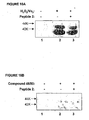
- Purified mast cells (10 5 cells/0.5ml) were incubated in Tyrode's buffer in the presence of 0.1 mM vanadate in the absence or presence of 600 ⁇ g/ml of peptide 2 for 1h at 37°C.
- the cells were triggered by 5 ⁇ g/ml of compound 48/80 (Sigma) dissolved in Tyrode's buffer or by H 2 O 2 /VO 3 for 20-min incubation period at 37°C.
- the cells were sedimented and cells extracts were prepared. The samples were resolved by SDS/10% PAGE and immunoblotted with anti-phospho-Tyr and anti active MAPK antibodies.
- the present invention is based on results of structure activity relationship studies using several novel peptides, in which point mutations or chemical modifications were introduced. These novel peptides were designed and tested to achieve the following aims:
- Peptide WALL006 AAVALLPAVLLALLAPKQNLKECGLY
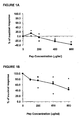
- peptide WALL006 blocked compound 48/80 induced histamine secretion in a dose dependent manner, with IC 50 value of 560 ⁇ g/ml and maximal inhibition of 57% at concentration of 600 ⁇ g/ml.
- peptide WALL015 blocked compound 48/80 induced histamine secretion in a dose dependent manner, with IC 50 values of 300 ⁇ g/ml and maximal inhibition of 75% at concentration of 600 ⁇ g/ml.
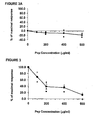
- peptide WALL011 inhibited compound 48/80 induced histamine secretion in a dose dependent manner, with IC 50 values of 160 ⁇ g/ml and maximal inhibition of 87% at concentration of 600 ⁇ g/ml.
- peptide WALL012 blocked compound 48/80 induced histamine secretion in a dose dependent manner, with IC 50 values of 320 ⁇ g/ml and maximal inhibition of 97.5% at concentration of 600 ⁇ g/ml.
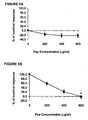
- peptide WALL013 blocked compound 48/80 induced histamine secretion in a dose dependent manner, with IC 50 values of 245 ⁇ g/ml and maximal inhibition of 100% at concentration of 600 ⁇ g/ml.
- results obtained with peptides WALL006, WALL011, WALL012 WALL013 and WALL015 demonstrate that replacement of the Asparagine at position 18 with one of the following: Glutamine, Serine, Glutamic acid or Alanine result in active peptides that significantly inhibit histamine secretion from mast cells. Since Asparagine, Glutamine, Serine, and Glutamic acid are capable of forming a hydrogen bond with the tyrosine residue located at the C-terminal end of the peptide, it is suggested that the formation of a cyclic three-dimensional structure might be mediated by this bond. However since Alanine is not capable of forming a hydrogen bond and yet results in an active peptide we assume that other connections are also involved and contribute to the formation of the active cyclic three-dimensional structure.
- Peptide WALL005 AAVALLPAVLLALLAP NNLKECGL-para-amino-F
- Peptide WALL014 is identical to peptide WALL005 except for an additional Succinyl group at the N- terminus.
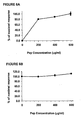
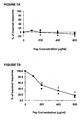
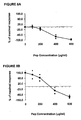
- peptide WALL014 Incubation of purified intact mast cells in vitro with increasing concentrations of peptide WALL014 did not result in histamine secretion (Fig 7A). These results have indicated that peptide WALL014 is unlikely to cause allergic side effects.
- this peptide was tested for its ability to inhibit histamine secretion induced by compound 48/80.
- mast cells were incubated with increasing concentrations of the peptide, prior to their trigger with compound 48/80.
- peptide WALL014 blocked compound 48/80 induced histamine secretion in a dose dependent manner, with IC 50 values of 230 ⁇ g/ml and maximal inhibition of 83% at concentration of 600 ⁇ g/ml.
- peptide WALL007 blocked compound 48/80 induced histamine secretion in a dose dependent manner.
- a potent inhibition was already demonstrated at a concentration of 400 ⁇ g/ml, while maximal inhibition was demonstrated at a concentration of 600 ⁇ g/ml. Under these conditions, the level of histamine secretion was lower than the basal level of histamine secretion in control cells.
- Peptide WALL016 Succinyl- AAVALLPAVLLALLAPKNNLKEVGLY
- peptide WALL016 blocked compound 48/80 induced histamine secretion in a dose dependent manner, with IC 50 values of 295 ⁇ g/ml and maximal inhibition of 79.6% at a concentration of 600 ⁇ g/ml.
- the next set of peptides were synthesized and analyzed in order to demonstrate the importance of the type of linkage which connects between the two segments of the complex peptide, that is the connection between the importation and the functional sequences. In particular, to assess the importance for biological activity of the proline residue as the point of junction between the importation segment and the functional moiety.
- the peptide was also tested for its ability to block compound 48/80 induced histamine secretion. Mast cells were incubated with increasing concentrations of the peptide, followed by induction of histamine secretion by compound 48/80.
- peptide WALL004 failed to block histamine secretion induced by compound 48/80.
- substitution of the proline residue at position 16 with alanine caused a complete loss of the desired activity of the peptide. Therefore, we suggest that the amino acid proline, or any other natural or non-natural amino acid or covalent bond or moiety that would link covalently the importation segment (competent for cell penetration) with the functional segment (active in reducing or abolishing mast cell degranulation) in a manner, which gives rise to a bend or turn, is essential for the maintenance of the desired peptide activity. Examples include proline mimetics, N-alkylated or N-methylated amino acids at this position, double or triple bonds or the like.
- moieties which induce suitable conformations include but are not limited to N-methyl amino acids such as sarcosine; hydroxy proline; anthranilic acid (2-amino benzoic acid); and 7-azabicyloheptane carboxylic acid.
- Peptide WALL008 Succinyl-AAVALLPAVLALLA-Sar-KNNLKECGLY
- peptide WALL008 blocked compound 48/80 induced histamine secretion in a dose dependent manner, with IC 50 values at concentration of 220 ⁇ g/ml and maximal inhibition of 98.7% at concentration of 600 ⁇ g/ml.
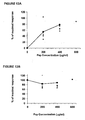
- peptide WALL010 Incubation of purified intact mast cells in vitro with increasing concentrations of peptide WALL010 resulted in histamine secretion as a function of peptide concentration (Fig 13A). These results have indicated that peptide WALL010 is a potent secretagogue of mast cells and is therefore likely to cause allergic side effects. Next, this peptide was tested for its ability to block compound 48/80 induced histamine secretion. For this purpose, mast cells were incubated with increasing concentrations of the peptide, prior to their trigger with compound 48/80. As shown in Figure 13B, peptide WALL010 did demonstrate a mild inhibition of histamine release, induced by compound 48/80, with maximal inhibition of 16.7% at a concentration of 200 ⁇ g/ml.
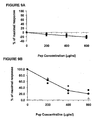
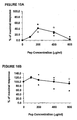
- peptide 2 did not inhibit the activation of protein tyrosine kinases and MAPKs induced by H 2 O 2 /VO 3 (Fig 15B, and 16B) that stimulates protein tyrosine phosphorylation in a pertussis toxin insensitive fashion by inhibiting protein tyrosine phosphatases.
- peptide 2 inhibits, in addition to histamine release, the activation of PTKs and MAPKs induced by basic secretagogues. Activation of these protein kinases was demonstrated previously as a crucial event, leading to activation of the late phase inflammatory reaction such as synthesis de novo of leukotrienes and prostaglandins. Therefore, our results indicate that this peptide inhibited also the pathway that contributes to the de novo production of inflammatory mediators such as leukotrienes and prostaglandins. We have also demonstrated that peptide 2 inhibited a specific pertussis toxin sensitive activation of PTKs and MAPKs that can be dependent on Gi 3 activation.
- peptides WALL004, WALL008, WALL009 and WALL010 confirm that the linker is a crucial element of the present invention, whereby the linker must impose conformational constraints at or near the junction of the two segments of the molecule to yield a biologically active entity. Therefore, the first segment must be connected to the second segment through a linker or a direct bond, whereby the linker creates a conformational constraint, by forming a bend or turn. Examples include but are not limited to, residues such as proline, or proline mimetic or N-methyl amino acids such as sarcosine or any other moiety which introduces a rigid bend into the peptide backbone.
- Table 1 summarizes the results obtained in the in vitro system.
- Table 1 Summary of in vitro experiments monitoring histamine secretion from isolated mast cells, following incubation with the following peptides Peptide Sequence Secreta gogue* Inhibitor** IC 50 ( ⁇ g/ml) Remarks WALL00 6 AAVALLPAVLLALLAPKQNLKECGLY - + 560 solubility problem WALL01 5 Succinyl-AAVALLPAVLLALLAPKQNLKECGLY - ++ 300 Good solubility WALL01 1 Succinyl-AAVALLPAVLLALLAPKSNLKECGLY - +++ 160 Good solubility WALL01 2 Succinyl-AAVALLPAVLLALLAPKENLKECGLY - +++ 320 Good solubility WALL01 3 Succinyl-AAVALLPAVLLALLAPKANLKECGLY - +++ 245 Good solubility WALL00 5 AAVALLPAVLLALLAPKNNLKECGL-para- amino-F +
- + Peptide that induce histamine secretion (Secretagogue). ** Extent of inhibition of histamine secretion from mast cells, followed by incubation with different concentrations of each peptide and induction of the allergic reaction. +++ Potent inhibitor ( ⁇ 80% inhibition), ++ Moderate inhibitor (50% - 70% inhibition), + Poor inhibitor ( ⁇ 50% inhibition), - No inhibition.
- the hair of the abdominal area of CR rats was carefully removed with an electric clipper and a depilatory cream.
- the abdominal area was divided to six equal zones that were marked by pen. Each zone was either subjected to peptide treatment or served as a control.
- the peptide was injected intradermally as follows: 20 ⁇ l of peptide solution at different concentrations (dissolved in 10% DMSO in DDW) were injected intradermally to an indicated abdominal area using a 27-gauge sterile needle.
- Skin tests were performed 0.5, or 1 hour following application of the peptide. Skin tests were performed by injecting intradermally 20 ⁇ l of the allergen (0.1 mg/ml compound 48/80 dissolved in DDW) or DDW alone (Vehicle), into the center of each marked area on the abdominal skin using a 27-gauge sterile needle. The allergic response was monitored by outlining with a marker the wheals which developed in response to allergen or vehicle treatment.
- the marker signs were transferred onto paper with scotch tape.
- the areas of the wheals were outlined and calculated by a computerized software (NIH-Image).
- Tables 2-8 presents the mean areas of the wheals, which developed in response to intradermal injection of each of the tested peptides, followed by either compound 48/80 or DDW injection applied after 0.5 or 1 hour. Two doses were tested for each peptide - 20 and 200 ⁇ g (injection of 20 ⁇ l from a stock solution of 1 mg/ml or 10 mg/m respectively). Mean wheal areas were calculated for each treatment and the significance of the results was determined using student's T-test.
- Table 3 The results presented in Table 3 demonstrate that intradermal injection of Peptide WALL016 reduced compound 48/80 induced allergic reaction in a dose dependent manner, reaching significant inhibition at both 0.5 and 1 hour before the allergic induction. These results therefore indicate that Peptide WALL0016 has the potential to block allergic reactions in vivo.
- Table 4 The results presented in Table 4 demonstrate that intradermal injection of Peptide WALL008 reduced the allergic reaction in a dose dependent manner, reaching significant inhibition at 0.5 hour before the allergic induction. These results therefore indicate that Peptide WALL008 has the potential to block allergic reactions in vivo..
- Table 5 The results presented in Table 5 demonstrate that intradermal injection of Peptide WALL012 reduced compound 48/80-induced allergic reactions in a dose dependent manner, reaching significant inhibition at 0.5 hour before the allergic induction. Therefore, Peptide WALL012 has the potential to block allergic reactions in vivo.
- Table 6 The results presented in Table 6 demonstrate that intradermal injection of Peptide WALL013 significantly reduced compound 48/80-induced allergic reaction at concentrations of 1 mg/ml and 10 mg/ml, when applied 0.5 hour before induction of the allergic reaction. Peptide WALL013 therefore has the potential to block allergic reactions in vivo.
- a representative experiment (depicted in Table 7) demonstrates that intradermal injection of Peptide WALL015 blocked compound 48/80-induced allergic reaction in vivo.
- Peptide WALL015 reduced the allergic reaction at concentration of 1 and 10 1 and 10 mg/ml , when applied 0.5 hour before induction of the allergic induction.
- Table 4 Mean Wheal Area (mm 2 ⁇ STD) in Response to Intradermal Injection of Peptide WALL008 followed by compound 48/80.
- Table 7 A Representative Experiment Demonstrating the Wheal Area (mm 2 ) in Response to Intradermal Injection of Peptide WALL015 followed by compound 48/80.
- Table 8 Mean Wheal Area (mm 2 ⁇ STD) in Response to Intradermal Injection of Peptide WALL014 followed by compound 48/80.
- peptides of the present invention and their homologues or related compounds, hereinafter referred to as the "therapeutic agents of the present invention"
- therapeutic agent includes a peptide as previously defined, in particular peptides exemplified herein and/or homologues, analogues or mimetics thereof, or any biologically active substance having a substantially similar effect as previously defined.
- the term "subject” refers to the human or lower animal to whom the therapeutic agent is administered.
- administration may be done topically (including ophthalmically, vaginally, rectally, intranasally and by inhalation), orally, or parenterally, for example by intravenous drip or intraperitoneal, subcutaneous, or intramuscular injection.
- Formulations for topical administration may include but are not limited to lotions, ointments, gels, creams, suppositories, drops, liquids, sprays and powders.
- Conventional pharmaceutical carriers, aqueous, powder or oily bases, thickeners and the like may be necessary or desirable.
- compositions for oral administration include powders or granules, suspensions or solutions in water or non-aqueous media, sachets, capsules or tablets. Thickeners, diluents, flavorings, dispersing aids, emulsifiers or binders may be desirable.
- Formulations for parenteral administration may include but are not limited to sterile aqueous solutions which may also contain buffers, diluents and other suitable additives.
- Dosing is dependent on the severity of the symptoms and on the responsiveness of the subject to the therapeutic agent Persons of ordinary skill in the art can easily determine optimum dosages, dosing methodologies and repetition rates.
- the therapeutic agents of the present invention have been shown to be effective inhibitors of the allergic process by blocking mast cell degranulation, thereby preventing and/or alleviating an allergenic condition.
- the following example is an illustration only of a method of treating an allergenic condition with the therapeutic agent of the present invention, and is not intended to be limiting.
- the method includes the step of administering a therapeutic agent, in a pharmaceutically acceptable carrier as described in Example 4 above, to a subject to be treated.
- the therapeutic agent is administered according to an effective dosing methodology, preferably until a predefined endpoint is reached, such as the absence of a symptom of the allergenic condition in the subject, or the prevention of the appearance of such a symptom in the subject.
- Allergic conditions for which the therapeutic agents of the present invention are useful include, but are not limited to, nasal allergy, irritation or allergic reactions in the eyes, allergic reactions in the skin including any type of allergen-induced rash or other skin irritation or inflammation, acute urticaria, psoriasis, psychogenic or allergic asthma, interstitial cystitis, bowel diseases, migraines, and auto-immune diseases such as multiple sclerosis.
- the therapeutic complex of the present invention can be manufactured in various ways. For example, if the therapeutic complex includes a peptide for at least one the first segment and the second segment, or if the entire therapeutic complex is a peptide, then such a peptide could be manufactured by peptide synthetic methods which are well known in the art.
- such a peptide could be produced by linking the signal sequence and the biologically active moiety through laboratory techniques for molecular biology which are well known in the art.
- a recombinant fusion protein could be prepared which would feature the peptide permeabilization sequence in the N-terminus and the C-terminal moiety of G ⁇ t or G ⁇ i3 , preferably including the last 10 amino acids, for production in bacteria.
- DNA sequences coding for the desired peptides are amplified by PCR and purified. After sequence verification, these DNA sequences are ligated and cloned in an appropriate vector. The resulting recombinant plasmid is expressed in E. coli and the recombinant proteins purified from bacterial extracts.
- the annealed and minimized conformations constitute the conformation sample of that molecule.
- the gradual annealing guarantees that the resulting conformations will indeed be on the 300 K manifold (i.e., are accessible at 300 K), while the high temperature sampling allows us to cross high-energy barriers.
- each sampling procedure starts with a 500 ps molecular dynamics trajectory at 1000 K (simulated using 2 fs timesteps). Conformations are sampled along the high temperature trajectory every 1 ps, resulting in a total of 500 conformations. Short molecular dynamic trajectories (simulated at 1 fs timesteps) are then applied to cool each of the high temperature conformations down to 300K (temperature decreases at 100 K steps). Following the cooling phase each structure is minimized by a combined protocol consisting of 200 Steepest Decent steps followed by Adopted Basis Newton-Raphson (ABNR) minimization until a total gradient of 0.01 is reached.
- ABNR Adopted Basis Newton-Raphson
- Substance P activates the release of histamine from human skin mast cells through a pertussis toxin-sensitive and protein kinase C-dependent mechanism. Clin. Immunol. Immunop. 81,68-73 .
- Theoharides T.C. (1996).
- the mast cell a neuroimmunoendocrine master player.
- the invention furthermore comprises the following items:
Landscapes
- Health & Medical Sciences (AREA)
- Chemical & Material Sciences (AREA)
- Life Sciences & Earth Sciences (AREA)
- Organic Chemistry (AREA)
- Medicinal Chemistry (AREA)
- General Health & Medical Sciences (AREA)
- Engineering & Computer Science (AREA)
- Bioinformatics & Cheminformatics (AREA)
- Public Health (AREA)
- Veterinary Medicine (AREA)
- Pharmacology & Pharmacy (AREA)
- Animal Behavior & Ethology (AREA)
- Proteomics, Peptides & Aminoacids (AREA)
- General Chemical & Material Sciences (AREA)
- Nuclear Medicine, Radiotherapy & Molecular Imaging (AREA)
- Chemical Kinetics & Catalysis (AREA)
- Biochemistry (AREA)
- Molecular Biology (AREA)
- Genetics & Genomics (AREA)
- Biophysics (AREA)
- Zoology (AREA)
- Toxicology (AREA)
- Gastroenterology & Hepatology (AREA)
- Pulmonology (AREA)
- Neurosurgery (AREA)
- Biomedical Technology (AREA)
- Neurology (AREA)
- Immunology (AREA)
- Epidemiology (AREA)
- Cell Biology (AREA)
- Dermatology (AREA)
- Pain & Pain Management (AREA)
- Psychiatry (AREA)
- Hospice & Palliative Care (AREA)
- Ophthalmology & Optometry (AREA)
- Urology & Nephrology (AREA)
- Otolaryngology (AREA)
- Medicines That Contain Protein Lipid Enzymes And Other Medicines (AREA)
- Medicines Containing Material From Animals Or Micro-Organisms (AREA)
- Medicinal Preparation (AREA)
Applications Claiming Priority (2)
| Application Number | Priority Date | Filing Date | Title |
|---|---|---|---|
| IL14047300A IL140473A0 (en) | 2000-12-21 | 2000-12-21 | Anti-allergic complex molecules |
| EP01271384A EP1478378A4 (en) | 2000-12-21 | 2001-12-20 | ANTIALLERGIC COMPLEX MOLECULES |
Related Parent Applications (1)
| Application Number | Title | Priority Date | Filing Date |
|---|---|---|---|
| EP01271384A Division EP1478378A4 (en) | 2000-12-21 | 2001-12-20 | ANTIALLERGIC COMPLEX MOLECULES |
Publications (1)
| Publication Number | Publication Date |
|---|---|
| EP1891975A1 true EP1891975A1 (en) | 2008-02-27 |
Family
ID=11074953
Family Applications (2)
| Application Number | Title | Priority Date | Filing Date |
|---|---|---|---|
| EP07022899A Withdrawn EP1891975A1 (en) | 2000-12-21 | 2001-12-20 | Anti-allergic complex molecules |
| EP01271384A Withdrawn EP1478378A4 (en) | 2000-12-21 | 2001-12-20 | ANTIALLERGIC COMPLEX MOLECULES |
Family Applications After (1)
| Application Number | Title | Priority Date | Filing Date |
|---|---|---|---|
| EP01271384A Withdrawn EP1478378A4 (en) | 2000-12-21 | 2001-12-20 | ANTIALLERGIC COMPLEX MOLECULES |
Country Status (7)
| Country | Link |
|---|---|
| US (3) | US7112568B2 (enExample) |
| EP (2) | EP1891975A1 (enExample) |
| JP (1) | JP2005506276A (enExample) |
| AU (2) | AU1738402A (enExample) |
| CA (1) | CA2432879A1 (enExample) |
| IL (1) | IL140473A0 (enExample) |
| WO (1) | WO2002050097A2 (enExample) |
Families Citing this family (10)
| Publication number | Priority date | Publication date | Assignee | Title |
|---|---|---|---|---|
| US20070009544A1 (en) * | 1999-06-17 | 2007-01-11 | Ronit Eisenberg | Anti-allergic complex molecules |
| IL130526A0 (en) * | 1999-06-17 | 2000-06-01 | Allergene Ltd | Novel anti-allergenic agents |
| IL140473A0 (en) * | 2000-12-21 | 2002-02-10 | Allergene Ltd | Anti-allergic complex molecules |
| JP4498101B2 (ja) * | 2004-11-04 | 2010-07-07 | 大鵬薬品工業株式会社 | 頭痛の予防及び/または治療剤 |
| JP5307555B2 (ja) * | 2006-01-27 | 2013-10-02 | ジュリアス−マキシミリアンズ−ユニベルシタット ワーズブルグ | カルシニューリン抑制のペプチド |
| WO2010137012A1 (en) | 2009-05-25 | 2010-12-02 | Ramot At Tel-Aviv University Ltd. | Peptide therapy for amphiregulin mediated diseases |
| WO2011038397A2 (en) * | 2009-09-28 | 2011-03-31 | Duke University | Peptide adjuvants, vaccines, and methods of use |
| SG11201406142XA (en) | 2012-03-27 | 2014-10-30 | Univ Duke | Compositions and methods for the prevention and treatment of mast cell-induced vascular leakage |
| US11571455B2 (en) | 2013-04-11 | 2023-02-07 | Vanderbilt University | Methods and compositions for treating alcoholic liver disease |
| US9492544B2 (en) * | 2013-04-11 | 2016-11-15 | Vanderbilt University | Compositions and methods for targeting nuclear import shuttles and treating inflammatory disorders |
Citations (2)
| Publication number | Priority date | Publication date | Assignee | Title |
|---|---|---|---|---|
| WO1995034295A1 (en) * | 1994-06-13 | 1995-12-21 | Vanderbilt University | A novel method for importing biologically active molecules into cells |
| WO2000078346A1 (en) | 1999-06-17 | 2000-12-28 | Allergene Ltd. | Novel anti-allergic agents |
Family Cites Families (3)
| Publication number | Priority date | Publication date | Assignee | Title |
|---|---|---|---|---|
| US3987192A (en) * | 1974-01-07 | 1976-10-19 | The Upjohn Company | Compositions and process of treatment |
| US6103692A (en) | 1996-03-12 | 2000-08-15 | The General Hospital Corporation | Inhibiting protein interactions |
| IL140473A0 (en) | 2000-12-21 | 2002-02-10 | Allergene Ltd | Anti-allergic complex molecules |
-
2000
- 2000-12-21 IL IL14047300A patent/IL140473A0/xx unknown
-
2001
- 2001-12-20 CA CA002432879A patent/CA2432879A1/en not_active Abandoned
- 2001-12-20 EP EP07022899A patent/EP1891975A1/en not_active Withdrawn
- 2001-12-20 JP JP2002551990A patent/JP2005506276A/ja not_active Ceased
- 2001-12-20 AU AU1738402A patent/AU1738402A/xx active Pending
- 2001-12-20 AU AU2002217384A patent/AU2002217384B2/en not_active Ceased
- 2001-12-20 WO PCT/IL2001/001186 patent/WO2002050097A2/en not_active Ceased
- 2001-12-20 EP EP01271384A patent/EP1478378A4/en not_active Withdrawn
-
2003
- 2003-06-20 US US10/465,826 patent/US7112568B2/en not_active Expired - Fee Related
-
2005
- 2005-08-29 US US11/214,588 patent/US7528110B2/en not_active Expired - Fee Related
-
2009
- 2009-03-27 US US12/412,646 patent/US20090227768A1/en not_active Abandoned
Patent Citations (3)
| Publication number | Priority date | Publication date | Assignee | Title |
|---|---|---|---|---|
| WO1995034295A1 (en) * | 1994-06-13 | 1995-12-21 | Vanderbilt University | A novel method for importing biologically active molecules into cells |
| US5807746A (en) | 1994-06-13 | 1998-09-15 | Vanderbilt University | Method for importing biologically active molecules into cells |
| WO2000078346A1 (en) | 1999-06-17 | 2000-12-28 | Allergene Ltd. | Novel anti-allergic agents |
Non-Patent Citations (35)
| Title |
|---|
| ARIDOR M ET AL: "ACTIVATION OF EXOCYTOSIS BY THE HETEROTRIMERIC G PROTEIN GI3", SCIENCE, AMERICAN ASSOCIATION FOR THE ADVANCEMENT OF SCIENCE,, US, vol. 262, no. 5139, 3 December 1993 (1993-12-03), pages 1569 - 1573, XP000953320, ISSN: 0036-8075 * |
| ARIDOR M. ET AL.: "Activation of exocytosis by the heterotrimeric G protein G", SCIENCE, vol. 262, 1993, pages 1569 - 1572 |
| ARIDOR M.; SAGI-EISENBERG R.: "Neomycin is a potent secretagogue of mast cells that directly activates a GTP-binding protein involved", J. CELL BIOL., vol. 111, 1990, pages 2885 - 2891 |
| ARIDOR M.; TRAUB L.M.; SAGI-EISENBERG R.: "Exocytosis in mast cells by basic secretagogues: Evidence for direct activation of GTP-binding proteins", J. CELL BIOL., vol. 111, 1990, pages 909 - 917 |
| BIENENSTOCK J. ET AL.: "Mast cell involvement in various inflammatory processes", AM. REV. RESPIR. DIS., vol. 135, 1987, pages S5 - S8 |
| CHAHDI A.; MOUSLI M.; LANDRY Y.: "Substance P-related inhibitors of mast cell exocytosis act on G-proteins or on the cell surface", EUR. J. PHARMACOL., vol. 341, 1998, pages 329 - 335 |
| COLUMBO M. ET AL.: "Substance P activates the release of histamine from human skin mast cells through a pertussis toxin-sensitive and protein kinase C-dependent mechanism.", CLIN. IMMUNOL. HNMUNOP., vol. 81, 1996, pages 68 - 73 |
| DEVILLIER P. ET AL.: "Histamine release and local responses of rat and human skin to substance P and other mammalian tachykinins", PHARMACOLOGY, vol. 32, 1986, pages 340 - 347 |
| EMADI-KHIAV B. ET AL.: "Human and rat cutaneous mast cells: involvement of a G protein in the response to peptidergic stimuli", EUR. J. PHARMACOL., vol. 272, 1995, pages 97 - 102 |
| ENNIS M.; PEARCE F.L; WESTON P.M.: "Some studies on the release of histamine from mast cells stimulated with polylysine", BR. J. PHARMACOL., vol. 70, 1980, pages 329 - 334 |
| FOREMAN J.C.: "Neuropeptides and the pathogenesis of allergy", ALLERGY, vol. 42, 1987, pages 1 - 11 |
| FOREMAN J.C.: "Substance P and calcitonin gene-related peptide: Effect on mast cells and in human skin", INT ARCHS. ALLERGY APPL. IMMUN., vol. 82, 1987, pages 366 - 371 |
| GOLDBERG A. ET AL.: "Cutaneous responses to histamine, compound 48/80 and codeine in patients with chronic renal failure", ANNALS ALLERGY, vol. 67, 1991, pages 525 - 528 |
| GOMPERTS B.D. ET AL.: "Intracellular mechanisms regulating exocytotic secretion in mast cells", INT ARCH. ALLERGY APPL. IMMUNOL., vol. 94, 1991, pages 38 - 46 |
| HAWIGER J.: "Cellular import of functional peptides to block intracellular signaling", CURR. OPIN. IMMUNOL., vol. 9, 1997, pages 189 - 194, XP004327250, DOI: doi:10.1016/S0952-7915(97)80134-3 |
| HRUBY, V. J., LIFE SCI., vol. 31, 1982, pages 189 |
| KESSLER, H., ANGEW. CHEM. INT. ED. ENG., vol. 21, 1982, pages 512 |
| KESSLER, H.: "Angew. Chem. Int. Ed. Eng.", vol. 21, 1982, pages: 512 |
| KIVITY S. ET AL.: "The effect of food and exercise on the skin response to compound 48/80 in patients with food- associated exercise-induced utricaria-angioedema", J. ALLERGY CLIN. IMMUNOL., vol. 81, 1988, pages 1155 - 1158 |
| LICHTENSTEIN L.M: "Allergy and the immune system", SCIENTIFIC AMERICAN, vol. 269, 1993, pages 116 - 124 |
| LIN Y ET AL: "INHIBITION OF NUCLEAR TRANSLOCATION OF TRANSCRIPTION FACTOR NF-KB BY A SYNTHETIC PEPTIDE CONTAINING A CELL MEMBRANE-PERMEABLE MOTIF AND NUCLEAR LOCALIZATION SEQUENCE", JOURNAL OF BIOLOGICAL CHEMISTRY, AMERICAN SOCIETY OF BIOLOCHEMICAL BIOLOGISTS, BIRMINGHAM,, US, vol. 270, no. 24, 16 June 1995 (1995-06-16), pages 14255 - 14258, XP002050723, ISSN: 0021-9258 * |
| LIN Y.Z. ET AL.: "Inhibition of nuclear translocation of transcription factor NF-kB by a synthetic peptide containing a cell membrane-permeable motif and nuclear localization sequence", J. BIOL. CHEM., vol. 270, 1995, pages 14255 - 14258, XP002050723, DOI: doi:10.1074/jbc.270.24.14255 |
| LIU X.Y. ET AL.: "Identification of a functionally important sequence in the cytoplasmic tail of integrin j33 by using cell-permeable peptide analogs", PROC, NATL. ACAD. SCI., vol. 93, 1996, pages 11819 - 11824, XP002112507, DOI: doi:10.1073/pnas.93.21.11819 |
| MILNER-WHITE, E. J., TRENDS IN PHARM. SCI., vol. 10, 1989, pages 70 |
| MOUSLI M.; HUGLI T.E. LANDRY Y.; BRONNER C.: "Peptidergic pathway in human skin and rat peritoneal mast cell activation", IMMUNOPHARMACOL, vol. 27, 1994, pages 1 - 11, XP023826062, DOI: doi:10.1016/0162-3109(94)90002-7 |
| PEARCE F.L.; KASSESSINOFFT-A.; LIU W.L.: "Characteristics of histamine secretion induced by neuropeptides: Implications for the relevance of peptide-mast cell interactions in allergy and inflammation", INT ARCH. ALLERGY APPL. IMMUNOL., vol. 88, 1989, pages 129 - 131 |
| PROCHIANTZ A.: "Getting hydrophilic compounds into cells: lessons from homeopeptides", CURR. OPIN. NEUROBIOL., vol. 6, 1996, pages 629 - 634, XP002910851, DOI: doi:10.1016/S0959-4388(96)80095-X |
| ROJAS M.; YAU S.Y.; LIN Y.Z.: "Controlling epidermal growth factor (EGF)-stimulated Ras activation in intact cells by a cell-permeable peptide mimicking phosphorylated EGF receptor", J BIOL. CHEM., vol. 271, 1996, pages 27456 - 27461, XP002124151, DOI: doi:10.1074/jbc.271.44.27456 |
| SAGI-EISENBERG . ET AL.: "Structure-activity relationship in the mast cell degranulation capacity of neurotensin fragments", NEUROPHARM, vol. 22, 1983, pages 197 - 201 |
| SAGI-EISENBERG R.: "Signal-transmission pathways in mast cell exocytosis", IMMUNOPHARMACOLOGY OF MAST CELLS AND BASOPHILS, 1993 |
| SCHILLER, P. W.: "The Peptides", vol. 6, 1984, pages: 254 |
| SHEFLER L, TAUBE Z.; MEDALIA O.; SAGI-EISENBERG R.: "Basic secretagogues activate protein tyrosine phosphorylation and release of arachidonic acid in mast cells via a novel protein kinase C and phosphatidylinositol 3-kinase-dependent mechanism", EUR. J. IMMUNOL., vol. 28, 1998, pages 3468 - 3478 |
| SUSSMAN G.L.; HARVEY R.P.; SCHOCKET A.L: "Evaluation of skin test response using two techniques of measurement", ANN. ALLERGY, vol. 48, 1982, pages 75 - 77 |
| THEOHARIDES T.C.: "The mast cell: a neuroimmunoendocrine master player", INT. J. TISSUE REACT., vol. 18, 1996, pages 1 - 21 |
| VEBER, D. F.; FREIDINGER, R. M., TRENDS IN NEUROSCI., vol. 8, 1985, pages 392 |
Also Published As
| Publication number | Publication date |
|---|---|
| US7528110B2 (en) | 2009-05-05 |
| WO2002050097A2 (en) | 2002-06-27 |
| CA2432879A1 (en) | 2002-06-27 |
| EP1478378A4 (en) | 2005-06-08 |
| US20040137006A1 (en) | 2004-07-15 |
| US20090227768A1 (en) | 2009-09-10 |
| US7112568B2 (en) | 2006-09-26 |
| AU2002217384B2 (en) | 2007-10-11 |
| AU1738402A (en) | 2002-07-01 |
| US20060100141A1 (en) | 2006-05-11 |
| EP1478378A2 (en) | 2004-11-24 |
| IL140473A0 (en) | 2002-02-10 |
| JP2005506276A (ja) | 2005-03-03 |
| WO2002050097A3 (en) | 2004-09-16 |
Similar Documents
| Publication | Publication Date | Title |
|---|---|---|
| US20090227768A1 (en) | Anti-Allergic Complex Molecules | |
| AU2023254952B2 (en) | Variants of tissue inhibitor of metalloproteinase type three (TIMP-3), compositions and methods | |
| US5807746A (en) | Method for importing biologically active molecules into cells | |
| EP2850097B1 (en) | Anti-inflammatory peptides and composition comprising the same | |
| Patel et al. | Changing role of even-skipped during the evolution of insect pattern formation | |
| Krause et al. | The polyprotein nature of substance P precursors | |
| EP2796462B1 (en) | Anti-tumor peptide and use therefor | |
| EP1677815B1 (en) | Selective inhibition of nf-kappab activation by peptides designed to disrupt nemo oligomerization. | |
| US20110143995A1 (en) | Novel anti-allergic agents | |
| US5624902A (en) | Peptide inhibitors of calmodulin | |
| US7217539B2 (en) | Cell death inducers for mast cells | |
| Yoon et al. | TAT-mediated delivery of human glutamate dehydrogenase into PC12 cells | |
| US20070009544A1 (en) | Anti-allergic complex molecules | |
| EP2004680B1 (en) | N-terminal vdac variants and uses thereof | |
| WO2001026678A9 (en) | Short segments of dap-kinase | |
| CN114174316A (zh) | 修饰肽和相关使用方法 | |
| EP0837129B1 (en) | Epimorphin antagonist and process for producing the same | |
| JPH05271291A (ja) | 機能性ポリペプチド | |
| US7811561B1 (en) | MCT-1, a human oncogene | |
| JP4283531B2 (ja) | マスト細胞の細胞死誘発剤 | |
| US9856300B2 (en) | Dpy-30 binding peptides and methods of use | |
| CN111094357A (zh) | 一类新的Bcl10聚合抑制剂及其应用 | |
| Garrett | Characterization of p21 rho and its GTPase Activating Protein | |
| Class et al. | Patent application title: DPY-30 Binding Peptides Inventors: Pinfen Yang (Milwaukee, WI, US) Priyanka Sivadas (Milwaukee, WI, US) Assignees: Marquette University | |
| JP2002249439A (ja) | Il−6誘導性細胞死の抑制剤およびil−6誘導性細胞死の抑制方法 |
Legal Events
| Date | Code | Title | Description |
|---|---|---|---|
| PUAI | Public reference made under article 153(3) epc to a published international application that has entered the european phase |
Free format text: ORIGINAL CODE: 0009012 |
|
| AC | Divisional application: reference to earlier application |
Ref document number: 1478378 Country of ref document: EP Kind code of ref document: P |
|
| AK | Designated contracting states |
Kind code of ref document: A1 Designated state(s): AT BE CH CY DE DK ES FI FR GB GR IE IT LI LU MC NL PT SE TR |
|
| 17P | Request for examination filed |
Effective date: 20080416 |
|
| AKX | Designation fees paid |
Designated state(s): AT BE CH CY DE DK ES FI FR GB GR IE IT LI LU MC NL PT SE TR |
|
| 17Q | First examination report despatched |
Effective date: 20081216 |
|
| STAA | Information on the status of an ep patent application or granted ep patent |
Free format text: STATUS: THE APPLICATION IS DEEMED TO BE WITHDRAWN |
|
| 18D | Application deemed to be withdrawn |
Effective date: 20100701 |