EP1848700B1 - Salts of (s)-2-amino-3-{4-[4-(2,4-dioxo-thiazolidin-5-ylmethyl)-phenoxy]-phenyl}-propionic acid and its methyl ester as interleukin inhibitors for the treatment of obesity or diabetes - Google Patents
Salts of (s)-2-amino-3-{4-[4-(2,4-dioxo-thiazolidin-5-ylmethyl)-phenoxy]-phenyl}-propionic acid and its methyl ester as interleukin inhibitors for the treatment of obesity or diabetes Download PDFInfo
- Publication number
- EP1848700B1 EP1848700B1 EP06735487.8A EP06735487A EP1848700B1 EP 1848700 B1 EP1848700 B1 EP 1848700B1 EP 06735487 A EP06735487 A EP 06735487A EP 1848700 B1 EP1848700 B1 EP 1848700B1
- Authority
- EP
- European Patent Office
- Prior art keywords
- compound
- phenyl
- phenoxy
- ylmethyl
- amino
- Prior art date
- Legal status (The legal status is an assumption and is not a legal conclusion. Google has not performed a legal analysis and makes no representation as to the accuracy of the status listed.)
- Not-in-force
Links
- 0 COC([C@@](*)Cc(cc1)ccc1Oc1ccc(C=C(C(N2)=O)SC2=O)cc1)=O Chemical compound COC([C@@](*)Cc(cc1)ccc1Oc1ccc(C=C(C(N2)=O)SC2=O)cc1)=O 0.000 description 3
- JVPRRTSOSZFDPV-BGERDNNASA-N CC(C)(C)OC(N[C@@H](Cc(cc1)ccc1Oc1ccc(CC(C(N2)=O)SC2=O)cc1)C(N(C)C)=O)=O Chemical compound CC(C)(C)OC(N[C@@H](Cc(cc1)ccc1Oc1ccc(CC(C(N2)=O)SC2=O)cc1)C(N(C)C)=O)=O JVPRRTSOSZFDPV-BGERDNNASA-N 0.000 description 1
Images




Classifications
-
- C—CHEMISTRY; METALLURGY
- C07—ORGANIC CHEMISTRY
- C07D—HETEROCYCLIC COMPOUNDS
- C07D277/00—Heterocyclic compounds containing 1,3-thiazole or hydrogenated 1,3-thiazole rings
- C07D277/02—Heterocyclic compounds containing 1,3-thiazole or hydrogenated 1,3-thiazole rings not condensed with other rings
- C07D277/20—Heterocyclic compounds containing 1,3-thiazole or hydrogenated 1,3-thiazole rings not condensed with other rings having two or three double bonds between ring members or between ring members and non-ring members
-
- A—HUMAN NECESSITIES
- A61—MEDICAL OR VETERINARY SCIENCE; HYGIENE
- A61K—PREPARATIONS FOR MEDICAL, DENTAL OR TOILETRY PURPOSES
- A61K31/00—Medicinal preparations containing organic active ingredients
- A61K31/33—Heterocyclic compounds
- A61K31/395—Heterocyclic compounds having nitrogen as a ring hetero atom, e.g. guanethidine or rifamycins
- A61K31/41—Heterocyclic compounds having nitrogen as a ring hetero atom, e.g. guanethidine or rifamycins having five-membered rings with two or more ring hetero atoms, at least one of which being nitrogen, e.g. tetrazole
- A61K31/4164—1,3-Diazoles
-
- A—HUMAN NECESSITIES
- A61—MEDICAL OR VETERINARY SCIENCE; HYGIENE
- A61K—PREPARATIONS FOR MEDICAL, DENTAL OR TOILETRY PURPOSES
- A61K31/00—Medicinal preparations containing organic active ingredients
- A61K31/33—Heterocyclic compounds
- A61K31/395—Heterocyclic compounds having nitrogen as a ring hetero atom, e.g. guanethidine or rifamycins
- A61K31/41—Heterocyclic compounds having nitrogen as a ring hetero atom, e.g. guanethidine or rifamycins having five-membered rings with two or more ring hetero atoms, at least one of which being nitrogen, e.g. tetrazole
- A61K31/42—Oxazoles
- A61K31/421—1,3-Oxazoles, e.g. pemoline, trimethadione
-
- A—HUMAN NECESSITIES
- A61—MEDICAL OR VETERINARY SCIENCE; HYGIENE
- A61K—PREPARATIONS FOR MEDICAL, DENTAL OR TOILETRY PURPOSES
- A61K31/00—Medicinal preparations containing organic active ingredients
- A61K31/33—Heterocyclic compounds
- A61K31/395—Heterocyclic compounds having nitrogen as a ring hetero atom, e.g. guanethidine or rifamycins
- A61K31/41—Heterocyclic compounds having nitrogen as a ring hetero atom, e.g. guanethidine or rifamycins having five-membered rings with two or more ring hetero atoms, at least one of which being nitrogen, e.g. tetrazole
- A61K31/425—Thiazoles
- A61K31/426—1,3-Thiazoles
-
- A—HUMAN NECESSITIES
- A61—MEDICAL OR VETERINARY SCIENCE; HYGIENE
- A61P—SPECIFIC THERAPEUTIC ACTIVITY OF CHEMICAL COMPOUNDS OR MEDICINAL PREPARATIONS
- A61P13/00—Drugs for disorders of the urinary system
- A61P13/12—Drugs for disorders of the urinary system of the kidneys
-
- A—HUMAN NECESSITIES
- A61—MEDICAL OR VETERINARY SCIENCE; HYGIENE
- A61P—SPECIFIC THERAPEUTIC ACTIVITY OF CHEMICAL COMPOUNDS OR MEDICINAL PREPARATIONS
- A61P25/00—Drugs for disorders of the nervous system
-
- A—HUMAN NECESSITIES
- A61—MEDICAL OR VETERINARY SCIENCE; HYGIENE
- A61P—SPECIFIC THERAPEUTIC ACTIVITY OF CHEMICAL COMPOUNDS OR MEDICINAL PREPARATIONS
- A61P27/00—Drugs for disorders of the senses
- A61P27/02—Ophthalmic agents
-
- A—HUMAN NECESSITIES
- A61—MEDICAL OR VETERINARY SCIENCE; HYGIENE
- A61P—SPECIFIC THERAPEUTIC ACTIVITY OF CHEMICAL COMPOUNDS OR MEDICINAL PREPARATIONS
- A61P29/00—Non-central analgesic, antipyretic or antiinflammatory agents, e.g. antirheumatic agents; Non-steroidal antiinflammatory drugs [NSAID]
-
- A—HUMAN NECESSITIES
- A61—MEDICAL OR VETERINARY SCIENCE; HYGIENE
- A61P—SPECIFIC THERAPEUTIC ACTIVITY OF CHEMICAL COMPOUNDS OR MEDICINAL PREPARATIONS
- A61P3/00—Drugs for disorders of the metabolism
- A61P3/04—Anorexiants; Antiobesity agents
-
- A—HUMAN NECESSITIES
- A61—MEDICAL OR VETERINARY SCIENCE; HYGIENE
- A61P—SPECIFIC THERAPEUTIC ACTIVITY OF CHEMICAL COMPOUNDS OR MEDICINAL PREPARATIONS
- A61P3/00—Drugs for disorders of the metabolism
- A61P3/06—Antihyperlipidemics
-
- A—HUMAN NECESSITIES
- A61—MEDICAL OR VETERINARY SCIENCE; HYGIENE
- A61P—SPECIFIC THERAPEUTIC ACTIVITY OF CHEMICAL COMPOUNDS OR MEDICINAL PREPARATIONS
- A61P3/00—Drugs for disorders of the metabolism
- A61P3/08—Drugs for disorders of the metabolism for glucose homeostasis
- A61P3/10—Drugs for disorders of the metabolism for glucose homeostasis for hyperglycaemia, e.g. antidiabetics
-
- A—HUMAN NECESSITIES
- A61—MEDICAL OR VETERINARY SCIENCE; HYGIENE
- A61P—SPECIFIC THERAPEUTIC ACTIVITY OF CHEMICAL COMPOUNDS OR MEDICINAL PREPARATIONS
- A61P37/00—Drugs for immunological or allergic disorders
- A61P37/02—Immunomodulators
-
- A—HUMAN NECESSITIES
- A61—MEDICAL OR VETERINARY SCIENCE; HYGIENE
- A61P—SPECIFIC THERAPEUTIC ACTIVITY OF CHEMICAL COMPOUNDS OR MEDICINAL PREPARATIONS
- A61P37/00—Drugs for immunological or allergic disorders
- A61P37/02—Immunomodulators
- A61P37/06—Immunosuppressants, e.g. drugs for graft rejection
-
- A—HUMAN NECESSITIES
- A61—MEDICAL OR VETERINARY SCIENCE; HYGIENE
- A61P—SPECIFIC THERAPEUTIC ACTIVITY OF CHEMICAL COMPOUNDS OR MEDICINAL PREPARATIONS
- A61P43/00—Drugs for specific purposes, not provided for in groups A61P1/00-A61P41/00
-
- A—HUMAN NECESSITIES
- A61—MEDICAL OR VETERINARY SCIENCE; HYGIENE
- A61P—SPECIFIC THERAPEUTIC ACTIVITY OF CHEMICAL COMPOUNDS OR MEDICINAL PREPARATIONS
- A61P9/00—Drugs for disorders of the cardiovascular system
- A61P9/10—Drugs for disorders of the cardiovascular system for treating ischaemic or atherosclerotic diseases, e.g. antianginal drugs, coronary vasodilators, drugs for myocardial infarction, retinopathy, cerebrovascula insufficiency, renal arteriosclerosis
-
- C—CHEMISTRY; METALLURGY
- C07—ORGANIC CHEMISTRY
- C07D—HETEROCYCLIC COMPOUNDS
- C07D277/00—Heterocyclic compounds containing 1,3-thiazole or hydrogenated 1,3-thiazole rings
- C07D277/02—Heterocyclic compounds containing 1,3-thiazole or hydrogenated 1,3-thiazole rings not condensed with other rings
- C07D277/20—Heterocyclic compounds containing 1,3-thiazole or hydrogenated 1,3-thiazole rings not condensed with other rings having two or three double bonds between ring members or between ring members and non-ring members
- C07D277/32—Heterocyclic compounds containing 1,3-thiazole or hydrogenated 1,3-thiazole rings not condensed with other rings having two or three double bonds between ring members or between ring members and non-ring members with hetero atoms or with carbon atoms having three bonds to hetero atoms with at the most one bond to halogen, e.g. ester or nitrile radicals, directly attached to ring carbon atoms
- C07D277/34—Oxygen atoms
-
- C—CHEMISTRY; METALLURGY
- C07—ORGANIC CHEMISTRY
- C07D—HETEROCYCLIC COMPOUNDS
- C07D277/00—Heterocyclic compounds containing 1,3-thiazole or hydrogenated 1,3-thiazole rings
- C07D277/02—Heterocyclic compounds containing 1,3-thiazole or hydrogenated 1,3-thiazole rings not condensed with other rings
- C07D277/20—Heterocyclic compounds containing 1,3-thiazole or hydrogenated 1,3-thiazole rings not condensed with other rings having two or three double bonds between ring members or between ring members and non-ring members
- C07D277/32—Heterocyclic compounds containing 1,3-thiazole or hydrogenated 1,3-thiazole rings not condensed with other rings having two or three double bonds between ring members or between ring members and non-ring members with hetero atoms or with carbon atoms having three bonds to hetero atoms with at the most one bond to halogen, e.g. ester or nitrile radicals, directly attached to ring carbon atoms
- C07D277/36—Sulfur atoms
Definitions
- the present invention relates to certain novel diphenyl ether compounds and pharmaceutically acceptable compositions containing them.
- the compounds of the present invention are effective in lowering blood glucose, serum insulin, free fatty acids, cholesterol and triglyceride levels and are useful in the treatment and / or prophylaxis of type II diabetes.
- the compounds of the present invention are effective in treatment of obesity, inflammation, autoimmune diseases such as such as multiple sclerosis and rheumatoid arthritis. Surprisingly, these compounds increase the leptin level and have no liver toxicity.
- the compounds of the present invention are useful for the treatment of disorders associated with insulin resistance, such as polycystic ovary syndrome, as well as hyperlipidemia, coronary artery disease and peripheral vascular disease, and for the treatment of inflammation and immunological diseases, particularly those mediated by cytokines such as TNF- ⁇ , IL-1, IL-6, IL-1 ⁇ and cyclooxygenase such as COX-2.
- the compounds of this class are also useful for the treatment of diabetes complications like retinopathy, neuropathy, and nephropathy and like.
- Type I diabetes is an autonomic immune disease and a patient must take insulin to survive.
- Type II diabetes is more common and is a metabolic disorder resulting from the inability of the body to make a sufficient amount of insulin or to properly use the insulin that is produced. Insulin secretion and insulin resistance are considered the major defects. However the precise genetic factors involved in the mechanism remain unknown.
- hypoglycemic agents i.e., sulfonylurea, biguanides, alpha glucosidase inhibitors and thiazolidinediones.
- the thiazolidinedione class listed above has gained more widespread use in recent years for treatment of type II diabetes and exhibits particular usefulness as insulin sensitizers to combat "insulin resistance", a condition in which the patient becomes less responsive to the effects of insulin. There is a continuing need for nontoxic, more widely effective insulin sensitizers.
- the present invention is also concerned with treatment of immunological diseases or inflammation, notably such diseases as are mediated by cytokines or cyclooxygenase.
- the principal elements of the immune system are macrophages or antigen-presenting cells, T cells and B cells.
- the roles of other immune cells such as NK cells, basophils, mast cells and dendritic cells are known, but their roles in primary immunologic disorders are not fully elucidated.
- Macrophages are important mediators of both inflammation and of processes providing the necessary "help" for T cell stimulation and proliferation.
- macrophages make IL 1, IL 12 and TNF- ⁇ , all of which are potent pro-inflammatory molecules and also provide help for T cells.
- macrophages In addition, activation of macrophages results in the induction of enzymes (such as cyclooxygenase II (COX-2) and inducible nitric oxide synthase (iNOS)) and the production of free radicals capable of damaging normal cells. Many factors activate macrophages including bacterial products, superantigens and interferon gamma (IFN ⁇ ). Phosphotyrosine kinases (PTKs) and other undefined cellular kinases may also be involved in the activation process.
- enzymes such as cyclooxygenase II (COX-2) and inducible nitric oxide synthase (iNOS)
- IFN ⁇ interferon gamma
- Phosphotyrosine kinases (PTKs) and other undefined cellular kinases may also be involved in the activation process.
- Cytokines are molecules secreted by immune cells that are important in mediating immune responses. Cytokine production may lead to the secretion of other cytokines, altered cellular function, cell division or differentiation. Inflammation is the body's normal response to injury or infection. However, in inflammatory diseases such as rheumatoid arthritis, pathologic inflammatory processes can lead to morbidity and mortality.
- the cytokine tumor necrosis factor-alpha (TNF- ⁇ ) plays a central role in the inflammatory response and has been targeted as a point of intervention in inflammatory disease. TNF- ⁇ is a polypeptide hormone released by activated macrophages and other cells.
- TNF- ⁇ participates in the protective inflammatory response by activating leukocytes and promoting their migration to extravascular sites of inflammation ( Moser et al., J Clin Invest, 83:444-55,1989 ).
- TNF- ⁇ can act as a potent pyrogen and induce the production of other pro-inflammatory cytokines ( Haworth et al., Eur J Immunol, 21:2575-79, 1991 ; Brennan et al., Lancet, 2:244-7, 1989 ).
- TNF- ⁇ also stimulates the synthesis of acute-phase proteins. In rheumatoid arthritis (a chronic and progressive inflammatory disease affecting about 1% of the adult U.S.
- TNF- ⁇ mediates the cytokine cascade that leads to joint damage and destruction ( Arend et al., Arthritis Rheum, 38:151-60, 1995 ).
- Inhibitors of TNF- ⁇ including soluble TNF receptors (etanercept) ( Goldenberg, Clin Ther, 21:75-87, 1999 ) and anti-TNF- ⁇ antibody (infliximab) ( Luong et al., Ann Pharmacother, 34:743-60, 2000 ) have recently been approved by the U.S. Food and Drug Administration (FDA) as agents for the treatment of rheumatoid arthritis.
- FDA U.S. Food and Drug Administration
- TNF- ⁇ Elevated levels of TNF- ⁇ have also been implicated in many other disorders and disease conditions including cachexia, septic shock syndrome, osteoarthritis, inflammatory bowel disease such as Crohn's disease and ulcerative colitis.
- inhibitors of TNF- ⁇ are potentially useful in the treatment of a wide variety of diseases. While there have been prior efforts to provide compounds for inhibiting TNF- ⁇ , IL-1, IL-6, COX-2 or other agents considered responsible for immune response, inflammation or inflammatory diseases (e.g., arthritis) there still remains a need for new and improved compounds for effectively treating or inhibiting such diseases.
- WO-A-2004/066964 discloses amino acid phenoxy ethers.
- WO-A-2005/034981 discloses dipeptide phenyl ethers.
- US2005/288341 discloses diphenyl ether derivatives.
- An object of the present invention is therefore to provide novel diphenyl ether compounds and pharmaceutical compositions containing them.
- Another object of the present invention is to provide novel diphenyl ether compounds and pharmaceutical compositions containing them that are useful for treatment of disorders associated with insulin resistance, such as polycystic ovary syndrome, as well as hyperlipidemia, coronary artery disease and peripheral vascular disease, and for the treatment of inflammation and immunological diseases, particularly those mediated by cytokines such as TNF- ⁇ , IL-1, IL-6, IL-1 ⁇ and cyclooxygenase such as COX-2.
- cytokines such as TNF- ⁇ , IL-1, IL-6, IL-1 ⁇ and cyclooxygenase such as COX-2.
- Another object of the present invention is to provide novel diphenyl ether compounds and pharmaceutical compositions containing them having enhanced activities without toxic effect or with reduced toxic effect.
- the present invention provides a compound selected from the group consisting of:
- the compounds is selected from the group consisting of:
- a preferred compound is (S)-2-Amino-3- ⁇ 4-[4-(2,4-dioxo-thiazolidin-5-ylmethyl)-phenoxy]-phenyl ⁇ -propionic acid hydrochloric acid salt
- composition comprising a therapeutically effective amount of a compound or mixture of compounds according to the invention and a pharmaceutically acceptable carrier sufficient to reduce in a subject the plasma level of glucose, fatty acids, cholesterol or triglycerides.
- composition comprising a therapeutically effective amount of a compound or mixture of compounds according to the invention and a pharmaceutically acceptable carrier sufficient to treat obesity, autoimmune diseases, inflammation, immunological diseases, diabetes or disorders associated with insulin resistance in a subject.
- a compound according to the invention for use in the treatment of a diabetic complication selected from retinopathy, neuropathy, nephropathy and atherosclerosis.
- R 1 R 2 Glucose uptake in 3T3L-1 cell (1 ⁇ M) 20 + H H NC 21 + F H NC 22 + H F NC 23 + Cl H NC 24 + H Cl 1.39 NC less than 1.2 fold above basal + for reference purposes
- Table IV reference formula Table IV Cmpd No. R 1 R 2 Glucose uptake in 3T3L-1 cells (1 ⁇ M) 37 + Cl H NC 38 + H Cl 1.59 40 + H CF 3 1.54 NC less than 1.2 fold above basal + for reference purposes
- the reaction of a compound of formula (IIIa) with a compound of formula (IIIb) produces a compound of formula (IIIc) in the presence of solvents such as THF, DMF, DMSO, DME and the like (or mixtures of solvents).
- the reaction may be carried out in an inert atmosphere.
- the reaction may be effected in the presence of a base such as K 2 CO 3 , Na 2 CO 3 , NaH or mixtures thereof.
- the reaction temperature may range from 20 °C to 150 °C, preferably a temperature in the range of 30 °C to 100 °C.
- the duration of the reaction may range from 1 to 24 hours, preferably from 2 to 6 hours.
- the reaction of the compound of the general formula (IIIc) with a compound of formula (IIId) may be carried out:
- Both approaches can be carried out in the presence of base and in the presence of a solvent such as toluene, methoxyethanol or mixtures thereof to yield a compound of formula (IIIe).
- the reaction temperature may range from 60 °C to 180 °C, when the reaction is carried out neat in the presence of sodium acetate.
- Suitable catalyst such as piperidinium acetate or benzoate, sodium acetate or mixtures of catalysts may also be employed.
- Sodium acetate can be used in the presence of solvent, but it is preferred that sodium acetate is used neat.
- the water produced in the reaction may be removed by using Dean Stark water separator or by using water-absorbing agents like molecular sieves.
- the deprotection of formula (IIIe) to yield compound of formula (I) may be carried out using acids such as HCl, sulfuric acid, acetic acid in the presence of solvents such as DCM, ethyl acetate, water and the like or mixture thereof at a temperature in the range of -10 °C to 50 °C.
- acids such as HCl, sulfuric acid, acetic acid
- solvents such as DCM, ethyl acetate, water and the like or mixture thereof at a temperature in the range of -10 °C to 50 °C.
- the penultimate step may be a reduction step.
- the reduction may be carried out in the presence of gaseous hydrogen and a catalyst such as Pd/C, Rh/C, Pt/C, Raney Nickel and the like. Mixtures of catalysts may be used.
- the reaction may be conducted in the presence of solvents such as methanol, dichloromethane, dioxane, acetic acid, ethyl acetate and the like. Mixtures of solvents may be used. A pressure between atmospheric pressure to 100 psi may be employed.
- the catalyst may be 5-10% Pd/C and the amount of catalyst used may range from 50-300% w/w.
- the protecting groups P are conventional protecting groups such as t-butoxy carbonyl (t-Boc), trityl, trifluoroacetyl, benzyloxy, benzyloxy carbonyl (Cbz) and the like.
- the pharmaceutically acceptable salts are prepared by reacting the compound of formula (I) with 1 to 4 equivalents of a base such as sodium hydroxide, sodium methoxide, sodium hydride, potassium t-butoxide, calcium hydroxide, magnesium hydroxide and the like, in solvents like ether, THF, methanol, t-butanol, dioxane, isopropanol, ethanol etc. Mixtures of solvents may be used. Organic bases like lysine, arginine, diethanolamine, choline, guanidine and their derivatives etc. may also be used.
- acid addition salts are prepared by treatment with acids such as hydrochloric acid, hydrobromic acid, nitric acid, sulfuric acid, phosphoric acid, p-toluenesulfonic acid, methanesulfonic acid, acetic acid, citric acid, maleic acid, salicylic acid, hydroxynaphthoic acid, ascorbic acid, palmitic acid, succinic acid, benzoic acid, benzene sulfonic acid, tartaric acid and the like in solvents like ethyl acetate, ether, alcohols, acetone, THF, dioxane etc. Mixture of solvents may also be used.
- acids such as hydrochloric acid, hydrobromic acid, nitric acid, sulfuric acid, phosphoric acid, p-toluenesulfonic acid, methanesulfonic acid, acetic acid, citric acid, maleic acid, salicylic acid, hydroxynaphthoic acid,
- the present invention provides a pharmaceutical composition
- a pharmaceutical composition comprising a therapeutically effective amount of a compound or mixture of compounds as hereinbefore defined and a pharmaceutically acceptable carrier sufficient to reduce in a subject the plasma level of glucose, fatty acids, cholesterol or triglycerides.
- the present invention provides a pharmaceutical composition
- a pharmaceutical composition comprising a therapeutically effective amount of a compound or mixture of compounds as hereinbefore defined and a pharmaceutically acceptable carrier sufficient to treat obesity, autoimmune diseases, inflammation, immunological diseases, diabetes or disorders associated with insulin resistance in a subject.
- the pharmaceutical composition may be in the forms normally employed (such as tablets, capsules, powders, syrups, solutions, suspensions and the like) and may contain flavorants, sweeteners etc. in suitable solid or liquid carriers or diluents, or in suitable sterile media to form injectable solutions or suspensions.
- suitable solid or liquid carriers or diluents or in suitable sterile media to form injectable solutions or suspensions.
- Such compositions typically contain from 1 to 25%, preferably 1 to 15% by weight of active compound, the remainder of the composition being pharmaceutically acceptable carriers, diluents, excipients or solvents.
- Suitable pharmaceutically acceptable carriers include solid fillers or diluents and sterile aqueous or organic solutions.
- the active compound will be present in such pharmaceutical compositions in amounts sufficient to provide the desired dosage in the range as described above.
- the compounds can be combined with a suitable solid or liquid carrier or diluent to form capsules, tablets, powders, syrups, solutions, suspensions and the like.
- the pharmaceutical compositions may, if desired, contain additional components such as flavorants, sweeteners, excipients and the like.
- the compounds can be combined with sterile aqueous or organic media to form injectable solutions or suspensions.
- solutions in sesame or peanut oil, aqueous propylene glycol and the like can be used, as well as aqueous solutions of water-soluble pharmaceutically-acceptable acid addition salts or alkali or alkaline earth metal salts of the compounds.
- the injectable solutions prepared in this manner can then be, administered intravenously, intraperitoneally, subcutaneously, or intramuscularly, with intramuscular administration being preferred in humans.
- the pharmaceutical compositions of the invention are effective in lowering blood glucose, serum insulin and triglyceride levels, as shown by tests in animal models of diabetes.
- the pharmaceutical compositions of the invention are thus effective for treating diabetes, Type I or Type II.
- the pharmaceutical compositions of the invention are also effective in the treatment of obesity, inflammation, autoimmune diseases.
- the pharmaceutical compositions of the present invention are also effective in lowering free fatty acid and cholesterol levels in plasma.
- compositions of the present invention are useful for the treatment of disorders associated with insulin resistance, such as polycystic ovary syndrome, as well as hyperlipidemia, coronary artery disease and peripheral vascular disease, and for the treatment of inflammation and immunological diseases, particularly those mediated by cytokines such as TNF- ⁇ , IL-1, IL-6 and cyclooxygenase such as COX-2.
- the effective dose for treating a particular condition in a patient may be readily determined and adjusted by the physician during treatment to alleviate the symptoms or indications of the condition or disease.
- a daily dose of active compound in the range of about 0.01 to 1000 mg/kg of body weight is appropriate for administration to obtain effective results.
- the daily dose may be administered in a single dose or divided into several doses. In some cases, depending upon the individual response, it may be necessary to deviate upwards or downwards from the initially prescribed daily dose.
- Typical pharmaceutical preparations normally contain from about 0.2 to about 500 mg of active compound of formula I and/or its pharmaceutically active salts or solvates per dose.
- terapéuticaally effective amount refers to that amount of a compound or mixture of compounds that is sufficient to effect treatment, as defined below, when administered alone or in combination with other therapies to a mammal in need of such treatment. More specifically, it is that amount that is sufficient to lower the plasma levels of glucose, fatty acids, cholesterol or triglycerides or to treat obesity, autoimmune diseases, inflammation, immunological diseases, diabetes and disorders associated with insulin resistance.
- animal as used herein is meant to include all mammals, and in particular humans. Such animals are also referred to herein as subjects or patients in need of treatment.
- the therapeutically effective amount will vary depending upon the subject and disease condition being treated, the weight and age of the subject, the severity of the disease condition, the particular compound of Formula I chosen, the dosing regimen to be followed, timing of administration, the manner of administration and the like, all of which can readily be determined by one of ordinary skill in the art.
- treatment means any treatment of a disease in a mammal, including:
- Step II Preparation of (S)-2-tert-Butoxycarbonylamino-3-(4-(4-formylphenoxy)phenyl)-propanoic acid methyl ester
- Step III Preparation of (S)-2-tert-Butoxycarbonylamino-3-(4-[4-(2,4-dioxothiazolidin-5-ylidenemethyl)-phenoxy]-phenyl ⁇ -propionic acid methyl ester
- Step IV Preparation 5-[4-(4-(2-amino-2-methoxycarbonylethyl) phenoxy)benzilidene] thiazolidin-2,4-dione hydrochloride salt
- Step I Preparation of (S)-2-Amino-3- ⁇ 4-[4-(2,4-dioxothiazolidin-5-ylidenemethyl)-phenoxy]-phenyl ⁇ -propionic acid methyl ester hydrochloride
- Step II Preparation of (S)-2-Amino-3- ⁇ 4-[4-(2,4-dioxothiazolidin-5-ylmethyl)-phenoxy]-phenyl ⁇ -propionic acid methyl ester hydrochloride
- Rhodanina and rhodanine acetic acid compounds are made by following general methods reported in Example 1 and 2 using rhodanine or rhodanine acetic acid in step III respectively. Reduction of the double for rhodanine series of molecules are done by general method A and for rhodanine acetic acid series by general method B.
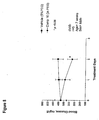
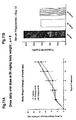
- Non-obese diabetic mice are typical model of Type-I diabetes, where there is no circulating insulin and they eventually die because of very high blood glucose levels. When their blood glucose levels were 300 mg/dL, they were treated with compound 2 (100 mg/kg) for next 9 days and blood glucose was monitored every third day. In this experiment, compound 2 reduced the blood glucose levels in these animals. The results are shown in Fig. 3 .
- Non-obese diabetic mice are typical model of Type-I diabetes, where there is no circulating insulin and they eventually die because of very high blood glucose levels.
- NOD Non-obese diabetic mice
- blood glucose levels were 300 mg/dL
- compound 2 100 mg/kg
- plasma triglyceride levels were measured by mouse Insulin ELISA assay kit from ALPCO Diagnostics, NH.
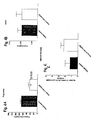
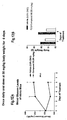
- Pancreatic sections were made in IDEXX laboratory and no. islets were counted (C) under the microscope. The results are shown in Figs. 4A, 4B and 4C .
- High fructose diet causes insulin resistance, hypertriglyceridemia and hyperinsulinemia in normal rats.
- Insulin resistance is a central pathophysiological feature of non-insulin dependent diabetes (NIDDM), obesity, hypertension, dyslipidemia, and atherosclerosis (collectively called Syndrome-X).
- NIDDM non-insulin dependent diabetes
- Male SD rats were fed with High Fructose diet (60%) for first fifteen days without treatment. After 15 days of fructose diet their plasma triglycerides and blood pressure went high and at that time one group of animals were treated with compound-2 (50 mg/kg) for next 15 days.
- Fig 5A Blood triglycerides (Fig 5A ) were measured by GPO-Trinder method (Sigma) every three days and Blood pressure ( Fig 5B ) was monitored by XBP 1000 rat tail blood pressure system, Kent scientific Inc. Compound 2 decreases both TG and blood pressure in this model.
- Compound 2 is not an agonist of PPAR ⁇ , y and ⁇
- 3T3-L1 fibroblasts were differentiated to adipocytes by a cocktail containing insulin, dexamethasone and IBMX for several days. Fully differentiated adipocytes were treated with the compounds (2 and 16 at 0.1, 1, and 10 uM concentrations) or 0.1% DMSO for 72 hrs and then glucose uptake was carried out for 15 min without any insulin. Basal uptake was initiated by addition of radioactive 14C- 2DOG and after 15 min they were washed with cold PBS with cold glucose. The results are shown in Fig. 7 .
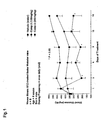
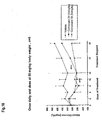
- mice Seven weeks old male db/db (spontaneous model) diabetic mice were orally treated with compound 16 at a dose of 50mg/kg body weight in 5% PEG and blood glucose was monitored by one touch glucometer. This compound is not water soluble so PEG is used as vehicle. The results are shown in Fig. 8 .
- mice Seven weeks old male db/db (spontaneous model) diabetic mice were orally treated with compound 20 and 36, at a dose of 50mg/kg body weight in 5% PEG and blood glucose was monitored by one touch glucometer. Both the compound show glucose lowering activity in this animal model of Type-II diabetes. The results are shown in Fig. 10 .
- mice Seven weeks old male db/db (spontaneous model) diabetic mice were orally treated with compound 20 and 36, at a dose of 50mg/kg body weight in 5% PEG and blood glucose was monitored by one touch glucometer. Both the compounds show control of bodyweight and decrease of plasma triglyceride levels compare to untreated controls. The results are shown in Figs. 11A and 11B .
- mice Seven weeks old male ob/ob (Obese, insulin resistant spontaneous model of Type-II diabetes) diabetic mice were orally treated with compound 36, at a dose of 50mg/kg body weight in 5% PEG and blood glucose ( Fig. 12A ) was monitored by one touch glucometer on day 3 and day 6.
- Compound 36 show strong glucose lowering (A) activity in this animal model of Type-II diabetes.
- Body weight ( Fig. 12B ) was also not increased after the treatment of compound 36 compare to controls.
- Aldose reductase a member of the monomer NADPH-dependent aldo-ketreductase, is a rate-limiting enzyme in the polyol pathway which catalyzes the reduction of various aldehydes. This includes reduction of the aldehyde form of glucose to its corresponding sugar alcohol sorbitol. Accumulation of sorbitol has been reported in the lens, nerve, kidney and retina of diabetic animals. Large amounts of sorbitol causes osmotic disruption which may be one of the etiologic factors in the pathogenesis of some diabetic complications like retinopathy, neuropathy, nephropathy and atherosclerosis.
- Aldose reductase from rat lens partially purified by tissue homogenization is used.
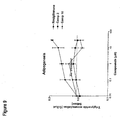
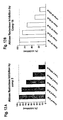
- Test compound and/or vehicle, 0.6 mg enzyme, 0.2 mM NADPH and phosphate assay buffer pH 6.2 are preincubated at 25°C for 3 minutes. Absorbance is observed at 340 nm for the initial zero time value. The reaction is then initiated by addition of 10 mM DL-glyceraldehyde and incubation is continued for 20 minutes at 25°C at which time the final absorbance is noted. Enzyme activity is determined by the difference between the initial and final absorbance. The results are shown in Figs 13A and 13B .
Landscapes
- Health & Medical Sciences (AREA)
- Chemical & Material Sciences (AREA)
- Organic Chemistry (AREA)
- Veterinary Medicine (AREA)
- Animal Behavior & Ethology (AREA)
- Public Health (AREA)
- General Health & Medical Sciences (AREA)
- Medicinal Chemistry (AREA)
- Pharmacology & Pharmacy (AREA)
- Life Sciences & Earth Sciences (AREA)
- Bioinformatics & Cheminformatics (AREA)
- Engineering & Computer Science (AREA)
- Nuclear Medicine, Radiotherapy & Molecular Imaging (AREA)
- General Chemical & Material Sciences (AREA)
- Chemical Kinetics & Catalysis (AREA)
- Epidemiology (AREA)
- Diabetes (AREA)
- Immunology (AREA)
- Hematology (AREA)
- Obesity (AREA)
- Urology & Nephrology (AREA)
- Endocrinology (AREA)
- Transplantation (AREA)
- Vascular Medicine (AREA)
- Cardiology (AREA)
- Heart & Thoracic Surgery (AREA)
- Biomedical Technology (AREA)
- Neurology (AREA)
- Neurosurgery (AREA)
- Ophthalmology & Optometry (AREA)
- Child & Adolescent Psychology (AREA)
- Pain & Pain Management (AREA)
- Rheumatology (AREA)
- Emergency Medicine (AREA)
- Pharmaceuticals Containing Other Organic And Inorganic Compounds (AREA)
- Thiazole And Isothizaole Compounds (AREA)
Priority Applications (1)
| Application Number | Priority Date | Filing Date | Title |
|---|---|---|---|
| PL06735487T PL1848700T3 (pl) | 2005-02-17 | 2006-02-17 | Sole kwasu (s)-2-amino-3-{4-[4-(2,4-diokso-tiazolidyn-5-ylometylo)- fenoksy]-fenylo}-propionowego i jego estrów metylowych jako inhibitory interleukiny do leczenia otyłości lub cukrzycy |
Applications Claiming Priority (3)
| Application Number | Priority Date | Filing Date | Title |
|---|---|---|---|
| IN347DE2005 | 2005-02-17 | ||
| US11/096,718 US7521465B2 (en) | 2003-01-17 | 2005-03-31 | Diphenyl ether derivatives |
| PCT/US2006/005846 WO2006089225A1 (en) | 2005-02-17 | 2006-02-17 | 5- [4- (4- (2 -amino- 2 -methoxycarbonylethyl) phenoxy) benzilidene] thiazolidin-2 , 4-dion e derivatives and related compounds for reducing glucose, cholesterol and triglyceride levels in plasma |
Publications (2)
| Publication Number | Publication Date |
|---|---|
| EP1848700A1 EP1848700A1 (en) | 2007-10-31 |
| EP1848700B1 true EP1848700B1 (en) | 2015-12-30 |
Family
ID=36570583
Family Applications (1)
| Application Number | Title | Priority Date | Filing Date |
|---|---|---|---|
| EP06735487.8A Not-in-force EP1848700B1 (en) | 2005-02-17 | 2006-02-17 | Salts of (s)-2-amino-3-{4-[4-(2,4-dioxo-thiazolidin-5-ylmethyl)-phenoxy]-phenyl}-propionic acid and its methyl ester as interleukin inhibitors for the treatment of obesity or diabetes |
Country Status (9)
| Country | Link |
|---|---|
| US (1) | US7521465B2 (OSRAM) |
| EP (1) | EP1848700B1 (OSRAM) |
| JP (1) | JP5134974B2 (OSRAM) |
| KR (1) | KR20070105364A (OSRAM) |
| CA (1) | CA2598087C (OSRAM) |
| ES (1) | ES2566337T3 (OSRAM) |
| HU (1) | HUE028882T2 (OSRAM) |
| PL (1) | PL1848700T3 (OSRAM) |
| WO (1) | WO2006089225A1 (OSRAM) |
Families Citing this family (13)
| Publication number | Priority date | Publication date | Assignee | Title |
|---|---|---|---|---|
| US9969980B2 (en) * | 2001-09-21 | 2018-05-15 | Garnet Biotherapeutics | Cell populations which co-express CD49c and CD90 |
| US9969977B2 (en) * | 2002-09-20 | 2018-05-15 | Garnet Biotherapeutics | Cell populations which co-express CD49c and CD90 |
| US7521465B2 (en) | 2003-01-17 | 2009-04-21 | Bexel Pharmaceuticals, Inc. | Diphenyl ether derivatives |
| US7781464B2 (en) * | 2003-01-17 | 2010-08-24 | Bexel Pharmaceuticals, Inc. | Heterocyclic diphenyl ethers |
| US7087576B2 (en) * | 2003-10-07 | 2006-08-08 | Bexel Pharmaceuticals, Inc. | Dipeptide phenyl ethers |
| KR100814109B1 (ko) * | 2006-01-09 | 2008-03-14 | 한국생명공학연구원 | 로다닌 유도체, 이의 제조방법 및 이를 유효성분으로함유하는 약학적 조성물 |
| EP2066800A2 (en) * | 2006-08-04 | 2009-06-10 | Decode Genetics EHF | Aryl amino acid derivatives as inhibitors of lta4h (leukotriene a4 hydrolase) for treating inflammation |
| US20090069313A1 (en) * | 2007-09-06 | 2009-03-12 | Orchid Research Laboratories Ltd. | Novel MAO-A inhibitors |
| WO2009143041A1 (en) | 2008-05-20 | 2009-11-26 | Merck & Co., Inc. | Efficient production of heterologous proteins using mannosyl transferase inhibitors |
| CN103108634B (zh) * | 2010-07-28 | 2015-08-12 | 幽兰化学医药有限公司 | 用于治疗肝病、肺病、糖尿病并发症和心血管疾病的二苯醚化合物 |
| WO2012153775A1 (ja) | 2011-05-10 | 2012-11-15 | 国立大学法人神戸大学 | Ras機能阻害作用を有するチオキソチアゾリジン誘導体 |
| EP4029859A1 (en) | 2014-11-21 | 2022-07-20 | Bsim Therapeutics, S.A. | 2-oxothiazolidin-4-one derivatives active as transthyretin ligands and uses thereof |
| TW202019923A (zh) * | 2018-07-16 | 2020-06-01 | 義大利商吉斯藥品公司 | 作為Rho-激酶抑制劑之酪胺酸醯胺衍生物 |
Family Cites Families (31)
| Publication number | Priority date | Publication date | Assignee | Title |
|---|---|---|---|---|
| JPH0228168A (ja) * | 1988-04-14 | 1990-01-30 | Sankyo Co Ltd | チアゾール誘導体 |
| US20020049240A1 (en) | 1994-12-19 | 2002-04-25 | Beecham Group P.1.C. | Novel compounds |
| US5166137A (en) | 1991-03-27 | 1992-11-24 | Nobipols Forskningsstiftelse | Guluronic acid polymers and use of same for inhibition of cytokine production |
| US5441971A (en) | 1991-04-11 | 1995-08-15 | The Upjohn Company | Thiazolidinedione derivatives, production and use thereof |
| TW268952B (OSRAM) | 1993-02-26 | 1996-01-21 | Takeda Pharm Industry Co Ltd | |
| US5527546A (en) | 1994-08-10 | 1996-06-18 | Bayer Corporation | Human interleukin 6 inhibitor |
| ES2220929T3 (es) | 1995-05-11 | 2004-12-16 | Applied Research Systems Ars Holding N.V. | Inhibidor de la actividad il-6. |
| TW577875B (en) | 1997-01-31 | 2004-03-01 | Shionogi & Co | Pyrrolidine derivatives with inhibitory activity for phospholipase A2 |
| US6331633B1 (en) | 1998-05-08 | 2001-12-18 | Calyx Therapeutics Inc. | Heterocyclic analogs of diphenylethylene compounds |
| US6699896B1 (en) | 1998-05-12 | 2004-03-02 | Wyeth | Oxazole-aryl-carboxylic acids useful in the treatment of insulin resistance and hyperglycemia |
| WO1999064417A2 (en) | 1998-06-05 | 1999-12-16 | Astrazeneca Ab | Oxazolidinone derivatives, process for their preparation and pharmaceutical compositions containing them |
| WO2000000194A1 (en) | 1998-06-27 | 2000-01-06 | Photogenesis, Inc. | Ophthalmic uses of ppargamma agonists and ppargamma antagonists |
| EP1108713A4 (en) | 1998-08-27 | 2006-04-05 | Ono Pharmaceutical Co | CARBOXYLENE DERIVATIVES AND MEDICAMENTS CONTAINING THEM AS AN ACTIVE COMPONENT |
| HK1039940B (en) | 1999-04-07 | 2010-08-27 | Sankyo Company, Limited | Amine derivatives |
| RU2267484C2 (ru) | 1999-04-28 | 2006-01-10 | Авентис Фарма Дойчланд Гмбх | Производные диариловой кислоты и фармацевтическая композиция на их основе |
| TWI284533B (en) | 1999-05-24 | 2007-08-01 | Sankyo Co | Pharmaceutical composition for treating hyperglycemia, impaired glucose tolerance, diabetes complications and for improving insulin resistant |
| AU6340600A (en) | 1999-07-01 | 2001-01-22 | Geron Corporation | Telomerase inhibitors and methods of their use |
| DE60020381T2 (de) | 1999-08-23 | 2006-01-26 | Kyorin Pharmaceutical Co., Ltd. | Substituierte benzylthiazolidin-2,4-dion-derivate |
| DE60022207T2 (de) | 1999-08-31 | 2006-06-22 | Incyte San Diego Incorporated, San Diego | Benzyliden-thiazolidindione und analoga und ihre verwendung zur behandlung von diabetes |
| JP2001199888A (ja) | 2000-01-24 | 2001-07-24 | Fujimoto Brothers:Kk | 糖尿病治療剤 |
| JP2001308814A (ja) | 2000-04-19 | 2001-11-02 | Hitachi Ltd | フレーム構成自動識別通信装置 |
| ATE310733T1 (de) | 2000-04-21 | 2005-12-15 | Pfizer Prod Inc | Thyroid-rezeptorliganden |
| US6620830B2 (en) | 2000-04-21 | 2003-09-16 | Pfizer, Inc. | Thyroid receptor ligands |
| US6680387B2 (en) | 2000-04-24 | 2004-01-20 | Aryx Therapeutics | Materials and methods for the treatment of diabetes, hyperlipidemia, hypercholesterolemia, and atherosclerosis |
| US6525202B2 (en) * | 2000-07-17 | 2003-02-25 | Wyeth | Cyclic amine phenyl beta-3 adrenergic receptor agonists |
| WO2003027081A2 (en) | 2001-09-14 | 2003-04-03 | Novo Nordisk A/S | NOVEL LIGANDS FOR THE HisB10 Zn2+ SITES OF THE R-STATE INSULIN HEXAMER |
| EP1456187A4 (en) * | 2001-11-15 | 2005-02-09 | Incyte San Diego Inc | N-SUBSTITUTED HETEROCYCLES FOR THE TREATMENT OF HYPERCHOLESTERINEMIA, DYSLIPIDEMIA AND OTHER METABOLIC DISORDER, CANCER AND OTHER DISEASES |
| US7521465B2 (en) | 2003-01-17 | 2009-04-21 | Bexel Pharmaceuticals, Inc. | Diphenyl ether derivatives |
| US6794401B2 (en) | 2003-01-17 | 2004-09-21 | Bexel Pharmaceuticals, Inc. | Amino acid phenoxy ethers |
| JP2007523842A (ja) | 2003-03-11 | 2007-08-23 | ノボ ノルディスク アクティーゼルスカブ | 酸安定化されたインスリンを含有する薬学的製剤 |
| US7087576B2 (en) | 2003-10-07 | 2006-08-08 | Bexel Pharmaceuticals, Inc. | Dipeptide phenyl ethers |
-
2005
- 2005-03-31 US US11/096,718 patent/US7521465B2/en not_active Expired - Fee Related
-
2006
- 2006-02-17 WO PCT/US2006/005846 patent/WO2006089225A1/en not_active Ceased
- 2006-02-17 PL PL06735487T patent/PL1848700T3/pl unknown
- 2006-02-17 CA CA2598087A patent/CA2598087C/en not_active Expired - Fee Related
- 2006-02-17 HU HUE06735487A patent/HUE028882T2/en unknown
- 2006-02-17 ES ES06735487.8T patent/ES2566337T3/es active Active
- 2006-02-17 JP JP2007556366A patent/JP5134974B2/ja not_active Expired - Fee Related
- 2006-02-17 KR KR1020077021343A patent/KR20070105364A/ko not_active Ceased
- 2006-02-17 EP EP06735487.8A patent/EP1848700B1/en not_active Not-in-force
Also Published As
| Publication number | Publication date |
|---|---|
| KR20070105364A (ko) | 2007-10-30 |
| PL1848700T3 (pl) | 2016-08-31 |
| CA2598087C (en) | 2014-05-27 |
| EP1848700A1 (en) | 2007-10-31 |
| ES2566337T3 (es) | 2016-04-12 |
| US20050288341A1 (en) | 2005-12-29 |
| CA2598087A1 (en) | 2006-08-24 |
| US7521465B2 (en) | 2009-04-21 |
| HUE028882T2 (en) | 2017-01-30 |
| JP5134974B2 (ja) | 2013-01-30 |
| JP2008530242A (ja) | 2008-08-07 |
| WO2006089225A1 (en) | 2006-08-24 |
Similar Documents
| Publication | Publication Date | Title |
|---|---|---|
| EP1848700B1 (en) | Salts of (s)-2-amino-3-{4-[4-(2,4-dioxo-thiazolidin-5-ylmethyl)-phenoxy]-phenyl}-propionic acid and its methyl ester as interleukin inhibitors for the treatment of obesity or diabetes | |
| US6706746B2 (en) | Thiazolidine-2,4-dione hydrochloride salt, pharmaceutical compositions thereof and treatment method therewith | |
| CA2642650C (en) | Novel heterocyclic diphenyl ethers | |
| EP0549366B1 (en) | Thiazolidine compounds containing a quinone group, their preparation and their therapeutic uses | |
| US7521466B2 (en) | Dipeptide phenyl ethers | |
| WO2004066964A9 (en) | Amino acid phenoxy ethers | |
| US20080319031A1 (en) | Novel Tyrosine Derivatives | |
| CN101160296A (zh) | 用于降低血浆中葡萄糖、胆固醇和甘油三酸酯水平的5-[4-(4-(2-氨基-2-甲氧基羰基乙基)苯氧基)亚苄基]噻唑烷-2,4-二酮衍生物和相关化合物 | |
| EP4442692A1 (en) | Imidazothiazole derivative, preparation method therefor, and application thereof | |
| US20080267888A1 (en) | Heterocyclic Derivatives | |
| WO1992014730A1 (fr) | Derive de thiazolidine-2,4-dione, sel dudit derive et leur production | |
| US6933322B2 (en) | Substituted naphthylenes for the treatment of non-insulin dependent diabetes mellitus | |
| HK1007050B (en) | Thiazolidine compounds containing a quinone group, their preparation and their therapeutic uses | |
| JPWO1994027604A1 (ja) | ピリジン誘導体の薬学的用途 | |
| HK1058190A1 (en) | Novel heterocyclic analogs of diphenylethylene compounds |
Legal Events
| Date | Code | Title | Description |
|---|---|---|---|
| PUAI | Public reference made under article 153(3) epc to a published international application that has entered the european phase |
Free format text: ORIGINAL CODE: 0009012 |
|
| 17P | Request for examination filed |
Effective date: 20070816 |
|
| AK | Designated contracting states |
Kind code of ref document: A1 Designated state(s): AT BE BG CH CY CZ DE DK EE ES FI FR GB GR HU IE IS IT LI LT LU LV MC NL PL PT RO SE SI SK TR |
|
| RIN1 | Information on inventor provided before grant (corrected) |
Inventor name: CHITHRA, SANTHANAGOPALAN Inventor name: PANDEY, SURENDRA KUMAR Inventor name: SINGH, GAJENDRA Inventor name: BADIGER, SANGAMESH Inventor name: REDDY, GADDAM OM Inventor name: NEOGI, PARTHA Inventor name: AGARWAL, SHIV KUMAR Inventor name: DEY, DEBENDRANATH Inventor name: NAG, ABHIJEET Inventor name: NAG, BISHWAJIT |
|
| DAX | Request for extension of the european patent (deleted) | ||
| 17Q | First examination report despatched |
Effective date: 20080827 |
|
| GRAP | Despatch of communication of intention to grant a patent |
Free format text: ORIGINAL CODE: EPIDOSNIGR1 |
|
| INTG | Intention to grant announced |
Effective date: 20150708 |
|
| GRAS | Grant fee paid |
Free format text: ORIGINAL CODE: EPIDOSNIGR3 |
|
| GRAA | (expected) grant |
Free format text: ORIGINAL CODE: 0009210 |
|
| AK | Designated contracting states |
Kind code of ref document: B1 Designated state(s): AT BE BG CH CY CZ DE DK EE ES FI FR GB GR HU IE IS IT LI LT LU LV MC NL PL PT RO SE SI SK TR |
|
| REG | Reference to a national code |
Ref country code: GB Ref legal event code: FG4D Ref country code: NL Ref legal event code: FP |
|
| REG | Reference to a national code |
Ref country code: CH Ref legal event code: EP |
|
| REG | Reference to a national code |
Ref country code: AT Ref legal event code: REF Ref document number: 767421 Country of ref document: AT Kind code of ref document: T Effective date: 20160115 |
|
| REG | Reference to a national code |
Ref country code: IE Ref legal event code: FG4D |
|
| REG | Reference to a national code |
Ref country code: DE Ref legal event code: R096 Ref document number: 602006047600 Country of ref document: DE |
|
| REG | Reference to a national code |
Ref country code: FR Ref legal event code: PLFP Year of fee payment: 11 |
|
| REG | Reference to a national code |
Ref country code: RO Ref legal event code: EPE |
|
| REG | Reference to a national code |
Ref country code: CH Ref legal event code: NV Representative=s name: VENI GMBH, CH |
|
| REG | Reference to a national code |
Ref country code: ES Ref legal event code: FG2A Ref document number: 2566337 Country of ref document: ES Kind code of ref document: T3 Effective date: 20160412 Ref country code: PT Ref legal event code: SC4A Free format text: AVAILABILITY OF NATIONAL TRANSLATION Effective date: 20160329 |
|
| REG | Reference to a national code |
Ref country code: SE Ref legal event code: TRGR |
|
| REG | Reference to a national code |
Ref country code: LT Ref legal event code: MG4D |
|
| PG25 | Lapsed in a contracting state [announced via postgrant information from national office to epo] |
Ref country code: LT Free format text: LAPSE BECAUSE OF FAILURE TO SUBMIT A TRANSLATION OF THE DESCRIPTION OR TO PAY THE FEE WITHIN THE PRESCRIBED TIME-LIMIT Effective date: 20151230 |
|
| REG | Reference to a national code |
Ref country code: AT Ref legal event code: MK05 Ref document number: 767421 Country of ref document: AT Kind code of ref document: T Effective date: 20151230 |
|
| PG25 | Lapsed in a contracting state [announced via postgrant information from national office to epo] |
Ref country code: LV Free format text: LAPSE BECAUSE OF FAILURE TO SUBMIT A TRANSLATION OF THE DESCRIPTION OR TO PAY THE FEE WITHIN THE PRESCRIBED TIME-LIMIT Effective date: 20151230 Ref country code: FI Free format text: LAPSE BECAUSE OF FAILURE TO SUBMIT A TRANSLATION OF THE DESCRIPTION OR TO PAY THE FEE WITHIN THE PRESCRIBED TIME-LIMIT Effective date: 20151230 |
|
| REG | Reference to a national code |
Ref country code: GR Ref legal event code: EP Ref document number: 20160400581 Country of ref document: GR Effective date: 20160505 |
|
| PG25 | Lapsed in a contracting state [announced via postgrant information from national office to epo] |
Ref country code: EE Free format text: LAPSE BECAUSE OF FAILURE TO SUBMIT A TRANSLATION OF THE DESCRIPTION OR TO PAY THE FEE WITHIN THE PRESCRIBED TIME-LIMIT Effective date: 20151230 Ref country code: AT Free format text: LAPSE BECAUSE OF FAILURE TO SUBMIT A TRANSLATION OF THE DESCRIPTION OR TO PAY THE FEE WITHIN THE PRESCRIBED TIME-LIMIT Effective date: 20151230 Ref country code: SK Free format text: LAPSE BECAUSE OF FAILURE TO SUBMIT A TRANSLATION OF THE DESCRIPTION OR TO PAY THE FEE WITHIN THE PRESCRIBED TIME-LIMIT Effective date: 20151230 Ref country code: IS Free format text: LAPSE BECAUSE OF FAILURE TO SUBMIT A TRANSLATION OF THE DESCRIPTION OR TO PAY THE FEE WITHIN THE PRESCRIBED TIME-LIMIT Effective date: 20160430 |
|
| PG25 | Lapsed in a contracting state [announced via postgrant information from national office to epo] |
Ref country code: LU Free format text: LAPSE BECAUSE OF FAILURE TO SUBMIT A TRANSLATION OF THE DESCRIPTION OR TO PAY THE FEE WITHIN THE PRESCRIBED TIME-LIMIT Effective date: 20160217 Ref country code: MC Free format text: LAPSE BECAUSE OF FAILURE TO SUBMIT A TRANSLATION OF THE DESCRIPTION OR TO PAY THE FEE WITHIN THE PRESCRIBED TIME-LIMIT Effective date: 20151230 |
|
| REG | Reference to a national code |
Ref country code: DE Ref legal event code: R097 Ref document number: 602006047600 Country of ref document: DE |
|
| PG25 | Lapsed in a contracting state [announced via postgrant information from national office to epo] |
Ref country code: DK Free format text: LAPSE BECAUSE OF FAILURE TO SUBMIT A TRANSLATION OF THE DESCRIPTION OR TO PAY THE FEE WITHIN THE PRESCRIBED TIME-LIMIT Effective date: 20151230 |
|
| PLBE | No opposition filed within time limit |
Free format text: ORIGINAL CODE: 0009261 |
|
| STAA | Information on the status of an ep patent application or granted ep patent |
Free format text: STATUS: NO OPPOSITION FILED WITHIN TIME LIMIT |
|
| REG | Reference to a national code |
Ref country code: IE Ref legal event code: MM4A |
|
| 26N | No opposition filed |
Effective date: 20161003 |
|
| REG | Reference to a national code |
Ref country code: HU Ref legal event code: AG4A Ref document number: E028882 Country of ref document: HU |
|
| PG25 | Lapsed in a contracting state [announced via postgrant information from national office to epo] |
Ref country code: IE Free format text: LAPSE BECAUSE OF NON-PAYMENT OF DUE FEES Effective date: 20160217 |
|
| REG | Reference to a national code |
Ref country code: FR Ref legal event code: PLFP Year of fee payment: 12 |
|
| PG25 | Lapsed in a contracting state [announced via postgrant information from national office to epo] |
Ref country code: SI Free format text: LAPSE BECAUSE OF FAILURE TO SUBMIT A TRANSLATION OF THE DESCRIPTION OR TO PAY THE FEE WITHIN THE PRESCRIBED TIME-LIMIT Effective date: 20151230 |
|
| REG | Reference to a national code |
Ref country code: FR Ref legal event code: PLFP Year of fee payment: 13 |
|
| PGFP | Annual fee paid to national office [announced via postgrant information from national office to epo] |
Ref country code: NL Payment date: 20180213 Year of fee payment: 13 |
|
| PGFP | Annual fee paid to national office [announced via postgrant information from national office to epo] |
Ref country code: CH Payment date: 20180216 Year of fee payment: 13 Ref country code: DE Payment date: 20180219 Year of fee payment: 13 Ref country code: CZ Payment date: 20180216 Year of fee payment: 13 Ref country code: ES Payment date: 20180326 Year of fee payment: 13 Ref country code: RO Payment date: 20180214 Year of fee payment: 13 Ref country code: GB Payment date: 20180216 Year of fee payment: 13 |
|
| PG25 | Lapsed in a contracting state [announced via postgrant information from national office to epo] |
Ref country code: CY Free format text: LAPSE BECAUSE OF FAILURE TO SUBMIT A TRANSLATION OF THE DESCRIPTION OR TO PAY THE FEE WITHIN THE PRESCRIBED TIME-LIMIT Effective date: 20151230 |
|
| PGFP | Annual fee paid to national office [announced via postgrant information from national office to epo] |
Ref country code: FR Payment date: 20180220 Year of fee payment: 13 Ref country code: PT Payment date: 20180215 Year of fee payment: 13 Ref country code: TR Payment date: 20180214 Year of fee payment: 13 Ref country code: GR Payment date: 20180221 Year of fee payment: 13 Ref country code: SE Payment date: 20180227 Year of fee payment: 13 Ref country code: PL Payment date: 20180216 Year of fee payment: 13 Ref country code: HU Payment date: 20180213 Year of fee payment: 13 Ref country code: IT Payment date: 20180227 Year of fee payment: 13 Ref country code: BE Payment date: 20180213 Year of fee payment: 13 |
|
| PG25 | Lapsed in a contracting state [announced via postgrant information from national office to epo] |
Ref country code: BG Free format text: LAPSE BECAUSE OF FAILURE TO SUBMIT A TRANSLATION OF THE DESCRIPTION OR TO PAY THE FEE WITHIN THE PRESCRIBED TIME-LIMIT Effective date: 20151230 |
|
| REG | Reference to a national code |
Ref country code: DE Ref legal event code: R119 Ref document number: 602006047600 Country of ref document: DE |
|
| REG | Reference to a national code |
Ref country code: CH Ref legal event code: PL |
|
| REG | Reference to a national code |
Ref country code: SE Ref legal event code: EUG |
|
| REG | Reference to a national code |
Ref country code: NL Ref legal event code: MM Effective date: 20190301 |
|
| GBPC | Gb: european patent ceased through non-payment of renewal fee |
Effective date: 20190217 |
|
| PG25 | Lapsed in a contracting state [announced via postgrant information from national office to epo] |
Ref country code: CZ Free format text: LAPSE BECAUSE OF NON-PAYMENT OF DUE FEES Effective date: 20190217 Ref country code: SE Free format text: LAPSE BECAUSE OF NON-PAYMENT OF DUE FEES Effective date: 20190218 Ref country code: PT Free format text: LAPSE BECAUSE OF NON-PAYMENT OF DUE FEES Effective date: 20190819 Ref country code: RO Free format text: LAPSE BECAUSE OF NON-PAYMENT OF DUE FEES Effective date: 20190217 |
|
| REG | Reference to a national code |
Ref country code: BE Ref legal event code: MM Effective date: 20190228 |
|
| PG25 | Lapsed in a contracting state [announced via postgrant information from national office to epo] |
Ref country code: HU Free format text: LAPSE BECAUSE OF NON-PAYMENT OF DUE FEES Effective date: 20190218 Ref country code: GR Free format text: LAPSE BECAUSE OF NON-PAYMENT OF DUE FEES Effective date: 20190904 |
|
| PG25 | Lapsed in a contracting state [announced via postgrant information from national office to epo] |
Ref country code: CH Free format text: LAPSE BECAUSE OF NON-PAYMENT OF DUE FEES Effective date: 20190228 Ref country code: LI Free format text: LAPSE BECAUSE OF NON-PAYMENT OF DUE FEES Effective date: 20190228 |
|
| PG25 | Lapsed in a contracting state [announced via postgrant information from national office to epo] |
Ref country code: NL Free format text: LAPSE BECAUSE OF NON-PAYMENT OF DUE FEES Effective date: 20190301 Ref country code: GB Free format text: LAPSE BECAUSE OF NON-PAYMENT OF DUE FEES Effective date: 20190217 Ref country code: DE Free format text: LAPSE BECAUSE OF NON-PAYMENT OF DUE FEES Effective date: 20190903 |
|
| PG25 | Lapsed in a contracting state [announced via postgrant information from national office to epo] |
Ref country code: BE Free format text: LAPSE BECAUSE OF NON-PAYMENT OF DUE FEES Effective date: 20190228 Ref country code: IT Free format text: LAPSE BECAUSE OF NON-PAYMENT OF DUE FEES Effective date: 20190217 Ref country code: FR Free format text: LAPSE BECAUSE OF NON-PAYMENT OF DUE FEES Effective date: 20190228 |
|
| REG | Reference to a national code |
Ref country code: ES Ref legal event code: FD2A Effective date: 20200330 |
|
| PG25 | Lapsed in a contracting state [announced via postgrant information from national office to epo] |
Ref country code: ES Free format text: LAPSE BECAUSE OF NON-PAYMENT OF DUE FEES Effective date: 20190218 |
|
| PG25 | Lapsed in a contracting state [announced via postgrant information from national office to epo] |
Ref country code: PL Free format text: LAPSE BECAUSE OF NON-PAYMENT OF DUE FEES Effective date: 20190217 |
|
| PG25 | Lapsed in a contracting state [announced via postgrant information from national office to epo] |
Ref country code: TR Free format text: LAPSE BECAUSE OF NON-PAYMENT OF DUE FEES Effective date: 20190217 |