EP1736481A1 - Erythropoietin variants - Google Patents
Erythropoietin variants Download PDFInfo
- Publication number
- EP1736481A1 EP1736481A1 EP05010473A EP05010473A EP1736481A1 EP 1736481 A1 EP1736481 A1 EP 1736481A1 EP 05010473 A EP05010473 A EP 05010473A EP 05010473 A EP05010473 A EP 05010473A EP 1736481 A1 EP1736481 A1 EP 1736481A1
- Authority
- EP
- European Patent Office
- Prior art keywords
- polynucleotide
- epo
- polypeptide
- disease
- cell
- Prior art date
- Legal status (The legal status is an assumption and is not a legal conclusion. Google has not performed a legal analysis and makes no representation as to the accuracy of the status listed.)
- Withdrawn
Links
Images


Classifications
-
- C—CHEMISTRY; METALLURGY
- C07—ORGANIC CHEMISTRY
- C07K—PEPTIDES
- C07K14/00—Peptides having more than 20 amino acids; Gastrins; Somatostatins; Melanotropins; Derivatives thereof
- C07K14/435—Peptides having more than 20 amino acids; Gastrins; Somatostatins; Melanotropins; Derivatives thereof from animals; from humans
- C07K14/475—Growth factors; Growth regulators
- C07K14/505—Erythropoietin [EPO]
-
- C—CHEMISTRY; METALLURGY
- C07—ORGANIC CHEMISTRY
- C07K—PEPTIDES
- C07K14/00—Peptides having more than 20 amino acids; Gastrins; Somatostatins; Melanotropins; Derivatives thereof
- C07K14/435—Peptides having more than 20 amino acids; Gastrins; Somatostatins; Melanotropins; Derivatives thereof from animals; from humans
-
- A—HUMAN NECESSITIES
- A61—MEDICAL OR VETERINARY SCIENCE; HYGIENE
- A61P—SPECIFIC THERAPEUTIC ACTIVITY OF CHEMICAL COMPOUNDS OR MEDICINAL PREPARATIONS
- A61P11/00—Drugs for disorders of the respiratory system
-
- A—HUMAN NECESSITIES
- A61—MEDICAL OR VETERINARY SCIENCE; HYGIENE
- A61P—SPECIFIC THERAPEUTIC ACTIVITY OF CHEMICAL COMPOUNDS OR MEDICINAL PREPARATIONS
- A61P25/00—Drugs for disorders of the nervous system
-
- A—HUMAN NECESSITIES
- A61—MEDICAL OR VETERINARY SCIENCE; HYGIENE
- A61P—SPECIFIC THERAPEUTIC ACTIVITY OF CHEMICAL COMPOUNDS OR MEDICINAL PREPARATIONS
- A61P25/00—Drugs for disorders of the nervous system
- A61P25/04—Centrally acting analgesics, e.g. opioids
-
- A—HUMAN NECESSITIES
- A61—MEDICAL OR VETERINARY SCIENCE; HYGIENE
- A61P—SPECIFIC THERAPEUTIC ACTIVITY OF CHEMICAL COMPOUNDS OR MEDICINAL PREPARATIONS
- A61P25/00—Drugs for disorders of the nervous system
- A61P25/08—Antiepileptics; Anticonvulsants
-
- A—HUMAN NECESSITIES
- A61—MEDICAL OR VETERINARY SCIENCE; HYGIENE
- A61P—SPECIFIC THERAPEUTIC ACTIVITY OF CHEMICAL COMPOUNDS OR MEDICINAL PREPARATIONS
- A61P25/00—Drugs for disorders of the nervous system
- A61P25/14—Drugs for disorders of the nervous system for treating abnormal movements, e.g. chorea, dyskinesia
-
- A—HUMAN NECESSITIES
- A61—MEDICAL OR VETERINARY SCIENCE; HYGIENE
- A61P—SPECIFIC THERAPEUTIC ACTIVITY OF CHEMICAL COMPOUNDS OR MEDICINAL PREPARATIONS
- A61P25/00—Drugs for disorders of the nervous system
- A61P25/14—Drugs for disorders of the nervous system for treating abnormal movements, e.g. chorea, dyskinesia
- A61P25/16—Anti-Parkinson drugs
-
- A—HUMAN NECESSITIES
- A61—MEDICAL OR VETERINARY SCIENCE; HYGIENE
- A61P—SPECIFIC THERAPEUTIC ACTIVITY OF CHEMICAL COMPOUNDS OR MEDICINAL PREPARATIONS
- A61P25/00—Drugs for disorders of the nervous system
- A61P25/18—Antipsychotics, i.e. neuroleptics; Drugs for mania or schizophrenia
-
- A—HUMAN NECESSITIES
- A61—MEDICAL OR VETERINARY SCIENCE; HYGIENE
- A61P—SPECIFIC THERAPEUTIC ACTIVITY OF CHEMICAL COMPOUNDS OR MEDICINAL PREPARATIONS
- A61P25/00—Drugs for disorders of the nervous system
- A61P25/28—Drugs for disorders of the nervous system for treating neurodegenerative disorders of the central nervous system, e.g. nootropic agents, cognition enhancers, drugs for treating Alzheimer's disease or other forms of dementia
-
- A—HUMAN NECESSITIES
- A61—MEDICAL OR VETERINARY SCIENCE; HYGIENE
- A61P—SPECIFIC THERAPEUTIC ACTIVITY OF CHEMICAL COMPOUNDS OR MEDICINAL PREPARATIONS
- A61P43/00—Drugs for specific purposes, not provided for in groups A61P1/00-A61P41/00
-
- A—HUMAN NECESSITIES
- A61—MEDICAL OR VETERINARY SCIENCE; HYGIENE
- A61P—SPECIFIC THERAPEUTIC ACTIVITY OF CHEMICAL COMPOUNDS OR MEDICINAL PREPARATIONS
- A61P9/00—Drugs for disorders of the cardiovascular system
- A61P9/04—Inotropic agents, i.e. stimulants of cardiac contraction; Drugs for heart failure
-
- A—HUMAN NECESSITIES
- A61—MEDICAL OR VETERINARY SCIENCE; HYGIENE
- A61P—SPECIFIC THERAPEUTIC ACTIVITY OF CHEMICAL COMPOUNDS OR MEDICINAL PREPARATIONS
- A61P9/00—Drugs for disorders of the cardiovascular system
- A61P9/10—Drugs for disorders of the cardiovascular system for treating ischaemic or atherosclerotic diseases, e.g. antianginal drugs, coronary vasodilators, drugs for myocardial infarction, retinopathy, cerebrovascula insufficiency, renal arteriosclerosis
Definitions
- the present invention relates to novel endogenous variants of erythropoietin (EPO) and their use for treatment or prevention of a condition associated with tissue damage due to cell death (apoptosis, necrosis) and inflammtion, in particular for neuroprotection, e.g. treatment of acute (for example stroke) and chronic disease (for example ALS) of the nervous system.
- EPO erythropoietin
- Stroke is a debilitating disease which affects more than 400,000 persons per year in the United States and is the third most common cause of death in the United States. In addition one-half of neurology inpatients have stroke related problems. At current trends, this number is projected to jump to one million per year by the year 2050. When the direct costs (care and treatment) and the indirect costs (lost productivity) of strokes are considered together, strokes put a burden of $43.3 billion per year on the society of the United States alone. About 1/3 of patients die in the first three months, 1/3 remain with severe disabilities, and only 1/3 recover with acceptable outcome. In 1990 cerebrovascular diseases were the second leading cause of death worldwide, killing over 4.3 million people world wide. Thus, from a public health perspective, stroke is one of the most relevant diseases.
- Stroke is characterized by the sudden loss of circulation to an area of the brain, resulting in a corresponding loss of neurologic function. Also called cerebrovascular accident or stroke syndrome, stroke is a nonspecific term encompassing a heterogeneous group of pathophysiologic causes, including thrombosis, embolism, and hemorrhage. Strokes currently are classified as either hemorrhagic or ischemic. Acute ischemic stroke refers to strokes caused by thrombosis or embolism and account for 80% of all strokes.
- Ischemic strokes result from blockage of the arteries that supply the brain, most commonly in the branches of the internal carotid arteries.
- the blockage usually results when a piece of a blood clot (thrombus) or of a fatty deposit (atheroma) due to atherosclerosis breaks off (becoming an embolus), travels through the bloodstream, and lodges in an artery that supplies the brain.
- Blood clots may form when a fatty deposit in the wall of an artery ruptures. The rupture of such a fatty deposit may also form when a large fatty deposit slows blood flow, reducing it to a trickle. Blood that flows slowly is more likely to clot.
- Blood clots may also form in other areas, such as in the heart or on a heart valve. Strokes due to such blood clots are most common among people who have recently had heart surgery and people who have a heart valve disorder or an abnormal heart rhythm (arrhythmia), especially atrial fibrillation. Also, in certain disorders such as an excess of red blood cells (polycythemia), the risk of blood clots is increased because the blood is thickened.
- polycythemia red blood cells
- An ischemic stroke can also result, if the blood flow to the brain is reduced, as may occur when a person loses a lot of blood or has very low blood pressure. Occasionally, an ischemic stroke occurs when blood flow to the brain is normal but the blood does not contain enough oxygen. Disorders that reduce the oxygen content of blood include severe anemia (a deficiency of red blood cells), suffocation, and carbon monoxide poisoning. Usually, brain damage in such cases is widespread (diffuse), and coma results. An ischemic stroke can occur, if inflammation or infection narrows blood vessels that supply the brain. Similarly, drugs such as cocaine and amphetamines can cause spasm of the arteries, which can lead to a narrowing of the arteries supplying the brain to such an extent that a stroke is caused.
- the brain requires glucose and oxygen to maintain neuronal metabolism and function.
- the inadequate delivery of oxygen to the brain leads to a hypoxia and ischemia results from insufficient cerebral blood flow.
- cerebral ischemia depend on the degree and the duration of reduced cerebral blood flow.
- Neurons can tolerate ischemia for 30-60 minutes. If flow is not re-established to the ischemic area, a series of metabolic processes ensue.
- the neurons become depleted of ATP and switch over to anaerobic glycolysis, a much less efficient pathway. Lactate accumulates and the intracellular pH decreases. Without an adequate supply of ATP, ion pumps in the plasma membrane fail. The resulting influx of sodium, water, and calcium into the cell causes rapid swelling of neurons and glial cells.
- Membrane depolarization also stimulates the massive release of the amino acids glutamate and aspartate, both of which act as excitatory neurotransmitters in the brain. Glutamate further activates sodium and calcium ion channels in the neuronal cell membrane namely the well characterized N-methyl-D-aspartate (NMDA) calcium channel. Excessive calcium influx causes the disordered activation of a wide range of enzyme systems (proteases, lipases, and nucleases). These enzymes and their metabolic products, such as oxygen free radicals, damage cell membranes, genetic material, and structural proteins in the neurons, ultimately leading to the cell death of neurons ( Dirnagl, U. et al. (1999) Trends Neurosci. 22: 391-397 ).
- ischemic penumbra the underperfused and metabolically compromised margin surrounding the irrevocably damaged core.
- Core and penumbra are characterized by two different kinds of cell death: necrosis and apoptosis (which is also called programmed cell death or delayed neuronal cell death).
- necrosis and apoptosis which is also called programmed cell death or delayed neuronal cell death.
- the severe perfusion deficit in the core causes a breakdown of metabolic processes, cellular energy supply and ion homeostasis, which causes the cells to lose their integrity within minutes.
- acute necrosis of cell and tissue prevails in the core.
- the penumbra In the penumbra, some residual perfusion is maintained by collateral vessels, which may be unable to maintain the full functional metabolism, but prevents immediate structural disintegration. However, over time (hours to several days), the alteration of cellular homeostasis causes more and more cells to die, and the volume of the infarction increases. The penumbra has thus to be considered as tissue at risk during the maturation of the infarct. In this region, apoptosis and inflammatory signaling cascades play an important role. It may initially constitute 50% of the volume that will end up as infarction. The mechanisms that lead to delayed cell death provide targets for a specific neuroprotective therapy in brain regions challenged by ischemia, but which are still viable.
- Thrombolysis with rtPA the only therapy with proven efficacy in a major clinical trial (NINDS), is only effective within a three hour time window, limiting its application to only a few percent of patients with ischemic stroke.
- NINDS major clinical trial
- EPO a glycoprotein hormone produced primarily by cells of the peritubular capillary endothelium of the kidney, which is a member of the growth hormone/prolacton cytokine family ( Zhu Y. and D'Andrea A.D: (1994) Curr. Opin. Hematol. 1: 113-118 ) is a promising candidate.
- EPO was first characterized and is now widely known for its role as a haematopoietic hormone the detection of EPO and its receptor (EPOR) in rodent and human brain tissue as well as in cultured neurons and astrocytes expanded the search for other biological roles of EPO.
- EPO is a potent inhibitor of neuronal apoptosis induced by ischemia and hypoxia ( Ruscher et al. (2002) J Neurosci. 22, 10291-301 ; Bernaudin, M., et al. (1999) J Cereb Blood Flow Metab.
- US 6,531,121 discloses a asialoerythropoietin which is generated by complete desialylation of recombinant EPO showed an increased ability to cross the endothelial cell barrier and had a decreased hematopoietic activity.
- Carbamylated erythropoietin (CEPO) was also shown to exhibit a tissue protective effect but no erythropoietic effect ( Leist et al. (2004) Science 305: 239-242 and WO 2005/025606 A1 .
- the apparent molecular weight of rhEPO of about 66.000 g/mol (the calculated molecular weight is about 33.000 g/mol but does not include the weight of oligosaccharide residues comprised in rhEPO) and of about 1.900 g/mol of the EPO peptide a concentration of 1,52 pmol/l and 6,06 pmol/l, respectively, of rhEPO and 1 nmol/l of the EPO peptide elicited the same level of a cell protective effect. Consequently, the EPO peptide is between 650-fold to 165-fold less active than rhEPO in prevention of cell death.
- EPO region comprised in the 17-mer does not play a major role in the cell protective function of EPO. Therefore, all EPO variants, which have a decreased hematopoietic activity known in the prior art suffer from the disadvantage that they are not natural occurring since they have either lost their natural glycosylation or they are artificial truncations and/or they have vastly diminished cell protective activity, if compared to rhEPO. Therefore, there is a need in the prior art to provide an EPO derivative, which is close to the naturally occurring EPO and which has the same or better tissue protecting activity as rhEPO but less or no hematopoietic, in particular no erythropoietic activity.
- the present invention is concerned with an EPO variant encoding polynucleotide selected from the group consisting of:
- a further aspect of the present invention is a homolog of an erythropoietin (EPO) variant encoding polynucleotide from another higher eukaryotic species.
- EPO erythropoietin
- a further aspect of the present invention is an EPO variant encoding polynucleotide selected from the group consisting of:
- polynucleotide of the present invention which is DNA, genomic DNA or RNA.
- the present invention is concerned with a vector containing the polynucleotide of the present invention. It is preferred that the polynucleotide contained in the vector is operatively linked to expression control sequences allowing expression in prokaryotic and/or eukaryotic host cells.
- Another aspect of the invention is a host cell genetically engineered with the polynucleotide of the present invention or the vector of the present invention.
- Another aspect of the invention is a transgenic non-human animal containing a polynucleotide of the present invention, a vector of the present invention and/or a host cell of the present invention.
- Another aspect of the invention is a process for producing an EPO variant polypeptide encoded by the polynucleotide of the present invention comprising: culturing the host cell of the present invention and recovering the polypeptide encoded by said polynucleotide.
- the process of the present invention further comprises the step of modifying said EPO variant, wherein the modification is selected from the group consisting of oxidation, sulfation, phosphorylation, addition of oligosaccharides or combinations thereof.
- Another aspect of the invention is a process for producing cells capable of expressing at least one of the EPO variants comprising genetically engineering cells in vitro with the vector of the invention, wherein said EPO variant polypeptide(s) is(are) encoded by a polynucleotide of the invention.
- Another aspect of the invention is a polypeptide having the amino acid sequence encoded by a polynucleotide of the present invention or obtainable by the process of the present invention.
- Another aspect of the invention is an antibody specifically binding to the polypeptide of the present invention.
- Another aspect of the invention is a pharmaceutical composition
- a pharmaceutical composition comprising a polynucleotide of the present invention, a vector of the present invention, a host cell of the present invention, a polypeptide of the present invention and/or an antibody of the present invention and a one or more pharmaceutically acceptable carrier.
- Another aspect of the invention is the use of a polynucleotide of the present invention, a vector of the present invention, a host cell of the present invention, a polypeptide of the present invention for the manufacture of a medicament for the treatment or prevention of a condition associated with tissue damage due to cell death, e.g. apoptosis and necrosis as well as by inflammation.
- a condition associated with tissue damage due to cell death e.g. apoptosis and necrosis as well as by inflammation.
- cell death is induced by ischemia, hypoxia, bacterial infection, viral infection, autoimmunologically, traumatically, chemically (e.g. metabolically, toxically) induced, or radiation induced.
- the condition is an acute neurodegenerative/neuroinflammatory disorder or a chronic neurodegenerative/neuroinflammatory disorder, is an acute or chronic disorder of the heart (e.g. myocardial infarction), lung (e.g. asthma, chronic obstructive lung disease), kidney (e.g. glomerulonephritis), liver (e.g. chronic liver failure) or pancreas (e.g. pancreatitis) or said condition is associated with an organ (e.g. kidney or liver) or cell transplantation (e.g. stem cell).
- a chronic neurodegenerative/neuroinflammatory disorder is an acute or chronic disorder of the heart (e.g. myocardial infarction), lung (e.g. asthma, chronic obstructive lung disease), kidney (e.g. glomerulonephritis), liver (e.g. chronic liver failure) or pancreas (e.g. pancreatitis) or said condition is associated with an organ (e.g. kidney or liver) or cell transplantation (e
- the acute neurodegenerative and/or neuroinflammatory disorder is selected from the group consisting of cerebral ischemia or infarction including embolic occlusion and thrombotic occlusion, reperfusion following acute ischemia, perinatal hypoxic-ischemic injury, cardiac arrest, intracranial hemorrhage, subarachnoidal hemorrhage and intracranial lesions (e.g. CNS trauma), spinal cord lesions, intravertebral lesions, whiplash shaken infant syndrome, infectious encephalitis (e.g. herpes encephalitis), meningitis (e.g. bacterial), headache (e.g. migraine).
- cerebral ischemia or infarction including embolic occlusion and thrombotic occlusion, reperfusion following acute ischemia, perinatal hypoxic-ischemic injury, cardiac arrest, intracranial hemorrhage, subarachnoidal hemorrhage and intracranial lesions (e.g. CNS trauma), spinal cord lesions, intravertebra
- the chronic neurodegenerative/neuroinflammatory disorder is selected from the group consisting of dementias (e.g. Alzheimer's disease, vascular dementias), Pick's disease, diffuse Lewy body disease, progressive supranuclear palsy (Steel-Richardson syndrome), multiple sclerosis, multiple system atrophy (including Shy-Drager syndrome), chronic epileptic conditions associated with neurodegeneration, motor neuron diseases, degenerative ataxias, cortical basal degeneration, ALS-Parkinson's Dementia complex of Guam, subacute sclerosing panencephalitis, Huntington's disease, Parkinson's disease, synucleinopathies, primary progressive aphasia, striatonigral degeneration, Machado-Joseph disease/spinocerebellar ataxia type 3 and olivopontocerebellar degenerations, Gilles De La Tourette's disease, bulbar and pseudobulbar palsy, spinal and spinobulbar muscular atrophy (Kenne
- diabetic diabetic, alcohol-toxic, Guillain-Barré-Syndrome, chronic inflammatory demyelinating polyneuropathy), prion diseases, addiction, affective disorders (e.g. depression), schizophrenic disorders , chronic fatique syndrome, chronic pain (e.g. lower back pain).
- affective disorders e.g. depression
- schizophrenic disorders e.g. chronic fatique syndrome
- chronic pain e.g. lower back pain.
- condition is aging.
- the medicament is administered prior to or after the onset of said condition.
- a first aspect of the present invention is an EPO variant encoding polynucleotide selected from the group consisting of:
- polynucleotides of the present invention comprise homologs of th EPO variants of the present invention derived from another higher eukaryotic species, in particular from mammals, more preferably from non-human primates; from rodents, e.g. rat, or guinea pig; ruminant, e.g. cow; or sheep; horse; pig; rabbit; dog; or cat, which have cell protective and in particular neuroprotective activity but essentially no hematopoietic activity.
- homolog refers to a polynucleotide encoding a EPO variant derived from another species, which comprises essentially the same deletion as the polynucleotides according to SEQ ID NO 1, 3, 5, 7, 9, 11, 13,1 15, 17, 19, or 21.
- a deletion of a polynucleotide is considered to be essentially the same, if it involves the deletion of polynucleotides encoding a polypeptide, which is homologous to the respectively deleted polypeptides in the EPO variant polypeptides according to SEQ ID NO 2, 4, 6, 8, 10, 12, 14, 16, 18, 20, or 22.
- the criterions for determining homology between two peptide sequences are well established. For this purpose programs as BLASTP can be used.
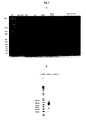
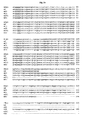
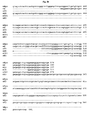
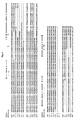
- a deletion is still considered to be essentially the same if it it involves 1, 2, 3, 4, 5, 6, 7, 8, 9, 10, 11, 12, 13, 14, 15, 16, 17, 18, 19, 20, 21, 22, 23, 24, 25, 26, 27, 28, 29, or 30 more or less nucleotides as the respective deletion in SEQ ID NO 1, 3, 5, 7, 9, 11, 13, 15, 17, 19, or 21, which are also depicted in Fig. 1 and 2.
- a further aspect of the present invention is an EPO variant encoding polynucleotide selected from the group consisting of:
- helix A, B, C, and D of the EPO polypeptide are regions homologous to the respective helix A, B, C, and D regions of full length EPO from mouse and human as outlined in Fig. 4. It is well known in the art how to determine homologies between two polypeptide sequences and someone of skill in the art will be capable to align a given EPO polypeptide sequence derived, e.g. from another species, and to determine the respective position of helix A, B, C, and D in this EPO polypeptide. It is preferred that the EPO variant polynucleotide is derived from a higher eukaryote, in particular a mammal or bird.
- Preferred mammals are humans, non-human primates; rodents, e.g. rat, or guinea pig; ruminant, e.g. cow; or sheep; horse; pig; rabbit; dog; or cat.
- a larger number of such full length EPO encoding polynucleotides from various species are known, including without limitation cat (Gene Bank Acc. L10606), pig (Gene Bank Acc. 10607), sheep (Gene Bank Acc.10610), dog (Gene Bank Acc. L13027), macaque (Gene Bank Acc. M18189), rhesus monkey (Gene Bank Acc. L10609), mouse (Gene Bank Acc. 12930), rat (Gene Bank Acc. L10608), human (Gene Bank Acc. M11319) Bos taurus (Gene Bank Acc. U44762) and Bos indicus (Gene Bank Acc. L41354).
- polynucleotides encoding an EPO variant polypeptide lacks the following: (i); (ii); (iii); (iv); (v); (vi); (i) and (ii); (i) and (iii); (i) and (iv); (i) and (v); (i) and (vi); (ii) and (iii); (ii) and (iv); (ii) and (v); (ii) and (vi); (iii) and (iv); (iii) and (v); (iii) and (vi); (iv) and (v); (iv) and (vi); (v) and (vi); (v) and (vi); (i), (ii) and (iii); (i), (iii); (i), (iv), (i), (ii) and (v), (i), (ii), (vi), (i), (iii) and (iv); (i), (ii), (vi), (i), (ii
- a polypeptide that exhibits cell protective activity is a polypeptide that has at least 50% (e.g., at least: 55%; 60%; 65%; 70%; 75%; 80%; 85%; 90%; 95%; 98%; 99%; 99.5%; or 100% or even more) of the ability of the respective EPO variant to protect neurons from damage by apoptosis, wherein the apoptosis is induced by oxygen or glucose deprivation, by chemical or radiation exposure or by viral or bacterial infection.
- Assays to determine damage to cells, in particular to neuronal cells are known in the art.
- a suitable assays is the oxygen glucose deprivation assay described herein below.
- the readout is the amount of lactate dehydrogenase activity (LDH).
- LDH lactate dehydrogenase activity
- MTT-assay life/death assay by staining (e.g. Ethidium bromide and acridine orange staining), caspase assay, electron microscopy, DNA-laddering, which are all well known in the art.
- Am EPO variant polypeptide that exhibits essentially no hematopoietic activity is a polypeptide, which elicits in art known colony formation assays, an example of which is described below, at the same molar concentration as the rhEPO and wt mEPO, respectively, less than 10% of the CFU-E (Colony forming unit-erythroblast), preferably less than 9%, 8%, 7%, 6%, 5%, 4%, 3%, 2%, or 1%.
- the respective CFU-E numbers are calculated for a given rhEPO, wt mEPO or EPO variant by subtracting from each value the number of CFU-E observed in a control reaction (without wt or EPO variant).
- junction refers to the site wherein two amino acids follow each other which are not consecutive in the rhEPO or mouse wt EPO and which are potentially the result of splice events or other rearrangements in the EPO mRNA.
- the respective junction of the EPO variants of the present invention can be derived from Fig. 4, e.g.
- polynucleotide molecules of the invention can be synthesized in vitro (for example, by phosphoramidite-based synthesis) or can be obtained from a cell, such as the cell of a mammal.
- the EPO variants termed mS, mG3, mG5, m301 and mK3 having the deduced amino acid sequence as shown in SEQ ID NOs 14, 16, 18, 20, and 22, respectively were isolated from mouse The mouse sequence is highly homologous to the human sequence. An alignment of the amino acid sequences of EPO derived from humans and mouse is provided in Fig. 4.
- mouse sequence is distinguished from the human sequence by the lack of an alanine residue at position 8 and by the following 39 substitutions (the numbering is according to the respective amino acid position in the human EPO, the first amino acid indicated is the human amino acid at that position and the second is the corresponding mouse amino acid): 4 H ⁇ 4 p , 6 C ⁇ 6 R, 9 W ⁇ 9 T; 11 W ⁇ 11 L, 18 S ⁇ 18 L; 19 L ⁇ 19 I; 27 G ⁇ 27 C; 43 L ⁇ 43 I; 52 I ⁇ 52 V; 54 T ⁇ 54 M; 60 H ⁇ 60 G; 61 C ⁇ 61 P; 62 S ⁇ 62 R; 64 N ⁇ 64 S; 84 G ⁇ 84 E; 85 Q ⁇ 85 E; 95 A ⁇ 95 S; 101 V ⁇ 101 I; 103 R ⁇ 103 Q; 104 G ⁇ 104 A; 109 V ⁇ 109 A; 115 W ⁇ 115 P; 117 P ⁇ 117 T; 122
- a humanized mS, mG3, mG5, m301 or mK3 carries the additional alanine residue at position 8 and/or at one or more preferably 2, 3, 4, 5, 6, 7, 8, 9, 10, 11, 12, 13, 14, 15, 16, 17, 18, 19, 20, 21, 22, 23, 24, 25, 26, 27, 28, 29, 30, 31, 32, 33, 34, 35, 36 or 37 positions the human rather than the mouse amino acid sequence. It is particularly preferred that mS, mG3, mG5, m301 and mK3 are fully humanized, i.e. that every amino acid at the above outlined positions, in as far as they are present in the respective variant, is of the human sequence rather than the mouse sequence. It is expected that the humanization of the mouse variants will diminish any immunological problems, which might be encountered when using in the treatment of humans.
- the EPO variant nucleic acid molecules of the invention can be DNA, cDNA, genomic DNA, synthetic DNA, or, RNA, and can be double-stranded or single-stranded, the sense and/or an antisense strand. These molecules can be produced by, for example, polymerase chain reaction (PCR) or generated by treatment with one or more restriction endonucleases. A ribonucleic acid (RNA) molecule can be produced by in vitro transcription.
- PCR polymerase chain reaction
- RNA ribonucleic acid
- polypeptide molecules of the invention can contain naturally occurring sequences, or sequences that differ from those that occur naturally, but, due to the degeneracy of the genetic code, encode the same polypeptide, i.e. the polypeptides with SEQ ID NOs: 2, 4, 6, 8, 10, 12, 14, 16, 18, 20, and 22.
- these nucleic acid molecules are not limited to coding sequences, e.g., they can include some or all of the non-coding sequences that lie upstream or downstream from a coding sequence.
- the isolated nucleic acid molecules of the invention can encompass segments that are not found as such in the natural state.
- the invention encompasses recombinant nucleic acid molecules incorporated into a vector (for example, a plasmid or viral vector) or into the genome of a heterologous cell (or the genome of a homologous cell, at a position other than the natural chromosomal location). Recombinant nucleic acid molecules and uses therefore are discussed further below.
- the polynucleotides of the present invention also comprise nucleic acid molecules which are at least 50% , preferably 55%, 60%, 65%, 70%, 75%, 80%, 85°/a, 86%, 87%, 88%, 89%, 90%, 91%, 92%, 93%, 94%, 95%, 96%, 97%, 98%, or 99% identical to: (a) a nucleic acid molecule that encodes the polypeptide of SEQ ID NO: 2, 4, 6, 8, 10, 12, 14, 16, 18, 20, or 22 and (b) the nucleotide sequence of SEQ ID NO: 1, 3, 5, 7, 9, 11, 13, 15, 17, 19, or 21, respectively and which at the same time cell protective and in particular neuroprotective activity but essentially no hematopoietic activity
- Gapped BLAST is utilized as described in Altschul et al. (1997) Nucleic Acids Res. 25: 3389-3402 .
- the default parameters of the respective programs are used.
- Hybridization can also be used as a measure of homology between two nucleic acid sequences.
- a nucleic acid sequence encoding any of the EPO variants disclosed herein, or a derivative or fragment thereof, can be used as a hybridization probe according to standard hybridization techniques.
- the hybridization of an EPO variant probe to DNA or RNA from a test source is an indication of the presence of the relevant EPO DNA or RNA in the test source.
- Hybridization conditions are known to those skilled in the art and can be found in Current Protocols in Molecular Biology, John Wiley & Sons, N.Y., 6.3.1-6.3.6, 1991 .
- Stringent conditions are defined as equivalent to hybridization in 6X sodium chloride/sodium citrate (SSC) at 45°C, followed by a wash in 0.2 X SSC, 0.1 % SDS at 65°C.
- SSC sodium chloride/sodium citrate
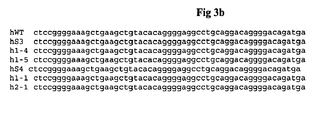
- the probe used to detect homologous nucleic acids overlaps the boundaries of the deletion, e.g. hs3, h1-4, h1-5, hS4, mS, mG3, mG5 or m301.
- the splicing leads to an alternate C-terminus of the protein, e.g.
- the probe used to detect homologous DNA sequences overlaps the boundaries between the known EPO sequence and the alternate C-terminus.
- a probe could be designed, which comprises 10 complementary bases 5' of the splice site and 10 complementary bases 3' of the splice site.
- isolated DNA is either (1) a DNA that contains sequence not identical to that of any naturally occurring sequence, or (2), in the context of a DNA with a naturally-occurring sequence (e.g., a cDNA or genomic DNA), a DNA free of at least one of the genes that flank the gene containing the DNA of interest in the genome of the organism in which the gene containing the DNA of interest naturally occurs.
- the term therefore includes a recombinant DNA incorporated into a vector, into an autonomously replicating plasmid or virus, or into the genomic DNA of a prokaryote or eukaryote.
- the term also includes a separate molecule such as a cDNA where the corresponding genomic DNA has introns and therefore a different sequence; a genomic fragment that lacks at least one of the flanking genes; a fragment of cDNA or genomic DNA produced by polymerase chain reaction (PCR) and that lacks at least one of the flanking genes; a restriction fragment that lacks at least one of the flanking genes; a DNA encoding a non-naturally occurring protein such as a fusion protein, mutein, or fragment of a given protein; and a nucleic acid which is a degenerate variant of a cDNA or a naturally occurring nucleic acid.
- a separate molecule such as a cDNA where the corresponding genomic DNA has introns and therefore a different sequence
- a genomic fragment that lacks at least one of the flanking genes
- PCR polymerase chain reaction
- isolated DNA does not mean a DNA present among hundreds to millions of other DNA molecules within, for example, cDNA or genomic DNA libraries or genomic DNA restriction digests in, for example, a restriction digest reaction mixture or an electrophoretic gel slice.
- a further aspect of the present invention is a vector containing the polynucleotide(s) of the present invention or a protein encoded by a polynucleotide of the present invention
- vector refers to a protein or a polynucleotide or a mixture thereof which is capable of being introduced or of introducing the proteins and/or nucleic acid comprised into a cell. It is preferred that the proteins encoded by the introduced polynucleotide are expressed within the cell upon introduction of the vector.
- the vector of the present invention comprises plasmids, phagemids, phages, cosmids, artificial mammalian chromosomes, knock-out or knock-in constructs, viruses, in particular adenoviruses, vaccinia viruses, attenuated vaccinia viruses, canary pox viruses, lentivirus ( Chang, L.J. and Gay, E.E. (20001) Curr. Gene Therap. 1:237-251 ), herpes viruses, in particular Herpes simplex virus (HSV-1, Carlezon, W.A. et al. (2000) Crit. Rev. Neurobiol.
- viruses in particular adenoviruses, vaccinia viruses, attenuated vaccinia viruses, canary pox viruses, lentivirus ( Chang, L.J. and Gay, E.E. (20001) Curr. Gene Therap. 1:237-251 ), herpes viruses, in particular Herpes simplex virus (HSV-1, Carlezon, W.A.
- baculovirus baculovirus
- retrovirus retrovirus
- adeno-associated-virus AAV, Carter, P.J. and Samulski, R.J. (2000) J. Mol. Med. 6:17-27
- rhinovirus human immune deficiency virus (HIV)
- HIV human immune deficiency virus
- filovirus filovirus and engineered versions thereof (see, for example, Cobinger G. P. et al (2001) Nat. Biotechnol. 19:225-30 )
- virosomes "naked” DNA liposomes
- nucleic acid coated particles in particular gold spheres.
- viral vectors like adenoviral vectors or retroviral vectors ( Lindemann et al. (1997) Mol. Med. 3:466-76 and Springer et al.
- Liposomes are usually small unilamellar or multilamellar vesicles made of cationic, neutral and/or anionic lipids, for example, by ultrasound treatment of liposomal suspensions.
- the DNA can, for example, be ionically bound to the surface of the liposomes or internally enclosed in the liposome.
- Suitable lipid mixtures are known in the art and comprise, for example, DOTMA (1, 2-Dioleyloxpropyl-3-trimethylammoniumbromid) and DPOE (Dioleoylphosphatidyl-ethanolamin) which both have been used on a variety of cell lines.
- Nucleic acid coated particles are another means for the introduction of nucleic acids into cells using so called “gene guns", which allow the mechanical introduction of particles into the cells.
- the particles Preferably the particles itself are inert, and therefore, are in a preferred embodiment made out of gold spheres.
- the polynucleotide of the present invention is operatively linked to expression control sequences allowing expression in prokaryotic and/or eukaryotic host cells.
- the transcriptional/translational regulatory elements referred to above include but are not limited to inducible and non-inducible, constitutive, cell cycle regulated, metabolically regulated promoters, enhancers, operators, silencers, repressors and other elements that are known to those skilled in the art and that drive or otherwise regulate gene expression.
- regulatory elements include but are not limited to regulatory elements directing constitutive expression like, for example, promoters transcribed by RNA polymerase III like , e.g., promoters for the snRNA U6 or scRNA 7SK gene, the cytomegalovirus hCMV immediate early gene, the early or late promoters of SV40 adenovirus, viral promoter and activator sequences derived from, e.g., NBV, HCV, HSV, HPV, EBV, HTLV, MMTV or HIV; which allow inducible expression like, for example, CUP-1 promoter, the tet-repressor as employed, for example, in the tet-on or tet-off systems, the lac system, the trp system; regulatory elements directing tissue specific expression, preferably nerve cell specific expression, e.g.
- promoter e.g. Thy-1.2, NSE, , myosin light chain II, tyrosine hydroxylase, CaMKIIalpha promoter, platelet-derived growth factor beta-chain (PDGF), dopamine beta-hydroxylase, Tau, regulatory elements (e.g.
- NRSE/RE-1 neuron-restrictive silencing element/repressor element 1) directing cell cycle specific expression like, for example, cdc2, cdc25C or cyclin A; or the TAC system, the TRC system, the major operator and promoter regions of phage A, the control regions of fd coat protein, the promoter for 3-phosphoglycerate kinase, the promoters of acid phosphatase, and the promoters of the yeast ⁇ - or a-mating factors.
- cdc2, cdc25C or cyclin A or the TAC system, the TRC system, the major operator and promoter regions of phage A, the control regions of fd coat protein, the promoter for 3-phosphoglycerate kinase, the promoters of acid phosphatase, and the promoters of the yeast ⁇ - or a-mating factors.
- operatively linked means incorporated into a genetic construct so that expression control sequences effectively control expression of a coding sequence of interest.
- polynucleotides of the present invention can form part of a hybrid gene encoding additional polypeptide sequences, for example, a sequence which encodes a protein that functions as a marker or reporter.
- the hybrid gene can lead to a fusion protein or the two or more parts can be separated by internal ribosomal entry sites (IRES) sequence, which lead to the expression of two or more separate proteins.
- IRS internal ribosomal entry sites
- marker and reporter genes include ⁇ -lactamase, chloramphenicol acetyltransferase (CAT), adenosine deaminase (ADA), aminoglycoside phosphotransferase (neo r , G418 r ), dihydrofolate reductase (DHFR), hygromycin-B-phosphotransferase (HPH), thymidine kinase (TK), lacZ (encoding ⁇ -galactosidase), green fluorescent protein (GFP) and variants thereof and xanthine guanine phosphoribosyl-transferase (XGPRT).
- CAT chloramphenicol acetyltransferase
- ADA adenosine deaminase
- DHFR dihydrofolate reductase
- HPH hygromycin-B-phosphotransferase
- TK thymidine kinas
- hybrid polypeptide will usually include a first portion and a second portion; the first portion being a EPO variant polypeptide and the second portion being, for example, the reporter described above or an Ig constant region or part of an Ig constant region, e.g., the CH2 and CH3 domains of IgG2a heavy chain.
- Other hybrids could include a heterologous peptide sequence to facilitate purification and/or detection, e.g.
- nucleic acid molecules can also contain a polynucleotide sequence encoding a EPO variant polypeptide operatively linked to a heterologous signal sequence.
- signal sequences can direct the protein to different compartments within the cell and are well known to someone of skill in the art.
- a preferred signal sequence is a sequence that facilitates secretion of the resulting protein.
- these signal and/or taq sequences are designed in such that they can be cleaved of the EPO variant after purification to provide an essentially pure protein without two many amino acids, preferably not more than 10 additional amino acids to the final EPO.
- Such cleavage sites are well known in the art and comprise, e.g endopeptidase cleavage sites and intein cleavage sites.
- Another aspect of the present invention is a host cell genetically engineered with the polynucleotide or the vector as outlined above.
- the host cells that may be used for purposes of the invention include but are not limited to prokaryotic cells such as bacteria (for example, E. coli and B.
- subtilis which can be transformed with, for example, recombinant bacteriophage DNA, plasmid DNA, or cosmid DNA expression vectors containing the polynucleotide molecules of the invention; simple eukaryotic cells like yeast (for example, Saccharomyces and Pichia), which can be transformed with, for example, recombinant yeast expression vectors containing the polynucleotide molecule of the invention; insect cell systems like, for example, Sf9 of Hi5 cells, which can be infected with, for example, recombinant virus expression vectors (for example, baculovirus) containing the polynucleotide molecules of the invention; Xenopus oocytes, which can be injected with, for example, plasmids; plant cell systems, which can be infected with, for example, recombinant virus expression vectors (for example, cauliflower mosaic virus (CaMV) or tobacco mosaic virus (TMV)) or transformed with recombinant plasmid expression
- Also useful as host cells are primary or secondary cells obtained directly from a mammal and transfected with a plasmid vector or infected with a viral vector.
- the polynucleotide can integrate, for example, into the chromosome or the mitochondrial DNA or can be maintained extrachromosomally like, for example, episomally or can be only transiently comprised in the cells.
- EPO is heavily glycosylated in vivo it is desirable to chose an expression system, which provides faithful glycosylation of the protein. Consequently, it is preferred to introduce the polynucleotides encoding the EPO slice variants of the present invention into higher eukaryotic cells, in particular into mammalian cells, e.g. COS, CHO, BHK, HEK293, VERO, HeLa, MDCK, Wi38, Swiss 3T3 or NIH 3T3 cells.
- mammalian cells e.g. COS, CHO, BHK, HEK293, VERO, HeLa, MDCK, Wi38, Swiss 3T3 or NIH 3T3 cells.
- a further aspect of the present invention is a transgenic non-human animal containing a polynucleotide, a vector and/or a host cell as described above.
- the animal can be a mosaic animal, which means that only part of the cells making up the body comprise polynucleotides, vectors, and/or cells of the present invention or the animal can be a transgenic animal which means that all cells of the animal comprise the polynucleotides and/or vectors of the present invention or are derived from a cell of the present invention.
- Mosaic or transgenic animals can be either homo- or heterozygous with respect to the polynucleotides of the present invention contained in the cell.
- the transgenic animals are either homo- or heterozygous knock-out or knock-in animals with respect to the genes which code for the proteins of the present invention.
- the animals can in principal be any animal, preferably, however, it is a mammal, selected from the group of non-human primate horse, bovine, sheep, goat, pig, dog, cat, goat, rabbit, mouse, rat, guinea pig, hamster, or gerbil.
- Another aspect of the present invention is a process for producing an EPO variant polypeptide encoded by a polynucleotide of the present invention comprising: culturing the host cell described above and recovering the polypeptide encoded by said polynucleotide.
- Preferred combinations of host cells and vectors are outlined above and further combination will be readily apparent to someone of skill in the art. Depending on the intended later use of the recovered peptide a suitable cell type can be chosen.
- eukaryotic cells are preferably chosen, if it is desired that the proteins produced by the cells exhibit an essentially natural pattern of glycosylation and prokaryotic cells are chosen, if, for example, glycosylation or other modifications, which are normally introduced into proteins only in eukaryotic cells, are not desired or not needed.
- Such modified EPO analogs may have at least one additional N-linked and/or O-linked carbohydrate chain.
- Other attempts to improve the half life of EPO involved the addition of polyethylene glycol residues (PEG) of varying length the amino acid backbone (see e.g. WO 00/32772 , WO 01/02017 , WO 03/029291 .
- PEG polyethylene glycol residues
- Another attempt used the modification of EPO molecules with at least one N-linked and/or O-linked oligosaccharide which were further modified with oxidation, sulfation, phosphorylation PEGylation or a combination thereof (see WO 2005/025606 ).
- a further aspect of the invention is a process for producing cells capable of expressing at least one of the EPO variants comprising genetically engineering cells in vitro with the vector of claim 3 or 4, wherein said EPO variant polypeptide(s) is(are) encoded by a polynucleotide of the present invention.
- the polypeptides of the invention include all those disclosed herein and fragments of these polypeptides, which carry between 1 and 10 N- and/or C-terminal deletions.
- the deletions are less than 10, less than 9, less than 8, less than 7, less than 8, less than 7, less than 6, less than 5, less than 4, less than 3, less than 2, less than 1 amino acids.
- polypeptides embraced by the invention also include fusion proteins that contain either the EPO slice variant as indicated in SEQ ID Nos 2, 4, 6, 8, 10, 12, 14, 16, 18, 20 and 22 or humanized version of 14, 16, 18, 20 and 22 or a fragment thereof as defined above fused to an unrelated amino acid sequence.
- the unrelated sequences can comprise additional functional domains or signal peptides. Signal peptides are described in greater detail and exemplified below.
- polypeptides can be any of those described above but with not more than 10 (e.g., not more than: 10, nine, eight, seven, six, five, four, three, two, or one) conservative substitutions.
- Conservative substitutions are known in the art and typically include substitution of, e.g. one polar amino acid with another polar amino acid and one acidic amino acid with another acidic amino acid.
- conservative substitutions preferably include substitutions within the following groups of amino acids: glycine, alanine, valine, proline, isoleucine, and leucine (non polar, aliphatic side chain); aspartic acid and glutamic acid (negatively charged side chain); asparagine, glutamine, methionine, cysteine, serine and threonine (polar uncharged side chain); lysine, histidine and arginine; and phenylalanine, tryptophane and tyrosine (aromatic side chain); and lysine, arginine an histidine (positively charged side chain). It is well known in the art how to determine the effect of a given substitution, e.g.
- a polypeptide having one or more conservative substitutions has at least 50% (e.g., at least: 55%; 60%; 65%, 70%; 75%; 80%; 85%; 90%; 95%; 98%; 99%; 99.5%; or 100% or more) of the ability of the unaltered EPO variant to protect neurons from damage/cell death (e.g. by apoptosis or necrosis), wherein the cell death is induced by oxygen and/or glucose deprivation, by toxic, chemical, physical, mechanical, inflammatory or radiation exposure or by viral or bacterial infection.
- damage/cell death e.g. by apoptosis or necrosis
- Both polypeptides and peptides can be produced by standard in vitro recombinant DNA techniques and in vivo transgenesis, using nucleotide sequences encoding the appropriate polypeptides or peptides. Methods well-known to those skilled in the art can be used to construct expression vectors containing relevant coding sequences and appropriate transcriptional/translational control signals. See, for example, the techniques described in Sambrook et al., Molecular Cloning: A Laboratory Manual (2nd Ed.) [Cold Spring Harbor Laboratory, N.Y., 1989 ], and Ausubel et al., Current Protocols in Molecular Biology [Green Publishing Associates and Wiley Interscience, N.Y., 1989 ].
- Polypeptides and fragments of the invention also include those described above, but modified for in vivo use by the addition, at the amino- and/or carboxyl-terminal ends, of blocking agents to facilitate survival of the relevant polypeptide in vivo. This can be useful in those situations in which the peptide termini tend to be degraded by proteases prior to cellular uptake.
- blocking agents can include, without limitation, additional related or unrelated peptide sequences that can be attached to the amino and/or carboxyl terminal residues of the peptide to be administered. This can be done either chemically during the synthesis of the peptide or by recombinant DNA technology by methods familiar to artisans of average skill.
- blocking agents such as pyroglutamic acid or other molecules known in the art can be attached to the amino and/or carboxyl terminal residues, or the amino group at the amino terminus or carboxyl group at the carboxyl terminus can be replaced with a different moiety.
- the peptides can be covalently or noncovalently coupled to pharmaceutically acceptable "carrier" proteins prior to administration.
- isolated polypeptide or peptide fragment refers to a polypeptide or a peptide fragment which either has no naturally-occurring counterpart or has been separated or purified from components which naturally accompany it, e.g., in tissues such as tongue, pancreas, liver, spleen, ovary, testis, muscle, joint tissue, neural tissue, gastrointestinal tissue or tumor tissue, or body fluids such as blood, serum, or urine.
- the polypeptide or peptide fragment is considered “isolated” when it is at least 70%, by dry weight, free from the proteins and other naturally-occurring organic molecules with which it is naturally associated.
- a preparation of a polypeptide (or peptide fragment thereof) of the invention is at least 80%, more preferably at least 90%, and most preferably at least 99%, by dry weight, the polypeptide (or the peptide fragment thereof), respectively, of the invention.
- a preparation of polypeptide x is at least 80%, more preferably at least 90%, and most preferably at least 99%, by dry weight, polypeptide x. Since a polypeptide that is chemically synthesized is, by its nature, separated from the components that naturally accompany it, the synthetic polypeptide is "isolated.”
- An isolated polypeptide (or peptide fragment) of the invention can be obtained, for example, by extraction from a natural source (e.g., from tissues or bodily fluids); by expression of a recombinant nucleic acid encoding the polypeptide; or by chemical synthesis.
- a polypeptide that is produced in a cellular system different from the source from which it naturally originates is "isolated," because it will necessarily be free of components which naturally accompany it.
- the degree of isolation or purity can be measured by any appropriate method, e.g., column chromatography, polyacrylamide gel electrophoresis, or HPLC analysis.
- a further aspect of the invention is an antibody, which specifically binds to the EPO variant polypeptide encoded by polynucleotides of the invention or obtainable by the process mentioned above.
- the term “antibody” comprises monoclonal and polyclonal antibodies and binding fragments thereof, in particular Fc-fragments as well as so called “single-chain-antibodies” ( Bird R. E. et al (1988) Science 242:423-6 ), chimeric, humanized, in particular CDR-grafted antibodies, and dia or tetrabodies ( Holliger P. et al (1993) Proc. Natl. Acad. Sci. U.S.A. 90:6444-8 ).
- immunoglobulin like proteins that are selected through techniques including, for example, phage display to specifically bind to the polypeptides of the present invention.
- specific binding refers to antibodies raised against peptides derived from splice junctions or junctions created by other processes, e.g.
- Such peptides can comprise additional or less N- or C-terminal amino acids.
- An antibody is considered to be specific to the EPO variant, if its affinity towards the variant it at least 50-fold higher, preferably 100-fold higher, more preferably at least 1000-fold higher than towards the full length human or murine EPO.
- Preferably specific antibodies of the present invention do not or essentially do not bind to full length human or murine EPO. It is well known in the art how to make antibodies and to select antibodies with a given specificity.
- a further aspect of the present invention concerns the use of a polynucleotide, a vector, a host cell or a polypeptide of the present invention for the manufacture of a medicament for the treatment or prevention of a condition associated with tissue damage due to cell death (e.g. apoptosis and necrosis).
- apoptosis or necrosis leads to the cell destruction, which can be prevented or ameliorated when using the polynucleotide, vector, host cell or polypeptide of the present invention.
- Cell death can be induced by many different internal and external stimuli and include preferably ischemia, hypoxia, bacterial or viral infection, radiation, or induced by metabolic, toxic, chemical, autoimmunologic, or traumatic stimuli.
- apoptosis is characterized by chromatin fragmentation, extravasation of cellular contents and eventually death of the cell. It has been recognized to play a role in many acute or chronic pathologic processes.
- a preferred use of the present invention comprises the administration of polynucleotides, vectors, host cells or polypeptides of the present invention to prevent, treat or ameliorate acute and chronic neurodegenerative or neuroinflammatory disorders, acute or chronic disorder of the heart (e.g. myocardial infarction), lung (e.g. asthma, chronic obstructive lung disease), kidney (e.g. glomerulonephritis), liver (e.g. chronic liver failure) or pancreas(e.g. pancreatitis), as well as conditions associated with cell (e.g. stem cell) or organ transplantation (e.g. kidney or liver).
- the EPO variants of the present invention can be included in storage solutions used for storing organs or limbs for transport and/or after traumatic injury.
- Acute neurodegenerative disorders include, but are not limited to, various types of acute neurodegenerative disorders associated with neuronal cell death including cerebrovascular insufficiency, focal or diffuse brain trauma, diffuse brain damage, and spinal cord injury.
- Examples of acute neurodegenerative disorders are: cerebral ischemia or infarction including embolic occlusion and thrombotic occlusion, reperfusion following acute ischemia, perinatal hypoxic-ischemic injury, cardiac arrest, as well as intracranial hemorrhage of any type (such as epidural, subdural, subarachnoid and intracerebral), and intracranial and intravertebral lesions (such as contusion, penetration, shear, compression and laceration), whiplash shaken infant syndrome infectious encephalitis (e.g. herpes encephalitis), meningitis (e.g. bacterial), headache (e.g. migraine).
- cerebral ischemia or infarction including embolic occlusion and thrombotic occlusion, reper
- Chronic neurodegenerative disorders that can be treated with the EPO variants of the present invention include, but are not limited to, dementias (e.g. Alzheimer's disease, vascular dementias), Pick's disease, diffuse Lewy body disease, progressive supranuclear palsy (Steel-Richardson syndrome), multiple sclerosis, multiple system atrophy (including Shy-Drager syndrome), chronic epileptic conditions associated with neurodegeneration, motor neuron diseases including amyotrophic lateral sclerosis, degenerative ataxias, cortical basal degeneration, ALS-Parkinson's-Dementia complex of Guam, subacute sclerosing panencephalitis, Huntington's disease, Parkinson's disease, synucleinopathies (including multiple system atrophy), primary progressive aphasia, striatonigral degeneration, Machado-Joseph disease/spinocerebellar ataxia type 3 and olivopontocerebellar degenerations, Gilles De La Tourette's
- diabetic diabetic, alcohol-toxic, Guillain-Barré-Syndrome, chronic inflammatory demyelinating polyneuropathy), prion diseases, addiction, affective disorders (e.g. depression), schizophrenic disorders , chronic fatique syndrome, chronic pain (e.g. lower back pain).
- affective disorders e.g. depression
- schizophrenic disorders e.g. chronic fatique syndrome
- chronic pain e.g. lower back pain.
- a further aspect of the present invention concerns the use of a polynucleotide, a vector, a host cell or a polypeptide of the present invention for the manufacture of an anti-aging medication.
- the basis for this application of the EPO variants of the present invention is the fact that the progressing deterioration of most bodily functions, which accompanies aging has been associated with cell death and it is, therefore, envisioned that the EPO variants of the present invention, which only provide the beneficial cell protective effect can be taken continuously without suffering the side effects usually associated with the contnious administration of EPO, which, however, can be attributed to the erythropoietic effect of EPO.
- the activity (in units) of EPO polypeptide is traditionally defined based on its effectiveness in stimulating red cell production in rodent models (and as derived by international standards of EPO).
- One unit (U) of regular EPO (MW of about.34,000) is about10 ng of protein (1 mg protein is approximately 100,000 U).
- the activity unit of EPO variant is defined as the amount of protein required to elicit the same activity in neural or other erythropoietin-responsive cellular systems as is elicited by native EPO in the same system. The skilled artisan will readily determine the units of a non-hematopoietic EPO following the guidance herein.
- the present invention provides a pharmaceutical composition
- a pharmaceutical composition comprising a polynucleotide, a vector, a host cell, a polypeptide and/or an antibody of the present invention and a one or more pharmaceutically acceptable carrier.
- a pharmaceutical composition as described above may be administered to a mammal by any route which provides a sufficient level of an erythropoietin variant. It can be administered systemically or locally. Such administration may be parenterally, transmucosally, e.g., orally, nasally, rectally, intravaginally, sublingually, submucosally or transdermally. Preferably, administration is parenteral, e.g., via intravenous or intraperitoneal injection, and also including, but is not limited to, intra-arterial, intramuscular, intradermal and subcutaneous administration. If the pharmaceutical composition of the present invention is administered locally it can be injected directly into the organ or tissue to be treated.
- this administration route includes, but is not limited to, the intracerebral, intraventricular, intracerebroventricular, intrathecal, intracistemal, intraspinal and/or peri-spinal routes of administration, which can employ intracranial and intravertebral needles, and catheters with or without pump devices.
- composition comprises an EPO variant polypeptide in a dosage unit form adapted for protection or enhancement of EPO-responsive cells, tissues or organs which comprises, per dosage unit, an effective non-toxic amount within the range from about 0.5 mg to 5 mg of EPO variants; 0.6 mg to 5 mg of EPO variants; 0.7 mg to 5 mg of EPO variants; 0.8 mg to 5 mg of EPO variants; 0.9 mg to 5 mg of EPO variants; 1 to 5 mg of EPO variants; 1.5 to 5 mg of EPO variants; 2 to 5 mg of EPO variants; 2.5 to 5 mg of EPO variants; 3.5 to 5 mg of EPO variants; 4 mg to 5 mg of EPO variants; or 4.5 to 5 mg of EPO variants and a pharmaceutically acceptable carrier.
- an EPO variant polypeptide may be administered systemically at a dosage between 100 nanograms to about 50 micrograms per kg body weight, preferably about 20 micrograms to about 50 micrograms per kg-body weight. Such serum levels may be achieved at about 1, 2, 3, 4, 5, 6, 7, 8, 9, or 10 hours post-administration. Such dosages may be repeated as necessary. For example, administration may be repeated daily, or every other, third, fourth, fifth, sixth, or seventh day, as long as clinically necessary, or after an appropriate interval, e.g., every 1 to 12 weeks, preferably, every 3 to 8 weeks.
- the effective amount of EPO variant and a pharmaceutically acceptable carrier may be packaged in a single dose vial or other container.
- the EPO variant can be administered in a single dose, for a predetermined period of time or continuously.
- an acute condition or disease it might be sufficient to provide the patient with a single dose of EPO variant or for a period of, e.g. for 2 days to 12 months, preferably 1 week to 6 months, more preferably 2 weeks to 3 months.
- a chronic disease or condition is treated or if the EPO variant is used to prevent or reduce the deterioration associated with aging the EPO variant can be administered continuously.
- the EPO variant of the present invention is administered for a given time period or continuously it is preferably administered in the intervals and preferred intervals indicated above.
- the intervals necessary will depend in part on the serum level of the EPO variant necessary to treat or ameliorate the respective disease and on the pharmacokinetic of the respective EPO variant, which will in part depend on modifications of EPO by, for example, PEG. It will be in the discretion of the practitioner to determine the exact duration, dose and type of EPO variant taking into consideration, e.g. the condition of the patient to be treated, the severity of the dondition etc.
- a pharmaceutical composition for other routes of administration, such as by use of a perfusate, injection into an organ, or other local administration, a pharmaceutical composition will be provided which results in similar levels of an EPO variant as described above.
- a level of about 10 pg/ml to about 1000 ng/ml is desired.
- compositions of the invention may comprise a therapeutically effective amount of a compound, e.g. polynucleotide, polypeptide, cell or vector, and a pharmaceutically acceptable carrier.
- a pharmaceutically acceptable carrier means approved by a regulatory agency of the Federal or a state government or listed in the U.S. Pharmacopeia or other generally recognized pharmacopeia for use in animals, and more particularly in humans.
- carrier refers to a diluent, adjuvant, excipient, or vehicle with which the therapeutic is administered.
- Such pharmaceutical carriers can be sterile liquids, such as saline solutions in water and oils, including those of petroleum, animal, vegetable or synthetic origin, such as peanut oil, soybean oil, mineral oil, sesame oil and the like.
- a saline solution is a preferred carrier when the pharmaceutical composition is administered intravenously.
- Saline solutions and aqueous dextrose and glycerol solutions can also be employed as liquid carriers, particularly for injectable solutions.
- Suitable pharmaceutical excipients include starch, glucose, lactose, sucrose, gelatin, malt, rice, flour, chalk, silica gel, sodium stearate, glycerol monostearate, talc, sodium chloride, dried skim milk, glycerol, propylene, glycol, water, ethanol and the like.
- the composition if desired, can also contain minor amounts of wetting or emulsifying agents, or pH buffering agents. These compositions can take the form of solutions, suspensions, emulsion, tablets, pills, capsules, powders, sustained-release formulations and the like.
- the composition can be formulated as a suppository, with traditional binders and carriers such as triglycerides.
- the compounds of the invention can be formulated as neutral or salt forms.
- Pharmaceutically acceptable salts include those formed with free amino groups such as those derived from hydrochloric, phosphoric, acetic, oxalic, tartaric acids, etc., and those formed with free carboxyl groups such as those derived from sodium, potassium, ammonium, calcium, ferric hydroxides, isopropylamine, triethylamine, 2-ethylamino ethanol, histidine, procaine, etc.
- suitable pharmaceutical carriers are described in "Remington's Pharmaceutical Sciences" by E. W. Martin.
- Such compositions will contain a therapeutically effective amount of the compound, preferably in purified form, together with a suitable amount of carrier so as to provide the form for proper administration to the patient.
- the formulation should suit the mode of administration.
- compositions adapted for oral administration may be provided as capsules or tablets; as powders or granules; as solutions, syrups or suspensions (in aqueous or nonaqueous liquids); as edible foams or whips; or as emulsions.
- Tablets or hard gelatine capsules may comprise lactose, starch or derivatives thereof, magnesium stearate, sodium saccharine, cellulose, magnesium carbonate, stearic acid or salts thereof.
- Soft gelatine capsules may comprise vegetable oils, waxes, fats, semi-solid, or liquid polyols etc. Solutions and syrups may comprise water, polyols and sugars.
- An active agent intended for oral administration may be coated with or admixed with a material that delays disintegration and/or absorption of the active agent in the gastrointestinal tract (e.g., glyceryl monostearate or glyceryl distearate may be used).
- a material that delays disintegration and/or absorption of the active agent in the gastrointestinal tract e.g., glyceryl monostearate or glyceryl distearate may be used.
- a material that delays disintegration and/or absorption of the active agent in the gastrointestinal tract e.g., glyceryl monostearate or glyceryl distearate may be used.
- glyceryl monostearate or glyceryl distearate may be used.
- compositions adapted for transdermal administration may be provided as discrete patches intended to remain in intimate contact with the epidermis of the recipient for a prolonged period of time.
- Pharmaceutical compositions adapted for topical administration may be provided as ointments, creams, suspensions, lotions, powders, solutions, pastes, gels, sprays, aerosols or oils.
- a topical ointment or cream is preferably used.
- the active ingredient may be employed with either a paraffinic or a water-miscible ointment base.
- the active ingredient may be formulated in a cream with an oil-in-water base or a water-in-oil base.
- compositions adapted for topical administration to the eye include eye drops.
- the active ingredient can be dissolved or suspended in a suitable carrier, e.g., in an aqueous solvent.
- Pharmaceutical compositions adapted for topical administration in the mouth include lozenges, pastilles and mouthwashes.
- compositions adapted for nasal administration may comprise solid carriers such as powders (preferably having a particle size in the range of 20 to 500 microns). Powders can be administered in the manner in which snuff is taken, i.e., by rapid inhalation through the nose from a container of powder held close to the nose.
- compositions adopted for nasal administration may comprise liquid carriers, e.g., nasal sprays or nasal drops. These compositions may comprise aqueous or oil solutions of the active ingredient.
- Compositions for administration by inhalation may be supplied in specially adapted devices including, but not limited to, pressurized aerosols, nebulizers or insufflators, which can be constructed so as to provide predetermined dosages of the active ingredient.
- pharmaceutical compositions of the invention are administered via the nasal cavity to the lungs.
- compositions adapted for rectal administration may be provided as suppositories or enemas.
- Pharmaceutical compositions adapted for vaginal administration may be provided as pessaries, tampons, creams, gels, pastes, foams or spray formulations.
- compositions adapted for parenteral administration include aqueous and nonaqueous sterile injectable solutions or suspensions, which may contain antioxidants, buffers, bacteriostats and solutes that render the compositions substantially isotonic with the blood of an intended recipient.
- Other components that may be present in such compositions include water, alcohols, polyols, glycerine and vegetable oils, for example.
- Compositions adapted for parenteral administration may be presented in unit-dose or multi-dose containers, for example sealed ampules and vials, and may be stored in a freeze-dried (lyophilized) condition requiring only the addition of a sterile liquid carrier, e.g., sterile saline solution for injections, immediately prior to use.
- a sterile liquid carrier e.g., sterile saline solution for injections
- Extemporaneous injection solutions and suspensions may be prepared from sterile powders, granules and tablets.
- an autoinjector comprising an injectable solution of an EPO variant may be provided for emergency use by ambulances, emergency rooms, and battlefield situations, and even for self-administration in a domestic setting, particularly where the possibility of traumatic amputation may occur, such as by imprudent use of a lawn mower.
- the likelihood that cells and tissues in a severed foot or toe will survive after reattachment may be increased by administering an EPO variant to multiple sites in the severed part as soon as practicable, even before the arrival of medical personnel on site, or arrival of the afflicted individual with severed toe in tow at the emergency room.
- the composition is formulated in accordance with routine procedures as a pharmaceutical composition adapted for intravenous administration to human beings.
- compositions for intravenous administration are solutions in sterile isotonic aqueous buffer.
- the composition may also include a solubilizing agent and a local anesthetic such as lidocaine to ease pain at the site of the injection.
- the ingredients are supplied either separately or mixed together in unit dosage form, for example, as a dry lyophilized powder or water-free concentrate in a hermetically-sealed container such as an ampule or sachette indicating the quantity of active agent.
- composition is to be administered by infusion, it can be dispensed with an infusion bottle containing sterile pharmaceutical grade water or saline.
- an ampule of sterile saline can be provided so that the ingredients may be mixed prior to administration.
- Suppositories generally contain active ingredient in the range of 0.5% to 10% by weight; oral formulations preferably contain 10% to 95% active ingredient.
- a perfusate composition may be provided for use in transplanted organ baths, for in situ perfusion, or for administration to the vasculature of an organ donor prior to organ harvesting
- Such pharmaceutical compositions may comprise levels of an EPO variant or a form of an EPO variant not suitable for acute or chronic, local or system administration to an individual, but will serve the functions intended herein in a cadaver, organ bath, organ perfusate, or in situ perfusate prior to removing or reducing the levels of the EPO variant contained therein before exposing or returning the treated organ or tissue to regular circulation.
- the invention also provides a pharmaceutical pack or kit comprising one or more containers filled with one or more of the ingredients of the pharmaceutical compositions of the invention.
- a pharmaceutical pack or kit comprising one or more containers filled with one or more of the ingredients of the pharmaceutical compositions of the invention.
- Optionally associated with such container(s) can be a notice in the form prescribed by a governmental agency regulating the manufacture, use or sale of pharmaceuticals or biological products, which notice reflects approval by the agency of manufacture, use or sale for human administration.
- EPO variant can be delivered in a controlled-release system.
- the polypeptide may be administered using intravenous infusion, an implantable osmotic pump, a transdermal patch, liposomes, or other modes of administration.
- a pump may be used (see Sefton (1987) CRC Crit. Ref. Biomed. Eng. 14: 201 ; Buchwald et al. (1980) Surgery 88:507 ; Saudek et al. (1989) N. Eng. J Med. 321: 574 ).
- the compound in another embodiment, can be delivered in a vesicle, in particular a liposome (see Langer (1990) Science 249:1527-1533 ; Treat et al. (1989) in Liposomes in the Therapy of Infectious Disease and Cancer, Lopez-Berestein and Fidler (eds.), Liss, N.Y., 353-365 ; WO 91/04014 ; U.S. 4,704,355 ).
- a liposome see Langer (1990) Science 249:1527-1533 ; Treat et al. (1989) in Liposomes in the Therapy of Infectious Disease and Cancer, Lopez-Berestein and Fidler (eds.), Liss, N.Y., 353-365 ; WO 91/04014 ; U.S. 4,704,355 ).
- polymeric materials can be used (see Medical Applications of Controlled Release (1974) Langer and Wise (eds.), CRC Press: Boca Raton, F la.; Controlled Drug Bioavailability, Drug Product Design and Performance, (1984) Smolen and Ball (eds.), Wiley: N.Y .; Ranger and Peppas (1953) J. Macromol. Sci. Rev. Macromol. Chem. 23: 61 ; see also Levy et al. (1985) Science 228:190 ; During et al. (1989) Ann. Neurol. 25: 351 ; Howard et al. (1989) J. Neurosurg. 71: 105 ).
- a controlled release system can be placed in proximity of the therapeutic target, i.e., the target cells, tissue or organ, thus requiring only a fraction of the systemic dose (see, e.g., Goodson (1984) 115-138 in Medical Applications of Controlled Release, vol. 2 ).
- Other controlled release systems are discussed in the review by Langer (1990, Science 249: 1527-1533 ).
- EPO variant as properly formulated, can be administered by nasal, oral, rectal, vaginal, or sublingual administration.
- compositions of the invention may be desirable to administer locally to the area in need of treatment; this may be achieved by, for example, and not by way of limitation, local infusion during surgery, topical application, e.g., in conjunction with a wound dressing after surgery, by injection, by means of a catheter, by means of a suppository, or by means of an implant, said implant being of a porous, non-porous, or gelatinous material, including membranes, such as silastic membranes, or fibers.
- the preferred effective dose will be determined by a skilled artisan based upon considering several factors which will be known to one of ordinary skill in the art. Such factors include the particular form of the pharmaceutic composition, e.g. polypeptide or vector, and its pharmacokinetic parameters such as bioavailability, metabolism, half-life, etc., which will have been established during the usual development procedures typically employed in obtaining regulatory approval for a pharmaceutical compound. Further factors in considering the dose include the condition or disease to be treated or the benefit to be achieved in a normal individual, the body mass of the patient, the route of administration, whether administration is acute or chronic, concomitant medications, and other factors well known to affect the efficacy of administered pharmaceutical agents. Thus the precise dosage should be decided according to the judgment of the practitioner and each patient's circumstances, e.g., depending upon the condition and the immune status of the individual patient, according to standard clinical techniques.
- factors include the particular form of the pharmaceutic composition, e.g. polypeptide or vector, and its pharmacokinetic parameters such as bioavail
- a perfusate or perfusion solution for perfusion and storage of organs for transplant, the perfusion solution including an amount of an pharmaceutic compositions effective to protect EPO variant-responsive cells and associated cells, tissues or organs.
- Transplant includes but is not limited to xenotransplantation, where a organ (including cells, tissue or other bodily part) is harvested from one donor and transplanted into a different recipient; and autotransplant, where the organ is taken from one part of a body and replaced at another, including bench surgical procedures, in which an organ may be removed, and while ex vivo, resected, repaired, or otherwise manipulated, such as for tumor removal, and then returned to the original location.
- the perfusion solution is the University of Wisconsin (UW) solution ( U.S.
- 4,798,824 which contains from about 1 to about 25 U/ml erythropoietin, 5% hydroxyethyl starch (having a molecular weight of from about 200,000 to about 300,000 and substantially free of ethylene glycol, ethylene chlorohydrin, sodium chloride and acetone); 25 mM KH 2 PO 4 ; 3 mM glutathione; 5 mM adenosine; 10 mM glucose; 10 mM HEPES buffer; 5 mM magnesium gluconate; 1.5 mM CaCl 2 .
- the perfusate solution contains the equivalent from about 5 to about 35 U/ml erythropoietin, or from about 10 to about 30 U/ml erythropoietin.
- the pharmaceutical compositions in particular EPO variant polypeptide is preferably administered in above outlined preferred and particular preferred doses on a daily basis.
- the pharmaceutical compositions in particular EPO variant polypeptide is preferably administered in above outlined preferred and particular preferred doses on a daily basis.
- the pharmaceutical composition will be administered once a stroke has been diagnosed.
- a first dose of the pharmaceutical composition is administered for the first time within 24 hours after the first symptoms of a stroke are evident, preferably within 12, 11, 10, 9, 8, 7, 6, 5, 4, 3, 2, 1 hour or less.
- the administration is then continued for preferably at least 7, more preferably at least 14 and more preferably for at least 21 days.
- the doses are administered preferably once a day and preferably in above indicated doses.
- Moloney murine leukemia virus reverse transcriptase (MuLV, RNase H minus, purchased from Promega) was employed in first strand cDNA synthesis in a 15 ⁇ l reaction volume with DEPC-H 2 O comprising 3 ⁇ g RNA and 3 ⁇ l random hexamer primer (10 ⁇ M). Reverse transcription was carried out with 6 ⁇ l M-MuLV reaction buffer (5x), 2 ⁇ l dNTP (2,5 mM each), 1 ⁇ l RNase inhibitor (1U/ ⁇ l), 1 ⁇ l M-MuLV reverse transcriptase and 5 ⁇ l DEPC-H 2 O in a PCR machine running the following program: 5 min at 21°C; 1 h at 37°C; 5 min at 95°C.
- the resulting cDNA pool was used to amplify the complete EPO cDNA by a Nested PCR approach.
- the first step employed primers lying outside of the coding region of the EPO gene (genepo_sense (SEQ ID NO 39) gaa ctt cca agg atg aag act tgc agc and genepo_antisense; (SEQ ID NO 40): gtg gca gca gca tgt cac ctg tc).
- the second step used primers designed to amplify the gene from start to stop codon, with attached Bam HI cleaving sites for the subsequent cloning (epo_sense (SEQ ID NO 41 tat gga tcc atg ggg gtg ccc gaa cgt ccc ac and epo_antisense (SEQ ID NO 42 tat gga tcc tca cct gtc ccc tct ct gca gac). All primers were from MWG-Biotech AG.
- a nested PCR was performed in a Hybaid PCR machine in two steps, first PCR (3 min at 95°C; 35 cycles: 30 sec at 65°C, 1 min at 72°C,30 sec at 95°C; 10 min at 72°C; 4°C hold) and second PCR (3 min at 95°C; 5 cycles: 30 sec at 67°C, 1 min at 72°C, 30 sec at 95°C; 15 cycles: 30sec at 70°C, 1 min at 72°C, 30 sec at 95°C; 10 min at 72°C; 4°C).
- Pfu Turbo Hotstart DNA Polymerase (Stratagene) was used according to the manufacturer's protocol.
- the PCR product of the first step was diluted 1:50 for the second PCR.
- a second cDNA synthesis protocol was performed using the Access RT-PCR System (Invitrogen) with the following parameters: 48°C 5 min; 94°C 2 min; 40 cycles: 94°C 30 sec, 65°C 1 min, 70°C 2 min; 70°C 7 min; 4°C.
- the second PCR was performed as described above.
- the amplified full-length EPO cDNA and the EPO isomers were separated on a 1.2% TAE-agarose gel. A picture of the various PCR products is shown in Fig. 1a. The fragments were than purified using the Wizard SV-Gel Cleanup System (Promega) or the Gel Extraction Kit (Qiagen, Hilden, Germany). As Pfu Polymerase generates blunt end products, the cDNA was subcloned in the pCR-Blunt II-TOPO Vector using chemically competent Top10 One Shot Cells from (both Invitrogen).
- Plasmid-DNA was isolated out of single colonies by usage of the Qiagen QIA prep Kit. Inserts were sequenced on an ALFexpressTM DNA Sequencer (Pharmacia Biotech) using the Thermo SequenaseTM Primer Cycle Sequencing Kit (Amersham Biosciences).
- the primers M13FWDCY SEQ ID NO 43: gtc gtg act ggg aaa acc ctg gcg
- M13REVCY SEQ ID NO 44 agc gga taa caa ttt cac aca gga
- the sequence analysis revealed the existence of a novel variant of EPO lacking exon 4 and three internally deleted variants.
- the nucleotide sequences are depicted in Fig. 2a and Fig. 2b and the encoded peptide sequences are depicted in Fig. 4.
- the nucleotide and peptide sequence of the EPO variant mS corresponds to SEQ ID NO 13 and SEQ ID NO 14, respectively.
- the nucleotide and peptide sequence of the EPO variant mG3 corresponds to SEQ ID NO 15 and SEQ ID NO 16, respectively.
- the nucleotide and peptide sequence of the EPO variant mG5 corresponds to SEQ ID NO 17 and SEQ ID NO 18, respectively.
- the nucleotide and peptide sequence of the EPO variant m301 corresponds to SEQ ID NO 19 and SEQ ID NO 20, respectively.
- the nucleotide and peptide sequence of the EPO variant mK3 corresponds to SEQ ID NO 21 and SEQ ID NO 22, respectively.
- RNA Human adult kidney (male) and fetal brain (male) poly A+ RNA was purchased from Stratagene. cDNA was generated from 250 ng kidney RNA or 200 ng brain RNA according to the Moloney murine leukaemia virus reverse transcriptase (MuLV, RNase H minus) as described above.
- MoLV Moloney murine leukaemia virus reverse transcriptase
- the resulting cDNA pool was used to amplify the complete EPO cDNA using Pfu Polymerase (Stratagene) with the following primers: Hepo_sense (SEQ ID NO 45): gat ggg ggt gca cga atg tcc tgc and Hepo_antisense (SEQ ID NO 46): cac acc tgg tca tct gtc ccc tgt c.
- the PCR was performed in a PCR machine from Invitrogen (3 min at 95°C; 35 cycles: 30 sec at 67°C, 1 min at 72°C, 30 sec at 95°C; 10 min at 72°C).
- a Nested PCR approach was used, performing a second amplifying step on the PCR product of 20 cycles.
- the amplified PCR products were separated on a 1.2% TAE-agarose gel (Fig. 1b) and purified using the Gel Extraction Kit (Qiagen, Hilden, Germany).
- the purified cDNA was subcloned in the pCR-Blunt II-TOPO Vector using chemically competent Top10 One Shot Cells (both from Invitrogen).
- the sequence analysis revealed the existence of two novel variants of human EPO missing exon 3 and the first half of exon 4, respectively, and a number of variants that follows the rule of repeated trimers or hexamers as detected in the mouse.
- the nucleotide sequences are depicted in Fig. 3a and Fig. 3b and the encoded peptide sequences are depicted in Fig. 4.
- the nucleotide and peptide sequence of the EPO variant hS3 corresponds to SEQ ID NO 1 and SEQ ID NO 2, respectively.
- the nucleotide and peptide sequence of the EPO variant h1-4 corresponds to SEQ ID NO 3 and SEQ ID NO 4, respectively.
- the nucleotide and peptide sequence of the EPO variant h1-5 corresponds to SEQ ID NO 5 and SEQ ID NO 6, respectively.
- the nucleotide and peptide sequence of the EPO variant hS4 corresponds to SEQ ID NO 7 and SEQ ID NO 8, respectively.
- the nucleotide and peptide sequence of the EPO variant h1-1 corresponds to SEQ ID NO 9 and SEQ ID NO 10, respectively.
- the nucleotide and peptide sequence of the EPO variant h2-1 corresponds to SEQ ID NO 11 and SEQ ID NO 12, respectively.
- BamHI and EcoRI restriction sites for cloning were added to both the mouse and the human EPO variants by using overhang sense primers and overhang antisense primers without stop codon (for mouse variants: epo_sense (SEQ ID NO 41) and epoeco_antisense (SEQ ID NO 47): aaa gaa ttc cct gtc ccc tct ct gca gac ctc; for human variants; hepobam_se (SEQ ID NO 48): tat gga tcc atg ggg gtg cac gaa tgt cc, hepoeco_as [SEQ ID NO 49]: aga gaa ttc tct gtc ccc tgt cct gca g).
- Plasmids were amplified in XL-1 Blue Competent Cells (recA1 endA1 gyrA96 thi1 hsdR17 supE44 relA1 lac [F' proAB lacl q Z ⁇ M15 Tn10 (Tet R )]) (Stratagene).
- the XL-1 Blue Competent Cells transformation protocol was performed without ⁇ -mercaptoethanol and with a prolonged heat pulse of 60 seconds. Plasmid DNA was extracted using the QIAprep Spin Miniprep Kit (Qiagen, Hilden, Germany).
- HEK 293 cells (BD biosciences) were grown for 18 days in Dulbecco's modified Eagle's medium (DMEM; Biochrom, Berlin, 1 g/l glucose, 3.7 g/l NaHCO 3 ; supplemented with 10% fetal calf serum GOLD, 1% penicillin/streptavidine and 1% L-glutamine) in tissue culture flasks (25 cm 2 ) at 37°C and 5% CO 2 . Cells were split every 2-3 days after reaching 80-90% confluence.
- DMEM Dulbecco's modified Eagle's medium
- Biochrom Biochrom, Berlin, 1 g/l glucose, 3.7 g/l NaHCO 3 ; supplemented with 10% fetal calf serum GOLD, 1% penicillin/streptavidine and 1% L-glutamine
- Plating medium of HEK-cells was replaced 10 min before transfection by serum-free DMEM without antibiotics. Cells were incubated 5 h at 37°C with DNA-Lipofectamine complexes. Medium was then changed to fresh serum-containing DMEM without antibiotics. At DIV2 cells were split and plated in Dulbecco's modified Eagle's with antibiotics.
- His-tagged proteins were transiently expressed in HEK-cells.
- Medium from HEK293 cells was harvested 2-6 days after transfection with pcDNA-3.1-HIS/V5 A - constructs. Cell debris was pelleted at 3500 rpm, 4°C for 15 min.
- BD TALONTM Metal Affinity Resin (BD Biosciences) was used for purification of his-tag proteins. All steps (equilibration, washing and elution) were performed at pH 7.1. The provided protocol was modified to a prolonged over-night binding step at 4°C. Eluate was collected in 500 ⁇ l-fractions.
- a 16% SDS-Gel was prepared using standard-protocols and run at 110 V. Blotting was done on nitrocellulose-membranes for 45 min at 200 mA. The blot was blocked for at least one hour in blocking buffer containing 5% non-fat dry milk powder in 0,1% Tween-20. Incubation with the first antibody (EPO (H-162) sc-7956 rabbit polyclonal IgG, Santa Cruz, 1:500) was performed over-night at 4°C. The secondary antibody (goat anti-rabbit HRP; 1:1000) was added for 2 hours at room-temperature. The blot was revealed by use of Luminol; photos were exposed for 2 minutes. Membranes were stained with Ponceau Red. The EPO specific antibody was capable of detection all EPO variants.
- Bone marrow cells were harvested from tibia and femur of male C57BL/6 mice (8-11 weeks) and resuspended in ⁇ -medium (supplemented with 10% fetal calf serum GOLD, 1% penicillium/streptavidine and 1% L-glutamine). Cells were seeded in 35 mm 2 Petri dishes (225.000 cells/dish) containing 8 parts Metho Cult SF 3236 methyl cellulose (StemCell Technologie Inc), 1 part cells and 2 parts ⁇ -medium mixed with HEK-cell preconditioned medium containing the EPO derivates (150 U/l in the case of murine EPO).
- Metho Cult SF 3236 triggers the formation of colonies (CFU-M, CFU-G or CFU-E) only after addition of the appropriate cytokines. Formation of CFU-E (Colony forming unit-erythroblast) can be observed, after addition of erythropoietin, after 2 days. The small irregular reddish colonies disappear by day 3.
- the hematopoietic potential of the variants was tested and compared to wild type form of EPO as well as rhEPO.
- the following conditions were prepared for comparison: medium from HEK cells transfected with pZ/EG as negative control, medium from HEK cells transfected with pZ/EG cells plus 150U/l rhEPO (Roche) as a positive control, and medium from HEK cells transfected with either pZ/EG-EPO-IRES (150U/l murine EPO), pZ/EG-Splice-IRES (variant S; mS) or pZ/EG-G3-IRES (variant G3; mG3).
- pZ/EG-EPO-IRES 150U/l murine EPO
- pZ/EG-Splice-IRES variant S; mS
- pZ/EG-G3-IRES variant G3; mG3
- murine EPO variants In comparison to murine EPO and rhEPO the murine EPO variants (mS and mG3-variant) lacked haematopoietic potential.
- Rat primary neuronal cultures were obtained from E16 to early E19 embryos of Wistar rats (Bundesinstitut für Carelichen Med Med, Berlin, Germany). Cre-expressing mouse neurons were obtained from E16 embryos of heterozygous transgenic mice expressing Cre-recombinase under the control of the tubulin ⁇ -1 promoter (provided by Dr. U. Schweitzer; Experimental Endocrinology, Charotti). Murine and rat cultures were prepared according to a modified protocol from Brewer (1995) J Neurosci Res. 42 : 674-83. Cerebral cortex was isolated after removal of meninges and rinsed twice in PBS (Biochrom, Berlin, Germany).
- N-Med modified Eagle's medium from Gibco with 10% fetal calf serum, 100 U penicillin plus streptomycin from Biochrom, 2 mM L-glutamine, 100 IE insulin/l, 10 mM HEPES and 44 mM glucose
- NBM starter medium Neuroblastasal medium from Gibco with 2% B27 supplement from Gibco, 1% Pen/Strep, 0,5 mM L-glutamine and 25 ⁇ M glutamate.
- 24-well plates and 6-well plates were pretreated by over-night incubation at 4°C with poly-L-lysin from Biochrom (2.5 ⁇ g/ml in PBS). Rinsing of the wells with PBS was followed by 1h incubation at 37°C with coating medium (modified Eagle's medium with 5% FCS Gold from PAA, 1% Pen/Strep, 10mM HEPES and 0,03 w/v collagen G from Biochrom), then the wells were carefully rinced twice with PBS. Volume and type of plating medium was chosen depending on experimental procedure.
- OGD the culture medium was washed out by rinsing once with PBS.
- OGD was induced with 500 ⁇ l of a deoxygenated aglycemic solution (BSS 0 -O 2 ; 143.8 mM Na + , 5.5 mM K + , 1.8 mM Ca 2+ , 0.8 mM Mg 2+ , 125.3 mM Cl - , 26.2 mM HCO 3 - and 0.8 mM SO 4 2- , pH 7.4) in a hypoxic atmosphere generated by a dedicated, humidified gas-tight incubator (Concept 400, Ruskinn Technologies, Bridgend, UK) flushed with a gas mix containing 5% CO 2 , 85% N 2 and 10% H 2 .
- BSS 0 -O 2 a deoxygenated aglycemic solution
- OGD-time depended on the density and the age of the culture and varied between 2 h 30min and 2 h 40min.
- the wells were treated with 500 ⁇ l of the oxygenated glycemic BSS 0 solution (BSS 0 +O 2 ; 143.8 mM Na + , 5.5 mM K + , 1.8 mM Ca 2+ , 0.8 mM Mg 2+ , 125.3 mM Cl - , 26.2 mM HCO 3 - ,0.8 mM SO 4 2- , and 20 mM glucose, pH 7.4) and incubated at 37°C in a normoxic atmosphere containing 5% CO 2 .
- BSS 0 +O 2 the oxygenated glycemic BSS 0 solution
- LDH lactate dehydrogenase
- rhEPO recombinant human EPO from Sigma Aldrich, Deisenhofen, Germany
- Neuroprotection assays are schematically depicted in Fig. 6.
- Neurons were plated in 24-well plates at a density of 300,000 cells in a final volume of 600 ⁇ l NBM starter medium. After 4 days, 200 ⁇ l of the medium was replaced by 250 ⁇ l fresh NBM (same as NBM starter without glutamate).
- the medium was removed to an end volume of 200 ⁇ l and filled up with 200 ⁇ l fresh NBM+B27 containing equimolar amounts (corresponding to 200 U/l rhEpo) of EPO or EPO variants, respectively.
- Equivalent concentrations of the various EPO variants (as well as mEPO and hEPO) in the conditioned medium from HEK293 cells were estimated by Western blot and EPO-Elisa. Thereafter neurons were grown for 48 h under normoxic, humified conditions at 37°C before oxygen glucose deprivation (OGD) was performed (OGD interval as indicated).
- OGD oxygen glucose deprivation
- the neuroprotection induced by the murine EPO variants is more robust than that induced by EPO (rhEPO as well as wild type mouse EPO). For example, neuroprotection mediated by EPO can only be observed in a clearly defined window of OGD length (corresponding to a clearly defined damage level). At low concentration the neuroprotection by hS3 and hS4 was equal or better than the neuroprotection of wt hEPO. Overall, neuroprotection induced by the variants is stronger than that induced by rhEPO. In addition, variants have an higher neuroprotective potential than both wild type forms mEPO and hEPO, which were produced by the same procedure as the EPO variants.
Landscapes
- Health & Medical Sciences (AREA)
- Chemical & Material Sciences (AREA)
- Life Sciences & Earth Sciences (AREA)
- Organic Chemistry (AREA)
- Engineering & Computer Science (AREA)
- Bioinformatics & Cheminformatics (AREA)
- Medicinal Chemistry (AREA)
- General Health & Medical Sciences (AREA)
- Chemical Kinetics & Catalysis (AREA)
- General Chemical & Material Sciences (AREA)
- Veterinary Medicine (AREA)
- Nuclear Medicine, Radiotherapy & Molecular Imaging (AREA)
- Pharmacology & Pharmacy (AREA)
- Animal Behavior & Ethology (AREA)
- Public Health (AREA)
- Biomedical Technology (AREA)
- Neurology (AREA)
- Neurosurgery (AREA)
- Biophysics (AREA)
- Zoology (AREA)
- Proteomics, Peptides & Aminoacids (AREA)
- Molecular Biology (AREA)
- Cardiology (AREA)
- Genetics & Genomics (AREA)
- Biochemistry (AREA)
- Gastroenterology & Hepatology (AREA)
- Toxicology (AREA)
- Psychology (AREA)
- Psychiatry (AREA)
- Hospice & Palliative Care (AREA)
- Heart & Thoracic Surgery (AREA)
- Pain & Pain Management (AREA)
- Urology & Nephrology (AREA)
- Vascular Medicine (AREA)
- Pulmonology (AREA)
- Medicines That Contain Protein Lipid Enzymes And Other Medicines (AREA)
- Peptides Or Proteins (AREA)
- Micro-Organisms Or Cultivation Processes Thereof (AREA)
- Medicines Containing Antibodies Or Antigens For Use As Internal Diagnostic Agents (AREA)
- Pharmaceuticals Containing Other Organic And Inorganic Compounds (AREA)
Priority Applications (15)
| Application Number | Priority Date | Filing Date | Title |
|---|---|---|---|
| EP05010473A EP1736481A1 (en) | 2005-05-13 | 2005-05-13 | Erythropoietin variants |
| AU2006245916A AU2006245916B2 (en) | 2005-05-13 | 2006-05-15 | Erythropoietin variants |
| DK06753630.0T DK1885747T3 (en) | 2005-05-13 | 2006-05-15 | Erythropoietinvarianter |
| JP2008510513A JP5231214B2 (ja) | 2005-05-13 | 2006-05-15 | エリスロポエチン変異体 |
| CA2608379A CA2608379C (en) | 2005-05-13 | 2006-05-15 | Erythropoietin variants |
| CN2006800165436A CN101175768B (zh) | 2005-05-13 | 2006-05-15 | 促红细胞生成素变体 |
| BRPI0608769-8A BRPI0608769A2 (pt) | 2005-05-13 | 2006-05-15 | variantes de eritropoietina |
| KR1020077026286A KR101468737B1 (ko) | 2005-05-13 | 2006-05-15 | 에리트로포이에틴 변이체 |
| PCT/EP2006/004564 WO2006120030A1 (en) | 2005-05-13 | 2006-05-15 | Erythropoietin variants |
| RU2007146455/10A RU2430162C2 (ru) | 2005-05-13 | 2006-05-15 | Варианты эритропоэтина |
| EP06753630.0A EP1885747B1 (en) | 2005-05-13 | 2006-05-15 | Erythropoietin variants |
| ES06753630.0T ES2457398T3 (es) | 2005-05-13 | 2006-05-15 | Variantes de eritropoyetina |
| ZA200709091A ZA200709091B (en) | 2005-05-13 | 2007-10-22 | Erythropoietin variants |
| US12/334,995 US9988427B2 (en) | 2005-05-13 | 2008-12-15 | Erythropoietin variants |
| US15/996,859 US20190106470A1 (en) | 2005-05-13 | 2018-06-04 | Erythropoietin variants |
Applications Claiming Priority (1)
| Application Number | Priority Date | Filing Date | Title |
|---|---|---|---|
| EP05010473A EP1736481A1 (en) | 2005-05-13 | 2005-05-13 | Erythropoietin variants |
Publications (1)
| Publication Number | Publication Date |
|---|---|
| EP1736481A1 true EP1736481A1 (en) | 2006-12-27 |
Family
ID=36753959
Family Applications (2)
| Application Number | Title | Priority Date | Filing Date |
|---|---|---|---|
| EP05010473A Withdrawn EP1736481A1 (en) | 2005-05-13 | 2005-05-13 | Erythropoietin variants |
| EP06753630.0A Expired - Lifetime EP1885747B1 (en) | 2005-05-13 | 2006-05-15 | Erythropoietin variants |
Family Applications After (1)
| Application Number | Title | Priority Date | Filing Date |
|---|---|---|---|
| EP06753630.0A Expired - Lifetime EP1885747B1 (en) | 2005-05-13 | 2006-05-15 | Erythropoietin variants |
Country Status (12)
| Country | Link |
|---|---|
| EP (2) | EP1736481A1 (enExample) |
| JP (1) | JP5231214B2 (enExample) |
| KR (1) | KR101468737B1 (enExample) |
| CN (1) | CN101175768B (enExample) |
| AU (1) | AU2006245916B2 (enExample) |
| BR (1) | BRPI0608769A2 (enExample) |
| CA (1) | CA2608379C (enExample) |
| DK (1) | DK1885747T3 (enExample) |
| ES (1) | ES2457398T3 (enExample) |
| RU (1) | RU2430162C2 (enExample) |
| WO (1) | WO2006120030A1 (enExample) |
| ZA (1) | ZA200709091B (enExample) |
Cited By (4)
| Publication number | Priority date | Publication date | Assignee | Title |
|---|---|---|---|---|
| US8071554B2 (en) | 2005-08-05 | 2011-12-06 | Araim Pharmaceuticals, Inc. | Tissue protective peptides and uses thereof |
| US8853358B2 (en) | 2008-01-22 | 2014-10-07 | Araim Pharmaceuticals, Inc. | Tissue protective peptides and peptide analogs for preventing and treating diseases and disorders associated with tissue damage |
| US9365646B2 (en) | 2012-12-05 | 2016-06-14 | Novartis Ag | Compositions and methods for antibodies targeting EPO |
| US11725246B2 (en) | 2015-08-12 | 2023-08-15 | Novartis Ag | Methods of treating ophthalmic disorders |
Families Citing this family (12)
| Publication number | Priority date | Publication date | Assignee | Title |
|---|---|---|---|---|
| US20100267576A1 (en) * | 2007-05-02 | 2010-10-21 | University Of Utah Research Foundation | Compositions And Methods For Identifying And Treating Subjects At Risk Of Developing Type 2 Diabetes |
| DE102007031708A1 (de) | 2007-07-06 | 2009-01-08 | Dade Behring Marburg Gmbh | Bestimmung der von Willebrand Faktor-Aktivität in Abwesenheit von Ristocetin |
| AU2011377617B2 (en) | 2011-09-23 | 2018-03-08 | Bluebird Bio, Inc. | Improved gene therapy methods |
| KR101148191B1 (ko) * | 2011-09-27 | 2012-05-23 | 김후정 | 에리스로포이에틴-유래 펩타이드 및 그 용도 |
| CN105072914B (zh) | 2013-02-06 | 2018-09-21 | Nc医学研究公司 | 用于治疗神经变性的细胞疗法 |
| HK1257024A1 (zh) | 2015-08-31 | 2019-10-11 | 宾夕法尼亚大学 | 用於治疗伴侣动物的aav-epo |
| CN110475786A (zh) * | 2017-02-27 | 2019-11-19 | 大邱庆北科学技术院 | 红细胞生成素衍生肽通过其对预防细胞损伤的作用的用途 |
| CN107880109B (zh) * | 2017-11-01 | 2019-08-30 | 复旦大学附属中山医院 | 一种促红细胞生成素来源肽及其制备方法和用途 |
| AR113091A1 (es) * | 2018-09-27 | 2020-01-22 | Univ Nacional Del Litoral | Eritropoyetina humana modificada |
| US11566056B2 (en) | 2020-05-26 | 2023-01-31 | Sylus Co., Ltd | Peptide and use thereof for treatment of disease of brain and nervous system |
| CN113376186B (zh) * | 2021-05-12 | 2022-12-23 | 无锡科金生物科技有限公司 | 一种精准度高的智能红细胞叶酸检测仪及其检测方法 |
| CA3222471A1 (en) * | 2021-06-15 | 2022-12-22 | Giovanni MARFIA | Epo variants and modulators |
Citations (2)
| Publication number | Priority date | Publication date | Assignee | Title |
|---|---|---|---|---|
| WO2004043382A2 (en) * | 2002-11-08 | 2004-05-27 | Egea Biosciences, Inc. | Enhanced variants of erythropoietin and methods of use |
| WO2005103076A2 (en) * | 2004-04-23 | 2005-11-03 | Cambridge Antibody Technology Limited | Erythropoietin protein variants |
Family Cites Families (10)
| Publication number | Priority date | Publication date | Assignee | Title |
|---|---|---|---|---|
| US4558006A (en) * | 1983-02-04 | 1985-12-10 | Kirin-Amgen, Inc. | A.T.C.C. HB8209 and its monoclonal antibody to erythropoietin |
| DE3924746A1 (de) * | 1989-07-26 | 1991-01-31 | Behringwerke Ag | Erythropoietin (epo)-peptide und dagegen gerichtete antikoerper |
| IL110669A (en) | 1993-08-17 | 2008-11-26 | Kirin Amgen Inc | Erythropoietin analogs |
| US6271196B1 (en) * | 1996-03-05 | 2001-08-07 | Regents Of The University Of Ca | Methods of alleviating neuropathic pain using prosaposin-derived peptides |
| DE19857609A1 (de) | 1998-12-14 | 2000-06-15 | Hannelore Ehrenreich | Verwendung von Erythropoietin zur Behandlung von cerebralen Ischämien des Menschen |
| US7259146B2 (en) | 2000-05-26 | 2007-08-21 | Ortho-Mcneil Pharmaceutical, Inc. | Neuroprotective peptides |
| DE10043457A1 (de) | 2000-09-04 | 2002-03-28 | Hannelore Ehrenreich | Verfahren zur Behandlung von Schizophrenie und verwandten Psychosen sowie Verwendung von Erythropoietin oder Erythropoietinderivaten zur Behandlung von Schizophrenien und verwandten Psychosen |
| US6531121B2 (en) | 2000-12-29 | 2003-03-11 | The Kenneth S. Warren Institute, Inc. | Protection and enhancement of erythropoietin-responsive cells, tissues and organs |
| MXPA05000063A (es) * | 2002-07-01 | 2005-04-08 | Kenneth S Warren Inst Inc | Citocinas recombinantes protectoras de tejido y acidos nucleicos que las codifican para la proteccion, restauracion y mejora de celulas, tejidos y organos respondedores. |
| WO2005025606A1 (en) | 2003-09-09 | 2005-03-24 | Warren Pharmaceuticals, Inc. | Long acting erythropoietins that maintain tissue protective activity of endogenous erythropoietin |
-
2005
- 2005-05-13 EP EP05010473A patent/EP1736481A1/en not_active Withdrawn
-
2006
- 2006-05-15 AU AU2006245916A patent/AU2006245916B2/en not_active Ceased
- 2006-05-15 WO PCT/EP2006/004564 patent/WO2006120030A1/en not_active Ceased
- 2006-05-15 DK DK06753630.0T patent/DK1885747T3/en active
- 2006-05-15 BR BRPI0608769-8A patent/BRPI0608769A2/pt not_active IP Right Cessation
- 2006-05-15 ES ES06753630.0T patent/ES2457398T3/es not_active Expired - Lifetime
- 2006-05-15 RU RU2007146455/10A patent/RU2430162C2/ru not_active IP Right Cessation
- 2006-05-15 KR KR1020077026286A patent/KR101468737B1/ko not_active Expired - Fee Related
- 2006-05-15 JP JP2008510513A patent/JP5231214B2/ja not_active Expired - Lifetime
- 2006-05-15 CA CA2608379A patent/CA2608379C/en not_active Expired - Fee Related
- 2006-05-15 EP EP06753630.0A patent/EP1885747B1/en not_active Expired - Lifetime
- 2006-05-15 CN CN2006800165436A patent/CN101175768B/zh not_active Expired - Fee Related
-
2007
- 2007-10-22 ZA ZA200709091A patent/ZA200709091B/xx unknown
Patent Citations (2)
| Publication number | Priority date | Publication date | Assignee | Title |
|---|---|---|---|---|
| WO2004043382A2 (en) * | 2002-11-08 | 2004-05-27 | Egea Biosciences, Inc. | Enhanced variants of erythropoietin and methods of use |
| WO2005103076A2 (en) * | 2004-04-23 | 2005-11-03 | Cambridge Antibody Technology Limited | Erythropoietin protein variants |
Non-Patent Citations (2)
| Title |
|---|
| DATABASE GENESEQ [online] EBI; 11 February 2000 (2000-02-11), XP002394132, Database accession no. AAY43803 * |
| ERBYRAKTAR S, ET AL.: "ASIALOERYTHROPOIETIN IS A NONERYTHROPOIETIC CYTOKINE WITH BROAD NEUROPROTECTIVE ACTIVITY IN VIVO", PNAS, vol. 100, no. 11, 27 May 2005 (2005-05-27), pages 6741 - 6746, XP009070746 * |
Cited By (11)
| Publication number | Priority date | Publication date | Assignee | Title |
|---|---|---|---|---|
| US8071554B2 (en) | 2005-08-05 | 2011-12-06 | Araim Pharmaceuticals, Inc. | Tissue protective peptides and uses thereof |
| US8673861B2 (en) | 2005-08-05 | 2014-03-18 | Araim Pharmaceuticals, Inc. | Tissue protective peptides and uses thereof |
| US8716245B2 (en) | 2005-08-05 | 2014-05-06 | Araim Pharmaceuticals, Inc. | Tissue protective peptides and uses thereof |
| US9340598B2 (en) | 2005-08-05 | 2016-05-17 | Araim Pharmaceuticals, Inc. | Tissue protective peptides and uses thereof |
| US10100096B2 (en) | 2005-08-05 | 2018-10-16 | Araim Pharmaceuticals, Inc. | Tissue protective peptides and uses thereof |
| US8853358B2 (en) | 2008-01-22 | 2014-10-07 | Araim Pharmaceuticals, Inc. | Tissue protective peptides and peptide analogs for preventing and treating diseases and disorders associated with tissue damage |
| US9580465B2 (en) | 2008-01-22 | 2017-02-28 | Araim Pharmaceuticals, Inc. | Tissue protective peptides and peptide analogs for preventing and treating diseases and disorders associated with tissue damage |
| US9365646B2 (en) | 2012-12-05 | 2016-06-14 | Novartis Ag | Compositions and methods for antibodies targeting EPO |
| US10106605B2 (en) | 2012-12-05 | 2018-10-23 | Novartis Ag | Compositions and methods for antibodies targeting Epo |
| US10385127B2 (en) | 2012-12-05 | 2019-08-20 | Novartis Ag | Compositions and methods for antibodies targeting EPO |
| US11725246B2 (en) | 2015-08-12 | 2023-08-15 | Novartis Ag | Methods of treating ophthalmic disorders |
Also Published As
| Publication number | Publication date |
|---|---|
| CN101175768B (zh) | 2013-09-11 |
| WO2006120030A1 (en) | 2006-11-16 |
| KR20080021595A (ko) | 2008-03-07 |
| ZA200709091B (en) | 2009-08-26 |
| CN101175768A (zh) | 2008-05-07 |
| JP2008539745A (ja) | 2008-11-20 |
| ES2457398T3 (es) | 2014-04-25 |
| EP1885747B1 (en) | 2013-11-20 |
| WO2006120030A8 (en) | 2006-12-28 |
| CA2608379C (en) | 2014-12-16 |
| RU2430162C2 (ru) | 2011-09-27 |
| RU2007146455A (ru) | 2009-06-20 |
| CA2608379A1 (en) | 2006-11-16 |
| KR101468737B1 (ko) | 2014-12-09 |
| JP5231214B2 (ja) | 2013-07-10 |
| AU2006245916A1 (en) | 2006-11-16 |
| DK1885747T3 (en) | 2014-02-24 |
| BRPI0608769A2 (pt) | 2010-01-26 |
| AU2006245916B2 (en) | 2012-03-15 |
| EP1885747A1 (en) | 2008-02-13 |
Similar Documents
| Publication | Publication Date | Title |
|---|---|---|
| US20190106470A1 (en) | Erythropoietin variants | |
| EP1885747B1 (en) | Erythropoietin variants | |
| US7423139B2 (en) | High level expression of recombinant human erythropoietin having a modified 5′-UTR | |
| Kato et al. | Purification and characterization of thrombopoietin | |
| NZ507161A (en) | Theraupeutic and diagonistic applications based on the role of the CXCR-4 gene in tumorigenesis | |
| US20020055467A1 (en) | Novel neurotrophic factors | |
| IL191426A (en) | Erythropoietin polypeptides, their preparation and uses thereof | |
| US20040142418A1 (en) | Novel neurotrophic factors | |
| WO2002072005A2 (en) | Linear y-carboxyglutamate rich conotoxins | |
| EP2081956B1 (en) | Method of cell culture and method of treatment comprising a vepo protein variant | |
| KR20040089093A (ko) | 시스틴-결절 폴드 단백질 | |
| JP2003500053A (ja) | 血管内皮増殖因子ダイマー | |
| KR20060011957A (ko) | 분비 단백질 계통 | |
| JP2001515719A (ja) | Mplリガンド類似体 | |
| US6835381B1 (en) | Methods for modulating angiogenesis by using the anti-angiogenic angiotensin-7 and polynucleotides encoding therefor | |
| WO2002083074A2 (en) | Methods for the treatment of hepatic disorders | |
| Suliman et al. | Cloning of a cDNA encoding bovine erythropoietin and analysis of its transcription in selected tissues | |
| JP2003511030A (ja) | 成長因子ポリペプチドおよび成長因子ポリペプチドをコードする核酸 | |
| JP2002538823A (ja) | 脊椎動物のslitDNA配列、タンパク質およびその使用 | |
| EP1192181B1 (en) | Modulation of angiogenesis by using the anti-angiogenic angiotensin-7 and polynucleotides encoding therefor for the treatment of tumor | |
| CA2326384A1 (en) | Canine erythropoietin gene and recombinant protein | |
| WO2007081332A1 (en) | Cystine-knot fold cytokine | |
| US20030096957A1 (en) | AFX (zeta) transcription factor splice form |
Legal Events
| Date | Code | Title | Description |
|---|---|---|---|
| PUAI | Public reference made under article 153(3) epc to a published international application that has entered the european phase |
Free format text: ORIGINAL CODE: 0009012 |
|
| AK | Designated contracting states |
Kind code of ref document: A1 Designated state(s): AT BE BG CH CY CZ DE DK EE ES FI FR GB GR HU IE IS IT LI LT LU MC NL PL PT RO SE SI SK TR |
|
| AX | Request for extension of the european patent |
Extension state: AL BA HR LV MK YU |
|
| 17P | Request for examination filed |
Effective date: 20070619 |
|
| AKX | Designation fees paid |
Designated state(s): AT BE BG CH CY CZ DE DK EE ES FI FR GB GR HU IE IS IT LI LT LU MC NL PL PT RO SE SI SK TR |
|
| 17Q | First examination report despatched |
Effective date: 20070828 |
|
| STAA | Information on the status of an ep patent application or granted ep patent |
Free format text: STATUS: THE APPLICATION IS DEEMED TO BE WITHDRAWN |
|
| 18D | Application deemed to be withdrawn |
Effective date: 20090321 |