EP1685845A1 - Sialogogue and, containing the same, oral composition and food composition - Google Patents
Sialogogue and, containing the same, oral composition and food composition Download PDFInfo
- Publication number
- EP1685845A1 EP1685845A1 EP04799781A EP04799781A EP1685845A1 EP 1685845 A1 EP1685845 A1 EP 1685845A1 EP 04799781 A EP04799781 A EP 04799781A EP 04799781 A EP04799781 A EP 04799781A EP 1685845 A1 EP1685845 A1 EP 1685845A1
- Authority
- EP
- European Patent Office
- Prior art keywords
- sodium
- sialogogue
- weight
- oral
- polyglutamate
- Prior art date
- Legal status (The legal status is an assumption and is not a legal conclusion. Google has not performed a legal analysis and makes no representation as to the accuracy of the status listed.)
- Withdrawn
Links
Images

Classifications
-
- A—HUMAN NECESSITIES
- A61—MEDICAL OR VETERINARY SCIENCE; HYGIENE
- A61Q—SPECIFIC USE OF COSMETICS OR SIMILAR TOILETRY PREPARATIONS
- A61Q11/00—Preparations for care of the teeth, of the oral cavity or of dentures; Dentifrices, e.g. toothpastes; Mouth rinses
-
- A—HUMAN NECESSITIES
- A23—FOODS OR FOODSTUFFS; TREATMENT THEREOF, NOT COVERED BY OTHER CLASSES
- A23L—FOODS, FOODSTUFFS OR NON-ALCOHOLIC BEVERAGES, NOT OTHERWISE PROVIDED FOR; PREPARATION OR TREATMENT THEREOF
- A23L33/00—Modifying nutritive qualities of foods; Dietetic products; Preparation or treatment thereof
- A23L33/10—Modifying nutritive qualities of foods; Dietetic products; Preparation or treatment thereof using additives
-
- A—HUMAN NECESSITIES
- A61—MEDICAL OR VETERINARY SCIENCE; HYGIENE
- A61K—PREPARATIONS FOR MEDICAL, DENTAL OR TOILETRY PURPOSES
- A61K31/00—Medicinal preparations containing organic active ingredients
- A61K31/74—Synthetic polymeric materials
- A61K31/785—Polymers containing nitrogen
-
- A—HUMAN NECESSITIES
- A61—MEDICAL OR VETERINARY SCIENCE; HYGIENE
- A61K—PREPARATIONS FOR MEDICAL, DENTAL OR TOILETRY PURPOSES
- A61K8/00—Cosmetics or similar toiletry preparations
- A61K8/18—Cosmetics or similar toiletry preparations characterised by the composition
- A61K8/72—Cosmetics or similar toiletry preparations characterised by the composition containing organic macromolecular compounds
- A61K8/84—Cosmetics or similar toiletry preparations characterised by the composition containing organic macromolecular compounds obtained by reactions otherwise than those involving only carbon-carbon unsaturated bonds
- A61K8/88—Polyamides
-
- A—HUMAN NECESSITIES
- A61—MEDICAL OR VETERINARY SCIENCE; HYGIENE
- A61P—SPECIFIC THERAPEUTIC ACTIVITY OF CHEMICAL COMPOUNDS OR MEDICINAL PREPARATIONS
- A61P1/00—Drugs for disorders of the alimentary tract or the digestive system
- A61P1/02—Stomatological preparations, e.g. drugs for caries, aphtae, periodontitis
-
- A—HUMAN NECESSITIES
- A61—MEDICAL OR VETERINARY SCIENCE; HYGIENE
- A61Q—SPECIFIC USE OF COSMETICS OR SIMILAR TOILETRY PREPARATIONS
- A61Q11/00—Preparations for care of the teeth, of the oral cavity or of dentures; Dentifrices, e.g. toothpastes; Mouth rinses
- A61Q11/02—Preparations for deodorising, bleaching or disinfecting dentures
Definitions
- Hei 10-182392 discloses Cola nuts (Sterculiaceae) and Japanese Patent Laid-Open No. 2002-265375 discloses Capparis masaikai (Capparidaceae), Capparis pterocarpa Chun (Capparidaceae) and Centella asiatica (Umbelliferae).
- the sialogogue according to the present invention may be administered 1 to 6 times a day, with each dose ranging from 0.01 to 1 g, which is enough to promote salivary secretion.
- the sweetener is exemplified by saccharine sodium, stevioside, stevia extract, paramethoxycinnamic aldehyde, neohesperidyl hydrochalcone, and perillartine.
- the colorant is exemplified by Blue No. 1, Yellow No. 4, and titanium dioxide.
- the antiseptic is exemplified by parahydroxybenzoate ester and sodium benzoate.
- the liquid agents may be incorporated with a nontoxic solvent (such as ethanol) in an amount of 0 to 30 % by weight, particularly 1 to 25 % by weight.
- a nontoxic solvent such as ethanol
- the preferred amount of the abrasive ranges from 10 to 50 % by weight for toothpaste and 0 to 30 % by weight for liquid dentifrice.
- the disintegrator is exemplified by carmellose, carmellose calcium, croscarmellose sodium, low substituted hydroxypropylcellulose, low substituted sodium carboxymethyl starch, and crospovidone.
- the amount of the filler should be 1 to 10 % by weight, particularly 3 to 5 % by weight.
- the amount of the binder should be 0.1 to 1 % by weight, particularly 0.2 to 0.3 % by weight.
- % means “% by weight” unless otherwise mentioned.
- weight average molecular weight (Mw) is represented by the one which is measured by GPC method.
- a sample (2 mg) of polyglutamic acid is dissolved in 2 mL of 0.1 mol/L phosphate buffer solution (approximately pH 7.0).
- Each sample (2 mg) of pullulan P-82, pullulan P-10, pullulan P-50, pullulan P-200, and pullulan P-1600 is dissolved in 2 mL of 0.1 mol/L phosphate buffer solution to give standard solutions.
- the sample solution and the standard solution undergo GPC test, and the peak top molecular weight is obtained by using C-R7A ⁇ GPC program (product of SHIMADZU CORPORATION). The thus obtained value is regarded as the molecular weight.
- Detector differential refractometer Precolumn: Shodex Asahipak GS-IG 7B (product of Showa Denko K.K), 7.6 mm ID ⁇ 100 mm (or equivalent) Main column: Shodex Asahipak GF-710 HQ (product of Showa Denko K.K), 7.6 mm ID ⁇ 300 mm + Shodex Asahipak GF-510 HQ (product of Showa Denko K.K), 7.6 mm ID ⁇ 300 mm (or equivalent) Column temperature: constant at about 40°C Mobile phase: 0.1 mol/L phosphate buffer solution (prepared by dissolving 7.1 g of disodium hydrogenphosphate anhydride (Na 2 HPO 4 ) and 6.8 g of potassium dihydrogenphosphate (KH 2 PO 4 ) in water just enough to make one liter.) Flow rate: 0.5 mL/min Measurement time: 60 minutes.
- a sample of mouthwash was prepared from an aqueous solution containing 0.1% each of ⁇ -polyglutamate and sodium hyaluronate. This sample was tested for the effect of promoting salivary secretion in the following manner.
- Table 1 shows an increase (on average) from salivary secretion after mouth washing with physiological saline to salivary secretion after mouth washing with the sample solution.
- Figs. 1 to 4 show the cumulative amount of saliva measured at intervals of five minutes.
- Samples (0.1% aqueous solutions shown in Table 2) were prepared as shown in Table 2. Three panelists washed their mouth for 30 seconds with 20 mL of each sample solution and then spitted it out. Fifteen minutes later, the panelists rated the oral wet feeling and refreshed feeling according to the following criterion. Table 2 shows the results of rating (total points given by the three panelists).
- Ethanol 20.00% Flavor 1.00 Polyoxyethylene (EO 60) hydrogenated castor oil 0.30 Sodium monofluorophosphate 0.10 Saccharin sodium 0.05 Sodium ⁇ -polyglutamate (Mw 1,200,000) 0.20 Purified water balance Total 100.0%
- Vinyl acetate resin 60.0% Light calcium carbonate 3.0 Yellow beeswax 3.0 Polypropylene glycol 3.0 Ethanolamine ⁇ -polyglutamate (Mw 1,500,000) 1.0 60% ethanol balance Total 100.0%
- Ethanol 30.0% Xylitol 10.0 Flavor 2.0 Polyoxyethylene (EO 60) hydrogenated castor oil 1.5 Potassium ⁇ -polyglutamate (Mw 1,000,000) 1.0 Purified water balance Total 100.0%
- Glycerin 2.0% Xylitol 2.0 Polyoxyethylene (EO 60) hydrogenated castor oil 1.0 Ethanolamine ⁇ -polyglutamate (Mw 1,200,000) 0.5 pH adjustor 0.2 Flavor 0.2 Antiseptics q.s. Coloring matter q.s. Purified water balance Total 100.0%
Landscapes
- Health & Medical Sciences (AREA)
- Life Sciences & Earth Sciences (AREA)
- Animal Behavior & Ethology (AREA)
- General Health & Medical Sciences (AREA)
- Public Health (AREA)
- Veterinary Medicine (AREA)
- Chemical & Material Sciences (AREA)
- Epidemiology (AREA)
- Oral & Maxillofacial Surgery (AREA)
- Medicinal Chemistry (AREA)
- Pharmacology & Pharmacy (AREA)
- Engineering & Computer Science (AREA)
- Nutrition Science (AREA)
- Mycology (AREA)
- Food Science & Technology (AREA)
- Polymers & Plastics (AREA)
- Birds (AREA)
- Chemical Kinetics & Catalysis (AREA)
- General Chemical & Material Sciences (AREA)
- Nuclear Medicine, Radiotherapy & Molecular Imaging (AREA)
- Organic Chemistry (AREA)
- Bioinformatics & Cheminformatics (AREA)
- Cosmetics (AREA)
- Coloring Foods And Improving Nutritive Qualities (AREA)
- Pharmaceuticals Containing Other Organic And Inorganic Compounds (AREA)
Abstract
Description
- The present invention relates to a sialogogue for curing mouth dryness and an oral composition and food product incorporated therewith.
- Xerostomia (dry mouth) is a physiological phenomenon which is experienced in daily life. It gives sticky displeasure, makes speaking difficult, and causes bad breath. In its pathological state, it changes the oral microbial flora, thereby creating a failure in oral functions such as dental caries, periodontal disease, and mucosal infectious disease. Consequently, promoting salivary secretion and thereby wetting the oral cavity are important in making the oral cavity feel refreshed and preventing oral diseases.
- So, it has been recognized that wetting the oral cavity is necessary to make the oral cavity feel refreshed and prevent oral diseases. To meet this requirement, there has been proposed the use of hyaluronic acid (which is a humectant) in WO00/56344. There has also been proposed an idea of positively promoting salivary secretion, thereby wetting the oral cavity. To materialize this idea, there has been proposed the use of a sialogogue selected from pickled Japanese apricot or Japanese apricot vinegar (in Japanese Patent Laid-Open No. Sho 56-22719) or organic acid (in Japanese Patent Laid-Open No. Hei 7-101856). There have also been proposed other sialogogues which do not resort to acid stimulation. Japanese Patent Laid-Open No. Hei 10-182392 discloses Cola nuts (Sterculiaceae) and Japanese Patent Laid-Open No. 2002-265375 discloses Capparis masaikai (Capparidaceae), Capparis pterocarpa Chun (Capparidaceae) and Centella asiatica (Umbelliferae).
- Regrettably, hyaluronic acid produces the moisturizing effect but does not positively promote salivary secretion. Moreover, the above-mentioned sialogogues are limited in their use because they taste somewhat.
- It is an object of the present invention to provide a sialogogue and an oral composition and food product incorporated therewith. The sialogogue is tasteless and capable of moisture retention. The oral composition incorporated with the sialogogue includes toothpaste, mouthwash, artificial saliva, denture stabilizer, and solution for the oral care system with water supply and suction functions. The food product includes swallowing assistant, chewing gum, candy, drinks, and gummi.
- In order to achieve the above-mentioned object, the present inventors carried out a series of researches, which led to the finding that polyglutamic acid and salts thereof promote salivary secretion and produce moisturizing effect and are almost tasteless and hence capable of incorporation into oral compositions and food products without the possibility of impairing their taste. The present invention is based on this finding.
- Thus, the present invention is directed to a sialogogue including polyglutamic acid or a salt thereof and also to an oral composition and a food product both incorporated with the sialogogue.
- The sialogogue according to the present invention moisturizes the oral mucous membrane of a patient suffering from serious dry mouth. Therefore, it easily solves problems with sticky displeasure, difficulties in speaking, and bad breath. In addition, it also prevents a failure in oral functions, such as dental caries, periodontal disease, and mucosal infectious disease. Being almost tasteless, it can be incorporated into oral compositions and food products without restrictions. Moreover, being known as the sticking component of natto (fermented soybeans), it is highly safe and suitable for oral compositions and food products.
-
- Fig. 1 is a graph showing how the cumulative amount of saliva changes with time after administration of sodium γ-polyglutamate (with an average molecular weight of 1,200,000) in Experiment Example 1.
- Fig. 2 is a graph showing how the cumulative amount of saliva changes with time after administration of potassium γ-polyglutamate (with an average molecular weight of 1,200,000) in Experiment Example 1.
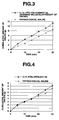
- Fig. 3 is a graph showing how the cumulative amount of saliva changes with time after administration of sodium γ-polyglutamate (with an average molecular weight of 300,000) in Experiment Example 1.
- Fig. 4 is a graph showing how the cumulative amount of saliva changes with time after administration of sodium hyaluronate in Experiment Example 1.
- The sialogogue according to the present invention is polyglutamic acid, which is chemically synthesized α- or γ-polyglutamic acid or a salt thereof, or natural α- or γ-polyglutamic acid or a salt thereof obtained from a variety of strains as a product of fermentation. Natural polyglutamic acid is desirable for incorporation into oral compositions and food products. Most desirable is γ-polyglutamic acid which is industrially available in large quantities. The polyglutamic acid may be either of D-form or L-form. The polyglutamic acid is insoluble in water but its salt is soluble in water. The salt includes sodium salt, potassium salt, magnesium salt, calcium salt, ammonium salt, ethanolamine salt, and basic amino acid salt. Any salt may be used which is suitable for oral compositions and food products. The polyglutamic acid may be neutralized to an adequate degree which is known from the fact that a 1 wt% aqueous solution of the
polyglutamate marks pH 1 to pH 14. The polyglutamic acid used in the present invention is not specifically restricted in molecular weight. However, the weight average molecular weight (in terms of sodium salt measured by the method mentioned later) should be 10,000 to 5,000,000, preferably 20,000 to 4,000,000, more preferably 40,000 to 3,000,000, and most preferably 50,000 to 2,000,000. An adequate molecular weight should be selected according to the type of the product. - Sodium polyglutamate represented by the formula (1) below is particularly desirable.

- The polyglutamic acid or a salt thereof to be used as the sialogogue according to the present invention should be added to oral compositions or food products in an amount of 0.001 to 10 % by weight, preferably 0.005 to 7 % by weight, more preferably 0.01 to 5 % by weight, and most desirably 0.05 to 3 % by weight. An amount less than the lower limit will not produce the desired effect, and an amount more than the upper limit will increase viscosity to adversely affect the feeling.
- The sialogogue according to the present invention may be administered 1 to 6 times a day, with each dose ranging from 0.01 to 1 g, which is enough to promote salivary secretion.
- The sialogogue according to the present invention may be incorporated into oral compositions and food product. The oral compositions include toothpaste, mouthwash, chewing tablet, oral ointment, gargling tablet, troches, artificial saliva, denture stabilizer, and solution for the oral care system with water supply and suction functions. The food product includes swallowing assistant, candy, chewing gum, drinks, and gummi. The sialogogue may be used in combination with any known component according to the kind and form of the oral composition and food product.
- Those components used for oral compositions in the form of liquid or paste include humectant, binder, surfactant, sweetener, antiseptic, colorant, flavor, and other effective ingredients. They may be mixed with water to produce the desired products. Another component used for toothpaste is an abrasive.
- The humectant is exemplified by polyhydric alcohols such as sorbitol, glycerin, propylene glycol, polyethylene glycol, xylitol, multitol, and lactitol. Its amount should be 5 to 50 % by weight, particularly 20 to 45 % by weight for paste products, and 0 to 50 % by weight, particularly 1 to 20 % by weight for liquid products.
- The binder is exemplified by carrageenan, sodium hydroxyethyl cellulose, sodium carboxymethyl cellulose, hydroxyethyl cellulose, hydroxypropyl cellulose, methyl cellulose, hydroxypropylmehtyl cellulose, sodium alginate, propylene glycol ester of alginic acid, polyacrylic acid, sodium polyacrylate, xanthan gum, talha gum, guar gum, locust bean gum, jellan gum, gelatin, curdlan, gum Arabic, agar, pectin, polyvinyl alcohol, polyvinyl pyrrolidone, and pullulan. The amount of the binder ranges from 0.1 to 5 % by weight for paste products (such as toothpaste) and 0 to 5 % by weight for liquid products (such as liquid dentifrice and mouthwash).
- The surfactant is exemplified by anionic surfactant, cationic surfactant, and nonionic surfactant. Their typical examples include sodium lauryl sulfate, sodium α-olefinsulfonate, N-acylglutamate, 2-alkyl-N-carboxylmethyl-N-hydroxyethylimidazolinium betaine, N-acyltaurate, sugar fatty acid ester, alkylolamide, polyoxyethylene hardened castor oil, polyglycerin fatty acid ester, polyoxyethylene-polyoxypropylene glycol, polyoxyethylenesorbitan monostearate, lauroylsarcosine sodium, alkylpolyglucoside, and polyoxyethylene alkyl ether sulfosuccinate. The amount of the surfactant is usually 0.5 to 5 % by weight.
- The sweetener is exemplified by saccharine sodium, stevioside, stevia extract, paramethoxycinnamic aldehyde, neohesperidyl hydrochalcone, and perillartine. The colorant is exemplified by Blue No. 1, Yellow No. 4, and titanium dioxide. The antiseptic is exemplified by parahydroxybenzoate ester and sodium benzoate.
- The flavor is exemplified by terpenes and their derivatives (such as 1-menthol, carvone, anethole, and limonene) and peppermint oil.
- The liquid agents may be incorporated with a nontoxic solvent (such as ethanol) in an amount of 0 to 30 % by weight, particularly 1 to 25 % by weight.
- The abrasive is exemplified by silica gel, precipitated silica, aluminosilicate, zirconosilicate, dibasic calcium phosphate anhydride or dihydrate, calcium pyrophosphate, calcium tertiary phosphate, hydroxyapatite, calcium carbonate, aluminum hydroxide, alumina, magnesium carbonate, magnesium tertiary phosphate, zeolite, zirconium silicate, and plastic-based abrasive.
- The preferred amount of the abrasive ranges from 10 to 50 % by weight for toothpaste and 0 to 30 % by weight for liquid dentifrice.
- The artificial saliva may be incorporated with potassium chloride (0.1 to 0.2 % by weight), sodium chloride (0.05 to 0.1 % by weight), calcium chloride (0.01 to 0.02 % by weight), and magnesium chloride (0.004 to 0.006 % by weight), and optional dipotassium hydrogenphosphate (0.01 to 0.05 % by weight).
- To prepare the oral compositions in solid form (such as tablets and troches), the sialogogue may be combined with nontoxic filler, binder, disintegrator, lubricant, surfactant, sweetener, and flavor (the last three mentioned above).
- The filler is exemplified by cellulose and its derivatives, starch and its derivatives, sugars, and sugar alcohol. Their specific examples include crystalline cellulose, lactose, white soft sugar, mannitol, corn starch, potato starch, hyroxypropylstarch, calcium silicate, calcium hydrogenephosphate anhydride, and magnesium aluminometasilicate.
- The binder is exemplified by hydroxypropyl cellulose, hydroxypropylmethyl cellulose, methyl cellulose, polyvinyl alcohol, polyvinylpyrrolidone, gelatin, dextrin, starch, and alpha starch.
- The disintegrator is exemplified by carmellose, carmellose calcium, croscarmellose sodium, low substituted hydroxypropylcellulose, low substituted sodium carboxymethyl starch, and crospovidone.
- The lubricant is exemplified by magnesium stearate, calcium stearate, sucrose ester of fatty acid, anhydrous silicic acid, light anhydrous silicic acid, and sodium stearyl fumarate.
- The amount of the filler should be 1 to 10 % by weight, particularly 3 to 5 % by weight. The amount of the binder should be 0.1 to 1 % by weight, particularly 0.2 to 0.3 % by weight.
- The food product may be formed from different materials according to its kind. For example, chewing gum may contain 10 to 50 % by weight of saccharide (such as sugar) and 50 to 90 % by weight of gum base, and candy may contain 35 to 40 % by weight of starch syrup and 60 to 65 % by weight of sugar.
- The invention will be described below in more detail with reference to Experiment Examples, Working Examples, and Comparative Examples, which are not intended to restrict the scope thereof. In the following examples, "%" means "% by weight" unless otherwise mentioned. Also, in the following examples, weight average molecular weight (Mw) is represented by the one which is measured by GPC method.
- A sample (2 mg) of polyglutamic acid is dissolved in 2 mL of 0.1 mol/L phosphate buffer solution (approximately pH 7.0). Each sample (2 mg) of pullulan P-82, pullulan P-10, pullulan P-50, pullulan P-200, and pullulan P-1600 is dissolved in 2 mL of 0.1 mol/L phosphate buffer solution to give standard solutions. The sample solution and the standard solution (each 50 µL) undergo GPC test, and the peak top molecular weight is obtained by using C-R7A·GPC program (product of SHIMADZU CORPORATION). The thus obtained value is regarded as the molecular weight.
<Conditions of analysis> Detector: differential refractometer Precolumn: Shodex Asahipak GS-IG 7B (product of Showa Denko K.K), 7.6 mm ID × 100 mm (or equivalent) Main column: Shodex Asahipak GF-710 HQ (product of Showa Denko K.K), 7.6 mm ID × 300 mm + Shodex Asahipak GF-510 HQ (product of Showa Denko K.K), 7.6 mm ID × 300 mm (or equivalent) Column temperature: constant at about 40°C Mobile phase: 0.1 mol/L phosphate buffer solution (prepared by dissolving 7.1 g of disodium hydrogenphosphate anhydride (Na2HPO4) and 6.8 g of potassium dihydrogenphosphate (KH2PO4) in water just enough to make one liter.) Flow rate: 0.5 mL/min Measurement time: 60 minutes. - A sample of mouthwash was prepared from an aqueous solution containing 0.1% each of γ-polyglutamate and sodium hyaluronate. This sample was tested for the effect of promoting salivary secretion in the following manner.
- Three panelists, who were made to feel thirsty by heavy exercise in the previous day, were tested for saliva secretion by the following steps which followed one after another.
- (1) Mouth washing for 30 seconds with 20 mL of physiological saline.
- (2) Spitting of saliva into a sputum mug, and measurement of the cumulative amount of saliva (for 30 minutes) at intervals of five minutes.
- (3) Mouth washing for 30 seconds with 20 mL of the sample solution.
- (4) Measurement of the cumulative amount of saliva (for 30 minutes) in the same way as in (2).
- Table 1 shows an increase (on average) from salivary secretion after mouth washing with physiological saline to salivary secretion after mouth washing with the sample solution. Figs. 1 to 4 show the cumulative amount of saliva measured at intervals of five minutes.
Table 1 Mouthwash solution Ratio of increase in saliva secretion (%) 0.1% sodium γ-polyglutamate (Mw = 1,200,000) 151 0.1% potassium γ-polyglutamate (Mw = 1,200,000) 128 0.1% sodium γ-polyglutamate (Mw = 300,000) 132 0.1% sodium hyaluronate (for comparison) 109 - It is apparent from Table 1 and Figs. 1 to 4 that γ-polyglutamic acid promotes salivary secretion.
- Samples (0.1% aqueous solutions shown in Table 2) were prepared as shown in Table 2. Three panelists washed their mouth for 30 seconds with 20 mL of each sample solution and then spitted it out. Fifteen minutes later, the panelists rated the oral wet feeling and refreshed feeling according to the following criterion. Table 2 shows the results of rating (total points given by the three panelists).
Table 2 Samples Wet feel Taste Feature of taste Sodium γ-polyglutamate (Mw = 1,200,000) ⓪ ○ Tasteless Potassium γ-polyglutamate (Mw = 1,200,000) ⓪ ○ Tasteless Sodium γ-polyglutamate (Mw = 300,000) ⓪ ○ Tasteless Citric acid (for comparison) × × Acidic Cola nuts: water extract (for comparison) × △ Slightly spicy Capparis masaikai seeds: 50% ethanol extract (for comparison) × × Bitter sweet Sodium hyaluronate (for comparison) ○ ○ Tasteless *The γ-polyglutamic acid is the same one as used in Experiment Example 1. Rating of wet feel Standard for rating: Degree Strong Weak Slight None Point 3 2 1 0 Rating: Total points 7 to 9 4 to 6 1 to 3 0 Degree Strong Weak Slight None Rating ⓪ ○ △ × Rating of taste Degree None Weak Strong Rating ○ △ × - Examples 1 to 18 that follow show the formulations. Incidentally, the polyglutamate has a degree of neutralization at
pH 7. A good effect of promoting salivary secretion was produced by all the samples of oral compositions and food products. -
Precipitated silica 25.00% Glycerin 25.00 Sorbit 15.00 Xylitol 10.00 Lauroyl decaglycerin ester 1.00 Myristic acid diethanolamide 2.00 Flavor 1.00 Saccharin sodium 0.20 Calcium γ-polyglutamate (Mw = 1,000,000) 0.10 Purified water balance Total 100.0% -
Aluminum hydroxide 25.00% Glycerin 40.00 Sorbit 15.00 Carboxymethyl cellulose (DP = 500) 0.20 Propylene glycol 2.00 Sodium laurate 1.50 Decaglyceryl monolaurate 1.00 Flavor 1.00 Saccharin sodium 0.10 Sodium γ-polyglutamate (Mw = 1,500,000) 0.10 Purified water balance Total 100.0% -
Liquid paraffin 15.00% Cetanol 10.00 Glycerin 20.00 Polyoxyethylene sorbitan fatty acid ester 5.00 Flavor 0.50 Saccharin sodium 0.10 Lysine γ-polyglutamate (Mw = 300,000) 0.20 Purified water balance Total 100.0% -
Ethanol 20.00% Flavor 1.00 Polyoxyethylene (EO 60) hydrogenated castor oil 0.30 Sodium monofluorophosphate 0.10 Saccharin sodium 0.05 Sodium γ-polyglutamate (Mw = 1,200,000) 0.20 Purified water balance Total 100.0% -
Sodium bicarbonate 53.0% Citric acid 18.0 Anhydrous sodium sulfate 12.0 Dibasic sodium phosphate 10.0 Polyethylene glycol 3.0 Flavor 2.0 Ammonium γ-polyglutamate (Mw = 80,000) 2.0 Total 100.0% -
Xylitol 92.0% Gum acasia 5.0 Talc 2.0 Magnesium stearate 0.7 Potassium γ-polyqlutamate (Mw = 1,200,000) 0.3 Total 100.0% -
Erythritol 85.0% Potato starch 4.0 Talc 3.5 Magnesium stearate 1.5 Citric acid 5.0 Arginine γ-polyqlutamate (Mw = 1,200,000) 1.0 Total 100.0% -
Vinyl acetate resin 60.0% Light calcium carbonate 3.0 Yellow beeswax 3.0 Polypropylene glycol 3.0 Ethanolamine γ-polyglutamate (Mw = 1,500,000) 1.0 60% ethanol balance Total 100.0% -
Sodium carboxymethyl cellulose 74.0% Polyethylene oxide 24.0 γ-polyglutamic acid (Mw = 300,000) 2.0 Total 100.0% -
Sodium carboxymethyl cellulose 32.0% Polyethylene oxide 13.0 Vaseline 40.0 Arginine γ-polyglutamate (Mw = 1,000,000) 1.0 pH adjustor 0.2 Flavor 0.1 Antiseptics q.s. Coloring matter q.s. Liquid paraffin balance Total 100.0% -
Ethanol 30.0% Xylitol 10.0 Flavor 2.0 Polyoxyethylene (EO 60) hydrogenated castor oil 1.5 Potassium γ-polyglutamate (Mw = 1,000,000) 1.0 Purified water balance Total 100.0% -
Glycerin 2.0% Xylitol 2.0 Polyoxyethylene (EO 60) hydrogenated castor oil 1.0 Ethanolamine γ-polyglutamate (Mw = 1,200,000) 0.5 pH adjustor 0.2 Flavor 0.2 Antiseptics q.s. Coloring matter q.s. Purified water balance Total 100.0% -
Potassium chloride 0.15% Sodium chloride 0.06 Magnesium chloride 0.005 Calcium chloride 0.015 Hydroxypropyl cellulose 0.1 Glycerin 1.0 Calcium γ-polyglutamate (Mw = 1,500,000) 0.5 Flavor 0.02 Antiseptics q.s. Purified water balance Total 100.0% -
Xanthan gum 20.0% Guar gum 4.0 Ammonium γ-polyglutamate (Mw = 300,000) 1.0 Dextrin balance Total 100.0% -
Sugar 50.0% Starch syrup 33.0 Organic acid 2.0 Flavor 0.2 Sodium γ-polyglutamate (Mw = 300,000) 0.1 Purified water balance Total 100.0% -
Sugar 53.4% Gum base 20.0 Glucose 10.0 Starch syrup 16.0 Flavor 0.5 γ-polyglutamic acid (Mw = 80,000) 0.1 Total 100.0% -
Glucose 1.35% Fructose 1.35 Milk component 0.1 Sodium γ-polyglutamate (Mw = 80,000) 0.1 Sodium chloride 0.029 Vitamin C 0.03 Vitamin B1 0.00022 Valine 0.0384 Leucine 0.0462 Isoleucine 0.0154 Citric acid 0.01 Malic acid 0.01 Flavor 0.01 Water balance Total 100.0% -
Sugar 40.2% Starch syrup 48.2 Gelatin 8.0 Fruit juice 2.0 Citric acid 0.5 Malic acid 0.5 Flavor 0.5 Calcium γ-polyglutamate (Mw = 300,000) 0.1 Total 100.0%
Claims (4)
- A sialogogue comprising polyglutamic acid or a salt thereof.
- An oral composition incorporated with the sialogogue defined in claim 1.
- A food product incorporated with the sialogogue defined in claim 1.
- Use of polyglutamic acid or a salt thereof as a sialogogue.
Applications Claiming Priority (2)
| Application Number | Priority Date | Filing Date | Title |
|---|---|---|---|
| JP2003388809 | 2003-11-19 | ||
| PCT/JP2004/017328 WO2005049050A1 (en) | 2003-11-19 | 2004-11-16 | Sialagogue and, containing the same, oral composition and food composition |
Publications (2)
| Publication Number | Publication Date |
|---|---|
| EP1685845A1 true EP1685845A1 (en) | 2006-08-02 |
| EP1685845A4 EP1685845A4 (en) | 2009-02-11 |
Family
ID=34616232
Family Applications (1)
| Application Number | Title | Priority Date | Filing Date |
|---|---|---|---|
| EP04799781A Withdrawn EP1685845A4 (en) | 2003-11-19 | 2004-11-16 | SIALOGOGY AND COMPOSITION CONTAINING THE SAME, ORAL COMPOSITION AND FOOD COMPOSITION |
Country Status (6)
| Country | Link |
|---|---|
| US (1) | US7910089B2 (en) |
| EP (1) | EP1685845A4 (en) |
| JP (1) | JP4632048B2 (en) |
| CN (1) | CN1882353B (en) |
| CA (1) | CA2545626C (en) |
| WO (1) | WO2005049050A1 (en) |
Families Citing this family (31)
| Publication number | Priority date | Publication date | Assignee | Title |
|---|---|---|---|---|
| JP4845359B2 (en) * | 2004-09-16 | 2011-12-28 | 弘 竹田 | Oral care composition |
| WO2006126657A1 (en) * | 2005-05-23 | 2006-11-30 | Ajinomoto Co., Inc. | Sugarless chewing gum |
| US9101160B2 (en) | 2005-11-23 | 2015-08-11 | The Coca-Cola Company | Condiments with high-potency sweetener |
| JP4859115B2 (en) * | 2006-06-07 | 2012-01-25 | 松谷化学工業株式会社 | Edible film for oral hygiene |
| US8017168B2 (en) | 2006-11-02 | 2011-09-13 | The Coca-Cola Company | High-potency sweetener composition with rubisco protein, rubiscolin, rubiscolin derivatives, ace inhibitory peptides, and combinations thereof, and compositions sweetened therewith |
| JP5461785B2 (en) * | 2008-03-31 | 2014-04-02 | 小林製薬株式会社 | Pharmaceutical composition for repeated infection prevention |
| JP5317512B2 (en) * | 2008-03-31 | 2013-10-16 | 小林製薬株式会社 | Moisturizing composition |
| JP5233399B2 (en) * | 2008-05-13 | 2013-07-10 | ライオン株式会社 | Oral spray composition and oral preparation |
| JP4998369B2 (en) * | 2008-05-21 | 2012-08-15 | ユーハ味覚糖株式会社 | Soft candy and method for producing the same |
| WO2011007865A1 (en) * | 2009-07-16 | 2011-01-20 | 花王株式会社 | Agent for inhibiting increase in postprandial blood insulin level |
| JP5498073B2 (en) * | 2009-07-16 | 2014-05-21 | 花王株式会社 | Blood triglyceride level increase inhibitor |
| JP5815928B2 (en) * | 2009-07-16 | 2015-11-17 | 花王株式会社 | Blood GIP level increase inhibitor |
| JP5397181B2 (en) * | 2009-11-18 | 2014-01-22 | ライオン株式会社 | Oral spray composition and oral preparation |
| KR101304766B1 (en) * | 2011-01-05 | 2013-09-05 | 서울대학교산학협력단 | Artificial saliva comprising hyalulonic acid |
| JP2012144487A (en) * | 2011-01-12 | 2012-08-02 | Kao Corp | Blood triglyceride concentration rise inhibitor |
| WO2012096108A1 (en) * | 2011-01-12 | 2012-07-19 | 花王株式会社 | Suppressor for increase in blood gip level, suppressor for increase in blood insulin level, postprandial blood triglyceride level reducing agent, and suppressor for increase in blood glucose level |
| JP5844529B2 (en) * | 2011-01-12 | 2016-01-20 | 花王株式会社 | Blood GIP level increase inhibitor |
| JP2012144484A (en) * | 2011-01-12 | 2012-08-02 | Kao Corp | Blood triglyceride concentration rise inhibitor |
| JP5845603B2 (en) * | 2011-03-18 | 2016-01-20 | ライオン株式会社 | Liquid or liquid oral composition and tongue coating adhesion inhibitor |
| JP5845882B2 (en) * | 2011-12-22 | 2016-01-20 | ライオン株式会社 | Oral composition and bad breath suppressant |
| US8889106B2 (en) * | 2013-04-23 | 2014-11-18 | Feng-Huei Lin | Non-alcohol mouthwash composition without chemical antibacterial medicament |
| CN104127329B (en) * | 2013-05-03 | 2017-09-08 | 台北科技大学 | Non-alcoholic and chemical-antibacterial-agent-free mouthwash composition |
| JP6371627B2 (en) * | 2014-07-31 | 2018-08-08 | アリメント工業株式会社 | Powdered saliva secretion promoter |
| WO2016136869A1 (en) * | 2015-02-27 | 2016-09-01 | ライオン株式会社 | Gum candy composition |
| CN107613999B (en) * | 2015-06-04 | 2021-07-20 | 狮王株式会社 | Salivary secretion enhancer, xerostomia inhibitor, and oral moisturizing agent |
| CN105267234A (en) * | 2015-10-29 | 2016-01-27 | 山东省药学科学院 | Composition for relieving xerostomia and preparation method thereof |
| US20170319455A1 (en) * | 2016-05-03 | 2017-11-09 | University Of Dammam | Method for occluding dentin tubules and remineralizing teeth |
| JP2018029532A (en) * | 2016-08-25 | 2018-03-01 | ライオン株式会社 | Gummy composition |
| CN111032004B (en) * | 2017-12-20 | 2023-10-20 | 弗门尼舍有限公司 | Oral care compositions |
| ES3062133T3 (en) | 2020-02-18 | 2026-04-08 | Sunstar Americas Inc | Oral care composition |
| US20230390325A1 (en) * | 2022-06-02 | 2023-12-07 | Florence Pun | Oral and Nasal Wash |
Family Cites Families (25)
| Publication number | Priority date | Publication date | Assignee | Title |
|---|---|---|---|---|
| GB1506217A (en) * | 1975-08-26 | 1978-04-05 | Taiho Pharmaceutical Co Ltd | Oral antilipemic composition |
| JPS5622719A (en) | 1979-08-02 | 1981-03-03 | Kazuko Hiraishi | Toothpaste containing pickled "ume" |
| JPS59209635A (en) * | 1983-04-28 | 1984-11-28 | Ajinomoto Co Inc | Wetting agent |
| JPH0347087A (en) * | 1989-03-23 | 1991-02-28 | Ajinomoto Co Inc | New gamma-polyglutamic acid, production thereof and drink agent containing the same |
| JP3081901B2 (en) * | 1991-10-29 | 2000-08-28 | 工業技術院長 | Method for producing γ-polyglutamic acid |
| US5447732A (en) * | 1992-11-25 | 1995-09-05 | Ajinomoto Co., Inc. | High-absorption mineral-containing composition and foods |
| US5496558A (en) * | 1993-03-02 | 1996-03-05 | Block Drug Company Inc. | Solid form xerostomia product |
| JPH08112084A (en) * | 1994-08-24 | 1996-05-07 | Ajinomoto Co Inc | Frozen foods and their production |
| GB9425934D0 (en) | 1994-12-22 | 1995-02-22 | Procter & Gamble | Oral compositions |
| JP3690442B2 (en) | 1996-10-25 | 2005-08-31 | ライオン株式会社 | Salivary secretion promoter, oral composition and denture stabilizer |
| JPH10298058A (en) * | 1997-05-01 | 1998-11-10 | Ajinomoto Co Inc | Bathing agent |
| US6350438B1 (en) * | 1998-02-27 | 2002-02-26 | The Procter & Gamble Company | Oral care compositions comprising chlorite and methods |
| AU3327000A (en) | 1999-03-24 | 2000-10-09 | Seikagaku Corporation | Artificial saliva |
| JP2004500377A (en) * | 2000-01-27 | 2004-01-08 | ザ、プロクター、エンド、ギャンブル、カンパニー | Improved low cost dentifrice composition |
| CN1418086A (en) * | 2000-03-14 | 2003-05-14 | 宝洁公司 | Stable dentrifice compositions comprising polyphosphate, Fluoride, and stannous |
| JP2002265375A (en) * | 2001-03-13 | 2002-09-18 | Inabata Koryo Kk | Salivary secretion promoter, food composition containing the same, and oral composition |
| MXPA03010461A (en) * | 2001-06-11 | 2004-03-09 | Warner Lambert Co | Breath protection microcapsules. |
| US6858614B2 (en) * | 2002-02-19 | 2005-02-22 | Parion Sciences, Inc. | Phenolic guanidine sodium channel blockers |
| US6858615B2 (en) * | 2002-02-19 | 2005-02-22 | Parion Sciences, Inc. | Phenyl guanidine sodium channel blockers |
| US20040013723A1 (en) * | 2002-07-16 | 2004-01-22 | PARIKH Rita M. | Oral care capsules |
| JP2004091404A (en) * | 2002-08-30 | 2004-03-25 | Takuro Ishibashi | Tooth surface cleaner composition |
| AU2003272719A1 (en) * | 2002-09-26 | 2004-04-19 | Carbomer, Inc. | Inhibitors of the nitrix oxide synthase iii (nos iii) as neuroprotective agents |
| CN1219508C (en) * | 2003-06-23 | 2005-09-21 | 苏州普天医药有限公司 | Mucilage antiseptic medicine composition capable of being locally administratied and sustainably released and its preparing method |
| JP4845359B2 (en) * | 2004-09-16 | 2011-12-28 | 弘 竹田 | Oral care composition |
| JP4859115B2 (en) * | 2006-06-07 | 2012-01-25 | 松谷化学工業株式会社 | Edible film for oral hygiene |
-
2004
- 2004-11-16 WO PCT/JP2004/017328 patent/WO2005049050A1/en not_active Ceased
- 2004-11-16 EP EP04799781A patent/EP1685845A4/en not_active Withdrawn
- 2004-11-16 CA CA2545626A patent/CA2545626C/en not_active Expired - Lifetime
- 2004-11-16 US US10/579,731 patent/US7910089B2/en not_active Expired - Fee Related
- 2004-11-16 JP JP2005515677A patent/JP4632048B2/en not_active Expired - Lifetime
- 2004-11-16 CN CN2004800342200A patent/CN1882353B/en not_active Expired - Fee Related
Also Published As
| Publication number | Publication date |
|---|---|
| JPWO2005049050A1 (en) | 2007-06-07 |
| CA2545626C (en) | 2012-05-01 |
| WO2005049050A1 (en) | 2005-06-02 |
| JP4632048B2 (en) | 2011-02-16 |
| CN1882353B (en) | 2011-04-20 |
| US20070099827A1 (en) | 2007-05-03 |
| CA2545626A1 (en) | 2005-06-02 |
| US7910089B2 (en) | 2011-03-22 |
| CN1882353A (en) | 2006-12-20 |
| EP1685845A4 (en) | 2009-02-11 |
Similar Documents
| Publication | Publication Date | Title |
|---|---|---|
| US7910089B2 (en) | Sialogogue, oral composition and food product containing the same | |
| EP1437126B1 (en) | Compositions used to alleviate xerostomia and to treat disorders associated with same | |
| EP0421838B1 (en) | Method of making dental plaque observable | |
| US7300645B2 (en) | Oral composition comprising isomalt and remineralizing enhancing agent | |
| JP5555147B2 (en) | A composition containing ascorbic acid and its analogs stably. | |
| Lif Holgerson et al. | Xylitol concentration in saliva and dental plaque after use of various xylitol-containing products | |
| EP1952801A1 (en) | Oral cavity care curative and prophylactic composition | |
| JP5233399B2 (en) | Oral spray composition and oral preparation | |
| US7087219B2 (en) | Toothpaste containing anticancer agents | |
| JP2021017450A (en) | Compositions and methods for treating oral cavity | |
| US20070098650A1 (en) | Dental formulation | |
| JP3207912B2 (en) | Collagenase activity inhibitor | |
| JP2002029952A (en) | Toothpaste composition | |
| CN101330943A (en) | Surfactant Calcium Phosphate | |
| JPH1171253A (en) | Salivary secretion promoter and oral composition | |
| KR20110001472A (en) | Oral composition comprising centilla asiatica extract and oral astringent | |
| JPH10182392A (en) | Saliva secretion promoter, oral composition and denture stabilizer | |
| KR100387091B1 (en) | Composition for enhancing oral hygiene containing extract of safflower seed | |
| US20060246016A1 (en) | Toothpaste containing anticancer agents | |
| CN107613999B (en) | Salivary secretion enhancer, xerostomia inhibitor, and oral moisturizing agent | |
| JP5892716B2 (en) | Oral composition | |
| EP4389228A1 (en) | Oral care composition containing cellulosic polymers | |
| JP4672096B2 (en) | Anti-caries agent and oral composition containing the same | |
| JP2009173564A (en) | Salivary secretion promoter | |
| KR20120047491A (en) | Oral composition for preventing dental calculus |
Legal Events
| Date | Code | Title | Description |
|---|---|---|---|
| PUAI | Public reference made under article 153(3) epc to a published international application that has entered the european phase |
Free format text: ORIGINAL CODE: 0009012 |
|
| 17P | Request for examination filed |
Effective date: 20060524 |
|
| AK | Designated contracting states |
Kind code of ref document: A1 Designated state(s): AT BE BG CH CY CZ DE DK EE ES FI FR GB GR HU IE IS IT LI LU MC NL PL PT RO SE SI SK TR |
|
| DAX | Request for extension of the european patent (deleted) | ||
| A4 | Supplementary search report drawn up and despatched |
Effective date: 20090112 |
|
| 17Q | First examination report despatched |
Effective date: 20090327 |
|
| RAP1 | Party data changed (applicant data changed or rights of an application transferred) |
Owner name: MEIJI CO., LTD. |
|
| RIC1 | Information provided on ipc code assigned before grant |
Ipc: A61K 8/88 20060101ALI20120730BHEP Ipc: A61Q 11/00 20060101ALI20120730BHEP Ipc: A61K 31/785 20060101ALI20120730BHEP Ipc: A61Q 11/02 20060101ALI20120730BHEP Ipc: A23L 1/30 20060101AFI20120730BHEP |
|
| GRAP | Despatch of communication of intention to grant a patent |
Free format text: ORIGINAL CODE: EPIDOSNIGR1 |
|
| STAA | Information on the status of an ep patent application or granted ep patent |
Free format text: STATUS: THE APPLICATION IS DEEMED TO BE WITHDRAWN |
|
| 18D | Application deemed to be withdrawn |
Effective date: 20130130 |