EP1663197B1 - The use of fumaric acid derivatives for treating cardiac insufficiency, and asthma - Google Patents
The use of fumaric acid derivatives for treating cardiac insufficiency, and asthma Download PDFInfo
- Publication number
- EP1663197B1 EP1663197B1 EP04764790A EP04764790A EP1663197B1 EP 1663197 B1 EP1663197 B1 EP 1663197B1 EP 04764790 A EP04764790 A EP 04764790A EP 04764790 A EP04764790 A EP 04764790A EP 1663197 B1 EP1663197 B1 EP 1663197B1
- Authority
- EP
- European Patent Office
- Prior art keywords
- fumaric acid
- use according
- monoalkyl
- fumarate
- fumarates
- Prior art date
- Legal status (The legal status is an assumption and is not a legal conclusion. Google has not performed a legal analysis and makes no representation as to the accuracy of the status listed.)
- Expired - Lifetime
Links
Images

Classifications
-
- A—HUMAN NECESSITIES
- A61—MEDICAL OR VETERINARY SCIENCE; HYGIENE
- A61K—PREPARATIONS FOR MEDICAL, DENTAL OR TOILETRY PURPOSES
- A61K31/00—Medicinal preparations containing organic active ingredients
- A61K31/21—Esters, e.g. nitroglycerine, selenocyanates
- A61K31/215—Esters, e.g. nitroglycerine, selenocyanates of carboxylic acids
- A61K31/22—Esters, e.g. nitroglycerine, selenocyanates of carboxylic acids of acyclic acids, e.g. pravastatin
- A61K31/225—Polycarboxylic acids
-
- A—HUMAN NECESSITIES
- A61—MEDICAL OR VETERINARY SCIENCE; HYGIENE
- A61K—PREPARATIONS FOR MEDICAL, DENTAL OR TOILETRY PURPOSES
- A61K31/00—Medicinal preparations containing organic active ingredients
- A61K31/185—Acids; Anhydrides, halides or salts thereof, e.g. sulfur acids, imidic, hydrazonic or hydroximic acids
- A61K31/19—Carboxylic acids, e.g. valproic acid
- A61K31/195—Carboxylic acids, e.g. valproic acid having an amino group
- A61K31/197—Carboxylic acids, e.g. valproic acid having an amino group the amino and the carboxyl groups being attached to the same acyclic carbon chain, e.g. gamma-aminobutyric acid [GABA], beta-alanine, epsilon-aminocaproic acid or pantothenic acid
-
- A—HUMAN NECESSITIES
- A61—MEDICAL OR VETERINARY SCIENCE; HYGIENE
- A61K—PREPARATIONS FOR MEDICAL, DENTAL OR TOILETRY PURPOSES
- A61K31/00—Medicinal preparations containing organic active ingredients
- A61K31/21—Esters, e.g. nitroglycerine, selenocyanates
- A61K31/215—Esters, e.g. nitroglycerine, selenocyanates of carboxylic acids
- A61K31/22—Esters, e.g. nitroglycerine, selenocyanates of carboxylic acids of acyclic acids, e.g. pravastatin
- A61K31/23—Esters, e.g. nitroglycerine, selenocyanates of carboxylic acids of acyclic acids, e.g. pravastatin of acids having a carboxyl group bound to a chain of seven or more carbon atoms
- A61K31/231—Esters, e.g. nitroglycerine, selenocyanates of carboxylic acids of acyclic acids, e.g. pravastatin of acids having a carboxyl group bound to a chain of seven or more carbon atoms having one or two double bonds
-
- A—HUMAN NECESSITIES
- A61—MEDICAL OR VETERINARY SCIENCE; HYGIENE
- A61K—PREPARATIONS FOR MEDICAL, DENTAL OR TOILETRY PURPOSES
- A61K31/00—Medicinal preparations containing organic active ingredients
- A61K31/56—Compounds containing cyclopenta[a]hydrophenanthrene ring systems; Derivatives thereof, e.g. steroids
- A61K31/57—Compounds containing cyclopenta[a]hydrophenanthrene ring systems; Derivatives thereof, e.g. steroids substituted in position 17 beta by a chain of two carbon atoms, e.g. pregnane or progesterone
- A61K31/573—Compounds containing cyclopenta[a]hydrophenanthrene ring systems; Derivatives thereof, e.g. steroids substituted in position 17 beta by a chain of two carbon atoms, e.g. pregnane or progesterone substituted in position 21, e.g. cortisone, dexamethasone, prednisone or aldosterone
-
- A—HUMAN NECESSITIES
- A61—MEDICAL OR VETERINARY SCIENCE; HYGIENE
- A61P—SPECIFIC THERAPEUTIC ACTIVITY OF CHEMICAL COMPOUNDS OR MEDICINAL PREPARATIONS
- A61P11/00—Drugs for disorders of the respiratory system
-
- A—HUMAN NECESSITIES
- A61—MEDICAL OR VETERINARY SCIENCE; HYGIENE
- A61P—SPECIFIC THERAPEUTIC ACTIVITY OF CHEMICAL COMPOUNDS OR MEDICINAL PREPARATIONS
- A61P11/00—Drugs for disorders of the respiratory system
- A61P11/06—Antiasthmatics
-
- A—HUMAN NECESSITIES
- A61—MEDICAL OR VETERINARY SCIENCE; HYGIENE
- A61P—SPECIFIC THERAPEUTIC ACTIVITY OF CHEMICAL COMPOUNDS OR MEDICINAL PREPARATIONS
- A61P9/00—Drugs for disorders of the cardiovascular system
-
- A—HUMAN NECESSITIES
- A61—MEDICAL OR VETERINARY SCIENCE; HYGIENE
- A61P—SPECIFIC THERAPEUTIC ACTIVITY OF CHEMICAL COMPOUNDS OR MEDICINAL PREPARATIONS
- A61P9/00—Drugs for disorders of the cardiovascular system
- A61P9/10—Drugs for disorders of the cardiovascular system for treating ischaemic or atherosclerotic diseases, e.g. antianginal drugs, coronary vasodilators, drugs for myocardial infarction, retinopathy, cerebrovascula insufficiency, renal arteriosclerosis
Definitions
- the present invention relates to the use of fumaric acid derivatives for preparing a drug for treating cardiac insufficiency, and asthma.
- Fumaric acid dialkyl esters and fumaric acid monoalkyl esters and salts thereof have been successfully used for treating psoriasis for a long time. The use has been described in a number of patents, cf. e.g. DE 25 30 372 , DE 26 21 214 or EP-B-0 312 697 .
- fumaric acid mono- and diesters for treating autoimmune diseases such as e.g. polyarthritis or multiple sclerosis (cf. DE 197 21 099.6 and DE 198 53 487.6 ), but also for use in transplantation medicine (cf. DE 198 53 487.6 and DE 198 39 566.3 ) has been described.
- the use of fumaric acid mono- and diesters for treating NFkappaB-mediated diseases as well as the treatment of mitochondrial diseases and/or as NFkappaB inhibitor is known from DE 101 01 307.8 and DE 100 00 577.2 . All mentioned publications describe fumaric acid mono- and diesters, optionally in the form of certain salts.
- fumaric acid mono- and diamides for treating said indications is known from DE 101 33 004.9 .
- These amides are formed with amino acids and preferably with specific peptides.
- fumaric acid oligomers and their use for treating said diseases are known from DE 102 17 314.1 .
- a paroxysmal, marked respiratory distress is understood by asthma (bronchial asthma) from which approx. 4 to 5% of the population of the industrial nations are suffering, there being an upward tendency.
- This respiratory distress is based on a variable and reversible obstruction of the respiratory tract due to a hyperreactive bronchial system, which is triggered by exogenic and/endogenic stimuli. These include chemical or physical provocative factors, infections, physical effort and/or emotional factors.
- secondary diseases such as a chronic bronchitis, a pulmonary emphysema, bronchiectases, atelectases or a pulmonary heart disease or a respiratory cardiac insufficiency usually occur.
- asthma cardiale may result in respiratory distress due to increased congestion in the lesser circulation in the case of a left ventricular insufficiency.
- beta-2 sympathomimetics corticosteroids, parasympatholytics, theophylline, anti-inflammatory agents and anti-allergic agents are, for instance, administered in the drug treatment of and/or for alleviating asthma, in addition to the still proven means of just avoiding the triggering stimulus.
- asthma seems to be characterized by an increased activity of Th2 lymphocytes in the.lung, which, in turn, results in an increased release of some Th2 cytokines which, ultimately, gives rise to the known features of asthma such as IgE isotype switching, mucus production and recruitment and activation of eosinophils.
- Th2 cytokines seem to result in the differentiation of further Th2 cells through the signal transduction pathway known as JAK-STAT, from which a self-enhancing circle results.
- JAK-STAT signal transduction pathway
- JAK-STAT signal transduction pathway JA nus K inase S ignal T ransducer and A ctivator of T ranscription pathway
- signal peptides such as e.g. cytokines to the interior of the cell and/or the nucleus.
- Signal transduction takes place through STAT proteins that are present in the cytoplasm and are at first inactive; 7 different STAT proteins are know in man.
- these STAT proteins are quickly activated by means of phosphorylation, e.g. by means of the Janus kinase. Phosphorylation results in the homo- or heterodimerization of the STAT proteins, the dimers being rapidly transported into the nucleus, where they bond to a target promoter and drastically enhance the transcription rate of this promoter.
- stress insufficiency stress insufficiency
- rest insufficiency already at rest
- the insufficiency may occur as a pure left ventricular or right ventricular insufficiency, but may as well affect both ventricles.
- cardiac insufficiency can be attributed to various causes in terms of etiology, above all to inflammatory and degenerative changes of the myocardium and endocardium, coronary circulatory disorders, myocardial infarction and injuries. Subsequently, cardiac insufficiency results in changes in the peripheral circulation, breathing disorders, in particular cardiac asthma, renal insufficiency and disorders of the electrolyte metabolism and edemas and a reduced functional capacity of the skeletal muscles.
- HEGGLIN syndrome II excitomotoric cardiac insufficiency, cardiac insufficiency as a result of cardiac arrythmics, hypoxemic, latent, primary, compensated, relative or stress insufficiency and/or left ventricular insufficiency.
- contraction-promoting substances are used for the drug treatment of cardiac insufficiency, glycosides (above all digoxin and digitoxin) being still used today for treating the chronic forms.
- vasodilators nitro-compounds and dihydralazine, alpha blockers, calcium antagonists and above all ACE inhibitors
- ACE inhibitors are most important for long-term treatment.
- diuretics are used. Acute forms are treated with catecholamines, possibly also with amrinone.
- the present object is attained by the use of fumaric acid derivatives for preparing pharmaceuticals or pharmaceutical preparations for treating asthma and/or cardiac insufficiency, in particular in man.
- the invention relates to the use of fumaric acid derivatives selected from the group consisting of dialkyl fumarates, monoalkyl hydrogen fumarates, fumaric acid monoalkyl ester salts, fumaric acid monoamides, monoamido fumaric acid salts, fumaric acid diamides, monoalkyl monoamido fumarates, carbocyclic and oxacarbocyclic oligomers of these compounds and mixtures thereof for preparing a pharmaceutical preparation for the treatment or prevention of cardiac insufficiency, in particular left ventricular insufficiency, myocardial infarction and angina pectoris.
- fumaric acid derivatives selected from the group consisting of dialkyl fumarates, monoalkyl hydrogen fumarates, fumaric acid monoalkyl ester salts, fumaric acid monoamides, monoamido fumaric acid salts, fumaric acid diamides, monoalkyl monoamido fumarates, carbocyclic and
- the invention relates to the use of fumaric acid derivatives, selected from the group consisting of dialkyl fumarates, monoalkyl hydrogen fumarates, fumaric acid monoalkyl ester salts, fumaric acid monoamides, monoamido fumaric acid salts, fumaric acid diamides, monoalkyl monoamido fumarates, carbocyclic and oxacarbocyclic oligomers of these compounds and mixtures thereof for preparing a pharmaceutical prepration for the treatment of asthma and chronic obstructive pulmonary diseases, especially asthma caused by allergies, infections, analgesics, job conditions or physical effort, mixed forms of asthma, or asthma cardiale.
- fumaric acid derivatives selected from the group consisting of dialkyl fumarates, monoalkyl hydrogen fumarates, fumaric acid monoalkyl ester salts, fumaric acid monoamides, monoamido fumaric acid salts, fumaric acid diamides, monoalkyl monoamid
- the present invention likewise concerns a use for inhibiting 3 H-thymidine uptake by bronchial smooth muscle cells, and a use of inhibiting proliferation of these cells as described below.
- the present invention finally concerns the use of the above fumaric acid derivatives for inhibiting the PDGF induced STAT1 activation.
- the present invention relates to the use of fumaric acid derivatives for preparing a pharmaceutical preparation for treating asthma and chronic obstructive pulmonary diseases in general.
- this asthma is caused by allergies, infections, analgesics, job conditions or physical effort, particularly preferred asthma cardiale.
- the invention also relates to the use of fumaric acid derivatives for preparing a pharmaceutical preparation for treating or preventing cardiac insufficiency, myocardial infarction and angina pectoris.
- the cardiac insufficiency concerned may be any type of cardiac insufficiency regardless of its form and/or etiology.
- cardiac insufficiency to be treated according to the invention are acute cardiac insufficiency, energetic cardiac insufficiency, energetic-dynamic cardiac insufficiency and hypodynamic cardiac insufficiency, also called HEGGLIN syndrome II, excitomotor cardiac insufficiency, cardiac insufficiency as a result of cardiac irregularities, hypoxemic, latent, primary, compensated, decompensated, relative or stress insufficiency and/or left ventricular insufficiency most preferably, left ventricular insufficiency.
- the use is also effective in preventing these illnesses and/or myocordial infarctions, including first, second or further infarctions.
- the fumaric acid derivatives to be used according to the invention may be one or several selected from the group consisting of dialkyl fumarates (fumaric acid dialkyl esters, respectively), monoalkyl hydrogen fumarates (fumaric acid monoalkyl esters, respectively), monoalkyl ester fumaric acid salts (fumaric acid monoalkyl ester salts, respectively) of physiologically acceptable cations, in particular alkaline or alkaline earth metal cations or transition metal cations such as Li + , Na + , K + , NH 4 + , Mg 2+ , Ca 2+ , Fe 2+ , Mn 2+ , and Zn 2+ , fumaric acid monoamides and fumaric acid diamides and their salts, carbocyclic and oxacarbocyclic oligomers of these compounds and mixtures thereof.
- the fumaric acid derivative is selected from the group consisting of optionally substituted fumaric acid dialkyl esters and fumaric acid monoalkyl esters in the form of the free acid or its salts and mixtures thereof.
- fumaric acid dialkyl esters of the formula (I) as they are described in DE 198 53 487.6 , wherein R 1 and R 2 which may be the same or different independently represent a C 1-24 alkyl radical or a C 5-20 aryl radical and these radicals are optionally substituted with halogen (F, Cl, Br, I), hydroxy, C 1-4 alkoxy, nitro or cyano.
- the dialkyl fumarate is dimethyl fumarate, diethyl fumarate and/or methyl ethyl fumarate.
- an alkyl group is to be understood as a saturated or unsaturated, straight-chain, branched or cyclic hydrocarbon group having I to 24 carbon atoms according to the invention, which may be optionally substituted with one or more substituents.
- the alkyl group is methyl, ethyl, n-propyl, isopropyl, n-butyl, sec-butyl, t-butyl, pentyl, cyclopentyl, 2-ethylhexyl, hexyl, cyclohexyl, heptyl, cycloheptyl, octyl, vinyl, allyl, 2-hydroxy ethyl, 2- hydroxy propyl, 3-hydroxy propyl, 2,3-dihydroxypropyl, 2-methoxy ethyl, methoxy methyl, 2-methoxy propyl, 3-methoxy propyl or 2,3-dimethoxy propyl.
- an aryl group is to be understood as an optionally substituted aryl, alkyl substituted aryl or aralkyl group having 5 to 20 carbon atoms, preferably an aryl, alkyl substituted aryl or aralkyl group having 6 to 10 carbon atoms.
- exemplary groups are phenyl, benzyl, phenethyl, methyl phenyl, ethyl phenyl, propyl phenyl and butyl phenyl, t-butyl phenyl, phenyl and benzyl being especially preferred.
- the substituents of said groups are preferably selected from the group consisting of halogen (F, Cl, Br, I), hydroxy, C 1-4 alkoxy, C 1-4 alkyl, nitro and cyano.
- Fumaric acid monoalkyl esters of the formula (II) as they are described in DE 197 21 099.6 can also be advantageously used, wherein R 1 is as defined above, A is hydrogen, an alkaline or alkaline earth metal cation or a physiologically acceptable transition metal cation, preferably selected from Li + , Na + , K + , Mg 2+ , Ca 2+ , Zn 2+ , Fe 2+ , and Mn 2+ , and n equals I or 2 and corresponds to the valence of A.
- Exemplary compounds of the formulae (I) and (II) are fumaric acid dimethyl ester, fumaric acid diethyl ester, fumaric acid methyl ethyl ester, methyl hydrogen fumarate, ethyl hydrogen fumarate, calcium methyl fumarate, calcium ethyl fumarate, magnesium methyl fumarate, magnesium ethyl fumarate, zinc methyl fumarate, zinc ethyl fumarate, iron methyl fumarate and iron ethyl fumarate. They can be used individually or as mixtures.
- the fumaric acid amides to be used according to the invention are those described in DE 101 33 004.9 . They correspond to the general formula (III) wherein
- the side chain of a natural or synthetic amino acid is typically a side chain selected from the group consisting of the side chains of Ala, Val, Leu, Ile, Trp, Phe, Met, Tyr, Thr, Cys, Asn, Gln, Asp, Glu, Lys, Arg, His, Citrulline, Hey, Hse, Hyp, Hyl, Om, Sar, and Me-Gly.
- the side chains of Gly, Ala, Val, Ile, Leu, and Me-Gly are preferred.
- R a is an L amino acid radical -NH-CHR 4 -COOH
- R b is an L-amino acid radical -NH-CHR 5 -COOH
- R 4 and R 5 may be the same or different. More preferably, R 4 and R 5 are the same. Most preferably R a and R b each are glycine.
- R a may be the radical -OR 3
- R b may be an L-amino acid radical -NH-CHR 5 -COOH or a peptide radical, R 5 having the meaning indicated above.
- the fumaric acid derivative is a monoalkyl monoamido fumarate.
- the peptide radical is bonded via an amide bond and has 2 to 100, preferably 2 to 30, most preferably 2 to 15 amino acids, which may be the same or different.
- the peptide radical R b is most preferably selected from the group consisting of peptide hormones, growth factors, cytokines, neurotransmitters, neuropeptides, antibody fragments, coagulation factors and cyclosporines and derivatives and fragments thereof.
- R a is methoxy or ethoxy and R b is Gly, Ala, Val, Ile, Leu and Me-Gly.
- the fumaric acid amides as defined above can be used individually or in admixture or also in mixture with the fumaric acid monoalkyl or dialkyl esters defined above.
- carbocyclic or oxacarbocyclic fumaric acid oligomers can also be used as they are described in DE 102 17 314.1 . They contain 2 to 10, preferably 2 to 6 and most preferably 2 to 3 units derived from fumaric acid and/or its esters and/or amides as defined above as repetitive units.
- these fumaric acid oligomers are preferably obtained by means of the (olefinic) polymerization of the C-C double bonds (for the carbocyclic oligomers) and/or the C-C double bonds and the carbonyl oxygens of the units (for the oxacarbocyclic oligomers).
- the units derived from the fumaric acid are derived from monomers selected from the groups consisting of fumaric acid and the dialkyl fumarates, monoalkyl hydrogen fumarates, fumaric acid monoamides, fumaric acid diamides, monoalkyl monoamido fumarates and their salts and mixtures thereof, which are defined above.
- the oligomer only contains units derived from one or two monomers. Most preferably, the oligomer exclusively contains identical monomer units.
- the carbocyclic oligomers are composed of the units derived from the fumaric acid in such a way that the units are bonded to the carbon atoms 2 and 3 of the fumaric acid backbone by means of covalent C-C bonds in such a way that a carbocyclic oligomer is formed.
- the oligomer backbone comprises an even number of carbon atoms and does not contain any other monomers and/or heteroatoms. This backbone is substituted at each carbon atom with one of the carboxylic acid and/or carboxylic acid amide groups of the fumaric acid monomer unit(s), from which it is built up.
- the oxacarbocylic oligomers are composed of the fumaric acid monomers in such a way that the units are bonded to each other at the carbon atoms 1 and 3 via ether bridges. At the same time, the ethylenic unsaturation of the atoms C 2 and C 3 is shifted to C 1 and C 2 .
- the ring contains polyoxypropene units in the case of the oxacarbocyclic oligomers according to the invention.
- oligomer used herein relates to a number of at least two fumaric acid monomer units.
- the oxacarboxyclic and/or carbocyclic fumaric acid oligomer contains 2 to 10, preferably 2 to 6 and most preferably 2 to 3 units derived from fumaric acid.
- the carboxylic acid and/or carboxylic acid amide groups as substituents of the cycle are all in a trans-position to each other.
- a carbocyclic fumaric acid oligomer corresponding to the following formula (IVa) is used, wherein the radicals R c and R d are the same or different and are selected among amine radicals (-NR 1 R 2 ), amino acid radicals -NH-C(COOH)-R 5 , peptide radicals having 2 to 100 amino acids, alkoxy radicals (-OR 1 ) and a hydroxyl radical, R 1 , R 2 and R 5 being as defined above and n being an integer from 2 to 10 inclusive, preferably 2 to 6 inclusive.
- the radicals R c and R d each are independently an alkoxyl or hydroxyl radical, R c and R d not meaning hydroxyl at the same time with the greatest preference.
- the monomer(s) is (are) preferably one or several monoalkyl hydrogen fumarate(s).
- both radicals R c and R d may represent an alkoxy radical -OR 1 which, still more preferred, is identical.
- the monomer(s) is (are) dialkyl fumarates.
- the r-1,t-2,c-3,t-4- tetrakis(methoxy carbonyl) cyclobutane or the r-1,t-2,c-3,t-4,c-5,t-6-hexa(alkoxy carbonyl) cyclohexane preferably the r-1,t-2,c-3,t-4-tetrakis(methoxy carbonyl) cyclobutane and/or the r-1,t-2,c-3,t-4c-5,t-6-hexa(methoxy carbonyl) cyclohexane is used according to this embodiment.
- the oxacarbocylic oligomer of the formula (IVb): is used, wherein R c and R d are as defined above and n is an integer from 2 to 10 inclusive, more preferably 2 to 6 inclusive.
- the fumaric acid derivatives to be used according to the invention can be prepared according to known processes as they are e.g. described in DE 197 21 099.6 , DE 101 33 004.9 or DE 102 17 314.1 .
- the pharmaceutical preparation may be present in a form suitable for oral, rectal, transdermal, dermal, ophthalmological, nasal, pulmonary or parenteral application.
- the pharmaceutical preparation is suited for oral administration. It may then be present in the form of tablets, coated tablets, capsules, granulate, solutions for drinking, liposomes, nano-particles, nano-capsules, micro-capsules, micro-tablets, pellets or powders and in the form of granulate filled in capsules or sachets, micro-tablets filled in capsules or sachets, pellets filled in capsules or sachets, nano-particles filled in capsules or sachets or powder filled in capsules or sachets.
- the drug is present in the form of nano-particles, pellets or micro-tablets, which may optionally be filled in sachets or capsules.
- all solid oral dosage forms may be provided with an enteric coating. It may e.g. be applied onto the tablets, micro-tablets, pellets, etc., but may also be applied onto the capsules that contain them.
- the oral pharmaceutical forms according to the invention may basically be prepared according to the classic compaction method and also by direct compaction and as solid dispersions according to the melting method or by means of the spray drying method.
- an enteric coating can be poured or sprayed in portions onto the tablet cores in a classic coating pan or applied by means of a fluidized-bed apparatus according to known processes. Subsequently, after drying has been completed, a film coat can be applied in the same apparatus.
- the fumaric acid derivatives for preparing the pharmaceutical preparations according to the invention are used in such an amount that this pharmaceutical preparation contains an amount of one or more fumaric acid derivative(s) per dosage unit which corresponds and/or is equivalent to an amount of 1 to 500 mg, preferably 10 to 300 mg, and mostly preferred 10 to 200 mg fumaric acid.
- the preparation is present in a form suitable for this.
- All customary liquid carriers suitable for the injection can be used.
- the drug to be produced according to the invention can contain the following individually or in admixture: 10 to 500 mg dialkyl fumarate, in particular dimethyl fumarate and/or diethyl fumarate, 10 to 500 mg calcium alkyl fumarate, in particular calcium methyl fumarate and/or calcium ethyl fumarate, 0 to 250 mg zinc alkyl fumarate, in particular zinc methyl fumarate and/or zinc ethyl fumarate, 0 to 250 mg alkyl hydrogen fumarate, in particular methyl hydrogen fumarate and/or ethyl hydrogen fumarate and 0 to 250 mg magnesium alkyl fumarate, in particular magnesium methyl fumarate and/or magnesium ethyl fumarate, the sum of said amounts corresponding to an equivalent of 1 to 500 mg, preferably 10 to 300 mg and most preferred 10 to 200 mg fumaric acid.
- Preparations according to the invention that are used with special preference contain exclusively dimethyl fumarate in an amount of 10 to 300 mg.
- the pharmaceutical preparation is present in the form of micro-tablets or pellets. They have preferably a size and/or a mean diameter of ⁇ 5000 micrometers, preferably 300 to 2500 micrometers, in particular 300 to 1000 micrometers for pellets and 1000 to 2500 micrometers for micro-tablets. Due to the administration of the fumaric acid derivatives in the form of micro-tablets, which is preferred according to the invention, gastrointestinal irritations and/or side effects which cannot be excluded in the administration of conventional single unit dose tablets can be further reduced.
- micro-tablets preferably enteric coated micro-tablets
- the micro-tablets already are already distributed in the stomach and thus get into the intestine boluswise, where the active substances are released in locally smaller doses with the entire dosage being the same. Due to this, the local irritation of the epithelial cells of the intestine can be avoided, the better gastrointestinal tolerance of the micro-tablets as compared with conventional tablets resulting from this.
- the active ingredient is added to the entire powder mixture, mixed, homogenized by means of a sieve 200 and processed with a 2% aqueous solution of polyvinyl pyrrolidone (PVP, Kollidon® 25) in the usual manner into binder granules, and then mixed with the outer phase in a dry state.
- PVP polyvinyl pyrrolidone
- the latter consists of 2 kg of a so-called FST complex containing 80% of talcum, 10% of silicic acid and 10% of magnesium stearate.
- the mixture is pressed into convex tablets with a weight of 400 mg and a diameter of 10.0 mm by the usual method.
- other methods such as direct compaction or solid dispersions according to the melting method and the spray drying method may also be used for preparing tablets.
- HPMCP hydroxy propyl methyl cellulose phthalate
- a solvent mixture consisting of 2.50 1 of demineralized water, 13 1 of acetone Ph. Helv. VII and 13 1 of ethanol (94% by weight) and then 0.240 kg of castor oil (Ph. Eur. II) is added to the solution.
- the solution is poured or sprayed in portions onto the tablet cores in a coating pan in a conventional manner.
- the film coating is subsequently applied.
- Said coating consists of a solution of Eudragit® E 12.5% 4.8 kg, talcum Ph. Eur. II 0.34 kg, titanium(VI) oxide Cronus RN 56® 0.52 kg, coloured lacquer ZLT-2 blue (Siegle) 0.21 kg, and polyethylene glycol 6000 Ph. Helv. VII 0.12 kg in a solvent mixture of 8.2 kg of 2-propanol Ph. Helv. VII, 0.06 kg of glycerine triacetate (Triacetin®) and 0.2 kg of demineralized water. Homogenous distribution in the coating pan or the fluidized bed, is followed by drying and polishing in the usual manner.
- the entire powder mixture is processed in the usual manner into a binder granulate and mixed with the outer phase in the dried state.
- Said outer phase consists of 0.35 kg of colloidal silicic acid (Aerosil®), 0.5 kg of magnesium stearate and 1.5 kg of talcum Ph. Helv. VII.
- the homogeneous mixture is then filled in portions of 500.0 mg into appropriate capsules which are then provided with an enteric (gastric-acid resistant) coating consisting of hydroxy propyl ethyl cellulose phthalate and castor oil as softening agent in a customary fashion.
- the entire powder mixture is added to the active ingredient mixture, homogenized by means of a 200 sieve, and processed in the usual manner with a 2% aqueous solution of polyvinyl pyrrolidone (Kollidon K25) to obtain a binder granulate and mixed in a dry state with the outer phase that consists of 0.5 kg of magnesium stearate and 1.5 kg of talcum. Then the powder mixture is pressed by the conventional method into convex micro-tablets with a gross mass of 10.0 mg and a diameter of 2.0 mm.
- Kollidon K25 polyvinyl pyrrolidone
- the enteric (gastric acid-resistant) coating is applied in a fluidized-bed apparatus.
- portions of a solution of 2.250 kg of hydroxy propyl methyl cellulose phthalate (HPMCP, Pharmacoat HP 50) are dissolved in a mixture of the following solvents: acetone 13 1, ethanol 94% by weight denatured with 2% ketone 13.5 1 and demineralized water 2.5 1.
- 0.240 kg of castor oil are added as softening agent to the finished solution and applied in portions onto the tablet cores in the usual manner.
- Film coat After drying is completed, a suspension of the following composition is then applied as a film coat in the same apparatus: talcum 0.340 kg, titanium(VI) oxide Cronus RN 56 0.4 kg, coloured lacquer L red lacquer 86837 0.324 kg, Eudragit E 12.5% 4.8 kg and polyethylene glycol 6000 pH 11 XI 0.12 kg in a solvent mixture of the following composition: 2-propanol 8.17 kg, demineralized water 0.2 kg and glycerine triacetate (Triacetin) 0.6 kg.
- Triacetin Triacetin
- the gastric acid-resistant micro-tablets are analyzed with respect to their ingredients and are then filled into hard gelatine capsules at a corresponding net weight and sealed.
- the entire powder mixture is added to the active ingredient mixture, mixed, homogenized by means of a 200 sieve, processed in the usual manner with a 2% aqueous solution of polyvinyl pyrrolidone (Kollidon® K25) to obtain a binder granulate and mixed in a dry state with the outer phase which consists of 0.5 kg of Mg stearate and 1.5 kg of talcum.
- Kollidon® K25 polyvinyl pyrrolidone
- the powder mixture is pressed by the conventional method into convex micro-tablets with a gross mass of 10.0 mg and a diameter of 2.0 mm.
- HPMCP hydroxy propyl methyl cellulose phthalate
- acetone 13 1 ethanol (94% by weight denatured with 2% ketone) 13.5 1 and demineralized water 1.5 1.
- Castor oil (0.24 kg) is added as softening agent to the finished solution and applied in portions onto the tablet cores in the usual manner.
- a suspension of the following composition is then applied as a film coat in the same apparatus: talcum 0.34 kg, titanium(VI) oxide Cronus RN 56 0.4 kg, coloured lacquer L red lacquer 86837 0.324 kg, Eudragit E 12.5% 4.8 kg and polyethylene glycol 6000 pH 11 XI 0.12 kg in a solvent mixture of the following composition: 2-propanol 8.17 kg, demineralized water 0.2 kg and glycerine triacetate (Triacetin) 0.6 kg.
- the gastric acid-resistant micro-tablets are analyzed with respect to their ingredients and are then filled into hard gelatine capsules at a corresponding net weight and sealed.
- a solution of 0.94 kg Eudragit® in isopropanol is prepared which, additionally, contains 0.07 kg dibutyl phthalate. This solution is sprayed onto the tablet cores. Then, a dispersion of 17.32 kg Eudragit® L D-55 and a mixture of 2.8 kg micro-talcum, 2 kg Macrogol 6000 and 0.07 kg Dimeticon in water is prepared and sprayed onto the cores.
- enteric micro-tablets are analyzed with respect to their ingredients and filled into hard gelatine capsules at a corresponding net weight and sealed.
- the active ingredient is added to the entire powder mixture and homogenized by means of a sieve 200 and processed with a 2% aqueous solution of polyvinyl pyrrolidone (Kollidon K25) in the usual manner into binder granules, and then mixed with the outer phase in a dry state.
- the latter consists of 0.50 kg of Mg stearate and 1.50 kg of talcum.
- the powder mixture is pressed into convex micro-tablets with a gross mass of 10.0 mg and a diameter of 2.0 mm by the usual method.
- the enteric (gastric acid-resistant) coating is poured onto the tablet cores in a classic coating pan.
- portions of a solution of 2.250 kg of hydroxy propyl methyl cellulose phthalate (HPMCP, Pharmacoat HP 50) are dissolved in a mixture of the following solvents: acetone 13.001, ethanol 94% by weight denatured with 2% ketone 13.50 1 and demineralized water 2.50 1.
- 0.240 kg of castor oil is added as softening agent to the finished solution and applied in portions to the tablet cores in the usual manner.
- Film coat After drying is completed, a suspension of the following composition is applied as a film coat in the same apparatus: talcum 0.340 kg, titanium(VI) oxide Cronus RN 56 0.400 kg, coloured lacquer L red lacquer 86837 0.324 kg, Eudragit E 12.5% 4.800 kg and polyethylene glycol 6000 pH 11 XI 0.120 kg in a solvent mixture of the following composition: 2-propanol 8.170 kg, demineralized water 0.200 kg and glycerine triacetate (Triacetin) 0.600 kg.
- enteric micro-tablets are analyzed with respect to their active ingredients and filled into hard gelatine capsules at a corresponding net weight and sealed.
- the aforementioned ingredients are processed to a parenteral suspension using standard techniques.
- the effects of dimethyl fumarate were examined in the present experiment using the model of acute ischemia and reperfusion of the rat.
- healthy, male rats were divided into three groups with 17 animals each.
- an ischemia was caused for 45 minutes through an occlusion of an artery with the heart being exposed and, subsequently, reperfusion was carried out for 120 minutes.
- a myocardial infarction was triggered by means of a reocclusion and the risk area was determined by means of dyeing with phthalocyanine blue.
- the administration of the test substance was carried out iv at the beginning of the first occlusion.
- the control group received 0.02% DMSO (0.5 ml/kg body weight)
- the DMF group received 10 mg dimethyl fumarate in 0.02% DMSO (0.5 ml/kg body weight).
- the animals were ischemically preconditioned in the second group (2 times 5 minutes each ischemia and reperfusion).
- Glucocorticoids which are the treatment of choice in asthma, have been shown to inhibit mesenchymal cell proliferation. This test can thus be used to screen for possible other active substances for treatment of asthma.
- BSM bronchial smooth muscle cells were cultivated in RPMI, 0.3% albumin and 0.1% DMSO at 37°C in the presence of 0, 1, 5, 10 and 20 ng/ml on PDGF with and without 10 -5 M dimethyl fumarate.
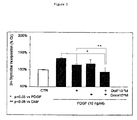
- Bronchial smooth muscle cells were grown in 96 well plates until they reached 60-70 % confluency. The cells were then starved for 48 h in serum free, 0.3 % albumine containing RPMI medium. One hour before stimulation of cell proliferation with 10 ng/ml PDGF, the cells were treated with with (a) 10 -5 M DMF, (b) 10 -8 M dexamethasone (dexa), or (c) 10 -5 M DMF and 10 -8 M dexa. As a controll untreated cells (buffer only) were used. Cells were treated for 36 h, whereafter 4 ⁇ Ci of 3 H-thymidine was added for further 8 hours.
- the cells were lysed, DNA-incorporated 3 H-thymidine bound to filter membranes, and the incorporated cpm measured in a liquid scintillation device. The results are shown in Fig. 3 in percentage of control (100 %) and compared to PDGF induced proliferation.
- glucocorticoid is selected from the group consisting of dexamethasone, cortisone, hydrocortisone, prednisolone, prednisone, methylprednisolone, fluocortolone, triamcinolone, betamethasone, beclomethasone, budenoside, flunisonide, fluticasone, and pharmaceutically acceptable salts and derivatives thereof.
- the glucocorticoid is dexamethasone.
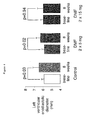
- Dahl-rats which are salt sensitive, were administered varying dosages of DMF on a daily basis and put on a high salt diet. After 8 weeks of treatment the left ventricular enddiastolic diameters were measured for test and control groups by echocardiographic analysis.
- DMF prevented the dilatation of the left ventricle after 8 weeks of high salt diet in dose dependent manner. Specifically, in the DMF groups the inner diameter of the left ventricle remained in the same range as at baseline (see Fig. 4). In contrast, animals in the control group showed an enlarged left ventricle indicating dilatation of the left ventricle. Importantly, dilatation of the left ventricle marks the transition from compensated hypertrophy to decompensated heart failure. Consequently, DMF delays the transition to heart failure, and thus prevents myocardial infarctions.
Landscapes
- Health & Medical Sciences (AREA)
- Animal Behavior & Ethology (AREA)
- Veterinary Medicine (AREA)
- Public Health (AREA)
- Chemical & Material Sciences (AREA)
- General Health & Medical Sciences (AREA)
- Pharmacology & Pharmacy (AREA)
- Medicinal Chemistry (AREA)
- Life Sciences & Earth Sciences (AREA)
- Epidemiology (AREA)
- Bioinformatics & Cheminformatics (AREA)
- Engineering & Computer Science (AREA)
- Emergency Medicine (AREA)
- Organic Chemistry (AREA)
- Nuclear Medicine, Radiotherapy & Molecular Imaging (AREA)
- General Chemical & Material Sciences (AREA)
- Chemical Kinetics & Catalysis (AREA)
- Pulmonology (AREA)
- Heart & Thoracic Surgery (AREA)
- Cardiology (AREA)
- Vascular Medicine (AREA)
- Urology & Nephrology (AREA)
- Acyclic And Carbocyclic Compounds In Medicinal Compositions (AREA)
- Pharmaceuticals Containing Other Organic And Inorganic Compounds (AREA)
- Medicines That Contain Protein Lipid Enzymes And Other Medicines (AREA)
- Saccharide Compounds (AREA)
- Organic Low-Molecular-Weight Compounds And Preparation Thereof (AREA)
Abstract
Description
- The present invention relates to the use of fumaric acid derivatives for preparing a drug for treating cardiac insufficiency, and asthma.
- Fumaric acid dialkyl esters and fumaric acid monoalkyl esters and salts thereof have been successfully used for treating psoriasis for a long time. The use has been described in a number of patents, cf. e.g.
DE 25 30 372 ,DE 26 21 214 orEP-B-0 312 697 . - Also, the use of fumaric acid mono- and diesters for treating autoimmune diseases such as e.g. polyarthritis or multiple sclerosis (cf.
DE 197 21 099.6 andDE 198 53 487.6 ), but also for use in transplantation medicine (cf.DE 198 53 487.6 andDE 198 39 566.3 ) has been described. Moreover, the use of fumaric acid mono- and diesters for treating NFkappaB-mediated diseases as well as the treatment of mitochondrial diseases and/or as NFkappaB inhibitor is known fromDE 101 01 307.8 andDE 100 00 577.2 - Also, the use of fumaric acid mono- and diamides for treating said indications is known from
DE 101 33 004.9 . These amides are formed with amino acids and preferably with specific peptides. Finally, fumaric acid oligomers and their use for treating said diseases are known fromDE 102 17 314.1 . - A paroxysmal, marked respiratory distress is understood by asthma (bronchial asthma) from which approx. 4 to 5% of the population of the industrial nations are suffering, there being an upward tendency. This respiratory distress is based on a variable and reversible obstruction of the respiratory tract due to a hyperreactive bronchial system, which is triggered by exogenic and/endogenic stimuli. These include chemical or physical provocative factors, infections, physical effort and/or emotional factors. After a longer duration of the disease, secondary diseases such as a chronic bronchitis, a pulmonary emphysema, bronchiectases, atelectases or a pulmonary heart disease or a respiratory cardiac insufficiency usually occur.
- Depending upon the cause, differentiation is made between the following variants of asthma, namely asthma caused by allergies, infections, analgesics, job conditions or physical effort, mixed forms of asthma or asthma cardiale (cardiac asthma), nasal asthma and asthma uremicum. In particular, asthma cardiale may result in respiratory distress due to increased congestion in the lesser circulation in the case of a left ventricular insufficiency.
- Nowadays, beta-2 sympathomimetics, corticosteroids, parasympatholytics, theophylline, anti-inflammatory agents and anti-allergic agents are, for instance, administered in the drug treatment of and/or for alleviating asthma, in addition to the still proven means of just avoiding the triggering stimulus.
- On a molecular level, asthma seems to be characterized by an increased activity of Th2 lymphocytes in the.lung, which, in turn, results in an increased release of some Th2 cytokines which, ultimately, gives rise to the known features of asthma such as IgE isotype switching, mucus production and recruitment and activation of eosinophils. Moreover, Th2 cytokines seem to result in the differentiation of further Th2 cells through the signal transduction pathway known as JAK-STAT, from which a self-enhancing circle results. An increased proliferation of mesenchymal cells, in particular bronchial smooth muscle cells, was also observed.
- The so-called JAK-STAT signal transduction pathway (JAnus Kinase Signal Transducer and Activator of Transcription pathway) is a pathway for transmitting information to be transmitted by signal peptides such as e.g. cytokines to the interior of the cell and/or the nucleus. Signal transduction takes place through STAT proteins that are present in the cytoplasm and are at first inactive; 7 different STAT proteins are know in man. As a result of a receptor ligand bonding on the cell surface, these STAT proteins are quickly activated by means of phosphorylation, e.g. by means of the Janus kinase. Phosphorylation results in the homo- or heterodimerization of the STAT proteins, the dimers being rapidly transported into the nucleus, where they bond to a target promoter and drastically enhance the transcription rate of this promoter.
- An acute or chronic inability of the heart to deliver the output of blood required for metabolism and/or receive the venous return under stress (stress insufficiency) or already at rest (= rest insufficiency) are understood by cardiac insufficiency. The insufficiency may occur as a pure left ventricular or right ventricular insufficiency, but may as well affect both ventricles.
- The clinical picture of cardiac insufficiency can be attributed to various causes in terms of etiology, above all to inflammatory and degenerative changes of the myocardium and endocardium, coronary circulatory disorders, myocardial infarction and injuries. Subsequently, cardiac insufficiency results in changes in the peripheral circulation, breathing disorders, in particular cardiac asthma, renal insufficiency and disorders of the electrolyte metabolism and edemas and a reduced functional capacity of the skeletal muscles.
- As regards to the indication, differentiation is made between acute cardiac insufficiency, energetic cardiac insufficiency, energetic-dynamic cardiac insufficiency and hypodynamic cardiac insufficiency, also called HEGGLIN syndrome II, excitomotoric cardiac insufficiency, cardiac insufficiency as a result of cardiac arrythmics, hypoxemic, latent, primary, compensated, relative or stress insufficiency and/or left ventricular insufficiency.
- At present, contraction-promoting substances are used for the drug treatment of cardiac insufficiency, glycosides (above all digoxin and digitoxin) being still used today for treating the chronic forms. However, during the last few years, vasodilators (nitro-compounds and dihydralazine, alpha blockers, calcium antagonists and above all ACE inhibitors) have gained in importance. ACE inhibitors are most important for long-term treatment. Moreover, diuretics are used. Acute forms are treated with catecholamines, possibly also with amrinone.
- It is an object of the invention to provide a further agent for the treatment of cardiac insufficiency and asthma. In particular, it is an object of the invention to provide a therapeutic agent for both cardiac asthma and left ventricular insufficiency in the area in which they overlap with each other. It is another object of the invention to provide a therapeutic agent for both indications individually or in the area in which they overlap with each other, which, due to its good tolerance, is suited for long-term therapy.
- The present object is attained by the use of fumaric acid derivatives for preparing pharmaceuticals or pharmaceutical preparations for treating asthma and/or cardiac insufficiency, in particular in man.
- According to a first aspect the invention relates to the use of fumaric acid derivatives selected from the group consisting of dialkyl fumarates, monoalkyl hydrogen fumarates, fumaric acid monoalkyl ester salts, fumaric acid monoamides, monoamido fumaric acid salts, fumaric acid diamides, monoalkyl monoamido fumarates, carbocyclic and oxacarbocyclic oligomers of these compounds and mixtures thereof for preparing a pharmaceutical preparation for the treatment or prevention of cardiac insufficiency, in particular left ventricular insufficiency, myocardial infarction and angina pectoris.
- According to a second aspect the invention relates to the use of fumaric acid derivatives, selected from the group consisting of dialkyl fumarates, monoalkyl hydrogen fumarates, fumaric acid monoalkyl ester salts, fumaric acid monoamides, monoamido fumaric acid salts, fumaric acid diamides, monoalkyl monoamido fumarates, carbocyclic and oxacarbocyclic oligomers of these compounds and mixtures thereof for preparing a pharmaceutical prepration for the treatment of asthma and chronic obstructive pulmonary diseases, especially asthma caused by allergies, infections, analgesics, job conditions or physical effort, mixed forms of asthma, or asthma cardiale.
- The present invention likewise concerns a use for inhibiting 3H-thymidine uptake by bronchial smooth muscle cells, and a use of inhibiting proliferation of these cells as described below.
- The present invention finally concerns the use of the above fumaric acid derivatives for inhibiting the PDGF induced STAT1 activation.
-
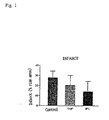
- Fig. 1 is a bar chart which shows the extent of infarctions after administration of DMF, ischemia and for controls.
- Fig. 2 shows the percentage inhibition of PDGF-induced 3H-thymidine incorporation in bronchial smooth muscle cells, when DMF is added.
- Fig. 3 is a bar chart showing percentage of cell proliferation of bronchial smooth muscle cells upon PDGF stimulation in the absence or presence of DMF and/or dexamethasone.
- Fig. 4 is a bar chart showing left ventricular enddiastolic diameters on Dahl rats before and after 8 weeks of high salt diet in the absence and presence of DMF.
- According to one aspect thereof the present invention relates to the use of fumaric acid derivatives for preparing a pharmaceutical preparation for treating asthma and chronic obstructive pulmonary diseases in general. Preferably, this asthma is caused by allergies, infections, analgesics, job conditions or physical effort, particularly preferred asthma cardiale.
- According to a second aspect thereof the invention also relates to the use of fumaric acid derivatives for preparing a pharmaceutical preparation for treating or preventing cardiac insufficiency, myocardial infarction and angina pectoris. The cardiac insufficiency concerned may be any type of cardiac insufficiency regardless of its form and/or etiology. Examples of cardiac insufficiency to be treated according to the invention are acute cardiac insufficiency, energetic cardiac insufficiency, energetic-dynamic cardiac insufficiency and hypodynamic cardiac insufficiency, also called HEGGLIN syndrome II, excitomotor cardiac insufficiency, cardiac insufficiency as a result of cardiac irregularities, hypoxemic, latent, primary, compensated, decompensated, relative or stress insufficiency and/or left ventricular insufficiency most preferably, left ventricular insufficiency. The use is also effective in preventing these illnesses and/or myocordial infarctions, including first, second or further infarctions.
- These uses are based on the finding that fumaric acid derivatives inhibit PDGF- (platelet derived growth factor) induced STAT1 activation. As described above, it was assumed that, in asthma, STAT activation results in a shifting of the cytokine pattern and, ultimately, in a vicious circle with increased Th2 cell activity and the consequences of mucous secretion, IgE production and recruiting of eosinophils (A.B. Pernis, P.B. Rothman, "JAK-STAT signalling in asthma" in: The J. of Clin. Investigation, vol. 10, No. 1, May 2002).
- The shifting of the cytokine pattern from Th1 to Th2 that is described in the literature for the substance class of fumaric acid derivatives (cf. the aforementioned patent specifications) would rather give rise to expecting an intensification of this vicious circle. Accordingly, they would not be suited for treating asthma. Surprisingly, it turned out that fumaric acid derivatives can inhibit the proliferation of smooth muscle cells of the respiratory tract. This seems to take place through the inhibition of the PDGF-inducible transcription factor STAT1. It was possible to specifically show that fumaric acid derivatives can inhibit the PDGF-induced STAT1 activation and the PDGF-stimulated thymidine incorporation in BSM (bronchial smooth muscle) cells. Without wanting to be bound thereby, this proliferation-inhibiting effect could be causal for both the effectiveness of fumaric acid derivatives in the therapy of asthma.
- The fumaric acid derivatives to be used according to the invention may be one or several selected from the group consisting of dialkyl fumarates (fumaric acid dialkyl esters, respectively), monoalkyl hydrogen fumarates (fumaric acid monoalkyl esters, respectively), monoalkyl ester fumaric acid salts (fumaric acid monoalkyl ester salts, respectively) of physiologically acceptable cations, in particular alkaline or alkaline earth metal cations or transition metal cations such as Li+, Na+, K+, NH4 +, Mg2+, Ca2+, Fe2+, Mn2+, and Zn2+, fumaric acid monoamides and fumaric acid diamides and their salts, carbocyclic and oxacarbocyclic oligomers of these compounds and mixtures thereof.
- In a preferred embodiment the fumaric acid derivative is selected from the group consisting of optionally substituted fumaric acid dialkyl esters and fumaric acid monoalkyl esters in the form of the free acid or its salts and mixtures thereof.
- Particularly prefered in this case is the use of fumaric acid dialkyl esters of the formula (I)

DE 198 53 487.6 , wherein R1 and R2 which may be the same or different independently represent a C1-24 alkyl radical or a C5-20 aryl radical and these radicals are optionally substituted with halogen (F, Cl, Br, I), hydroxy, C1-4 alkoxy, nitro or cyano. With special preference, the dialkyl fumarate is dimethyl fumarate, diethyl fumarate and/or methyl ethyl fumarate. - In general, an alkyl group is to be understood as a saturated or unsaturated, straight-chain, branched or cyclic hydrocarbon group having I to 24 carbon atoms according to the invention, which may be optionally substituted with one or more substituents. Preferably, the alkyl group is methyl, ethyl, n-propyl, isopropyl, n-butyl, sec-butyl, t-butyl, pentyl, cyclopentyl, 2-ethylhexyl, hexyl, cyclohexyl, heptyl, cycloheptyl, octyl, vinyl, allyl, 2-hydroxy ethyl, 2- hydroxy propyl, 3-hydroxy propyl, 2,3-dihydroxypropyl, 2-methoxy ethyl, methoxy methyl, 2-methoxy propyl, 3-methoxy propyl or 2,3-dimethoxy propyl. Methyl or ethyl are most preferred.
- According to the invention an aryl group is to be understood as an optionally substituted aryl, alkyl substituted aryl or aralkyl group having 5 to 20 carbon atoms, preferably an aryl, alkyl substituted aryl or aralkyl group having 6 to 10 carbon atoms. Exemplary groups are phenyl, benzyl, phenethyl, methyl phenyl, ethyl phenyl, propyl phenyl and butyl phenyl, t-butyl phenyl, phenyl and benzyl being especially preferred.
- The substituents of said groups are preferably selected from the group consisting of halogen (F, Cl, Br, I), hydroxy, C1-4 alkoxy, C1-4 alkyl, nitro and cyano.
- Fumaric acid monoalkyl esters of the formula (II)

DE 197 21 099.6 can also be advantageously used, wherein R1 is as defined above, A is hydrogen, an alkaline or alkaline earth metal cation or a physiologically acceptable transition metal cation, preferably selected from Li+, Na+, K+, Mg2+, Ca2+, Zn2+, Fe2+, and Mn2+, and n equals I or 2 and corresponds to the valence of A. - Exemplary compounds of the formulae (I) and (II) are fumaric acid dimethyl ester, fumaric acid diethyl ester, fumaric acid methyl ethyl ester, methyl hydrogen fumarate, ethyl hydrogen fumarate, calcium methyl fumarate, calcium ethyl fumarate, magnesium methyl fumarate, magnesium ethyl fumarate, zinc methyl fumarate, zinc ethyl fumarate, iron methyl fumarate and iron ethyl fumarate. They can be used individually or as mixtures.
- Preferably, the fumaric acid amides to be used according to the invention are those described in
DE 101 33 004.9 . They correspond to the general formula (III)
- Ra
- represents OR3 or a D- or L-amino acid radical -NH-CHR4-COOH bonded via an amide bond, wherein R3 is hydrogen, a straight-chain or branched, optionally substituted C1-24 alkyl radical, a phenyl radical or a C6-10 aryl or aralkyl radical and R4 is a side chain of a natural or synthetic amino acid; and
- Rb
- represents a D- or L-amino acid radical -NH-CHR5-COOH bonded via an amide bond, wherein R5 is a side chain of a natural or synthetic amino acid, or a peptide radical with 2 to 100 amino acids bonded via an amide bond, wherein each amino acid may be the same or different.
- The side chain of a natural or synthetic amino acid is typically a side chain selected from the group consisting of the side chains of Ala, Val, Leu, Ile, Trp, Phe, Met, Tyr, Thr, Cys, Asn, Gln, Asp, Glu, Lys, Arg, His, Citrulline, Hey, Hse, Hyp, Hyl, Om, Sar, and Me-Gly. The side chains of Gly, Ala, Val, Ile, Leu, and Me-Gly are preferred. If Ra is an L amino acid radical -NH-CHR4-COOH and Rb is an L-amino acid radical -NH-CHR5-COOH, R4 and R5 may be the same or different. More preferably, R4 and R5 are the same. Most preferably Ra and Rb each are glycine.
- Alternatively, Ra may be the radical -OR3, and Rb may be an L-amino acid radical -NH-CHR5-COOH or a peptide radical, R5 having the meaning indicated above. In this case, the fumaric acid derivative is a monoalkyl monoamido fumarate.
- The peptide radical is bonded via an amide bond and has 2 to 100, preferably 2 to 30, most preferably 2 to 15 amino acids, which may be the same or different. The peptide radical Rb is most preferably selected from the group consisting of peptide hormones, growth factors, cytokines, neurotransmitters, neuropeptides, antibody fragments, coagulation factors and cyclosporines and derivatives and fragments thereof. Preferably, Ra is methoxy or ethoxy and Rb is Gly, Ala, Val, Ile, Leu and Me-Gly.
- The fumaric acid amides as defined above can be used individually or in admixture or also in mixture with the fumaric acid monoalkyl or dialkyl esters defined above.
- Finally, carbocyclic or oxacarbocyclic fumaric acid oligomers can also be used as they are described in
DE 102 17 314.1 . They contain 2 to 10, preferably 2 to 6 and most preferably 2 to 3 units derived from fumaric acid and/or its esters and/or amides as defined above as repetitive units. - These fumaric acid oligomers are preferably obtained by means of the (olefinic) polymerization of the C-C double bonds (for the carbocyclic oligomers) and/or the C-C double bonds and the carbonyl oxygens of the units (for the oxacarbocyclic oligomers). Preferably, the units derived from the fumaric acid are derived from monomers selected from the groups consisting of fumaric acid and the dialkyl fumarates, monoalkyl hydrogen fumarates, fumaric acid monoamides, fumaric acid diamides, monoalkyl monoamido fumarates and their salts and mixtures thereof, which are defined above. More preferably, the oligomer only contains units derived from one or two monomers. Most preferably, the oligomer exclusively contains identical monomer units.
- The carbocyclic oligomers are composed of the units derived from the fumaric acid in such a way that the units are bonded to the
carbon atoms 2 and 3 of the fumaric acid backbone by means of covalent C-C bonds in such a way that a carbocyclic oligomer is formed. The oligomer backbone comprises an even number of carbon atoms and does not contain any other monomers and/or heteroatoms. This backbone is substituted at each carbon atom with one of the carboxylic acid and/or carboxylic acid amide groups of the fumaric acid monomer unit(s), from which it is built up. - The oxacarbocylic oligomers are composed of the fumaric acid monomers in such a way that the units are bonded to each other at the
carbon atoms 1 and 3 via ether bridges. At the same time, the ethylenic unsaturation of the atoms C2 and C3 is shifted to C1 and C2. Thus, the ring contains polyoxypropene units in the case of the oxacarbocyclic oligomers according to the invention. - The term "oligomer" used herein relates to a number of at least two fumaric acid monomer units. Customarily, the oxacarboxyclic and/or carbocyclic fumaric acid oligomer contains 2 to 10, preferably 2 to 6 and most preferably 2 to 3 units derived from fumaric acid. Preferably, the carboxylic acid and/or carboxylic acid amide groups as substituents of the cycle are all in a trans-position to each other.
- In a preferred embodiment, a carbocyclic fumaric acid oligomer corresponding to the following formula (IVa)

- Preferably, the radicals Rc and Rd each are independently an alkoxyl or hydroxyl radical, Rc and Rd not meaning hydroxyl at the same time with the greatest preference. Thus, the monomer(s) is (are) preferably one or several monoalkyl hydrogen fumarate(s). In another embodiment both radicals Rc and Rd may represent an alkoxy radical -OR1 which, still more preferred, is identical. In this case, the monomer(s) is (are) dialkyl fumarates.
- Very preferably, the r-1,t-2,c-3,t-4- tetrakis(methoxy carbonyl) cyclobutane or the r-1,t-2,c-3,t-4,c-5,t-6-hexa(alkoxy carbonyl) cyclohexane, preferably the r-1,t-2,c-3,t-4-tetrakis(methoxy carbonyl) cyclobutane and/or the r-1,t-2,c-3,t-4c-5,t-6-hexa(methoxy carbonyl) cyclohexane is used according to this embodiment.
- Alternatively, the oxacarbocylic oligomer of the formula (IVb):

- The fumaric acid derivatives to be used according to the invention can be prepared according to known processes as they are e.g. described in
DE 197 21 099.6 ,DE 101 33 004.9 orDE 102 17 314.1 . - The pharmaceutical preparation may be present in a form suitable for oral, rectal, transdermal, dermal, ophthalmological, nasal, pulmonary or parenteral application. Preferably, the pharmaceutical preparation is suited for oral administration. It may then be present in the form of tablets, coated tablets, capsules, granulate, solutions for drinking, liposomes, nano-particles, nano-capsules, micro-capsules, micro-tablets, pellets or powders and in the form of granulate filled in capsules or sachets, micro-tablets filled in capsules or sachets, pellets filled in capsules or sachets, nano-particles filled in capsules or sachets or powder filled in capsules or sachets. Preferably, the drug is present in the form of nano-particles, pellets or micro-tablets, which may optionally be filled in sachets or capsules.
- Preferably, all solid oral dosage forms may be provided with an enteric coating. It may e.g. be applied onto the tablets, micro-tablets, pellets, etc., but may also be applied onto the capsules that contain them.
- The oral pharmaceutical forms according to the invention may basically be prepared according to the classic compaction method and also by direct compaction and as solid dispersions according to the melting method or by means of the spray drying method. If desired, an enteric coating can be poured or sprayed in portions onto the tablet cores in a classic coating pan or applied by means of a fluidized-bed apparatus according to known processes. Subsequently, after drying has been completed, a film coat can be applied in the same apparatus.
- Preferably, the fumaric acid derivatives for preparing the pharmaceutical preparations according to the invention are used in such an amount that this pharmaceutical preparation contains an amount of one or more fumaric acid derivative(s) per dosage unit which corresponds and/or is equivalent to an amount of 1 to 500 mg, preferably 10 to 300 mg, and mostly preferred 10 to 200 mg fumaric acid.
- In the case of an parenteral administration via an injection (iv, im, sc, ip) the preparation is present in a form suitable for this. All customary liquid carriers suitable for the injection can be used.
- According to a preferred embodiment the drug to be produced according to the invention can contain the following individually or in admixture: 10 to 500 mg dialkyl fumarate, in particular dimethyl fumarate and/or diethyl fumarate, 10 to 500 mg calcium alkyl fumarate, in particular calcium methyl fumarate and/or calcium ethyl fumarate, 0 to 250 mg zinc alkyl fumarate, in particular zinc methyl fumarate and/or zinc ethyl fumarate, 0 to 250 mg alkyl hydrogen fumarate, in particular methyl hydrogen fumarate and/or ethyl hydrogen fumarate and 0 to 250 mg magnesium alkyl fumarate, in particular magnesium methyl fumarate and/or magnesium ethyl fumarate, the sum of said amounts corresponding to an equivalent of 1 to 500 mg, preferably 10 to 300 mg and most preferred 10 to 200 mg fumaric acid.
- Preparations according to the invention that are used with special preference contain exclusively dimethyl fumarate in an amount of 10 to 300 mg.
- According to an especially preferred embodiment the pharmaceutical preparation is present in the form of micro-tablets or pellets. They have preferably a size and/or a mean diameter of ≤ 5000 micrometers, preferably 300 to 2500 micrometers, in particular 300 to 1000 micrometers for pellets and 1000 to 2500 micrometers for micro-tablets. Due to the administration of the fumaric acid derivatives in the form of micro-tablets, which is preferred according to the invention, gastrointestinal irritations and/or side effects which cannot be excluded in the administration of conventional single unit dose tablets can be further reduced. Presumably, this is based on the fact that the micro-tablets, preferably enteric coated micro-tablets, already are already distributed in the stomach and thus get into the intestine boluswise, where the active substances are released in locally smaller doses with the entire dosage being the same. Due to this, the local irritation of the epithelial cells of the intestine can be avoided, the better gastrointestinal tolerance of the micro-tablets as compared with conventional tablets resulting from this.
- To explain the use according to the invention, various examples for the preparation of preferred pharmaceutical preparations are given below. The examples are for illustrations purposes only, but not to restrict the invention.
- Taking the necessary precautions (breathing mask, gloves, protective clothing, etc.), 10 kg of monomethyl fumarate-Ca salt are crushed, mixed intensely and homogenized by means of a sieve 800. Then an excipient mixture of the following composition is prepared: 21 kg of starch derivative (STA-RX 1500®), 2 kg of micro-crystalline cellulose (Avicel PH 101®), 0.6 kg of polyvinyl pyrrolidone (PVP, Kollidon® 25), 4 kg of Primogel®, 0.3 kg of colloidal silicic acid (Aerosil®).
- The active ingredient is added to the entire powder mixture, mixed, homogenized by means of a
sieve 200 and processed with a 2% aqueous solution of polyvinyl pyrrolidone (PVP, Kollidon® 25) in the usual manner into binder granules, and then mixed with the outer phase in a dry state. The latter consists of 2 kg of a so-called FST complex containing 80% of talcum, 10% of silicic acid and 10% of magnesium stearate. - Thereafter, the mixture is pressed into convex tablets with a weight of 400 mg and a diameter of 10.0 mm by the usual method. Instead of these classic compaction methods, other methods such as direct compaction or solid dispersions according to the melting method and the spray drying method may also be used for preparing tablets.
- A solution of 2.250 kg of hydroxy propyl methyl cellulose phthalate (HPMCP, Pharmacoat HP® 50) is dissolved in a solvent mixture consisting of 2.50 1 of demineralized water, 13 1 of acetone Ph. Helv. VII and 13 1 of ethanol (94% by weight) and then 0.240 kg of castor oil (Ph. Eur. II) is added to the solution. The solution is poured or sprayed in portions onto the tablet cores in a coating pan in a conventional manner.
- After a corresponding drying, the film coating is subsequently applied. Said coating consists of a solution of Eudragit® E 12.5% 4.8 kg, talcum Ph. Eur. II 0.34 kg, titanium(VI) oxide Cronus RN 56® 0.52 kg, coloured lacquer ZLT-2 blue (Siegle) 0.21 kg, and polyethylene glycol 6000 Ph. Helv. VII 0.12 kg in a solvent mixture of 8.2 kg of 2-propanol Ph. Helv. VII, 0.06 kg of glycerine triacetate (Triacetin®) and 0.2 kg of demineralized water. Homogenous distribution in the coating pan or the fluidized bed, is followed by drying and polishing in the usual manner.
- Taking the necessary precautions (breathing mask, gloves, protective clothing, etc.), 8.65 kg of monoethyl fumarate-Ca salt and 11 kg of dimethyl fumarate are intensely mixed with a mixture consisting of 15 kg of starch, 6 kg of lactose Ph. Helv. VII, 2 kg of microcrystalline cellulose (Avicel®), 1 kg of polyvinyl pyrrolidone (Kollidon® 25) and 4 kg of Primogel® and homogenized by means of a sieve 800.
- Together with a 2% aqueous solution of polyvinyl pyrrolidone (Kollidon® 25) the entire powder mixture is processed in the usual manner into a binder granulate and mixed with the outer phase in the dried state. Said outer phase consists of 0.35 kg of colloidal silicic acid (Aerosil®), 0.5 kg of magnesium stearate and 1.5 kg of talcum Ph. Helv. VII. The homogeneous mixture is then filled in portions of 500.0 mg into appropriate capsules which are then provided with an enteric (gastric-acid resistant) coating consisting of hydroxy propyl ethyl cellulose phthalate and castor oil as softening agent in a customary fashion.
- Taking the necessary precautions (breathing mask, gloves, protective clothing, etc.), 8.7 kg of monoethyl fumarate-Ca salt, 12 kg of dimethyl fumarate, 0.5 kg of monoethyl fumarate-Mg salt and 0.3 kg of monoethyl fumarate-Zn salt are crushed, intensely mixed and homogenized by means of an sieve 800. An excipient mixture of the following composition is prepared: 18 kg of starch derivative (STA-RX 1500), 0.3 kg of micro-crystalline cellulose (Avicel PH 101), 0.75 kg of PVP (Kollidon 120), 4 kg of Primogel, 0.25 kg of colloidal silicic acid (Aerosil). The entire powder mixture is added to the active ingredient mixture, homogenized by means of a 200 sieve, and processed in the usual manner with a 2% aqueous solution of polyvinyl pyrrolidone (Kollidon K25) to obtain a binder granulate and mixed in a dry state with the outer phase that consists of 0.5 kg of magnesium stearate and 1.5 kg of talcum. Then the powder mixture is pressed by the conventional method into convex micro-tablets with a gross mass of 10.0 mg and a diameter of 2.0 mm.
- The enteric (gastric acid-resistant) coating is applied in a fluidized-bed apparatus. In order to achieve resistance to gastric acid, portions of a solution of 2.250 kg of hydroxy propyl methyl cellulose phthalate (HPMCP, Pharmacoat HP 50) are dissolved in a mixture of the following solvents: acetone 13 1, ethanol 94% by weight denatured with 2% ketone 13.5 1 and demineralized water 2.5 1. 0.240 kg of castor oil are added as softening agent to the finished solution and applied in portions onto the tablet cores in the usual manner.
- Film coat: After drying is completed, a suspension of the following composition is then applied as a film coat in the same apparatus: talcum 0.340 kg, titanium(VI) oxide Cronus RN 56 0.4 kg, coloured lacquer L red lacquer 86837 0.324 kg, Eudragit E 12.5% 4.8 kg and polyethylene glycol 6000 pH 11 XI 0.12 kg in a solvent mixture of the following composition: 2-propanol 8.17 kg, demineralized water 0.2 kg and glycerine triacetate (Triacetin) 0.6 kg.
- The gastric acid-resistant micro-tablets are analyzed with respect to their ingredients and are then filled into hard gelatine capsules at a corresponding net weight and sealed.
- Taking the necessary precautions (breathing mask, gloves, protective clothing, etc.) 12 kg of dimethyl fumarate are crushed and homogenized by means of a 800 sieve. An excipient mixture of the following composition is prepared: 17.5 kg of starch derivative (STA-RX® 1500), 0.30 kg of micro-crystalline cellulose (Avicel® PH 101), 0.75 kg of PVP (Kollidon@ 120), 4 kg of Primogel®, 0.25 kg of colloidal silicic acid (Aerosil®). The entire powder mixture is added to the active ingredient mixture, mixed, homogenized by means of a 200 sieve, processed in the usual manner with a 2% aqueous solution of polyvinyl pyrrolidone (Kollidon® K25) to obtain a binder granulate and mixed in a dry state with the outer phase which consists of 0.5 kg of Mg stearate and 1.5 kg of talcum.
- Then, the powder mixture is pressed by the conventional method into convex micro-tablets with a gross mass of 10.0 mg and a diameter of 2.0 mm.
- To achieve resistance to gastric acid, portions of a solution of 2.25 kg hydroxy propyl methyl cellulose phthalate (HPMCP, Pharmacoat® HP 50) are e.g. dissolved in a mixture of the following solvents: acetone 13 1, ethanol (94% by weight denatured with 2% ketone) 13.5 1 and demineralized water 1.5 1. Castor oil (0.24 kg) is added as softening agent to the finished solution and applied in portions onto the tablet cores in the usual manner.
- After drying is completed, a suspension of the following composition is then applied as a film coat in the same apparatus: talcum 0.34 kg, titanium(VI) oxide Cronus RN 56 0.4 kg, coloured lacquer L red lacquer 86837 0.324 kg, Eudragit E 12.5% 4.8 kg and polyethylene glycol 6000 pH 11 XI 0.12 kg in a solvent mixture of the following composition: 2-propanol 8.17 kg, demineralized water 0.2 kg and glycerine triacetate (Triacetin) 0.6 kg.
- The gastric acid-resistant micro-tablets are analyzed with respect to their ingredients and are then filled into hard gelatine capsules at a corresponding net weight and sealed.
- 12 kg of diglycine fumaric acid diamide are crushed and homogenized as indicated above. An excipient mixture of the following composition is prepared: 23.2 kg of micro-crystalline cellulose (Avicel® PH 200), 3 kg of croscarmelose sodium (AC-Di-SOL-SD-711), 2.5 kg of talcum, 0.1 kg of anhydrous silicic acid (Aerosil® 200) and 1 kg Mg stearate. The entire powder mixture is added to the active ingredient mixture and homogeneously mixed. Then, the powder mixture is pressed by the direct compaction into convex micro-tablets with a gross mass of 10.0 mg and a diameter of 2.0 mm.
- Subsequently, a solution of 0.94 kg Eudragit® in isopropanol is prepared which, additionally, contains 0.07 kg dibutyl phthalate. This solution is sprayed onto the tablet cores. Then, a dispersion of 17.32 kg Eudragit® L D-55 and a mixture of 2.8 kg micro-talcum, 2 kg Macrogol 6000 and 0.07 kg Dimeticon in water is prepared and sprayed onto the cores.
- Subsequently, the enteric micro-tablets are analyzed with respect to their ingredients and filled into hard gelatine capsules at a corresponding net weight and sealed.
- 6,0 kg of r-1,t-2,c-3,t-4-tetrakis(methoxy carbonyl) cyclobutane and 3.0 kg of r-1,t-2,c-3,t-4,c-5,t-6-hexa(methoxy carbonyl) cyclohexane are crushed, intensely mixed and homogenized by means of sieve 800. An excipient mixture of the following composition is prepared: 18 kg of starch derivative (STA-RX 1500®), 0.30 kg of micro-crystalline cellulose (Avicel PH 101), 0.75 kg of PVP (Kollidon 120), 4.00 kg of Primogel, 0.25 kg of colloidal silicic acid (Aerosil). The active ingredient is added to the entire powder mixture and homogenized by means of a
sieve 200 and processed with a 2% aqueous solution of polyvinyl pyrrolidone (Kollidon K25) in the usual manner into binder granules, and then mixed with the outer phase in a dry state. The latter consists of 0.50 kg of Mg stearate and 1.50 kg of talcum. Thereafter, the powder mixture is pressed into convex micro-tablets with a gross mass of 10.0 mg and a diameter of 2.0 mm by the usual method. - The enteric (gastric acid-resistant) coating is poured onto the tablet cores in a classic coating pan. In order to achieve resistance to gastric acid, portions of a solution of 2.250 kg of hydroxy propyl methyl cellulose phthalate (HPMCP, Pharmacoat HP 50) are dissolved in a mixture of the following solvents: acetone 13.001, ethanol 94% by weight denatured with 2% ketone 13.50 1 and demineralized water 2.50 1. 0.240 kg of castor oil is added as softening agent to the finished solution and applied in portions to the tablet cores in the usual manner.
- Film coat: After drying is completed, a suspension of the following composition is applied as a film coat in the same apparatus: talcum 0.340 kg, titanium(VI) oxide Cronus RN 56 0.400 kg, coloured lacquer L red lacquer 86837 0.324 kg, Eudragit E 12.5% 4.800 kg and polyethylene glycol 6000 pH 11 XI 0.120 kg in a solvent mixture of the following composition: 2-propanol 8.170 kg, demineralized water 0.200 kg and glycerine triacetate (Triacetin) 0.600 kg.
- Subsequently, the enteric micro-tablets are analyzed with respect to their active ingredients and filled into hard gelatine capsules at a corresponding net weight and sealed.
-
Ingredients mg/ml r-1,t-2,c-3,t-4-tetrakis(methoxy carbonyl) cyclobutane 60.00 r-1,t-2,c-3,t-4,c-5,t-6-hexa(methoxy carbonyl) cyclohexane 30.00 Methyl cellulose 0.25 Sodium citrate, dihydrate 30.00 Benzyl alcohol 9.00 Methyl p-hydroxybenzoic acid 1.80 Propyl p-hydroxybenzoic acid 1.20 Water for injection purposes q.s.a.d. 1.00 - The aforementioned ingredients are processed to a parenteral suspension using standard techniques.
- The effects of dimethyl fumarate were examined in the present experiment using the model of acute ischemia and reperfusion of the rat. For this purpose, healthy, male rats were divided into three groups with 17 animals each. In the tests, an ischemia was caused for 45 minutes through an occlusion of an artery with the heart being exposed and, subsequently, reperfusion was carried out for 120 minutes. Finally, a myocardial infarction was triggered by means of a reocclusion and the risk area was determined by means of dyeing with phthalocyanine blue.
- The administration of the test substance was carried out iv at the beginning of the first occlusion. The control group received 0.02% DMSO (0.5 ml/kg body weight), the DMF group received 10 mg dimethyl fumarate in 0.02% DMSO (0.5 ml/kg body weight). The animals were ischemically preconditioned in the second group (2
times 5 minutes each ischemia and reperfusion). - The results are represented in Fig. 1. Evidently, both dimethyl fumarate (DMF) and the ischemic preconditioning (IPC) limited the size of the infarction to a statistically significant degree in our experiments, the risk area being similar in all 3 groups. Thus, the data proves that the used dimethyl fumarate can significantly reduce the size of the infarction and thus prevent a cardiac insufficiency.
- The successful treatment of asthma involves three different pathways: (1) the reduced release of inflammatory mediators in allergic responses, (2) the inhibition of T-lymphocyte invasion, and (3) the inhibition of mesenchymal cell proliferation. Glucocorticoids, which are the treatment of choice in asthma, have been shown to inhibit mesenchymal cell proliferation. This test can thus be used to screen for possible other active substances for treatment of asthma.
- BSM (bronchial smooth muscle) cells were cultivated in RPMI, 0.3% albumin and 0.1% DMSO at 37°C in the presence of 0, 1, 5, 10 and 20 ng/ml on PDGF with and without 10-5 M dimethyl fumarate.
- After a predetermined period of time, 5µCi on 3H-thymidine was added to the culture medium and incubation was continued for further 24 hours. The incorporation was finally stopped by means of centrifugation, removal of the supernatant, washing and lysis of the cells. The incorporation on 3H-thymidine was measured by determining the radioactivity in the lysates in a liquid scintillation device in comparison to the control. The results are shown in Fig. 2 as percentage values as compared with the control (100%). The addition of PDGF evidently increases the 3H-thymidine incorporation and, thus, cell proliferation, whereas this increase is significantly reduced upon addition of dimethyl fumarate.
- Bronchial smooth muscle cells were grown in 96 well plates until they reached 60-70 % confluency. The cells were then starved for 48 h in serum free, 0.3 % albumine containing RPMI medium. One hour before stimulation of cell proliferation with 10 ng/ml PDGF, the cells were treated with with (a) 10-5 M DMF, (b) 10-8 M dexamethasone (dexa), or (c) 10-5 M DMF and 10-8 M dexa. As a controll untreated cells (buffer only) were used. Cells were treated for 36 h, whereafter 4µCi of 3H-thymidine was added for further 8 hours. The cells were lysed, DNA-incorporated 3H-thymidine bound to filter membranes, and the incorporated cpm measured in a liquid scintillation device. The results are shown in Fig. 3 in percentage of control (100 %) and compared to PDGF induced proliferation.
- When treating cells with dexa alone (10-8 M), which is a therapeutically relevant dosage, cell proliferation was reduced to about 117 ± 11 %. A comparable reduction was seen with DMF at 10-5 M (116 ± 4 %). Combined administration of DMF and dexa in these concentrations resulted in a synergistic decrease of cell proliferation to nearly baseline levels (95 ± 11 %). These results show that DMF may be useful in the treatment of asthma, either as of its own, and also in combination with dexametasone or glucocorticoids in general.
- In a specifically preferred embodiment for the treatment of asthma and chronically obstructive lung diseases such treatment is thus in combination with a glucocorticoid. Administration can be in the same dosage unit or in separate dosage units. Administration can also be in parallel or sequentially. Preferably the glucocorticoid is selected from the group consisting of dexamethasone, cortisone, hydrocortisone, prednisolone, prednisone, methylprednisolone, fluocortolone, triamcinolone, betamethasone, beclomethasone, budenoside, flunisonide, fluticasone, and pharmaceutically acceptable salts and derivatives thereof. Most preferably the glucocorticoid is dexamethasone.
- Dahl-rats, which are salt sensitive, were administered varying dosages of DMF on a daily basis and put on a high salt diet. After 8 weeks of treatment the left ventricular enddiastolic diameters were measured for test and control groups by echocardiographic analysis.
- Groups measured were control (0 mg DMF; n = 9); group 1 (2 x 5 mg DMF / kg/d; n = 9) and group 2 (2 x 15 mg DMF / kg/d; n = 11).
- In the echocardiography analysis, DMF prevented the dilatation of the left ventricle after 8 weeks of high salt diet in dose dependent manner. Specifically, in the DMF groups the inner diameter of the left ventricle remained in the same range as at baseline (see Fig. 4). In contrast, animals in the control group showed an enlarged left ventricle indicating dilatation of the left ventricle. Importantly, dilatation of the left ventricle marks the transition from compensated hypertrophy to decompensated heart failure. Consequently, DMF delays the transition to heart failure, and thus prevents myocardial infarctions.
Claims (17)
- The use of fumaric acid derivatives selected from the group consisting of dialkyl fumarates, monoalkyl hydrogen fumarates, fumaric acid monoalkyl ester salts, fumaric acid monoamides, monoamido fumaric acid salts, fumaric acid diamides, monoalkyl monoamido fumarates, carbocyclic and oxacarbocyclic oligomers of these compounds and mixtures of the foregoing for preparing a drug for the treatment or prevention of cardiac insufficiency, particularly left ventricular insufficiency, myocardial infarct and angina pectoris.
- The use of fumaric acid derivatives selected from the group consisting of dialkyl fumarates, monoalkyl hydrogen fumarates, fumaric acid monoalkyl ester salts, fumaric acid monoamides, monoamido fumaric acid salts, fumaric acid diamides, monoalkyl monoamido fumarates, carbocyclic and oxacarbocyclic oligomers of these compounds and mixtures of the foregoing for preparing a drug for the treatment of asthma and chronic obstructive pulmonary diseases in general, especially asthma caused by allergies, infections, analgesics, job conditions or physical effort, mixed forms of asthma, or asthma cardiale.
- The use according to claim 2 in combination with a glucocorticoid, preferably selected from the group consisting of dexamethasone, cortisone, hydrocortisone, prednisolone, prednisone, methylprednisolone, fluocortolone, triamcinolone, beclomethasone, budenoside, flunisonide, fluticasone, betamethasone, and pharmaceutically acceptable salts and derivatives thereof.
- The use according to claim 1, 2 or 3 wherein the fumaric acid derivative is selected from one or more fumaric acid dialkyl esters of the formula I

- The use according to claim 1, 2 or 3 wherein the fumaric acid derivative is selected from one or more fumaric acid monoalkyl esters of the formula II
 - R1 represents a linear, branched or cyclic, saturated or unsaturated C1-24 alkyl radical or a C5-20 aryl radical;- A represents hydrogen an alkaline or alkaline earth metal cation or a physiologically acceptable transition metal cation, preferably selected from Li+, Na+, K+, Mg2+, Ca2+, Fe2+, and Mn2+, and- n equals 1 or 2 and corresponds to the valence of A.
 - The use according to any of the previous claims wherein the fumaric acid derivative a selected from one or more compounds of the formulae (I) and (II) and mixtures thereof.
- The use according to claim 6 wherein the fumaric acid derivative is selected from the group consisting of fumaric acid dimethyl ester, fumaric acid diethyl ester, fumaric acid methyl ethyl ester, methyl hydrogen fumarate, ethyl hydrogen fumarate, calcium methyl fumarate, calcium ethyl fumarate, magnesium methyl fumarate, magnesium ethyl fumarate, zinc methyl fumarate, zinc ethyl fumarate, iron methyl fumarate, iron ethyl fumarate and mixtures thereof.
- The use according to claim 1, 2, or 3 wherein the fumaric acid derivative is selected from one or more fumaric acid amides of the general formula III
 Ra represents OR3 or a D- or L-amino acid radical -NH-CHR4-COOH bonded via an amide bond, wherein R3 is hydrogen, a straight-chain or branched, optionally substituted C1-24 alkyl radical, a phenyl radical or a C6-10 aryl or aralkyl radical and R4 is a side chain of a natural or synthetic amino acid; andRb represents a D- or L-amino acid radical -NH-CHR5-COOH bonded via an amide bond, wherein R5 is a side chain of a natural or synthetic amino acid which may be the same as or different from R4, or a peptide radical with 2 to 100 amino acids bonded via an amide bond, which amino acids may be the same or different.
 - The use according to claim 8, wherein the side chain of a natural or synthetic amino acid is selected from the group consisting of the side chains of Ala, Val, Leu, Ile, Trp, Phe, Met, Tyr, Thr, Cys, Asn, Gln, Asp, Glu, Lys, Arg, His, Citrulline, Hcy, Hse, Hyp, Hyl, Om, Sar, and Me-Gly, preferably Gly, Ala, Val, Ile, Leu, and Me-Gly.
- The use according to claim 8 wherein Ra is the radical -OR3 and Rb is an L-amino acid radical -NH-CHR5-COOH or a peptide radical, R5 being as defined in claim 8.
- The use according to claim 1, 2, or 3 wherein the fumaric acid derivative is a carbocyclic oligomer consisting of 2 to 10 fumaric acid moieties as repetitive moieties, wherein the fumaric acid moieties are derived from monomers selected from the group consisting of fumaric acid, dialkyl fumarates, monoalkyl hydrogen fumarates, fumaric acid monoamides, fumaric acid diamides, monoalkyl monoamido fumarates and salts and mixtures thereof.
- The use according to any of the previous claims wherein the alkyl radicals having 1 to 24 carbon atoms are selected from the group consisting of methyl, ethyl, n-propyl, isopropyl, n-butyl, sec-butyl, t-butyl, pentyl, cyclopentyl, 2-ethyl hexyl, hexyl, cyclohexyl, heptyl, cycloheptyl, octyl, vinyl, allyl, 2-hydroxy ethyl, 2 or 3 hydroxy propyl, 2,3-dihydroxypropyl, 2-methoxy ethyl, methoxy methyl, 2-methoxy propyl, 3-methoxy propyl or 2,3-dimethoxy propyl, preferably methyl or ethyl.
- The use according to any of the previous claims wherein the drug is provided in a form suitable for oral, rectal, transdermal, dermal, ophthalmological, nasal, pulmonary or parenteral application.
- The use according to claim 13 wherein the drug is provided in the form of tablets, coated tablets, capsules, granulate, solutions for drinking, liposomes, nano-particles, nano-capsules, micro-capsules, micro-tablets, pellets or powders and in the form of granules filled in capsules or sachets, micro-tablets filled in capsules or sachets, pellets filled in capsules or sachets, nano-particles filled in capsules or sachets or powder filled in capsules or sachets.
- The use according to claim 14, wherein the drug is present in the form of nanoparticles, pellets or micro-tablets which may optionally be filled in sachets or capsules.
- The use according to any of the claims 14 to 15 wherein the solid oral dosage forms are provided with an enteric coating.
- The use according to any of the previous claims wherein the drug contains an amount of fumaric acid derivative(s) corresponding to 1 to 500 mg of fumaric acid.
Priority Applications (4)
| Application Number | Priority Date | Filing Date | Title |
|---|---|---|---|
| SI200430558T SI1663197T1 (en) | 2003-09-09 | 2004-09-03 | The use of fumaric acid derivatives for treating cardiac insufficiency, and asthma |
| PL04764790T PL1663197T3 (en) | 2003-09-09 | 2004-09-03 | The use of fumaric acid derivatives for treating cardiac insufficiency, and asthma |
| EP07121903A EP1913942B1 (en) | 2003-09-09 | 2004-09-03 | The use of fumaric acid derivatives for inhibition of PGF-induced thymidine uptake of bronchial smooth muscle cells and for inhibition of bronchial smooth cells proliferation |
| CY20081100024T CY1107849T1 (en) | 2003-09-09 | 2008-01-08 | THE USE OF FUMARIC ACID PRODUCERS FOR HEART DEFICIENCY AND ASTHMA TREATMENT |
Applications Claiming Priority (3)
| Application Number | Priority Date | Filing Date | Title |
|---|---|---|---|
| DE10341530 | 2003-09-09 | ||
| DE10360869A DE10360869A1 (en) | 2003-09-09 | 2003-12-23 | Use of fumaric acid derivatives for the treatment of heart failure, hyperkeratosis and asthma |
| PCT/EP2004/009835 WO2005023241A1 (en) | 2003-09-09 | 2004-09-03 | The use of fumaric acid derivatives for treating cardiac insufficiency, and asthma |
Related Child Applications (1)
| Application Number | Title | Priority Date | Filing Date |
|---|---|---|---|
| EP07121903A Division EP1913942B1 (en) | 2003-09-09 | 2004-09-03 | The use of fumaric acid derivatives for inhibition of PGF-induced thymidine uptake of bronchial smooth muscle cells and for inhibition of bronchial smooth cells proliferation |
Publications (2)
| Publication Number | Publication Date |
|---|---|
| EP1663197A1 EP1663197A1 (en) | 2006-06-07 |
| EP1663197B1 true EP1663197B1 (en) | 2007-12-05 |
Family
ID=34276548
Family Applications (2)
| Application Number | Title | Priority Date | Filing Date |
|---|---|---|---|
| EP07121903A Expired - Lifetime EP1913942B1 (en) | 2003-09-09 | 2004-09-03 | The use of fumaric acid derivatives for inhibition of PGF-induced thymidine uptake of bronchial smooth muscle cells and for inhibition of bronchial smooth cells proliferation |
| EP04764790A Expired - Lifetime EP1663197B1 (en) | 2003-09-09 | 2004-09-03 | The use of fumaric acid derivatives for treating cardiac insufficiency, and asthma |
Family Applications Before (1)
| Application Number | Title | Priority Date | Filing Date |
|---|---|---|---|
| EP07121903A Expired - Lifetime EP1913942B1 (en) | 2003-09-09 | 2004-09-03 | The use of fumaric acid derivatives for inhibition of PGF-induced thymidine uptake of bronchial smooth muscle cells and for inhibition of bronchial smooth cells proliferation |
Country Status (15)
| Country | Link |
|---|---|
| US (3) | US20070027076A1 (en) |
| EP (2) | EP1913942B1 (en) |
| AT (1) | ATE380027T1 (en) |
| AU (1) | AU2004269903B2 (en) |
| BR (1) | BRPI0410805A (en) |
| CA (1) | CA2526586C (en) |
| DE (1) | DE602004010531T2 (en) |
| DK (1) | DK1663197T3 (en) |
| ES (1) | ES2297461T3 (en) |
| MX (1) | MXPA06002657A (en) |
| NO (1) | NO335991B1 (en) |
| PL (1) | PL1663197T3 (en) |
| RU (1) | RU2313339C2 (en) |
| SI (1) | SI1663197T1 (en) |
| WO (1) | WO2005023241A1 (en) |
Cited By (1)
| Publication number | Priority date | Publication date | Assignee | Title |
|---|---|---|---|---|
| US8980832B2 (en) | 2003-09-09 | 2015-03-17 | Biogen Idec International Gmbh | Use of fumaric acid derivatives for treating cardiac insufficiency, and asthma |
Families Citing this family (46)
| Publication number | Priority date | Publication date | Assignee | Title |
|---|---|---|---|---|
| DE19853487A1 (en) | 1998-11-19 | 2000-05-25 | Fumapharm Ag Muri | Use of dialkyl fumarate for treating transplant rejection and autoimmune disease |
| CA2776023A1 (en) | 2001-01-12 | 2002-07-18 | Fumapharm Ag | Fumaric acid amides |
| SI1799196T1 (en) | 2004-10-08 | 2016-10-28 | Forward Pharma A/S | Controlled release pharmaceutical compositions comprising a fumaric acid ester |
| TWI405756B (en) | 2005-12-21 | 2013-08-21 | Array Biopharma Inc | Novel hydrogen sulphate |
| EP2653873B8 (en) | 2007-02-08 | 2022-08-24 | Biogen MA Inc. | Compositions and uses for treating Multiple Sclerosis |
| HUE032251T2 (en) * | 2007-02-08 | 2017-09-28 | Biogen Ma Inc | Neuroprotection in demyelinating diseases |
| DE102008030023A1 (en) | 2008-06-16 | 2009-12-17 | Eberhard-Karls-Universität Tübingen Universitätsklinikum | Medicines for the treatment of parasitic disease |
| RU2383345C1 (en) * | 2008-08-07 | 2010-03-10 | Государственное образовательное учреждение высшего профессионального образования "Нижегородская государственная медицинская академия Росздрава" (ГОУ ВПО "НИЖГМА РОСЗДРАВА") | Method of treating patients with bronchial asthma |
| MX2011001341A (en) | 2008-08-19 | 2011-03-29 | Xenoport Inc | Prodrugs of methyl hydrogen fumarate, pharmaceutical compositions thereof, and methods of use. |
| EP2564839B1 (en) | 2009-01-09 | 2016-05-11 | Forward Pharma A/S | Pharmaceutical formulation comprising one or more fumaric acid esters in an erosion matrix |
| AU2012205680A1 (en) * | 2011-01-10 | 2013-08-22 | Sorbent Therapeutics, Inc. | Compositions comprising crosslinked cation- binding polymers and a base, uses thereof |
| PE20141639A1 (en) | 2011-06-08 | 2014-11-08 | Biogen Idec Inc | PROCESS FOR PREPARING CRYSTALLINE HIGH PURITY DIMETHYL SMOKE |
| US9504679B2 (en) | 2011-12-19 | 2016-11-29 | Bjoern Colin Kahrs | Pharmaceutical compositions comprising glitazones and Nrf2 activators |
| US20130158077A1 (en) | 2011-12-19 | 2013-06-20 | Ares Trading S.A. | Pharmaceutical compositions |
| CA2862885C (en) * | 2012-02-07 | 2020-06-02 | Biogen Ma Inc. | Pharmaceutical compositions containing dimethyl fumarate |
| NZ629728A (en) | 2012-02-07 | 2016-07-29 | Xenoport Inc | Morpholinoalkyl fumarate compounds, pharmaceutical compositions, and methods of use |
| EP2887934A1 (en) | 2012-08-22 | 2015-07-01 | XenoPort, Inc. | Methods of administering monomethyl fumarate and prodrugs thereof having reduced side effects |
| US9597292B2 (en) | 2012-08-22 | 2017-03-21 | Xenoport, Inc. | Oral dosage forms of methyl hydrogen fumarate and prodrugs thereof |
| WO2014071371A1 (en) | 2012-11-05 | 2014-05-08 | Xenoport, Inc. | Cocrystals of (n,n-diethylcarbamoyl)methyl methyl (2e)but-2-ene-1,4-dioate |
| AR094277A1 (en) | 2012-12-21 | 2015-07-22 | Biogen Idec Inc | FUMARATE DERIVATIVES REPLACED WITH DEUTERIO |
| MX386935B (en) | 2013-03-14 | 2025-03-04 | Alkermes Pharma Ireland Ltd | PRODRUGS OF FUMARATES AND THEIR USE IN THE TREATMENT OF DIFFERENT DISEASES. |
| US8669281B1 (en) | 2013-03-14 | 2014-03-11 | Alkermes Pharma Ireland Limited | Prodrugs of fumarates and their use in treating various diseases |
| US10179118B2 (en) | 2013-03-24 | 2019-01-15 | Arbor Pharmaceuticals, Llc | Pharmaceutical compositions of dimethyl fumarate |
| WO2014197860A1 (en) | 2013-06-07 | 2014-12-11 | Xenoport, Inc. | Method of making monomethyl fumarate |
| US9421182B2 (en) | 2013-06-21 | 2016-08-23 | Xenoport, Inc. | Cocrystals of dimethyl fumarate |
| JP2016534133A (en) | 2013-09-06 | 2016-11-04 | ゼノポート,インコーポレイティド | Crystal form of (N, N-diethylcarbamoyl) methyl methyl (2E) but-2-ene-1,4-dioate, its synthesis and use |
| US20150079180A1 (en) | 2013-09-18 | 2015-03-19 | Xenoport, Inc. | Nanoparticle compositions of dimethyl fumarate |
| JP6337135B2 (en) | 2014-02-24 | 2018-06-06 | アルカーメス ファーマ アイルランド リミテッド | Sulfonamide and sulfinamide prodrugs of fumarate and their use in the treatment of various diseases |
| US10098863B2 (en) | 2014-02-28 | 2018-10-16 | Banner Life Sciences Llc | Fumarate esters |
| US9636318B2 (en) | 2015-08-31 | 2017-05-02 | Banner Life Sciences Llc | Fumarate ester dosage forms |
| US9326947B1 (en) | 2014-02-28 | 2016-05-03 | Banner Life Sciences Llc | Controlled release fumarate esters |
| CA2939990C (en) | 2014-02-28 | 2018-07-10 | Banner Life Sciences Llc | Controlled release enteric soft capsules of fumarate esters |
| US9999672B2 (en) | 2014-03-24 | 2018-06-19 | Xenoport, Inc. | Pharmaceutical compositions of fumaric acid esters |
| WO2016061393A1 (en) | 2014-10-15 | 2016-04-21 | Xenoport, Inc. | Fumarate compounds, pharmaceutical compositions, and methods of use |
| WO2016074684A1 (en) * | 2014-11-11 | 2016-05-19 | Syddansk Universitet | Fumaric acid derivatives for medical use |
| IL252962B (en) | 2015-02-08 | 2022-07-01 | Alkermes Pharma Ireland Ltd | Prodrug compounds of monomethyl fumarate |
| MA41785A (en) * | 2015-03-20 | 2018-01-23 | Biogen Ma Inc | METHODS AND COMPOSITIONS FOR THE INTRAVENOUS ADMINISTRATION OF FUMARATES FOR THE TREATMENT OF NEUROLOGICAL DISEASES |
| EP3273951B1 (en) | 2015-03-27 | 2020-07-29 | Symbionyx Pharmaceuticals Inc. | Compositions and methods for treating psoriasis |
| WO2016194004A1 (en) * | 2015-06-01 | 2016-12-08 | Sun Pharmaceutical Industries Ltd. | Pharmaceutical compositions of dimethyl fumarate |
| US10213411B2 (en) | 2015-08-27 | 2019-02-26 | Vijaykumar Rajasekhar | Use of prodrugs of fumarates in treating heart failure diseases |
| WO2017060400A1 (en) | 2015-10-07 | 2017-04-13 | Neurovive Pharmaceutical Ab | Protected carboxylic acid-based metabolites for the treatment of disesases related to mitochondrial dysfunctions |
| DE102015117882A1 (en) | 2015-10-21 | 2017-04-27 | Mehrdad Ghashghaeinia | Pharmaceutical composition |
| US9993265B2 (en) * | 2015-12-01 | 2018-06-12 | Lsi Solutions, Inc. | Percuscopic access device and cleaning obturator |
| US10463642B2 (en) | 2016-02-01 | 2019-11-05 | Vijaykumar Rajasekhar | Methods of treating heart failure diseases using prodrugs of methyl hydrogen fumarate |
| WO2021142062A1 (en) | 2020-01-10 | 2021-07-15 | Banner Life Sciences Llc | Fumarate ester dosage forms with enhanced gastrointestinal tolerability |
| CN118903149A (en) * | 2024-07-19 | 2024-11-08 | 文韬创新药物研究(北京)股份有限公司 | Pharmaceutical composition containing prednisone and preparation method and application thereof |
Family Cites Families (114)
| Publication number | Priority date | Publication date | Assignee | Title |
|---|---|---|---|---|
| GB1153927A (en) | 1966-08-25 | 1969-06-04 | Wilhelm Hoerrmann | Medicinal Composition Suitable For Treating Diseases Of The Retina |
| GB1357813A (en) * | 1970-09-07 | 1974-06-26 | Siphar Sa | Effervescent composition for the treatment of heart diseases |
| DE2530372A1 (en) | 1975-07-08 | 1977-01-13 | Walter Dr Schweckendiek | Oral and topical compsns. for psoriasis treatment - contg. fumaric acid (derivs.) and diluent contg. org. acid salts. |
| DK506476A (en) * | 1975-12-01 | 1977-06-02 | Henkel & Cie Gmbh | PHARMACEUTICALS FOR THE TREATMENT OF CALCIUM SUBSTANCE SHIFT DISORDERS |
| JPS5283957A (en) | 1975-12-01 | 1977-07-13 | Henkel & Cie Gmbh | Medicine for treating metabolic obstruction of calcium |
| DE2621214C3 (en) | 1976-05-13 | 1981-11-12 | Koronis Gmbh Chemisch-Pharmazeutische Praeparate, 5441 Sassen | Use of stabilizers in drugs with monoethyl fumarate and its mineral salts |
| JPS5824104B2 (en) | 1977-12-06 | 1983-05-19 | 博衛 小川 | fumaric acid preparations |
| DE2840498C2 (en) | 1978-09-18 | 1980-04-10 | Walter Dr. 6700 Ludwigshafen Schweckendiek | Pharmaceutical preparations for the treatment of psoriasis |
| DE3127432A1 (en) * | 1981-07-11 | 1983-02-03 | Bayer Ag, 5090 Leverkusen | METHOD FOR PRODUCING FUMAR ACID MONOESTER |
| DE3233830A1 (en) | 1982-09-11 | 1984-03-15 | Hoechst Ag, 6230 Frankfurt | PERFLUORALKYL MALEINE AND FUMARIC ACID AMIDES, METHOD FOR THE PRODUCTION THEREOF AND THEIR USE AS A DIRT REPELLENT AGENT |
| CH664150A5 (en) | 1985-01-15 | 1988-02-15 | Peter Paul Prof Dr Speiser | FUMARIC ACID PRODUCT, METHOD FOR THE PRODUCTION THEREOF AND PHARMACEUTICAL FORMS CONTAINING THIS. |
| US5149695A (en) * | 1985-01-15 | 1992-09-22 | Speiser Peter P | Fumaric acid derivatives, process for the production thereof and pharmaceutical compositions containing same |
| JPS61194020A (en) * | 1985-02-22 | 1986-08-28 | Dai Ichi Seiyaku Co Ltd | Remedy for retinopathy |
| GB2176999B (en) | 1985-06-22 | 1989-07-12 | Stanley Stewart Davis | Sustained release medicament |
| US4855305A (en) | 1987-03-23 | 1989-08-08 | Applied Medical Research | Compositions and methods of effecting contraception utilizing melatonin |
| IL83775A (en) | 1987-09-04 | 1991-12-15 | Dexter Chemical Corp | Amino acid esters and amides of fumaric acid and pharmaceutical compositions containing them for use in the treatment of psoriasis |
| US5214196A (en) * | 1987-09-04 | 1993-05-25 | Dexter Chemical Corporation | Diethyl ester of di-glycyl fumaramide |
| US5242905A (en) * | 1987-09-04 | 1993-09-07 | Dexter Chemical Corporation | Pharmaceutical compositions for the treatment of psoriasis |
| US4959389A (en) | 1987-10-19 | 1990-09-25 | Speiser Peter P | Pharmaceutical preparation for the treatment of psoriatic arthritis |
| US5424332A (en) * | 1987-10-19 | 1995-06-13 | Speiser; Peter P. | Pharmaceutical composition and process for the production thereof |
| DE3834794A1 (en) | 1988-10-12 | 1990-04-19 | F Schielein | Composition for oral administration to treat psoriasis |
| ES2149761T3 (en) * | 1990-04-25 | 2000-11-16 | Nissan Chemical Ind Ltd | DERIVED FROM PIRIDAZINONE. |
| DE4014252A1 (en) * | 1990-05-04 | 1991-11-07 | Boehringer Ingelheim Vetmed | ENANTIOMER DETECTION OF CIMATEROL, (-) - CIMATEROL AND ITS USE AS A MEDICAMENT OR AS A PERFORMANCE SUPPLIER |
| US5484610A (en) * | 1991-01-02 | 1996-01-16 | Macromed, Inc. | pH and temperature sensitive terpolymers for oral drug delivery |
| AU1271592A (en) * | 1991-01-18 | 1992-08-27 | Dexter Chemical Corporation | Malic acid derivatives and compositions for the treatment of psoriasis |
| IT1251166B (en) | 1991-08-09 | 1995-05-04 | Chiesi Farma Spa | GENESERINE DERIVATIVES, THEIR PREPARATION AND PHARMACEUTICAL COMPOSITIONS CONTAINING THEM |
| FR2694693B1 (en) | 1992-07-28 | 1994-10-28 | Abrax Bio Labs Sa | Pharmaceutical composition based on flavopereirine and its use in a treatment against the HIV virus. |
| US5434185A (en) | 1993-05-17 | 1995-07-18 | The University Of Kentucky Research Foundation | Method for inhibiting angiogenesis with aurintricarboxylic acid, its analogues or salts |
| AU7060394A (en) | 1993-06-08 | 1995-01-03 | Raymond K. Brown | Therapeutic compositions and methods of use |
| JPH06345644A (en) | 1993-06-10 | 1994-12-20 | Unitika Ltd | Therapeutic agent for autoimmune disease |
| CA2125763C (en) * | 1993-07-02 | 2007-08-28 | Maurice Kent Gately | P40 homodimer of interleukin-12 |
| CA2152822A1 (en) | 1993-11-04 | 1995-05-11 | William R. Baker | Cyclobutane derivatives as inhibitors of squalene synthetase and protein farnesyltransferase |
| US5407772A (en) * | 1993-11-30 | 1995-04-18 | Xerox Corporation | Unsaturated polyesters |
| JPH09510222A (en) | 1994-03-16 | 1997-10-14 | ノボ ノルディスク アクティーゼルスカブ | Acid addition salt of 2,3,4,5-tetrahydro-1H-3-benzazepine compound |
| WO1997011092A1 (en) | 1994-04-07 | 1997-03-27 | Nippon Shinyaku Co., Ltd. | Cyclosporin phosphate derivatives and medicinal composition |
| US6576236B1 (en) | 1994-07-01 | 2003-06-10 | Dana Farber Cancer Institute | Methods for stimulating T cell responses by manipulating a common cytokine receptor γ chain |
| GB2291422A (en) | 1994-07-18 | 1996-01-24 | Fujisawa Pharmaceutical Co | 4-phenyl-pyrido[2,3-b]pyrazin-4-ones |
| US5763190A (en) | 1994-09-21 | 1998-06-09 | The Trustees Of The University Of Pennsylvania | Methods for the identification of compounds capable of inducing the nuclear translocation of a receptor complex comprising the glucocoticoid receptor type II and viral protein R interacting protein |
| CN1125141A (en) | 1994-12-22 | 1996-06-26 | 杭州中美华东制药有限公司 | Solid dispersed substance containing cyclosporin A and its applciation of External use dosage form |
| JP2535141B2 (en) | 1995-01-17 | 1996-09-18 | 中外製薬株式会社 | Fumaric acid-containing sustained-release preparation |
| US6011000A (en) * | 1995-03-03 | 2000-01-04 | Perrine; Susan P. | Compositions for the treatment of blood disorders |
| CN1195988A (en) | 1995-09-13 | 1998-10-14 | 武田药品工业株式会社 | immunosuppressants |
| HU9502843D0 (en) | 1995-09-29 | 1995-11-28 | Livigene Ltd | Pharmaceutical composition |
| JP4004567B2 (en) | 1996-02-14 | 2007-11-07 | アステラス製薬株式会社 | Immunosuppressant containing WB2663B substance |
| KR970064620A (en) | 1996-03-05 | 1997-10-13 | 임성기 | Cyclosporin-containing external-use pharmaceutical composition |
| PL330149A1 (en) | 1996-05-22 | 1999-04-26 | Univ Alberta | Bonding chemokins of type ii proteins and method of applying them |
| WO1997048405A1 (en) | 1996-06-21 | 1997-12-24 | Jury Evgenievich Belyaev | Semi-finished product for producing drug bases, bases obtained using the same and variants, and drugs obtained using these bases and variants |
| WO1998004290A2 (en) | 1996-07-26 | 1998-02-05 | Perrine Susan P | Compositions comprising an inducing agent and an anti-viral agent for the treatment of blood, viral and cellular disorders |
| WO1998027970A2 (en) | 1996-12-24 | 1998-07-02 | National Research Council Of Canada | Treatment of diseases or prevention of cellular damage caused by oxygen-containing free radicals |
| US5972363A (en) * | 1997-04-11 | 1999-10-26 | Rohm And Haas Company | Use of an encapsulated bioactive composition |
| DE19721099C2 (en) | 1997-05-20 | 1999-12-02 | Fumapharm Ag Muri | Use of fumaric acid derivatives |
| US20050245612A1 (en) | 2004-05-03 | 2005-11-03 | Blass John P | Pharmaceutical compositions for metabolic insufficiencies |
| US6537969B1 (en) | 1997-10-24 | 2003-03-25 | John P. Blass | Nutritional supplement for cerebral metabolic insufficiencies |
| CA2318260C (en) | 1998-01-22 | 2006-11-21 | Asta Medica Ag | Solid pharmaceutical compositions containing miltefosine for oral administration in the treatment of leishmaniasis |
| DE19814358C2 (en) * | 1998-03-31 | 2002-01-17 | Fumapharm Ag Muri | Use of alkyl hydrogen fumarates for the treatment of psoriasis, psoriatic arthritis, neurodermatitis and enteritis regionalis Crohn |
| DE19839566C2 (en) * | 1998-08-31 | 2002-01-17 | Fumapharm Ag Muri | Use of fumaric acid derivatives in transplant medicine |
| DE19848260C2 (en) * | 1998-10-20 | 2002-01-17 | Fumapharm Ag Muri | Fumaric microtablets |
| DE19853487A1 (en) * | 1998-11-19 | 2000-05-25 | Fumapharm Ag Muri | Use of dialkyl fumarate for treating transplant rejection and autoimmune disease |
| US6537584B1 (en) * | 1999-11-12 | 2003-03-25 | Macromed, Inc. | Polymer blends that swell in an acidic environment and deswell in a basic environment |
| DE10000577A1 (en) * | 2000-01-10 | 2001-07-26 | Fumapharm Ag Muri | Use of fumaric acid derivatives for the treatment of mitochondrial diseases |
| AU3685401A (en) * | 2000-02-11 | 2001-08-20 | Philadelphia Health | Differentiation of bone marrow cells into neuronal cells and uses therefor |
| AU2001271824A1 (en) | 2000-07-05 | 2002-01-14 | Johns Hopkins School Of Medicine | Prevention and treatment of neurodegenerative diseases by glutathione and phase ii detoxification enzymes |
| AU2001292818A1 (en) * | 2000-09-20 | 2002-04-02 | Beth Israel Deaconness Medical Center | Use of transcription factors for treating inflammation and other diseases |
| JP2002148784A (en) * | 2000-11-07 | 2002-05-22 | Tokyo Ohka Kogyo Co Ltd | Chemical amplification type positive type resist coating liquid and resist pattern forming method using the same |
| WO2002038142A2 (en) | 2000-11-08 | 2002-05-16 | Massachusetts Institute Of Technology | Serotonergic compositions and methods for treatment of mild cognitive impairment |
| CA2776023A1 (en) * | 2001-01-12 | 2002-07-18 | Fumapharm Ag | Fumaric acid amides |
| DE10101307A1 (en) | 2001-01-12 | 2002-08-01 | Fumapharm Ag Muri | Fumaric acid derivatives as NF-kappaB inhibitor |
| JP2004518712A (en) * | 2001-02-14 | 2004-06-24 | ラート・マティアス | Compositions of biochemical compounds involved in the bioenergetic metabolism of cells and uses thereof |
| RU2189813C1 (en) | 2001-06-01 | 2002-09-27 | Российский научно-исследовательский институт гематологии и трансфузиологии | Antihypoxic medicinal agent |
| ES2739852T3 (en) | 2001-07-06 | 2020-02-04 | Veloxis Pharmaceuticals As | Controlled agglomeration |
| US20030104997A1 (en) | 2001-09-05 | 2003-06-05 | Black Ira B. | Multi-lineage directed induction of bone marrow stromal cell differentiation |
| US20050043408A1 (en) | 2001-10-15 | 2005-02-24 | Faustinus Yeboah | Anti-glycation agents for preventing age- diabetes- and smoking-related complications |
| PT1485078E (en) | 2002-03-15 | 2013-01-14 | Cypress Bioscience Inc | Milnacipran for the treatment of irritable bowel syndrome |
| DE10214031A1 (en) | 2002-03-27 | 2004-02-19 | Pharmatech Gmbh | Process for the production and application of micro- and nanoparticles by micronization |
| BR0309259A (en) | 2002-04-18 | 2005-02-09 | Pharmacia Corp | Combination therapy for the treatment of parkinson's disease with cyclooxygenase-2 (cox 2) inhibitors |
| DE10217314A1 (en) * | 2002-04-18 | 2003-11-13 | Fumapharm Ag Muri | Carbocyclic and oxacarboncyclic fumaric acid oligomers |
| US6830759B2 (en) * | 2002-06-28 | 2004-12-14 | Ajinomoto Co., Inc. | Antidiabetic preparation for oral administration |
| CN1819821B (en) | 2003-08-08 | 2010-10-13 | 拜奥维尔实验室国际股份有限公司 | Modified release tablet of bupropion hydrochloride |
| DK1663197T3 (en) | 2003-09-09 | 2008-01-07 | Fumapharm Ag | Use of fumaric acid derivatives to treat heart failure and asthma |
| DE10342423A1 (en) | 2003-09-13 | 2005-04-14 | Heidland, August, Prof. Dr.med. Dr.h.c. | Use of fumaric acid derivatives for the prophylaxis and treatment of genome damage |
| AU2005231145B8 (en) | 2004-03-31 | 2010-11-11 | Bpsi Holdings, Inc. | Enteric coatings for orally ingestible substrates |
| SI1799196T1 (en) | 2004-10-08 | 2016-10-28 | Forward Pharma A/S | Controlled release pharmaceutical compositions comprising a fumaric acid ester |
| EP1812374A1 (en) | 2004-11-10 | 2007-08-01 | Aditech Pharma AB | Novel salts of fumaric acid monoalkylesters and their pharmaceutical use |
| CA2587597A1 (en) | 2004-11-19 | 2006-05-26 | Biogen Idec Ma Inc. | Treatment for multiple sclerosis |
| US7638119B2 (en) | 2004-12-02 | 2009-12-29 | Wisconsin Alumni Research Foundation | Method of diminishing the symptoms of neurodegenerative disease |
| EP1674082A1 (en) | 2004-12-22 | 2006-06-28 | Zentaris GmbH | Process for the manufacture of sterile suspensions or lyophilisates of low-soluble basic peptide complexes, pharmaceutical formulations comprising these complexes and their use as medicament |
| JP2008530216A (en) | 2005-02-16 | 2008-08-07 | シェーリング コーポレイション | Novel pyridine or phenyl compounds substituted with heterocycles having CXCR3 antagonist activity |
| CA2598458A1 (en) | 2005-02-16 | 2006-08-24 | Schering Corporation | Pyrazinyl substituted piperazine-piperidines with cxcr3 antagonist activity |
| CN101163692B (en) | 2005-02-16 | 2012-01-18 | 先灵公司 | Heterocyclic substituted piperazines with cxcr3 antagonist activity |
| CN101189238A (en) | 2005-02-16 | 2008-05-28 | 先灵公司 | Piperazine-piperidines with CXCR3 antagonist activity |
| US7566718B2 (en) | 2005-02-16 | 2009-07-28 | Schering Corporation | Amine-linked pyridyl and phenyl substituted piperazine-piperidines with CXCR3 antagonist activity |
| WO2006091428A2 (en) | 2005-02-16 | 2006-08-31 | Schering Corporation | Heteroaryl substituted pyrazinyl-piperazine-piperidines with cxcr3 antagonist activity |
| AU2006214378A1 (en) | 2005-02-16 | 2006-08-24 | Pharmacopeia, Inc. | Pyridyl and phenyl substituted piperazine-piperidines with CXCR3 antagonist activity |
| DE102005022845A1 (en) * | 2005-05-18 | 2006-11-23 | Fumapharm Ag | Thiosuccinic acid derivatives and their use |
| AU2006265113A1 (en) | 2005-07-01 | 2007-01-11 | The Johns Hopkins University | Compositions and methods for the treatment or prevention of disorders relating to oxidative stress |
| US20080227847A1 (en) | 2005-07-07 | 2008-09-18 | Aditech Pharma Ab | Novel Salts of Fumaric Acid Monoalkylesters and Their Pharmaceutical Use |
| WO2007006308A1 (en) | 2005-07-07 | 2007-01-18 | Aditech Pharma Ab | Novel glucopyranose esters and glucofuranose esters of alkyl- fu marates and their pharmaceutical use |
| EP1940382A2 (en) | 2005-10-07 | 2008-07-09 | Aditech Pharma AB | Combination therapy with fumaric acid esters for the treatment of autoimmune and/or inflammatory disorders |
| WO2007042034A1 (en) | 2005-10-07 | 2007-04-19 | Aditech Pharma Ab | Controlled release pharmaceutical compositions comprising a fumaric acid ester |
| US20080089861A1 (en) | 2006-07-10 | 2008-04-17 | Went Gregory T | Combination therapy for treatment of demyelinating conditions |
| MX2009002299A (en) | 2006-09-01 | 2009-03-20 | Cv Therapeutics Inc | Methods and compositions for increasing patient tolerability during myocardial imaging methods. |
| HUE032251T2 (en) | 2007-02-08 | 2017-09-28 | Biogen Ma Inc | Neuroprotection in demyelinating diseases |
| EP2653873B8 (en) * | 2007-02-08 | 2022-08-24 | Biogen MA Inc. | Compositions and uses for treating Multiple Sclerosis |
| US20080274182A1 (en) | 2007-05-03 | 2008-11-06 | Regina Helena Alida Boekema | Tablet coatings made from modified carboxymethylcellulose materials |
| US20100093611A1 (en) | 2007-05-16 | 2010-04-15 | Horrigan Stephen K | Compounds and methods for treating or preventing autoimmune diseases |
| MX2011001341A (en) | 2008-08-19 | 2011-03-29 | Xenoport Inc | Prodrugs of methyl hydrogen fumarate, pharmaceutical compositions thereof, and methods of use. |
| EP2564839B1 (en) | 2009-01-09 | 2016-05-11 | Forward Pharma A/S | Pharmaceutical formulation comprising one or more fumaric acid esters in an erosion matrix |
| EP3318249A1 (en) | 2009-04-29 | 2018-05-09 | Biogen MA Inc. | Dimethyl fumarate dosage regimens for the treatment of multiple sclerosis |
| DK2533634T3 (en) | 2010-02-12 | 2016-01-25 | Biogen Ma Inc | NEURO PROTECTIVE demyelinating diseases |
| MX2013013781A (en) | 2011-05-26 | 2014-01-08 | Biogen Idec Inc | Methods of treating multiple sclerosis and preserving and/or increasing myelin content. |
| PE20141639A1 (en) | 2011-06-08 | 2014-11-08 | Biogen Idec Inc | PROCESS FOR PREPARING CRYSTALLINE HIGH PURITY DIMETHYL SMOKE |
| EP2791181A4 (en) | 2011-12-16 | 2015-08-05 | Biogen Ma Inc | Silicon-containing fumaric acid esters |
| CA2862885C (en) | 2012-02-07 | 2020-06-02 | Biogen Ma Inc. | Pharmaceutical compositions containing dimethyl fumarate |
| GB201208850D0 (en) | 2012-05-18 | 2012-07-04 | Alphaptose Gmbh | Tri-subsituted glycerol compounds for use in the treatment of clinically isolated syndrome and/or multiple sclerosis |
-
2004
- 2004-09-03 DK DK04764790T patent/DK1663197T3/en active
- 2004-09-03 US US10/571,241 patent/US20070027076A1/en not_active Abandoned
- 2004-09-03 SI SI200430558T patent/SI1663197T1/en unknown
- 2004-09-03 MX MXPA06002657A patent/MXPA06002657A/en active IP Right Grant
- 2004-09-03 EP EP07121903A patent/EP1913942B1/en not_active Expired - Lifetime
- 2004-09-03 CA CA2526586A patent/CA2526586C/en not_active Expired - Fee Related
- 2004-09-03 AT AT04764790T patent/ATE380027T1/en active
- 2004-09-03 ES ES04764790T patent/ES2297461T3/en not_active Expired - Lifetime
- 2004-09-03 PL PL04764790T patent/PL1663197T3/en unknown
- 2004-09-03 BR BRPI0410805-1A patent/BRPI0410805A/en not_active IP Right Cessation
- 2004-09-03 RU RU2005141547/15A patent/RU2313339C2/en not_active IP Right Cessation
- 2004-09-03 EP EP04764790A patent/EP1663197B1/en not_active Expired - Lifetime
- 2004-09-03 DE DE602004010531T patent/DE602004010531T2/en not_active Expired - Lifetime
- 2004-09-03 WO PCT/EP2004/009835 patent/WO2005023241A1/en not_active Ceased
- 2004-09-03 AU AU2004269903A patent/AU2004269903B2/en not_active Ceased
-
2006
- 2006-03-24 NO NO20061340A patent/NO335991B1/en not_active IP Right Cessation
-
2010
- 2010-09-17 US US12/884,573 patent/US8980832B2/en not_active Expired - Lifetime
-
2015
- 2015-03-12 US US14/656,505 patent/US20160030374A1/en not_active Abandoned
Cited By (1)
| Publication number | Priority date | Publication date | Assignee | Title |
|---|---|---|---|---|
| US8980832B2 (en) | 2003-09-09 | 2015-03-17 | Biogen Idec International Gmbh | Use of fumaric acid derivatives for treating cardiac insufficiency, and asthma |
Also Published As
| Publication number | Publication date |
|---|---|
| SI1663197T1 (en) | 2008-06-30 |
| ES2297461T3 (en) | 2008-05-01 |
| EP1663197A1 (en) | 2006-06-07 |
| RU2005141547A (en) | 2006-06-10 |
| US20110124615A1 (en) | 2011-05-26 |
| AU2004269903B2 (en) | 2010-09-02 |
| DE602004010531D1 (en) | 2008-01-17 |
| CA2526586C (en) | 2010-03-16 |
| NO335991B1 (en) | 2015-04-13 |
| EP1913942A2 (en) | 2008-04-23 |
| US8980832B2 (en) | 2015-03-17 |
| DE602004010531T2 (en) | 2008-07-03 |
| DK1663197T3 (en) | 2008-01-07 |
| EP1913942A3 (en) | 2008-05-21 |
| US20070027076A1 (en) | 2007-02-01 |
| BRPI0410805A (en) | 2006-06-27 |
| EP1913942B1 (en) | 2009-11-11 |
| MXPA06002657A (en) | 2006-06-05 |
| NO20061340L (en) | 2006-03-24 |
| CA2526586A1 (en) | 2005-03-17 |
| WO2005023241A1 (en) | 2005-03-17 |
| PL1663197T3 (en) | 2008-09-30 |
| AU2004269903A1 (en) | 2005-03-17 |
| RU2313339C2 (en) | 2007-12-27 |
| ATE380027T1 (en) | 2007-12-15 |
| US20160030374A1 (en) | 2016-02-04 |
Similar Documents
| Publication | Publication Date | Title |
|---|---|---|
| US8980832B2 (en) | Use of fumaric acid derivatives for treating cardiac insufficiency, and asthma | |
| RU2459621C2 (en) | Using fumaric acid derivatives for treating cardiac failure, myocardial infarction and angina | |
| JP3553883B2 (en) | Therapeutic agent in transplantation medicine containing fumaric acid derivative | |
| DE69212882T2 (en) | Stomach-stable pharmaceutical composition containing bile acid salts for oral administration | |
| JP3881038B2 (en) | Pharmaceutical composition containing fumaric acid derivative | |
| US4959389A (en) | Pharmaceutical preparation for the treatment of psoriatic arthritis | |
| RU2197233C2 (en) | Application of acid alkylfumarates for treatment of psoriasis, psoriatic arthritis, neurodermitis and chronic cicatrizing enteritis (crohn's disease) | |
| NO333257B1 (en) | Use of dialkyl fumarates for the manufacture of medications for the treatment of multiple sclerosis | |
| JPH0597676A (en) | Pharmaceutical preparation containing bile acid and having resistance to gastric juice for oral administration | |
| HK1094650B (en) | The use of fumaric acid derivatives in the manufacture of a medicament for treating asthma and chronic obstructive pulmonary diseases | |
| JPH03287537A (en) | Antiarteriosclerosis | |
| MXPA99010703A (en) | Use of fumaric acid derivatives |
Legal Events
| Date | Code | Title | Description |
|---|---|---|---|
| PUAI | Public reference made under article 153(3) epc to a published international application that has entered the european phase |
Free format text: ORIGINAL CODE: 0009012 |
|
| 17P | Request for examination filed |
Effective date: 20051103 |
|
| AK | Designated contracting states |
Kind code of ref document: A1 Designated state(s): AT BE BG CH CY CZ DE DK EE ES FI FR GB GR HU IE IT LI LU MC NL PL PT RO SE SI SK TR |
|
| AX | Request for extension of the european patent |
Extension state: AL HR LT LV MK |
|
| 17Q | First examination report despatched |
Effective date: 20060906 |
|
| GRAP | Despatch of communication of intention to grant a patent |
Free format text: ORIGINAL CODE: EPIDOSNIGR1 |
|
| GRAS | Grant fee paid |
Free format text: ORIGINAL CODE: EPIDOSNIGR3 |
|
| GRAA | (expected) grant |
Free format text: ORIGINAL CODE: 0009210 |
|
| AK | Designated contracting states |
Kind code of ref document: B1 Designated state(s): AT BE BG CH CY CZ DE DK EE ES FI FR GB GR HU IE IT LI LU MC NL PL PT RO SE SI SK TR |
|
| AX | Request for extension of the european patent |
Extension state: AL HR LT LV MK |
|
| REG | Reference to a national code |
Ref country code: GB Ref legal event code: FG4D |
|
| REG | Reference to a national code |
Ref country code: IE Ref legal event code: FG4D |
|
| REG | Reference to a national code |
Ref country code: PT Ref legal event code: SC4A Free format text: AVAILABILITY OF NATIONAL TRANSLATION Effective date: 20071207 |
|
| REG | Reference to a national code |
Ref country code: CH Ref legal event code: EP |
|
| REG | Reference to a national code |
Ref country code: DK Ref legal event code: T3 |
|
| REG | Reference to a national code |
Ref country code: SE Ref legal event code: TRGR |
|
| REF | Corresponds to: |
Ref document number: 602004010531 Country of ref document: DE Date of ref document: 20080117 Kind code of ref document: P |
|
| REG | Reference to a national code |
Ref country code: RO Ref legal event code: EPE |
|
| REG | Reference to a national code |
Ref country code: EE Ref legal event code: FG4A Ref document number: E001751 Country of ref document: EE Effective date: 20080227 Ref country code: GR Ref legal event code: EP Ref document number: 20080400613 Country of ref document: GR |
|
| REG | Reference to a national code |
Ref country code: CH Ref legal event code: NV Representative=s name: RIEDERER HASLER & PARTNER PATENTANWAELTE AG |
|
| REG | Reference to a national code |
Ref country code: ES Ref legal event code: FG2A Ref document number: 2297461 Country of ref document: ES Kind code of ref document: T3 |
|
| LTIE | Lt: invalidation of european patent or patent extension |
Effective date: 20071205 |
|
| ET | Fr: translation filed | ||
| REG | Reference to a national code |
Ref country code: PL Ref legal event code: T3 |
|
| PLBE | No opposition filed within time limit |
Free format text: ORIGINAL CODE: 0009261 |
|
| STAA | Information on the status of an ep patent application or granted ep patent |
Free format text: STATUS: NO OPPOSITION FILED WITHIN TIME LIMIT |
|
| 26N | No opposition filed |
Effective date: 20080908 |
|
| REG | Reference to a national code |
Ref country code: HU Ref legal event code: AG4A Ref document number: E003655 Country of ref document: HU |
|
| REG | Reference to a national code |
Ref country code: CH Ref legal event code: PFA Owner name: BIOGEN IDEC INTERNATIONAL GMBH Free format text: FUMAPHARM AG#HALDENSTRASSE 24A#6006 LUZERN (CH) -TRANSFER TO- BIOGEN IDEC INTERNATIONAL GMBH#LANDIS + GYR-STRASSE 3#6300 ZUG (CH) |
|
| BECA | Be: change of holder's address |
Owner name: BIOGEN IDEC INTERNATIONAL G.M.B.H.LANDIS + GYR-STR Effective date: 20100609 |
|
| BECN | Be: change of holder's name |
Owner name: BIOGEN IDEC INTERNATIONAL G.M.B.H.LANDIS + GYR-STR Effective date: 20100609 |
|
| REG | Reference to a national code |
Ref country code: GB Ref legal event code: 732E Free format text: REGISTERED BETWEEN 20100610 AND 20100616 |
|
| REG | Reference to a national code |
Ref country code: FR Ref legal event code: CA Ref country code: FR Ref legal event code: CJ Ref country code: FR Ref legal event code: CD |
|
| REG | Reference to a national code |
Ref country code: AT Ref legal event code: PC Ref document number: 380027 Country of ref document: AT Kind code of ref document: T Owner name: BIOGENIDEC INTERNATIONAL GMBH, CH Effective date: 20140910 |
|
| REG | Reference to a national code |
Ref country code: CH Ref legal event code: PFA Owner name: BIOGEN INTERNATIONAL GMBH, CH Free format text: FORMER OWNER: BIOGEN IDEC INTERNATIONAL GMBH, CH |
|
| REG | Reference to a national code |
Ref country code: DE Ref legal event code: R082 Ref document number: 602004010531 Country of ref document: DE Representative=s name: SCHWABE SANDMAIR MARX, DE Ref country code: DE Ref legal event code: R081 Ref document number: 602004010531 Country of ref document: DE Owner name: BIOGEN INTERNATIONAL GMBH, CH Free format text: FORMER OWNER: BIOGEN IDEC INTERNATIONAL GMBH, ZUG, CH Ref country code: DE Ref legal event code: R082 Ref document number: 602004010531 Country of ref document: DE Representative=s name: SCHWABE SANDMAIR MARX PATENTANWAELTE RECHTSANW, DE |
|
| REG | Reference to a national code |
Ref country code: HU Ref legal event code: HC9C Owner name: BIOGEN INTERNATIONAL GMBH, CH Free format text: FORMER OWNER(S): BIOGEN IDEC INTERNATIONAL GMBH, CH |
|
| REG | Reference to a national code |
Ref country code: FR Ref legal event code: PLFP Year of fee payment: 12 |
|
| PGFP | Annual fee paid to national office [announced via postgrant information from national office to epo] |
Ref country code: CZ Payment date: 20150826 Year of fee payment: 12 Ref country code: GB Payment date: 20150928 Year of fee payment: 12 Ref country code: SK Payment date: 20150819 Year of fee payment: 12 Ref country code: MC Payment date: 20150820 Year of fee payment: 12 Ref country code: EE Payment date: 20150824 Year of fee payment: 12 Ref country code: PT Payment date: 20150820 Year of fee payment: 12 Ref country code: IE Payment date: 20150929 Year of fee payment: 12 Ref country code: BG Payment date: 20150929 Year of fee payment: 12 Ref country code: CH Payment date: 20150928 Year of fee payment: 12 Ref country code: ES Payment date: 20150928 Year of fee payment: 12 Ref country code: RO Payment date: 20150820 Year of fee payment: 12 Ref country code: FI Payment date: 20150929 Year of fee payment: 12 |
|
| REG | Reference to a national code |
Ref country code: SK Ref legal event code: TC4A Ref document number: E 4035 Country of ref document: SK Owner name: BIOGEN INTERNATIONAL GMBH, ZUG, CH Effective date: 20151008 |
|
| REG | Reference to a national code |
Ref country code: FR Ref legal event code: CD Owner name: BIOGEN INTERNATIONAL GMBH Effective date: 20151012 |
|
| PGFP | Annual fee paid to national office [announced via postgrant information from national office to epo] |
Ref country code: SI Payment date: 20150819 Year of fee payment: 12 Ref country code: LU Payment date: 20151001 Year of fee payment: 12 Ref country code: TR Payment date: 20150824 Year of fee payment: 12 Ref country code: PL Payment date: 20150902 Year of fee payment: 12 Ref country code: GR Payment date: 20150929 Year of fee payment: 12 Ref country code: BE Payment date: 20150928 Year of fee payment: 12 Ref country code: HU Payment date: 20150901 Year of fee payment: 12 Ref country code: AT Payment date: 20150819 Year of fee payment: 12 Ref country code: FR Payment date: 20150917 Year of fee payment: 12 |
|
| REG | Reference to a national code |
Ref country code: EE Ref legal event code: HC1A Ref document number: E001751 Country of ref document: EE |
|
| REG | Reference to a national code |
Ref country code: NL Ref legal event code: HC Owner name: BIOGEN INTERNATIONAL GMBH; CH Free format text: DETAILS ASSIGNMENT: VERANDERING VAN EIGENAAR(S), VERANDERING VAN NAAM VAN DE EIGENAAR(S); FORMER OWNER NAME: BIOGEN IDEC INTERNATIONAL AG Effective date: 20150821 |
|
| PGFP | Annual fee paid to national office [announced via postgrant information from national office to epo] |
Ref country code: DK Payment date: 20150928 Year of fee payment: 12 Ref country code: IT Payment date: 20150923 Year of fee payment: 12 |
|
| PGFP | Annual fee paid to national office [announced via postgrant information from national office to epo] |
Ref country code: DE Payment date: 20150929 Year of fee payment: 12 |
|
| PGFP | Annual fee paid to national office [announced via postgrant information from national office to epo] |
Ref country code: NL Payment date: 20150926 Year of fee payment: 12 Ref country code: CY Payment date: 20150820 Year of fee payment: 12 |
|
| REG | Reference to a national code |
Ref country code: ES Ref legal event code: PC2A Owner name: BIOGEN IDEC INTERNATIONAL GMBH Effective date: 20160606 |
|
| REG | Reference to a national code |
Ref country code: ES Ref legal event code: PC2A Owner name: BIOGEN INTERNATIONAL GMBH Effective date: 20160607 |
|
| REG | Reference to a national code |
Ref country code: SI Ref legal event code: SP73 Owner name: BIOGEN INTERNATIONAL GMBH; CH Effective date: 20160505 |
|
| PG25 | Lapsed in a contracting state [announced via postgrant information from national office to epo] |
Ref country code: BE Free format text: LAPSE BECAUSE OF NON-PAYMENT OF DUE FEES Effective date: 20160930 |
|
| REG | Reference to a national code |
Ref country code: DE Ref legal event code: R119 Ref document number: 602004010531 Country of ref document: DE |
|
| REG | Reference to a national code |
Ref country code: EE Ref legal event code: MM4A Ref document number: E001751 Country of ref document: EE Effective date: 20160930 |
|
| REG | Reference to a national code |
Ref country code: DK Ref legal event code: EBP Effective date: 20160930 |
|
| PG25 | Lapsed in a contracting state [announced via postgrant information from national office to epo] |
Ref country code: FI Free format text: LAPSE BECAUSE OF NON-PAYMENT OF DUE FEES Effective date: 20160903 Ref country code: MC Free format text: LAPSE BECAUSE OF NON-PAYMENT OF DUE FEES Effective date: 20160930 Ref country code: SE Free format text: LAPSE BECAUSE OF NON-PAYMENT OF DUE FEES Effective date: 20160904 |
|
| REG | Reference to a national code |
Ref country code: CH Ref legal event code: PL |
|
| REG | Reference to a national code |
Ref country code: SE Ref legal event code: EUG |
|
| REG | Reference to a national code |
Ref country code: NL Ref legal event code: MM Effective date: 20161001 |
|
| REG | Reference to a national code |
Ref country code: AT Ref legal event code: MM01 Ref document number: 380027 Country of ref document: AT Kind code of ref document: T Effective date: 20160903 |
|
| GBPC | Gb: european patent ceased through non-payment of renewal fee |
Effective date: 20160903 |
|
| PG25 | Lapsed in a contracting state [announced via postgrant information from national office to epo] |
Ref country code: PT Free format text: LAPSE BECAUSE OF NON-PAYMENT OF DUE FEES Effective date: 20170303 Ref country code: CZ Free format text: LAPSE BECAUSE OF NON-PAYMENT OF DUE FEES Effective date: 20160903 Ref country code: CY Free format text: LAPSE BECAUSE OF NON-PAYMENT OF DUE FEES Effective date: 20160903 |
|
| REG | Reference to a national code |
Ref country code: SK Ref legal event code: MM4A Ref document number: E 4035 Country of ref document: SK Effective date: 20160903 |
|
| REG | Reference to a national code |
Ref country code: IE Ref legal event code: MM4A |
|
| PG25 | Lapsed in a contracting state [announced via postgrant information from national office to epo] |
Ref country code: NL Free format text: LAPSE BECAUSE OF NON-PAYMENT OF DUE FEES Effective date: 20161001 |
|
| REG | Reference to a national code |
Ref country code: FR Ref legal event code: ST Effective date: 20170531 |
|
| REG | Reference to a national code |
Ref country code: GR Ref legal event code: ML Ref document number: 20080400613 Country of ref document: GR Effective date: 20170411 |
|
| PG25 | Lapsed in a contracting state [announced via postgrant information from national office to epo] |
Ref country code: IE Free format text: LAPSE BECAUSE OF NON-PAYMENT OF DUE FEES Effective date: 20160903 Ref country code: EE Free format text: LAPSE BECAUSE OF NON-PAYMENT OF DUE FEES Effective date: 20160930 Ref country code: LI Free format text: LAPSE BECAUSE OF NON-PAYMENT OF DUE FEES Effective date: 20160930 Ref country code: DE Free format text: LAPSE BECAUSE OF NON-PAYMENT OF DUE FEES Effective date: 20170401 Ref country code: SK Free format text: LAPSE BECAUSE OF NON-PAYMENT OF DUE FEES Effective date: 20160903 Ref country code: FR Free format text: LAPSE BECAUSE OF NON-PAYMENT OF DUE FEES Effective date: 20160930 Ref country code: RO Free format text: LAPSE BECAUSE OF NON-PAYMENT OF DUE FEES Effective date: 20160903 Ref country code: GB Free format text: LAPSE BECAUSE OF NON-PAYMENT OF DUE FEES Effective date: 20160903 Ref country code: CH Free format text: LAPSE BECAUSE OF NON-PAYMENT OF DUE FEES Effective date: 20160930 Ref country code: GR Free format text: LAPSE BECAUSE OF NON-PAYMENT OF DUE FEES Effective date: 20170411 |
|
| REG | Reference to a national code |
Ref country code: SI Ref legal event code: KO00 Effective date: 20170609 |
|
| PG25 | Lapsed in a contracting state [announced via postgrant information from national office to epo] |
Ref country code: SI Free format text: LAPSE BECAUSE OF NON-PAYMENT OF DUE FEES Effective date: 20160904 Ref country code: HU Free format text: LAPSE BECAUSE OF NON-PAYMENT OF DUE FEES Effective date: 20160904 Ref country code: BG Free format text: LAPSE BECAUSE OF NON-PAYMENT OF DUE FEES Effective date: 20170406 Ref country code: LU Free format text: LAPSE BECAUSE OF NON-PAYMENT OF DUE FEES Effective date: 20160903 Ref country code: AT Free format text: LAPSE BECAUSE OF NON-PAYMENT OF DUE FEES Effective date: 20160903 Ref country code: IT Free format text: LAPSE BECAUSE OF NON-PAYMENT OF DUE FEES Effective date: 20160903 |
|
| REG | Reference to a national code |
Ref country code: BE Ref legal event code: HC Owner name: BIOGEN INTERNATIONAL GMBH; CH Free format text: DETAILS ASSIGNMENT: CHANGE OF OWNER(S), CHANGEMENT NOM PROPRIETAIRE; FORMER OWNER NAME: BIOGEN IDEC INTERNATIONAL GMBH Effective date: 20150731 Ref country code: BE Ref legal event code: MM Effective date: 20160930 |
|
| PG25 | Lapsed in a contracting state [announced via postgrant information from national office to epo] |
Ref country code: DK Free format text: LAPSE BECAUSE OF NON-PAYMENT OF DUE FEES Effective date: 20160930 |
|
| PG25 | Lapsed in a contracting state [announced via postgrant information from national office to epo] |
Ref country code: PL Free format text: LAPSE BECAUSE OF NON-PAYMENT OF DUE FEES Effective date: 20160903 |
|
| PG25 | Lapsed in a contracting state [announced via postgrant information from national office to epo] |
Ref country code: ES Free format text: LAPSE BECAUSE OF NON-PAYMENT OF DUE FEES Effective date: 20160904 |
|
| REG | Reference to a national code |
Ref country code: ES Ref legal event code: FD2A Effective date: 20181128 |
|
| PG25 | Lapsed in a contracting state [announced via postgrant information from national office to epo] |
Ref country code: TR Free format text: LAPSE BECAUSE OF NON-PAYMENT OF DUE FEES Effective date: 20160903 |
|
| PGFP | Annual fee paid to national office [announced via postgrant information from national office to epo] |
Ref country code: SE Payment date: 20221124 Year of fee payment: 19 |