EP1663146B1 - Verfahren zur herstellung von biologisch resorbierbaren mikroteilchen, so erhaltene mikroteilchen und ihre anwendung - Google Patents
Verfahren zur herstellung von biologisch resorbierbaren mikroteilchen, so erhaltene mikroteilchen und ihre anwendung Download PDFInfo
- Publication number
- EP1663146B1 EP1663146B1 EP04816201.0A EP04816201A EP1663146B1 EP 1663146 B1 EP1663146 B1 EP 1663146B1 EP 04816201 A EP04816201 A EP 04816201A EP 1663146 B1 EP1663146 B1 EP 1663146B1
- Authority
- EP
- European Patent Office
- Prior art keywords
- microparticles
- protein
- poly
- ns3h
- pla
- Prior art date
- Legal status (The legal status is an assumption and is not a legal conclusion. Google has not performed a legal analysis and makes no representation as to the accuracy of the status listed.)
- Expired - Lifetime
Links
Images



Classifications
-
- C—CHEMISTRY; METALLURGY
- C07—ORGANIC CHEMISTRY
- C07K—PEPTIDES
- C07K16/00—Immunoglobulins [IG], e.g. monoclonal or polyclonal antibodies
- C07K16/40—Immunoglobulins [IG], e.g. monoclonal or polyclonal antibodies against enzymes
-
- A—HUMAN NECESSITIES
- A61—MEDICAL OR VETERINARY SCIENCE; HYGIENE
- A61K—PREPARATIONS FOR MEDICAL, DENTAL OR TOILETRY PURPOSES
- A61K47/00—Medicinal preparations characterised by the non-active ingredients used, e.g. carriers or inert additives; Targeting or modifying agents chemically bound to the active ingredient
- A61K47/30—Macromolecular organic or inorganic compounds, e.g. inorganic polyphosphates
- A61K47/34—Macromolecular compounds obtained otherwise than by reactions only involving carbon-to-carbon unsaturated bonds, e.g. polyesters, polyamino acids, polysiloxanes, polyphosphazines, copolymers of polyalkylene glycol or poloxamers
-
- A—HUMAN NECESSITIES
- A61—MEDICAL OR VETERINARY SCIENCE; HYGIENE
- A61K—PREPARATIONS FOR MEDICAL, DENTAL OR TOILETRY PURPOSES
- A61K47/00—Medicinal preparations characterised by the non-active ingredients used, e.g. carriers or inert additives; Targeting or modifying agents chemically bound to the active ingredient
- A61K47/50—Medicinal preparations characterised by the non-active ingredients used, e.g. carriers or inert additives; Targeting or modifying agents chemically bound to the active ingredient the non-active ingredient being chemically bound to the active ingredient, e.g. polymer-drug conjugates
- A61K47/69—Medicinal preparations characterised by the non-active ingredients used, e.g. carriers or inert additives; Targeting or modifying agents chemically bound to the active ingredient the non-active ingredient being chemically bound to the active ingredient, e.g. polymer-drug conjugates the conjugate being characterised by physical or galenical forms, e.g. emulsion, particle, inclusion complex, stent or kit
- A61K47/6921—Medicinal preparations characterised by the non-active ingredients used, e.g. carriers or inert additives; Targeting or modifying agents chemically bound to the active ingredient the non-active ingredient being chemically bound to the active ingredient, e.g. polymer-drug conjugates the conjugate being characterised by physical or galenical forms, e.g. emulsion, particle, inclusion complex, stent or kit the form being a particulate, a powder, an adsorbate, a bead or a sphere
- A61K47/6927—Medicinal preparations characterised by the non-active ingredients used, e.g. carriers or inert additives; Targeting or modifying agents chemically bound to the active ingredient the non-active ingredient being chemically bound to the active ingredient, e.g. polymer-drug conjugates the conjugate being characterised by physical or galenical forms, e.g. emulsion, particle, inclusion complex, stent or kit the form being a particulate, a powder, an adsorbate, a bead or a sphere the form being a solid microparticle having no hollow or gas-filled cores
- A61K47/6929—Medicinal preparations characterised by the non-active ingredients used, e.g. carriers or inert additives; Targeting or modifying agents chemically bound to the active ingredient the non-active ingredient being chemically bound to the active ingredient, e.g. polymer-drug conjugates the conjugate being characterised by physical or galenical forms, e.g. emulsion, particle, inclusion complex, stent or kit the form being a particulate, a powder, an adsorbate, a bead or a sphere the form being a solid microparticle having no hollow or gas-filled cores the form being a nanoparticle, e.g. an immuno-nanoparticle
- A61K47/6931—Medicinal preparations characterised by the non-active ingredients used, e.g. carriers or inert additives; Targeting or modifying agents chemically bound to the active ingredient the non-active ingredient being chemically bound to the active ingredient, e.g. polymer-drug conjugates the conjugate being characterised by physical or galenical forms, e.g. emulsion, particle, inclusion complex, stent or kit the form being a particulate, a powder, an adsorbate, a bead or a sphere the form being a solid microparticle having no hollow or gas-filled cores the form being a nanoparticle, e.g. an immuno-nanoparticle the material constituting the nanoparticle being a polymer
- A61K47/6935—Medicinal preparations characterised by the non-active ingredients used, e.g. carriers or inert additives; Targeting or modifying agents chemically bound to the active ingredient the non-active ingredient being chemically bound to the active ingredient, e.g. polymer-drug conjugates the conjugate being characterised by physical or galenical forms, e.g. emulsion, particle, inclusion complex, stent or kit the form being a particulate, a powder, an adsorbate, a bead or a sphere the form being a solid microparticle having no hollow or gas-filled cores the form being a nanoparticle, e.g. an immuno-nanoparticle the material constituting the nanoparticle being a polymer the polymer being obtained otherwise than by reactions involving carbon to carbon unsaturated bonds, e.g. polyesters, polyamides or polyglycerol
-
- A—HUMAN NECESSITIES
- A61—MEDICAL OR VETERINARY SCIENCE; HYGIENE
- A61K—PREPARATIONS FOR MEDICAL, DENTAL OR TOILETRY PURPOSES
- A61K9/00—Medicinal preparations characterised by special physical form
- A61K9/14—Particulate form, e.g. powders, Processes for size reducing of pure drugs or the resulting products, Pure drug nanoparticles
- A61K9/16—Agglomerates; Granulates; Microbeadlets ; Microspheres; Pellets; Solid products obtained by spray drying, spray freeze drying, spray congealing,(multiple) emulsion solvent evaporation or extraction
- A61K9/167—Agglomerates; Granulates; Microbeadlets ; Microspheres; Pellets; Solid products obtained by spray drying, spray freeze drying, spray congealing,(multiple) emulsion solvent evaporation or extraction with an outer layer or coating comprising drug; with chemically bound drugs or non-active substances on their surface
-
- A—HUMAN NECESSITIES
- A61—MEDICAL OR VETERINARY SCIENCE; HYGIENE
- A61K—PREPARATIONS FOR MEDICAL, DENTAL OR TOILETRY PURPOSES
- A61K9/00—Medicinal preparations characterised by special physical form
- A61K9/48—Preparations in capsules, e.g. of gelatin, of chocolate
- A61K9/50—Microcapsules having a gas, liquid or semi-solid filling; Solid microparticles or pellets surrounded by a distinct coating layer, e.g. coated microspheres, coated drug crystals
- A61K9/51—Nanocapsules; Nanoparticles
- A61K9/5107—Excipients; Inactive ingredients
- A61K9/513—Organic macromolecular compounds; Dendrimers
- A61K9/5146—Organic macromolecular compounds; Dendrimers obtained otherwise than by reactions only involving carbon-to-carbon unsaturated bonds, e.g. polyethylene glycol, polyamines, polyanhydrides
- A61K9/5153—Polyesters, e.g. poly(lactide-co-glycolide)
-
- A—HUMAN NECESSITIES
- A61—MEDICAL OR VETERINARY SCIENCE; HYGIENE
- A61K—PREPARATIONS FOR MEDICAL, DENTAL OR TOILETRY PURPOSES
- A61K9/00—Medicinal preparations characterised by special physical form
- A61K9/48—Preparations in capsules, e.g. of gelatin, of chocolate
- A61K9/50—Microcapsules having a gas, liquid or semi-solid filling; Solid microparticles or pellets surrounded by a distinct coating layer, e.g. coated microspheres, coated drug crystals
- A61K9/51—Nanocapsules; Nanoparticles
- A61K9/5192—Processes
-
- A—HUMAN NECESSITIES
- A61—MEDICAL OR VETERINARY SCIENCE; HYGIENE
- A61P—SPECIFIC THERAPEUTIC ACTIVITY OF CHEMICAL COMPOUNDS OR MEDICINAL PREPARATIONS
- A61P31/00—Antiinfectives, i.e. antibiotics, antiseptics, chemotherapeutics
- A61P31/12—Antivirals
-
- A—HUMAN NECESSITIES
- A61—MEDICAL OR VETERINARY SCIENCE; HYGIENE
- A61P—SPECIFIC THERAPEUTIC ACTIVITY OF CHEMICAL COMPOUNDS OR MEDICINAL PREPARATIONS
- A61P31/00—Antiinfectives, i.e. antibiotics, antiseptics, chemotherapeutics
- A61P31/12—Antivirals
- A61P31/14—Antivirals for RNA viruses
- A61P31/18—Antivirals for RNA viruses for HIV
-
- A—HUMAN NECESSITIES
- A61—MEDICAL OR VETERINARY SCIENCE; HYGIENE
- A61P—SPECIFIC THERAPEUTIC ACTIVITY OF CHEMICAL COMPOUNDS OR MEDICINAL PREPARATIONS
- A61P43/00—Drugs for specific purposes, not provided for in groups A61P1/00-A61P41/00
-
- C—CHEMISTRY; METALLURGY
- C07—ORGANIC CHEMISTRY
- C07K—PEPTIDES
- C07K14/00—Peptides having more than 20 amino acids; Gastrins; Somatostatins; Melanotropins; Derivatives thereof
- C07K14/005—Peptides having more than 20 amino acids; Gastrins; Somatostatins; Melanotropins; Derivatives thereof from viruses
-
- C—CHEMISTRY; METALLURGY
- C07—ORGANIC CHEMISTRY
- C07K—PEPTIDES
- C07K16/00—Immunoglobulins [IG], e.g. monoclonal or polyclonal antibodies
- C07K16/08—Immunoglobulins [IG], e.g. monoclonal or polyclonal antibodies against material from viruses
- C07K16/10—RNA viruses
- C07K16/112—Retroviridae (F), e.g. leukemia viruses
- C07K16/114—Lentivirus (G), e.g. human immunodeficiency virus [HIV], feline immunodeficiency virus [FIV] or simian immunodeficiency virus [SIV]
- C07K16/1143—Gag-pol proteins, e.g. p17or p24
-
- C—CHEMISTRY; METALLURGY
- C07—ORGANIC CHEMISTRY
- C07K—PEPTIDES
- C07K16/00—Immunoglobulins [IG], e.g. monoclonal or polyclonal antibodies
- C07K16/08—Immunoglobulins [IG], e.g. monoclonal or polyclonal antibodies against material from viruses
- C07K16/10—RNA viruses
- C07K16/112—Retroviridae (F), e.g. leukemia viruses
- C07K16/114—Lentivirus (G), e.g. human immunodeficiency virus [HIV], feline immunodeficiency virus [FIV] or simian immunodeficiency virus [SIV]
- C07K16/1147—Regulatory proteins, e.g. trans-activator of transcription [TAT], rev or vacuolar protein targeting [VPT]
-
- G—PHYSICS
- G01—MEASURING; TESTING
- G01N—INVESTIGATING OR ANALYSING MATERIALS BY DETERMINING THEIR CHEMICAL OR PHYSICAL PROPERTIES
- G01N33/00—Investigating or analysing materials by specific methods not covered by groups G01N1/00 - G01N31/00
- G01N33/48—Biological material, e.g. blood, urine; Haemocytometers
- G01N33/50—Chemical analysis of biological material, e.g. blood, urine; Testing involving biospecific ligand binding methods; Immunological testing
- G01N33/53—Immunoassay; Biospecific binding assay; Materials therefor
- G01N33/543—Immunoassay; Biospecific binding assay; Materials therefor with an insoluble carrier for immobilising immunochemicals
- G01N33/54313—Immunoassay; Biospecific binding assay; Materials therefor with an insoluble carrier for immobilising immunochemicals the carrier being characterised by its particulate form
- G01N33/54346—Nanoparticles
-
- A—HUMAN NECESSITIES
- A61—MEDICAL OR VETERINARY SCIENCE; HYGIENE
- A61K—PREPARATIONS FOR MEDICAL, DENTAL OR TOILETRY PURPOSES
- A61K39/00—Medicinal preparations containing antigens or antibodies
- A61K2039/60—Medicinal preparations containing antigens or antibodies characteristics by the carrier linked to the antigen
- A61K2039/6093—Synthetic polymers, e.g. polyethyleneglycol [PEG], Polymers or copolymers of (D) glutamate and (D) lysine
-
- A—HUMAN NECESSITIES
- A61—MEDICAL OR VETERINARY SCIENCE; HYGIENE
- A61K—PREPARATIONS FOR MEDICAL, DENTAL OR TOILETRY PURPOSES
- A61K39/00—Medicinal preparations containing antigens or antibodies
-
- C—CHEMISTRY; METALLURGY
- C12—BIOCHEMISTRY; BEER; SPIRITS; WINE; VINEGAR; MICROBIOLOGY; ENZYMOLOGY; MUTATION OR GENETIC ENGINEERING
- C12N—MICROORGANISMS OR ENZYMES; COMPOSITIONS THEREOF; PROPAGATING, PRESERVING, OR MAINTAINING MICROORGANISMS; MUTATION OR GENETIC ENGINEERING; CULTURE MEDIA
- C12N2740/00—Reverse transcribing RNA viruses
- C12N2740/00011—Details
- C12N2740/10011—Retroviridae
- C12N2740/16011—Human Immunodeficiency Virus, HIV
- C12N2740/16211—Human Immunodeficiency Virus, HIV concerning HIV gagpol
- C12N2740/16222—New viral proteins or individual genes, new structural or functional aspects of known viral proteins or genes
-
- C—CHEMISTRY; METALLURGY
- C12—BIOCHEMISTRY; BEER; SPIRITS; WINE; VINEGAR; MICROBIOLOGY; ENZYMOLOGY; MUTATION OR GENETIC ENGINEERING
- C12N—MICROORGANISMS OR ENZYMES; COMPOSITIONS THEREOF; PROPAGATING, PRESERVING, OR MAINTAINING MICROORGANISMS; MUTATION OR GENETIC ENGINEERING; CULTURE MEDIA
- C12N2740/00—Reverse transcribing RNA viruses
- C12N2740/00011—Details
- C12N2740/10011—Retroviridae
- C12N2740/16011—Human Immunodeficiency Virus, HIV
- C12N2740/16311—Human Immunodeficiency Virus, HIV concerning HIV regulatory proteins
- C12N2740/16322—New viral proteins or individual genes, new structural or functional aspects of known viral proteins or genes
-
- C—CHEMISTRY; METALLURGY
- C12—BIOCHEMISTRY; BEER; SPIRITS; WINE; VINEGAR; MICROBIOLOGY; ENZYMOLOGY; MUTATION OR GENETIC ENGINEERING
- C12N—MICROORGANISMS OR ENZYMES; COMPOSITIONS THEREOF; PROPAGATING, PRESERVING, OR MAINTAINING MICROORGANISMS; MUTATION OR GENETIC ENGINEERING; CULTURE MEDIA
- C12N2770/00—MICROORGANISMS OR ENZYMES; COMPOSITIONS THEREOF; PROPAGATING, PRESERVING, OR MAINTAINING MICROORGANISMS; MUTATION OR GENETIC ENGINEERING; CULTURE MEDIA ssRNA viruses positive-sense
- C12N2770/00011—Details
- C12N2770/24011—Flaviviridae
- C12N2770/24211—Hepacivirus, e.g. hepatitis C virus, hepatitis G virus
- C12N2770/24222—New viral proteins or individual genes, new structural or functional aspects of known viral proteins or genes
Definitions
- the present invention relates to novel bioabsorbable particles to which proteinaceous substances are bound, useful in particular in the field of vaccination.
- Protein substances such as proteins and peptides, also called antigens, are widely used in the treatment of many diseases such as viral diseases, usually in the form of vaccine formulations.
- compositions containing antigens contain adjuvants.
- vaccine formulations often include immunological adjuvants to enhance cell-mediated responses and humoral responses.
- particulate supports associated with antigens have been used, said antigens being either adsorbed on the support or trapped in the support.
- Such carriers have multiple copies of the antigen of interest presented to the immune system and promote the trapping and retention of antigens in local lymphatic nodules.
- the particles may be phagocytosed by antigen presenting cells and may enhance the presentation of antigens to the immune system.
- supports include poly (methyl methacrylate) polymers, as well as polylactide-based microparticles, such as poly (D- or L-lactic acid) known as D-PLA or L-PLA. respectively, and poly (lactides-co-glycolides) known as PLG.
- PLG-based microparticles in which antigens are trapped are able to give an immune response.
- Moore et al. (1995, Vaccine, 13: 1741-1749 ) showed that the gp120 antigen of the microencapsulated HIV virus induced an HIV-specific CD4 + and CD8 + T-cell response.
- Vordermeier et al. (1995, Vaccine, 13-1576-1582 ) showed that PLG-entrapped Mycobacterium tuberculosis antigen induced both a humoral and a T-cell response in mice vaccinated with such an antigen.
- the patent application PCT WO97 / 02810 describes particles consisting of a biodegradable polymer on which antigens can be adsorbed. These particles are useful for delivery of these antigens. These particles have the disadvantage of their lamellar nature, so that it is not possible to control their size. Indeed, the particles intended for vaccination must have a submicron size to be effective in transfection and immunization.
- Patent applications WO98 / 33487 and WOOO / 06123 describe microparticles based on polylactide or PLG on which antigens are adsorbed and their use to stimulate immune responses. All of the microparticles of these patent applications, on which antigens are adsorbed, were obtained using a surfactant to maintain the colloidal stability of said microparticles, as well as a stabilizing agent, such as polyvinyl alcohol, for the preparation of the polymer particles.
- the microparticles thus obtained have the disadvantage of their toxicity due to the presence in the microparticles of said surfactant and of said stabilizing agent.
- the Applicant has now unexpectedly discovered that it is possible to obtain non-lamellar bioresorbable microparticles, of a micron size, on which antigenic protein substances are bound, against which an immune response is sought, and free from the disadvantages of the present invention. above, namely that they are non-toxic because they are prepared without a stabilizing agent and without a surfactant for the preparation of the polymeric microparticles, and without surfactant for the binding of antigens to the surface of the microparticles, without loss of colloidal stability .
- microparticles obtained by the process of the invention are devoid of stabilizing agent and surfactant so that they are new.
- Another object of the invention is the bioabsorbable microparticles on which are bound protein substances, obtainable by the method of the invention.
- the particles of the invention retain their colloidal stability.
- microparticles of the invention are useful for stimulating both a cell-mediated and a humoral response, so that they are useful in both therapeutics and diagnostics.
- Another object of the invention is the use of the microparticles of the invention for the preparation of a medicament, as well as pharmaceutical compositions, especially vaccines, comprising the microparticles of the invention.
- Another subject of the invention consists in the use of the microparticles of the invention for the in vitro diagnosis of pathological states related to the bound protein substance on said microparticles.
- Microparticles intended for vaccination should not be toxic to the recipient organism, while maintaining their colloidal stability.
- microparticle particles of micron size to allow them to enter the antigen presenting cells.
- micron size means a dimension less than or equal to 999 m.
- the microparticles have a particle diameter of less than or equal to 3 m.
- the particles of the invention are of submicron size, preferably with a diameter between 150 and 900 nm, more preferably between 250 and 700 nm, preferably between 150 and 250 nm.
- the size of the particles is easily determined by techniques known to those skilled in the art such as, for example, using scanning microscopy electronic, quasi-elastic light scattering, transmission electron microscopy.
- toxic microparticle a microparticle comprising at least one compound capable of causing biological disorders, such as disturbances of metabolism, in the organism which has received the microparticle.
- the first step of the process of the invention consists in the preparation of said microparticles from at least one bioabsorbable polymer without stabilizing agent and without surfactant.
- bioabsorbable polymer a polymer capable of degrading, in the body into which it has been introduced, into compounds that can be eliminated by the natural routes.
- bioabsorbable polymer examples include, but are not limited to poly ( ⁇ -hydroxy acids), poly (hydroxybutyric acids), polycaprolactones, polyorthoesters and polyanhydrides.
- the bioabsorbable polymer used in the process of the invention is a poly ( ⁇ -hydroxylated acid) such as poly (D-lactic acid), poly (L-lactic acid) (called PLA), poly ( glycolic acid) (called PLG), or a mixture of poly ( ⁇ -hydroxy acids) such as a mixture of poly (D- and L-lactic acid), a mixture of poly (L-lactic acid) and poly (glycolic acid), a mixture of poly (D-lactic acid) and poly (glycolic acid), or a mixture of poly (D- and L-lactic acid) and poly (glycolic acid), which constitutes a embodiment of the invention.
- the proportion of each component can be easily determined by those skilled in the art.
- a racemic mixture of poly (D- and L-lactic acid) or a PLA / PLG mixture can be used at various percentages known to those skilled in the art.
- the stabilizing agents usually used in microparticle preparation processes include, for example, polyvinyl alcohol, Pluronics (polyethylene oxide) and poly (propylene oxide) copolymer, cationic or anionic surfactants such as cetyltrimethylammonium bromide or the sodium salt of dodecyl sulphate.
- the second step of the process of the invention consists in carrying out the binding of protein substances on the microparticles obtained in the first step of the process, without the use of a surfactant.
- This step of binding the protein substance to the surface of the microparticles has the characteristic that it is carried out without surfactant. Indeed, against all odds, even in the absence of surfactant, the microparticles of the invention have a colloidal stability ensuring a particle size range suitable for use in immunization.
- surfactants usually used for the binding of protein substances to the surface of microparticles reference may be made to the surfactants mentioned above.
- the protein substances to be bonded to the surface of the microparticles obtained in step (i) of the process of the invention may be any protein substance against which an immune response is to be triggered.
- immune response is meant a cell-mediated response, a humoral response or both.
- cell-mediated response a response mediated by T-cells and / or other leukocytes. This response results in the induction of lytic activity by cytotoxic T lymphocytes and / or cytokine production by suppressive CD8 + T cells or helper T cells (helper).
- humoral response we mean a response mediated by the antibody molecules secreted by the B lymphocytes.
- Protein substances suitable for the purposes of the invention may be of several origins such as of viral or bacterial origin.
- Antigens are molecules that can be recognized by an antibody whose synthesis has been induced by an immune response and containing at least one epitope. It may be whole proteins or protein fragments that have retained the structure of interest.
- the epitopes are peptides comprising between 3 and 15 and generally between 5 and 15 amino acids, having also retained the structure of interest.
- the protein substance is an antigen of viral origin.
- the appropriate viruses are all viruses for which substances capable of an immune response are known.
- herpes viruses such as hepatitis B virus (HBV) or hepatitis C virus (HCV), papillomas virus ( HPV) and Human Immunodeficiency Virus (HIV), such as HIV-1 and HIV-2.
- HBV hepatitis B virus
- HCV hepatitis C virus
- HPV papillomas virus
- HIV Human Immunodeficiency Virus
- nucleic acid sequences of the viruses suitable for the purposes of the invention, as well as the proteins encoded by said sequences, are widely known to those skilled in the art and are available, for example, in databases such as GenBank.
- the HIV virus has genes that encode structural proteins of the virus.
- the gag gene codes for the protein that forms the core of the virion, including the p24 antigen.
- the pol gene codes for the enzymes responsible for reverse transcription (reverse transcriptase), cleavage (protease) and integration (integrase).
- the env gene encodes the envelope glycoproteins. It contains six other genes ( tat, rev, nef, alive, vpr and vpu (HIV-1) or vpx (HIV-2)) that encode proteins involved in the regulation of virus gene expression ( regulation).
- the HIV genome includes also 5 'and 3' LTRs (Long Terminal Repeat) which comprise regulatory elements involved in the expression of the genes of the virus.
- the protein substance used in the method of the invention is an antigen of the HIV virus.
- the HIV virus antigen is a regulatory protein or the p24 protein, the preferred regulatory proteins being Tat, Rev or Nef protein.
- the 5 'end of its genome corresponds to an untranslated region adjacent to the genes that encode the structural proteins, the core protein of the core, the two envelope glycoproteins, E1 and E2, and a small protein called p7.
- the 5 'untranslated region and the core gene are relatively well conserved in the different genotypes.
- E1 and E2 envelope proteins are encoded by more variable regions from one isolate to another.
- the p7 protein is an extremely hydrophobic protein that would constitute an ion channel.
- the 3 'end of the HCV genome contains the genes that encode non-structural proteins (NS2, NS3, NS4, NS5) and a 3' non-coding region with a well-conserved domain ( Major ME, Feinstone SM, Hepatology, June 1997, 25 (6): 1527-1538 ).
- HCV NS3 non-structural protein is a 630 amino acid protein that comprises two distinct structural domains: an 81-amino acid N-terminal domain with active serine protease activity involved in the processing of the viral protein (domain called NS3 protease), and a C-terminal domain, of 549 amino acids, comprising a helicase activity associated with a NTPase activity that plays a role in the replication of the viral genome (domain called NS3 helicase).
- This NS3 protein is relatively well conserved among the different genotypes of the virus, so that this protein is a "vaccine candidate" antigen of choice.
- the protein substance of interest is an HCV antigen protein, preferably a nonstructural protein, more preferably the NS3 protein and in particular the NS3 helicase protein being more preferred.
- Protein substances of interest when small in size, may also be prepared by standard peptide syntheses well known to those skilled in the art.
- the binding of the protein substances on the bioabsorbable microparticles can be carried out by any method known to those skilled in the art.
- binding examples include adsorption, covalent binding and binding via a polysaccharide polymer deposited on the surface of the microparticle, such as a chitosan, the protein substance being bound to the chitosan by adsorption.
- the adsorption can be carried out for example by mixing the microparticles with the protein substances and incubating with stirring, for example at room temperature or at 37.degree.
- the covalent binding of the protein substances on the surface of the microparticles can be carried out using the techniques and reagents known in the literature, as for example described in Bioconjugate Techniques, Hermanson WG, Academic Press, London, 1996 and Chemical Reagents for Protein Modification, RL Lundblad, Ed. CRC Press, 1991 .
- the binding of the protein substances on the microparticles is carried out by adsorption.
- Bioresorbable microparticles on which protein substances are bound, prepared according to the method of the invention, are devoid of stabilizing agent and surfactant, so that they are new and constitute another object of the invention.
- microparticles of the invention because of their ability to induce an immune response through the protein substance, and because of their lack of toxicity, are particularly well suited for the preparation of pharmaceutical compositions, in particular vaccines, useful in the treatment pathologies associated with the protein substance bound to the microparticles.
- Another object of the invention is the use of the bioresorbable microparticles of the invention for the preparation of a medicament
- the drug prepared with the microparticles of the invention is particularly useful for the inhibition, prevention or treatment of an infection caused by a virus, such as for example the HIV or HCV virus or any other known virus, which constitutes another embodiment of the invention.
- a virus such as for example the HIV or HCV virus or any other known virus, which constitutes another embodiment of the invention.
- the invention also relates to a pharmaceutical composition, in particular a vaccine, containing at least one microparticle of the invention and, where appropriate, a pharmaceutically acceptable excipient.
- compositions of the invention are suitable for oral, sublingual, subcutaneous, intramuscular, intravenous, topical, local, intratracheal, intranasal, transdermal, rectal, intraocular, intra-auricular administration, said active ingredient being administrable under unitary form of administration.
- the unit dosage forms may be, for example, tablets, capsules, granules, powders, injectable oral solutions or suspensions, transdermal patches, sublingual, oral, intratracheal, intraocular forms of administration. , intranasal, intra-auricular, by inhalation, topical, transdermal, subcutaneous, intramuscular or intravenous administration forms, rectal administration forms or implants.
- topical administration one can consider creams, gels, ointments, lotions or eye drops.
- Said unit forms are dosed to allow a daily administration of 0.001 to 10 mg of active ingredient per kg of body weight, according to the dosage form.
- the dosage appropriate to each patient is determined by the physician according to the mode of administration, the weight and the response of the patient.
- the present invention also relates to a method for treating pathologies associated with the microparticle-bound protein substance of the invention, which comprises administering to a patient a dose effective manner of a pharmaceutical composition of the invention.
- microparticles of the invention also make it possible to obtain antibodies, which constitutes another subject of the invention.
- the antibodies according to the invention are polyclonal or monoclonal antibodies, the monoclonal antibodies being preferred.
- the polyclonal antibodies mentioned above can be obtained by immunizing an animal with at least one microparticle of the invention, followed by the recovery of the desired antibodies in purified form, by taking the serum of said animal, and separating said antibodies from the other constituents. serum, in particular by affinity chromatography on a column on which is fixed an antigen specifically recognized by the antibodies, in particular that of the microparticle of the invention.
- the monoclonal antibodies can be obtained by the hybridoma technique, the general principle of which is recalled below.
- an animal usually a mouse (or cells in culture in the context of in vitro immunizations) is immunized with at least one microparticle of the invention, the B lymphocytes of which are then capable of producing antibodies. against the protein substance of said microparticle.
- These antibody-producing lymphocytes are then fused with "immortal" myeloma cells (murine in the example) to give rise to hybridomas. From the heterogeneous mixture of cells thus obtained, cells that can produce a particular antibody and multiply indefinitely are then selected.
- Each hybridoma is multiplied in the form of a clone, each leading to the production of a monoclonal antibody whose microparticle recognition properties of the invention can be tested, for example by ELISA, by immunoblotting in one or two-dimensional, in immunofluorescence, or with a biosensor.
- the monoclonal antibodies thus selected are subsequently purified, in particular according to the affinity chromatography technique described above.
- microparticles as well as the antibodies of the invention are also useful in diagnosing the pathological condition associated with the protein substance bound to the surface of said microparticle.
- the microparticles or antibodies of the invention can be used as capture partner or analyte detection in any diagnostic technique using such partners, such as the ELISA method.
- any diagnostic technique using such partners such as the ELISA method.
- an antibody of the invention obtained from microparticles to which said antigen is bound is used, whereas if one wants to look for antibodies, the microparticles of the invention are used. the invention. In the latter case, if the diagnostic test requires the use of a solid support, the microparticles may or may not play this role.
- Another subject of the invention consists of a diagnostic composition consisting of bioabsorbable microparticles or antibodies of the invention.
- this diagnostic composition for the in vitro diagnosis of the disease state related to the protein substance bound to the bioresorbable microparticle, the pathological state being, according to one embodiment, a viral infection, such as caused by the HIV virus or HCV virus.
- PLA 50 50% poly (L-lactic acid) and 50% poly (D-lactic acid) with a molecular weight of 52,000 Da (Phusis®) was used.
- This PLA was dissolved in 2% by total weight of solution in DMSO (Prolabo®).
- the organic PLA solution was then introduced into a 15000 Da Cut Off dialysis rod (Spectrum®) and placed in a shake water bath (41, MilliQ®) stirred and changed regularly. the hours, during 6h. The last dialysis bath was continued overnight to obtain precipitated particles.
- the particles thus obtained were characterized by size, polydispersity index, and charge using the Zetasizer 3000 HS (Malvern® Instruments). Their solids content after weighing by the calculation was also evaluated: (dry weight mass / wet extract mass) ⁇ 100.
- HIV-1 p24 protein was prepared in recombinant form in E. coli and purified by metal-chelate affinity chromatography according to the procedure of US Pat. Cheynet V., et al., 1993, Protein Expr. Purif., 4: 367-372 .
- the PLA microparticles were prepared as described in point 1 above and have a particle diameter of 515.7 +/- 6.7 nm, a solid content of 1.1% and a polydispersity index of 0.242. +/- 0.013.
- HIV-1 Tat protein of sequence SEQ ID No. 1, synthesized according to the procedure described in FIG. Peloponetic JP, et al., 1999, The Journal of Biological Chemistry, 274 (17): 11473-11478 .
- the PLA microparticles were prepared as described in point 1 above and have a particle diameter of 420.1 +/- 10.7 nm, a solid content of 1.02% and a polydispersity index of 0.241. +/- 0.040.
- 200 ⁇ l of the Tat protein diluted to 0.4 g / l were mixed in 10 mM phosphate buffer, degassed pH 6.8, prepared as described in point 2 above, except that 13, 8 ml of 0.1M phosphate buffer, pH 9.2, and 200 ⁇ l of the microparticles, and stirred overnight on a wheel at room temperature. It was then centrifuged for 5 min at 5000 rpm and the supernatant was emptied to determine the quantity of unadsorbed Tat (BCA Protein Assay kit from PIERCE) and to deduce the concentration of Tat adsorbed on the microparticles which raises to 0.1 g / l.
- the NS3 helicase peptide of sequence SEQ ID No. 2 of HCV obtained in recombinant form was used as follows.
- the gene coding for amino acids 1192-1458 corresponding to the helicase domain of the HCV NS3 protein in fusion with hexahistidine was cloned into the prokaryotic expression vector pMH80 and expressed in E. coli JM109 bacteria (Promega).
- the expression of the recombinant protein was carried out at 30 ° C. after induction for 3 hours with 1mM IPTG (isopropyl-beta-D-thiogalactopyranoside, Promega).
- the bacteria were lysed by sonication in the buffer solution: 10mM Tris-HCl, pH8, 5mM MgCl2, 1% Triton X100, anti-protease 1 pellet (Boehringer) bensonase 250U (Merck).
- the soluble fraction was purified on a Niagarose column and eluted in 20mM sodium phosphate buffer solution pH 7.2, 300mM NaCl and 300mM imidazole. The pure protein was thus dialyzed against PBS pH 7.2.
- the protein was analyzed by electrophoresis in acrylamide gel in the presence of sodium dodecyl sulfate (SDS), mass spectrometry.
- SDS sodium dodecyl sulfate
- the degree of purity of the NS3 protein, helicase domain, is estimated to be greater than 95%.
- the absence of endotoxin was verified by measuring the endotoxin content (LPS) by LAL and functional in vitro test.
- the PLA microparticles were prepared as described in point 1 above and have a particle diameter of the order of 600 nm, a solid content of 1% and a polydispersity index of 0.2.
- PLA 50 50% poly (L-lactic acid) and 50% poly (D-lactic acid) with a molecular weight of 52,000 Da (Phusis®) was used.
- This PLA was dissolved at 2% by total weight of solution in acetone.
- the PLA solution in acetone was then added dropwise to 35 ml of water and the solvent was evaporated under reduced pressure for 35 minutes.
- the particles thus obtained were characterized by size, polydispersity index, and charge using the Zetasizer 3000 HS (Malvern® Instruments). Their solids content after weighing by the calculation was also evaluated: (dry weight mass / wet extract mass) ⁇ 100.
- the NS3 helicase peptide of sequence SEQ ID No. 2 of HCV obtained in recombinant form was used as indicated in Example 1, point 4 above.
- the PLA microparticles were prepared as described in point 1 above and have a particle diameter of the order of 250 nm, a solid content of 1% and a polydispersity index of 0.3.
- NS3 helicase peptide diluted to 0.327 g / l were mixed in PBS buffer (buffer phosphate saline buffer, 150 mM NaCl, pH 7.1), prepared as described in point 1 above, except that 6.8 ml of 0.1 M PBS buffer, pH 9.2, and 200 ⁇ l of the microparticles were used, and the mixture was stirred overnight at room temperature.
- PBS buffer buffer phosphate saline buffer, 150 mM NaCl, pH 7.1
- mice received 3 successive doses (40 ⁇ g or 10 ⁇ g each) of the immunogens described in point 2 above at 0, 2 and 4 weeks. All injections were done subcutaneously.
- the animals were sacrificed 10 days (D38), 14 days (D42) or 42 days (D70) after the third injection and the blood and spleen were taken for immunological analyzes.
- mice were 15 mice per arm, three doses of 10 ⁇ g of immunogen and a sacrifice of the mice at day 38, and looking for the humoral response and the CTL test and proliferation as of cellular response.
- mice 3 or 4 mice per arm
- the immunogens were used at a rate of 40 ⁇ g and the sacrifice of the mice was carried out either on D42 (3 mice). either at J70 (4 mice).
- Example 3 The procedure indicated in Example 3 was repeated, except that the PLA / Tat microparticles as prepared in Example 1, point 3 above, were used as the immunogen, the Tat protein alone and the Tat protein combination / Freund's adjuvant (Sigma) prepared as a water-in-oil emulsion, that the injection dose was each 20 ⁇ g, that for the humoral response, the Tat protein was used as a capture partner and as a partner detection of the mouse polyclonal antibodies as indicated in Example 3, point 4 above, and that for the humoral response, only an ELISPOT test was carried out using as stimulus either the 6 peptides as indicated herein after 20 hours to analyze the CD8 type responses, ie the Tat protein for 42 hours to analyze the CD4 type responses.
- the PLA / Tat microparticles as prepared in Example 1, point 3 above were used as the immunogen, the Tat protein alone and the Tat protein combination / Freund's adjuvant (Sigma) prepared as a water-in-oil emulsion, that the injection dose was each 20
- naked DNA corresponding to the NS3NS4 nucleic acid sequence (SEQ ID NO: 10) was used as a positive control, the NS3 helicase peptide alone, the PLA particles alone, as prepared in FIG. Example 1, items 1 and 4 above, the NS3 helicase / Freund's adjuvant composition (Sigma) prepared as a water-in-oil emulsion, as well as the microparticles of the invention PLA / NS3 helicase as prepared in example 1, point 4 above.
- mice received 3 successive doses of the immunogens described in point 2 above, at 0, 2 and 4 weeks, at the rate of 50 ⁇ g each in the case of proteins or 100 ⁇ g each in the case of naked DNA. . All injections were subcutaneous, except for naked DNA which was administered intramuscularly.
- the CTL cell response was investigated as follows: after sacrifice of the mice, the spleens were removed in a sterile manner to prepare a cell suspension.
- the cell suspension was cultured in the presence of the KLV peptide (KLVALGVNAV, SEQ ID No. 11), which corresponds to a CTL epitope contained in the NS3 protein, and IL-2.
- KLVALGVNAV KLV peptide
- IL-2 IL-2
- the cytotoxic effector population was harvested at the end of the 7th day, and CTL activity was measured using as target P815 cells labeled with 51 Cr.
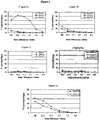
- the results are shown on the figure 1 representing graphs giving the percentage of specific lysis as a function of the effectors / targets ratio and where the Figure 1A gives the induced cellular response after injection of the DNA sequence corresponding to the HCV NS3NS4 polyprotein as a control, the Figure 1B gives the induced cellular response after injection of the NS3 helicase / Freund's adjuvant combination without microparticle, the figure 1C gives the induced cellular response after injection of the NS3 helicase peptide without microparticle, the figure 1D gives the induced cellular response after injection of the PLA microparticles without protein substance, and the figure 1E gives the induced cellular response after injection of the microparticles of the invention PLA / NS3 helicase.
- microparticles of the invention PLA / p24 prepared as indicated in Example 1, point 2 above, as well as the p24-adjuvant composition of Freund (Sigma) prepared in the form of a water emulsion were used. in-oil and which is known to have good immunogenicity (positive control).
- the results are shown on the figure 2 which gives the anti-p24 IgG titers in the preimmune sera and the immune sera of the 6 rabbits (L1 to L6) injected either intradermally (ID) or subcutaneously (SC).
- ID intradermally
- SC subcutaneously
- the title corresponds to the inverse of the dilution for which an OD approximately equal to 0.1 is obtained.
- the pre-immune serum was taken on day 0 before the injection of the immunogens and the immune serum was taken on day 0 plus 4 months.
- microparticles of the invention PLA / p24 prepared as described in Example 1, point 2 above were used.
- This procedure makes it possible to determine the number of cells secreting interferon gamma (IFN-gamma) in response to antigenic stimulation at the final concentration of 5 ⁇ g / ml for 48 h.
- This procedure has been successfully used with freshly isolated peripheral blood mononuclear cells (PBMCs), previously cryopreserved PBMCs, in vitro stimulated PBMC-derived T cell lines, and previously depleted PBMCs in CD4 + cells (use of an anti-CD4 antibody) or CD8 + (use of an anti-CD8 antibody).
- PBMCs peripheral blood mononuclear cells
- CD8 + use of an anti-CD8 antibody
- CD4 + or CD8 + cell sorting was performed using the MACS reagents, CD4 microbeads (Cat No. 130-091-102) and CD8 microbeads kit (Cat No. 130-091-112) from Miltenyi Biotec, according to the instructions. from the manufacturer
- the PMA-ionomycin pair (PMA for Phorbol Myristate Acetate), which mimics the effect antigen activation of T cells, was used as a positive control.
- the PLA / p24 microparticles of the invention make it possible to induce an IFN-gamma ELISPOT response in the two animals tested.
- the first monkey (M1) develops a specific response only after the second injection while the second animal (M2) has already developed a response to the first sample tested, after the first injection.
- the effect of the booster injection is very significant (boost effect) since the Elispot responses obtained are high.
- the responses obtained are relatively durable over time, considering that it is a non-replicative immunogen; responses remain significant about 40 days after the second injection.
- ELISPOT responses make it possible to highlight which types of effector immune cells, CD4 + or CD8 +, are responsible for the secretion of measured IFN-gamma.
- the SRDC murine spleen cell line (H-2 k ) was used to convey the different immunogens to be tested.
- This dendritic cell line was sensitized for 12 hours with one of the following immunogens: microparticles of the invention PLA / p24 prepared as indicated in Example 1, point 2 (at 10 ⁇ g / ml of p24 / PLA in p24 equivalent ), PLA-OVA microparticles, prepared in the same way that will serve as a negative control, or p24 protein.
- mice were divided into 4 lots of 6 animals. Each mouse received 5 ⁇ 10 5 SRDC cells sensitized at 0, 2 and 4 weeks subcutaneously. The 4 batches of mice received either non-sensitized cells (negative control) or were sensitized with microparticles PLA / p24 or PLA / OVA (negative control microparticles) or p24 protein.
- mice were blood samples every 10 days after immunization. The presence of the anti-p24 antibodies was then tested using the ELISA test similar to that described in the preceding examples.
- the analysis of the humoral response is presented on the figure 6 represents histograms that give the OD values obtained by ELISA in the preimmune serum in the serum after the 1st immunization in serum after the second immunization and in serum after the 3 rd immunization, sensitized mice either by the witness negative (Tm1 and Tm2), either by the protein p24 (p24-1 and p24-2), or by the negative control microparticles (NanoOva1 and NanoOva2) and either by the microparticles of the invention (Nanop24-1 and Nanop24-2 ).
- the T cells isolated from spleen and mucosal lymph nodes were cultured for 5 days in complete culture medium in the presence of different concentrations of the antigen of interest and then radiolabelled with thymidine 3 H for 18h.
- the level of thymidine incorporation corresponds to the degree of lymphoproliferative response.
- T lymphocytes isolated from the spleen and mucosal ganglia were cultured for 3 days in complete culture medium in the presence of different concentrations of the antigen of interest and cytokines secreted in the culture medium.
- the culture supernatant was assayed by commercial ELISA kits.
- mice having developed an antibody response (IgG) after the 3rd injection Lymphoproliferation Rate-Ganglion Stimulation Index IFN-gamma secretion Witness 0/2 1 - 1 no SRDC-p24 0/2 1 - 1 no SRDC-PLA-Ova 0/2 1.4 - 1.4 no SRDC-PLA-p24 2/2 2.8 - 2.2 + rate, + ganglion
- the results show that the SRDC-PLA-p24 group is the only group for which it is possible to demonstrate a specific immune response.
- the stimulation index is 2.8 for cells isolated from the spleen and 2.2 for those isolated from mesenteric lymph nodes. For the other groups there is no increase in the stimulation index or it is not significant.
- the SRDC-PLA-p24 group is the only group that induces secretion of IFN-gamma, Th1 type cytokine. This secretion in the presence of the antigen can be demonstrated both from spleen cells and those from mesenteric lymph nodes.
- PLA-p24 microparticles in order to sensitize the dendritic cells with an antigen of interest, in this case p24.
- an antigen of interest in this case p24.
- SRDCs soluble p24 sensitized SRCDs
- PLA microparticles can also be used successfully in immunotherapy applications based on in vitro sensitized dendritic cell transfer .
- the antigen of interest can not be loaded in its soluble form into the dendritic cells
- the PLA microparticles carrying the antigen can be used to facilitate its capture by the dendritic cells.
- the use of the microparticles of the invention makes it possible to considerably improve the immune responses obtained.
- mice per immunization group were used: the NS3 helicase genotype 1b protein (NS3h) alone, the microparticles of the invention PLA / NS3h prepared by dialysis (PLADYS) as indicated in Example 1, point 4 above, the PLA / NS3h microparticles prepared by solvent displacement (PLADDS) as shown in Example 2, point 2 above, as well as the NS3H-Alum (Pierce) composition prepared in the form of emulsion and known as adjuvant in commercial vaccines (positive control).
- PLA NS3h NS3 helicase genotype 1b protein
- PLA / NS3h prepared by dialysis
- PLA / NS3h microparticles prepared by solvent displacement (PLADDS) as shown in Example 2 above
- NS3H-Alum (Pierce) composition prepared in the form of emulsion and known as adjuvant in commercial vaccines (positive control).
- mice received 1 dose (100 ⁇ g) of the immunogens described in point 2 above subcutaneously in the foot pad.
- the animals were sacrificed 10 days after the first injection and the popliteal lymph nodes were removed for immunoassay.
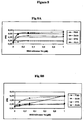
- the results of the proliferation of the popliteal ganglia cells after stimulation with the NS3h protein are indicated on the figure 7 representing the graphs giving the relative proliferation index (IPR) specific to the NS3h protein, corresponding to the ratio of cpm (blow per min) obtained for each concentration of NS3h (0, 0.1, 0.3 and 1 ⁇ M) by relative to the zero concentration of the NS3h protein, as a function of the amount of NS3h used for restimulation for the cell proliferation test, in mice having received NS3H-PBS (PBS), microparticles of the invention prepared by dialysis (DYS), microparticles of the invention prepared by solvent displacement (DDS) and NS3h-Alum composition.
- IPR relative proliferation index
- This graph shows a specific cellular response of the NS3h protein when injected PLD / NS3h microparticles prepared by solvent dispersion (DDS) and PLA / NS3h prepared by dialysis (DYS).
- DDS solvent dispersion
- DYS dialysis
- mice were used per immunization group: the NS3 helicase genotype 1b protein (NS3h) alone, the microparticles of the invention PLA / NS3h prepared by dialysis (PLADYS) as indicated in Example 1, point 4 above, the PLA / NS3h microparticles prepared by solvent displacement (PLADDS) as shown in Example 2, point 2 above, as well as the NS3H-Alum (Pierce) composition prepared in the form of emulsion and known as adjuvant in commercial vaccines (positive control).
- PLA / NS3h prepared by dialysis
- PLA / NS3h microparticles prepared by solvent displacement (PLADDS) as shown in Example 2 above
- NS3H-Alum (Pierce) composition prepared in the form of emulsion and known as adjuvant in commercial vaccines (positive control).
- mice received 2 doses (100 ⁇ g) of the immunogens described in point 2 above, the first dose having been subcutaneously made in the footpad at day 0 and the second subcutaneously at the base of queue at day 7.
- the animals were sacrificed 7 days after the second injection and the popliteal lymph nodes and spleen were removed for immunoassay.
- the results of proliferation of spleen cells after stimulation with NS3h protein are indicated on the figure 8 representing the graphs giving the relative proliferation index (IPR) specific to the NS3h protein as a function of the amount of NS3h used (in ⁇ M) in mice having received NS3h-PBS (PBS), microparticles of the invention prepared dialysis (DYS), microparticles of the invention prepared by solvent displacement (DDS) and NS3h-Alum (Alum) composition in popliteal ganglion cells for localized cellular response ( figure 8A ) and in spleen cells for the systemic cellular response ( Figure 8B ).
- IPR relative proliferation index
- FIG. 9 represents histograms giving the cell proliferation index (IPR) as a function of the immunogens used in mice, namely NS3h-PBS (PBS), microparticles of the invention prepared by dialysis (DYS), microparticles of the prepared by solvent displacement (DDS) and composition NS3h-Alum (Alum), in spleen cells without stimulation (0), after stimulation with protein NS3h (1) or after stimulation with protein and anti-CD4 + antibody (1 + aCD4).
- IPR cell proliferation index
- interferon gamma IFN-gamma
- mice per immunization group were used: the NS3 helicase genotype 1b protein (NS3h) alone, the microparticles of the invention PLA / NS3h prepared by dialysis (PLADYS) as indicated in Example 1, point 4 above, the PLA / NS3h microparticles prepared by solvent displacement (PLADDS) as shown in Example 2, point 2 above, as well as the NS3H-Alum (Pierce) composition prepared in the form of emulsion and known as adjuvant in commercial vaccines (positive control).
- PLA NS3h NS3 helicase genotype 1b protein
- PLA / NS3h prepared by dialysis
- PLA / NS3h microparticles prepared by solvent displacement (PLADDS) as shown in Example 2 above
- NS3H-Alum (Pierce) composition prepared in the form of emulsion and known as adjuvant in commercial vaccines (positive control).
- mice received 3 doses (50 ⁇ g) of the immunogens described in point 2 above subcutaneously at the base of the tail at 0, 2 and 4 weeks.
- the sera will have been taken at day 13, day 27 and day 45 for the analyzes of the specific humoral response against the NS3h protein by an ELISA test as indicated below.
- the animals were sacrificed 10 days after the first injection and the popliteal lymph nodes were removed for immunoassay.
- the titers obtained are also comparable to those obtained with the Freund / NS3h adjuvant formulation.
- PLA / NS3h microparticles makes it possible to obtain a mainly IgG1 antibody response specific for the NS3h protein, suggesting that the response is of Th2 type.
- Example 12 Action of PLA / NS3h during the differentiation of monocytes into dendritic cells
- This study consists in studying the effect on the antigen-presenting cells of the NS3h protein adsorbed on nano-particles of PLA. To do this, we work in the presence of dendritic cells generated using monocytes isolated from blood. human peripheral and differentiated.
- DCi dendritic cells
- Monocytes were isolated from healthy human peripheral blood (recovered at the French Blood Establishment of Lyon) by gradient centrifugation of Ficoll and Percoll (Arnersham Biosciences). Ficoll can create a density gradient while maintaining cell integrity and function. After centrifugation, the red blood cells and polynuclear denser than Ficoll are found at the bottom of the tube. PBMC (Peripheral Blood Mononuclear Cells) containing lymphocytes and monocytes remain at the interface of plasma and Ficoll. These are then purified on a Percoll gradient. After centrifugation, the lymphocytes, denser than Percoll, are in the pellet while the monocytes remain at the interface of the medium and the Percoll.
- PBMC Peripheral Blood Mononuclear Cells
- the monocytes were incubated with the antibody mixture (Ac) indicated below to remove the remaining contaminating cells by T-cell depletion (anti-CD-3 OKT3 ATCC mice, Rockville, MD, USA, directed against T lymphocytes), B lymphocytes (mouse anti-CD-19 hybridoma 4G7, directed against B lymphocytes), red blood cells (mouse anti Glycophorin A Immunotech) and NK cells (anti mouse CD-56 NKH1 Immnotech directed against Natural Killer cells) and thanks to magnetic beads (Dynal). Dynal beads are small magnetic beads coated with sheep antibodies to mouse antibodies. These antibodies will bind the Ac complexes of mice / cells and then, after passage of the cell suspension on a magnetic rack, the remaining cells will be only monocytes.
- Ac antibody mixture
- the cell suspension was analyzed by isolated passage of the cells in a liquid sheath.
- the passage of these cells in a light beam causes two types of diffraction known as small angle (Forward scatter-FS) and wide angle (Side scatter - SS) which represent the two cellular parameters taken into account, the size (diffraction) and the particle size (refraction) of the cells.
- the use of antibodies coupled to fluorochromes (FITC: Fluorescein IsoThioCyanate read on the abscissa axis FL1 and PE: PhycoErythrin read on the ordinate axis FL2) excitable by the laser allows the emission of detectable fluorescence.
- a system of amplification of the electrical signals and digital analog converter allows the computer formatting of the data.
- the contaminant level is less than 10%.
- the monocytes were then cultured (Day 0) in 24-well plates at a rate of 1.10 6 cells / ml in RPMI 1640 medium (Gibco), 2 mM of L-Glutamine (Life Technologies), 10 mM Hepes (Life Technologies ), 40 ng / ml Gentamycin (Life Technologies + 10% Decomplemented fetal calf serum and in the presence of GM-CSF (40 ng / ml) ("Granular Macrophage Colony Stimulating Factor") and recombinant human IL-4 ( 250U / ml) GM-CSF and IL-4 allow the differentiation of monocytes into immature dendritic cells.
- RPMI 1640 medium Gibco
- 2 mM of L-Glutamine Life Technologies
- 10 mM Hepes Life Technologies
- 40 ng / ml Gentamycin Life Technologies + 10% Decomplemented fetal calf serum and in the presence of GM-CSF (40 ng
- the contacting of the formulations on the immature dendritic cells was carried out in order to judge the capacity of the PLA / NS3h particles to generate mature dendritic cells (adjuvant effect).
- PLA DYS particles alone, added to J5 on DCi make it possible to obtain maturation phenotype (DCm + CD83 +, CD86 +, CD40 +). A dose-response effect on cell maturation was observed.
- PLA / NS3h give very interesting results. Indeed, we can note that the degree of activation of the maturation is important From the test at 10 ⁇ l (0.24 mg PLA / 10 ⁇ g helicase), we can observe a maturation.
- PLA / NS3h added to DCi induce the expression of all activation markers (CD83 +, CD86 +, CD80 +, HLA-DR +, CD40 +).
- test at 100 .mu.l was performed while knowing that it is in large excess under the conditions used in vitro.
- PLA formulations have an adjuvant effect on the HCV NS3h protein since they provide mature dendritic cells.
- Example 13 Obtaining Monoclonal Antibodies with the Microparticles of the Invention PLA / p24
- microparticles of the invention PLA / p24 prepared as indicated in example 1, point 2, and the p24-adjuvant composition of Freund (Sigma) prepared in the form of a water-in-water emulsion were used. oil and which is known to have good immunogenicity (positive control).
- mice received 3 successive doses of 10 ⁇ g of the immunogens described in point 2 above at 0, 2 and 4 weeks. All injections were done subcutaneously. At day 68 after the first injection, the humoral responses were restimulated with an intravenous injection of 50 ⁇ g of p24.
- the anti-p24 antibodies In order to monitor the appearance of the anti-p24 antibodies, it is regularly performed on mouse blood samples. The presence of the anti-p24 antibodies is then tested using the ELISA test similar to that described in Example 2, point 4. However, the revelation conjugate is replaced by a goat anti-mouse IgG antibody AffiniPure conjugated to phosphatase alkaline (H + L, Jackson Immunoresearch, Cat No. 115-055-146).
- splenocytes obtained from the spleen were cultured with Sp2 / 0-Ag14 myeloma cells to melt and immortalize, according to the protocol described by Köhler and Milstein ( Köhler, G. and Milstein, C., 1975, Nature, 256: 495-497 ; Köhler, G. and Milstein, C., 1976, Eur. J. Immunol 6: 511-519 ). After a 12-14 day incubation period, the resulting hybridoma supernatants were screened for the presence of anti-p24 antibodies using the ELISA assay described in point 4 of this example. Positive hybridoma colonies were subcloned twice according to the limiting dilution technique.
- the titer of anti-p24 antibodies in the serum of mice was determined just before sacrifice, individually for each mouse.
- a mouse of the PLA / p24 group (mouse 1) was sacrificed and the cells of its spleen were fused with myeloma cells. Hybridomas resulting from the fusion were cloned by limit dilution in 18 96-well plates. Screening of hybridoma culture supernatants by anti-p24 ELISA screen identified 12 hybridoma clones that secrete a p24-specific antibody. The PLA / p24 microparticles can therefore also be used to obtain monoclonal antibodies.
Landscapes
- Health & Medical Sciences (AREA)
- Chemical & Material Sciences (AREA)
- Life Sciences & Earth Sciences (AREA)
- Engineering & Computer Science (AREA)
- General Health & Medical Sciences (AREA)
- Medicinal Chemistry (AREA)
- Organic Chemistry (AREA)
- Bioinformatics & Cheminformatics (AREA)
- Immunology (AREA)
- Animal Behavior & Ethology (AREA)
- Pharmacology & Pharmacy (AREA)
- Public Health (AREA)
- Veterinary Medicine (AREA)
- Molecular Biology (AREA)
- Virology (AREA)
- Nanotechnology (AREA)
- Epidemiology (AREA)
- Biochemistry (AREA)
- Proteomics, Peptides & Aminoacids (AREA)
- Biomedical Technology (AREA)
- Genetics & Genomics (AREA)
- Biophysics (AREA)
- Physics & Mathematics (AREA)
- Urology & Nephrology (AREA)
- Hematology (AREA)
- Optics & Photonics (AREA)
- Nuclear Medicine, Radiotherapy & Molecular Imaging (AREA)
- General Chemical & Material Sciences (AREA)
- Chemical Kinetics & Catalysis (AREA)
- Inorganic Chemistry (AREA)
- Food Science & Technology (AREA)
- Pathology (AREA)
- Gastroenterology & Hepatology (AREA)
- Biotechnology (AREA)
- Cell Biology (AREA)
- General Physics & Mathematics (AREA)
- Microbiology (AREA)
- Analytical Chemistry (AREA)
- Oncology (AREA)
- Communicable Diseases (AREA)
Claims (18)
- Verfahren zur Herstellung von bioresorbierbaren nicht-lamellaren Mikropartikeln, an denen Eiweißsubstanzen gebunden sind, dadurch gekennzeichnet, dass es die Schritte umfasst:(i) Herstellung der Mikropartikel durch Verdrängung eines Lösungsmittels aus mindestens einem bioresorbierbaren Polymer, das ausgewählt ist aus Poly(α-hydroxylsäure), Poly(hydroxybuttersäure), Polycaprolactone, Polyorthoester und Polyanhydride, ohne Stabilisator und ohne Tensid, und(ii) Bindung der Eiweißsubstanzen an die in Schritt (i) erhaltenen Mikropartikel ohne Tensid.
- Verfahren nach Anspruch 1, dadurch gekennzeichnet, dass das in Schritt (i) verwendete Polymer eine Poly(α-hydroxylsäure) oder eine Mischung von Poly(α-hydroxylsäuren) ist.
- Verfahren nach einem der Ansprüche 1 oder 2, dadurch gekennzeichnet, dass die Bindung der Eiweißsubstanzen an den Mikropartikeln durch Adsorption durchgeführt wird.
- Verfahren nach einem beliebigen der Ansprüche 1 bis 3, dadurch gekennzeichnet, dass die Eiweißsubstanz ein Antigen viralen Ursprungs ist.
- Verfahren nach Anspruch 4, dadurch gekennzeichnet, dass das Antigen ein Antigen des Virus VIH, vorzugsweise p24-Protein oder Regulationsprotein, ist.
- Verfahren nach Anspruch 5, dadurch gekennzeichnet, dass das Antigen des Virus VIH ein Regulationsprotein ausgewählt aus den Proteinen Tat, Rev und Nef ist.
- Verfahren nach Anspruch 4, dadurch gekennzeichnet, dass das Antigen ein Antigen des Virus VHC, vorzugsweise ein nichtstrukturiertes Protein des Virus VHC ist.
- Verfahren nach Anspruch 7, dadurch gekennzeichnet, dass das Antigen das Protein NS3, vorzugsweise das NS3 Helicaseprotein ist.
- Bioresorbierbare nichtlamellare Mikropartikel, an denen Eiweißsubstanzen gebunden sind, erhältlich durch das Verfahren nach einem beliebigen der Ansprüche 1 bis 8 und 17 bis 20.
- Mikropartikel nach Anspruch 9, dadurch gekennzeichnet, dass die Mikropartikel eine Dimension zwischen 150 und 250 nm aufweisen.
- Verwendung von bioresorbierbaren Mikropartikeln, wie sie in den Ansprüchen 9 oder 10 definiert sind, für die Herstellung eines Medikaments.
- Verwendung nach Anspruch 11, dadurch gekennzeichnet, dass das Medikament zur Hemmung, der Prävention oder der Behandlung einer Infektion, die durch einen Virus hervorgerufen wird, dient.
- Pharmazeutische Zusammensetzung, insbesondere Impfstoff, dadurch gekennzeichnet, dass sie mindestens ein bioresorbierbares Mikropartikel, wie es in dem Anspruch 9 oder 10 definiert ist, und gegebenenfalls einen pharmazeutisch annehmbaren Hilfsstoff enthält.
- Diagnostische Zusammensetzung, bestehend aus den bioresorbierbaren Mikropartikeln, wie im Anspruch 9 oder 10 definiert.
- Verwendung der diagnostischen Zusammensetzung, wie sie im Anspruch 14 definiert ist, für die in vitro-Diagnose des pathologischen Zustands gebunden an die Eiweißsubstanz, die an das bioresorbierbare Mikropartikel gebunden ist.
- Verwendung nach Anspruch 15, dadurch gekennzeichnet, dass der pathologische Zustand eine Virusinfektion ist.
- Verfahren nach Anspruch 1, dadurch gekennzeichnet, dass das Polymer des Schritts (i) eine Poly(α-hydroxylsäure) ausgewählt aus Poly(D-Milchsäure), Poly(L-Milchsäure) und Poly(glycolsäure), ist.
- Verfahren nach Anspruch 1, dadurch gekennzeichnet, dass das Polymer des Schritts (i) eine Poly(α-hydroxylsäure) Mischung ist, ausgewählt aus einer Mischung von Poly(D- und L-Milchsäure), einer Mischung aus Poly(L-Milchsäure) und Poly(glycolsäure), einer Mischung aus Poly(D-Milchsäure) und Poly(glycolsäure) und einer Mischung aus Poly(D- und L-Milchsäure) und Poly(glycolsäure).
Applications Claiming Priority (2)
| Application Number | Priority Date | Filing Date | Title |
|---|---|---|---|
| FR0311057A FR2859909B1 (fr) | 2003-09-22 | 2003-09-22 | Procede de preparation de microparticules bioresorbables, microparticules obtenues et utilisation |
| PCT/FR2004/050447 WO2005027871A2 (fr) | 2003-09-22 | 2004-09-21 | Procede de preparation de microparticules bioresorbables sans stabilisant et sans tensioactif |
Publications (2)
| Publication Number | Publication Date |
|---|---|
| EP1663146A2 EP1663146A2 (de) | 2006-06-07 |
| EP1663146B1 true EP1663146B1 (de) | 2017-06-21 |
Family
ID=34224374
Family Applications (1)
| Application Number | Title | Priority Date | Filing Date |
|---|---|---|---|
| EP04816201.0A Expired - Lifetime EP1663146B1 (de) | 2003-09-22 | 2004-09-21 | Verfahren zur herstellung von biologisch resorbierbaren mikroteilchen, so erhaltene mikroteilchen und ihre anwendung |
Country Status (6)
| Country | Link |
|---|---|
| US (3) | US20070059681A1 (de) |
| EP (1) | EP1663146B1 (de) |
| JP (1) | JP2007521321A (de) |
| CN (1) | CN101111227A (de) |
| FR (1) | FR2859909B1 (de) |
| WO (1) | WO2005027871A2 (de) |
Families Citing this family (7)
| Publication number | Priority date | Publication date | Assignee | Title |
|---|---|---|---|---|
| AUPR011700A0 (en) * | 2000-09-14 | 2000-10-05 | Austin Research Institute, The | Composition comprising immunogenic virus sized particles (VSP) |
| FR2859909B1 (fr) | 2003-09-22 | 2007-09-07 | Biomerieux Sa | Procede de preparation de microparticules bioresorbables, microparticules obtenues et utilisation |
| FR2893254B1 (fr) | 2005-11-14 | 2007-12-21 | Biomerieux Sa | Composition comprenant un vecteur synthetique colloidal bioresorbable et un vecteur viral et son utilisation prophylactique, therapeutique et diagnostique. |
| CN105004862B (zh) * | 2015-07-06 | 2017-01-25 | 山东博科生物产业有限公司 | 一种高通量联合检测丙肝病毒抗原抗体的试剂 |
| WO2017120483A1 (en) * | 2016-01-08 | 2017-07-13 | Oregon Health & Science University | Recombinant t cell receptor ligand compositions and methods for treatment of prostate cancer |
| EP3980006A2 (de) * | 2019-06-07 | 2022-04-13 | Diomics Corporation | Topische zeitgesteuerte freisetzung unter verwendung eines geschichteten biopolymers |
| WO2025168025A1 (zh) * | 2024-02-07 | 2025-08-14 | 上海魁特迪生物科技有限公司 | 质子泵结合剂及其在制备试剂中的用途 |
Citations (1)
| Publication number | Priority date | Publication date | Assignee | Title |
|---|---|---|---|---|
| WO2003070909A2 (en) * | 2002-02-20 | 2003-08-28 | Chiron Corporation | Microparticles with adsorbed polypeptide-containing molecules |
Family Cites Families (8)
| Publication number | Priority date | Publication date | Assignee | Title |
|---|---|---|---|---|
| DE69232555T2 (de) * | 1991-02-01 | 2002-10-31 | Massachusetts Institute Of Technology, Cambridge | Biologisch abbaubare Polymermischungen zur Arzneistoffabgabe |
| KR0185426B1 (ko) | 1991-06-24 | 1999-04-01 | 로버트 피. 블랙버언 | 씨형 간염 바이러스 폴리펩티드 |
| FR2692147B1 (fr) | 1992-06-15 | 1995-02-24 | Centre Nat Rech Scient | Microsphères en polymère biorésorbable exemptes de tensioactif, leur préparation et leur application comme médicament. |
| GB9514285D0 (en) * | 1995-07-13 | 1995-09-13 | Univ Nottingham | Polymeric lamellar substrate particles for drug delivery |
| WO2000006123A1 (en) * | 1998-07-29 | 2000-02-10 | Chiron Corporation | Microparticles with adsorbent surfaces, methods of making same, and uses thereof |
| ES2195317T3 (es) * | 1997-01-30 | 2003-12-01 | Chiron Corp | Uso de microparticulas con antigeno adsorbido para estimular respuestas inmunitarias. |
| ATE454901T1 (de) * | 1999-10-13 | 2010-01-15 | Novartis Vaccines & Diagnostic | Verfahren zur erhaltung zellimmuneantworten gegen proteinen |
| FR2859909B1 (fr) | 2003-09-22 | 2007-09-07 | Biomerieux Sa | Procede de preparation de microparticules bioresorbables, microparticules obtenues et utilisation |
-
2003
- 2003-09-22 FR FR0311057A patent/FR2859909B1/fr not_active Expired - Lifetime
-
2004
- 2004-09-21 JP JP2006526671A patent/JP2007521321A/ja active Pending
- 2004-09-21 EP EP04816201.0A patent/EP1663146B1/de not_active Expired - Lifetime
- 2004-09-21 CN CNA2004800274129A patent/CN101111227A/zh active Pending
- 2004-09-21 WO PCT/FR2004/050447 patent/WO2005027871A2/fr not_active Ceased
- 2004-09-21 US US10/570,948 patent/US20070059681A1/en not_active Abandoned
-
2008
- 2008-04-14 US US12/081,296 patent/US8377477B2/en not_active Expired - Lifetime
-
2013
- 2013-01-11 US US13/739,421 patent/US10465012B2/en not_active Expired - Lifetime
Patent Citations (1)
| Publication number | Priority date | Publication date | Assignee | Title |
|---|---|---|---|---|
| WO2003070909A2 (en) * | 2002-02-20 | 2003-08-28 | Chiron Corporation | Microparticles with adsorbed polypeptide-containing molecules |
Non-Patent Citations (5)
| Title |
|---|
| GUILLON CHRISTOPHE ET AL: "Formulation of HIV-1 Tat and p24 antigens by PLA nanoparticles or MF59 impacts the breadth, but not the magnitude, of serum and faecal antibody responses in rabbits.", VACCINE 23 OCT 2007, vol. 25, no. 43, 23 October 2007 (2007-10-23), pages 7491 - 7501, XP022286496, ISSN: 0264-410X, DOI: doi:10.1016/j.vaccine.2007.08.060 * |
| LAMALLE-BERNARD DELPHINE ET AL: "Coadsorption of HIV-1 p24 and gp120 proteins to surfactant-free anionic PLA nanoparticles preserves antigenicity and immunogenicity.", JOURNAL OF CONTROLLED RELEASE : OFFICIAL JOURNAL OF THE CONTROLLED RELEASE SOCIETY 28 SEP 2006, vol. 115, no. 1, 28 September 2006 (2006-09-28), pages 57 - 67, XP024957639, ISSN: 0168-3659, DOI: doi:10.1016/j.jconrel.2006.07.006 * |
| MARUYAMA A ET AL: "Nanoparticle DNA carrier with poly(L-lysine) grafted polysaccharide copolymer and poly(D,L-lactic acid).", BIOCONJUGATE CHEMISTRY 1997 SEP-OCT, vol. 8, no. 5, September 1997 (1997-09-01), pages 735 - 742, XP000698651, ISSN: 1043-1802, DOI: doi:10.1021/bc9701048 * |
| PAVOT VINCENT ET AL: "Encapsulation of Nod1 and Nod2 receptor ligands into poly(lactic acid) nanoparticles potentiates their immune properties.", JOURNAL OF CONTROLLED RELEASE : OFFICIAL JOURNAL OF THE CONTROLLED RELEASE SOCIETY 10 APR 2013, vol. 167, no. 1, 10 April 2013 (2013-04-10), pages 60 - 67, XP029003997, ISSN: 1873-4995, DOI: doi:10.1016/j.jconrel.2013.01.015 * |
| RANCAN FIORENZA ET AL: "Particle-based transcutaneous administration of HIV-1 p24 protein to human skin explants and targeting of epidermal antigen presenting cells.", JOURNAL OF CONTROLLED RELEASE : OFFICIAL JOURNAL OF THE CONTROLLED RELEASE SOCIETY 28 FEB 2014, vol. 176, 28 February 2014 (2014-02-28), pages 115 - 122, XP028619024, ISSN: 1873-4995, DOI: doi:10.1016/j.jconrel.2013.12.022 * |
Also Published As
| Publication number | Publication date |
|---|---|
| FR2859909B1 (fr) | 2007-09-07 |
| CN101111227A (zh) | 2008-01-23 |
| US8377477B2 (en) | 2013-02-19 |
| JP2007521321A (ja) | 2007-08-02 |
| EP1663146A2 (de) | 2006-06-07 |
| US20080241259A1 (en) | 2008-10-02 |
| FR2859909A1 (fr) | 2005-03-25 |
| WO2005027871A2 (fr) | 2005-03-31 |
| US20130164250A1 (en) | 2013-06-27 |
| US10465012B2 (en) | 2019-11-05 |
| US20070059681A1 (en) | 2007-03-15 |
| WO2005027871A3 (fr) | 2007-09-20 |
Similar Documents
| Publication | Publication Date | Title |
|---|---|---|
| EP3484448B1 (de) | Antigenpräsentierende zellmimetische gerüste und verfahren zur herstellung und verwendung davon | |
| US10465012B2 (en) | Bioresorbable nonlamellar microparticles and uses thereof | |
| CA2349679A1 (fr) | Exosomes modifies et utilisations | |
| CA2065402A1 (en) | Prophylaxis and therapy of acquired immunodeficiency syndrome | |
| CN101951931A (zh) | 免疫调节组合物和其用途 | |
| EP1309860B1 (de) | Verfahren zum auffinden von peptiden zur verwendung in der immuntherapie | |
| EP1169057B1 (de) | Anti-hiv-1 impfstoff enthaltend das ganzen hiv-1 tat protein oder ein teil davon | |
| WO2001080833A1 (en) | Methods for isolation, quantification, characterization and modulation of antigen-specific t cells | |
| WO2001049821A2 (fr) | Lignees des lymphocytes t cd4 specifiques de type th1 et procede pour leur induction ex vivo | |
| Blais et al. | Do thymically and strictly extrathymically developing T cells generate similar immune responses? | |
| EP1851321B1 (de) | Hiv-epitope und diese enthaltende pharmazeutische zusammensetzung | |
| CA2051651A1 (fr) | Anticorps monoclonaux reconnaissant un peptide associe a un antigene majeur d'histocompatibilite | |
| EP1735344B1 (de) | Impfstoffzusammensetzung enthaltend einen klasse-ii-mhc-liganden gekoppelt mit einem antigen, verfahren zu dessen herstellung und dessen verwendung | |
| EP1305402B1 (de) | Komplex aus den teilen des hepatitis c virus und lipoprotein geringer dichte, verfahren zu seiner herstellung und anwendungen | |
| EP1093382A2 (de) | Verwendung einer amphipatischen verbindung zur adjuvierung eines untereiheitsimpfstoff | |
| EP1948231B1 (de) | Zusammensetzung mit einem kolloidalen synthetischen bioresorbierbaren vektor und einem viralen vektor | |
| FR2789590A1 (fr) | Compositions immunogenes utilisables comme vaccins | |
| WO2003106665A1 (fr) | Procede de culture in vitro du virus vhc | |
| EP0145589A2 (de) | Eukaryotische Zellkultur die ein vakzinierendes Protein, insbesondere das HBs-Antigen produziert | |
| FR2694560A1 (fr) | Nouveaux peptides viraux, anticorps dirigés contre ces peptides, procédé de préparation, application à titre de médicaments, compositions pharmaceutiques et kits de diagnostic les renfermant. | |
| FR2803308A1 (fr) | Lignees de lymphocytes t cd4 specifiques de type th1 et procede pour leur induction ex vivo |
Legal Events
| Date | Code | Title | Description |
|---|---|---|---|
| PUAI | Public reference made under article 153(3) epc to a published international application that has entered the european phase |
Free format text: ORIGINAL CODE: 0009012 |
|
| 17P | Request for examination filed |
Effective date: 20060221 |
|
| AK | Designated contracting states |
Kind code of ref document: A2 Designated state(s): AT BE BG CH CY CZ DE DK EE ES FI FR GB GR HU IE IT LI LU MC NL PL PT RO SE SI SK TR |
|
| AX | Request for extension of the european patent |
Extension state: AL HR LT LV MK |
|
| DAX | Request for extension of the european patent (deleted) | ||
| PUAK | Availability of information related to the publication of the international search report |
Free format text: ORIGINAL CODE: 0009015 |
|
| RAP1 | Party data changed (applicant data changed or rights of an application transferred) |
Owner name: CENTRE NATIONAL DE LA RECHERCHE SCIENTIFIQUE |
|
| 17Q | First examination report despatched |
Effective date: 20100930 |
|
| REG | Reference to a national code |
Ref country code: DE Ref legal event code: R079 Ref document number: 602004051437 Country of ref document: DE Free format text: PREVIOUS MAIN CLASS: A61K0009000000 Ipc: A61K0009510000 |
|
| GRAP | Despatch of communication of intention to grant a patent |
Free format text: ORIGINAL CODE: EPIDOSNIGR1 |
|
| RIC1 | Information provided on ipc code assigned before grant |
Ipc: A61K 9/51 20060101AFI20160728BHEP |
|
| INTG | Intention to grant announced |
Effective date: 20160823 |
|
| GRAJ | Information related to disapproval of communication of intention to grant by the applicant or resumption of examination proceedings by the epo deleted |
Free format text: ORIGINAL CODE: EPIDOSDIGR1 |
|
| STAA | Information on the status of an ep patent application or granted ep patent |
Free format text: STATUS: EXAMINATION IS IN PROGRESS |
|
| INTC | Intention to grant announced (deleted) | ||
| GRAR | Information related to intention to grant a patent recorded |
Free format text: ORIGINAL CODE: EPIDOSNIGR71 |
|
| GRAS | Grant fee paid |
Free format text: ORIGINAL CODE: EPIDOSNIGR3 |
|
| STAA | Information on the status of an ep patent application or granted ep patent |
Free format text: STATUS: GRANT OF PATENT IS INTENDED |
|
| INTG | Intention to grant announced |
Effective date: 20170330 |
|
| GRAA | (expected) grant |
Free format text: ORIGINAL CODE: 0009210 |
|
| STAA | Information on the status of an ep patent application or granted ep patent |
Free format text: STATUS: THE PATENT HAS BEEN GRANTED |
|
| AK | Designated contracting states |
Kind code of ref document: B1 Designated state(s): AT BE BG CH CY CZ DE DK EE ES FI FR GB GR HU IE IT LI LU MC NL PL PT RO SE SI SK TR |
|
| REG | Reference to a national code |
Ref country code: GB Ref legal event code: FG4D Free format text: NOT ENGLISH |
|
| REG | Reference to a national code |
Ref country code: CH Ref legal event code: EP |
|
| REG | Reference to a national code |
Ref country code: IE Ref legal event code: FG4D Free format text: LANGUAGE OF EP DOCUMENT: FRENCH |
|
| REG | Reference to a national code |
Ref country code: AT Ref legal event code: REF Ref document number: 902315 Country of ref document: AT Kind code of ref document: T Effective date: 20170715 |
|
| REG | Reference to a national code |
Ref country code: DE Ref legal event code: R096 Ref document number: 602004051437 Country of ref document: DE |
|
| REG | Reference to a national code |
Ref country code: CH Ref legal event code: NV Representative=s name: ARNOLD AND SIEDSMA AG, CH |
|
| REG | Reference to a national code |
Ref country code: FR Ref legal event code: PLFP Year of fee payment: 14 |
|
| REG | Reference to a national code |
Ref country code: NL Ref legal event code: MP Effective date: 20170621 |
|
| PG25 | Lapsed in a contracting state [announced via postgrant information from national office to epo] |
Ref country code: GR Free format text: LAPSE BECAUSE OF FAILURE TO SUBMIT A TRANSLATION OF THE DESCRIPTION OR TO PAY THE FEE WITHIN THE PRESCRIBED TIME-LIMIT Effective date: 20170922 Ref country code: FI Free format text: LAPSE BECAUSE OF FAILURE TO SUBMIT A TRANSLATION OF THE DESCRIPTION OR TO PAY THE FEE WITHIN THE PRESCRIBED TIME-LIMIT Effective date: 20170621 |
|
| REG | Reference to a national code |
Ref country code: AT Ref legal event code: MK05 Ref document number: 902315 Country of ref document: AT Kind code of ref document: T Effective date: 20170621 |
|
| PG25 | Lapsed in a contracting state [announced via postgrant information from national office to epo] |
Ref country code: NL Free format text: LAPSE BECAUSE OF FAILURE TO SUBMIT A TRANSLATION OF THE DESCRIPTION OR TO PAY THE FEE WITHIN THE PRESCRIBED TIME-LIMIT Effective date: 20170621 Ref country code: SE Free format text: LAPSE BECAUSE OF FAILURE TO SUBMIT A TRANSLATION OF THE DESCRIPTION OR TO PAY THE FEE WITHIN THE PRESCRIBED TIME-LIMIT Effective date: 20170621 Ref country code: BG Free format text: LAPSE BECAUSE OF FAILURE TO SUBMIT A TRANSLATION OF THE DESCRIPTION OR TO PAY THE FEE WITHIN THE PRESCRIBED TIME-LIMIT Effective date: 20170921 |
|
| PG25 | Lapsed in a contracting state [announced via postgrant information from national office to epo] |
Ref country code: CZ Free format text: LAPSE BECAUSE OF FAILURE TO SUBMIT A TRANSLATION OF THE DESCRIPTION OR TO PAY THE FEE WITHIN THE PRESCRIBED TIME-LIMIT Effective date: 20170621 Ref country code: AT Free format text: LAPSE BECAUSE OF FAILURE TO SUBMIT A TRANSLATION OF THE DESCRIPTION OR TO PAY THE FEE WITHIN THE PRESCRIBED TIME-LIMIT Effective date: 20170621 Ref country code: SK Free format text: LAPSE BECAUSE OF FAILURE TO SUBMIT A TRANSLATION OF THE DESCRIPTION OR TO PAY THE FEE WITHIN THE PRESCRIBED TIME-LIMIT Effective date: 20170621 Ref country code: EE Free format text: LAPSE BECAUSE OF FAILURE TO SUBMIT A TRANSLATION OF THE DESCRIPTION OR TO PAY THE FEE WITHIN THE PRESCRIBED TIME-LIMIT Effective date: 20170621 Ref country code: RO Free format text: LAPSE BECAUSE OF FAILURE TO SUBMIT A TRANSLATION OF THE DESCRIPTION OR TO PAY THE FEE WITHIN THE PRESCRIBED TIME-LIMIT Effective date: 20170621 |
|
| PG25 | Lapsed in a contracting state [announced via postgrant information from national office to epo] |
Ref country code: IT Free format text: LAPSE BECAUSE OF FAILURE TO SUBMIT A TRANSLATION OF THE DESCRIPTION OR TO PAY THE FEE WITHIN THE PRESCRIBED TIME-LIMIT Effective date: 20170621 Ref country code: PL Free format text: LAPSE BECAUSE OF FAILURE TO SUBMIT A TRANSLATION OF THE DESCRIPTION OR TO PAY THE FEE WITHIN THE PRESCRIBED TIME-LIMIT Effective date: 20170621 Ref country code: ES Free format text: LAPSE BECAUSE OF FAILURE TO SUBMIT A TRANSLATION OF THE DESCRIPTION OR TO PAY THE FEE WITHIN THE PRESCRIBED TIME-LIMIT Effective date: 20170621 |
|
| REG | Reference to a national code |
Ref country code: DE Ref legal event code: R097 Ref document number: 602004051437 Country of ref document: DE |
|
| PLBE | No opposition filed within time limit |
Free format text: ORIGINAL CODE: 0009261 |
|
| STAA | Information on the status of an ep patent application or granted ep patent |
Free format text: STATUS: NO OPPOSITION FILED WITHIN TIME LIMIT |
|
| PG25 | Lapsed in a contracting state [announced via postgrant information from national office to epo] |
Ref country code: DK Free format text: LAPSE BECAUSE OF FAILURE TO SUBMIT A TRANSLATION OF THE DESCRIPTION OR TO PAY THE FEE WITHIN THE PRESCRIBED TIME-LIMIT Effective date: 20170621 |
|
| 26N | No opposition filed |
Effective date: 20180322 |
|
| PG25 | Lapsed in a contracting state [announced via postgrant information from national office to epo] |
Ref country code: MC Free format text: LAPSE BECAUSE OF FAILURE TO SUBMIT A TRANSLATION OF THE DESCRIPTION OR TO PAY THE FEE WITHIN THE PRESCRIBED TIME-LIMIT Effective date: 20170621 |
|
| PG25 | Lapsed in a contracting state [announced via postgrant information from national office to epo] |
Ref country code: LU Free format text: LAPSE BECAUSE OF NON-PAYMENT OF DUE FEES Effective date: 20170921 |
|
| PG25 | Lapsed in a contracting state [announced via postgrant information from national office to epo] |
Ref country code: SI Free format text: LAPSE BECAUSE OF FAILURE TO SUBMIT A TRANSLATION OF THE DESCRIPTION OR TO PAY THE FEE WITHIN THE PRESCRIBED TIME-LIMIT Effective date: 20170621 |
|
| REG | Reference to a national code |
Ref country code: FR Ref legal event code: PLFP Year of fee payment: 15 |
|
| PG25 | Lapsed in a contracting state [announced via postgrant information from national office to epo] |
Ref country code: HU Free format text: LAPSE BECAUSE OF FAILURE TO SUBMIT A TRANSLATION OF THE DESCRIPTION OR TO PAY THE FEE WITHIN THE PRESCRIBED TIME-LIMIT; INVALID AB INITIO Effective date: 20040921 |
|
| PG25 | Lapsed in a contracting state [announced via postgrant information from national office to epo] |
Ref country code: CY Free format text: LAPSE BECAUSE OF NON-PAYMENT OF DUE FEES Effective date: 20170621 |
|
| PG25 | Lapsed in a contracting state [announced via postgrant information from national office to epo] |
Ref country code: TR Free format text: LAPSE BECAUSE OF FAILURE TO SUBMIT A TRANSLATION OF THE DESCRIPTION OR TO PAY THE FEE WITHIN THE PRESCRIBED TIME-LIMIT Effective date: 20170621 |
|
| PG25 | Lapsed in a contracting state [announced via postgrant information from national office to epo] |
Ref country code: PT Free format text: LAPSE BECAUSE OF FAILURE TO SUBMIT A TRANSLATION OF THE DESCRIPTION OR TO PAY THE FEE WITHIN THE PRESCRIBED TIME-LIMIT Effective date: 20170621 |
|
| PGFP | Annual fee paid to national office [announced via postgrant information from national office to epo] |
Ref country code: IE Payment date: 20230817 Year of fee payment: 20 Ref country code: GB Payment date: 20230920 Year of fee payment: 20 |
|
| PGFP | Annual fee paid to national office [announced via postgrant information from national office to epo] |
Ref country code: FR Payment date: 20230927 Year of fee payment: 20 Ref country code: DE Payment date: 20230911 Year of fee payment: 20 Ref country code: BE Payment date: 20230914 Year of fee payment: 20 |
|
| PGFP | Annual fee paid to national office [announced via postgrant information from national office to epo] |
Ref country code: CH Payment date: 20231001 Year of fee payment: 20 |
|
| REG | Reference to a national code |
Ref country code: DE Ref legal event code: R071 Ref document number: 602004051437 Country of ref document: DE |
|
| REG | Reference to a national code |
Ref country code: CH Ref legal event code: PL |
|
| PG25 | Lapsed in a contracting state [announced via postgrant information from national office to epo] |
Ref country code: GB Free format text: LAPSE BECAUSE OF EXPIRATION OF PROTECTION Effective date: 20240920 |
|
| REG | Reference to a national code |
Ref country code: GB Ref legal event code: PE20 Expiry date: 20240920 |
|
| REG | Reference to a national code |
Ref country code: IE Ref legal event code: MK9A |
|
| PG25 | Lapsed in a contracting state [announced via postgrant information from national office to epo] |
Ref country code: GB Free format text: LAPSE BECAUSE OF EXPIRATION OF PROTECTION Effective date: 20240920 |
|
| REG | Reference to a national code |
Ref country code: BE Ref legal event code: MK Effective date: 20240921 |
|
| PG25 | Lapsed in a contracting state [announced via postgrant information from national office to epo] |
Ref country code: IE Free format text: LAPSE BECAUSE OF EXPIRATION OF PROTECTION Effective date: 20240921 |
|
| PG25 | Lapsed in a contracting state [announced via postgrant information from national office to epo] |
Ref country code: IE Free format text: LAPSE BECAUSE OF EXPIRATION OF PROTECTION Effective date: 20240921 |
|
| REG | Reference to a national code |
Ref country code: DE Ref legal event code: R082 Ref document number: 602004051437 Country of ref document: DE |