EP1635289A2 - Organisation von E-Mail Nachrichtungen in Gespräche - Google Patents
Organisation von E-Mail Nachrichtungen in Gespräche Download PDFInfo
- Publication number
- EP1635289A2 EP1635289A2 EP05108063A EP05108063A EP1635289A2 EP 1635289 A2 EP1635289 A2 EP 1635289A2 EP 05108063 A EP05108063 A EP 05108063A EP 05108063 A EP05108063 A EP 05108063A EP 1635289 A2 EP1635289 A2 EP 1635289A2
- Authority
- EP
- European Patent Office
- Prior art keywords
- electronic mail
- conversation
- message
- field
- computer
- Prior art date
- Legal status (The legal status is an assumption and is not a legal conclusion. Google has not performed a legal analysis and makes no representation as to the accuracy of the status listed.)
- Ceased
Links
Images


Classifications
-
- H—ELECTRICITY
- H04—ELECTRIC COMMUNICATION TECHNIQUE
- H04L—TRANSMISSION OF DIGITAL INFORMATION, e.g. TELEGRAPHIC COMMUNICATION
- H04L51/00—User-to-user messaging in packet-switching networks, transmitted according to store-and-forward or real-time protocols, e.g. e-mail
- H04L51/21—Monitoring or handling of messages
- H04L51/216—Handling conversation history, e.g. grouping of messages in sessions or threads
-
- G—PHYSICS
- G06—COMPUTING OR CALCULATING; COUNTING
- G06Q—INFORMATION AND COMMUNICATION TECHNOLOGY [ICT] SPECIALLY ADAPTED FOR ADMINISTRATIVE, COMMERCIAL, FINANCIAL, MANAGERIAL OR SUPERVISORY PURPOSES; SYSTEMS OR METHODS SPECIALLY ADAPTED FOR ADMINISTRATIVE, COMMERCIAL, FINANCIAL, MANAGERIAL OR SUPERVISORY PURPOSES, NOT OTHERWISE PROVIDED FOR
- G06Q10/00—Administration; Management
- G06Q10/10—Office automation; Time management
- G06Q10/107—Computer-aided management of electronic mailing [e-mailing]
-
- G—PHYSICS
- G06—COMPUTING OR CALCULATING; COUNTING
- G06Q—INFORMATION AND COMMUNICATION TECHNOLOGY [ICT] SPECIALLY ADAPTED FOR ADMINISTRATIVE, COMMERCIAL, FINANCIAL, MANAGERIAL OR SUPERVISORY PURPOSES; SYSTEMS OR METHODS SPECIALLY ADAPTED FOR ADMINISTRATIVE, COMMERCIAL, FINANCIAL, MANAGERIAL OR SUPERVISORY PURPOSES, NOT OTHERWISE PROVIDED FOR
- G06Q50/00—Information and communication technology [ICT] specially adapted for implementation of business processes of specific business sectors, e.g. utilities or tourism
- G06Q50/60—Business processes related to postal services
-
- H—ELECTRICITY
- H04—ELECTRIC COMMUNICATION TECHNIQUE
- H04L—TRANSMISSION OF DIGITAL INFORMATION, e.g. TELEGRAPHIC COMMUNICATION
- H04L51/00—User-to-user messaging in packet-switching networks, transmitted according to store-and-forward or real-time protocols, e.g. e-mail
- H04L51/42—Mailbox-related aspects, e.g. synchronisation of mailboxes
Definitions
- the present invention relates to electronic messages and, more particularly, to organizing electronic mail messages into conversations.
- Computer systems and related technology affect many aspects of society. Indeed, the computer system's ability to process information has transformed the way we live and work. Computer systems now commonly perform a host of tasks (e.g., word processing, scheduling, and database management) that prior to the advent of the computer system were performed manually. More recently, computer systems have been coupled to one another and to other electronic devices to form both wired and wireless computer networks over which the computer systems and other electronic devices can transfer electronic data. As a result, many tasks performed at a computer system (e.g., voice communication, accessing electronic mail, controlling home electronics, Web browsing, and printing documents) include the exchange of electronic messages between a number of computer systems and/or other electronic devices via wired and/or wireless computer networks.
- tasks performed at a computer system e.g., voice communication, accessing electronic mail, controlling home electronics, Web browsing, and printing documents
- Networks have in fact become so prolific that a simple network-enabled computing system may communicate with any one of millions of other computing systems spread throughout the globe over a conglomeration of networks often referred to as the "Internet".
- Such computing systems may include desktop, laptop, or tablet personal computers; Personal Digital Assistants (PDAs); telephones; or any other computer or device capable of communicating over a digital network.
- PDAs Personal Digital Assistants
- telephones or any other computer or device capable of communicating over a digital network.
- a sending user typically manipulates input devices, such as a keyboard and mouse, within an electronic mail application to enter data (e.g. text and attachments) into the electronic mail message.
- the sending user also typically includes an electronic mail address of a recipient user in the electronic message, for example, by entering text in the "To" field.
- the sending user then sends the electronic mail message to the recipient user by selecting a "Send" control within the electronic mail application.
- Sending the electronic message can cause the electronic mail message to be routed from the sending user's computer system, through one or more intermediate mail servers, to a destination mail server that stores electronic mail messages for the recipient user (e.g., in accordance with the Simple Mail Transfer Protocol ("SMTP").
- SMTP Simple Mail Transfer Protocol
- the recipient user To access the electronic mail message, the recipient user establishes a connection from an electronic mail application (at the recipient user's computer system) to the receiving mail server (e.g., in accordance with the Post Office Protocol ("POP) or Internet Message Access Protocol (“IMAP”)).
- POP Post Office Protocol
- IMAP Internet Message Access Protocol
- mail servers maintain one or more mail folders (e.g., inbox, outbox, sent items, SPAM, or user-defined folders) for each electronic mail user.
- Electronic mail messages can be transferred to different folders (either automatically or in response to user input) based on the message contents, user-created rules, or default server rules. For example, when an electronic mail message is sent to recipient user, the electronic mail message by default can be me moved to a "Sent Items" folder. Alternately, a recipient user, after receiving an electronic mail message from a family member, can manually transfer the received electronic mail message to a user-defined "Family" folder. In some environments, electronic mail rules can automatically move or copy an electronic mail message to a particular folder.
- an electronic mail user can access groups of electronic mail messages that have various similar characteristics. For example, an electronic mail user can access an "Inbox" folder to access received electronic messages or can access a "Family" to access electronic messages related to the electronic mail user's family.
- electronic mail users exchange a set of electronic mail messages that are part of the same "conversation.” For example, co-workers may exchange a set of electronic messages related to specified topic (e.g., where to go to lunch).
- specified topic e.g., where to go to lunch
- typical electronic mail applications are individual message centric. Thus, it may be difficult for one co-worker to identify that a number of individual messages from one or more other co-workers are all related to the specified topic and/or are part of the same conversation.
- Some electronic mail applications loosely relate electronic message to one another such that the electronic messages can be presented at a user-interface as being part of the same conversation. For example, some electronic mail applications append a conversation index and/or conversation ID to electronic mail messages to identify a conversation and/or a position within the conversation.
- specified electronic mail message headers can be used to identify relationships between electronic messages. For example, Request For Comments ("RFC") 2822 "In-Reply-To" and "References" headers can be used to identify that an electronic mail message is related to one or more other electronic mail messages.
- RRC Request For Comments
- Electronic mail conversation items are stored on computer-readable media and store message conversation data representing attributes of corresponding electronic mail conversations.
- electronic mail conversation items can store values that identify an electronic mail conversation, identify the participants in an electronic mail conversation, identify the most active participant in an electronic mail conversation, represent the duration of an electronic mail conversation, and identify the nesting of reply messages in an electronic mail conversation.
- Electronic mail conversation items can also store per message data for each electronic mail message included in a represented electronic mail conversation.
- Per message data can include values representing a link (e.g., a Uniform Resource Locator ("URL") to an electronic mail message (included in the electronic mail conversation) and representing any difference in recipients between the electronic mail message and a corresponding parent or otherwise related electronic mail message.
- a link e.g., a Uniform Resource Locator ("URL"
- URL Uniform Resource Locator
- Embodiments of the present invention include updating message conversation data.
- a computer system receives an electronic mail message.
- the computer system links the received electronic mail message to a corresponding electronic mail conversation item that includes a plurality of conversation attribute values representing the attributes of an electronic mail conversation.
- the computer system persists the link between the received electronic mail message and the corresponding electronic mail conversation item.
- the computer system changes one or more conversation attribute values to appropriately reflect the attributes of the electronic mail conversation in response to receiving the received electronic mail message.
- a computer system receives an indication that an operation is to be performed on an electronic mail conversation.
- the computer system identifies one or more electronic mail messages included in the electronic mail conversation.
- the computer accesses the identified one or more electronic mail messages included in the electronic mail conversation.
- the computer system performs a corresponding related operation on each of the identified one or more electronic messages in response to the received indication that the operation is to be performed on the electronic mail conversation.
- Additional embodiments of the present invention include presenting message conversation data.
- a computer system receives a command to present message conversation data for an electronic mail conversation that includes one or more electronic mail messages.
- the computer system accesses an electronic mail conversation item that represents the electronic mail conversation.
- the computer system retrieves persisted conversation attribute values, representing the attributes of the electronic mail conversation, from the electronic mail conversation item.
- the computer system presents the retrieved conversation attribute values along with portions of the one or more electronic mail messages.
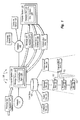
- Figure 1 illustrates an example of a computer architecture that facilitates organizing electronic mail messages into conversations.
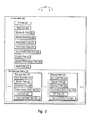
- Figure 2 illustrates an example data structure representing an electronic mail conversation item.
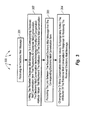
- Figure 3 illustrates an example flow chart of a method for updating message conversation data.
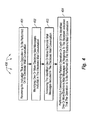
- Figure 4 illustrates an example flow chart of a method for performing an electronic mail conversation operation.
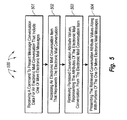
- Figure 5 illustrates an example flow chart of a method for presenting message conversation data.
- Figure 6 illustrates an example user-interface screen for presenting message conversation data.
- FIG. 7 illustrates a suitable operating environment for the principles of the present invention.
- Electronic mail conversation items are stored on computer-readable media and store message conversation data representing attributes of corresponding electronic mail conversations.
- electronic mail conversation items can store values that identify an electronic mail conversation, identify the participants in an electronic mail conversation, identify the most active participant in an electronic mail conversation, represent the duration of an electronic mail conversation, and identify the nesting of reply messages in an electronic mail conversation.
- Electronic mail conversation items can also store per message data for each electronic mail message included in a represented electronic mail conversation. Per message data can include values representing a link (e.g., a Uniform Resource Locator ("URL") to an electronic mail message (included in the electronic mail conversation) and representing any difference in recipients between the electronic mail message and a corresponding parent or otherwise related electronic mail message.
- a link e.g., a Uniform Resource Locator ("URL"
- Embodiments of the present invention include updating message conversation data.
- a computer system receives an electronic mail message.
- the computer system links the received electronic mail message to a corresponding electronic mail conversation item that includes a plurality of conversation attribute values representing the attributes of an electronic mail conversation.
- the computer system persists the link between the received electronic mail message and the corresponding electronic mail conversation item.
- the computer system changes one or more conversation attribute values to appropriately reflect the attributes of the electronic mail conversation in response to receiving the received electronic mail message.
- a computer system receives an indication that an operation is to be performed on an electronic mail conversation.
- the computer system identifies one or more electronic mail messages included in the electronic mail conversation.
- the computer accesses the identified one or more electronic mail messages included in the electronic mail conversation.
- the computer system performs a corresponding related operation on each of the identified one or more electronic messages in response to the received indication that the operation is to be performed on the electronic mail conversation.
- Additional embodiments of the present invention include presenting message conversation data.
- a computer system receives a command to present message conversation data for an electronic mail conversation that includes one or more electronic mail messages.
- the computer system accesses an electronic mail conversation item that represents the electronic mail conversation.
- the computer system retrieves persisted conversation attribute values, representing the attributes of the electronic mail conversation, from the electronic mail conversation item.
- the computer system presents the retrieved conversation attribute values along with portions of the one or more electronic mail messages.
- Embodiments within the scope of the present invention include computer-readable media for carrying or having computer-executable instructions or data structures stored thereon.
- Such computer-readable media may be any available media, which is accessible by a general-purpose or special-purpose computer system.
- Such computer-readable media can comprise physical storage media such as RAM, ROM, EPROM, CD-ROM or other optical disk storage, magnetic disk storage or other magnetic storage devices, or any other media which can be used to carry or store desired program code means in the form of computer-executable instructions, computer-readable instructions, or data structures and which may be accessed by a general-purpose or special-purpose computer system.
- a "network” is defined as one or more data links that enable the transport of electronic data between computer systems and/or modules.
- a network or another communications connection (either hardwired, wireless, or a combination of hardwired or wireless) to a computer system, the connection is properly viewed as a computer-readable medium.
- any such connection is properly termed a computer-readable medium.
- Computer-executable instructions comprise, for example, instructions and data which cause a general-purpose computer system or special-purpose computer system to perform a certain function or group of functions.
- the computer executable instructions may be, for example, binaries, intermediate format instructions such as assembly language, or even source code.
- a "computer system” is defined as one or more software modules, one or more hardware modules, or combinations thereof, that work together to perform operations on electronic data.
- the definition of computer system includes the hardware components of a personal computer, as well as software modules, such as the operating system of the personal computer.
- the physical layout of the modules is not important.
- a computer system may include one or more computers coupled via a network.
- a computer system may include a single physical device (such as a mobile phone or Personal Digital Assistant "PDA") where internal modules (such as a memory and processor) work together to perform operations on electronic data.
- PDA Personal Digital Assistant
- the invention may be practiced in network computing environments with many types of computer system configurations, including, personal computers, laptop computers, hand-held devices, multi-processor systems, microprocessor-based or programmable consumer electronics, network PCs, minicomputers, mainframe computers, mobile telephones, PDAs, pagers, and the like.
- the invention may also be practiced in distributed system environments where local and remote computer systems, which are linked (either by hardwired data links, wireless data links, or by a combination of hardwired and wireless data links) through a network, both perform tasks.
- program modules may be located in both local and remote memory storage devices.
- a “conversation” is defined as an electronic message exchange between a plurality of messaging entities related to a specified topic or subject.
- Figure 1 illustrates an example of a computer architecture 100 that facilitates organizing electronic mail messages into conversations.
- computer system 103 is connected to networks 101 and 102.
- Network 101 can be virtually any type of network, such as, for example, a Wide Area Network ("WAN") or even the Internet.
- network 102 can be virtually any type of network, such as, for example, a Local Area Network (“WAN”), Personal Area Network (“PAN”), or Home Area Network (“HAN”).
- Computer systems 131, 132, and 133 are also connected to network 102.
- Computer systems connected to networks 101 and 102 can receive data from and send data to other computer systems that are also connected to network 101 or network 102. Accordingly, computer systems 103, 131, 132, and 133, as well as other connected computer systems (not shown), can exchange message related data (e.g., included in Internet Protocol (“IP”) datagrams and in accordance with other higher layer protocols that utilize IP datagrams, such as, Transmission Control Protocol (“TCP”), Hypertext Transfer Protocol ("HTTP”), Simple Mail Transfer Protocol (“SMTP”), Post Office Protocol (“POP”), Internet Message Access Protocol (“IMAP”), etc.) over networks 101 and 102.
- IP Internet Protocol
- TCP Transmission Control Protocol
- HTTP Hypertext Transfer Protocol
- SMTP Simple Mail Transfer Protocol
- POP Post Office Protocol
- IMAP Internet Message Access Protocol
- each of computer systems 103, 131, 132, and 133 can include electronic mail applications (e.g., mail servers and/or mail clients) configured to transfer and process electronic mail messages (and other message related data).
- computer system 103 includes message server 104.
- message server 104 can receive, forward, and store electronic messages for the users of computer systems 131, 132, and 133.
- message server 104 can maintain one or more mail boxes for the users of computer systems 131, 132, and 133.
- message server 104 can store the electronic message in an appropriate mail box. Subsequently, a user can send a request for the electronic mail message.
- message server 104 can send the electronic message (e.g., over network 102 in accordance with POP or IMAP) to the appropriate message client (e.g., message client 134).
- message clients can include a user-interface (e.g., user-interface 136) fir displaying electronic mail messages and message conversation data.
- Message server 104 can also receive (e.g., over network 102 in accordance with SMTP) messages (e.g., message 143) from message clients (e.g., message client 134) for delivery to other computer systems.
- message server 104 can forward electronic messages (e.g., over network 101 in accordance with SMTP) to other message servers.
- Item store 107 generally represents a system, such as, for example, a file system, database, or electronic mail storage system, for retaining, indexing, and recalling data. Electronic messages and other message related data can be stored in item store 107.
- item store 107 includes contacts silo 111, folder silo 112, message silo 113, and conversation silo 114. Contacts silo 111, folder silo 112, message silo 113, and conversation silo 114 can store corresponding message contact data (e.g., names and electronic mail addresses), message folder data (e.g., mail folders), message data (message headers and bodies), and message conversation data respectively.
- message silo 113 includes message items 122, 123, and 124 that contain message data related to received electronic messages (e.g., message 141 and/or message 143).
- Conversation silo 114 includes conversation item 127.
- conversation item 127 is a physical representation of an electronic mail conversation and has a set of attributes that represent the electronic mail conversation.
- Links 151, 152, and 153 link conversation item 127 to messages items 122, 123, and 124, respectively.
- message items 122, 123, and 124 can be viewed as being included in an electronic mail conversation represented by conversation item 127.
- Conversation agent 106 acts upon received messages to create, update and delete message conversation data, such as, for example, message conversation meta-data on electronic mail conversations and electronic mail messages included in electronic mail conversations.
- conversation agent 106 maintains a "conversations" folder in a user's mailbox. Thus, conversation items may be created, updated, and deleted by interfacing with the conversations folder.
- conversation agent 106 can determine if the received mail message is to be included in an existing electronic mail conversation (e.g., that already includes one or more other electronic mail messages) or it the received mail messages is to be included in a new electronic mail conversation. In response to a received electronic mail message, conversation agent 106 can change values included in stored message items stored and conversation items (and possibly other data in item store 107).
- an electronic mail message e.g., message 141 or 143
- conversation agent 106 can change values included in stored message items stored and conversation items (and possibly other data in item store 107).
- Conversation agent 106 can utilize data included in a received message to determine the appropriate electronic mail conversation an electronic mail message is to be included in can utilize. For example, conversation agent 106 can parse header data to determine if a received electronic message includes any message conversation data. In some environments, an electronic mail message includes message conversation data, such as, for example, a conversation index or conversation GUID, indicative of a specific conversation. Accordingly, conversation agent 106 can determine the appropriate electronic mail conversation based on the conversation index or conversation GUID.
- message conversation data such as, for example, a conversation index or conversation GUID
- conversation agent 106 can identify a specified electronic mail conversation from other message conversation data included in the electronic mail message. For example, conversation agent 106 can examine the values of one or more message headers (e.g., Request For Comments ("RFC") 2822 "In-Reply-To" and/or "References" headers) to identify an appropriate electronic mail conversation.
- Conversation agent l06 can scan other message items in message silo 113 to attempt to identify a parent or otherwise related electronic message for the received electronic message. When a parent or related message is identified, the received message can be included in the electronic mail conversation that includes the parent or related electronic mail message.
- RRC Request For Comments
- conversation agent 106 is depicted at message server 104, it should be understood that conversation agent 106 (or some other conversation agent) can be included at any computer system to organize electronic mail messages into conversations.
- a conversation agent can be included at any of computer systems 131, 132, and 133, such as, for example, as part of message client 134.
- Conversation related commands e.g., conversation command 146
- corresponding responses e.g., conversation data 147
- electronic mail conversations can be modeled as first class entities and conversation items can be physically persisted in Item store 107.
- FIG. 2 illustrates an example data structure 200 representing conversation item 201.
- Data structure 200 is one example of a data structure that can be manipulated by conversation agent 106.
- Conversation item 127 can be structured in accordance with data structure 200.
- Data structure 200 can be virtually any type of data or data stream, such as, for example, an eXstensible Mark-up Language (“XML") data stream.
- XML eXstensible Mark-up Language
- Each field in conversation item 201 can be typed to store a particular type of data, such as, for example, integer, string, character, floating point, hexadecimal, octal, binary, logical, URL, or even user-defined.
- each of the depicted data fields can store one or more attribute values representing and/or identifying one or more attributes of a corresponding electronic mail conversation.
- ID field 202 can store an identifier value (e.g., a GUID) that identifies an electronic mail conversation.
- Topic field 203 can store a topic value representing the topic of the electronic mail conversation identified by the identifier value in ID field 202.
- Started By field 204 can store a started by value that identifies the entity (e.g., by name and/or electronic mail address) that started the electronic mail conversation identified by the identifier value in ID field 202.
- Start Time field 206 can store a start time value representing the time the electronic mail conversation identified by the identifier value in ID field 202 was started.
- Most recent field 207 can store a most recent value identifying the entity (e.g., by name and/or electronic mail address) that most recently sent an electronic mail message included in the electronic mail conversation identified by the identifier value in ID field 202.
- Most Active field 208 can store a most active value identifying an entity (e.g., by name and/or electronic mail address) that has contributed the most number of electronic mail messages to the electronic mail conversation identified by the identifier value in ID field 202.
- Active Participants field 209 can store one or more active participant values that identify entities (e.g., by name and/or electronic mail address) participating in the electronic mail conversation identified by the identifier value in ID field 202.
- Duration field 211 can store a duration value representing the duration of the electronic mail conversation identified by the identifier value in ID field 202 (e.g.,. from starting electronic mail message to most recent electronic mail message).
- Number Of Messages field 212 can store a number of messages value representing the number of messages exchanged in the electronic mail conversation identified by the identifier value in ID field 202.
- Depth field 213 can store a depth value identifying the nesting of reply messages in the electronic mail conversation identified by the identifier value in ID field 202.
- conversation item 201 also includes per message fields 214 corresponding to each electronic mail message (e.g., message items 122, 123, and 124) included in the electronic mail conversation identified by the identifier value in ID field 202.
- Per message fields 214 includes attributes for one or more message items, such as, for example, message items 221 and 231.
- depicted data fields can store one or more attribute values representing and/or identifying one or more attributes of a corresponding electronic mail message included in the electronic mail conversation identified by the identifier value in ID field 202.
- Sent time fields 222 and 232 can store sent time values indicating when electronic mail messages represented by message items 221 and 222 were sent respectively.
- Sender fields 223 and 223 can store sender values identifying the entity (e.g., by name and/or electronic mail address) that sent the electronic mail messages represented by message items 221 and 222 respectively.
- Summary fields 234 and 244 can store summary values representing a summary of the contents (e.g., text) of the electronic mail messages represented by message items 221 and 222 respectively. Blindly quoted text from parent electronic mail messages can be omitted.
- Conversation index fields 226 and 236 can store conversation index values identifying the appropriate position of the electronic mail messages represented by message items 221 and 222 respectively within the electronic mail conversation identified by the identifier value in ID field 202.
- Link fields 227 and 237 can store link values that link the electronic mail conversation identified by the identifier value in ID field 202 to the electronic mail messages represented by message items 221 and 222 respectively.
- link fields are Uniform Resource Identifier ("URI") fields or Uniform Resource Locator (“URL”) fields that store URL values or some other type of URI value.
- URI Uniform Resource Identifier
- URL Uniform Resource Locator
- Recipient delta fields 228 and 238 can store recipient delta values indicating the list of entities (e.g., by name and/or electronic mail address) that were added or removed from the electronic mail messages represented by message items 221 and 222 respectively relative to a corresponding parent message. For example, it may be that a parent message is sent to from entity A to entities B, C, D. In response to receiving the parent message, entity D may send a child message (e.g., a reply to the parent message) to entities A, C, E. Thus, the recipient delta value for the child message may be a list that indicates entity B was removed and entity E was added.
- entities e.g., by name and/or electronic mail address
- a series three periods (an ellipsis) before, between, and after message items 221 and 231 indicate that per message fields 214 can include one or more additional message items before, between, and after message items 221 and 231.
- HyperText Markup Language (“HTML”) bodies are computed for conversation items such that the conversation items can be displayed at a user-interface (e.g., user-interface 136).
- HTML bodies can be computed using an eXstensible Style Language (“XSL”) transform on the attribute values stored in the fields of conversation item 201.
- HTML bodies can be generated dynamically in response to a request to present a conversation item.
- XSL eXstensible Style Language
- Conversation agent 106 (or any other conversation agent) can be configured to handle one or more message related events.
- conversation agent 106 is configured to handle the arrival of a new electronic mail message or the update of an existing electronic mail message.
- Figure 3 illustrates an example flow chart of a method 300 for updating message conversation data. The method 300 will be described with respect to the components and data in computer architecture 100 and the data fields of data structure 200.
- Method 300 includes an act of receiving an electronic mail message (act 301).
- computer system 103 can receive message 141 or message 143.
- Method 300 includes an act of linking the received electronic mail message to a corresponding electronic mail conversation item that represents an electronic mail conversation (act 302).
- conversation agent 106 can create a message item (e.g., message item 122) for message 141 or message 143 in system memory.
- Conversation agent 106 can subsequently link conversation item 127 to the in-memory message item.
- Conversation item 127 can include plurality of conversation attribute fields (e.g., the fields of conversation item 201) that represent attributes of the electronic mail conversation.
- Method 300 includes an act of persisting the link between the received electronic mail message and the corresponding electronic mail conversation item (act 303).
- conversation agent 106 can store message item 122 (a message item corresponding to message 141 or message 143) in message silo 113.
- Link 151 can also be stored in item store 107.
- link 151 is more permanent.
- link 151 can continue to exist after power of computer system 103 is removed.
- Link 151 may also continue to exist even if computer system 103 malfunctions.
- conversation item 127 can subsequently be accessed to determine that the received electronic mail message (e.g., message 141 or message 143) is included in the electronic mail conversation.
- Method 300 includes an act of changing one or more conversation attribute values to appropriately reflect the attributes of the electronic mail conversation in response to receiving the received electronic mail message (act 304).
- conversation item 106 can change one or more conversation attribute values of conversation item 127 to appropriately reflect the attributes of the electronic mail conversation in response to receiving message 141 or message 143.
- one or more data fields similar to the data fields in conversation item 201 are updated in response to receiving an electronic message.
- an identifier value can be set to a conversation GUID of the received electronic mail message and stored in a corresponding ID field.
- a topic value can be set to the conversation topic of the received electronic mail message and stored in a corresponding Topic field.
- a started by value can be set to the sender (e.g., name and/or electronic mail address) of the received electronic mail message and stored in a corresponding Started By field.
- a start time value can be set to the sent time of the received electronic mail message and stored in a corresponding Start Time field.
- a most recent value can be set to the sender (e.g., name and/or electronic mail address) of the received electronic mail message and stored in a corresponding Most Recent field.
- conversation agent 106 can calculate the most active participant in the electronic mail conversation.
- a most active value can be set to the calculated most active participant (e.g., name and/or electronic mail address) and stored in a corresponding Most Active field.
- conversation agent 106 can determine all the entities that have participated in the electronic mail conversation.
- An active participants value can be set to a list of all the entities (e.g., names and/or electronic mail addresses) and stored in a corresponding Active Participants field.
- conversation agent 106 can calculate the elapsed time span between the earliest message in the electronic mail conversation and the latest message in the electronic mail conversion. A duration value can be set to the calculated elapsed time span and stored in a corresponding Duration field. Taking the received electronic mail message into account, conversation agent 106 can calculate the total number of electronic mail messages in the electronic mail conversation. A number of messages value can be set to the calculated total number and stored in a Number Of Messages field. Taking the received electronic mail message into account, conversation agent 106 can determine the nested reply depth of the electronic mail conversation. A depth value can be set to the determined nested reply depth and stored in a corresponding depth field.
- Per message data fields can also be updated.
- a sent time value is set to the sent time of the received electronic mail message and stored in a corresponding Sent Time field.
- a sender value is set to the sender (e.g., name and/or electronic mail address) of the received electronic mail message and stored in a corresponding Sender field.
- the text body content of the received electronic mail message is obtained. If the received electronic mail message is a reply to another email, the text body is scanned to eliminate any text that is automatically "quoted” from the parent message. Eliminating automatically quoted text can be done by scanning for character patterns that indicate the start of quoted text (e.g., "---------------", and " " are two such patterns). If the unique text content of received electronic mail message is larger than a threshold number (e.g., 1000 characters), then only the threshold number (e.g., 1000) of characters are retained. A summary text value is set to the unique text content and stored in a corresponding Summary field.
- a threshold number e.g. 1000 characters
- a conversation index value is set to the conversation index attributed of the received electronic mail message and stored in a corresponding Conversation Index field.
- a link value is set to a link (e.g., a URL) to received electronic mail message and stored in a corresponding Link field.
- a recipient delta value is calculated.
- the recipient delta value is et to the simply the entire list of recipients in the receive electronic mail message.
- the recipient list of the received electronic mail message is compared to the receipt list of the part electronic mail message. If the recipient lists are identical, then a recipient delta value is not set. If the recipient lists are different, the actual difference that consists of both new recipients added to the received electronic mail message that are not on the parent electronic mail message, and the recipients that are absent on the received electronic mail message but present on the parent electronic mail message, are noted.
- the recipient delta value is set to the noted differences and stored in a corresponding Recipient Delta field.
- Figure 4 illustrates an example flow chart of a method 400 for performing an electronic mail conversation operation.
- the method 400 will be described with respect to the components and data in computer architecture 100 and the data fields of data structure 200.
- Method 400 includes an act of receiving an indication that an operation is to be performed on an electronic mail conversation (act 401).
- computer system 103 can receive conversation command 146, such as, for example, a command to create a new conversation or open, move, or delete an existing conversation.
- Conversation command 146 can be a manually entered command or an automated command.
- a user can manipulate an input device (e.g., a keyboard or mouse) to enter conversation command 146 (or data that causes conversation command 146) at user-interface 136.
- conversation command 146 can be caused by an electronic mail rule or other automated process at computer system 133.
- a conversation command can also be generated internally at computer system 103, such as, for example, in a message processing pipeline of message server 104.
- receiving an electronic mail message is an indication that an operation is to be performed on an electronic mail conversation.
- Method 400 includes an act of identifying one or more electronic mail messages included in the electronic mail conversation (act 402).
- conversation agent 106 can identify that electronic mail messages represented by message items 122, 123, and 124 are included in an electronic mail conversation represented by conversation item 127.
- Conversation agent 106 can use a GUID for identifying electronic mail messages.
- conversation agent 106 can match GUIDs in electronic mail message headers (e.g., in headers 142 or 144) to a GUID in a conversation item (e.g., stored in ID field 202).
- conversation agent 106 can scan per message fields (e.g., per message fields 214) to identify message items included in a conversation item.
- conversation agent 106 can scan links (e.g., URLs) stored in link fields (e.g., link fields 227 and 237) to identify electronic mail messages.
- links e.g., URLs
- Method 400 includes an act of accessing the identified one or more electronic mail messages included in the electronic mail conversation (act 403).
- conversation agent 106 can access electronic mail messages represented by message items 122, 123, and 124.
- Conversation agent 106 can access electronic mail messages identified as having matching GUIDs and/or can follow links in per message fields to access electronic mail messages.
- Method 400 includes an act of performing a corresponding related operation on each of the identified one or more electronic mail messages in response to the received indication that the operation is to be performed on the electronic mail conversation (act 404).
- conversation agent 106 can cause a corresponding related operation to be performed on messages represented by message items 122, 123, and 124 in response to a received indication that the operation is to be performed on the electronic mail conversation represented by conversation item 127.
- issuing a command to perform an operation on an electronic mail conversation can cause a corresponding related operation to be performed on all electronic mail messages included in the electronic mail conversation.
- deleting an electronic mail conversation can cause all the electronic mail messages included in the electronic mail conversation to be deleted.
- Opening an electronic mail conversation can cause all the electronic mail messages included in the electronic mail conversation to be opened.
- Moving an electronic mail conversation to a folder can cause all the electronic mail messages included in the electronic mail conversation to be moved to the same location, such as, for example, to the same folder as the electronic mail conversation or a different folder (even if the electronic mail messages are received after the conversation is moved).
- conversation agent 106 scans all mail folders and identifies electronic mail messages (e.g., using a GUID) included in the electronic mail conversation.
- Conversation agent 106 moves all identified electronic mail messages to the Work folder.
- Conversation agent 106 also moves any subsequently received electronic mail messages included in the electronic mail conversation to the Work folder
- conversation agent 106 scans all mail folders and identifies electronic mail messages (e.g., using a GUID) included in the electronic mail conversion. Conversation agent 106 moves all identified electronic mail messages to a Deleted Items folder. Conversation agent 106 also moves any subsequently received electronic mail messages include in the electronic mail conversation to the Deleted Items folder.
- electronic mail messages e.g., using a GUID
- conversation agent 106 can check an "Ignored Conversations" folder for the presence of an existing conversation item that corresponds to the received electronic mail message (e.g., using a GUID as the key for correlation). Similar to links to message items, conversation items can also include links to folders items (e.g., in folder silo 112). A link from a conversation item to a folder item can represent that the conversation item is in a folder represented by the folder item.
- conversation agent 106 transfers the received electronic mail message to a "Deleted Items" folder (fulfilling the user's preference).
- conversation agent 106 can check a "Conversations" folder for the presence of an existing conversation item that corresponds to the received electronic mail message (e.g., using the GUID). If a corresponding conversation item does not exist, a new conversation item is created in the Conversations folder. If a corresponding conversation item does exist, the existing conversation item is opened. Attribute values of the new or existing conversation item with relevant message conversation data is updated (e.g., in accordance with method 300).
- Figure 5 illustrates an example flow chart of a method for presenting message conversation data.
- the method 500 will be described with respect to the components and data in computer architecture 100 and the data fields of data structure 200.
- Method 500 includes an act of receiving a command to present message conversation data for an electronic mail conversation that includes one or more electronic mail messages (act 501).
- user-interface 136 can receiver user input requesting message conversation data for the electronic mail conversation represented by conversation item 127.
- User-input can include, for example, selecting an icon representing the electronic mail conversation or entering query data at user-interface 136.
- an electronic mail rule or other automated process at computer system 103 or computer system 133) can generate a command to present message conversation data.
- conversation command 146 (e.g., including a GUID) is sent from computer system 133 to computer system 103.
- Method 500 includes an act of accessing an electronic mail conversation item that represents the electronic mail conversation (act 502).
- conversation agent 106 can access conversation item 127.
- Method 500 includes an act of retrieving persisted conversation attribute values, representing the attributes of the electronic mail conversation, from the electronic mail conversation item (act 503).
- conversation agent 106 can retrieve one or more stored values from data fields of a data structure similar to data structure 200.
- Method 500 includes an act of presenting the retrieved conversation attribute values along with portions of the one or more electronic mail messages (act 504).
- user-interface 136 can present retrieved attribute values from conversation item 127 along with portions of electronic messages represented by message items 122, 123, and 124.
- Figure 6 illustrates an example user-interface screen 600 for presenting message conversation data.
- Topic 601 is the topic of the presented electronic mail conversation can be retrieved from Topic field 203.
- Number of messages 602 indicates the number of electronic mail messages included in the presented electronic mail conversation and can be retrieved from Number Of Messages field 212.
- Duration 603 indicates the elapsed time span of the presented conversation can be retrieved from Duration field 211.
- Participants 604 indicate the entities participating in the electronic mail conversation and can be retrieved from Active Participants field 209.
- Most active participant 606 indicates an entity that has sent the most electronic mail messages included in the presented electronic mail conversation and can be retrieved from Most Active field 207.
- Per message data 611 presents portions of one or more electronic mail messages that are included in the presented electronic mail conversation.
- a sender e.g., sender 612
- a sender indicates the entity that sent the corresponding electronic mail message (e.g., message 141) and can be retrieved from a Sender field (e.g., Sender field 223) in a corresponding message item (e.g., message item 221).
- a summary e.g., summary text 614) is presented for each electronic mail message included in the presented electronic mail conversation.
- a summary represents a portion of the body of the corresponding electronic mail message (e.g., message 141) and can be retrieved from a Summary field (e.g., Summary field 224) in a corresponding message item (e.g., message item 221).
- a link (e.g., link 617) is presented for each electronic mail message included in the presented the electronic mail conversation.
- a link provides access to the complete body of the corresponding electronic message (e.g., message 141) and can be retrieved from a link field (e.g., link field 227) in a corresponding message item (e.g., message item 221).
- a sent time (e.g., sent time 613) is presented for each electronic mail message included in the presented the electronic mail conversation.
- a sent time indicates the time the corresponding electronic mail message (e.g., message 141) was sent and can be retrieved from a Sent Time field (e.g., Sent Time field 222) in a corresponding message item (e.g., message item 221).
- Added participants e.g., added participant 616 and 619) and removed participants (e.g., removed participant 618) are presented for each electronic mail message included in the presented the electronic mail conversation.
- Added participants and removed participants can be retrieved from a Recipient Delta field (e.g., Recipient Delta field 228) in a corresponding message item (e.g., message item 221).
- Recipient Delta field e.g., Recipient Delta field 2228
- Figure 7 illustrates a suitable operating environment for the principles of the present invention.
- Figure 7 and the following discussion are intended to provide a brief, general description of a suitable computing environment in which the invention may be implemented.
- program modules include routines, programs, objects, components, data structures, and the like, which perform particular tasks or implement particular abstract data types.
- Computer-executable instructions, associated data structures, and program modules represent examples of the program code means for executing acts of the methods disclosed herein.
- an example system for implementing the invention includes a general-purpose computing device in the form of computer system 720, including a processing unit 721, a system memory 722, and a system bus 723 that couples various system components including the system memory 722 to the processing unit 721.
- Processing unit 721 can execute computer-executable instructions designed to implement features of computer system 720, including features of the present invention.
- the system bus 723 may be any of several types of bus structures including a memory bus or memory controller, a peripheral bus, and a local bus using any of a variety of bus architectures.
- the system memory includes read only memory (“ROM”) 724 and random access memory (“RAM”) 725.
- ROM read only memory
- RAM random access memory
- a basic input/output system (“BIOS”) 726 containing the basic routines that help transfer information between elements within computer system 720, such as during start-up, may be stored in ROM 724.
- the computer system 720 may also include magnetic hard disk drive 727 for reading from and writing to magnetic hard disk 739, magnetic disk drive 728 for reading from or writing to removable magnetic disk 729, and optical disk drive 730 for reading from or writing to removable optical disk 731, such as, or example, a CD-ROM or other optical media.
- the magnetic hard disk drive 727, magnetic disk drive 728, and optical disk drive 730 are connected to the system bus 723 by hard disk drive interface 732, magnetic disk drive-interface 733, and optical drive interface 734, respectively.
- the drives and their associated computer-readable media provide nonvolatile storage of computer-executable instructions, data structures, program modules, and other data for the computer system 720.
- magnetic hard disk 739 removable magnetic disk 729 and removable optical disk 731
- other types of computer readable media for storing data can be used, including magnetic cassettes, flash memory cards, digital versatile disks, Bernoulli cartridges, RAMs, ROMs, and the like.
- Program code means comprising one or more program modules may be stored on hard disk 739, magnetic disk 729, optical disk 731, ROM 724 or RAM 725, including an operating system 735, one or more application programs 736, other program modules 737, and program data 738.
- a user may enter commands and information into computer system 720 through keyboard 740, pointing device 742, or other input devices (not shown), such as, for example, a microphone, joy stick, game pad, scanner, or the like.
- input devices can be connected to the processing unit 721 through input/output interface 746 coupled to system bus 723.
- Input/output interface 746 logically represents any of a wide variety of different interfaces, such as, for example, a serial port interface, a PS/2 interface, a parallel port interface, a Universal Serial Bus (“USB”) interface, or an Institute of Electrical and Electronics Engineers (“IEEE”) 1394 interface (i.e., a Fire Wire interface), or may even logically represent a combination of different interfaces.
- a monitor 747 or other display device is also connected to system bus 723 via video interface 748.
- Other peripheral output devices such as, for example, speakers and printers, can also be connected to computer system 420.
- Computer system 720 is connectable to networks, such as, for example, an office-wide or enterprise-wide computer network, a home network, an intranet, and/or the Internet.
- Computer system 720 can exchange data with external sources, such as, for example, remote computer systems, remote applications, and/or remote databases over such networks.
- Computer system 720 includes network interface 753, through which computer system 720 receives data from external sources and/or transmits data to external sources.
- network interface 753 facilitates the exchange of data with remote computer system 783 via link 751.
- Network interface 753 can logically represent one or more software and/or hardware modules, such as, for example, a network interface card and corresponding Network Driver Interface Specification ("NDIS") stack.
- Link 751 represents a portion of a network (e.g., an Ethernet segment), and remote computer system 783 represents a node of the network.
- computer system 720 includes input/output interface 746, through which computer system 720 receives data from external sources and/or transmits data to external sources.
- Input/output interface 746 is coupled to modem 754 (e.g., a standard modem, a cable modem, or digital subscriber line (“DSL”) modem) via link 759, through which computer system 720 receives data from and/or transmits data to external sources.
- modem 754 e.g., a standard modem, a cable modem, or digital subscriber line (“DSL”) modem
- link 759 e.g., a standard modem, a cable modem, or digital subscriber line (“DSL”) modem
- input/output interface 746 and modem 754 facilitate the exchange of data with remote computer system 793 via link 752.
- Link 752 represents a portion of a network and remote computer system 493 represents a node of the network.
- Figure 7 represents a suitable operating environment for the present invention
- the principles of the present invention may be employed in any system that is capable of, with suitable modification if necessary, implementing the principles of the present invention.
- the environment illustrated in Figure 7 is illustrative only and by no means represents even a small portion of the wide variety of environments in which the principles of the present invention may be implemented.
- modules including message servers, conversation agents, message clients, and user-interfaces as well as associated data, including message items, conversations items, folder items, electronic mail messages, message conversation commands, and message conversation data may be stored and accessed from any of the computer-readable media associated with computer system 720.
- portions of such modules and portions of associated program data may be included in operating system 735, application programs 736, program modules 737 and/or program data 738, for storage in system memory 722.
- a mass storage device such as, for example, magnetic hard disk 739
- modules and associated program data may also be stored in the mass storage device.
- program modules depicted relative to computer system 720, or portions thereof can be stored in remote memory storage devices, such as, system memory and/or mass storage devices associated with remote computer system 783 and/or remote computer system 793. Execution of such modules may be performed in a distributed environment as previously described.
Landscapes
- Engineering & Computer Science (AREA)
- Business, Economics & Management (AREA)
- Human Resources & Organizations (AREA)
- Strategic Management (AREA)
- Entrepreneurship & Innovation (AREA)
- General Business, Economics & Management (AREA)
- Marketing (AREA)
- Tourism & Hospitality (AREA)
- Physics & Mathematics (AREA)
- General Physics & Mathematics (AREA)
- Economics (AREA)
- Theoretical Computer Science (AREA)
- Computer Networks & Wireless Communication (AREA)
- Signal Processing (AREA)
- Operations Research (AREA)
- Quality & Reliability (AREA)
- Computer Hardware Design (AREA)
- Data Mining & Analysis (AREA)
- General Health & Medical Sciences (AREA)
- Health & Medical Sciences (AREA)
- Primary Health Care (AREA)
- Information Transfer Between Computers (AREA)
Applications Claiming Priority (1)
| Application Number | Priority Date | Filing Date | Title |
|---|---|---|---|
| US10/937,521 US8150926B2 (en) | 2004-09-09 | 2004-09-09 | Organizing electronic mail messages into conversations |
Publications (2)
| Publication Number | Publication Date |
|---|---|
| EP1635289A2 true EP1635289A2 (de) | 2006-03-15 |
| EP1635289A3 EP1635289A3 (de) | 2008-04-30 |
Family
ID=35515651
Family Applications (1)
| Application Number | Title | Priority Date | Filing Date |
|---|---|---|---|
| EP05108063A Ceased EP1635289A3 (de) | 2004-09-09 | 2005-09-02 | Organisation von E-Mail Nachrichtungen in Gespräche |
Country Status (5)
| Country | Link |
|---|---|
| US (2) | US8150926B2 (de) |
| EP (1) | EP1635289A3 (de) |
| JP (1) | JP4824364B2 (de) |
| KR (2) | KR101201189B1 (de) |
| CN (1) | CN1746914B (de) |
Families Citing this family (80)
| Publication number | Priority date | Publication date | Assignee | Title |
|---|---|---|---|---|
| US9715678B2 (en) | 2003-06-26 | 2017-07-25 | Microsoft Technology Licensing, Llc | Side-by-side shared calendars |
| US7707255B2 (en) | 2003-07-01 | 2010-04-27 | Microsoft Corporation | Automatic grouping of electronic mail |
| US8799808B2 (en) | 2003-07-01 | 2014-08-05 | Microsoft Corporation | Adaptive multi-line view user interface |
| US7814155B2 (en) | 2004-03-31 | 2010-10-12 | Google Inc. | Email conversation management system |
| US7269621B2 (en) | 2004-03-31 | 2007-09-11 | Google Inc. | Method system and graphical user interface for dynamically updating transmission characteristics in a web mail reply |
| US9819624B2 (en) | 2004-03-31 | 2017-11-14 | Google Inc. | Displaying conversations in a conversation-based email system |
| US7912904B2 (en) | 2004-03-31 | 2011-03-22 | Google Inc. | Email system with conversation-centric user interface |
| US7979501B1 (en) * | 2004-08-06 | 2011-07-12 | Google Inc. | Enhanced message display |
| US8255828B2 (en) | 2004-08-16 | 2012-08-28 | Microsoft Corporation | Command user interface for displaying selectable software functionality controls |
| US9015621B2 (en) | 2004-08-16 | 2015-04-21 | Microsoft Technology Licensing, Llc | Command user interface for displaying multiple sections of software functionality controls |
| US8146016B2 (en) | 2004-08-16 | 2012-03-27 | Microsoft Corporation | User interface for displaying a gallery of formatting options applicable to a selected object |
| US7895531B2 (en) | 2004-08-16 | 2011-02-22 | Microsoft Corporation | Floating command object |
| US7703036B2 (en) | 2004-08-16 | 2010-04-20 | Microsoft Corporation | User interface for displaying selectable software functionality controls that are relevant to a selected object |
| US20090094332A1 (en) * | 2004-09-02 | 2009-04-09 | Zimbra, Inc. | System and method for enabling offline use of email through a browser interface |
| US8150926B2 (en) | 2004-09-09 | 2012-04-03 | Microsoft Corporation | Organizing electronic mail messages into conversations |
| US7747966B2 (en) | 2004-09-30 | 2010-06-29 | Microsoft Corporation | User interface for providing task management and calendar information |
| US20060075044A1 (en) * | 2004-09-30 | 2006-04-06 | Fox Kevin D | System and method for electronic contact list-based search and display |
| US7412483B2 (en) * | 2005-01-07 | 2008-08-12 | International Business Machines Corporation | Automated email activity management |
| US20070038777A1 (en) * | 2005-06-17 | 2007-02-15 | Alien Camel Pty Ltd | Conversation message server |
| US8239882B2 (en) | 2005-08-30 | 2012-08-07 | Microsoft Corporation | Markup based extensibility for user interfaces |
| US20070050488A1 (en) * | 2005-09-01 | 2007-03-01 | Joyner Wilbert R Jr | Broadcast with private reply control in a real-time messaging system |
| US8689137B2 (en) * | 2005-09-07 | 2014-04-01 | Microsoft Corporation | Command user interface for displaying selectable functionality controls in a database application |
| US9542667B2 (en) | 2005-09-09 | 2017-01-10 | Microsoft Technology Licensing, Llc | Navigating messages within a thread |
| US8627222B2 (en) | 2005-09-12 | 2014-01-07 | Microsoft Corporation | Expanded search and find user interface |
| US8601004B1 (en) * | 2005-12-06 | 2013-12-03 | Google Inc. | System and method for targeting information items based on popularities of the information items |
| US7599861B2 (en) | 2006-03-02 | 2009-10-06 | Convergys Customer Management Group, Inc. | System and method for closed loop decisionmaking in an automated care system |
| US7890875B2 (en) | 2006-04-12 | 2011-02-15 | Research In Motion Limited | IM conversation management |
| US7809663B1 (en) | 2006-05-22 | 2010-10-05 | Convergys Cmg Utah, Inc. | System and method for supporting the utilization of machine language |
| US8379830B1 (en) | 2006-05-22 | 2013-02-19 | Convergys Customer Management Delaware Llc | System and method for automated customer service with contingent live interaction |
| US9727989B2 (en) | 2006-06-01 | 2017-08-08 | Microsoft Technology Licensing, Llc | Modifying and formatting a chart using pictorially provided chart elements |
| US8605090B2 (en) | 2006-06-01 | 2013-12-10 | Microsoft Corporation | Modifying and formatting a chart using pictorially provided chart elements |
| CN101079827B (zh) * | 2006-06-22 | 2010-07-21 | 腾讯科技(深圳)有限公司 | 电子邮件管理方法及系统 |
| US8495147B1 (en) * | 2006-07-13 | 2013-07-23 | Avaya Inc. | Threading of mixed media |
| US20080098070A1 (en) * | 2006-10-20 | 2008-04-24 | International Business Machines Corporation | System for adding new recipients to e-mail thread |
| US7921176B2 (en) * | 2007-01-03 | 2011-04-05 | Madnani Rajkumar R | Mechanism for generating a composite email |
| CN101257673B (zh) * | 2007-02-26 | 2014-04-16 | 陈宗平 | 具有电子讯息发送系统的电子设备 |
| US8762880B2 (en) | 2007-06-29 | 2014-06-24 | Microsoft Corporation | Exposing non-authoring features through document status information in an out-space user interface |
| US8201103B2 (en) | 2007-06-29 | 2012-06-12 | Microsoft Corporation | Accessing an out-space user interface for a document editor program |
| US8484578B2 (en) | 2007-06-29 | 2013-07-09 | Microsoft Corporation | Communication between a document editor in-space user interface and a document editor out-space user interface |
| US8239382B2 (en) * | 2007-07-12 | 2012-08-07 | International Business Machines Corporation | Method and apparatus for creating an index of network data for a set of messages |
| US7693940B2 (en) * | 2007-10-23 | 2010-04-06 | International Business Machines Corporation | Method and system for conversation detection in email systems |
| US20090183096A1 (en) * | 2008-01-14 | 2009-07-16 | Microsoft Corporation | Modeling conversations in electronic mail systems |
| US20090182788A1 (en) * | 2008-01-14 | 2009-07-16 | Zenbe, Inc. | Apparatus and method for customized email and data management |
| US8838144B2 (en) * | 2008-01-21 | 2014-09-16 | Blackberry Limited | Adjusting user settings on a handheld mobile communication device based upon location |
| US8024412B2 (en) * | 2008-02-15 | 2011-09-20 | Microsoft Corporation | User interface reading email conversations |
| US20090234924A1 (en) * | 2008-03-14 | 2009-09-17 | Microsoft Corporation | Automatic Association of Messages with Conversations |
| US9588781B2 (en) | 2008-03-31 | 2017-03-07 | Microsoft Technology Licensing, Llc | Associating command surfaces with multiple active components |
| US9665850B2 (en) | 2008-06-20 | 2017-05-30 | Microsoft Technology Licensing, Llc | Synchronized conversation-centric message list and message reading pane |
| US8402096B2 (en) | 2008-06-24 | 2013-03-19 | Microsoft Corporation | Automatic conversation techniques |
| US20100088382A1 (en) * | 2008-08-27 | 2010-04-08 | Lee G Roger | Document manager integration |
| US9046983B2 (en) | 2009-05-12 | 2015-06-02 | Microsoft Technology Licensing, Llc | Hierarchically-organized control galleries |
| US8595303B2 (en) | 2010-06-02 | 2013-11-26 | Microsoft Corporation | Thread data aggregation |
| US8868644B2 (en) * | 2010-11-15 | 2014-10-21 | Google Inc. | Mechanism for message prefetching in an intermittently connected offline-capable mobile web application |
| US8583654B2 (en) * | 2011-07-27 | 2013-11-12 | Google Inc. | Indexing quoted text in messages in conversations to support advanced conversation-based searching |
| US10021052B1 (en) | 2012-09-22 | 2018-07-10 | Sitting Man, Llc | Methods, systems, and computer program products for processing a data object identification request in a communication |
| US9442925B2 (en) * | 2012-11-21 | 2016-09-13 | Bank Of America Corporation | Regulated texting solution for mobile devices |
| CN103279465B (zh) * | 2012-12-18 | 2018-05-25 | 北京奇虎科技有限公司 | 通信历史数据的控制方法及装置 |
| CN103279466B (zh) * | 2012-12-18 | 2018-01-26 | 北京奇虎科技有限公司 | 控制通信历史数据的方法及装置 |
| US20140214901A1 (en) * | 2013-01-28 | 2014-07-31 | Digitalmailer, Inc. | Virtual storage system and file storing method |
| KR102110786B1 (ko) * | 2013-03-13 | 2020-05-14 | 삼성전자 주식회사 | 휴대 단말기의 대화 메시지 관리 방법 및 장치 |
| CN103763175B (zh) * | 2013-12-02 | 2018-02-02 | 段毅 | 电子邮件追踪处理系统和方法 |
| US8949283B1 (en) | 2013-12-23 | 2015-02-03 | Google Inc. | Systems and methods for clustering electronic messages |
| US9767189B2 (en) | 2013-12-30 | 2017-09-19 | Google Inc. | Custom electronic message presentation based on electronic message category |
| US9015192B1 (en) | 2013-12-30 | 2015-04-21 | Google Inc. | Systems and methods for improved processing of personalized message queries |
| US9542668B2 (en) | 2013-12-30 | 2017-01-10 | Google Inc. | Systems and methods for clustering electronic messages |
| US9306893B2 (en) * | 2013-12-31 | 2016-04-05 | Google Inc. | Systems and methods for progressive message flow |
| US9152307B2 (en) | 2013-12-31 | 2015-10-06 | Google Inc. | Systems and methods for simultaneously displaying clustered, in-line electronic messages in one display |
| US9124546B2 (en) | 2013-12-31 | 2015-09-01 | Google Inc. | Systems and methods for throttling display of electronic messages |
| US10033679B2 (en) | 2013-12-31 | 2018-07-24 | Google Llc | Systems and methods for displaying unseen labels in a clustering in-box environment |
| US10044662B1 (en) | 2014-11-18 | 2018-08-07 | Amazon Technologies, Inc. | Email conversation linking |
| US11902232B1 (en) | 2014-11-18 | 2024-02-13 | Amazon Technologies, Inc. | Email conversation linking |
| US11093125B1 (en) | 2014-12-09 | 2021-08-17 | Amazon Technologies, Inc. | Email conversation linking |
| US20160344677A1 (en) * | 2015-05-22 | 2016-11-24 | Microsoft Technology Licensing, Llc | Unified messaging platform for providing interactive semantic objects |
| US10158594B2 (en) * | 2015-09-16 | 2018-12-18 | Microsoft Technology Licensing, Llc | Group headers for differentiating conversation scope and exposing interactive tools |
| US11568337B2 (en) | 2016-06-24 | 2023-01-31 | Microsoft Technology Licensing, Llc | Identifying task assignments |
| US11546283B2 (en) | 2016-06-30 | 2023-01-03 | Microsoft Technology Licensing, Llc | Notifications based on user interactions with emails |
| KR20190112506A (ko) * | 2018-03-26 | 2019-10-07 | 삼성전자주식회사 | 전자 장치 및 전자 장치에서 전자 메일 표시 방법 |
| CN112527529B (zh) * | 2020-12-18 | 2022-11-08 | 天津中新智冠信息技术有限公司 | 消息处理方法、装置、电子设备及存储介质 |
| US11201843B1 (en) | 2021-02-05 | 2021-12-14 | International Business Machines Corporation | Dynamic migration of conversations between communication platforms |
| KR20220160947A (ko) * | 2021-05-28 | 2022-12-06 | 삼성에스디에스 주식회사 | 텍스트 분석을 위한 텍스트의 노이즈 제거 방법 및 그 장치 |
Citations (3)
| Publication number | Priority date | Publication date | Assignee | Title |
|---|---|---|---|---|
| US6330589B1 (en) | 1998-05-26 | 2001-12-11 | Microsoft Corporation | System and method for using a client database to manage conversation threads generated from email or news messages |
| US6525747B1 (en) | 1999-08-02 | 2003-02-25 | Amazon.Com, Inc. | Method and system for conducting a discussion relating to an item |
| US20030158903A1 (en) | 2001-11-27 | 2003-08-21 | International Business Machines Corporation | Calendar bar interface for electronic mail interaction |
Family Cites Families (26)
| Publication number | Priority date | Publication date | Assignee | Title |
|---|---|---|---|---|
| US5555346A (en) | 1991-10-04 | 1996-09-10 | Beyond Corporated | Event-driven rule-based messaging system |
| US6101531A (en) * | 1995-12-19 | 2000-08-08 | Motorola, Inc. | System for communicating user-selected criteria filter prepared at wireless client to communication server for filtering data transferred from host to said wireless client |
| US6484156B1 (en) * | 1998-09-15 | 2002-11-19 | Microsoft Corporation | Accessing annotations across multiple target media streams |
| JP2000298629A (ja) | 1999-04-15 | 2000-10-24 | Nec Corp | 電子メールメッセージ転送方法及びその装置並びにプログラムを記録した機械読み取り可能な記録媒体 |
| JP4469061B2 (ja) | 2000-04-14 | 2010-05-26 | 株式会社スパイア | 通信システム |
| CA2409920C (en) | 2000-06-22 | 2013-05-14 | Microsoft Corporation | Distributed computing services platform |
| US8001190B2 (en) * | 2001-06-25 | 2011-08-16 | Aol Inc. | Email integrated instant messaging |
| JP2002014903A (ja) * | 2000-06-28 | 2002-01-18 | Hitachi Ltd | 電子メール情報の検索方法および装置 |
| US7222156B2 (en) * | 2001-01-25 | 2007-05-22 | Microsoft Corporation | Integrating collaborative messaging into an electronic mail program |
| CA2441286A1 (en) | 2001-03-22 | 2002-10-03 | Michael Chung | Methods and systems for electronic mail, internet target and direct marketing, and electronic mail banner |
| US20030163537A1 (en) * | 2001-11-27 | 2003-08-28 | International Business Machines Corporation | Method and apparatus for handling conversation threads and message groupings as a single entity |
| US20030101065A1 (en) | 2001-11-27 | 2003-05-29 | International Business Machines Corporation | Method and apparatus for maintaining conversation threads in electronic mail |
| US7143135B2 (en) * | 2002-02-08 | 2006-11-28 | Microsoft Corporation | Automatic participant evaluation in computer mediated persistent conversations |
| US7206813B2 (en) | 2002-10-17 | 2007-04-17 | International Business Machines Corporation | Method, computer program product and apparatus for implementing professional use of instant messaging |
| JP2004145569A (ja) * | 2002-10-23 | 2004-05-20 | Internatl Business Mach Corp <Ibm> | 文書表示システム、文書表示方法、およびプログラム |
| US20040083269A1 (en) | 2002-10-29 | 2004-04-29 | Electronic Data Systems Corporation | Method and system for sharing knowledge through adaptive electronic message distribution |
| US7469280B2 (en) * | 2002-11-04 | 2008-12-23 | Sun Microsystems, Inc. | Computer implemented system and method for predictive management of electronic messages |
| US7158962B2 (en) | 2002-11-27 | 2007-01-02 | International Business Machines Corporation | System and method for automatically linking items with multiple attributes to multiple levels of folders within a content management system |
| US7340674B2 (en) | 2002-12-16 | 2008-03-04 | Xerox Corporation | Method and apparatus for normalizing quoting styles in electronic mail messages |
| US7421690B2 (en) * | 2003-06-23 | 2008-09-02 | Apple Inc. | Threaded presentation of electronic mail |
| US7162473B2 (en) | 2003-06-26 | 2007-01-09 | Microsoft Corporation | Method and system for usage analyzer that determines user accessed sources, indexes data subsets, and associated metadata, processing implicit queries based on potential interest to users |
| US7444598B2 (en) * | 2003-06-30 | 2008-10-28 | Microsoft Corporation | Exploded views for providing rich regularized geometric transformations and interaction models on content for viewing, previewing, and interacting with documents, projects, and tasks |
| US7461151B2 (en) * | 2003-11-13 | 2008-12-02 | International Business Machines Corporation | System and method enabling future messaging directives based on past participation via a history monitor |
| US7912904B2 (en) * | 2004-03-31 | 2011-03-22 | Google Inc. | Email system with conversation-centric user interface |
| US8275839B2 (en) * | 2004-03-31 | 2012-09-25 | Google Inc. | Methods and systems for processing email messages |
| US8150926B2 (en) | 2004-09-09 | 2012-04-03 | Microsoft Corporation | Organizing electronic mail messages into conversations |
-
2004
- 2004-09-09 US US10/937,521 patent/US8150926B2/en not_active Expired - Fee Related
- 2004-10-26 US US10/973,547 patent/US8185589B2/en not_active Expired - Fee Related
-
2005
- 2005-07-29 KR KR1020050069608A patent/KR101201189B1/ko not_active Expired - Fee Related
- 2005-08-09 CN CN2005100919286A patent/CN1746914B/zh not_active Expired - Fee Related
- 2005-08-09 JP JP2005231244A patent/JP4824364B2/ja not_active Expired - Fee Related
- 2005-09-02 EP EP05108063A patent/EP1635289A3/de not_active Ceased
-
2012
- 2012-05-09 KR KR1020120049241A patent/KR101251862B1/ko not_active Expired - Fee Related
Patent Citations (3)
| Publication number | Priority date | Publication date | Assignee | Title |
|---|---|---|---|---|
| US6330589B1 (en) | 1998-05-26 | 2001-12-11 | Microsoft Corporation | System and method for using a client database to manage conversation threads generated from email or news messages |
| US6525747B1 (en) | 1999-08-02 | 2003-02-25 | Amazon.Com, Inc. | Method and system for conducting a discussion relating to an item |
| US20030158903A1 (en) | 2001-11-27 | 2003-08-21 | International Business Machines Corporation | Calendar bar interface for electronic mail interaction |
Non-Patent Citations (1)
| Title |
|---|
| COMER, D.; PETERSON, L.: "Conversation-based email", ACM TRANSACTIONS ON COMPUTER SYSTEMS, vol. 4, no. 4, 4 November 1986 (1986-11-04), pages 299 - 319 |
Also Published As
| Publication number | Publication date |
|---|---|
| US8185589B2 (en) | 2012-05-22 |
| US20060085502A1 (en) | 2006-04-20 |
| CN1746914A (zh) | 2006-03-15 |
| KR101201189B1 (ko) | 2012-11-13 |
| KR20060048951A (ko) | 2006-05-18 |
| US8150926B2 (en) | 2012-04-03 |
| EP1635289A3 (de) | 2008-04-30 |
| JP4824364B2 (ja) | 2011-11-30 |
| KR20120058490A (ko) | 2012-06-07 |
| KR101251862B1 (ko) | 2013-04-10 |
| CN1746914B (zh) | 2012-04-04 |
| US20060053204A1 (en) | 2006-03-09 |
| JP2006079599A (ja) | 2006-03-23 |
Similar Documents
| Publication | Publication Date | Title |
|---|---|---|
| US8185589B2 (en) | Presenting and manipulating electronic mail conversations | |
| KR101109339B1 (ko) | 전자 메시지용 스키마 계층구조 | |
| KR101085651B1 (ko) | 공통 메시징 인터페이스를 통해 상이한 유형의 전자메시지들에 액세스하는 방법 | |
| US8161022B2 (en) | Efficiently and reliably providing message related data | |
| US7424513B2 (en) | Decoupling an attachment from an electronic message that included the attachment | |
| EP1447765B1 (de) | Verfahren, Gerät und Benutzerschnittstelle um elektronische Post und Warn-Nachrichten zu verwalten | |
| US7533149B2 (en) | Maintaining multiple versions of message bodies in a common database | |
| JP4327201B2 (ja) | 添付ファイルを含む電子メッセージをユーザ側で処理する方法および装置 | |
| US20020091772A1 (en) | Method for correlating an electronic mail message with related messages | |
| KR20060050342A (ko) | 팩스 메시지를 나타내기 위해 메시지 스키마를 확장하는시스템 및 방법 | |
| JP3804017B2 (ja) | 電子メールシステム | |
| JP2006285857A (ja) | メールサーバ | |
| JP2001337902A (ja) | メール送信装置、メール送信方法およびそのプログラムが記録された記録媒体 |
Legal Events
| Date | Code | Title | Description |
|---|---|---|---|
| PUAI | Public reference made under article 153(3) epc to a published international application that has entered the european phase |
Free format text: ORIGINAL CODE: 0009012 |
|
| AK | Designated contracting states |
Kind code of ref document: A2 Designated state(s): AT BE BG CH CY CZ DE DK EE ES FI FR GB GR HU IE IS IT LI LT LU LV MC NL PL PT RO SE SI SK TR |
|
| AX | Request for extension of the european patent |
Extension state: AL BA HR MK YU |
|
| PUAL | Search report despatched |
Free format text: ORIGINAL CODE: 0009013 |
|
| AK | Designated contracting states |
Kind code of ref document: A3 Designated state(s): AT BE BG CH CY CZ DE DK EE ES FI FR GB GR HU IE IS IT LI LT LU LV MC NL PL PT RO SE SI SK TR |
|
| AX | Request for extension of the european patent |
Extension state: AL BA HR MK YU |
|
| 17P | Request for examination filed |
Effective date: 20080521 |
|
| 17Q | First examination report despatched |
Effective date: 20080620 |
|
| AKX | Designation fees paid |
Designated state(s): AT BE BG CH CY CZ DE DK EE ES FI FR GB GR HU IE IS IT LI LT LU LV MC NL PL PT RO SE SI SK TR |
|
| RAP1 | Party data changed (applicant data changed or rights of an application transferred) |
Owner name: MICROSOFT TECHNOLOGY LICENSING, LLC |
|
| STAA | Information on the status of an ep patent application or granted ep patent |
Free format text: STATUS: THE APPLICATION HAS BEEN REFUSED |
|
| 18R | Application refused |
Effective date: 20170623 |