EP1589385B1 - Verfahren zum Einstellen des Erwachungssignales von einem mobilen Kommunikationsendgerät - Google Patents
Verfahren zum Einstellen des Erwachungssignales von einem mobilen Kommunikationsendgerät Download PDFInfo
- Publication number
- EP1589385B1 EP1589385B1 EP05008800A EP05008800A EP1589385B1 EP 1589385 B1 EP1589385 B1 EP 1589385B1 EP 05008800 A EP05008800 A EP 05008800A EP 05008800 A EP05008800 A EP 05008800A EP 1589385 B1 EP1589385 B1 EP 1589385B1
- Authority
- EP
- European Patent Office
- Prior art keywords
- alarm
- user
- mobile communication
- communication terminal
- follow
- Prior art date
- Legal status (The legal status is an assumption and is not a legal conclusion. Google has not performed a legal analysis and makes no representation as to the accuracy of the status listed.)
- Expired - Lifetime
Links
- 238000010295 mobile communication Methods 0.000 title claims abstract description 47
- 238000000034 method Methods 0.000 title claims abstract description 29
- 230000006870 function Effects 0.000 description 13
- 238000004891 communication Methods 0.000 description 2
- 230000005540 biological transmission Effects 0.000 description 1
- 230000002452 interceptive effect Effects 0.000 description 1
- 238000012986 modification Methods 0.000 description 1
- 230000004048 modification Effects 0.000 description 1
- 230000000750 progressive effect Effects 0.000 description 1
- 210000000707 wrist Anatomy 0.000 description 1
Images

Classifications
-
- H—ELECTRICITY
- H04—ELECTRIC COMMUNICATION TECHNIQUE
- H04B—TRANSMISSION
- H04B1/00—Details of transmission systems, not covered by a single one of groups H04B3/00 - H04B13/00; Details of transmission systems not characterised by the medium used for transmission
- H04B1/38—Transceivers, i.e. devices in which transmitter and receiver form a structural unit and in which at least one part is used for functions of transmitting and receiving
- H04B1/40—Circuits
-
- G—PHYSICS
- G04—HOROLOGY
- G04G—ELECTRONIC TIME-PIECES
- G04G13/00—Producing acoustic time signals
- G04G13/02—Producing acoustic time signals at preselected times, e.g. alarm clocks
- G04G13/021—Details
Definitions
- the present invention relates to a mobile communication terminal, and particularly, to a method for setting up an alarm and subsequent follow-up alarms of a mobile communication terminal.
- a mobile communication service provider provides a user with functions related to communications, such as allowing wireless Internet connections, performing text and multimedia message transmissions, accessing wireless on-line games, or the like.
- a mobile communication terminal manufacturer also provides the user with functions that are performed by the mobile communication terminal itself, without being related to the communication functions provided by the service provider. For example, the manufacturer can equip the terminal to perform such functions as storing a phone-book, a memo keeper, a schedule organizer, a calculator, and an alarm function, such as a wake-up alarm/call (morning call).
- the alarm function may include a snooze function, which provides follow-up alarms after a period of time, if the user does not cancel the alarm, but only activates a snooze function of the terminal.
- the snooze function prevents the user from continuously sleeping or falling back to sleep, after stopping the alarm that rings (or provides another type of output to wake the user) at the user's set designated wake-up time. By the snooze function, when the user initially stops the alarm, the alarm rings again after a predetermined time (e.g., five minutes).
- the mobile communication terminal outputs the alarm (e.g., by providing an alarm sound) at the wake-up time set by the user.
- the alarm e.g., by providing an alarm sound
- a follow-up alarm is outputted after predetermined periods of time (e.g., every 5 minutes), in accordance with the snooze function.
- FIG. 1 illustrates a flow chart showing a method for controlling a wake-up call of a mobile communication terminal, in accordance with the background art.
- a wake-up time that the user previously set in a mobile communication terminal, has been reached
- a wake-up call alarm starts to sound as a bell sound (melody) (S100 and S110).
- the wake-up call is output (rings)
- the user normally cancels the wake-up alarm/call or temporarily stops the alarm. If the user opens and closes the folding flap of the terminal or presses a certain key, the wake-up call is not completely canceled but only the alarm sound is stopped (S120 and S130).
- the mobile communication terminal determines whether the number of times the alarm is stopped exceeds a pre-set maximum number of times the alarm may be stopped (S140). If the determination shows that the number exceeds the maximum number of times, the wake-up call alarm is stopped and the wake-up call is actually canceled. However, if the number of times that the alarm is stopped does not exceed the maximum number of times, the wake-up call alarm sounds again after a snooze time, stored in the terminal as a default time value by the manufacturer of the terminal (S150, and S110).
- the background art method described as above, has drawbacks.
- the snooze time interval is set and stored by the manufacturer of the terminal. There is no provision to allow the user/owner of the terminal to set a custom snooze time interval or progressive snooze time intervals. Therefore, the convenience and flexibility of the terminal is reduced. Also, the manufacturer sets the buzzer or alarm sound associated with the wake-up alarm and the snooze alarm. There is no provision to allow the user/owner of the terminal to set a custom sound for the wake-up alarm and/or snooze (e.g. follow-up) alarm, which may be different from each other, e.g. progressively louder.
- US 5,442,660 A refers to a snoozer-timer device, which enables the user to select the length of time he wishes to sleep beyond the alarm time.
- the snooze-timer device includes a housing having a display unit and a button-type switch, a central processing unit, a clock, and a memory.
- the central processing unit, clock and memory are contained in a single microprocessor chip.
- US 6,477,117 B1 refers to a wearable mobile computing device/appliance (a wrist watch) with a high resolution display that is capable of wirelessly accessing information from a network and a variety of other devices.
- the mobile computing device/appliance includes a user interface that is used to efficiently interact with alarms and notifications on the watch.
- US 2003/142591 A1 discloses an interactive alarm clock and method, wherein the alarm clock is programmable by a user so that distinct alarm signals can be designated.
- An aspect of the present invention is to provide a method for improving the convenience of a wake-up alarm of a mobile communication terminal by permitting a user to easily and quickly set a desired snooze time interval until a follow-up alarm is given.
- the snooze time interval was fixed and set as a default value by a terminal manufacturer.
- Another aspect of the present invention allows a user to voluntarily select a bell sound, ringing sound or any other sound or melody associated with the initial wake-up alarm and/or the follow-up alarms, as desired by the user.
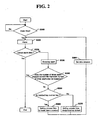
- FIG. 2 illustrates a flow chart of an exemplary method for setting a wake-up alarm of the mobile communication terminal, in accordance with the present invention.
- a user interacts with a menu of the mobile communication terminal to store several desired parameters. For example, the user sets a desired wake-up alarm time, the user selects a desired sound for the initial wake-up alarm; and the user selects a basic time interval for use in calculating a snooze time, as will be described in more detail to follow.
- Step S200 a timer provided in the terminal monitors for the set wake-up time.
- the initial wake-up alarm is outputted using the user's selected output format (e.g. bell sound, ringing sound, buzzer sound, vibration or melody).
- the user's selected output format e.g. bell sound, ringing sound, buzzer sound, vibration or melody.
- step S220 it is checked whether or not the user canceled the alarm. If the user presses (selects or inputs) a certain key (e.g., a cancel key or a '0' key), the wake-up call alarm is canceled. However, if the user opens and closes a flap of the terminal (e.g. a flap including an display which normally covers a keypad of the terminal) or presses another key (e.g., not the cancel key and the '0' key), the wake-up call is not completely canceled and the alarm is only stopped temporarily (step S230).
- a certain key e.g., a cancel key or a '0' key
- step S240 it is determined whether or not the alarm has been stopped more than a pre-set maximum number of times. Once, the mobile communication terminal determines that the number of times the alarm has been stopped (e.g., by pressing other than the cancel key or the '0' key) exceeds the pre-set maximum number of times the alarm may be stopped, the alarm is completely canceled.
- step S240 determines whether a key inputted by the user is a number key in step S250. If step S250 shows that the key that the user inputted on the mobile communication terminal to stop the alarm was a number key (excluding the '0' key), the terminal sets a certain time (e.g., a basic time preset in the terminal multiplied by the value of the number key selected by the user) as a snooze time interval, in step S260. Alternatively, the snooze time interval may be calculated by other methods, such as adding the basic time with the value of the number key selected by the user.
- a certain time e.g., a basic time preset in the terminal multiplied by the value of the number key selected by the user
- a default time is set as a snooze time in step S270.
- the default time can be equal to the basic time preset in the terminal.
- step S280 After the snooze time interval elapses (step S280), the mobile communication terminal outputs a follow-up alarm (step S210), and the aforementioned process (steps S220 ⁇ S240) are performed again. If the number of times the alarm is stopped exceeds the maximum number of times the alarm may be stopped at step S240, the wake-up call is canceled.
- the present invention allows the user to quickly select a desired snooze time interval. Therefore, if the user desires a five minute snooze time, a ten minute snooze time, a fifteen minute snooze time, or a thirty minute snooze time, such could be quickly accomplished at the time of the initial alarm by pressing the number keys "1", “2", “3”, or "6" respectively (assuming that the basic time preset in the terminal is five minutes and that the basic time is multiplied by the value of the number key pressed).
- the basic time interval, stored in the terminal may be initially set by the mobile terminal manufacturer to a value such as five minutes or ten minutes.
- the basic time interval is set by the user of the terminal as a setup menu option.
- the user could also select the alarm output format of the initial wake-up alarm and/or the follow-up alarms.
- the alarm output format could be selected from various bell sounds, ring tones, buzzers, melodies, or a vibrate mode.
- the user could select different alarm output formats for the initial alarm as compared to the follow-up alarm.
- the initial alarm could be a soothing melody
- the first follow-up alarm could be an aggressive melody
- the third and subsequent follow-up alarms could be buzzers.
- the user could select the volume level for the initial and subsequent follow-up alarms. For instance, the initial alarm could be moderate in volume, and the follow-up alarms could be sequentially louder in volume.
Landscapes
- Physics & Mathematics (AREA)
- General Physics & Mathematics (AREA)
- Engineering & Computer Science (AREA)
- Computer Networks & Wireless Communication (AREA)
- Signal Processing (AREA)
- Electric Clocks (AREA)
- Telephone Function (AREA)
- Mobile Radio Communication Systems (AREA)
Claims (16)
- Verfahren zum Schaffen zeitabhängiger Alarme für ein Mobilkommunikationsendgerät, wobei das Verfahren umfasst:Ausgeben (S219) eines Anfangsalarms;Empfangen einer Eingabe einer vom Anwender ausgewählten Taste oder Aktion auf dem Mobilkommunikationsendgerät, während der Anfangsalarm ausgegeben wird;Einstellen (S260, S270) eines Intervalls für eine Folge-Alarmzeit anhand eines Basiszeitintervalls und der empfangenen Eingabe der vom Anwender ausgewählten Taste oder Aktion auf dem Mobilkommunikationsendgerät, wobei:dann, wenn die vom Anwender ausgewählte Taste eine Zifferntaste ist, das Intervall für die Folge-Alarmzeit durch Multiplizieren oder Addieren des zur vom Anwender ausgewählten Taste gehörenden Wertes mit dem Basiszeitintervall gesetzt wird (S260); unddann, wenn die vom Anwender ausgewählte Taste keine Zifferntaste ist oder der Anwender eine Klappe des Mobilkommunikationsendgeräts öffnet und schließt, das Intervall für die Folgealarmzeit gleich dem Basiszeitintervall gesetzt wird (S270);Warten für die Zeitdauer des Interfalls für die Folgealarmzeit; undAusgeben (S210) eines Folgealarms.
- Verfahren nach Anspruch 1, das ferner die folgenden Schritte umfasst:Empfangen einer zweiten Eingabe einer vom Anwender ausgewählten Taste oder Aktion auf dem Mobilkommunikationsendgerät, während der Folgealarm ausgegeben wird;Einstellen eines zweiten Intervalls für eine Folge-Alarmzeit anhand eines Basiszeitintervalls und der zweiten empfangenen Eingabe der vom Anwender ausgewählten Taste oder Aktion auf dem Mobilkommunikationsendgerät;Warten für die Zeitdauer des zweiten Intervalls für die Folgealarmzeit; undAusgeben eines zweiten Folgealarms.
- Verfahren nach Anspruch 1, wobei das grundlegende Zeitintervall im Mobilkommunikationsendgerät gespeichert wird und vom Hersteller des Mobilkommunikationsendgeräts eingestellt wird.
- Verfahren nach Anspruch 1, wobei das grundlegende Zeitintervall im Mobilkommunikationsendgerät gespeichert wird und vom Anwender des Mobilkommunikationsendgeräts mit Hilfe einer Menüoption ausgewählt wird.
- Verfahren nach Anspruch 1, wobei der Anfangsalarm abgebrochen wird, wenn die vom Anwender ausgewählte Taste eine Taste zum Abbrechen eines Weckalarms oder eine 'O'-Taste ist.
- Verfahren nach Anspruch 1, wobei der Anfangsalarm und der Folgealarm hörbare Töne sind.
- Verfahren nach Anspruch 6, wobei der hörbare Ton des Anfangsalarms oder des Folgealarms vom Anwender ausgewählt wird.
- Verfahren nach Anspruch 6, wobei die Lautstärke des hörbaren Tons des Anfangsalarms oder des Folgealarms vom Anwender ausgewählt wird.
- Verfahren nach Anspruch 6, wobei der hörbare Ton des Anfangsalarms vom Anwender ausgewählt wird und wobei der hörbare Ton des Folgealarms vom hörbaren Ton des Anfangsalarms verschieden ist und vom Anwender ausgewählt wird.
- Verfahren nach Anspruch 1, wobei der Anfangsalarm und/oder der Folgealarm eine Vibration des Mobilkommunikationsendgeräts ist.
- Verfahren nach Anspruch 1, wobei das Ausgeben (S210) des Anfangsalarms umfasst:Empfangen einer Eingabe des Anwenders für eine gewünschte Alarmzeit für das Ausgeben des Anfangsalarms;Empfangen einer Eingabe des Anwenders für ein gewünschtes Ausgabeformat für die Ausgabe des Anfangsalarms, wobei das gewünschte Alarm-Ausgabeformat des Anwenders im Mobilkommunikationsendgerät aus mehreren verschiedenen Tönen ausgewählt wird und wobei mehreren verschiedenen Töne eine Vielzahl verschiedener Melodien, verschiedener Klingeltöne oder Summtöne und eine Vibration des Mobilkommunikationsendgeräts selbst umfasst; undAusgaben des Anfangsalarms zur vom Anwender gewünschten Alarmzeit in der Form des vom Anwender gewünschten Alarm-Ausgabeformats.
- Verfahren nach Anspruch 11, das ferner das Empfangen einer Eingabe des Anwenders einer gewünschten Ausgabelautstärke für den Anfangsalarm umfasst.
- Verfahren nach Anspruch 11, das ferner das Empfangen einer Eingabe des Anwenders für ein gewünschtes Alarm-Ausgabeformat für die Ausgabe eines Folgealarms umfasst, wobei das vom Anwender gewünschte Alarm-Ausgabeformat aus mehreren verschiedenen Töne ausgewählt werden kann und so ausgewählt werden kann, dass es vom Alarm-Ausgabeformat des Anfangsalarms verschieden ist.
- Verfahren nach Anspruch 12, das ferner das Empfangen einer Eingabe des Anwenders einer gewünschten Ausgabelautstärke für den Folgealarm umfasst.
- Ein Mobilkommunikationsendgerät, das für das Anbieten von zeitabhängigen Alarmen ausgelegt ist, wobei das Mobilkommunikationsendgerät dazu ausgelegt ist:einen Anfangsalarm auszugeben;eine Eingabe einer vom Anwender ausgewählten Taste oder Aktion auf dem Mobilkommunikationsendgerät zu empfangen, während der Anfangsalarm ausgegeben wird;ein Intervall für eine Folge-Alarmzeit anhand eines Basiszeitintervalls und der empfangenen Eingabe der vom Anwender ausgewählten Taste oder Aktion auf dem Mobilkommunikationsendgerät einzustellen, wobei:dann, wenn die vom Anwender ausgewählte Taste eine Zifferntaste ist, das Mobilkommunikationsendgerät dazu ausgelegt ist, das Intervall für die Folge-Alarmzeit durch Multiplizieren oder Addieren des zur vom Anwender ausgewählten Taste gehörenden Wertes mit dem Basiszeitintervall einzustellen; unddann, wenn die vom Anwender ausgewählte Taste keine Zifferntaste ist oder der Anwender eine Klappe des Mobilkommunikationsendgeräts öffnet und schließt, das Mobilkommunikationsendgerät dazu ausgelegt ist, das Intervall für die Folge-Alarmzeit gleich dem Basiszeitintervall einzustellen;für eine Zeitdauer des Intervalls für die Folgealarmzeit zu warten; undeinen Folgealarm auszugeben.
- Mobilkommunikationsendgerät nach Anspruch 15, wobei das Mobilkommunikationsendgerät ferner dazu ausgelegt ist:eine Eingabe des Anwenders für eine gewünschte Alarmzeit für das Ausgeben des Anfangsalarms zu empfangen;eine Eingabe des Anwenders für ein gewünschtes Ausgabeformat für die Ausgabe des Anfangsalarms zu empfangen, wobei das gewünschte Alarm-Ausgabeformat des Anwenders im Mobilkommunikationsendgerät aus mehreren verschiedener Töne ausgewählt wird und wobei mehreren verschiedenen Töne mehrere verschiedener Melodien, verschiedene Klingeltöne oder Summtöne und eine Vibration des Mobilkommunikationsendgeräts selbst umfassen; undden Anfangsalarm zu der vom Anwender gewünschten Alarmzeit in der Form des vom Anwender gewünschten Alarm-Ausgabeformats auszugeben.
Applications Claiming Priority (2)
| Application Number | Priority Date | Filing Date | Title |
|---|---|---|---|
| KR1020040027951A KR100608772B1 (ko) | 2004-04-22 | 2004-04-22 | 이동 통신 단말기의 모닝콜 설정 방법 |
| KR2004027951 | 2004-04-22 |
Publications (3)
| Publication Number | Publication Date |
|---|---|
| EP1589385A2 EP1589385A2 (de) | 2005-10-26 |
| EP1589385A3 EP1589385A3 (de) | 2008-01-16 |
| EP1589385B1 true EP1589385B1 (de) | 2012-04-04 |
Family
ID=34935564
Family Applications (1)
| Application Number | Title | Priority Date | Filing Date |
|---|---|---|---|
| EP05008800A Expired - Lifetime EP1589385B1 (de) | 2004-04-22 | 2005-04-21 | Verfahren zum Einstellen des Erwachungssignales von einem mobilen Kommunikationsendgerät |
Country Status (6)
| Country | Link |
|---|---|
| US (1) | US7573784B2 (de) |
| EP (1) | EP1589385B1 (de) |
| JP (1) | JP4208857B2 (de) |
| KR (1) | KR100608772B1 (de) |
| CN (1) | CN100505767C (de) |
| AT (1) | ATE552535T1 (de) |
Families Citing this family (32)
| Publication number | Priority date | Publication date | Assignee | Title |
|---|---|---|---|---|
| US7260387B2 (en) * | 2004-04-16 | 2007-08-21 | Inventec Appliances Corporation | Mute-until feature for electronic devices |
| US20070064540A1 (en) * | 2005-09-19 | 2007-03-22 | Barnett Michael A | Alarm clock |
| KR100651126B1 (ko) * | 2006-01-10 | 2006-12-01 | 삼성전자주식회사 | 알람 변경과 주기적으로 발생하는 알람의 연계적 관리가용이한 이동통신 단말기 및 그 방법. |
| KR100679412B1 (ko) | 2006-05-11 | 2007-02-07 | 삼성전자주식회사 | 관성센서를 구비한 휴대단말의 알람기능 제어방법 및 장치 |
| JP2007309809A (ja) * | 2006-05-19 | 2007-11-29 | Nec Saitama Ltd | 携帯電話端末及びその制御方法 |
| US8625394B2 (en) | 2006-06-21 | 2014-01-07 | Core Wireless Licensing S.A.R.L. | Variable alarm sounds |
| US20070297292A1 (en) * | 2006-06-21 | 2007-12-27 | Nokia Corporation | Method, computer program product and device providing variable alarm noises |
| KR100785065B1 (ko) | 2006-10-25 | 2007-12-12 | 삼성전자주식회사 | 휴대용 단말기의 알람해지 방법 및 장치 |
| US7542379B2 (en) * | 2006-12-22 | 2009-06-02 | Intel Corporation | Mobile medication |
| KR101419696B1 (ko) * | 2007-01-22 | 2014-07-17 | 삼성전자주식회사 | 휴대단말기의 알람 제어 방법 |
| JP5105904B2 (ja) * | 2007-03-02 | 2012-12-26 | 京セラ株式会社 | 目覚まし時計およびアラームプログラム |
| US8478348B2 (en) | 2007-07-25 | 2013-07-02 | Nokia Corporation | Deferring alerts |
| US8600457B2 (en) * | 2007-11-30 | 2013-12-03 | Microsoft Corporation | Sleep mode for mobile communication device |
| US20100226212A1 (en) * | 2009-03-09 | 2010-09-09 | Kash Gobindram | Video clock radio which plays themed audio and video |
| JP5234841B2 (ja) * | 2010-07-21 | 2013-07-10 | Necビッグローブ株式会社 | 情報処理装置、閲覧用情報登録方法およびプログラム |
| US20120120773A1 (en) * | 2010-11-15 | 2012-05-17 | O'toole Daniel Steven | Variable Snooze Alarm |
| US20130208575A1 (en) * | 2012-02-10 | 2013-08-15 | Paul C. Sammut | Remotely deactivated alarm clock |
| EP2688275A1 (de) * | 2012-07-18 | 2014-01-22 | BlackBerry Limited | Verfahren und Vorrichtung, die zu einer gestengesteuerten Schlummeranleitung gehören |
| CN103002162A (zh) * | 2013-01-15 | 2013-03-27 | 上海斐讯数据通信技术有限公司 | 移动终端闹钟控制的方法 |
| KR102036057B1 (ko) | 2013-01-17 | 2019-10-24 | 삼성전자 주식회사 | 휴대 단말기의 스누즈 간격 설정 방법 및 그에 관한 장치 |
| KR20140116618A (ko) * | 2013-03-25 | 2014-10-06 | 삼성전자주식회사 | 알람 제어 방법 및 이를 지원하는 전자 장치 |
| CN103167182A (zh) * | 2013-03-27 | 2013-06-19 | 上海斐讯数据通信技术有限公司 | 具有闹钟控制系统的移动终端 |
| CN104079712A (zh) * | 2013-08-09 | 2014-10-01 | 苏州天鸣信息科技有限公司 | 一种使用解题的闹钟警示装置 |
| CN103546632B (zh) * | 2013-09-30 | 2016-03-30 | 小米科技有限责任公司 | 一种用于移动终端的闹铃响铃方法、装置和移动终端 |
| US20150163265A1 (en) * | 2013-12-05 | 2015-06-11 | Cox Communications, Inc. | Video wake-up calls |
| CN104808476A (zh) * | 2014-01-29 | 2015-07-29 | 宏碁股份有限公司 | 闹钟管理系统及方法 |
| CN106412219A (zh) * | 2015-07-31 | 2017-02-15 | 宇龙计算机通信科技(深圳)有限公司 | 一种闹钟实现方法及装置、终端 |
| KR20170027153A (ko) * | 2015-09-01 | 2017-03-09 | (주)삼팔청춘 | 다중 사용자 간 알람 공유 방법 및 시스템 |
| CN105573107A (zh) * | 2015-12-21 | 2016-05-11 | 魅族科技(中国)有限公司 | 设置闹钟的方法及装置 |
| CN105554286B (zh) * | 2015-12-21 | 2019-05-24 | 珠海市魅族科技有限公司 | 设置闹铃的方法及装置 |
| CN106572260A (zh) * | 2016-11-09 | 2017-04-19 | 北京小米移动软件有限公司 | 事件提醒方法及装置 |
| JP7040081B2 (ja) * | 2018-02-08 | 2022-03-23 | カシオ計算機株式会社 | タイマ計測装置、電子時計、タイマ計測方法及びプログラム |
Family Cites Families (8)
| Publication number | Priority date | Publication date | Assignee | Title |
|---|---|---|---|---|
| JPS58189579A (ja) | 1982-04-28 | 1983-11-05 | Toshiba Corp | スヌ−ズ回路 |
| US5442600A (en) * | 1993-07-08 | 1995-08-15 | Kutosky; Thomas H. | Snooze-timer device |
| US5442660A (en) | 1994-01-10 | 1995-08-15 | Industrial Technology Research Institute | Frequency hopping sequence using galois field |
| US6477117B1 (en) | 2000-06-30 | 2002-11-05 | International Business Machines Corporation | Alarm interface for a smart watch |
| GB2366696B (en) * | 2000-08-31 | 2004-03-10 | Nokia Mobile Phones Ltd | Reminders for a communication terminal |
| US20030142591A1 (en) | 2002-01-31 | 2003-07-31 | International Business Machines Corporation | Interactive alarm clock and method |
| US20050174889A1 (en) * | 2004-02-06 | 2005-08-11 | Microsoft Corporation | Connected clock radio |
| US20050237164A1 (en) * | 2004-04-06 | 2005-10-27 | Finkelstein Mark A | Monitors and methods of use thereof |
-
2004
- 2004-04-22 KR KR1020040027951A patent/KR100608772B1/ko not_active Expired - Fee Related
-
2005
- 2005-01-06 CN CNB2005100003161A patent/CN100505767C/zh not_active Expired - Fee Related
- 2005-04-19 JP JP2005121735A patent/JP4208857B2/ja not_active Expired - Fee Related
- 2005-04-21 US US11/110,705 patent/US7573784B2/en not_active Expired - Fee Related
- 2005-04-21 EP EP05008800A patent/EP1589385B1/de not_active Expired - Lifetime
- 2005-04-21 AT AT05008800T patent/ATE552535T1/de active
Also Published As
| Publication number | Publication date |
|---|---|
| JP4208857B2 (ja) | 2009-01-14 |
| CN100505767C (zh) | 2009-06-24 |
| ATE552535T1 (de) | 2012-04-15 |
| EP1589385A3 (de) | 2008-01-16 |
| EP1589385A2 (de) | 2005-10-26 |
| US20050237862A1 (en) | 2005-10-27 |
| CN1691686A (zh) | 2005-11-02 |
| JP2005308746A (ja) | 2005-11-04 |
| US7573784B2 (en) | 2009-08-11 |
| KR100608772B1 (ko) | 2006-08-08 |
| KR20050102538A (ko) | 2005-10-26 |
Similar Documents
| Publication | Publication Date | Title |
|---|---|---|
| EP1589385A2 (de) | Verfahren zum Einstellen des Erwachungssignales von einem mobilen Kommunikationsendgerät | |
| US8290481B2 (en) | Events notification and functions selection mechanisms in a wireless device | |
| US7596382B2 (en) | Mobile terminal for managing schedule and method therefor | |
| US20120120773A1 (en) | Variable Snooze Alarm | |
| JP3684373B2 (ja) | 移動通信端末機のアラーム一時解除方法 | |
| US5493611A (en) | User configurable telephone with alarm feature | |
| JP5034351B2 (ja) | 携帯電話機のタイマー補助方法、プログラム及びタイマー機能を有する携帯電話機 | |
| JP2001197174A (ja) | 電話機および外部事象を電話会話中の当事者に警報する方法 | |
| KR100630079B1 (ko) | 진행성 알람 기능을 제공하는 이동 통신 단말기 및 방법 | |
| CN111213357A (zh) | 一种智能终端的闹钟提醒方法及闹钟提醒系统 | |
| CN114095601A (zh) | 一种提醒方法、系统、装置及穿戴设备 | |
| KR100233168B1 (ko) | 페이져에서 선택된 알람음 발생 방법 | |
| KR100640376B1 (ko) | 통신단말기의 다중 알람 설정 방법 | |
| KR100605932B1 (ko) | 알람 발생 방법 및 이를 위한 이동 통신 단말기 | |
| KR20040044769A (ko) | 이동통신단말기에 있어서 스케줄 미리 알림 방법 | |
| KR100631717B1 (ko) | 무선 단말기에서 알람 재 설정을 위한 시스템 및 그 방법 | |
| JP3793167B2 (ja) | キャラクタメッセージ出力装置 | |
| KR100651126B1 (ko) | 알람 변경과 주기적으로 발생하는 알람의 연계적 관리가용이한 이동통신 단말기 및 그 방법. | |
| JPH0730940A (ja) | ページャーの報知方式 | |
| KR20030000636A (ko) | 이동통신 단말기에서의 알람 방법 | |
| KR100447062B1 (ko) | 지하철 도착 시간에 맞춘 알람기능설정방법 및 이를채택한 휴대전화기 | |
| KR20050006358A (ko) | 이동통신 단말기의 알람 제어방법 | |
| KR19980077572A (ko) | 무선 호출기에서 일정관리 방법. | |
| KR100595247B1 (ko) | 이동 통신 단말기의 다중 알람 설정 방법 | |
| JP2005274582A (ja) | キャラクタメッセージ出力装置 |
Legal Events
| Date | Code | Title | Description |
|---|---|---|---|
| PUAI | Public reference made under article 153(3) epc to a published international application that has entered the european phase |
Free format text: ORIGINAL CODE: 0009012 |
|
| AK | Designated contracting states |
Kind code of ref document: A2 Designated state(s): AT BE BG CH CY CZ DE DK EE ES FI FR GB GR HU IE IS IT LI LT LU MC NL PL PT RO SE SI SK TR |
|
| AX | Request for extension of the european patent |
Extension state: AL BA HR LV MK YU |
|
| PUAL | Search report despatched |
Free format text: ORIGINAL CODE: 0009013 |
|
| AK | Designated contracting states |
Kind code of ref document: A3 Designated state(s): AT BE BG CH CY CZ DE DK EE ES FI FR GB GR HU IE IS IT LI LT LU MC NL PL PT RO SE SI SK TR |
|
| AX | Request for extension of the european patent |
Extension state: AL BA HR LV MK YU |
|
| 17P | Request for examination filed |
Effective date: 20080227 |
|
| AKX | Designation fees paid |
Designated state(s): AT BE BG CH CY CZ DE DK EE ES FI FR GB GR HU IE IS IT LI LT LU MC NL PL PT RO SE SI SK TR |
|
| 17Q | First examination report despatched |
Effective date: 20100708 |
|
| GRAP | Despatch of communication of intention to grant a patent |
Free format text: ORIGINAL CODE: EPIDOSNIGR1 |
|
| RAP1 | Party data changed (applicant data changed or rights of an application transferred) |
Owner name: LG ELECTRONICS INC. |
|
| GRAS | Grant fee paid |
Free format text: ORIGINAL CODE: EPIDOSNIGR3 |
|
| GRAA | (expected) grant |
Free format text: ORIGINAL CODE: 0009210 |
|
| AK | Designated contracting states |
Kind code of ref document: B1 Designated state(s): AT BE BG CH CY CZ DE DK EE ES FI FR GB GR HU IE IS IT LI LT LU MC NL PL PT RO SE SI SK TR |
|
| REG | Reference to a national code |
Ref country code: GB Ref legal event code: FG4D |
|
| REG | Reference to a national code |
Ref country code: CH Ref legal event code: EP |
|
| REG | Reference to a national code |
Ref country code: AT Ref legal event code: REF Ref document number: 552535 Country of ref document: AT Kind code of ref document: T Effective date: 20120415 |
|
| REG | Reference to a national code |
Ref country code: IE Ref legal event code: FG4D |
|
| REG | Reference to a national code |
Ref country code: DE Ref legal event code: R096 Ref document number: 602005033463 Country of ref document: DE Effective date: 20120531 |
|
| REG | Reference to a national code |
Ref country code: NL Ref legal event code: VDEP Effective date: 20120404 |
|
| REG | Reference to a national code |
Ref country code: AT Ref legal event code: MK05 Ref document number: 552535 Country of ref document: AT Kind code of ref document: T Effective date: 20120404 |
|
| LTIE | Lt: invalidation of european patent or patent extension |
Effective date: 20120404 |
|
| PG25 | Lapsed in a contracting state [announced via postgrant information from national office to epo] |
Ref country code: PL Free format text: LAPSE BECAUSE OF FAILURE TO SUBMIT A TRANSLATION OF THE DESCRIPTION OR TO PAY THE FEE WITHIN THE PRESCRIBED TIME-LIMIT Effective date: 20120404 Ref country code: IS Free format text: LAPSE BECAUSE OF FAILURE TO SUBMIT A TRANSLATION OF THE DESCRIPTION OR TO PAY THE FEE WITHIN THE PRESCRIBED TIME-LIMIT Effective date: 20120804 Ref country code: FI Free format text: LAPSE BECAUSE OF FAILURE TO SUBMIT A TRANSLATION OF THE DESCRIPTION OR TO PAY THE FEE WITHIN THE PRESCRIBED TIME-LIMIT Effective date: 20120404 Ref country code: SE Free format text: LAPSE BECAUSE OF FAILURE TO SUBMIT A TRANSLATION OF THE DESCRIPTION OR TO PAY THE FEE WITHIN THE PRESCRIBED TIME-LIMIT Effective date: 20120404 Ref country code: CY Free format text: LAPSE BECAUSE OF FAILURE TO SUBMIT A TRANSLATION OF THE DESCRIPTION OR TO PAY THE FEE WITHIN THE PRESCRIBED TIME-LIMIT Effective date: 20120404 Ref country code: LT Free format text: LAPSE BECAUSE OF FAILURE TO SUBMIT A TRANSLATION OF THE DESCRIPTION OR TO PAY THE FEE WITHIN THE PRESCRIBED TIME-LIMIT Effective date: 20120404 Ref country code: SI Free format text: LAPSE BECAUSE OF FAILURE TO SUBMIT A TRANSLATION OF THE DESCRIPTION OR TO PAY THE FEE WITHIN THE PRESCRIBED TIME-LIMIT Effective date: 20120404 |
|
| PG25 | Lapsed in a contracting state [announced via postgrant information from national office to epo] |
Ref country code: GR Free format text: LAPSE BECAUSE OF FAILURE TO SUBMIT A TRANSLATION OF THE DESCRIPTION OR TO PAY THE FEE WITHIN THE PRESCRIBED TIME-LIMIT Effective date: 20120705 Ref country code: PT Free format text: LAPSE BECAUSE OF FAILURE TO SUBMIT A TRANSLATION OF THE DESCRIPTION OR TO PAY THE FEE WITHIN THE PRESCRIBED TIME-LIMIT Effective date: 20120806 Ref country code: MC Free format text: LAPSE BECAUSE OF NON-PAYMENT OF DUE FEES Effective date: 20120430 |
|
| REG | Reference to a national code |
Ref country code: CH Ref legal event code: PL |
|
| PG25 | Lapsed in a contracting state [announced via postgrant information from national office to epo] |
Ref country code: BE Free format text: LAPSE BECAUSE OF FAILURE TO SUBMIT A TRANSLATION OF THE DESCRIPTION OR TO PAY THE FEE WITHIN THE PRESCRIBED TIME-LIMIT Effective date: 20120404 |
|
| REG | Reference to a national code |
Ref country code: IE Ref legal event code: MM4A |
|
| PG25 | Lapsed in a contracting state [announced via postgrant information from national office to epo] |
Ref country code: DK Free format text: LAPSE BECAUSE OF FAILURE TO SUBMIT A TRANSLATION OF THE DESCRIPTION OR TO PAY THE FEE WITHIN THE PRESCRIBED TIME-LIMIT Effective date: 20120404 Ref country code: EE Free format text: LAPSE BECAUSE OF FAILURE TO SUBMIT A TRANSLATION OF THE DESCRIPTION OR TO PAY THE FEE WITHIN THE PRESCRIBED TIME-LIMIT Effective date: 20120404 Ref country code: AT Free format text: LAPSE BECAUSE OF FAILURE TO SUBMIT A TRANSLATION OF THE DESCRIPTION OR TO PAY THE FEE WITHIN THE PRESCRIBED TIME-LIMIT Effective date: 20120404 Ref country code: RO Free format text: LAPSE BECAUSE OF FAILURE TO SUBMIT A TRANSLATION OF THE DESCRIPTION OR TO PAY THE FEE WITHIN THE PRESCRIBED TIME-LIMIT Effective date: 20120404 Ref country code: SK Free format text: LAPSE BECAUSE OF FAILURE TO SUBMIT A TRANSLATION OF THE DESCRIPTION OR TO PAY THE FEE WITHIN THE PRESCRIBED TIME-LIMIT Effective date: 20120404 Ref country code: IE Free format text: LAPSE BECAUSE OF NON-PAYMENT OF DUE FEES Effective date: 20120421 Ref country code: LI Free format text: LAPSE BECAUSE OF NON-PAYMENT OF DUE FEES Effective date: 20120430 Ref country code: CH Free format text: LAPSE BECAUSE OF NON-PAYMENT OF DUE FEES Effective date: 20120430 Ref country code: CZ Free format text: LAPSE BECAUSE OF FAILURE TO SUBMIT A TRANSLATION OF THE DESCRIPTION OR TO PAY THE FEE WITHIN THE PRESCRIBED TIME-LIMIT Effective date: 20120404 Ref country code: NL Free format text: LAPSE BECAUSE OF FAILURE TO SUBMIT A TRANSLATION OF THE DESCRIPTION OR TO PAY THE FEE WITHIN THE PRESCRIBED TIME-LIMIT Effective date: 20120404 |
|
| PLBE | No opposition filed within time limit |
Free format text: ORIGINAL CODE: 0009261 |
|
| STAA | Information on the status of an ep patent application or granted ep patent |
Free format text: STATUS: NO OPPOSITION FILED WITHIN TIME LIMIT |
|
| 26N | No opposition filed |
Effective date: 20130107 |
|
| PG25 | Lapsed in a contracting state [announced via postgrant information from national office to epo] |
Ref country code: ES Free format text: LAPSE BECAUSE OF FAILURE TO SUBMIT A TRANSLATION OF THE DESCRIPTION OR TO PAY THE FEE WITHIN THE PRESCRIBED TIME-LIMIT Effective date: 20120715 |
|
| REG | Reference to a national code |
Ref country code: DE Ref legal event code: R097 Ref document number: 602005033463 Country of ref document: DE Effective date: 20130107 |
|
| PG25 | Lapsed in a contracting state [announced via postgrant information from national office to epo] |
Ref country code: BG Free format text: LAPSE BECAUSE OF FAILURE TO SUBMIT A TRANSLATION OF THE DESCRIPTION OR TO PAY THE FEE WITHIN THE PRESCRIBED TIME-LIMIT Effective date: 20120704 |
|
| PG25 | Lapsed in a contracting state [announced via postgrant information from national office to epo] |
Ref country code: TR Free format text: LAPSE BECAUSE OF FAILURE TO SUBMIT A TRANSLATION OF THE DESCRIPTION OR TO PAY THE FEE WITHIN THE PRESCRIBED TIME-LIMIT Effective date: 20120404 |
|
| PG25 | Lapsed in a contracting state [announced via postgrant information from national office to epo] |
Ref country code: LU Free format text: LAPSE BECAUSE OF NON-PAYMENT OF DUE FEES Effective date: 20120421 |
|
| PG25 | Lapsed in a contracting state [announced via postgrant information from national office to epo] |
Ref country code: HU Free format text: LAPSE BECAUSE OF FAILURE TO SUBMIT A TRANSLATION OF THE DESCRIPTION OR TO PAY THE FEE WITHIN THE PRESCRIBED TIME-LIMIT Effective date: 20050421 |
|
| REG | Reference to a national code |
Ref country code: FR Ref legal event code: PLFP Year of fee payment: 12 |
|
| REG | Reference to a national code |
Ref country code: FR Ref legal event code: PLFP Year of fee payment: 13 |
|
| PGFP | Annual fee paid to national office [announced via postgrant information from national office to epo] |
Ref country code: FR Payment date: 20170310 Year of fee payment: 13 |
|
| PGFP | Annual fee paid to national office [announced via postgrant information from national office to epo] |
Ref country code: GB Payment date: 20170308 Year of fee payment: 13 |
|
| PGFP | Annual fee paid to national office [announced via postgrant information from national office to epo] |
Ref country code: DE Payment date: 20170308 Year of fee payment: 13 |
|
| PGFP | Annual fee paid to national office [announced via postgrant information from national office to epo] |
Ref country code: IT Payment date: 20170412 Year of fee payment: 13 |
|
| REG | Reference to a national code |
Ref country code: DE Ref legal event code: R119 Ref document number: 602005033463 Country of ref document: DE |
|
| GBPC | Gb: european patent ceased through non-payment of renewal fee |
Effective date: 20180421 |
|
| PG25 | Lapsed in a contracting state [announced via postgrant information from national office to epo] |
Ref country code: DE Free format text: LAPSE BECAUSE OF NON-PAYMENT OF DUE FEES Effective date: 20181101 |
|
| PG25 | Lapsed in a contracting state [announced via postgrant information from national office to epo] |
Ref country code: GB Free format text: LAPSE BECAUSE OF NON-PAYMENT OF DUE FEES Effective date: 20180421 |
|
| PG25 | Lapsed in a contracting state [announced via postgrant information from national office to epo] |
Ref country code: FR Free format text: LAPSE BECAUSE OF NON-PAYMENT OF DUE FEES Effective date: 20180430 Ref country code: IT Free format text: LAPSE BECAUSE OF NON-PAYMENT OF DUE FEES Effective date: 20180421 |