EP1554382B1 - Gpr54 'knock-out' säugetiere und screening-verfahren, die sie verwenden - Google Patents
Gpr54 'knock-out' säugetiere und screening-verfahren, die sie verwenden Download PDFInfo
- Publication number
- EP1554382B1 EP1554382B1 EP03756576A EP03756576A EP1554382B1 EP 1554382 B1 EP1554382 B1 EP 1554382B1 EP 03756576 A EP03756576 A EP 03756576A EP 03756576 A EP03756576 A EP 03756576A EP 1554382 B1 EP1554382 B1 EP 1554382B1
- Authority
- EP
- European Patent Office
- Prior art keywords
- gpr54
- hormone
- polypeptide
- reproductive
- reduced
- Prior art date
- Legal status (The legal status is an assumption and is not a legal conclusion. Google has not performed a legal analysis and makes no representation as to the accuracy of the status listed.)
- Expired - Lifetime
Links
- PEYUSJVZHOLNDG-UHFFFAOYSA-N CC(C)(C1CCCC1)O Chemical compound CC(C)(C1CCCC1)O PEYUSJVZHOLNDG-UHFFFAOYSA-N 0.000 description 1
Images




Classifications
-
- C—CHEMISTRY; METALLURGY
- C12—BIOCHEMISTRY; BEER; SPIRITS; WINE; VINEGAR; MICROBIOLOGY; ENZYMOLOGY; MUTATION OR GENETIC ENGINEERING
- C12N—MICROORGANISMS OR ENZYMES; COMPOSITIONS THEREOF; PROPAGATING, PRESERVING, OR MAINTAINING MICROORGANISMS; MUTATION OR GENETIC ENGINEERING; CULTURE MEDIA
- C12N15/00—Mutation or genetic engineering; DNA or RNA concerning genetic engineering, vectors, e.g. plasmids, or their isolation, preparation or purification; Use of hosts therefor
- C12N15/09—Recombinant DNA-technology
- C12N15/63—Introduction of foreign genetic material using vectors; Vectors; Use of hosts therefor; Regulation of expression
- C12N15/79—Vectors or expression systems specially adapted for eukaryotic hosts
- C12N15/85—Vectors or expression systems specially adapted for eukaryotic hosts for animal cells
- C12N15/8509—Vectors or expression systems specially adapted for eukaryotic hosts for animal cells for producing genetically modified animals, e.g. transgenic
-
- A—HUMAN NECESSITIES
- A01—AGRICULTURE; FORESTRY; ANIMAL HUSBANDRY; HUNTING; TRAPPING; FISHING
- A01K—ANIMAL HUSBANDRY; AVICULTURE; APICULTURE; PISCICULTURE; FISHING; REARING OR BREEDING ANIMALS, NOT OTHERWISE PROVIDED FOR; NEW BREEDS OF ANIMALS
- A01K67/00—Rearing or breeding animals, not otherwise provided for; New or modified breeds of animals
- A01K67/027—New or modified breeds of vertebrates
-
- A—HUMAN NECESSITIES
- A01—AGRICULTURE; FORESTRY; ANIMAL HUSBANDRY; HUNTING; TRAPPING; FISHING
- A01K—ANIMAL HUSBANDRY; AVICULTURE; APICULTURE; PISCICULTURE; FISHING; REARING OR BREEDING ANIMALS, NOT OTHERWISE PROVIDED FOR; NEW BREEDS OF ANIMALS
- A01K67/00—Rearing or breeding animals, not otherwise provided for; New or modified breeds of animals
- A01K67/027—New or modified breeds of vertebrates
- A01K67/0275—Genetically modified vertebrates, e.g. transgenic
- A01K67/0276—Knock-out vertebrates
-
- A—HUMAN NECESSITIES
- A61—MEDICAL OR VETERINARY SCIENCE; HYGIENE
- A61K—PREPARATIONS FOR MEDICAL, DENTAL OR TOILETRY PURPOSES
- A61K38/00—Medicinal preparations containing peptides
- A61K38/16—Peptides having more than 20 amino acids; Gastrins; Somatostatins; Melanotropins; Derivatives thereof
- A61K38/17—Peptides having more than 20 amino acids; Gastrins; Somatostatins; Melanotropins; Derivatives thereof from animals; from humans
-
- A—HUMAN NECESSITIES
- A61—MEDICAL OR VETERINARY SCIENCE; HYGIENE
- A61P—SPECIFIC THERAPEUTIC ACTIVITY OF CHEMICAL COMPOUNDS OR MEDICINAL PREPARATIONS
- A61P15/00—Drugs for genital or sexual disorders; Contraceptives
- A61P15/12—Drugs for genital or sexual disorders; Contraceptives for climacteric disorders
-
- A—HUMAN NECESSITIES
- A61—MEDICAL OR VETERINARY SCIENCE; HYGIENE
- A61P—SPECIFIC THERAPEUTIC ACTIVITY OF CHEMICAL COMPOUNDS OR MEDICINAL PREPARATIONS
- A61P15/00—Drugs for genital or sexual disorders; Contraceptives
- A61P15/14—Drugs for genital or sexual disorders; Contraceptives for lactation disorders, e.g. galactorrhoea
-
- A—HUMAN NECESSITIES
- A61—MEDICAL OR VETERINARY SCIENCE; HYGIENE
- A61P—SPECIFIC THERAPEUTIC ACTIVITY OF CHEMICAL COMPOUNDS OR MEDICINAL PREPARATIONS
- A61P19/00—Drugs for skeletal disorders
- A61P19/08—Drugs for skeletal disorders for bone diseases, e.g. rachitism, Paget's disease
- A61P19/10—Drugs for skeletal disorders for bone diseases, e.g. rachitism, Paget's disease for osteoporosis
-
- A—HUMAN NECESSITIES
- A61—MEDICAL OR VETERINARY SCIENCE; HYGIENE
- A61P—SPECIFIC THERAPEUTIC ACTIVITY OF CHEMICAL COMPOUNDS OR MEDICINAL PREPARATIONS
- A61P21/00—Drugs for disorders of the muscular or neuromuscular system
-
- A—HUMAN NECESSITIES
- A61—MEDICAL OR VETERINARY SCIENCE; HYGIENE
- A61P—SPECIFIC THERAPEUTIC ACTIVITY OF CHEMICAL COMPOUNDS OR MEDICINAL PREPARATIONS
- A61P25/00—Drugs for disorders of the nervous system
- A61P25/04—Centrally acting analgesics, e.g. opioids
-
- A—HUMAN NECESSITIES
- A61—MEDICAL OR VETERINARY SCIENCE; HYGIENE
- A61P—SPECIFIC THERAPEUTIC ACTIVITY OF CHEMICAL COMPOUNDS OR MEDICINAL PREPARATIONS
- A61P3/00—Drugs for disorders of the metabolism
- A61P3/04—Anorexiants; Antiobesity agents
-
- A—HUMAN NECESSITIES
- A61—MEDICAL OR VETERINARY SCIENCE; HYGIENE
- A61P—SPECIFIC THERAPEUTIC ACTIVITY OF CHEMICAL COMPOUNDS OR MEDICINAL PREPARATIONS
- A61P35/00—Antineoplastic agents
-
- C—CHEMISTRY; METALLURGY
- C07—ORGANIC CHEMISTRY
- C07K—PEPTIDES
- C07K14/00—Peptides having more than 20 amino acids; Gastrins; Somatostatins; Melanotropins; Derivatives thereof
- C07K14/435—Peptides having more than 20 amino acids; Gastrins; Somatostatins; Melanotropins; Derivatives thereof from animals; from humans
- C07K14/705—Receptors; Cell surface antigens; Cell surface determinants
- C07K14/72—Receptors; Cell surface antigens; Cell surface determinants for hormones
- C07K14/723—G protein coupled receptor, e.g. TSHR-thyrotropin-receptor, LH/hCG receptor, FSH receptor
-
- C—CHEMISTRY; METALLURGY
- C12—BIOCHEMISTRY; BEER; SPIRITS; WINE; VINEGAR; MICROBIOLOGY; ENZYMOLOGY; MUTATION OR GENETIC ENGINEERING
- C12N—MICROORGANISMS OR ENZYMES; COMPOSITIONS THEREOF; PROPAGATING, PRESERVING, OR MAINTAINING MICROORGANISMS; MUTATION OR GENETIC ENGINEERING; CULTURE MEDIA
- C12N15/00—Mutation or genetic engineering; DNA or RNA concerning genetic engineering, vectors, e.g. plasmids, or their isolation, preparation or purification; Use of hosts therefor
- C12N15/09—Recombinant DNA-technology
- C12N15/11—DNA or RNA fragments; Modified forms thereof; Non-coding nucleic acids having a biological activity
-
- G—PHYSICS
- G01—MEASURING; TESTING
- G01N—INVESTIGATING OR ANALYSING MATERIALS BY DETERMINING THEIR CHEMICAL OR PHYSICAL PROPERTIES
- G01N33/00—Investigating or analysing materials by specific methods not covered by groups G01N1/00 - G01N31/00
- G01N33/48—Biological material, e.g. blood, urine; Haemocytometers
- G01N33/50—Chemical analysis of biological material, e.g. blood, urine; Testing involving biospecific ligand binding methods; Immunological testing
- G01N33/5005—Chemical analysis of biological material, e.g. blood, urine; Testing involving biospecific ligand binding methods; Immunological testing involving human or animal cells
- G01N33/5008—Chemical analysis of biological material, e.g. blood, urine; Testing involving biospecific ligand binding methods; Immunological testing involving human or animal cells for testing or evaluating the effect of chemical or biological compounds, e.g. drugs, cosmetics
- G01N33/502—Chemical analysis of biological material, e.g. blood, urine; Testing involving biospecific ligand binding methods; Immunological testing involving human or animal cells for testing or evaluating the effect of chemical or biological compounds, e.g. drugs, cosmetics for testing non-proliferative effects
- G01N33/5023—Chemical analysis of biological material, e.g. blood, urine; Testing involving biospecific ligand binding methods; Immunological testing involving human or animal cells for testing or evaluating the effect of chemical or biological compounds, e.g. drugs, cosmetics for testing non-proliferative effects on expression patterns
-
- A—HUMAN NECESSITIES
- A01—AGRICULTURE; FORESTRY; ANIMAL HUSBANDRY; HUNTING; TRAPPING; FISHING
- A01K—ANIMAL HUSBANDRY; AVICULTURE; APICULTURE; PISCICULTURE; FISHING; REARING OR BREEDING ANIMALS, NOT OTHERWISE PROVIDED FOR; NEW BREEDS OF ANIMALS
- A01K2217/00—Genetically modified animals
- A01K2217/05—Animals comprising random inserted nucleic acids (transgenic)
-
- A—HUMAN NECESSITIES
- A01—AGRICULTURE; FORESTRY; ANIMAL HUSBANDRY; HUNTING; TRAPPING; FISHING
- A01K—ANIMAL HUSBANDRY; AVICULTURE; APICULTURE; PISCICULTURE; FISHING; REARING OR BREEDING ANIMALS, NOT OTHERWISE PROVIDED FOR; NEW BREEDS OF ANIMALS
- A01K2217/00—Genetically modified animals
- A01K2217/07—Animals genetically altered by homologous recombination
- A01K2217/075—Animals genetically altered by homologous recombination inducing loss of function, i.e. knock out
-
- A—HUMAN NECESSITIES
- A01—AGRICULTURE; FORESTRY; ANIMAL HUSBANDRY; HUNTING; TRAPPING; FISHING
- A01K—ANIMAL HUSBANDRY; AVICULTURE; APICULTURE; PISCICULTURE; FISHING; REARING OR BREEDING ANIMALS, NOT OTHERWISE PROVIDED FOR; NEW BREEDS OF ANIMALS
- A01K2227/00—Animals characterised by species
- A01K2227/10—Mammal
-
- A—HUMAN NECESSITIES
- A01—AGRICULTURE; FORESTRY; ANIMAL HUSBANDRY; HUNTING; TRAPPING; FISHING
- A01K—ANIMAL HUSBANDRY; AVICULTURE; APICULTURE; PISCICULTURE; FISHING; REARING OR BREEDING ANIMALS, NOT OTHERWISE PROVIDED FOR; NEW BREEDS OF ANIMALS
- A01K2227/00—Animals characterised by species
- A01K2227/10—Mammal
- A01K2227/105—Murine
-
- A—HUMAN NECESSITIES
- A01—AGRICULTURE; FORESTRY; ANIMAL HUSBANDRY; HUNTING; TRAPPING; FISHING
- A01K—ANIMAL HUSBANDRY; AVICULTURE; APICULTURE; PISCICULTURE; FISHING; REARING OR BREEDING ANIMALS, NOT OTHERWISE PROVIDED FOR; NEW BREEDS OF ANIMALS
- A01K2267/00—Animals characterised by purpose
- A01K2267/01—Animal expressing industrially exogenous proteins
-
- A—HUMAN NECESSITIES
- A01—AGRICULTURE; FORESTRY; ANIMAL HUSBANDRY; HUNTING; TRAPPING; FISHING
- A01K—ANIMAL HUSBANDRY; AVICULTURE; APICULTURE; PISCICULTURE; FISHING; REARING OR BREEDING ANIMALS, NOT OTHERWISE PROVIDED FOR; NEW BREEDS OF ANIMALS
- A01K2267/00—Animals characterised by purpose
- A01K2267/03—Animal model, e.g. for test or diseases
-
- A—HUMAN NECESSITIES
- A01—AGRICULTURE; FORESTRY; ANIMAL HUSBANDRY; HUNTING; TRAPPING; FISHING
- A01K—ANIMAL HUSBANDRY; AVICULTURE; APICULTURE; PISCICULTURE; FISHING; REARING OR BREEDING ANIMALS, NOT OTHERWISE PROVIDED FOR; NEW BREEDS OF ANIMALS
- A01K2267/00—Animals characterised by purpose
- A01K2267/03—Animal model, e.g. for test or diseases
- A01K2267/035—Animal model for multifactorial diseases
- A01K2267/0362—Animal model for lipid/glucose metabolism, e.g. obesity, type-2 diabetes
-
- A—HUMAN NECESSITIES
- A61—MEDICAL OR VETERINARY SCIENCE; HYGIENE
- A61K—PREPARATIONS FOR MEDICAL, DENTAL OR TOILETRY PURPOSES
- A61K38/00—Medicinal preparations containing peptides
-
- A—HUMAN NECESSITIES
- A61—MEDICAL OR VETERINARY SCIENCE; HYGIENE
- A61K—PREPARATIONS FOR MEDICAL, DENTAL OR TOILETRY PURPOSES
- A61K48/00—Medicinal preparations containing genetic material which is inserted into cells of the living body to treat genetic diseases; Gene therapy
-
- G—PHYSICS
- G01—MEASURING; TESTING
- G01N—INVESTIGATING OR ANALYSING MATERIALS BY DETERMINING THEIR CHEMICAL OR PHYSICAL PROPERTIES
- G01N2800/00—Detection or diagnosis of diseases
- G01N2800/28—Neurological disorders
- G01N2800/2814—Dementia; Cognitive disorders
- G01N2800/2821—Alzheimer
Definitions
- the present invention relates to novel functions of a known receptor.
- the invention relates to the use of a galanin-like receptor and/or ligands thereof in the manipulation of the pituitary hormonal axis and reproductive systems.
- Harry potter which encodes GPR54 is located on human chromosome 19p13.3.
- GPR54 cDNA is 1197 bp long. Studies have shown that GPR54 is 45% identical to the rat galanin receptors GalR1, GalR2, and 44% to GalR3.
- Galanin is a neuropeptide which is not a member of any known family of neuropeptides. It is expressed in both the central and the peripheral nervous systems and modulates a wide variety of physiological processes, including learning and memory, nociception, feeding, neurotransmitter and hormone release and sexual behaviour, and is considered to be involved in the pathogenesis of Alzheimer's disease ( Lee et al 1999 FEBS lett 446: 103-107 ). However, it has been reported that neither galanin nor galanin-like peptide activate GPR54 ( Lee et al 1999 FEBS lett 446: 103-107 ; Ohtaki et al 2001 Nature 411:613-617 ).
- FaRPs FMRFamide-related peptides
- kisspeptins also called metastin
- Three peptides with a common RF-amide C terminus derive from Kiss-1.
- Kisspeptin 54 is also called metastin.
- These GPR54 ligands bind GPR54 at low nanomolar affinities ( Muir et al 2001 J Biol Chem 276:28969-75 ; Kotani et al 2001 J Biol Chem 276:34631-36 ).
- Kiss-1 is a metastasis suppressor gene for melanoma and breast carcinoma cells.
- metastin attenuates cellular motility by excessively inducing the adhesive phenotypes of cells.
- administration of metastin by perfusion significantly decreased metastases ( Ohtaki et al 2001 Nature 411:613-617 ).
- metastin inhibits motility in B16-L16 melanoma cells transfected with the GPR54 receptor, but not in mock-transfected cells.
- GPR54 also called metastin receptor
- PIP2 hydrolysis stimulates PIP2 hydrolysis, calcium mobilisation, arachidonic acid release, ERK1/2 and p38 MAP kinase phosphorylation, and stress fibres formation but inhibits cell proliferation
- ERK1/2 and p38 MAP kinase phosphorylation stimulates cell proliferation
- ERK1/2 and p38 MAP kinase phosphorylation phospholipase phosphorylation
- stress fibres formation but inhibits cell proliferation.
- intravenous injection of kisspeptin-10 in female rat stimulates oxytocin secretion ( Kotani et al 2001 J Biol Chem 276:34631-3 ).
- Oxytocin has been shown to be involved in sexual behaviour/testicular function; oxytocin antagonists inhibit male copulatory behaviour ( Argiolas et al 1988 Eur J Pharmacol 149:389-92 ). However, oxytocin KO mice display normal sexual behaviour and are fertile ( Nishimori et al 1996 Proc Natl Acad Sci USA 93:11699-704 ).
- GPR54 has been detected in the following tissues by northern blotting: brain (pons, midbrain, thalamus, hypothalamus, hippocampus, amygdala, cortex, frontal cortex and stratium), and peripheral organs (liver and intestine) ( Lee et al 1999 FEBS lett 446: 103-107 ).
- In situ analysis in the rat brain shows highest expression in the hypothalamic and amygdaloid areas.
- the receptor is highly expressed in zona incerta, ventral tegmental area, dentate gyrus, arcuate nucleus, dorsomedial nucleus, olfactory cortex, lateral habenular nucleus, lateral hypothalamus, locus coeruleus, cortical and medial nuclei of amygdala, superior colliculus, preoptic, anterior and posterior hypothalamus, periaqueducal gray, parafascicular thalamic nucleus, parabrachial nucleus and ventral mamillary body.
- GPR54 expression was found to reproduce that of galanin receptors ( Lee et al 1999 FEBS lett 446: 103-107 ).
- GPR54 is also detected by immunocytochemistry (ICC) in human brain in the following areas: cerebral cortex (pyramidal cells and their ascending processes in laminar layer III of sensory motor cortex), thalamus, pons-medulla (raphe, inferior olive, hypoglossal nuclei), cerebellum (purkinje cells perikarya and their ascending apical dendrites).
- ICC immunocytochemistry
- FaRPs low potency agonists of GPR54 which function in the micromolar range
- NPY neuropeptide Y
- FaRPs colocalise with gonadotropin-releasing hormone (GnRH, colocalise with spermatheca in locusta and with salivary glands in blood feeding bug
- the Drosophila FMRFamide gene was identified by its homology to a gene first sequenced in the marine snail Aplysia. FMRFamide was first purified as a cardioregulatory tetrapeptide from the central nervous system of the clam. In molluscs, it modulates both cardiac output and the actions of neurons, as well as regulating evoked muscle tension. In cattle, two peptides immunoreactive to a related lobster hormone have been identified; the cattle proteins have anti-analgesic properties.
- FMRF-amide peptide Although the role of FMRF-amide peptide has mainly be studied in invertebrates, there are 3 papers describing FmRF amide immunoreactivity in the brain of mammals: one in rabbit, rat and guinea pig ( Duann et al 1995 Gaoxiong Yi Xue Ke Xue Za Zhi. 11:142-9 ), one in the tree shrew ( Malz and Kuhn 2002 Dev Brain Res 135:39-44 ), and one in the big brown bat ( Oelschlager et al 1998 Brain Behav Evol 52:139-47 ). Interestingly, all of them describe co-expression of FmRFamide-like and GnRH immunoreactivity. In the bat and tree shrew, this expression is described in the terminal nerve.
- the terminal nerve is an anterior cranial nerve that innervate the chemosensory epithelia of the nasal cavity.
- the function of this nerve is unknown, but it has been suggested to have a neuromodulatory role. Damage to this nerve impairs mating behaviour in the male hamster ( Wirsig, and Leonard 1987 Brain Res 417:293-303 ).
- FMRFamide According to Raffa ( Raffa and Stone 1988 Peptides 19: 1171-75 ), FMRFamide, or FMRFamide-related peptides (FaRPs), are present in mammalian central nervous system and gastrointestinal tract and have been shown to be cardioexcitatory in mammals, to inhibit morphine-induced antinociception, and to block morphine-, defeat-, and deprivation-induced feeding. It also inhibits colonic propulsive motility, induces behavioural effects when administered intrathecally, and has been reported to have amnesic effects in rodents. In particular, FMRF amide produces centrally mediated antinociception in mice ( Raffa and Stone 1998 Peptides 19: 1171-75 , Gupta et al 1999 Peptides 20: 471-78 ).
- GPR54 also plays a role in metastasis involves a multistep process including detachment of cancer cells from primary cancer, invasion of surrounding tissue, spread through circulation, re-invasion and proliferation in distant organs.
- no further roles of GPR54 have been identified.
- the present inventors have created GPR54 (Harry Potter) knockout mice in order to investigate the in vivo role of GPR54.
- the inventors have shown that such knockout mice exhibit differences from non-mutants in their reproductive morphology and physiology that suggests a role for GPR54 in controlling the sex hormone axis and in reproductive areas such as controlling fertility and libido.
- the physiology and morphology of such mutants suggests a role for GPR54 in certain neurological disorders and other conditions for example muscle wasting and inflammation.
- the present invention provides a GPR54 knockout mammal comprising one or more cells in which GPR54 polypeptide is functionally inactivated.
- GPR54 knockout mice show several defining characteristics including those selected from the group consisting of the following: reduced contact righting reflex and lower Barnes maze performance, alterations in reproductive hormone levels and/or patterns (including cycles), alterations in reproductive organ and associated organ morphology, alterations in sexual/reproductive behaviour.
- alterations in reproductive organ morphology includes any one or more of those selected from the group consisting of the following: atrophy of genitals and associated organs, atrophy of stomach and sub maxillary salivary glands, atrophy of muscle mass and brown fat.
- non-human knockout mammals will be familiar to those skilled in the art and uses standard laboratory techniques which involves homologous recombination as described herein.
- the transgenic non-human mammal is any one of the following non-human mammals selected from the group consisting of the following: mouse, rat, shrew, gerbil, guinea-pig, monkey, hamster, cat and dog. Those skilled in the art will appreciate that this list is not intended to be exhaustive. Most advantageously, the non-human mammal is a mouse.
- the term to 'functionally inactivated' means that one or more of the functions normally performed by GPR54 polypeptide when it is functioning in its native environment (that is within an in vivo environment) is significantly inhibited as compared with a control in which GPR54 has not been functionally inactivated.
- the term to 'functionally inactivate' means that more than one of the functions normally performed by GPR54 when it functioning in its native environment (that is within an in vivo environment) is significantly inhibited as compared with a control in which GPR54 has not been functionally inactivated.
- the term 'functionally inactivated' means that all of the functions normally performed by GPR54 when it functioning in its native environment is significantly inhibited as compared with a control in which GPR54 has not been functionally inactivated.
- 'functionally inactivated' GPR54 nucleic acid as herein defined encodes functionally inactive GPR54 as herein defined.
- the term 'significantly inhibited' means that the inhibition (of at least one GPR54 function in a mammalian cell by homologous recombination, as described above) is inhibited by at least 20% as compared with suitable control.
- suitable control is the same or a similar cell in the same or similar in vivo environment wherein GPR54 has not been functionally inactivated by homologous recombination as herein described.
- the term 'significantly inhibited' means that at least one GPR54 function is inhibited by at least 30%, 40%, 50%, 60%, 70%, 80%, 90%, 95% as compared with a suitable control.
- the term 'significantly inhibited' means that at least one GPR54 function is inhibited by 100% as compared with a suitable control.
- the present invention provides a method for generating one or more mammalian cells comprising one or more functionally inactive GPR54 gene comprising the steps of:
- step (a) Transfecting the one or more cells according to step (a) with functionally inactive GPR54 nucleic acid which is capable of recombining by homologous recombination with the one or more endogenous GPR54 genes.
- the mammalian cells according to the invention are generated according to the methods of the invention detailed above.
- the mammalian cells are comprised within a non-human mammal. That is the cells according to the above aspect of the invention will preferably constitute a non-human knock-out' mammal.
- the non-human knock-out mammal according to the present invention is a mouse.
- Methods for transfecting those one or more cells with functionally inactive GPR54 involve the use of standard molecular biology techniques and are described herein. Likewise, methods for selecting those one or more cells in which the one or more endogenous GPR54 genes have undergone homologous recombination with the functionally inactive GPR54 nucleic acid are performed using standard laboratory techniques, which are described herein.
- the present invention provides a nucleic acid construct suitable for functionally inactivating one or more endogenous GPR54 genes in a host cell comprising:
- GPR54 polypeptides or one or more binding protein/s thereof or the nucleic acid encoding them may be of therapeutic significance.
- the present invention provides a composition
- a composition comprising GPR54 polypeptides, or one or more binding protein/s thereof or the nucleic acid encoding them, and a pharmaceutically acceptable carrier, diluent or exipient.
- the composition comprises one or more GPR54 polypeptide binding protein/s.
- the one or more GPR54 binding proteins are antagonists or agonists of GPR54.
- GPR54 binding proteins may be naturally occurring or synthetic. Naturally occurring binding proteins may be polypeptides such as antibodies as herein defined, or nucleic acids. Synthetic GPR54 binding proteins are advantageously small molecules and may be selected by screening methods which will be familiar to those skilled in the art and are described herein.
- composition comprises nucleic acid encoding a GPR54 binding protein or nucleic acid encoding GPR54 polypeptide.
- GPR54 knockout mice have altered neuronal function as well as altered reproductive systems as compared with normal control mice.
- GPR54 knockout mice possess other morphological and anatomical abnormalities.
- the defect in GPR54 knockout mice is at the pituitary hypothalamic axis in production of gonadotrophs. GPR54 receptors are thus believed to be involved in controlling this axis, through control of the pituitary-hypothalamic secrection of gonadotrophs.
- the present inventors have shown that, in GPR54 knockout mice:
- agonists and/or antagonists of GPR54 or the compositions comprising them may be of particular therapeutic use in the treatment of reproductive hormone related, neurological, and certain other conditions.
- neurological conditions include but are not limited to any one or more of the following: Alzheimers, sensory neuropathies and epilepsy.
- reproductive hormone related conditions consist of any one or more of the group consisting of the following: the modulation of fertility, contracteption, libido and the onset of puberty, lactation, osteoporosis/osteopetrosis and menopause.
- GPR54 agonists or antagonist may be used in the useful for hormone replacement therapy
- Other conditions include muscle wasting diseases, pain, hormone dependent cancer and obesity.
- the present invention provides a method of identifying one or more molecules which agonise the functional activity of GPR54 polypeptide comprising the steps of :
- the invention further provides method of identifying one or more molecules which antagonise the functional activity of GPR54 polypeptide comprising the steps of:
- the invention provides the use of a transgenic non-human GPR54 knockout mammal in an assay for a biological effect of one or more compounds.
- the term 'antagonist' refers to a molecule which significantly inhibits as herein defined one or more functions of GPR54 as compared with a suitable control.
- the invention makes use of GPR54 itself, agonists and antagonists thereof, as well as modulators of GPR54 activity.
- agonists may mimic activated GPR54, or bind to GPR54 and increase its activity;
- agonistic modulators of GPR54 activity may do the same, or increase the production of endogenous agonists of GPR54 or endogenous GPR54 itself.
- Antagonists and antagonistic modulators may act likewise, but to decrease the biological effect of GPR54.
- 'mammal' may be any non-human mammal.
- the non-human mammal is any selected from the group consisting of the following: mouse, rat, guinea-pig, rabbit, hamster, gerbil, cat, dog and monkey. Those skilled in the art will appreciate that this list is not intended to be exhaustive.
- the term 'treating' means to bring one or more cells of the mammal into contact (with one or more potential antagonists of GPR54).
- indicators of aberrant neurological characteristics include any of those selected from the group consisting of the following: reduced contact righting reflex and lower Barnes maze performance.
- the term 'aberrant reproductive systems and/or morphology' includes within its scope any alterations in reproductive hormone levels and/or patterns (including cycles) as compared with suitable controls, any alterations in reproductive organ and associated organ morphology as compared with suitable controls and alterations in sexual/reproductive behaviour as compared with suitable controls.
- alterations in reproductive organ morphology as compared with suitable controls includes any one or more of those selected from the group consisting of the following: atrophy of genitals and associated organs, atrophy of stomach and sub maxillary salivary glands, atrophy of muscle mass and brown fat.
- Tests for aberrant neurological function, aberrant reproductive systems and aberrant reproductive morphology utilise standard laboratory techniques and will be familiar to those skilled in the art.
- step (c) of the above aspect of the invention involves testing those one or more non-human mammals to determine if those non-human mammals exhibit one or more characteristics exhibited by GPR54 knockout mice and which are aberrant reproductive systems and/or morphology.
- the one or more non-human mammals selected according to step (a) are advantageously GPR54 knockout mice. Preferably, they are generated according to the methods herein described.
- the term 'functionally inactive' means that one or more of the functions normally performed by GPR54 polypeptide when it is functioning in its native environment (that is within an in vivo environment) is significantly inhibited as compared with a control in which GPR54 is not functionally inactive.
- the term to 'functionally inactive' means that more than one of the functions normally performed by GPR54 when it functioning in its native environment (that is within an in vivo environment) is significantly inhibited as compared with a control in which GPR54 has not been functionally inactivated.
- the term 'functionally inactive' means that all of the functions normally performed by GPR54 when it is functioning in its native environment is significantly inhibited as compared with a control in which GPR54 has not been functionally inactivated.
- the term 'significantly inhibited' means that the inhibition (of at least one GPR54 function in a mammalian cell by homologous recombination, as described above) is inhibited by at least 20% as compared with suitable control.
- suitable control is the same or a similar cell in the same or similar in vivo environment wherein GPR54 has not been functionally inactivated by homologous recombination as herein described.
- the term 'significantly inhibited' means that at least one GPR54 function is inhibited by at least 30%, 40%, 50%, 60%, 70%, 80%, 90%, 95% as compared with a suitable control.
- the term 'significantly inhibited' means that at least one GPR54 function is inhibited by 100% as compared with a suitable control.
- the term 'treating' means to bring one or more cells of the non-human mammal into contact (with one or more potential antagonists of GPR54).
- the term 'one or more modulated characteristics of non-human wild type mammals' refers to the modulation of one or more characteristics shown by non-human wild type mammals as compared with non-human mammals comprising functionally inactive GPR54 polypeptide as herein defined.
- the modulation is the restoration of a lost function.
- GPR54 mimics replicate at least one activity or function of wild-type GPR54.
- the mimics may mimic activated GPR54, or may mimic inactive GPR54 such that they further repress functions which are themselves repressed in the absence of natural inactive GPR54.
- GPR54 nucleic acid or nucleic acid encoding one or more agonists or antagonists of GPR54 may be inserted into a non-human mammal in order to generate one or more therapeutic effects.
- the present invention provides a non-human transgenic animal comprising within at least a proportion of its cells, exogenous nucleic acid encoding one or more selected from the group consisting of the following: GPR54 polypeptide, one or more agonists of GPR54 polypeptide and one or more antagonists of GPR54 polypeptide.
- the non-human transgenic animal is selected from the group consisting of the following: a mouse, pig, goat, deer, monkey and cow. Those skilled in the art will appreciate that this list is not intended to be exhaustive.
- the term 'exogenous nucleic acid' means nucleic acid which does not originate from that specific animal. It may however originate from that same animal type or breed.
- a transgenic mouse may comprise GPR agonist nucleic acid of bacterial origin.
- a non-human transgenic animal comprises within a proportion of its cells, exogenous DNA encoding one or more agonists or one or more antagonists of GPR54
- the non-human transgenic animal may be any one or more selected from the group consisting of: mouse, rat, monkey, dog, cat and pig. Those skilled in the art will appreciate that this list is not intended to be exhaustive.
- GPR54 knockout mice prepared according to the present invention have shown that the GPR54 polypeptide is associated with neuronal function as well as reproductive function (including reproductive cycles) as well as being associated with other conditions.
- neurological conditions include but are not limited to any one or more of the following: Alzheimers, sensory neuropathies and epilepsy.
- reproductive hormone related conditions consist of any one or more of the group consisting of the following: the modulation of fertility, libido and the onset of puberty, lactation, osteoporosis/osteopetrosis and menopause.
- GPR54 agonists or antagonists may be used in the useful for hormone replacement therapy (HRT).
- HRT hormone replacement therapy
- Other conditions include muscle wasting diseases, pain, hormone dependent cancer and obesity.
- the present invention provides a method for the diagnosis of a disease or condition selected from the group consisting of the following: Alzheimers, sensory neuropathies and epilepsy, the modulation of fertility, libido and the onset of puberty, lactation, osteoporosis/osteopetrosis, menopause, muscle wasting diseases, pain, hormone dependent cancer and obesity comprising the steps of:
- polymorphisms in Harry Potter or its natural ligands may be used to diagnose disease.
- the present invention provides a method for the diagnosis of a disease or condition selected from the group consisting of the following:
- those samples in which the expression levels and/or functional activity of GPR54 is increased, decreased or otherwise altered, or in which GPR54 nucleic acids or nucleic acids encoding GPR54 ligands comprise one or more polymorphisms, as compared with one or more control samples from healthy individuals indicates that the individuals from which the samples are taken have any one or more of the diseases listed above.
- sample of cells from a patient may be selected using standard laboratory techniques, which will be familiar to those skilled in the art.
- GPR54 polypeptide refers to the function GPR54 normally performs in its native environment, that is within its cell.
- the present invention provides a method for the treatment of a condition in a patient selected from the group consisting of: muscle wasting diseases, pain, inflammation, hormone dependent cancer, lactation, osteoporosis/osteopetrosis, hormone imbalances related to the menopause and obesity comprising the step of treating the patient with a therapeutically effective amount of one or more antagonists or agonists of GPR54.
- the present invention provides the use of one or more agonist or antagonists of GPR54 in the preparation of a medicament for the prophylaxis or treatment of a condition in a patient selected from the group consisting of: muscle wasting diseases, pain, inflammation, hormone dependent cancer, lactation, osteoporosis/osteopetrosis, hormone imbalances related to the menopause and obesity.
- the present invention provides a method for manipulating the sex hormone axis in a patient comprising the step of treating the patient with a therapeutically effective amount of one or more antagonists or agonists of GPR54.
- the present invention provides the use of an agonist or antagonist of GPR54 in the preparation of a medicament for manipulating the sex hormone axis in an animal.
- sex hormone axis results in the manipulation of any one or more effects or conditions selected from the group consisting of the following: fertility, libido, contraception and precocious puberty.
- GPR54 should be taken in this document to refer to any of the following sequences, identified by the relevant GenBank accession numbers:
- NT_011255 Homo sapiens chromosome 19 genomic contig; NM_053244 Mus musculus G protein-coupled receptor 54 (Gpr54), mRNA; BC016531 Mus musculus G protein-coupled receptor 54, mRNA (cDNA clone MGC:27839 IMAGE:3488082), complete cds; M_032551 Homo sapiens G protein-coupled receptor 54 (GPR54), mRNA; NM_023992 Rattus norvegicus G protein-coupled receptor 54 (Gpr54), mRNA; NW_047773 Rattus norvegicus chromosome 7 WGS supercontig; AK039628 Mus musculus adult male spinal cord cDNA, RIKEN full-length enriched library, clone:A330075J02 product:G-PROTEIN-COUPLED RECEPTOR GPR54 (G PROTEIN-COUPLED RECEPTOR 54), full insert sequence; NT
- Polypeptide refers to any peptide or protein comprising two or more amino acids joined to each other by peptide bonds or modified peptide bonds, i.e., peptide isosteres.
- Polypeptide refers to both short chains, commonly referred to as peptides, oligopeptides or oligomers, and to longer chains, generally referred to as proteins. Polypeptides may contain amino acids other than the 20 gene-encoded amino acids.
- Polypeptides include amino acid sequences modified either by natural processes, such as post-translational processing, or by chemical modification techniques which are well known in the art. Such modifications are well described in basic texts and in more detailed monographs, as well as in a voluminous research literature. Modifications can occur anywhere in a polypeptide, including the peptide backbone, the amino acid side-chains and the amino or carboxyl termini. It will be appreciated that the same type of modification may be present in the same or varying degrees at several sites in a given polypeptide. Also, a given polypeptide may contain many types of modifications.
- Polypeptides may be branched as a result of ubiquitination, and they may be cyclic, with or without branching. Cyclic, branched and branched cyclic polypeptides may result from posttranslation natural processes or may be made by synthetic methods.
- Modifications include acetylation, acylation, ADP-ribosylation, amidation, covalent attachment of flavin, covalent attachment of a heme moiety, covalent attachment of a nucleotide or nucleotide derivative, covalent attachment of a lipid or lipid derivative, covalent attachment of phosphotidylinositol, cross-inking, cyclization, disulfide bond formation, demethylation, formation of covalent cross-inks, formation of cystine, formation of pyroglutamate, formylation, gamma-carboxylation, glycosylation, GPI anchor formation, hydroxylation, iodination, methylation, myristoylation, oxidation, proteolytic processing, phosphorylation, prenylation, racemization, selenoylation, sulfation, transfer-RNA mediated addition of amino acids to proteins such as arginylation, and ubiquitination.
- variants include any substitution of, variation of, modification of, replacement of, deletion of or addition of one (or more) amino acid from or to a sequence.
- references to “GPR54” and include references to such variants, homologues, derivatives and fragments of GPR54.
- receptor activity or “biological activity” of a receptor such as GPR54
- these terms are intended to refer to the metabolic or physiological function of the GPR54 receptor, including similar activities or improved activities or these activities with decreased undesirable side effects.
- antigenic and immunogenic activities of the GPR54 receptor are also included. Examples of GPCR activity, and methods of assaying and quantifying these activities, are known in the art, and are described in detail elsewhere in this document.
- a “deletion” is defined as a change in either nucleotide or amino acid sequence in which one or more nucleotides or amino acid residues, respectively, are absent.
- an “insertion” or “addition” is that change in a nucleotide or amino acid sequence which has resulted in the addition of one or more nucleotides or amino acid residues, respectively, as compared to the naturally occurring substance.
- substitution results from the replacement of one or more nucleotides or amino acids by different nucleotides or amino acids, respectively.
- GPR54 polypeptides according to the present invention may also have deletions, insertions or substitutions of amino acid residues which produce a silent change and result in a functionally equivalent amino acid sequence. Deliberate amino acid substitutions may be made on the basis of similarity in polarity, charge, solubility, hydrophobicity, hydrophilicity; and/or the amphipathic nature of the residues.
- negatively charged amino acids include aspartic acid and glutamic acid; positively charged amino acids include lysine and arginine; and amino acids with uncharged polar head groups having similar hydrophilicity values include leucine, isoleucine, valine, glycine, alanine, asparagine, glutamine, serine, threonine, phenylalanine, and tyrosine.
- Polynucleotide generally refers to any polyribonucleotide or polydeoxribonucleotide, which may be unmodified RNA or DNA or modified RNA or DNA.
- Polynucleotides include, without limitation single- and double-stranded DNA, DNA that is a mixture of single- and double-stranded regions, single- and double-stranded RNA, and RNA that is mixture of single- and double-stranded regions, hybrid molecules comprising DNA and RNA that may be single-stranded or, more typically, double-stranded or a mixture of single- and double-stranded regions.
- polynucleotide refers to triple-stranded regions comprising RNA or DNA or both RNA and DNA.
- the term polynucleotide also includes DNAs or RNAs containing one or more modified bases and DNAs or RNAs with backbones modified for stability or for other reasons.
- Modified bases include, for example, tritylated bases and unusual bases such as inosine.
- polynucleotide embraces chemically, enzymatically or metabolically modified forms of polynucleotides as typically found in nature, as well as the chemical forms of DNA and RNA characteristic of viruses and cells.
- Polynucleotide also embraces relatively short polynucleotides, often referred to as oligonucleotides.
- nucleotide sequence refers to nucleotide sequences, oligonucleotide sequences, polynucleotide sequences and variants, homologues, fragments and derivatives thereof (such as portions thereof).
- the nucleotide sequence may be DNA or RNA of genomic or synthetic or recombinant origin which may be double-stranded or single-stranded whether representing the sense or antisense strand or combinations thereof.
- the term nucleotide sequence may be prepared by use of recombinant DNA techniques (for example, recombinant DNA).
- nucleotide sequence means DNA.
- variants include any substitution of, variation of, modification of, replacement of, deletion of or addition of one (or more) nucleic acids from or to the sequence of a GPR54 nucleotide sequence.
- references to “GPR54” and “GPR54” include references to such variants, homologues, derivatives and fragments of GPR54.
- RNAse protection assays As known in the art.
- Northern analysis is a laboratory technique used to detect the presence of a transcript of a gene and involves the hybridisation of a labelled nucleotide sequence to a membrane on which RNAs from a particular cell type or tissue have been bound.
- Analogous computer techniques (“electronic Northerns") applying BLAST may be used to search for identical or related molecules in nucleotide databases such as GenBank or the LIFESEQ database (Incyte Pharmaceuticals). This type of analysis has advantages in that they may be faster than multiple membrane-based hybridizations.
- the sensitivity of the computer search can be modified to determine whether any particular match is categorised as exact or homologous.
- polynucleotides and polypeptides of the present invention may be employed as research reagents and materials for discovery of treatments and diagnostics to animal and human disease, as explained in further detail elsewhere in this document.
- GPR54 polypeptides The Expression of GPR54 polypeptides is required for the generation of GPR54 antibodies which may function as agonists or antagonists of GPR54 as described herein.
- nucleotide sequences encoding GPR54 or homologues, variants, or derivatives thereof are inserted into appropriate expression vector, i.e., a vector which contains the necessary elements for the transcription and translation of the inserted coding sequence.
- a variety of expression vector/host systems may be utilised to contain and express sequences encoding GPR54. These include, but are not limited to, microorganisms such as bacteria transformed with recombinant bacteriophage, plasmid, or cosmid DNA expression vectors; yeast transformed with yeast expression vectors; insect cell systems infected with virus expression vectors (e.g., baculovirus); plant cell systems transformed with virus expression vectors (e.g., cauliflower mosaic virus (CaMV) or tobacco mosaic virus (TMV)) or with bacterial expression vectors (e.g., Ti or pBR322 plasmids); or animal cell systems.
- microorganisms such as bacteria transformed with recombinant bacteriophage, plasmid, or cosmid DNA expression vectors; yeast transformed with yeast expression vectors; insect cell systems infected with virus expression vectors (e.g., baculovirus); plant cell systems transformed with virus expression vectors (e.g., cauliflower mosaic virus (CaMV
- control elements are those non-translated regions of the vector (i.e., enhancers, promoters, and 5' and 3' untranslated regions) which interact with host cellular proteins to carry out transcription and translation. Such elements may vary in their strength and specificity. Depending on the vector system and host utilised, any number of suitable transcription and translation elements, including constitutive and inducible promoters, may be used. For example, when cloning in bacterial systems, inducible promoters such as the hybrid lacZ promoter of the BLUESCRIPT phagemid (Stratagene, La Jolla, Calif.) or PSPorT1 plasmid (GIBCO/BRL), and the like, may be used.
- inducible promoters such as the hybrid lacZ promoter of the BLUESCRIPT phagemid (Stratagene, La Jolla, Calif.) or PSPorT1 plasmid (GIBCO/BRL), and the like, may be used.
- the baculovirus polyhedrin promoter may be used in insect cells. Promoters or enhancers derived from the genomes of plant cells (e.g., heat shock, RUBISCO, and storage protein genes) or from plant viruses (e.g., viral promoters or leader sequences) may be cloned into the vector. In mammalian cell systems, promoters from mammalian genes or from mammalian viruses are preferable. If it is necessary to generate a cell line that contains multiple copies of the sequence encoding GPR54 polypeptide, vectors based on SV40 or EBV may be used with an appropriate selectable marker.
- Promoters or enhancers derived from the genomes of plant cells e.g., heat shock, RUBISCO, and storage protein genes
- plant viruses e.g., viral promoters or leader sequences
- a number of expression vectors may be selected depending upon the use intended for GPR54 polypeptide.
- vectors which direct high level expression of fusion proteins that are readily purified may be used.
- Such vectors include, but are not limited to, multifunctional E. coli cloning and expression vectors such as BLUESCRIPT (Stratagene), in which the sequence encoding GPR54 polypeptide may be ligated into the vector in frame with sequences for the amino-terminal Met and the subsequent 7 residues of ⁇ -galactosidase so that a hybrid protein is produced, pIN vectors ( Van Heeke, G. and S. M. Schuster (1989) J.
- pGEX vectors may also be used to express foreign polypeptides as fusion proteins with glutathione S-transferase (GST).
- GST glutathione S-transferase
- fusion proteins are soluble and can easily be purified from lysed cells by adsorption to glutathione-agarose beads followed by elution in the presence of free glutathione.
- Proteins made in such systems may be designed to include heparin, thrombin, or factor XA protease cleavage sites so that the cloned polypeptide of interest can be released from the GST moiety at will.
- yeast Saccharomyces cerevisiae a number of vectors containing constitutive or inducible promoters, such as alpha factor, alcohol oxidase, and PGH, may be used.
- constitutive or inducible promoters such as alpha factor, alcohol oxidase, and PGH.
- sequences encoding GPR54 polypeptide may be driven by any of a number of promoters.
- viral promoters such as the 35S and 19S promoters of CaMV may be used alone or in combination with the omega leader sequence from TMV.
- plant promoters such as the small subunit of RUBISCO or heat shock promoters may be used.
- constructs can be introduced into plant cells by direct DNA transformation or pathogen-mediated transfection. Such techniques are described in a number of generally available reviews. (See, for example, Hobbs, S. or Murry, L. E. in McGraw Hill Yearbook of Science and Technology (1992) McGraw Hill, New York, N.Y.; pp. 191-196 .).
- An insect system may also be used to express GPR54 polypeptide.
- GPR54 polypeptide For example, in one such system, Autographa californica nuclear polyhedrosis virus (AcNPV) is used as a vector to express foreign genes in Spodoptera frugiperda cells or in Trichoplusia larvae.
- the sequences encoding GPR54 may be cloned into a non-essential region of the virus, such as the polyhedrin gene, and placed under control of the polyhedrin promoter. Successful insertion of GPR54 polypeptide will render the polyhedrin gene inactive and produce recombinant virus lacking coat protein. The recombinant viruses may then be used to infect, for example, S .
- a number of viral-based expression systems may be utilised.
- sequences encoding GPR54 polypeptide may be ligated into an adenovirus transcription/translation complex consisting of the late promoter and tripartite leader sequence. Insertion in a non-essential E1 or E3 region of the viral genome may be used to obtain a viable virus which is capable of expressing GPR54 polypeptide in infected host cells.
- transcription enhancers such as the Rous sarcoma virus (RSV) enhancer, may be used to increase expression in mammalian host cells.
- RSV Rous sarcoma virus
- HACs Human artificial chromosomes
- HACs may also be employed to deliver larger fragments of DNA than can be contained and expressed in a plasmid.
- HACs of about 6 kb to 10 Mb are constructed and delivered via conventional delivery methods (liposomes, polycationic amino polymers, or vesicles) for therapeutic purposes.
- Specific initiation signals may also be used to achieve more efficient translation of sequences encoding GPR54 polypeptide. Such signals include the ATG initiation codon and adjacent sequences. In cases where sequences encoding GPR54 polypeptide and its initiation codon and upstream sequences are inserted into the appropriate expression vector, no additional transcriptional or translational control signals may be needed. However, in cases where only coding sequence, or a fragment thereof, is inserted, exogenous translational control signals including the ATG initiation codon should be provided. Furthermore, the initiation codon should be in the correct reading frame to ensure translation of the entire insert. Exogenous translational elements and initiation codons may be of various origins, both natural and synthetic. The efficiency of expression may be enhanced by the inclusion of enhancers appropriate for the particular cell system used, such as those described in the literature. ( Scharf, D. et al. (1994) Results Probl. Cell Differ. 20:125-162 .)
- a host cell strain may be chosen for its ability to modulate expression of the inserted sequences or to process the expressed protein in the desired fashion.
- modifications of the polypeptide include, but are not limited to, acetylation, carboxylation, glycosylation, phosphorylation, lipidation, and acylation.
- Post-translational processing which cleaves a "prepro" form of the protein may also be used to facilitate correct insertion, folding, and/or function.
- Different host cells which have specific cellular machinery and characteristic mechanisms for post-translational activities (e.g., CHO, HeLa, MDCK, HEK293, and WI38), are available from the American Type Culture Collection (ATCC, Bethesda, Md.) and may be chosen to ensure the correct modification and processing of the foreign protein.
- ATCC American Type Culture Collection
- cell lines capable of stably expressing GPR54 GPCR can be transformed using expression vectors which may contain viral origins of replication and/or endogenous expression elements and a selectable marker gene on the same or on a separate vector. Following the introduction of the vector, cells may be allowed to grow for about 1 to 2 days in enriched media before being switched to selective media.
- the purpose of the selectable marker is to confer resistance to selection, and its presence allows growth and recovery of cells which successfully express the introduced sequences.
- Resistant clones of stably transformed cells may be proliferated using tissue culture techniques appropriate to the cell type.
- any number of selection systems may be used to recover transformed cell lines. These include, but are not limited to, the herpes simplex virus thymidine kinase genes ( Wigler, M. et al. (1977) Cell 11:223-32 ) and adenine phosphoribosyltransferase genes ( Lowy, I. et al. (1980) Cell 22:817-23 ), which can be employed in tk - or apr - cells, respectively. Also, antimetabolite, antibiotic, or herbicide resistance can be used as the basis for selection. For example, dhfr confers resistance to methotrexate ( Wigler, M. et al. (1980) Proc. Natl. Acad. Sci.
- npt confers resistance to the aminoglycosides neomycin and G-418 ( Colbere-Garapin, F. et al (1981) J. Mol. Biol. 150:1-14 ); and als or pat confer resistance to chlorsulfuron and phosphinotricin acetyltransferase, respectively (Murry, supra). Additional selectable genes have been described, for example, trpB, which allows cells to utilize indole in place of tryptophan, or hisD, which allows cells to utilize histinol in place of histidine. ( Hartman, S. C. and R. C. Mulligan (1988) Proc. Natl. Acad. Sci.
- marker gene expression suggests that the gene of interest is also present, the presence and expression of the gene may need to be confirmed.
- sequence encoding GPR54 polypeptide is inserted within a marker gene sequence, transformed cells containing sequences encoding GPR54 polypeptide can be identified by the absence of marker gene function.
- a marker gene can be placed in tandem with a sequence encoding GPR54 polypeptide under the control of a single promoter. Expression of the marker gene in response to induction or selection usually indicates expression of the tandem gene as well.
- host cells which contain the nucleic acid sequence encoding GPR54 polypeptide and express GPR54 may be identified by a variety of procedures known to those of skill in the art. These procedures include, but are not limited to, DNA-DNA or DNA-RNA hybridizations and protein bioassay or immunoassay techniques which include membrane, solution, or chip based technologies for the detection and/or quantification of nucleic acid or protein sequences.
- polynucleotide sequences encoding GPR54 polypeptide can be detected by DNA-DNA or DNA-RNA hybridisation or amplification using probes or fragments or fragments of polynucleotides encoding GPR54 GPCR.
- Nucleic acid amplification based assays involve the use of oligonucleotides or oligomers based on the sequences encoding GPR54 polypeptide to detect transformants containing DNA or RNA encoding GPR54.
- Means for producing labelled hybridisation or PCR probes for detecting sequences related to polynucleotides encoding GPR54 include oligolabeling, nick translation, end-labeling, or PCR amplification using a labelled nucleotide.
- the sequences encoding GPR54, or any fragments thereof may be cloned into a vector for the production of an mRNA probe.
- RNA polymerase such as T7, T3, or SP6 and labelled nucleotides.
- T7, T3, or SP6 RNA polymerase
- Suitable reporter molecules or labels which may be used for ease of detection include radionuclides, enzymes, fluorescent, chemiluminescent, or chromogenic agents, as well as substrates, cofactors, inhibitors, magnetic particles, and the like.
- Host cells transformed with nucleotide sequences encoding GPR54 may be cultured under conditions suitable for the expression and recovery of the protein from cell culture.
- the protein produced by a transformed cell may be located in the cell membrane, secreted or contained intracellularly depending on the sequence and/or the vector used.
- expression vectors containing polynucleotides which encode GPR54 may be designed to contain signal sequences which direct secretion of GPR54 through a prokaryotic or eukaryotic cell membrane.
- Other constructions may be used to join sequences encoding GPR54 to nucleotide sequences encoding a polypeptide domain which will facilitate purification of soluble proteins.
- Such purification facilitating domains include, but are not limited to, metal chelating peptides such as histidine-tryptophan modules that allow purification on immobilised metals, protein A domains that allow purification on immobilised immunoglobulin, and the domain utilised in the FLAGS extension/affinity purification system (Immunex Corp., Seattle, Wash.).
- metal chelating peptides such as histidine-tryptophan modules that allow purification on immobilised metals
- protein A domains that allow purification on immobilised immunoglobulin
- the domain utilised in the FLAGS extension/affinity purification system Immunex Corp., Seattle, Wash.
- the inclusion of cleavable linker sequences, such as those specific for Factor XA or enterokinase (Invitrogen, San Diego, Calif.) may be used to facilitate purification.
- One such expression vector provides for expression of a fusion protein containing GPR54 and a nucleic acid encoding 6 histidine residues preceding a thioredoxin or an enterokinase cleavage site.
- the histidine residues facilitate purification on immobilised metal ion affinity chromatography (IMIAC; described in Porath, J. et al. (1992) Prot. Exp. Purif. 3: 263-281 ), while the enterokinase cleavage site provides a means for purifying GPR54 from the fusion protein.
- IMIAC immobilised metal ion affinity chromatography
- Fragments of GPR54 may be produced not only by recombinant production, but also by direct peptide synthesis using solid-phase techniques. ( Merrifield J. (1963) J. Am. Chem. Soc. 85:2149-2154 .) Protein synthesis may be performed by manual techniques or by automation. Automated synthesis may be achieved, for example, using the Applied Biosystems 431A peptide synthesiser (Perkin Elmer). Various fragments of GPR54 may be synthesised separately and then combined to produce the full length molecule.
- a non-human GPR54 knockout mammal comprising one or more cells in which GPR54 polypeptide is functionally inactivated.
- the GPR54 knockouts of the present invention may arise as a result of functional disruption of the GPR54 gene or any portion of that gene, including one or more loss of function mutations, including a deletion or replacement, of the GPR54 gene.
- the mutations include single point mutations, and may target coding or non-coding regions of GPR54.
- such a non-human knockout animal is a pig, a sheep or a rodent. Most preferably the non-human knockout animal is a mouse or a rat. Such non-human knockout animals may be used in screening procedures to identify agonists and/or antagonists of GPR54, as well as to test for their efficacy as treatments for diseases in vivo .
- non-human knockout animals that have been engineered to be deficient in the production of GPR54 may be used in assays to identify agonists and/or antagonists of GPR54.
- One assay is designed to evaluate a potential drug (a candidate ligand or compound) to determine if it produces a physiological response in the absence of GPR54 receptors. This may be accomplished by administering the drug to a non-human knockout animal as discussed above, and then assaying the non-human animal for a particular response. Any physiological parameter could be measured in this assay.
- Tissues derived from the non-human GPR54 knockout animals may be used in receptor binding assays to determine whether the potential drug (a candidate ligand or compound) binds to the GPR54 receptor.
- Such assays can be conducted by obtaining a first receptor preparation from the non-human knockout animal engineered to be deficient in GPR54 receptor production and a second receptor preparation from a source known to bind any identified GPR54 ligands or compounds.
- the first and second receptor preparations will be similar in all respects except for the source from which they are obtained.
- brain tissue from a non-human knockout animal such as described above and below
- comparable brain tissue from a normal (wild type) non-human animal is used as the source of the second receptor preparation.
- Each of the receptor preparations is incubated with a ligand known to bind to GPR54 receptors, both alone and in the presence of the candidate ligand or compound.
- the candidate ligand or compound will be examined at several different concentrations.
- Tissues derived from knockout animals may be used in assays directly or the tissues may be processed to isolate membranes or membrane proteins, which are themselves used in the assays.
- a preferred knockout animal is the mouse.
- the ligand may be labelled using any means compatible with binding assays. This would include, without limitation, radioactive, enzymatic, fluorescent or chemiluminescent labeling (as well as other labelling techniques as described in further detail above).
- antagonists of GPR54 receptor may be identified by administering candidate compounds, etc, to wild type animals expressing functional GPR54, and animals identified which exhibit any of the phenotypic characteristics associated with reduced or abolished expression of GPR54 receptor function.
- Transgenic gene constructs can be introduced into the germ line of an animal to make a knockout mammal. For example, one or several copies of the construct may be incorporated into the genome of a non-human mammalian embryo by standard transgenic techniques.
- the knockout non-human animals of the invention are produced by introducing transgenes into the germline of the non-human animal.
- Non-human embryonal target cells at various developmental stages can be used to introduce transgenes. Different methods are used depending the stage of development of the embryonal target cell.
- the specific line(s) of any non-human animal used to practice this invention are selected for general good health, good embryo yields, good pronuclear visibility in the embryo, and good reproductive fitness.
- the haplotype is a significant factor.
- the GPR54 receptor transgene can be introduced into a non-human mammal by microinjection of the construct into the pronuclei of the non-human fertilised mammalian egg(s) to cause one or more copies of the construct to be retained in the cells of the developing non-human mammal(s).
- the non-human egg may be incubated in vitro for varying amounts of time, or reimplanted into the non-human surrogate host, or both. In vitro incubation to maturity is within the scope of this invention.
- the progeny of the transgenically manipulated non-human embryos can be tested for the presence of the construct by Southern blot analysis of the segment of tissue. If one or more copies of the exogenous cloned construct remains stably integrated into the genome of such non-human knockout embryos, it is possible to establish permanent non-human knockout mammal lines carrying the transgenically added construct.
- the litters of non-human knockout altered mammals can be assayed after birth for the incorporation of the construct into the genome of the offspring.
- this assay is accomplished by hybridising a probe corresponding to the DNA sequence coding for the desired recombinant protein product or a segment thereof onto chromosomal material from the progeny.
- Those non-human mammalian progeny found to contain at least one copy of the construct in their genome are grown to maturity.
- a zygote is essentially the formation of a diploid cell which is capable of developing into a complete organism.
- the zygote will be comprised of an egg containing a nucleus formed, either naturally or artificially, by the fusion of two haploid nuclei from a gamete or gametes.
- the gamete nuclei must be ones which are naturally compatible, i.e., ones which result in a viable zygote capable of undergoing differentiation and developing into a functioning organism.
- a euploid zygote is preferred. If an aneuploid zygote is obtained, then the number of chromosomes should not vary by more than one with respect to the euploid number of the organism from which either gamete originated.
- the biological limit of the number and variety of DNA sequences will vary depending upon the particular zygote and functions of the exogenous genetic material and will be readily apparent to one skilled in the art, because the genetic material, including the exogenous genetic material, of the resulting zygote must be biologically capable of initiating and maintaining the differentiation and development of the zygote into a functional organism.
- the number of copies of the transgene constructs which are added to the zygote is dependent upon the total amount of exogenous genetic material added and will be the amount which enables the genetic transformation to occur. Theoretically only one copy is required; however, generally, numerous copies are utilised, for example, 1,000-20,000 copies of the transgene construct, in order to insure that one copy is functional. As regards the present invention, there will often be an advantage to having more than one functioning copy of each of the inserted exogenous DNA sequences to enhance the phenotypic expression of the exogenous DNA sequences.
- exogenous genetic material is preferentially inserted into the nucleic genetic material by microinjection. Microinjection of cells and cellular structures is known and is used in the art.
- Reimplantation is accomplished using standard methods. Usually, the surrogate host is anaesthetised, and the embryos are inserted into the oviduct. The number of embryos implanted into a particular host will vary by species, but will usually be comparable to the number of off spring the species naturally produces.
- Knockout offspring of the surrogate host may be screened for the presence and/or expression of the transgene by any suitable method. Screening is often accomplished by Southern blot or Northern blot analysis, using a probe that is complementary to at least a portion of the transgene. Western blot analysis using an antibody against the protein encoded by the transgene may be employed as an alternative or additional method for screening for the presence of the transgene product.
- DNA is prepared from tail tissue and analysed by Southern analysis or PCR for the transgene.
- the tissues or cells believed to express the transgene at the highest levels are tested for the presence and expression of the transgene using Southern analysis or PCR, although any tissues or cell types may be used for this analysis.
- Alternative or additional methods for evaluating the presence of the transgene include, without limitation, suitable biochemical assays such as enzyme and/or immunological assays, histological stains for particular marker or enzyme activities, flow cytometric analysis, and the like. Analysis of the blood may also be useful to detect the presence of the transgene product in the blood, as well as to evaluate the effect of the transgene on the levels of various types of blood cells and other blood constituents.
- suitable biochemical assays such as enzyme and/or immunological assays, histological stains for particular marker or enzyme activities, flow cytometric analysis, and the like.
- Analysis of the blood may also be useful to detect the presence of the transgene product in the blood, as well as to evaluate the effect of the transgene on the levels of various types of blood cells and other blood constituents.
- Retroviral infection can also be used to introduce transgene into a non-human animal.
- the developing non-human embryo can be cultured in vitro to the blastocyst stage.
- the blastomeres can be targets for retroviral infection ( Jaenich, R. (1976) PNAS 73:1260-1264 ).
- Efficient infection of the blastomeres is obtained by enzymatic treatment to remove the zona pellucida ( Manipulating the Mouse Embryo, Hogan eds. (Cold Spring Harbor Laboratory Press, Cold Spring Harbor, 1986 ).
- the viral vector system used to introduce the transgene is typically a replication-defective retrovirus carrying the transgene ( Jahner et al.
- the founder may contain various retroviral insertions of the transgene at different positions in the genome which generally will segregate in the offspring.
- transgenes into the germ line by intrauterine retroviral infection of the midgestation embryo (Jahner et al. (1982) supra).
- ES cells are obtained from pre-implantation embryos cultured in vitro and fused with embryos ( Evans et al. (1981) Nature 292:154-156 ; Bradley et al. (1984) Nature 309:255-258 ; Gossler et al. (1986) PNAS 83: 9065-9069 ; and Robertson et al. (1986) Nature 322:445-448 ).
- Transgenes can be efficiently introduced into the ES cells by DNA transfection or by retrovirus-mediated transduction.
- Such transformed ES cells can thereafter be combined with blastocysts from a non-human animal. The ES cells thereafter colonise the embryo and contribute to the germ line of the resulting chimeric animal.
- Jaenisch, R. (1988) Science 240:1468-1474 For review see Jaenisch, R. (1988) Science 240:1468-1474 .
- the present invention also pertains to a nucleic acid construct for functionally disrupting a GPR54 gene in a host cell.
- the nucleic acid construct comprises: a) a non-homologous replacement portion; b) a first homology region located upstream of the non-homologous replacement portion, the first homology region having a nucleotide sequence with substantial identity to a first GPR54 gene sequence; and c) a second homology region located downstream of the non-homologous replacement portion, the second homology region having a nucleotide sequence with substantial identity to a second GPR54 gene sequence, the second GPR54 gene sequence having a location downstream of the first GPR54 gene sequence in a naturally occurring endogenous GPR54 gene.
- the first and second homology regions are of sufficient length for homologous recombination between the nucleic acid construct and an endogenous GPR54 gene in a host cell when the nucleic acid molecule is introduced into the host cell.
- the non-homologous replacement portion comprises an expression reporter, preferably including lacZ and a positive selection expression cassette, preferably including a neomycin phosphotransferase gene operatively linked to a regulatory element(s).
- a GPR54 GPCR deficient transgenic animal may be generated as follows:
- Murine GPR54 genomic clones are isolated from a mouse large insert PAC library obtained from HGMP (Hinxton, UK) using a probe sequence amplified from a part of the predicted murine open reading frame cDNA sequence (SEQ ID NO: 4), using standard techniques. The isolated murine GPR54 genomic clones are then restriction mapped in the region of the GPR54 gene using small oligonucleotide probes and standard techniques.
- the murine genomic locus is partially sequenced to enable the design of homologous arms to clone into the targeting vector.
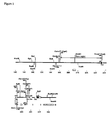
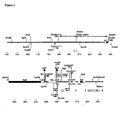
- Two regions of DNA, typically between 1 and 5kb in size, from either side of the region of the open reading frame to be deleted, called the 5' and 3' homology arms, are amplified by PCR and the fragments are cloned into the targeting vector. The position of these arms is chosen so that a homologous recombination event will functionally disrupt the GPR54 gene by deleting at least the seven trans-membrane spanning regions.
- a targeting vector is prepared where the deleted GPR54 sequence is replaced with non-homologous sequences composed of an endogenous gene expression reporter (a frame-independent lacZ gene) upstream of a selection cassette composed of a promoted neomycin phosphotransferase (neo) gene, arranged in the same orientation as the GPR54 gene.
- an endogenous gene expression reporter a frame-independent lacZ gene
- a selection cassette composed of a promoted neomycin phosphotransferase (neo) gene, arranged in the same orientation as the GPR54 gene.
- Embryonal stem cells (Evans and Kaufman, 1981) are cultured on a neomycin resistant embryonal fibroblast feeder layer grown in Dulbecco's Modified Eagles medium supplemented with 20% Fetal Calf Serum, 10% new-born calf serum, 2 mM glutamine, non-essential amino acids, 100 ⁇ M 2-mercaptoethanol and 500 u/ml leukemia inhibitory factor. Medium is changed daily and ES cells are subcultured every three days. 5x10 6 ES cells are transfected with 5 ⁇ g of linearized plasmid by electroporation (25 ⁇ F capacitance and 400 Volts).
- the transfected cells are cultured for 9 days in medium containing 200 ⁇ g/ml neomycin.
- Clones are picked into 96 well plates, replicated and expanded before being screened by PCR to identify clones in which homologous recombination had occurred between the endogenous GPR54 gene and the targeting construct. Positive clones are typically identified at a rate of 1 to 5%. These clones where expanded to allow replicas to be frozen and sufficient high quality DNA to be prepared for Southern blot confirmation of the targeting event using external 5' and 3' probes, all using standard procedures ( Russ et al, 2000, Nature 2000 Mar 2; 404(6773):95-9 ).
- C57BL/6 female and male mice are mated and blastocysts are isolated at 3.5 days of gestation. 10-12 cells from a chosen clone are injected per blastocyst and 7-8 blastocysts are implanted in the uterus of a pseudopregnant F 1 female.
- a litter of chimeric pups are born containing several high level (up to 100%) agouti males (the agouti coat colour indicates the contribution of cells descendent from the targeted clone).
- the male chimeras are mated with female and MF1 and 129 mice, and germline transmission is determined by the agouti coat colour and by PCR genotyping respectively.
- non-human transgenic animals which results in the over expression of GPR54 receptor or underexpression (as compared with suitable controls) of the receptor.
- the animals are useful to identify agonists and antagonists of the receptor function an also therapeutically.
- antibodies may be employed as agonists or antagonists of GPR54 polypeptide.
- the term "antibody”, unless specified to the contrary, includes but is not limited to, polyclonal, monoclonal, chimeric, single chain, Fab fragments and fragments produced by a Fab expression library.
- Such fragments include fragments of whole antibodies which retain their binding activity for a target substance, Fv, F(ab') and F(ab') 2 fragments, as well as single chain antibodies (scFv), fusion proteins and other synthetic proteins which comprise the antigen-binding site of the antibody.
- the antibodies and fragments thereof may be humanised antibodies, for example as described in EP-A-239400 .
- antibodies with fully human variable regions (or their fragments), for example, as described in US Patent Nos. 5,545,807 and 6,075,181 may also be used.
- Neutralizing antibodies i.e., those which inhibit biological activity of the substance amino acid sequences, are especially preferred for diagnostics and therapeutics.
- Antibodies may be produced by standard techniques, such as by immunisation or by using a phage display library.
- a polypeptide or peptide of the present invention may be used to develop an antibody by known techniques. Such an antibody may be capable of binding specifically to the GPR54 protein or homologue, fragment, etc.
- a selected non-human mammal e.g., mouse, rabbit, goat, horse, etc.
- an immunogenic composition comprising a polypeptide or peptide of the present invention.
- various adjuvants may be used to increase immunological response.
- adjuvants include, but are not limited to, Freund's, mineral gels such as aluminium hydroxide, and surface active substances such as lysolecithin, pluronic polyols, polyanions, peptides, oil emulsions, keyhole limpet hemocyanin, and dinitrophenol.
- BCG Bacilli Calmette-Guerin
- Corynebacterium parvum are potentially useful human adjuvants which may be employed if purified the substance amino acid sequence is administered to immunologically compromised individuals for the purpose of stimulating systemic defence.
- Serum from the immunised non-human animal is collected and treated according to known procedures. If serum containing polyclonal antibodies to an epitope obtainable from a polypeptide of the present invention contains antibodies to other antigens, the polyclonal antibodies can be purified by immunoaffinity chromatography. Techniques for producing and processing polyclonal antisera are known in the art. In order that such antibodies may be made, the invention also provides amino acid sequences of the invention or fragments thereof haptenised to another amino acid sequence for use as immunogens in animals or humans.
- Monoclonal antibodies directed against epitopes obtainable from a polypeptide or peptide of the present invention can also be readily produced by one skilled in the art.
- the general methodology for making monoclonal antibodies by hybridomas is well known.
- Immortal antibody-producing cell lines can be created by cell fusion, and also by other techniques such as direct transformation of B lymphocytes with oncogenic DNA, or transfection with Epstein-Barr virus.
- Panels of monoclonal antibodies produced against orbit epitopes can be screened for various properties; i.e., for isotype and epitope affinity.
- Monoclonal antibodies may be prepared using any technique which provides for the production of antibody molecules by continuous cell lines in culture. These include, but are not limited to, the hybridoma technique originally described by Koehler and Milstein (1975 Nature 256:495-497 ), the trioma technique, the human B-cell hybridoma technique ( Kosbor et al (1983) Immunol Today 4:72 ; Cote et al (1983) Proc Natl Acad Sci 80:2026-2030 ) and the EBV-hybridoma technique ( Cole et al., Monoclonal Antibodies and Cancer Therapy, pp. 77-96, Alan R. Liss, Inc., 1985 ).
- Antibodies both monoclonal and polyclonal, which are directed against epitopes obtainable from a polypeptide or peptide of the present invention are particularly useful in diagnosis, and those which are neutralising are useful in passive immunotherapy.
- Monoclonal antibodies in particular, may be used to raise anti-idiotype antibodies.
- Anti-idiotype antibodies are immunoglobulins which carry an "internal image" of the substance and/or agent against which protection is desired. Techniques for raising anti-idiotype antibodies are known in the art. These anti-idiotype antibodies may also be useful in therapy.
- Antibodies may also be produced by inducing in vivo production in the lymphocyte population or by screening recombinant immunoglobulin libraries or panels of highly specific binding reagents as disclosed in Orlandi et al (1989, Proc Natl Acad Sci 86: 3833-3837 ), and Winter G and Milstein C (1991; Nature 349:293-299 ).
- Antibody fragments which contain specific binding sites for the polypeptide or peptide may also be generated.
- fragments include, but are not limited to, the F(ab') 2 fragments which can be produced by pepsin digestion of the antibody molecule and the Fab fragments which can be generated by reducing the disulfide bridges of the F(ab') 2 fragments.
- Fab expression libraries may be constructed to allow rapid and easy identification of monoclonal Fab fragments with the desired specificity ( Huse WD et al (1989) Science 256:1275-128 1 ).
- GPR54 antibodies or the compositions comprising them may be of particular therapeutic use in the treatment of neurological, reproductive hormone related, and certain other conditions.
- neurological conditions include but are not limited to any one or more of the following: Alzheimers, sensory neuropathies and epilepsy.
- reproductive hormone related conditions consist of any one or more of the group consisting of the following: the modulation of fertility, libido and the onset of puberty, lactation, osteoporosis/osteopetrosis and menopause.
- GPR54 agonists or antagonist may be used in the useful for hormone replacement therapy (HRT).
- Other conditions include muscle wasting diseases, pain, hormone dependent cancer and obesity.
- the present invention provides a method for the diagnosis of a disease or condition selected from the group consisting of the following: Alzheimers, sensory neuropathies and epilepsy, the modulation of fertility, libido and the onset of puberty, lactation, osteoporosis/osteopetrosis, menopause, muscle wasting diseases, pain, hormone dependent cancer and obesity comprising the steps of:
- This invention also relates to the use of GPR54 polynucleotides, GPR54 peptide ligand encoding polynucleotides and polypeptides (as well as homologues, variants and derivatives thereof) for use in diagnosis as diagnostic reagents or in genetic analysis.
- Nucleic acids complementary to or capable of hybridising to GPR54 nucleic acids (including homologues, variants and derivatives), as well as antibodies against GPR54 polypeptides and GPR54 ligand polypeptides are also useful in such assays.
- Detection of a mutated form of the GPR54 gene, metastin gene or other natural ligand gene, associated with a dysfunction will provide a diagnostic tool that can add to or define a diagnosis of a disease or susceptibility to a disease which results from under-expression, over-expression or altered expression of GPR54 or its natural ligands.
- Individuals carrying mutations in the GPR54 gene may be detected at the DNA level by a variety of techniques.
- DNA may be isolated from a patient and the DNA polymorphism pattern of GPR54 or metastin determined. The identified pattern is compared to controls of patients known to be suffering from a disease associated with over-, under- or abnormal expression of GPR54 or metastin. Patients expressing a genetic polymorphism pattern associated with GPR54 or metastin associated disease may then be identified. Genetic analysis of the GPR54 or metastin gene may be conducted by any technique known in the art. For example, individuals may be screened by determining DNA sequence of a GPR54 or metastin allele, by RFLP or SNP analysis, etc.
- Patients may be identified as having a genetic predisposition for a disease associated with the over-, under-, or abnormal expression of GPR54 or metastin by detecting the presence of a DNA polymorphism in the gene sequence for GPR54 or metastin or any sequence controlling its expression.
- GPR54 or metastin associated diseases include Alzheimers, sensory neuropathies and epilepsy, the modulation of fertility, libido and the onset of puberty, lactation, osteoporosis/osteopetrosis, menopause, muscle wasting diseases, pain, hormone dependent cancer.
- GPR54 or metastin associated diseases comprise any one of Alzheimers, sensory neuropathies and epilepsy, the modulation of fertility, libido and the onset of puberty, lactation, osteoporosis/osteopetrosis, menopause, muscle wasting diseases, pain, hormone dependent cancer and obesity.
- the disease or condition relates to modulation of the sex steroid hormonal axis.
- the present invention further discloses a kit for the identification of a patient's genetic polymorphism pattern associated with GPR54 or metastin associated disease.
- the kit includes DNA sample collecting means and means for determining a genetic polymorphism pattern, which is then compared to control samples to determine a patient's susceptibility to GPR54 or metastin associated disease.
- Kits for diagnosis of a GPR54 or metastin associated disease comprising GPR54 or metastin polypeptide and/or an antibody against such a polypeptide (or fragment of it) are also provided.
- Nucleic acids for diagnosis may be obtained from a subject's cells, such as from blood, urine, saliva, tissue biopsy or autopsy material.
- the DNA is obtained from blood cells obtained from a finger prick of the patient with the blood collected on absorbent paper.
- the blood is collected on an AmpliCard.TM. (University of Sheffield, Department of Medicine and Pharmacology, Royal Hallamshire Hospital, Sheffield, England S10 2JF).
- the DNA may be used directly for detection or may be amplified enzymatically by using PCR or other amplification techniques prior to analysis.
- Oligonucleotide DNA primers that target the specific polymorphic DNA region within the genes of interest may be prepared so that in the PCR reaction amplification of the target sequences is achieved.
- RNA or cDNA may also be used as templates in similar fashion.
- the amplified DNA sequences from the template DNA may then be analysed using restriction enzymes to determine the genetic polymorphisms present in the amplified sequences and thereby provide a genetic polymorphism profile of the patient. Restriction fragments lengths may be identified by gel analysis. Alternatively, or in conjunction, techniques such as SNP (single nucleotide polymorphisms) analysis may be employed.
- Deletions and insertions can be detected by a change in size of the amplified product in comparison to the normal genotype.
- Point mutations can be identified by hybridising amplified DNA to labelled GPR54 or metastin nucleotide sequences. Perfectly matched sequences can be distinguished from mismatched duplexes by RNase digestion or by differences in melting temperatures. DNA sequence differences may also be detected by alterations in electrophoretic mobility of DNA fragments in gels, with or without denaturing agents, or by direct DNA sequencing. See, e.g., Myers et al, Science (1985)230:1242 . Sequence changes at specific locations may also be revealed by nuclease protection assays, such as RNase and S1protection or the chemical cleavage method.
- an array of oligonucleotides probes comprising the GPR54 or metastin nucleotide sequence or fragments thereof can be constructed to conduct efficient screening of e.g., genetic mutations.
- Array technology methods are well known and have general applicability and can be used to address a variety of questions in molecular genetics including gene expression, genetic linkage, and genetic variability. (See for example: M.Chee et al., Science, Vol 274, pp 610-613 (1996 )).
- Single strand conformation polymorphism may be used to detect differences in electrophoretic mobility between mutant and wild type nucleic acids ( Orita et al. (1989) Proc Natl. Acad. Sci USA: 86:2766 , see also Cotton (1993) Mutat Res 285:125-144 ; and Hayashi (1992) Genet Anal Tech Appl 9:73-79 ).
- Single-stranded DNA fragments of sample and control GPR54 or metastin nucleic acids may be denatured and allowed to renature.
- the secondary structure of single-stranded nucleic acids varies according to sequence, the resulting alteration in electrophoretic mobility enables the detection of even a single base change.
- the DNA fragments may be labelled or detected with labelled probes.
- the sensitivity of the assay may be enhanced by using RNA (rather than DNA), in which the secondary structure is more sensitive to a change in sequence.
- the subject method utilises heteroduplex analysis to separate double stranded heteroduplex molecules on the basis of changes in electrophoretic mobility ( Keen et al. (1991) Trends Genet 7:5 ).
- the diagnostic assays offer a process for diagnosing or determining a susceptibility to infections such as infections such as bacterial, fungal, protozoan and viral infections, particularly infections caused by HIV-1 or HIV-2; pain; cancers; diabetes, obesity; anorexia; bulimia; asthma; Parkinson's disease; thrombosis; acute heart failure; hypotension; hypertension; erectile dysfunction; urinary retention; metabolic bone diseases such as osteoporisis and osteopetrosis; angina pectoris; myocardial infarction; ulcers; asthma; allergies; rheumatoid arthritis; inflammatory bowel disease; irritable bowel syndrome benign prostatic hypertrophy; and psychotic and neurological disorders, including anxiety, schizophrenia, manic depression, delirium, dementia, severe mental retardation and dyskinesias, such as Huntington's disease or Gilles dela Tourett's syndrome through detection of mutation in the GPR54 or metastin gene by the methods described.
- infections such as bacterial, fungal, proto
- the diagnostic assays are used to diagnose or determine susceptibility to Alzheimers disease, sensory neuropathies and epilepsy, the modulation of fertility, libido and the onset of puberty, lactation, osteoporosis/osteopetrosis, menopause, muscle wasting diseases, pain, hormone dependent cancer and obesity.
- the disease or condition relates to modulation of the sex steroid hormonal axis.
- GPR54 or metastin polypeptides and nucleic acids may be detected in a sample.
- infections and diseases as listed above can be diagnosed by methods comprising determining from a sample derived from a subject an abnormally decreased or increased level of the GPR54 or metastin polypeptide or GPR54 or metastin mRNA.
- the sample may comprise a cell or tissue sample from an organism suffering or suspected to be suffering from a disease associated with increased, reduced or otherwise abnormal GPR54 or metastin expression, including spatial or temporal changes in level or pattern of expression.
- the level or pattern of expression of GPR54 or metastin in an organism suffering from or suspected to be suffering from such a disease may be usefully compared with the level or pattern of expression in a normal organism as a means of diagnosis of disease.
- the invention includes a method of detecting the presence of a nucleic acid comprising a GPR54 or metastin nucleic acid in a sample, by contacting the sample with at least one nucleic acid probe which is specific for said nucleic acid and monitoring said sample for the presence of the nucleic acid.
- the nucleic acid probe may specifically bind to the GPR54 or metastin nucleic acid, or a portion of it, and binding between the two detected; the presence of the complex itself may also be detected.
- the invention encompasses a method of detecting the presence of a GPR54 or metastin polypeptide by contacting a cell sample with an antibody capable of binding the polypeptide and monitoring said sample for the presence of the polypeptide.
- Methods of detecting binding between two entities include FRET (fluorescence resonance energy transfer), surface plasmon resonance, etc.
- Decreased or increased expression can be measured at the RNA level using any of the methods well known in the art for the quantitation ofpolynucleotides, such as, for example, PCR, RT-PCR, RNase protection, Northern blotting and other hybridisation methods.
- Assay techniques that can be used to determine levels of a protein, such as a GPR54 or metastin, in a sample derived from a host are well-known to those of skill in the art.
- Such assay methods include radioimmunoassays, competitive-binding assays, Western Blot analysis and ELISA assays.
- the present invention relates to a diagnostic kit for a disease or susceptibility to a disease which comprises any one of Alzheimers, sensory neuropathies and epilepsy, the modulation of fertility, libido and the onset of puberty, lactation, osteoporosis/osteopetrosis, menopause, muscle wasting diseases, pain, hormone dependent cancer and obesity.
- the disease or condition relates to modulation of the sex steroid hormonal axis.
- a particularly preferred diagnostic kit is used to detect or diagnose disease or susceptibility to any of the following: Alzheimers, sensory neuropathies and epilepsy, the modulation of fertility, libido and the onset of puberty, lactation, osteoporosis/osteopetrosis, menopause, muscle wasting diseases, pain, hormone dependent cancer and obesity.
- the disease or condition relates to modulation of the sex steroid hormonal axis.
- the diagnostic kit comprises a GPR54 or metastin polynucleotide or a fragment thereof; a complementary nucleotide sequence; a GPR54 or metastin polypeptide or a fragment thereof, or an antibody to a GPR54 or metastin polypeptide.
- This invention provides methods of treating an abnormal conditions related to both an excess of and insufficient amounts of GPR54 polypeptide activity and consider that GPR54 polypeptide, binding proteins thereof and/or the nucleic acids encoding them may be of particular use in the treatment of neurological, reproductive hormone related, and certain other conditions.
- Such neurological conditions include but are not limited to any one or more of the following: Alzheimers, sensory neuropathies and epilepsy.
- reproductive hormone related conditions consist of any one or more of the group consisting of the following: the modulation of fertility, libido and the onset of puberty, lactation, osteoporosis/osteopetrosis and menopause.
- GPR54 agonists or antagonist may be used in the useful for hormone replacement therapy (HRT).
- Other conditions include muscle wasting diseases, pain, hormone dependent cancer and obesity.
- One approach comprises administering to a subject an inhibitor compound (antagonist) as herein above described along with a pharmaceutically acceptable carrier in an amount effective to inhibit activation by blocking binding of ligands to the GPR54, or by inhibiting a second signal, and thereby alleviating the abnormal condition.
- soluble forms of GPR54 polypeptides still capable of binding the ligand in competition with endogenous GPR54 may be administered.
- Typical embodiments of such competitors comprise fragments of the GPR54 polypeptide.
- expression of the gene encoding endogenous GPR54 polypeptide can be inhibited using expression blocking techniques.
- Known such techniques involve the use of antisense sequences, either internally generated or separately administered. See, for example, O'Connor, J Neurochem (1991) 56:560 in Oligodeoxynucleotides as Antisense Inhibitors of Gene Expression, CRC Press, Boca Raton, Fla. (1988 ).
- oligonucleotides which form triple helices with the gene can be supplied.
- oligomers can be administered per se or the relevant oligomers can be expressed in vivo.
- a therapeutically effective amount of a compound which mimics ligand bound GPR54, i.e., an agonist as described above, in combination with a pharmaceutically acceptable carrier to thereby alleviate the abnormal condition.
- gene therapy may be employed to effect the endogenous production of GPR54 by the relevant cells in the subject.
- a polynucleotide of the invention may be engineered for expression in a replication defective retroviral vector, as discussed above.
- the retroviral expression construct may then be isolated and introduced into a packaging cell transduced with a retroviral plasmid vector containing RNA encoding a polypeptide of the present invention such that the packaging cell now produces infectious viral particles containing the gene of interest.
- These producer cells may be administered to a subject for engineering cells in vivo and expression of the polypeptide in vivo.
- gene therapy see Chapter 20, Gene Therapy and other Molecular Genetic-based Therapeutic Approachs, (and references cited therein) in Human Molecular Genetics, T Strachan and A P Read, BIOS Scientific Publishers Ltd (1996 ).
- Peptides such as the soluble form of GPR54 polypeptides, and agonists and antagonist peptides or small molecules, may be formulated in combination with a suitable pharmaceutical carrier.
- suitable pharmaceutical carrier include but are not limited to, saline, buffered saline, dextrose, water, glycerol, ethanol, and combinations thereof. Formulation should suit the mode of administration, and is well within the skill of the art.
- the invention further relates to pharmaceutical packs and kits comprising one or more containers filled with one or more of the ingredients of the aforementioned compositions of the invention.
- Polypeptides and other compounds of the present invention may be employed alone or in conjunction with other compounds, such as therapeutic compounds.
- systemic administration of the pharmaceutical compositions include injection, typically by intravenous injection.
- Other injection routes such as subcutaneous, intramuscular, or intraperitoneal, can be used.
- Alternative means for systemic administration include transmucosal and transdermal administration using penetrants such as bile salts or fusidic acids or other detergents.
- penetrants such as bile salts or fusidic acids or other detergents.
- oral administration may also be possible. Administration of these compounds may also be topical and/or localize, in the form of salves, pastes, gels and the like.
- the dosage range required depends on the choice of peptide, the route of administration, the nature of the formulation, the nature of the subject's condition, and the judgment of the attending practitioner. Suitable dosages, however, are in the range of 0.1-100 ⁇ g/kg of subject. Wide variations in the needed dosage, however, are to be expected in view of the variety of compounds available and the differing efficiencies of various routes of administration. For example, oral administration would be expected to require higher dosages than administration by intravenous injection. Variations in these dosage levels can be adjusted using standard empirical routines for optimisation, as is well understood in the art.
- Polypeptides used in treatment can also be generated endogenously in the subject, in treatment modalities often referred to as "gene therapy" as described above.
- cells from a subject may be engineered with a polynucleotide, such as a DNA or RNA, to encode a polypeptide ex vivo, and for example, by the use of a retroviral plasmid vector. The cells are then introduced into the subject.
- a polynucleotide such as a DNA or RNA
- the present invention also provides a pharmaceutical composition
- a pharmaceutical composition comprising administering a therapeutically effective amount of the GPR54 polypeptide, binding molecules thereof or the nucleic acid encoding them according to the present invention and optionally a pharmaceutically acceptable carrier, diluent or excipients (including combinations thereof).
- the pharmaceutical compositions may be for human or animal usage in human and veterinary medicine and will typically comprise any one or more of a pharmaceutically acceptable diluent, carrier, or excipient.
- Acceptable carriers or diluents for therapeutic use are well known in the pharmaceutical art, and are described, for example, in Remington's Pharmaceutical Sciences, Mack Publishing Co. (A. R. Gennaro edit. 1985 ).
- the choice of pharmaceutical carrier, excipient or diluent can be selected with regard to the intended route of administration and standard pharmaceutical practice.
- the pharmaceutical compositions may comprise as - or in addition to - the carrier, excipient or diluent any suitable binder(s), lubricant(s), suspending agent(s), coating agent(s), solubilising agent(s).
- Preservatives may be provided in the pharmaceutical composition.
- preservatives include sodium benzoate, sorbic acid and esters of p-hydroxybenzoic acid.
- Antioxidants and suspending agents may be also used.
- the pharmaceutical composition of the present invention may be formulated to be delivered using a mini-pump or by a mucosal route, for example, as a nasal spray or aerosol for inhalation or ingestable solution, or parenterally in which the composition is formulated by an injectable form, for delivery, by, for example, an intravenous, intramuscular or subcutaneous route.
- the formulation may be designed to be delivered by both routes.
- the agent is to be delivered mucosally through the gastrointestinal mucosa, it should be able to remain stable during transit though the gastrointestinal tract; for example, it should be resistant to proteolytic degradation, stable at acid pH and resistant to the detergent effects of bile.
- compositions can be administered by inhalation, in the form of a suppository or pessary, topically in the form of a lotion, solution, cream, ointment or dusting powder, by use of a skin patch, orally in the form of tablets containing excipients such as starch or lactose, or in capsules or ovules either alone or in admixture with excipients, or in the form of elixirs, solutions or suspensions containing flavouring or colouring agents, or they can be injected parenterally, for example intravenously, intramuscularly or subcutaneously.
- compositions may be best used in the form of a sterile aqueous solution which may contain other substances, for example enough salts or monosaccharides to make the solution isotonic with blood.
- compositions may be administered in the form of tablets or lozenges which can be formulated in a conventional manner.
- a physician will determine the actual dosage which will be most suitable for an individual subject and it will vary with the age, weight and response of the particular patient.
- the dosages below are exemplary of the average case. There can, of course, be individual instances where higher or lower dosage ranges are merited.
- compositions of the present invention may be administered by direct injection.
- the composition may be formulated for parenteral, mucosal, intramuscular, intravenous, subcutaneous, intraocular or transdermal administration.
- each protein may be administered at a dose of from 0.01 to 30 mg/kg body weight, preferably from 0.1 to 10 mg/kg, more preferably from 0.1 to 1 mg/kg body weight.
- the term "administered” includes delivery by viral or non-viral techniques.
- Viral delivery mechanisms include but are not limited to adenoviral vectors, adeno-associated viral (AAV) vectors, herpes viral vectors, retroviral vectors, lentiviral vectors, and baculoviral vectors.
- Non-viral delivery mechanisms include lipid mediated transfection, liposomes, immunoliposomes, lipofectin, cationic facial amphiphiles (CFAs) and combinations thereof
- the routes for such delivery mechanisms include but are not limited to mucosal, nasal, oral, parenteral, gastrointestinal, topical, or sublingual routes.
- administered includes but is not limited to delivery by a mucosal route, for example, as a nasal spray or aerosol for inhalation or as an ingestable solution; a parenteral route where delivery is by an injectable form, such as, for example, an intravenous, intramuscular or subcutaneous route.
- co-administered means that the site and time of administration of each of for example, the polypeptide of the present invention and an additional entity such as adjuvant are such that the necessary modulation of the immune system is achieved.
- the polypeptide and the adjuvant may be administered at the same moment in time and at the same site, there may be advantages in administering the polypeptide at a different time and to a different site from the adjuvant.
- the polypeptide and adjuvant may even be delivered in the same delivery vehicle - and the polypeptide and the antigen may be coupled and/or uncoupled and/or genetically coupled and/or uncoupled.
- polypeptide, polynucleotide, peptide, nucleotide, and optionally an adjuvant may be administered separately or co-administered to the host subject as a single dose or in multiple doses.
- compositions of the present invention may be administered by a number of different routes such as injection (which includes parenteral, subcutaneous and intramuscular injection) intranasal, mucosal, oral, intra-vaginal, urethral or ocular administration.
- compositions of the present invention may be conventionally administered parenterally, by injection, for example, either subcutaneously or intramuscularly.
- Additional formulations which are suitable for other modes of administration include suppositories and, in some cases, oral formulations.
- suppositories traditional binders and carriers may include, for example, polyalkylene glycols or triglycerides; such suppositories may be formed from mixtures containing the active ingredient in the range of 0.5% to 10%, may be 1% to 2%.
- Oral formulations include such normally employed excipients as, for example, pharmaceutical grades of mannitol, lactose, starch, magnesium stearate, sodium saccharine, cellulose, magnesium carbonate, and the like.
- compositions take the form of solutions, suspensions, tablets, pills, capsules, sustained release formulations or powders and contain 10% to 95% of active ingredient, preferably 25% to 70%.
- the lyophilised material may be reconstituted prior to administration, e.g. as a suspension. Reconstitution is preferably effected in buffer.
- the murine GPR54 gene was identified bioinformatically, and was found to be situated within a 10.3kb genomic contig, derived from a PAC library. Further bioinformatic work extended this contig to 28kb. This contig provided sufficient flanking sequence information to enable the design of homologous arms to clone into the targeting vector (the structure of the targeting vector used, including the relevant restriction sites, is shown in Figure 3 ).
- the murine GPR54 gene has five coding exons.
- the targeting strategy is designed to remove part of the first exon, prior to the start of the 7tm coding domains, and the majority of the second 7tm-containing exon.
- a 4.7 kb 5' homologous arm and a 1.0 kb 3' homologous arm flanking the 7tm-containing exons to be deleted are amplified by PCR and the fragments are cloned into the targeting vector.
- the 5' end of each oligonucleotide primer used to amplify the arms is synthesised to contain a different recognition site for a rare-cutting restriction enzyme, compatible with the cloning sites of the vector polylinkers and absent from the arms themselves.
- the primers are designed as listed in the sequence table below, with 5' arm cloning enzymes of AgeI/SpeI and 3' arm cloning enzymes of AscI/FseI.
- further primers specific to the GPR54 locus are designed for the following purposes: 5' and 3' probe primer pairs (5'probeFII/5'probeRII and 3'probeF1/3'probeRl) to amplify two short 150-300bp fragments of non-repetitive genomic DNA external to and extending beyond each arm, to allow Southern analysis of the targeted locus, in isolated putative targeted clones; a mouse genotyping primer pair (hetF and hetR) which allows differentiation between wild-type, heterozygote and homozygous mice, when used in a multiplex PCR with a vector specific primer, in this case, Asc403; and lastly, a target screening primer (3P3A) which anneals upstream of the end of the 3' arm region, and which produces a target event specific 1.2k
- This amplimer can only be derived from template DNA from cells where the desired genomic alteration has occurred and allows the identification of correctly targeted cells from the background of clones containing randomly integrated copies of the vector.
- the location of these primers and the genomic structure of the GPR54 locus used in the targeting strategy is shown in SEQ ID NO: 10. Table 1.
- the position of the homology arms is chosen to functionally disrupt the GPR54 gene by deleting the most 5' of the seven transmembrane spanning regions.
- a targeting vector is prepared where the deleted GPR54 sequence is replaced with non-homologous sequences composed of an endogenous gene expression reporter (a frame independent lacZ gene) upstream of a selection cassette composed of a promoted neomycin phosphotransferase (neo) gene arranged in the same orientation as the GPR54 gene.
- the transfected cells are cultured for 9 days in medium containing 200 g/ml neomycin.
- Clones are picked into 96 well plates, replicated and expanded before being screened by PCR (using primers 3P3A and neo36, as described above) to identify clones in which homologous recombination had occurred between the endogenous GPR54 gene and the targeting construct. Positive clones can be identified at a rate of 1 to 5%.
- BglII digested DNA will give a 9kb wild-type band, and a 14.5kb targeted band; HindIII will give a 15kb wild-type band, and a 9.5kb targeted band; and XbaI will give a 15kb wild-type band and a 19.5kb targeted band.
- BamHI will give a 7.5kb wild-type band, and a 4kb targeted band; and EcoRI will give a 7kb wild-type band, and a 4.5kb targeted band.
- the structure of the genomic locus of mouse GPR54 before knock-out is depicted in Figure 1 .
- the structure of the genomic locus of mouse GPR54 after knock-out is depicted in Figure 2 .
- the sites for the enzymes relevant to the Southern verification have been annotated.
- C57BL/6 female and male mice are mated and blastocysts are isolated at 3.5 days of gestation. 10-12 cells from a chosen clone are injected per blastocyst and 7-8 blastocysts are implanted in the uterus of a pseudopregnant F1 female. A litter of chimeric pups are born containing several high level (up to 100%) agouti males (the agouti coat colour indicates the contribution of cells descendent from the targeted clone). These male chimeras are mated with female MF1 and 129 mice, and germline transmission is determined by the agouti coat colour and by PCR genotyping respectively.
- PCR Genotyping is carried out on lysed tail clips, using the primers hetF and hetR with a third, vector specific primer (Asc403).
- This multiplex PCR allows amplification from the wild-type locus (if present) from primers hetF and hetR giving a 217 bp band.
- the site for hetF is deleted in the knockout mice, so this amplification will fail from a targeted allele.
- the Asc403 primer will amplify a 439 bp band from the targeted locus, in combination with the hetR primer which anneals to a region just inside the 3' arm.
- this multiplex PCR reveals the genotype of the litters as follows: wild-type samples will exhibit a single 217 bp band; heterozygous DNA samples yield two bands at 217 bp and 439 bp; and the homozygous samples will show only the target specific 439 bp band.
- lacZ assay brain (see sub regions below), spinal cord (sensory areas), testis.
- LacZ expression was found in discrete areas of the brain, such as hippocampus (strongest area), the suprachiasmatic nucleus, the mammillary body, the pons and the cerebellum, as well as in the dorsal (sensory) part of the spinal cord.
- mice display some gross anatomical abnormalities: mutants have a general strong atrophy of reproductive tract (atrophied preputial glands, micropenis, very small testicles and seminal vesicles/coagulatory glands in males), a reduced muscle mass, reduced brown fat mass, a smaller stomach and sub-maxillary salivary glands.
- Female mutants have underdeveloped mammary glands, atrophied ovaries ( Figure 6 ) uterus and oviducts.
- the anogenital distance is also significantly shorter in male mutants as compared to wildtypes (in cm: mutants: 0.97 ⁇ 0.03 wildtypes 1.4 ⁇ 0.3, p ⁇ 0.001), so much so that this has lead to incorrect sexing of the animals by caring staff. No difference is observed in females, however.
- mice were tested at 8 to 10 weeks of age, in the morning between 10h and 12h for all experiments except the Barnes maze and sexual behaviour which were done in the afternoon between 15h and 17h.
- the Barnes maze is a white circular platform designed to require the discrimination of a particular place. It is composed of a circular platform, with 18 circular holes evenly spaced around the circumference. Underneath one of the hole is a black escape box. The Barnes maze takes advantage of the natural tendency of rodents to avoid brightly lit unenclosed surfaces and seek darkened enclosed shelter.
- the animals are trained over 10 days and the latency to enter the escape box as well as the number of errors and the search strategy are recorded.
- the mutants displayed no interest towards the females and did not mate within the observation period.
- several male and female mutant mice have been sharing cages without any pregnancy, suggesting that the GPR54 knockout mice are sterile.
- Testosterone was measured in 6 male mutants and 6 wildtype mice. Mutants have significantly lower levels of testosterone (P ⁇ 0.05) compared with wildtype mice ( Figure 12 ).
- FSH is much lower in mutants ( Figure 14 a females and Figure 14b males). There is no difference in LH levels (not shown).
- Serum FSH assay There is a 1.9-fold increase in FSH in serum of WT injected with GnRH compared to those injected with just PBS.
- the HP level shows a 1.7-fold increase against WT injected with just PBS, indicating the mutant animals remain at least partially responsive to GnRH. This suggests the action of GPR54 may be in the control of GnRH release in the hypothalamus.
- Serum LH assay There is a 5-fold increase in LH in serum of WT injected with GnRH compared to those injected with just PBS. The HP level shows a 5-fold increase against WT injected with just PBS. This showed that the release of LH is stimulated by exogenous GnRH ( Figure 15a ).
Landscapes
- Health & Medical Sciences (AREA)
- Life Sciences & Earth Sciences (AREA)
- Engineering & Computer Science (AREA)
- Chemical & Material Sciences (AREA)
- General Health & Medical Sciences (AREA)
- Organic Chemistry (AREA)
- Bioinformatics & Cheminformatics (AREA)
- Genetics & Genomics (AREA)
- Biomedical Technology (AREA)
- Medicinal Chemistry (AREA)
- Zoology (AREA)
- Veterinary Medicine (AREA)
- Animal Behavior & Ethology (AREA)
- Molecular Biology (AREA)
- Biotechnology (AREA)
- Immunology (AREA)
- Pharmacology & Pharmacy (AREA)
- Public Health (AREA)
- General Chemical & Material Sciences (AREA)
- Nuclear Medicine, Radiotherapy & Molecular Imaging (AREA)
- Chemical Kinetics & Catalysis (AREA)
- Biochemistry (AREA)
- General Engineering & Computer Science (AREA)
- Environmental Sciences (AREA)
- Wood Science & Technology (AREA)
- Microbiology (AREA)
- Physics & Mathematics (AREA)
- Biophysics (AREA)
- Hematology (AREA)
- Physical Education & Sports Medicine (AREA)
- Endocrinology (AREA)
- Urology & Nephrology (AREA)
- Toxicology (AREA)
- Cell Biology (AREA)
- Biodiversity & Conservation Biology (AREA)
- Gastroenterology & Hepatology (AREA)
- Orthopedic Medicine & Surgery (AREA)
- Animal Husbandry (AREA)
- Plant Pathology (AREA)
- Proteomics, Peptides & Aminoacids (AREA)
Claims (13)
- Verfahren zum Auffinden eines Moleküls, das für die Behandlung von auf Sexualhormone bezogenen Störungen geeignet ist, zur Verwendung als Hormonersatztherapie (HRT), zur Beeinflussung der sexualhormonalen Achse eines Tieres oder zur Regulierung der Fruchtbarkeit und der Libido, umfassend die Feststellung, ob ein Kandidatenmolekül ein Agonist oder ein Antagonist eines GPR54-Polypeptids ist.
- Verwendung eines GPR54-Polypeptids oder -Polynukleotids zum Auffinden eines Moleküls, das für die Behandlung von auf Sexualhormone bezogenen Störungen geeignet ist, zur Verwendung als Hormonersatztherapie (HRT), zur Beeinflussung der sexualhormonalen Achse eines Tieres oder zur Regulierung der Fruchtbarkeit und der Libido.
- Verfahren zum Auffinden eines Antagonisten eines GPR54-Polypeptids, umfassend die Verabreichung eines Kandidatenmoleküls an ein nichtmenschliches Tier und die Feststellung, ob das nichtmenschliche Tier ein Phänotyp-Merkmal zeigt, das aus der aus Veränderungen in der Morphologie der Fortpflanzungsorgane oder der zugehörigen Organe, einschließlich Atrophie der Präputialdrüsen, Mikropenis, verminderte Hodengröße, verminderte Größe der Samenbläschen, verminderte Größe der Koagulationsdrüse, verminderte Muskelmasse, verringerte braune Fettmasse, verkleinerter Magen, verkleinerte submaxilläre Speicheldrüsen, verminderter Anogenitalabstand; Veränderungen der Sexualhormonspiegel und/oder -muster (einschließlich der Zyklen), einschließlich verminderter Testosteronspiegel, verminderter Östrogenspiegel, verminderter Gonadotropinspiegel, verminderter Follikelhormon(FSH)spiegel; Veränderungen im Sexual-/Fortpflanzungsverhalten, einschließlich Fehlen sexuellen Interesses und fehlendes Paaren; und Sterilität bestehenden Gruppe ausgewählt ist.
- Verfahren nach Anspruch 3, wobei das nichtmenschliche Tier funktionsfähiges GRP54-Polypeptid exprimiert.
- Verfahren nach Anspruch 3 oder 4, wobei das nichtmenschliche Tier ein nichtmenschliches Wildtyptier ist.
- Verfahren nach Anspruch 3, 4 oder 5, wobei das nichtmenschliche Tier ein Nagetier, bevorzugt eine Maus, ist.
- Verfahren zum Hervorrufen eines bei der Diagnose einer oder bei der Feststellung der Anfälligkeit für eine auf Sexualhormone bezogene Störung bei einem Einzelwesen nützlichen Symptoms, umfassend den Nachweis einer Veränderung im Expressionsmuster oder -spiegel eines GPR54-Polypeptids in einer Probe vom Einzelwesen.
- Verfahren zum Hervorrufen eines bei der Diagnose einer oder bei der Feststellung der Anfälligkeit für eine auf Sexualhormone bezogen Störung bei einem Einzelwesen nützlichen Symptoms, umfassend den Nachweis eines Polymorphismus in einem GPR54-Polynukleotid in einer Probe vom Einzelwesen.
- Verfahren nach einem der Ansprüche 1 und 3 bis 8, wobei der Agonist oder Antagonist ein Immunglobulin umfasst, bevorzugt eins, das spezifisch an ein GPR54-Polypeptid binden kann.
- Verwendung eines transgenen nichtmenschlichen Tiers mit einem funktionell zerstörten endogenen GRP54-Gen oder einer isolierten Zelle oder von Gewebe von einem solchen in einem Verfahren zum Auffinden eines Agonisten oder Antagonisten eines GPR54-Polypeptids zur Behandlung von auf Sexualhormone bezogenen Störungen, zur Verwendung als Hormonersatztherapie (HRT), zur Beeinflussung der sexualhormonalen Achse eines Tieres oder zur Regulierung der Fruchtbarkeit und der Libido.
- Verwendung nach Anspruch 10, wobei das transgene nichtmenschliche Tier ein Nagetier, bevorzugt eine Maus, ist.
- Verwendung eines in einem der Ansprüche 10 und 11 definierten transgenen nichtmenschlichen Tiers oder einer isolierten Zelle oder von Gewebe von einem solchen als Modell für eine Fortpflanzungsstörung oder eine auf Sexualhormone bezogene Störung.
- Verfahren oder Verwendung nach einem der vorangehenden Ansprüche, wobei die auf Sexualhormone bezogene Störung aus der aus Fruchtbarkeitsstörung und Störung der Libido, Regulierung der Fruchtbarkeit, Empfängnisverhütung, Libido und dem Einsetzens der Pubertät, Laktation, Osteoporose/Osteopetrose, Menopause einschließlich eines auf die Menopause bezogenen Hormonungleichgewichts, hormonabhängigem Krebs und gutartiger Prostatahypertrophie bestehenden Gruppe ausgewählt ist.
Applications Claiming Priority (11)
| Application Number | Priority Date | Filing Date | Title |
|---|---|---|---|
| GB0224926A GB0224926D0 (en) | 2002-10-25 | 2002-10-25 | Harry potter |
| GB0224926 | 2002-10-25 | ||
| GB0314481A GB0314481D0 (en) | 2003-06-20 | 2003-06-20 | Harry Potter |
| GB0314481 | 2003-06-20 | ||
| US49534003P | 2003-08-15 | 2003-08-15 | |
| US495340P | 2003-08-15 | ||
| US49996303P | 2003-09-03 | 2003-09-03 | |
| US499963P | 2003-09-03 | ||
| GB0320623A GB0320623D0 (en) | 2003-09-03 | 2003-09-03 | Harry Potter |
| GB0320623 | 2003-09-03 | ||
| PCT/GB2003/004479 WO2004038021A1 (en) | 2002-10-25 | 2003-10-17 | Gpr54 knock-out mammals and screening methods using them |
Publications (2)
| Publication Number | Publication Date |
|---|---|
| EP1554382A1 EP1554382A1 (de) | 2005-07-20 |
| EP1554382B1 true EP1554382B1 (de) | 2009-04-22 |
Family
ID=32180724
Family Applications (1)
| Application Number | Title | Priority Date | Filing Date |
|---|---|---|---|
| EP03756576A Expired - Lifetime EP1554382B1 (de) | 2002-10-25 | 2003-10-17 | Gpr54 'knock-out' säugetiere und screening-verfahren, die sie verwenden |
Country Status (12)
| Country | Link |
|---|---|
| US (1) | US20060015954A1 (de) |
| EP (1) | EP1554382B1 (de) |
| JP (1) | JP2006513723A (de) |
| KR (1) | KR20050042826A (de) |
| AT (1) | ATE429496T1 (de) |
| AU (1) | AU2003301569A1 (de) |
| BR (1) | BR0314912A (de) |
| CA (1) | CA2503164A1 (de) |
| DE (1) | DE60327344D1 (de) |
| MX (1) | MXPA05004380A (de) |
| SG (1) | SG155056A1 (de) |
| WO (1) | WO2004038021A1 (de) |
Families Citing this family (12)
| Publication number | Priority date | Publication date | Assignee | Title |
|---|---|---|---|---|
| WO2004063221A1 (ja) | 2002-12-26 | 2004-07-29 | Takeda Pharmaceutical Company Limited | メタスチン誘導体およびその用途 |
| US7754220B2 (en) | 2003-03-12 | 2010-07-13 | Takeda Pharmaceutical Company Limited | Methods of inhibiting secretion of follicle-stimulating hormone and testosterone |
| WO2006001499A2 (en) | 2004-06-25 | 2006-01-05 | Takeda Pharmaceutical Company Limited | Metastin derivatives and use thereof |
| EP1809619A1 (de) * | 2004-10-21 | 2007-07-25 | Transtech Pharma, Inc. | Bisulfonamidverbindungen als agonisten von galr1, zusammensetzungen daraus und verwendungsmöglichkeiten dafür |
| US8404643B2 (en) | 2005-12-22 | 2013-03-26 | Takeda Pharmaceutical Company Limited | Metastin derivatives and use thereof |
| AR058584A1 (es) | 2005-12-22 | 2008-02-13 | Takeda Pharmaceutical | Derivados de metastina y uso de los mismos |
| JO3048B1 (ar) | 2006-10-25 | 2016-09-05 | Takeda Pharmaceuticals Co | مشتقات متاستين واستخدامها |
| US8716228B2 (en) | 2009-05-27 | 2014-05-06 | Yeda Research And Development Co. Ltd. | GPR54 agonists or antagonists for treatment of diseases presenting behavioral abnormalities |
| US10920242B2 (en) | 2011-02-25 | 2021-02-16 | Recombinetics, Inc. | Non-meiotic allele introgression |
| US20140123330A1 (en) * | 2012-10-30 | 2014-05-01 | Recombinetics, Inc. | Control of sexual maturation in animals |
| CN115746146B (zh) * | 2022-08-31 | 2024-05-31 | 安徽农业大学 | 一种GnRH重组蛋白抗原、哺乳动物去势重组蛋白疫苗及制备方法 |
| CN119601223B (zh) * | 2024-07-18 | 2025-09-12 | 安徽农业大学 | 一种预测肉羊繁殖性能的方法 |
Family Cites Families (3)
| Publication number | Priority date | Publication date | Assignee | Title |
|---|---|---|---|---|
| WO2001042486A1 (en) * | 1999-12-08 | 2001-06-14 | Smithkline Beecham Corporation | Axor12 |
| US20020106766A1 (en) * | 2000-08-16 | 2002-08-08 | Nabil Elshourbagy | Molecular cloning of a galanine-like 7 transmembrane receptor (AXOR12 RAT) |
| US20050075494A1 (en) * | 2000-12-18 | 2005-04-07 | Liu Qingyun | Isolated nucleic acid molecules encoding a human and mouse g protein-coupled receptor-gpr54: encoded proteins, cells transformed therewith and uses thereof |
-
2003
- 2003-10-17 MX MXPA05004380A patent/MXPA05004380A/es unknown
- 2003-10-17 JP JP2005501543A patent/JP2006513723A/ja active Pending
- 2003-10-17 AU AU2003301569A patent/AU2003301569A1/en not_active Abandoned
- 2003-10-17 WO PCT/GB2003/004479 patent/WO2004038021A1/en not_active Ceased
- 2003-10-17 AT AT03756576T patent/ATE429496T1/de not_active IP Right Cessation
- 2003-10-17 KR KR1020057004826A patent/KR20050042826A/ko not_active Withdrawn
- 2003-10-17 DE DE60327344T patent/DE60327344D1/de not_active Expired - Lifetime
- 2003-10-17 CA CA002503164A patent/CA2503164A1/en not_active Abandoned
- 2003-10-17 BR BR0314912-9A patent/BR0314912A/pt not_active IP Right Cessation
- 2003-10-17 EP EP03756576A patent/EP1554382B1/de not_active Expired - Lifetime
- 2003-10-17 SG SG200703014-1A patent/SG155056A1/en unknown
-
2005
- 2005-04-25 US US11/114,750 patent/US20060015954A1/en not_active Abandoned
Also Published As
| Publication number | Publication date |
|---|---|
| KR20050042826A (ko) | 2005-05-10 |
| US20060015954A1 (en) | 2006-01-19 |
| EP1554382A1 (de) | 2005-07-20 |
| SG155056A1 (en) | 2009-09-30 |
| AU2003301569A1 (en) | 2004-05-13 |
| WO2004038021A8 (en) | 2004-09-16 |
| MXPA05004380A (es) | 2005-11-23 |
| DE60327344D1 (de) | 2009-06-04 |
| ATE429496T1 (de) | 2009-05-15 |
| BR0314912A (pt) | 2005-08-02 |
| JP2006513723A (ja) | 2006-04-27 |
| WO2004038021A1 (en) | 2004-05-06 |
| CA2503164A1 (en) | 2004-05-06 |
Similar Documents
| Publication | Publication Date | Title |
|---|---|---|
| US20060015954A1 (en) | GPR54 knock-out mammals and screening methods using them | |
| US20150219626A1 (en) | Sperm-Specific Cation Channel, Catsper3, and Uses Therefor | |
| US20100311077A1 (en) | Use of GPR100 Receptor in Diabetes and Obesity Regulation | |
| EP1337558B1 (de) | Ein "bach" g-protein gekoppelter rezeptor und dafür kodierende polynucleotide | |
| US20060242724A1 (en) | Receptor | |
| EP1945661B1 (de) | Gpr-146-rezeptor | |
| JP2008506361A (ja) | イオンチャネル | |
| US20050064549A1 (en) | Receptor | |
| US20050026825A1 (en) | Receptor | |
| US20090180959A1 (en) | VDCC Gamma-8 Ion Channel | |
| US20090048200A1 (en) | GPR 26 G-Protein Coupled Receptor | |
| CN101173922A (zh) | Gpr54敲除哺乳动物以及利用它们的筛选方法 | |
| US20030082650A1 (en) | Great gene and protein | |
| US20100272647A1 (en) | Receptor | |
| WO2006055927A2 (en) | Pathogenic gene and protein associated with paroxysmal dyskinesia and epilepsy | |
| US20090233986A1 (en) | Methods and compositions for using sax2 | |
| JP2008538907A (ja) | イオンチャネル | |
| CN1893821A (zh) | 受体 | |
| WO2006059069A2 (en) | Ion channel | |
| JP2008504044A (ja) | Gpr86受容体の使用 |
Legal Events
| Date | Code | Title | Description |
|---|---|---|---|
| PUAI | Public reference made under article 153(3) epc to a published international application that has entered the european phase |
Free format text: ORIGINAL CODE: 0009012 |
|
| 17P | Request for examination filed |
Effective date: 20050506 |
|
| AK | Designated contracting states |
Kind code of ref document: A1 Designated state(s): AT BE BG CH CY CZ DE DK EE ES FI FR GB GR HU IE IT LI LU MC NL PT RO SE SI SK TR |
|
| AX | Request for extension of the european patent |
Extension state: AL LT LV MK |
|
| REG | Reference to a national code |
Ref country code: HK Ref legal event code: DE Ref document number: 1075916 Country of ref document: HK |
|
| DAX | Request for extension of the european patent (deleted) | ||
| RAP1 | Party data changed (applicant data changed or rights of an application transferred) |
Owner name: TAKEDA CAMBRIDGE LIMITED |
|
| RAP1 | Party data changed (applicant data changed or rights of an application transferred) |
Owner name: TAKEDA PHARMACEUTICAL COMPANY LIMITED |
|
| GRAP | Despatch of communication of intention to grant a patent |
Free format text: ORIGINAL CODE: EPIDOSNIGR1 |
|
| GRAS | Grant fee paid |
Free format text: ORIGINAL CODE: EPIDOSNIGR3 |
|
| GRAA | (expected) grant |
Free format text: ORIGINAL CODE: 0009210 |
|
| AK | Designated contracting states |
Kind code of ref document: B1 Designated state(s): AT BE BG CH CY CZ DE DK EE ES FI FR GB GR HU IE IT LI LU MC NL PT RO SE SI SK TR |
|
| REG | Reference to a national code |
Ref country code: GB Ref legal event code: FG4D |
|
| REG | Reference to a national code |
Ref country code: CH Ref legal event code: EP |
|
| REG | Reference to a national code |
Ref country code: IE Ref legal event code: FG4D |
|
| REF | Corresponds to: |
Ref document number: 60327344 Country of ref document: DE Date of ref document: 20090604 Kind code of ref document: P |
|
| REG | Reference to a national code |
Ref country code: CH Ref legal event code: NV Representative=s name: KELLER & PARTNER PATENTANWAELTE AG |
|
| NLV1 | Nl: lapsed or annulled due to failure to fulfill the requirements of art. 29p and 29m of the patents act | ||
| PG25 | Lapsed in a contracting state [announced via postgrant information from national office to epo] |
Ref country code: ES Free format text: LAPSE BECAUSE OF FAILURE TO SUBMIT A TRANSLATION OF THE DESCRIPTION OR TO PAY THE FEE WITHIN THE PRESCRIBED TIME-LIMIT Effective date: 20090802 Ref country code: FI Free format text: LAPSE BECAUSE OF FAILURE TO SUBMIT A TRANSLATION OF THE DESCRIPTION OR TO PAY THE FEE WITHIN THE PRESCRIBED TIME-LIMIT Effective date: 20090422 Ref country code: PT Free format text: LAPSE BECAUSE OF FAILURE TO SUBMIT A TRANSLATION OF THE DESCRIPTION OR TO PAY THE FEE WITHIN THE PRESCRIBED TIME-LIMIT Effective date: 20090822 Ref country code: AT Free format text: LAPSE BECAUSE OF FAILURE TO SUBMIT A TRANSLATION OF THE DESCRIPTION OR TO PAY THE FEE WITHIN THE PRESCRIBED TIME-LIMIT Effective date: 20090422 |
|
| PG25 | Lapsed in a contracting state [announced via postgrant information from national office to epo] |
Ref country code: SI Free format text: LAPSE BECAUSE OF FAILURE TO SUBMIT A TRANSLATION OF THE DESCRIPTION OR TO PAY THE FEE WITHIN THE PRESCRIBED TIME-LIMIT Effective date: 20090422 Ref country code: SE Free format text: LAPSE BECAUSE OF FAILURE TO SUBMIT A TRANSLATION OF THE DESCRIPTION OR TO PAY THE FEE WITHIN THE PRESCRIBED TIME-LIMIT Effective date: 20090722 Ref country code: NL Free format text: LAPSE BECAUSE OF FAILURE TO SUBMIT A TRANSLATION OF THE DESCRIPTION OR TO PAY THE FEE WITHIN THE PRESCRIBED TIME-LIMIT Effective date: 20090422 |
|
| PG25 | Lapsed in a contracting state [announced via postgrant information from national office to epo] |
Ref country code: EE Free format text: LAPSE BECAUSE OF FAILURE TO SUBMIT A TRANSLATION OF THE DESCRIPTION OR TO PAY THE FEE WITHIN THE PRESCRIBED TIME-LIMIT Effective date: 20090422 Ref country code: RO Free format text: LAPSE BECAUSE OF FAILURE TO SUBMIT A TRANSLATION OF THE DESCRIPTION OR TO PAY THE FEE WITHIN THE PRESCRIBED TIME-LIMIT Effective date: 20090422 Ref country code: CZ Free format text: LAPSE BECAUSE OF FAILURE TO SUBMIT A TRANSLATION OF THE DESCRIPTION OR TO PAY THE FEE WITHIN THE PRESCRIBED TIME-LIMIT Effective date: 20090422 Ref country code: DK Free format text: LAPSE BECAUSE OF FAILURE TO SUBMIT A TRANSLATION OF THE DESCRIPTION OR TO PAY THE FEE WITHIN THE PRESCRIBED TIME-LIMIT Effective date: 20090422 |
|
| PGFP | Annual fee paid to national office [announced via postgrant information from national office to epo] |
Ref country code: CH Payment date: 20091022 Year of fee payment: 7 Ref country code: DE Payment date: 20091026 Year of fee payment: 7 |
|
| PG25 | Lapsed in a contracting state [announced via postgrant information from national office to epo] |
Ref country code: SK Free format text: LAPSE BECAUSE OF FAILURE TO SUBMIT A TRANSLATION OF THE DESCRIPTION OR TO PAY THE FEE WITHIN THE PRESCRIBED TIME-LIMIT Effective date: 20090422 Ref country code: BE Free format text: LAPSE BECAUSE OF FAILURE TO SUBMIT A TRANSLATION OF THE DESCRIPTION OR TO PAY THE FEE WITHIN THE PRESCRIBED TIME-LIMIT Effective date: 20090422 |
|
| PLBE | No opposition filed within time limit |
Free format text: ORIGINAL CODE: 0009261 |
|
| STAA | Information on the status of an ep patent application or granted ep patent |
Free format text: STATUS: NO OPPOSITION FILED WITHIN TIME LIMIT |
|
| 26N | No opposition filed |
Effective date: 20100125 |
|
| PG25 | Lapsed in a contracting state [announced via postgrant information from national office to epo] |
Ref country code: BG Free format text: LAPSE BECAUSE OF FAILURE TO SUBMIT A TRANSLATION OF THE DESCRIPTION OR TO PAY THE FEE WITHIN THE PRESCRIBED TIME-LIMIT Effective date: 20090722 |
|
| PGFP | Annual fee paid to national office [announced via postgrant information from national office to epo] |
Ref country code: FR Payment date: 20091016 Year of fee payment: 7 Ref country code: GB Payment date: 20091006 Year of fee payment: 7 |
|
| PG25 | Lapsed in a contracting state [announced via postgrant information from national office to epo] |
Ref country code: MC Free format text: LAPSE BECAUSE OF NON-PAYMENT OF DUE FEES Effective date: 20091031 |
|
| REG | Reference to a national code |
Ref country code: IE Ref legal event code: MM4A |
|
| PG25 | Lapsed in a contracting state [announced via postgrant information from national office to epo] |
Ref country code: GR Free format text: LAPSE BECAUSE OF FAILURE TO SUBMIT A TRANSLATION OF THE DESCRIPTION OR TO PAY THE FEE WITHIN THE PRESCRIBED TIME-LIMIT Effective date: 20090723 Ref country code: IE Free format text: LAPSE BECAUSE OF NON-PAYMENT OF DUE FEES Effective date: 20091017 |
|
| PG25 | Lapsed in a contracting state [announced via postgrant information from national office to epo] |
Ref country code: IT Free format text: LAPSE BECAUSE OF FAILURE TO SUBMIT A TRANSLATION OF THE DESCRIPTION OR TO PAY THE FEE WITHIN THE PRESCRIBED TIME-LIMIT Effective date: 20090422 |
|
| PG25 | Lapsed in a contracting state [announced via postgrant information from national office to epo] |
Ref country code: LU Free format text: LAPSE BECAUSE OF NON-PAYMENT OF DUE FEES Effective date: 20091017 |
|
| REG | Reference to a national code |
Ref country code: CH Ref legal event code: PL |
|
| GBPC | Gb: european patent ceased through non-payment of renewal fee |
Effective date: 20101017 |
|
| PG25 | Lapsed in a contracting state [announced via postgrant information from national office to epo] |
Ref country code: HU Free format text: LAPSE BECAUSE OF FAILURE TO SUBMIT A TRANSLATION OF THE DESCRIPTION OR TO PAY THE FEE WITHIN THE PRESCRIBED TIME-LIMIT Effective date: 20091023 |
|
| PG25 | Lapsed in a contracting state [announced via postgrant information from national office to epo] |
Ref country code: CH Free format text: LAPSE BECAUSE OF NON-PAYMENT OF DUE FEES Effective date: 20101031 Ref country code: FR Free format text: LAPSE BECAUSE OF NON-PAYMENT OF DUE FEES Effective date: 20101102 Ref country code: LI Free format text: LAPSE BECAUSE OF NON-PAYMENT OF DUE FEES Effective date: 20101031 |
|
| REG | Reference to a national code |
Ref country code: FR Ref legal event code: ST Effective date: 20110630 |
|
| PG25 | Lapsed in a contracting state [announced via postgrant information from national office to epo] |
Ref country code: GB Free format text: LAPSE BECAUSE OF NON-PAYMENT OF DUE FEES Effective date: 20101017 Ref country code: TR Free format text: LAPSE BECAUSE OF FAILURE TO SUBMIT A TRANSLATION OF THE DESCRIPTION OR TO PAY THE FEE WITHIN THE PRESCRIBED TIME-LIMIT Effective date: 20090422 |
|
| REG | Reference to a national code |
Ref country code: DE Ref legal event code: R119 Ref document number: 60327344 Country of ref document: DE Effective date: 20110502 |
|
| PG25 | Lapsed in a contracting state [announced via postgrant information from national office to epo] |
Ref country code: CY Free format text: LAPSE BECAUSE OF FAILURE TO SUBMIT A TRANSLATION OF THE DESCRIPTION OR TO PAY THE FEE WITHIN THE PRESCRIBED TIME-LIMIT Effective date: 20090422 |
|
| REG | Reference to a national code |
Ref country code: HK Ref legal event code: WD Ref document number: 1075916 Country of ref document: HK |
|
| PG25 | Lapsed in a contracting state [announced via postgrant information from national office to epo] |
Ref country code: DE Free format text: LAPSE BECAUSE OF NON-PAYMENT OF DUE FEES Effective date: 20110502 |